Best Research-Grade BPC-157 and TB-500 Stacks: How Labs Choose Dosing, Timing, and Adjunct Compounds for Injury Models
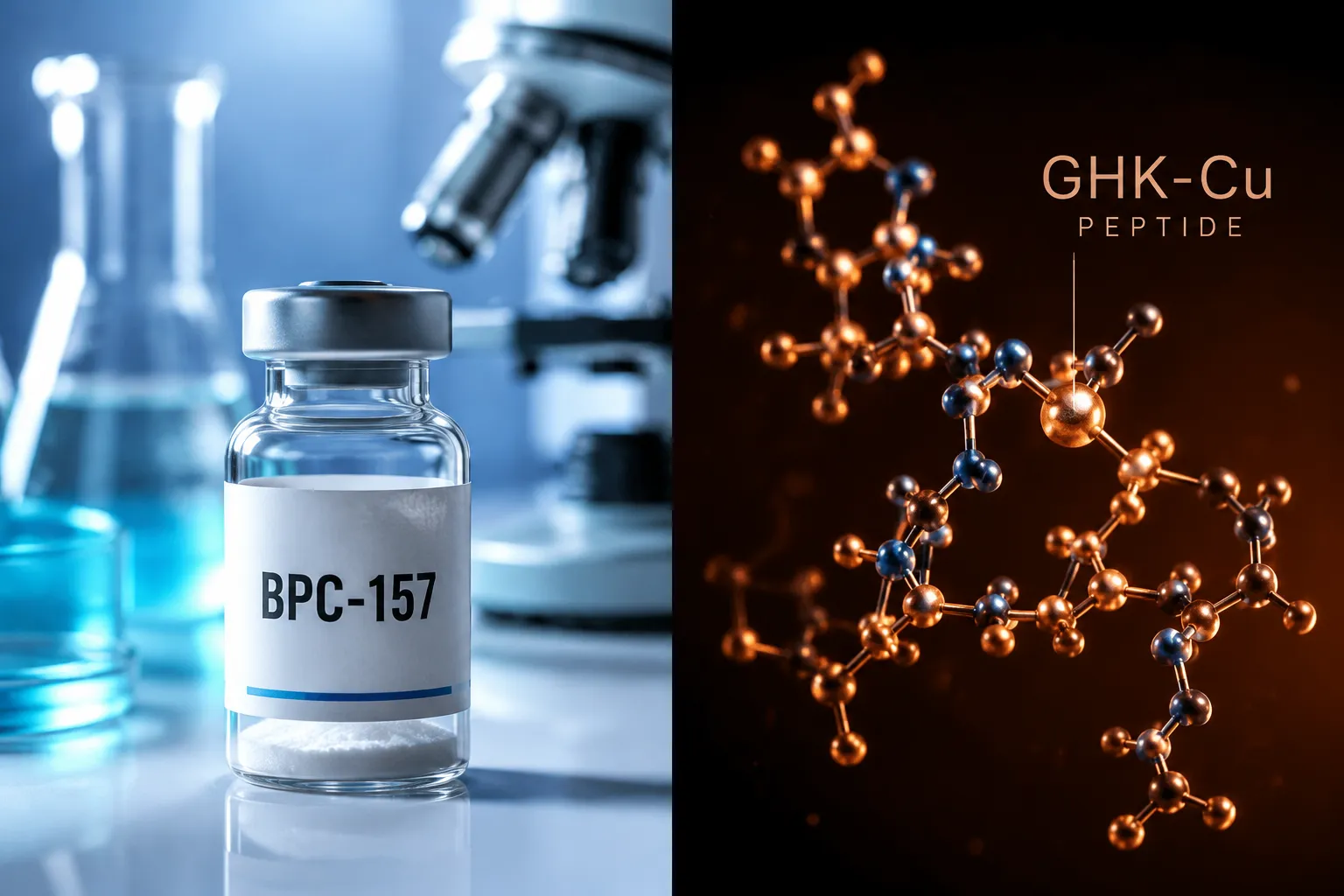
Only one small human study involving roughly 12 subjects has ever examined BPC-157 in a clinical context, and it measured pain outcomes, not structural tissue repair. Yet preclinical data from rodent tendon, ligament, and muscle models have generated enough interest that research labs worldwide now routinely design combined BPC-157 and TB-500 experiments. Understanding how those labs actually approach dosing, timing, solvent preparation, and adjunct selection is essential for anyone working in this space in 2026.
Key Takeaways
- The evidence base for best research-grade BPC-157 and TB-500 stacks remains almost entirely preclinical; no controlled human combination trial exists as of 2026.
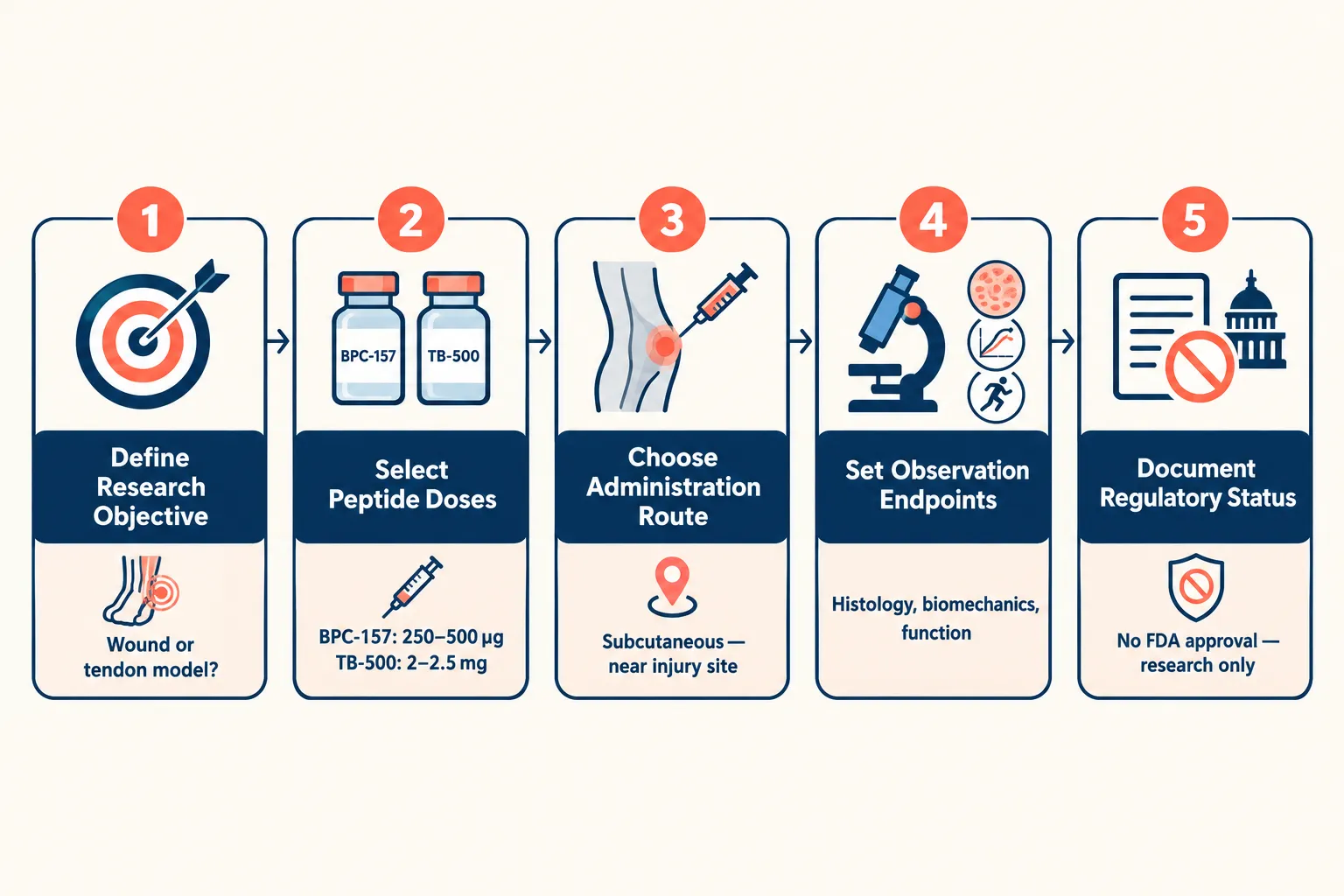
- Preclinical dosing for BPC-157 in rodent tendon models ranges from 10 ng/kg to 10 µg/kg; lab-scale absolute dose extrapolations of 250-500 µg twice daily are heuristic, not evidence-based human regimens.
- TB-500 is typically front-loaded in injury models (2.0-2.5 mg twice weekly for the first 2-3 weeks), while BPC-157 is maintained continuously throughout both proliferative and remodeling phases.
- Combination effects appear additive at best; no published peer-reviewed study has clearly demonstrated synergy between the two peptides.
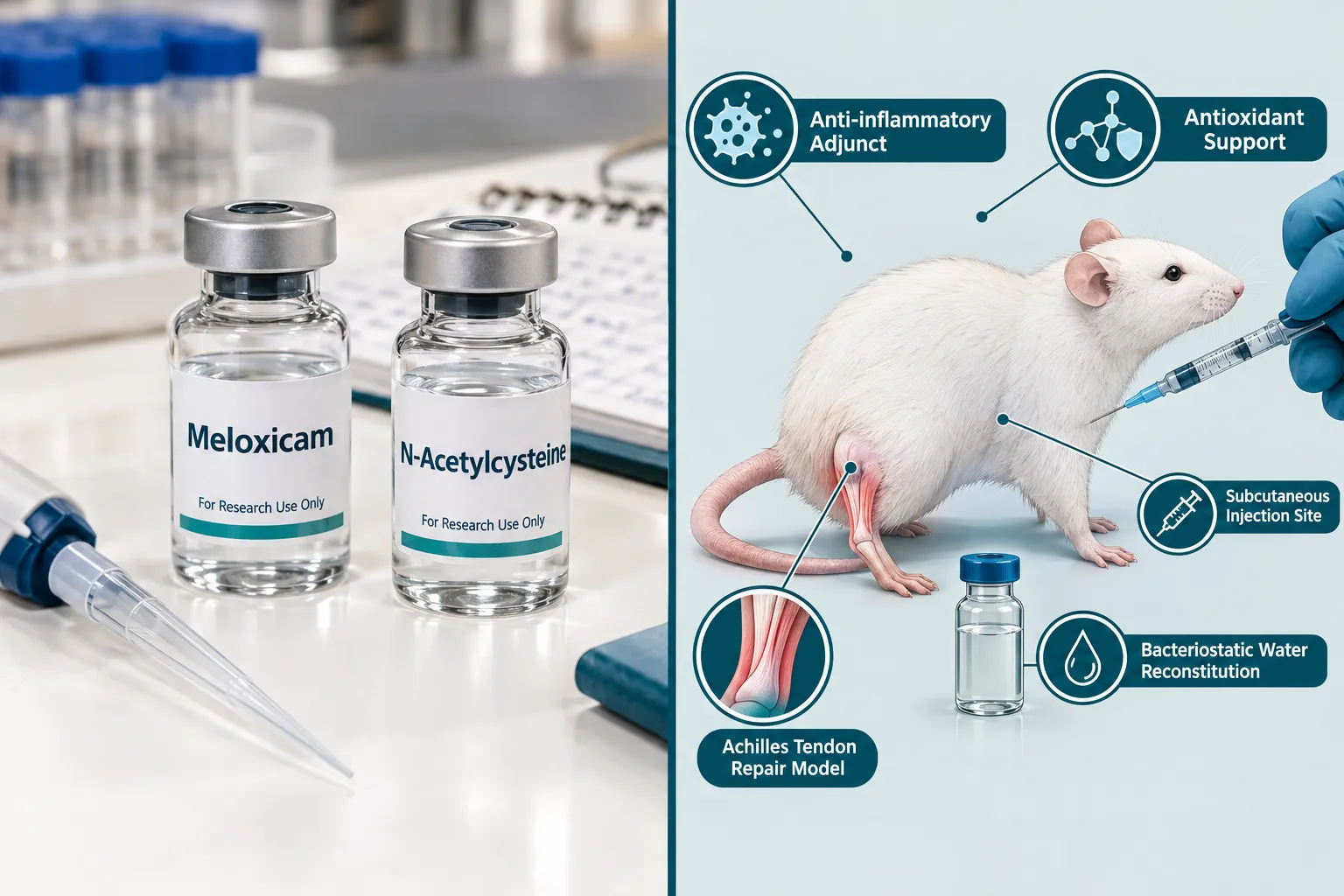
- Adjunct compounds such as meloxicam and N-acetylcysteine appear in the tendon-repair literature as co-interventions, though formal multi-agent synergy data remain scarce.
The Preclinical Foundation: What the Data Actually Show
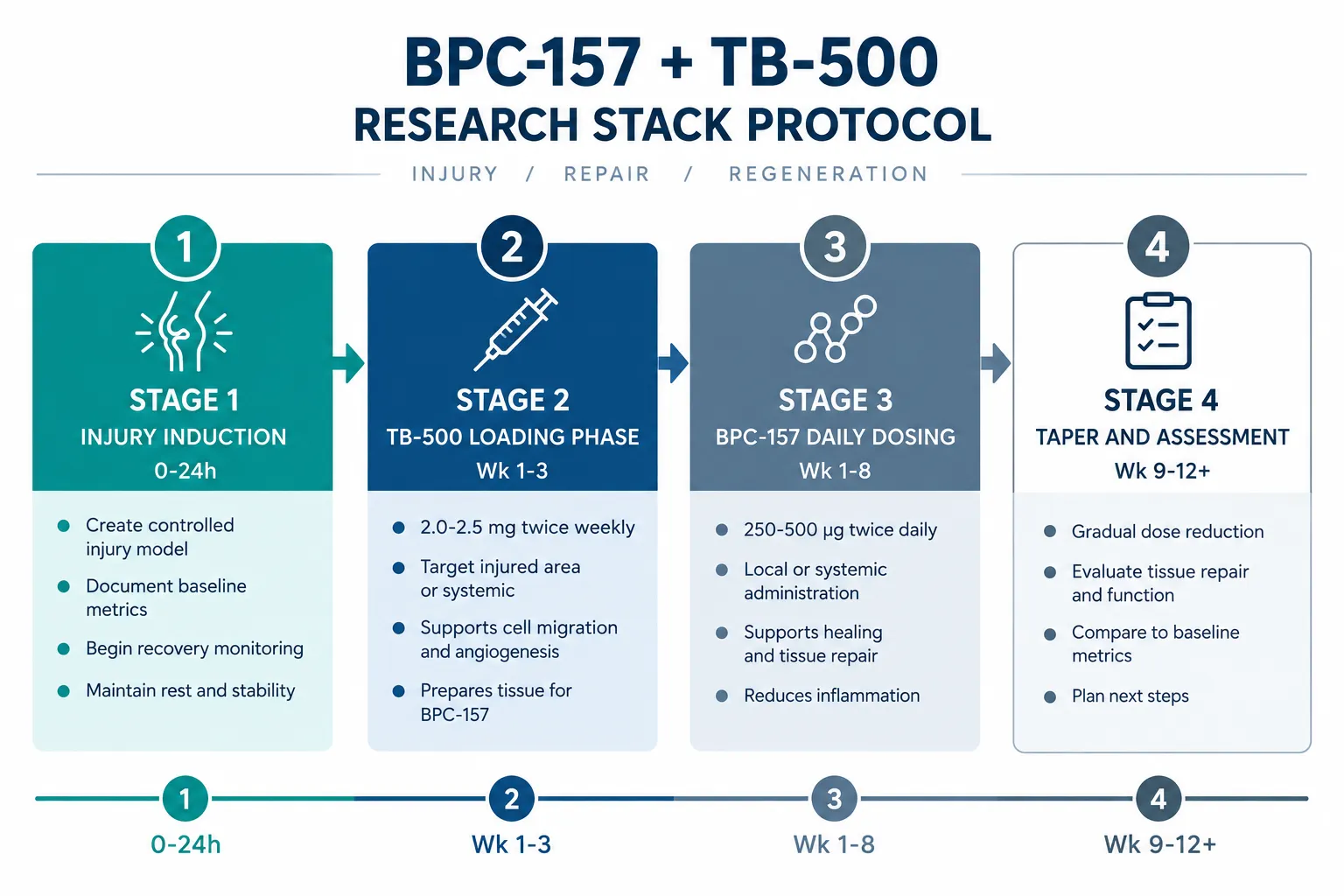
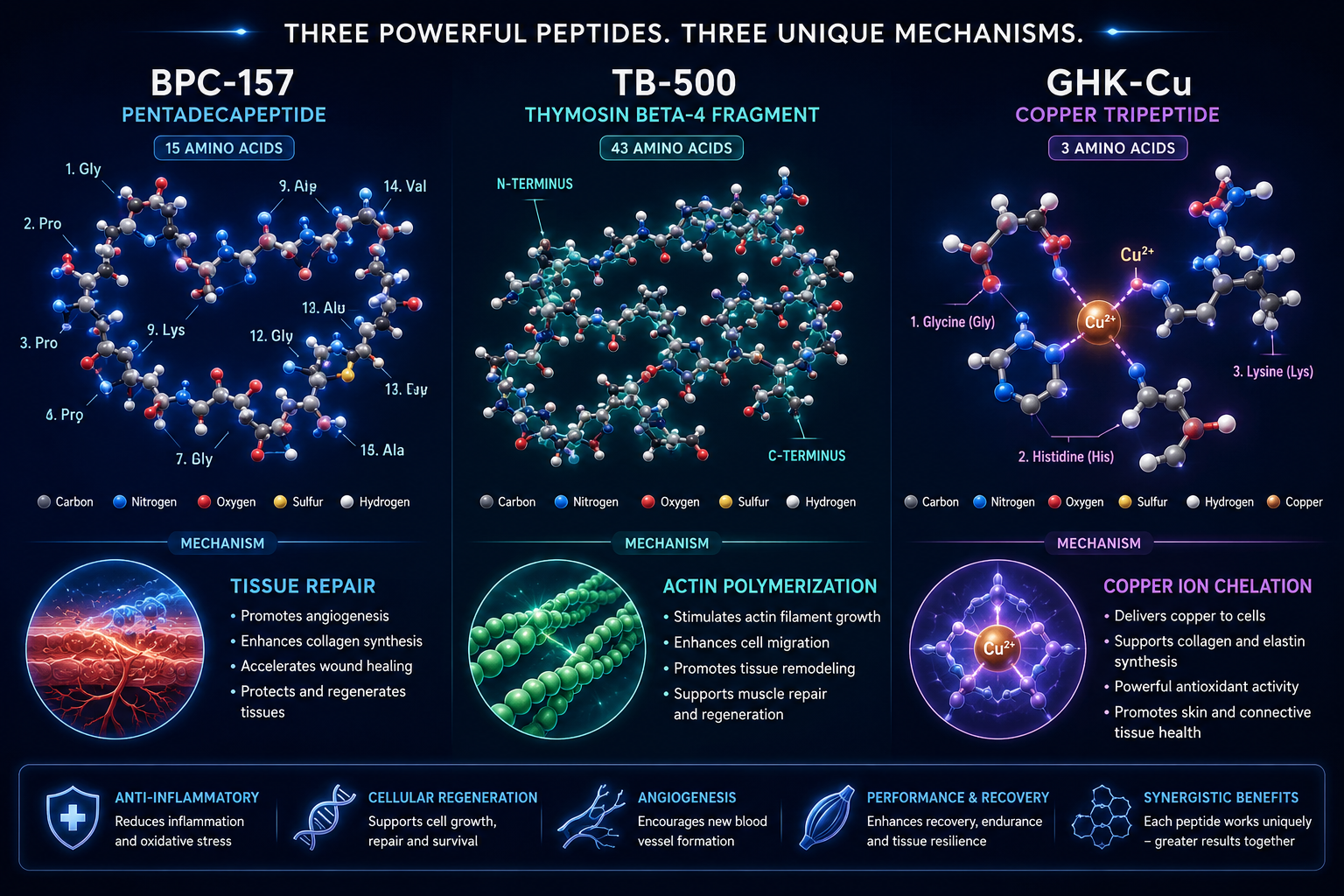
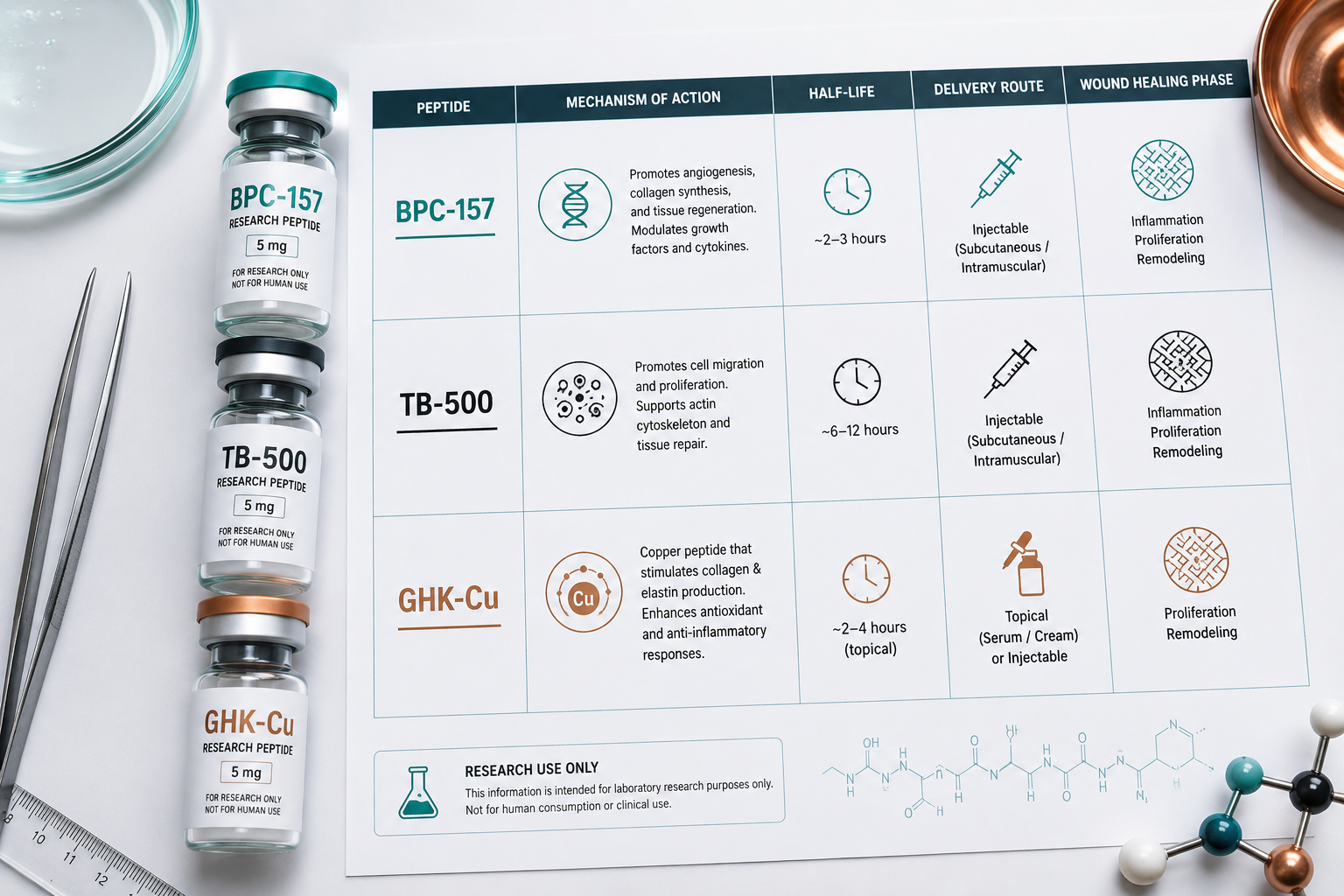
Before designing any stack, labs must understand what the underlying science supports. BPC-157, a synthetic pentadecapeptide derived from a gastric protein, has demonstrated consistent improvements in functional indices, biomechanical strength, collagen organization, and early revascularization across multiple rodent transection and detachment models. Notably, it has also reversed corticosteroid-induced impairment of tendon healing, a finding relevant to labs studying glucocorticoid co-administration models.
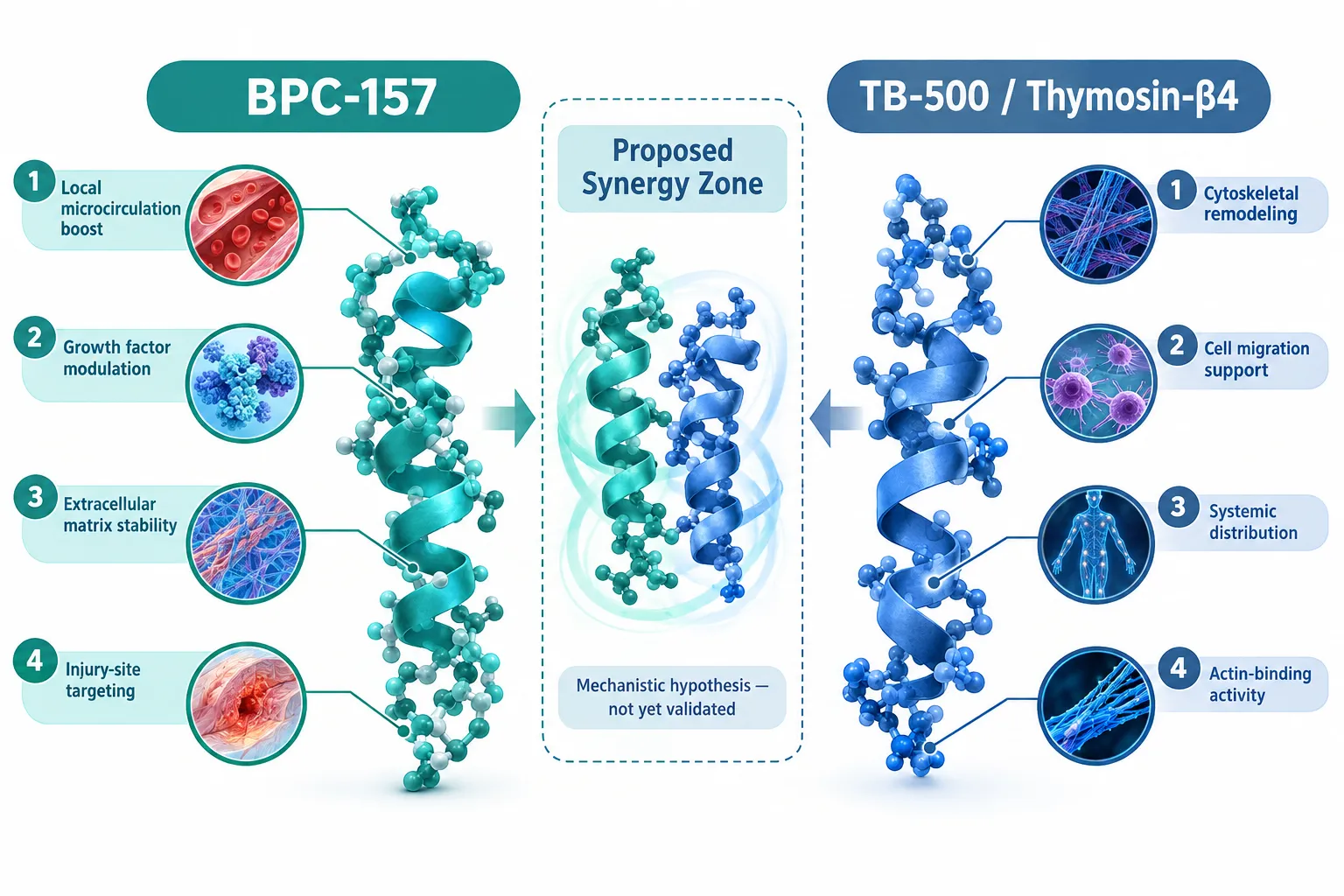
TB-500, a synthetic fragment of thymosin beta-4, addresses a complementary set of mechanisms. Research in experimental injury models attributes its effects to enhanced cell migration, angiogenesis, and cytoskeletal remodeling, resulting in accelerated skeletal-muscle healing, reduced fibrosis, and improved functional recovery. These distinct but overlapping pathways form the primary rationale for stacking the two compounds.
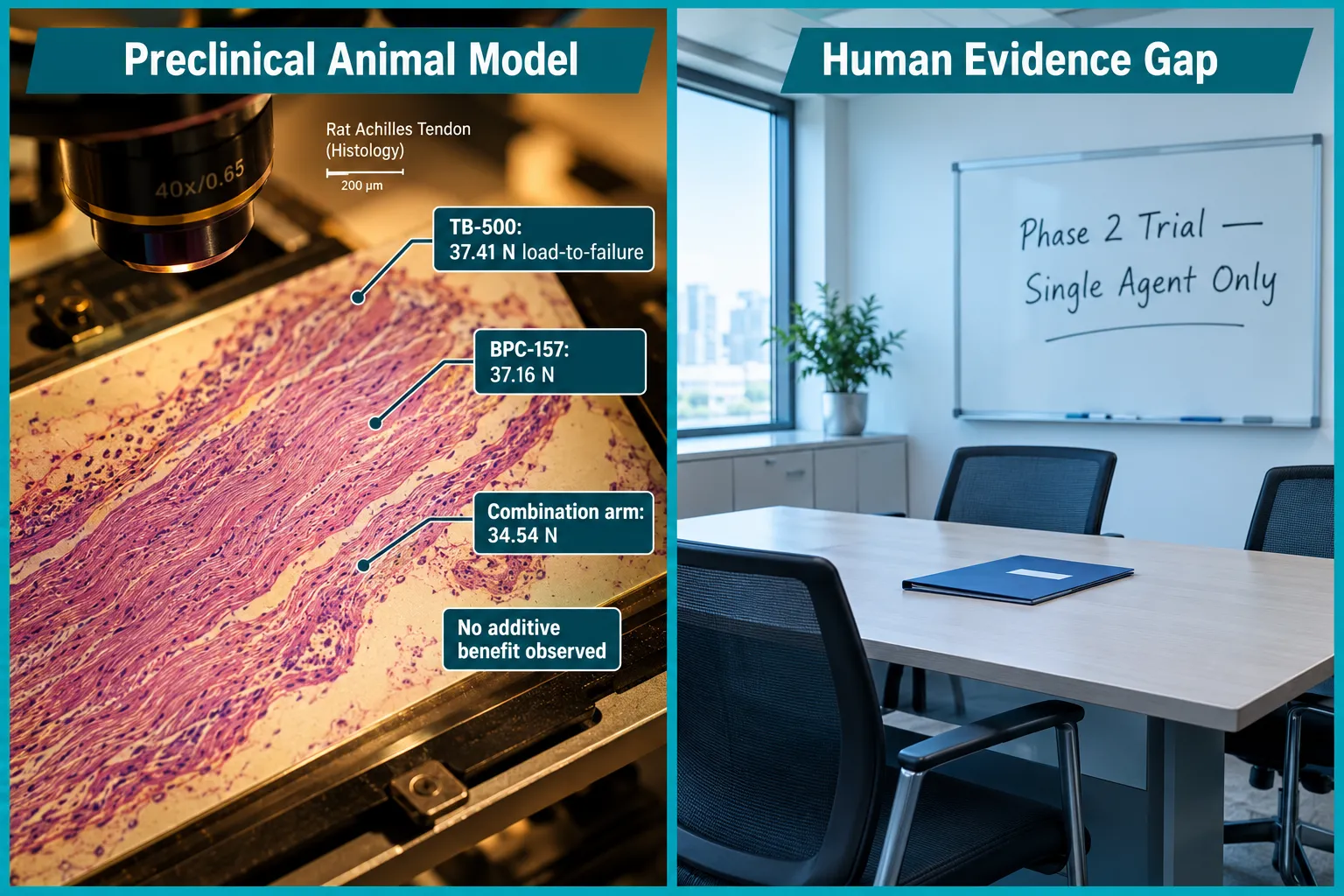
What remains missing is formal combination evidence. A rat Achilles tendon rupture-repair study found that both peptides improved histopathological organization and extracellular-matrix remodeling during early repair, but did not establish clear superiority of the combination over either monotherapy on functional endpoints. Multiple technical reviews characterize the combination effect as additive rather than synergistic, a meaningful distinction for labs designing power calculations.
"All synergy claims for the BPC-157 and TB-500 combination remain untested extrapolations from separate monotherapy experiments. Labs should treat them as hypothesis-generating, not validated protocols."
For labs exploring wound healing compounds and wound healing models, this distinction matters when writing grant applications or interpreting results.
Dosing Frameworks Used in Research-Grade BPC-157 and TB-500 Stacks
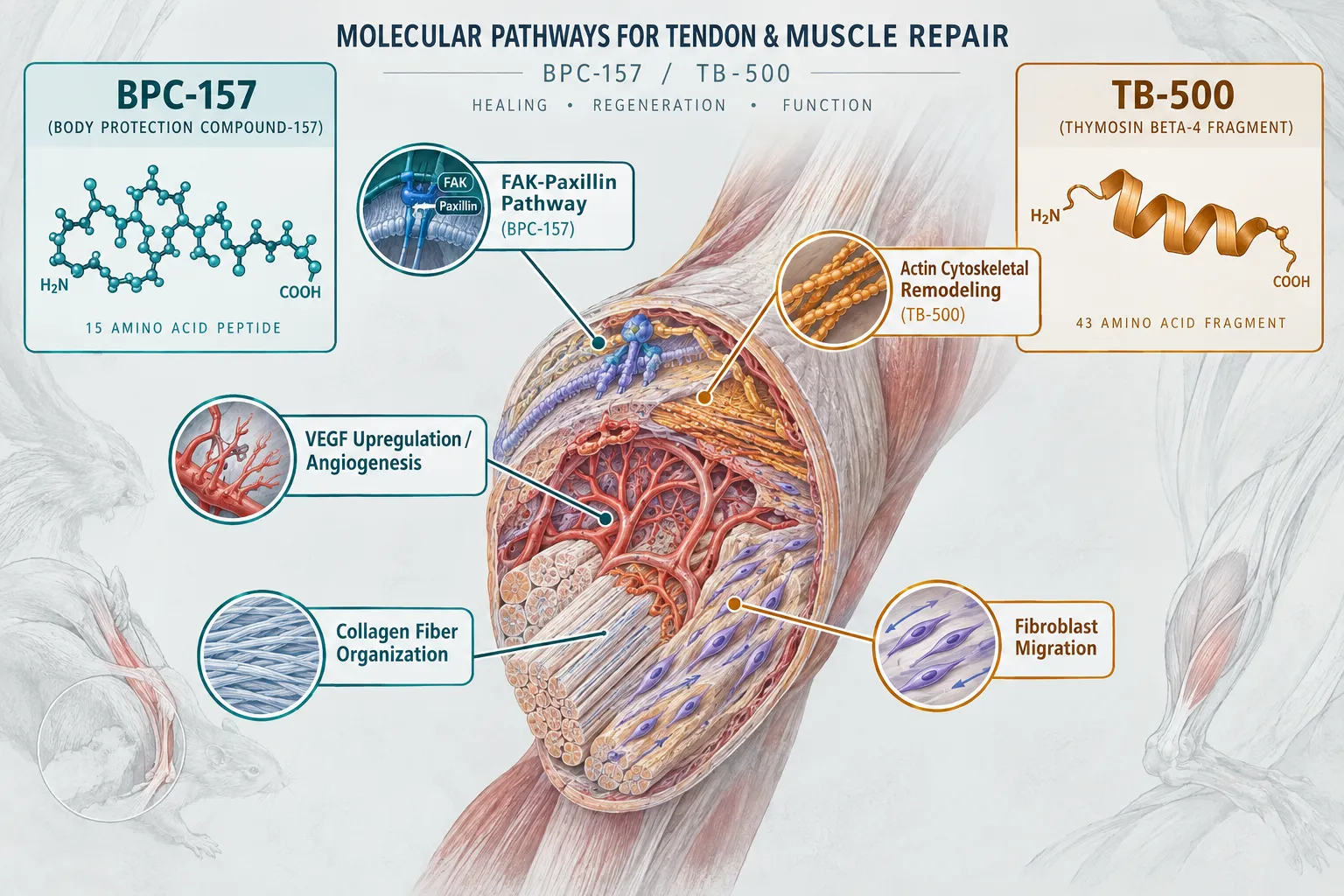
Translating microgram-per-kilogram animal doses into absolute research quantities requires careful extrapolation. The table below summarizes the dosing parameters most commonly referenced in preclinical and technical literature.
| Compound | Rodent Preclinical Dose | Lab-Scale Extrapolation | Frequency |
|---|---|---|---|
| BPC-157 | 10 ng/kg, 10 µg/kg (IP) | 250-500 µg (heuristic) | Twice daily, 6-8 weeks |
| TB-500 | Model-dependent | 2.0-2.5 mg (loading); 1-2 mg (maintenance) | Twice weekly (wk 1-3), then once weekly |
These figures are heuristic extrapolations, not evidence-based human regimens. Labs sourcing peptides should prioritize purity documentation; working with a best peptide manufacturer that provides third-party mass spectrometry and HPLC certificates is non-negotiable for reproducible results.
Reconstitution considerations:
- Both peptides are typically lyophilized and require reconstitution in bacteriostatic water (0.9% benzyl alcohol in sterile water).
- Acetic acid (0.6%) is sometimes used for BPC-157 if solubility issues arise at higher concentrations.
- Aliquot storage at -20°C in amber vials reduces photodegradation.
- Avoid repeated freeze-thaw cycles; prepare single-use aliquots where feasible.
Timing Strategies and Adjunct Compounds in Injury Models
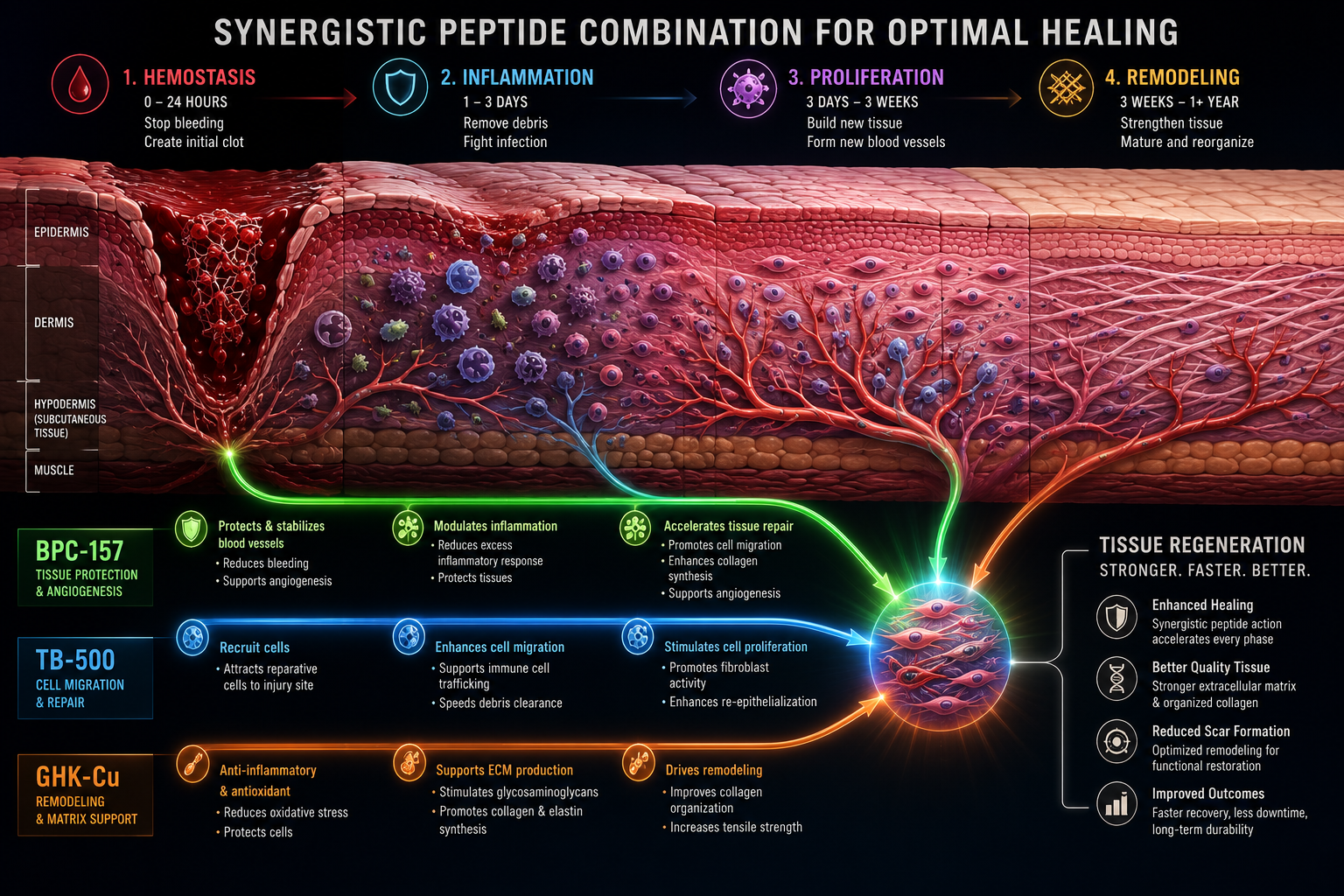
Timing is one of the most debated variables in best research-grade BPC-157 and TB-500 stack design. The two peptides serve different phases of the repair cascade, and protocol summaries reflect this.
TB-500: Front-load during the inflammatory and early proliferative phase
Labs typically initiate TB-500 within 24-72 hours of experimental tendon or muscle injury. Twice-weekly injections continue for the first 2-3 weeks to coincide with peak inflammatory signaling and early fibroblast recruitment. After week 3, dosing tapers to once weekly through the end of the 6-8-week observation window.
BPC-157: Maintain continuously through remodeling
In contrast, BPC-157 is administered daily or twice daily throughout both the proliferative and remodeling phases. Rodent tendon models consistently show that continuous exposure supports collagen organization and angiogenesis over time, making intermittent dosing a less well-supported approach.
Adjunct Compounds Appearing in the Literature
Several co-interventions appear alongside these peptides in published injury models:
- Meloxicam (COX-2 selective NSAID): Used in rodent post-surgical pain management; labs must account for its potential to modulate the inflammatory phase that BPC-157 also targets.
- Methocarbamol (muscle relaxant): Occasionally included in muscle-injury models to reduce compensatory movement artifacts.
- N-acetylcysteine (NAC): Referenced in parallel antioxidant studies on tendon repair; some labs examine BPC-157 or TB-500 in the context of broader oxidative-stress reduction strategies.
- Corticosteroids: BPC-157's documented ability to counteract glucocorticoid-induced tendon healing impairment makes it a useful control arm in steroid co-administration models.
Labs interested in broader regenerative peptide combinations may also find value in reviewing wound healing peptides research and the mechanistic work on VEGF upregulation pathways that overlap with BPC-157's angiogenic effects. For labs exploring mitochondrial adjuncts, the SS-31 mechanism and research overview provides relevant context on cytoprotective peptides that some groups pair with tissue-repair stacks.
Safety Unknowns and Regulatory Context in 2026
The enthusiasm surrounding these compounds is not matched by toxicological depth. BPC-157's fibroblast-proliferative and collagen-stimulating actions, mediated via focal adhesion kinase-paxillin pathways, carry unknown long-term safety implications without comprehensive chronic toxicology data. A 2025 narrative review titled "Regeneration or Risk?" raised this concern explicitly.
Regulatory status is equally important for lab procurement decisions. Neither BPC-157 nor TB-500 holds FDA approval for any indication. Both remain research chemicals, legal to purchase for in-vitro and animal research but not for human administration. A 2026 clinical commentary stated plainly that "the human evidence needed to say so does not yet exist" regarding BPC-157's ability to repair human tendons, a reminder that marketing claims frequently outpace the data.
For labs also working with growth-hormone-releasing peptide stacks, the IPA Sermorelin stack research resource offers a useful parallel on how labs document dosing rationale for investigational peptide combinations. Similarly, researchers examining metabolic and mitochondrial co-interventions may find the MOTS-C and Elamipretide overview relevant when designing multi-peptide injury models.
Conclusion
Designing best research-grade BPC-157 and TB-500 stacks for injury models requires a clear-eyed separation of what preclinical data support from what remains speculative. The actionable steps for labs in 2026 are straightforward:
- Anchor dosing to the published rodent literature, 10 ng/kg to 10 µg/kg for BPC-157, model-specific for TB-500, and document all extrapolation assumptions explicitly.
- Apply phase-specific timing: front-load TB-500 in weeks 1-3, maintain BPC-157 continuously through the full 6-8-week remodeling window.
- Source peptides with full analytical documentation (HPLC purity, mass spectrometry confirmation, endotoxin testing) from a verified manufacturer.
- Reconstitute in bacteriostatic water, aliquot for single use, and store at -20°C in light-protected vials.
- Pre-register adjunct compound use (meloxicam, NAC, methocarbamol) in the study protocol to avoid confounding interpretation.
- Treat all combination synergy claims as hypotheses, not established facts, until controlled combination studies are published.
The rodent tendon and muscle data are genuinely promising. Translating that promise into validated human protocols will require the field to move from heuristic stacking toward registered, controlled trials, a step that, as of mid-2026, has not yet been taken.