PT-141 Peptide Research: Mechanism, Applications, and Comparison to Traditional Approaches
Fewer than 30 years ago, the idea of targeting the central nervous system directly to study arousal-related biology was largely theoretical. PT-141 peptide research has since moved that concept into active experimental territory, giving researchers a distinct tool that operates through melanocortin signaling rather than the vascular or hormonal pathways that older pharmacological models rely on. This article breaks down the core mechanism behind PT-141 peptide research, its documented research applications, and how it compares to traditional approaches in experimental biology.
Key Takeaways
- PT-141 (bremelanotide) is a synthetic melanocortin receptor agonist derived from the alpha-MSH peptide family.
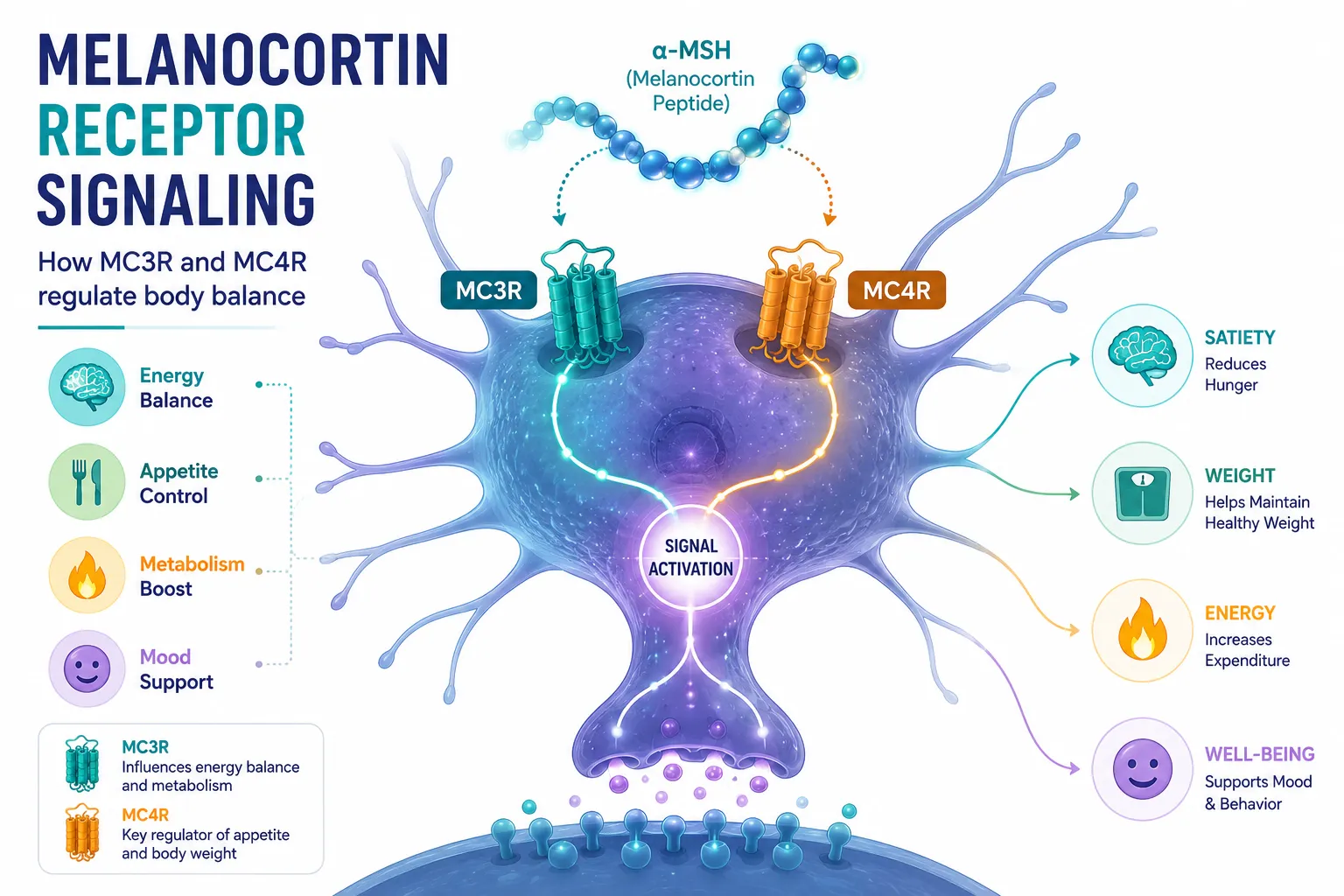
- Its primary research interest centers on MC3R and MC4R activation in the central nervous system, not peripheral vascular targets.
- Preclinical and clinical studies have examined PT-141 in the context of sexual dysfunction, energy regulation, and appetite modulation.
- Unlike PDE5 inhibitors or hormone replacement strategies, PT-141 acts upstream at the neural level.
- Researchers studying melanocortin biology often use PT-141 as a probe compound to understand receptor selectivity and downstream signaling.
Melanocortin Signaling: The Biological Foundation
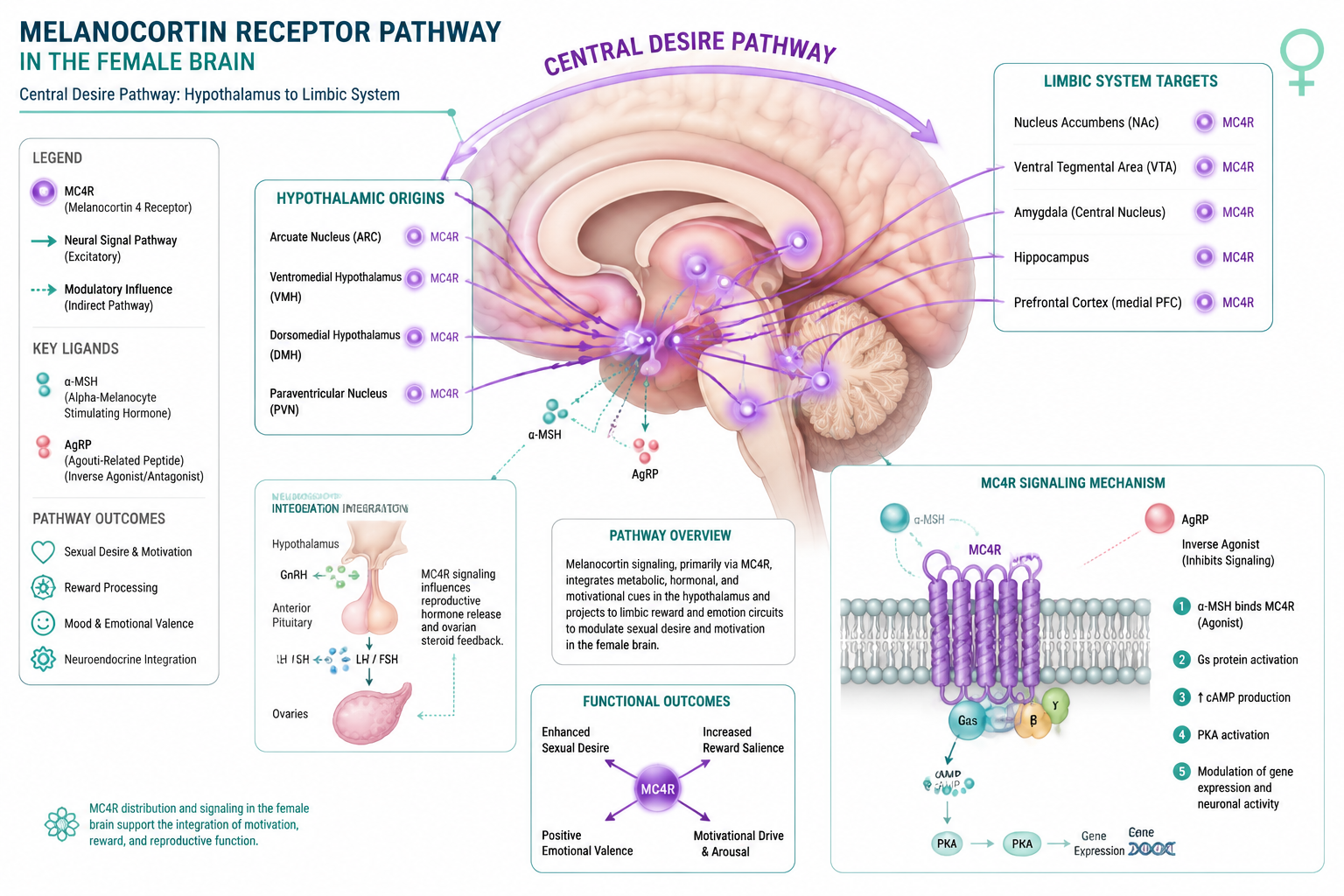
PT-141 peptide research begins with understanding the melanocortin system. Melanocortins are a family of peptides derived from the precursor protein proopiomelanocortin (POMC). They bind to five known G-protein-coupled receptors, labeled MC1R through MC5R, each with distinct tissue distributions and downstream effects.
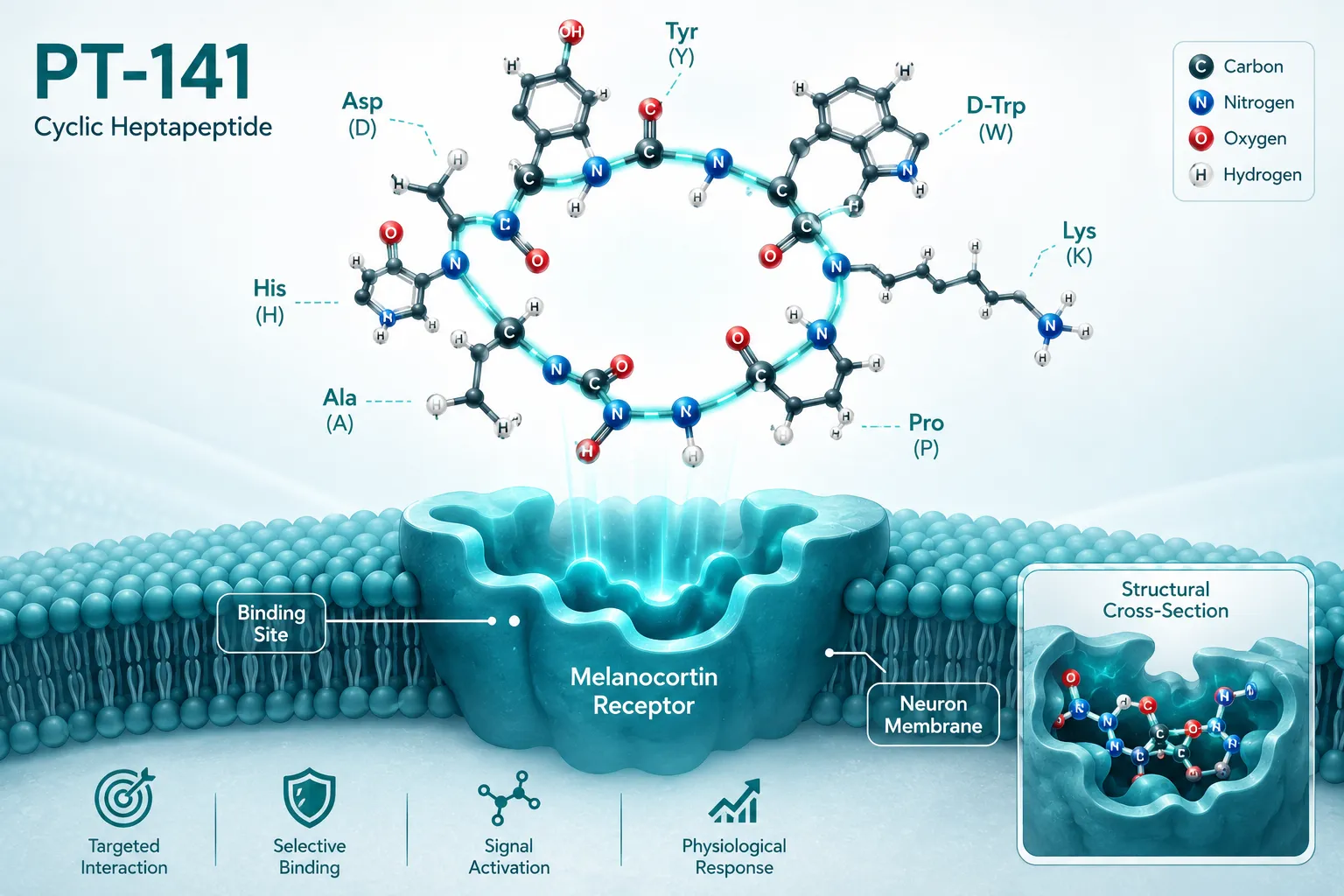
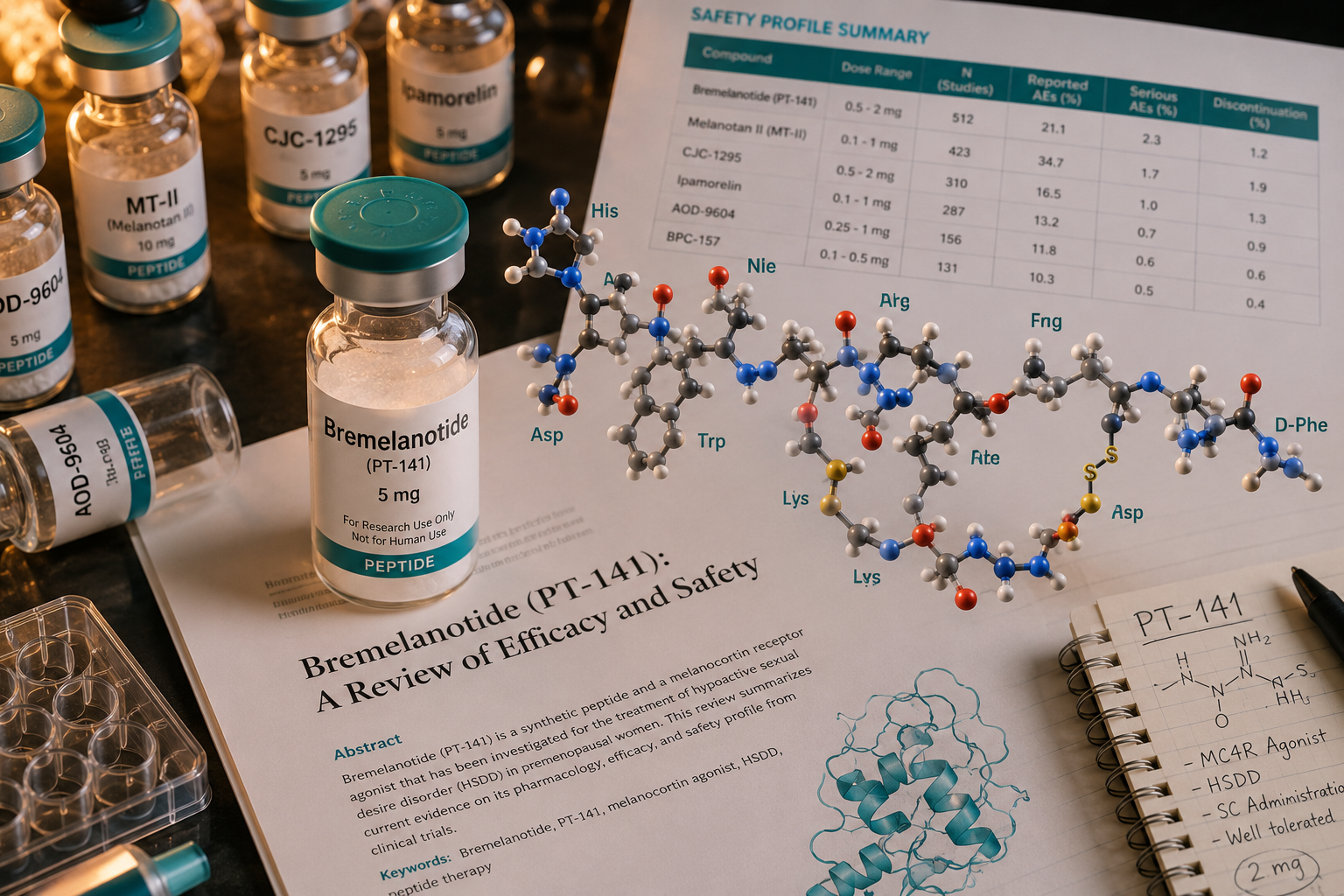
PT-141, also known as bremelanotide, is a cyclic heptapeptide analogue of alpha-melanocyte-stimulating hormone (alpha-MSH). Its structure was developed by modifying the natural peptide Melanotan II, with the primary goal of improving metabolic stability and receptor selectivity. The compound shows particular affinity for MC3R and MC4R, both of which are expressed in hypothalamic and limbic brain regions.
Why does this matter for researchers?
MC4R in particular has been linked to a wide range of central functions:
- Energy homeostasis and appetite regulation
- Autonomic nervous system tone
- Sexual arousal and motivation pathways
- Inflammation modulation
When PT-141 binds MC4R, it activates adenylyl cyclase through Gs-protein coupling, increasing intracellular cyclic AMP (cAMP). This cascade influences neuronal firing patterns in areas like the paraventricular nucleus of the hypothalamus. For more on how melanocortin receptor biology intersects with broader neural-metabolic themes, see the PT-141 neural metabolic research themes overview and the dedicated MC4R research resource.
Research Applications in PT-141 Peptide Studies

Sexual Function Research
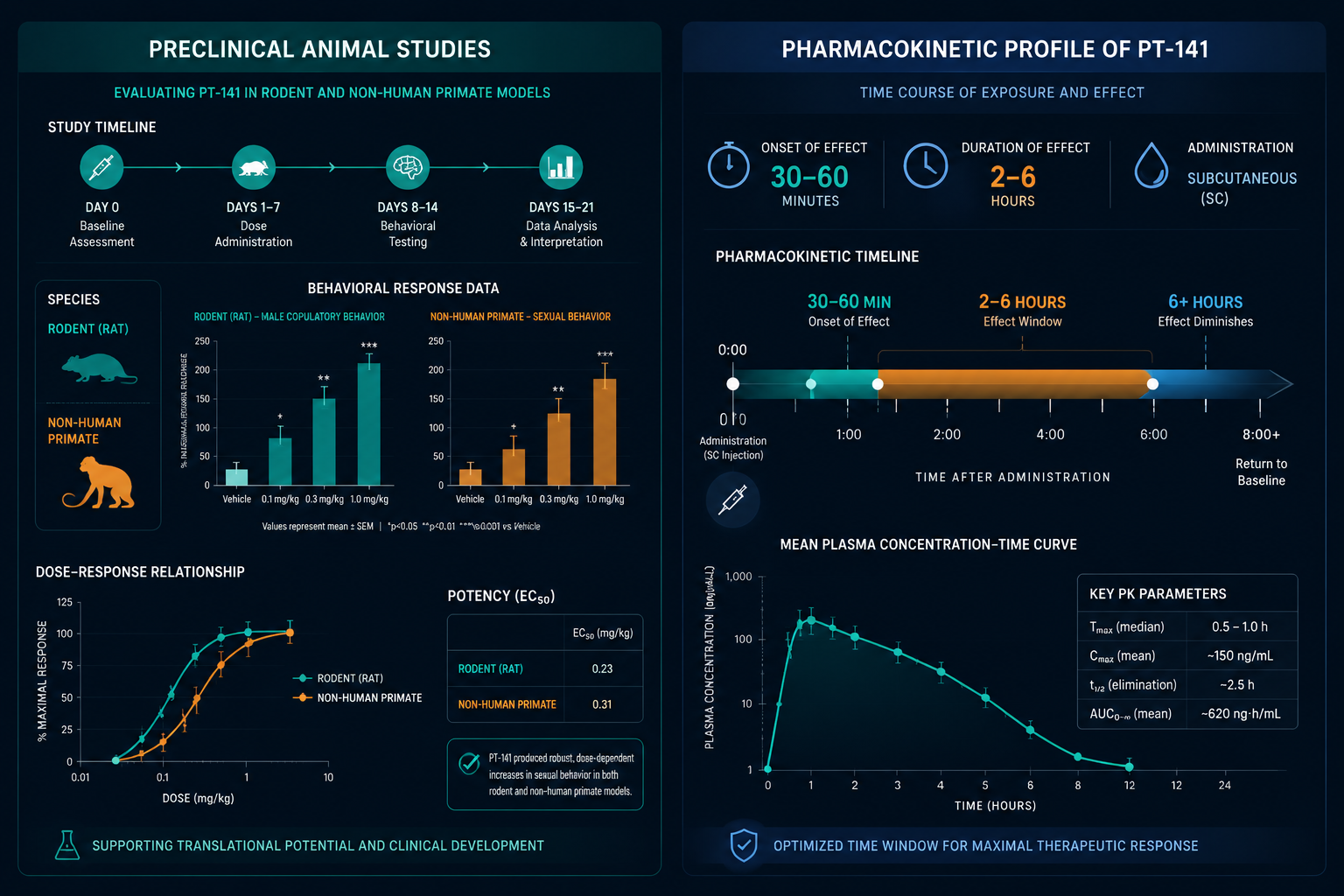
The most extensively studied application in PT-141 peptide research involves sexual dysfunction models. Unlike PDE5 inhibitors such as sildenafil, which work by relaxing smooth muscle in penile vasculature, PT-141 acts centrally. Animal studies demonstrated that MC4R agonism in the hypothalamus could trigger erections independent of direct genital stimulation, pointing to a neural motivational component rather than a purely mechanical vascular one.
In clinical trials, bremelanotide was evaluated in both male and female subjects. The FDA approved it in 2019 under the brand name Vyleesi for hypoactive sexual desire disorder (HSDD) in premenopausal women, one of the few approved agents with a central nervous system mechanism of action for this indication.
"PT-141 does not require sexual stimulation to initiate its effects in animal models, which distinguishes it fundamentally from peripheral vasodilatory agents."
Appetite and Energy Balance Research
Because MC4R is a key regulator of food intake, researchers have also used PT-141 as a probe to study appetite suppression pathways. Rodent studies show reduced food intake following MC4R agonist administration, consistent with the known role of this receptor in satiety signaling. This overlaps with broader metabolic peptide research, see the top 5 research peptides for metabolic health for context on where PT-141 sits relative to other metabolic probes.
Inflammation and Autonomic Modulation
Emerging preclinical data suggest MC3R and MC4R activation may modulate inflammatory cytokine release and autonomic tone. This positions PT-141 as a potential research tool in neuroinflammation models, though this area remains early-stage.
PT-141 Peptide Research vs. Traditional Pharmacological Approaches

Understanding what makes PT-141 peptide research distinct requires a direct comparison with older paradigms.
| Dimension | PT-141 / Melanocortin Agonism | Traditional Approaches |
|---|---|---|
| Primary target | CNS receptors (MC3R, MC4R) | Vascular smooth muscle or endocrine glands |
| Mechanism | cAMP-mediated neural signaling | PDE5 inhibition or hormone supplementation |
| Onset pathway | Central (hypothalamic) | Peripheral (genital, systemic) |
| Dependency on stimulation | Not required in animal models | Often required (PDE5 inhibitors) |
| Research selectivity | Receptor subtype-specific probing | Broad systemic effects |
Traditional approaches to sexual dysfunction research have relied heavily on two frameworks: endocrine supplementation (testosterone, estrogen) and vascular modulation (PDE5 inhibitors). Both operate downstream of the neural decision-making process. PT-141 targets the motivational and arousal circuitry upstream, which is why it is valuable as an experimental probe for understanding the neurobiology of desire rather than the mechanics of physical response.
For researchers interested in how peptides broadly compare to small-molecule drugs in terms of receptor specificity and signaling depth, the peptides vs. classic small-molecule drugs analysis provides a useful framework. Delivery method also plays a role in research design; the nasal spray peptides: delivery methods, bioavailability, and research advantages article covers how route of administration affects peptide bioavailability in study contexts.
Researchers sourcing PT-141 for laboratory use can find high-purity material at the buy PT-141 peptide (bremelanotide) 10mg product page.
Conclusion
PT-141 peptide research occupies a unique position in experimental biology because it targets the central melanocortin system rather than peripheral vascular or endocrine structures. Its primary research value lies in its ability to activate MC3R and MC4R in hypothalamic circuits, making it a precise tool for studying neural arousal, appetite regulation, and autonomic modulation.
Actionable next steps for researchers:
- Review the published MC4R literature to understand receptor subtype selectivity before designing dosing protocols.
- Consider delivery route carefully, subcutaneous and intranasal models produce different pharmacokinetic profiles.
- Use PT-141 alongside complementary probes to map melanocortin pathway interactions rather than studying it in isolation.
- Cross-reference findings with related peptide research, such as Selank peptide research benefits and mechanism of action, to contextualize CNS peptide effects.
- Ensure compound purity is verified through third-party testing before use in any experimental protocol.
As 2026 research continues to expand the melanocortin receptor map, PT-141 remains one of the most pharmacologically informative tools available for probing the neural biology of motivation and metabolic regulation.