Call or Text 727-513-9780
  • Shopping Cart Shopping Cart
    0Shopping Cart
Pure Tested Peptides | America's most trusted Peptides for sale online
  • Peptides for sale
    • Oral Peptides for sale
      • Peptide Capsules for sale
      • BPC 157 Capsules 1000mcg
      • SLU-PP-332 Capsules | 1000 mcg
      • 5-Amino-1MQ 50mg Capsules
      • Tesofensine 500mcg
    • All Peptides for sale
    • Peptide Sprays
      • BPC 157 Nasal Spray Kit
      • BPC-157 TB500 Nasal Spray Kit
      • Semax Nasal Spray 10mg
      • Selank – Nasal Spray Kit – 10mg
      • Epithalon 50MG Nasal Spray Kit
      • Ipamorelin 10mg Nasal Spray
      • Klow Nasal Spray (BPC-157 + TB-500 + GHK-Cu + KPV) | 80mg
      • Hulk Nasal Spray Tesa / Ipa Blend 6/3 MG
      • Klow Nasal Spray
      • NAD + 500 mg Nasal Spray
      • PT-141 Nasal Spray Kit
    • GHRH Peptides
      • Ipa Peptides
      • CJC-1295 Peptides
        • CJC-1295 with DAC 5 mg
        • CJC-1295 without DAC 5 mg
        • CJC-1295 Ipa 10mg
      • Tesa Peptides
        • Tesa Peptide
        • Tesa 20 mg
    • GHK-Cu Peptides
      • All GHK-Cu Peptides
      • GHK-Cu 100mg
      • KLOW Peptide Blend – Buy KLOW blend online
    • BPC Peptides
      • All BPC Peptides
      • BPC-157
      • BPC-157 TB-500
      • BPC 157 capsules 1000mcg
    • SLU-PP-332 Peptides
      • All SLU-PP-332 Peptides
      • SLU-PP-332 5mg
    • GLP3 Peptides
      • GLP3-R
      • GLP3-R CAG 10mg
      • GLP3-R 20mg
    • PT-141 Peptides
      • PT-141 Peptides for sale
      • PT-141 10mg
      • PT-141 Nasal Spray
    • CAG Peptides
      • Lipo-C Peptide Blend
      • CAG 5mg
      • CAG 10mg
    • MOTS-C Peptides
      • MOTS-C Peptides for sale
      • MOTS-c peptide
      • MOTS-c 10mg *6 pack*
    • 5 Amino 1MQ Peptides
      • 5 Amino 1MQ Peptides for sale
      • 5-Amino-1MQ 50mg Capsules
      • 5-Amino-1MQ 5mg
    • Epithalon Peptides
      • Epithalon Peptides for sale
      • Epithalon 10mg
      • Epithalon 50mg
  • Shop
    • GLPs
      • 5-Amino-1MQ 50mg Capsules
      • 5-Amino-1MQ 5mg
      • GLP3-Reta
      • L-Carnitine 500mg/ml
      • Tesofensine 500mcg
      • SLU-PP-332 5mg
      • MOTS-c 10mg *6 pack*
    • Epithalon & BPC Peptides
      • Epithalon 10mg
      • Epithalon 50mg
      • BPC-157
      • BPC 157 capsules 1000mcg
      • BPC-157 TB-500
      • BPC-157 TB500 Nasal Spray Kit
      • BPC 157 Nasal Spray Kit
    • BPC TB-500 & NAD+ Peptides
      • NAD+ 500 mg
      • KLOW Peptide Blend – Buy KLOW blend online
      • GLOW Peptide Blend
      • TB 500 5mg
      • BPC 157 capsules 1000mcg – Supplement
      • BPC 157 Nasal Spray Kit
      • BPC-157
      • BPC-157 TB500 Nasal Spray Kit
      • BPC-157 TB-500
      • BPC 157 capsules 1000mcg
    • LL-37 Peptide
      • LL-37 10 mg
    • MOTS-C & Selank
      • MOTS-c peptide
      • Selank 10mg
    • GHK Peptides
      • GHK-Cu 100mg
      • GLOW Peptide Blend
      • KLOW Peptide Blend – Buy KLOW blend online
  • COAs
  • Wholesale
    • Wholesale Peptides for sale
  • PTP FAQ
  • Affiliates
    • Affiliate Program
    • Affiliate Signup
  • Contact
    • Contact Customer Service
    • Text Customer Support
  • About US
  • Shop all peptides
  • Login / Register Login / Register Page Link Login / Register Page Link
  • Click to open the search input field Click to open the search input field Search
  • Menu Menu

Tag Archive for: pulsatile gh release

CJC-1295 with DAC vs. Without DAC: Impact on Growth Hormone Secretion and Experimental Design

CJC-1295 with DAC vs. Without DAC: Impact on Growth Hormone Secretion and Experimental Design

June 21, 2026/0 Comments/in Uncategorized/by

A single structural modification — the addition of a Drug Affinity Complex linker — transforms a short-acting peptide into one with a half-life measured in days rather than minutes. That pharmacokinetic gap sits at the heart of the debate around CJC-1295 with DAC vs. Without DAC: Impact on Growth Hormone Secretion and Experimental Design, and it shapes every variable a researcher must account for when designing a growth hormone (GH) study.

Key Takeaways

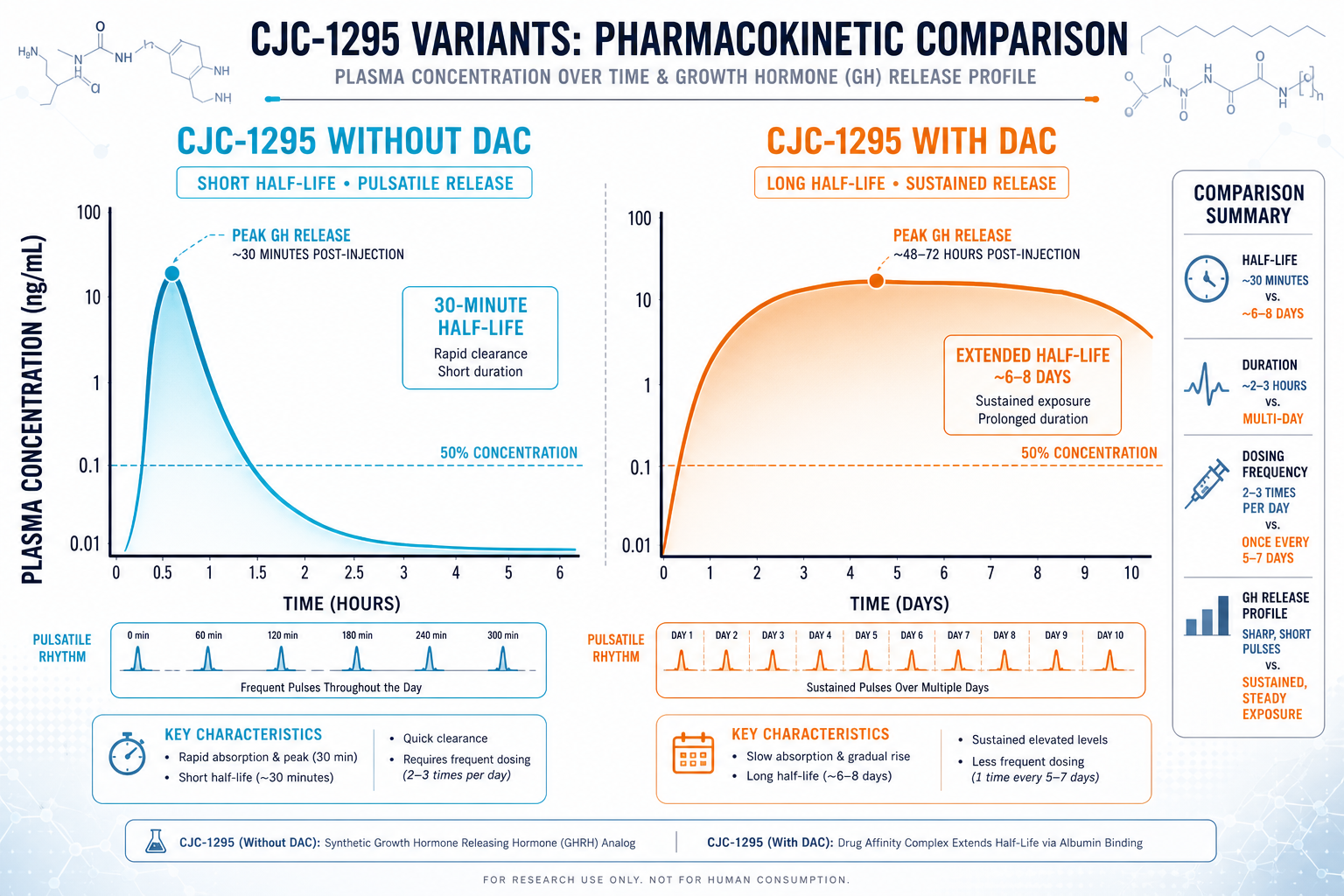
  • CJC-1295 with DAC binds covalently to serum albumin, extending its half-life to approximately 6-8 days.
  • CJC-1295 without DAC (Mod GRF 1-29) has a half-life of roughly 30 minutes and produces pulsatile GH release.
  • The DAC variant sustains GH elevation but may disrupt natural pulsatile secretion and risk receptor desensitization.
  • Experimental design choices — dosing frequency, combination partners, and outcome measures — differ significantly between the two forms.
  • Researchers often pair CJC-1295 without DAC with GHRPs like Ipamorelin to closely mimic physiological GH rhythms.

Key Takeaways

The Molecular Difference: What DAC Actually Does

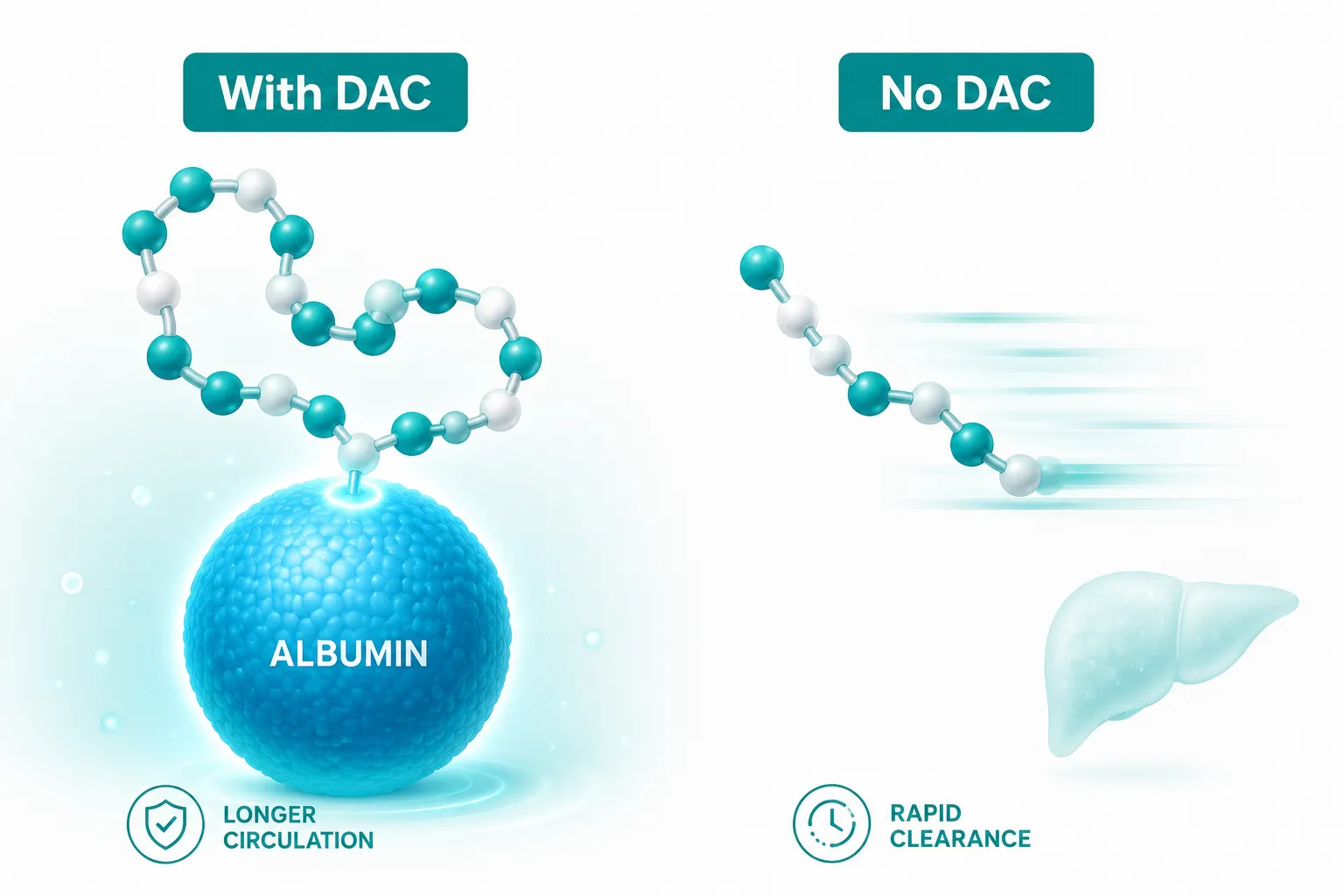
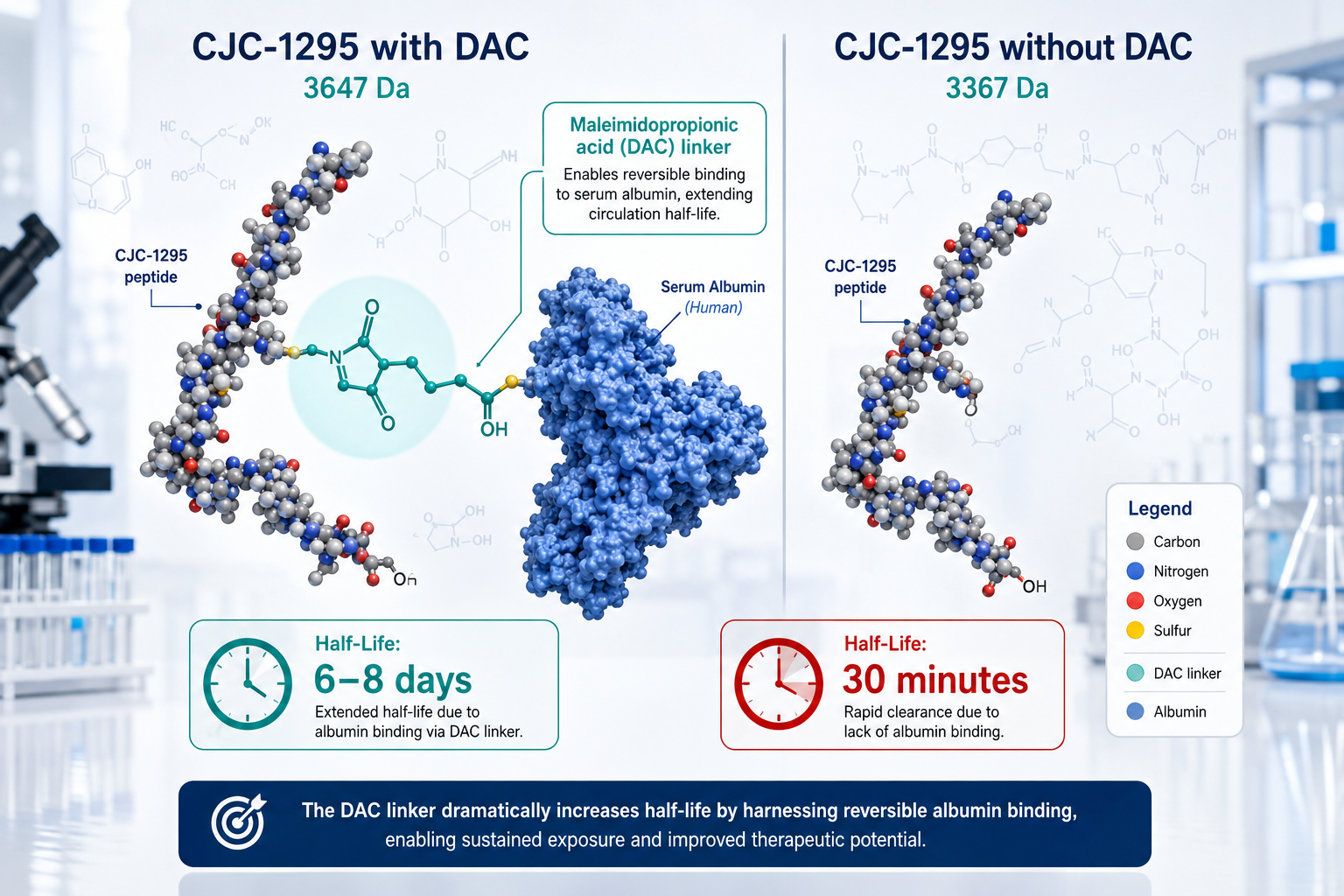
The Drug Affinity Complex (DAC) is a maleimidopropionic acid linker attached to the C-terminus of CJC-1295. This addition allows the peptide to form a covalent bond with the Cys34 residue of serum albumin, effectively anchoring it to a long-lived carrier protein circulating in the bloodstream.

The result is a meaningful increase in molecular weight — from approximately 3,367 Da (without DAC) to roughly 3,647 Da (with DAC) — and a dramatic extension of circulating half-life.

Feature CJC-1295 with DAC CJC-1295 without DAC
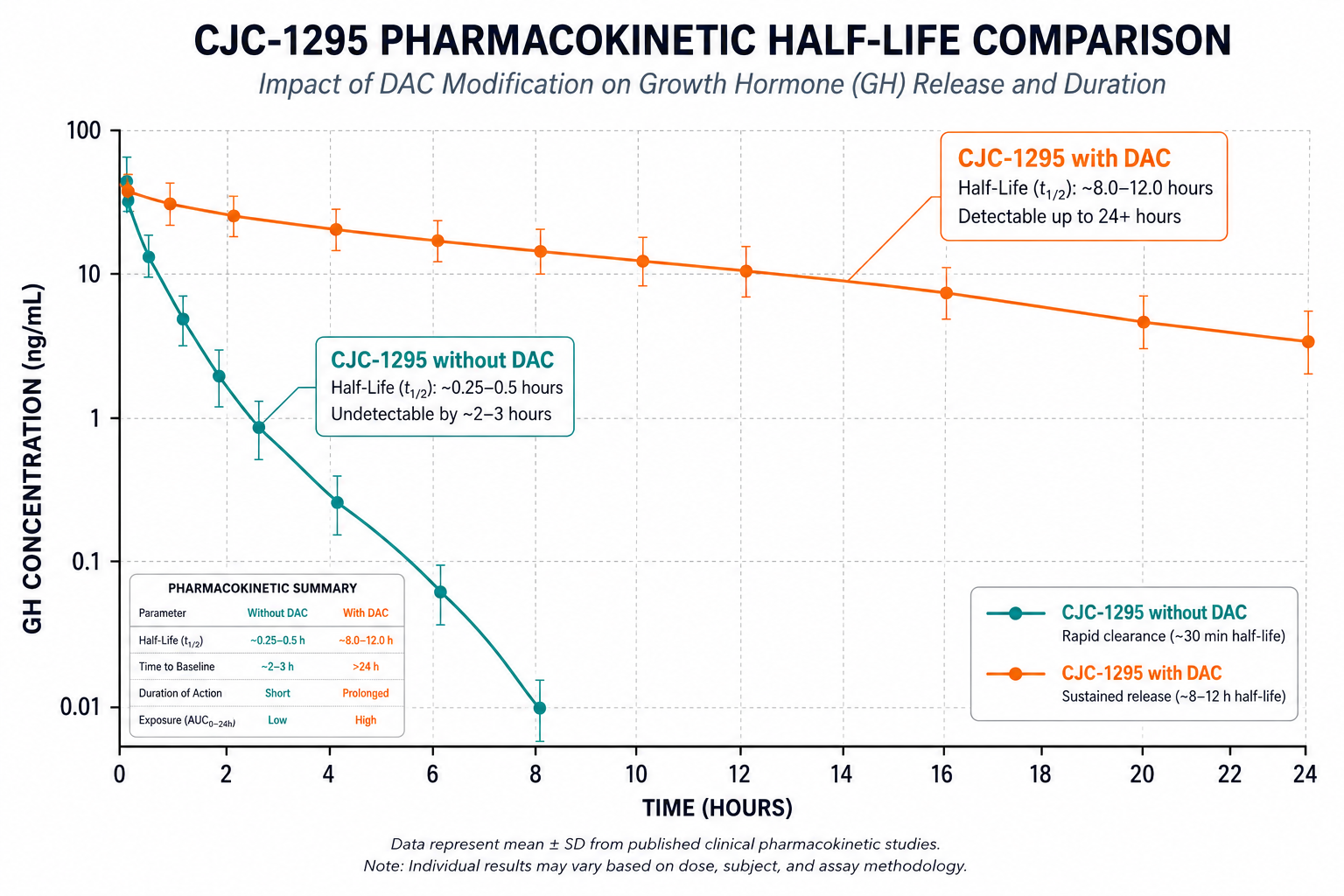
Half-life ~6-8 days ~30 minutes
Molecular weight ~3,647 Da ~3,367 Da
Albumin binding Covalent (Cys34) None
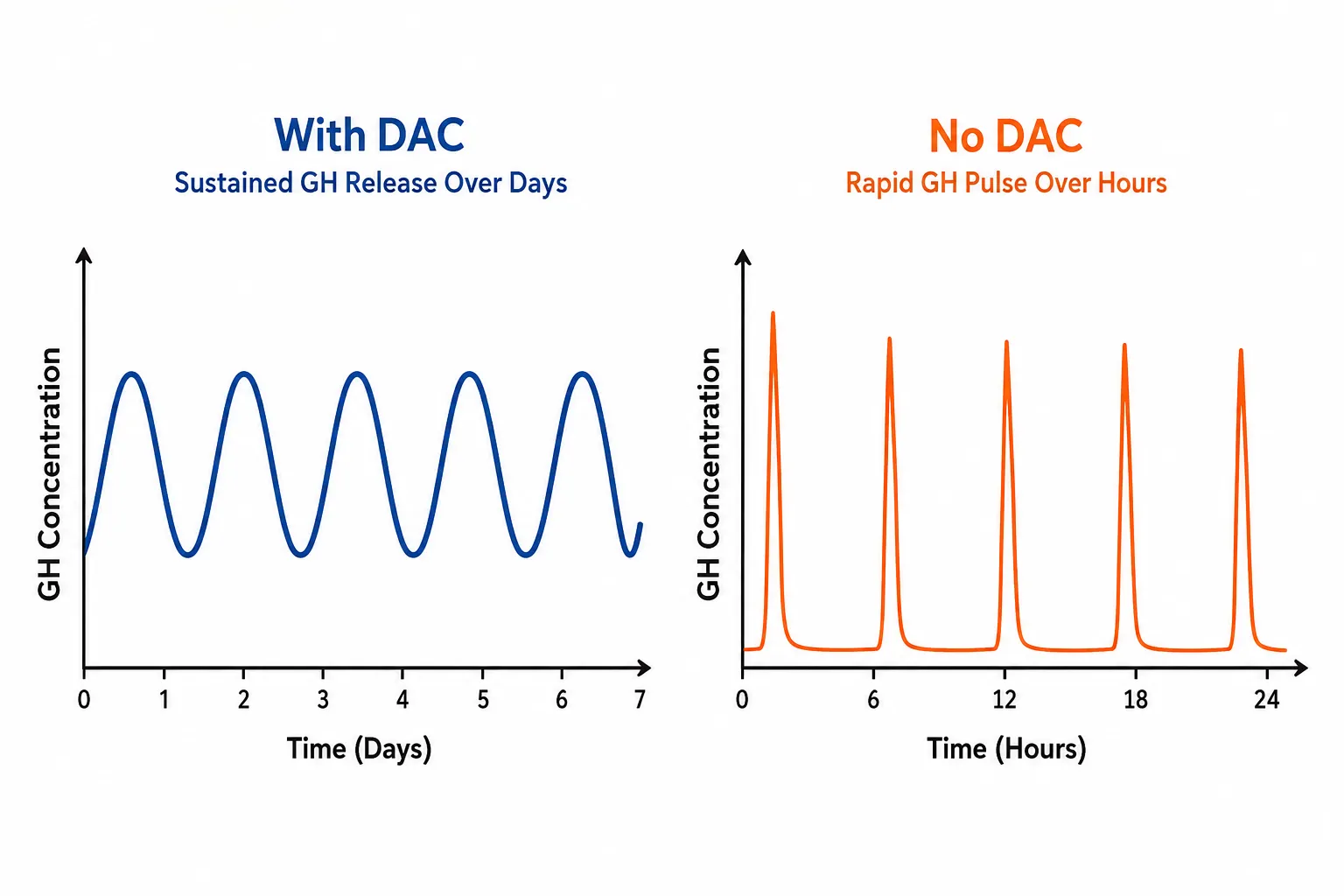
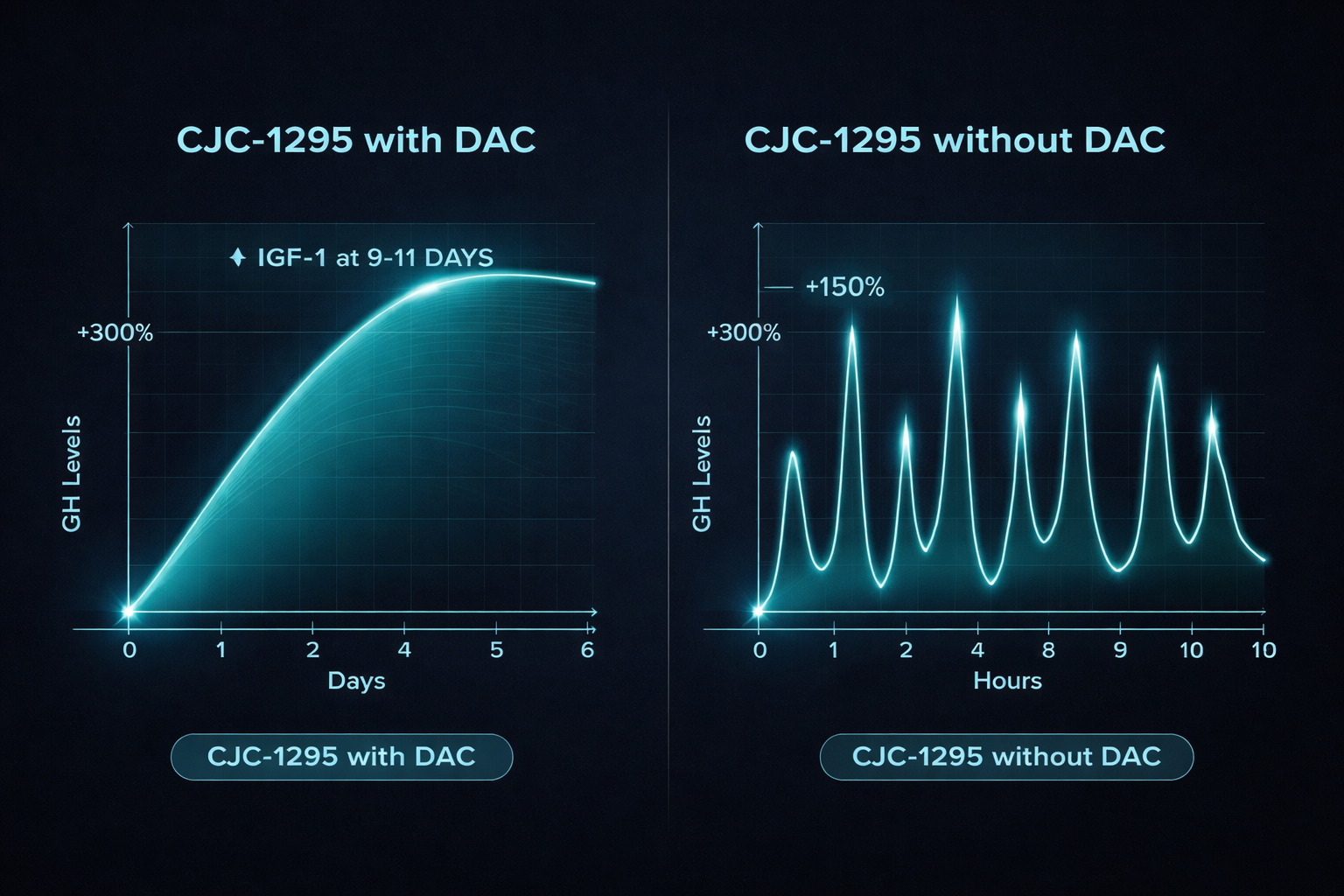
GH release pattern Sustained, continuous Pulsatile, transient
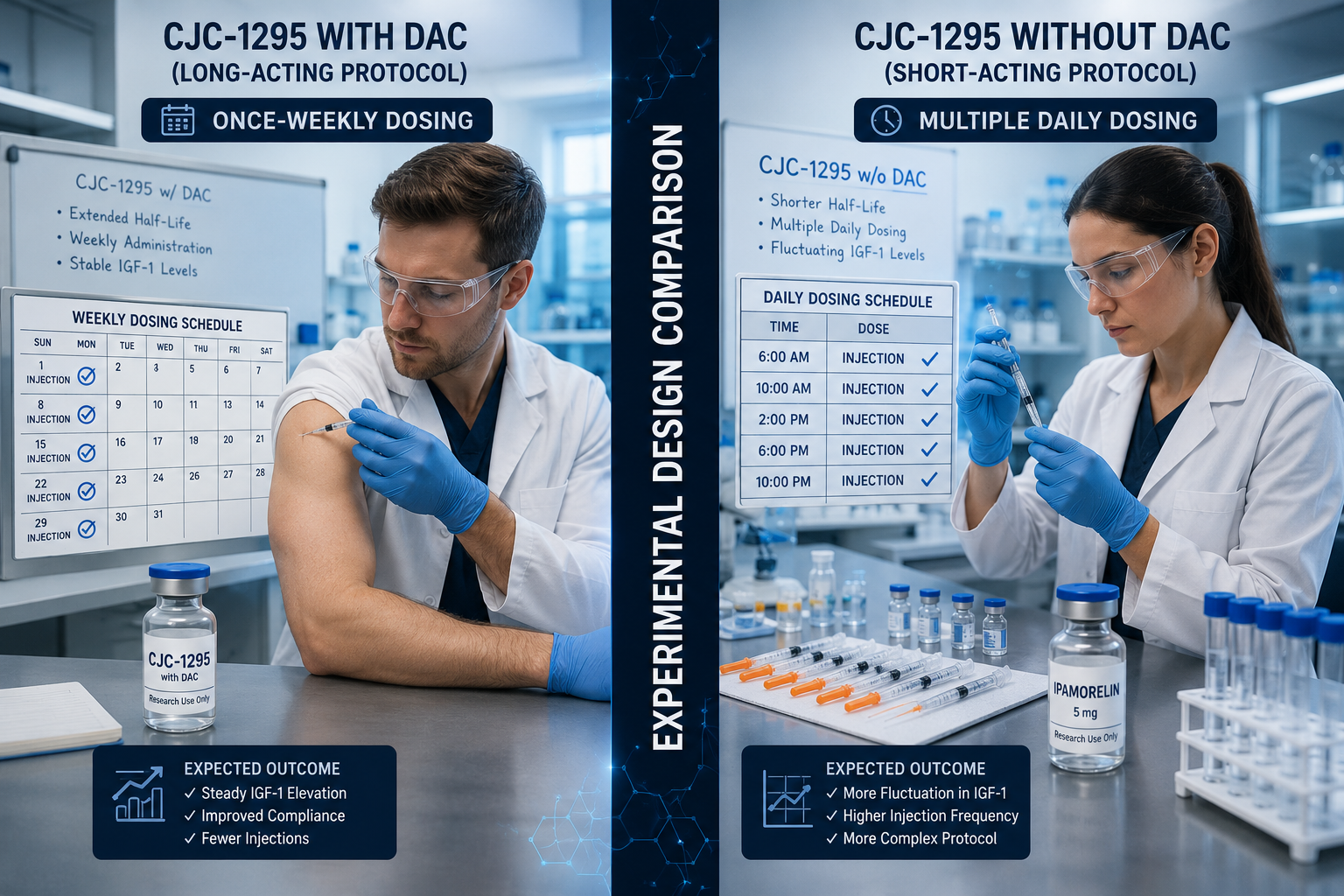
Dosing frequency Once or twice weekly Multiple times daily

For researchers exploring CJC-1295 research findings, understanding this structural distinction is the essential first step before any protocol is designed.


GH Secretion Patterns: Sustained Elevation vs. Physiological Pulses

GH Secretion Patterns: Sustained Elevation vs. Physiological Pulses

The pharmacokinetic difference between the two variants produces fundamentally different growth hormone secretion profiles, each with distinct research implications.

CJC-1295 with DAC: Continuous Stimulation

Clinical data from Phase I and II trials conducted in the mid-2000s showed that a single dose of CJC-1295 with DAC produced a 2-10 fold increase in GH levels lasting up to six days. IGF-1 levels remained elevated for 9-11 days following that single administration. This sustained profile makes the DAC variant well-suited for studies requiring prolonged GH elevation without frequent dosing.

However, continuous GH stimulation carries a notable concern: receptor desensitization. Prolonged activation of GHRH receptors may reduce their sensitivity over time, potentially blunting the GH response in longer-term protocols.

CJC-1295 without DAC: Mimicking Natural Rhythms

CJC-1295 without DAC — also called Mod GRF 1-29 — produces short, sharp GH pulses that closely mirror the body's natural pulsatile secretion pattern. This pulsatility is considered important for maintaining insulin sensitivity and preserving receptor responsiveness.

"Pulsatile GH release is not merely a physiological quirk — it is a functional requirement for downstream signaling fidelity."

Researchers focused on physiological accuracy tend to favor the non-DAC variant. It is frequently combined with growth hormone-releasing peptides (GHRPs) such as Ipamorelin to amplify pulsatile release. The Sermorelin, Ipamorelin, and CJC-1295 combination represents a common multi-peptide research approach built on this principle. Similarly, Ipamorelin and Sermorelin stack research provides additional context for synergistic GHRH-GHRP protocols.


Experimental Design Considerations for Each Variant

Experimental Design Considerations for Each Variant

Choosing between these two forms in a research context is not simply a matter of convenience — it determines the biological question the experiment can validly answer.

When to Use the DAC Variant

  • Studies examining sustained GH elevation and downstream IGF-1 responses
  • Protocols where infrequent dosing (once or twice weekly) is operationally necessary
  • Research into conditions historically linked to GH deficiency, reflecting the peptide's Phase II trial history

When to Use the Non-DAC Variant

  • Protocols designed to replicate natural pulsatile GH secretion
  • Studies assessing receptor sensitivity over time
  • Combination research with GHRPs, where timing and pulse synchronization matter

For researchers also exploring related GHRH analogs, comparing Tesamorelin vs. Sermorelin offers useful pharmacokinetic context. The Tesamorelin and CJC-1295 blend research further illustrates how multi-peptide designs can address complex GH axis questions. Researchers interested in body composition outcomes may also find the Tesamorelin body composition research themes page a valuable reference point.

Dosing frequency is perhaps the most practical design variable. The DAC variant's weekly schedule reduces protocol complexity, while the non-DAC variant's multiple-daily-injection requirement demands tighter experimental control but yields data more reflective of physiological GH dynamics.


Conclusion

The comparison of CJC-1295 with DAC vs. Without DAC: Impact on Growth Hormone Secretion and Experimental Design ultimately comes down to one core question: does the research require sustained GH elevation or physiological pulsatility?

The DAC variant offers convenience and prolonged action through albumin binding, making it appropriate for sustained-elevation protocols. The non-DAC variant preserves natural GH rhythm, reduces receptor desensitization risk, and pairs effectively with GHRPs for synergistic research designs.

Actionable next steps for researchers in 2026:

  1. Define the GH secretion profile your study requires before selecting a variant.
  2. Account for dosing frequency in your experimental timeline and resource planning.
  3. Consider combination protocols with verified GHRPs when pulsatile secretion fidelity is the priority.
  4. Review available CJC-1295 research findings and related blend data to inform protocol selection.
https://www.puretestedpeptides.com/wp-content/uploads/2026/06/CJC-1295-with-DAC-vs.-Without-DAC-Impact-on-Growth-Hormone-Secretion-and-Experimental-Design.png 1024 1536 https://www.puretestedpeptides.com/wp-content/uploads/2026/01/buy-peptides-online.jpg 2026-06-21 13:07:122026-06-21 13:07:12CJC-1295 with DAC vs. Without DAC: Impact on Growth Hormone Secretion and Experimental Design
CJC-1295 with Ipamorelin: Optimizing Growth Hormone Release for Research Studies

CJC-1295 with Ipamorelin: Optimizing Growth Hormone Release for Research Studies

June 20, 2026/0 Comments/in Uncategorized/by

}

Professional () hero image with : 'CJC-1295 with Ipamorelin: Optimizing Growth Hormone Release' in extra large white with

A single subcutaneous injection of CJC-1295 produced a 2- to 10-fold increase in mean plasma growth hormone levels lasting up to six days — a finding that reshaped how researchers think about pulsatile GH stimulation. When paired with Ipamorelin, this effect takes on a new dimension entirely. Understanding the science behind CJC-1295 with Ipamorelin: optimizing growth hormone release for research studies requires examining both peptides at the receptor level and then exploring what happens when their pathways converge.

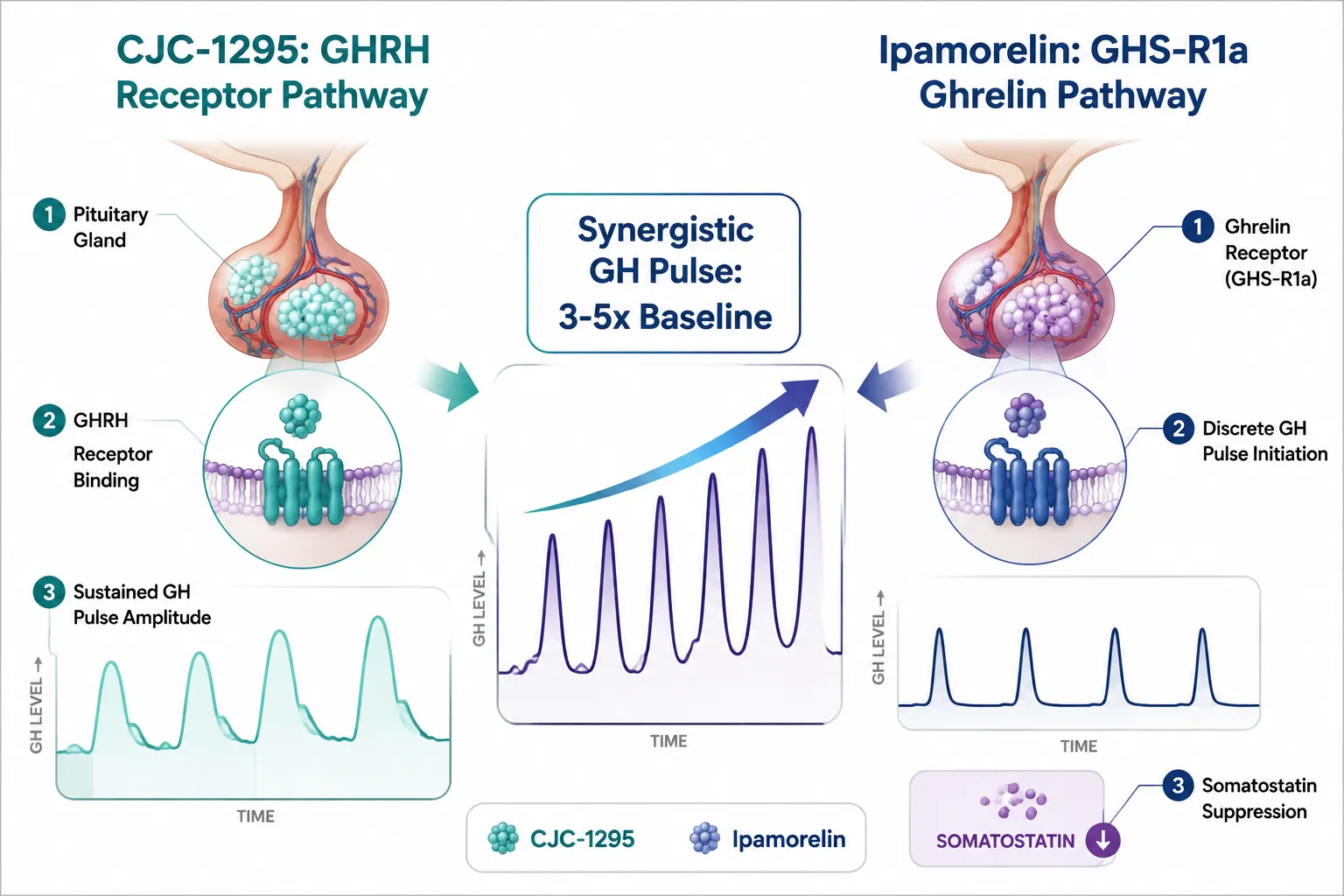
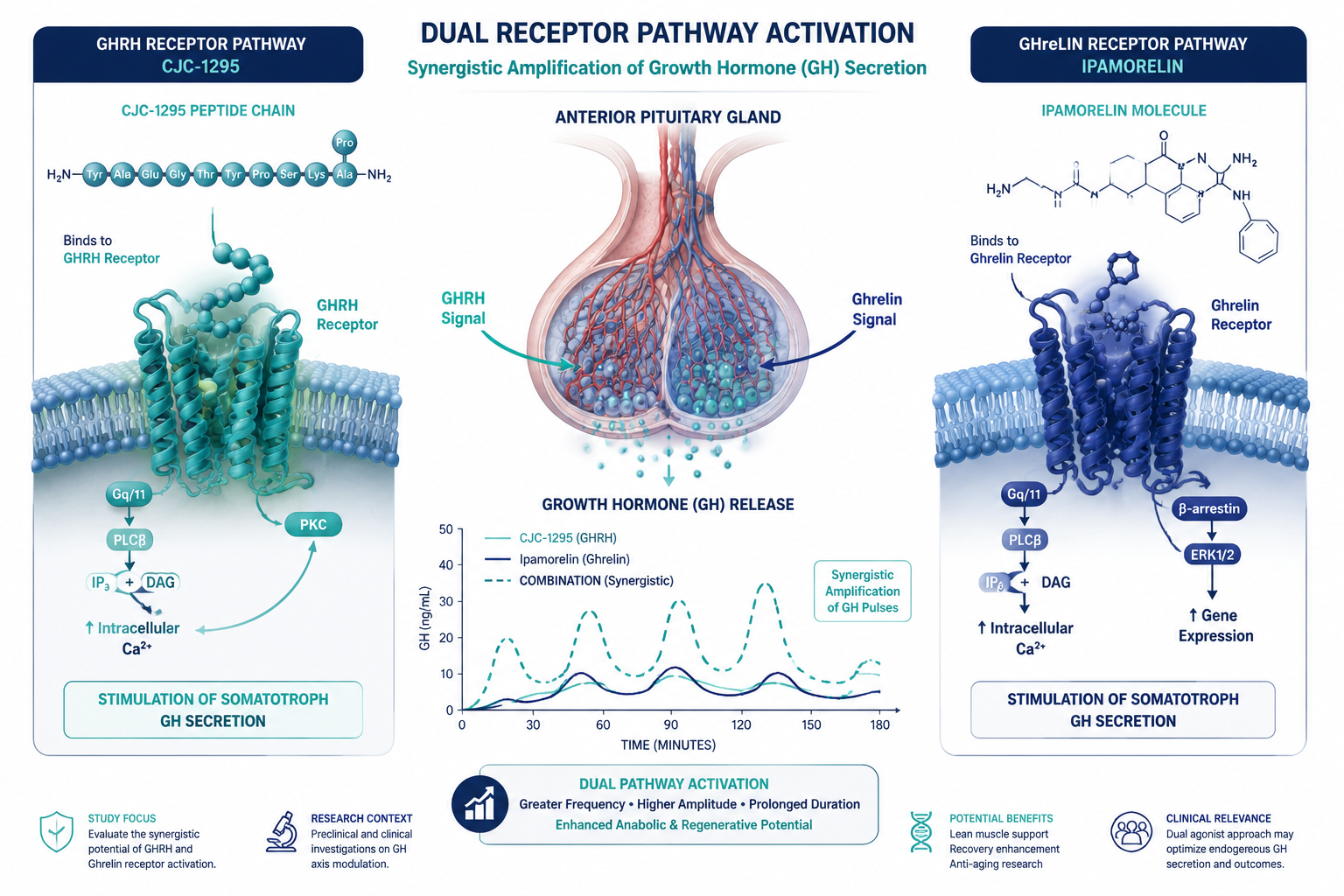
Detailed () scientific diagram illustration showing dual receptor pathway activation: left panel labeled GHRH receptor with

Key Takeaways

  • CJC-1295 is a long-acting GHRH analog; Ipamorelin is a selective ghrelin receptor agonist — they activate distinct GH-release pathways.
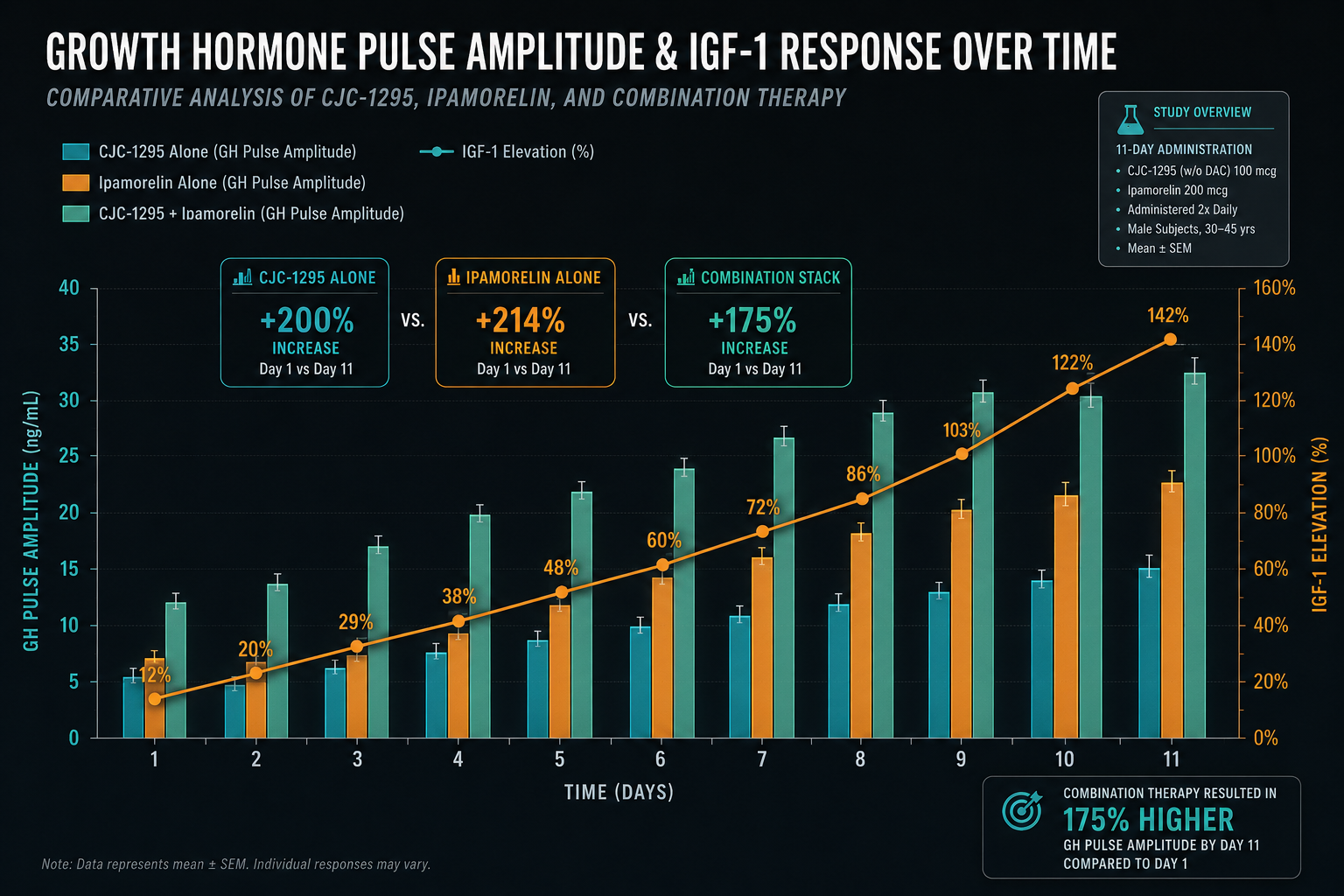
  • Combining both peptides produces greater GH pulse amplitude and frequency than either compound alone.
  • A 2006 clinical study confirmed CJC-1295's extended half-life of 5.8 to 8.1 days and elevated IGF-1 for up to 11 days.
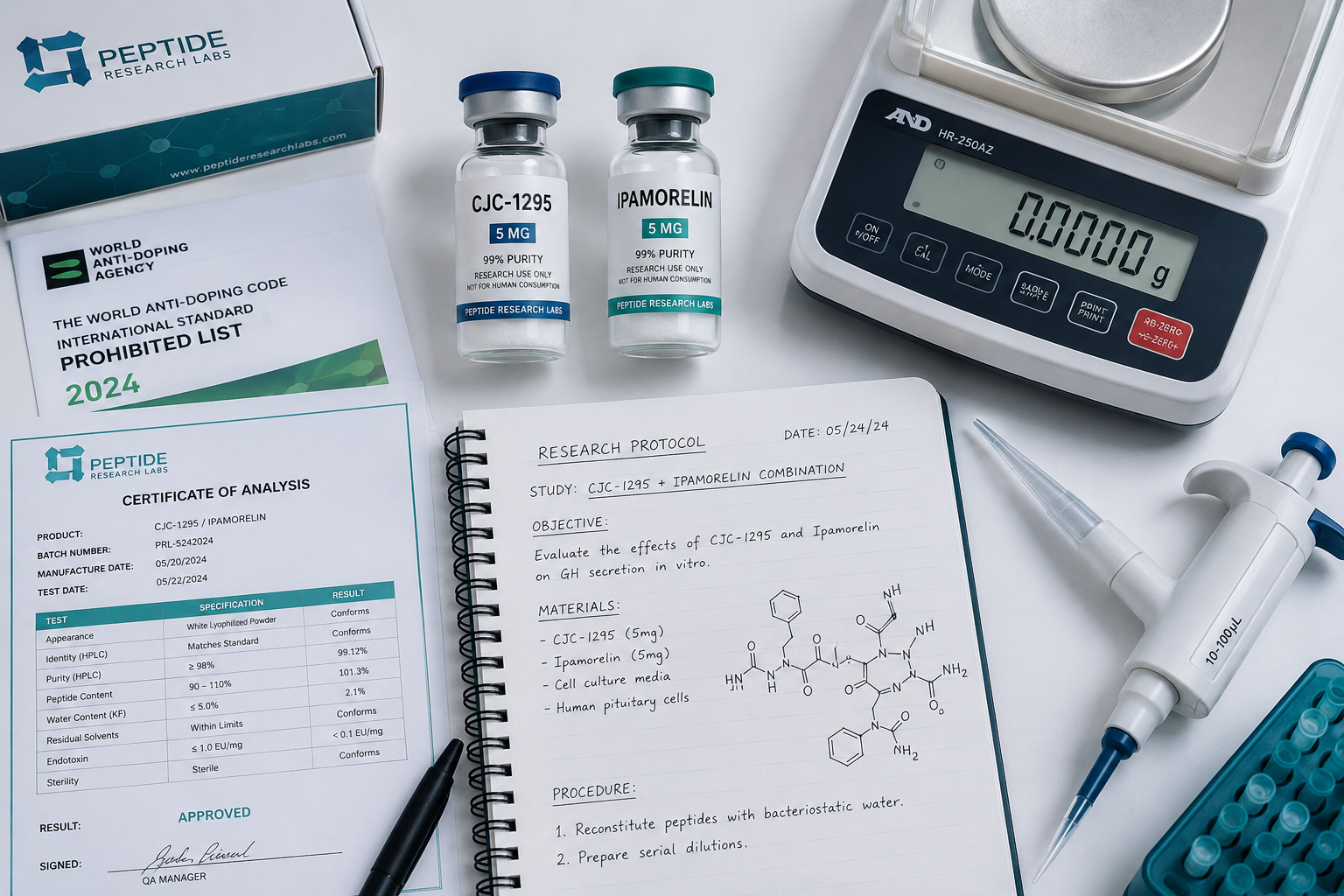
  • Neither peptide is FDA-approved; both are classified as research chemicals and appear on the WADA prohibited list.
  • No published randomized controlled trials exist for the combination as of 2026, making rigorous preclinical study design critical.

Mechanisms Behind the Synergy

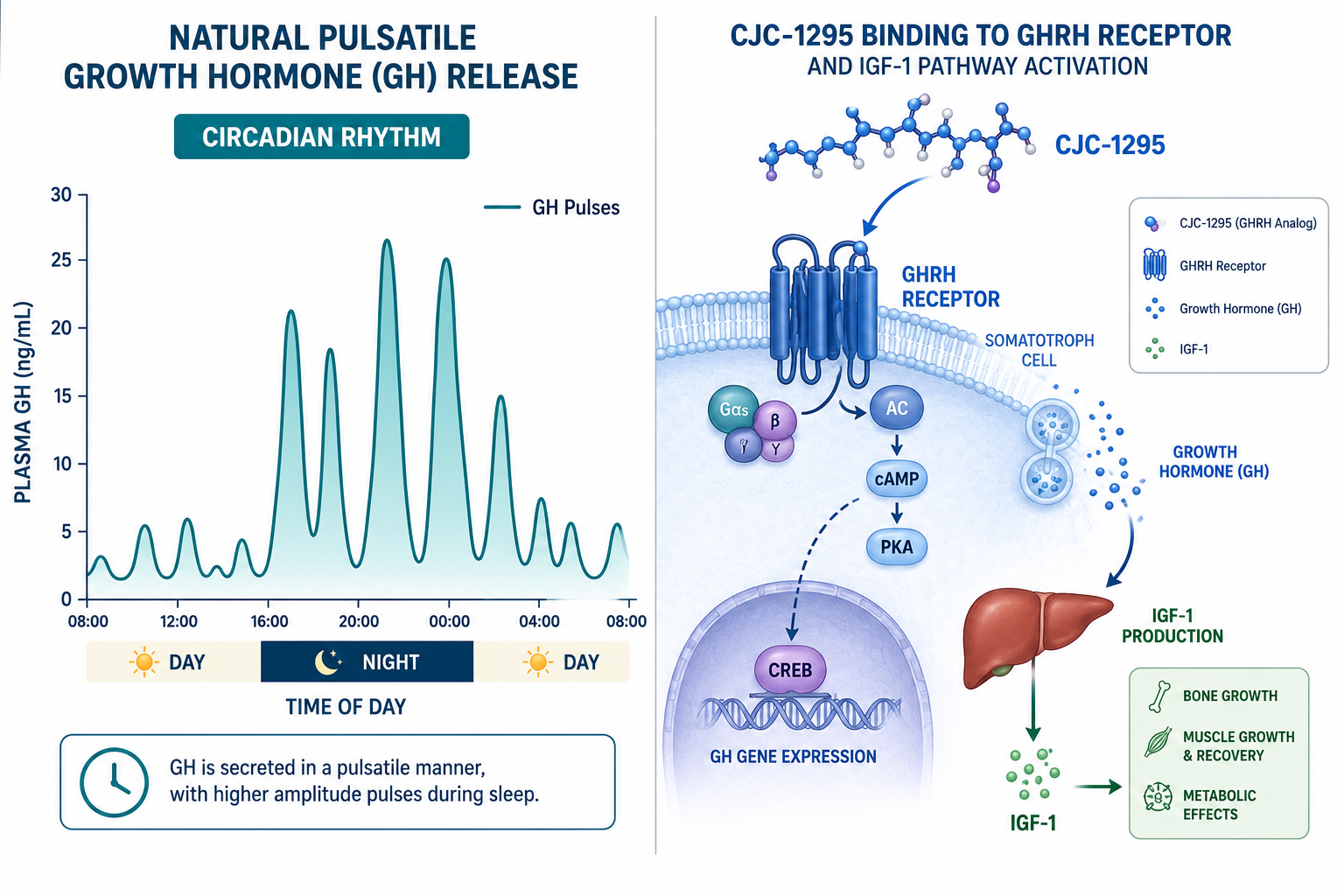
CJC-1295 is a modified analog of Growth Hormone-Releasing Hormone (GHRH). It binds to GHRH receptors on the anterior pituitary, signaling somatotroph cells to synthesize and release GH. Its key structural modification — Drug Affinity Complex (DAC) technology — allows it to bind albumin in plasma, dramatically extending its half-life to between 5.8 and 8.1 days. This stands in sharp contrast to sermorelin and CJC-1295 comparisons where sermorelin clears the body in roughly 10 to 12 minutes and tesa in approximately 30 minutes.

Ipamorelin operates through an entirely separate mechanism. It mimics ghrelin by binding to the GHS-R1a receptor, a G-protein-coupled receptor found on pituitary somatotrophs and hypothalamic neurons. Critically, Ipamorelin achieves GH stimulation without meaningfully elevating cortisol or prolactin, which distinguishes it from older secretagogues like GHRP-6 or GHRP-2.

When both peptides are used together, the result is a dual-pathway amplification of GH release. GHRH receptor activation raises the ceiling on GH output, while ghrelin receptor stimulation increases the frequency of GH pulses. Research models studying this combination can explore the CJC-1295 no-DAC research themes alongside full DAC variants to isolate half-life variables.


Clinical Evidence and Research Protocols for CJC-1295 with Ipamorelin

The foundational human data for CJC-1295 comes from a pivotal 2006 study published in the Journal of Clinical Endocrinology and Metabolism. Key findings included:

Parameter Observed Outcome
Plasma GH increase 2- to 10-fold above baseline
Duration of GH elevation Up to 6 days post-injection
IGF-1 increase 1.5- to 3-fold above baseline
IGF-1 elevation duration 9 to 11 days
Estimated half-life 5.8 to 8.1 days
Tolerated dose range 30 to 60 mcg/kg

No serious adverse reactions were observed at these doses. However, no additional human RCTs have been published since 2006, and the CJC-1295/Ipamorelin combination has not been formally tested in published human controlled trials as of 2026.

Clinical Evidence and Research Protocols for CJC-1295 with Ipamorelin

For preclinical research, the combination is typically studied using models that track pulsatile GH secretion patterns over 24-hour windows. Researchers interested in multi-peptide blends can also review tesa, CJC-1295, and Ipamorelin blend protocols to understand how additional GHRH analogs interact within the same framework. A related resource on combining tesa with CJC-1295 and Ipamorelin safety considerations addresses stack-level safety questions relevant to protocol design.

"While CJC-1295 and Ipamorelin can synergistically enhance GH release, their long-term safety and efficacy remain under-researched." — Dr. Quinn Stillson, April 2026


Regulatory Status, Risks, and Research Sourcing

As of 2026, neither CJC-1295 nor Ipamorelin holds FDA approval for any indication. Both are classified as research chemicals for laboratory use only and are listed on the World Anti-Doping Agency's prohibited substances list. This regulatory status has direct implications for study design, institutional review, and sourcing standards.

Key risk considerations for research models include:

  • Potential receptor desensitization with prolonged GH secretagogue exposure
  • Difficulty assessing long-term consequences of sustained elevated IGF-1 without longitudinal human data
  • Variability in peptide purity across suppliers, which can confound results

Sourcing peptides with verified purity documentation is non-negotiable for valid research outcomes. Reviewing certificates of analysis before procurement ensures compound integrity. Researchers building broader metabolic panels may also find value in MOTS-c metabolic flexibility research themes or BPC-157 research themes as complementary study arms.

For those sourcing the combination directly, the CJC-1295 with Ipamorelin 10mg research product provides a pre-blended option with documented testing standards.

Regulatory Status, Risks, and Research Sourcing


Conclusion

CJC-1295 with Ipamorelin: optimizing growth hormone release for research studies represents one of the most mechanistically coherent dual-peptide strategies in current GH research. The GHRH/ghrelin receptor co-activation model offers a compelling framework for studying pulsatile GH dynamics, IGF-1 modulation, and downstream metabolic effects.

Actionable next steps for researchers in 2026:

  1. Define your GH endpoint clearly — pulse amplitude, IGF-1 area under the curve, or downstream tissue response.
  2. Source verified, tested peptides with published certificates of analysis to eliminate purity as a confounding variable.
  3. Design time-course sampling protocols that capture the extended half-life profile of CJC-1295 (up to 11 days for IGF-1 elevation).
  4. Consult current regulatory guidance before initiating any study involving WADA-listed compounds.
  5. Review adjacent peptide research — including Ipamorelin and sermorelin stack research — to contextualize your findings within the broader secretagogue literature.

The data foundation exists. Rigorous, well-sourced research design is what transforms that foundation into meaningful scientific contribution.

https://www.puretestedpeptides.com/wp-content/uploads/2026/06/CJC-1295-with-Ipamorelin-Optimizing-Growth-Hormone-Release-for-Research-Studies.png 1024 1536 https://www.puretestedpeptides.com/wp-content/uploads/2026/01/buy-peptides-online.jpg 2026-06-20 13:03:202026-06-20 13:03:20CJC-1295 with Ipamorelin: Optimizing Growth Hormone Release for Research Studies
Tesamorelin and Ipamorelin: How the Two Growth Hormone Secretagogues Differ Mechanistically

Tesamorelin and Ipamorelin: How the Two Growth Hormone Secretagogues Differ Mechanistically

June 15, 2026/0 Comments/in Uncategorized/by

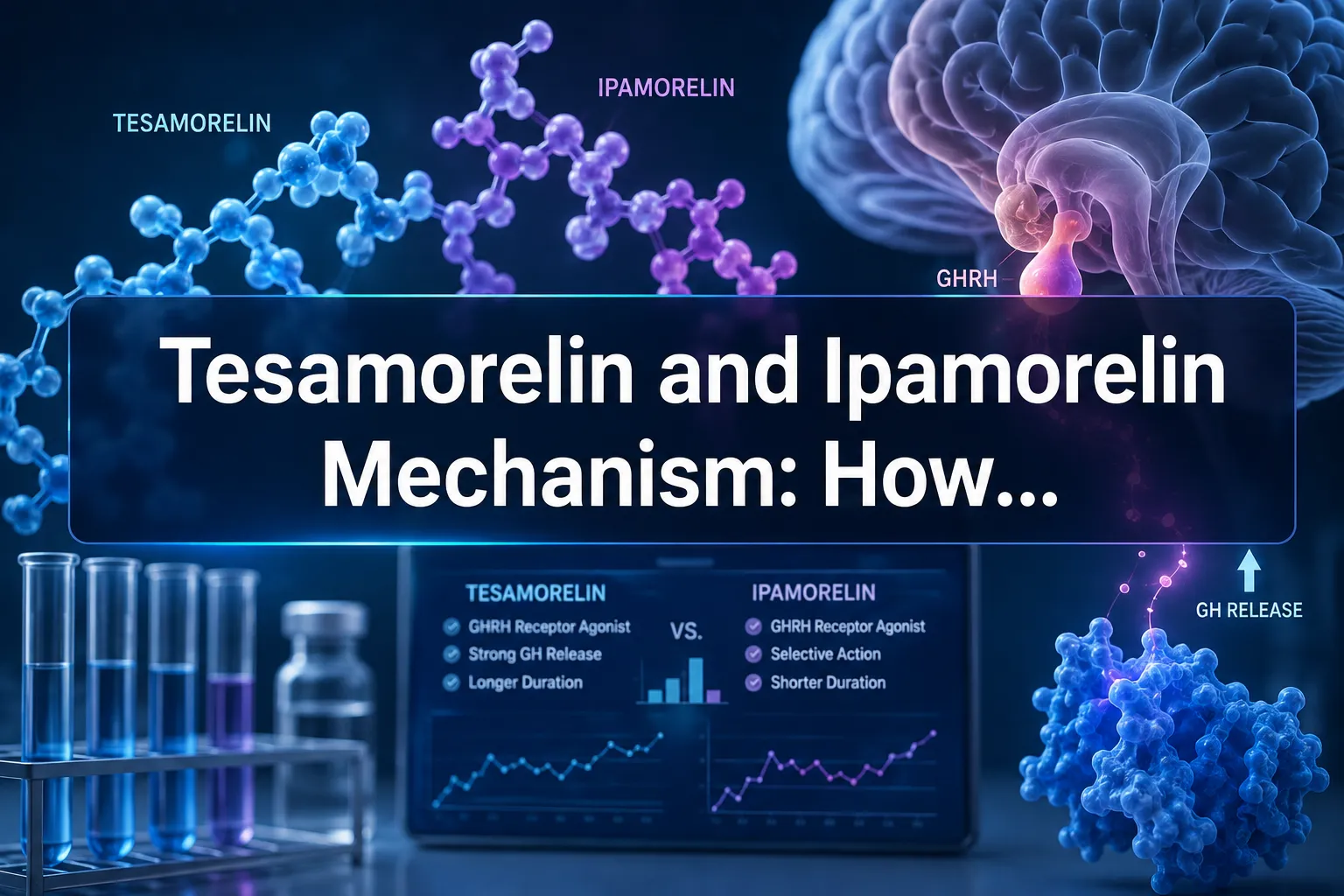
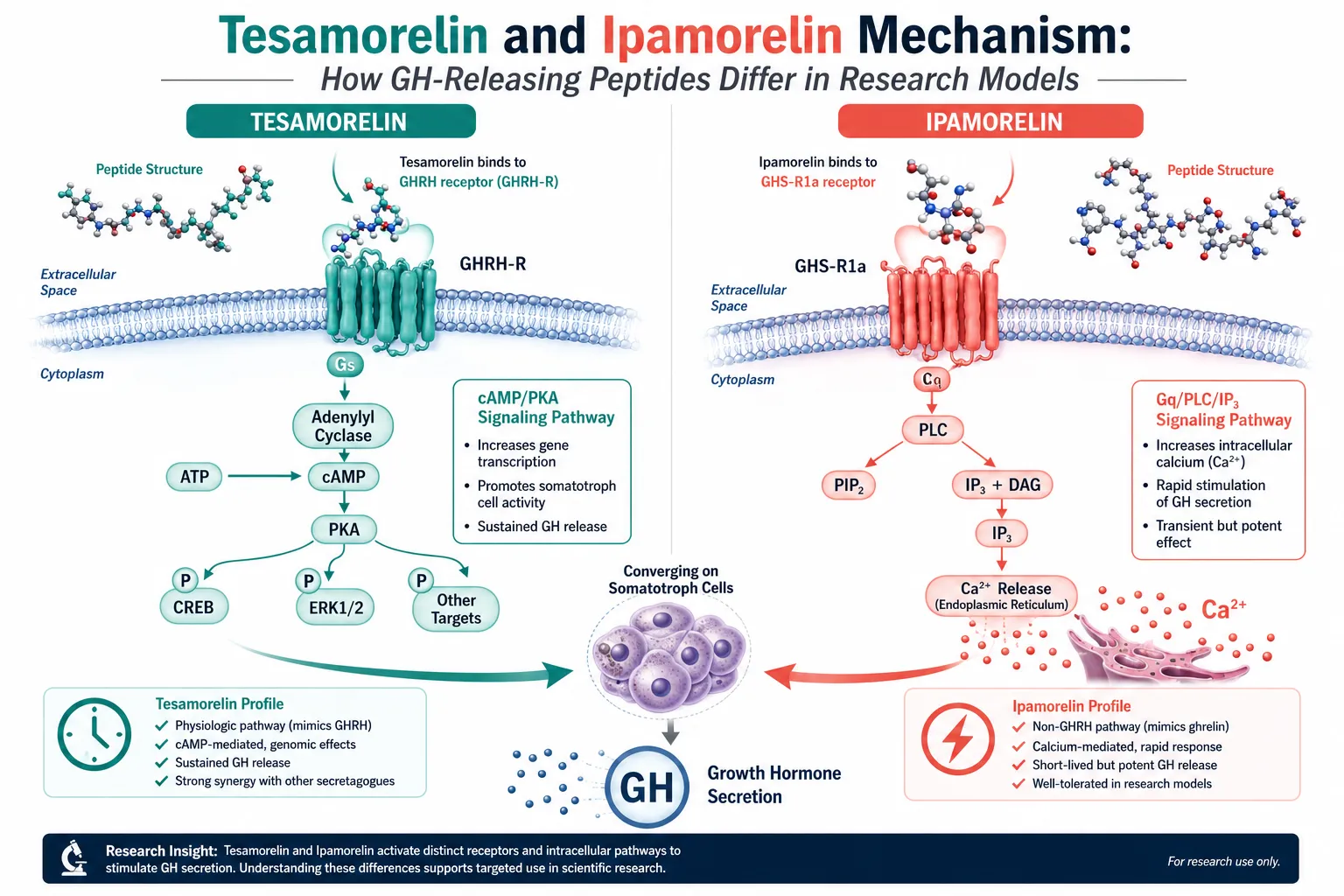
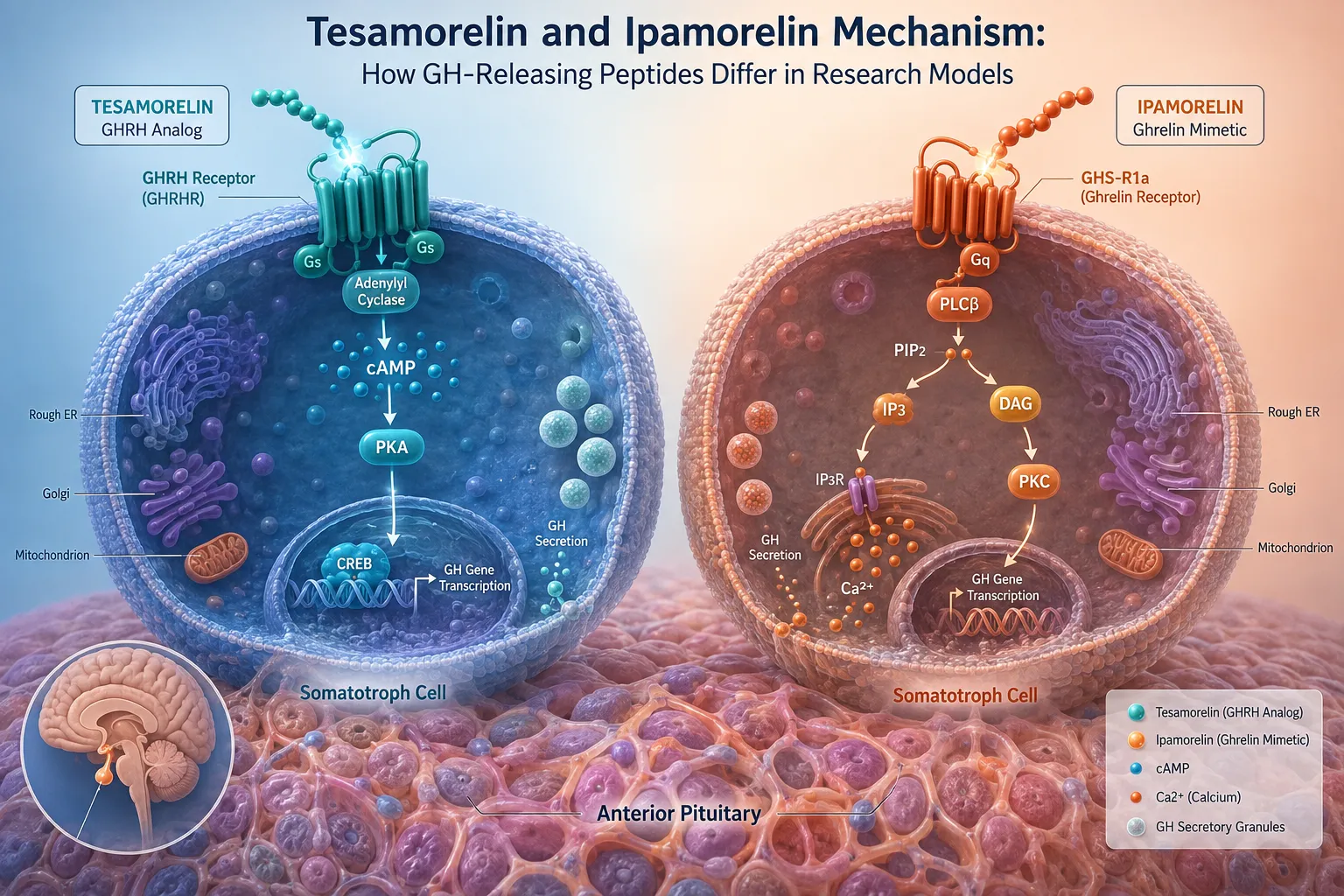
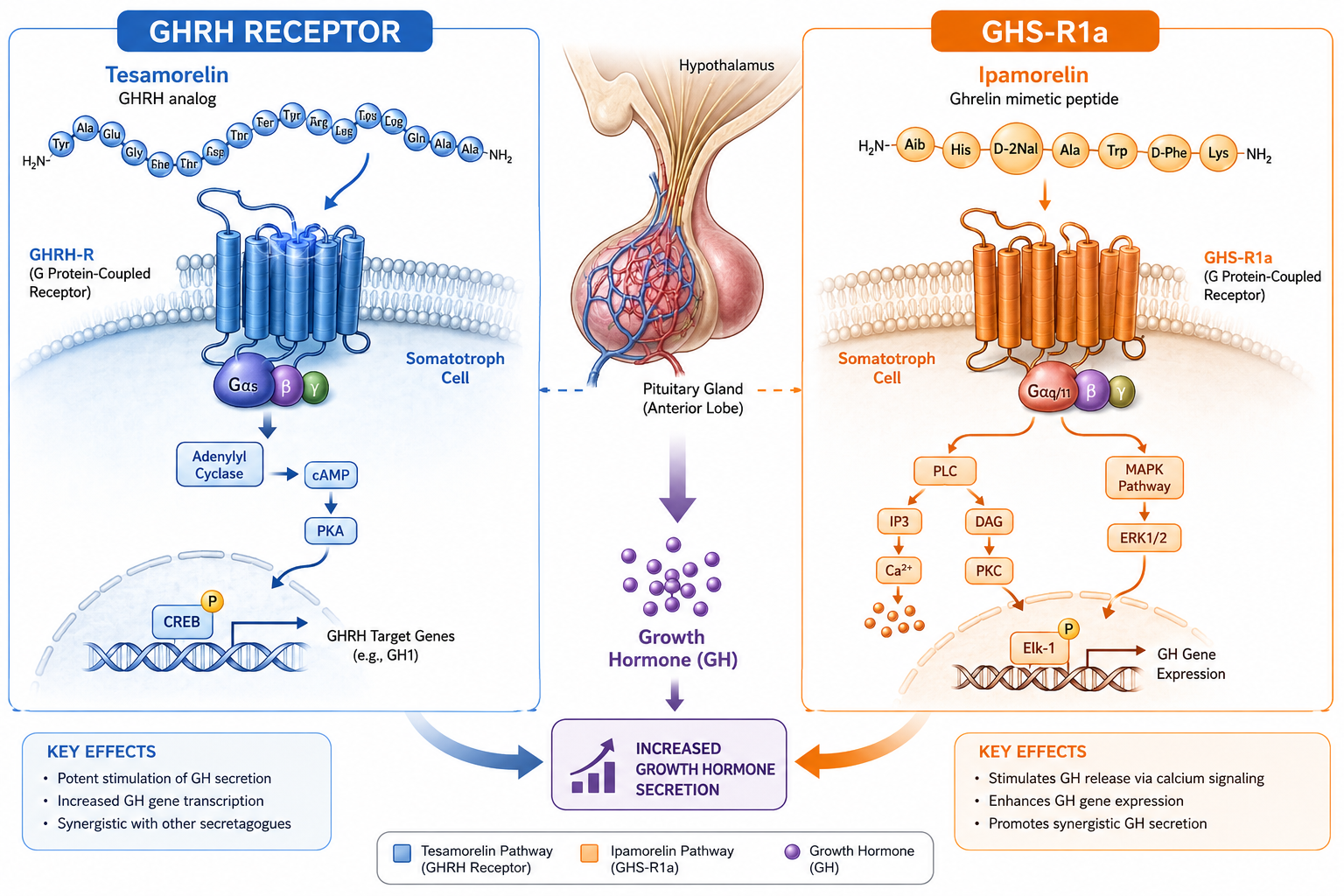
Tesamorelin vs Ipamorelin receptor pathway comparison diagram

Two peptides. Two completely different locks on the same door. Tesamorelin and Ipamorelin are both classified as growth hormone secretagogues, yet they reach the pituitary gland by separate molecular routes, produce distinct GH secretion patterns, and serve different research purposes. Understanding exactly how these two growth hormone secretagogues differ mechanistically is not just academic — it shapes how researchers design protocols and interpret outcomes.

Key Takeaways

  • Tesamorelin is a GHRH analog that binds the GHRH receptor; ipamorelin is a ghrelin mimetic that binds the GHS-R1a receptor — two entirely separate receptor systems.
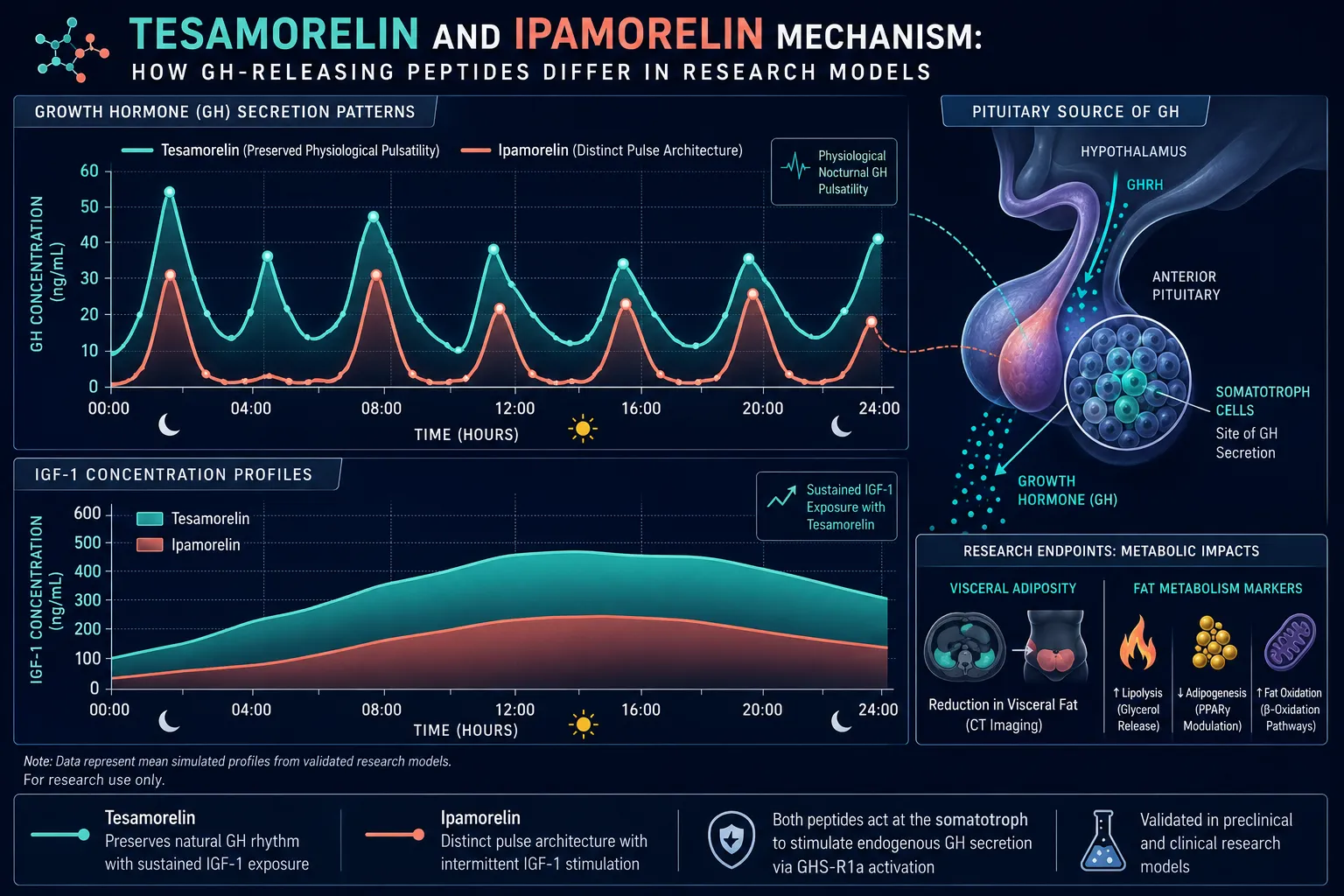
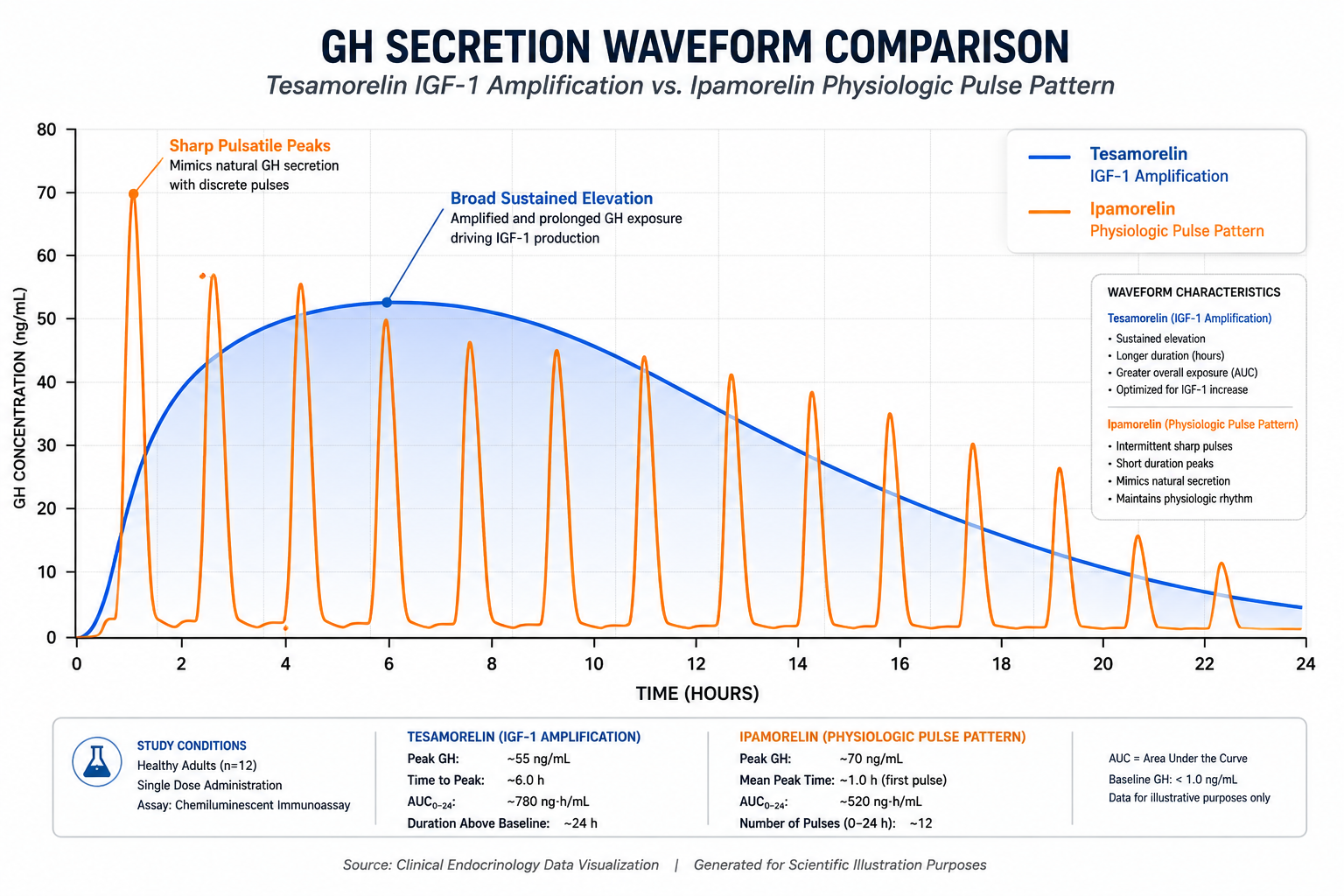
  • Tesamorelin drives a sustained elevation in GH and IGF-1; ipamorelin generates short, pulsatile GH spikes that mirror natural secretory rhythms.
  • Because they target different upstream nodes of the GH axis, the two peptides are complementary rather than redundant.
  • Ipamorelin is noted for high selectivity — it stimulates GH release with minimal effect on cortisol or prolactin.
  • Researchers studying the GH axis benefit from understanding both pathways before designing combination or standalone protocols.

Receptor-Level Differences: Where the Pathways Diverge

Receptor-Level Differences: Where the Pathways Diverge

The clearest way to understand Tesamorelin and Ipamorelin and how the two growth hormone secretagogues differ mechanistically is to start at the receptor.

Tesamorelin is a synthetic analog of endogenous growth hormone-releasing hormone (GHRH). It binds selectively to the GHRH receptor located on pituitary somatotroph cells. By occupying this receptor, tesa amplifies the hypothalamic GHRH signal, prompting somatotrophs to produce and release more growth hormone. Its structure closely mirrors native GHRH(1-44) but includes a trans-3-hexenoic acid modification that extends its stability in plasma — a key reason it outperforms unmodified GHRH in sustained signaling.

Ipamorelin, by contrast, is a selective agonist of the ghrelin receptor, formally called the Growth Hormone Secretagogue Receptor type 1a (GHS-R1a). This receptor is pharmacologically and structurally distinct from the GHRH receptor. Ipamorelin acts as a ghrelin mimetic, meaning it mimics the hunger-signaling peptide ghrelin to unlock GH release through a pathway that operates independently of GHRH. Crucially, ipamorelin achieves this with high receptor selectivity — it does not significantly activate pathways that elevate cortisol or prolactin, which distinguishes it from older, less selective GHS compounds.

Feature Tesamorelin Ipamorelin
Receptor target GHRH receptor GHS-R1a (ghrelin receptor)
Peptide class GHRH analog Ghrelin mimetic
Signaling pathway GHRH axis Ghrelin axis
Cortisol/prolactin effect Minimal Minimal

For a deeper look at tesa's pharmacology, the science behind tesa provides useful foundational context.


GH Secretion Patterns: Sustained Amplification vs Pulsatile Spikes

GH Secretion Patterns: Sustained Amplification vs Pulsatile Spikes

Receptor differences translate directly into different hormonal output profiles — and this is where the practical research implications become most visible.

Tesamorelin produces a more sustained elevation in both GH and insulin-like growth factor 1 (IGF-1). Because it continuously reinforces the GHRH signal, circulating IGF-1 rises measurably over time. Clinical data show this sustained IGF-1 increase drives downstream metabolic effects, particularly visceral fat reduction in HIV-associated lipodystrophy — the only FDA-approved indication for tesa. Researchers often position tesa as the "heavy-lift" GH/IGF-1 amplifier within the GH axis. For those tracking outcomes over time, the tesa before and after data illustrates how this sustained signaling manifests in measurable endpoints.

Ipamorelin generates short-lived, pulsatile GH peaks. These bursts closely mimic the natural GH secretory rhythm the body uses throughout the day and during sleep. Rather than chronically flattening or overriding the pulsatile rhythm, ipamorelin reinforces it. This makes ipamorelin a "pulse-shaping" secretagogue — one that works with the body's existing GH architecture rather than overwriting it.

"Tesamorelin amplifies the signal; ipamorelin restores the rhythm."

This distinction matters for researchers concerned about receptor desensitization or downstream feedback suppression. Sustained GHRH receptor stimulation carries a different long-term receptor dynamics profile than intermittent GHS-R1a activation.

Researchers interested in ipamorelin's standalone profile can explore whether ipamorelin is the most beneficial peptide for a broader discussion of its research applications.


Research Implications: Pairing, Separating, and Protocol Design

Research Implications: Pairing, Separating, and Protocol Design

Understanding Tesamorelin and Ipamorelin and how the two growth hormone secretagogues differ mechanistically has direct implications for protocol design.

Because the two peptides act on separate receptor systems, they are not redundant — they target different upstream control nodes of the GH axis. This is why combination approaches appear in the research literature. When used together, tesa provides sustained IGF-1 elevation through the GHRH pathway while ipamorelin adds pulsatile GH bursts through the ghrelin pathway. The result is a more complete stimulation of GH secretion than either agent alone can produce. Researchers considering this approach can review safety considerations for combining tesa with ipamorelin before designing protocols.

For researchers who prefer standalone use, the choice depends on the research question:

  • Choose tesa when the goal is sustained IGF-1 elevation and metabolic endpoints. See tesa dosage guidance for reference ranges used in research settings.
  • Choose ipamorelin when the goal is pulsatile GH reinforcement with minimal hormonal side effects. The ipamorelin research overview covers its selectivity profile in detail.

Researchers comparing tesa to other GHRH analogs may also find the tesa vs sermorelin comparison useful for situating tesa within the broader GHRH analog class.

One additional consideration: peptide purity directly affects receptor binding fidelity. Impure peptides produce inconsistent receptor activation, making mechanistic conclusions unreliable. Sourcing from suppliers with verified quality testing protocols is a non-negotiable step for credible research.


Conclusion

Tesamorelin and ipamorelin are not interchangeable tools — they are complementary instruments that operate on separate molecular circuits within the GH axis. Tesamorelin amplifies GH and IGF-1 through sustained GHRH receptor engagement; ipamorelin restores physiologic GH pulsatility through selective GHS-R1a activation. Researchers who understand this mechanistic split can design more precise protocols, interpret results more accurately, and avoid the common mistake of treating all growth hormone secretagogues as functionally equivalent.

Actionable next steps for researchers:

  • Map the specific GH axis endpoint under study before selecting a peptide.
  • Review the receptor selectivity and hormonal side-effect profiles of each compound.
  • If combining both agents, study the complementary pathway rationale and available safety data.
  • Verify peptide purity through third-party testing before any research use.
  • Consult dosage reference data and existing clinical literature to anchor protocol design.
https://www.puretestedpeptides.com/wp-content/uploads/2026/06/Tesamorelin-and-Ipamorelin-How-the-Two-Growth-Hormone-Secretagogues-Differ-Mechanistically.png 1024 1536 https://www.puretestedpeptides.com/wp-content/uploads/2026/01/buy-peptides-online.jpg 2026-06-15 13:03:312026-06-15 13:03:31Tesamorelin and Ipamorelin: How the Two Growth Hormone Secretagogues Differ Mechanistically
CJC-1295 Without DAC for Pulsatile GH Research: Why Shorter Half-Life Can Be an Advantage

CJC-1295 Without DAC for Pulsatile GH Research: Why Shorter Half-Life Can Be an Advantage

June 14, 2026/0 Comments/in Uncategorized/by

A 30-minute plasma half-life sounds like a weakness. In the world of growth hormone research, it is one of the most useful properties a peptide can have.

CJC-1295 without DAC, also known as Modified GRF (1-29), clears the bloodstream rapidly after administration. That rapid clearance is not a flaw in the molecule's design — it is the feature that makes CJC-1295 Without DAC for Pulsatile GH Research: Why Shorter Half-Life Can Be an Advantage such a compelling area of study. When the goal is to replicate the body's natural growth hormone (GH) secretion patterns rather than override them, timing matters more than duration.

Detailed () scientific infographic illustration showing two side-by-side pharmacokinetic curves: one steep short-duration

Key Takeaways

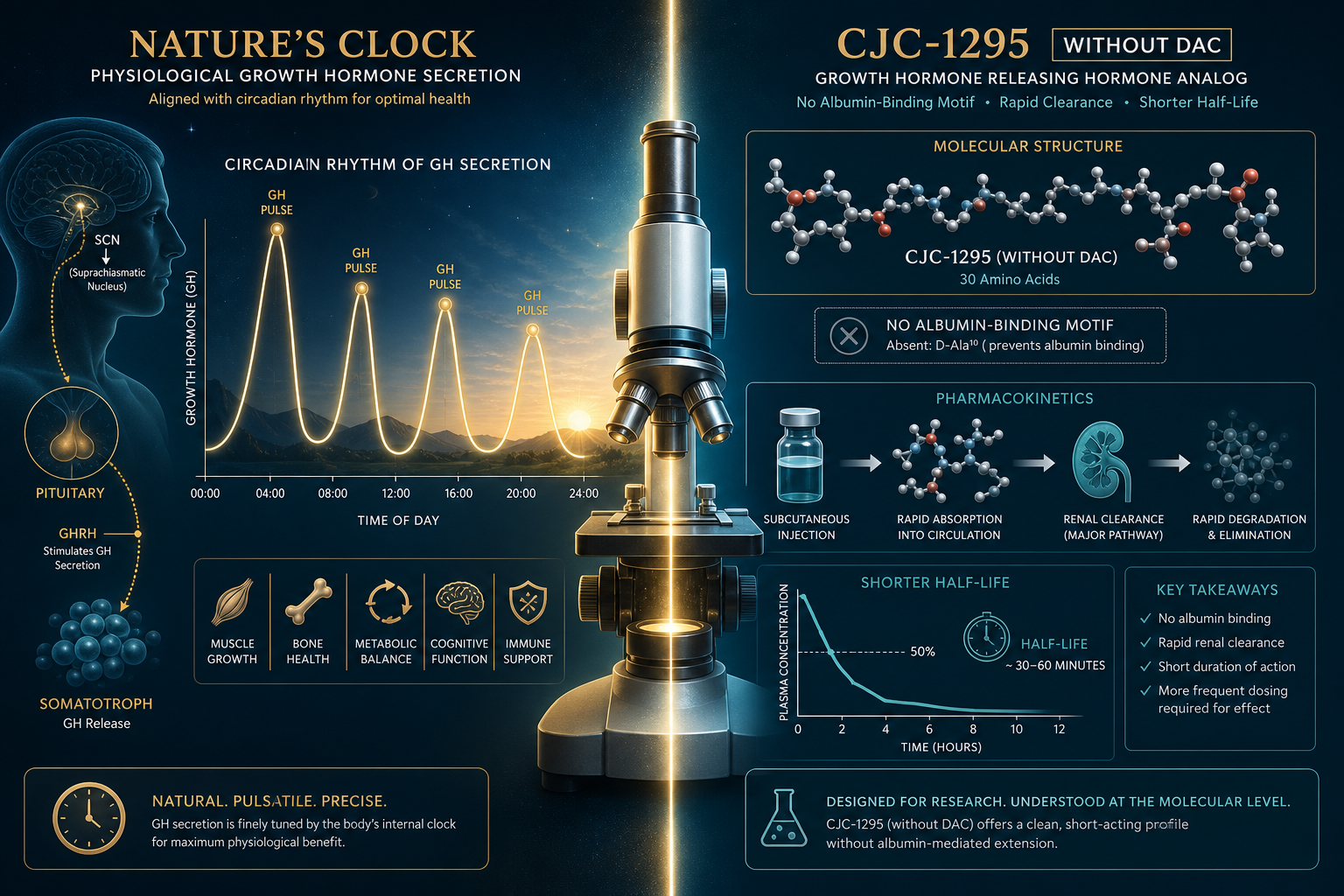
  • CJC-1295 without DAC has a plasma half-life of approximately 30 minutes, enabling discrete, pulsatile GH release.
  • Pulsatile GH secretion more closely mirrors natural physiology than continuous elevation.
  • The absence of the Drug Affinity Complex (DAC) prevents albumin binding, causing rapid clearance.
  • Pairing the peptide with ghrelin receptor agonists like Ipamorelin is a common research protocol.
  • The short duration of action helps preserve natural feedback mechanisms and may reduce desensitization risk.

The Structural Difference That Changes Everything

The DAC (Drug Affinity Complex) modification in the longer-acting CJC-1295 variant allows the peptide to bind to albumin in the bloodstream, extending its half-life to 5.8–8.1 days. Remove that complex, and the peptide loses its anchor. Without albumin binding, Modified GRF (1-29) is cleared within roughly 30 minutes.

This structural distinction creates two fundamentally different research tools. For a deeper look at how the DAC variant behaves, the CJC-1295 with DAC deeper dive provides useful context. The key point for researchers is that neither form is universally superior — the right choice depends entirely on what the study is designed to measure.

The no-DAC form is the tool of choice when the research question centers on GH pulse dynamics.


Why Pulsatile GH Release Matters in Research

The pituitary gland does not release GH in a steady stream. It fires in discrete pulses, typically peaking during deep sleep and in response to exercise or fasting. These pulses are not random — they are tightly regulated by a feedback loop involving growth hormone-releasing hormone (GHRH), somatostatin, and IGF-1.

Continuous GH elevation disrupts this loop. It can blunt receptor sensitivity, promote insulin resistance, and trigger fluid retention. Pulsatile release, by contrast, preserves the natural rhythm that keeps these feedback mechanisms functional.

This is precisely why CJC-1295 Without DAC for Pulsatile GH Research: Why Shorter Half-Life Can Be an Advantage as a research model. Each administration produces a discrete GH pulse and then clears, allowing the system to reset before the next dose. The body's regulatory architecture remains largely intact.

"The transient activity of short-acting GHRH analogs allows for the preservation of natural feedback systems — a critical variable in physiologically valid GH research."


Experimental Use Cases and Protocol Design

Experimental Use Cases and Protocol Design

Because the peptide requires multiple daily administrations to sustain GH pulsatility, research protocols using the no-DAC form tend to be more granular and time-sensitive than those using the DAC variant. This is not a disadvantage — it is what makes the molecule suitable for specific experimental designs.

Common Research Applications

Research Area Why No-DAC Is Preferred
GH pulse frequency studies Short half-life allows discrete, measurable pulses
Metabolic function research Avoids chronic GH elevation that skews metabolic markers
Receptor sensitivity studies Reduces desensitization risk between doses
Aging and GH axis research Mimics natural age-related GH secretion patterns

Pairing with Ghrelin Receptor Agonists

Research protocols frequently combine CJC-1295 without DAC with Ipamorelin, a selective ghrelin receptor agonist. The two peptides act on complementary pathways — one stimulates GHRH receptors, the other activates ghrelin receptors — producing a synergistic GH release without significantly elevating cortisol or prolactin. The CJC-1295 plus Ipamorelin research model outlines how this combination is structured in preclinical settings.

For researchers exploring broader GH-axis stacks, the Sermorelin, Ipamorelin, and CJC-1295 combination offers another framework that incorporates multiple secretagogues.

Researchers interested in metabolic endpoints may also find the Ipamorelin and GHRH/GRF research overview useful for understanding how these pathways interact in experimental models.


Feedback Preservation and Safety Profile Considerations

Feedback Preservation and Safety Profile Considerations

One of the most important — and often underappreciated — advantages of CJC-1295 Without DAC for Pulsatile GH Research: Why Shorter Half-Life Can Be an Advantage is what it does not do. It does not sustain GH elevation long enough to significantly suppress somatostatin feedback. It does not bind albumin and accumulate over days. It does not force the pituitary into a state of chronic stimulation.

This makes it a more conservative tool for studies where receptor desensitization would confound results. Research comparing Tesamorelin versus Ipamorelin highlights how half-life and receptor selectivity interact in GH secretagogue research — a useful parallel for understanding the no-DAC model.

For broader context on how GH-adjacent peptides are being studied in metabolic and longevity research, the AOD-9604 metabolic research overview provides relevant background on downstream GH pathway targets.

It is important to note that CJC-1295 without DAC remains classified as a research chemical as of 2026. It is not approved for therapeutic use in humans, and all studies must be conducted within appropriate regulatory and institutional frameworks.


Conclusion

The short half-life of CJC-1295 without DAC is not a limitation to work around — it is a precision instrument for researchers who need controlled, physiologically relevant GH pulses. When the experimental goal is to study GH dynamics without overriding the body's own regulatory systems, the no-DAC form offers a level of control that longer-acting variants simply cannot provide.

Actionable next steps for researchers:

  • Define whether the study requires sustained GH elevation or discrete pulsatile events before selecting a variant.
  • Consider pairing with Ipamorelin to target complementary GH-release pathways.
  • Design dosing schedules that account for the 30-minute half-life to achieve consistent pulse modeling.
  • Review institutional guidelines to ensure all protocols meet current regulatory standards.

For researchers building multi-peptide GH-axis protocols, exploring Ipamorelin and Sermorelin stack research can provide additional design considerations relevant to pulsatile GH study models.

https://www.puretestedpeptides.com/wp-content/uploads/2026/06/CJC-1295-Without-DAC-for-Pulsatile-GH-Research-Why-Shorter-Half-Life-Can-Be-an-Advantage.png 1024 1536 https://www.puretestedpeptides.com/wp-content/uploads/2026/01/buy-peptides-online.jpg 2026-06-14 13:04:302026-06-14 13:04:30CJC-1295 Without DAC for Pulsatile GH Research: Why Shorter Half-Life Can Be an Advantage
CJC-1295 and Ipamorelin Combination Protocols: Modeling Pulsatile GH Release in Animal Studies

CJC-1295 and Ipamorelin Combination Protocols: Modeling Pulsatile GH Release in Animal Studies

June 10, 2026/0 Comments/in Uncategorized/by

Growth hormone does not flow in a steady stream — it fires in discrete pulses, with the largest burst occurring during deep sleep. That biological rhythm is the central challenge researchers face when designing peptide protocols. CJC-1295 and Ipamorelin combination protocols: modeling pulsatile GH release in animal studies has become one of the most studied approaches to recreating that natural rhythm in preclinical settings, precisely because the two peptides activate entirely different receptor pathways before converging on the same secretory outcome.

Key Takeaways

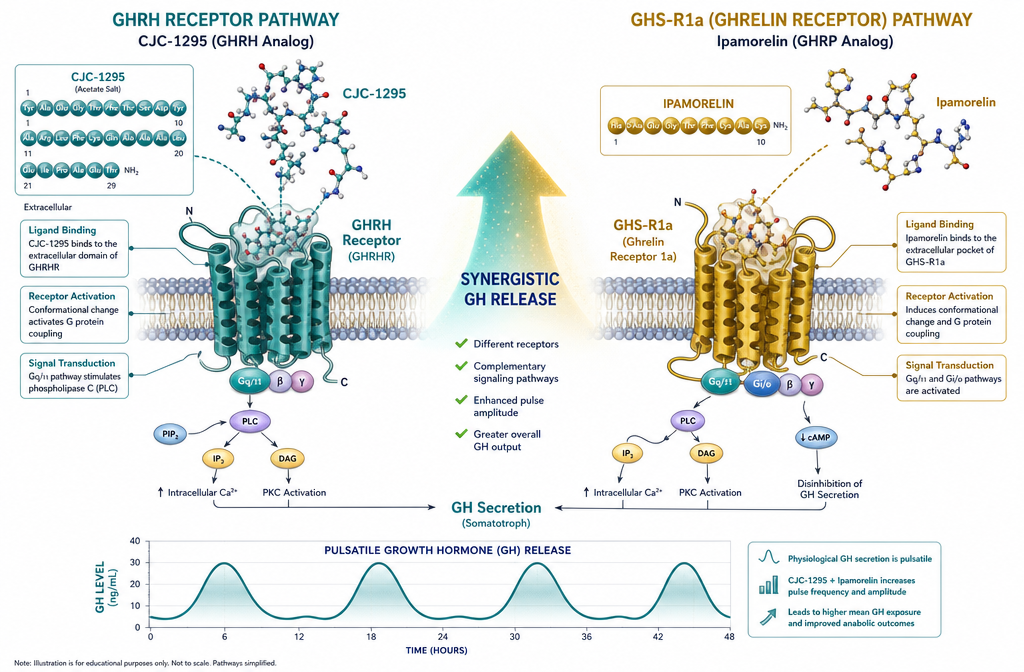
  • CJC-1295 activates the GHRH receptor; Ipamorelin activates the GHS-R1a ghrelin receptor — dual stimulation produces synergistic GH output.
  • Together, the peptides closely replicate the body's natural pulsatile GH secretion pattern in animal models.
  • Ipamorelin's receptor selectivity avoids significant cortisol or prolactin elevation, making it a cleaner research tool.
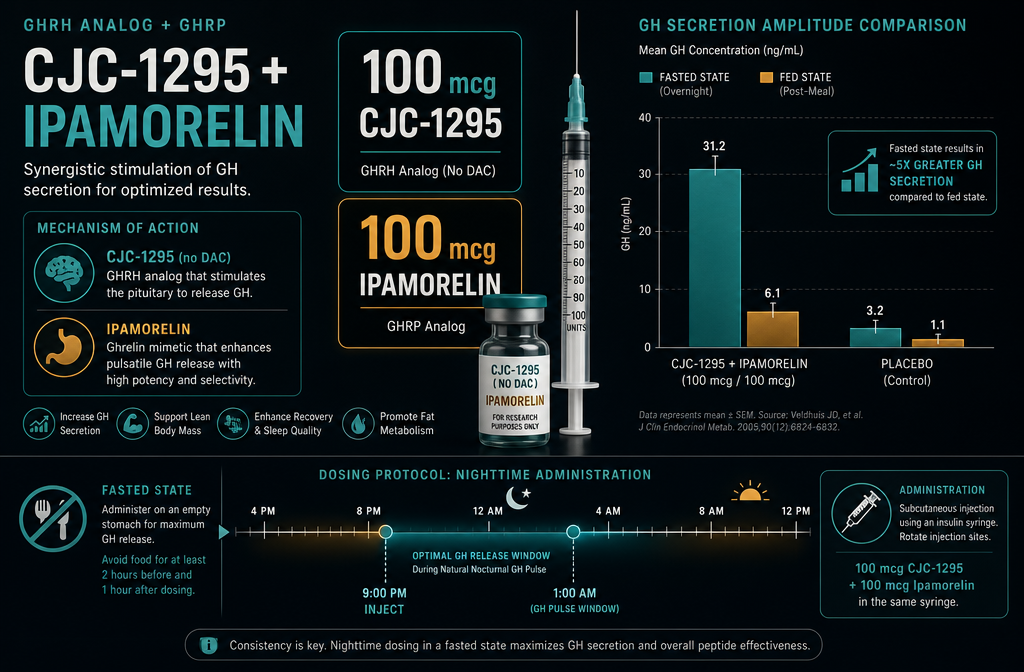
  • Fasted-state administration appears to optimize GH pulse amplitude in preclinical protocols.
  • Both peptides are strictly for licensed laboratory research and are not approved for human use.

Key Takeaways

How Dual-Receptor Activation Drives Synergistic GH Output

The pituitary gland responds to at least two distinct chemical signals when releasing GH. CJC-1295 is a stabilized analog of growth hormone-releasing hormone (GHRH) that binds to the GHRH receptor on somatotroph cells, stimulating both GH synthesis and secretion. Ipamorelin, by contrast, is a selective ghrelin receptor agonist that targets the GHS-R1a receptor through a completely independent signaling cascade.

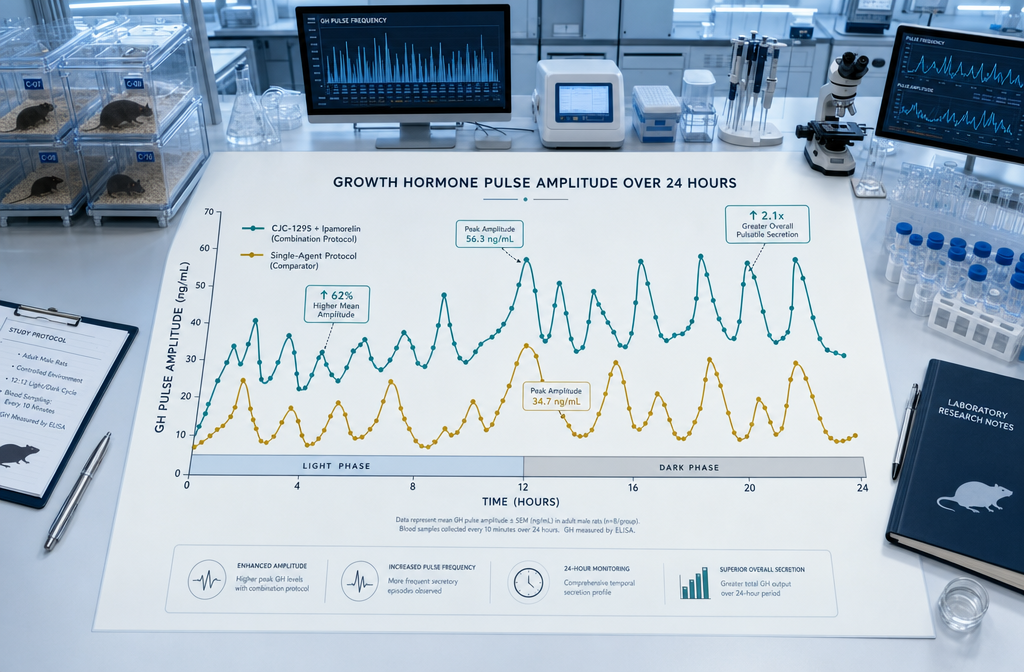
When researchers administer both peptides together, each receptor pathway amplifies the other's signal. The result is a GH release that consistently exceeds what either compound produces alone — a true synergistic effect rather than a simple additive one. Researchers exploring CJC-IPA synergy research themes have documented this complementary mechanism as a key reason the combination attracts sustained scientific interest.

What makes Ipamorelin particularly valuable in these models is its selectivity. Unlike earlier ghrelin mimetics, Ipamorelin does not significantly raise cortisol or prolactin levels at research doses. This cleaner hormonal profile allows investigators to isolate GH-specific effects without confounding variables — a critical advantage when the goal is precise mechanistic data.

For a broader look at how Ipamorelin fits within the GH-axis peptide family, the GH axis product line overview provides useful context on related compounds and their receptor targets.


How Dual-Receptor Activation Drives Synergistic GH Output

Modeling Pulsatile GH Release: What Animal Studies Reveal

Replicating physiologic GH pulsatility is harder than simply raising GH levels. Natural GH secretion follows a rhythmic pattern tied to sleep stages, fasting status, and hypothalamic feedback loops. The core research question in CJC-1295 and Ipamorelin combination protocols: modeling pulsatile GH release in animal studies is whether exogenous peptide administration can restore or mimic that rhythm rather than simply flooding the system with a sustained hormone elevation.

Preclinical data from rodent models show that CJC-1295 (no-DAC formulation) produces a sharp, transient GH spike rather than a prolonged plateau. When paired with Ipamorelin, the combined pulse closely resembles the amplitude and duration of endogenous GH bursts. Crucially, studies using continuous CJC-1295 stimulation confirm that pulsatile secretion patterns are maintained rather than suppressed — an important finding because tonic GH elevation can downregulate receptor sensitivity over time.

Researchers interested in the mechanistic distinctions between CJC-1295 formulations can review CJC-1295 no-DAC research themes for a detailed breakdown of half-life and pulse dynamics.

The IPA GHRH/GRF research page further explores how ghrelin receptor agonists interact with the GHRH axis at the hypothalamic level, which is directly relevant to understanding why combination dosing produces more physiologic pulse shapes than single-agent administration.


Modeling Pulsatile GH Release: What Animal Studies Reveal

Protocol Design: Timing, Dosing, and Fasting State Considerations

Translating receptor biology into a workable research protocol requires attention to three variables: dose, timing, and metabolic context.

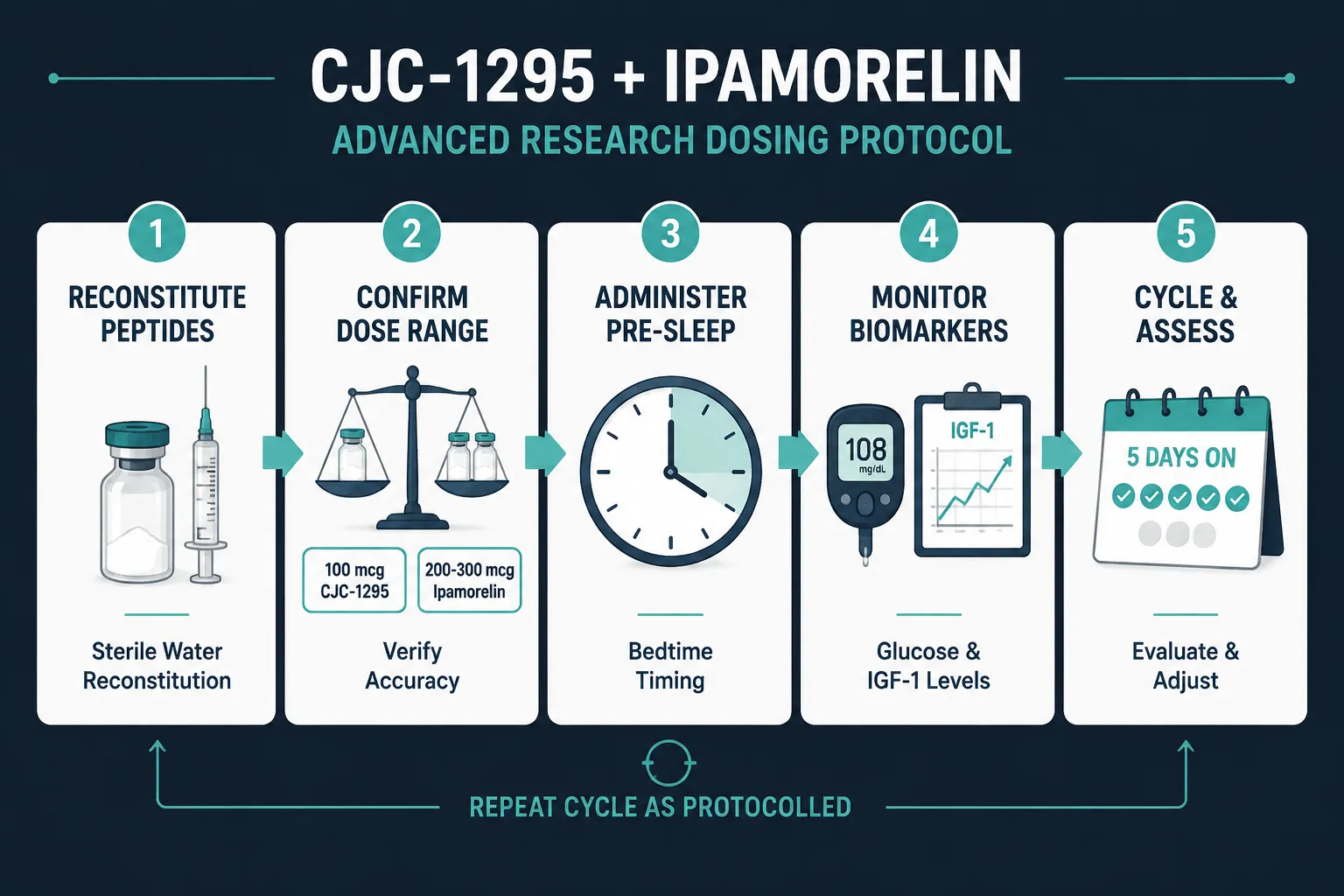
Established preclinical dosing parameters include:

Variable Research Parameter
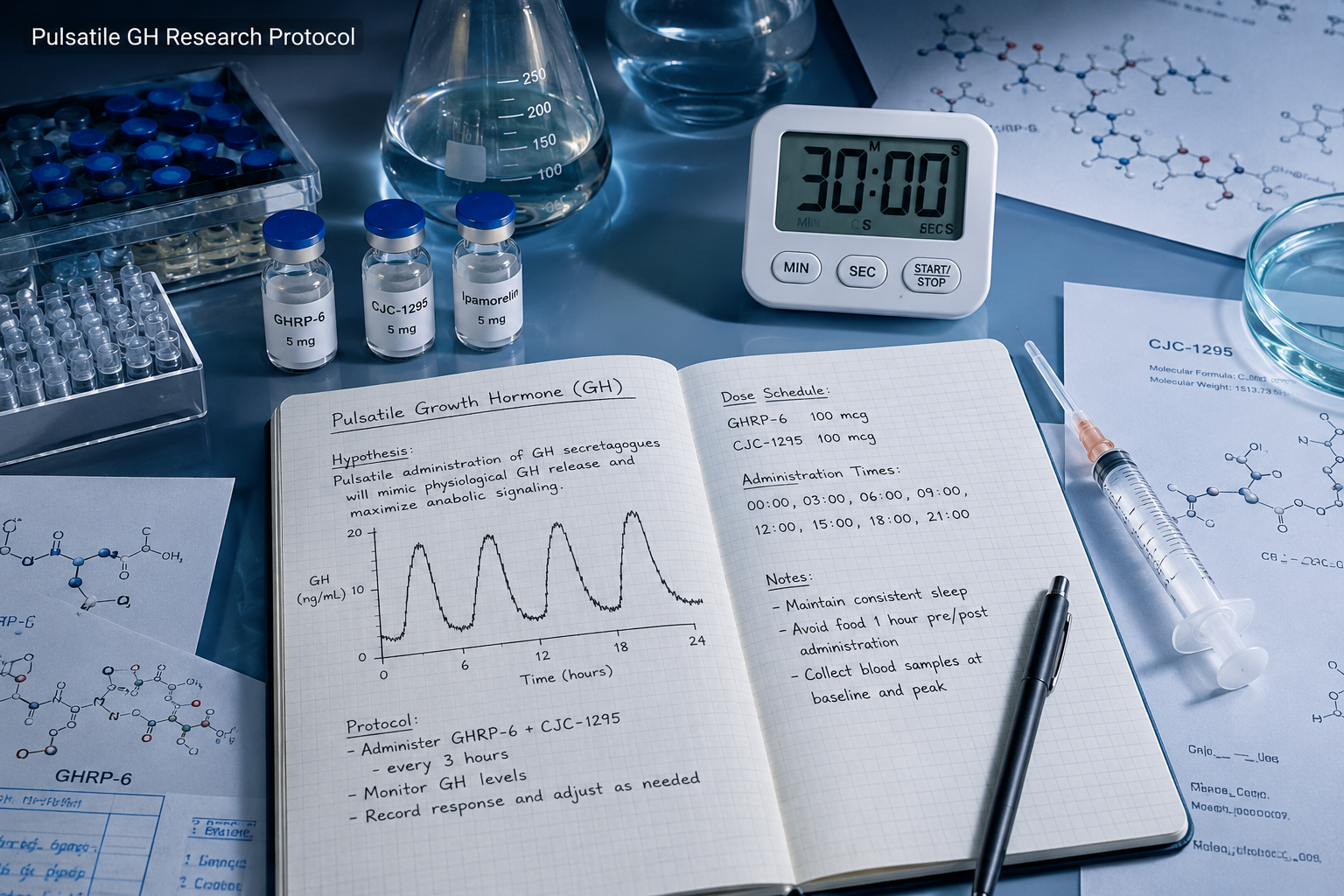
CJC-1295 (no-DAC) dose ~100 mcg per administration
Ipamorelin dose ~100 mcg per administration
Preferred timing Pre-sleep window
Metabolic state Fasted preferred

The pre-sleep timing is deliberate. The largest natural GH pulse in most mammals occurs during early deep sleep, so aligning exogenous stimulation with that window reinforces rather than disrupts endogenous rhythm. Administering the combination during a fasted state further optimizes results: elevated insulin and circulating free fatty acids are known to blunt GH release at the pituitary level, so low-insulin conditions allow the peptide signal to reach its full potential.

Researchers designing multi-peptide GH-axis protocols can also review the Sermorelin, Ipamorelin, and CJC-1295 dosage resource for comparative data on how different GHRH analogs perform alongside Ipamorelin across dosing schedules.

For studies requiring blended formulations, Tesamorelin/CJC-1295/Ipamorelin blend options represent an adjacent research tool worth evaluating. Purity verification remains non-negotiable in any peptide study; the quality testing protocols page outlines the analytical standards used to confirm compound identity and concentration before research use.

"The value of the CJC-1295/Ipamorelin pairing lies not in simply raising GH levels, but in recreating the pulsatile architecture that makes GH signaling biologically meaningful."


Conclusion

CJC-1295 and Ipamorelin combination protocols: modeling pulsatile GH release in animal studies offers researchers a mechanistically grounded framework for studying the GH axis. By engaging two independent receptor pathways — GHRH-R and GHS-R1a — the combination produces synergistic, pulse-shaped GH secretion that mirrors endogenous biology more closely than single-agent approaches.

Actionable next steps for researchers in 2026:

  • Confirm peptide purity through validated third-party testing before any in vivo work.
  • Design dosing schedules around the pre-sleep window and fasted metabolic state to maximize pulse amplitude.
  • Use the no-DAC formulation of CJC-1295 when short, discrete GH pulses are the research objective.
  • Compare combination outcomes against Ipamorelin-only and CJC-1295-only control groups to quantify the synergistic contribution.
  • Review current blend formulations and receptor-specific literature before finalizing protocol parameters.

Both peptides remain strictly research-grade compounds, intended solely for licensed laboratory use and not approved for human administration.

https://www.puretestedpeptides.com/wp-content/uploads/2026/06/CJC-1295-and-Ipamorelin-Combination-Protocols-Modeling-Pulsatile-GH-Release-in-Animal-Studies.png 672 1024 https://www.puretestedpeptides.com/wp-content/uploads/2026/01/buy-peptides-online.jpg 2026-06-10 13:06:182026-06-10 13:06:18CJC-1295 and Ipamorelin Combination Protocols: Modeling Pulsatile GH Release in Animal Studies
×

Helpful Links

  • My account
  • Cart
  • Checkout
  • Refund and Returns Policy
  • Privacy Policy
  • SMS Privacy Policy
  • Login
  • My Account
  • Logout

USA Made Lab Tested Peptides

All products are sold for research, laboratory, or analytical purposes only, and are not for human consumption


Pure Tested Peptides is a chemical supplier. Pure Tested Peptides is not a compounding / chemical compounding facility as defined under 503A of the Federal Food, Drug, and Cosmetic act. Pure Tested Peptides is not an outsourcing facility as defined under 503B of the Federal Food, Drug, and Cosmetic act.

The statements made within this website have not been evaluated by the US Food and Drug Administration. The products we offer are not intended to diagnose, treat, cure or prevent any disease.

Human/Animal Consumption Prohibited. Laboratory/In-Vitro Experimental Use Only

Scroll to top Scroll to top Scroll to top