Call or Text 727-513-9780
  • Shopping Cart Shopping Cart
    0Shopping Cart
Pure Tested Peptides | America's most trusted Peptides for sale online
  • Peptides for sale
    • Oral Peptides for sale
      • Peptide Capsules for sale
      • BPC 157 Capsules 1000mcg
      • SLU-PP-332 Capsules | 1000 mcg
      • 5-Amino-1MQ 50mg Capsules
      • Tesofensine 500mcg
    • All Peptides for sale
    • Peptide Sprays
      • BPC 157 Nasal Spray Kit
      • BPC-157 TB500 Nasal Spray Kit
      • Semax Nasal Spray 10mg
      • Selank – Nasal Spray Kit – 10mg
      • Epithalon 50MG Nasal Spray Kit
      • Ipamorelin 10mg Nasal Spray
      • Klow Nasal Spray (BPC-157 + TB-500 + GHK-Cu + KPV) | 80mg
      • Hulk Nasal Spray Tesa / Ipa Blend 6/3 MG
      • Klow Nasal Spray
      • NAD + 500 mg Nasal Spray
      • PT-141 Nasal Spray Kit
    • GHRH Peptides
      • Ipa Peptides
      • CJC-1295 Peptides
        • CJC-1295 with DAC 5 mg
        • CJC-1295 without DAC 5 mg
        • CJC-1295 Ipa 10mg
      • Tesa Peptides
        • Tesa Peptide
        • Tesa 20 mg
    • GHK-Cu Peptides
      • All GHK-Cu Peptides
      • GHK-Cu 100mg
      • KLOW Peptide Blend – Buy KLOW blend online
    • BPC Peptides
      • All BPC Peptides
      • BPC-157
      • BPC-157 TB-500
      • BPC 157 capsules 1000mcg
    • SLU-PP-332 Peptides
      • All SLU-PP-332 Peptides
      • SLU-PP-332 5mg
    • GLP3 Peptides
      • GLP3-R
      • GLP3-R CAG 10mg
      • GLP3-R 20mg
    • PT-141 Peptides
      • PT-141 Peptides for sale
      • PT-141 10mg
      • PT-141 Nasal Spray
    • CAG Peptides
      • Lipo-C Peptide Blend
      • CAG 5mg
      • CAG 10mg
    • MOTS-C Peptides
      • MOTS-C Peptides for sale
      • MOTS-c peptide
      • MOTS-c 10mg *6 pack*
    • 5 Amino 1MQ Peptides
      • 5 Amino 1MQ Peptides for sale
      • 5-Amino-1MQ 50mg Capsules
      • 5-Amino-1MQ 5mg
    • Epithalon Peptides
      • Epithalon Peptides for sale
      • Epithalon 10mg
      • Epithalon 50mg
  • Shop
    • GLPs
      • 5-Amino-1MQ 50mg Capsules
      • 5-Amino-1MQ 5mg
      • GLP3-Reta
      • L-Carnitine 500mg/ml
      • Tesofensine 500mcg
      • SLU-PP-332 5mg
      • MOTS-c 10mg *6 pack*
    • Epithalon & BPC Peptides
      • Epithalon 10mg
      • Epithalon 50mg
      • BPC-157
      • BPC 157 capsules 1000mcg
      • BPC-157 TB-500
      • BPC-157 TB500 Nasal Spray Kit
      • BPC 157 Nasal Spray Kit
    • BPC TB-500 & NAD+ Peptides
      • NAD+ 500 mg
      • KLOW Peptide Blend – Buy KLOW blend online
      • GLOW Peptide Blend
      • TB 500 5mg
      • BPC 157 capsules 1000mcg – Supplement
      • BPC 157 Nasal Spray Kit
      • BPC-157
      • BPC-157 TB500 Nasal Spray Kit
      • BPC-157 TB-500
      • BPC 157 capsules 1000mcg
    • LL-37 Peptide
      • LL-37 10 mg
    • MOTS-C & Selank
      • MOTS-c peptide
      • Selank 10mg
    • GHK Peptides
      • GHK-Cu 100mg
      • GLOW Peptide Blend
      • KLOW Peptide Blend – Buy KLOW blend online
  • COAs
  • Wholesale
    • Wholesale Peptides for sale
  • PTP FAQ
  • Affiliates
    • Affiliate Program
    • Affiliate Signup
  • Contact
    • Contact Customer Service
    • Text Customer Support
  • About US
  • Shop all peptides
  • Login / Register Login / Register Page Link Login / Register Page Link
  • Click to open the search input field Click to open the search input field Search
  • Menu Menu

Tag Archive for: research chemicals

Where to Buy Enclomiphene for Research: A Guide to Trusted Suppliers and Quality Assurance

Where to Buy Enclomiphene for Research: A Guide to Trusted Suppliers and Quality Assurance

June 20, 2026/0 Comments/in Uncategorized/by

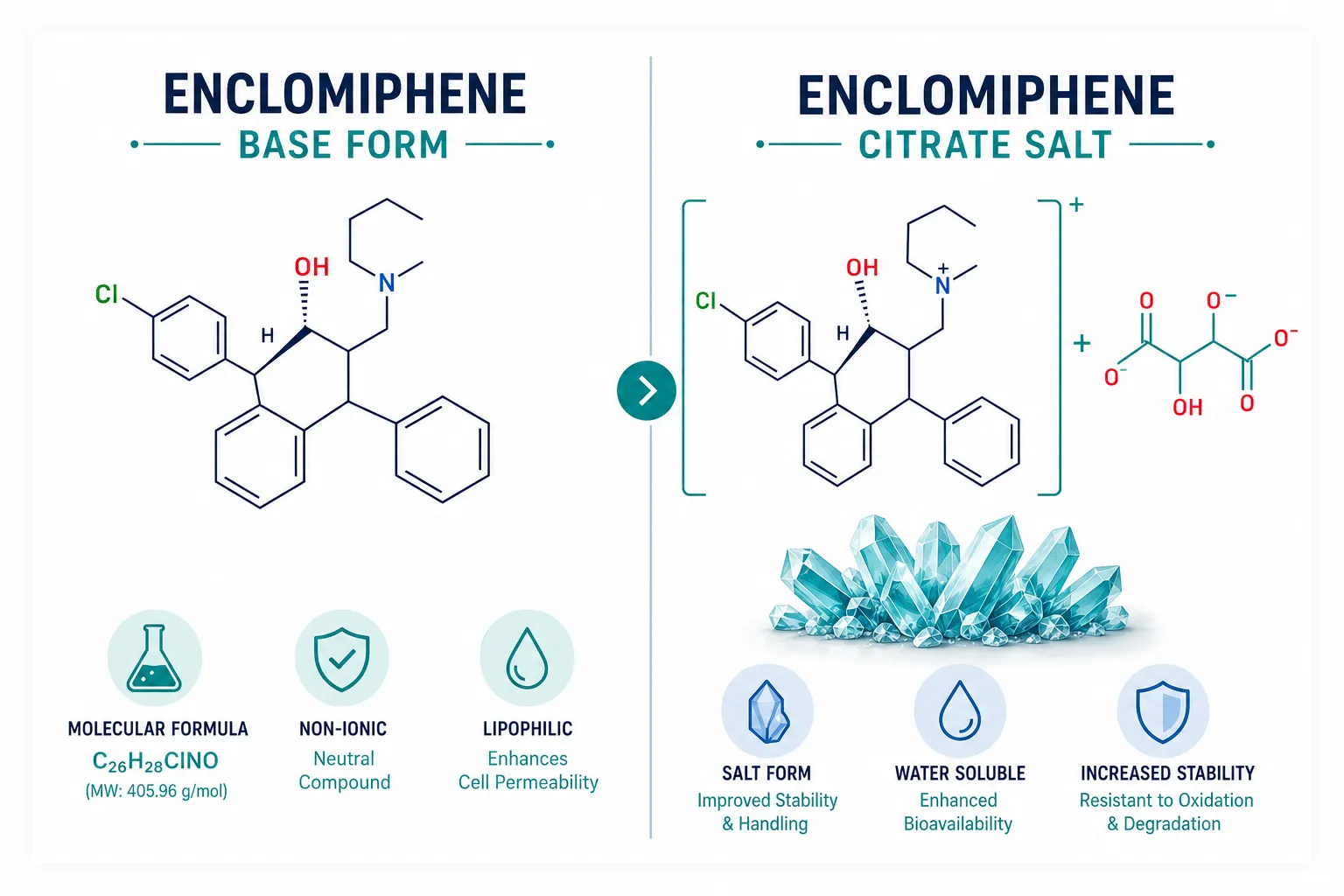
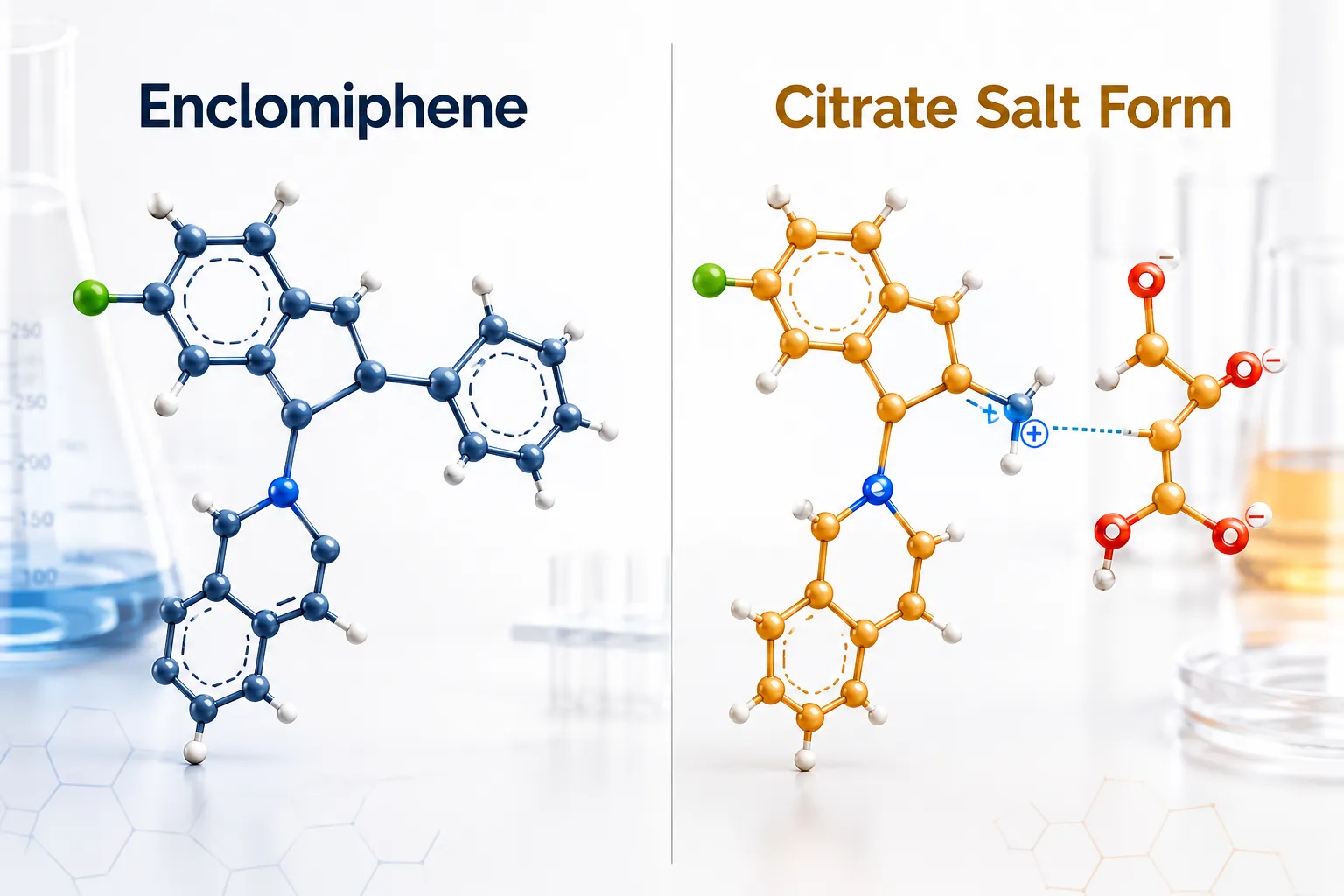
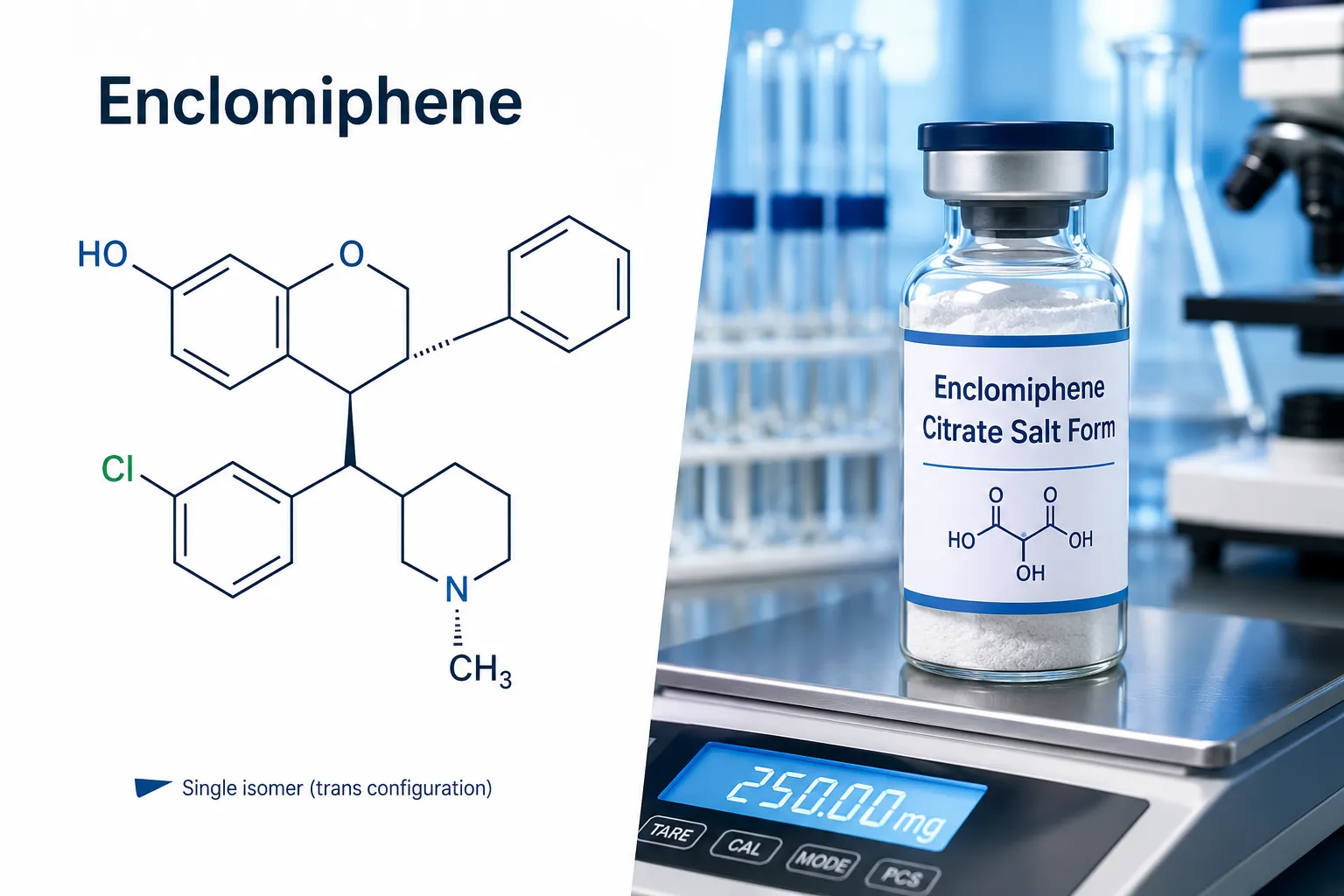
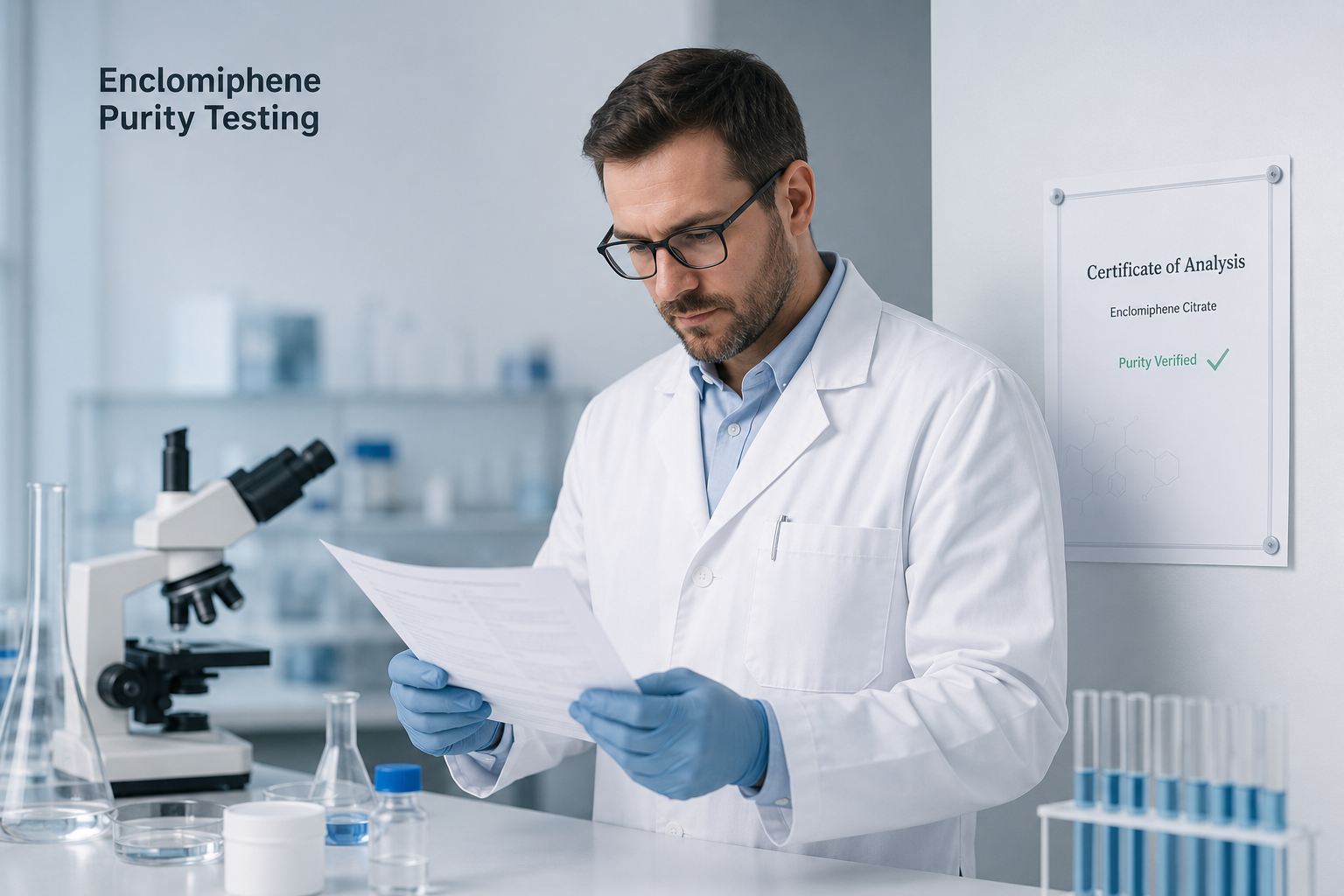
Only a handful of compounds have generated as much research interest as enclomiphene citrate — yet its regulatory path remains one of the most complicated in modern pharmacology. For laboratory researchers navigating this landscape in 2026, finding where to buy enclomiphene for research through trusted suppliers and quality assurance protocols is not straightforward. This guide breaks down the supplier landscape, quality benchmarks, and critical compliance considerations researchers must understand before making any procurement decision.

Key Takeaways

  • Enclomiphene citrate has not received FDA approval and remains in 503A Category 1 (Under Evaluation) as of 2026.
  • Research-grade suppliers must provide batch-specific Certificates of Analysis (COA) and third-party purity verification.
  • Purity benchmarks from reputable suppliers range from 98.88% to 99.0% or higher, verified by RP-HPLC analysis.
  • Global supply chain constraints — particularly stereochemical purification capacity — affect consistent availability.
  • Purchasing enclomiphene without a valid prescription for human use is unregulated and carries significant legal and safety risks.

Key Takeaways

Understanding the Regulatory Landscape Before You Source

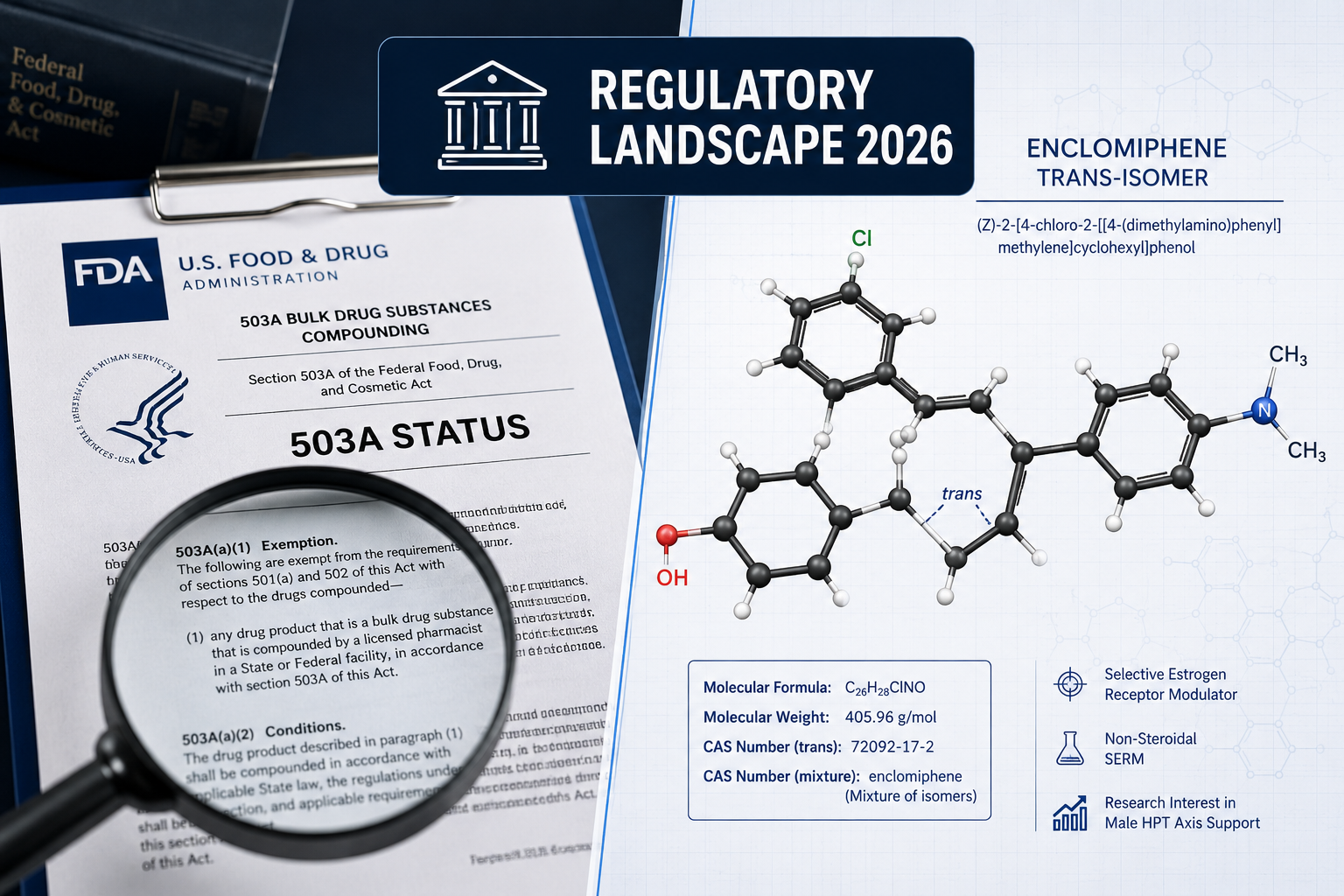
Any serious discussion of where to buy enclomiphene for research must begin with its regulatory status. Enclomiphene citrate has never received FDA approval. Its developer pursued approval under the brand name Androxal for secondary hypogonadism, but received a Complete Response Letter in late 2015. The FDA indicated the Phase 3 study design was no longer adequate to demonstrate clinical benefit, and the required additional trials were never completed.

In June 2022, the FDA Pharmacy Compounding Advisory Committee voted against adding enclomiphene citrate to the final 503A Bulks List. As of the FDA's updated list in May 2026, enclomiphene remains in 503A Category 1 (Under Evaluation) — meaning its compounding status is still unsettled.

Despite this, enclomiphene is widely used in clinical settings through compounding pharmacies. Under Section 503A of the Federal Food, Drug, and Cosmetic Act, licensed pharmacies may compound drugs for individual patients who hold valid prescriptions. Researchers should clearly distinguish between:

  • Clinical/compounding use — requires a valid prescription and licensed pharmacy
  • Research chemical procurement — governed by supplier-specific quality standards and intended strictly for laboratory use

"Products sold online without a prescription are unregulated, and their contents, purity, and dosing are not verified by any oversight body."

For context on how regulatory frameworks shape the broader peptide and research compound market, the latest developments in peptide research offer useful background on evolving supplier standards.


Understanding the Regulatory Landscape Before You Source

Evaluating Trusted Suppliers and Quality Assurance Standards

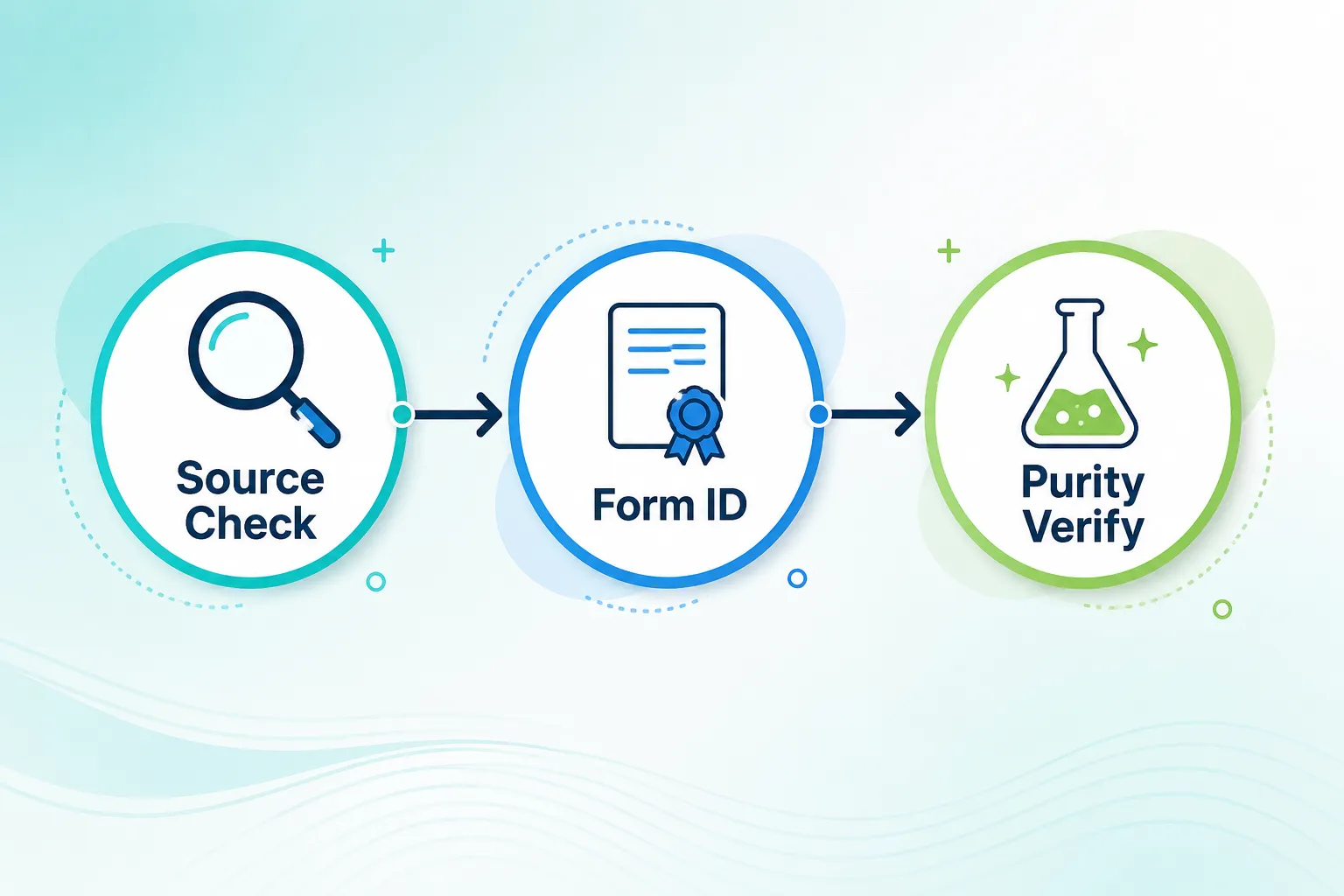
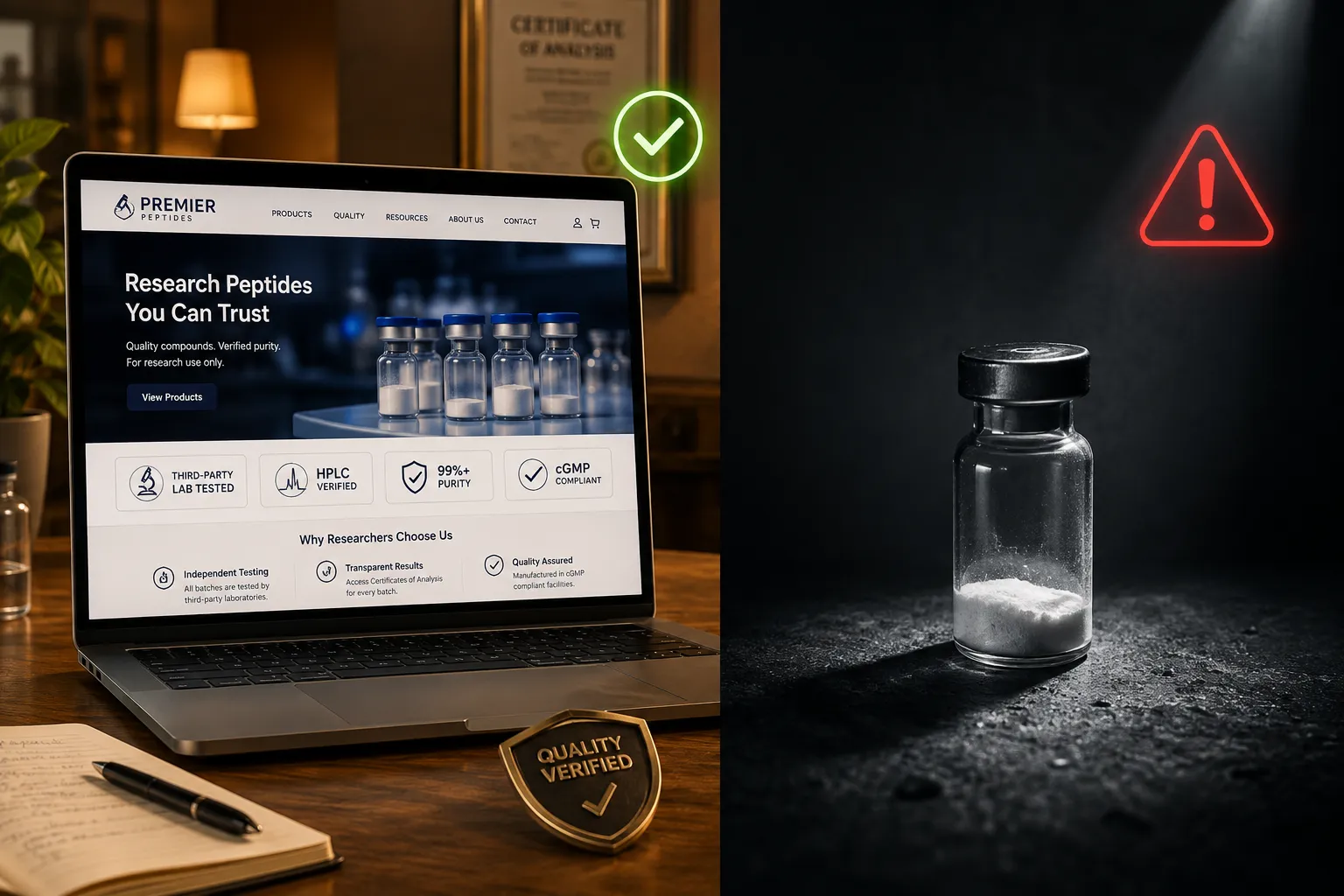
When researching where to buy enclomiphene for research, quality assurance is the single most important criterion. The research chemical market is not uniformly regulated, which means the burden of due diligence falls entirely on the researcher.

What to Look for in a Reputable Supplier

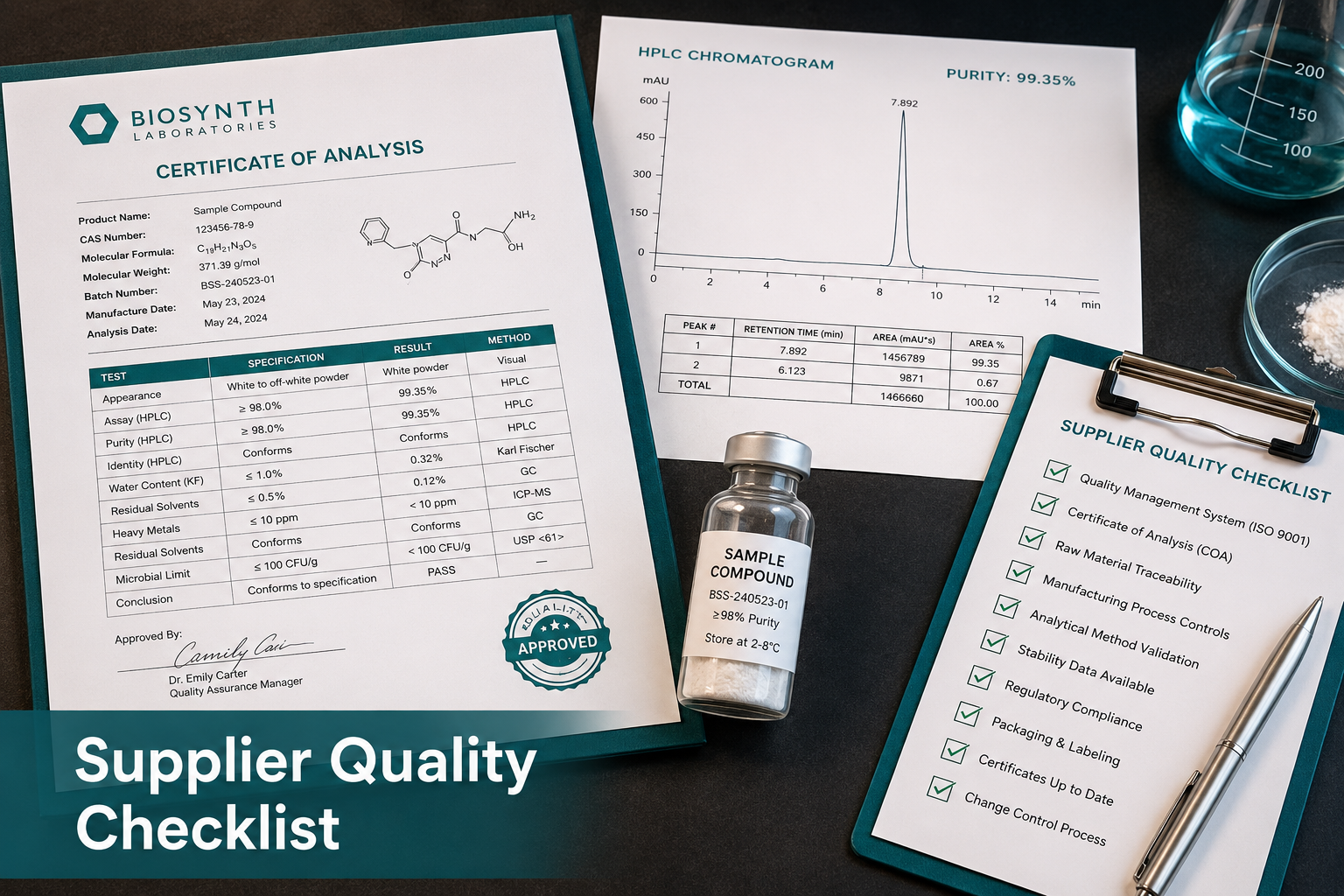
Quality Indicator Minimum Standard
Purity level 98.88% or higher (RP-HPLC verified)
Documentation Batch-specific COA + MSDS
Testing method Third-party or in-house RP-HPLC
Isomer selectivity Trans-isomer above 97%
Labeling Accurate concentration and lot number

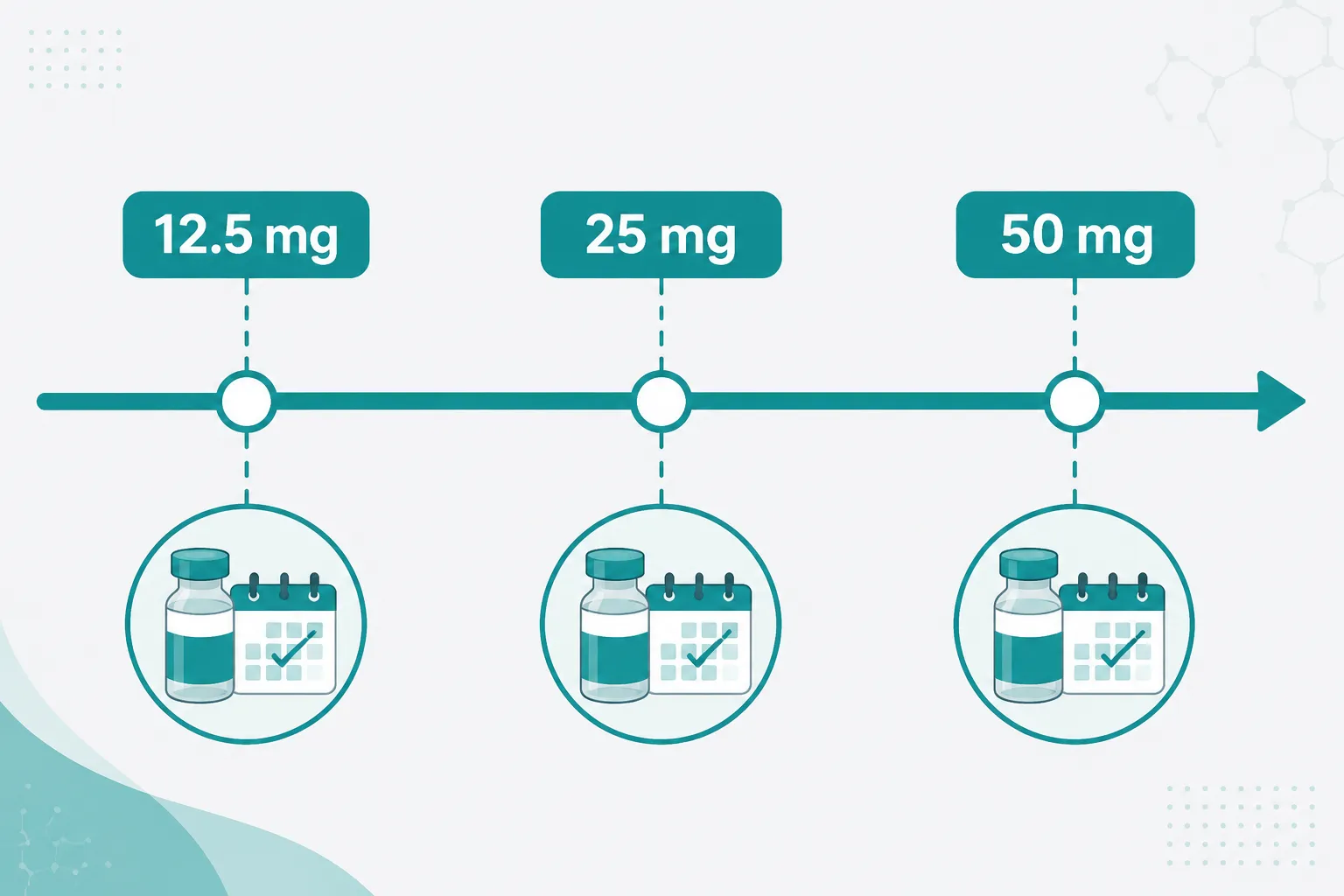
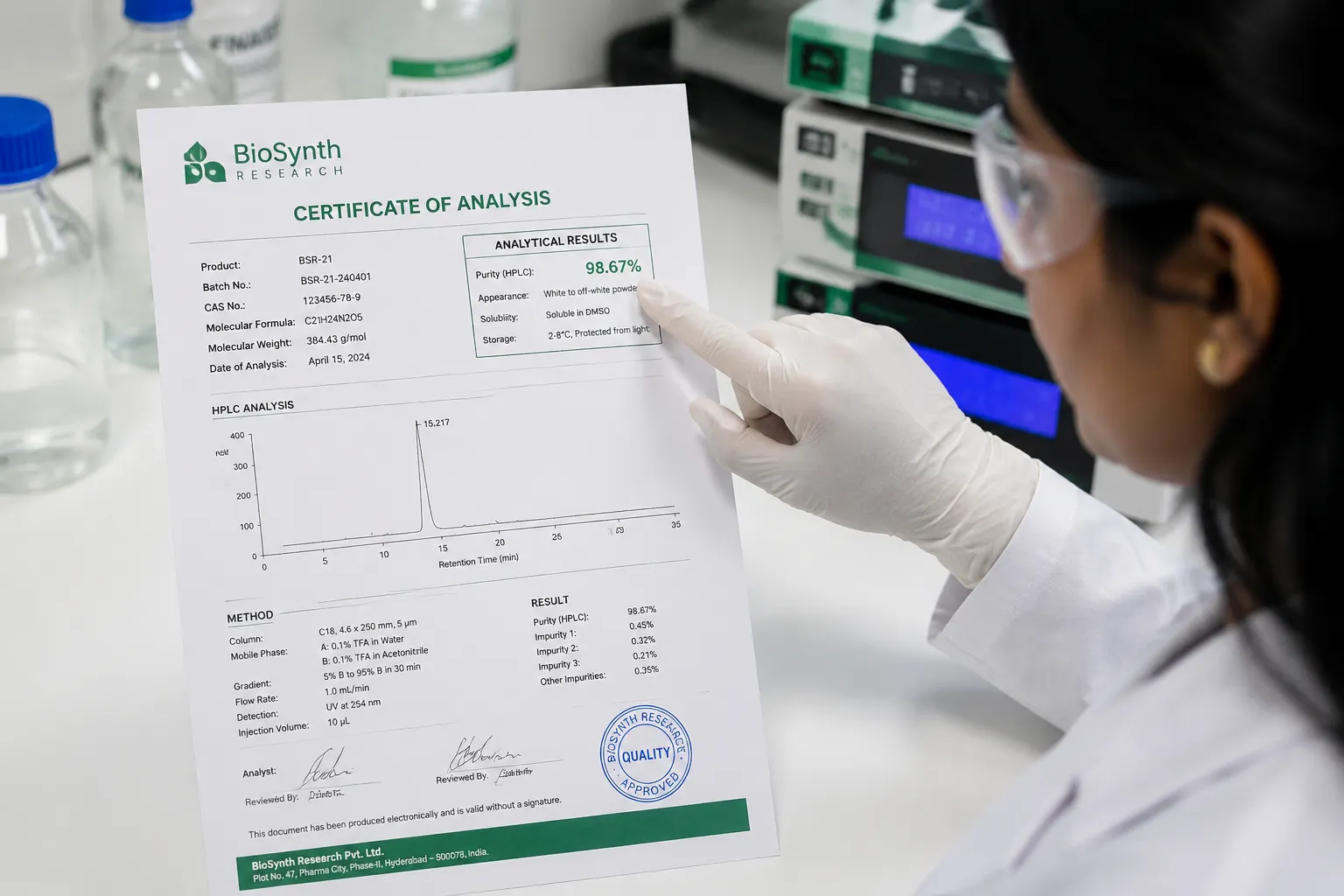
Reputable suppliers provide batch-specific Certificates of Analysis that confirm compound identity, purity, and testing methodology. Some suppliers offer enclomiphene at purity levels of 99.0% or higher, accompanied by both COA and Material Safety Data Sheet (MSDS) documentation. Others offer 12.5 mg capsule formats with purity confirmed at 98.88% via RP-HPLC.

Researchers sourcing other compounds from verified suppliers can review lab-tested peptide standards to understand what rigorous quality documentation looks like in practice. Similarly, the COA verification process used by established peptide suppliers sets a useful benchmark for what enclomiphene sourcing documentation should include.


What to Look for in a Reputable Supplier

Supply Chain Risks and Practical Procurement Strategies

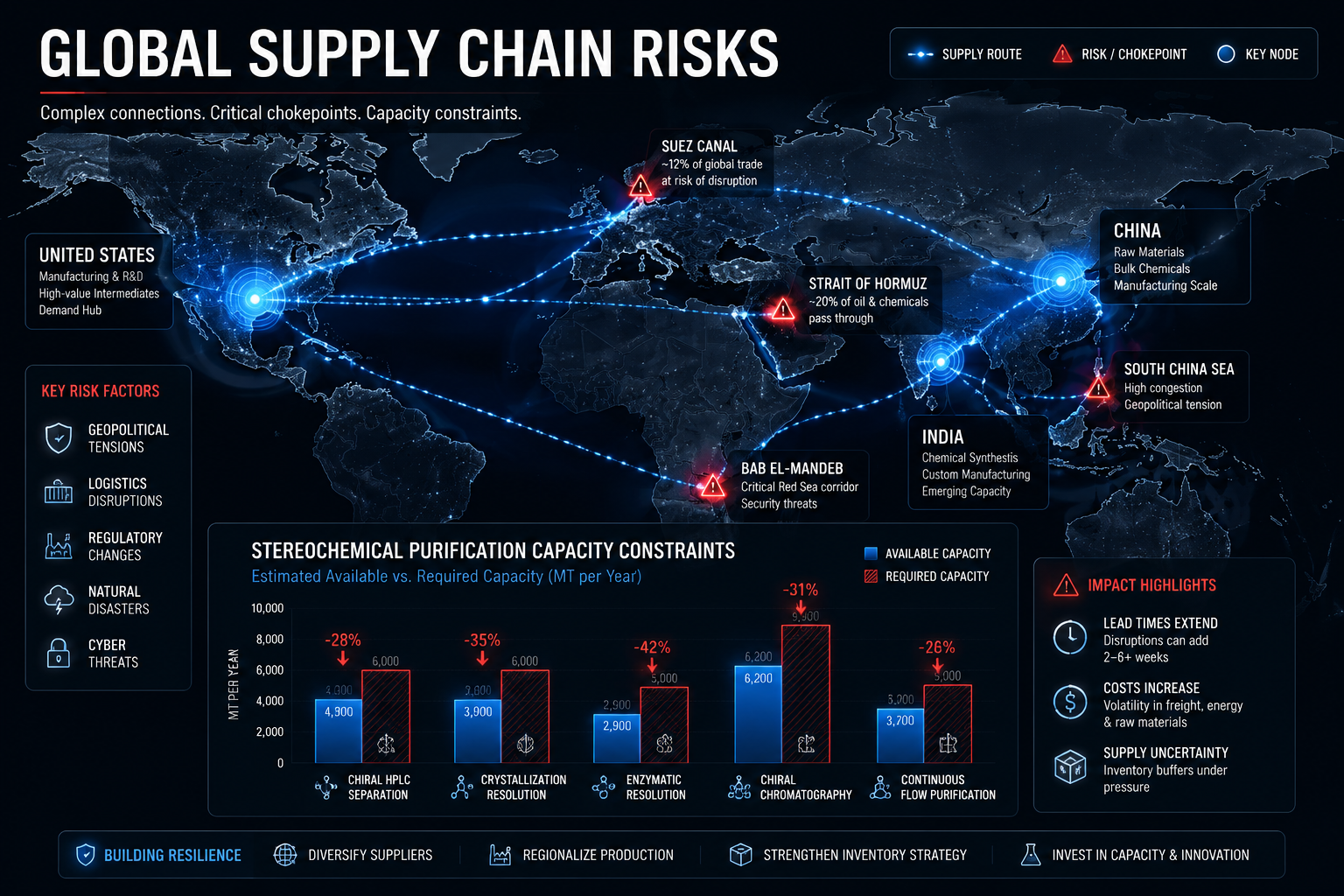
The enclomiphene supply chain faces challenges that go beyond simple availability. A significant portion of active pharmaceutical ingredients (APIs) are sourced from manufacturing hubs in China and India. Geopolitical factors and increased FDA oversight of compounded hormone therapies have created procurement bottlenecks.

Industry experts point to a specific constraint: stereochemical purification capacity. Facilities capable of maintaining consistent trans-isomer selectivity above 97% are limited globally. This makes consistent, high-purity supply difficult to guarantee across all vendors.

Practical steps for research procurement:

  • Implement predictive procurement strategies to buffer against supply gaps
  • Request lot-specific documentation before finalizing any order
  • Verify that the supplier tests each batch independently, not just at product launch
  • Cross-reference supplier claims against third-party analytical databases

Researchers working with related compounds — such as those exploring 5-Amino-1MQ for metabolic research or NAD+ scientific evidence — will recognize that these same supply chain diligence principles apply across the research compound category.

For those interested in broader hormonal and body composition research themes, resources on tesa science and sourcing and body composition research themes provide useful comparative context.


Conclusion

Navigating where to buy enclomiphene for research requires a clear-eyed understanding of regulatory status, supplier quality standards, and global supply chain realities. In 2026, the compound remains unapproved by the FDA and sits in an unsettled compounding category — making rigorous supplier vetting non-negotiable.

Actionable next steps for researchers:

  1. Confirm the intended use is strictly laboratory research, not human administration without medical supervision.
  2. Request batch-specific COA and MSDS documentation from any prospective supplier before purchasing.
  3. Verify purity is confirmed via RP-HPLC at 98.88% or above, with trans-isomer selectivity above 97%.
  4. Build procurement buffers into research timelines to account for supply chain volatility.
  5. Consult a licensed healthcare professional if the intended application involves any clinical or compounding context.

Quality assurance is not optional in research compound procurement — it is the foundation of reliable, reproducible science.

https://www.puretestedpeptides.com/wp-content/uploads/2026/06/Where-to-Buy-Enclomiphene-for-Research-A-Guide-to-Trusted-Suppliers-and-Quality-Assurance.png 1024 1536 https://www.puretestedpeptides.com/wp-content/uploads/2026/01/buy-peptides-online.jpg 2026-06-20 13:03:322026-06-20 13:03:32Where to Buy Enclomiphene for Research: A Guide to Trusted Suppliers and Quality Assurance
CJC-1295 with Ipamorelin: Optimizing Growth Hormone Release for Research Studies

CJC-1295 with Ipamorelin: Optimizing Growth Hormone Release for Research Studies

June 20, 2026/0 Comments/in Uncategorized/by

}

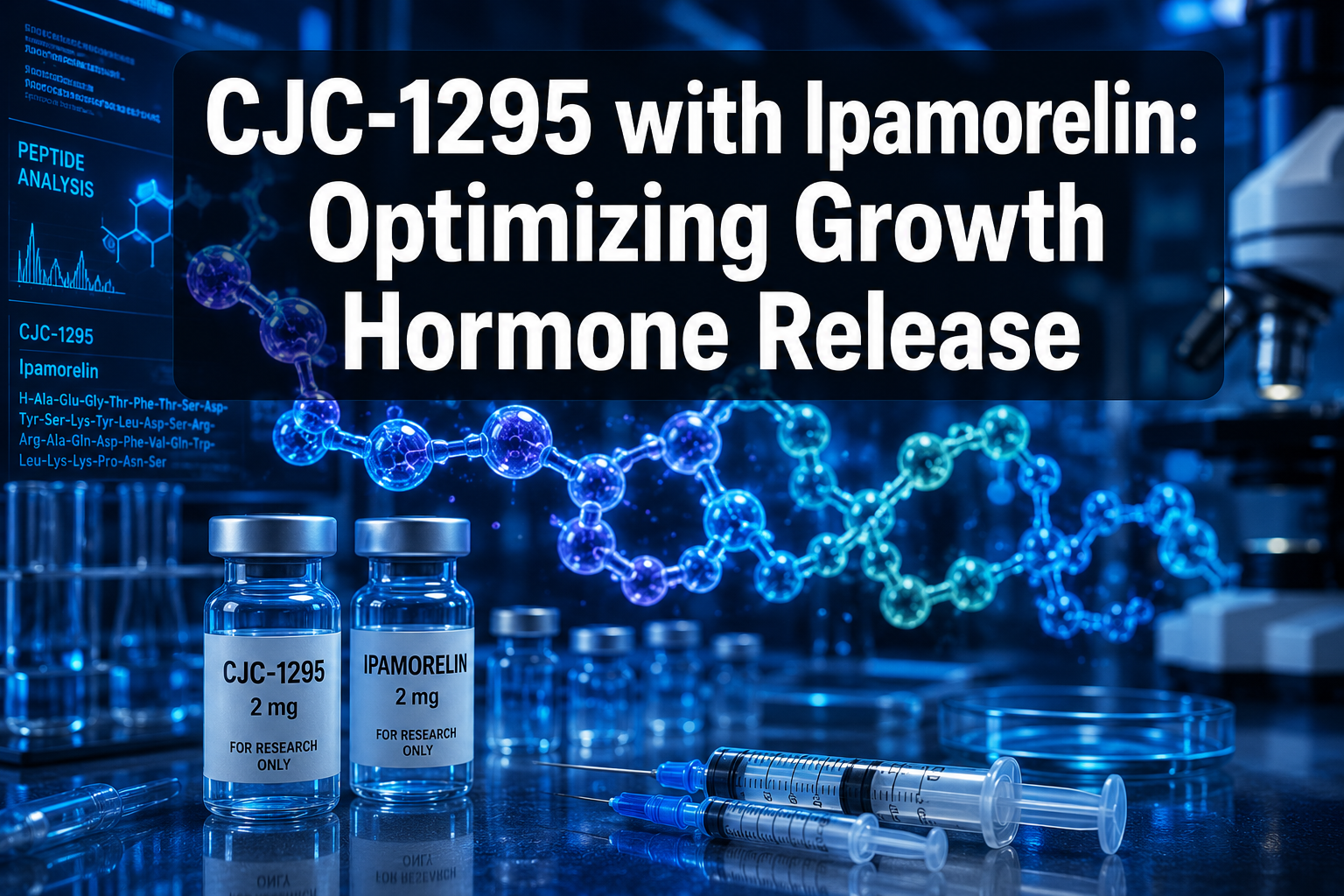
Professional () hero image with : 'CJC-1295 with Ipamorelin: Optimizing Growth Hormone Release' in extra large white with

A single subcutaneous injection of CJC-1295 produced a 2- to 10-fold increase in mean plasma growth hormone levels lasting up to six days — a finding that reshaped how researchers think about pulsatile GH stimulation. When paired with Ipamorelin, this effect takes on a new dimension entirely. Understanding the science behind CJC-1295 with Ipamorelin: optimizing growth hormone release for research studies requires examining both peptides at the receptor level and then exploring what happens when their pathways converge.

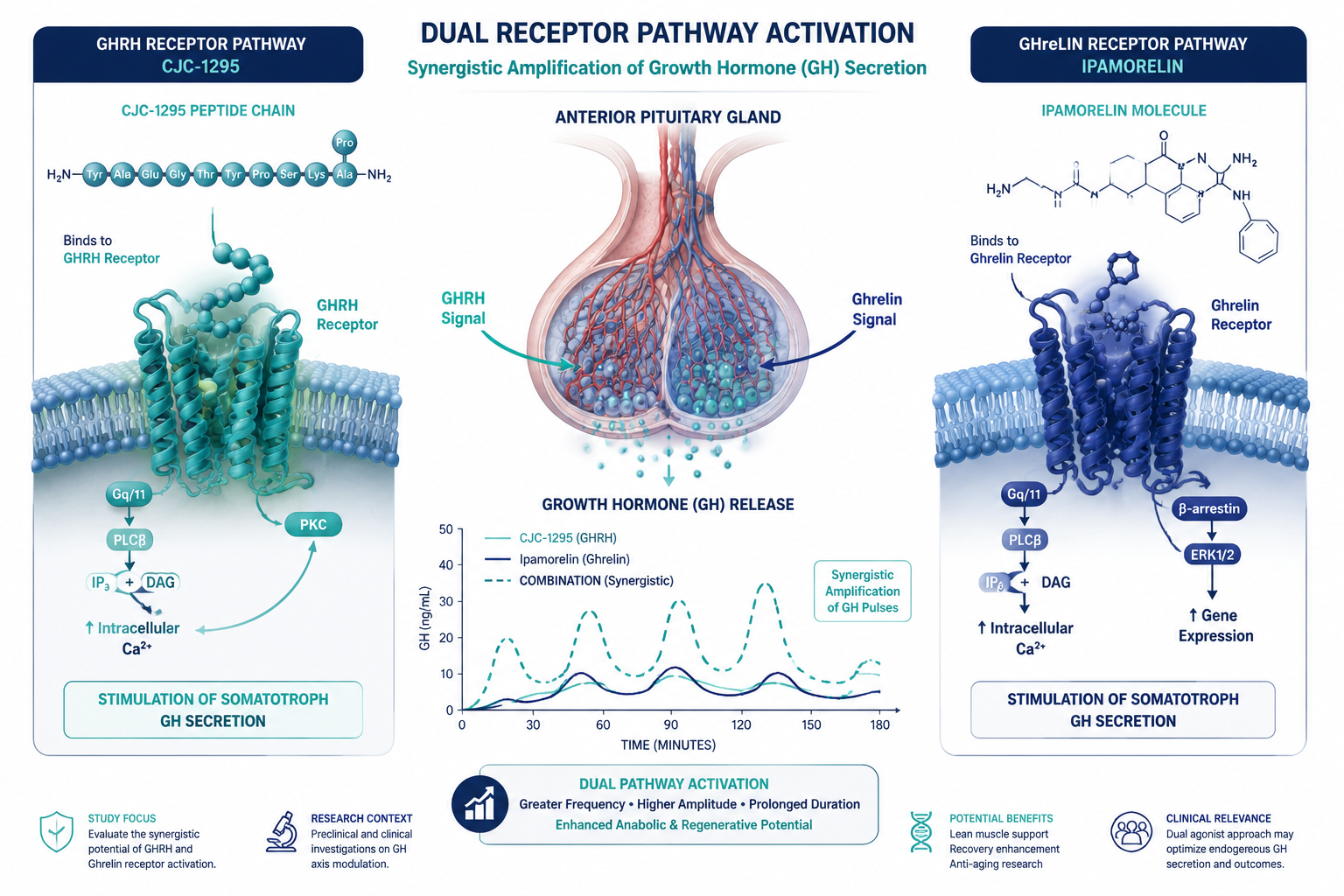
Detailed () scientific diagram illustration showing dual receptor pathway activation: left panel labeled GHRH receptor with

Key Takeaways

  • CJC-1295 is a long-acting GHRH analog; Ipamorelin is a selective ghrelin receptor agonist — they activate distinct GH-release pathways.
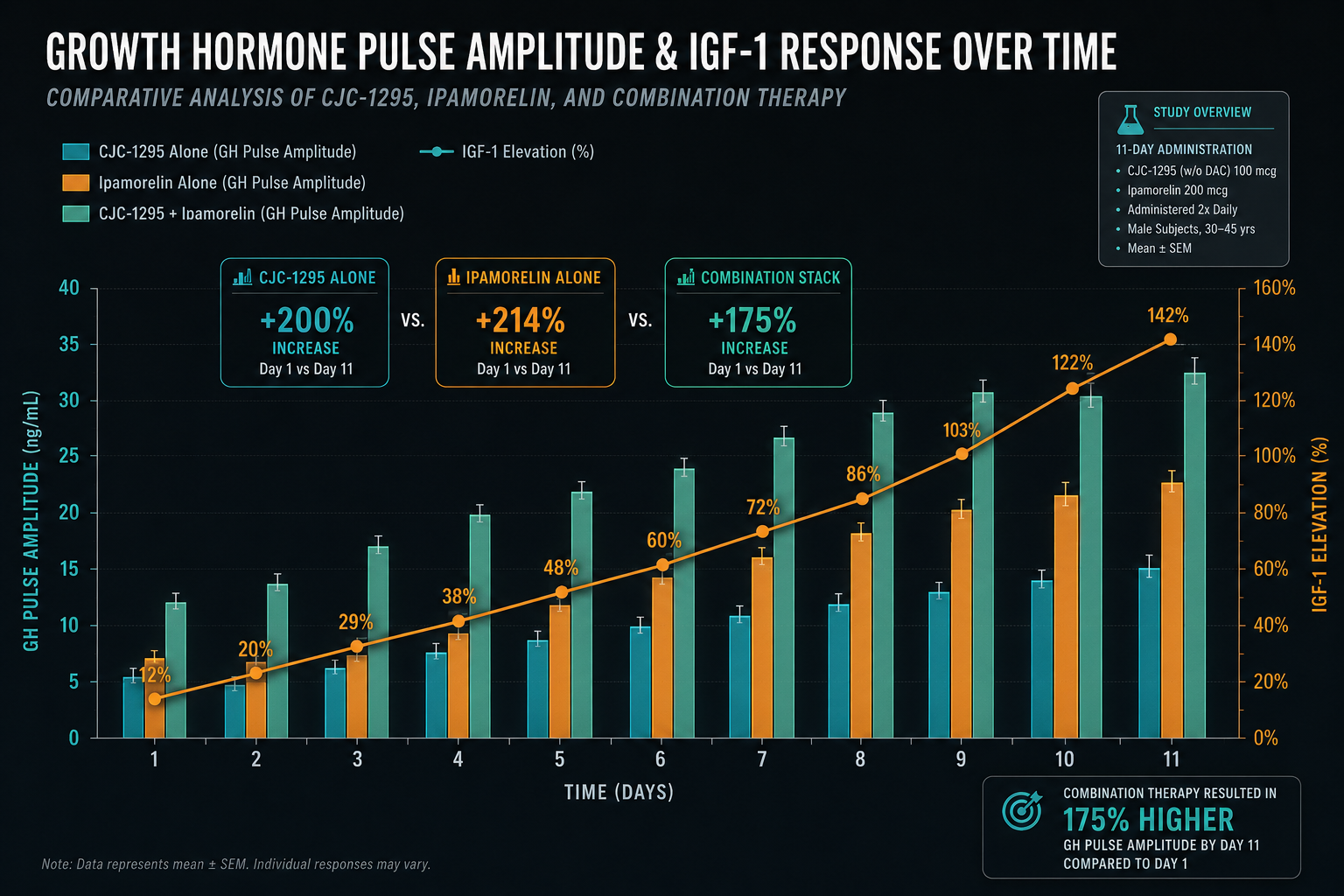
  • Combining both peptides produces greater GH pulse amplitude and frequency than either compound alone.
  • A 2006 clinical study confirmed CJC-1295's extended half-life of 5.8 to 8.1 days and elevated IGF-1 for up to 11 days.
  • Neither peptide is FDA-approved; both are classified as research chemicals and appear on the WADA prohibited list.
  • No published randomized controlled trials exist for the combination as of 2026, making rigorous preclinical study design critical.

Mechanisms Behind the Synergy

CJC-1295 is a modified analog of Growth Hormone-Releasing Hormone (GHRH). It binds to GHRH receptors on the anterior pituitary, signaling somatotroph cells to synthesize and release GH. Its key structural modification — Drug Affinity Complex (DAC) technology — allows it to bind albumin in plasma, dramatically extending its half-life to between 5.8 and 8.1 days. This stands in sharp contrast to sermorelin and CJC-1295 comparisons where sermorelin clears the body in roughly 10 to 12 minutes and tesa in approximately 30 minutes.

Ipamorelin operates through an entirely separate mechanism. It mimics ghrelin by binding to the GHS-R1a receptor, a G-protein-coupled receptor found on pituitary somatotrophs and hypothalamic neurons. Critically, Ipamorelin achieves GH stimulation without meaningfully elevating cortisol or prolactin, which distinguishes it from older secretagogues like GHRP-6 or GHRP-2.

When both peptides are used together, the result is a dual-pathway amplification of GH release. GHRH receptor activation raises the ceiling on GH output, while ghrelin receptor stimulation increases the frequency of GH pulses. Research models studying this combination can explore the CJC-1295 no-DAC research themes alongside full DAC variants to isolate half-life variables.


Clinical Evidence and Research Protocols for CJC-1295 with Ipamorelin

The foundational human data for CJC-1295 comes from a pivotal 2006 study published in the Journal of Clinical Endocrinology and Metabolism. Key findings included:

Parameter Observed Outcome
Plasma GH increase 2- to 10-fold above baseline
Duration of GH elevation Up to 6 days post-injection
IGF-1 increase 1.5- to 3-fold above baseline
IGF-1 elevation duration 9 to 11 days
Estimated half-life 5.8 to 8.1 days
Tolerated dose range 30 to 60 mcg/kg

No serious adverse reactions were observed at these doses. However, no additional human RCTs have been published since 2006, and the CJC-1295/Ipamorelin combination has not been formally tested in published human controlled trials as of 2026.

Clinical Evidence and Research Protocols for CJC-1295 with Ipamorelin

For preclinical research, the combination is typically studied using models that track pulsatile GH secretion patterns over 24-hour windows. Researchers interested in multi-peptide blends can also review tesa, CJC-1295, and Ipamorelin blend protocols to understand how additional GHRH analogs interact within the same framework. A related resource on combining tesa with CJC-1295 and Ipamorelin safety considerations addresses stack-level safety questions relevant to protocol design.

"While CJC-1295 and Ipamorelin can synergistically enhance GH release, their long-term safety and efficacy remain under-researched." — Dr. Quinn Stillson, April 2026


Regulatory Status, Risks, and Research Sourcing

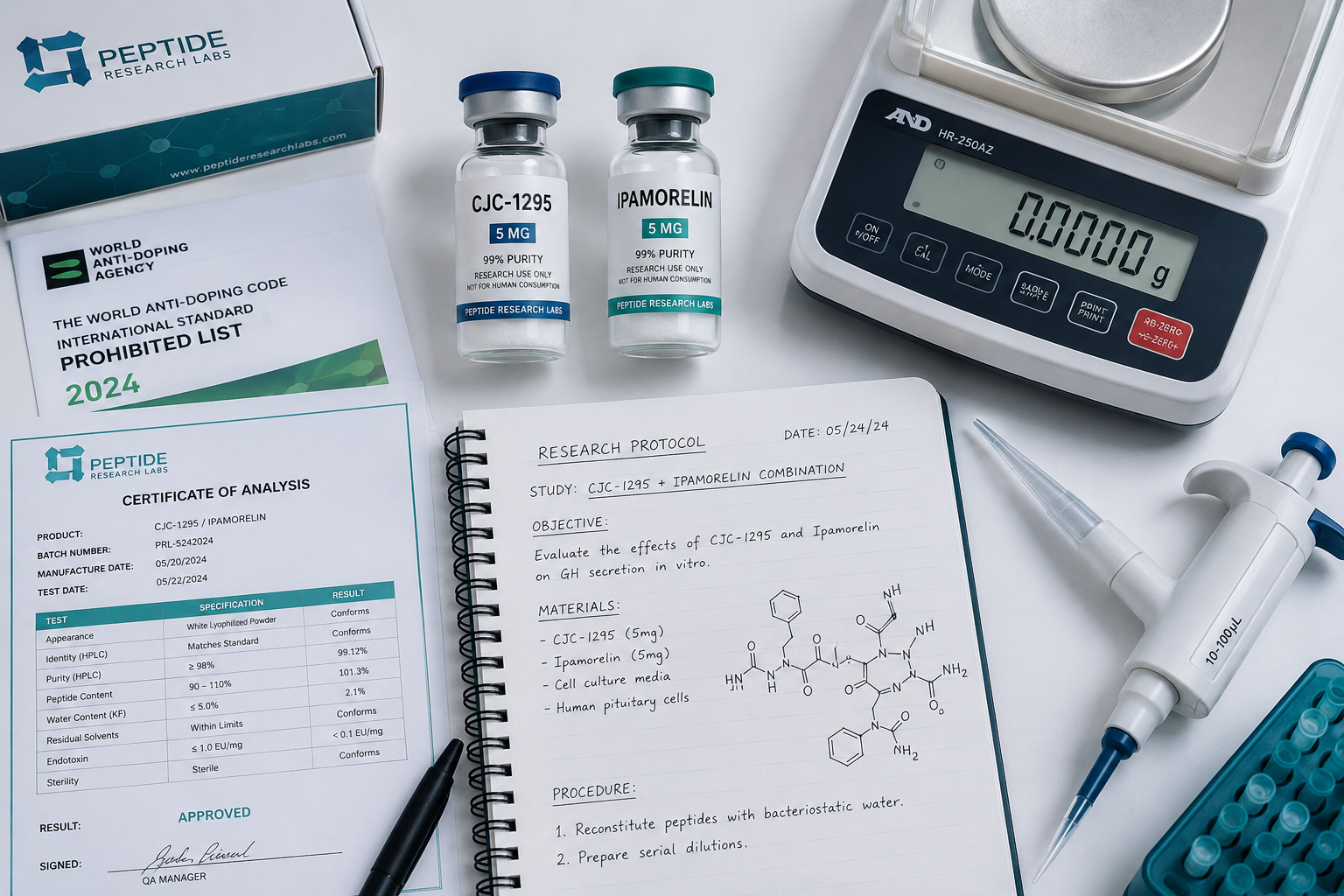
As of 2026, neither CJC-1295 nor Ipamorelin holds FDA approval for any indication. Both are classified as research chemicals for laboratory use only and are listed on the World Anti-Doping Agency's prohibited substances list. This regulatory status has direct implications for study design, institutional review, and sourcing standards.

Key risk considerations for research models include:

  • Potential receptor desensitization with prolonged GH secretagogue exposure
  • Difficulty assessing long-term consequences of sustained elevated IGF-1 without longitudinal human data
  • Variability in peptide purity across suppliers, which can confound results

Sourcing peptides with verified purity documentation is non-negotiable for valid research outcomes. Reviewing certificates of analysis before procurement ensures compound integrity. Researchers building broader metabolic panels may also find value in MOTS-c metabolic flexibility research themes or BPC-157 research themes as complementary study arms.

For those sourcing the combination directly, the CJC-1295 with Ipamorelin 10mg research product provides a pre-blended option with documented testing standards.

Regulatory Status, Risks, and Research Sourcing


Conclusion

CJC-1295 with Ipamorelin: optimizing growth hormone release for research studies represents one of the most mechanistically coherent dual-peptide strategies in current GH research. The GHRH/ghrelin receptor co-activation model offers a compelling framework for studying pulsatile GH dynamics, IGF-1 modulation, and downstream metabolic effects.

Actionable next steps for researchers in 2026:

  1. Define your GH endpoint clearly — pulse amplitude, IGF-1 area under the curve, or downstream tissue response.
  2. Source verified, tested peptides with published certificates of analysis to eliminate purity as a confounding variable.
  3. Design time-course sampling protocols that capture the extended half-life profile of CJC-1295 (up to 11 days for IGF-1 elevation).
  4. Consult current regulatory guidance before initiating any study involving WADA-listed compounds.
  5. Review adjacent peptide research — including Ipamorelin and sermorelin stack research — to contextualize your findings within the broader secretagogue literature.

The data foundation exists. Rigorous, well-sourced research design is what transforms that foundation into meaningful scientific contribution.

https://www.puretestedpeptides.com/wp-content/uploads/2026/06/CJC-1295-with-Ipamorelin-Optimizing-Growth-Hormone-Release-for-Research-Studies.png 1024 1536 https://www.puretestedpeptides.com/wp-content/uploads/2026/01/buy-peptides-online.jpg 2026-06-20 13:03:202026-06-20 13:03:20CJC-1295 with Ipamorelin: Optimizing Growth Hormone Release for Research Studies
Slupp332 With 5-Amino-1MQ: How Exercise-Mimetic and NNMT-Targeted Research Are Being Connected

Slupp332 With 5-Amino-1MQ: How Exercise-Mimetic and NNMT-Targeted Research Are Being Connected

June 13, 2026/0 Comments/in Uncategorized/by

Two compounds with entirely different mechanisms are increasingly appearing in the same metabolic research conversations — and the reason why is worth understanding carefully. The discussion around Slupp332 with 5-Amino-1MQ centers on a hypothesis: that combining an exercise-mimetic compound with an NNMT-targeted molecule could produce complementary effects on energy metabolism, fat oxidation, and mitochondrial function. This article breaks down what each compound does, why researchers are connecting them, and what the current evidence actually supports.

Key Takeaways

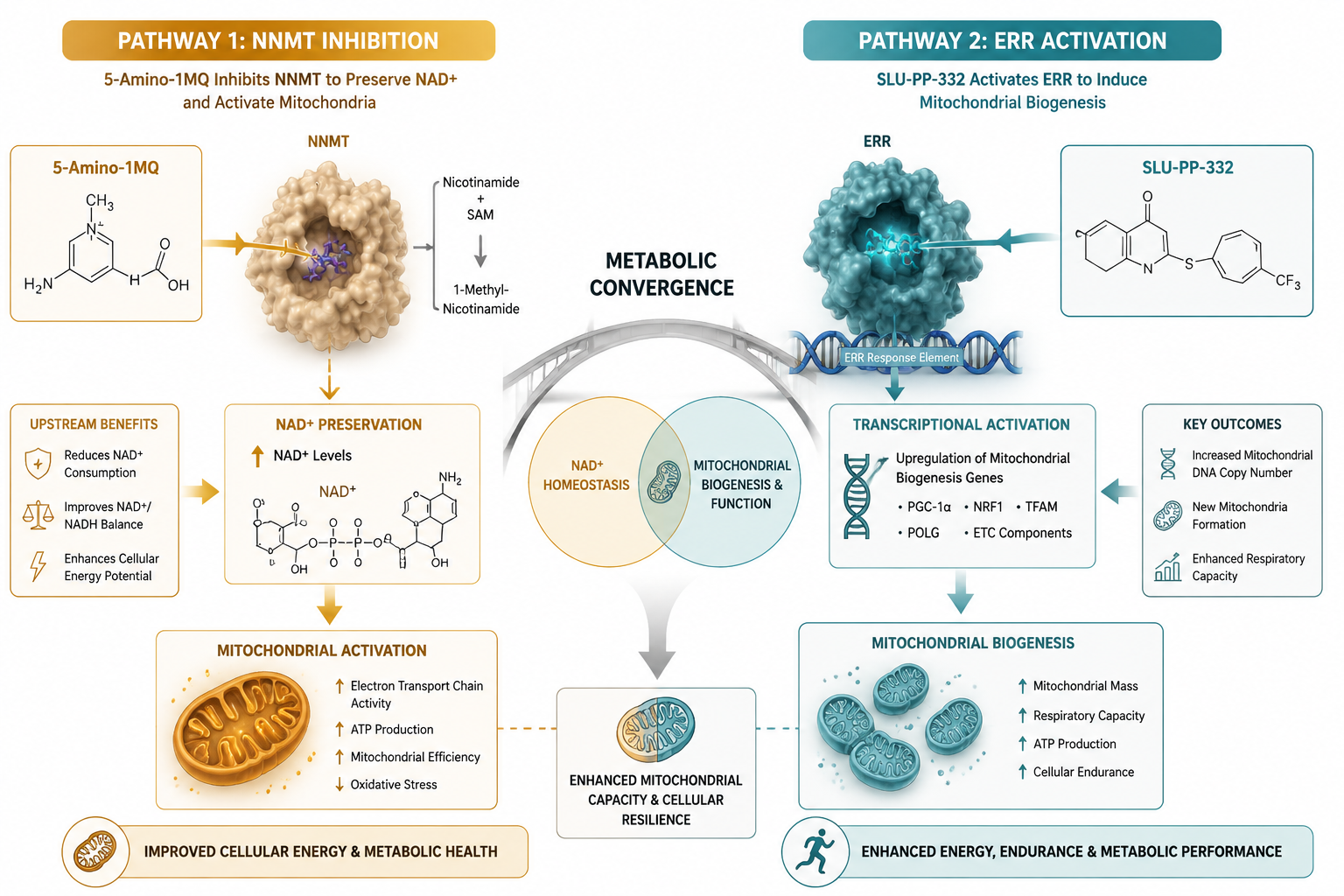
  • SLU-PP-332 activates estrogen-related receptors (ERRs) to mimic exercise-induced mitochondrial biogenesis
  • 5-Amino-1MQ inhibits the NNMT enzyme to preserve NAD+ levels and promote fat oxidation
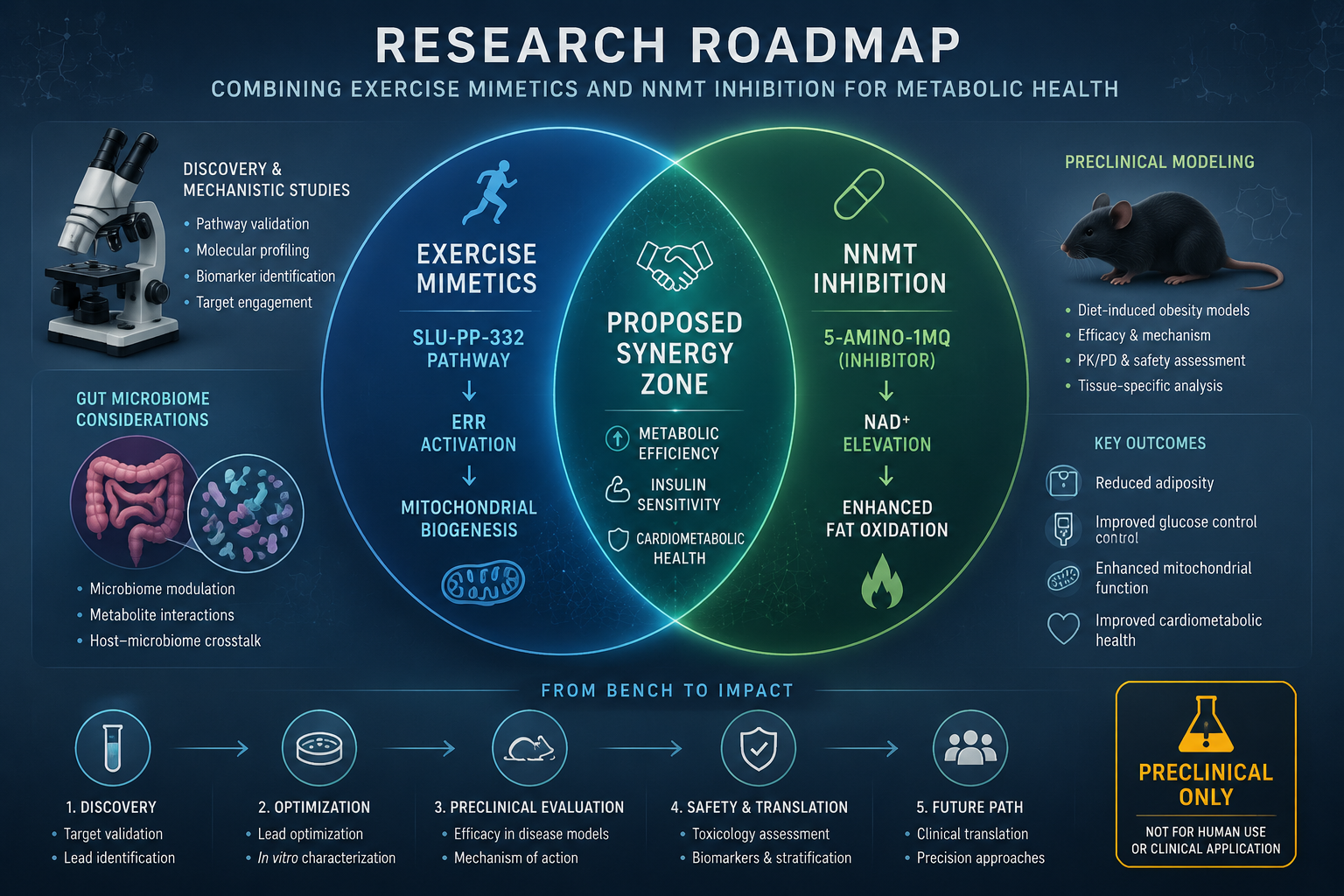
  • The two compounds operate through distinct but potentially complementary pathways
  • All supporting evidence remains preclinical — no human clinical trials have been completed for either compound in combination
  • Both are classified as research chemicals and are not approved for human use

Key Takeaways

What Each Compound Does on Its Own

Understanding the proposed synergy in Slupp332 with 5-Amino-1MQ research starts with understanding each compound independently.

SLU-PP-332 is a synthetic agonist for estrogen-related receptors — specifically ERR-alpha, ERR-beta, and ERR-gamma. These nuclear receptors regulate mitochondrial biogenesis and oxidative metabolism. When activated, they trigger many of the same cellular adaptations seen after sustained aerobic exercise: increased energy expenditure, greater fatty acid oxidation, and improved mitochondrial density. For a deeper look at SLU-PP-332's metabolic profile, see this SLU-PP-332 metabolic research overview.

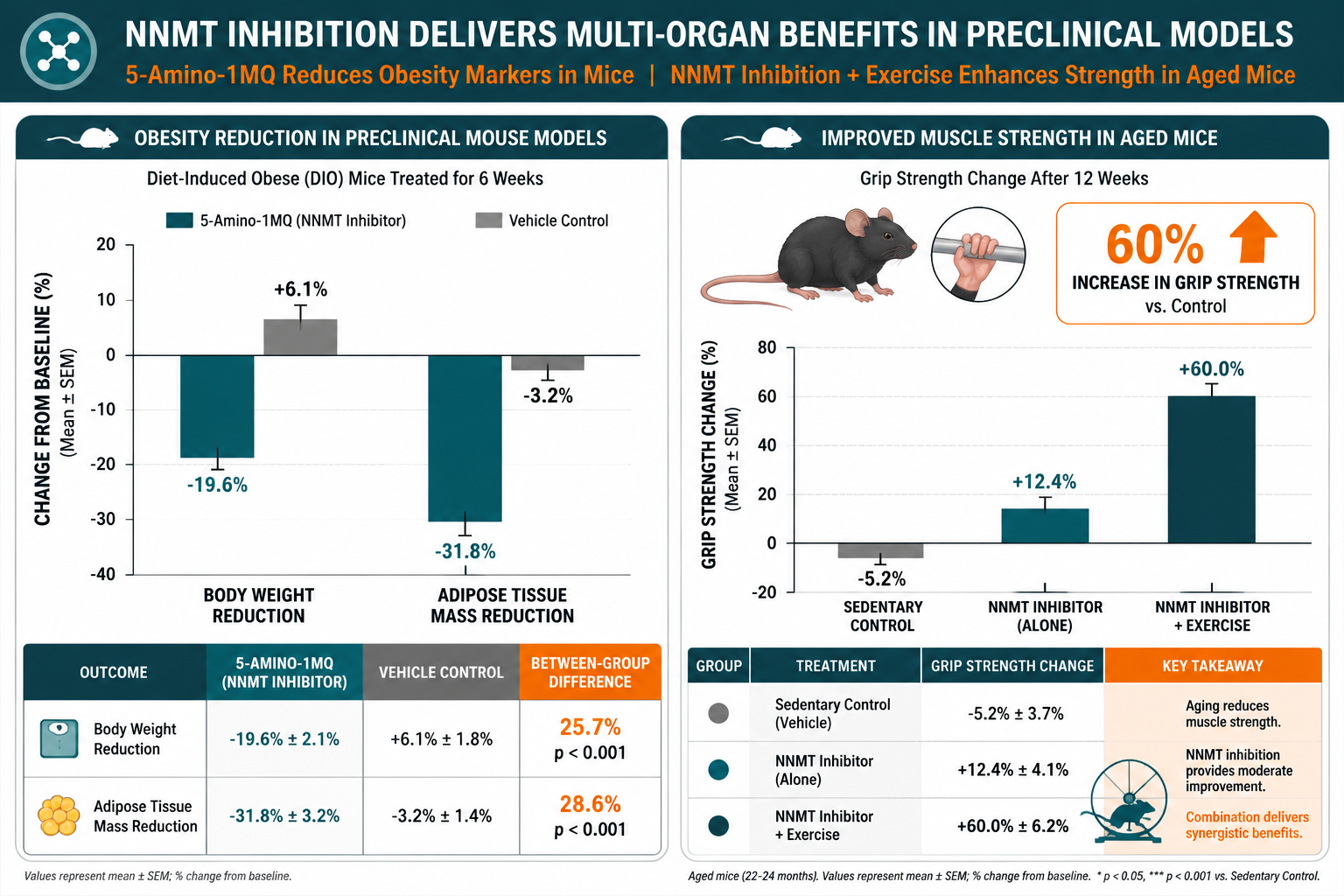
5-Amino-1MQ works through a completely different entry point. It selectively inhibits nicotinamide N-methyltransferase (NNMT), an enzyme that is overexpressed in the adipose tissue of obese individuals. NNMT consumes S-adenosylmethionine (SAM) and reduces NAD+ availability. By blocking NNMT, 5-Amino-1MQ preserves intracellular NAD+ levels, which in turn supports mitochondrial efficiency and fat oxidation. In a well-cited preclinical study, diet-induced obese mice treated with 5-Amino-1MQ for 11 days showed significant reductions in body weight, white adipose tissue mass, and adipocyte size — without changes in food intake.

Feature SLU-PP-332 5-Amino-1MQ
Primary Target ERR-alpha/beta/gamma NNMT enzyme
Core Effect Mitochondrial biogenesis NAD+ preservation
Research Model Preclinical (animal/cell) Preclinical (animal/cell)
Human Trials None completed None completed

The Proposed Synergy in Slupp332 With 5-Amino-1MQ Research

The central hypothesis connecting Slupp332 with 5-Amino-1MQ is that their mechanisms do not overlap — they stack. SLU-PP-332 pushes the cell to build more mitochondria and run oxidative pathways harder. 5-Amino-1MQ ensures the metabolic currency (NAD+) needed to fuel those pathways is not depleted by NNMT activity.

"Two compounds targeting separate bottlenecks in the same metabolic pipeline — one building the engine, the other supplying the fuel."

This logic is not without preclinical support. A 2024 study examining NNMT inhibition combined with exercise in aged mice reported a 60% improvement in grip strength compared to either intervention alone. While this study did not use SLU-PP-332 specifically, it illustrates the principle that NNMT inhibition can amplify exercise-type stimuli on muscle function. Researchers interested in related NAD+ and mitochondrial longevity themes can explore NAD+ energetics and longevity research and the mitochondrial longevity focus resource pages.

A 2022 study added another dimension: combining 5-Amino-1MQ with a reduced-calorie diet in obese mice produced a gut microbiome profile distinct from both obese and lean controls, including increased Lactobacillus species associated with weight loss. This suggests systemic effects beyond direct mitochondrial action.

The Proposed Synergy in Slupp332 With 5-Amino-1MQ Research


What the Evidence Does and Does Not Support

Evaluating Slupp332 with 5-Amino-1MQ: how exercise-mimetic and NNMT-targeted research are being connected requires honesty about the evidence gap. As of 2026, there are no completed human clinical trials for either compound individually, let alone in combination. All efficacy data come from cell cultures and animal models.

Key limitations to keep in mind:

  • Translational uncertainty: Animal model results frequently do not replicate in humans at equivalent doses
  • Regulatory status: 5-Amino-1MQ is classified as a research chemical, is not FDA-approved, and is banned by WADA under the S0 category
  • Safety data: Long-term safety profiles for both compounds in humans remain unknown
  • Combination pharmacokinetics: How these two compounds interact in vivo has not been formally studied

For researchers exploring adjacent metabolic compounds, MOTS-c peptide research and longevity peptide research themes offer related context on mitochondrial and metabolic signaling. Those interested in the broader landscape of metabolic peptides can also review SLU-PP-332 peptide research.

What the Evidence Does and Does Not Support


Conclusion

The connection being drawn between SLU-PP-332 and 5-Amino-1MQ in metabolic research circles is mechanistically coherent. One compound activates the cellular machinery for oxidative metabolism; the other removes a key enzymatic brake on the NAD+ supply that machinery depends on. The hypothesis is logical, and early preclinical data — particularly around NNMT inhibition combined with exercise stimuli — provides a reasonable basis for continued investigation.

However, the evidence base remains firmly preclinical. Researchers and readers evaluating this space should:

  1. Distinguish hypothesis from proof — mechanistic plausibility is not clinical validation
  2. Monitor peer-reviewed literature for any emerging human trial data on either compound
  3. Review regulatory and safety classifications before any research protocol design
  4. Explore related metabolic research themes to build a fuller picture of the pathways involved

The most productive next step for anyone following this area is to track primary literature on ERR agonism and NNMT inhibition separately, then assess combination data as it emerges from controlled preclinical studies.

https://www.puretestedpeptides.com/wp-content/uploads/2026/06/Slupp332-With-5-Amino-1MQ-How-Exercise-Mimetic-and-NNMT-Targeted-Research-Are-Being-Connected.png 1024 1536 https://www.puretestedpeptides.com/wp-content/uploads/2026/01/buy-peptides-online.jpg 2026-06-13 13:03:092026-06-13 13:03:09Slupp332 With 5-Amino-1MQ: How Exercise-Mimetic and NNMT-Targeted Research Are Being Connected
×

Helpful Links

  • My account
  • Cart
  • Checkout
  • Refund and Returns Policy
  • Privacy Policy
  • SMS Privacy Policy
  • Login
  • My Account
  • Logout

USA Made Lab Tested Peptides

All products are sold for research, laboratory, or analytical purposes only, and are not for human consumption


Pure Tested Peptides is a chemical supplier. Pure Tested Peptides is not a compounding / chemical compounding facility as defined under 503A of the Federal Food, Drug, and Cosmetic act. Pure Tested Peptides is not an outsourcing facility as defined under 503B of the Federal Food, Drug, and Cosmetic act.

The statements made within this website have not been evaluated by the US Food and Drug Administration. The products we offer are not intended to diagnose, treat, cure or prevent any disease.

Human/Animal Consumption Prohibited. Laboratory/In-Vitro Experimental Use Only

Scroll to top Scroll to top Scroll to top