
Where to Buy Pure Tested Peptides: A Comprehensive Guide for Researchers in 2025
The landscape of scientific research is constantly evolving, with peptides emerging as powerful tools across numerous disciplines. For researchers seeking reliable, consistent, and safe experimental outcomes, the fundamental question "Where to buy pure tested peptides?" is paramount. The integrity of your research hinges on the quality and purity of the peptides you utilize. In 2025, with an increasingly competitive and diverse market, understanding how to identify reputable suppliers that offer rigorously tested products is more critical than ever. This comprehensive guide will equip peptide shoppers with the knowledge and strategies necessary to confidently navigate the market and secure the highest quality research peptides available.
Key Takeaways
- Purity is Non-Negotiable: Always prioritize suppliers who provide verifiable third-party lab testing results (Certificates of Analysis, or CoAs) for every peptide batch, confirming purity and identity.
- Reputation Matters: Seek out peptide suppliers with a strong track record, positive customer reviews, transparent business practices, and established scientific relationships.
- Understand Legal & Research Context: Peptides are typically sold for research purposes only. Ensure you understand and comply with all applicable regulations and usage guidelines.
- Diverse Product Range: A good supplier offers a wide selection of peptides, from well-known compounds like BPC-157 to specialized blends, indicating expertise and commitment to the research community.
- Customer Support & Resources: Look for vendors who provide excellent customer service, offer educational resources, and are responsive to inquiries about product specifications and research applications.
The Critical Importance of Purity and Testing When Buying Peptides
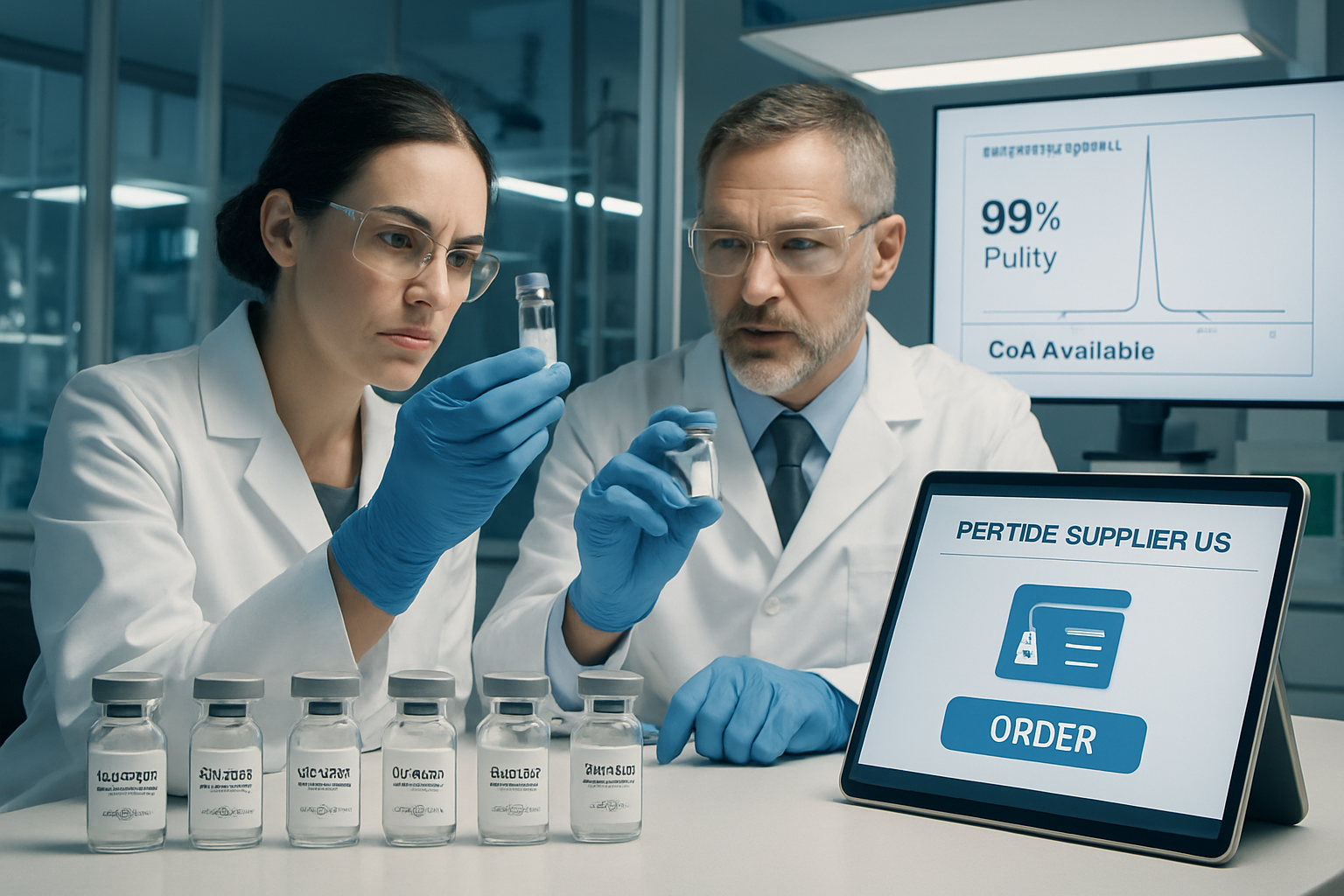
In the realm of scientific inquiry, the adage "garbage in, garbage out" holds particularly true when it comes to research materials. Peptides, being complex chains of amino acids, are susceptible to impurities that can significantly skew experimental results. These impurities might include residual solvents, incomplete synthesis byproducts, or even incorrect peptide sequences. When asking where to buy pure tested peptides, researchers are essentially asking how to safeguard the validity and reproducibility of their work. Without confirmed purity, any observed effects could be attributed to contaminants rather than the intended peptide, rendering an entire study unreliable.
Why Third-Party Testing is the Gold Standard
Third-party testing refers to independent laboratory analysis of a peptide batch conducted by an organization separate from the manufacturer or vendor. This critical step provides an unbiased assessment of the peptide's purity, identity, and concentration. For anyone looking to buy peptides, the presence of these comprehensive Certificates of Analysis (CoAs) from an accredited third-party lab is the most definitive indicator of a supplier's commitment to quality. These documents typically detail:
- High-Performance Liquid Chromatography (HPLC): This test measures the purity of the peptide, identifying and quantifying any impurities present. A high HPLC purity percentage (e.g., 98% or higher) is desirable.
- Mass Spectrometry (MS): MS confirms the molecular weight and identity of the peptide, ensuring that the amino acid sequence is correct and matches the product advertised.
- Microbial Testing: For certain applications, testing for microbial contaminants (bacteria, fungi) may also be important.
When you see a supplier showcasing their CoAs prominently, it instills confidence. This transparency is a hallmark of a reputable peptide supplier US. Without these vital reports, there is no verifiable proof of what you are actually receiving, making your research vulnerable to inconsistent outcomes and potentially wasted resources. Always look for this level of detailed validation when considering where to buy pure tested peptides. A trusted source will make it easy to access this information for each product, ensuring you can make an informed decision for your research needs.
Understanding Peptide Synthesis and Quality Control
The synthesis of peptides is a sophisticated chemical process that demands precision and rigorous quality control at every stage. Starting materials must be of high quality, and the synthesis process itself, whether solid-phase peptide synthesis (SPPS) or liquid-phase synthesis, requires meticulous execution to avoid side reactions and ensure the correct sequence. Post-synthesis purification, typically through preparative HPLC, is crucial to isolate the desired peptide from impurities.
Suppliers committed to providing pure tested peptides invest heavily in:
- Experienced Chemists: Teams with expertise in peptide chemistry are essential for efficient and accurate synthesis.
- State-of-the-Art Equipment: Advanced synthesis and purification machinery contribute significantly to the purity and yield of peptides.
- In-House Quality Checks: Before even reaching third-party labs, reputable manufacturers conduct their own stringent quality control checks.
This intricate process underscores why buying from a low-cost, unverified source can be a gamble. The price often reflects the investment in quality control, and cutting corners in synthesis and testing inevitably leads to an inferior product that could compromise your research findings. When considering where to buy peptides, remember that quality assurance is a layered process, culminating in external validation. For specific research peptides such as tesa, understanding the synthesis process gives researchers greater confidence in their chosen supplier.
"The difference between success and failure in peptide research often lies in the purity of the compounds used. Third-party testing isn't a luxury; it's a necessity for scientific integrity."
Navigating the Market: Where to Buy Pure Tested Peptides Online
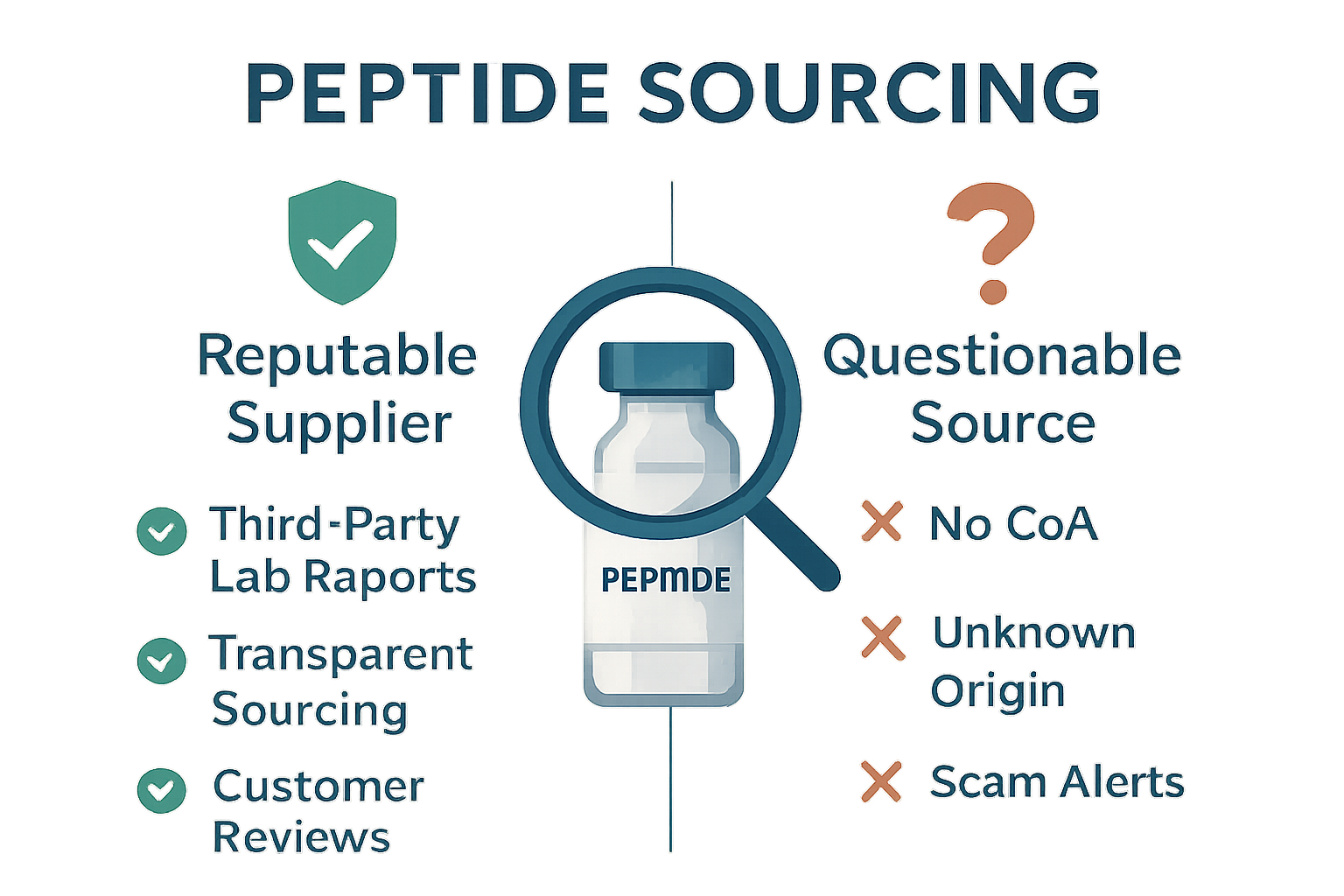
The internet has democratized access to research chemicals, including peptides. However, this convenience also introduces challenges in discerning legitimate suppliers from those offering substandard products. Knowing where to buy pure tested peptides online requires a keen eye for detail and a strategic approach to vendor evaluation. In 2025, the market is rife with options, and a structured method for selection is key.
Identifying Reputable Online Suppliers
When seeking a peptide supplier US, several factors distinguish reliable vendors:
- Transparent Purity Reports (CoAs): As discussed, this is non-negotiable. Look for CoAs readily available on product pages or upon request. They should be recent and specific to the batch you are purchasing.
- Clear Product Information: Reputable sites provide detailed descriptions of each peptide, including its chemical structure, molecular weight, purity, and recommended storage. For instance, detailed information on 5-amino-1MQ or AOD-9604 should be easily accessible.
- Positive Customer Reviews and Testimonials: While reviews can be manipulated, a consistent pattern of positive feedback across multiple independent platforms (not just the supplier's own site) is a good sign. Look for comments praising product quality, shipping speed, and customer service.
- Established Brand Presence: Suppliers with a long history in the market, a professional website, and an active presence in scientific communities often indicate reliability. Check for their longevity and consistency.
- Secure Payment and Shipping: A legitimate site will offer secure payment gateways and discreet, reliable shipping methods. Information on shipping policies and return procedures should be clear.
- Responsive Customer Support: Test their customer service. Ask a question about a specific peptide like MOTS-c peptide or Epithalon and gauge their responsiveness and knowledge.
- "For Research Purposes Only" Disclaimer: Ethical suppliers explicitly state that their products are for research use only and not for human consumption, adhering to legal and industry standards. This is a critical indicator of a responsible vendor.
What to Avoid When Buying Peptides
Equally important as knowing where to buy pure tested peptides is knowing what to avoid:
- Lack of CoA: This is the biggest red flag. If a supplier cannot or will not provide current, third-party CoAs, steer clear.
- Unrealistic Pricing: While everyone loves a bargain, exceptionally low prices for peptides often indicate compromised quality, lack of testing, or even mislabeled products. High-purity peptide synthesis is an expensive process.
- Aggressive Health Claims: Any vendor making unsubstantiated medical or therapeutic claims about their peptides is likely operating unethically and may be selling products not intended for legitimate research. Peptides sold for research are strictly for laboratory use.
- Poor Website Quality and Grammar: While not always definitive, a website riddled with grammatical errors, broken links, or unprofessional design can suggest a lack of attention to detail across their operations.
- Limited Contact Information: A reputable supplier will have clear contact information, including a physical address (if applicable) and multiple ways to reach customer service.
- Suspicious Payment Methods: Be wary of sites that only accept obscure payment methods or request direct bank transfers without secure processing.
By keeping these guidelines in mind, researchers can significantly reduce the risk of acquiring impure or fraudulent products. For instance, if you are looking to buy Sermorelin, ensure the vendor provides all the necessary documentation and adheres to these best practices. When you encounter vendors offering tesa or other advanced peptides, evaluate them critically against these points.
Table: Red Flags vs. Green Flags in Peptide Supplier Selection
| Red Flags 🚩 | Green Flags ✅ |
|---|---|
| No Third-Party CoAs | Easily Accessible Third-Party CoAs |
| Unusually Low Prices | Competitive, Realistic Pricing |
| Aggressive Human-Use/Health Claims | "For Research Use Only" Disclaimer |
| Poor Website Design/Grammar | Professional, Informative Website |
| Only Obscure Payment Methods | Secure, Diverse Payment Options |
| Scant Contact Information | Clear, Responsive Customer Support |
| Inconsistent Product Availability | Consistent Stock & Fresh Batches |
The Importance of Secure Storage and Handling
Once you have identified where to buy pure tested peptides and received your order, proper storage and handling are paramount to maintaining their integrity. Peptides are sensitive molecules and can degrade if not cared for correctly.
- Temperature: Most peptides are best stored in a freezer (-20°C or colder) as lyophilized (freeze-dried) powder. Once reconstituted with bacteriostatic water, they typically require refrigeration (2-8°C).
- Light: Protect peptides from direct light exposure, as UV light can accelerate degradation.
- Moisture: Lyophilized peptides are highly hygroscopic (attract moisture), so keep vials tightly sealed until ready for use.
- Reconstitution: Use sterile, high-quality bacteriostatic water for reconstitution to prevent bacterial growth and maintain stability. Follow specific instructions for each peptide, as dilution ratios can vary.
- Handling: Always use sterile needles, syringes, and gloves to prevent contamination.
For detailed guidelines on preserving your research materials, you can refer to resources on best practices for storing research peptides. Adhering to these protocols ensures that the purity you paid for is maintained throughout your research cycle, thereby protecting your investment and the validity of your experiments.
Specific Peptides and Where to Find Them
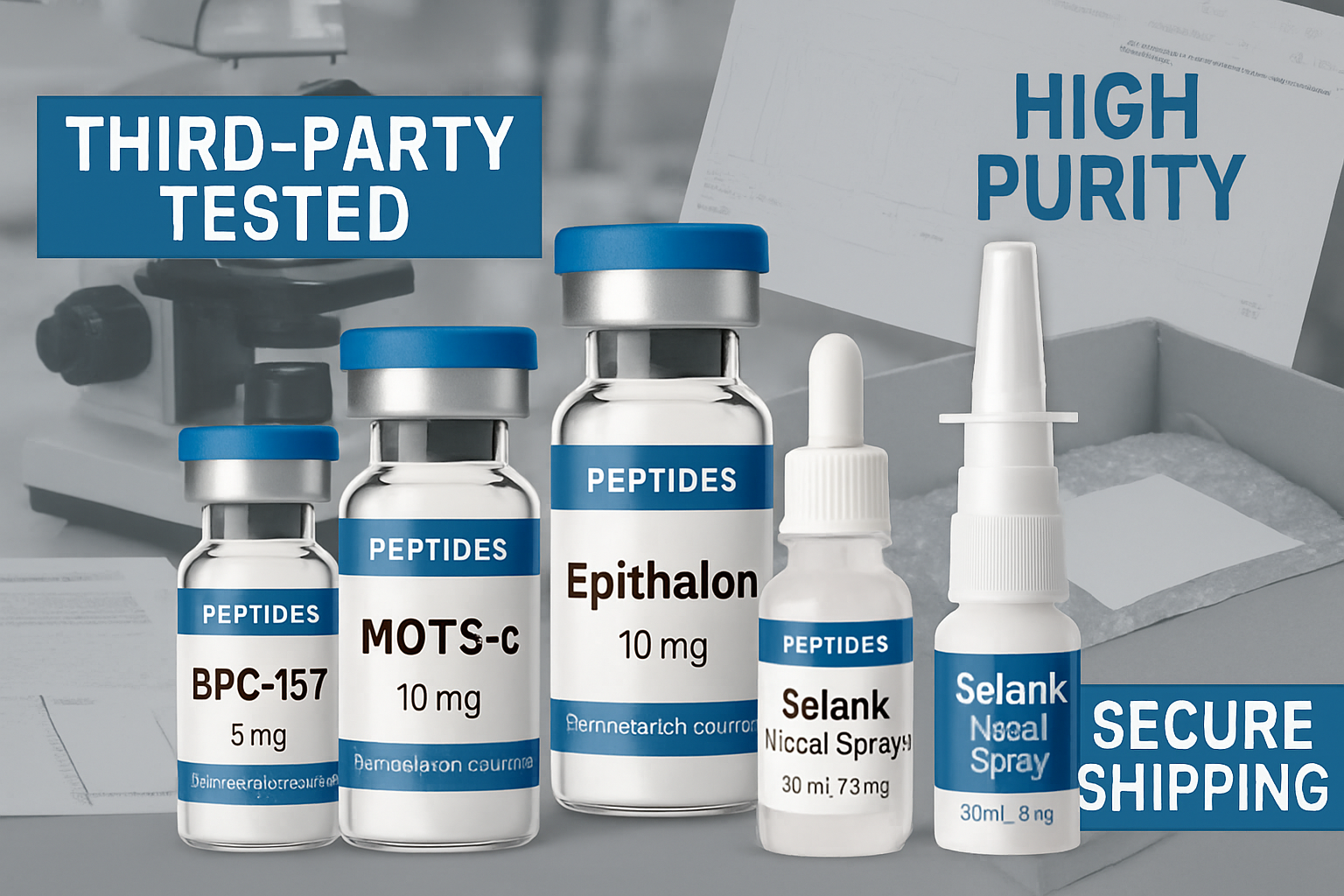
The peptide market is diverse, offering a range of compounds for various research applications. When delving into where to buy pure tested peptides, researchers often have specific targets in mind. Understanding which reputable suppliers offer a particular peptide, such as tesa, is crucial. This section explores some commonly sought-after peptides and guidance on finding them.
Popular Peptides and Their Research Applications
A few peptides stand out due to their broad interest in laboratory settings:
- BPC-157: Often referred to as "Body Protection Compound," BPC-157 is a gastric pentadecapeptide known for its broad regenerative and protective effects in various organ systems. Researchers investigate its roles in wound healing, gut health, joint and muscle repair, and even neurological recovery. If you're looking for BPC-157 or a BPC-157 and TB-500 blend, ensure your supplier provides detailed CoAs.
- TB-500: Thymosin Beta-4 (TB-500) is a synthetic version of a naturally occurring peptide that plays a vital role in tissue repair, cell migration, and angiogenesis (formation of new blood vessels). It is frequently studied for its potential in injury recovery and inflammation modulation. When considering where to buy TB-500, verify the purity reports.
- Epithalon: This tetrapeptide is synthesized from the pineal gland and is of significant interest in gerontological research. It's studied for its potential effects on telomerase activity, cell regeneration, and circadian rhythms. Researchers looking to buy Epithalon should seek suppliers demonstrating a clear understanding of its delicate structure and purity requirements.
- MOTS-c: A mitochondrial-derived peptide, MOTS-c is being explored for its potential roles in metabolic regulation, energy homeostasis, and even longevity. It represents a fascinating area of research. For those asking where to buy MOTS-c peptide, the same stringent requirements for CoAs apply.
- Selank: An anxiolytic peptide with nootropic properties, Selank is a synthetic analog of the naturally occurring human tetrapeptide tuftsin. Researchers study its effects on anxiety, cognitive function, and memory. If you're looking to buy Selank nasal spray or the injectable form, ensure the purity and formulation are verified.
- Ipamorelin/tesa: These are growth hormone-releasing peptides (GHRPs) and growth hormone-releasing factors (GRFs) respectively, widely used in research focusing on growth hormone secretion, body composition, and metabolic processes. When considering where to buy ipamorelin/tesa, look for suppliers with strong analytical data.
Sourcing Specialized Peptide Blends and Advanced Compounds
Beyond individual peptides, some research protocols benefit from peptide blends or more specialized compounds. For example, a Wolverine blend peptide or a Wolverine stack peptide might combine compounds like BPC-157 and TB-500 for synergistic effects. Similarly, new compounds like Cagrilintide or a Reta-Cagrilintide blend are gaining interest for metabolic research.
When sourcing such specialized items, the importance of a pure tested peptide supplier escalates:
- Complex Formulations: Blends require precise ratios and confirmed purity of each component within the mix.
- Emerging Compounds: Newer peptides may have less established supply chains, making the reputation and transparency of the vendor even more critical.
Reputable suppliers like Pure Tested Peptides (https://www.puretestedpeptides.com/) often offer a wide array of options, including peptide blends for research and detailed information on their products. Their commitment to providing comprehensive data helps researchers choose the right products, whether it's Klow and Glow blends or specific research peptides like tesa.
The Role of Domestic Suppliers in 2025
For researchers in the United States, choosing a domestic peptide supplier US offers several advantages in 2025:
- Faster Shipping: Reduced transit times mean quicker access to materials and less risk of degradation during shipment.
- Easier Communication: Local customer service can simplify inquiries, especially regarding specific product details or order issues.
- Regulatory Compliance: Domestic suppliers are generally more attuned to and compliant with local regulations, reducing potential legal complexities for researchers.
- Quality Assurance: Many top-tier US-based suppliers pride themselves on maintaining high purity standards and readily provide third-party CoAs. This makes them a prime consideration when seeking the best peptide retail US.
When searching for where to buy pure tested peptides, specifically targeting a peptide supplier US can streamline your procurement process and enhance confidence in product quality. Companies that emphasize building a diverse peptide library often demonstrate a strong commitment to the research community. For example, if you're looking to buy Lipo C peptide or GLP-3, a reliable domestic source would be the preferred choice.
Conclusion
The pursuit of groundbreaking scientific discoveries necessitates the use of the highest quality materials, and in the field of peptide research, this means securing pure tested peptides. In 2025, navigating the market for these vital compounds requires diligence, a critical eye, and a firm understanding of what constitutes a reputable supplier. From verifying comprehensive third-party Certificates of Analysis to recognizing the hallmarks of ethical business practices, every step in the procurement process contributes to the integrity of your research.
Researchers must remain vigilant against sources that cut corners on synthesis, testing, or transparency. Prioritizing suppliers who overtly provide purity reports, offer detailed product information, maintain excellent customer service, and adhere strictly to "for research purposes only" disclaimers is paramount. By choosing a trusted vendor, particularly a well-regarded peptide supplier US, you not only ensure the quality of your compounds but also contribute to the reproducibility and validity of scientific knowledge.
Equip yourself with this knowledge, apply these stringent evaluation criteria, and confidently answer the question of "Where to buy pure tested peptides" for your 2025 research endeavors. Your scientific integrity and the potential for meaningful discoveries depend on it.
Actionable Next Steps:
- Prioritize Third-Party CoAs: Before making any purchase, always locate and review the third-party Certificates of Analysis for the specific peptide batch you intend to buy.
- Evaluate Supplier Reputation: Research potential vendors through independent reviews, scientific forums, and their professional online presence.
- Understand Storage Requirements: Familiarize yourself with the proper storage and handling protocols for the peptides you purchase to maintain their efficacy.
- Confirm Research Use: Always ensure the supplier explicitly states that products are for research purposes only, aligning with ethical and legal guidelines.
- Start with Trusted Sources: Consider established domestic suppliers known for their commitment to quality and transparency, such as Pure Tested Peptides, when looking for your next batch of research compounds.
Meta Title: Where to Buy Pure Tested Peptides in 2025: A Research Guide
Meta Description: Find where to buy pure tested peptides for research in 2025. Discover top US suppliers, verify third-party CoAs, and ensure peptide purity for your studies.