Call or Text 727-513-9780
  • Shopping Cart Shopping Cart
    0Shopping Cart
Pure Tested Peptides | America's most trusted Peptides for sale online
  • Peptides for sale
    • Oral Peptides for sale
      • Peptide Capsules for sale
      • BPC 157 Capsules 1000mcg
      • SLU-PP-332 Capsules | 1000 mcg
      • 5-Amino-1MQ 50mg Capsules
      • Tesofensine 500mcg
    • All Peptides for sale
    • Peptide Sprays
      • BPC 157 Nasal Spray Kit
      • BPC-157 TB500 Nasal Spray Kit
      • Semax Nasal Spray 10mg
      • Selank – Nasal Spray Kit – 10mg
      • Epithalon 50MG Nasal Spray Kit
      • Ipamorelin 10mg Nasal Spray
      • Klow Nasal Spray (BPC-157 + TB-500 + GHK-Cu + KPV) | 80mg
      • Hulk Nasal Spray Tesa / Ipa Blend 6/3 MG
      • Klow Nasal Spray
      • NAD + 500 mg Nasal Spray
      • PT-141 Nasal Spray Kit
    • GHRH Peptides
      • Ipa Peptides
      • CJC-1295 Peptides
        • CJC-1295 with DAC 5 mg
        • CJC-1295 without DAC 5 mg
        • CJC-1295 Ipa 10mg
      • Tesa Peptides
        • Tesa Peptide
        • Tesa 20 mg
    • GHK-Cu Peptides
      • All GHK-Cu Peptides
      • GHK-Cu 100mg
      • KLOW Peptide Blend – Buy KLOW blend online
    • BPC Peptides
      • All BPC Peptides
      • BPC-157
      • BPC-157 TB-500
      • BPC 157 capsules 1000mcg
    • SLU-PP-332 Peptides
      • All SLU-PP-332 Peptides
      • SLU-PP-332 5mg
    • GLP3 Peptides
    • PT-141 Peptides
      • PT-141 Peptides for sale
      • PT-141 10mg
      • PT-141 Nasal Spray
    • CAG Peptides
      • Lipo-C Peptide Blend
      • CAG 5mg
      • CAG 10mg
    • MOTS-C Peptides
      • MOTS-C Peptides for sale
      • MOTS-c peptide
      • MOTS-c 10mg *6 pack*
    • 5 Amino 1MQ Peptides
      • 5 Amino 1MQ Peptides for sale
      • 5-Amino-1MQ 50mg Capsules
      • 5-Amino-1MQ 5mg
    • Epithalon Peptides
      • Epithalon Peptides for sale
      • Epithalon 10mg
      • Epithalon 50mg
  • Shop
    • GLPs
      • 5-Amino-1MQ 50mg Capsules
      • 5-Amino-1MQ 5mg
      • L-Carnitine 500mg/ml
      • Tesofensine 500mcg
      • SLU-PP-332 5mg
      • MOTS-c 10mg *6 pack*
    • Epithalon & BPC Peptides
      • Epithalon 10mg
      • Epithalon 50mg
      • BPC-157
      • BPC 157 capsules 1000mcg
      • BPC-157 TB-500
      • BPC-157 TB500 Nasal Spray Kit
      • BPC 157 Nasal Spray Kit
    • BPC TB-500 & NAD+ Peptides
      • NAD+ 500 mg
      • KLOW Peptide Blend – Buy KLOW blend online
      • GLOW Peptide Blend
      • TB 500 5mg
      • BPC 157 capsules 1000mcg – Supplement
      • BPC 157 Nasal Spray Kit
      • BPC-157
      • BPC-157 TB500 Nasal Spray Kit
      • BPC-157 TB-500
      • BPC 157 capsules 1000mcg
    • LL-37 Peptide
      • LL-37 10 mg
    • MOTS-C & Selank
      • MOTS-c peptide
      • Selank 10mg
    • GHK Peptides
      • GHK-Cu 100mg
      • GLOW Peptide Blend
      • KLOW Peptide Blend – Buy KLOW blend online
  • COAs
  • Wholesale
    • Wholesale Peptides for sale
  • PTP FAQ
  • Affiliates
    • Selank Peptide: Advanced Pharmacological Mechanisms Underlying Its Anxiolytic and Nootropic Effects in Research
      • 5-Amino-1MQ Peptide: Detailed Mechanisms of NNMT Inhibition and Its Impact on Cellular Metabolism Research
        • MOTS-C Peptide: Unraveling Its Role in Mitochondrial Dynamics and Energy Metabolism Research
          • Epithalon Peptide and Telomerase Regulation: Investigating Its Impact on Cellular Senescence and Lifespan Research Models
            • GLP2-T vs GLP2 Tirz Peptide: Understanding the Naming, Mechanistic Nuances, and Research Implications for Gut Health
      • Peptides and Polypeptides in Modern Pharmacology: What Research on Metoprolol, Prednisone, and Amlodipine Reveals
        • Polypeptide Peptides vs NSAIDs: What Naproxen and Diclofenac Teach Tissue-Repair Researchers About BPC‑157 and TB‑500
          • Peptides and Polypeptides in Endocrine Pharmacology: How GLP-1, GLP-2, and GLP-3 Retatrutide Differ From Classic Drugs Like Prednisone and Amlodipine
          • 5‑Amino‑1MQ Peptide and NNMT Inhibition: How It Compares With Statins Like Atorvastatin in Adipose and Lipid Metabolism Research
      • Enclomiphene, Estrogen Receptor Signaling, and Luteinizing Phase Biology: What Hormone Researchers Should Measure
        • Mesenchymal Stem Cells, BPC‑157, and GHK‑Cu: How Tissue Repair Peptides Compare With Classic NSAIDs Like Naproxen in Injury Models
          • Peptide Calculator Use Cases Beyond Growth Hormone: Working Through GLP‑3 Retatrutide, MOTS‑c, and BPC‑157 Research Dosing
        • Polypeptide Peptides in Endocrine and Metabolic Pharmacology: Lessons From Amlodipine, Prednisone, and Metoprolol
        • Peptides Calculator for Advanced Blends: Worked Examples for Tesamorelin, CJC‑1295, and Ipamorelin Stacks
          • Peptides and Polypeptides in Human Physiology: How Molecular Size Shapes Research Applications
            • Selank Peptide: Advanced Pharmacological Mechanisms Underlying Its Anxiolytic and Nootropic Effects in Research
          • 5-Amino-1MQ Peptide: Detailed Mechanisms of NNMT Inhibition and Its Impact on Cellular Metabolism Research
            • MOTS-C Peptide: Unraveling Its Role in Mitochondrial Dynamics and Energy Metabolism Research
              • Epithalon Peptide and Telomerase Regulation: Investigating Its Impact on Cellular Senescence and Lifespan Research Models
                • GLP2-T vs GLP2 Tirz Peptide: Understanding the Naming, Mechanistic Nuances, and Research Implications for Gut Health
                  • Peptides and Polypeptides in Endocrine Pharmacology: How GLP-1, GLP-2, and GLP-3 Retatrutide Differ From Classic Drugs Like Prednisone and Amlodipine
                    • Polypeptide Peptides vs NSAIDs: What Naproxen and Diclofenac Teach Tissue-Repair Researchers About BPC‑157 and TB‑500
                      • Peptides and Polypeptides in Modern Pharmacology: What Research on Metoprolol, Prednisone, and Amlodipine Reveals
                        • 5‑Amino‑1MQ Peptide and NNMT Inhibition: How It Compares With Statins Like Atorvastatin in Adipose and Lipid Metabolism Research
                        • Enclomiphene, Estrogen Receptor Signaling, and Luteinizing Phase Biology: What Hormone Researchers Should Measure
                        • Mesenchymal Stem Cells, BPC‑157, and GHK‑Cu: How Tissue Repair Peptides Compare With Classic NSAIDs Like Naproxen in Injury Models
                        • Peptide Calculator Use Cases Beyond Growth Hormone: Working Through GLP‑3 Retatrutide, MOTS‑c, and BPC‑157 Research Dosing
                        • Polypeptide Peptides in Endocrine and Metabolic Pharmacology: Lessons From Amlodipine, Prednisone, and Metoprolol
                        • Peptides Calculator for Advanced Blends: Worked Examples for Tesamorelin, CJC‑1295, and Ipamorelin Stacks
                        • Peptides and Polypeptides in Human Physiology: How Molecular Size Shapes Research Applications
                        • Selank Peptide: Advanced Pharmacological Mechanisms Underlying Its Anxiolytic and Nootropic Effects in Research
                        • MOTS-C Peptide: Unraveling Its Role in Mitochondrial Dynamics and Energy Metabolism Research
                        • Peptides and Polypeptides in Modern Pharmacology: What Research on Metoprolol, Prednisone, and Amlodipine Reveals
                        • Peptides and Polypeptides in Endocrine Pharmacology: How GLP-1, GLP-2, and GLP-3 Retatrutide Differ From Classic Drugs Like Prednisone and Amlodipine
                        • 5-Amino-1MQ Peptide: Detailed Mechanisms of NNMT Inhibition and Its Impact on Cellular Metabolism Research
                        • Mesenchymal Stem Cells, BPC‑157, and GHK‑Cu: How Tissue Repair Peptides Compare With Classic NSAIDs Like Naproxen in Injury Models
                        • Peptide Calculator Use Cases Beyond Growth Hormone: Working Through GLP‑3 Retatrutide, MOTS‑c, and BPC‑157 Research Dosing
                        • GLP2-T vs GLP2 Tirz Peptide: Understanding the Naming, Mechanistic Nuances, and Research Implications for Gut Health
                        • Polypeptide Peptides in Endocrine and Metabolic Pharmacology: Lessons From Amlodipine, Prednisone, and Metoprolol
                        • Polypeptide Peptides vs NSAIDs: What Naproxen and Diclofenac Teach Tissue-Repair Researchers About BPC‑157 and TB‑500
                        • Peptides and Polypeptides in Human Physiology: How Molecular Size Shapes Research Applications
                        • Peptides Calculator for Advanced Blends: Worked Examples for Tesamorelin, CJC‑1295, and Ipamorelin Stacks
                        • 5‑Amino‑1MQ Peptide and NNMT Inhibition: How It Compares With Statins Like Atorvastatin in Adipose and Lipid Metabolism Research
                        • Enclomiphene, Estrogen Receptor Signaling, and Luteinizing Phase Biology: What Hormone Researchers Should Measure
                        • Epithalon Peptide and Telomerase Regulation: Investigating Its Impact on Cellular Senescence and Lifespan Research Models
                        • Best research protocol Klow blend
                        • best time to take BPC-157
                        • best time to take DSIP (Delta Sleep Inducing Peptide)
                        • best time to take CJC-1295
                        • best time to take AOD-9604
                        • best time to take Follistatin 344
                        • best time to take Ipamorelin
                        • best time to take MK-677 (Ibutamoren)
                        • best time to take Ligandrol (LGD-4033) — research compound
                        • best time to take Ostarine (MK-2866) — research compound
                        • best time to take GHK-CU
                        • best time to take TB-500
                        • best time to take MOTS-c
                        • best time to take Semax
                        • best time to take RAD-140 (Testolone) — research compound
                        • best time to take Thymosin Alpha-1
                        • best time to take PEG-MGF
                        • Biolife Plasma, Octapharma Plasma, and Research Peptides: How Plasma Donation Labs Differ From Peptide Suppliers
                        • best time to take YK-11 — research compound
                        • best time to take PT-141 (Bremelanotide)
                        • Best research protocol Klow blend
                        • 5-Amino-1MQ and MOTS-C Synergy: Metabolic Signaling, Mitochondria, and Research Design
                        • BPC-157 and TB-500: Investigating Their Combined Effects on Angiogenesis and Cellular Migration in Tissue Repair Models
                        • BPC-157 Peptide: Gut Barrier Function, Inflammation, and Tissue-Recovery Research
                        • 5‑Amino‑1MQ and MOTS‑c Synergy in Metabolic Research: Designing NNMT and Mitochondrial Biogenesis Stacks
                        • CJC-1295 with DAC vs. Without DAC: Half-Life, Release Kinetics, and Research Implications
                        • CJC‑1295 with DAC vs. Without DAC: Expanding on Half‑Life Differences Using Tesamorelin and Ipamorelin Blend Case Studies
                        • Collagen Biology and Copper‑Binding Peptides: How GHK‑Cu, Glow Blend, and Klow Blend Interact with Skin and Connective Tissue
                        • Collagen Biology and Regenerative Peptides: How GHK‑Cu, Glow Blend, and Klow Blend Affect Extracellular Matrix Research
                    • DNA, Telomeres, and Longevity Peptides: Positioning Epithalon and MOTS‑c in Genetic Aging Research
                      • Enclomiphene Citrate: serm Mechanism, Testosterone Research, and Stack Compatibility
                        • Enclomiphene vs Enclomiphene Citrate: Formulation, Bioavailability, and Research Distinctions
                        • Epithalon Peptide Research: Telomerase Activation, Aging, and Pineal Gland Function
                        • Estrogen Receptor Signaling and Enclomiphene: How Selective Modulators Compare with Classic Polypeptide Hormones
                        • GHK-Cu Peptide: Advanced Mechanisms in Extracellular Matrix Remodeling and Wound Healing Research
                        • GHK-Cu Peptide: Collagen Synthesis, Wound Repair, and Skin-Barrier Research Models
                        • GLP-1 vs GLP-3 vs GLP-2: Peptide Classification and Research Applications
                        • GLP-2 Peptide Research Guide: Gut Barrier Function, Nutrient Absorption, and Intestinal Recovery Models
                        • GLP-3 Retatrutide vs. GLP-1 Drugs: What Triple-Agonist Biology Changes in Research Models
                        • Ipamorelin and Tesamorelin Combination: Synergistic GH Secretagogue Research and Dosing Protocols
                        • GLP2 Tirz Peptide: What It Is, Why the Name Exists, and How Researchers Should Interpret It
                        • Klow Blend Peptide Nasal Spray: What the Formulation Is Trying to Do in Cognitive Research
                        • Mitochondria, NNMT Inhibition, and Peptide Modulators: Where MOTS‑c and 5‑Amino‑1MQ Fit in Cellular Energy Research
                        • MOTS-c Peptide: Mitochondrial Function, Energy Metabolism, and What Researchers Measure
                        • MOTS-c vs. 5-Amino-1MQ: Which Metabolic Research Questions Each Compound Actually Answers
                        • Nasal Spray Peptides: Bioavailability, Administration, and Semax/Selank Research Applications
                        • PT-141 Peptide Research: Mechanism of Action and Melanocortin Receptor Signaling
                        • Retatrutide for Research: Mechanism, Structure, and GLP-1/GLP-3 Dual Action
                        • Retatrutide for Obesity and Type 2 Diabetes: What the Latest Trial Data Suggest
                        • Tesofensine Peptide Research: Mechanism, Appetite Suppression, and Neuropeptide Y Pathways
  • Contact
    • Contact Customer Service
    • Text Customer Support
  • About US
  • Shop all peptides
  • Affiliate Program
    • Affiliate Signup
  • Login / Register Login / Register Page Link Login / Register Page Link
  • Click to open the search input field Click to open the search input field Search
  • Menu Menu
BPC-157 and TB-500 Synergy: Optimizing Tissue Regeneration Protocols in Research Models

BPC-157 and TB-500 Synergy: Optimizing Tissue Regeneration Protocols in Research Models

July 2, 2026/0 Comments/by Pure Tested

Fewer than 5% of peptide research protocols test compounds in combination — yet preclinical data consistently show that multi-peptide stacking can produce outcomes no single agent achieves alone. The study of BPC-157 and TB-500 Synergy: Optimizing Tissue Regeneration Protocols in Research Models sits at exactly that frontier, drawing growing attention from researchers exploring accelerated connective tissue repair, angiogenesis, and cellular recovery in animal models.
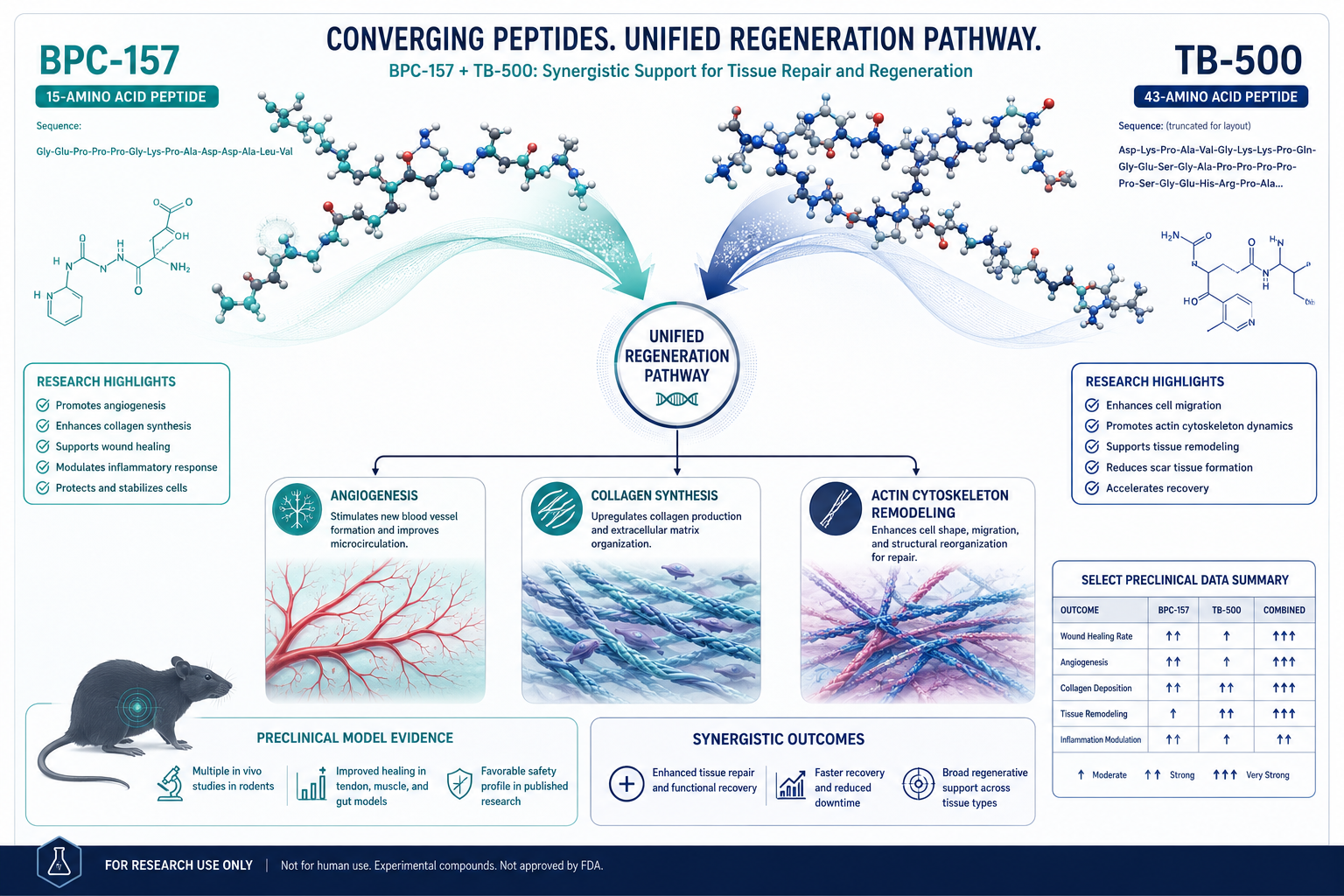
Detailed () scientific infographic illustration showing two peptide molecular structures labeled BPC-157 and TB-500

Key Takeaways

  • BPC-157 and TB-500 target distinct but complementary biological pathways, making their combination mechanistically rational.
  • Preclinical models suggest the pairing may accelerate tendon, muscle, and ligament repair beyond what either peptide achieves independently.
  • Dosing timing, route of administration, and peptide purity are critical variables in well-controlled research protocols.
  • Neither peptide is approved for human use; all applications remain within research and investigational contexts.
  • Sourcing lab-tested peptides is a non-negotiable quality control step for reproducible results.

Understanding the Two Peptides and Why Combination Research Makes Sense

BPC-157 (Body Protection Compound-157) is a synthetic pentadecapeptide derived from a protein found in gastric juice. In rodent models, it has demonstrated consistent activity in tendon-to-bone healing, gut mucosal repair, and neurological recovery. Its primary mechanisms include upregulation of growth hormone receptors, promotion of angiogenesis via VEGF pathways, and modulation of nitric oxide synthesis.

TB-500 is a synthetic analogue of Thymosin Beta-4, a naturally occurring peptide present in virtually all human and animal cells. It promotes actin polymerization, supports endothelial cell migration, and reduces local inflammation. Critically, TB-500 facilitates the formation of new blood vessels and supports the migration of stem cells to injury sites.

"The mechanistic complementarity between BPC-157 and TB-500 is not incidental — one primes the vascular scaffold while the other drives structural repair."

When researchers evaluate BPC-157 and TB-500 synergy, the rationale becomes clear:

Feature BPC-157 TB-500
Primary pathway VEGF / GH receptor Actin / Thymosin Beta-4
Key tissue targets Tendon, gut, nerve Muscle, cardiac, connective
Anti-inflammatory Moderate Strong
Angiogenic effect High Moderate-High
Stem cell mobilization Indirect Direct

This complementary profile is why combined protocols have become a focus in tissue regeneration research. Researchers can also explore how similar synergy principles apply in other peptide pairings, such as the synergy of LL-37 and SS-31, which demonstrates comparable multi-pathway logic.


Optimizing Tissue Regeneration Protocols in Research Models: Dosing and Design
Optimizing Tissue Regeneration Protocols in Research Models: Dosing and Design

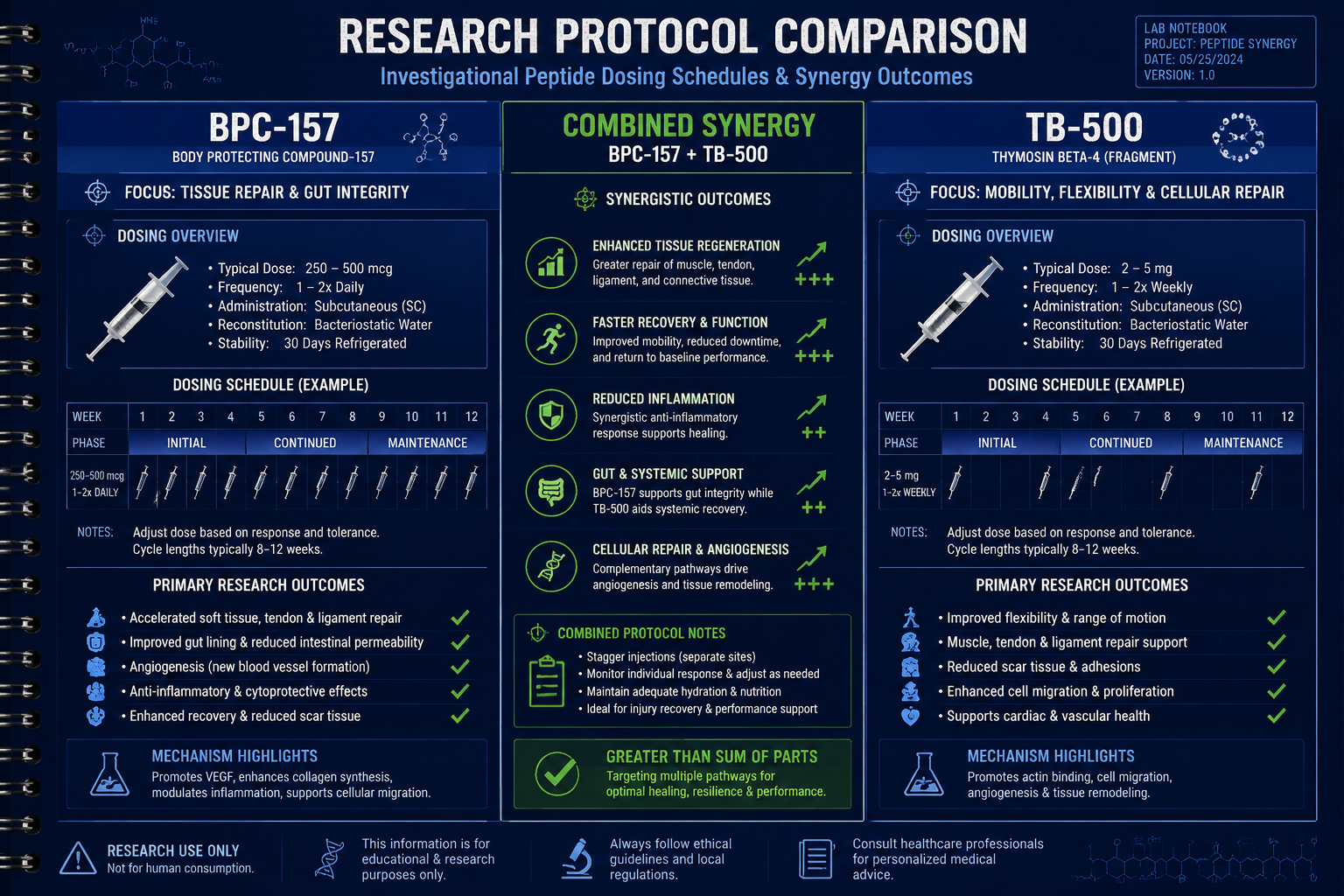
Designing a rigorous protocol for optimizing tissue regeneration protocols in research models requires attention to four core variables: dose, frequency, route, and timing relative to the injury event.

Typical Preclinical Dosing Ranges

Research in rodent models has used the following approximate ranges:

  • BPC-157: 1–10 mcg/kg body weight, administered intraperitoneally or subcutaneously, once daily
  • TB-500: 2.0–7.5 mg/kg body weight, administered subcutaneously, two to three times per week

When used in combination, some protocols apply a loading phase (higher frequency in weeks 1–2) followed by a maintenance phase (reduced frequency in weeks 3–6). This mirrors the approach used in other multi-peptide blends, such as the Klow Blend multi-pathway research framework, which also employs phased administration strategies.

Route of Administration Considerations

Subcutaneous injection remains the most common route in preclinical models for both peptides. Intraperitoneal delivery is also documented for BPC-157. Oral administration of BPC-157 has shown activity in gut-related endpoints but is generally considered less reliable for systemic musculoskeletal targets.

Key Protocol Design Checkpoints

  • Randomize subject assignment to control and treatment groups
  • Standardize injury induction method (e.g., Achilles tendon transection, muscle crush)
  • Use blinded outcome assessment (histology, tensile strength testing, immunohistochemistry)
  • Log reconstitution conditions and storage temperature for each peptide lot
  • Verify peptide identity and purity via third-party certificate of analysis

Researchers interested in related regenerative peptides may also find value in reviewing GHK-Cu longevity research themes, as copper peptide activity intersects with collagen synthesis pathways relevant to tissue repair models.


Practical Sourcing and Quality Control for BPC-157 and TB-500 Research
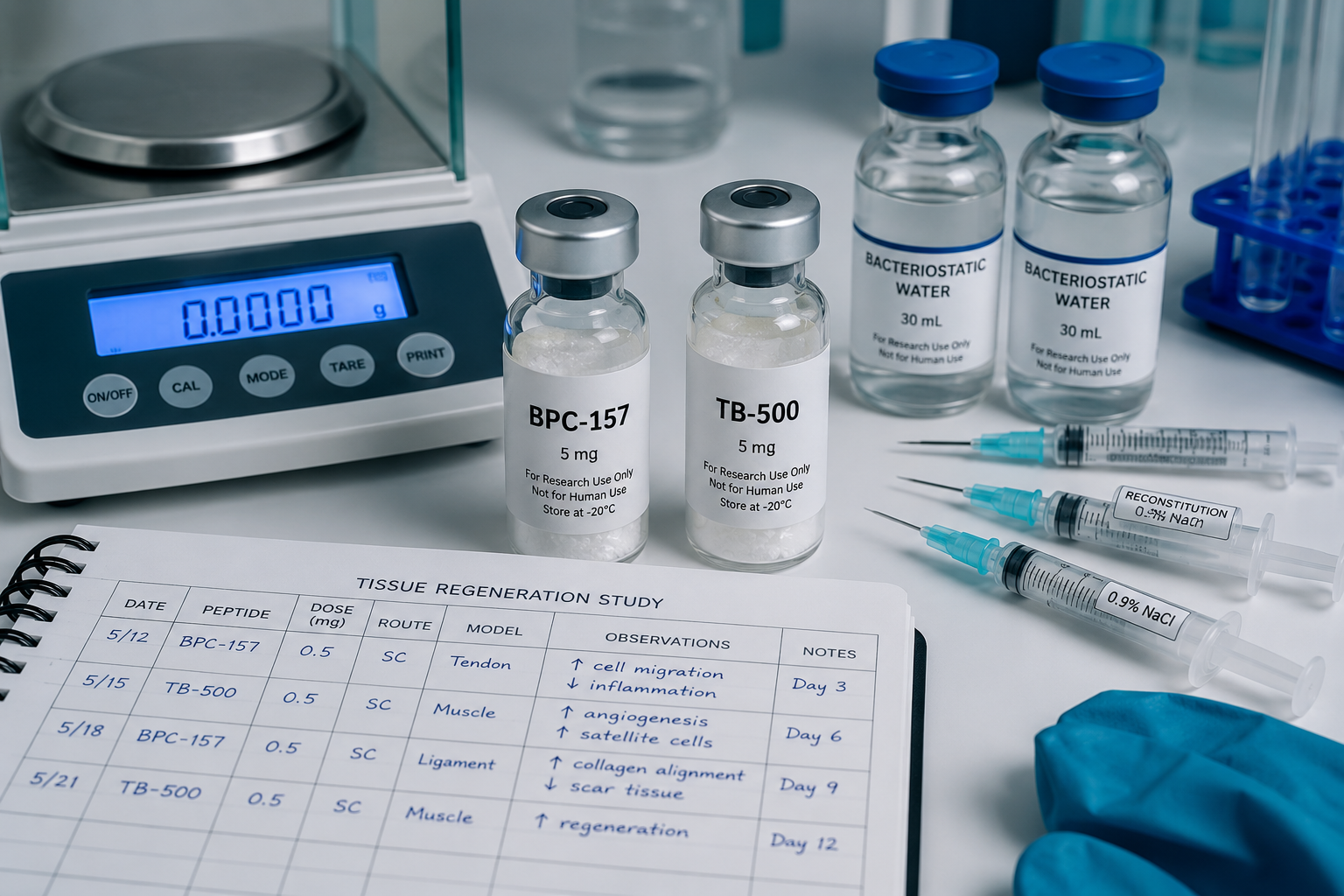
Practical Sourcing and Quality Control for BPC-157 and TB-500 Research

The reproducibility of any BPC-157 and TB-500 synergy study depends directly on peptide quality. Impure or misidentified compounds introduce confounding variables that invalidate results. Researchers should prioritize suppliers who provide:

  • HPLC purity certificates (minimum 98% purity recommended)
  • Mass spectrometry confirmation of molecular identity
  • Sterility testing documentation
  • Clearly labeled lot numbers for traceability

For reference, the BPC-157 and TB-500 combined research page and the dedicated TB-500 research resource provide sourcing context and compound-specific notes useful for protocol planning.

Researchers should also note that peptide stability varies. BPC-157 is generally stable at 4°C for short-term storage and at -20°C for longer periods. TB-500 follows similar cold-chain requirements. Both should be reconstituted with bacteriostatic water immediately before use and protected from repeated freeze-thaw cycles.

For those building broader regenerative research programs, exploring complementary compounds such as LL-37 innate research themes or IPA muscle and fat research themes can help contextualize where BPC-157/TB-500 protocols fit within a wider investigational framework.


Conclusion

The investigation of BPC-157 and TB-500 Synergy: Optimizing Tissue Regeneration Protocols in Research Models represents one of the most mechanistically grounded areas of current peptide science. The two compounds address distinct but interlocking repair pathways, making their combined study both logical and productive for preclinical researchers.

Actionable next steps for researchers:

  1. Review existing rodent tendon and muscle repair literature to benchmark expected outcomes before designing new protocols.
  2. Establish purity verification as a non-negotiable pre-study step — source only from suppliers with documented third-party testing.
  3. Apply phased dosing designs (loading plus maintenance) to better mirror physiological repair timelines.
  4. Include histological and biomechanical endpoints alongside functional assessments for multi-dimensional data.
  5. Document all reconstitution, storage, and administration variables in a standardized research log to support reproducibility.

As 2026 brings increased scrutiny to peptide research standards, well-designed combination protocols will be essential for generating data that withstands peer review and advances the field.

https://www.puretestedpeptides.com/wp-content/uploads/2026/07/BPC-157-and-TB-500-Synergy-Optimizing-Tissue-Regeneration-Protocols-in-Research-Models.png 1024 1536 Pure Tested https://www.puretestedpeptides.com/wp-content/uploads/2026/01/buy-peptides-online.jpg Pure Tested2026-07-02 13:08:092026-07-20 15:01:14BPC-157 and TB-500 Synergy: Optimizing Tissue Regeneration Protocols in Research Models
GHK-Cu Peptide: Its Role in Extracellular Matrix Remodeling and Dermatological Research Applications

GHK-Cu Peptide: Its Role in Extracellular Matrix Remodeling and Dermatological Research Applications

July 2, 2026/0 Comments/by Pure Tested

A naturally occurring tripeptide found in human blood plasma, saliva, and urine, GHK-Cu (glycyl-L-histidyl-L-lysine copper complex) has drawn sustained scientific attention since its discovery in the early 1970s. Its plasma concentration drops sharply with age — from roughly 200 ng/mL at age 20 to under 80 ng/mL by age 60 — a decline that correlates with reduced tissue repair capacity. Research into GHK-Cu Peptide: Its Role in Extracellular Matrix Remodeling and Dermatological Research Applications has expanded considerably in 2026, making it one of the most studied bioactive peptides in skin biology.

Detailed () scientific illustration showing a 3D molecular model of the GHK-Cu tripeptide-copper complex hovering above a

Key Takeaways

  • GHK-Cu is a naturally occurring copper-binding tripeptide whose plasma levels decline significantly with age.
  • It plays a central role in extracellular matrix remodeling by regulating both collagen synthesis and degradation enzymes.
  • Research models show it modulates fibroblast activity, wound healing signals, and antioxidant gene expression.
  • Dermatological research explores its potential for skin repair, barrier restoration, and photoaging mitigation.
  • It is studied alongside other regenerative peptides as part of broader tissue biology research programs.

Molecular Identity and Copper Binding

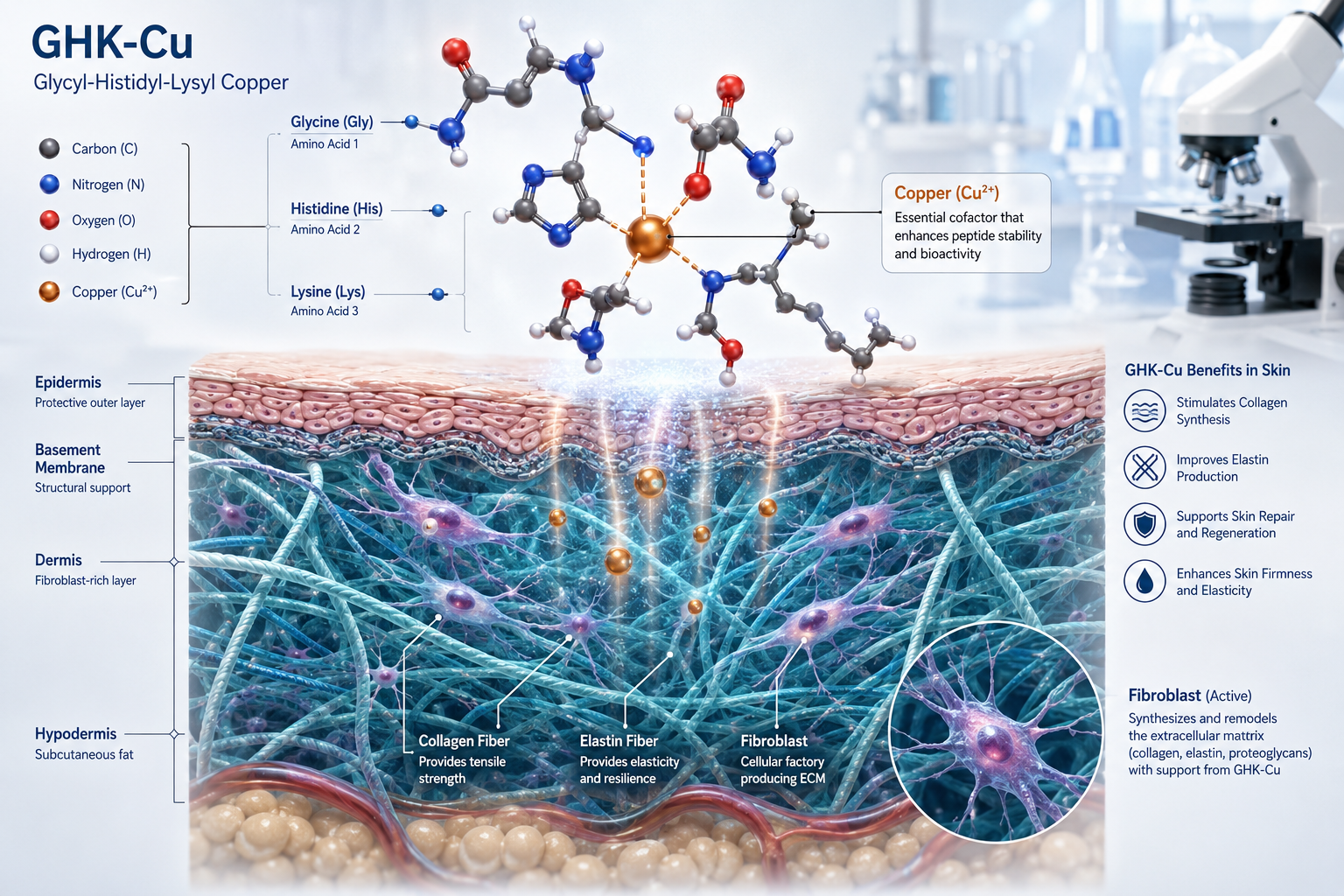
GHK-Cu consists of three amino acids — glycine, histidine, and lysine — with a high affinity for cupric ions (Cu2+). This copper-chelating property is central to its biological activity. Copper itself is an essential cofactor for enzymes involved in collagen cross-linking and antioxidant defense, including lysyl oxidase and superoxide dismutase.

The peptide-copper complex acts as a biological signal rather than a simple nutrient carrier. Upon binding copper, GHK-Cu influences gene expression across multiple pathways. Studies have identified over 4,000 human genes modulated by this peptide, with particular activity in pathways governing:

  • Tissue remodeling and repair
  • Anti-inflammatory responses
  • Antioxidant enzyme upregulation
  • Stem cell activation signals

This broad gene-regulatory activity explains why researchers studying skin matrix biology consider GHK-Cu a high-priority compound.


Extracellular Matrix Remodeling: Core Mechanisms

The extracellular matrix (ECM) is the structural scaffold of skin tissue, composed primarily of collagen, elastin, fibronectin, and proteoglycans. ECM remodeling is a tightly regulated process that balances synthesis and degradation — and GHK-Cu peptide sits at the center of this balance.

Collagen and Elastin Regulation

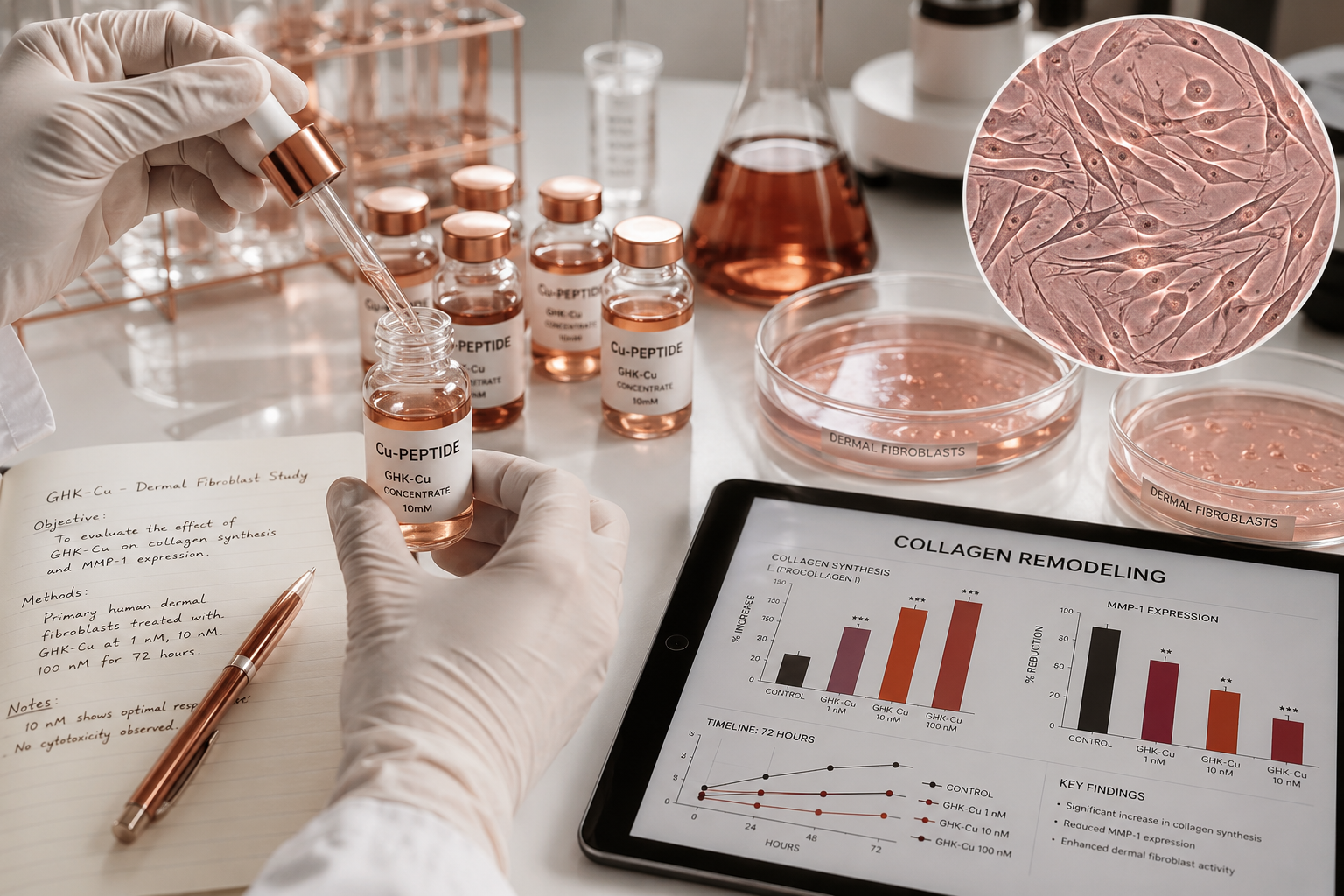
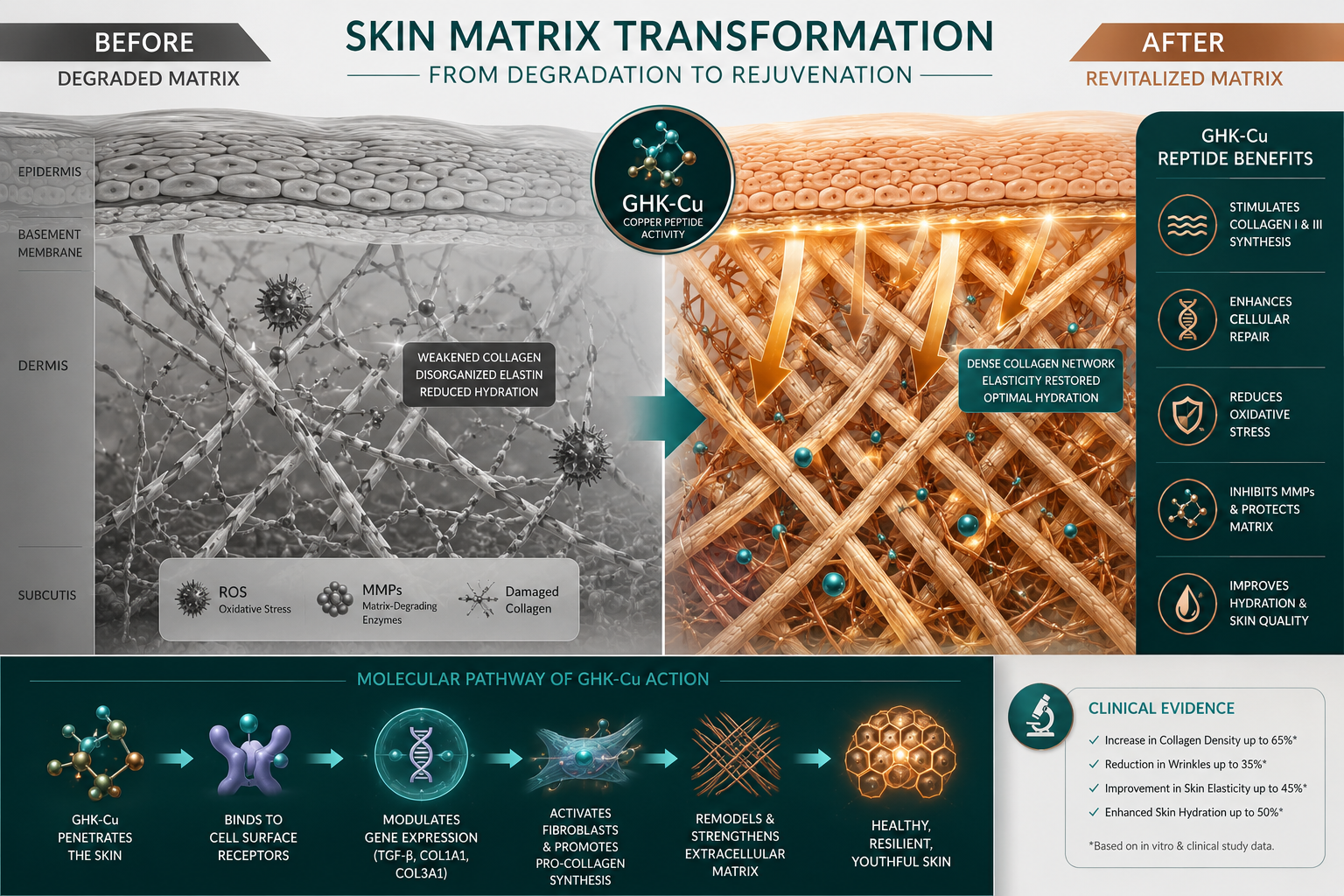
GHK-Cu stimulates fibroblasts to increase production of collagen types I and III, as well as elastin and glycosaminoglycans. Simultaneously, it modulates matrix metalloproteinases (MMPs) — the enzymes responsible for breaking down ECM components. Rather than simply inhibiting MMPs, GHK-Cu appears to normalize their activity, promoting removal of damaged matrix proteins while encouraging synthesis of new structural fibers.

"GHK-Cu does not simply block degradation or force synthesis — it recalibrates the remodeling cycle toward repair."

Fibroblast Activation and Wound Signals

Fibroblasts are the primary ECM-producing cells in the dermis. GHK-Cu enhances fibroblast migration, proliferation, and synthetic output. It also upregulates transforming growth factor beta (TGF-beta) receptors, amplifying the skin's response to endogenous repair signals. This makes it particularly relevant in wound healing and post-inflammatory tissue recovery research contexts.

For researchers exploring related tissue repair compounds, the recovery and tissue biology overview provides useful comparative context.


Dermatological Research Applications

Dermatological Research Applications

Understanding GHK-Cu Peptide: Its Role in Extracellular Matrix Remodeling and Dermatological Research Applications requires examining the specific research domains where it has shown the most consistent activity.

Photoaging and Oxidative Stress Models

UV radiation degrades collagen and generates reactive oxygen species (ROS) that accelerate skin aging. GHK-Cu has been studied in photoaging models for its ability to upregulate antioxidant enzymes, reduce lipid peroxidation, and restore collagen density in UV-damaged tissue. Its copper-dependent activation of superoxide dismutase is a key mechanism in these models.

Barrier Function Research

The skin barrier depends on intact ECM architecture and healthy keratinocyte function. Research models examining GHK-Cu suggest it supports epidermal barrier gene expression, including genes associated with tight junction proteins and ceramide synthesis pathways.

Comparative Peptide Research

GHK-Cu is increasingly studied alongside other bioactive peptides. Researchers interested in longevity-related mechanisms often examine it in parallel with Epithalon longevity signals and GHK-Cu longevity research themes. For those sourcing research-grade material, GHK-Cu peptides for sale through verified suppliers ensures purity standards are met.

Comparative Peptide Research

Key Research Findings Summary

Research Area Observed Mechanism Relevance
Collagen synthesis Fibroblast upregulation ECM structural repair
MMP modulation Balanced degradation/synthesis Tissue remodeling
Antioxidant defense SOD and catalase upregulation Photoaging models
Wound healing TGF-beta receptor sensitization Barrier restoration
Gene expression 4,000+ genes modulated Broad systemic signals

Research Context and Related Compounds

GHK-Cu does not operate in isolation within the peptide research landscape. Its ECM-focused mechanisms complement compounds studied for tissue repair, such as BPC-157 research themes and Cartalax cartilage research. Researchers building multi-target tissue biology protocols often cross-reference these compounds to understand synergistic or complementary pathways.

Those navigating broader peptide research programs can explore the full PTP catalog by theme to identify compounds relevant to specific research goals.


Conclusion

The scientific case for studying GHK-Cu Peptide: Its Role in Extracellular Matrix Remodeling and Dermatological Research Applications is well-supported by decades of molecular and cellular research. Its ability to recalibrate ECM dynamics — balancing collagen production, MMP activity, and antioxidant defense — positions it as a uniquely multifunctional research compound.

Actionable next steps for researchers:

  • Review current literature on GHK-Cu gene expression profiles to identify target pathways most relevant to your research model.
  • Source verified, high-purity GHK-Cu from reputable suppliers to ensure experimental reproducibility.
  • Consider pairing GHK-Cu with complementary ECM-active peptides for multi-pathway tissue biology protocols.
  • Consult the skin matrix biology resource library for deeper mechanistic context.

As peptide science advances in 2026, GHK-Cu remains a foundational compound for any serious investigation into skin repair, matrix biology, and age-related tissue decline.

https://www.puretestedpeptides.com/wp-content/uploads/2026/07/GHK-Cu-Peptide-Its-Role-in-Extracellular-Matrix-Remodeling-and-Dermatological-Research-Applications.png 1024 1536 Pure Tested https://www.puretestedpeptides.com/wp-content/uploads/2026/01/buy-peptides-online.jpg Pure Tested2026-07-02 13:07:532026-07-20 15:01:15GHK-Cu Peptide: Its Role in Extracellular Matrix Remodeling and Dermatological Research Applications
Epithalon Peptide: Investigating Telomerase Activation and Anti-Aging Pathways in Longevity Research

Epithalon Peptide: Investigating Telomerase Activation and Anti-Aging Pathways in Longevity Research

July 2, 2026/0 Comments/by Pure Tested

A 6-to-8-year observational study of 266 elderly patients found a 1.6 to 1.8-fold decrease in mortality among those treated with epithalamin — and a striking 2.5-fold decrease when combined with thymalin. That single data point has made Epithalon peptide one of the most closely watched compounds in longevity science today.

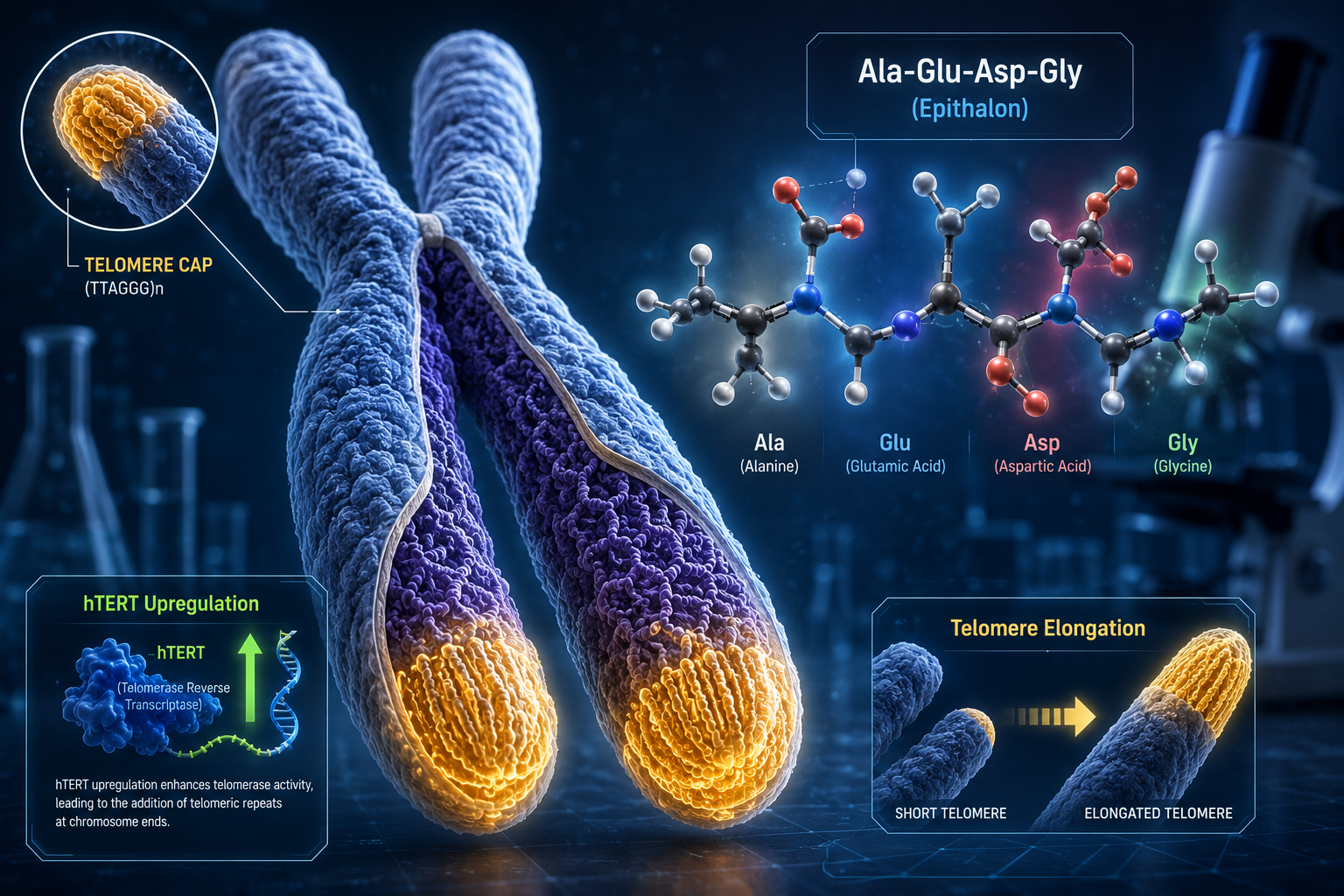
Researchers investigating Epithalon Peptide: Investigating Telomerase Activation and Anti-Aging Pathways in Longevity Research are focused on a deceptively simple synthetic tetrapeptide — Ala-Glu-Asp-Gly — that may influence some of the most fundamental biological clocks in the human body.

Key Takeaways

  • Epithalon is a synthetic tetrapeptide that activates telomerase and promotes telomere elongation in cell studies
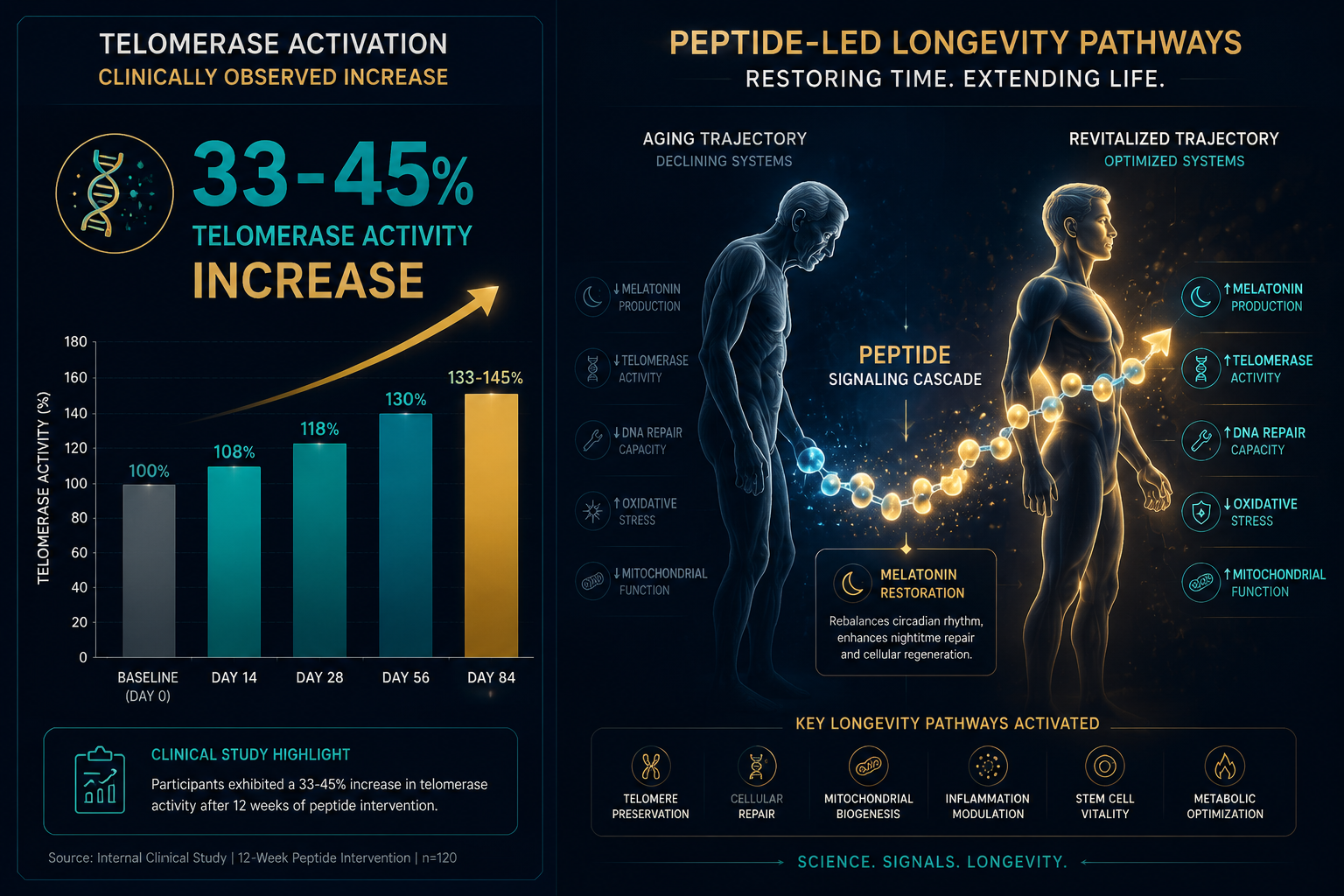
  • Research shows telomerase activity increases of 33-45% across multiple tissue types within 72 hours
  • Animal studies link Epithalon to extended lifespan and reduced cancer incidence
  • The compound is not FDA-approved and was classified as Category 2 (banned from compounding) in 2023
  • Most existing research originates from a single laboratory group, limiting independent verification

What Is Epithalon and How Does It Work

Epithalon (also spelled Epitalon) is a synthetic version of epithalamin, a natural peptide extracted from the pineal gland. Its four-amino-acid sequence — alanine, glutamic acid, aspartic acid, and glycine — is short by peptide standards, yet its proposed biological activity is broad.

Primary mechanism: Epithalon upregulates the expression of hTERT, the catalytic subunit of telomerase. Telomerase is the enzyme responsible for maintaining telomere length — the protective caps at the ends of chromosomes that shorten with each cell division. When telomeres become critically short, cells enter senescence or die. By activating telomerase, Epithalon may slow this process.

A 2025 study demonstrated dose-dependent telomere elongation in normal human cell lines following Epithalon exposure, with electron microscopy confirming measurable changes in telomerase complex formation within 48 to 96 hours.

Secondary mechanism: Epithalon also appears to restore melatonin production in aged models. Peak melatonin concentrations increased 2.5 to 3.2-fold compared to age-matched controls, likely through modulation of N-acetyltransferase activity in the pineal gland. This connection between circadian regulation and cellular aging is an active area of study within longevity peptide research.


Epithalon Peptide: Telomerase Activation Data from Preclinical Research

Epithalon Peptide: Telomerase Activation Data from Preclinical Research

The quantitative findings from preclinical work are notable. Research indicates Epithalon increases telomerase activity by 33 to 45% across multiple tissue types within 72 hours of exposure. These numbers, while promising, come with important caveats.

Animal Longevity Studies

In female Swiss-derived SHR mice, monthly Epithalon injections produced:

Outcome Result vs. Controls
Mean lifespan Increased
Leukemia development Inhibited sixfold
Melatonin restoration 2.5-3.2x increase

These results position Epithalon alongside other compounds studied in the aging support peptide category, including compounds like SS-31 and MOTS-c, which target mitochondrial function and metabolic resilience.

Human Observational Data

The 266-patient observational study referenced above is one of the strongest human-level signals in the literature. However, it was observational — not a randomized controlled trial — which limits the conclusions that can be drawn about causation.

"The majority of Epithalon research originates from a single laboratory group, raising legitimate concerns about reproducibility and independence."

For researchers comparing Epithalon to other longevity-focused compounds, the Epithalon vs. NAD+ evidence comparison offers a useful side-by-side analysis of mechanisms and study quality.


Anti-Aging Pathways and the Regulatory Landscape in 2026

Anti-Aging Pathways and the Regulatory Landscape in 2026

Anti-Aging Pathways and the Regulatory Landscape in 2026

Understanding Epithalon Peptide: Investigating Telomerase Activation and Anti-Aging Pathways in Longevity Research requires equal attention to its regulatory status and research gaps.

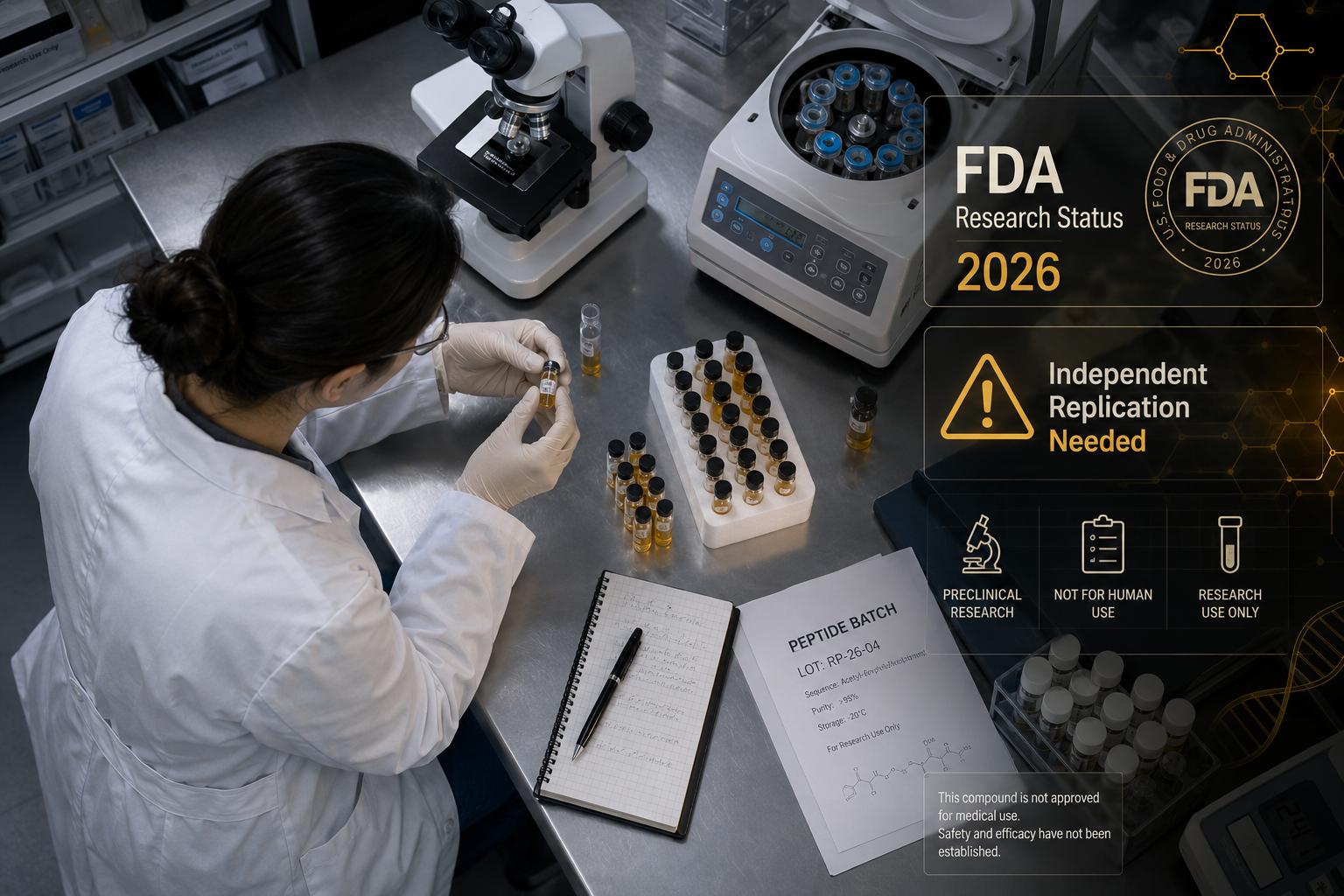
Regulatory status: Epithalon is not approved by the FDA for any medical use. In 2023, it was classified as Category 2, meaning it is banned from pharmaceutical compounding in the United States. Researchers and institutions must treat it strictly as a research compound.

Research limitations to consider:

  • No large-scale, double-blind, placebo-controlled human trials exist
  • Most published data originates from one research group
  • Long-term safety in humans has not been established
  • Independent replication of key findings is still lacking

For those tracking the broader peptide research space, what is new in peptide research provides updated coverage of emerging compounds and regulatory developments.

Future research directions are expected to focus on independent replication of existing findings and the initiation of large-scale human clinical trials. Researchers interested in purity and sourcing standards should also review peptide purity testing made simple before acquiring any research-grade peptide.

Those looking to explore Epithalon as part of a structured research context can review Epithalon peptides for research purposes to understand current availability and documentation standards.


Conclusion

Epithalon peptide sits at a genuinely compelling intersection of telomere biology, circadian regulation, and longevity research. The preclinical data — particularly the telomerase activation findings and the animal lifespan studies — justifies continued scientific attention. At the same time, the absence of independent replication and large-scale human trials means that conclusions must remain measured.

Actionable next steps for researchers in 2026:

  1. Review the existing preclinical literature critically, noting the single-group limitation
  2. Monitor for independent replication studies and any new human trial registrations
  3. Compare Epithalon's mechanisms against other longevity-focused peptides before designing protocols
  4. Prioritize sourcing from suppliers who provide third-party purity documentation
  5. Stay current with FDA and compounding regulations before acquiring research compounds

The science around Epithalon is evolving. Rigorous, independent research will determine whether its early promise translates into verified, reproducible anti-aging outcomes.

https://www.puretestedpeptides.com/wp-content/uploads/2026/07/Epithalon-Peptide-Investigating-Telomerase-Activation-and-Anti-Aging-Pathways-in-Longevity-Research.png 1024 1536 Pure Tested https://www.puretestedpeptides.com/wp-content/uploads/2026/01/buy-peptides-online.jpg Pure Tested2026-07-02 13:07:502026-07-20 15:01:15Epithalon Peptide: Investigating Telomerase Activation and Anti-Aging Pathways in Longevity Research
The Role of 5-Amino-1MQ Peptide in Mitochondrial Function and Metabolic Pathways Research

The Role of 5-Amino-1MQ Peptide in Mitochondrial Function and Metabolic Pathways Research

July 2, 2026/0 Comments/by Pure Tested

Mitochondrial dysfunction is now linked to more than 50 chronic diseases, yet the molecular tools available to study its root causes remain limited. That gap is precisely why the role of 5-Amino-1MQ peptide in mitochondrial function and metabolic pathways research has attracted growing scientific attention. This small-molecule compound targets a specific enzyme pathway that sits at the intersection of cellular energy production and metabolic regulation, making it a compelling subject for researchers studying obesity, insulin resistance, and age-related metabolic decline.

Key Takeaways

  • 5-Amino-1MQ is a selective inhibitor of the enzyme nicotinamide N-methyltransferase (NNMT), which regulates NAD+ availability and metabolic rate.
  • By inhibiting NNMT, the compound may increase intracellular NAD+ levels, supporting mitochondrial energy production.
  • Preclinical research suggests 5-Amino-1MQ may reduce fat cell size and improve markers of metabolic health.
  • The compound remains in the research phase as of 2026, with no approved human clinical applications.
  • Its mechanism overlaps with other metabolically active peptides, making it relevant to broader longevity and energy research.

How 5-Amino-1MQ Targets NNMT and Influences Mitochondrial Activity

How 5-Amino-1MQ Targets NNMT and Influences Mitochondrial Activity

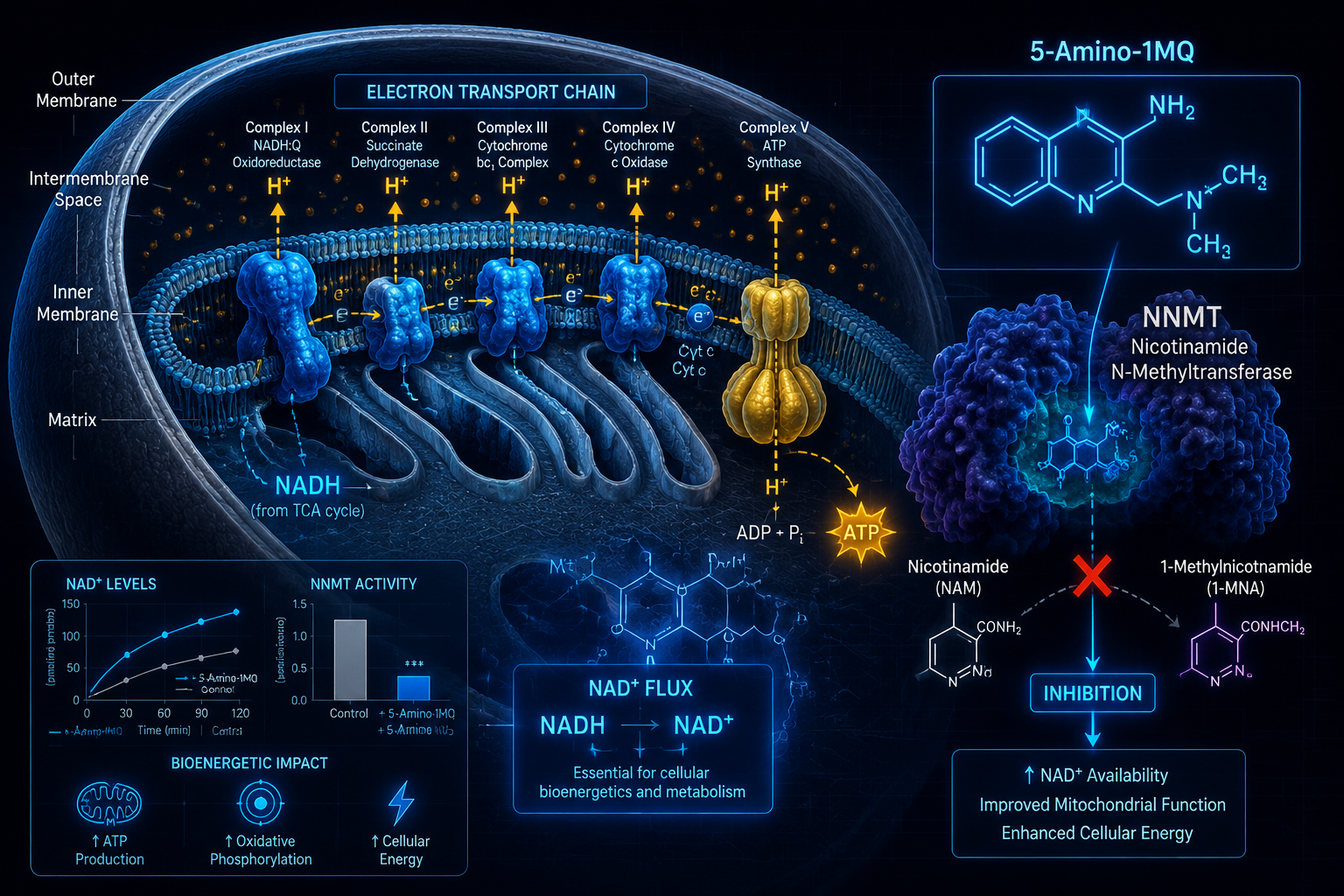
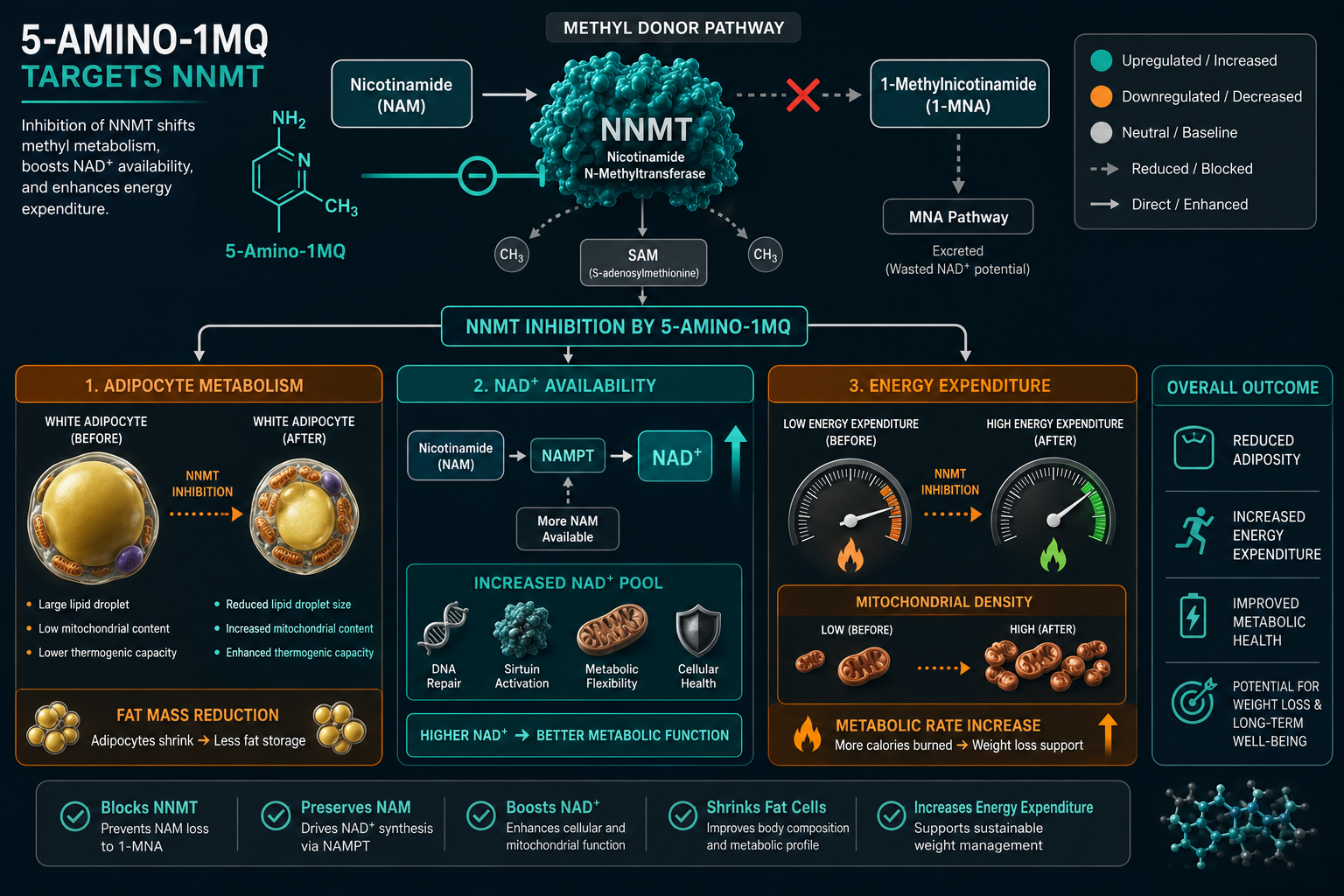
At the core of the role of 5-Amino-1MQ peptide in mitochondrial function and metabolic pathways research is its action on nicotinamide N-methyltransferase (NNMT). This enzyme methylates nicotinamide, a precursor to NAD+, effectively removing it from the pool available for cellular energy metabolism.

When NNMT is overexpressed — a common finding in adipose tissue and certain metabolic disease states — NAD+ availability drops. Lower NAD+ levels impair the function of sirtuins and PARP enzymes, both of which are essential regulators of mitochondrial biogenesis and DNA repair.

5-Amino-1MQ acts as a selective, cell-permeable NNMT inhibitor. By blocking this enzyme, the compound helps preserve nicotinamide availability, which in turn supports NAD+ synthesis and the downstream processes that depend on it.

Key mitochondrial effects observed in preclinical models include:

Effect Mechanism
Increased NAD+ flux NNMT inhibition preserves nicotinamide substrate
Enhanced oxidative phosphorylation Greater electron transport chain activity
Improved mitochondrial membrane potential Stabilized inner membrane function
Reduced reactive oxygen species (ROS) Better redox balance in metabolically stressed cells

This mechanistic profile places 5-Amino-1MQ alongside other research compounds studied for mitochondrial support, such as those explored in SS-31 peptide research considerations, which also focuses on inner mitochondrial membrane stabilization.


Metabolic Pathway Implications: Fat Metabolism and Energy Expenditure

Metabolic Pathway Implications: Fat Metabolism and Energy Expenditure

Beyond its direct mitochondrial effects, the role of 5-Amino-1MQ peptide in mitochondrial function and metabolic pathways research extends into adipose tissue biology and systemic energy regulation.

Preclinical studies in diet-induced obesity models have shown that NNMT inhibition with 5-Amino-1MQ is associated with:

  • Reduced adipocyte hypertrophy — fat cells become smaller without significant changes in cell number
  • Lower body weight gain — even under high-fat dietary conditions
  • Improved insulin sensitivity markers — suggesting downstream effects on glucose metabolism
  • Elevated resting energy expenditure — consistent with enhanced mitochondrial activity

These findings are particularly relevant when viewed alongside research on other metabolically active peptides. For instance, MOTS-c and metabolic flexibility research explores a mitochondria-derived peptide with overlapping interests in energy substrate switching and insulin signaling. Similarly, longevity peptide research contextualizes how compounds that influence NAD+ metabolism may intersect with aging biology.

"NNMT inhibition represents a novel strategy for targeting the metabolic inefficiencies that accumulate in adipose tissue during chronic energy surplus."

The compound's ability to influence both mitochondrial function and fat cell metabolism makes it a dual-pathway research tool — rare among small molecules at this stage of investigation.

Researchers interested in related lipid mobilization mechanisms may also find value in reviewing TESA lipid mobilization research for comparative pathway context.


Current Research Status and Broader Context in 2026

Current Research Status and Broader Context in 2026

As of 2026, 5-Amino-1MQ remains firmly in the preclinical research phase. No human clinical trials have been completed or approved. All data supporting its metabolic and mitochondrial effects come from in vitro cell studies and rodent models.

This distinction matters. Researchers and institutions working with this compound do so strictly within controlled laboratory settings. The compound is not approved for therapeutic use in any jurisdiction.

That said, the scientific rationale is well-grounded. The NNMT-NAD+ axis is a validated target in metabolic disease research, and the specificity of 5-Amino-1MQ for this pathway gives it a cleaner mechanistic profile than broader NAD+ precursor supplementation strategies.

For those building a broader picture of metabolic and mitochondrial research compounds, the following resources provide useful comparative context:

  • Humanin cellular protection research — another mitochondria-derived peptide with cytoprotective properties
  • Epithalon vs. NAD+ evidence — a direct comparison of NAD+-adjacent research strategies
  • NAD+ scientific evidence overview — foundational context for understanding the NAD+ research landscape

Understanding peptide purity and compound integrity is also essential in this field. Reviewing peptide purity testing protocols helps researchers evaluate the quality standards relevant to any preclinical compound.

Conclusion

The role of 5-Amino-1MQ peptide in mitochondrial function and metabolic pathways research is defined by a precise and scientifically grounded mechanism: selective NNMT inhibition that preserves NAD+ availability, supports mitochondrial energy output, and reduces metabolic dysfunction in preclinical models.

Actionable next steps for researchers and institutions:

  1. Review the current preclinical literature on NNMT inhibition and NAD+ flux before designing study protocols.
  2. Compare 5-Amino-1MQ's mechanism against related mitochondrial research compounds such as SS-31, MOTS-c, and Humanin to identify complementary or overlapping pathways.
  3. Ensure all research-grade compounds are sourced with verified purity documentation.
  4. Monitor for emerging clinical trial registrations, as the preclinical data profile may support future Phase I investigation.

This compound represents a focused, mechanistically coherent tool for advancing the understanding of mitochondrial health and metabolic disease — two of the most pressing research priorities in 2026.

https://www.puretestedpeptides.com/wp-content/uploads/2026/07/The-Role-of-5-Amino-1MQ-Peptide-in-Mitochondrial-Function-and-Metabolic-Pathways-Research.png 1024 1536 Pure Tested https://www.puretestedpeptides.com/wp-content/uploads/2026/01/buy-peptides-online.jpg Pure Tested2026-07-02 13:07:402026-07-20 15:01:16The Role of 5-Amino-1MQ Peptide in Mitochondrial Function and Metabolic Pathways Research
How Peptide Calculator Tools Aid in Accurate Research Dosing and Reconstitution

How Peptide Calculator Tools Aid in Accurate Research Dosing and Reconstitution

July 1, 2026/0 Comments/by Pure Tested

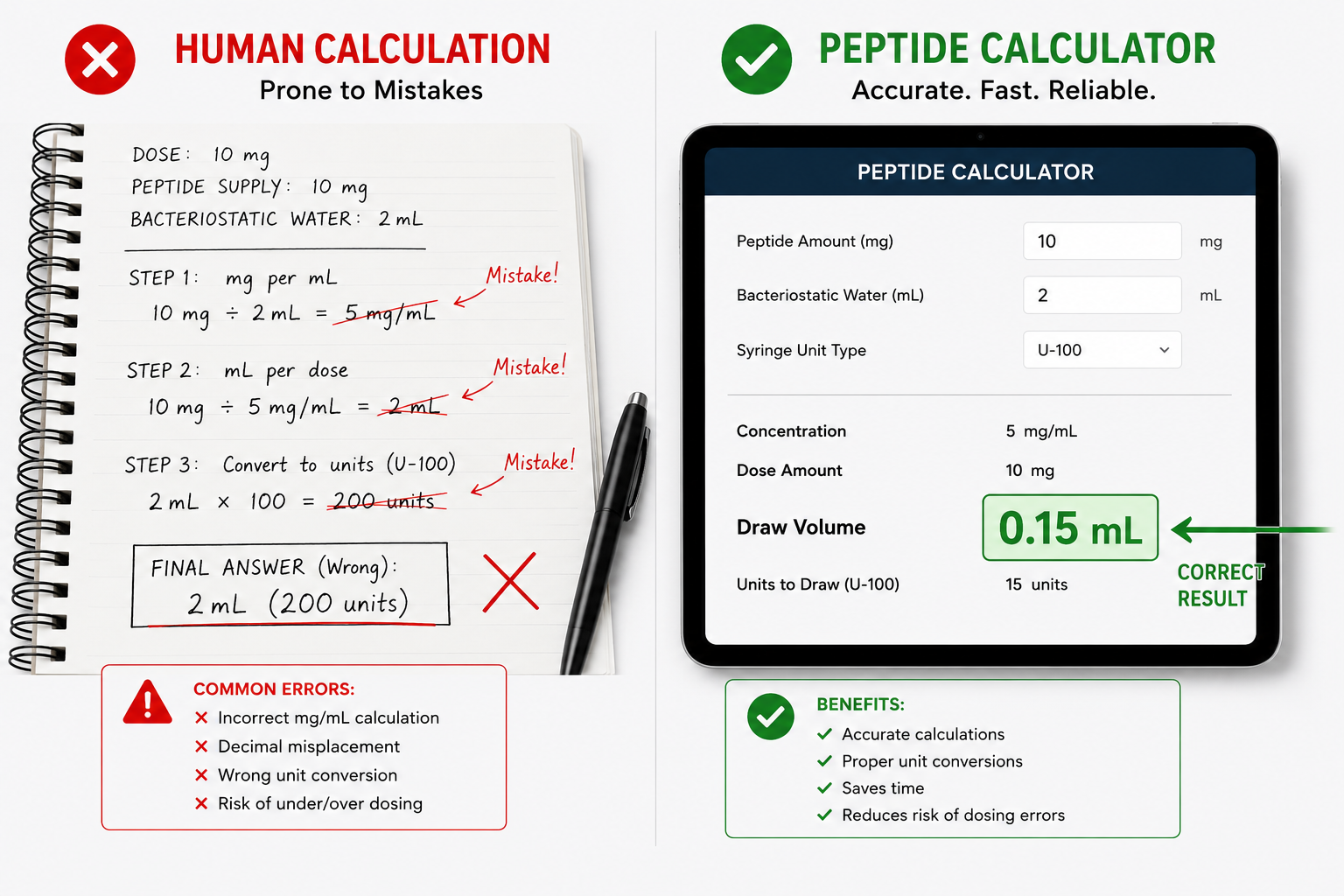
A single decimal point error during peptide reconstitution can render an entire research protocol meaningless. As peptide research expands in 2026, digital calculator tools have moved from optional convenience to essential infrastructure. Understanding how peptide calculator tools aid in accurate research dosing and reconstitution is now a foundational skill for any serious researcher working with lyophilized compounds.

() close-up overhead flat-lay of a research lab workspace showing a peptide vial labeled '5mg', a 3mL bacteriostatic water

Key Takeaways

  • Peptide calculator tools automate the three-variable reconstitution formula, eliminating common unit conversion errors.
  • A standardized calculation approach converts vial size, reconstitution volume, and target dose into a precise draw volume in milliliters.
  • Digital platforms now offer integrated research suites combining dosing calculators with protocol planners and stack compatibility tools.
  • As of mid-2026, leading peptide calculator apps have logged over one million dose events, confirming widespread real-world adoption.
  • Accurate reconstitution math is especially critical for multi-compound protocols and blended peptide formulations.

The Core Math Behind Peptide Reconstitution

Every reconstitution calculation relies on three variables:

  1. Vial size (total peptide content, expressed in mg)
  2. Reconstitution volume (amount of bacteriostatic water added, in mL)
  3. Target research dose (desired dose per administration, in mcg or mg)

The formula is straightforward:

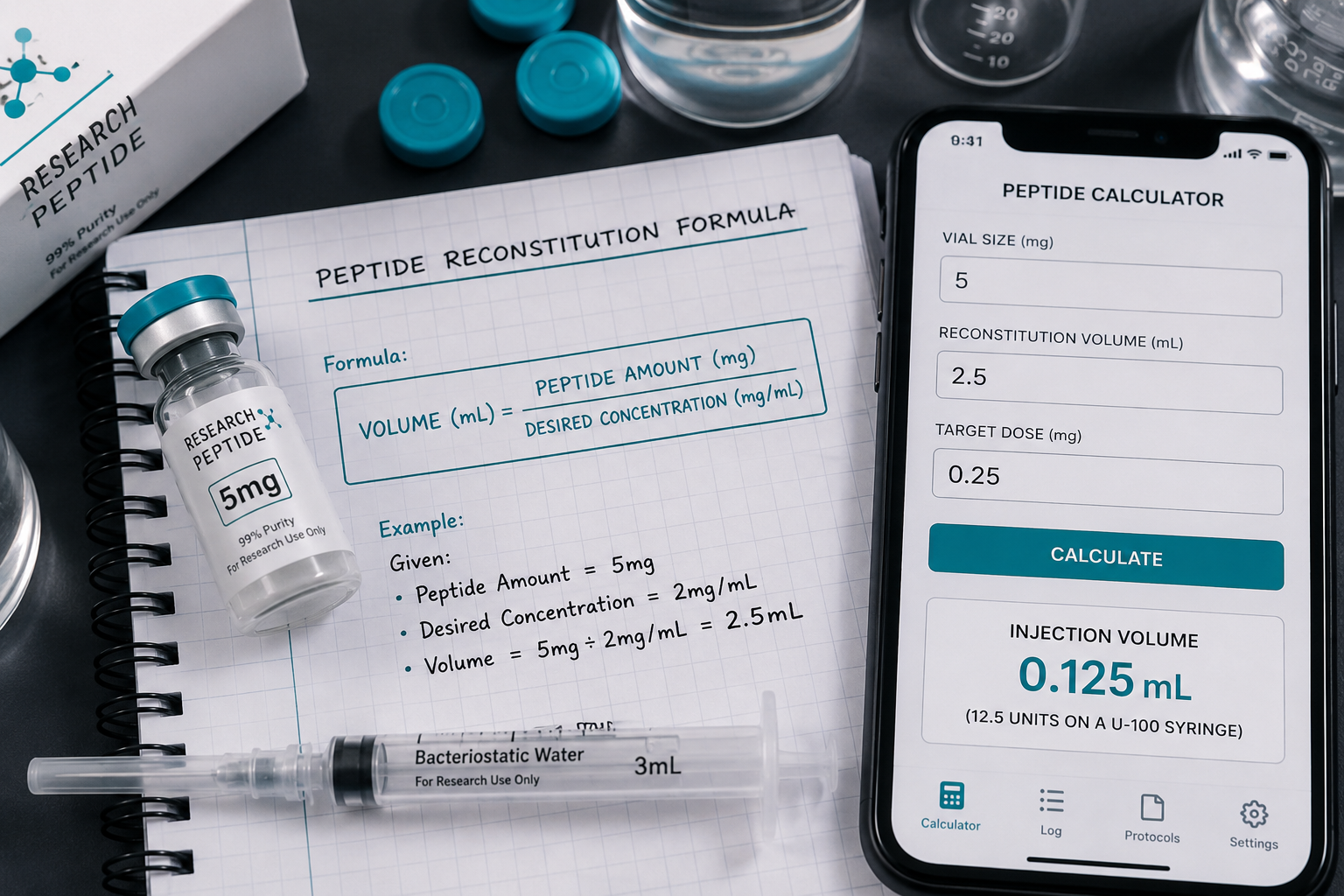
Draw volume (mL) = (Target dose / Total vial content) x Reconstitution volume

A practical example makes this concrete. A 5 mg vial reconstituted with 3 mL of bacteriostatic water, with a target dose of 250 mcg, produces a draw volume of 0.15 mL, which corresponds to 15 units on a standard insulin syringe.

Without a calculator, researchers must manually convert mg to mcg, divide, and then translate mL into syringe units. Each step introduces potential error. Calculator tools codify this formula, embed unit toggles between mcg and mg, and include vial-size presets, removing the most common failure points.

This matters enormously for complex compounds. Researchers working with a Tesamorelin/CJC-1295/Ipamorelin blend face a higher-mg vial requiring precise dilution math to avoid under- or over-dosing any single peptide component.


How Peptide Calculator Tools Aid in Accurate Research Dosing and Reconstitution Across Platforms

How Peptide Calculator Tools Aid in Accurate Research Dosing and Reconstitution Across Platforms

The landscape of available tools has expanded significantly. As of March 2026, platforms like Peptide Protocol Wiki launched 18 free interactive research tools, including dosing calculators, protocol planners, stack compatibility checkers, and evidence explorers. This shift reflects a broader trend: calculators are no longer standalone utilities but components of integrated research suites tied directly to published literature.

Key features researchers should look for in a quality peptide calculator:

Feature Why It Matters
Unit toggle (mcg/mg) Prevents the most common conversion error
Vial size presets Speeds input for standard commercial vials
Reconstitution volume input Accounts for researcher-defined dilution ratios
Draw volume in syringe units Translates mL into practical insulin syringe markings
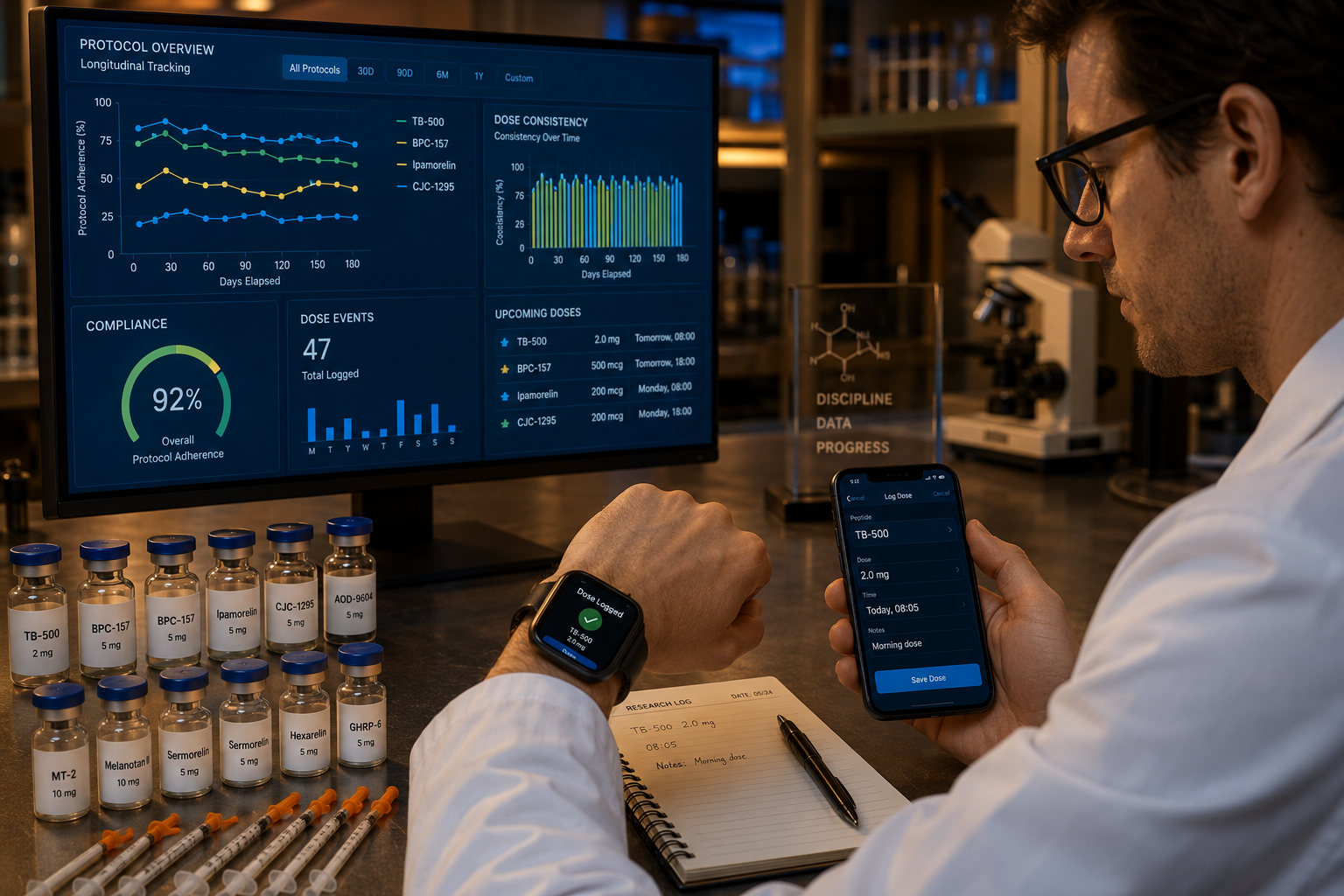
Protocol logging Tracks dose consistency over time

For researchers using compounds like GHK-Cu or CJC-1295, where dosing windows are relatively narrow, these features directly support protocol integrity.


Longitudinal Tracking and the Future of Research Dosing Tools

How peptide calculator tools aid in accurate research dosing and reconstitution extends beyond single-dose math. The Peptides Calculator iOS and Apple Watch app surpassed 50,000 users and logged over one million recorded dose events by June 2026. This scale of data demonstrates that researchers are using these tools for longitudinal protocol tracking, not just one-time calculations.

Consistent dose logging enables researchers to:

  • Identify administration timing patterns across a protocol window
  • Confirm dose-to-dose reproducibility
  • Flag deviations that could confound results

This is particularly relevant for multi-peptide research programs. Protocols involving compounds like PT-141 or GLP-1 pathway agents often span weeks, making consistent dosing records a research quality control asset.

Researchers exploring blended formulations, such as the Klow Blend multi-pathway protocol, benefit especially from tools that handle multiple compounds simultaneously rather than requiring separate calculations for each.

Longitudinal Tracking and the Future of Research Dosing Tools

Pairing a reliable calculator with a verified peptide supplier and a well-documented tesa dosage reference creates a complete accuracy framework from sourcing through administration.


Conclusion

Peptide calculator tools are not a luxury for researchers who value precision. They are a practical safeguard against the arithmetic errors that undermine reproducibility. The actionable steps are clear: adopt a calculator that handles unit conversion, vial presets, and draw volume output in syringe units; use longitudinal logging features to maintain dose consistency across a full protocol; and integrate dosing tools with evidence-based stack compatibility resources. As research compounds grow more complex and protocols longer, the role of these tools in maintaining data integrity will only grow.

https://www.puretestedpeptides.com/wp-content/uploads/2026/07/How-Peptide-Calculator-Tools-Aid-in-Accurate-Research-Dosing-and-Reconstitution.png 1024 1536 Pure Tested https://www.puretestedpeptides.com/wp-content/uploads/2026/01/buy-peptides-online.jpg Pure Tested2026-07-01 13:04:382026-07-20 15:01:17How Peptide Calculator Tools Aid in Accurate Research Dosing and Reconstitution
Retatrutide vs GLP3 Peptide: How to Interpret the Naming Difference in Research Context

Retatrutide vs GLP3 Peptide: How to Interpret the Naming Difference in Research Context

July 1, 2026/0 Comments/by Pure Tested

Researchers and informed readers searching metabolic peptide literature in 2026 frequently encounter two terms side by side — "retatrutide" and "GLP-3 peptide" — and assume they are comparing two separate compounds. They are not. Understanding this naming gap is essential for reading clinical data accurately and avoiding confusion when evaluating research outcomes.

This article on Retatrutide vs GLP3 Peptide: How to Interpret the Naming Difference in Research Context explains where the informal label came from, what the science actually says, and how to navigate terminology when reviewing preclinical or clinical literature.

Key Takeaways

  • "GLP-3 peptide" is an informal shorthand, not an official scientific or regulatory term.
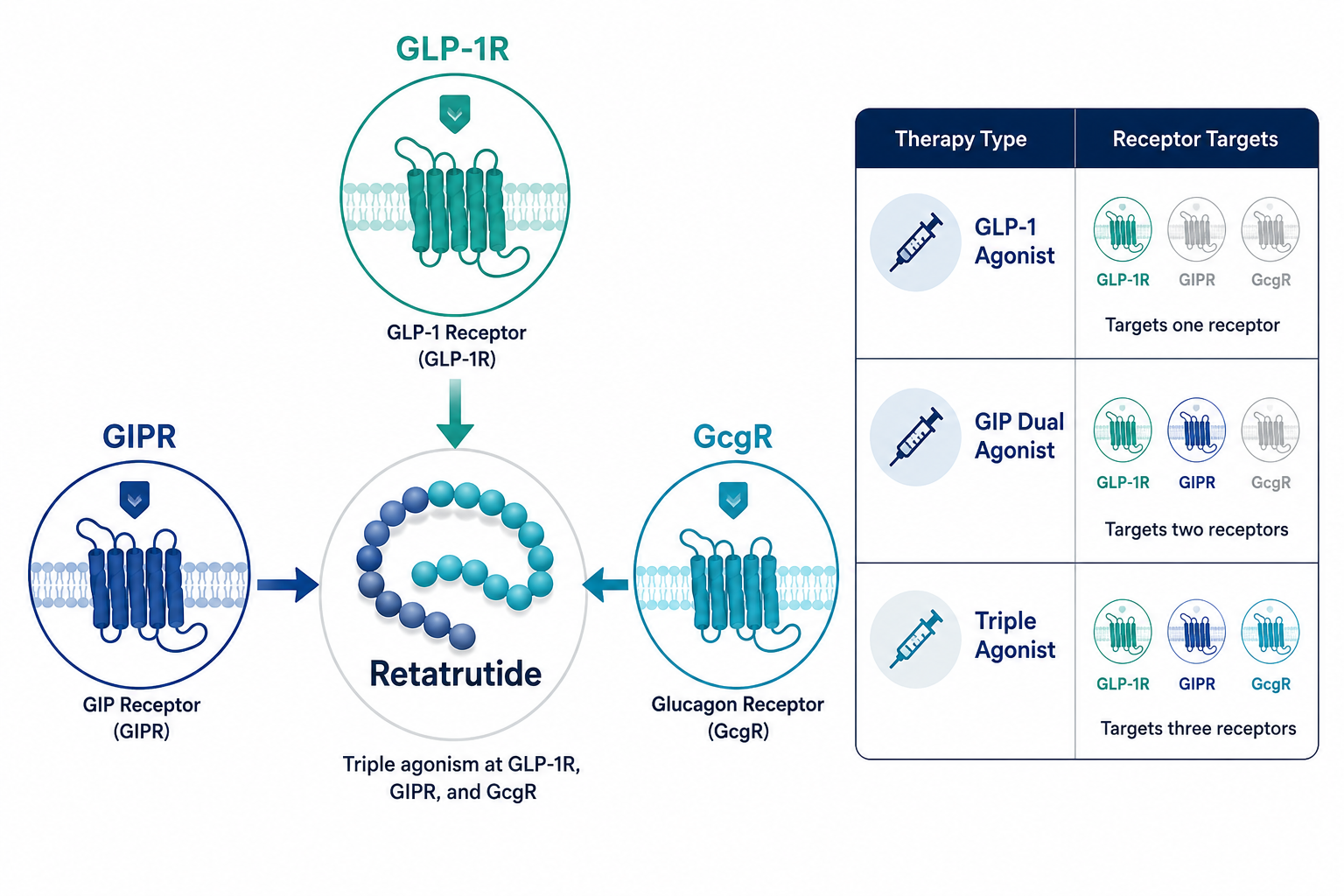
  • Retatrutide is the INN (International Nonproprietary Name) for a triple receptor agonist targeting GLP-1R, GIPR, and GcgR.
  • The "GLP-3" label emerged from a logical but unofficial progression: GLP-1 agonist, then dual GLP-1/GIP agonist, then "triple" or "GLP-3."
  • Phase 3 TRIUMPH-4 trial data showed up to 28.7% body weight reduction at 68 weeks with a 12 mg dose.
  • In formal research contexts, always use "retatrutide" or "triple receptor agonist" to ensure accurate source retrieval.

Where the "GLP-3" Label Comes From

Where the "GLP-3" Label Comes From

The naming logic follows a simple pattern that the research community informally adopted. GLP-1 receptor agonists — such as semaglutide — target a single receptor. Dual agonists like tirzepatide activate both the GLP-1 receptor and the GIP receptor. When retatrutide arrived as a compound activating three receptors simultaneously — GLP-1R, GIPR, and the glucagon receptor (GcgR) — some writers and online communities began calling it a "GLP-3" to signal that it goes one step further than a dual agonist.

This is a shorthand label, not a pharmacological classification. No regulatory body, no peer-reviewed journal, and no drug developer has officially designated retatrutide as a "GLP-3 receptor agonist." The glucagon receptor is not a third GLP receptor in any biological sense. GLP-1 and GLP-2 are the two glucagon-like peptides identified in the literature, and neither is the same as the glucagon receptor that retatrutide activates.

Term Type Official?
Retatrutide INN / clinical name Yes
Triple receptor agonist Mechanistic descriptor Yes
GLP-3 peptide Community shorthand No
GLP-1/GIP/GcgR agonist Pharmacological label Yes

For those already familiar with the broader landscape of incretin-based compounds, the GLP-1 incretin research themes article provides useful background on how these receptor classes differ.


What Retatrutide Actually Does in Research

What Retatrutide Actually Does in Research

Retatrutide works by co-activating three distinct receptor pathways that each influence energy balance, appetite signaling, and glucose metabolism. The GLP-1 receptor component slows gastric emptying and reduces appetite. The GIP receptor component modulates insulin secretion and fat storage. The glucagon receptor component increases energy expenditure and promotes fat oxidation.

This triple mechanism is why Phase 2 trial data reported up to 24.2% body weight loss at 48 weeks with a 12 mg dose — a figure that exceeded what single or dual agonists had achieved at comparable timepoints. Phase 3 TRIUMPH-4 trial data extended that finding further, showing up to 28.7% body weight loss at 68 weeks with the same 12 mg dose.

"Triple agonism is not simply additive — the glucagon receptor component introduces an energy expenditure pathway that single and dual agonists do not access."

For researchers comparing incretin-based mechanisms, the dual receptor agonism research breakdown and the generations of GLP-1 differences articles offer relevant context. Researchers interested in complementary metabolic compounds may also find value in reviewing cagrilintide synergy with GLP-1 as a related area of investigation.


How to Interpret the Naming Difference in Research Context

How to Interpret the Naming Difference in Research Context

When evaluating Retatrutide vs GLP3 Peptide: How to Interpret the Naming Difference in Research Context, the practical rule is straightforward: use "retatrutide" for database searches on PubMed, ClinicalTrials.gov, or any regulatory archive. Searching "GLP-3 peptide" will return inconsistent results and may surface unrelated compounds or speculative content.

The informal "GLP-3" label is most common in:

  • Fitness and biohacking communities
  • Non-peer-reviewed blog content
  • Social media discussions comparing weight-loss peptides

It is rarely, if ever, used in:

  • Clinical trial registrations
  • Peer-reviewed pharmacology journals
  • FDA or EMA regulatory filings

Researchers studying adjacent compounds — such as tesofensine peptide overview or TESA body composition research themes — will notice the same pattern: informal community labels often diverge from official nomenclature. Maintaining terminological precision protects the integrity of literature reviews and prevents citation errors.


Conclusion

The core answer to Retatrutide vs GLP3 Peptide: How to Interpret the Naming Difference in Research Context is that no meaningful distinction exists between the two terms — they refer to the same compound, but one name is scientifically valid and one is not. Retatrutide is the correct, searchable, regulatory-recognized name for the triple GLP-1R/GIPR/GcgR agonist under active Phase 3 investigation.

Actionable next steps for researchers and informed readers:

  • Use "retatrutide" exclusively when searching clinical databases or citing literature.
  • Treat "GLP-3 peptide" as a community shorthand that signals triple agonism, not a distinct compound class.
  • Cross-reference mechanism descriptions against the three receptor targets (GLP-1R, GIPR, GcgR) to verify you are reading about the correct compound.
  • Follow TRIUMPH-4 and related Phase 3 trial updates for the most current efficacy and safety data.

Precision in terminology is not pedantic — it is the foundation of reliable research interpretation.

https://www.puretestedpeptides.com/wp-content/uploads/2026/07/Retatrutide-vs-GLP3-Peptide-How-to-Interpret-the-Naming-Difference-in-Research-Context.png 1024 1536 Pure Tested https://www.puretestedpeptides.com/wp-content/uploads/2026/01/buy-peptides-online.jpg Pure Tested2026-07-01 13:04:142026-07-20 15:01:17Retatrutide vs GLP3 Peptide: How to Interpret the Naming Difference in Research Context
The Role of Adenosine Triphosphate (ATP) in Peptide-Mediated Cellular Energy Research

The Role of Adenosine Triphosphate (ATP) in Peptide-Mediated Cellular Energy Research

July 1, 2026/0 Comments/by Pure Tested

Every cell in the human body runs on a molecule so fundamental that without it, life stops within seconds. Adenosine triphosphate (ATP) powers nearly every biological process, yet researchers are only beginning to understand how peptides actively shape its production, regulation, and distribution at the cellular level. The role of adenosine triphosphate (ATP) in peptide-mediated cellular energy research has emerged as one of the most productive areas in modern biochemistry, connecting mitochondrial biology to therapeutic peptide science in ways that were not fully appreciated even a decade ago.

Key Takeaways

  • ATP is the primary energy currency of the cell, produced mainly within mitochondria through oxidative phosphorylation.
  • Specific peptides, including MOTS-c, directly influence ATP synthesis by interacting with mitochondrial pathways.
  • ATP also acts as a signaling molecule, not just a fuel source, affecting peptide behavior and cellular communication.
  • Research into peptide-ATP interactions is opening new directions in longevity, metabolic health, and tissue repair science.
  • Understanding this relationship helps researchers design more targeted peptide protocols for cellular energy optimization.

Key Takeaways

ATP as the Foundation of Cellular Energy Metabolism

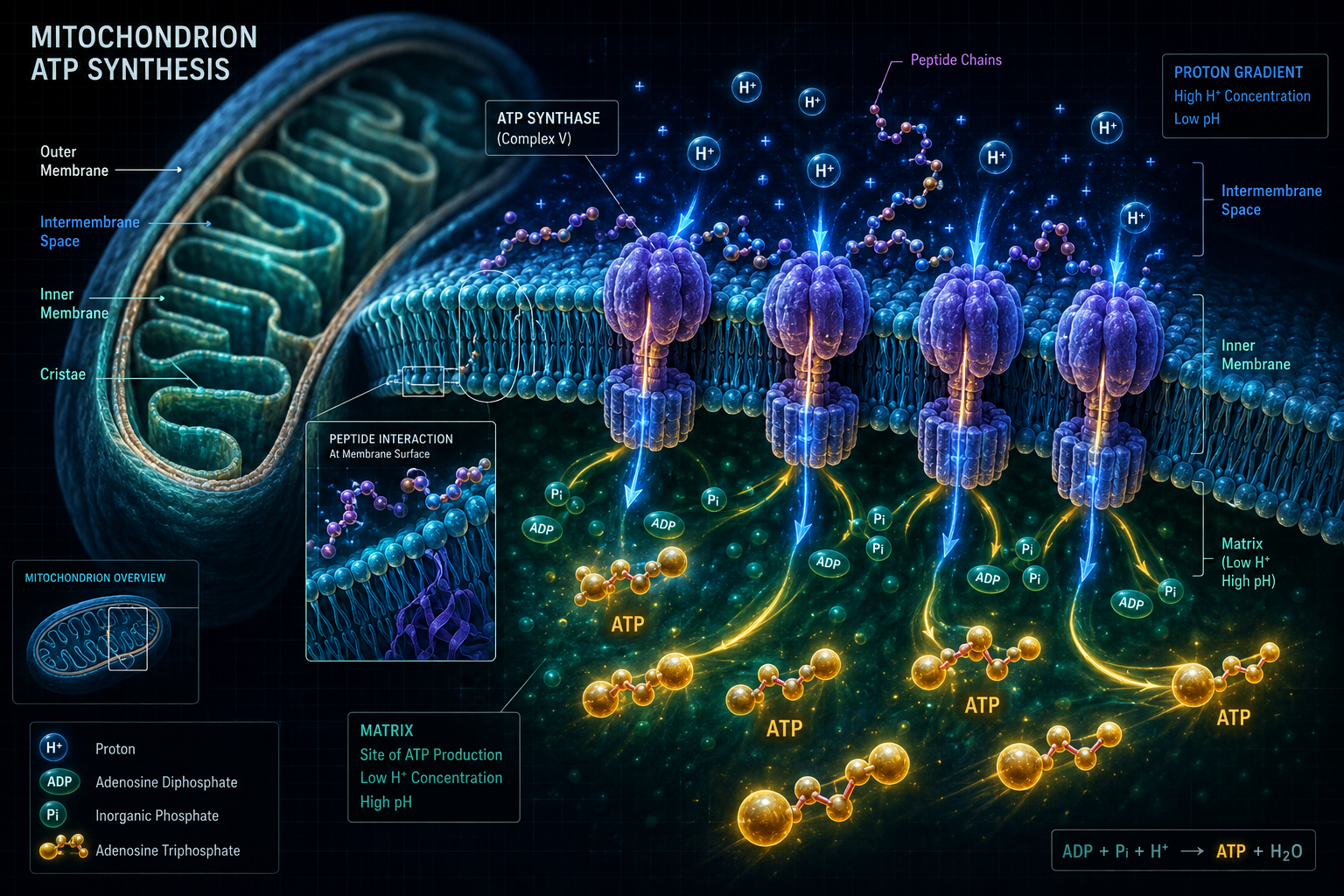
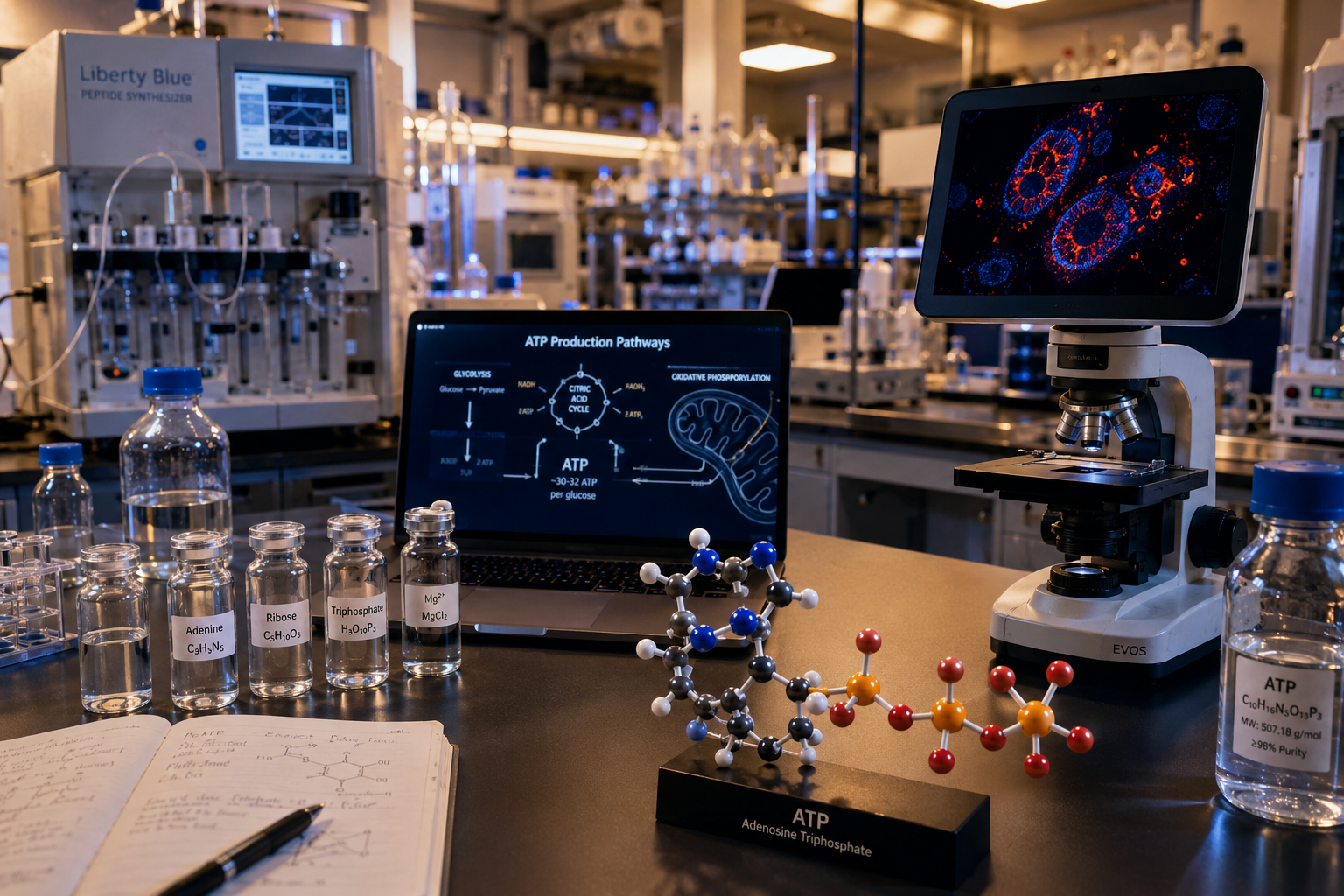
ATP is produced primarily inside the mitochondria through a process called oxidative phosphorylation. The inner mitochondrial membrane houses ATP synthase complexes that harness the energy from a proton gradient to convert ADP into ATP. This continuous cycle of synthesis and hydrolysis drives muscle contraction, protein synthesis, ion transport, and virtually every other energy-demanding cellular event.

What makes ATP especially relevant to peptide research is its dual role. It functions both as a fuel molecule and as an extracellular signaling agent. When released from cells, ATP activates purinergic receptors, particularly P2 receptors, which regulate tissue responses including inflammation, wound healing, and mechanosensation. Research into mechanosensitive channels such as Piezo1 has shown that ATP release triggered by physical stimuli plays a key role in how tissues adapt to mechanical stress.

Beyond energy transfer, ATP has been shown to suppress the fibrillation of amyloid peptides associated with neurodegenerative conditions such as Alzheimer's disease. This finding positions ATP not merely as a passive fuel but as an active modulator of peptide behavior in biological systems.

Key ATP functions at a glance:

Function Mechanism
Energy transfer Phosphate bond hydrolysis
Cell signaling Purinergic receptor activation
Peptide modulation Amyloid fibrillation suppression
Skin cell regulation Calcium mobilization in keratinocytes

How Peptides Influence the Role of Adenosine Triphosphate (ATP) in Cellular Energy Research

How Peptides Influence the Role of Adenosine Triphosphate (ATP) in Cellular Energy Research

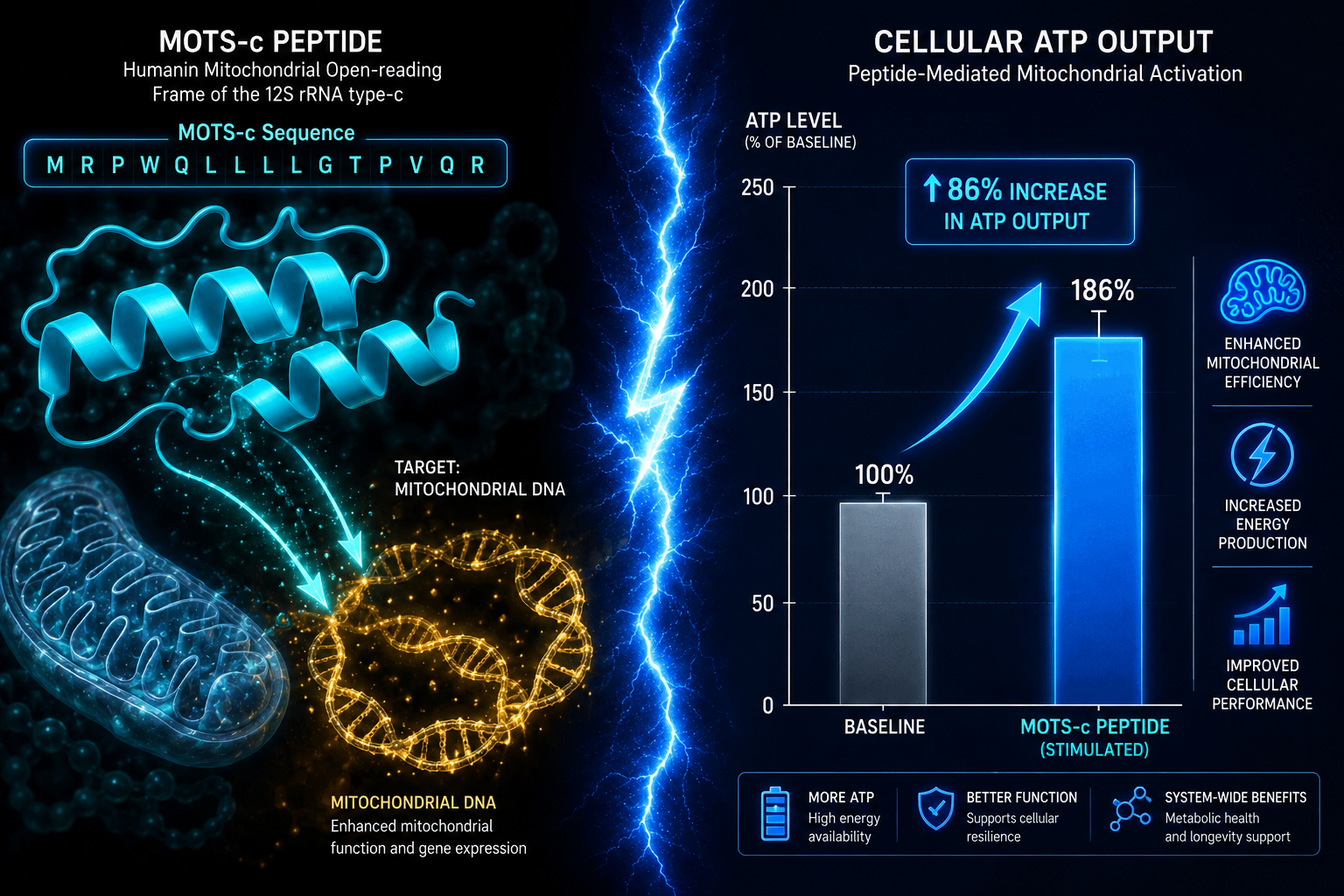
Peptides are not passive bystanders in energy metabolism. Several research-grade peptides interact directly with mitochondrial function and ATP output. Among the most studied is MOTS-c, a mitochondria-derived peptide encoded within mitochondrial DNA. Research on MOTS-c and mitochondrial dynamics shows that this peptide translocates to the nucleus under metabolic stress, where it activates pathways that restore ATP production efficiency.

MOTS-c is particularly notable because it appears to act as a retrograde signal from the mitochondria to the nucleus, coordinating the cell's response to energy deficits. This places it at the center of the peptide-ATP relationship. Research on MOTS-c and metabolic stress responses further supports its role in maintaining mitochondrial homeostasis during oxidative challenge.

Another well-researched peptide in this context is SS-31 (elamipretide). This tetrapeptide targets cardiolipin on the inner mitochondrial membrane, stabilizing the architecture needed for efficient ATP synthase function. Detailed SS-31 mitochondrial research themes document how this peptide reduces mitochondrial membrane potential loss and preserves ATP output under conditions of oxidative stress. Related work on SS-31 mitochondrial dynamics reinforces these findings across multiple tissue models.

GHK-Cu also appears in this research landscape. Studies reviewed in GHK-Cu longevity research themes suggest this copper-binding tripeptide supports mitochondrial gene expression, indirectly supporting ATP production capacity in aging tissue models.


Research Applications and the Broader Significance of ATP-Peptide Interactions

Research Applications and the Broader Significance of ATP-Peptide Interactions

The role of adenosine triphosphate (ATP) in peptide-mediated cellular energy research extends well beyond basic science. Oral ATP supplementation studies have demonstrated measurable improvements in strength, power output, fatigue reduction, and cardiovascular efficiency, suggesting that systemic ATP availability is a modifiable variable in performance and recovery research.

Bioelectronic applications have also emerged. ATPases, the enzymes that hydrolyze ATP, have been integrated into hybrid biological-electronic devices capable of converting chemical energy into electrical signals. Tandem mass spectrometry has advanced understanding of ATPase catalytic mechanisms at the molecular level, enabling more precise research into how peptides modulate these enzymes.

For researchers exploring the intersection of longevity and mitochondrial health, the connection between NAD+ metabolism and ATP synthesis is equally important. Reviewing NAD+ scientific evidence provides context for how upstream cofactors feed into ATP production pathways, and how peptides may amplify those effects.

Additionally, mitochondrial longevity focus research highlights the growing interest in peptides that target mitochondrial biogenesis as a strategy for extending cellular healthspan.


Conclusion

The relationship between ATP and peptide signaling is one of the most consequential areas in current cellular energy research. ATP is not simply a fuel molecule. It is a dynamic regulator of peptide behavior, mitochondrial function, and intercellular communication. Peptides such as MOTS-c and SS-31 demonstrate that targeted molecular interventions can meaningfully influence ATP production, opening research pathways relevant to aging, metabolic disease, and tissue repair.

Actionable next steps for researchers:

  • Review published data on SS-31 and MOTS-c mechanisms before designing mitochondrial energy studies.
  • Consider the interplay between NAD+ pathways and ATP synthesis when evaluating peptide protocols.
  • Examine mechanosensitive ATP release pathways when studying tissue-level peptide effects.
  • Source research-grade peptides from verified suppliers to ensure assay reliability and reproducibility.

Understanding the full scope of ATP's role in peptide-mediated cellular energy research is not optional for serious investigators. It is the foundation upon which meaningful experimental design is built.

https://www.puretestedpeptides.com/wp-content/uploads/2026/07/The-Role-of-Adenosine-Triphosphate-ATP-in-Peptide-Mediated-Cellular-Energy-Research.png 1024 1536 Pure Tested https://www.puretestedpeptides.com/wp-content/uploads/2026/01/buy-peptides-online.jpg Pure Tested2026-07-01 13:03:522026-07-20 15:01:18The Role of Adenosine Triphosphate (ATP) in Peptide-Mediated Cellular Energy Research
Peptides vs Polypeptides: A Simple Scientific Guide for Research Buyers and Lab Readers

Peptides vs Polypeptides: A Simple Scientific Guide for Research Buyers and Lab Readers

July 1, 2026/0 Comments/by Pure Tested

{"cover":"Professional landscape format (1536×1024) hero image with bold text overlay: 'Peptides vs Polypeptides: A Simple Scientific Guide' in extra large 72pt white sans-serif font with dark semi-transparent background panel, centered upper-third composition. Background shows a high-resolution molecular biology scene: glowing amino acid chain structures in blue and teal against a dark navy laboratory backdrop, with subtle helix formations and scientific data overlays. Color palette: deep navy, electric teal, crisp white. Magazine cover aesthetic, editorial quality, high contrast.","content":["Detailed landscape format (1536×1024) scientific infographic illustration showing two side-by-side molecular chain diagrams: a short peptide chain of 3-5 amino acids labeled 'Peptide' in bold teal text, and a longer polypeptide chain of 50+ amino acids labeled 'Polypeptide' in bold navy text. Clean white background with amino acid nodes shown as colored spheres connected by peptide bond lines. Size comparison arrows, numerical labels (2-49 residues vs 50+ residues), and a simple ruler graphic emphasizing chain length differences. Clinical, educational infographic style with modern sans-serif typography.","Detailed landscape format (1536×1024) overhead laboratory bench scene showing a researcher's gloved hands examining two labeled vials: one marked 'Short-Chain Peptide' and one marked 'Polypeptide Compound', with a lab notebook open showing a comparison table, a digital scale, and a HPLC chromatography printout in the background. Soft clinical lighting, white and stainless steel surfaces, teal accent lighting from lab equipment screens. Focus on the contrast between the two sample types. Photorealistic, editorial quality, research laboratory aesthetic.","Detailed landscape format (1536×1024) split-screen concept illustration: left panel shows a clean e-commerce product page wireframe for a peptide research compound with structured data fields, purity percentage badge, and chain-length specification callout; right panel shows a molecular 3D ribbon structure of a polypeptide folding into a protein shape with annotation arrows. Connected by a central dividing line labeled 'Research Buyer Decision Point'. Dark charcoal background with white and gold typography, modern UI design aesthetic, editorial quality."]

Professional landscape hero image () with : "Peptides vs Polypeptides: A Simple Scientific Guide for Research Buyers and Lab

Peptide and polypeptide molecular chain comparison diagram

Only two amino acids separate a dipeptide from a tripeptide — yet that single bond can change how a compound is classified, priced, and regulated across the entire research supply chain. For anyone sourcing compounds or interpreting lab data, understanding the distinction covered in this Peptides vs Polypeptides: A Simple Scientific Guide for Research Buyers and Lab Readers is not a matter of academic curiosity. It directly affects purchasing decisions, product labeling, and how compound pages should be structured for search visibility.

Key Takeaways

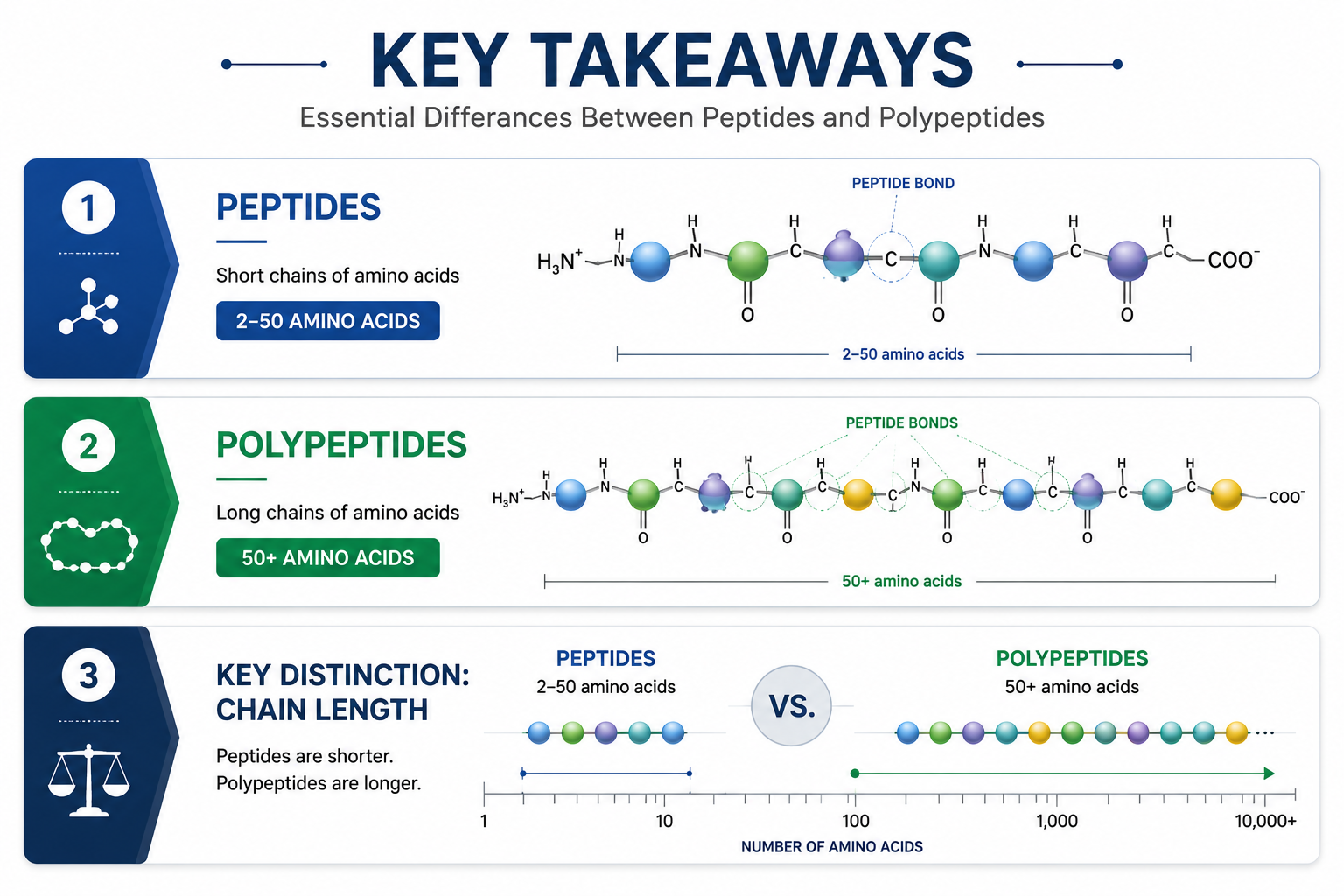
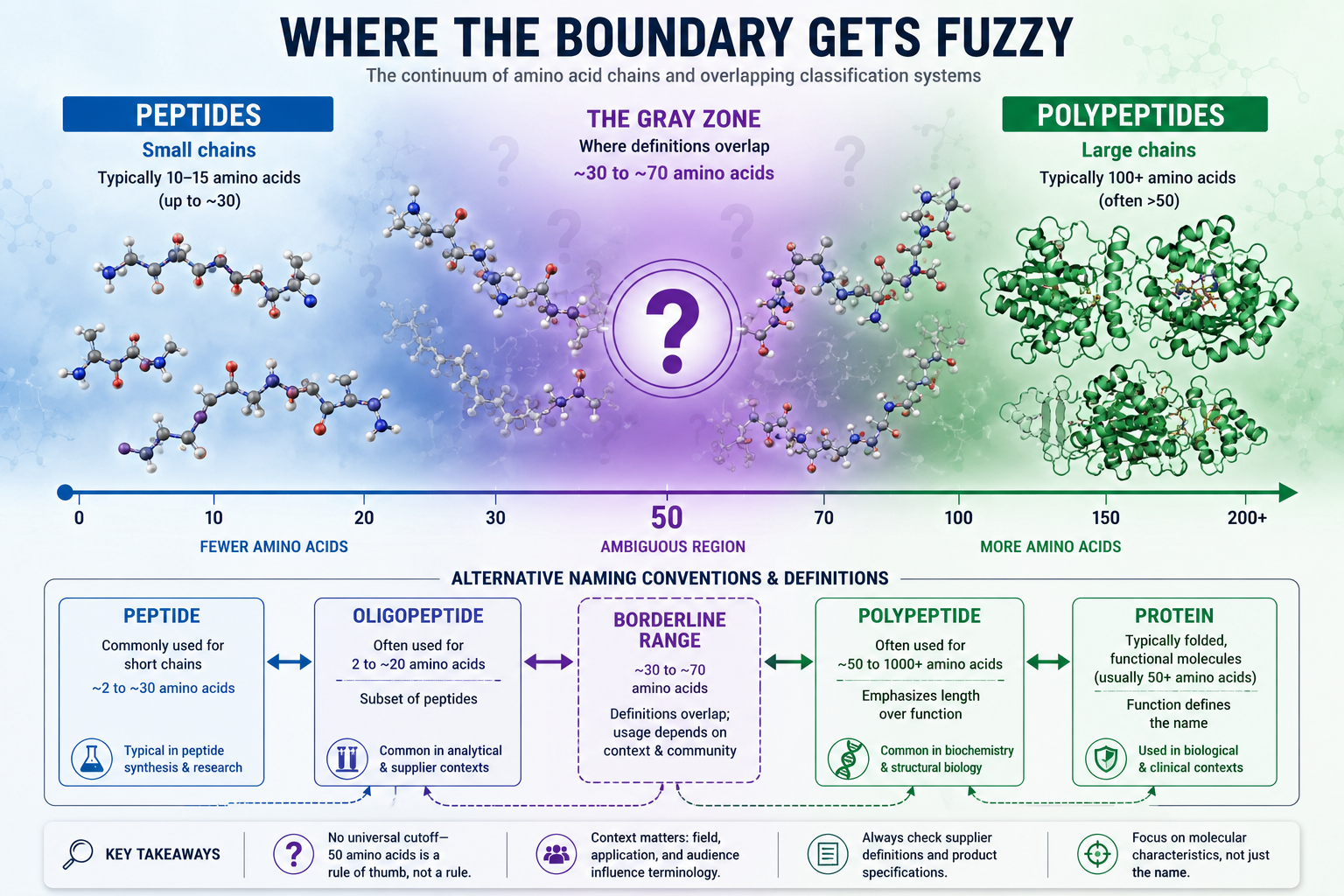
  • A peptide contains 2 to 49 amino acid residues; a polypeptide contains 50 or more.
  • The boundary between the two terms is scientifically fuzzy and context-dependent.
  • Chain length affects stability, bioavailability, synthesis method, and research application.
  • Research buyers should verify chain length specifications before ordering any compound.
  • Proper classification on product pages improves both user trust and search engine relevance.

Defining the Terms: Where the Science Starts

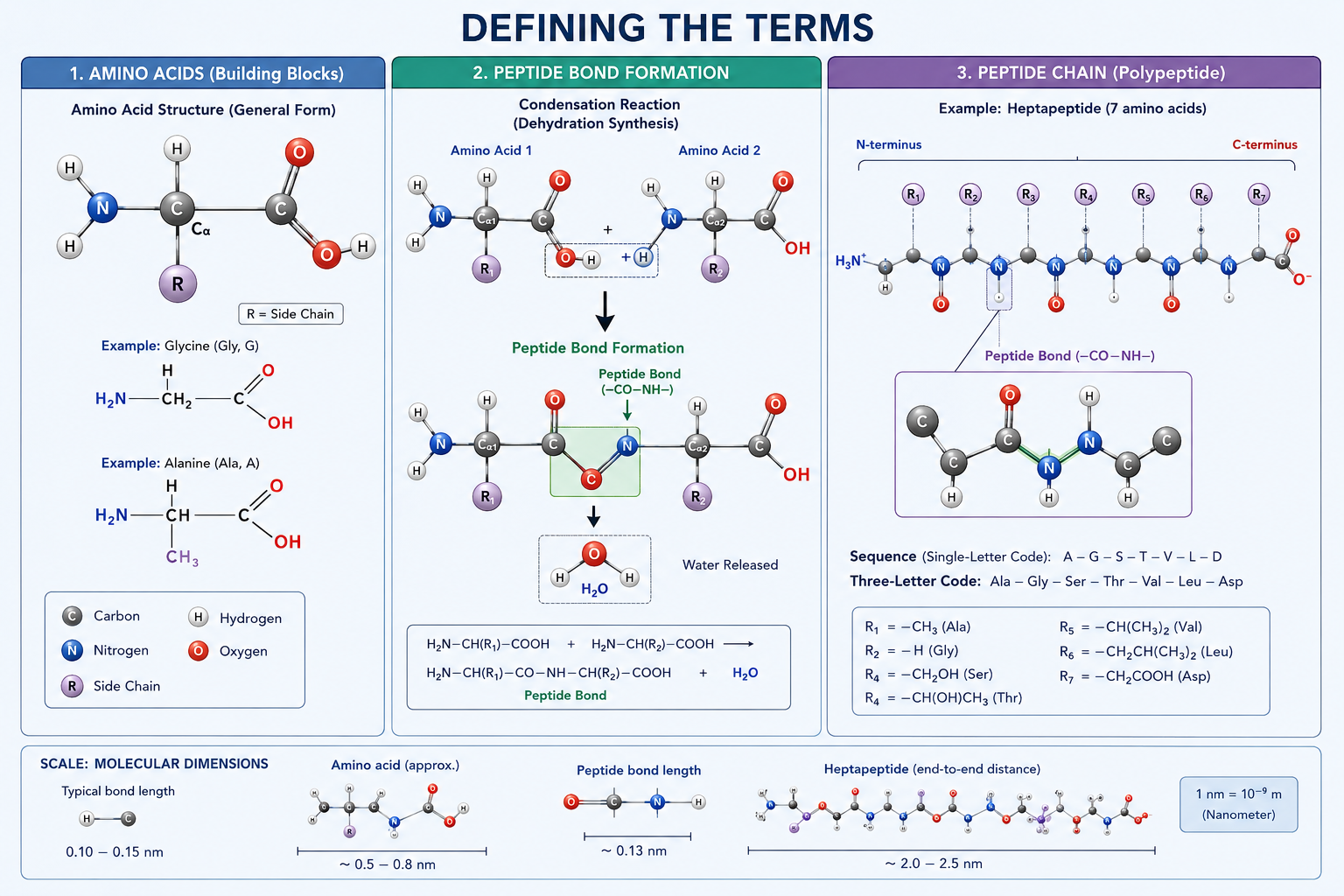
At the most basic level, both peptides and polypeptides are chains of amino acids linked by peptide bonds. The difference is size.

Term Amino Acid Residues Common Examples
Dipeptide 2 Carnosine
Oligopeptide 3-10 BPC-157 (15 residues)
Peptide 2-49 Ipamorelin, Selank
Polypeptide 50+ Growth hormone fragments
Protein 100+ Insulin (51 residues, borderline)

Peptide bonds form when the carboxyl group of one amino acid reacts with the amino group of another, releasing water. This reaction repeats along the chain. The longer the chain, the more complex the folding behavior and the greater the potential for biological activity — but also the greater the synthesis challenge.

Short-chain peptides like BPC-157 and Selank are relatively stable, easy to synthesize via solid-phase methods, and well-suited for research use. Longer polypeptides require more advanced manufacturing and are more sensitive to degradation.

Defining the Terms: Where the Science Starts


Where the Boundary Gets Fuzzy

Here is where this Peptides vs Polypeptides: A Simple Scientific Guide for Research Buyers and Lab Readers must be honest: the scientific community does not agree on a single cutoff number.

Some biochemistry textbooks place the peptide-polypeptide boundary at 50 residues. Others use 30. Insulin — one of the most studied molecules in medicine — sits at 51 residues and is variously called a polypeptide, a small protein, and simply a peptide depending on the source.

"The terms peptide, polypeptide, and protein are used somewhat loosely." — Berg, Tymoczko & Stryer, Biochemistry, 8th Edition

This ambiguity has real consequences for research buyers:

  • A compound listed as a "peptide" on one supplier's site may appear as a "polypeptide" on another.
  • Chain length affects bioavailability — shorter chains are generally absorbed more readily.
  • Stability under storage conditions varies significantly with molecular weight.
  • Synthesis purity standards differ between short and long chains.

Compounds like Tesamorelin (44 residues) and MOTS-c (16 residues) illustrate how diverse the peptide category is even before crossing into polypeptide territory. Reviewing quality testing protocols from a supplier helps confirm that chain length and purity are properly verified.

Where the Boundary Gets Fuzzy


What This Means for Research Buyers and Product Pages

This is the practical core of any Peptides vs Polypeptides: A Simple Scientific Guide for Research Buyers and Lab Readers discussion: classification shapes how compounds are found, evaluated, and trusted.

For research buyers, check these specifications before ordering:

  • Molecular weight (Daltons) — a reliable proxy for chain length
  • Number of amino acid residues — listed in the certificate of analysis
  • Synthesis method — SPPS (solid-phase) for shorter chains, recombinant for longer ones
  • Purity percentage — HPLC-verified purity above 98% is the research standard

For product pages and SEO structure, the distinction matters equally. A page for a short-chain compound like GHK-Cu should use "peptide" terminology throughout, while a page covering larger growth hormone fragments should accurately reflect polypeptide classification. Misclassification confuses both search engines and buyers.

Structured compound pages that include residue count, molecular weight, and synthesis method in the body copy tend to rank better for specific research queries. Buyers searching for peptides available for research benefit from this specificity because it reduces guesswork and supports informed purchasing.

Suppliers who publish certificates of analysis — accessible through a COA verification page — give buyers the data needed to confirm classification independently.

What This Means for Research Buyers and Product Pages


Conclusion

The peptide-polypeptide distinction comes down to chain length, but the exact boundary remains context-dependent. For research buyers, the actionable takeaway is straightforward: always request residue count and molecular weight data before purchasing. For content creators and lab communicators, accurate classification on product pages builds credibility with both readers and search engines.

Start by reviewing the certificate of analysis for any compound under consideration. Compare residue counts across supplier listings. Use precise terminology — "oligopeptide," "polypeptide," or "short-chain peptide" — rather than defaulting to generic labels. That precision is what separates a trusted research source from a vague catalog entry.

https://www.puretestedpeptides.com/wp-content/uploads/2026/07/Peptides-vs-Polypeptides-A-Simple-Scientific-Guide-for-Research-Buyers-and-Lab-Readers.png 1024 1536 Pure Tested https://www.puretestedpeptides.com/wp-content/uploads/2026/01/buy-peptides-online.jpg Pure Tested2026-07-01 13:03:452026-07-20 15:01:18Peptides vs Polypeptides: A Simple Scientific Guide for Research Buyers and Lab Readers
Glow Blend vs Klow Blend: What Researchers Should Know About These Skin-Focused Peptide Formulations

Glow Blend vs Klow Blend: What Researchers Should Know About These Skin-Focused Peptide Formulations

July 1, 2026/0 Comments/by Pure Tested

Fewer than 5% of multi-peptide research blends on the market today include published combination-level safety or efficacy data — yet formulations like Glow Blend and Klow Blend are drawing serious attention from researchers studying skin biology, tissue repair, and inflammation. Understanding the differences between these two products matters before any research protocol is designed.

This guide breaks down the Glow Blend vs Klow Blend: What Researchers Should Know About These Skin-Focused Peptide Formulations comparison with precision — covering ingredient logic, concentration differences, and how to evaluate each blend's research potential.

Key Takeaways

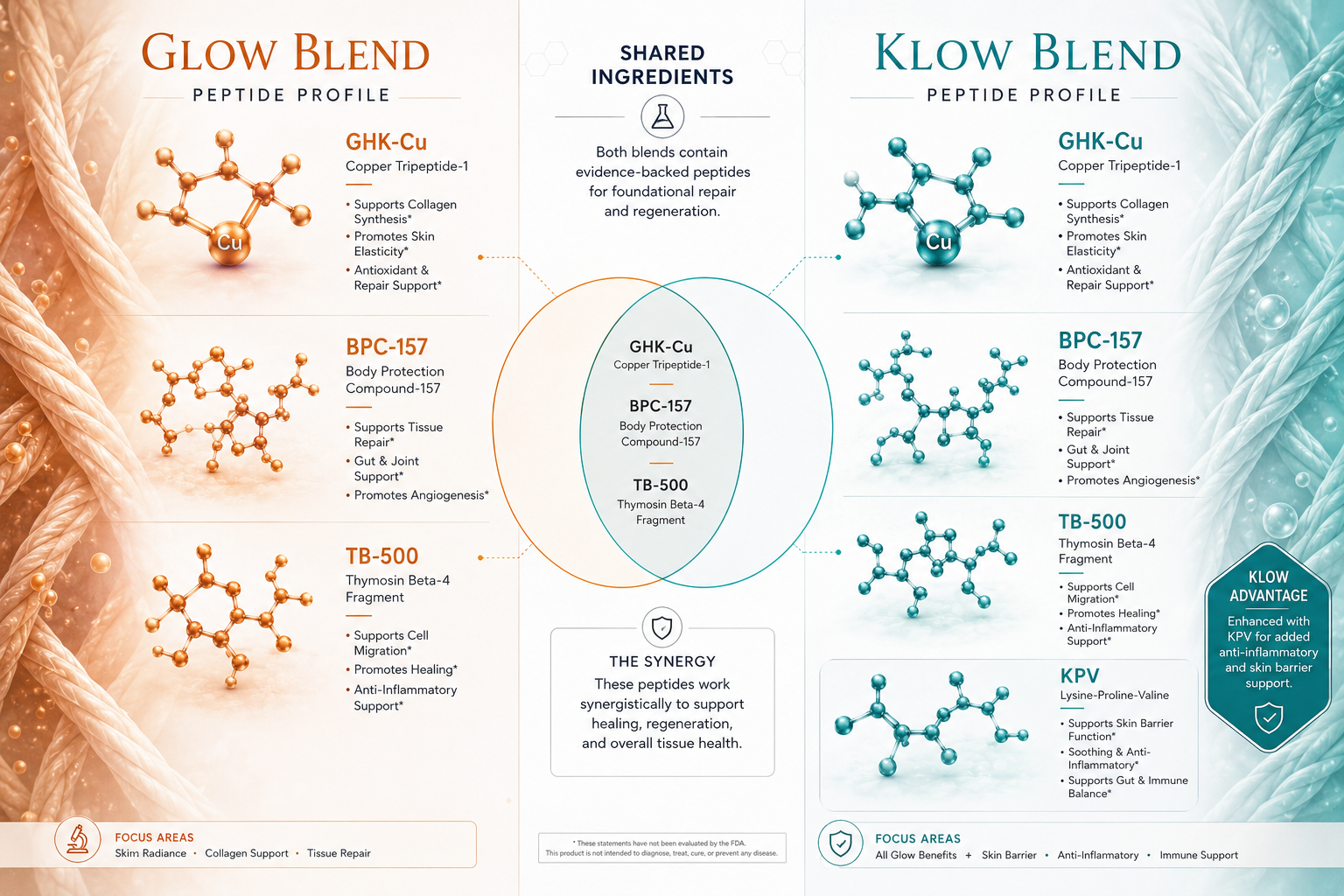
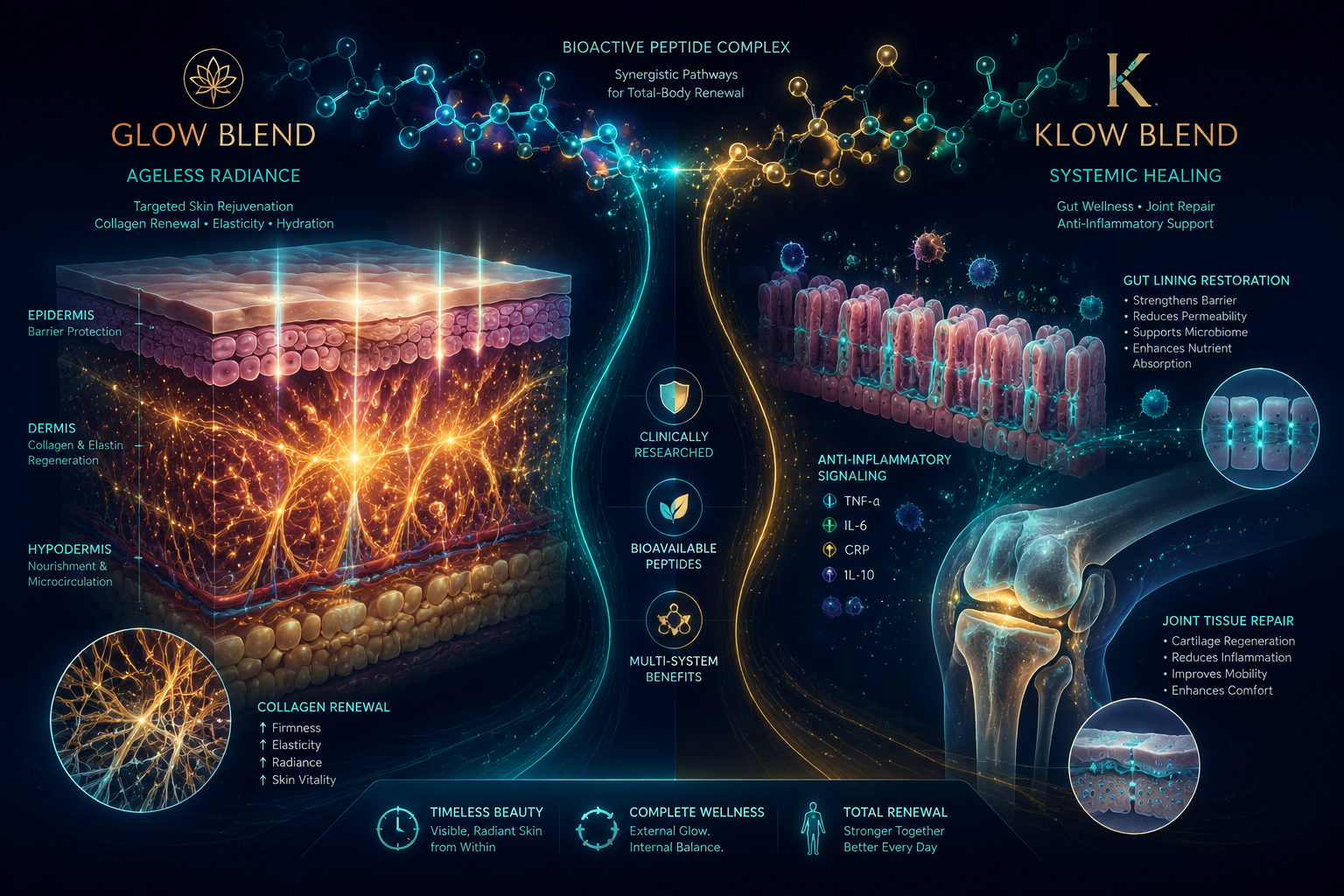
  • Both blends share three core peptides: GHK-Cu, BPC-157, and TB-500
  • Klow Blend adds KPV, a tripeptide with documented anti-inflammatory properties
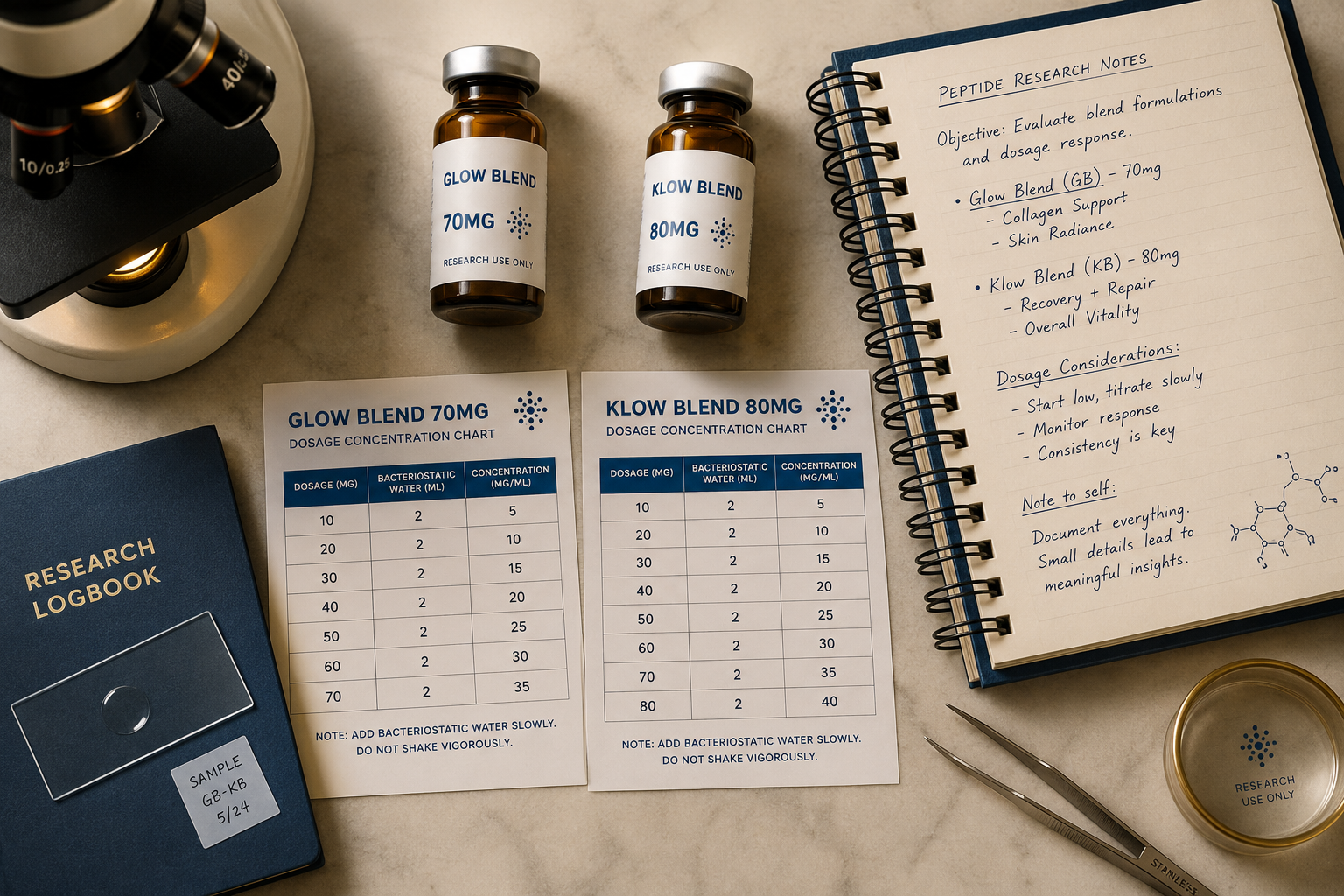
  • Glow Blend (70 mg total) targets skin enhancement; Klow Blend (80 mg total) targets systemic healing
  • Neither blend has been studied as a combined formulation in controlled trials
  • Researchers should evaluate each blend based on the individual peptide evidence available

Key Takeaways

Shared Ingredients and the Logic Behind the Overlap

Both blends are built on the same three-peptide foundation. Researchers familiar with any one of these compounds will recognize the rationale immediately.

GHK-Cu (Copper Tripeptide-1) is the anchor of both formulations. This copper-binding peptide has been studied extensively for its role in extracellular matrix remodeling. Research on GHK-Cu and extracellular matrix dynamics suggests it may stimulate collagen synthesis and support wound healing at the dermal level. Both blends include 50 mg of GHK-Cu.

BPC-157 is a synthetic peptide derived from a gastric protein. It has been examined in preclinical models for tissue repair, angiogenesis, and tendon recovery. For a deeper look at its research profile, the BPC-157 angiogenesis and tendon research overview provides useful context. Both blends include 10 mg.

TB-500 (Thymosin Beta-4 fragment) supports actin regulation and has been linked to cell migration and tissue repair signaling. Both blends include 10 mg.

"The shared foundation of GHK-Cu, BPC-157, and TB-500 gives both blends overlapping potential in skin and tissue research — but the divergence begins with what Klow Blend adds."

Concentration Breakdown: Glow Blend vs Klow Blend

Peptide Glow Blend Klow Blend
GHK-Cu 50 mg 50 mg
BPC-157 10 mg 10 mg
TB-500 10 mg 10 mg
KPV Not included 10 mg
Total 70 mg 80 mg

The addition of KPV is the defining difference. KPV is a tripeptide fragment of alpha-MSH with a focused anti-inflammatory profile. Research on KPV and epithelial barrier function suggests it may help modulate inflammatory signaling in gut and mucosal tissue — which explains why Klow Blend is positioned toward systemic healing rather than cosmetic endpoints.

Pricing reflects the added ingredient: Glow Blend is approximately $145 per vial, while Klow Blend runs approximately $160 per vial.

Concentration Breakdown: Glow Blend vs Klow Blend

Evaluating Research Applications for Each Formulation

Understanding Glow Blend vs Klow Blend: What Researchers Should Know About These Skin-Focused Peptide Formulations means matching each blend to the right research question.

Glow Blend is best suited for:

  • Collagen production and skin texture studies
  • Anti-aging and dermal remodeling research
  • Hair follicle and scalp biology investigations

Researchers interested in topical peptide delivery may also find value in reviewing topical GHK-Cu research themes as a parallel reference point.

Klow Blend is best suited for:

  • Gut repair and intestinal barrier research
  • Joint inflammation and injury recovery models
  • Systemic anti-inflammatory pathway studies

The inclusion of KPV alongside BPC-157 creates a potentially synergistic anti-inflammatory profile. Researchers studying broader innovative peptide delivery systems may find the Klow formulation particularly relevant for mucosal delivery models.

A critical note on combination research: Neither blend has been tested as a complete formulation in peer-reviewed controlled studies. All available evidence is drawn from individual peptide research. Researchers should treat these blends as hypothesis-generating tools rather than validated combination therapies.

For those building broader research frameworks, the longevity peptide research catalog and comprehensive peptide catalog tour offer useful orientation across related compound categories.

Evaluating Research Applications for Each Formulation

Conclusion

The Glow Blend vs Klow Blend: What Researchers Should Know About These Skin-Focused Peptide Formulations comparison ultimately comes down to research focus. Both blends share a strong three-peptide foundation with documented individual-level evidence. Glow Blend is the cleaner choice for skin-focused and anti-aging research protocols. Klow Blend is the stronger candidate when inflammation, gut repair, or systemic tissue recovery is the primary variable.

Actionable next steps for researchers in 2026:

  1. Define the primary research endpoint before selecting a blend
  2. Review individual peptide literature for GHK-Cu, BPC-157, TB-500, and KPV separately
  3. Document baseline inflammatory markers if using Klow Blend in systemic models
  4. Treat combination-level effects as exploratory until controlled data exists
  5. Source from suppliers with verified purity documentation to ensure data integrity
https://www.puretestedpeptides.com/wp-content/uploads/2026/07/Glow-Blend-vs-Klow-Blend-What-Researchers-Should-Know-About-These-Skin-Focused-Peptide-Formulations.png 1024 1536 Pure Tested https://www.puretestedpeptides.com/wp-content/uploads/2026/01/buy-peptides-online.jpg Pure Tested2026-07-01 13:03:432026-07-20 15:01:19Glow Blend vs Klow Blend: What Researchers Should Know About These Skin-Focused Peptide Formulations
Enclomiphene: A Selective Estrogen Receptor Modulator (serm) for Male Reproductive Health Research

Enclomiphene: A Selective Estrogen Receptor Modulator (serm) for Male Reproductive Health Research

June 30, 2026/0 Comments/by Pure Tested

Testosterone levels in men have declined by roughly 1% per year since the 1980s, yet testosterone replacement therapy (TRT) — the most common intervention — suppresses the very hormonal axis it aims to support. That paradox has pushed researchers toward a different class of compounds. Enclomiphene: A Selective Estrogen Receptor Modulator (serm) for Male Reproductive Health Research represents one of the most studied alternatives, offering a mechanism that stimulates endogenous testosterone production rather than replacing it externally.

Key Takeaways

  • Enclomiphene is the trans-isomer of clomiphene citrate and works by blocking estrogen receptors at the hypothalamus, stimulating the HPT axis.
  • Research shows enclomiphene produces significantly lower estradiol increases compared to clomiphene, reducing common side effects.
  • Unlike TRT, enclomiphene preserves and may enhance spermatogenesis, making it relevant for fertility-focused research.
  • Enclomiphene significantly increased FSH, LH, and total motile sperm count in clinical studies where clomiphene did not.
  • As of 2026, enclomiphene is not FDA-approved as a standalone agent but is accessible through compounding pharmacies for research contexts.

Mechanism of Action: How Enclomiphene Differs From Other serms

Mechanism of Action: How Enclomiphene Differs From Other serms

Clomiphene citrate is a mixture of two geometric isomers: zuclomiphene (the cis-isomer) and enclomiphene (the trans-isomer). These two isomers behave very differently in the body. Zuclomiphene has weak estrogenic activity and a long half-life, while enclomiphene acts as a pure estrogen receptor antagonist with a shorter half-life and cleaner pharmacokinetic profile.

Enclomiphene works by binding to estrogen receptors in the hypothalamus, blocking the normal negative feedback signal that estrogen sends to the brain. When estrogen can no longer signal "enough hormone is present," the hypothalamus releases more gonadotropin-releasing hormone (GnRH). This triggers the pituitary gland to secrete luteinizing hormone (LH) and follicle-stimulating hormone (FSH), which in turn stimulate the testes to produce testosterone and support sperm production.

This is the key distinction from TRT. Testosterone replacement shuts down the hypothalamic-pituitary-testicular (HPT) axis through negative feedback, suppressing LH and FSH and leading to testicular atrophy and infertility. Enclomiphene does the opposite — it amplifies the axis rather than bypassing it.

"Enclomiphene stimulates the body's own testosterone production pathway, preserving the hormonal architecture that TRT dismantles."

For researchers exploring compounds that interact with the endocrine system, understanding this axis is foundational. Related research on neuroendocrine and innate immunity interactions provides useful context for how hormonal signaling intersects with broader physiological systems.


Clinical Research Findings: Enclomiphene as a serm in Male Reproductive Studies

Research comparing enclomiphene directly to clomiphene has produced several meaningful findings.

Testosterone and Estradiol Outcomes

A study involving 66 hypogonadal men found that enclomiphene produced a median testosterone increase of 166 ng/dL compared to 98 ng/dL with clomiphene. While this difference was not statistically significant (P=0.20), the estradiol data was striking. Enclomiphene resulted in a statistically significant lower increase in estradiol levels compared to clomiphene (−5.92 vs. +17.50 pg/mL, P=0.001).

This estradiol difference matters clinically. Elevated estradiol in men is associated with gynecomastia, mood changes, and reduced libido — all common complaints with clomiphene use.

Adverse Effect Profile

The same study found that patients on enclomiphene reported significantly fewer adverse effects:

Adverse Effect Enclomiphene Clomiphene P-value
Decreased libido Lower incidence Higher incidence 0.001
Reduced energy Lower incidence Higher incidence 0.044
Mood changes Lower incidence Higher incidence 0.030

Sperm Parameters and Gonadotropins

A 2023 retrospective study of 78 men found that enclomiphene produced a statistically significant increase in total motile sperm count (TMSC), while clomiphene did not. Enclomiphene also significantly raised both FSH and LH levels — critical markers of HPT axis activation — whereas clomiphene again showed no significant effect on these gonadotropins.

These findings position enclomiphene as a particularly relevant compound for secondary hypogonadism research in younger men who wish to maintain fertility.

Researchers studying related peptide compounds that influence body composition and hormonal balance may find value in reviewing ipamorelin research on muscle and fat metabolism as a complementary area of inquiry.


Research Context, Safety Profile, and Future Directions

Research Context, Safety Profile, and Future Directions

As of 2026, enclomiphene is not FDA-approved as a single-agent therapy in the United States. It is available through compounding pharmacies and is used in research contexts examining secondary hypogonadism, male infertility, and alternatives to TRT.

Its safety profile in current research appears favorable compared to clomiphene, largely due to the absence of the estrogenic zuclomiphene isomer. This cleaner receptor selectivity makes it a useful research model for understanding how pure estrogen receptor antagonism affects the male HPT axis.

Researchers working with serms and related compounds should also consider how other research-grade compounds interact with hormonal and metabolic pathways. For example, PT-141 research in central arousal pathways explores a separate but related dimension of male reproductive health at the neuroendocrine level. Similarly, GLP-1 and incretin research themes highlight how metabolic signaling intersects with hormonal health in male subjects.

For those sourcing research-grade serms, verified compound quality is essential. Reviewing available certificates of analysis and sourcing from suppliers with documented purity testing ensures research integrity. Those specifically looking for serm compounds for research purposes can explore the serm 10mg research compound as a starting reference point.


Conclusion

Enclomiphene: A Selective Estrogen Receptor Modulator (serm) for Male Reproductive Health Research occupies a unique position in endocrinology research. Its targeted mechanism — blocking hypothalamic estrogen receptors to amplify the HPT axis — produces measurable increases in LH, FSH, testosterone, and total motile sperm count, while generating significantly less estrogenic activity than its parent compound, clomiphene.

Actionable next steps for researchers:

  • Review published clinical comparisons between enclomiphene and clomiphene for HPT axis endpoint data.
  • Evaluate estradiol and gonadotropin panels as primary outcome markers in any serm-related male reproductive study design.
  • Source compounds exclusively from suppliers providing third-party purity verification and documented certificates of analysis.
  • Consider enclomiphene alongside complementary research areas such as peptide-based hormonal modulation for a broader picture of male endocrine health.

The research landscape in 2026 continues to support enclomiphene as a compound of significant scientific interest for male reproductive and hormonal health studies.

https://www.puretestedpeptides.com/wp-content/uploads/2026/06/Enclomiphene-A-Selective-Estrogen-Receptor-Modulator-serm-for-Male-Reproductive-Health-Research.png 1024 1536 Pure Tested https://www.puretestedpeptides.com/wp-content/uploads/2026/01/buy-peptides-online.jpg Pure Tested2026-06-30 13:18:122026-07-20 15:01:53Enclomiphene: A Selective Estrogen Receptor Modulator (serm) for Male Reproductive Health Research
Page 51 of 81«‹4950515253›»
×

Helpful Links

  • My account
  • Cart
  • Checkout
  • Refund and Returns Policy
  • Privacy Policy
  • SMS Privacy Policy
  • Login
  • My Account
  • Logout

USA Made Lab Tested Peptides

All products are sold for research, laboratory, or analytical purposes only, and are not for human consumption


Pure Tested Peptides is a chemical supplier. Pure Tested Peptides is not a compounding / chemical compounding facility as defined under 503A of the Federal Food, Drug, and Cosmetic act. Pure Tested Peptides is not an outsourcing facility as defined under 503B of the Federal Food, Drug, and Cosmetic act.

The statements made within this website have not been evaluated by the US Food and Drug Administration. The products we offer are not intended to diagnose, treat, cure or prevent any disease.

Human/Animal Consumption Prohibited. Laboratory/In-Vitro Experimental Use Only

Scroll to top Scroll to top Scroll to top