
Peptide Stores: Your Complete 2026 Guide to Research-Grade Peptides
The global peptide market is exploding, with projections showing it will reach $62.8 billion by 2030. This massive growth has sparked a revolution in how researchers, fitness enthusiasts, and wellness professionals access these powerful compounds. But here's the challenge: navigating the world of peptide stores can feel like walking through a minefield of regulations, quality concerns, and confusing terminology. Whether you're a bodybuilder researching performance compounds, a medspa owner exploring treatment options, or a health enthusiast curious about peptide therapy, understanding how to identify reputable vendors is absolutely critical. 🔬
The landscape of peptide stores has transformed dramatically since 2020, with hundreds of online vendors now competing for your attention. Yet not all peptide suppliers are created equal—and the difference between high-quality research peptides and questionable products can impact everything from your research outcomes to your safety.
Key Takeaways
- Quality verification is essential: Reputable peptide stores provide third-party certificates of analysis (COA) showing 95-99% purity levels verified through HPLC testing
- Regulatory compliance matters: Most research peptides are sold with "not for human consumption" labels to comply with FDA regulations, as they're not approved for human use
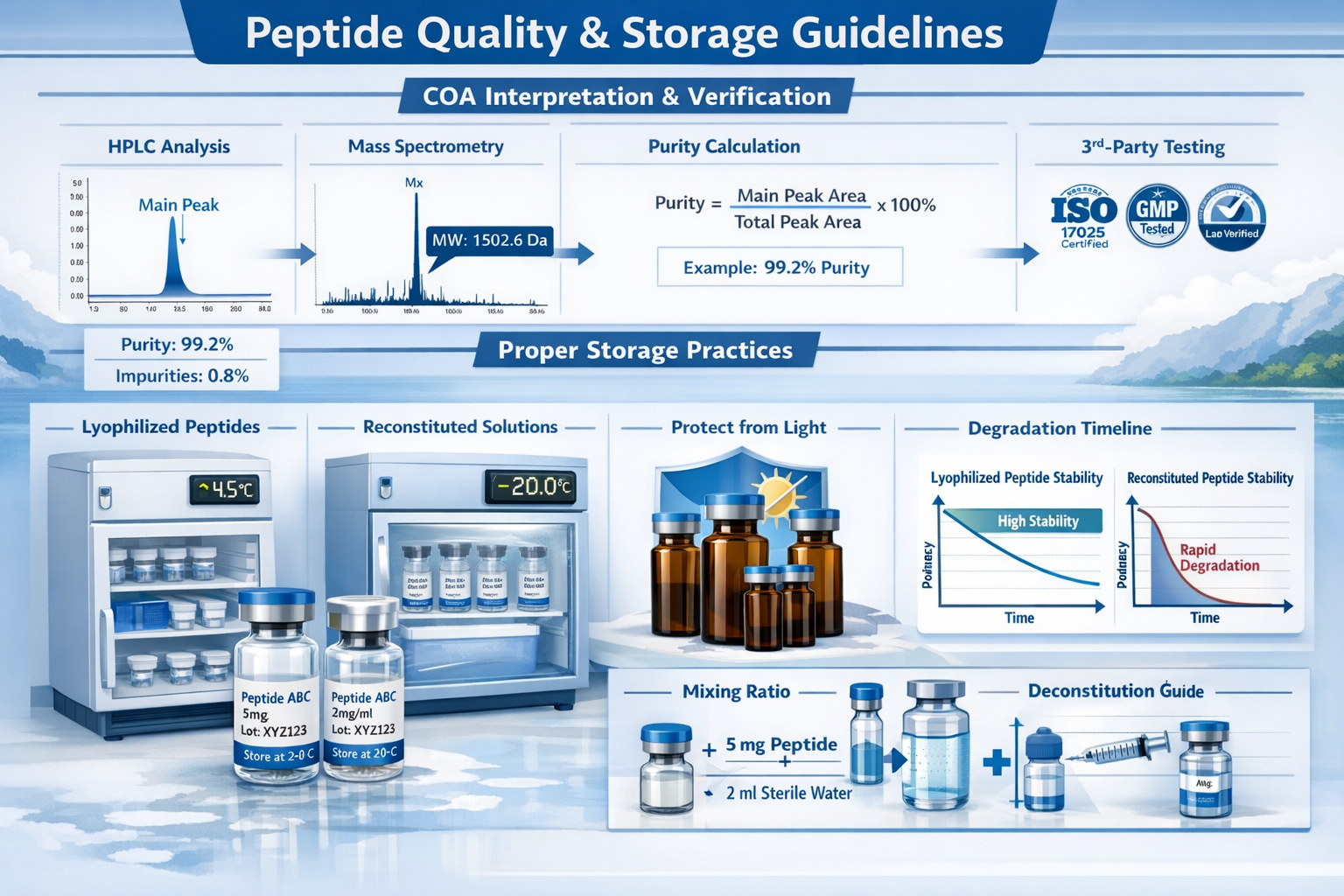
- Storage requirements are critical: Lyophilized peptides need refrigeration at 2-8°C, while reconstituted solutions require freezer storage at -20°C or colder
- Pricing reflects quality: Research-grade peptides typically range from $30-$150 for 5-10mg vials, with significant price variations based on purity and sourcing
- FDA enforcement is increasing: Regulatory actions against peptide suppliers have intensified in 2024-2026, particularly targeting vendors marketing unapproved products for human use
Understanding Peptide Stores and the Research Peptide Market
Peptide stores are specialized retailers that focus exclusively on selling synthetic peptides primarily for scientific research purposes. Unlike traditional pharmaceutical suppliers, these vendors operate in a unique regulatory space that requires careful navigation and understanding.
What Are Peptide Stores?
At their core, peptide stores function as intermediaries between peptide manufacturers and end users. These businesses source synthetic peptides—short chains of amino acids—from laboratories around the world and make them available to researchers, academic institutions, and private laboratories.
The typical peptide store inventory includes:
- Growth hormone-releasing peptides (GHRPs) like MODGRF for metabolic research
- Tissue repair compounds such as BPC-157 and TB-500
- Metabolic research peptides including AOD 9604 and 5-Amino-1MQ
- Cosmetic research peptides like GHK-Cu for topical applications
- Specialized compounds for longevity and wellness research
Most reputable vendors clearly label their products as "not for human consumption" or "for research purposes only" to maintain compliance with FDA regulations. This distinction is crucial because the vast majority of peptides sold through online peptide stores are not FDA-approved for human use and fall outside standard pharmaceutical oversight.
The Growth of the Peptide Market
The peptide therapeutics market has experienced explosive growth over the past decade. Several factors drive this expansion:
Scientific advancement 🔬: Researchers have identified hundreds of peptides with potential applications in tissue repair, metabolic regulation, and cellular signaling. This scientific progress has created legitimate demand from research institutions studying these compounds.
Wellness and longevity medicine: The rise of peptide therapy in anti-aging and wellness medicine has created unprecedented consumer interest. Medical practices and compounding pharmacies now offer prescription peptide treatments under physician supervision for conditions ranging from growth hormone deficiency to tissue healing.
Fitness and bodybuilding communities: Athletes and bodybuilders have shown increasing interest in peptides for their potential effects on recovery, muscle growth, and performance. This has led many to seek out bodybuilding peptides for sale from various suppliers.
Accessibility through online retail: The proliferation of online peptide stores since 2020 has made these compounds more accessible than ever before. However, this accessibility has also raised concerns among health authorities about potential misuse and safety issues.
How Peptide Stores Operate
Understanding the business model of peptide stores helps explain both their appeal and their limitations:
Sourcing and manufacturing: Most peptide stores source products from manufacturers in China, India, and Eastern Europe where synthesis costs are significantly lower. Some vendors work with FDA-registered or GMP-certified facilities, while others use manufacturers with less stringent quality control standards.
Quality control processes: Reputable vendors invest in third-party testing to verify peptide purity and identity. These tests typically use high-performance liquid chromatography (HPLC) and mass spectrometry to confirm that products meet stated specifications.
Distribution and storage: Because peptides are sensitive biological compounds, proper storage is essential. Professional peptide stores maintain temperature-controlled facilities and use appropriate shipping methods with cold packs or dry ice to preserve product integrity during transit.
Payment processing challenges: Many credit card processors classify peptides as high-risk products, making traditional payment methods difficult. As a result, many vendors accept cryptocurrency, wire transfers, or work with specialized payment processors willing to handle these transactions.
Finding Reputable Peptide Stores: Quality Indicators and Red Flags
Not all peptide stores maintain the same standards of quality and transparency. Knowing what to look for—and what to avoid—can make the difference between receiving legitimate research-grade peptides and wasting money on inferior products.
Essential Quality Indicators
When evaluating where to buy peptide online, prioritize vendors who demonstrate these key quality markers:
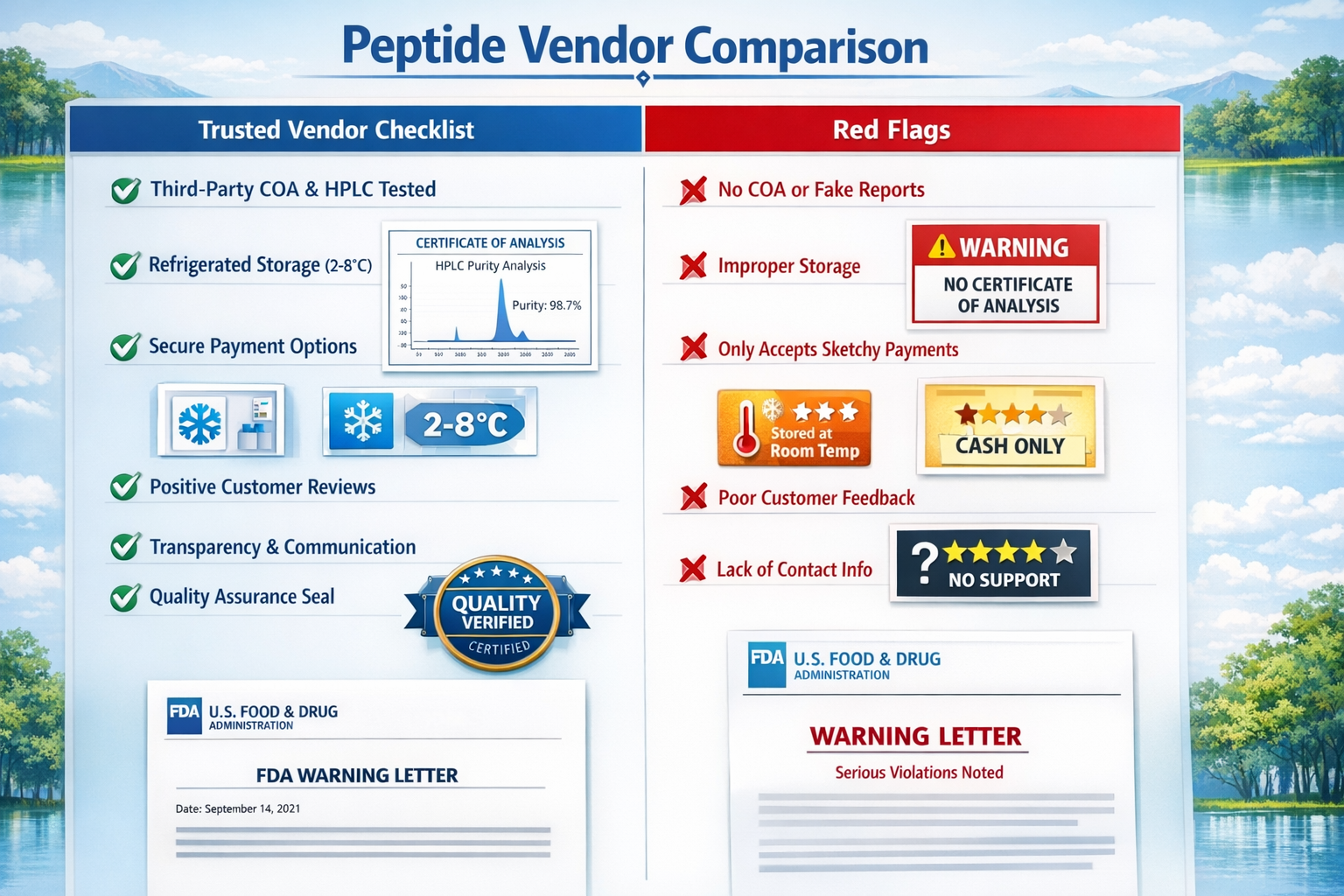
Third-Party Certificates of Analysis (COA)
The certificate of analysis is your most important quality verification tool. A legitimate COA should include:
- HPLC purity results showing 95-99% purity levels
- Mass spectrometry data confirming peptide identity
- Testing date (recent tests are more reliable)
- Batch number matching the product you receive
- Independent lab information (not just in-house testing)
Reputable peptide stores make COAs readily available on product pages or provide them upon request. If a vendor refuses to share testing documentation or only offers vague quality claims, consider that a major red flag. 🚩
Proper Storage and Handling
Professional vendors understand that peptide stability depends on proper storage conditions:
| Storage State | Temperature Requirement | Typical Shelf Life |
|---|---|---|
| Lyophilized (freeze-dried) | 2-8°C (refrigerated) | 2-3 years |
| Reconstituted solution | -20°C or colder (frozen) | 30-90 days |
| Room temperature (short-term) | 20-25°C | 24-48 hours maximum |
Quality peptide stores ship products with appropriate cooling methods and provide detailed storage instructions. They also use amber or opaque vials to protect light-sensitive compounds from degradation.
Transparent Business Practices
Look for vendors who provide:
- Clear contact information including phone numbers and physical addresses
- Detailed product descriptions with molecular formulas and CAS numbers
- Comprehensive FAQs addressing common questions about usage and storage
- Responsive customer service that can answer technical questions
- Realistic claims that don't promise specific health outcomes
The best peptide stores educate customers rather than making exaggerated marketing claims. They acknowledge that their products are for research purposes and don't guarantee specific results.
Red Flags to Avoid
Certain warning signs should immediately raise concerns about a peptide supplier:
Absence of testing documentation: If a vendor can't or won't provide COAs, assume the products haven't been properly tested. This is non-negotiable for research-grade peptides.
Suspiciously low prices: While cost varies, prices significantly below market rates often indicate compromised quality, lower purity levels, or even counterfeit products. When you buy peptides, remember that quality synthesis and testing cost money.
Medical claims and guarantees: Legitimate peptide stores don't make specific health claims or guarantee results. Vendors promising to cure diseases, build muscle, or reverse aging are likely operating outside regulatory guidelines.
Poor website security: Look for HTTPS encryption and professional website design. Sketchy-looking sites with poor grammar, broken links, or suspicious payment requests are best avoided entirely.
Pressure tactics: High-pressure sales techniques, countdown timers, or claims of limited availability are marketing gimmicks that professional research suppliers don't need to use.
Verifying Vendor Reputation
Beyond examining individual vendor characteristics, research the broader reputation of peptide stores you're considering:
Community feedback: Forums, Reddit discussions (like those about 5-amino-1mq), and bodybuilding communities often share experiences with different vendors. While individual reviews should be taken with appropriate skepticism, patterns of feedback can be informative.
Industry standing: Some vendors have established long-term reputations within research communities. While newer companies aren't necessarily problematic, established vendors with years of positive feedback offer additional confidence.
Professional associations: Though rare in this industry, some peptide suppliers maintain memberships in professional organizations or hold certifications that indicate commitment to quality standards.
Regulatory compliance history: Check whether vendors have received FDA warning letters or other regulatory actions. The FDA publishes warning letters publicly, making this information accessible to consumers.
Popular Peptides Available at Peptide Stores
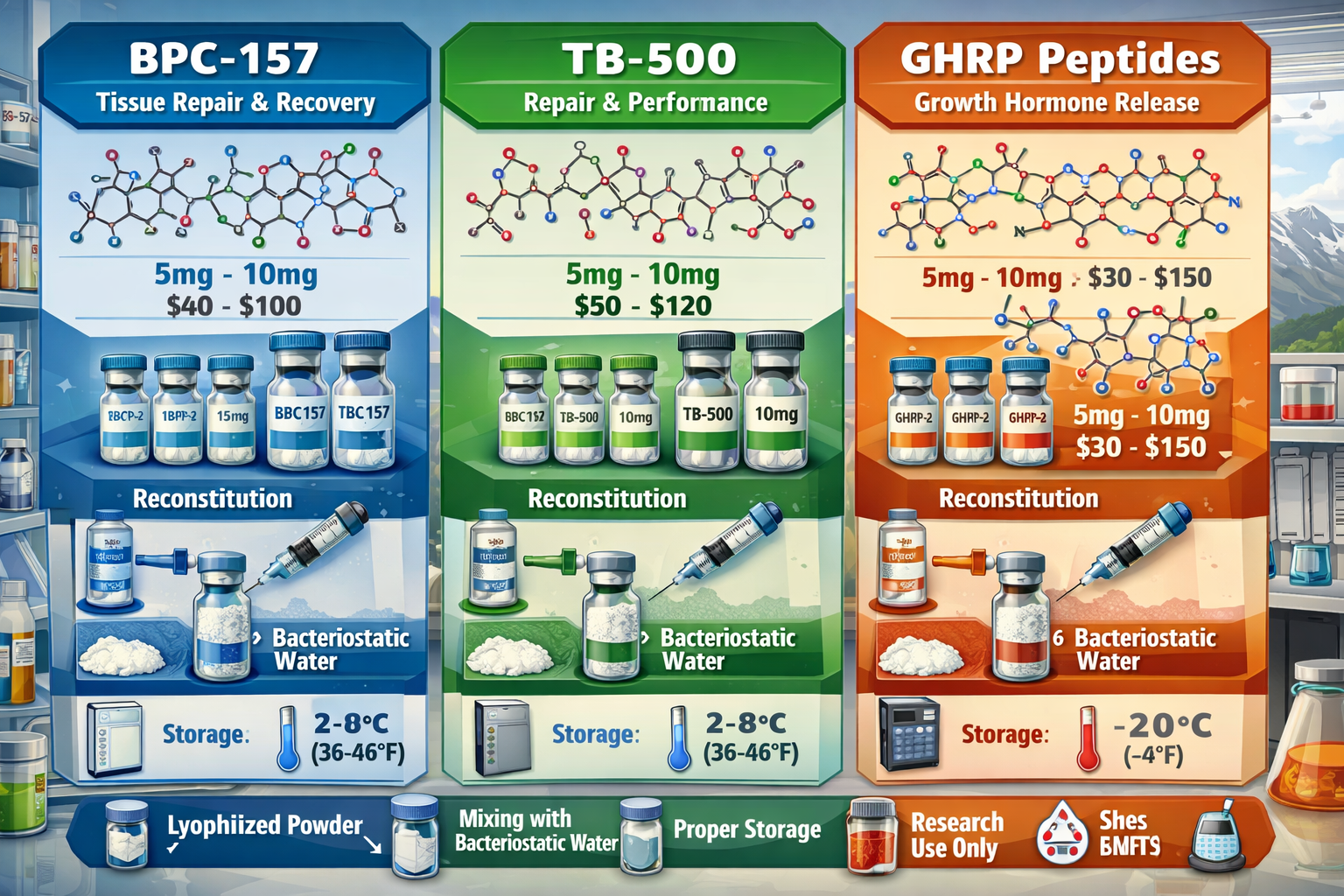
Understanding what products peptide stores typically carry helps researchers and health professionals make informed decisions about sourcing and applications. Let's explore the most commonly available research peptides and their primary research applications.
Metabolic Research Peptides
These compounds are among the most sought-after products at peptide stores, particularly among researchers studying metabolic regulation and body composition.
AOD 9604
AOD 9604 (Advanced Obesity Drug) is a modified fragment of human growth hormone specifically designed for metabolic research. This peptide has attracted significant attention in body composition studies.
Research applications include:
- Fat metabolism studies
- Body composition research
- Metabolic rate investigations
- Cartilage repair research
When you buy AOD 9604 online, typical vial sizes range from 2mg to 5mg, with researchers often using 5mg formulations for extended research protocols. The AOD 9604 peptide dosage varies significantly depending on research objectives.
Many researchers combine AOD 9604 with other compounds like MOTS-C for synergistic metabolic research. These peptide blends offer interesting research opportunities for studying combined metabolic effects.
5-Amino-1MQ
5-Amino-1MQ is a relatively newer peptide that has gained popularity in metabolic research circles. This compound works through a different mechanism than traditional metabolic peptides, making it particularly interesting for comparative studies.
Quality peptide stores offer various formulations including:
- Injectable solutions
- Capsule forms for oral administration research
- Different concentration options
Researchers interested in 5-Amino-1MQ dosage protocols can find comprehensive information through reputable vendors. The availability of 5-amino-1MQ peptides for sale has expanded significantly in 2026, though quality varies considerably among suppliers.
Tissue Repair and Recovery Peptides
These compounds represent some of the most researched peptides available through peptide stores, with applications spanning sports medicine, wound healing, and regenerative research.
TB-500 (Thymosin Beta-4)
TB-500 is one of the most popular peptides in recovery research. The benefits of TB-500 in research settings include studies on:
- Tissue repair mechanisms
- Inflammation modulation
- Cellular migration patterns
- Wound healing processes
The TB-500 benefits for bodybuilding research have made it particularly popular among sports science researchers. Many peptide stores stock TB-500 in various concentrations, typically ranging from 2mg to 10mg per vial.
BPC-157
Body Protection Compound-157 (BPC-157) is another tissue repair peptide frequently available at peptide stores. Research applications include:
- Gastrointestinal healing studies
- Tendon and ligament repair research
- Muscle recovery investigations
- Vascular system studies
BPC-157 is often studied alongside TB-500, as both compounds target tissue repair through complementary mechanisms.
Growth Hormone-Releasing Peptides
Growth hormone-releasing peptides (GHRPs) and growth hormone-releasing hormones (GHRHs) remain staples of peptide store inventories, particularly for researchers studying growth hormone physiology.
MODGRF (Modified GRF 1-29)
MODGRF, also known as CJC-1295 without DAC, is a modified version of growth hormone-releasing hormone. Research applications include:
- Growth hormone secretion patterns
- Pulsatile hormone release studies
- Combination effects with GHRPs
- Age-related hormone changes
Many researchers combine MODGRF with other peptides to study synergistic effects on growth hormone release.
Specialized Research Peptides
Beyond the most popular compounds, peptide stores often carry specialized peptides for specific research applications.
Adipotide
Adipotide is a specialized compound used in vascular research. Available information includes:
- Clinical trial data
- Dosage protocols
- Potential side effects observed in research
- Comparison studies with other metabolic peptides
Researchers can find Adipotide for sale through specialized vendors, though availability has become more limited due to increased regulatory scrutiny.
Epithalon
Epithalon benefits in longevity research have made this peptide increasingly popular among researchers studying aging mechanisms and cellular senescence.
Melanotan Compounds
Researchers studying pigmentation and melanocortin receptor systems often buy Melanotan 1 and related compounds from peptide stores. These peptides have applications in dermatological research and photobiology studies.
Peptide Blends and Combinations
Progressive peptide stores now offer pre-mixed peptide combinations designed for specific research applications. Examples include:
- KLOW blend: Combination peptides for metabolic research with specific dosage recommendations
- GLOW blend: Formulations targeting cellular health and recovery
- Synergistic combinations: Such as LL-37 and MOTS-C for immune and metabolic research
These peptide blend research applications represent an evolving area of peptide science, allowing researchers to study compound interactions and synergistic effects.
Regulatory Landscape and Legal Considerations for Peptide Stores
The regulatory environment surrounding peptide stores has become increasingly complex and enforcement-focused in 2026. Understanding these regulations is essential for anyone involved in peptide research or considering purchasing from peptide suppliers.
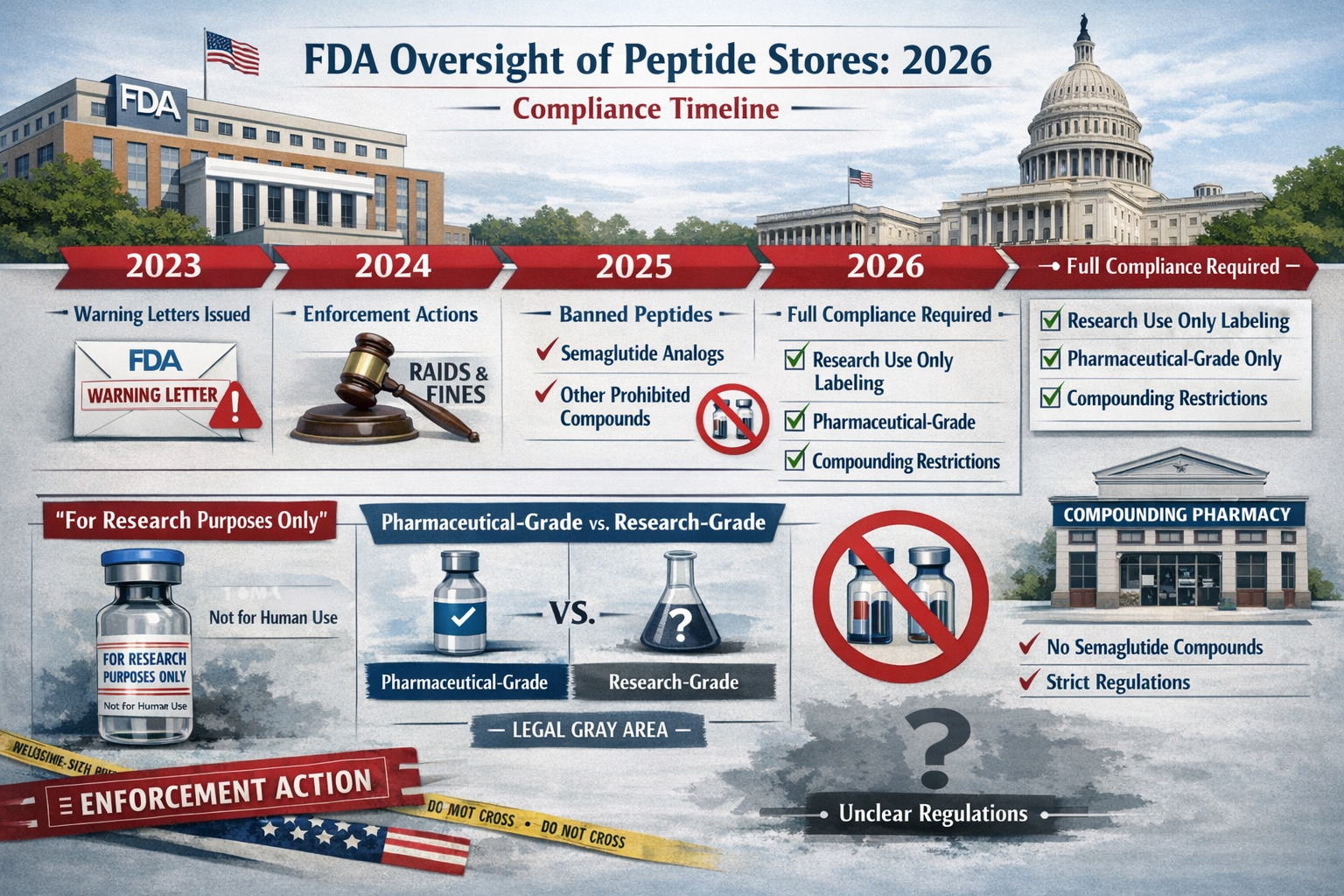
FDA Oversight and Enforcement
The Food and Drug Administration (FDA) maintains jurisdiction over peptide products in the United States, though the regulatory framework creates significant gray areas that peptide stores navigate carefully.
Current Regulatory Framework
The FDA's position on research peptides centers on several key principles:
Unapproved drug status: Most peptides sold by peptide stores are not FDA-approved for human use. The FDA classifies these as unapproved drugs, which means they cannot be legally marketed for human consumption, diagnosis, treatment, or prevention of disease.
Research exemptions: Peptides sold explicitly for research purposes fall into a different category. When properly labeled as "not for human consumption" or "for research purposes only," these products occupy a legal gray area that allows their sale to qualified researchers and institutions.
Compounding pharmacy restrictions: The FDA has intensified enforcement against compounding pharmacies that produce peptides. In 2024-2025, the agency explicitly prohibited compounding of certain peptides including semaglutide analogs and tirzepatide, significantly affecting availability through both pharmaceutical and research channels.
FDA Warning Letters and Enforcement Actions
Since 2023, the FDA has issued multiple warning letters to peptide suppliers and compounding pharmacies. These enforcement actions typically target vendors who:
- Market peptides directly to consumers for specific health outcomes
- Make disease treatment claims
- Fail to include appropriate "not for human consumption" disclaimers
- Sell peptides that mimic FDA-approved drugs
- Operate without proper quality controls
Reputable peptide stores closely monitor these enforcement trends and adjust their practices accordingly. When you buy peptides, choosing vendors who demonstrate regulatory awareness reduces your risk of receiving products from suppliers facing enforcement actions.
International Regulatory Variations
The regulatory landscape for peptide stores varies significantly across different countries:
United States: Research peptides exist in a gray area, with enforcement focusing on vendors making health claims or selling to consumers rather than researchers.
European Union: Regulations are generally more restrictive, with many peptides classified as medicinal products requiring specific licenses for sale and distribution.
Australia: The Therapeutic Goods Administration (TGA) maintains strict controls on peptides, classifying most as prescription-only medicines.
Canada: Health Canada regulates peptides similarly to the US, though enforcement approaches may differ.
This international variation affects where peptide stores source products and which markets they can legally serve.
Legal Considerations for Buyers
Understanding your legal position when purchasing from peptide stores is crucial:
Research vs. Personal Use
The legal distinction between research use and personal use is significant:
Legitimate research use typically involves:
- Institutional affiliation or research credentials
- Documented research protocols
- Proper laboratory facilities
- Appropriate safety measures and oversight
Personal use raises legal concerns because:
- Most research peptides are not approved for human consumption
- Self-administration may violate FDA regulations
- Quality and safety are not guaranteed for human use
- Medical supervision is absent
Many individuals seek out peptides doctors near me to access peptides through legitimate medical channels rather than purchasing from research peptide stores for personal use.
Liability and Risk
When you buy peptide online, understand that:
- Vendors typically disclaim liability for misuse
- Products are sold "as is" for research purposes
- No guarantees are made regarding safety or efficacy for human use
- Buyers assume all risks associated with their use of products
The Role of Prescription Peptide Therapy
As regulatory enforcement has increased, legitimate peptide therapy through medical channels has become more clearly defined:
Licensed medical practices can prescribe certain peptides for specific conditions under physician supervision. Patients seeking peptide therapy should:
- Consult with qualified healthcare providers
- Obtain proper prescriptions for approved peptides
- Use pharmacy-grade products from licensed compounding pharmacies
- Follow medical supervision protocols
This legitimate medical pathway differs significantly from purchasing research peptides from peptide stores for personal use.
Future Regulatory Trends
The regulatory landscape for peptide stores continues evolving:
Increased enforcement: Expect continued FDA scrutiny of vendors marketing peptides for human use, particularly those making specific health claims.
Clearer guidelines: Regulatory agencies are working toward more explicit frameworks distinguishing legitimate research use from prohibited consumer sales.
Quality standards: Industry pressure may lead to voluntary quality standards or certification programs for research peptide suppliers.
Payment processing restrictions: Financial institutions are increasingly cautious about processing payments for peptide sales, which may affect how peptide stores conduct business.
Understanding these regulatory considerations helps researchers and health professionals make informed decisions about where and how to source peptides for legitimate purposes.
Practical Guide: Purchasing and Handling Peptides from Peptide stores
Successfully navigating the purchase and handling of research peptides requires attention to detail, proper storage techniques, and understanding of best practices. This section provides practical guidance for working with products from peptide stores.
The Purchasing Process
When you're ready to buy peptides, following a systematic approach ensures you receive quality products and avoid common pitfalls.
Step 1: Research and Vendor Selection
Before making any purchase from peptide stores, invest time in thorough research:
Identify your specific needs: Determine exactly which peptide you need, the required quantity, and the purity level appropriate for your research. Different applications may require different specifications.
Compare multiple vendors: Don't settle for the first peptide store you find. Compare at least 3-5 vendors on:
- Pricing (including shipping costs)
- Available testing documentation
- Shipping methods and times
- Customer service responsiveness
- Return and refund policies
Verify product specifications: Ensure the peptide sequence, purity level, and formulation match your requirements. Check whether products are lyophilized or pre-reconstituted, as this affects storage and handling.
Step 2: Reviewing Documentation
Before finalizing your purchase:
Request certificates of analysis: Reputable peptide stores provide COAs showing HPLC purity testing results. Review these documents carefully to verify:
- Purity percentage (should be 95% or higher for most applications)
- Testing date (recent tests are more reliable)
- Batch number matching your order
- Independent lab verification
Check product information sheets: These should include molecular weight, amino acid sequence, storage requirements, and reconstitution instructions if applicable.
Review terms and conditions: Understand the vendor's policies regarding returns, refunds, and product guarantees before completing your purchase.
Step 3: Payment and Order Placement
Due to payment processing challenges faced by peptide stores, be prepared for alternative payment methods:
Accepted payment methods may include:
- Cryptocurrency (Bitcoin, Ethereum, etc.)
- Wire transfers or bank transfers
- Specialized payment processors
- Money orders (less common)
- Credit cards (when available)
Security considerations: When you buy peptide online, ensure the website uses secure HTTPS encryption. Avoid sharing payment information through unsecured channels like email.
Order confirmation: Save all confirmation emails, order numbers, and transaction receipts. These documents are essential if issues arise with your order.
Shipping and Receiving
Proper shipping is critical for maintaining peptide integrity during transit.
What to Expect
Professional peptide stores ship products with appropriate temperature control:
Shipping methods:
- Cold packs for short-distance shipments
- Dry ice for longer distances or warmer climates
- Insulated packaging to maintain stable temperatures
- Expedited shipping options to minimize transit time
Shipping times: Domestic orders typically arrive within 2-5 business days, while international shipments may take 1-3 weeks depending on customs processing.
Tracking information: Reputable vendors provide tracking numbers so you can monitor your shipment's progress.
Upon Arrival
When your peptides arrive:
Immediate inspection: Open the package promptly and verify:
- Cold packs or dry ice are still cold/frozen
- Vials are intact with no cracks or leaks
- Labels match your order specifications
- Batch numbers correspond to provided COAs
Temperature check: If peptides arrived warm or without appropriate cooling, contact the vendor immediately. Temperature excursions can compromise product quality.
Storage: Transfer peptides to appropriate storage immediately upon receipt (detailed storage guidelines below).
Proper Storage Protocols
Correct storage is absolutely critical for maintaining peptide stability and research validity. Improper storage is one of the most common mistakes when working with products from peptide stores.
Lyophilized (Freeze-Dried) Peptides
Most peptides from peptide stores arrive in lyophilized form:
Storage temperature: 2-8°C (refrigerator temperature)
Storage duration: Typically 2-3 years when stored properly
Storage location:
- Keep in original sealed vials
- Store in a dedicated refrigerator section away from food
- Avoid the door, which experiences temperature fluctuations
- Protect from light using amber vials or aluminum foil
Handling precautions:
- Minimize exposure to room temperature
- Avoid repeated freeze-thaw cycles
- Keep vials sealed until ready to reconstitute
- Use desiccant packets if available to control moisture
Reconstituted Peptides
Once you add bacteriostatic water or other diluents to peptides:
Storage temperature: -20°C or colder (freezer storage)
Storage duration: 30-90 days depending on the specific peptide
Important considerations:
- Some peptides should not be frozen after reconstitution—check specific guidelines
- Use sterile bacteriostatic water for reconstitution
- Label vials with reconstitution date and concentration
- Avoid repeated freeze-thaw cycles by aliquoting into smaller portions
Storage Best Practices Table
| Peptide State | Temperature | Duration | Container | Special Notes |
|---|---|---|---|---|
| Lyophilized | 2-8°C | 2-3 years | Sealed amber vial | Protect from light and moisture |
| Reconstituted (general) | -20°C | 30-90 days | Sterile vial | Check peptide-specific guidelines |
| Short-term use | 2-8°C | 7-14 days | Sterile vial | For peptides used frequently |
| Room temperature | 20-25°C | 24-48 hours max | Original container | Emergency only |
Reconstitution Guidelines
Proper reconstitution technique ensures peptide stability and accurate dosing for research applications.
Supplies Needed
- Bacteriostatic water (most common diluent)
- Sterile syringes and needles
- Alcohol swabs
- Clean workspace
Reconstitution Process
Step 1: Calculate volume: Determine how much bacteriostatic water to add based on desired final concentration. Many researchers use 2ml for a 5mg vial, creating a 2.5mg/ml solution.
Step 2: Prepare workspace: Clean your work area and wash hands thoroughly. Wipe vial tops with alcohol swabs.
Step 3: Draw diluent: Using a sterile syringe, draw the calculated amount of bacteriostatic water.
Step 4: Add to vial: Insert the needle into the peptide vial at an angle, allowing water to run down the inside wall rather than directly onto the powder. This gentle approach prevents peptide degradation.
Step 5: Mix gently: Swirl the vial gently—never shake vigorously. Allow the solution to sit for a few minutes if needed for complete dissolution.
Step 6: Label: Clearly label the vial with the peptide name, concentration, reconstitution date, and storage requirements.
Quality Verification After Purchase
Even after receiving products from reputable peptide stores, verify quality:
Visual inspection:
- Lyophilized peptides should appear as white or off-white powder
- Reconstituted solutions should be clear, not cloudy
- No visible particles or discoloration
Dissolution test: Properly manufactured peptides should dissolve completely within 5-10 minutes of gentle swirling after reconstitution.
Documentation: Keep records of batch numbers, reconstitution dates, storage conditions, and any observations about product quality.
Common Mistakes to Avoid
When working with products from peptide stores, avoid these frequent errors:
❌ Using tap water for reconstitution: Always use sterile bacteriostatic water, never tap or distilled water
❌ Shaking vials vigorously: This can denature peptides and reduce effectiveness
❌ Storing at incorrect temperatures: Temperature excursions significantly reduce peptide stability
❌ Ignoring expiration dates: Both lyophilized and reconstituted peptides have limited shelf lives
❌ Failing to verify COAs: Always confirm testing documentation before use
❌ Cross-contamination: Use sterile technique and never reuse needles or syringes
Finding Research-Specific Information
For specific peptides, many peptide stores provide detailed research information:
- 5-Amino-1MQ research data offers insights into this metabolic peptide
- Adipotide research results provide data on vascular research applications
- Peptide mapping and adaptive capacity explores advanced research techniques
These resources help researchers understand proper handling and research protocols for specific compounds.
Cost Considerations and Value Assessment
Understanding the economics of purchasing from peptide stores helps researchers budget appropriately and identify fair pricing versus potential quality concerns.
Pricing Factors for Research Peptides
The cost to buy peptides varies significantly based on multiple factors:
Synthesis Complexity
Simple peptides (short sequences, common amino acids):
- Generally less expensive
- Typical range: $30-$80 for 5-10mg
- Examples: shorter growth hormone-releasing peptides
Complex peptides (longer sequences, modified amino acids):
- Higher synthesis costs
- Typical range: $80-$200+ for 5-10mg
- Examples: modified compounds with specialized structures
Purity Levels
Purity directly impacts pricing at peptide stores:
| Purity Level | Typical Price Range (5mg) | Appropriate Applications |
|---|---|---|
| 95-97% | $40-$80 | General research, preliminary studies |
| 97-99% | $80-$120 | Most research applications, standard protocols |
| 99%+ | $120-$200+ | High-precision research, pharmaceutical development |
Higher purity levels require additional purification steps during manufacturing, increasing costs but ensuring more reliable research results.
Quantity Discounts
Most peptide stores offer volume pricing:
- Single vials: Standard pricing
- 3-5 vials: 10-15% discount typical
- 10+ vials: 20-30% discount possible
- Bulk orders: Custom pricing available
Researchers planning extended studies can achieve significant savings through bulk purchases, though storage capacity and shelf life must be considered.
Geographic Sourcing
Where peptides are manufactured affects pricing:
Asian manufacturers (China, India):
- Lower production costs
- More variable quality control
- Longer shipping times
- Typical savings: 20-40% compared to Western sources
European/North American manufacturers:
- Higher production costs
- Generally stricter quality standards
- Faster domestic shipping
- Premium pricing but potentially higher reliability
Comparing Peptide Store Pricing
When evaluating peptide sale offers, consider total cost:
Base product cost: The listed price per vial
Shipping costs: Can range from $10-$50+ depending on:
- Shipping speed
- Temperature control requirements (cold packs, dry ice)
- Distance
- Customs fees for international orders
Testing documentation: Some vendors charge separately for COAs or additional testing
Minimum order requirements: Some peptide stores require minimum purchase amounts
Sample Price Comparison
Here's what you might expect when you buy peptides from different vendor tiers:
Budget vendor:
- 5mg peptide: $35
- Shipping: $15
- COA: Not provided or additional fee
- Total: $50+
- Risk: Quality concerns, limited support
Mid-tier vendor:
- 5mg peptide: $65
- Shipping: $20 (with cold pack)
- COA: Included
- Total: $85
- Value: Reasonable quality, basic support
Premium vendor:
- 5mg peptide: $95
- Shipping: $25 (expedited with temperature control)
- COA: Comprehensive testing included
- Total: $120
- Benefit: High confidence in quality, excellent support
Evaluating Value vs. Price
The cheapest option from peptide stores rarely represents the best value. Consider:
Research integrity: Poor quality peptides can invalidate entire research projects, wasting time and resources far exceeding any savings from cheaper products.
Reproducibility: Consistent quality from reputable peptide stores enables reproducible research results across multiple experiments.
Safety considerations: Higher purity levels reduce risks from contaminants or degradation products.
Time value: Reliable vendors with good customer service save time troubleshooting issues or dealing with product problems.
Hidden Costs to Consider
Beyond the sticker price when you buy peptide online, factor in:
Wasted product: Improperly stored or low-quality peptides may degrade quickly, requiring replacement purchases
Additional supplies: Bacteriostatic water, syringes, storage containers, and temperature monitoring equipment add to total costs
Testing verification: Some researchers conduct independent testing to verify vendor claims, adding $100-$300 per sample
Shipping failures: Products arriving degraded due to temperature excursions must be replaced, often at buyer's expense with budget vendors
Cost-Saving Strategies
Smart approaches to purchasing from peptide stores:
✅ Buy in bulk for extended studies: Take advantage of volume discounts when planning multi-month research protocols
✅ Join research groups: Collaborate with other researchers to place larger orders and share costs
✅ Monitor for legitimate sales: Reputable vendors occasionally offer promotions, though be wary of constant "sales" that may indicate inflated regular pricing
✅ Establish vendor relationships: Long-term customers may receive preferential pricing or early access to new products
✅ Calculate cost per research dose: Compare vendors based on actual research applications rather than just vial price
Payment Method Considerations
Different payment methods accepted by peptide stores carry different costs:
Cryptocurrency:
- Often receives discounts (5-10%)
- Transaction fees vary
- Exchange rate fluctuations create uncertainty
Wire transfers:
- May incur bank fees ($15-$45)
- No chargeback protection
- Slower processing
Credit cards (when available):
- Convenience and buyer protection
- May include processing fees
- Not accepted by many vendors
Budgeting for Research Projects
When planning research involving peptides from peptide stores:
Calculate total project costs:
- Peptide quantity needed for entire study
- Storage supplies and equipment
- Reconstitution materials
- Backup/replacement budget (10-20% of peptide costs)
- Shipping and handling
Example research budget (3-month study):
| Item | Cost |
|---|---|
| Peptides (10 vials with bulk discount) | $650 |
| Bacteriostatic water and supplies | $45 |
| Shipping (2 orders) | $50 |
| Storage containers | $30 |
| Contingency (15%) | $116 |
| Total | $891 |
This comprehensive budgeting approach prevents mid-study funding shortfalls and ensures research continuity.
Assessing Long-Term Value
The best peptide stores provide value beyond just product price:
Consistency: Reliable quality across multiple orders enables long-term research planning
Support: Technical assistance and responsive customer service save time and prevent costly mistakes
Documentation: Comprehensive COAs and product information support research publication and grant applications
Reliability: Consistent stock availability prevents research delays
When evaluated holistically, paying moderate premiums for quality and reliability from established peptide stores typically represents superior long-term value compared to chasing the lowest prices from questionable vendors.
Conclusion: Making Informed Decisions About Peptide Stores
The landscape of peptide stores in 2026 offers unprecedented access to research-grade peptides, but this accessibility comes with responsibility. Whether you're a fitness researcher exploring TB-500 benefits for bodybuilding applications, a medspa professional investigating cosmetic peptide applications, or a health enthusiast seeking to understand these powerful compounds, making informed decisions is essential.
Key Principles for Success
Prioritize quality over price: The cheapest peptides from budget peptide stores rarely represent good value. Invest in properly tested, high-purity products from reputable vendors who provide comprehensive certificates of analysis. The cost difference is minimal compared to the value of reliable research results.
Understand regulatory boundaries: Most peptides sold by peptide stores are not FDA-approved for human use. Respect these boundaries by using products strictly for their intended research purposes. If you need peptide therapy for health conditions, work with qualified peptides doctors near me who can prescribe appropriate treatments through legitimate medical channels.
Master proper handling: Even the highest-quality peptides from premium peptide stores become worthless if improperly stored or handled. Follow temperature requirements meticulously, use sterile reconstitution techniques, and maintain detailed records of storage conditions and expiration dates.
Verify everything: Don't take vendor claims at face value. Request and review certificates of analysis, verify batch numbers, inspect products upon arrival, and document any quality concerns. Reputable peptide stores welcome this scrutiny and provide transparent documentation.
Stay informed: The regulatory landscape and scientific understanding of peptides continue evolving. Stay current with FDA enforcement actions, emerging research, and best practices in peptide handling and storage.
Action Steps for New Researchers
If you're preparing to buy peptides for the first time:
-
Define your research objectives: Clearly identify which peptides you need and why. Research their properties, typical research applications, and handling requirements.
-
Research multiple vendors: Compare at least 3-5 peptide stores on quality indicators, pricing, shipping methods, and customer reviews. Don't rush this process.
-
Start with small orders: Purchase single vials initially to evaluate vendor reliability, product quality, and shipping practices before committing to bulk orders.
-
Prepare proper storage: Ensure you have appropriate refrigeration and freezer storage before products arrive. Don't order peptides until storage is ready.
-
Document everything: Keep detailed records of vendors used, batch numbers, storage conditions, reconstitution dates, and any observations about product quality or performance.
-
Build vendor relationships: Once you identify reliable peptide stores, maintain those relationships. Consistent vendors enable reproducible research and often provide better service to established customers.
For Health Professionals and Medspa Owners
If you're exploring peptide applications for clinical or wellness settings:
Distinguish research from clinical use: Products from research peptide stores are not appropriate for patient treatment. For clinical applications, work exclusively with licensed compounding pharmacies and FDA-approved products.
Understand liability: Using research-grade peptides in clinical settings creates significant legal and ethical concerns. Ensure all peptide therapy occurs through proper medical channels with appropriate oversight.
Stay current on regulations: FDA enforcement against unapproved peptide use in clinical settings has intensified. Maintain awareness of regulatory changes affecting peptide therapy options.
Educate patients: Help patients understand the difference between research peptides and prescription peptide therapy. Guide them toward legitimate medical options rather than self-administration of research compounds.
The Future of Peptide Stores
The peptide stores industry will continue evolving as regulatory frameworks mature and scientific understanding advances. Expect:
Increased quality standards: Market pressure and regulatory oversight will likely drive higher quality standards across the industry, benefiting serious researchers.
Clearer regulatory frameworks: As authorities develop more explicit guidelines, the distinction between legitimate research use and prohibited consumer sales will become clearer.
Enhanced testing and verification: Third-party testing and certification programs may become industry standards, making it easier to identify reputable vendors.
Specialized applications: As peptide research advances, peptide stores will likely offer increasingly specialized products for specific research applications.
Final Thoughts
The world of peptide stores offers exciting opportunities for legitimate research, but success requires diligence, knowledge, and ethical practice. By prioritizing quality, understanding regulations, mastering proper handling techniques, and working with reputable vendors, researchers can access these powerful compounds safely and effectively.
Whether you're investigating simple peptides for basic research, exploring complex peptide blends for advanced applications, or seeking the best peptide kits for beginner researchers, informed decision-making separates successful research from wasted resources.
The peptide revolution is here, with the market projected to reach $62.8 billion by 2030. By approaching peptide stores with knowledge, caution, and respect for both scientific rigor and regulatory boundaries, researchers can harness these remarkable compounds while contributing to our expanding understanding of peptide science.
Remember: quality research begins with quality materials. Choose your peptide stores wisely, handle products properly, and always prioritize scientific integrity over convenience or cost savings. Your research deserves nothing less. 🔬✨
SEO Meta Information
Meta Title: Peptide Stores 2026: Complete Guide to Research Peptides
Meta Description: Discover reputable peptide stores, quality indicators, pricing, regulations, and proper handling. Expert guide to buying research-grade peptides safely in 2026.