Call or Text 727-513-9780
  • Shopping Cart Shopping Cart
    0Shopping Cart
Pure Tested Peptides | America's most trusted Peptides for sale online
  • Peptides for sale
    • Oral Peptides for sale
      • Peptide Capsules for sale
      • BPC 157 Capsules 1000mcg
      • SLU-PP-332 Capsules | 1000 mcg
      • 5-Amino-1MQ 50mg Capsules
      • Tesofensine 500mcg
    • All Peptides for sale
    • Peptide Sprays
      • BPC 157 Nasal Spray Kit
      • BPC-157 TB500 Nasal Spray Kit
      • Semax Nasal Spray 10mg
      • Selank – Nasal Spray Kit – 10mg
      • Epithalon 50MG Nasal Spray Kit
      • Ipamorelin 10mg Nasal Spray
      • Klow Nasal Spray (BPC-157 + TB-500 + GHK-Cu + KPV) | 80mg
      • Hulk Nasal Spray Tesa / Ipa Blend 6/3 MG
      • Klow Nasal Spray
      • NAD + 500 mg Nasal Spray
      • PT-141 Nasal Spray Kit
    • GHRH Peptides
      • Ipa Peptides
      • CJC-1295 Peptides
        • CJC-1295 with DAC 5 mg
        • CJC-1295 without DAC 5 mg
        • CJC-1295 Ipa 10mg
      • Tesa Peptides
        • Tesa Peptide
        • Tesa 20 mg
    • GHK-Cu Peptides
      • All GHK-Cu Peptides
      • GHK-Cu 100mg
      • KLOW Peptide Blend – Buy KLOW blend online
    • BPC Peptides
      • All BPC Peptides
      • BPC-157
      • BPC-157 TB-500
      • BPC 157 capsules 1000mcg
    • SLU-PP-332 Peptides
      • All SLU-PP-332 Peptides
      • SLU-PP-332 5mg
    • GLP3 Peptides
    • PT-141 Peptides
      • PT-141 Peptides for sale
      • PT-141 10mg
      • PT-141 Nasal Spray
    • CAG Peptides
      • Lipo-C Peptide Blend
      • CAG 5mg
      • CAG 10mg
    • MOTS-C Peptides
      • MOTS-C Peptides for sale
      • MOTS-c peptide
      • MOTS-c 10mg *6 pack*
    • 5 Amino 1MQ Peptides
      • 5 Amino 1MQ Peptides for sale
      • 5-Amino-1MQ 50mg Capsules
      • 5-Amino-1MQ 5mg
    • Epithalon Peptides
      • Epithalon Peptides for sale
      • Epithalon 10mg
      • Epithalon 50mg
  • Shop
    • GLPs
      • 5-Amino-1MQ 50mg Capsules
      • 5-Amino-1MQ 5mg
      • L-Carnitine 500mg/ml
      • Tesofensine 500mcg
      • SLU-PP-332 5mg
      • MOTS-c 10mg *6 pack*
    • Epithalon & BPC Peptides
      • Epithalon 10mg
      • Epithalon 50mg
      • BPC-157
      • BPC 157 capsules 1000mcg
      • BPC-157 TB-500
      • BPC-157 TB500 Nasal Spray Kit
      • BPC 157 Nasal Spray Kit
    • BPC TB-500 & NAD+ Peptides
      • NAD+ 500 mg
      • KLOW Peptide Blend – Buy KLOW blend online
      • GLOW Peptide Blend
      • TB 500 5mg
      • BPC 157 capsules 1000mcg – Supplement
      • BPC 157 Nasal Spray Kit
      • BPC-157
      • BPC-157 TB500 Nasal Spray Kit
      • BPC-157 TB-500
      • BPC 157 capsules 1000mcg
    • LL-37 Peptide
      • LL-37 10 mg
    • MOTS-C & Selank
      • MOTS-c peptide
      • Selank 10mg
    • GHK Peptides
      • GHK-Cu 100mg
      • GLOW Peptide Blend
      • KLOW Peptide Blend – Buy KLOW blend online
  • COAs
  • Wholesale
    • Wholesale Peptides for sale
  • PTP FAQ
  • Affiliates
    • Selank Peptide: Advanced Pharmacological Mechanisms Underlying Its Anxiolytic and Nootropic Effects in Research
      • 5-Amino-1MQ Peptide: Detailed Mechanisms of NNMT Inhibition and Its Impact on Cellular Metabolism Research
        • MOTS-C Peptide: Unraveling Its Role in Mitochondrial Dynamics and Energy Metabolism Research
          • Epithalon Peptide and Telomerase Regulation: Investigating Its Impact on Cellular Senescence and Lifespan Research Models
            • GLP2-T vs GLP2 Tirz Peptide: Understanding the Naming, Mechanistic Nuances, and Research Implications for Gut Health
      • Peptides and Polypeptides in Modern Pharmacology: What Research on Metoprolol, Prednisone, and Amlodipine Reveals
        • Polypeptide Peptides vs NSAIDs: What Naproxen and Diclofenac Teach Tissue-Repair Researchers About BPC‑157 and TB‑500
          • Peptides and Polypeptides in Endocrine Pharmacology: How GLP-1, GLP-2, and GLP-3 Retatrutide Differ From Classic Drugs Like Prednisone and Amlodipine
          • 5‑Amino‑1MQ Peptide and NNMT Inhibition: How It Compares With Statins Like Atorvastatin in Adipose and Lipid Metabolism Research
      • Enclomiphene, Estrogen Receptor Signaling, and Luteinizing Phase Biology: What Hormone Researchers Should Measure
        • Mesenchymal Stem Cells, BPC‑157, and GHK‑Cu: How Tissue Repair Peptides Compare With Classic NSAIDs Like Naproxen in Injury Models
          • Peptide Calculator Use Cases Beyond Growth Hormone: Working Through GLP‑3 Retatrutide, MOTS‑c, and BPC‑157 Research Dosing
        • Polypeptide Peptides in Endocrine and Metabolic Pharmacology: Lessons From Amlodipine, Prednisone, and Metoprolol
        • Peptides Calculator for Advanced Blends: Worked Examples for Tesamorelin, CJC‑1295, and Ipamorelin Stacks
          • Peptides and Polypeptides in Human Physiology: How Molecular Size Shapes Research Applications
            • Selank Peptide: Advanced Pharmacological Mechanisms Underlying Its Anxiolytic and Nootropic Effects in Research
          • 5-Amino-1MQ Peptide: Detailed Mechanisms of NNMT Inhibition and Its Impact on Cellular Metabolism Research
            • MOTS-C Peptide: Unraveling Its Role in Mitochondrial Dynamics and Energy Metabolism Research
              • Epithalon Peptide and Telomerase Regulation: Investigating Its Impact on Cellular Senescence and Lifespan Research Models
                • GLP2-T vs GLP2 Tirz Peptide: Understanding the Naming, Mechanistic Nuances, and Research Implications for Gut Health
                  • Peptides and Polypeptides in Endocrine Pharmacology: How GLP-1, GLP-2, and GLP-3 Retatrutide Differ From Classic Drugs Like Prednisone and Amlodipine
                    • Polypeptide Peptides vs NSAIDs: What Naproxen and Diclofenac Teach Tissue-Repair Researchers About BPC‑157 and TB‑500
                      • Peptides and Polypeptides in Modern Pharmacology: What Research on Metoprolol, Prednisone, and Amlodipine Reveals
                        • 5‑Amino‑1MQ Peptide and NNMT Inhibition: How It Compares With Statins Like Atorvastatin in Adipose and Lipid Metabolism Research
                        • Enclomiphene, Estrogen Receptor Signaling, and Luteinizing Phase Biology: What Hormone Researchers Should Measure
                        • Mesenchymal Stem Cells, BPC‑157, and GHK‑Cu: How Tissue Repair Peptides Compare With Classic NSAIDs Like Naproxen in Injury Models
                        • Peptide Calculator Use Cases Beyond Growth Hormone: Working Through GLP‑3 Retatrutide, MOTS‑c, and BPC‑157 Research Dosing
                        • Polypeptide Peptides in Endocrine and Metabolic Pharmacology: Lessons From Amlodipine, Prednisone, and Metoprolol
                        • Peptides Calculator for Advanced Blends: Worked Examples for Tesamorelin, CJC‑1295, and Ipamorelin Stacks
                        • Peptides and Polypeptides in Human Physiology: How Molecular Size Shapes Research Applications
                        • Selank Peptide: Advanced Pharmacological Mechanisms Underlying Its Anxiolytic and Nootropic Effects in Research
                        • MOTS-C Peptide: Unraveling Its Role in Mitochondrial Dynamics and Energy Metabolism Research
                        • Peptides and Polypeptides in Modern Pharmacology: What Research on Metoprolol, Prednisone, and Amlodipine Reveals
                        • Peptides and Polypeptides in Endocrine Pharmacology: How GLP-1, GLP-2, and GLP-3 Retatrutide Differ From Classic Drugs Like Prednisone and Amlodipine
                        • 5-Amino-1MQ Peptide: Detailed Mechanisms of NNMT Inhibition and Its Impact on Cellular Metabolism Research
                        • Mesenchymal Stem Cells, BPC‑157, and GHK‑Cu: How Tissue Repair Peptides Compare With Classic NSAIDs Like Naproxen in Injury Models
                        • Peptide Calculator Use Cases Beyond Growth Hormone: Working Through GLP‑3 Retatrutide, MOTS‑c, and BPC‑157 Research Dosing
                        • GLP2-T vs GLP2 Tirz Peptide: Understanding the Naming, Mechanistic Nuances, and Research Implications for Gut Health
                        • Polypeptide Peptides in Endocrine and Metabolic Pharmacology: Lessons From Amlodipine, Prednisone, and Metoprolol
                        • Polypeptide Peptides vs NSAIDs: What Naproxen and Diclofenac Teach Tissue-Repair Researchers About BPC‑157 and TB‑500
                        • Peptides and Polypeptides in Human Physiology: How Molecular Size Shapes Research Applications
                        • Peptides Calculator for Advanced Blends: Worked Examples for Tesamorelin, CJC‑1295, and Ipamorelin Stacks
                        • 5‑Amino‑1MQ Peptide and NNMT Inhibition: How It Compares With Statins Like Atorvastatin in Adipose and Lipid Metabolism Research
                        • Enclomiphene, Estrogen Receptor Signaling, and Luteinizing Phase Biology: What Hormone Researchers Should Measure
                        • Epithalon Peptide and Telomerase Regulation: Investigating Its Impact on Cellular Senescence and Lifespan Research Models
                        • Best research protocol Klow blend
                        • best time to take BPC-157
                        • best time to take DSIP (Delta Sleep Inducing Peptide)
                        • best time to take CJC-1295
                        • best time to take AOD-9604
                        • best time to take Follistatin 344
                        • best time to take Ipamorelin
                        • best time to take MK-677 (Ibutamoren)
                        • best time to take Ligandrol (LGD-4033) — research compound
                        • best time to take Ostarine (MK-2866) — research compound
                        • best time to take GHK-CU
                        • best time to take TB-500
                        • best time to take MOTS-c
                        • best time to take Semax
                        • best time to take RAD-140 (Testolone) — research compound
                        • best time to take Thymosin Alpha-1
                        • best time to take PEG-MGF
                        • Biolife Plasma, Octapharma Plasma, and Research Peptides: How Plasma Donation Labs Differ From Peptide Suppliers
                        • best time to take YK-11 — research compound
                        • best time to take PT-141 (Bremelanotide)
                        • Best research protocol Klow blend
                        • 5-Amino-1MQ and MOTS-C Synergy: Metabolic Signaling, Mitochondria, and Research Design
                        • BPC-157 and TB-500: Investigating Their Combined Effects on Angiogenesis and Cellular Migration in Tissue Repair Models
                        • BPC-157 Peptide: Gut Barrier Function, Inflammation, and Tissue-Recovery Research
                        • 5‑Amino‑1MQ and MOTS‑c Synergy in Metabolic Research: Designing NNMT and Mitochondrial Biogenesis Stacks
                        • CJC-1295 with DAC vs. Without DAC: Half-Life, Release Kinetics, and Research Implications
                        • CJC‑1295 with DAC vs. Without DAC: Expanding on Half‑Life Differences Using Tesamorelin and Ipamorelin Blend Case Studies
                        • Collagen Biology and Copper‑Binding Peptides: How GHK‑Cu, Glow Blend, and Klow Blend Interact with Skin and Connective Tissue
                        • Collagen Biology and Regenerative Peptides: How GHK‑Cu, Glow Blend, and Klow Blend Affect Extracellular Matrix Research
                    • DNA, Telomeres, and Longevity Peptides: Positioning Epithalon and MOTS‑c in Genetic Aging Research
                      • Enclomiphene Citrate: serm Mechanism, Testosterone Research, and Stack Compatibility
                        • Enclomiphene vs Enclomiphene Citrate: Formulation, Bioavailability, and Research Distinctions
                        • Epithalon Peptide Research: Telomerase Activation, Aging, and Pineal Gland Function
                        • Estrogen Receptor Signaling and Enclomiphene: How Selective Modulators Compare with Classic Polypeptide Hormones
                        • GHK-Cu Peptide: Advanced Mechanisms in Extracellular Matrix Remodeling and Wound Healing Research
                        • GHK-Cu Peptide: Collagen Synthesis, Wound Repair, and Skin-Barrier Research Models
                        • GLP-1 vs GLP-3 vs GLP-2: Peptide Classification and Research Applications
                        • GLP-2 Peptide Research Guide: Gut Barrier Function, Nutrient Absorption, and Intestinal Recovery Models
                        • GLP-3 Retatrutide vs. GLP-1 Drugs: What Triple-Agonist Biology Changes in Research Models
                        • Ipamorelin and Tesamorelin Combination: Synergistic GH Secretagogue Research and Dosing Protocols
                        • GLP2 Tirz Peptide: What It Is, Why the Name Exists, and How Researchers Should Interpret It
                        • Klow Blend Peptide Nasal Spray: What the Formulation Is Trying to Do in Cognitive Research
                        • Mitochondria, NNMT Inhibition, and Peptide Modulators: Where MOTS‑c and 5‑Amino‑1MQ Fit in Cellular Energy Research
                        • MOTS-c Peptide: Mitochondrial Function, Energy Metabolism, and What Researchers Measure
                        • MOTS-c vs. 5-Amino-1MQ: Which Metabolic Research Questions Each Compound Actually Answers
                        • Nasal Spray Peptides: Bioavailability, Administration, and Semax/Selank Research Applications
                        • PT-141 Peptide Research: Mechanism of Action and Melanocortin Receptor Signaling
                        • Retatrutide for Research: Mechanism, Structure, and GLP-1/GLP-3 Dual Action
                        • Retatrutide for Obesity and Type 2 Diabetes: What the Latest Trial Data Suggest
                        • Tesofensine Peptide Research: Mechanism, Appetite Suppression, and Neuropeptide Y Pathways
  • Contact
    • Contact Customer Service
    • Text Customer Support
  • About US
  • Shop all peptides
  • Affiliate Program
    • Affiliate Signup
  • Login / Register Login / Register Page Link Login / Register Page Link
  • Click to open the search input field Click to open the search input field Search
  • Menu Menu

Tag Archive for: atp synthesis

Adenosine Triphosphate, Mitochondria, and Metabolic Peptides: How MOTS-c and 5-Amino-1MQ Research Relates to ATP Biology

Adenosine Triphosphate, Mitochondria, and Metabolic Peptides: How MOTS-c and 5-Amino-1MQ Research Relates to ATP Biology

September 12, 2026/0 Comments/in Uncategorized/by

Every cell in the human body spends and regenerates its own weight in adenosine triphosphate (ATP) each day, a fact that places mitochondrial efficiency at the center of virtually every metabolic disease discussion. The intersection of Adenosine Triphosphate, Mitochondria, and Metabolic Peptides: How MOTS-c and 5-Amino-1MQ Research Relates to ATP Biology has become one of the more active areas of preclinical investigation in 2026, as researchers search for molecular tools that can probe the upstream regulators of cellular energy output. This article maps the core bioenergetics, then explains how two experimental compounds, MOTS-c and 5-Amino-1MQ, interact with the pathways that govern ATP production.

Research context only: MOTS-c and 5-Amino-1MQ are experimental compounds studied in preclinical and early research settings. Neither is FDA-approved for human use. All discussion below reflects laboratory and animal-model findings.

Key Takeaways

  • ATP is synthesized primarily by the mitochondrial electron transport chain (ETC) and ATP synthase, making mitochondrial health the central variable in cellular energy output.
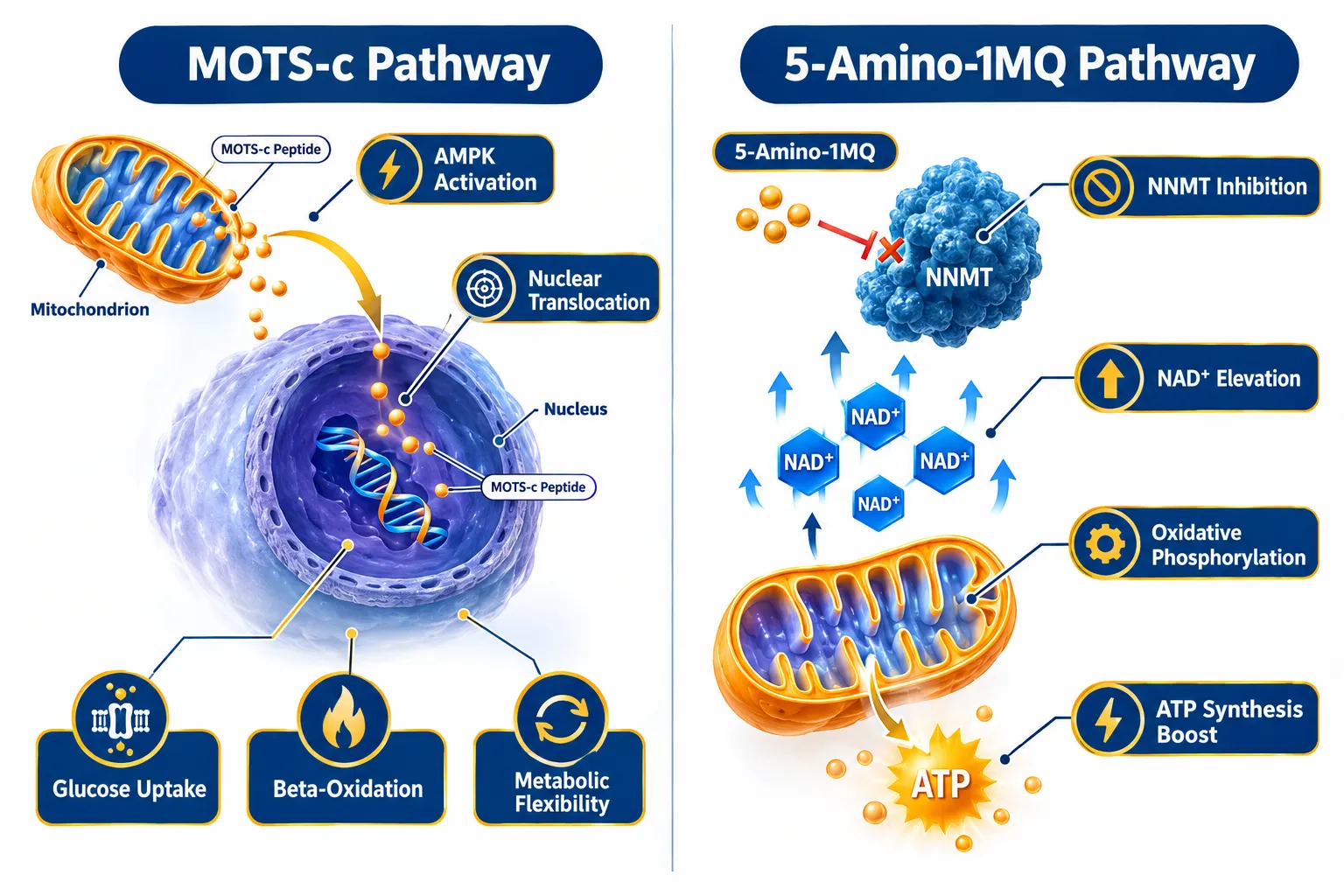
  • MOTS-c is a 16-amino-acid mitochondria-derived peptide that activates AMPK, promotes nuclear gene expression changes, and improves metabolic flexibility in high-energy tissues.
  • 5-Amino-1MQ inhibits the enzyme NNMT, which raises intracellular NAD+ levels and enhances oxidative phosphorylation and ATP synthesis in cell models.
  • Both compounds are research-only; MOTS-c is explicitly banned by WADA as a metabolic modulator, and the first human dosing trial only began recruiting in early 2026.
  • Understanding ATP biology provides the mechanistic framework needed to interpret what these peptides do, and what remains unknown.

Mitochondria and the Biology of ATP Production

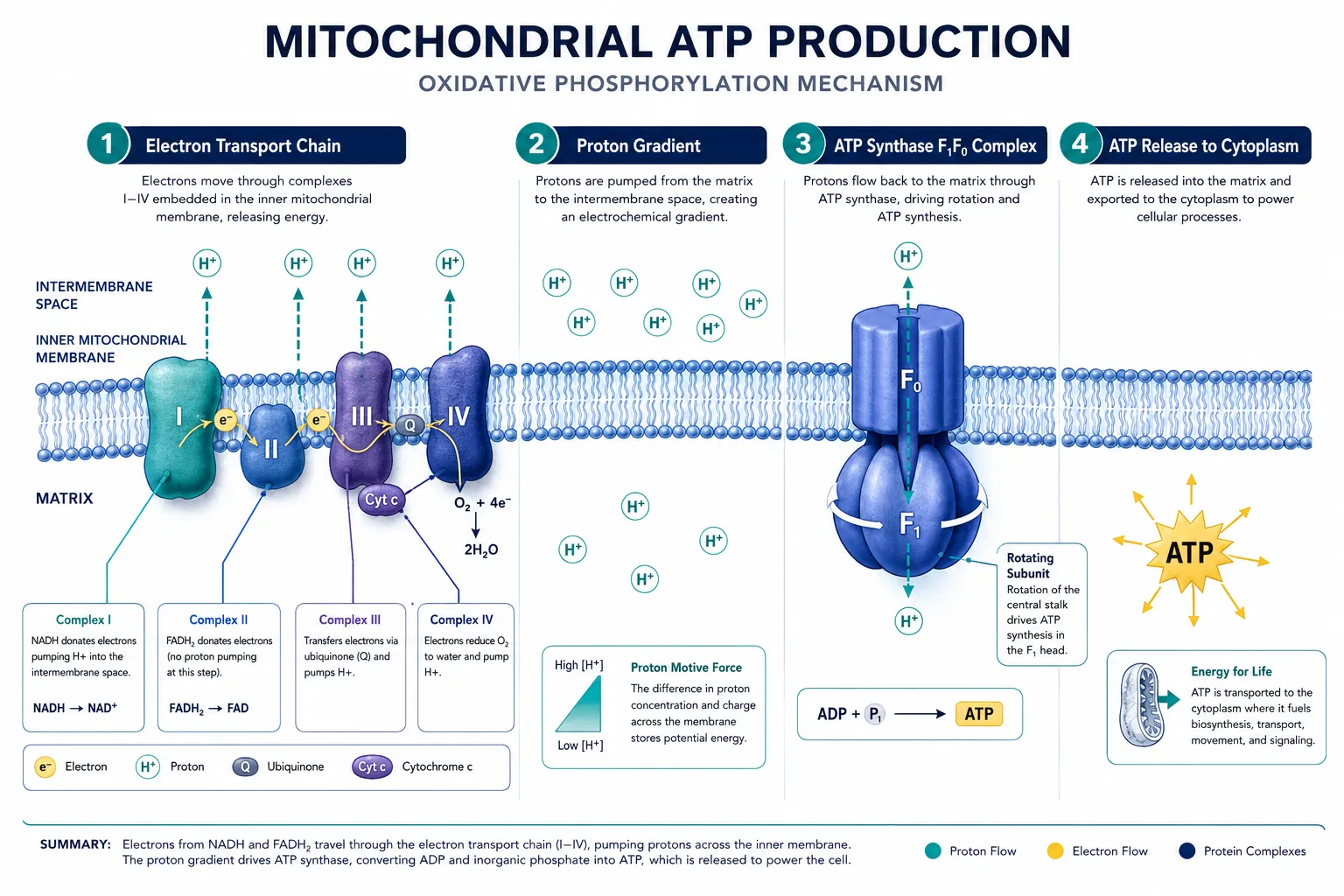
Adenosine triphosphate is the universal energy currency of living cells. It is produced through three interconnected processes: glycolysis in the cytoplasm, the citric acid (Krebs) cycle in the mitochondrial matrix, and oxidative phosphorylation along the inner mitochondrial membrane. Of these, oxidative phosphorylation is by far the most productive, generating the majority of ATP per glucose molecule.
Mitochondria and the Biology of ATP Production

The electron transport chain (ETC) sits at the heart of this process. Electrons donated by NADH and FADH2 pass through four protein complexes (I through IV) embedded in the inner membrane. This movement pumps protons across the membrane, building an electrochemical gradient. ATP synthase then harnesses the energy of protons flowing back down that gradient to phosphorylate ADP into ATP, a process called chemiosmosis.

Several key variables determine how much ATP a cell can produce:

  • Substrate availability, glucose, fatty acids, and amino acids feed into the cycle at different points
  • NAD+ levels, NAD+ is the electron acceptor that feeds Complexes I and II; without it, the ETC stalls
  • Mitochondrial membrane integrity, proton leaks reduce the gradient and lower ATP yield
  • AMPK signaling, AMP-activated protein kinase acts as a cellular energy sensor, switching on ATP-generating pathways when energy is low

Understanding these variables is essential for interpreting how experimental metabolic compounds are studied. For a broader look at how mitochondrial biology intersects with genomic pathways, see the detailed overview of DNA, Mitochondria, and Research Peptides: How MOTS-c and 5-Amino-1MQ.

MOTS-c: A Mitochondria-Derived Peptide and Its Role in ATP-Related Pathways

MOTS-c (Mitochondrial Open reading frame of the twelve S rRNA-c) is a 16-amino-acid peptide encoded within the mitochondrial 12S ribosomal RNA gene. It was first characterized in 2015 as a regulator of insulin sensitivity and metabolic homeostasis, and research has since positioned it as a key mitochondria-to-nucleus signaling molecule.
MOTS-c: A Mitochondria-Derived Peptide and Its Role in ATP-Related Pathways

How MOTS-c Interfaces with ATP Biology

MOTS-c does not directly synthesize ATP, but it modulates several upstream regulators that govern how efficiently mitochondria produce it:

Mechanism Effect on ATP Biology
AMPK activation Switches on fatty-acid oxidation and glucose uptake, increasing substrate flow into the ETC
Nuclear translocation under stress Upregulates genes involved in metabolic flexibility in skeletal muscle
Restoration of mitochondrial respiration In diabetic heart models, MOTS-c improved electron transport chain activity and cardiac bioenergetics
Islet cell protection Prevents pancreatic beta-cell senescence, preserving glucose-stimulated insulin secretion

A 2025 study of type 2 diabetic hearts found that MOTS-c administration restored mitochondrial respiration, directly supporting ATP production under metabolic stress. Separately, research published in 2025 showed that MOTS-c modulates both AMPK and mTOR signaling in beta cells, linking the peptide to cellular energy homeostasis at the level of glucose sensing.

MOTS-c is also described as an exercise mimetic: physical activity raises circulating MOTS-c levels, and the peptide appears to replicate some metabolic adaptations associated with exercise, including improved substrate utilization and enhanced mitochondrial function. A 2026 review in sports medicine and gerontology literature characterized it as a promising regulator of energy metabolism and a potential biomarker in aging research.

Regulatory note: WADA explicitly prohibits MOTS-c under the category of AMPK activators. USADA confirms it is not FDA-approved and is banned at all times as a performance-enhancing agent. The first human dosing trial began recruiting in early 2026, with results expected around 2028. All current mechanistic insights come from animal and cellular data.

For a focused review of MOTS-c signaling mechanisms, see MOTS-c Peptide: Mitochondrial Signaling, Metabolic Research, and Why Researchers Study It.

5-Amino-1MQ: NAD+ Elevation and Oxidative Phosphorylation in Research Models

5-Amino-1MQ takes a different mechanistic route to influence ATP biology. It is a synthetic small molecule that functions as a selective inhibitor of nicotinamide N-methyltransferase (NNMT), an enzyme that methylates nicotinamide, consuming NAD+ precursors in the process.

5-Amino-1MQ: NAD+ Elevation and Oxidative Phosphorylation in Research Models

The NNMT-NAD+ Connection to ATP

When NNMT is active, it diverts nicotinamide away from NAD+ synthesis. By inhibiting NNMT, 5-Amino-1MQ allows more nicotinamide to re-enter the NAD+ salvage pathway. The downstream effects in cell models include:

  • Elevated intracellular NAD+, in vitro data show roughly a 2-3 fold increase at micromolar concentrations
  • Increased oxygen consumption rates, a direct indicator of enhanced ETC activity
  • Higher ATP output, consistent with a shift toward more efficient oxidative metabolism

Because NAD+ is the critical electron carrier that feeds Complexes I and II of the ETC, raising its availability is a direct lever on ATP-generating capacity. This makes 5-Amino-1MQ a useful research tool for probing the relationship between NAD+ metabolism and mitochondrial output.

For deeper context on how researchers frame these questions, the article on 5-Amino-1MQ Peptide: How Researchers Frame NAD+ and Metabolic Pathway Questions provides a thorough breakdown. Additional cellular energetics data is covered in the investigation of 5-Amino-1MQ Peptide: Its Impact on NAD+ Metabolism and Cellular Energetics in Research Models.

Researchers have also begun examining 5-Amino-1MQ in combination with other metabolic compounds. The analysis of SLU-PP-332 with 5-Amino-1MQ: What This Advanced Metabolic Stack Means in Research Models explores how stacking strategies are being studied in preclinical settings.

Connecting the Research: What MOTS-c and 5-Amino-1MQ Reveal About ATP Biology

The study of Adenosine Triphosphate, Mitochondria, and Metabolic Peptides: How MOTS-c and 5-Amino-1MQ Research Relates to ATP Biology ultimately reveals two distinct but complementary entry points into mitochondrial energy regulation:

MOTS-c works upstream through signaling cascades, AMPK activation, nuclear gene expression, and mitochondrial stress responses, to improve the cell's overall metabolic flexibility and substrate utilization.

5-Amino-1MQ works at the metabolite level, preserving NAD+ availability so the ETC has the electron carriers it needs to run at full capacity.

Neither compound replaces the foundational machinery of ATP synthesis. Instead, both are studied as modulators of the conditions under which that machinery operates. This distinction matters for research design: measuring ATP output, oxygen consumption rates, and NAD+/NADH ratios in cell models provides the functional readouts that connect compound exposure to bioenergetic outcomes.

Researchers interested in mitochondria-targeted peptides more broadly may also find value in reviewing SS-31 Mitochondrial Research Themes, which covers a structurally distinct peptide that targets the inner mitochondrial membrane directly. For a wider view of peptide diversity and research applications, The Broad Spectrum of Peptides: A Comprehensive Guide to Their Structure, Synthesis, and Diverse Research Applications offers useful foundational context.

Conclusion

The biology of adenosine triphosphate production is well-established, but the upstream regulators of mitochondrial efficiency remain an active research frontier. MOTS-c and 5-Amino-1MQ represent two mechanistically distinct tools that researchers use to probe how AMPK signaling, NAD+ availability, and mitochondrial stress responses influence ATP output in cellular and animal models.

Actionable next steps for researchers:

  1. Ground experimental design in bioenergetic readouts, measure oxygen consumption rates, ATP levels, and NAD+/NADH ratios as primary endpoints when working with either compound.
  2. Distinguish signaling from metabolite mechanisms, MOTS-c studies benefit from nuclear translocation assays and gene expression panels; 5-Amino-1MQ studies should prioritize NNMT activity and NAD+ quantification.
  3. Track the human trial data, the first MOTS-c human dosing trial began in 2026; monitoring its readouts (expected around 2028) will be critical for translating preclinical findings.
  4. Maintain regulatory awareness, MOTS-c is WADA-prohibited and not FDA-approved; all research use must be conducted within appropriate institutional and legal frameworks.
  5. Use validated, research-grade compounds, purity and accurate concentration data are essential for reproducible bioenergetics experiments.
https://www.puretestedpeptides.com/wp-content/uploads/2026/09/adenosine-triphosphate-mitochondria-and-metabolic-peptides-how-mots-c-and-5-amin.webp 1024 1536 https://www.puretestedpeptides.com/wp-content/uploads/2026/01/buy-peptides-online.jpg 2026-09-12 13:12:462026-09-12 13:12:46Adenosine Triphosphate, Mitochondria, and Metabolic Peptides: How MOTS-c and 5-Amino-1MQ Research Relates to ATP Biology
Adenosine Triphosphate, Mitochondrial Function, and Why Peptide Researchers Care About Cellular Energy

Adenosine Triphosphate, Mitochondrial Function, and Why Peptide Researchers Care About Cellular Energy

August 18, 2026/0 Comments/in Uncategorized/by

Every cell in the human body runs on a single molecular currency. Without a steady supply of adenosine triphosphate, neurons stop firing, muscles stop contracting, and repair processes stall within seconds. Understanding adenosine triphosphate, mitochondrial function, and why peptide researchers care about cellular energy is not an abstract exercise in biochemistry, it is the foundation for interpreting nearly every efficacy claim and endpoint choice in modern mitochondria-targeted peptide research.

Key Takeaways

  • Adenosine triphosphate (ATP) is produced primarily through oxidative phosphorylation inside mitochondria, making mitochondrial health the central determinant of cellular energy output.
  • Peptides such as SS-31 (elamipretide) target the inner mitochondrial membrane directly, stabilizing cardiolipin-dependent respiratory complexes and improving ATP synthesis efficiency.
  • Mitochondria-derived peptides (MDPs), including MOTS-c and humanin, are encoded by mitochondrial DNA and act as systemic regulators of energy metabolism and stress resistance.
  • In September 2025, elamipretide became the first FDA-approved mitochondria-targeted peptide drug, validating ATP modulation as a clinically recognized therapeutic endpoint.
  • Peptide researchers measure ATP turnover, reactive oxygen species, and mitochondrial membrane potential as primary outcomes because these metrics directly reflect whether an intervention is working at the cellular energy level.

How Mitochondria Produce ATP and Why the Process Fails

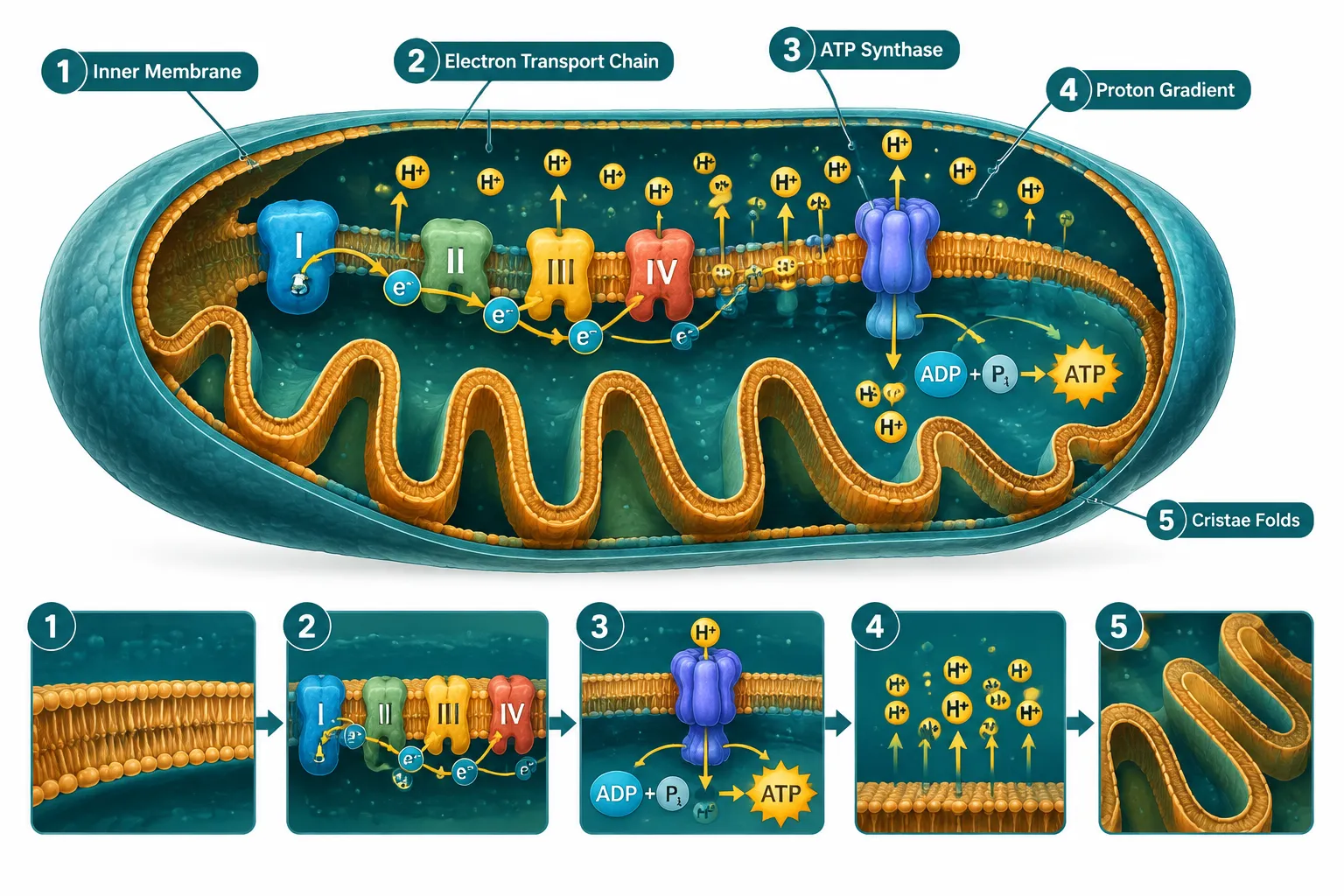
The mitochondrion is often called the powerhouse of the cell, but that shorthand understates its complexity. Inside the inner mitochondrial membrane, five large protein complexes, collectively known as the electron transport chain and ATP synthase, work in sequence to convert nutrients into usable energy. Electrons stripped from glucose and fatty acids travel through Complexes I through IV, driving protons across the membrane and creating an electrochemical gradient. Complex V, the F1Fo ATP synthase, then uses that gradient to phosphorylate ADP into ATP.

How Mitochondria Produce ATP and Why the Process Fails

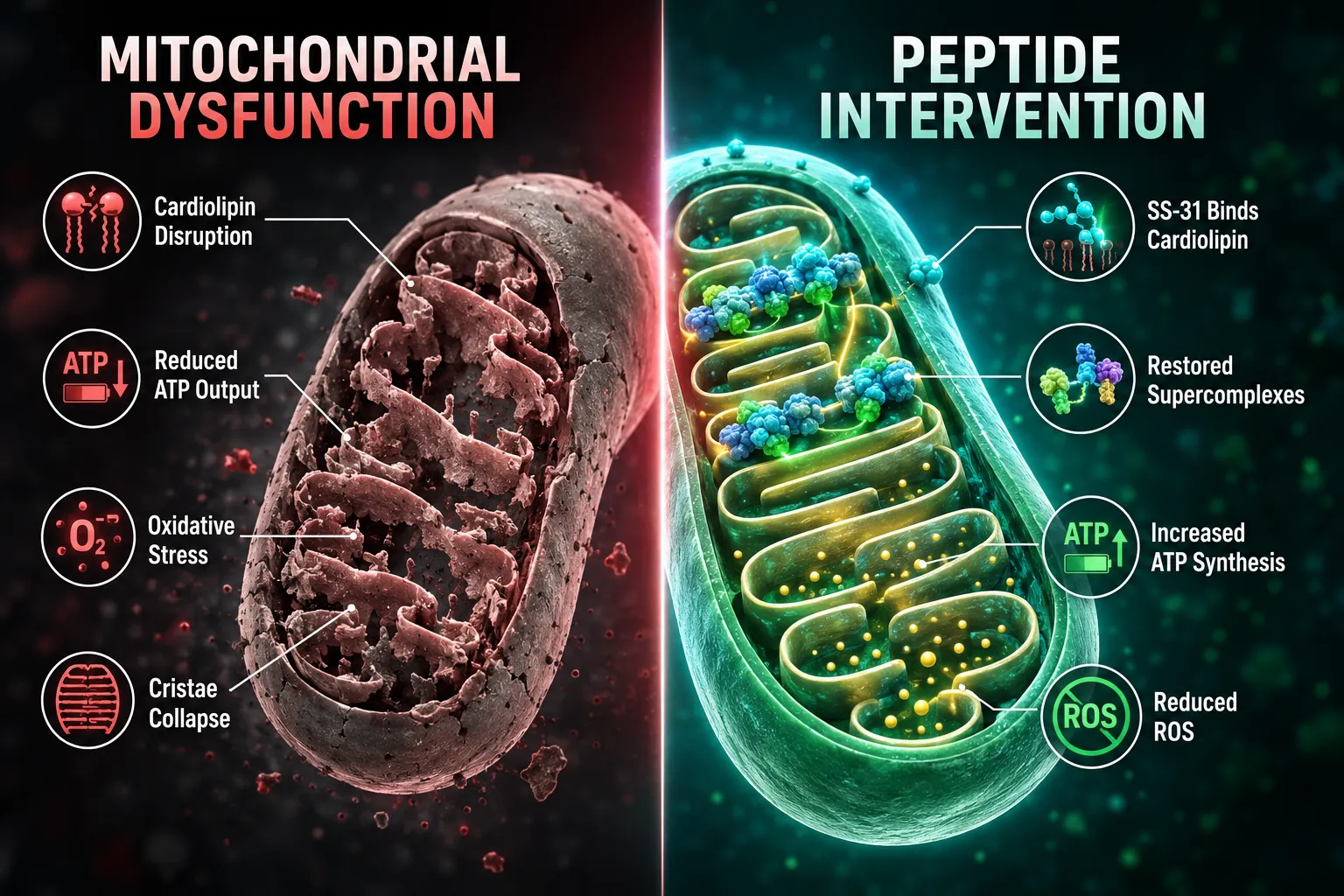
What makes this system fragile is its dependence on a specialized phospholipid called cardiolipin. Cardiolipin anchors the respiratory complexes into functional supercomplexes on the inner membrane. When cardiolipin is oxidized or depleted, as happens with aging, metabolic disease, or genetic disorders, the supercomplexes destabilize, electron flow becomes inefficient, and ATP output drops. Simultaneously, electron leakage increases reactive oxygen species (ROS), which further damage the membrane in a self-reinforcing cycle.

This is precisely why peptide researchers focus on ATP and mitochondrial function as primary endpoints rather than downstream symptoms. Measuring ATP turnover, mitochondrial membrane potential, and ROS levels gives researchers a direct, quantifiable window into whether an intervention is actually working at the cellular level.

Adenosine Triphosphate, Mitochondrial Function, and the Rise of Targeted Peptides

The connection between adenosine triphosphate, mitochondrial function, and why peptide researchers care about cellular energy became clinically concrete in September 2025, when the FDA granted accelerated approval to elamipretide, sold under the brand name Forzinity, for Barth syndrome. This made elamipretide the first drug to directly target mitochondrial dysfunction and the first mitochondria-targeted peptide to reach regulatory approval.

Elamipretide is also known as SS-31, a synthetic tetrapeptide with the sequence D-Arg-Dmt-Lys-Phe-NH2. It crosses mitochondrial membranes and binds directly to cardiolipin on the inner membrane, stabilizing respiratory chain supercomplexes and improving ATP production efficiency. Mechanistic reviews confirm that its benefits extend well beyond simple antioxidant activity, it modulates membrane electrostatic potentials and supports the assembly of cardiolipin-dependent protein complexes. Researchers interested in this area can explore detailed SS-31 mitochondrial research themes and the broader topic of SS31 mitochondrial dynamics for mechanistic context.

Earlier in vivo work demonstrated that a single injection of SS-31 could restore mitochondrial energetics to "young" levels in aged mouse skeletal muscle within one hour, normalizing both ATP synthesis and the cellular redox environment. That finding gave the field a mechanistic foundation: peptides could rapidly recalibrate cellular energy output rather than simply slowing its decline.

Adenosine Triphosphate, Mitochondrial Function, and the Rise of Targeted Peptides

Beyond SS-31, plant-derived peptides such as roseltide rT1 have demonstrated the ability to increase cellular ATP production by hyperpolarizing the mitochondrial membrane and directly interacting with ATP synthase subunit O, the intramitochondrial component of the F1Fo complex. This finding is significant because it shows that peptide researchers can tune cellular energy at the level of ATP synthase itself, not only at upstream electron transport steps.

Mitochondria-Derived Peptides and the Broader Cellular Energy Architecture

A parallel and rapidly expanding area of research concerns mitochondria-derived peptides (MDPs), bioactive microproteins encoded by short open reading frames within mitochondrial DNA itself. The best-characterized MDPs include MOTS-c, humanin, and the small humanin-like peptides (SHLPs). These molecules influence glucose and lipid metabolism, stress resistance, and longevity pathways, making them central to any peptide strategy aimed at optimizing ATP production and metabolic resilience.

MOTS-c, a 16-amino-acid MDP, has produced some of the most compelling human data to date. A 2026 trial reported in the Journal of Cellular Biochemistry found that twice-weekly subcutaneous dosing of 5-10 mg MOTS-c increased skeletal muscle ATP turnover by approximately 18-22% over 12 weeks in 84 adults aged 35-55. Separate work in diabetic models shows that MOTS-c can restore mitochondrial function and improve metabolic parameters under insulin-resistant conditions, extending its relevance beyond rare diseases.

Humanin and the SHLPs are also under active investigation for neurodegenerative diseases, Alzheimer's, Parkinson's, and Huntington's, where maintaining neuronal ATP supply and limiting mitochondrial stress are critical survival factors for neurons.

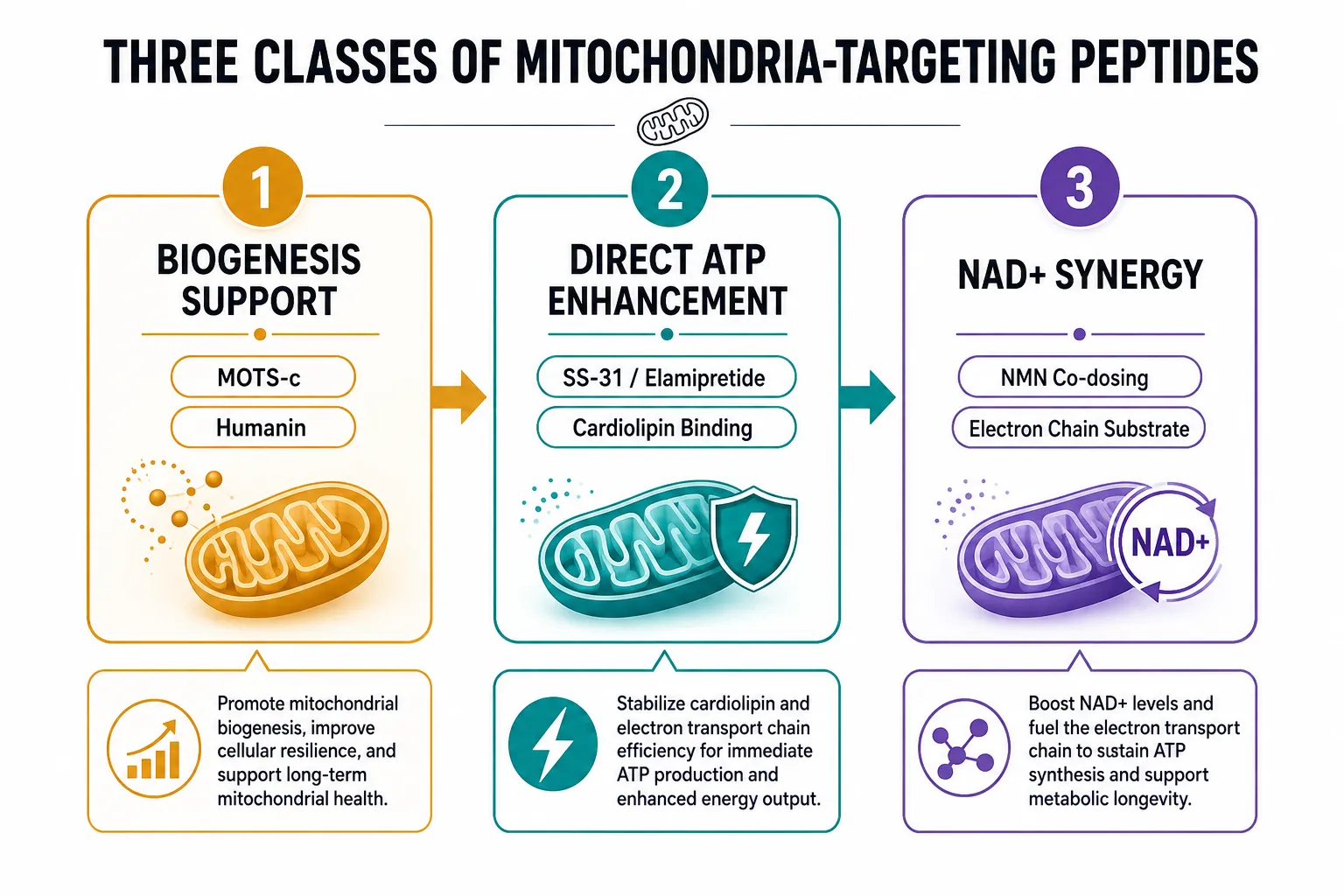
Research Insight: Peptide researchers now categorize mitochondria-targeting compounds into three mechanistic classes: those that support mitochondrial biogenesis (MOTS-c, humanin), those that directly enhance ATP synthesis (SS-31/elamipretide), and those optimized for NAD+ synergy, often combined with NMN (~500 mg/day) or NR (~300 mg/day) to simultaneously support electron transport chain substrate availability.

This three-class framework helps explain endpoint selection. A researcher studying an SS-31 analog will measure cardiolipin integrity and ATP synthase flux. A researcher studying MOTS-c will track glucose uptake, mitochondrial biogenesis markers, and ATP turnover rates. The choice of endpoint is not arbitrary, it follows directly from the peptide's mechanism of action.

Next-generation delivery platforms are also entering the picture. A 2026 study introduced a cationic liposomal system that co-delivers SS-31 with metabolic agents directly to adipose-tissue mitochondria, aiming to modulate fat-cell energy metabolism in obesity models. While this platform remains preclinical, it illustrates how cellular energy and ATP output have become central design constraints for advanced drug delivery research.

For researchers sourcing compounds for controlled laboratory investigations, quality documentation is a critical prerequisite. Resources covering peptide Certificate of Analysis standards and sourcing guides such as the GHK-Cu copper peptide research sourcing guide provide useful frameworks for evaluating purity and traceability before beginning any cellular energy study.

Mitochondria-Derived Peptides and the Broader Cellular Energy Architecture

The synergy between different peptide classes is also drawing attention. Combining compounds that target different nodes of the mitochondrial energy network, membrane stabilization, biogenesis signaling, and substrate availability, reflects how researchers now think in terms of integrated cellular energy architectures rather than single-target interventions. The documented synergy of LL-37 and SS-31 offers one example of how multi-peptide approaches are being explored in preclinical settings.

Conclusion

Adenosine triphosphate, mitochondrial function, and why peptide researchers care about cellular energy ultimately comes down to measurement and mechanism. ATP is not just a biological detail, it is the most direct indicator of whether a mitochondria-targeted intervention is producing a real cellular effect. The FDA approval of elamipretide, the human data on MOTS-c, and the expanding library of MDPs all point toward the same conclusion: peptides offer unusually precise tools for modulating cellular energy, and researchers who understand the underlying ATP biology are better equipped to design studies, select endpoints, and interpret results.

Actionable next steps for researchers:

  • Identify which mechanistic class a candidate peptide belongs to (biogenesis support, direct ATP enhancement, or NAD+ synergy) before selecting outcome measures.
  • Use ATP turnover rate, mitochondrial membrane potential, and ROS levels as primary endpoints rather than relying solely on downstream functional markers.
  • Review available mechanistic literature on cardiolipin-targeted peptides, particularly SS-31 research, to establish a baseline for comparing novel compound data.
  • Prioritize sourcing compounds with verified Certificates of Analysis to ensure that purity variables do not confound cellular energy measurements.
  • Consider multi-class peptide combinations in study design, informed by the growing body of work on integrated mitochondrial energy architectures.
https://www.puretestedpeptides.com/wp-content/uploads/2026/08/adenosine-triphosphate-mitochondrial-function-and-why-peptide-researchers-care-a.webp 1024 1536 https://www.puretestedpeptides.com/wp-content/uploads/2026/01/buy-peptides-online.jpg 2026-08-18 13:08:442026-08-18 13:08:44Adenosine Triphosphate, Mitochondrial Function, and Why Peptide Researchers Care About Cellular Energy
×

Helpful Links

  • My account
  • Cart
  • Checkout
  • Refund and Returns Policy
  • Privacy Policy
  • SMS Privacy Policy
  • Login
  • My Account
  • Logout

USA Made Lab Tested Peptides

All products are sold for research, laboratory, or analytical purposes only, and are not for human consumption


Pure Tested Peptides is a chemical supplier. Pure Tested Peptides is not a compounding / chemical compounding facility as defined under 503A of the Federal Food, Drug, and Cosmetic act. Pure Tested Peptides is not an outsourcing facility as defined under 503B of the Federal Food, Drug, and Cosmetic act.

The statements made within this website have not been evaluated by the US Food and Drug Administration. The products we offer are not intended to diagnose, treat, cure or prevent any disease.

Human/Animal Consumption Prohibited. Laboratory/In-Vitro Experimental Use Only

Scroll to top Scroll to top Scroll to top