

Carbohydrate Antigens and Peptide-Based Assays: How Glycoprotein Markers Interface With Modern Research Peptides
Fewer than 20 amino acids separate a diagnostic breakthrough from a missed signal, and in the world of glycoprotein research, that margin matters enormously. The intersection of carbohydrate antigens and peptide-based assays: how glycoprotein markers interface with modern research peptides is reshaping how scientists detect disease, profile immune responses, and develop next-generation molecular tools. Understanding this interface is no longer reserved for glycobiologists alone; it is increasingly relevant to anyone working with research peptides in oncology, immunology, or translational science.
Key Takeaways
- Carbohydrate antigens are sugar-decorated proteins (glycoproteins) that serve as disease markers, particularly in cancer and autoimmune conditions.
- Peptide-based assays use short amino acid sequences to detect, quantify, or modulate these glycoprotein markers with high specificity.
- Mass spectrometry-based glycopeptide analysis is emerging as a gold-standard method for quantifying carbohydrate antigen markers in clinical research.
- Research peptides such as TB-500 and epithalon are studied partly for their interactions with immune signaling pathways that glycoprotein markers help regulate.
- Purity and sourcing quality of research peptides directly affect the reliability of glycoprotein-related assay results.
What Are Carbohydrate Antigens and Why Do They Matter
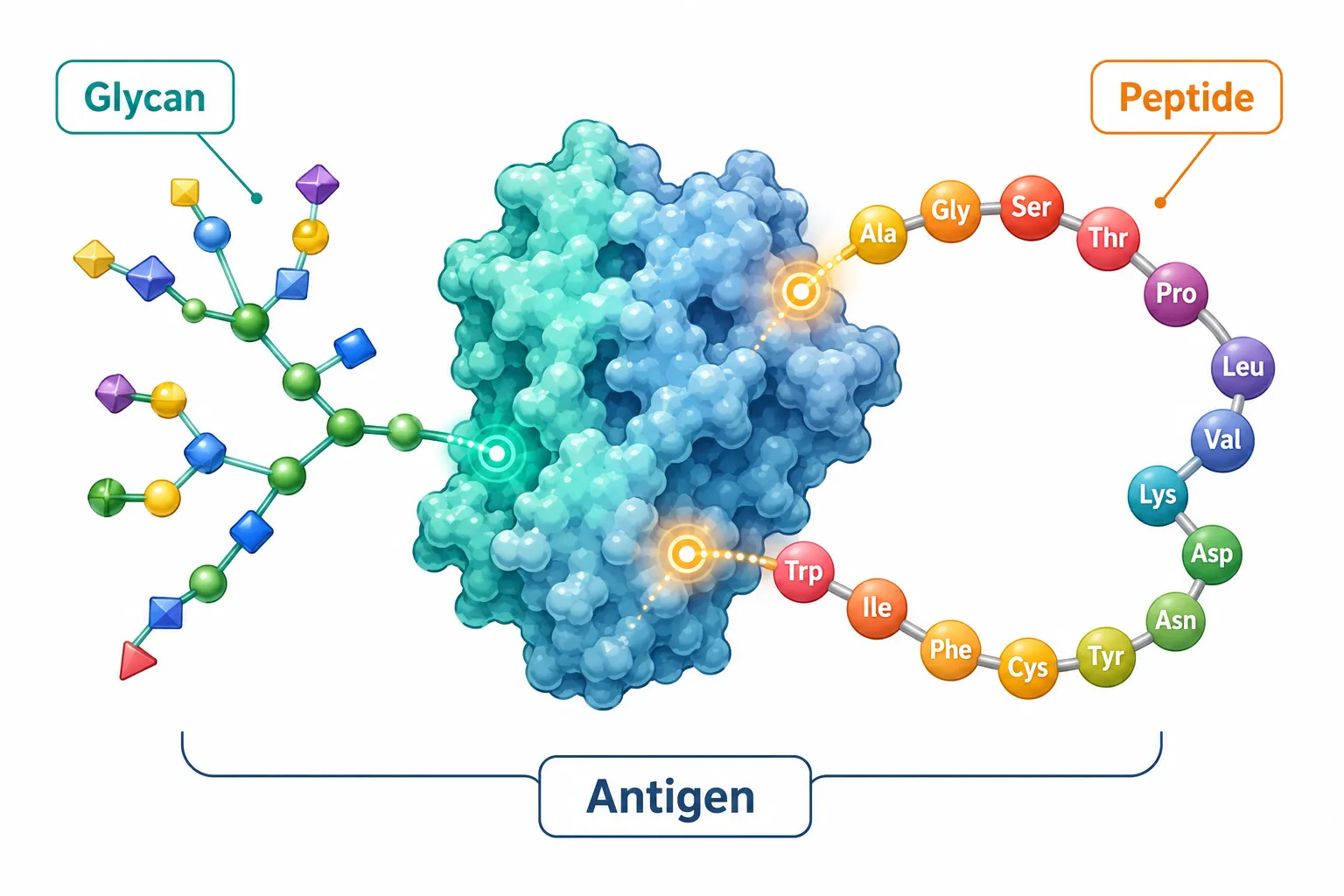
Carbohydrate antigens are molecular structures found on the surface of cells, typically as part of glycoproteins or glycolipids. A glycoprotein is simply a protein with one or more sugar (carbohydrate) chains attached to it. These sugar chains are not decorative, they play active roles in cell communication, immune recognition, and disease progression.
In oncology research, certain carbohydrate antigens become overexpressed or structurally altered on tumor cells. Well-known examples include:
- CA 19-9, associated with pancreatic and gastrointestinal cancers
- CA 125, linked to ovarian cancer surveillance
- CEA (Carcinoembryonic Antigen), used across colorectal, lung, and breast cancer monitoring
These markers are glycoproteins. Their diagnostic value depends not just on the protein backbone but on the specific carbohydrate structures attached. This is where peptide-based detection tools become essential.
"The carbohydrate portion of a glycoprotein marker can shift dramatically during disease, peptide probes that recognize both the protein core and its glycan environment offer a far more complete diagnostic picture."
How Peptide-Based Assays Detect Glycoprotein Markers
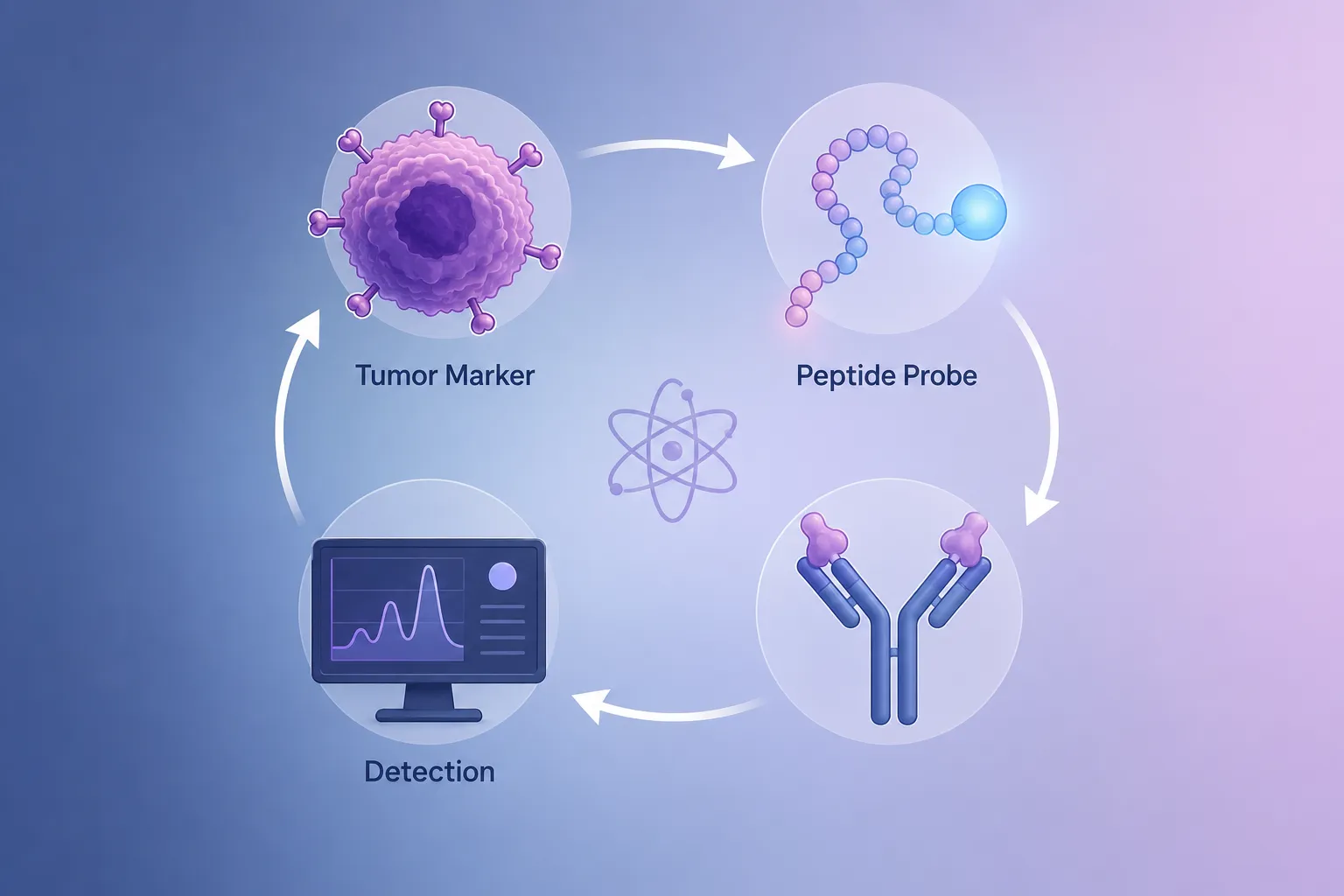
Peptide-based assays use short, precisely engineered amino acid sequences to bind, capture, or signal the presence of specific glycoprotein targets. The approach bridges classical immunoassay techniques with modern molecular precision.
Three primary peptide-based assay strategies are used in glycoprotein research:
-
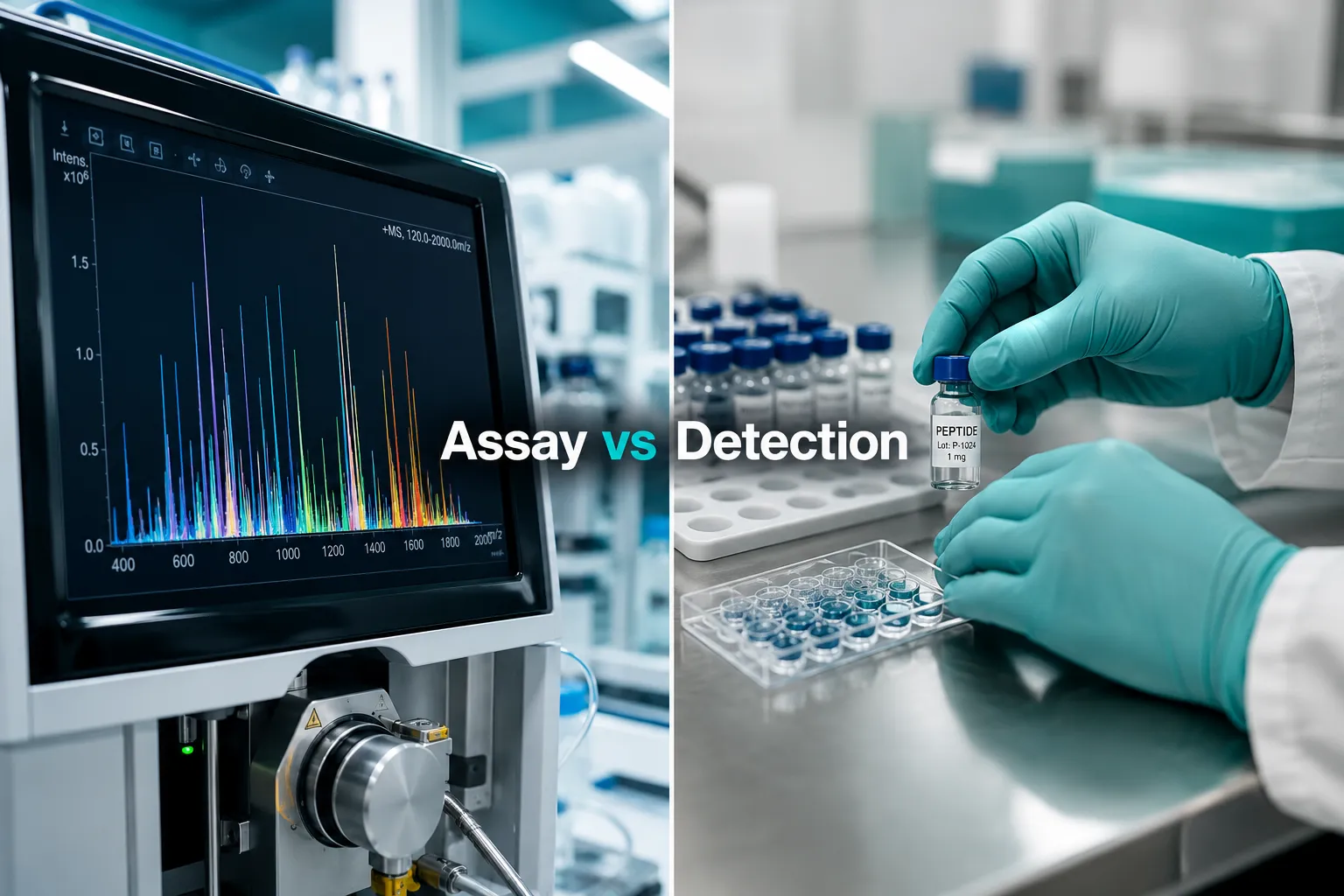
Glycopeptide mass spectrometry (MS), Proteins are enzymatically digested into peptide fragments. The resulting glycopeptides retain their sugar chains and can be quantified using parallel reaction monitoring (PRM) on a mass spectrometer. This method offers exceptional sensitivity and specificity for carbohydrate antigen quantification.
-
Peptide aptamers and affinity probes, Synthetic peptides engineered to bind specific glycan epitopes are used in ELISA-style platforms. These replace or complement traditional antibodies, offering greater batch-to-batch consistency.
-
Competitive peptide inhibition assays, Known peptide sequences compete with target glycoproteins for binding sites, allowing researchers to map interaction domains and measure binding affinity.
Mass spectrometry-based glycopeptide analysis has become particularly prominent. Quantitative measurement of glycopeptide markers via parallel reaction monitoring is now a key approach for studying autoimmune disease, liver disease, and cancer. This method allows researchers to distinguish between different glycoforms of the same protein, a distinction that traditional antibody-based assays often miss entirely.
Carbohydrate Antigens and Peptide-Based Assays: How Glycoprotein Markers Interface With Modern Research Peptides in Oncology and Immunology
The practical application of carbohydrate antigens and peptide-based assays: how glycoprotein markers interface with modern research peptides becomes clearest when examining active research areas in oncology and immunology.
In oncology, glycoprotein markers like CA 19-9 are not just passive indicators. They interact with immune cell receptors, influence tumor microenvironment signaling, and can suppress or activate immune responses. Research peptides that modulate immune pathways, such as those studied for tissue repair and immune regulation, are being examined in contexts where glycoprotein signaling is also active.
For example, BPC-157 and TB-500 combination research explores peptide interactions with growth factor pathways that overlap with glycoprotein-mediated signaling cascades. Similarly, SS-31 peptide research investigates mitochondrial protection in contexts where oxidative stress alters glycoprotein expression on cell surfaces.
In immunology, carbohydrate antigens on immune cells serve as identity markers, distinguishing self from non-self. Peptide-based probes designed to interrogate these markers are used to:
- Profile autoimmune disease activity
- Monitor transplant rejection markers
- Characterize tumor-infiltrating immune cell populations
Research into peptides like epithalon, studied for its effects on aging and immune regulation, intersects with glycoprotein biology because telomere-associated proteins are themselves glycosylated, and their expression patterns can be tracked via glycopeptide assays.
Peptides studied for metabolic signaling, such as those in the GLP-1 research category, also connect to glycoprotein biology. GLP-1 receptor itself is a glycoprotein, and assay development for GLP-1 pathway research frequently involves glycopeptide detection methods.
Assay Quality and Peptide Purity: The Critical Link
No glycopeptide assay performs better than the purity of its components allows. This principle applies whether the peptide in question is a diagnostic probe or a research compound being studied for its biological effects.
Key quality factors that affect assay reliability:
| Factor | Impact on Assay |
|---|---|
| Peptide purity (>98%) | Reduces false signals from truncated sequences |
| Correct glycoform | Ensures target specificity |
| Storage conditions | Prevents peptide degradation that alters binding |
| Validated synthesis method | Confirms sequence accuracy |
Researchers sourcing peptides for glycoprotein-related work should prioritize suppliers with documented purity testing. Resources like peptide stores with verified testing and platforms offering peptides in Canada with quality documentation are relevant starting points for researchers who need traceable, high-purity compounds.
For peptides used in assay development specifically, even minor sequence errors or oxidation artifacts can produce misleading glycoprotein binding data.
Conclusion
The field connecting carbohydrate antigens and peptide-based assays: how glycoprotein markers interface with modern research peptides is advancing rapidly, and researchers who understand this interface hold a significant advantage. Glycoprotein markers are not static biomarkers, they are dynamic molecular actors whose behavior can only be fully characterized using peptide-level detection tools.
Actionable next steps for researchers in 2026:
- Prioritize glycopeptide mass spectrometry over antibody-only methods when quantifying carbohydrate antigen markers, particularly for cancer and autoimmune panels.
- When designing peptide-based assays, account for glycoform heterogeneity, the same protein with different sugar chains can behave as a distinct antigen.
- Source research peptides from suppliers with documented purity testing to ensure assay data integrity.
- Explore how research peptides with immune-modulatory profiles intersect with glycoprotein signaling pathways in your specific disease model.
- Stay current with parallel reaction monitoring protocols, which continue to set the benchmark for glycopeptide quantification sensitivity.
The molecular bridge between carbohydrate antigens and peptide research tools is only growing stronger, and the researchers who build on it now will be best positioned as the science matures.