Call or Text 727-513-9780
  • Shopping Cart Shopping Cart
    0Shopping Cart
Pure Tested Peptides | America's most trusted Peptides for sale online
  • Peptides for sale
    • Oral Peptides for sale
      • Peptide Capsules for sale
      • BPC 157 Capsules 1000mcg
      • SLU-PP-332 Capsules | 1000 mcg
      • 5-Amino-1MQ 50mg Capsules
      • Tesofensine 500mcg
    • All Peptides for sale
    • Peptide Sprays
      • BPC 157 Nasal Spray Kit
      • BPC-157 TB500 Nasal Spray Kit
      • Semax Nasal Spray 10mg
      • Selank – Nasal Spray Kit – 10mg
      • Epithalon 50MG Nasal Spray Kit
      • Ipamorelin 10mg Nasal Spray
      • Klow Nasal Spray (BPC-157 + TB-500 + GHK-Cu + KPV) | 80mg
      • Hulk Nasal Spray Tesa / Ipa Blend 6/3 MG
      • Klow Nasal Spray
      • NAD + 500 mg Nasal Spray
      • PT-141 Nasal Spray Kit
    • GHRH Peptides
      • Ipa Peptides
      • CJC-1295 Peptides
        • CJC-1295 with DAC 5 mg
        • CJC-1295 without DAC 5 mg
        • CJC-1295 Ipa 10mg
      • Tesa Peptides
        • Tesa Peptide
        • Tesa 20 mg
    • GHK-Cu Peptides
      • All GHK-Cu Peptides
      • GHK-Cu 100mg
      • KLOW Peptide Blend – Buy KLOW blend online
    • BPC Peptides
      • All BPC Peptides
      • BPC-157
      • BPC-157 TB-500
      • BPC 157 capsules 1000mcg
    • SLU-PP-332 Peptides
      • All SLU-PP-332 Peptides
      • SLU-PP-332 5mg
    • GLP3 Peptides
      • GLP3-R
      • GLP3-R CAG 10mg
      • GLP3-R 20mg
    • PT-141 Peptides
      • PT-141 Peptides for sale
      • PT-141 10mg
      • PT-141 Nasal Spray
    • CAG Peptides
      • Lipo-C Peptide Blend
      • CAG 5mg
      • CAG 10mg
    • MOTS-C Peptides
      • MOTS-C Peptides for sale
      • MOTS-c peptide
      • MOTS-c 10mg *6 pack*
    • 5 Amino 1MQ Peptides
      • 5 Amino 1MQ Peptides for sale
      • 5-Amino-1MQ 50mg Capsules
      • 5-Amino-1MQ 5mg
    • Epithalon Peptides
      • Epithalon Peptides for sale
      • Epithalon 10mg
      • Epithalon 50mg
  • Shop
    • GLPs
      • 5-Amino-1MQ 50mg Capsules
      • 5-Amino-1MQ 5mg
      • GLP3-Reta
      • L-Carnitine 500mg/ml
      • Tesofensine 500mcg
      • SLU-PP-332 5mg
      • MOTS-c 10mg *6 pack*
    • Epithalon & BPC Peptides
      • Epithalon 10mg
      • Epithalon 50mg
      • BPC-157
      • BPC 157 capsules 1000mcg
      • BPC-157 TB-500
      • BPC-157 TB500 Nasal Spray Kit
      • BPC 157 Nasal Spray Kit
    • BPC TB-500 & NAD+ Peptides
      • NAD+ 500 mg
      • KLOW Peptide Blend – Buy KLOW blend online
      • GLOW Peptide Blend
      • TB 500 5mg
      • BPC 157 capsules 1000mcg – Supplement
      • BPC 157 Nasal Spray Kit
      • BPC-157
      • BPC-157 TB500 Nasal Spray Kit
      • BPC-157 TB-500
      • BPC 157 capsules 1000mcg
    • LL-37 Peptide
      • LL-37 10 mg
    • MOTS-C & Selank
      • MOTS-c peptide
      • Selank 10mg
    • GHK Peptides
      • GHK-Cu 100mg
      • GLOW Peptide Blend
      • KLOW Peptide Blend – Buy KLOW blend online
  • COAs
  • Wholesale
    • Wholesale Peptides for sale
  • PTP FAQ
  • Affiliates
    • Affiliate Program
    • Affiliate Signup
  • Contact
    • Contact Customer Service
    • Text Customer Support
  • About US
  • Shop all peptides
  • Login / Register Login / Register Page Link Login / Register Page Link
  • Click to open the search input field Click to open the search input field Search
  • Menu Menu

Tag Archive for: cellular aging

DNA, Telomeres, and Epithalon: How Longevity‑Focused Peptides Interface With Genomic Stability in Research Models

DNA, Telomeres, and Epithalon: How Longevity‑Focused Peptides Interface With Genomic Stability in Research Models

July 17, 2026/0 Comments/in Uncategorized/by

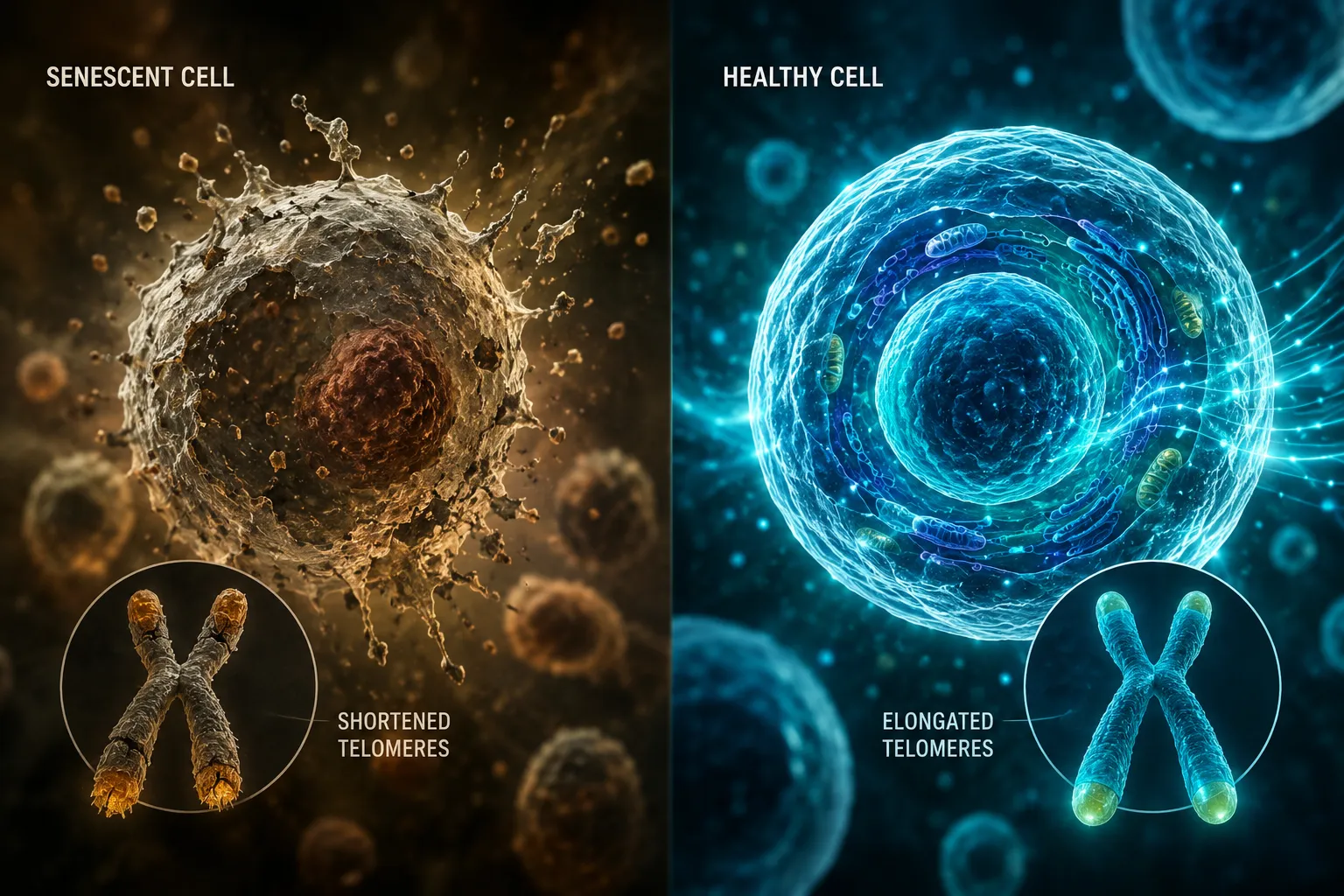
Every time a human cell divides, its chromosomes lose a small fragment from their protective ends. After enough divisions, those ends, called telomeres, erode to a critical threshold, triggering cellular senescence or death. This biological clock ticks inside every tissue, and slowing it has become one of the most active frontiers in longevity research. The study of DNA, Telomeres, and Epithalon: How Longevity-Focused Peptides Interface With Genomic Stability in Research Models sits at the center of that frontier, asking whether short synthetic peptides can meaningfully alter genomic aging trajectories in controlled experimental settings.

Key Takeaways

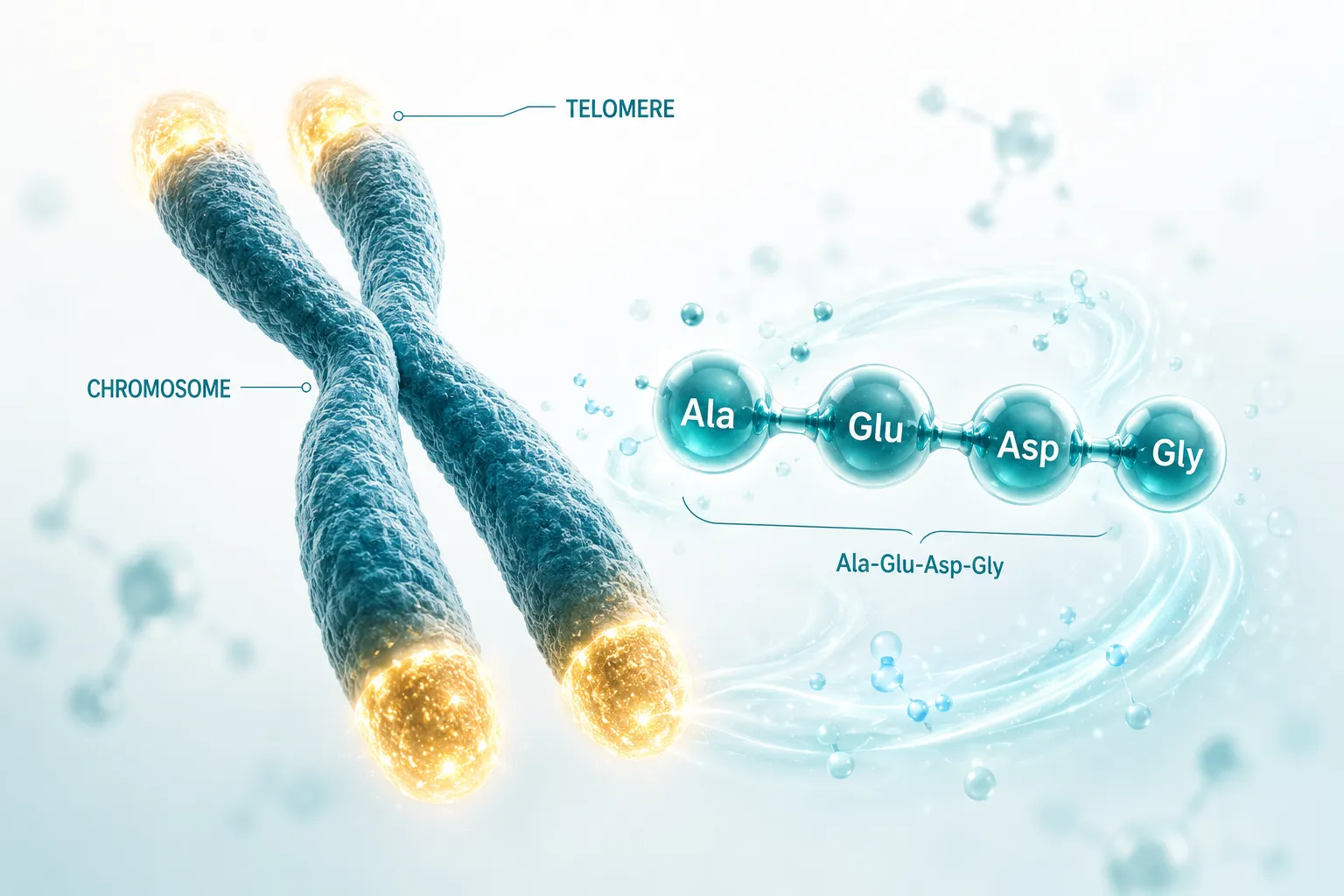
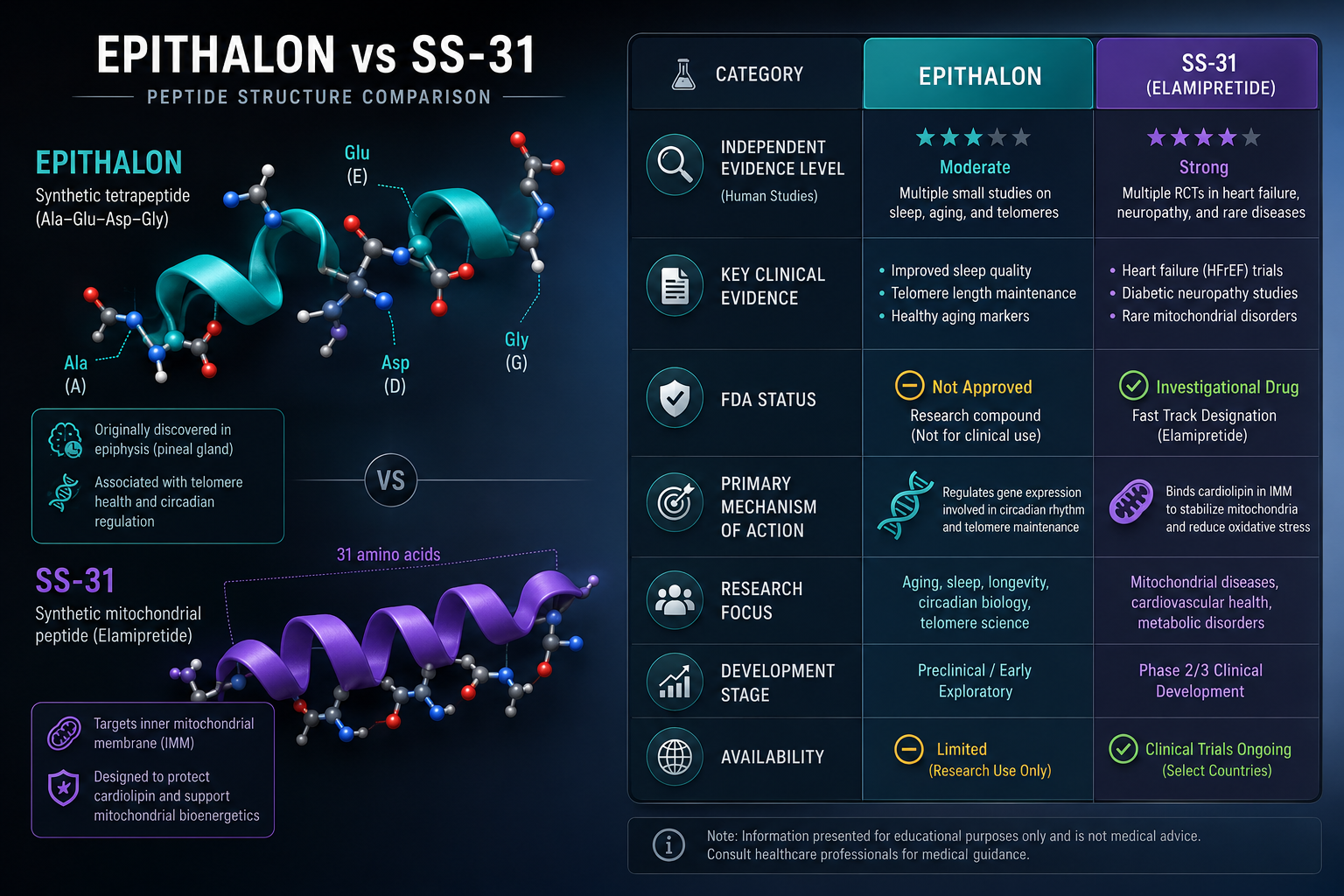
  • Epithalon is a synthetic tetrapeptide (Ala-Glu-Asp-Gly) that has been shown in research models to activate telomerase and promote telomere elongation in human cell lines.
  • Normal cells and cancer cells appear to use different telomere-lengthening pathways when exposed to Epithalon, suggesting cell-type-specific mechanisms.
  • MOTS-c, a mitochondria-derived peptide, complements Epithalon research by targeting nuclear gene expression and DNA repair signaling rather than telomerase directly.
  • Preclinical rodent studies report a 10-25% increase in median lifespan with Epithalon, though human evidence remains observational and limited.
  • As of 2026, Epithalon is not FDA-approved and is restricted to research use only; independent replication of findings is still needed.

Key Takeaways


The Molecular Architecture of Telomere Biology and Epithalon

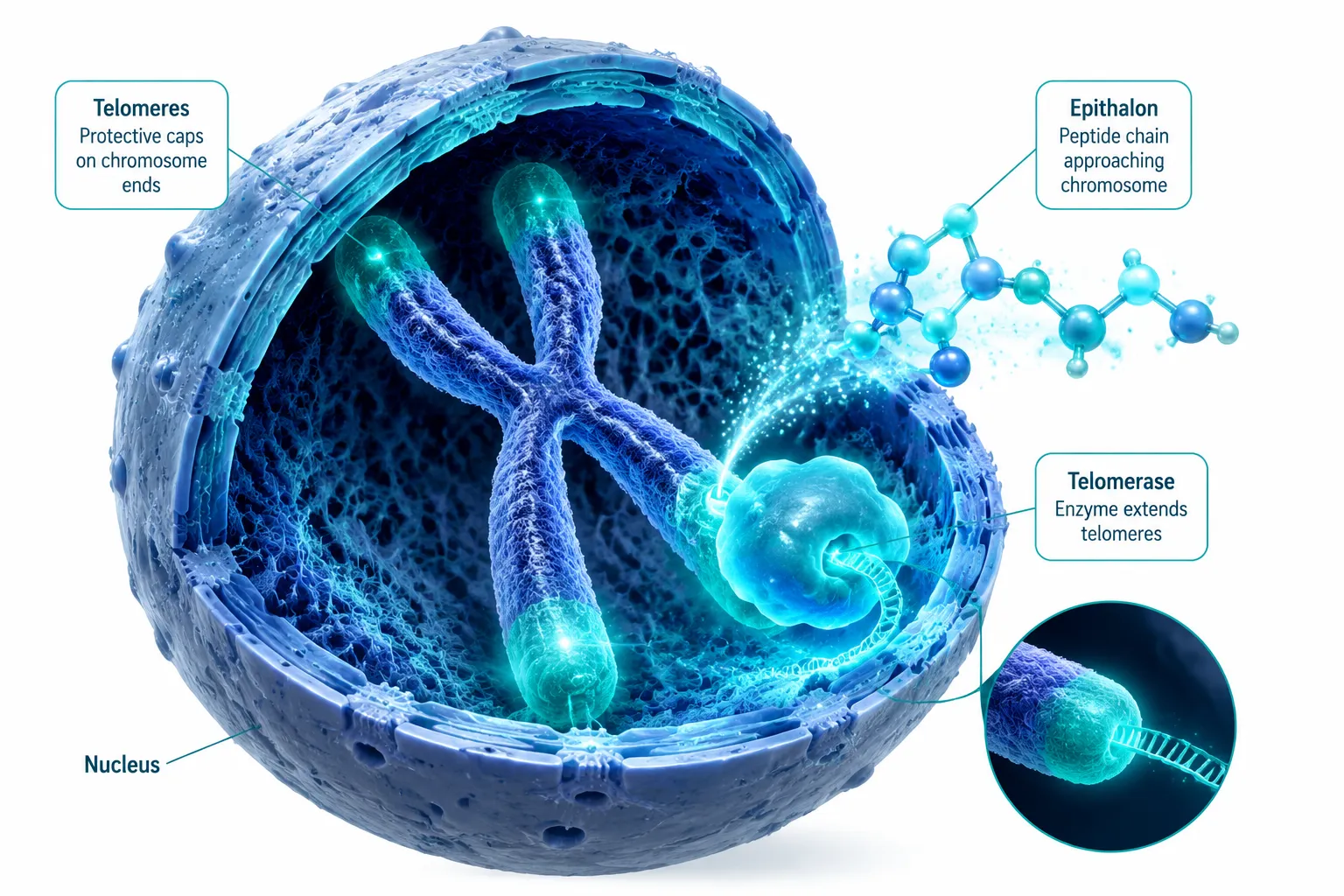
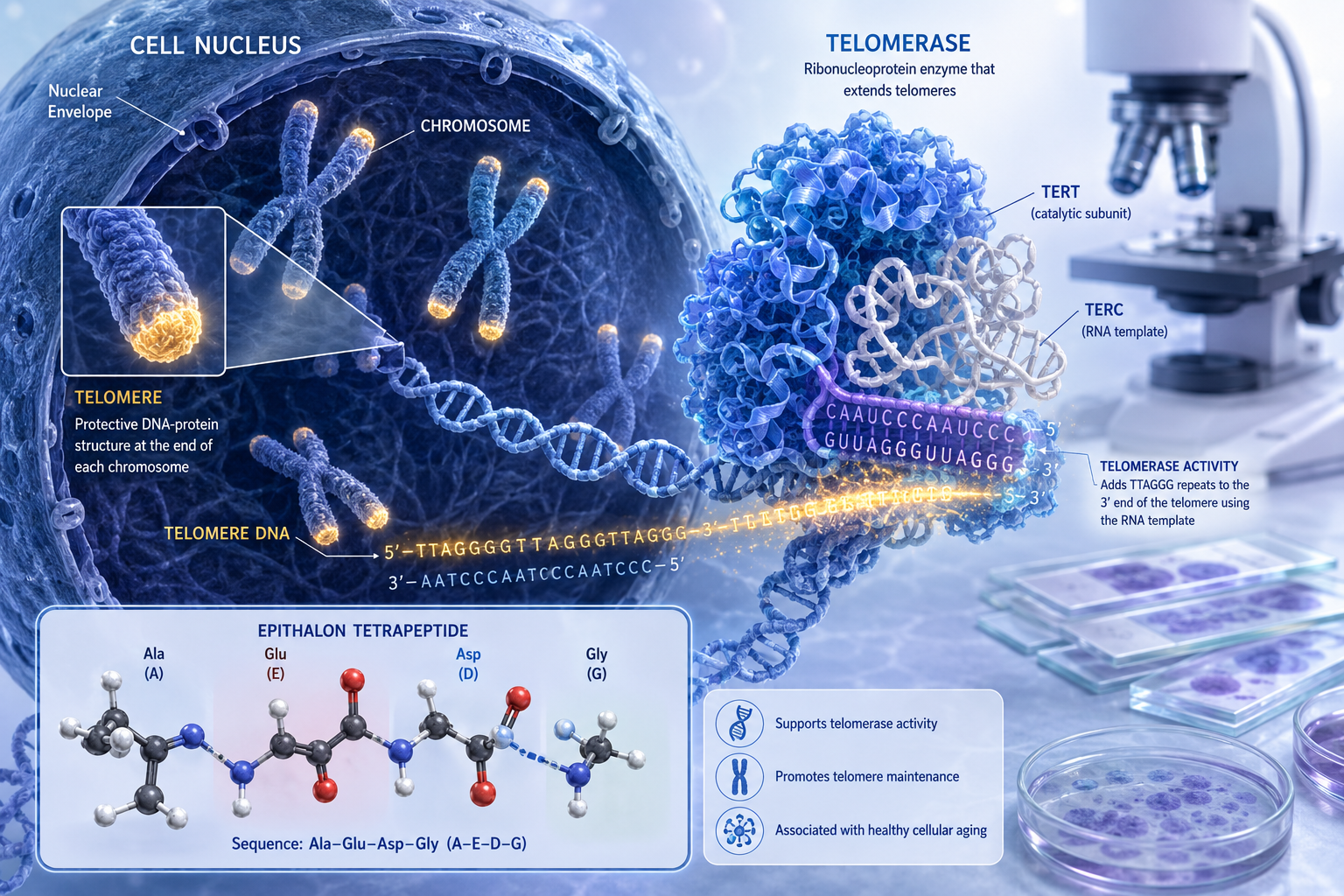
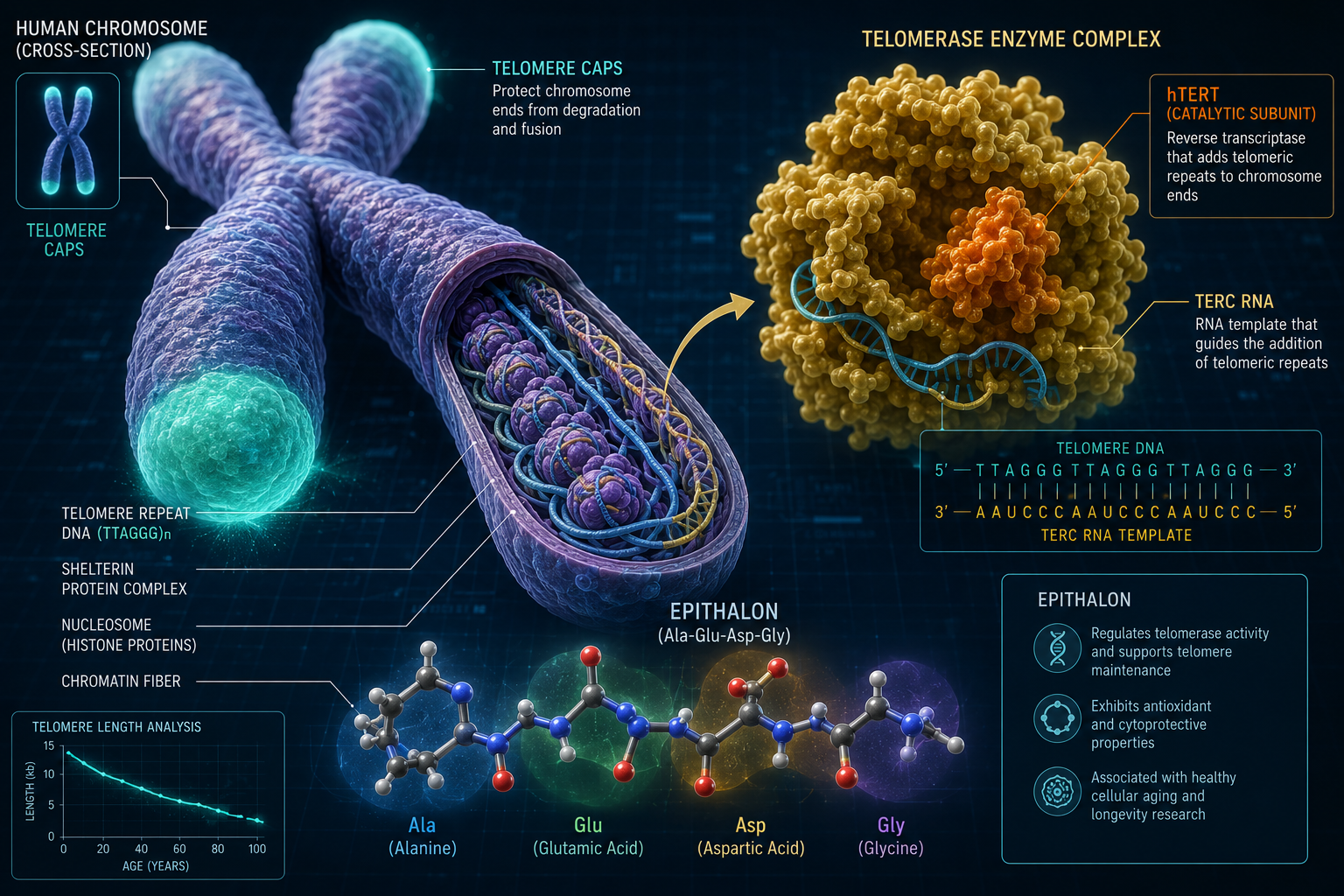
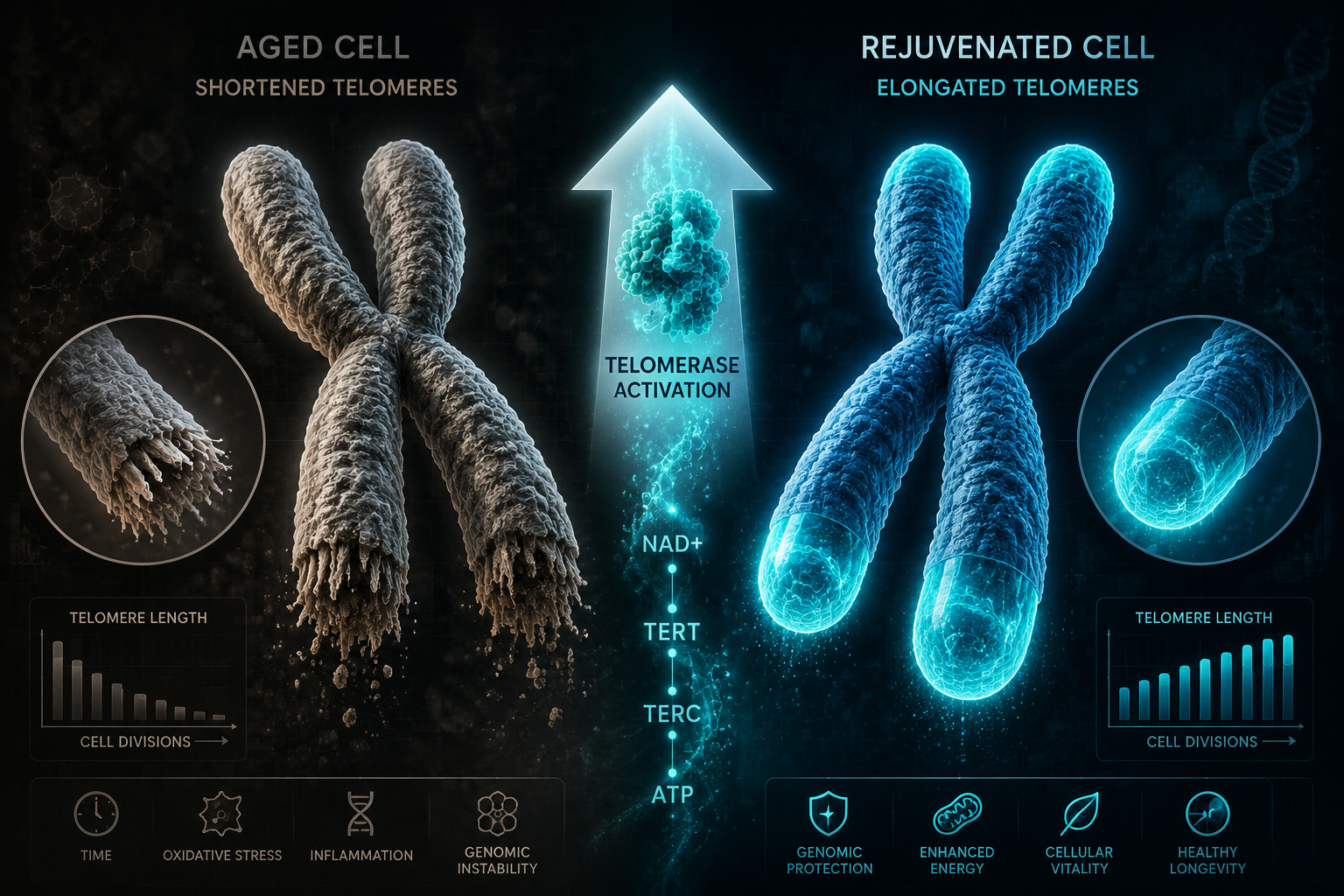
Telomeres are repetitive nucleotide sequences (TTAGGG in humans) that cap chromosome ends, preventing degradation and illegitimate recombination. The enzyme telomerase, specifically its catalytic subunit hTERT, rebuilds these sequences after division. In most somatic cells, telomerase activity is low or absent, which means telomeres shorten with each replication cycle.

Epithalon enters this picture as a four-amino-acid chain (alanine-glutamic acid-aspartic acid-glycine) that mimics a peptide naturally produced by the pineal gland. Research published in 2025 demonstrated that Epithalon induces measurable telomerase activity in human cell lines, including upregulation of hTERT mRNA expression. The result was documented telomere elongation, a finding that directly links a short peptide to one of the most studied molecular clocks in biology.

A particularly notable detail from that same research: the mechanism differed by cell type. In normal human cells, Epithalon promoted telomere extension through telomerase activation. In cancer cell lines, elongation occurred instead via the Alternative Lengthening of Telomeres (ALT) pathway, a recombination-based mechanism that bypasses telomerase entirely. This distinction matters enormously for research design, since it implies Epithalon does not simply amplify telomerase indiscriminately.

For researchers exploring Epithalon's research profile and sourcing, understanding this cell-type specificity is essential context when designing experimental protocols.

Key structural fact: Epithalon's tetrapeptide sequence is small enough to cross cellular membranes with relative ease, which may explain its ability to influence nuclear gene expression, including hTERT transcription.


How DNA, Telomeres, and Epithalon Research Extends Into Broader Genomic Pathways

The study of DNA, Telomeres, and Epithalon: How Longevity-Focused Peptides Interface With Genomic Stability in Research Models does not stop at telomerase. Genomic stability involves a wider network: base-excision repair, double-strand break repair, chromatin remodeling, and the regulation of age-related gene expression. Several longevity-focused peptides are now being studied for their roles across these overlapping systems.

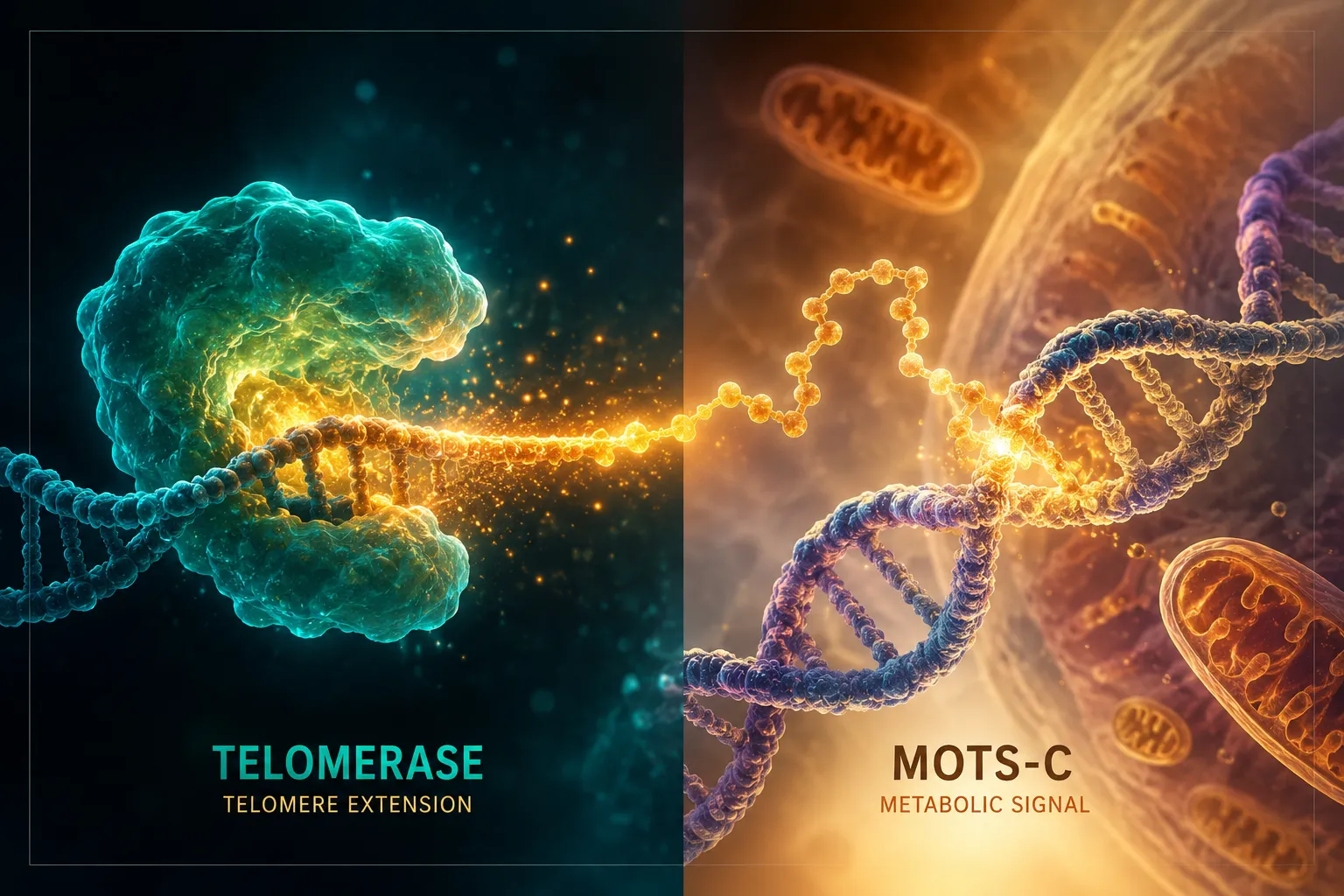
MOTS-c is a prime example. Encoded within mitochondrial DNA, this peptide translocates to the nucleus under metabolic stress and directly modulates nuclear gene expression. Research on MOTS-c mitochondrial and metabolic research themes shows it activates AMPK pathways and influences the expression of genes tied to oxidative stress response and DNA damage repair, functions that are complementary to, rather than redundant with, Epithalon's telomerase-focused action.

How DNA, Telomeres, and Epithalon Research Extends Into Broader Genomic Pathways

This distinction is worth mapping clearly:

Peptide Primary Genomic Target Key Pathway
Epithalon Telomere length / hTERT Telomerase activation, ALT
MOTS-c Nuclear gene expression AMPK, oxidative stress response
GHK-Cu DNA repair gene upregulation Chromatin remodeling

GHK-Cu, a copper-binding tripeptide, has been studied for its ability to upregulate genes involved in DNA repair and antioxidant defense. Researchers interested in this angle can explore GHK-Cu peptide research and sourcing for additional context on its genomic activity.

By contrast, SS-31 (Elamipretide) focuses primarily on mitochondrial membrane integrity rather than nuclear DNA. The SS-31 mechanism and research overview provides a useful comparison point: SS-31 has undergone more extensive clinical trials and received FDA approval for certain conditions, illustrating the disparity in evidence depth between peptides targeting mitochondria versus those targeting telomeres.


Evidence Quality, Limitations, and Research Outlook in 2026

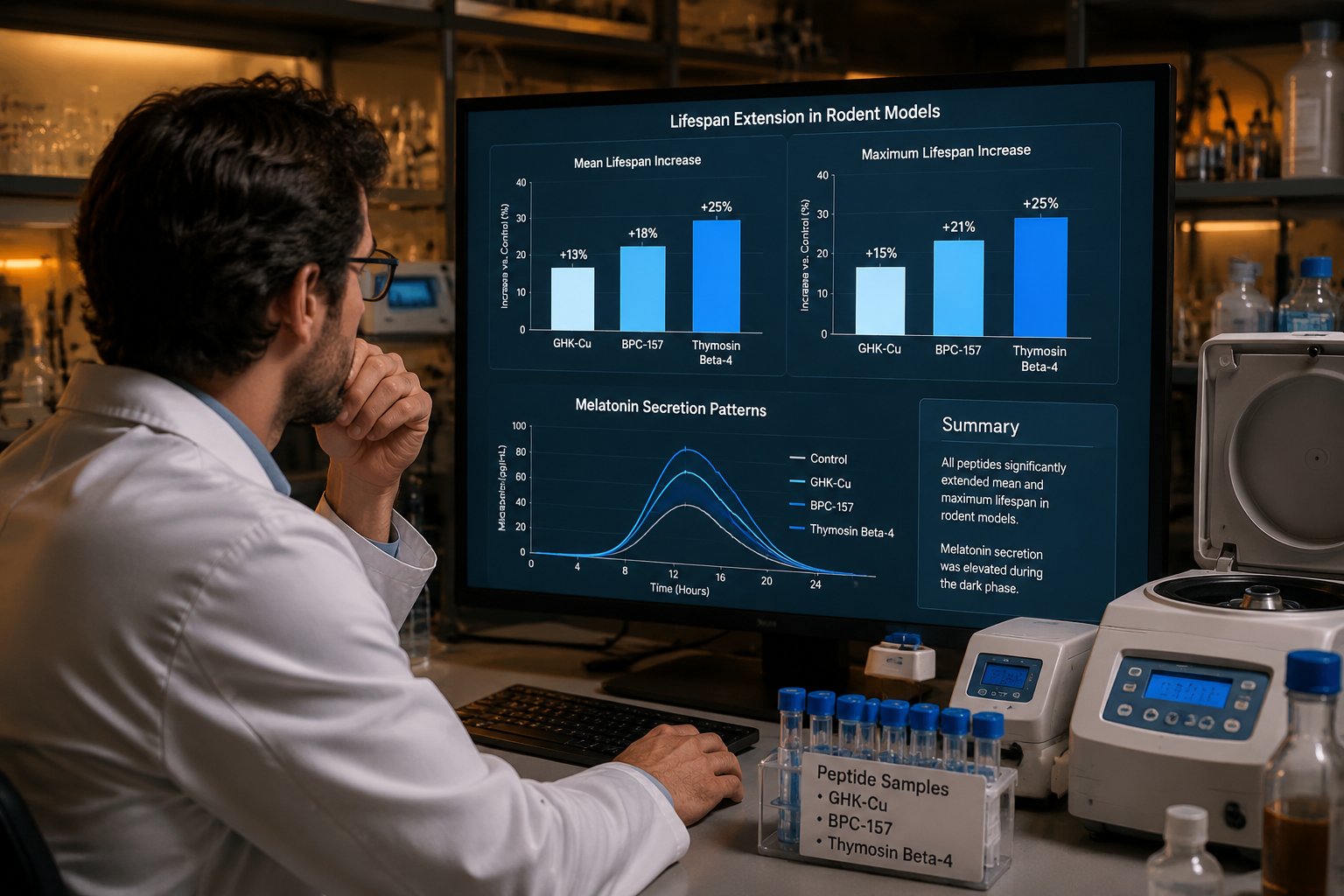
Preclinical data on Epithalon includes rodent lifespan studies reporting a 10-25% increase in median survival with administration. Observational studies in elderly human subjects have noted improvements in melatonin secretion and antioxidant biomarkers. Epithalon may also modulate circadian rhythms through its influence on the pineal gland axis, with downstream effects on sleep regulation and systemic inflammatory tone.

However, the evidence base carries significant caveats:

  • Single-source concentration: A substantial portion of Epithalon research originates from one research group, raising reproducibility concerns.
  • Non-randomized human data: Observational studies lack control groups, limiting causal inference.
  • Regulatory status: As of 2026, Epithalon holds no FDA approval for any medical indication and is classified for research use only, with noted immunogenicity considerations.

Experts consistently call for independent, large-scale randomized controlled trials before any clinical conclusions can be drawn.

For researchers building broader longevity-focused protocols, mitochondrial longevity research themes and MOTS-c research data offer complementary genomic angles. Those examining thymic and immune-aging connections may also find Thymalin thymus bioregulation research relevant to the wider genomic stability picture.

Evidence Quality, Limitations, and Research Outlook in 2026

"The most rigorous research programs treat Epithalon not as a standalone answer but as one variable within a multi-pathway model of genomic aging."


Conclusion

The intersection of DNA, Telomeres, and Epithalon: How Longevity-Focused Peptides Interface With Genomic Stability in Research Models represents one of the most scientifically layered areas in current peptide research. Epithalon's documented ability to activate telomerase in normal human cells, while engaging the ALT pathway in cancer cells, signals a degree of mechanistic sophistication that warrants serious continued investigation. When placed alongside MOTS-c's nuclear gene regulation and GHK-Cu's DNA repair activity, a picture emerges of peptides operating across complementary genomic nodes rather than a single target.

Actionable next steps for researchers:

  1. Design cell-type-specific assays that distinguish telomerase-dependent from ALT-dependent telomere changes.
  2. Pair Epithalon studies with MOTS-c protocols to assess whether mitochondrial and telomere pathways show additive effects on genomic stability markers.
  3. Prioritize sourcing from lab-tested, verified peptide suppliers to ensure compound purity in experimental models.
  4. Track hTERT mRNA expression as a primary endpoint alongside telomere length measurements.
  5. Monitor the independent replication literature closely, as 2026 is an active year for longevity peptide research publication.
https://www.puretestedpeptides.com/wp-content/uploads/2026/07/dna-telomeres-and-epithalon-how-longevity-focused-peptides-interface-with-genomi.webp 1024 1536 https://www.puretestedpeptides.com/wp-content/uploads/2026/01/buy-peptides-online.jpg 2026-07-17 13:05:232026-07-17 13:05:23DNA, Telomeres, and Epithalon: How Longevity‑Focused Peptides Interface With Genomic Stability in Research Models
Epithalon Peptide and Telomerase Activation: Unraveling Its Potential in Longevity Research Models

Epithalon Peptide and Telomerase Activation: Unraveling Its Potential in Longevity Research Models

July 5, 2026/0 Comments/in Uncategorized/by

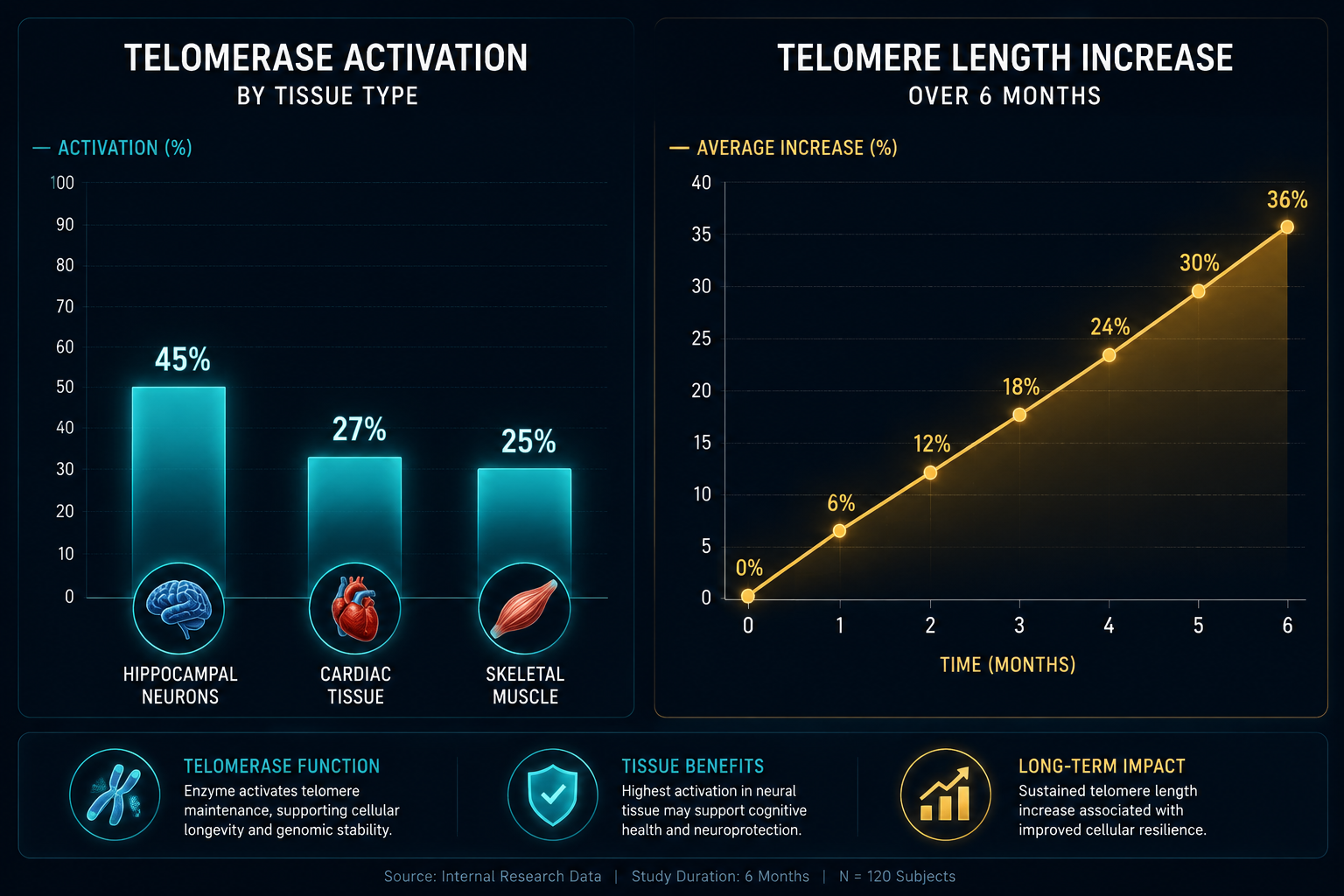
A tetrapeptide composed of just four amino acids, alanine, glutamic acid, aspartic acid, and glycine, has generated more longevity research interest than compounds many times its size. Epithalon peptide and telomerase activation: unraveling its potential in longevity research models has become one of the most discussed topics in cellular aging science, and for measurable reasons. Research models show telomerase enzyme activity increasing by 33 to 45% following Epithalon exposure, with actual telomere lengthening of 20 to 40% recorded over six-month study periods. For researchers focused on the biology of cellular aging, those numbers demand serious attention.

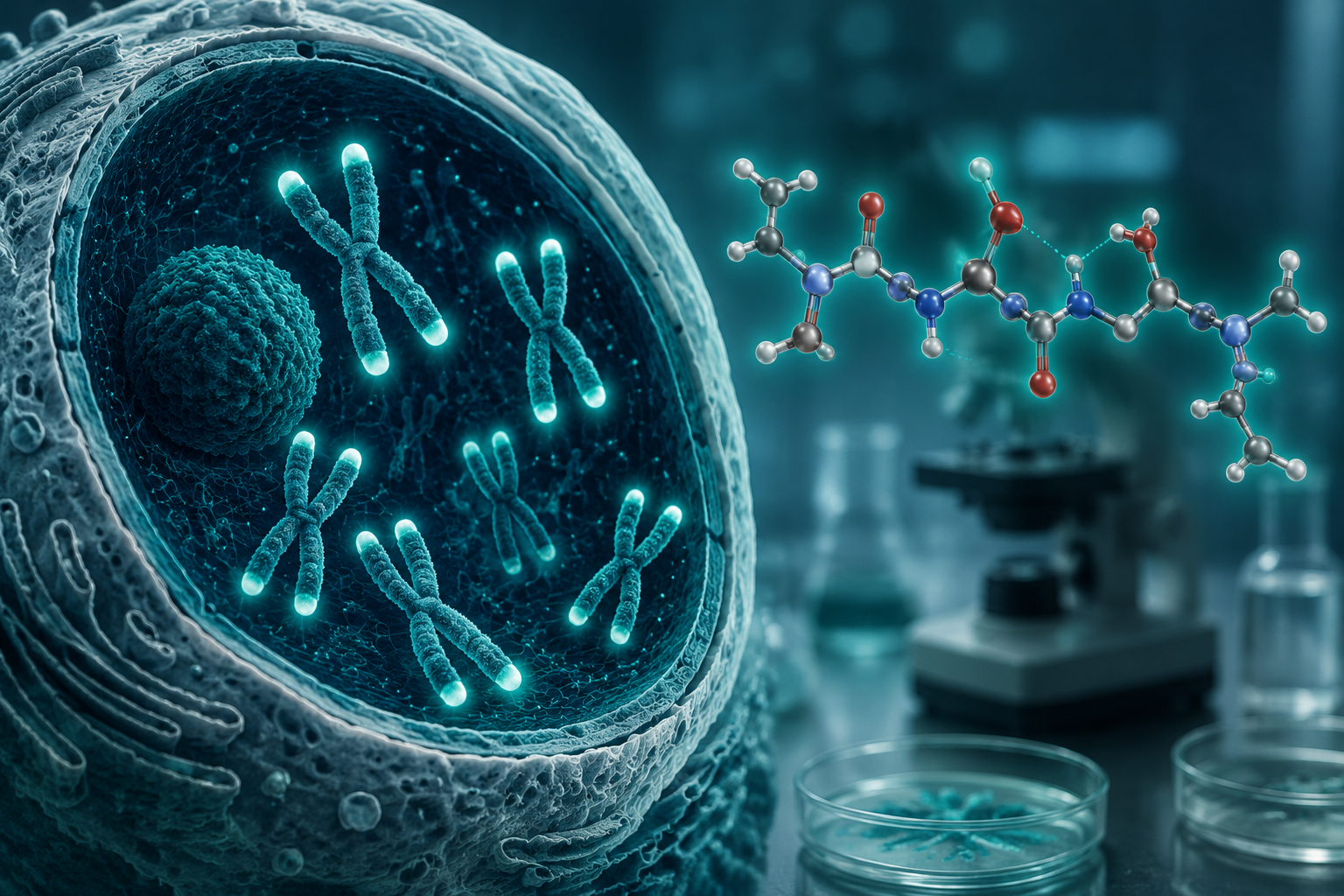
Scientific illustration () showing a detailed cross-section diagram of a cell nucleus with telomeres highlighted in glowing

Key Takeaways

  • Epithalon activates telomerase enzyme activity by 33 to 45% in experimental models, with tissue-specific variation across hippocampal, cardiac, and skeletal muscle cells
  • Telomere lengthening of 20 to 40% has been observed over six-month periods in treated cell lines, alongside a 40 to 60% reduction in pro-inflammatory SASP cytokine production
  • Animal longevity studies show meaningful lifespan extension and reduced disease incidence, though most findings originate from a single research group
  • Epithalon also restores melatonin production and circadian gene cycling, suggesting systemic anti-aging effects beyond telomere biology
  • No large-scale, independent human clinical trials exist, and the FDA has not approved Epithalon for any medical use as of 2026

How Epithalon Activates Telomerase at the Molecular Level

Telomeres are the protective caps at the ends of chromosomes. With each cell division, they shorten. When they become critically short, cells enter senescence or die. Telomerase is the enzyme that can rebuild these caps, but in most adult somatic cells, it is largely inactive.

Epithalon appears to change that. Studies in normal human cell lines demonstrate that the peptide upregulates hTERT expression, the catalytic subunit of telomerase, in a dose-dependent manner. In vitro, this activation occurs at concentrations of 1 to 5 micromolar. The result is a molecular cascade that slows the rate of telomere attrition and, in some models, reverses it.

Tissue-specific responses vary:

Tissue Type Telomerase Activation Increase
Hippocampal neurons ~45%
Cardiac tissue 25 to 30%
Skeletal muscle 15 to 35%

Alongside telomere lengthening, treated cells show a 40 to 60% reduction in pro-inflammatory senescence-associated secretory phenotype (SASP) cytokines. This suggests that Epithalon's effects extend beyond simple telomere maintenance into broader cellular health regulation. Researchers exploring Epithalon longevity signals have noted these multi-pathway effects as particularly compelling for aging biology frameworks.


Longevity Research Models: What Animal and Human Studies Reveal

Longevity Research Models: What Animal and Human Studies Reveal

Animal research provides some of the strongest evidence available. In female SHR mice receiving monthly Epithalon injections, mean lifespan increased measurably and leukemia development was inhibited sixfold compared to untreated controls. These are not trivial findings in a longevity model.

Beyond lifespan, Epithalon demonstrates systemic regulatory effects:

  • Melatonin restoration: Aged animal models treated with Epithalon showed peak melatonin concentrations increasing 2.5 to 3.2 times compared to age-matched controls, through modulation of N-acetyltransferase activity
  • Circadian gene cycling: The peptide restores Clock, Bmal1, and Period gene expression patterns in peripheral tissues, rhythms that deteriorate significantly with age
  • Reduced mortality: A 6 to 8-year observational study of 266 elderly patients treated with epithalamin reported a 1.6 to 1.8-fold decrease in mortality; combined treatment with thymalin produced a 2.5-fold decrease

These findings connect Epithalon to broader longevity research themes. For context on how peptides interact with mitochondrial longevity pathways, the overlap between energy metabolism and cellular aging becomes increasingly relevant. Similarly, researchers comparing compounds like MOTS-c and its mitochondrial dynamics often reference Epithalon as a complementary telomere-focused intervention.

"The convergence of telomere biology, circadian restoration, and inflammatory reduction in a single tetrapeptide makes Epithalon one of the more structurally interesting compounds in current longevity research."


Critical Limitations and the Current Research Landscape in 2026

Critical Limitations and the Current Research Landscape in 2026

Honest evaluation of Epithalon peptide and telomerase activation: unraveling its potential in longevity research models requires acknowledging significant gaps. The most pressing concern is research concentration: the majority of published Epithalon studies originate from a single laboratory group, raising legitimate questions about reproducibility and independence.

Large-scale, double-blind, placebo-controlled human trials by independent investigators do not yet exist. Without this evidence tier, drawing definitive conclusions about human efficacy remains premature. The FDA has not approved Epithalon for any medical use and has restricted compounding pharmacies from producing it.

For researchers sourcing compounds for preclinical study, understanding quality testing protocols is essential. Purity verification matters significantly when working with bioactive peptides at the concentrations used in telomerase research. Those also investigating complementary compounds may find value in reviewing NAD+ energetics and longevity research themes alongside Epithalon data, as both pathways intersect in cellular aging models.

Animal dosing in published studies ranges from 0.1 to 1.0 mg/kg, with consistent biological activity and no apparent adverse effects reported at these levels. In vitro parameters remain the most reproducible data points currently available.

Researchers also examining innovative peptide delivery systems may find that bioavailability optimization represents a key variable in translating preclinical Epithalon findings toward more robust human study designs.


Conclusion

Epithalon peptide and telomerase activation: unraveling its potential in longevity research models remains a scientifically grounded but incomplete story. The mechanistic evidence, telomerase upregulation, telomere lengthening, SASP reduction, circadian restoration, is specific and measurable. Animal models show meaningful lifespan effects. Observational human data, while limited, points in a consistent direction.

Actionable next steps for researchers and longevity scientists in 2026:

  1. Review existing preclinical literature with attention to dosing parameters and tissue-specific response data
  2. Prioritize independent replication studies to address the single-laboratory concentration problem
  3. Evaluate Epithalon alongside complementary longevity compounds such as MOTS-c and NAD+ precursors for multi-pathway research designs
  4. Source only verified, purity-tested peptides for any research application
  5. Monitor the pipeline for independent human trial registrations, which represent the critical next evidence tier

The biology is compelling. The research infrastructure still needs to catch up.

https://www.puretestedpeptides.com/wp-content/uploads/2026/07/Epithalon-Peptide-and-Telomerase-Activation-Unraveling-Its-Potential-in-Longevity-Research-Models.png 1024 1536 https://www.puretestedpeptides.com/wp-content/uploads/2026/01/buy-peptides-online.jpg 2026-07-05 13:06:432026-07-05 13:06:43Epithalon Peptide and Telomerase Activation: Unraveling Its Potential in Longevity Research Models
Epithalon Peptide and Telomere Biology: What Researchers Actually Measure in Longevity Studies

Epithalon Peptide and Telomere Biology: What Researchers Actually Measure in Longevity Studies

June 28, 2026/0 Comments/in Uncategorized/by

Telomere length in human somatic cells shortens by roughly 50 to 200 base pairs with every cell division — a measurable countdown that researchers now treat as one of the most reliable proxies for biological aging. That single fact explains why Epithalon peptide and telomere biology has attracted serious scientific attention, and why longevity researchers are careful to distinguish between a mechanistic hypothesis and a reproducible, quantified outcome.

This article examines what investigators actually record in Epithalon studies: the assays used, the biomarkers tracked, and the honest limitations of the current evidence base.


Key Takeaways

  • Epithalon is a synthetic tetrapeptide (Ala-Glu-Asp-Gly) reported to activate the hTERT catalytic subunit of telomerase, leading to measurable telomere elongation in cell models.
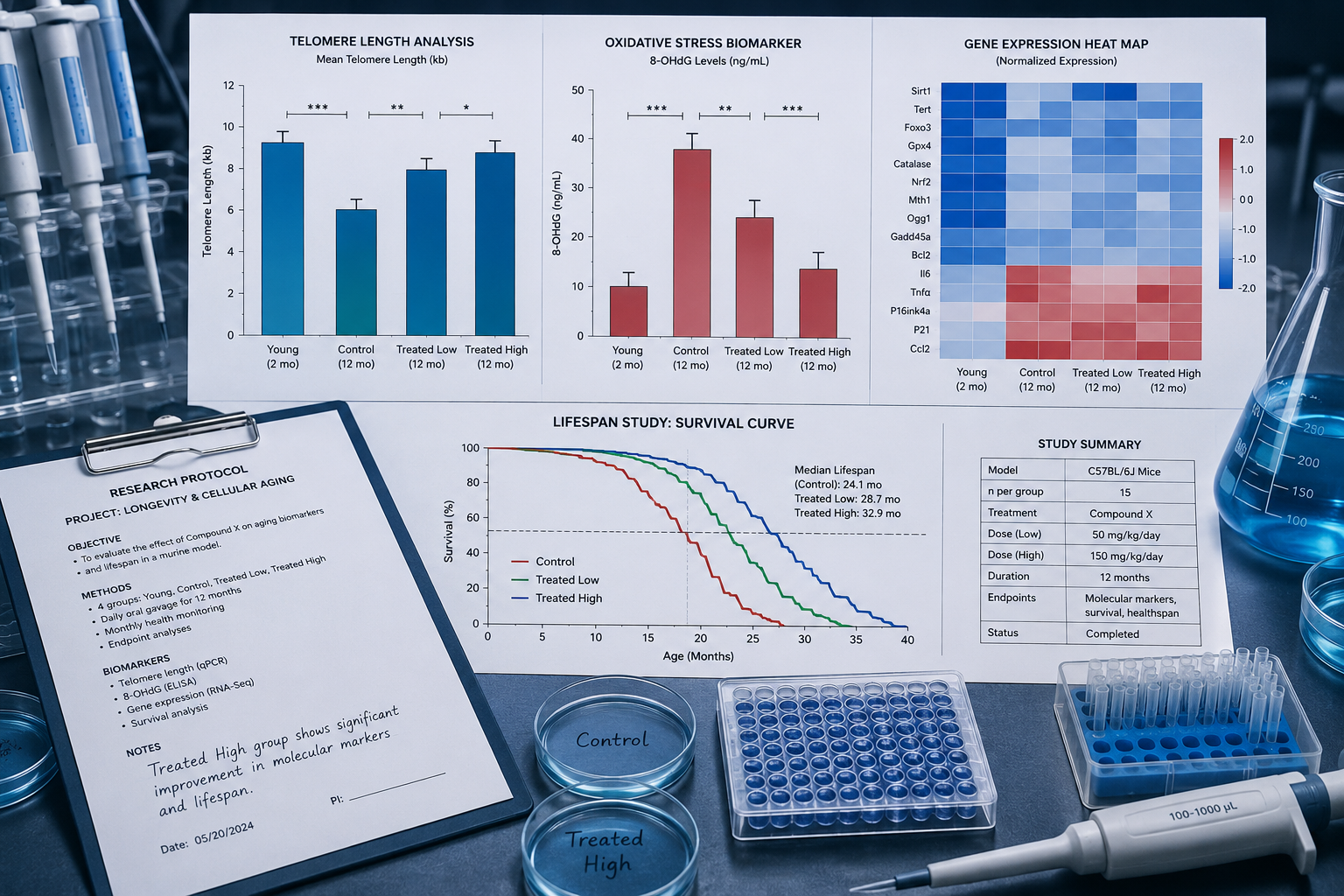
  • Researchers track telomere length, telomerase activity, oxidative stress markers, and gene expression — not simply lifespan — as primary endpoints.
  • Animal studies report up to a 13% increase in maximum lifespan; a multi-year human observational study found a 1.6 to 1.8-fold decrease in mortality among treated elderly patients.
  • The majority of published Epithalon research originates from a single laboratory group, making independent replication a critical unmet need.
  • Epithalon is not FDA-approved and is sold as a research chemical only; concerns about telomerase activation and oncogenesis remain an active area of scrutiny.

Key Takeaways

The Core Mechanism: What Epithalon Does at the Cellular Level

Epithalon is a synthetic tetrapeptide derived from epithalamin, a polypeptide extract of the pineal gland. Its proposed primary action is the activation of hTERT — the catalytic subunit of telomerase — in human somatic cells. In a 2003 cell study, Epithalon induced measurable telomerase activity and telomere elongation in human fetal fibroblasts, cells that normally do not express telomerase at significant levels.

What makes this relevant to longevity research is the Hayflick limit: somatic cells stop dividing once telomeres shorten below a critical threshold. If telomerase can be upregulated in a controlled, tissue-specific way, the theoretical result is extended replicative capacity.

Researchers measure several downstream variables to test this hypothesis:

  • Telomere length (via quantitative PCR or Southern blot)
  • Telomerase enzymatic activity (TRAP assay)
  • Expression levels of hTERT mRNA
  • Markers of oxidative DNA damage such as 8-OHdG
  • Melatonin and cortisol rhythms, which Epithalon may influence through pineal modulation

Beyond telomere biology, Epithalon has been studied alongside other peptides that target cellular aging pathways. Researchers interested in mitochondrial aging often compare it with compounds like SS-31, which focuses on mitochondrial membrane dynamics rather than telomere length. These represent distinct but potentially complementary mechanisms.


Measurable Outcomes in Epithalon Longevity Studies

Measurable Outcomes in Epithalon Longevity Studies

Understanding Epithalon peptide and telomere biology: what researchers actually measure in longevity studies requires separating three tiers of evidence: cell-based assays, animal models, and human observational data.

Cell and Animal Data

In rodent studies, Anisimov and colleagues reported that Epithalon increased maximum lifespan by approximately 13% in female SHR mice. The measured endpoints included tumor incidence, spontaneous mutation frequency, and estrous cycle regularity — not simply survival time.

Human Observational Evidence

A 6 to 8-year observational study involving 266 elderly patients found that those treated with epithalamin experienced a 1.6 to 1.8-fold decrease in mortality compared to untreated controls. Researchers tracked:

Endpoint Measurement Tool
Mortality rate Actuarial survival analysis
Immune function T-cell subset counts
Cardiovascular markers Lipid panels, blood pressure
Melatonin levels Urinary 6-sulfatoxymelatonin

These are concrete, quantifiable outcomes — not subjective wellness scores.

The Replication Problem

A critical issue in evaluating Epithalon peptide and telomere biology research is that most published data originates from one laboratory group in St. Petersburg, Russia. Independent replication using blinded protocols and diverse cell lines has not yet been published at scale. This is not a reason to dismiss the findings, but it is a reason to hold conclusions at a hypothesis level rather than treat them as established fact.

Researchers sourcing Epithalon for preclinical work can review available Epithalon research peptide options and detailed Epithalon research documentation to understand current purity standards and protocols.


Comparing Epithalon to Other Longevity-Focused Peptides

Comparing Epithalon to Other Longevity-Focused Peptides

Placing Epithalon peptide and telomere biology: what researchers actually measure in longevity studies into context means comparing it against other research-stage peptides targeting aging pathways.

Key distinctions:

  • Epithalon targets telomerase activation and pineal/melatonin restoration
  • SS-31 (Elamipretide) targets mitochondrial inner membrane cardiolipin, with stronger independent evidence and FDA Breakthrough Therapy designation for certain conditions
  • GHK-Cu targets extracellular matrix remodeling and gene expression via copper-dependent pathways — relevant to skin matrix biology research
  • MOTS-c targets mitochondrial-derived metabolic signaling, as covered in MOTS-c metabolic flexibility research

Researchers interested in where to source both compounds can consult the SS-31 and Epithalon sourcing guide for comparative procurement information.

The Oncogenesis Concern

Telomerase is highly active in approximately 85% of human cancer cells. Any compound that broadly upregulates hTERT activity carries a theoretical oncogenic risk. This concern does not invalidate Epithalon research, but it does mean that studies must measure cell proliferation rates, tumor marker panels, and apoptosis indices alongside telomere length — and that protocols without these controls are incomplete.

Researchers studying peptide combinations in aging models may also find value in reviewing Pinealon neuroprotection research, which shares a pineal-derived origin with Epithalon and offers complementary mechanistic data.


Conclusion

The evidence base for Epithalon peptide and telomere biology is genuinely interesting and mechanistically coherent — but it is not yet definitive. Researchers who engage with this literature rigorously should:

  1. Prioritize studies that report quantified biomarkers (telomere length in base pairs, hTERT mRNA expression levels, oxidative stress indices) over those reporting only survival curves.
  2. Weight independent replications more heavily than studies from a single research group.
  3. Track oncogenesis safety markers in any protocol involving telomerase activators.
  4. Compare Epithalon's evidence tier against peptides with broader independent validation before drawing equivalence claims.

For researchers building a longevity-focused peptide library, browsing the full peptide catalog by research theme provides a structured way to identify compounds with overlapping or synergistic mechanisms. The science of telomere biology is advancing rapidly in 2026 — and the most valuable contribution any researcher can make is demanding measurable, reproducible outcomes at every step.

https://www.puretestedpeptides.com/wp-content/uploads/2026/06/Epithalon-Peptide-and-Telomere-Biology-What-Researchers-Actually-Measure-in-Longevity-Studies.png 1024 1536 https://www.puretestedpeptides.com/wp-content/uploads/2026/01/buy-peptides-online.jpg 2026-06-28 13:04:002026-06-28 13:04:00Epithalon Peptide and Telomere Biology: What Researchers Actually Measure in Longevity Studies
Epithalon Peptide: Research into Anti-Aging and Telomerase Activity

Epithalon Peptide: Research into Anti-Aging and Telomerase Activity

June 12, 2026/0 Comments/in Uncategorized/by

Telomeres — the protective caps on the ends of chromosomes — shorten with every cell division, and their progressive erosion is one of the most measurable biological clocks known to science. Epithalon peptide: research into anti-aging and telomerase activity has placed this four-amino-acid compound (Ala-Glu-Asp-Gly) at the center of longevity science, largely because early laboratory findings suggested it could reactivate the very enzyme responsible for rebuilding those caps.

Detailed () scientific illustration showing a cross-section of a human cell nucleus with telomeres highlighted at chromosome

Key Takeaways

  • Epithalon is a synthetic tetrapeptide derived from a natural pineal gland extract called Epithalamin.
  • Preclinical studies reported telomerase activation in human fetal fibroblast cultures and lifespan extensions of 11-25% in rodent models.
  • The proposed mechanism involves epigenetic changes — specifically histone acetylation — that upregulate the TERT gene encoding telomerase reverse transcriptase.
  • Nearly all published research originates from a single laboratory, limiting independent reproducibility.
  • Epithalon is not FDA-approved and was classified as a Category 2 substance in 2023, restricting compounding pharmacy production.

What Is Epithalon and How Does It Work

Epithalon was synthesized by researcher Vladimir Khavinson at the St. Petersburg Institute of Bioregulation and Gerontology as a shorter, more stable analog of Epithalamin. Its four-amino-acid sequence is small enough to cross cell membranes and interact directly with chromatin — the protein-DNA complex that controls gene expression.

The proposed mechanism centers on epigenetic modification. Specifically, Epithalon is thought to alter histone acetylation patterns in a way that increases the expression of TERT (telomerase reverse transcriptase), the catalytic subunit of telomerase. In somatic (non-reproductive) cells, telomerase is normally silenced. By partially reactivating this gene, the peptide may allow cells to maintain or rebuild telomere length across successive divisions.

This mechanism was demonstrated in cultured human somatic cells, but independent replication remains limited. Researchers interested in the broader landscape of longevity peptides may find useful context in the Glow Blend longevity research overview, which places Epithalon alongside other compounds studied for cellular aging.


Epithalon Peptide: Research into Anti-Aging and Telomerase Activity — Key Findings

Telomerase Activation in Human Cells

A foundational 2003 study demonstrated that Epithalon induced telomerase activity and measurable telomere elongation in human fetal fibroblast cultures. This was a significant finding because somatic cells do not typically express telomerase at detectable levels. The study suggested that the peptide reactivated the telomerase gene rather than simply stimulating an already-active pathway.

Telomerase Activation in Human Cells

Lifespan Extension in Animal Models

Multiple rodent studies from the same research group documented lifespan extensions ranging from 11% to 25% in treated animals compared to controls. One widely cited figure is a 13.3% increase in median lifespan. Beyond raw longevity, these studies also observed:

Observed Effect Detail
Delayed tumor development Reduced incidence and later onset
Preserved immune function Maintained T-cell activity in aged animals
Normalized melatonin secretion Restored circadian rhythm markers in elderly subjects

The melatonin finding is particularly notable. Small-scale human studies reported that Epithalon normalized pineal gland secretion in elderly individuals, suggesting a role in correcting age-related circadian disruption — a factor increasingly linked to metabolic and immune decline.

For comparison with another compound studied for cellular energy and longevity, see the Epithalon vs. NAD evidence review, which examines how these two research compounds differ in their proposed mechanisms.


Limitations, Safety, and Regulatory Status

Critical Research Gaps

The most significant limitation in Epithalon research is source concentration. Virtually all published data originates from Khavinson et al. at a single Russian institute. No large-scale, independently conducted Phase I, II, or III clinical trials have been published in Western peer-reviewed journals as of 2026. Without independent replication, reproducibility and generalizability cannot be confirmed.

Safety Considerations

Short-term animal studies did not document significant toxicity. However, a meaningful concern exists: elevated telomerase activity is also a hallmark of cancer cells, which use the enzyme to achieve immortality. Whether chronic telomerase stimulation in healthy humans could increase cancer risk remains an open and unresolved question.

Regulatory Status

Epithalon is not approved by the FDA for any medical use. In 2023, the FDA classified it as a Category 2 substance, effectively banning compounding pharmacies from producing it. Researchers sourcing peptides for laboratory study should verify supplier quality standards; resources like lab-tested peptides and published quality testing protocols offer relevant guidance.

Regulatory Status

Dosing protocols used in published research typically involved 5-10 mg per injection, administered subcutaneously or intramuscularly over courses of 10-20 injections spanning 10-20 days, with repeat courses at six-month intervals. These protocols are documented in preclinical literature and should not be interpreted as clinical recommendations.

Those exploring the broader peptide longevity space may also find value in reviewing MOTS-c mitochondrial research and GHK-Cu peptide research, both of which address cellular aging through distinct but complementary pathways. For the primary Epithalon product page, see Epithalon research peptide.


Conclusion

Epithalon peptide: research into anti-aging and telomerase activity represents one of the more scientifically grounded — yet still preliminary — areas of longevity peptide investigation. The core findings are genuinely intriguing: telomerase reactivation in human somatic cells, measurable lifespan extension in animal models, and potential circadian restoration in aging subjects. However, the concentration of research within a single laboratory, the absence of independent clinical trials, unresolved cancer-risk questions, and current FDA restrictions all demand caution.

Actionable next steps for researchers and informed readers:

  • Review primary literature from Khavinson et al. with attention to study design and sample sizes.
  • Compare Epithalon's proposed mechanism against better-replicated longevity pathways such as NAD+ and mitochondrial peptides.
  • Verify that any peptide sourced for research use comes with documented purity testing.
  • Monitor regulatory updates, as the classification landscape for research peptides continues to evolve in 2026.

The science is promising enough to warrant continued investigation — and rigorous enough in its gaps to warrant equal skepticism.

https://www.puretestedpeptides.com/wp-content/uploads/2026/06/Epithalon-Peptide-Research-into-Anti-Aging-and-Telomerase-Activity.png 1024 1536 https://www.puretestedpeptides.com/wp-content/uploads/2026/01/buy-peptides-online.jpg 2026-06-12 13:02:522026-06-12 13:02:52Epithalon Peptide: Research into Anti-Aging and Telomerase Activity
×

Helpful Links

  • My account
  • Cart
  • Checkout
  • Refund and Returns Policy
  • Privacy Policy
  • SMS Privacy Policy
  • Login
  • My Account
  • Logout

USA Made Lab Tested Peptides

All products are sold for research, laboratory, or analytical purposes only, and are not for human consumption


Pure Tested Peptides is a chemical supplier. Pure Tested Peptides is not a compounding / chemical compounding facility as defined under 503A of the Federal Food, Drug, and Cosmetic act. Pure Tested Peptides is not an outsourcing facility as defined under 503B of the Federal Food, Drug, and Cosmetic act.

The statements made within this website have not been evaluated by the US Food and Drug Administration. The products we offer are not intended to diagnose, treat, cure or prevent any disease.

Human/Animal Consumption Prohibited. Laboratory/In-Vitro Experimental Use Only

Scroll to top Scroll to top Scroll to top