Call or Text 727-513-9780
  • Shopping Cart Shopping Cart
    0Shopping Cart
Pure Tested Peptides | America's most trusted Peptides for sale online
  • Peptides for sale
    • Oral Peptides for sale
      • Peptide Capsules for sale
      • BPC 157 Capsules 1000mcg
      • SLU-PP-332 Capsules | 1000 mcg
      • 5-Amino-1MQ 50mg Capsules
      • Tesofensine 500mcg
    • All Peptides for sale
    • Peptide Sprays
      • BPC 157 Nasal Spray Kit
      • BPC-157 TB500 Nasal Spray Kit
      • Semax Nasal Spray 10mg
      • Selank – Nasal Spray Kit – 10mg
      • Epithalon 50MG Nasal Spray Kit
      • Ipamorelin 10mg Nasal Spray
      • Klow Nasal Spray (BPC-157 + TB-500 + GHK-Cu + KPV) | 80mg
      • Hulk Nasal Spray Tesa / Ipa Blend 6/3 MG
      • Klow Nasal Spray
      • NAD + 500 mg Nasal Spray
      • PT-141 Nasal Spray Kit
    • GHRH Peptides
      • Ipa Peptides
      • CJC-1295 Peptides
        • CJC-1295 with DAC 5 mg
        • CJC-1295 without DAC 5 mg
        • CJC-1295 Ipa 10mg
      • Tesa Peptides
        • Tesa Peptide
        • Tesa 20 mg
    • GHK-Cu Peptides
      • All GHK-Cu Peptides
      • GHK-Cu 100mg
      • KLOW Peptide Blend – Buy KLOW blend online
    • BPC Peptides
      • All BPC Peptides
      • BPC-157
      • BPC-157 TB-500
      • BPC 157 capsules 1000mcg
    • SLU-PP-332 Peptides
      • All SLU-PP-332 Peptides
      • SLU-PP-332 5mg
    • GLP3 Peptides
      • GLP3-R
      • GLP3-R CAG 10mg
      • GLP3-R 20mg
    • PT-141 Peptides
      • PT-141 Peptides for sale
      • PT-141 10mg
      • PT-141 Nasal Spray
    • CAG Peptides
      • Lipo-C Peptide Blend
      • CAG 5mg
      • CAG 10mg
    • MOTS-C Peptides
      • MOTS-C Peptides for sale
      • MOTS-c peptide
      • MOTS-c 10mg *6 pack*
    • 5 Amino 1MQ Peptides
      • 5 Amino 1MQ Peptides for sale
      • 5-Amino-1MQ 50mg Capsules
      • 5-Amino-1MQ 5mg
    • Epithalon Peptides
      • Epithalon Peptides for sale
      • Epithalon 10mg
      • Epithalon 50mg
  • Shop
    • GLPs
      • 5-Amino-1MQ 50mg Capsules
      • 5-Amino-1MQ 5mg
      • GLP3-Reta
      • L-Carnitine 500mg/ml
      • Tesofensine 500mcg
      • SLU-PP-332 5mg
      • MOTS-c 10mg *6 pack*
    • Epithalon & BPC Peptides
      • Epithalon 10mg
      • Epithalon 50mg
      • BPC-157
      • BPC 157 capsules 1000mcg
      • BPC-157 TB-500
      • BPC-157 TB500 Nasal Spray Kit
      • BPC 157 Nasal Spray Kit
    • BPC TB-500 & NAD+ Peptides
      • NAD+ 500 mg
      • KLOW Peptide Blend – Buy KLOW blend online
      • GLOW Peptide Blend
      • TB 500 5mg
      • BPC 157 capsules 1000mcg – Supplement
      • BPC 157 Nasal Spray Kit
      • BPC-157
      • BPC-157 TB500 Nasal Spray Kit
      • BPC-157 TB-500
      • BPC 157 capsules 1000mcg
    • LL-37 Peptide
      • LL-37 10 mg
    • MOTS-C & Selank
      • MOTS-c peptide
      • Selank 10mg
    • GHK Peptides
      • GHK-Cu 100mg
      • GLOW Peptide Blend
      • KLOW Peptide Blend – Buy KLOW blend online
  • COAs
  • Wholesale
    • Wholesale Peptides for sale
  • PTP FAQ
  • Affiliates
    • Selank Peptide: Advanced Pharmacological Mechanisms Underlying Its Anxiolytic and Nootropic Effects in Research
      • 5-Amino-1MQ Peptide: Detailed Mechanisms of NNMT Inhibition and Its Impact on Cellular Metabolism Research
        • MOTS-C Peptide: Unraveling Its Role in Mitochondrial Dynamics and Energy Metabolism Research
          • Epithalon Peptide and Telomerase Regulation: Investigating Its Impact on Cellular Senescence and Lifespan Research Models
            • GLP2-T vs GLP2 Tirz Peptide: Understanding the Naming, Mechanistic Nuances, and Research Implications for Gut Health
      • Peptides and Polypeptides in Modern Pharmacology: What Research on Metoprolol, Prednisone, and Amlodipine Reveals
        • Polypeptide Peptides vs NSAIDs: What Naproxen and Diclofenac Teach Tissue-Repair Researchers About BPC‑157 and TB‑500
          • Peptides and Polypeptides in Endocrine Pharmacology: How GLP-1, GLP-2, and GLP-3 Retatrutide Differ From Classic Drugs Like Prednisone and Amlodipine
          • 5‑Amino‑1MQ Peptide and NNMT Inhibition: How It Compares With Statins Like Atorvastatin in Adipose and Lipid Metabolism Research
      • Enclomiphene, Estrogen Receptor Signaling, and Luteinizing Phase Biology: What Hormone Researchers Should Measure
        • Mesenchymal Stem Cells, BPC‑157, and GHK‑Cu: How Tissue Repair Peptides Compare With Classic NSAIDs Like Naproxen in Injury Models
          • Peptide Calculator Use Cases Beyond Growth Hormone: Working Through GLP‑3 Retatrutide, MOTS‑c, and BPC‑157 Research Dosing
        • Polypeptide Peptides in Endocrine and Metabolic Pharmacology: Lessons From Amlodipine, Prednisone, and Metoprolol
        • Peptides Calculator for Advanced Blends: Worked Examples for Tesamorelin, CJC‑1295, and Ipamorelin Stacks
          • Peptides and Polypeptides in Human Physiology: How Molecular Size Shapes Research Applications
            • Selank Peptide: Advanced Pharmacological Mechanisms Underlying Its Anxiolytic and Nootropic Effects in Research
          • 5-Amino-1MQ Peptide: Detailed Mechanisms of NNMT Inhibition and Its Impact on Cellular Metabolism Research
            • MOTS-C Peptide: Unraveling Its Role in Mitochondrial Dynamics and Energy Metabolism Research
              • Epithalon Peptide and Telomerase Regulation: Investigating Its Impact on Cellular Senescence and Lifespan Research Models
                • GLP2-T vs GLP2 Tirz Peptide: Understanding the Naming, Mechanistic Nuances, and Research Implications for Gut Health
                  • Peptides and Polypeptides in Endocrine Pharmacology: How GLP-1, GLP-2, and GLP-3 Retatrutide Differ From Classic Drugs Like Prednisone and Amlodipine
                    • Polypeptide Peptides vs NSAIDs: What Naproxen and Diclofenac Teach Tissue-Repair Researchers About BPC‑157 and TB‑500
                      • Peptides and Polypeptides in Modern Pharmacology: What Research on Metoprolol, Prednisone, and Amlodipine Reveals
                        • 5‑Amino‑1MQ Peptide and NNMT Inhibition: How It Compares With Statins Like Atorvastatin in Adipose and Lipid Metabolism Research
                        • Enclomiphene, Estrogen Receptor Signaling, and Luteinizing Phase Biology: What Hormone Researchers Should Measure
                        • Mesenchymal Stem Cells, BPC‑157, and GHK‑Cu: How Tissue Repair Peptides Compare With Classic NSAIDs Like Naproxen in Injury Models
                        • Peptide Calculator Use Cases Beyond Growth Hormone: Working Through GLP‑3 Retatrutide, MOTS‑c, and BPC‑157 Research Dosing
                        • Polypeptide Peptides in Endocrine and Metabolic Pharmacology: Lessons From Amlodipine, Prednisone, and Metoprolol
                        • Peptides Calculator for Advanced Blends: Worked Examples for Tesamorelin, CJC‑1295, and Ipamorelin Stacks
                        • Peptides and Polypeptides in Human Physiology: How Molecular Size Shapes Research Applications
                        • Selank Peptide: Advanced Pharmacological Mechanisms Underlying Its Anxiolytic and Nootropic Effects in Research
                        • MOTS-C Peptide: Unraveling Its Role in Mitochondrial Dynamics and Energy Metabolism Research
                        • Peptides and Polypeptides in Modern Pharmacology: What Research on Metoprolol, Prednisone, and Amlodipine Reveals
                        • Peptides and Polypeptides in Endocrine Pharmacology: How GLP-1, GLP-2, and GLP-3 Retatrutide Differ From Classic Drugs Like Prednisone and Amlodipine
                        • 5-Amino-1MQ Peptide: Detailed Mechanisms of NNMT Inhibition and Its Impact on Cellular Metabolism Research
                        • Mesenchymal Stem Cells, BPC‑157, and GHK‑Cu: How Tissue Repair Peptides Compare With Classic NSAIDs Like Naproxen in Injury Models
                        • Peptide Calculator Use Cases Beyond Growth Hormone: Working Through GLP‑3 Retatrutide, MOTS‑c, and BPC‑157 Research Dosing
                        • GLP2-T vs GLP2 Tirz Peptide: Understanding the Naming, Mechanistic Nuances, and Research Implications for Gut Health
                        • Polypeptide Peptides in Endocrine and Metabolic Pharmacology: Lessons From Amlodipine, Prednisone, and Metoprolol
                        • Polypeptide Peptides vs NSAIDs: What Naproxen and Diclofenac Teach Tissue-Repair Researchers About BPC‑157 and TB‑500
                        • Peptides and Polypeptides in Human Physiology: How Molecular Size Shapes Research Applications
                        • Peptides Calculator for Advanced Blends: Worked Examples for Tesamorelin, CJC‑1295, and Ipamorelin Stacks
                        • 5‑Amino‑1MQ Peptide and NNMT Inhibition: How It Compares With Statins Like Atorvastatin in Adipose and Lipid Metabolism Research
                        • Enclomiphene, Estrogen Receptor Signaling, and Luteinizing Phase Biology: What Hormone Researchers Should Measure
                        • Epithalon Peptide and Telomerase Regulation: Investigating Its Impact on Cellular Senescence and Lifespan Research Models
                        • Best research protocol Klow blend
                        • best time to take BPC-157
                        • best time to take DSIP (Delta Sleep Inducing Peptide)
                        • best time to take CJC-1295
                        • best time to take AOD-9604
                        • best time to take Follistatin 344
                        • best time to take Ipamorelin
                        • best time to take MK-677 (Ibutamoren)
                        • best time to take Ligandrol (LGD-4033) — research compound
                        • best time to take Ostarine (MK-2866) — research compound
                        • best time to take GHK-CU
                        • best time to take TB-500
                        • best time to take MOTS-c
                        • best time to take Semax
                        • best time to take RAD-140 (Testolone) — research compound
                        • best time to take Thymosin Alpha-1
                        • best time to take PEG-MGF
                        • Biolife Plasma, Octapharma Plasma, and Research Peptides: How Plasma Donation Labs Differ From Peptide Suppliers
                        • best time to take YK-11 — research compound
                        • best time to take PT-141 (Bremelanotide)
                        • Best research protocol Klow blend
                        • 5-Amino-1MQ and MOTS-C Synergy: Metabolic Signaling, Mitochondria, and Research Design
                        • BPC-157 and TB-500: Investigating Their Combined Effects on Angiogenesis and Cellular Migration in Tissue Repair Models
                        • BPC-157 Peptide: Gut Barrier Function, Inflammation, and Tissue-Recovery Research
                        • 5‑Amino‑1MQ and MOTS‑c Synergy in Metabolic Research: Designing NNMT and Mitochondrial Biogenesis Stacks
                        • CJC-1295 with DAC vs. Without DAC: Half-Life, Release Kinetics, and Research Implications
                        • CJC‑1295 with DAC vs. Without DAC: Expanding on Half‑Life Differences Using Tesamorelin and Ipamorelin Blend Case Studies
                        • Collagen Biology and Copper‑Binding Peptides: How GHK‑Cu, Glow Blend, and Klow Blend Interact with Skin and Connective Tissue
                        • Collagen Biology and Regenerative Peptides: How GHK‑Cu, Glow Blend, and Klow Blend Affect Extracellular Matrix Research
                    • DNA, Telomeres, and Longevity Peptides: Positioning Epithalon and MOTS‑c in Genetic Aging Research
                      • Enclomiphene Citrate: serm Mechanism, Testosterone Research, and Stack Compatibility
                        • Enclomiphene vs Enclomiphene Citrate: Formulation, Bioavailability, and Research Distinctions
                        • Epithalon Peptide Research: Telomerase Activation, Aging, and Pineal Gland Function
                        • Estrogen Receptor Signaling and Enclomiphene: How Selective Modulators Compare with Classic Polypeptide Hormones
                        • GHK-Cu Peptide: Advanced Mechanisms in Extracellular Matrix Remodeling and Wound Healing Research
                        • GHK-Cu Peptide: Collagen Synthesis, Wound Repair, and Skin-Barrier Research Models
                        • GLP-1 vs GLP-3 vs GLP-2: Peptide Classification and Research Applications
                        • GLP-2 Peptide Research Guide: Gut Barrier Function, Nutrient Absorption, and Intestinal Recovery Models
                        • GLP-3 Retatrutide vs. GLP-1 Drugs: What Triple-Agonist Biology Changes in Research Models
                        • Ipamorelin and Tesamorelin Combination: Synergistic GH Secretagogue Research and Dosing Protocols
                        • GLP2 Tirz Peptide: What It Is, Why the Name Exists, and How Researchers Should Interpret It
                        • Klow Blend Peptide Nasal Spray: What the Formulation Is Trying to Do in Cognitive Research
                        • Mitochondria, NNMT Inhibition, and Peptide Modulators: Where MOTS‑c and 5‑Amino‑1MQ Fit in Cellular Energy Research
                        • MOTS-c Peptide: Mitochondrial Function, Energy Metabolism, and What Researchers Measure
                        • MOTS-c vs. 5-Amino-1MQ: Which Metabolic Research Questions Each Compound Actually Answers
                        • Nasal Spray Peptides: Bioavailability, Administration, and Semax/Selank Research Applications
                        • PT-141 Peptide Research: Mechanism of Action and Melanocortin Receptor Signaling
                        • Retatrutide for Research: Mechanism, Structure, and GLP-1/GLP-3 Dual Action
                        • Retatrutide for Obesity and Type 2 Diabetes: What the Latest Trial Data Suggest
                        • Tesofensine Peptide Research: Mechanism, Appetite Suppression, and Neuropeptide Y Pathways
  • Contact
    • Contact Customer Service
    • Text Customer Support
  • About US
  • Shop all peptides
  • Affiliate Program
    • Affiliate Signup
  • Login / Register Login / Register Page Link Login / Register Page Link
  • Click to open the search input field Click to open the search input field Search
  • Menu Menu

Tag Archive for: coa verification

Where to Buy Research-Grade Enclomiphene and Enclomiphene Citrate: Purity, Certificates of Analysis, and Lab-Use Considerations

Where to Buy Research-Grade Enclomiphene and Enclomiphene Citrate: Purity, Certificates of Analysis, and Lab-Use Considerations

August 2, 2026/0 Comments/in Uncategorized/by

Fewer than 40% of research chemical suppliers tested in independent audits between 2022 and 2024 delivered compounds at or above their advertised purity thresholds, a sobering figure for any serious hormone researcher. Knowing where to buy research-grade enclomiphene and enclomiphene citrate: purity, certificates of analysis, and lab-use considerations is not a minor detail. It is the foundation of reproducible, trustworthy research outcomes.

Key Takeaways

  • Enclomiphene and enclomiphene citrate are chemically related but not identical; the distinction matters for dosing accuracy and experimental design.
  • Research-grade purity should be 98% or higher, verified by HPLC or mass spectrometry, not just vendor claims.
  • A valid Certificate of Analysis (CoA) must come from an independent, third-party laboratory, not an in-house document.
  • Supplier red flags include missing CoAs, vague sourcing, no batch traceability, and no return or retest policies.
  • This compound is sold strictly for laboratory and in-vitro research use; regulatory compliance is the researcher's responsibility.
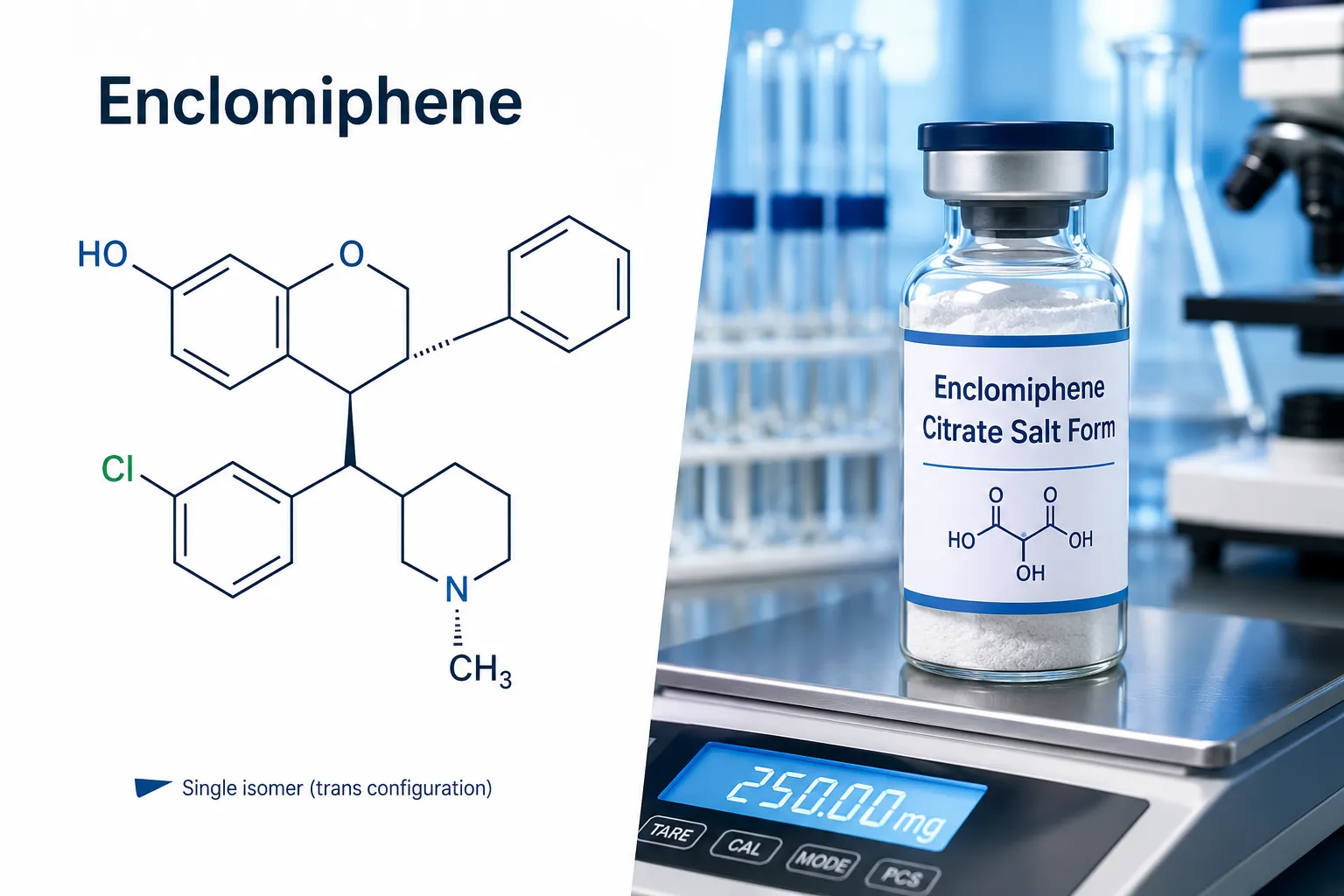
Key Takeaways

Enclomiphene vs. Enclomiphene Citrate: Understanding the Difference

Before deciding where to buy research-grade enclomiphene and enclomiphene citrate, researchers must understand what they are actually ordering.

Clomiphene is a racemic mixture of two geometric isomers: zuclomiphene (the cis-isomer) and enclomiphene (the trans-isomer). Enclomiphene is the pharmacologically active isomer responsible for selective estrogen receptor modulation at the hypothalamic-pituitary axis.

Enclomiphene citrate is simply the citrate salt form of enclomiphene. The citrate counterion improves aqueous solubility, which is relevant for certain in-vitro assay formats and reconstitution protocols.

Form Molecular Weight Solubility Common Research Use
Enclomiphene (free base) 405.96 g/mol Lipophilic; ethanol or DMSO Cell-based receptor binding assays
Enclomiphene Citrate 598.08 g/mol Higher aqueous solubility In-vitro hormonal pathway studies

Ordering the wrong form can skew molar calculations and invalidate results. Always confirm the exact chemical form before purchase.

Researchers sourcing other selective modulators and peptide compounds, such as those exploring where to buy peptides for adjacent hormonal pathway studies, face the same form-specificity challenge.
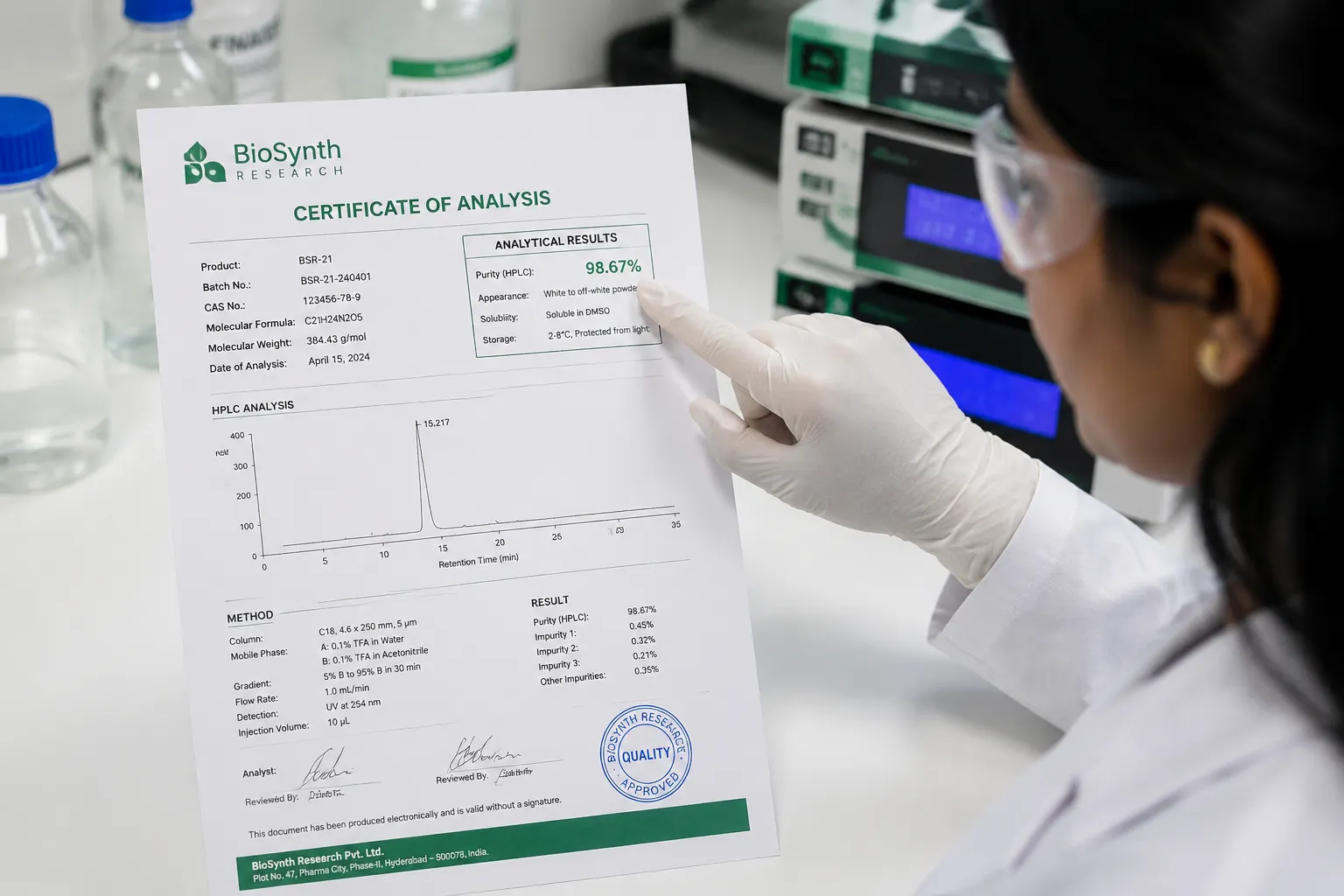
Enclomiphene vs. Enclomiphene Citrate: Understanding the Difference

Purity Benchmarks and Certificates of Analysis: What Serious Researchers Require

Minimum Acceptable Purity Standards

For any compound used in controlled research, purity below 98% introduces confounding variables that can compromise data integrity. The gold standard for research-grade enclomiphene and enclomiphene citrate is:

  • HPLC purity: 98% or greater
  • Residual solvent levels within ICH Q3C guidelines
  • Heavy metal screening (lead, arsenic, mercury, cadmium) below pharmacopeial limits
  • Endotoxin testing if the compound will be used in any cell culture or biological assay

What a Valid CoA Must Include

A Certificate of Analysis is only as credible as the laboratory that issued it. An in-house CoA from the vendor itself carries limited weight. Researchers should require:

  1. Third-party laboratory name and accreditation number (ISO 17025 preferred)
  2. Batch or lot number matching the product label
  3. Test date, CoAs older than 12 months for a current batch are a warning sign
  4. HPLC chromatogram with integration data, not just a summary percentage
  5. Identity confirmation via NMR or mass spectrometry

"A CoA without an independent lab signature is a marketing document, not an analytical report."

Researchers who have navigated similar documentation requirements for compounds like Sermorelin or Tesamorelin will recognize this standard as non-negotiable across the research peptide and small-molecule space.
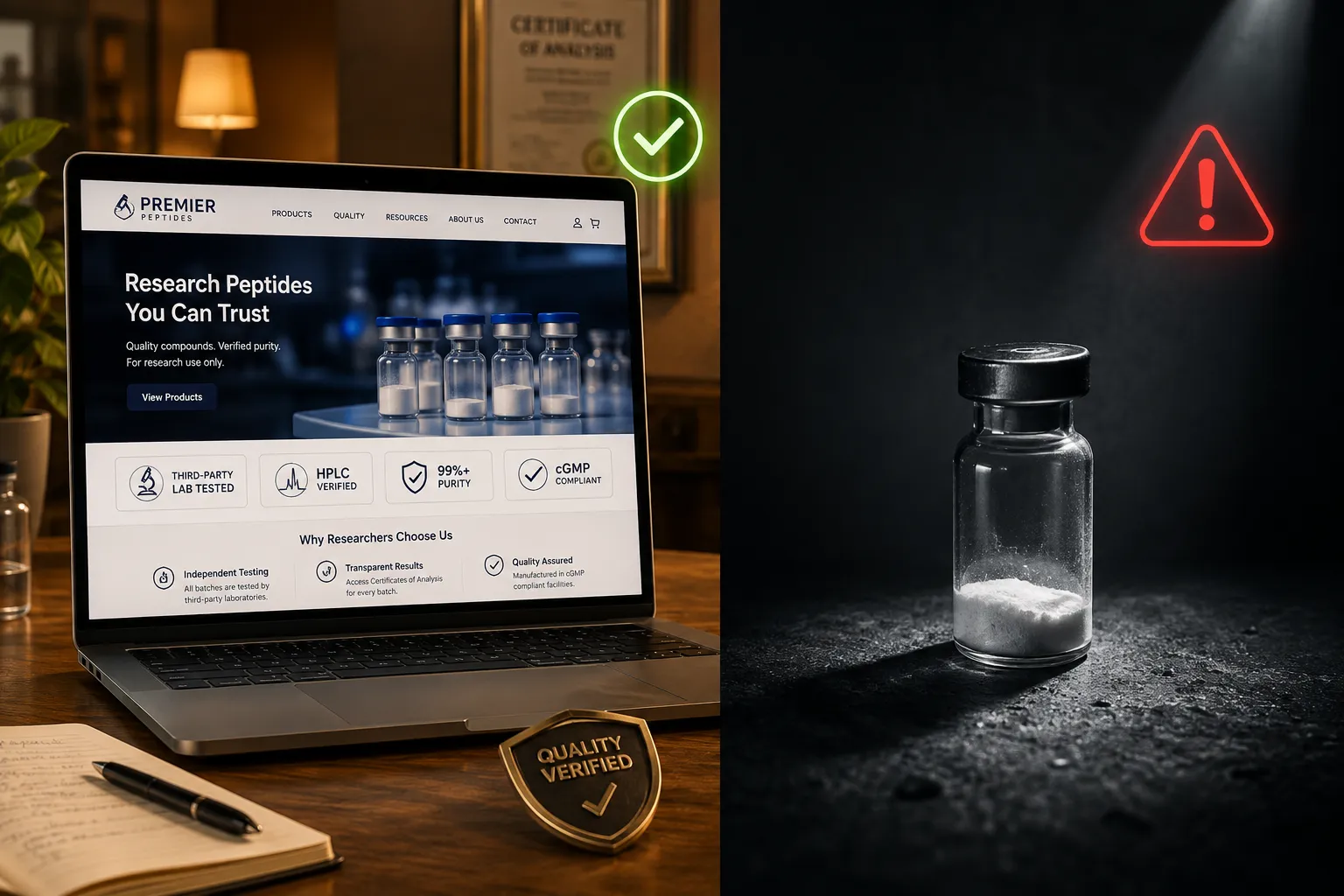
What a Valid CoA Must Include

Where to Buy Research-Grade Enclomiphene and Enclomiphene Citrate: Evaluating Suppliers

Green Flags in a Reputable Supplier

When evaluating where to buy research-grade enclomiphene and enclomiphene citrate, the following supplier characteristics indicate reliability:

  • Publicly accessible, batch-specific CoAs linked directly to product pages
  • Independent third-party testing from named, verifiable laboratories
  • Clear chemical specifications listing exact form (free base vs. citrate salt), CAS number, and molecular weight
  • Transparent sourcing and synthesis information
  • Responsive technical support capable of answering purity and formulation questions
  • Retest or return policy for purity disputes

Suppliers who demonstrate this rigor across their catalog, including well-documented compounds like TB-500 and Ipamorelin/CJC-1295 blends, typically apply the same standards to their serm-category compounds.

Red Flags to Avoid

  • Generic CoAs with no batch number or lab name
  • Purity listed as "99%+" with no supporting chromatogram
  • No CAS number or conflicting molecular weight data
  • Pricing dramatically below market average (often signals diluted or mislabeled product)
  • No physical address or verifiable business registration

Researchers comparing multiple vendors should also consult peptide supplier comparison resources to benchmark documentation standards across the industry.

Lab-Use Considerations and Regulatory Compliance

Intended Use and Legal Status

Research-grade enclomiphene and enclomiphene citrate are sold strictly for in-vitro laboratory research and non-clinical investigational use. These compounds are not approved for human consumption or veterinary use in most jurisdictions without appropriate licensure.

Researchers must:

  • Verify local and institutional regulations before purchase
  • Store compounds according to supplier specifications (typically -20°C, desiccated, protected from light)
  • Maintain chain-of-custody records and batch documentation for audit purposes
  • Never use research-grade material in any clinical or human-subject context

Reconstitution and Handling Notes

Enclomiphene free base dissolves most effectively in ethanol or DMSO at concentrations up to 10 mg/mL. Enclomiphene citrate offers better aqueous solubility but may still require a small percentage of organic co-solvent for complete dissolution. Researchers working with related peptide compounds, such as those studying SS-31 for mitochondrial research, will be familiar with these reconstitution protocols.

Always filter-sterilize solutions intended for cell culture using a 0.22 micron membrane filter.

Conclusion

The decision of where to buy research-grade enclomiphene and enclomiphene citrate ultimately comes down to documentation, transparency, and third-party verification. No amount of competitive pricing justifies working with a compound whose purity cannot be independently confirmed.

Actionable next steps for researchers:

  1. Identify the exact chemical form needed (free base vs. citrate salt) before contacting any supplier.
  2. Request a batch-specific, third-party CoA before placing any order, not after.
  3. Cross-reference the supplier's CoA laboratory against publicly verifiable accreditation databases.
  4. Review the supplier's broader catalog and documentation standards as a proxy for overall quality control.
  5. Maintain complete batch records from purchase through experimental use for institutional compliance.

Rigorous sourcing is not bureaucratic overhead, it is the first experimental variable a researcher controls.

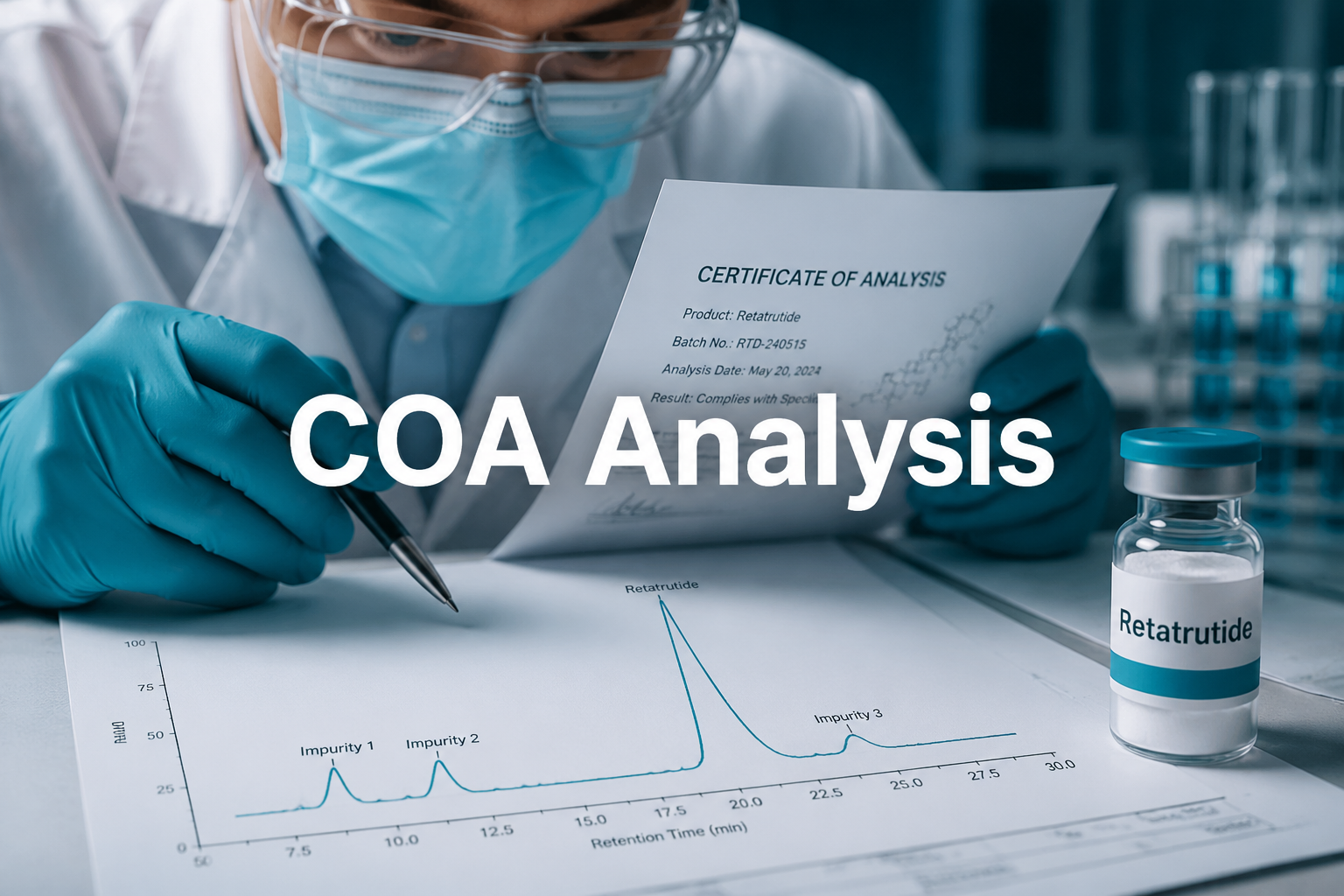
https://www.puretestedpeptides.com/wp-content/uploads/2026/08/where-to-buy-research-grade-enclomiphene-and-enclomiphene-citrate-purity-certifi.webp 672 1008 https://www.puretestedpeptides.com/wp-content/uploads/2026/01/buy-peptides-online.jpg 2026-08-02 13:04:242026-08-02 13:04:24Where to Buy Research-Grade Enclomiphene and Enclomiphene Citrate: Purity, Certificates of Analysis, and Lab-Use Considerations

Tag Archive for: coa verification

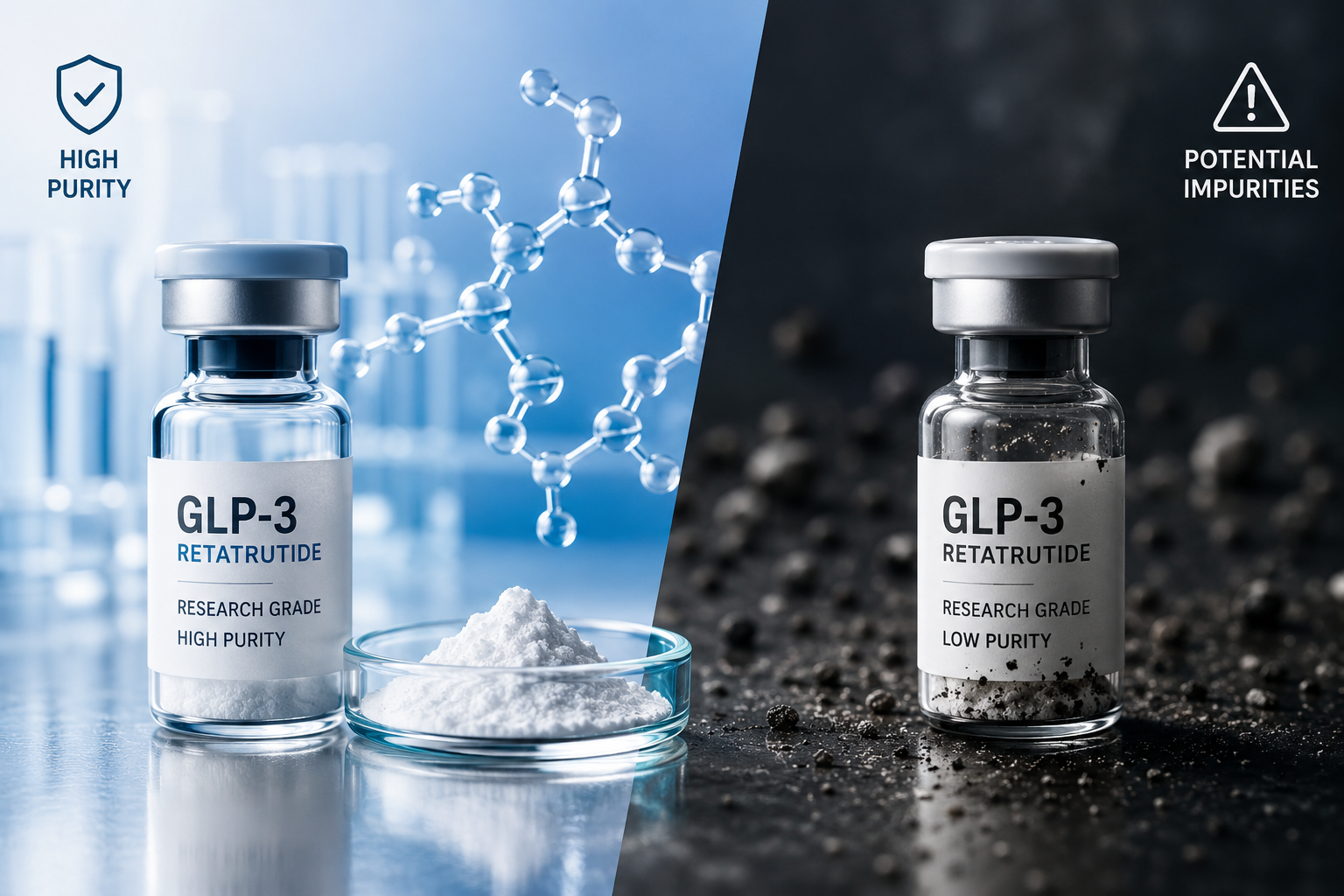
Understanding Peptide Purity and Impurities: A Guide for Research-Grade GLP-3 Retatrutide

Understanding Peptide Purity and Impurities: A Guide for Research-Grade GLP-3 Retatrutide

July 12, 2026/0 Comments/by Pure Tested

Fewer than 30% of research failures involving synthetic peptides are traced back to protocol errors, the majority stem from compromised compound quality that was never detected before the experiment began. For researchers working with complex triple-agonist molecules, understanding peptide purity and impurities: a guide for research-grade GLP-3 Retatrutide is not optional reading. It is a prerequisite for generating data that holds up to scrutiny.

Key Takeaways

  • Peptide purity directly affects experimental reproducibility and the validity of research outcomes.
  • Common impurities in synthetic peptides include deletion sequences, oxidized residues, and residual solvents.
  • A Certificate of Analysis (COA) is the primary tool for evaluating research-grade peptide quality.
  • HPLC purity of 98% or greater is the accepted benchmark for reliable research-grade peptides.
  • Proper storage and handling preserve purity after the vial leaves the manufacturer.

Key Takeaways

What Makes Peptide Purity Critical for GLP-3 Retatrutide Research

Retatrutide is a 39-amino-acid peptide that simultaneously targets GLP-1, GIP, and glucagon receptors. Its structural complexity makes it more susceptible to synthesis-related impurities than shorter, simpler peptides. Even minor contaminants can bind off-target receptors, alter dose-response curves, or trigger inflammatory artifacts in cell-based assays.

Researchers sourcing material for in vitro or preclinical work should treat purity as a primary variable, not an afterthought. For context on how reference standards and benchmarks are established across the peptide research field, the resource on Bachem and reference standards for peptide benchmarks provides a useful foundation.

The 98% Purity Threshold

The research community broadly accepts 98% HPLC purity as the minimum standard for peptides used in quantitative assays. Below this threshold:

  • Impurities may represent 1 in 50 molecules in solution
  • Biological activity measurements become unreliable
  • Batch-to-batch reproducibility drops significantly

For a peptide as structurally demanding as Retatrutide, some researchers prefer 99%+ purity to reduce noise in receptor-binding studies.

Common Impurities Found in Synthetic Peptides

Understanding peptide purity and impurities in research-grade GLP-3 Retatrutide requires knowing exactly what contaminants to look for. Impurities in synthetic peptides fall into three main categories:

Impurity Type Origin Risk to Research
Deletion sequences Incomplete coupling during synthesis Altered receptor binding
Oxidized residues Methionine/tryptophan oxidation Reduced biological activity
Residual solvents Incomplete purification Cytotoxicity in cell assays
Aggregates Improper lyophilization Inconsistent solubility
Acetylation artifacts Capping reagent carryover False activity signals

Deletion sequences are the most common impurity. They arise when a single amino acid coupling step fails during solid-phase synthesis, producing a truncated chain that is one or more residues shorter than the target molecule.

Oxidized methionine is particularly relevant for Retatrutide because oxidation can occur during storage if the peptide is exposed to moisture or oxygen. This is one reason proper lyophilization and cold-chain storage matter as much as the synthesis itself.

Researchers working with other peptide classes such as AOD-9604 research methods and storage will recognize that these same impurity categories apply broadly across synthetic peptides.

Common Impurities Found in Synthetic Peptides

How to Read a COA for Research-Grade GLP-3 Retatrutide

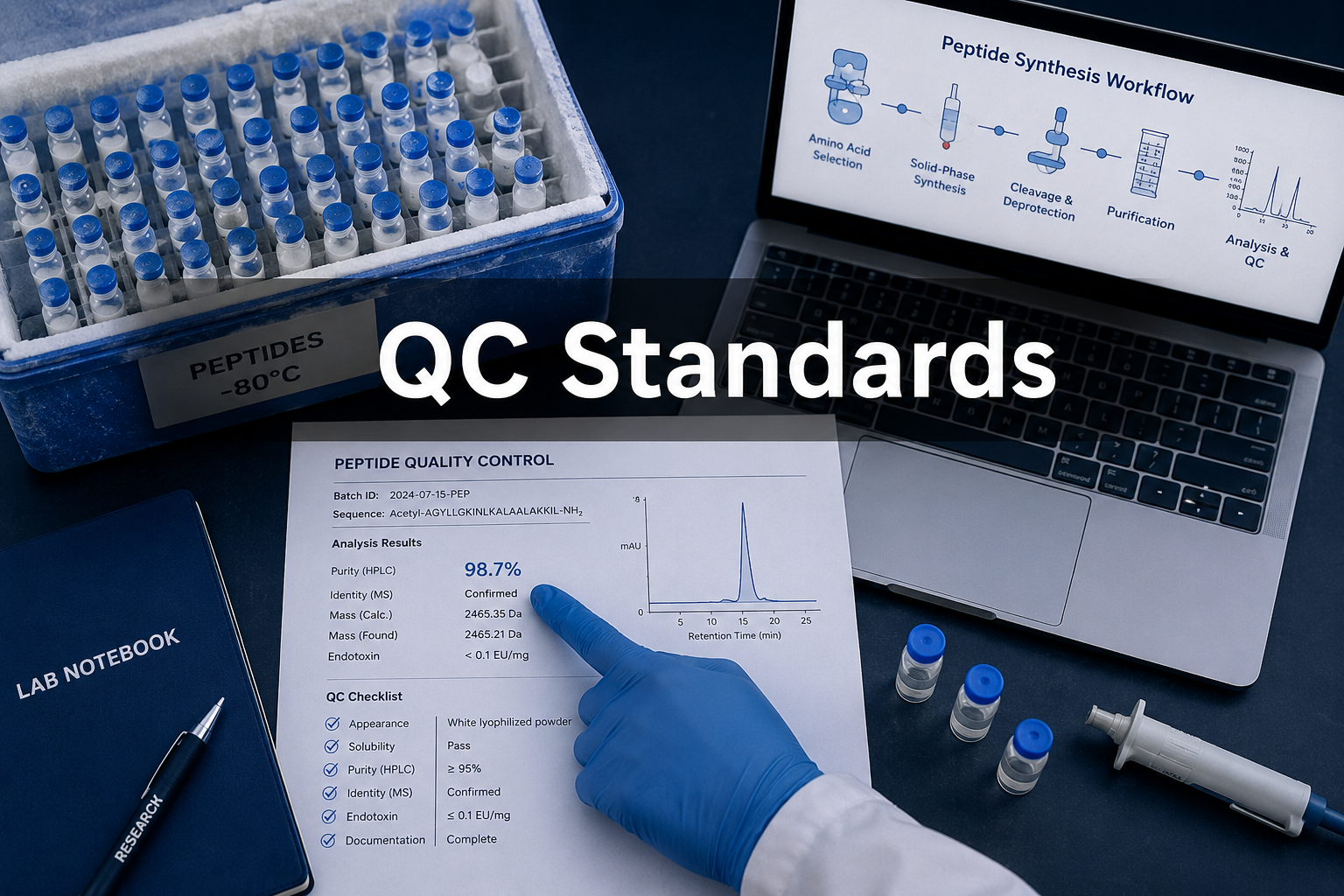
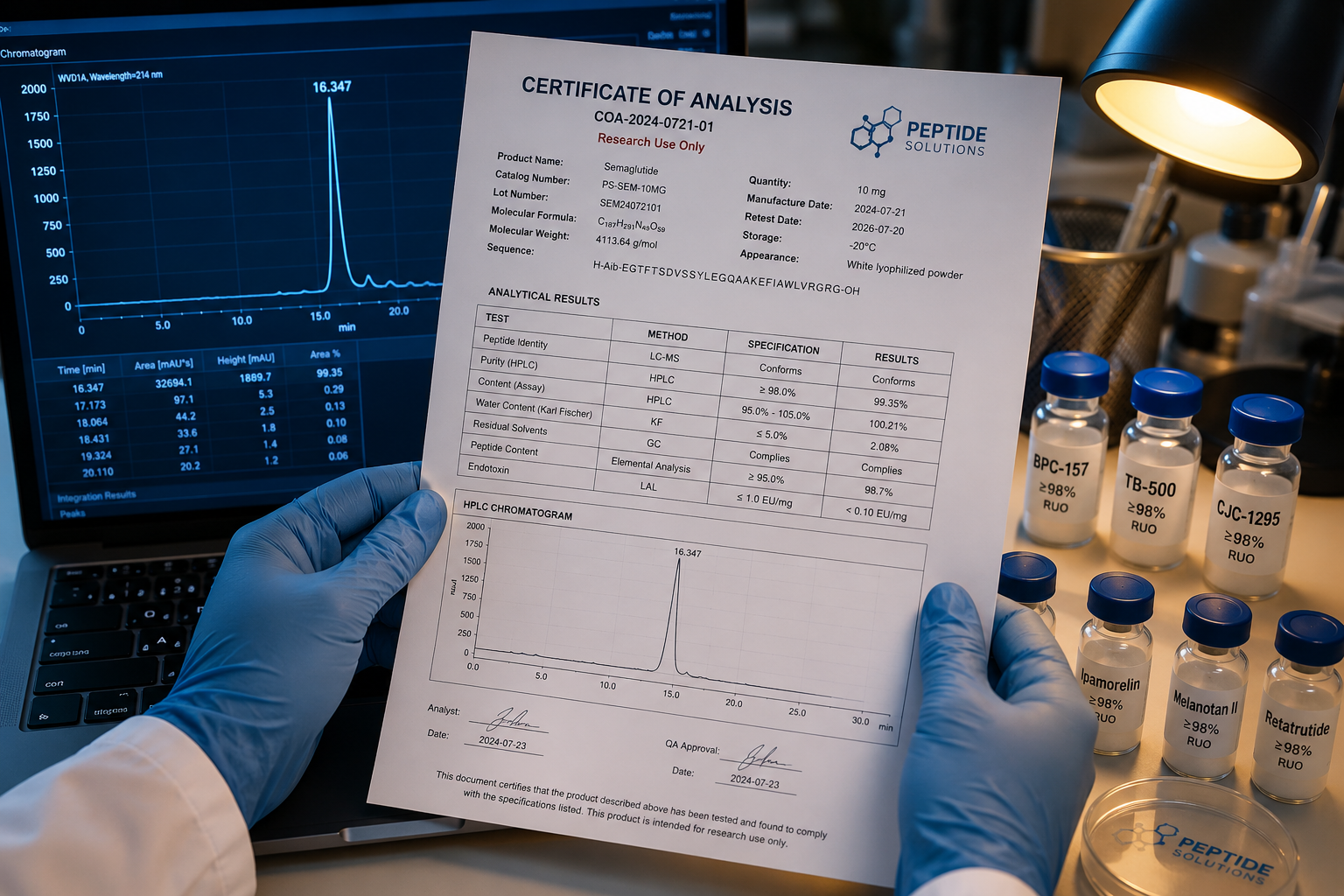
A Certificate of Analysis (COA) is the primary quality document for any research peptide. When evaluating a COA for Retatrutide, look for these specific data points:

  1. HPLC chromatogram, The main peak area percentage should be clearly stated and visually dominant. Request the raw chromatogram, not just a number.
  2. Mass spectrometry confirmation, The observed molecular weight should match the theoretical mass of Retatrutide (approximately 4,531 Da). This confirms the correct sequence was synthesized.
  3. Water content (Karl Fischer), Lyophilized peptides typically contain 5-12% water by weight. High water content reduces the effective peptide dose per milligram.
  4. Residual solvent testing, Confirms that acetonitrile and TFA from the purification process have been removed to safe levels.
  5. Lot-specific data, A legitimate COA is lot-specific, not a generic document reused across batches.

"A COA without a lot number is not a COA, it is a marketing document."

Researchers can review verified COA documentation standards to understand what a properly formatted quality document should contain.

For additional context on how purity standards apply to other research peptides, the GLP-1 Retatrutide product page and the Reta 10mg product tag offer relevant sourcing information.

Storage Conditions That Preserve Purity

Even a 99% pure peptide degrades rapidly under poor storage conditions. Follow these guidelines:

  • Store lyophilized peptide at -20C or colder
  • Avoid repeated freeze-thaw cycles (aliquot before first use)
  • Reconstitute only the volume needed for immediate use
  • Use sterile bacteriostatic water or DMSO as appropriate for the assay

These principles apply across the research peptide category. For example, the same cold-chain logic governs SS-31 peptide research considerations and other sensitive compounds.

Storage Conditions That Preserve Purity

Sourcing and Verification Best Practices

Understanding peptide purity and impurities in a guide for research-grade GLP-3 Retatrutide ultimately comes down to sourcing decisions. Researchers should apply the following checklist before committing to a supplier:

  • Does the supplier provide lot-specific COAs with HPLC and MS data?
  • Is the synthesis performed under GMP-aligned conditions?
  • Are third-party analytical results available on request?
  • Does the supplier use HPLC-grade solvents and validated purification columns?

Researchers planning multi-peptide protocols, such as those combining GLP-class compounds with growth hormone secretagogues, should also review resources like the IPA-Sermorelin stack research guide to understand how purity standards interact across compound combinations.

For those evaluating broader catalog options, the GLP-3 for sale research planning guide provides practical sourcing and planning context specific to triple-agonist peptides.

Conclusion

Peptide purity is not a background variable, it is a core experimental parameter. For researchers working with structurally complex molecules like Retatrutide, even a 2-3% impurity burden can introduce confounding signals that invalidate assay results. The actionable steps are clear: demand lot-specific COAs with both HPLC and mass spectrometry data, verify the molecular weight against the theoretical value, confirm proper storage conditions from synthesis through delivery, and aliquot immediately upon receipt to prevent degradation. Treating purity verification as a standard pre-experiment step, alongside buffer preparation and calibration, is what separates reproducible research from wasted resources.

https://www.puretestedpeptides.com/wp-content/uploads/2026/07/understanding-peptide-purity-and-impurities-a-guide-for-research-grade-glp-3-ret.png 1024 1536 Pure Tested https://www.puretestedpeptides.com/wp-content/uploads/2026/01/buy-peptides-online.jpg Pure Tested2026-07-12 13:02:542026-07-20 15:00:16Understanding Peptide Purity and Impurities: A Guide for Research-Grade GLP-3 Retatrutide
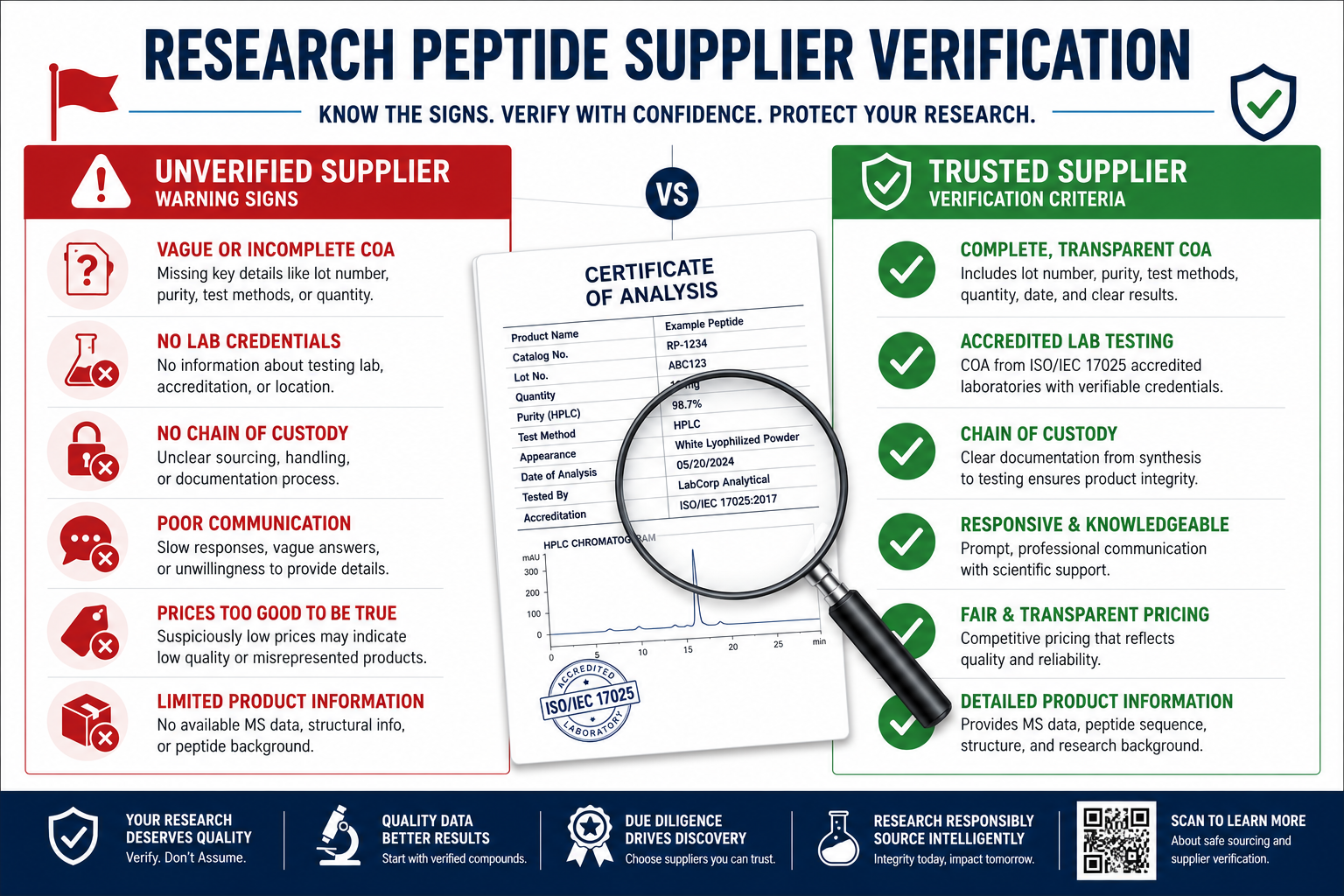
Where to Buy High-Purity Research Peptides: A Guide to Trusted Suppliers and COA Verification

Where to Buy High-Purity Research Peptides: A Guide to Trusted Suppliers and COA Verification

June 30, 2026/0 Comments/by Pure Tested

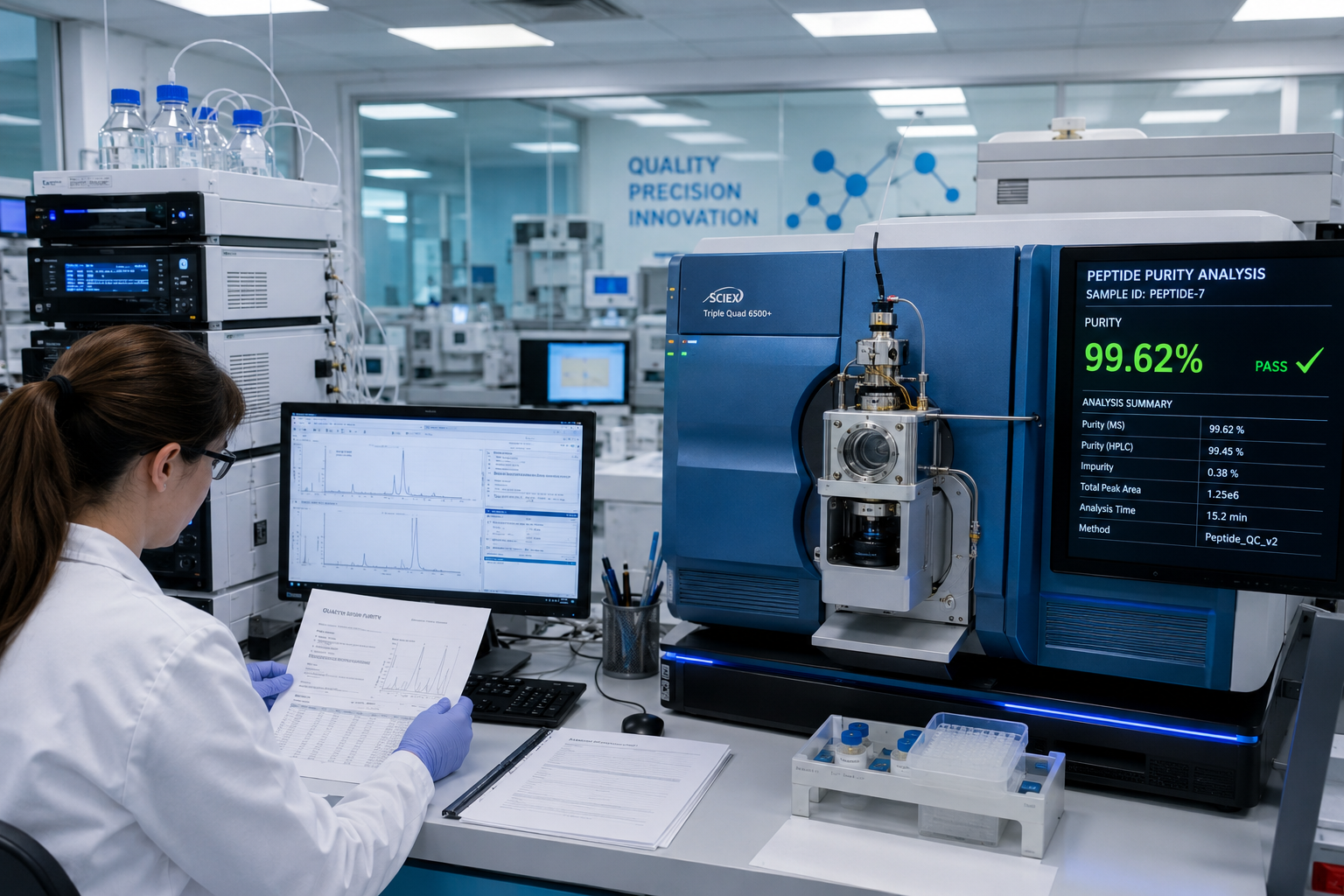
Roughly 40% of peptide samples purchased from unverified online vendors fail independent purity testing — a figure that should stop any serious researcher before placing an order. For laboratories and research professionals navigating this guide to trusted suppliers and COA verification, the stakes are not just financial. Contaminated or mislabeled peptides can invalidate months of experimental work. This guide to buying high-purity research peptides lays out a systematic, verifiable framework for finding trustworthy sources and confirming the quality documents they provide.

Key Takeaways

  • Supplier verifiability — not marketing language — is the first and most critical filter when sourcing research peptides.
  • A legitimate Certificate of Analysis (COA) must come from an accredited, independent third-party laboratory, not the vendor's in-house team.
  • HPLC purity data, mass spectrometry confirmation, and lot-specific results are the three non-negotiable elements of a credible COA.
  • Red flags include COAs without named testing labs, purity claims above 99.9% with no supporting data, and pricing that is economically implausible for genuine analytical testing.
  • Matching lot numbers between the COA and the product vial is a simple, fast verification step that filters out recycled or fabricated documents.

Key Takeaways

How to Evaluate a Trusted Supplier Before Ordering

When the goal is finding where to buy high-purity research peptides, the evaluation process must begin with the supplier's identity and infrastructure — not its product catalog. In 2026, analytical guides consistently prioritize supplier verifiability over promotional claims.

Start with these supplier-level checks:

  • Physical address and registration: A verifiable business address, not a P.O. box, is a baseline requirement.
  • Transparent manufacturing or sourcing chain: Reputable vendors disclose whether peptides are synthesized in-house or sourced from established GMP-adjacent facilities.
  • Customer service responsiveness: Send a pre-purchase question about a specific COA. A credible supplier answers with technical specificity, not generic reassurance.
  • Peer-reviewed community presence: Look for the supplier's name in researcher forums, published procurement notes, or third-party review platforms — not just testimonials on their own website.
  • Return and dispute policy: A clear, published refund and returns policy signals accountability.

Suppliers who invest in lab-tested peptides will make that testing infrastructure visible and easy to verify. If locating the testing documentation requires more than two clicks, treat that as a warning sign.


How to Evaluate a Trusted Supplier Before Ordering

COA Verification: The Non-Negotiable Steps

A Certificate of Analysis is only as valuable as the process that produced it. Expert procurement protocols now begin by proving the COA is real and economically plausible — not simply present.

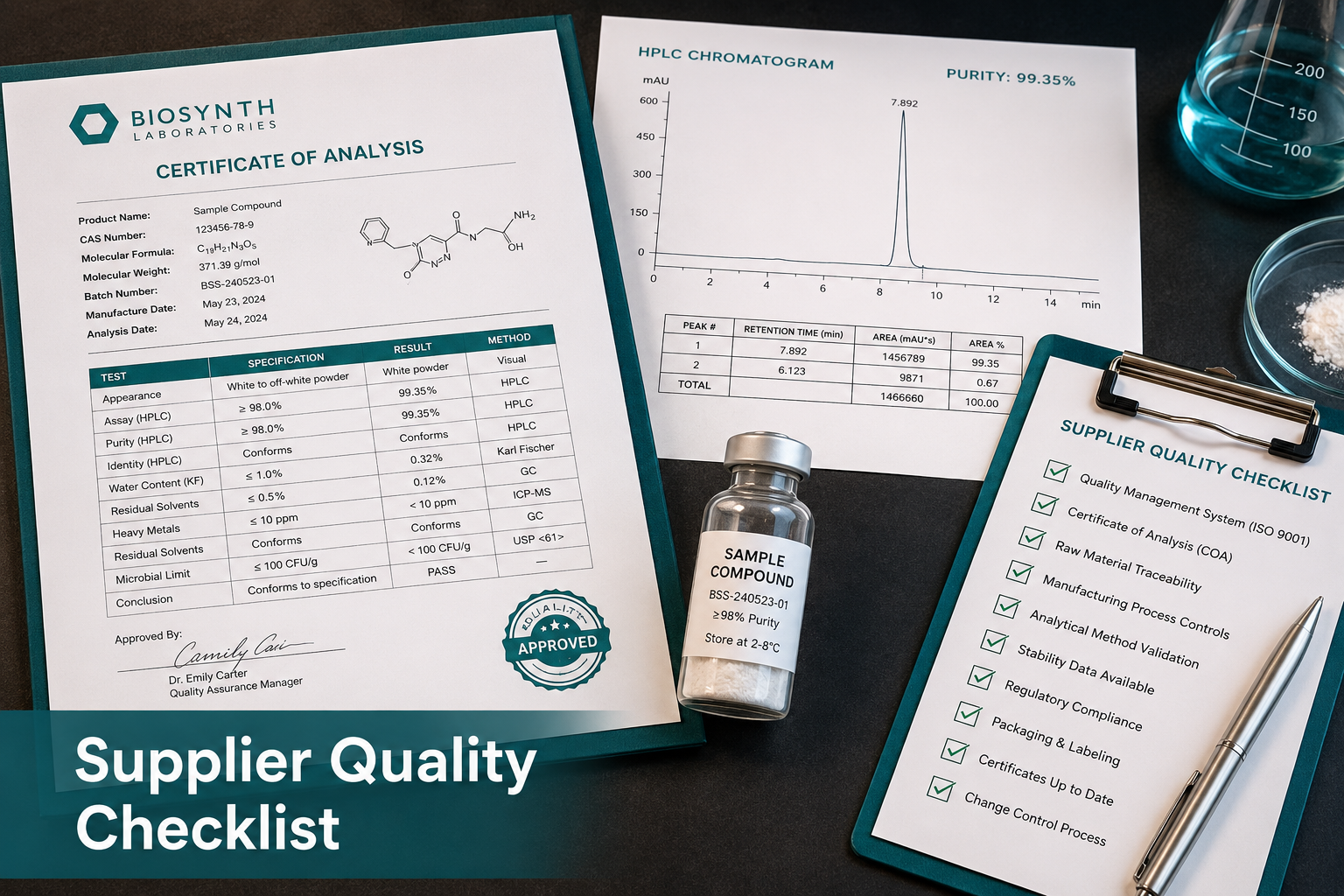
A credible COA must include:

Element What to Look For
Testing laboratory name Accredited, independent, named facility
HPLC chromatogram Visible peak data, not just a percentage
Mass spectrometry result Confirms molecular identity of the peptide
Lot or batch number Must match the number printed on the vial
Testing date Recent; ideally within 12 months of purchase
Purity percentage Typically 98%+ for research-grade material

"A COA without a named third-party laboratory is a marketing document, not an analytical one."

Always cross-reference the lot number on the COA against the physical product. Vendors who publish a dedicated COA verification page make this step straightforward. If the COA is a generic document with no lot-specific data, it may have been recycled across multiple batches.

For specific compounds, purity requirements can vary. Researchers sourcing peptides such as BPC-157, CJC-1295 without DAC, or Tesamorelin should request compound-specific COAs rather than accepting a blanket purity certificate for an entire product line.


COA Verification: The Non-Negotiable Steps

Applying This Guide to Specific Research Peptides

The principles above apply universally, but practical sourcing decisions benefit from compound-specific context. Researchers exploring longevity-focused peptide research or metabolic compounds like AOD-9604 should confirm that COA documentation covers the precise analog or salt form being purchased — not just the base peptide name.

For mitochondrial compounds such as SS-31 (Elamipretide), purity verification is especially critical because structural analogs can differ significantly in biological activity. Similarly, researchers working with neuropeptides like Selank should verify sequence fidelity through mass spectrometry data, not HPLC alone.

Pricing as a purity signal: Genuine third-party HPLC and mass spectrometry testing carries real cost. If a vendor's pricing is dramatically lower than the market average, that gap often reflects skipped analytical steps. Economically implausible pricing is a COA red flag before the document is even reviewed.


Conclusion

Sourcing high-purity research peptides in 2026 demands a structured, skeptical approach. The guide to trusted suppliers and COA verification outlined here reduces research risk through a clear sequence: verify the supplier exists and operates transparently, then verify the COA is compound-specific, lot-matched, and produced by a named independent laboratory. Researchers should bookmark their supplier's COA page, save lot-number records alongside purchase receipts, and repeat the verification process with every new batch — not just the first order. Applying these steps consistently protects both experimental integrity and research investment.

https://www.puretestedpeptides.com/wp-content/uploads/2026/06/Where-to-Buy-High-Purity-Research-Peptides-A-Guide-to-Trusted-Suppliers-and-COA-Verification.png 1024 1536 Pure Tested https://www.puretestedpeptides.com/wp-content/uploads/2026/01/buy-peptides-online.jpg Pure Tested2026-06-30 13:03:242026-07-20 15:01:55Where to Buy High-Purity Research Peptides: A Guide to Trusted Suppliers and COA Verification
Where to Buy Enclomiphene for Research: A Guide to Trusted Suppliers and Quality Assurance

Where to Buy Enclomiphene for Research: A Guide to Trusted Suppliers and Quality Assurance

June 20, 2026/0 Comments/by Pure Tested

Only a handful of compounds have generated as much research interest as enclomiphene citrate — yet its regulatory path remains one of the most complicated in modern pharmacology. For laboratory researchers navigating this landscape in 2026, finding where to buy enclomiphene for research through trusted suppliers and quality assurance protocols is not straightforward. This guide breaks down the supplier landscape, quality benchmarks, and critical compliance considerations researchers must understand before making any procurement decision.

Key Takeaways

  • Enclomiphene citrate has not received FDA approval and remains in 503A Category 1 (Under Evaluation) as of 2026.
  • Research-grade suppliers must provide batch-specific Certificates of Analysis (COA) and third-party purity verification.
  • Purity benchmarks from reputable suppliers range from 98.88% to 99.0% or higher, verified by RP-HPLC analysis.
  • Global supply chain constraints — particularly stereochemical purification capacity — affect consistent availability.
  • Purchasing enclomiphene without a valid prescription for human use is unregulated and carries significant legal and safety risks.

Key Takeaways

Understanding the Regulatory Landscape Before You Source

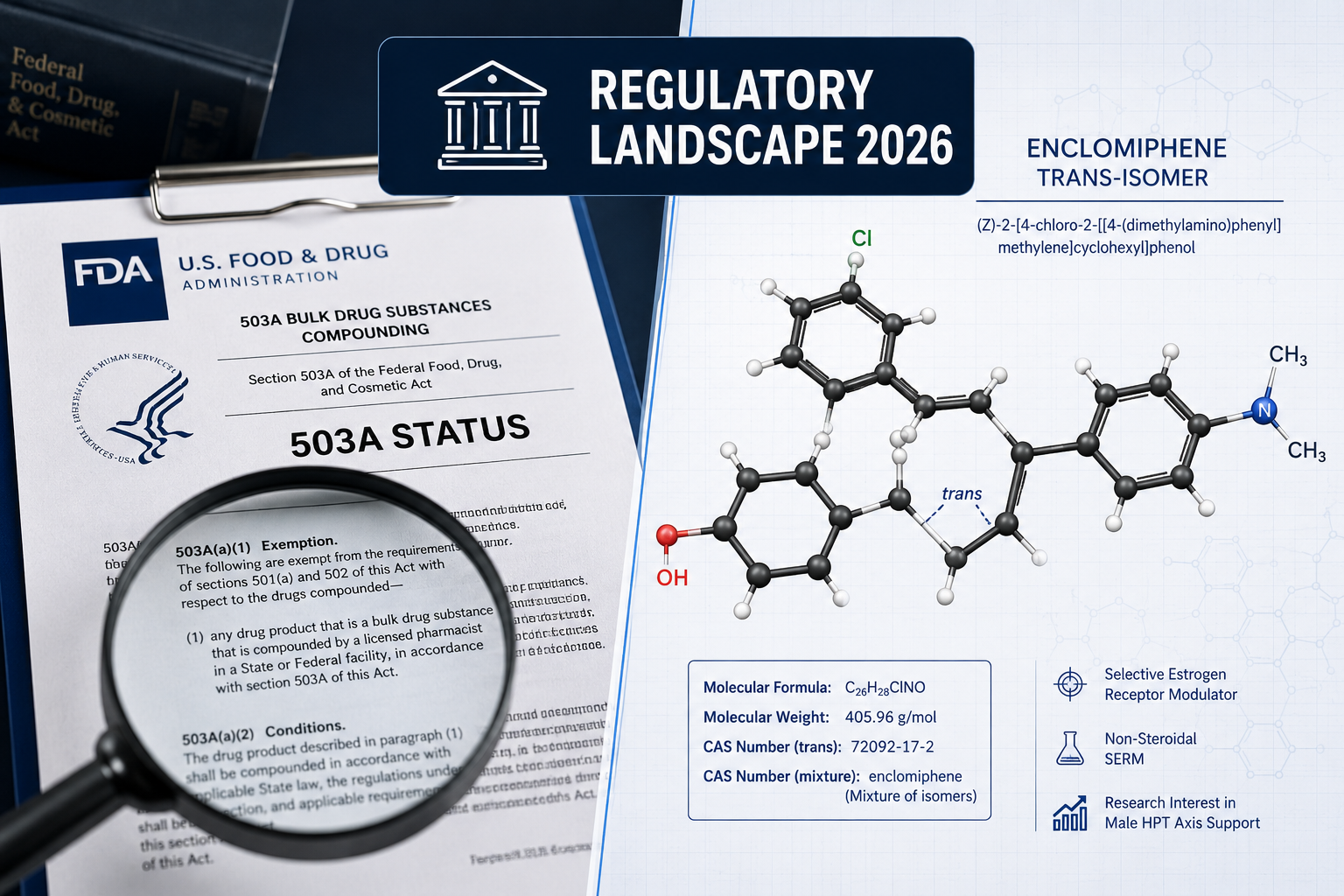
Any serious discussion of where to buy enclomiphene for research must begin with its regulatory status. Enclomiphene citrate has never received FDA approval. Its developer pursued approval under the brand name Androxal for secondary hypogonadism, but received a Complete Response Letter in late 2015. The FDA indicated the Phase 3 study design was no longer adequate to demonstrate clinical benefit, and the required additional trials were never completed.

In June 2022, the FDA Pharmacy Compounding Advisory Committee voted against adding enclomiphene citrate to the final 503A Bulks List. As of the FDA's updated list in May 2026, enclomiphene remains in 503A Category 1 (Under Evaluation) — meaning its compounding status is still unsettled.

Despite this, enclomiphene is widely used in clinical settings through compounding pharmacies. Under Section 503A of the Federal Food, Drug, and Cosmetic Act, licensed pharmacies may compound drugs for individual patients who hold valid prescriptions. Researchers should clearly distinguish between:

  • Clinical/compounding use — requires a valid prescription and licensed pharmacy
  • Research chemical procurement — governed by supplier-specific quality standards and intended strictly for laboratory use

"Products sold online without a prescription are unregulated, and their contents, purity, and dosing are not verified by any oversight body."

For context on how regulatory frameworks shape the broader peptide and research compound market, the latest developments in peptide research offer useful background on evolving supplier standards.


Understanding the Regulatory Landscape Before You Source

Evaluating Trusted Suppliers and Quality Assurance Standards

When researching where to buy enclomiphene for research, quality assurance is the single most important criterion. The research chemical market is not uniformly regulated, which means the burden of due diligence falls entirely on the researcher.

What to Look for in a Reputable Supplier

Quality Indicator Minimum Standard
Purity level 98.88% or higher (RP-HPLC verified)
Documentation Batch-specific COA + MSDS
Testing method Third-party or in-house RP-HPLC
Isomer selectivity Trans-isomer above 97%
Labeling Accurate concentration and lot number

Reputable suppliers provide batch-specific Certificates of Analysis that confirm compound identity, purity, and testing methodology. Some suppliers offer enclomiphene at purity levels of 99.0% or higher, accompanied by both COA and Material Safety Data Sheet (MSDS) documentation. Others offer 12.5 mg capsule formats with purity confirmed at 98.88% via RP-HPLC.

Researchers sourcing other compounds from verified suppliers can review lab-tested peptide standards to understand what rigorous quality documentation looks like in practice. Similarly, the COA verification process used by established peptide suppliers sets a useful benchmark for what enclomiphene sourcing documentation should include.


What to Look for in a Reputable Supplier

Supply Chain Risks and Practical Procurement Strategies

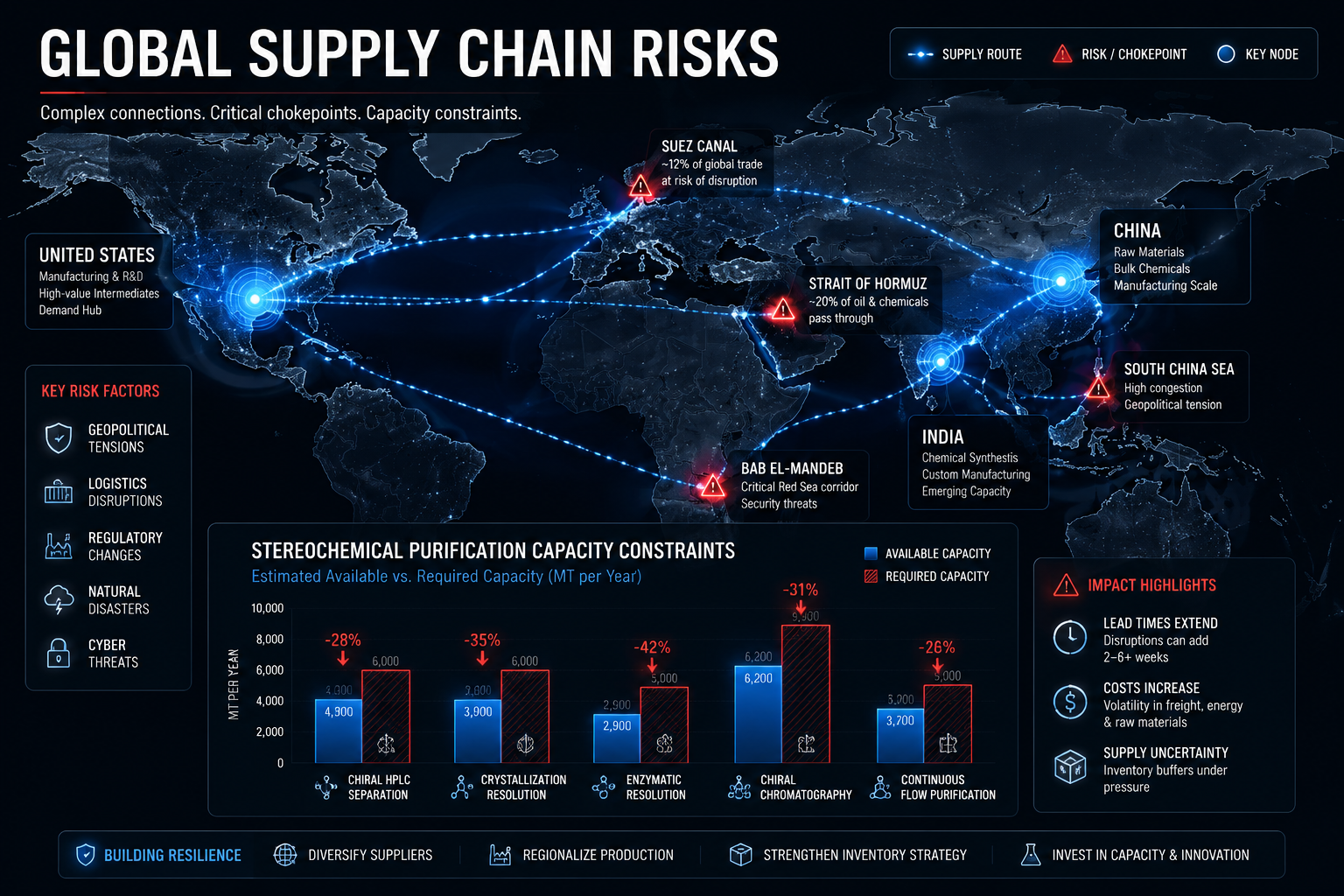
The enclomiphene supply chain faces challenges that go beyond simple availability. A significant portion of active pharmaceutical ingredients (APIs) are sourced from manufacturing hubs in China and India. Geopolitical factors and increased FDA oversight of compounded hormone therapies have created procurement bottlenecks.

Industry experts point to a specific constraint: stereochemical purification capacity. Facilities capable of maintaining consistent trans-isomer selectivity above 97% are limited globally. This makes consistent, high-purity supply difficult to guarantee across all vendors.

Practical steps for research procurement:

  • Implement predictive procurement strategies to buffer against supply gaps
  • Request lot-specific documentation before finalizing any order
  • Verify that the supplier tests each batch independently, not just at product launch
  • Cross-reference supplier claims against third-party analytical databases

Researchers working with related compounds — such as those exploring 5-Amino-1MQ for metabolic research or NAD+ scientific evidence — will recognize that these same supply chain diligence principles apply across the research compound category.

For those interested in broader hormonal and body composition research themes, resources on tesa science and sourcing and body composition research themes provide useful comparative context.


Conclusion

Navigating where to buy enclomiphene for research requires a clear-eyed understanding of regulatory status, supplier quality standards, and global supply chain realities. In 2026, the compound remains unapproved by the FDA and sits in an unsettled compounding category — making rigorous supplier vetting non-negotiable.

Actionable next steps for researchers:

  1. Confirm the intended use is strictly laboratory research, not human administration without medical supervision.
  2. Request batch-specific COA and MSDS documentation from any prospective supplier before purchasing.
  3. Verify purity is confirmed via RP-HPLC at 98.88% or above, with trans-isomer selectivity above 97%.
  4. Build procurement buffers into research timelines to account for supply chain volatility.
  5. Consult a licensed healthcare professional if the intended application involves any clinical or compounding context.

Quality assurance is not optional in research compound procurement — it is the foundation of reliable, reproducible science.

https://www.puretestedpeptides.com/wp-content/uploads/2026/06/Where-to-Buy-Enclomiphene-for-Research-A-Guide-to-Trusted-Suppliers-and-Quality-Assurance.png 1024 1536 Pure Tested https://www.puretestedpeptides.com/wp-content/uploads/2026/01/buy-peptides-online.jpg Pure Tested2026-06-20 13:03:322026-07-20 15:02:41Where to Buy Enclomiphene for Research: A Guide to Trusted Suppliers and Quality Assurance
×

Helpful Links

  • My account
  • Cart
  • Checkout
  • Refund and Returns Policy
  • Privacy Policy
  • SMS Privacy Policy
  • Login
  • My Account
  • Logout

USA Made Lab Tested Peptides

All products are sold for research, laboratory, or analytical purposes only, and are not for human consumption


Pure Tested Peptides is a chemical supplier. Pure Tested Peptides is not a compounding / chemical compounding facility as defined under 503A of the Federal Food, Drug, and Cosmetic act. Pure Tested Peptides is not an outsourcing facility as defined under 503B of the Federal Food, Drug, and Cosmetic act.

The statements made within this website have not been evaluated by the US Food and Drug Administration. The products we offer are not intended to diagnose, treat, cure or prevent any disease.

Human/Animal Consumption Prohibited. Laboratory/In-Vitro Experimental Use Only

Scroll to top Scroll to top Scroll to top