Where to Buy Research-Grade Glow Blend Peptide: Evaluating Purity, Copper Complexes, and Skin-Model Compatibility
Fewer than 30% of peptide products sold online carry independent third-party purity certificates, a sobering figure for researchers who depend on consistent compound quality to generate reproducible data. For anyone navigating where to buy research-grade Glow Blend peptide while evaluating purity, copper complexes, and skin-model compatibility, that statistic is the right place to start. Sourcing decisions made at the catalog stage directly shape the reliability of every downstream assay.
Key Takeaways
- Research-grade Glow Blend peptide must meet strict purity thresholds (typically 98%+) verified by HPLC and mass spectrometry before use in skin models.
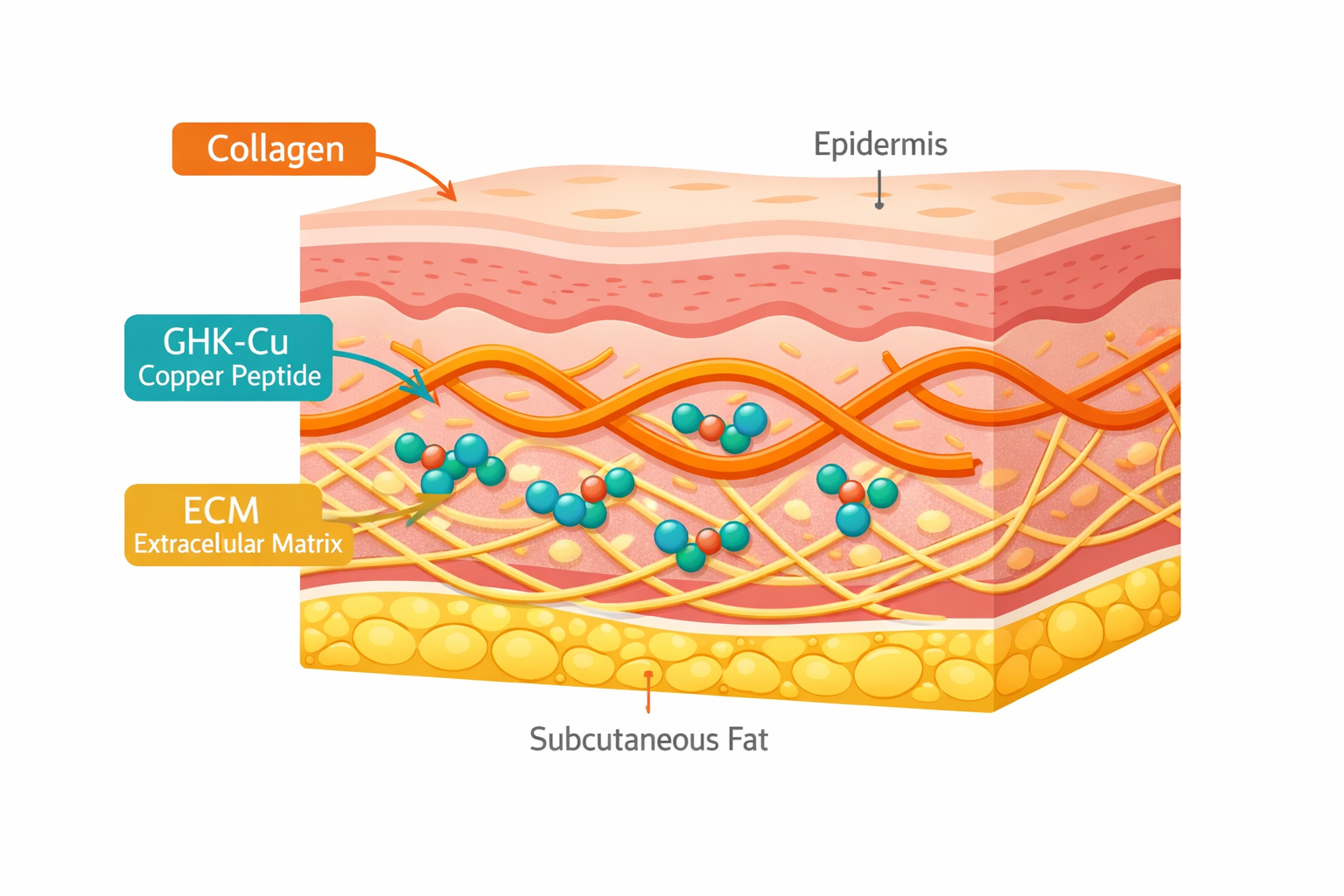
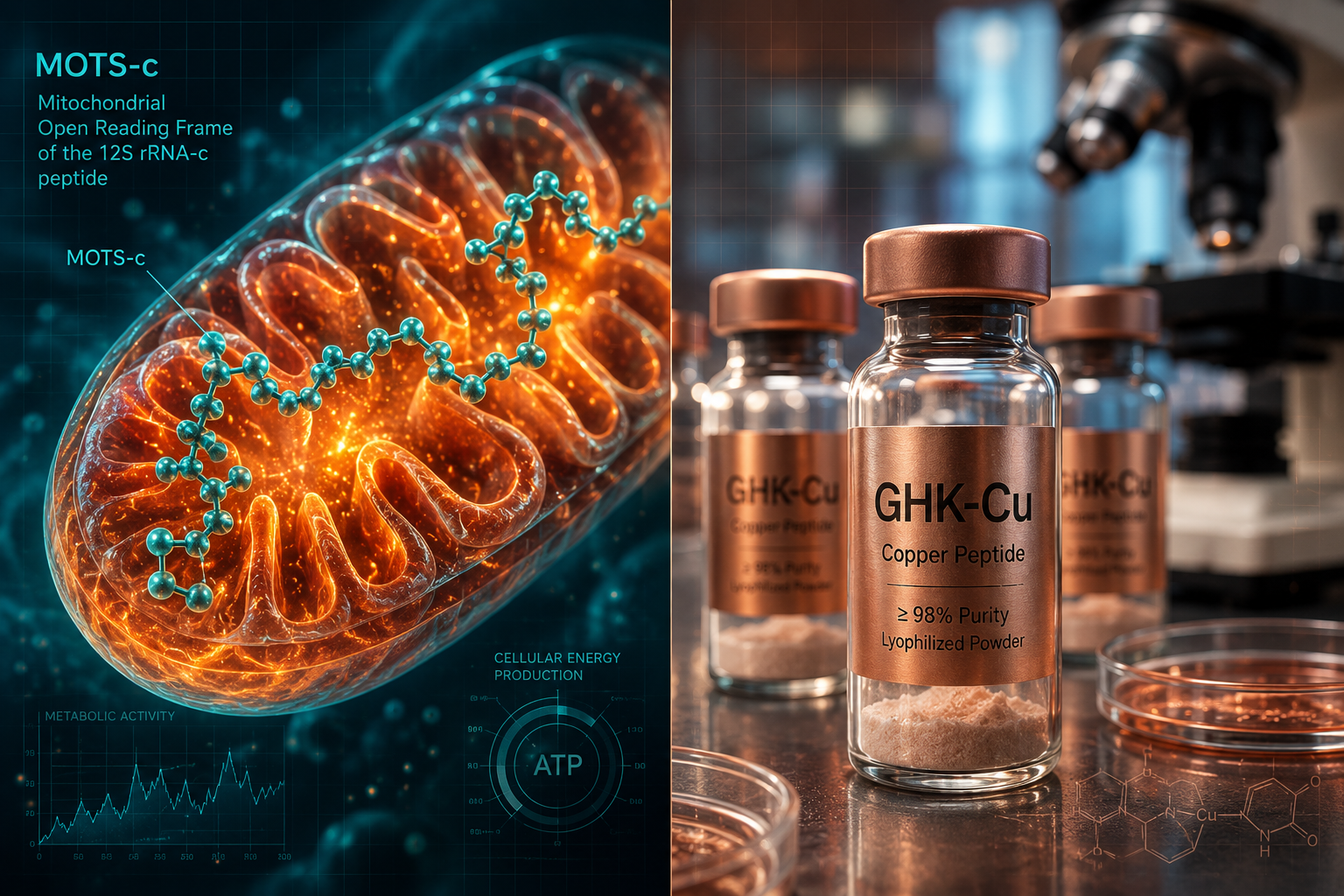
- GHK-Cu (copper tripeptide-1) is the anchor active in most Glow Blend formulations; its copper coordination chemistry must remain intact through lyophilization and reconstitution.
- Excipient profiles, including carrier solvents, stabilizers, and pH buffers, directly affect compatibility with in vitro keratinocyte and fibroblast assays.
- Supplier vetting should include certificate of analysis review, batch-specific testing, and confirmed cold-chain logistics.
- Regulatory context matters: research peptides are sold strictly for laboratory use, not for human application.
Understanding What Glow Blend Peptide Contains
Before evaluating where to buy research-grade Glow Blend peptide and assessing purity, copper complexes, and skin-model compatibility, researchers need a clear picture of the compound's composition.
Glow Blend peptide is a multi-component formulation typically anchored by GHK-Cu (glycyl-L-histidyl-L-lysine copper(II)), often combined with supporting peptides such as Palmitoyl Tripeptide-1, Acetyl Hexapeptide-3, or similar signal peptides. Each component targets a distinct pathway in skin biology:
| Component | Primary Research Target |
|---|---|
| GHK-Cu | Collagen synthesis, wound signaling, antioxidant activity |
| Palmitoyl Tripeptide-1 | Extracellular matrix remodeling |
| Acetyl Hexapeptide-3 | Neuromuscular junction signaling in vitro |
For a deeper background on GHK-Cu sourcing and its coordination chemistry, the GHK-Cu peptide purchase and copper peptide research sourcing guide provides a thorough overview of what to look for in a copper-chelated peptide product.
Understanding what the Glow peptide does at the receptor and signaling level is equally important before designing any in vitro protocol.
Purity Standards and Copper Complex Integrity
Why Purity Thresholds Matter
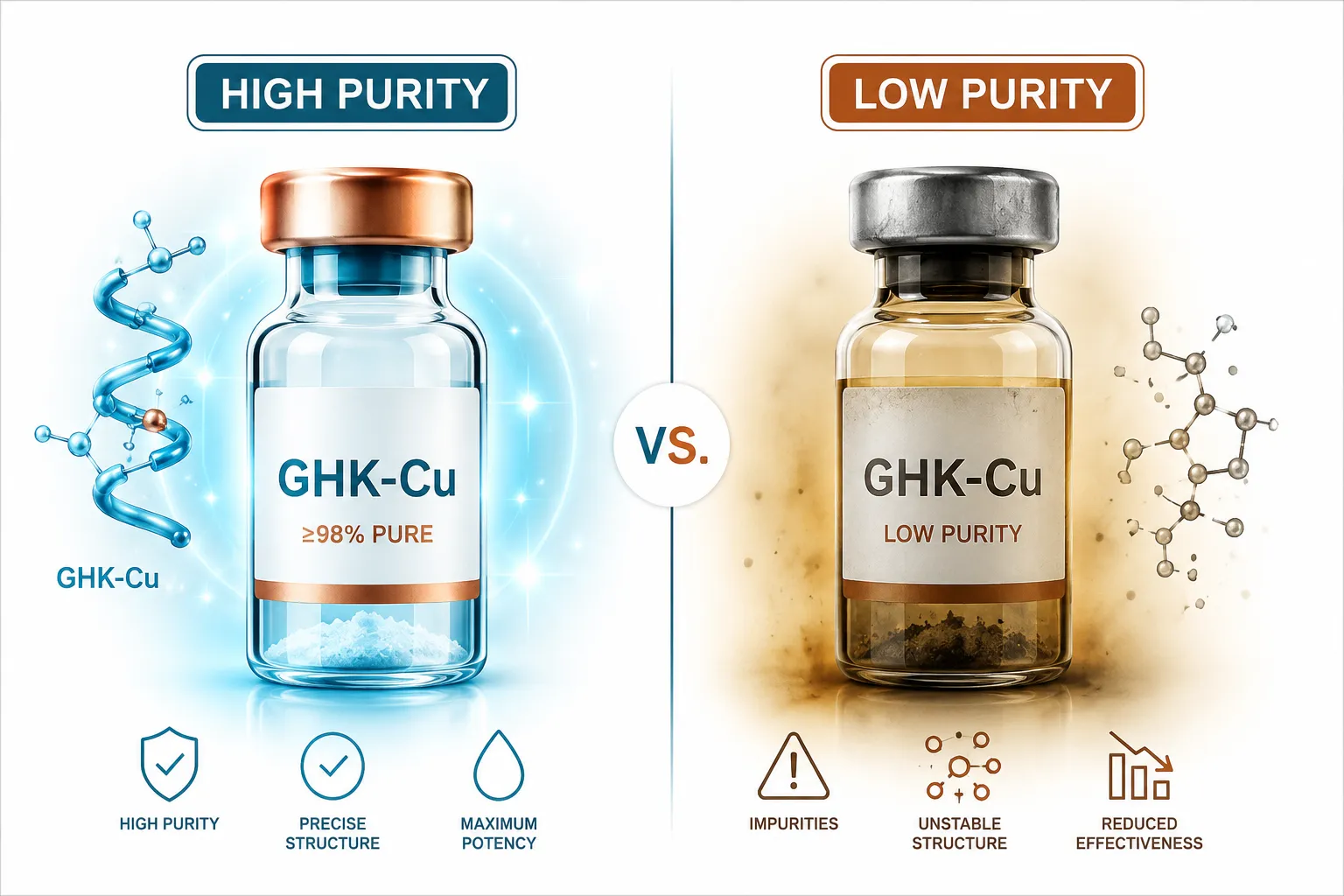
For skin-model research, including reconstructed epidermis assays and primary keratinocyte cultures, peptide purity below 98% introduces uncontrolled variables. Impurities such as residual solvents, truncated sequences, or oxidized copper species can trigger cytotoxic responses that confound results.
Minimum documentation to request from any supplier:
- HPLC chromatogram with area-under-curve purity percentage
- Mass spectrometry confirmation of molecular weight
- Endotoxin testing (LAL assay), especially for cell-culture applications
- Certificate of Analysis (CoA) tied to the specific batch number on the vial
Copper Complex Stability
GHK-Cu's biological activity depends entirely on intact copper(II) coordination. During lyophilization (freeze-drying), improper buffer conditions or temperature excursions can cause copper dissociation, yielding free GHK peptide with no metal center. This renders the compound functionally different from what the research literature describes.
"A copper peptide that has lost its metal coordination is not the same molecule, it is a different research variable entirely."
When reviewing a supplier's CoA, look specifically for confirmation that the copper:peptide molar ratio meets the 1:1 stoichiometry expected for GHK-Cu. Suppliers who cannot provide this data should be disqualified from consideration.
Excipient Compatibility
Many Glow Blend formulations include excipients such as mannitol (a lyoprotectant), acetate or phosphate buffers, or trace DMSO as a carrier. Each of these can interfere with specific assay types:
- Mannitol is generally inert in keratinocyte cultures at low concentrations.
- DMSO above 0.1% v/v is cytotoxic to most skin-model systems.
- Acetate buffers can shift well-plate pH if reconstitution volume is miscalculated.
Requesting a full excipient disclosure is a non-negotiable step before committing to a supplier for skin-model work.
How to Vet Suppliers for Research-Grade Glow Blend Peptide
Evaluating Where to Buy Research-Grade Glow Blend Peptide: Key Supplier Criteria
The question of where to buy research-grade Glow Blend peptide while evaluating purity, copper complexes, and skin-model compatibility ultimately comes down to a structured vetting process. The following criteria separate credible research-grade suppliers from commodity vendors:
1. Independent Third-Party Testing
Reputable suppliers use external ISO-accredited laboratories rather than in-house testing alone. Batch-specific CoAs should be publicly accessible or available on request.
2. Cold-Chain Logistics
Lyophilized peptides tolerate ambient shipping better than reconstituted solutions, but GHK-Cu is still sensitive to heat and humidity. Suppliers should ship with desiccant packs and clearly state storage conditions (typically -20°C for long-term storage).
3. Transparent Formulation Disclosure
A research-grade supplier will disclose the full peptide sequence, molecular weight, and excipient list. Vague product descriptions are a red flag.
4. Research-Only Sales Policy
Legitimate suppliers sell peptides exclusively for laboratory research purposes, not for human use. This is a compliance marker that signals a professionally operated business.
For researchers also sourcing related compounds, reviewing quality peptide sourcing standards offers a useful benchmark framework applicable across peptide categories.
Those working in Canada should also consult the peptides in Canada sourcing guide for region-specific regulatory context.
Skin-Model Compatibility Checklist
Before ordering, confirm the following with the supplier:
- Sterile filtration (0.22 micron) available or specified
- Endotoxin levels below 1 EU/mg for cell-culture applications
- Peptide solubility data in aqueous buffers relevant to your assay system
- Stability data under your expected storage conditions
Researchers running parallel studies with other peptide compounds can find additional sourcing guidance in the research blog covering multi-peptide experimental design.
For those evaluating blend formulations more broadly, the Glow Blend peptide product page provides current catalog specifications and documentation availability.
It is also worth reviewing what not to mix with peptides before designing multi-compound assay protocols, as certain co-solvents and buffer combinations can degrade copper complexes rapidly.
Conclusion
Sourcing research-grade Glow Blend peptide is not a passive catalog decision, it is an active quality-control process. Researchers should require HPLC and mass spectrometry documentation, verify copper(II) coordination integrity in GHK-Cu-containing blends, and audit excipient profiles against their specific skin-model assay requirements before placing any order.
Actionable next steps:
- Request batch-specific CoAs from at least two suppliers and compare purity percentages and endotoxin data side by side.
- Confirm copper:peptide stoichiometry is documented at 1:1 for GHK-Cu components.
- Cross-reference excipient lists against your cell-culture system's solvent tolerance thresholds.
- Verify the supplier operates under a research-only sales policy with transparent third-party testing.
- Store lyophilized product at -20°C and document reconstitution conditions in your lab notebook before beginning any skin-model experiment.
Rigorous sourcing is the foundation of reproducible skin-biology research. The time invested in vetting a supplier before the first order protects the integrity of every experiment that follows.