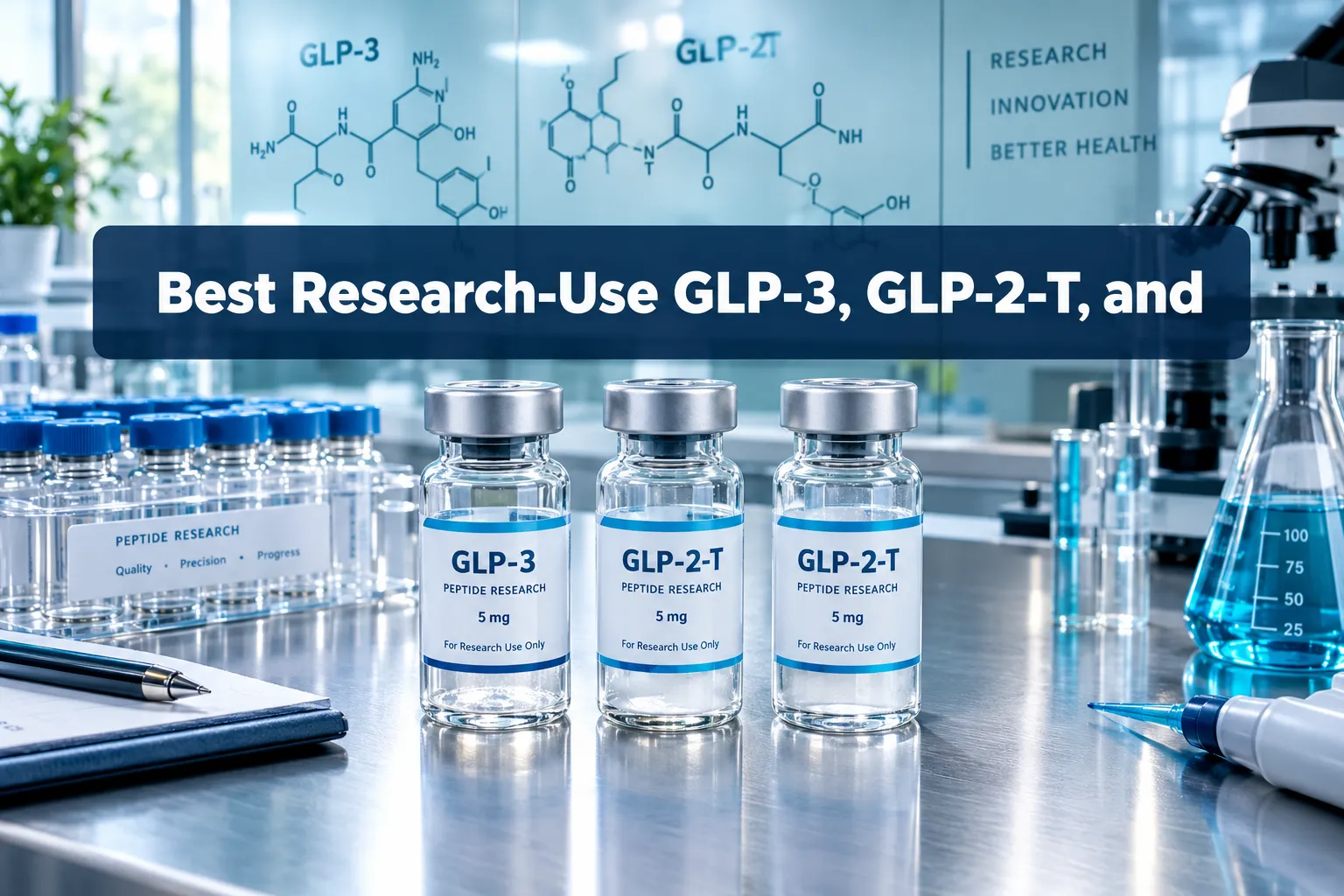
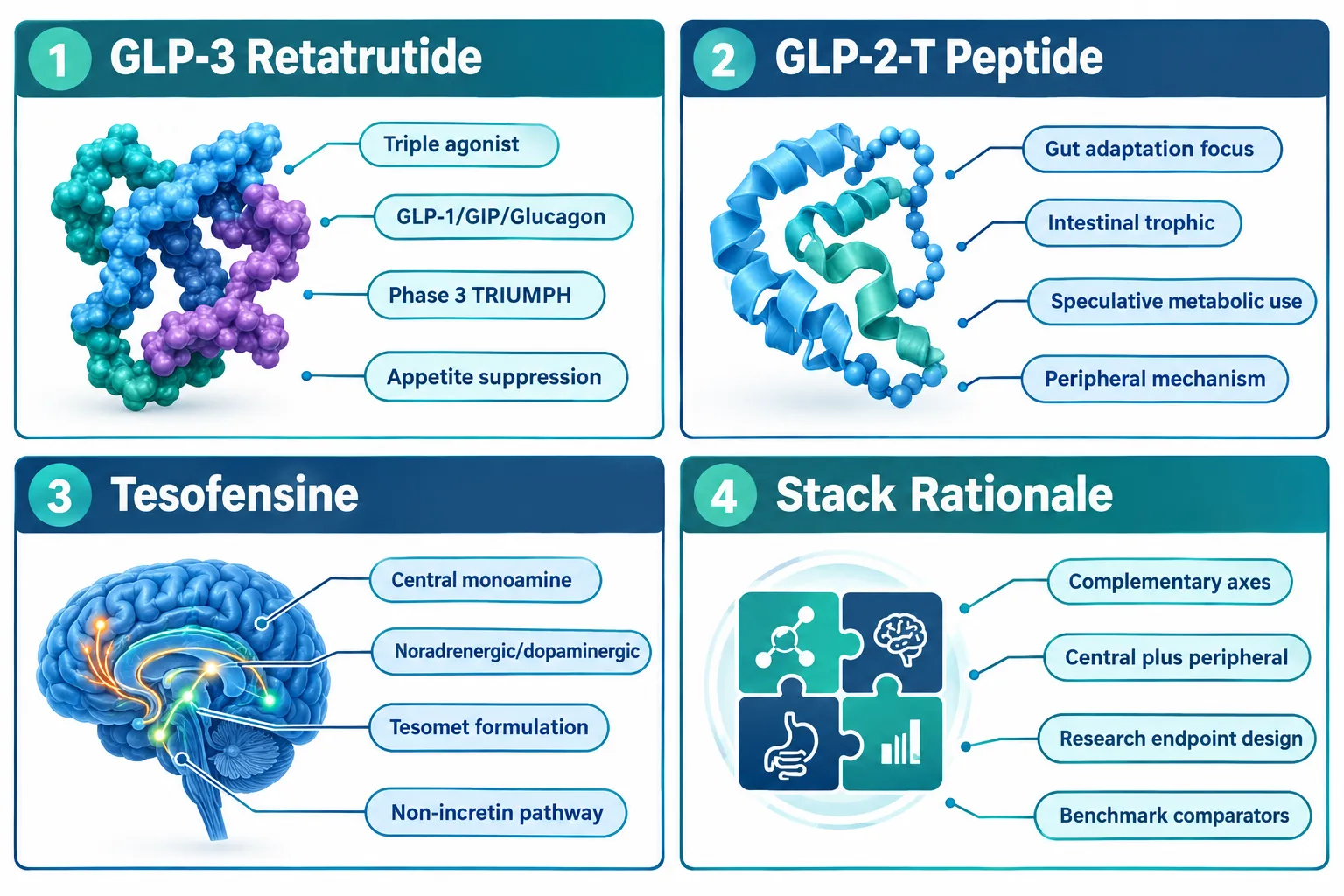
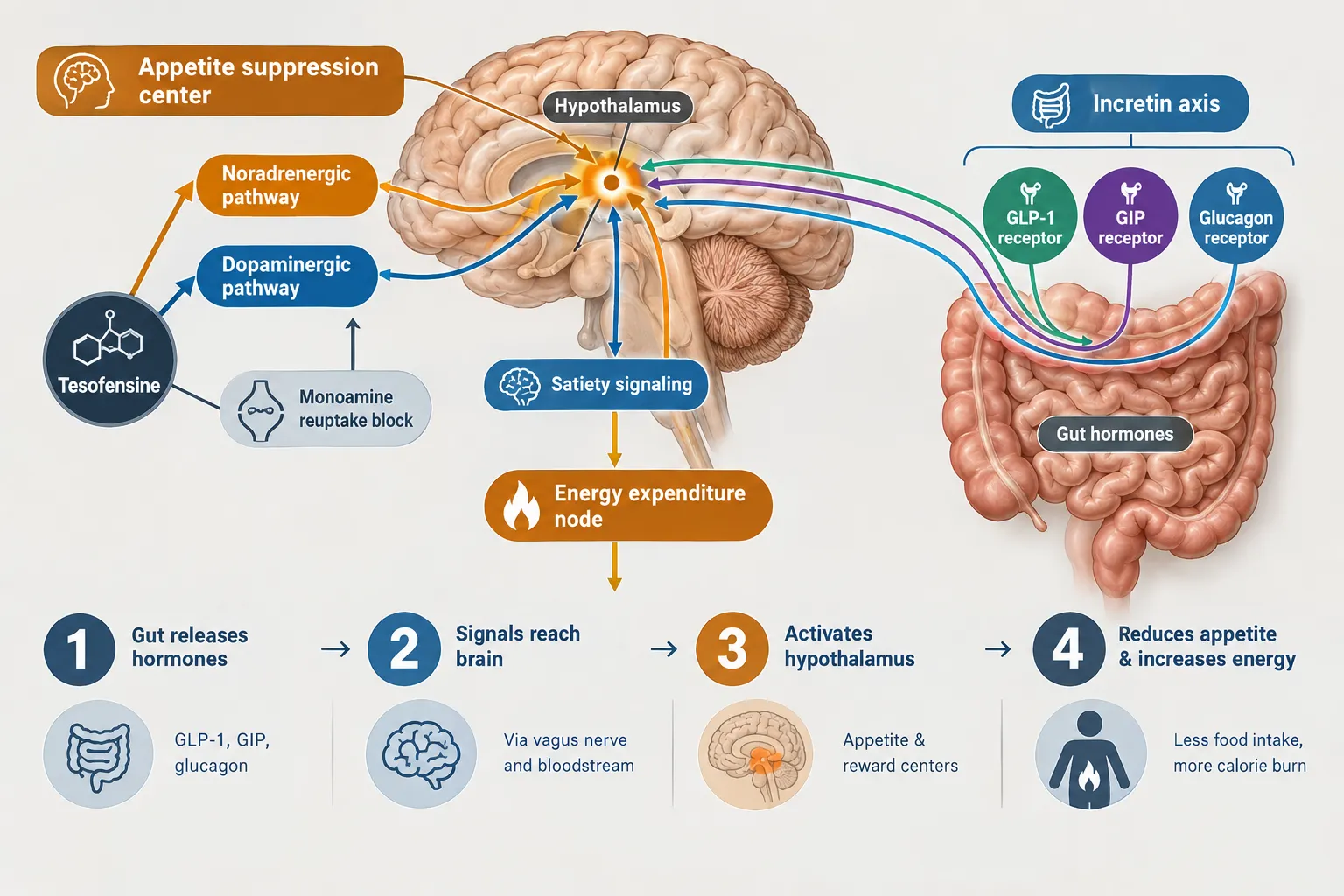
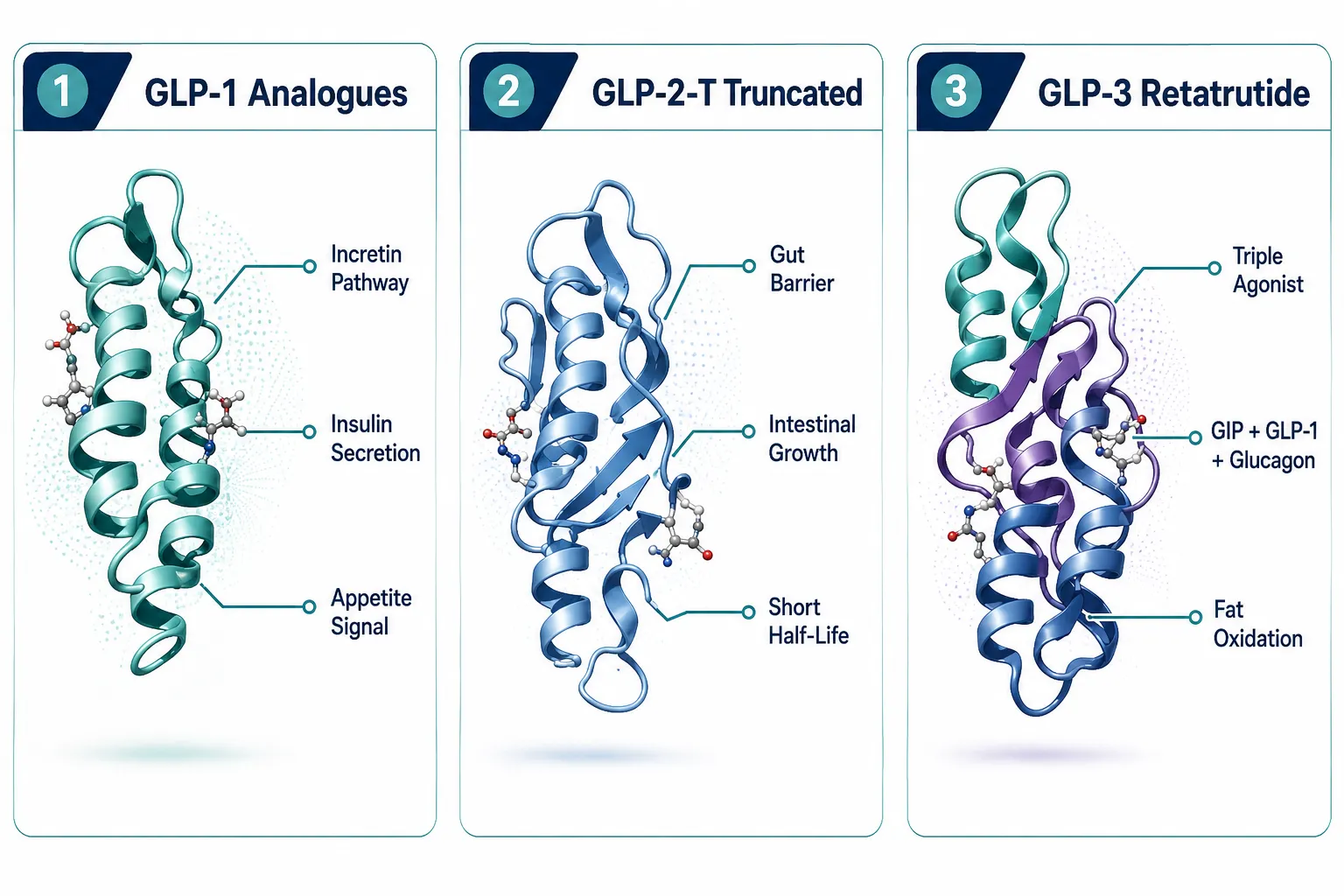
Call or Text 727-513-9780
  • Shopping Cart Shopping Cart
    0Shopping Cart
Pure Tested Peptides | America's most trusted Peptides for sale online
  • Peptides for sale
    • Oral Peptides for sale
      • Peptide Capsules for sale
      • BPC 157 Capsules 1000mcg
      • SLU-PP-332 Capsules | 1000 mcg
      • 5-Amino-1MQ 50mg Capsules
      • Tesofensine 500mcg
    • All Peptides for sale
    • Peptide Sprays
      • BPC 157 Nasal Spray Kit
      • BPC-157 TB500 Nasal Spray Kit
      • Semax Nasal Spray 10mg
      • Selank – Nasal Spray Kit – 10mg
      • Epithalon 50MG Nasal Spray Kit
      • Ipamorelin 10mg Nasal Spray
      • Klow Nasal Spray (BPC-157 + TB-500 + GHK-Cu + KPV) | 80mg
      • Hulk Nasal Spray Tesa / Ipa Blend 6/3 MG
      • Klow Nasal Spray
      • NAD + 500 mg Nasal Spray
      • PT-141 Nasal Spray Kit
    • GHRH Peptides
      • Ipa Peptides
      • CJC-1295 Peptides
        • CJC-1295 with DAC 5 mg
        • CJC-1295 without DAC 5 mg
        • CJC-1295 Ipa 10mg
      • Tesa Peptides
        • Tesa Peptide
        • Tesa 20 mg
    • GHK-Cu Peptides
      • All GHK-Cu Peptides
      • GHK-Cu 100mg
      • KLOW Peptide Blend – Buy KLOW blend online
    • BPC Peptides
      • All BPC Peptides
      • BPC-157
      • BPC-157 TB-500
      • BPC 157 capsules 1000mcg
    • SLU-PP-332 Peptides
      • All SLU-PP-332 Peptides
      • SLU-PP-332 5mg
    • GLP3 Peptides
      • GLP3-R
      • GLP3-R CAG 10mg
      • GLP3-R 20mg
    • PT-141 Peptides
      • PT-141 Peptides for sale
      • PT-141 10mg
      • PT-141 Nasal Spray
    • CAG Peptides
      • Lipo-C Peptide Blend
      • CAG 5mg
      • CAG 10mg
    • MOTS-C Peptides
      • MOTS-C Peptides for sale
      • MOTS-c peptide
      • MOTS-c 10mg *6 pack*
    • 5 Amino 1MQ Peptides
      • 5 Amino 1MQ Peptides for sale
      • 5-Amino-1MQ 50mg Capsules
      • 5-Amino-1MQ 5mg
    • Epithalon Peptides
      • Epithalon Peptides for sale
      • Epithalon 10mg
      • Epithalon 50mg
  • Shop
    • GLPs
      • 5-Amino-1MQ 50mg Capsules
      • 5-Amino-1MQ 5mg
      • GLP3-Reta
      • L-Carnitine 500mg/ml
      • Tesofensine 500mcg
      • SLU-PP-332 5mg
      • MOTS-c 10mg *6 pack*
    • Epithalon & BPC Peptides
      • Epithalon 10mg
      • Epithalon 50mg
      • BPC-157
      • BPC 157 capsules 1000mcg
      • BPC-157 TB-500
      • BPC-157 TB500 Nasal Spray Kit
      • BPC 157 Nasal Spray Kit
    • BPC TB-500 & NAD+ Peptides
      • NAD+ 500 mg
      • KLOW Peptide Blend – Buy KLOW blend online
      • GLOW Peptide Blend
      • TB 500 5mg
      • BPC 157 capsules 1000mcg – Supplement
      • BPC 157 Nasal Spray Kit
      • BPC-157
      • BPC-157 TB500 Nasal Spray Kit
      • BPC-157 TB-500
      • BPC 157 capsules 1000mcg
    • LL-37 Peptide
      • LL-37 10 mg
    • MOTS-C & Selank
      • MOTS-c peptide
      • Selank 10mg
    • GHK Peptides
      • GHK-Cu 100mg
      • GLOW Peptide Blend
      • KLOW Peptide Blend – Buy KLOW blend online
  • COAs
  • Wholesale
    • Wholesale Peptides for sale
  • PTP FAQ
  • Affiliates
    • Affiliate Program
    • Affiliate Signup
  • Contact
    • Contact Customer Service
    • Text Customer Support
  • About US
  • Shop all peptides
  • Login / Register Login / Register Page Link Login / Register Page Link
  • Click to open the search input field Click to open the search input field Search
  • Menu Menu

Tag Archive for: glp-2-t peptide

GLP-2-T and GLP2 Tirz Peptides: Naming Confusion, Mechanistic Differences, and Research Use Cases

GLP-2-T and GLP2 Tirz Peptides: Naming Confusion, Mechanistic Differences, and Research Use Cases

July 13, 2026/0 Comments/in Uncategorized/by

GLP-2-T vs GLP2 Tirz Peptides cover image

Researchers searching for "GLP-2 Tirz" in 2026 frequently land on content about tirzepatide, a dual incretin agonist, when they actually need information about GLP-2-T, a modified analog of glucagon-like peptide-2 studied for gut barrier biology. That single naming overlap can derail an entire literature review. Understanding GLP-2-T and GLP2 Tirz Peptides: Naming Confusion, Mechanistic Differences, and Research Use Cases is therefore not just an academic exercise; it directly shapes which experimental model a researcher selects and which receptor pathways they target.

Key Takeaways

  • "GLP-2 Tirz" is an informal, technically inaccurate label for tirzepatide, a GLP-1/GIP dual agonist with no direct GLP-2 pathway activity.
  • GLP-2-T is a research-grade, stability-enhanced analog of the endogenous peptide GLP-2, focused on intestinal mucosal biology.
  • The two compounds act on completely different receptors and serve distinct research purposes.
  • Informal generational numbering (GLP-2, GLP-3) for incretin drugs creates systematic confusion in the research community.
  • Selecting the correct compound requires understanding both receptor targets and the biological systems under study.

Where the Naming Confusion Originates

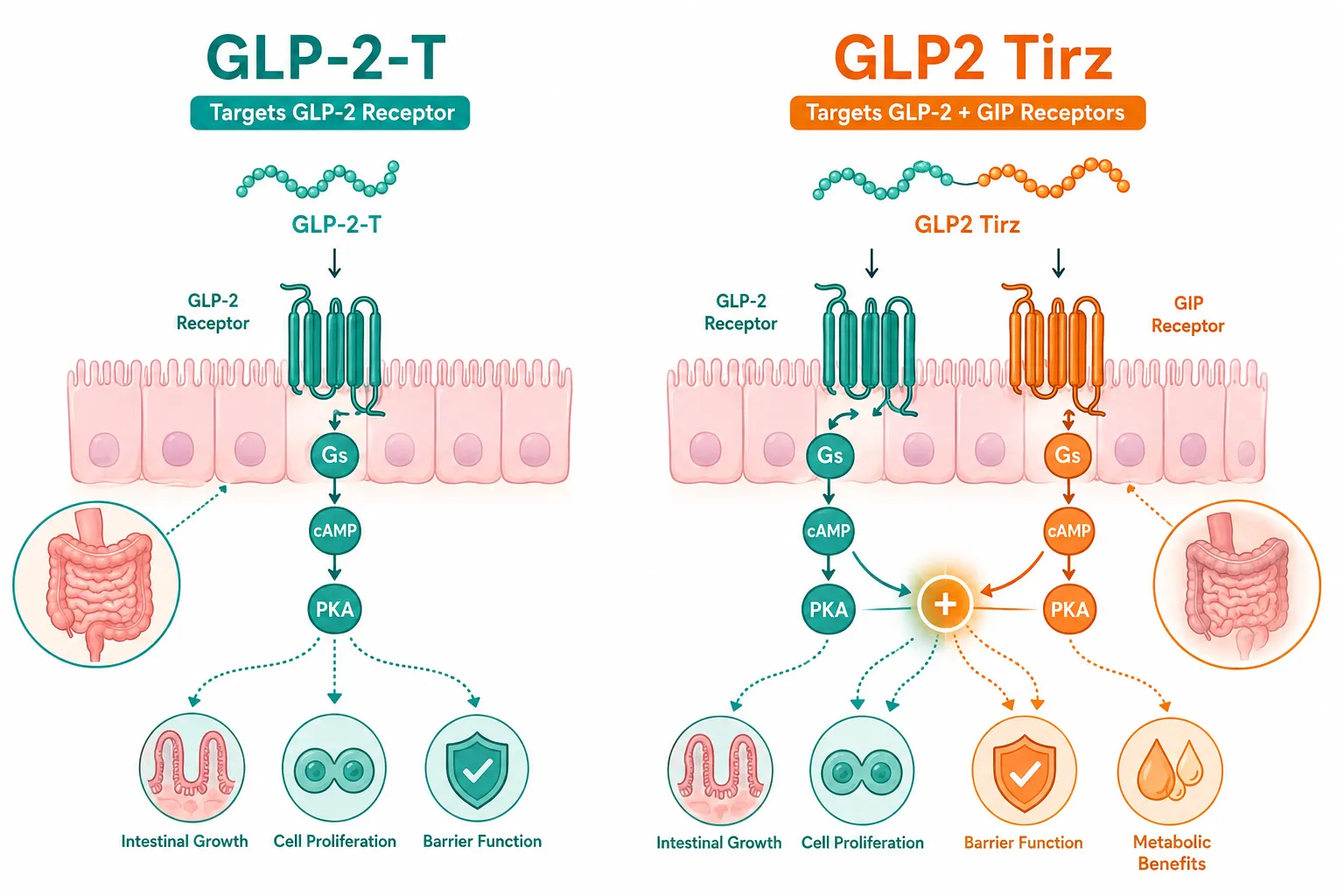
Split diagram comparing GLP-2-T and Tirzepatide molecular pathways

The confusion around GLP-2-T and GLP2 Tirz Peptides stems from an informal numbering convention that circulates in research blogs, supplement forums, and even some vendor catalogs. In this system, semaglutide is called "GLP-1," tirzepatide is called "GLP-2," and retatrutide is called "GLP-3." The logic follows the number of receptor targets each drug engages.

The problem: these numbers already belong to real, endogenous peptides.

  • GLP-1 (glucagon-like peptide-1): a well-characterized incretin hormone.
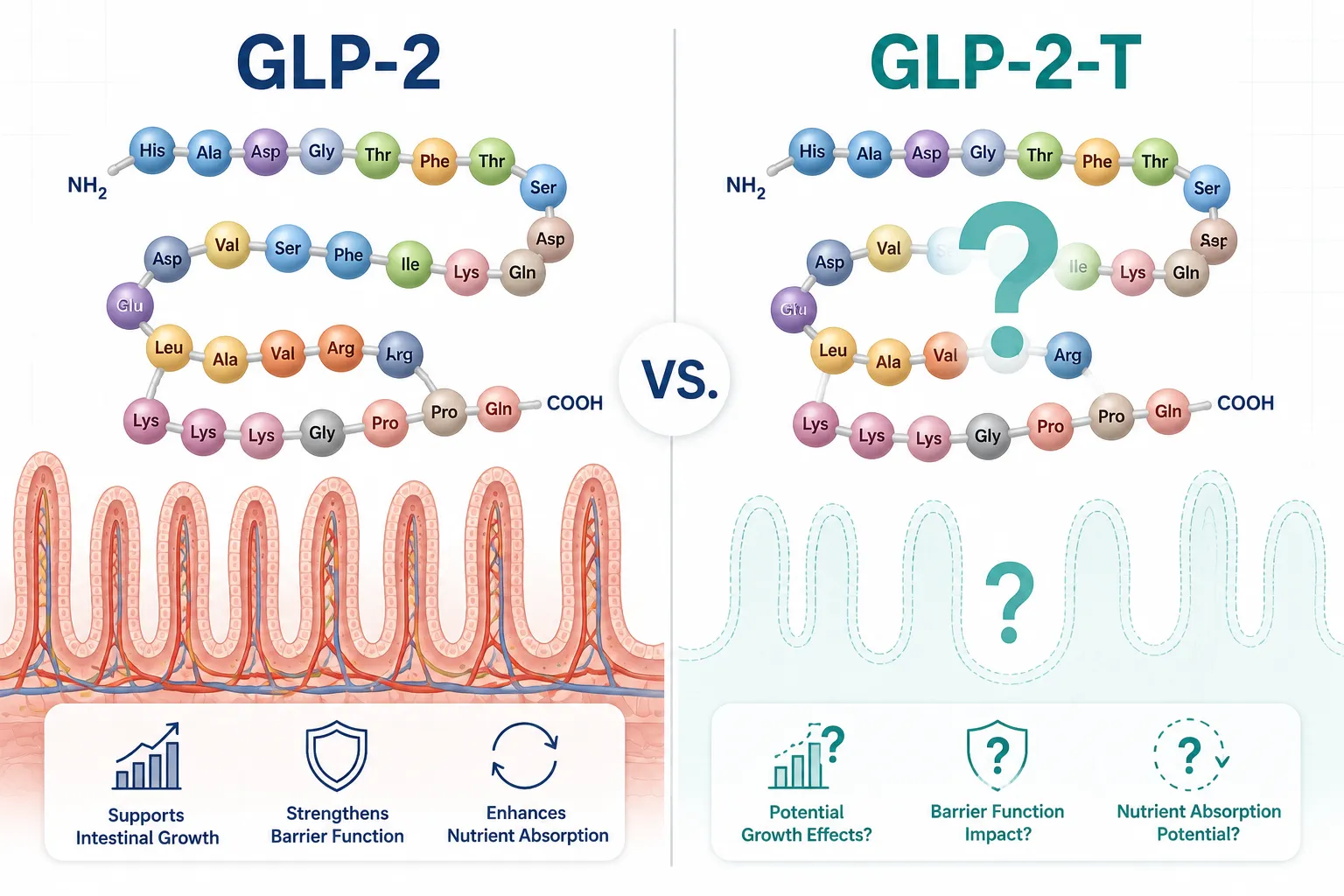
  • GLP-2 (glucagon-like peptide-2): a 33-amino acid hormone secreted by intestinal L-cells, primarily involved in gut mucosal growth and barrier function.
  • GLP-3: not a recognized endogenous hormone; "retatrutide" is its informal nickname, targeting GLP-1, GIP, and glucagon receptors.

The World Health Organization's International Nonproprietary Names system designates the generic name tirzepatide, with the stem "-tirz-" signaling its dual incretin activity. Calling tirzepatide "GLP-2 Tirz" blends an endogenous peptide name with a drug suffix, producing a label that implies receptor overlap where none exists.

For researchers exploring incretin-based metabolic research, the GLP-1-T incretin research themes page provides a useful parallel on how GLP-1 analogs are properly categorized. Similarly, the GLP-3 Reta research page illustrates how the triple-agonist space is being studied without conflating it with endogenous peptide families.


Mechanistic Differences: Two Compounds, Two Entirely Different Systems

Researcher's lab bench with peptide vials and pathway research cards

The core issue in the GLP-2-T and GLP2 Tirz Peptides naming confusion is that these compounds act through fundamentally separate biological systems.

How GLP-2 and GLP-2-T Work

GLP-2 is co-released with GLP-1 from enteroendocrine L-cells after nutrient intake. Its primary roles include:

  • Promoting intestinal mucosal growth and villus elongation
  • Supporting tight junction regulation and gut barrier integrity
  • Modulating enteric nervous system signaling

Critically, the GLP-2 receptor is expressed in the enteric nervous system rather than directly on intestinal epithelial cells, which means GLP-2 acts through an indirect mechanism involving neural intermediaries.

GLP-2-T is a modified, stability-enhanced analog of this endogenous peptide. Its structural modifications extend its half-life, allowing researchers to study longer-lasting gut mucosal effects without repeated peptide dosing in experimental setups. This makes it a practical tool for intestinal barrier and villus growth models.

How Tirzepatide (Informally "GLP-2 Tirz") Works

Tirzepatide is a dual agonist at the GLP-1 receptor and the glucose-dependent insulinotropic polypeptide (GIP) receptor. Its research-relevant actions include:

  • Stimulating glucose-dependent insulin secretion
  • Suppressing appetite via central GLP-1 receptor pathways
  • Modulating fat metabolism through GIP receptor activity

Tirzepatide has no direct activity at the GLP-2 receptor. Placing it under a "GLP-2" label is therefore mechanistically misleading. Researchers interested in dual incretin signaling may also find value in reviewing cagrilintide synergy with GLP-1 to understand how complementary peptide combinations are studied in metabolic contexts.

Feature GLP-2-T Tirzepatide ("GLP-2 Tirz")
Receptor target GLP-2 receptor GLP-1 + GIP receptors
Primary system Intestinal/gut mucosal Metabolic/pancreatic
Research focus Gut barrier, villi growth Insulin secretion, appetite
Endogenous basis GLP-2 analog Synthetic dual agonist

Research Use Cases: Selecting the Right Compound

GLP-2-T research use cases infographic with four key application icons

Understanding GLP-2-T and GLP2 Tirz Peptides: Naming Confusion, Mechanistic Differences, and Research Use Cases becomes most practical when deciding which compound belongs in a specific experimental design.

GLP-2-T Research Applications

GLP-2-T is primarily examined in preclinical gut biology models for:

  1. Intestinal villi growth and maintenance, studying how mucosal architecture responds to GLP-2 receptor stimulation
  2. Gut barrier permeability models, examining tight junction proteins and paracellular transport
  3. Enteric nervous system signaling, probing how GLP-2 receptor activation translates into epithelial responses via neural intermediaries
  4. Metabolic gut hub research, because the gut functions as a metabolic signaling organ, GLP-2-T is increasingly discussed alongside metabolic peptides

Recent research directions have also explored long-acting GLP-2 analogs through lipidation strategies, which enhance half-life and gut-tropic efficacy in rodent models, a design principle that informs GLP-2-T's structural modifications.

For researchers building multi-peptide protocols, longevity peptide research and MOTS-C mechanism and research offer context on how gut-metabolic signaling intersects with broader longevity pathways.

Tirzepatide Research Applications

Tirzepatide is studied for:

  • Glucose homeostasis and beta-cell function models
  • Adipose tissue metabolism via GIP receptor pathways
  • Appetite regulation through central GLP-1 receptor mechanisms

These are entirely separate research domains from GLP-2-T's intestinal focus. Researchers who require verified, lab-tested compounds for either pathway should consult resources on peptide purity testing to ensure compound integrity before experimental use.

Key distinction: If the research question involves gut mucosal biology, tight junctions, or intestinal villi, GLP-2-T is the relevant compound. If the question involves insulin secretion, appetite, or dual incretin signaling, tirzepatide is the appropriate subject, and it should be referred to by its correct INN name.


Conclusion

The naming overlap between GLP-2-T and "GLP-2 Tirz" (tirzepatide) is not a minor stylistic issue, it represents a mechanistic mismatch that can send researchers down the wrong experimental path. GLP-2-T targets the GLP-2 receptor and serves gut mucosal biology research. Tirzepatide targets GLP-1 and GIP receptors and belongs to metabolic and incretin research. They share no receptor overlap, no shared biological system, and no interchangeable research applications.

Actionable next steps for researchers:

  • Use the WHO-designated INN name "tirzepatide" in all literature and protocols, not the informal "GLP-2 Tirz" label.
  • Confirm receptor targets before selecting a compound for any experimental model.
  • Cross-reference vendor catalogs against peer-reviewed receptor pharmacology data.
  • Explore the all peptides for sale resource for context on how research-grade peptides are classified and combined.
  • Review innovative peptide delivery systems for updates on stability-enhancing modifications relevant to GLP-2-T analog design.

Precise nomenclature is the foundation of reproducible science. Resolving this naming confusion is the first step toward cleaner experimental design and more reliable results.

https://www.puretestedpeptides.com/wp-content/uploads/2026/07/glp-2-t-and-glp2-tirz-peptides-naming-confusion-mechanistic-differences-and-rese-1.png 1024 1536 https://www.puretestedpeptides.com/wp-content/uploads/2026/01/buy-peptides-online.jpg 2026-07-13 13:18:122026-07-13 13:18:14GLP-2-T and GLP2 Tirz Peptides: Naming Confusion, Mechanistic Differences, and Research Use Cases
GLP-2-T Peptide: Unraveling Its Impact on Gut Microbiome and Intestinal Homeostasis Research

GLP-2-T Peptide: Unraveling Its Impact on Gut Microbiome and Intestinal Homeostasis Research

July 11, 2026/0 Comments/in Uncategorized/by

Fewer than one in ten adults with short bowel syndrome have access to targeted peptide-based therapies, yet the molecule at the center of that treatment gap, GLP-2, is now revealing a far broader story. Research in 2026 increasingly focuses on GLP-2-T peptide: unraveling its impact on gut microbiome and intestinal homeostasis research has become one of the most active frontiers in gastrointestinal science, moving well beyond barrier repair into the dynamic world of microbial ecology.

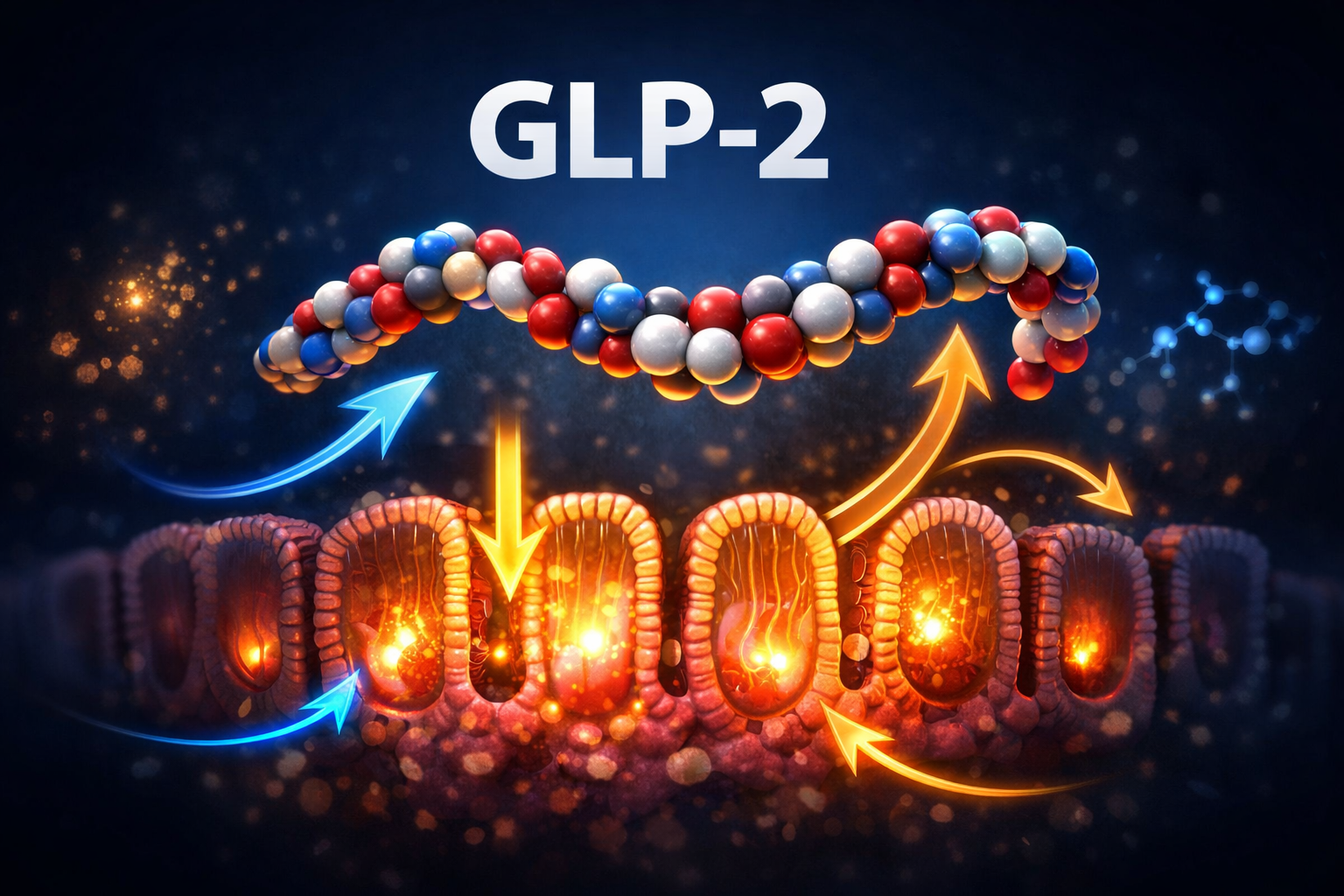
Editorial () showing a detailed scientific illustration of a 33-amino acid peptide chain labeled 'GLP-2' in white text (5

Key Takeaways

  • GLP-2-T is a next-generation analog of the naturally occurring 33-amino acid gut hormone GLP-2, with enhanced stability and receptor activity.
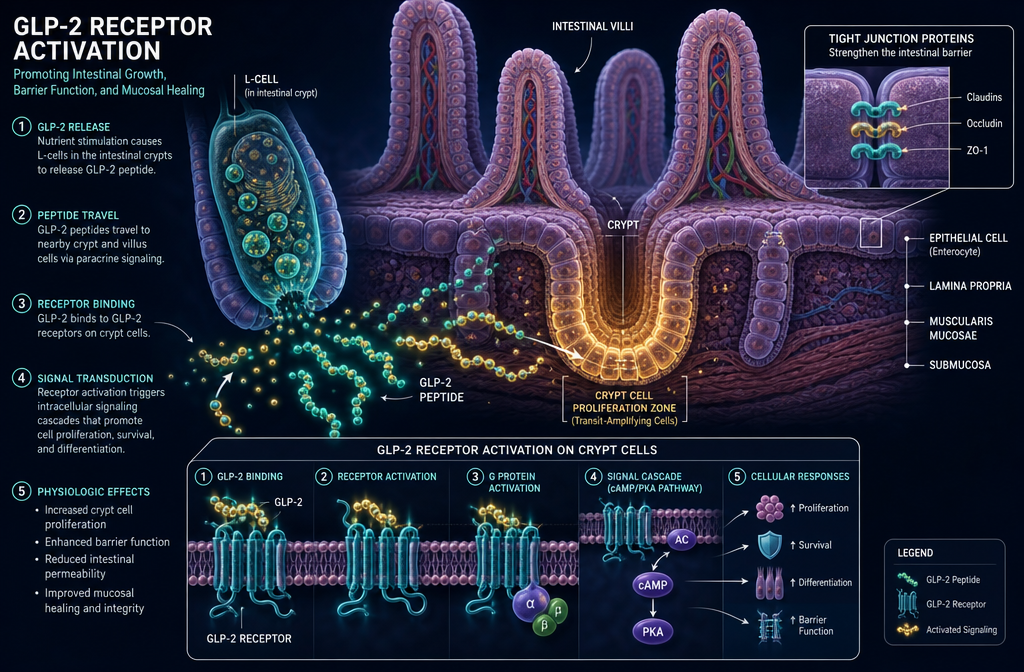
  • It binds the GLP-2 receptor (GLP-2R) to stimulate crypt cell proliferation, reduce apoptosis, and increase intestinal mass.
  • Preclinical data show GLP-2 treatment can shift gut microbiota composition, reducing pathogenic genera while boosting beneficial bacteria.
  • GLP-2-T strengthens intestinal barrier integrity by tightening epithelial junctions and limiting systemic inflammation.
  • Therapeutic research now spans short bowel syndrome, inflammatory bowel disease, chemotherapy-induced mucositis, and emerging metabolic applications.

What Is GLP-2-T and How Does It Work

GLP-2 is a 33-amino acid peptide hormone secreted from intestinal L-cells alongside GLP-1 in direct response to nutrient intake. While GLP-1 governs glucose regulation and appetite, a topic explored in detail in the generations of GLP-1 differences overview, GLP-2 focuses specifically on intestinal growth and repair. GLP-2-T refers to a stabilized, truncation-resistant analog engineered to extend the peptide's short plasma half-life and amplify receptor engagement.

The mechanism is precise. GLP-2-T binds the GLP-2 receptor (GLP-2R), activating downstream signaling cascades that:

  • Stimulate crypt cell proliferation, expanding the intestinal epithelial surface
  • Inhibit enterocyte apoptosis, preserving mucosal architecture
  • Enhance nutrient absorption, increasing functional digestive capacity
  • Modulate nitric oxide pathways, supporting intestinal lipid absorption and chylomicron secretion

This receptor-driven mechanism is what makes GLP-2-T distinct from broader gut-healing peptides. Researchers comparing it to multi-target compounds like BPC-157 note that GLP-2-T's action is highly tissue-specific, concentrated in the small intestine and proximal colon.

"GLP-2-T's receptor specificity allows researchers to isolate intestinal growth signals from systemic metabolic noise, a critical advantage in controlled preclinical models."


GLP-2-T Peptide: Unraveling Its Impact on Gut Microbiome Composition

This is where the science becomes particularly compelling. Preclinical studies using Sprague-Dawley rat models demonstrated that GLP-2 treatment produced a measurable shift in gut microbiota composition. Aged rats showed a significant reduction in pathogenic bacterial genera alongside a concurrent increase in beneficial commensal populations. These findings suggest that GLP-2-T's influence on intestinal homeostasis extends beyond the epithelial layer into the microbial ecosystem itself.

GLP-2-T Peptide: Unraveling Its Impact on Gut Microbiome Composition

The proposed mechanisms linking GLP-2-T to microbiome modulation include:

Pathway Proposed Effect
Reduced epithelial permeability Less translocation of pro-inflammatory lipopolysaccharides
Increased mucosal surface area More habitat for beneficial anaerobes
Reduced luminal inflammation Selective pressure favoring commensal species
Enhanced mucus layer thickness Physical barrier supporting Lactobacillus and Bifidobacterium colonization

This bidirectional relationship, where GLP-2-T shapes the microbiome and the microbiome in turn influences L-cell secretion, mirrors patterns seen in research on other gut-active peptides. Those interested in multi-pathway gut and metabolic interactions may also find the KLow blend multi-pathway research discussion relevant to this systems-level view.


GLP-2-T Peptide: Intestinal Homeostasis Research and Therapeutic Potential

Maintaining intestinal homeostasis requires a constant balance between mucosal renewal, immune tolerance, and microbial stability. GLP-2-T addresses all three arms of this balance.

Barrier integrity is a primary focus. By tightening epithelial tight junctions and reducing paracellular permeability, GLP-2-T limits the translocation of bacterial antigens and endotoxins into systemic circulation, a process directly linked to chronic low-grade inflammation. This mechanism has drawn comparisons to the anti-inflammatory tissue-repair work documented in BPC-157 and TB-500 combination research.

GLP-2-T Peptide: Intestinal Homeostasis Research and Therapeutic Potential

Current therapeutic research areas include:

  • Short bowel syndrome, the basis for teduglutide (Gattex), the approved GLP-2 analog
  • Inflammatory bowel disease, reducing mucosal damage during active flares
  • Chemotherapy-induced mucositis, protecting rapidly dividing crypt cells from cytotoxic damage
  • Metabolic disorders, leveraging GLP-2-T's role in lipid absorption and chylomicron regulation

Beyond the gut, early data point to neuroprotective properties, including reduced neuronal apoptosis and potential neurogenesis support, an area being watched alongside broader peptide longevity research such as NAD+ energetics and longevity research themes.

For researchers sourcing compounds to study gut-active peptides, reviewing lab-tested peptide standards is an important step in ensuring experimental integrity. Those exploring the broader GLP receptor family should also review the GIP receptor and its importance for complementary context.


Conclusion

GLP-2-T peptide: unraveling its impact on gut microbiome and intestinal homeostasis research is no longer a niche pursuit, it sits at the intersection of mucosal immunology, microbial ecology, and metabolic medicine. The evidence to date supports a peptide that does far more than grow intestinal tissue. It actively reshapes the microbial environment, fortifies the epithelial barrier, and modulates lipid and inflammatory pathways simultaneously.

Actionable next steps for researchers:

  1. Review current preclinical microbiome shift data and identify gaps in human translational models.
  2. Compare GLP-2-T analog stability profiles against first-generation GLP-2 compounds in study design.
  3. Explore synergistic research designs pairing GLP-2-T with complementary gut-active peptides.
  4. Ensure all research-grade compounds are sourced from verified, lab-tested peptide suppliers to maintain data reproducibility.
  5. Monitor emerging data on GLP-2-T's neuroprotective and metabolic applications as the field expands.

The gut is not a passive organ, and GLP-2-T is not a passive molecule. As 2026 research continues to unfold, this peptide's role in shaping the body's internal ecosystem may prove to be one of the most significant stories in gastrointestinal science.


https://www.puretestedpeptides.com/wp-content/uploads/2026/07/glp-2-t-peptide-unraveling-its-impact-on-gut-microbiome-and-intestinal-homeostas.png 1024 1536 https://www.puretestedpeptides.com/wp-content/uploads/2026/01/buy-peptides-online.jpg 2026-07-11 13:38:062026-07-11 13:38:06GLP-2-T Peptide: Unraveling Its Impact on Gut Microbiome and Intestinal Homeostasis Research
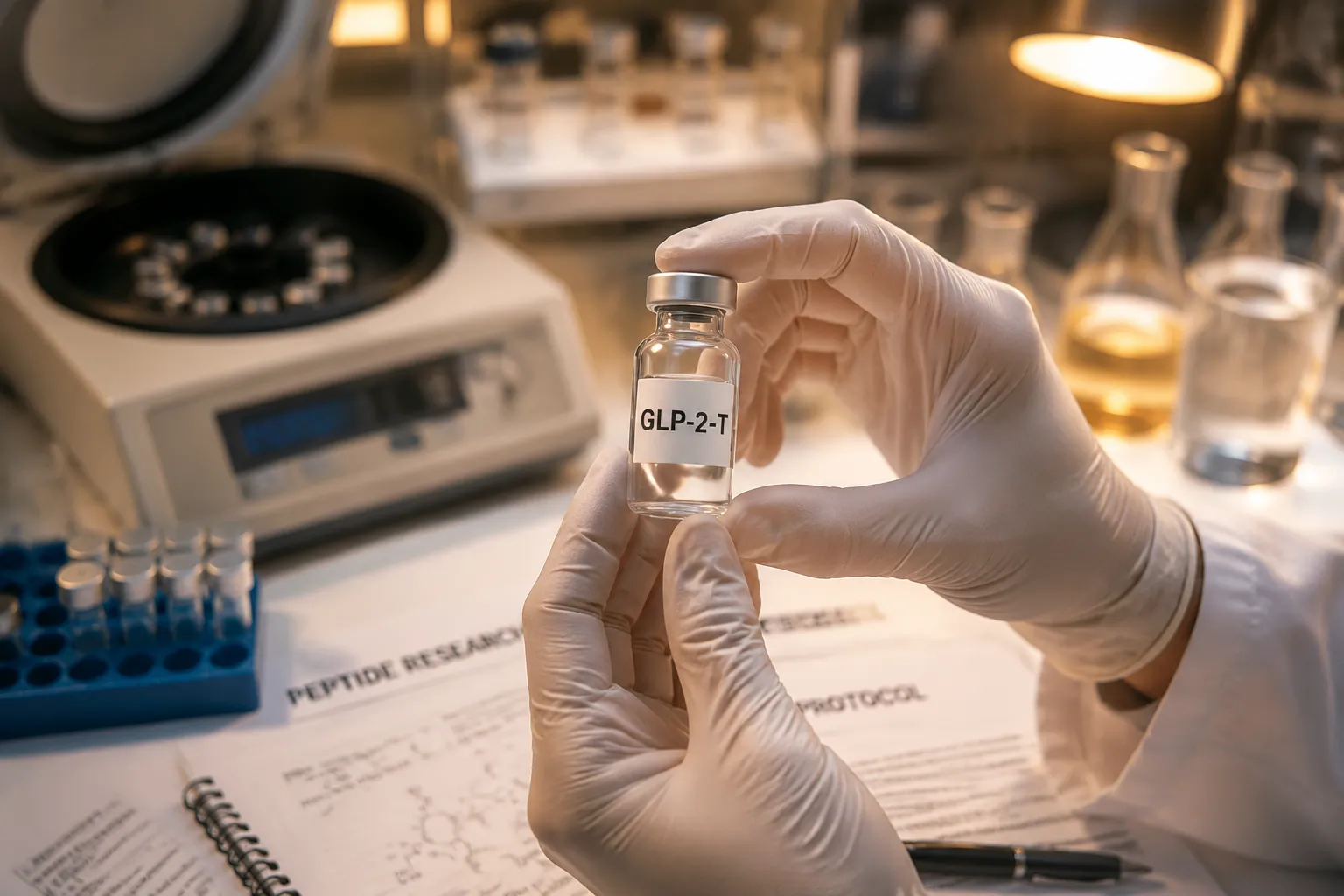
Where to Buy Research-Grade GLP-2-T Peptide: A Guide to Sourcing High-Purity Compounds

Where to Buy Research-Grade GLP-2-T Peptide: A Guide to Sourcing High-Purity Compounds

July 8, 2026/0 Comments/in Uncategorized/by

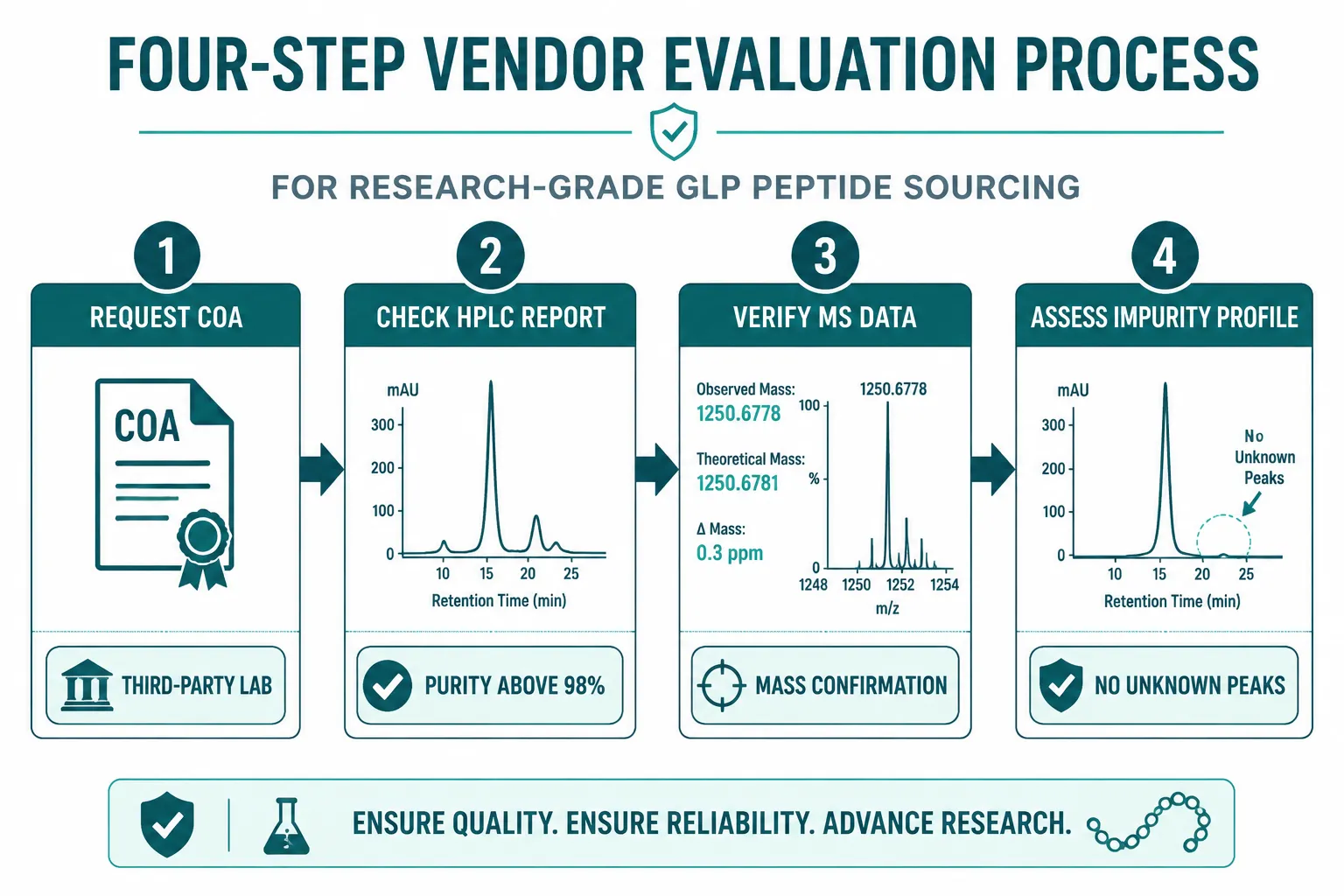
Fewer than 30% of peptide compounds sold online meet the purity thresholds required for reliable preclinical research, a statistic that makes supplier selection one of the most consequential decisions a researcher can make. For scientists investigating intestinal adaptation, mucosal repair, and metabolic signaling, knowing where to buy research-grade GLP-2-T peptide and how to evaluate high-purity compounds is not a minor detail; it is foundational to data integrity.

This guide to sourcing high-purity GLP-2-T compounds walks through the key quality benchmarks, supplier evaluation criteria, and ordering best practices that serious researchers rely on in 2026.

Key Takeaways

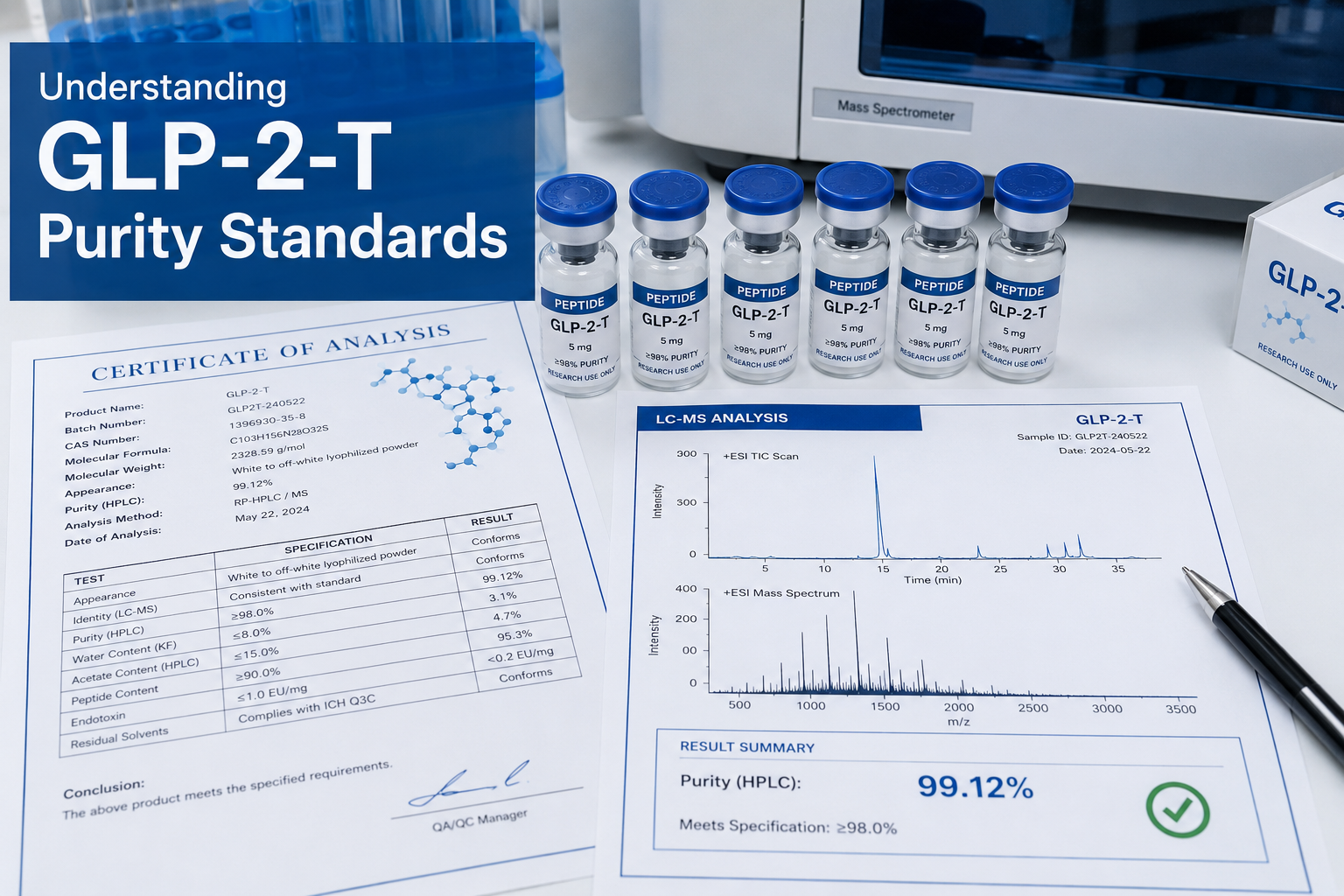
  • Research-grade GLP-2-T peptide requires a minimum purity of 98%, verified by third-party HPLC and mass spectrometry analysis.
  • Certificates of Analysis (CoA) from independent labs are non-negotiable when vetting any supplier.
  • Reputable suppliers provide transparent documentation, cold-chain shipping, and clearly labeled research-only designations.
  • Newer GLP-related analogs are expanding rapidly; understanding the GLP peptide landscape helps researchers select the right compound.
  • Domestic suppliers with updated product listings, such as those refreshed in mid-2026, tend to offer more reliable stock and documentation consistency.

Key Takeaways

Understanding GLP-2-T: What Researchers Need to Know Before Sourcing

GLP-2-T (Glucagon-Like Peptide-2, Thr-substituted analog) is a modified variant of native GLP-2, designed to extend half-life and improve stability in research settings. Native GLP-2 is a 33-amino acid peptide secreted by intestinal L-cells, primarily studied for its role in gut epithelial proliferation, nutrient absorption, and mucosal barrier integrity.

The "T" designation refers to a threonine substitution that resists dipeptidyl peptidase-IV (DPP-IV) cleavage, a modification that makes the compound more tractable for in vitro and in vivo research models.

Why purity matters here: Even a 2-3% impurity load in a GLP-2-T sample can introduce confounding variables in receptor-binding assays or cell proliferation studies. Researchers exploring the broader incretin landscape, including those reviewing GLP-1 receptor agonist research themes, consistently cite purity as the single largest variable affecting reproducibility.

For context on how GLP-family analogs have evolved across research generations, the overview of GLP-1 generations and structural differences provides useful background.


Key Quality Standards: A Guide to Sourcing High-Purity Compounds

Before placing any order, researchers should evaluate suppliers against a defined set of quality benchmarks. The table below summarizes the minimum acceptable standards for research-grade GLP-2-T peptide.

Quality Parameter Minimum Standard Verification Method
Peptide Purity >98% HPLC chromatography
Molecular Identity Confirmed Mass spectrometry (MS)
Endotoxin Level <1 EU/mg LAL assay
Certificate of Analysis Third-party issued Independent lab documentation
Sterility Lyophilized, sealed Visual + documentation

Understanding peptide purity testing methods in detail helps researchers interpret CoA data accurately rather than accepting supplier claims at face value.

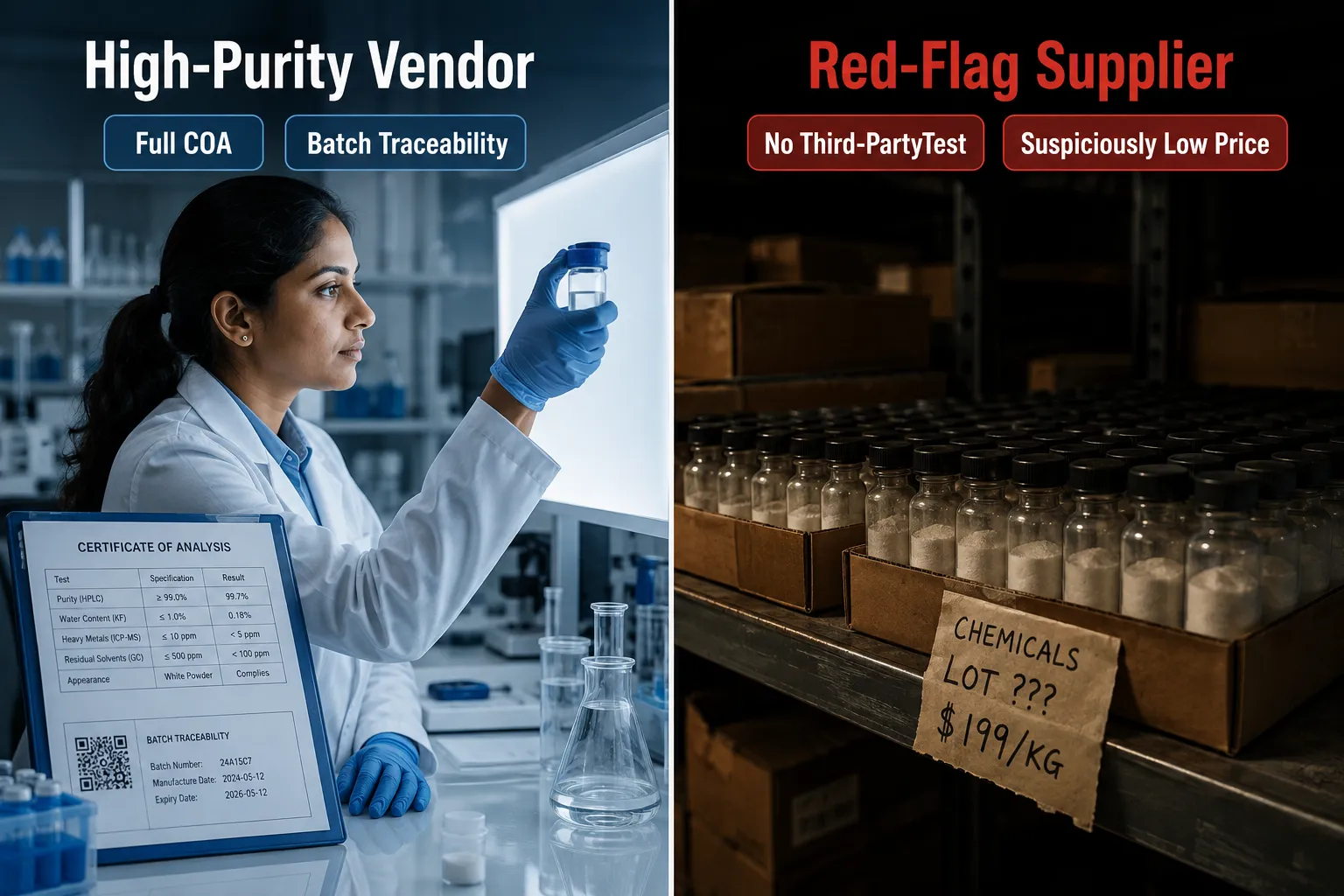
Key principle: A supplier unwilling to share third-party CoA documentation before purchase should be disqualified immediately, regardless of price.

Key Quality Standards: A Guide to Sourcing High-Purity Compounds

Where to Buy Research-Grade GLP-2-T Peptide: Evaluating Suppliers in 2026

The research peptide market has grown significantly, and not all vendors maintain consistent standards. As of mid-2026, suppliers such as Nationwide Peptides and Cenexa Labs have updated their GLP-2 and GLP-2-T product pages with current batch documentation, a positive indicator of active inventory management and quality oversight.

What to look for in a reputable supplier:

  • Independent third-party testing, CoAs issued by labs with no commercial relationship to the vendor
  • Transparent batch numbers, traceable to specific synthesis runs
  • Research-only labeling, clearly states the compound is for laboratory use, not human consumption
  • Cold-chain shipping options, lyophilized peptides remain stable at room temperature short-term, but cold-chain shipping reduces degradation risk during transit
  • Responsive technical support, ability to answer questions about reconstitution, storage, and compound specifications

Researchers sourcing GLP-related compounds may also find value in reviewing the GLP-3 triple agonist research catalog to understand how adjacent compounds are documented and presented by quality-focused vendors.

For those comparing sourcing options across compound classes, the comprehensive peptide catalog overview offers a useful reference point for evaluating how vendors organize and disclose product information.


Storage, Handling, and Ordering Best Practices

Receiving high-purity GLP-2-T peptide is only half the equation. Improper storage or reconstitution can degrade even a 99%-pure compound within days.

Storage guidelines:

  • Store lyophilized powder at -20°C for long-term stability
  • After reconstitution, store at 4°C and use within 48-72 hours
  • Avoid repeated freeze-thaw cycles, aliquot before freezing
  • Use sterile bacteriostatic water or acetic acid solution for reconstitution, depending on solubility specifications

Ordering checklist:

  1. Confirm current batch CoA is available before checkout
  2. Verify purity percentage matches the stated research-grade threshold
  3. Check that the supplier lists the compound under research-use-only terms
  4. Review shipping conditions, especially for warm-weather transit
  5. Confirm return or replacement policy for damaged shipments

Researchers working with peptide blends or multi-compound protocols should also review available peptide blend formulations to understand how combination products are documented versus single-compound vials.

For broader context on the evolving peptide research landscape in 2026, the latest peptide research updates provide relevant background on emerging analogs and regulatory considerations.

Storage, Handling, and Ordering Best Practices


Conclusion

Knowing where to buy research-grade GLP-2-T peptide and applying a rigorous guide to sourcing high-purity compounds directly determines the quality of downstream research outcomes. The steps are straightforward: demand third-party CoAs, verify purity above 98% via HPLC and mass spectrometry, confirm research-only labeling, and choose suppliers with demonstrably current inventory documentation.

Actionable next steps for researchers:

  • Build a supplier vetting checklist based on the quality parameters outlined above
  • Request CoA documentation from any new vendor before committing to a purchase
  • Cross-reference batch purity data against your assay sensitivity requirements
  • Review updated GLP-2-T listings from vendors who refreshed their catalogs in 2026
  • Bookmark resources on GLP-1 dual receptor agonism research to contextualize GLP-2-T findings within the broader incretin family

Sourcing decisions made with rigor at the outset protect the integrity of every experiment that follows.

https://www.puretestedpeptides.com/wp-content/uploads/2026/07/Where-to-Buy-Research-Grade-GLP-2-T-Peptide-A-Guide-to-Sourcing-High-Purity-Compounds.png 1254 1254 https://www.puretestedpeptides.com/wp-content/uploads/2026/01/buy-peptides-online.jpg 2026-07-08 13:05:452026-07-08 13:05:45Where to Buy Research-Grade GLP-2-T Peptide: A Guide to Sourcing High-Purity Compounds

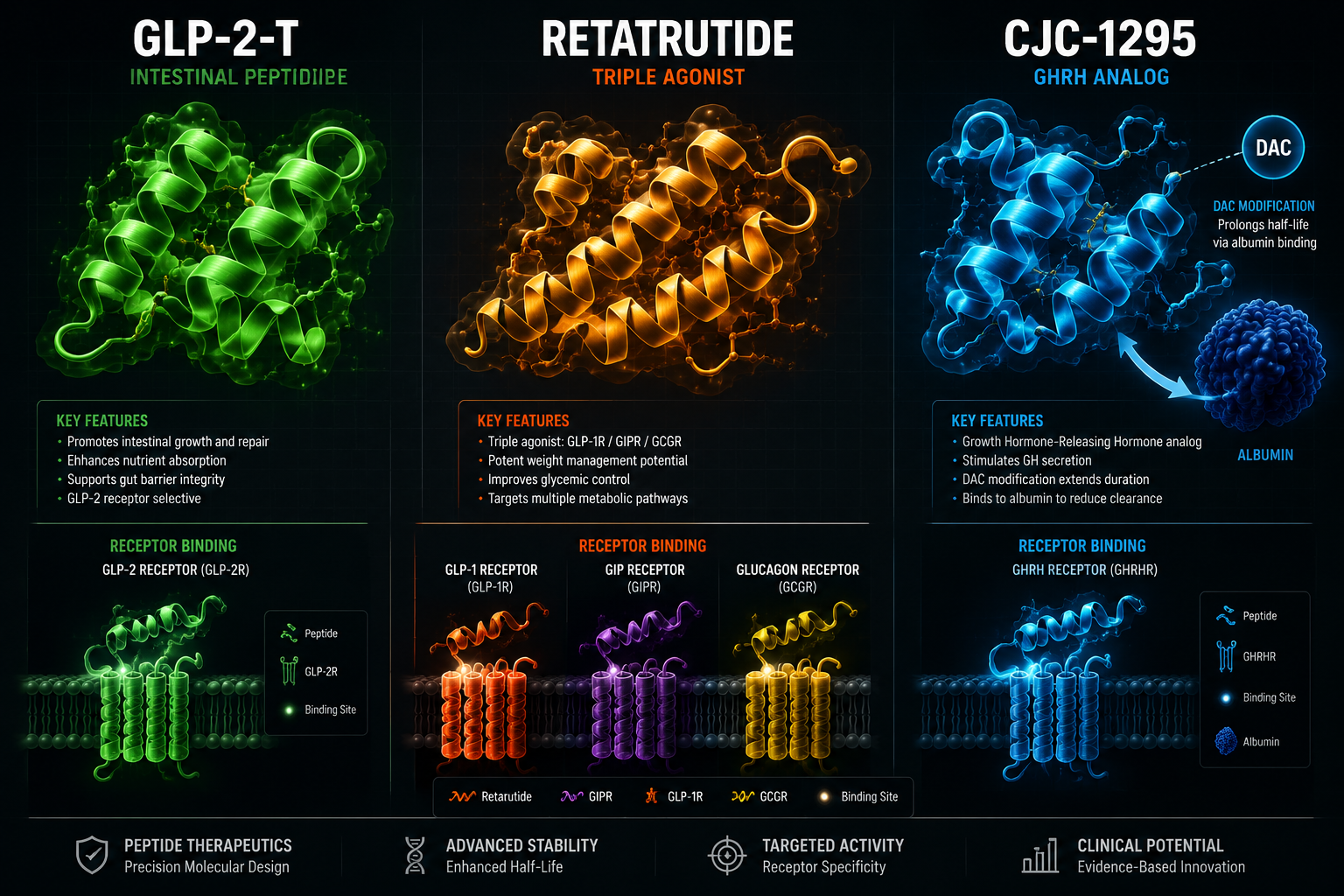
Polypeptide Peptides in Endocrine and Metabolic Pathways: How GLP‑3, GLP‑2‑T, and CJC‑1295 Drive Hormone Research

July 7, 2026/0 Comments/in Uncategorized/by

Fewer than 30 amino acids separate a simple dipeptide from a full-length polypeptide hormone, yet that structural gap represents decades of endocrinology research and some of the most consequential therapeutic discoveries in modern medicine. The phrase "polypeptide peptides" is technically redundant, but it reflects a real gap in how researchers, students, and clinicians talk about these molecules. Understanding that gap is the first step toward grasping how compounds like GLP-3, GLP-2-T, and CJC-1295 are reshaping endocrine and metabolic science in 2026.

This article clarifies the structure-function basics of polypeptide hormones, then maps those principles onto three research-stage peptides that are generating significant scientific interest.

Key Takeaways

  • All peptide hormones are polypeptides, but the term "polypeptide peptides" is often used loosely to describe multi-chain signaling molecules derived from larger precursor proteins.
  • GLP-3, GLP-2-T (a stabilized GLP-2 analog), and CJC-1295 each act on distinct receptor systems, incretin, intestinal trophic, and growth hormone-releasing pathways respectively.
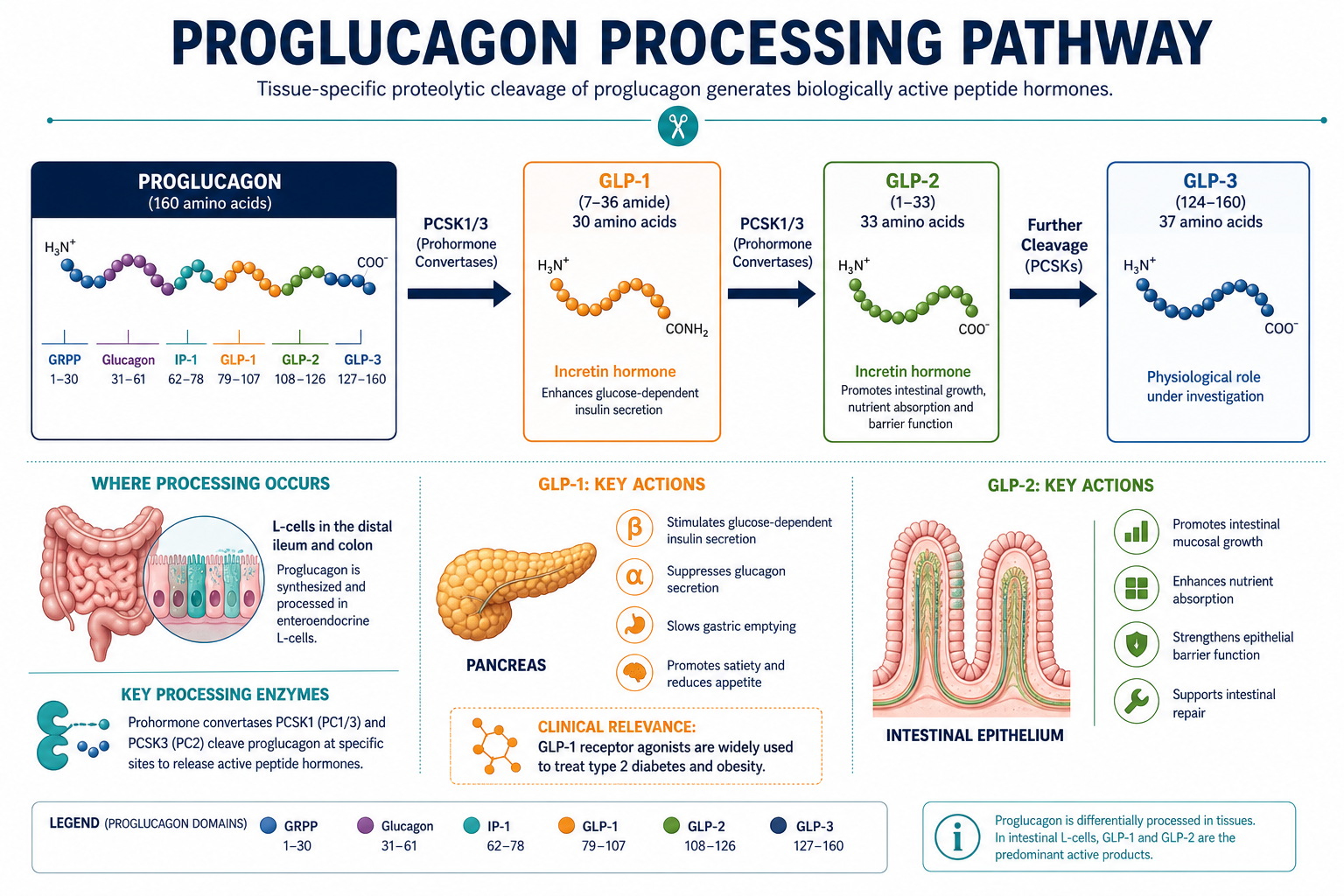
  • Proglucagon is the shared precursor for GLP-1, GLP-2, and GLP-3, with tissue-specific enzyme processing determining which hormone is produced.
  • CJC-1295 extends its half-life through covalent albumin binding, making it a useful model for studying sustained growth hormone axis stimulation.
  • All three compounds are currently restricted to preclinical and research contexts; none are approved for general clinical use.

Key Takeaways

What "Polypeptide Peptides" Actually Means in Endocrine Science

A peptide is any chain of amino acids linked by peptide bonds. A polypeptide is simply a longer chain, conventionally above 10 amino acids. In endocrinology, most signaling hormones fall into this polypeptide range, including insulin, glucagon, and the glucagon-like peptides. When researchers use the phrase "polypeptide peptides in endocrine and metabolic pathways," they are usually describing these multi-residue signaling molecules that bind to G-protein-coupled receptors (GPCRs) to regulate metabolism, growth, and energy balance.

Why does the distinction matter? Because the length and folding of a polypeptide chain determine receptor selectivity, enzymatic stability, and pharmacokinetic behavior. Small modifications, a single amino acid substitution or the addition of a fatty acid chain, can shift a rapidly degraded native peptide into a research-grade compound with a half-life measured in days rather than minutes.

The Proglucagon Precursor: One Gene, Multiple Hormones

Glucagon, GLP-1, GLP-2, and GLP-3 all derive from a single precursor protein called proglucagon. Tissue-specific prohormone convertases (PC2 in the pancreatic alpha cells, PC1/3 in intestinal L-cells) cleave proglucagon at different sites, producing distinct hormones with distinct roles.

  • Glucagon: raises blood glucose; produced in the pancreas
  • GLP-1: stimulates insulin secretion; produced in the gut and brain
  • GLP-2: promotes intestinal mucosal growth and nutrient absorption
  • GLP-3: a less-characterized fragment still under active investigation

For researchers exploring GLP-1 peptide sourcing and generational research concepts, understanding this shared precursor is essential context.


GLP-3 and GLP-2-T: Incretin-Adjacent Peptides in Metabolic Research

GLP-3 and GLP-2-T: Incretin-Adjacent Peptides in Metabolic Research

GLP-3 and the Triple-Agonist Frontier

GLP-3 is a proglucagon-derived fragment whose receptor binding profile is still being characterized. Research interest intensified when it became clear that multi-receptor agonism, hitting GLP-1R, GIPR, and glucagon receptors simultaneously, produces additive metabolic effects. Retatrutide, sometimes discussed in the context of GLP-3 triple-agonist research planning, is a synthetic peptide designed to exploit this multi-agonist principle.

"Multi-receptor agonism represents a shift from single-target pharmacology toward systems-level metabolic intervention, a paradigm that polypeptide research is uniquely positioned to advance."

Proglucagon-derived peptides, including GLP-1 and GIP, regulate energy storage through actions on adipose tissue, influencing white and brown fat activity, islet hormone secretion, and food intake. GLP-3 research extends this framework into less-mapped receptor territory. You can also explore related research on retatrutide and GLP-3 pathway studies for additional context.

GLP-2-T: Stabilized Intestinal Trophic Research

GLP-2-T refers to a stabilized, modified form of GLP-2 designed to resist dipeptidyl peptidase-4 (DPP-4) degradation, the same enzyme that rapidly inactivates native GLP-1 and GLP-2. Native GLP-2 has a half-life of approximately 7 minutes; structural modifications extend this substantially, making it viable for controlled research protocols examining intestinal mucosal integrity, nutrient absorption, and gut barrier function.

The chemical modification strategy mirrors what has been applied to other peptide hormones: amino acid substitutions at DPP-4 cleavage sites, combined in some analogs with fatty acid acylation to enable albumin binding.


CJC-1295 and the Growth Hormone Axis: A Model for Polypeptide Peptides in Endocrine and Metabolic Pathways

Mechanism and Pharmacokinetics

CJC-1295 is a synthetic analog of growth hormone-releasing hormone (GHRH). It binds to GHRH receptors on anterior pituitary somatotrophs, activating the cAMP/PKA signaling pathway. This triggers growth hormone (GH) release and subsequent elevation of insulin-like growth factor 1 (IGF-1).

What makes CJC-1295 a standout research model is its Drug Affinity Complex (DAC) modification. The DAC enables covalent binding to circulating serum albumin, extending the peptide's half-life to approximately 6 to 8 days in humans, compared to minutes for native GHRH. This sustained action allows researchers to study prolonged GH and IGF-1 elevation without repeated dosing.

CJC-1295 underwent Phase II clinical trials for HIV-associated visceral obesity before being discontinued following the death of a trial participant. The death was attributed to pre-existing coronary artery disease and deemed unrelated to the compound, but development did not continue. It remains a research-only compound.

For researchers reviewing CJC-1295 and Ipamorelin assay planning and sourcing, the DAC pharmacokinetics are a central variable in experimental design. Multi-peptide blend studies, such as those examining Tesamorelin and CJC-1295 combinations, also rely on this extended half-life as a design consideration.

CREB Signaling: The Downstream Pathway

CJC-1295's activation of cAMP/PKA feeds into the CREB (cAMP response element-binding protein) transcriptional pathway. CREB and its co-activators act as sensors for hormonal and metabolic signals, mediating gene transcription involved in glucose metabolism and energy balance. This makes CJC-1295 not just a GH secretagogue but a tool for studying broader hormonal gene regulation.

Researchers interested in growth hormone-axis peptides may also find value in reviewing Tesamorelin peptide research, another GHRH analog with a distinct modification profile and its own clinical data set.

Ipamorelin as a Complementary Research Tool

Ipamorelin is a GH secretagogue receptor (GHSR) agonist that stimulates GH release through a different receptor than CJC-1295. Used together in research models, they provide a dual-pathway approach to studying GH axis regulation. Detailed information on Ipamorelin research applications offers useful background for designing multi-peptide studies.


Conclusion

Polypeptide peptides in endocrine and metabolic pathways, from the proglucagon-derived incretin family to synthetic GHRH analogs, represent a structurally diverse but mechanistically coherent class of research tools. GLP-3 and GLP-2-T extend incretin biology into multi-receptor and intestinal trophic territory, while CJC-1295 provides a well-characterized model for sustained growth hormone axis stimulation through albumin-binding pharmacokinetics.

Actionable next steps for researchers:

  • Map the proglucagon processing pathway before designing any GLP-family study to ensure receptor selectivity is clearly defined.
  • Evaluate DPP-4 stability data when selecting GLP-2-T analogs, as modification sites directly affect experimental half-life.
  • Review CJC-1295 DAC pharmacokinetics and CREB pathway literature before establishing dosing intervals in GH-axis protocols.
  • Source peptides from suppliers with documented purity standards; consult peptide supplier comparison resources and reference standard benchmarking guides to validate compound integrity before use.

All compounds discussed here are for preclinical research purposes only and are not approved for human therapeutic use outside of authorized clinical trial frameworks.

https://www.puretestedpeptides.com/wp-content/uploads/2026/01/buy-peptides-online.jpg 0 0 https://www.puretestedpeptides.com/wp-content/uploads/2026/01/buy-peptides-online.jpg 2026-07-07 13:20:052026-07-07 13:20:05Polypeptide Peptides in Endocrine and Metabolic Pathways: How GLP‑3, GLP‑2‑T, and CJC‑1295 Drive Hormone Research
GLP-2-T Peptide: Exploring Its Unique Role in Intestinal Barrier Function and Nutrient Absorption Research

GLP-2-T Peptide: Exploring Its Unique Role in Intestinal Barrier Function and Nutrient Absorption Research

July 5, 2026/0 Comments/in Uncategorized/by

The intestinal barrier covers roughly 400 square meters of surface area, yet a single disruption in its tight junction proteins can cascade into systemic inflammation, malabsorption, and chronic disease. Researchers studying gut-derived peptides have increasingly turned their attention to GLP-2-T peptide, a modified analog within the glucagon-like peptide-2 family, as a potential tool for understanding how the gut wall maintains its integrity and how nutrient uptake can be optimized at a cellular level.

GLP-2-T Peptide: Exploring Its Unique Role in Intestinal Barrier Function and Nutrient Absorption Research sits at the intersection of peptide biochemistry and gastrointestinal physiology, making it one of the more compelling subjects in preclinical research in 2026.

Key Takeaways

  • GLP-2-T peptide is a modified analog of native GLP-2, engineered for greater resistance to enzymatic degradation by DPP-4.
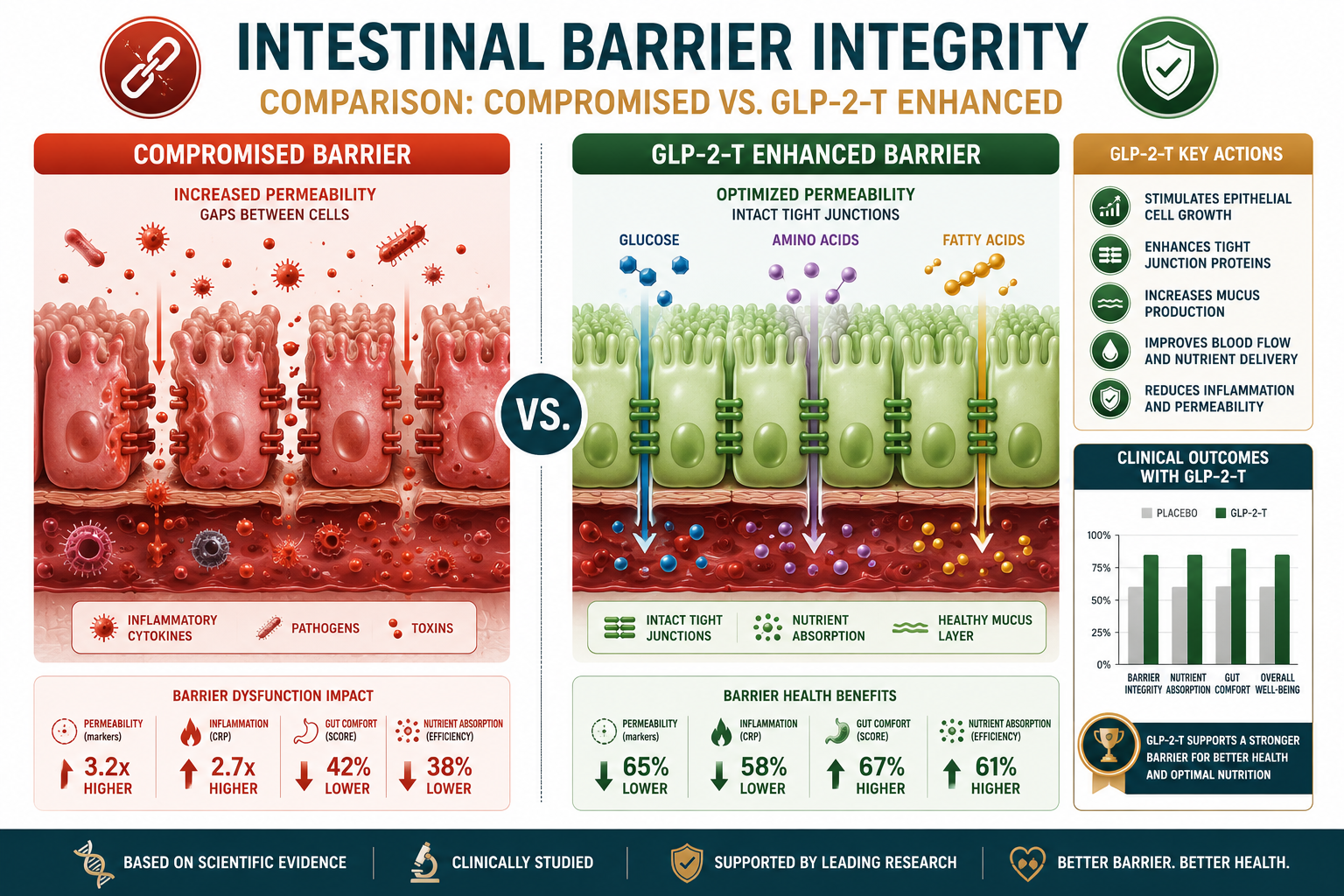
  • Its primary research focus centers on reinforcing tight junction proteins that form the intestinal barrier.
  • Preclinical data suggest GLP-2-T may support mucosal growth and enhance the absorption of glucose, amino acids, and fatty acids.
  • The peptide activates the GLP-2 receptor (GLP-2R) on enteric neurons and intestinal epithelial cells, triggering downstream signaling cascades.
  • Research-grade purity and proper sourcing are essential for generating reliable experimental data.

Key Takeaways

What Is GLP-2-T Peptide and How Does It Work

Native GLP-2 is a 33-amino acid peptide secreted by L-cells in the distal small intestine and colon in response to nutrient intake. Its biological half-life is short, approximately 7 minutes, because the enzyme dipeptidyl peptidase-4 (DPP-4) rapidly cleaves it at the N-terminal alanine residue.

GLP-2-T refers to a modified version of this peptide in which the alanine at position 2 is substituted with another amino acid (commonly glycine or threonine), rendering it resistant to DPP-4 cleavage. This structural change dramatically extends its active half-life, making it a more practical tool for sustained receptor activation in research settings.

Mechanism of action at a glance:

Feature Native GLP-2 GLP-2-T Analog
Half-life ~7 minutes Significantly extended
DPP-4 resistance Low High
Receptor binding GLP-2R GLP-2R
Research utility Limited duration Sustained activation

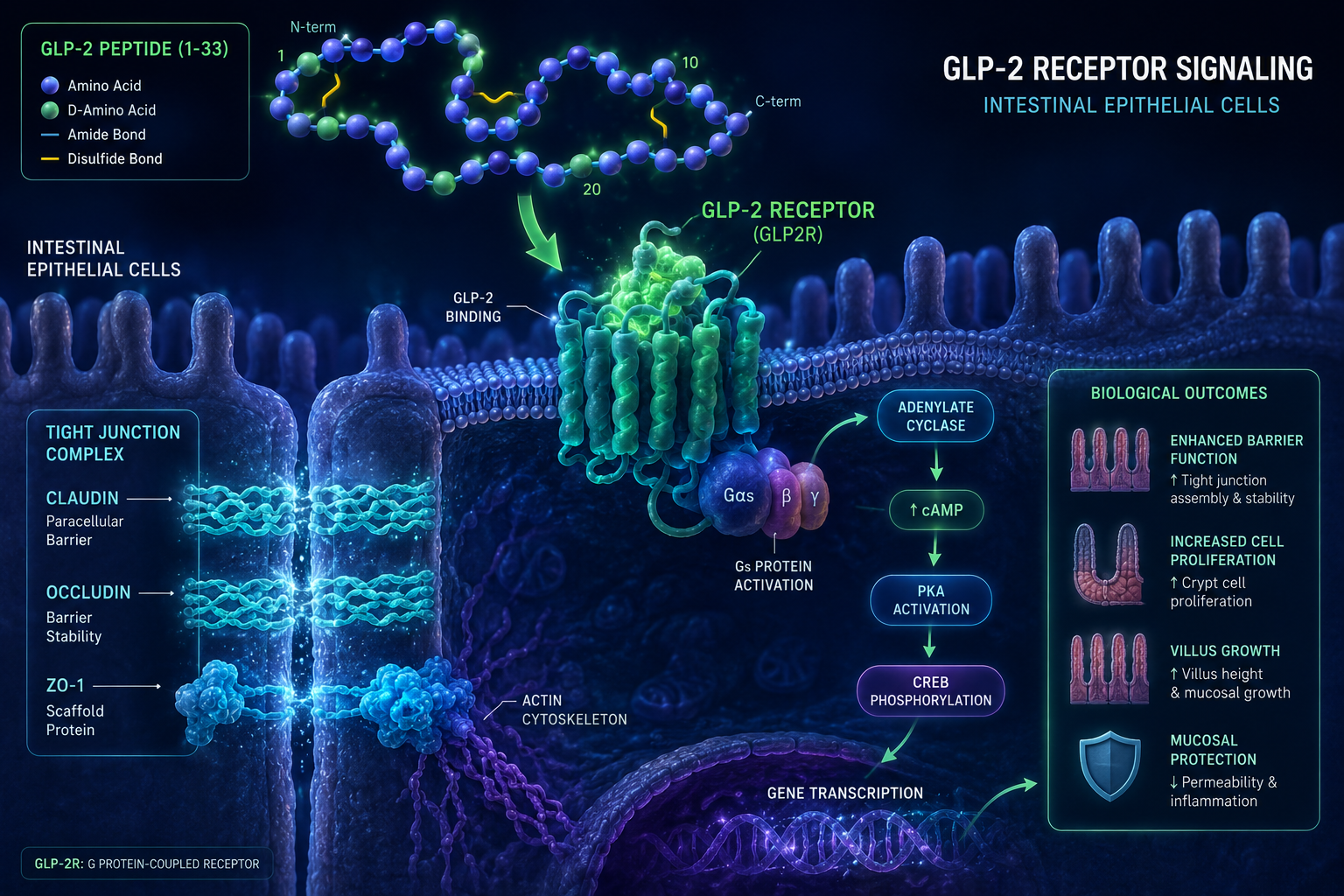
Once GLP-2-T binds to the GLP-2 receptor, expressed on enteric neurons, subepithelial myofibroblasts, and epithelial cells, it triggers cAMP-mediated signaling that promotes crypt cell proliferation, reduces enterocyte apoptosis, and stimulates mucosal growth.

Researchers exploring the broader landscape of gut-active peptides will find useful context in this GLP-1 generations overview, which outlines how incretin family peptides have evolved across research generations.


What Is GLP-2-T Peptide and How Does It Work

GLP-2-T Peptide: Exploring Its Unique Role in Intestinal Barrier Function

The intestinal barrier is maintained by a network of tight junction proteins, including claudin, occludin, and ZO-1, that seal the spaces between epithelial cells. When these proteins are disrupted, the result is increased intestinal permeability, often called "leaky gut," which allows bacterial endotoxins and undigested antigens to enter systemic circulation.

Preclinical research on GLP-2-T and related DPP-4-resistant analogs suggests several barrier-protective mechanisms:

  • Upregulation of tight junction proteins: GLP-2R activation has been linked to increased expression of claudin-3 and occludin, physically reinforcing the epithelial seal.
  • Reduction of apoptosis: The peptide appears to suppress programmed cell death in intestinal epithelial cells, preserving barrier continuity.
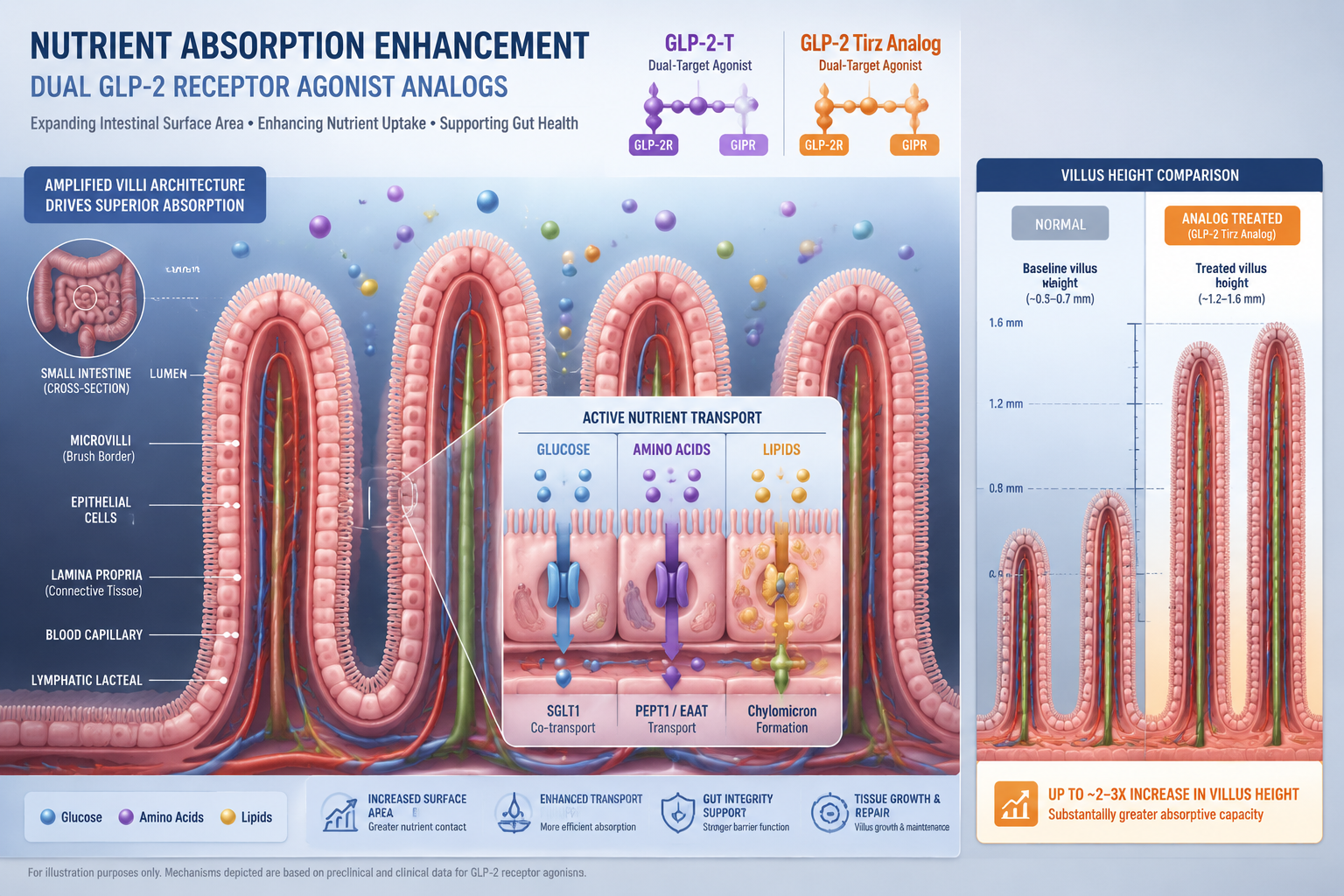
  • Mucosal hypertrophy: Crypt cell proliferation increases villus height, expanding the functional surface area of the gut lining.
  • Anti-inflammatory signaling: Downstream effects include reduced pro-inflammatory cytokine expression in the intestinal mucosa.

"The structural integrity of the intestinal epithelium is not passive, it is actively maintained by signaling peptides that respond to nutritional and inflammatory cues."

For researchers comparing gut-protective peptides, BPC-157 research themes offer a complementary perspective on angiogenesis and mucosal repair pathways.


GLP-2-T Peptide: Exploring Its Unique Role in Intestinal Barrier Function

GLP-2-T Peptide: Exploring Its Unique Role in Nutrient Absorption Research

Beyond barrier protection, GLP-2-T peptide research has focused on its capacity to enhance nutrient absorption, a function directly tied to villus morphology and transporter expression.

Key findings from preclinical models include:

  • Glucose transport: GLP-2R activation has been associated with upregulation of SGLT-1 (sodium-glucose cotransporter 1) and GLUT2 in the brush border membrane, increasing glucose uptake efficiency.
  • Amino acid absorption: Enhanced villus surface area and transporter density may improve uptake of essential amino acids, relevant in short bowel syndrome models.
  • Lipid processing: Increased expression of fatty acid binding proteins in enterocytes supports improved lipid absorption.

These findings make GLP-2-T particularly relevant to research on intestinal failure and conditions involving compromised absorptive capacity. Researchers interested in metabolic peptide interactions may also find value in reviewing NAD research and GLP-3 peptide sourcing for a broader metabolic context.

For those investigating multi-target approaches to gut health, the GLP-1-T dual receptor agonism research breakdown provides relevant comparative data on incretin-based peptide strategies.


Research Considerations and Sourcing Standards

Reliable experimental outcomes with GLP-2-T peptide depend heavily on compound purity. Contaminants or degraded peptide fractions can produce inconsistent receptor activation and confound results. Researchers should prioritize vendors that provide third-party verified purity data.

For guidance on evaluating peptide quality standards, peptide purity testing made simple outlines the key benchmarks researchers should apply when sourcing compounds for gastrointestinal studies.

Those building broader research protocols may also benefit from reviewing what is new in peptide research to understand how GLP-2-T fits within the evolving landscape of gut-targeted peptide science.


Conclusion

GLP-2-T peptide represents a focused and mechanistically rich area of gastrointestinal research. Its DPP-4-resistant structure enables sustained GLP-2 receptor activation, supporting tight junction reinforcement, mucosal growth, and enhanced transporter-mediated nutrient uptake. For researchers investigating intestinal barrier dysfunction, malabsorption syndromes, or gut epithelial signaling, GLP-2-T offers a well-defined pharmacological tool with a growing preclinical evidence base.

Actionable next steps for researchers:

  1. Review current preclinical models using DPP-4-resistant GLP-2 analogs to establish baseline comparisons.
  2. Source research-grade GLP-2-T from vendors with documented purity testing and certificates of analysis.
  3. Design in vitro tight junction assays (TEER measurements) alongside in vivo mucosal morphometry studies.
  4. Consider combination protocols that pair GLP-2-T with complementary gut-protective peptides to evaluate synergistic barrier effects.
https://www.puretestedpeptides.com/wp-content/uploads/2026/07/GLP-2-T-Peptide-Exploring-Its-Unique-Role-in-Intestinal-Barrier-Function-and-Nutrient-Absorption-Research.png 1024 1536 https://www.puretestedpeptides.com/wp-content/uploads/2026/01/buy-peptides-online.jpg 2026-07-05 13:08:142026-07-05 13:08:14GLP-2-T Peptide: Exploring Its Unique Role in Intestinal Barrier Function and Nutrient Absorption Research
GLP-2-T and GLP-2 Tirz Peptides: Gut Mucosal Integrity, Nutrient Absorption, and Experimental IBD Models

GLP-2-T and GLP-2 Tirz Peptides: Gut Mucosal Integrity, Nutrient Absorption, and Experimental IBD Models

June 10, 2026/0 Comments/in Uncategorized/by

Roughly 1.6 million Americans live with inflammatory bowel disease, yet the intestinal epithelium — the single-cell-thick barrier separating the gut lumen from the bloodstream — remains one of the most underexplored therapeutic targets in modern peptide research. GLP-2-T and GLP-2 Tirz Peptides: Gut Mucosal Integrity, Nutrient Absorption, and Experimental IBD Models represent a rapidly advancing frontier in preclinical science, offering researchers new tools to probe how next-generation glucagon-like peptide-2 analogs regulate villus growth, barrier function, and inflammatory signaling in the gut.

Key Takeaways

  • GLP-2 is a 33-amino acid peptide secreted by intestinal L-cells that drives mucosal growth and reduces gut permeability.
  • GLP-2-T and GLP-2 Tirz are next-generation analogs engineered for enhanced receptor potency and extended half-life compared to native GLP-2.
  • Both analogs stimulate crypt cell proliferation, expand villus surface area, and tighten epithelial junctions in preclinical models.
  • Experimental IBD models show measurable reductions in inflammatory cytokines and mucosal damage scores following analog treatment.
  • These peptides are research-stage compounds used to understand gut biology, not approved clinical therapies.

Key Takeaways

GLP-2 Receptor Biology: The Foundation for GLP-2-T and GLP-2 Tirz Research

GLP-2 is produced through proglucagon processing in enteroendocrine L-cells lining the small and large intestine. When nutrients — particularly fats and fermentable carbohydrates — reach the distal gut, L-cells release GLP-2 into the portal circulation. The peptide then binds to the GLP-2 receptor (GLP-2R), a G-protein-coupled receptor expressed on enteric neurons, subepithelial myofibroblasts, and select immune cells within the lamina propria.

Critically, GLP-2R activation does not act directly on enterocytes. Instead, it triggers a paracrine signaling cascade involving insulin-like growth factor-1 (IGF-1), keratinocyte growth factor (KGF), and epidermal growth factor (EGF). These secondary messengers drive crypt cell proliferation, suppress enterocyte apoptosis, and ultimately expand the mucosal surface area available for nutrient absorption.

Native GLP-2 has a short half-life — roughly 7 minutes — due to rapid degradation by the enzyme dipeptidyl peptidase-4 (DPP-4). This limitation spurred the development of DPP-4-resistant analogs. Teduglutide (Gattex) was the first approved analog, used clinically for short bowel syndrome. GLP-2-T and GLP-2 Tirz represent a newer generation engineered for even greater receptor affinity and metabolic stability, making them valuable tools in preclinical gut biology research.

For researchers exploring multi-target peptide interactions, understanding how GLP-3 and related incretin analogs compare in receptor selectivity provides useful context for designing experimental protocols.


GLP-2 Receptor Biology: The Foundation for GLP-2-T and GLP-2 Tirz Research

Gut Mucosal Integrity and Nutrient Absorption: How GLP-2-T and GLP-2 Tirz Peptides Differ

Both GLP-2-T and GLP-2 Tirz share the core mechanism of native GLP-2 but diverge in structural modifications that affect their pharmacokinetic profiles.

Feature Native GLP-2 GLP-2-T GLP-2 Tirz
Half-life ~7 minutes Extended Extended + dual action
DPP-4 resistance Low High High
Receptor target GLP-2R only GLP-2R GLP-2R + secondary target
Villus growth effect Moderate Strong Strong
Barrier tightening Moderate Strong Strong

GLP-2 Tirz is particularly notable because its structural design borrows from the tirzepatide framework — a dual or multi-receptor approach — which may allow simultaneous modulation of gut motility and mucosal repair pathways. In preclinical rodent models, GLP-2 Tirz treatment has been associated with:

  • Measurable increases in villus height-to-crypt depth ratios
  • Upregulation of tight junction proteins (claudin-3, occludin, ZO-1)
  • Reduced intestinal permeability as measured by FITC-dextran assays
  • Enhanced absorption of glucose, amino acids, and long-chain fatty acids

These findings align with broader research on tissue repair peptides. Researchers interested in how structural peptides support epithelial integrity may also find value in reviewing BPC-157 and TB-500 regeneration research, which addresses overlapping pathways in mucosal healing.

Additionally, the role of GHK-Cu peptides in tissue homeostasis offers a complementary perspective on how copper-binding peptides influence extracellular matrix remodeling in gut tissue.


Gut Mucosal Integrity and Nutrient Absorption: How GLP-2-T and GLP-2 Tirz Peptides Differ

Experimental IBD Models: Applying GLP-2-T and GLP-2 Tirz Peptides to Inflammatory Disease Research

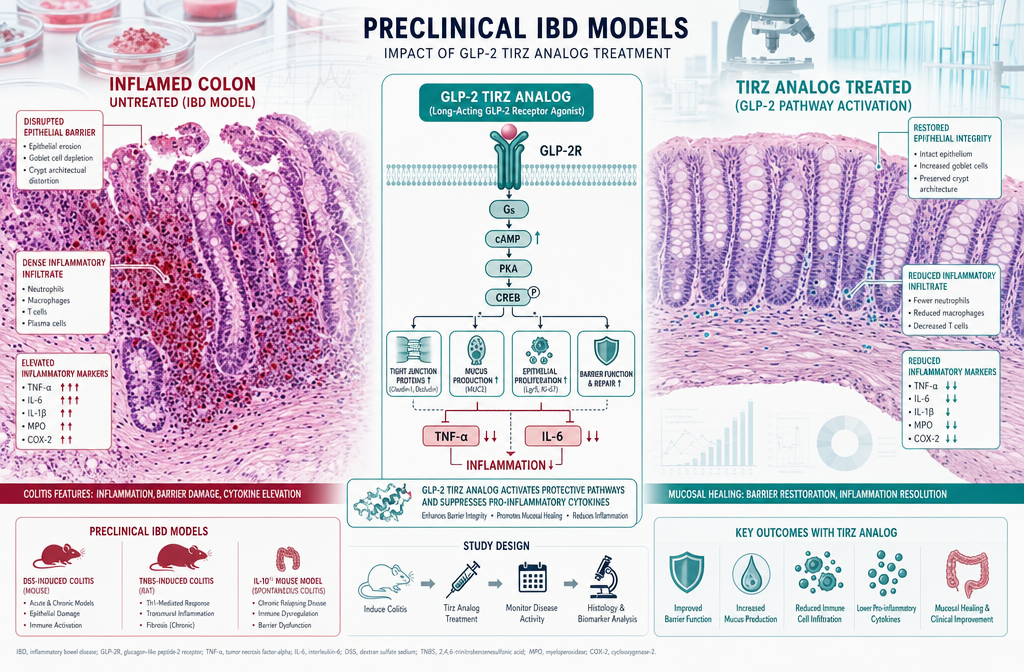
The application of GLP-2-T and GLP-2 Tirz Peptides: Gut Mucosal Integrity, Nutrient Absorption, and Experimental IBD Models research has accelerated in preclinical settings using established colitis induction protocols, including dextran sodium sulfate (DSS) and 2,4,6-trinitrobenzenesulfonic acid (TNBS) models.

In DSS-induced colitis models, animals treated with GLP-2 analogs consistently show:

  • Lower disease activity index (DAI) scores, reflecting reduced weight loss, stool consistency changes, and rectal bleeding
  • Decreased colonic shortening, a hallmark of chronic inflammation
  • Reduced myeloperoxidase (MPO) activity, indicating lower neutrophil infiltration
  • Suppressed pro-inflammatory cytokines including TNF-alpha, IL-6, and IL-1beta

GLP-2 Tirz's potential dual-receptor engagement may offer additional anti-inflammatory benefits beyond mucosal repair alone. Researchers hypothesize that modulating enteric nervous system signaling through GLP-2R could dampen the neurogenic component of intestinal inflammation.

For broader context on how peptides interact with innate immune pathways relevant to gut inflammation, the LL-37 innate immunity research overview and neuroendocrine innate immunity research provide useful comparative frameworks.

Researchers sourcing compounds for gut biology studies can also explore the full peptide catalog organized by research theme to identify complementary tools for multi-pathway experimental designs.


Conclusion

The preclinical science surrounding GLP-2-T and GLP-2 Tirz Peptides: Gut Mucosal Integrity, Nutrient Absorption, and Experimental IBD Models points toward a compelling set of research opportunities. These analogs offer improved pharmacokinetic stability over native GLP-2, demonstrable effects on villus architecture and tight junction integrity, and measurable anti-inflammatory activity in established colitis models.

Actionable next steps for researchers:

  • Design dose-response studies using GLP-2-T and GLP-2 Tirz in DSS or TNBS colitis models to establish effective preclinical ranges.
  • Pair mucosal permeability assays (FITC-dextran) with cytokine panels to capture both structural and immunological endpoints.
  • Consider multi-peptide experimental designs that incorporate complementary gut-repair compounds to map synergistic pathways.
  • Review the generations of GLP-1 analog development to contextualize GLP-2 Tirz within the broader incretin analog landscape.

As preclinical data continues to accumulate in 2026, GLP-2-T and GLP-2 Tirz remain among the most mechanistically rich peptide tools available for studying intestinal barrier biology and inflammatory gut disease.

https://www.puretestedpeptides.com/wp-content/uploads/2026/06/GLP-2-T-and-GLP-2-Tirz-Peptides-Gut-Mucosal-Integrity-Nutrient-Absorption-and-Experimental-IBD-Models.png 672 1024 https://www.puretestedpeptides.com/wp-content/uploads/2026/01/buy-peptides-online.jpg 2026-06-10 13:06:362026-06-10 13:06:36GLP-2-T and GLP-2 Tirz Peptides: Gut Mucosal Integrity, Nutrient Absorption, and Experimental IBD Models
×

Helpful Links

  • My account
  • Cart
  • Checkout
  • Refund and Returns Policy
  • Privacy Policy
  • SMS Privacy Policy
  • Login
  • My Account
  • Logout

USA Made Lab Tested Peptides

All products are sold for research, laboratory, or analytical purposes only, and are not for human consumption


Pure Tested Peptides is a chemical supplier. Pure Tested Peptides is not a compounding / chemical compounding facility as defined under 503A of the Federal Food, Drug, and Cosmetic act. Pure Tested Peptides is not an outsourcing facility as defined under 503B of the Federal Food, Drug, and Cosmetic act.

The statements made within this website have not been evaluated by the US Food and Drug Administration. The products we offer are not intended to diagnose, treat, cure or prevent any disease.

Human/Animal Consumption Prohibited. Laboratory/In-Vitro Experimental Use Only

Scroll to top Scroll to top Scroll to top