Call or Text 727-513-9780
  • Shopping Cart Shopping Cart
    0Shopping Cart
Pure Tested Peptides | America's most trusted Peptides for sale online
  • Peptides for sale
    • Oral Peptides for sale
      • Peptide Capsules for sale
      • BPC 157 Capsules 1000mcg
      • SLU-PP-332 Capsules | 1000 mcg
      • 5-Amino-1MQ 50mg Capsules
      • Tesofensine 500mcg
    • All Peptides for sale
    • Peptide Sprays
      • BPC 157 Nasal Spray Kit
      • BPC-157 TB500 Nasal Spray Kit
      • Semax Nasal Spray 10mg
      • Selank – Nasal Spray Kit – 10mg
      • Epithalon 50MG Nasal Spray Kit
      • Ipamorelin 10mg Nasal Spray
      • Klow Nasal Spray (BPC-157 + TB-500 + GHK-Cu + KPV) | 80mg
      • Hulk Nasal Spray Tesa / Ipa Blend 6/3 MG
      • Klow Nasal Spray
      • NAD + 500 mg Nasal Spray
      • PT-141 Nasal Spray Kit
    • GHRH Peptides
      • Ipa Peptides
      • CJC-1295 Peptides
        • CJC-1295 with DAC 5 mg
        • CJC-1295 without DAC 5 mg
        • CJC-1295 Ipa 10mg
      • Tesa Peptides
        • Tesa Peptide
        • Tesa 20 mg
    • GHK-Cu Peptides
      • All GHK-Cu Peptides
      • GHK-Cu 100mg
      • KLOW Peptide Blend – Buy KLOW blend online
    • BPC Peptides
      • All BPC Peptides
      • BPC-157
      • BPC-157 TB-500
      • BPC 157 capsules 1000mcg
    • SLU-PP-332 Peptides
      • All SLU-PP-332 Peptides
      • SLU-PP-332 5mg
    • GLP3 Peptides
      • GLP3-R
      • GLP3-R CAG 10mg
      • GLP3-R 20mg
    • PT-141 Peptides
      • PT-141 Peptides for sale
      • PT-141 10mg
      • PT-141 Nasal Spray
    • CAG Peptides
      • Lipo-C Peptide Blend
      • CAG 5mg
      • CAG 10mg
    • MOTS-C Peptides
      • MOTS-C Peptides for sale
      • MOTS-c peptide
      • MOTS-c 10mg *6 pack*
    • 5 Amino 1MQ Peptides
      • 5 Amino 1MQ Peptides for sale
      • 5-Amino-1MQ 50mg Capsules
      • 5-Amino-1MQ 5mg
    • Epithalon Peptides
      • Epithalon Peptides for sale
      • Epithalon 10mg
      • Epithalon 50mg
  • Shop
    • GLPs
      • 5-Amino-1MQ 50mg Capsules
      • 5-Amino-1MQ 5mg
      • GLP3-Reta
      • L-Carnitine 500mg/ml
      • Tesofensine 500mcg
      • SLU-PP-332 5mg
      • MOTS-c 10mg *6 pack*
    • Epithalon & BPC Peptides
      • Epithalon 10mg
      • Epithalon 50mg
      • BPC-157
      • BPC 157 capsules 1000mcg
      • BPC-157 TB-500
      • BPC-157 TB500 Nasal Spray Kit
      • BPC 157 Nasal Spray Kit
    • BPC TB-500 & NAD+ Peptides
      • NAD+ 500 mg
      • KLOW Peptide Blend – Buy KLOW blend online
      • GLOW Peptide Blend
      • TB 500 5mg
      • BPC 157 capsules 1000mcg – Supplement
      • BPC 157 Nasal Spray Kit
      • BPC-157
      • BPC-157 TB500 Nasal Spray Kit
      • BPC-157 TB-500
      • BPC 157 capsules 1000mcg
    • LL-37 Peptide
      • LL-37 10 mg
    • MOTS-C & Selank
      • MOTS-c peptide
      • Selank 10mg
    • GHK Peptides
      • GHK-Cu 100mg
      • GLOW Peptide Blend
      • KLOW Peptide Blend – Buy KLOW blend online
  • COAs
  • Wholesale
    • Wholesale Peptides for sale
  • PTP FAQ
  • Affiliates
    • Selank Peptide: Advanced Pharmacological Mechanisms Underlying Its Anxiolytic and Nootropic Effects in Research
      • 5-Amino-1MQ Peptide: Detailed Mechanisms of NNMT Inhibition and Its Impact on Cellular Metabolism Research
        • MOTS-C Peptide: Unraveling Its Role in Mitochondrial Dynamics and Energy Metabolism Research
          • Epithalon Peptide and Telomerase Regulation: Investigating Its Impact on Cellular Senescence and Lifespan Research Models
            • GLP2-T vs GLP2 Tirz Peptide: Understanding the Naming, Mechanistic Nuances, and Research Implications for Gut Health
      • Peptides and Polypeptides in Modern Pharmacology: What Research on Metoprolol, Prednisone, and Amlodipine Reveals
        • Polypeptide Peptides vs NSAIDs: What Naproxen and Diclofenac Teach Tissue-Repair Researchers About BPC‑157 and TB‑500
          • Peptides and Polypeptides in Endocrine Pharmacology: How GLP-1, GLP-2, and GLP-3 Retatrutide Differ From Classic Drugs Like Prednisone and Amlodipine
          • 5‑Amino‑1MQ Peptide and NNMT Inhibition: How It Compares With Statins Like Atorvastatin in Adipose and Lipid Metabolism Research
      • Enclomiphene, Estrogen Receptor Signaling, and Luteinizing Phase Biology: What Hormone Researchers Should Measure
        • Mesenchymal Stem Cells, BPC‑157, and GHK‑Cu: How Tissue Repair Peptides Compare With Classic NSAIDs Like Naproxen in Injury Models
          • Peptide Calculator Use Cases Beyond Growth Hormone: Working Through GLP‑3 Retatrutide, MOTS‑c, and BPC‑157 Research Dosing
        • Polypeptide Peptides in Endocrine and Metabolic Pharmacology: Lessons From Amlodipine, Prednisone, and Metoprolol
        • Peptides Calculator for Advanced Blends: Worked Examples for Tesamorelin, CJC‑1295, and Ipamorelin Stacks
          • Peptides and Polypeptides in Human Physiology: How Molecular Size Shapes Research Applications
            • Selank Peptide: Advanced Pharmacological Mechanisms Underlying Its Anxiolytic and Nootropic Effects in Research
          • 5-Amino-1MQ Peptide: Detailed Mechanisms of NNMT Inhibition and Its Impact on Cellular Metabolism Research
            • MOTS-C Peptide: Unraveling Its Role in Mitochondrial Dynamics and Energy Metabolism Research
              • Epithalon Peptide and Telomerase Regulation: Investigating Its Impact on Cellular Senescence and Lifespan Research Models
                • GLP2-T vs GLP2 Tirz Peptide: Understanding the Naming, Mechanistic Nuances, and Research Implications for Gut Health
                  • Peptides and Polypeptides in Endocrine Pharmacology: How GLP-1, GLP-2, and GLP-3 Retatrutide Differ From Classic Drugs Like Prednisone and Amlodipine
                    • Polypeptide Peptides vs NSAIDs: What Naproxen and Diclofenac Teach Tissue-Repair Researchers About BPC‑157 and TB‑500
                      • Peptides and Polypeptides in Modern Pharmacology: What Research on Metoprolol, Prednisone, and Amlodipine Reveals
                        • 5‑Amino‑1MQ Peptide and NNMT Inhibition: How It Compares With Statins Like Atorvastatin in Adipose and Lipid Metabolism Research
                        • Enclomiphene, Estrogen Receptor Signaling, and Luteinizing Phase Biology: What Hormone Researchers Should Measure
                        • Mesenchymal Stem Cells, BPC‑157, and GHK‑Cu: How Tissue Repair Peptides Compare With Classic NSAIDs Like Naproxen in Injury Models
                        • Peptide Calculator Use Cases Beyond Growth Hormone: Working Through GLP‑3 Retatrutide, MOTS‑c, and BPC‑157 Research Dosing
                        • Polypeptide Peptides in Endocrine and Metabolic Pharmacology: Lessons From Amlodipine, Prednisone, and Metoprolol
                        • Peptides Calculator for Advanced Blends: Worked Examples for Tesamorelin, CJC‑1295, and Ipamorelin Stacks
                        • Peptides and Polypeptides in Human Physiology: How Molecular Size Shapes Research Applications
                        • Selank Peptide: Advanced Pharmacological Mechanisms Underlying Its Anxiolytic and Nootropic Effects in Research
                        • MOTS-C Peptide: Unraveling Its Role in Mitochondrial Dynamics and Energy Metabolism Research
                        • Peptides and Polypeptides in Modern Pharmacology: What Research on Metoprolol, Prednisone, and Amlodipine Reveals
                        • Peptides and Polypeptides in Endocrine Pharmacology: How GLP-1, GLP-2, and GLP-3 Retatrutide Differ From Classic Drugs Like Prednisone and Amlodipine
                        • 5-Amino-1MQ Peptide: Detailed Mechanisms of NNMT Inhibition and Its Impact on Cellular Metabolism Research
                        • Mesenchymal Stem Cells, BPC‑157, and GHK‑Cu: How Tissue Repair Peptides Compare With Classic NSAIDs Like Naproxen in Injury Models
                        • Peptide Calculator Use Cases Beyond Growth Hormone: Working Through GLP‑3 Retatrutide, MOTS‑c, and BPC‑157 Research Dosing
                        • GLP2-T vs GLP2 Tirz Peptide: Understanding the Naming, Mechanistic Nuances, and Research Implications for Gut Health
                        • Polypeptide Peptides in Endocrine and Metabolic Pharmacology: Lessons From Amlodipine, Prednisone, and Metoprolol
                        • Polypeptide Peptides vs NSAIDs: What Naproxen and Diclofenac Teach Tissue-Repair Researchers About BPC‑157 and TB‑500
                        • Peptides and Polypeptides in Human Physiology: How Molecular Size Shapes Research Applications
                        • Peptides Calculator for Advanced Blends: Worked Examples for Tesamorelin, CJC‑1295, and Ipamorelin Stacks
                        • 5‑Amino‑1MQ Peptide and NNMT Inhibition: How It Compares With Statins Like Atorvastatin in Adipose and Lipid Metabolism Research
                        • Enclomiphene, Estrogen Receptor Signaling, and Luteinizing Phase Biology: What Hormone Researchers Should Measure
                        • Epithalon Peptide and Telomerase Regulation: Investigating Its Impact on Cellular Senescence and Lifespan Research Models
                        • Best research protocol Klow blend
                        • best time to take BPC-157
                        • best time to take DSIP (Delta Sleep Inducing Peptide)
                        • best time to take CJC-1295
                        • best time to take AOD-9604
                        • best time to take Follistatin 344
                        • best time to take Ipamorelin
                        • best time to take MK-677 (Ibutamoren)
                        • best time to take Ligandrol (LGD-4033) — research compound
                        • best time to take Ostarine (MK-2866) — research compound
                        • best time to take GHK-CU
                        • best time to take TB-500
                        • best time to take MOTS-c
                        • best time to take Semax
                        • best time to take RAD-140 (Testolone) — research compound
                        • best time to take Thymosin Alpha-1
                        • best time to take PEG-MGF
                        • Biolife Plasma, Octapharma Plasma, and Research Peptides: How Plasma Donation Labs Differ From Peptide Suppliers
                        • best time to take YK-11 — research compound
                        • best time to take PT-141 (Bremelanotide)
                        • Best research protocol Klow blend
                        • 5-Amino-1MQ and MOTS-C Synergy: Metabolic Signaling, Mitochondria, and Research Design
                        • BPC-157 and TB-500: Investigating Their Combined Effects on Angiogenesis and Cellular Migration in Tissue Repair Models
                        • BPC-157 Peptide: Gut Barrier Function, Inflammation, and Tissue-Recovery Research
                        • 5‑Amino‑1MQ and MOTS‑c Synergy in Metabolic Research: Designing NNMT and Mitochondrial Biogenesis Stacks
                        • CJC-1295 with DAC vs. Without DAC: Half-Life, Release Kinetics, and Research Implications
                        • CJC‑1295 with DAC vs. Without DAC: Expanding on Half‑Life Differences Using Tesamorelin and Ipamorelin Blend Case Studies
                        • Collagen Biology and Copper‑Binding Peptides: How GHK‑Cu, Glow Blend, and Klow Blend Interact with Skin and Connective Tissue
                        • Collagen Biology and Regenerative Peptides: How GHK‑Cu, Glow Blend, and Klow Blend Affect Extracellular Matrix Research
                    • DNA, Telomeres, and Longevity Peptides: Positioning Epithalon and MOTS‑c in Genetic Aging Research
                      • Enclomiphene Citrate: serm Mechanism, Testosterone Research, and Stack Compatibility
                        • Enclomiphene vs Enclomiphene Citrate: Formulation, Bioavailability, and Research Distinctions
                        • Epithalon Peptide Research: Telomerase Activation, Aging, and Pineal Gland Function
                        • Estrogen Receptor Signaling and Enclomiphene: How Selective Modulators Compare with Classic Polypeptide Hormones
                        • GHK-Cu Peptide: Advanced Mechanisms in Extracellular Matrix Remodeling and Wound Healing Research
                        • GHK-Cu Peptide: Collagen Synthesis, Wound Repair, and Skin-Barrier Research Models
                        • GLP-1 vs GLP-3 vs GLP-2: Peptide Classification and Research Applications
                        • GLP-2 Peptide Research Guide: Gut Barrier Function, Nutrient Absorption, and Intestinal Recovery Models
                        • GLP-3 Retatrutide vs. GLP-1 Drugs: What Triple-Agonist Biology Changes in Research Models
                        • Ipamorelin and Tesamorelin Combination: Synergistic GH Secretagogue Research and Dosing Protocols
                        • GLP2 Tirz Peptide: What It Is, Why the Name Exists, and How Researchers Should Interpret It
                        • Klow Blend Peptide Nasal Spray: What the Formulation Is Trying to Do in Cognitive Research
                        • Mitochondria, NNMT Inhibition, and Peptide Modulators: Where MOTS‑c and 5‑Amino‑1MQ Fit in Cellular Energy Research
                        • MOTS-c Peptide: Mitochondrial Function, Energy Metabolism, and What Researchers Measure
                        • MOTS-c vs. 5-Amino-1MQ: Which Metabolic Research Questions Each Compound Actually Answers
                        • Nasal Spray Peptides: Bioavailability, Administration, and Semax/Selank Research Applications
                        • PT-141 Peptide Research: Mechanism of Action and Melanocortin Receptor Signaling
                        • Retatrutide for Research: Mechanism, Structure, and GLP-1/GLP-3 Dual Action
                        • Retatrutide for Obesity and Type 2 Diabetes: What the Latest Trial Data Suggest
                        • Tesofensine Peptide Research: Mechanism, Appetite Suppression, and Neuropeptide Y Pathways
  • Contact
    • Contact Customer Service
    • Text Customer Support
  • About US
  • Shop all peptides
  • Affiliate Program
    • Affiliate Signup
  • Login / Register Login / Register Page Link Login / Register Page Link
  • Click to open the search input field Click to open the search input field Search
  • Menu Menu

Tag Archive for: melanocortin receptor agonism

PT-141 Peptide: Investigating Its Melanocortin Receptor Agonism and Applications in Sexual Function Research

PT-141 Peptide: Investigating Its Melanocortin Receptor Agonism and Applications in Sexual Function Research

August 24, 2026/0 Comments/in Uncategorized/by

Fewer than one in five women diagnosed with hypoactive sexual desire disorder ever receive a pharmacological intervention specifically targeting the brain's desire circuitry, a gap that makes the mechanism behind PT-141 peptide: investigating its melanocortin receptor agonism and applications in sexual function research not just academically interesting, but clinically significant. Unlike most agents in sexual medicine, PT-141 (bremelanotide) bypasses peripheral vascular pathways entirely, acting instead on central neurological systems that govern desire and arousal.

Key Takeaways

  • PT-141 (bremelanotide) is a cyclic heptapeptide that acts as a melanocortin receptor agonist, primarily targeting MC4R in the brain to modulate sexual desire rather than genital blood flow.
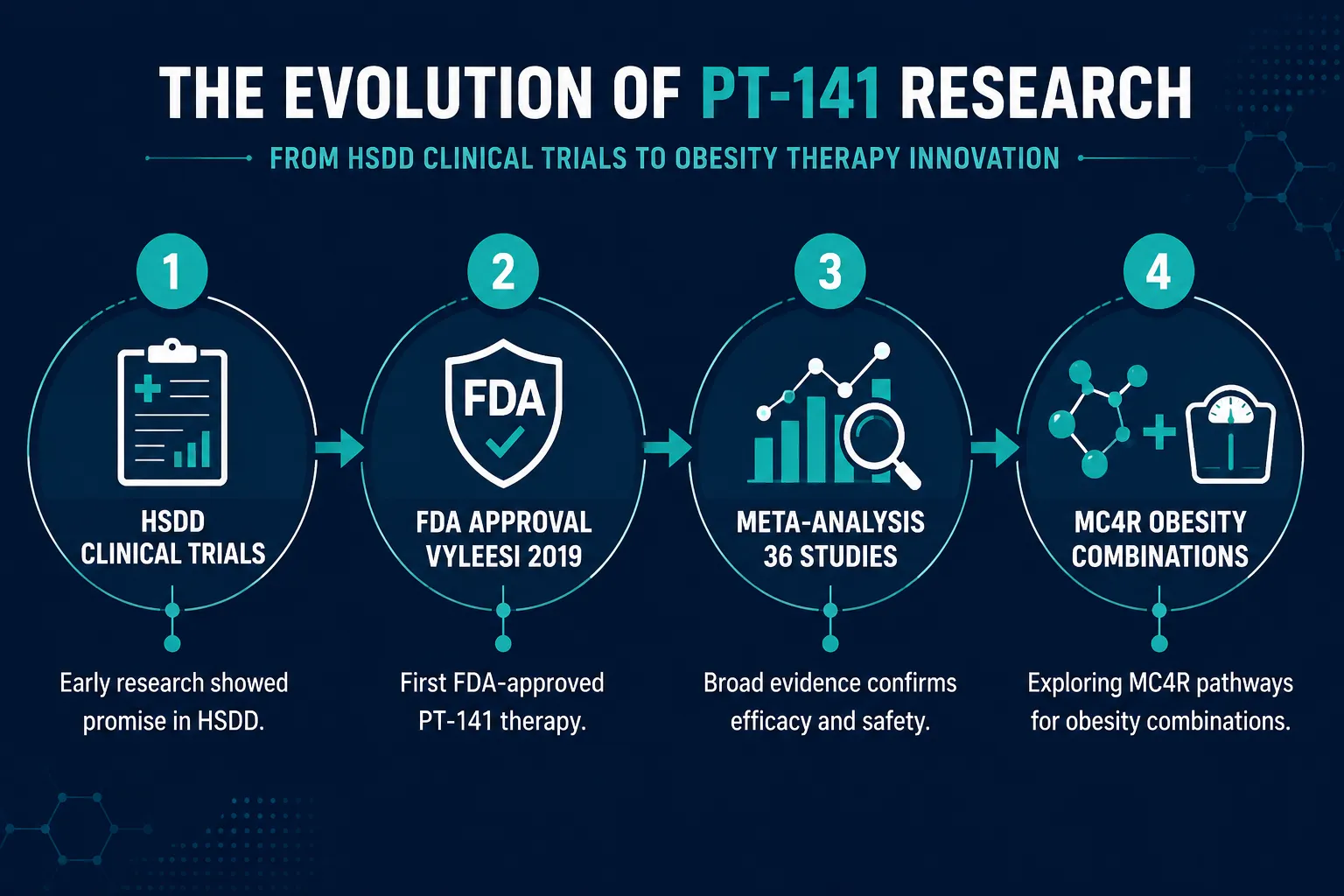
  • The FDA approved bremelanotide as Vyleesi in June 2019 for acquired, generalized HSDD in premenopausal women; no approval exists for men, postmenopausal women, or any non-sexual indication as of 2026.
  • A 2026 meta-analysis covering 36 clinical studies confirmed improvements in desire and arousal subscales, though absolute effect sizes were modest and adverse events such as nausea were common.
  • Research-grade PT-141 products are distinct from FDA-approved Vyleesi and are not approved for human use; quality, purity, and sterility cannot be assumed.
  • Palatin Technologies is investigating MC4R agonism in obesity research by combining bremelanotide with tirzepatide, potentially opening a new avenue for the compound beyond sexual function.

The Melanocortin System: How PT-141 Peptide Works at the Receptor Level
The Melanocortin System: How PT-141 Peptide Works at the Receptor Level

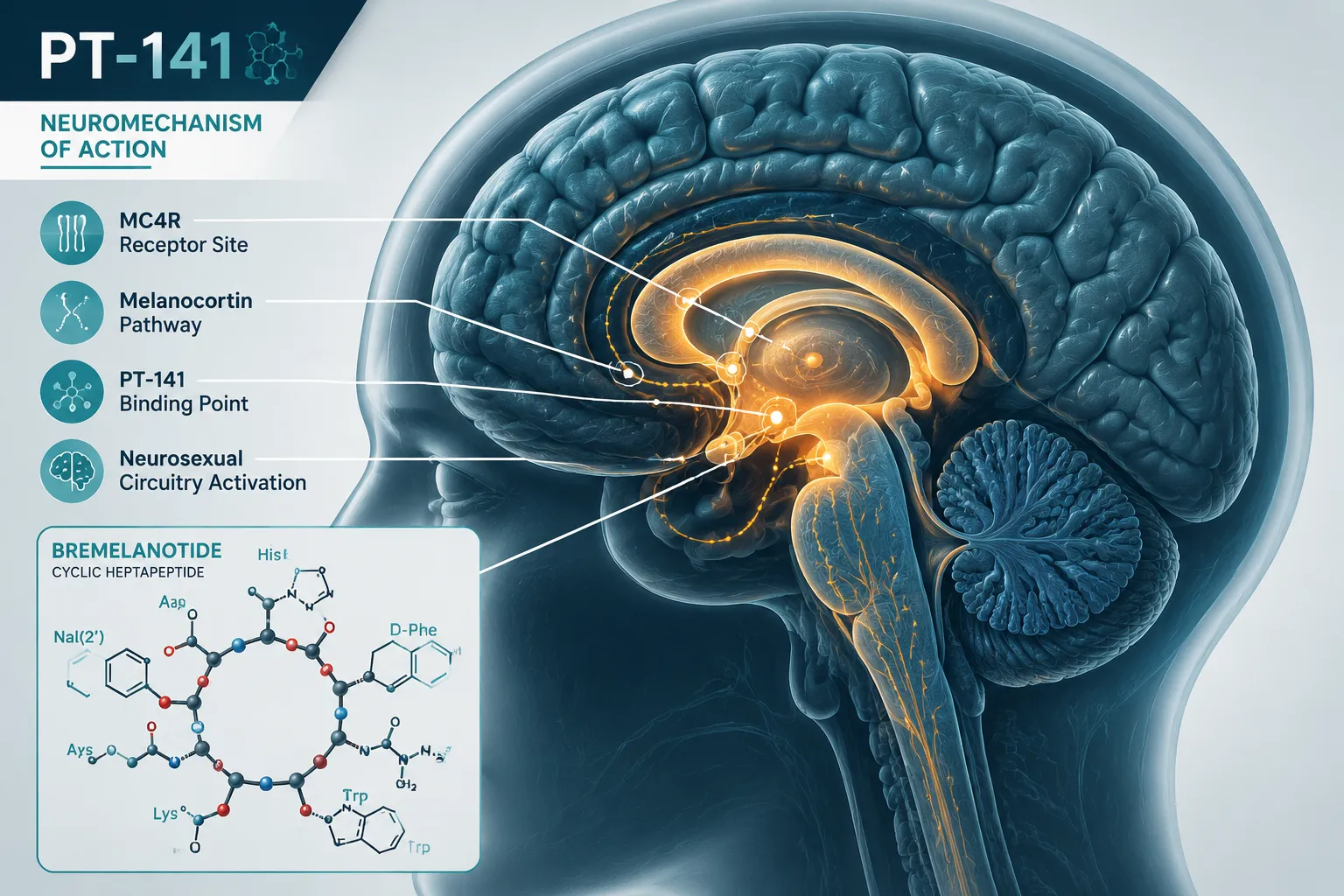
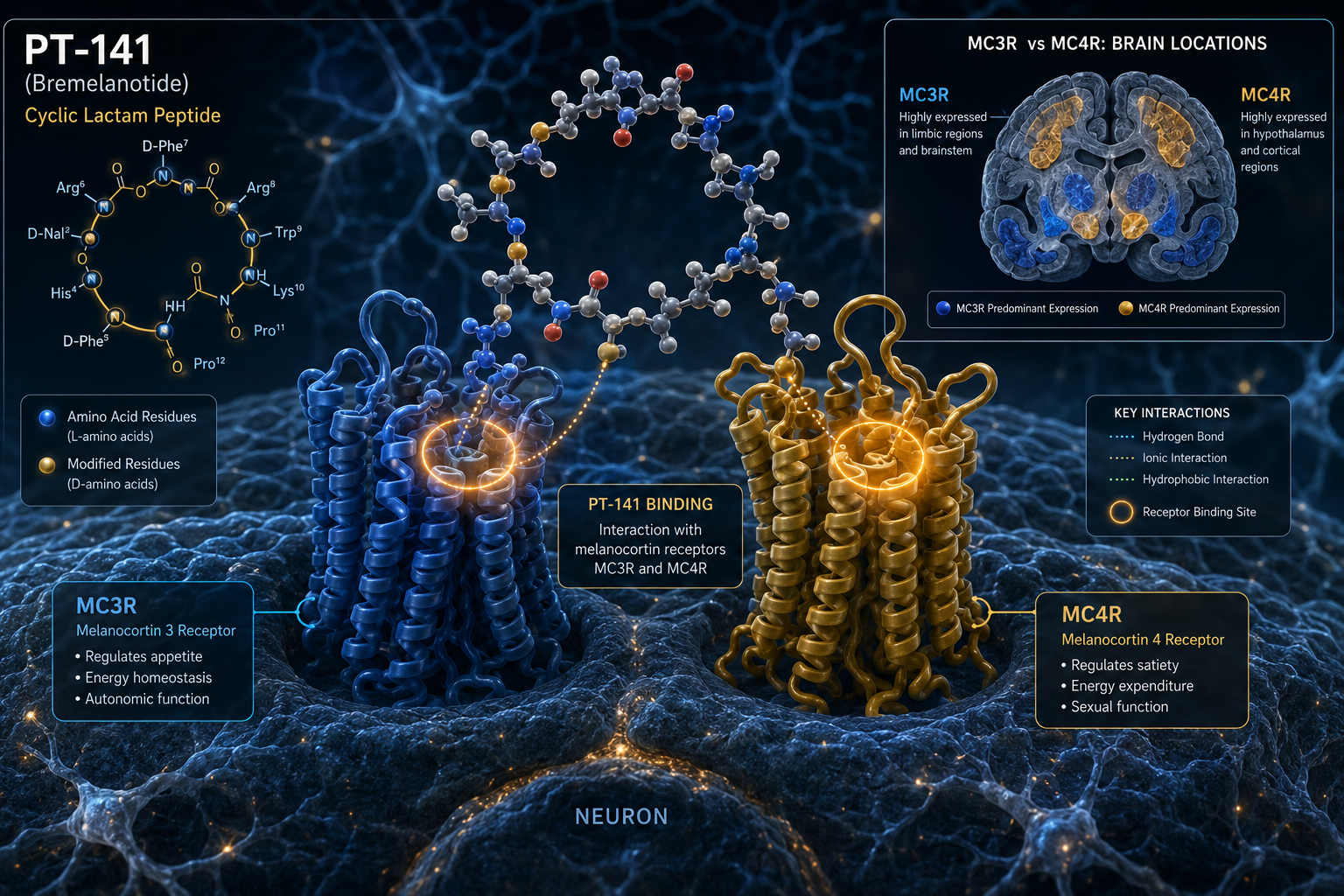
Understanding PT-141 peptide: investigating its melanocortin receptor agonism and applications in sexual function research begins at the molecular level. Bremelanotide is a cyclic heptapeptide, a ring-shaped chain of seven amino acids, derived from alpha-melanocyte-stimulating hormone (alpha-MSH). Its primary pharmacological target is the melanocortin 4 receptor (MC4R), a G-protein-coupled receptor densely expressed in the hypothalamus and limbic system.

This central mechanism distinguishes PT-141 sharply from PDE5 inhibitors such as sildenafil. Where sildenafil acts peripherally to increase genital blood flow, PT-141 modulates neurosexual circuitry, the brain networks that generate desire and arousal before any peripheral response occurs. This is why researchers describe its action as pro-desire rather than pro-erectile.

Key Receptor Targets and Their Roles

Receptor Location Research-Relevant Effect
MC4R Hypothalamus, limbic system Primary driver of sexual desire signaling
MC3R Brain, peripheral tissue Secondary melanocortin modulation
MC1R Skin melanocytes Pigmentation (off-target effect)

The MC4R pathway also intersects with appetite regulation and energy homeostasis, which explains why researchers are now investigating PT-141 in metabolic contexts. Because individual MC4R expression varies considerably, response to bremelanotide is highly variable across subjects, a factor that shapes both clinical trial design and real-world outcomes.

Researchers interested in hormone receptors and their downstream signaling cascades will find the melanocortin system a productive area of study, particularly given its overlap with neuroendocrine regulation.

Regulatory Status and Clinical Evidence in Sexual Function Research
Regulatory Status and Clinical Evidence in Sexual Function Research

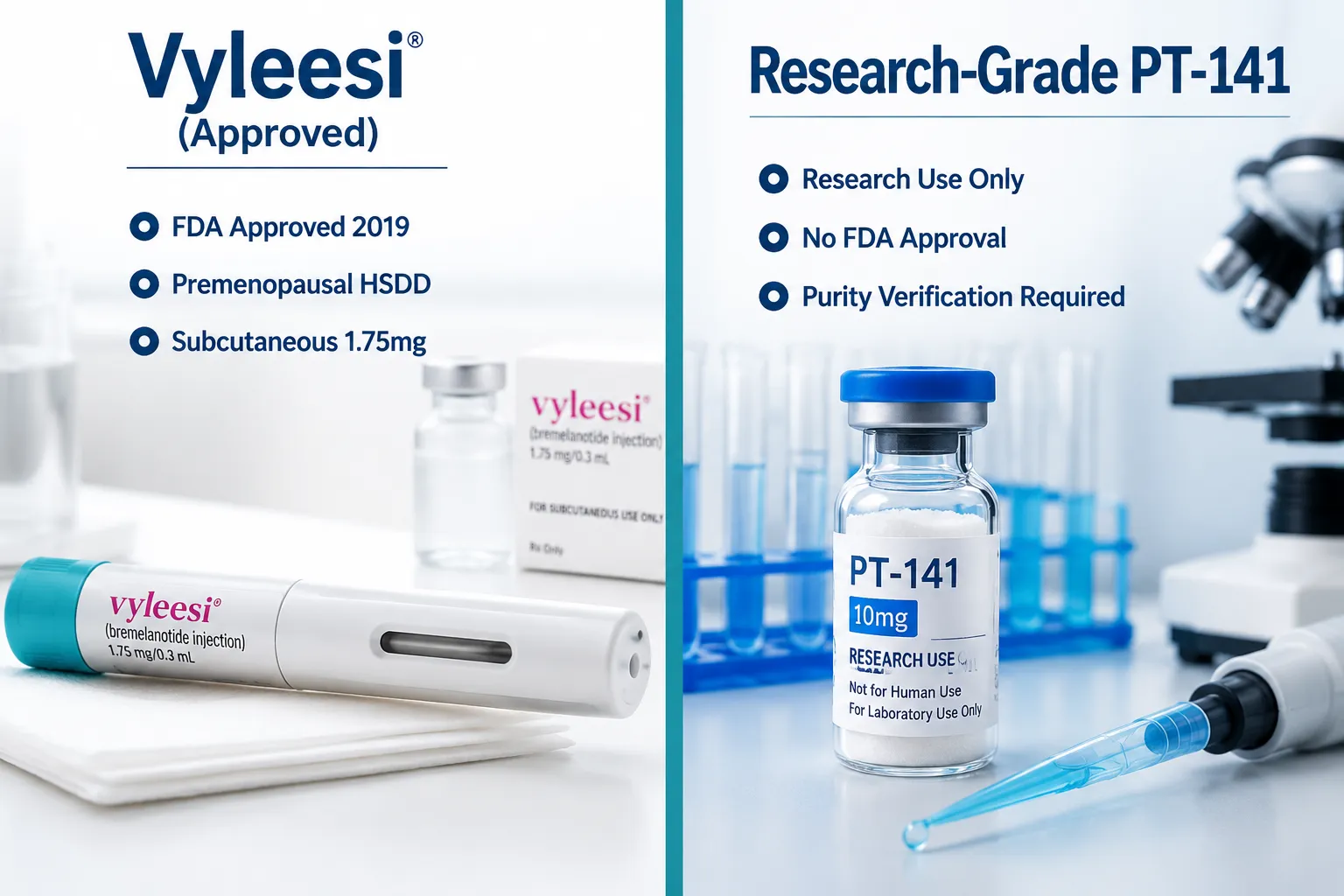
The regulatory history of bremelanotide provides important context for anyone engaged in PT-141 peptide: investigating its melanocortin receptor agonism and applications in sexual function research. On 21 June 2019, the FDA approved bremelanotide under NDA 210557 as Vyleesi, a 1.75 mg subcutaneous autoinjector used on an as-needed basis, no more than once per 24 hours. The approved indication is narrowly defined: acquired, generalized HSDD in premenopausal women.

As of 2026, there is no FDA approval for:

  • Men with low sexual desire or erectile dysfunction
  • Postmenopausal women
  • Any non-sexual indication

A 2026 meta-analysis synthesizing data across 36 clinical studies confirmed that bremelanotide improved desire and arousal subscales in female subjects. However, researchers noted modest absolute effect sizes alongside a meaningful adverse event profile, most notably nausea and transient blood pressure elevation. These findings reinforce the drug's positioning as a niche, second-line option rather than a first-line treatment.

"The evidence in men is sparse, heterogeneous, and insufficient for approval, and promoting PT-141 for male sexual dysfunction is largely driven by marketing rather than robust trial data."

Debate around male applications has resurfaced in 2026 clinical commentary, but expert consensus remains firm: off-label use in men lacks regulatory support and sufficient evidence. Researchers exploring hormone research protocols should account for this regulatory asymmetry when designing study frameworks.

Safety Parameters Relevant to Research Design

Prescribers operating under the product's REMS program must counsel patients on:

  • Transient blood pressure and heart rate increases post-injection
  • Contraindication in uncontrolled hypertension or cardiovascular disease
  • Usage limit of no more than eight times per month
  • Avoidance of concurrent stimulants or vasodilators

Emerging Applications: Obesity Research and the Future of MC4R Agonism
Emerging Applications: Obesity Research and the Future of MC4R Agonism

The scope of PT-141 peptide: investigating its melanocortin receptor agonism and applications in sexual function research is expanding beyond sexual medicine. Palatin Technologies has pivoted part of its bremelanotide programme toward metabolic research through BMT-801, a combination study pairing bremelanotide with the GLP-1/GIP agonist tirzepatide in obesity trials.

Phase 2 data reported in 2025 showed positive appetite suppression and weight-loss signals. Initial follow-up clinical data were anticipated in the first half of 2026, with IND filings planned for Q4 2025. This work positions MC4R agonism as potentially more commercially significant in obesity combinations than in new sexual indications, a notable strategic shift for the compound.

For researchers tracking metabolic peptide research, this intersection is worth monitoring alongside related work on GLP-3 retatrutide and the future of metabolic research beyond GLP-1.

Research-Grade PT-141: Quality and Regulatory Considerations

A critical distinction governs all laboratory work with this compound:

  • Vyleesi (FDA-approved): Manufactured under strict GMP conditions, identity and purity guaranteed, subject to REMS
  • Research-grade PT-141: Not FDA-approved, purity and sterility cannot be assumed, sold strictly for laboratory use

Regulatory and legal analyses updated in mid-2026 note that compounded and research-grade PT-141 products face ongoing scrutiny under FDA's peptide-compounding review, with a Pharmacy Compounding Advisory Committee discussion expected in July 2026. Tightening restrictions under Section 503A would not constitute approval for clinical use.

Researchers sourcing materials should review resources on PT-141 peptide for sale: research context, QA, and controls and consult peptide measurement standards to ensure batch traceability and documentation integrity.

Globally, Vyleesi remains the only approved bremelanotide product. No EU or UK marketing authorizations have been granted, making access outside the US dependent on importation, private clinics, or grey-market vendors, a landscape that introduces significant variability in compound quality for research purposes.

On the anti-doping front, bremelanotide is not explicitly listed on the 2026 WADA Prohibited List when prescribed as Vyleesi. However, grey-market PT-141 labeled "not for human use" could fall under WADA's S0 category for unapproved substances. Athletes and researchers in sports medicine contexts should verify any product through tools like GlobalDRO.

Researchers working across peptide classes may also find value in reviewing Mots-C peptide and mitochondrial biogenesis and mesenchymal stem cells and peptide-based modulators to understand how different peptide mechanisms are studied within controlled research frameworks.

Conclusion

PT-141 peptide occupies a unique position in pharmacological research: its central MC4R agonism offers a mechanistically distinct approach to studying sexual desire that no peripheral vasodilator can replicate. The 2019 FDA approval of Vyleesi validated the melanocortin pathway as a legitimate therapeutic target, and the 2026 meta-analysis of 36 clinical studies has strengthened, while also calibrating, expectations around its efficacy.

Actionable next steps for researchers and clinicians:

  1. Distinguish compound sources clearly, only FDA-approved Vyleesi carries guaranteed identity, purity, and sterility; research-grade materials require rigorous independent verification.
  2. Design studies around the approved population, premenopausal women with acquired, generalized HSDD represent the evidence-supported cohort; male applications remain off-label and evidence-poor.
  3. Monitor the metabolic pipeline, Palatin's BMT-801 obesity combination work may represent the most credible avenue for future MC4R label expansions.
  4. Track FDA compounding policy, the ongoing peptide-compounding review and expected 2026 advisory committee discussions will directly affect research-grade supply chains.
  5. Apply rigorous safety monitoring, blood pressure, cardiovascular status, and usage frequency parameters established under the REMS should inform any structured research protocol.

The melanocortin system remains one of the most scientifically rich targets in neuroendocrine research. Approaching it with methodological precision and regulatory awareness is the standard the evidence demands.

https://www.puretestedpeptides.com/wp-content/uploads/2026/08/pt-141-peptide-investigating-its-melanocortin-receptor-agonism-and-applications.webp 1024 1536 https://www.puretestedpeptides.com/wp-content/uploads/2026/01/buy-peptides-online.jpg 2026-08-24 13:03:342026-08-24 13:03:34PT-141 Peptide: Investigating Its Melanocortin Receptor Agonism and Applications in Sexual Function Research

Tag Archive for: melanocortin receptor agonism

PT-141 Peptide: Melanocortin Receptor Agonism and Its Role in Sexual Function Research

PT-141 Peptide: Melanocortin Receptor Agonism and Its Role in Sexual Function Research

June 21, 2026/0 Comments/by Pure Tested

Roughly 40% of women and 30% of men report some form of sexual dysfunction during their lifetimes, yet for decades, pharmacological research focused almost exclusively on vascular mechanisms. PT-141 Peptide: Melanocortin Receptor Agonism and Its Role in Sexual Function Research represents a fundamentally different approach — one that targets desire and motivation at the level of the brain rather than blood flow.

Key Takeaways

  • PT-141 (bremelanotide) acts as an agonist at melanocortin receptor subtypes MC3R and MC4R in the central nervous system, not through vascular pathways.
  • The FDA approved bremelanotide under the brand name Vyleesi in June 2019 for hypoactive sexual desire disorder (HSDD) in premenopausal women.
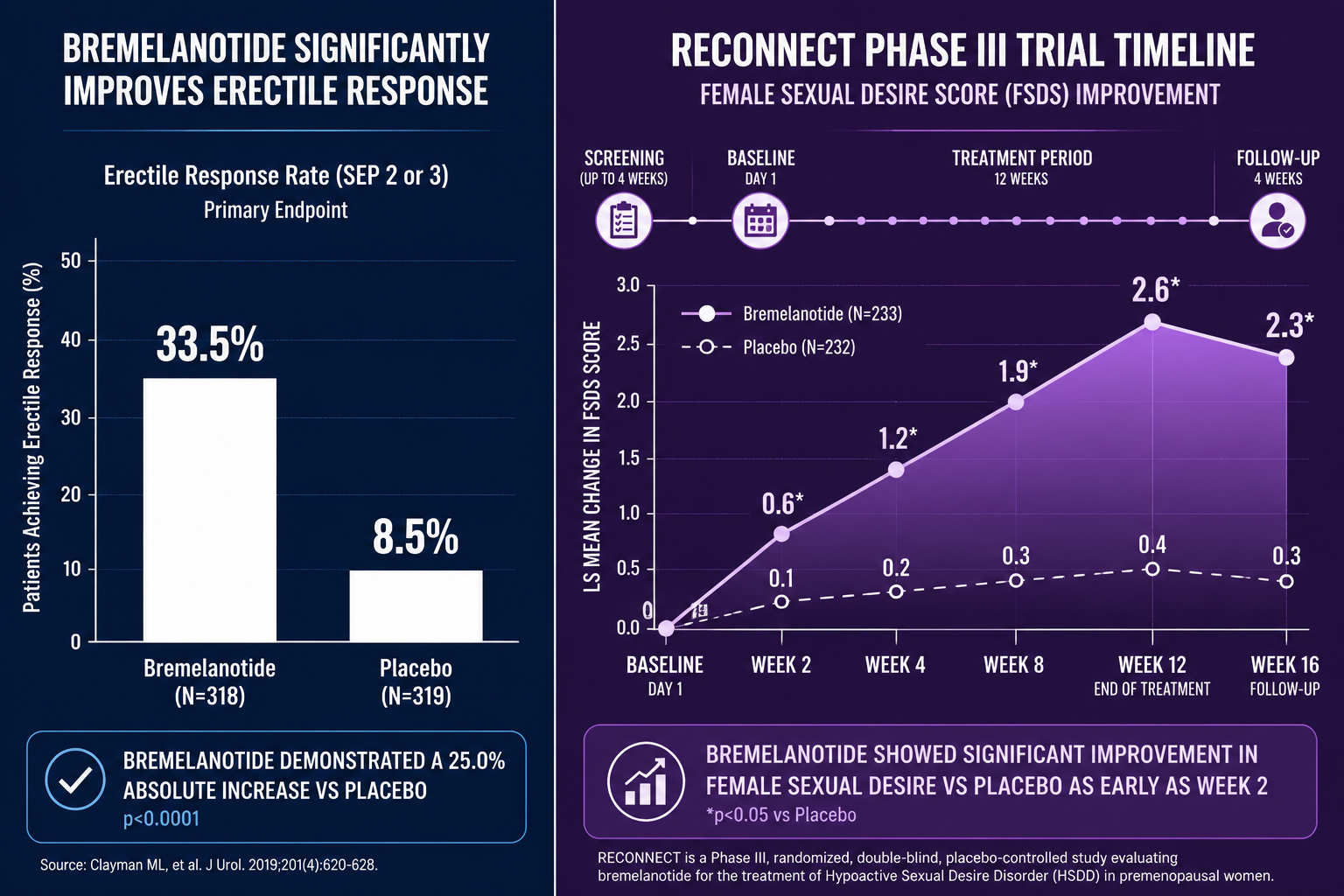
  • Phase IIB trials showed a 33.5% positive erectile response rate in men treated with bremelanotide, versus 8.5% in the placebo group.
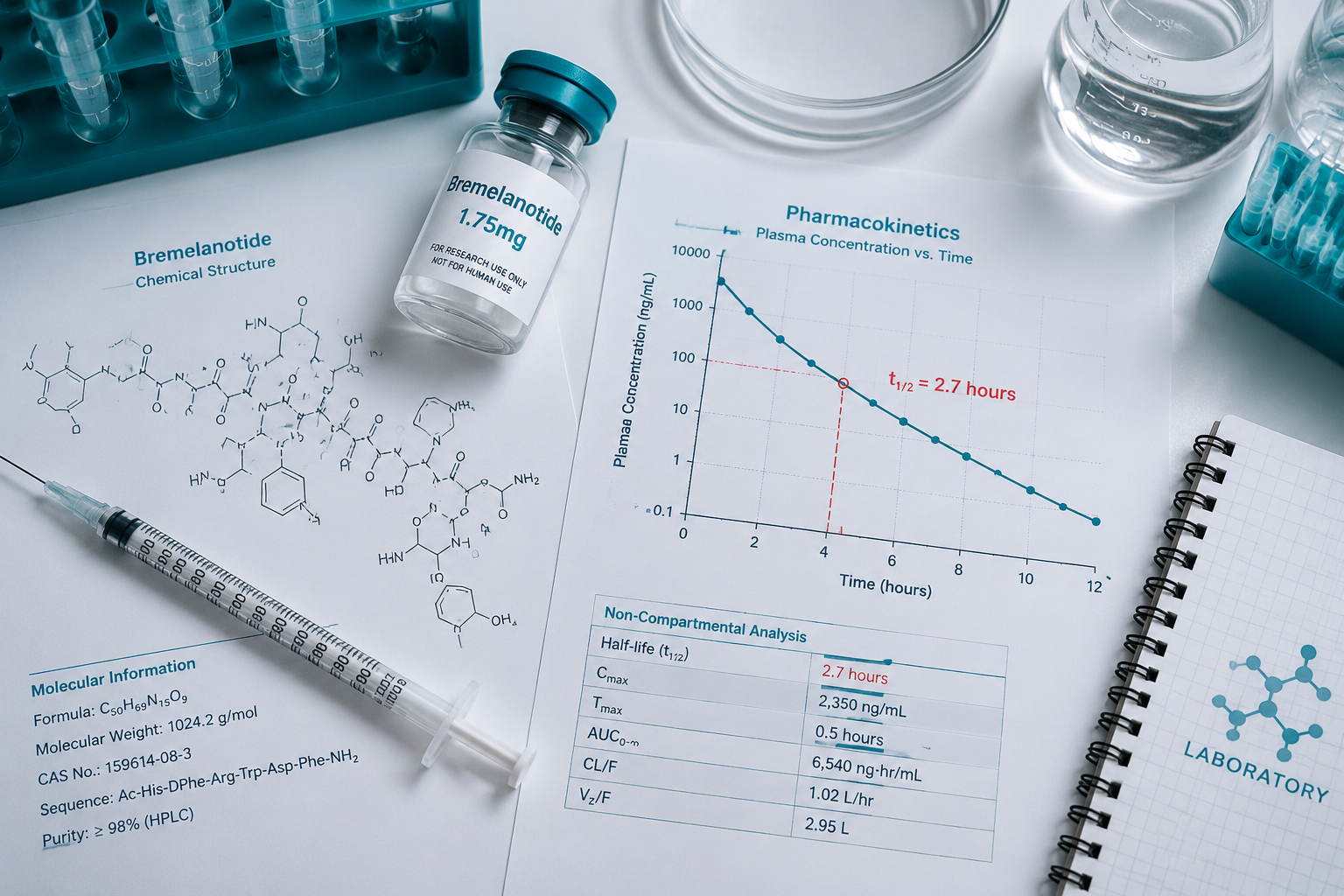
  • Its cyclic lactam structure resists enzymatic breakdown, giving it biological effects that outlast its 2.7-hour plasma half-life.
  • Research continues to explore its applications in both male and female sexual dysfunction, including cases where PDE5 inhibitors have failed.

Key Takeaways

Melanocortin Receptor Subtypes and the Central Mechanism of PT-141

Understanding PT-141 Peptide: Melanocortin Receptor Agonism and Its Role in Sexual Function Research begins with the melanocortin system itself. The melanocortin receptor family includes five G-protein-coupled receptor subtypes (MC1R through MC5R), each distributed across different tissues with distinct physiological roles.

PT-141 selectively targets MC3R and MC4R, both of which are expressed in regions of the central nervous system associated with motivation, reward, and autonomic regulation. MC4R, in particular, is densely expressed in the hypothalamus — a brain region central to sexual behavior and hormonal signaling.

This central mechanism sets PT-141 apart from phosphodiesterase type 5 (PDE5) inhibitors such as sildenafil. PDE5 inhibitors work peripherally by enhancing blood flow in genital tissue, and they require sexual stimulation to be effective. PT-141, by contrast, modulates desire and motivation upstream — in the brain — before any peripheral response occurs.

"PT-141 acts on the neural circuits that generate sexual interest, not merely the vascular response that follows it."

This distinction is clinically significant. Conditions like HSDD are characterized by a deficiency of desire, not a failure of vascular response. A vascular drug cannot address a motivational deficit. Melanocortin receptor agonism can.

For researchers exploring broader neuroendocrine signaling, the central arousal research context for PT-141 provides additional mechanistic background worth reviewing alongside this work.


Clinical Research Findings: Efficacy Across Male and Female Populations

Clinical Research Findings: Efficacy Across Male and Female Populations

Evidence in Women

The RECONNECT Phase III clinical trials provided the pivotal data that led to FDA approval of bremelanotide (Vyleesi) in June 2019. These trials enrolled premenopausal women diagnosed with HSDD and demonstrated statistically significant improvements in:

  • Sexual desire scores on validated patient-reported outcome measures
  • Distress levels associated with low sexual desire
  • Overall satisfaction with sexual experiences

The approved dosing protocol calls for 1.75 mg administered subcutaneously at least 45 minutes before anticipated sexual activity. This on-demand dosing model differs from daily hormonal therapies, offering flexibility that many patients prefer.

Research has also examined bremelanotide in women with female sexual arousal disorder (FSAD), finding positive effects on subjective sexual response — suggesting the compound's utility may extend beyond HSDD alone.

Evidence in Men

Although Vyleesi is FDA-approved only for premenopausal women with HSDD, Phase IIB trials in men produced compelling data. 33.5% of bremelanotide-treated men experienced positive erectile responses compared to 8.5% in the placebo group — a four-fold difference.

Perhaps more notable is the compound's performance in men who did not respond to sildenafil. Bremelanotide demonstrated a capacity to rescue erectile function in this treatment-resistant subgroup, pointing to its value in cases where vascular-focused therapies fall short.

Off-label use data in men has also reported improvements in:

Outcome Responder Rate
Erectile function 52%
Sexual desire 39%
Performance anxiety reduction 39%
Orgasm quality 17%

Researchers interested in peptide combinations addressing multiple physiological pathways may find value in reviewing peptide blend research for comparative context.


Pharmacokinetics, Safety Profile, and Research Considerations

Pharmacokinetics, Safety Profile, and Research Considerations

Structural Stability and Half-Life

PT-141's cyclic lactam structure is a key pharmacological feature. This configuration provides resistance to enzymatic degradation, which explains why biological effects persist beyond the compound's plasma elimination half-life of approximately 2.7 hours. Researchers studying peptide stability will recognize this as a meaningful advantage over linear peptide analogs.

Early intranasal administration studies demonstrated significant erectile responses at doses above 7 mg, with onset approximately 30 minutes post-administration — suggesting the compound's mechanism is rapid once absorption occurs.

Adverse Effect Profile

Common adverse effects reported in clinical trials include:

  • Flushing (the most frequently reported event)
  • Headache
  • Injection-site reactions
  • Nausea

A less common but notable finding is focal hyperpigmentation, observed in individuals using the medication more than eight times per month. This effect is linked to MC1R activity in skin melanocytes, a reminder that melanocortin receptor agonism is not tissue-specific in its entirety.

For researchers sourcing research-grade material, the PT-141 research context, Q&A, and controls page outlines purity standards and experimental controls relevant to in vitro and in vivo study design.

Those examining neuroendocrine peptide interactions more broadly may also find the neuroendocrine and innate immunity research overview useful for situating melanocortin signaling within wider physiological networks.

Researchers exploring innovative delivery systems for peptides like PT-141 should consult the innovative peptide delivery systems research overview for emerging administration strategies. Additionally, those comparing receptor-level agonism across compound classes may benefit from the GLP-1 dual receptor agonism breakdown as a structural parallel in receptor-targeted peptide pharmacology.


Conclusion

PT-141 Peptide: Melanocortin Receptor Agonism and Its Role in Sexual Function Research occupies a unique and well-supported position in the landscape of sexual health pharmacology. By targeting MC3R and MC4R in the central nervous system, bremelanotide addresses the neurological roots of sexual desire — a mechanism that neither hormonal therapies nor vascular drugs can replicate.

Actionable next steps for researchers and clinicians:

  1. Review the RECONNECT trial data in full to understand validated outcome measures used in HSDD research.
  2. Examine the off-label male data critically, noting the distinction between Phase IIB findings and anecdotal reports.
  3. Assess the cyclic lactam structural features of PT-141 when designing stability comparisons with other research peptides.
  4. Consider the focal hyperpigmentation risk as a dose-frequency variable in any long-term study protocol.
  5. Cross-reference melanocortin receptor distribution maps when hypothesizing secondary physiological effects beyond sexual function.

The central nervous system pathway that PT-141 activates remains one of the most promising and underexplored frontiers in sexual medicine research as of 2026.

https://www.puretestedpeptides.com/wp-content/uploads/2026/06/PT-141-Peptide-Melanocortin-Receptor-Agonism-and-Its-Role-in-Sexual-Function-Research.png 1024 1536 Pure Tested https://www.puretestedpeptides.com/wp-content/uploads/2026/01/buy-peptides-online.jpg Pure Tested2026-06-21 13:05:182026-07-20 15:02:38PT-141 Peptide: Melanocortin Receptor Agonism and Its Role in Sexual Function Research
×

Helpful Links

  • My account
  • Cart
  • Checkout
  • Refund and Returns Policy
  • Privacy Policy
  • SMS Privacy Policy
  • Login
  • My Account
  • Logout

USA Made Lab Tested Peptides

All products are sold for research, laboratory, or analytical purposes only, and are not for human consumption


Pure Tested Peptides is a chemical supplier. Pure Tested Peptides is not a compounding / chemical compounding facility as defined under 503A of the Federal Food, Drug, and Cosmetic act. Pure Tested Peptides is not an outsourcing facility as defined under 503B of the Federal Food, Drug, and Cosmetic act.

The statements made within this website have not been evaluated by the US Food and Drug Administration. The products we offer are not intended to diagnose, treat, cure or prevent any disease.

Human/Animal Consumption Prohibited. Laboratory/In-Vitro Experimental Use Only

Scroll to top Scroll to top Scroll to top