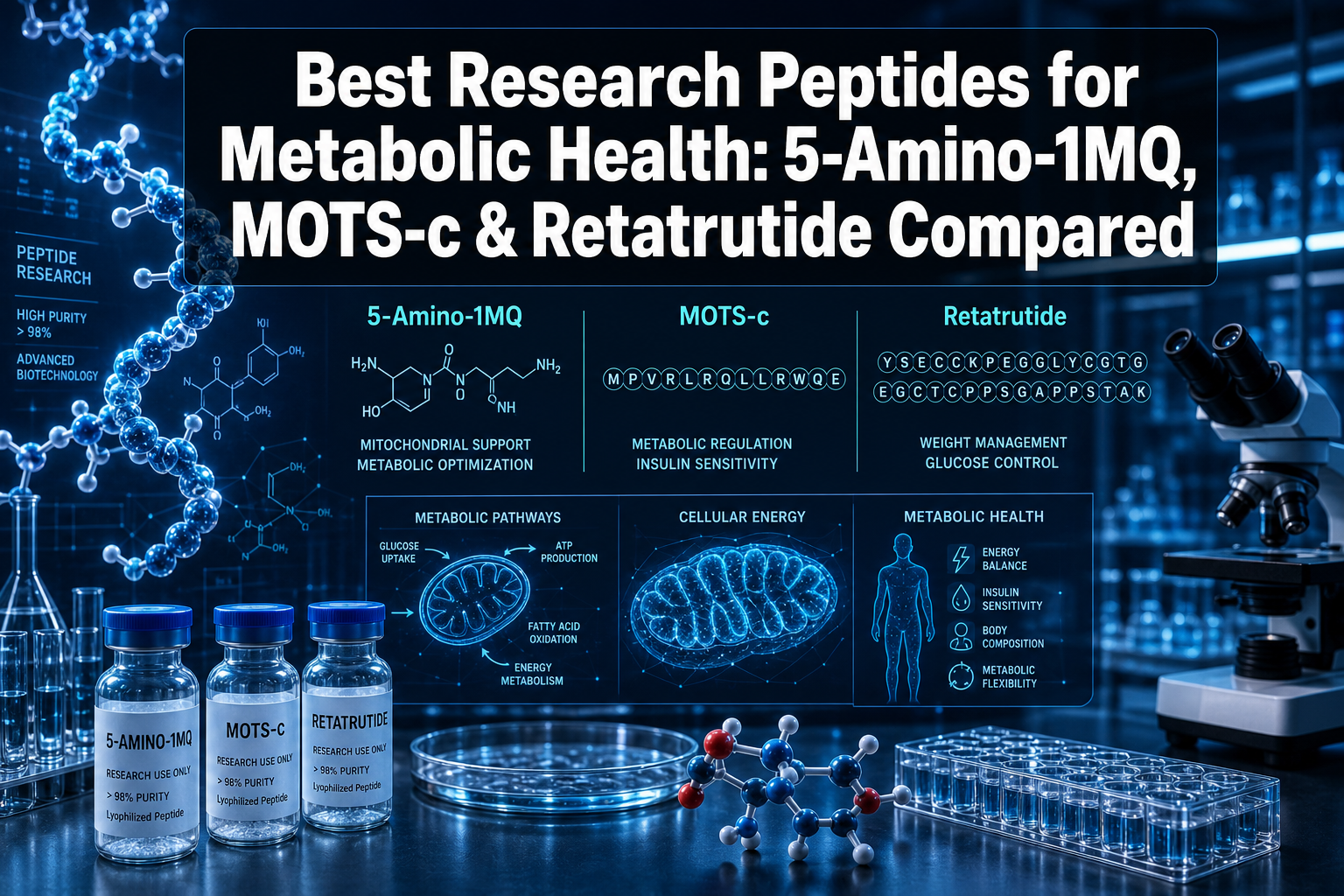
Top 5 Research Peptides for Metabolic Health: An Updated Buyer’s Guide
Metabolic dysfunction now affects more than one billion adults worldwide, yet the peptide compounds under active investigation to address it remain largely unknown outside specialized research circles. This updated buyer's guide to the Top 5 Research Peptides for Metabolic Health cuts through the noise, examining the mechanisms, current evidence, and sourcing considerations for five compounds that are drawing serious scientific attention in 2026.
Disclaimer: All peptides discussed here are research compounds intended strictly for laboratory use. They are not approved for human therapeutic use, and nothing in this article constitutes medical advice.
Key Takeaways
- GLP-3 Retatrutide leads metabolic peptide research in 2026 due to its triple-receptor agonist mechanism.
- MOTS-c and SS-31 target mitochondrial function, a core driver of metabolic disease.
- AOD-9604 and 5-Amino-1MQ round out the list with distinct fat-metabolism and NNMT-inhibition pathways.
- Purity documentation (HPLC, mass spectrometry) is non-negotiable when sourcing any research peptide.
- Researchers should verify supplier credentials before purchasing any compound for study protocols.
What Makes a Peptide Relevant to Metabolic Research
Before diving into the Top 5 Research Peptides for Metabolic Health: An Updated Buyer's Guide list itself, it helps to understand the selection criteria. A metabolically relevant research peptide must demonstrate at least one of the following in peer-reviewed literature:
- Modulation of insulin sensitivity or glucose uptake
- Influence on lipid metabolism or adipogenesis
- Mitochondrial biogenesis or energy expenditure effects
- Appetite or satiety pathway engagement
Compounds that tick multiple boxes naturally attract the most research interest, and funding.
The Top 5 Research Peptides for Metabolic Health: An Updated Buyer's Guide
1. GLP-3 Retatrutide (Triple Agonist)
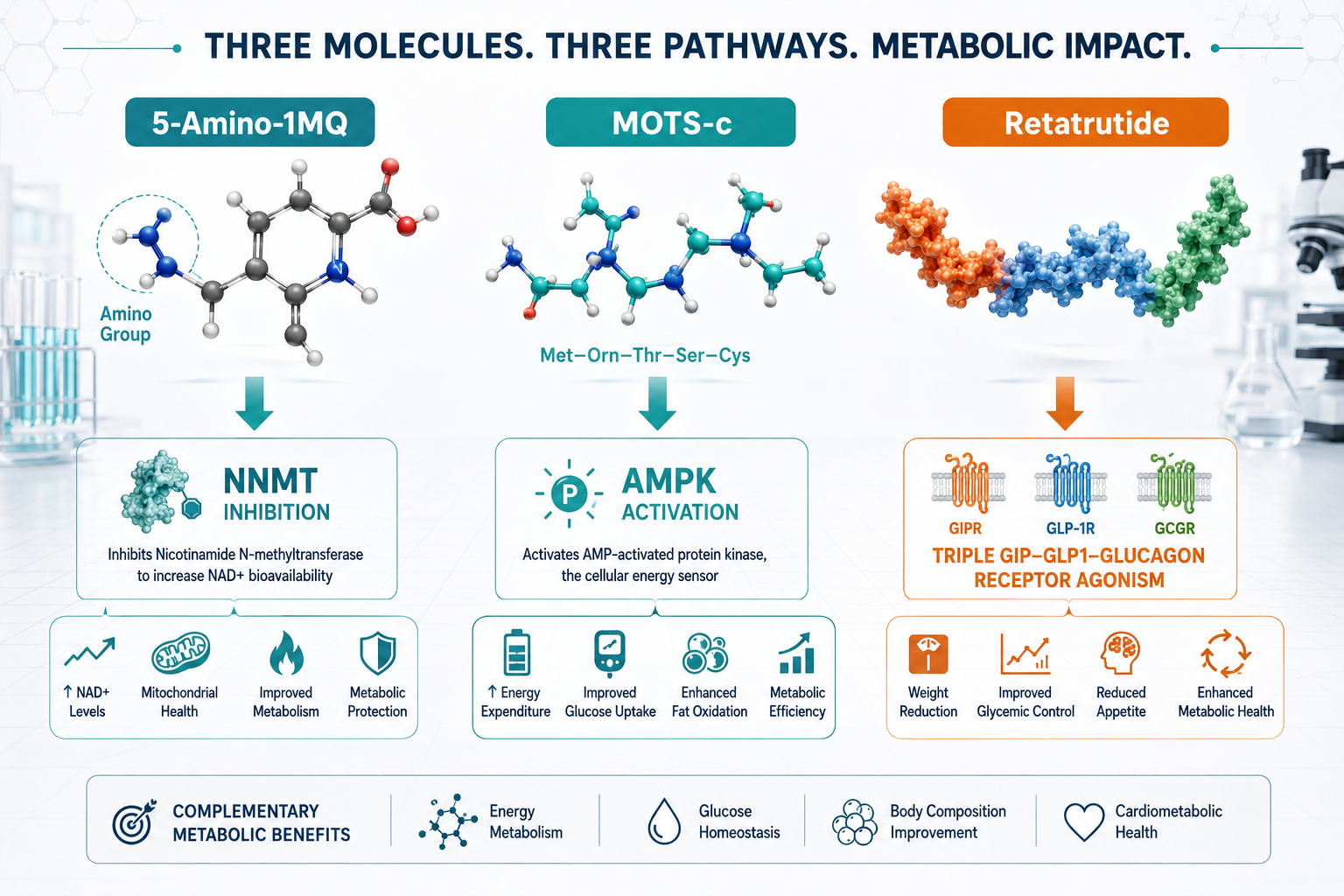
Retatrutide is arguably the most discussed metabolic peptide of the current research cycle. It acts simultaneously on GLP-1, GIP, and glucagon receptors, a triple-agonist profile that distinguishes it from earlier single or dual-receptor compounds.
Key research findings:
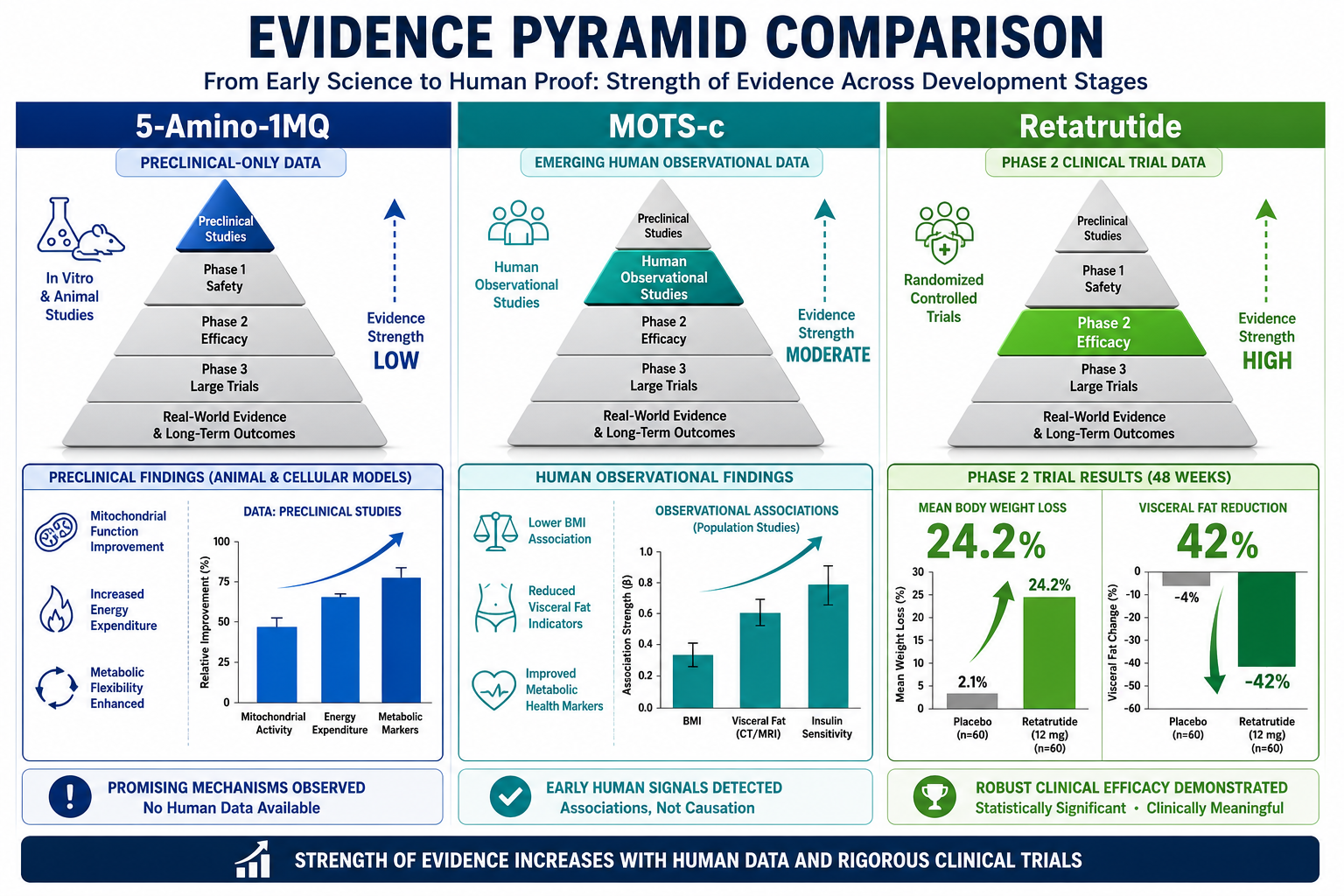
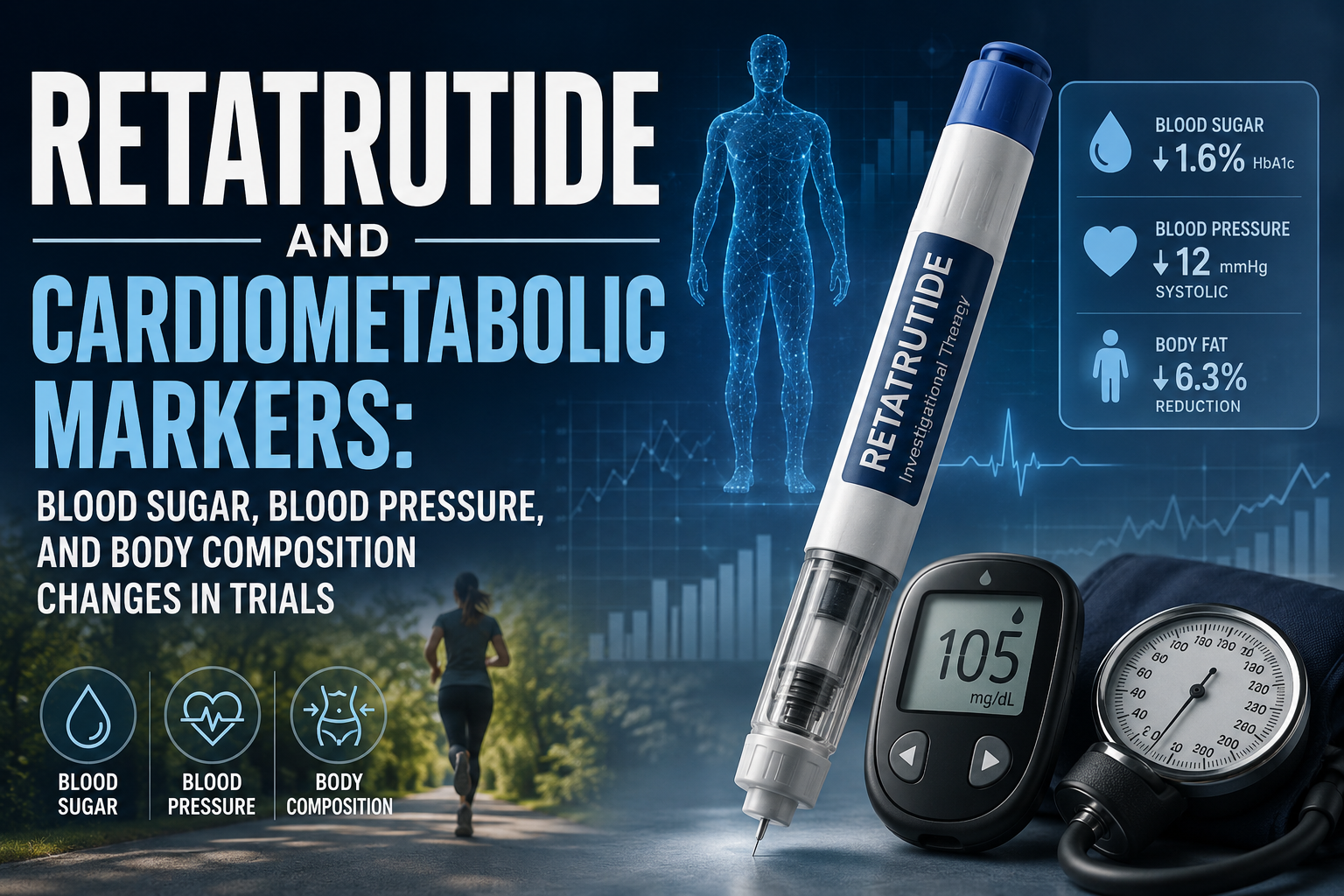
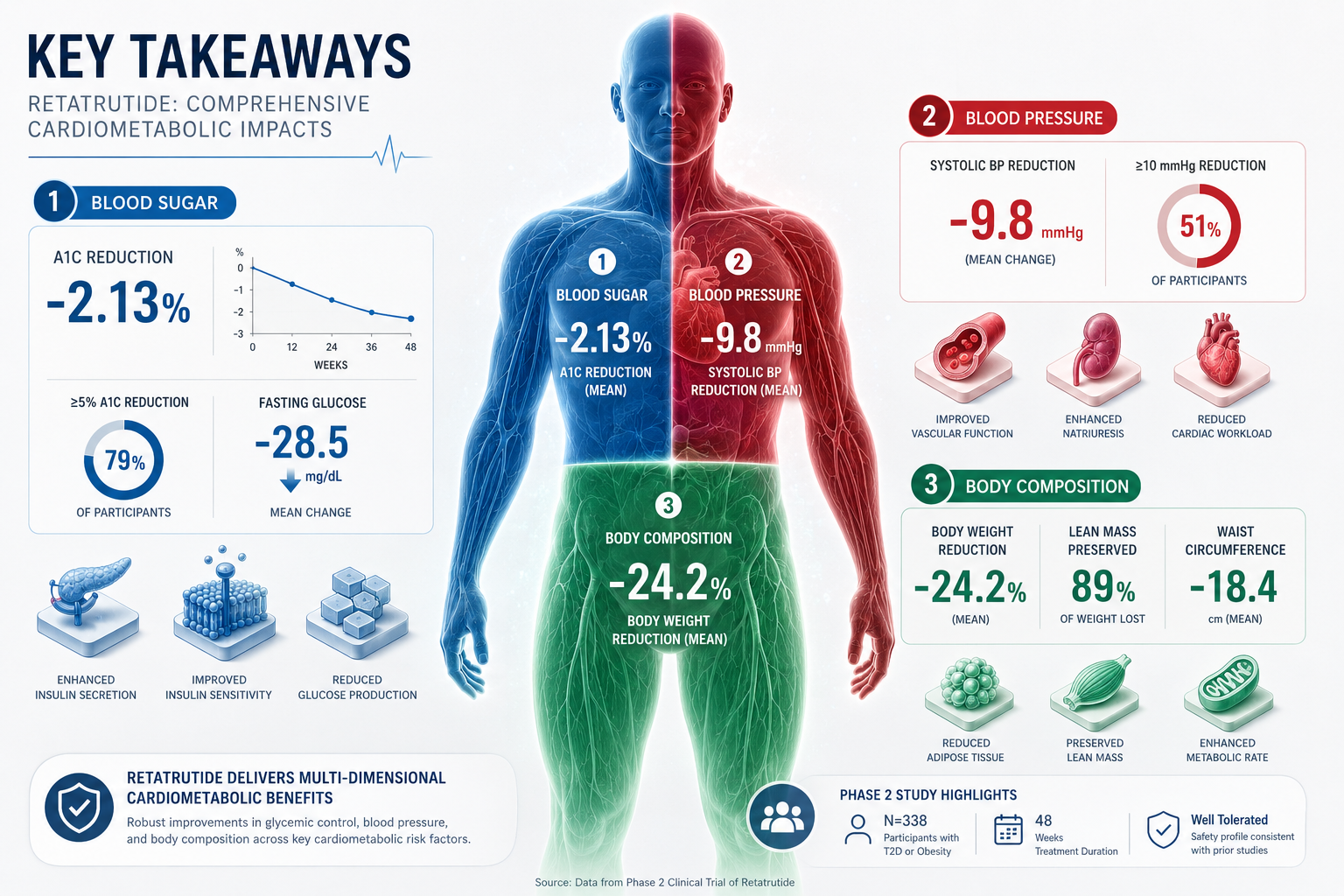
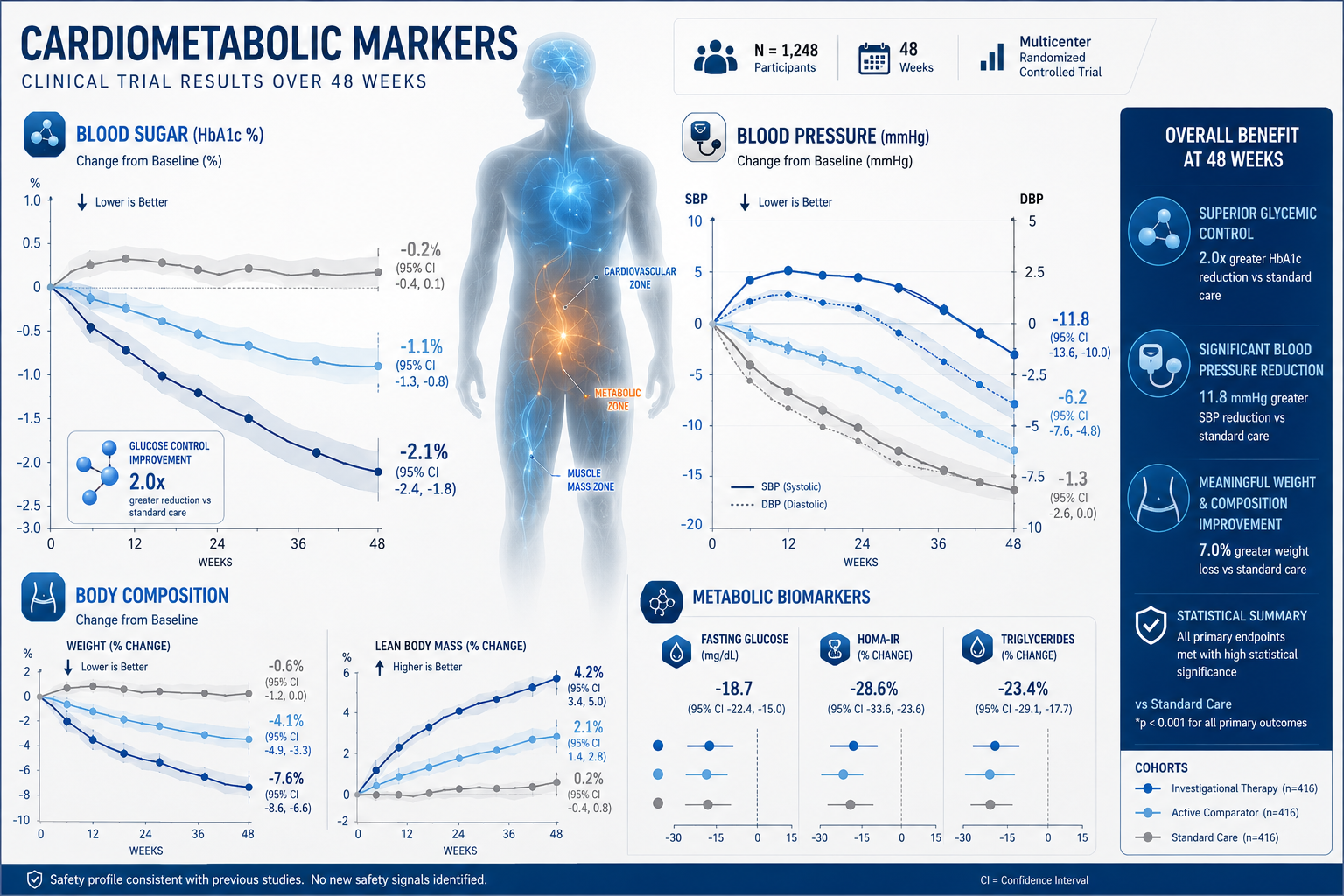
- Phase 2 clinical data published in 2023 showed mean body weight reductions exceeding 17% over 24 weeks in participants with obesity.
- The glucagon receptor component appears to drive enhanced energy expenditure beyond what GLP-1 alone achieves.
Researchers planning protocols around this compound can explore GLP-3 Retatrutide catalog and research planning resources for sourcing and assay guidance.
2. MOTS-c (Mitochondrial-Derived Peptide)
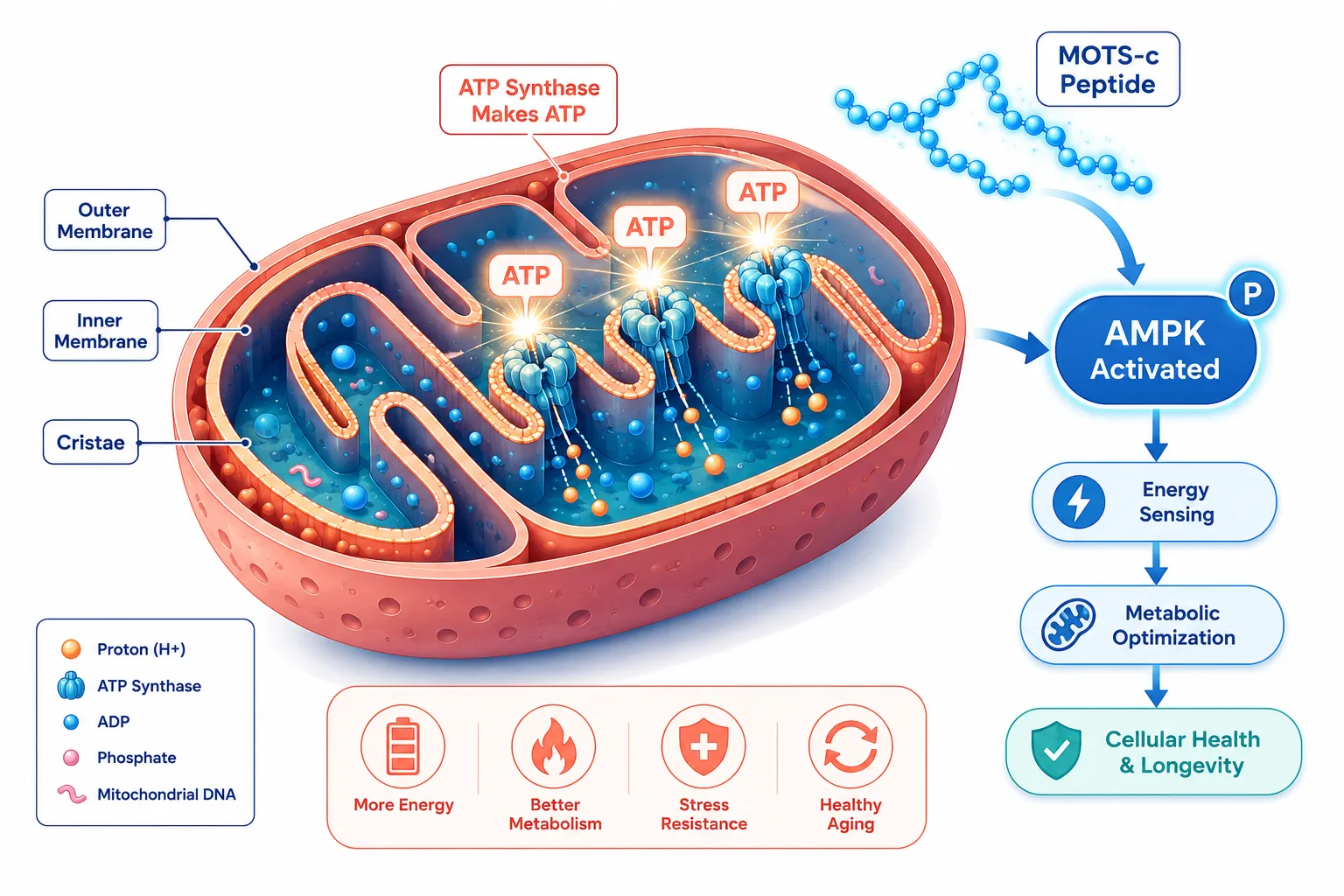
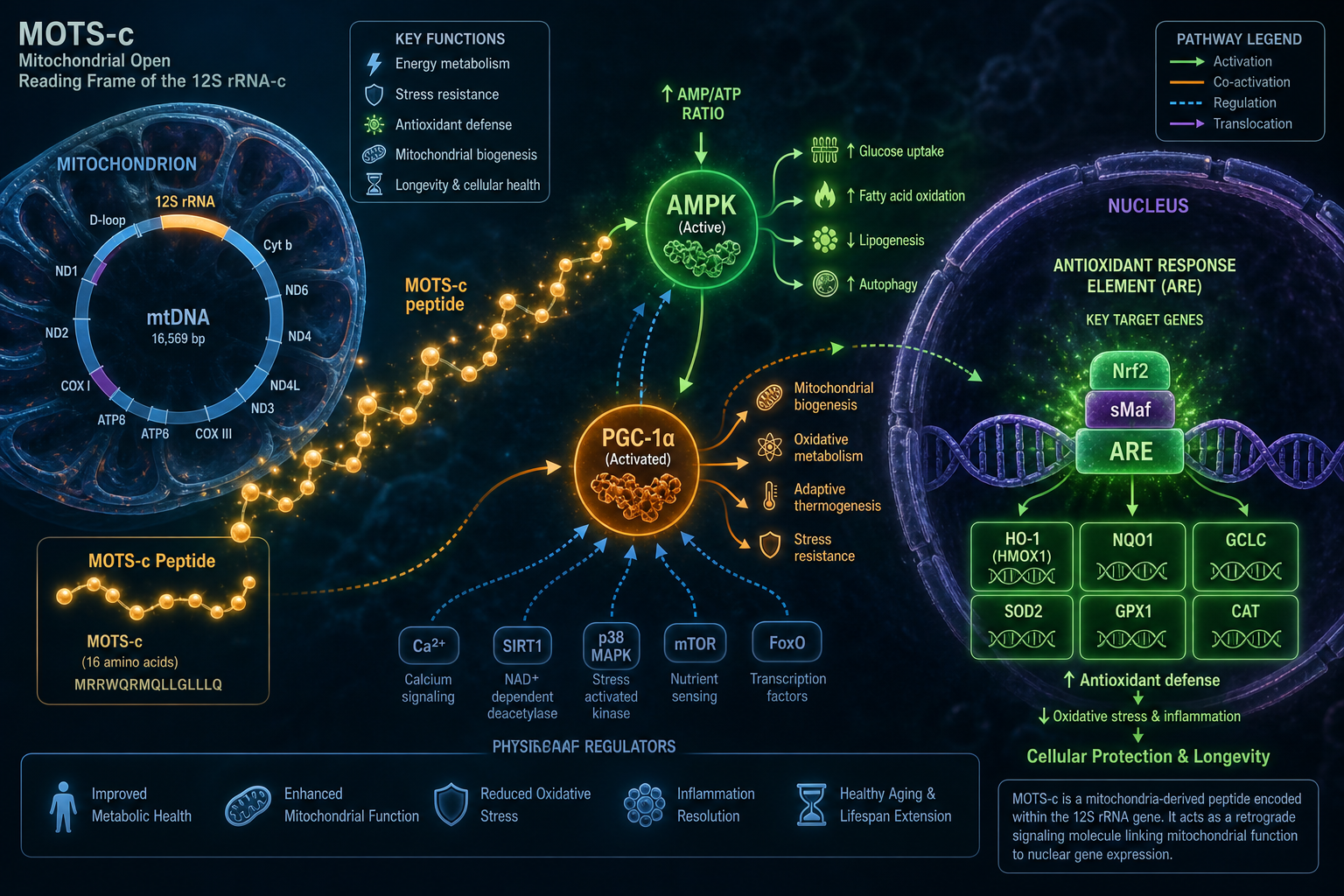
MOTS-c is encoded within mitochondrial DNA, an unusual origin that sets it apart from most synthetic peptides. It activates the AMPK pathway, a master regulator of cellular energy balance.
Why it matters for metabolic research:
- Animal studies show improved insulin sensitivity and reduced diet-induced obesity.
- MOTS-c levels decline with age, linking it to age-associated metabolic decline.
- It has demonstrated exercise-mimetic properties in preclinical models.
For researchers sourcing this compound, the MOTS-c peptide product page provides documentation and purity specifications.
3. SS-31 (Elamipretide)
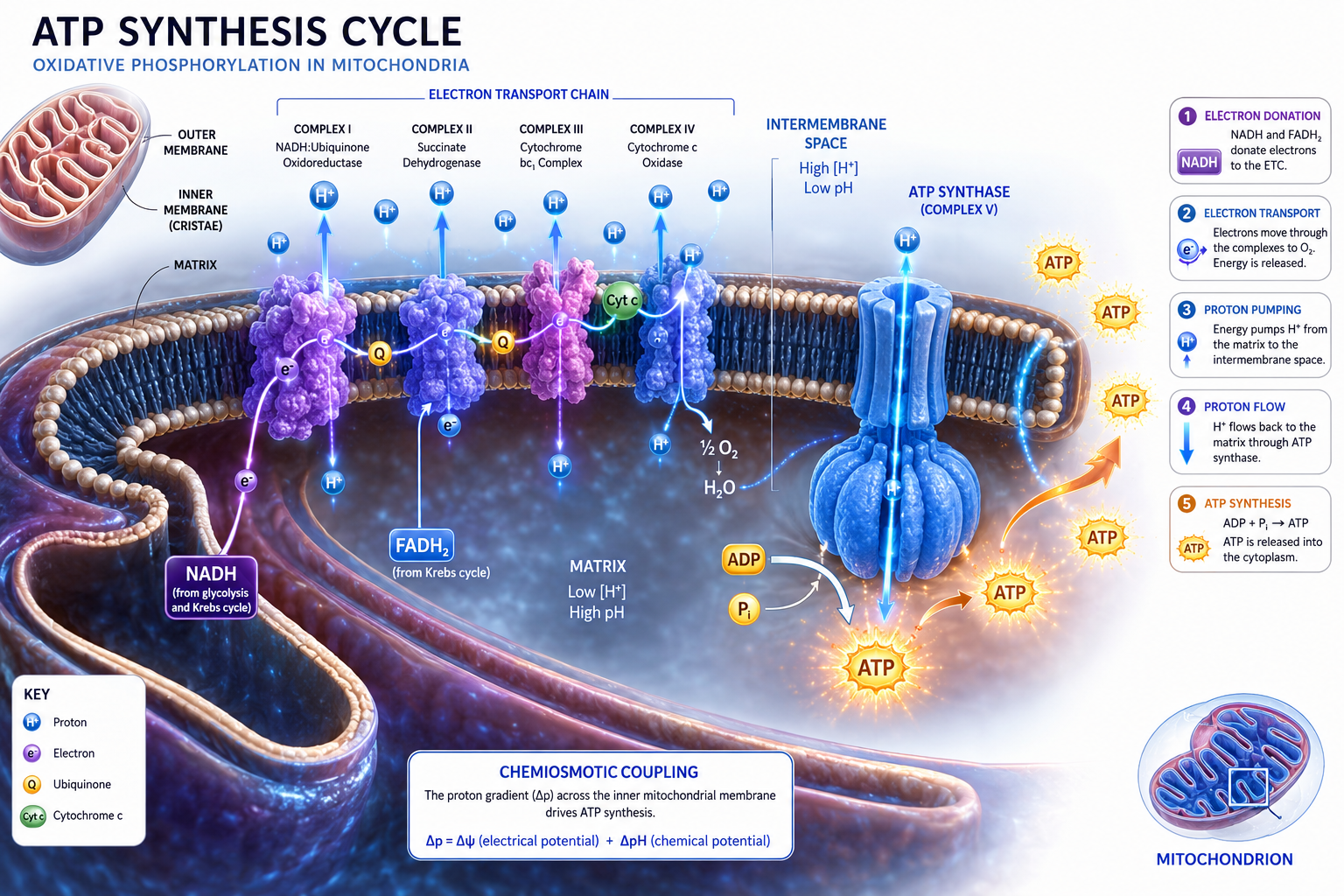
SS-31 is a mitochondria-targeted tetrapeptide that stabilizes cardiolipin, a phospholipid critical to the inner mitochondrial membrane. Dysfunctional mitochondria are increasingly recognized as a root cause of insulin resistance and metabolic syndrome.
| Feature | Detail |
|---|---|
| Mechanism | Cardiolipin stabilization, ROS reduction |
| Research models | Rodent obesity, cardiac metabolic stress |
| Sequence | D-Arg-2'6'-Dmt-Lys-Phe-NH2 |
Deeper background on how SS-31 fits into broader metabolic frameworks is available through SS-31 mitochondrial research themes.
4. AOD-9604
AOD-9604 is a modified fragment of human growth hormone (hGH176-191). Unlike full-length hGH, it does not stimulate IGF-1 production, making it a cleaner tool for studying fat metabolism in isolation.
Research highlights:
- Stimulates lipolysis (fat breakdown) in adipose tissue.
- Inhibits lipogenesis without affecting blood glucose in preclinical models.
- Has completed Phase 2 human trials for obesity, providing a relatively robust safety dataset for a research peptide.
Researchers can review compound specifications at the AOD-9604 product listing.
5. 5-Amino-1MQ
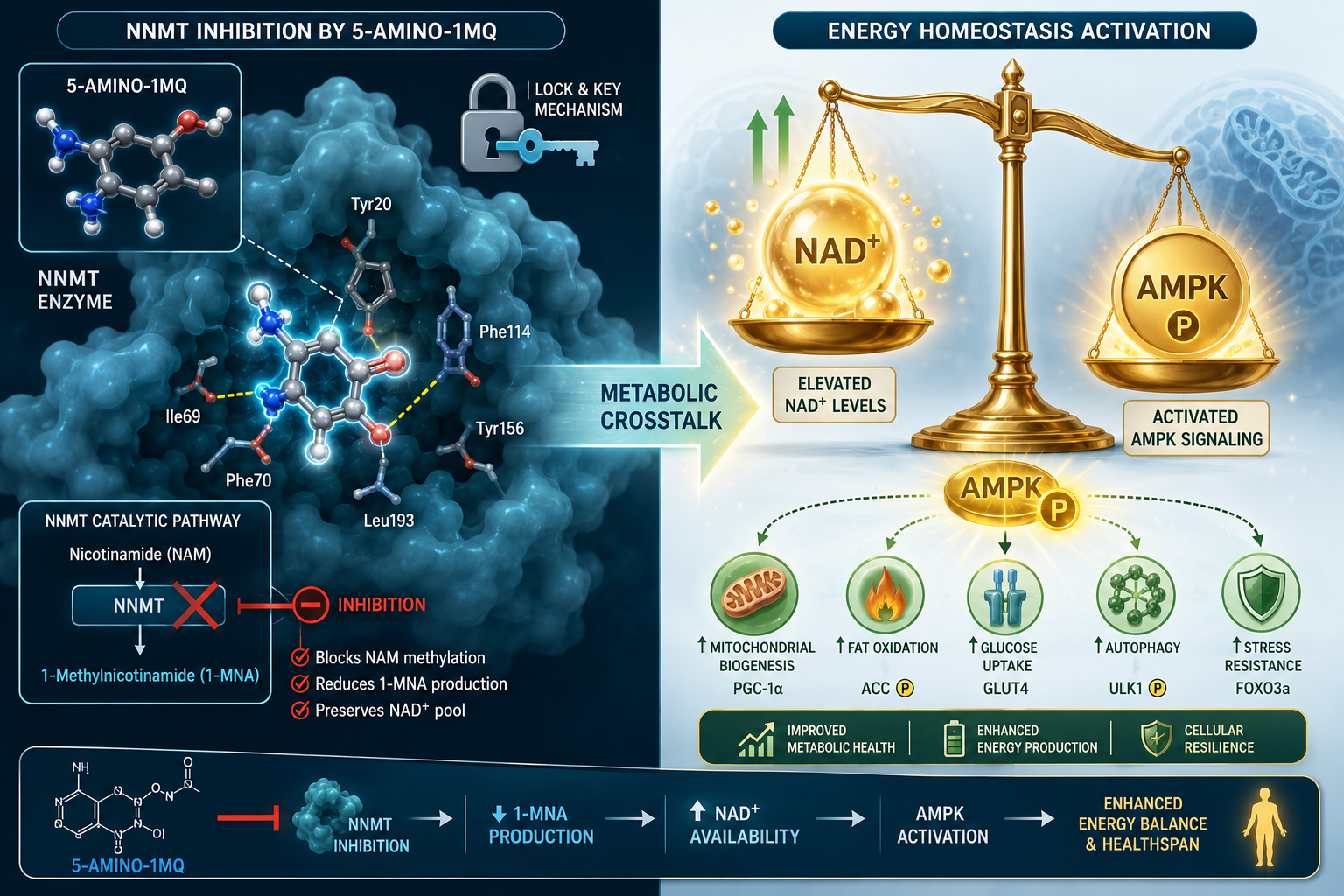
5-Amino-1MQ is a small-molecule peptide-adjacent compound that inhibits nicotinamide N-methyltransferase (NNMT), an enzyme overexpressed in adipose tissue during obesity. By blocking NNMT, it raises intracellular NAD+ levels and activates SIRT1, a longevity-associated deacetylase.
Preclinical data points:
- Reduced fat mass without caloric restriction in mouse models.
- Improved metabolic rate and mitochondrial activity markers.
- Oral bioavailability in rodent studies, which is notable for a compound in this class.

How to Evaluate a Research Peptide Supplier in 2026
Sourcing quality is as important as compound selection. Poor-purity peptides produce unreliable data and can compromise entire research programs. When reviewing any supplier, confirm the following:
Non-negotiable documentation:
- HPLC purity certificate, minimum 98% purity for metabolic research compounds
- Mass spectrometry confirmation, verifies molecular identity, not just purity
- Certificate of Analysis (CoA), batch-specific, not generic
- Third-party testing, independent lab verification adds credibility
Researchers new to the procurement process can consult the research-only peptides catalog and the peptide distributors resource for vetted sourcing options. Those operating in Canada will find the peptides in Canada guide particularly useful for navigating regional import and research regulations.
For ongoing updates on compound availability and research developments, the research blog publishes regular sourcing and science updates.

Comparing the Top 5 at a Glance
| Peptide | Primary Mechanism | Research Stage |
|---|---|---|
| GLP-3 Retatrutide | Triple receptor agonist | Phase 2 clinical |
| MOTS-c | AMPK activation | Preclinical / early human |
| SS-31 | Cardiolipin stabilization | Phase 2 clinical |
| AOD-9604 | Lipolysis stimulation | Phase 2 completed |
| 5-Amino-1MQ | NNMT inhibition / NAD+ | Preclinical |
Conclusion
The Top 5 Research Peptides for Metabolic Health: An Updated Buyer's Guide reviewed here, Retatrutide, MOTS-c, SS-31, AOD-9604, and 5-Amino-1MQ, each represent distinct mechanistic approaches to one of the most pressing research challenges of 2026. Their diversity is a strength: researchers can design comparative or complementary protocols that address metabolic dysfunction from multiple angles simultaneously.
Actionable next steps for researchers:
- Define the specific metabolic pathway your study targets before selecting a compound.
- Request batch-specific CoAs and third-party HPLC data from any supplier before purchase.
- Review the latest preclinical literature for each compound to align dosing models with current evidence.
- Consult the online peptides sourcing guide for up-to-date supplier comparisons.
- Stay current with emerging data, this field moves quickly, and 2026 is already producing new findings across all five compounds.
Rigorous sourcing and protocol design are what separate publishable research from wasted resources.
References
- Jastreboff, A. M., et al. (2023). Triple, hormone-receptor agonist retatrutide for obesity, a phase 2 trial. New England Journal of Medicine, 389(6), 514-526.
- Lee, C., et al. (2015). The mitochondrial-derived peptide MOTS-c promotes metabolic homeostasis and reduces obesity and insulin resistance. Cell Metabolism, 21(3), 443-454.
- Szeto, H. H. (2014). First-in-class cardiolipin-protective compound as a therapeutic agent to restore mitochondrial bioenergetics. British Journal of Pharmacology, 171(8), 2029-2050.
- Heffernan, M. A., et al. (2001). An analog of growth hormone-releasing factor (AOD9604) reduces body fat in obese rodents and in humans. Endocrinology, 142(12), 5182-5189.
- Neelakantan, H., et al. (2018). Selective and membrane-permeable small molecule inhibitors of nicotinamide N-methyltransferase reverse high fat diet-induced obesity in mice. Biochemical Pharmacology, 147, 141-152.