Call or Text 727-513-9780
  • Shopping Cart Shopping Cart
    0Shopping Cart
Pure Tested Peptides | America's most trusted Peptides for sale online
  • Peptides for sale
    • Oral Peptides for sale
      • Peptide Capsules for sale
      • BPC 157 Capsules 1000mcg
      • SLU-PP-332 Capsules | 1000 mcg
      • 5-Amino-1MQ 50mg Capsules
      • Tesofensine 500mcg
    • All Peptides for sale
    • Peptide Sprays
      • BPC 157 Nasal Spray Kit
      • BPC-157 TB500 Nasal Spray Kit
      • Semax Nasal Spray 10mg
      • Selank – Nasal Spray Kit – 10mg
      • Epithalon 50MG Nasal Spray Kit
      • Ipamorelin 10mg Nasal Spray
      • Klow Nasal Spray (BPC-157 + TB-500 + GHK-Cu + KPV) | 80mg
      • Hulk Nasal Spray Tesa / Ipa Blend 6/3 MG
      • Klow Nasal Spray
      • NAD + 500 mg Nasal Spray
      • PT-141 Nasal Spray Kit
    • GHRH Peptides
      • Ipa Peptides
      • CJC-1295 Peptides
        • CJC-1295 with DAC 5 mg
        • CJC-1295 without DAC 5 mg
        • CJC-1295 Ipa 10mg
      • Tesa Peptides
        • Tesa Peptide
        • Tesa 20 mg
    • GHK-Cu Peptides
      • All GHK-Cu Peptides
      • GHK-Cu 100mg
      • KLOW Peptide Blend – Buy KLOW blend online
    • BPC Peptides
      • All BPC Peptides
      • BPC-157
      • BPC-157 TB-500
      • BPC 157 capsules 1000mcg
    • SLU-PP-332 Peptides
      • All SLU-PP-332 Peptides
      • SLU-PP-332 5mg
    • GLP3 Peptides
      • GLP3-R
      • GLP3-R CAG 10mg
      • GLP3-R 20mg
    • PT-141 Peptides
      • PT-141 Peptides for sale
      • PT-141 10mg
      • PT-141 Nasal Spray
    • CAG Peptides
      • Lipo-C Peptide Blend
      • CAG 5mg
      • CAG 10mg
    • MOTS-C Peptides
      • MOTS-C Peptides for sale
      • MOTS-c peptide
      • MOTS-c 10mg *6 pack*
    • 5 Amino 1MQ Peptides
      • 5 Amino 1MQ Peptides for sale
      • 5-Amino-1MQ 50mg Capsules
      • 5-Amino-1MQ 5mg
    • Epithalon Peptides
      • Epithalon Peptides for sale
      • Epithalon 10mg
      • Epithalon 50mg
  • Shop
    • GLPs
      • 5-Amino-1MQ 50mg Capsules
      • 5-Amino-1MQ 5mg
      • GLP3-Reta
      • L-Carnitine 500mg/ml
      • Tesofensine 500mcg
      • SLU-PP-332 5mg
      • MOTS-c 10mg *6 pack*
    • Epithalon & BPC Peptides
      • Epithalon 10mg
      • Epithalon 50mg
      • BPC-157
      • BPC 157 capsules 1000mcg
      • BPC-157 TB-500
      • BPC-157 TB500 Nasal Spray Kit
      • BPC 157 Nasal Spray Kit
    • BPC TB-500 & NAD+ Peptides
      • NAD+ 500 mg
      • KLOW Peptide Blend – Buy KLOW blend online
      • GLOW Peptide Blend
      • TB 500 5mg
      • BPC 157 capsules 1000mcg – Supplement
      • BPC 157 Nasal Spray Kit
      • BPC-157
      • BPC-157 TB500 Nasal Spray Kit
      • BPC-157 TB-500
      • BPC 157 capsules 1000mcg
    • LL-37 Peptide
      • LL-37 10 mg
    • MOTS-C & Selank
      • MOTS-c peptide
      • Selank 10mg
    • GHK Peptides
      • GHK-Cu 100mg
      • GLOW Peptide Blend
      • KLOW Peptide Blend – Buy KLOW blend online
  • COAs
  • Wholesale
    • Wholesale Peptides for sale
  • PTP FAQ
  • Affiliates
    • Selank Peptide: Advanced Pharmacological Mechanisms Underlying Its Anxiolytic and Nootropic Effects in Research
      • 5-Amino-1MQ Peptide: Detailed Mechanisms of NNMT Inhibition and Its Impact on Cellular Metabolism Research
        • MOTS-C Peptide: Unraveling Its Role in Mitochondrial Dynamics and Energy Metabolism Research
          • Epithalon Peptide and Telomerase Regulation: Investigating Its Impact on Cellular Senescence and Lifespan Research Models
            • GLP2-T vs GLP2 Tirz Peptide: Understanding the Naming, Mechanistic Nuances, and Research Implications for Gut Health
      • Peptides and Polypeptides in Modern Pharmacology: What Research on Metoprolol, Prednisone, and Amlodipine Reveals
        • Polypeptide Peptides vs NSAIDs: What Naproxen and Diclofenac Teach Tissue-Repair Researchers About BPC‑157 and TB‑500
          • Peptides and Polypeptides in Endocrine Pharmacology: How GLP-1, GLP-2, and GLP-3 Retatrutide Differ From Classic Drugs Like Prednisone and Amlodipine
          • 5‑Amino‑1MQ Peptide and NNMT Inhibition: How It Compares With Statins Like Atorvastatin in Adipose and Lipid Metabolism Research
      • Enclomiphene, Estrogen Receptor Signaling, and Luteinizing Phase Biology: What Hormone Researchers Should Measure
        • Mesenchymal Stem Cells, BPC‑157, and GHK‑Cu: How Tissue Repair Peptides Compare With Classic NSAIDs Like Naproxen in Injury Models
          • Peptide Calculator Use Cases Beyond Growth Hormone: Working Through GLP‑3 Retatrutide, MOTS‑c, and BPC‑157 Research Dosing
        • Polypeptide Peptides in Endocrine and Metabolic Pharmacology: Lessons From Amlodipine, Prednisone, and Metoprolol
        • Peptides Calculator for Advanced Blends: Worked Examples for Tesamorelin, CJC‑1295, and Ipamorelin Stacks
          • Peptides and Polypeptides in Human Physiology: How Molecular Size Shapes Research Applications
            • Selank Peptide: Advanced Pharmacological Mechanisms Underlying Its Anxiolytic and Nootropic Effects in Research
          • 5-Amino-1MQ Peptide: Detailed Mechanisms of NNMT Inhibition and Its Impact on Cellular Metabolism Research
            • MOTS-C Peptide: Unraveling Its Role in Mitochondrial Dynamics and Energy Metabolism Research
              • Epithalon Peptide and Telomerase Regulation: Investigating Its Impact on Cellular Senescence and Lifespan Research Models
                • GLP2-T vs GLP2 Tirz Peptide: Understanding the Naming, Mechanistic Nuances, and Research Implications for Gut Health
                  • Peptides and Polypeptides in Endocrine Pharmacology: How GLP-1, GLP-2, and GLP-3 Retatrutide Differ From Classic Drugs Like Prednisone and Amlodipine
                    • Polypeptide Peptides vs NSAIDs: What Naproxen and Diclofenac Teach Tissue-Repair Researchers About BPC‑157 and TB‑500
                      • Peptides and Polypeptides in Modern Pharmacology: What Research on Metoprolol, Prednisone, and Amlodipine Reveals
                        • 5‑Amino‑1MQ Peptide and NNMT Inhibition: How It Compares With Statins Like Atorvastatin in Adipose and Lipid Metabolism Research
                        • Enclomiphene, Estrogen Receptor Signaling, and Luteinizing Phase Biology: What Hormone Researchers Should Measure
                        • Mesenchymal Stem Cells, BPC‑157, and GHK‑Cu: How Tissue Repair Peptides Compare With Classic NSAIDs Like Naproxen in Injury Models
                        • Peptide Calculator Use Cases Beyond Growth Hormone: Working Through GLP‑3 Retatrutide, MOTS‑c, and BPC‑157 Research Dosing
                        • Polypeptide Peptides in Endocrine and Metabolic Pharmacology: Lessons From Amlodipine, Prednisone, and Metoprolol
                        • Peptides Calculator for Advanced Blends: Worked Examples for Tesamorelin, CJC‑1295, and Ipamorelin Stacks
                        • Peptides and Polypeptides in Human Physiology: How Molecular Size Shapes Research Applications
                        • Selank Peptide: Advanced Pharmacological Mechanisms Underlying Its Anxiolytic and Nootropic Effects in Research
                        • MOTS-C Peptide: Unraveling Its Role in Mitochondrial Dynamics and Energy Metabolism Research
                        • Peptides and Polypeptides in Modern Pharmacology: What Research on Metoprolol, Prednisone, and Amlodipine Reveals
                        • Peptides and Polypeptides in Endocrine Pharmacology: How GLP-1, GLP-2, and GLP-3 Retatrutide Differ From Classic Drugs Like Prednisone and Amlodipine
                        • 5-Amino-1MQ Peptide: Detailed Mechanisms of NNMT Inhibition and Its Impact on Cellular Metabolism Research
                        • Mesenchymal Stem Cells, BPC‑157, and GHK‑Cu: How Tissue Repair Peptides Compare With Classic NSAIDs Like Naproxen in Injury Models
                        • Peptide Calculator Use Cases Beyond Growth Hormone: Working Through GLP‑3 Retatrutide, MOTS‑c, and BPC‑157 Research Dosing
                        • GLP2-T vs GLP2 Tirz Peptide: Understanding the Naming, Mechanistic Nuances, and Research Implications for Gut Health
                        • Polypeptide Peptides in Endocrine and Metabolic Pharmacology: Lessons From Amlodipine, Prednisone, and Metoprolol
                        • Polypeptide Peptides vs NSAIDs: What Naproxen and Diclofenac Teach Tissue-Repair Researchers About BPC‑157 and TB‑500
                        • Peptides and Polypeptides in Human Physiology: How Molecular Size Shapes Research Applications
                        • Peptides Calculator for Advanced Blends: Worked Examples for Tesamorelin, CJC‑1295, and Ipamorelin Stacks
                        • 5‑Amino‑1MQ Peptide and NNMT Inhibition: How It Compares With Statins Like Atorvastatin in Adipose and Lipid Metabolism Research
                        • Enclomiphene, Estrogen Receptor Signaling, and Luteinizing Phase Biology: What Hormone Researchers Should Measure
                        • Epithalon Peptide and Telomerase Regulation: Investigating Its Impact on Cellular Senescence and Lifespan Research Models
                        • Best research protocol Klow blend
                        • best time to take BPC-157
                        • best time to take DSIP (Delta Sleep Inducing Peptide)
                        • best time to take CJC-1295
                        • best time to take AOD-9604
                        • best time to take Follistatin 344
                        • best time to take Ipamorelin
                        • best time to take MK-677 (Ibutamoren)
                        • best time to take Ligandrol (LGD-4033) — research compound
                        • best time to take Ostarine (MK-2866) — research compound
                        • best time to take GHK-CU
                        • best time to take TB-500
                        • best time to take MOTS-c
                        • best time to take Semax
                        • best time to take RAD-140 (Testolone) — research compound
                        • best time to take Thymosin Alpha-1
                        • best time to take PEG-MGF
                        • Biolife Plasma, Octapharma Plasma, and Research Peptides: How Plasma Donation Labs Differ From Peptide Suppliers
                        • best time to take YK-11 — research compound
                        • best time to take PT-141 (Bremelanotide)
                        • Best research protocol Klow blend
                        • 5-Amino-1MQ and MOTS-C Synergy: Metabolic Signaling, Mitochondria, and Research Design
                        • BPC-157 and TB-500: Investigating Their Combined Effects on Angiogenesis and Cellular Migration in Tissue Repair Models
                        • BPC-157 Peptide: Gut Barrier Function, Inflammation, and Tissue-Recovery Research
                        • 5‑Amino‑1MQ and MOTS‑c Synergy in Metabolic Research: Designing NNMT and Mitochondrial Biogenesis Stacks
                        • CJC-1295 with DAC vs. Without DAC: Half-Life, Release Kinetics, and Research Implications
                        • CJC‑1295 with DAC vs. Without DAC: Expanding on Half‑Life Differences Using Tesamorelin and Ipamorelin Blend Case Studies
                        • Collagen Biology and Copper‑Binding Peptides: How GHK‑Cu, Glow Blend, and Klow Blend Interact with Skin and Connective Tissue
                        • Collagen Biology and Regenerative Peptides: How GHK‑Cu, Glow Blend, and Klow Blend Affect Extracellular Matrix Research
                    • DNA, Telomeres, and Longevity Peptides: Positioning Epithalon and MOTS‑c in Genetic Aging Research
                      • Enclomiphene Citrate: serm Mechanism, Testosterone Research, and Stack Compatibility
                        • Enclomiphene vs Enclomiphene Citrate: Formulation, Bioavailability, and Research Distinctions
                        • Epithalon Peptide Research: Telomerase Activation, Aging, and Pineal Gland Function
                        • Estrogen Receptor Signaling and Enclomiphene: How Selective Modulators Compare with Classic Polypeptide Hormones
                        • GHK-Cu Peptide: Advanced Mechanisms in Extracellular Matrix Remodeling and Wound Healing Research
                        • GHK-Cu Peptide: Collagen Synthesis, Wound Repair, and Skin-Barrier Research Models
                        • GLP-1 vs GLP-3 vs GLP-2: Peptide Classification and Research Applications
                        • GLP-2 Peptide Research Guide: Gut Barrier Function, Nutrient Absorption, and Intestinal Recovery Models
                        • GLP-3 Retatrutide vs. GLP-1 Drugs: What Triple-Agonist Biology Changes in Research Models
                        • Ipamorelin and Tesamorelin Combination: Synergistic GH Secretagogue Research and Dosing Protocols
                        • GLP2 Tirz Peptide: What It Is, Why the Name Exists, and How Researchers Should Interpret It
                        • Klow Blend Peptide Nasal Spray: What the Formulation Is Trying to Do in Cognitive Research
                        • Mitochondria, NNMT Inhibition, and Peptide Modulators: Where MOTS‑c and 5‑Amino‑1MQ Fit in Cellular Energy Research
                        • MOTS-c Peptide: Mitochondrial Function, Energy Metabolism, and What Researchers Measure
                        • MOTS-c vs. 5-Amino-1MQ: Which Metabolic Research Questions Each Compound Actually Answers
                        • Nasal Spray Peptides: Bioavailability, Administration, and Semax/Selank Research Applications
                        • PT-141 Peptide Research: Mechanism of Action and Melanocortin Receptor Signaling
                        • Retatrutide for Research: Mechanism, Structure, and GLP-1/GLP-3 Dual Action
                        • Retatrutide for Obesity and Type 2 Diabetes: What the Latest Trial Data Suggest
                        • Tesofensine Peptide Research: Mechanism, Appetite Suppression, and Neuropeptide Y Pathways
  • Contact
    • Contact Customer Service
    • Text Customer Support
  • About US
  • Shop all peptides
  • Affiliate Program
    • Affiliate Signup
  • Login / Register Login / Register Page Link Login / Register Page Link
  • Click to open the search input field Click to open the search input field Search
  • Menu Menu

Tag Archive for: metabolic research peptides

5-Amino-1MQ Peptide: Mechanism, Metabolic Research, and How It Differs From Mitochondrial Peptides

5-Amino-1MQ Peptide: Mechanism, Metabolic Research, and How It Differs From Mitochondrial Peptides

August 10, 2026/0 Comments/in Uncategorized/by

}

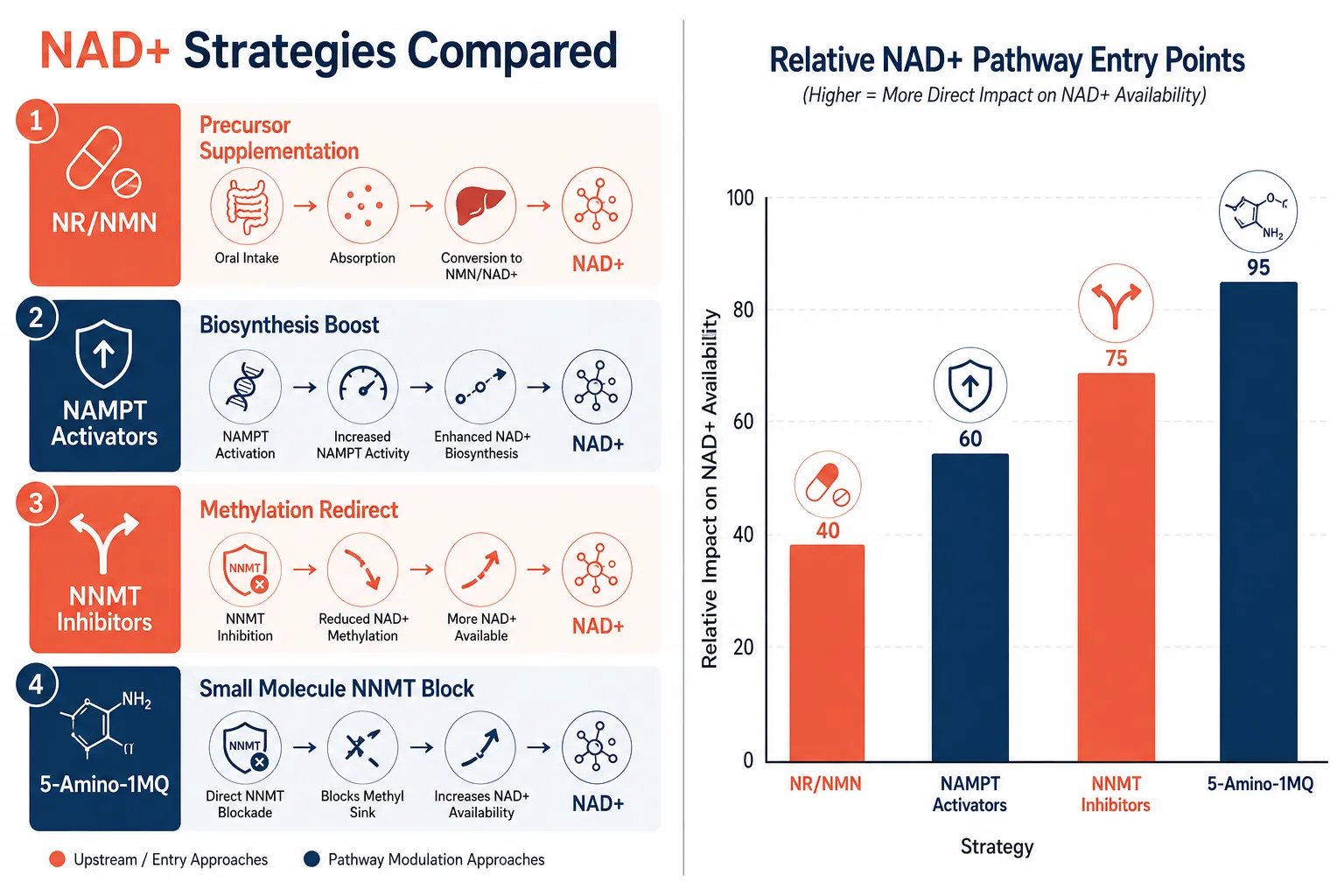
Only about 15% of ingested NAD+ precursors reach intracellular compartments where they can actually drive energy metabolism, a bottleneck that has pushed researchers toward upstream enzyme inhibitors as a more direct intervention point. That upstream target is NNMT, and the compound drawing the most research attention in 2026 is 5-Amino-1MQ. This article breaks down the 5-Amino-1MQ peptide: mechanism, metabolic research, and how it differs from mitochondrial peptides, answering the mechanism questions that efficacy summaries typically skip.

Key Takeaways

  • 5-Amino-1MQ is technically a small-molecule NNMT inhibitor, not a peptide, though it is frequently grouped with metabolic peptide stacks in research literature.
  • Its primary mechanism involves blocking NNMT-driven NAD+ consumption, which raises intracellular NAD+ availability and activates SIRT1 signaling.
  • Preclinical models show significant effects on adipocyte differentiation, lipid accumulation, and energy expenditure.
  • Mitochondrial peptides such as MOTS-c and SS-31 work through distinct receptor-level and membrane-targeting pathways that do not overlap with NNMT inhibition.
  • Understanding these mechanistic differences matters for designing multi-compound research protocols.

Professional () hero image with SHORT (≤42 chars): '5-Amino-1MQ: Mechanism & Metabolic Research', white on a deep navy

What Is 5-Amino-1MQ and Why the "Peptide" Label Persists

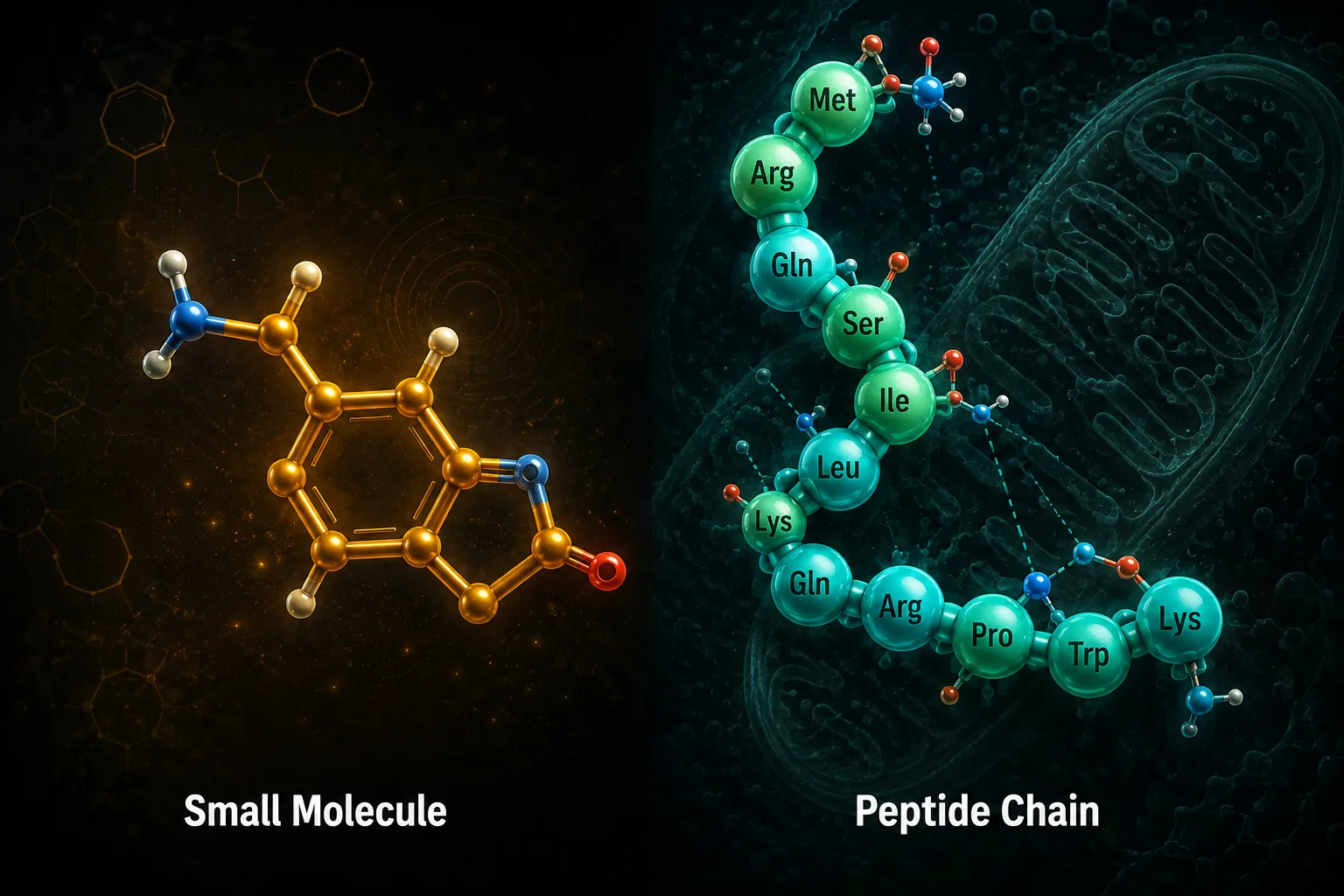
Before diving into mechanism, a classification note is worth making. 5-Amino-1MQ, full name 5-amino-1-methylquinolinium, is a small-molecule inhibitor, not a peptide. It has no amino acid chain, no peptide bond, and no receptor-binding motif typical of endogenous peptides. The "peptide" label persists because researchers and suppliers frequently group it with metabolic peptide stacks, and because its functional territory overlaps with compounds like MOTS-c.

This distinction matters for protocol design. For a broader look at how different compound classes interact at the cellular level, the overview of peptides mechanism from GLP-3 retatrutide to CJC-1295 and MOTS-c provides useful framing.

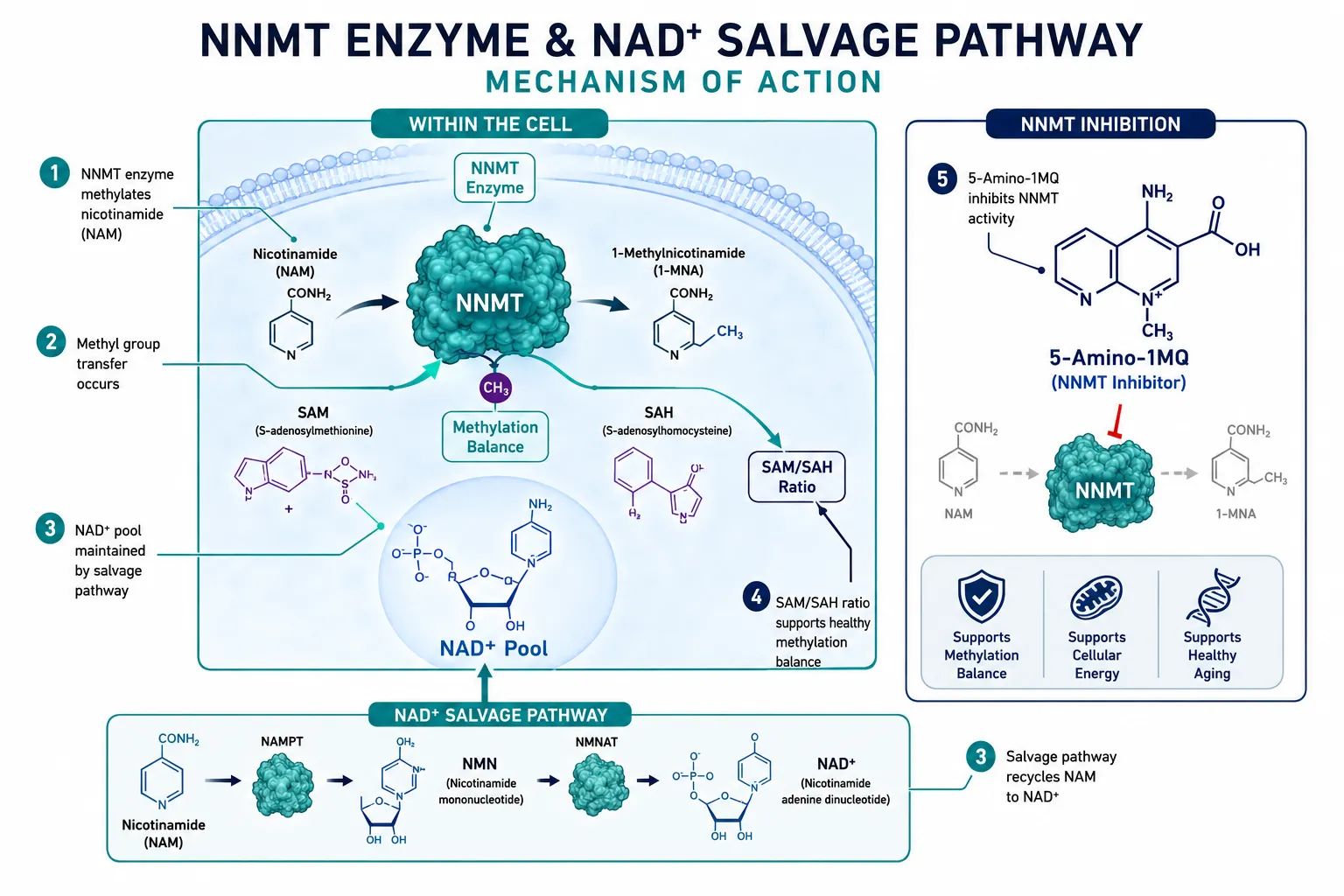
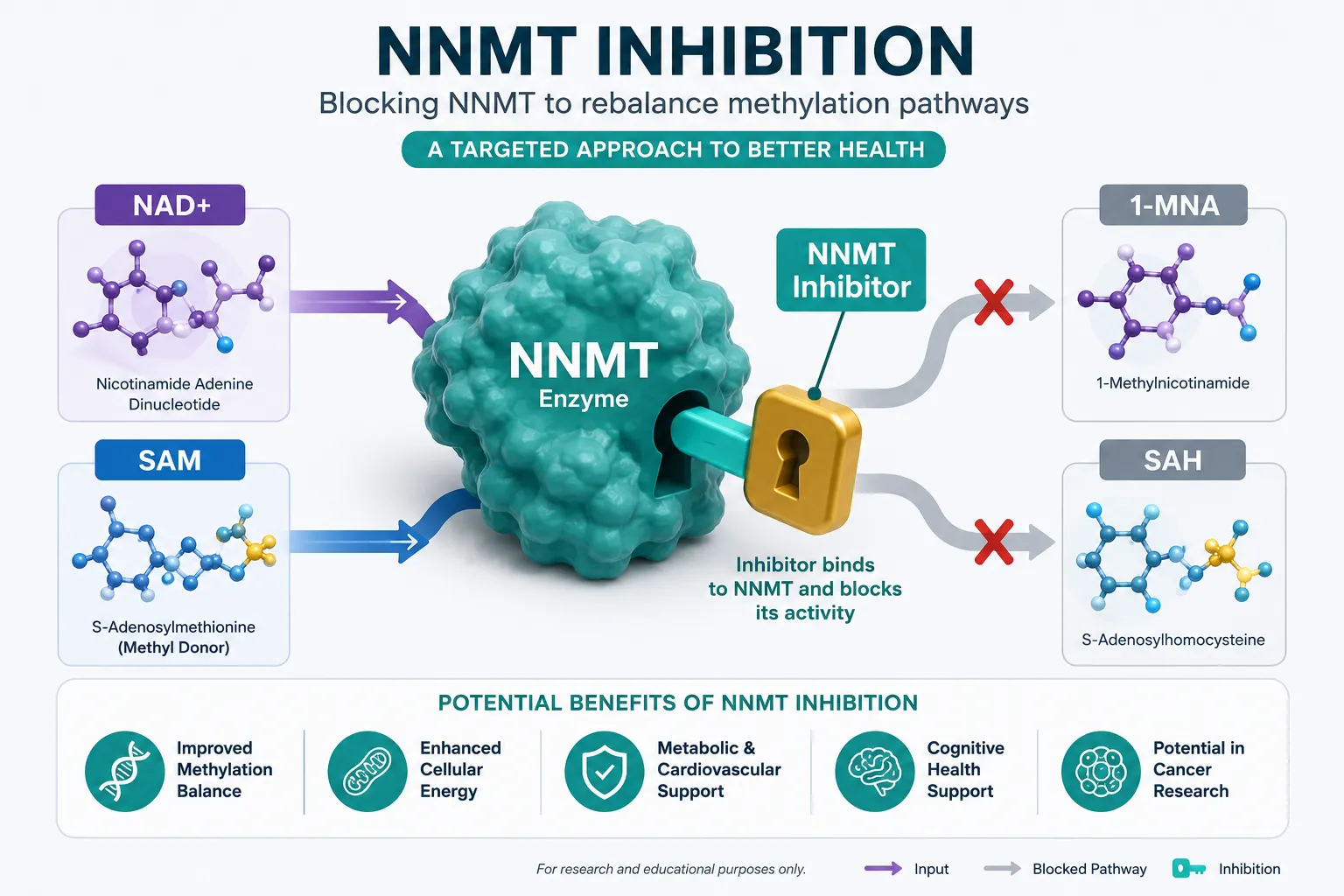
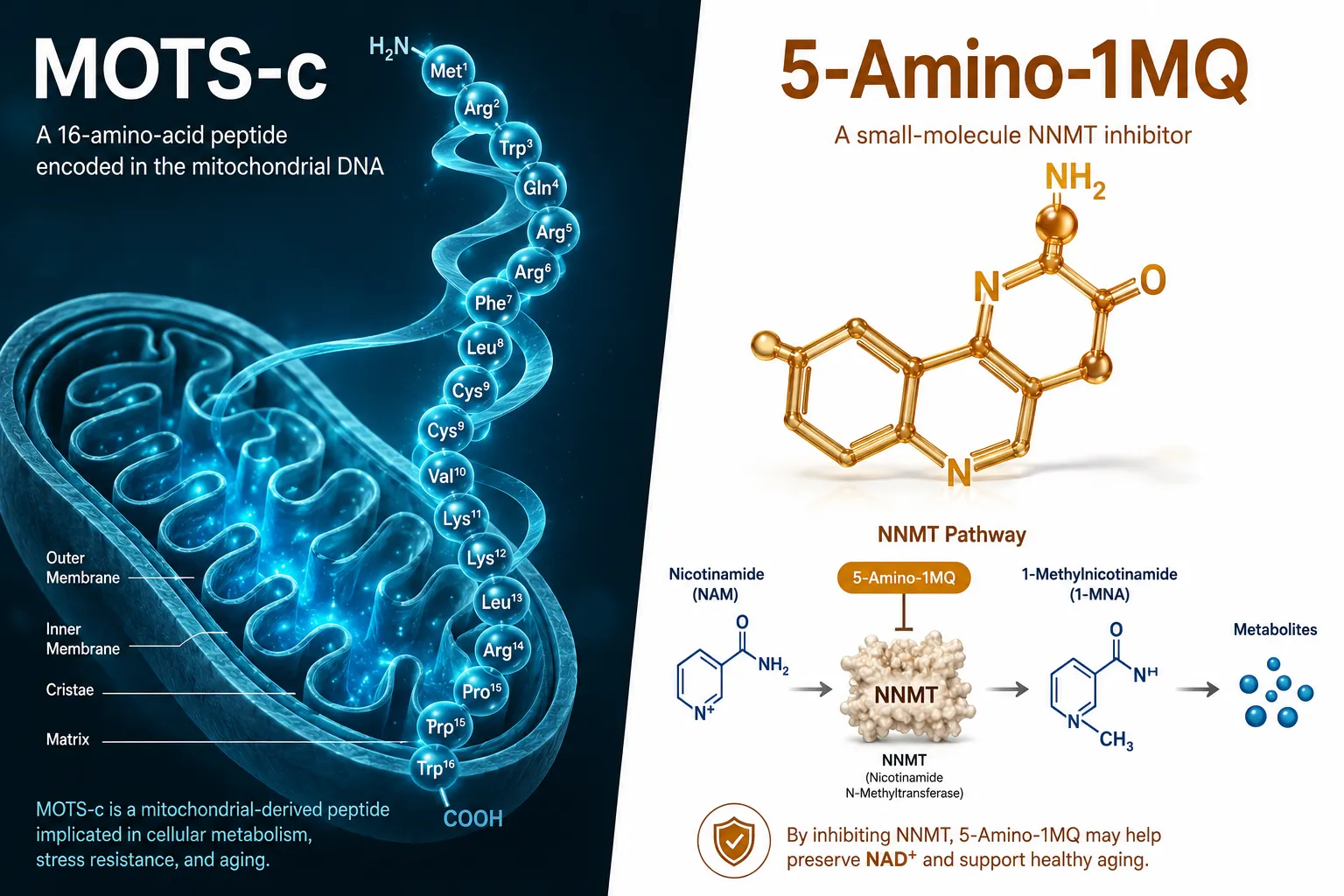
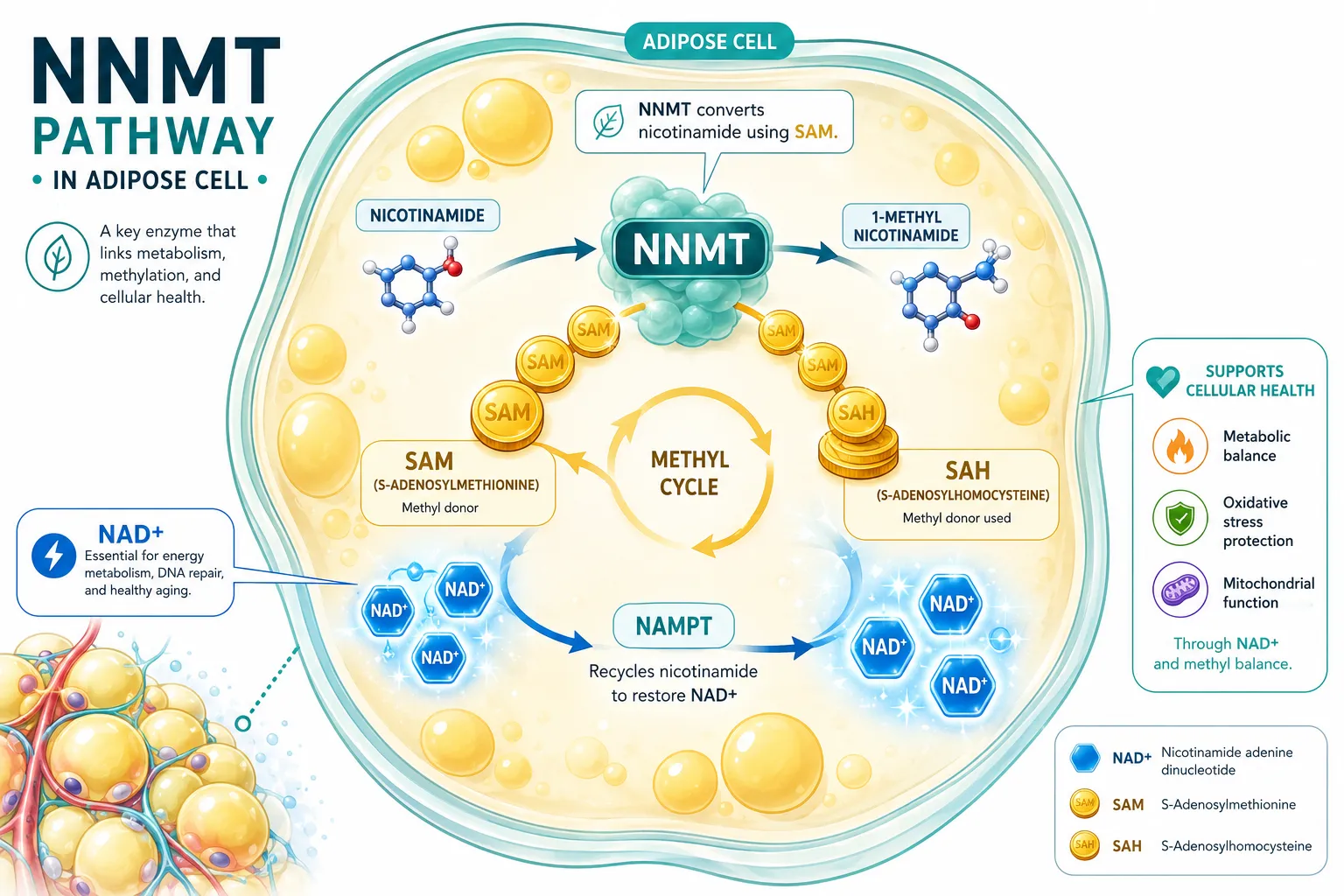
5-Amino-1MQ's molecular target is nicotinamide N-methyltransferase (NNMT), an enzyme highly expressed in adipose tissue that consumes S-adenosylmethionine (SAM) and NAD+ precursors during methylation reactions. When NNMT is overactive, it depletes both SAM and the NAD+ pool, suppressing SIRT1 activity and impairing mitochondrial function.

The Core Mechanism: NNMT Inhibition and NAD+ Restoration

The Core Mechanism: NNMT Inhibition and NAD+ Restoration

The mechanistic chain is straightforward once broken into steps:

  1. NNMT inhibition, 5-Amino-1MQ binds competitively to the NNMT active site, reducing the enzyme's ability to methylate nicotinamide.
  2. NAD+ precursor conservation, With less nicotinamide consumed by NNMT, more substrate feeds into the NAD+ biosynthesis pathway via NAMPT.
  3. SIRT1 activation, Elevated intracellular NAD+ activates SIRT1, a deacetylase that regulates metabolic gene expression, mitochondrial biogenesis, and fat oxidation.
  4. SAM preservation, Reduced NNMT activity also conserves SAM, supporting methylation reactions involved in epigenetic regulation and one-carbon metabolism.

"The compound does not donate NAD+ directly, it removes the enzymatic drain that prevents NAD+ from accumulating in the first place."

This indirect restoration model is mechanistically different from NAD+ precursor supplementation (NMN, NR), which adds substrate without addressing the enzymatic drain. For a deeper look at how NAD+ interacts with mitochondrial peptide research, the article on adenosine triphosphate and mitochondrial peptides including MOTS-c and 5-Amino-1MQ covers ATP production endpoints in detail.

Key Molecular Effects Observed in Preclinical Models

Effect Observed Outcome
NNMT inhibition Reduced nicotinamide methylation in adipocytes
Intracellular NAD+ Elevated in treated cell lines
SIRT1 activity Upregulated downstream of NAD+ increase
Adipocyte lipid accumulation Reduced in differentiation assays
Energy expenditure markers Increased in diet-induced obesity models

Metabolic Research Findings: Adipose Tissue and Energy Balance

Metabolic Research Findings: Adipose Tissue and Energy Balance

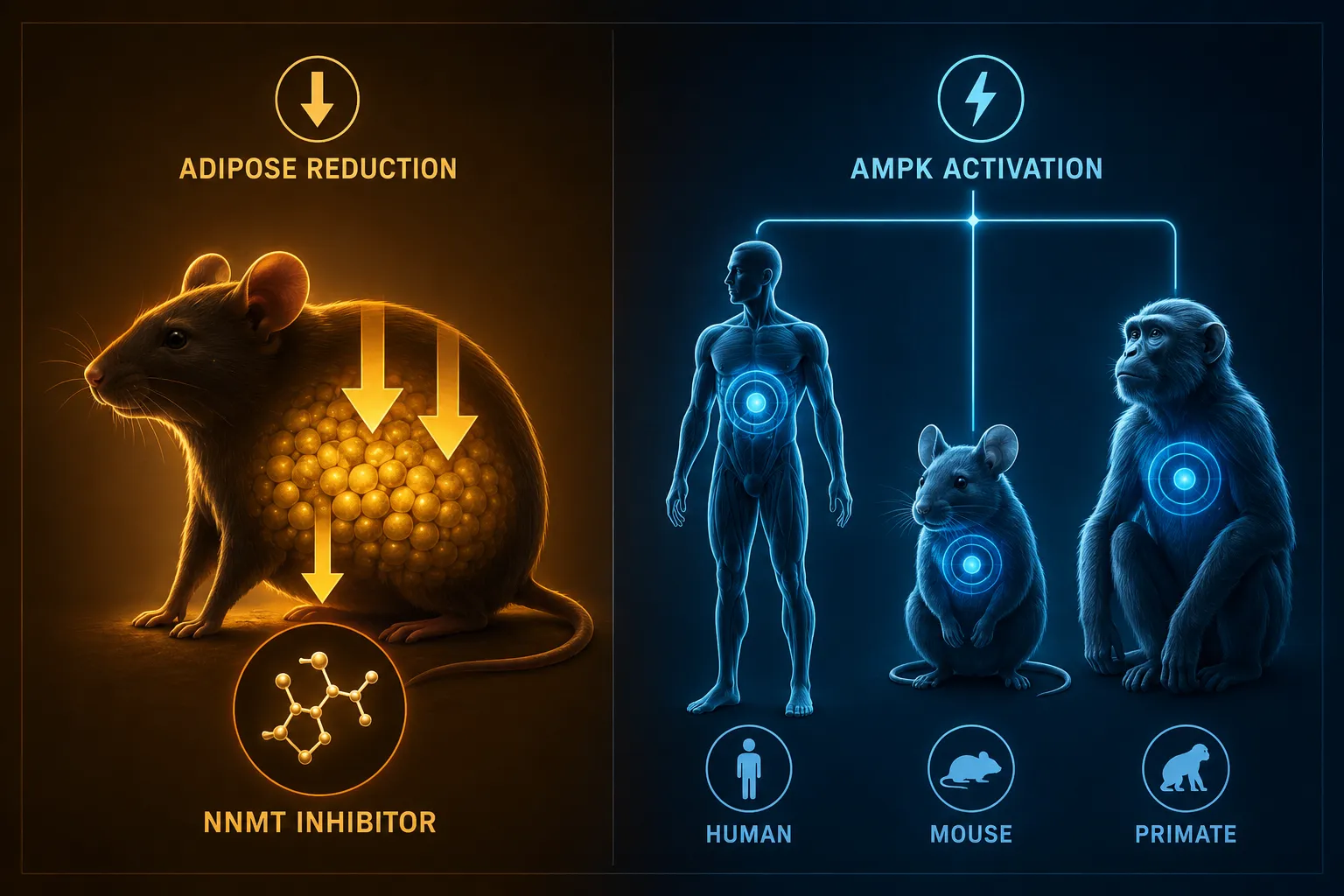
Preclinical research on 5-Amino-1MQ has concentrated on white adipose tissue (WAT), where NNMT expression is highest. In rodent models of diet-induced obesity, NNMT inhibition with 5-Amino-1MQ has been associated with:

  • Reduced fat mass without significant lean mass changes
  • Increased expression of thermogenic markers in adipose depots
  • Improved insulin sensitivity in metabolically compromised models
  • Upregulation of mitochondrial biogenesis genes

These findings position 5-Amino-1MQ within a broader class of metabolic research tools that target energy balance from the cellular level upward. Researchers comparing it against appetite-modulating compounds should note that its mechanism is entirely peripheral, there is no central nervous system component in current models. For contrast, the article on tesofensine and metabolic research comparing noradrenergic appetite modulators with GLP-3 peptides illustrates how centrally acting compounds differ in study design.

The peptides and polypeptides overview connecting DNA, mitochondria, and research compounds like MOTS-c and 5-Amino-1MQ also contextualizes where NNMT inhibitors fit within the broader mitochondrial research landscape.

How 5-Amino-1MQ Differs From Mitochondrial Peptides

How 5-Amino-1MQ Differs From Mitochondrial Peptides

This is where the 5-Amino-1MQ peptide: mechanism, metabolic research, and how it differs from mitochondrial peptides question becomes most practically relevant for researchers designing stacks or comparative studies.

Mitochondrial peptides, including MOTS-c, Humanin, and SS-31, are short amino acid sequences encoded in mitochondrial DNA or designed to target mitochondrial membranes. Their mechanisms include:

  • MOTS-c: Translocates to the nucleus under metabolic stress, activating AMPK and regulating folate and methionine metabolism
  • SS-31 (Elamipretide): Targets cardiolipin on the inner mitochondrial membrane, reducing oxidative stress and improving electron transport chain efficiency
  • Humanin: Binds cell-surface receptors and acts as a cytoprotective signaling molecule

5-Amino-1MQ, by contrast:

  • Has no amino acid structure
  • Does not interact with mitochondrial membranes directly
  • Does not bind peptide receptors
  • Works entirely through enzyme inhibition in the cytoplasm

This means the two compound classes are mechanistically complementary rather than redundant. A protocol pairing 5-Amino-1MQ with MOTS-c, for example, could theoretically address both the NAD+ depletion problem (via NNMT inhibition) and the downstream mitochondrial signaling deficit (via MOTS-c's AMPK activation). Researchers interested in SS-31's distinct membrane-targeting mechanism can explore SS-31 peptide research resources for comparison data.

For researchers sourcing compounds for metabolic studies, lab-tested peptides with verified purity documentation are essential for reproducible results.

Conclusion

5-Amino-1MQ occupies a unique position in the 2026 metabolic research landscape: it is not a peptide, but it operates in the same functional territory as mitochondrial peptides by restoring the NAD+ environment that those peptides depend on. Its mechanism, competitive NNMT inhibition leading to NAD+ conservation, SIRT1 activation, and improved adipose tissue metabolism, is well-defined at the preclinical level and mechanistically distinct from compounds like MOTS-c or SS-31.

Actionable next steps for researchers:

  • Review NNMT expression data in your specific tissue model before including 5-Amino-1MQ in a protocol
  • Consider pairing with a mitochondrial peptide to address both upstream NAD+ availability and downstream membrane-level function
  • Verify compound purity through third-party COA documentation before initiating any in vitro or in vivo work
  • Design controls that isolate NNMT inhibition from NAD+ precursor supplementation to avoid confounded endpoints

Understanding the mechanistic boundaries of each compound class, not just their reported outcomes, is what separates rigorous research design from assumption-driven stacking.

https://www.puretestedpeptides.com/wp-content/uploads/2026/08/5-amino-1mq-peptide-mechanism-metabolic-research-and-how-it-differs-from-mitocho.webp 1024 1536 https://www.puretestedpeptides.com/wp-content/uploads/2026/01/buy-peptides-online.jpg 2026-08-10 13:03:502026-08-10 13:03:505-Amino-1MQ Peptide: Mechanism, Metabolic Research, and How It Differs From Mitochondrial Peptides
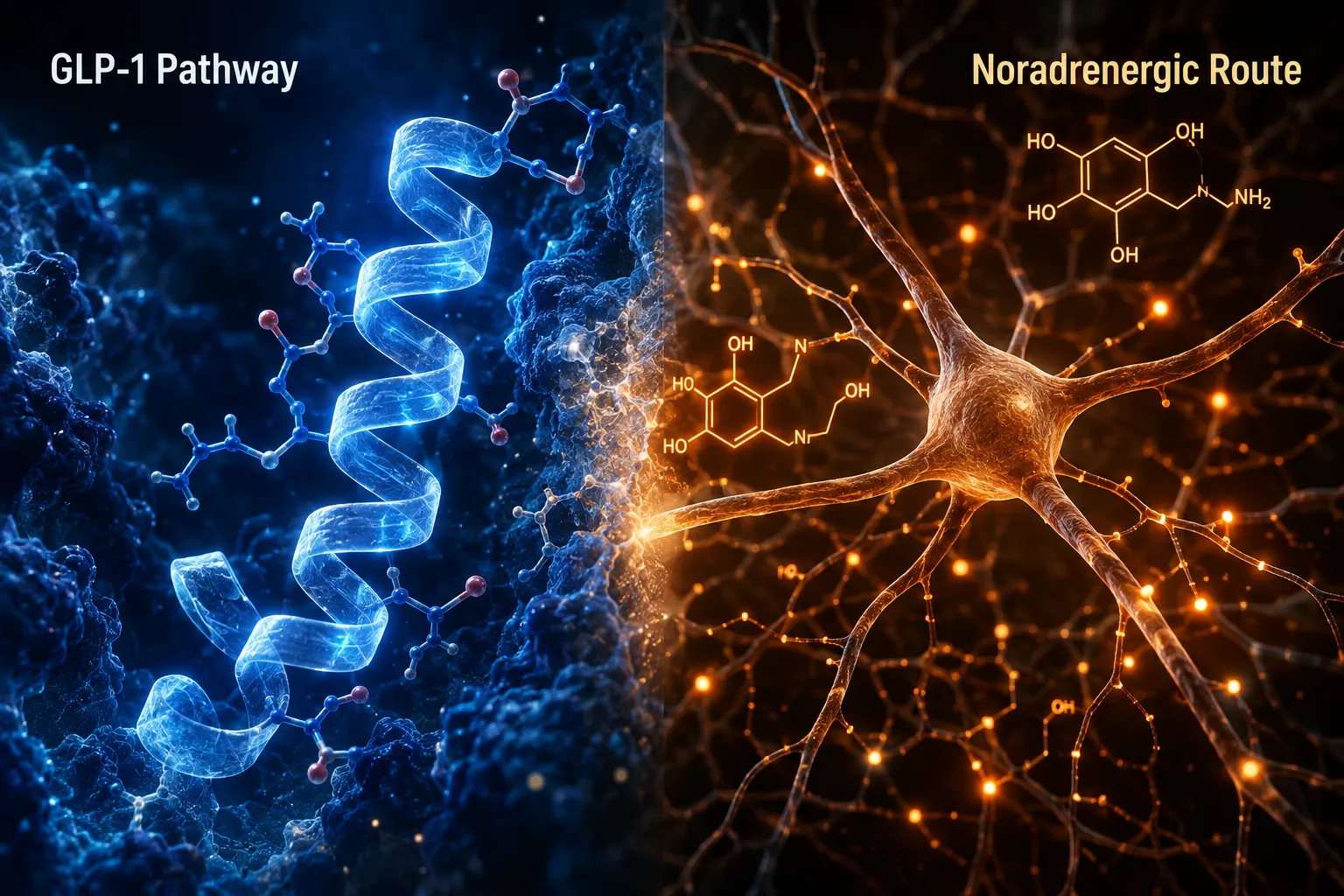
Tesofensine Mechanism Explained: Noradrenergic Appetite Modulation vs Incretin-Based GLP‑3 and GLP‑1 Pathways

Tesofensine Mechanism Explained: Noradrenergic Appetite Modulation vs Incretin-Based GLP‑3 and GLP‑1 Pathways

August 3, 2026/0 Comments/in Uncategorized/by

Only about 2% of obesity pharmacotherapy candidates ever reach regulatory approval, yet tesofensine, a triple monoamine reuptake inhibitor originally developed for Parkinson's disease, produced some of the most striking weight-loss signals seen in Phase II trials. Understanding the Tesofensine Mechanism Explained: Noradrenergic Appetite Modulation vs Incretin-Based GLP-3 and GLP-1 Pathways distinction is now essential for researchers designing comparative or combination metabolic studies in 2026, especially as incretin-based agents dominate clinical headlines.

Key Takeaways

  • Tesofensine inhibits reuptake of norepinephrine, dopamine, and serotonin, reducing appetite through central noradrenergic and dopaminergic signaling rather than gut-derived hormonal cascades.
  • GLP-1 agonists and the emerging GLP-3 class act peripherally and centrally via incretin receptors, slowing gastric emptying and stimulating pancreatic insulin secretion.
  • The two mechanistic classes target appetite and energy balance through non-overlapping pathways, making them candidates for synergistic combination research protocols.
  • Cardiovascular and CNS side-effect profiles differ substantially between the two classes, which has direct implications for preclinical study design.
  • Researchers should understand receptor-level distinctions before selecting compounds for metabolic pathway studies.

Key Takeaways

How Tesofensine Works: Central Monoamine Reuptake Inhibition

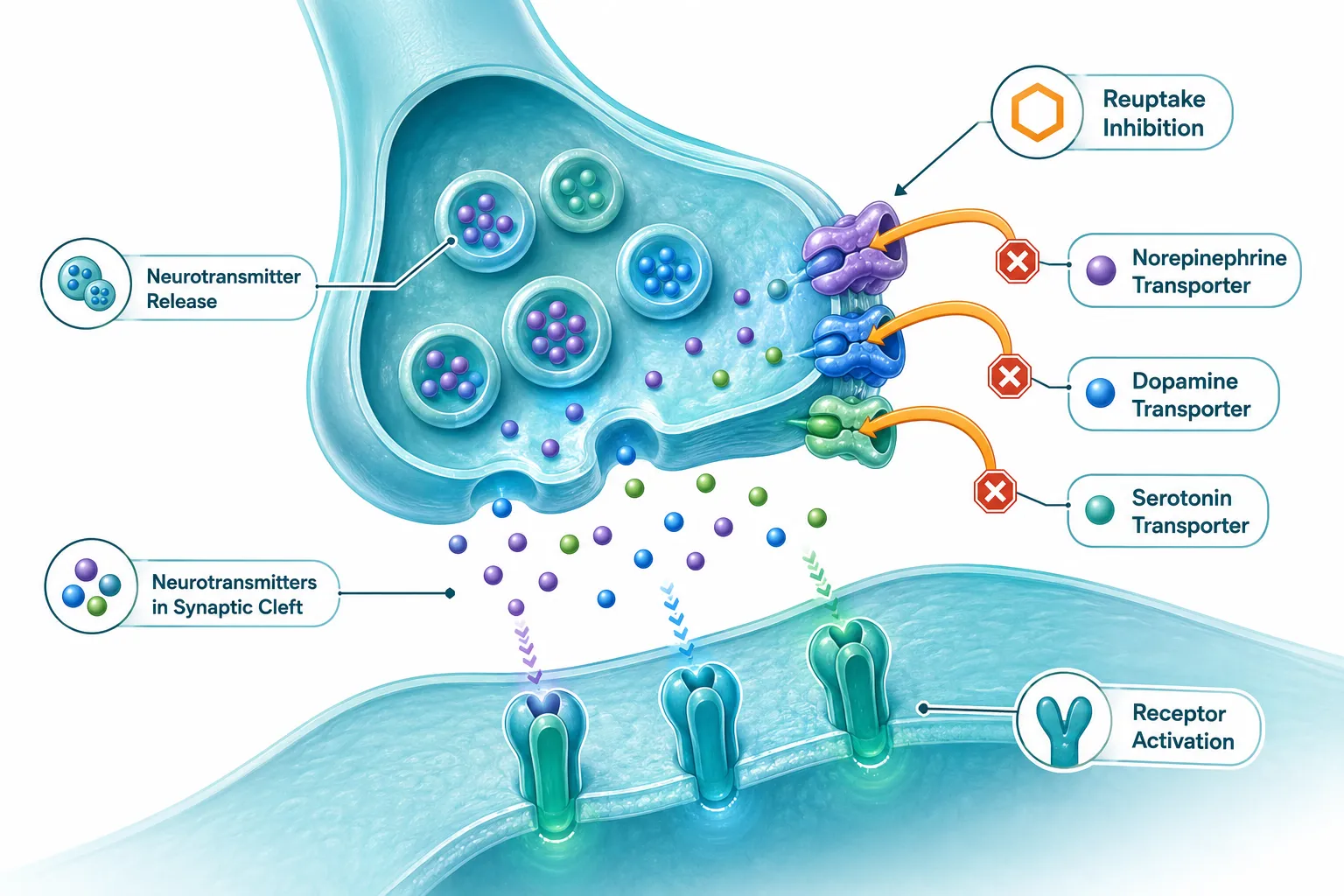
Tesofensine (NS2330) is a presynaptic triple reuptake inhibitor that blocks the transporters responsible for clearing norepinephrine (NET), dopamine (DAT), and serotonin (SERT) from the synaptic cleft. By prolonging the presence of all three monoamines, it amplifies signaling in circuits that govern hunger, reward, and energy expenditure.

The Noradrenergic Appetite Modulation Pathway

The noradrenergic component is central to tesofensine's appetite-suppressing effect. Norepinephrine acts on hypothalamic alpha-2 adrenergic receptors to suppress neuropeptide Y (NPY) release, one of the most potent orexigenic (hunger-stimulating) signals in the brain. When NET is blocked:

  • Synaptic norepinephrine rises
  • NPY activity is blunted
  • Satiety signaling is prolonged
  • Overall caloric intake decreases

The dopaminergic component reinforces this by reducing food-reward motivation, while serotonin reuptake inhibition adds a secondary satiety effect through 5-HT2C receptor activation in the hypothalamus.

"Tesofensine's triple-reuptake mechanism distinguishes it fundamentally from single-target agents, it modulates appetite, reward, and energy expenditure simultaneously through central monoamine circuits."

This centrally mediated mechanism contrasts sharply with agents that rely on MC4R signaling pathways or peripheral hormonal feedback. Researchers studying BDNF-related metabolic signaling may also find relevant context in BDNF induction research.

The Noradrenergic Appetite Modulation Pathway

GLP-1 and GLP-3 Incretin Pathways: A Mechanistic Contrast

To fully appreciate the Tesofensine Mechanism Explained: Noradrenergic Appetite Modulation vs Incretin-Based GLP-3 and GLP-1 Pathways comparison, it helps to map each incretin class at the receptor level.

GLP-1 Receptor Agonists

GLP-1 (glucagon-like peptide-1) is released from intestinal L-cells in response to nutrient ingestion. It acts on GLP-1 receptors (GLP-1R) expressed in:

Location Primary Effect
Pancreatic beta cells Glucose-dependent insulin secretion
Gastric smooth muscle Slowed gastric emptying
Hypothalamus / brainstem Reduced appetite, increased satiety
Cardiovascular tissue Cardioprotective signaling

GLP-1 agonists therefore reduce appetite indirectly, partly through peripheral gut signaling that reaches the brain via the vagus nerve, and partly through direct CNS receptor activation. Researchers exploring GLP-1 peptide sourcing for studies will find a range of formulations suited to preclinical protocols.

What Is GLP-3?

GLP-3 is a lesser-studied proglucagon-derived peptide. Unlike GLP-1, its receptor pharmacology is still being characterized, but early data suggest it influences gut motility and may modulate intestinal nutrient absorption rather than directly stimulating insulin secretion. For researchers asking what is the name of GLP-3 and how it differs, the distinction from GLP-1 lies in its predominant peripheral, enterocyte-level action rather than pancreatic or hypothalamic targeting.

Key Mechanistic Differences at a Glance

Feature Tesofensine GLP-1 Agonists GLP-3 (Emerging)
Primary site CNS synapses Gut + CNS Gut epithelium
Mechanism Monoamine reuptake inhibition Incretin receptor agonism Proglucagon-derived signaling
Insulin effect Indirect (via weight loss) Direct (glucose-dependent) Minimal / under study
Gastric emptying Not directly affected Significantly slowed Modestly affected
Appetite pathway Noradrenergic / dopaminergic Vagal + hypothalamic Enterocyte-mediated

Key Mechanistic Differences at a Glance

Designing Comparative and Combination Metabolic Studies

Understanding the Tesofensine Mechanism Explained: Noradrenergic Appetite Modulation vs Incretin-Based GLP-3 and GLP-1 Pathways framework has direct implications for experimental design. Because the two classes act on non-overlapping receptor systems, researchers can construct protocols that isolate each pathway or test additive effects.

Practical Considerations for Researchers

1. Endpoint selection
Noradrenergic agents primarily reduce caloric intake and increase energy expenditure. Incretin agents additionally affect postprandial glucose, insulin sensitivity, and gastric transit. Studies should include endpoints relevant to both axes when comparing or combining agents.

2. Washout and timing
Tesofensine's CNS effects have a relatively rapid onset. GLP-1 agonists may require days to weeks to reach steady-state receptor occupancy. Staggered dosing timelines are often necessary in combination protocols.

3. Safety monitoring
Tesofensine carries cardiovascular risk signals (elevated heart rate, blood pressure) due to its noradrenergic activity. GLP-1 agonists carry gastrointestinal adverse effect profiles. Monitoring panels should address both.

4. Complementary peptide contexts
Some research groups pair metabolic peptides with growth hormone secretagogues to assess body composition changes more comprehensively. Resources on Tesamorelin benefits and dosing and Ipamorelin/CJC-1295 stacking research provide useful comparative context for researchers studying visceral fat reduction alongside appetite modulation.

For those sourcing incretin-class compounds for preclinical work, GLP-1 research peptide options and GLP-3 agonist compounds represent distinct mechanistic tools worth including in study designs.

Conclusion

The mechanistic gap between tesofensine's central noradrenergic and dopaminergic reuptake inhibition and the peripheral-to-central incretin signaling of GLP-1 and GLP-3 agonists is not a limitation, it is a research opportunity. These two classes address appetite and metabolic dysregulation through fundamentally different receptor systems, making them valuable both as standalone comparators and as candidates for combination study designs.

Actionable next steps for researchers in 2026:

  • Map study endpoints to the specific pathway being interrogated (central monoamine vs. incretin receptor)
  • Include cardiovascular and gastrointestinal safety panels appropriate to each compound class
  • Consider growth hormone secretagogue comparators such as Tesamorelin or Ipamorelin when body composition is a primary outcome
  • Review emerging GLP-3 receptor characterization literature before finalizing incretin-side protocols
  • Verify compound purity and traceability before initiating any preclinical assay

A rigorous mechanistic framework, not just compound selection, determines the quality of metabolic research outcomes.


References

  • Astrup, A., Meier, D. H., Mikkelsen, B. O., Villumsen, J. S., & Larsen, T. M. (2008). Weight loss produced by tesofensine in patients with Parkinson's or Alzheimer's disease. Obesity, 16(6), 1363-1369.
  • Sjödin, A., Gasteyger, C., Nielsen, A. L., Raben, A., Mikkelsen, J. D., Jensen, J. K., & Astrup, A. (2010). The effect of the triple monoamine reuptake inhibitor tesofensine on energy metabolism and appetite in overweight and moderately obese men. International Journal of Obesity, 34(11), 1634-1643.
  • Drucker, D. J. (2018). Mechanisms of action and therapeutic application of glucagon-like peptide-1. Cell Metabolism, 27(4), 740-756.
  • Holst, J. J. (2007). The physiology of glucagon-like peptide 1. Physiological Reviews, 87(4), 1409-1439.
  • Bray, G. A., & Ryan, D. H. (2021). Evidence-based weight loss interventions: Individualized treatment options to maximize patient outcomes. Diabetes, Obesity and Metabolism, 23(S1), 50-62.
https://www.puretestedpeptides.com/wp-content/uploads/2026/08/tesofensine-mechanism-explained-noradrenergic-appetite-modulation-vs-incretin-ba.webp 1024 1536 https://www.puretestedpeptides.com/wp-content/uploads/2026/01/buy-peptides-online.jpg 2026-08-03 13:04:182026-08-03 13:04:18Tesofensine Mechanism Explained: Noradrenergic Appetite Modulation vs Incretin-Based GLP‑3 and GLP‑1 Pathways

Tag Archive for: metabolic research peptides

MOTS-c vs. 5-Amino-1MQ: Which Metabolic Research Questions Each Compound Actually Answers

MOTS-c vs. 5-Amino-1MQ: Which Metabolic Research Questions Each Compound Actually Answers

July 27, 2026/0 Comments/by Pure Tested

Fewer than 1% of mitochondrial genes encode functional peptides, yet one of them, MOTS-c, has reshaped how researchers think about metabolic regulation at the cellular level. Meanwhile, 5-Amino-1MQ arrived from a completely different direction: synthetic chemistry targeting an enzyme most metabolic researchers had largely ignored. Understanding MOTS-c vs. 5-Amino-1MQ: which metabolic research questions each compound actually answers is not a matter of picking a winner. It is a matter of matching the right tool to the right experimental question.

Key Takeaways

  • MOTS-c is a 16-amino-acid mitochondrial-encoded peptide; 5-Amino-1MQ is a small-molecule NNMT inhibitor, their mechanisms are fundamentally different.
  • MOTS-c activates AMPK and has multi-species, multi-endpoint data supporting its role in energy sensing and glucose metabolism.
  • 5-Amino-1MQ targets nicotinamide N-methyltransferase (NNMT) and currently has efficacy data limited to mouse models.
  • Researchers studying mitochondrial signaling or insulin sensitivity should look first at MOTS-c; those investigating NNMT-driven adiposity have a specific reason to reach for 5-Amino-1MQ.
  • Neither compound replaces the other, they probe distinct nodes in the metabolic network.

Key Takeaways

What Each Compound Actually Is

MOTS-c: A Peptide Born Inside the Mitochondria

MOTS-c (Mitochondrial Open Reading Frame of the 12S rRNA type-c) is a 16-amino-acid peptide encoded not by the nuclear genome but by mitochondrial DNA. That origin is significant. It means MOTS-c functions as a retrograde signal, a message the mitochondria sends outward to the rest of the cell when metabolic stress is detected.

Its primary mechanism involves the activation of AMP-activated protein kinase (AMPK), the master energy sensor of the cell. When AMPK is activated, cells shift toward fat oxidation, reduce glucose synthesis, and improve insulin sensitivity. MOTS-c also interacts with the folate cycle and one-carbon metabolism, giving it a broader reach than a simple hormone mimic.

Researchers can explore the MOTS-c peptide research profile for a detailed look at its structural properties and documented experimental endpoints.

5-Amino-1MQ: A Small Molecule With a Narrow Target

5-Amino-1MQ (5-amino-1-methylquinolinium) is a synthetic small molecule, not a peptide. It works by inhibiting nicotinamide N-methyltransferase (NNMT), an enzyme that methylates nicotinamide and plays a direct role in regulating NAD+ precursor availability and adipocyte differentiation.

When NNMT is active at high levels, as it tends to be in obese adipose tissue, it diverts methyl groups away from pathways that support fat cell maturation. By blocking NNMT, 5-Amino-1MQ aims to reduce adipogenesis and shift energy balance in white adipose tissue.

The key distinction: MOTS-c works upstream through mitochondrial signaling; 5-Amino-1MQ works downstream in the epigenetic regulation of fat cell biology.

Mapping the Research Questions Each Compound Answers

Questions MOTS-c Is Built to Answer

MOTS-c has accumulated data across multiple species and multiple metabolic endpoints. That breadth makes it the stronger candidate for questions involving:

  • Insulin resistance and glucose uptake in skeletal muscle
  • AMPK-dependent energy sensing under caloric restriction or exercise mimicry
  • Mitochondrial stress responses and their systemic effects
  • Age-related metabolic decline, given that circulating MOTS-c levels fall with age in humans

For researchers already working with mitochondria-focused compounds, pairing MOTS-c with SS-31 (Elamipretide), a cardiolipin-targeting peptide, can help isolate whether an observed effect is driven by membrane integrity or by retrograde signaling. The SS-31 and MOTS-c research tag highlights studies that have used both compounds in complementary designs.

"MOTS-c is one of the few mitochondria-derived signals with confirmed activity in human tissue samples, giving it a translational relevance that most metabolic peptides cannot yet claim."

Questions 5-Amino-1MQ Is Built to Answer

5-Amino-1MQ is a more specialized instrument. Its current evidence base is mouse-only for efficacy, which limits but does not eliminate its research value. It is the right compound when the question specifically involves:

  • NNMT inhibition as a lever for adiposity reduction
  • NAD+ precursor flux in white adipose tissue
  • Adipocyte differentiation and lipid storage at the epigenetic level
  • Comparison of NNMT-dependent vs. NNMT-independent fat loss pathways

Researchers studying fat depot-specific metabolism may also find value in reviewing AOD-9604 research notes, since AOD-9604 targets lipolysis through a different receptor pathway entirely, providing a useful mechanistic contrast.

Questions 5-Amino-1MQ Is Built to Answer

Evidence Tiers and Translational Readiness

The evidence gap between these two compounds is meaningful for study design.

Dimension MOTS-c 5-Amino-1MQ
Origin Mitochondrial peptide Synthetic small molecule
Primary target AMPK activation NNMT inhibition
Species data Multi-species including human tissue Mouse-only (efficacy)
Metabolic focus Glucose, insulin, energy sensing Adipogenesis, NAD+ flux
Translational stage More advanced Earlier preclinical

MOTS-c's multi-species data means researchers can design studies with greater confidence that observed effects will generalize. 5-Amino-1MQ requires more careful controls and species-specific interpretation.

For researchers building broader metabolic panels, compounds like Tesamorelin, which targets visceral fat through growth hormone-releasing hormone pathways, offer yet another mechanistic layer that neither MOTS-c nor 5-Amino-1MQ covers.

Choosing the Right Compound for Your Model

When to Choose MOTS-c

Choose MOTS-c when the research question centers on mitochondrial-nuclear communication, systemic insulin sensitivity, or AMPK-driven metabolic adaptation. Its peptide structure also makes it compatible with standard subcutaneous delivery protocols used across most rodent and primate metabolic models.

Researchers sourcing verified material should review quality peptide standards before committing to a supplier, as purity directly affects AMPK activation assay reliability.

When to Choose 5-Amino-1MQ

Choose 5-Amino-1MQ when the hypothesis specifically implicates NNMT in adipose tissue remodeling. Its small-molecule format offers oral bioavailability advantages in mouse models, which can simplify dosing protocols. However, researchers should build in appropriate controls for NAD+ pathway effects that may confound readouts unrelated to fat mass.

When to Use Both

A dual-compound design makes sense when the goal is to separate AMPK-mediated metabolic effects from NNMT-mediated adipogenic effects. Running parallel arms with each compound, and a third arm combining both, can help attribute observed changes to specific nodes in the metabolic network.

When to Use Both

Conclusion

The question of MOTS-c vs. 5-Amino-1MQ: which metabolic research questions each compound actually answers resolves cleanly once mechanism and evidence tier are considered together. MOTS-c is the broader, more translationally mature tool for questions about mitochondrial signaling, AMPK activation, and systemic glucose metabolism. 5-Amino-1MQ is a precise instrument for NNMT-specific adipose biology, with a current evidence base that demands careful species-matched study design.

Actionable next steps for researchers:

  • Define the specific metabolic node under investigation before selecting a compound.
  • If studying mitochondrial retrograde signaling or insulin sensitivity, prioritize MOTS-c and consider pairing it with SS-31 for mechanistic contrast.
  • If studying NNMT-driven adipogenesis in a mouse model, 5-Amino-1MQ is the appropriate primary compound.
  • For visceral fat studies requiring a GH-axis comparator, review Tesamorelin dosage protocols as a parallel reference arm.
  • Always verify compound purity through third-party testing before initiating any metabolic assay series.
https://www.puretestedpeptides.com/wp-content/uploads/2026/07/mots-c-vs-5-amino-1mq-which-metabolic-research-questions-each-compound-actually.webp 1024 1536 Pure Tested https://www.puretestedpeptides.com/wp-content/uploads/2026/01/buy-peptides-online.jpg Pure Tested2026-07-27 13:03:582026-07-27 13:32:01MOTS-c vs. 5-Amino-1MQ: Which Metabolic Research Questions Each Compound Actually Answers
5‑Amino‑1MQ Peptide and NNMT Inhibition: How It Compares With Statins Like Atorvastatin in Adipose and Lipid Metabolism Research

5‑Amino‑1MQ Peptide and NNMT Inhibition: How It Compares With Statins Like Atorvastatin in Adipose and Lipid Metabolism Research

July 18, 2026/0 Comments/by Pure Tested

Nicotinamide N-methyltransferase (NNMT) activity is elevated in the fat tissue of obese individuals by as much as 100-fold compared to lean controls, a striking figure that has pushed NNMT inhibition to the forefront of metabolic research. The compound 5-Amino-1MQ has emerged as a targeted tool in this space, and understanding 5-Amino-1MQ Peptide and NNMT Inhibition: How It Compares With Statins Like Atorvastatin in Adipose and Lipid Metabolism Research helps clarify why researchers are paying close attention to its distinct mechanism versus conventional lipid-lowering agents.

Bright editorial infographic-style landscape (): a vivid flat-vector illustration of the NNMT enzyme pathway inside a

Key Takeaways

  • 5-Amino-1MQ is a small-molecule NNMT inhibitor, not technically a peptide, though it is frequently grouped with research peptides in the literature.
  • NNMT inhibition raises intracellular NAD+ and SAM levels, promoting fat cell energy expenditure and reducing lipid storage.
  • Statins like atorvastatin target the mevalonate pathway to lower LDL cholesterol, a fundamentally different mechanism from NNMT inhibition.
  • The two approaches are not interchangeable in research models; each addresses a separate node in metabolic dysfunction.
  • Researchers studying body composition changes may find 5-Amino-1MQ more directly relevant to adipose tissue remodeling than statin-based models.

What Is 5-Amino-1MQ and How Does NNMT Inhibition Work

Clarifying the "Peptide" Label

A common point of confusion: 5-Amino-1MQ is not a peptide in the strict biochemical sense. It is a small-molecule methylquinolinium derivative, specifically, 5-amino-1-methylquinolinium. It carries no amino acid chain. The "peptide" label appears in research vendor catalogs because it is studied alongside peptide compounds in metabolic and longevity research contexts. Researchers exploring longevity peptide research will encounter 5-Amino-1MQ frequently within that broader category.

The NNMT Enzyme and Its Role in Fat Tissue

NNMT catalyzes the methylation of nicotinamide using S-adenosylmethionine (SAM) as the methyl donor. When NNMT is highly active, it consumes SAM and produces 1-methylnicotinamide, which drains the cell of two critical resources:

  • SAM, the primary methyl donor for epigenetic regulation and metabolic signaling
  • NAD+ precursors, molecules that feed mitochondrial energy production

In adipose tissue, this drain creates a low-energy, pro-storage environment. Fat cells become more efficient at storing lipids and less efficient at burning them. By blocking NNMT, 5-Amino-1MQ restores SAM and NAD+ availability, effectively shifting the metabolic balance toward energy expenditure. This connects directly to research themes explored in NAD+ energetics and longevity research.


5-Amino-1MQ Peptide and NNMT Inhibition: How It Compares With Statins Like Atorvastatin in Adipose and Lipid Metabolism Research

5-Amino-1MQ Peptide and NNMT Inhibition: How It Compares With Statins Like Atorvastatin in Adipose and Lipid Metabolism Resea

The Statin Mechanism: A Different Metabolic Target

Atorvastatin, one of the most prescribed statins globally, works by inhibiting HMG-CoA reductase, the rate-limiting enzyme in the mevalonate pathway. This reduces endogenous cholesterol synthesis in the liver, which lowers circulating LDL-cholesterol. Statins are highly effective for cardiovascular risk reduction, but their primary action is hepatic and cholesterol-focused.

Feature 5-Amino-1MQ (NNMT Inhibitor) Atorvastatin (Statin)
Primary target NNMT enzyme in adipose tissue HMG-CoA reductase in liver
Key metabolic effect Raises NAD+/SAM; increases fat oxidation Reduces LDL cholesterol synthesis
Primary tissue site Adipose, muscle Hepatic
Lipid storage impact Reduces triglyceride accumulation Indirect; minimal direct fat-cell effect

Where the Two Pathways Diverge

Statins do not meaningfully alter NNMT activity, and 5-Amino-1MQ does not inhibit cholesterol synthesis. This means the two compounds address entirely separate nodes of metabolic dysfunction:

  • Atorvastatin is most relevant in research models focused on cardiovascular lipid profiles and hepatic cholesterol output.
  • 5-Amino-1MQ is most relevant in models studying adipose tissue remodeling, visceral fat reduction, and NAD+ biology.

Researchers studying fat-cell metabolism may also find relevant parallels in IPA muscle and fat research themes and AOD-9604 research, both of which engage adipose biology through distinct mechanisms.


Research Implications and When Each Model Applies

Research Implications and When Each Model Applies

Choosing the Right Model for Adipose vs. Lipid Research

The distinction between adipose metabolism and lipid metabolism is often blurred in popular science writing, but it matters enormously in research design. Adipose metabolism refers to how fat cells store, mobilize, and oxidize lipids. Lipid metabolism refers to how lipids circulate in the bloodstream and are processed by the liver.

Researchers should consider the following when selecting a model:

  • For visceral fat reduction studies: 5-Amino-1MQ's NNMT inhibition offers a direct adipose-tissue mechanism, making it a stronger model candidate.
  • For cardiovascular lipid profiling: Atorvastatin remains the gold-standard reference compound.
  • For combined metabolic syndrome models: Both compounds may be relevant in separate experimental arms, not as direct substitutes.

Compounds like Adipotide and MOTS-c also engage adipose and mitochondrial pathways and may serve as useful comparators in multi-arm metabolic studies.

Downstream Research Considerations

Because 5-Amino-1MQ elevates NAD+ levels, it intersects with research on mitochondrial function, cellular aging, and energy sensing. This positions it alongside compounds studied in MOTS-c mitochondrial research and broader longevity peptide research. Statins, by contrast, have been studied for pleiotropic anti-inflammatory effects, but these do not overlap with the NAD+/SAM axis that makes 5-Amino-1MQ unique.

Key insight: Conflating NNMT inhibition with statin-like activity misrepresents both mechanisms and can lead to poorly designed research protocols.


Conclusion

The comparison between 5-Amino-1MQ Peptide and NNMT Inhibition: How It Compares With Statins Like Atorvastatin in Adipose and Lipid Metabolism Research reveals two non-competing, mechanistically distinct research tools. 5-Amino-1MQ targets NNMT in adipose tissue to restore NAD+ and SAM availability, shifting fat cells toward energy expenditure. Atorvastatin targets hepatic cholesterol synthesis to reduce circulating LDL. Neither replaces the other.

Actionable next steps for researchers:

  1. Define whether the study question centers on adipose remodeling or circulating lipid profiles before selecting a compound.
  2. Use 5-Amino-1MQ in models where NNMT overexpression or NAD+ depletion is a documented variable.
  3. Reserve statin models for cardiovascular-focused endpoints where LDL reduction is the primary outcome measure.
  4. Consider multi-pathway designs that include NNMT inhibitors alongside mitochondrial or GLP-1-axis compounds for broader metabolic coverage.

Understanding these distinctions ensures cleaner experimental design and more interpretable results across adipose and lipid metabolism research.

https://www.puretestedpeptides.com/wp-content/uploads/2026/07/5-amino-1mq-peptide-and-nnmt-inhibition-how-it-compares-with-statins-like-atorva-1.webp 1024 1536 Pure Tested https://www.puretestedpeptides.com/wp-content/uploads/2026/01/buy-peptides-online.jpg Pure Tested2026-07-18 13:05:322026-07-20 14:59:475‑Amino‑1MQ Peptide and NNMT Inhibition: How It Compares With Statins Like Atorvastatin in Adipose and Lipid Metabolism Research
×

Helpful Links

  • My account
  • Cart
  • Checkout
  • Refund and Returns Policy
  • Privacy Policy
  • SMS Privacy Policy
  • Login
  • My Account
  • Logout

USA Made Lab Tested Peptides

All products are sold for research, laboratory, or analytical purposes only, and are not for human consumption


Pure Tested Peptides is a chemical supplier. Pure Tested Peptides is not a compounding / chemical compounding facility as defined under 503A of the Federal Food, Drug, and Cosmetic act. Pure Tested Peptides is not an outsourcing facility as defined under 503B of the Federal Food, Drug, and Cosmetic act.

The statements made within this website have not been evaluated by the US Food and Drug Administration. The products we offer are not intended to diagnose, treat, cure or prevent any disease.

Human/Animal Consumption Prohibited. Laboratory/In-Vitro Experimental Use Only

Scroll to top Scroll to top Scroll to top