Call or Text 727-513-9780
  • Shopping Cart Shopping Cart
    0Shopping Cart
Pure Tested Peptides | America's most trusted Peptides for sale online
  • Peptides for sale
    • Oral Peptides for sale
      • Peptide Capsules for sale
      • BPC 157 Capsules 1000mcg
      • SLU-PP-332 Capsules | 1000 mcg
      • 5-Amino-1MQ 50mg Capsules
      • Tesofensine 500mcg
    • All Peptides for sale
    • Peptide Sprays
      • BPC 157 Nasal Spray Kit
      • BPC-157 TB500 Nasal Spray Kit
      • Semax Nasal Spray 10mg
      • Selank – Nasal Spray Kit – 10mg
      • Epithalon 50MG Nasal Spray Kit
      • Ipamorelin 10mg Nasal Spray
      • Klow Nasal Spray (BPC-157 + TB-500 + GHK-Cu + KPV) | 80mg
      • Hulk Nasal Spray Tesa / Ipa Blend 6/3 MG
      • Klow Nasal Spray
      • NAD + 500 mg Nasal Spray
      • PT-141 Nasal Spray Kit
    • GHRH Peptides
      • Ipa Peptides
      • CJC-1295 Peptides
        • CJC-1295 with DAC 5 mg
        • CJC-1295 without DAC 5 mg
        • CJC-1295 Ipa 10mg
      • Tesa Peptides
        • Tesa Peptide
        • Tesa 20 mg
    • GHK-Cu Peptides
      • All GHK-Cu Peptides
      • GHK-Cu 100mg
      • KLOW Peptide Blend – Buy KLOW blend online
    • BPC Peptides
      • All BPC Peptides
      • BPC-157
      • BPC-157 TB-500
      • BPC 157 capsules 1000mcg
    • SLU-PP-332 Peptides
      • All SLU-PP-332 Peptides
      • SLU-PP-332 5mg
    • GLP3 Peptides
      • GLP3-R
      • GLP3-R CAG 10mg
      • GLP3-R 20mg
    • PT-141 Peptides
      • PT-141 Peptides for sale
      • PT-141 10mg
      • PT-141 Nasal Spray
    • CAG Peptides
      • Lipo-C Peptide Blend
      • CAG 5mg
      • CAG 10mg
    • MOTS-C Peptides
      • MOTS-C Peptides for sale
      • MOTS-c peptide
      • MOTS-c 10mg *6 pack*
    • 5 Amino 1MQ Peptides
      • 5 Amino 1MQ Peptides for sale
      • 5-Amino-1MQ 50mg Capsules
      • 5-Amino-1MQ 5mg
    • Epithalon Peptides
      • Epithalon Peptides for sale
      • Epithalon 10mg
      • Epithalon 50mg
  • Shop
    • GLPs
      • 5-Amino-1MQ 50mg Capsules
      • 5-Amino-1MQ 5mg
      • GLP3-Reta
      • L-Carnitine 500mg/ml
      • Tesofensine 500mcg
      • SLU-PP-332 5mg
      • MOTS-c 10mg *6 pack*
    • Epithalon & BPC Peptides
      • Epithalon 10mg
      • Epithalon 50mg
      • BPC-157
      • BPC 157 capsules 1000mcg
      • BPC-157 TB-500
      • BPC-157 TB500 Nasal Spray Kit
      • BPC 157 Nasal Spray Kit
    • BPC TB-500 & NAD+ Peptides
      • NAD+ 500 mg
      • KLOW Peptide Blend – Buy KLOW blend online
      • GLOW Peptide Blend
      • TB 500 5mg
      • BPC 157 capsules 1000mcg – Supplement
      • BPC 157 Nasal Spray Kit
      • BPC-157
      • BPC-157 TB500 Nasal Spray Kit
      • BPC-157 TB-500
      • BPC 157 capsules 1000mcg
    • LL-37 Peptide
      • LL-37 10 mg
    • MOTS-C & Selank
      • MOTS-c peptide
      • Selank 10mg
    • GHK Peptides
      • GHK-Cu 100mg
      • GLOW Peptide Blend
      • KLOW Peptide Blend – Buy KLOW blend online
  • COAs
  • Wholesale
    • Wholesale Peptides for sale
  • PTP FAQ
  • Affiliates
    • Selank Peptide: Advanced Pharmacological Mechanisms Underlying Its Anxiolytic and Nootropic Effects in Research
      • 5-Amino-1MQ Peptide: Detailed Mechanisms of NNMT Inhibition and Its Impact on Cellular Metabolism Research
        • MOTS-C Peptide: Unraveling Its Role in Mitochondrial Dynamics and Energy Metabolism Research
          • Epithalon Peptide and Telomerase Regulation: Investigating Its Impact on Cellular Senescence and Lifespan Research Models
            • GLP2-T vs GLP2 Tirz Peptide: Understanding the Naming, Mechanistic Nuances, and Research Implications for Gut Health
      • Peptides and Polypeptides in Modern Pharmacology: What Research on Metoprolol, Prednisone, and Amlodipine Reveals
        • Polypeptide Peptides vs NSAIDs: What Naproxen and Diclofenac Teach Tissue-Repair Researchers About BPC‑157 and TB‑500
          • Peptides and Polypeptides in Endocrine Pharmacology: How GLP-1, GLP-2, and GLP-3 Retatrutide Differ From Classic Drugs Like Prednisone and Amlodipine
          • 5‑Amino‑1MQ Peptide and NNMT Inhibition: How It Compares With Statins Like Atorvastatin in Adipose and Lipid Metabolism Research
      • Enclomiphene, Estrogen Receptor Signaling, and Luteinizing Phase Biology: What Hormone Researchers Should Measure
        • Mesenchymal Stem Cells, BPC‑157, and GHK‑Cu: How Tissue Repair Peptides Compare With Classic NSAIDs Like Naproxen in Injury Models
          • Peptide Calculator Use Cases Beyond Growth Hormone: Working Through GLP‑3 Retatrutide, MOTS‑c, and BPC‑157 Research Dosing
        • Polypeptide Peptides in Endocrine and Metabolic Pharmacology: Lessons From Amlodipine, Prednisone, and Metoprolol
        • Peptides Calculator for Advanced Blends: Worked Examples for Tesamorelin, CJC‑1295, and Ipamorelin Stacks
          • Peptides and Polypeptides in Human Physiology: How Molecular Size Shapes Research Applications
            • Selank Peptide: Advanced Pharmacological Mechanisms Underlying Its Anxiolytic and Nootropic Effects in Research
          • 5-Amino-1MQ Peptide: Detailed Mechanisms of NNMT Inhibition and Its Impact on Cellular Metabolism Research
            • MOTS-C Peptide: Unraveling Its Role in Mitochondrial Dynamics and Energy Metabolism Research
              • Epithalon Peptide and Telomerase Regulation: Investigating Its Impact on Cellular Senescence and Lifespan Research Models
                • GLP2-T vs GLP2 Tirz Peptide: Understanding the Naming, Mechanistic Nuances, and Research Implications for Gut Health
                  • Peptides and Polypeptides in Endocrine Pharmacology: How GLP-1, GLP-2, and GLP-3 Retatrutide Differ From Classic Drugs Like Prednisone and Amlodipine
                    • Polypeptide Peptides vs NSAIDs: What Naproxen and Diclofenac Teach Tissue-Repair Researchers About BPC‑157 and TB‑500
                      • Peptides and Polypeptides in Modern Pharmacology: What Research on Metoprolol, Prednisone, and Amlodipine Reveals
                        • 5‑Amino‑1MQ Peptide and NNMT Inhibition: How It Compares With Statins Like Atorvastatin in Adipose and Lipid Metabolism Research
                        • Enclomiphene, Estrogen Receptor Signaling, and Luteinizing Phase Biology: What Hormone Researchers Should Measure
                        • Mesenchymal Stem Cells, BPC‑157, and GHK‑Cu: How Tissue Repair Peptides Compare With Classic NSAIDs Like Naproxen in Injury Models
                        • Peptide Calculator Use Cases Beyond Growth Hormone: Working Through GLP‑3 Retatrutide, MOTS‑c, and BPC‑157 Research Dosing
                        • Polypeptide Peptides in Endocrine and Metabolic Pharmacology: Lessons From Amlodipine, Prednisone, and Metoprolol
                        • Peptides Calculator for Advanced Blends: Worked Examples for Tesamorelin, CJC‑1295, and Ipamorelin Stacks
                        • Peptides and Polypeptides in Human Physiology: How Molecular Size Shapes Research Applications
                        • Selank Peptide: Advanced Pharmacological Mechanisms Underlying Its Anxiolytic and Nootropic Effects in Research
                        • MOTS-C Peptide: Unraveling Its Role in Mitochondrial Dynamics and Energy Metabolism Research
                        • Peptides and Polypeptides in Modern Pharmacology: What Research on Metoprolol, Prednisone, and Amlodipine Reveals
                        • Peptides and Polypeptides in Endocrine Pharmacology: How GLP-1, GLP-2, and GLP-3 Retatrutide Differ From Classic Drugs Like Prednisone and Amlodipine
                        • 5-Amino-1MQ Peptide: Detailed Mechanisms of NNMT Inhibition and Its Impact on Cellular Metabolism Research
                        • Mesenchymal Stem Cells, BPC‑157, and GHK‑Cu: How Tissue Repair Peptides Compare With Classic NSAIDs Like Naproxen in Injury Models
                        • Peptide Calculator Use Cases Beyond Growth Hormone: Working Through GLP‑3 Retatrutide, MOTS‑c, and BPC‑157 Research Dosing
                        • GLP2-T vs GLP2 Tirz Peptide: Understanding the Naming, Mechanistic Nuances, and Research Implications for Gut Health
                        • Polypeptide Peptides in Endocrine and Metabolic Pharmacology: Lessons From Amlodipine, Prednisone, and Metoprolol
                        • Polypeptide Peptides vs NSAIDs: What Naproxen and Diclofenac Teach Tissue-Repair Researchers About BPC‑157 and TB‑500
                        • Peptides and Polypeptides in Human Physiology: How Molecular Size Shapes Research Applications
                        • Peptides Calculator for Advanced Blends: Worked Examples for Tesamorelin, CJC‑1295, and Ipamorelin Stacks
                        • 5‑Amino‑1MQ Peptide and NNMT Inhibition: How It Compares With Statins Like Atorvastatin in Adipose and Lipid Metabolism Research
                        • Enclomiphene, Estrogen Receptor Signaling, and Luteinizing Phase Biology: What Hormone Researchers Should Measure
                        • Epithalon Peptide and Telomerase Regulation: Investigating Its Impact on Cellular Senescence and Lifespan Research Models
                        • Best research protocol Klow blend
                        • best time to take BPC-157
                        • best time to take DSIP (Delta Sleep Inducing Peptide)
                        • best time to take CJC-1295
                        • best time to take AOD-9604
                        • best time to take Follistatin 344
                        • best time to take Ipamorelin
                        • best time to take MK-677 (Ibutamoren)
                        • best time to take Ligandrol (LGD-4033) — research compound
                        • best time to take Ostarine (MK-2866) — research compound
                        • best time to take GHK-CU
                        • best time to take TB-500
                        • best time to take MOTS-c
                        • best time to take Semax
                        • best time to take RAD-140 (Testolone) — research compound
                        • best time to take Thymosin Alpha-1
                        • best time to take PEG-MGF
                        • Biolife Plasma, Octapharma Plasma, and Research Peptides: How Plasma Donation Labs Differ From Peptide Suppliers
                        • best time to take YK-11 — research compound
                        • best time to take PT-141 (Bremelanotide)
                        • Best research protocol Klow blend
  • Contact
    • Contact Customer Service
    • Text Customer Support
  • About US
  • Shop all peptides
  • Affiliate Program
    • Affiliate Signup
  • Login / Register Login / Register Page Link Login / Register Page Link
  • Click to open the search input field Click to open the search input field Search
  • Menu Menu

Tag Archive for: mitochondrial signaling

DNA, Telomeres, and Longevity Peptides: Positioning Epithalon and MOTS‑c in Genetic Aging Research

DNA, Telomeres, and Longevity Peptides: Positioning Epithalon and MOTS‑c in Genetic Aging Research

July 21, 2026/0 Comments/in Uncategorized/by

Every time a human cell divides, its chromosomes lose a small fragment of protective DNA from their ends. After roughly 50 to 70 divisions, those ends become critically short, and the cell stops functioning normally. This biological countdown, encoded directly in the genome, sits at the center of aging science in 2026, and two peptides, Epithalon and MOTS-c, are drawing serious preclinical attention for their roles in this process.

The intersection of DNA, Telomeres, and Longevity Peptides: Positioning Epithalon and MOTS-c in Genetic Aging Research is no longer a fringe topic. It now represents one of the most active frontiers in geroscience, connecting chromosome biology, mitochondrial signaling, and peptide pharmacology in ways that were not possible to study even a decade ago.

Key Takeaways

  • Telomere shortening is a measurable, genetically encoded driver of cellular aging and senescence.
  • Epithalon, a synthetic tetrapeptide, has shown telomerase-activating properties in multiple preclinical models.
  • MOTS-c is a mitochondria-derived peptide that regulates nuclear gene expression and metabolic stress responses.
  • Both peptides are studied in the context of senescence, not as cures, but as research tools to probe aging mechanisms.
  • Understanding their distinct mechanisms helps clarify how genetic and mitochondrial aging pathways interact.

Key Takeaways

Telomere Biology: The Genetic Clock Inside Every Cell

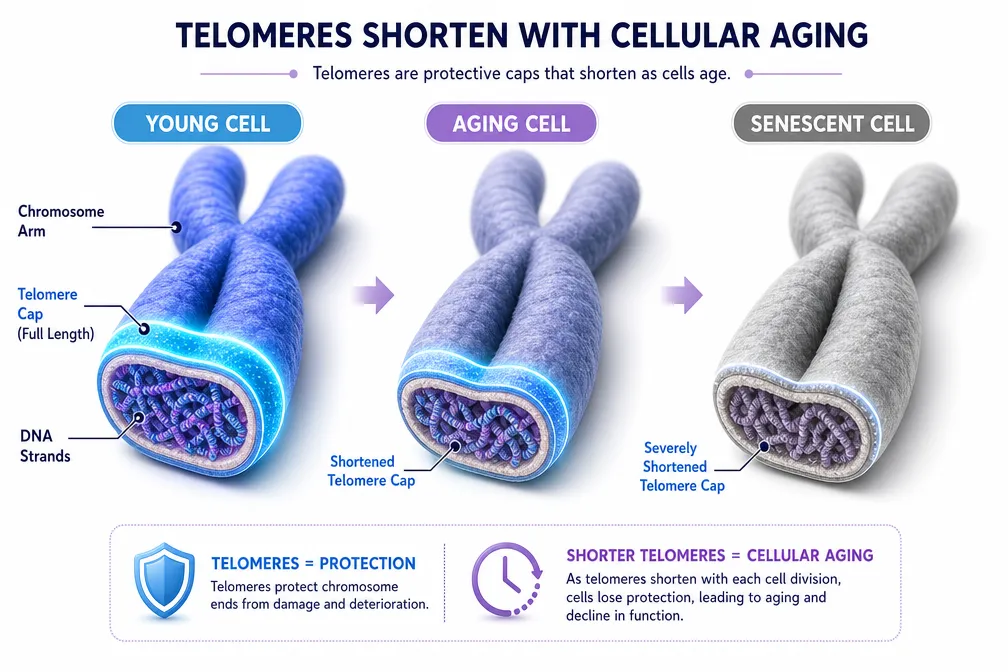
Telomeres are repetitive DNA sequences (TTAGGG in humans) that cap the ends of chromosomes like plastic tips on shoelaces. Their primary job is structural: they prevent chromosomes from fusing together or being recognized as damaged DNA.

Why do telomeres shorten?

The enzyme responsible for copying DNA, DNA polymerase, cannot fully replicate the very end of a linear chromosome. This is called the "end-replication problem." Each cell division leaves the telomere slightly shorter. When telomeres reach a critical minimum length, the cell enters one of three states:

Cellular Outcome Description
Replicative Senescence Cell stops dividing but remains metabolically active
Apoptosis Programmed cell death is triggered
Genomic Instability Cell continues dividing with errors, linked to cancer risk

The enzyme telomerase can rebuild telomere length by adding new TTAGGG repeats. It is highly active in germ cells and stem cells but largely silenced in most adult somatic cells. Reactivating telomerase in aged tissues, without triggering uncontrolled proliferation, is one of the central challenges in longevity research.

Researchers studying related longevity-focused peptide compounds, including those covered in the Vesugen, Vilon, and Chonluten longevity peptide overview, have noted that short regulatory peptides can modulate gene expression in aging tissues through epigenetic mechanisms that overlap with telomere maintenance pathways.

Epithalon: A Tetrapeptide With Telomerase-Activating Properties

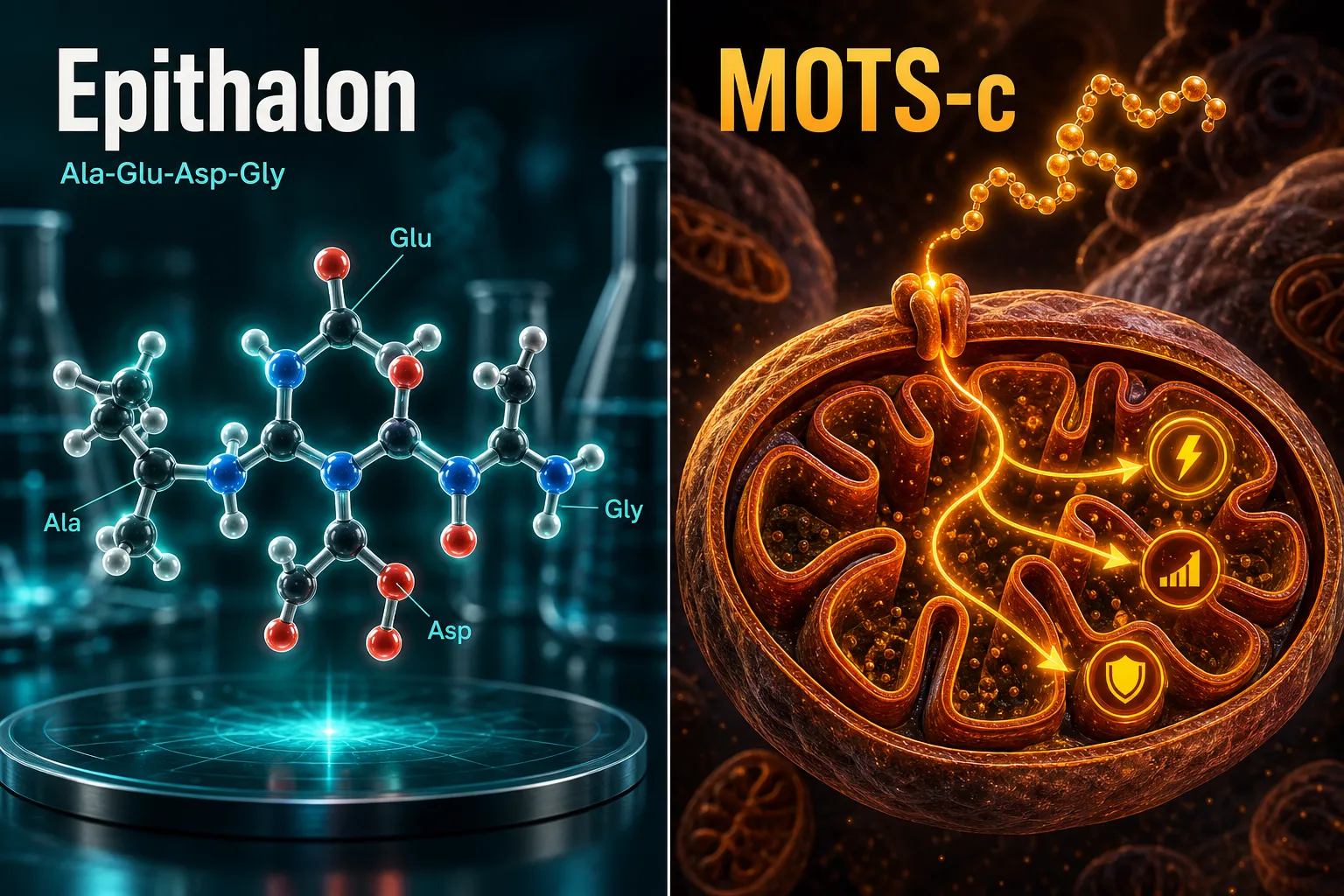
Epithalon (Ala-Glu-Asp-Gly) is a synthetic four-amino-acid peptide derived from the natural polypeptide Epithalamin, originally isolated from the pineal gland. It has been studied extensively in Russian gerontology research since the 1980s, with a growing body of preclinical data examining its effects on telomere dynamics.

Documented preclinical findings include:

  • Activation of telomerase in human somatic cells in vitro, leading to telomere elongation
  • Normalization of melatonin secretion patterns in aged animal models
  • Reduction of oxidative stress markers in aging tissues
  • Modulation of p53-dependent senescence pathways

A landmark study by Khavinson et al. demonstrated that Epithalon could elongate telomeres in cultured human fetal fibroblasts and extend the replicative lifespan of those cells beyond the normal Hayflick limit. This was a significant finding because it suggested that a short exogenous peptide could influence a core genetic aging mechanism.

"Telomerase activation without oncogenic transformation remains the key safety question in all telomere-extension research, and it is precisely the question that Epithalon preclinical models are designed to probe."

The peptide's mechanism appears to involve upregulation of the TERT gene (the catalytic subunit of telomerase), though the full upstream signaling pathway is still being characterized. For researchers exploring the broader landscape of peptide delivery and formulation science, innovative peptide delivery systems represent an important parallel area of development that affects how compounds like Epithalon are studied in vivo.

Epithalon: A Tetrapeptide With Telomerase-Activating Properties

MOTS-c: Mitochondrial DNA as a Source of Longevity Signals

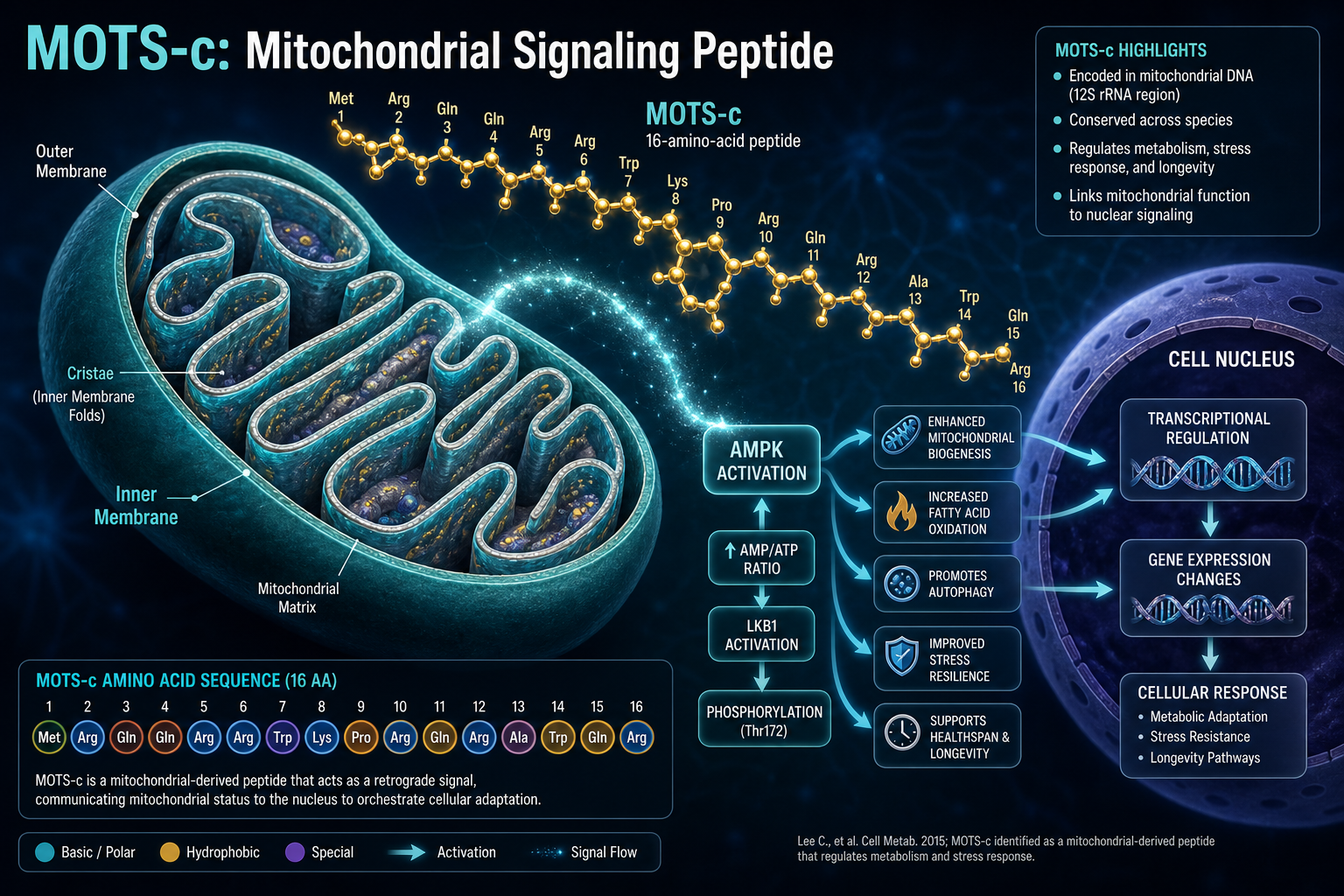
While Epithalon targets nuclear telomere biology, MOTS-c operates from an entirely different genetic compartment: mitochondrial DNA (mtDNA). MOTS-c (Mitochondrial Open Reading Frame of the 12S rRNA Type-c) is a 16-amino-acid peptide encoded within the 12S ribosomal RNA gene of the mitochondrial genome.

This discovery, published in 2015, fundamentally changed how researchers think about mitochondria. Rather than being passive energy factories, mitochondria actively communicate with the nucleus through peptide signals, a process called retrograde signaling.

MOTS-c research highlights:

  • Translocates to the nucleus under metabolic stress conditions
  • Activates AMPK (AMP-activated protein kinase), a master regulator of cellular energy homeostasis
  • Reduces age-related insulin resistance in mouse models
  • Modulates the integrated stress response (ISR) to promote cellular resilience

The MOTS-c metabolic flexibility research overview provides additional context on how this peptide influences glucose metabolism and mitochondrial efficiency, both of which decline measurably with age. Separately, MOTS-c mitochondrial dynamics research examines how the peptide affects mitochondrial network architecture in aging models.

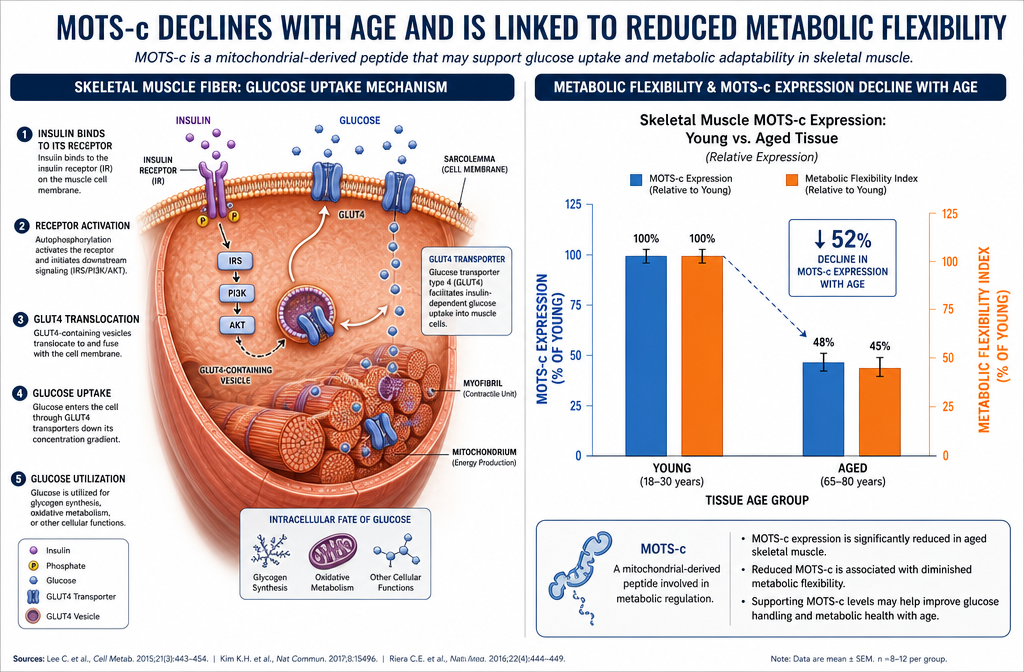
Critically, MOTS-c levels decline naturally with age in both rodents and humans, suggesting it may function as an endogenous longevity signal whose loss contributes to metabolic aging.

Positioning Both Peptides Within DNA, Telomeres, and Longevity Peptides Research

Understanding DNA, Telomeres, and Longevity Peptides: Positioning Epithalon and MOTS-c in Genetic Aging Research requires recognizing that these two compounds target different but complementary aging mechanisms:

Feature Epithalon MOTS-c
Origin Synthetic pineal-derived tetrapeptide Mitochondrial DNA-encoded peptide
Primary Target Nuclear telomerase / TERT gene AMPK / nuclear stress response
Aging Mechanism Telomere shortening, replicative senescence Metabolic decline, mitochondrial signaling
Research Model Cell culture, rodent lifespan studies Rodent metabolic aging, exercise models

Neither peptide is approved for human therapeutic use. Both are research-grade compounds studied in preclinical settings to map the genetic and metabolic architecture of aging.

Researchers interested in the mitochondrial protection angle may also find value in reviewing SS-31 peptide research, which targets mitochondrial membrane integrity through a distinct cardiolipin-binding mechanism, offering a third angle on mitochondrial aging biology.

For those exploring how peptide combinations are being studied, peptide blends research covers multi-compound preclinical approaches that are increasingly common in longevity-focused research designs.

Positioning Both Peptides Within DNA, Telomeres, and Longevity Peptides Research

Conclusion

The science connecting DNA, Telomeres, and Longevity Peptides: Positioning Epithalon and MOTS-c in Genetic Aging Research is still maturing, but the foundational mechanisms are well-supported by preclinical evidence. Telomere attrition and mitochondrial signaling decline are two of the most reproducible molecular hallmarks of aging, and both Epithalon and MOTS-c offer research tools to probe these systems with specificity.

Actionable next steps for researchers and science-minded readers:

  1. Review primary literature on Epithalon's TERT upregulation studies before drawing conclusions about telomerase safety profiles.
  2. Examine MOTS-c research in the context of AMPK biology to understand its metabolic aging relevance.
  3. Explore complementary mitochondrial peptides such as SS-31 to build a more complete picture of mitochondrial aging mechanisms.
  4. Consult peer-reviewed geroscience journals for the latest updates on telomere-targeted interventions entering early-phase human studies.
  5. Source any research-grade peptides only from suppliers providing third-party purity verification and full documentation.

The genetic architecture of aging is not a single pathway, it is a network. Epithalon and MOTS-c represent two well-characterized entry points into that network, and understanding both deepens the overall framework for longevity research in 2026 and beyond.

https://www.puretestedpeptides.com/wp-content/uploads/2026/07/dna-telomeres-and-longevity-peptides-positioning-epithalon-and-mots-c-in-genetic.webp 1024 1536 https://www.puretestedpeptides.com/wp-content/uploads/2026/01/buy-peptides-online.jpg 2026-07-21 13:40:102026-07-21 13:40:12DNA, Telomeres, and Longevity Peptides: Positioning Epithalon and MOTS‑c in Genetic Aging Research

Tag Archive for: mitochondrial signaling

Mitochondrial Biogenesis & Metabolic Health: The Research Potential of MOTS-c Peptide

Mitochondrial Biogenesis & Metabolic Health: The Research Potential of MOTS-c Peptide

July 16, 2026/0 Comments/by Pure Tested

A peptide encoded not in the nuclear genome but inside the mitochondria itself, that discovery alone reshaped how researchers think about cellular energy regulation. MOTS-c (Mitochondrial Open Reading Frame of the 12S rRNA Type-c) is a 16-amino-acid mitochondrial-derived peptide that has become a focal point in the study of mitochondrial biogenesis and metabolic health. As 2026 brings the first randomized controlled human trial of MOTS-c into full enrollment, understanding its mechanisms and research potential has never been more timely.

Key Takeaways

  • MOTS-c is a mitochondria-encoded peptide that regulates cellular energy metabolism through the AMPK pathway
  • Preclinical research links MOTS-c to improved insulin sensitivity, glucose uptake, and fat oxidation
  • The peptide acts as a retrograde signal, traveling from mitochondria to the nucleus to influence gene expression
  • A Phase 2a human trial (NCT07505745) launched in February 2026 to test MOTS-c in adults with prediabetes
  • Purity and research-grade quality remain critical factors when sourcing MOTS-c for laboratory investigation

Key Takeaways

How MOTS-c Influences Mitochondrial Function and Metabolic Signaling

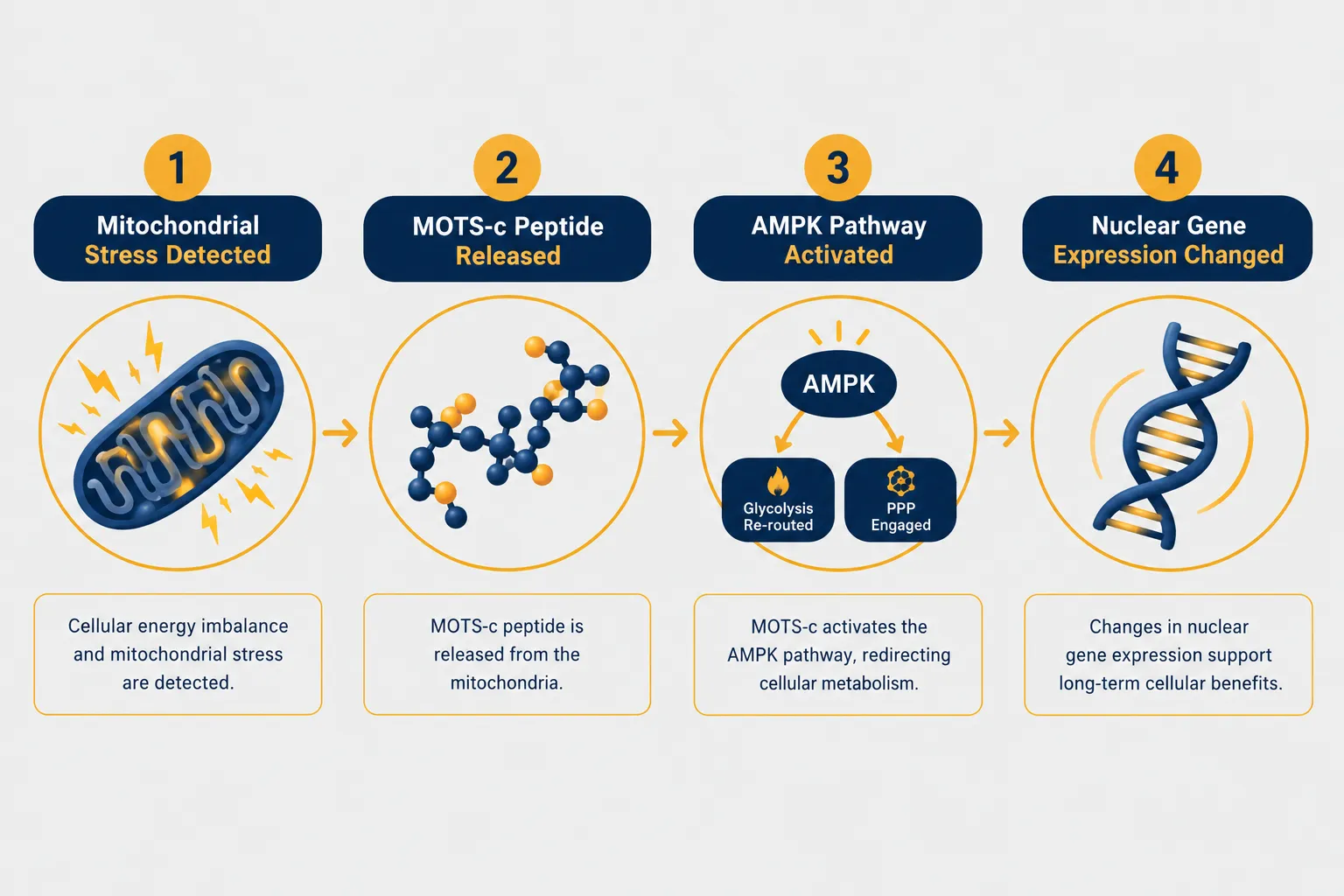
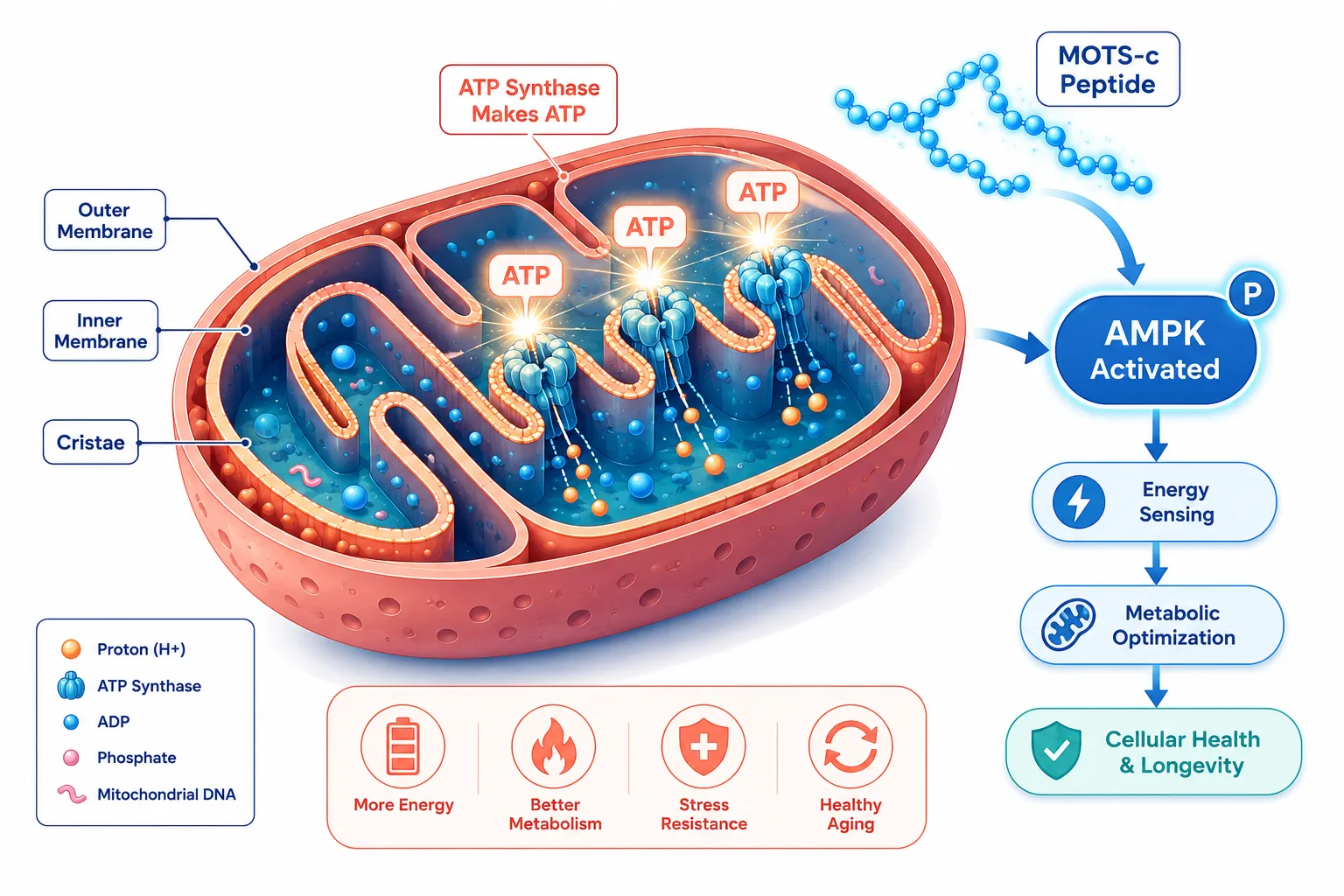
The study of mitochondrial biogenesis and metabolic health through the lens of MOTS-c peptide begins at the cellular level. MOTS-c is released from mitochondria in response to metabolic stress, including nutrient deprivation, exercise, and oxidative load. Once released, it migrates to the nucleus, where it activates AMP-activated protein kinase (AMPK), a master regulator of energy homeostasis.

AMPK activation triggers several downstream effects relevant to metabolic research:

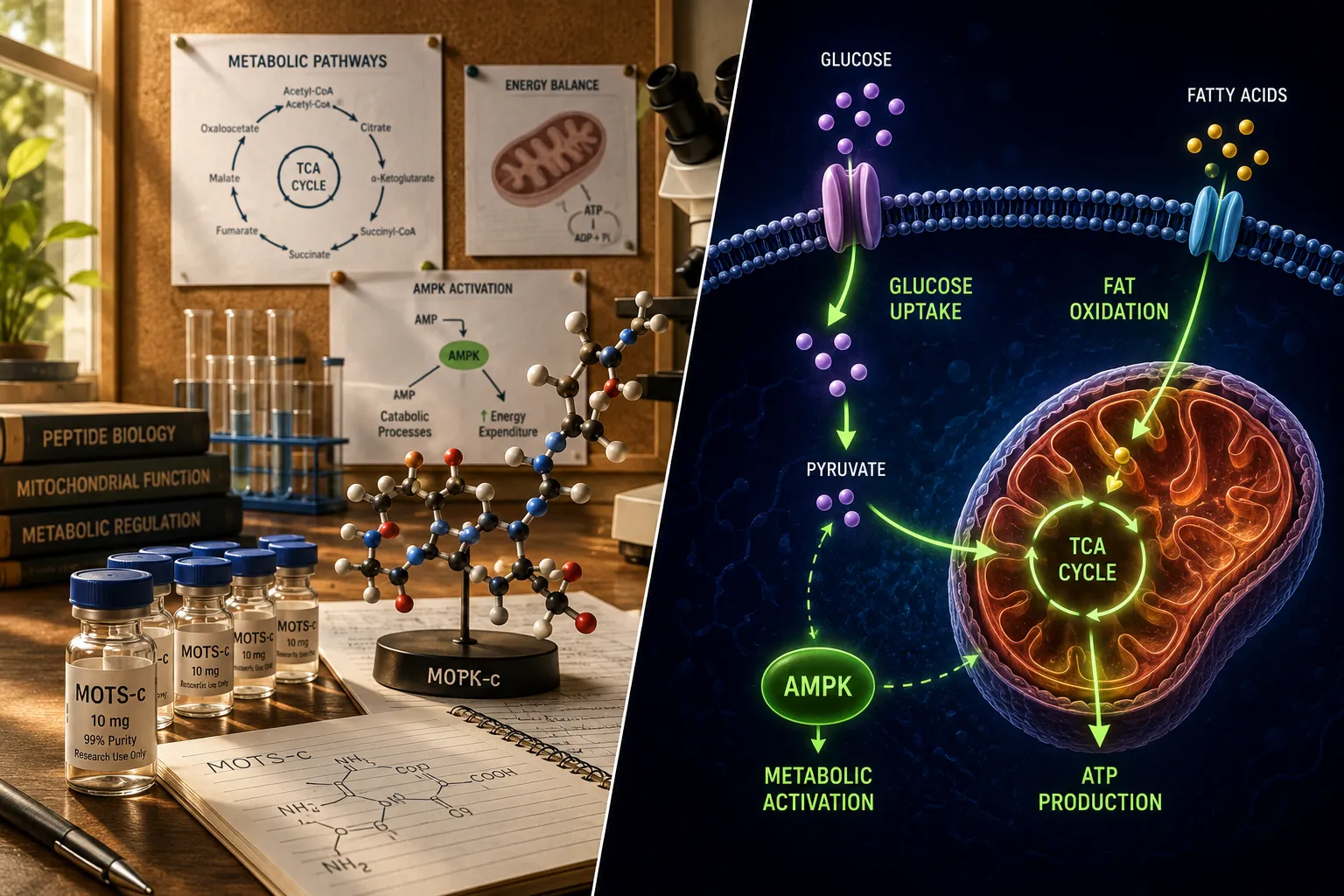
  • Enhanced glucose uptake in skeletal muscle cells
  • Increased fatty acid oxidation (fat burning at the cellular level)
  • Suppression of the folate cycle and one-carbon metabolism to redirect energy substrates
  • Upregulation of genes involved in mitochondrial biogenesis, including PGC-1 alpha

"MOTS-c appears to function as a retrograde mitochondrial signal, essentially the mitochondria communicating metabolic need directly to the genome."

This retrograde signaling model is what makes MOTS-c so distinct from conventional metabolic peptides. Rather than acting through a receptor on the cell surface, it enters the nucleus directly and modulates transcription. Researchers exploring MOTS-c mitochondrial dynamics have documented this pathway across multiple cell types, including hepatocytes and myocytes.


Metabolic Research Themes: Insulin Sensitivity, Obesity, and Energy Balance

Metabolic Research Themes: Insulin Sensitivity, Obesity, and Energy Balance

Preclinical data consistently position MOTS-c as a compelling candidate for metabolic modulation research. In rodent models, systemic MOTS-c administration improved insulin sensitivity, reduced fat mass, and countered diet-induced obesity, even without changes in caloric intake. These findings have driven interest in its potential relevance to type 2 diabetes and obesity-related metabolic dysfunction.

Key areas where MOTS-c research has shown signal:

Research Area Observed Preclinical Effect
Insulin resistance Improved glucose tolerance and GLUT4 translocation
Obesity models Reduced adiposity, improved lipid profiles
Aging models Attenuated age-related metabolic decline
Exercise mimicry Activated exercise-related metabolic pathways at rest

For researchers building broader programs around cellular energy, metabolic modulation research lines provide useful context on how MOTS-c fits alongside other investigational compounds. Similarly, SLU-PP-332 metabolic modulation research explores parallel exercise-mimetic mechanisms worth comparing.

Researchers interested in mitochondrial protection from a different angle may also find value in reviewing SS-31 kidney health research, as SS-31 targets mitochondrial membrane integrity, a complementary mechanism to MOTS-c's transcriptional signaling role.


The 2026 Human Trial and the Future of MOTS-c Research

The 2026 Human Trial and the Future of MOTS-c Research

The most significant development in the field of mitochondrial biogenesis and metabolic health research involving MOTS-c peptide arrived in early 2026. A Phase 2a randomized, double-blind, placebo-controlled trial (NCT07505745, named "MOTS-MET") began enrolling in February 2026. The trial targets approximately 120 adults with prediabetes and overweight or obesity, administering native MOTS-c over 12 weeks with safety follow-up extending to week 16.

This represents the first rigorous human test of MOTS-c's metabolic effects, moving the compound from preclinical promise to clinical scrutiny. The trial's primary endpoints center on metabolic biomarkers, with safety profiling as a parallel objective.

For researchers sourcing compounds for parallel preclinical work, MOTS-c mechanism and research overview offers detailed documentation on the peptide's pharmacological profile. Those building out metabolic research panels can also explore MOTS-c metabolic flexibility research themes for a broader view of its investigational applications.

Purity is non-negotiable in peptide research. Contaminants or degraded sequences can confound results significantly. Reviewing peptide purity testing standards before sourcing any research-grade compound is a recommended first step.


Conclusion

MOTS-c occupies a unique position in the landscape of mitochondrial biogenesis and metabolic health research. Its origin within the mitochondrial genome, its AMPK-activating mechanism, and its exercise-mimetic properties make it one of the more mechanistically interesting peptides under active investigation. With a Phase 2a human trial now underway in 2026, the research community is closer than ever to understanding whether preclinical findings translate to measurable human metabolic benefit.

Actionable next steps for researchers:

  1. Review the current preclinical literature on MOTS-c's AMPK and folate-cycle mechanisms before designing new protocols
  2. Compare MOTS-c's mitochondrial signaling profile against complementary compounds in your research panel
  3. Prioritize verified, purity-tested peptide sources to ensure experimental integrity
  4. Monitor the MOTS-MET trial (NCT07505745) for interim safety and biomarker data expected in late 2026
https://www.puretestedpeptides.com/wp-content/uploads/2026/07/mitochondrial-biogenesis-metabolic-health-the-research-potential-of-mots-c-pepti.webp 1024 1536 Pure Tested https://www.puretestedpeptides.com/wp-content/uploads/2026/01/buy-peptides-online.jpg Pure Tested2026-07-16 13:39:142026-07-20 14:59:52Mitochondrial Biogenesis & Metabolic Health: The Research Potential of MOTS-c Peptide

Adenosine Triphosphate, Mitochondria, and MOTS‑c: Where Cellular Energy Meets Peptide Signaling

July 7, 2026/0 Comments/by Pure Tested

Every cell in the human body produces and consumes roughly its own weight in ATP each day, a fact that underscores just how central mitochondrial energy metabolism is to survival. Yet for decades, the mitochondrion was treated almost exclusively as a power plant. That view has changed dramatically. The emerging science of Adenosine Triphosphate, Mitochondria, and MOTS-c: Where Cellular Energy Meets Peptide Signaling reveals that the organelle also encodes bioactive peptides that coordinate whole-body metabolic responses, stress adaptation, and even aging trajectories.

Key Takeaways

  • Mitochondria generate ATP through oxidative phosphorylation, but they also encode signaling peptides such as MOTS-c directly from mitochondrial DNA.
  • MOTS-c activates AMPK and PGC-1alpha pathways, improving mitochondrial efficiency and reducing reactive oxygen species (ROS) output.
  • Circulating MOTS-c levels decline with age, linking the peptide to age-related metabolic decline.
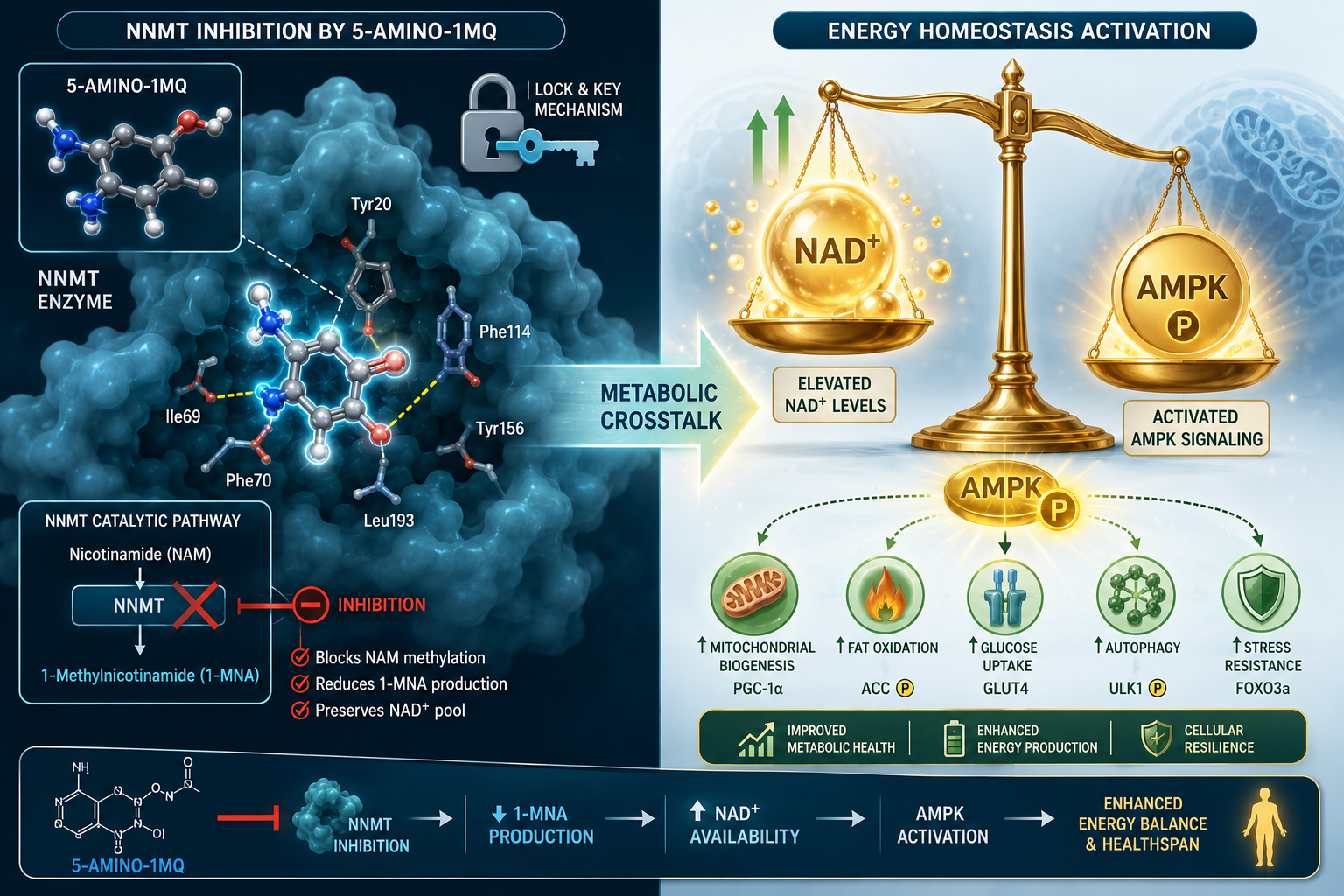
  • 5-Amino-1MQ, an NNMT inhibitor, may indirectly support NAD+ availability and AMPK signaling, creating metabolic crosstalk with MOTS-c biology.
  • MOTS-c is not FDA-approved and is banned by WADA; all current use is strictly within preclinical research contexts.

Key Takeaways

From ATP Synthesis to Peptide Signaling: The Mitochondrial Dual Role

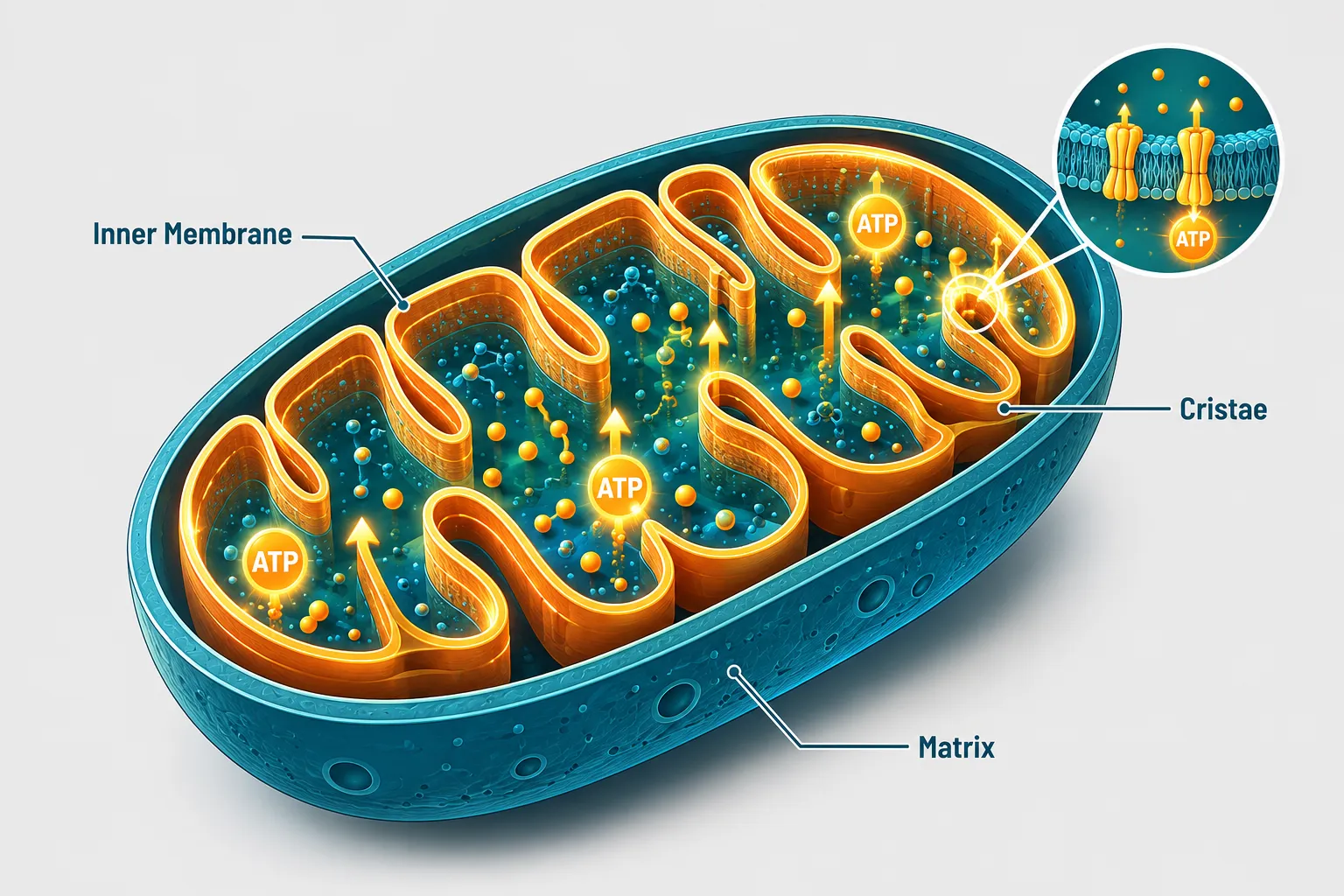
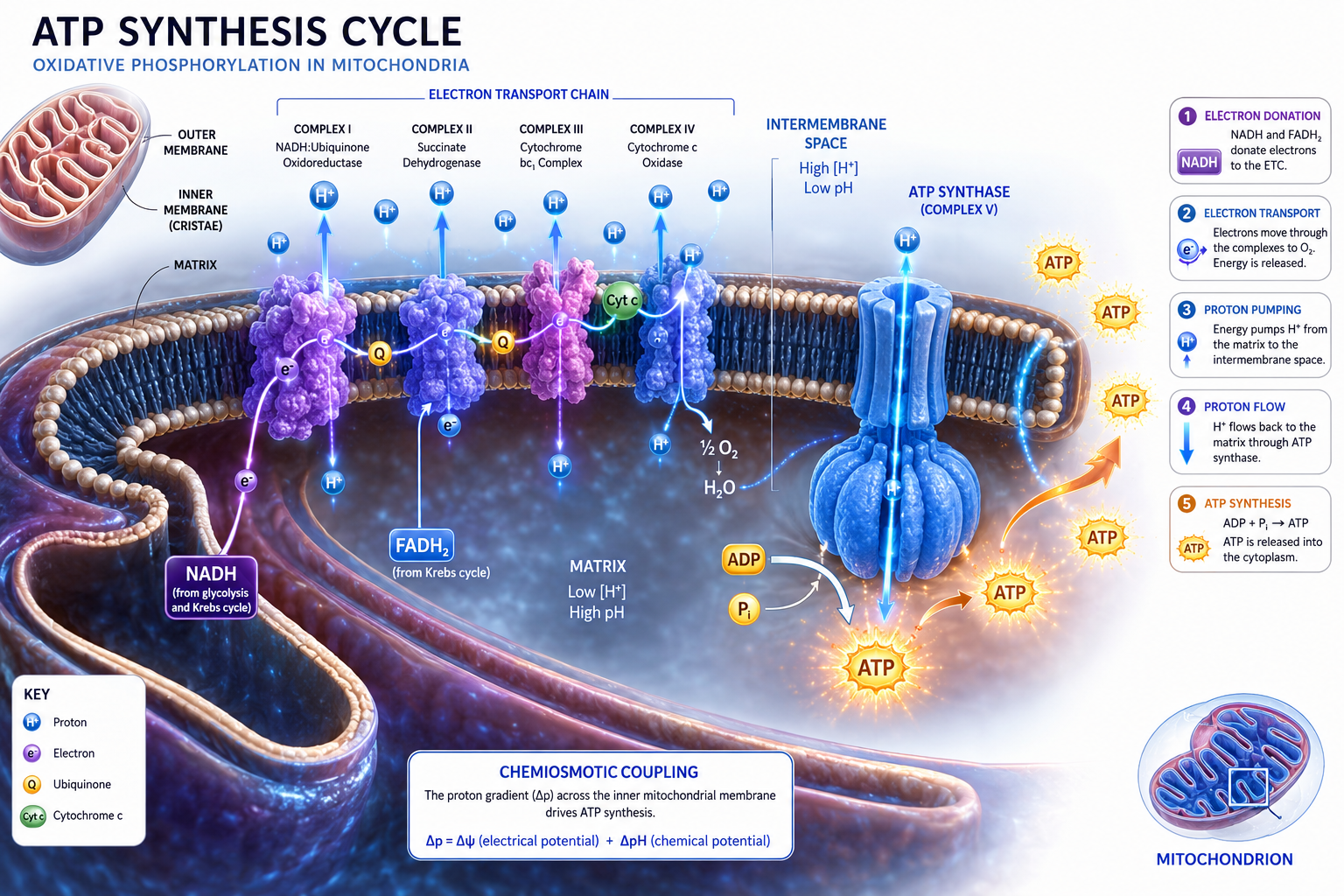
The textbook account of ATP production begins with glycolysis in the cytoplasm and ends with oxidative phosphorylation across the inner mitochondrial membrane. Electrons donated by NADH and FADH2 travel through the electron transport chain, driving proton pumps that power ATP synthase. The result is a continuous supply of adenosine triphosphate, the universal energy currency that fuels muscle contraction, protein synthesis, and ion transport.

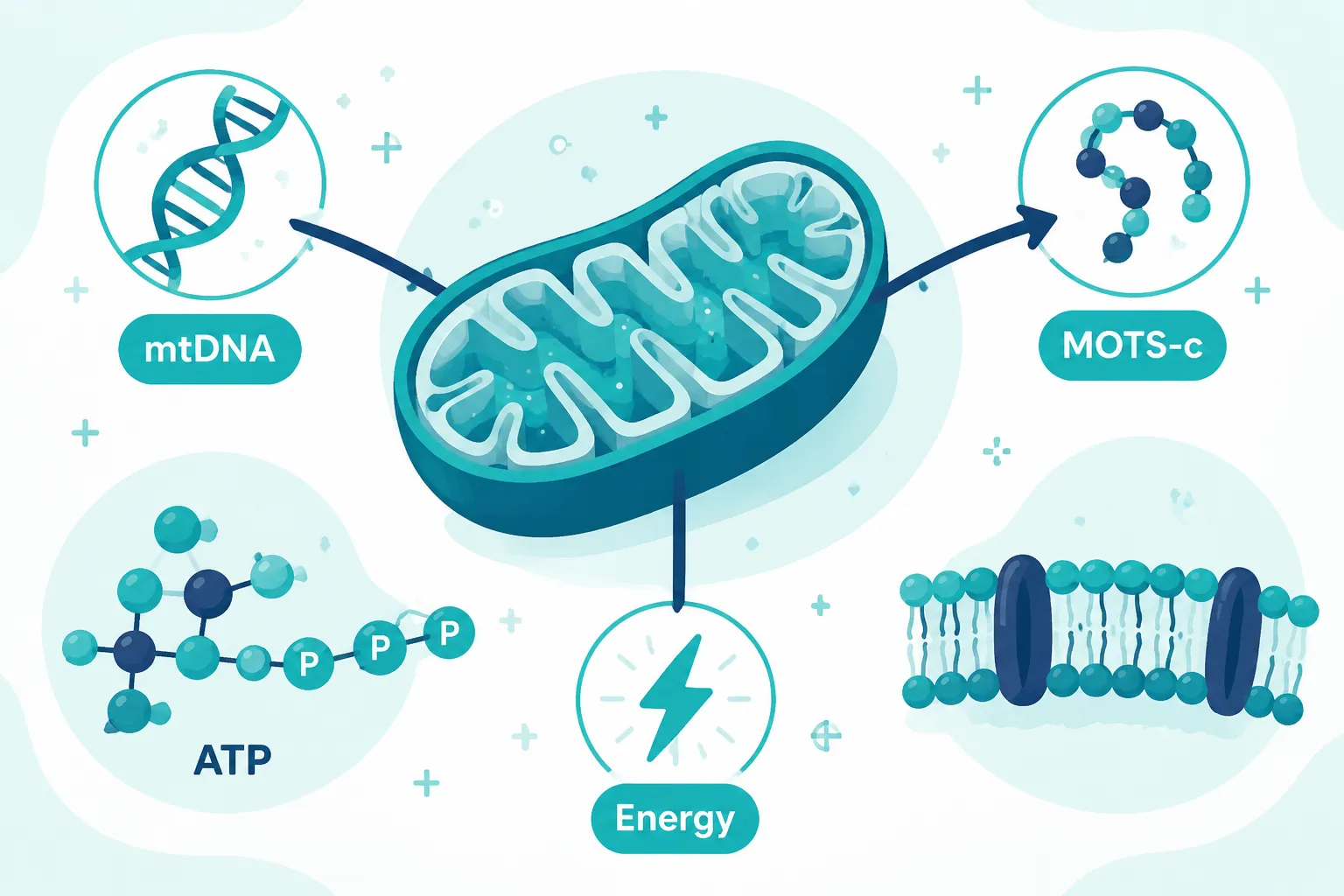
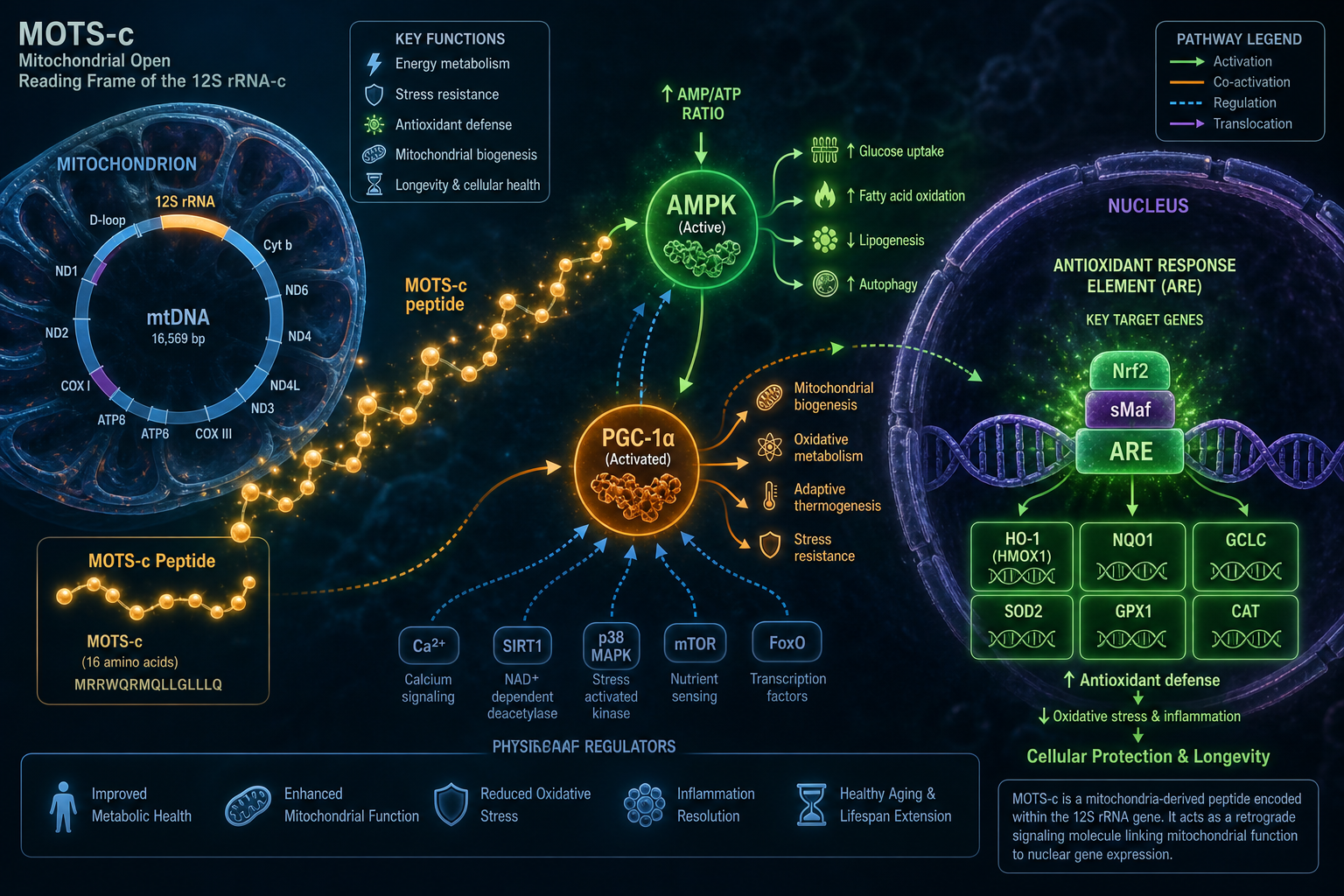
What the textbook often omits is that the mitochondrial genome, a circular strand of just 16,569 base pairs, contains small open reading frames capable of producing functional peptides. One of the most studied is MOTS-c (Mitochondrial Open Reading Frame of the 12S rRNA Type-c), a 16-amino-acid peptide encoded within the 12S ribosomal RNA gene. Its discovery reframed the mitochondrion as both an energy producer and an active endocrine-like signaling hub.

This intersection is precisely what makes Adenosine Triphosphate, Mitochondria, and MOTS-c: Where Cellular Energy Meets Peptide Signaling such a compelling area of research in 2026. Understanding how ATP metabolism and peptide signaling interact opens new windows into metabolic disease, aging, and cellular resilience.

For a broader view of how mitochondrial peptides fit into longevity research, the longevity peptide research overview provides useful context.

MOTS-c Mechanisms: AMPK, PGC-1alpha, and Mitochondrial Efficiency

MOTS-c Mechanisms: AMPK, PGC-1alpha, and Mitochondrial Efficiency

MOTS-c exerts its primary effects through two well-characterized pathways:

1. AMPK Activation
AMPK (AMP-activated protein kinase) acts as the cell's master energy sensor. When the AMP-to-ATP ratio rises, signaling low energy, AMPK switches on catabolic processes and suppresses anabolic ones. MOTS-c mimics this low-energy signal, activating AMPK even under normal conditions. This is why researchers describe MOTS-c as an exercise mimetic: it produces metabolic adaptations similar to physical training, including improved insulin sensitivity and enhanced fatty acid oxidation.

2. PGC-1alpha and Mitochondrial Biogenesis
A March 2026 study demonstrated that MOTS-c administration improves muscle mitochondrial bioenergetic performance through PGC-1alpha, the master regulator of mitochondrial biogenesis. The result is reduced ROS emission and lower oxidative protein damage, outcomes that matter greatly in aging tissues.

Beyond these two pathways, MOTS-c translocates to the cell nucleus under stress conditions, where it regulates genes containing antioxidant response elements (ARE). This nuclear role positions MOTS-c as a direct link between mitochondrial stress sensing and genomic stress adaptation.

A preliminary study also found a positive correlation between serum MOTS-c concentrations and lower-body muscle strength in healthy individuals, though no significant link to VO2 max was observed, suggesting the peptide is more relevant to strength than endurance capacity.

Research published in 2023 further identified MOTS-c as a potential protective factor against pulmonary fibrosis, pointing to metabolic regulation as a mechanism. A separate systematic review highlighted MOTS-c's role in reducing insulin resistance and systemic inflammation.

Researchers interested in how MOTS-c interacts with other mitochondria-targeting compounds should review the MOTS-c and elamipretide research page for comparative data.

The MOTS-c metabolic stress research page also documents how cellular energy depletion triggers MOTS-c expression.

The Age-Related Decline of MOTS-c and the 5-Amino-1MQ Connection

Circulating MOTS-c levels fall measurably with age. This decline correlates with the metabolic deterioration seen in older adults, reduced insulin sensitivity, impaired mitochondrial function, and increased inflammatory signaling. The pattern suggests that MOTS-c acts as a kind of metabolic buffer that erodes over time.

This is where 5-Amino-1MQ enters the picture. This small-molecule NNMT (nicotinamide N-methyltransferase) inhibitor works by blocking an enzyme that consumes SAM (S-adenosylmethionine) and depletes the NAD+ precursor pool. By inhibiting NNMT, 5-Amino-1MQ supports higher intracellular NAD+ availability, and NAD+ is a direct upstream activator of AMPK signaling.

The metabolic crosstalk is meaningful:

Compound Primary Target Effect on Energy Metabolism
MOTS-c AMPK / PGC-1alpha Enhances mitochondrial efficiency, reduces ROS
5-Amino-1MQ NNMT inhibition Elevates NAD+, supports AMPK activation indirectly

The Age-Related Decline of MOTS-c and the 5-Amino-1MQ Connection

Neither compound is FDA-approved. MOTS-c specifically remains on the FDA's Category 2 list and is banned by WADA under Section S4.4 (Metabolic Modulators, AMPK activators) of the 2024 Prohibited List. All research involving these compounds is conducted in preclinical settings.

For researchers exploring related mitochondrial-targeting peptides, SS-31 peptide research offers complementary data on inner mitochondrial membrane protection. The MOTS-c mitochondrial research themes page consolidates the most current mechanistic findings.

Key insight: The convergence of MOTS-c signaling and NAD+ metabolism through NNMT inhibition represents one of the more promising areas of mitochondrial research in 2026, not because either compound is a clinical therapy, but because together they illuminate how the cell regulates energy balance at multiple levels simultaneously.

Conclusion

The science of Adenosine Triphosphate, Mitochondria, and MOTS-c: Where Cellular Energy Meets Peptide Signaling has moved well beyond the textbook. Mitochondria are now understood as signaling organelles that use peptides like MOTS-c to communicate energy status across tissues, regulate stress adaptation, and influence aging biology. The parallel discovery that NNMT inhibitors such as 5-Amino-1MQ can alter the NAD+/AMPK axis adds another layer of complexity, and opportunity, to this field.

Actionable next steps for researchers:

  • Review the current preclinical literature on MOTS-c dosing protocols and endpoint selection before designing studies.
  • Explore how MOTS-c and LL-37 synergy may compound metabolic and immune outcomes in research models.
  • Consult the epithalon longevity signals research page for comparative aging-pathway data.
  • Source only lab-tested, verified compounds through reputable suppliers to ensure experimental reproducibility.

The bridge from ATP biochemistry to peptide signaling is no longer theoretical, it is an active research frontier with measurable, reproducible outcomes.

https://www.puretestedpeptides.com/wp-content/uploads/2026/01/buy-peptides-online.jpg 0 0 Pure Tested https://www.puretestedpeptides.com/wp-content/uploads/2026/01/buy-peptides-online.jpg Pure Tested2026-07-07 13:16:342026-07-20 15:00:50Adenosine Triphosphate, Mitochondria, and MOTS‑c: Where Cellular Energy Meets Peptide Signaling

Mitochondria, MOTS‑c, and 5‑Amino‑1MQ: How Polypeptide Peptides Rewire Cellular Energy Metabolism

July 7, 2026/0 Comments/by Pure Tested

Circulating levels of MOTS-c, a peptide encoded directly inside mitochondrial DNA, drop measurably as humans age, tracking closely with the rise of insulin resistance and metabolic dysfunction. That single fact reframes a long-standing assumption: that mitochondria are passive energy factories. The emerging science of Mitochondria, MOTS-c, and 5-Amino-1MQ: How Polypeptide Peptides Rewire Cellular Energy Metabolism reveals these organelles as active hormonal broadcasters, capable of dispatching peptide signals that reshape how every cell burns fuel.

Detailed () scientific illustration showing a cross-section of a mitochondrion with labeled cristae and inner membrane, with

Key Takeaways

  • MOTS-c is a 16-amino acid mitochondria-derived peptide that activates AMPK, improving glucose uptake and insulin sensitivity.
  • 5-Amino-1MQ is a small-molecule inhibitor targeting NNMT, an enzyme overexpressed in obese adipose tissue, shifting fat cells toward energy expenditure.
  • Both compounds target distinct metabolic pathways, making combined research protocols a logical area of investigation.
  • MOTS-c behaves as a mitokine, released by muscle during exercise and capable of traveling to distant tissues and even the cell nucleus.
  • Unlike classic metabolic drugs, these agents interface directly with mitochondrial and epigenetic signaling rather than simply blocking a receptor.

What Is MOTS-c and How Does It Interact with Mitochondrial Signaling

MOTS-c is a 16-amino acid peptide translated from a short open reading frame within mitochondrial DNA, an unusual origin that sets it apart from nuclear-encoded proteins. Its discovery confirmed that mitochondria are not merely ATP generators; they produce bioactive signals that govern whole-body metabolism.

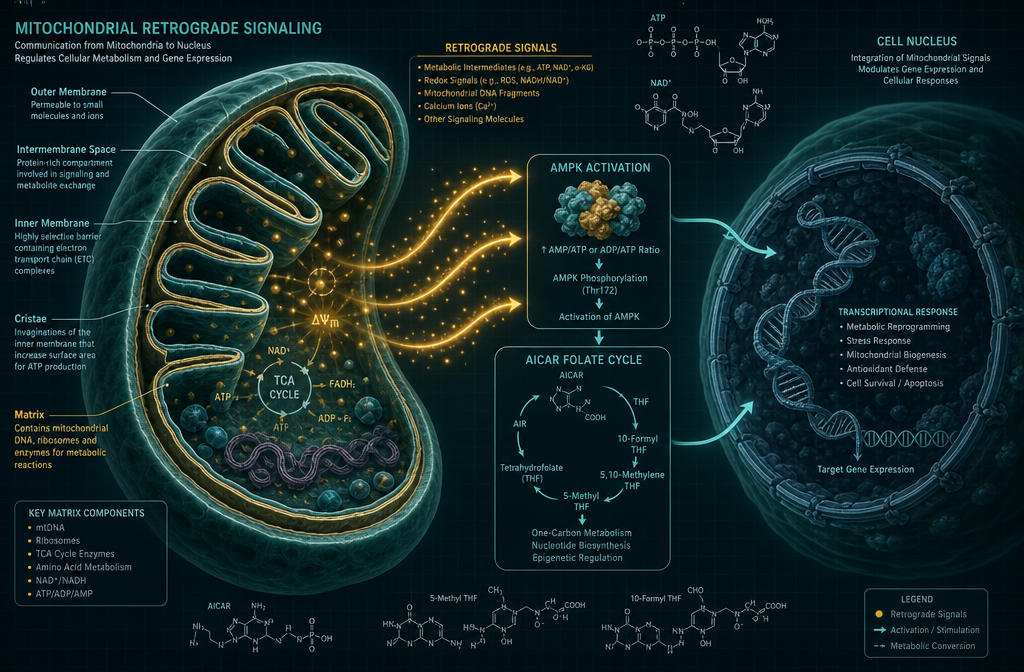
The mechanism is precise. MOTS-c inhibits the folate-methionine cycle inside cells, which causes a buildup of AICAR, a naturally occurring AMPK activator. When AMPK switches on, cells increase glucose uptake, suppress fat synthesis, and shift toward oxidative metabolism. The result is improved insulin sensitivity and more efficient energy use across muscle, liver, and adipose tissue.

What makes MOTS-c especially compelling is its behavior under stress. During metabolic challenge, MOTS-c translocates to the nucleus, where it directly regulates adaptive stress-response genes. This retrograde signaling, from mitochondria back to the genome, represents a layer of metabolic control that classic small-molecule drugs do not replicate.

MOTS-c also qualifies as a mitokine: skeletal muscle releases it during exercise, after which it circulates to distant tissues and mimics aspects of exercise-induced metabolic benefit. Research in animal models shows that MOTS-c treatment significantly improves physical performance across young, middle-aged, and older subjects, suggesting a role in combating age-dependent decline.

For researchers exploring mitochondria-targeted compounds, the SS-31 mitochondrial research overview provides useful context on how different peptides approach mitochondrial membrane stabilization and energy efficiency.

MOTS-c at a glance:

Parameter Detail
Origin Mitochondrial DNA
Length 16 amino acids
Primary target AMPK via AICAR accumulation
Half-life Approximately 2 hours
Research dosage 5-10 mg subcutaneously, 2-3x weekly

5-Amino-1MQ: NNMT Inhibition and the Adipose Tissue Connection

5-Amino-1MQ: NNMT Inhibition and the Adipose Tissue Connection

Where MOTS-c acts through mitochondrial peptide signaling, 5-Amino-1MQ operates through a fundamentally different mechanism, making the two compounds complementary rather than redundant.

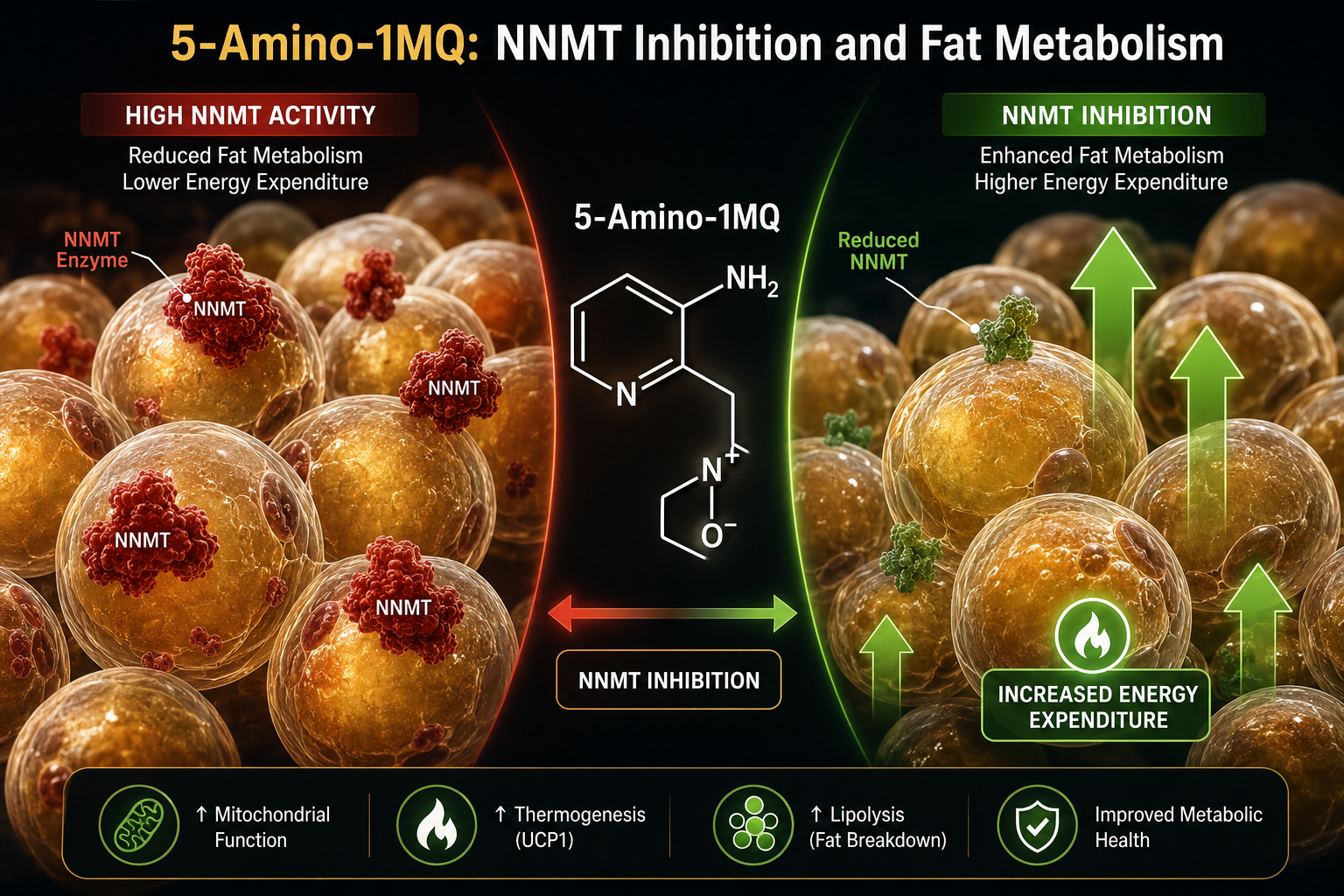
5-Amino-1MQ is a small-molecule inhibitor of nicotinamide N-methyltransferase (NNMT), an enzyme that is significantly overexpressed in the white adipose tissue of obese individuals. NNMT consumes methyl groups that would otherwise support NAD+ biosynthesis and healthy epigenetic regulation. By blocking NNMT, 5-Amino-1MQ frees up those methyl groups, shifts fat cell metabolism toward energy expenditure, and may reduce adipose tissue accumulation.

This is a meaningful distinction from classic metabolic drugs such as metformin or GLP-1 receptor agonists. Those agents primarily target receptor-level signaling or hepatic glucose output. 5-Amino-1MQ intervenes at the epigenetic and NAD+ metabolic level within the fat cell itself.

Researchers interested in NAD+ pathway modulation may also find value in reviewing the scientific evidence on NAD+ supplementation as a complementary framework.

Pharmacokinetic data for 5-Amino-1MQ suggest a half-life of roughly 12-16 hours, with research dosages typically ranging from 50-100 mg orally once or twice daily. Its oral bioavailability makes it logistically distinct from injectable peptides like MOTS-c.


Combining MOTS-c and 5-Amino-1MQ: Dual-Pathway Metabolic Research

The logic behind studying MOTS-c and 5-Amino-1MQ together rests on pathway complementarity. MOTS-c targets AMPK activation and mitochondrial stress signaling; 5-Amino-1MQ targets NNMT-driven epigenetic dysfunction in adipose tissue. Neither pathway fully overlaps, which is why combining them represents a rational research strategy for metabolic optimization.

"The shift from single-target metabolic drugs to multi-pathway peptide protocols reflects a broader understanding that energy dysregulation is never caused by one broken switch."

This dual approach also contrasts sharply with older pharmacological models. Classic drugs like statins or insulin sensitizers work downstream of the problem. MOTS-c and 5-Amino-1MQ work closer to the source, at the organelle and epigenome level, which is why researchers describe them as rewiring rather than merely adjusting cellular energy metabolism.

For broader context on how peptide combinations are being explored in research settings, the synergy of LL-37 and MOTS-c research overview offers a useful parallel example of multi-peptide protocol design.

Researchers working with mitochondria-targeted peptides may also consider reviewing SS-31 (elamipretide) research, which targets cardiolipin on the inner mitochondrial membrane, a third distinct mechanism that complements both MOTS-c and 5-Amino-1MQ approaches.

Additional resources on mitochondria-adjacent peptide research include:

  • SS-31 peptide research considerations
  • LL-37 versus SS-31 peptide benefit comparison

Key differences between MOTS-c, 5-Amino-1MQ, and classic metabolic drugs:

Feature MOTS-c 5-Amino-1MQ Classic Drug (e.g., Metformin)
Origin Mitochondrial peptide Synthetic small molecule Synthetic small molecule
Primary target AMPK / nucleus NNMT / adipose epigenome Hepatic glucose output
Route Subcutaneous Oral Oral
Metabolic layer Organelle signaling Epigenetic / NAD+ Receptor / enzyme

Conclusion

The science of Mitochondria, MOTS-c, and 5-Amino-1MQ: How Polypeptide Peptides Rewire Cellular Energy Metabolism represents a genuine shift in how researchers think about metabolic disease. Rather than patching downstream symptoms, these compounds address upstream dysfunction at the mitochondrial and epigenetic level.

Actionable next steps for researchers in 2026:

  1. Review the primary literature on MOTS-c's AMPK activation pathway and its nuclear translocation behavior under metabolic stress.
  2. Examine NNMT expression data in adipose tissue models before designing 5-Amino-1MQ protocols.
  3. Consider how mitochondria-targeted peptides like SS-31 might complement MOTS-c in multi-pathway research designs.
  4. Source research-grade compounds from verified, tested suppliers to ensure purity and traceability.
  5. Track both metabolic and physical performance markers across study timelines, given MOTS-c's documented effects on exercise capacity.

The mitochondrion is no longer just a powerhouse. It is a signaling organ, and the peptides it produces may be among the most important metabolic research targets of this decade.

https://www.puretestedpeptides.com/wp-content/uploads/2026/01/buy-peptides-online.jpg 0 0 Pure Tested https://www.puretestedpeptides.com/wp-content/uploads/2026/01/buy-peptides-online.jpg Pure Tested2026-07-07 13:15:532026-07-20 15:00:51Mitochondria, MOTS‑c, and 5‑Amino‑1MQ: How Polypeptide Peptides Rewire Cellular Energy Metabolism
MOTS-c Peptide Research: Mitochondrial Signaling, Metabolic Flexibility, and Exercise-Aging Models

MOTS-c Peptide Research: Mitochondrial Signaling, Metabolic Flexibility, and Exercise-Aging Models

June 4, 2026/0 Comments/by Pure Tested

Mitochondrial-derived peptides were largely overlooked until researchers discovered that the mitochondrial genome encodes small bioactive molecules capable of traveling to the cell nucleus and rewriting gene expression. MOTS-c is one such molecule, and the body of work surrounding MOTS-c Peptide Research: Mitochondrial Signaling, Metabolic Flexibility, and Exercise-Aging Models has grown rapidly into one of the most compelling areas of metabolic biology.

Key Takeaways

  • MOTS-c is encoded in mitochondrial DNA and acts as a retrograde signal between mitochondria and the nucleus.
  • Its primary mechanism involves the Folate-AICAR-AMPK pathway, a central regulator of cellular energy balance.
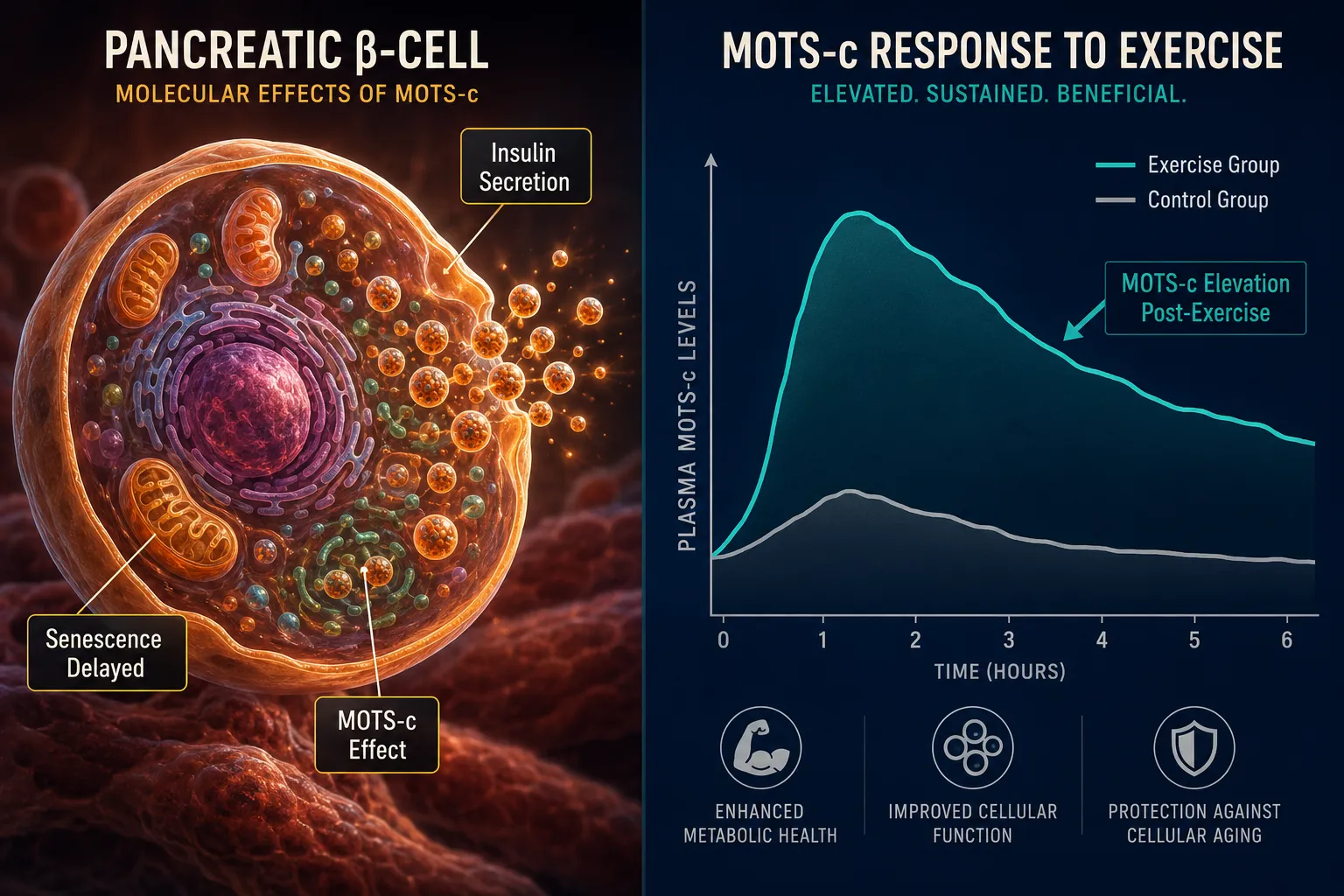
  • Exercise increases circulating MOTS-c levels in skeletal muscle and blood, suggesting it may partly explain exercise's metabolic benefits.
  • MOTS-c expression declines with age, correlating with reduced metabolic flexibility and increased disease risk.
  • Research models link MOTS-c to insulin sensitivity, muscle performance, and multiple age-related conditions.

Key Takeaways

What Is MOTS-c and How Does Mitochondrial Signaling Work

MOTS-c (Mitochondrial Open Reading Frame of the 12S rRNA type-c) is a 16-amino-acid peptide encoded within the 12S ribosomal RNA region of mitochondrial DNA. Unlike most peptides, it originates outside the nuclear genome, which makes its biology particularly unusual.

Under metabolic stress or physical exertion, MOTS-c translocates from the mitochondria to the cell nucleus. Once there, it binds to antioxidant response elements (ARE) and modulates gene expression tied to energy metabolism, inflammation, and oxidative stress. This mitochondria-to-nucleus communication is called retrograde signaling, and MOTS-c is now considered one of its key molecular messengers.

Researchers exploring MOTS-c mitochondrial research themes note that this retrograde pathway allows the cell to rapidly adjust its metabolic output in response to environmental demands. The primary route runs through the Folate-AICAR-AMPK axis, a well-established energy-sensing cascade. When this pathway activates, cells shift fuel usage, improve insulin sensitivity, and reduce inflammatory signaling.

"MOTS-c acts as a cellular stress sensor that bridges mitochondrial output with nuclear gene regulation — a feedback loop critical for metabolic homeostasis."

For researchers also studying adjacent mitochondrial compounds, SS-31 (Elamipretide) represents another peptide model focused on mitochondrial membrane integrity and cardiolipin stabilization, offering a complementary angle to MOTS-c's signaling role.


MOTS-c Peptide Research: Mitochondrial Signaling, Metabolic Flexibility, and Exercise-Aging Models in Skeletal Muscle

MOTS-c Peptide Research: Mitochondrial Signaling, Metabolic Flexibility, and Exercise-Aging Models in Skeletal Muscle

Skeletal muscle is both a primary site of MOTS-c production and a major target of its action. Exercise studies in humans have documented measurable increases in MOTS-c concentrations within muscle tissue and systemic circulation following physical activity. This positions MOTS-c as a potential exercise-mimetic signal — a molecule that may carry some of the metabolic benefits of movement.

Key research findings in muscle and metabolism:

Research Area Observed Effect
Insulin sensitivity Improved glucose uptake via AMPK activation
Skeletal muscle performance Enhanced endurance and strength output in aged mice
Inflammation Reduced pro-inflammatory cytokine signaling
Oxidative stress Upregulation of antioxidant gene expression

These findings align with broader work on MOTS-c metabolic flexibility research themes, which examines how the peptide helps cells switch between fuel sources — a capacity that declines significantly with age and in metabolic disease states.

Researchers studying metabolic compounds like AOD-9604 and NAD+ energetics and longevity often position MOTS-c alongside these agents when building multi-pathway models of metabolic restoration.


MOTS-c Peptide Research: Mitochondrial Signaling, Metabolic Flexibility, and Exercise-Aging Models Across the Lifespan

MOTS-c Peptide Research: Mitochondrial Signaling, Metabolic Flexibility, and Exercise-Aging Models Across the Lifespan

One of the most significant findings in this field is that MOTS-c levels decline measurably with age. This decline tracks closely with the loss of metabolic flexibility, increased insulin resistance, and rising susceptibility to conditions including type 2 diabetes, cardiovascular disease, osteoporosis, postmenopausal obesity, and neurodegenerative conditions such as Alzheimer's disease.

Systemic administration of MOTS-c in aged mouse models has restored physical performance metrics across multiple age groups, suggesting the peptide may act as a healthspan-promoting signal rather than simply a stress response molecule.

Age-related conditions linked to declining MOTS-c:

  • Type 2 diabetes and insulin resistance
  • Cardiovascular metabolic dysfunction
  • Bone density loss and osteoporosis
  • Postmenopausal weight gain
  • Cognitive decline and neuroinflammation

This broad disease relevance has made MOTS-c a subject of interest in mitochondrial longevity research, where the goal is to identify molecular targets that slow the functional decline associated with biological aging.

Researchers building comprehensive aging models may also consider Epithalon longevity signals and 5-Amino-1MQ as part of multi-target frameworks, given their distinct but complementary mechanisms in cellular aging pathways.


Conclusion

MOTS-c research has moved from a curiosity about non-nuclear peptide encoding to a serious scientific inquiry into how mitochondria regulate whole-body metabolism and aging. The evidence points to a peptide that rises with exercise, declines with age, and influences insulin sensitivity, muscle function, and inflammatory balance through a well-defined signaling pathway.

Actionable next steps for researchers:

  1. Review current preclinical exercise-aging models to understand dosing and administration protocols used in MOTS-c studies.
  2. Explore the Folate-AICAR-AMPK pathway in depth to contextualize MOTS-c findings within broader metabolic biology.
  3. Consider how MOTS-c fits alongside complementary mitochondrial and metabolic peptide research for multi-pathway study designs.
  4. Monitor emerging human trial data, as most published evidence remains preclinical.

As research in 2026 continues to expand, MOTS-c stands as a strong model for understanding how mitochondrial signals shape metabolic health across the lifespan.


https://www.puretestedpeptides.com/wp-content/uploads/2026/06/MOTS-c-Peptide-Research-Mitochondrial-Signaling-Metabolic-Flexibility-and-Exercise-Aging-Models.png 672 1024 Pure Tested https://www.puretestedpeptides.com/wp-content/uploads/2026/01/buy-peptides-online.jpg Pure Tested2026-06-04 13:04:152026-07-20 15:04:09MOTS-c Peptide Research: Mitochondrial Signaling, Metabolic Flexibility, and Exercise-Aging Models
MOTS-C vs 5-Amino-1MQ: Mitochondrial Signaling vs NNMT Inhibition in Fat-Loss Research

MOTS-C vs 5-Amino-1MQ: Mitochondrial Signaling vs NNMT Inhibition in Fat-Loss Research

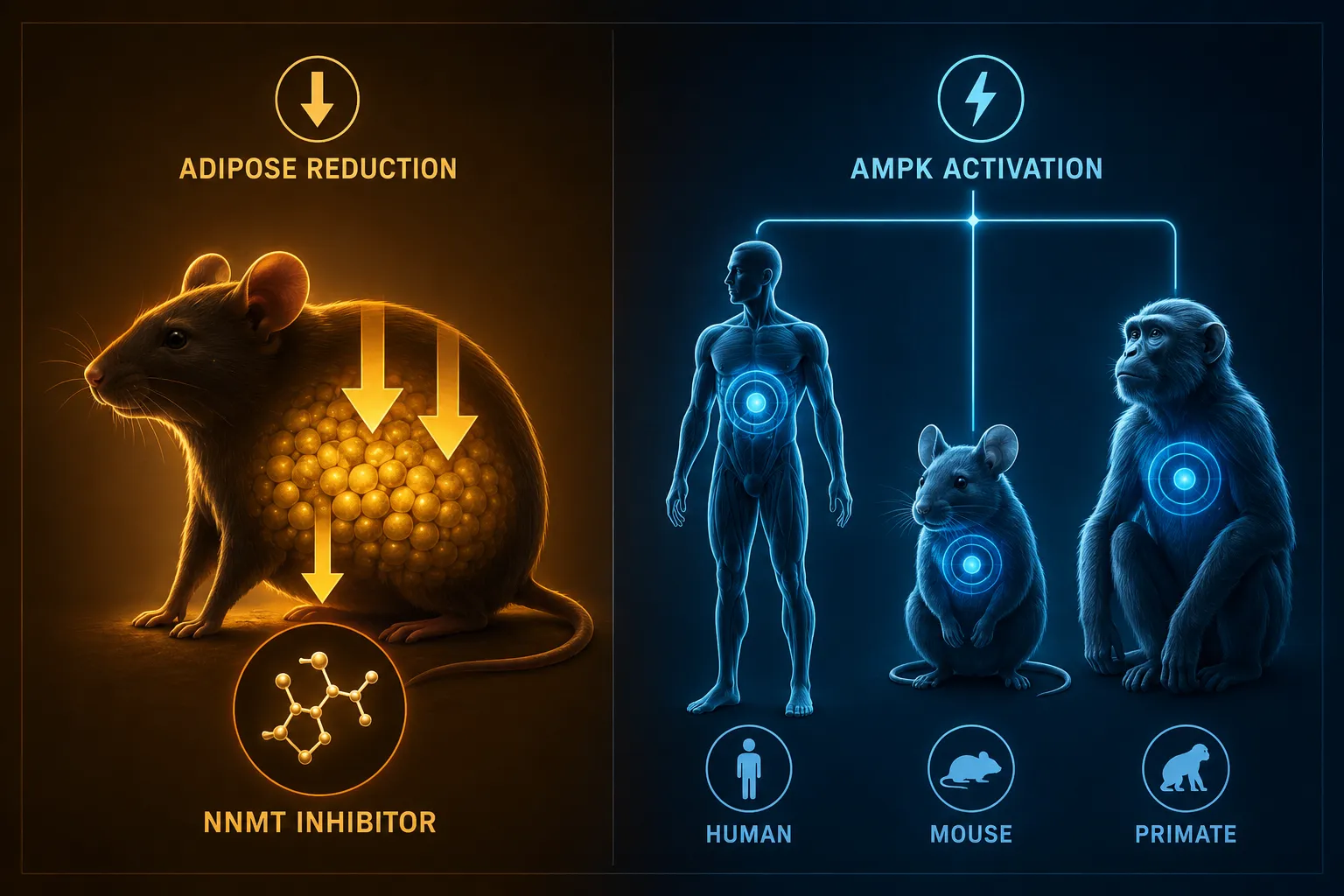
June 2, 2026/0 Comments/by Pure Tested

}

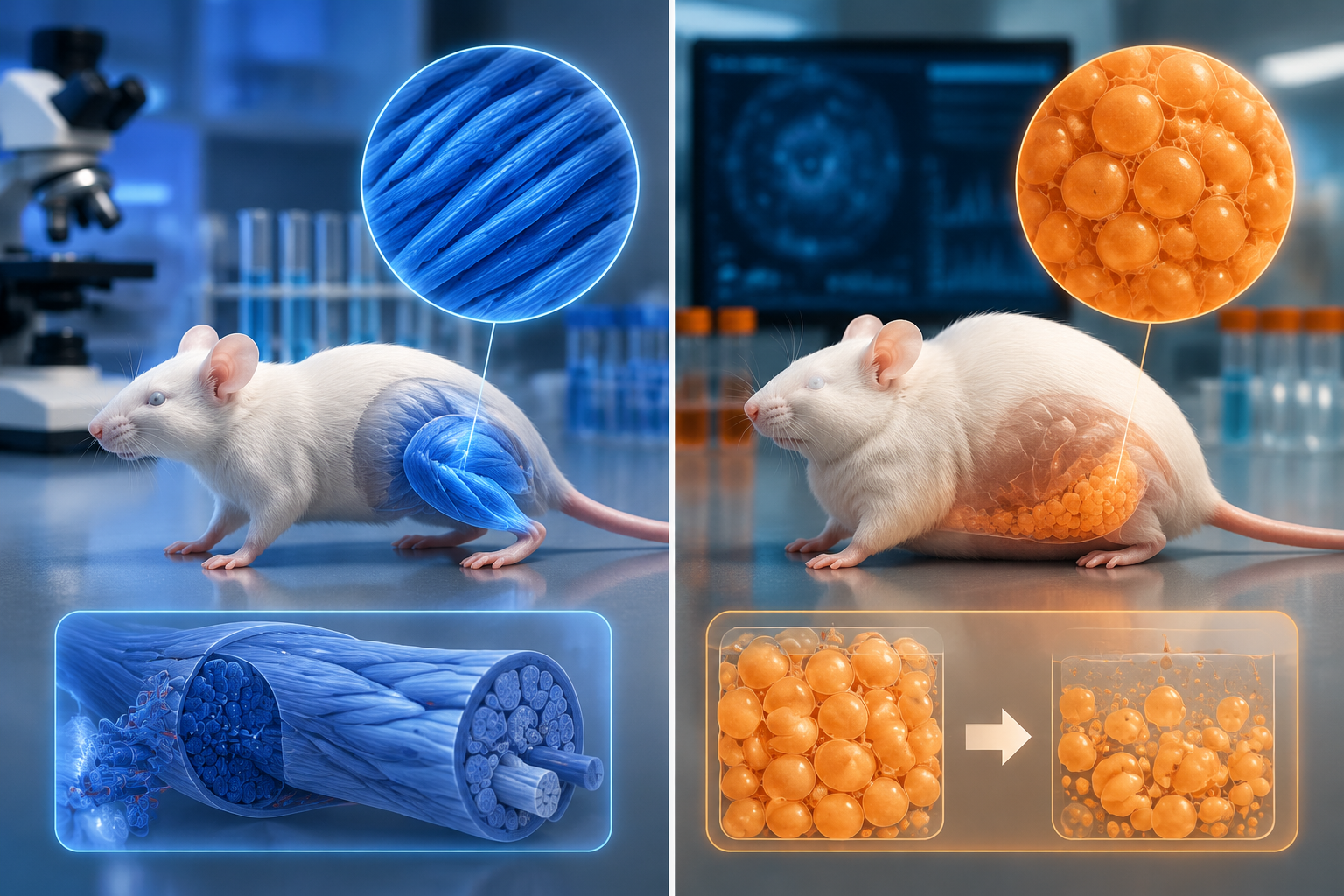
Professional () hero image depicting a split-screen scientific visualization: left side shows a glowing blue mitochondrion

Obesity-related metabolic dysfunction now affects more than one billion people globally, yet the biological levers researchers use to study fat loss are remarkably different from one compound to the next. Two molecules generating serious scientific interest in 2026 — MOTS-C and 5-Amino-1MQ — work through entirely separate mechanisms, making a direct comparison both useful and necessary for anyone designing a metabolic research protocol.

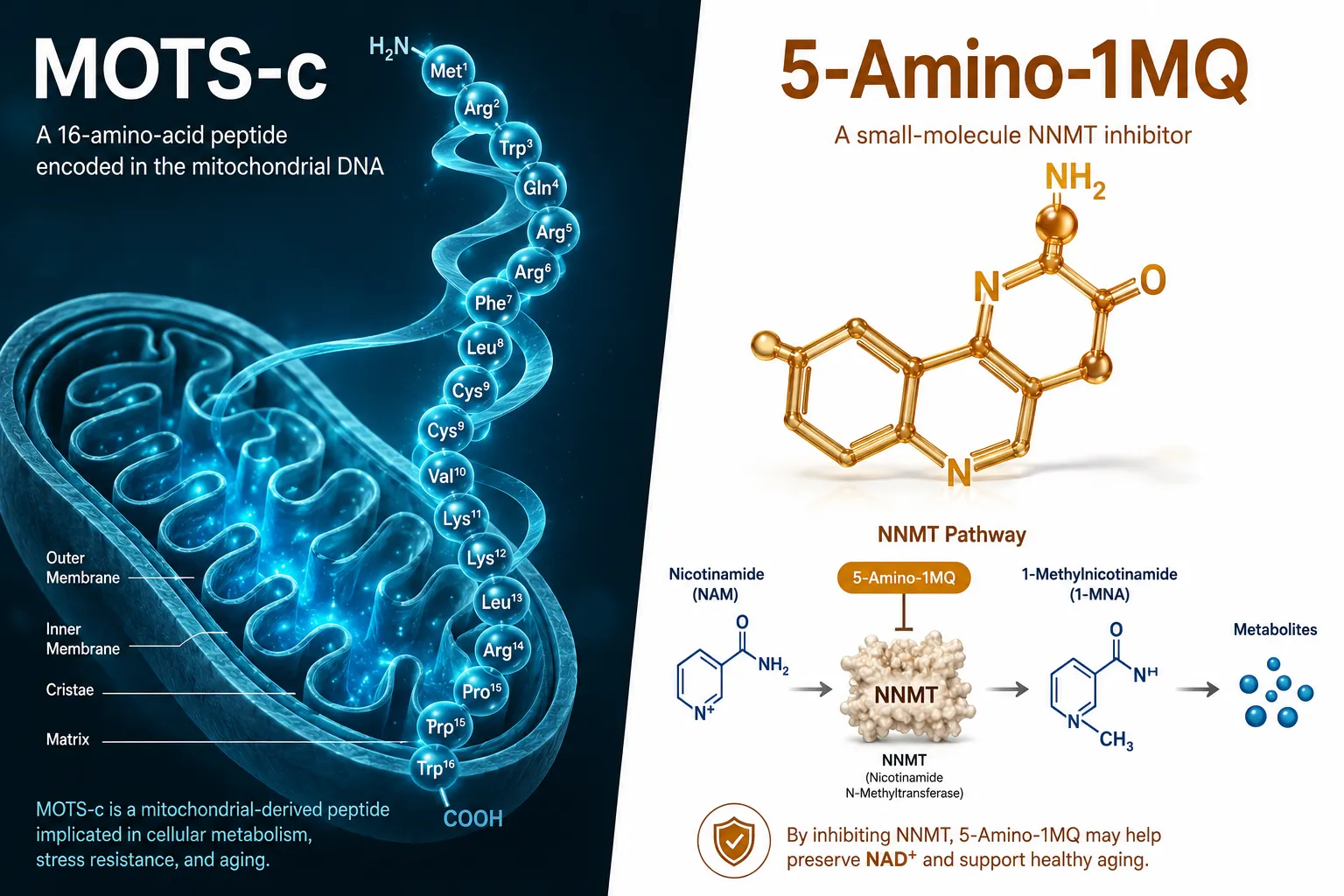
This article provides a clean side-by-side look at MOTS-C vs 5-Amino-1MQ: Mitochondrial Signaling vs NNMT Inhibition in Fat-Loss Research, covering how each compound works, what preclinical evidence shows, and how researchers approach their use.

Key Takeaways

  • MOTS-C is a mitochondrial-derived peptide that activates AMPK and improves insulin sensitivity; 5-Amino-1MQ is a small-molecule enzyme inhibitor that raises cellular NAD+ levels.
  • Both compounds remain research-only and are not FDA-approved for human therapeutic use.
  • MOTS-C has early-phase clinical trials underway; 5-Amino-1MQ is still in the preclinical stage.
  • Administration routes differ: MOTS-C is typically injected subcutaneously, while 5-Amino-1MQ is taken orally.
  • Choosing between them depends on the biological pathway a researcher wants to target — mitochondrial signaling or enzyme inhibition.

How Each Compound Works

How Each Compound Works

MOTS-C: A Signal From the Mitochondria

MOTS-C is a 16-amino-acid peptide encoded in the mitochondrial genome. Unlike most peptides, it originates inside the mitochondria and travels to the cell nucleus, where it regulates gene expression tied to metabolism and proteostasis. Its primary action involves activating AMP-activated protein kinase (AMPK), a central energy-sensing enzyme that promotes glucose uptake, fatty acid oxidation, and improved insulin sensitivity.

Because MOTS-C is mitochondria-derived, it functions as a genuine intracellular messenger — a type of "mitokine" — linking energy status directly to metabolic output. Researchers studying MOTS-C mitochondrial dynamics have noted its capacity to regulate skeletal muscle metabolism and support adaptation under metabolic stress conditions.

5-Amino-1MQ: Blocking the Fat-Storage Enzyme

5-Amino-1MQ takes a completely different approach. It is a small-molecule inhibitor of nicotinamide N-methyltransferase (NNMT), an enzyme that is overexpressed in the adipose tissue of obese individuals. NNMT consumes SAM (S-adenosylmethionine) and depletes cellular NAD+ precursors, effectively slowing metabolism and encouraging fat storage.

By blocking NNMT, 5-Amino-1MQ allows NAD+ levels to rise. Higher NAD+ activates sirtuins and other energy-expenditure pathways, shifting cellular behavior away from fat accumulation. This makes it a pharmacological tool for studying how enzyme inhibition can reprogram metabolic set points.


Preclinical Evidence and Research Findings

Preclinical Evidence and Research Findings

In the context of MOTS-C vs 5-Amino-1MQ: Mitochondrial Signaling vs NNMT Inhibition in Fat-Loss Research, the preclinical data for each compound tells a distinct story.

What Animal Studies Show

Feature MOTS-C 5-Amino-1MQ
Primary target AMPK / nuclear gene expression NNMT enzyme
Key metabolic effect Insulin sensitivity, muscle metabolism NAD+ elevation, fat reduction
Animal model outcomes Improved physical performance, metabolic regulation Fat loss, improved muscle stem-cell function
Human trials Early-phase clinical trials underway No RCTs conducted yet
Regulatory status Research compound Research compound

MOTS-C animal studies have shown improvements in physical performance across multiple age groups, with notable effects on skeletal muscle adaptation. Researchers exploring MOTS-C and SLU-PP332 combinations have examined whether stacking exercise-mimetic compounds amplifies these metabolic benefits.

5-Amino-1MQ demonstrated measurable fat loss and improved muscle stem-cell function in obese rodent models. However, no human randomized controlled trials have been completed, placing it firmly in the preclinical category.

For researchers interested in broader metabolic modulation research lines, both compounds represent distinct entry points into fat-loss biology.


Dosage, Administration, and Safety Considerations

Dosage, Administration, and Safety Considerations

Understanding the practical side of MOTS-C vs 5-Amino-1MQ: Mitochondrial Signaling vs NNMT Inhibition in Fat-Loss Research requires looking at how each compound is handled in research settings.

Research Dosing Protocols

MOTS-C is administered subcutaneously, typically at doses of 5–10 mg given two to three times per week. Its peptide structure requires injection to preserve bioavailability.

5-Amino-1MQ is taken orally at doses ranging from 50–150 mg daily in research contexts. Its small-molecule structure allows it to survive the digestive process, making oral delivery practical.

Neither compound has an established comprehensive safety profile due to the limited scope of human trials conducted to date.

Researchers comparing these agents alongside other metabolic peptides — such as those reviewed in longevity peptide research — should note that combining multiple metabolic modulators requires careful experimental design.

Those evaluating adjacent research tools, including Tesamorelin for fat-loss protocols or GLP-1 incretin research themes, will find that each compound targets a different node in the metabolic network.


Conclusion

The comparison of MOTS-C vs 5-Amino-1MQ: Mitochondrial Signaling vs NNMT Inhibition in Fat-Loss Research reveals two compounds that are complementary in concept but distinct in mechanism. MOTS-C targets mitochondrial-to-nuclear signaling through AMPK activation, while 5-Amino-1MQ removes an enzymatic brake on NAD+ metabolism.

Actionable next steps for researchers:

  • Define the biological pathway of interest before selecting a compound — mitochondrial signaling or enzyme inhibition.
  • Review current early-phase trial data for MOTS-C before designing human-adjacent protocols.
  • Treat 5-Amino-1MQ as a purely preclinical tool until RCT data becomes available.
  • Consider whether multi-pathway approaches, such as those explored in peptide blend research, could address multiple metabolic targets simultaneously.
  • Source research compounds only from suppliers providing verified purity documentation.

Both compounds are research tools, not therapeutic agents. Rigorous experimental design, appropriate controls, and attention to evolving regulatory guidance remain essential for any serious investigation into metabolic fat-loss biology.


https://www.puretestedpeptides.com/wp-content/uploads/2026/06/MOTS-C-vs-5-Amino-1MQ-Mitochondrial-Signaling-vs-NNMT-Inhibition-in-Fat-Loss-Research.png 1024 1536 Pure Tested https://www.puretestedpeptides.com/wp-content/uploads/2026/01/buy-peptides-online.jpg Pure Tested2026-06-02 22:09:332026-07-20 15:04:15MOTS-C vs 5-Amino-1MQ: Mitochondrial Signaling vs NNMT Inhibition in Fat-Loss Research
×

Helpful Links

  • My account
  • Cart
  • Checkout
  • Refund and Returns Policy
  • Privacy Policy
  • SMS Privacy Policy
  • Login
  • My Account
  • Logout

USA Made Lab Tested Peptides

All products are sold for research, laboratory, or analytical purposes only, and are not for human consumption


Pure Tested Peptides is a chemical supplier. Pure Tested Peptides is not a compounding / chemical compounding facility as defined under 503A of the Federal Food, Drug, and Cosmetic act. Pure Tested Peptides is not an outsourcing facility as defined under 503B of the Federal Food, Drug, and Cosmetic act.

The statements made within this website have not been evaluated by the US Food and Drug Administration. The products we offer are not intended to diagnose, treat, cure or prevent any disease.

Human/Animal Consumption Prohibited. Laboratory/In-Vitro Experimental Use Only

Scroll to top Scroll to top Scroll to top