Call or Text 727-513-9780
  • Shopping Cart Shopping Cart
    0Shopping Cart
Pure Tested Peptides | America's most trusted Peptides for sale online
  • Peptides for sale
    • Oral Peptides for sale
      • Peptide Capsules for sale
      • BPC 157 Capsules 1000mcg
      • SLU-PP-332 Capsules | 1000 mcg
      • 5-Amino-1MQ 50mg Capsules
      • Tesofensine 500mcg
    • All Peptides for sale
    • Peptide Sprays
      • BPC 157 Nasal Spray Kit
      • BPC-157 TB500 Nasal Spray Kit
      • Semax Nasal Spray 10mg
      • Selank – Nasal Spray Kit – 10mg
      • Epithalon 50MG Nasal Spray Kit
      • Ipamorelin 10mg Nasal Spray
      • Klow Nasal Spray (BPC-157 + TB-500 + GHK-Cu + KPV) | 80mg
      • Hulk Nasal Spray Tesa / Ipa Blend 6/3 MG
      • Klow Nasal Spray
      • NAD + 500 mg Nasal Spray
      • PT-141 Nasal Spray Kit
    • GHRH Peptides
      • Ipa Peptides
      • CJC-1295 Peptides
        • CJC-1295 with DAC 5 mg
        • CJC-1295 without DAC 5 mg
        • CJC-1295 Ipa 10mg
      • Tesa Peptides
        • Tesa Peptide
        • Tesa 20 mg
    • GHK-Cu Peptides
      • All GHK-Cu Peptides
      • GHK-Cu 100mg
      • KLOW Peptide Blend – Buy KLOW blend online
    • BPC Peptides
      • All BPC Peptides
      • BPC-157
      • BPC-157 TB-500
      • BPC 157 capsules 1000mcg
    • SLU-PP-332 Peptides
      • All SLU-PP-332 Peptides
      • SLU-PP-332 5mg
    • GLP3 Peptides
      • GLP3-R
      • GLP3-R CAG 10mg
      • GLP3-R 20mg
    • PT-141 Peptides
      • PT-141 Peptides for sale
      • PT-141 10mg
      • PT-141 Nasal Spray
    • CAG Peptides
      • Lipo-C Peptide Blend
      • CAG 5mg
      • CAG 10mg
    • MOTS-C Peptides
      • MOTS-C Peptides for sale
      • MOTS-c peptide
      • MOTS-c 10mg *6 pack*
    • 5 Amino 1MQ Peptides
      • 5 Amino 1MQ Peptides for sale
      • 5-Amino-1MQ 50mg Capsules
      • 5-Amino-1MQ 5mg
    • Epithalon Peptides
      • Epithalon Peptides for sale
      • Epithalon 10mg
      • Epithalon 50mg
  • Shop
    • GLPs
      • 5-Amino-1MQ 50mg Capsules
      • 5-Amino-1MQ 5mg
      • GLP3-Reta
      • L-Carnitine 500mg/ml
      • Tesofensine 500mcg
      • SLU-PP-332 5mg
      • MOTS-c 10mg *6 pack*
    • Epithalon & BPC Peptides
      • Epithalon 10mg
      • Epithalon 50mg
      • BPC-157
      • BPC 157 capsules 1000mcg
      • BPC-157 TB-500
      • BPC-157 TB500 Nasal Spray Kit
      • BPC 157 Nasal Spray Kit
    • BPC TB-500 & NAD+ Peptides
      • NAD+ 500 mg
      • KLOW Peptide Blend – Buy KLOW blend online
      • GLOW Peptide Blend
      • TB 500 5mg
      • BPC 157 capsules 1000mcg – Supplement
      • BPC 157 Nasal Spray Kit
      • BPC-157
      • BPC-157 TB500 Nasal Spray Kit
      • BPC-157 TB-500
      • BPC 157 capsules 1000mcg
    • LL-37 Peptide
      • LL-37 10 mg
    • MOTS-C & Selank
      • MOTS-c peptide
      • Selank 10mg
    • GHK Peptides
      • GHK-Cu 100mg
      • GLOW Peptide Blend
      • KLOW Peptide Blend – Buy KLOW blend online
  • COAs
  • Wholesale
    • Wholesale Peptides for sale
  • PTP FAQ
  • Affiliates
    • Selank Peptide: Advanced Pharmacological Mechanisms Underlying Its Anxiolytic and Nootropic Effects in Research
      • 5-Amino-1MQ Peptide: Detailed Mechanisms of NNMT Inhibition and Its Impact on Cellular Metabolism Research
        • MOTS-C Peptide: Unraveling Its Role in Mitochondrial Dynamics and Energy Metabolism Research
          • Epithalon Peptide and Telomerase Regulation: Investigating Its Impact on Cellular Senescence and Lifespan Research Models
            • GLP2-T vs GLP2 Tirz Peptide: Understanding the Naming, Mechanistic Nuances, and Research Implications for Gut Health
      • Peptides and Polypeptides in Modern Pharmacology: What Research on Metoprolol, Prednisone, and Amlodipine Reveals
        • Polypeptide Peptides vs NSAIDs: What Naproxen and Diclofenac Teach Tissue-Repair Researchers About BPC‑157 and TB‑500
          • Peptides and Polypeptides in Endocrine Pharmacology: How GLP-1, GLP-2, and GLP-3 Retatrutide Differ From Classic Drugs Like Prednisone and Amlodipine
          • 5‑Amino‑1MQ Peptide and NNMT Inhibition: How It Compares With Statins Like Atorvastatin in Adipose and Lipid Metabolism Research
      • Enclomiphene, Estrogen Receptor Signaling, and Luteinizing Phase Biology: What Hormone Researchers Should Measure
        • Mesenchymal Stem Cells, BPC‑157, and GHK‑Cu: How Tissue Repair Peptides Compare With Classic NSAIDs Like Naproxen in Injury Models
          • Peptide Calculator Use Cases Beyond Growth Hormone: Working Through GLP‑3 Retatrutide, MOTS‑c, and BPC‑157 Research Dosing
        • Polypeptide Peptides in Endocrine and Metabolic Pharmacology: Lessons From Amlodipine, Prednisone, and Metoprolol
        • Peptides Calculator for Advanced Blends: Worked Examples for Tesamorelin, CJC‑1295, and Ipamorelin Stacks
          • Peptides and Polypeptides in Human Physiology: How Molecular Size Shapes Research Applications
            • Selank Peptide: Advanced Pharmacological Mechanisms Underlying Its Anxiolytic and Nootropic Effects in Research
          • 5-Amino-1MQ Peptide: Detailed Mechanisms of NNMT Inhibition and Its Impact on Cellular Metabolism Research
            • MOTS-C Peptide: Unraveling Its Role in Mitochondrial Dynamics and Energy Metabolism Research
              • Epithalon Peptide and Telomerase Regulation: Investigating Its Impact on Cellular Senescence and Lifespan Research Models
                • GLP2-T vs GLP2 Tirz Peptide: Understanding the Naming, Mechanistic Nuances, and Research Implications for Gut Health
                  • Peptides and Polypeptides in Endocrine Pharmacology: How GLP-1, GLP-2, and GLP-3 Retatrutide Differ From Classic Drugs Like Prednisone and Amlodipine
                    • Polypeptide Peptides vs NSAIDs: What Naproxen and Diclofenac Teach Tissue-Repair Researchers About BPC‑157 and TB‑500
                      • Peptides and Polypeptides in Modern Pharmacology: What Research on Metoprolol, Prednisone, and Amlodipine Reveals
                        • 5‑Amino‑1MQ Peptide and NNMT Inhibition: How It Compares With Statins Like Atorvastatin in Adipose and Lipid Metabolism Research
                        • Enclomiphene, Estrogen Receptor Signaling, and Luteinizing Phase Biology: What Hormone Researchers Should Measure
                        • Mesenchymal Stem Cells, BPC‑157, and GHK‑Cu: How Tissue Repair Peptides Compare With Classic NSAIDs Like Naproxen in Injury Models
                        • Peptide Calculator Use Cases Beyond Growth Hormone: Working Through GLP‑3 Retatrutide, MOTS‑c, and BPC‑157 Research Dosing
                        • Polypeptide Peptides in Endocrine and Metabolic Pharmacology: Lessons From Amlodipine, Prednisone, and Metoprolol
                        • Peptides Calculator for Advanced Blends: Worked Examples for Tesamorelin, CJC‑1295, and Ipamorelin Stacks
                        • Peptides and Polypeptides in Human Physiology: How Molecular Size Shapes Research Applications
                        • Selank Peptide: Advanced Pharmacological Mechanisms Underlying Its Anxiolytic and Nootropic Effects in Research
                        • MOTS-C Peptide: Unraveling Its Role in Mitochondrial Dynamics and Energy Metabolism Research
                        • Peptides and Polypeptides in Modern Pharmacology: What Research on Metoprolol, Prednisone, and Amlodipine Reveals
                        • Peptides and Polypeptides in Endocrine Pharmacology: How GLP-1, GLP-2, and GLP-3 Retatrutide Differ From Classic Drugs Like Prednisone and Amlodipine
                        • 5-Amino-1MQ Peptide: Detailed Mechanisms of NNMT Inhibition and Its Impact on Cellular Metabolism Research
                        • Mesenchymal Stem Cells, BPC‑157, and GHK‑Cu: How Tissue Repair Peptides Compare With Classic NSAIDs Like Naproxen in Injury Models
                        • Peptide Calculator Use Cases Beyond Growth Hormone: Working Through GLP‑3 Retatrutide, MOTS‑c, and BPC‑157 Research Dosing
                        • GLP2-T vs GLP2 Tirz Peptide: Understanding the Naming, Mechanistic Nuances, and Research Implications for Gut Health
                        • Polypeptide Peptides in Endocrine and Metabolic Pharmacology: Lessons From Amlodipine, Prednisone, and Metoprolol
                        • Polypeptide Peptides vs NSAIDs: What Naproxen and Diclofenac Teach Tissue-Repair Researchers About BPC‑157 and TB‑500
                        • Peptides and Polypeptides in Human Physiology: How Molecular Size Shapes Research Applications
                        • Peptides Calculator for Advanced Blends: Worked Examples for Tesamorelin, CJC‑1295, and Ipamorelin Stacks
                        • 5‑Amino‑1MQ Peptide and NNMT Inhibition: How It Compares With Statins Like Atorvastatin in Adipose and Lipid Metabolism Research
                        • Enclomiphene, Estrogen Receptor Signaling, and Luteinizing Phase Biology: What Hormone Researchers Should Measure
                        • Epithalon Peptide and Telomerase Regulation: Investigating Its Impact on Cellular Senescence and Lifespan Research Models
                        • Best research protocol Klow blend
                        • best time to take BPC-157
                        • best time to take DSIP (Delta Sleep Inducing Peptide)
                        • best time to take CJC-1295
                        • best time to take AOD-9604
                        • best time to take Follistatin 344
                        • best time to take Ipamorelin
                        • best time to take MK-677 (Ibutamoren)
                        • best time to take Ligandrol (LGD-4033) — research compound
                        • best time to take Ostarine (MK-2866) — research compound
                        • best time to take GHK-CU
                        • best time to take TB-500
                        • best time to take MOTS-c
                        • best time to take Semax
                        • best time to take RAD-140 (Testolone) — research compound
                        • best time to take Thymosin Alpha-1
                        • best time to take PEG-MGF
                        • Biolife Plasma, Octapharma Plasma, and Research Peptides: How Plasma Donation Labs Differ From Peptide Suppliers
                        • best time to take YK-11 — research compound
                        • best time to take PT-141 (Bremelanotide)
                        • Best research protocol Klow blend
  • Contact
    • Contact Customer Service
    • Text Customer Support
  • About US
  • Shop all peptides
  • Affiliate Program
    • Affiliate Signup
  • Login / Register Login / Register Page Link Login / Register Page Link
  • Click to open the search input field Click to open the search input field Search
  • Menu Menu

Tag Archive for: peptide longevity

Understanding DNA, Telomeres, and Epithalon: How Genetic and Telomeric Markers Are Used in Peptide Longevity Research

Understanding DNA, Telomeres, and Epithalon: How Genetic and Telomeric Markers Are Used in Peptide Longevity Research

July 7, 2026/0 Comments/by Pure Tested

Every time a human cell divides, it loses a small segment of its chromosomal tips, and that countdown may be one of the most measurable clocks in biology. This article explores understanding DNA, telomeres, and Epithalon: how genetic and telomeric markers are used in peptide longevity research, tracing the science from chromosome structure all the way to preclinical peptide trials.
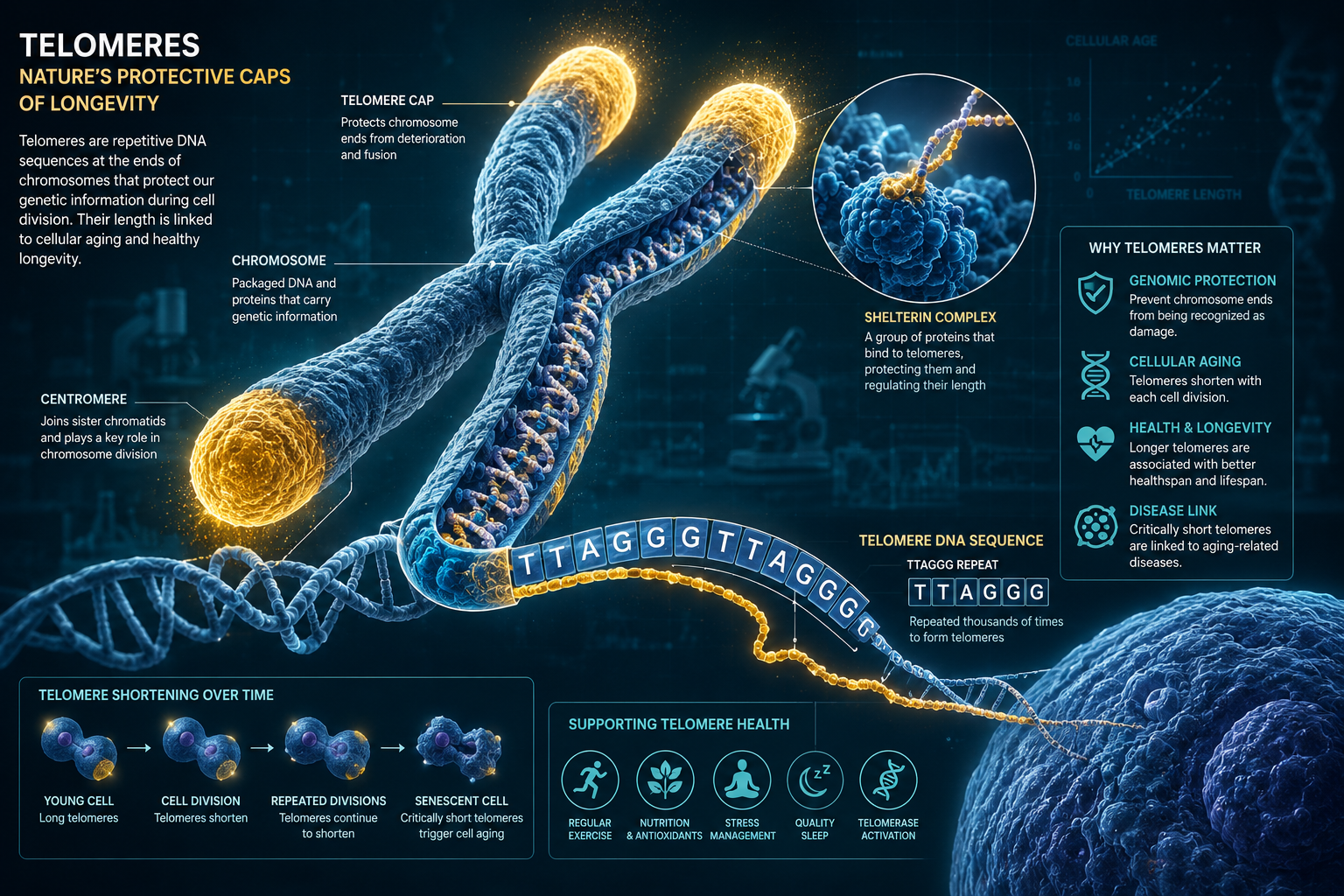
Detailed () scientific illustration showing a close-up cross-section of a human chromosome with telomere caps glowing in

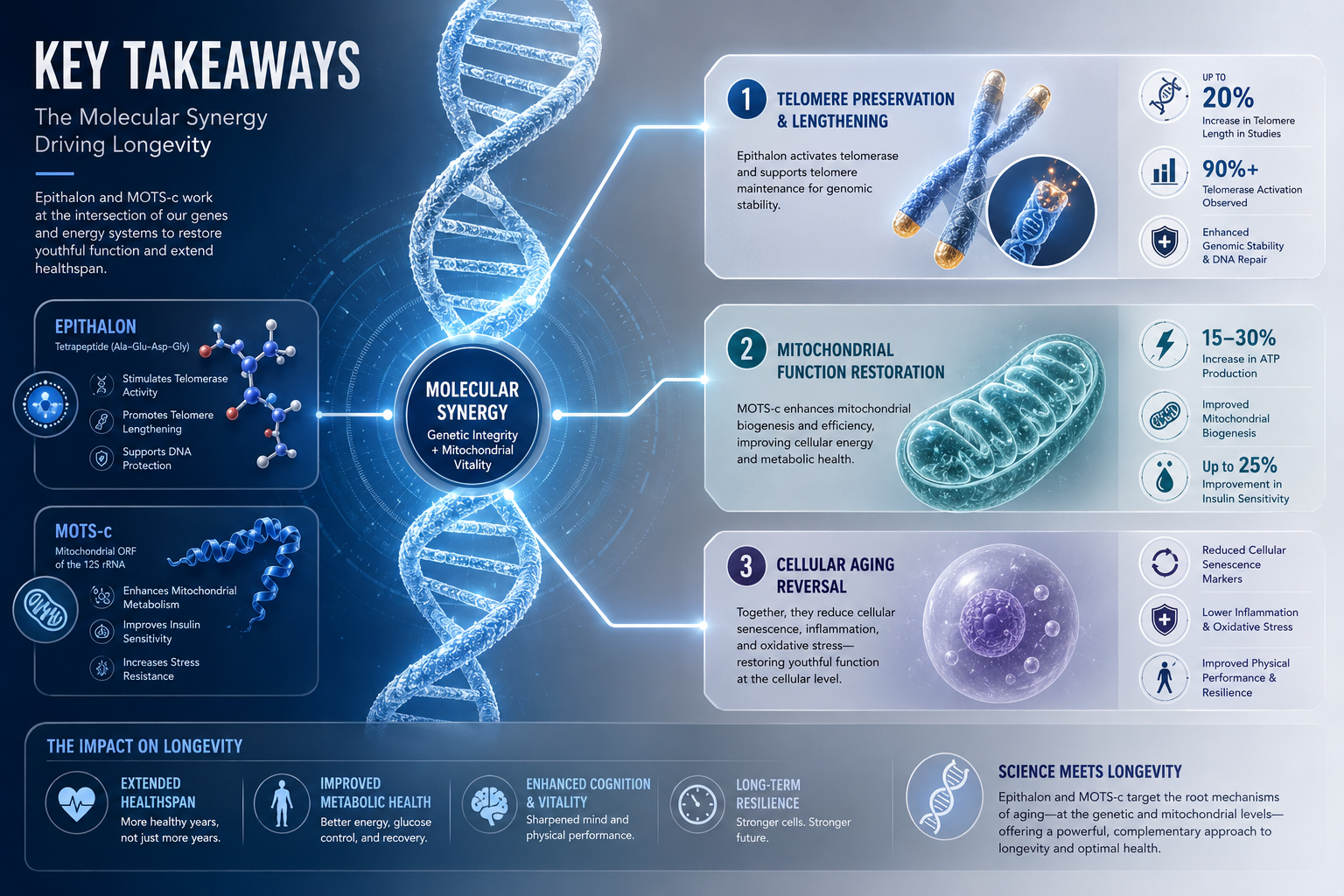
Key Takeaways

  • Telomeres are protective DNA caps that shorten with each cell division, serving as measurable biological aging markers.
  • Epithalon is a synthetic tetrapeptide studied for its ability to activate telomerase, the enzyme that rebuilds telomere length.
  • Preclinical and early human observational data suggest Epithalon may influence lifespan and immune markers, though independent large-scale trials are lacking.
  • Genetic and epigenetic endpoints, including telomere length assays, are central tools in modern peptide longevity research.
  • Epithalon remains a research compound with no FDA approval; its findings should be interpreted within strict scientific context.

What Are Telomeres and Why Do They Matter in Longevity Research

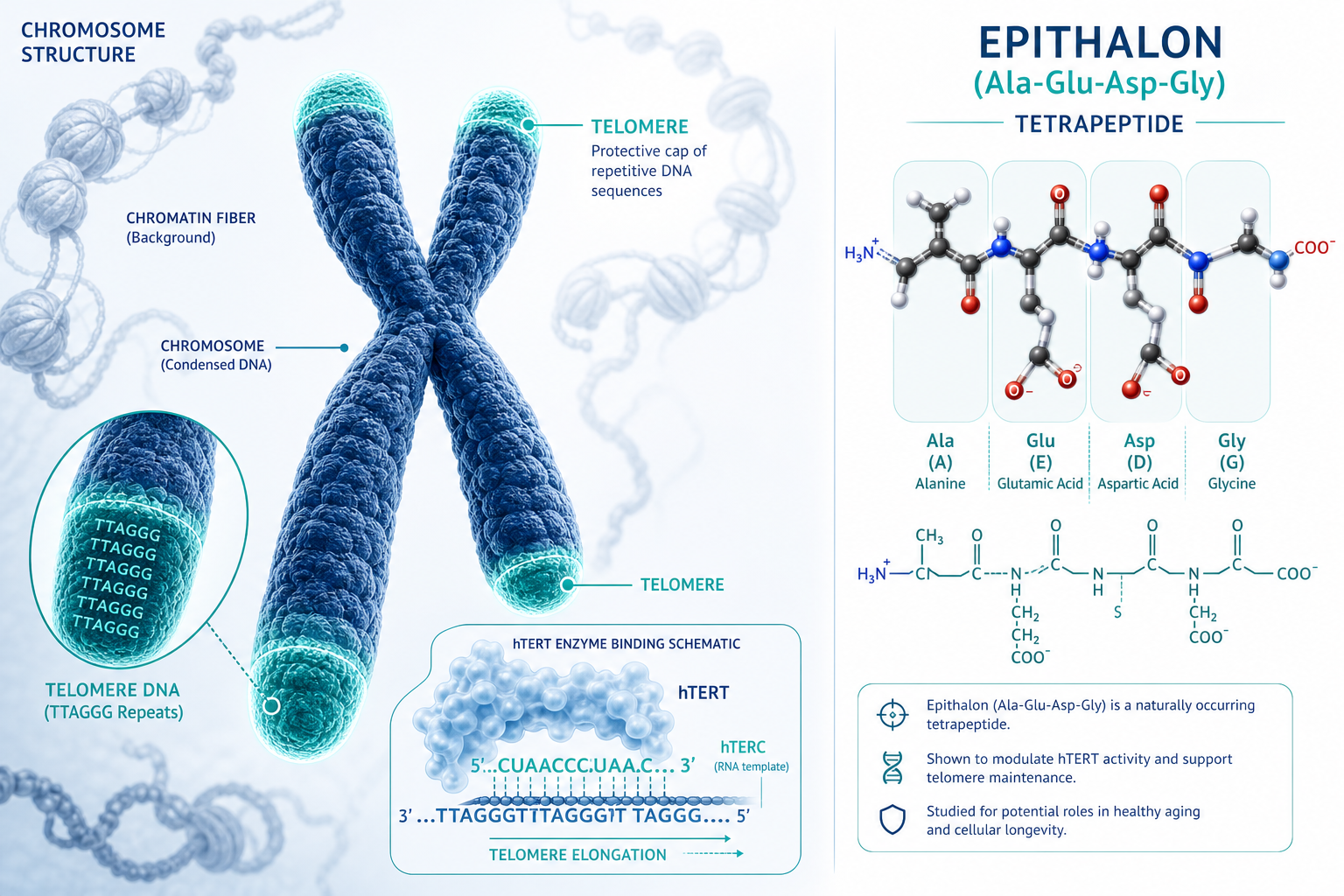
Telomeres are repetitive nucleotide sequences (TTAGGG) that cap the ends of every chromosome, functioning much like the plastic tips on shoelaces. Their job is structural: they prevent chromosome ends from being recognized as damaged DNA and stop chromosomes from fusing with one another.

With each round of cell replication, telomeres shorten. When they become critically short, the cell enters a state called senescence, it stops dividing and begins secreting inflammatory signals. This process is now recognized as a core driver of tissue aging.

Why this matters for research:

  • Telomere length can be measured in blood samples using quantitative PCR or flow-FISH techniques.
  • Short telomeres correlate with increased risk of cardiovascular disease, immune dysfunction, and all-cause mortality.
  • Telomerase, the enzyme that adds telomeric repeats back onto chromosome ends, is normally suppressed in adult somatic cells but active in stem cells and cancer cells.

Researchers studying longevity peptides use telomere length as a quantifiable genomic endpoint. This makes it possible to compare treated versus untreated cell cultures and animal cohorts in a standardized, reproducible way.


How Epithalon Targets Telomerase: The Molecular Mechanism

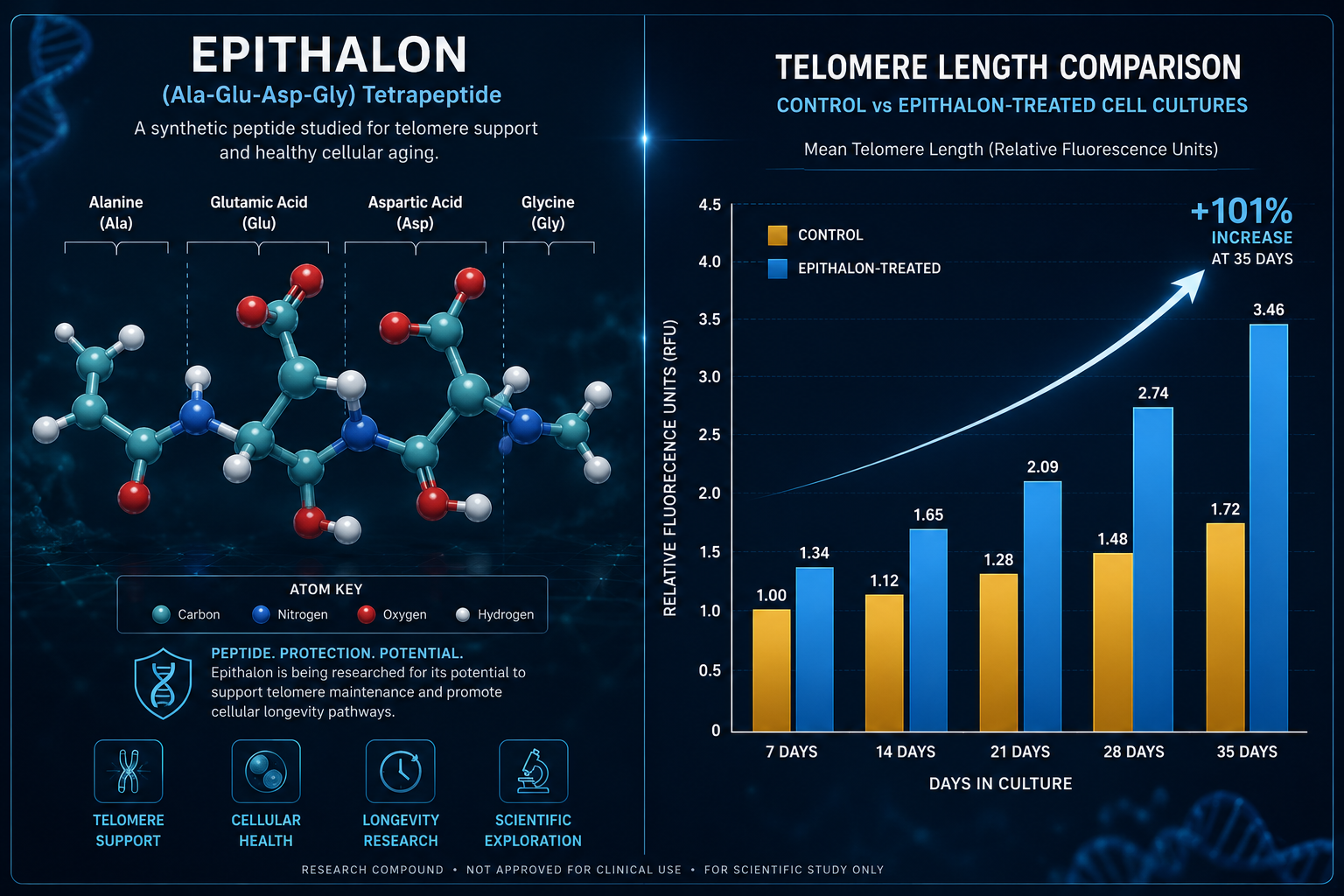
Epithalon (Ala-Glu-Asp-Gly) is a synthetic four-amino-acid peptide derived from epithalamin, a natural compound produced by the pineal gland. Its primary studied mechanism centers on activating telomerase by upregulating hTERT, the catalytic subunit that drives telomere elongation.
How Epithalon Targets Telomerase: The Molecular Mechanism

A 2025 study demonstrated dose-dependent telomere elongation in normal human cell lines following Epithalon exposure, supporting the hTERT upregulation hypothesis. In animal models, monthly Epithalon injections in female SHR mice increased mean lifespan and inhibited leukemia development sixfold compared to controls.

A 6-to-8-year observational study of 266 elderly patients treated with epithalamin reported a 1.6-to-1.8-fold decrease in mortality and a 2.0-to-2.4-fold reduction in acute respiratory disease incidence. These are notable figures, though the study design limits causal conclusions.

Additional effects observed in research settings include:

  • Improved sleep quality and circadian rhythm regulation, likely mediated through melatonin pathway interactions
  • Modulation of neuroendocrine signaling consistent with pineal gland activity
  • Potential synergies with tissue-repair peptides such as GHK-Cu, though this remains speculative

For a broader comparison of Epithalon against other longevity-focused compounds, the Epithalon vs. NAD evidence review provides useful context on mechanism differences.

"Telomere length is not destiny, but it is data. Peptide researchers treat it as one genomic signal among many, not a standalone verdict on biological age."


Understanding DNA, Telomeres, and Epithalon in the Context of Research Limitations and Comparisons

No honest account of understanding DNA, telomeres, and Epithalon, how genetic and telomeric markers are used in peptide longevity research, is complete without addressing the evidence gaps.

Key limitations of current Epithalon research:

Limitation Detail
Source concentration Most findings originate from a single laboratory group
Trial design No large-scale, double-blind, placebo-controlled human trials
Regulatory status Not FDA-approved for any indication
Reproducibility Independent replication remains limited

By contrast, SS-31 (Elamipretide), a peptide that targets cardiolipin stabilization in the mitochondrial inner membrane, received FDA approval for Barth syndrome in 2025. Researchers interested in mitochondrial longevity focus will find the mechanistic contrast between these two compounds instructive.

For those exploring broader peptide families, the Vesugen, Vilon, and Chonluten longevity peptide series and Epithalon longevity signals research offer additional genomic and tissue-level endpoints worth examining.

Researchers also studying cellular protection pathways may find the Humanin cellular protection research relevant, as Humanin interacts with mitochondrial stress pathways that overlap with telomere-associated senescence signaling.

For a wider view of research-grade compounds available in this space, the simple peptides overview provides a structured starting point.


Conclusion

Understanding DNA, telomeres, and Epithalon, how genetic and telomeric markers are used in peptide longevity research, requires holding two ideas simultaneously: the science is genuinely compelling, and the evidence base is still maturing.

Actionable next steps for researchers and informed readers in 2026:

  1. Prioritize endpoint clarity. When evaluating any longevity peptide study, confirm which genomic markers were measured, telomere length, hTERT expression, or epigenetic clocks, and how they were validated.
  2. Assess study independence. Single-group findings, however promising, require independent replication before conclusions can be generalized.
  3. Compare mechanisms across peptide classes. Telomerase activation (Epithalon), mitochondrial membrane stabilization (SS-31), and tissue remodeling (GHK-Cu) address different nodes of the aging process and may eventually be studied in combination.
  4. Follow regulatory developments. The FDA approval landscape for longevity peptides is evolving; monitoring approval status is essential for any responsible research framework.

The telomere clock is one of biology's most measurable aging signals. Peptides like Epithalon represent a serious, if still early-stage, attempt to influence that clock at the molecular level.

https://www.puretestedpeptides.com/wp-content/uploads/2026/07/Understanding-DNA-Telomeres-and-Epithalon-How-Genetic-and-Telomeric-Markers-Are-Used-in-Peptide-Longevity-Research.png 1024 1536 Pure Tested https://www.puretestedpeptides.com/wp-content/uploads/2026/01/buy-peptides-online.jpg Pure Tested2026-07-07 13:15:332026-07-20 15:00:52Understanding DNA, Telomeres, and Epithalon: How Genetic and Telomeric Markers Are Used in Peptide Longevity Research
DNA, Epithalon, and MOTS-c: What Genetic and Telomeric Research Suggests About Peptide-Based Longevity Models

DNA, Epithalon, and MOTS-c: What Genetic and Telomeric Research Suggests About Peptide-Based Longevity Models

June 25, 2026/0 Comments/by Pure Tested

{"cover":"Professional landscape format (1536×1024) hero image with bold text overlay: 'DNA, Epithalon & MOTS-c: Peptide-Based Longevity Models' in extra large 72pt white bold sans-serif font with dark semi-transparent overlay box, centered upper third. Background shows a dramatic close-up of a glowing DNA double helix with telomere caps rendered in deep blue and gold, surrounded by floating molecular peptide chain structures. Color palette: deep navy, electric blue, gold accents. Magazine cover aesthetic, editorial quality, high contrast, cinematic lighting.","content":["Detailed landscape format (1536×1024) scientific illustration showing a split-panel composition: left side features a magnified telomere cap on a chromosome strand glowing in teal-blue light with telomerase enzyme molecules binding to the end; right side shows a vial labeled 'Epithalon' with molecular structure diagram overlaid. Laboratory bench setting with microscope in soft background bokeh. Color palette: cool teal, white, charcoal. Clean editorial scientific aesthetic, high detail, photorealistic rendering.","Landscape format (1536×1024) top-down aerial view of a mitochondrion cross-section rendered in warm amber and orange tones with MOTS-c peptide chains illustrated as glowing golden ribbons traveling from the mitochondrial matrix outward toward a cell nucleus in the background. AMPK activation nodes shown as bright spark points along metabolic pathway arrows. Dark cellular background with bioluminescent accents. Highly detailed scientific infographic style, editorial quality.","Landscape format (1536×1024) side-by-side comparison infographic showing two research protocol timelines on a dark slate background: left column labeled 'Epithalon — Telomerase Pathway' with chromosome diagrams and gene expression bar charts; right column labeled 'MOTS-c — AMPK Metabolic Pathway' with NAD+ level graphs and mitochondrial icons. Data visualization style with clean white typography, teal and amber color coding, laboratory notebook aesthetic, editorial quality."]

Professional landscape hero image () with : "DNA, Epithalon, and MOTS-c: What Genetic and Telomeric Research Suggests About

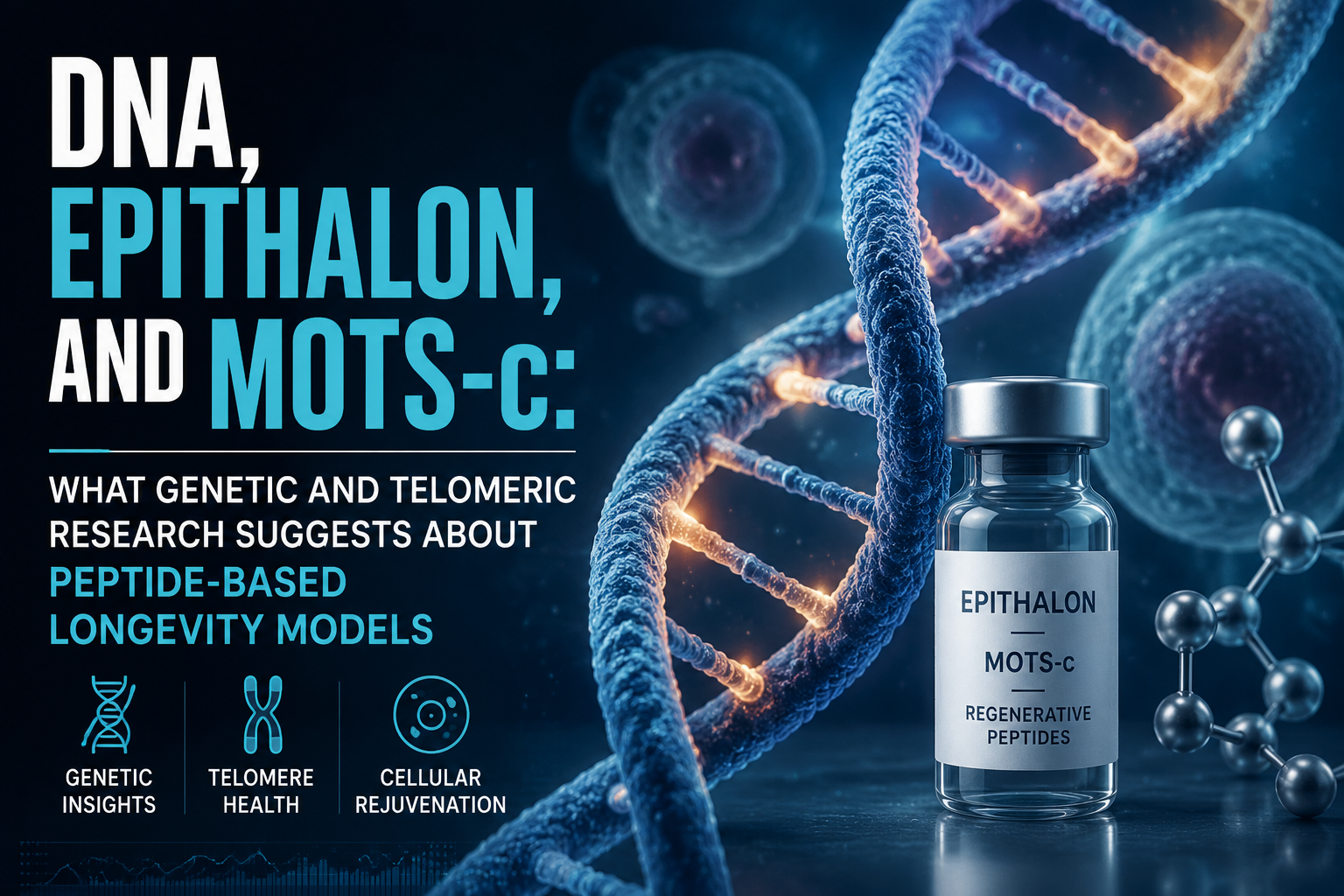
Telomeres shorten by roughly 25–200 base pairs with every cell division — a biological clock that researchers have spent decades trying to slow or reverse. That measurable, molecular countdown is precisely why the study of DNA, Epithalon, and MOTS-c: What Genetic and Telomeric Research Suggests About Peptide-Based Longevity Models has attracted serious attention in preclinical science. Two peptides — Epithalon and MOTS-c — have emerged from this field with distinct but potentially complementary mechanisms, offering researchers a framework for studying multiple aging hallmarks at the genetic level.

Key Takeaways

  • Epithalon is a synthetic tetrapeptide studied for its ability to activate telomerase and extend telomere length in cell and animal models.
  • MOTS-c is a mitochondrial-derived peptide that travels to the cell nucleus and regulates metabolism through AMPK activation and NAD+ modulation.
  • MOTS-c plasma levels decline by nearly 21% between young adulthood and ages 70-81, making it a quantifiable aging biomarker.
  • Both peptides target different hallmarks of aging, suggesting complementary use in multi-endpoint research protocols.
  • Current evidence is largely preclinical; independent replication and large-scale trials remain limited.

Key Takeaways

How Epithalon Interacts With Telomeric DNA

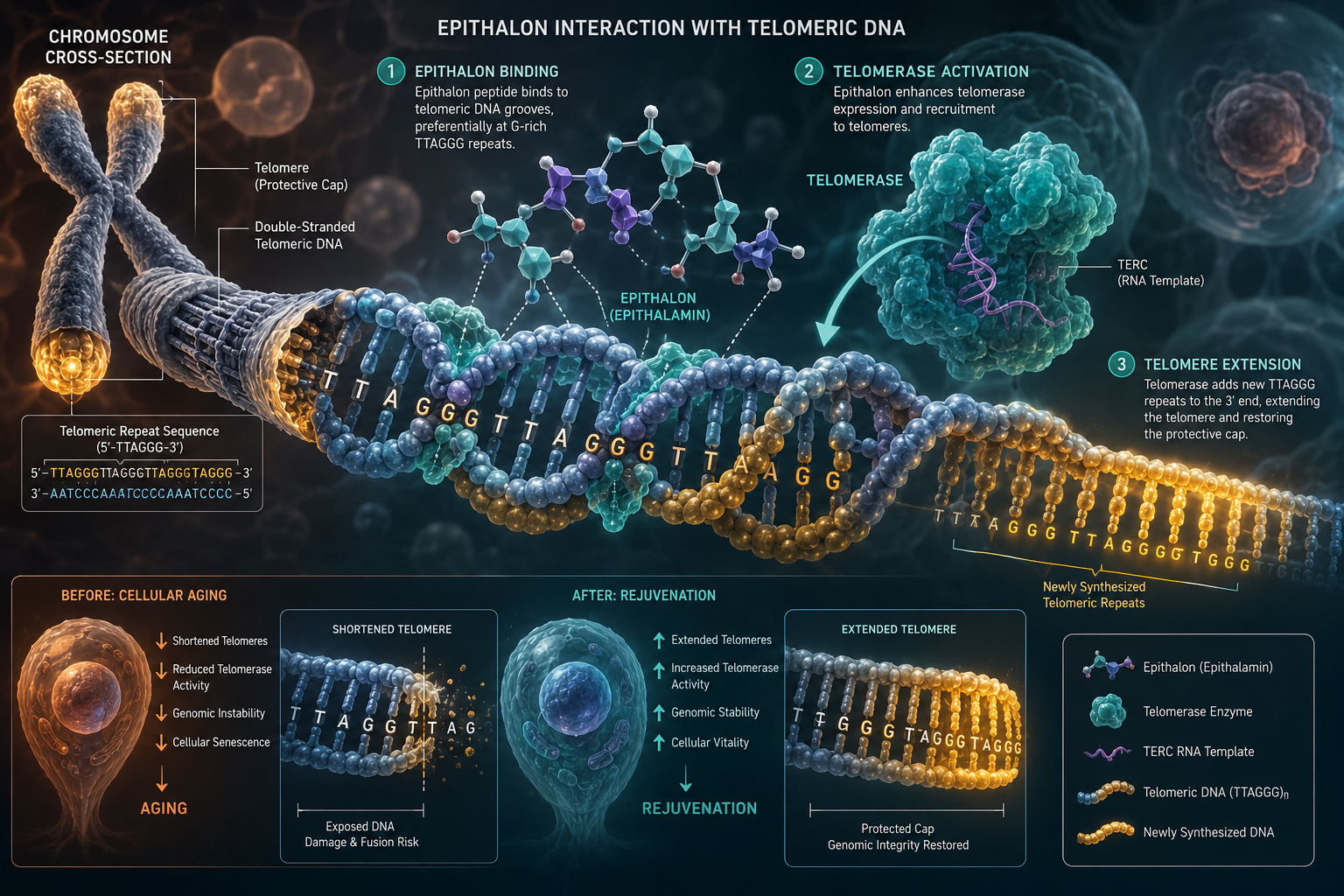
Epithalon (Ala-Glu-Asp-Gly) is a four-amino-acid peptide first synthesized from the pineal gland extract Epithalamin. In laboratory models, it activates telomerase — the enzyme responsible for adding protective nucleotide sequences to chromosome ends. When human fetal fibroblasts were exposed to Epithalon, researchers observed measurable telomere elongation alongside continued cell division beyond typical senescence thresholds.

In animal studies, lifespan extensions of 11-25% were recorded in mice, with approximately 16% extensions observed in fruit fly models. These are striking figures in longevity research. However, a critical limitation must be noted: the majority of these findings originate from a single research group, and independent replication remains sparse. No large-scale, double-blind, placebo-controlled trials have been conducted by outside investigators.

Common lab endpoints when studying Epithalon include:

  • Telomere length measurement via quantitative PCR or Southern blot
  • Telomerase reverse transcriptase (TERT) gene expression levels
  • Circadian gene normalization (Epithalon has been shown to restore nocturnal melatonin peaks in aged rats)
  • Cell division count beyond the Hayflick limit

Researchers interested in Epithalon peptides for experimental models should also account for its pharmacokinetics: plasma half-life is under 30 minutes, yet downstream gene-regulatory effects may persist 24-72 hours post-administration.

A note on safety in research models: Short-term animal studies showed no significant toxicity. However, because elevated telomerase activity is also a feature of cancer cells, long-term oncogenic risk remains a theoretical concern that researchers must factor into study design.


How Epithalon Interacts With Telomeric DNA

MOTS-c, Mitochondrial DNA, and Nuclear Gene Regulation

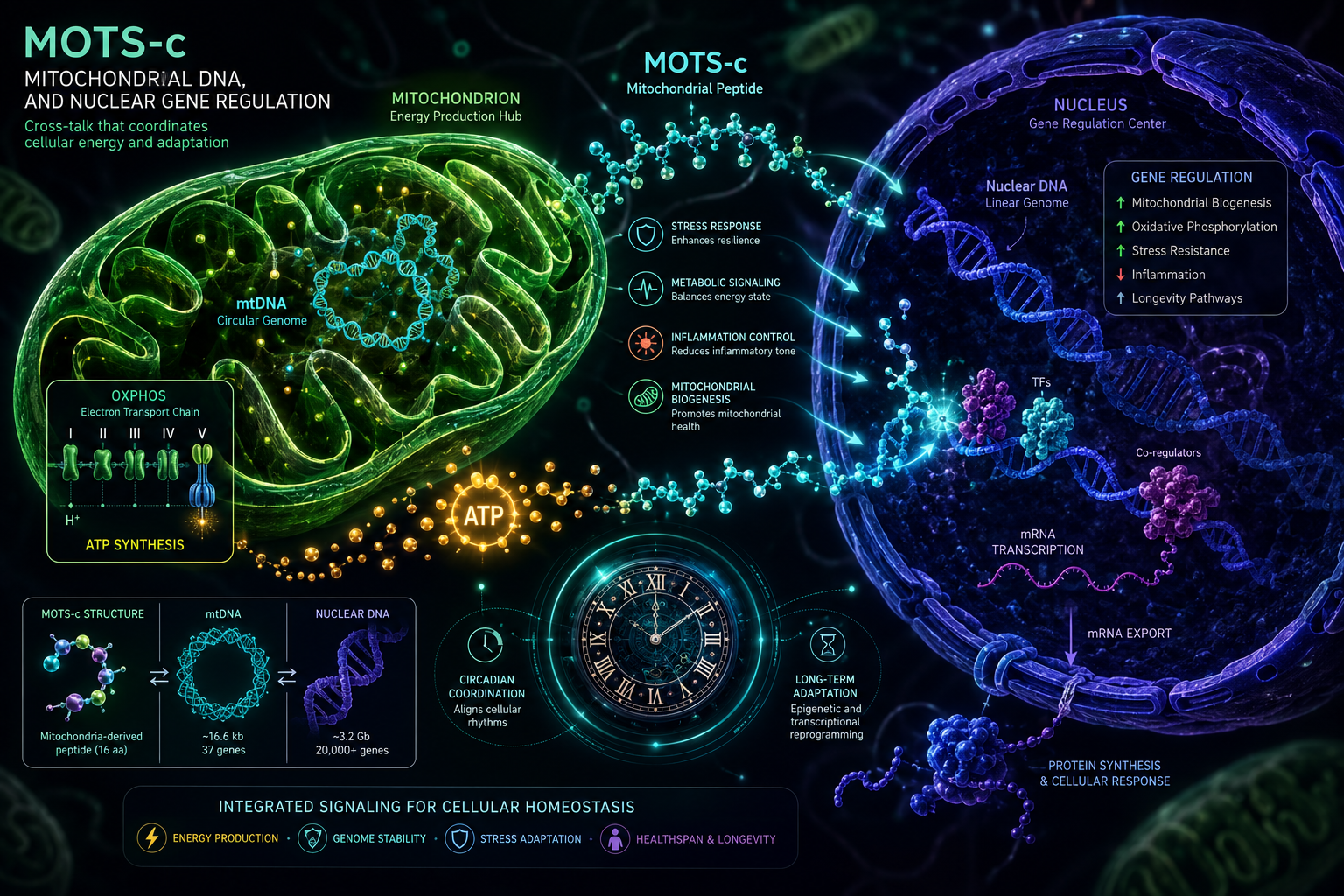
MOTS-c (Mitochondrial Open Reading Frame of the Twelve S rRNA-c) is encoded not in nuclear DNA but in mitochondrial DNA — a distinction that makes it biologically unique. Under metabolic stress, MOTS-c translocates from the mitochondria to the cell nucleus, where it directly influences gene expression related to metabolism and stress response.

Its primary mechanism involves AMPK activation, a master energy-sensing pathway. This leads to improved glucose clearance, enhanced insulin sensitivity, and elevated NAD+ levels — all biomarkers that decline measurably with age. Research on the MOTS-c mitochondrial peptide highlights that circulating MOTS-c levels drop by nearly 21% in individuals aged 70-81 compared to those aged 18-30, establishing it as a quantifiable aging biomarker.

Documented research endpoints for MOTS-c studies:

Endpoint Observed Effect
AMPK phosphorylation Increased in skeletal muscle
NAD+ levels Elevated following administration
Glucose clearance Improved insulin sensitivity
Physical performance Enhanced in aged mouse models over 2 weeks
Skin collagen Increased via IL-6 reduction

For researchers exploring MOTS-c and mitochondrial dynamics, the skin collagen finding is particularly notable: MOTS-c reduced IL-6, a key inflammatory mediator of collagen degradation, in 6-week-old mouse models.


MOTS-c, Mitochondrial DNA, and Nuclear Gene Regulation

Research Protocols Combining DNA, Epithalon, and MOTS-c: What Genetic and Telomeric Research Suggests About Peptide-Based Longevity Models

Because Epithalon and MOTS-c operate through separate mechanisms — telomerase activation versus AMPK-driven metabolic regulation — combining them in a single protocol allows researchers to probe multiple aging hallmarks simultaneously. This multi-target approach reflects a broader shift in longevity science away from single-pathway models.

"Aging is not a single-gene problem. Studying peptides that address telomeric integrity and mitochondrial signaling together reflects the biological complexity of cellular senescence."

Researchers working within this framework often pair these peptides with complementary agents. The SS-31 mechanism and mitochondrial protection research provides additional context for mitochondrial-targeted protocols. Similarly, GHK-Cu longevity research themes offer a parallel track focused on extracellular matrix remodeling and gene expression.

For a broader view of mitochondrial aging research, the mitochondrial longevity focus resource outlines how MOTS-c fits within a larger experimental landscape that includes compounds like NAD+ precursors and related metabolic modulators.

Standard dual-protocol design considerations:

  • Establish baseline telomere length, TERT expression, and AMPK activity before intervention
  • Use age-matched control groups with verified MOTS-c plasma levels
  • Measure NAD+, glucose tolerance, and inflammatory markers (IL-6, TNF-alpha) at defined intervals
  • Include circadian rhythm assessments when Epithalon is part of the protocol

Researchers exploring broader peptide longevity stacks may also find value in reviewing Vesugen, Vilon, and Chonluten longevity peptide research for comparative gene-regulatory data.


Conclusion

The intersection of DNA, Epithalon, and MOTS-c: What Genetic and Telomeric Research Suggests About Peptide-Based Longevity Models represents one of the more scientifically grounded areas of peptide research in 2026. Epithalon's telomerase-activating properties and MOTS-c's mitochondrial-to-nuclear signaling offer complementary tools for studying cellular aging at the genetic level.

Actionable next steps for researchers:

  1. Review existing telomerase activation literature before designing Epithalon endpoints to avoid replicating single-source data without controls.
  2. Measure baseline MOTS-c plasma levels as a quantifiable aging biomarker in any metabolic aging study.
  3. Incorporate NAD+ and AMPK assays as standard endpoints when MOTS-c is part of the protocol.
  4. Design studies with independent verification methods to address the reproducibility gap in current Epithalon literature.
  5. Consult the MOTS-c and SLU-PP-332 research overview for emerging data on AMPK-pathway synergies.

The science is promising but still maturing. Rigorous, independently replicated research remains the highest priority for advancing peptide-based longevity models from preclinical observation to validated biological insight.

https://www.puretestedpeptides.com/wp-content/uploads/2026/06/DNA-Epithalon-and-MOTS-c-What-Genetic-and-Telomeric-Research-Suggests-About-Peptide-Based-Longevity-Models.png 1024 1536 Pure Tested https://www.puretestedpeptides.com/wp-content/uploads/2026/01/buy-peptides-online.jpg Pure Tested2026-06-25 13:04:322026-07-20 15:02:17DNA, Epithalon, and MOTS-c: What Genetic and Telomeric Research Suggests About Peptide-Based Longevity Models
Epithalon Peptide Research: Telomere Biology, Aging Pathways, and What the Current Evidence Can Actually Support

Epithalon Peptide Research: Telomere Biology, Aging Pathways, and What the Current Evidence Can Actually Support

June 11, 2026/0 Comments/by Pure Tested

Fewer than a dozen peptides in longevity research have generated as much interest — and as much overstated certainty — as Epithalon. A tetrapeptide composed of just four amino acids (Ala-Glu-Asp-Gly), it has been studied since the 1980s primarily through the work of Russian scientist Vladimir Khavinson. Yet in 2026, the gap between what researchers have observed and what is being claimed online remains wide. This article examines Epithalon peptide research: telomere biology, aging pathways, and what the current evidence can actually support — without the hype.

Key Takeaways

  • Epithalon activates telomerase (hTERT) in human cell cultures, but this does not automatically translate to safe lifespan extension in humans.
  • Animal model data shows 10-25% lifespan extension, but independent replication in Western research programs is still limited.
  • The peptide appears to influence multiple aging pathways: epigenetic remodeling, melatonin synthesis, oxidative stress resilience, and immune function.
  • Telomerase activation carries a documented cancer risk concern that researchers must weigh carefully.
  • Epithalon is not FDA-approved and lacks standardized clinical dosing protocols as of 2026.

Key Takeaways

How Epithalon Interacts With Telomere Biology

Telomeres are the protective caps at the ends of chromosomes. With each cell division, they shorten. When they become critically short, the cell stops dividing — a process called replicative senescence. This is one of the central clocks of biological aging.

Epithalon peptide research into telomere biology shows that the compound can induce expression of hTERT, the catalytic subunit of telomerase — the enzyme that rebuilds telomere length. In human somatic cell cultures, this has led to measurable telomere elongation, theoretically pushing cells past the Hayflick limit.

"The ability to upregulate hTERT in non-germline cells is scientifically significant — but it is not a free pass. Telomerase is also active in roughly 85% of human cancers."

This dual nature is the central tension in Epithalon research. The same mechanism that may slow cellular aging could, under certain conditions, support unchecked cell proliferation. Researchers studying aging support peptides must weigh this trade-off carefully.

Epigenetic effects add another layer. Epithalon appears to bind to gene promoter regions and loosen chromatin structure, potentially restoring youthful gene expression patterns and enhancing DNA repair. This epigenetic remodeling could explain effects that go beyond simple telomere length.


What Animal and Human Studies Can Actually Support

The most cited longevity data comes from rodent studies within the Khavinson research program. Epithalon administration extended lifespan by 10 to 25% in treated animals. These are notable figures — but they come with caveats.

Study Type Key Finding Limitation
Rodent models 10-25% lifespan extension Primarily one research group
Human cell cultures hTERT induction, telomere elongation In vitro, not in vivo
Small human studies (elderly) Improved melatonin synthesis, circadian rhythm support Limited sample sizes
Immune function observations Potential immune recalibration Requires larger trials

Independent replication by Western research institutions remains sparse. This is not evidence that the findings are wrong — it is evidence that the field needs more rigorous, controlled trials before clinical conclusions can be drawn.

Melatonin and circadian rhythm effects are among the more consistently reported observations. Epithalon appears to stimulate pineal gland activity, boosting melatonin synthesis. In elderly subjects, this may help restore disrupted sleep-wake cycles — a meaningful quality-of-life pathway that is separate from telomere biology entirely.

The peptide also shows associations with reduced oxidative stress markers and immune system recalibration, suggesting it may act across multiple aging pathways simultaneously rather than through a single mechanism. For researchers comparing multi-pathway peptides, the SS-31 mechanism and research overview offers a useful parallel, given SS-31's focus on mitochondrial protection as a complementary aging pathway.

What Animal and Human Studies Can Actually Support


Evidence Quality, Safety Considerations, and Research Context in 2026

Understanding what the current evidence can actually support requires honest assessment of its quality. Most Epithalon data originates from a single research program, uses animal models, or involves small human cohorts. That is not a dismissal — it is a baseline for calibrating expectations.

Key safety considerations researchers should note:

  • Telomerase activation raises legitimate oncological concerns that have not been fully resolved in long-term studies
  • Reported side effects are minimal in existing literature, but comprehensive safety profiles are absent
  • Commonly discussed research protocols involve subcutaneous administration of 5-10 mg daily for 10-20 day cycles, repeated 2-3 times per year — but no standardized clinical guidelines exist
  • Reconstituted peptide remains stable for approximately 21 days under proper storage conditions

Epithalon is not approved by the FDA for any therapeutic use as of 2026. It exists strictly within a research context. Researchers exploring related peptides in aging and metabolic pathways — such as BPC-157 research documentation or SS-31 mitochondrial research themes — will recognize this regulatory landscape as common across investigational peptides.

For those sourcing compounds for structured research, reviewing certificates of analysis and third-party purity testing documentation is a non-negotiable step. Purity directly affects the validity of any experimental outcome.

Researchers interested in how Epithalon compares within the broader aging-support peptide category may also find value in reviewing SS-31 peptide research considerations as a methodological reference point.

Evidence Quality, Safety Considerations, and Research Context in 2026


Conclusion

Epithalon peptide research into telomere biology, aging pathways, and what the current evidence can actually support points to a compound with genuine scientific interest — and genuine scientific uncertainty. The telomerase activation data is mechanistically compelling. The animal lifespan data is suggestive. The epigenetic, melatonin, and oxidative stress findings add breadth to the research profile.

What the evidence cannot yet support is clinical certainty. Independent replication, larger human trials, and long-term safety data are all needed before stronger conclusions are warranted.

Actionable next steps for researchers:

  1. Prioritize sourcing Epithalon only from suppliers providing verified purity documentation and third-party testing.
  2. Design studies that account for the telomerase-cancer risk variable with appropriate biomarker monitoring.
  3. Track melatonin and circadian markers alongside telomere length to capture the full pathway picture.
  4. Follow emerging Western replication studies closely — this is where the evidence base will either strengthen or fracture.
  5. Treat existing animal model data as hypothesis-generating, not hypothesis-confirming.

The science is worth watching. The claims require scrutiny.

https://www.puretestedpeptides.com/wp-content/uploads/2026/06/Epithalon-Peptide-Research-Telomere-Biology-Aging-Pathways-and-What-the-Current-Evidence-Can-Actually-Support.png 1024 1536 Pure Tested https://www.puretestedpeptides.com/wp-content/uploads/2026/01/buy-peptides-online.jpg Pure Tested2026-06-11 13:05:122026-07-20 15:03:31Epithalon Peptide Research: Telomere Biology, Aging Pathways, and What the Current Evidence Can Actually Support
Epithalon Peptide and Telomere Biology: What Cell and Animal Studies Really Show (and Don’t Show)

Epithalon Peptide and Telomere Biology: What Cell and Animal Studies Really Show (and Don’t Show)

June 6, 2026/0 Comments/by Pure Tested

A synthetic tetrapeptide of just four amino acids — Ala-Glu-Asp-Gly — has generated decades of research interest by appearing to reactivate one of biology's most tightly regulated aging mechanisms. Epithalon peptide and telomere biology intersect in ways that are genuinely compelling, but also frequently overstated. Understanding what the cell and animal data actually demonstrate, and where the evidence falls short, is essential for anyone following aging research in 2026.

Detailed () scientific illustration showing a cross-section of a human cell nucleus with elongated telomere caps glowing in

Key Takeaways

  • Epithalon is a synthetic tetrapeptide derived from a natural pineal gland extract, with molecular formula C14H22N4O9.
  • Cell studies show it can upregulate telomerase activity and extend telomere length in normal human cells, with a distinct mechanism observed in cancer cell lines.
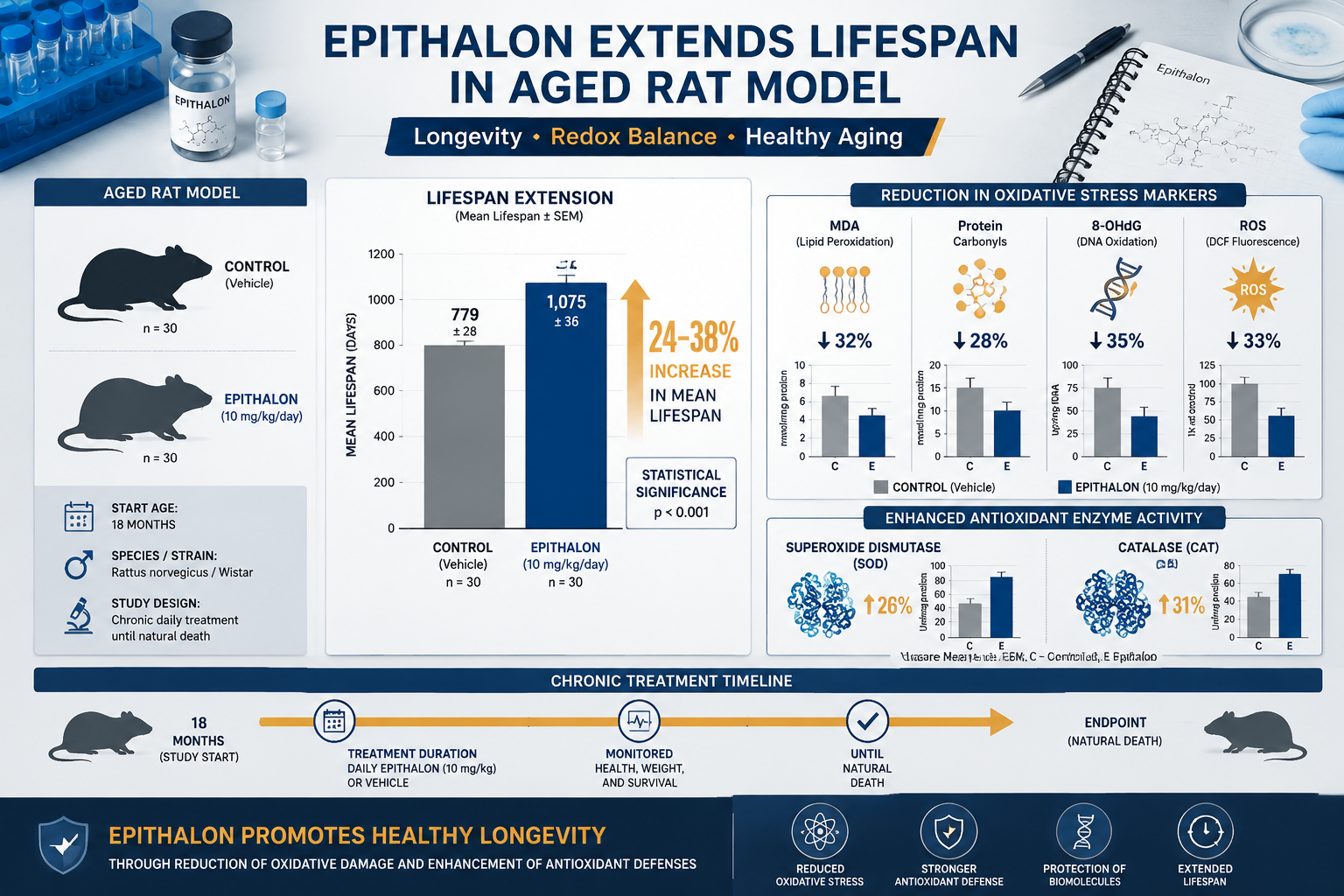
  • Animal studies report 24-38% mean lifespan increases and reduced tumor incidence, but most data come from a single research group.
  • Antioxidant and anti-inflammatory effects are among the most consistently reported secondary findings.
  • Independent replication using modern molecular tools remains limited, which is a critical gap before drawing firm mechanistic conclusions.

What Epithalon Is and Where It Comes From

Epithalon was developed by Russian gerontologist Vladimir Khavinson and is based on epithalamin, a natural polypeptide extract from the pineal gland. The synthetic version condenses this activity into four amino acids, making it chemically stable and reproducible for research purposes.

The pineal gland connection is relevant. Epithalamin was historically associated with melatonin regulation and circadian signaling. Epithalon appears to retain some of this influence, with proposed mechanisms including melatonin upregulation and modulation of the Nrf2/ARE pathway — a transcription system that governs the body's endogenous antioxidant proteins.

Researchers interested in peptides for aging and longevity research will find Epithalon sits at a unique crossroads of telomere biology, oxidative stress reduction, and circadian regulation.


Epithalon Peptide and Telomere Biology: What Cell and Animal Studies Really Show

Telomerase Activation in Normal Human Cells

The foundational 2003 work by Khavinson and colleagues was the first published demonstration that a short synthetic peptide could reactivate telomerase in human somatic cells. This was a notable finding because telomerase is typically silenced in most adult tissues, and its reactivation had previously been associated almost exclusively with cancer biology.

A 2025 study extended this work, showing that Epithalon treatment produced a dose-dependent increase in telomere length in normal human epithelial and fibroblast cells. This effect was linked to upregulation of hTERT mRNA expression — the gene encoding the catalytic subunit of telomerase — and measurable increases in telomerase enzyme activity.

In cancer cell lines, the picture was different. Rather than activating telomerase, Epithalon appeared to extend telomere length through the Alternative Lengthening of Telomeres (ALT) pathway. This distinction matters: the mechanism shifts depending on cell type, which has implications for how researchers interpret safety and applicability data.

Animal Lifespan and Tumor Data

Long-term rodent studies have reported some of the most striking findings in this literature. Chronic Epithalon administration was associated with:

Outcome Observed Effect
Mean lifespan 24-38% increase vs. controls
Mammary tumor incidence Reduced in treated groups
Hepatic tumor incidence Reduced in treated groups
Oxidative stress markers Decreased lipid peroxidation
Antioxidant enzyme activity Restored superoxide dismutase and catalase

These effects were observed in brain, liver, and blood tissue of aged rats following chronic treatment. The antioxidant findings are among the most replicated secondary outcomes in this body of research.


What the Studies Don't Show: Gaps and Limitations

What the Studies Don't Show: Gaps and Limitations

This is where Epithalon peptide and telomere biology research requires careful reading. Several important caveats apply.

First, the replication problem. A significant portion of published Epithalon research originates from a single research group. While the findings are internally consistent, independent replication using modern molecular biology tools has been limited. This is not a reason to dismiss the data, but it is a reason to hold conclusions loosely.

Second, the translation gap. Rodent lifespan data does not translate automatically to human outcomes. The cellular mechanisms may differ, dosing relationships are unclear, and long-term safety in humans has not been systematically studied.

Third, mechanistic complexity. The dual-pathway finding — telomerase in normal cells, ALT in cancer cells — raises questions that have not been fully resolved. Researchers exploring NAD+ and energetics in longevity research will recognize this pattern: promising mechanisms often prove more context-dependent than initial studies suggest.

A 2002 clinical study in patients with retinitis pigmentosa did report electrophysiological improvements, attributed to antioxidant and anti-apoptotic effects on photoreceptors. This represents one of the few human-adjacent data points, though it is limited in scope.

For broader context on how peptide research translates from bench to application, resources on MOTS-c mitochondrial research themes and GHK-Cu peptide research offer useful comparative frameworks.


Epithalon Peptide and Telomere Biology: Putting the Evidence in Context

Epithalon Peptide and Telomere Biology: Putting the Evidence in Context

The honest summary is this: Epithalon has produced genuinely interesting results in cell and animal models. The telomerase activation data is mechanistically plausible, the antioxidant findings are consistent, and the lifespan data — if replicated — would be significant. However, the field needs broader independent validation before any definitive claims can be made.

Researchers comparing peptide mechanisms may also find value in reviewing SS-31 elamipretide mitochondrial research and BPC-157 core peptide documentation for contrast in how different peptide classes approach cellular protection.

Those sourcing research-grade compounds should prioritize verified purity and documentation. Exploring tested peptides available for research with transparent assay data is a practical starting point.


Conclusion

Epithalon occupies a legitimate and interesting position in aging research, particularly within telomere biology. The cell data supporting telomerase upregulation in normal human cells is the strongest signal in the literature. Animal lifespan findings are provocative but require independent confirmation. The antioxidant and circadian-related effects may prove to be the most durable findings over time.

Actionable next steps for researchers:

  • Prioritize studies that include independent replication and modern genomic tools when evaluating Epithalon claims.
  • Distinguish between normal cell data and cancer cell data, as the mechanisms appear to differ.
  • Track emerging 2026 publications for independent validation efforts.
  • Source only research-grade, assay-documented compounds for any in vitro or in vivo work.

The science is worth following. The conclusions, for now, should remain provisional.

https://www.puretestedpeptides.com/wp-content/uploads/2026/06/Epithalon-Peptide-and-Telomere-Biology-What-Cell-and-Animal-Studies-Really-Show-and-Dont-Show.png 1024 1536 Pure Tested https://www.puretestedpeptides.com/wp-content/uploads/2026/01/buy-peptides-online.jpg Pure Tested2026-06-06 13:04:582026-07-20 15:03:51Epithalon Peptide and Telomere Biology: What Cell and Animal Studies Really Show (and Don’t Show)
×

Helpful Links

  • My account
  • Cart
  • Checkout
  • Refund and Returns Policy
  • Privacy Policy
  • SMS Privacy Policy
  • Login
  • My Account
  • Logout

USA Made Lab Tested Peptides

All products are sold for research, laboratory, or analytical purposes only, and are not for human consumption


Pure Tested Peptides is a chemical supplier. Pure Tested Peptides is not a compounding / chemical compounding facility as defined under 503A of the Federal Food, Drug, and Cosmetic act. Pure Tested Peptides is not an outsourcing facility as defined under 503B of the Federal Food, Drug, and Cosmetic act.

The statements made within this website have not been evaluated by the US Food and Drug Administration. The products we offer are not intended to diagnose, treat, cure or prevent any disease.

Human/Animal Consumption Prohibited. Laboratory/In-Vitro Experimental Use Only

Scroll to top Scroll to top Scroll to top