Call or Text 727-513-9780
  • Shopping Cart Shopping Cart
    0Shopping Cart
Pure Tested Peptides | America's most trusted Peptides for sale online
  • Peptides for sale
    • Oral Peptides for sale
      • Peptide Capsules for sale
      • BPC 157 Capsules 1000mcg
      • SLU-PP-332 Capsules | 1000 mcg
      • 5-Amino-1MQ 50mg Capsules
      • Tesofensine 500mcg
    • All Peptides for sale
    • Peptide Sprays
      • BPC 157 Nasal Spray Kit
      • BPC-157 TB500 Nasal Spray Kit
      • Semax Nasal Spray 10mg
      • Selank – Nasal Spray Kit – 10mg
      • Epithalon 50MG Nasal Spray Kit
      • Ipamorelin 10mg Nasal Spray
      • Klow Nasal Spray (BPC-157 + TB-500 + GHK-Cu + KPV) | 80mg
      • Hulk Nasal Spray Tesa / Ipa Blend 6/3 MG
      • Klow Nasal Spray
      • NAD + 500 mg Nasal Spray
      • PT-141 Nasal Spray Kit
    • GHRH Peptides
      • Ipa Peptides
      • CJC-1295 Peptides
        • CJC-1295 with DAC 5 mg
        • CJC-1295 without DAC 5 mg
        • CJC-1295 Ipa 10mg
      • Tesa Peptides
        • Tesa Peptide
        • Tesa 20 mg
    • GHK-Cu Peptides
      • All GHK-Cu Peptides
      • GHK-Cu 100mg
      • KLOW Peptide Blend – Buy KLOW blend online
    • BPC Peptides
      • All BPC Peptides
      • BPC-157
      • BPC-157 TB-500
      • BPC 157 capsules 1000mcg
    • SLU-PP-332 Peptides
      • All SLU-PP-332 Peptides
      • SLU-PP-332 5mg
    • GLP3 Peptides
      • GLP3-R
      • GLP3-R CAG 10mg
      • GLP3-R 20mg
    • PT-141 Peptides
      • PT-141 Peptides for sale
      • PT-141 10mg
      • PT-141 Nasal Spray
    • CAG Peptides
      • Lipo-C Peptide Blend
      • CAG 5mg
      • CAG 10mg
    • MOTS-C Peptides
      • MOTS-C Peptides for sale
      • MOTS-c peptide
      • MOTS-c 10mg *6 pack*
    • 5 Amino 1MQ Peptides
      • 5 Amino 1MQ Peptides for sale
      • 5-Amino-1MQ 50mg Capsules
      • 5-Amino-1MQ 5mg
    • Epithalon Peptides
      • Epithalon Peptides for sale
      • Epithalon 10mg
      • Epithalon 50mg
  • Shop
    • GLPs
      • 5-Amino-1MQ 50mg Capsules
      • 5-Amino-1MQ 5mg
      • GLP3-Reta
      • L-Carnitine 500mg/ml
      • Tesofensine 500mcg
      • SLU-PP-332 5mg
      • MOTS-c 10mg *6 pack*
    • Epithalon & BPC Peptides
      • Epithalon 10mg
      • Epithalon 50mg
      • BPC-157
      • BPC 157 capsules 1000mcg
      • BPC-157 TB-500
      • BPC-157 TB500 Nasal Spray Kit
      • BPC 157 Nasal Spray Kit
    • BPC TB-500 & NAD+ Peptides
      • NAD+ 500 mg
      • KLOW Peptide Blend – Buy KLOW blend online
      • GLOW Peptide Blend
      • TB 500 5mg
      • BPC 157 capsules 1000mcg – Supplement
      • BPC 157 Nasal Spray Kit
      • BPC-157
      • BPC-157 TB500 Nasal Spray Kit
      • BPC-157 TB-500
      • BPC 157 capsules 1000mcg
    • LL-37 Peptide
      • LL-37 10 mg
    • MOTS-C & Selank
      • MOTS-c peptide
      • Selank 10mg
    • GHK Peptides
      • GHK-Cu 100mg
      • GLOW Peptide Blend
      • KLOW Peptide Blend – Buy KLOW blend online
  • COAs
  • Wholesale
    • Wholesale Peptides for sale
  • PTP FAQ
  • Affiliates
    • Selank Peptide: Advanced Pharmacological Mechanisms Underlying Its Anxiolytic and Nootropic Effects in Research
      • 5-Amino-1MQ Peptide: Detailed Mechanisms of NNMT Inhibition and Its Impact on Cellular Metabolism Research
        • MOTS-C Peptide: Unraveling Its Role in Mitochondrial Dynamics and Energy Metabolism Research
          • Epithalon Peptide and Telomerase Regulation: Investigating Its Impact on Cellular Senescence and Lifespan Research Models
            • GLP2-T vs GLP2 Tirz Peptide: Understanding the Naming, Mechanistic Nuances, and Research Implications for Gut Health
      • Peptides and Polypeptides in Modern Pharmacology: What Research on Metoprolol, Prednisone, and Amlodipine Reveals
        • Polypeptide Peptides vs NSAIDs: What Naproxen and Diclofenac Teach Tissue-Repair Researchers About BPC‑157 and TB‑500
          • Peptides and Polypeptides in Endocrine Pharmacology: How GLP-1, GLP-2, and GLP-3 Retatrutide Differ From Classic Drugs Like Prednisone and Amlodipine
          • 5‑Amino‑1MQ Peptide and NNMT Inhibition: How It Compares With Statins Like Atorvastatin in Adipose and Lipid Metabolism Research
      • Enclomiphene, Estrogen Receptor Signaling, and Luteinizing Phase Biology: What Hormone Researchers Should Measure
        • Mesenchymal Stem Cells, BPC‑157, and GHK‑Cu: How Tissue Repair Peptides Compare With Classic NSAIDs Like Naproxen in Injury Models
          • Peptide Calculator Use Cases Beyond Growth Hormone: Working Through GLP‑3 Retatrutide, MOTS‑c, and BPC‑157 Research Dosing
        • Polypeptide Peptides in Endocrine and Metabolic Pharmacology: Lessons From Amlodipine, Prednisone, and Metoprolol
        • Peptides Calculator for Advanced Blends: Worked Examples for Tesamorelin, CJC‑1295, and Ipamorelin Stacks
          • Peptides and Polypeptides in Human Physiology: How Molecular Size Shapes Research Applications
            • Selank Peptide: Advanced Pharmacological Mechanisms Underlying Its Anxiolytic and Nootropic Effects in Research
          • 5-Amino-1MQ Peptide: Detailed Mechanisms of NNMT Inhibition and Its Impact on Cellular Metabolism Research
            • MOTS-C Peptide: Unraveling Its Role in Mitochondrial Dynamics and Energy Metabolism Research
              • Epithalon Peptide and Telomerase Regulation: Investigating Its Impact on Cellular Senescence and Lifespan Research Models
                • GLP2-T vs GLP2 Tirz Peptide: Understanding the Naming, Mechanistic Nuances, and Research Implications for Gut Health
                  • Peptides and Polypeptides in Endocrine Pharmacology: How GLP-1, GLP-2, and GLP-3 Retatrutide Differ From Classic Drugs Like Prednisone and Amlodipine
                    • Polypeptide Peptides vs NSAIDs: What Naproxen and Diclofenac Teach Tissue-Repair Researchers About BPC‑157 and TB‑500
                      • Peptides and Polypeptides in Modern Pharmacology: What Research on Metoprolol, Prednisone, and Amlodipine Reveals
                        • 5‑Amino‑1MQ Peptide and NNMT Inhibition: How It Compares With Statins Like Atorvastatin in Adipose and Lipid Metabolism Research
                        • Enclomiphene, Estrogen Receptor Signaling, and Luteinizing Phase Biology: What Hormone Researchers Should Measure
                        • Mesenchymal Stem Cells, BPC‑157, and GHK‑Cu: How Tissue Repair Peptides Compare With Classic NSAIDs Like Naproxen in Injury Models
                        • Peptide Calculator Use Cases Beyond Growth Hormone: Working Through GLP‑3 Retatrutide, MOTS‑c, and BPC‑157 Research Dosing
                        • Polypeptide Peptides in Endocrine and Metabolic Pharmacology: Lessons From Amlodipine, Prednisone, and Metoprolol
                        • Peptides Calculator for Advanced Blends: Worked Examples for Tesamorelin, CJC‑1295, and Ipamorelin Stacks
                        • Peptides and Polypeptides in Human Physiology: How Molecular Size Shapes Research Applications
                        • Selank Peptide: Advanced Pharmacological Mechanisms Underlying Its Anxiolytic and Nootropic Effects in Research
                        • MOTS-C Peptide: Unraveling Its Role in Mitochondrial Dynamics and Energy Metabolism Research
                        • Peptides and Polypeptides in Modern Pharmacology: What Research on Metoprolol, Prednisone, and Amlodipine Reveals
                        • Peptides and Polypeptides in Endocrine Pharmacology: How GLP-1, GLP-2, and GLP-3 Retatrutide Differ From Classic Drugs Like Prednisone and Amlodipine
                        • 5-Amino-1MQ Peptide: Detailed Mechanisms of NNMT Inhibition and Its Impact on Cellular Metabolism Research
                        • Mesenchymal Stem Cells, BPC‑157, and GHK‑Cu: How Tissue Repair Peptides Compare With Classic NSAIDs Like Naproxen in Injury Models
                        • Peptide Calculator Use Cases Beyond Growth Hormone: Working Through GLP‑3 Retatrutide, MOTS‑c, and BPC‑157 Research Dosing
                        • GLP2-T vs GLP2 Tirz Peptide: Understanding the Naming, Mechanistic Nuances, and Research Implications for Gut Health
                        • Polypeptide Peptides in Endocrine and Metabolic Pharmacology: Lessons From Amlodipine, Prednisone, and Metoprolol
                        • Polypeptide Peptides vs NSAIDs: What Naproxen and Diclofenac Teach Tissue-Repair Researchers About BPC‑157 and TB‑500
                        • Peptides and Polypeptides in Human Physiology: How Molecular Size Shapes Research Applications
                        • Peptides Calculator for Advanced Blends: Worked Examples for Tesamorelin, CJC‑1295, and Ipamorelin Stacks
                        • 5‑Amino‑1MQ Peptide and NNMT Inhibition: How It Compares With Statins Like Atorvastatin in Adipose and Lipid Metabolism Research
                        • Enclomiphene, Estrogen Receptor Signaling, and Luteinizing Phase Biology: What Hormone Researchers Should Measure
                        • Epithalon Peptide and Telomerase Regulation: Investigating Its Impact on Cellular Senescence and Lifespan Research Models
                        • Best research protocol Klow blend
                        • best time to take BPC-157
                        • best time to take DSIP (Delta Sleep Inducing Peptide)
                        • best time to take CJC-1295
                        • best time to take AOD-9604
                        • best time to take Follistatin 344
                        • best time to take Ipamorelin
                        • best time to take MK-677 (Ibutamoren)
                        • best time to take Ligandrol (LGD-4033) — research compound
                        • best time to take Ostarine (MK-2866) — research compound
                        • best time to take GHK-CU
                        • best time to take TB-500
                        • best time to take MOTS-c
                        • best time to take Semax
                        • best time to take RAD-140 (Testolone) — research compound
                        • best time to take Thymosin Alpha-1
                        • best time to take PEG-MGF
                        • Biolife Plasma, Octapharma Plasma, and Research Peptides: How Plasma Donation Labs Differ From Peptide Suppliers
                        • best time to take YK-11 — research compound
                        • best time to take PT-141 (Bremelanotide)
                        • Best research protocol Klow blend
                        • 5-Amino-1MQ and MOTS-C Synergy: Metabolic Signaling, Mitochondria, and Research Design
                        • BPC-157 and TB-500: Investigating Their Combined Effects on Angiogenesis and Cellular Migration in Tissue Repair Models
                        • BPC-157 Peptide: Gut Barrier Function, Inflammation, and Tissue-Recovery Research
                        • 5‑Amino‑1MQ and MOTS‑c Synergy in Metabolic Research: Designing NNMT and Mitochondrial Biogenesis Stacks
                        • CJC-1295 with DAC vs. Without DAC: Half-Life, Release Kinetics, and Research Implications
                        • CJC‑1295 with DAC vs. Without DAC: Expanding on Half‑Life Differences Using Tesamorelin and Ipamorelin Blend Case Studies
                        • Collagen Biology and Copper‑Binding Peptides: How GHK‑Cu, Glow Blend, and Klow Blend Interact with Skin and Connective Tissue
                        • Collagen Biology and Regenerative Peptides: How GHK‑Cu, Glow Blend, and Klow Blend Affect Extracellular Matrix Research
                    • DNA, Telomeres, and Longevity Peptides: Positioning Epithalon and MOTS‑c in Genetic Aging Research
                      • Enclomiphene Citrate: serm Mechanism, Testosterone Research, and Stack Compatibility
                        • Enclomiphene vs Enclomiphene Citrate: Formulation, Bioavailability, and Research Distinctions
                        • Epithalon Peptide Research: Telomerase Activation, Aging, and Pineal Gland Function
                        • Estrogen Receptor Signaling and Enclomiphene: How Selective Modulators Compare with Classic Polypeptide Hormones
                        • GHK-Cu Peptide: Advanced Mechanisms in Extracellular Matrix Remodeling and Wound Healing Research
                        • GHK-Cu Peptide: Collagen Synthesis, Wound Repair, and Skin-Barrier Research Models
                        • GLP-1 vs GLP-3 vs GLP-2: Peptide Classification and Research Applications
                        • GLP-2 Peptide Research Guide: Gut Barrier Function, Nutrient Absorption, and Intestinal Recovery Models
                        • GLP-3 Retatrutide vs. GLP-1 Drugs: What Triple-Agonist Biology Changes in Research Models
                        • Ipamorelin and Tesamorelin Combination: Synergistic GH Secretagogue Research and Dosing Protocols
                        • GLP2 Tirz Peptide: What It Is, Why the Name Exists, and How Researchers Should Interpret It
                        • Klow Blend Peptide Nasal Spray: What the Formulation Is Trying to Do in Cognitive Research
                        • Mitochondria, NNMT Inhibition, and Peptide Modulators: Where MOTS‑c and 5‑Amino‑1MQ Fit in Cellular Energy Research
                        • MOTS-c Peptide: Mitochondrial Function, Energy Metabolism, and What Researchers Measure
                        • MOTS-c vs. 5-Amino-1MQ: Which Metabolic Research Questions Each Compound Actually Answers
                        • Nasal Spray Peptides: Bioavailability, Administration, and Semax/Selank Research Applications
                        • PT-141 Peptide Research: Mechanism of Action and Melanocortin Receptor Signaling
                        • Retatrutide for Research: Mechanism, Structure, and GLP-1/GLP-3 Dual Action
                        • Retatrutide for Obesity and Type 2 Diabetes: What the Latest Trial Data Suggest
                        • Tesofensine Peptide Research: Mechanism, Appetite Suppression, and Neuropeptide Y Pathways
  • Contact
    • Contact Customer Service
    • Text Customer Support
  • About US
  • Shop all peptides
  • Affiliate Program
    • Affiliate Signup
  • Login / Register Login / Register Page Link Login / Register Page Link
  • Click to open the search input field Click to open the search input field Search
  • Menu Menu

Tag Archive for: peptide research design

Selank vs Semax: Which Nootropic Peptide Is Better Suited to Different Research Questions?

Selank vs Semax: Which Nootropic Peptide Is Better Suited to Different Research Questions?

August 11, 2026/0 Comments/in Uncategorized/by

Two synthetic peptides derived from endogenous neuropeptides, one engineered from tuftsin, the other from ACTH(4-7), have quietly become among the most studied intranasal compounds in preclinical neuroscience. The question of Selank vs Semax: which nootropic peptide is better suited to different research questions? is not a matter of one compound being superior. It is a matter of which biological target, which model system, and which outcome variable the research design is built around.

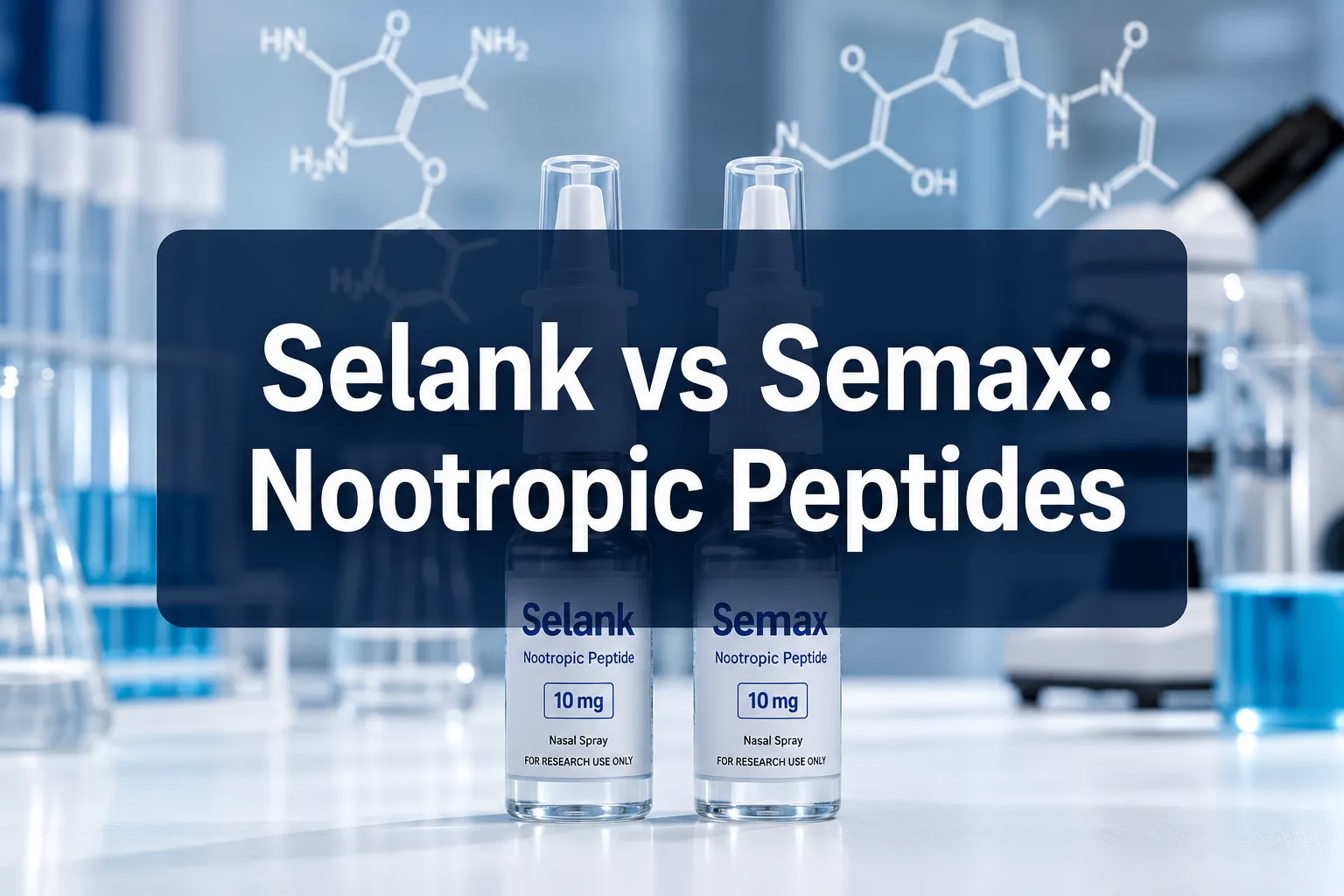
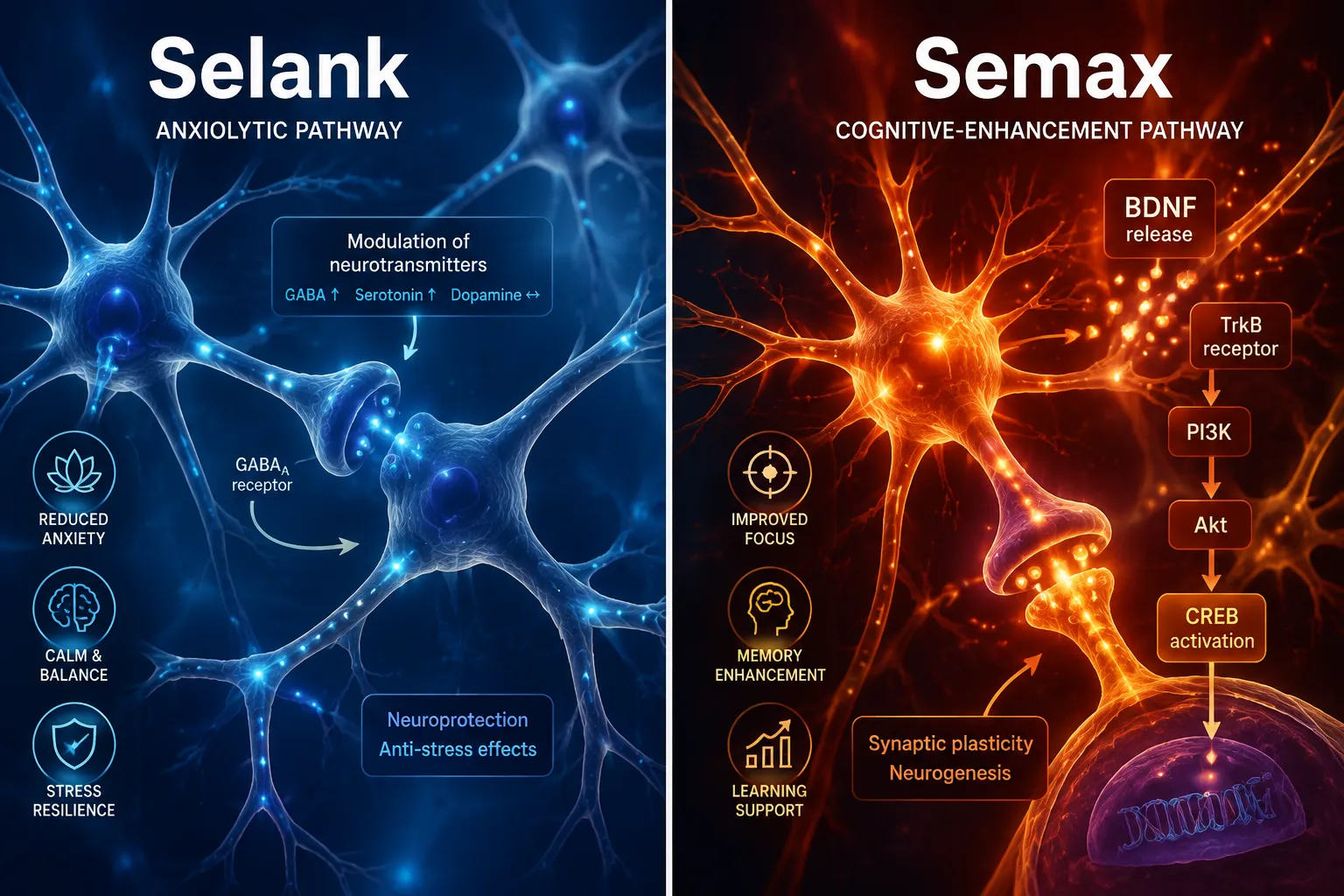
Professional () hero image with (≤42 chars): 'Selank vs Semax: Nootropic Peptides' in crisp white on a deep navy

Key Takeaways

  • Selank (TP-7) is a heptapeptide analog of tuftsin with primary research interest in anxiolytic, GABAergic, and stress-response models.
  • Semax is an ACTH(4-7) analog with primary research interest in BDNF upregulation, neuroprotection, and cognitive-function models.
  • Both peptides are typically studied in intranasal formulations that allow for direct mucosal-to-CNS delivery pathways.
  • The two compounds are not interchangeable; their mechanistic profiles make them better suited to distinct experimental endpoints.
  • Researchers selecting between them should align the compound's known receptor interactions with the specific biological question being tested.

Structural Origins and Mechanistic Profiles

Understanding the Selank vs Semax distinction begins at the molecular level.

Selank (Thr-Lys-Pro-Arg-Pro-Gly-Pro) is a synthetic analog of the endogenous tetrapeptide tuftsin. Its seven-amino-acid sequence was developed to extend the biological half-life of tuftsin while preserving and amplifying its central nervous system activity. Preclinical data suggest Selank modulates GABAergic transmission, influences serotonin metabolism, and reduces expression of anxiety-related behaviors in rodent models. It has also been associated with regulation of interleukin-6, pointing toward potential neuroimmune research applications.

Semax (Met-Glu-His-Phe-Pro-Gly-Pro) is derived from the ACTH(4-7) fragment and was developed in Russia as a neuroprotective and cognitive-enhancing agent. Its most cited mechanism involves upregulation of brain-derived neurotrophic factor (BDNF) and its receptor TrkB, alongside effects on dopaminergic and serotonergic systems. Research models have also examined its role in reducing ischemic damage and supporting neuronal survival under stress conditions.

"The mechanistic divergence between Selank and Semax is not incidental, it reflects fundamentally different parent molecules and different design goals."

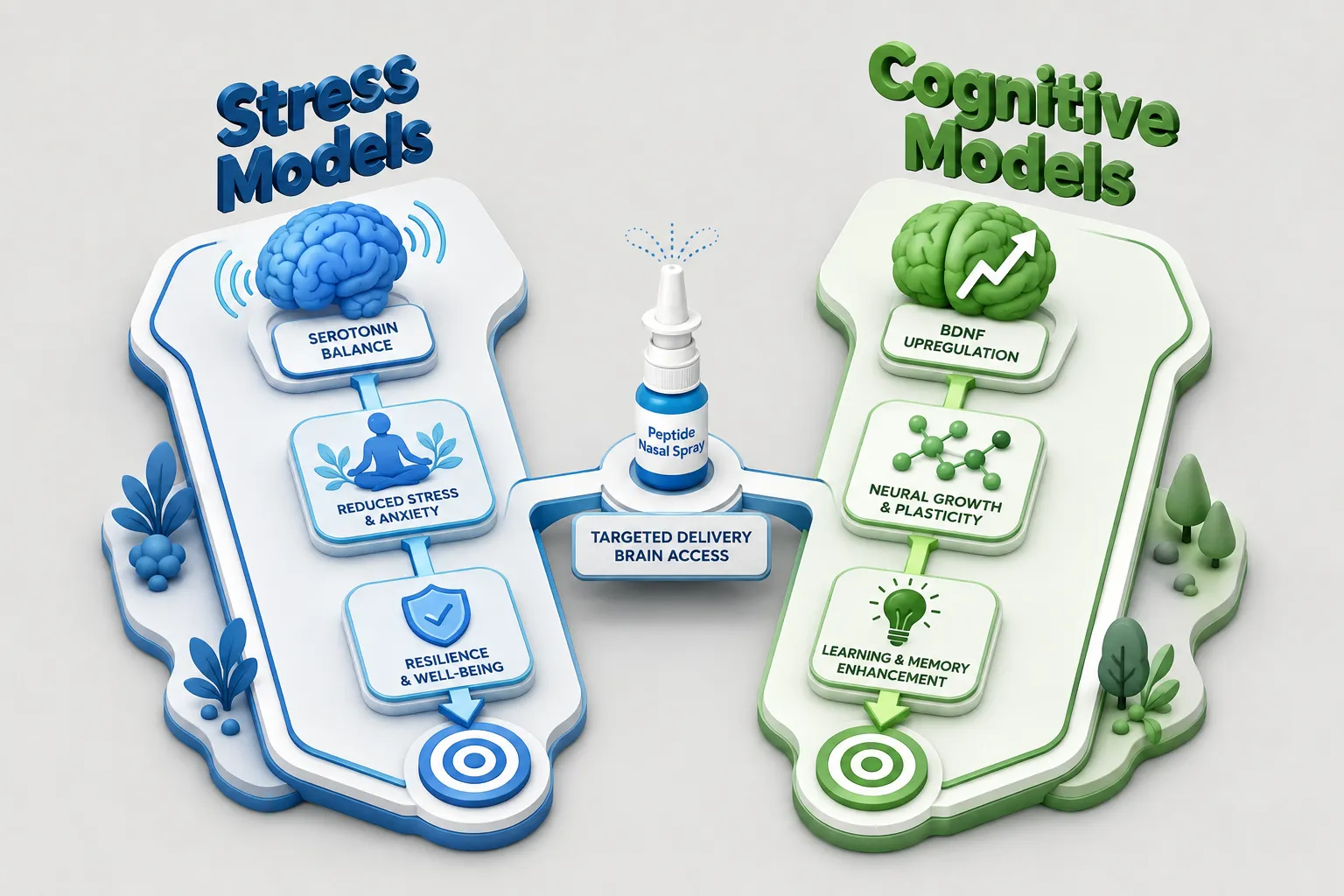
Both peptides are commonly delivered via nasal spray formulations. For a detailed look at how intranasal delivery affects bioavailability in CNS-targeted peptide research, see this overview of nasal spray peptides, delivery methods, bioavailability, and research advantages.

Selank vs Semax: Which Nootropic Peptide Is Better Suited to Different Research Questions in Stress and Anxiety Models?

Selank vs Semax: Which Nootropic Peptide Is Better Suited to Different Research Questions in Stress and Anxiety Models?

When the research question centers on stress response, anxiety behavior, or GABAergic modulation, Selank is generally the more mechanistically aligned candidate.

Selank in Stress and Anxiety Research

Preclinical studies in rodent models have consistently shown Selank reduces anxiety-like behavior in elevated plus-maze and open-field tests. The proposed mechanisms include:

  • Enhancement of GABAergic inhibitory tone
  • Modulation of serotonin (5-HT) turnover in limbic regions
  • Downregulation of pro-inflammatory cytokines, including IL-6, in stress-exposed animals
  • Stabilization of enkephalin degradation, extending endogenous opioid activity

These properties make Selank a logical selection for studies examining anxiolytic mechanisms without sedation, stress-induced neuroinflammation, or neuroimmune crosstalk in anxiety models.

Semax in Stress-Adjacent Models

Semax is not without stress-related research relevance. Its BDNF-upregulating activity has implications for stress-induced neuroplasticity research, and some studies have examined its role in reducing oxidative stress markers after ischemic events. However, its primary profile is oriented toward cognitive enhancement and neuroprotection rather than direct anxiolytic action.

For a side-by-side look at how both peptides are positioned in intranasal research formulations, the article on research-use only nasal spray peptides comparing Semax, Selank, and Klow Nasal for cognitive and anxiolytic models provides additional context.

Selank vs Semax: Which Nootropic Peptide Is Better Suited to Different Research Questions in Cognitive and Neuroprotective Models?

Selank vs Semax: Which Nootropic Peptide Is Better Suited to Different Research Questions in Cognitive and Neuroprotective Mo

Selank vs Semax: Which Nootropic Peptide Is Better Suited to Different Research Questions in Cognitive and Neuroprotective Mo

When the research question centers on memory, learning, neuroplasticity, or neuroprotection, Semax is the more mechanistically appropriate compound.

Semax in Cognitive Research

The BDNF-upregulating activity of Semax is its most studied and cited feature in cognitive research contexts. BDNF plays a central role in:

Research Area Semax Relevance
Long-term potentiation (LTP) BDNF/TrkB signaling supports synaptic strengthening
Ischemic neuroprotection Reduces apoptotic markers in oxygen-deprivation models
Dopaminergic modulation Influences dopamine receptor sensitivity in prefrontal models
Learning and memory tasks Improved performance in Morris water maze and passive avoidance tests

Researchers designing studies around post-ischemic recovery, cognitive deficit models, or BDNF-pathway interventions will find Semax's profile substantially more relevant than Selank's.

For detailed administration and dosing concepts specific to Semax nasal spray formulations, refer to the resource on Semax peptide nasal spray administration, dosing concepts, and research applications.

Selank in Cognitive Research

Selank is not without cognitive research relevance. Some studies report improvements in working memory and attention in anxious animal models, likely secondary to its anxiolytic effects reducing cognitive interference. However, these effects are generally considered downstream of its primary anxiolytic action rather than direct nootropic mechanisms.

Practical Research Design Considerations

Choosing between Selank and Semax in 2026 requires researchers to map compound profiles against experimental endpoints with precision. The following framework helps clarify the selection:

Choose Selank when:

  • The primary endpoint involves anxiety-like behavior or GABAergic tone
  • The model involves stress-induced neuroinflammation or cytokine dysregulation
  • The research question requires anxiolytic action without sedative confounds
  • The study examines neuroimmune interactions in limbic regions

Choose Semax when:

  • The primary endpoint involves BDNF expression, synaptic plasticity, or LTP
  • The model involves ischemia, hypoxia, or oxidative neuronal stress
  • The research question requires dopaminergic or serotonergic modulation in prefrontal circuits
  • The study examines neuroprotection or post-injury cognitive recovery

Researchers working with combined intranasal peptide formulations may also find value in reviewing the Klow blend peptide nasal spray research applications and bioavailability considerations for context on how multi-peptide nasal formulations are structured in preclinical settings.

For labs evaluating procurement and quality standards before sourcing either compound, the guide on research-use only nasal spray peptides: what labs should know before buying Semax, Selank, and Klow Nasal formulations outlines purity benchmarks and supplier evaluation criteria.

Conclusion

The debate around Selank vs Semax: which nootropic peptide is better suited to different research questions? resolves most cleanly when researchers anchor their compound selection to mechanistic specificity rather than general "nootropic" categorization.

Selank belongs in stress, anxiety, and neuroimmune research designs. Semax belongs in cognitive enhancement, neuroprotection, and BDNF-pathway studies. Both compounds deserve rigorous, hypothesis-driven investigation using research-grade materials with verified purity documentation.

Actionable next steps for researchers:

  • Define the primary biological endpoint before selecting a compound
  • Review the receptor-level mechanistic literature for the specific model system being used
  • Source only research-grade peptides with third-party purity verification
  • Design controls that account for each compound's secondary effects on overlapping neurotransmitter systems
  • Consult formulation-specific resources to ensure intranasal delivery parameters match published preclinical protocols
https://www.puretestedpeptides.com/wp-content/uploads/2026/08/selank-vs-semax-which-nootropic-peptide-is-better-suited-to-different-research-q-3.webp 1024 1536 https://www.puretestedpeptides.com/wp-content/uploads/2026/01/buy-peptides-online.jpg 2026-08-11 13:05:052026-08-11 13:05:05Selank vs Semax: Which Nootropic Peptide Is Better Suited to Different Research Questions?
Tesamorelin and Ipamorelin Peptides: Mechanism, Synergy, and Growth Hormone Research Design

Tesamorelin and Ipamorelin Peptides: Mechanism, Synergy, and Growth Hormone Research Design

August 8, 2026/0 Comments/in Uncategorized/by

Growth hormone secretion declines at roughly 14% per decade after age 30, a biological reality that has driven significant scientific interest in peptides capable of modulating the somatotropic axis. Among the most studied compounds in this space, Tesamorelin and Ipamorelin peptides: mechanism, synergy, and growth hormone research design represent a compelling area of inquiry precisely because these two molecules work through fundamentally different receptor pathways, yet produce overlapping downstream effects on GH pulsatility.

Understanding why researchers pair them requires a clear grasp of each compound's mechanism before any discussion of combined protocols.

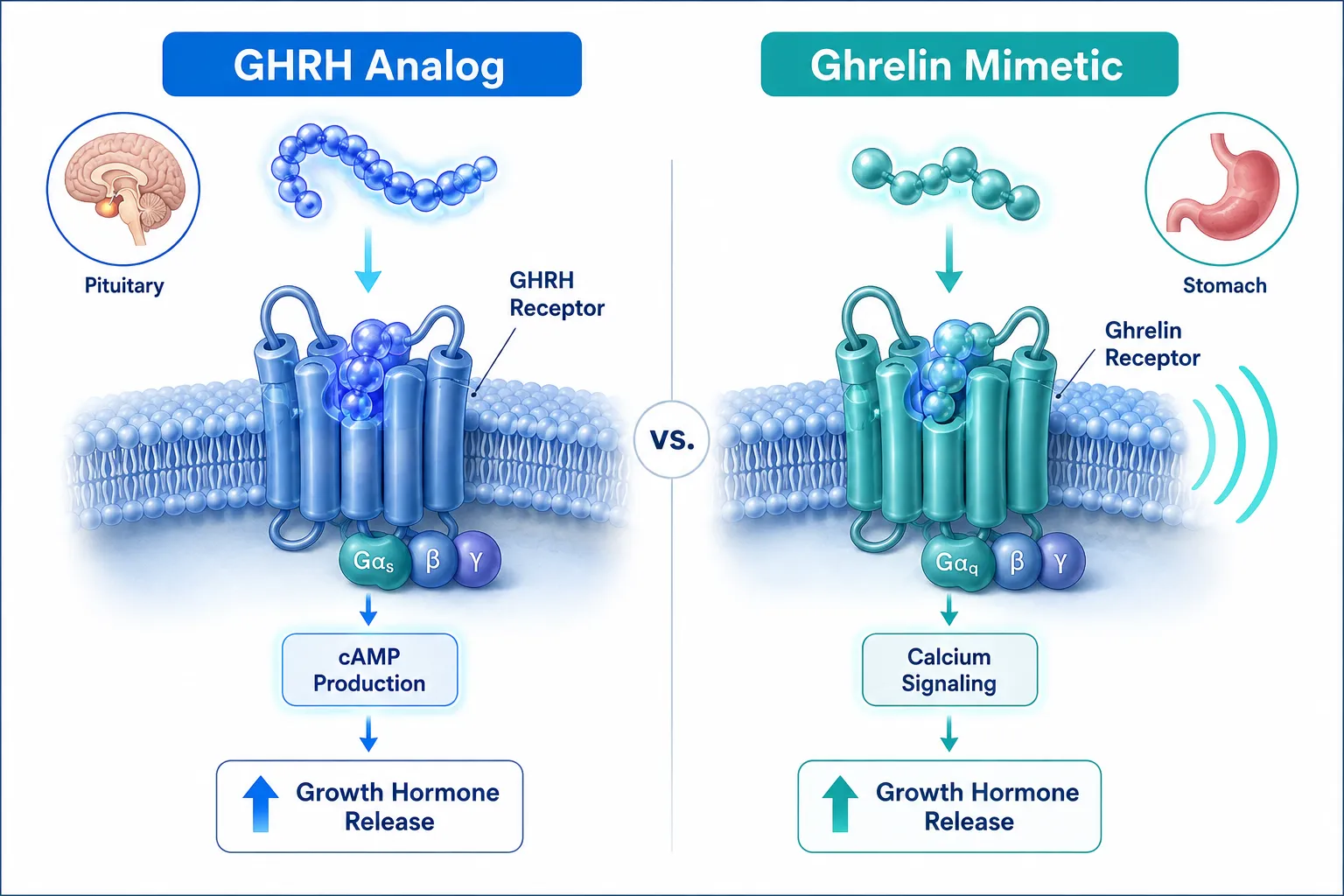
Labeled isometric illustration in bright clinical white and blue tones: two distinct molecular pathway diagrams side by side

Key Takeaways

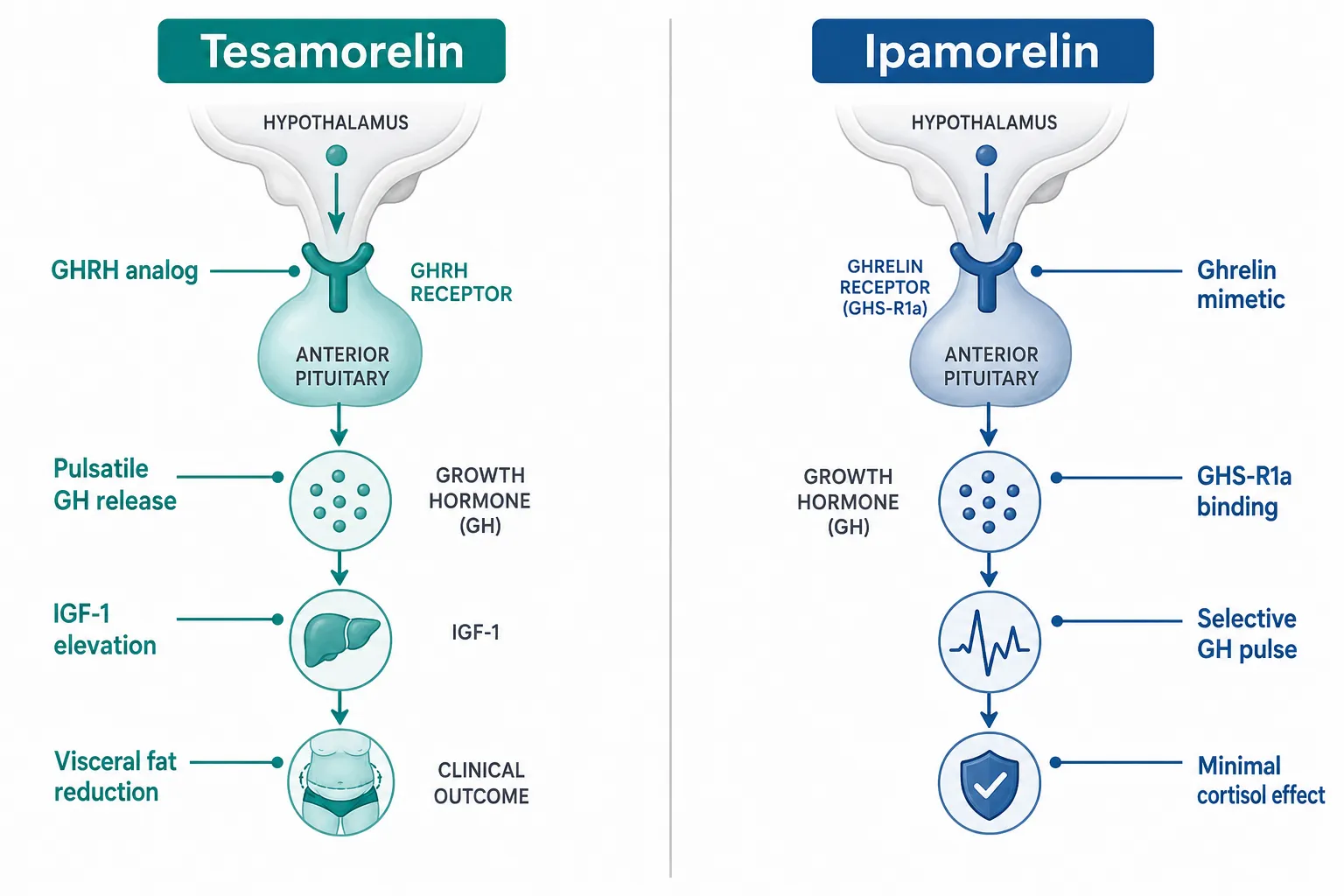
  • Tesamorelin is a GHRH analog; Ipamorelin is a ghrelin-mimetic, they act on separate receptor classes.
  • Their mechanistic difference is the primary rationale for studying them together in GH research.
  • Tesamorelin carries FDA approval for HIV-associated lipodystrophy, giving it a documented clinical reference point.
  • Ipamorelin is noted for high GH selectivity with minimal cortisol or prolactin stimulation.
  • Rigorous research design requires defined purity standards, controlled dosing schedules, and outcome-specific biomarker tracking.

How Each Peptide Works: Distinct Receptor Pathways

Tesamorelin: A GHRH Analog

Tesamorelin is a synthetic analog of growth hormone-releasing hormone (GHRH), a 44-amino-acid hypothalamic peptide. Its structure mirrors endogenous GHRH but includes a trans-3-hexenoic acid modification at the N-terminus that extends its plasma half-life beyond that of native GHRH.

It binds selectively to the GHRH receptor (GHRHR) on somatotroph cells in the anterior pituitary. This binding triggers adenylyl cyclase activation, raises intracellular cAMP, and stimulates both GH synthesis and pulsatile release. Because it works through the same receptor as endogenous GHRH, the resulting GH secretion retains physiological feedback sensitivity, IGF-1 and somatostatin can still suppress output, which is a meaningful safety consideration in research contexts.

For a deeper look at documented effects, see the overview of Tesamorelin peptide benefits and the comparison resource on Tesamorelin vs Sermorelin to understand how GHRH analogs differ from one another.

Ipamorelin: A Ghrelin-Mimetic GHRP

Ipamorelin belongs to the growth hormone-releasing peptide (GHRP) class. It is a pentapeptide that acts as a selective agonist at the GHS-R1a receptor (ghrelin receptor), which is expressed both in the pituitary and the hypothalamus.

Unlike earlier GHRPs such as GHRP-2 or GHRP-6, Ipamorelin demonstrates high selectivity for GH release with minimal stimulation of cortisol, prolactin, or ACTH, a profile that makes it attractive for clean mechanistic studies. See the comparison of GHRP-2 peptide vs Sermorelin for context on how selectivity profiles vary across this peptide class.

Mechanistic Synergy: Why These Two Pathways Are Studied Together

Mechanistic Synergy: Why These Two Pathways Are Studied Together

The scientific rationale for studying Tesamorelin and Ipamorelin peptides: mechanism, synergy, and growth hormone research design together rests on a well-characterized phenomenon: GHRH and ghrelin-mimetics act synergistically, not additively.

When both receptor pathways are activated simultaneously:

  • GHRH (via Tesamorelin) amplifies the number of somatotrophs ready to release GH.
  • GHS-R1a agonism (via Ipamorelin) suppresses somatostatin tone at the hypothalamic level while directly stimulating pituitary release.
  • The combined signal produces a GH pulse that exceeds the sum of each compound's individual effect.

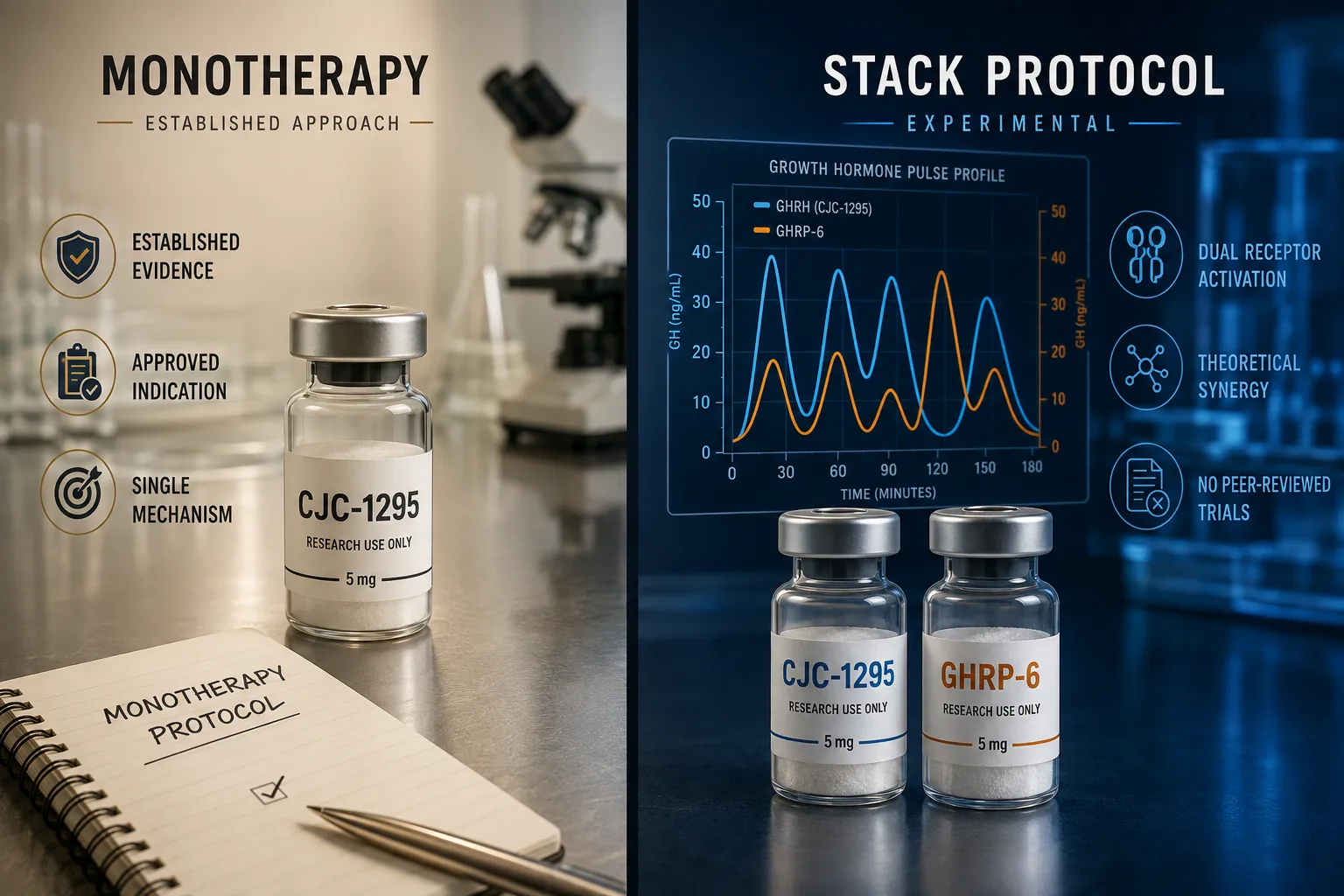
This synergy has been documented in multiple preclinical models and forms the mechanistic basis for multi-peptide research stacks. Researchers exploring this combination can reference the Ipamorelin vs Tesamorelin breakdown for a side-by-side mechanistic comparison, as well as the safety discussion on combining Tesamorelin with CJC Ipamorelin.

Key mechanistic differences at a glance:

Feature Tesamorelin Ipamorelin
Receptor target GHRHR (pituitary) GHS-R1a (pituitary + hypothalamus)
Peptide class GHRH analog GHRP / ghrelin mimetic
Cortisol stimulation Minimal Very low
Feedback sensitivity Preserved Partially preserved
Half-life ~26 minutes ~2 hours

Growth Hormone Research Design: Structuring a Rigorous Protocol

Growth Hormone Research Design: Structuring a Rigorous Protocol

Sound research design is what separates meaningful data from noise. For studies examining Tesamorelin and Ipamorelin peptides: mechanism, synergy, and growth hormone research design, the following structural elements are non-negotiable.

Purity and Source Verification

Research-grade peptides must arrive with third-party HPLC and mass spectrometry certificates. Impurities at even low concentrations can confound GH assay results. Researchers sourcing multi-peptide blends should review documentation such as the Tesamorelin CJC1295 Ipamorelin 12mg blend for formulation reference, and consult the CJC-1295 Ipamorelin assay planning and sourcing checklist to build a traceable procurement workflow.

Biomarker Selection

Relevant outcome measures include:

  • Serum IGF-1, the most stable surrogate for integrated GH secretion
  • 24-hour GH pulse amplitude and frequency, via frequent sampling
  • Fasting insulin and glucose, given GH's counter-regulatory role
  • Lipid panels, particularly relevant given Tesamorelin's documented effects on visceral adipose tissue

Dosing Schedule Considerations

GH is secreted in pulses, predominantly during sleep. Research protocols typically time administration to align with or amplify natural pulsatility. The Tesamorelin dosage chart provides a structured reference for dose-range planning.

Controls must include a vehicle-only arm, and washout periods should account for the extended IGF-1 half-life (~15 hours) to avoid carryover effects between experimental phases.

Conclusion

The scientific case for studying Tesamorelin and Ipamorelin together is mechanistic, not merely additive. A GHRH analog and a ghrelin-mimetic operate on distinct receptor systems that converge on somatotroph activation, producing synergistic GH output that neither compound achieves alone.

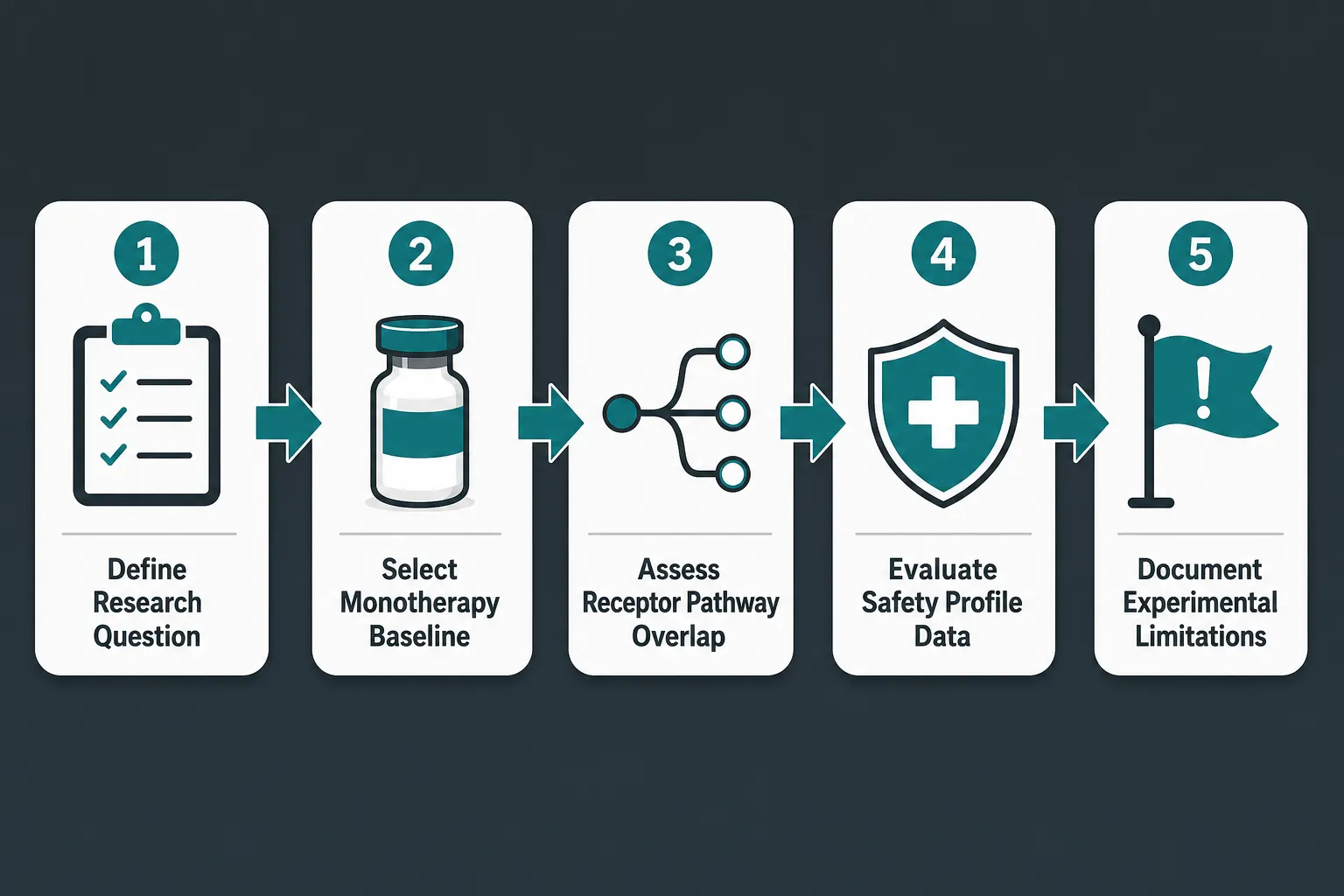
Actionable next steps for researchers:

  1. Confirm peptide purity via independent HPLC documentation before any in vitro or in vivo work.
  2. Select biomarkers (IGF-1, GH pulse profiling) that match the specific research question being asked.
  3. Review the mechanistic literature on GHRH/ghrelin receptor co-activation before designing dosing schedules.
  4. Use validated sourcing checklists and dosage reference charts to maintain traceability across experimental runs.
  5. Compare individual compound profiles rigorously before choosing a combination, using resources like the Ipamorelin vs Tesamorelin analysis.

Mechanism-first thinking, not protocol hype, is what produces reproducible, publication-worthy results in GH peptide research.

https://www.puretestedpeptides.com/wp-content/uploads/2026/08/tesa-and-ipamorelin-peptides-mechanism-synergy-and-growth-hormone-researc.webp 1024 1536 https://www.puretestedpeptides.com/wp-content/uploads/2026/01/buy-peptides-online.jpg 2026-08-08 13:04:012026-08-08 13:04:01Tesamorelin and Ipamorelin Peptides: Mechanism, Synergy, and Growth Hormone Research Design
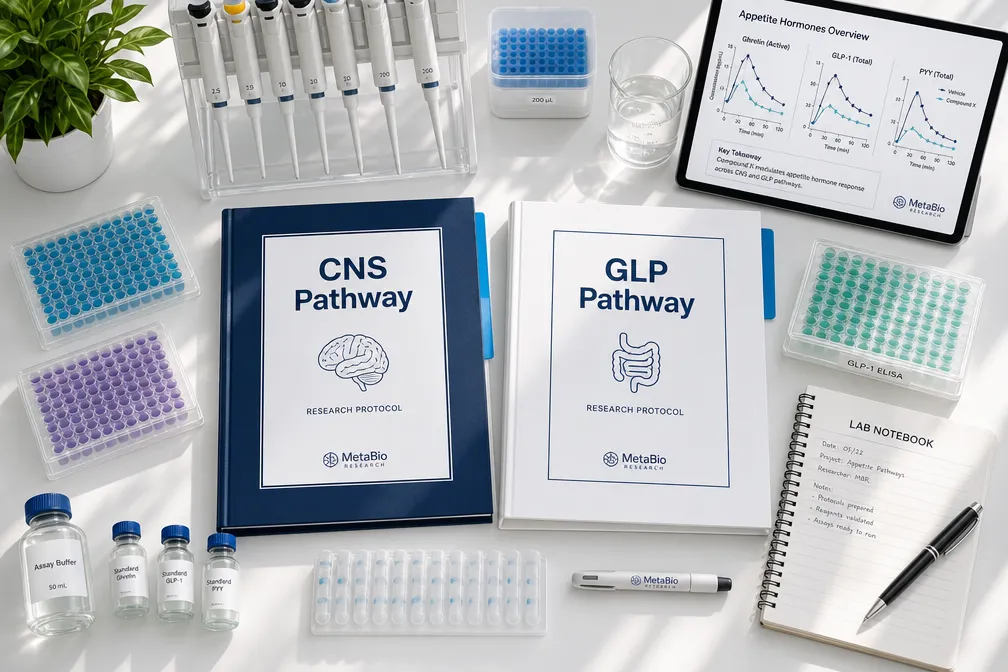
Tesofensine vs GLP-3 Retatrutide: Which Appetite-Modulating Pathways Each Answer in Metabolic Research Design

Tesofensine vs GLP-3 Retatrutide: Which Appetite-Modulating Pathways Each Answer in Metabolic Research Design

August 2, 2026/0 Comments/in Uncategorized/by

Only about 2% of adults with obesity achieve sustained weight loss through lifestyle intervention alone, a statistic that continues to drive demand for more precise pharmacological tools in metabolic research. The comparison of Tesofensine vs GLP-3 Retatrutide: Which Appetite-Modulating Pathways Each Answer in Metabolic Research Design is now a central question for labs building rigorous obesity and appetite studies. These two compounds operate through fundamentally different biological mechanisms, making each one better suited to specific experimental endpoints, study populations, and research questions.

Key Takeaways

  • Tesofensine is a noradrenergic/dopaminergic/serotonergic reuptake inhibitor that primarily modulates central appetite circuits.
  • Retatrutide (informally called GLP-3) is a triple incretin agonist acting on GLP-1R, GIPR, and glucagon receptors simultaneously.
  • Each compound answers different mechanistic questions, CNS-driven satiety versus peripheral metabolic signaling.
  • Study population selection, primary endpoints, and safety monitoring differ significantly between the two.
  • Researchers should match compound choice to the specific appetite pathway under investigation.

Key Takeaways

Mechanistic Differences at the Core of Tesofensine vs GLP-3 Retatrutide Research

Understanding the Tesofensine vs GLP-3 Retatrutide: Which Appetite-Modulating Pathways Each Answer in Metabolic Research Design question starts with receptor-level biology.

How Tesofensine Works

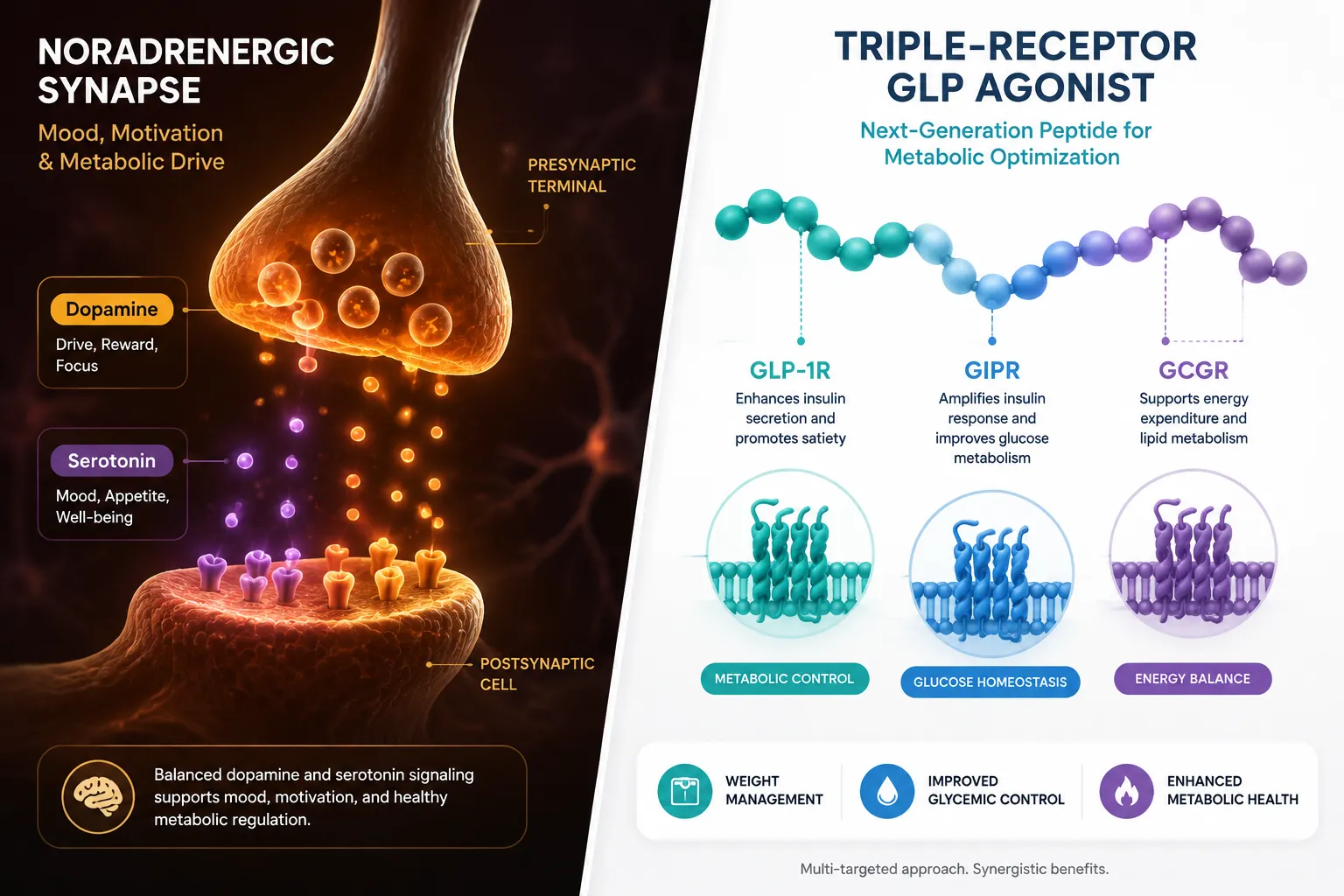
Tesofensine is a triple monoamine reuptake inhibitor. It blocks the reuptake of:

  • Dopamine, reinforcing satiety signaling and reducing food reward behavior
  • Norepinephrine, activating sympathetic pathways that suppress appetite
  • Serotonin, modulating mood-linked eating and hypothalamic satiety centers

This CNS-centric mechanism makes tesofensine particularly relevant for studies examining hedonic eating, reward-driven food intake, and hypothalamic appetite regulation. Its action is upstream of peripheral hormones, targeting the brain's own appetite control architecture.

"Tesofensine's value in research lies in isolating the central nervous system's contribution to caloric intake reduction, independent of gut hormone signaling."

Relevant to labs studying neurochemical appetite control, tesofensine also shows interaction with MC4R signaling pathways, an important secondary endpoint in hypothalamic obesity models.

How Retatrutide (GLP-3) Works

Retatrutide is a triple incretin receptor agonist, simultaneously activating:

Receptor Primary Role
GLP-1R Insulin secretion, gastric emptying delay, satiety
GIPR Insulin potentiation, adipose tissue signaling
Glucagon receptor Energy expenditure, hepatic glucose output

This peripheral-dominant mechanism makes retatrutide ideal for studying metabolic flexibility, insulin sensitivity, and multi-hormonal appetite suppression. Researchers exploring the GLP-3 Retatrutide compound profile will find its multi-receptor activity creates a broader metabolic footprint than single-agonist GLP-1 analogs.

For labs already working with GLP-1 analogs available in the GLP-1 for sale research category, retatrutide represents a logical mechanistic expansion.

How Retatrutide (GLP-3) Works

Matching Compound to Endpoint: Practical Research Design Considerations

The practical side of Tesofensine vs GLP-3 Retatrutide: Which Appetite-Modulating Pathways Each Answer in Metabolic Research Design comes down to four key design variables.

1. Primary Endpoint Selection

Tesofensine is best suited for endpoints including:

  • Caloric intake reduction measured via food diary or indirect calorimetry
  • Appetite visual analog scale (VAS) scores
  • Neurochemical biomarkers (dopamine metabolites, serotonin turnover)
  • Behavioral feeding frequency studies

Retatrutide is better aligned with:

  • Body weight and BMI reduction over extended timeframes
  • Fasting insulin and HOMA-IR scores
  • Lipid panel changes (LDL, triglycerides)
  • Glucagon suppression and hepatic fat reduction

2. Study Population Considerations

Tesofensine research typically enrolls subjects with behavioral or neurological contributors to obesity, including binge eating patterns or reward-pathway dysregulation. Its cardiovascular stimulant properties (from norepinephrine reuptake inhibition) require careful screening for hypertension and cardiac history.

Retatrutide studies are more appropriate for subjects with comorbid metabolic syndrome, type 2 diabetes risk, or significant adiposity where peripheral hormonal dysregulation is the primary driver. Labs comparing it to other incretin-based tools may also find the ipamorelin vs tesa comparison useful for contextualizing growth hormone axis interactions.

3. Monitoring Requirements

Both compounds require different safety monitoring frameworks:

  • Tesofensine: Heart rate, blood pressure, mood/anxiety scales, sleep quality
  • Retatrutide: Nausea/GI tolerability, pancreatic enzyme levels, thyroid screening

4. Combination Research Potential

Some advanced metabolic protocols explore CNS-plus-peripheral appetite suppression. Labs interested in stacking approaches may reference CJC-1295/Ipamorelin research frameworks for precedent on multi-compound metabolic study design. Similarly, BDNF induction research offers relevant context for understanding how central appetite circuits interact with peripheral metabolic signals.

4. Combination Research Potential

Choosing the Right Tool for Specific Metabolic Research Questions

The decision between these two compounds is not about which is "better", it is about which pathway the research question demands.

Choose tesofensine when the study asks:

  • How does central monoamine tone influence caloric intake?
  • What is the neurochemical basis of appetite suppression in reward-driven obesity?
  • How does CNS satiety signaling interact with behavioral eating patterns?

Choose retatrutide when the study asks:

  • How does simultaneous multi-incretin receptor activation affect metabolic homeostasis?
  • What is the relative contribution of GLP-1R vs GIPR vs glucagon receptor to weight loss magnitude?
  • How does peripheral hormonal signaling reduce adiposity in metabolically complex subjects?

For labs sourcing research-grade peptides, exploring the GLP-1 peptide for sale options alongside dedicated retatrutide compounds allows direct mechanistic comparison within the same study design framework.

Conclusion

The Tesofensine vs GLP-3 Retatrutide: Which Appetite-Modulating Pathways Each Answer in Metabolic Research Design question has a clear answer: these compounds are complementary tools, not competing ones. Tesofensine isolates the CNS monoamine contribution to appetite suppression, while retatrutide maps the peripheral incretin axis. In 2026, metabolic research teams gain the most value by aligning compound selection to their specific mechanistic hypothesis before designing the study.

Actionable next steps for research teams:

  1. Define whether the primary appetite pathway under study is central (CNS) or peripheral (incretin/hormonal).
  2. Screen study populations for compound-specific contraindications before enrollment.
  3. Build monitoring protocols that match each compound's known safety profile.
  4. Consider whether a dual-pathway design could answer broader mechanistic questions with appropriate controls.
  5. Source compounds from verified, purity-tested suppliers to ensure data integrity.
https://www.puretestedpeptides.com/wp-content/uploads/2026/08/tesofensine-vs-glp-3-retatrutide-which-appetite-modulating-pathways-each-answer.webp 1024 1536 https://www.puretestedpeptides.com/wp-content/uploads/2026/01/buy-peptides-online.jpg 2026-08-02 13:04:162026-08-02 13:04:16Tesofensine vs GLP-3 Retatrutide: Which Appetite-Modulating Pathways Each Answer in Metabolic Research Design
×

Helpful Links

  • My account
  • Cart
  • Checkout
  • Refund and Returns Policy
  • Privacy Policy
  • SMS Privacy Policy
  • Login
  • My Account
  • Logout

USA Made Lab Tested Peptides

All products are sold for research, laboratory, or analytical purposes only, and are not for human consumption


Pure Tested Peptides is a chemical supplier. Pure Tested Peptides is not a compounding / chemical compounding facility as defined under 503A of the Federal Food, Drug, and Cosmetic act. Pure Tested Peptides is not an outsourcing facility as defined under 503B of the Federal Food, Drug, and Cosmetic act.

The statements made within this website have not been evaluated by the US Food and Drug Administration. The products we offer are not intended to diagnose, treat, cure or prevent any disease.

Human/Animal Consumption Prohibited. Laboratory/In-Vitro Experimental Use Only

Scroll to top Scroll to top Scroll to top