Call or Text 727-513-9780
  • Shopping Cart Shopping Cart
    0Shopping Cart
Pure Tested Peptides | America's most trusted Peptides for sale online
  • Peptides for sale
    • Oral Peptides for sale
      • Peptide Capsules for sale
      • BPC 157 Capsules 1000mcg
      • SLU-PP-332 Capsules | 1000 mcg
      • 5-Amino-1MQ 50mg Capsules
      • Tesofensine 500mcg
    • All Peptides for sale
    • Peptide Sprays
      • BPC 157 Nasal Spray Kit
      • BPC-157 TB500 Nasal Spray Kit
      • Semax Nasal Spray 10mg
      • Selank – Nasal Spray Kit – 10mg
      • Epithalon 50MG Nasal Spray Kit
      • Ipamorelin 10mg Nasal Spray
      • Klow Nasal Spray (BPC-157 + TB-500 + GHK-Cu + KPV) | 80mg
      • Hulk Nasal Spray Tesa / Ipa Blend 6/3 MG
      • Klow Nasal Spray
      • NAD + 500 mg Nasal Spray
      • PT-141 Nasal Spray Kit
    • GHRH Peptides
      • Ipa Peptides
      • CJC-1295 Peptides
        • CJC-1295 with DAC 5 mg
        • CJC-1295 without DAC 5 mg
        • CJC-1295 Ipa 10mg
      • Tesa Peptides
        • Tesa Peptide
        • Tesa 20 mg
    • GHK-Cu Peptides
      • All GHK-Cu Peptides
      • GHK-Cu 100mg
      • KLOW Peptide Blend – Buy KLOW blend online
    • BPC Peptides
      • All BPC Peptides
      • BPC-157
      • BPC-157 TB-500
      • BPC 157 capsules 1000mcg
    • SLU-PP-332 Peptides
      • All SLU-PP-332 Peptides
      • SLU-PP-332 5mg
    • GLP3 Peptides
      • GLP3-R
      • GLP3-R CAG 10mg
      • GLP3-R 20mg
    • PT-141 Peptides
      • PT-141 Peptides for sale
      • PT-141 10mg
      • PT-141 Nasal Spray
    • CAG Peptides
      • Lipo-C Peptide Blend
      • CAG 5mg
      • CAG 10mg
    • MOTS-C Peptides
      • MOTS-C Peptides for sale
      • MOTS-c peptide
      • MOTS-c 10mg *6 pack*
    • 5 Amino 1MQ Peptides
      • 5 Amino 1MQ Peptides for sale
      • 5-Amino-1MQ 50mg Capsules
      • 5-Amino-1MQ 5mg
    • Epithalon Peptides
      • Epithalon Peptides for sale
      • Epithalon 10mg
      • Epithalon 50mg
  • Shop
    • GLPs
      • 5-Amino-1MQ 50mg Capsules
      • 5-Amino-1MQ 5mg
      • GLP3-Reta
      • L-Carnitine 500mg/ml
      • Tesofensine 500mcg
      • SLU-PP-332 5mg
      • MOTS-c 10mg *6 pack*
    • Epithalon & BPC Peptides
      • Epithalon 10mg
      • Epithalon 50mg
      • BPC-157
      • BPC 157 capsules 1000mcg
      • BPC-157 TB-500
      • BPC-157 TB500 Nasal Spray Kit
      • BPC 157 Nasal Spray Kit
    • BPC TB-500 & NAD+ Peptides
      • NAD+ 500 mg
      • KLOW Peptide Blend – Buy KLOW blend online
      • GLOW Peptide Blend
      • TB 500 5mg
      • BPC 157 capsules 1000mcg – Supplement
      • BPC 157 Nasal Spray Kit
      • BPC-157
      • BPC-157 TB500 Nasal Spray Kit
      • BPC-157 TB-500
      • BPC 157 capsules 1000mcg
    • LL-37 Peptide
      • LL-37 10 mg
    • MOTS-C & Selank
      • MOTS-c peptide
      • Selank 10mg
    • GHK Peptides
      • GHK-Cu 100mg
      • GLOW Peptide Blend
      • KLOW Peptide Blend – Buy KLOW blend online
  • COAs
  • Wholesale
    • Wholesale Peptides for sale
  • PTP FAQ
  • Affiliates
    • Selank Peptide: Advanced Pharmacological Mechanisms Underlying Its Anxiolytic and Nootropic Effects in Research
      • 5-Amino-1MQ Peptide: Detailed Mechanisms of NNMT Inhibition and Its Impact on Cellular Metabolism Research
        • MOTS-C Peptide: Unraveling Its Role in Mitochondrial Dynamics and Energy Metabolism Research
          • Epithalon Peptide and Telomerase Regulation: Investigating Its Impact on Cellular Senescence and Lifespan Research Models
            • GLP2-T vs GLP2 Tirz Peptide: Understanding the Naming, Mechanistic Nuances, and Research Implications for Gut Health
      • Peptides and Polypeptides in Modern Pharmacology: What Research on Metoprolol, Prednisone, and Amlodipine Reveals
        • Polypeptide Peptides vs NSAIDs: What Naproxen and Diclofenac Teach Tissue-Repair Researchers About BPC‑157 and TB‑500
          • Peptides and Polypeptides in Endocrine Pharmacology: How GLP-1, GLP-2, and GLP-3 Retatrutide Differ From Classic Drugs Like Prednisone and Amlodipine
          • 5‑Amino‑1MQ Peptide and NNMT Inhibition: How It Compares With Statins Like Atorvastatin in Adipose and Lipid Metabolism Research
      • Enclomiphene, Estrogen Receptor Signaling, and Luteinizing Phase Biology: What Hormone Researchers Should Measure
        • Mesenchymal Stem Cells, BPC‑157, and GHK‑Cu: How Tissue Repair Peptides Compare With Classic NSAIDs Like Naproxen in Injury Models
          • Peptide Calculator Use Cases Beyond Growth Hormone: Working Through GLP‑3 Retatrutide, MOTS‑c, and BPC‑157 Research Dosing
        • Polypeptide Peptides in Endocrine and Metabolic Pharmacology: Lessons From Amlodipine, Prednisone, and Metoprolol
        • Peptides Calculator for Advanced Blends: Worked Examples for Tesamorelin, CJC‑1295, and Ipamorelin Stacks
          • Peptides and Polypeptides in Human Physiology: How Molecular Size Shapes Research Applications
            • Selank Peptide: Advanced Pharmacological Mechanisms Underlying Its Anxiolytic and Nootropic Effects in Research
          • 5-Amino-1MQ Peptide: Detailed Mechanisms of NNMT Inhibition and Its Impact on Cellular Metabolism Research
            • MOTS-C Peptide: Unraveling Its Role in Mitochondrial Dynamics and Energy Metabolism Research
              • Epithalon Peptide and Telomerase Regulation: Investigating Its Impact on Cellular Senescence and Lifespan Research Models
                • GLP2-T vs GLP2 Tirz Peptide: Understanding the Naming, Mechanistic Nuances, and Research Implications for Gut Health
                  • Peptides and Polypeptides in Endocrine Pharmacology: How GLP-1, GLP-2, and GLP-3 Retatrutide Differ From Classic Drugs Like Prednisone and Amlodipine
                    • Polypeptide Peptides vs NSAIDs: What Naproxen and Diclofenac Teach Tissue-Repair Researchers About BPC‑157 and TB‑500
                      • Peptides and Polypeptides in Modern Pharmacology: What Research on Metoprolol, Prednisone, and Amlodipine Reveals
                        • 5‑Amino‑1MQ Peptide and NNMT Inhibition: How It Compares With Statins Like Atorvastatin in Adipose and Lipid Metabolism Research
                        • Enclomiphene, Estrogen Receptor Signaling, and Luteinizing Phase Biology: What Hormone Researchers Should Measure
                        • Mesenchymal Stem Cells, BPC‑157, and GHK‑Cu: How Tissue Repair Peptides Compare With Classic NSAIDs Like Naproxen in Injury Models
                        • Peptide Calculator Use Cases Beyond Growth Hormone: Working Through GLP‑3 Retatrutide, MOTS‑c, and BPC‑157 Research Dosing
                        • Polypeptide Peptides in Endocrine and Metabolic Pharmacology: Lessons From Amlodipine, Prednisone, and Metoprolol
                        • Peptides Calculator for Advanced Blends: Worked Examples for Tesamorelin, CJC‑1295, and Ipamorelin Stacks
                        • Peptides and Polypeptides in Human Physiology: How Molecular Size Shapes Research Applications
                        • Selank Peptide: Advanced Pharmacological Mechanisms Underlying Its Anxiolytic and Nootropic Effects in Research
                        • MOTS-C Peptide: Unraveling Its Role in Mitochondrial Dynamics and Energy Metabolism Research
                        • Peptides and Polypeptides in Modern Pharmacology: What Research on Metoprolol, Prednisone, and Amlodipine Reveals
                        • Peptides and Polypeptides in Endocrine Pharmacology: How GLP-1, GLP-2, and GLP-3 Retatrutide Differ From Classic Drugs Like Prednisone and Amlodipine
                        • 5-Amino-1MQ Peptide: Detailed Mechanisms of NNMT Inhibition and Its Impact on Cellular Metabolism Research
                        • Mesenchymal Stem Cells, BPC‑157, and GHK‑Cu: How Tissue Repair Peptides Compare With Classic NSAIDs Like Naproxen in Injury Models
                        • Peptide Calculator Use Cases Beyond Growth Hormone: Working Through GLP‑3 Retatrutide, MOTS‑c, and BPC‑157 Research Dosing
                        • GLP2-T vs GLP2 Tirz Peptide: Understanding the Naming, Mechanistic Nuances, and Research Implications for Gut Health
                        • Polypeptide Peptides in Endocrine and Metabolic Pharmacology: Lessons From Amlodipine, Prednisone, and Metoprolol
                        • Polypeptide Peptides vs NSAIDs: What Naproxen and Diclofenac Teach Tissue-Repair Researchers About BPC‑157 and TB‑500
                        • Peptides and Polypeptides in Human Physiology: How Molecular Size Shapes Research Applications
                        • Peptides Calculator for Advanced Blends: Worked Examples for Tesamorelin, CJC‑1295, and Ipamorelin Stacks
                        • 5‑Amino‑1MQ Peptide and NNMT Inhibition: How It Compares With Statins Like Atorvastatin in Adipose and Lipid Metabolism Research
                        • Enclomiphene, Estrogen Receptor Signaling, and Luteinizing Phase Biology: What Hormone Researchers Should Measure
                        • Epithalon Peptide and Telomerase Regulation: Investigating Its Impact on Cellular Senescence and Lifespan Research Models
                        • Best research protocol Klow blend
                        • best time to take BPC-157
                        • best time to take DSIP (Delta Sleep Inducing Peptide)
                        • best time to take CJC-1295
                        • best time to take AOD-9604
                        • best time to take Follistatin 344
                        • best time to take Ipamorelin
                        • best time to take MK-677 (Ibutamoren)
                        • best time to take Ligandrol (LGD-4033) — research compound
                        • best time to take Ostarine (MK-2866) — research compound
                        • best time to take GHK-CU
                        • best time to take TB-500
                        • best time to take MOTS-c
                        • best time to take Semax
                        • best time to take RAD-140 (Testolone) — research compound
                        • best time to take Thymosin Alpha-1
                        • best time to take PEG-MGF
                        • Biolife Plasma, Octapharma Plasma, and Research Peptides: How Plasma Donation Labs Differ From Peptide Suppliers
                        • best time to take YK-11 — research compound
                        • best time to take PT-141 (Bremelanotide)
                        • Best research protocol Klow blend
  • Contact
    • Contact Customer Service
    • Text Customer Support
  • About US
  • Shop all peptides
  • Affiliate Program
    • Affiliate Signup
  • Login / Register Login / Register Page Link Login / Register Page Link
  • Click to open the search input field Click to open the search input field Search
  • Menu Menu

Tag Archive for: peptide research models

Epithalon Peptide and Telomerase Regulation: Investigating Its Impact on Cellular Senescence and Lifespan Research Models

Epithalon Peptide and Telomerase Regulation: Investigating Its Impact on Cellular Senescence and Lifespan Research Models

July 20, 2026/0 Comments/by Pure Tested

A tetrapeptide developed in the 1980s at the St. Petersburg Institute of Bioregulation and Gerontology has quietly accumulated more than three decades of research interest, yet remains one of the most debated compounds in longevity science. Epithalon peptide and telomerase regulation: investigating its impact on cellular senescence and lifespan research models is a topic that sits at the crossroads of molecular biology, gerontology, and translational medicine, raising important questions about what science can, and cannot yet, confirm about aging at the cellular level.

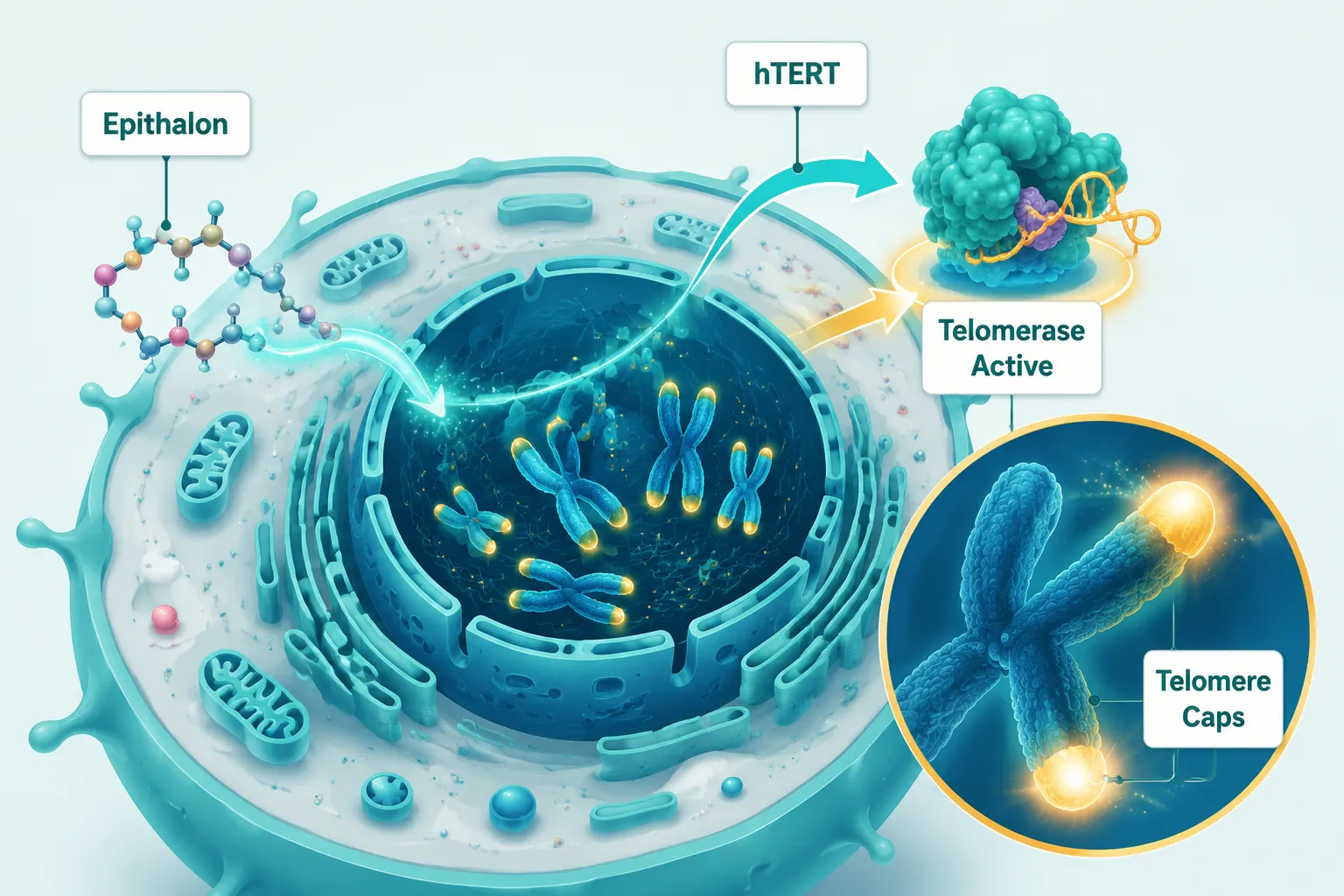
Flat-vector isometric illustration in bright teal and white: a stylized human cell cross-section showing telomere caps at

Key Takeaways

  • Epithalon is a synthetic tetrapeptide (Ala-Glu-Asp-Gly) originally derived from the pineal gland protein epithalamin.
  • Research suggests Epithalon may activate telomerase by upregulating hTERT expression, potentially delaying cellular senescence.
  • Animal studies report lifespan extensions of 10-25%, but findings have not been replicated in large-scale human clinical trials.
  • A significant portion of existing research originates from a single laboratory, raising reproducibility concerns.
  • As of 2026, Epithalon is not FDA-approved and is classified as a Category 2 substance banned from compounding.

What Is Epithalon and How Does It Relate to Telomerase?

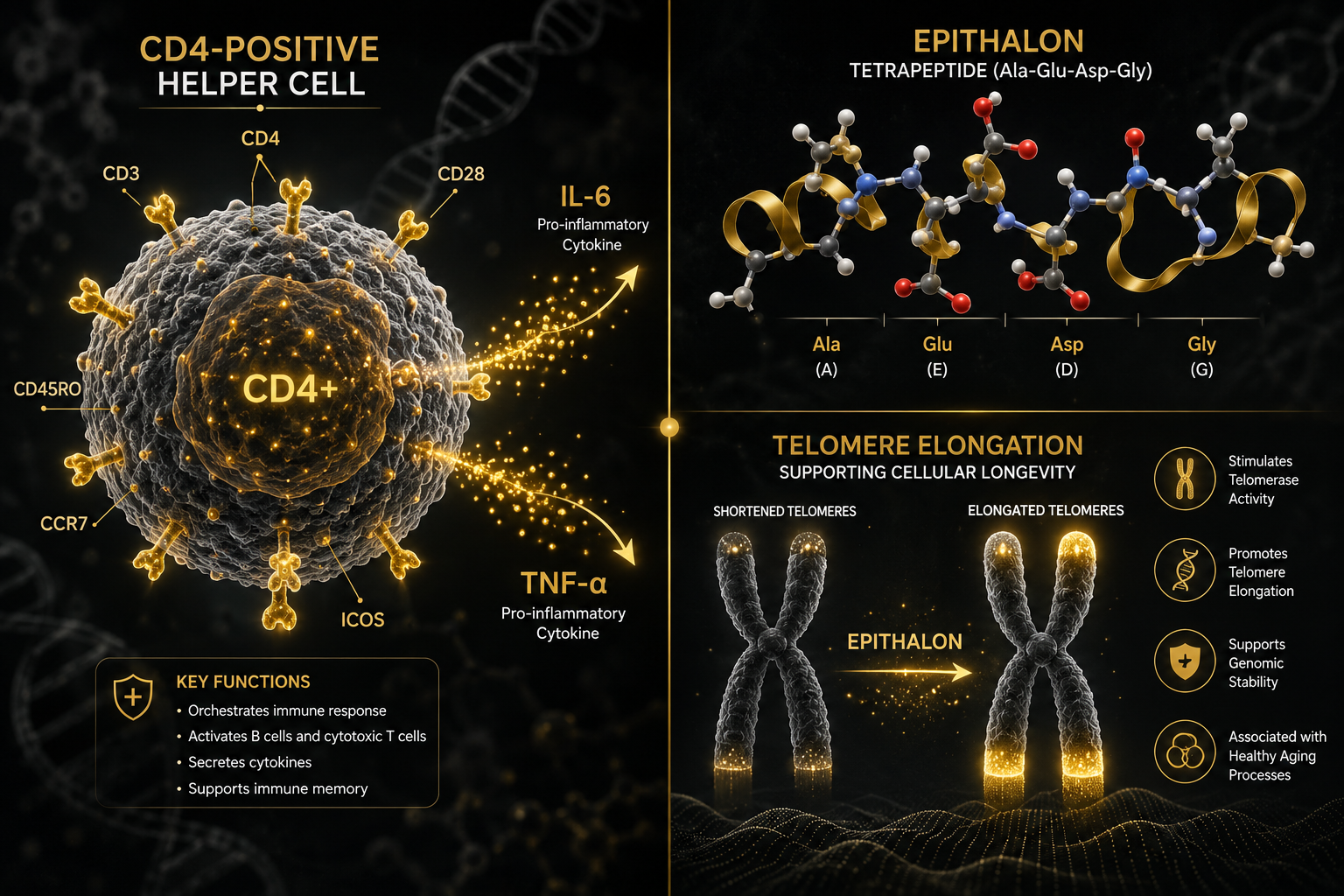
Epithalon (also spelled Epitalon) is a synthetic version of epithalamin, a natural polypeptide extracted from the bovine pineal gland. Its amino acid sequence, Ala-Glu-Asp-Gly, is short but biologically significant in preclinical models.

Telomeres are protective caps at the ends of chromosomes. Each time a cell divides, telomeres shorten. When they become critically short, the cell enters a state called cellular senescence, it stops dividing and begins secreting inflammatory signals. Telomerase is the enzyme that can rebuild telomere length, but most adult somatic cells express it at very low levels.

Epithalon is proposed to activate telomerase by upregulating hTERT (human telomerase reverse transcriptase), the catalytic subunit of the telomerase enzyme. Research published as early as 2003 by Khavinson et al. demonstrated telomerase induction in human fetal fibroblasts, and more recent work by Al-Dulaimi et al. in 2025 reported similar telomere elongation effects in human somatic cells.

"If telomerase can be selectively reactivated in aging cells, the implications for cellular longevity research are profound, provided safety and reproducibility standards are met."

This mechanism places Epithalon alongside other compounds studied in aging support and longevity research, including peptides that target mitochondrial and neuroendocrine pathways.


Epithalon Peptide and Telomerase Regulation: What the Research Models Show

Animal Lifespan Studies

Preclinical rodent studies have reported that Epithalon administration extends median lifespan by 10 to 25%. These findings have fueled significant interest in the compound as a potential anti-aging intervention.

Model Reported Effect Limitation
Rodent lifespan studies 10-25% median lifespan extension Animal models only
Human fetal fibroblasts Telomere elongation observed In vitro, not in vivo
Human cohort studies Improved melatonin and antioxidant markers Observational, no RCTs

Beyond telomere effects, Epithalon may also influence circadian rhythm regulation and melatonin production, suggesting a multifaceted role in the aging process. Some studies also point to potential antioxidant properties, which could contribute independently to its proposed anti-aging effects.

Research into peptides with multi-pathway activity, such as those explored in GHK-Cu extracellular matrix research and Humanin cellular protection studies, provides useful context for understanding how short peptides can exert broad biological effects.

Human Data: Promising but Preliminary

While some human cohort data report improvements in biomarkers such as melatonin secretion and antioxidant enzyme activity, these studies are primarily observational. They lack the methodological rigor of randomized controlled trials (RCTs), making it difficult to draw causal conclusions.

A critical concern is that a substantial portion of Epithalon research originates from a single laboratory. This concentration of data raises legitimate questions about reproducibility and generalizability. Independent replication across multiple research institutions is a standard requirement for scientific validation.

Human Data: Promising but Preliminary

For comparison, peptides like SS-31 (Elamipretide) have progressed through Phase 2 and Phase 3 clinical trials and received FDA approval for Barth syndrome in 2025, demonstrating a far more robust evidence pathway. Researchers interested in mitochondrial peptide science can explore SS-31 mitochondrial dynamics research for a contrasting evidence profile.


Regulatory Status, Safety Considerations, and Research Context

Where Epithalon Stands in 2026

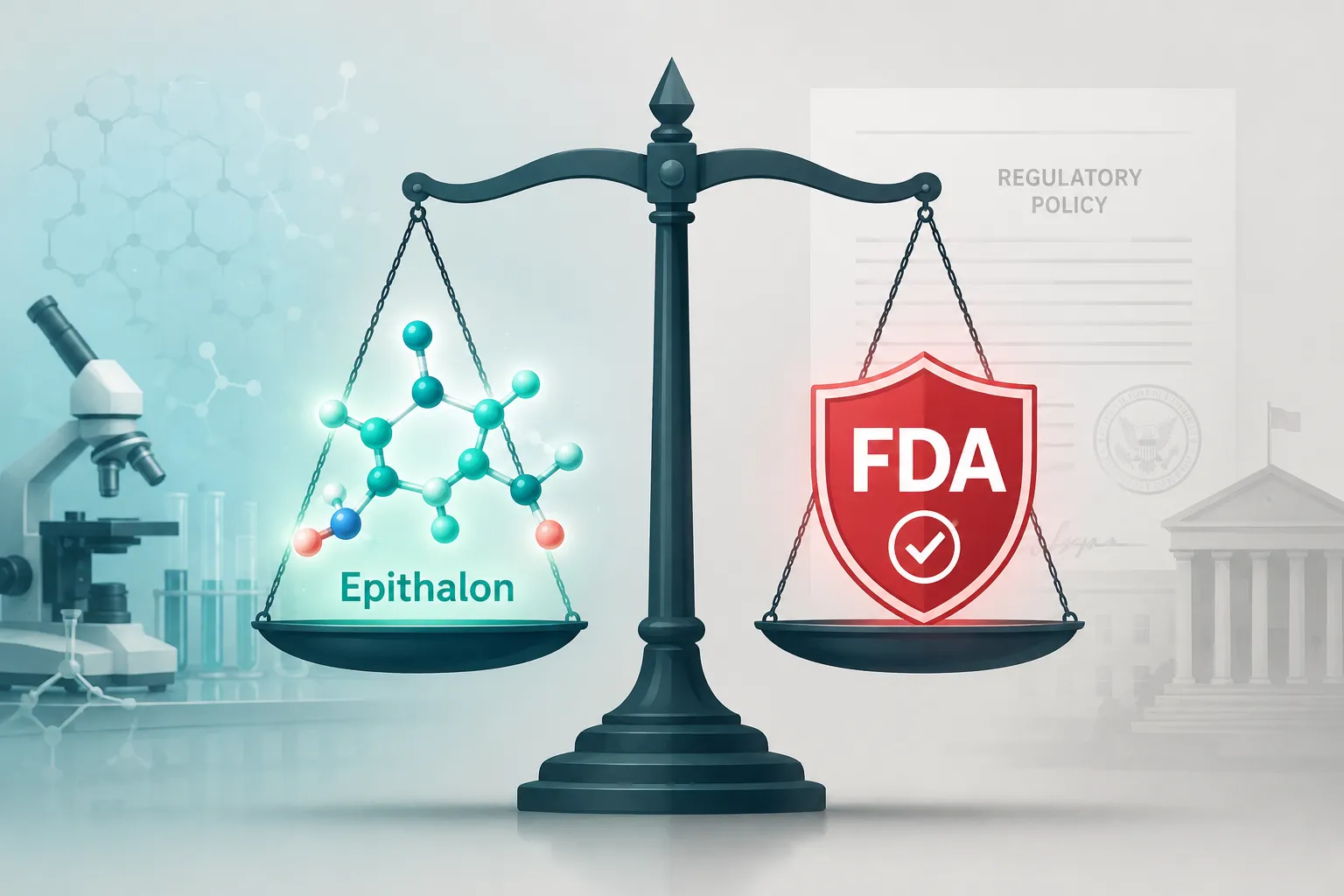
As of 2026, Epithalon is not approved by the FDA for any medical use. It is currently classified as a Category 2 substance, meaning it is banned from pharmaceutical compounding in the United States. This regulatory status reflects the absence of large-scale, independently replicated clinical trials confirming both efficacy and safety in human populations.

The safety profile of Epithalon in humans remains uncertain. Without robust Phase 2 or Phase 3 trial data, the risk-benefit profile cannot be definitively characterized. Researchers and institutions working with this compound do so strictly within preclinical and in vitro research frameworks.

Placing Epithalon Within Broader Longevity Research

Epithalon does not exist in isolation. It is one of several peptide-based compounds being investigated for their potential roles in aging biology. Related research themes include:

  • NAD+ pathway modulation, explored in NAD+ energetics and longevity research
  • Thymic peptide complexes, covered in Crystagen thymic complex research
  • Multi-peptide longevity blends, such as those reviewed in Glow blend longevity research themes
  • Vesugen, Vilon, and Chonluten, short bioregulatory peptides with overlapping research interest, detailed in Vesugen Vilon Chonluten longevity research

Understanding Epithalon in this broader context helps researchers avoid over-relying on any single compound and instead build more comprehensive models of cellular aging.

Placing Epithalon Within Broader Longevity Research


Conclusion

Epithalon peptide and telomerase regulation: investigating its impact on cellular senescence and lifespan research models reveals a compound with genuinely interesting preclinical data, and significant evidentiary gaps. The proposed mechanism involving hTERT upregulation and telomere elongation is scientifically coherent, and animal lifespan data are intriguing. However, the concentration of research within a single laboratory, the absence of RCTs, and the current FDA classification as a Category 2 substance all underscore the need for caution.

Actionable next steps for researchers and science-interested readers:

  • Prioritize peer-reviewed, independently replicated studies when evaluating Epithalon's evidence base.
  • Compare Epithalon's data quality against better-characterized peptides before drawing conclusions.
  • Monitor emerging literature for independent replication of telomerase activation findings.
  • Stay current with regulatory updates, as the classification of research peptides can change.
  • Explore related longevity peptide research through verified, quality-tested sources to build a fuller picture of the aging biology landscape.

The science of telomere biology and cellular senescence is advancing rapidly. Epithalon remains a compound worth watching, with rigorous, independent scrutiny as the standard.

https://www.puretestedpeptides.com/wp-content/uploads/2026/07/epithalon-peptide-and-telomerase-regulation-investigating-its-impact-on-cellular.webp 1024 1536 Pure Tested https://www.puretestedpeptides.com/wp-content/uploads/2026/01/buy-peptides-online.jpg Pure Tested2026-07-20 13:05:202026-07-20 14:59:46Epithalon Peptide and Telomerase Regulation: Investigating Its Impact on Cellular Senescence and Lifespan Research Models
Semax Peptide Nasal Spray: Delivery Route, Brain-Penetration Questions, and Cognitive Research Models

Semax Peptide Nasal Spray: Delivery Route, Brain-Penetration Questions, and Cognitive Research Models

July 14, 2026/0 Comments/by Pure Tested

Only 0.093% of an administered dose reaches brain tissue per gram, yet that fraction is roughly nine times higher than what intravenous delivery achieves. That single data point sits at the center of every serious discussion about Semax peptide nasal spray: delivery route, brain-penetration questions, and cognitive research models, and it explains why researchers keep returning to intranasal administration as the preferred route for CNS-targeted peptide studies.

Key Takeaways

  • Semax reaches the brain primarily through olfactory and trigeminal nerve pathways, bypassing the blood-brain barrier (BBB).
  • Intranasal delivery produces roughly nine times greater brain tissue concentration than intravenous dosing in rodent models.
  • Approximately 80% of the peptide detected in brain tissue after intranasal dosing is intact Semax, not metabolites.
  • Cognitive research models focus on BDNF upregulation, neuroprotection, and attention-related endpoints.
  • Purity and sourcing quality remain critical variables when evaluating research outcomes across studies.

Key Takeaways

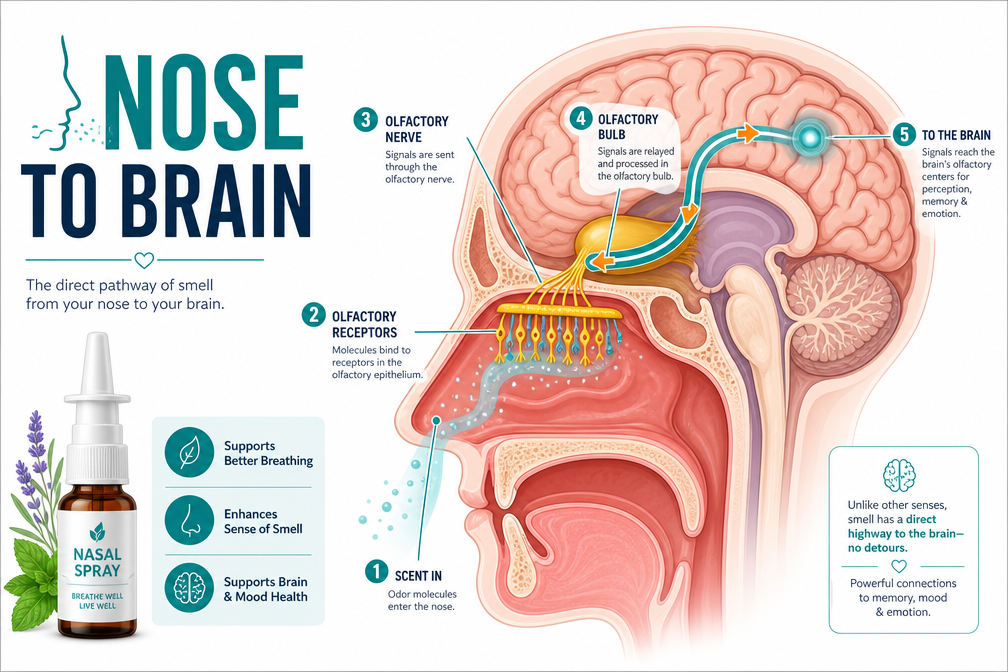
How the Delivery Route Works: Nose-to-Brain Pathways

The core question behind Semax peptide nasal spray delivery route research is straightforward: can a peptide applied to nasal mucosa actually reach the central nervous system in meaningful concentrations? The answer, based on tritium-labeled rodent studies, is yes, but the mechanism matters.

After intranasal application, Semax travels along two primary anatomical routes:

  • Olfactory pathway: The olfactory epithelium in the upper nasal cavity sits in direct proximity to the olfactory bulb. Peptides can move along olfactory sensory neurons into the brain without crossing the BBB.
  • Trigeminal pathway: Branches of the trigeminal nerve extend through the nasal cavity into brainstem regions, providing a second nerve-mediated transport corridor.

These pathways explain why nasal spray formulation is scientifically plausible for CNS delivery, not because the peptide floods the bloodstream and diffuses across the BBB, but because it essentially sidesteps it. This is a meaningful distinction for researchers designing studies, because systemic bioavailability and CNS bioavailability become partially decoupled.

For context on how other peptides use delivery-route optimization, the research on longevity peptide delivery models offers useful comparative framing.


Brain-Penetration Questions: What the Data Actually Show

Brain-Penetration Questions: What the Data Actually Show

The most-cited quantitative benchmark in Semax peptide nasal spray brain-penetration research comes from a rodent study using radiolabeled Semax. Two minutes after intranasal administration, 0.093% of total radioactivity per gram of brain tissue was detected. Crucially, about 80% of that signal represented intact peptide rather than breakdown metabolites, suggesting the molecule survives the nasal-to-brain transit in functional form.

By comparison, intravenous dosing produced only about 0.01% per gram of brain tissue under similar conditions. That roughly nine-fold difference is what makes intranasal delivery the dominant model in current Semax research.

Key caveats researchers should note:

Variable Research Implication
Absolute CNS fraction is small High-dose or repeated dosing may be needed to reach target concentrations
Rodent nasal anatomy differs from humans Direct extrapolation to human CNS penetration is not validated
Measurement window is narrow (2 min) Longer kinetic profiles are not fully characterized
Peptide purity affects intact-fraction data Low-purity samples may understate true penetration efficiency

Purity is not a minor variable here. Research outcomes depend heavily on whether the compound used matches its stated sequence and concentration. Sourcing from lab-tested peptides with verified specifications is a foundational requirement for reproducible data.

For researchers exploring related neuroprotective peptide questions, the work on Epithalon and aging-support mechanisms provides relevant comparative context.


Cognitive Research Models and Endpoints

Cognitive Research Models and Endpoints

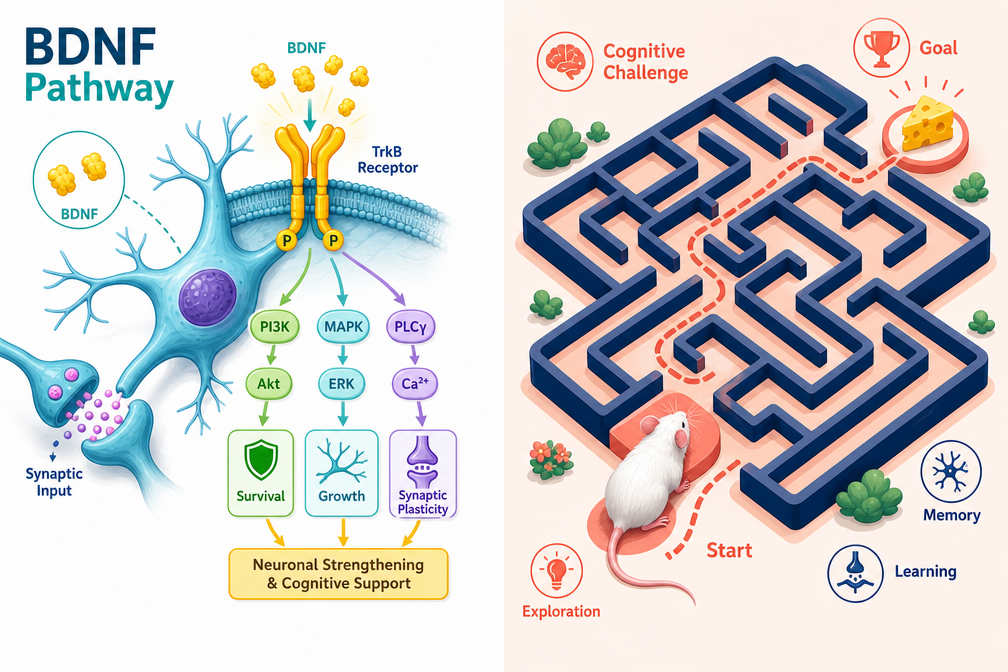
Understanding Semax cognitive research models requires clarity about what endpoints investigators are actually measuring. The peptide is a synthetic heptapeptide analogue of ACTH(4-10), and its proposed cognitive effects are primarily linked to:

  • BDNF (Brain-Derived Neurotrophic Factor) upregulation in hippocampal and cortical regions
  • Dopaminergic and serotonergic tone modulation, relevant to attention and working memory tasks
  • Neuroprotective effects in ischemia and oxidative stress models

Rodent maze studies, including Morris water maze and radial arm maze protocols, have been used to assess spatial memory and learning retention after Semax administration. These models are well-validated for detecting BDNF-mediated cognitive changes, making them appropriate for Semax research design.

Researchers interested in how other peptides interact with similar neurological pathways may find value in reviewing what is new in peptide research for emerging study designs.

For metabolic peptide comparisons that share overlapping research infrastructure, AOD9604 metabolic research and CJC-1295 muscle research themes offer useful methodological parallels.


Conclusion

The science behind Semax peptide nasal spray: delivery route, brain-penetration questions, and cognitive research models is more nuanced than simple "it crosses the BBB" claims suggest. The olfactory and trigeminal nerve pathways provide a legitimate, data-supported mechanism for CNS access. The nine-fold advantage over intravenous delivery is real, but the absolute fraction reaching brain tissue remains small, and human extrapolation requires caution.

Actionable next steps for researchers in 2026:

  1. Prioritize verified, high-purity Semax from best peptide manufacturers to ensure intact-peptide fractions reflect true compound quality.
  2. Design studies with kinetic windows beyond two minutes to capture fuller CNS distribution profiles.
  3. Use BDNF-sensitive behavioral endpoints (maze models, attention tasks) to align with the most mechanistically supported cognitive pathways.
  4. Treat rodent-to-human extrapolation as a hypothesis, not a conclusion, until nasal anatomy differences are formally modeled.

The intranasal delivery model for Semax is scientifically credible. Rigorous study design is what converts credibility into reproducible, publishable data.

https://www.puretestedpeptides.com/wp-content/uploads/2026/07/semax-peptide-nasal-spray-delivery-route-brain-penetration-questions-and-cogniti.png 672 1008 Pure Tested https://www.puretestedpeptides.com/wp-content/uploads/2026/01/buy-peptides-online.jpg Pure Tested2026-07-14 13:05:052026-07-20 15:00:10Semax Peptide Nasal Spray: Delivery Route, Brain-Penetration Questions, and Cognitive Research Models
Tesamorelin and Ipamorelin Mechanism: How Their Growth-Hormone Signaling Differs in Research Models

Tesamorelin and Ipamorelin Mechanism: How Their Growth-Hormone Signaling Differs in Research Models

June 27, 2026/0 Comments/by Pure Tested

{"cover":"Professional landscape format (1536×1024) hero image with bold text overlay: 'Tesamorelin vs Ipamorelin: How Their GH Signaling Differs' in extra large 72pt white bold sans-serif font with dark semi-transparent overlay box, centered upper third. Background shows a dramatic close-up of a pituitary gland cross-section illustration merged with molecular receptor diagrams, deep navy blue and teal color palette, glowing cAMP and calcium signaling pathway nodes rendered in bright white and gold, editorial magazine cover quality, high contrast, scientific research aesthetic.","content":["Detailed landscape format (1536×1024) scientific diagram illustration showing two distinct receptor pathways side by side: left panel depicts GHRH receptor on a pituitary somatotroph cell with cAMP and PKA cascade arrows in cool blue tones, right panel shows GHS-R1a ghrelin receptor activating phospholipase C and intracellular calcium release in warm amber tones, labeled molecular nodes, clean white background with subtle lab texture, research infographic style, high contrast annotations, editorial quality","Landscape format (1536×1024) data visualization showing two overlapping GH pulse waveform graphs on a dark charcoal background: one smooth physiological pulsatile curve in electric blue representing Tesamorelin-driven GH release, one sharp clean spike in gold representing Ipamorelin-induced GH pulse, time axis labeled in hours, amplitude axis labeled in ng/mL, subtle grid lines, cortisol and prolactin flat reference lines in red dashes, preclinical research model aesthetic, clean scientific chart style, editorial quality","Landscape format (1536×1024) overhead view of a modern preclinical research laboratory bench showing two separate experimental setups: left side has molecular model of Tesamorelin peptide chain with trans-3-hexenoic acid modification highlighted in blue, right side shows Ipamorelin pentapeptide structure in gold, surrounded by pharmacokinetic half-life timeline bars, CT scan visceral fat reduction imagery in background, subtle teal and white lab aesthetic, research-grade editorial photography style, high contrast, scientific publication quality"}

Professional landscape hero image () with : "Tesamorelin and Ipamorelin Mechanism: How Their Growth-Hormone Signaling

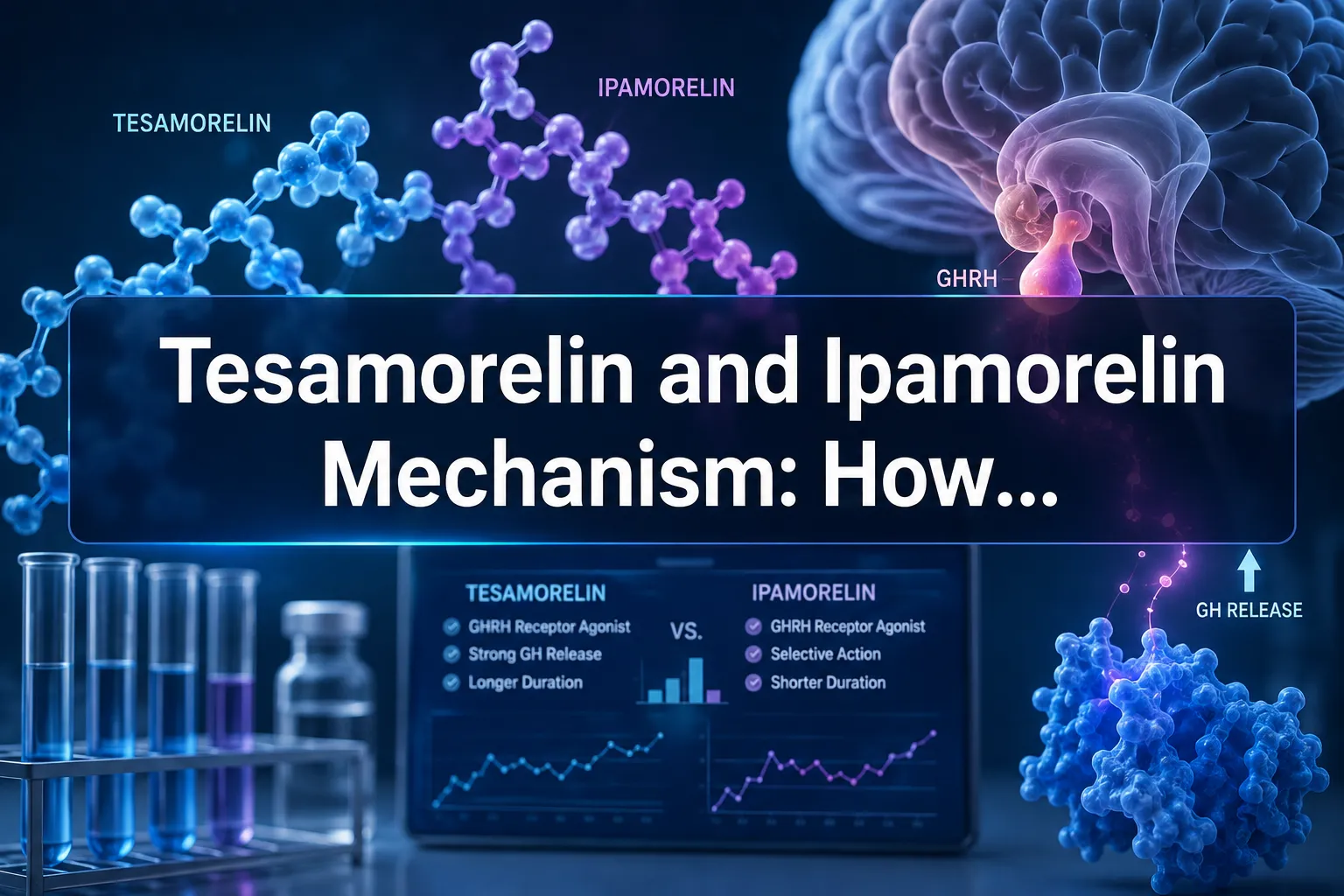
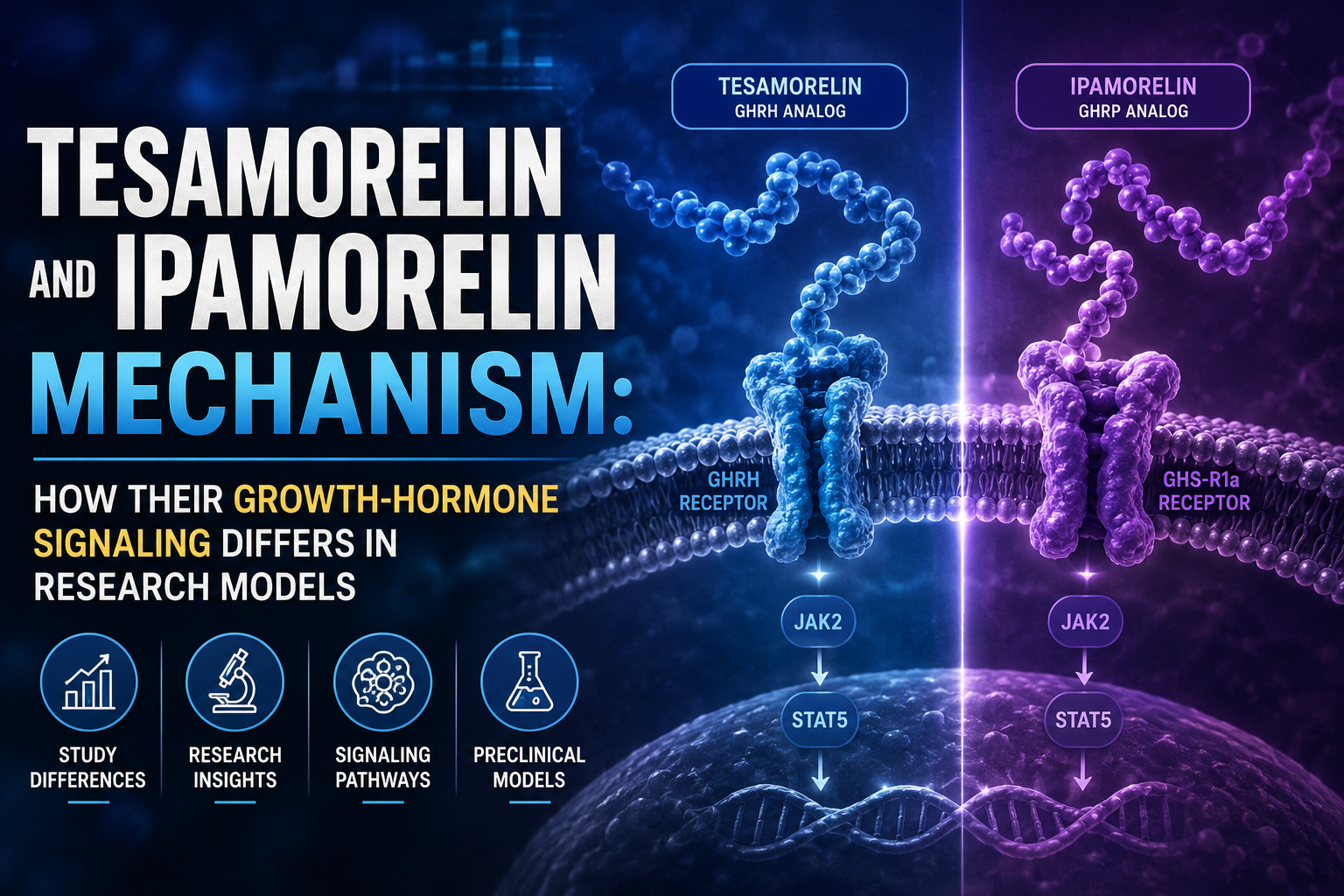
Two peptides can both raise growth hormone levels yet work through entirely separate receptor systems — and that distinction matters enormously when designing preclinical studies. Understanding the Tesamorelin and Ipamorelin mechanism: how their growth-hormone signaling differs in research models is not simply academic. It determines which endpoints are valid, which biomarkers to track, and whether combining the two compounds makes mechanistic sense.


Key Takeaways

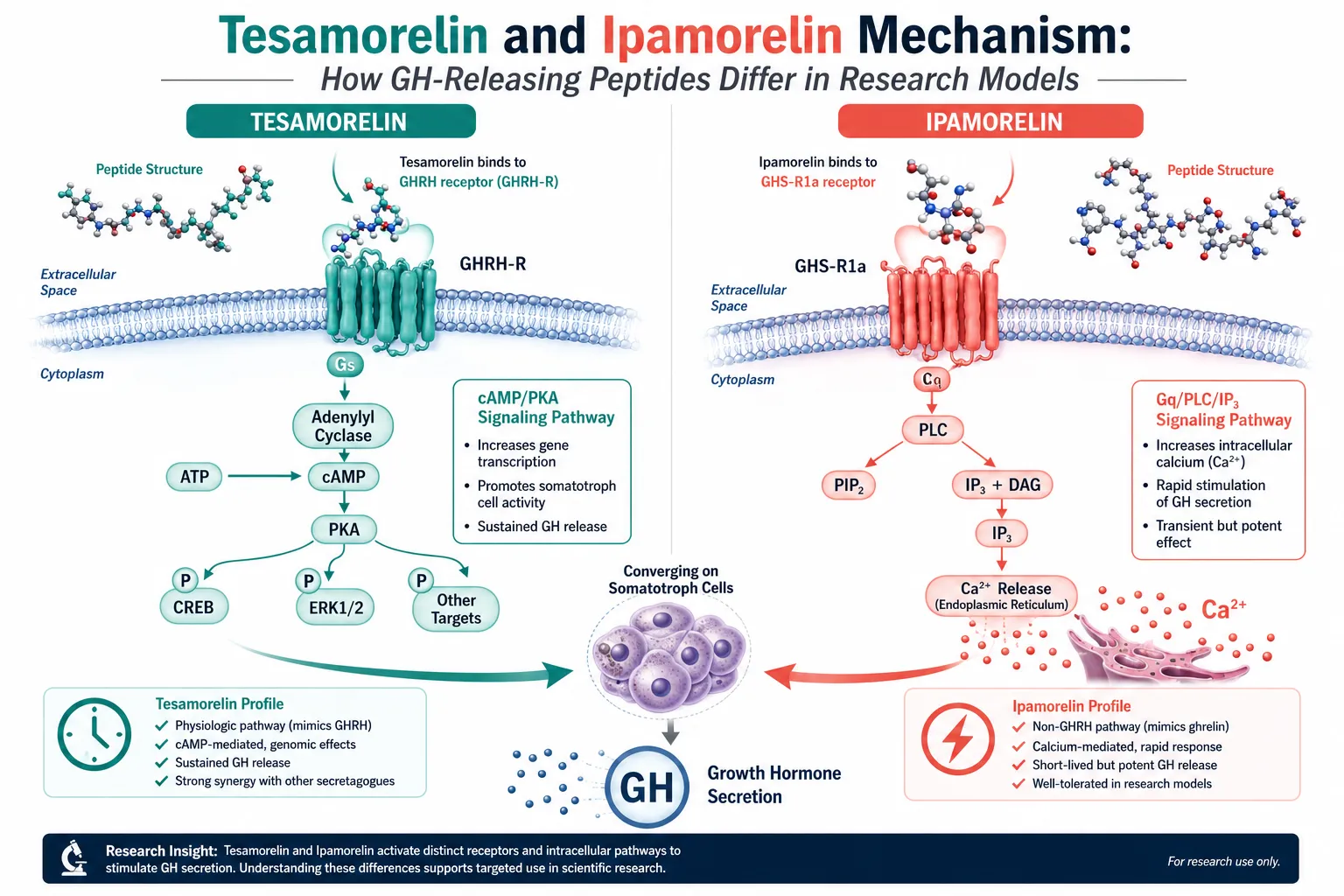
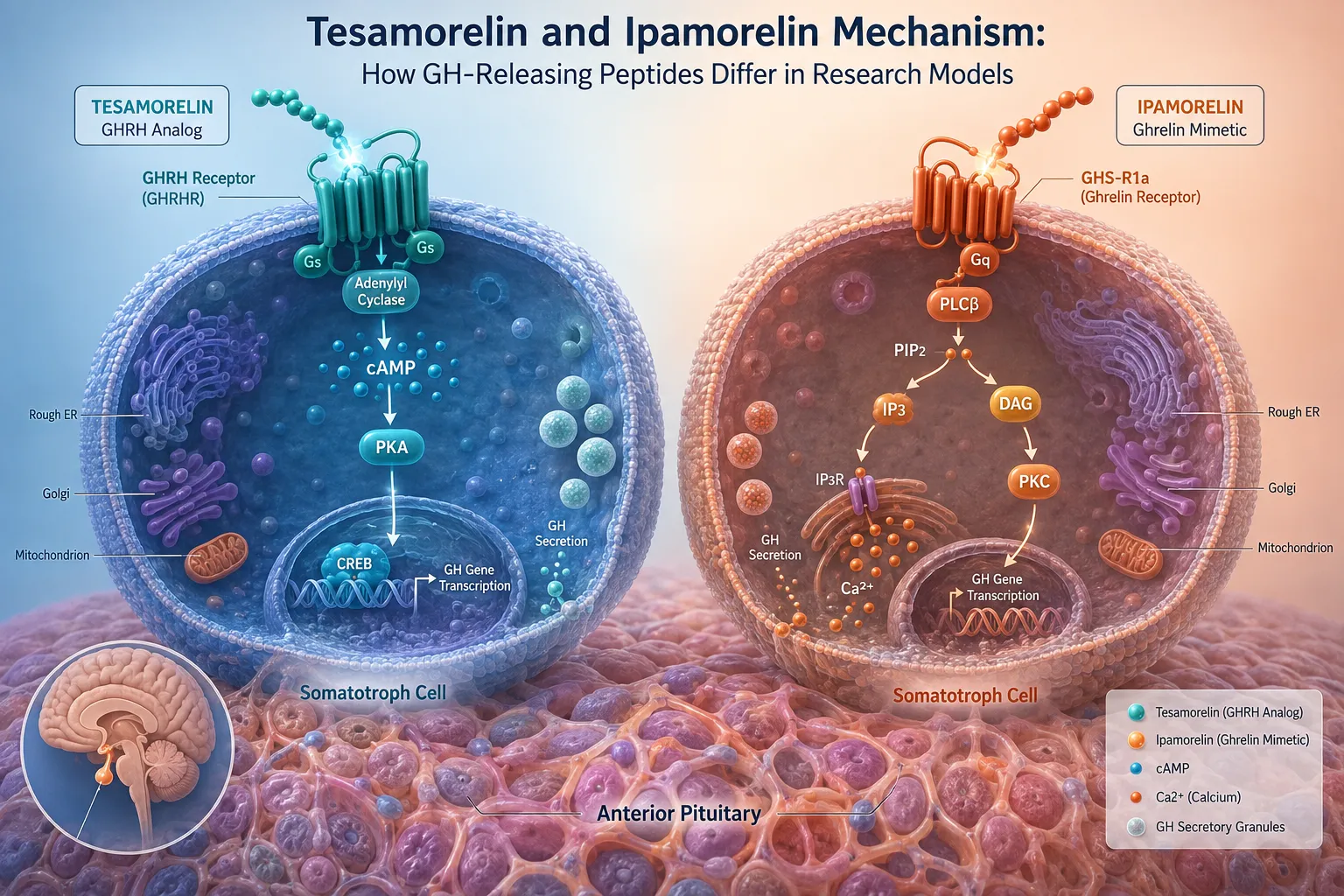
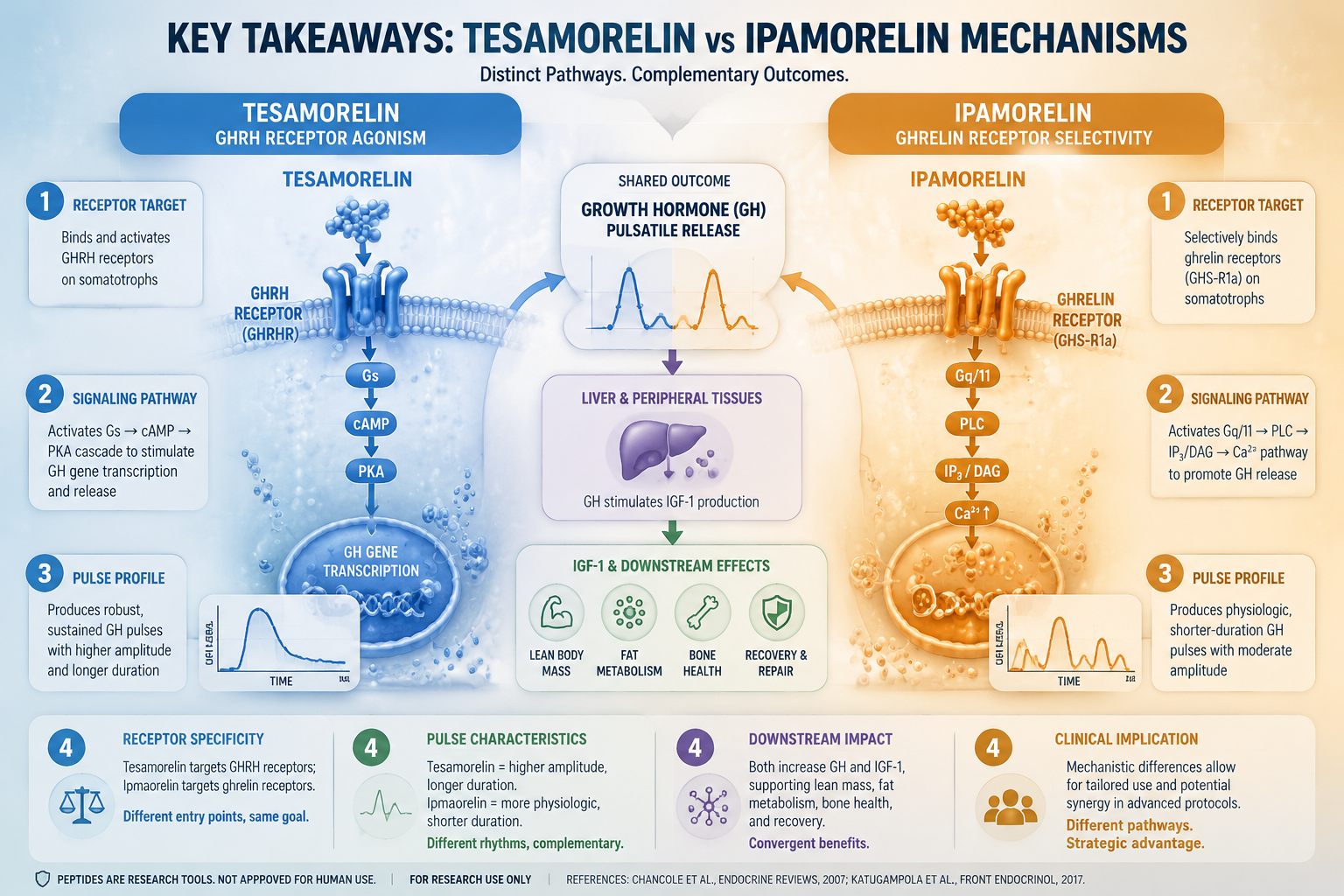
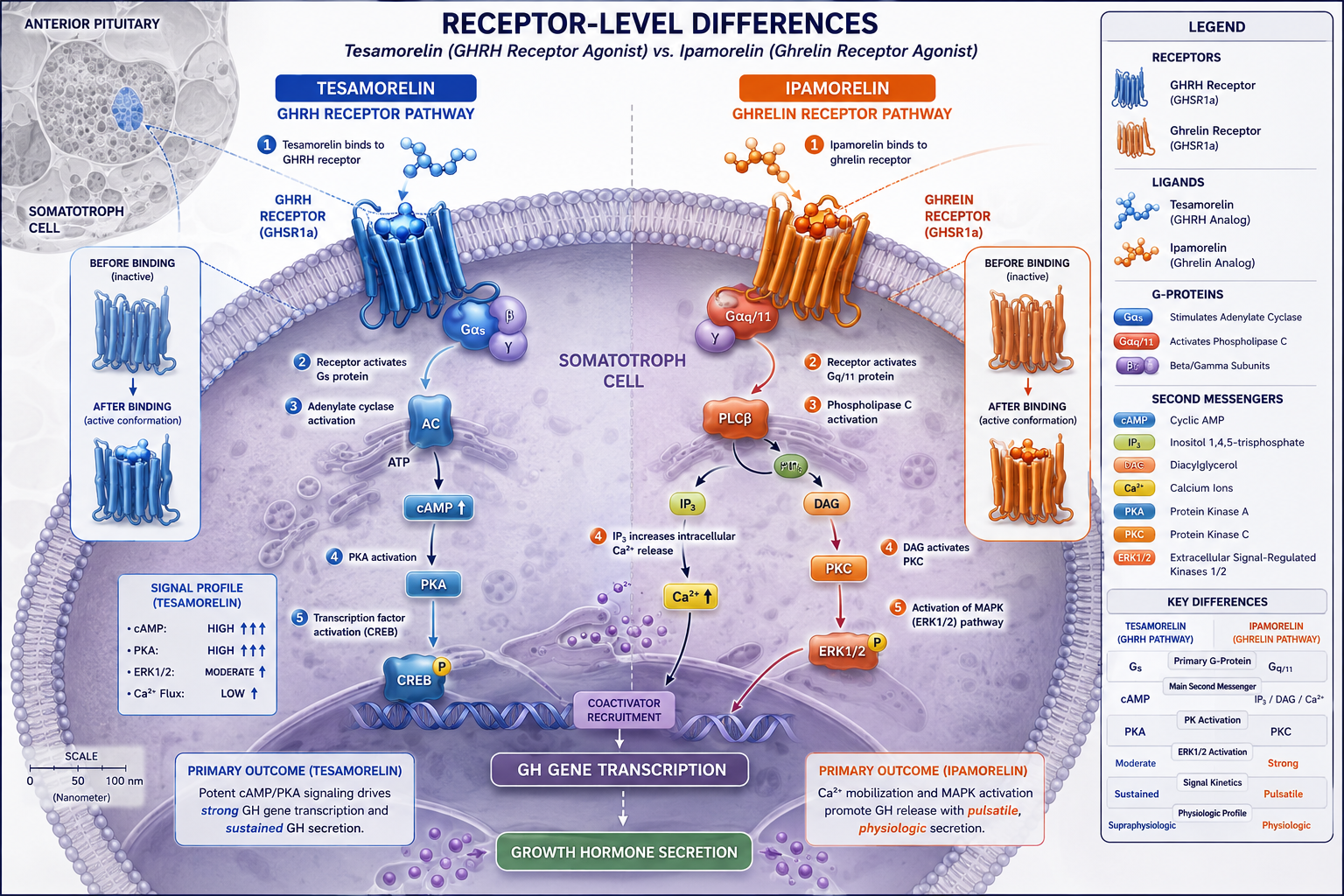
  • Tesamorelin activates the GHRH receptor via the cAMP/PKA pathway; ipamorelin activates the ghrelin receptor (GHS-R1a) via phospholipase C and intracellular calcium.
  • The two pathways are complementary, not redundant, making dual-pathway research designs scientifically justified.
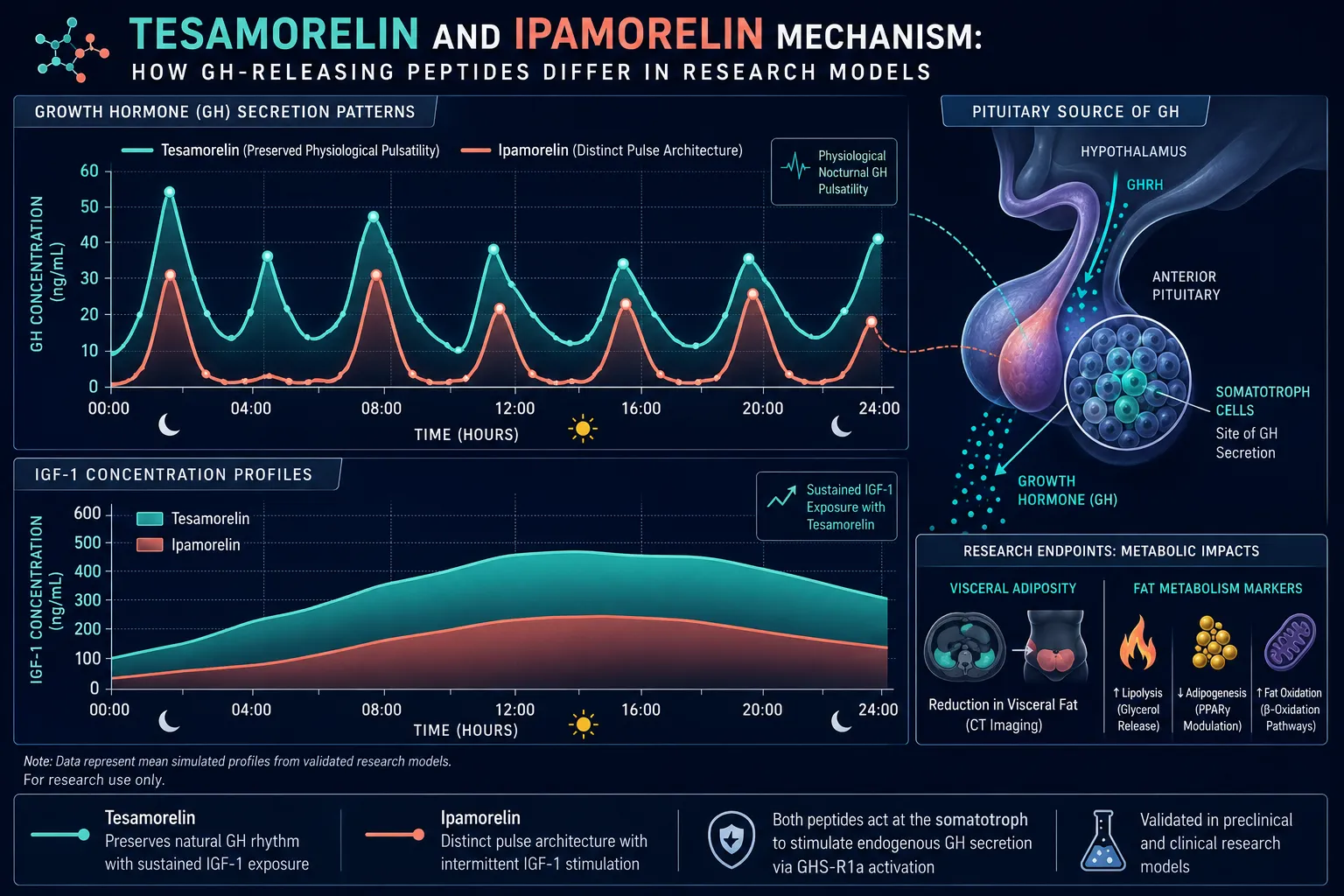
  • Tesamorelin preserves physiological GH pulsatility; ipamorelin produces a selective, "clean" GH pulse without elevating cortisol or prolactin.
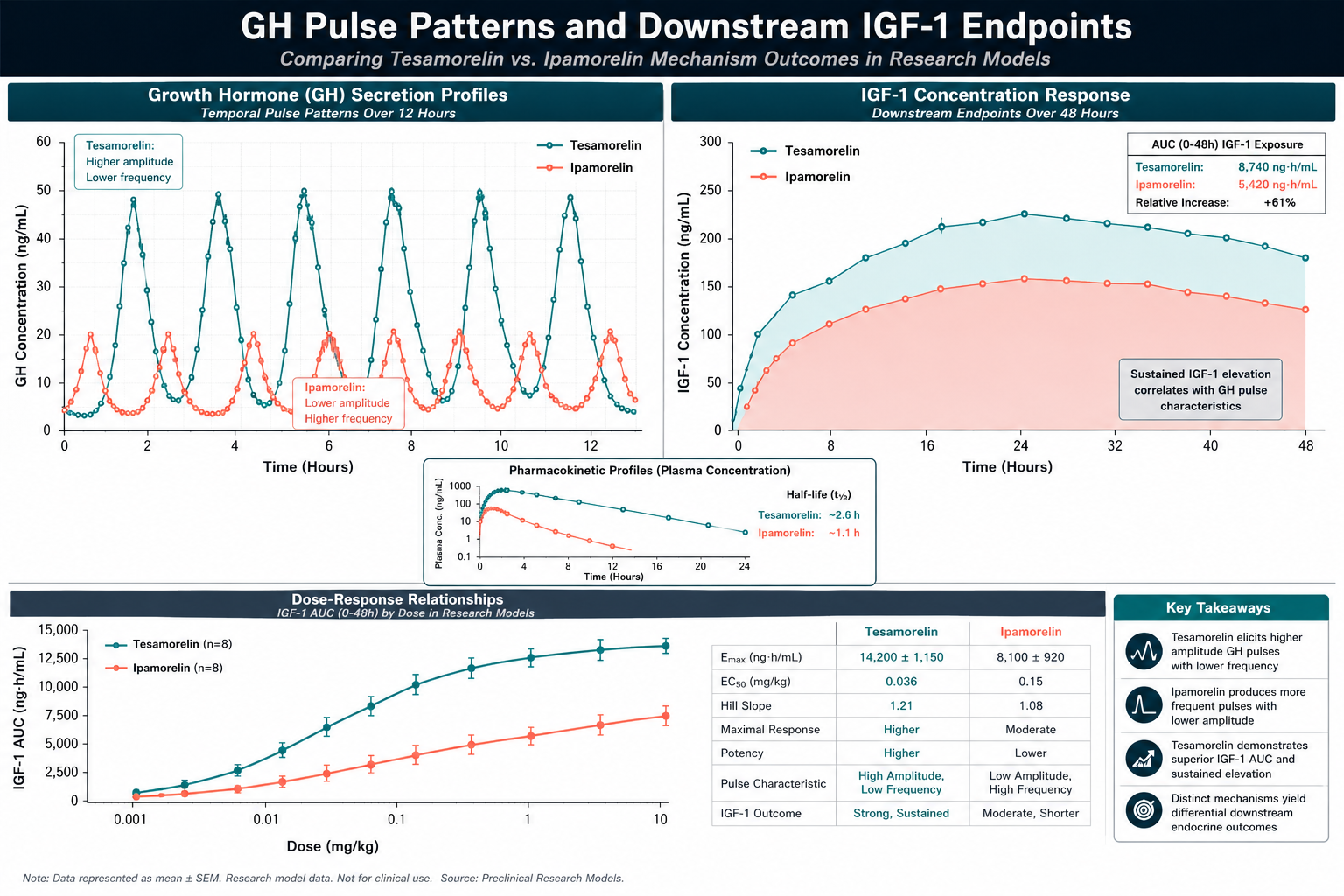
  • Half-life differences (25-40 minutes vs. approximately 2 hours) affect dosing interval choices in animal pharmacokinetic models.
  • IGF-1 elevation is a shared downstream endpoint, but the upstream signaling routes remain distinct.

Receptor-Level Differences That Define the Tesamorelin and Ipamorelin Mechanism

Receptor-Level Differences That Define the Tesamorelin and Ipamorelin Mechanism

At the receptor level, these two secretagogues operate on separate systems.

Tesamorelin is a synthetic analog of endogenous growth hormone-releasing hormone (GHRH). Its N-terminal modification with trans-3-hexenoic acid protects it from enzymatic degradation, extending its half-life to roughly 25-40 minutes. It binds selectively to the GHRH receptor (GHRHR) on anterior pituitary somatotrophs and activates the cAMP/PKA signaling cascade, which drives GH gene transcription and pulsatile secretion. This mechanism mirrors the body's own GHRH signaling, preserving the natural rhythm of GH release.

Ipamorelin takes a different route entirely. It is a selective agonist of the growth hormone secretagogue receptor type 1a (GHS-R1a) — the same receptor that endogenous ghrelin activates. Rather than cAMP, GHS-R1a engagement triggers phospholipase C (PLC) activation, leading to IP3-mediated calcium release from intracellular stores. This calcium surge is what drives GH secretion in ipamorelin-treated models.

Feature Tesamorelin Ipamorelin
Target Receptor GHRHR GHS-R1a (ghrelin receptor)
Signaling Cascade cAMP / PKA PLC / intracellular Ca2+
Half-Life ~25-40 minutes ~2 hours
GH Release Pattern Pulsatile, physiological Sharp, selective pulse
Cortisol / ACTH Effect Minimal Negligible

For researchers exploring ipamorelin muscle and fat research themes, this receptor distinction is foundational to interpreting results accurately.


GH Pulse Patterns and Downstream IGF-1 Endpoints in Research Models

GH Pulse Patterns and Downstream IGF-1 Endpoints in Research Models

The pattern of GH release produced by each compound is as important as the magnitude.

Tesamorelin's activation of GHRHR amplifies both basal and pulsatile GH secretion, closely replicating the endogenous GHRH-driven rhythm. This physiological pulsatility is considered advantageous in research models where mimicking natural GH dynamics is a priority. Studies examining tesa peptide benefits often highlight this feature as a key differentiator from synthetic GH administration.

Ipamorelin, by contrast, generates what researchers describe as a "clean" GH pulse. Its selectivity for GHS-R1a means it does not significantly elevate cortisol, ACTH, or prolactin — a profile that distinguishes it from earlier GH secretagogues like GHRP-6 or hexarelin. For models where hormonal specificity is critical, this selectivity reduces confounding variables. Detailed analysis of ipamorelin as a GH secretagogue underscores why this selectivity is valued in controlled research settings.

Downstream, both peptides elevate IGF-1, which serves as a practical shared endpoint. Tesamorelin's IGF-1 effects have been documented in Phase 3 clinical trials — including data from HIV-associated lipodystrophy studies showing measurable visceral adipose tissue (VAT) reduction via CT scan. Ipamorelin's IGF-1 elevation has been confirmed in preclinical models, though large-scale clinical quantification remains limited.

"The upstream receptor divergence between these two secretagogues does not prevent a shared downstream outcome — but it does mean the signaling routes, and therefore the research questions, are fundamentally different."


Preclinical Study Design: Applying the Tesamorelin and Ipamorelin Mechanism to Research Endpoints

Preclinical Study Design: Applying the Tesamorelin and Ipamorelin Mechanism to Research Endpoints

Understanding the Tesamorelin and Ipamorelin mechanism: how their growth-hormone signaling differs in research models has direct implications for study design.

Relevant preclinical endpoints include:

  • Serum GH pulse amplitude and frequency (assessed via serial blood sampling)
  • Plasma IGF-1 levels at defined intervals post-administration
  • Visceral fat mass via imaging or tissue dissection in rodent models
  • Cortisol and ACTH levels to confirm ipamorelin's hormonal selectivity
  • Muscle protein synthesis markers for anabolic pathway assessment

Because the two pathways are complementary — cAMP/PKA versus PLC/calcium — researchers have proposed dual-pathway designs that combine both compounds. The rationale is that simultaneous GHRHR and GHS-R1a activation may produce synergistic GH release exceeding what either compound achieves alone. Blended formulations explored in Tesamorelin, CJC-1295, and Ipamorelin combination research reflect this mechanistic logic.

Half-life differences also shape dosing interval decisions. Tesamorelin's shorter plasma stability (~25-40 minutes) suggests more frequent administration windows in acute models, while ipamorelin's approximately 2-hour half-life in animal pharmacokinetic studies supports less frequent dosing. Researchers reviewing CJC-1295 and ipamorelin combination dosing will find that pairing compounds with complementary half-lives is a common strategy to sustain GH elevation across a study window.

For broader context on metabolic peptide research, exploring metabolic modulation research lines provides useful comparative frameworks alongside GH secretagogue work.


Conclusion

The mechanistic contrast between tesa and ipamorelin is not a minor technical detail — it is the foundation of any rigorous research design involving these compounds. Tesamorelin drives GH release through GHRHR and cAMP/PKA signaling, preserving physiological pulsatility. Ipamorelin activates GHS-R1a and the PLC/calcium pathway, producing a selective GH pulse without hormonal side effects.

Actionable next steps for researchers:

  1. Define whether the study requires physiological GH pulsatility (favor tesa) or hormonal selectivity (favor ipamorelin) before choosing a compound.
  2. Use IGF-1 as a shared downstream biomarker while tracking pathway-specific markers (cAMP vs. intracellular calcium) to confirm receptor engagement.
  3. Consider dual-pathway designs when the research goal is maximal GH output, accounting for the complementary receptor systems.
  4. Align dosing intervals with each compound's half-life data from pharmacokinetic models to avoid under- or over-dosing in timed studies.
https://www.puretestedpeptides.com/wp-content/uploads/2026/06/Tesamorelin-and-Ipamorelin-Mechanism-How-Their-Growth-Hormone-Signaling-Differs-in-Research-Models.png 1024 1536 Pure Tested https://www.puretestedpeptides.com/wp-content/uploads/2026/01/buy-peptides-online.jpg Pure Tested2026-06-27 13:04:472026-07-20 15:02:03Tesamorelin and Ipamorelin Mechanism: How Their Growth-Hormone Signaling Differs in Research Models
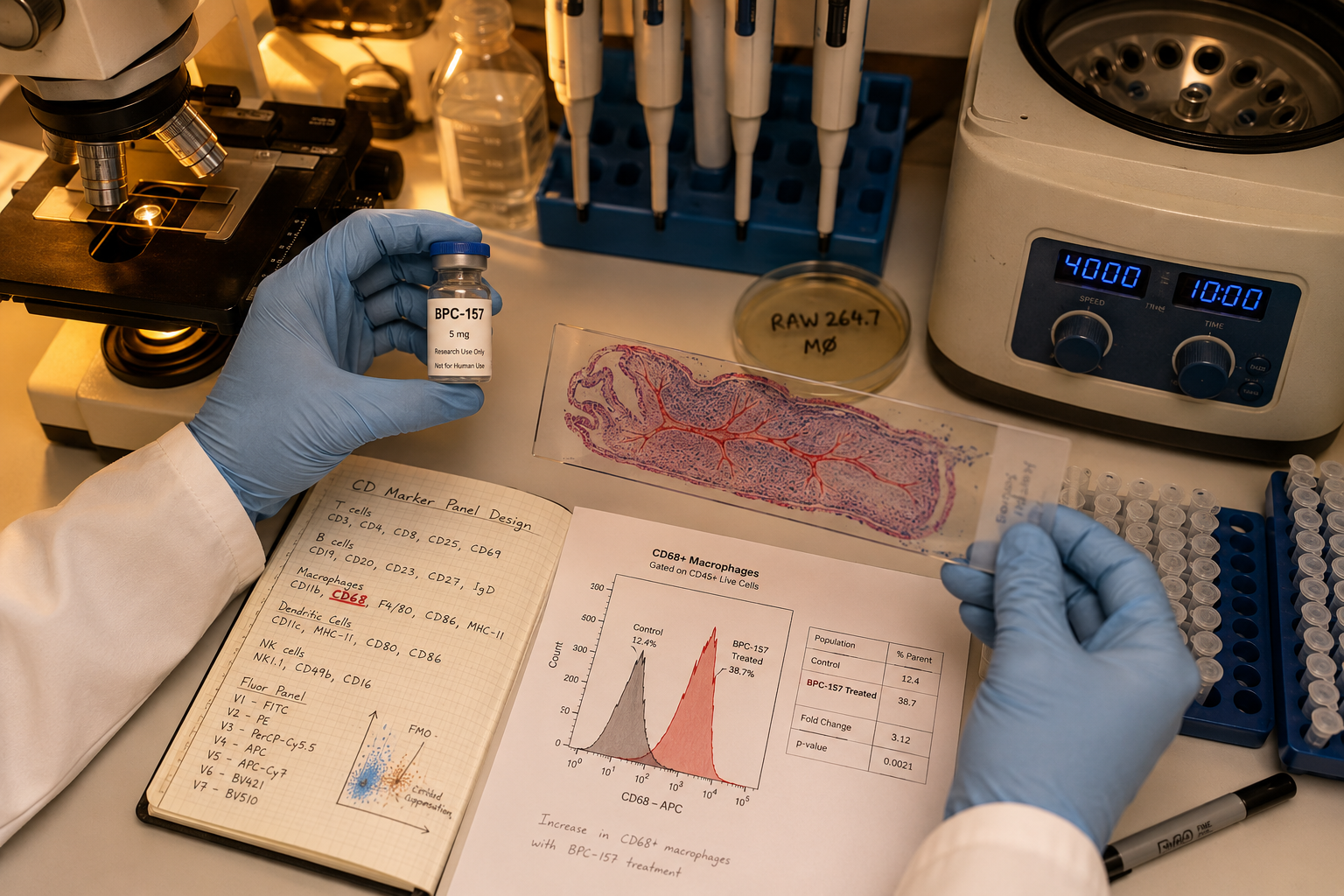
Cluster of Differentiation Markers and Experimental Peptides: Mapping Immune Pathways for Selank, Epithalon, and BPC‑157

Cluster of Differentiation Markers and Experimental Peptides: Mapping Immune Pathways for Selank, Epithalon, and BPC‑157

June 6, 2026/0 Comments/by Pure Tested

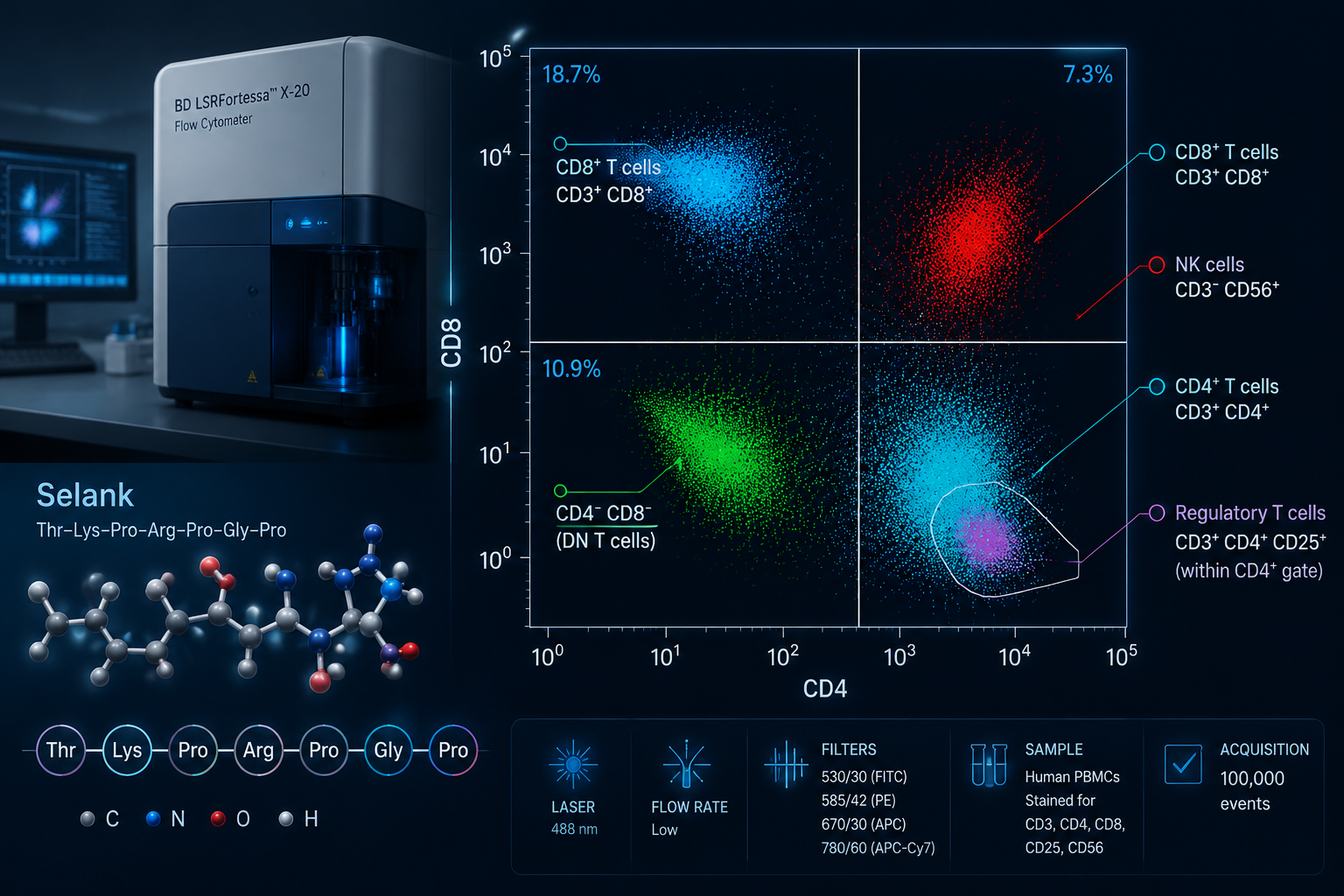
Flow cytometry panels routinely detect shifts in CD4-to-CD8 ratios within hours of peptide exposure in murine models — a detail that reveals just how precisely researchers can now track immune responses to compounds like Selank, Epithalon, and BPC-157. Understanding cluster of differentiation markers and experimental peptides is central to mapping immune pathways for Selank, Epithalon, and BPC-157 in a rigorous lab setting.

Key Takeaways

  • CD markers are surface proteins used to identify and quantify specific immune cell populations via flow cytometry.
  • Selank, Epithalon, and BPC-157 each interact with immune pathways through distinct mechanisms, including cytokine modulation and inflammatory regulation.
  • Flow cytometry is the gold-standard tool for measuring peptide-driven shifts in CD marker expression.
  • Human clinical data for all three peptides remains limited; most evidence comes from animal and in vitro models.
  • Thoughtful panel design — selecting the right CD markers for each peptide's mechanism — is critical for meaningful experimental results.

Key Takeaways

What Are CD Markers and Why Do They Matter in Peptide Research

Cluster of differentiation (CD) markers are glycoproteins expressed on the surface of immune cells. They act as molecular identity tags, allowing researchers to distinguish T cells, B cells, natural killer cells, macrophages, and regulatory populations from one another. Common markers include:

CD Marker Cell Type Function
CD3 T cells T-cell receptor complex
CD4 Helper T cells MHC class II interaction
CD8 Cytotoxic T cells MHC class I interaction
CD25 Regulatory T cells (Tregs) IL-2 receptor alpha chain
CD56 Natural killer cells Cell adhesion and activation
CD68 Macrophages Phagocytic activity marker

When an experimental peptide is introduced, shifts in these populations — measured by flow cytometry — provide quantitative evidence of immunomodulatory activity. This approach is far more precise than measuring cytokine levels alone, because it identifies which cell types are being affected and in what proportion.

For researchers designing panels, the choice of fluorochrome combinations and gating strategies directly determines the quality of the data. A poorly designed panel can miss a meaningful CD4-to-CD8 ratio shift entirely.


Mapping Immune Pathways for Selank, Epithalon, and BPC-157 Using CD Markers

Each peptide engages immune biology differently, which means the optimal CD marker panel differs by compound.

Selank

Selank is a synthetic heptapeptide originally derived from the immunomodulatory peptide tuftsin. Its primary research interest lies in anxiety modulation and cognitive support, but its immune relevance is significant. Selank has been shown in preclinical models to influence IL-6 and interferon-gamma expression, both of which are linked to T-cell activation states. Researchers tracking Selank's immune effects typically include CD3, CD4, CD8, and CD25 in their panels to capture T-cell subset dynamics and regulatory T-cell expansion.

Reviewing Selank's known side effects and biological activity can help researchers anticipate which immune compartments may show the most change during an experiment.

Epithalon

Epithalon (Ala-Glu-Asp-Gly) is a tetrapeptide studied primarily for its telomerase-activating and potential anti-aging properties. Its immune relevance connects to thymic function — the organ responsible for T-cell maturation. Preclinical data suggests Epithalon may support thymic peptide activity, which could influence naive T-cell output. A targeted flow cytometry panel for Epithalon research might include CD45RA (naive T cells), CD45RO (memory T cells), and CD56 to monitor NK cell activity. For a broader comparison of Epithalon's molecular targets, the Epithalon vs NAD evidence review provides useful context on its longevity-related mechanisms.

BPC-157

BPC-157 is a 15-amino-acid peptide (GEPPPGKPADDAGLV) derived from human gastric juice, with a molecular weight of approximately 1,419 Da and a half-life under 30 minutes. Its immune-relevant actions include promoting angiogenesis via VEGFR2 upregulation, modulating nitric oxide signaling, and regulating inflammatory cytokine cascades. Unlike classical immunosuppressants, BPC-157 appears to rebalance immune function rather than broadly suppress it.

For CD marker mapping, researchers commonly target CD68 (macrophage polarization), CD31 (endothelial and angiogenic activity), and CD4/CD8 ratios to assess systemic inflammatory tone. Oral BPC-157 research formats have also introduced questions about how route of administration affects peripheral immune marker profiles.

"The most informative experiments pair CD marker flow cytometry with cytokine multiplex assays — neither method alone tells the full story."


BPC-157

Designing a Flow Cytometry Model for Cluster of Differentiation Markers and Experimental Peptides

A well-structured experimental model for cluster of differentiation markers and experimental peptides should follow a logical sequence:

  1. Define the research question — Is the goal to detect immunosuppression, immune activation, or specific cell subset expansion?
  2. Select the peptide dose and route — BPC-157 typical research doses range from 250 to 500 mcg once or twice daily in animal models; Selank and Epithalon protocols vary.
  3. Choose the CD panel — Match markers to the peptide's known mechanism (see table above).
  4. Set time points — Acute (24-48 hours), subacute (1-2 weeks), and chronic (4-8 weeks) time points capture different phases of immune modulation.
  5. Include controls — Vehicle controls, positive immunomodulatory controls (e.g., LPS stimulation), and unstained samples are essential.
  6. Validate with secondary assays — CBC and comprehensive metabolic panel assessments at baseline and week 8 add clinical-translational value.

Researchers interested in how other peptides interact with immune and metabolic pathways may find the Thymosin Alpha-1 mechanism overview useful for comparative panel design, given Thymosin Alpha-1's well-characterized CD4 and CD8 effects.

It is worth noting that human clinical data for BPC-157 remains sparse — only three small pilot studies with a combined enrollment of 30 subjects have been published, all from a single clinic, and no randomized controlled trials exist. Selank and Epithalon face similar evidentiary gaps in human immune research. As of 2026, BPC-157's regulatory status in the United States is also in transition, with a Pharmacy Compounding Advisory Committee vote scheduled for later this year.

For researchers exploring adjacent peptide categories, IPA peptide research resources and the LL-37 innate immunity research themes page offer complementary perspectives on innate and adaptive immune pathway mapping.


Designing a Flow Cytometry Model for Cluster of Differentiation Markers and Experimental Peptides

Conclusion

Mapping immune pathways for Selank, Epithalon, and BPC-157 through cluster of differentiation markers and experimental peptides requires deliberate panel design, appropriate model selection, and honest acknowledgment of current data limitations. The actionable steps for researchers in 2026 are clear:

  • Anchor every experiment to a specific CD marker rationale tied to the peptide's known mechanism.
  • Use flow cytometry as the primary quantification tool, supported by cytokine multiplex and standard blood panels.
  • Prioritize multi-time-point designs to distinguish acute immune shifts from sustained modulation.
  • Track regulatory developments for BPC-157 in particular, as its compounding status may affect research access.

The science of peptide immunomodulation is advancing rapidly. Researchers who build rigorous CD marker frameworks now will be best positioned to generate translatable, reproducible data as clinical trials eventually expand.

https://www.puretestedpeptides.com/wp-content/uploads/2026/06/Cluster-of-Differentiation-Markers-and-Experimental-Peptides-Mapping-Immune-Pathways-for-Selank-Epithalon-and-BPC‑157.png 1024 1536 Pure Tested https://www.puretestedpeptides.com/wp-content/uploads/2026/01/buy-peptides-online.jpg Pure Tested2026-06-06 13:03:442026-07-20 15:03:52Cluster of Differentiation Markers and Experimental Peptides: Mapping Immune Pathways for Selank, Epithalon, and BPC‑157
×

Helpful Links

  • My account
  • Cart
  • Checkout
  • Refund and Returns Policy
  • Privacy Policy
  • SMS Privacy Policy
  • Login
  • My Account
  • Logout

USA Made Lab Tested Peptides

All products are sold for research, laboratory, or analytical purposes only, and are not for human consumption


Pure Tested Peptides is a chemical supplier. Pure Tested Peptides is not a compounding / chemical compounding facility as defined under 503A of the Federal Food, Drug, and Cosmetic act. Pure Tested Peptides is not an outsourcing facility as defined under 503B of the Federal Food, Drug, and Cosmetic act.

The statements made within this website have not been evaluated by the US Food and Drug Administration. The products we offer are not intended to diagnose, treat, cure or prevent any disease.

Human/Animal Consumption Prohibited. Laboratory/In-Vitro Experimental Use Only

Scroll to top Scroll to top Scroll to top