Call or Text 727-513-9780
  • Shopping Cart Shopping Cart
    0Shopping Cart
Pure Tested Peptides | America's most trusted Peptides for sale online
  • Peptides for sale
    • Oral Peptides for sale
      • Peptide Capsules for sale
      • BPC 157 Capsules 1000mcg
      • SLU-PP-332 Capsules | 1000 mcg
      • 5-Amino-1MQ 50mg Capsules
      • Tesofensine 500mcg
    • All Peptides for sale
    • Peptide Sprays
      • BPC 157 Nasal Spray Kit
      • BPC-157 TB500 Nasal Spray Kit
      • Semax Nasal Spray 10mg
      • Selank – Nasal Spray Kit – 10mg
      • Epithalon 50MG Nasal Spray Kit
      • Ipamorelin 10mg Nasal Spray
      • Klow Nasal Spray (BPC-157 + TB-500 + GHK-Cu + KPV) | 80mg
      • Hulk Nasal Spray Tesa / Ipa Blend 6/3 MG
      • Klow Nasal Spray
      • NAD + 500 mg Nasal Spray
      • PT-141 Nasal Spray Kit
    • GHRH Peptides
      • Ipa Peptides
      • CJC-1295 Peptides
        • CJC-1295 with DAC 5 mg
        • CJC-1295 without DAC 5 mg
        • CJC-1295 Ipa 10mg
      • Tesa Peptides
        • Tesa Peptide
        • Tesa 20 mg
    • GHK-Cu Peptides
      • All GHK-Cu Peptides
      • GHK-Cu 100mg
      • KLOW Peptide Blend – Buy KLOW blend online
    • BPC Peptides
      • All BPC Peptides
      • BPC-157
      • BPC-157 TB-500
      • BPC 157 capsules 1000mcg
    • SLU-PP-332 Peptides
      • All SLU-PP-332 Peptides
      • SLU-PP-332 5mg
    • GLP3 Peptides
      • GLP3-R
      • GLP3-R CAG 10mg
      • GLP3-R 20mg
    • PT-141 Peptides
      • PT-141 Peptides for sale
      • PT-141 10mg
      • PT-141 Nasal Spray
    • CAG Peptides
      • Lipo-C Peptide Blend
      • CAG 5mg
      • CAG 10mg
    • MOTS-C Peptides
      • MOTS-C Peptides for sale
      • MOTS-c peptide
      • MOTS-c 10mg *6 pack*
    • 5 Amino 1MQ Peptides
      • 5 Amino 1MQ Peptides for sale
      • 5-Amino-1MQ 50mg Capsules
      • 5-Amino-1MQ 5mg
    • Epithalon Peptides
      • Epithalon Peptides for sale
      • Epithalon 10mg
      • Epithalon 50mg
  • Shop
    • GLPs
      • 5-Amino-1MQ 50mg Capsules
      • 5-Amino-1MQ 5mg
      • GLP3-Reta
      • L-Carnitine 500mg/ml
      • Tesofensine 500mcg
      • SLU-PP-332 5mg
      • MOTS-c 10mg *6 pack*
    • Epithalon & BPC Peptides
      • Epithalon 10mg
      • Epithalon 50mg
      • BPC-157
      • BPC 157 capsules 1000mcg
      • BPC-157 TB-500
      • BPC-157 TB500 Nasal Spray Kit
      • BPC 157 Nasal Spray Kit
    • BPC TB-500 & NAD+ Peptides
      • NAD+ 500 mg
      • KLOW Peptide Blend – Buy KLOW blend online
      • GLOW Peptide Blend
      • TB 500 5mg
      • BPC 157 capsules 1000mcg – Supplement
      • BPC 157 Nasal Spray Kit
      • BPC-157
      • BPC-157 TB500 Nasal Spray Kit
      • BPC-157 TB-500
      • BPC 157 capsules 1000mcg
    • LL-37 Peptide
      • LL-37 10 mg
    • MOTS-C & Selank
      • MOTS-c peptide
      • Selank 10mg
    • GHK Peptides
      • GHK-Cu 100mg
      • GLOW Peptide Blend
      • KLOW Peptide Blend – Buy KLOW blend online
  • COAs
  • Wholesale
    • Wholesale Peptides for sale
  • PTP FAQ
  • Affiliates
    • Selank Peptide: Advanced Pharmacological Mechanisms Underlying Its Anxiolytic and Nootropic Effects in Research
      • 5-Amino-1MQ Peptide: Detailed Mechanisms of NNMT Inhibition and Its Impact on Cellular Metabolism Research
        • MOTS-C Peptide: Unraveling Its Role in Mitochondrial Dynamics and Energy Metabolism Research
          • Epithalon Peptide and Telomerase Regulation: Investigating Its Impact on Cellular Senescence and Lifespan Research Models
            • GLP2-T vs GLP2 Tirz Peptide: Understanding the Naming, Mechanistic Nuances, and Research Implications for Gut Health
      • Peptides and Polypeptides in Modern Pharmacology: What Research on Metoprolol, Prednisone, and Amlodipine Reveals
        • Polypeptide Peptides vs NSAIDs: What Naproxen and Diclofenac Teach Tissue-Repair Researchers About BPC‑157 and TB‑500
          • Peptides and Polypeptides in Endocrine Pharmacology: How GLP-1, GLP-2, and GLP-3 Retatrutide Differ From Classic Drugs Like Prednisone and Amlodipine
          • 5‑Amino‑1MQ Peptide and NNMT Inhibition: How It Compares With Statins Like Atorvastatin in Adipose and Lipid Metabolism Research
      • Enclomiphene, Estrogen Receptor Signaling, and Luteinizing Phase Biology: What Hormone Researchers Should Measure
        • Mesenchymal Stem Cells, BPC‑157, and GHK‑Cu: How Tissue Repair Peptides Compare With Classic NSAIDs Like Naproxen in Injury Models
          • Peptide Calculator Use Cases Beyond Growth Hormone: Working Through GLP‑3 Retatrutide, MOTS‑c, and BPC‑157 Research Dosing
        • Polypeptide Peptides in Endocrine and Metabolic Pharmacology: Lessons From Amlodipine, Prednisone, and Metoprolol
        • Peptides Calculator for Advanced Blends: Worked Examples for Tesamorelin, CJC‑1295, and Ipamorelin Stacks
          • Peptides and Polypeptides in Human Physiology: How Molecular Size Shapes Research Applications
            • Selank Peptide: Advanced Pharmacological Mechanisms Underlying Its Anxiolytic and Nootropic Effects in Research
          • 5-Amino-1MQ Peptide: Detailed Mechanisms of NNMT Inhibition and Its Impact on Cellular Metabolism Research
            • MOTS-C Peptide: Unraveling Its Role in Mitochondrial Dynamics and Energy Metabolism Research
              • Epithalon Peptide and Telomerase Regulation: Investigating Its Impact on Cellular Senescence and Lifespan Research Models
                • GLP2-T vs GLP2 Tirz Peptide: Understanding the Naming, Mechanistic Nuances, and Research Implications for Gut Health
                  • Peptides and Polypeptides in Endocrine Pharmacology: How GLP-1, GLP-2, and GLP-3 Retatrutide Differ From Classic Drugs Like Prednisone and Amlodipine
                    • Polypeptide Peptides vs NSAIDs: What Naproxen and Diclofenac Teach Tissue-Repair Researchers About BPC‑157 and TB‑500
                      • Peptides and Polypeptides in Modern Pharmacology: What Research on Metoprolol, Prednisone, and Amlodipine Reveals
                        • 5‑Amino‑1MQ Peptide and NNMT Inhibition: How It Compares With Statins Like Atorvastatin in Adipose and Lipid Metabolism Research
                        • Enclomiphene, Estrogen Receptor Signaling, and Luteinizing Phase Biology: What Hormone Researchers Should Measure
                        • Mesenchymal Stem Cells, BPC‑157, and GHK‑Cu: How Tissue Repair Peptides Compare With Classic NSAIDs Like Naproxen in Injury Models
                        • Peptide Calculator Use Cases Beyond Growth Hormone: Working Through GLP‑3 Retatrutide, MOTS‑c, and BPC‑157 Research Dosing
                        • Polypeptide Peptides in Endocrine and Metabolic Pharmacology: Lessons From Amlodipine, Prednisone, and Metoprolol
                        • Peptides Calculator for Advanced Blends: Worked Examples for Tesamorelin, CJC‑1295, and Ipamorelin Stacks
                        • Peptides and Polypeptides in Human Physiology: How Molecular Size Shapes Research Applications
                        • Selank Peptide: Advanced Pharmacological Mechanisms Underlying Its Anxiolytic and Nootropic Effects in Research
                        • MOTS-C Peptide: Unraveling Its Role in Mitochondrial Dynamics and Energy Metabolism Research
                        • Peptides and Polypeptides in Modern Pharmacology: What Research on Metoprolol, Prednisone, and Amlodipine Reveals
                        • Peptides and Polypeptides in Endocrine Pharmacology: How GLP-1, GLP-2, and GLP-3 Retatrutide Differ From Classic Drugs Like Prednisone and Amlodipine
                        • 5-Amino-1MQ Peptide: Detailed Mechanisms of NNMT Inhibition and Its Impact on Cellular Metabolism Research
                        • Mesenchymal Stem Cells, BPC‑157, and GHK‑Cu: How Tissue Repair Peptides Compare With Classic NSAIDs Like Naproxen in Injury Models
                        • Peptide Calculator Use Cases Beyond Growth Hormone: Working Through GLP‑3 Retatrutide, MOTS‑c, and BPC‑157 Research Dosing
                        • GLP2-T vs GLP2 Tirz Peptide: Understanding the Naming, Mechanistic Nuances, and Research Implications for Gut Health
                        • Polypeptide Peptides in Endocrine and Metabolic Pharmacology: Lessons From Amlodipine, Prednisone, and Metoprolol
                        • Polypeptide Peptides vs NSAIDs: What Naproxen and Diclofenac Teach Tissue-Repair Researchers About BPC‑157 and TB‑500
                        • Peptides and Polypeptides in Human Physiology: How Molecular Size Shapes Research Applications
                        • Peptides Calculator for Advanced Blends: Worked Examples for Tesamorelin, CJC‑1295, and Ipamorelin Stacks
                        • 5‑Amino‑1MQ Peptide and NNMT Inhibition: How It Compares With Statins Like Atorvastatin in Adipose and Lipid Metabolism Research
                        • Enclomiphene, Estrogen Receptor Signaling, and Luteinizing Phase Biology: What Hormone Researchers Should Measure
                        • Epithalon Peptide and Telomerase Regulation: Investigating Its Impact on Cellular Senescence and Lifespan Research Models
                        • Best research protocol Klow blend
                        • best time to take BPC-157
                        • best time to take DSIP (Delta Sleep Inducing Peptide)
                        • best time to take CJC-1295
                        • best time to take AOD-9604
                        • best time to take Follistatin 344
                        • best time to take Ipamorelin
                        • best time to take MK-677 (Ibutamoren)
                        • best time to take Ligandrol (LGD-4033) — research compound
                        • best time to take Ostarine (MK-2866) — research compound
                        • best time to take GHK-CU
                        • best time to take TB-500
                        • best time to take MOTS-c
                        • best time to take Semax
                        • best time to take RAD-140 (Testolone) — research compound
                        • best time to take Thymosin Alpha-1
                        • best time to take PEG-MGF
                        • Biolife Plasma, Octapharma Plasma, and Research Peptides: How Plasma Donation Labs Differ From Peptide Suppliers
                        • best time to take YK-11 — research compound
                        • best time to take PT-141 (Bremelanotide)
                        • Best research protocol Klow blend
                        • 5-Amino-1MQ and MOTS-C Synergy: Metabolic Signaling, Mitochondria, and Research Design
                        • BPC-157 and TB-500: Investigating Their Combined Effects on Angiogenesis and Cellular Migration in Tissue Repair Models
                        • BPC-157 Peptide: Gut Barrier Function, Inflammation, and Tissue-Recovery Research
                        • 5‑Amino‑1MQ and MOTS‑c Synergy in Metabolic Research: Designing NNMT and Mitochondrial Biogenesis Stacks
                        • CJC-1295 with DAC vs. Without DAC: Half-Life, Release Kinetics, and Research Implications
                        • CJC‑1295 with DAC vs. Without DAC: Expanding on Half‑Life Differences Using Tesamorelin and Ipamorelin Blend Case Studies
                        • Collagen Biology and Copper‑Binding Peptides: How GHK‑Cu, Glow Blend, and Klow Blend Interact with Skin and Connective Tissue
                        • Collagen Biology and Regenerative Peptides: How GHK‑Cu, Glow Blend, and Klow Blend Affect Extracellular Matrix Research
                    • DNA, Telomeres, and Longevity Peptides: Positioning Epithalon and MOTS‑c in Genetic Aging Research
                      • Enclomiphene Citrate: serm Mechanism, Testosterone Research, and Stack Compatibility
                        • Enclomiphene vs Enclomiphene Citrate: Formulation, Bioavailability, and Research Distinctions
                        • Epithalon Peptide Research: Telomerase Activation, Aging, and Pineal Gland Function
                        • Estrogen Receptor Signaling and Enclomiphene: How Selective Modulators Compare with Classic Polypeptide Hormones
                        • GHK-Cu Peptide: Advanced Mechanisms in Extracellular Matrix Remodeling and Wound Healing Research
                        • GHK-Cu Peptide: Collagen Synthesis, Wound Repair, and Skin-Barrier Research Models
                        • GLP-1 vs GLP-3 vs GLP-2: Peptide Classification and Research Applications
                        • GLP-2 Peptide Research Guide: Gut Barrier Function, Nutrient Absorption, and Intestinal Recovery Models
                        • GLP-3 Retatrutide vs. GLP-1 Drugs: What Triple-Agonist Biology Changes in Research Models
                        • Ipamorelin and Tesamorelin Combination: Synergistic GH Secretagogue Research and Dosing Protocols
                        • GLP2 Tirz Peptide: What It Is, Why the Name Exists, and How Researchers Should Interpret It
                        • Klow Blend Peptide Nasal Spray: What the Formulation Is Trying to Do in Cognitive Research
                        • Mitochondria, NNMT Inhibition, and Peptide Modulators: Where MOTS‑c and 5‑Amino‑1MQ Fit in Cellular Energy Research
                        • MOTS-c Peptide: Mitochondrial Function, Energy Metabolism, and What Researchers Measure
                        • MOTS-c vs. 5-Amino-1MQ: Which Metabolic Research Questions Each Compound Actually Answers
                        • Nasal Spray Peptides: Bioavailability, Administration, and Semax/Selank Research Applications
                        • PT-141 Peptide Research: Mechanism of Action and Melanocortin Receptor Signaling
                        • Retatrutide for Research: Mechanism, Structure, and GLP-1/GLP-3 Dual Action
                        • Retatrutide for Obesity and Type 2 Diabetes: What the Latest Trial Data Suggest
                        • Tesofensine Peptide Research: Mechanism, Appetite Suppression, and Neuropeptide Y Pathways
  • Contact
    • Contact Customer Service
    • Text Customer Support
  • About US
  • Shop all peptides
  • Affiliate Program
    • Affiliate Signup
  • Login / Register Login / Register Page Link Login / Register Page Link
  • Click to open the search input field Click to open the search input field Search
  • Menu Menu

Tag Archive for: peptide therapy

Mesenchymal Stem Cells, BPC‑157, and GHK‑Cu: How Tissue Repair Peptides Compare With Classic NSAIDs Like Naproxen in Injury Models

Mesenchymal Stem Cells, BPC‑157, and GHK‑Cu: How Tissue Repair Peptides Compare With Classic NSAIDs Like Naproxen in Injury Models

July 18, 2026/0 Comments/by Pure Tested

Roughly 30 million tendon and ligament injuries occur in the United States every year, yet the most common treatment response remains the same: reach for an anti-inflammatory pill. That reflex is now being challenged by a growing body of preclinical research examining whether regenerative agents, including mesenchymal stem cells, BPC‑157, and GHK‑Cu, can do something naproxen fundamentally cannot: rebuild damaged tissue rather than simply quiet the pain signal.

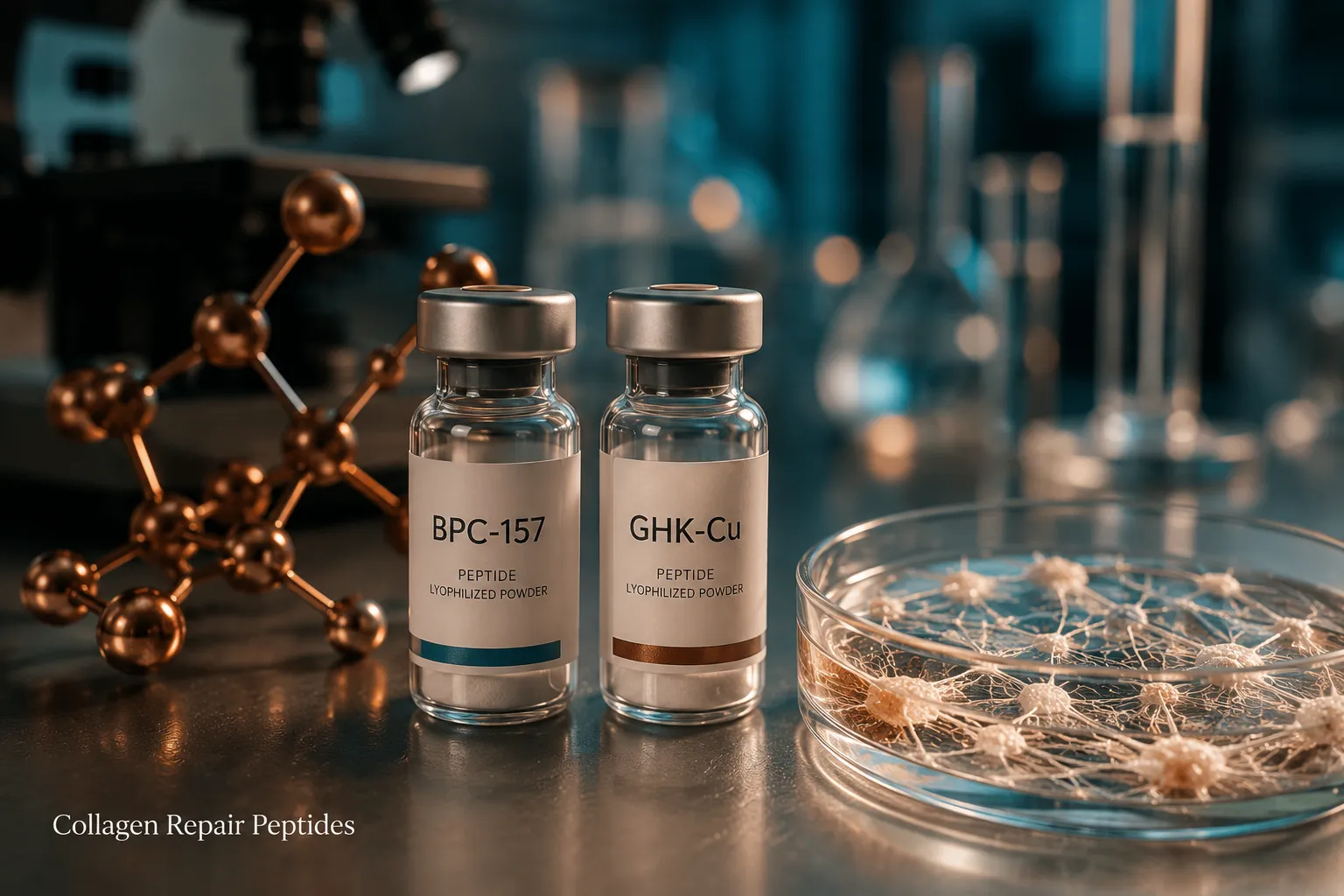
Peptides vs NSAIDs tissue repair comparison hero

Key Takeaways

  • NSAIDs like naproxen suppress inflammation by blocking COX enzymes but do not stimulate tissue regeneration and may actively impair mesenchymal stem cell activity.
  • BPC‑157 promotes tendon, ligament, and muscle healing by upregulating VEGF and nitric oxide pathways, driving angiogenesis in injured tissue.
  • GHK‑Cu accelerates wound closure through collagen synthesis and anti-inflammatory signaling, offering a complementary regenerative mechanism.
  • Preclinical data suggest naproxen can reduce the therapeutic efficacy of MSC-based treatments and interfere with osteogenic differentiation.
  • The mechanistic gap between these two approaches, suppression versus regeneration, is the central research question driving interest in peptide-based injury protocols in 2026.

How NSAIDs and Regenerative Peptides Work at the Cellular Level

Understanding the contrast between regenerative peptide approaches and conventional anti-inflammatory molecules starts with basic cell biology.

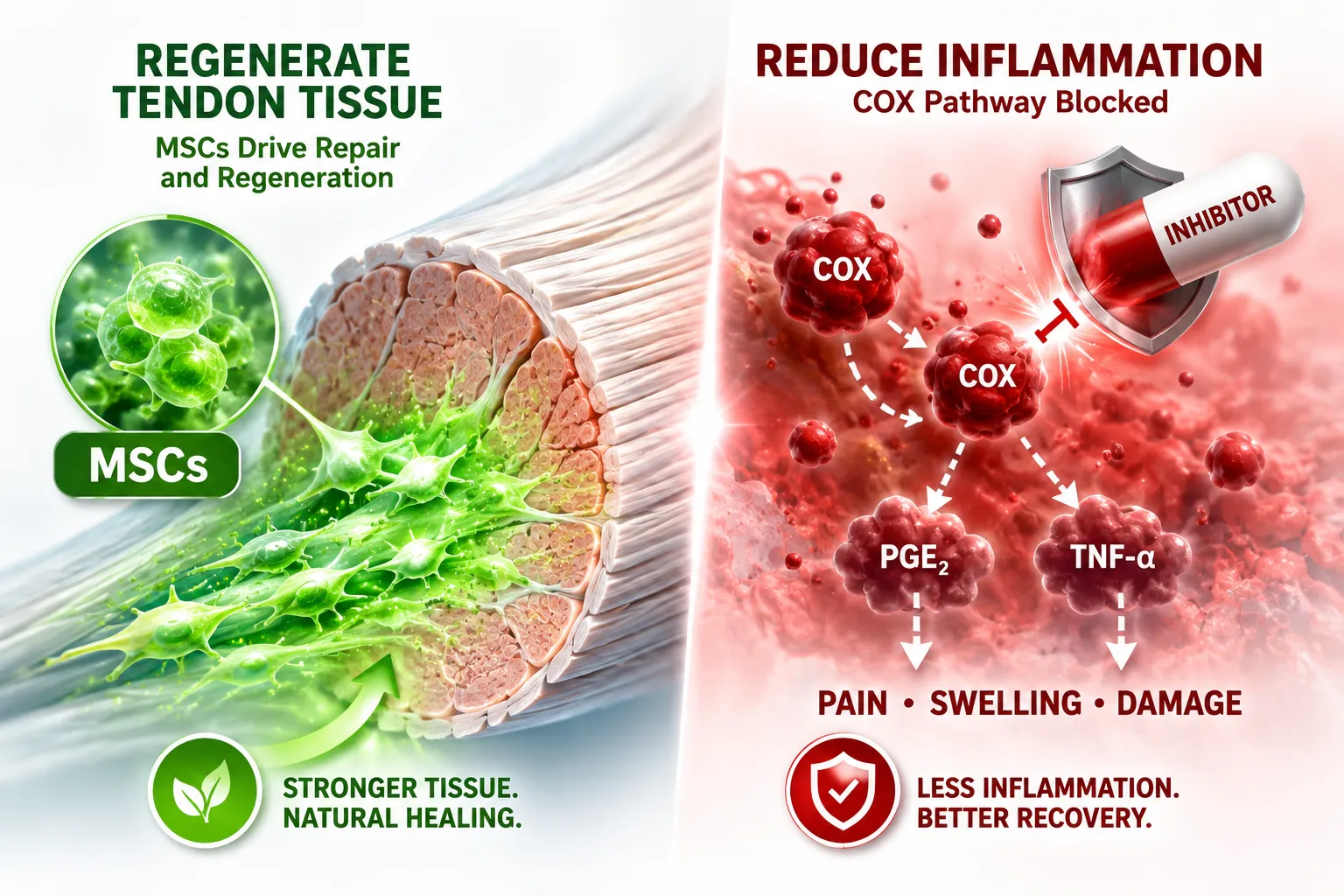
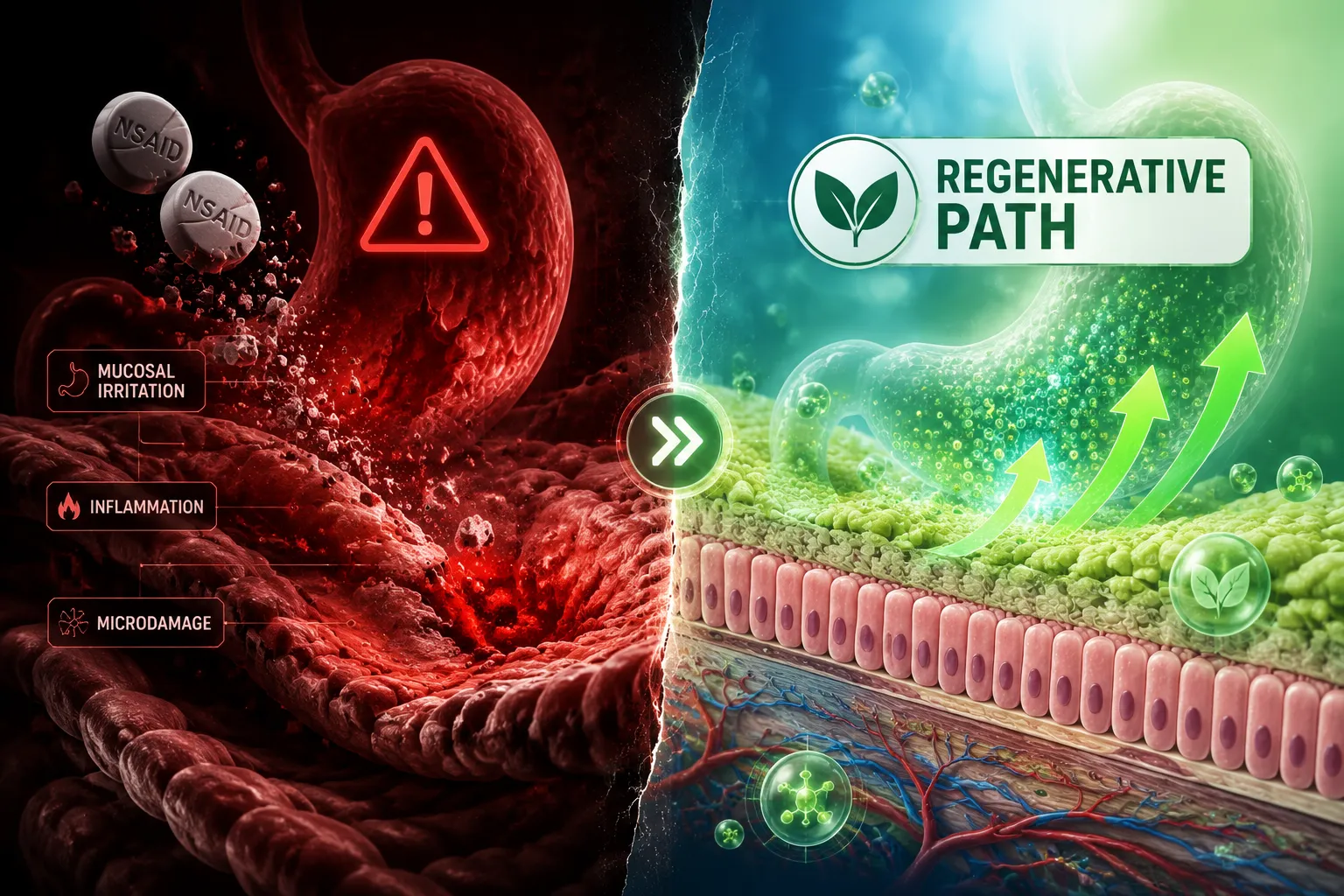
NSAIDs such as naproxen and diclofenac inhibit cyclooxygenase (COX-1 and COX-2) enzymes. This reduces prostaglandin synthesis, which lowers pain and swelling. The mechanism is well understood and clinically validated. However, prostaglandins also play a role in initiating the healing cascade. By suppressing them broadly, NSAIDs can blunt the early inflammatory phase that tissues need to begin repair.

Mesenchymal stem cells (MSCs) are multipotent stromal cells capable of differentiating into bone, cartilage, and connective tissue. They also secrete paracrine factors that modulate local inflammation and recruit other repair cells. Research has shown that naproxen can reduce the therapeutic efficacy of human mesenchymal stromal cell therapy in posttraumatic osteoarthritis models. A separate study found that naproxen disrupts osteogenic differentiation of MSCs by interfering with Indian hedgehog signaling, a pathway critical for bone and cartilage formation.

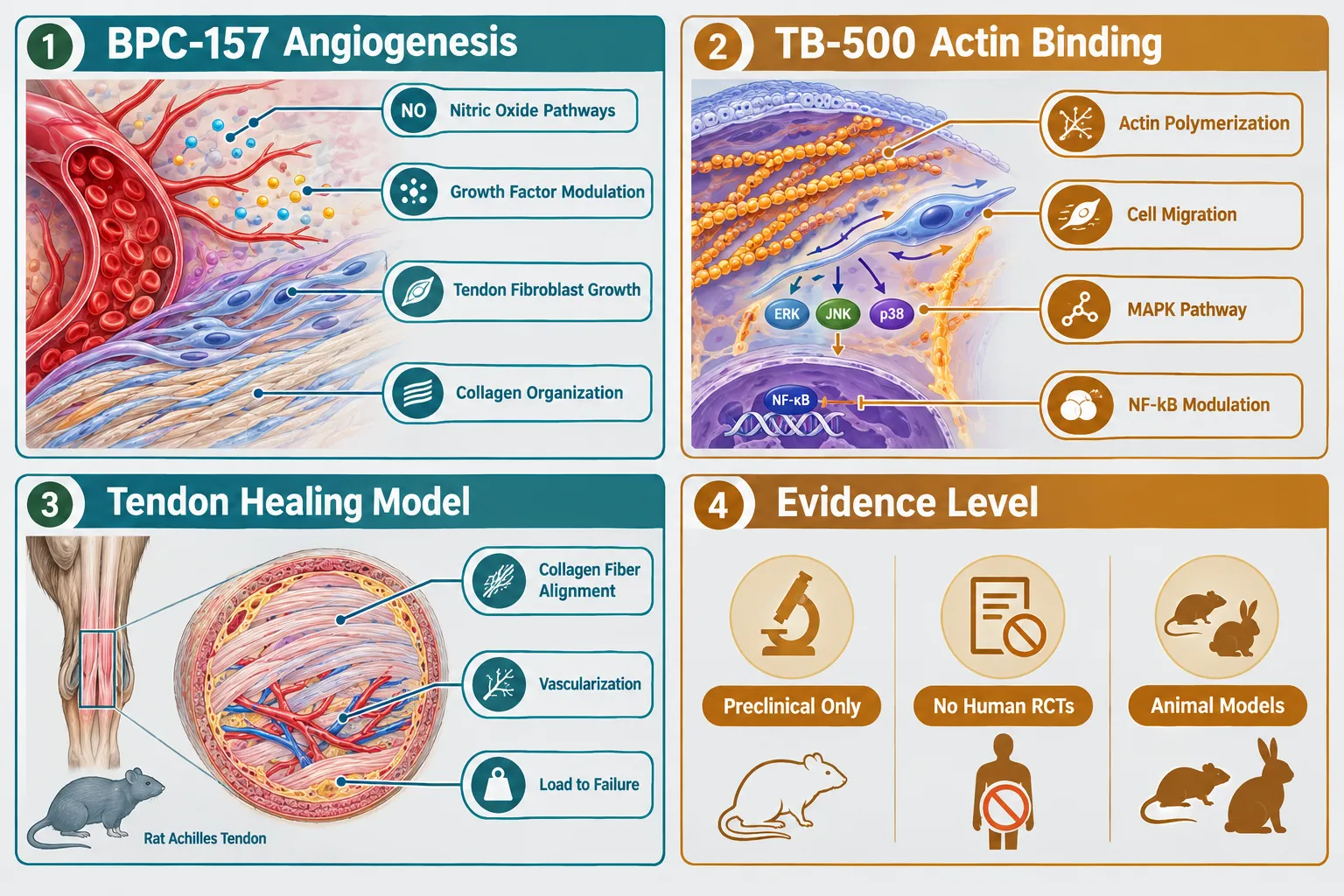
BPC‑157 (Body Protection Compound 157) is a synthetic pentadecapeptide derived from a gastric protein. Its primary tissue-repair mechanisms include upregulation of vascular endothelial growth factor (VEGF), promotion of nitric oxide synthesis, and enhancement of tendon cell outgrowth, survival, and migration. In rat models of transected medial collateral ligaments, BPC‑157 improved both functional and biomechanical recovery. A 2019 review confirmed consistently positive effects across tendon, ligament, and muscle injury models.

GHK‑Cu (copper peptide glycyl-L-histidyl-L-lysine) works through a distinct but complementary pathway. It stimulates collagen and glycosaminoglycan synthesis, promotes angiogenesis, and modulates inflammatory cytokines. These properties make it particularly relevant in wound healing and soft-tissue remodeling research. For researchers exploring topical and systemic peptide applications, GHK-Cu peptides for sale are among the most studied copper-based compounds in the field.

How NSAIDs and Regenerative Peptides Work at the Cellular Level


BPC‑157, GHK‑Cu, and the Mechanistic Gap With Naproxen in Injury Models

The phrase "Mesenchymal Stem Cells, BPC‑157, and GHK‑Cu: How Tissue Repair Peptides Compare With Classic NSAIDs Like Naproxen in Injury Models" captures a genuine scientific tension. These two categories of compounds are not simply different doses of the same idea, they operate on fundamentally different biological logic.

Feature NSAIDs (Naproxen) BPC‑157 / GHK‑Cu
Primary action COX inhibition, anti-inflammatory VEGF upregulation, collagen synthesis
Effect on MSCs May impair differentiation Supports paracrine repair signaling
Tissue rebuilding No direct effect Documented in preclinical models
GI safety profile Known mucosal risk BPC‑157 shown to counteract NSAID GI damage

One particularly striking finding: BPC‑157 has been shown to counteract gastrointestinal, liver, and brain toxicity caused by diclofenac in animal models. This positions BPC‑157 not only as a tissue-repair agent but potentially as a protective compound against NSAID-induced organ stress.

For researchers interested in the broader landscape of peptide mechanisms, the ultimate guide to peptide therapy benefits and uses provides a useful reference framework. Additionally, TB-500 muscle recovery research themes explore another regenerative peptide with overlapping soft-tissue applications.

BPC‑157 also demonstrates neuroprotective effects in animal models of traumatic brain injury and spinal cord compression, a range of activity that no NSAID replicates. This breadth suggests a systemic repair orientation rather than localized symptom suppression.

GHK‑Cu's role is more focused on extracellular matrix remodeling. Its ability to upregulate collagen synthesis while simultaneously reducing inflammatory cytokines makes it a candidate for both acute injury and chronic tissue degeneration research. Those sourcing research-grade material can review the GHK-Cu peptide research and sourcing guide for purity and procurement considerations.

BPC‑157, GHK‑Cu, and the Mechanistic Gap With Naproxen in Injury Models


What the Research Signals for Future Injury Protocols

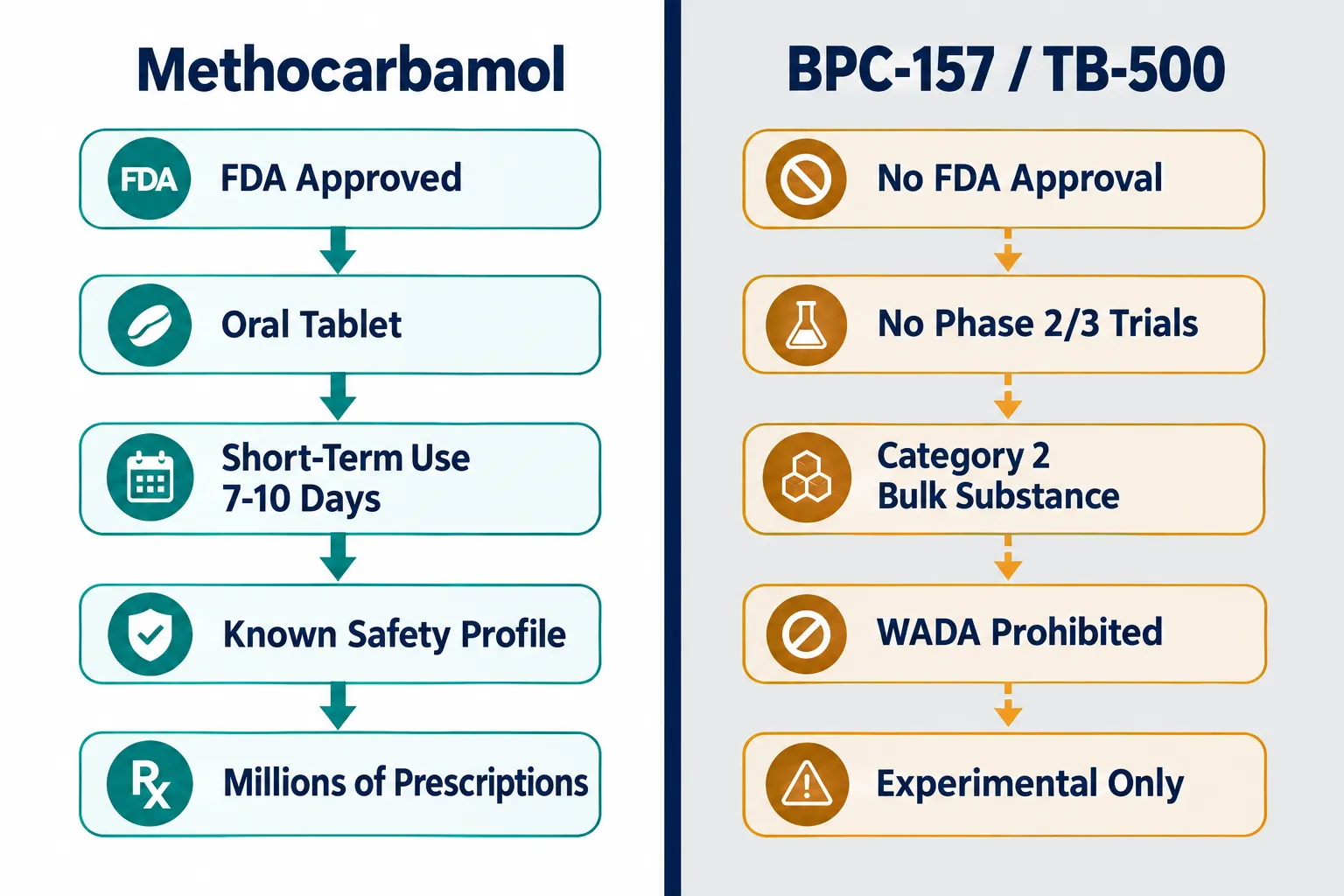
The comparison of Mesenchymal Stem Cells, BPC‑157, and GHK‑Cu with classic NSAIDs like naproxen in injury models is not yet a clinical story, it remains largely preclinical. Human trials are limited, and no regulatory body has approved BPC‑157 or GHK‑Cu as therapeutic drugs for musculoskeletal injury. That context matters.

What preclinical data do support is a mechanistic argument: agents that promote angiogenesis, stimulate MSC activity, and rebuild extracellular matrix are doing something categorically different from COX inhibition. The two approaches are not mutually exclusive in theory, but the evidence that NSAIDs can impair MSC-based treatments suggests caution about combining them without careful protocol design.

Researchers and clinicians evaluating these compounds should also consider delivery systems. Innovative peptide delivery systems continue to evolve, with oral, injectable, and topical formats each showing different bioavailability profiles. For those examining purity standards before sourcing, peptide purity testing explained simply is a practical starting point.

Other regenerative peptides worth examining alongside BPC‑157 and GHK‑Cu include MOTS-c for its mitochondrial and metabolic repair signaling, see MOTS-c the mitochondrial peptide, and the broader category of aging support peptides that intersect with tissue longevity research.

What the Research Signals for Future Injury Protocols


Conclusion

The mechanistic contrast between tissue repair peptides and classic NSAIDs like naproxen is sharper than most injury management discussions acknowledge. NSAIDs suppress inflammation efficiently but do not rebuild tissue and may actively interfere with MSC-based repair. BPC‑157 and GHK‑Cu, by contrast, work upstream, promoting angiogenesis, collagen synthesis, and cellular survival in injured connective tissue.

Actionable next steps for researchers and practitioners:

  • Review preclinical injury model data for BPC‑157 and GHK‑Cu before designing protocols that also involve NSAID use.
  • Evaluate whether concurrent NSAID administration is necessary, given evidence of MSC impairment.
  • Prioritize purity-verified peptide sources and consult current delivery system research for optimal bioavailability.
  • Monitor emerging human trial data, as the field is moving quickly in 2026.

The question is no longer whether regenerative peptides differ from NSAIDs, they clearly do. The research priority now is understanding when, how, and for whom those differences matter most.

https://www.puretestedpeptides.com/wp-content/uploads/2026/07/mesenchymal-stem-cells-bpc-157-and-ghk-cu-how-tissue-repair-peptides-compare-wit.webp 1024 1536 Pure Tested https://www.puretestedpeptides.com/wp-content/uploads/2026/01/buy-peptides-online.jpg Pure Tested2026-07-18 13:04:472026-07-20 14:59:48Mesenchymal Stem Cells, BPC‑157, and GHK‑Cu: How Tissue Repair Peptides Compare With Classic NSAIDs Like Naproxen in Injury Models
×

Helpful Links

  • My account
  • Cart
  • Checkout
  • Refund and Returns Policy
  • Privacy Policy
  • SMS Privacy Policy
  • Login
  • My Account
  • Logout

USA Made Lab Tested Peptides

All products are sold for research, laboratory, or analytical purposes only, and are not for human consumption


Pure Tested Peptides is a chemical supplier. Pure Tested Peptides is not a compounding / chemical compounding facility as defined under 503A of the Federal Food, Drug, and Cosmetic act. Pure Tested Peptides is not an outsourcing facility as defined under 503B of the Federal Food, Drug, and Cosmetic act.

The statements made within this website have not been evaluated by the US Food and Drug Administration. The products we offer are not intended to diagnose, treat, cure or prevent any disease.

Human/Animal Consumption Prohibited. Laboratory/In-Vitro Experimental Use Only

Scroll to top Scroll to top Scroll to top