

Musculoskeletal Recovery Protocols: Methocarbamol Muscle Relaxants Compared to BPC-157 and TB-500 Cellular Signaling
Muscle relaxants and regenerative peptides occupy completely different positions on the pharmacological spectrum, one interrupts pain signals in the spinal cord, the others attempt to rebuild tissue at the cellular level. Understanding that fundamental distinction is the starting point for any serious discussion of musculoskeletal recovery protocols: methocarbamol muscle relaxants compared to BPC-157 and TB-500 cellular signaling. As of 2026, methocarbamol holds FDA approval backed by decades of prescribing data, while BPC-157 and TB-500 remain unapproved, largely preclinical compounds operating in a tightly regulated gray zone.
Key Takeaways
- Methocarbamol works centrally by suppressing polysynaptic reflexes in the spinal cord; BPC-157 and TB-500 act peripherally through angiogenesis, growth factor signaling, and actin dynamics.
- Methocarbamol has controlled human trial data supporting short-term use in acute muscle spasm; BPC-157 and TB-500 have no completed randomized controlled trials in any musculoskeletal indication.
- Standard methocarbamol courses are typically limited to 7-10 days; its benefit when added to NSAIDs alone is debated in recent pooled analyses.
- Both BPC-157 and TB-500 are classified as high-risk bulk substances by the FDA and are prohibited by WADA at all times.
- A 2026 animal study showed TB-500 produced stronger biomechanical improvements in Achilles tendon healing than BPC-157, but this evidence does not translate directly to human clinical use.
How Methocarbamol Works: Central Relaxation vs. Peripheral Repair
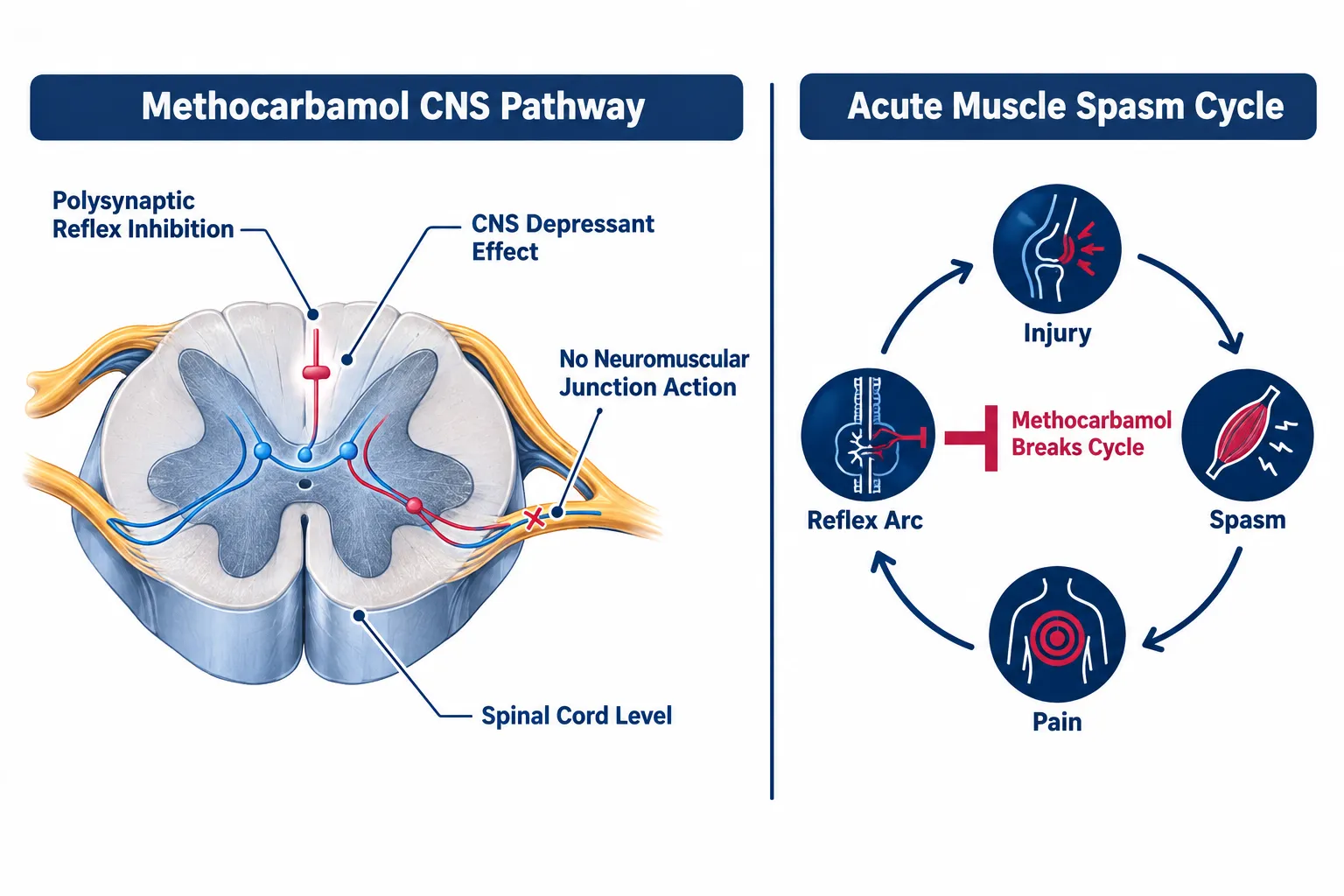
Methocarbamol is a centrally acting skeletal muscle relaxant. Its primary mechanism involves inhibiting polysynaptic reflexes at the spinal cord level and producing a general CNS depressant effect. Critically, it does not act directly at the neuromuscular junction. This means it reduces the brain and spinal cord's contribution to muscle tension rather than altering the muscle fiber itself.
Standard adult dosing begins at 1,500 mg four times daily, then tapers for maintenance. European guidelines allow up to 7,500 mg per day in severe cases, but treatment duration is typically capped at 30 days, and contemporary acute pain guidance recommends limiting courses to 7-10 days in most scenarios.
What the clinical evidence shows:
- A randomized, double-blind, placebo-controlled trial in acute low back pain found methocarbamol improved pain scores, fingertip-to-floor distance, and mobility, with 67% of patients rating it effective.
- A comparative RCT in 201 patients found methocarbamol plus paracetamol superior to thiocolchicoside plus paracetamol for spasm-related low back pain, with fewer adverse events.
- A randomized, placebo-controlled trial in cirrhotic patients showed meaningful reductions in muscle cramp frequency and duration.
- A 2022 pooled analysis, referenced in 2026 prescribing reviews, found no meaningful incremental benefit of methocarbamol over placebo when added to NSAIDs, raising questions about routine add-on use.
"Methocarbamol's value lies in acute, time-limited symptom control, not in remodeling damaged tissue."
Its adverse-effect profile is well-characterized: sedation, dizziness, and GI upset are the most common complaints. With millions of prescriptions written annually, the drug's risk-benefit ratio is understood in a way that neither BPC-157 nor TB-500 can currently match.
For researchers interested in how peptide dosing frameworks differ from conventional pharmacology, the peptide dosing resource provides useful foundational context.
BPC-157 and TB-500 Cellular Signaling in Musculoskeletal Recovery Protocols
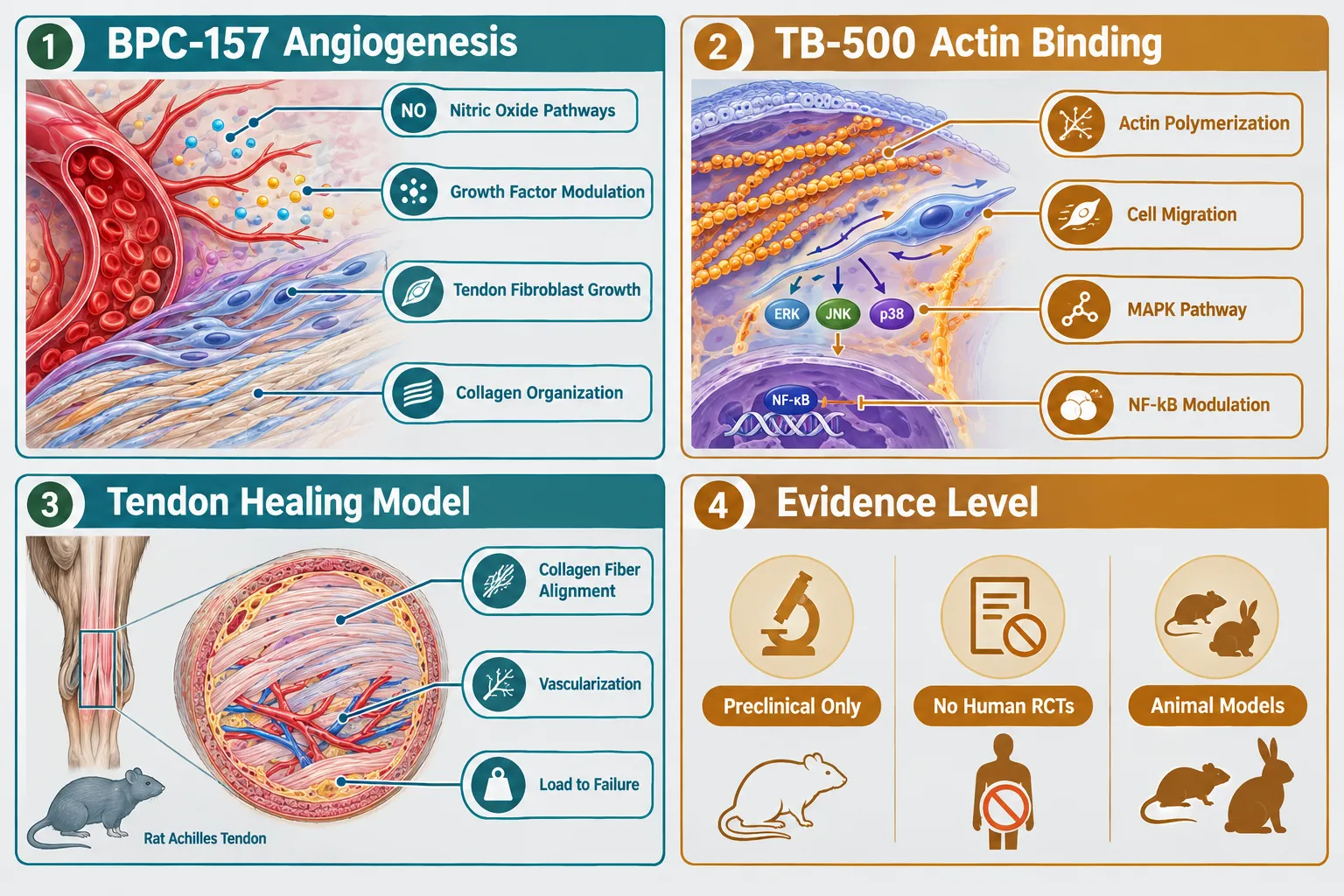
Where methocarbamol quiets the nervous system's contribution to spasm, BPC-157 and TB-500 are proposed to work at the tissue level, promoting healing rather than masking pain. Their mechanisms are distinct from each other and from any conventional muscle relaxant.
BPC-157 is a stable synthetic pentadecapeptide derived from a gastric protein. Its proposed actions include:
- Modulation of nitric oxide pathways
- Upregulation of growth factor signaling (including VEGF)
- Stimulation of tendon fibroblast proliferation
- Improved collagen organization and vascularization
In rat Achilles tendon transection models, BPC-157 treatment produced complete recovery characterized by higher failure load, improved Young's modulus, and enhanced collagen formation. Similar results appeared in quadriceps muscle-to-bone detachment and ligament injury models across 1-90 days post-injury.
TB-500, a synthetic fragment of thymosin-beta-4, operates through a different but complementary set of pathways:
- Actin polymerization regulation
- Enhanced cell migration
- MAPK and NF-kB pathway modulation
- Reduction of degenerative collagen changes (lower Bonar and Movin scores in animal studies)
A 2026 animal study comparing both peptides in a rat Achilles tendon injury model found that TB-500 produced statistically significant improvements in maximum load to failure and superior collagen alignment compared to controls. The BPC-157 group also outperformed controls, and a combination group showed complementary effects, suggesting these compounds may act on overlapping but non-identical repair pathways.
For broader context on how cellular signaling peptides fit within research pharmacology, see this Peptides 101 for research-use only buyers overview.
Regulatory Status and Evidence Gaps in 2026
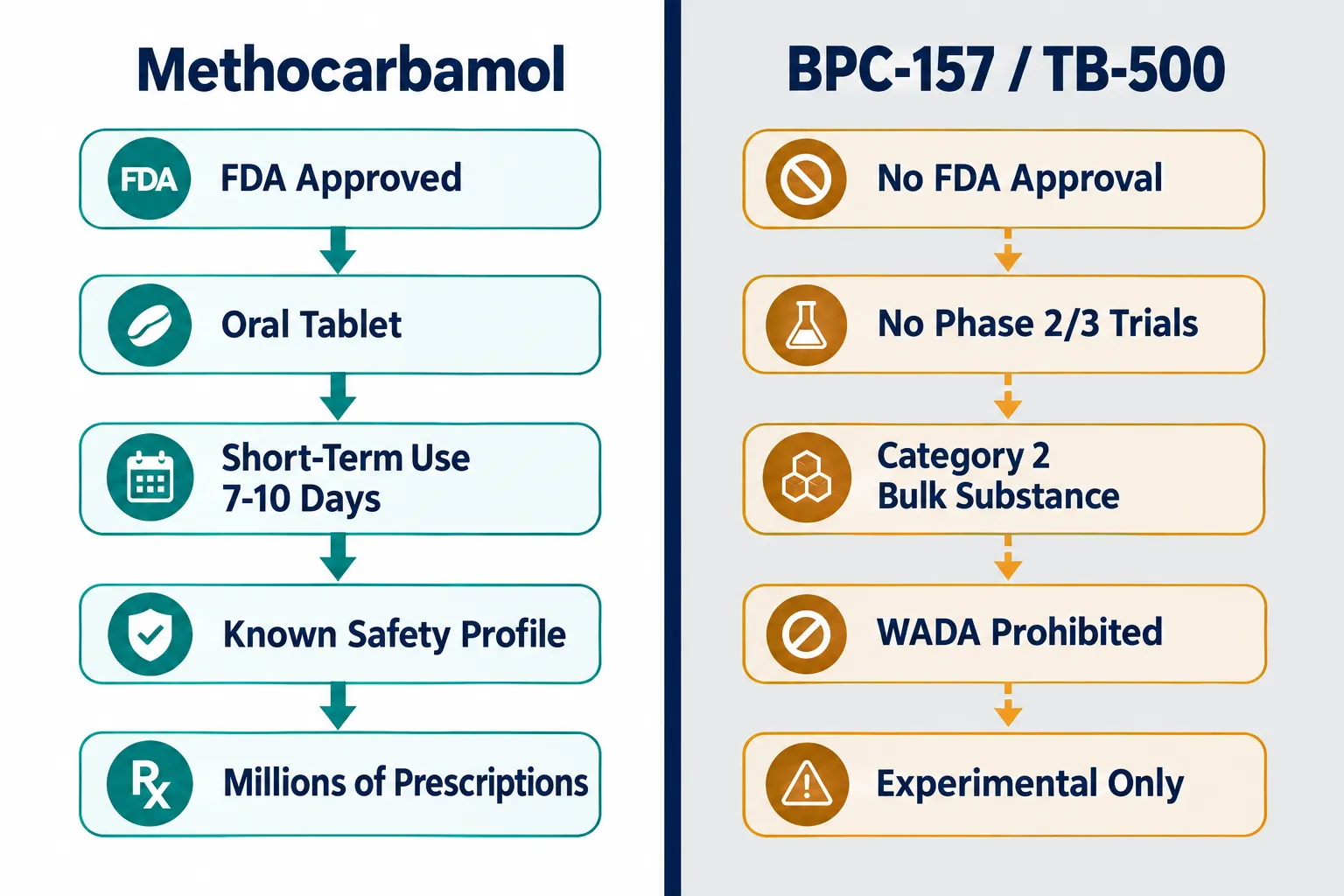
The most important distinction in any musculoskeletal recovery protocols: methocarbamol muscle relaxants compared to BPC-157 and TB-500 cellular signaling discussion is not mechanistic, it is evidentiary and regulatory.
| Factor | Methocarbamol | BPC-157 | TB-500 |
|---|---|---|---|
| FDA Approval | Yes (oral tablet) | No | No |
| Human RCTs (MSK) | Multiple completed | None completed | None registered |
| Compounding Status | Standard Rx | Category 2 bulk (503A) | Category 2 bulk (503A) |
| WADA Status | Not prohibited | Prohibited (S0) | Prohibited (S0) |
Key regulatory facts for 2026:
- BPC-157 was placed in Category 2 of the FDA's 503A bulk substances list in 2023 due to concerns about immunogenicity, peptide-related impurities, and limited safety data. Its nomination was later withdrawn, but it remains off the approved bulks list.
- In July 2026, an FDA advisory panel voted 8-6 in favor of recommending BPC-157 for inclusion on the 503A bulks list. This is a non-binding recommendation and does not constitute drug approval or legalize finished BPC-157 products.
- TB-500 was explicitly cited as presenting "significant safety risks" and is prohibited for pharmacy compounding.
- Human evidence for BPC-157 consists of only three small pilot studies (each enrolling 12 or fewer participants), none of which were randomized or placebo-controlled. One Phase 2 RCT for hamstring strains is registered (NCT07437547) but has no published outcomes.
- Among 18 ClinicalTrials.gov records for thymosin-beta-4 (TB-500's parent compound), none involve tendon, ligament, joint, or muscle injury.
Sports-medicine and orthopaedic experts consistently advise against routine clinical use of either peptide for musculoskeletal recovery, citing the absence of controlled human data and uncharacterized long-term safety profiles.
Researchers exploring related peptide mechanisms may find the SS-31 mitochondrial research themes and SS-31 Elamipretide resources relevant for understanding how cellular-level peptides differ from classical pharmacological agents. For those interested in peptide endocrine interactions, the article on peptides and polypeptides in endocrine pharmacology provides additional mechanistic depth.
Conclusion
Comparing musculoskeletal recovery protocols: methocarbamol muscle relaxants compared to BPC-157 and TB-500 cellular signaling requires holding two very different frameworks at the same time. Methocarbamol addresses the symptom, spasm and pain, through a well-understood central mechanism, backed by controlled trials and a decades-long safety record, but best used for no more than 7-10 days. BPC-157 and TB-500 target the underlying tissue damage through angiogenesis, growth factor signaling, and actin dynamics, with compelling preclinical data, but zero completed human RCTs and significant regulatory restrictions as of 2026.
Actionable next steps:
- For acute muscle spasm, discuss short-term methocarbamol use with a licensed clinician, keeping the course to the shortest effective duration.
- Do not substitute BPC-157 or TB-500 for standard orthopaedic care; neither has human trial evidence supporting clinical use.
- Monitor the FDA's 503A bulks list for updates on BPC-157's compounding status, and watch for published outcomes from NCT07437547.
- Researchers studying peptide-based tissue repair should consult primary preclinical literature and regulatory guidance before drawing clinical conclusions.


Leave a Reply
Want to join the discussion?Feel free to contribute!