Call or Text 727-513-9780
  • Shopping Cart Shopping Cart
    0Shopping Cart
Pure Tested Peptides | America's most trusted Peptides for sale online
  • Peptides for sale
    • Oral Peptides for sale
      • Peptide Capsules for sale
      • BPC 157 Capsules 1000mcg
      • SLU-PP-332 Capsules | 1000 mcg
      • 5-Amino-1MQ 50mg Capsules
      • Tesofensine 500mcg
    • All Peptides for sale
    • Peptide Sprays
      • BPC 157 Nasal Spray Kit
      • BPC-157 TB500 Nasal Spray Kit
      • Semax Nasal Spray 10mg
      • Selank – Nasal Spray Kit – 10mg
      • Epithalon 50MG Nasal Spray Kit
      • Ipamorelin 10mg Nasal Spray
      • Klow Nasal Spray (BPC-157 + TB-500 + GHK-Cu + KPV) | 80mg
      • Hulk Nasal Spray Tesa / Ipa Blend 6/3 MG
      • Klow Nasal Spray
      • NAD + 500 mg Nasal Spray
      • PT-141 Nasal Spray Kit
    • GHRH Peptides
      • Ipa Peptides
      • CJC-1295 Peptides
        • CJC-1295 with DAC 5 mg
        • CJC-1295 without DAC 5 mg
        • CJC-1295 Ipa 10mg
      • Tesa Peptides
        • Tesa Peptide
        • Tesa 20 mg
    • GHK-Cu Peptides
      • All GHK-Cu Peptides
      • GHK-Cu 100mg
      • KLOW Peptide Blend – Buy KLOW blend online
    • BPC Peptides
      • All BPC Peptides
      • BPC-157
      • BPC-157 TB-500
      • BPC 157 capsules 1000mcg
    • SLU-PP-332 Peptides
      • All SLU-PP-332 Peptides
      • SLU-PP-332 5mg
    • GLP3 Peptides
    • PT-141 Peptides
      • PT-141 Peptides for sale
      • PT-141 10mg
      • PT-141 Nasal Spray
    • CAG Peptides
      • Lipo-C Peptide Blend
      • CAG 5mg
      • CAG 10mg
    • MOTS-C Peptides
      • MOTS-C Peptides for sale
      • MOTS-c peptide
      • MOTS-c 10mg *6 pack*
    • 5 Amino 1MQ Peptides
      • 5 Amino 1MQ Peptides for sale
      • 5-Amino-1MQ 50mg Capsules
      • 5-Amino-1MQ 5mg
    • Epithalon Peptides
      • Epithalon Peptides for sale
      • Epithalon 10mg
      • Epithalon 50mg
  • Shop
    • GLPs
      • 5-Amino-1MQ 50mg Capsules
      • 5-Amino-1MQ 5mg
      • L-Carnitine 500mg/ml
      • Tesofensine 500mcg
      • SLU-PP-332 5mg
      • MOTS-c 10mg *6 pack*
    • Epithalon & BPC Peptides
      • Epithalon 10mg
      • Epithalon 50mg
      • BPC-157
      • BPC 157 capsules 1000mcg
      • BPC-157 TB-500
      • BPC-157 TB500 Nasal Spray Kit
      • BPC 157 Nasal Spray Kit
    • BPC TB-500 & NAD+ Peptides
      • NAD+ 500 mg
      • KLOW Peptide Blend – Buy KLOW blend online
      • GLOW Peptide Blend
      • TB 500 5mg
      • BPC 157 capsules 1000mcg – Supplement
      • BPC 157 Nasal Spray Kit
      • BPC-157
      • BPC-157 TB500 Nasal Spray Kit
      • BPC-157 TB-500
      • BPC 157 capsules 1000mcg
    • LL-37 Peptide
      • LL-37 10 mg
    • MOTS-C & Selank
      • MOTS-c peptide
      • Selank 10mg
    • GHK Peptides
      • GHK-Cu 100mg
      • GLOW Peptide Blend
      • KLOW Peptide Blend – Buy KLOW blend online
  • COAs
  • Wholesale
    • Wholesale Peptides for sale
  • PTP FAQ
  • Affiliates
    • Selank Peptide: Advanced Pharmacological Mechanisms Underlying Its Anxiolytic and Nootropic Effects in Research
      • 5-Amino-1MQ Peptide: Detailed Mechanisms of NNMT Inhibition and Its Impact on Cellular Metabolism Research
        • MOTS-C Peptide: Unraveling Its Role in Mitochondrial Dynamics and Energy Metabolism Research
          • Epithalon Peptide and Telomerase Regulation: Investigating Its Impact on Cellular Senescence and Lifespan Research Models
            • GLP2-T vs GLP2 Tirz Peptide: Understanding the Naming, Mechanistic Nuances, and Research Implications for Gut Health
      • Peptides and Polypeptides in Modern Pharmacology: What Research on Metoprolol, Prednisone, and Amlodipine Reveals
        • Polypeptide Peptides vs NSAIDs: What Naproxen and Diclofenac Teach Tissue-Repair Researchers About BPC‑157 and TB‑500
          • Peptides and Polypeptides in Endocrine Pharmacology: How GLP-1, GLP-2, and GLP-3 Retatrutide Differ From Classic Drugs Like Prednisone and Amlodipine
          • 5‑Amino‑1MQ Peptide and NNMT Inhibition: How It Compares With Statins Like Atorvastatin in Adipose and Lipid Metabolism Research
      • Enclomiphene, Estrogen Receptor Signaling, and Luteinizing Phase Biology: What Hormone Researchers Should Measure
        • Mesenchymal Stem Cells, BPC‑157, and GHK‑Cu: How Tissue Repair Peptides Compare With Classic NSAIDs Like Naproxen in Injury Models
          • Peptide Calculator Use Cases Beyond Growth Hormone: Working Through GLP‑3 Retatrutide, MOTS‑c, and BPC‑157 Research Dosing
        • Polypeptide Peptides in Endocrine and Metabolic Pharmacology: Lessons From Amlodipine, Prednisone, and Metoprolol
        • Peptides Calculator for Advanced Blends: Worked Examples for Tesamorelin, CJC‑1295, and Ipamorelin Stacks
          • Peptides and Polypeptides in Human Physiology: How Molecular Size Shapes Research Applications
            • Selank Peptide: Advanced Pharmacological Mechanisms Underlying Its Anxiolytic and Nootropic Effects in Research
          • 5-Amino-1MQ Peptide: Detailed Mechanisms of NNMT Inhibition and Its Impact on Cellular Metabolism Research
            • MOTS-C Peptide: Unraveling Its Role in Mitochondrial Dynamics and Energy Metabolism Research
              • Epithalon Peptide and Telomerase Regulation: Investigating Its Impact on Cellular Senescence and Lifespan Research Models
                • GLP2-T vs GLP2 Tirz Peptide: Understanding the Naming, Mechanistic Nuances, and Research Implications for Gut Health
                  • Peptides and Polypeptides in Endocrine Pharmacology: How GLP-1, GLP-2, and GLP-3 Retatrutide Differ From Classic Drugs Like Prednisone and Amlodipine
                    • Polypeptide Peptides vs NSAIDs: What Naproxen and Diclofenac Teach Tissue-Repair Researchers About BPC‑157 and TB‑500
                      • Peptides and Polypeptides in Modern Pharmacology: What Research on Metoprolol, Prednisone, and Amlodipine Reveals
                        • 5‑Amino‑1MQ Peptide and NNMT Inhibition: How It Compares With Statins Like Atorvastatin in Adipose and Lipid Metabolism Research
                        • Enclomiphene, Estrogen Receptor Signaling, and Luteinizing Phase Biology: What Hormone Researchers Should Measure
                        • Mesenchymal Stem Cells, BPC‑157, and GHK‑Cu: How Tissue Repair Peptides Compare With Classic NSAIDs Like Naproxen in Injury Models
                        • Peptide Calculator Use Cases Beyond Growth Hormone: Working Through GLP‑3 Retatrutide, MOTS‑c, and BPC‑157 Research Dosing
                        • Polypeptide Peptides in Endocrine and Metabolic Pharmacology: Lessons From Amlodipine, Prednisone, and Metoprolol
                        • Peptides Calculator for Advanced Blends: Worked Examples for Tesamorelin, CJC‑1295, and Ipamorelin Stacks
                        • Peptides and Polypeptides in Human Physiology: How Molecular Size Shapes Research Applications
                        • Selank Peptide: Advanced Pharmacological Mechanisms Underlying Its Anxiolytic and Nootropic Effects in Research
                        • MOTS-C Peptide: Unraveling Its Role in Mitochondrial Dynamics and Energy Metabolism Research
                        • Peptides and Polypeptides in Modern Pharmacology: What Research on Metoprolol, Prednisone, and Amlodipine Reveals
                        • Peptides and Polypeptides in Endocrine Pharmacology: How GLP-1, GLP-2, and GLP-3 Retatrutide Differ From Classic Drugs Like Prednisone and Amlodipine
                        • 5-Amino-1MQ Peptide: Detailed Mechanisms of NNMT Inhibition and Its Impact on Cellular Metabolism Research
                        • Mesenchymal Stem Cells, BPC‑157, and GHK‑Cu: How Tissue Repair Peptides Compare With Classic NSAIDs Like Naproxen in Injury Models
                        • Peptide Calculator Use Cases Beyond Growth Hormone: Working Through GLP‑3 Retatrutide, MOTS‑c, and BPC‑157 Research Dosing
                        • GLP2-T vs GLP2 Tirz Peptide: Understanding the Naming, Mechanistic Nuances, and Research Implications for Gut Health
                        • Polypeptide Peptides in Endocrine and Metabolic Pharmacology: Lessons From Amlodipine, Prednisone, and Metoprolol
                        • Polypeptide Peptides vs NSAIDs: What Naproxen and Diclofenac Teach Tissue-Repair Researchers About BPC‑157 and TB‑500
                        • Peptides and Polypeptides in Human Physiology: How Molecular Size Shapes Research Applications
                        • Peptides Calculator for Advanced Blends: Worked Examples for Tesamorelin, CJC‑1295, and Ipamorelin Stacks
                        • 5‑Amino‑1MQ Peptide and NNMT Inhibition: How It Compares With Statins Like Atorvastatin in Adipose and Lipid Metabolism Research
                        • Enclomiphene, Estrogen Receptor Signaling, and Luteinizing Phase Biology: What Hormone Researchers Should Measure
                        • Epithalon Peptide and Telomerase Regulation: Investigating Its Impact on Cellular Senescence and Lifespan Research Models
                        • Best research protocol Klow blend
                        • best time to take BPC-157
                        • best time to take DSIP (Delta Sleep Inducing Peptide)
                        • best time to take CJC-1295
                        • best time to take AOD-9604
                        • best time to take Follistatin 344
                        • best time to take Ipamorelin
                        • best time to take MK-677 (Ibutamoren)
                        • best time to take Ligandrol (LGD-4033) — research compound
                        • best time to take Ostarine (MK-2866) — research compound
                        • best time to take GHK-CU
                        • best time to take TB-500
                        • best time to take MOTS-c
                        • best time to take Semax
                        • best time to take RAD-140 (Testolone) — research compound
                        • best time to take Thymosin Alpha-1
                        • best time to take PEG-MGF
                        • Biolife Plasma, Octapharma Plasma, and Research Peptides: How Plasma Donation Labs Differ From Peptide Suppliers
                        • best time to take YK-11 — research compound
                        • best time to take PT-141 (Bremelanotide)
                        • Best research protocol Klow blend
                        • 5-Amino-1MQ and MOTS-C Synergy: Metabolic Signaling, Mitochondria, and Research Design
                        • BPC-157 and TB-500: Investigating Their Combined Effects on Angiogenesis and Cellular Migration in Tissue Repair Models
                        • BPC-157 Peptide: Gut Barrier Function, Inflammation, and Tissue-Recovery Research
                        • 5‑Amino‑1MQ and MOTS‑c Synergy in Metabolic Research: Designing NNMT and Mitochondrial Biogenesis Stacks
                        • CJC-1295 with DAC vs. Without DAC: Half-Life, Release Kinetics, and Research Implications
                        • CJC‑1295 with DAC vs. Without DAC: Expanding on Half‑Life Differences Using Tesamorelin and Ipamorelin Blend Case Studies
                        • Collagen Biology and Copper‑Binding Peptides: How GHK‑Cu, Glow Blend, and Klow Blend Interact with Skin and Connective Tissue
                        • Collagen Biology and Regenerative Peptides: How GHK‑Cu, Glow Blend, and Klow Blend Affect Extracellular Matrix Research
                    • DNA, Telomeres, and Longevity Peptides: Positioning Epithalon and MOTS‑c in Genetic Aging Research
                      • Enclomiphene Citrate: serm Mechanism, Testosterone Research, and Stack Compatibility
                        • Enclomiphene vs Enclomiphene Citrate: Formulation, Bioavailability, and Research Distinctions
                        • Epithalon Peptide Research: Telomerase Activation, Aging, and Pineal Gland Function
                        • Estrogen Receptor Signaling and Enclomiphene: How Selective Modulators Compare with Classic Polypeptide Hormones
                        • GHK-Cu Peptide: Advanced Mechanisms in Extracellular Matrix Remodeling and Wound Healing Research
                        • GHK-Cu Peptide: Collagen Synthesis, Wound Repair, and Skin-Barrier Research Models
                        • GLP-1 vs GLP-3 vs GLP-2: Peptide Classification and Research Applications
                        • GLP-2 Peptide Research Guide: Gut Barrier Function, Nutrient Absorption, and Intestinal Recovery Models
                        • GLP-3 Retatrutide vs. GLP-1 Drugs: What Triple-Agonist Biology Changes in Research Models
                        • Ipamorelin and Tesamorelin Combination: Synergistic GH Secretagogue Research and Dosing Protocols
                        • GLP2 Tirz Peptide: What It Is, Why the Name Exists, and How Researchers Should Interpret It
                        • Klow Blend Peptide Nasal Spray: What the Formulation Is Trying to Do in Cognitive Research
                        • Mitochondria, NNMT Inhibition, and Peptide Modulators: Where MOTS‑c and 5‑Amino‑1MQ Fit in Cellular Energy Research
                        • MOTS-c Peptide: Mitochondrial Function, Energy Metabolism, and What Researchers Measure
                        • MOTS-c vs. 5-Amino-1MQ: Which Metabolic Research Questions Each Compound Actually Answers
                        • Nasal Spray Peptides: Bioavailability, Administration, and Semax/Selank Research Applications
                        • PT-141 Peptide Research: Mechanism of Action and Melanocortin Receptor Signaling
                        • Retatrutide for Research: Mechanism, Structure, and GLP-1/GLP-3 Dual Action
                        • Retatrutide for Obesity and Type 2 Diabetes: What the Latest Trial Data Suggest
                        • Tesofensine Peptide Research: Mechanism, Appetite Suppression, and Neuropeptide Y Pathways
  • Contact
    • Contact Customer Service
    • Text Customer Support
  • About US
  • Shop all peptides
  • Affiliate Program
    • Affiliate Signup
  • Login / Register Login / Register Page Link Login / Register Page Link
  • Click to open the search input field Click to open the search input field Search
  • Menu Menu

Tag Archive for: tendon repair

Ketorolac NSAID Suppression vs. BPC-157 Healing Signaling: Acute Phase Prostaglandin Modulation in Tendon Research

Ketorolac NSAID Suppression vs. BPC-157 Healing Signaling: Acute Phase Prostaglandin Modulation in Tendon Research

October 29, 2026/0 Comments/in Uncategorized/by

Tendon injuries account for roughly 30 percent of all musculoskeletal consultations worldwide, yet the standard pharmacological response, reach for an NSAID, may directly conflict with the biological signals that drive repair. The contrast between Ketorolac NSAID Suppression vs. BPC-157 Healing Signaling: Acute Phase Prostaglandin Modulation in Tendon Research sits at the center of a growing debate in regenerative sports medicine: should clinicians suppress the acute inflammatory cascade, or support it?

Key Takeaways

  • Ketorolac is a nonselective COX-1/COX-2 inhibitor that reduces prostaglandins, lowers pain, and dampens the acute inflammatory cascade in tendon tissue.
  • BPC-157 is a synthetic peptide that activates fibroblast proliferation, FAK-paxillin signaling, VEGF-driven angiogenesis, and collagen remodeling, pathways distinct from prostaglandin modulation.
  • The two agents target different biological layers of acute tendon repair, making direct pharmacological antagonism theoretically plausible but not yet documented in any tendon-specific study.
  • Nearly all BPC-157 data are preclinical; human efficacy and safety remain unestablished, and no regulatory body has approved it for musculoskeletal indications as of 2026.
  • Researchers and clinicians must weigh short-term analgesic benefits of NSAIDs against the possibility that prostaglandin suppression during days 1-4 post-injury may impair downstream tissue remodeling.

How COX Enzyme Inhibition Shapes the Acute Tendon Environment

When tendon tissue sustains mechanical trauma, phospholipase A2 releases arachidonic acid from cell membranes. Cyclooxygenase enzymes, specifically COX-1 and COX-2, convert that substrate into prostaglandins and thromboxanes. Prostaglandin E2 (PGE2), the dominant local mediator, sensitizes nociceptors (explaining post-injury pain) and recruits neutrophils and macrophages to the wound site.

Ketorolac inhibits both COX isoforms nonselectively, which:

  • Lowers PGE2 concentration in peritendinous fluid
  • Reduces lysosomal enzyme release from infiltrating neutrophils
  • Inhibits thromboxane-mediated platelet aggregation
  • Blunts nociceptor sensitization, producing rapid analgesia

"Ketorolac's analgesic effect in the acute phase is explicitly attributable to reduced prostaglandin levels, not to any direct structural action on tendon tissue."

This is an important distinction. Ketorolac is classified as an analgesic and short-term anti-inflammatory agent, not a tendon-healing drug. Drug-information resources updated in 2026 reinforce that its use is intended for brief durations because prolonged COX inhibition carries risks of gastrointestinal bleeding, renal toxicity, and interaction with other NSAIDs such as ibuprofen and naproxen.

The unresolved question is whether blunting PGE2 during days 1-4, precisely when the initial vascular, cellular, and matrix repair signals are being set, undermines the downstream remodeling that depends on controlled prostaglandin activity.


BPC-157 Healing Signaling: Growth Factor Up-Regulation vs. Prostaglandin Suppression

Body Protection Compound 157 (BPC-157) is a 15-amino-acid synthetic peptide derived from a gastric protein. Its mechanism in tendon tissue is fundamentally different from NSAID pharmacology. Rather than blocking an enzyme, BPC-157 activates multiple anabolic and pro-repair signaling axes simultaneously.

Fibroblast Activation and FAK-Paxillin Signaling

Mechanistic work on tendon fibroblasts demonstrates that BPC-157:

  1. Accelerates outgrowth of tendon explants in culture
  2. Increases fibroblast migration and cell spreading
  3. Induces F-actin cytoskeletal reorganization
  4. Activates the focal adhesion kinase (FAK), paxillin pathway, a key integrin-associated signal that governs cell attachment and migration
  5. Enhances cell survival under oxidative stress conditions

This cytoskeletal and adhesion signaling is entirely upstream of COX enzymes. BPC-157 does not inhibit prostaglandins; it drives the structural machinery that fibroblasts need to synthesize and align new collagen.

Angiogenesis and VEGF-Linked Pathways

Tendons are hypovascular tissues. Adequate blood supply during the acute and subacute phases is critical for delivering oxygen, nutrients, and progenitor cells. BPC-157 up-regulates vascular endothelial growth factor (VEGF) and promotes neovascularization, an effect measured by neovascular indices in rat Achilles tendon-to-bone transection models. This contrasts with ketorolac's thromboxane inhibition, which moderately reduces platelet-driven angiogenic signaling.

Cytokine Modulation and Collagen Remodeling

A 2026 orthopaedic overview categorizes BPC-157 among experimental regenerative peptides that:

  • Down-regulate pro-inflammatory cytokines
  • Stimulate collagen synthesis and remodeling
  • Modulate the nitric oxide (NO) system, which is involved in both vascular tone and tendon cell biology

Researchers studying similar tissue-repair peptides have examined mitochondrial-targeted compounds like those reviewed in the SS-31 mechanism and research overview, which parallels BPC-157's cytoprotective profile in hypoxic or inflamed tissue environments.


Acute Phase Prostaglandin Modulation in Tendon Research: What the Data Show

The phrase Ketorolac NSAID Suppression vs. BPC-157 Healing Signaling: Acute Phase Prostaglandin Modulation in Tendon Research describes a mechanistic tension rather than a head-to-head clinical trial, because no such trial currently exists.

What Rodent Models Reveal About BPC-157 in the Acute Phase

Early administration of BPC-157 (days 1-4) after rat Achilles tendon-to-bone transection produces measurable improvements in:

Outcome Measure Direction of Change with BPC-157
Achilles Functional Index Improved
Load to Failure Increased
Stiffness and Young's Modulus Increased
Collagen Organization Improved
Myeloperoxidase (MPO) Activity Decreased
Inflammatory Cell Influx Reduced
Neovascular Indices Increased

Notably, BPC-157 partially counteracts healing impairments caused by systemic corticosteroids, a different class of anti-inflammatory than NSAIDs, but one that also profoundly suppresses prostaglandin synthesis. This suggests BPC-157's pro-healing signaling can remain active even in a pharmacologically suppressed inflammatory environment.

Researchers interested in the broader landscape of peptides that support connective tissue recovery may also find value in reviewing resources on GHK-Cu copper peptide research and sourcing, as GHK-Cu shares some collagen-remodeling characteristics with BPC-157.

The Missing Data: NSAID-BPC-157 Tendon Co-administration

No published tendon study as of 2026 has directly examined ketorolac alongside BPC-157 during the acute phase to map prostaglandin suppression against growth factor up-regulation in the same model. The theoretical concern is straightforward:

  • Ketorolac eliminates PGE2, blunting neutrophil recruitment and early vascular signaling
  • BPC-157 drives FAK-paxillin activation and VEGF-mediated angiogenesis in the same window
  • Whether COX inhibition attenuates or is independent of BPC-157's receptor-level signals is unknown

Some researchers in sports medicine have begun exploring growth hormone secretagogue peptides, such as combinations studied in ipamorelin vs. tesa comparisons, as complementary tools for soft-tissue recovery, though these operate via entirely different hormonal axes than BPC-157.

Regulatory and Safety Context in 2026

Both the research optimism and the clinical caution around BPC-157 are well-founded. A 2025 narrative review explicitly warns that despite robust rodent data, no large human randomized controlled trials have been published, and unregulated off-label use in sports settings raises unresolved long-term safety concerns. The peptide holds no regulatory approval for tendon indications in any major jurisdiction as of 2026.

For researchers sourcing related experimental peptides for preclinical investigation, resources such as lab-tested peptide options provide guidance on quality standards relevant to research-grade compounds. Similarly, those examining mitochondrial and cytoprotective peptide mechanisms alongside tendon work may reference the MOTS-C and elamipretide research overview for comparative signaling context.


Conclusion

The contrast between ketorolac's COX-1/COX-2 enzyme inhibition and BPC-157's growth factor up-regulation represents one of the most conceptually significant gaps in acute tendon pharmacology. Ketorolac reliably reduces prostaglandins, lowers pain, and moderates early inflammatory cell trafficking, outcomes with real clinical value in the hours after injury. BPC-157, based on preclinical evidence, activates fibroblast FAK-paxillin signaling, VEGF-driven angiogenesis, and collagen remodeling during that same acute window.

Actionable next steps for researchers and clinicians:

  1. Design co-administration studies, preclinical models that administer both ketorolac and BPC-157 post-Achilles transection and measure functional, biomechanical, and histological outcomes at days 4, 14, and 28.
  2. Map prostaglandin levels explicitly, measure PGE2 and PGF2-alpha in peritendinous fluid in BPC-157-treated animals to determine whether the peptide itself modulates prostaglandin output or operates entirely through parallel pathways.
  3. Follow regulatory developments, monitor IND submissions and Phase I safety data for BPC-157 before considering any human application, as the evidence base does not yet support clinical use.
  4. Apply conservative NSAID dosing windows, until NSAID-BPC-157 tendon interaction data exist, clinicians should be cautious about prolonged COX inhibition during the critical days-1-to-4 repair window.

The field of regenerative tendon research in 2026 is at a crossroads between established pharmacology and promising but unvalidated peptide biology. Rigorous mechanistic studies examining Ketorolac NSAID Suppression vs. BPC-157 Healing Signaling: Acute Phase Prostaglandin Modulation in Tendon Research are the essential next step.

https://www.puretestedpeptides.com/wp-content/uploads/2026/10/ketorolac-nsaid-suppression-vs-bpc-157-healing-signaling-acute-phase-prostagland.webp 1024 1536 https://www.puretestedpeptides.com/wp-content/uploads/2026/01/buy-peptides-online.jpg 2026-10-29 13:19:092026-11-22 02:20:25Ketorolac NSAID Suppression vs. BPC-157 Healing Signaling: Acute Phase Prostaglandin Modulation in Tendon Research
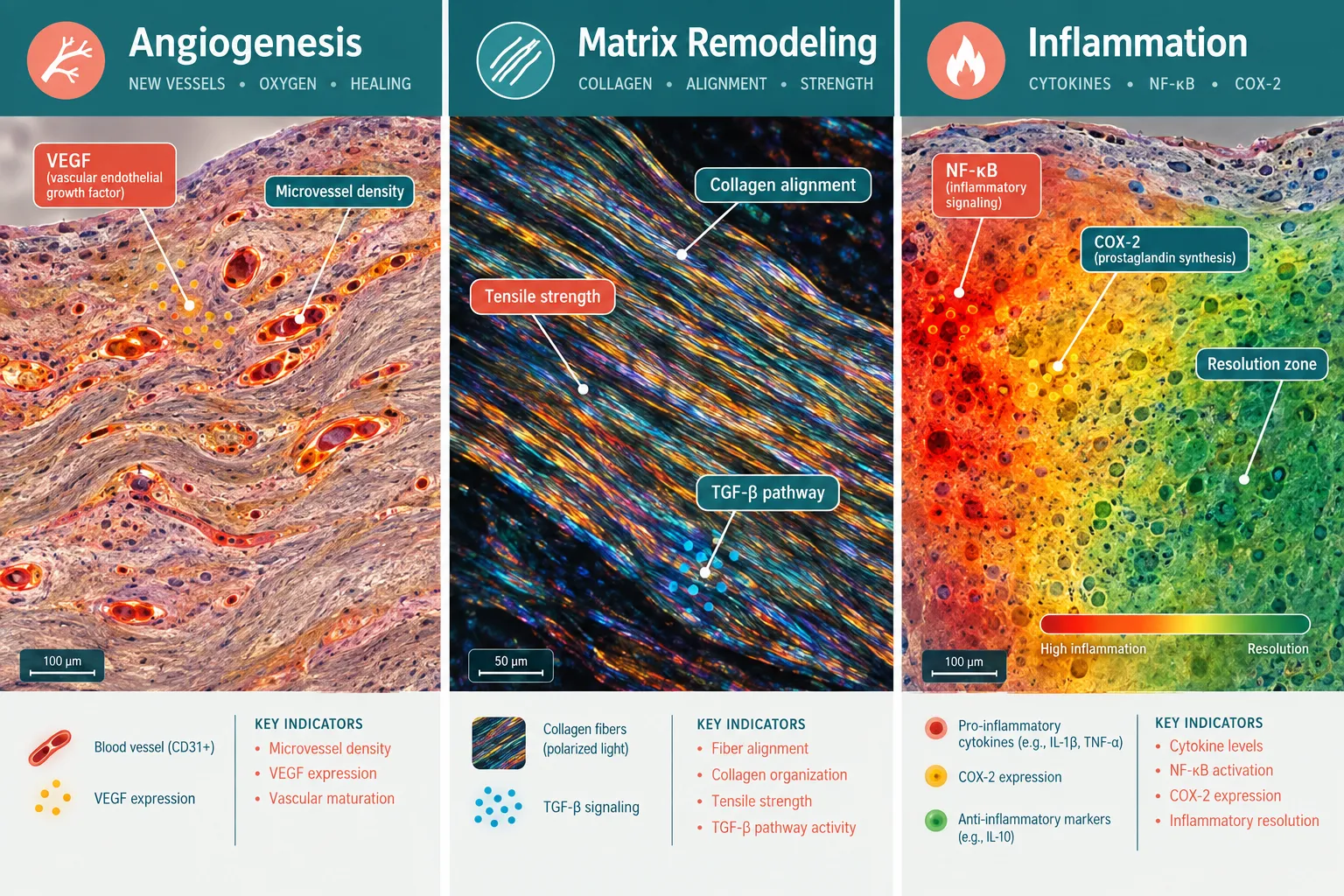
BPC-157 and TB-500 in Tendon and Muscle Models: Separating Angiogenesis, Matrix Remodeling, and Inflammation Readouts

BPC-157 and TB-500 in Tendon and Muscle Models: Separating Angiogenesis, Matrix Remodeling, and Inflammation Readouts

October 1, 2026/0 Comments/in Uncategorized/by

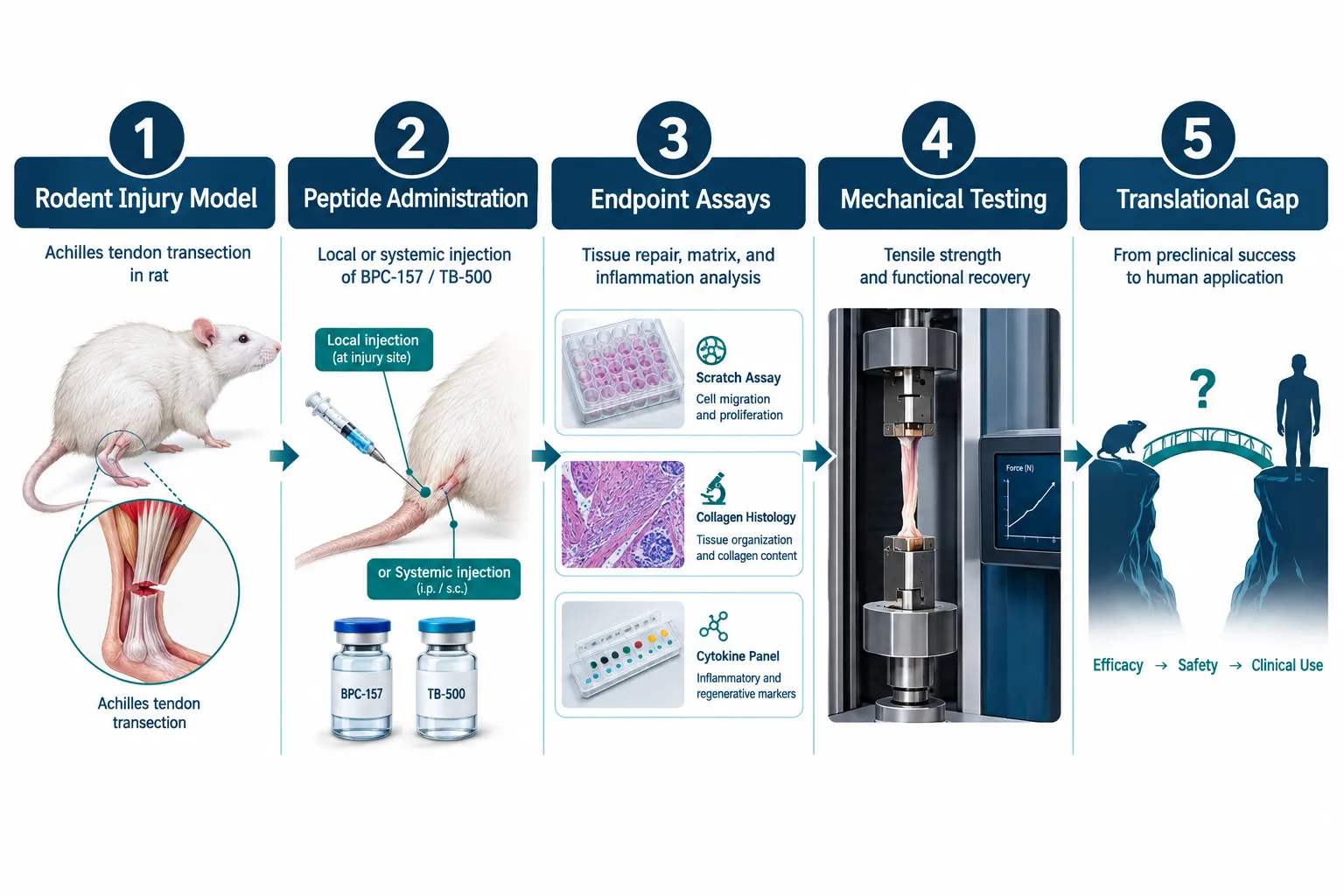
Roughly 35 animal and in vitro studies have examined BPC-157 and TB-500 in tendon and muscle repair, yet only a single human clinical study exists across the entire combined literature. That ratio alone explains why researchers in 2026 are pushing for a more disciplined, endpoint-specific framework rather than broad claims about "healing peptides." Understanding BPC-157 and TB-500 in tendon and muscle models: separating angiogenesis, matrix remodeling, and inflammation readouts requires moving beyond stacked-peptide narratives and into the granular language of scratch assays, collagen histology, vascular markers, and mechanical testing.

Key Takeaways

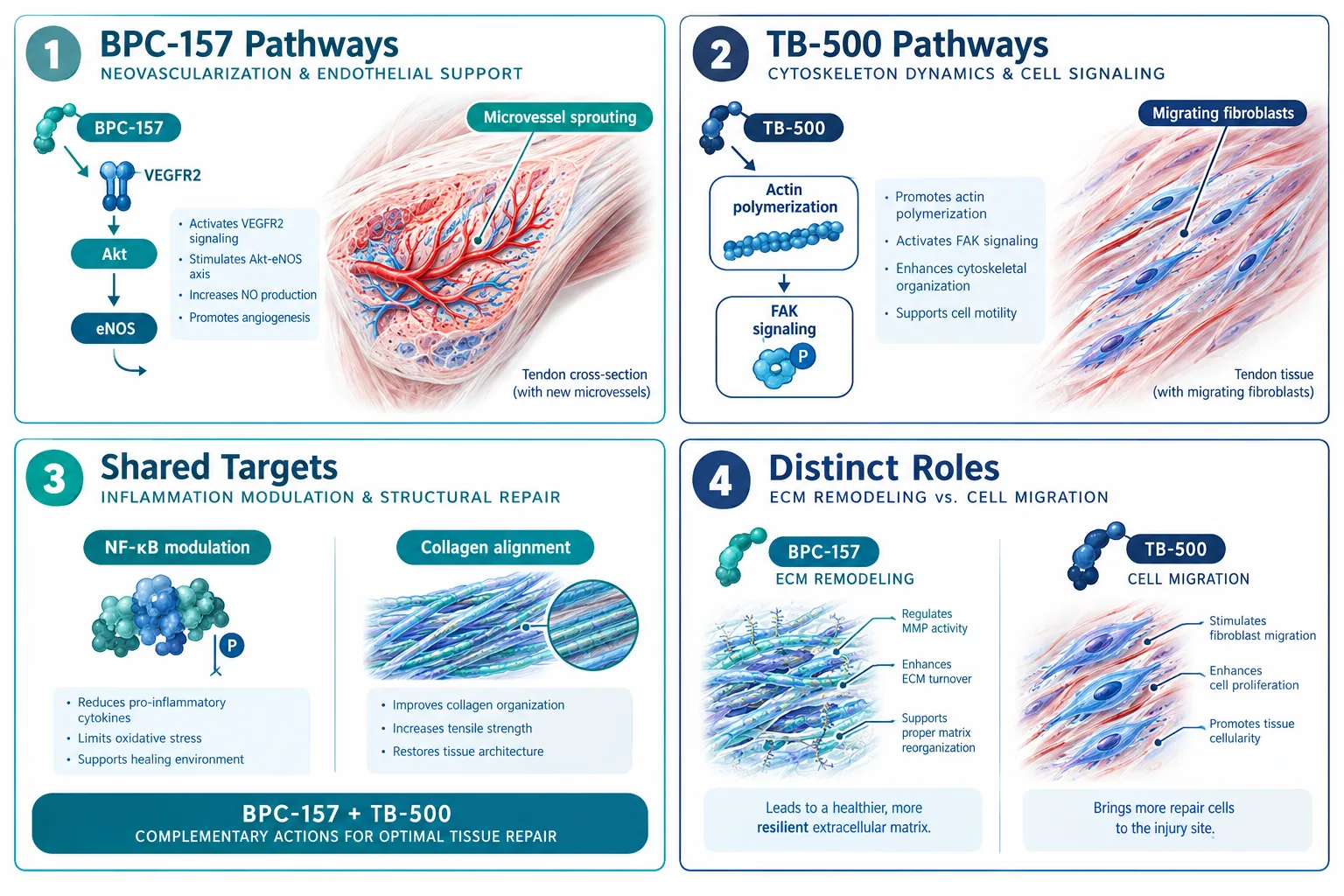
  • BPC-157 operates primarily through VEGFR2, Akt-eNOS, and TGF-beta pathways, making it the stronger candidate for angiogenesis and matrix remodeling endpoints in tendon models.
  • TB-500 drives actin polymerization and cell migration via MAPK and FAK signaling, positioning it as a cytoskeletal and motogenic agent rather than a direct ECM organizer.
  • Inflammation readouts differ: BPC-157 has detailed cytokine and NF-kB profiling in musculoskeletal models, while TB-500's anti-inflammatory data are less systematically mapped in tendon tissue.
  • Combining both peptides shows early synergistic signals in rodent models, but no completed Phase 2 or Phase 3 human trials exist for either compound in tendon or muscle repair.
  • Both compounds remain experimental and are banned or under regulatory scrutiny in organized sport and clinical compounding as of 2026.

Mechanistic Profiles: How Each Peptide Acts at the Tissue Level

Mechanistic Profiles: How Each Peptide Acts at the Tissue Level

Understanding the mechanistic separation between BPC-157 and TB-500 is the foundation for interpreting any experimental readout.

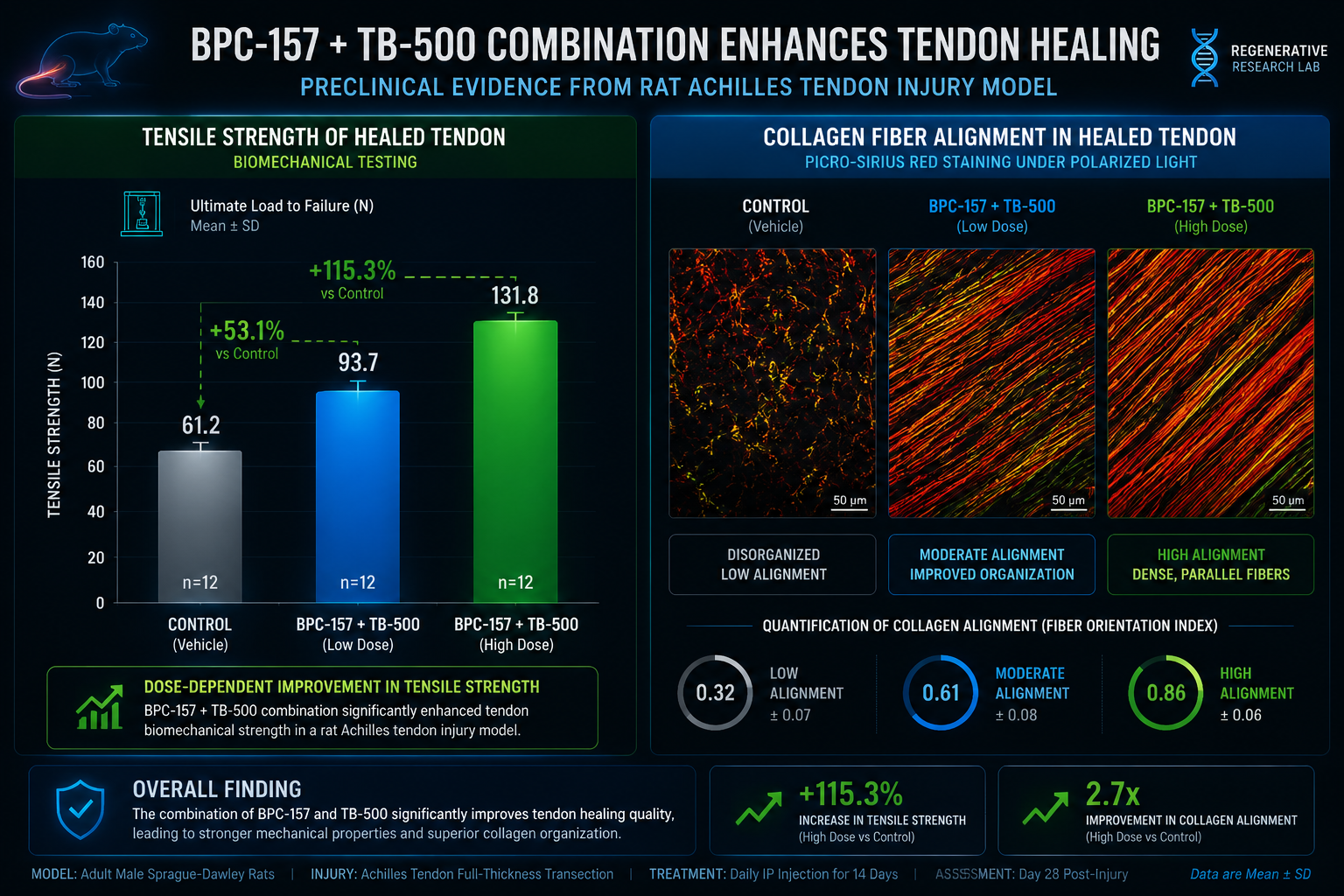
BPC-157 is a synthetic pentadecapeptide derived from a gastric protein. In tendon and muscle models, it activates VEGFR2 and the Akt-eNOS nitric oxide axis, stimulates fibroblast proliferation, and engages focal adhesion kinase (FAK)-paxillin signaling. These pathways converge on three measurable outcomes: new blood vessel formation, extracellular matrix (ECM) reorganization, and inflammatory resolution. In rat Achilles tendon transection models, aggregated data report 30-40% shortening of healing time alongside improved collagen fiber organization and ultimate tensile strength versus untreated controls.

TB-500, a synthetic derivative of thymosin beta-4 (Tβ4), works through a different axis. Its core action is promoting actin polymerization and cytoskeletal stabilization, enabling rapid cell migration into injury zones. Signaling involves MAPK, NF-kB modulation, and FAK, but the tendon-specific mechanistic map is less detailed than BPC-157's. In muscle models, TB-500 has demonstrated satellite cell (Pax7+) mobilization, enhanced fibrillar regeneration, and reduced fibrosis in murine muscular dystrophy models.

Feature BPC-157 TB-500
Primary signaling VEGFR2, Akt-eNOS, TGF-beta MAPK, FAK, actin dynamics
Main tissue action Angiogenesis + ECM remodeling Cell migration + cytoskeletal repair
Inflammation data depth Detailed (cytokine, NF-kB, COX-2) Moderate (early-phase modulation)
Tendon-specific mapping Extensive preclinical Limited
Human trial data Single study (non-musculoskeletal) None in tendon/muscle

Researchers interested in broader peptide mechanisms may also find the discussion of wound healing compounds useful for contextualizing these tissue-repair pathways.


Separating the Three Readouts: Angiogenesis, Matrix Remodeling, and Inflammation

Separating the Three Readouts: Angiogenesis, Matrix Remodeling, and Inflammation

When evaluating BPC-157 and TB-500 in tendon and muscle models: separating angiogenesis, matrix remodeling, and inflammation readouts, each endpoint demands its own assay logic and interpretive standard.

Angiogenesis

BPC-157 reliably increases microvessel density and restores blood flow in ischemic hind-limb models, reflecting VEGF-driven angiogenic activity and nitric-oxide-mediated vasoregulation. Measurable outputs include CD31-positive vessel counts, laser Doppler perfusion imaging, and microvessel density scoring on histological sections.

TB-500/Tβ4 is also described as pro-angiogenic, but its angiogenesis data in orthopaedic models are summarized more broadly across wound, cardiac, and dermal contexts rather than tendon-specific dose-response curves. This makes direct comparison at the tissue level difficult without purpose-designed studies.

Matrix Remodeling

BPC-157 engages TGF-beta-linked ECM pathways, improves collagen alignment, and reduces scar formation across tendon, ligament, and muscle injuries. Polarized-light microscopy and second-harmonic generation imaging of collagen fiber organization, combined with mechanical tensile testing, are the standard readouts. Partial restoration of normal tendon collagen architecture and biomechanical strength has been reported in multiple rodent studies.

TB-500's contribution to matrix remodeling is characterized mainly as accelerating migratory infiltration of repair cells into damaged ECM rather than directly orchestrating collagen synthesis or fiber alignment. This is a meaningful distinction: TB-500 may prepare the matrix environment for remodeling without driving the structural reorganization itself.

Inflammation

BPC-157 modulates the nitric oxide system, downregulates pro-inflammatory cytokines, interacts with COX-2, and inhibits NF-kB activation. These actions produce faster resolution of the inflammatory phase in musculoskeletal injury models, with measurable reductions in IL-6, TNF-alpha, and prostaglandin markers.

TB-500 modulates the early inflammatory phase and facilitates mesenchymal stem-cell migration to injury zones, but detailed cytokine profiling in tendon and muscle models remains limited. Researchers working on wound healing endpoints should note this gap when designing comparative studies.

"BPC-157 has the widest preclinical footprint across musculoskeletal, vascular, and neurological models, while TB-500 has a more focused literature in musculoskeletal and wound healing, a distinction that matters enormously when selecting assay panels."


Combining BPC-157 and TB-500: Synergy Evidence and Research Gaps

Combining BPC-157 and TB-500: Synergy Evidence and Research Gaps

The rationale for combining BPC-157 and TB-500, sometimes called the "Wolverine stack" in research circles, rests on the idea of orthogonal mechanisms. BPC-157 provides localized angiogenesis, ECM remodeling, and inflammation control; TB-500 drives broad cell migration and cytoskeletal repair. One rat model using combined BPC-157 plus Tβ4 reported earlier restoration of contractile function than either peptide alone, supporting a synergistic interpretation.

However, these data are entirely preclinical. As of 2026:

  • No completed Phase 2 or Phase 3 trials exist for injectable BPC-157 or TB-500 in tendon or muscle injuries.
  • No human randomized controlled trials confirm musculoskeletal healing benefits.
  • TB-500/Tβ4 remains a banned substance in organized sport.
  • Regulatory discussions around BPC-157 include FDA proposals not to add it to the traditional compounding bulks list.

For researchers studying related peptide stacks, the IPA Sermorelin stack research page offers a useful parallel framework for thinking about combinatorial peptide effects in preclinical models.

Expert analyses from 2026 predict that future work will focus on mapping dose-dependent effects on discrete endpoints, vessel density, collagen architecture, tensile strength, and cytokine signatures, within standardized injury models. Any clinical adoption in orthopaedics or sports medicine will require long-term human trials demonstrating that mechanistic benefits translate into faster, safer recovery without promoting maladaptive angiogenesis or fibrosis.

Researchers exploring mitochondrial and cellular repair mechanisms alongside these peptides may find the SS-31 mitochondrial research literature relevant, as oxidative stress pathways intersect with ECM remodeling in chronic tendon injury. Similarly, those examining broader tissue repair contexts may reference LL-37 versus SS-31 benefits of each peptide for comparative mechanistic framing.


Conclusion

Properly evaluating BPC-157 and TB-500 in tendon and muscle models: separating angiogenesis, matrix remodeling, and inflammation readouts demands endpoint-specific thinking rather than generalized healing claims. BPC-157 is the stronger candidate for angiogenesis and ECM remodeling assays, with detailed VEGFR2 and TGF-beta mechanistic data and measurable improvements in collagen organization and tensile strength. TB-500 is better framed as a migration and cytoskeletal repair agent, with its most robust data in satellite cell mobilization and early-phase inflammatory modulation.

Actionable next steps for researchers and clinicians:

  1. Design studies with discrete endpoint panels, vessel density counts, collagen histology scoring, cytokine multiplex assays, and mechanical tensile testing, rather than composite "healing" outcomes.
  2. Treat combination data as hypothesis-generating only; no human trial has validated synergistic claims.
  3. Monitor regulatory developments closely, as both compounds face evolving restrictions in compounding and sport.
  4. Prioritize standardized rodent injury models (Achilles transection, muscle crush) to enable cross-study comparison before any translational step.

Both compounds remain promising but investigational. The next phase of research depends on disciplined assay design, not further stacking claims.

https://www.puretestedpeptides.com/wp-content/uploads/2026/10/bpc-157-and-tb-500-in-tendon-and-muscle-models-separating-angiogenesis-matrix-re.webp 1024 1536 https://www.puretestedpeptides.com/wp-content/uploads/2026/01/buy-peptides-online.jpg 2026-10-01 13:03:562026-11-22 02:19:29BPC-157 and TB-500 in Tendon and Muscle Models: Separating Angiogenesis, Matrix Remodeling, and Inflammation Readouts

Tag Archive for: tendon repair

BPC-157 and TB-500 Stack: Synergistic Mechanisms in Experimental Tendon and Ligament Repair

BPC-157 and TB-500 Stack: Synergistic Mechanisms in Experimental Tendon and Ligament Repair

June 22, 2026/0 Comments/by Pure Tested

}

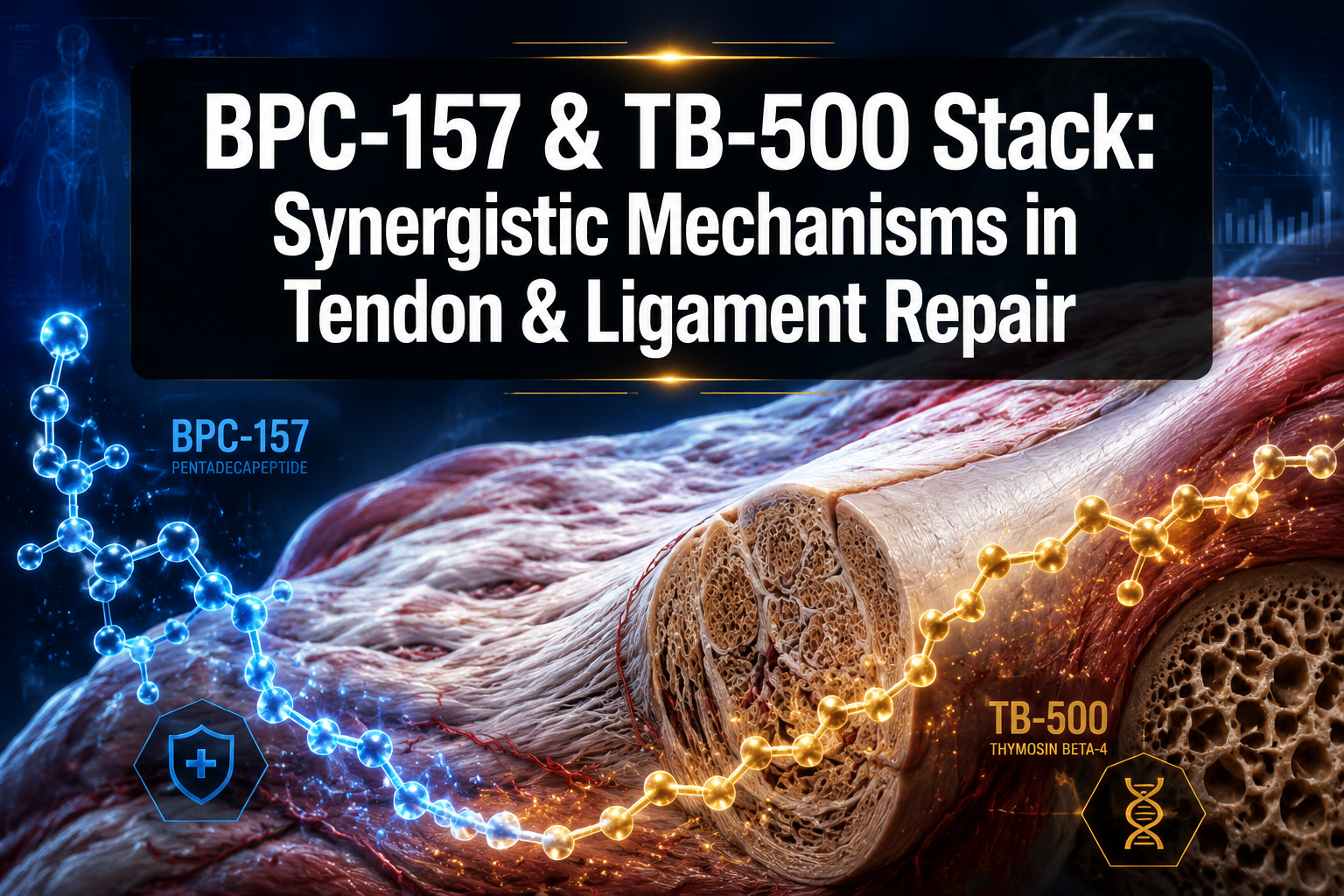
Professional () hero image with : 'BPC-157 & TB-500 Stack: Synergistic Mechanisms in Tendon & Ligament Repair' in extra

Tendon and ligament injuries account for roughly 45% of all musculoskeletal injuries treated in sports medicine clinics worldwide, yet conventional recovery timelines remain stubbornly long. Against that backdrop, preclinical research into the BPC-157 and TB-500 stack: synergistic mechanisms in experimental tendon and ligament repair has drawn serious attention from researchers studying peptide-based recovery models.

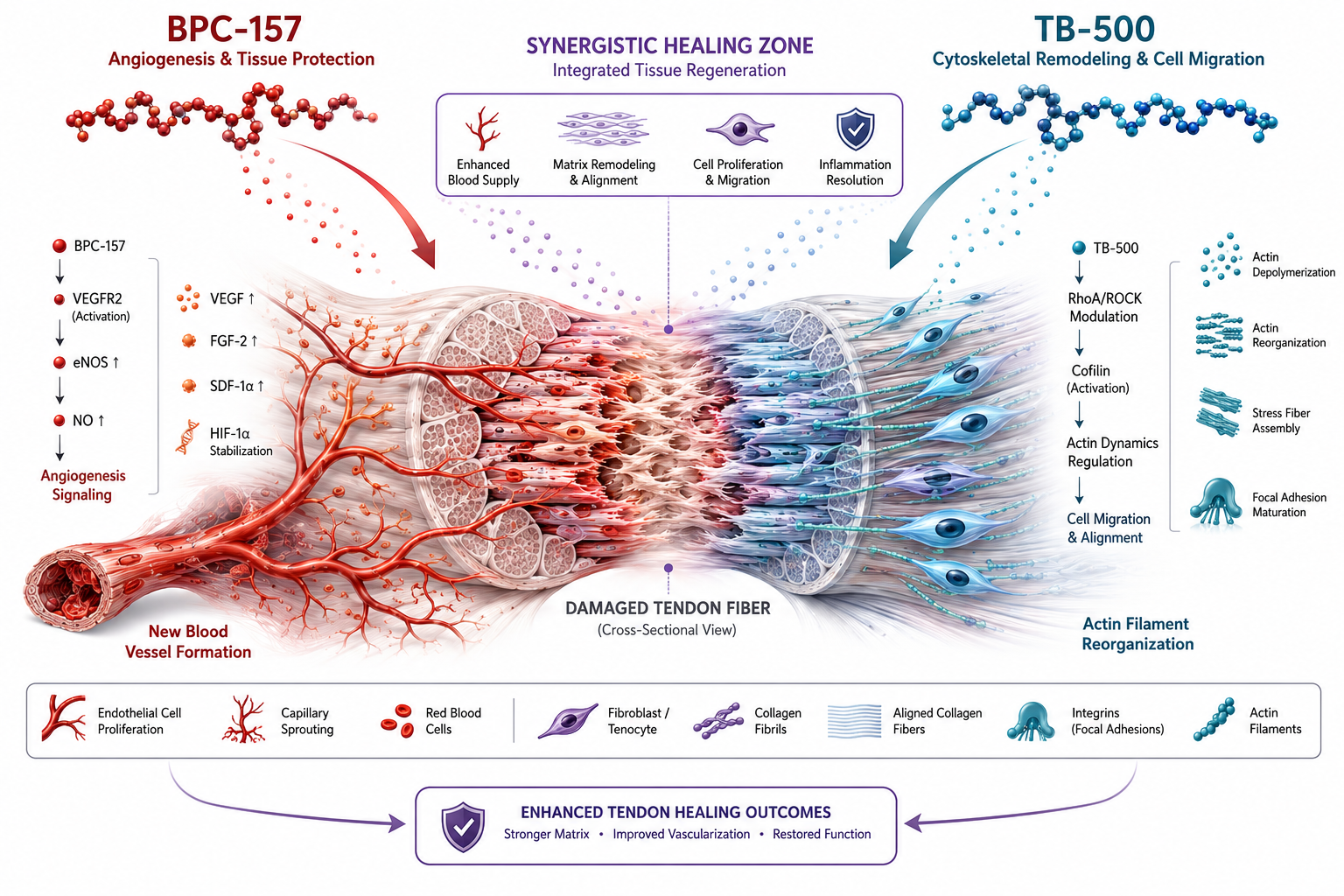
Detailed () scientific illustration showing two distinct peptide molecules labeled BPC-157 and TB-500 approaching a damaged

Key Takeaways

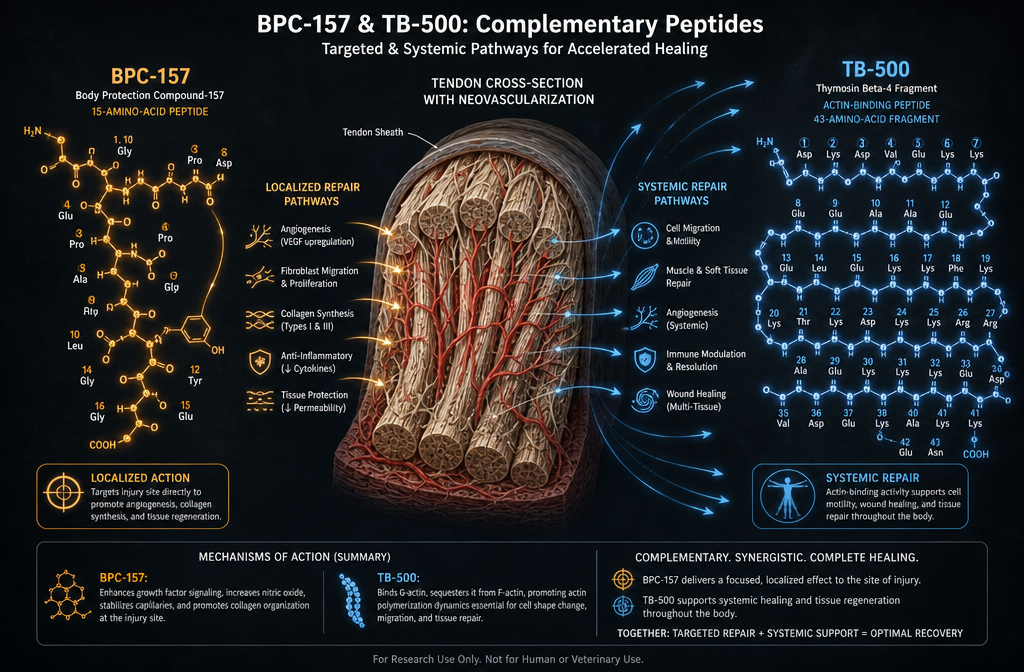
  • BPC-157 promotes localized repair through angiogenesis and growth factor modulation; TB-500 drives systemic healing via actin regulation and cell migration.
  • When combined, the two peptides target complementary biological pathways, suggesting additive or synergistic effects in preclinical tendon and ligament models.
  • Animal studies report improved tensile strength and faster recovery timelines compared to single-agent protocols.
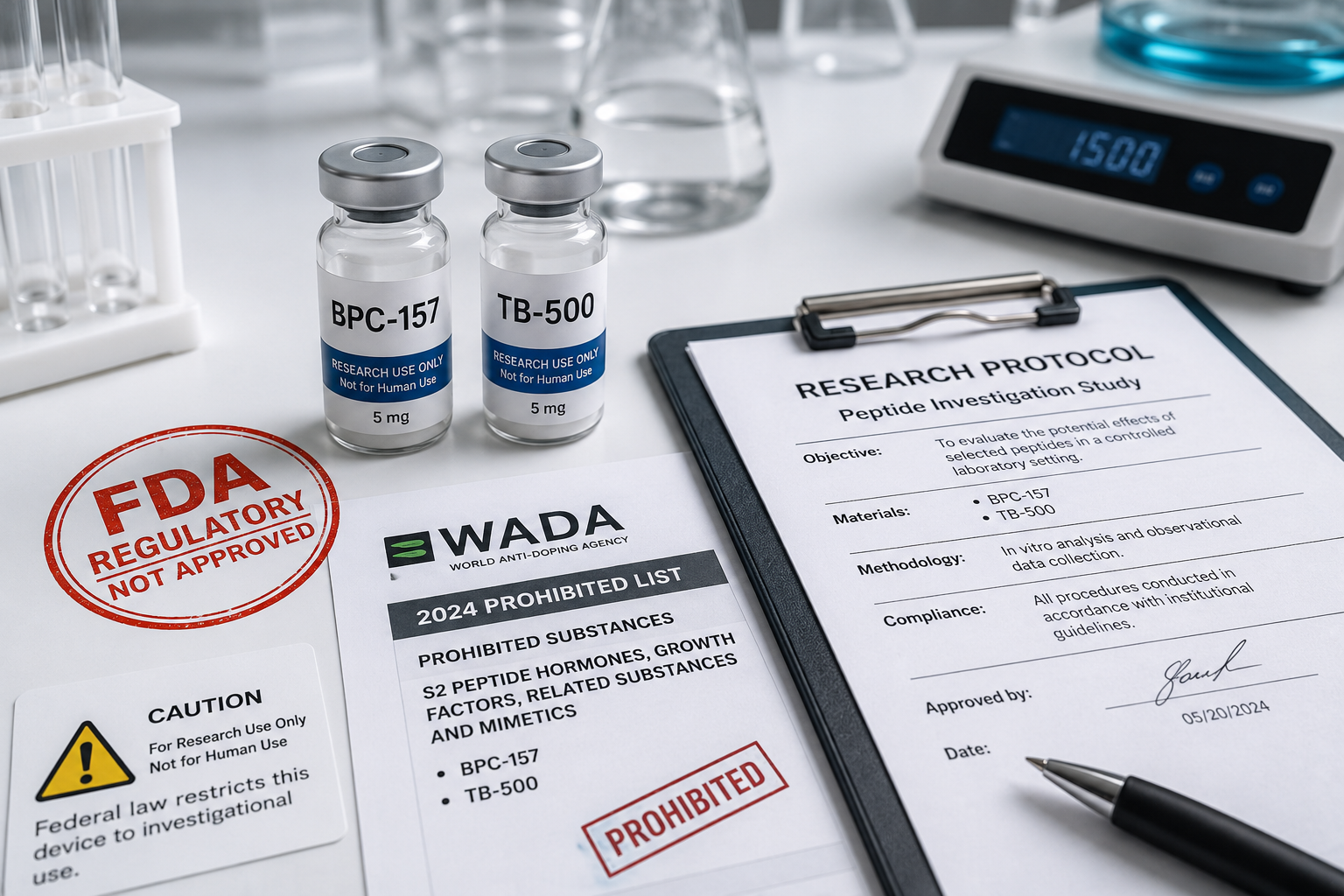
  • Neither peptide holds FDA approval; both are classified as research chemicals and are prohibited by WADA under the S0 category.
  • No large-scale human clinical trials exist as of 2026, making all dosing and efficacy data preliminary.

How Each Peptide Works: Distinct but Complementary Pathways

Understanding why researchers pair these two compounds begins with their individual mechanisms.

BPC-157 (Body Protection Compound-157) is a synthetic pentadecapeptide derived from a protective gastric protein. In experimental models, it consistently stimulates:

  • Angiogenesis – the formation of new blood vessels that deliver oxygen and nutrients to injured tissue
  • Growth factor upregulation – particularly VEGF and EGF signaling
  • Fibroblast activation – accelerating collagen scaffold formation at the injury site

TB-500 (Thymosin Beta-4) works through a fundamentally different route. Its primary action involves binding G-actin, which reorganizes the cytoskeleton and enables rapid cell migration to wound sites. This systemic mobility effect means TB-500 can mobilize repair cells from distant tissues, not just the local injury zone.

Feature BPC-157 TB-500
Primary action Angiogenesis, growth factor boost Actin regulation, cell migration
Scope Localized Systemic
Key target tissue Tendon, gut lining Muscle, tendon, cardiac tissue
Origin Gastric protein fragment Thymosin Beta-4 derivative

This distinction is critical. BPC-157 builds the local vascular and structural environment; TB-500 recruits the cellular workforce to populate it. For a broader look at how peptides interact with tissue biology, the recovery and tissue biology overview provides useful context.


Preclinical Evidence for the BPC-157 and TB-500 Stack: Synergistic Mechanisms in Experimental Tendon and Ligament Repair

Preclinical Evidence for the BPC-157 and TB-500 Stack: Synergistic Mechanisms in Experimental Tendon and Ligament Repair

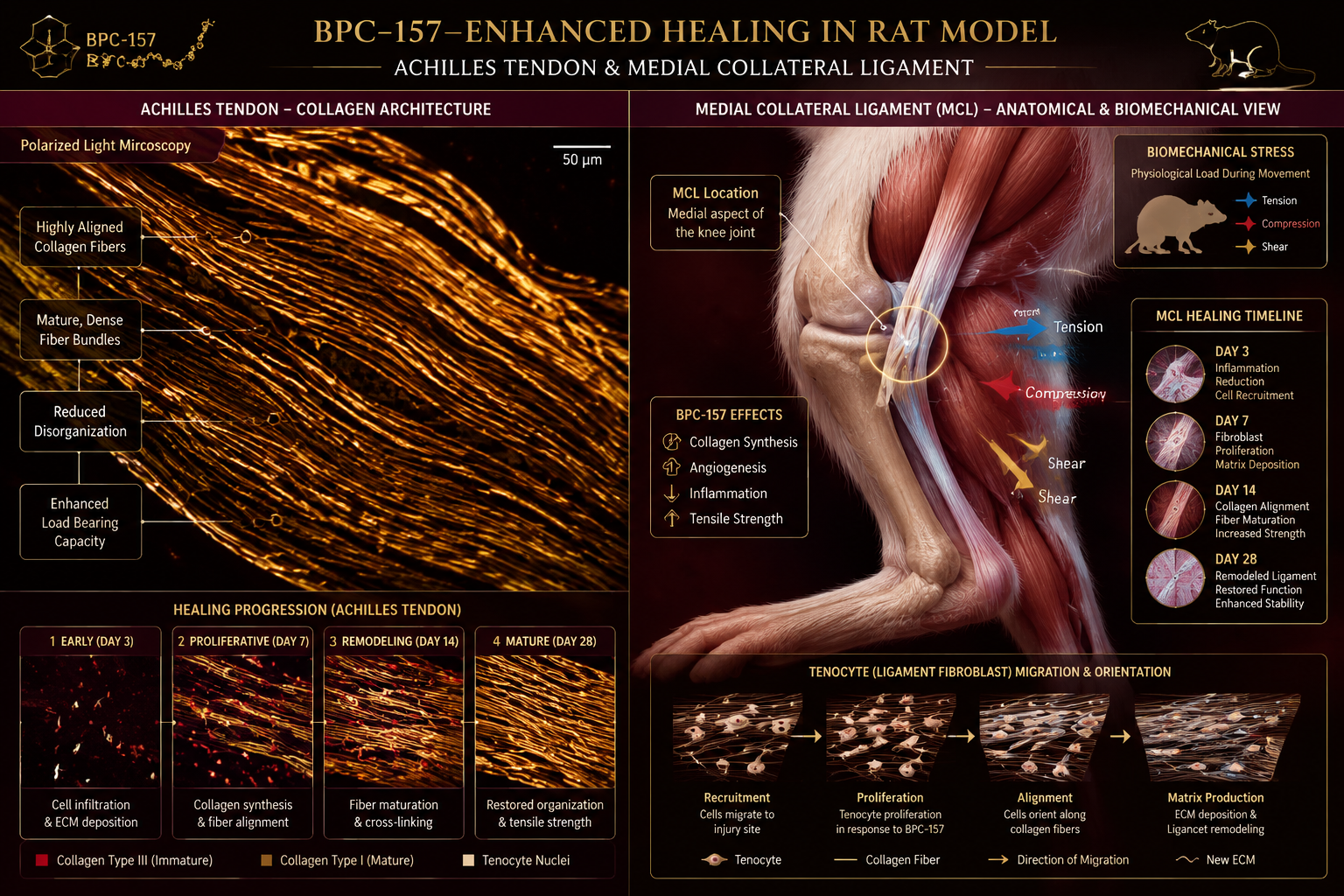
Animal studies examining the combined protocol have produced encouraging, though preliminary, data. Rodent models of Achilles tendon transection and medial collateral ligament damage showed that subjects receiving both peptides demonstrated:

  • Greater tensile strength recovery at the repair site compared to either agent alone
  • Faster collagen fiber alignment, indicating more organized tissue remodeling
  • Reduced inflammatory markers in the peri-tendinous tissue during early recovery phases

The mechanistic logic behind these findings is straightforward. BPC-157 creates a well-vascularized, growth-factor-rich local environment. TB-500 simultaneously accelerates the migration of tenocytes and fibroblasts into that environment. The result is a faster, more organized repair cascade than either peptide can produce independently.

"The complementary nature of localized angiogenesis and systemic cell mobilization represents one of the more scientifically coherent rationales for combining two research peptides."

Researchers studying related peptide stacking strategies, such as those examining TB-500 and cytoskeletal remodeling, note that actin-binding activity is central to understanding why TB-500 contributes uniquely to connective tissue repair. Similarly, detailed BPC-157 research profiles outline the growth factor pathways that make it effective in isolation and potentially more powerful in combination.

For those exploring other peptide combinations in research contexts, resources on simple peptide frameworks and vilon tissue homeostasis models offer comparative mechanistic reading.


Regulatory Status, Safety, and Research Limitations

Regulatory Status, Safety, and Research Limitations

The BPC-157 and TB-500 stack: synergistic mechanisms in experimental tendon and ligament repair remains firmly in the preclinical research category as of 2026. Key facts researchers and informed readers should understand:

  • No FDA approval exists for either compound in any therapeutic indication
  • WADA prohibition: Both are listed under the S0 Non-Approved Substances category, making them banned in competitive sport
  • No large-scale RCTs: All human data comes from anecdotal reports and small observational accounts
  • Unregulated supply chain risks: Products from unverified sources carry contamination and dosing accuracy concerns

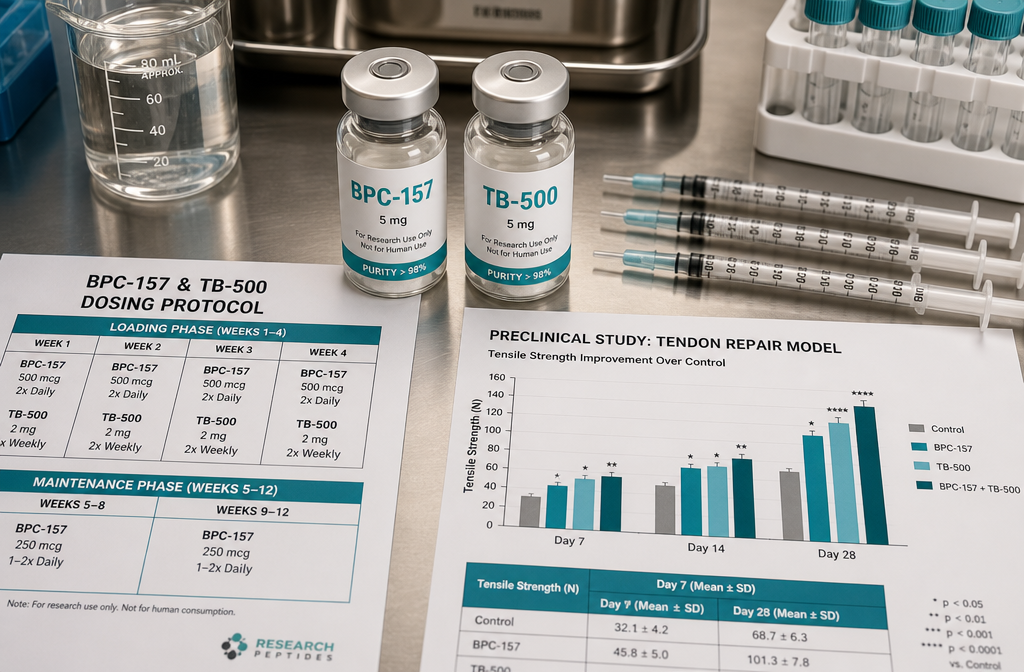
Experimental protocols in the literature reference BPC-157 at approximately 500 mcg to 1 mg daily and TB-500 at 2.5 to 5 mg twice weekly during a loading phase, followed by reduced maintenance dosing. These figures are derived from animal-to-human extrapolation and anecdotal reports, not validated clinical trials.

Medical professionals consistently advise that use outside controlled research settings carries unknown long-term risks. The absence of comprehensive safety data is not a minor caveat – it is the defining limitation of this entire research area. Researchers sourcing compounds for legitimate study should prioritize verified, lab-tested peptide suppliers and review available certificates of analysis before procurement.


Conclusion

The scientific rationale for the BPC-157 and TB-500 stack: synergistic mechanisms in experimental tendon and ligament repair is genuinely compelling. Localized angiogenesis paired with systemic cell mobilization addresses tendon and ligament healing from two distinct and complementary angles. Preclinical data supports improved tensile strength and faster tissue remodeling when both peptides are administered together.

However, the gap between animal models and validated human therapy remains wide. Actionable next steps for those engaged in this research area include:

  1. Review primary preclinical literature before drawing conclusions about human applicability
  2. Monitor regulatory updates from FDA and WADA, as classification can shift
  3. Advocate for well-designed Phase I and Phase II human trials to generate the safety and efficacy data this field urgently needs
  4. Source only from verified, tested suppliers with transparent quality documentation

The promise is real. The evidence base, as of 2026, is not yet sufficient for clinical recommendation.

https://www.puretestedpeptides.com/wp-content/uploads/2026/06/BPC-157-and-TB-500-Stack-Synergistic-Mechanisms-in-Experimental-Tendon-and-Ligament-Repair.png 1024 1536 Pure Tested https://www.puretestedpeptides.com/wp-content/uploads/2026/01/buy-peptides-online.jpg Pure Tested2026-06-22 13:03:422026-07-20 15:02:34BPC-157 and TB-500 Stack: Synergistic Mechanisms in Experimental Tendon and Ligament Repair
BPC-157 Peptide: Gastrointestinal, Tendon, and Neurological Findings From Animal Models

BPC-157 Peptide: Gastrointestinal, Tendon, and Neurological Findings From Animal Models

June 12, 2026/0 Comments/by Pure Tested

A single synthetic peptide derived from a naturally occurring gastric protein has produced consistent healing results across three entirely different tissue types in rodent studies — that convergence is what makes the preclinical literature on BPC-157 so compelling for new investigators.

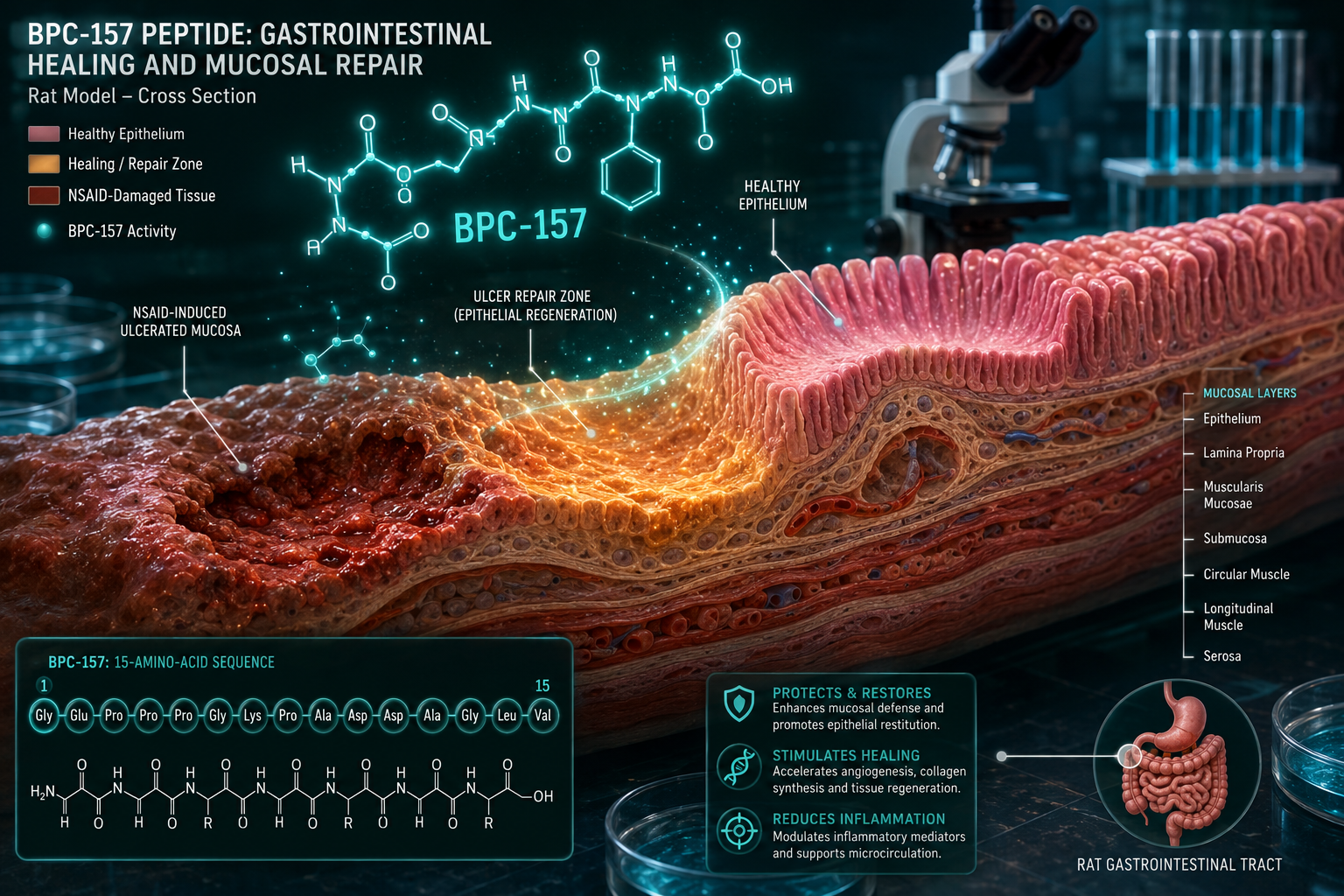
BPC-157 (Body Protection Compound-157) is a 15-amino-acid sequence isolated from human gastric juice. The breadth of findings documented in BPC-157 Peptide: Gastrointestinal, Tendon, and Neurological Findings From Animal Models spans gut mucosa repair, connective tissue regeneration, and nerve recovery — all within controlled animal experiments. Understanding this literature is a useful starting point before any translational research is designed.

Key Takeaways

  • BPC-157 consistently accelerates mucosal healing in rodent GI injury models, including NSAID-induced lesions.
  • Tendon and ligament studies show improved collagen organization, cell migration, and biomechanical strength.
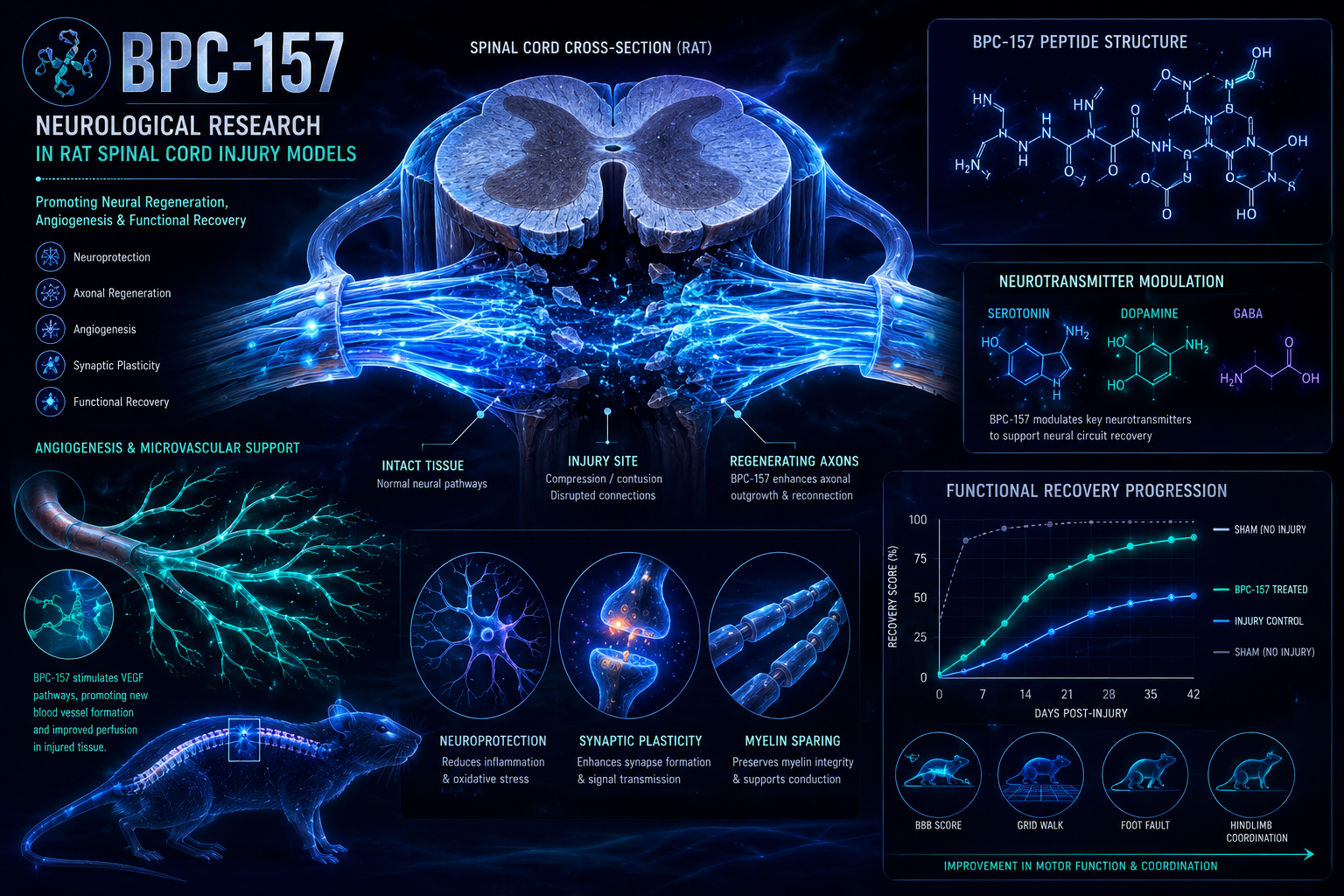
  • Neurological models demonstrate functional recovery following spinal cord injury in rats.
  • Angiogenesis — new blood vessel formation — appears to be a shared mechanism across all three tissue types.
  • All findings to date come from animal and in vitro models; human clinical data remain limited.

Key Takeaways

Gastrointestinal Findings in Rodent Models

The GI tract is where BPC-157 research began. The peptide was first studied for its ability to counteract damage caused by non-steroidal anti-inflammatory drugs (NSAIDs), which are well-known for eroding the stomach lining. In rat models, BPC-157 administration — both oral and parenteral — significantly reduced the size and severity of NSAID-induced gastric lesions.

Beyond NSAID damage, researchers observed that BPC-157 accelerated healing across a range of GI injuries, including:

  • Esophageal lesions caused by reflux-like conditions
  • Intestinal anastomosis sites, where surgical reconnection of bowel segments was performed
  • Colitis models, in which chemically induced colon inflammation was measurably reduced

A key mechanism identified in these studies is upregulation of growth factor expression, particularly vascular endothelial growth factor (VEGF), which promotes the formation of new blood vessels in damaged tissue. This angiogenic effect helps restore blood supply to injured mucosa, accelerating cellular repair.

For investigators exploring related tissue repair pathways, a review of recovery and tissue biology fundamentals provides useful background context.


Gastrointestinal Findings in Rodent Models

Tendon and Ligament Findings in Animal Studies

Musculoskeletal research on BPC-157 Peptide: Gastrointestinal, Tendon, and Neurological Findings From Animal Models has produced some of the most reproducible results in the preclinical literature.

In a widely cited 2003 study, BPC-157 was administered to rats following complete transection of the Achilles tendon. Animals receiving BPC-157 showed:

Outcome Measure BPC-157 Group Control Group
Tendon fiber organization Improved Disorganized
Tendocyte proliferation (in vitro) Stimulated Baseline
Functional recovery speed Faster Slower

A 2010 study on medial collateral ligament (MCL) injuries in rats found that BPC-157 improved outcomes across functional, biomechanical, macroscopic, and histological assessments. The ligaments of treated animals showed denser collagen fiber alignment and greater tensile strength at follow-up.

A 2021 study extended these findings to myotendinous junctions — the critical interface between muscle and tendon. BPC-157 repaired disabled junctions in rats, confirmed through macro/microscopic imaging, biomechanical testing, and functional assessments.

Cell-level research confirms that BPC-157 enhances tendon outgrowth, cell survival, and cell migration, which explains the structural improvements seen in whole-animal studies.

Researchers interested in related musculoskeletal peptide research may find the BPC-157 10mg vial research themes page and the broader top healing peptides overview useful for comparative context.


Tendon and Ligament Findings in Animal Studies

Neurological Findings From Animal Models

The neurological data on BPC-157 Peptide: Gastrointestinal, Tendon, and Neurological Findings From Animal Models is perhaps the most surprising given the peptide's gastric origins.

A 2019 study examined BPC-157 in a rat spinal cord injury model. Animals treated with BPC-157 showed measurable functional recovery compared to untreated controls, with improvements in motor coordination and limb use. Researchers attributed this partly to the peptide's ability to promote angiogenesis near the injury site, restoring microvascular supply to damaged neural tissue.

Additional neurological findings from rodent models include:

  • Reduced dopaminergic system disruption following neurotoxin exposure
  • Modulation of serotonin and dopamine pathways, relevant to behavioral outcomes
  • Protection against excitotoxic damage in brain tissue models

The shared thread across GI, tendon, and neurological findings is the peptide's consistent pro-angiogenic and cytoprotective profile. New blood vessel formation supports healing regardless of tissue type, which may explain BPC-157's broad activity across systems.

Investigators comparing peptides with overlapping cytoprotective mechanisms may also want to review GHK-Cu peptide research and oral BPC-157 formulation notes for route-of-administration considerations.

For those building a broader peptide research framework, the longevity peptide research overview and quality testing protocols are practical next references.


Conclusion

The preclinical record on BPC-157 is notable for its consistency across tissue types. Rodent and in vitro studies point to a peptide that accelerates mucosal healing in the GI tract, improves structural and functional outcomes in tendons and ligaments, and supports neurological recovery following spinal cord injury. Angiogenesis and cytoprotection appear to be the central mechanisms linking these effects.

Actionable next steps for new investigators:

  1. Review the primary rodent studies organized by tissue type before designing any translational protocol.
  2. Clarify route of administration (systemic vs. local) based on the target tissue, as delivery method affects outcomes in the literature.
  3. Consult quality testing protocols to ensure peptide purity standards are met before any experimental use.
  4. Compare BPC-157's angiogenic profile against related peptides such as GHK-Cu to identify potential mechanistic overlaps.
  5. Note that all current evidence is preclinical — human trials are needed before any clinical conclusions can be drawn.
https://www.puretestedpeptides.com/wp-content/uploads/2026/06/BPC-157-Peptide-Gastrointestinal-Tendon-and-Neurological-Findings-From-Animal-Models.png 1024 1536 Pure Tested https://www.puretestedpeptides.com/wp-content/uploads/2026/01/buy-peptides-online.jpg Pure Tested2026-06-12 13:03:222026-07-20 15:03:28BPC-157 Peptide: Gastrointestinal, Tendon, and Neurological Findings From Animal Models
BPC-157 and TB-500: How Researchers Think About Multi-Peptide Tissue-Repair Models

BPC-157 and TB-500: How Researchers Think About Multi-Peptide Tissue-Repair Models

June 10, 2026/0 Comments/by Pure Tested

Fewer than a handful of peptide pairings generate as much discussion in preclinical research circles as BPC-157 and TB-500. The reason is straightforward: these two compounds appear to act on different but overlapping repair pathways, which makes them a natural subject for researchers designing multi-peptide tissue-repair models. Understanding why scientists study them together — and where the evidence actually stands — is essential for anyone comparing single-peptide and stack-based experimental frameworks.

() scientific illustration showing two distinct peptide molecules — one compact 15-amino-acid chain labeled BPC-157 glowing

Key Takeaways

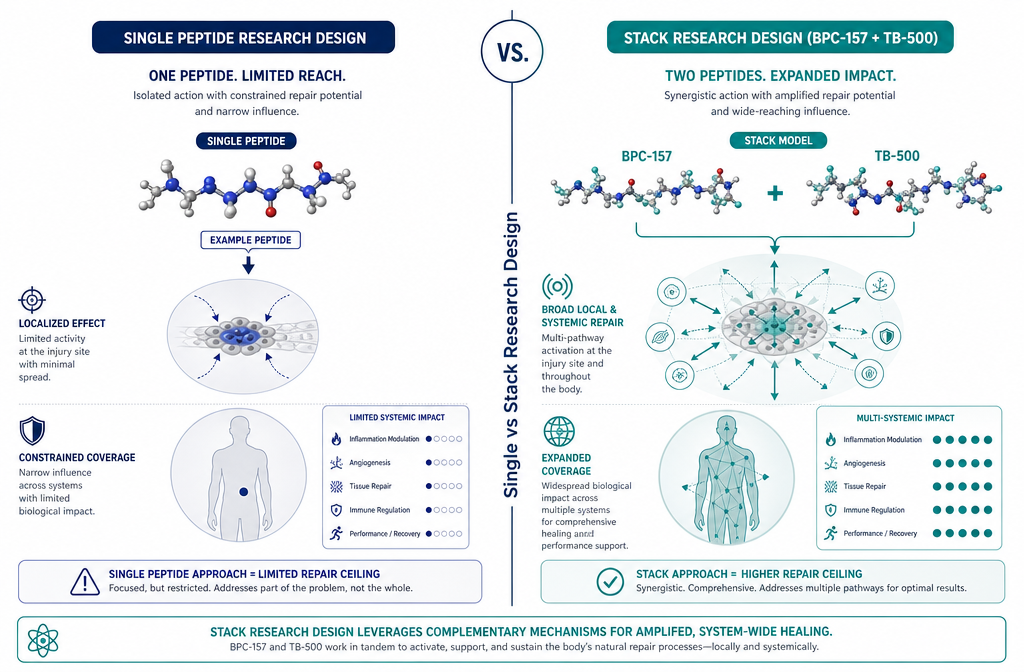
  • BPC-157 targets localized tissue repair through angiogenesis and nitric oxide modulation; TB-500 supports systemic healing via actin regulation and cell migration.
  • When combined in what researchers call the "Wolverine Stack," the two peptides are studied for complementary local and systemic repair coverage.
  • Preclinical animal models show improvements in tensile strength, collagen organization, and recovery time when both peptides are used together.
  • Neither compound holds FDA approval; both are classified as research-only substances and are banned by WADA under the S0 category.
  • Human clinical data remain limited, making rigorous experimental design and verified sourcing critical for any legitimate research program.

Complementary Mechanisms: Why Researchers Pair These Two Peptides

At the core of BPC-157 and TB-500: how researchers think about multi-peptide tissue-repair models is a simple mechanistic logic. The two peptides do not duplicate each other — they fill different roles.

BPC-157 is a 15-amino-acid peptide derived from human gastric juice. Its proposed mechanisms center on:

  • Promoting angiogenesis (new blood vessel formation) at injury sites
  • Modulating nitric oxide signaling to improve local blood flow
  • Upregulating growth factors that support tendon, ligament, and gastrointestinal tissue repair

TB-500, a synthetic fragment of thymosin beta-4, works differently. It is thought to:

  • Regulate actin polymerization, which is essential for cell movement and structural repair
  • Facilitate cell migration toward damaged tissue from distant sites
  • Support recovery in muscle, cardiac, and dermal tissues through systemic distribution

"The mechanistic distinction — localized versus systemic — is precisely why researchers designing multi-peptide models find value in studying these compounds together rather than in isolation."

This complementary profile is why the combination is sometimes called the "Wolverine Stack" in research shorthand. For a broader look at how tissue biology underpins these models, the recovery and tissue biology overview provides useful foundational context.


Preclinical Evidence and Dosing Frameworks in Multi-Peptide Research

Preclinical Evidence and Dosing Frameworks in Multi-Peptide Research

Animal studies form the current backbone of evidence for BPC-157 and TB-500: how researchers think about multi-peptide tissue-repair models. Preclinical data from Achilles tendon injury models, ligament damage studies, and cardiac ischemia/reperfusion experiments consistently show that the combination produces measurable improvements in:

Outcome Measure Observed in Preclinical Models
Tensile strength Increased in tendon repair models
Collagen organization Improved fiber alignment
Recovery timeline Shortened vs. control groups
Cardiac tissue preservation Reduced ischemia-related damage

Researchers working with these compounds typically follow distinct dosing frameworks:

  • BPC-157: 250–500 mcg once or twice daily, administered subcutaneously near the injury site or orally for gastrointestinal applications
  • TB-500: 2–2.5 mg twice weekly during a loading phase, followed by 2 mg weekly for maintenance, administered subcutaneously at any site due to its systemic distribution

For deeper dives into each compound individually, the BPC-157 angiogenesis and tendon research overview and the TB-500 muscle recovery research themes page offer detailed mechanistic breakdowns. The TB-500 cytoskeletal remodeling research article is also directly relevant for understanding actin-related repair pathways.


Single-Peptide vs. Stack Models: Where the Evidence Diverges

Single-Peptide vs. Stack Models: Where the Evidence Diverges

The central question for researchers designing experiments around BPC-157 and TB-500: how researchers think about multi-peptide tissue-repair models is whether combined use produces outcomes that neither peptide achieves alone. Preclinical data suggest it does — but with important caveats.

Human clinical data remain scarce. BPC-157 has been examined in only a small number of pilot studies. TB-500 has progressed to Phase 2/3 clinical trials in specific formulations, but comprehensive human data are still absent. This gap between preclinical promise and clinical validation is the defining challenge of the field in 2026.

Researchers should also note two regulatory realities:

  1. Neither BPC-157 nor TB-500 holds FDA approval for therapeutic use. Both are classified as research compounds only.
  2. WADA prohibits both substances under the S0 category (Non-Approved Substances), making them banned in competitive sport contexts.

For researchers interested in how multi-peptide synergy concepts apply to other compound pairings, the synergy of LL-37 and MOTS-c research page offers a useful parallel framework. Those sourcing compounds for legitimate research programs should also review Bachem reference standards and peptide benchmarking to ensure purity verification is part of the experimental design.


Conclusion

The case for studying BPC-157 and TB-500 together rests on a mechanistically coherent rationale: one peptide addresses localized repair, the other supports systemic healing, and preclinical evidence suggests the combination outperforms either agent alone in several tissue models. However, the field is still in early stages. Human data are limited, regulatory status is clear (research-only), and rigorous experimental controls are non-negotiable.

Actionable next steps for researchers:

  • Review the preclinical literature on tendon, ligament, and cardiac repair models before designing any experimental protocol.
  • Establish purity benchmarks using certified reference standards before sourcing either compound.
  • Design experiments with appropriate single-peptide control arms to isolate stack-specific effects.
  • Monitor the regulatory landscape, as both peptides remain unapproved and WADA-prohibited as of 2026.

The multi-peptide tissue-repair model is a compelling research framework — but its value depends entirely on the quality of the science behind it.

https://www.puretestedpeptides.com/wp-content/uploads/2026/06/BPC-157-and-TB-500-How-Researchers-Think-About-Multi-Peptide-Tissue-Repair-Models.png 1024 1536 Pure Tested https://www.puretestedpeptides.com/wp-content/uploads/2026/01/buy-peptides-online.jpg Pure Tested2026-06-10 13:05:002026-07-20 15:03:34BPC-157 and TB-500: How Researchers Think About Multi-Peptide Tissue-Repair Models
×

Helpful Links

  • My account
  • Cart
  • Checkout
  • Refund and Returns Policy
  • Privacy Policy
  • SMS Privacy Policy
  • Login
  • My Account
  • Logout
  • About
  • Contact
  • COA / Lab Testing
  • Shipping Policy
  • Terms and Conditions
  • Research Use Disclaimer

USA Made Lab Tested Peptides

All products are sold for research, laboratory, or analytical purposes only, and are not for human consumption


Pure Tested Peptides is a chemical supplier. Pure Tested Peptides is not a compounding / chemical compounding facility as defined under 503A of the Federal Food, Drug, and Cosmetic act. Pure Tested Peptides is not an outsourcing facility as defined under 503B of the Federal Food, Drug, and Cosmetic act.

The statements made within this website have not been evaluated by the US Food and Drug Administration. The products we offer are not intended to diagnose, treat, cure or prevent any disease.

Human/Animal Consumption Prohibited. Laboratory/In-Vitro Experimental Use Only

Scroll to top Scroll to top Scroll to top