Call or Text 727-513-9780
  • Shopping Cart Shopping Cart
    0Shopping Cart
Pure Tested Peptides | America's most trusted Peptides for sale online
  • Peptides for sale
    • Oral Peptides for sale
      • Peptide Capsules for sale
      • BPC 157 Capsules 1000mcg
      • SLU-PP-332 Capsules | 1000 mcg
      • 5-Amino-1MQ 50mg Capsules
      • Tesofensine 500mcg
    • All Peptides for sale
    • Peptide Sprays
      • BPC 157 Nasal Spray Kit
      • BPC-157 TB500 Nasal Spray Kit
      • Semax Nasal Spray 10mg
      • Selank – Nasal Spray Kit – 10mg
      • Epithalon 50MG Nasal Spray Kit
      • Ipamorelin 10mg Nasal Spray
      • Klow Nasal Spray (BPC-157 + TB-500 + GHK-Cu + KPV) | 80mg
      • Hulk Nasal Spray Tesa / Ipa Blend 6/3 MG
      • Klow Nasal Spray
      • NAD + 500 mg Nasal Spray
      • PT-141 Nasal Spray Kit
    • GHRH Peptides
      • Ipa Peptides
      • CJC-1295 Peptides
        • CJC-1295 with DAC 5 mg
        • CJC-1295 without DAC 5 mg
        • CJC-1295 Ipa 10mg
      • Tesa Peptides
        • Tesa Peptide
        • Tesa 20 mg
    • GHK-Cu Peptides
      • All GHK-Cu Peptides
      • GHK-Cu 100mg
      • KLOW Peptide Blend – Buy KLOW blend online
    • BPC Peptides
      • All BPC Peptides
      • BPC-157
      • BPC-157 TB-500
      • BPC 157 capsules 1000mcg
    • SLU-PP-332 Peptides
      • All SLU-PP-332 Peptides
      • SLU-PP-332 5mg
    • GLP3 Peptides
    • PT-141 Peptides
      • PT-141 Peptides for sale
      • PT-141 10mg
      • PT-141 Nasal Spray
    • CAG Peptides
      • Lipo-C Peptide Blend
      • CAG 5mg
      • CAG 10mg
    • MOTS-C Peptides
      • MOTS-C Peptides for sale
      • MOTS-c peptide
      • MOTS-c 10mg *6 pack*
    • 5 Amino 1MQ Peptides
      • 5 Amino 1MQ Peptides for sale
      • 5-Amino-1MQ 50mg Capsules
      • 5-Amino-1MQ 5mg
    • Epithalon Peptides
      • Epithalon Peptides for sale
      • Epithalon 10mg
      • Epithalon 50mg
  • Shop
    • GLPs
      • 5-Amino-1MQ 50mg Capsules
      • 5-Amino-1MQ 5mg
      • L-Carnitine 500mg/ml
      • Tesofensine 500mcg
      • SLU-PP-332 5mg
      • MOTS-c 10mg *6 pack*
    • Epithalon & BPC Peptides
      • Epithalon 10mg
      • Epithalon 50mg
      • BPC-157
      • BPC 157 capsules 1000mcg
      • BPC-157 TB-500
      • BPC-157 TB500 Nasal Spray Kit
      • BPC 157 Nasal Spray Kit
    • BPC TB-500 & NAD+ Peptides
      • NAD+ 500 mg
      • KLOW Peptide Blend – Buy KLOW blend online
      • GLOW Peptide Blend
      • TB 500 5mg
      • BPC 157 capsules 1000mcg – Supplement
      • BPC 157 Nasal Spray Kit
      • BPC-157
      • BPC-157 TB500 Nasal Spray Kit
      • BPC-157 TB-500
      • BPC 157 capsules 1000mcg
    • LL-37 Peptide
      • LL-37 10 mg
    • MOTS-C & Selank
      • MOTS-c peptide
      • Selank 10mg
    • GHK Peptides
      • GHK-Cu 100mg
      • GLOW Peptide Blend
      • KLOW Peptide Blend – Buy KLOW blend online
  • COAs
  • Wholesale
    • Wholesale Peptides for sale
  • PTP FAQ
  • Affiliates
    • Selank Peptide: Advanced Pharmacological Mechanisms Underlying Its Anxiolytic and Nootropic Effects in Research
      • 5-Amino-1MQ Peptide: Detailed Mechanisms of NNMT Inhibition and Its Impact on Cellular Metabolism Research
        • MOTS-C Peptide: Unraveling Its Role in Mitochondrial Dynamics and Energy Metabolism Research
          • Epithalon Peptide and Telomerase Regulation: Investigating Its Impact on Cellular Senescence and Lifespan Research Models
            • GLP2-T vs GLP2 Tirz Peptide: Understanding the Naming, Mechanistic Nuances, and Research Implications for Gut Health
      • Peptides and Polypeptides in Modern Pharmacology: What Research on Metoprolol, Prednisone, and Amlodipine Reveals
        • Polypeptide Peptides vs NSAIDs: What Naproxen and Diclofenac Teach Tissue-Repair Researchers About BPC‑157 and TB‑500
          • Peptides and Polypeptides in Endocrine Pharmacology: How GLP-1, GLP-2, and GLP-3 Retatrutide Differ From Classic Drugs Like Prednisone and Amlodipine
          • 5‑Amino‑1MQ Peptide and NNMT Inhibition: How It Compares With Statins Like Atorvastatin in Adipose and Lipid Metabolism Research
      • Enclomiphene, Estrogen Receptor Signaling, and Luteinizing Phase Biology: What Hormone Researchers Should Measure
        • Mesenchymal Stem Cells, BPC‑157, and GHK‑Cu: How Tissue Repair Peptides Compare With Classic NSAIDs Like Naproxen in Injury Models
          • Peptide Calculator Use Cases Beyond Growth Hormone: Working Through GLP‑3 Retatrutide, MOTS‑c, and BPC‑157 Research Dosing
        • Polypeptide Peptides in Endocrine and Metabolic Pharmacology: Lessons From Amlodipine, Prednisone, and Metoprolol
        • Peptides Calculator for Advanced Blends: Worked Examples for Tesamorelin, CJC‑1295, and Ipamorelin Stacks
          • Peptides and Polypeptides in Human Physiology: How Molecular Size Shapes Research Applications
            • Selank Peptide: Advanced Pharmacological Mechanisms Underlying Its Anxiolytic and Nootropic Effects in Research
          • 5-Amino-1MQ Peptide: Detailed Mechanisms of NNMT Inhibition and Its Impact on Cellular Metabolism Research
            • MOTS-C Peptide: Unraveling Its Role in Mitochondrial Dynamics and Energy Metabolism Research
              • Epithalon Peptide and Telomerase Regulation: Investigating Its Impact on Cellular Senescence and Lifespan Research Models
                • GLP2-T vs GLP2 Tirz Peptide: Understanding the Naming, Mechanistic Nuances, and Research Implications for Gut Health
                  • Peptides and Polypeptides in Endocrine Pharmacology: How GLP-1, GLP-2, and GLP-3 Retatrutide Differ From Classic Drugs Like Prednisone and Amlodipine
                    • Polypeptide Peptides vs NSAIDs: What Naproxen and Diclofenac Teach Tissue-Repair Researchers About BPC‑157 and TB‑500
                      • Peptides and Polypeptides in Modern Pharmacology: What Research on Metoprolol, Prednisone, and Amlodipine Reveals
                        • 5‑Amino‑1MQ Peptide and NNMT Inhibition: How It Compares With Statins Like Atorvastatin in Adipose and Lipid Metabolism Research
                        • Enclomiphene, Estrogen Receptor Signaling, and Luteinizing Phase Biology: What Hormone Researchers Should Measure
                        • Mesenchymal Stem Cells, BPC‑157, and GHK‑Cu: How Tissue Repair Peptides Compare With Classic NSAIDs Like Naproxen in Injury Models
                        • Peptide Calculator Use Cases Beyond Growth Hormone: Working Through GLP‑3 Retatrutide, MOTS‑c, and BPC‑157 Research Dosing
                        • Polypeptide Peptides in Endocrine and Metabolic Pharmacology: Lessons From Amlodipine, Prednisone, and Metoprolol
                        • Peptides Calculator for Advanced Blends: Worked Examples for Tesamorelin, CJC‑1295, and Ipamorelin Stacks
                        • Peptides and Polypeptides in Human Physiology: How Molecular Size Shapes Research Applications
                        • Selank Peptide: Advanced Pharmacological Mechanisms Underlying Its Anxiolytic and Nootropic Effects in Research
                        • MOTS-C Peptide: Unraveling Its Role in Mitochondrial Dynamics and Energy Metabolism Research
                        • Peptides and Polypeptides in Modern Pharmacology: What Research on Metoprolol, Prednisone, and Amlodipine Reveals
                        • Peptides and Polypeptides in Endocrine Pharmacology: How GLP-1, GLP-2, and GLP-3 Retatrutide Differ From Classic Drugs Like Prednisone and Amlodipine
                        • 5-Amino-1MQ Peptide: Detailed Mechanisms of NNMT Inhibition and Its Impact on Cellular Metabolism Research
                        • Mesenchymal Stem Cells, BPC‑157, and GHK‑Cu: How Tissue Repair Peptides Compare With Classic NSAIDs Like Naproxen in Injury Models
                        • Peptide Calculator Use Cases Beyond Growth Hormone: Working Through GLP‑3 Retatrutide, MOTS‑c, and BPC‑157 Research Dosing
                        • GLP2-T vs GLP2 Tirz Peptide: Understanding the Naming, Mechanistic Nuances, and Research Implications for Gut Health
                        • Polypeptide Peptides in Endocrine and Metabolic Pharmacology: Lessons From Amlodipine, Prednisone, and Metoprolol
                        • Polypeptide Peptides vs NSAIDs: What Naproxen and Diclofenac Teach Tissue-Repair Researchers About BPC‑157 and TB‑500
                        • Peptides and Polypeptides in Human Physiology: How Molecular Size Shapes Research Applications
                        • Peptides Calculator for Advanced Blends: Worked Examples for Tesamorelin, CJC‑1295, and Ipamorelin Stacks
                        • 5‑Amino‑1MQ Peptide and NNMT Inhibition: How It Compares With Statins Like Atorvastatin in Adipose and Lipid Metabolism Research
                        • Enclomiphene, Estrogen Receptor Signaling, and Luteinizing Phase Biology: What Hormone Researchers Should Measure
                        • Epithalon Peptide and Telomerase Regulation: Investigating Its Impact on Cellular Senescence and Lifespan Research Models
                        • Best research protocol Klow blend
                        • best time to take BPC-157
                        • best time to take DSIP (Delta Sleep Inducing Peptide)
                        • best time to take CJC-1295
                        • best time to take AOD-9604
                        • best time to take Follistatin 344
                        • best time to take Ipamorelin
                        • best time to take MK-677 (Ibutamoren)
                        • best time to take Ligandrol (LGD-4033) — research compound
                        • best time to take Ostarine (MK-2866) — research compound
                        • best time to take GHK-CU
                        • best time to take TB-500
                        • best time to take MOTS-c
                        • best time to take Semax
                        • best time to take RAD-140 (Testolone) — research compound
                        • best time to take Thymosin Alpha-1
                        • best time to take PEG-MGF
                        • Biolife Plasma, Octapharma Plasma, and Research Peptides: How Plasma Donation Labs Differ From Peptide Suppliers
                        • best time to take YK-11 — research compound
                        • best time to take PT-141 (Bremelanotide)
                        • Best research protocol Klow blend
                        • 5-Amino-1MQ and MOTS-C Synergy: Metabolic Signaling, Mitochondria, and Research Design
                        • BPC-157 and TB-500: Investigating Their Combined Effects on Angiogenesis and Cellular Migration in Tissue Repair Models
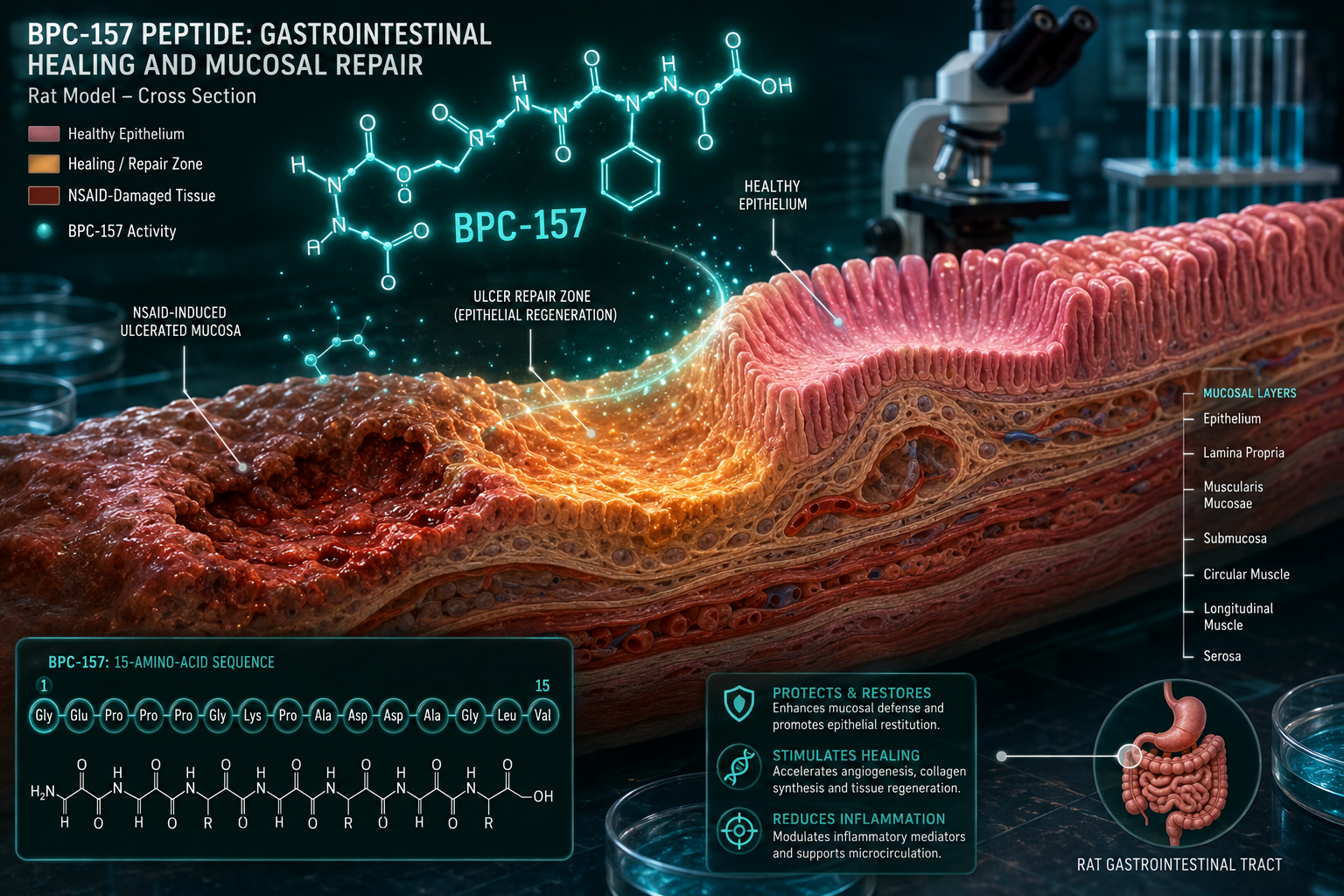
                        • BPC-157 Peptide: Gut Barrier Function, Inflammation, and Tissue-Recovery Research
                        • 5‑Amino‑1MQ and MOTS‑c Synergy in Metabolic Research: Designing NNMT and Mitochondrial Biogenesis Stacks
                        • CJC-1295 with DAC vs. Without DAC: Half-Life, Release Kinetics, and Research Implications
                        • CJC‑1295 with DAC vs. Without DAC: Expanding on Half‑Life Differences Using Tesamorelin and Ipamorelin Blend Case Studies
                        • Collagen Biology and Copper‑Binding Peptides: How GHK‑Cu, Glow Blend, and Klow Blend Interact with Skin and Connective Tissue
                        • Collagen Biology and Regenerative Peptides: How GHK‑Cu, Glow Blend, and Klow Blend Affect Extracellular Matrix Research
                    • DNA, Telomeres, and Longevity Peptides: Positioning Epithalon and MOTS‑c in Genetic Aging Research
                      • Enclomiphene Citrate: serm Mechanism, Testosterone Research, and Stack Compatibility
                        • Enclomiphene vs Enclomiphene Citrate: Formulation, Bioavailability, and Research Distinctions
                        • Epithalon Peptide Research: Telomerase Activation, Aging, and Pineal Gland Function
                        • Estrogen Receptor Signaling and Enclomiphene: How Selective Modulators Compare with Classic Polypeptide Hormones
                        • GHK-Cu Peptide: Advanced Mechanisms in Extracellular Matrix Remodeling and Wound Healing Research
                        • GHK-Cu Peptide: Collagen Synthesis, Wound Repair, and Skin-Barrier Research Models
                        • GLP-1 vs GLP-3 vs GLP-2: Peptide Classification and Research Applications
                        • GLP-2 Peptide Research Guide: Gut Barrier Function, Nutrient Absorption, and Intestinal Recovery Models
                        • GLP-3 Retatrutide vs. GLP-1 Drugs: What Triple-Agonist Biology Changes in Research Models
                        • Ipamorelin and Tesamorelin Combination: Synergistic GH Secretagogue Research and Dosing Protocols
                        • GLP2 Tirz Peptide: What It Is, Why the Name Exists, and How Researchers Should Interpret It
                        • Klow Blend Peptide Nasal Spray: What the Formulation Is Trying to Do in Cognitive Research
                        • Mitochondria, NNMT Inhibition, and Peptide Modulators: Where MOTS‑c and 5‑Amino‑1MQ Fit in Cellular Energy Research
                        • MOTS-c Peptide: Mitochondrial Function, Energy Metabolism, and What Researchers Measure
                        • MOTS-c vs. 5-Amino-1MQ: Which Metabolic Research Questions Each Compound Actually Answers
                        • Nasal Spray Peptides: Bioavailability, Administration, and Semax/Selank Research Applications
                        • PT-141 Peptide Research: Mechanism of Action and Melanocortin Receptor Signaling
                        • Retatrutide for Research: Mechanism, Structure, and GLP-1/GLP-3 Dual Action
                        • Retatrutide for Obesity and Type 2 Diabetes: What the Latest Trial Data Suggest
                        • Tesofensine Peptide Research: Mechanism, Appetite Suppression, and Neuropeptide Y Pathways
  • Contact
    • Contact Customer Service
    • Text Customer Support
  • About US
  • Shop all peptides
  • Affiliate Program
    • Affiliate Signup
  • Login / Register Login / Register Page Link Login / Register Page Link
  • Click to open the search input field Click to open the search input field Search
  • Menu Menu
Epithalon, Selank, and Semax: How ‘Longevity’ and Nootropic Peptides Intersect With Telomere Biology and Neurotrophic Pathways

Epithalon, Selank, and Semax: How ‘Longevity’ and Nootropic Peptides Intersect With Telomere Biology and Neurotrophic Pathways

June 14, 2026/0 Comments/by Pure Tested

Telomere length has been linked to biological age in over 200 peer-reviewed studies, yet most longevity conversations treat cellular aging and cognitive decline as separate problems. Epithalon, Selank, and Semax challenge that separation. Research into these three peptides reveals a striking overlap: the same biological machinery that governs how long cells live also shapes how well the brain learns, adapts, and recovers.
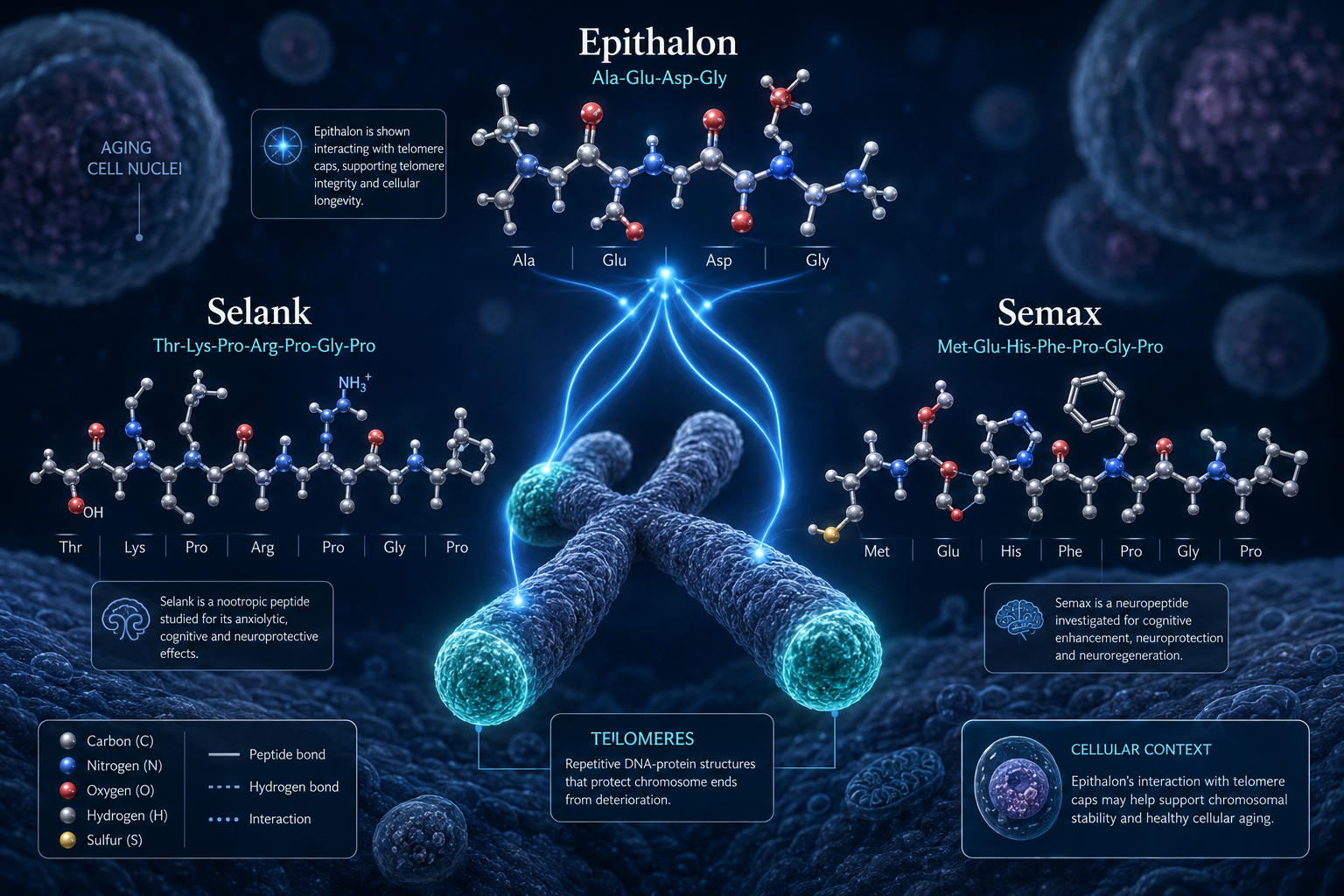
Detailed () scientific illustration showing three peptide molecular structures labeled Epithalon, Selank, and Semax arranged

Key Takeaways

  • Epithalon is a tetrapeptide studied for its ability to activate telomerase, the enzyme that rebuilds telomere caps on chromosomes.
  • Selank and Semax are neuropeptides developed in Russia with documented effects on BDNF, NGF, and GABAergic signaling.
  • Telomere shortening and neurotrophic decline share upstream regulators, meaning anti-aging and nootropic peptides may act on overlapping pathways.
  • Preclinical data suggests these peptides influence oxidative stress, a common driver of both cellular aging and neurodegeneration.
  • Purity and sourcing quality are critical variables when evaluating research outcomes for any of these compounds.

Epithalon and Telomere Biology: The Anti-Aging Foundation

Epithalon (Ala-Glu-Asp-Gly) is a synthetic tetrapeptide derived from epithalamin, a natural extract of the pineal gland. Its primary claim in longevity research rests on telomerase activation. Telomerase is the enzyme responsible for adding protective nucleotide sequences back onto chromosome ends. Without it, telomeres shorten with each cell division until the cell enters senescence or apoptosis.

Key findings from preclinical models include:

  • Increased telomerase activity in somatic cells
  • Extended lifespan in animal studies compared to controls
  • Reduced markers of oxidative DNA damage
  • Restored melatonin secretion patterns linked to circadian regulation

Explore the Epithalon research overview for a detailed breakdown of these findings.

What makes Epithalon particularly relevant to the broader longevity conversation is its downstream effect on reactive oxygen species (ROS). Oxidative stress accelerates telomere erosion and simultaneously damages mitochondria. This creates a direct mechanistic bridge to the mitochondrial longevity research that has gained significant traction in 2026.

"Telomere shortening and mitochondrial dysfunction are not parallel tracks — they are intersecting highways, and peptides like Epithalon may operate at the junction."


Selank and Semax: Nootropic Peptides and Neurotrophic Pathways
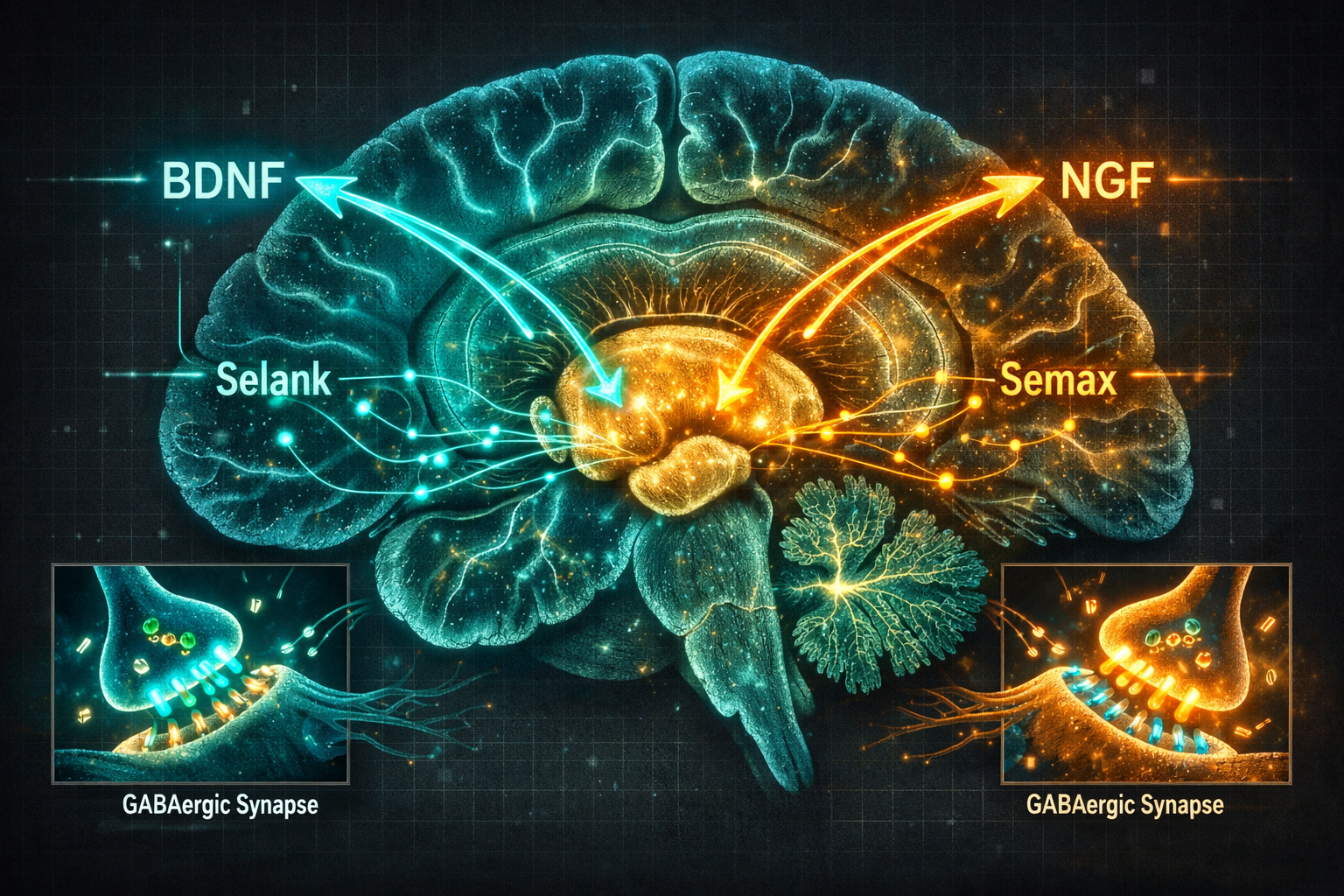
Selank and Semax: Nootropic Peptides and Neurotrophic Pathways

While Epithalon targets cellular longevity, Selank and Semax operate primarily in the central nervous system. Understanding how these compounds work helps clarify why researchers increasingly study them alongside anti-aging peptides.

Selank: Anxiety, BDNF, and GABAergic Modulation

Selank (Thr-Lys-Pro-Arg-Pro-Gly-Pro) is a heptapeptide analog of the immunomodulatory peptide tuftsin. Research models show it:

  • Upregulates brain-derived neurotrophic factor (BDNF), which supports neuronal survival and synaptic plasticity
  • Modulates GABAergic transmission, producing anxiolytic effects without sedation
  • Reduces enkephalin degradation, extending the activity of endogenous opioid peptides

For a thorough look at the research profile, see the Selank peptide benefits overview and the Selank side effects research summary.

Semax: NGF Upregulation and Neuroprotection

Semax (Met-Glu-His-Phe-Pro-Gly-Pro) is an ACTH(4-7) analog developed by the Russian Academy of Sciences. Its most studied mechanism involves nerve growth factor (NGF) upregulation in the hippocampus and frontal cortex. NGF is essential for the maintenance of cholinergic neurons, which are among the first casualties of age-related cognitive decline.

Peptide Primary Mechanism Key Neurotrophic Target
Selank GABAergic + enkephalin modulation BDNF
Semax ACTH analog signaling NGF
Epithalon Telomerase activation Indirect via oxidative stress reduction

The Selank and Semax comparison resource provides side-by-side research context for both compounds.


Where Longevity and Nootropic Peptides Converge

The intersection of Epithalon, Selank, and Semax with telomere biology and neurotrophic pathways becomes clearest when examining shared upstream regulators.
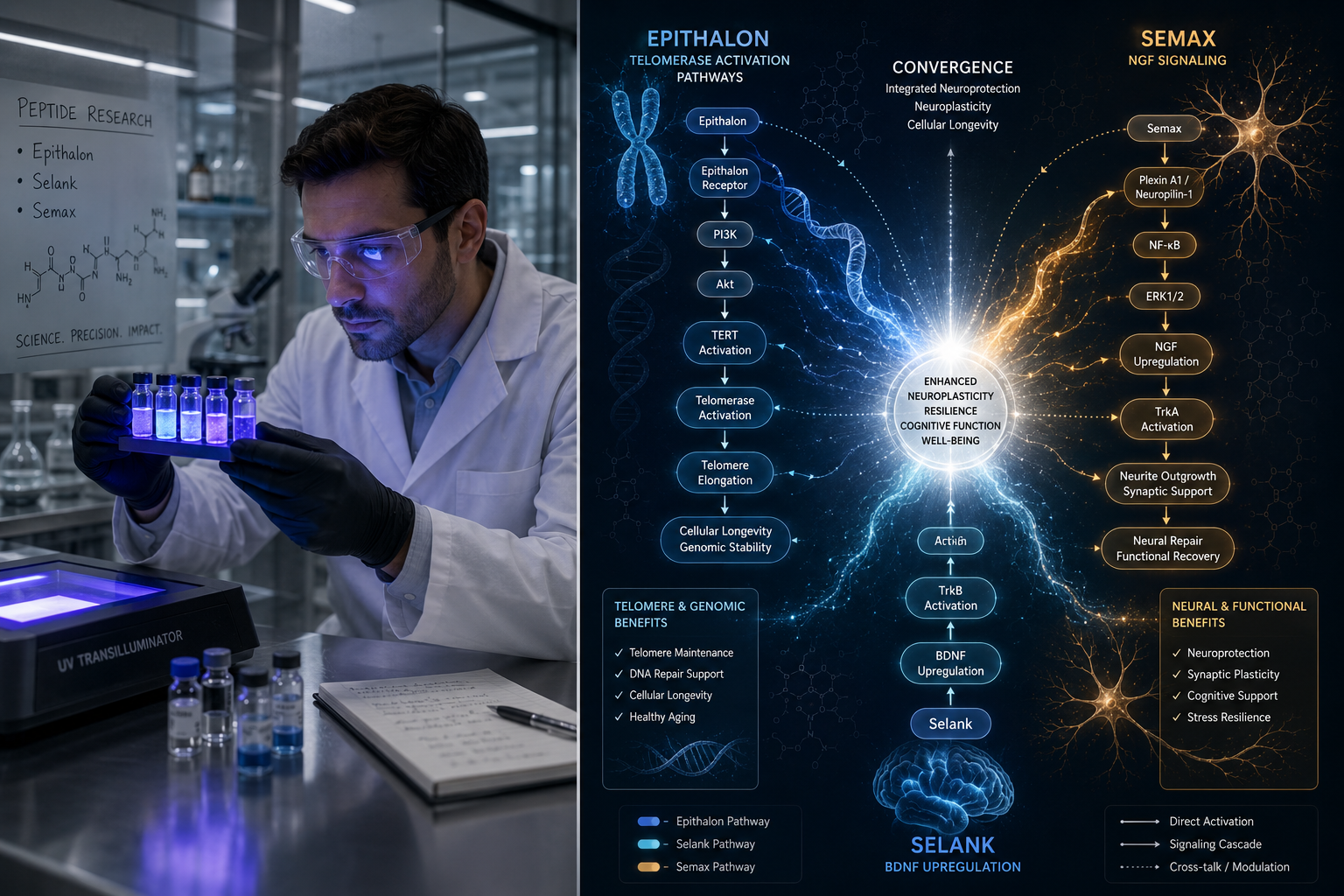
Where Longevity and Nootropic Peptides Converge

Three convergence points stand out:

  1. Oxidative stress reduction — Epithalon lowers ROS; Semax and Selank reduce neuroinflammatory markers. Both processes protect telomeres and neurons simultaneously.
  2. Pineal-hypothalamic axis — Epithalon restores melatonin rhythms; Semax modulates ACTH-related pathways. Both touch the neuroendocrine system that governs aging rate.
  3. Neuroplasticity and cellular repair — BDNF and NGF upregulation by Selank and Semax mirrors the cellular maintenance role Epithalon plays at the chromosomal level.

Researchers interested in the broader peptide landscape may also find value in the recovery and tissue biology overview and the aging support product category for context on how these compounds fit within a wider research framework.

Purity remains a non-negotiable variable. Contaminated or underdosed peptides produce unreliable data. Reviewing quality testing protocols before sourcing any research compound is an essential step.


Conclusion

The study of Epithalon, Selank, and Semax illustrates that longevity and nootropic peptides intersect with telomere biology and neurotrophic pathways at multiple, mechanistically meaningful points. Epithalon's telomerase activation reduces the oxidative damage that also undermines BDNF and NGF signaling. Selank and Semax, in turn, support the neuronal health that depends on the same cellular integrity Epithalon aims to preserve.

Actionable next steps for researchers:

  • Review primary literature on telomerase activity and BDNF co-regulation before designing multi-peptide protocols.
  • Prioritize verified, purity-tested sources to ensure data integrity.
  • Examine the Selank and Semax combined research resource alongside Epithalon data to map pathway overlaps.
  • Consider oxidative stress biomarkers as shared endpoints when evaluating outcomes across all three peptides.

The convergence of anti-aging and cognitive research is no longer speculative. The mechanistic evidence in 2026 points toward a unified biology of healthy aging — one where telomere length and neurotrophic signaling are two sides of the same coin.

https://www.puretestedpeptides.com/wp-content/uploads/2026/06/Epithalon-Selank-and-Semax-How-‘Longevity-and-Nootropic-Peptides-Intersect-With-Telomere-Biology-and-Neurotrophic-Pathways.png 1024 1536 Pure Tested https://www.puretestedpeptides.com/wp-content/uploads/2026/01/buy-peptides-online.jpg Pure Tested2026-06-14 13:04:032026-07-20 15:03:16Epithalon, Selank, and Semax: How ‘Longevity’ and Nootropic Peptides Intersect With Telomere Biology and Neurotrophic Pathways
Enclomiphene for Research: Understanding its Mechanism in Hormone Regulation Studies

Enclomiphene for Research: Understanding its Mechanism in Hormone Regulation Studies

June 13, 2026/0 Comments/by Pure Tested

Fewer than 15% of men diagnosed with secondary hypogonadism have access to treatments that raise testosterone without shutting down sperm production — a gap that makes enclomiphene for research: understanding its mechanism in hormone regulation studies one of the most actively pursued topics in endocrinology today. As a selective estrogen receptor modulator (serm) with a uniquely targeted action on the hypothalamic-pituitary-gonadal (HPG) axis, enclomiphene has drawn significant scientific attention for its ability to restore hormonal balance through the body's own signaling pathways.

Key Takeaways

  • Enclomiphene blocks hypothalamic estrogen receptors, triggering a natural cascade of LH, FSH, and testosterone production.
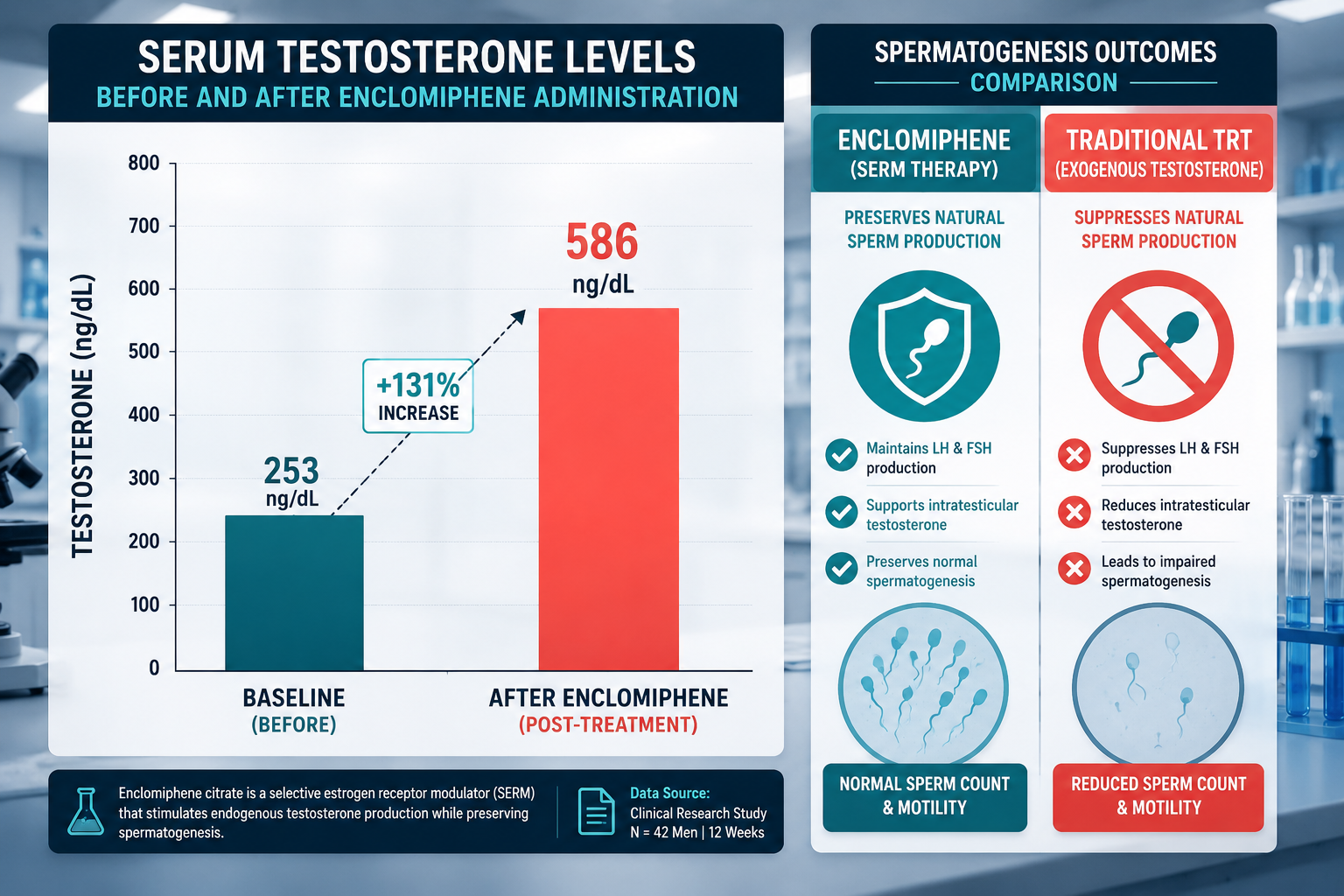
  • Unlike testosterone replacement therapy (TRT), enclomiphene preserves spermatogenesis, making it valuable in fertility-focused research.
  • Clinical data show testosterone levels rising from roughly 253 ng/dL to 586 ng/dL after six weeks at higher doses.
  • Enclomiphene is the isolated trans-isomer of clomiphene, offering a cleaner serm profile with fewer estrogenic side effects.
  • As of 2026, enclomiphene has not received FDA approval, and long-term safety data remain limited.

Key Takeaways

How Enclomiphene Works: The HPG Axis Mechanism

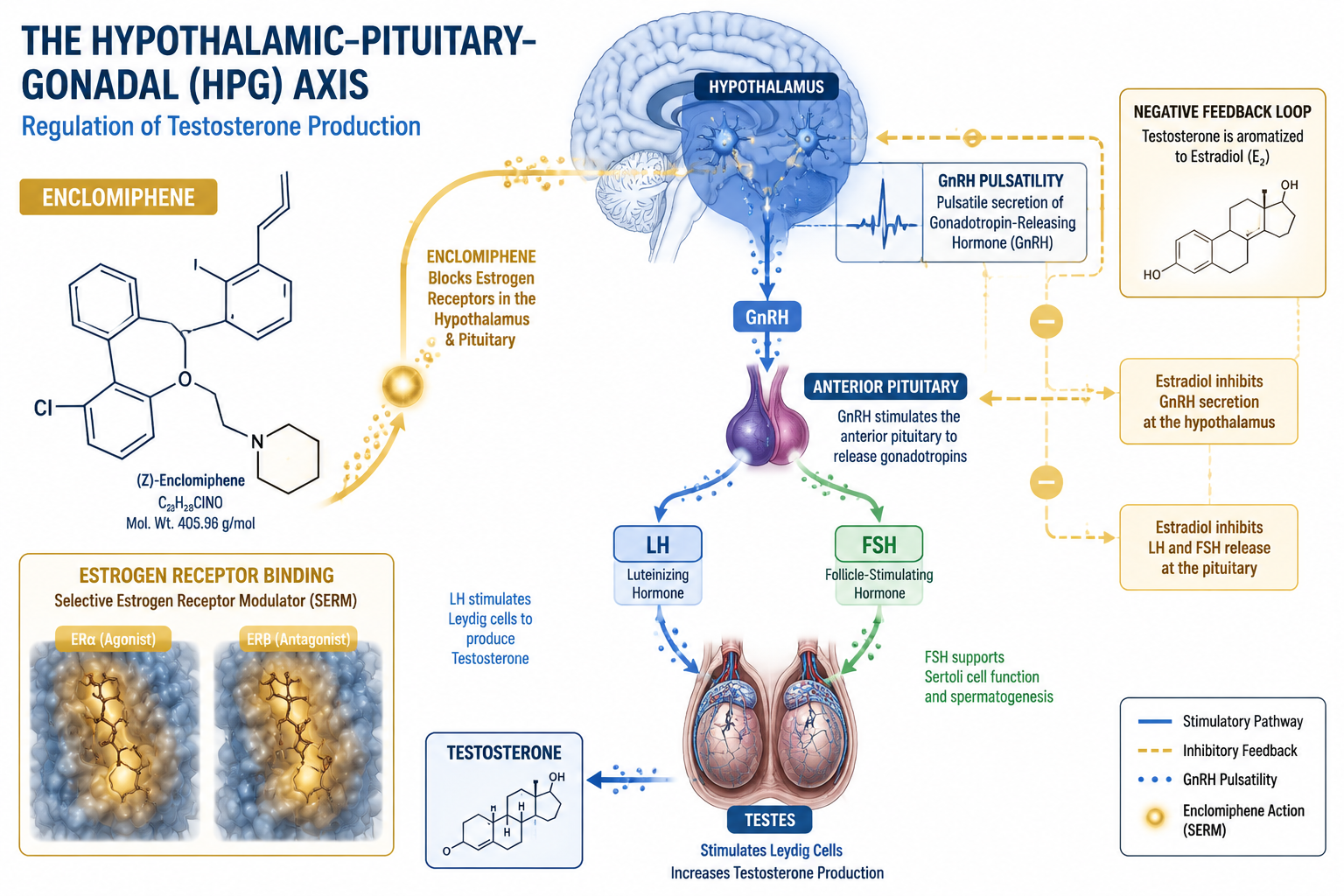
At the core of enclomiphene for research: understanding its mechanism in hormone regulation studies is its precise action on the HPG axis. Enclomiphene functions as a serm by competitively binding to estrogen receptors in the hypothalamus. Under normal conditions, circulating estradiol binds to these receptors and signals the hypothalamus to reduce gonadotropin-releasing hormone (GnRH) secretion — a classic negative feedback loop.

By blocking this feedback, enclomiphene removes the "brake" on GnRH pulsatility. The result is a downstream surge in both luteinizing hormone (LH) and follicle-stimulating hormone (FSH) from the anterior pituitary, which in turn stimulates Leydig cells in the testes to produce endogenous testosterone.

"Enclomiphene essentially resets the hormonal thermostat by working upstream rather than adding exogenous hormone."

This mechanism stands in sharp contrast to traditional TRT, which suppresses the HPG axis entirely. Researchers studying gonadorelin and GnRH pulsatility will find enclomiphene's upstream action particularly relevant, as both compounds engage the same signaling architecture.

Key receptor interactions in enclomiphene's mechanism:

Site Action Downstream Effect
Hypothalamus Blocks estrogen receptor Increases GnRH pulsatility
Anterior pituitary Elevated GnRH input Raises LH and FSH output
Testes (Leydig cells) LH stimulation Boosts endogenous testosterone
Testes (Sertoli cells) FSH stimulation Preserves spermatogenesis

How Enclomiphene Works: The HPG Axis Mechanism

Clinical Research Findings and Fertility Preservation

The practical value of enclomiphene for research: understanding its mechanism in hormone regulation studies becomes clearest when examining clinical trial data. In one well-cited trial, men with secondary hypogonadism who had baseline testosterone levels averaging 253 ng/dL reached an average of 586 ng/dL after six weeks on the highest tested dose. This restoration to normal physiological range without exogenous hormone administration is a significant research milestone.

What makes this especially notable for researchers:

  • Sperm counts remained stable or improved, unlike outcomes seen with TRT
  • LH and FSH levels rose proportionally, confirming HPG axis engagement
  • Some participants showed improvements in fasting plasma glucose, suggesting potential metabolic benefits worth investigating further

This fertility-preserving profile makes enclomiphene a subject of interest in studies that also examine IPA serm stack research, where multiple compounds are evaluated for their combined effects on the endocrine system.

Enclomiphene vs. Clomiphene: A Cleaner Research Tool

Enclomiphene is the trans-isomer of clomiphene citrate. Standard clomiphene contains both the enclomiphene (trans) and zuclomiphene (cis) isomers. The zuclomiphene isomer carries weak estrogenic activity that can contribute to unwanted side effects. By isolating enclomiphene, researchers work with a compound that delivers a more targeted serm effect, reducing confounding variables in hormone regulation studies.

For labs exploring broader endocrine research, this specificity pairs well with investigations into longevity peptide research and metabolic hormone modulation.


Enclomiphene vs. Clomiphene: A Cleaner Research Tool

Research Applications, Dosing Context, and Regulatory Landscape

Standard dosing protocols in research settings typically range from 12.5 mg to 25 mg orally once daily, with adjustments guided by serum testosterone and gonadotropin measurements. Short-term safety data have been satisfactory and broadly comparable to testosterone gels and placebo in controlled settings. However, long-term safety data remain limited — a critical gap that researchers are actively working to address.

As of 2026, enclomiphene has not received FDA approval. Regulatory reviewers have indicated that raising testosterone levels alone may not constitute sufficient clinical benefit without demonstrated symptomatic improvement. This regulatory context shapes how enclomiphene is sourced and studied; it is currently available through compounding pharmacies, which means quality and dosing consistency can vary.

Researchers investigating related hormonal compounds may find useful context in NAD research and metabolic regulation and thymosin alpha-1 mechanism studies, both of which intersect with endocrine health pathways. For those reviewing the latest developments across the field, the peptide research blog provides ongoing updates relevant to serm and hormone regulation research.

Expert consensus points toward placebo-controlled, randomized trials as the next necessary step — particularly for populations with obesity, metabolic syndrome, and infertility-related hypogonadism.


Conclusion

Enclomiphene occupies a distinctive position in hormone regulation research because it works with the body's own feedback architecture rather than bypassing it. Its ability to elevate endogenous testosterone while preserving spermatogenesis addresses a genuine gap in the endocrinology research toolkit. For investigators studying the HPG axis, serm pharmacology, or fertility-adjacent hormone therapies, the compound offers a well-characterized mechanism and a growing clinical evidence base.

Actionable next steps for researchers:

  1. Review existing clinical trial data on HPG axis modulation to establish baseline comparisons.
  2. Prioritize sourcing from suppliers with verified testing protocols to ensure compound purity.
  3. Design studies that measure symptomatic outcomes alongside biomarker changes to address the FDA's stated evidentiary concerns.
  4. Consider pairing enclomiphene studies with metabolic markers, given preliminary data on fasting glucose improvements.
  5. Monitor regulatory developments in 2026, as the approval landscape for serms in hypogonadism continues to evolve.
https://www.puretestedpeptides.com/wp-content/uploads/2026/06/Enclomiphene-for-Research-Understanding-its-Mechanism-in-Hormone-Regulation-Studies.png 1024 1536 Pure Tested https://www.puretestedpeptides.com/wp-content/uploads/2026/01/buy-peptides-online.jpg Pure Tested2026-06-13 13:04:362026-07-20 15:03:17Enclomiphene for Research: Understanding its Mechanism in Hormone Regulation Studies
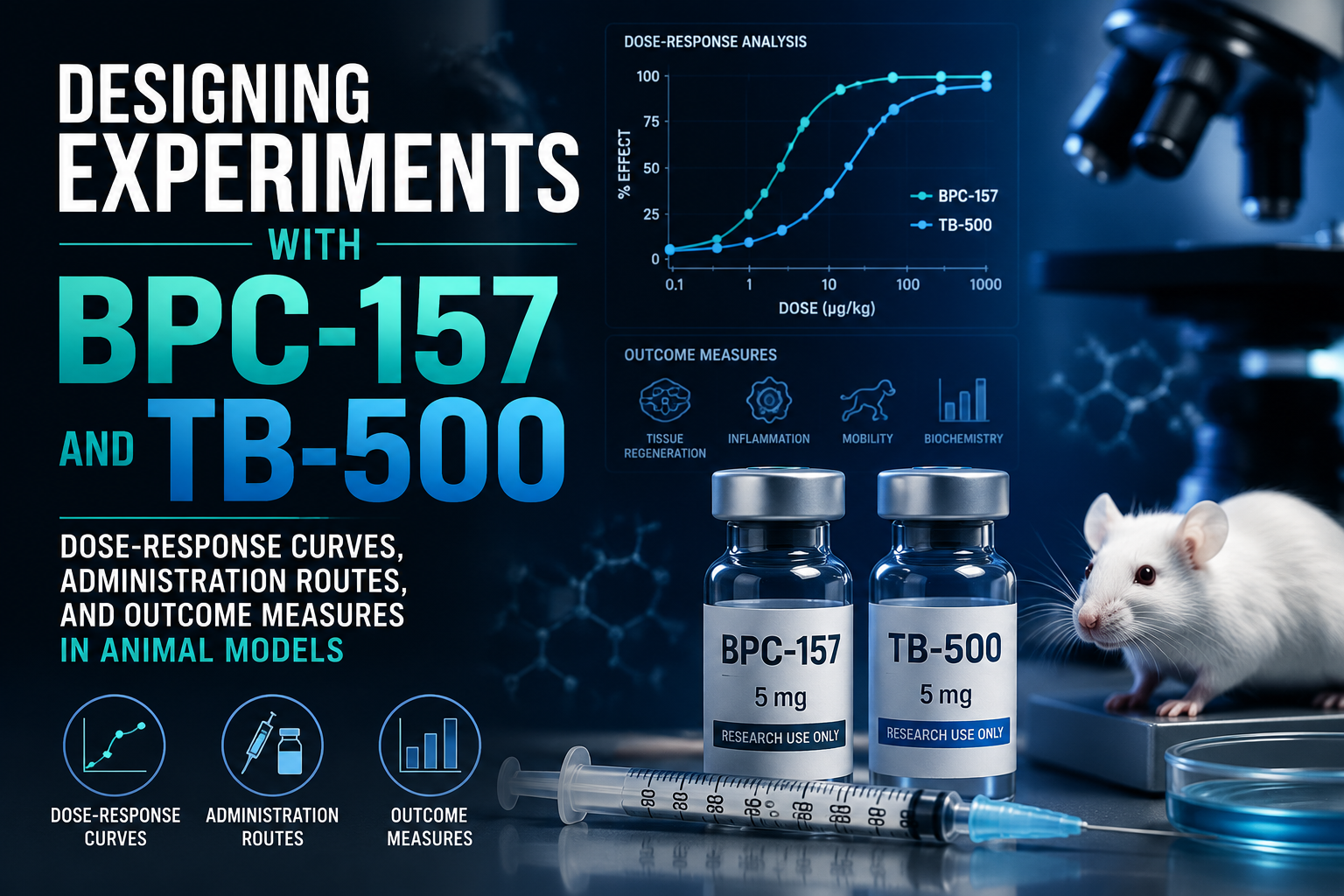
Designing Experiments With BPC‑157 and TB‑500: Dose‑Response Curves, Administration Routes, and Outcome Measures in Animal Models

Designing Experiments With BPC‑157 and TB‑500: Dose‑Response Curves, Administration Routes, and Outcome Measures in Animal Models

June 13, 2026/0 Comments/by Pure Tested

{"cover":"Professional landscape format (1536×1024) hero image with bold text overlay: 'Designing Experiments With BPC-157 and TB-500: Dose-Response Curves, Administration Routes & Outcome Measures in Animal Models', modern bold sans-serif 70pt white text with dark semi-transparent overlay box, centered upper-third composition. Background shows a high-resolution laboratory scene with rodent surgical preparation, peptide vials, syringes, and a dose-response curve graph on a monitor. Color palette: deep navy blue, crisp white, steel gray accents. Editorial magazine quality, high contrast, scientific research aesthetic.","content":["Detailed landscape format (1536×1024) scientific infographic illustration showing side-by-side molecular diagrams of BPC-157 (15-amino-acid chain) and TB-500 (thymosin beta-4 fragment) with labeled structural features, actin polymerization pathway arrows, VEGF and FGF upregulation icons, angiogenesis vessel diagrams, and nitric oxide pathway annotations. Clean white background with navy and teal color scheme, bold sans-serif labels, research-grade visual style, peptide mechanism comparison focus.","Detailed landscape format (1536×1024) showing a split-composition experimental design diagram: left side depicts a rodent subcutaneous injection site with dose-response curve graph overlay showing BPC-157 doses 250-500mcg plotted against tissue healing scores; right side shows TB-500 loading phase timeline bar chart (2.0-2.5mg twice weekly over 4-6 weeks) with maintenance phase reduction. Laboratory bench background with syringes, vials, and a researcher's gloved hands. Teal, white, and charcoal color scheme, annotated with administration route labels.","Detailed landscape format (1536×1024) showing a comprehensive outcome measures dashboard for animal model experiments: grid layout featuring histological tissue cross-section photomicrographs of tendon healing, wound closure percentage bar graphs, angiogenesis vessel density heat maps, inflammation biomarker line charts, and cell migration assay images. Rodent silhouette in background. Bold data visualization style with navy, orange, and white color palette, scientific poster aesthetic, clearly labeled endpoints and confounders annotations."]

Professional landscape hero image () with : "Designing Experiments With BPC‑157 and TB‑500: Dose‑Response Curves,

Fewer than 15% of peptide studies published in preclinical literature include a fully justified dose-response design — a gap that makes reproducibility nearly impossible. Designing experiments with BPC‑157 and TB‑500: dose‑response curves, administration routes, and outcome measures in animal models demands far more than selecting a dose and observing results. A rigorous methods framework separates publishable data from inconclusive noise.

Key Takeaways

  • BPC‑157 and TB‑500 operate through distinct mechanisms, requiring separate dosing schedules and administration strategies in animal models.
  • Dose-response curves should span at least three concentration points to identify threshold, optimal, and saturation effects.
  • Route of administration directly influences bioavailability and must match the target tissue and study objective.
  • Outcome measures must include both functional and histological endpoints to capture the full repair profile.
  • Confounders such as animal age, sex, housing conditions, and peptide purity can invalidate results if not controlled.

Key Takeaways

Understanding the Mechanisms Before Designing the Protocol

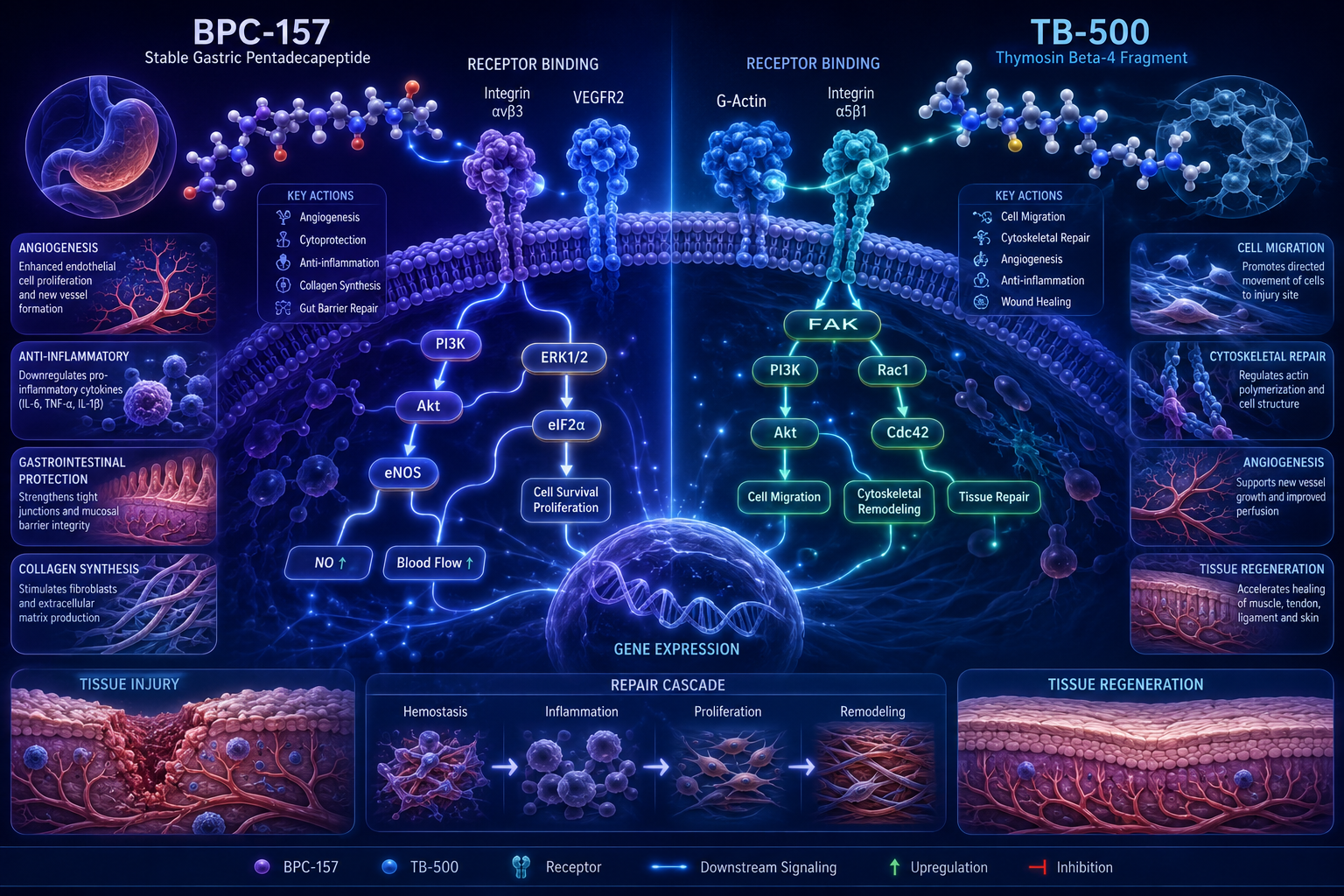
Effective experimental design begins with mechanism. BPC‑157 is a 15-amino-acid peptide derived from human gastric juice. It promotes localized tissue repair through angiogenesis, upregulation of growth factors including VEGF, FGF, and EGF, and modulation of nitric oxide pathways. Its action is predominantly local, making proximity of administration to the injury site a key variable.

TB‑500 is a synthetic fragment of thymosin beta-4. It facilitates systemic healing by regulating actin polymerization, promoting cell migration, and modulating integrin-linked kinase signaling. Unlike BPC‑157, its systemic distribution means injection site is less critical to outcome.

"Understanding whether a peptide acts locally or systemically is the single most important factor in selecting administration route."

Researchers exploring broader tissue biology and recovery mechanisms can review the recovery and tissue biology overview for foundational context before finalizing a protocol.


Dose‑Response Curves and Administration Routes in Animal Models

Dose‑Response Curves and Administration Routes in Animal Models

Establishing the Dose-Response Curve

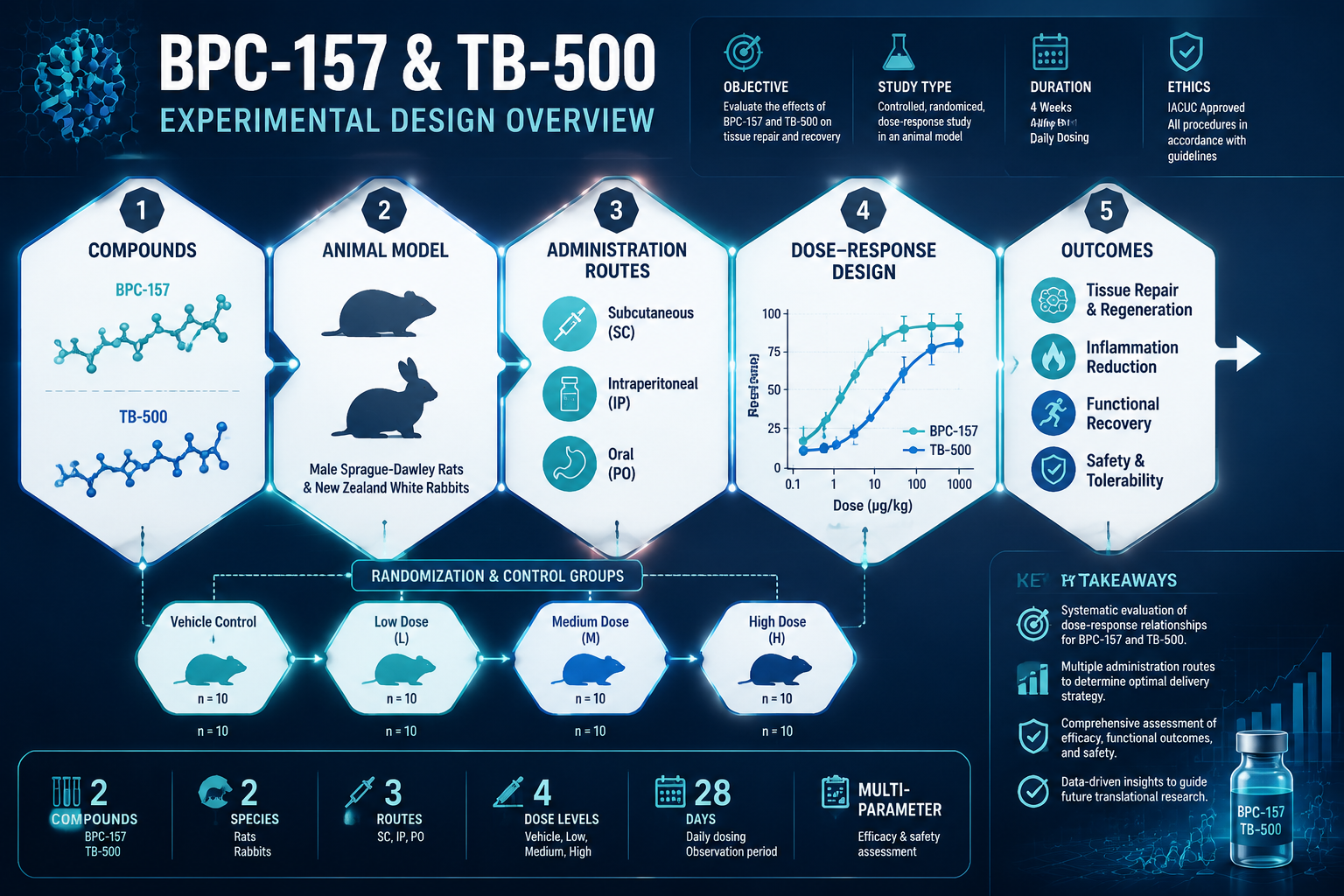
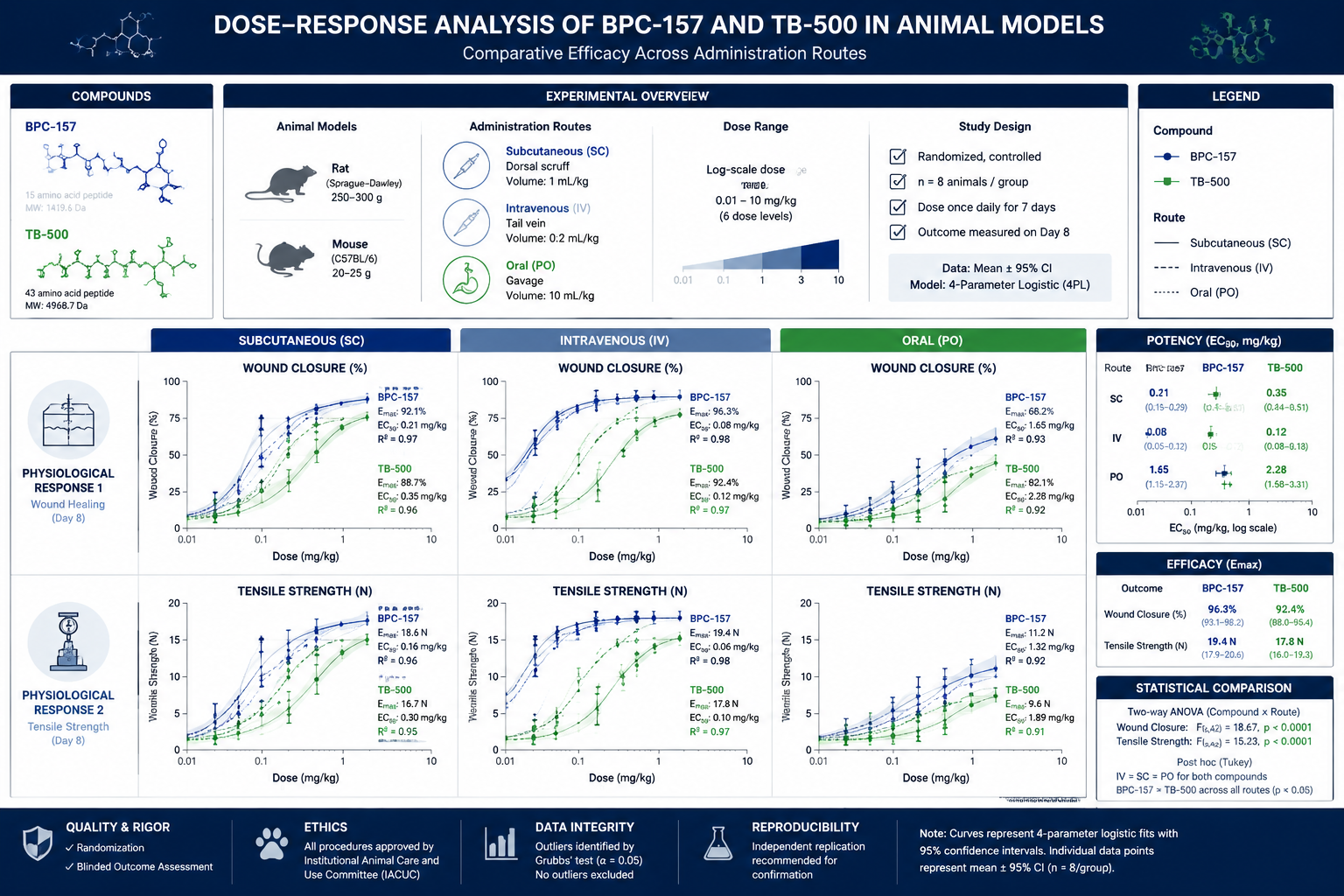
A valid dose-response curve requires a minimum of three dose levels: a subthreshold dose, an expected optimal dose, and a supramaximal dose. For BPC‑157, typical doses in rodent models range from 250 to 500 micrograms per day. Its short half-life — under 30 minutes — necessitates once or twice daily dosing to maintain meaningful plasma and tissue concentrations.

For TB‑500, common loading-phase doses are 2.0 to 2.5 milligrams administered subcutaneously twice per week over a 4-to-6-week period, followed by a reduced maintenance phase. Its longer half-life supports less frequent dosing without significant loss of effect.

Recommended dose-range structure:

Peptide Low Dose Mid Dose High Dose Frequency
BPC‑157 100 mcg/day 250 mcg/day 500 mcg/day Once or twice daily
TB‑500 1.0 mg 2.0 mg 2.5 mg Twice weekly

Selecting Administration Routes

Route selection must match the study objective:

  • BPC‑157 subcutaneous (near injury): Best for tendon, ligament, and musculoskeletal repair models.
  • BPC‑157 oral: Appropriate for gastrointestinal studies. BPC‑157 shows notable stability in gastric juice, supporting oral bioavailability.
  • TB‑500 subcutaneous or intramuscular: Either route is acceptable given its systemic distribution profile.

Researchers comparing peptide delivery strategies may also find value in reviewing nasal spray peptide delivery approaches as an emerging alternative administration route in preclinical work.

Peptide purity is a non-negotiable variable. Verifying source quality through a certificate of analysis before any experiment prevents batch-to-batch variability from contaminating results.


Outcome Measures and Confounders in Designing Experiments With BPC‑157 and TB‑500

Outcome Measures and Confounders in Designing Experiments With BPC‑157 and TB‑500

Primary Outcome Measures

Functional endpoints:

  • Grip strength testing (musculoskeletal models)
  • Wound closure rate measured by standardized photography
  • Gait analysis scores in limb injury models

Histological endpoints:

  • Collagen fiber density and alignment via Masson's trichrome staining
  • Vessel density count for angiogenesis quantification
  • Inflammatory cell infiltration via hematoxylin and eosin staining

Biochemical endpoints:

  • Serum VEGF, TNF-alpha, and IL-6 levels via ELISA
  • Nitric oxide metabolite concentrations in tissue homogenates

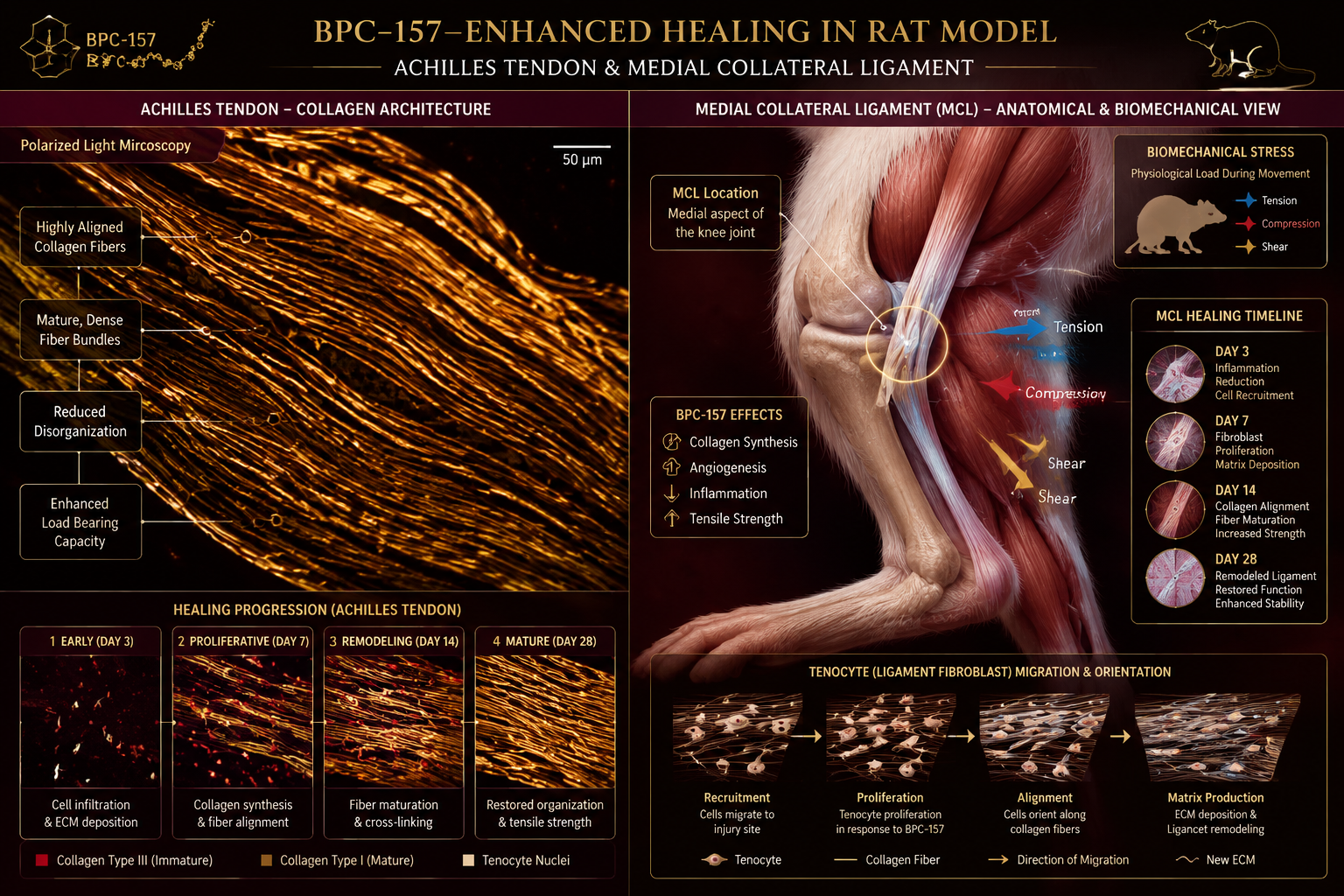
BPC‑157 has demonstrated measurable efficacy in tendon and ligament healing, inflammation reduction, and angiogenesis promotion across multiple rodent models. TB‑500 has shown consistent improvements in wound closure rates, reduced inflammatory markers, and enhanced cell migration in comparable preclinical settings.

For context on how other peptides such as SS‑31 influence tissue-level outcomes, particularly in mitochondrial and oxidative stress endpoints, cross-referencing related peptide research strengthens experimental rationale.

Critical Confounders to Control

Failing to account for confounders is the leading cause of irreproducible peptide research. Key variables include:

  • Animal age and sex: Healing rates differ significantly between young and aged rodents, and between male and female cohorts.
  • Housing and stress: Group versus isolated housing alters corticosterone levels, which directly affects tissue repair.
  • Injury model standardization: Punch biopsy depth, tendon transection length, and ischemia duration must be identical across groups.
  • Peptide reconstitution and storage: Degradation between preparation and injection introduces silent variability.

Researchers working with mitochondrial peptides like MOTS-C alongside repair peptides should also account for metabolic state as a confounder, since baseline metabolic function modulates tissue repair capacity.

Additionally, reviewing TB‑500 product specifications and thymosin alpha-1 mechanism data provides useful comparative context when designing multi-peptide protocols.


Conclusion

Designing experiments with BPC‑157 and TB‑500: dose‑response curves, administration routes, and outcome measures in animal models requires systematic planning at every stage. The next steps for any research team are clear: define the mechanistic question first, build a three-point dose-response curve for each peptide, match the administration route to the target tissue, and pre-specify both functional and histological endpoints before any animal is enrolled. Control confounders with written standard operating procedures. Verify peptide purity before each experiment cycle. These steps do not guarantee a positive result — but they guarantee that the result, whatever it is, will be interpretable and reproducible.

https://www.puretestedpeptides.com/wp-content/uploads/2026/06/Designing-Experiments-With-BPC‑157-and-TB‑500-Dose‑Response-Curves-Administration-Routes-and-Outcome-Measures-in-Animal-Models.png 1024 1536 Pure Tested https://www.puretestedpeptides.com/wp-content/uploads/2026/01/buy-peptides-online.jpg Pure Tested2026-06-13 13:04:122026-07-20 15:03:17Designing Experiments With BPC‑157 and TB‑500: Dose‑Response Curves, Administration Routes, and Outcome Measures in Animal Models
Glow Blend and Klow Blend Peptides: Example Stacks for Skin, Hair, and ‘Aging Support’ Research Only

Glow Blend and Klow Blend Peptides: Example Stacks for Skin, Hair, and ‘Aging Support’ Research Only

June 13, 2026/0 Comments/by Pure Tested

Fewer than 5% of multi-peptide research blends currently on the market combine collagen-stimulating, angiogenic, and anti-inflammatory compounds into a single lyophilized formulation — yet that is precisely what Glow Blend and Klow Blend peptides represent. Understanding how each component maps to specific cellular pathways is essential for researchers designing protocols around skin remodeling, hair follicle biology, and aging-related cellular decline.

This article breaks down the ingredient profiles of both blends, explains the mechanistic rationale behind each stack, and outlines hypothetical research applications. All content is strictly for informational and educational purposes. Neither blend is approved for human therapeutic use.

Key Takeaways

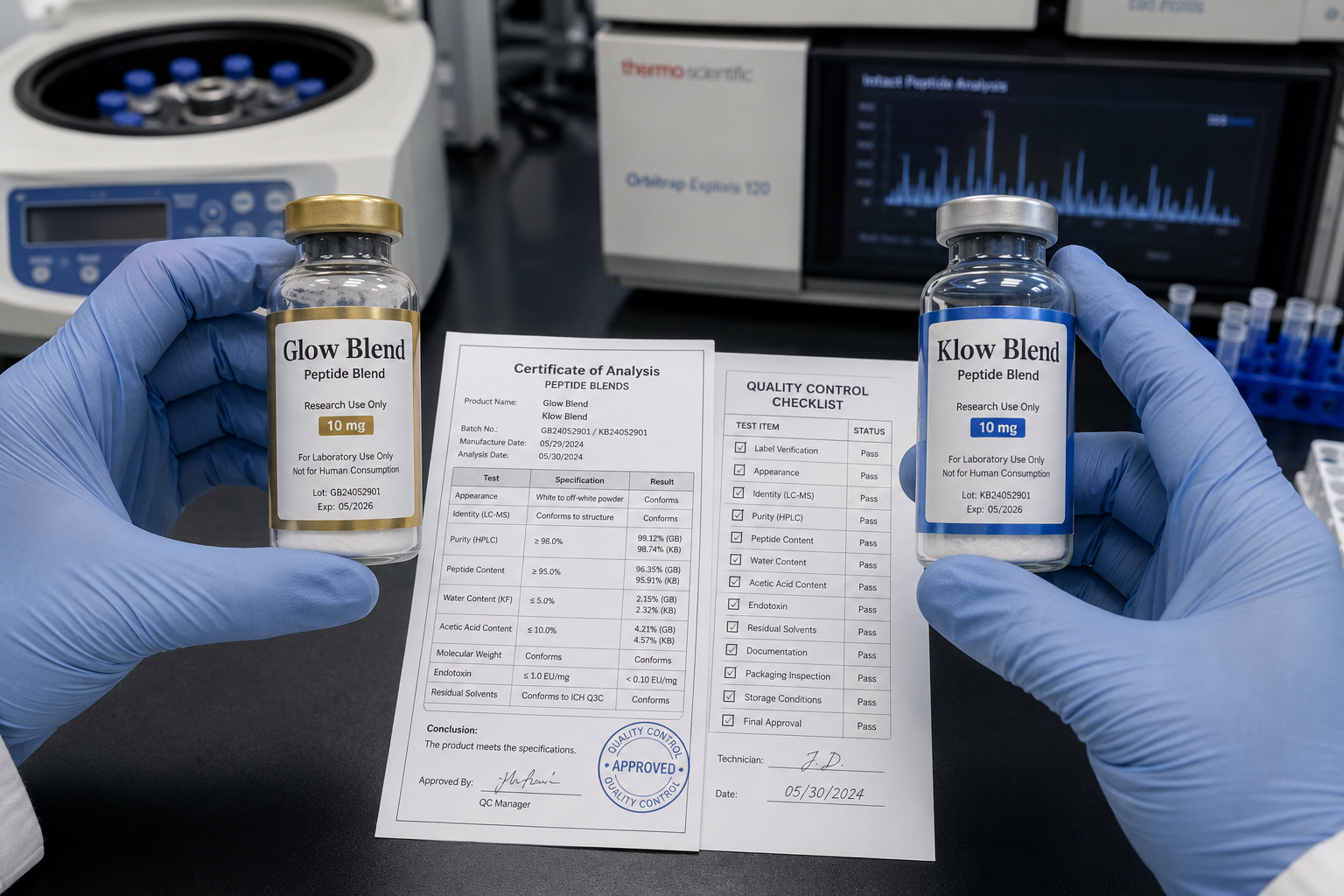
  • Glow Blend contains GHK-Cu, BPC-157, and TB-500, targeting collagen synthesis, tissue repair, and angiogenesis.
  • Klow Blend adds KPV to the same three-peptide base, extending coverage to inflammatory and immunomodulatory pathways.
  • Both blends are research-grade only and have no published clinical trials as combined formulations.
  • Choosing between the two depends on whether inflammation is a primary variable in the research model.
  • Proper storage and purity verification are critical for maintaining peptide integrity in any lab setting.

Key Takeaways

Ingredient Profiles: What Each Peptide Does at the Cellular Level

Understanding Glow Blend and Klow Blend peptides as example stacks for skin, hair, and aging support research begins with mapping each ingredient to a specific biological mechanism.

GHK-Cu: Collagen, Elastin, and Cellular Renewal

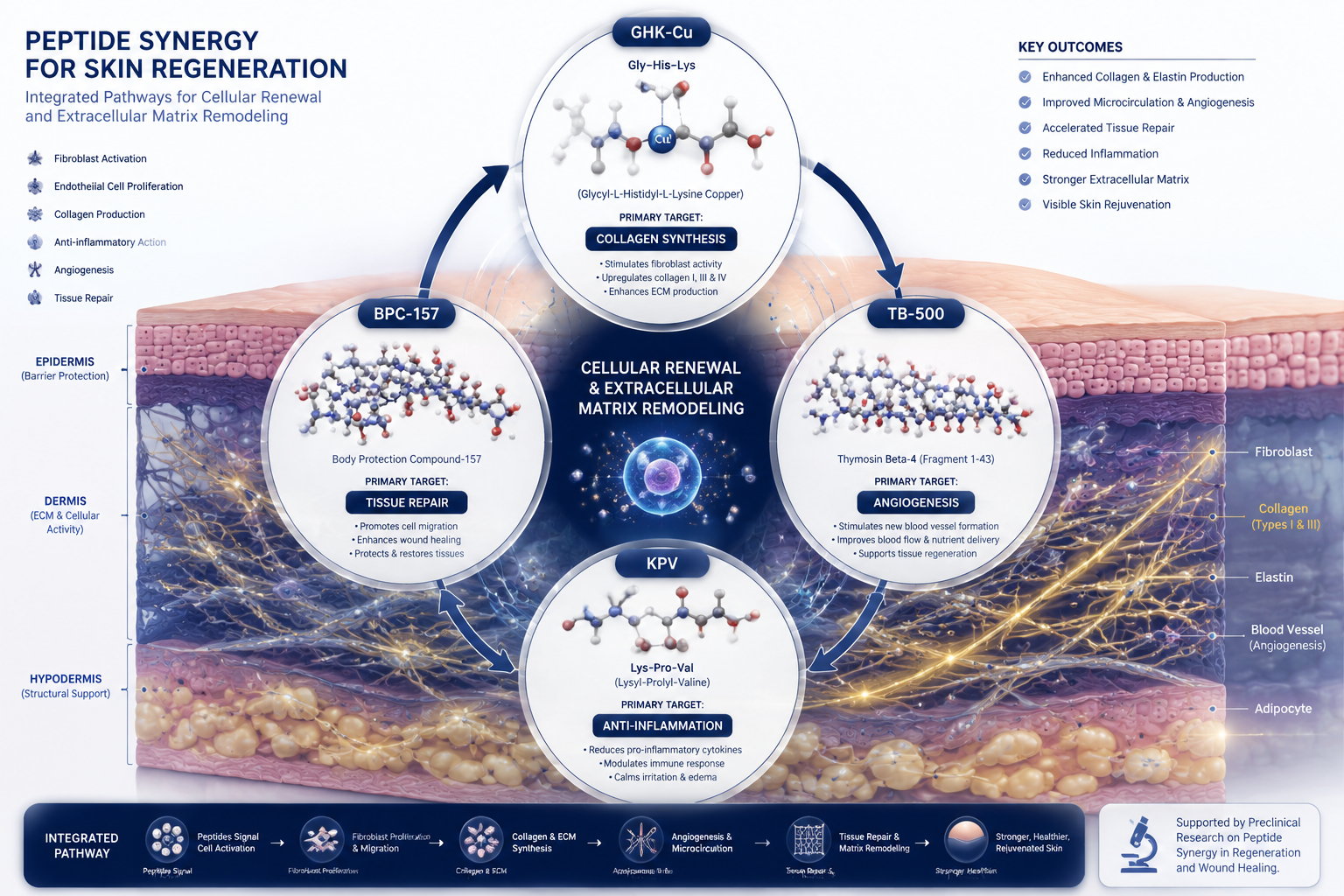
GHK-Cu (Glycyl-L-Histidyl-L-Lysine Copper) is the anchor compound in both blends. At the cellular level, it stimulates fibroblast activity, upregulates collagen and elastin synthesis, and promotes angiogenesis — the formation of new blood vessels that supply nutrients to skin tissue. It also carries potent antioxidant activity, helping neutralize reactive oxygen species that accelerate cellular aging. In hair follicle research models, GHK-Cu has been studied for its ability to support follicle cycling and reduce miniaturization signals. Researchers interested in topical applications can explore topical GHK-Cu formulations as a reference point for delivery considerations.

BPC-157: Connective Tissue and Healing Cascade Activation

BPC-157 (Body Protection Compound 157) accelerates the repair of muscle, ligament, and tendon tissue while reducing local inflammation. In skin research models, its relevance lies in connective tissue strengthening and its ability to enhance growth factor signaling. It works synergistically with TB-500 by activating overlapping but distinct repair pathways. For a deeper look at its regenerative applications, the BPC-157 and TB-500 regeneration research page provides useful context.

TB-500: Cell Migration and Vascular Support

TB-500 (Thymosin Beta-4) promotes actin polymerization, which drives cell migration — a critical step in wound closure and tissue remodeling. It enhances blood flow to damaged areas and complements BPC-157 by improving the scaffolding environment in which new cells proliferate. Together, these two peptides create a repair-focused foundation for both blends.

KPV: The Anti-Inflammatory Addition in Klow Blend

KPV (Lys-Pro-Val) is a tripeptide fragment derived from alpha-melanocyte-stimulating hormone. It binds to melanocortin receptors and downregulates pro-inflammatory cytokines, making it particularly relevant in research models involving dermatitis, rosacea, psoriasis, or chronic wound inflammation. Its inclusion in Klow Blend shifts the entire stack's focus from pure remodeling toward remodeling plus immune modulation.

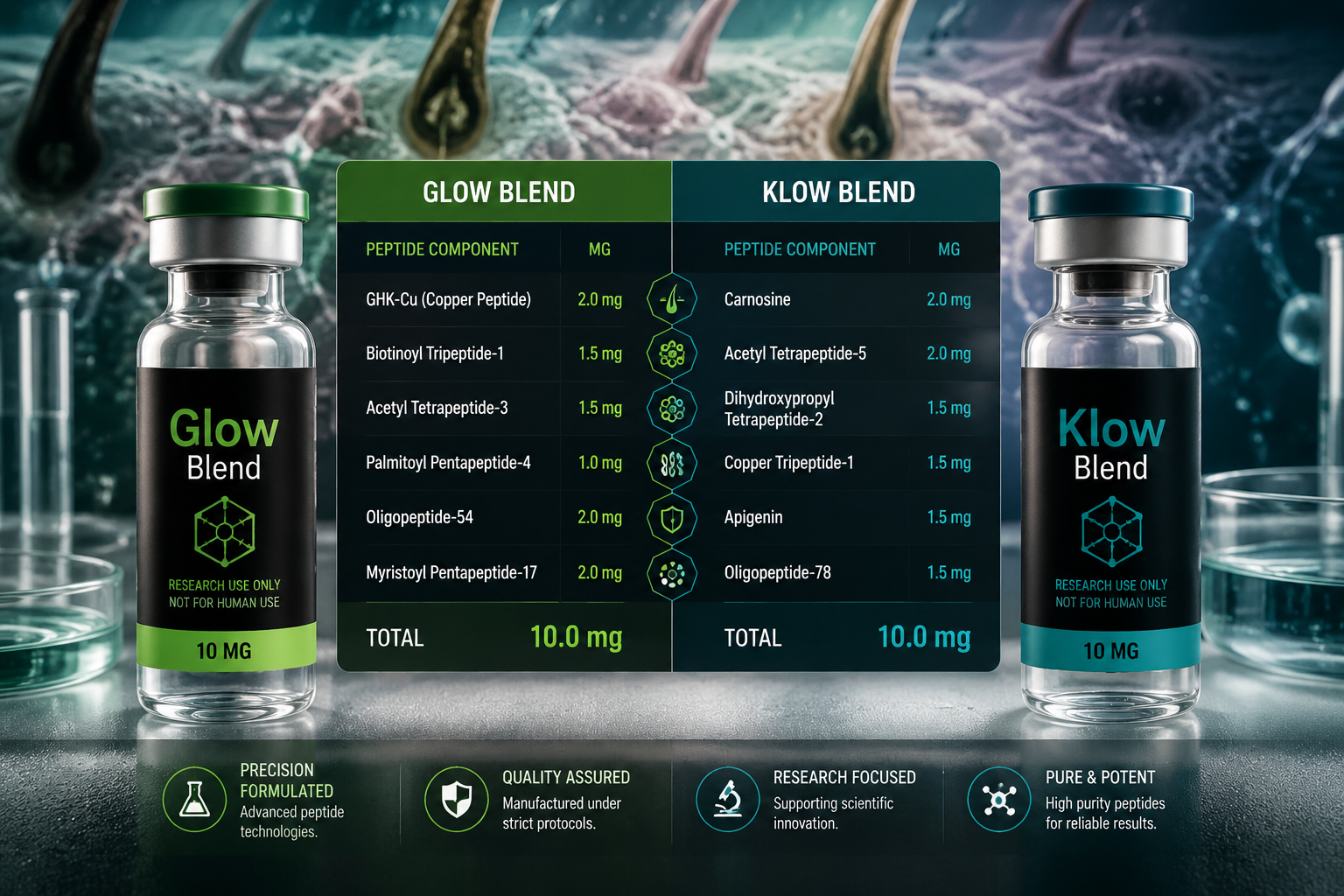
Component Glow Blend Klow Blend Primary Pathway
GHK-Cu (50 mg) Yes Yes Collagen, antioxidant
BPC-157 (10 mg) Yes Yes Tissue repair
TB-500 (10 mg) Yes Yes Cell migration, angiogenesis
KPV (10 mg) No Yes Anti-inflammatory

KPV: The Anti-Inflammatory Addition in Klow Blend

Hypothetical Research Stacks: Skin, Hair, and Aging Support Applications

When designing protocols using Glow Blend and Klow Blend peptides as example stacks for skin, hair, and aging support research, the choice between the two blends depends on the dominant variable in the research model.

Skin Remodeling and Anti-Aging Research

For models focused on fine line reduction, scar remodeling, or post-procedural recovery (e.g., after microneedling or laser treatment), Glow Blend's three-peptide profile is sufficient. GHK-Cu drives the collagen response, while BPC-157 and TB-500 accelerate the repair cascade. Researchers exploring broader longevity peptide research themes may find value in pairing either blend with mitochondrial-support compounds for a more comprehensive aging model.

Hair Follicle Biology

In hair research models, GHK-Cu's role in follicle cycling makes it the primary active compound. BPC-157 adds connective tissue support around the dermal papilla, while TB-500 improves local vascularization. Both blends are relevant here, though Klow Blend may be preferred in models where scalp inflammation is a confounding variable.

Inflammatory Skin Conditions and Chronic Wound Models

Klow Blend is the more appropriate choice when inflammation is a primary research variable. KPV's cytokine-suppressing activity makes it well-suited for eczema, psoriasis, or chronic wound models where persistent inflammatory infiltration prevents normal tissue repair. Researchers working on peptide serums and evidence-based skin applications will find the KPV mechanism particularly relevant.

Research note: As of 2026, no published clinical trials exist for either blend as a combined formulation. All mechanistic claims are extrapolated from individual-component literature.


Inflammatory Skin Conditions and Chronic Wound Models

Sourcing, Storage, and Research Integrity

Peptide purity is non-negotiable in any research setting. Both blends should be sourced from suppliers who provide independent third-party testing. Reviewing how peptide purity testing works is a practical first step before acquiring any multi-peptide formulation.

Storage guidelines for lyophilized blends:

  • Unmixed (freeze-dried): stable up to 1 year at 2-8 degrees C; over 5 years at -20 degrees C
  • Post-reconstitution: refrigerate and use within 30 days
  • Avoid repeated freeze-thaw cycles to preserve peptide integrity

Researchers building broader aging-focused protocols may also want to explore mitochondrial longevity research themes and MOTS-c and Epithalon research as complementary areas, since cellular energy metabolism is a parallel pathway to the extracellular matrix remodeling that Glow and Klow blends target.


Conclusion

Glow Blend and Klow Blend peptides represent a structured approach to multi-target research stacking for skin, hair, and aging support models. Glow Blend's three-peptide profile covers collagen synthesis, angiogenesis, and tissue repair. Klow Blend extends that coverage with KPV's anti-inflammatory action, making it the stronger candidate for inflammation-dominant research models.

Actionable next steps for researchers:

  1. Define the primary biological variable in the model before selecting a blend.
  2. Verify supplier purity documentation and certificate of analysis before procurement.
  3. Review individual-component literature for each peptide before designing dosing protocols.
  4. Consider complementary stacks targeting mitochondrial or hormonal pathways for broader aging research coverage.

Both blends are research-grade compounds intended solely for laboratory use. They are not approved medications and are not intended for human consumption or self-administration.

https://www.puretestedpeptides.com/wp-content/uploads/2026/06/Glow-Blend-and-Klow-Blend-Peptides-Example-Stacks-for-Skin-Hair-and-‘Aging-Support-Research-Only.png 1024 1536 Pure Tested https://www.puretestedpeptides.com/wp-content/uploads/2026/01/buy-peptides-online.jpg Pure Tested2026-06-13 13:03:442026-07-20 15:03:18Glow Blend and Klow Blend Peptides: Example Stacks for Skin, Hair, and ‘Aging Support’ Research Only
BPC-157 vs BPC-157 and TB-500: How to Interpret Single-Peptide and Stack Research Results

BPC-157 vs BPC-157 and TB-500: How to Interpret Single-Peptide and Stack Research Results

June 13, 2026/0 Comments/by Pure Tested

Fewer than 5% of peptide combinations studied in preclinical research have been directly compared against their single-compound counterparts in controlled trials. That gap matters enormously when researchers try to determine whether a stack offers genuine additive benefit or simply introduces more variables. Understanding BPC-157 vs BPC-157 and TB-500: How to Interpret Single-Peptide and Stack Research Results requires a structured framework — one that accounts for mechanism overlap, study design limitations, and the practical challenge of isolating each peptide's contribution.

Key Takeaways

  • BPC-157 and TB-500 operate through distinct but complementary mechanisms, making direct comparison with stack data genuinely complex.
  • Most available evidence comes from animal models; human clinical data remains limited as of 2026.
  • Interpreting stack research requires identifying whether outcomes exceed what either peptide achieves alone.
  • Regulatory status for both peptides is actively shifting, affecting their availability for research purposes.
  • A decision-making framework focused on mechanism overlap helps researchers avoid over-interpreting combination results.

Key Takeaways

Understanding the Mechanisms Before Comparing Research Results

Any meaningful comparison of BPC-157 vs BPC-157 and TB-500 stack research must begin with mechanism. Without this foundation, researchers risk conflating correlation with synergy.

BPC-157 is a synthetic pentadecapeptide derived from a gastric protein. Its primary actions include:
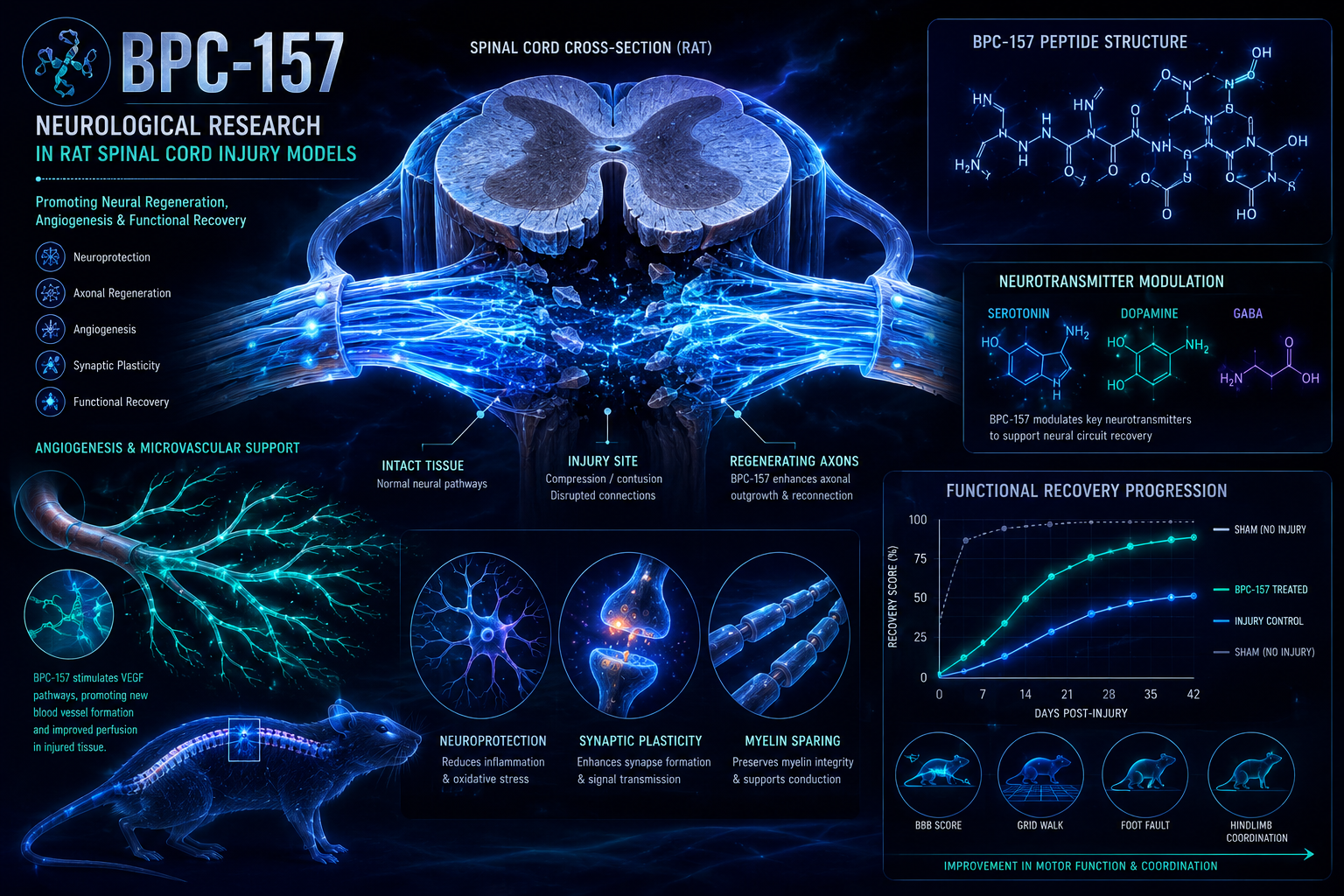
  • Promoting angiogenesis (new blood vessel formation)
  • Activating nitric oxide pathways to support tissue perfusion
  • Accelerating localized tendon, ligament, and muscle repair

Research on BPC-157's role in angiogenesis and tendon healing highlights how its effects are largely site-specific, working at the injury location rather than systemically.

TB-500 (Thymosin Beta-4) takes a different route. It enhances cell migration by regulating actin — a structural protein critical to cellular movement. This promotes systemic healing responses rather than localized repair alone.

"The distinction between local and systemic action is the single most important variable when interpreting stack versus single-peptide data."

Because these two peptides target different biological pathways, their combination is theoretically additive rather than redundant. However, theory and measured outcomes are not the same thing.


A Decision-Making Framework for Interpreting Single-Peptide vs Stack Research

A Decision-Making Framework for Interpreting Single-Peptide vs Stack Research

When evaluating BPC-157 vs BPC-157 and TB-500: How to Interpret Single-Peptide and Stack Research Results, apply the following framework to any study or dataset encountered.

Step 1: Identify the Study Design

Ask whether the research used:

Design Type What It Tells You Limitation
Single-peptide only Isolated mechanism data Cannot confirm synergy
Stack without controls Combined outcome only Cannot isolate contribution
Three-arm (A, B, A+B) True additive effect Rare in peptide literature

Most published research falls into the first two categories. Three-arm designs that directly test BPC-157 alone, TB-500 alone, and the combination together are uncommon, which makes definitive synergy claims premature.

Step 2: Check the Evidence Base

The vast majority of BPC-157 and TB-500 research involves animal models. Extrapolating rodent data to human physiology introduces meaningful uncertainty. Researchers should weight animal studies as hypothesis-generating rather than conclusive.

This same caution applies when reviewing combination stack outcomes. If a stack study shows accelerated recovery in rats, that finding does not confirm the stack outperforms BPC-157 alone in humans.

Step 3: Assess Mechanism Overlap

If two peptides share a downstream pathway, their combination may produce diminishing returns rather than additive benefit. BPC-157 and TB-500 have low mechanism overlap — one targets angiogenesis locally, the other targets actin-mediated cell migration systemically. This reduces the risk of redundancy and supports the biological rationale for stacking.

For comparison, researchers evaluating peptide combinations with higher pathway overlap — such as those explored in IPA and sermorelin stack research — face a more complex interpretation challenge.

Step 4: Evaluate Dosing Context

Research protocols typically use BPC-157 at 250–500 mcg per day subcutaneously and TB-500 at 2–2.5 mg twice weekly during a loading phase, followed by 2 mg weekly for maintenance. Stack studies that deviate significantly from these ranges may not be directly comparable to single-peptide trials using standard doses.


Regulatory and Safety Considerations That Affect Research Interpretation

Regulatory and Safety Considerations That Affect Research Interpretation

Interpreting BPC-157 vs BPC-157 and TB-500: How to Interpret Single-Peptide and Stack Research Results also means understanding the regulatory environment shaping what research is possible.

As of May 2026, both BPC-157 and TB-500 were removed from the FDA's 503A Category 2 bulk drug substances list, with a Pharmacy Compounding Advisory Committee review scheduled for July 2026. This regulatory shift may affect the availability of these compounds for research purposes going forward.

Additionally, both peptides are classified under WADA's S0 category as non-approved substances, prohibiting their use in competitive sports contexts.

Reported side effects in preclinical research have been minimal, but comprehensive human safety data does not yet exist. Researchers sourcing compounds should prioritize verified, lab-tested peptides to ensure purity and accurate dosing in any research context.

For researchers interested in other peptide combinations with emerging evidence bases, resources on SS-31 mitochondrial research themes and Selank peptide benefits offer useful methodological parallels for interpreting single-compound versus combination data.


Conclusion

Comparing BPC-157 alone against a BPC-157 and TB-500 stack is not simply a question of "which works better." It is a question of study design, mechanism mapping, and evidence quality. The practical framework outlined here — identifying study design, checking the evidence base, assessing mechanism overlap, and evaluating dosing context — gives researchers a repeatable method for drawing sound conclusions from incomplete data.

Actionable next steps for researchers:

  1. Before reviewing any stack study, locate single-peptide data for each compound separately.
  2. Prioritize three-arm study designs when available; treat two-arm stack studies as preliminary.
  3. Monitor the July 2026 FDA PCAC review for regulatory updates that may affect compound access.
  4. Source only verified, purity-tested compounds to ensure research integrity.

The evidence base for both peptides continues to grow. Applying a disciplined interpretation framework now ensures that conclusions drawn today remain defensible as human clinical data eventually emerges.

https://www.puretestedpeptides.com/wp-content/uploads/2026/06/BPC-157-vs-BPC-157-and-TB-500-How-to-Interpret-Single-Peptide-and-Stack-Research-Results.png 1024 1536 Pure Tested https://www.puretestedpeptides.com/wp-content/uploads/2026/01/buy-peptides-online.jpg Pure Tested2026-06-13 13:03:222026-07-20 15:03:18BPC-157 vs BPC-157 and TB-500: How to Interpret Single-Peptide and Stack Research Results
Slupp332 With 5-Amino-1MQ: How Exercise-Mimetic and NNMT-Targeted Research Are Being Connected

Slupp332 With 5-Amino-1MQ: How Exercise-Mimetic and NNMT-Targeted Research Are Being Connected

June 13, 2026/0 Comments/by Pure Tested

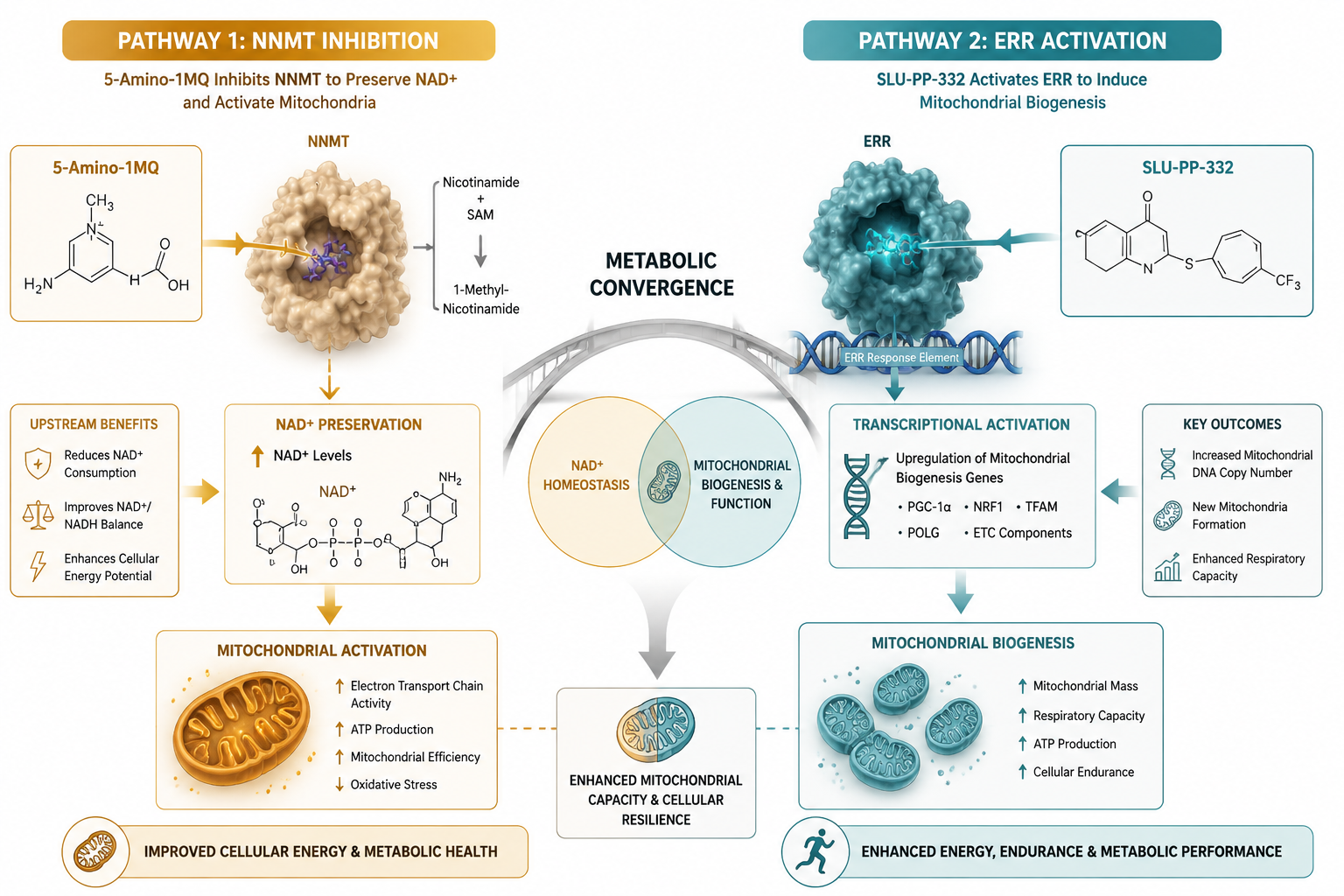
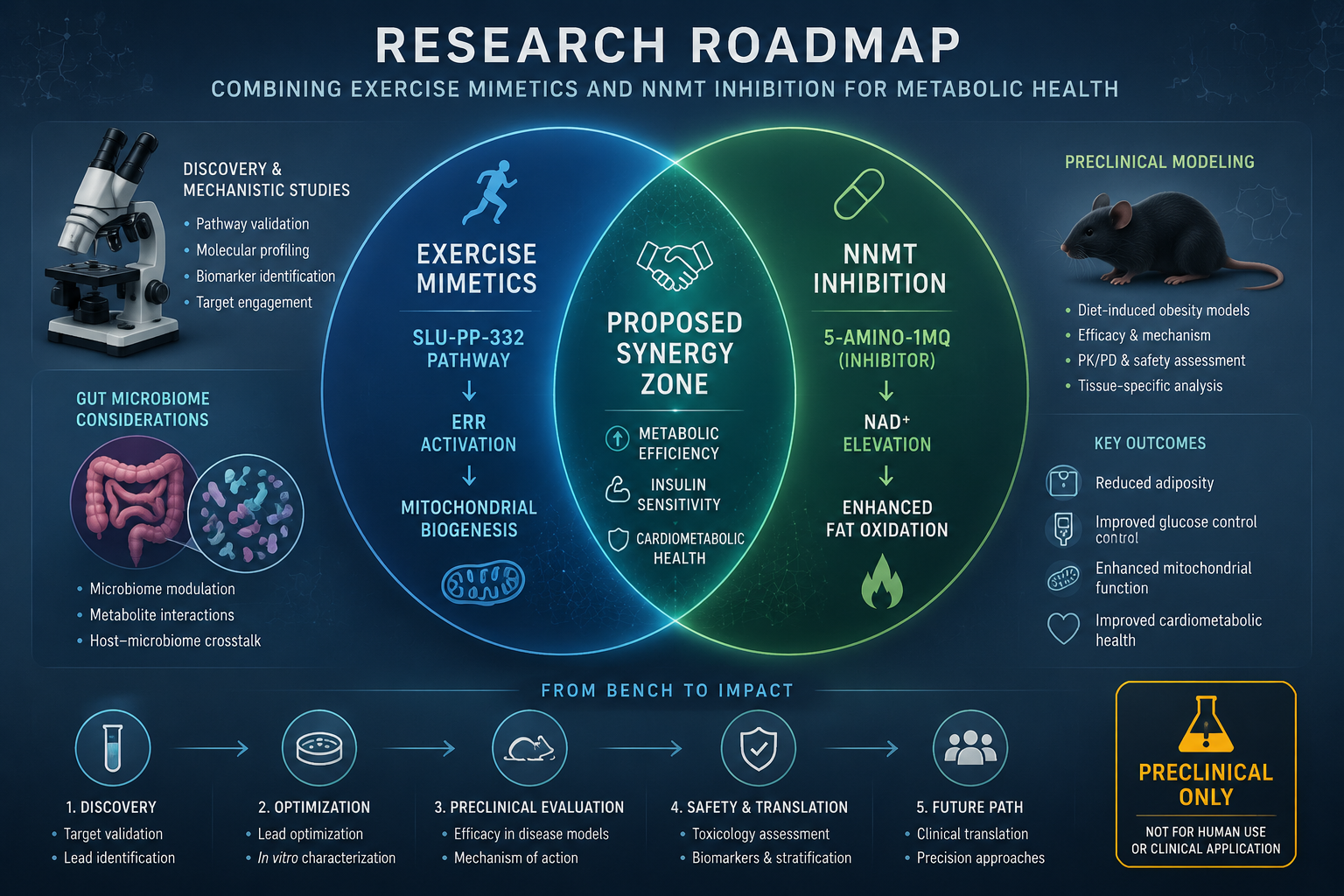
Two compounds with entirely different mechanisms are increasingly appearing in the same metabolic research conversations — and the reason why is worth understanding carefully. The discussion around Slupp332 with 5-Amino-1MQ centers on a hypothesis: that combining an exercise-mimetic compound with an NNMT-targeted molecule could produce complementary effects on energy metabolism, fat oxidation, and mitochondrial function. This article breaks down what each compound does, why researchers are connecting them, and what the current evidence actually supports.

Key Takeaways

  • SLU-PP-332 activates estrogen-related receptors (ERRs) to mimic exercise-induced mitochondrial biogenesis
  • 5-Amino-1MQ inhibits the NNMT enzyme to preserve NAD+ levels and promote fat oxidation
  • The two compounds operate through distinct but potentially complementary pathways
  • All supporting evidence remains preclinical — no human clinical trials have been completed for either compound in combination
  • Both are classified as research chemicals and are not approved for human use

Key Takeaways

What Each Compound Does on Its Own

Understanding the proposed synergy in Slupp332 with 5-Amino-1MQ research starts with understanding each compound independently.

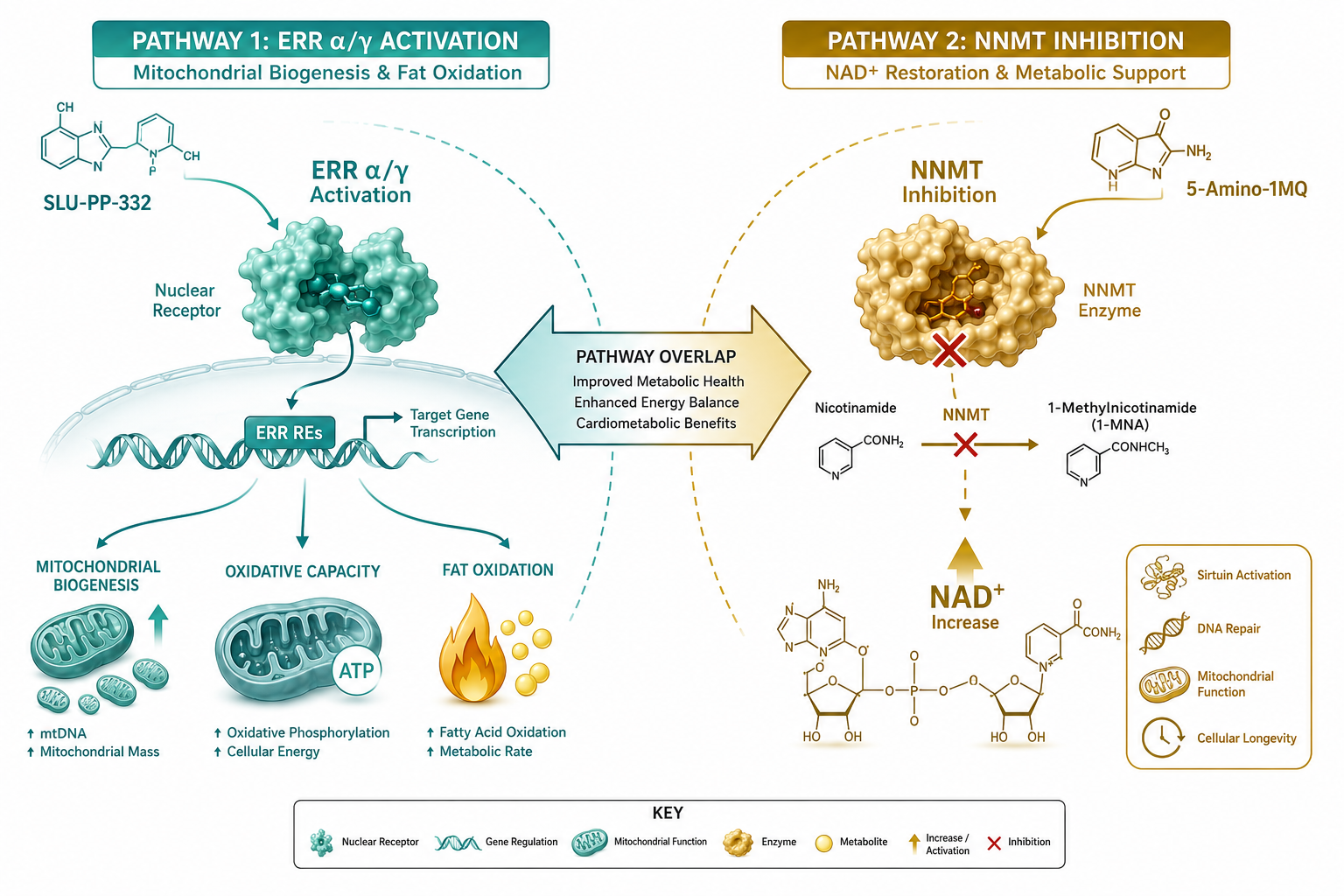
SLU-PP-332 is a synthetic agonist for estrogen-related receptors — specifically ERR-alpha, ERR-beta, and ERR-gamma. These nuclear receptors regulate mitochondrial biogenesis and oxidative metabolism. When activated, they trigger many of the same cellular adaptations seen after sustained aerobic exercise: increased energy expenditure, greater fatty acid oxidation, and improved mitochondrial density. For a deeper look at SLU-PP-332's metabolic profile, see this SLU-PP-332 metabolic research overview.

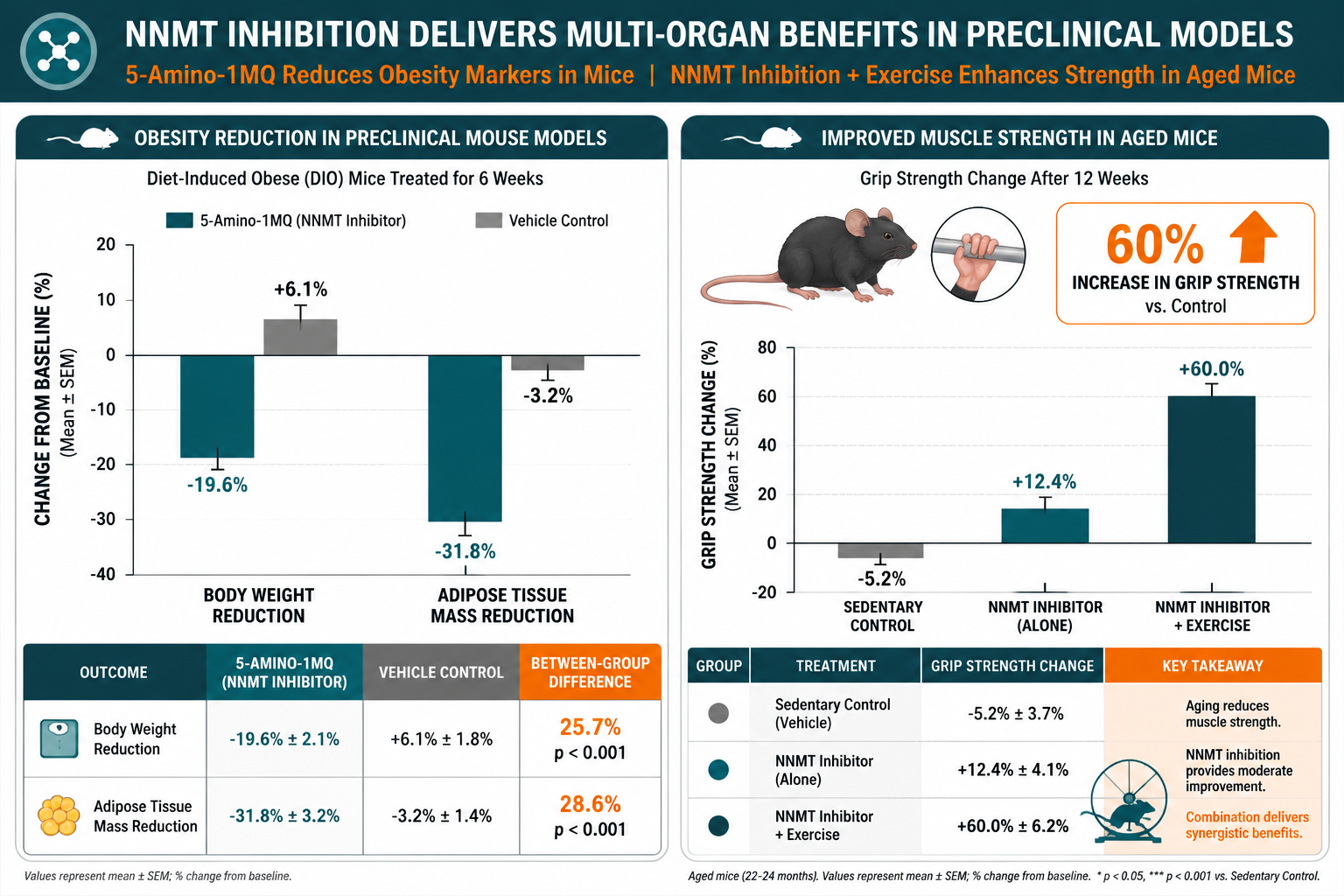
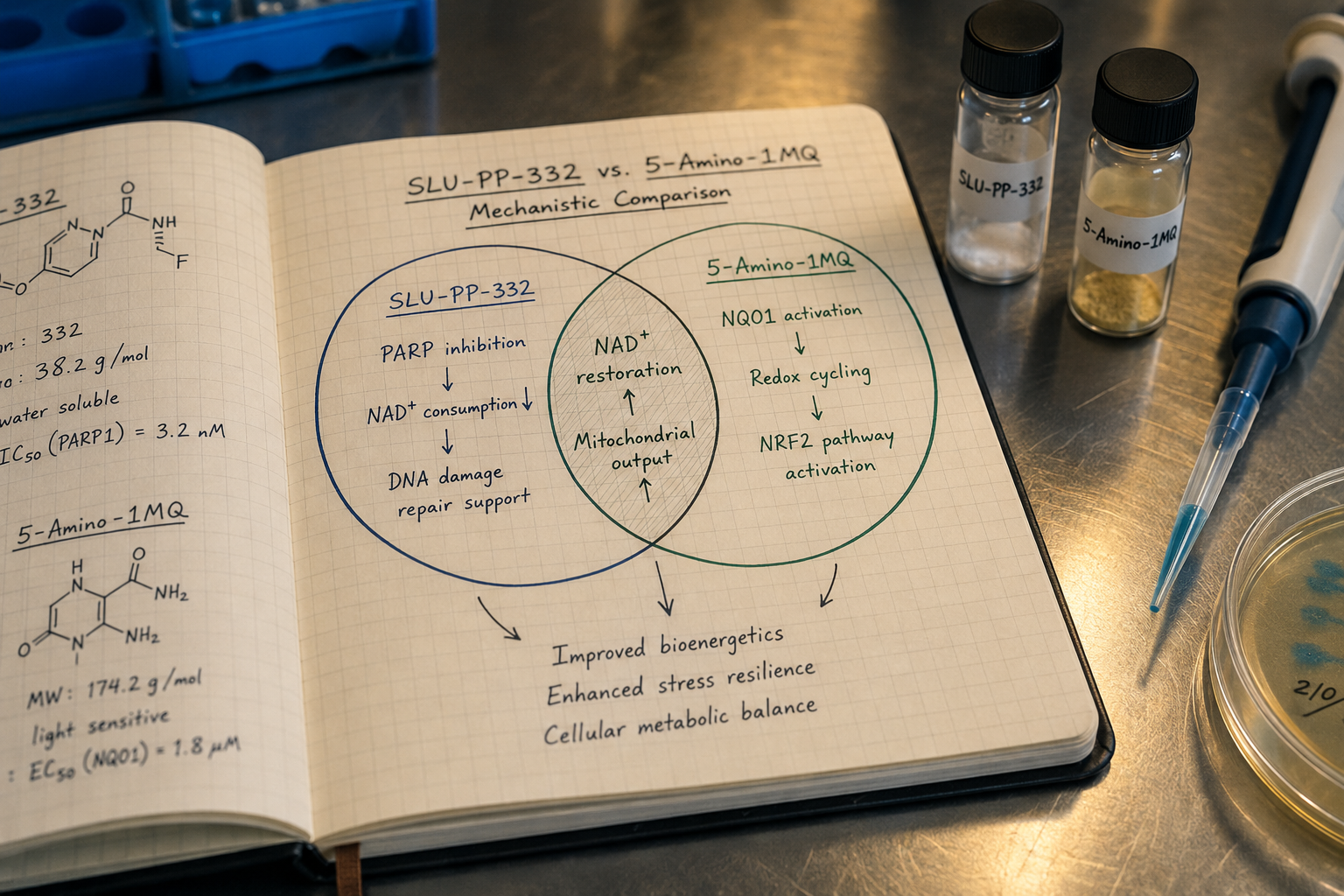
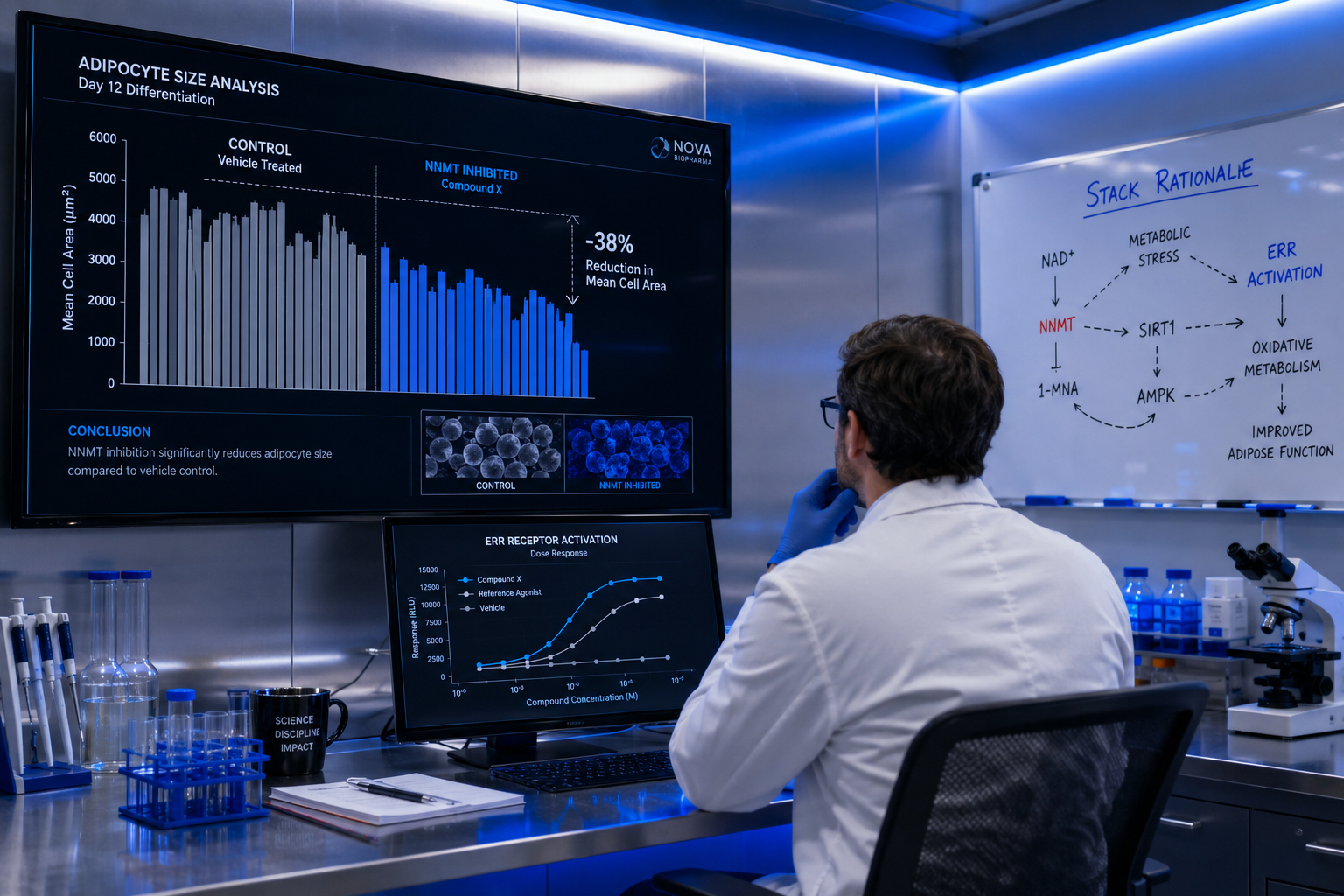
5-Amino-1MQ works through a completely different entry point. It selectively inhibits nicotinamide N-methyltransferase (NNMT), an enzyme that is overexpressed in the adipose tissue of obese individuals. NNMT consumes S-adenosylmethionine (SAM) and reduces NAD+ availability. By blocking NNMT, 5-Amino-1MQ preserves intracellular NAD+ levels, which in turn supports mitochondrial efficiency and fat oxidation. In a well-cited preclinical study, diet-induced obese mice treated with 5-Amino-1MQ for 11 days showed significant reductions in body weight, white adipose tissue mass, and adipocyte size — without changes in food intake.

Feature SLU-PP-332 5-Amino-1MQ
Primary Target ERR-alpha/beta/gamma NNMT enzyme
Core Effect Mitochondrial biogenesis NAD+ preservation
Research Model Preclinical (animal/cell) Preclinical (animal/cell)
Human Trials None completed None completed

The Proposed Synergy in Slupp332 With 5-Amino-1MQ Research

The central hypothesis connecting Slupp332 with 5-Amino-1MQ is that their mechanisms do not overlap — they stack. SLU-PP-332 pushes the cell to build more mitochondria and run oxidative pathways harder. 5-Amino-1MQ ensures the metabolic currency (NAD+) needed to fuel those pathways is not depleted by NNMT activity.

"Two compounds targeting separate bottlenecks in the same metabolic pipeline — one building the engine, the other supplying the fuel."

This logic is not without preclinical support. A 2024 study examining NNMT inhibition combined with exercise in aged mice reported a 60% improvement in grip strength compared to either intervention alone. While this study did not use SLU-PP-332 specifically, it illustrates the principle that NNMT inhibition can amplify exercise-type stimuli on muscle function. Researchers interested in related NAD+ and mitochondrial longevity themes can explore NAD+ energetics and longevity research and the mitochondrial longevity focus resource pages.

A 2022 study added another dimension: combining 5-Amino-1MQ with a reduced-calorie diet in obese mice produced a gut microbiome profile distinct from both obese and lean controls, including increased Lactobacillus species associated with weight loss. This suggests systemic effects beyond direct mitochondrial action.

The Proposed Synergy in Slupp332 With 5-Amino-1MQ Research


What the Evidence Does and Does Not Support

Evaluating Slupp332 with 5-Amino-1MQ: how exercise-mimetic and NNMT-targeted research are being connected requires honesty about the evidence gap. As of 2026, there are no completed human clinical trials for either compound individually, let alone in combination. All efficacy data come from cell cultures and animal models.

Key limitations to keep in mind:

  • Translational uncertainty: Animal model results frequently do not replicate in humans at equivalent doses
  • Regulatory status: 5-Amino-1MQ is classified as a research chemical, is not FDA-approved, and is banned by WADA under the S0 category
  • Safety data: Long-term safety profiles for both compounds in humans remain unknown
  • Combination pharmacokinetics: How these two compounds interact in vivo has not been formally studied

For researchers exploring adjacent metabolic compounds, MOTS-c peptide research and longevity peptide research themes offer related context on mitochondrial and metabolic signaling. Those interested in the broader landscape of metabolic peptides can also review SLU-PP-332 peptide research.

What the Evidence Does and Does Not Support


Conclusion

The connection being drawn between SLU-PP-332 and 5-Amino-1MQ in metabolic research circles is mechanistically coherent. One compound activates the cellular machinery for oxidative metabolism; the other removes a key enzymatic brake on the NAD+ supply that machinery depends on. The hypothesis is logical, and early preclinical data — particularly around NNMT inhibition combined with exercise stimuli — provides a reasonable basis for continued investigation.

However, the evidence base remains firmly preclinical. Researchers and readers evaluating this space should:

  1. Distinguish hypothesis from proof — mechanistic plausibility is not clinical validation
  2. Monitor peer-reviewed literature for any emerging human trial data on either compound
  3. Review regulatory and safety classifications before any research protocol design
  4. Explore related metabolic research themes to build a fuller picture of the pathways involved

The most productive next step for anyone following this area is to track primary literature on ERR agonism and NNMT inhibition separately, then assess combination data as it emerges from controlled preclinical studies.

https://www.puretestedpeptides.com/wp-content/uploads/2026/06/Slupp332-With-5-Amino-1MQ-How-Exercise-Mimetic-and-NNMT-Targeted-Research-Are-Being-Connected.png 1024 1536 Pure Tested https://www.puretestedpeptides.com/wp-content/uploads/2026/01/buy-peptides-online.jpg Pure Tested2026-06-13 13:03:092026-07-20 15:03:19Slupp332 With 5-Amino-1MQ: How Exercise-Mimetic and NNMT-Targeted Research Are Being Connected
Slupp332 With 5-Amino-1MQ: How Researchers Think About Pairing NNMT Modulation With Metabolic Peptides

Slupp332 With 5-Amino-1MQ: How Researchers Think About Pairing NNMT Modulation With Metabolic Peptides

June 12, 2026/0 Comments/by Pure Tested

NAD+ depletion and impaired mitochondrial biogenesis rarely occur in isolation — which is exactly why researchers studying metabolic dysfunction have begun examining compound pairings rather than single-agent approaches. The question of Slupp332 with 5-Amino-1MQ: how researchers think about pairing NNMT modulation with metabolic peptides sits at the intersection of two distinct but overlapping biological mechanisms, and understanding the logic behind that pairing requires unpacking each compound's role before examining where they converge.

Both SLU-PP-332 and 5-Amino-1MQ are designated for research use only and are not approved for human therapeutic use. All data discussed here comes from preclinical studies.

Key Takeaways

  • SLU-PP-332 activates estrogen-related receptors (ERRalpha/gamma) to drive mitochondrial biogenesis and fat oxidation.
  • 5-Amino-1MQ inhibits the NNMT enzyme, preserving NAD+ precursors and raising intracellular NAD+ levels.
  • The two compounds target different but overlapping metabolic pathways, which is the core rationale for studying them together.
  • Preclinical data shows promise for fat reduction and energy metabolism enhancement, but no human clinical trials exist as of 2026.
  • Stacking research compounds increases protocol complexity and requires careful experimental design.

Key Takeaways

Distinct Mechanisms: Why Each Compound Earns Its Place

Before exploring the stack logic, it helps to understand what each compound does independently.

SLU-PP-332 acts as an agonist for ERRalpha and ERRgamma — nuclear receptors that regulate genes involved in mitochondrial biogenesis and fatty acid oxidation. When these receptors are activated, cells respond by producing more mitochondria and increasing their capacity to burn fat for fuel. Researchers studying SLU-PP-332 and metabolic research describe it as a tool for probing how nuclear receptor signaling shapes whole-body energy expenditure.

5-Amino-1MQ, by contrast, works upstream in the NAD+ biosynthesis pathway. It inhibits nicotinamide N-methyltransferase (NNMT), an enzyme that methylates nicotinamide and effectively removes it from the NAD+ recycling pool. By blocking NNMT, 5-Amino-1MQ conserves NAD+ precursors, raising intracellular NAD+ in tissues where NNMT activity is highest — particularly adipose tissue. Preclinical animal studies have shown that this inhibition reduces adipocyte size, suggesting a role in fat cell regulation independent of caloric restriction.

Compound Primary Target Key Effect
SLU-PP-332 ERRalpha/gamma receptors Mitochondrial biogenesis, fat oxidation
5-Amino-1MQ NNMT enzyme NAD+ preservation, adipocyte reduction

Distinct Mechanisms: Why Each Compound Earns Its Place

The Stack Rationale Behind Slupp332 With 5-Amino-1MQ and NNMT Modulation

The core logic of pairing these two compounds rests on a straightforward observation: mitochondrial function requires both structural capacity and metabolic fuel. SLU-PP-332 addresses the structural side by stimulating the production of new mitochondria. 5-Amino-1MQ addresses the fuel side by ensuring NAD+ — a critical cofactor in mitochondrial energy production — is available in sufficient quantities.

Researchers describe this as a complementary pathway approach. Rather than pushing a single lever harder, the pairing attempts to remove two separate bottlenecks simultaneously:

  • SLU-PP-332 increases the number and activity of mitochondria via ERR signaling.
  • 5-Amino-1MQ ensures those mitochondria have the NAD+ substrate needed to operate efficiently.

This is similar in concept to how researchers studying MOTS-c and metabolic flexibility examine mitochondrially-derived peptides alongside other metabolic modulators — the goal is always to understand how multiple signals interact rather than studying each in a vacuum.

The hypothesized result is amplified metabolic output — greater fat oxidation and energy efficiency than either compound could produce alone. However, this synergy hypothesis has not yet been validated in human clinical trials as of 2026.

"Stacking compounds increases complexity and the potential for unknown interactions; careful protocol design is essential." — Consistent position across preclinical research literature.

Researchers also note parallels with other dual-mechanism approaches. For example, work on mitochondrial longevity and compounds like SS-31 and mitochondrial dynamics demonstrates that targeting mitochondrial health from multiple angles is a recurring theme in metabolic research.


The Stack Rationale Behind Slupp332 With 5-Amino-1MQ and NNMT Modulation

Safety Considerations and Research Boundaries

Understanding the rationale for pairing NNMT modulation with metabolic peptides also means acknowledging what is not yet known.

Key research boundaries as of 2026:

  • No human clinical trials have evaluated this combination's safety or efficacy.
  • All evidence comes from animal models and in vitro studies.
  • Both compounds remain unapproved research chemicals with no FDA-cleared therapeutic indication.
  • Combining compounds introduces the possibility of additive or unexpected interactions that single-compound studies cannot predict.

Researchers approaching this pairing are advised to treat it with the same rigor applied to any novel combination protocol — establishing baseline measurements, controlling variables, and avoiding assumptions that preclinical results will translate directly to other biological systems.

This principle applies broadly across the peptide research space. Whether examining IPA muscle and fat research themes or CJC-1295 plus IPA combinations, responsible research design demands that mechanism overlap be understood before conclusions about efficacy are drawn.


Conclusion

The discussion around Slupp332 with 5-Amino-1MQ: how researchers think about pairing NNMT modulation with metabolic peptides is ultimately a discussion about mechanism logic. SLU-PP-332 builds mitochondrial capacity through ERR receptor activation; 5-Amino-1MQ fuels that capacity by preserving NAD+ availability through NNMT inhibition. The two pathways are distinct enough to avoid redundancy and overlapping enough to suggest genuine complementarity.

Actionable next steps for researchers:

  1. Review the preclinical literature on ERRalpha/gamma agonism and NNMT inhibition independently before designing combination protocols.
  2. Establish clear outcome metrics — adipocyte size, NAD+ levels, mitochondrial density — to measure each pathway's contribution separately.
  3. Consult current regulatory guidance; both compounds are research-use-only and require appropriate institutional oversight.
  4. Explore related metabolic research themes, including MOTS-c peptides and SLU-PP-332 research, to build a fuller picture of the metabolic signaling landscape.

The science is early, but the mechanistic rationale is sound — and that is precisely where rigorous research begins.

https://www.puretestedpeptides.com/wp-content/uploads/2026/06/Slupp332-With-5-Amino-1MQ-How-Researchers-Think-About-Pairing-NNMT-Modulation-With-Metabolic-Peptides.png 1024 1536 Pure Tested https://www.puretestedpeptides.com/wp-content/uploads/2026/01/buy-peptides-online.jpg Pure Tested2026-06-12 13:03:542026-07-20 15:03:20Slupp332 With 5-Amino-1MQ: How Researchers Think About Pairing NNMT Modulation With Metabolic Peptides
Glow Blend Peptide vs. Klow Blend Peptide: A Research Formulation Analysis

Glow Blend Peptide vs. Klow Blend Peptide: A Research Formulation Analysis

June 12, 2026/0 Comments/by Pure Tested

Fewer than 12% of multi-peptide research blends on the market today publish full ingredient transparency alongside third-party purity data — a gap that makes direct formulation comparisons both rare and critically important. This Glow Blend Peptide vs. Klow Blend Peptide: A Research Formulation Analysis examines both formulations side by side, breaking down their constituent peptides, proposed mechanisms of action, and the distinct research territories each blend is designed to explore.

Key Takeaways

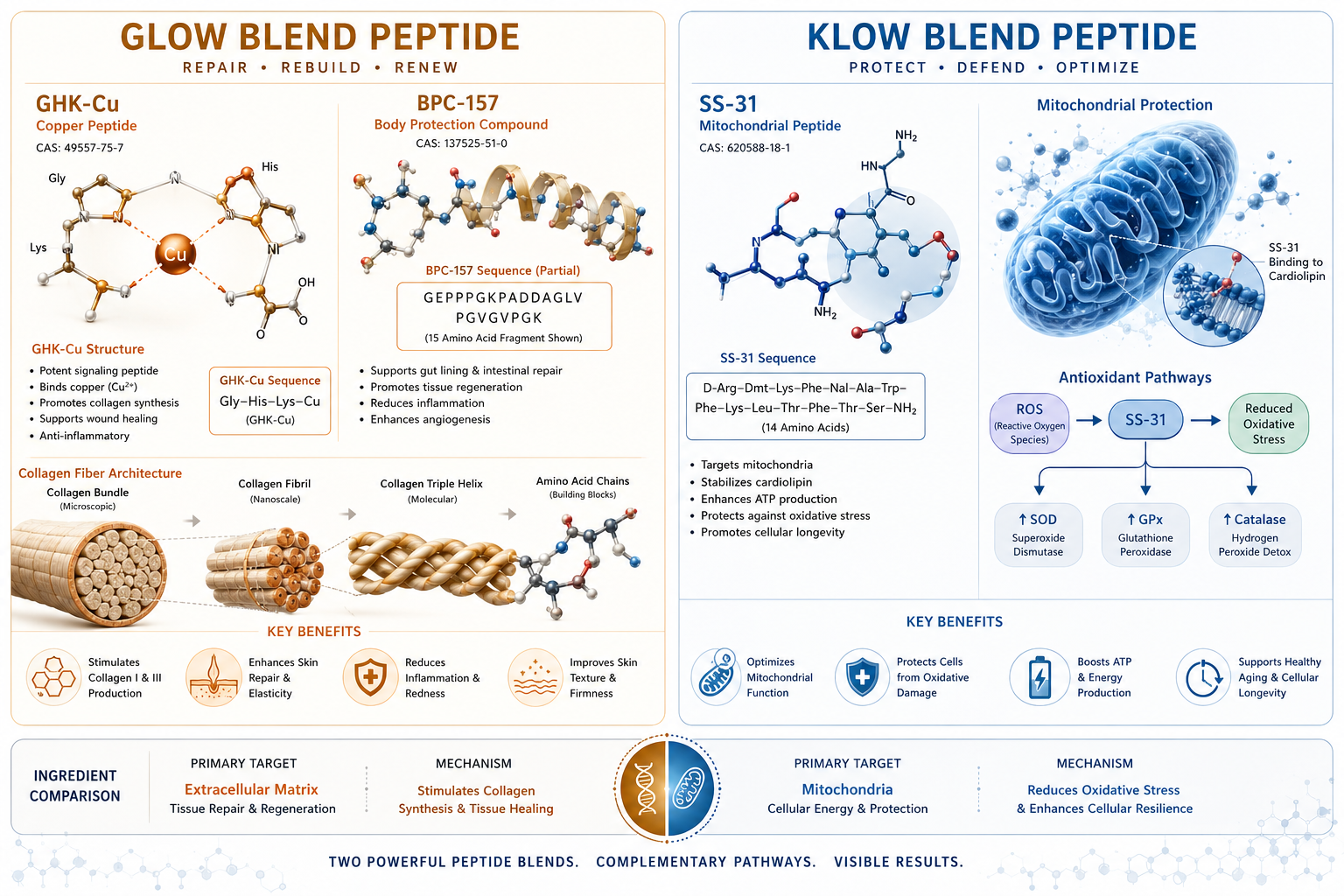
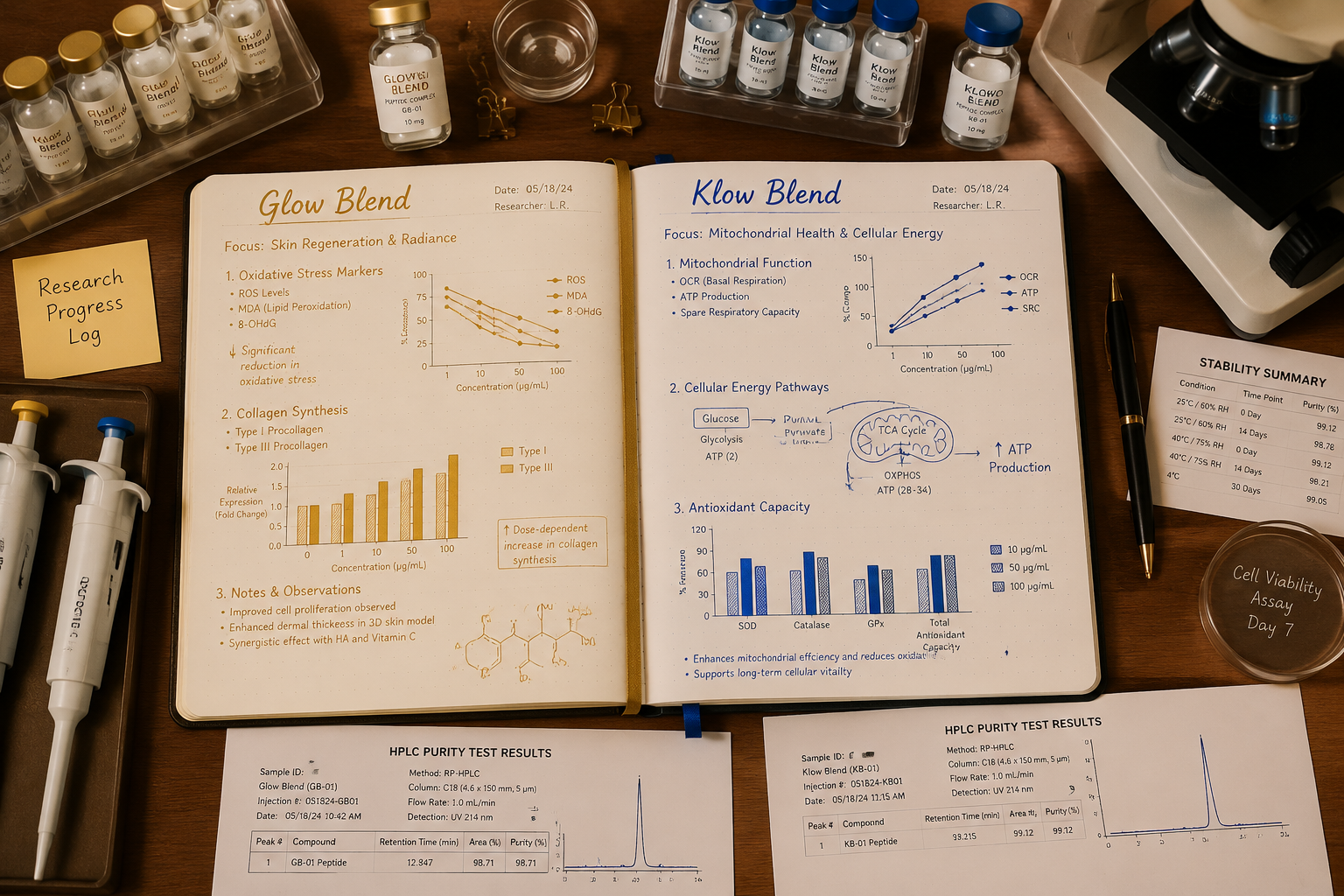
  • The Glow Blend is primarily oriented toward skin-related and regenerative research pathways, anchored by peptides with documented roles in collagen synthesis and oxidative defense.
  • The Klow Blend targets cellular energy and mitochondrial function, drawing on peptides associated with metabolic regulation and antioxidant activity at the organelle level.
  • Ingredient overlap between the two blends is minimal, making them complementary rather than interchangeable for research planning.
  • Purity verification and sourcing standards are decisive factors when evaluating either formulation for controlled study use.
  • Researchers should align blend selection with specific biological endpoints rather than treating either formulation as a general-purpose option.

Key Takeaways

Formulation Breakdown: Ingredients and Proposed Mechanisms

Glow Blend Peptide: Core Components

The Glow Blend is structured around peptides with established research interest in dermal and connective tissue biology. Its anchor ingredients typically include:

  • GHK-Cu (Copper Tripeptide-1): Studied for its role in fibroblast activation and collagen remodeling. Researchers exploring wound healing and skin matrix repair frequently reference this compound. A detailed GHK-Cu sourcing and research guide outlines purity benchmarks relevant to controlled studies.
  • BPC-157: A pentadecapeptide with a broad literature base covering tissue repair, angiogenesis, and cytoprotective signaling. For foundational documentation, the BPC-157 research guide provides a structured starting point.
  • Epithalon (Epitalon): A tetrapeptide investigated in the context of telomere biology and cellular longevity markers.

The proposed mechanism across these components centers on upregulating growth factor expression, reducing local oxidative stress, and supporting extracellular matrix integrity. For a broader overview of documented benefits, the Glow Peptide Blend benefits page provides additional context.

Klow Blend Peptide: Core Components

The Klow Blend takes a fundamentally different approach, targeting intracellular and mitochondrial research pathways. Its formulation typically features:

  • SS-31 (Elamipretide): A mitochondria-targeted antioxidant peptide with a robust preclinical literature base. Research themes around SS-31 mitochondrial dynamics highlight its role in reducing reactive oxygen species at the inner mitochondrial membrane.
  • MOTS-c: A mitochondrial-derived peptide studied for metabolic regulation and insulin sensitivity pathways. Researchers interested in combined mitochondrial approaches often reference MOTS-c and Elamipretide synergy.
  • LL-37: An antimicrobial and immunomodulatory peptide with emerging research interest in cellular defense signaling.

The Klow Blend's mechanism centers on bioenergetic support, mitochondrial membrane stabilization, and systemic antioxidant capacity — areas distinct from the dermal focus of the Glow formulation.

Comparative Research Formulation Analysis: Target Areas and Study Design Implications

Comparative Research Formulation Analysis: Target Areas and Study Design Implications

A structured comparison reveals clear divergence in research utility:

Feature Glow Blend Klow Blend
Primary target Dermal and connective tissue Mitochondrial and metabolic function
Key mechanism Collagen synthesis, angiogenesis Antioxidant, bioenergetic support
Oxidative stress role Extracellular/local Intracellular/organelle-level
Typical research model Skin, wound healing, aging Cellular energy, metabolic disease
Ingredient overlap Minimal Minimal

"Selecting a peptide blend without aligning its mechanism to a defined biological endpoint introduces confounding variables that undermine study validity."

For researchers designing multi-arm studies, understanding how individual peptides within each blend interact is essential. The LL-37 versus SS-31 comparison offers a useful reference for parsing overlapping antioxidant claims between the two formulations.

Quality Standards and Sourcing Considerations

Quality Standards and Sourcing Considerations

Regardless of which blend a research program selects, quality control benchmarks are non-negotiable. Key standards include:

  • HPLC purity: Minimum 98% is the accepted threshold for research-grade peptides.
  • Mass spectrometry confirmation: Verifies molecular identity, not just purity percentage.
  • Sterility and endotoxin testing: Critical for any in vitro or in vivo application.
  • Reference standard alignment: Comparing formulations against established benchmarks, as outlined in the Bachem and reference standards guide, strengthens data reliability.

Researchers sourcing either blend should also review the aging support peptide category to identify complementary compounds that may enhance study design without introducing mechanistic overlap.

Conclusion

The Glow Blend Peptide vs. Klow Blend Peptide: A Research Formulation Analysis confirms that these two formulations serve distinct and largely non-overlapping research purposes. The Glow Blend is the stronger candidate for studies focused on skin regeneration, collagen biology, and extracellular repair. The Klow Blend is better suited to investigations of mitochondrial function, cellular energy metabolism, and systemic antioxidant pathways.

Actionable next steps for researchers in 2026:

  1. Define the primary biological endpoint before selecting either blend.
  2. Request full certificate of analysis documentation, including HPLC and mass spectrometry data, from any supplier.
  3. Cross-reference individual peptide mechanisms against your study's control variables to avoid confounding outcomes.
  4. Consider whether a sequential or parallel study design better captures the distinct pathways each blend targets.
https://www.puretestedpeptides.com/wp-content/uploads/2026/06/Glow-Blend-Peptide-vs.-Klow-Blend-Peptide-A-Research-Formulation-Analysis.png 1024 1536 Pure Tested https://www.puretestedpeptides.com/wp-content/uploads/2026/01/buy-peptides-online.jpg Pure Tested2026-06-12 13:03:512026-07-20 15:03:20Glow Blend Peptide vs. Klow Blend Peptide: A Research Formulation Analysis
How Online Communities Evaluate Research Peptide Vendors: Lessons from Reddit, YouTube, and Lab Forums

How Online Communities Evaluate Research Peptide Vendors: Lessons from Reddit, YouTube, and Lab Forums

June 12, 2026/0 Comments/by Pure Tested

Fewer than one in three research peptide buyers verify a vendor's Certificate of Analysis before their first purchase — yet community-driven forums have built some of the most rigorous vendor evaluation systems found anywhere online. Understanding how online communities evaluate research peptide vendors, drawing lessons from Reddit, YouTube, and lab forums, can help researchers make smarter, safer sourcing decisions in 2026.

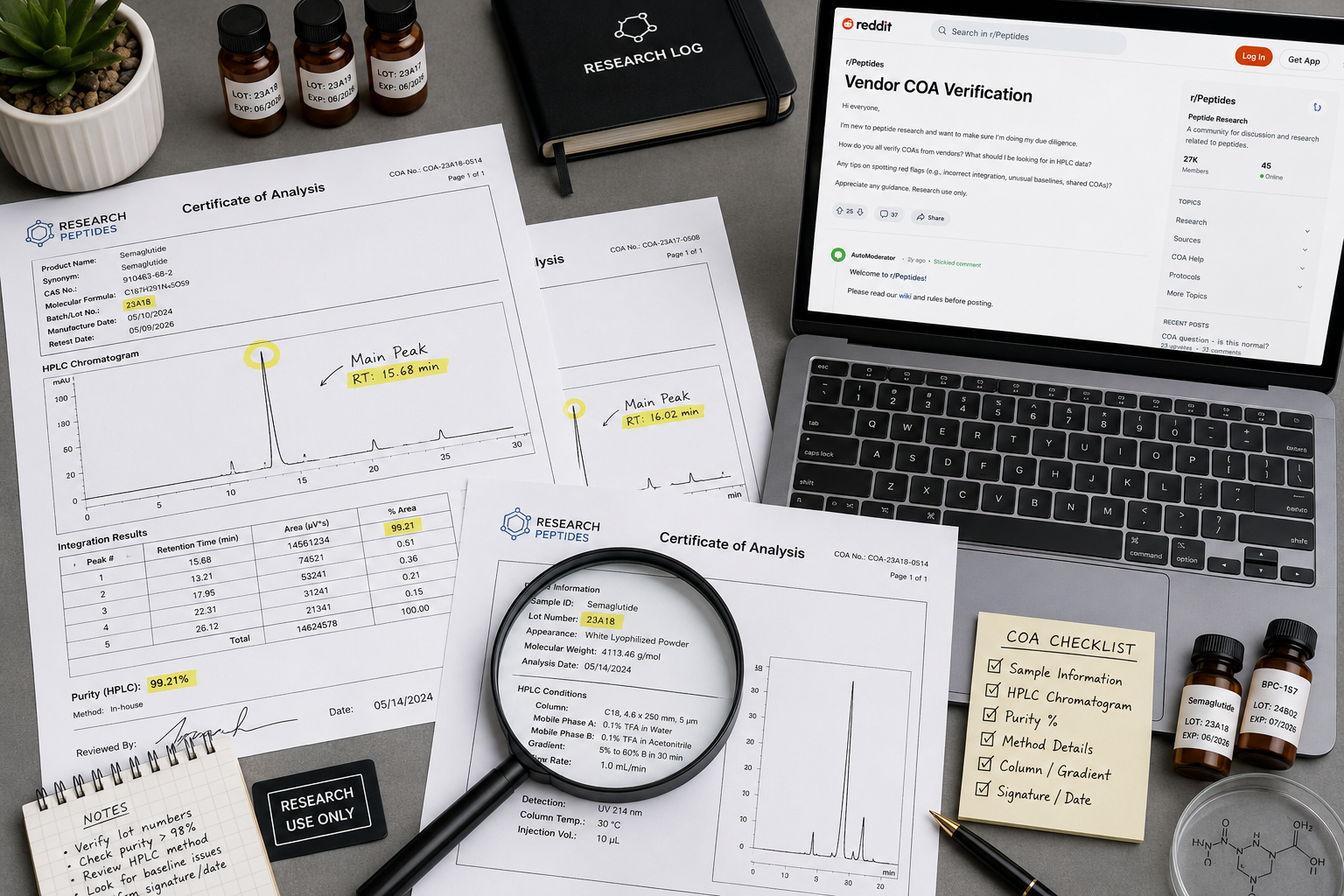
Wide-angle flat-lay editorial photograph of a researcher's desk showing printed Certificate of Analysis documents with HPLC

Key Takeaways

  • Batch-specific Certificates of Analysis from independent labs are the single most important quality signal communities use
  • Community scoring rubrics now cover six or more criteria, moving far beyond simple "good vendor / bad vendor" labels
  • Red flags such as reused COAs, missing HPLC chromatograms, and crypto-only payments are widely documented and shared
  • A fast "two-minute website test" has become a standard first filter before any purchase
  • Generic positive reviews carry little weight; reviews with COA images and lot numbers are treated as high-signal

The COA-First Standard That Reddit Built

The most visible shift in how online communities evaluate research peptide vendors is the move from reputation-based recommendations to documentation-based checklists. Threads on r/Peptides and r/PeptideReviews now routinely open with a demand for batch-specific Certificates of Analysis before any vendor name is even discussed.

The community standard is specific: COAs must come from independent third-party labs — Janoshik is frequently cited — and must use HPLC methodology at minimum. A vendor-supplied PDF with no lab name, no chromatogram, and no lot number is treated as worthless. Redditors cross-reference the lot number printed on the vial against the COA to confirm the document is not recycled from a previous batch.

This matters enormously for compounds where purity directly affects research validity. Whether a researcher is sourcing lab-tested peptides or evaluating a specific compound like SS-31 for mitochondrial research, the community expects the same documentation standard.

Red flags communities flag immediately:

  • COAs reused across multiple products or batches
  • No HPLC chromatogram included
  • Missing mass spectrometry (MS) identity data
  • Vendor-only lab names with no independent verification
  • Crypto-only payment options

Green flags that build trust:

  • Batch-matched COAs with visible lot numbers
  • Independent lab name and date visible on document
  • HPLC purity above 98% with chromatogram attached
  • MS confirmation of compound identity

Structured Scoring Rubrics: Beyond Simple Recommendations

Structured Scoring Rubrics: Beyond Simple Recommendations

Community evaluation of research peptide vendors has evolved into something resembling a formal audit process. A widely shared 2026 framework proposes a 10-plus-point legitimacy checklist that scores vendors across verifiable criteria rather than subjective impressions.

The six core scoring categories used across Reddit, Discord, and lab forums are:

Category What Communities Check
Documentation Batch COAs, chromatograms, MS data
Third-Party Testing Independent lab, not vendor-affiliated
Transparency Physical address, working phone, sourcing info
Packaging Tamper-evident seals, proper labeling, cold-chain info
Support Response time, willingness to share COAs on request
Pricing Within normal market band, not suspiciously cheap

Vendors scoring below a threshold on this rubric — roughly seven out of fourteen points in one popular framework — are labeled "avoid" regardless of positive reviews. This approach has gained traction because it removes personal bias and forces reviewers to cite evidence.

The "two-minute website test" has become a standard first filter: if a researcher cannot find a physical address, phone number, COA links, and shipping or storage protocols within two minutes of landing on a vendor's site, the community treats that as sufficient reason not to buy. For context on what good documentation looks like, the quality testing protocols page provides a useful reference point.

"Generic 'fast shipping, great product' comments are low-signal noise. What the community trusts is a review with a COA image, a batch number, and an independent lab name."

Researchers sourcing compounds such as tesa or LL-37 are encouraged to order small test quantities first, request lot-matched COAs, and post their findings — including COA screenshots — back to the forum before scaling up.


YouTube and Lab Forums: Video Evidence and Peer Review

YouTube and Lab Forums: Video Evidence and Peer Review

YouTube has added a visual layer to vendor evaluation that text-based forums cannot replicate. Researchers film unboxing videos, photograph vial labels against COA documents, and walk through HPLC graphs in real time. This format makes it harder to fake documentation because viewers can pause and scrutinize every detail.

Lab forums contribute a peer-review dynamic. Experienced chemists challenge methodology, question purity claims, and flag when a COA's chromatogram shows unusual peaks. This technical scrutiny filters out vendors who pass a casual visual check but fail under expert examination.

The combined effect is a community verification pipeline. A vendor might survive a Reddit thread but get dismantled in a YouTube comment section by someone who recognizes a recycled chromatogram. Communities also share marketing red flags: direct-to-consumer language around fat loss or anti-aging, which signals a vendor is not positioning products for legitimate research use.

For researchers exploring compounds covered in longevity or metabolic research — such as those reviewed in longevity peptide research overviews or MOTS-c metabolic research — the community expects the same documentation rigor regardless of compound type.

The broader lesson is that community intelligence compounds over time. Each posted COA, each flagged red flag, and each scored vendor review adds to a shared knowledge base that makes the next purchase decision easier for everyone in the community.


Conclusion

The way online communities evaluate research peptide vendors has matured from informal word-of-mouth into a structured, evidence-based process. The actionable steps are clear: demand batch-specific COAs from independent labs, apply a multi-criteria scoring rubric before ordering, use the two-minute website test as a first filter, and treat only reviews with documented evidence as reliable.

Researchers should also contribute back — posting COA screenshots, lot numbers, and honest assessments helps the entire community raise its standards. Before placing any order, consult community resources, review peptides available for research use, and verify that every vendor clears the documentation bar the community has collectively set.

https://www.puretestedpeptides.com/wp-content/uploads/2026/06/How-Online-Communities-Evaluate-Research-Peptide-Vendors-Lessons-from-Reddit-YouTube-and-Lab-Forums.png 1024 1536 Pure Tested https://www.puretestedpeptides.com/wp-content/uploads/2026/01/buy-peptides-online.jpg Pure Tested2026-06-12 13:03:282026-07-20 15:03:21How Online Communities Evaluate Research Peptide Vendors: Lessons from Reddit, YouTube, and Lab Forums
BPC-157 Peptide: Gastrointestinal, Tendon, and Neurological Findings From Animal Models

BPC-157 Peptide: Gastrointestinal, Tendon, and Neurological Findings From Animal Models

June 12, 2026/0 Comments/by Pure Tested

A single synthetic peptide derived from a naturally occurring gastric protein has produced consistent healing results across three entirely different tissue types in rodent studies — that convergence is what makes the preclinical literature on BPC-157 so compelling for new investigators.

BPC-157 (Body Protection Compound-157) is a 15-amino-acid sequence isolated from human gastric juice. The breadth of findings documented in BPC-157 Peptide: Gastrointestinal, Tendon, and Neurological Findings From Animal Models spans gut mucosa repair, connective tissue regeneration, and nerve recovery — all within controlled animal experiments. Understanding this literature is a useful starting point before any translational research is designed.

Key Takeaways

  • BPC-157 consistently accelerates mucosal healing in rodent GI injury models, including NSAID-induced lesions.
  • Tendon and ligament studies show improved collagen organization, cell migration, and biomechanical strength.
  • Neurological models demonstrate functional recovery following spinal cord injury in rats.
  • Angiogenesis — new blood vessel formation — appears to be a shared mechanism across all three tissue types.
  • All findings to date come from animal and in vitro models; human clinical data remain limited.

Key Takeaways

Gastrointestinal Findings in Rodent Models

The GI tract is where BPC-157 research began. The peptide was first studied for its ability to counteract damage caused by non-steroidal anti-inflammatory drugs (NSAIDs), which are well-known for eroding the stomach lining. In rat models, BPC-157 administration — both oral and parenteral — significantly reduced the size and severity of NSAID-induced gastric lesions.

Beyond NSAID damage, researchers observed that BPC-157 accelerated healing across a range of GI injuries, including:

  • Esophageal lesions caused by reflux-like conditions
  • Intestinal anastomosis sites, where surgical reconnection of bowel segments was performed
  • Colitis models, in which chemically induced colon inflammation was measurably reduced

A key mechanism identified in these studies is upregulation of growth factor expression, particularly vascular endothelial growth factor (VEGF), which promotes the formation of new blood vessels in damaged tissue. This angiogenic effect helps restore blood supply to injured mucosa, accelerating cellular repair.

For investigators exploring related tissue repair pathways, a review of recovery and tissue biology fundamentals provides useful background context.


Gastrointestinal Findings in Rodent Models

Tendon and Ligament Findings in Animal Studies

Musculoskeletal research on BPC-157 Peptide: Gastrointestinal, Tendon, and Neurological Findings From Animal Models has produced some of the most reproducible results in the preclinical literature.

In a widely cited 2003 study, BPC-157 was administered to rats following complete transection of the Achilles tendon. Animals receiving BPC-157 showed:

Outcome Measure BPC-157 Group Control Group
Tendon fiber organization Improved Disorganized
Tendocyte proliferation (in vitro) Stimulated Baseline
Functional recovery speed Faster Slower

A 2010 study on medial collateral ligament (MCL) injuries in rats found that BPC-157 improved outcomes across functional, biomechanical, macroscopic, and histological assessments. The ligaments of treated animals showed denser collagen fiber alignment and greater tensile strength at follow-up.

A 2021 study extended these findings to myotendinous junctions — the critical interface between muscle and tendon. BPC-157 repaired disabled junctions in rats, confirmed through macro/microscopic imaging, biomechanical testing, and functional assessments.

Cell-level research confirms that BPC-157 enhances tendon outgrowth, cell survival, and cell migration, which explains the structural improvements seen in whole-animal studies.

Researchers interested in related musculoskeletal peptide research may find the BPC-157 10mg vial research themes page and the broader top healing peptides overview useful for comparative context.


Tendon and Ligament Findings in Animal Studies

Neurological Findings From Animal Models

The neurological data on BPC-157 Peptide: Gastrointestinal, Tendon, and Neurological Findings From Animal Models is perhaps the most surprising given the peptide's gastric origins.

A 2019 study examined BPC-157 in a rat spinal cord injury model. Animals treated with BPC-157 showed measurable functional recovery compared to untreated controls, with improvements in motor coordination and limb use. Researchers attributed this partly to the peptide's ability to promote angiogenesis near the injury site, restoring microvascular supply to damaged neural tissue.

Additional neurological findings from rodent models include:

  • Reduced dopaminergic system disruption following neurotoxin exposure
  • Modulation of serotonin and dopamine pathways, relevant to behavioral outcomes
  • Protection against excitotoxic damage in brain tissue models

The shared thread across GI, tendon, and neurological findings is the peptide's consistent pro-angiogenic and cytoprotective profile. New blood vessel formation supports healing regardless of tissue type, which may explain BPC-157's broad activity across systems.

Investigators comparing peptides with overlapping cytoprotective mechanisms may also want to review GHK-Cu peptide research and oral BPC-157 formulation notes for route-of-administration considerations.

For those building a broader peptide research framework, the longevity peptide research overview and quality testing protocols are practical next references.


Conclusion

The preclinical record on BPC-157 is notable for its consistency across tissue types. Rodent and in vitro studies point to a peptide that accelerates mucosal healing in the GI tract, improves structural and functional outcomes in tendons and ligaments, and supports neurological recovery following spinal cord injury. Angiogenesis and cytoprotection appear to be the central mechanisms linking these effects.

Actionable next steps for new investigators:

  1. Review the primary rodent studies organized by tissue type before designing any translational protocol.
  2. Clarify route of administration (systemic vs. local) based on the target tissue, as delivery method affects outcomes in the literature.
  3. Consult quality testing protocols to ensure peptide purity standards are met before any experimental use.
  4. Compare BPC-157's angiogenic profile against related peptides such as GHK-Cu to identify potential mechanistic overlaps.
  5. Note that all current evidence is preclinical — human trials are needed before any clinical conclusions can be drawn.
https://www.puretestedpeptides.com/wp-content/uploads/2026/06/BPC-157-Peptide-Gastrointestinal-Tendon-and-Neurological-Findings-From-Animal-Models.png 1024 1536 Pure Tested https://www.puretestedpeptides.com/wp-content/uploads/2026/01/buy-peptides-online.jpg Pure Tested2026-06-12 13:03:222026-07-20 15:03:28BPC-157 Peptide: Gastrointestinal, Tendon, and Neurological Findings From Animal Models
Page 61 of 81«‹5960616263›»
×

Helpful Links

  • My account
  • Cart
  • Checkout
  • Refund and Returns Policy
  • Privacy Policy
  • SMS Privacy Policy
  • Login
  • My Account
  • Logout

USA Made Lab Tested Peptides

All products are sold for research, laboratory, or analytical purposes only, and are not for human consumption


Pure Tested Peptides is a chemical supplier. Pure Tested Peptides is not a compounding / chemical compounding facility as defined under 503A of the Federal Food, Drug, and Cosmetic act. Pure Tested Peptides is not an outsourcing facility as defined under 503B of the Federal Food, Drug, and Cosmetic act.

The statements made within this website have not been evaluated by the US Food and Drug Administration. The products we offer are not intended to diagnose, treat, cure or prevent any disease.

Human/Animal Consumption Prohibited. Laboratory/In-Vitro Experimental Use Only

Scroll to top Scroll to top Scroll to top