Call or Text 727-513-9780
  • Shopping Cart Shopping Cart
    0Shopping Cart
Pure Tested Peptides | America's most trusted Peptides for sale online
  • Peptides for sale
    • Oral Peptides for sale
      • Peptide Capsules for sale
      • BPC 157 Capsules 1000mcg
      • SLU-PP-332 Capsules | 1000 mcg
      • 5-Amino-1MQ 50mg Capsules
      • Tesofensine 500mcg
    • All Peptides for sale
    • Peptide Sprays
      • BPC 157 Nasal Spray Kit
      • BPC-157 TB500 Nasal Spray Kit
      • Semax Nasal Spray 10mg
      • Selank – Nasal Spray Kit – 10mg
      • Epithalon 50MG Nasal Spray Kit
      • Ipamorelin 10mg Nasal Spray
      • Klow Nasal Spray (BPC-157 + TB-500 + GHK-Cu + KPV) | 80mg
      • Hulk Nasal Spray Tesa / Ipa Blend 6/3 MG
      • Klow Nasal Spray
      • NAD + 500 mg Nasal Spray
      • PT-141 Nasal Spray Kit
    • GHRH Peptides
      • Ipa Peptides
      • CJC-1295 Peptides
        • CJC-1295 with DAC 5 mg
        • CJC-1295 without DAC 5 mg
        • CJC-1295 Ipa 10mg
      • Tesa Peptides
        • Tesa Peptide
        • Tesa 20 mg
    • GHK-Cu Peptides
      • All GHK-Cu Peptides
      • GHK-Cu 100mg
      • KLOW Peptide Blend – Buy KLOW blend online
    • BPC Peptides
      • All BPC Peptides
      • BPC-157
      • BPC-157 TB-500
      • BPC 157 capsules 1000mcg
    • SLU-PP-332 Peptides
      • All SLU-PP-332 Peptides
      • SLU-PP-332 5mg
    • GLP3 Peptides
    • PT-141 Peptides
      • PT-141 Peptides for sale
      • PT-141 10mg
      • PT-141 Nasal Spray
    • CAG Peptides
      • Lipo-C Peptide Blend
      • CAG 5mg
      • CAG 10mg
    • MOTS-C Peptides
      • MOTS-C Peptides for sale
      • MOTS-c peptide
      • MOTS-c 10mg *6 pack*
    • 5 Amino 1MQ Peptides
      • 5 Amino 1MQ Peptides for sale
      • 5-Amino-1MQ 50mg Capsules
      • 5-Amino-1MQ 5mg
    • Epithalon Peptides
      • Epithalon Peptides for sale
      • Epithalon 10mg
      • Epithalon 50mg
  • Shop
    • GLPs
      • 5-Amino-1MQ 50mg Capsules
      • 5-Amino-1MQ 5mg
      • L-Carnitine 500mg/ml
      • Tesofensine 500mcg
      • SLU-PP-332 5mg
      • MOTS-c 10mg *6 pack*
    • Epithalon & BPC Peptides
      • Epithalon 10mg
      • Epithalon 50mg
      • BPC-157
      • BPC 157 capsules 1000mcg
      • BPC-157 TB-500
      • BPC-157 TB500 Nasal Spray Kit
      • BPC 157 Nasal Spray Kit
    • BPC TB-500 & NAD+ Peptides
      • NAD+ 500 mg
      • KLOW Peptide Blend – Buy KLOW blend online
      • GLOW Peptide Blend
      • TB 500 5mg
      • BPC 157 capsules 1000mcg – Supplement
      • BPC 157 Nasal Spray Kit
      • BPC-157
      • BPC-157 TB500 Nasal Spray Kit
      • BPC-157 TB-500
      • BPC 157 capsules 1000mcg
    • LL-37 Peptide
      • LL-37 10 mg
    • MOTS-C & Selank
      • MOTS-c peptide
      • Selank 10mg
    • GHK Peptides
      • GHK-Cu 100mg
      • GLOW Peptide Blend
      • KLOW Peptide Blend – Buy KLOW blend online
  • COAs
  • Wholesale
    • Wholesale Peptides for sale
  • PTP FAQ
  • Affiliates
    • Selank Peptide: Advanced Pharmacological Mechanisms Underlying Its Anxiolytic and Nootropic Effects in Research
      • 5-Amino-1MQ Peptide: Detailed Mechanisms of NNMT Inhibition and Its Impact on Cellular Metabolism Research
        • MOTS-C Peptide: Unraveling Its Role in Mitochondrial Dynamics and Energy Metabolism Research
          • Epithalon Peptide and Telomerase Regulation: Investigating Its Impact on Cellular Senescence and Lifespan Research Models
            • GLP2-T vs GLP2 Tirz Peptide: Understanding the Naming, Mechanistic Nuances, and Research Implications for Gut Health
      • Peptides and Polypeptides in Modern Pharmacology: What Research on Metoprolol, Prednisone, and Amlodipine Reveals
        • Polypeptide Peptides vs NSAIDs: What Naproxen and Diclofenac Teach Tissue-Repair Researchers About BPC‑157 and TB‑500
          • Peptides and Polypeptides in Endocrine Pharmacology: How GLP-1, GLP-2, and GLP-3 Retatrutide Differ From Classic Drugs Like Prednisone and Amlodipine
          • 5‑Amino‑1MQ Peptide and NNMT Inhibition: How It Compares With Statins Like Atorvastatin in Adipose and Lipid Metabolism Research
      • Enclomiphene, Estrogen Receptor Signaling, and Luteinizing Phase Biology: What Hormone Researchers Should Measure
        • Mesenchymal Stem Cells, BPC‑157, and GHK‑Cu: How Tissue Repair Peptides Compare With Classic NSAIDs Like Naproxen in Injury Models
          • Peptide Calculator Use Cases Beyond Growth Hormone: Working Through GLP‑3 Retatrutide, MOTS‑c, and BPC‑157 Research Dosing
        • Polypeptide Peptides in Endocrine and Metabolic Pharmacology: Lessons From Amlodipine, Prednisone, and Metoprolol
        • Peptides Calculator for Advanced Blends: Worked Examples for Tesamorelin, CJC‑1295, and Ipamorelin Stacks
          • Peptides and Polypeptides in Human Physiology: How Molecular Size Shapes Research Applications
            • Selank Peptide: Advanced Pharmacological Mechanisms Underlying Its Anxiolytic and Nootropic Effects in Research
          • 5-Amino-1MQ Peptide: Detailed Mechanisms of NNMT Inhibition and Its Impact on Cellular Metabolism Research
            • MOTS-C Peptide: Unraveling Its Role in Mitochondrial Dynamics and Energy Metabolism Research
              • Epithalon Peptide and Telomerase Regulation: Investigating Its Impact on Cellular Senescence and Lifespan Research Models
                • GLP2-T vs GLP2 Tirz Peptide: Understanding the Naming, Mechanistic Nuances, and Research Implications for Gut Health
                  • Peptides and Polypeptides in Endocrine Pharmacology: How GLP-1, GLP-2, and GLP-3 Retatrutide Differ From Classic Drugs Like Prednisone and Amlodipine
                    • Polypeptide Peptides vs NSAIDs: What Naproxen and Diclofenac Teach Tissue-Repair Researchers About BPC‑157 and TB‑500
                      • Peptides and Polypeptides in Modern Pharmacology: What Research on Metoprolol, Prednisone, and Amlodipine Reveals
                        • 5‑Amino‑1MQ Peptide and NNMT Inhibition: How It Compares With Statins Like Atorvastatin in Adipose and Lipid Metabolism Research
                        • Enclomiphene, Estrogen Receptor Signaling, and Luteinizing Phase Biology: What Hormone Researchers Should Measure
                        • Mesenchymal Stem Cells, BPC‑157, and GHK‑Cu: How Tissue Repair Peptides Compare With Classic NSAIDs Like Naproxen in Injury Models
                        • Peptide Calculator Use Cases Beyond Growth Hormone: Working Through GLP‑3 Retatrutide, MOTS‑c, and BPC‑157 Research Dosing
                        • Polypeptide Peptides in Endocrine and Metabolic Pharmacology: Lessons From Amlodipine, Prednisone, and Metoprolol
                        • Peptides Calculator for Advanced Blends: Worked Examples for Tesamorelin, CJC‑1295, and Ipamorelin Stacks
                        • Peptides and Polypeptides in Human Physiology: How Molecular Size Shapes Research Applications
                        • Selank Peptide: Advanced Pharmacological Mechanisms Underlying Its Anxiolytic and Nootropic Effects in Research
                        • MOTS-C Peptide: Unraveling Its Role in Mitochondrial Dynamics and Energy Metabolism Research
                        • Peptides and Polypeptides in Modern Pharmacology: What Research on Metoprolol, Prednisone, and Amlodipine Reveals
                        • Peptides and Polypeptides in Endocrine Pharmacology: How GLP-1, GLP-2, and GLP-3 Retatrutide Differ From Classic Drugs Like Prednisone and Amlodipine
                        • 5-Amino-1MQ Peptide: Detailed Mechanisms of NNMT Inhibition and Its Impact on Cellular Metabolism Research
                        • Mesenchymal Stem Cells, BPC‑157, and GHK‑Cu: How Tissue Repair Peptides Compare With Classic NSAIDs Like Naproxen in Injury Models
                        • Peptide Calculator Use Cases Beyond Growth Hormone: Working Through GLP‑3 Retatrutide, MOTS‑c, and BPC‑157 Research Dosing
                        • GLP2-T vs GLP2 Tirz Peptide: Understanding the Naming, Mechanistic Nuances, and Research Implications for Gut Health
                        • Polypeptide Peptides in Endocrine and Metabolic Pharmacology: Lessons From Amlodipine, Prednisone, and Metoprolol
                        • Polypeptide Peptides vs NSAIDs: What Naproxen and Diclofenac Teach Tissue-Repair Researchers About BPC‑157 and TB‑500
                        • Peptides and Polypeptides in Human Physiology: How Molecular Size Shapes Research Applications
                        • Peptides Calculator for Advanced Blends: Worked Examples for Tesamorelin, CJC‑1295, and Ipamorelin Stacks
                        • 5‑Amino‑1MQ Peptide and NNMT Inhibition: How It Compares With Statins Like Atorvastatin in Adipose and Lipid Metabolism Research
                        • Enclomiphene, Estrogen Receptor Signaling, and Luteinizing Phase Biology: What Hormone Researchers Should Measure
                        • Epithalon Peptide and Telomerase Regulation: Investigating Its Impact on Cellular Senescence and Lifespan Research Models
                        • Best research protocol Klow blend
                        • best time to take BPC-157
                        • best time to take DSIP (Delta Sleep Inducing Peptide)
                        • best time to take CJC-1295
                        • best time to take AOD-9604
                        • best time to take Follistatin 344
                        • best time to take Ipamorelin
                        • best time to take MK-677 (Ibutamoren)
                        • best time to take Ligandrol (LGD-4033) — research compound
                        • best time to take Ostarine (MK-2866) — research compound
                        • best time to take GHK-CU
                        • best time to take TB-500
                        • best time to take MOTS-c
                        • best time to take Semax
                        • best time to take RAD-140 (Testolone) — research compound
                        • best time to take Thymosin Alpha-1
                        • best time to take PEG-MGF
                        • Biolife Plasma, Octapharma Plasma, and Research Peptides: How Plasma Donation Labs Differ From Peptide Suppliers
                        • best time to take YK-11 — research compound
                        • best time to take PT-141 (Bremelanotide)
                        • Best research protocol Klow blend
                        • 5-Amino-1MQ and MOTS-C Synergy: Metabolic Signaling, Mitochondria, and Research Design
                        • BPC-157 and TB-500: Investigating Their Combined Effects on Angiogenesis and Cellular Migration in Tissue Repair Models
                        • BPC-157 Peptide: Gut Barrier Function, Inflammation, and Tissue-Recovery Research
                        • 5‑Amino‑1MQ and MOTS‑c Synergy in Metabolic Research: Designing NNMT and Mitochondrial Biogenesis Stacks
                        • CJC-1295 with DAC vs. Without DAC: Half-Life, Release Kinetics, and Research Implications
                        • CJC‑1295 with DAC vs. Without DAC: Expanding on Half‑Life Differences Using Tesamorelin and Ipamorelin Blend Case Studies
                        • Collagen Biology and Copper‑Binding Peptides: How GHK‑Cu, Glow Blend, and Klow Blend Interact with Skin and Connective Tissue
                        • Collagen Biology and Regenerative Peptides: How GHK‑Cu, Glow Blend, and Klow Blend Affect Extracellular Matrix Research
                    • DNA, Telomeres, and Longevity Peptides: Positioning Epithalon and MOTS‑c in Genetic Aging Research
                      • Enclomiphene Citrate: serm Mechanism, Testosterone Research, and Stack Compatibility
                        • Enclomiphene vs Enclomiphene Citrate: Formulation, Bioavailability, and Research Distinctions
                        • Epithalon Peptide Research: Telomerase Activation, Aging, and Pineal Gland Function
                        • Estrogen Receptor Signaling and Enclomiphene: How Selective Modulators Compare with Classic Polypeptide Hormones
                        • GHK-Cu Peptide: Advanced Mechanisms in Extracellular Matrix Remodeling and Wound Healing Research
                        • GHK-Cu Peptide: Collagen Synthesis, Wound Repair, and Skin-Barrier Research Models
                        • GLP-1 vs GLP-3 vs GLP-2: Peptide Classification and Research Applications
                        • GLP-2 Peptide Research Guide: Gut Barrier Function, Nutrient Absorption, and Intestinal Recovery Models
                        • GLP-3 Retatrutide vs. GLP-1 Drugs: What Triple-Agonist Biology Changes in Research Models
                        • Ipamorelin and Tesamorelin Combination: Synergistic GH Secretagogue Research and Dosing Protocols
                        • GLP2 Tirz Peptide: What It Is, Why the Name Exists, and How Researchers Should Interpret It
                        • Klow Blend Peptide Nasal Spray: What the Formulation Is Trying to Do in Cognitive Research
                        • Mitochondria, NNMT Inhibition, and Peptide Modulators: Where MOTS‑c and 5‑Amino‑1MQ Fit in Cellular Energy Research
                        • MOTS-c Peptide: Mitochondrial Function, Energy Metabolism, and What Researchers Measure
                        • MOTS-c vs. 5-Amino-1MQ: Which Metabolic Research Questions Each Compound Actually Answers
                        • Nasal Spray Peptides: Bioavailability, Administration, and Semax/Selank Research Applications
                        • PT-141 Peptide Research: Mechanism of Action and Melanocortin Receptor Signaling
                        • Retatrutide for Research: Mechanism, Structure, and GLP-1/GLP-3 Dual Action
                        • Retatrutide for Obesity and Type 2 Diabetes: What the Latest Trial Data Suggest
                        • Tesofensine Peptide Research: Mechanism, Appetite Suppression, and Neuropeptide Y Pathways
  • Contact
    • Contact Customer Service
    • Text Customer Support
  • About US
  • Shop all peptides
  • Affiliate Program
    • Affiliate Signup
  • Login / Register Login / Register Page Link Login / Register Page Link
  • Click to open the search input field Click to open the search input field Search
  • Menu Menu
Epithalon Peptide: Research into Anti-Aging and Telomerase Activity

Epithalon Peptide: Research into Anti-Aging and Telomerase Activity

June 12, 2026/0 Comments/by Pure Tested

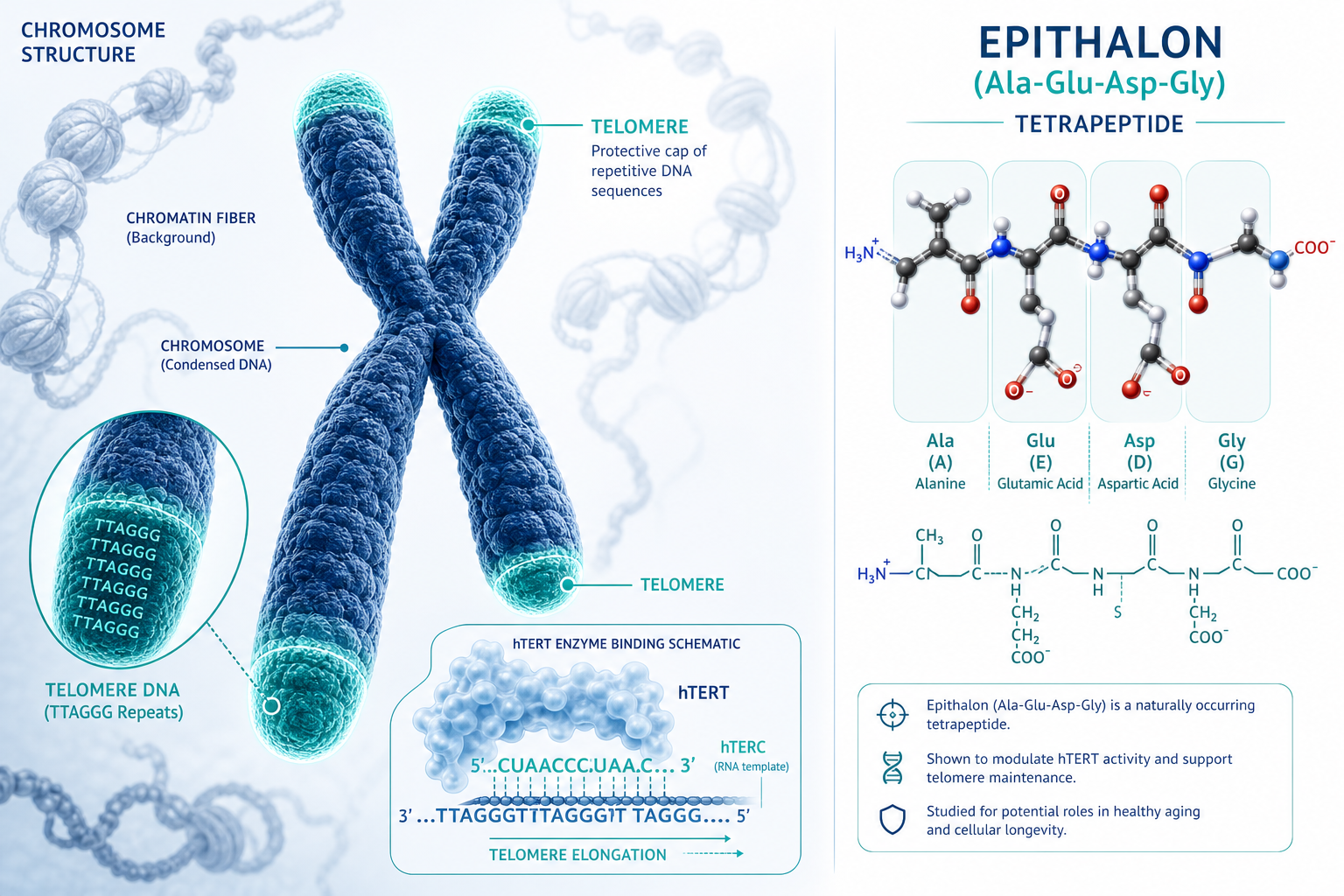
Telomeres — the protective caps on the ends of chromosomes — shorten with every cell division, and their progressive erosion is one of the most measurable biological clocks known to science. Epithalon peptide: research into anti-aging and telomerase activity has placed this four-amino-acid compound (Ala-Glu-Asp-Gly) at the center of longevity science, largely because early laboratory findings suggested it could reactivate the very enzyme responsible for rebuilding those caps.

Detailed () scientific illustration showing a cross-section of a human cell nucleus with telomeres highlighted at chromosome

Key Takeaways

  • Epithalon is a synthetic tetrapeptide derived from a natural pineal gland extract called Epithalamin.
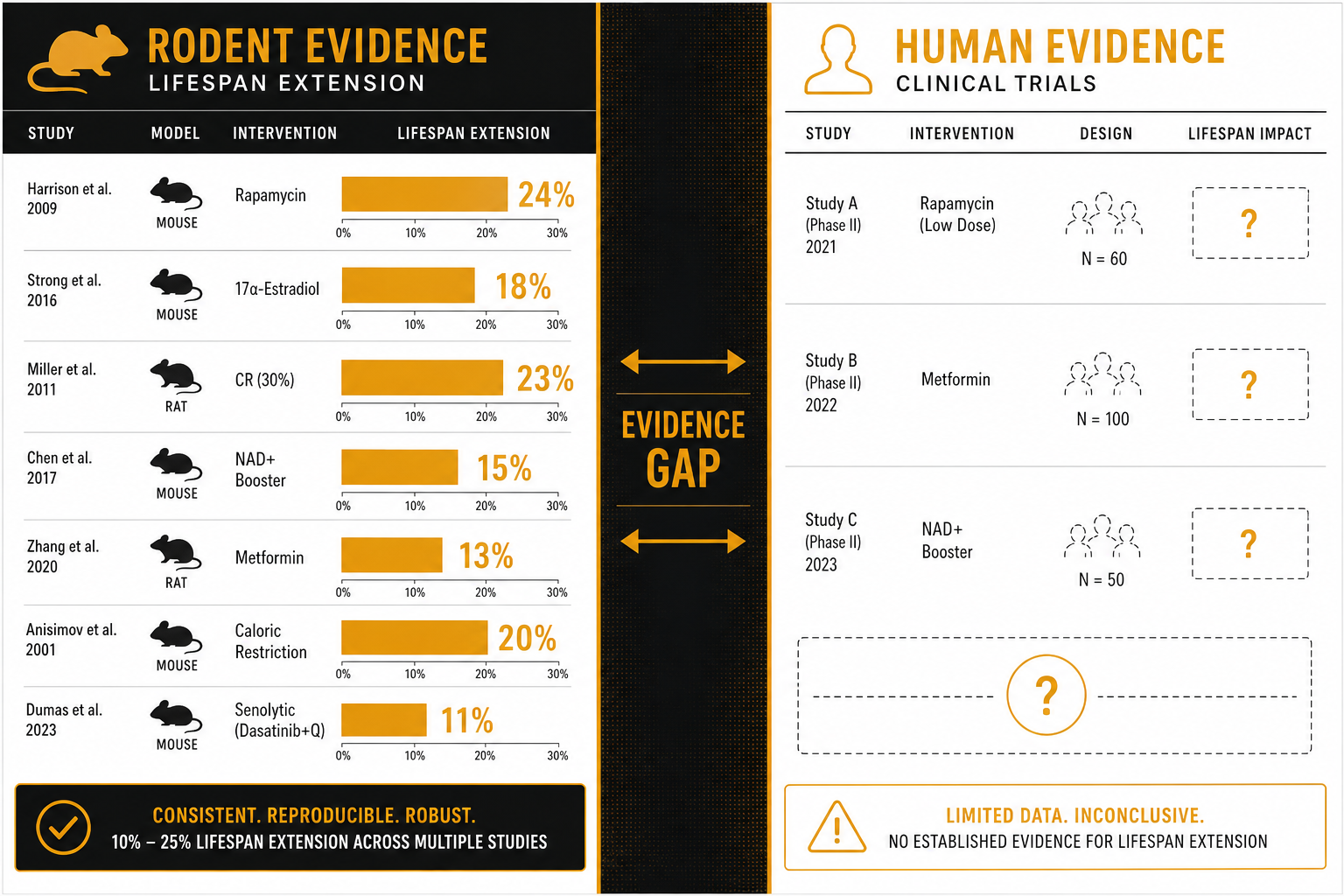
  • Preclinical studies reported telomerase activation in human fetal fibroblast cultures and lifespan extensions of 11-25% in rodent models.
  • The proposed mechanism involves epigenetic changes — specifically histone acetylation — that upregulate the TERT gene encoding telomerase reverse transcriptase.
  • Nearly all published research originates from a single laboratory, limiting independent reproducibility.
  • Epithalon is not FDA-approved and was classified as a Category 2 substance in 2023, restricting compounding pharmacy production.

What Is Epithalon and How Does It Work

Epithalon was synthesized by researcher Vladimir Khavinson at the St. Petersburg Institute of Bioregulation and Gerontology as a shorter, more stable analog of Epithalamin. Its four-amino-acid sequence is small enough to cross cell membranes and interact directly with chromatin — the protein-DNA complex that controls gene expression.

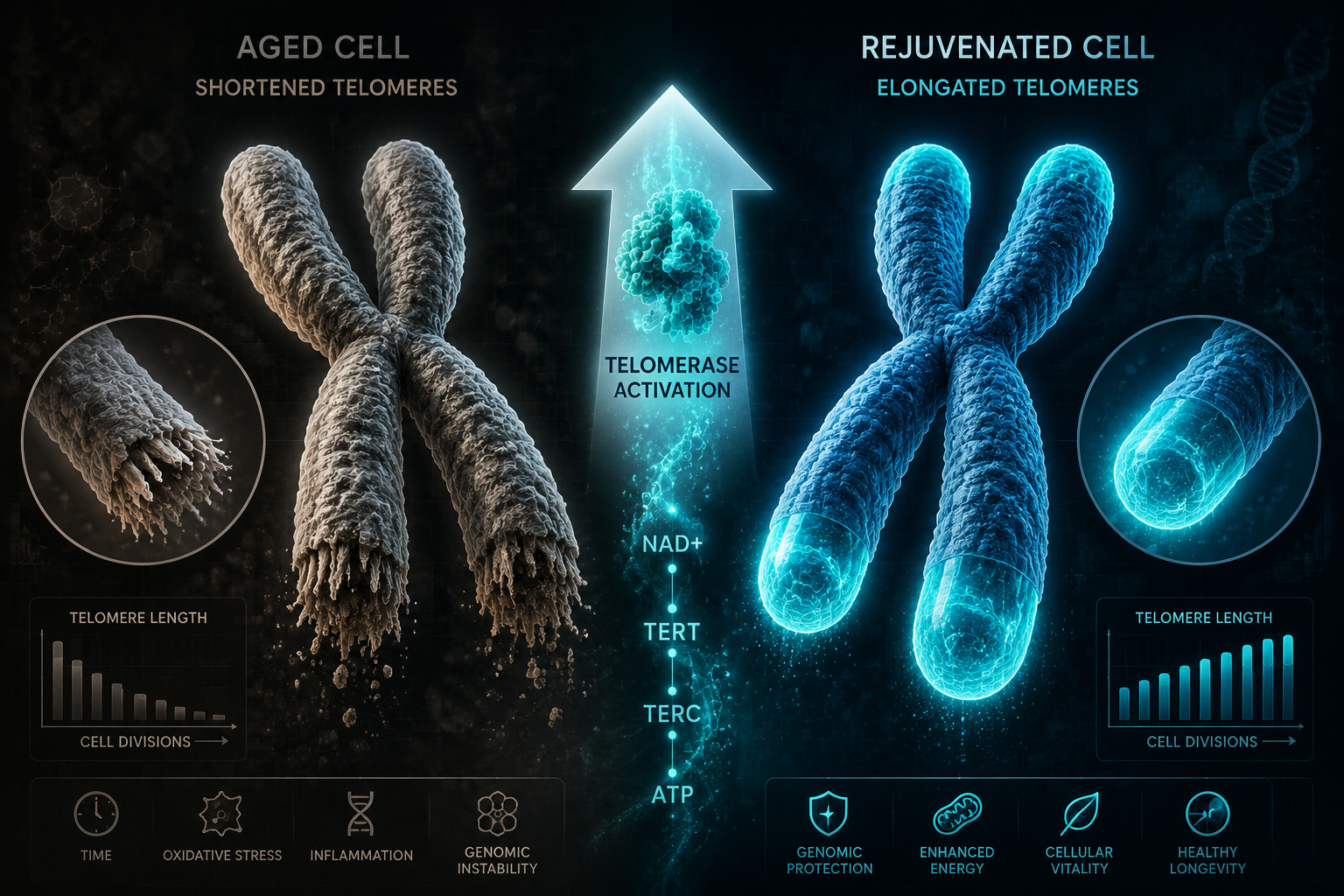
The proposed mechanism centers on epigenetic modification. Specifically, Epithalon is thought to alter histone acetylation patterns in a way that increases the expression of TERT (telomerase reverse transcriptase), the catalytic subunit of telomerase. In somatic (non-reproductive) cells, telomerase is normally silenced. By partially reactivating this gene, the peptide may allow cells to maintain or rebuild telomere length across successive divisions.

This mechanism was demonstrated in cultured human somatic cells, but independent replication remains limited. Researchers interested in the broader landscape of longevity peptides may find useful context in the Glow Blend longevity research overview, which places Epithalon alongside other compounds studied for cellular aging.


Epithalon Peptide: Research into Anti-Aging and Telomerase Activity — Key Findings

Telomerase Activation in Human Cells

A foundational 2003 study demonstrated that Epithalon induced telomerase activity and measurable telomere elongation in human fetal fibroblast cultures. This was a significant finding because somatic cells do not typically express telomerase at detectable levels. The study suggested that the peptide reactivated the telomerase gene rather than simply stimulating an already-active pathway.
Telomerase Activation in Human Cells

Lifespan Extension in Animal Models

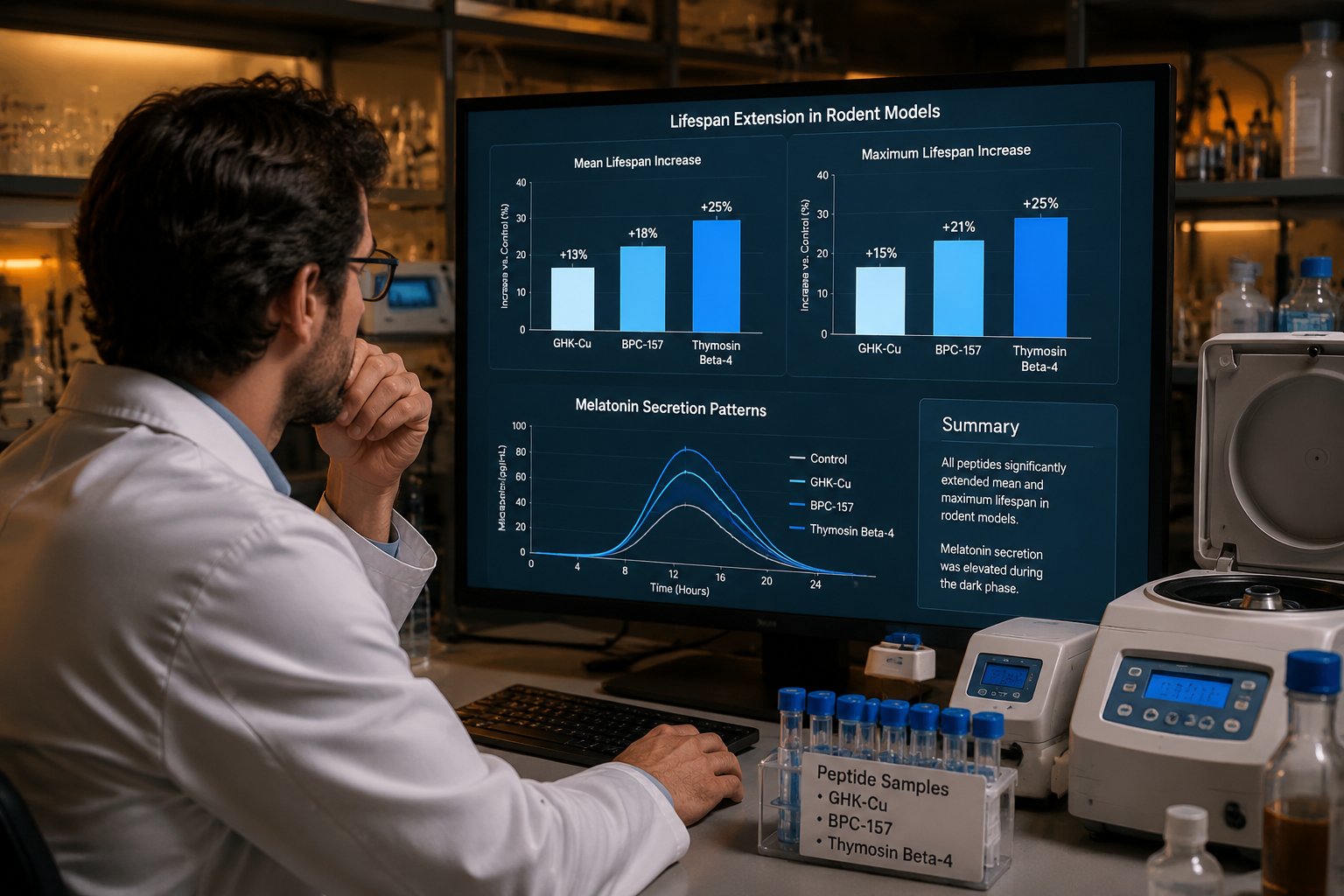
Multiple rodent studies from the same research group documented lifespan extensions ranging from 11% to 25% in treated animals compared to controls. One widely cited figure is a 13.3% increase in median lifespan. Beyond raw longevity, these studies also observed:

Observed Effect Detail
Delayed tumor development Reduced incidence and later onset
Preserved immune function Maintained T-cell activity in aged animals
Normalized melatonin secretion Restored circadian rhythm markers in elderly subjects

The melatonin finding is particularly notable. Small-scale human studies reported that Epithalon normalized pineal gland secretion in elderly individuals, suggesting a role in correcting age-related circadian disruption — a factor increasingly linked to metabolic and immune decline.

For comparison with another compound studied for cellular energy and longevity, see the Epithalon vs. NAD evidence review, which examines how these two research compounds differ in their proposed mechanisms.


Limitations, Safety, and Regulatory Status

Critical Research Gaps

The most significant limitation in Epithalon research is source concentration. Virtually all published data originates from Khavinson et al. at a single Russian institute. No large-scale, independently conducted Phase I, II, or III clinical trials have been published in Western peer-reviewed journals as of 2026. Without independent replication, reproducibility and generalizability cannot be confirmed.

Safety Considerations

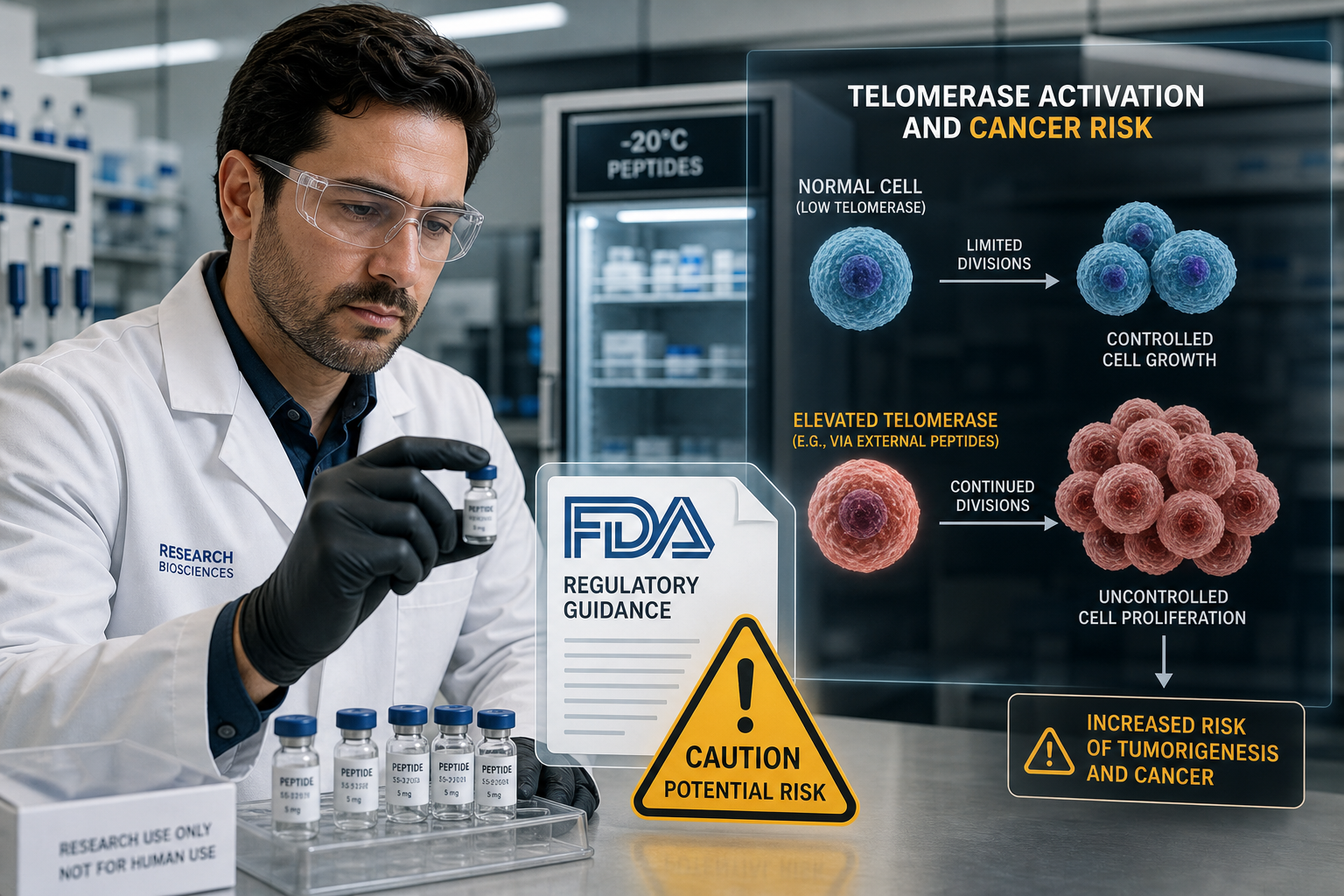
Short-term animal studies did not document significant toxicity. However, a meaningful concern exists: elevated telomerase activity is also a hallmark of cancer cells, which use the enzyme to achieve immortality. Whether chronic telomerase stimulation in healthy humans could increase cancer risk remains an open and unresolved question.

Regulatory Status

Epithalon is not approved by the FDA for any medical use. In 2023, the FDA classified it as a Category 2 substance, effectively banning compounding pharmacies from producing it. Researchers sourcing peptides for laboratory study should verify supplier quality standards; resources like lab-tested peptides and published quality testing protocols offer relevant guidance.
Regulatory Status

Dosing protocols used in published research typically involved 5-10 mg per injection, administered subcutaneously or intramuscularly over courses of 10-20 injections spanning 10-20 days, with repeat courses at six-month intervals. These protocols are documented in preclinical literature and should not be interpreted as clinical recommendations.

Those exploring the broader peptide longevity space may also find value in reviewing MOTS-c mitochondrial research and GHK-Cu peptide research, both of which address cellular aging through distinct but complementary pathways. For the primary Epithalon product page, see Epithalon research peptide.


Conclusion

Epithalon peptide: research into anti-aging and telomerase activity represents one of the more scientifically grounded — yet still preliminary — areas of longevity peptide investigation. The core findings are genuinely intriguing: telomerase reactivation in human somatic cells, measurable lifespan extension in animal models, and potential circadian restoration in aging subjects. However, the concentration of research within a single laboratory, the absence of independent clinical trials, unresolved cancer-risk questions, and current FDA restrictions all demand caution.

Actionable next steps for researchers and informed readers:

  • Review primary literature from Khavinson et al. with attention to study design and sample sizes.
  • Compare Epithalon's proposed mechanism against better-replicated longevity pathways such as NAD+ and mitochondrial peptides.
  • Verify that any peptide sourced for research use comes with documented purity testing.
  • Monitor regulatory updates, as the classification landscape for research peptides continues to evolve in 2026.

The science is promising enough to warrant continued investigation — and rigorous enough in its gaps to warrant equal skepticism.

https://www.puretestedpeptides.com/wp-content/uploads/2026/06/Epithalon-Peptide-Research-into-Anti-Aging-and-Telomerase-Activity.png 1024 1536 Pure Tested https://www.puretestedpeptides.com/wp-content/uploads/2026/01/buy-peptides-online.jpg Pure Tested2026-06-12 13:02:522026-07-20 15:03:28Epithalon Peptide: Research into Anti-Aging and Telomerase Activity
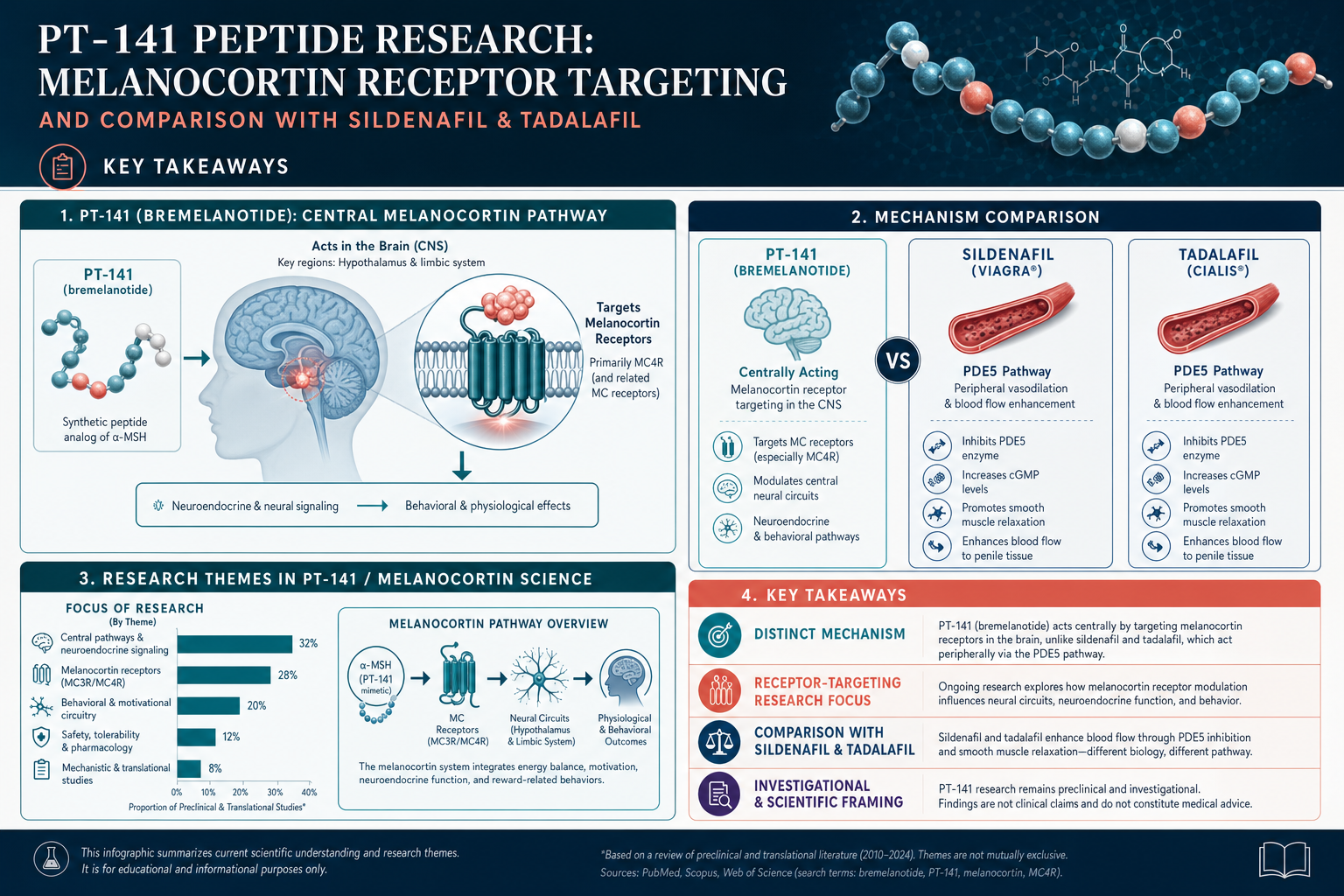
PT-141 Peptide Research: Melanocortin Receptor Targeting and Comparison With Sildenafil and Tadalafil

PT-141 Peptide Research: Melanocortin Receptor Targeting and Comparison With Sildenafil and Tadalafil

June 11, 2026/0 Comments/by Pure Tested

{"cover":"Professional landscape format (1536×1024) hero image with bold text overlay: 'PT-141 Peptide Research: Melanocortin Receptor Targeting vs. Sildenafil & Tadalafil' in extra large 72pt white bold sans-serif font with deep shadow effect, centered upper-third placement. Background features a split-composition scientific illustration: left side shows a stylized human brain with glowing neural pathways in electric blue and violet representing melanocortin receptor activation, right side shows molecular pill structures in soft amber representing PDE5 inhibitors. Dark navy-to-black gradient overlay ensures text legibility. Color palette: deep navy, electric blue, white, gold accents. Magazine cover aesthetic, editorial quality, high contrast.","content":["Landscape format (1536×1024) detailed scientific illustration showing a cross-section of the human hypothalamus with highlighted MC3R and MC4R receptor sites glowing in violet-blue, with dopamine release pathways rendered as luminous yellow-orange streams flowing outward. A labeled molecular diagram of the PT-141 cyclic heptapeptide structure floats to the right. Background is deep charcoal with subtle grid lines. Style: medical textbook meets modern editorial infographic, clean white labels, high contrast, no people.","Landscape format (1536×1024) side-by-side comparison infographic showing two distinct biological pathways: left panel labeled 'PT-141 Central Pathway' with a brain icon and neural activation arrows in blue-purple; right panel labeled 'PDE5 Inhibitors Peripheral Pathway' with vascular anatomy and blood flow arrows in warm red-orange. Center dividing column shows overlapping use-case icons. Clean white background with bold section headers, data callout boxes, and a subtle gradient border. Scientific editorial style, no people, high contrast color coding.","Landscape format (1536×1024) clinical research aesthetic showing a sterile laboratory bench with a subcutaneous injection syringe, a vial labeled 'Bremelanotide', and printed Phase III clinical trial data charts in the background showing upward-trending efficacy scores. Soft cool-white lighting with blue-teal accent tones. A translucent overlay panel displays a simplified pharmacokinetics curve graph with a 2.7-hour half-life annotation. Style: pharmaceutical research photography meets editorial infographic, professional and clean, no identifiable faces."]

Professional landscape hero image () with : "PT-141 Peptide Research: Melanocortin Receptor Targeting and Comparison With

Most sexual dysfunction treatments work from the body upward. PT-141 works from the brain down — and that single difference changes nearly everything about how it performs in preclinical and clinical research models.

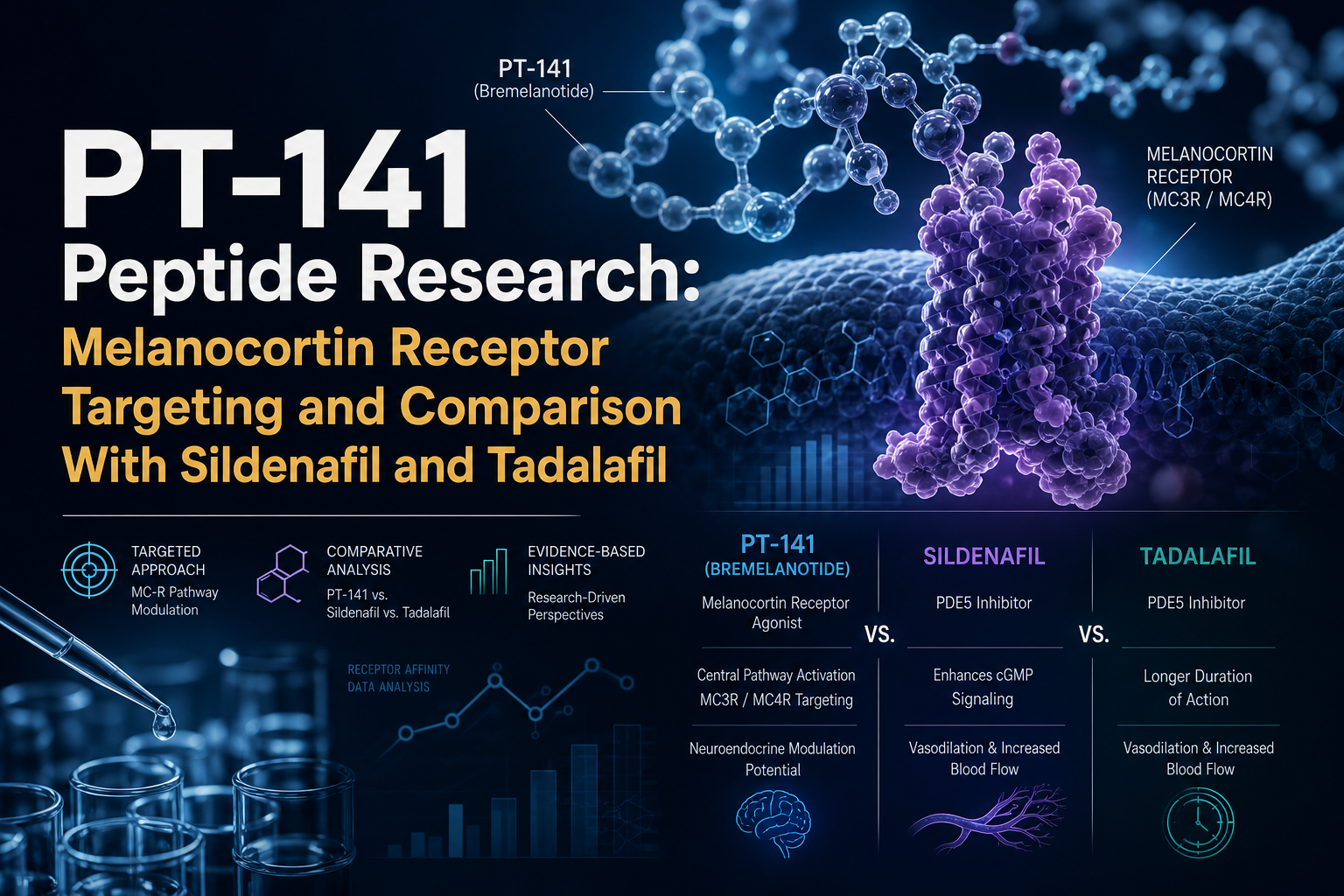
PT-141 Peptide Research: Melanocortin Receptor Targeting and Comparison With Sildenafil and Tadalafil sits at the center of a growing conversation in pharmacology about whether central nervous system pathways can outperform peripheral vascular mechanisms in specific patient populations. As 2026 research continues to expand, understanding this distinction is essential for anyone studying peptide-based interventions.

Key Takeaways

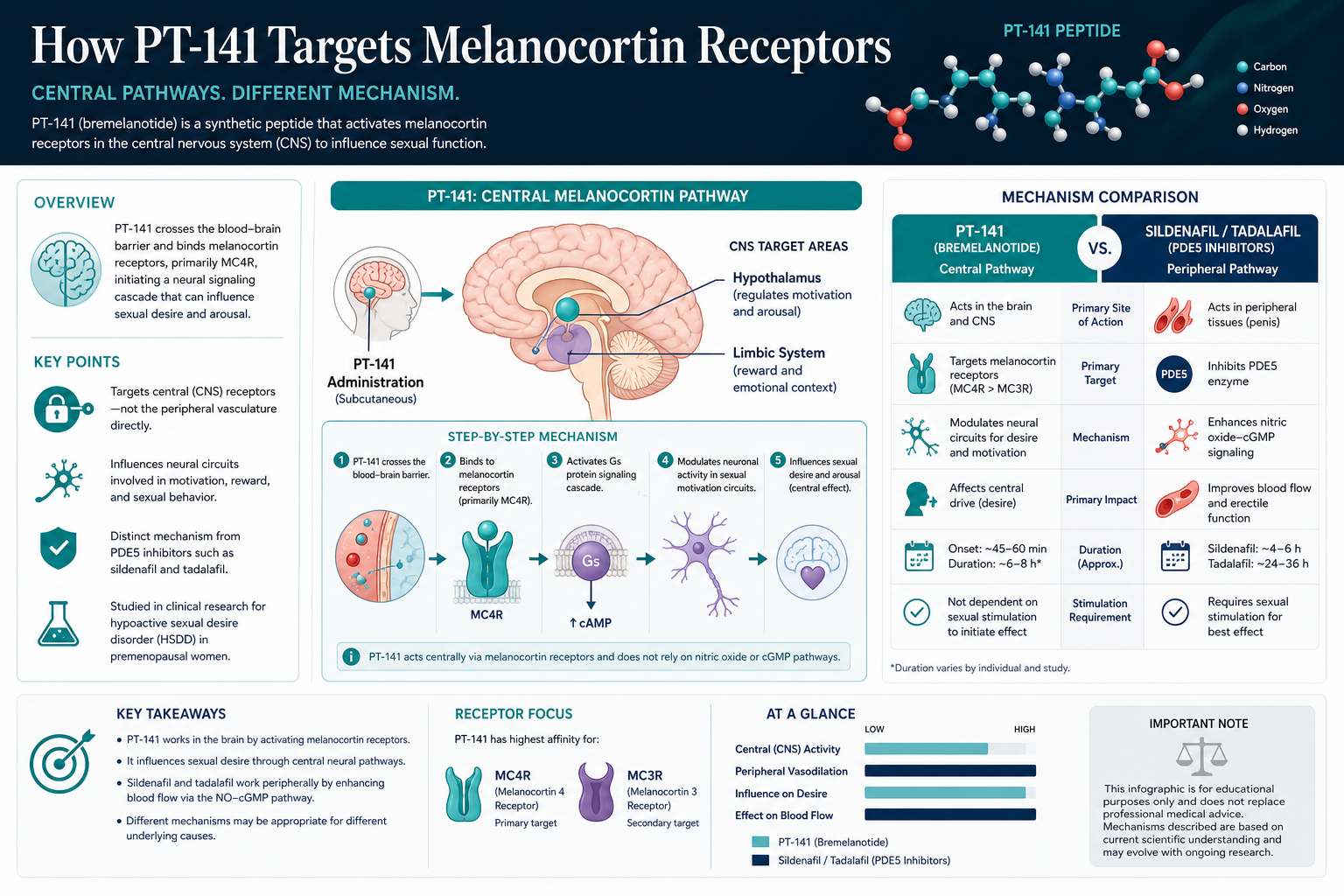
  • PT-141 (bremelanotide) targets melanocortin receptors MC3R and MC4R in the brain, not vascular tissue
  • Sildenafil and tadalafil act peripherally by inhibiting PDE5 enzymes to increase genital blood flow
  • PT-141 received FDA approval in 2019 for hypoactive sexual desire disorder (HSDD) in premenopausal women
  • Preclinical and clinical data show PT-141 can produce responses in subjects who do not respond to PDE5 inhibitors
  • The two drug classes are mechanistically complementary, not simply interchangeable

Key Takeaways

How PT-141 Targets Melanocortin Receptors

PT-141 is a synthetic cyclic heptapeptide derived from Melanotan II, which was originally studied for skin-tanning properties. During early Melanotan II trials, researchers observed spontaneous erections in male subjects — an unexpected finding that redirected research toward sexual function.

The compound acts as a melanocortin receptor agonist, binding primarily to MC3R and MC4R within the hypothalamus. Activation of MC4R in particular triggers the release of dopamine and related neurochemicals tied to sexual motivation and reward. This is a fundamentally different entry point than any approved PDE5 inhibitor.

"PT-141 does not enhance blood flow directly. It activates the neural circuitry that initiates desire and arousal at the source."

Because the mechanism is central rather than peripheral, PT-141 does not depend on sexual stimulation to produce a measurable response in research models. This makes it especially relevant for studying desire disorders rather than purely mechanical erectile function.

For researchers exploring other peptides with CNS-adjacent or systemic signaling roles, the simple peptides research overview provides useful foundational context.


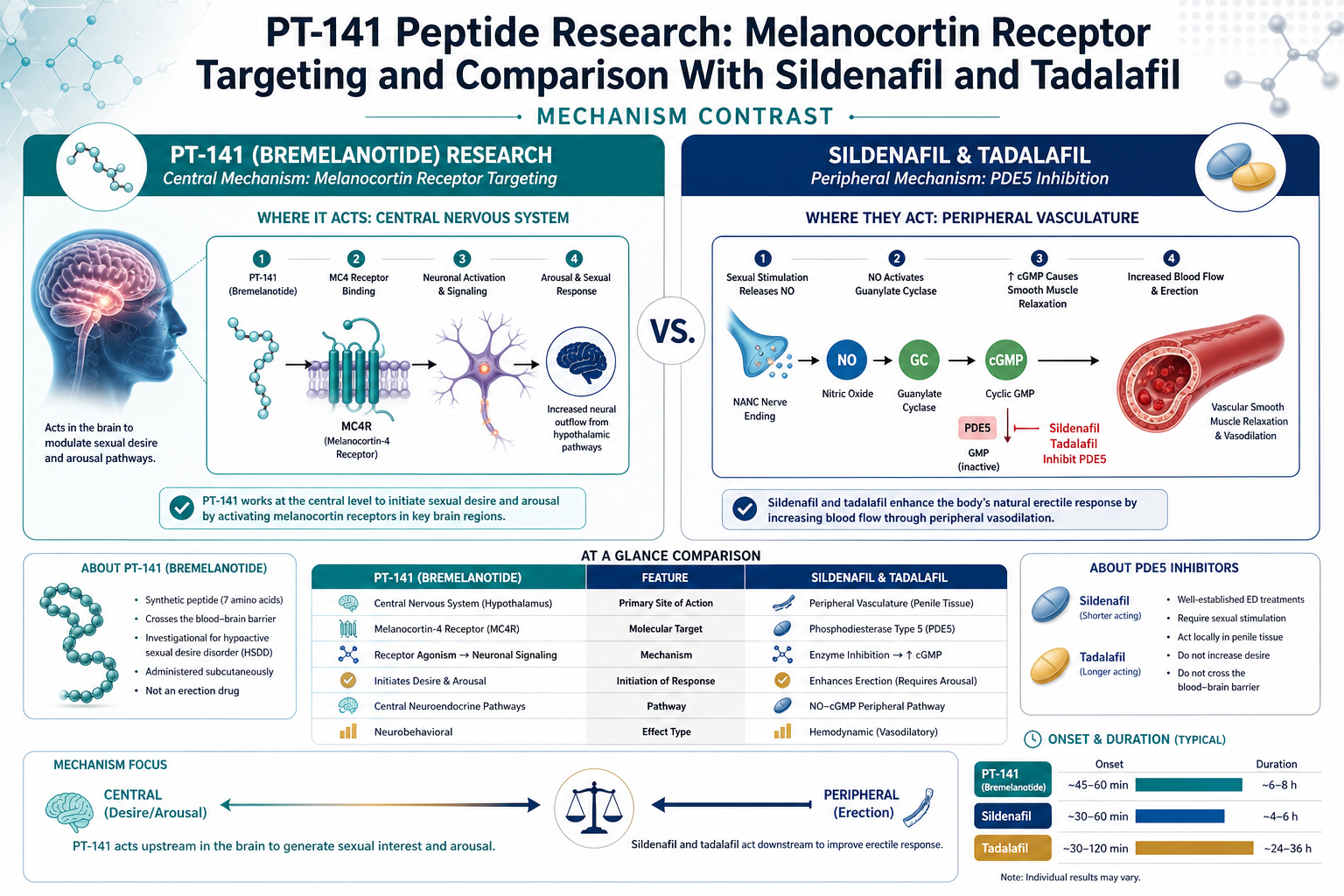
PT-141 Peptide Research: Melanocortin Receptor Targeting and Comparison With Sildenafil and Tadalafil — Mechanism Contrast

PT-141 Peptide Research: Melanocortin Receptor Targeting and Comparison With Sildenafil and Tadalafil — Mechanism Contrast

The table below clarifies the core mechanistic differences between PT-141 and the two dominant PDE5 inhibitors used in sexual dysfunction research.

Feature PT-141 (Bremelanotide) Sildenafil / Tadalafil
Primary target MC3R, MC4R (CNS) PDE5 enzyme (peripheral)
Site of action Hypothalamus / brain Penile and vascular tissue
Requires stimulation No Yes
Approved indication HSDD in women (FDA 2019) Erectile dysfunction
Route of administration Subcutaneous injection Oral tablet
Half-life ~2.7 hours 3–5 hrs (sildenafil); ~17.5 hrs (tadalafil)

Sildenafil and tadalafil block the PDE5 enzyme, which prevents the breakdown of cyclic GMP and sustains smooth muscle relaxation in genital vasculature. The result is increased blood flow — but only when arousal signals are already present. Without that upstream neural signal, PDE5 inhibitors have limited effect.

PT-141 bypasses this dependency entirely. By activating dopaminergic reward pathways, it generates the arousal signal itself. This is why studies have documented erectile responses in men with erectile dysfunction who showed inadequate responses to sildenafil — the two compounds are addressing different steps in the same process.

Researchers interested in how other peptides modulate systemic pathways may also find value in reviewing BPC-157 core documentation and the TB-500 and BPC-157 regeneration research.


Clinical Evidence and Safety Profile

Clinical Evidence and Safety Profile

The Phase III RECONNECT trials provided the most rigorous clinical data for PT-141 Peptide Research: Melanocortin Receptor Targeting and Comparison With Sildenafil and Tadalafil in female populations. Results showed statistically significant improvements in sexual desire scores and meaningful reductions in distress associated with low desire among premenopausal women with HSDD. This led to FDA approval of bremelanotide (Vyleesi) in June 2019.

In male-focused research, a double-blind, placebo-controlled study published in 2004 evaluated intranasal PT-141 in healthy males and those with mild-to-moderate erectile dysfunction. The study demonstrated significant erectile responses, supporting further investigation into its use for male sexual dysfunction — even though no male-specific FDA approval has followed.

Key safety findings across trials:

  • No significant hemodynamic changes observed
  • Generally well-tolerated across study populations
  • Most common adverse effects: nausea, flushing, and injection-site reactions
  • No severe cardiovascular events reported

PT-141 is administered via subcutaneous injection approximately 45 minutes before anticipated sexual activity. Its effects persist beyond the plasma half-life of 2.7 hours, suggesting receptor-level activity that outlasts circulating peptide concentration.

For those researching peptides with hormonal or metabolic signaling relevance, tesa peptide benefits and GLP-1 peptide research concepts offer comparative mechanistic reading. Researchers sourcing verified compounds can also explore PT-141 peptide for sale through quality-tested suppliers.


Conclusion

PT-141 Peptide Research: Melanocortin Receptor Targeting and Comparison With Sildenafil and Tadalafil reveals a clear and actionable insight: these drug classes do not compete — they address different nodes in the sexual response cascade. PDE5 inhibitors optimize the vascular response once arousal exists. PT-141 generates the arousal signal at the hypothalamic level through MC4R activation and dopamine release.

Actionable next steps for researchers in 2026:

  1. Review the RECONNECT Phase III trial data to understand female HSDD endpoints and how they differ from male erectile dysfunction models
  2. Examine studies where PT-141 produced responses in PDE5 inhibitor non-responders to map the mechanistic gap
  3. Consider the broader implications of central melanocortin pathway modulation for conditions beyond sexual dysfunction
  4. Source research-grade PT-141 from verified, tested suppliers to ensure compound integrity in experimental models

The central-versus-peripheral distinction is not a minor pharmacological footnote. It is the defining variable that explains why outcomes diverge — and why both classes remain relevant in the evolving landscape of sexual health research.

https://www.puretestedpeptides.com/wp-content/uploads/2026/06/PT-141-Peptide-Research-Melanocortin-Receptor-Targeting-and-Comparison-With-Sildenafil-and-Tadalafil.png 1024 1536 Pure Tested https://www.puretestedpeptides.com/wp-content/uploads/2026/01/buy-peptides-online.jpg Pure Tested2026-06-11 13:09:512026-07-20 15:03:29PT-141 Peptide Research: Melanocortin Receptor Targeting and Comparison With Sildenafil and Tadalafil
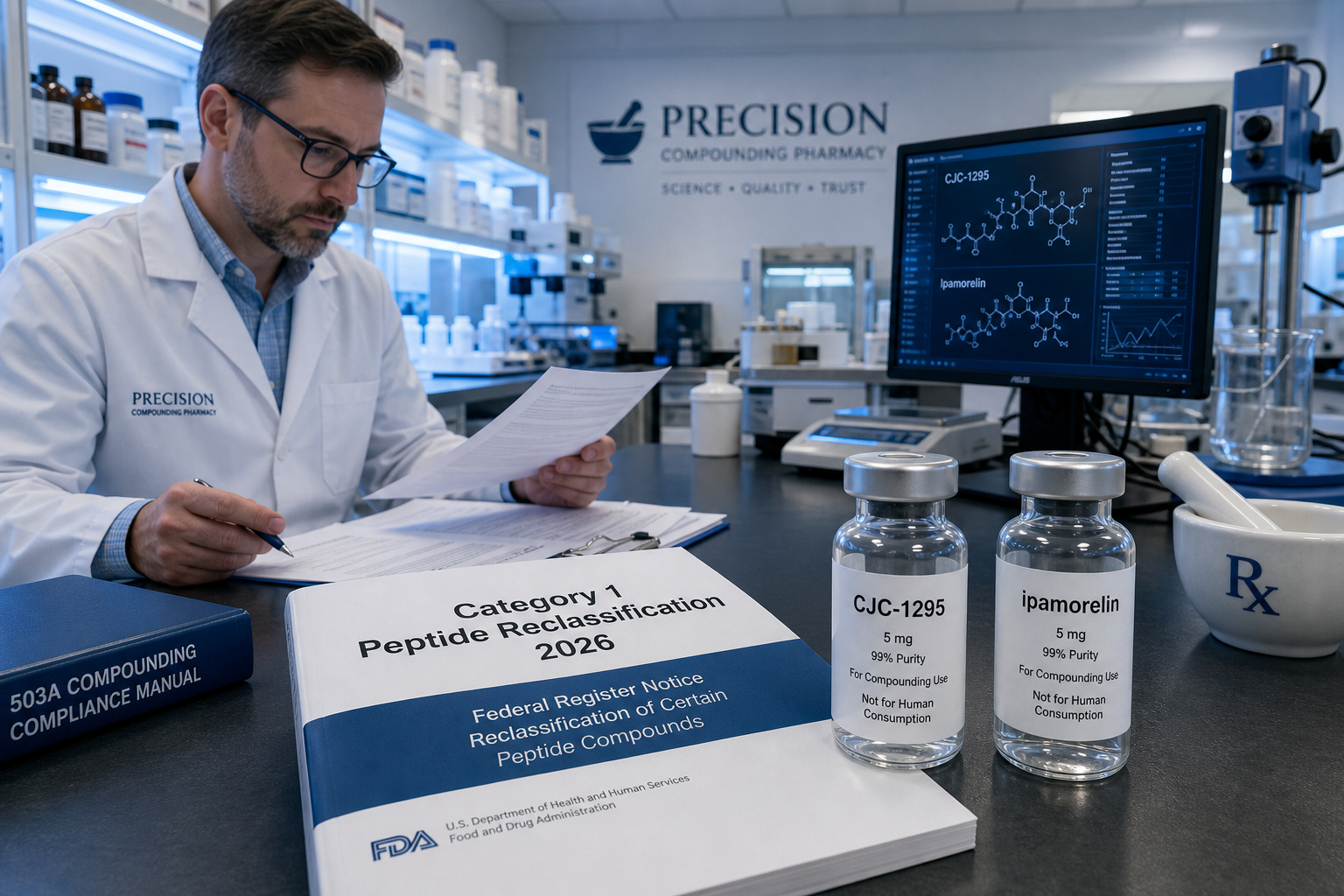
The 2026 Compounded Peptide Policy Shift: What Returning Category‑1 Peptides Mean for Research Access

The 2026 Compounded Peptide Policy Shift: What Returning Category‑1 Peptides Mean for Research Access

June 11, 2026/0 Comments/by Pure Tested

Roughly 14 peptides moved from a restricted regulatory category to a legally compoundable one in early 2026 — a shift that reversed years of restricted access for researchers, clinicians, and patients alike. The 2026 Compounded Peptide Policy Shift: What Returning Category-1 Peptides Mean for Research Access is not just a regulatory footnote. It fundamentally changes how compounds like CJC-1295, ipamorelin, selank, and epithalon can be obtained, studied, and prescribed under physician supervision.

Key Takeaways

  • In February 2026, HHS reclassified approximately 14 peptides from Category 2 to Category 1, restoring legal compounding access.
  • The FDA formally moved 12 peptides to Category 1 in April 2026, including CJC-1295, ipamorelin, selank, and epithalon.
  • Category 1 status allows licensed 503A and 503B compounding pharmacies to prepare these peptides with a valid prescription.
  • BPC-157 and TB-500 remain on Category 2 pending an FDA advisory committee review scheduled for July 23-24, 2026.
  • Reclassification does not equal FDA drug approval — these remain off-label compounds requiring physician oversight.

Key Takeaways

Understanding the Category System Behind the 2026 Compounded Peptide Policy Shift

The FDA's peptide compounding framework sorts compounds into two main categories. Category 1 peptides can be legally compounded by licensed pharmacies under the 503A (patient-specific) and 503B (outsourcing facility) frameworks when a valid physician prescription exists. Category 2 peptides are restricted from compounding entirely, regardless of prescription status.

Before 2026, many research-relevant peptides had been moved to Category 2, effectively cutting off access through regulated pharmacy channels. That changed in February 2026 when HHS Secretary Robert F. Kennedy Jr. announced the reclassification of approximately 14 peptides back to Category 1. The FDA followed with a formal reclassification of 12 peptides in April 2026.

Peptides returned to Category 1 include:

Peptide Primary Research Area
CJC-1295 Growth hormone secretion
Ipamorelin GH secretagogue research
Selank Neuropeptide and anxiolytic research
Semax Cognitive and neuroprotective research
Epithalon Longevity and telomere research
DSIP Sleep and stress regulation
Thymulin Immune modulation

For researchers exploring CJC-1295 and ipamorelin research themes, this reclassification reopens a pathway that had been effectively closed since the original Category 2 restrictions took hold.


Understanding the Category System Behind the 2026 Compounded Peptide Policy Shift

What the 2026 Compounded Peptide Policy Shift Means for Research Access in Practice

Reclassification is not the same as FDA drug approval. This distinction matters. Category 1 status means a licensed compounding pharmacy can legally prepare these peptides for a specific patient under physician supervision. It does not mean these compounds have passed the full FDA drug approval process. They remain off-label therapeutics.

"Category 1 status restores a legal, quality-controlled supply chain — it does not confer the same standing as an FDA-approved finished drug product."

For supervised research and clinical use, this is still a significant development. Licensed 503A pharmacies can now compound selank and epithalon for patients with valid prescriptions, applying pharmaceutical-grade quality controls and testing standards in the process.

Researchers working across longevity peptide research and metabolic pathways will find the restored access to growth hormone secretagogues particularly relevant. Compounds like tesa, which already held FDA approval for a specific indication, now sit alongside newly reclassified peptides in a more coherent regulatory landscape.

What researchers and providers should verify before sourcing:

  • Confirm the pharmacy holds a valid 503A or 503B license
  • Obtain a physician prescription before any compounding order
  • Check state-level regulations, which may impose additional restrictions
  • Review the FDA's current peptide status tracker for any updates post-April 2026

Peptides Still on Category 2 and What Comes Next

Not every restricted peptide received reclassification. As of mid-2026, BPC-157 and TB-500 remain on Category 2 and cannot be legally compounded through licensed pharmacies. The FDA Peptide Compounding Advisory Committee (PCAC) is scheduled to review these compounds at its meeting on July 23-24, 2026. The outcome of that meeting could further reshape access for researchers focused on tissue repair and recovery pathways.

Separately, semaglutide and tirzepatide remain on Category 2 and are still banned from compounding, reflecting ongoing enforcement around GLP-1 receptor agonists.

Researchers tracking BPC-157 research themes should monitor the PCAC meeting outcome closely. Similarly, those following TB-500 research will want to watch for any post-meeting guidance from the FDA.

Peptides Still on Category 2 and What Comes Next

For a broader view of what is new in peptide research in 2026, the regulatory environment is as important as the science itself. Providers must stay current on federal rules, the 503A/503B framework, and state-specific restrictions to maintain compliant practices.


Conclusion

The 2026 Compounded Peptide Policy Shift: What Returning Category-1 Peptides Mean for Research Access represents a meaningful reset for the peptide research community. Twelve to fourteen compounds have moved back into a legally compoundable status, restoring quality-controlled access for physicians and researchers who rely on these tools.

Actionable next steps for researchers and providers:

  1. Verify current Category 1 status for any peptide of interest using the FDA's official tracker before sourcing.
  2. Work only with licensed 503A or 503B pharmacies to ensure pharmaceutical-grade quality and legal compliance.
  3. Obtain a valid physician prescription — this is a non-negotiable requirement under the reclassification framework.
  4. Monitor the July 23-24, 2026 PCAC meeting for updates on BPC-157, TB-500, and any additional reclassifications.
  5. Review state regulations alongside federal rules, as state-level restrictions can still limit access even when federal status is Category 1.

The regulatory landscape is actively evolving. Staying informed is not optional — it is the foundation of responsible, compliant peptide research in 2026.

https://www.puretestedpeptides.com/wp-content/uploads/2026/06/The-2026-Compounded-Peptide-Policy-Shift-What-Returning-Category‑1-Peptides-Mean-for-Research-Access.png 1024 1536 Pure Tested https://www.puretestedpeptides.com/wp-content/uploads/2026/01/buy-peptides-online.jpg Pure Tested2026-06-11 13:06:562026-07-20 15:03:30The 2026 Compounded Peptide Policy Shift: What Returning Category‑1 Peptides Mean for Research Access
GLP3 Peptide vs Retatrutide: Why the Naming Confusion Matters in Obesity Research

GLP3 Peptide vs Retatrutide: Why the Naming Confusion Matters in Obesity Research

June 11, 2026/0 Comments/by Pure Tested

Over 1 billion adults worldwide live with obesity, and the race to find more effective treatments has never moved faster. Yet one of the biggest obstacles in 2026 is not a scientific one — it is a language problem. The debate around GLP3 Peptide vs Retatrutide: Why the Naming Confusion Matters in Obesity Research is more than a semantic argument. When researchers, clinicians, and consumers use the same term to mean different things, the consequences range from misread study data to misguided purchasing decisions.

() scientific infographic-style illustration showing two labeled molecular structures side by side — one labeled 'GLP-3

Key Takeaways

  • "GLP-3" is an informal, consumer-driven nickname — not a recognized scientific classification for retatrutide.
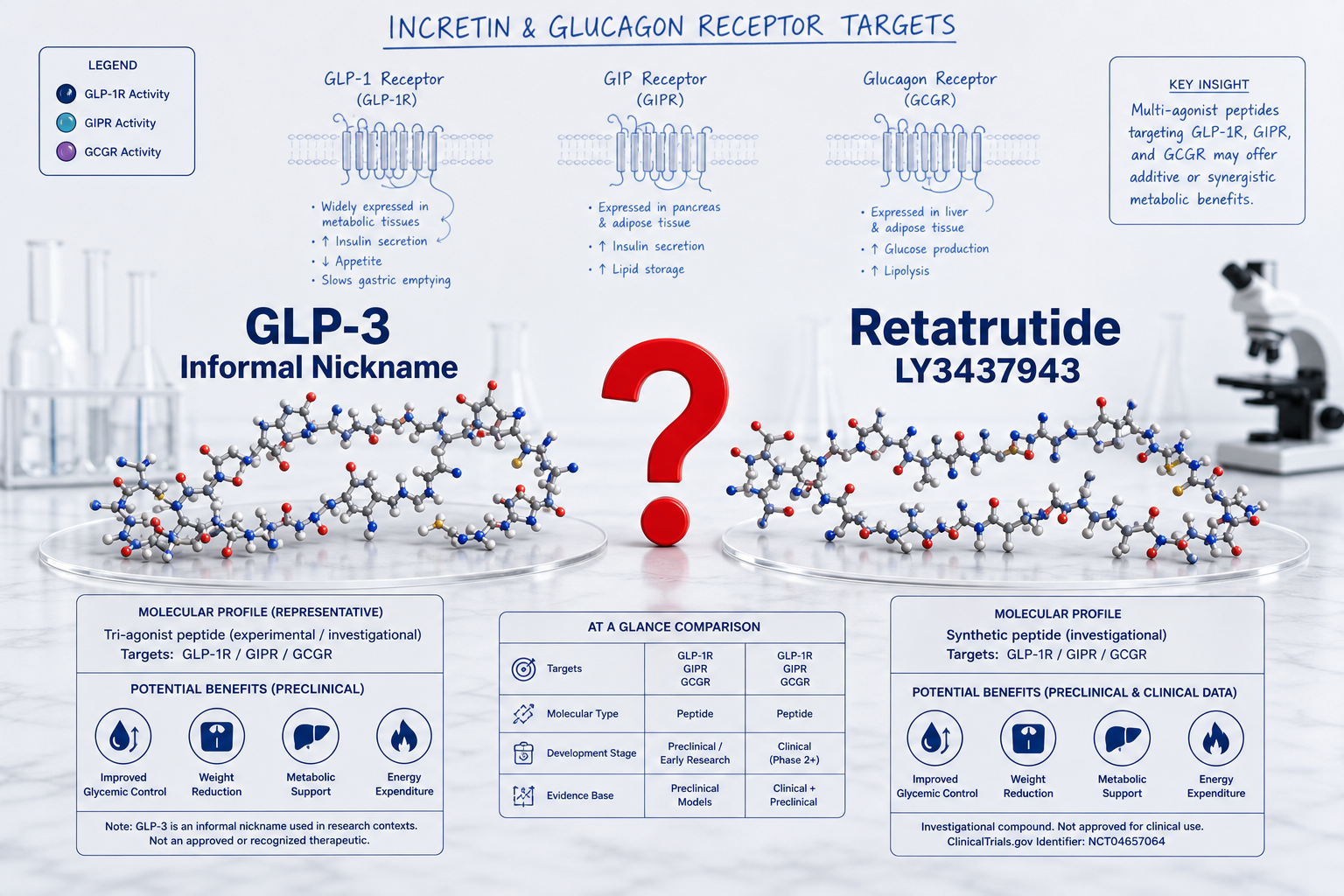
  • Retatrutide (LY3437943) is a triple-receptor agonist targeting GLP-1, GIP, and glucagon receptors simultaneously.
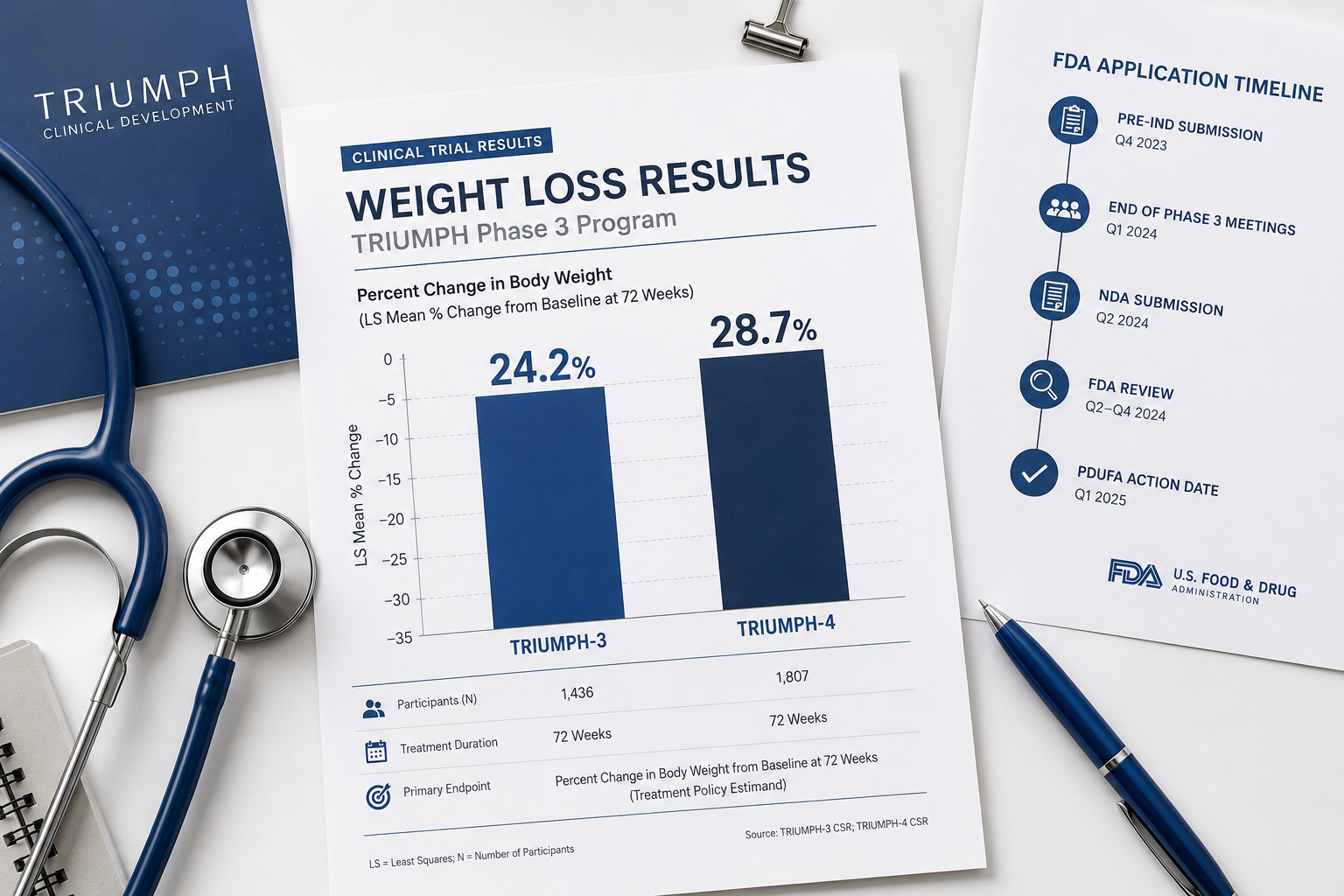
  • Phase 3 trials have shown weight loss results as high as 28.7%, the highest ever recorded in an obesity drug trial.
  • Terminology confusion can distort research interpretation, marketplace trust, and regulatory understanding.
  • Researchers and buyers should verify compound identity by chemical name or CAS number, not informal labels.

What Is Retatrutide and Where Does "GLP-3" Come From

Retatrutide, developed by Eli Lilly under the code name LY3437943, is a first-in-class triple-receptor agonist. It activates three distinct hormone receptors at once:

Receptor Role in Metabolism
GLP-1 Appetite suppression, insulin secretion
GIP Fat metabolism, insulin sensitivity
Glucagon Energy expenditure, liver fat reduction

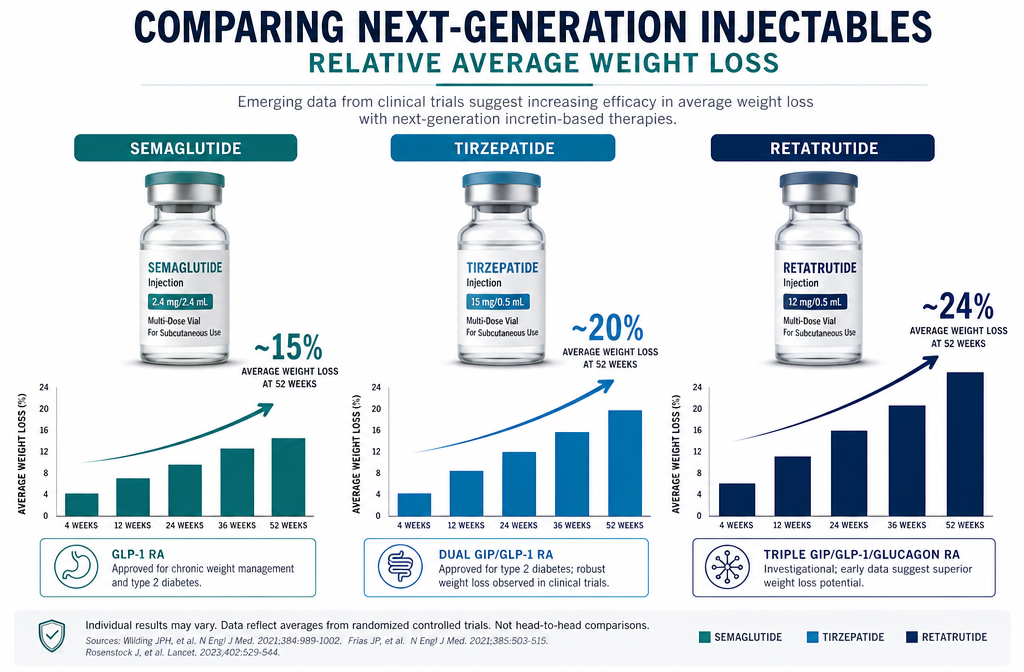
No approved drug before retatrutide has hit all three targets simultaneously. Semaglutide (Ozempic, Wegovy) targets only GLP-1. Tirzepatide (Mounjaro, Zepbound) targets GLP-1 and GIP. Retatrutide adds glucagon to the mix.

The nickname "GLP-3" emerged organically in consumer forums and social media. The logic was simple: GLP-1 targets one receptor, tirzepatide targets two, so this "third generation" drug must be GLP-3. The label stuck — but it is scientifically inaccurate.

"GLP-3" does not describe a receptor, a peptide family, or a drug class. It is marketing shorthand that has migrated into research discussions where precision is critical.

For a broader look at where peptide research is heading, the latest updates in peptide research provide useful context on how naming conventions evolve in this space.


Why the Naming Confusion Matters in Obesity Research and Clinical Trials

Why the Naming Confusion Matters in Obesity Research and Clinical Trials

The stakes of this terminology gap become clear when looking at the trial data. In the TRIUMPH-4 Phase 3 trial, retatrutide produced a mean weight loss of 28.7% at 68 weeks in adults with obesity and knee osteoarthritis — the highest figure ever recorded in any Phase 3 obesity drug trial. The TRIUMPH-3 trial, presented at the American College of Cardiology Annual Scientific Session in March 2026, reported 24.2% mean weight loss at 72 weeks in adults with elevated cardiovascular risk.

These are landmark numbers. But when a researcher searches for "GLP-3 trial results" and finds a mix of retatrutide data alongside unrelated GLP receptor biology, the confusion compounds.

Three specific risks created by the GLP-3 label:

  • Research misattribution: Studies on actual GLP receptor peptide biology get conflated with retatrutide clinical outcomes.
  • Regulatory misunderstanding: Eli Lilly plans to file a New Drug Application in late 2026 or early 2027. Informal naming can create confusion in public commentary on regulatory submissions.
  • Marketplace errors: Buyers searching for research-grade retatrutide may encounter mislabeled products. Reviewing a detailed GLP-3 and retatrutide compound overview helps clarify what is actually being sourced.

For those researching metabolic peptides more broadly, resources on AOD9604 metabolic research and tesa benefits show how naming precision matters across the entire category.


How Researchers and Buyers Can Navigate the GLP3 Peptide vs Retatrutide Naming Issue

How Researchers and Buyers Can Navigate the GLP3 Peptide vs Retatrutide Naming Issue

The clearest solution is to anchor every discussion to the compound's chemical identity, not its nickname.

Best practices for accurate identification:

  • Always reference retatrutide by its INN (International Nonproprietary Name) or Eli Lilly's code: LY3437943.
  • Cross-check any "GLP-3" product listing against verified chemical specifications.
  • Use peer-reviewed databases rather than consumer forums as primary sources.
  • When sourcing for research, prioritize suppliers with transparent quality testing protocols and third-party verification.

The GLP-3 retatrutide product page and the RETA GLP-3 research overview are examples of how suppliers can bridge the naming gap by providing both the informal label and the verified compound name together.

For researchers exploring related metabolic compounds, the 5-Amino-1MQ research overview offers a useful parallel on how novel compounds gain informal names before formal classification catches up.


Conclusion

The GLP3 Peptide vs Retatrutide naming confusion is not a trivial issue. It shapes how clinical trial data is interpreted, how regulatory conversations unfold, and how research-grade compounds are sourced. Retatrutide is a precisely defined triple-receptor agonist with Phase 3 data that sets a new benchmark for obesity pharmacology. "GLP-3" is a convenient shorthand that, when used carelessly, undermines that precision.

Actionable next steps:

  • Replace "GLP-3" with "retatrutide" or "LY3437943" in all research documentation.
  • Verify any compound labeled "GLP-3" against its full chemical specification before use.
  • Stay current with TRIUMPH trial publications and the anticipated NDA filing timeline.
  • Source research peptides only from suppliers who publish verified testing data alongside both the common and scientific names.

Precision in language is the foundation of precision in science. In obesity research, where the stakes are high and the compounds are complex, that foundation matters more than ever.

https://www.puretestedpeptides.com/wp-content/uploads/2026/06/GLP3-Peptide-vs-Retatrutide-Why-the-Naming-Confusion-Matters-in-Obesity-Research.png 1024 1536 Pure Tested https://www.puretestedpeptides.com/wp-content/uploads/2026/01/buy-peptides-online.jpg Pure Tested2026-06-11 13:06:552026-07-20 15:03:30GLP3 Peptide vs Retatrutide: Why the Naming Confusion Matters in Obesity Research
How Safe Are Mail‑Order Research Peptides? Evidence Gaps, Regulatory Gray Zones, and Risk‑Mitigation for Labs

How Safe Are Mail‑Order Research Peptides? Evidence Gaps, Regulatory Gray Zones, and Risk‑Mitigation for Labs

June 11, 2026/0 Comments/by Pure Tested

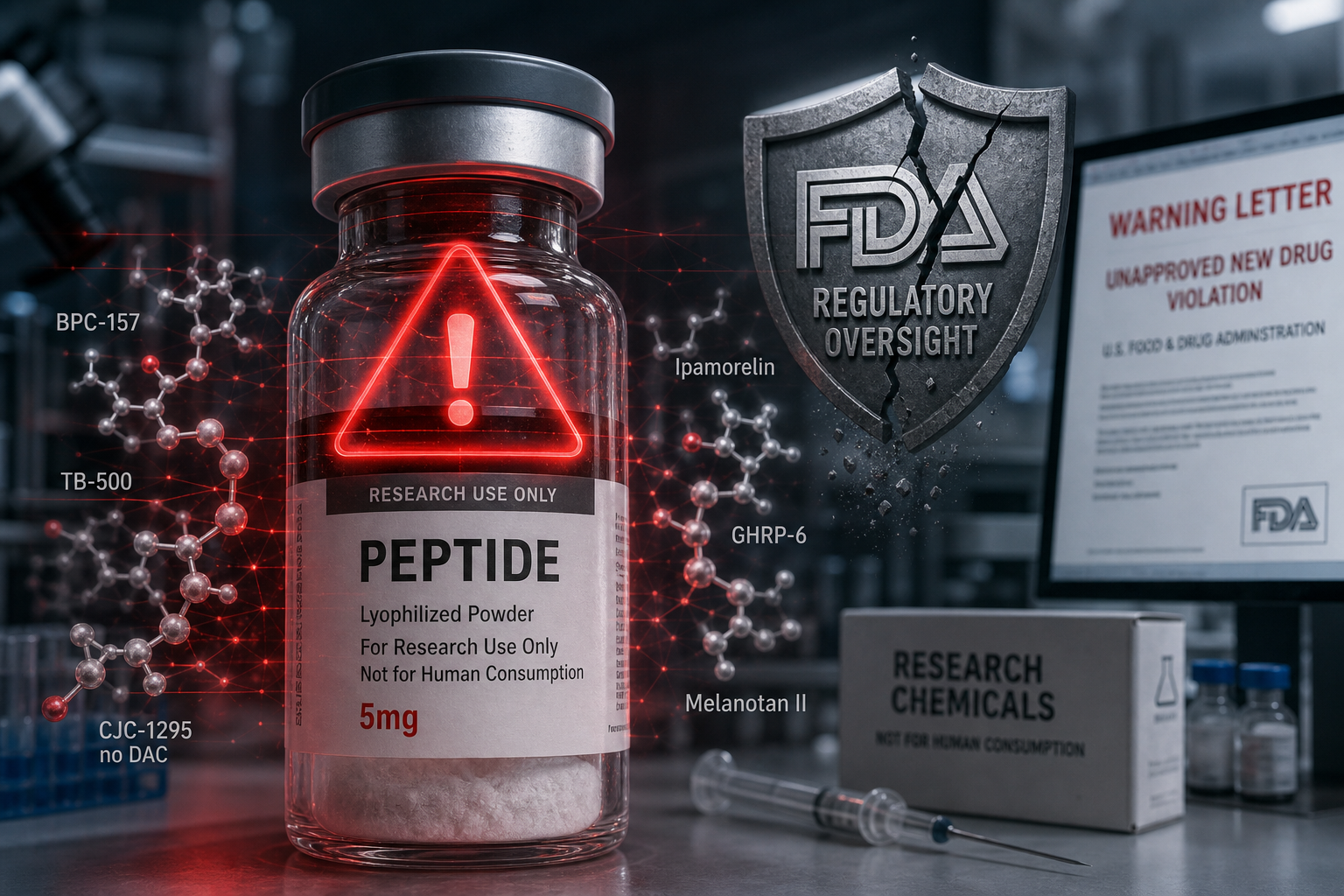
A February 2025 FDA warning letter to a major online peptide vendor confirmed what regulators had long suspected: "For Research Use Only" labels do not shield sellers — or buyers — from enforcement when products are clearly marketed for human use. That single enforcement action crystallized a debate that has grown louder as the peptide market expands rapidly in 2026.

Understanding how safe are mail-order research peptides, evidence gaps, regulatory gray zones, and risk-mitigation for labs is no longer optional for serious researchers. The stakes — legal, scientific, and physiological — demand a clear-eyed look at what the evidence actually shows.

Detailed () editorial illustration showing a magnified view of a peptide vial with a glowing red warning symbol overlaid,

Key Takeaways

  • The FDA classifies peptides with biological activity as drugs; "research use only" labeling does not create a legal exemption for human consumption.
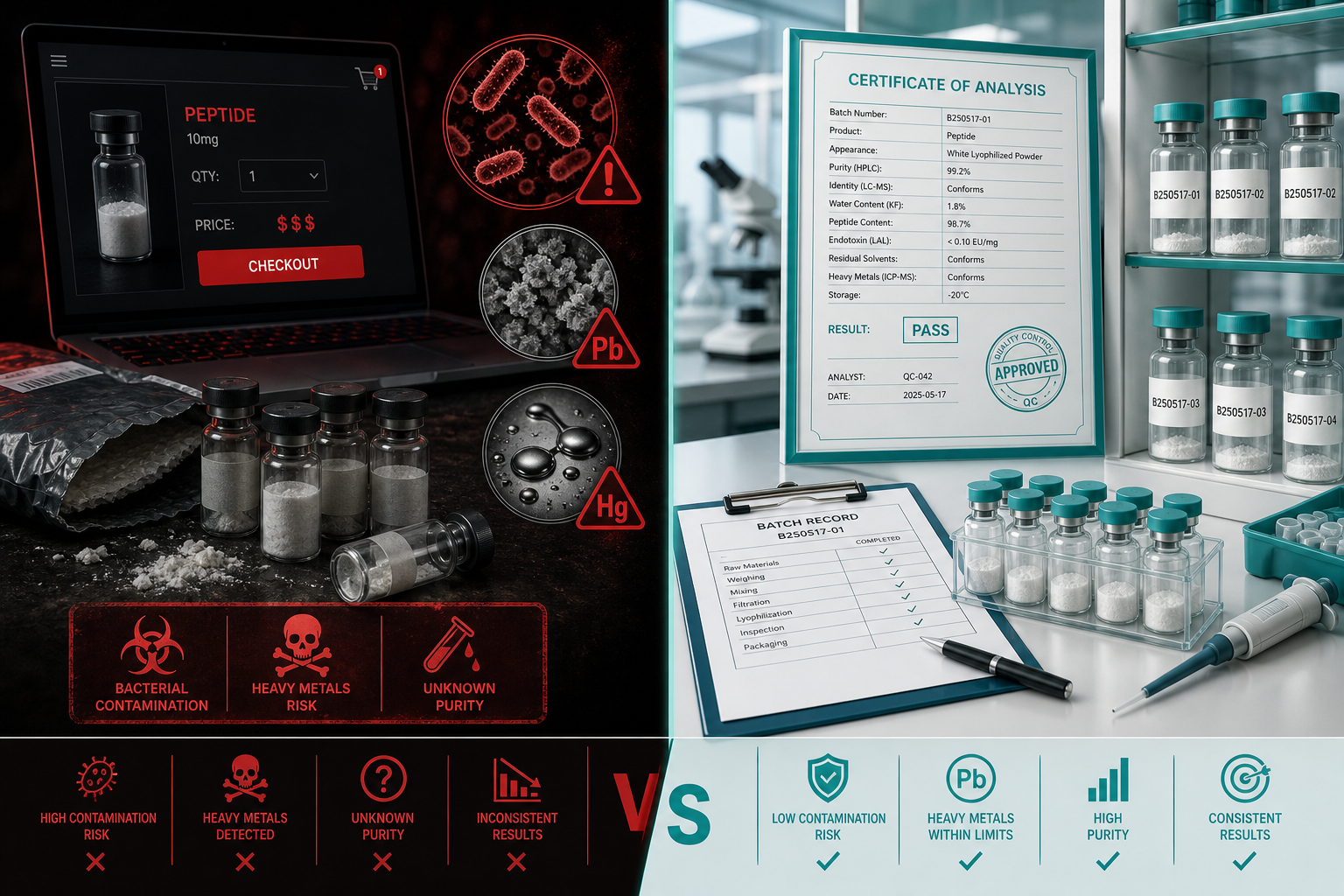
  • Unverified peptide suppliers carry documented risks including bacterial contamination, heavy metal presence, and incorrect potency.
  • The American Peptide Research Alliance reported two adverse events linked to unlicensed vendors in early 2026, with investigations ongoing.
  • Certificates of Analysis (COAs), batch traceability, and cold-chain compliance are the minimum quality benchmarks for legitimate lab sourcing.
  • Legal, prescription-based compounding pathways exist for clinical contexts and represent the gold standard for human-use peptides.

The Regulatory Gray Zone: What "Research Use Only" Actually Means

The phrase "For Research Use Only" (RUO) appears on thousands of peptide product pages, but its legal weight is far weaker than most buyers assume. Under U.S. law, any compound with biological activity intended for human use qualifies as a drug — regardless of how it is labeled. The FDA evaluates actual intent and use, not packaging language.

When a vendor's website includes testimonials, dosing guides, or health benefit claims alongside an RUO disclaimer, regulators treat the disclaimer as void. Marketing language that implies human health outcomes can trigger enforcement actions and has done so repeatedly. Vendors who operate in this space are not protected by a "research chemical" carve-out because no such exemption exists in federal statute.

For buyers, individual possession for genuine laboratory research has not historically been a primary enforcement target. However, that tolerance is not a legal right — it is an unenforced gray area that can shift with regulatory priorities. Labs that source peptides for in-vitro or animal studies should document their research purpose clearly and maintain records accordingly.

Researchers exploring compounds like GLP-1 peptides or AOD-9604 will find that sourcing documentation matters as much as the science itself.


Evidence Gaps and Safety Concerns With Unregulated Suppliers

Evidence Gaps and Safety Concerns With Unregulated Suppliers

Asking how safe are mail-order research peptides requires confronting uncomfortable data gaps. Because unregulated peptide vendors operate outside pharmaceutical manufacturing standards, independent quality data is scarce. What exists is not reassuring.

Documented risks from unverified sources include:

  • Bacterial and fungal contamination from non-sterile synthesis environments
  • Heavy metal residues from uncontrolled reagents
  • Incorrect peptide sequences or truncated chains
  • Mislabeled concentrations leading to unknown potency
  • Degraded product from improper cold-chain handling during shipping

The American Peptide Research Alliance issued a safety alert in March 2026 reporting two adverse events tied to products from unlicensed vendors. Investigations remain ongoing, but the alert underscores that the risk is not theoretical.

"Absence of a Certificate of Analysis is not a minor oversight — it is a fundamental indicator that manufacturing standards were not followed."

For labs researching mitochondrial compounds such as SS-31 peptides or MOTS-c, purity is a scientific necessity, not just a compliance checkbox. Contaminated or mislabeled compounds corrupt experimental results and make data unreproducible.

Red flags when evaluating a peptide supplier:

Warning Sign What It Suggests
No COA or outdated COA No independent purity verification
Price significantly below market Cost-cutting in synthesis or testing
No batch or lot number No traceability if contamination occurs
Health benefit claims on product pages Likely FDA enforcement risk
No cold-chain shipping options Degradation during transit

Risk-Mitigation for Labs: Practical Sourcing Standards

Addressing how safe are mail-order research peptides, evidence gaps, regulatory gray zones, and risk-mitigation for labs ultimately comes down to sourcing discipline. The following standards represent current best practice for legitimate research environments.

Minimum sourcing requirements:

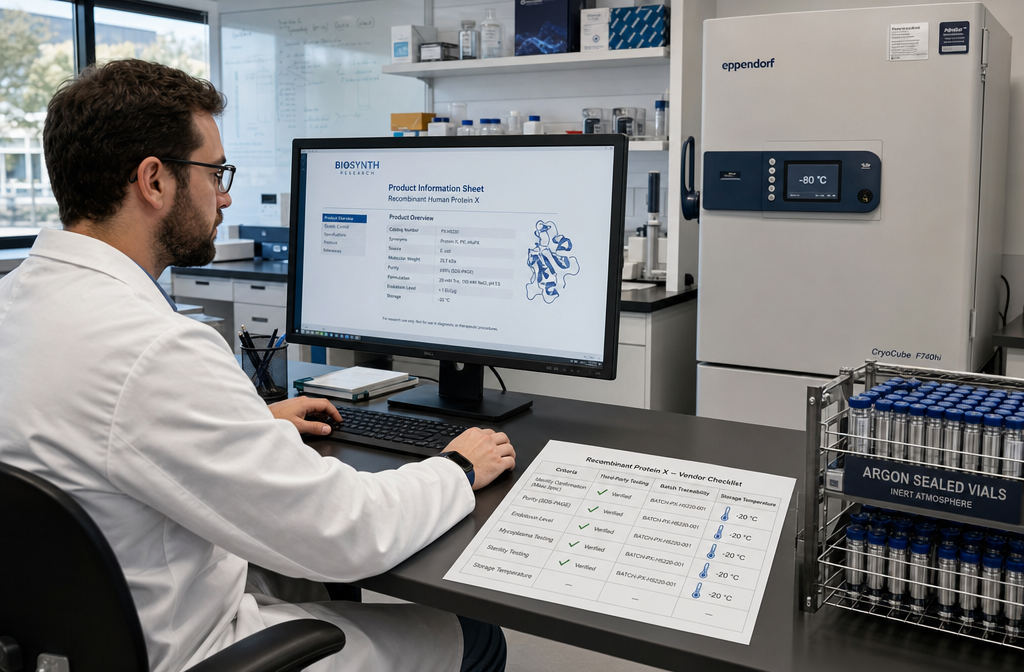
  1. Third-party COA — Verify purity, sequence confirmation, and residual solvent levels from an independent laboratory, not just the vendor's internal testing.
  2. Batch traceability — Every vial should carry a lot number traceable to a specific synthesis run and test report.
  3. Cold-chain compliance — Lyophilized peptides require refrigerated or frozen shipping. Avoid vendors who ship at ambient temperature without insulation.
  4. No human-use marketing — Vendors making health claims are operating outside regulatory boundaries, which signals broader quality control problems.
  5. Transparent manufacturing disclosures — Reputable suppliers disclose synthesis method, facility standards, and sterility testing.

For labs working with compounds like BPC-157, GHK-Cu, or LL-37, these standards are non-negotiable for data integrity.

When human use is the clinical goal, the legally sound pathway is a patient-specific prescription filled by a 503A-licensed compounding pharmacy. This route ensures regulatory compliance, pharmaceutical-grade quality, and prescriber accountability — none of which exist in the unregulated market.

Researchers can also review innovative peptide delivery systems to understand how formulation choices affect both stability and research validity.

Risk-Mitigation for Labs: Practical Sourcing Standards


Conclusion

The peptide research market in 2026 is expanding faster than the regulatory infrastructure designed to govern it. That gap creates real risk — for lab data quality, for legal compliance, and for public safety when products migrate from "research" to human use without oversight.

Actionable next steps for labs and researchers:

  • Audit current suppliers against the COA, batch traceability, and cold-chain checklist above before the next order.
  • Document the research purpose for every peptide purchase and retain records.
  • Reject any vendor whose product pages include dosing guidance, testimonials, or health outcome claims.
  • For any human-use application, engage a licensed prescriber and 503A compounding pharmacy — not an online vendor.
  • Stay current with FDA enforcement actions, which signal which compounds and vendor practices are under active scrutiny.

The science behind peptide research is genuinely compelling. Protecting that science — and the people conducting it — requires sourcing standards that match the seriousness of the work.

https://www.puretestedpeptides.com/wp-content/uploads/2026/06/How-Safe-Are-Mail‑Order-Research-Peptides-Evidence-Gaps-Regulatory-Gray-Zones-and-Risk‑Mitigation-for-Labs.png 1024 1536 Pure Tested https://www.puretestedpeptides.com/wp-content/uploads/2026/01/buy-peptides-online.jpg Pure Tested2026-06-11 13:06:492026-07-20 15:03:31How Safe Are Mail‑Order Research Peptides? Evidence Gaps, Regulatory Gray Zones, and Risk‑Mitigation for Labs
Epithalon Peptide Research: Telomere Biology, Aging Pathways, and What the Current Evidence Can Actually Support

Epithalon Peptide Research: Telomere Biology, Aging Pathways, and What the Current Evidence Can Actually Support

June 11, 2026/0 Comments/by Pure Tested

Fewer than a dozen peptides in longevity research have generated as much interest — and as much overstated certainty — as Epithalon. A tetrapeptide composed of just four amino acids (Ala-Glu-Asp-Gly), it has been studied since the 1980s primarily through the work of Russian scientist Vladimir Khavinson. Yet in 2026, the gap between what researchers have observed and what is being claimed online remains wide. This article examines Epithalon peptide research: telomere biology, aging pathways, and what the current evidence can actually support — without the hype.

Key Takeaways

  • Epithalon activates telomerase (hTERT) in human cell cultures, but this does not automatically translate to safe lifespan extension in humans.
  • Animal model data shows 10-25% lifespan extension, but independent replication in Western research programs is still limited.
  • The peptide appears to influence multiple aging pathways: epigenetic remodeling, melatonin synthesis, oxidative stress resilience, and immune function.
  • Telomerase activation carries a documented cancer risk concern that researchers must weigh carefully.
  • Epithalon is not FDA-approved and lacks standardized clinical dosing protocols as of 2026.

Key Takeaways

How Epithalon Interacts With Telomere Biology

Telomeres are the protective caps at the ends of chromosomes. With each cell division, they shorten. When they become critically short, the cell stops dividing — a process called replicative senescence. This is one of the central clocks of biological aging.

Epithalon peptide research into telomere biology shows that the compound can induce expression of hTERT, the catalytic subunit of telomerase — the enzyme that rebuilds telomere length. In human somatic cell cultures, this has led to measurable telomere elongation, theoretically pushing cells past the Hayflick limit.

"The ability to upregulate hTERT in non-germline cells is scientifically significant — but it is not a free pass. Telomerase is also active in roughly 85% of human cancers."

This dual nature is the central tension in Epithalon research. The same mechanism that may slow cellular aging could, under certain conditions, support unchecked cell proliferation. Researchers studying aging support peptides must weigh this trade-off carefully.

Epigenetic effects add another layer. Epithalon appears to bind to gene promoter regions and loosen chromatin structure, potentially restoring youthful gene expression patterns and enhancing DNA repair. This epigenetic remodeling could explain effects that go beyond simple telomere length.


What Animal and Human Studies Can Actually Support

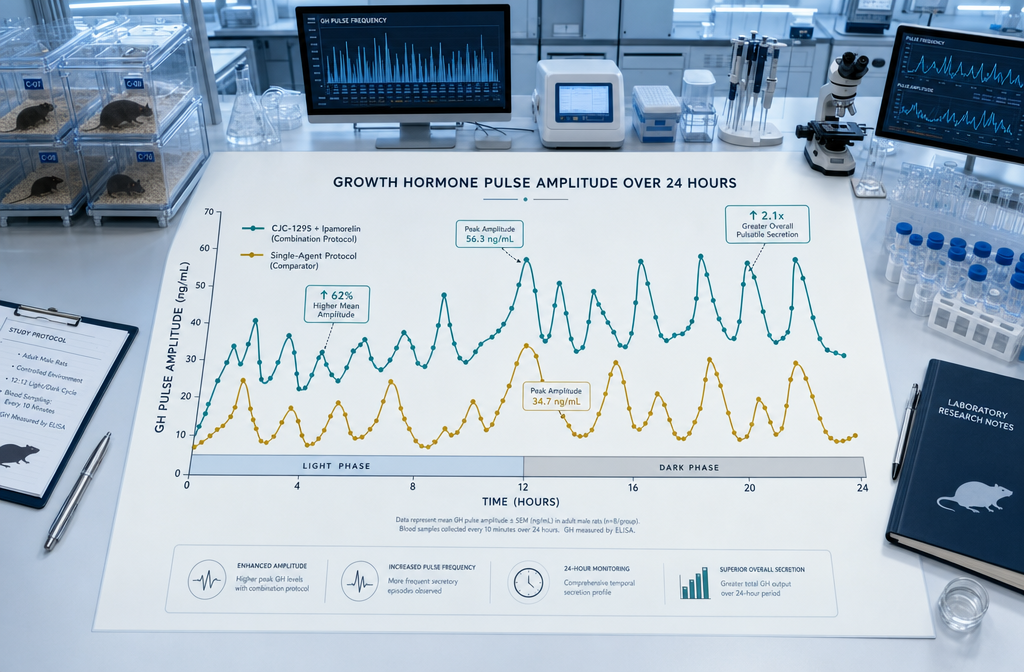
The most cited longevity data comes from rodent studies within the Khavinson research program. Epithalon administration extended lifespan by 10 to 25% in treated animals. These are notable figures — but they come with caveats.

Study Type Key Finding Limitation
Rodent models 10-25% lifespan extension Primarily one research group
Human cell cultures hTERT induction, telomere elongation In vitro, not in vivo
Small human studies (elderly) Improved melatonin synthesis, circadian rhythm support Limited sample sizes
Immune function observations Potential immune recalibration Requires larger trials

Independent replication by Western research institutions remains sparse. This is not evidence that the findings are wrong — it is evidence that the field needs more rigorous, controlled trials before clinical conclusions can be drawn.

Melatonin and circadian rhythm effects are among the more consistently reported observations. Epithalon appears to stimulate pineal gland activity, boosting melatonin synthesis. In elderly subjects, this may help restore disrupted sleep-wake cycles — a meaningful quality-of-life pathway that is separate from telomere biology entirely.

The peptide also shows associations with reduced oxidative stress markers and immune system recalibration, suggesting it may act across multiple aging pathways simultaneously rather than through a single mechanism. For researchers comparing multi-pathway peptides, the SS-31 mechanism and research overview offers a useful parallel, given SS-31's focus on mitochondrial protection as a complementary aging pathway.
What Animal and Human Studies Can Actually Support


Evidence Quality, Safety Considerations, and Research Context in 2026

Understanding what the current evidence can actually support requires honest assessment of its quality. Most Epithalon data originates from a single research program, uses animal models, or involves small human cohorts. That is not a dismissal — it is a baseline for calibrating expectations.

Key safety considerations researchers should note:

  • Telomerase activation raises legitimate oncological concerns that have not been fully resolved in long-term studies
  • Reported side effects are minimal in existing literature, but comprehensive safety profiles are absent
  • Commonly discussed research protocols involve subcutaneous administration of 5-10 mg daily for 10-20 day cycles, repeated 2-3 times per year — but no standardized clinical guidelines exist
  • Reconstituted peptide remains stable for approximately 21 days under proper storage conditions

Epithalon is not approved by the FDA for any therapeutic use as of 2026. It exists strictly within a research context. Researchers exploring related peptides in aging and metabolic pathways — such as BPC-157 research documentation or SS-31 mitochondrial research themes — will recognize this regulatory landscape as common across investigational peptides.

For those sourcing compounds for structured research, reviewing certificates of analysis and third-party purity testing documentation is a non-negotiable step. Purity directly affects the validity of any experimental outcome.

Researchers interested in how Epithalon compares within the broader aging-support peptide category may also find value in reviewing SS-31 peptide research considerations as a methodological reference point.

Evidence Quality, Safety Considerations, and Research Context in 2026


Conclusion

Epithalon peptide research into telomere biology, aging pathways, and what the current evidence can actually support points to a compound with genuine scientific interest — and genuine scientific uncertainty. The telomerase activation data is mechanistically compelling. The animal lifespan data is suggestive. The epigenetic, melatonin, and oxidative stress findings add breadth to the research profile.

What the evidence cannot yet support is clinical certainty. Independent replication, larger human trials, and long-term safety data are all needed before stronger conclusions are warranted.

Actionable next steps for researchers:

  1. Prioritize sourcing Epithalon only from suppliers providing verified purity documentation and third-party testing.
  2. Design studies that account for the telomerase-cancer risk variable with appropriate biomarker monitoring.
  3. Track melatonin and circadian markers alongside telomere length to capture the full pathway picture.
  4. Follow emerging Western replication studies closely — this is where the evidence base will either strengthen or fracture.
  5. Treat existing animal model data as hypothesis-generating, not hypothesis-confirming.

The science is worth watching. The claims require scrutiny.

https://www.puretestedpeptides.com/wp-content/uploads/2026/06/Epithalon-Peptide-Research-Telomere-Biology-Aging-Pathways-and-What-the-Current-Evidence-Can-Actually-Support.png 1024 1536 Pure Tested https://www.puretestedpeptides.com/wp-content/uploads/2026/01/buy-peptides-online.jpg Pure Tested2026-06-11 13:05:122026-07-20 15:03:31Epithalon Peptide Research: Telomere Biology, Aging Pathways, and What the Current Evidence Can Actually Support
What Is the GLP3 Peptide? Research Distinctions, Naming Confusion, and How It Relates to Retatrutide

What Is the GLP3 Peptide? Research Distinctions, Naming Confusion, and How It Relates to Retatrutide

June 10, 2026/0 Comments/by Pure Tested

A single informal label is causing genuine confusion across research communities, patient forums, and peptide catalogs in 2026: "GLP-3." Researchers searching for this term are often looking for something very different from what the name implies. Understanding what the GLP-3 peptide actually refers to — and why that label is scientifically inaccurate — matters for anyone tracking the latest developments in metabolic research.

Key Takeaways

  • There is no hormone called "GLP-3." The term is an informal nickname, not a recognized scientific designation.
  • "GLP-3" almost always refers to retatrutide (LY3437943), a triple-agonist investigational compound developed by Eli Lilly.
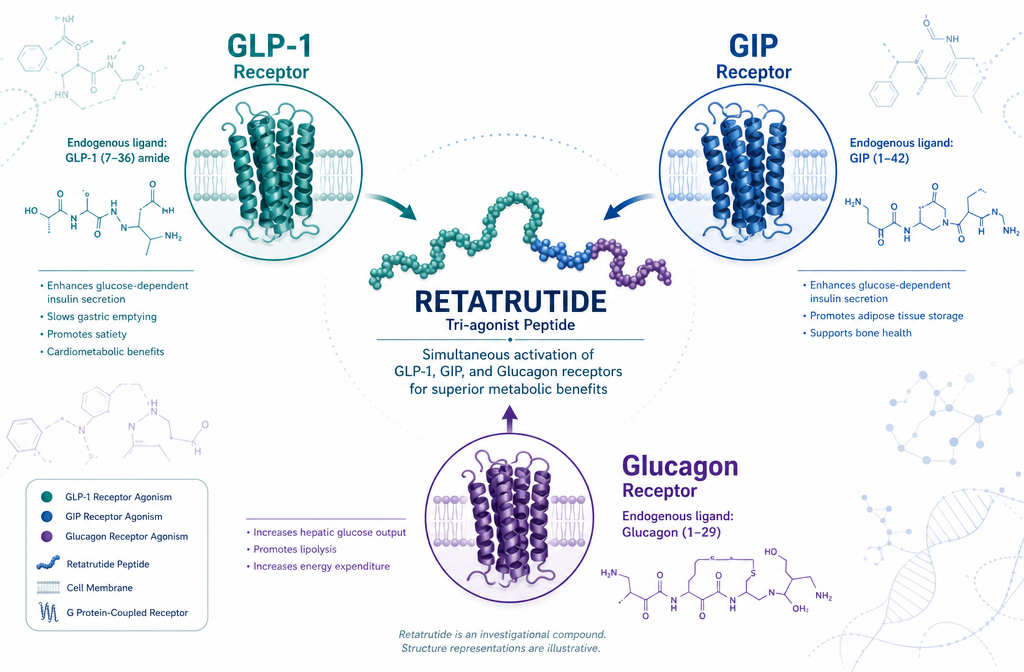
  • Retatrutide simultaneously targets three receptors: GLP-1, GIP, and glucagon.
  • Phase 3 trial data shows approximately 28% average weight loss over 18 months — results comparable to bariatric surgery.
  • As of 2026, retatrutide is not FDA-approved and remains under active clinical investigation.

Key Takeaways

Understanding the Naming Confusion Around "GLP-3"

The phrase "GLP-3 peptide" does not correspond to any recognized hormone in human physiology. The glucagon-like peptide family includes GLP-1 and GLP-2, both derived from the proglucagon gene. GLP-1 is well-established for its role in insulin secretion and appetite regulation. GLP-2 supports intestinal growth. No GLP-3 exists in the official scientific literature.

So where does the term come from? It appears to have emerged organically from online communities and informal research discussions as shorthand for retatrutide — a compound that acts on three separate receptor pathways. The logic is loose: "triple action" became "GLP-3" in casual usage. The label stuck, even though it misrepresents the compound's actual mechanism.
This kind of naming drift is not unusual in peptide research. For a broader look at how terminology evolves in this field, the ultimate guide to peptide therapy provides useful context on how compounds are classified and discussed.


What Is the GLP3 Peptide? Research Distinctions, Naming Confusion, and How It Relates to Retatrutide — The Core Answer

Retatrutide (development code LY3437943) is the compound most commonly referenced when someone asks about the "GLP-3 peptide." It is an investigational drug developed by Eli Lilly that activates three distinct hormone receptors simultaneously:

Receptor Primary Research Function
GLP-1 Reduces appetite, slows gastric emptying
GIP Improves insulin sensitivity, supports fat distribution
Glucagon Increases energy expenditure, promotes fat breakdown via thermogenesis

This triple-agonist profile is what separates retatrutide from earlier-generation compounds. Semaglutide targets GLP-1 alone. Tirzepatide targets GLP-1 and GIP. Retatrutide adds glucagon receptor activation on top of both, creating a broader metabolic effect.

For researchers already familiar with the GLP-1 peptide research landscape, retatrutide represents a meaningful step forward in receptor-targeting strategy. Those planning research with this compound should also review GLP-3 triple agonist research planning resources before sourcing.


What Is the GLP3 Peptide? Research Distinctions, Naming Confusion, and How It Relates to Retatrutide — The Core Answer

Phase 3 Data and Regulatory Status in 2026

The clinical results for retatrutide are among the most discussed in metabolic medicine this year. In Phase 3 trials, participants achieved an average weight loss of approximately 28% over 18 months — a figure that rivals outcomes typically seen with bariatric surgery. No other injectable medication has produced comparable numbers in trial data to date.

"Retatrutide's Phase 3 results represent the highest weight loss figures recorded for any injectable medication in clinical trials."

Despite these results, retatrutide is not FDA-approved as of 2026. Eli Lilly anticipates filing for FDA approval in 2026–2027, with potential commercial availability projected for late 2027 or 2028, contingent on successful trial completion and regulatory review.

Beyond weight loss, researchers are examining retatrutide's potential influence on type 2 diabetes, cardiovascular risk factors, and metabolic liver disease. The GIP receptor and its importance in metabolic signaling provides additional background on one of the three pathways retatrutide engages.


What Is the GLP3 Peptide? Research Distinctions, Naming Confusion, and How It Relates to Retatrutide — Practical Implications for Researchers

For researchers navigating this space, the terminology distinction has real consequences. Searching for "GLP-3 peptide" may return inconsistent results across databases, catalogs, and literature because the label is not standardized. Using the correct terminology — triple agonist, GLP-1/GIP/glucagon receptor agonist, or retatrutide/LY3437943 — will yield more reliable and reproducible search results.

Retatrutide is administered as a once-weekly subcutaneous injection, a delivery format consistent with other compounds in the GLP-1 class. Researchers interested in innovative peptide delivery systems will find the subcutaneous format familiar, though the triple-receptor profile introduces unique considerations for study design.

Those tracking the broader metabolic peptide landscape may also find value in reviewing AOD-9604 metabolic research and SLU-PP-332 metabolic research themes for comparative context on fat metabolism pathways.


What Is the GLP3 Peptide? Research Distinctions, Naming Confusion, and How It Relates to Retatrutide — Practical Implications

Conclusion

The "GLP-3 peptide" is not a real hormone — it is a widely circulated misnomer for retatrutide, a triple-agonist compound targeting GLP-1, GIP, and glucagon receptors. Clarifying this distinction is essential for accurate research planning, catalog navigation, and literature review.

Actionable next steps for researchers:

  • Use "retatrutide," "LY3437943," or "triple agonist" in database and catalog searches instead of "GLP-3."
  • Review the GIP receptor pathway alongside GLP-1 mechanisms before designing studies.
  • Monitor FDA filing updates from Eli Lilly, expected in the 2026–2027 window.
  • Consult what is new in peptide research for ongoing developments in this fast-moving field.

Precise terminology is not a minor detail in peptide research — it directly affects sourcing accuracy, study reproducibility, and regulatory compliance awareness.

https://www.puretestedpeptides.com/wp-content/uploads/2026/06/What-Is-the-GLP3-Peptide-Research-Distinctions-Naming-Confusion-and-How-It-Relates-to-Retatrutide.png 672 1024 Pure Tested https://www.puretestedpeptides.com/wp-content/uploads/2026/01/buy-peptides-online.jpg Pure Tested2026-06-10 13:06:532026-07-20 15:03:32What Is the GLP3 Peptide? Research Distinctions, Naming Confusion, and How It Relates to Retatrutide
GLP-2-T and GLP-2 Tirz Peptides: Gut Mucosal Integrity, Nutrient Absorption, and Experimental IBD Models

GLP-2-T and GLP-2 Tirz Peptides: Gut Mucosal Integrity, Nutrient Absorption, and Experimental IBD Models

June 10, 2026/0 Comments/by Pure Tested

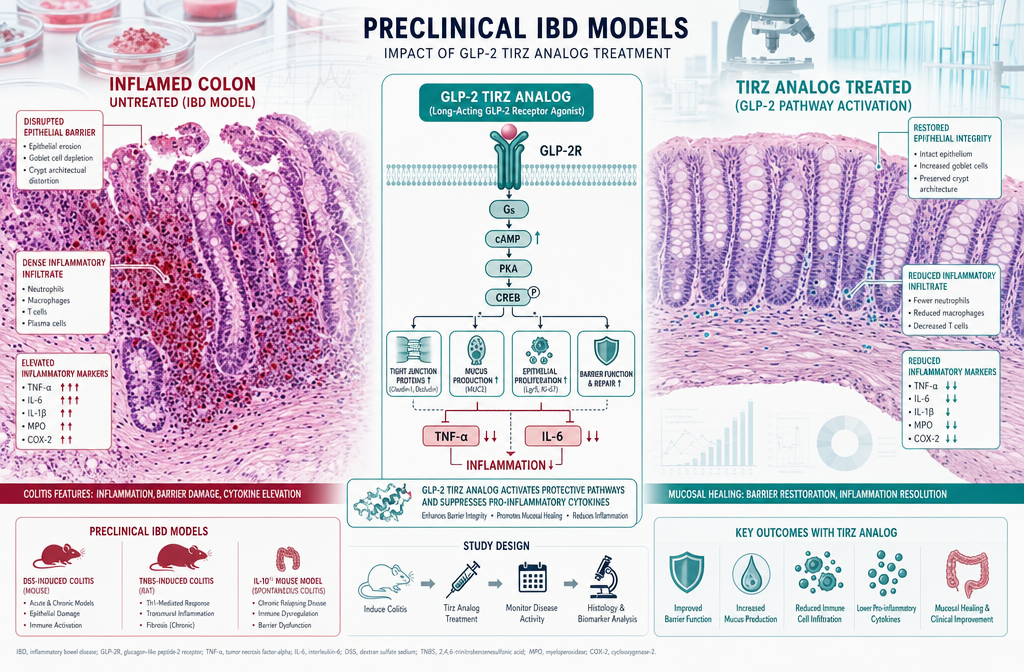
Roughly 1.6 million Americans live with inflammatory bowel disease, yet the intestinal epithelium — the single-cell-thick barrier separating the gut lumen from the bloodstream — remains one of the most underexplored therapeutic targets in modern peptide research. GLP-2-T and GLP-2 Tirz Peptides: Gut Mucosal Integrity, Nutrient Absorption, and Experimental IBD Models represent a rapidly advancing frontier in preclinical science, offering researchers new tools to probe how next-generation glucagon-like peptide-2 analogs regulate villus growth, barrier function, and inflammatory signaling in the gut.

Key Takeaways

  • GLP-2 is a 33-amino acid peptide secreted by intestinal L-cells that drives mucosal growth and reduces gut permeability.
  • GLP-2-T and GLP-2 Tirz are next-generation analogs engineered for enhanced receptor potency and extended half-life compared to native GLP-2.
  • Both analogs stimulate crypt cell proliferation, expand villus surface area, and tighten epithelial junctions in preclinical models.
  • Experimental IBD models show measurable reductions in inflammatory cytokines and mucosal damage scores following analog treatment.
  • These peptides are research-stage compounds used to understand gut biology, not approved clinical therapies.

Key Takeaways

GLP-2 Receptor Biology: The Foundation for GLP-2-T and GLP-2 Tirz Research

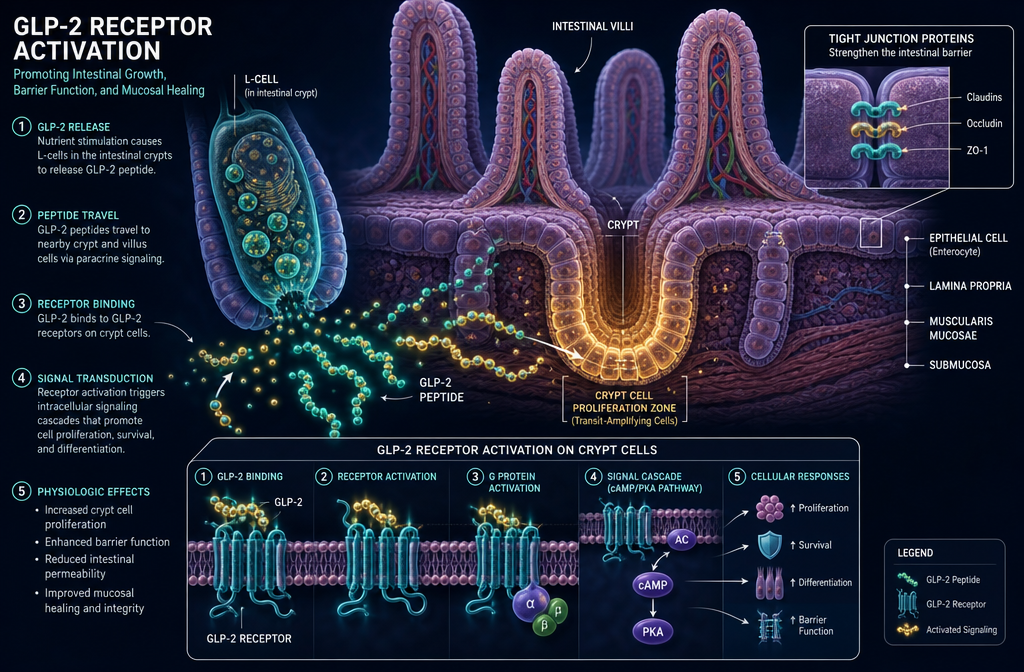
GLP-2 is produced through proglucagon processing in enteroendocrine L-cells lining the small and large intestine. When nutrients — particularly fats and fermentable carbohydrates — reach the distal gut, L-cells release GLP-2 into the portal circulation. The peptide then binds to the GLP-2 receptor (GLP-2R), a G-protein-coupled receptor expressed on enteric neurons, subepithelial myofibroblasts, and select immune cells within the lamina propria.

Critically, GLP-2R activation does not act directly on enterocytes. Instead, it triggers a paracrine signaling cascade involving insulin-like growth factor-1 (IGF-1), keratinocyte growth factor (KGF), and epidermal growth factor (EGF). These secondary messengers drive crypt cell proliferation, suppress enterocyte apoptosis, and ultimately expand the mucosal surface area available for nutrient absorption.

Native GLP-2 has a short half-life — roughly 7 minutes — due to rapid degradation by the enzyme dipeptidyl peptidase-4 (DPP-4). This limitation spurred the development of DPP-4-resistant analogs. Teduglutide (Gattex) was the first approved analog, used clinically for short bowel syndrome. GLP-2-T and GLP-2 Tirz represent a newer generation engineered for even greater receptor affinity and metabolic stability, making them valuable tools in preclinical gut biology research.

For researchers exploring multi-target peptide interactions, understanding how GLP-3 and related incretin analogs compare in receptor selectivity provides useful context for designing experimental protocols.


GLP-2 Receptor Biology: The Foundation for GLP-2-T and GLP-2 Tirz Research

Gut Mucosal Integrity and Nutrient Absorption: How GLP-2-T and GLP-2 Tirz Peptides Differ

Both GLP-2-T and GLP-2 Tirz share the core mechanism of native GLP-2 but diverge in structural modifications that affect their pharmacokinetic profiles.

Feature Native GLP-2 GLP-2-T GLP-2 Tirz
Half-life ~7 minutes Extended Extended + dual action
DPP-4 resistance Low High High
Receptor target GLP-2R only GLP-2R GLP-2R + secondary target
Villus growth effect Moderate Strong Strong
Barrier tightening Moderate Strong Strong

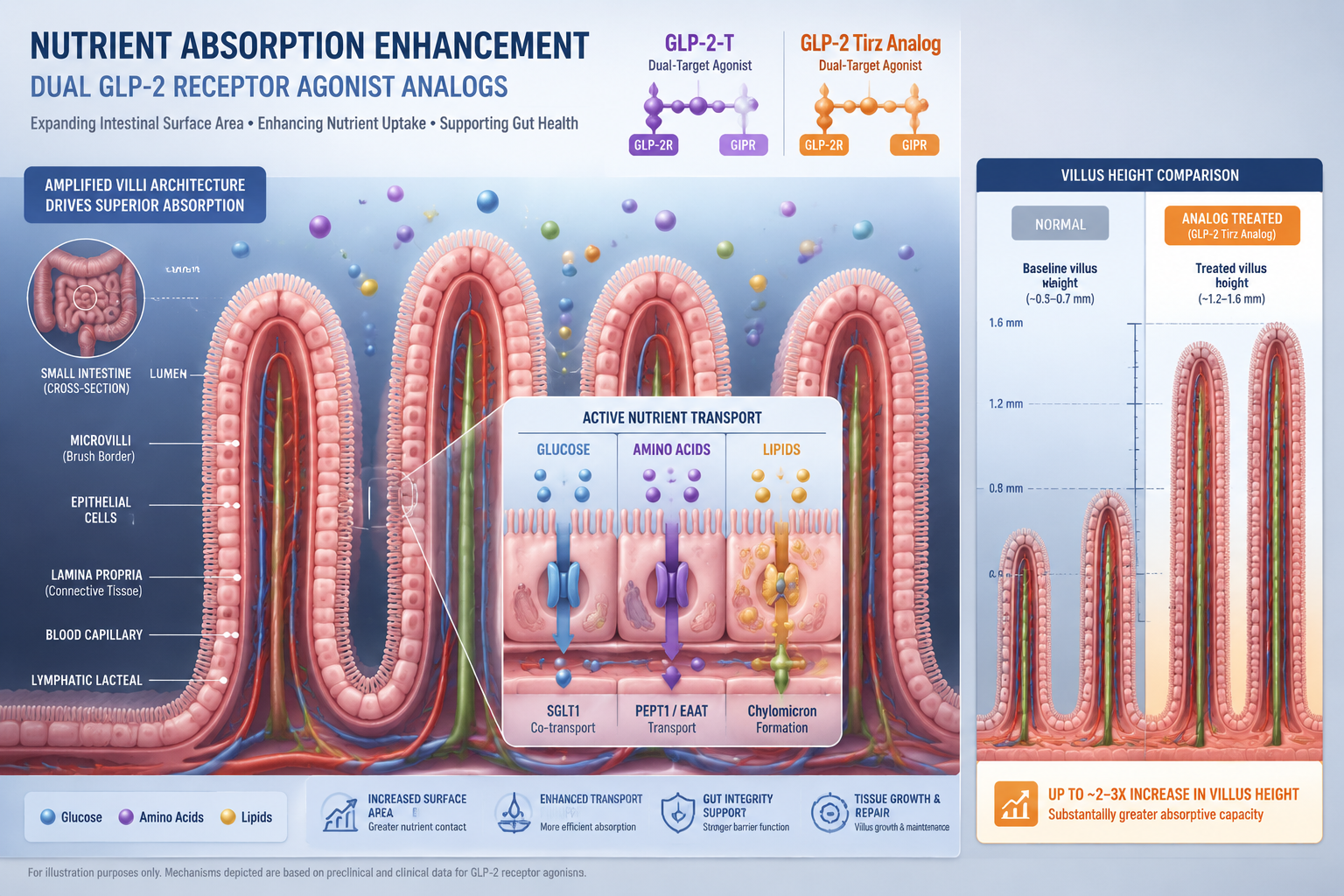
GLP-2 Tirz is particularly notable because its structural design borrows from the tirzepatide framework — a dual or multi-receptor approach — which may allow simultaneous modulation of gut motility and mucosal repair pathways. In preclinical rodent models, GLP-2 Tirz treatment has been associated with:

  • Measurable increases in villus height-to-crypt depth ratios
  • Upregulation of tight junction proteins (claudin-3, occludin, ZO-1)
  • Reduced intestinal permeability as measured by FITC-dextran assays
  • Enhanced absorption of glucose, amino acids, and long-chain fatty acids

These findings align with broader research on tissue repair peptides. Researchers interested in how structural peptides support epithelial integrity may also find value in reviewing BPC-157 and TB-500 regeneration research, which addresses overlapping pathways in mucosal healing.

Additionally, the role of GHK-Cu peptides in tissue homeostasis offers a complementary perspective on how copper-binding peptides influence extracellular matrix remodeling in gut tissue.


Gut Mucosal Integrity and Nutrient Absorption: How GLP-2-T and GLP-2 Tirz Peptides Differ

Experimental IBD Models: Applying GLP-2-T and GLP-2 Tirz Peptides to Inflammatory Disease Research

The application of GLP-2-T and GLP-2 Tirz Peptides: Gut Mucosal Integrity, Nutrient Absorption, and Experimental IBD Models research has accelerated in preclinical settings using established colitis induction protocols, including dextran sodium sulfate (DSS) and 2,4,6-trinitrobenzenesulfonic acid (TNBS) models.

In DSS-induced colitis models, animals treated with GLP-2 analogs consistently show:

  • Lower disease activity index (DAI) scores, reflecting reduced weight loss, stool consistency changes, and rectal bleeding
  • Decreased colonic shortening, a hallmark of chronic inflammation
  • Reduced myeloperoxidase (MPO) activity, indicating lower neutrophil infiltration
  • Suppressed pro-inflammatory cytokines including TNF-alpha, IL-6, and IL-1beta

GLP-2 Tirz's potential dual-receptor engagement may offer additional anti-inflammatory benefits beyond mucosal repair alone. Researchers hypothesize that modulating enteric nervous system signaling through GLP-2R could dampen the neurogenic component of intestinal inflammation.

For broader context on how peptides interact with innate immune pathways relevant to gut inflammation, the LL-37 innate immunity research overview and neuroendocrine innate immunity research provide useful comparative frameworks.

Researchers sourcing compounds for gut biology studies can also explore the full peptide catalog organized by research theme to identify complementary tools for multi-pathway experimental designs.


Conclusion

The preclinical science surrounding GLP-2-T and GLP-2 Tirz Peptides: Gut Mucosal Integrity, Nutrient Absorption, and Experimental IBD Models points toward a compelling set of research opportunities. These analogs offer improved pharmacokinetic stability over native GLP-2, demonstrable effects on villus architecture and tight junction integrity, and measurable anti-inflammatory activity in established colitis models.

Actionable next steps for researchers:

  • Design dose-response studies using GLP-2-T and GLP-2 Tirz in DSS or TNBS colitis models to establish effective preclinical ranges.
  • Pair mucosal permeability assays (FITC-dextran) with cytokine panels to capture both structural and immunological endpoints.
  • Consider multi-peptide experimental designs that incorporate complementary gut-repair compounds to map synergistic pathways.
  • Review the generations of GLP-1 analog development to contextualize GLP-2 Tirz within the broader incretin analog landscape.

As preclinical data continues to accumulate in 2026, GLP-2-T and GLP-2 Tirz remain among the most mechanistically rich peptide tools available for studying intestinal barrier biology and inflammatory gut disease.

https://www.puretestedpeptides.com/wp-content/uploads/2026/06/GLP-2-T-and-GLP-2-Tirz-Peptides-Gut-Mucosal-Integrity-Nutrient-Absorption-and-Experimental-IBD-Models.png 672 1024 Pure Tested https://www.puretestedpeptides.com/wp-content/uploads/2026/01/buy-peptides-online.jpg Pure Tested2026-06-10 13:06:362026-07-20 15:03:32GLP-2-T and GLP-2 Tirz Peptides: Gut Mucosal Integrity, Nutrient Absorption, and Experimental IBD Models
Where to Buy Nootropic Peptides Like Semax and Selank for Research: What Labs Should Look For in a Supplier

Where to Buy Nootropic Peptides Like Semax and Selank for Research: What Labs Should Look For in a Supplier

June 10, 2026/0 Comments/by Pure Tested

Fewer than 30% of research peptide vendors publish batch-specific analytical data — yet that single omission can invalidate months of experimental work. For labs sourcing neuropeptides such as Semax and Selank, supplier selection is not a procurement detail; it is a scientific variable. Understanding where to buy nootropic peptides like Semax and Selank for research, and what labs should look for in a supplier, directly shapes data integrity, reproducibility, and regulatory standing.

Key Takeaways

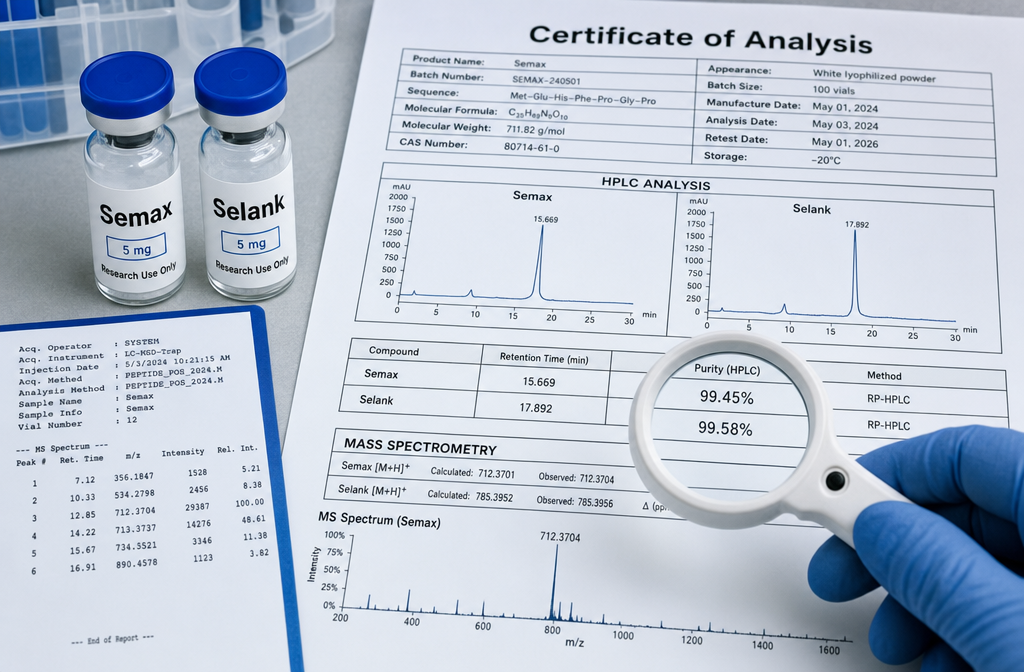
  • Purity documentation of 99% or higher, confirmed by HPLC and mass spectrometry, is the minimum acceptable standard for research-grade Semax and Selank.
  • Batch-specific Certificates of Analysis (CoA) — not generic lot documents — are essential for traceability and reproducibility.
  • Third-party independent testing removes supplier bias and strengthens confidence in reported purity figures.
  • Proper lyophilized storage at -20°C under inert gas is required to maintain peptide stability beyond 12 months.
  • Regulatory labeling ("for research use only") and transparent manufacturing disclosures protect both the lab and the supplier relationship.

Key Takeaways

Why Documentation Is the First Filter When Sourcing Research Peptides

The most common mistake labs make when deciding where to buy nootropic peptides like Semax and Selank for research is prioritizing price before documentation. A low unit cost means nothing if the accompanying analytical record cannot support a publication or regulatory audit.

What valid documentation looks like:

Document Type Minimum Requirement
Certificate of Analysis (CoA) Batch-specific, not generic
HPLC Chromatogram Purity confirmed at 99% or higher
Mass Spectrometry Report Molecular weight and sequence verified
Testing Laboratory Independent, third-party facility

Reputable suppliers provide CoAs tied to individual production batches. A batch-specific CoA details the peptide's confirmed purity, identity, and the analytical methods used — making results traceable across experiments. Generic documents that cover an entire product line rather than a specific lot should raise immediate concern.

Third-party testing is equally non-negotiable. When a supplier uses an independent laboratory rather than an in-house team, the results carry far greater scientific weight. Labs should ask vendors directly: which external facility conducted the analysis, and can the raw data be shared?

For researchers already familiar with sourcing standards in adjacent peptide categories, the BPC-157 research sourcing guide provides a useful parallel framework for evaluating documentation quality.


Why Documentation Is the First Filter When Sourcing Research Peptides

Stability, Storage, and the Nasal Spray Framing Problem

Semax and Selank are frequently marketed in nasal spray formulations. Labs should understand the distinction between a pre-formulated nasal spray and a lyophilized powder intended for reconstitution in research settings.

Lyophilized powder is the preferred format for controlled research because:

  • It supports longer shelf stability — beyond 12 months when stored correctly
  • It allows precise reconstitution volumes for experimental dosing protocols
  • It is less susceptible to microbial contamination than pre-mixed aqueous solutions

Proper storage conditions for lyophilized Semax and Selank require temperatures of -20°C and an inert atmosphere, typically argon, to prevent oxidative degradation. Suppliers who ship peptides without cold-chain packaging or fail to specify storage conditions in their documentation are signaling inadequate quality control.

The nasal spray format, while convenient for some applications, introduces formulation variables that complicate research reproducibility. Labs should clarify with any vendor whether the product is supplied as a research-grade lyophilized compound or as a consumer-oriented finished formulation. For a deeper look at how Selank functions in research contexts, the Selank peptide benefits overview and the Selank and Semax comparison resource both provide useful mechanistic context.

Understanding how reference-grade benchmarks are established also matters here. The Bachem and reference standards resource outlines how pharmaceutical-grade benchmarks are built — a useful standard against which to evaluate supplier claims.


Stability, Storage, and the Nasal Spray Framing Problem

Practical Supplier Evaluation: What Labs Should Look For

When determining where to buy nootropic peptides like Semax and Selank for research, labs benefit from a structured evaluation process rather than relying on vendor marketing copy alone.

Core evaluation criteria:

  • Regulatory labeling: Products must be clearly labeled "for research use only." This protects the purchasing institution and confirms the supplier understands the legal framework.
  • Manufacturing transparency: Reputable vendors disclose synthesis methods, quality control workflows, and sourcing of raw materials.
  • Shipping and availability: Same-day or next-day dispatch options with cold-chain packaging preserve peptide integrity in transit.
  • Bulk pricing structure: Tiered pricing for larger research quantities is standard among established suppliers and supports longer study designs.
  • Customer support quality: Knowledgeable support staff who can answer analytical questions — not just order inquiries — indicate a scientifically credible operation.
  • Reputation and consistency: Peer reviews from other research institutions and consistent batch-to-batch purity records are strong indicators of reliability.

Labs sourcing a broader peptide panel alongside Semax and Selank may also find value in reviewing quality testing protocols and exploring related neuroprotective compounds such as Pinealon to understand how rigorous documentation standards apply across peptide categories.


Conclusion

Sourcing Semax and Selank for research is a decision that carries real scientific consequences. The question of where to buy nootropic peptides like Semax and Selank for research — and what labs should look for in a supplier — ultimately comes down to three priorities: verified purity through independent analytical testing, batch-specific documentation that supports reproducibility, and transparent handling and storage practices that protect compound integrity.

Actionable next steps for labs:

  1. Request batch-specific CoAs with HPLC and MS data before placing any order.
  2. Confirm that testing was conducted by a named, independent third-party laboratory.
  3. Verify cold-chain shipping protocols and confirm lyophilized powder format for research applications.
  4. Review the supplier's regulatory labeling and manufacturing disclosures before committing to a vendor relationship.
  5. Cross-reference peer reviews from other research institutions to validate consistency claims.

A supplier who cannot answer these questions clearly is not yet ready to support serious research.

https://www.puretestedpeptides.com/wp-content/uploads/2026/06/Where-to-Buy-Nootropic-Peptides-Like-Semax-and-Selank-for-Research-What-Labs-Should-Look-For-in-a-Supplier.png 672 1024 Pure Tested https://www.puretestedpeptides.com/wp-content/uploads/2026/01/buy-peptides-online.jpg Pure Tested2026-06-10 13:06:202026-07-20 15:03:33Where to Buy Nootropic Peptides Like Semax and Selank for Research: What Labs Should Look For in a Supplier
CJC-1295 and Ipamorelin Combination Protocols: Modeling Pulsatile GH Release in Animal Studies

CJC-1295 and Ipamorelin Combination Protocols: Modeling Pulsatile GH Release in Animal Studies

June 10, 2026/0 Comments/by Pure Tested

Growth hormone does not flow in a steady stream — it fires in discrete pulses, with the largest burst occurring during deep sleep. That biological rhythm is the central challenge researchers face when designing peptide protocols. CJC-1295 and Ipamorelin combination protocols: modeling pulsatile GH release in animal studies has become one of the most studied approaches to recreating that natural rhythm in preclinical settings, precisely because the two peptides activate entirely different receptor pathways before converging on the same secretory outcome.

Key Takeaways

  • CJC-1295 activates the GHRH receptor; Ipamorelin activates the GHS-R1a ghrelin receptor — dual stimulation produces synergistic GH output.
  • Together, the peptides closely replicate the body's natural pulsatile GH secretion pattern in animal models.
  • Ipamorelin's receptor selectivity avoids significant cortisol or prolactin elevation, making it a cleaner research tool.
  • Fasted-state administration appears to optimize GH pulse amplitude in preclinical protocols.
  • Both peptides are strictly for licensed laboratory research and are not approved for human use.

Key Takeaways

How Dual-Receptor Activation Drives Synergistic GH Output

The pituitary gland responds to at least two distinct chemical signals when releasing GH. CJC-1295 is a stabilized analog of growth hormone-releasing hormone (GHRH) that binds to the GHRH receptor on somatotroph cells, stimulating both GH synthesis and secretion. Ipamorelin, by contrast, is a selective ghrelin receptor agonist that targets the GHS-R1a receptor through a completely independent signaling cascade.

When researchers administer both peptides together, each receptor pathway amplifies the other's signal. The result is a GH release that consistently exceeds what either compound produces alone — a true synergistic effect rather than a simple additive one. Researchers exploring CJC-IPA synergy research themes have documented this complementary mechanism as a key reason the combination attracts sustained scientific interest.

What makes Ipamorelin particularly valuable in these models is its selectivity. Unlike earlier ghrelin mimetics, Ipamorelin does not significantly raise cortisol or prolactin levels at research doses. This cleaner hormonal profile allows investigators to isolate GH-specific effects without confounding variables — a critical advantage when the goal is precise mechanistic data.

For a broader look at how Ipamorelin fits within the GH-axis peptide family, the GH axis product line overview provides useful context on related compounds and their receptor targets.


How Dual-Receptor Activation Drives Synergistic GH Output

Modeling Pulsatile GH Release: What Animal Studies Reveal

Replicating physiologic GH pulsatility is harder than simply raising GH levels. Natural GH secretion follows a rhythmic pattern tied to sleep stages, fasting status, and hypothalamic feedback loops. The core research question in CJC-1295 and Ipamorelin combination protocols: modeling pulsatile GH release in animal studies is whether exogenous peptide administration can restore or mimic that rhythm rather than simply flooding the system with a sustained hormone elevation.

Preclinical data from rodent models show that CJC-1295 (no-DAC formulation) produces a sharp, transient GH spike rather than a prolonged plateau. When paired with Ipamorelin, the combined pulse closely resembles the amplitude and duration of endogenous GH bursts. Crucially, studies using continuous CJC-1295 stimulation confirm that pulsatile secretion patterns are maintained rather than suppressed — an important finding because tonic GH elevation can downregulate receptor sensitivity over time.

Researchers interested in the mechanistic distinctions between CJC-1295 formulations can review CJC-1295 no-DAC research themes for a detailed breakdown of half-life and pulse dynamics.

The IPA GHRH/GRF research page further explores how ghrelin receptor agonists interact with the GHRH axis at the hypothalamic level, which is directly relevant to understanding why combination dosing produces more physiologic pulse shapes than single-agent administration.


Modeling Pulsatile GH Release: What Animal Studies Reveal

Protocol Design: Timing, Dosing, and Fasting State Considerations

Translating receptor biology into a workable research protocol requires attention to three variables: dose, timing, and metabolic context.

Established preclinical dosing parameters include:

Variable Research Parameter
CJC-1295 (no-DAC) dose ~100 mcg per administration
Ipamorelin dose ~100 mcg per administration
Preferred timing Pre-sleep window
Metabolic state Fasted preferred

The pre-sleep timing is deliberate. The largest natural GH pulse in most mammals occurs during early deep sleep, so aligning exogenous stimulation with that window reinforces rather than disrupts endogenous rhythm. Administering the combination during a fasted state further optimizes results: elevated insulin and circulating free fatty acids are known to blunt GH release at the pituitary level, so low-insulin conditions allow the peptide signal to reach its full potential.

Researchers designing multi-peptide GH-axis protocols can also review the Sermorelin, Ipamorelin, and CJC-1295 dosage resource for comparative data on how different GHRH analogs perform alongside Ipamorelin across dosing schedules.

For studies requiring blended formulations, Tesamorelin/CJC-1295/Ipamorelin blend options represent an adjacent research tool worth evaluating. Purity verification remains non-negotiable in any peptide study; the quality testing protocols page outlines the analytical standards used to confirm compound identity and concentration before research use.

"The value of the CJC-1295/Ipamorelin pairing lies not in simply raising GH levels, but in recreating the pulsatile architecture that makes GH signaling biologically meaningful."


Conclusion

CJC-1295 and Ipamorelin combination protocols: modeling pulsatile GH release in animal studies offers researchers a mechanistically grounded framework for studying the GH axis. By engaging two independent receptor pathways — GHRH-R and GHS-R1a — the combination produces synergistic, pulse-shaped GH secretion that mirrors endogenous biology more closely than single-agent approaches.

Actionable next steps for researchers in 2026:

  • Confirm peptide purity through validated third-party testing before any in vivo work.
  • Design dosing schedules around the pre-sleep window and fasted metabolic state to maximize pulse amplitude.
  • Use the no-DAC formulation of CJC-1295 when short, discrete GH pulses are the research objective.
  • Compare combination outcomes against Ipamorelin-only and CJC-1295-only control groups to quantify the synergistic contribution.
  • Review current blend formulations and receptor-specific literature before finalizing protocol parameters.

Both peptides remain strictly research-grade compounds, intended solely for licensed laboratory use and not approved for human administration.

https://www.puretestedpeptides.com/wp-content/uploads/2026/06/CJC-1295-and-Ipamorelin-Combination-Protocols-Modeling-Pulsatile-GH-Release-in-Animal-Studies.png 672 1024 Pure Tested https://www.puretestedpeptides.com/wp-content/uploads/2026/01/buy-peptides-online.jpg Pure Tested2026-06-10 13:06:182026-07-20 15:03:33CJC-1295 and Ipamorelin Combination Protocols: Modeling Pulsatile GH Release in Animal Studies
Page 62 of 81«‹6061626364›»
×

Helpful Links

  • My account
  • Cart
  • Checkout
  • Refund and Returns Policy
  • Privacy Policy
  • SMS Privacy Policy
  • Login
  • My Account
  • Logout

USA Made Lab Tested Peptides

All products are sold for research, laboratory, or analytical purposes only, and are not for human consumption


Pure Tested Peptides is a chemical supplier. Pure Tested Peptides is not a compounding / chemical compounding facility as defined under 503A of the Federal Food, Drug, and Cosmetic act. Pure Tested Peptides is not an outsourcing facility as defined under 503B of the Federal Food, Drug, and Cosmetic act.

The statements made within this website have not been evaluated by the US Food and Drug Administration. The products we offer are not intended to diagnose, treat, cure or prevent any disease.

Human/Animal Consumption Prohibited. Laboratory/In-Vitro Experimental Use Only

Scroll to top Scroll to top Scroll to top