Call or Text 727-513-9780
  • Shopping Cart Shopping Cart
    0Shopping Cart
Pure Tested Peptides | America's most trusted Peptides for sale online
  • Peptides for sale
    • Oral Peptides for sale
      • Peptide Capsules for sale
      • BPC 157 Capsules 1000mcg
      • SLU-PP-332 Capsules | 1000 mcg
      • 5-Amino-1MQ 50mg Capsules
      • Tesofensine 500mcg
    • All Peptides for sale
    • Peptide Sprays
      • BPC 157 Nasal Spray Kit
      • BPC-157 TB500 Nasal Spray Kit
      • Semax Nasal Spray 10mg
      • Selank – Nasal Spray Kit – 10mg
      • Epithalon 50MG Nasal Spray Kit
      • Ipamorelin 10mg Nasal Spray
      • Klow Nasal Spray (BPC-157 + TB-500 + GHK-Cu + KPV) | 80mg
      • Hulk Nasal Spray Tesa / Ipa Blend 6/3 MG
      • Klow Nasal Spray
      • NAD + 500 mg Nasal Spray
      • PT-141 Nasal Spray Kit
    • GHRH Peptides
      • Ipa Peptides
      • CJC-1295 Peptides
        • CJC-1295 with DAC 5 mg
        • CJC-1295 without DAC 5 mg
        • CJC-1295 Ipa 10mg
      • Tesa Peptides
        • Tesa Peptide
        • Tesa 20 mg
    • GHK-Cu Peptides
      • All GHK-Cu Peptides
      • GHK-Cu 100mg
      • KLOW Peptide Blend – Buy KLOW blend online
    • BPC Peptides
      • All BPC Peptides
      • BPC-157
      • BPC-157 TB-500
      • BPC 157 capsules 1000mcg
    • SLU-PP-332 Peptides
      • All SLU-PP-332 Peptides
      • SLU-PP-332 5mg
    • GLP3 Peptides
    • PT-141 Peptides
      • PT-141 Peptides for sale
      • PT-141 10mg
      • PT-141 Nasal Spray
    • CAG Peptides
      • Lipo-C Peptide Blend
      • CAG 5mg
      • CAG 10mg
    • MOTS-C Peptides
      • MOTS-C Peptides for sale
      • MOTS-c peptide
      • MOTS-c 10mg *6 pack*
    • 5 Amino 1MQ Peptides
      • 5 Amino 1MQ Peptides for sale
      • 5-Amino-1MQ 50mg Capsules
      • 5-Amino-1MQ 5mg
    • Epithalon Peptides
      • Epithalon Peptides for sale
      • Epithalon 10mg
      • Epithalon 50mg
  • Shop
    • GLPs
      • 5-Amino-1MQ 50mg Capsules
      • 5-Amino-1MQ 5mg
      • L-Carnitine 500mg/ml
      • Tesofensine 500mcg
      • SLU-PP-332 5mg
      • MOTS-c 10mg *6 pack*
    • Epithalon & BPC Peptides
      • Epithalon 10mg
      • Epithalon 50mg
      • BPC-157
      • BPC 157 capsules 1000mcg
      • BPC-157 TB-500
      • BPC-157 TB500 Nasal Spray Kit
      • BPC 157 Nasal Spray Kit
    • BPC TB-500 & NAD+ Peptides
      • NAD+ 500 mg
      • KLOW Peptide Blend – Buy KLOW blend online
      • GLOW Peptide Blend
      • TB 500 5mg
      • BPC 157 capsules 1000mcg – Supplement
      • BPC 157 Nasal Spray Kit
      • BPC-157
      • BPC-157 TB500 Nasal Spray Kit
      • BPC-157 TB-500
      • BPC 157 capsules 1000mcg
    • LL-37 Peptide
      • LL-37 10 mg
    • MOTS-C & Selank
      • MOTS-c peptide
      • Selank 10mg
    • GHK Peptides
      • GHK-Cu 100mg
      • GLOW Peptide Blend
      • KLOW Peptide Blend – Buy KLOW blend online
  • COAs
  • Wholesale
    • Wholesale Peptides for sale
  • PTP FAQ
  • Affiliates
    • Selank Peptide: Advanced Pharmacological Mechanisms Underlying Its Anxiolytic and Nootropic Effects in Research
      • 5-Amino-1MQ Peptide: Detailed Mechanisms of NNMT Inhibition and Its Impact on Cellular Metabolism Research
        • MOTS-C Peptide: Unraveling Its Role in Mitochondrial Dynamics and Energy Metabolism Research
          • Epithalon Peptide and Telomerase Regulation: Investigating Its Impact on Cellular Senescence and Lifespan Research Models
            • GLP2-T vs GLP2 Tirz Peptide: Understanding the Naming, Mechanistic Nuances, and Research Implications for Gut Health
      • Peptides and Polypeptides in Modern Pharmacology: What Research on Metoprolol, Prednisone, and Amlodipine Reveals
        • Polypeptide Peptides vs NSAIDs: What Naproxen and Diclofenac Teach Tissue-Repair Researchers About BPC‑157 and TB‑500
          • Peptides and Polypeptides in Endocrine Pharmacology: How GLP-1, GLP-2, and GLP-3 Retatrutide Differ From Classic Drugs Like Prednisone and Amlodipine
          • 5‑Amino‑1MQ Peptide and NNMT Inhibition: How It Compares With Statins Like Atorvastatin in Adipose and Lipid Metabolism Research
      • Enclomiphene, Estrogen Receptor Signaling, and Luteinizing Phase Biology: What Hormone Researchers Should Measure
        • Mesenchymal Stem Cells, BPC‑157, and GHK‑Cu: How Tissue Repair Peptides Compare With Classic NSAIDs Like Naproxen in Injury Models
          • Peptide Calculator Use Cases Beyond Growth Hormone: Working Through GLP‑3 Retatrutide, MOTS‑c, and BPC‑157 Research Dosing
        • Polypeptide Peptides in Endocrine and Metabolic Pharmacology: Lessons From Amlodipine, Prednisone, and Metoprolol
        • Peptides Calculator for Advanced Blends: Worked Examples for Tesamorelin, CJC‑1295, and Ipamorelin Stacks
          • Peptides and Polypeptides in Human Physiology: How Molecular Size Shapes Research Applications
            • Selank Peptide: Advanced Pharmacological Mechanisms Underlying Its Anxiolytic and Nootropic Effects in Research
          • 5-Amino-1MQ Peptide: Detailed Mechanisms of NNMT Inhibition and Its Impact on Cellular Metabolism Research
            • MOTS-C Peptide: Unraveling Its Role in Mitochondrial Dynamics and Energy Metabolism Research
              • Epithalon Peptide and Telomerase Regulation: Investigating Its Impact on Cellular Senescence and Lifespan Research Models
                • GLP2-T vs GLP2 Tirz Peptide: Understanding the Naming, Mechanistic Nuances, and Research Implications for Gut Health
                  • Peptides and Polypeptides in Endocrine Pharmacology: How GLP-1, GLP-2, and GLP-3 Retatrutide Differ From Classic Drugs Like Prednisone and Amlodipine
                    • Polypeptide Peptides vs NSAIDs: What Naproxen and Diclofenac Teach Tissue-Repair Researchers About BPC‑157 and TB‑500
                      • Peptides and Polypeptides in Modern Pharmacology: What Research on Metoprolol, Prednisone, and Amlodipine Reveals
                        • 5‑Amino‑1MQ Peptide and NNMT Inhibition: How It Compares With Statins Like Atorvastatin in Adipose and Lipid Metabolism Research
                        • Enclomiphene, Estrogen Receptor Signaling, and Luteinizing Phase Biology: What Hormone Researchers Should Measure
                        • Mesenchymal Stem Cells, BPC‑157, and GHK‑Cu: How Tissue Repair Peptides Compare With Classic NSAIDs Like Naproxen in Injury Models
                        • Peptide Calculator Use Cases Beyond Growth Hormone: Working Through GLP‑3 Retatrutide, MOTS‑c, and BPC‑157 Research Dosing
                        • Polypeptide Peptides in Endocrine and Metabolic Pharmacology: Lessons From Amlodipine, Prednisone, and Metoprolol
                        • Peptides Calculator for Advanced Blends: Worked Examples for Tesamorelin, CJC‑1295, and Ipamorelin Stacks
                        • Peptides and Polypeptides in Human Physiology: How Molecular Size Shapes Research Applications
                        • Selank Peptide: Advanced Pharmacological Mechanisms Underlying Its Anxiolytic and Nootropic Effects in Research
                        • MOTS-C Peptide: Unraveling Its Role in Mitochondrial Dynamics and Energy Metabolism Research
                        • Peptides and Polypeptides in Modern Pharmacology: What Research on Metoprolol, Prednisone, and Amlodipine Reveals
                        • Peptides and Polypeptides in Endocrine Pharmacology: How GLP-1, GLP-2, and GLP-3 Retatrutide Differ From Classic Drugs Like Prednisone and Amlodipine
                        • 5-Amino-1MQ Peptide: Detailed Mechanisms of NNMT Inhibition and Its Impact on Cellular Metabolism Research
                        • Mesenchymal Stem Cells, BPC‑157, and GHK‑Cu: How Tissue Repair Peptides Compare With Classic NSAIDs Like Naproxen in Injury Models
                        • Peptide Calculator Use Cases Beyond Growth Hormone: Working Through GLP‑3 Retatrutide, MOTS‑c, and BPC‑157 Research Dosing
                        • GLP2-T vs GLP2 Tirz Peptide: Understanding the Naming, Mechanistic Nuances, and Research Implications for Gut Health
                        • Polypeptide Peptides in Endocrine and Metabolic Pharmacology: Lessons From Amlodipine, Prednisone, and Metoprolol
                        • Polypeptide Peptides vs NSAIDs: What Naproxen and Diclofenac Teach Tissue-Repair Researchers About BPC‑157 and TB‑500
                        • Peptides and Polypeptides in Human Physiology: How Molecular Size Shapes Research Applications
                        • Peptides Calculator for Advanced Blends: Worked Examples for Tesamorelin, CJC‑1295, and Ipamorelin Stacks
                        • 5‑Amino‑1MQ Peptide and NNMT Inhibition: How It Compares With Statins Like Atorvastatin in Adipose and Lipid Metabolism Research
                        • Enclomiphene, Estrogen Receptor Signaling, and Luteinizing Phase Biology: What Hormone Researchers Should Measure
                        • Epithalon Peptide and Telomerase Regulation: Investigating Its Impact on Cellular Senescence and Lifespan Research Models
                        • Best research protocol Klow blend
                        • best time to take BPC-157
                        • best time to take DSIP (Delta Sleep Inducing Peptide)
                        • best time to take CJC-1295
                        • best time to take AOD-9604
                        • best time to take Follistatin 344
                        • best time to take Ipamorelin
                        • best time to take MK-677 (Ibutamoren)
                        • best time to take Ligandrol (LGD-4033) — research compound
                        • best time to take Ostarine (MK-2866) — research compound
                        • best time to take GHK-CU
                        • best time to take TB-500
                        • best time to take MOTS-c
                        • best time to take Semax
                        • best time to take RAD-140 (Testolone) — research compound
                        • best time to take Thymosin Alpha-1
                        • best time to take PEG-MGF
                        • Biolife Plasma, Octapharma Plasma, and Research Peptides: How Plasma Donation Labs Differ From Peptide Suppliers
                        • best time to take YK-11 — research compound
                        • best time to take PT-141 (Bremelanotide)
                        • Best research protocol Klow blend
                        • 5-Amino-1MQ and MOTS-C Synergy: Metabolic Signaling, Mitochondria, and Research Design
                        • BPC-157 and TB-500: Investigating Their Combined Effects on Angiogenesis and Cellular Migration in Tissue Repair Models
                        • BPC-157 Peptide: Gut Barrier Function, Inflammation, and Tissue-Recovery Research
                        • 5‑Amino‑1MQ and MOTS‑c Synergy in Metabolic Research: Designing NNMT and Mitochondrial Biogenesis Stacks
                        • CJC-1295 with DAC vs. Without DAC: Half-Life, Release Kinetics, and Research Implications
                        • CJC‑1295 with DAC vs. Without DAC: Expanding on Half‑Life Differences Using Tesamorelin and Ipamorelin Blend Case Studies
                        • Collagen Biology and Copper‑Binding Peptides: How GHK‑Cu, Glow Blend, and Klow Blend Interact with Skin and Connective Tissue
                        • Collagen Biology and Regenerative Peptides: How GHK‑Cu, Glow Blend, and Klow Blend Affect Extracellular Matrix Research
                    • DNA, Telomeres, and Longevity Peptides: Positioning Epithalon and MOTS‑c in Genetic Aging Research
                      • Enclomiphene Citrate: serm Mechanism, Testosterone Research, and Stack Compatibility
                        • Enclomiphene vs Enclomiphene Citrate: Formulation, Bioavailability, and Research Distinctions
                        • Epithalon Peptide Research: Telomerase Activation, Aging, and Pineal Gland Function
                        • Estrogen Receptor Signaling and Enclomiphene: How Selective Modulators Compare with Classic Polypeptide Hormones
                        • GHK-Cu Peptide: Advanced Mechanisms in Extracellular Matrix Remodeling and Wound Healing Research
                        • GHK-Cu Peptide: Collagen Synthesis, Wound Repair, and Skin-Barrier Research Models
                        • GLP-1 vs GLP-3 vs GLP-2: Peptide Classification and Research Applications
                        • GLP-2 Peptide Research Guide: Gut Barrier Function, Nutrient Absorption, and Intestinal Recovery Models
                        • GLP-3 Retatrutide vs. GLP-1 Drugs: What Triple-Agonist Biology Changes in Research Models
                        • Ipamorelin and Tesamorelin Combination: Synergistic GH Secretagogue Research and Dosing Protocols
                        • GLP2 Tirz Peptide: What It Is, Why the Name Exists, and How Researchers Should Interpret It
                        • Klow Blend Peptide Nasal Spray: What the Formulation Is Trying to Do in Cognitive Research
                        • Mitochondria, NNMT Inhibition, and Peptide Modulators: Where MOTS‑c and 5‑Amino‑1MQ Fit in Cellular Energy Research
                        • MOTS-c Peptide: Mitochondrial Function, Energy Metabolism, and What Researchers Measure
                        • MOTS-c vs. 5-Amino-1MQ: Which Metabolic Research Questions Each Compound Actually Answers
                        • Nasal Spray Peptides: Bioavailability, Administration, and Semax/Selank Research Applications
                        • PT-141 Peptide Research: Mechanism of Action and Melanocortin Receptor Signaling
                        • Retatrutide for Research: Mechanism, Structure, and GLP-1/GLP-3 Dual Action
                        • Retatrutide for Obesity and Type 2 Diabetes: What the Latest Trial Data Suggest
                        • Tesofensine Peptide Research: Mechanism, Appetite Suppression, and Neuropeptide Y Pathways
  • Contact
    • Contact Customer Service
    • Text Customer Support
  • About US
  • Shop all peptides
  • Affiliate Program
    • Affiliate Signup
  • Login / Register Login / Register Page Link Login / Register Page Link
  • Click to open the search input field Click to open the search input field Search
  • Menu Menu

Tag Archive for: blood-brain barrier bypass

Intranasal Delivery Horizons for Neuroprotective Peptides: Next-Generation Formulation Strategies for Semax and Selank

Intranasal Delivery Horizons for Neuroprotective Peptides: Next-Generation Formulation Strategies for Semax and Selank

October 29, 2026/0 Comments/in Uncategorized/by

{"cover":"Professional landscape format (1536×1024) hero image with bold text overlay 'Intranasal Delivery Horizons' in crisp white modern sans-serif on a deep semi-transparent navy overlay panel, centered with 8% safe margins from every edge, no character touches the edge, two balanced lines. Background: macro editorial photograph of a sleek glass nasal spray device against a soft-focus background of neural network diagrams and blue bioluminescent light trails suggesting brain pathways, cool teal and deep navy palette, magazine-quality lighting, clinical yet sophisticated aesthetic.","content":["Annotated mechanism-of-action diagram (1536×1024) showing the nose-to-brain pathway for neuroprotective peptide delivery. Four labeled anatomical zones with callout lines: 'Olfactory Epithelium', 'Trigeminal Nerve Route', 'Blood-Brain Barrier Bypass', 'CNS Distribution Zone'. Clean cross-section illustration of a human head in profile, each pathway traced in distinct teal, amber, and coral lines on a white-and-slate background. Short 2-4 word labels inside 5% safe margin, medical-illustration style, no overlapping text, editorial precision, suitable for a scientific audience.","Four-panel labeled comparison guide (1536×1024) contrasting next-generation intranasal formulation types for Semax and Selank: Panel 1 heading 'Standard Aqueous Drop' with bullet labels: 'Simple pH buffer', '0.1%,1% concentration', 'Short contact time'; Panel 2 heading 'Standardized Nasal Spray' with labels: 'Fixed 50 µL actuation', '2 mg/mL fixed ratio', 'Defined dose per spray'; Panel 3 heading 'Mucoadhesive Gel' with labels: 'Extended retention', 'Polymer matrix', 'Sustained release'; Panel 4 heading 'Buffered pH-Optimized' with labels: 'Stability enhanced', 'Mucosal tolerability', 'Precise dosing'. Clean white background, teal-and-navy color scheme, thin callout lines, medical-guide polish, editorial quality.","Numbered step-by-step process flow (1536×1024) illustrating quality-assurance and formulation validation for Semax and Selank intranasal products. Five sequential horizontal steps with short captions: Step 1 'Peptide Synthesis & Purity Testing' showing laboratory glassware icon; Step 2 'Buffer Optimization & pH Calibration' showing pH meter graphic; Step 3 'Spray Actuator Characterization' showing spray nozzle diagram; Step 4 'Batch Analytics & HPLC Validation' showing chromatogram readout; Step 5 'Cycle Dosing Protocol Design' showing calendar/dosing schedule card. Warm amber-and-slate palette on a clean off-white background, thin connector arrows, short 1-5 word labels inside safe margins, modern flat-vector editorial style, visually distinct from previous panels."]

Intranasal Delivery Horizons for Neuroprotective Peptides: Next-Generation Formulation Strategies for Semax and Selank

Less than 1% of all systemically administered peptides ever reach the brain in meaningful concentrations, a pharmacological barrier that makes the nasal route not just convenient, but structurally necessary. Exploring the intranasal delivery horizons for neuroprotective peptides: next-generation formulation strategies for Semax and Selank reveals why the nose-to-brain pathway has become the defining challenge and opportunity for researchers working with these two Russian-origin heptapeptides in 2026.

Key Takeaways

  • Both Semax and Selank are small heptapeptides that cannot cross the blood-brain barrier efficiently via peripheral routes; intranasal delivery is the primary clinical and research strategy.
  • Registered clinical formulations include Selank at 0.15% (1.5 mg/mL) and Semax at 0.1% and 1% strengths, defining the current pharmacotechnical baseline.
  • Fixed-ratio combination sprays (10 mg Semax + 10 mg Selank per vial) represent the most advanced commercially available format in 2026.
  • Next-generation horizons include mucoadhesive gels, buffered pH-optimized sprays, and sustained-release systems, currently speculative but scientifically grounded.
  • Purity validation, batch analytics, and standardized spray actuators are as critical to delivery performance as any novel excipient technology.

Why the Nose-to-Brain Route Defines These Peptides

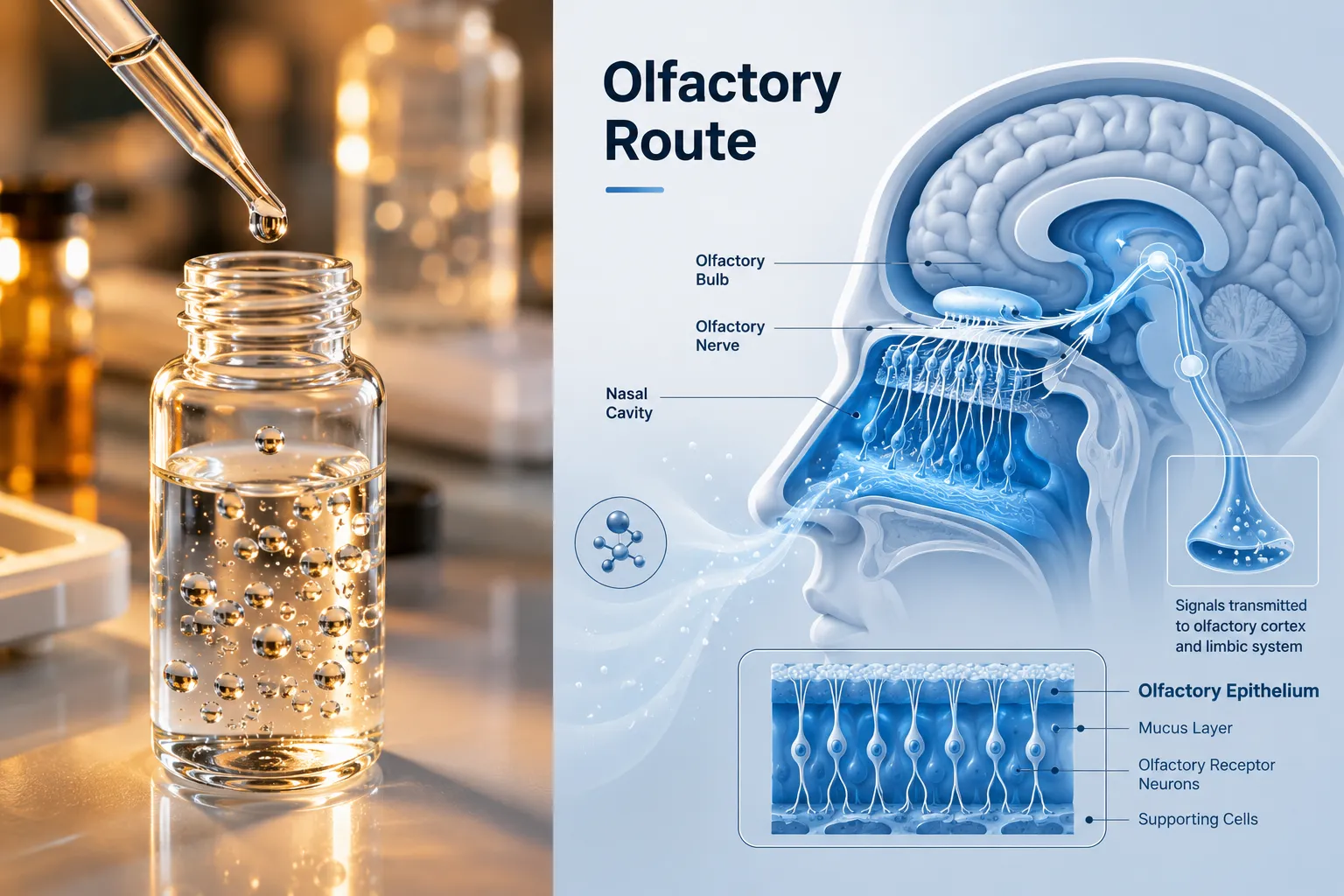
Nose-to-brain pathway diagram for neuroprotective peptides

Semax, an analog of the adrenocorticotropic hormone fragment ACTH(4-10), and Selank, derived from the immunomodulatory peptide tuftsin, share a structural feature that shapes every formulation decision: both are small heptapeptides that are rapidly degraded in the gastrointestinal tract and poorly transported across the blood-brain barrier when given systemically. Oral bioavailability is negligible. Injectable routes reach peripheral circulation but face the same CNS penetration problem.

Intranasal delivery solves this by exploiting two anatomical highways, the olfactory epithelium and the trigeminal nerve network. Peptide molecules deposited on nasal mucosa can travel along these neural channels directly into the CNS, bypassing first-pass hepatic metabolism and the tight junctions of the blood-brain barrier entirely.

"The nose is not merely a convenient route, for neuropeptides like Semax and Selank, it is the only route that reliably delivers therapeutic concentrations to brain tissue."

This biological reality explains why intranasal drops and sprays are the standard clinical format in Russia, where both compounds hold official registration, and why the entire trajectory of next-generation formulation work centers on optimizing nasal mucosal contact, retention time, and dose consistency.

For researchers sourcing these compounds, the Semax peptide tag page provides current product and purity information relevant to formulation planning.


Current Formulation Baselines: From Drops to Standardized Sprays

Comparison of intranasal Semax and Selank formulation types

Understanding next-generation strategies requires a clear picture of where formulations stand today. Registered clinical data provides the anchor points.

Selank is officially registered as a 0.15% intranasal solution (1.5 mg/mL). Clinical regimens for generalized anxiety disorder use approximately 2,700 µg per day over 14 days. This represents one of the most clearly defined neuropeptide nasal formulations in the literature.

Semax prescription nasal drops are available at two strengths:

Strength Concentration Typical Dosing
0.1% ~1 mg/mL 2-3 drops per nostril, 2-3x daily
1% ~10 mg/mL 2-3 drops per nostril, 2-3x daily

Practical dosing guidance from 2026 describes typical intranasal Selank regimens of approximately 300-600 µg per day and Semax regimens of 200-600 µg per day, administered in cycles, Selank over 10 to 14 days, Semax over 5 to 7 days with rest periods.

The fixed-ratio combination spray represents the most significant commercial formulation development of recent years. A standard 2026 SKU contains 20 mg total (10 mg Semax plus 10 mg Selank) reconstituted into 10 mL, yielding a 2 mg/mL solution. Each approximately 50 µL actuation delivers roughly 100 µg of each peptide, a pharmacotechnically defined unit dose that simple drop formats could not guarantee.

Researchers interested in sourcing standardized products can review where to buy Selank nasal spray for current supplier and quality information.


Next-Generation Formulation Strategies on the Horizon

Quality assurance steps in peptide intranasal product development

The intranasal delivery horizons for neuroprotective peptides: next-generation formulation strategies for Semax and Selank extend well beyond fixed-ratio sprays. Several technology directions are scientifically grounded, even if large Phase III trials have not yet validated them for these specific compounds.

Mucoadhesive and Sustained-Release Systems

Conventional aqueous solutions drain from the nasal cavity within minutes, limiting contact time with the olfactory epithelium. Mucoadhesive polymer matrices, using agents such as hydroxypropyl methylcellulose or carbomer, can extend residence time, potentially increasing CNS absorption efficiency. Sustained-release microsphere or gel formulations could flatten the peptide concentration curve, reducing peak-and-trough variation.

Buffered pH-Optimized Sprays

Nasal mucosa has a physiological pH range of approximately 5.5 to 6.5. Formulations buffered to match this range improve mucosal tolerability, reduce ciliotoxicity risk, and may enhance peptide stability during storage. This is an immediately practical refinement that requires no exotic excipients.

Nanoparticle Carrier Systems

Lipid nanoparticles, chitosan nanoparticles, and cyclodextrin complexes have been investigated for other intranasal peptides and offer theoretical advantages: protection from enzymatic degradation at the mucosal surface, improved transcellular transport, and controlled release. For Semax and Selank specifically, this remains a speculative but well-supported research direction.

Combination Neuropeptide Formulations

Multi-peptide blends already exist at the clinical and wellness center level. A Semax/Selank/DSIP combination delivered intranasally or subcutaneously, for example, is offered at specialized therapy centers targeting multi-symptom brain-focused protocols. This pattern suggests a future where formulation complexity increases to match personalized neurological goals.

For researchers exploring the broader peptide landscape alongside these neuroprotective compounds, resources on MOTS-C peptide and tesa peptide benefits offer useful comparative context.

The Purity Imperative

No delivery innovation matters without pharmaceutical-grade starting material. Current market leaders report Semax batches with approximately 99.4% purity validated across hundreds of lab tests. In 2026, the most tangible "next-generation" advance in many respects is rigorous batch analytics, HPLC validation, and supply-chain transparency rather than novel excipient chemistry. Researchers seeking verified sources may also benefit from reviewing wholesale peptides for sale options with documented purity standards.


What the Evidence Currently Supports

Human clinical data for intranasal Semax includes work in ischemic stroke rehabilitation, attention, and neuroimaging. Selank's clinical literature focuses primarily on anxiety spectrum disorders. At least one randomized fMRI study in 52 healthy adults has examined acute brain connectivity effects from intranasal administration.

Notably absent from current trial registries: large international Phase III studies testing advanced intranasal delivery technologies, nanoparticles, mucoadhesive gels, or novel actuators, specifically for these peptides. Most registered work remains regional and small-scale.

This evidence gap is important to acknowledge. The next-generation formulation strategies described above are scientifically rational and technically feasible, but they are not yet approved therapeutics backed by extensive human safety and efficacy data at scale.


Conclusion

The intranasal delivery horizons for neuroprotective peptides: next-generation formulation strategies for Semax and Selank sit at a productive intersection of established pharmacology and emerging delivery science. The olfactory and trigeminal pathways provide a validated route to the CNS. Registered formulations offer a proven dosing baseline. Fixed-ratio combination sprays have already advanced standardization meaningfully in 2026.

Actionable next steps for researchers and clinicians:

  • Prioritize sourcing peptides with documented purity above 99% and verifiable batch analytics before evaluating any formulation technology.
  • Consider fixed-ratio intranasal sprays with defined actuation volumes as the current gold standard for dose consistency.
  • Consult a peptides doctor near me to ensure intranasal protocols align with current clinical guidance.
  • Monitor emerging research on mucoadhesive and buffered formulations; these represent the most near-term, low-risk refinements to current spray products.
  • Treat nanoparticle and sustained-release Semax/Selank systems as a 3-to-5-year research horizon, not a current clinical option.

The nose remains the most practical gateway to neuroprotective peptide delivery, and the science of making that gateway more precise, more stable, and more bioavailable is advancing steadily.

https://www.puretestedpeptides.com/wp-content/uploads/2026/10/intranasal-delivery-horizons-for-neuroprotective-peptides-next-generation-formul.webp 1024 1536 https://www.puretestedpeptides.com/wp-content/uploads/2026/01/buy-peptides-online.jpg 2026-10-29 13:19:052026-10-29 13:19:05Intranasal Delivery Horizons for Neuroprotective Peptides: Next-Generation Formulation Strategies for Semax and Selank
Klow Peptide Nasal Spray: Formulation Science, Carrier Solvents, and Brain Delivery Considerations

Klow Peptide Nasal Spray: Formulation Science, Carrier Solvents, and Brain Delivery Considerations

July 31, 2026/0 Comments/in Uncategorized/by

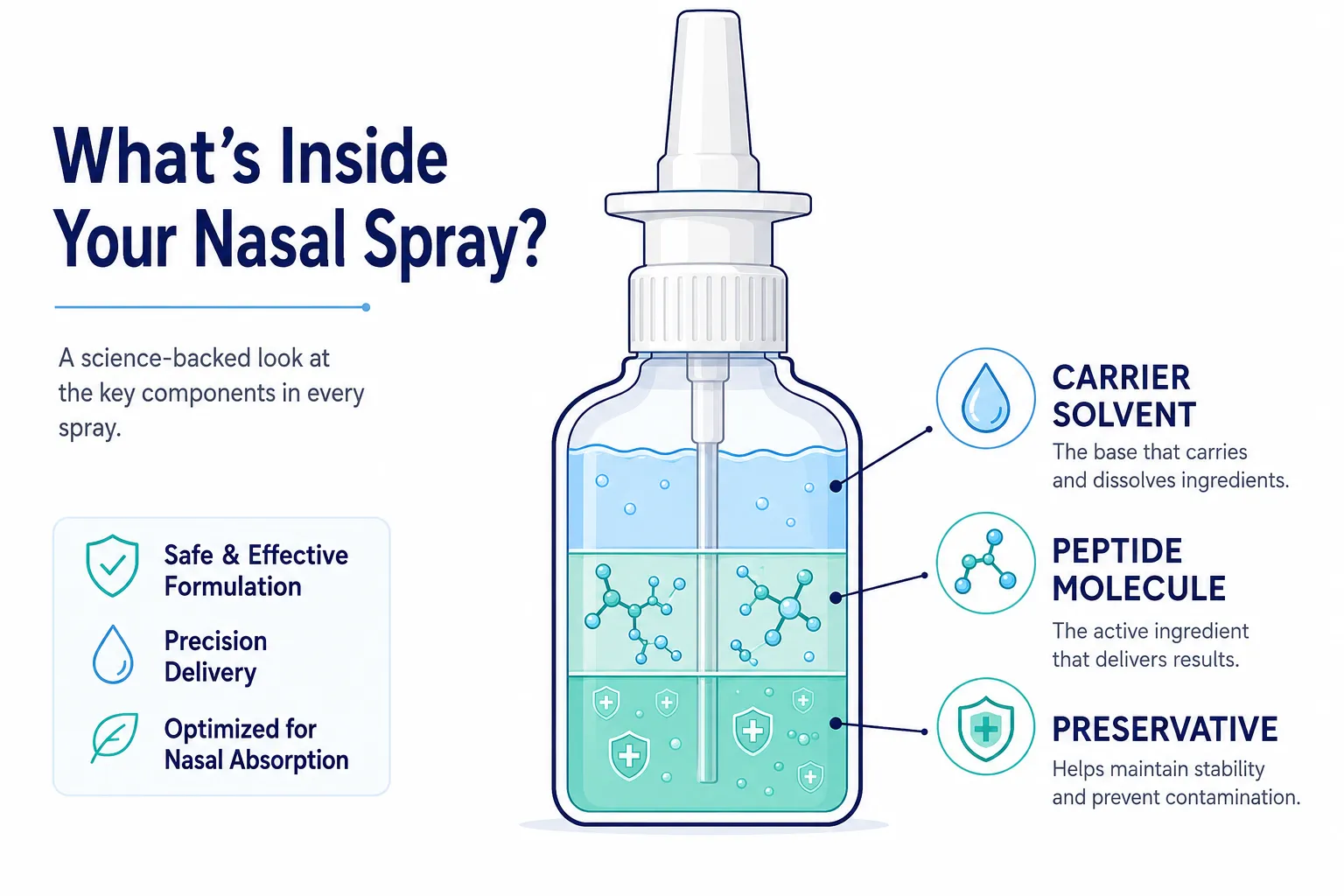
Klow Peptide Nasal Spray formulation science and brain delivery

Fewer than 1% of peptide molecules cross the blood-brain barrier through conventional systemic routes, a hard biological ceiling that has driven researchers toward intranasal delivery as a more direct path to the central nervous system. Klow Peptide Nasal Spray: Formulation Science, Carrier Solvents, and Brain Delivery Considerations sits at the intersection of this challenge, offering a structured framework for evaluating how peptide-based nasal sprays are designed, stabilized, and assessed for neurological research endpoints.

Key Takeaways

  • Intranasal delivery bypasses the blood-brain barrier by exploiting the olfactory and trigeminal nerve pathways.
  • Carrier solvent selection directly affects peptide stability, mucosal absorption, and research reproducibility.
  • pH, viscosity, and osmolarity are the three most critical formulation parameters for nasal peptide sprays.
  • Klow-type peptide blends require rigorous purity benchmarking before any cognitive endpoint research is conducted.
  • Researchers should verify third-party testing documentation before sourcing any intranasal peptide preparation.

The Science Behind Intranasal Peptide Delivery

The Science Behind Intranasal Peptide Delivery

The nasal cavity offers a uniquely privileged access point to the brain. The olfactory epithelium, located in the upper nasal vault, is separated from the olfactory bulb by only a thin cribriform plate. Peptides deposited in this region can travel along olfactory nerve axons and reach the brain within minutes, a route that entirely sidesteps hepatic first-pass metabolism and the blood-brain barrier.

Two primary pathways govern intranasal brain delivery:

Pathway Route Onset
Olfactory nerve Nasal epithelium to olfactory bulb 5-30 minutes
Trigeminal nerve Nasal mucosa to brainstem 15-60 minutes

For Klow Peptide Nasal Spray: Formulation Science, Carrier Solvents, and Brain Delivery Considerations to translate into meaningful research data, the spray must deposit particles in the 10-50 micron droplet size range. Droplets smaller than 10 microns risk pulmonary deposition, while those larger than 50 microns drain into the nasopharynx and are swallowed.

Key anatomical factors that influence absorption:

  • Nasal mucociliary clearance rate (approximately 5-6 mm/min in healthy tissue)
  • Epithelial tight junction permeability
  • Enzymatic degradation by nasal mucosal proteases
  • Blood flow in the submucosal vasculature

Researchers studying neuropeptides such as Selank, a compound with documented anxiolytic properties, have long recognized the nasal route as the preferred delivery method. For context on related peptide mechanisms, the Selank peptide research overview provides useful background on how small peptides interact with central nervous system targets.

Carrier Solvents and Formulation Parameters in Klow Peptide Nasal Spray

Carrier Solvents and Formulation Parameters in Klow Peptide Nasal Spray

The carrier solvent is not a passive vehicle. It determines how quickly a peptide dissolves, how stable it remains during storage, and how effectively it permeates the nasal mucosa. In the context of Klow Peptide Nasal Spray: Formulation Science, Carrier Solvents, and Brain Delivery Considerations, solvent selection is arguably the most consequential formulation decision a researcher will make.

Common Carrier Solvents Used in Nasal Peptide Sprays

Bacteriostatic water (0.9% benzyl alcohol): The most widely used reconstitution medium for research peptides. It provides adequate antimicrobial protection and is well-tolerated by nasal mucosa at low concentrations.

Phosphate-buffered saline (PBS): Maintains physiological osmolarity (300 mOsm/kg) and pH (7.4), reducing mucosal irritation. Preferred when peptide stability is sensitive to ionic strength.

Cyclodextrin solutions: Beta-cyclodextrins can encapsulate hydrophobic peptide segments, improving solubility and protecting against enzymatic degradation. Research on neuropeptide formulations increasingly favors hydroxypropyl-beta-cyclodextrin (HP-beta-CD) at 5-20% concentrations.

Chitosan-based vehicles: Chitosan is a mucoadhesive polymer that prolongs nasal residence time by binding to the mucosal surface. It transiently opens tight junctions, enhancing paracellular peptide transport.

Critical Formulation Parameters

Three parameters must be tightly controlled in any nasal peptide preparation:

  1. pH (target: 4.5-6.5), Nasal mucosa tolerates this range without ciliotoxicity. Values outside this window accelerate mucociliary clearance and reduce absorption.
  2. Osmolarity (target: 285-310 mOsm/kg), Hyperosmolar solutions cause mucosal dehydration; hypoosmolar solutions trigger fluid secretion, both reducing peptide contact time.
  3. Viscosity (target: 15-30 cP), Higher viscosity extends mucosal residence time but can clog spray actuators and produce inconsistent droplet size.

Peptide purity is equally non-negotiable. Formulation science cannot compensate for a low-grade starting material. Researchers evaluating intranasal peptide preparations should consult resources like Bachem reference standards and peptide benchmarking to understand how purity certificates and reference standards underpin reproducible results.

For those also exploring related peptide compounds with systemic delivery profiles, the BPC-157 and TB-500 combination research notes offer a comparative perspective on how different peptide classes behave under varied delivery conditions.

Evaluating Cognitive Endpoints in Klow-Based Nasal Spray Research

Evaluating Cognitive Endpoints in Klow-Based Nasal Spray Research

Cognitive endpoint research using intranasal peptide sprays requires a structured evaluation framework. The absence of standardized protocols is one of the most cited limitations in published neuropeptide literature. For Klow Peptide Nasal Spray: Formulation Science, Carrier Solvents, and Brain Delivery Considerations to yield interpretable data, researchers must define endpoints before the experiment begins.

Commonly Assessed Cognitive Endpoints

  • Spatial memory performance (Morris water maze, radial arm maze in preclinical models)
  • Anxiety-related behavior (elevated plus maze, open field test)
  • Neuroinflammatory markers (IL-6, TNF-alpha, BDNF levels in cerebrospinal fluid or brain tissue)
  • Synaptic plasticity indicators (LTP induction in hippocampal slice preparations)

"The reproducibility of intranasal peptide research depends as much on formulation consistency as it does on the peptide's intrinsic pharmacology."

Researchers should also account for inter-subject variability in nasal anatomy, mucociliary clearance rates, and baseline neuroinflammatory status. These variables can produce wide confidence intervals if sample sizes are not adequately powered.

For related peptide compounds with overlapping research applications, the Selank and Semax research comparison provides context on how structurally similar neuropeptides are benchmarked against each other in cognitive models. Similarly, those working with mitochondrial-targeted peptides may find the SS-31 mitochondrial dynamics research relevant, given the emerging evidence linking mitochondrial function to neuronal health.

When sourcing peptides for intranasal research, lab-tested peptide quality standards provide a baseline checklist for evaluating supplier documentation, including HPLC purity data, mass spectrometry confirmation, and endotoxin testing results.

For broader sourcing context, the quality peptides sourcing guide outlines what researchers should expect from a compliant supplier in 2026.

Conclusion

Intranasal peptide delivery represents one of the most promising frontiers in neurological research, and the formulation decisions surrounding Klow-type nasal sprays are far from trivial. Carrier solvent selection, pH buffering, osmolarity control, and droplet size engineering each play a direct role in whether a peptide reaches its intended CNS target or is cleared before it can act.

Actionable next steps for researchers:

  • Confirm peptide purity with HPLC and mass spectrometry data before formulating any nasal preparation.
  • Select carrier solvents based on the target peptide's hydrophobicity, stability profile, and mucosal tolerance data.
  • Define cognitive endpoints and statistical power requirements before initiating any in vivo nasal delivery study.
  • Document all formulation variables, pH, osmolarity, viscosity, droplet size, to ensure experimental reproducibility.
  • Source only from suppliers who provide third-party testing documentation and reference standard comparisons.

Rigorous formulation science is not a bureaucratic hurdle, it is the foundation on which credible cognitive endpoint research is built.

https://www.puretestedpeptides.com/wp-content/uploads/2026/07/klow-peptide-nasal-spray-formulation-science-carrier-solvents-and-brain-delivery.webp 1024 1536 https://www.puretestedpeptides.com/wp-content/uploads/2026/01/buy-peptides-online.jpg 2026-07-31 13:04:152026-07-31 13:04:15Klow Peptide Nasal Spray: Formulation Science, Carrier Solvents, and Brain Delivery Considerations

Tag Archive for: blood-brain barrier bypass

Semax Nasal Spray for Research: Mechanism, Delivery Route, and Neurocognitive Study Design

June 24, 2026/0 Comments/by Pure Tested

Cover Image

Fewer than 1% of peptide compounds ever reach the brain intact when administered systemically — a pharmacokinetic reality that makes intranasal delivery not just convenient, but scientifically decisive. For researchers studying Semax nasal spray for research: mechanism, delivery route, and neurocognitive study design, this single fact reshapes every experimental decision, from formulation choice to outcome measurement.

Key Takeaways

  • Semax is a synthetic heptapeptide derived from ACTH 4-7, with documented activity on BDNF expression and dopaminergic pathways.
  • Intranasal delivery bypasses the blood-brain barrier via the olfactory and trigeminal nerve routes, improving CNS bioavailability.
  • Proper study design requires validated cognitive endpoints, controlled dosing intervals, and verified peptide purity.
  • Semax research intersects with broader neuropeptide and neuroendocrine biology, including pathways explored in neuroendocrine and innate immunity research.
  • Peptide integrity at the point of administration is non-negotiable; researchers should consult quality testing protocols before sourcing.

Semax nasal spray peptide mechanism brain delivery diagram

Mechanism of Action: What Semax Does in the Brain

Semax (Met-Glu-His-Phe-Pro-Gly-Pro) is a synthetic analog of the adrenocorticotropic hormone fragment ACTH 4-7. Unlike the parent hormone, Semax carries no adrenal activity. Instead, its biological interest lies in the central nervous system.

Primary mechanisms under investigation include:

Mechanism Target System Research Significance
BDNF upregulation Hippocampus, prefrontal cortex Memory consolidation, neuroplasticity
Dopaminergic modulation Mesolimbic pathway Attention, motivation circuits
Serotonin system interaction Raphe nuclei Mood-adjacent cognitive function
Neuroprotective signaling Oxidative stress pathways Ischemia and stress models

BDNF (brain-derived neurotrophic factor) elevation is the most replicated finding in preclinical Semax literature. Elevated BDNF supports synaptic density and long-term potentiation — processes central to learning and memory paradigms used in neurocognitive research.

Researchers studying neuropeptide biology alongside Semax may find parallel interest in Pinealon neuroprotection research, which examines a related class of short peptides with CNS-targeted action.


Laboratory researcher preparing Semax nasal spray formulation

Intranasal Delivery Route: Why It Changes the Research Equation

The intranasal route is not simply an alternative to injection — it is a fundamentally different pharmacological pathway. When a peptide is administered intranasally, two anatomical corridors matter most:

  1. Olfactory pathway — Peptides contact the olfactory epithelium, cross the cribriform plate, and access the olfactory bulb directly. This bypasses the blood-brain barrier almost entirely.
  2. Trigeminal pathway — A secondary route along trigeminal nerve branches that terminates in the brainstem and cerebellum.

"The olfactory epithelium is, in effect, an open window between the external environment and the central nervous system."

For Semax specifically, this matters because the peptide has a short plasma half-life. Systemic injection exposes Semax to rapid enzymatic degradation before meaningful CNS concentrations are achieved. Intranasal delivery sidesteps this degradation window.

Key formulation variables researchers must control:

  • pH of the solution (optimal range: 4.5–6.5 for mucosal stability)
  • Volume per actuation (typically 100 mcL per nostril in preclinical protocols)
  • Preservative selection (benzalkonium chloride at low concentrations is common but must be documented)
  • Peptide concentration verified by third-party certificate of analysis

Researchers sourcing peptides for intranasal protocols should review certificate of analysis documentation to confirm purity, sterility, and absence of endotoxins before any study begins.


Neurocognitive study design flowchart with brain imaging data

Neurocognitive Study Design: Building a Rigorous Semax Protocol

Designing a valid neurocognitive study around Semax nasal spray for research requires decisions at three levels: subject selection, outcome measurement, and statistical architecture.

Subject and Model Selection

Rodent models (Wistar rats, C57BL/6 mice) dominate the preclinical Semax literature. Ischemia models, chronic stress paradigms, and aging models have all been used. Researchers should pre-register the model rationale and define inclusion/exclusion criteria before dosing begins.

Validated Cognitive Endpoints

Cognitive outcomes must be operationalized. Common instruments include:

  • Morris Water Maze — spatial learning and memory
  • Novel Object Recognition — episodic-like memory
  • Radial Arm Maze — working memory
  • Open Field Test — anxiety-adjacent locomotor behavior (confound control)

Pairing behavioral endpoints with biomarker assays (BDNF ELISA, c-Fos immunohistochemistry) strengthens mechanistic claims.

Dosing and Timeline Considerations

Most published Semax protocols use doses of 25–200 mcg/kg administered once or twice daily. Duration ranges from acute single-dose studies to 28-day chronic exposure designs. Washout periods must be defined when crossover designs are used.

Researchers exploring broader peptide-based cognitive and longevity models may find value in reviewing longevity peptide research frameworks for complementary study design approaches.

For those integrating Semax into multi-peptide panels, understanding how other neuropeptides interact with recovery and tissue biology is essential — the recovery and tissue biology overview provides a useful reference framework.


Conclusion

Semax nasal spray for research — encompassing mechanism, delivery route, and neurocognitive study design — represents one of the more methodologically demanding areas of neuropeptide science. The intranasal route is not a shortcut; it is a precision tool that demands equally precise formulation, sourcing, and study architecture.

Actionable next steps for researchers in 2026:

  1. Confirm peptide purity via independent certificate of analysis before any protocol begins.
  2. Pre-register cognitive endpoints and statistical analysis plans to reduce outcome-reporting bias.
  3. Control for delivery volume, pH, and mucosal contact time as primary formulation variables.
  4. Pair behavioral outcomes with molecular biomarkers to build mechanistic claims.
  5. Review adjacent neuropeptide literature — including Humanin cellular protection research — to contextualize Semax findings within the broader neuroprotective peptide landscape.

Rigorous design is what separates publishable data from noise. In Semax research, that rigor begins at the nasal tip.


References

  • Dolotov, O. V., et al. (2006). Semax, an analog of ACTH(4-7), regulates BDNF and trkB expression in the rat hippocampus. Journal of Neurochemistry, 97(S1), 82–86.
  • Mironova, V. I., et al. (2007). Effects of Semax on the expression of neurotrophins and their receptors in the rat brain during learning. Ross Fiziol Zh Im I M Sechenova, 93(7), 768–775.
  • Illum, L. (2000). Transport of drugs from the nasal cavity to the central nervous system. European Journal of Pharmaceutical Sciences, 11(1), 1–18.
  • Kozlovskaya, M. M., et al. (2003). Semax and its influence on the brain dopaminergic system. Eksperimental'naia i Klinicheskaia Farmakologiia, 66(5), 9–12.
https://www.puretestedpeptides.com/wp-content/uploads/2026/01/buy-peptides-online.jpg 0 0 Pure Tested https://www.puretestedpeptides.com/wp-content/uploads/2026/01/buy-peptides-online.jpg Pure Tested2026-06-24 13:20:102026-07-20 15:02:19Semax Nasal Spray for Research: Mechanism, Delivery Route, and Neurocognitive Study Design
×

Helpful Links

  • My account
  • Cart
  • Checkout
  • Refund and Returns Policy
  • Privacy Policy
  • SMS Privacy Policy
  • Login
  • My Account
  • Logout

USA Made Lab Tested Peptides

All products are sold for research, laboratory, or analytical purposes only, and are not for human consumption


Pure Tested Peptides is a chemical supplier. Pure Tested Peptides is not a compounding / chemical compounding facility as defined under 503A of the Federal Food, Drug, and Cosmetic act. Pure Tested Peptides is not an outsourcing facility as defined under 503B of the Federal Food, Drug, and Cosmetic act.

The statements made within this website have not been evaluated by the US Food and Drug Administration. The products we offer are not intended to diagnose, treat, cure or prevent any disease.

Human/Animal Consumption Prohibited. Laboratory/In-Vitro Experimental Use Only

Scroll to top Scroll to top Scroll to top