Call or Text 727-513-9780
  • Shopping Cart Shopping Cart
    0Shopping Cart
Pure Tested Peptides | America's most trusted Peptides for sale online
  • Peptides for sale
    • Oral Peptides for sale
      • Peptide Capsules for sale
      • BPC 157 Capsules 1000mcg
      • SLU-PP-332 Capsules | 1000 mcg
      • 5-Amino-1MQ 50mg Capsules
      • Tesofensine 500mcg
    • All Peptides for sale
    • Peptide Sprays
      • BPC 157 Nasal Spray Kit
      • BPC-157 TB500 Nasal Spray Kit
      • Semax Nasal Spray 10mg
      • Selank – Nasal Spray Kit – 10mg
      • Epithalon 50MG Nasal Spray Kit
      • Ipamorelin 10mg Nasal Spray
      • Klow Nasal Spray (BPC-157 + TB-500 + GHK-Cu + KPV) | 80mg
      • Hulk Nasal Spray Tesa / Ipa Blend 6/3 MG
      • Klow Nasal Spray
      • NAD + 500 mg Nasal Spray
      • PT-141 Nasal Spray Kit
    • GHRH Peptides
      • Ipa Peptides
      • CJC-1295 Peptides
        • CJC-1295 with DAC 5 mg
        • CJC-1295 without DAC 5 mg
        • CJC-1295 Ipa 10mg
      • Tesa Peptides
        • Tesa Peptide
        • Tesa 20 mg
    • GHK-Cu Peptides
      • All GHK-Cu Peptides
      • GHK-Cu 100mg
      • KLOW Peptide Blend – Buy KLOW blend online
    • BPC Peptides
      • All BPC Peptides
      • BPC-157
      • BPC-157 TB-500
      • BPC 157 capsules 1000mcg
    • SLU-PP-332 Peptides
      • All SLU-PP-332 Peptides
      • SLU-PP-332 5mg
    • GLP3 Peptides
      • GLP3-R
      • GLP3-R CAG 10mg
      • GLP3-R 20mg
    • PT-141 Peptides
      • PT-141 Peptides for sale
      • PT-141 10mg
      • PT-141 Nasal Spray
    • CAG Peptides
      • Lipo-C Peptide Blend
      • CAG 5mg
      • CAG 10mg
    • MOTS-C Peptides
      • MOTS-C Peptides for sale
      • MOTS-c peptide
      • MOTS-c 10mg *6 pack*
    • 5 Amino 1MQ Peptides
      • 5 Amino 1MQ Peptides for sale
      • 5-Amino-1MQ 50mg Capsules
      • 5-Amino-1MQ 5mg
    • Epithalon Peptides
      • Epithalon Peptides for sale
      • Epithalon 10mg
      • Epithalon 50mg
  • Shop
    • GLPs
      • 5-Amino-1MQ 50mg Capsules
      • 5-Amino-1MQ 5mg
      • GLP3-Reta
      • L-Carnitine 500mg/ml
      • Tesofensine 500mcg
      • SLU-PP-332 5mg
      • MOTS-c 10mg *6 pack*
    • Epithalon & BPC Peptides
      • Epithalon 10mg
      • Epithalon 50mg
      • BPC-157
      • BPC 157 capsules 1000mcg
      • BPC-157 TB-500
      • BPC-157 TB500 Nasal Spray Kit
      • BPC 157 Nasal Spray Kit
    • BPC TB-500 & NAD+ Peptides
      • NAD+ 500 mg
      • KLOW Peptide Blend – Buy KLOW blend online
      • GLOW Peptide Blend
      • TB 500 5mg
      • BPC 157 capsules 1000mcg – Supplement
      • BPC 157 Nasal Spray Kit
      • BPC-157
      • BPC-157 TB500 Nasal Spray Kit
      • BPC-157 TB-500
      • BPC 157 capsules 1000mcg
    • LL-37 Peptide
      • LL-37 10 mg
    • MOTS-C & Selank
      • MOTS-c peptide
      • Selank 10mg
    • GHK Peptides
      • GHK-Cu 100mg
      • GLOW Peptide Blend
      • KLOW Peptide Blend – Buy KLOW blend online
  • COAs
  • Wholesale
    • Wholesale Peptides for sale
  • PTP FAQ
  • Affiliates
    • Affiliate Program
    • Affiliate Signup
  • Contact
    • Contact Customer Service
    • Text Customer Support
  • About US
  • Shop all peptides
  • Login / Register Login / Register Page Link Login / Register Page Link
  • Click to open the search input field Click to open the search input field Search
  • Menu Menu

Tag Archive for: bpc-157 research

The Peptide Craze: What Human Evidence Exists for Research-Only Peptides and Why That Matters for Search Intent

The Peptide Craze: What Human Evidence Exists for Research-Only Peptides and Why That Matters for Search Intent

June 18, 2026/0 Comments/in Uncategorized/by

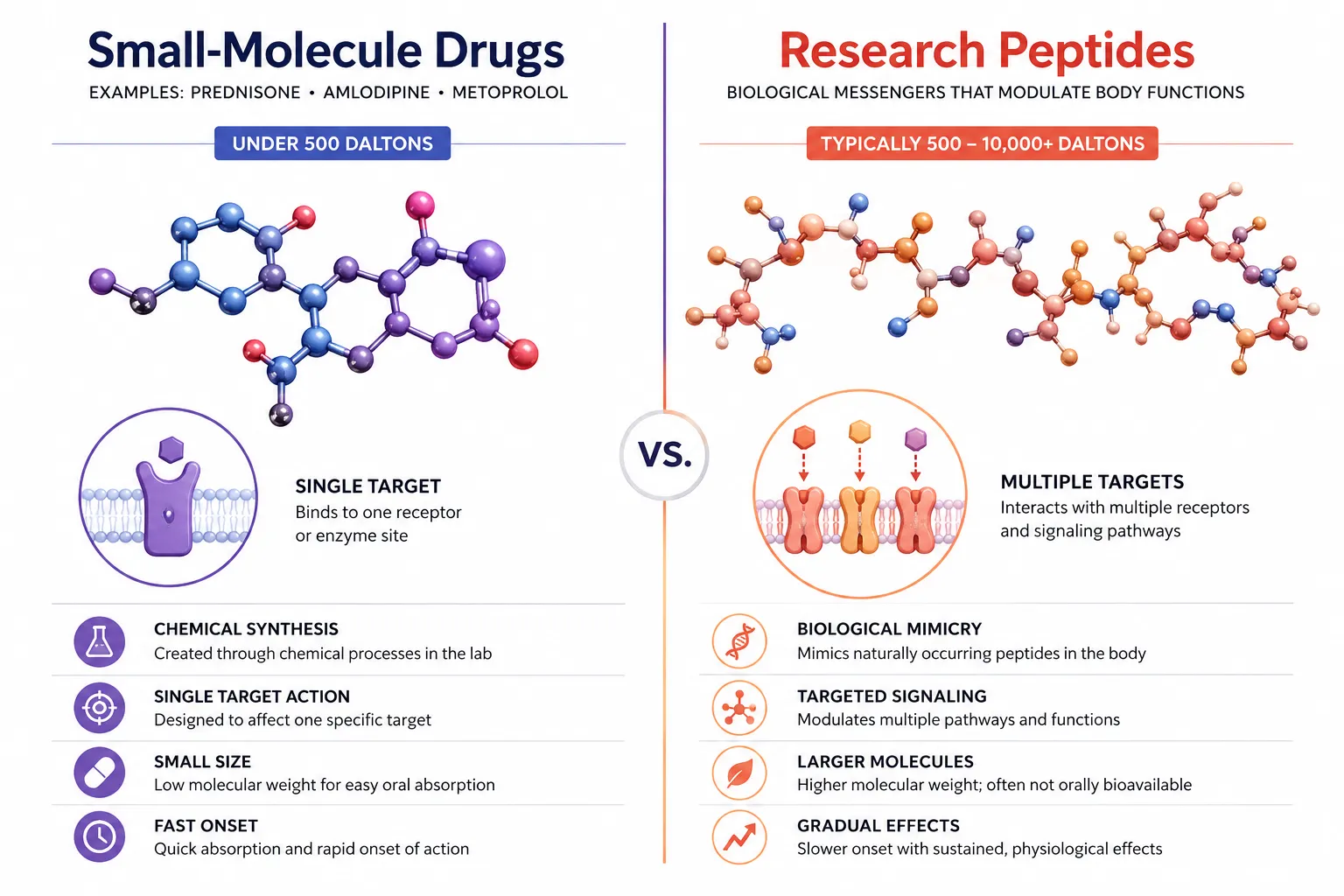
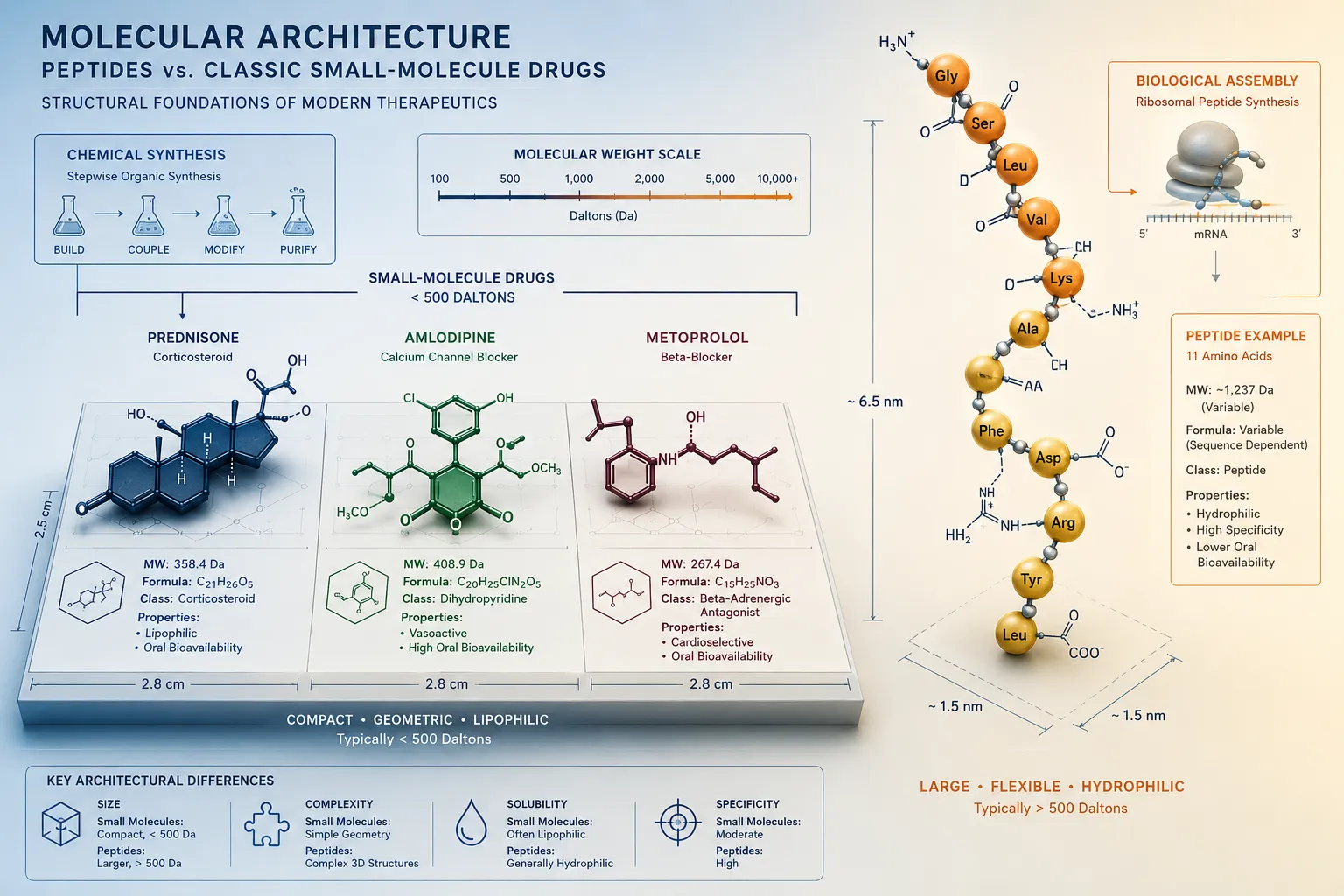
Only about 60 peptide drugs hold full FDA approval — yet thousands of peptide compounds are actively discussed, searched, and sourced online every day in 2026. That gap between approved science and widespread curiosity is exactly what makes understanding The Peptide Craze: What Human Evidence Exists for Research-Only Peptides and Why That Matters for Search Intent so important for researchers, clinicians, and content professionals alike.

The enthusiasm is real. So is the confusion. Separating mechanism-level biology from actual human clinical data is the credibility challenge at the center of this conversation.
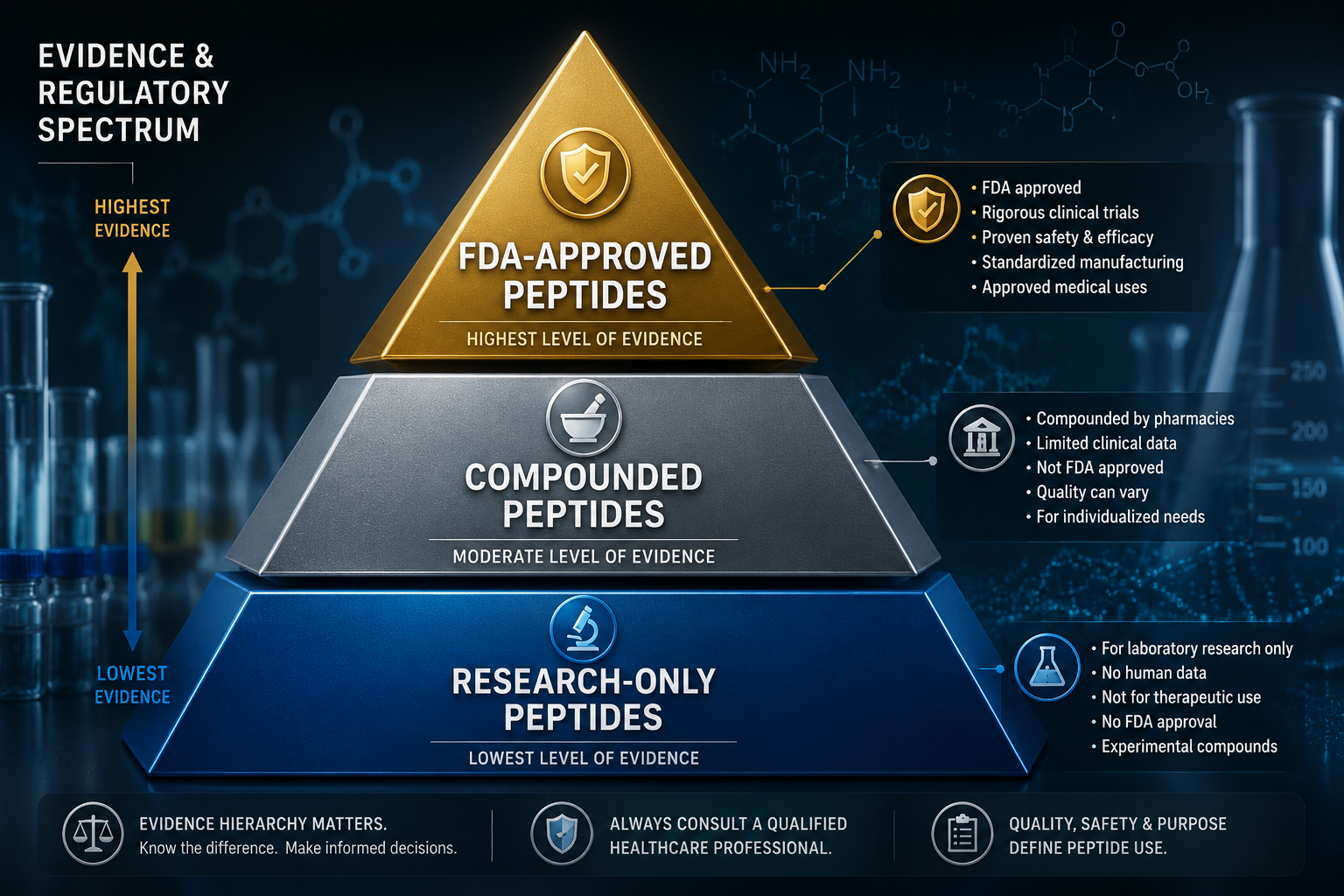
Detailed () editorial illustration showing a tiered pyramid diagram comparing three evidence levels: 'FDA-Approved Peptides'

Key Takeaways

  • Fewer than 60 peptides have full FDA approval; most discussed compounds exist in a regulatory gray area
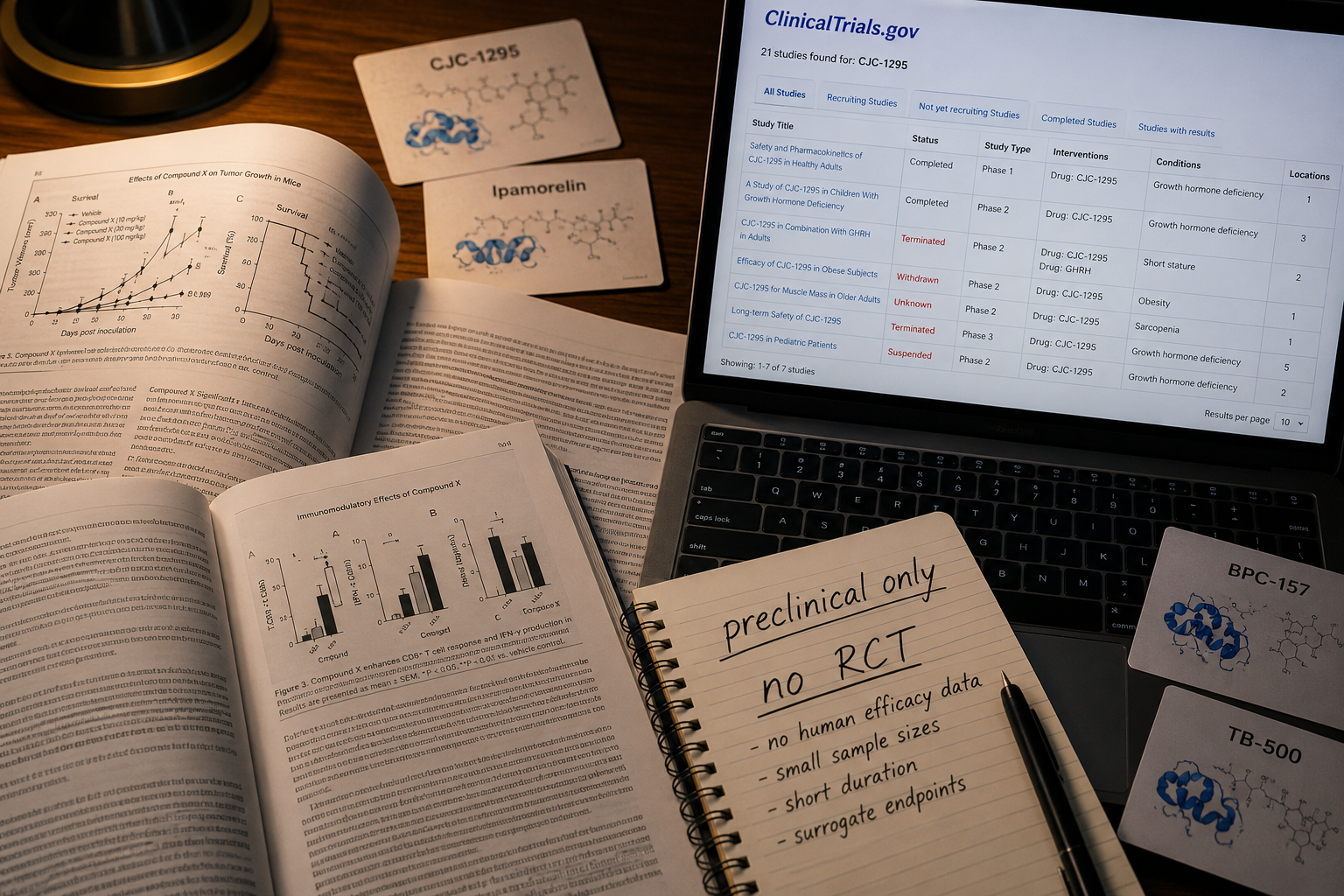
  • Human clinical evidence for research-only peptides is sparse — most data comes from animal or in vitro studies
  • Some peptides, like tesa and bremelanotide, have crossed the threshold into approved or compounded status
  • In April 2026, the FDA reclassified 12 peptides, including CJC-1295 and ipamorelin, back to legal compounding status
  • Search intent around peptides ranges from educational curiosity to purchase-ready queries — content must match both accurately

The Regulatory Spectrum: From Approved to Research-Only

Not all peptides occupy the same legal or scientific ground. Understanding the spectrum is essential before evaluating any evidence claim.

Three broad categories exist:

Category Examples Human Evidence Level
FDA-Approved Semaglutide, Tirzepatide, Tesamorelin Extensive RCT data
Compounded (503A/503B) CJC-1295, Ipamorelin, BPC-157 Limited to moderate
Research-Only GHK-Cu, many novel peptides Preclinical only

Semaglutide (Ozempic, Wegovy) and tirzepatide (Mounjaro, Zepbound) represent the gold standard — multi-phase clinical trials, thousands of human participants, and confirmed safety profiles. Tesamorelin, sold as Egrifta for HIV-associated lipodystrophy, also carries full approval. Bremelanotide (PT-141/Vyleesi) received approval for hypoactive sexual desire disorder.

In April 2026, the FDA reclassified 12 peptides — including CJC-1295, ipamorelin, selank, semax, and epithalon — from Category 2 (banned from compounding) back to Category 1, making them legally compoundable with a valid prescription through licensed 503A and 503B pharmacies. This was a significant regulatory shift that directly affects sourcing and search behavior.

Research-only peptides like GHK-Cu topical compounds and LL-37 sit at the far end of the spectrum. Their mechanisms are well-described in cell and animal models, but controlled human trials remain scarce.


What Human Evidence Actually Exists for Research-Only Peptides

This is the core of The Peptide Craze: What Human Evidence Exists for Research-Only Peptides and Why That Matters for Search Intent — and the answer requires honesty.

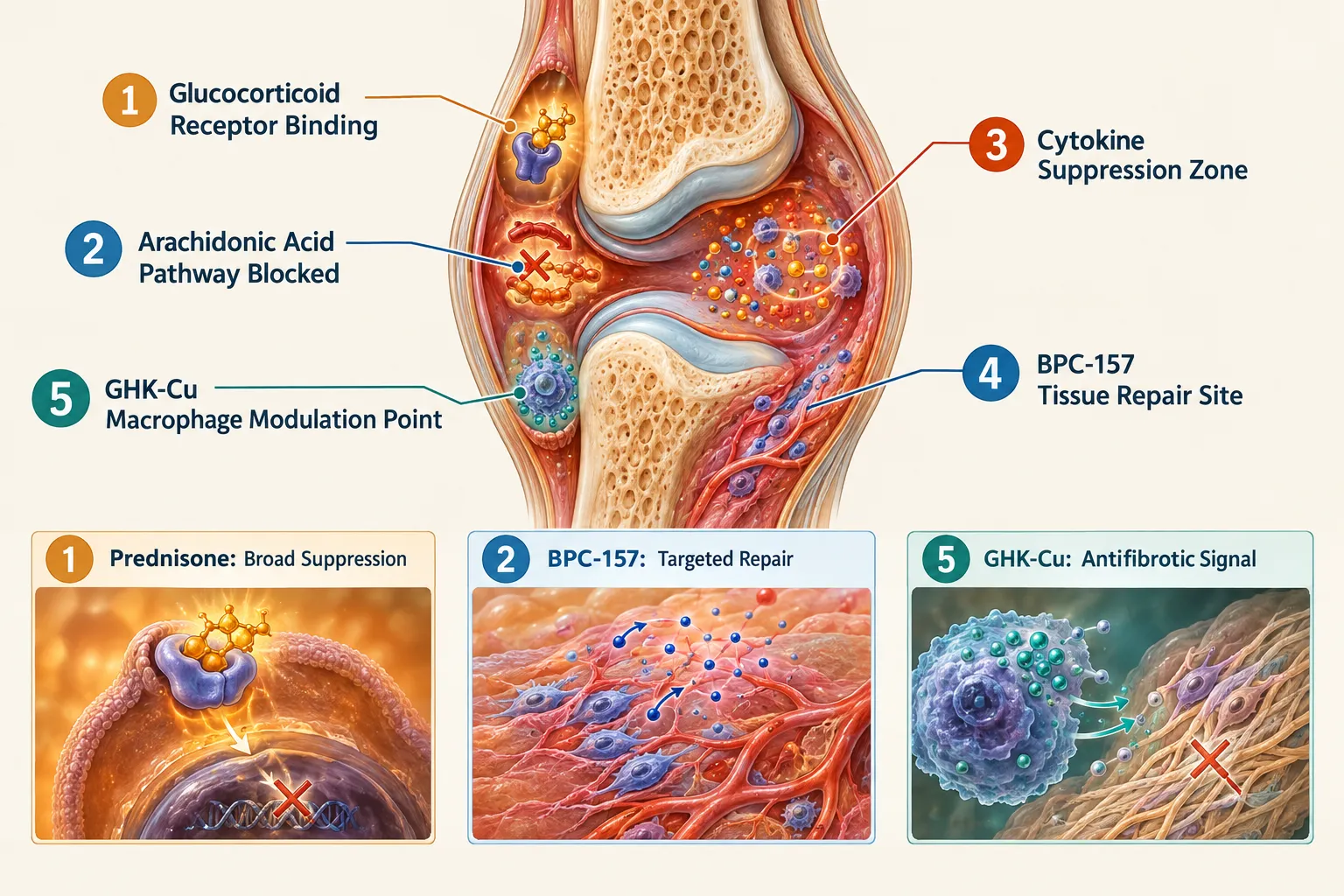
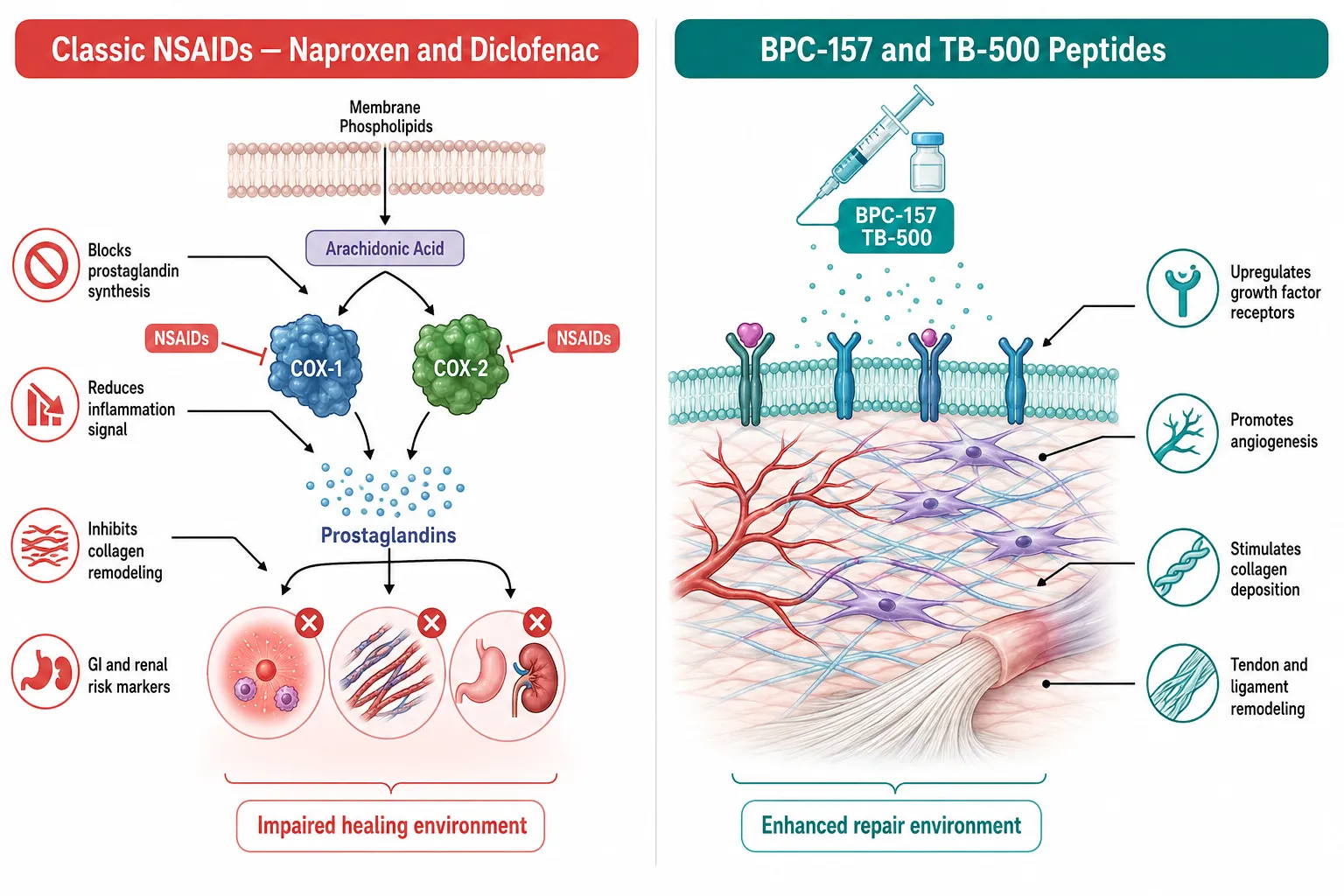
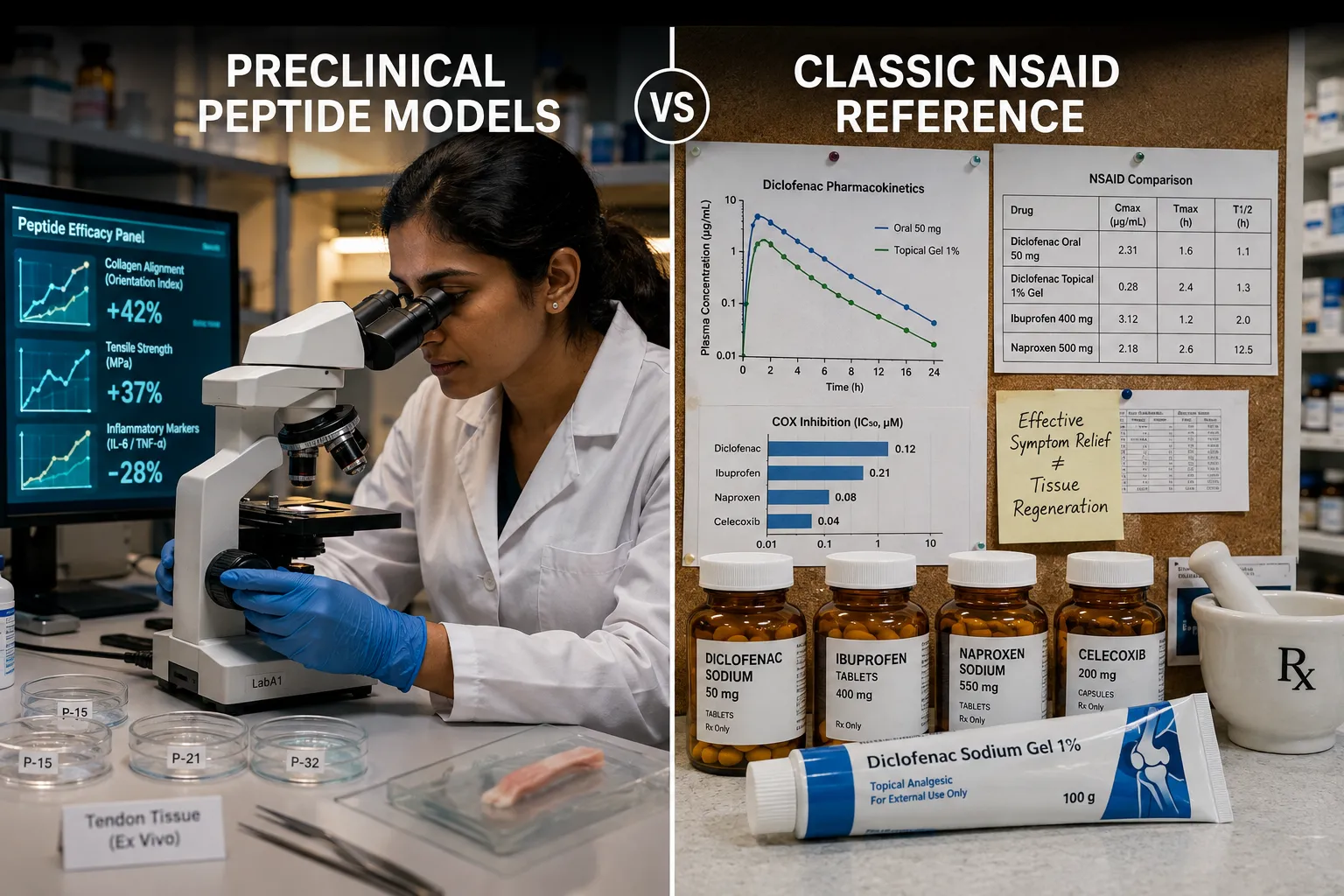
BPC-157 has generated significant preclinical excitement. Animal models show tissue repair signals, gut protection, and tendon healing activity. Human trials, however, are nearly absent from the peer-reviewed literature. The compound remains classified as a research chemical, and the FDA has issued warnings against products sold without prescription oversight.

GHK-Cu shows compelling in vitro data on collagen synthesis and wound healing. Human skin studies exist but are limited in scale and rigor. The mechanism is biologically plausible; the clinical confirmation is incomplete.

MOTS-c, a mitochondrial-derived peptide, has attracted longevity researchers. Preclinical data on metabolic flexibility and mitochondrial dynamics is promising. Human pharmacokinetic studies are early-stage.

SS-31 (Elamipretide) targets mitochondrial membrane integrity. Some early human trials in heart failure populations have been conducted, making it one of the more advanced research-only peptides in terms of human data.

"Preclinical signals are hypothesis generators, not clinical conclusions. The distance between a rat model and a human outcome is often larger than the peptide community acknowledges."

NAD+ and related energetics compounds follow a similar pattern — strong mechanistic rationale, growing but still limited human trial data.

What Human Evidence Actually Exists for Research-Only Peptides

The honest summary: most research-only peptides have strong preclinical signals, plausible mechanisms, and thin human evidence. That is not a dismissal — it is a calibration.


Why Search Intent Makes This Distinction Critical

The Peptide Craze: What Human Evidence Exists for Research-Only Peptides and Why That Matters for Search Intent is not just a scientific question — it is a content strategy question.

Search queries around peptides fall into distinct intent categories:

  • Informational: "How does ipamorelin work?" or "What is MOTS-c?"
  • Navigational: "Where to buy tesa" or "pure tested peptides catalog"
  • Transactional: "Buy BPC-157 research peptide"
  • Investigational: "Is there human evidence for GHK-Cu?"

Each intent requires a different content response. Informational queries demand accurate mechanism explanations. Investigational queries — the fastest-growing segment in 2026 — demand honest evidence grading. Conflating preclinical animal data with human clinical outcomes in content written for investigational searchers destroys credibility and risks regulatory scrutiny.

For GLP-1 peptide research themes and newer compounds like retatrutide, the human evidence base is actively expanding — making real-time accuracy even more important.

Content that clearly labels evidence tiers — approved, compounded, preclinical — serves both the reader and search algorithms that increasingly reward expertise, authoritativeness, and trustworthiness (E-E-A-T).

Why Search Intent Makes This Distinction Critical

Researchers exploring ipamorelin mechanisms or tesa body composition data deserve content that distinguishes what is known in humans from what is extrapolated from animal models.


Conclusion

The peptide craze is not going away — and neither is the demand for accurate, evidence-graded information about it. The actionable path forward is straightforward:

  • Grade every claim by evidence tier: FDA-approved, compounded, or preclinical research
  • Match content to search intent — investigational queries require honest evidence summaries, not marketing language
  • Monitor regulatory changes — the April 2026 FDA reclassification shows the landscape shifts quickly
  • Prioritize sourcing transparency by reviewing quality testing protocols before engaging with any research compound

The researchers and content creators who build authority in this space will be those who resist overstating the evidence — and who help their audience understand exactly where on the spectrum each peptide sits.

https://www.puretestedpeptides.com/wp-content/uploads/2026/06/The-Peptide-Craze-What-Human-Evidence-Exists-for-Research-Only-Peptides-and-Why-That-Matters-for-Search-Intent.png 1024 1536 https://www.puretestedpeptides.com/wp-content/uploads/2026/01/buy-peptides-online.jpg 2026-06-18 13:04:242026-06-18 13:04:24The Peptide Craze: What Human Evidence Exists for Research-Only Peptides and Why That Matters for Search Intent
BPC-157 and TB-500 Research Models: When Combination Stacks Make Sense and When They Do Not

BPC-157 and TB-500 Research Models: When Combination Stacks Make Sense and When They Do Not

June 7, 2026/0 Comments/in Uncategorized/by

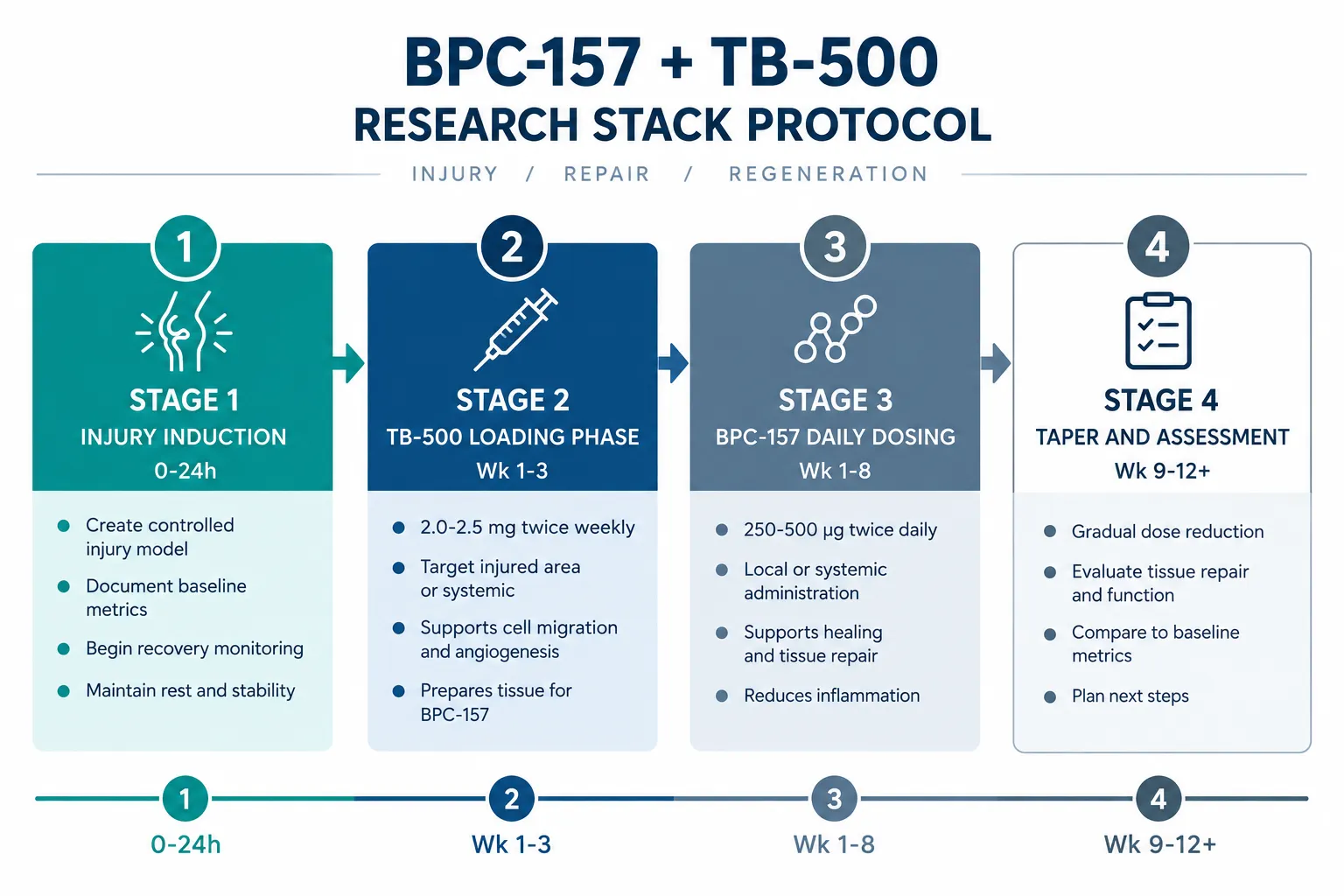
No published peer-reviewed study has ever tested BPC-157 and TB-500 together in any model — cell, animal, or human. That single fact should anchor every conversation about the so-called "Wolverine Stack." Yet researchers and procurement teams continue to evaluate this combination, often relying on mechanism-based reasoning rather than outcomes data. Understanding BPC-157 and TB-500 research models: when combination stacks make sense and when they do not requires separating what the preclinical literature actually shows from what is still untested extrapolation.

Key Takeaways

  • No controlled study has examined BPC-157 and TB-500 co-administration in any experimental model as of 2026.
  • Both peptides share overlapping repair pathways, which creates a plausible rationale but also a significant confounding risk in study design.
  • BPC-157 human data consists of only three small pilot studies; TB-500 has no FDA-approved indication and no controlled human trials.
  • Combination stacks may make sense when pathways are genuinely complementary and non-redundant; they rarely make sense when baseline single-agent data are still missing.
  • Rigorous study design — including single-agent controls — is essential before any combination result can be meaningfully interpreted.

What the Individual Preclinical Evidence Actually Shows

BPC-157

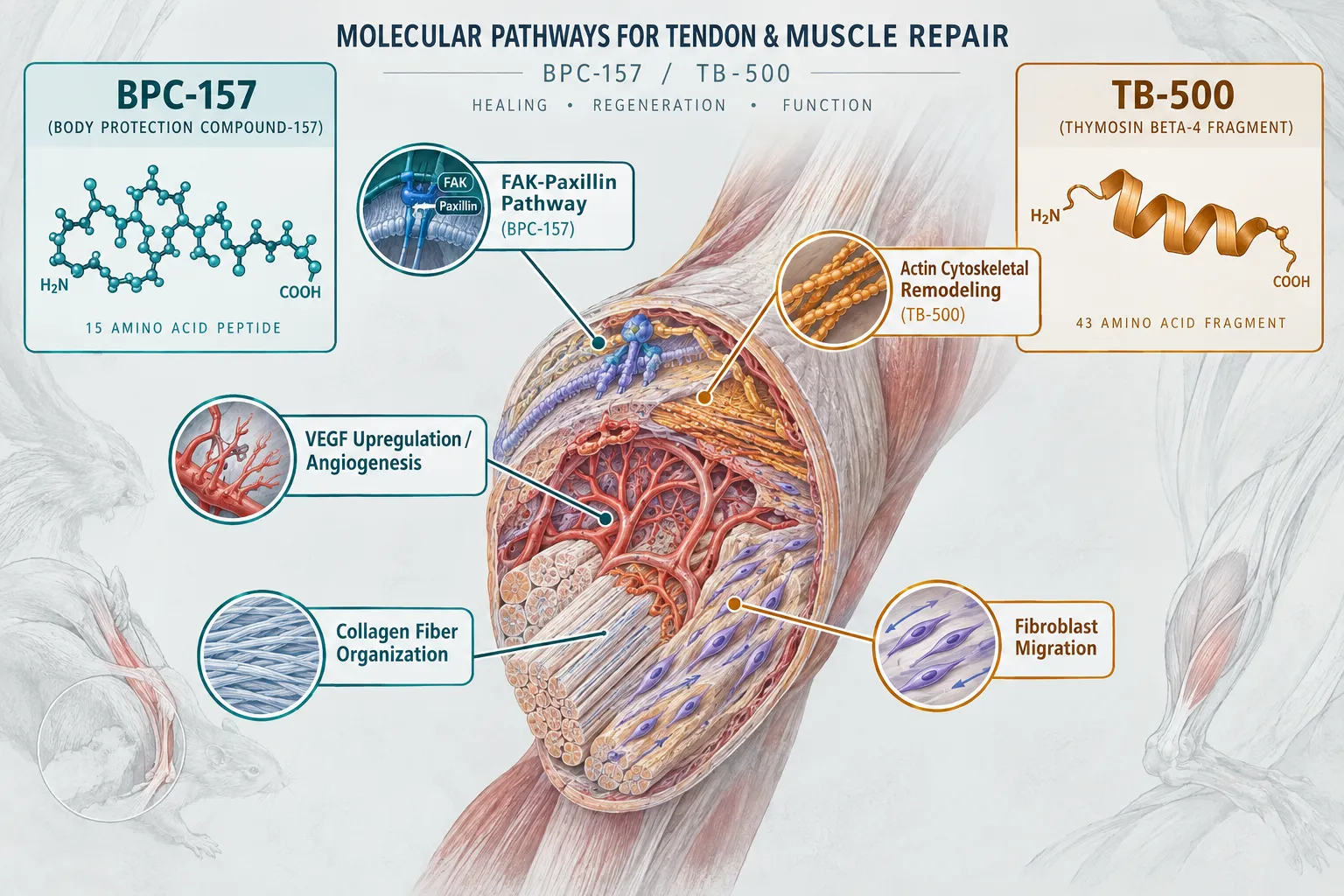
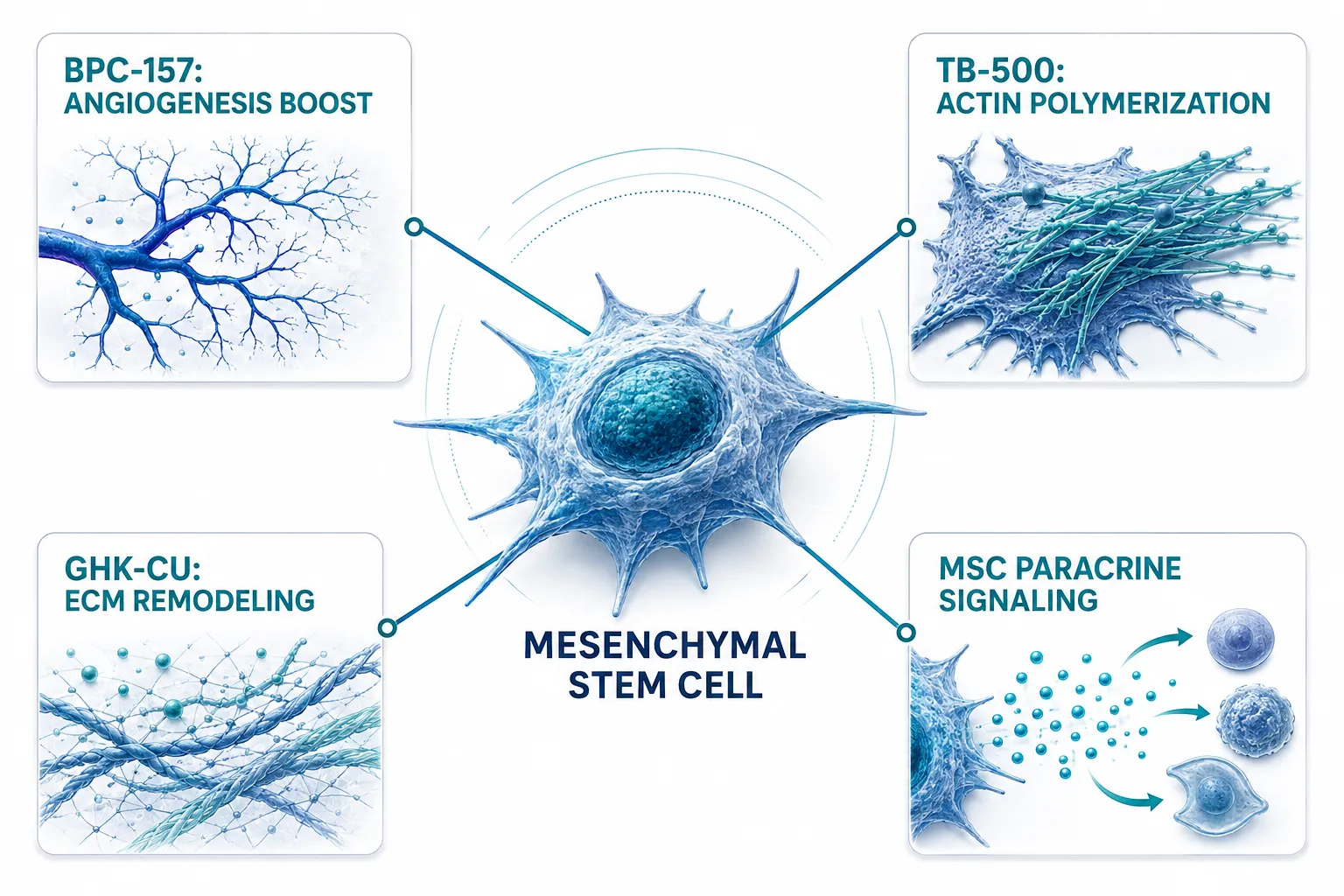
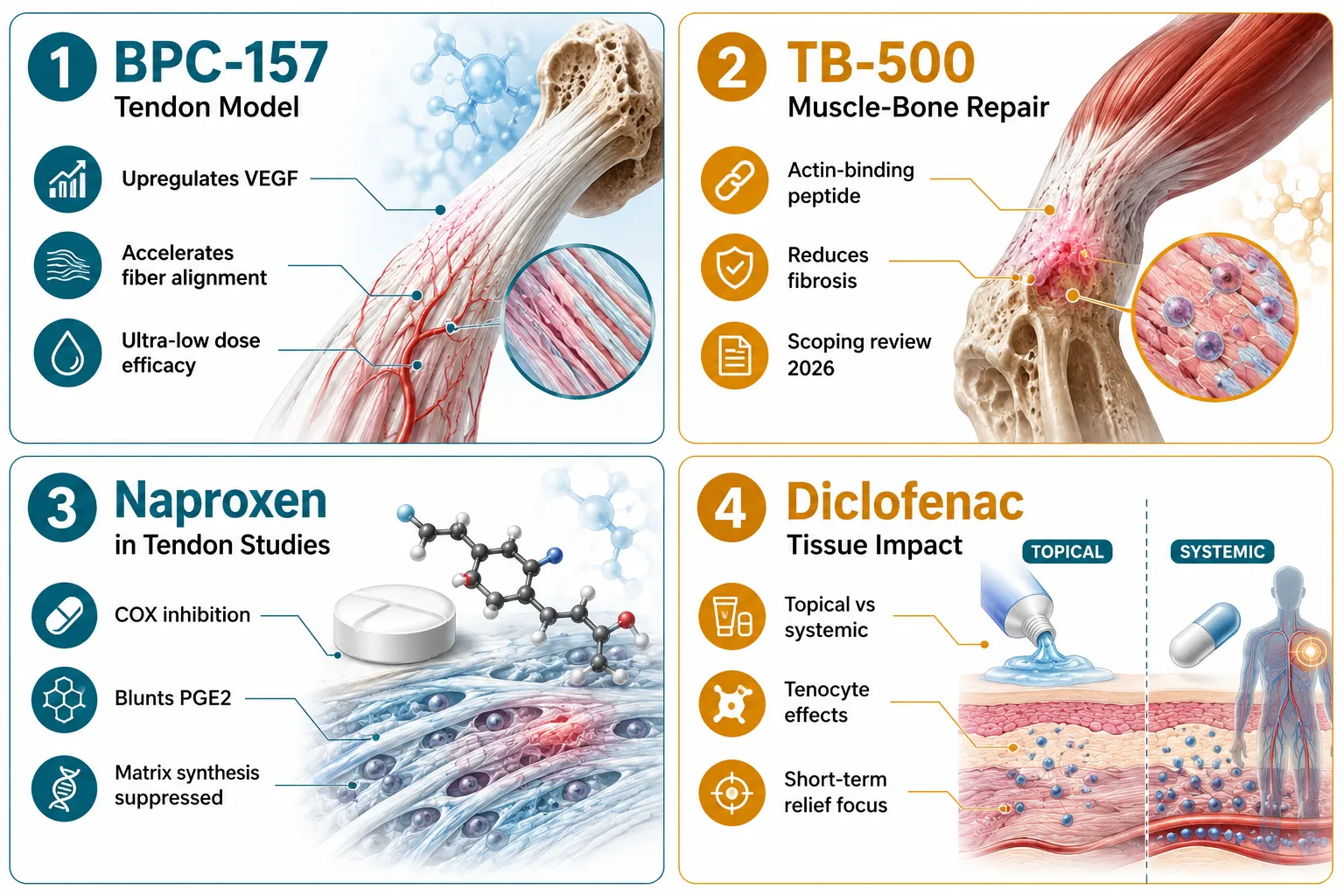
BPC-157 is a synthetic pentadecapeptide derived from a gastric protein. Dozens of animal studies document its effects across tendon, muscle, nerve, gut, and vascular tissue. Key mechanisms include nitric-oxide-mediated microvascular repair, fibroblast activation, and anti-inflammatory signaling. A 2025 narrative review in musculoskeletal medicine catalogued these findings and confirmed that the evidence base, while broad, remains almost entirely preclinical.

Human data are thin. Only three small pilot studies exist: one in intra-articular knee pain, one in interstitial cystitis, and one recent IV safety and pharmacokinetics protocol. In that IV pilot, BPC-157 was infused at doses up to 20 mg in two healthy adults with no adverse events or meaningful lab changes — but a sample size of two cannot define safety or efficacy. Reviewers consistently classify BPC-157 as investigational, pending properly powered clinical trials.

For researchers building a sourcing and documentation baseline, the BPC-157 core peptides documentation and first research guide provides a structured starting point before any combination design is considered.

TB-500

TB-500 is a synthetic fragment of thymosin-beta4 that regulates actin dynamics and cell migration. Animal models of musculoskeletal and cardiac injury show tissue repair, angiogenesis promotion, and reduced inflammatory markers. TB-500 is not FDA-approved for human use, has no standardized dosing protocol, and its human exposure data are limited to anecdotal reports and uncontrolled observations. Reported side effects — mild injection-site reactions, transient fatigue, occasional headache — come from these uncontrolled sources, not clinical trials.

Researchers evaluating procurement and quality control workflows should review the TB-500 controlled experimental models and QC workflow resource before designing any protocol.


BPC-157 and TB-500 Research Models: When Combination Stacks Make Sense

When do combination stacks have scientific merit? The answer depends on three design criteria.

Criterion Combination Makes Sense Combination Does Not Make Sense
Pathway overlap Complementary, non-redundant Largely redundant — adds noise
Single-agent baseline Established in same model Missing or from different species
Outcome measurability Distinct endpoints per agent Shared endpoints, no attribution

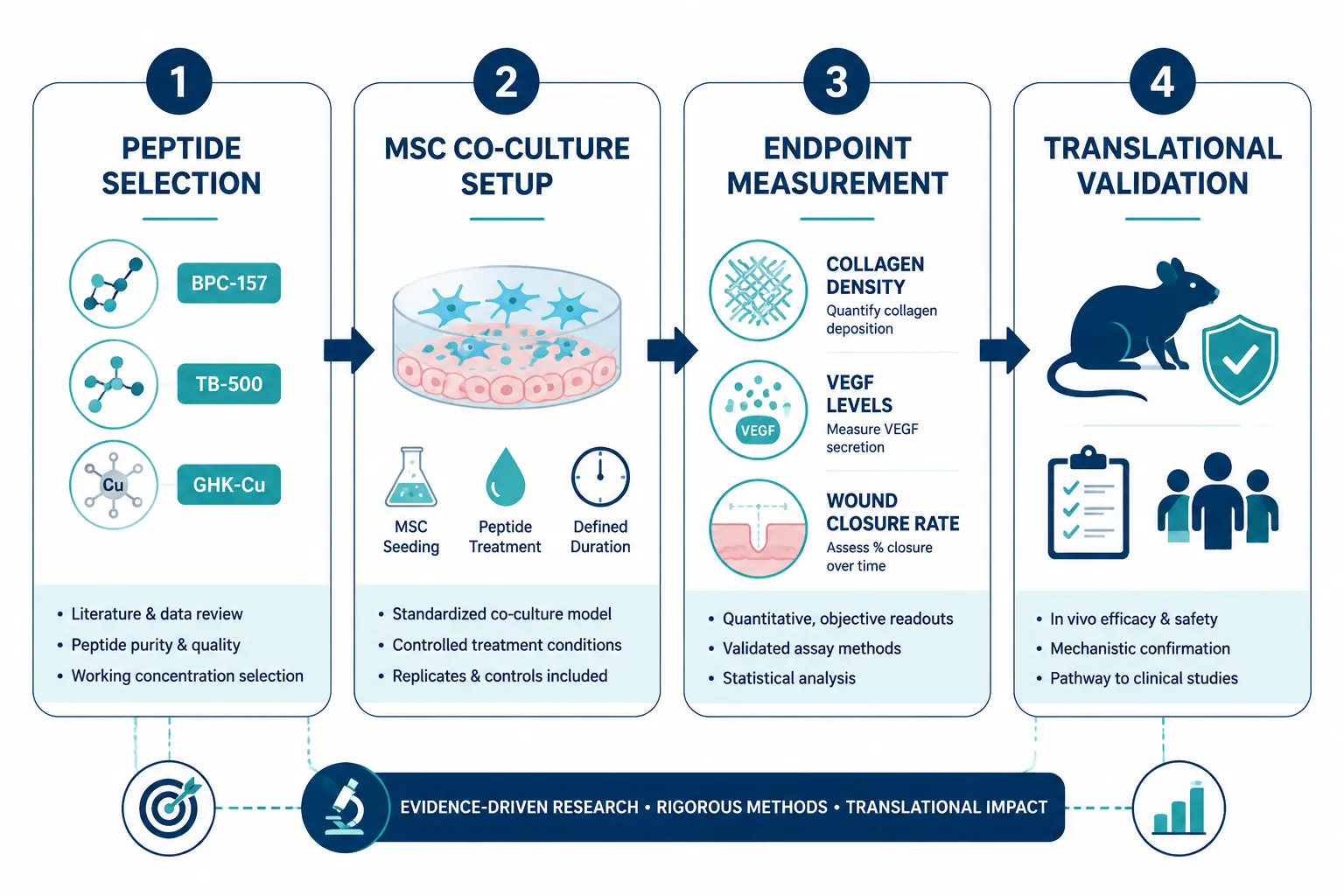
BPC-157 and TB-500 share angiogenesis and anti-inflammatory signaling. That overlap is precisely where combination research becomes methodologically difficult. If both agents promote vascular repair through partially overlapping mechanisms, a combination result cannot be cleanly attributed to either compound without rigorous factorial design — meaning four groups: vehicle control, BPC-157 alone, TB-500 alone, and the combination.

Without that structure, any observed effect is uninterpretable. This is not a minor limitation; it is a fundamental confound that invalidates the combination result entirely.

Researchers exploring other peptides with distinct, non-overlapping mechanisms — such as GHK-Cu copper peptide acting on extracellular matrix remodeling, or LL-37 innate research models targeting antimicrobial and epithelial pathways — may find cleaner combination rationales because the mechanisms diverge more clearly.


BPC-157 and TB-500 Research Models: When Combination Stacks Do Not Make Sense

BPC-157 and TB-500 Research Models: When Combination Stacks Do Not Make Sense

The combination stack does not make sense under several common research conditions.

When single-agent data are absent from your model. If a lab has not first characterized BPC-157 or TB-500 individually in its specific tissue or injury model, combining them produces uninterpretable data. The preclinical literature for each compound spans multiple species and injury types; results do not transfer across models without validation.

When the goal is mechanism attribution. A combination design cannot isolate which peptide drives an observed outcome. Researchers interested in understanding pathway-specific contributions must run single-agent arms first.

When pharmacodynamic interaction data do not exist. As of 2026, there is a complete absence of published data on how BPC-157 and TB-500 interact pharmacodynamically when co-administered. All synergy claims are mechanism-based extrapolation, not measured outcomes. Independent analyses of the combination stack confirm this gap explicitly, describing all combination rationales as "untested extrapolation" from separate experiments.

For researchers evaluating other combination or multi-target peptide frameworks, the GLP-1 peptide generational research concepts and CJC-1295 Ipamorelin assay planning and sourcing checklist resources illustrate how more mature combination frameworks are structured when underlying single-agent data already exist.


Conclusion

The core finding is straightforward: BPC-157 and TB-500 research models make sense as a combination only when single-agent baselines are already established, pathways are non-redundant, and study design includes proper factorial controls. In most current research contexts, none of those conditions are fully met.

Actionable next steps for researchers in 2026:

  • Establish single-agent dose-response data for each peptide in your specific model before any combination protocol.
  • Design combination studies with at least four groups to enable proper attribution.
  • Treat all published synergy claims as hypothesis-generating, not hypothesis-confirming.
  • Verify peptide purity and documentation through quality-controlled sources before procurement.
  • Consult the PT-141 peptide research context and QA controls framework as a model for how rigorous QA documentation should precede any experimental design.

The combination stack is not inherently invalid — it is currently unvalidated. That distinction matters for anyone designing experiments, interpreting results, or making sourcing decisions based on the existing literature.

https://www.puretestedpeptides.com/wp-content/uploads/2026/06/BPC-157-and-TB-500-Research-Models-When-Combination-Stacks-Make-Sense-and-When-They-Do-Not.png 1024 1024 https://www.puretestedpeptides.com/wp-content/uploads/2026/01/buy-peptides-online.jpg 2026-06-07 13:04:272026-06-07 13:04:27BPC-157 and TB-500 Research Models: When Combination Stacks Make Sense and When They Do Not
×

Helpful Links

  • My account
  • Cart
  • Checkout
  • Refund and Returns Policy
  • Privacy Policy
  • SMS Privacy Policy
  • Login
  • My Account
  • Logout

USA Made Lab Tested Peptides

All products are sold for research, laboratory, or analytical purposes only, and are not for human consumption


Pure Tested Peptides is a chemical supplier. Pure Tested Peptides is not a compounding / chemical compounding facility as defined under 503A of the Federal Food, Drug, and Cosmetic act. Pure Tested Peptides is not an outsourcing facility as defined under 503B of the Federal Food, Drug, and Cosmetic act.

The statements made within this website have not been evaluated by the US Food and Drug Administration. The products we offer are not intended to diagnose, treat, cure or prevent any disease.

Human/Animal Consumption Prohibited. Laboratory/In-Vitro Experimental Use Only

Scroll to top Scroll to top Scroll to top