Call or Text 727-513-9780
  • Shopping Cart Shopping Cart
    0Shopping Cart
Pure Tested Peptides | America's most trusted Peptides for sale online
  • Peptides for sale
    • Oral Peptides for sale
      • Peptide Capsules for sale
      • BPC 157 Capsules 1000mcg
      • SLU-PP-332 Capsules | 1000 mcg
      • 5-Amino-1MQ 50mg Capsules
      • Tesofensine 500mcg
    • All Peptides for sale
    • Peptide Sprays
      • BPC 157 Nasal Spray Kit
      • BPC-157 TB500 Nasal Spray Kit
      • Semax Nasal Spray 10mg
      • Selank – Nasal Spray Kit – 10mg
      • Epithalon 50MG Nasal Spray Kit
      • Ipamorelin 10mg Nasal Spray
      • Klow Nasal Spray (BPC-157 + TB-500 + GHK-Cu + KPV) | 80mg
      • Hulk Nasal Spray Tesa / Ipa Blend 6/3 MG
      • Klow Nasal Spray
      • NAD + 500 mg Nasal Spray
      • PT-141 Nasal Spray Kit
    • GHRH Peptides
      • Ipa Peptides
      • CJC-1295 Peptides
        • CJC-1295 with DAC 5 mg
        • CJC-1295 without DAC 5 mg
        • CJC-1295 Ipa 10mg
      • Tesa Peptides
        • Tesa Peptide
        • Tesa 20 mg
    • GHK-Cu Peptides
      • All GHK-Cu Peptides
      • GHK-Cu 100mg
      • KLOW Peptide Blend – Buy KLOW blend online
    • BPC Peptides
      • All BPC Peptides
      • BPC-157
      • BPC-157 TB-500
      • BPC 157 capsules 1000mcg
    • SLU-PP-332 Peptides
      • All SLU-PP-332 Peptides
      • SLU-PP-332 5mg
    • GLP3 Peptides
      • GLP3-R
      • GLP3-R CAG 10mg
      • GLP3-R 20mg
    • PT-141 Peptides
      • PT-141 Peptides for sale
      • PT-141 10mg
      • PT-141 Nasal Spray
    • CAG Peptides
      • Lipo-C Peptide Blend
      • CAG 5mg
      • CAG 10mg
    • MOTS-C Peptides
      • MOTS-C Peptides for sale
      • MOTS-c peptide
      • MOTS-c 10mg *6 pack*
    • 5 Amino 1MQ Peptides
      • 5 Amino 1MQ Peptides for sale
      • 5-Amino-1MQ 50mg Capsules
      • 5-Amino-1MQ 5mg
    • Epithalon Peptides
      • Epithalon Peptides for sale
      • Epithalon 10mg
      • Epithalon 50mg
  • Shop
    • GLPs
      • 5-Amino-1MQ 50mg Capsules
      • 5-Amino-1MQ 5mg
      • GLP3-Reta
      • L-Carnitine 500mg/ml
      • Tesofensine 500mcg
      • SLU-PP-332 5mg
      • MOTS-c 10mg *6 pack*
    • Epithalon & BPC Peptides
      • Epithalon 10mg
      • Epithalon 50mg
      • BPC-157
      • BPC 157 capsules 1000mcg
      • BPC-157 TB-500
      • BPC-157 TB500 Nasal Spray Kit
      • BPC 157 Nasal Spray Kit
    • BPC TB-500 & NAD+ Peptides
      • NAD+ 500 mg
      • KLOW Peptide Blend – Buy KLOW blend online
      • GLOW Peptide Blend
      • TB 500 5mg
      • BPC 157 capsules 1000mcg – Supplement
      • BPC 157 Nasal Spray Kit
      • BPC-157
      • BPC-157 TB500 Nasal Spray Kit
      • BPC-157 TB-500
      • BPC 157 capsules 1000mcg
    • LL-37 Peptide
      • LL-37 10 mg
    • MOTS-C & Selank
      • MOTS-c peptide
      • Selank 10mg
    • GHK Peptides
      • GHK-Cu 100mg
      • GLOW Peptide Blend
      • KLOW Peptide Blend – Buy KLOW blend online
  • COAs
  • Wholesale
    • Wholesale Peptides for sale
  • PTP FAQ
  • Affiliates
    • Affiliate Program
    • Affiliate Signup
  • Contact
    • Contact Customer Service
    • Text Customer Support
  • About US
  • Shop all peptides
  • Login / Register Login / Register Page Link Login / Register Page Link
  • Click to open the search input field Click to open the search input field Search
  • Menu Menu

Tag Archive for: fibroblast activation

GHK-Cu Peptide and Collagen Biology: What Research Suggests About Skin, Wound Repair, and Matrix Remodeling

GHK-Cu Peptide and Collagen Biology: What Research Suggests About Skin, Wound Repair, and Matrix Remodeling

July 9, 2026/0 Comments/in Uncategorized/by

Human plasma levels of GHK-Cu drop by roughly 60% between early adulthood and age 60, a decline that tracks closely with the body's diminishing ability to repair tissue, rebuild collagen scaffolding, and resolve inflammation. That single data point frames why GHK-Cu peptide and collagen biology has become one of the more active areas of peptide research, attracting attention not just from cosmetic scientists but from researchers studying extracellular matrix signaling, wound physiology, and gene regulation.

Key Takeaways

  • GHK-Cu is a naturally occurring copper-binding tripeptide with documented roles in collagen synthesis, extracellular matrix remodeling, and wound repair.
  • Plasma GHK-Cu concentrations fall significantly with age, correlating with reduced tissue regeneration capacity.
  • The peptide modulates expression of more than 4,000 human genes, including those governing inflammation, antioxidant defense, and angiogenesis.
  • Animal studies show wound closure rates accelerated by 40-50% with GHK-Cu treatment compared to controls.
  • Large-scale randomized controlled trials in humans remain limited, and regulatory scrutiny of injectable forms has increased in 2026.

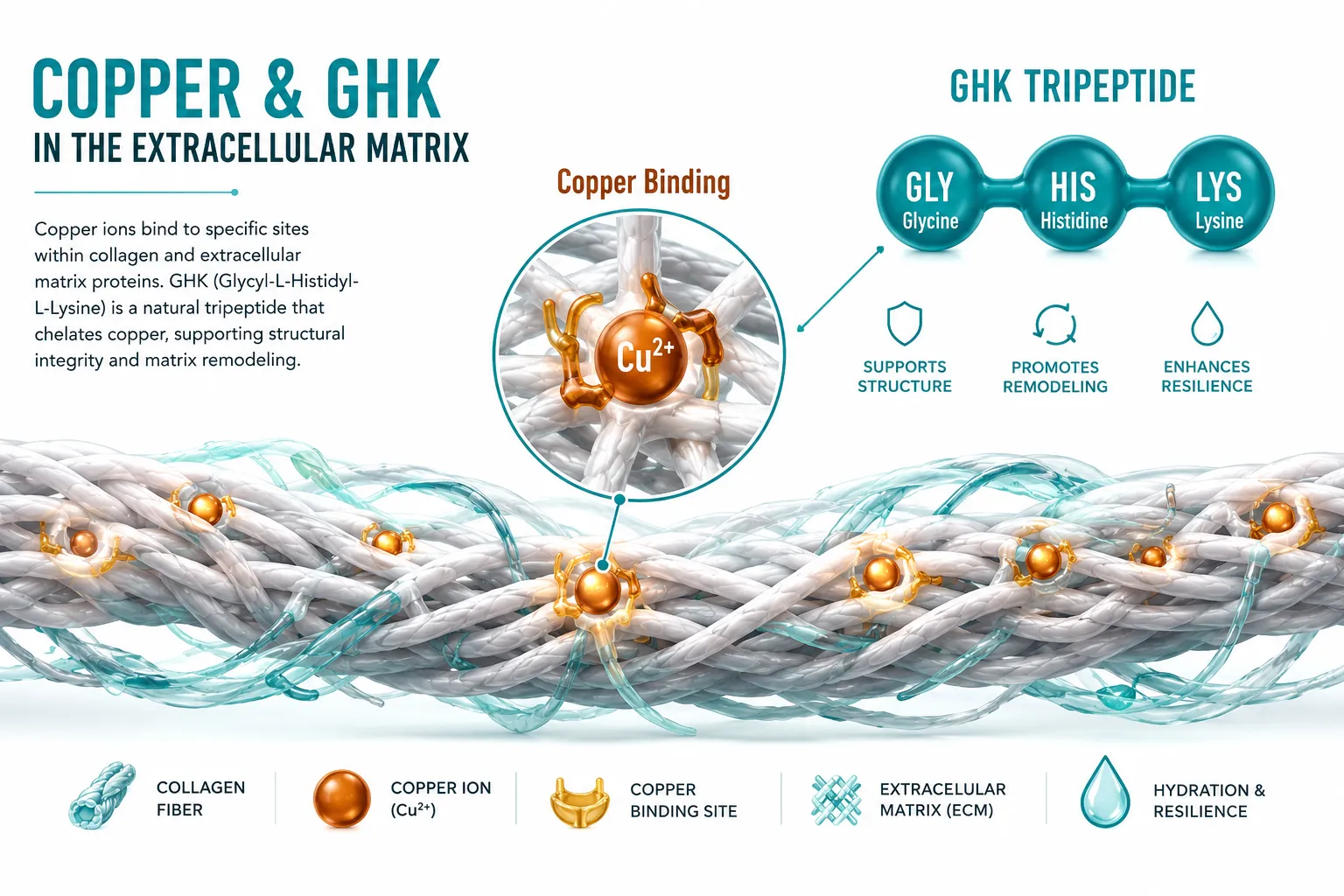
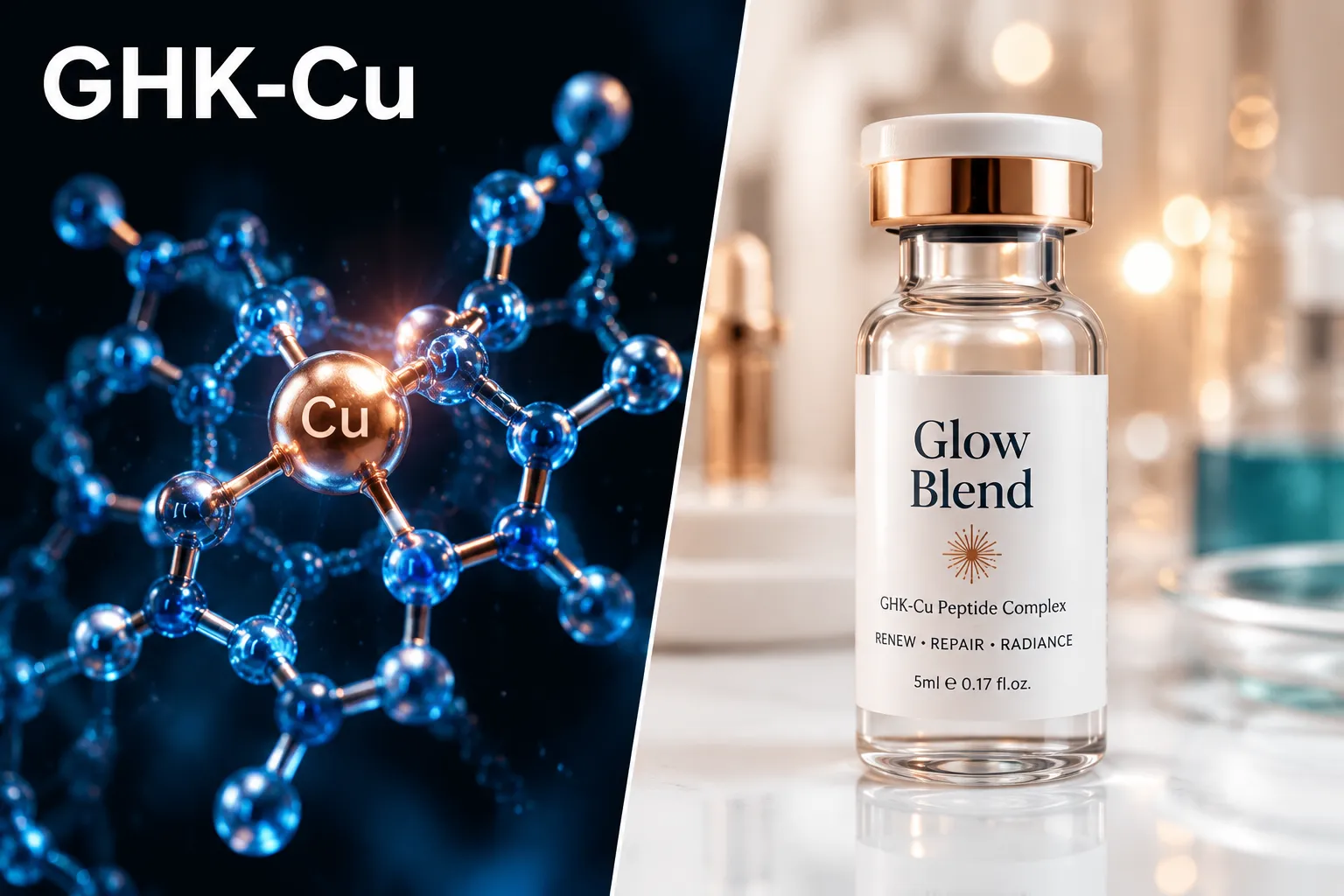
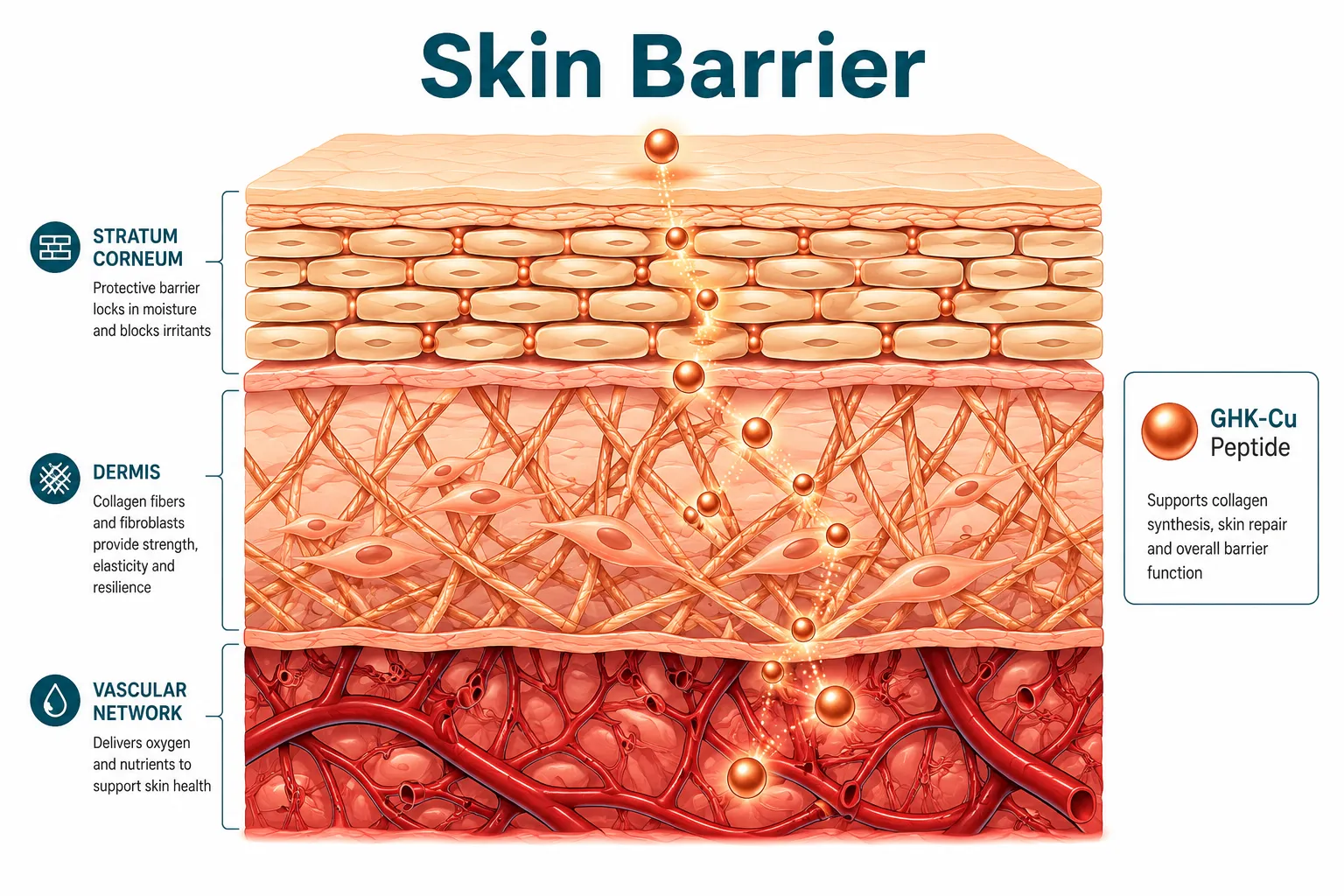
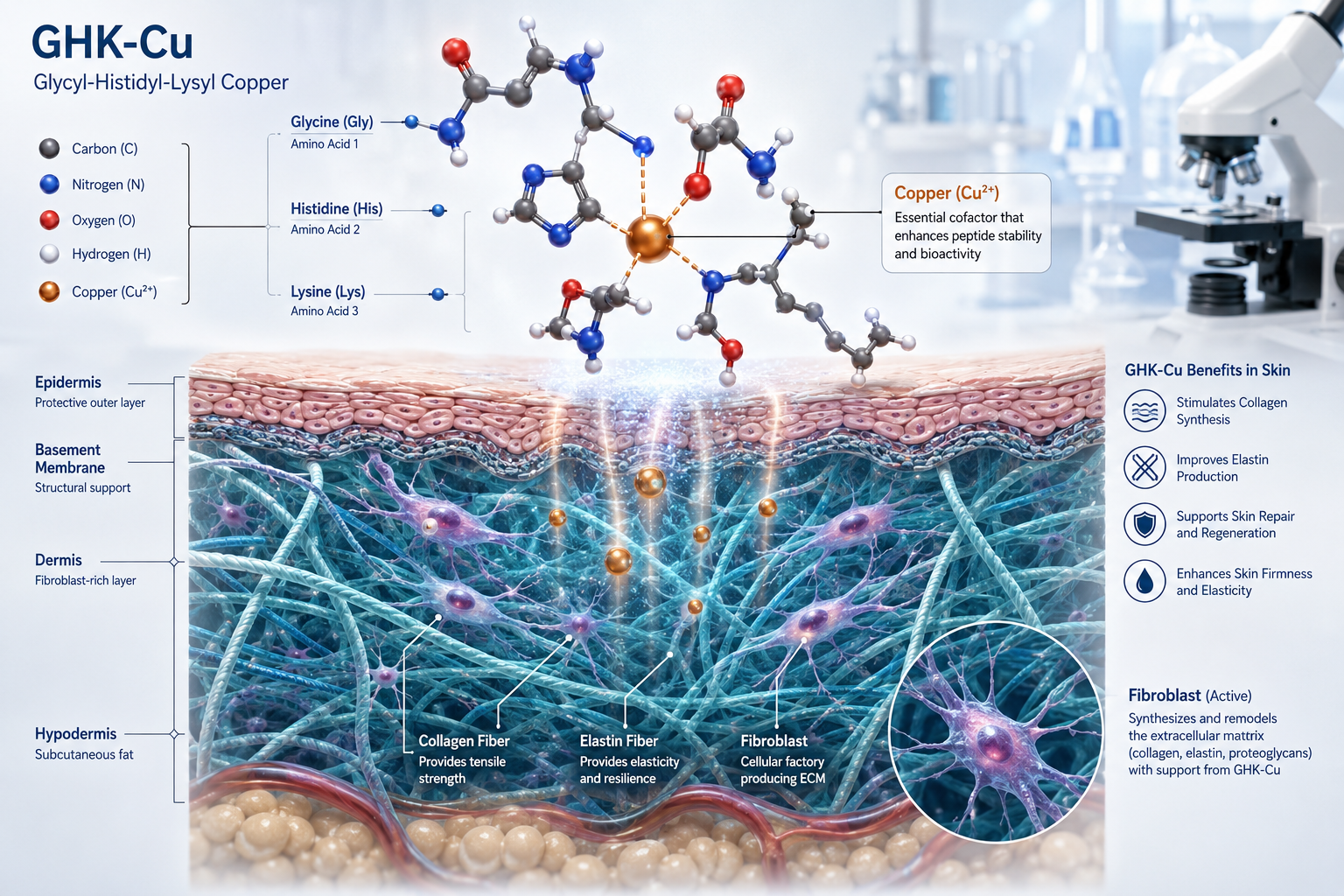
GHK-Cu molecular structure and collagen fiber activation

The Molecular Basis of GHK-Cu Peptide and Collagen Biology

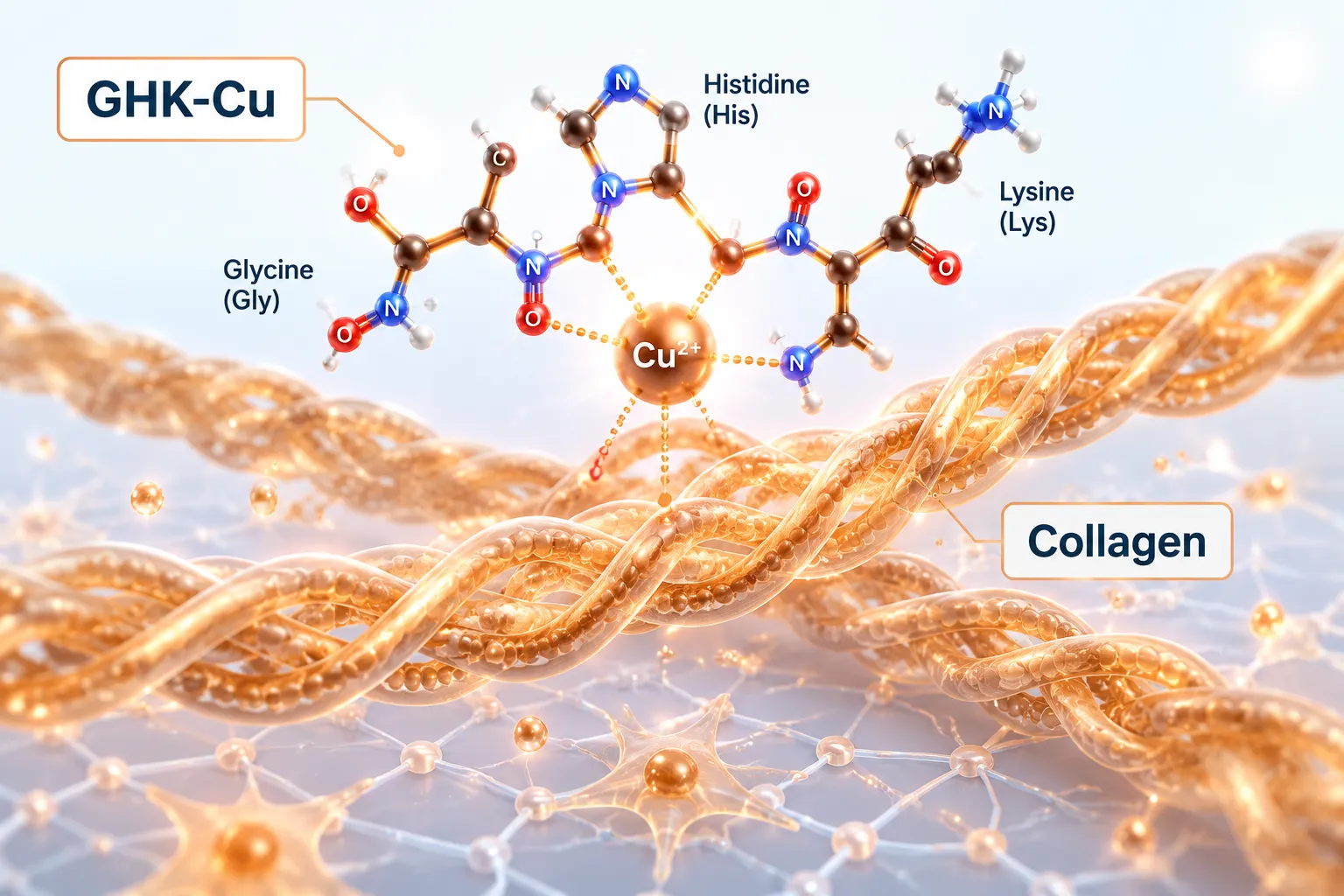
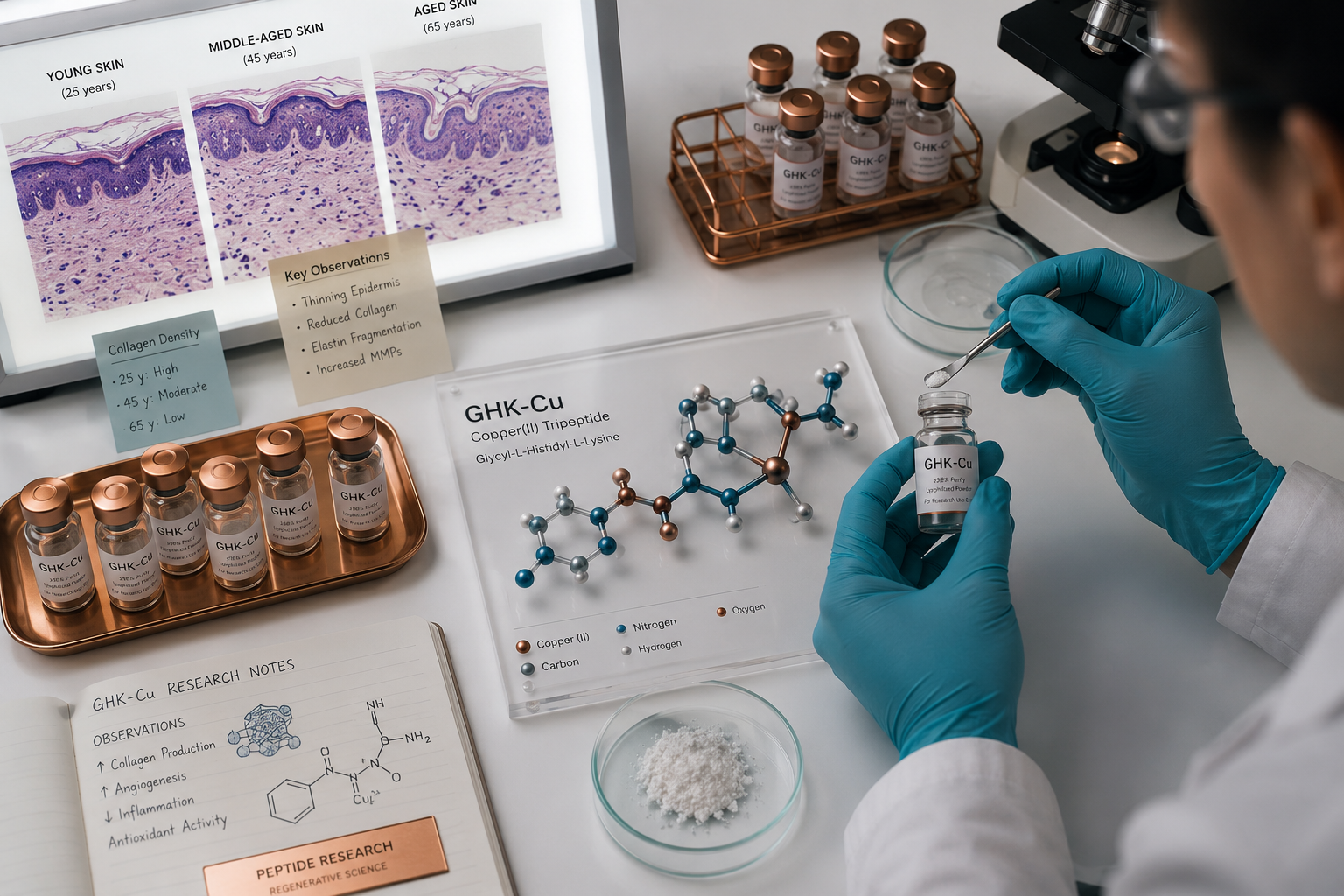
GHK-Cu is a tripeptide, glycine-histidine-lysine, that occurs naturally in human plasma, saliva, and urine. Its defining feature is a high affinity for copper (II) ions, which it chelates to form a stable complex. This copper-binding capacity is not incidental; it is central to the peptide's downstream biological effects.

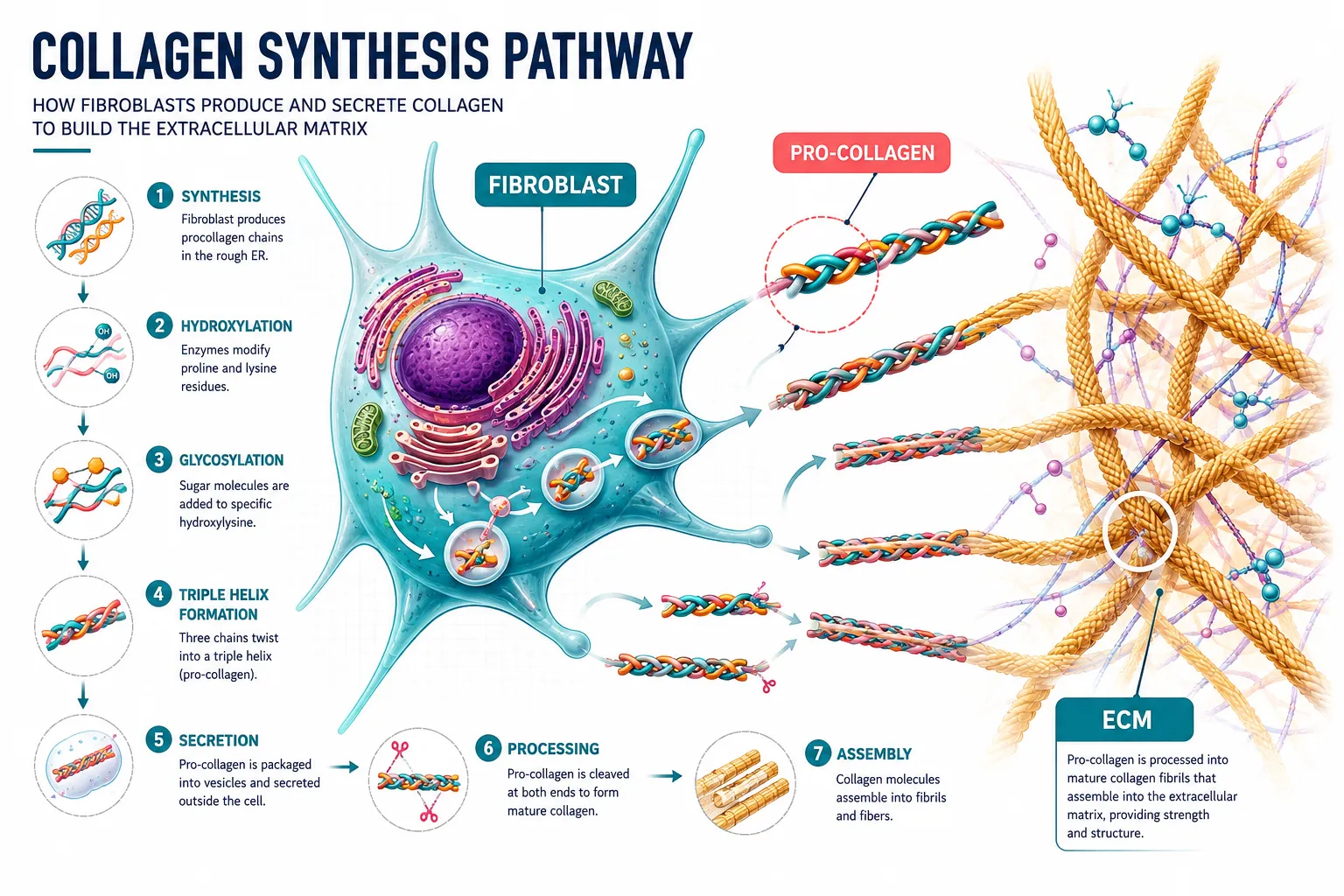
Once bound to copper, GHK-Cu acts on fibroblasts, the primary cells responsible for producing structural proteins in connective tissue. Research indicates it stimulates synthesis of:

  • Type I collagen, the dominant structural collagen in skin and tendons
  • Type III collagen, critical in early wound repair and vascular walls
  • Elastin, responsible for skin recoil and flexibility
  • Glycosaminoglycans (GAGs), hydrating components of the extracellular matrix

Beyond protein synthesis, GHK-Cu modulates the expression of over 4,000 human genes. These include pathways governing inflammation resolution, antioxidant enzyme production, angiogenesis (new blood vessel formation), and stem cell activation. This breadth of gene-level influence distinguishes GHK-Cu from narrower-acting compounds and explains why researchers studying extracellular matrix biology regard it as a pleiotropic signaling molecule rather than a simple growth factor.

For researchers interested in peptide purity standards relevant to such work, peptide purity testing methodology provides useful context on quality benchmarks.


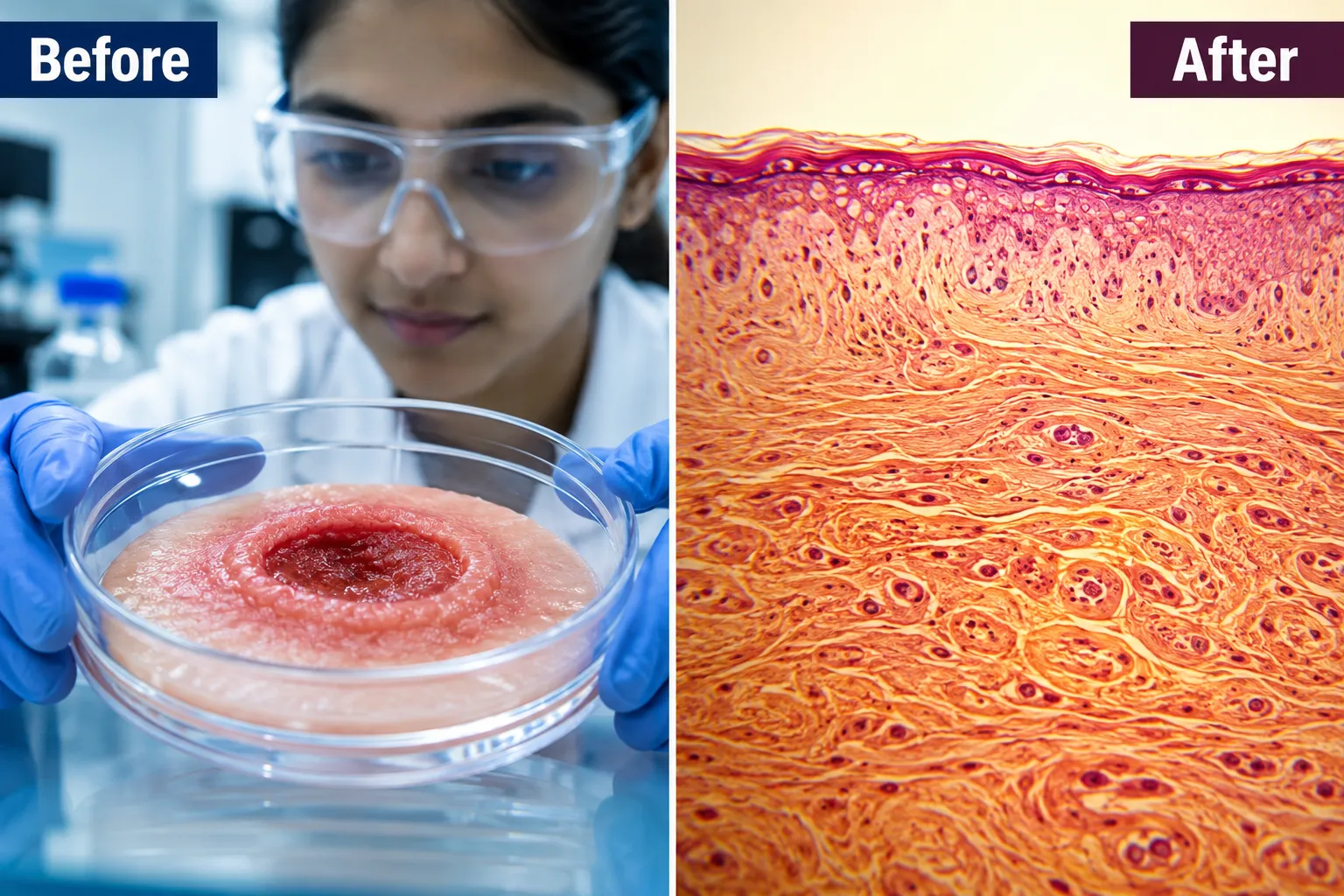
GHK-Cu wound healing stages and tissue repair progression

What Research Suggests About Skin, Wound Repair, and Matrix Remodeling

Wound Healing and Tissue Repair

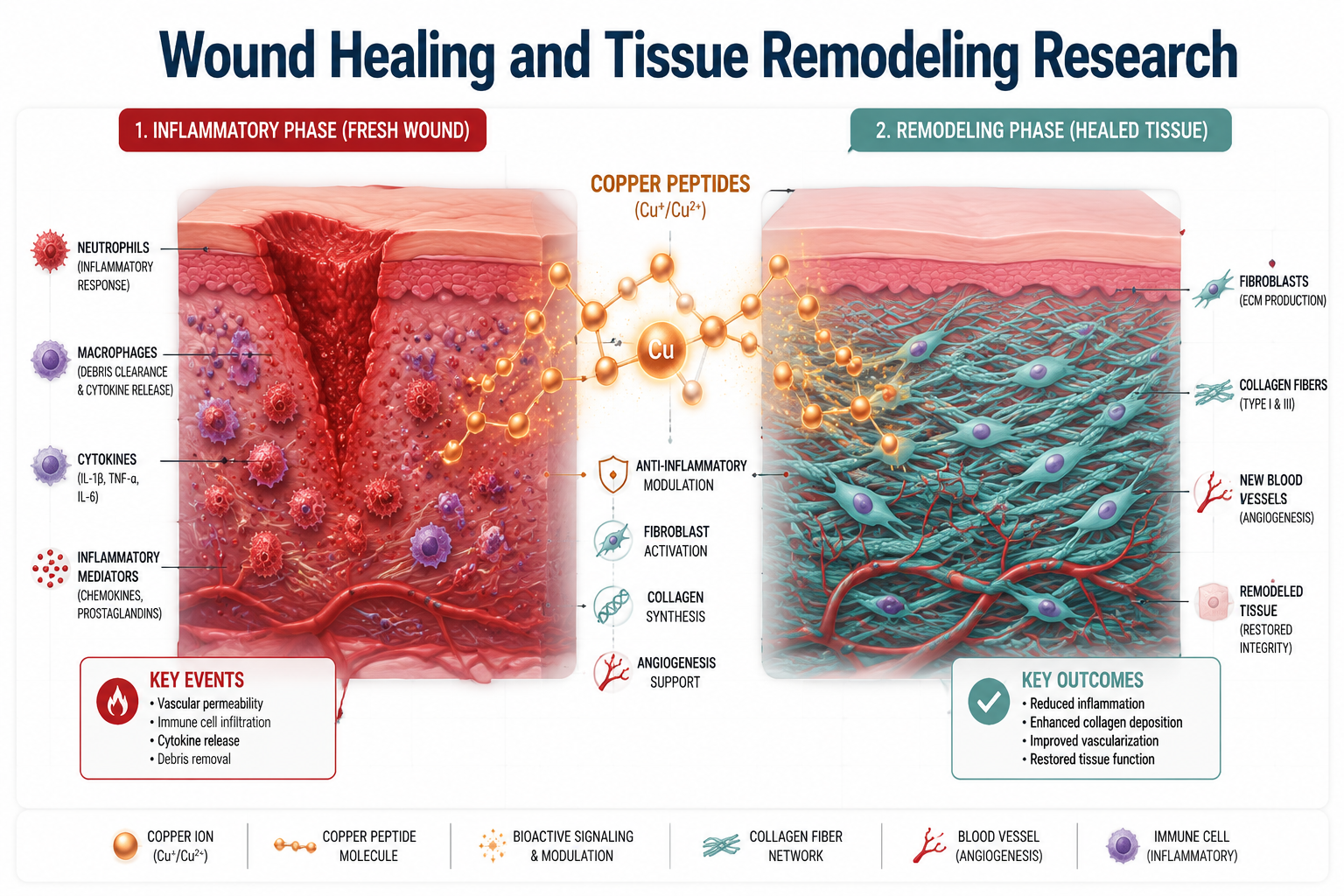
In controlled animal studies, GHK-Cu accelerated wound closure by 40-50% compared to untreated controls. The proposed mechanisms include enhanced fibroblast migration into the wound site, upregulation of collagen deposition, and promotion of angiogenesis, all essential components of the proliferative phase of healing.

The peptide also appears to support the remodeling phase, where immature collagen is reorganized into stronger, more structured fibers. This two-phase contribution, proliferation and remodeling, is what makes GHK-Cu particularly relevant to matrix biology research, not just surface-level skin aesthetics.

Researchers exploring complementary tissue repair peptides may find the work on BPC-157 angiogenesis and tendon repair and TB-500 cytoskeletal remodeling relevant for comparative context.

Skin Density and Clinical Observations

Clinical trials using topical GHK-Cu formulations have reported improvements in skin density, reductions in fine lines, and enhanced elasticity. Notably, tolerability profiles compared favorably to retinol in some assessments, a meaningful finding given retinol's known irritation potential.

GHK-Cu also shows preliminary evidence for follicle-level effects, with proposed mechanisms including reduced scalp inflammation and activation of cellular repair pathways relevant to conditions such as telogen effluvium.

Anti-Inflammatory and Antioxidant Roles

GHK-Cu functions as both an antioxidant and an anti-inflammatory agent. It appears to suppress pro-inflammatory cytokines while simultaneously upregulating antioxidant defense enzymes. This dual action is relevant beyond cosmetic applications, chronic low-grade inflammation is a recognized driver of matrix degradation in aging tissue.

Those researching skin-focused peptide blends may find the Glow peptide blend research overview and Glow and Klow peptide blend comparisons useful for understanding how GHK-Cu fits within broader formulation strategies.


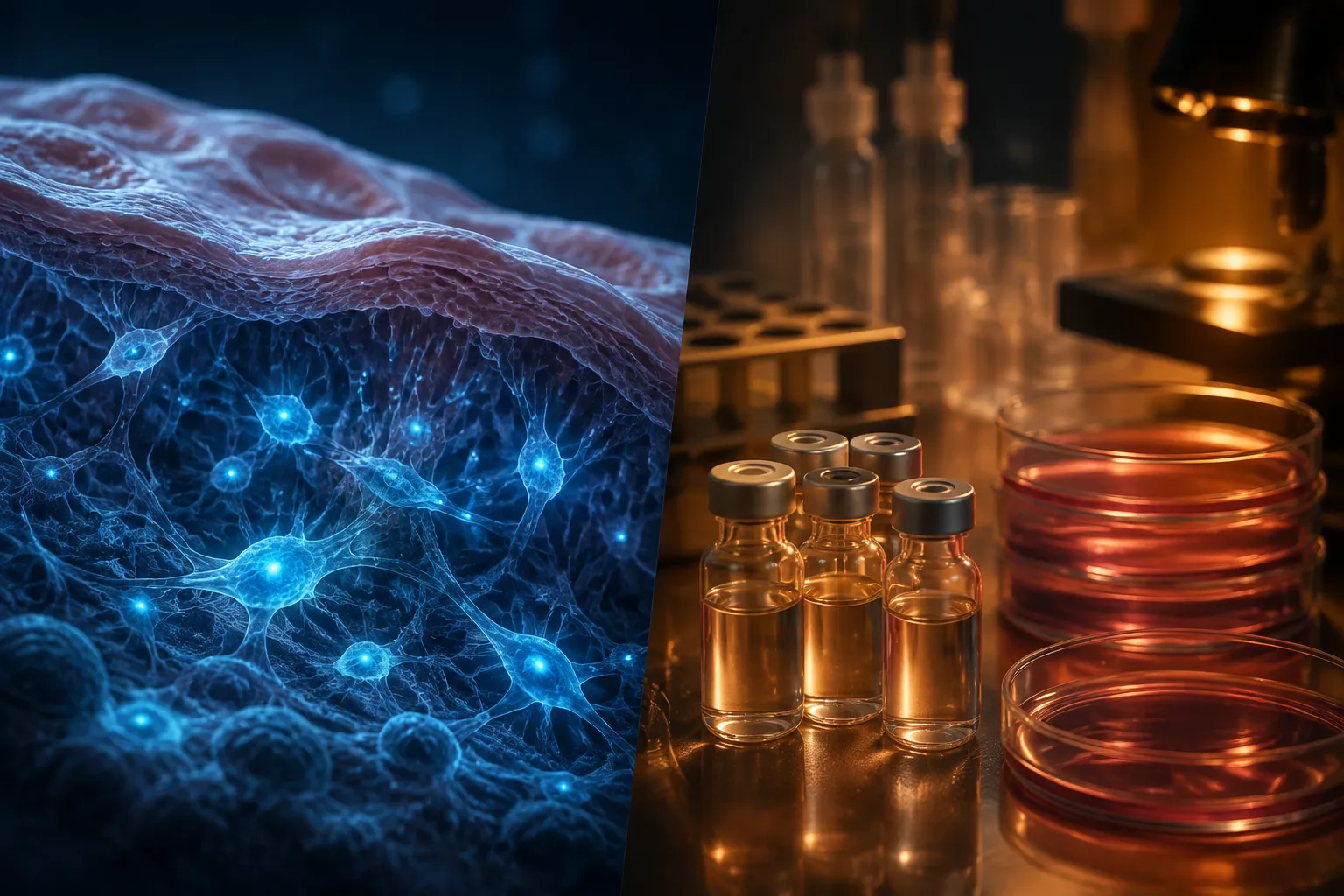
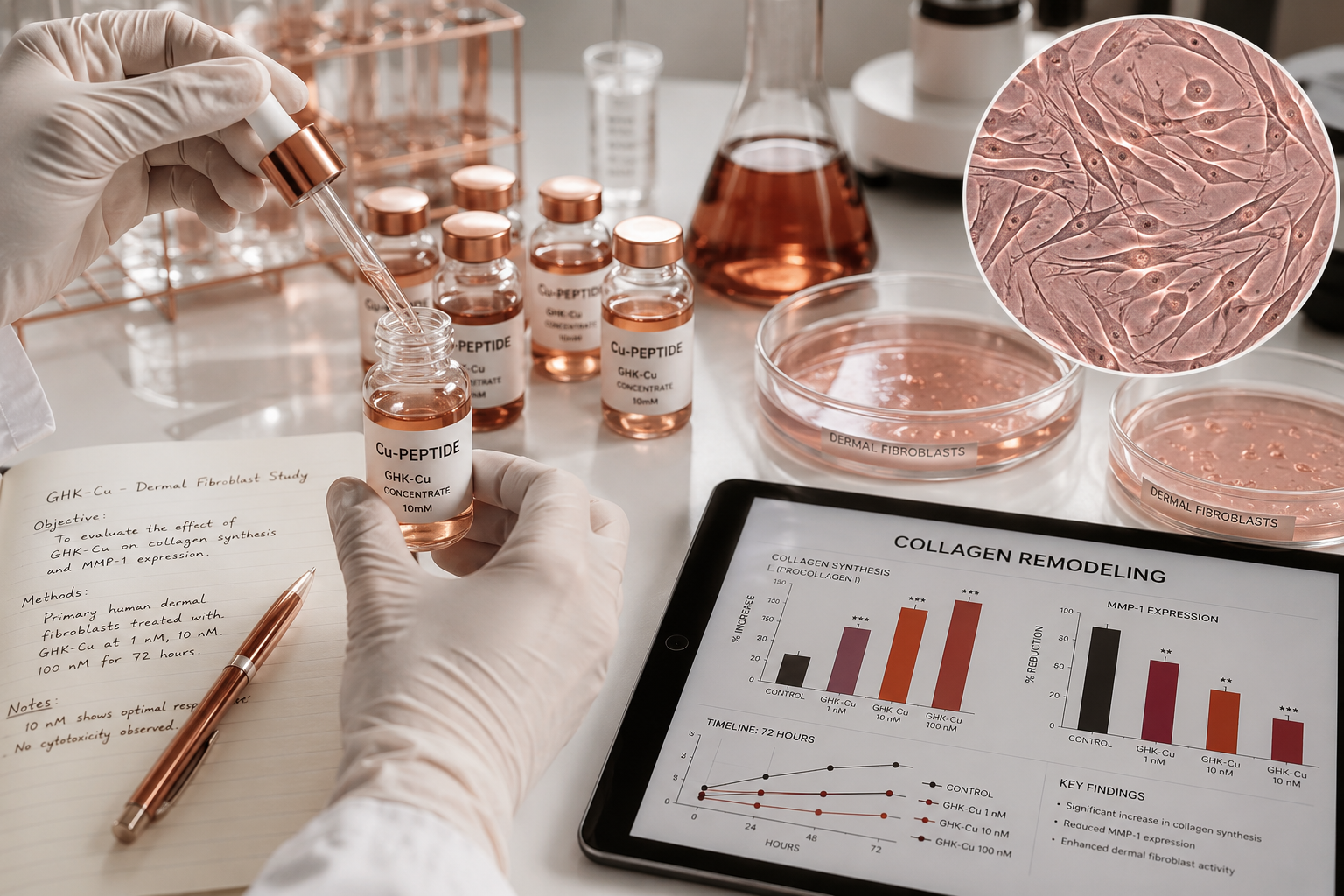
GHK-Cu research vials and plasma level decline data chart

Delivery Methods, Safety, and the 2026 Regulatory Landscape

GHK-Cu is available primarily in two research formats: topical and injectable.

Format Absorption Key Consideration
Topical Moderate (skin barrier dependent) Well-tolerated; patch test advised for sensitive skin
Injectable Higher systemic bioavailability Increased regulatory scrutiny in 2026; professional guidance essential

In April 2026, the FDA removed injectable GHK-Cu from its Section 503A Category 2 compounding list, signaling heightened regulatory oversight. This does not eliminate research interest but underscores the importance of sourcing verified, tested compounds for any investigational use.

Large-scale randomized controlled trials in humans remain limited. The existing evidence base, while compelling, rests primarily on in vitro cell studies and animal models. This gap between preclinical findings and clinical validation is a consistent theme across peptide research, and GHK-Cu is no exception.

Researchers sourcing compounds for investigational purposes should review available GHK-Cu peptide options alongside certificate of analysis documentation to ensure traceability and purity standards.

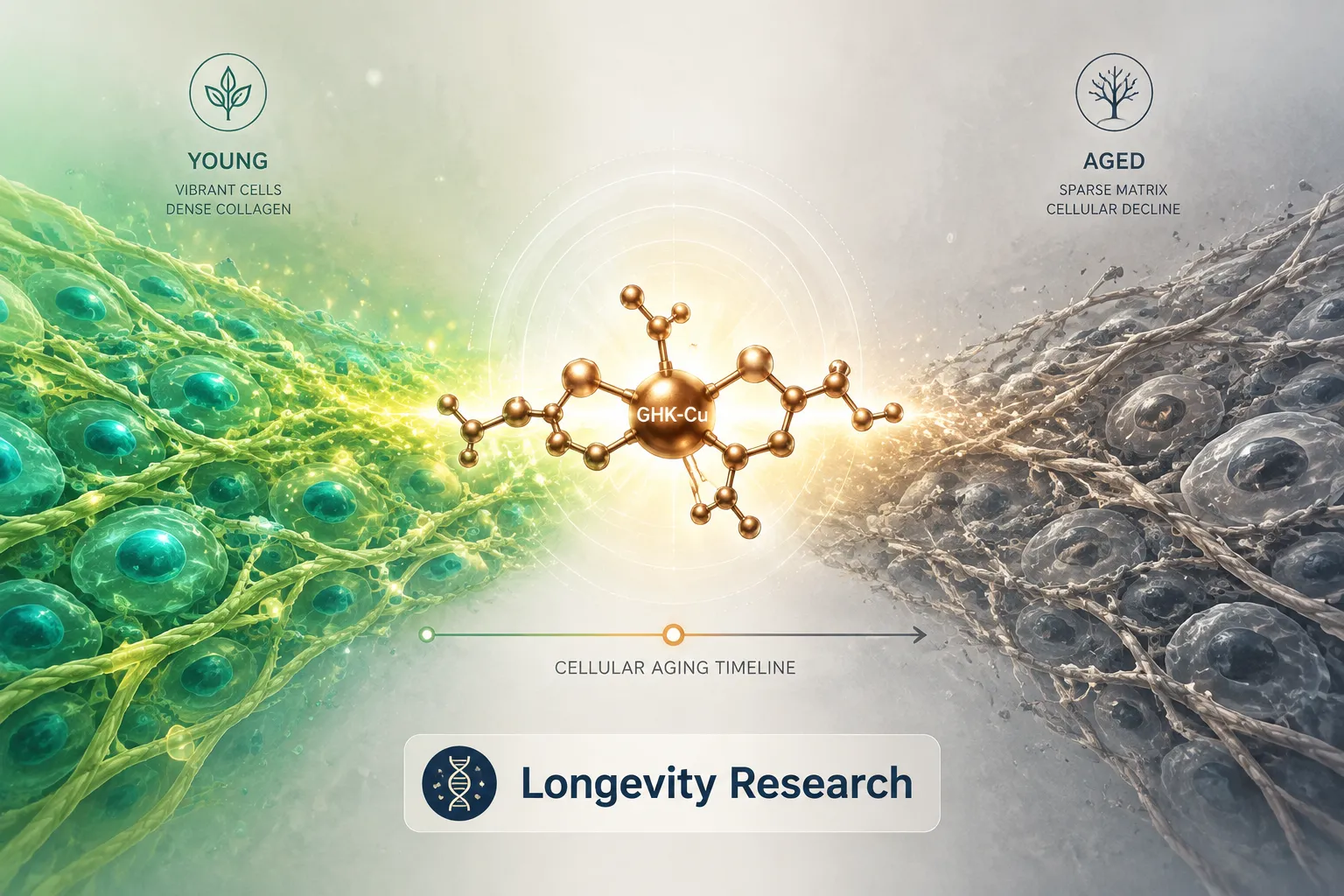
For broader context on longevity-focused peptide research, the Glow blend longevity research themes page offers additional framing.


Conclusion

The research on GHK-Cu peptide and collagen biology presents a consistent mechanistic picture: a copper-binding tripeptide with measurable effects on fibroblast activity, collagen and elastin synthesis, extracellular matrix remodeling, and gene-level regulation across thousands of pathways. Its natural decline with age adds biological plausibility to its role in tissue repair capacity.

Actionable next steps for researchers and informed readers in 2026:

  1. Prioritize topical formulations for skin-focused investigations given the cleaner safety and regulatory profile.
  2. Review the 2026 FDA regulatory update before considering injectable formats for any research protocol.
  3. Cross-reference GHK-Cu findings with complementary matrix remodeling peptides such as BPC-157 and TB-500 for a fuller picture of tissue repair signaling.
  4. Demand third-party purity documentation for any peptide compound used in investigational contexts.
  5. Monitor the clinical trial literature, the transition from animal models to human RCTs is the field's most important next step.

GHK-Cu is not a finished story. It is a well-characterized molecule at the intersection of aging biology, wound physiology, and matrix science, and the research trajectory in 2026 suggests that story is still being written.

https://www.puretestedpeptides.com/wp-content/uploads/2026/07/GHK-Cu-Peptide-and-Collagen-Biology-What-Research-Suggests-About-Skin-Wound-Repair-and-Matrix-Remodeling.png 1024 1536 https://www.puretestedpeptides.com/wp-content/uploads/2026/01/buy-peptides-online.jpg 2026-07-09 13:18:302026-07-09 13:18:30GHK-Cu Peptide and Collagen Biology: What Research Suggests About Skin, Wound Repair, and Matrix Remodeling
GHK-Cu Peptide: Its Role in Extracellular Matrix Remodeling and Dermatological Research Applications

GHK-Cu Peptide: Its Role in Extracellular Matrix Remodeling and Dermatological Research Applications

July 2, 2026/0 Comments/in Uncategorized/by

A naturally occurring tripeptide found in human blood plasma, saliva, and urine, GHK-Cu (glycyl-L-histidyl-L-lysine copper complex) has drawn sustained scientific attention since its discovery in the early 1970s. Its plasma concentration drops sharply with age — from roughly 200 ng/mL at age 20 to under 80 ng/mL by age 60 — a decline that correlates with reduced tissue repair capacity. Research into GHK-Cu Peptide: Its Role in Extracellular Matrix Remodeling and Dermatological Research Applications has expanded considerably in 2026, making it one of the most studied bioactive peptides in skin biology.

Detailed () scientific illustration showing a 3D molecular model of the GHK-Cu tripeptide-copper complex hovering above a

Key Takeaways

  • GHK-Cu is a naturally occurring copper-binding tripeptide whose plasma levels decline significantly with age.
  • It plays a central role in extracellular matrix remodeling by regulating both collagen synthesis and degradation enzymes.
  • Research models show it modulates fibroblast activity, wound healing signals, and antioxidant gene expression.
  • Dermatological research explores its potential for skin repair, barrier restoration, and photoaging mitigation.
  • It is studied alongside other regenerative peptides as part of broader tissue biology research programs.

Molecular Identity and Copper Binding

GHK-Cu consists of three amino acids — glycine, histidine, and lysine — with a high affinity for cupric ions (Cu2+). This copper-chelating property is central to its biological activity. Copper itself is an essential cofactor for enzymes involved in collagen cross-linking and antioxidant defense, including lysyl oxidase and superoxide dismutase.

The peptide-copper complex acts as a biological signal rather than a simple nutrient carrier. Upon binding copper, GHK-Cu influences gene expression across multiple pathways. Studies have identified over 4,000 human genes modulated by this peptide, with particular activity in pathways governing:

  • Tissue remodeling and repair
  • Anti-inflammatory responses
  • Antioxidant enzyme upregulation
  • Stem cell activation signals

This broad gene-regulatory activity explains why researchers studying skin matrix biology consider GHK-Cu a high-priority compound.


Extracellular Matrix Remodeling: Core Mechanisms

The extracellular matrix (ECM) is the structural scaffold of skin tissue, composed primarily of collagen, elastin, fibronectin, and proteoglycans. ECM remodeling is a tightly regulated process that balances synthesis and degradation — and GHK-Cu peptide sits at the center of this balance.

Collagen and Elastin Regulation

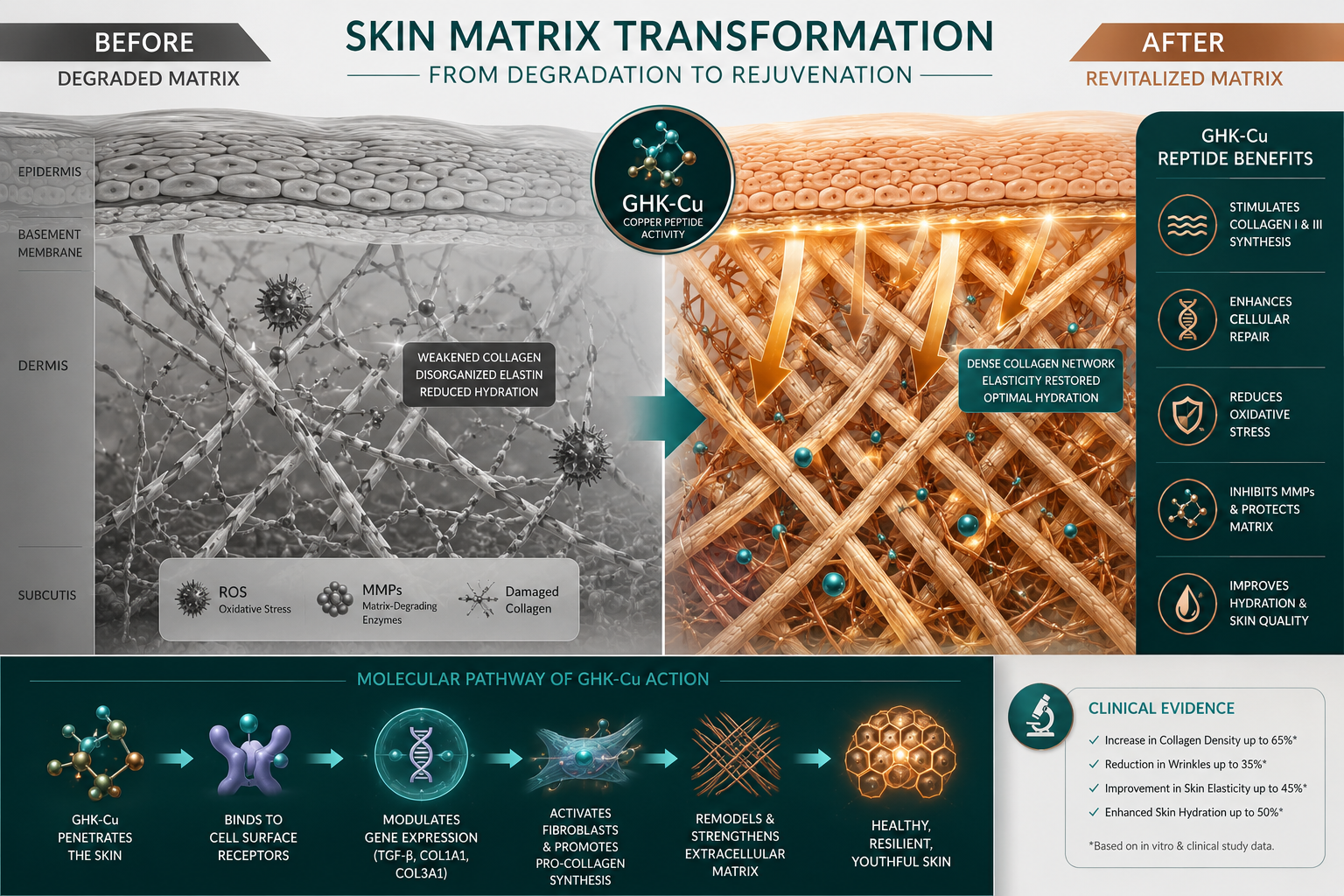
GHK-Cu stimulates fibroblasts to increase production of collagen types I and III, as well as elastin and glycosaminoglycans. Simultaneously, it modulates matrix metalloproteinases (MMPs) — the enzymes responsible for breaking down ECM components. Rather than simply inhibiting MMPs, GHK-Cu appears to normalize their activity, promoting removal of damaged matrix proteins while encouraging synthesis of new structural fibers.

"GHK-Cu does not simply block degradation or force synthesis — it recalibrates the remodeling cycle toward repair."

Fibroblast Activation and Wound Signals

Fibroblasts are the primary ECM-producing cells in the dermis. GHK-Cu enhances fibroblast migration, proliferation, and synthetic output. It also upregulates transforming growth factor beta (TGF-beta) receptors, amplifying the skin's response to endogenous repair signals. This makes it particularly relevant in wound healing and post-inflammatory tissue recovery research contexts.

For researchers exploring related tissue repair compounds, the recovery and tissue biology overview provides useful comparative context.


Dermatological Research Applications

Dermatological Research Applications

Understanding GHK-Cu Peptide: Its Role in Extracellular Matrix Remodeling and Dermatological Research Applications requires examining the specific research domains where it has shown the most consistent activity.

Photoaging and Oxidative Stress Models

UV radiation degrades collagen and generates reactive oxygen species (ROS) that accelerate skin aging. GHK-Cu has been studied in photoaging models for its ability to upregulate antioxidant enzymes, reduce lipid peroxidation, and restore collagen density in UV-damaged tissue. Its copper-dependent activation of superoxide dismutase is a key mechanism in these models.

Barrier Function Research

The skin barrier depends on intact ECM architecture and healthy keratinocyte function. Research models examining GHK-Cu suggest it supports epidermal barrier gene expression, including genes associated with tight junction proteins and ceramide synthesis pathways.

Comparative Peptide Research

GHK-Cu is increasingly studied alongside other bioactive peptides. Researchers interested in longevity-related mechanisms often examine it in parallel with Epithalon longevity signals and GHK-Cu longevity research themes. For those sourcing research-grade material, GHK-Cu peptides for sale through verified suppliers ensures purity standards are met.

Comparative Peptide Research

Key Research Findings Summary

Research Area Observed Mechanism Relevance
Collagen synthesis Fibroblast upregulation ECM structural repair
MMP modulation Balanced degradation/synthesis Tissue remodeling
Antioxidant defense SOD and catalase upregulation Photoaging models
Wound healing TGF-beta receptor sensitization Barrier restoration
Gene expression 4,000+ genes modulated Broad systemic signals

Research Context and Related Compounds

GHK-Cu does not operate in isolation within the peptide research landscape. Its ECM-focused mechanisms complement compounds studied for tissue repair, such as BPC-157 research themes and Cartalax cartilage research. Researchers building multi-target tissue biology protocols often cross-reference these compounds to understand synergistic or complementary pathways.

Those navigating broader peptide research programs can explore the full PTP catalog by theme to identify compounds relevant to specific research goals.


Conclusion

The scientific case for studying GHK-Cu Peptide: Its Role in Extracellular Matrix Remodeling and Dermatological Research Applications is well-supported by decades of molecular and cellular research. Its ability to recalibrate ECM dynamics — balancing collagen production, MMP activity, and antioxidant defense — positions it as a uniquely multifunctional research compound.

Actionable next steps for researchers:

  • Review current literature on GHK-Cu gene expression profiles to identify target pathways most relevant to your research model.
  • Source verified, high-purity GHK-Cu from reputable suppliers to ensure experimental reproducibility.
  • Consider pairing GHK-Cu with complementary ECM-active peptides for multi-pathway tissue biology protocols.
  • Consult the skin matrix biology resource library for deeper mechanistic context.

As peptide science advances in 2026, GHK-Cu remains a foundational compound for any serious investigation into skin repair, matrix biology, and age-related tissue decline.

https://www.puretestedpeptides.com/wp-content/uploads/2026/07/GHK-Cu-Peptide-Its-Role-in-Extracellular-Matrix-Remodeling-and-Dermatological-Research-Applications.png 1024 1536 https://www.puretestedpeptides.com/wp-content/uploads/2026/01/buy-peptides-online.jpg 2026-07-02 13:07:532026-07-02 13:07:53GHK-Cu Peptide: Its Role in Extracellular Matrix Remodeling and Dermatological Research Applications
GHK-Cu Peptide: Collagen Synthesis, Wound Healing & Anti-Aging Research

GHK-Cu Peptide: Collagen Synthesis, Wound Healing & Anti-Aging Research

June 26, 2026/0 Comments/in Uncategorized/by

Copper is one of the most biologically active trace metals in the human body, and a tiny three-amino-acid sequence called GHK (glycyl-L-histidyl-L-lysine) has a remarkable ability to bind it. First isolated from human plasma in 1973, GHK-Cu was found to stimulate liver tissue regeneration — a discovery that launched decades of research into its role as a tissue-signaling molecule. Today, GHK-Cu Peptide: Collagen Synthesis, Wound Healing & Anti-Aging Research sits at the intersection of dermatology, wound biology, and longevity science, attracting growing attention from researchers worldwide.

Key Takeaways

  • GHK-Cu is a naturally occurring copper-binding tripeptide with documented roles in collagen synthesis and tissue repair.
  • Preclinical research shows it activates fibroblasts, upregulates collagen and elastin production, and modulates inflammatory pathways.
  • It has demonstrated wound-healing potential in animal models, including accelerated closure and reduced scar formation.
  • As of 2026, GHK-Cu remains classified as a cosmetic ingredient and experimental research peptide — no FDA-approved prescription formulation exists.
  • Ongoing research explores its anti-aging, antioxidant, and gene-expression-modulating properties.

Key Takeaways

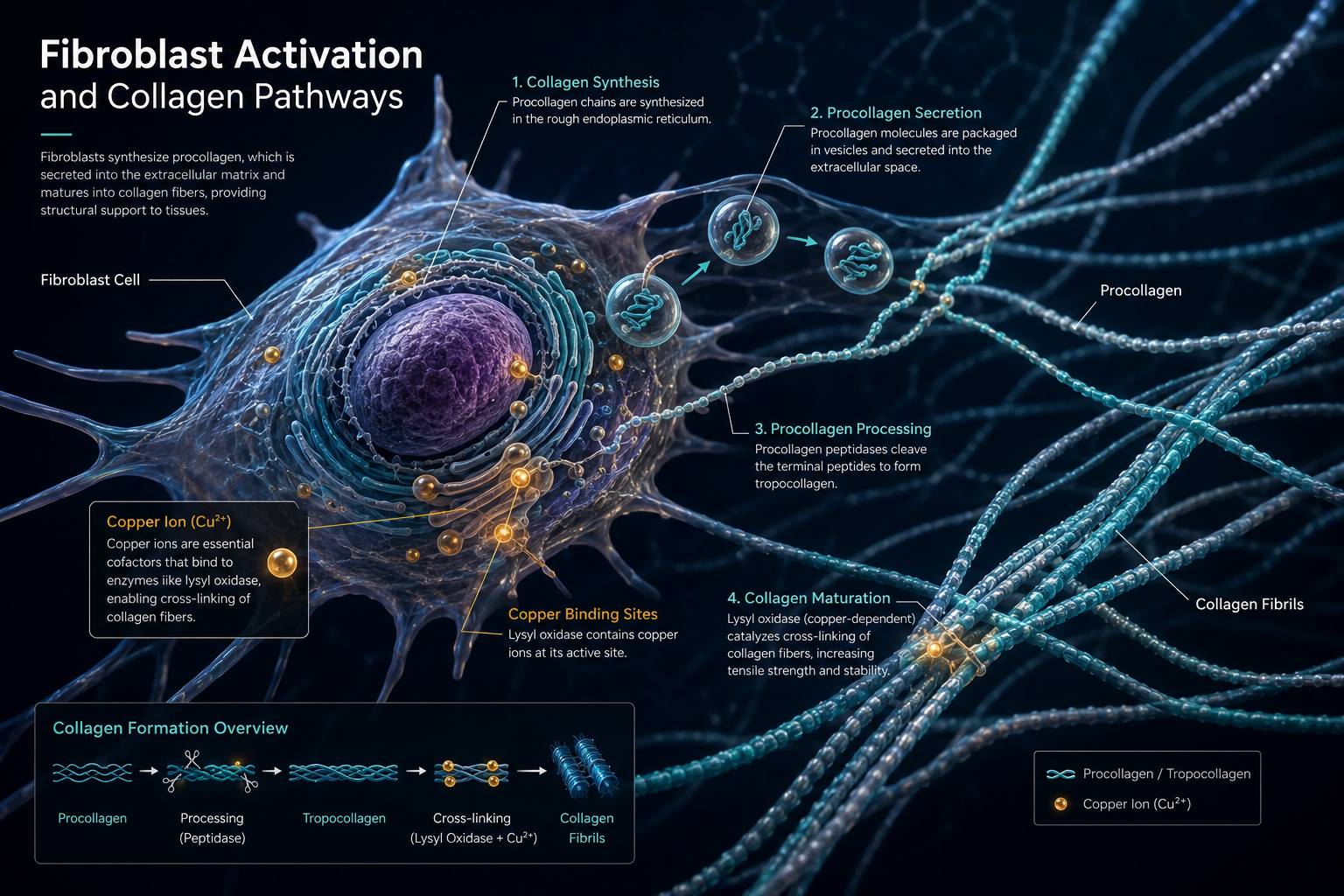
How GHK-Cu Works: Fibroblast Activation and Collagen Pathways

The central mechanism behind GHK-Cu Peptide: Collagen Synthesis, Wound Healing & Anti-Aging Research involves its interaction with fibroblasts — the cells responsible for producing structural proteins in connective tissue.

Key biological actions observed in preclinical studies include:

Mechanism Observed Effect
Fibroblast stimulation Increased collagen I and III synthesis
Elastin upregulation Improved tissue elasticity markers
MMP modulation Balanced matrix metalloproteinase activity
Antioxidant activity Reduced oxidative stress markers
Gene expression Activation of over 30 tissue-repair genes

When GHK-Cu binds copper ions, it delivers them directly to enzymes like lysyl oxidase, which cross-links collagen and elastin fibers. This cross-linking is essential for structural integrity in skin, tendons, and vascular tissue.

"GHK-Cu does not simply add collagen — it appears to recalibrate the entire remodeling environment."

Research also shows GHK-Cu modulates transforming growth factor beta (TGF-beta) signaling, which governs both scar formation and normal tissue repair. This dual action — promoting repair while limiting excessive scarring — makes it particularly interesting for wound biology research. For a broader look at how peptides are reshaping tissue science, the latest peptide research updates provide useful context.


How GHK-Cu Works: Fibroblast Activation and Collagen Pathways

GHK-Cu in Wound Healing and Tissue Remodeling Research

Animal model studies have consistently shown that topical or injected GHK-Cu accelerates wound closure. In rodent excision models, treated wounds demonstrated faster re-epithelialization, denser collagen deposition, and reduced inflammatory cell infiltration compared to controls.

Three wound-healing properties highlighted in preclinical research:

  1. Angiogenesis support — GHK-Cu promotes the formation of new blood vessels, improving nutrient delivery to healing tissue.
  2. Nerve outgrowth — Early studies suggest it may support peripheral nerve regeneration at wound sites.
  3. Anti-inflammatory signaling — It appears to downregulate NF-kB pathways, reducing chronic inflammation that delays healing.

These findings place GHK-Cu alongside other tissue-repair peptides currently under investigation. Researchers interested in comparing repair-focused compounds may also find value in reviewing BPC-157 research themes and TB-500 research, both of which target overlapping tissue remodeling pathways.

The GHK-Cu longevity research overview explores additional preclinical data on systemic aging markers, including its effects on oxidative damage and cellular senescence.


GHK-Cu in Wound Healing and Tissue Remodeling Research

Anti-Aging Research: Gene Expression and Systemic Implications

Beyond skin and wounds, GHK-Cu Peptide: Collagen Synthesis, Wound Healing & Anti-Aging Research has expanded into the field of gene modulation. A landmark analysis found that GHK-Cu reversed the gene expression signature of aged human tissue, activating pathways associated with DNA repair, proteasome function, and mitochondrial activity.

This positions GHK-Cu as more than a topical ingredient. Researchers now classify it as a systemic signaling molecule that may influence:

  • Cellular senescence markers
  • Oxidative stress response genes
  • Tissue regeneration networks across multiple organ systems

The peptide's role in skin aging has been studied in both in vitro and clinical settings. Topical formulations have shown measurable improvements in skin density and fine-line depth in small human trials, though large randomized controlled trials remain limited.

For researchers exploring peptide delivery formats, nasal spray peptide delivery systems and innovative peptide delivery research address how bioavailability affects outcomes for compounds like GHK-Cu. The broader science of peptides in skincare also provides relevant background for understanding topical application research.

Regulatory status in 2026: GHK-Cu is classified as a cosmetic ingredient and research peptide. No FDA-approved prescription formulation exists for any indication — skin, hair, wound, or systemic. NIH-linked sources continue to describe it as experimental, and researchers should distinguish it from approved therapies when designing studies.


Conclusion

GHK-Cu is one of the most studied naturally occurring peptides in tissue biology, with a research profile spanning collagen synthesis, wound repair, antioxidant activity, and gene expression modulation. Its ability to activate fibroblasts, balance matrix remodeling enzymes, and influence aging-related gene signatures makes it a compelling subject for continued preclinical and clinical investigation.

Actionable next steps for researchers:

  • Review preclinical wound-healing models to identify gaps where GHK-Cu data could be applied.
  • Examine gene expression datasets comparing GHK-Cu-treated versus untreated aged tissue.
  • Source research-grade GHK-Cu only from verified, tested suppliers — purity directly affects experimental validity. Reviewing best peptide manufacturer standards is a practical starting point.
  • Stay current with evolving regulatory classifications before designing human-subject protocols.

The compound's transition from a plasma-isolated curiosity to a multi-pathway research target reflects the broader maturation of peptide science — and its most significant findings may still be ahead.

https://www.puretestedpeptides.com/wp-content/uploads/2026/06/GHK-Cu-Peptide-Collagen-Synthesis-Wound-Healing-Anti-Aging-Research.png 1024 1536 https://www.puretestedpeptides.com/wp-content/uploads/2026/01/buy-peptides-online.jpg 2026-06-26 13:04:512026-06-26 13:04:51GHK-Cu Peptide: Collagen Synthesis, Wound Healing & Anti-Aging Research
×

Helpful Links

  • My account
  • Cart
  • Checkout
  • Refund and Returns Policy
  • Privacy Policy
  • SMS Privacy Policy
  • Login
  • My Account
  • Logout

USA Made Lab Tested Peptides

All products are sold for research, laboratory, or analytical purposes only, and are not for human consumption


Pure Tested Peptides is a chemical supplier. Pure Tested Peptides is not a compounding / chemical compounding facility as defined under 503A of the Federal Food, Drug, and Cosmetic act. Pure Tested Peptides is not an outsourcing facility as defined under 503B of the Federal Food, Drug, and Cosmetic act.

The statements made within this website have not been evaluated by the US Food and Drug Administration. The products we offer are not intended to diagnose, treat, cure or prevent any disease.

Human/Animal Consumption Prohibited. Laboratory/In-Vitro Experimental Use Only

Scroll to top Scroll to top Scroll to top