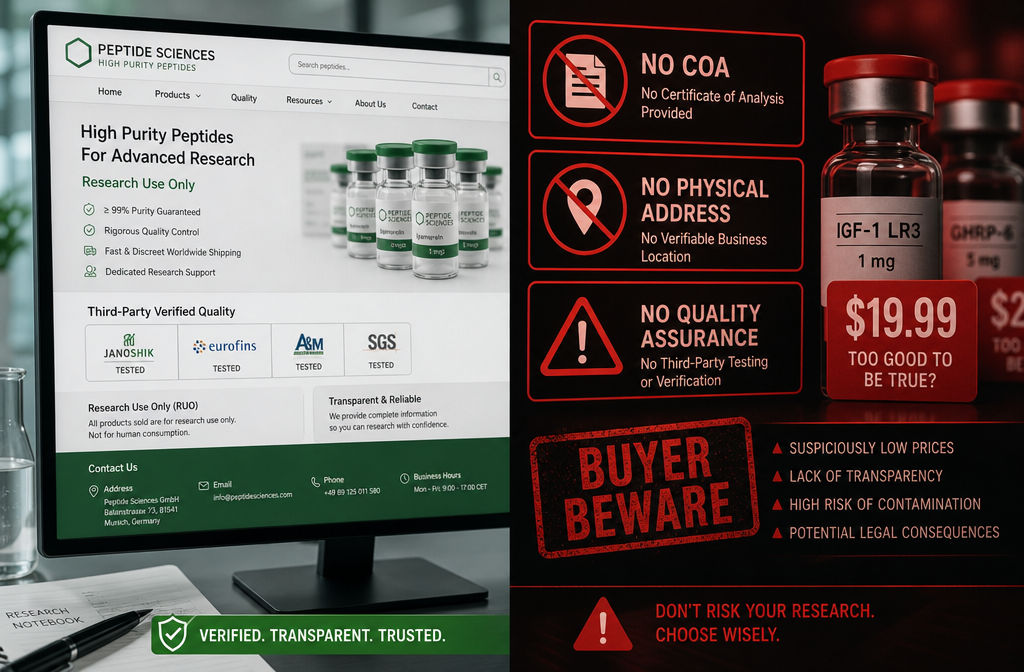
Semax Nasal Spray Research Products Compared: Formulation Transparency, Assay Documentation, and Use-Case Fit
Fewer than half of Semax nasal spray products currently available to researchers disclose the complete formulation data needed to run reproducible experiments. That gap matters because a 375 mcg-per-spray bottle and a 100 mcg-per-spray bottle are not interchangeable in a CNS research protocol, yet both may carry the same "research-grade" label. This article applies a structured buyer framework to the key variables that separate credible Semax nasal spray research products from those that fall short on formulation transparency, assay documentation, and use-case fit.
Key Takeaways
- Semax nasal sprays vary widely in per-spray dose (100-375 mcg) and total peptide load (10-30 mg), making concentration disclosure a non-negotiable first filter.
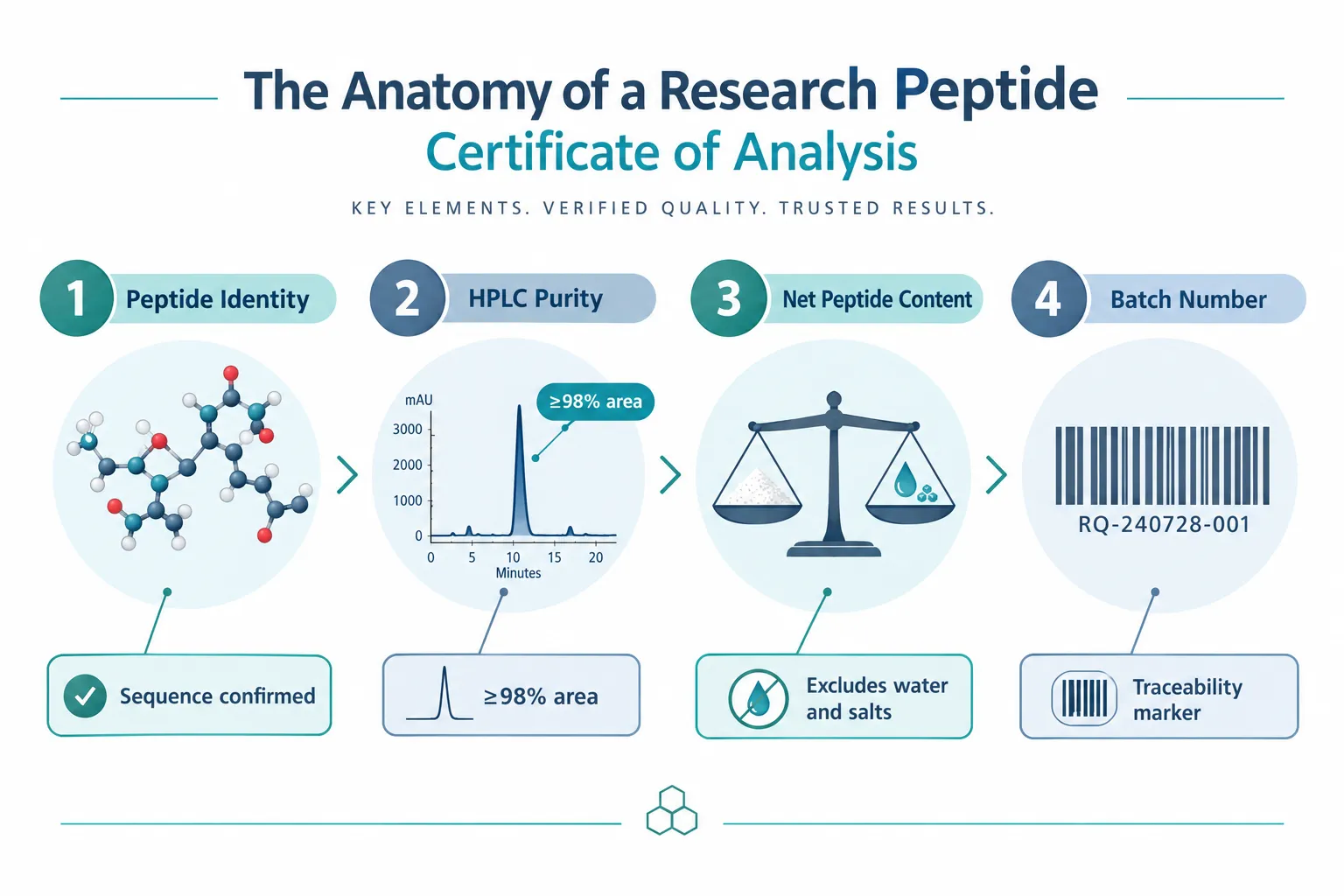
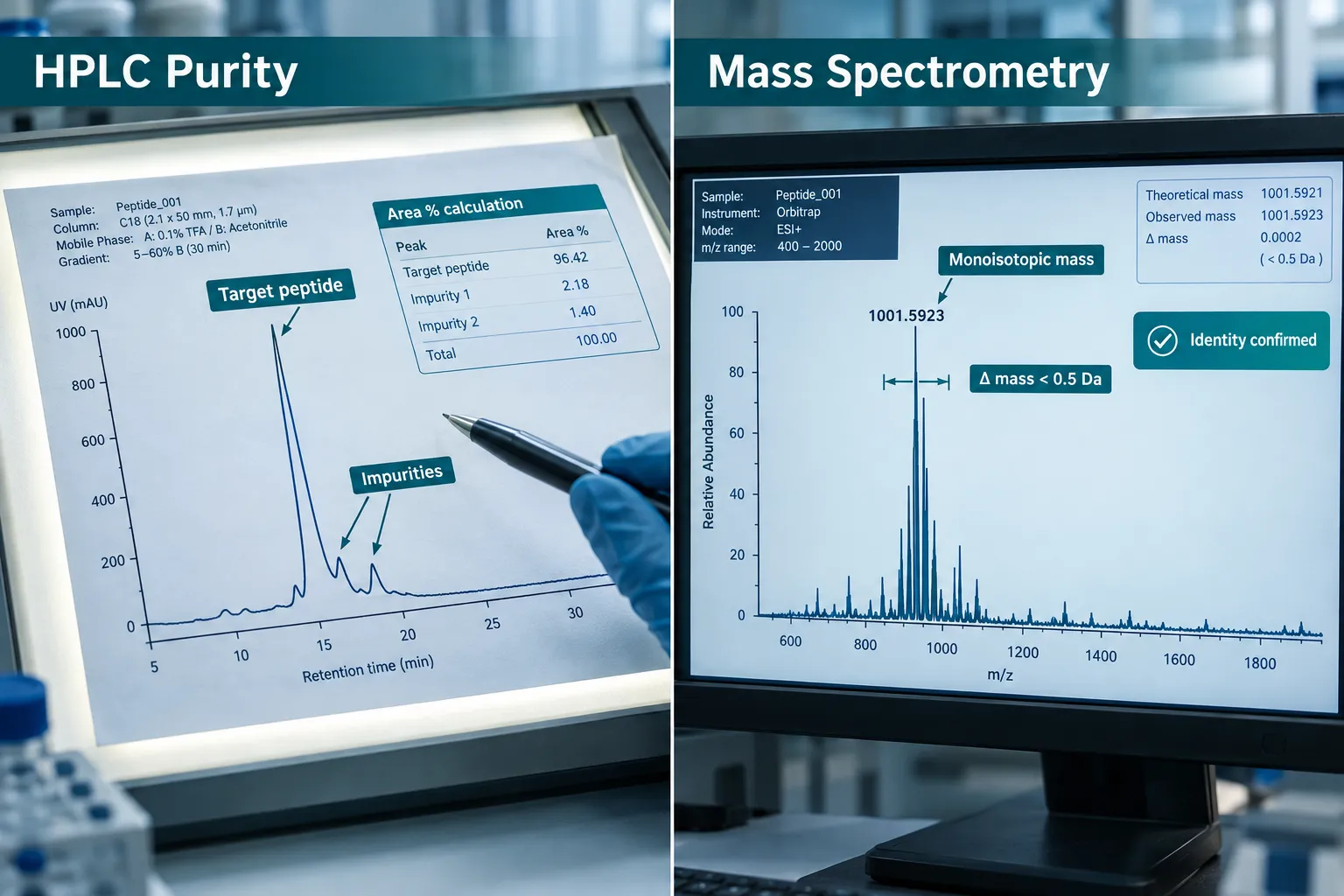
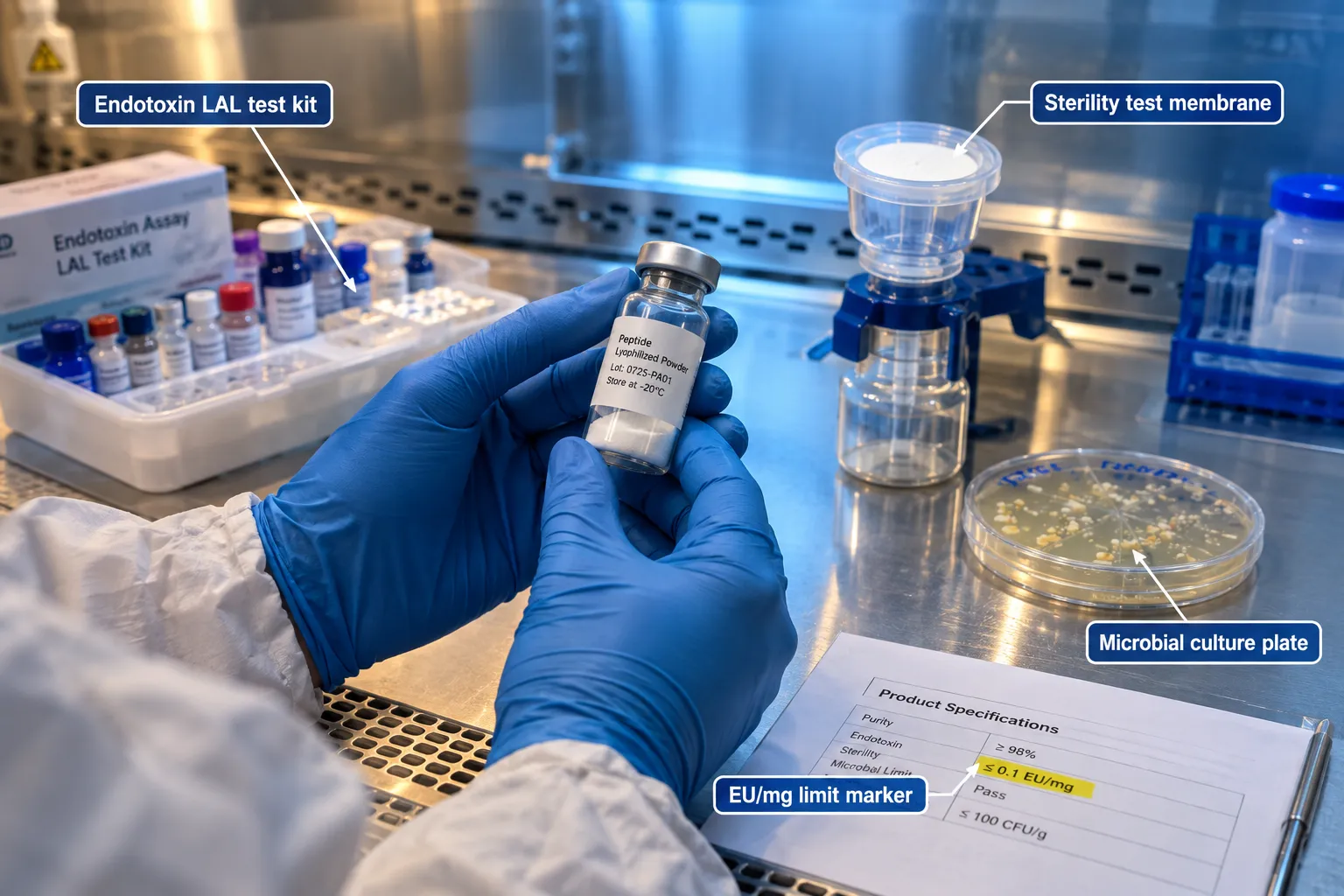
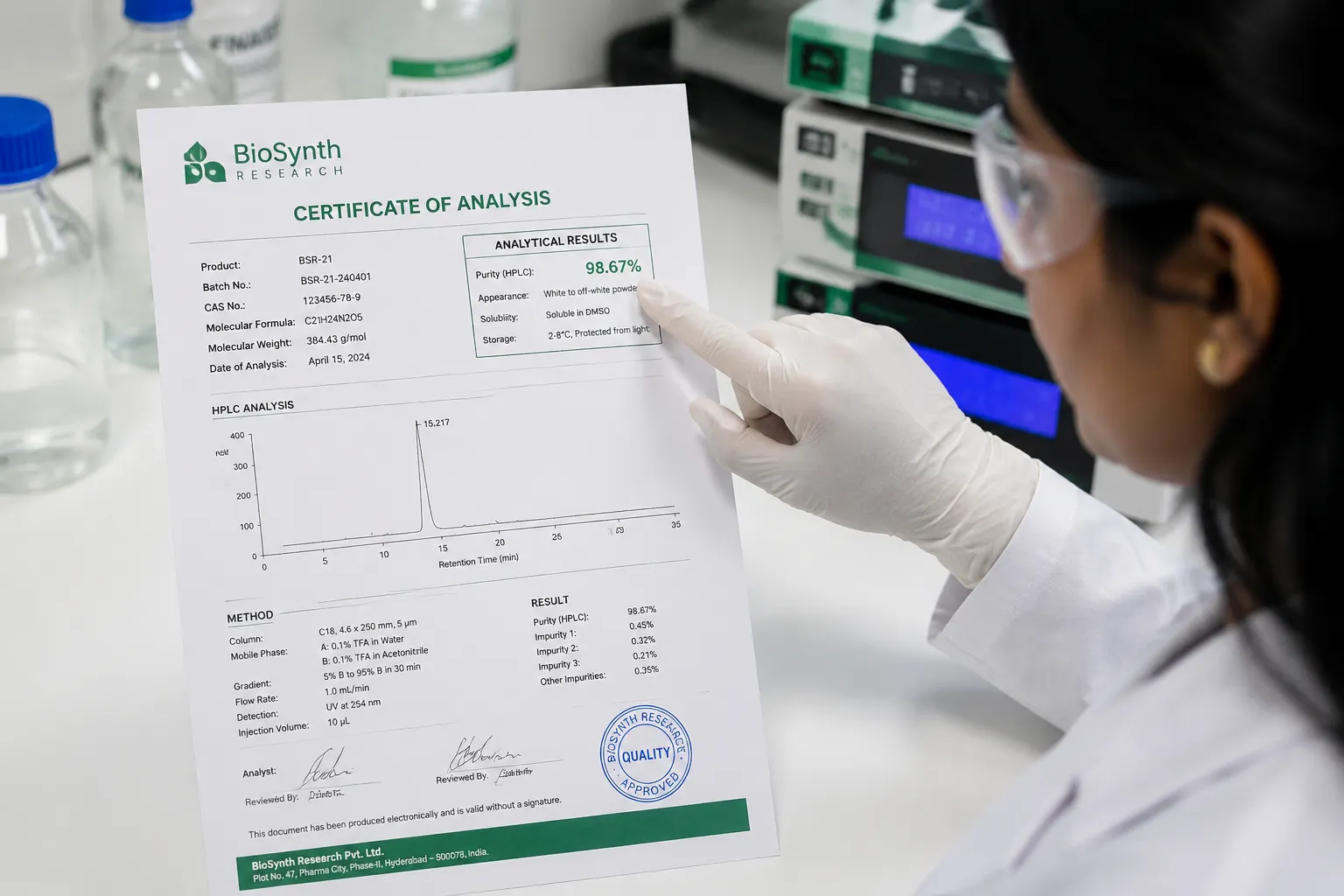
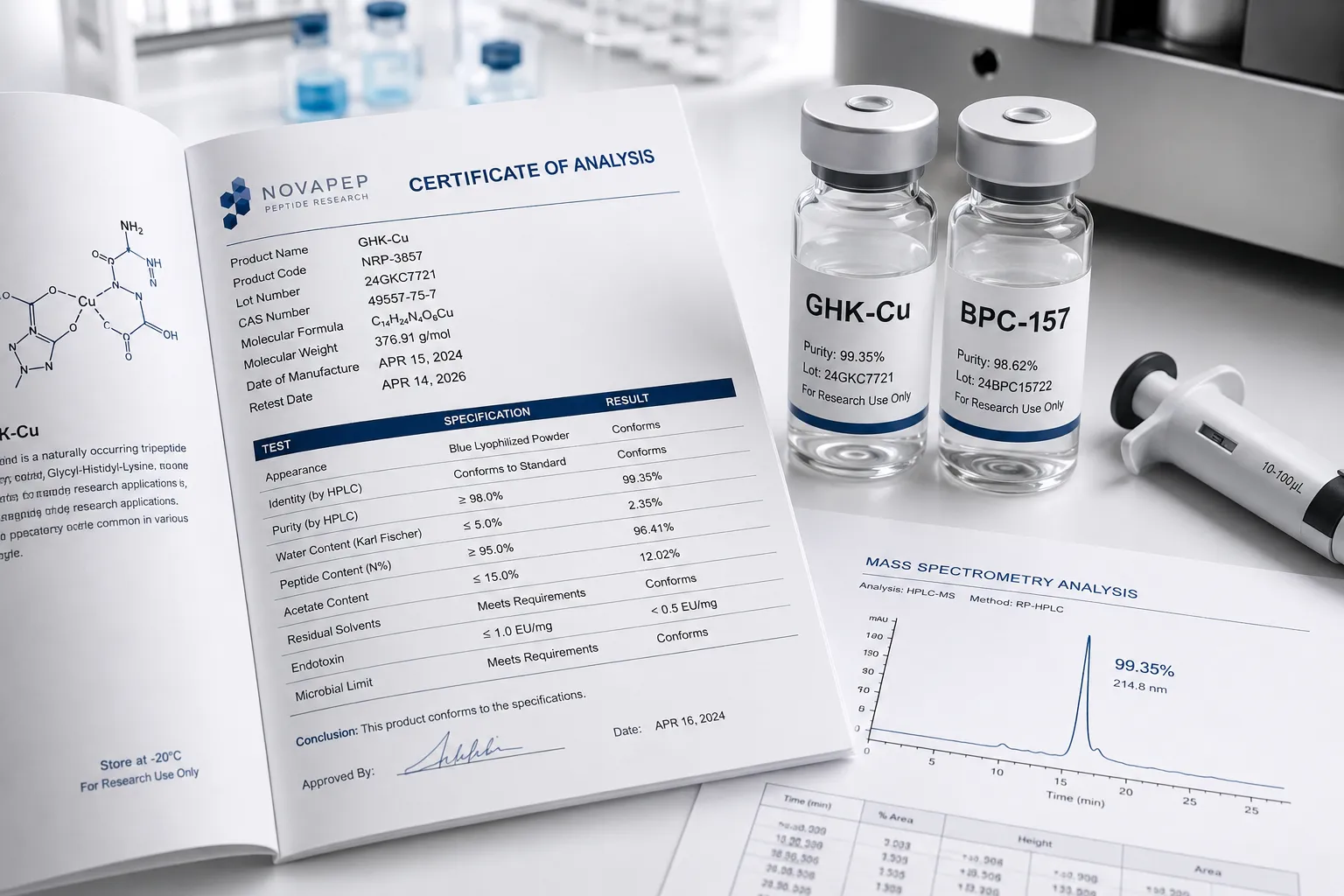
- Batch-level COA documentation should include HPLC purity, LC-MS identity confirmation, and LAL endotoxin screening, not just a generic "≥99% purity" claim.
- Intranasal delivery is pharmacokinetically justified for CNS research, offering roughly tenfold greater relative blood-brain barrier penetration versus intravenous injection.
- Combination Semax/Selank sprays are a growing niche in 2026 but require dual-peptide assay documentation to be scientifically valid.
- Researchers should request full COA files and explicit assay methods before committing to any supplier for critical experiments.
Why Formulation Transparency Is the First Filter
When evaluating Semax nasal spray research products compared across suppliers, the starting point is always the label. Specifically: what is the peptide concentration per spray, how many sprays does the bottle deliver, and what is the total peptide mass?
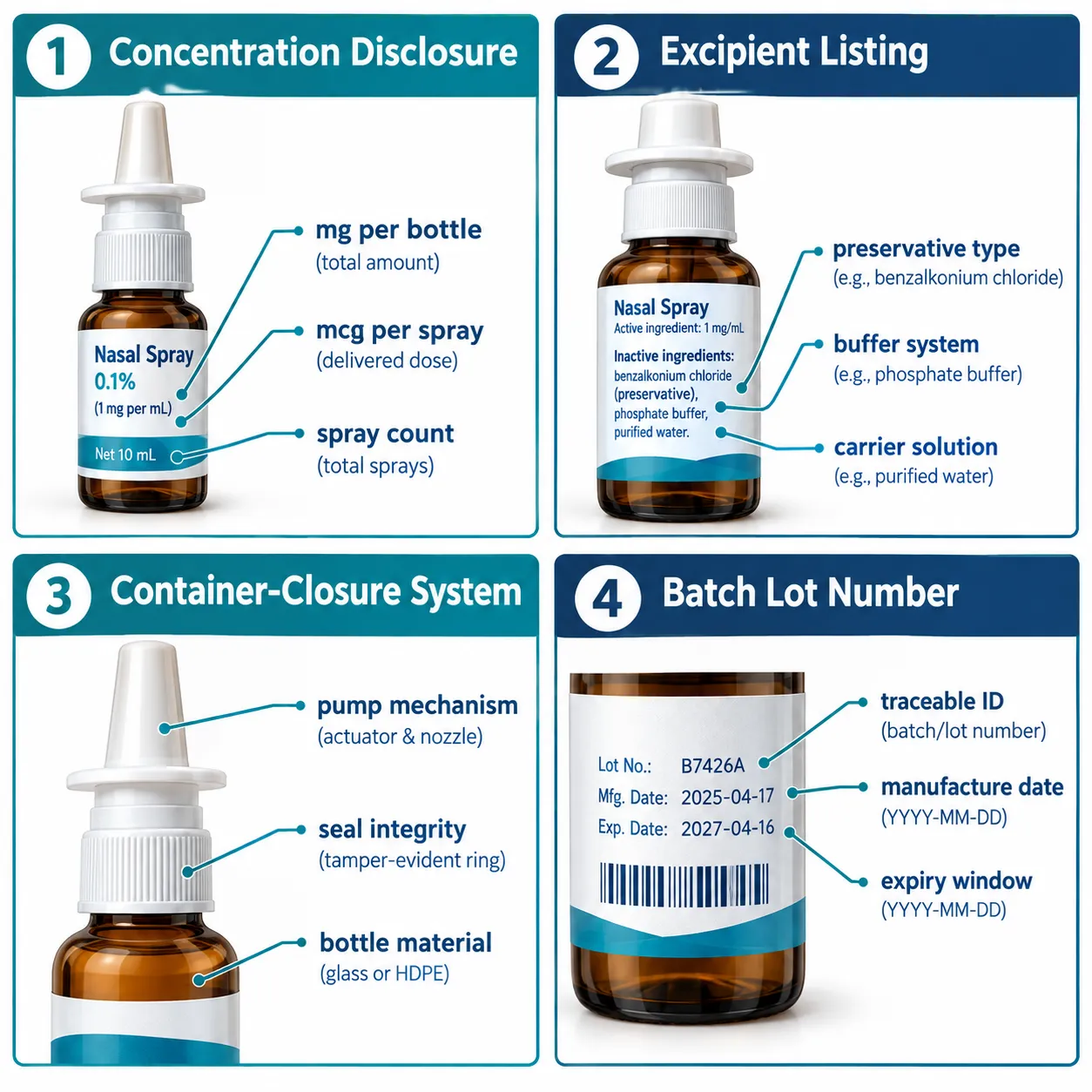
Current market offerings show significant variation. One 30 mg/10 mL bottle delivers 80 metered sprays at 375 mcg each. A separate product lists 11 mg total with 100 mcg per spray. A compounded pharmacy formulation offers 15 mL at 2.5 mg/mL, yielding 250 mcg per spray. These are not minor differences, a researcher using the first product and then switching to the second without adjustment would deliver less than 27% of the original dose per actuation.
What transparent formulation labeling should include:
| Disclosure Element | Why It Matters |
|---|---|
| Total peptide mass (mg) | Confirms batch size for cost and protocol planning |
| Volume (mL) | Enables concentration calculation |
| Per-spray dose (mcg) | The critical dosing unit for experimental design |
| Metered spray count | Confirms consistency across the bottle's lifespan |
| Excipients and preservatives | Affects cell viability in in-vitro models |
| Container-closure system | Affects sterility and pump accuracy over time |
Excipient disclosure is often overlooked. The buffer system, any antimicrobial preservative, and the carrier solution can all influence outcomes in cell-based assays. A product that lists only the active peptide concentration without naming the excipients leaves a meaningful gap for lab reproducibility.
Researchers exploring other peptides nasal spray formats will find the same transparency hierarchy applies across the category.
Assay Documentation Standards: What Separates Credible Suppliers
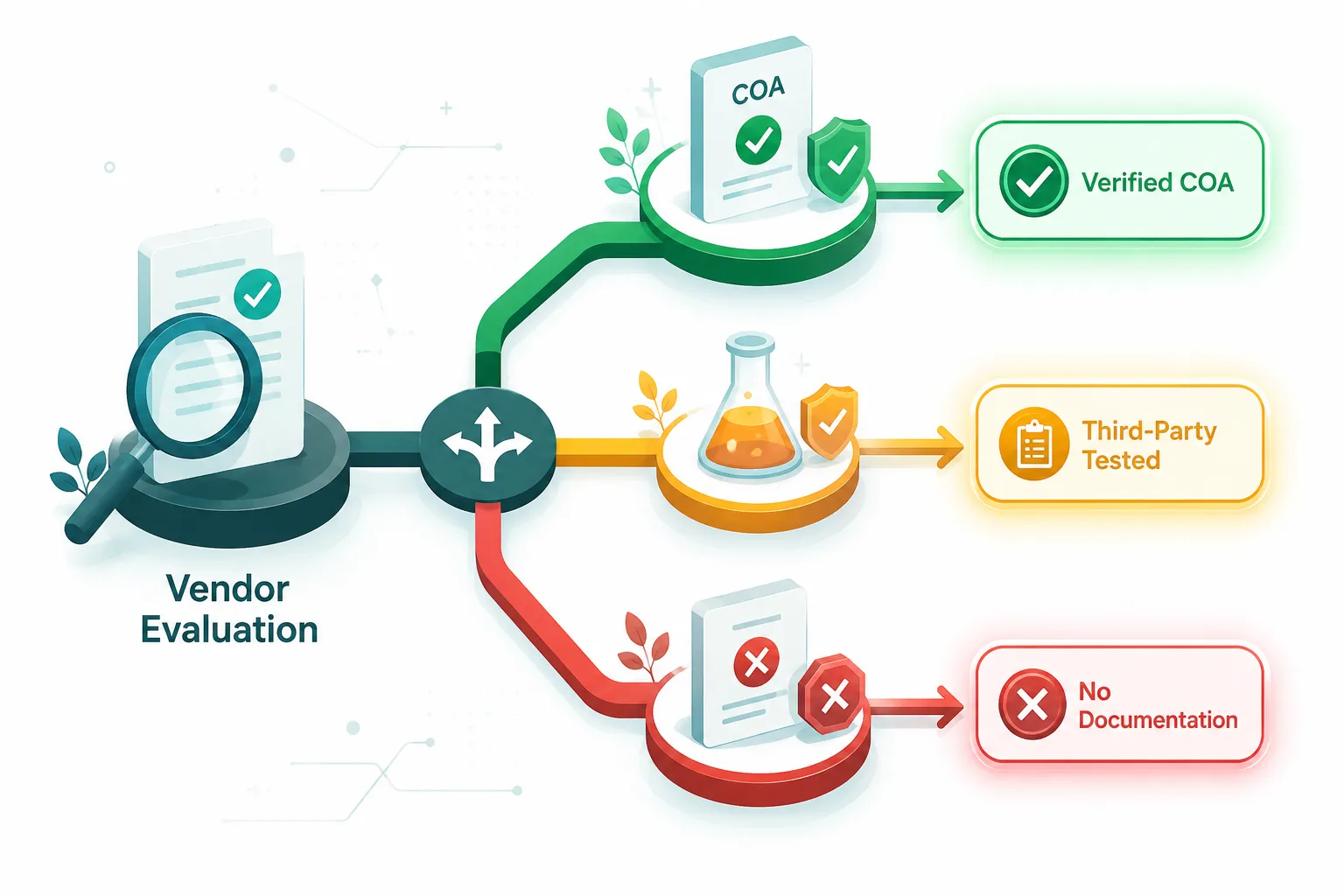
The phrase "third-party tested" has become nearly universal in the peptide research market, and nearly meaningless without supporting documentation. A rigorous Semax nasal spray research products comparison must look past marketing language to the actual assay data.
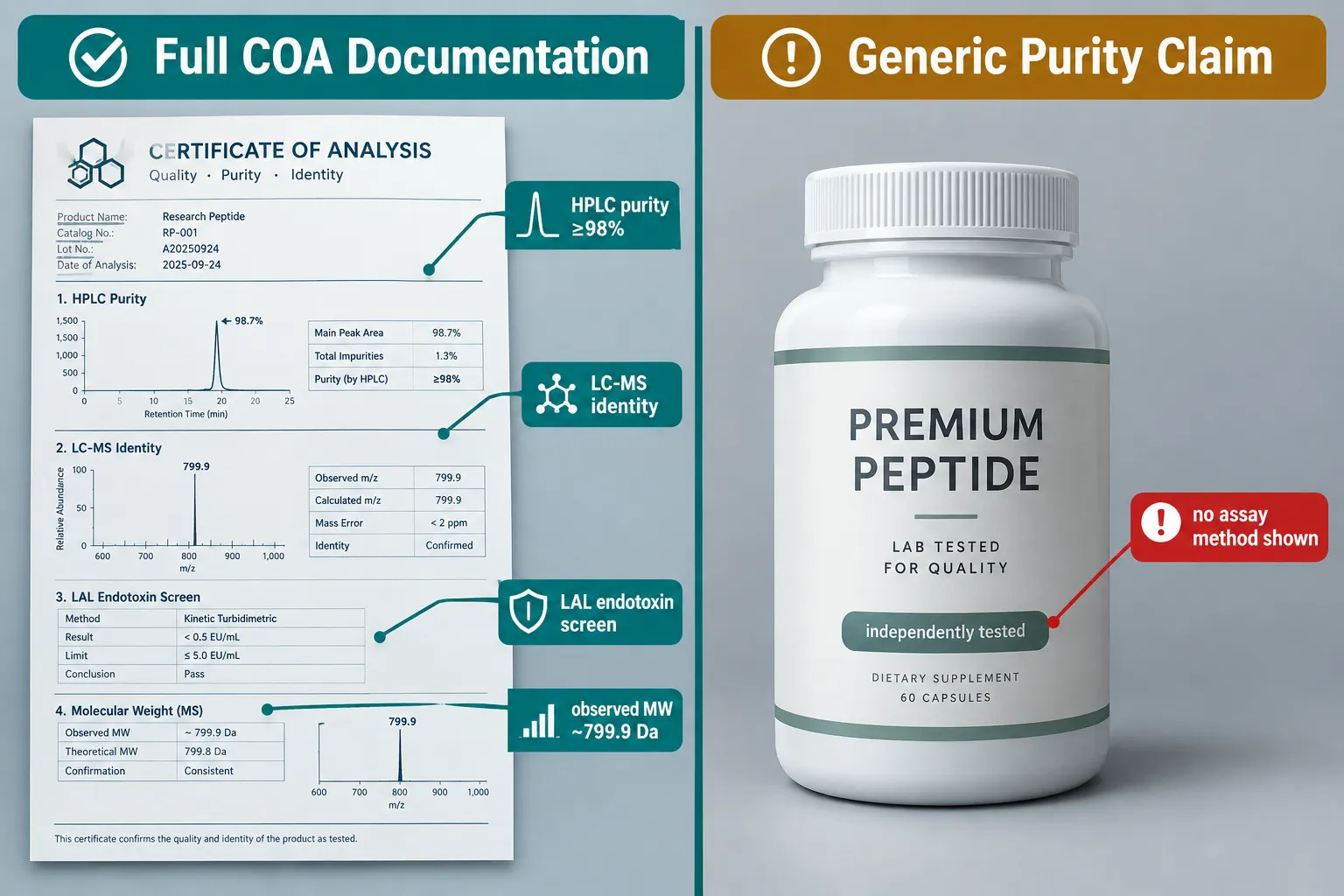
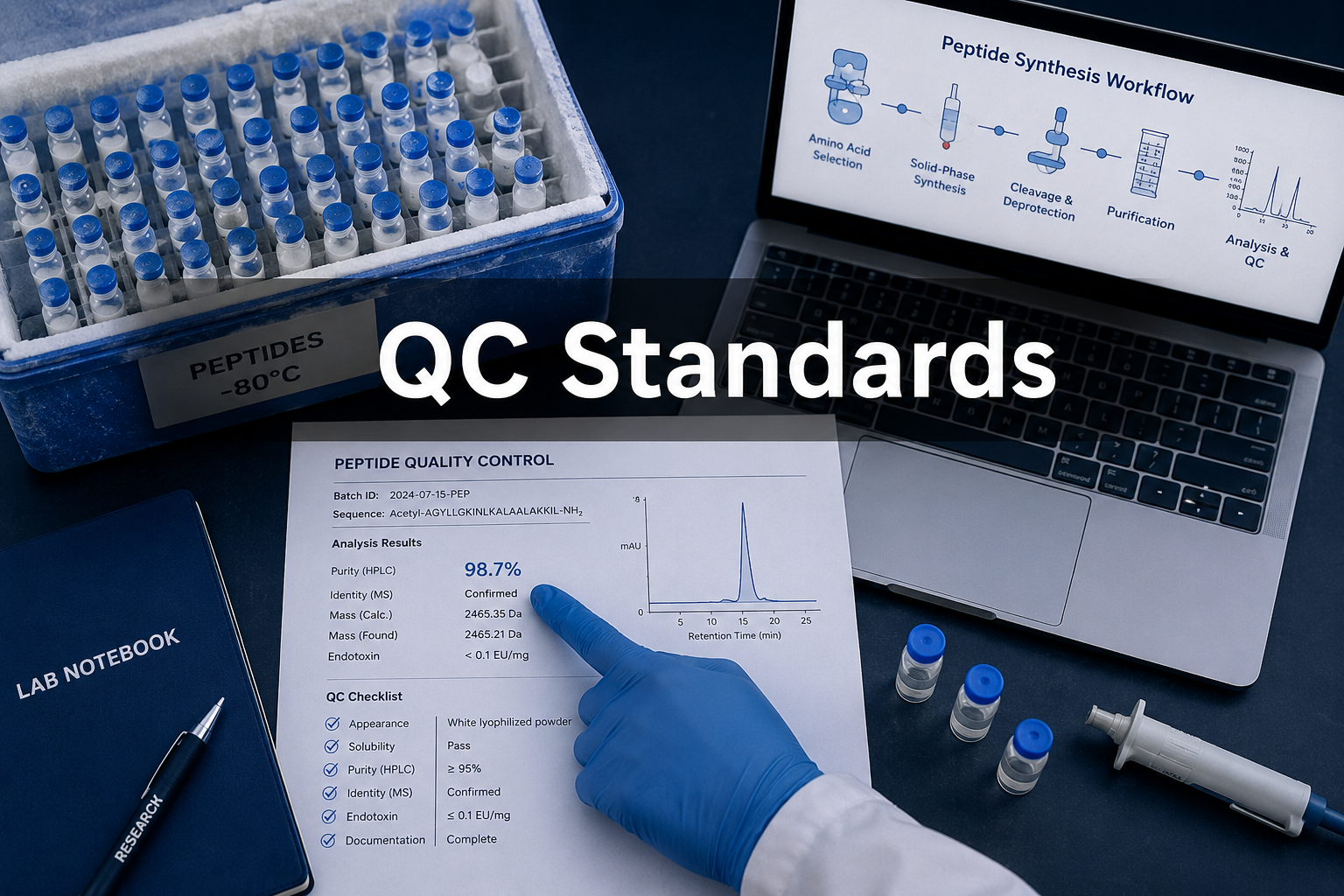
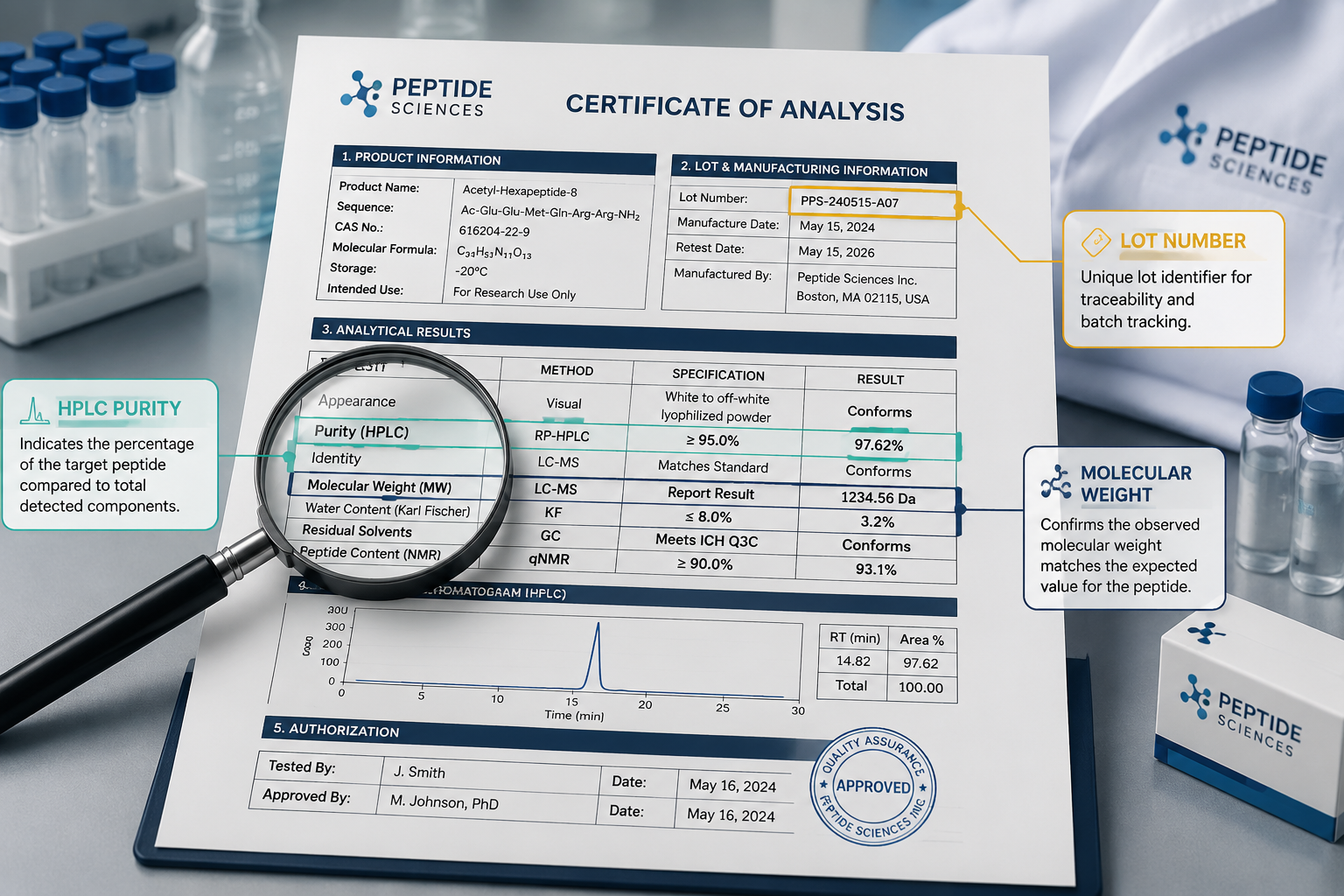
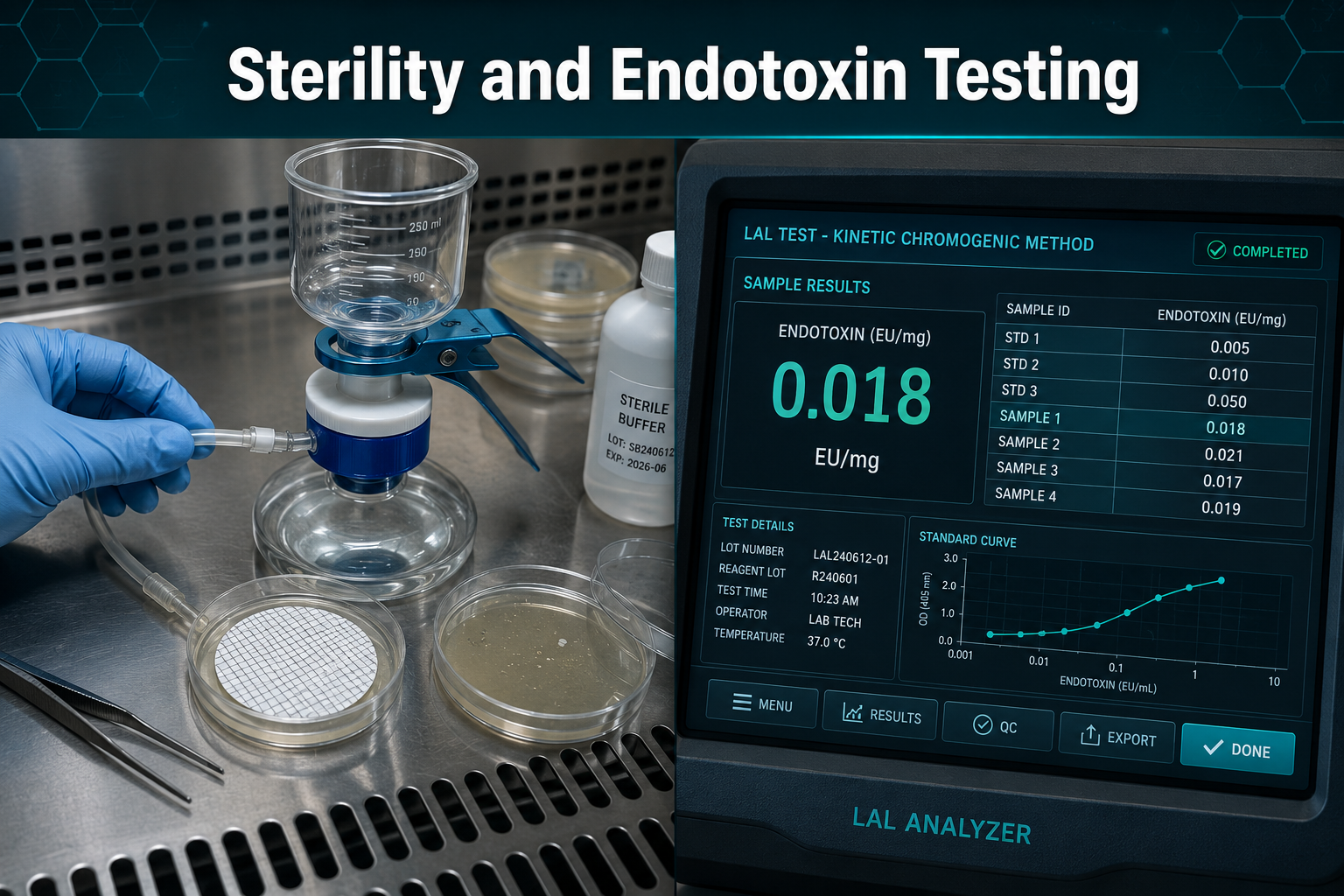
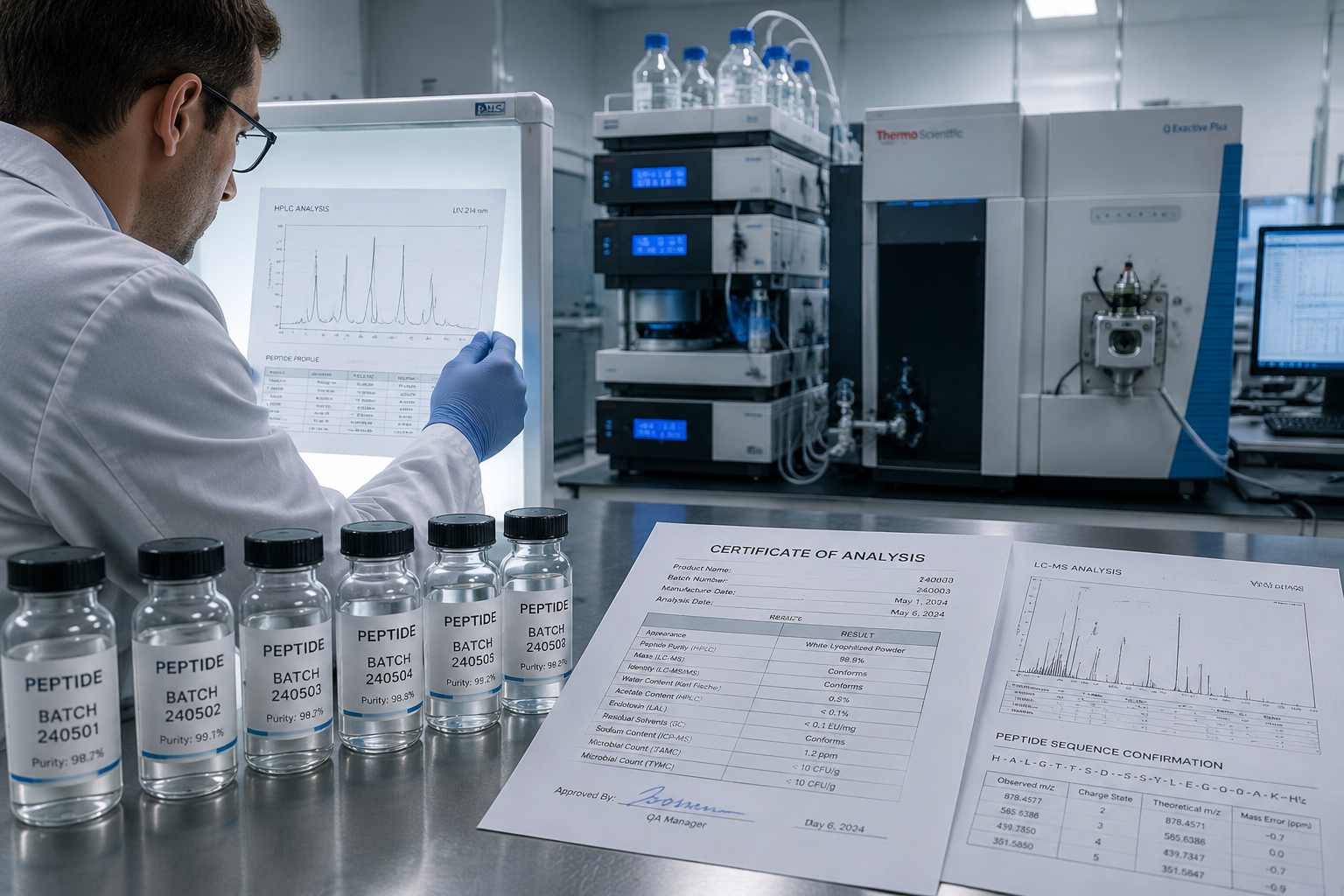
A genuine three-assay quality control standard for Semax includes:
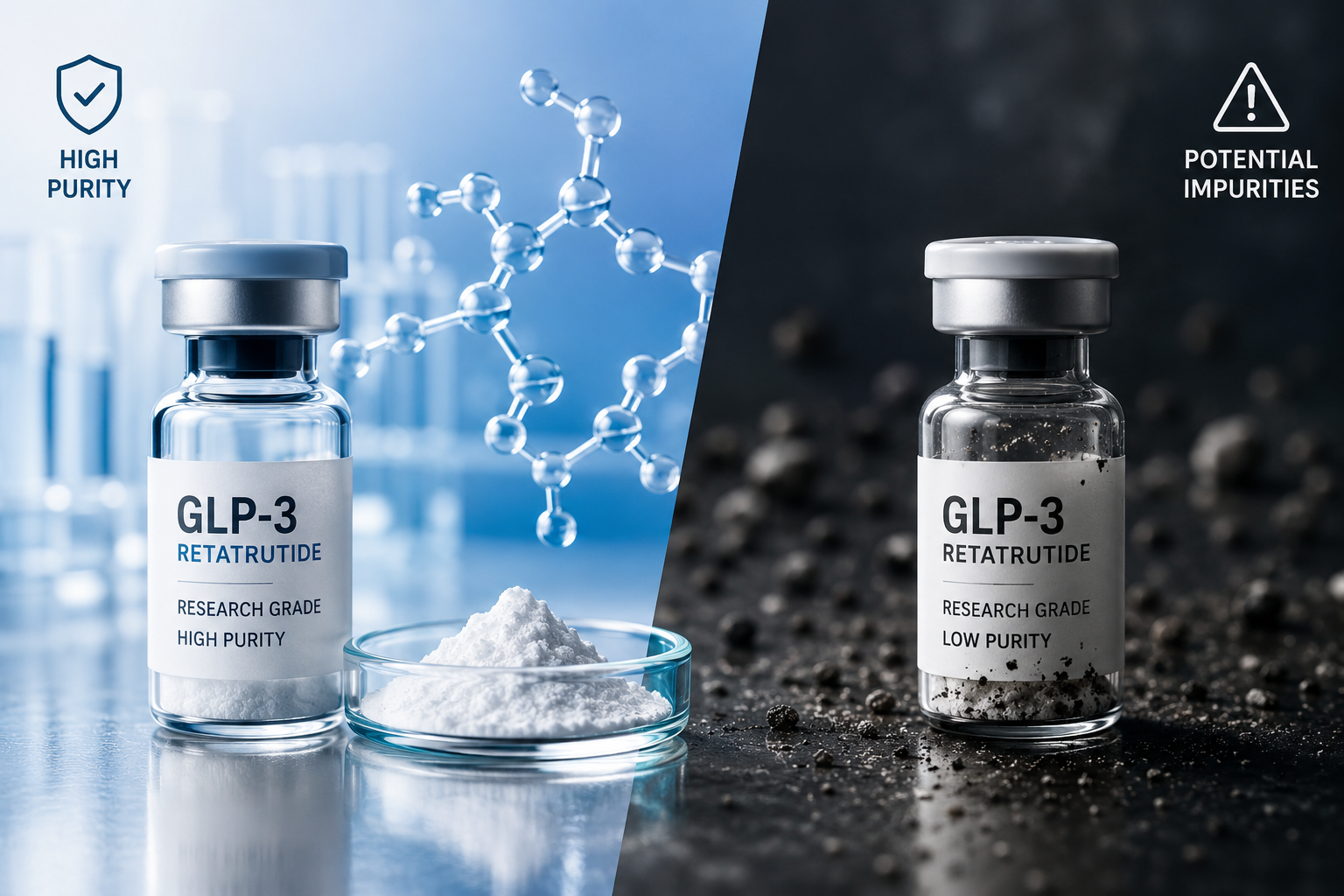
- HPLC purity, main peak area should be ≥98%, with the chromatogram available for review
- LC-MS identity confirmation, the observed molecular weight should match the theoretical ~799.9 Da for Semax
- LAL endotoxin screening, results should fall within research-grade acceptable limits
Some European and North American suppliers now offer selectable COAs for different product strengths (10 mg vs. 30 mg), which is a meaningful step toward the kind of batch-level traceability that serious research programs require. However, a notable portion of the market still provides only a statement of "independently tested" with no downloadable COA, no assay method description, and no lot-specific data.
"A purity claim without a chromatogram is a marketing statement, not a quality standard."
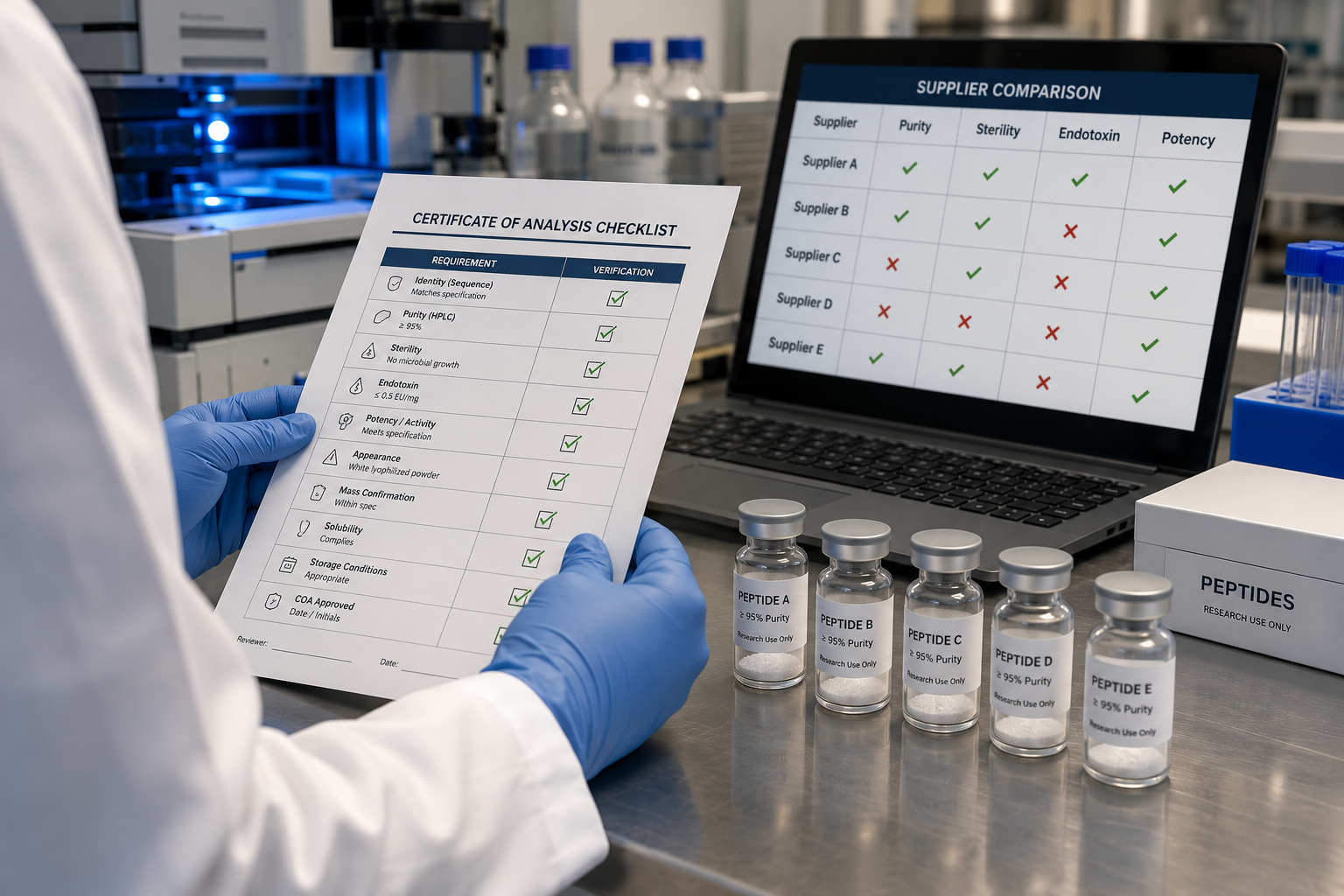
Practical checklist before purchasing:
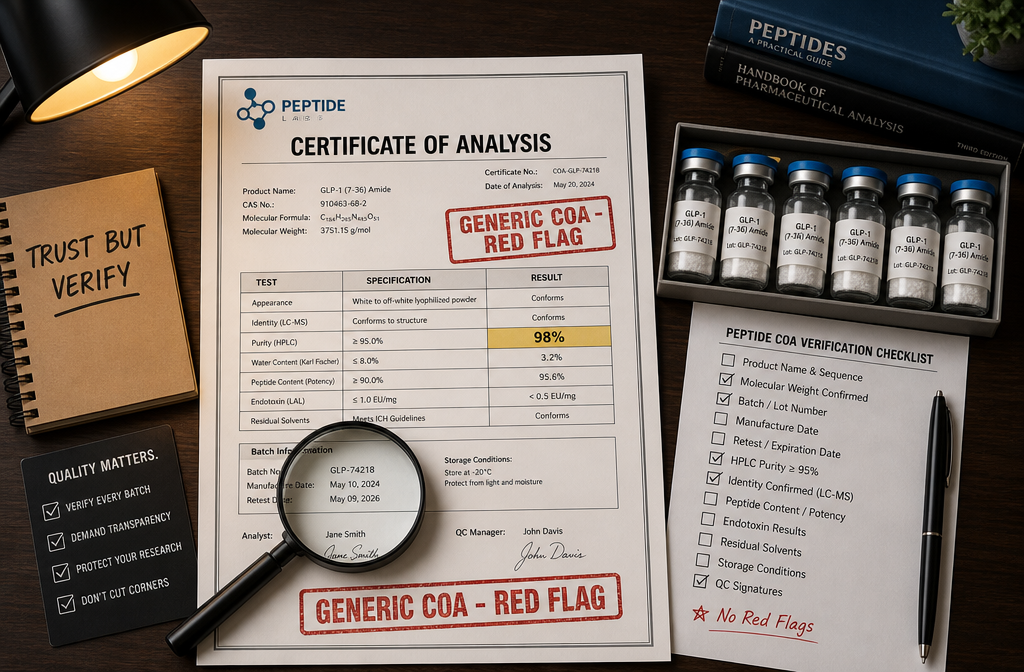
- Request the batch-specific COA, not a generic certificate
- Confirm HPLC method and column specifications are listed
- Verify LC-MS data shows the correct observed mass
- Check that endotoxin testing method (LAL or equivalent) is named
- Confirm the testing laboratory is identified by name
For researchers also evaluating related peptide quality standards, the approach used when sourcing research-grade Glow Blend peptide provides a useful parallel framework for purity and identity verification.
Use-Case Fit: Matching the Product to the Research Model
Semax's research utility is grounded in its neurotrophic activity. Studies in rat glial cell models show rapid upregulation of BDNF and NGF mRNA within 30 minutes of exposure. Intranasal dosing in intact rats produces two expression peaks, one at approximately 1.5 hours in the hippocampus and frontal cortex, and a second at roughly 8 hours, supporting its fit for neuroplasticity and cognitive research protocols.
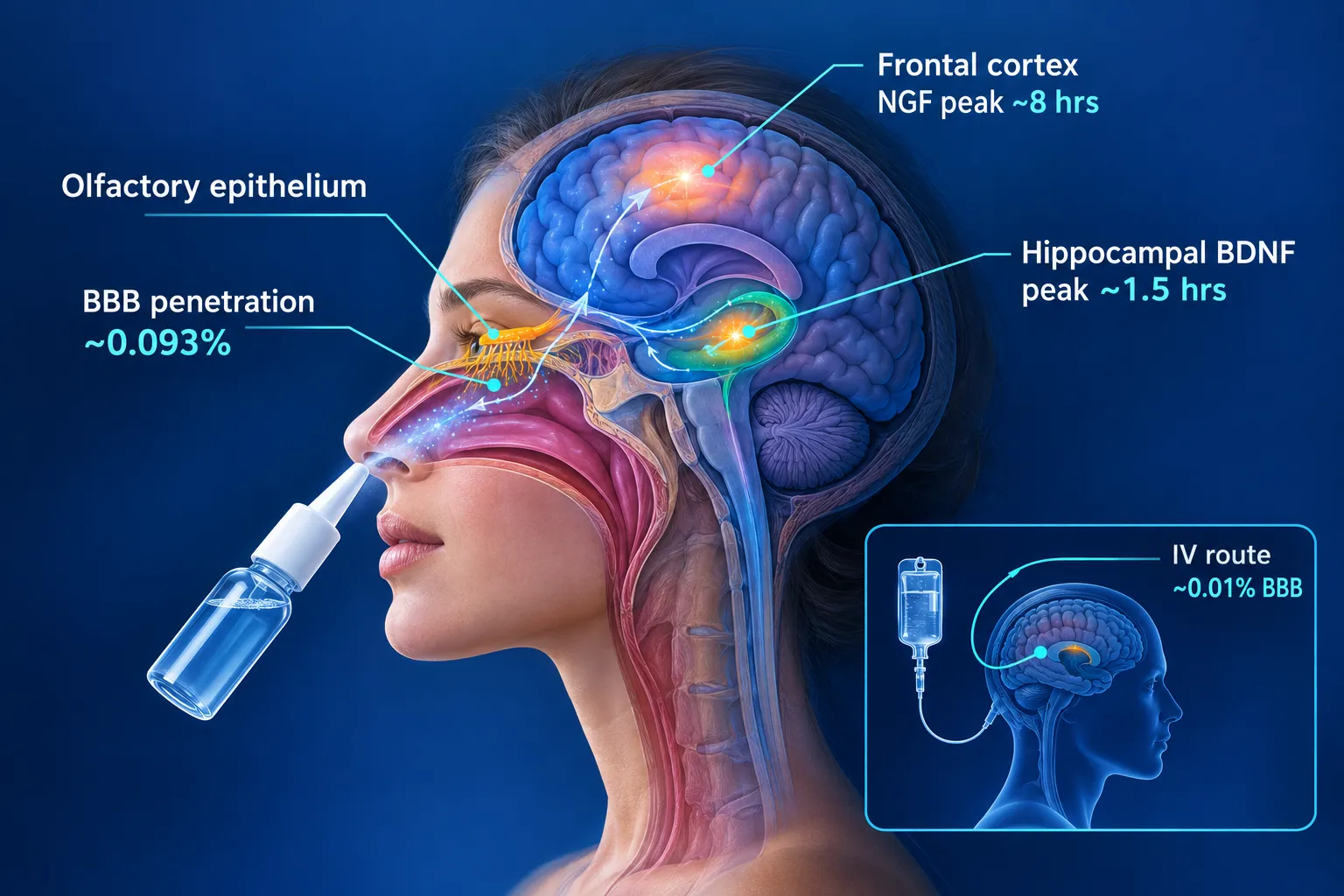
The pharmacokinetic rationale for the nasal route is clear: approximately 0.093% of intranasally administered Semax crosses the blood-brain barrier, compared with roughly 0.01% via intravenous injection. That nearly tenfold relative increase in CNS exposure underpins the preference for nasal spray formats in CNS-targeted research.
Regulatory and clinical context remains concentrated in Russia, where Semax was originally approved as nasal drops at 0.1% and 1% concentrations for neuroprotection, stroke recovery, and optic nerve atrophy. Western suppliers uniformly frame their products as research-only. In the United States, Semax is not FDA-approved and is accessible only through compounding pharmacies for off-label use.
Dosing protocols from medically reviewed sources converge around 300-600 mcg per nostril once or twice daily in 10-14 day courses with rest periods. A compounded 250 mcg-per-spray product is typically used at one spray per nostril once daily, referencing Russian clinical protocols of 14-21 day courses.
Combination formulations are a growing segment. Semax/Selank combination sprays, standardized at 250 mcg of each peptide per dose, are marketed for overlapping neurocognitive and anxiolytic research use-cases. Researchers considering this niche should review Selank vs Semax comparisons to confirm the mechanistic rationale before selecting a dual-peptide product. Dual-peptide products require COA documentation for both active compounds independently.
Geographic market positioning adds another layer of complexity. Canadian vendors sometimes frame Semax under a natural GH-pathway support angle, while European suppliers emphasize neurocognitive applications. Messaging differences do not change the underlying chemistry, but they can signal which research community a supplier is primarily serving, and whether their documentation standards align with that community's expectations.
Researchers building multi-peptide CNS protocols may also find value in reviewing the IPA Sermorelin stack research framework as a model for how stacked peptide combinations should be documented and evaluated.
Conclusion
Semax nasal spray research products compared across the 2026 market reveal a clear quality divide: suppliers that provide batch-specific HPLC, LC-MS, and endotoxin data versus those relying on generic purity language. Formulation transparency, covering per-spray dose, total peptide mass, excipients, and container-closure details, is the foundational filter. Assay documentation is the differentiator that determines whether a product is fit for reproducible research.
Actionable next steps for researchers:
- Build a supplier evaluation checklist using the formulation and assay criteria outlined above
- Request lot-specific COA files before placing any order, reject suppliers who cannot provide them
- Match the per-spray concentration to your specific experimental protocol before comparing prices
- For combination sprays, require independent COA data for each peptide in the formulation
- Revisit supplier documentation standards at each new batch, as QC consistency can vary over time