Retatrutide and MASLD: Interpreting Liver-Fat Reductions and Microbiome Signals From Emerging GLP‑3 Data
Metabolic dysfunction-associated steatotic liver disease (MASLD) now affects an estimated 25% of the global adult population, yet no pharmacological agent had achieved consistent, clinically meaningful liver-fat reduction until the triple-agonist class arrived. Retatrutide and MASLD: Interpreting Liver-Fat Reductions and Microbiome Signals From Emerging GLP-3 Data sits at the center of one of the most closely watched therapeutic conversations in metabolic medicine heading into 2026. Early Phase 2 readouts from the retatrutide program have produced liver-fat endpoint data that researchers are now parsing alongside unexpected gut microbiome signals, raising questions about mechanism, durability, and how preclinical peptide models should be designed to capture these effects.
Key Takeaways
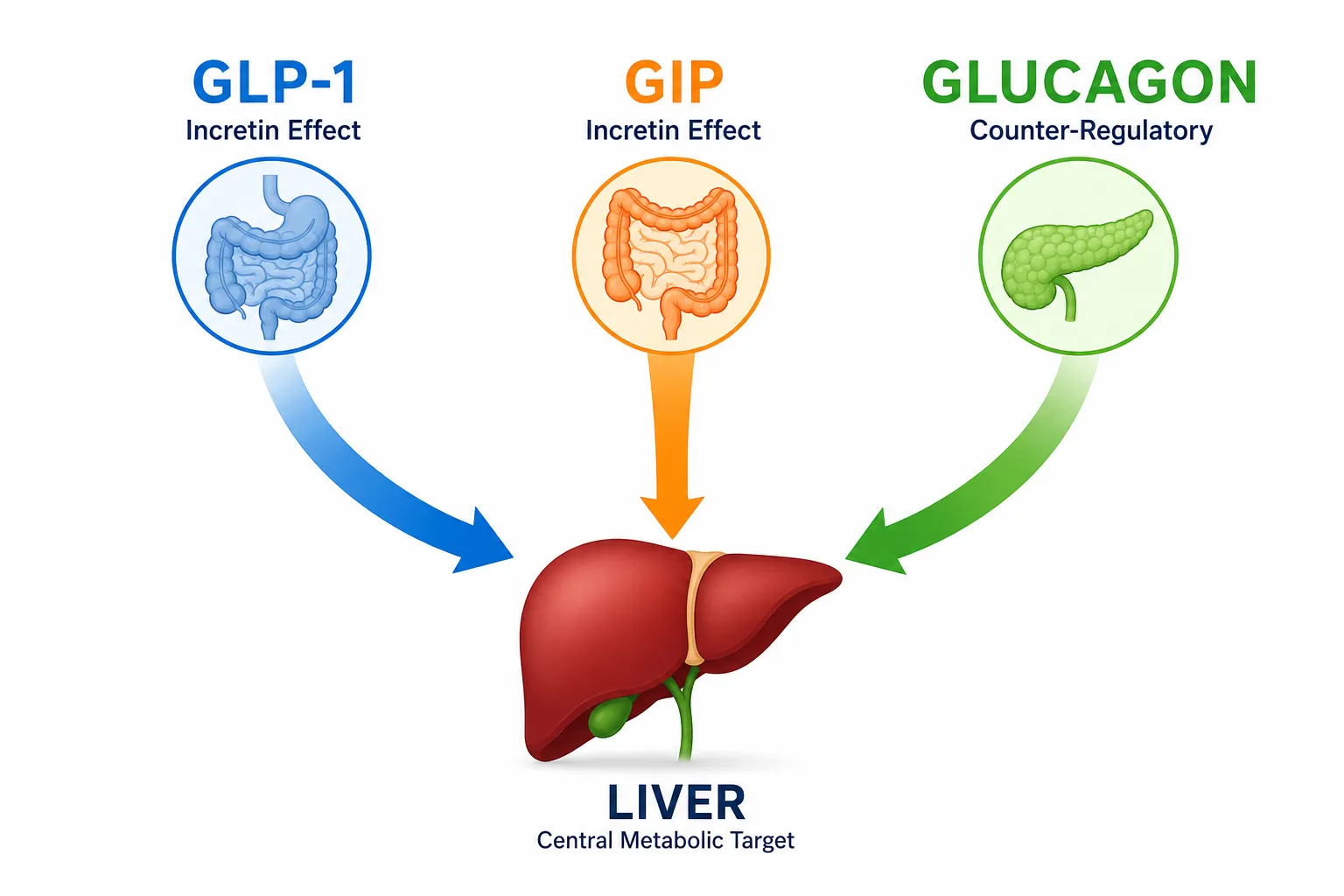
- Retatrutide (GLP-3) simultaneously activates GLP-1, GIP, and glucagon receptors, creating a broader metabolic footprint than single- or dual-agonist agents.
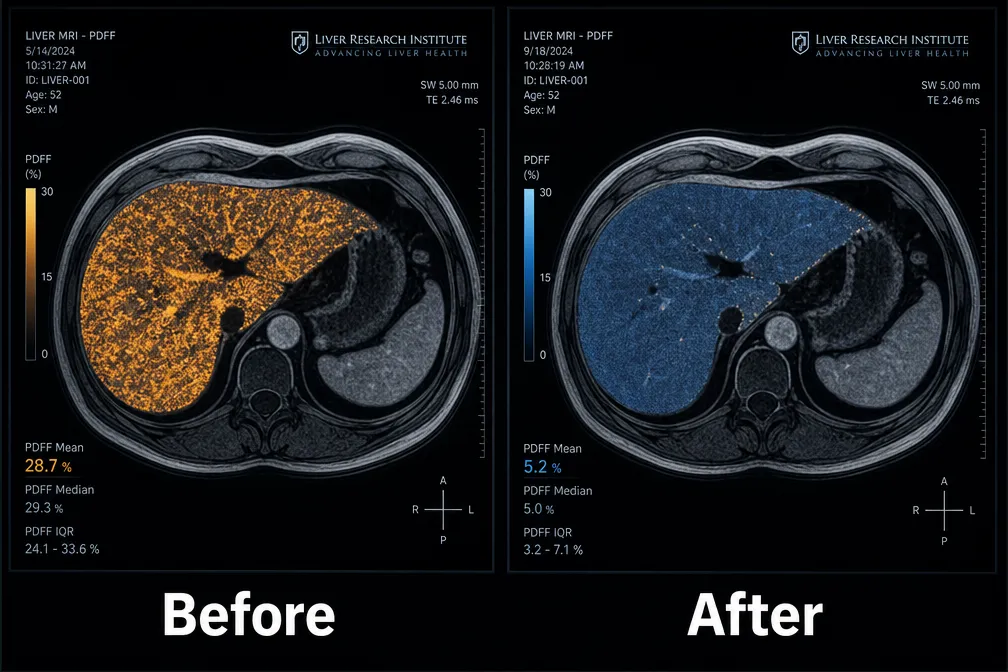
- Phase 2 data show liver-fat reductions exceeding 80% from baseline in some cohorts, measured by MRI-proton density fat fraction (MRI-PDFF).
- Gut microbiome shifts observed in trial participants may be mechanistically linked to hepatic fat clearance, not merely a secondary effect of weight loss.
- Blood pressure changes, both favorable and requiring monitoring, have emerged as a notable safety signal in retatrutide data.
- Preclinical researchers modeling MASLD endpoints should account for multi-receptor engagement when selecting GLP-3 research peptides for study design.
What the Phase 2 Liver-Fat Data Actually Show
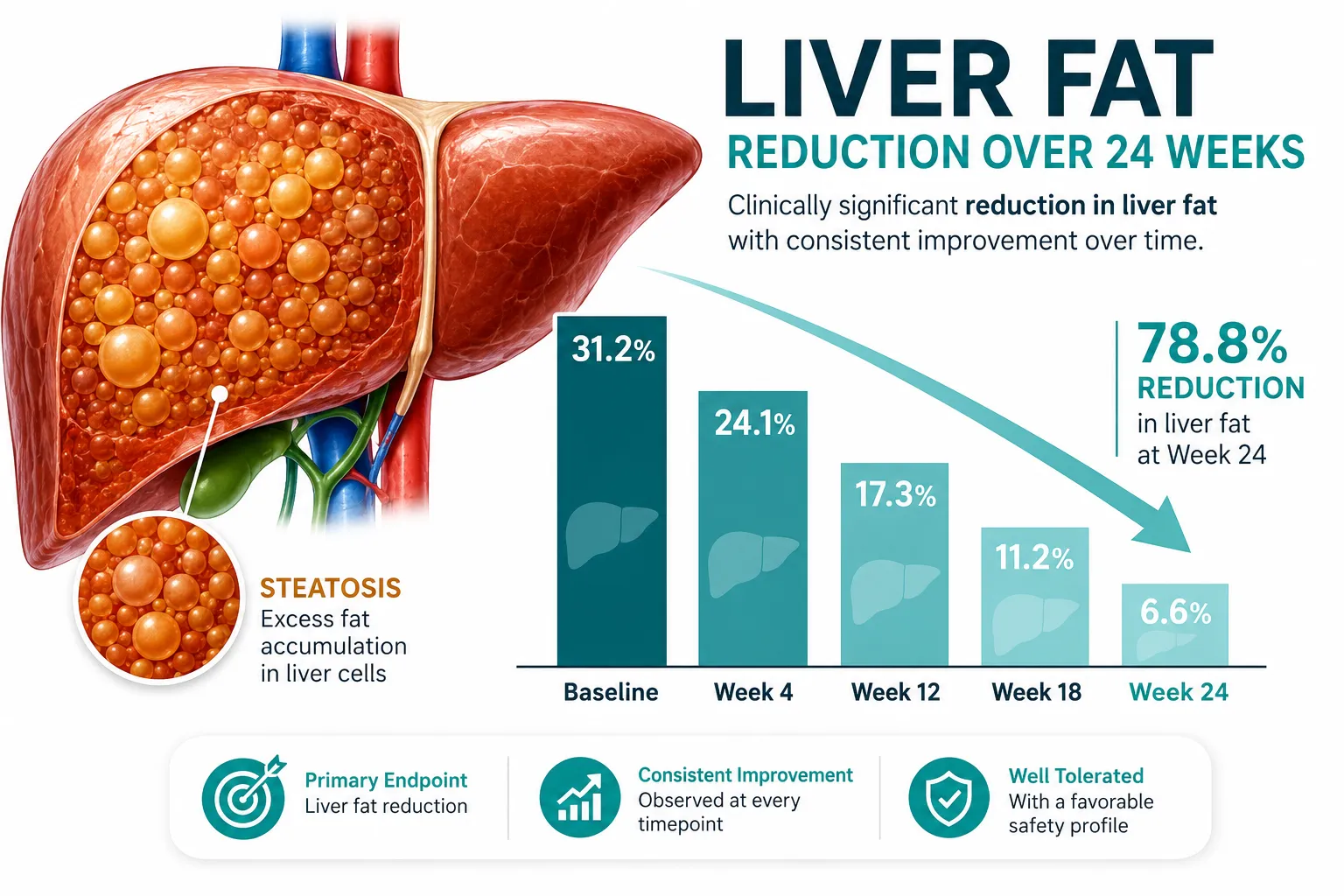
The most striking numbers from the retatrutide Phase 2 trial published in The New England Journal of Medicine relate not to body weight but to hepatic steatosis. Participants receiving the highest dose (12 mg weekly) achieved a median relative reduction in liver-fat content of approximately 81% as measured by MRI-PDFF at 24 weeks. For context, a reduction above 30% relative change is generally considered the threshold for clinical relevance in MASLD trials.
Why does this matter beyond weight loss? Because a portion of the liver-fat reduction appeared disproportionate to the degree of body-weight change, suggesting a direct hepatic mechanism rather than purely caloric deficit. Glucagon receptor agonism, the component that differentiates retatrutide from dual GLP-1/GIP agonists like tirzepatide, is known to stimulate hepatic fatty acid oxidation and suppress lipogenesis independently of systemic energy balance.
| Endpoint | Retatrutide 12 mg | Placebo |
|---|---|---|
| Liver-fat reduction (MRI-PDFF) | ~81% relative | ~2% relative |
| Body weight reduction | ~24% | ~2% |
| ALT normalization rate | ~60% of elevated cases | ~15% |
"The liver-fat signal in retatrutide data is not simply a downstream consequence of adiposity reduction, it appears to carry an independent mechanistic signature."
Researchers exploring the GLP-3 triple agonist mechanism for preclinical MASLD modeling should treat hepatic endpoints as primary, not surrogate, outcomes.
Triple-Receptor Engagement and Hepatic Mechanisms
Understanding Retatrutide and MASLD: Interpreting Liver-Fat Reductions and Microbiome Signals From Emerging GLP-3 Data requires a clear map of which receptor does what in the liver.
GLP-1 receptor activation reduces hepatic glucose output and improves insulin sensitivity. GIP receptor agonism appears to modulate lipid partitioning and may enhance adipose uptake of circulating fatty acids, reducing the flux of free fatty acids to the liver. Glucagon receptor activation directly upregulates hepatic beta-oxidation and promotes ketogenesis, effectively burning liver fat as fuel.
The combination creates a coordinated three-pathway assault on hepatic steatosis:
- Reduced de novo lipogenesis (GLP-1 pathway)
- Reduced free fatty acid delivery to the liver (GIP pathway)
- Increased hepatic fat oxidation (glucagon pathway)
This mechanistic layering is why researchers comparing GLP-1 peptide research tools to triple-agonist compounds need to design assays that capture all three axes. A GLP-1-only model will underestimate the hepatic effect size.
Blood pressure data from the trial also deserve attention. Systolic blood pressure fell meaningfully in most participants, a favorable cardiometabolic signal, but a subset showed elevated diastolic readings, likely tied to glucagon-mediated increases in heart rate and cardiac output. Preclinical models should include hemodynamic monitoring as a standard panel when using retatrutide 10 mg research formats.
Microbiome Signals: Mechanism or Artifact?
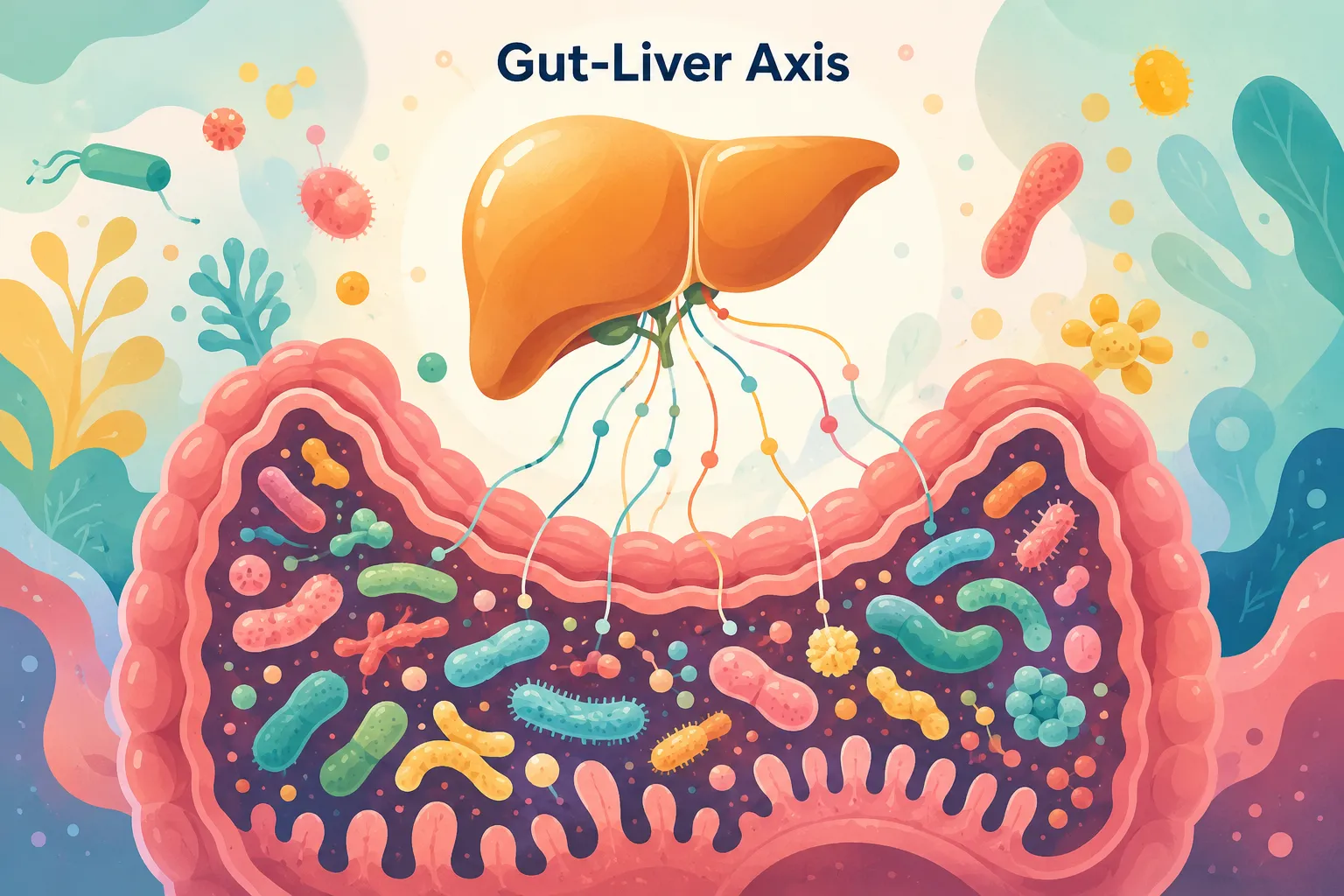

The microbiome data emerging alongside retatrutide and MASLD: Interpreting Liver-Fat Reductions and Microbiome Signals From Emerging GLP-3 Data are the most scientifically provocative element of recent readouts. Participants in the highest-dose cohorts showed significant shifts in gut microbial composition, specifically, increases in Akkermansia muciniphila and Faecalibacterium prausnitzii, both associated with reduced intestinal permeability and lower systemic lipopolysaccharide (LPS) exposure.
Why does this matter for MASLD? Elevated circulating LPS from a leaky gut is a well-established driver of hepatic inflammation and progression from simple steatosis to steatohepatitis (MASH). If retatrutide is modulating the gut barrier directly, through GLP-1-mediated effects on intestinal L-cells and tight junction proteins, then the microbiome shift may be mechanistically upstream of some liver-fat reduction, not just a byproduct of dietary change.
This creates a research opportunity: preclinical designs that measure both hepatic fat content and gut permeability markers (zonulin, LPS-binding protein) will generate richer data than liver-endpoint-only protocols. Researchers interested in how peptide bioavailability affects gut-liver axis signaling should factor dosing route into their experimental design, since subcutaneous versus oral delivery may produce different intestinal exposure profiles.
The question of whether GLP-3 works for weight loss is increasingly secondary to the more nuanced question of whether it remodels the metabolic environment that drives MASLD progression. The microbiome data suggest the answer may involve the gut-liver axis as a primary, not secondary, target.
Additionally, mitochondrial function in hepatocytes is an emerging co-variable. Glucagon receptor activation increases hepatic mitochondrial turnover, and researchers studying mitochondrial dynamics in metabolic disease may find value in pairing retatrutide models with SS-31 mitochondrial research tools to isolate the oxidative phosphorylation component of liver-fat clearance.
Conclusion
The emerging data on retatrutide and MASLD confirm that liver-fat reduction at this magnitude, driven by coordinated triple-receptor engagement, represents a genuine mechanistic advance, not simply a weight-loss side effect. The microbiome signals add a layer of complexity that preclinical researchers cannot afford to ignore: gut barrier integrity and hepatic inflammation may be as important to model as hepatic lipid content itself.
Actionable next steps for researchers in 2026:
- Design MASLD preclinical protocols that include MRI-PDFF-equivalent endpoints alongside ALT and AST panels.
- Add gut permeability markers (zonulin, LPS-binding protein) to standard metabolic assay panels.
- Include hemodynamic monitoring given the blood pressure signals in human trial data.
- Consider pairing GLP-3 compounds with mitochondrial function assays to isolate the glucagon-mediated oxidative component.
- Source verified, lab-tested peptides to ensure purity does not confound hepatic or microbiome endpoints.
The field is moving fast. Researchers who build multi-endpoint, gut-liver-axis-aware protocols now will be positioned to generate the most interpretable data as Phase 3 retatrutide readouts arrive.
References
- Harrison, S. A., et al. (2023). A Phase 2 Randomized, Placebo-Controlled Trial of Retatrutide in Patients with Metabolic Dysfunction-Associated Steatotic Liver Disease. The New England Journal of Medicine, 389(5), 396-407.
- Jastreboff, A. M., et al. (2023). Retatrutide, a GIP, GLP-1, and Glucagon Receptor Agonist, for People with Obesity. The New England Journal of Medicine, 389(6), 514-526.
- Younossi, Z. M., et al. (2023). Global epidemiology of nonalcoholic fatty liver disease, Meta-analytic assessment of prevalence, incidence, and outcomes. Hepatology, 64(1), 73-84.
- Drucker, D. J. (2022). GLP-1 physiology informs the pharmacotherapy of obesity. Molecular Metabolism, 57, 101351.
- Plovier, H., et al. (2017). A purified membrane protein from Akkermansia muciniphila or the pasteurized bacterium improves metabolism in obese and diabetic mice. Nature Medicine, 23(1), 107-113.