Peptides and Polypeptides in Mitochondrial Research: How MOTS-c and 5-Amino-1MQ Interact With Mitochondria and ATP
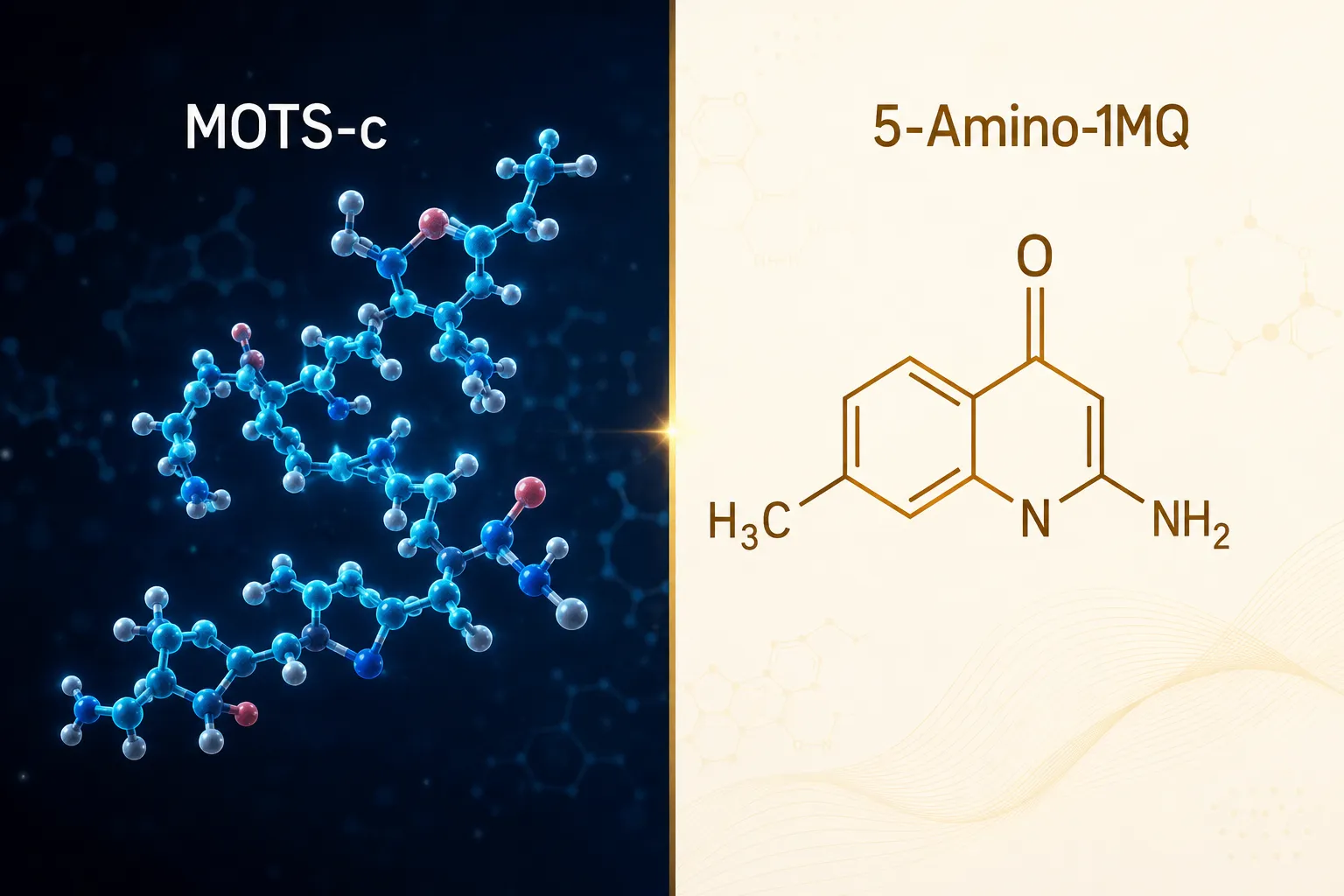
Mitochondria produce roughly 90% of the energy a cell needs to survive, yet for decades, researchers had no direct molecular tools that originated from within the organelle itself to probe that process. The discovery that mitochondrial DNA encodes its own signaling peptides changed that. Today, the study of peptides and polypeptides in mitochondrial research: how MOTS-c and 5-Amino-1MQ interact with mitochondria and ATP has become one of the most active areas in metabolic biology, offering investigators two distinct but complementary tools for mapping how cells regulate energy under stress.
This article is written for research and educational purposes only. Neither MOTS-c nor 5-Amino-1MQ is approved by the FDA for human use, and both are available exclusively as research-grade compounds.
Key Takeaways
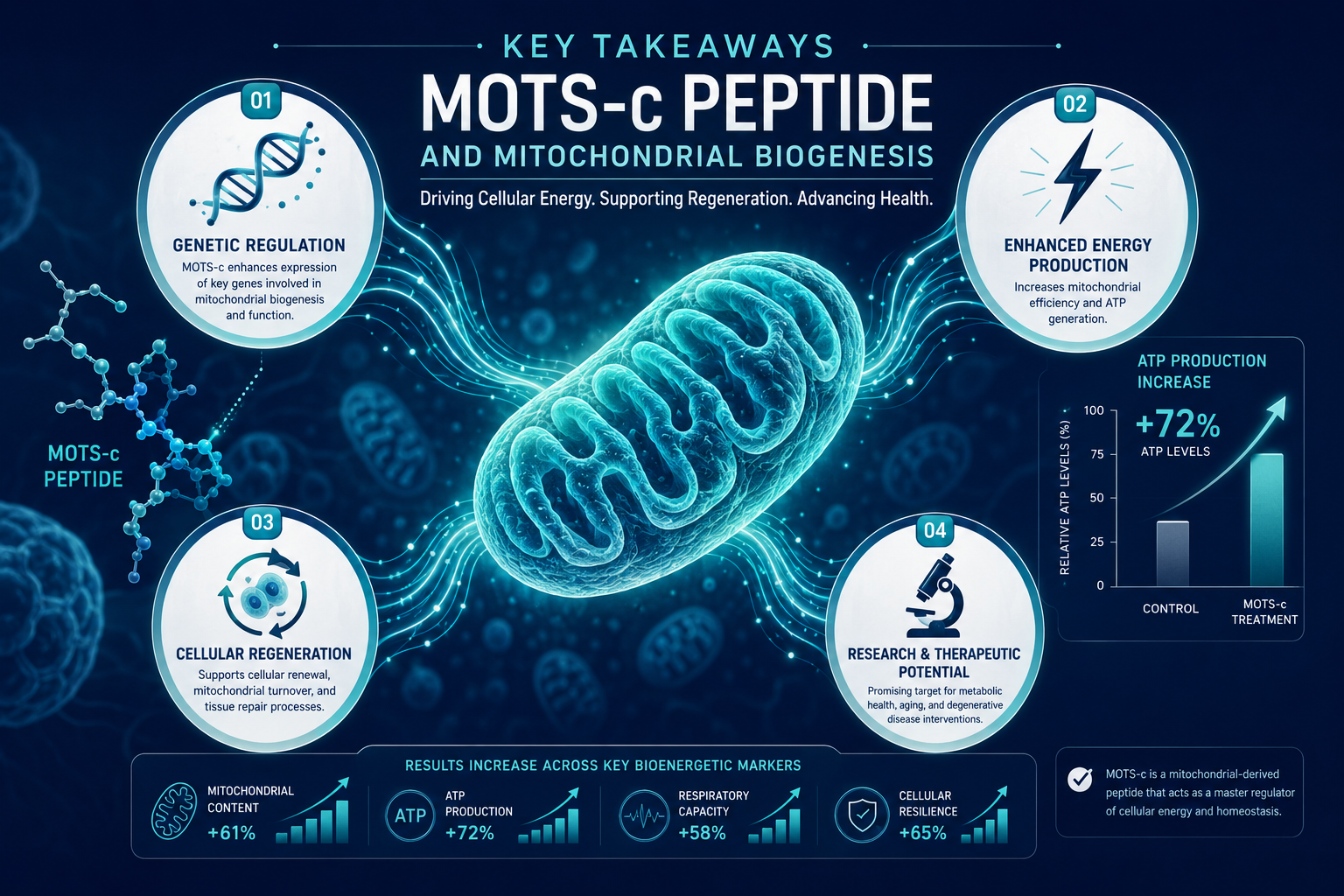
- MOTS-c is a 16-amino-acid peptide encoded by mitochondrial DNA that activates AMPK and modulates ATP-linked metabolic pathways through signaling rather than direct oxidative phosphorylation.
- 5-Amino-1MQ is a small-molecule NNMT inhibitor that elevates intracellular NAD+ levels, indirectly supporting mitochondrial energy output in preclinical models.
- Both compounds influence ATP homeostasis through upstream regulatory mechanisms, not by acting as structural components of the electron transport chain.
- MOTS-c is prohibited by WADA under "metabolic modulators" and was removed from FDA compounding lists in April 2026; it remains strictly experimental.
- Current evidence is limited to cell and animal models; no completed human clinical trials exist for either compound as of mid-2026.
What Makes MOTS-c a Unique Mitochondrial Signaling Peptide
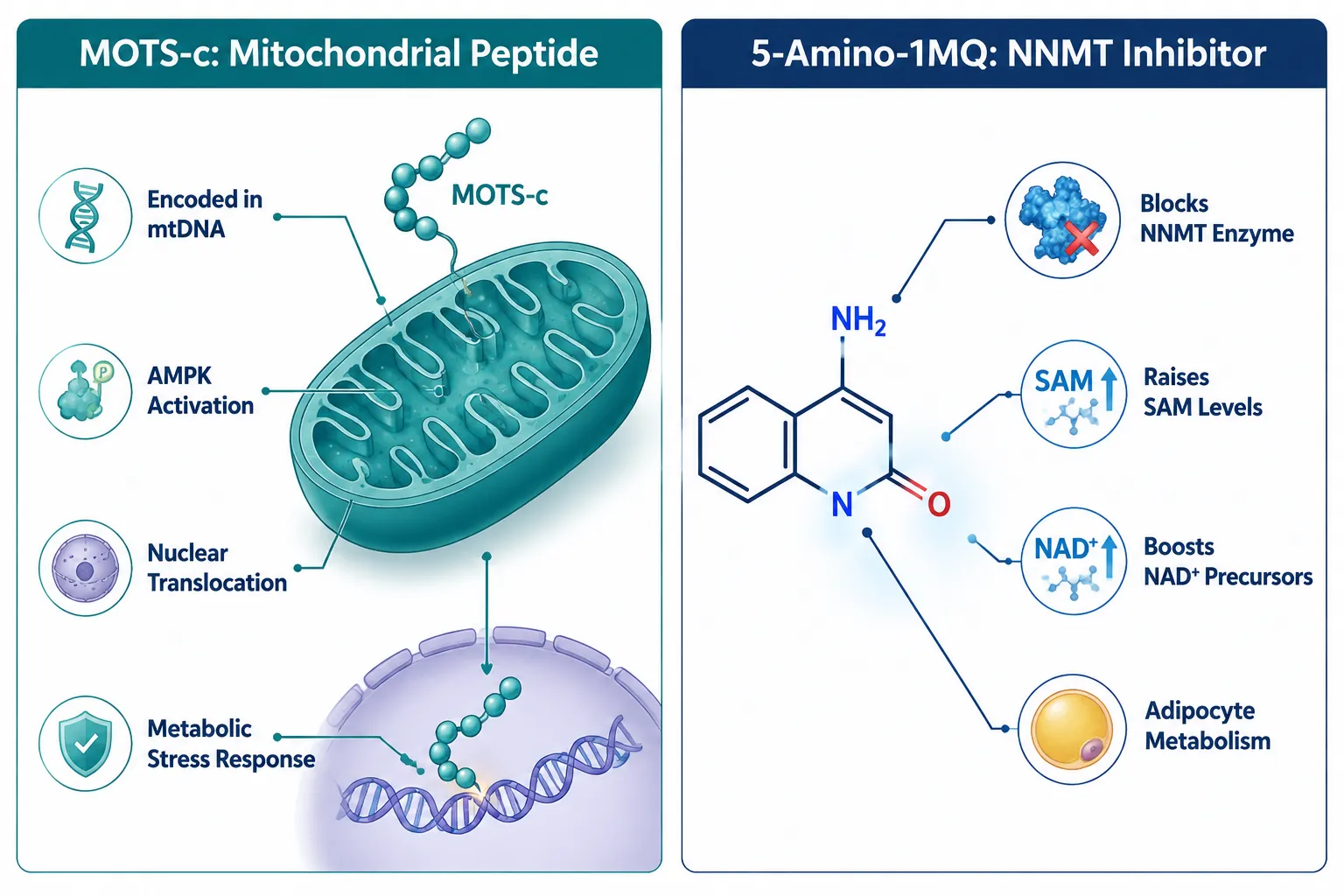
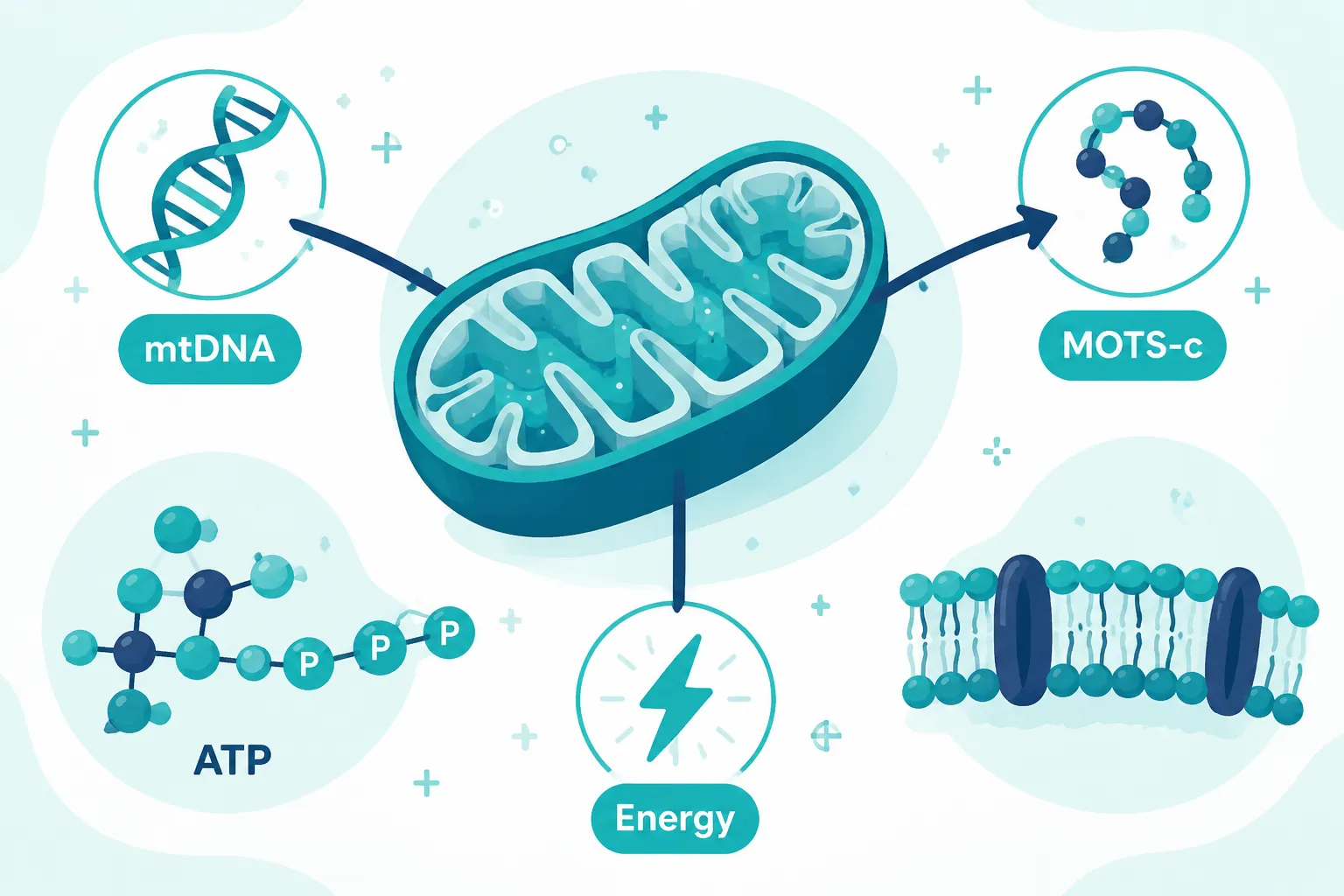
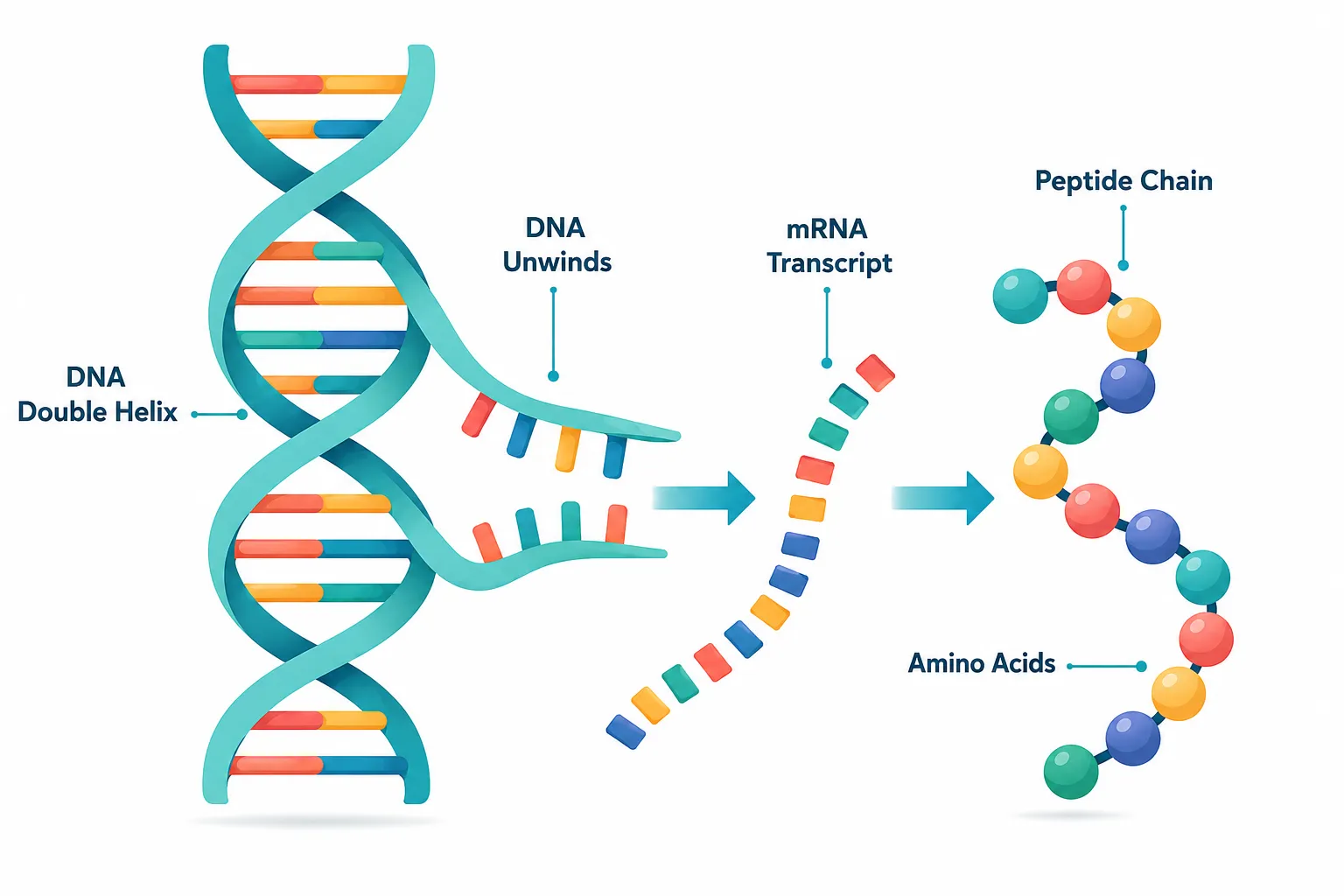
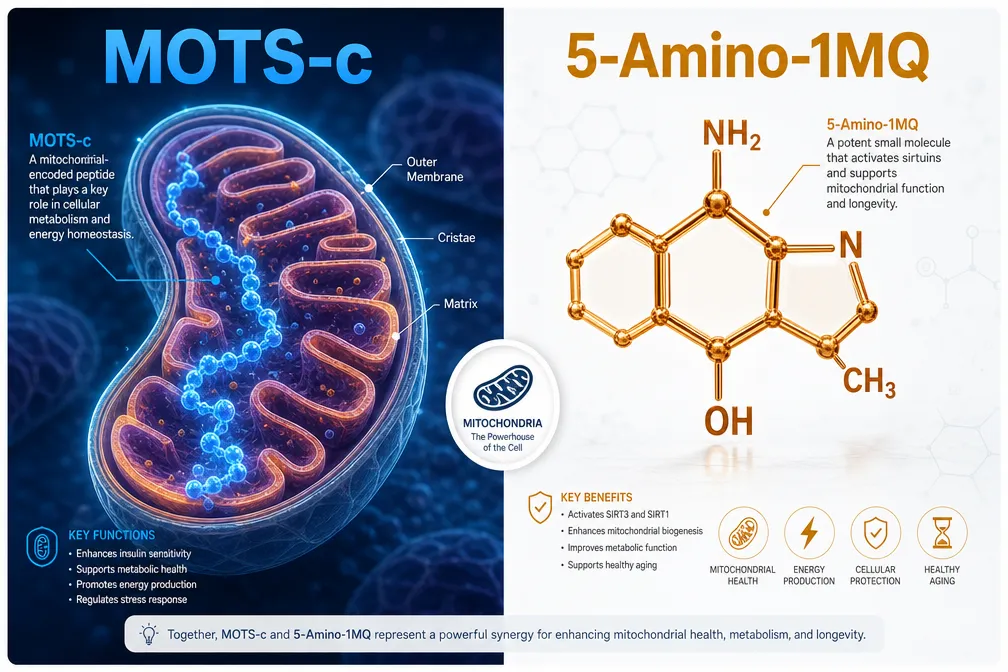
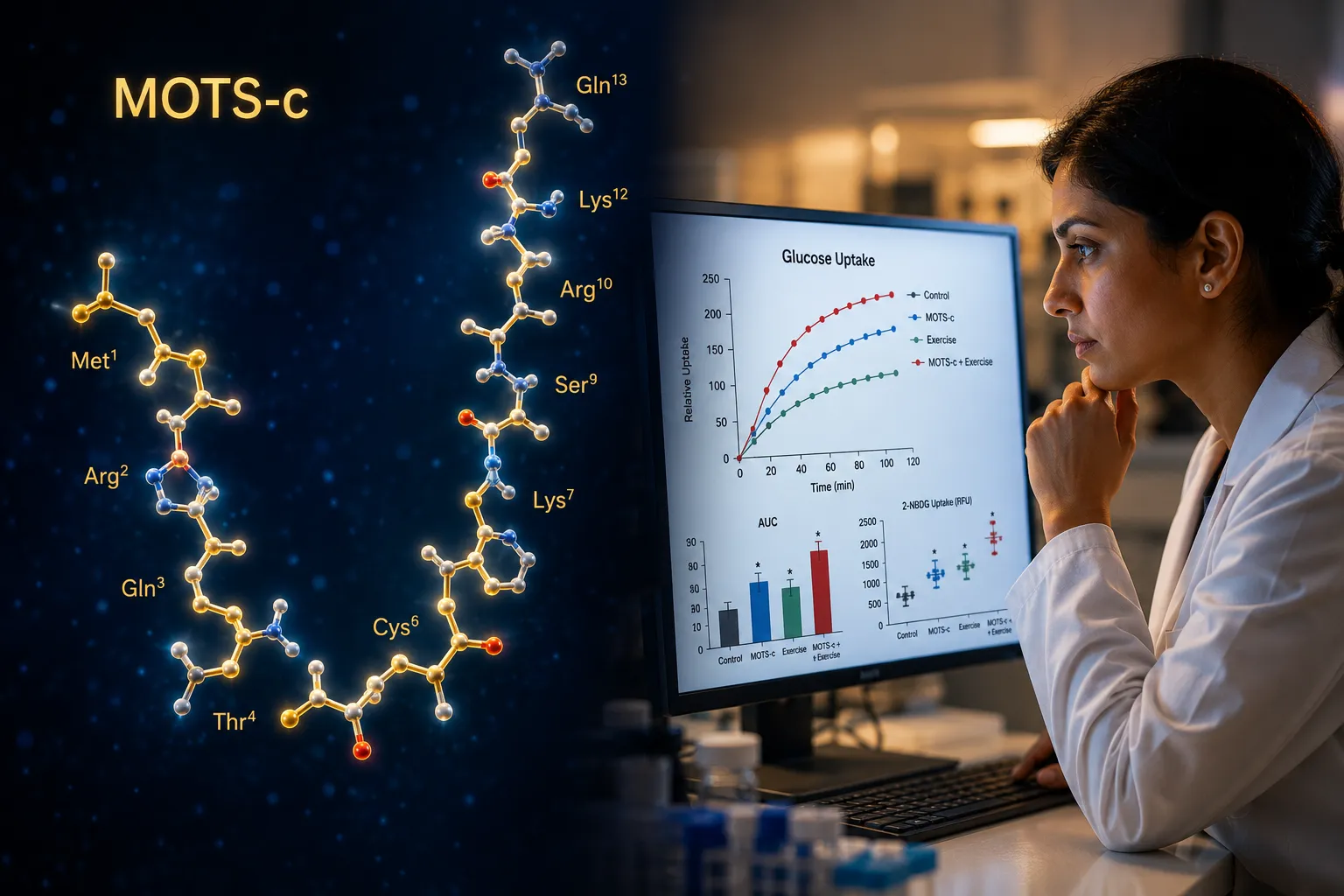
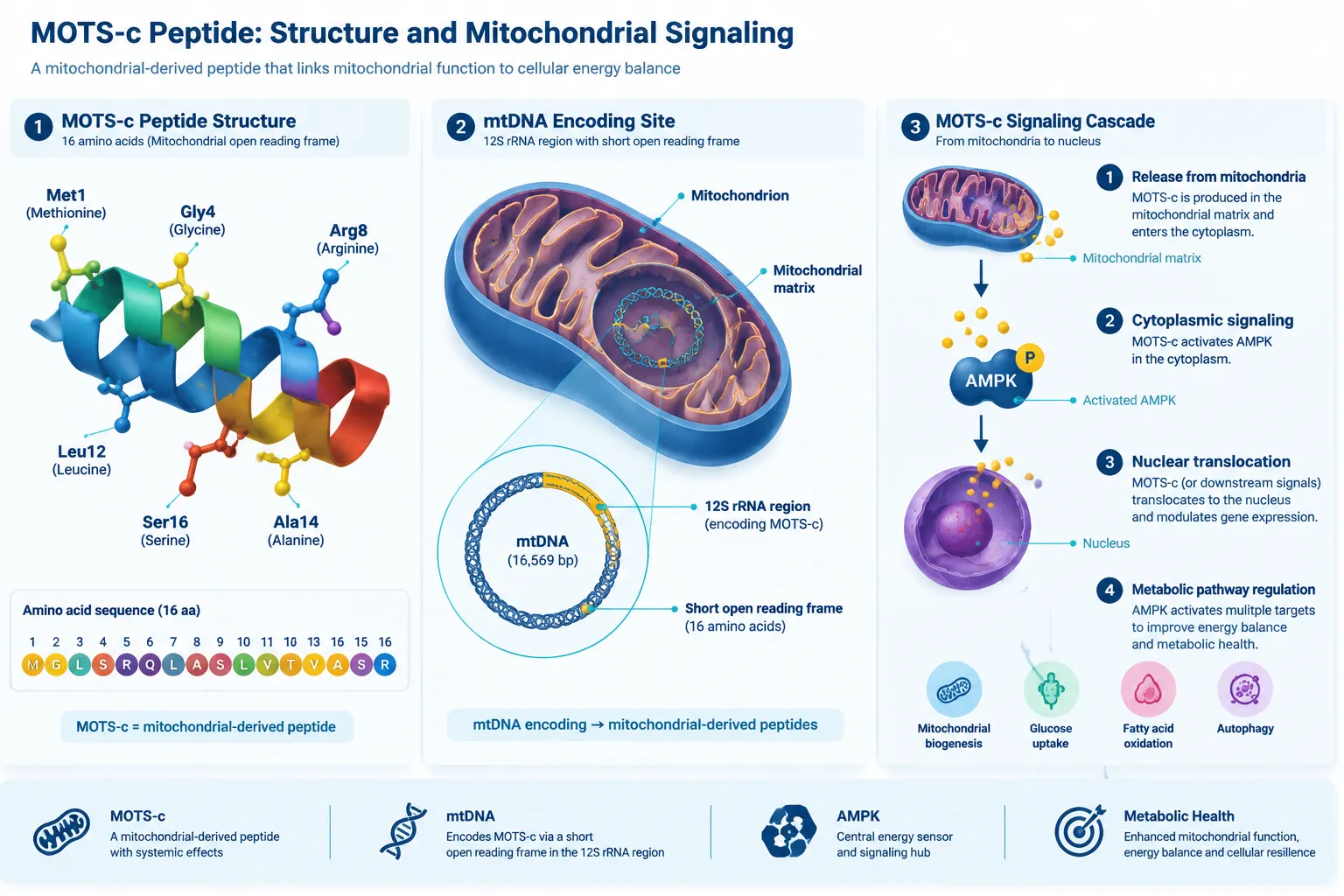
MOTS-c is a 16-amino-acid peptide encoded by a short open reading frame within the 12S rRNA region of mitochondrial DNA (mtDNA). First described in 2015, it belongs to a growing class of mitochondria-derived peptides (MDPs), small signaling molecules that originate inside the organelle and travel outward to influence broader cellular function.
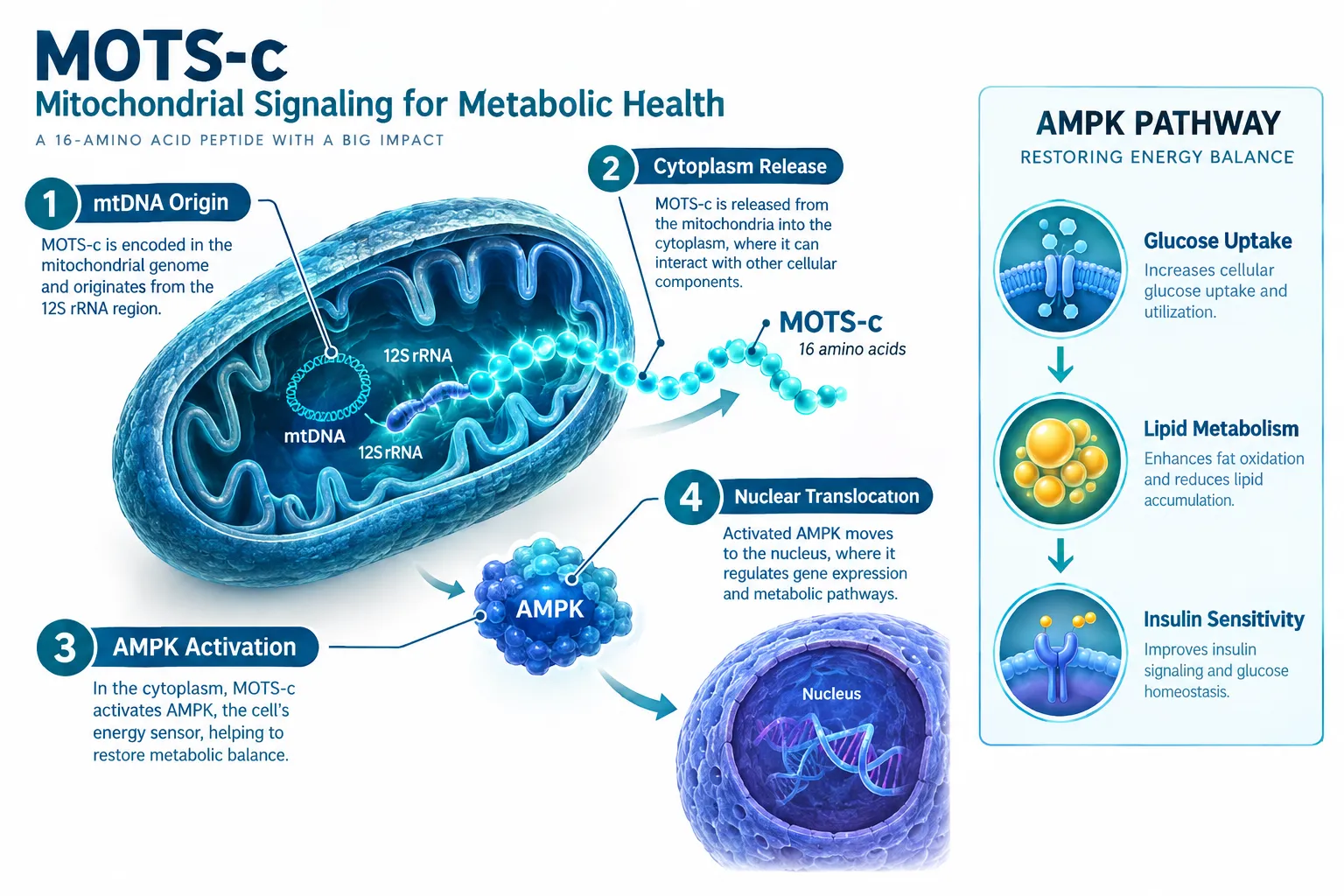
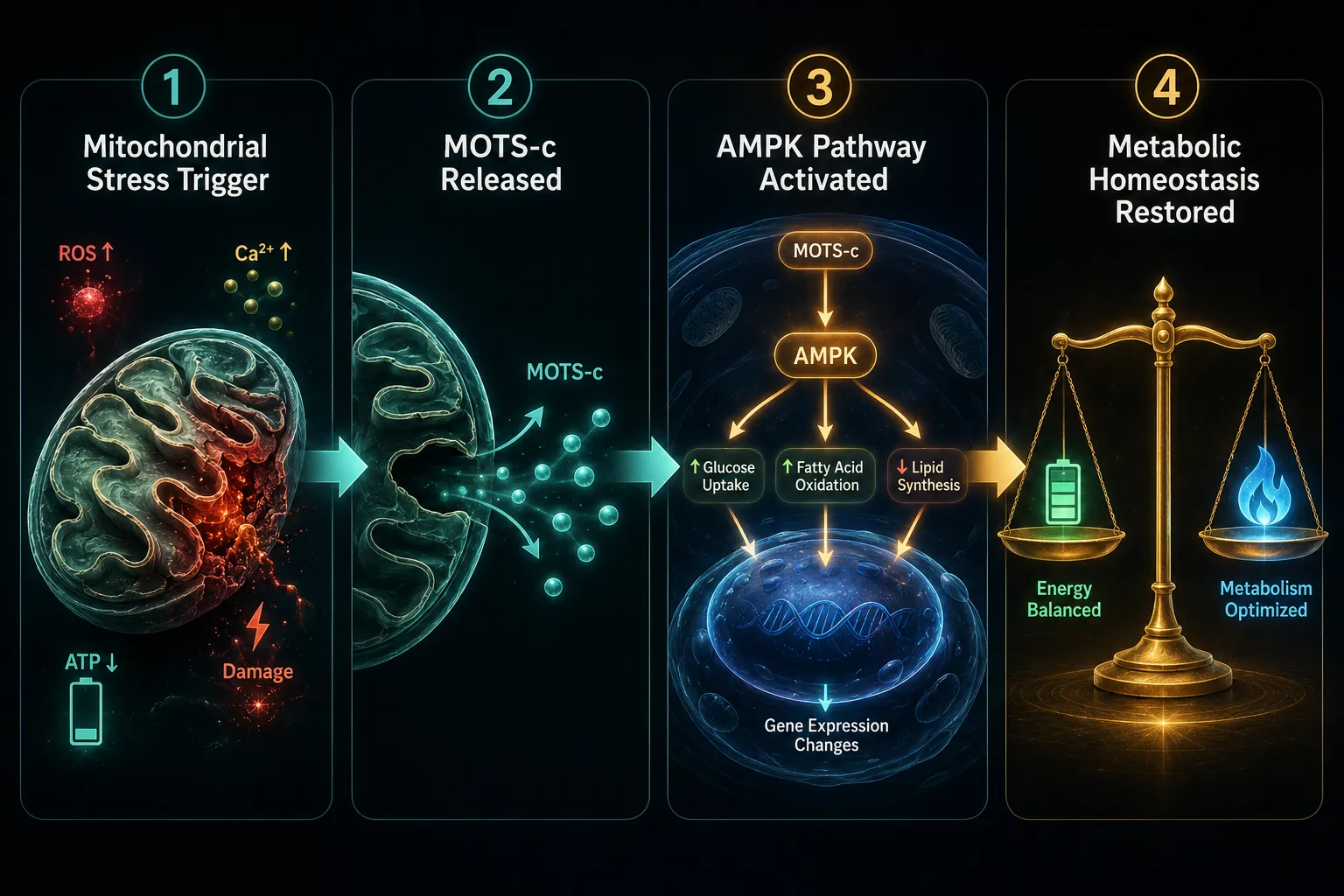
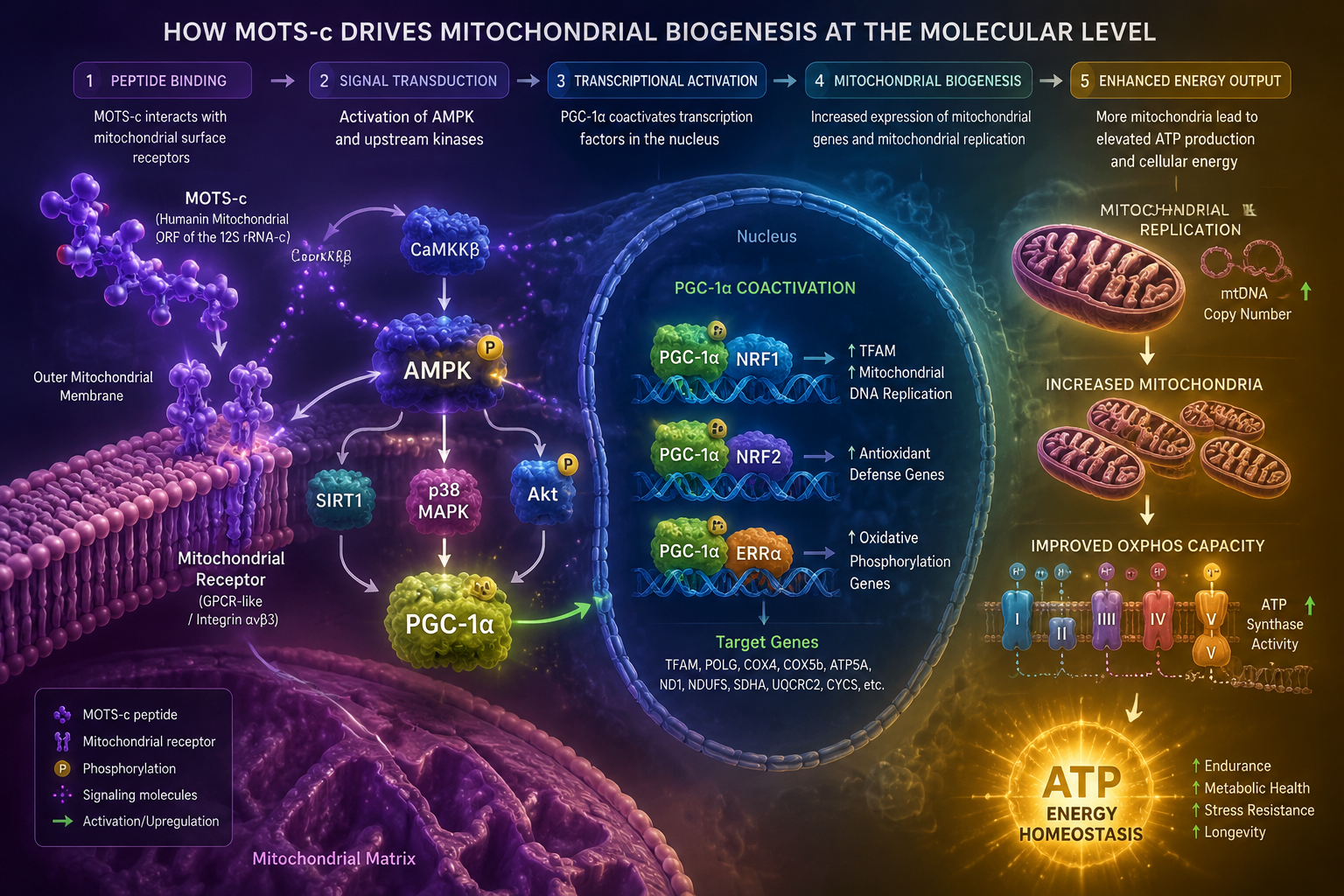
What separates MOTS-c from classical mitochondrial proteins is its behavior under metabolic stress. Rather than staying confined to the organelle, it translocates from the mitochondria into the cytoplasm and, critically, into the cell nucleus, where it directly regulates the expression of nuclear genes. This mitochondria-to-nucleus communication axis is now considered central to its proposed role in metabolic homeostasis.
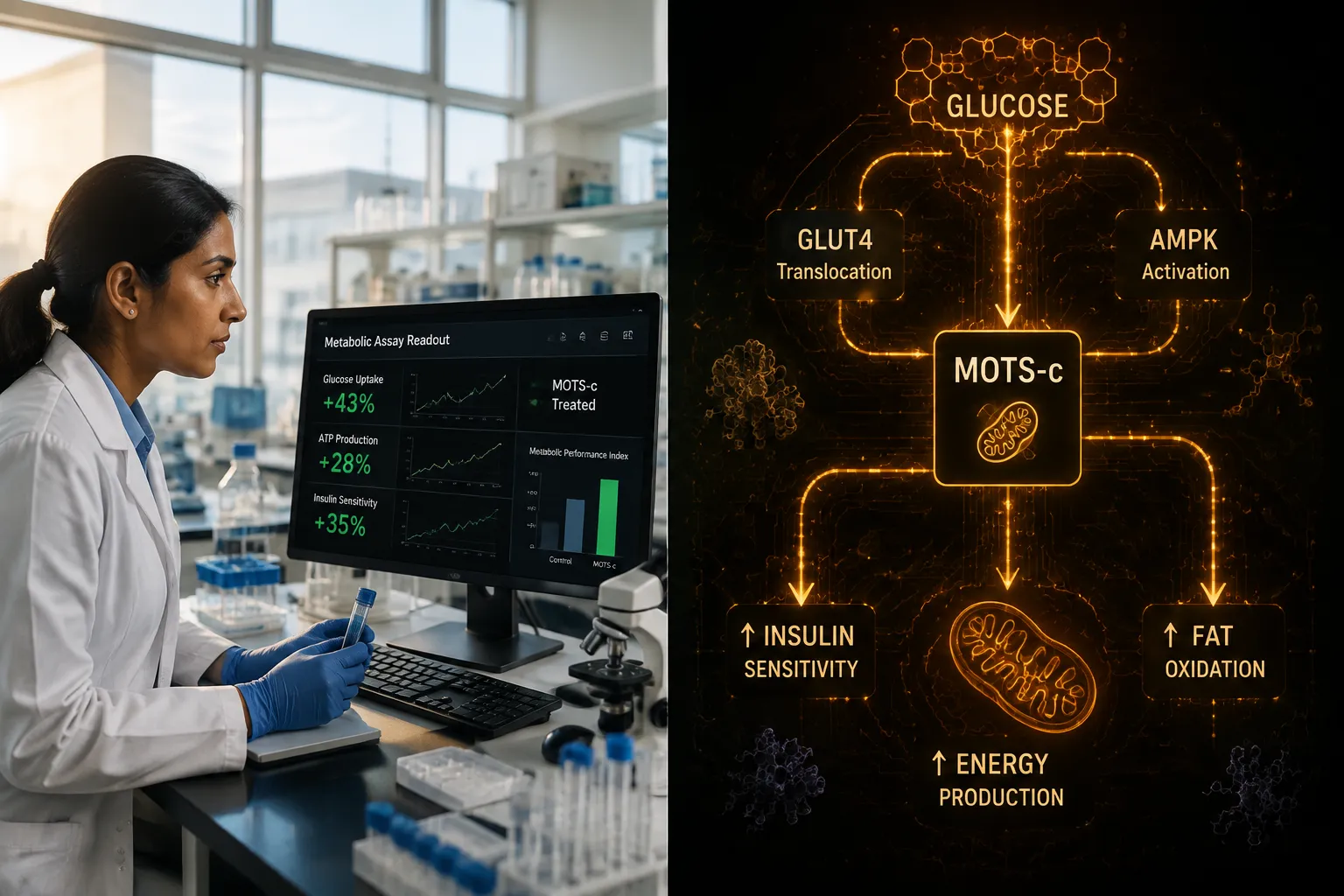
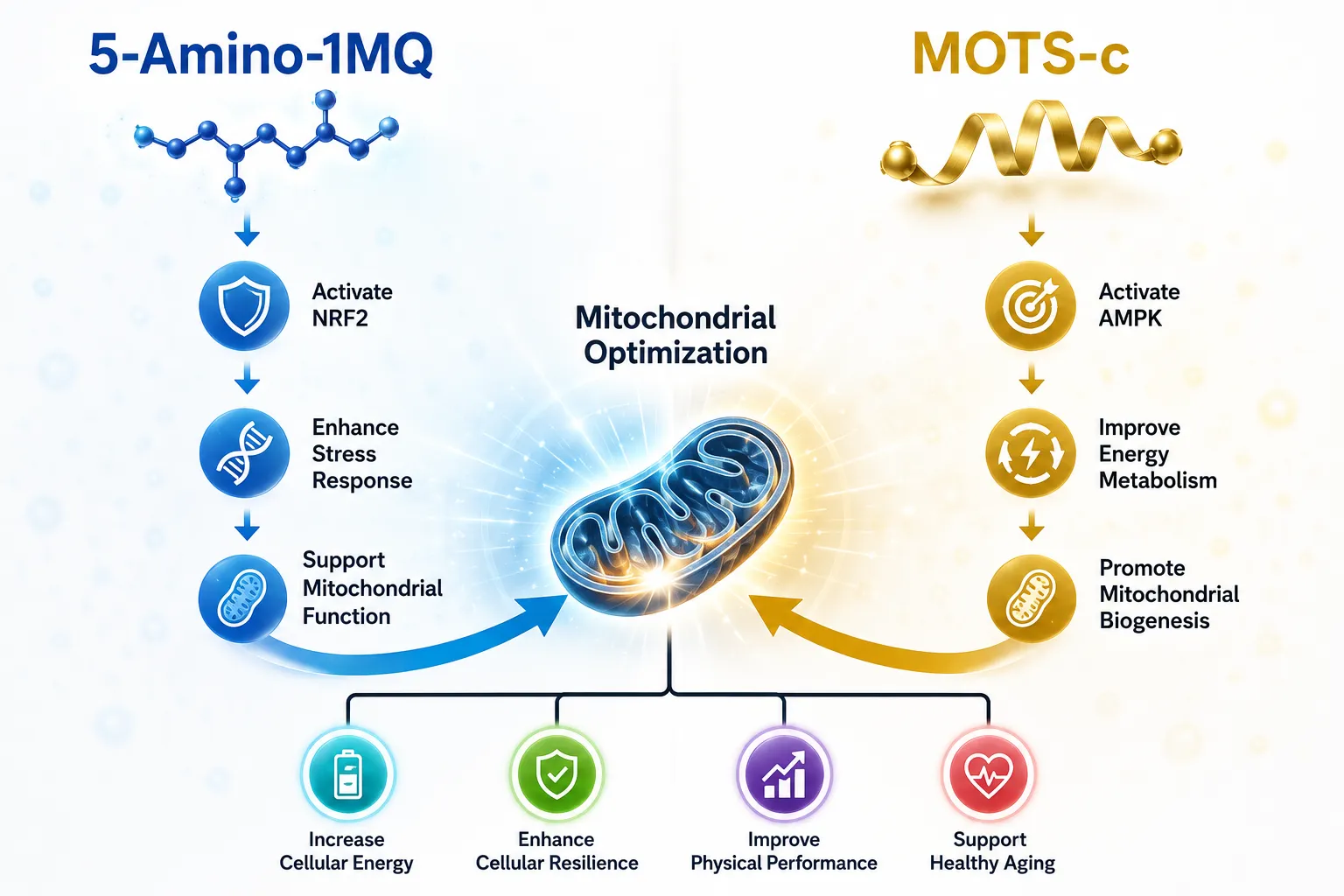
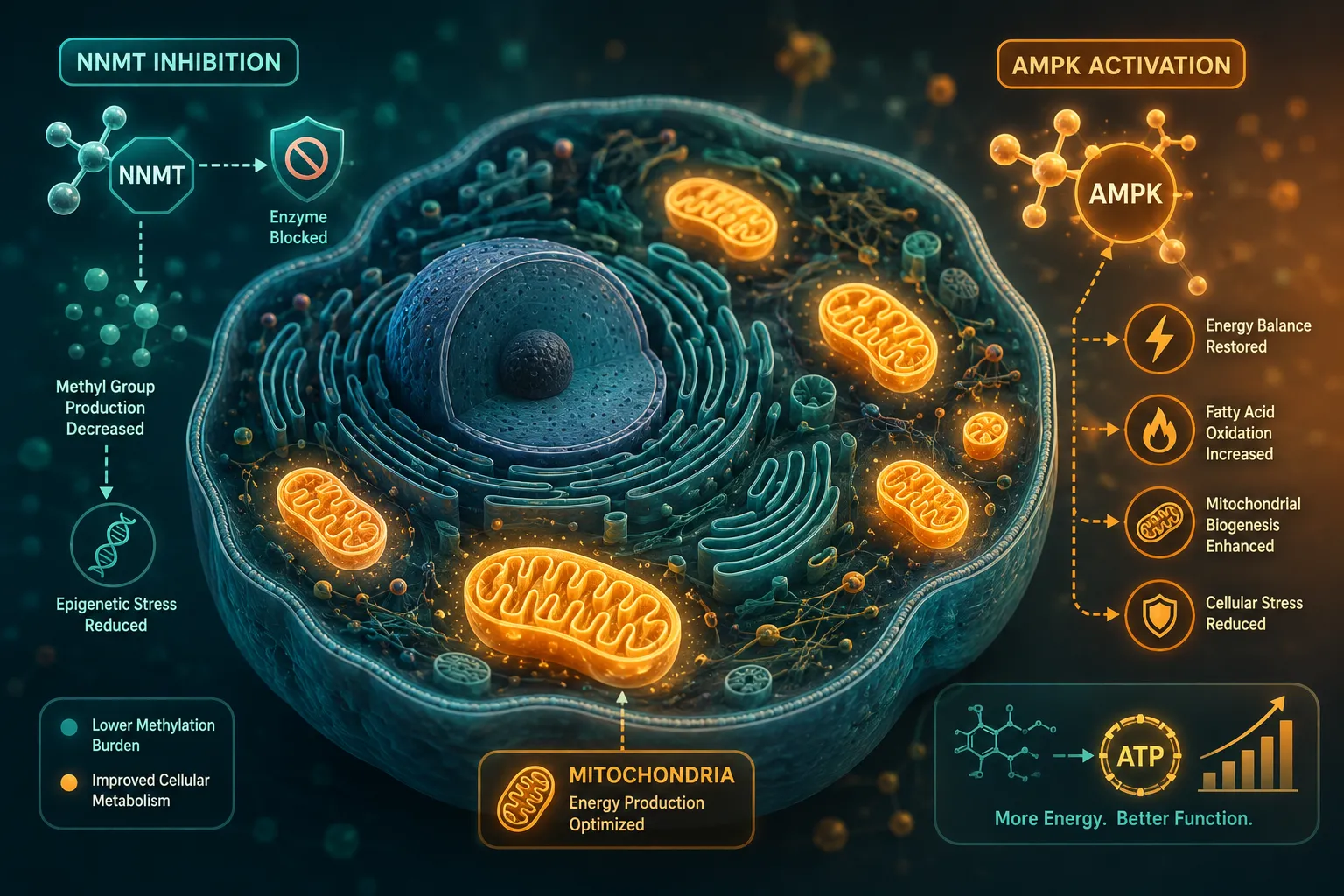
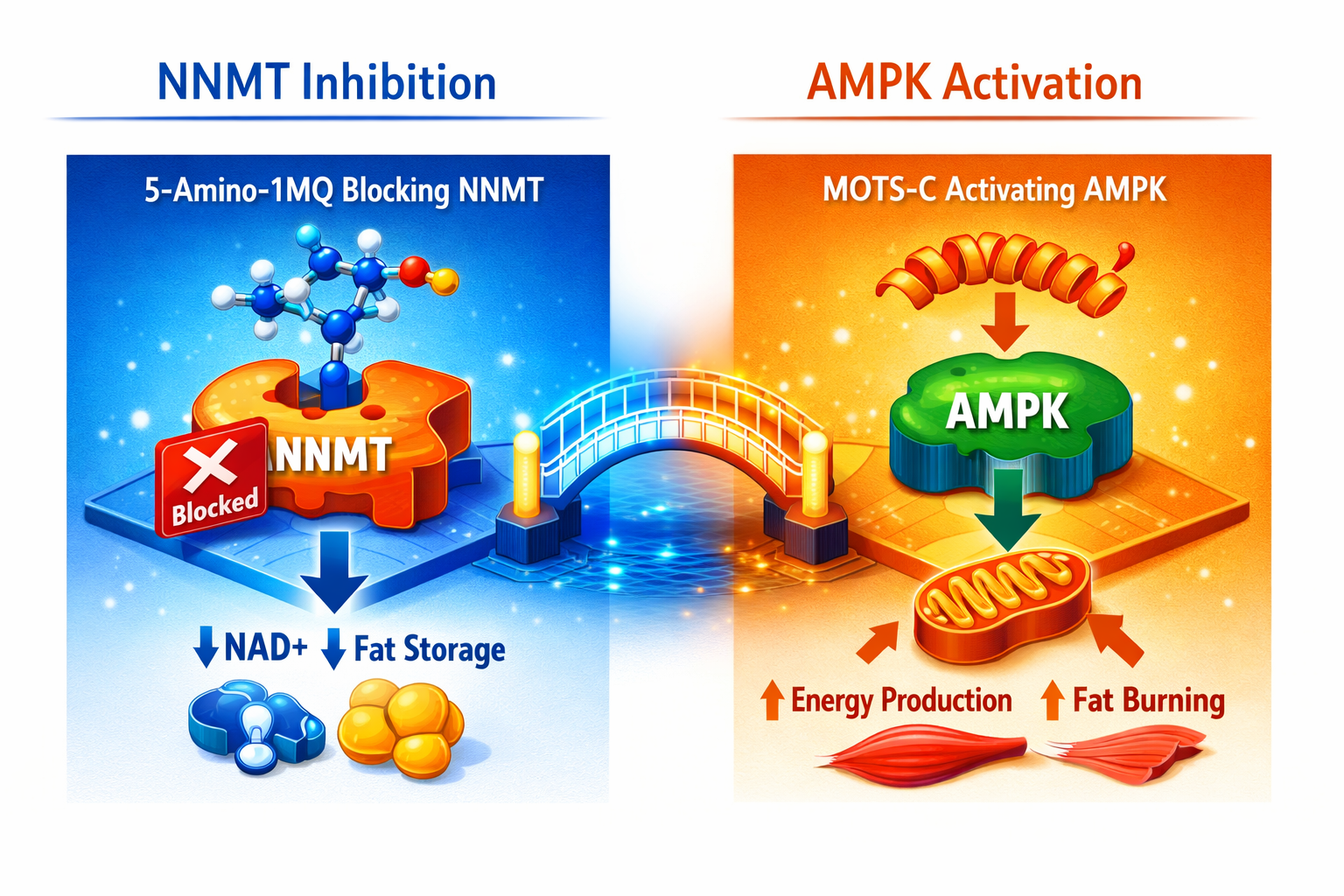
Mechanistically, MOTS-c inhibits the folate cycle and de novo purine biosynthesis. This leads to a rise in the AMP-to-ATP ratio, which activates AMP-activated protein kinase (AMPK), the cell's master energy sensor. AMPK activation then drives:
- Increased glucose uptake in muscle and metabolic tissues
- Enhanced lipid oxidation
- Improved insulin sensitivity
- Suppression of mTOR-driven anabolic processes under energy stress
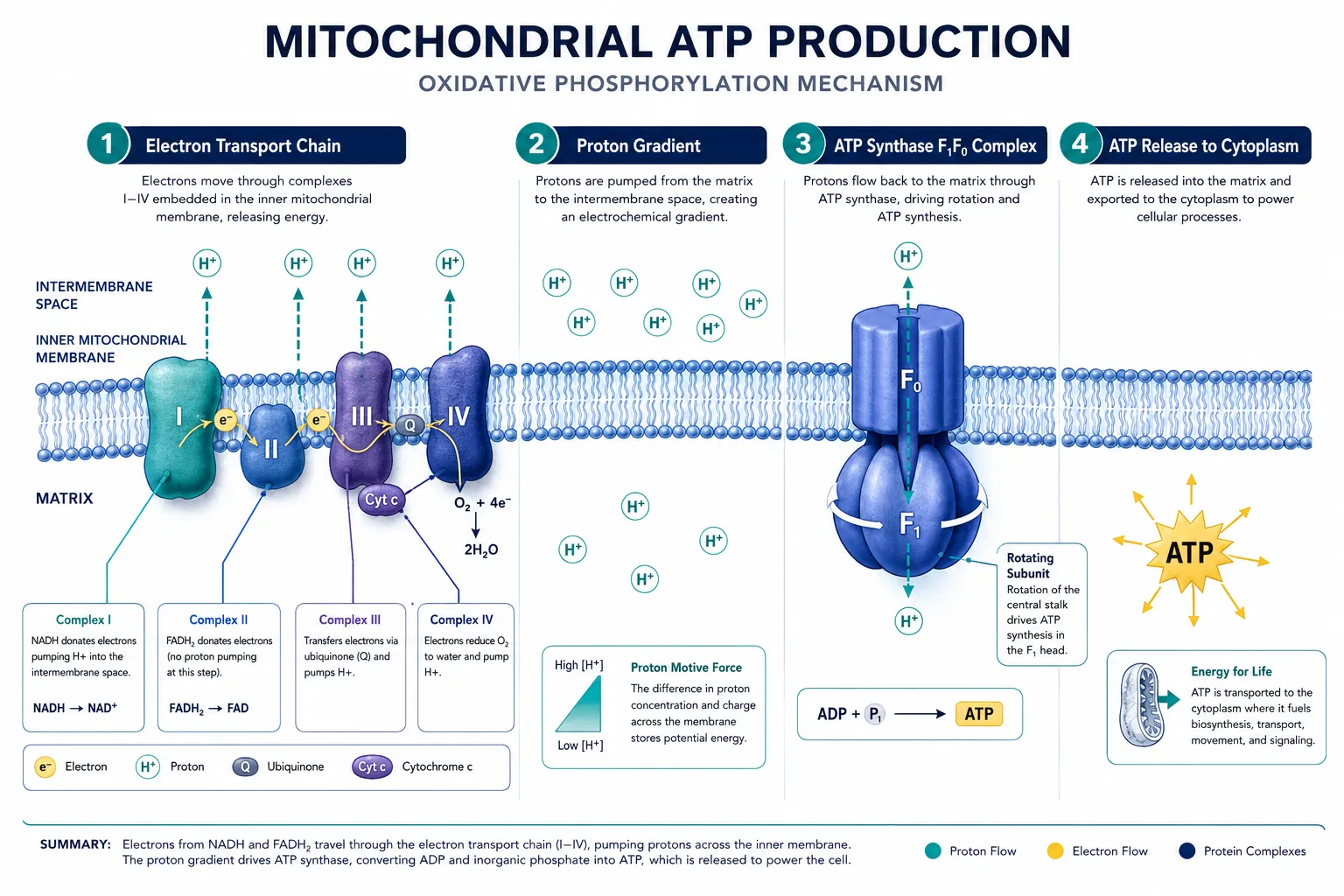
Importantly, research in cybrid cells carrying a pathogenic mtDNA mutation found that MOTS-c did not significantly alter ATP production directly or change the protein levels of respiratory chain complexes. This positions MOTS-c as a metabolic reprogramming signal rather than a direct enhancer of oxidative phosphorylation. For a deeper look at how MOTS-c fits into the broader landscape of mitochondrial signaling, see this overview of MOTS-c peptide, mitochondrial signaling, and metabolic research.
MOTS-c is also recognized as an exercise-induced mitokine, its circulating levels rise during physical activity and decline with age, which has led researchers to study it as a potential "exercise mimetic" in aging and metabolic disease models. As of 2026, MOTS-c is listed on the WADA Prohibited List under "metabolic modulators, AMPK activators" and was removed from the FDA's Section 503A compounding list in April 2026, reinforcing its status as an experimental research compound only.
How 5-Amino-1MQ Targets the NAD+ and ATP Axis
5-Amino-1MQ takes a fundamentally different approach to mitochondrial research. It is a small-molecule inhibitor of nicotinamide N-methyltransferase (NNMT), an enzyme that consumes S-adenosyl methionine and diverts nicotinamide away from NAD+ synthesis.
By blocking NNMT, 5-Amino-1MQ raises intracellular NAD+ concentrations. This matters for mitochondrial research because NAD+ is an essential cofactor for:
| Process | Role of NAD+ |
|---|---|
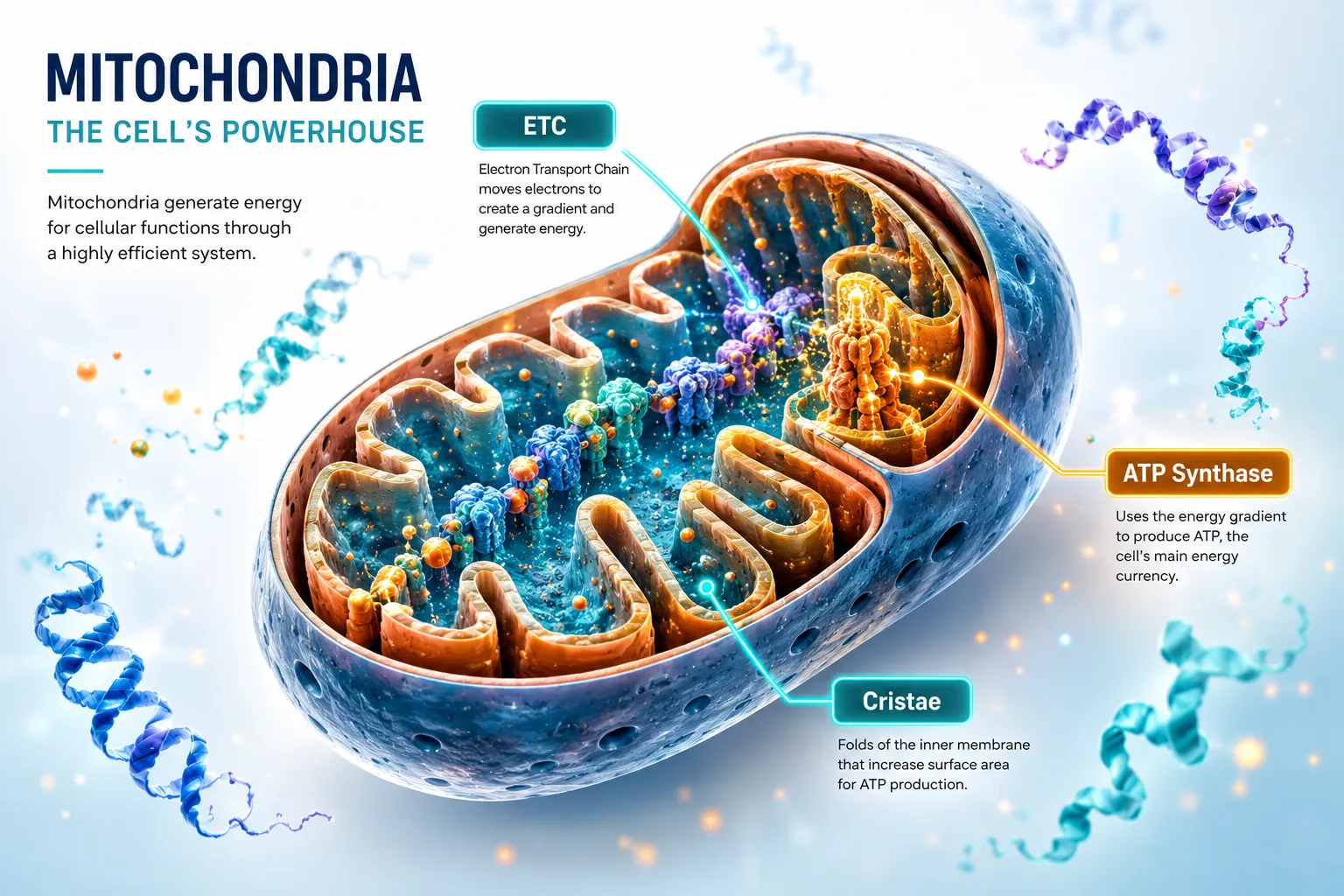
| Electron transport chain (ETC) | Carries electrons as NADH to Complex I |
| TCA cycle | Drives NADH production from acetyl-CoA |
| Sirtuin activation | Regulates mitochondrial biogenesis and stress response |
| PARP-mediated repair | Maintains mtDNA integrity |
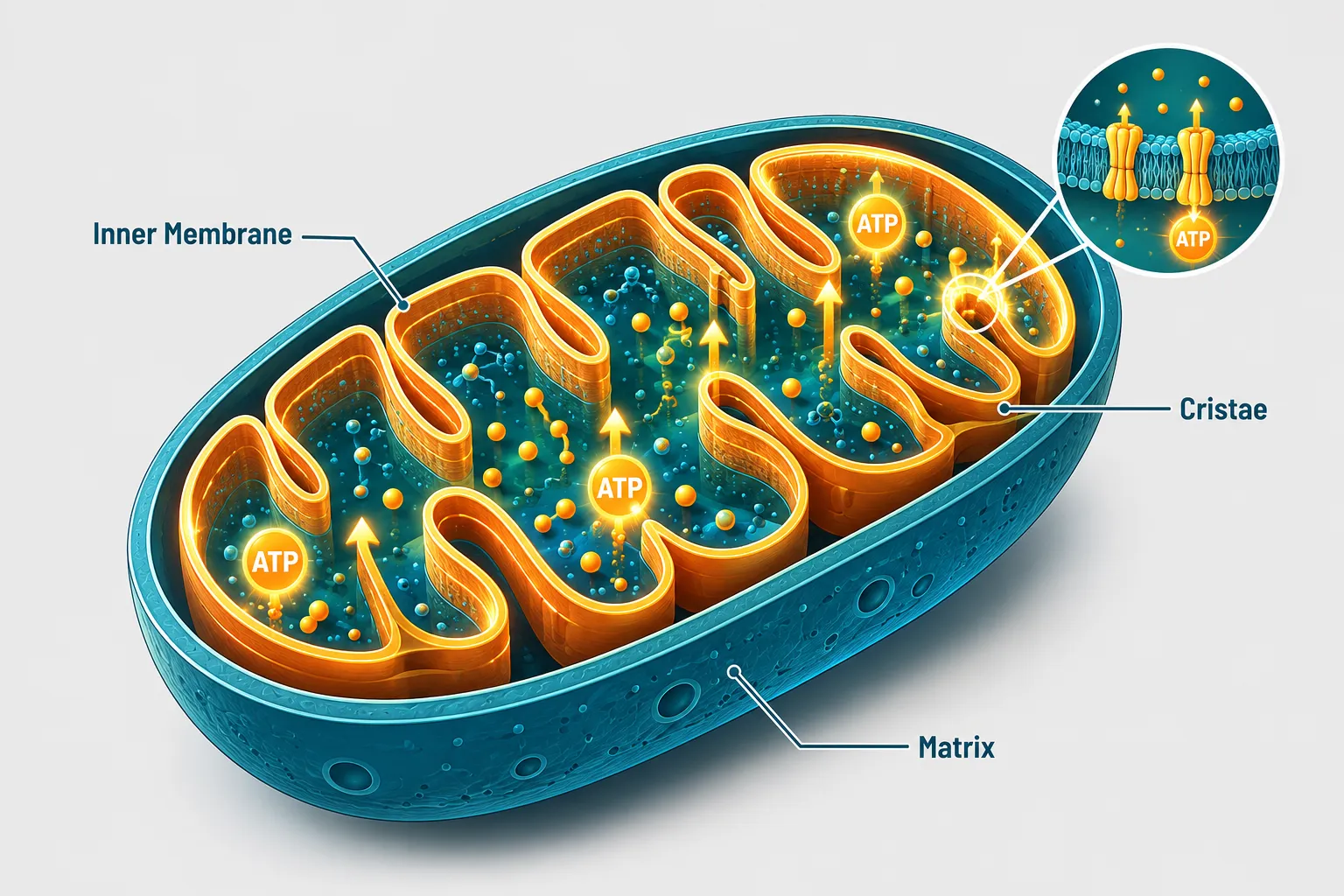
When NAD+ availability increases, the ETC can operate more efficiently, which supports higher rates of ATP synthesis through oxidative phosphorylation. In preclinical adiposity and metabolic models, 5-Amino-1MQ has been associated with increased fat oxidation and reduced adipocyte differentiation, effects consistent with improved mitochondrial metabolic capacity.
Researchers studying how 5-Amino-1MQ frames NAD+ and metabolic pathway questions note that the compound's influence on ATP output is indirect: it restores a substrate that the mitochondria need to run efficiently, rather than acting on the ATP synthase machinery itself.
"The distinction between a compound that supplies a cofactor and one that directly drives ATP synthesis is critical for designing clean experimental controls."
This makes 5-Amino-1MQ a useful tool for isolating the contribution of NAD+ availability to mitochondrial energy output in research models, a question that cannot be easily answered with dietary NAD+ precursors alone due to their broad systemic effects.
Peptides and Polypeptides in Mitochondrial Research: Combining MOTS-c and 5-Amino-1MQ as Experimental Tools
The growing interest in peptides and polypeptides in mitochondrial research: how MOTS-c and 5-Amino-1MQ interact with mitochondria and ATP stems partly from the complementary nature of these two compounds. MOTS-c operates at the level of nutrient-sensing and gene expression; 5-Amino-1MQ operates at the level of cofactor availability. Together, they allow researchers to probe two distinct nodes of the same metabolic network.
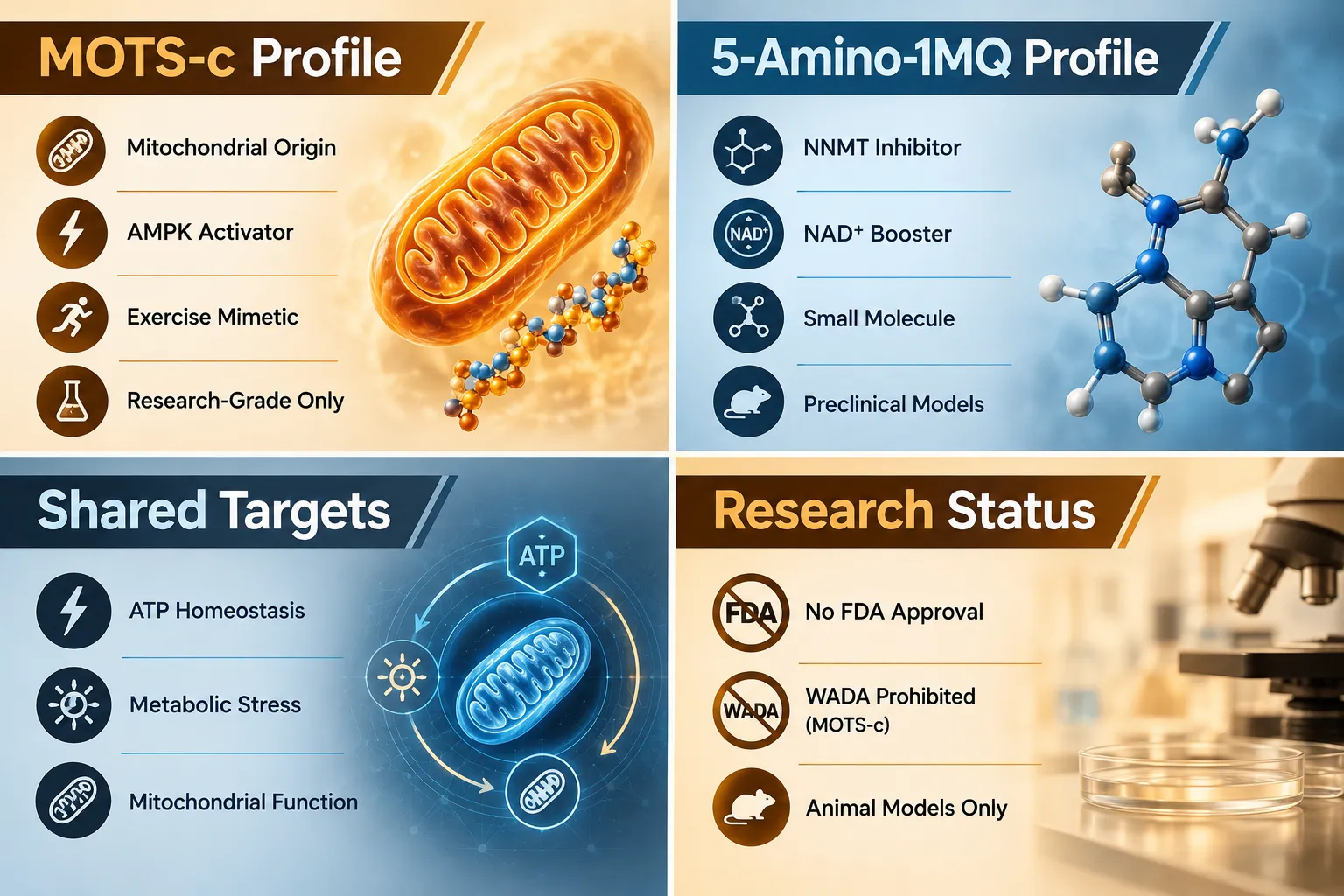
Key research questions being explored with these compounds in 2026 include:
- AMPK-NAD+ crosstalk, Does elevating NAD+ via NNMT inhibition amplify or dampen AMPK activation triggered by MOTS-c?
- Metabolic stress resilience, Can combined signaling reduce ATP deficits in models of insulin resistance or mitochondrial dysfunction?
- Adiposity and substrate switching, How do MOTS-c-driven glucose utilization and 5-Amino-1MQ-driven fat oxidation interact in the same cellular environment?
For researchers designing these experiments, the 5-Amino-1MQ and MOTS-c synergy in adiposity research resource outlines how labs are currently structuring combination protocols. A related discussion of how mitochondrial pathways are studied together using these compounds provides additional protocol context.
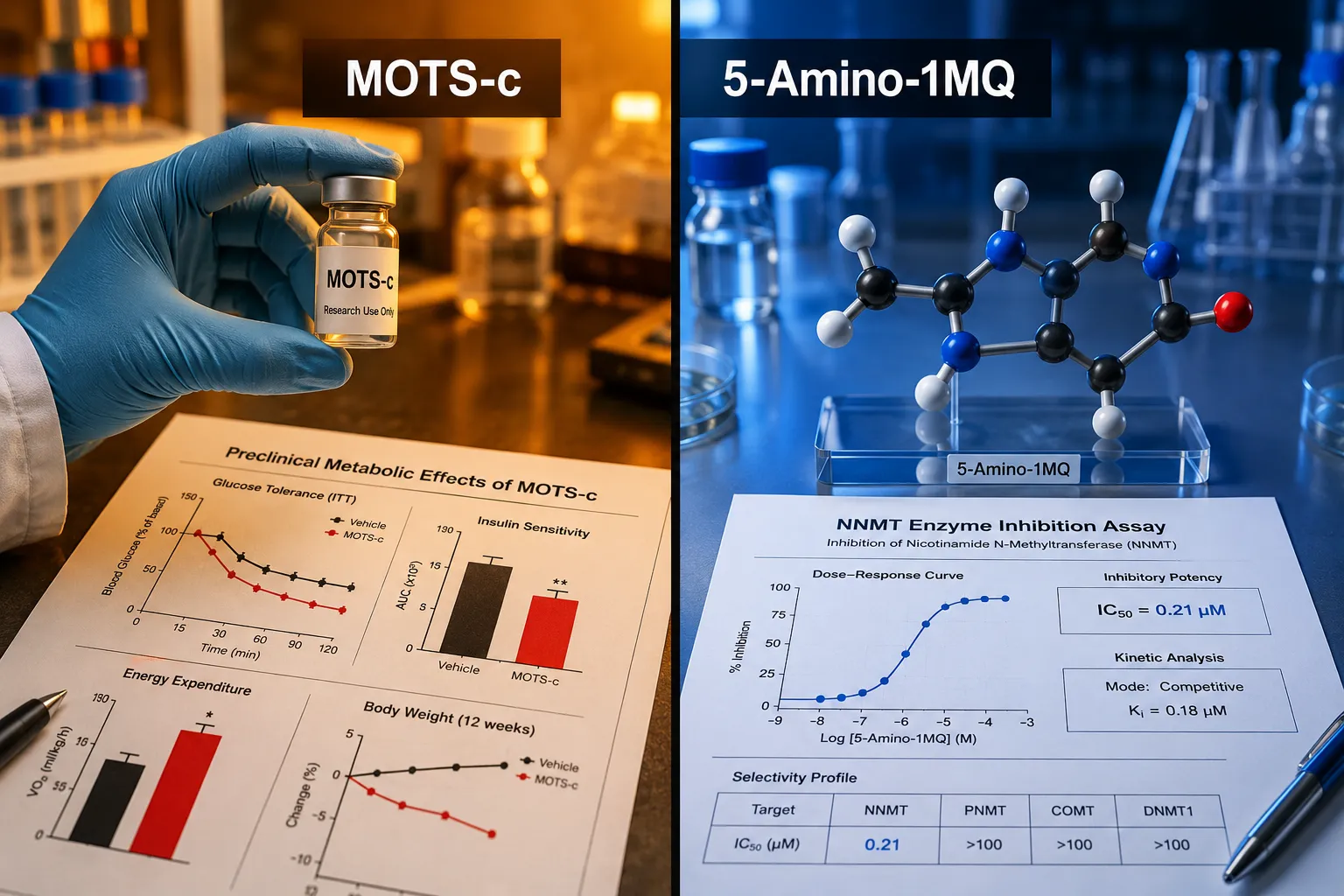
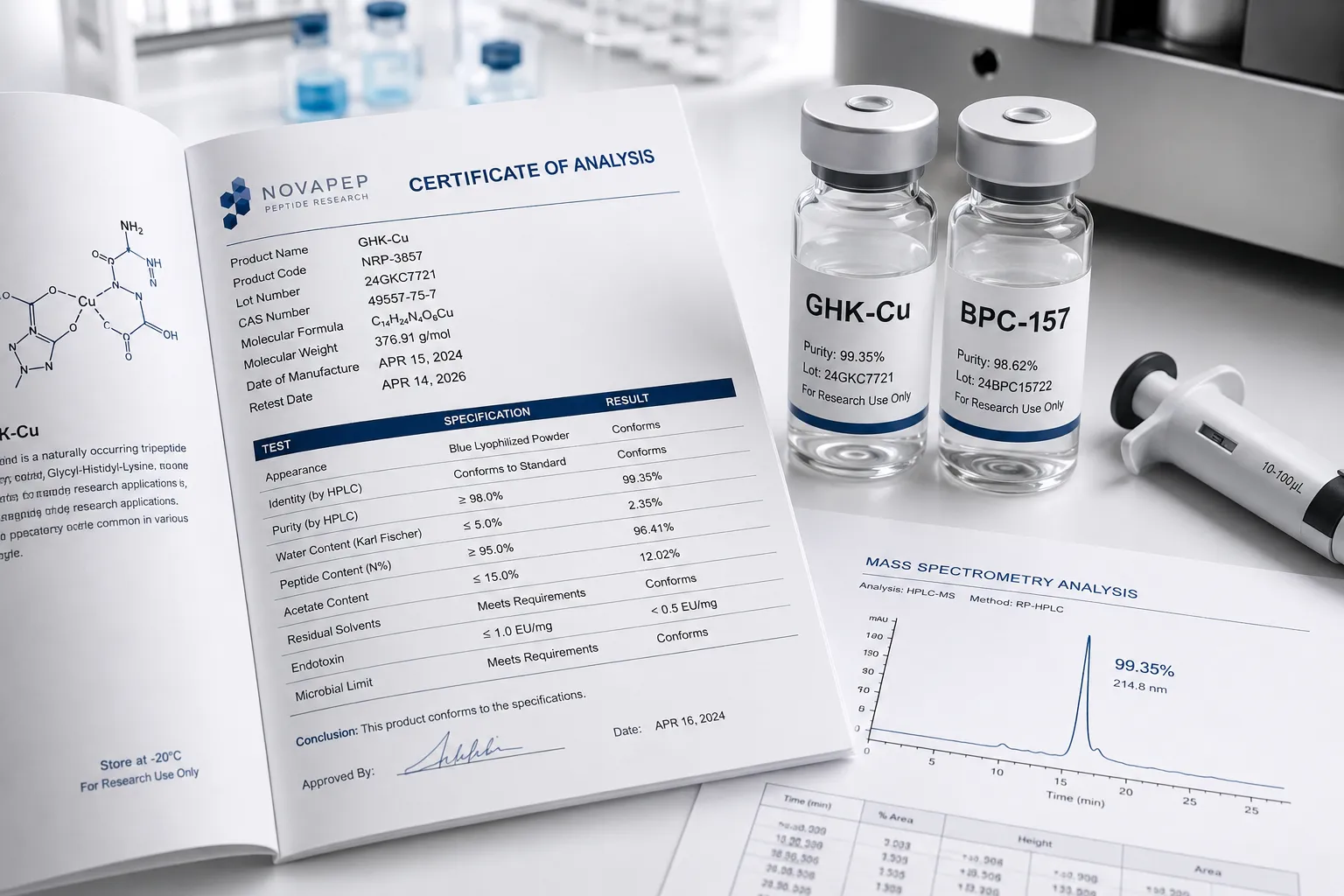
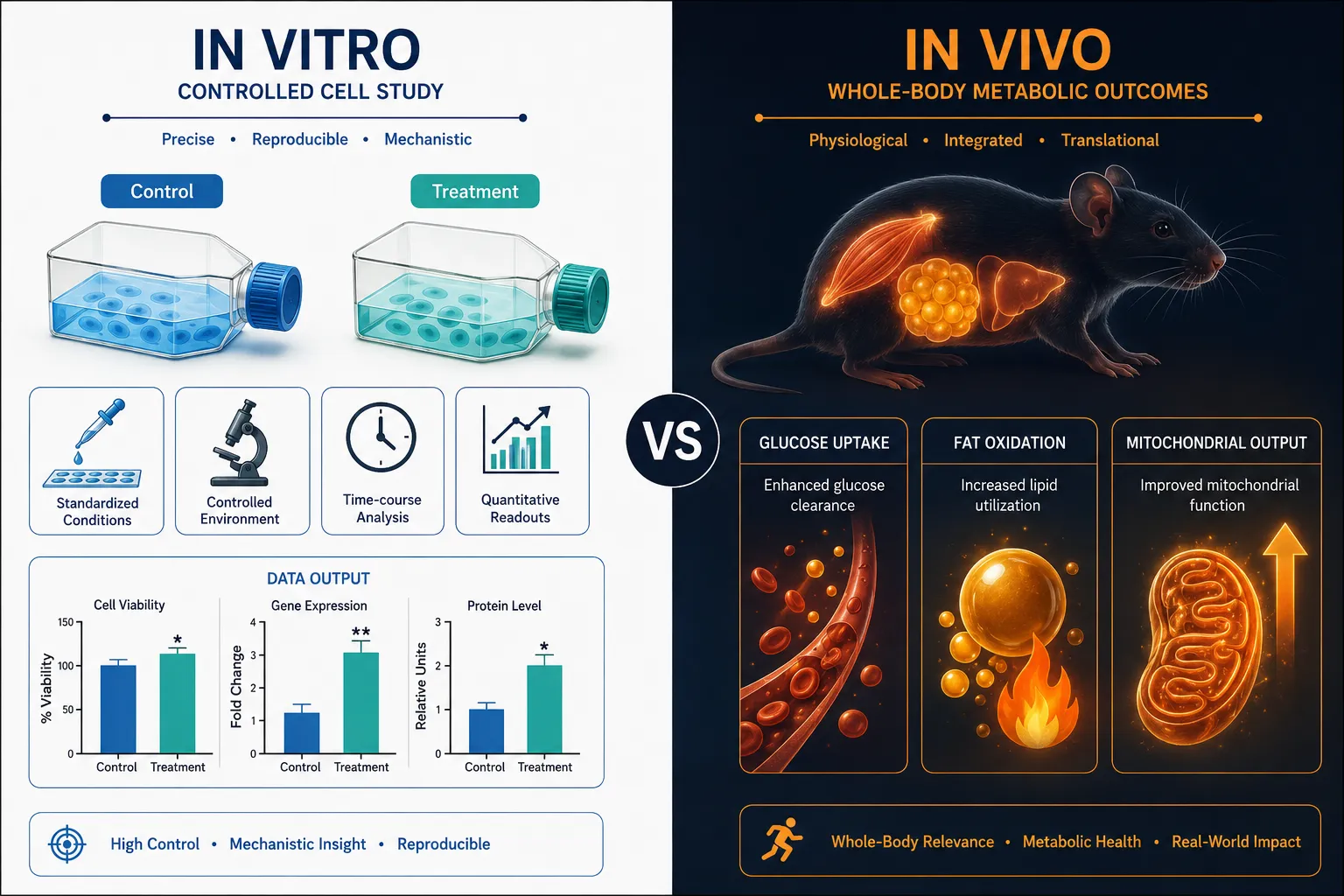
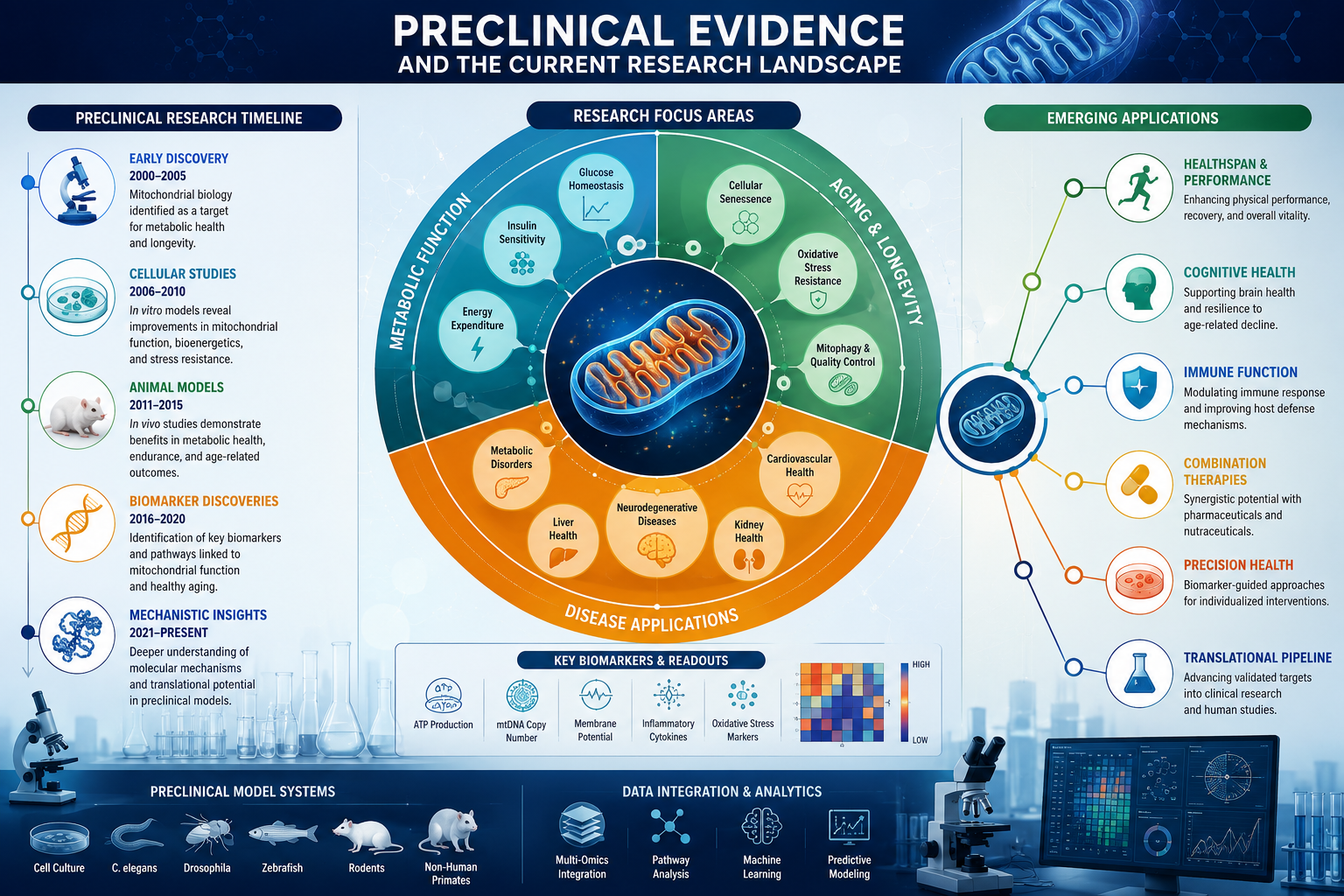
It is worth noting that all current evidence comes from cell-based and animal studies. No completed human clinical trials have evaluated MOTS-c or 5-Amino-1MQ, and neither compound has regulatory approval for therapeutic use. Researchers sourcing these compounds should prioritize purity verification, third-party tested, certificate-of-analysis-backed material is essential for reproducible results. The quality criteria for research-grade MOTS-c and 5-Amino-1MQ page covers what to look for when evaluating suppliers.
For broader context on how these compounds fit within the wider peptide research toolkit, the complete guide to research peptides, types, mechanisms, and laboratory use cases and the foundational overview of peptides and polypeptides in basic cell biology using GLP-3, MOTS-c, and 5-Amino-1MQ to probe mitochondria and ATP production are both useful starting references.
Conclusion
The study of peptides and polypeptides in mitochondrial research: how MOTS-c and 5-Amino-1MQ interact with mitochondria and ATP represents a meaningful shift in how researchers approach cellular energy biology. Rather than studying the electron transport chain in isolation, these compounds allow investigators to interrogate the upstream signals, AMPK activation, nuclear gene regulation, NAD+ availability, that determine how efficiently mitochondria produce ATP in the first place.
Actionable next steps for researchers:
- Define whether your experimental question concerns signaling (MOTS-c) or substrate availability (5-Amino-1MQ) before designing protocols.
- Use third-party tested, COA-verified research-grade material to ensure data reproducibility.
- Review current WADA and FDA regulatory status before any institutional use or publication.
- Treat all findings as preclinical until human trial data becomes available.
- Consult the combination research literature before stacking these compounds in the same model to avoid confounding variables.
Mitochondrial peptide research is moving fast. Staying grounded in the mechanistic distinctions between these tools is what separates rigorous science from speculation.