Call or Text 727-513-9780
  • Shopping Cart Shopping Cart
    0Shopping Cart
Pure Tested Peptides | America's most trusted Peptides for sale online
  • Peptides for sale
    • Oral Peptides for sale
      • Peptide Capsules for sale
      • BPC 157 Capsules 1000mcg
      • SLU-PP-332 Capsules | 1000 mcg
      • 5-Amino-1MQ 50mg Capsules
      • Tesofensine 500mcg
    • All Peptides for sale
    • Peptide Sprays
      • BPC 157 Nasal Spray Kit
      • BPC-157 TB500 Nasal Spray Kit
      • Semax Nasal Spray 10mg
      • Selank – Nasal Spray Kit – 10mg
      • Epithalon 50MG Nasal Spray Kit
      • Ipamorelin 10mg Nasal Spray
      • Klow Nasal Spray (BPC-157 + TB-500 + GHK-Cu + KPV) | 80mg
      • Hulk Nasal Spray Tesa / Ipa Blend 6/3 MG
      • Klow Nasal Spray
      • NAD + 500 mg Nasal Spray
      • PT-141 Nasal Spray Kit
    • GHRH Peptides
      • Ipa Peptides
      • CJC-1295 Peptides
        • CJC-1295 with DAC 5 mg
        • CJC-1295 without DAC 5 mg
        • CJC-1295 Ipa 10mg
      • Tesa Peptides
        • Tesa Peptide
        • Tesa 20 mg
    • GHK-Cu Peptides
      • All GHK-Cu Peptides
      • GHK-Cu 100mg
      • KLOW Peptide Blend – Buy KLOW blend online
    • BPC Peptides
      • All BPC Peptides
      • BPC-157
      • BPC-157 TB-500
      • BPC 157 capsules 1000mcg
    • SLU-PP-332 Peptides
      • All SLU-PP-332 Peptides
      • SLU-PP-332 5mg
    • GLP3 Peptides
    • PT-141 Peptides
      • PT-141 Peptides for sale
      • PT-141 10mg
      • PT-141 Nasal Spray
    • CAG Peptides
      • Lipo-C Peptide Blend
      • CAG 5mg
      • CAG 10mg
    • MOTS-C Peptides
      • MOTS-C Peptides for sale
      • MOTS-c peptide
      • MOTS-c 10mg *6 pack*
    • 5 Amino 1MQ Peptides
      • 5 Amino 1MQ Peptides for sale
      • 5-Amino-1MQ 50mg Capsules
      • 5-Amino-1MQ 5mg
    • Epithalon Peptides
      • Epithalon Peptides for sale
      • Epithalon 10mg
      • Epithalon 50mg
  • Shop
    • GLPs
      • 5-Amino-1MQ 50mg Capsules
      • 5-Amino-1MQ 5mg
      • L-Carnitine 500mg/ml
      • Tesofensine 500mcg
      • SLU-PP-332 5mg
      • MOTS-c 10mg *6 pack*
    • Epithalon & BPC Peptides
      • Epithalon 10mg
      • Epithalon 50mg
      • BPC-157
      • BPC 157 capsules 1000mcg
      • BPC-157 TB-500
      • BPC-157 TB500 Nasal Spray Kit
      • BPC 157 Nasal Spray Kit
    • BPC TB-500 & NAD+ Peptides
      • NAD+ 500 mg
      • KLOW Peptide Blend – Buy KLOW blend online
      • GLOW Peptide Blend
      • TB 500 5mg
      • BPC 157 capsules 1000mcg – Supplement
      • BPC 157 Nasal Spray Kit
      • BPC-157
      • BPC-157 TB500 Nasal Spray Kit
      • BPC-157 TB-500
      • BPC 157 capsules 1000mcg
    • LL-37 Peptide
      • LL-37 10 mg
    • MOTS-C & Selank
      • MOTS-c peptide
      • Selank 10mg
    • GHK Peptides
      • GHK-Cu 100mg
      • GLOW Peptide Blend
      • KLOW Peptide Blend – Buy KLOW blend online
  • COAs
  • Wholesale
    • Wholesale Peptides for sale
  • PTP FAQ
  • Affiliates
    • Selank Peptide: Advanced Pharmacological Mechanisms Underlying Its Anxiolytic and Nootropic Effects in Research
      • 5-Amino-1MQ Peptide: Detailed Mechanisms of NNMT Inhibition and Its Impact on Cellular Metabolism Research
        • MOTS-C Peptide: Unraveling Its Role in Mitochondrial Dynamics and Energy Metabolism Research
          • Epithalon Peptide and Telomerase Regulation: Investigating Its Impact on Cellular Senescence and Lifespan Research Models
            • GLP2-T vs GLP2 Tirz Peptide: Understanding the Naming, Mechanistic Nuances, and Research Implications for Gut Health
      • Peptides and Polypeptides in Modern Pharmacology: What Research on Metoprolol, Prednisone, and Amlodipine Reveals
        • Polypeptide Peptides vs NSAIDs: What Naproxen and Diclofenac Teach Tissue-Repair Researchers About BPC‑157 and TB‑500
          • Peptides and Polypeptides in Endocrine Pharmacology: How GLP-1, GLP-2, and GLP-3 Retatrutide Differ From Classic Drugs Like Prednisone and Amlodipine
          • 5‑Amino‑1MQ Peptide and NNMT Inhibition: How It Compares With Statins Like Atorvastatin in Adipose and Lipid Metabolism Research
      • Enclomiphene, Estrogen Receptor Signaling, and Luteinizing Phase Biology: What Hormone Researchers Should Measure
        • Mesenchymal Stem Cells, BPC‑157, and GHK‑Cu: How Tissue Repair Peptides Compare With Classic NSAIDs Like Naproxen in Injury Models
          • Peptide Calculator Use Cases Beyond Growth Hormone: Working Through GLP‑3 Retatrutide, MOTS‑c, and BPC‑157 Research Dosing
        • Polypeptide Peptides in Endocrine and Metabolic Pharmacology: Lessons From Amlodipine, Prednisone, and Metoprolol
        • Peptides Calculator for Advanced Blends: Worked Examples for Tesamorelin, CJC‑1295, and Ipamorelin Stacks
          • Peptides and Polypeptides in Human Physiology: How Molecular Size Shapes Research Applications
            • Selank Peptide: Advanced Pharmacological Mechanisms Underlying Its Anxiolytic and Nootropic Effects in Research
          • 5-Amino-1MQ Peptide: Detailed Mechanisms of NNMT Inhibition and Its Impact on Cellular Metabolism Research
            • MOTS-C Peptide: Unraveling Its Role in Mitochondrial Dynamics and Energy Metabolism Research
              • Epithalon Peptide and Telomerase Regulation: Investigating Its Impact on Cellular Senescence and Lifespan Research Models
                • GLP2-T vs GLP2 Tirz Peptide: Understanding the Naming, Mechanistic Nuances, and Research Implications for Gut Health
                  • Peptides and Polypeptides in Endocrine Pharmacology: How GLP-1, GLP-2, and GLP-3 Retatrutide Differ From Classic Drugs Like Prednisone and Amlodipine
                    • Polypeptide Peptides vs NSAIDs: What Naproxen and Diclofenac Teach Tissue-Repair Researchers About BPC‑157 and TB‑500
                      • Peptides and Polypeptides in Modern Pharmacology: What Research on Metoprolol, Prednisone, and Amlodipine Reveals
                        • 5‑Amino‑1MQ Peptide and NNMT Inhibition: How It Compares With Statins Like Atorvastatin in Adipose and Lipid Metabolism Research
                        • Enclomiphene, Estrogen Receptor Signaling, and Luteinizing Phase Biology: What Hormone Researchers Should Measure
                        • Mesenchymal Stem Cells, BPC‑157, and GHK‑Cu: How Tissue Repair Peptides Compare With Classic NSAIDs Like Naproxen in Injury Models
                        • Peptide Calculator Use Cases Beyond Growth Hormone: Working Through GLP‑3 Retatrutide, MOTS‑c, and BPC‑157 Research Dosing
                        • Polypeptide Peptides in Endocrine and Metabolic Pharmacology: Lessons From Amlodipine, Prednisone, and Metoprolol
                        • Peptides Calculator for Advanced Blends: Worked Examples for Tesamorelin, CJC‑1295, and Ipamorelin Stacks
                        • Peptides and Polypeptides in Human Physiology: How Molecular Size Shapes Research Applications
                        • Selank Peptide: Advanced Pharmacological Mechanisms Underlying Its Anxiolytic and Nootropic Effects in Research
                        • MOTS-C Peptide: Unraveling Its Role in Mitochondrial Dynamics and Energy Metabolism Research
                        • Peptides and Polypeptides in Modern Pharmacology: What Research on Metoprolol, Prednisone, and Amlodipine Reveals
                        • Peptides and Polypeptides in Endocrine Pharmacology: How GLP-1, GLP-2, and GLP-3 Retatrutide Differ From Classic Drugs Like Prednisone and Amlodipine
                        • 5-Amino-1MQ Peptide: Detailed Mechanisms of NNMT Inhibition and Its Impact on Cellular Metabolism Research
                        • Mesenchymal Stem Cells, BPC‑157, and GHK‑Cu: How Tissue Repair Peptides Compare With Classic NSAIDs Like Naproxen in Injury Models
                        • Peptide Calculator Use Cases Beyond Growth Hormone: Working Through GLP‑3 Retatrutide, MOTS‑c, and BPC‑157 Research Dosing
                        • GLP2-T vs GLP2 Tirz Peptide: Understanding the Naming, Mechanistic Nuances, and Research Implications for Gut Health
                        • Polypeptide Peptides in Endocrine and Metabolic Pharmacology: Lessons From Amlodipine, Prednisone, and Metoprolol
                        • Polypeptide Peptides vs NSAIDs: What Naproxen and Diclofenac Teach Tissue-Repair Researchers About BPC‑157 and TB‑500
                        • Peptides and Polypeptides in Human Physiology: How Molecular Size Shapes Research Applications
                        • Peptides Calculator for Advanced Blends: Worked Examples for Tesamorelin, CJC‑1295, and Ipamorelin Stacks
                        • 5‑Amino‑1MQ Peptide and NNMT Inhibition: How It Compares With Statins Like Atorvastatin in Adipose and Lipid Metabolism Research
                        • Enclomiphene, Estrogen Receptor Signaling, and Luteinizing Phase Biology: What Hormone Researchers Should Measure
                        • Epithalon Peptide and Telomerase Regulation: Investigating Its Impact on Cellular Senescence and Lifespan Research Models
                        • Best research protocol Klow blend
                        • best time to take BPC-157
                        • best time to take DSIP (Delta Sleep Inducing Peptide)
                        • best time to take CJC-1295
                        • best time to take AOD-9604
                        • best time to take Follistatin 344
                        • best time to take Ipamorelin
                        • best time to take MK-677 (Ibutamoren)
                        • best time to take Ligandrol (LGD-4033) — research compound
                        • best time to take Ostarine (MK-2866) — research compound
                        • best time to take GHK-CU
                        • best time to take TB-500
                        • best time to take MOTS-c
                        • best time to take Semax
                        • best time to take RAD-140 (Testolone) — research compound
                        • best time to take Thymosin Alpha-1
                        • best time to take PEG-MGF
                        • Biolife Plasma, Octapharma Plasma, and Research Peptides: How Plasma Donation Labs Differ From Peptide Suppliers
                        • best time to take YK-11 — research compound
                        • best time to take PT-141 (Bremelanotide)
                        • Best research protocol Klow blend
                        • 5-Amino-1MQ and MOTS-C Synergy: Metabolic Signaling, Mitochondria, and Research Design
                        • BPC-157 and TB-500: Investigating Their Combined Effects on Angiogenesis and Cellular Migration in Tissue Repair Models
                        • BPC-157 Peptide: Gut Barrier Function, Inflammation, and Tissue-Recovery Research
                        • 5‑Amino‑1MQ and MOTS‑c Synergy in Metabolic Research: Designing NNMT and Mitochondrial Biogenesis Stacks
                        • CJC-1295 with DAC vs. Without DAC: Half-Life, Release Kinetics, and Research Implications
                        • CJC‑1295 with DAC vs. Without DAC: Expanding on Half‑Life Differences Using Tesamorelin and Ipamorelin Blend Case Studies
                        • Collagen Biology and Copper‑Binding Peptides: How GHK‑Cu, Glow Blend, and Klow Blend Interact with Skin and Connective Tissue
                        • Collagen Biology and Regenerative Peptides: How GHK‑Cu, Glow Blend, and Klow Blend Affect Extracellular Matrix Research
                    • DNA, Telomeres, and Longevity Peptides: Positioning Epithalon and MOTS‑c in Genetic Aging Research
                      • Enclomiphene Citrate: serm Mechanism, Testosterone Research, and Stack Compatibility
                        • Enclomiphene vs Enclomiphene Citrate: Formulation, Bioavailability, and Research Distinctions
                        • Epithalon Peptide Research: Telomerase Activation, Aging, and Pineal Gland Function
                        • Estrogen Receptor Signaling and Enclomiphene: How Selective Modulators Compare with Classic Polypeptide Hormones
                        • GHK-Cu Peptide: Advanced Mechanisms in Extracellular Matrix Remodeling and Wound Healing Research
                        • GHK-Cu Peptide: Collagen Synthesis, Wound Repair, and Skin-Barrier Research Models
                        • GLP-1 vs GLP-3 vs GLP-2: Peptide Classification and Research Applications
                        • GLP-2 Peptide Research Guide: Gut Barrier Function, Nutrient Absorption, and Intestinal Recovery Models
                        • GLP-3 Retatrutide vs. GLP-1 Drugs: What Triple-Agonist Biology Changes in Research Models
                        • Ipamorelin and Tesamorelin Combination: Synergistic GH Secretagogue Research and Dosing Protocols
                        • GLP2 Tirz Peptide: What It Is, Why the Name Exists, and How Researchers Should Interpret It
                        • Klow Blend Peptide Nasal Spray: What the Formulation Is Trying to Do in Cognitive Research
                        • Mitochondria, NNMT Inhibition, and Peptide Modulators: Where MOTS‑c and 5‑Amino‑1MQ Fit in Cellular Energy Research
                        • MOTS-c Peptide: Mitochondrial Function, Energy Metabolism, and What Researchers Measure
                        • MOTS-c vs. 5-Amino-1MQ: Which Metabolic Research Questions Each Compound Actually Answers
                        • Nasal Spray Peptides: Bioavailability, Administration, and Semax/Selank Research Applications
                        • PT-141 Peptide Research: Mechanism of Action and Melanocortin Receptor Signaling
                        • Retatrutide for Research: Mechanism, Structure, and GLP-1/GLP-3 Dual Action
                        • Retatrutide for Obesity and Type 2 Diabetes: What the Latest Trial Data Suggest
                        • Tesofensine Peptide Research: Mechanism, Appetite Suppression, and Neuropeptide Y Pathways
  • Contact
    • Contact Customer Service
    • Text Customer Support
  • About US
  • Shop all peptides
  • Affiliate Program
    • Affiliate Signup
  • Login / Register Login / Register Page Link Login / Register Page Link
  • Click to open the search input field Click to open the search input field Search
  • Menu Menu

Tag Archive for: mitochondrial peptides

Adenosine Triphosphate and Mitochondrial Peptides: How MOTS-c and 5-Amino-1MQ Influence ATP Production in Research Models

Adenosine Triphosphate and Mitochondrial Peptides: How MOTS-c and 5-Amino-1MQ Influence ATP Production in Research Models

August 1, 2026/0 Comments/in Uncategorized/by

Every cell in the body runs on a single molecular currency, adenosine triphosphate (ATP). When that currency becomes scarce, cellular function deteriorates rapidly. The emerging science of mitochondrial peptides now offers researchers a new lens for understanding how ATP production can be modulated at the molecular level, and two compounds sit at the center of that conversation: MOTS-c and 5-Amino-1MQ. The study of adenosine triphosphate and mitochondrial peptides, specifically how MOTS-c and 5-Amino-1MQ influence ATP production in research models, has accelerated considerably in 2026, with the first interventional human trials now recruiting.
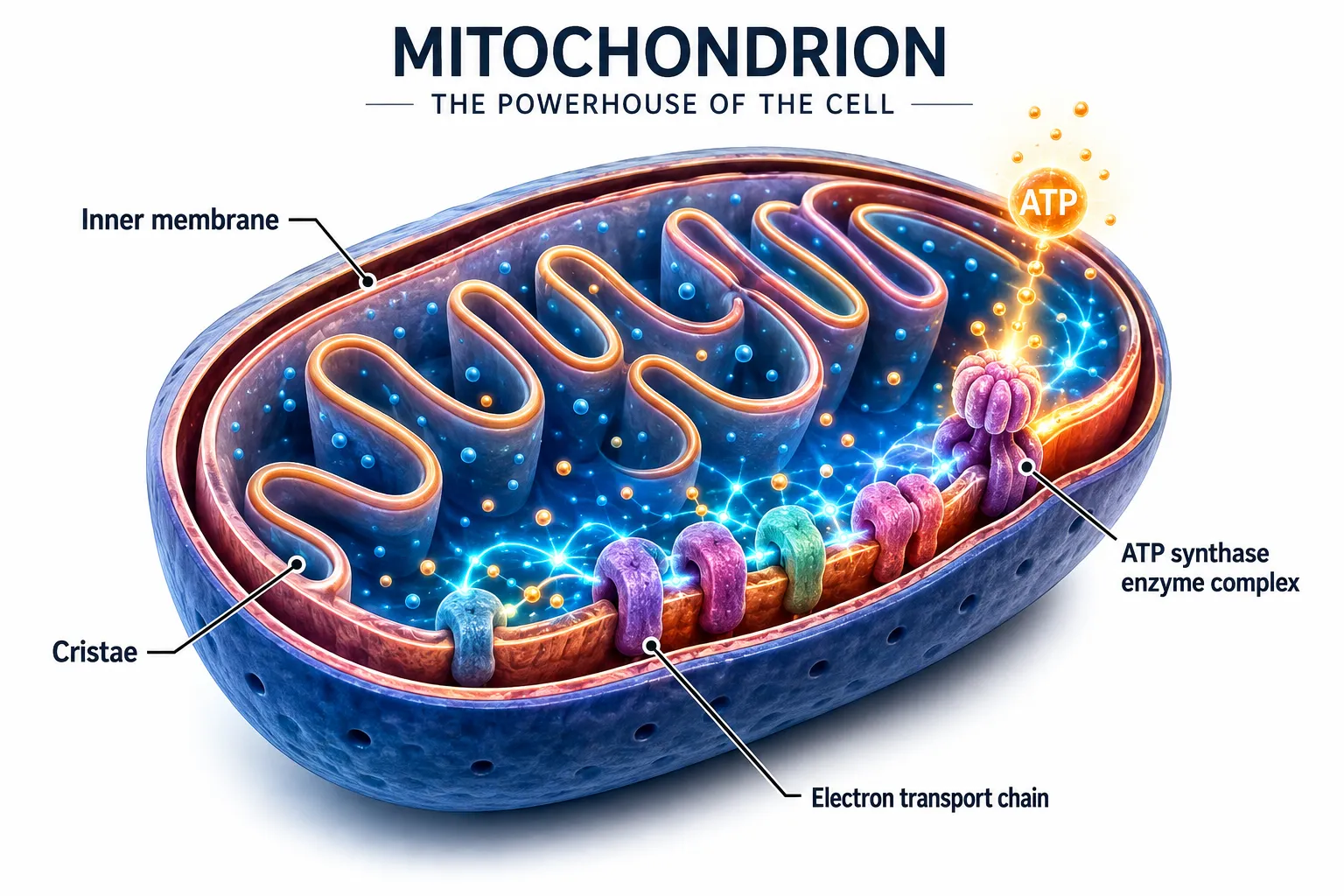
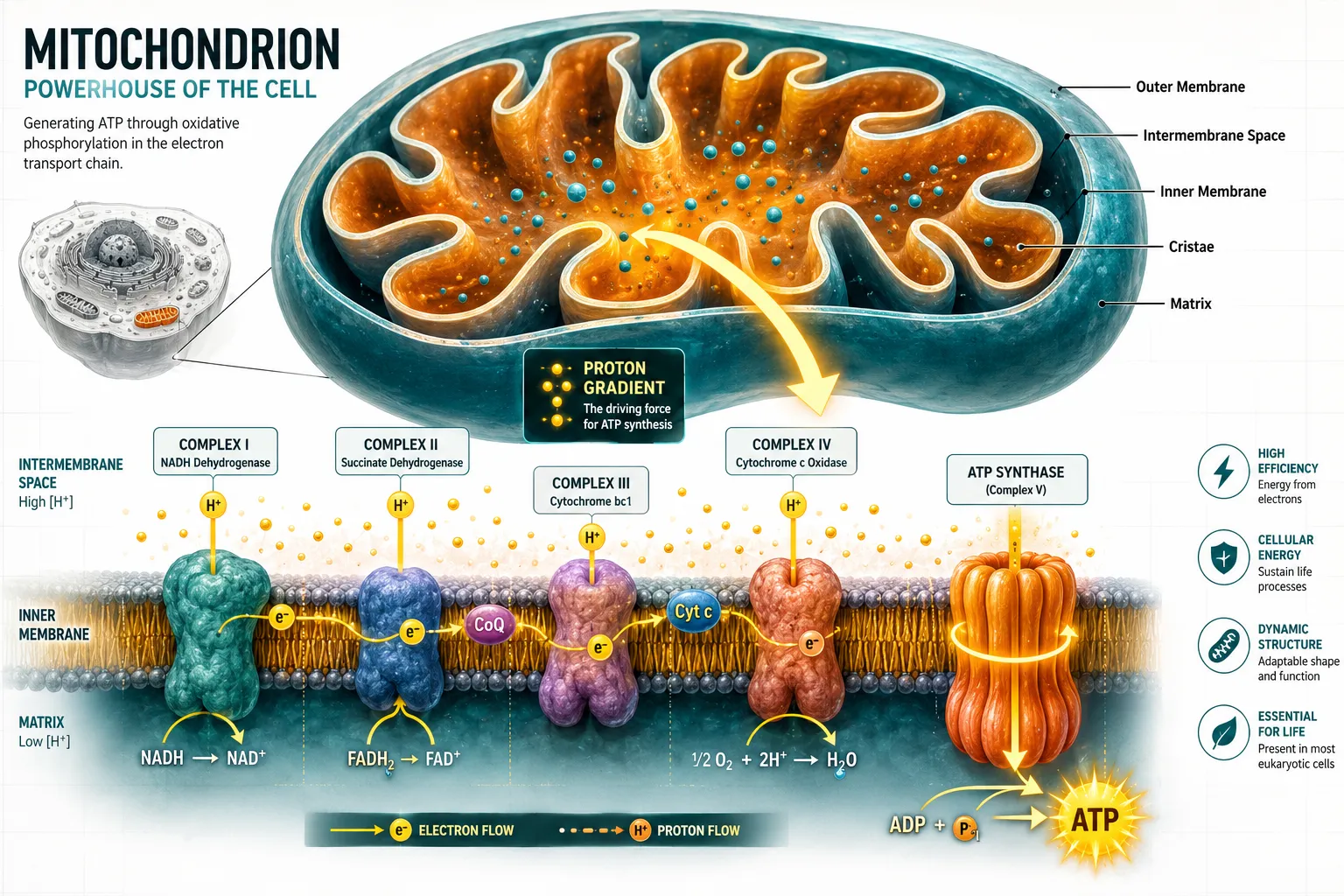
Bright editorial infographic-style landscape image () showing a detailed cross-section diagram of a mitochondrion with

Key Takeaways

  • ATP is the primary energy currency of cells, produced mainly within mitochondrial inner membranes via oxidative phosphorylation.
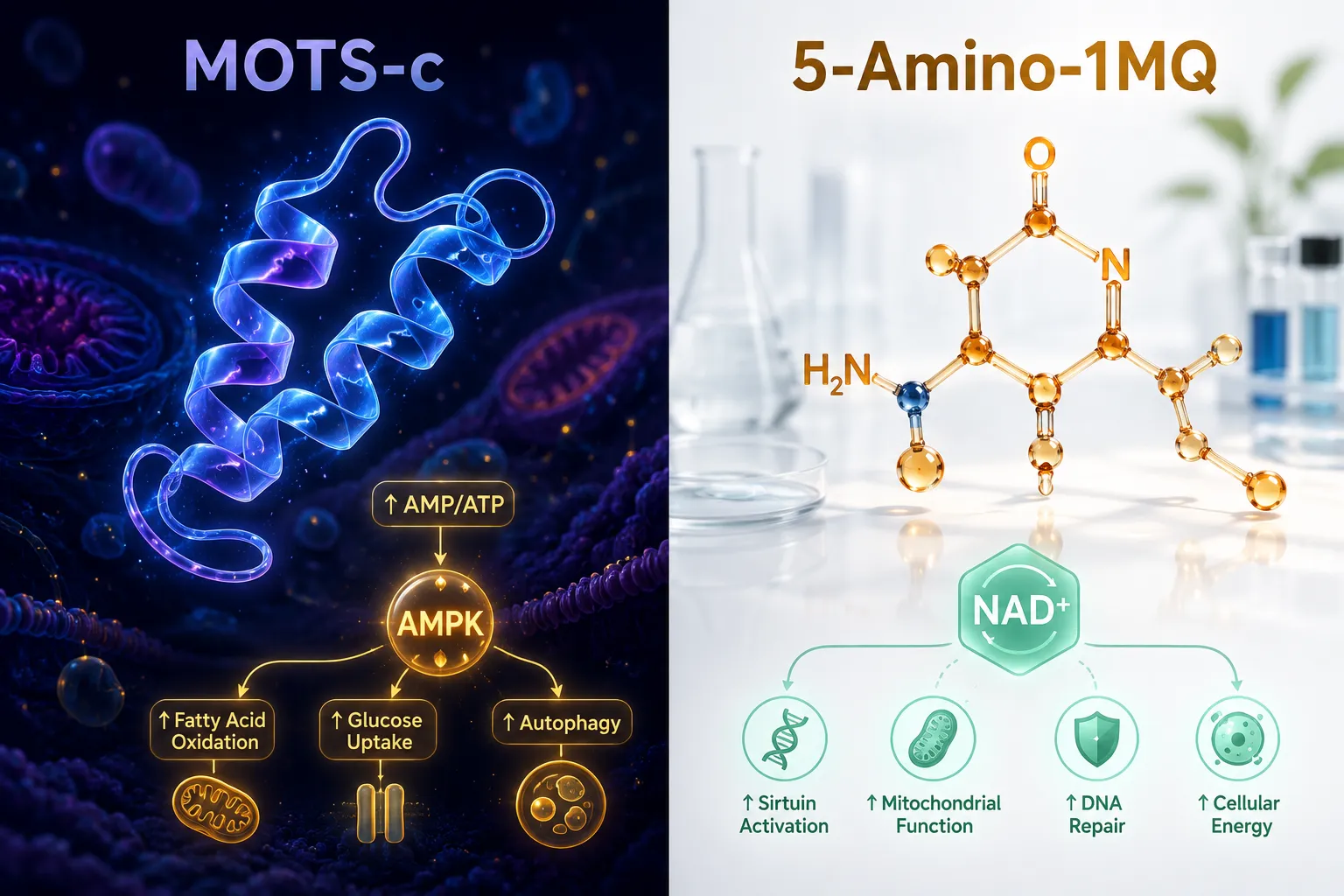
  • MOTS-c is a mitochondria-encoded peptide that modulates the AMP/ATP ratio and activates AMPK, indirectly protecting ATP reserves under metabolic stress.
  • 5-Amino-1MQ inhibits NNMT, raising intracellular NAD+ levels and supporting mitochondrial electron transport chain efficiency.
  • Both compounds influence overlapping metabolic pathways, including NAD+ metabolism and AMPK signaling, making them complementary subjects in energy research.
  • The evidence base for both compounds remains primarily preclinical, though human data for MOTS-c is growing rapidly.

ATP Fundamentals: Why Mitochondrial Output Matters

Adenosine triphosphate is synthesized primarily through oxidative phosphorylation, a process driven by the electron transport chain (ETC) embedded in the inner mitochondrial membrane. Each glucose molecule, when fully oxidized, yields approximately 30-32 ATP molecules, the majority generated at the ATP synthase complex (Complex V).

Several factors limit this output in aging or diseased tissue:

  • Declining NAD+ availability, which slows ETC electron flow
  • Mitochondrial membrane damage, reducing proton gradient efficiency
  • Excess ATP hydrolysis under stress conditions, depleting reserves faster than they can be replenished
  • Impaired mitophagy, allowing dysfunctional mitochondria to accumulate

Understanding these bottlenecks is essential context for evaluating how peptides like MOTS-c and 5-Amino-1MQ interact with ATP metabolism. Researchers exploring related mitochondrial compounds such as SS-31 and its mitochondrial research themes will recognize many of the same upstream mechanisms at work.

How MOTS-c and 5-Amino-1MQ Influence ATP Production in Research Models
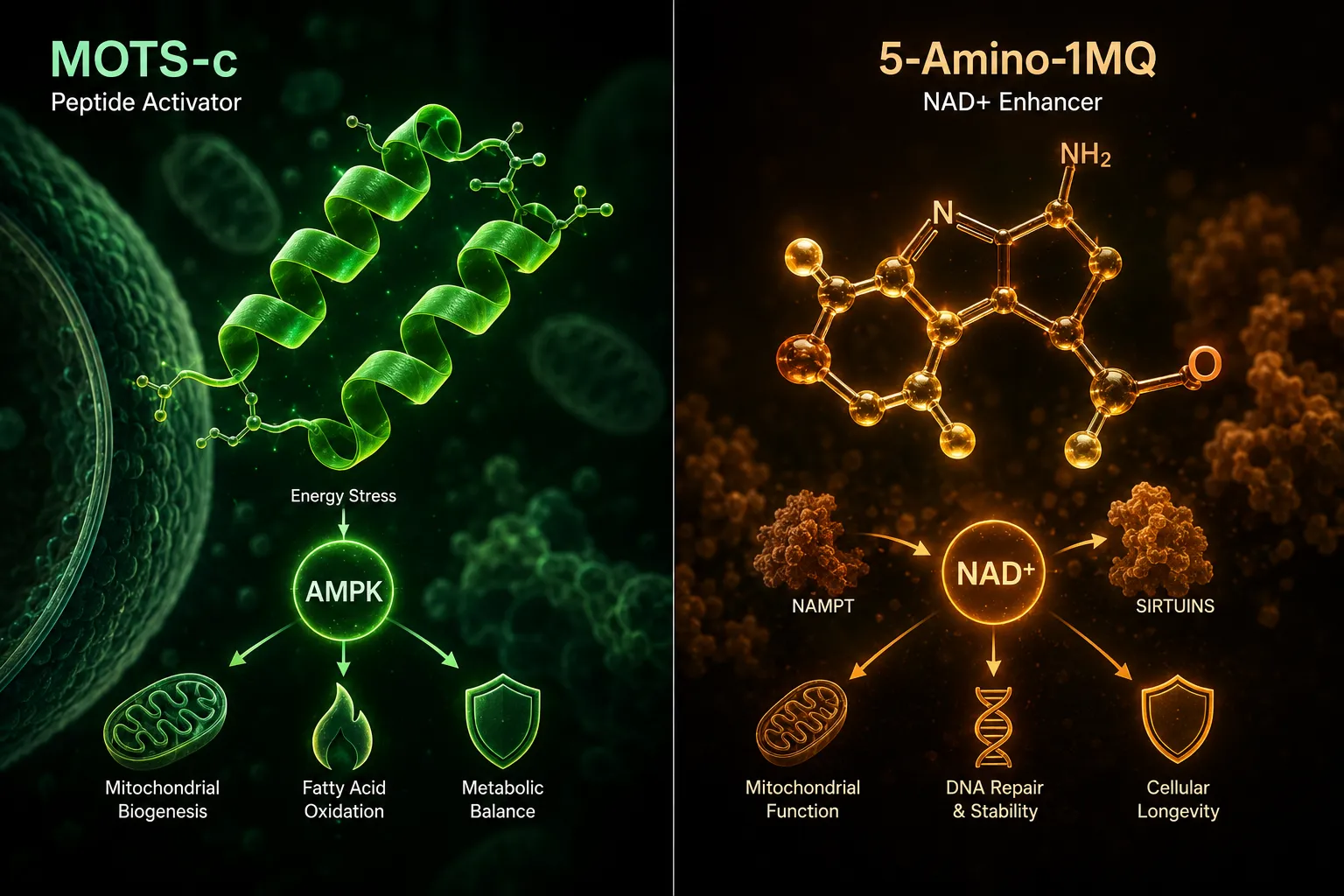
How MOTS-c and 5-Amino-1MQ Influence ATP Production in Research Models

MOTS-c: A Mitochondria-Encoded Metabolic Regulator

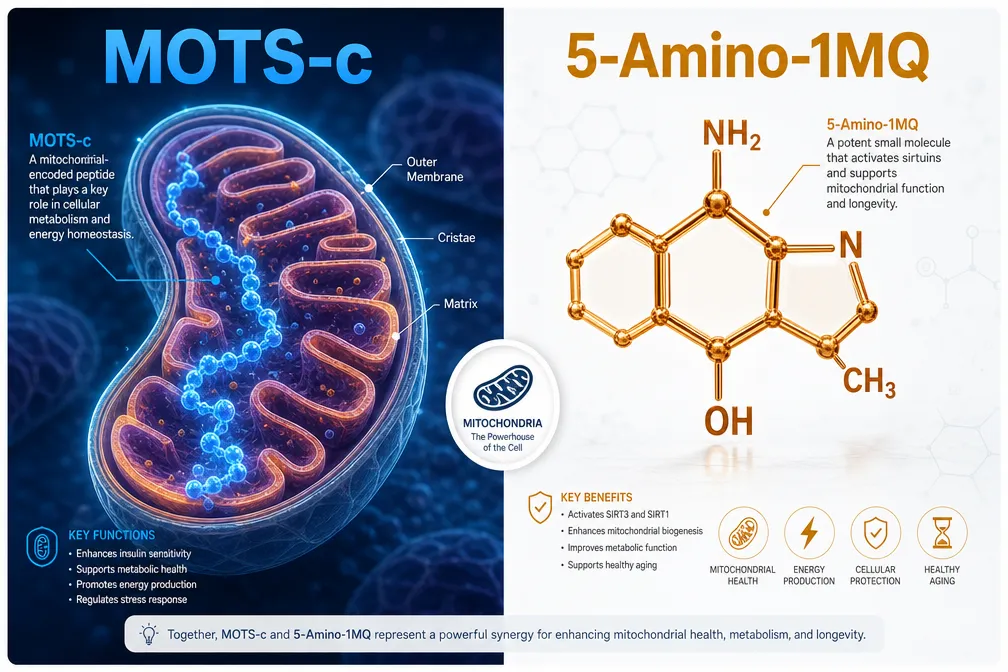
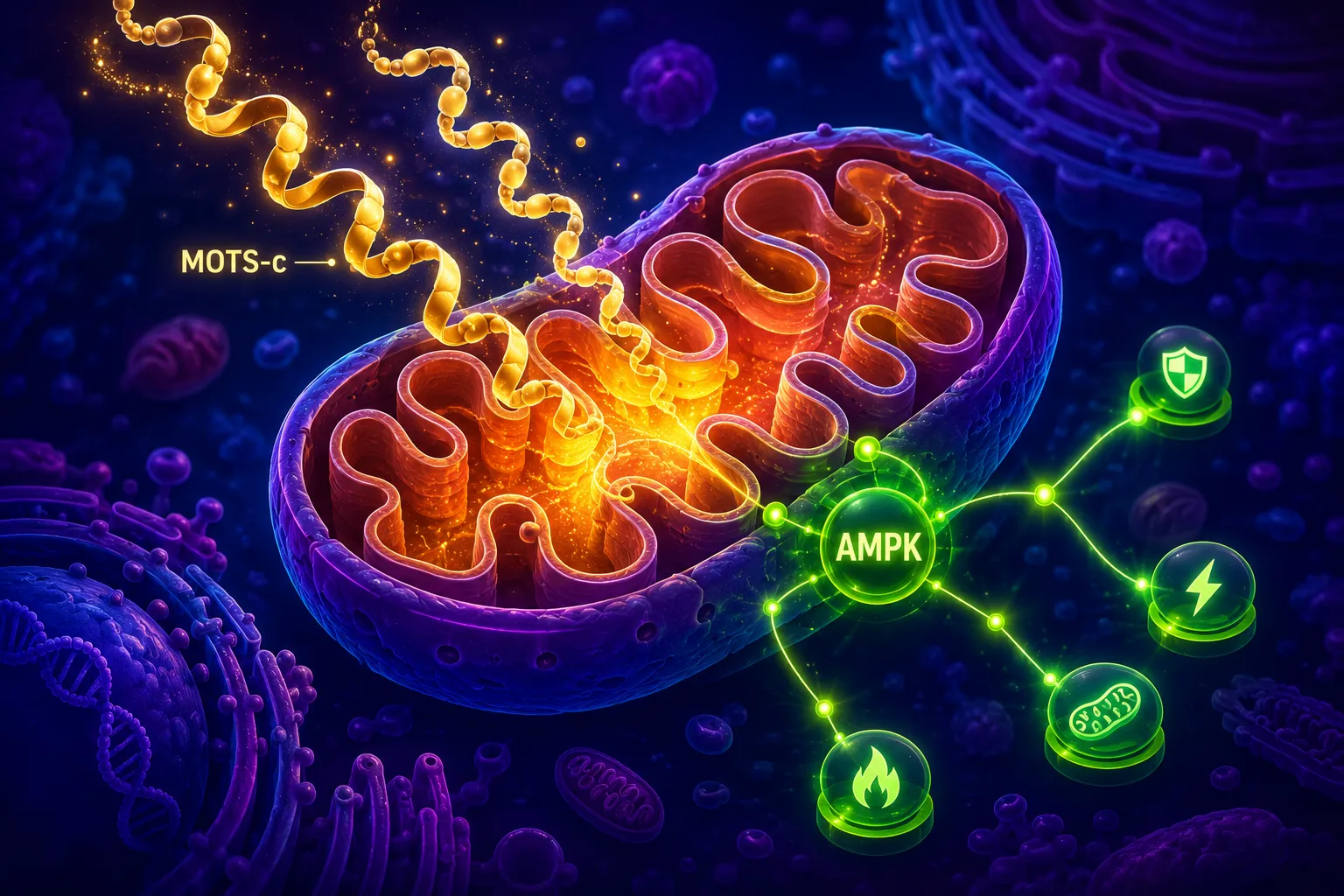
MOTS-c (Mitochondrial Open Reading Frame of the 12S rRNA type-c) is a 16-amino-acid peptide encoded directly within mitochondrial DNA, a distinction that makes it biologically unique. Rather than directly synthesizing ATP, MOTS-c acts as a metabolic stress sensor that modulates the AMP-to-ATP ratio and activates AMP-activated protein kinase (AMPK).

Key findings from preclinical and early human research include:

Observation Model Type
Acute exercise sharply elevates MOTS-c in muscle and circulation Human subjects
MOTS-c reduces ATP hydrolysis during anoxic stress Cellular/animal models
AMPK activation improves glucose uptake and fatty acid oxidation Animal models
MOTS-c preserves mitochondrial membrane integrity under oxidative load Preclinical

By slowing ATP hydrolysis rather than boosting raw production, MOTS-c effectively conserves the ATP pool when cellular demand outpaces supply. This mechanism is especially relevant in hypoxic or ischemic conditions studied in research settings.

Researchers interested in exploring MOTS-c peptide research will find it pairs conceptually with other mitochondria-targeted compounds. For a broader comparative view, the MOTS-c and elamipretide research overview provides useful context on how these agents differ mechanistically.

5-Amino-1MQ: NAD+ Elevation and ETC Support

5-Amino-1MQ (5-amino-1-methylquinolinium) takes a fundamentally different approach. It is a small-molecule inhibitor of nicotinamide N-methyltransferase (NNMT), an enzyme that consumes S-adenosylmethionine and depletes the methyl donor pool needed for NAD+ biosynthesis.

By blocking NNMT, 5-Amino-1MQ:

  1. Raises intracellular NAD+ concentrations
  2. Supports sirtuin (SIRT1/SIRT3) activity, which regulates mitochondrial biogenesis
  3. Enhances electron flow through Complexes I and III of the ETC
  4. Reduces adipogenesis in preclinical obesity models, indirectly improving metabolic efficiency

The downstream result in research models is improved mitochondrial respiratory capacity and greater ATP output per unit of substrate. Because NAD+ is consumed at multiple points in the ETC, even modest increases in its availability can meaningfully shift ATP yield.

"NAD+ is not merely a cofactor, it is a rate-limiting variable in mitochondrial energy production, and compounds that restore its availability represent a high-leverage intervention point in metabolic research."

Overlapping Pathways and Downstream Signaling

The significance of studying adenosine triphosphate and mitochondrial peptides, how MOTS-c and 5-Amino-1MQ influence ATP production in research models, becomes clearest when their pathways are examined together.

Both compounds converge on AMPK and sirtuin signaling:

  • MOTS-c activates AMPK via AMP/ATP ratio changes
  • Elevated NAD+ from 5-Amino-1MQ activates SIRT1, which can also stimulate AMPK indirectly

This convergence suggests potential synergistic effects in research models, though direct combination studies remain limited as of 2026. Researchers studying mitochondrial dynamics may also find value in reviewing SS-31 mitochondrial dynamics research, which addresses cristae remodeling, a structural factor that influences ETC efficiency upstream of both MOTS-c and 5-Amino-1MQ targets.

Additional peptides with metabolic relevance, such as those explored in epithalon peptide research, demonstrate that mitochondrial health intersects with broader cellular aging pathways, reinforcing the value of a systems-level research approach.

Overlapping Pathways and Downstream Signaling

The 2026 Research Landscape

The field has matured considerably. Key developments include:

  • First interventional human MOTS-c trials now actively recruiting as of 2026
  • Growing body of human exercise data showing MOTS-c responds dynamically to metabolic demand
  • Increased interest in 5-Amino-1MQ as a metabolic adjunct in obesity and insulin resistance models
  • Expanded understanding of how NAD+ precursor availability limits or enables peptide-driven ATP gains

Researchers sourcing compounds for preclinical work should prioritize purity and documentation. Resources such as quality peptides for research and verified peptides for sale help ensure experimental reproducibility.

Conclusion

The intersection of adenosine triphosphate and mitochondrial peptides, specifically how MOTS-c and 5-Amino-1MQ influence ATP production in research models, represents one of the most actionable frontiers in cellular bioenergetics research today. MOTS-c protects ATP reserves by moderating hydrolysis and activating AMPK, while 5-Amino-1MQ raises NAD+ availability to directly support electron transport chain throughput. Together, they illuminate distinct but complementary levers for improving mitochondrial energy output.

Actionable next steps for researchers:

  • Review current preclinical literature on MOTS-c's AMP/ATP modulation before designing in vitro protocols
  • Establish baseline NAD+ measurements in model systems before introducing 5-Amino-1MQ to accurately assess ETC changes
  • Consider AMPK pathway readouts as shared endpoints when studying both compounds
  • Monitor 2026 clinical trial registries for emerging human MOTS-c data that may inform translational research design
  • Source research-grade compounds from verified suppliers with documented purity testing to ensure data integrity
https://www.puretestedpeptides.com/wp-content/uploads/2026/08/adenosine-triphosphate-and-mitochondrial-peptides-how-mots-c-and-5-amino-1mq-inf.webp 1024 1536 https://www.puretestedpeptides.com/wp-content/uploads/2026/01/buy-peptides-online.jpg 2026-08-01 13:04:542026-08-01 13:04:54Adenosine Triphosphate and Mitochondrial Peptides: How MOTS-c and 5-Amino-1MQ Influence ATP Production in Research Models
Adenosine Triphosphate, Cellular Energy, and Metabolic Peptides: How MOTS‑c and 5‑Amino‑1MQ Influence ATP-Linked Pathways

Adenosine Triphosphate, Cellular Energy, and Metabolic Peptides: How MOTS‑c and 5‑Amino‑1MQ Influence ATP-Linked Pathways

July 30, 2026/0 Comments/in Uncategorized/by

Every cell in the human body burns through roughly its own weight in adenosine triphosphate (ATP) each day, a staggering metabolic fact that underscores just how central this molecule is to survival. When that production falters, fatigue, metabolic dysfunction, and accelerated aging follow. Researchers are now exploring how specific mitochondrial peptides, particularly MOTS-c and 5-Amino-1MQ, can modulate the very signaling networks that govern ATP synthesis and consumption. The study of Adenosine Triphosphate, Cellular Energy, and Metabolic Peptides: How MOTS-c and 5-Amino-1MQ Influence ATP-Linked Pathways sits at the frontier of metabolic science, offering new frameworks for understanding energy regulation at the cellular level.

Key Takeaways

  • ATP is the universal energy currency of the cell, produced primarily through mitochondrial oxidative phosphorylation.
  • MOTS-c is a mitochondria-derived peptide that activates AMPK and supports metabolic flexibility.
  • 5-Amino-1MQ inhibits NNMT, raising NAD+ availability and enhancing mitochondrial energy output.
  • Both peptides influence overlapping ATP-linked signaling pathways, including AMPK, NAD+/SIRT1, and PGC-1 alpha.
  • Current research is preclinical; these compounds are studied in controlled laboratory settings.

Key Takeaways

ATP Production: The Mitochondrial Engine

Adenosine triphosphate is synthesized primarily through oxidative phosphorylation, a process occurring across the inner mitochondrial membrane. Electrons stripped from nutrients like glucose and fatty acids travel down the electron transport chain (ETC), releasing energy that pumps protons across the membrane. ATP synthase then harnesses this proton gradient to phosphorylate ADP into ATP, a process called chemiosmosis.

Key stages of ATP production include:

  • Glycolysis, produces 2 net ATP per glucose molecule in the cytoplasm
  • Citric acid cycle (Krebs cycle), generates electron carriers (NADH, FADH2) in the mitochondrial matrix
  • Oxidative phosphorylation, yields approximately 30-32 ATP per glucose molecule

"Mitochondrial efficiency is not just about energy output, it determines how well a cell responds to metabolic stress, inflammation, and aging."

When mitochondrial function declines, ATP output drops, triggering compensatory stress responses. This is where metabolic peptides enter the picture. Compounds like SS-31 (Elamipretide) have been studied for their ability to stabilize cardiolipin on the inner mitochondrial membrane, directly supporting ETC integrity and ATP production efficiency.

ATP Production: The Mitochondrial Engine

How MOTS-c and 5-Amino-1MQ Influence ATP-Linked Pathways

Understanding Adenosine Triphosphate, Cellular Energy, and Metabolic Peptides: How MOTS-c and 5-Amino-1MQ Influence ATP-Linked Pathways requires examining each compound's distinct mechanism, and where those mechanisms converge.

MOTS-c: A Mitochondria-Encoded Metabolic Regulator

MOTS-c (Mitochondrial Open Reading Frame of the 12S rRNA type-c) is a 16-amino-acid peptide encoded within mitochondrial DNA. Unlike most peptides, it originates inside the mitochondria and can translocate to the nucleus, where it regulates gene expression related to metabolism.

Primary mechanisms of MOTS-c:

Mechanism Effect on ATP-Linked Signaling
AMPK activation Increases glucose uptake, inhibits anabolic pathways that consume ATP
Folate cycle modulation Reduces AICAR accumulation, fine-tuning purine synthesis
Mitochondrial biogenesis Upregulates PGC-1 alpha, increasing mitochondrial mass and ATP capacity
Insulin sensitization Improves glucose flux into energy-producing pathways

AMPK (AMP-activated protein kinase) is essentially the cell's low-energy sensor. When ATP levels fall and AMP rises, AMPK switches on catabolic pathways to restore energy balance. MOTS-c amplifies this response, making cells more responsive to metabolic stress. Research on MOTS-c and related mitochondrial peptides highlights its role in exercise mimicry and metabolic flexibility.

Researchers interested in combined mitochondrial support have also examined SS-31 and MOTS-c together, given their complementary actions on membrane integrity and AMPK signaling respectively.

5-Amino-1MQ: Targeting NNMT to Elevate NAD+

5-Amino-1-methylquinolinium (5-Amino-1MQ) takes a different approach. It is a small-molecule inhibitor of nicotinamide N-methyltransferase (NNMT), an enzyme that consumes SAM (S-adenosylmethionine) and diverts nicotinamide away from NAD+ synthesis.

By blocking NNMT, 5-Amino-1MQ:

  • Raises intracellular NAD+ levels, fueling the electron transport chain
  • Activates SIRT1, a NAD+-dependent deacetylase that promotes mitochondrial biogenesis
  • Reduces fat cell differentiation by altering methylation patterns in adipocytes
  • Supports PGC-1 alpha expression, linking NAD+ status to mitochondrial ATP output

NAD+ is indispensable to ATP production, it serves as the primary electron carrier feeding into Complex I of the ETC. When NAD+ availability increases, the mitochondrial proton gradient strengthens, and ATP synthase output rises accordingly.

This mechanism places 5-Amino-1MQ squarely within the broader landscape of metabolic peptides and small molecules that target ATP-linked pathways from the upstream NAD+ supply side. Researchers exploring mitochondrial dynamics and SS-31 will recognize the parallel logic: support the upstream inputs, and ATP production follows.

5-Amino-1MQ: Targeting NNMT to Elevate NAD+

Convergence Points: AMPK, NAD+, and Mitochondrial Biogenesis

The deepest insight from studying Adenosine Triphosphate, Cellular Energy, and Metabolic Peptides: How MOTS-c and 5-Amino-1MQ Influence ATP-Linked Pathways is that these two compounds converge on the same downstream targets through different upstream routes.

Shared pathway nodes:

  • AMPK activation, MOTS-c directly activates AMPK; elevated NAD+ from 5-Amino-1MQ activates SIRT1, which deacetylates and activates LKB1, an upstream AMPK kinase
  • PGC-1 alpha upregulation, both compounds promote this master regulator of mitochondrial biogenesis
  • Mitochondrial membrane potential, improved NAD+ flux and AMPK-mediated fission/fusion balance both support a healthy proton gradient

This convergence suggests potential complementarity in research models, though all current data remains preclinical. For researchers building comprehensive metabolic protocols, resources on quality-tested peptides and aging support compounds provide relevant context for experimental design.

It is also worth noting that other peptides studied in metabolic contexts, such as those reviewed in SS-31 peptide benefits research, share the theme of protecting mitochondrial function to preserve ATP output under stress conditions.

Conclusion

The science of adenosine triphosphate, cellular energy, and metabolic peptides is rapidly evolving. MOTS-c and 5-Amino-1MQ represent two mechanistically distinct but functionally convergent tools for modulating ATP-linked signaling, one acting through AMPK activation at the mitochondrial genome level, the other through NAD+ elevation via NNMT inhibition.

Actionable next steps for researchers:

  1. Review preclinical literature on MOTS-c's AMPK activation and compare dosing models used in rodent metabolic studies.
  2. Examine NNMT inhibition data for 5-Amino-1MQ in adipocyte and hepatocyte models to understand tissue-specific NAD+ responses.
  3. Explore complementary mitochondrial peptides, including SS-31, to build multi-target experimental frameworks.
  4. Source compounds only from verified, purity-tested suppliers to ensure research integrity.
  5. Consult current regulatory guidelines, as these compounds are for research use only and not approved for human therapeutic use.

The intersection of ATP biology and mitochondrial peptide research offers one of the most promising avenues in metabolic science today.

References

  • Lee, C., Zeng, J., Drew, B. G., Sallam, T., Martin-Montalvo, A., Wan, J., Kim, S. J., Mehta, H., Hevener, A. L., de Cabo, R., & Cohen, P. (2015). The mitochondrial-derived peptide MOTS-c promotes metabolic homeostasis and reduces obesity and insulin resistance. Cell Metabolism, 21(3), 443-454.
  • Kim, S. J., Mehta, H. H., Wan, J., Kuehnemann, C., Chen, J., Hu, J. F., Hoffman, A. R., & Cohen, P. (2018). Mitochondrial peptides modulate mitochondrial function during cellular senescence. Aging, 10(6), 1239-1256.
  • Neelakantan, H., Vance, V., Wetzel, M. D., Wang, H. L., McHardy, S. F., Finnerty, C. C., Hommel, J. D., & Watowich, S. J. (2018). Selective and membrane-permeable small molecule inhibitors of nicotinamide N-methyltransferase reverse high fat diet-induced obesity in mice. Biochemical Pharmacology, 147, 141-152.
  • Hardie, D. G., Ross, F. A., & Hawley, S. A. (2012). AMPK: a nutrient and energy sensor that maintains energy homeostasis. Nature Reviews Molecular Cell Biology, 13(4), 251-262.
  • Yoshino, J., Baur, J. A., & Imai, S. I. (2018). NAD+ intermediates: the biology and therapeutic potential of NMN and NR. Cell Metabolism, 27(3), 513-528.
https://www.puretestedpeptides.com/wp-content/uploads/2026/07/adenosine-triphosphate-cellular-energy-and-metabolic-peptides-how-mots-c-and-5-a.webp 1024 1536 https://www.puretestedpeptides.com/wp-content/uploads/2026/01/buy-peptides-online.jpg 2026-07-30 13:05:352026-07-30 13:05:35Adenosine Triphosphate, Cellular Energy, and Metabolic Peptides: How MOTS‑c and 5‑Amino‑1MQ Influence ATP-Linked Pathways
Where to Buy Research-Grade MOTS‑c and 5‑Amino‑1MQ: Quality Criteria for Mitochondrial Peptide Studies

Where to Buy Research-Grade MOTS‑c and 5‑Amino‑1MQ: Quality Criteria for Mitochondrial Peptide Studies

July 30, 2026/0 Comments/in Uncategorized/by

Fewer than 30% of peptide products sold online meet the purity thresholds required for reproducible preclinical research, a sobering figure for any investigator designing mitochondrial biogenesis experiments. Knowing where to buy research-grade MOTS-c and 5-Amino-1MQ, and understanding the quality criteria for mitochondrial peptide studies, is not a minor administrative detail. It is a foundational decision that determines whether experimental data will hold up to scrutiny.

Key Takeaways

  • Research-grade MOTS-c and 5-Amino-1MQ require a minimum purity of 98%, confirmed by HPLC and mass spectrometry.
  • A valid Certificate of Analysis (COA) from an independent third-party laboratory is the single most important vendor document to request.
  • Mitochondrial peptide studies are especially sensitive to impurities because contaminants can independently alter cellular energy metabolism.
  • Vendor transparency, including batch-specific testing, storage protocols, and synthesis documentation, is a reliable proxy for product quality.
  • Price alone is a poor quality indicator; the cheapest option often carries the highest experimental risk.

Key Takeaways

Understanding MOTS-c and 5-Amino-1MQ in Mitochondrial Research

MOTS-c is a 16-amino-acid peptide encoded within the mitochondrial genome. Research published since its identification has linked it to insulin sensitivity, AMPK pathway activation, and cellular stress responses. It is one of a small class of mitochondria-derived peptides (MDPs) that operate as systemic metabolic regulators.

5-Amino-1MQ (5-amino-1-methylquinolinium) is a small-molecule NNMT inhibitor. By blocking nicotinamide N-methyltransferase, it influences the NAD+ salvage pathway, which is tightly coupled to mitochondrial function and energy homeostasis. Researchers investigating metabolic disease, adipogenesis, and mitochondrial biogenesis increasingly combine these two compounds to probe complementary mechanisms.

Both compounds are sold exclusively for in vitro and in vivo research purposes. Neither is approved for human therapeutic use. Investigators should review the research-only peptides guidelines before designing any protocol.

Because mitochondrial assays, including oxygen consumption rate (OCR) measurements, ATP quantification, and membrane potential assays, are highly sensitive to trace contaminants, the sourcing decision carries more weight here than in many other peptide research contexts. Even sub-percent impurities can independently modulate mitochondrial membrane potential, producing artifacts that mimic or mask the compound's true effect.

Core Quality Criteria for Mitochondrial Peptide Studies

Core Quality Criteria for Mitochondrial Peptide Studies

When evaluating where to buy research-grade MOTS-c and 5-Amino-1MQ, quality criteria for mitochondrial peptide studies come down to five verifiable standards.

Purity Threshold

Minimum acceptable purity: 98% by HPLC. For mitochondrial assays, many research groups set an internal standard of 99% or higher. Any vendor unable to provide batch-specific HPLC chromatograms should be disqualified immediately.

Mass Spectrometry Confirmation

HPLC alone confirms purity but not identity. Mass spectrometry (MS) verification confirms the molecular weight matches the target compound. For MOTS-c, the expected molecular weight is approximately 2174 Da. For 5-Amino-1MQ, it is approximately 174.2 Da. A COA that lacks MS data is incomplete.

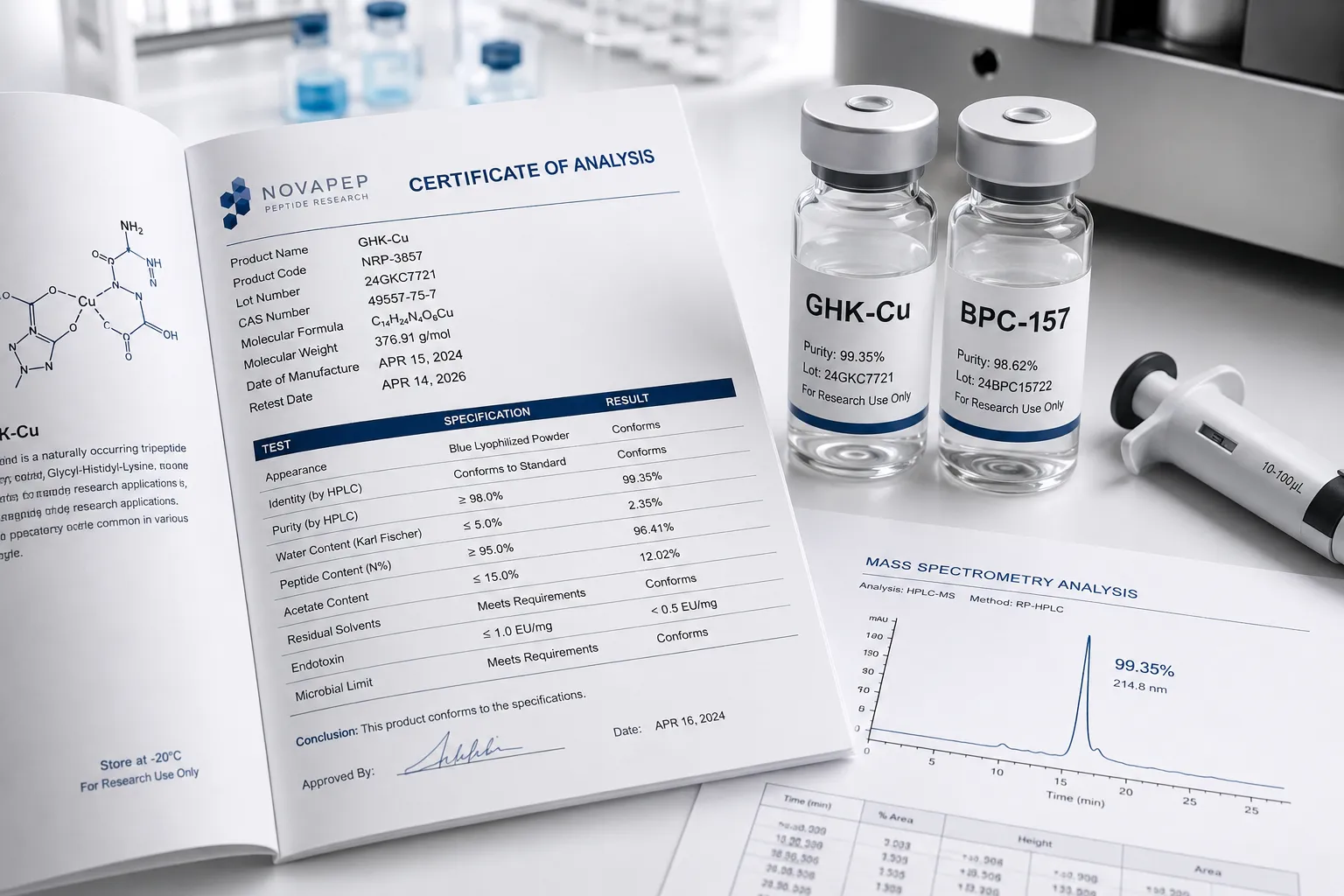
Certificate of Analysis, What to Look For

A valid COA should include:

  • Compound name and CAS number
  • Lot or batch number
  • Synthesis date and expiration date
  • HPLC purity percentage with a chromatogram
  • MS data confirming molecular weight
  • Residual solvent testing results
  • Sterility or endotoxin data (for in vivo studies)

The COA must be batch-specific, not a generic document reused across multiple lots. Vendors who provide only a single undated COA for all stock are a red flag. For a broader discussion of how reference standards underpin peptide benchmarking, see this resource on Bachem and reference standards for peptide benchmarks.

Third-Party vs. In-House Testing

Third-party laboratory testing carries significantly more credibility than in-house testing. Independent labs have no financial incentive to pass a failing batch. Reputable vendors will name the testing laboratory on the COA or provide a direct link to the lab's report.

Storage and Shipping Conditions

MOTS-c is a peptide and degrades under heat and moisture. 5-Amino-1MQ is more stable but still benefits from controlled storage. Vendors should ship with desiccant, cold packs where appropriate, and provide clear reconstitution and storage instructions. Lyophilized peptides stored at -20°C retain potency significantly longer than those stored at room temperature.

Evaluating Vendors: A Practical Framework

Evaluating Vendors: A Practical Framework

Knowing where to buy research-grade MOTS-c and 5-Amino-1MQ requires a structured vendor evaluation process. The following framework applies quality criteria for mitochondrial peptide studies in a practical, repeatable way.

Step 1, Request Documentation Before Purchase

Contact the vendor directly and request:

  1. A batch-specific COA for the current lot
  2. The name of the third-party testing laboratory
  3. Confirmation of synthesis method (solid-phase peptide synthesis is standard for MOTS-c)
  4. Storage and stability data

A vendor that responds promptly with complete documentation is demonstrating operational transparency. A vendor that deflects, provides generic documents, or cannot name their testing lab warrants immediate disqualification.

Step 2, Cross-Reference Molecular Data

Use publicly available databases (PubChem, UniProt) to verify that the molecular weight and sequence data on the COA match the known reference values for MOTS-c and 5-Amino-1MQ. This takes under five minutes and catches a surprising number of mislabeled products.

Step 3, Assess Vendor Transparency

Reputable suppliers of quality peptides publish their testing methodology, maintain updated product pages with current lot information, and respond to technical inquiries with substantive answers, not sales language.

Researchers sourcing MOTS-c specifically can review detailed product documentation at the MOTS-c peptide product page, which provides synthesis and purity information relevant to study design.

For comparative context on mitochondria-targeting peptides, the MOTS-c and elamipretide research overview is a useful reference when designing multi-compound protocols.

Step 4, Evaluate the Product Catalog Context

A vendor specializing in research peptides with a broad, documented catalog, including compounds like SS-31 (elamipretide), GHK-Cu, and other mitochondrial or metabolic peptides, is more likely to maintain consistent quality standards than a generalist supplement retailer adding peptides as an afterthought. The SS-31 elamipretide product category is a useful benchmark: vendors who carry it with proper documentation tend to apply the same rigor across their catalog.

For researchers working with copper peptides in parallel studies, the GHK-Cu peptide sourcing guide applies many of the same COA evaluation principles discussed here.

Common Sourcing Pitfalls

Pitfall Why It Matters
No batch-specific COA Cannot verify lot-to-lot consistency
HPLC purity below 98% Contaminants may alter mitochondrial assay results
No MS identity confirmation Product may be a structural analog, not the target compound
Ambient-temperature shipping Peptide degradation before arrival
Unusually low price Often correlates with reduced testing rigor

Researchers tempted by low-cost options should review the risks outlined in this analysis of cheapest peptides online before making a sourcing decision based primarily on price.

Conclusion

The integrity of mitochondrial peptide research depends directly on the quality of the compounds used. For investigators focused on MOTS-c and 5-Amino-1MQ, the sourcing decision is inseparable from the scientific decision. Applying rigorous quality criteria, batch-specific COAs, third-party HPLC and MS verification, proper cold-chain logistics, and vendor transparency, is not optional; it is the baseline for producing reproducible data.

Actionable next steps for researchers in 2026:

  1. Build a vendor evaluation checklist using the five quality criteria outlined above.
  2. Request COA documentation before placing any order, and verify molecular data against reference databases.
  3. Prioritize suppliers who name their third-party testing laboratory and provide batch-specific documentation.
  4. Store lyophilized MOTS-c at -20°C and follow vendor-specific reconstitution protocols to preserve activity.
  5. Cross-reference sourcing decisions with peer-reviewed protocols to ensure compound specifications meet the demands of the specific assay being used.

Reproducible science starts with verified compounds. The time invested in evaluating a vendor before purchase is always less than the time lost to ambiguous experimental results caused by substandard materials.

https://www.puretestedpeptides.com/wp-content/uploads/2026/07/where-to-buy-research-grade-mots-c-and-5-amino-1mq-quality-criteria-for-mitochon.webp 1024 1536 https://www.puretestedpeptides.com/wp-content/uploads/2026/01/buy-peptides-online.jpg 2026-07-30 13:04:592026-07-30 13:04:59Where to Buy Research-Grade MOTS‑c and 5‑Amino‑1MQ: Quality Criteria for Mitochondrial Peptide Studies
Peptides Mechanism 101: From GLP‑3 Retatrutide to CJC‑1295 and MOTS‑c in Cellular and Receptor-Level Research

Peptides Mechanism 101: From GLP‑3 Retatrutide to CJC‑1295 and MOTS‑c in Cellular and Receptor-Level Research

July 29, 2026/0 Comments/in Uncategorized/by

Fewer than a dozen amino acids can redirect an entire metabolic pathway. That single fact explains why experimental peptide research has accelerated so dramatically in 2026, with triple-receptor agonists, growth hormone secretagogues, and mitochondrial peptides each demonstrating distinct and measurable effects at the cellular level. This guide to Peptides Mechanism 101: From GLP-3 Retatrutide to CJC-1295 and MOTS-c in Cellular and Receptor-Level Research maps how these molecules work, where they act, and why receptor-level specificity matters so much to researchers.

Key Takeaways

  • Retatrutide (GLP-3) simultaneously activates GIP, GLP-1, and glucagon receptors, producing broad cardiometabolic effects beyond any single-receptor agonist.
  • CJC-1295 extends growth hormone-releasing hormone (GHRH) signaling by binding albumin, dramatically prolonging its half-life and downstream GH/IGF-1 pulse activity.
  • MOTS-c is a mitochondria-derived peptide that activates the AMPK pathway, influencing cellular energy sensing and metabolic flexibility.
  • Receptor selectivity, binding affinity, and downstream signaling cascades determine both the potency and the safety profile of any research peptide.
  • Understanding mechanism at the cellular level is the foundation for interpreting any preclinical or clinical peptide research data.

Key Takeaways

How Receptor-Level Signaling Defines Peptide Research

Every peptide exerts its effect by fitting into a receptor the way a key fits a lock. The fit triggers a conformational change in the receptor protein, which activates intracellular signaling cascades. Whether a peptide binds a G protein-coupled receptor (GPCR), a nuclear receptor, or an intracellular enzyme determines the speed, duration, and tissue specificity of its effect.

Three core concepts govern this process:

Concept What It Means Why It Matters
Binding Affinity How tightly the peptide binds its receptor Higher affinity = lower dose needed
Agonism vs. Antagonism Whether the peptide activates or blocks the receptor Determines biological direction of effect
Downstream Cascade The chain of intracellular signals triggered Sets the tissue-level outcome

In the context of Peptides Mechanism 101: From GLP-3 Retatrutide to CJC-1295 and MOTS-c in Cellular and Receptor-Level Research, each molecule represents a different strategy for exploiting these principles. For researchers interested in biochemistry fundamentals as they apply to peptide science, these distinctions are foundational.

GLP-3 Retatrutide: The Triple-Receptor Strategy

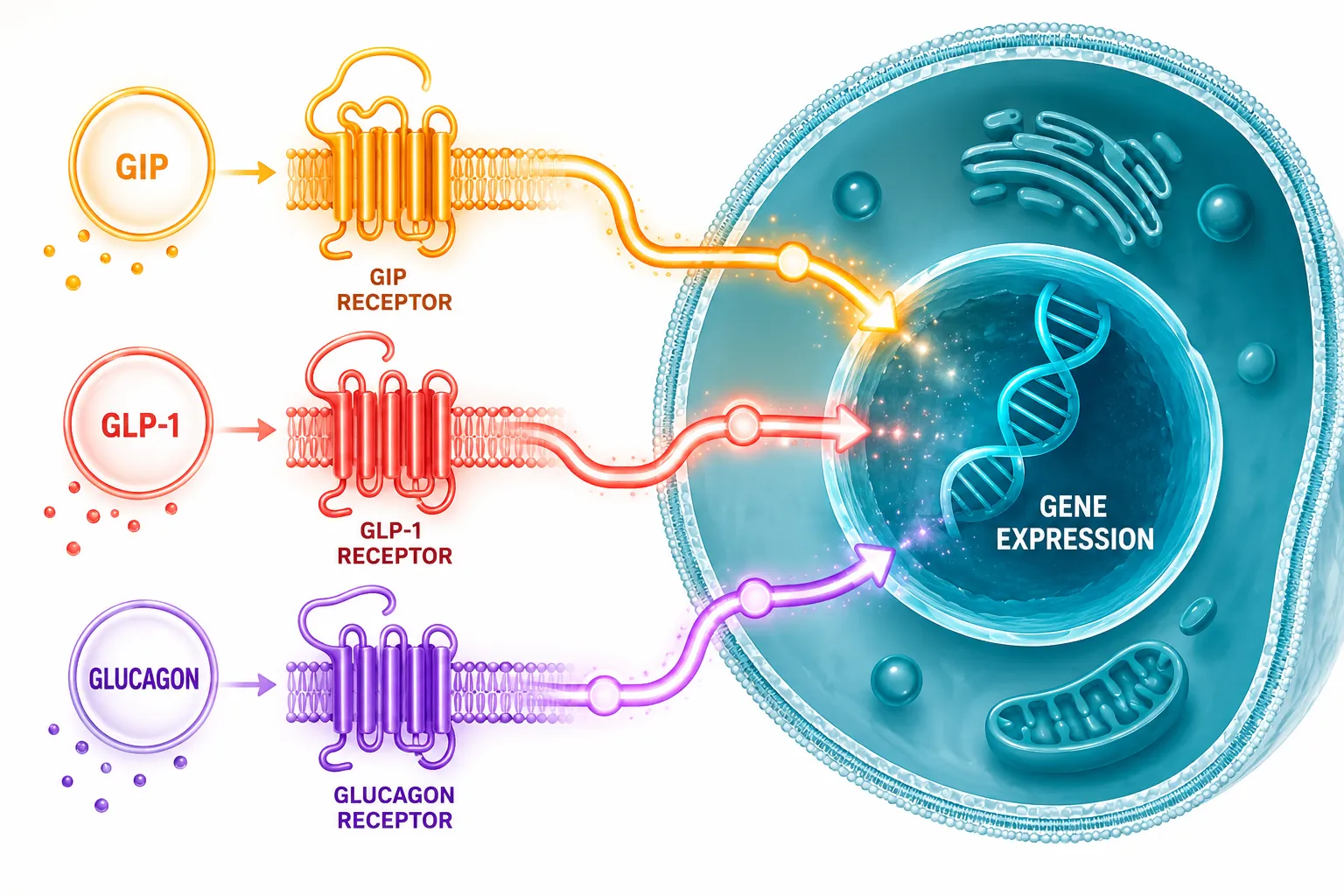
Retatrutide is classified as a triple agonist because it activates three distinct GPCRs simultaneously: the glucose-dependent insulinotropic polypeptide receptor (GIPR), the glucagon-like peptide-1 receptor (GLP-1R), and the glucagon receptor (GCGR). No approved single-agent therapy targets all three at once.

What each receptor activation contributes:

  • GLP-1R activation suppresses appetite, slows gastric emptying, and stimulates glucose-dependent insulin secretion.
  • GIPR activation amplifies the incretin response and may contribute to fat-cell lipolysis and energy expenditure.
  • GCGR activation increases hepatic glucose output and promotes fat oxidation, raising overall energy expenditure.

The combined effect is additive and, in some metabolic parameters, synergistic. Phase 2 trial data showed dose-dependent weight loss reaching 24.2% at the highest dose over 48 weeks, compared to 2.1% on placebo. A 2025 meta-analysis of retatrutide trials confirmed reductions in BMI, waist circumference, fasting plasma glucose, HbA1c, and blood pressure, with no significant increase in overall adverse events.

The ongoing TRIUMPH Phase 3 program includes more than 5,800 participants across four multicenter trials, covering weight management, type 2 diabetes with obesity, established cardiovascular disease, and osteoarthritis. Researchers looking for where to buy GLP-3 retatrutide for preclinical study should prioritize verified, lab-tested sources.

"Triple-receptor co-activation is not simply additive, the downstream metabolic reprogramming appears qualitatively different from what any single agonist produces."

GLP-3 Retatrutide: The Triple-Receptor Strategy

CJC-1295 and Growth Hormone Secretagogues: Prolonged Pulsatile Signaling

CJC-1295 and Growth Hormone Secretagogues: Prolonged Pulsatile Signaling

CJC-1295 is a synthetic analogue of growth hormone-releasing hormone (GHRH). Its defining feature is a drug affinity complex (DAC) technology that covalently binds the peptide to circulating albumin. This single modification extends its half-life from minutes to approximately 6-8 days, converting a rapidly degraded signal into a sustained one.

The receptor-level mechanism unfolds as follows:

  1. CJC-1295 binds the GHRH receptor (GHRHR) on pituitary somatotroph cells.
  2. Receptor activation stimulates adenylyl cyclase, raising intracellular cyclic AMP (cAMP).
  3. Elevated cAMP triggers protein kinase A (PKA), which phosphorylates transcription factors that upregulate growth hormone (GH) gene expression.
  4. GH is released in pulses, which then stimulate hepatic IGF-1 production.

When combined with ipamorelin, a selective ghrelin receptor agonist, the two peptides act on complementary receptor systems to amplify GH pulse amplitude without significantly elevating cortisol or prolactin. Research-grade CJC-1295 with ipamorelin blends are among the most studied growth hormone secretagogue combinations in preclinical settings.

For researchers comparing secretagogue profiles, the tesa vs. ipamorelin distinction is also worth examining, as tesa uses a different GHRH-analogue structure with its own receptor kinetics.

MOTS-c and Mitochondrial Peptides: Intracellular Signaling From the Genome

MOTS-c (Mitochondrial Open Reading Frame of the 12S rRNA-c) is encoded within mitochondrial DNA, not nuclear DNA. This makes it part of a newly recognized class called mitochondria-derived peptides (MDPs). Its mechanism operates at the intersection of mitochondrial metabolism and nuclear gene regulation.

The MOTS-c signaling pathway:

  • Under metabolic stress, MOTS-c is released from mitochondria into the cytoplasm and can translocate to the nucleus.
  • It activates AMP-activated protein kinase (AMPK), the cell's master energy sensor.
  • AMPK activation inhibits anabolic pathways (such as mTOR) and promotes catabolic pathways including fatty acid oxidation and glucose uptake.
  • In skeletal muscle cells, this translates to improved insulin sensitivity and mitochondrial biogenesis.

This mechanism is fundamentally different from receptor-level agonism. MOTS-c does not require a cell-surface receptor, it enters cells and modulates transcription factor activity directly. For those researching mitochondrial peptide science, SS-31 mitochondrial research offers a complementary perspective on how peptides can target organelle-level dysfunction.

Comparing Mechanisms Across Peptide Classes

Understanding Peptides Mechanism 101: From GLP-3 Retatrutide to CJC-1295 and MOTS-c in Cellular and Receptor-Level Research requires seeing these molecules not as isolated compounds but as representatives of broader mechanistic strategies.

Peptide Primary Target Signaling Mechanism Key Research Outcome
Retatrutide GIP/GLP-1/Glucagon receptors GPCR / cAMP cascade Weight loss, glucose control
CJC-1295 GHRHR (pituitary) cAMP / PKA / GH pulse GH/IGF-1 elevation
MOTS-c AMPK (intracellular) Mitochondrial / nuclear Energy sensing, insulin sensitivity

Researchers should also note that peptide combinations can interact at the signaling level. For guidance on what not to mix with peptides, reviewing interaction profiles before designing a research protocol is essential.

Other peptides such as BPC-157 and TB-500 operate through yet another set of mechanisms, growth factor receptor modulation and actin-binding pathways, further illustrating the mechanistic diversity within peptide research.

Conclusion

The cellular and receptor-level research reviewed here confirms that peptide mechanism is not a single topic but a spectrum of strategies. Retatrutide demonstrates that multi-receptor co-activation can produce cardiometabolic effects no single agonist achieves. CJC-1295 shows how half-life engineering transforms a fleeting pituitary signal into a sustained GH secretagogue effect. MOTS-c reveals that some peptides bypass cell-surface receptors entirely, acting as intracellular metabolic regulators.

Actionable next steps for researchers:

  • Map the specific receptor or intracellular target before selecting a peptide for study.
  • Review downstream signaling cascades, not just receptor binding, to predict tissue-level outcomes.
  • Source peptides from lab-tested, verified suppliers to ensure compound integrity in preclinical work.
  • Cross-reference mechanism data with published trial results, particularly for newer triple-agonist compounds like retatrutide.

Mechanistic clarity is the foundation of rigorous peptide research. The compounds discussed here are research tools, not approved therapies, and all use should comply with applicable regulations and institutional protocols.

https://www.puretestedpeptides.com/wp-content/uploads/2026/07/peptides-mechanism-101-from-glp-3-retatrutide-to-cjc-1295-and-mots-c-in-cellular.webp 1024 1536 https://www.puretestedpeptides.com/wp-content/uploads/2026/01/buy-peptides-online.jpg 2026-07-29 13:05:302026-07-29 13:05:30Peptides Mechanism 101: From GLP‑3 Retatrutide to CJC‑1295 and MOTS‑c in Cellular and Receptor-Level Research
Top 5 Research Peptides for Metabolic Health: An Updated Buyer's Guide

Top 5 Research Peptides for Metabolic Health: An Updated Buyer’s Guide

July 28, 2026/0 Comments/in Uncategorized/by

Metabolic dysfunction now affects more than one billion adults worldwide, yet the peptide compounds under active investigation to address it remain largely unknown outside specialized research circles. This updated buyer's guide to the Top 5 Research Peptides for Metabolic Health cuts through the noise, examining the mechanisms, current evidence, and sourcing considerations for five compounds that are drawing serious scientific attention in 2026.

Disclaimer: All peptides discussed here are research compounds intended strictly for laboratory use. They are not approved for human therapeutic use, and nothing in this article constitutes medical advice.

Key Takeaways

  • GLP-3 Retatrutide leads metabolic peptide research in 2026 due to its triple-receptor agonist mechanism.
  • MOTS-c and SS-31 target mitochondrial function, a core driver of metabolic disease.
  • AOD-9604 and 5-Amino-1MQ round out the list with distinct fat-metabolism and NNMT-inhibition pathways.
  • Purity documentation (HPLC, mass spectrometry) is non-negotiable when sourcing any research peptide.
  • Researchers should verify supplier credentials before purchasing any compound for study protocols.

Key Takeaways

What Makes a Peptide Relevant to Metabolic Research

Before diving into the Top 5 Research Peptides for Metabolic Health: An Updated Buyer's Guide list itself, it helps to understand the selection criteria. A metabolically relevant research peptide must demonstrate at least one of the following in peer-reviewed literature:

  • Modulation of insulin sensitivity or glucose uptake
  • Influence on lipid metabolism or adipogenesis
  • Mitochondrial biogenesis or energy expenditure effects
  • Appetite or satiety pathway engagement

Compounds that tick multiple boxes naturally attract the most research interest, and funding.

The Top 5 Research Peptides for Metabolic Health: An Updated Buyer's Guide

1. GLP-3 Retatrutide (Triple Agonist)

Retatrutide is arguably the most discussed metabolic peptide of the current research cycle. It acts simultaneously on GLP-1, GIP, and glucagon receptors, a triple-agonist profile that distinguishes it from earlier single or dual-receptor compounds.

Key research findings:

  • Phase 2 clinical data published in 2023 showed mean body weight reductions exceeding 17% over 24 weeks in participants with obesity.
  • The glucagon receptor component appears to drive enhanced energy expenditure beyond what GLP-1 alone achieves.

Researchers planning protocols around this compound can explore GLP-3 Retatrutide catalog and research planning resources for sourcing and assay guidance.

2. MOTS-c (Mitochondrial-Derived Peptide)

MOTS-c is encoded within mitochondrial DNA, an unusual origin that sets it apart from most synthetic peptides. It activates the AMPK pathway, a master regulator of cellular energy balance.

Why it matters for metabolic research:

  • Animal studies show improved insulin sensitivity and reduced diet-induced obesity.
  • MOTS-c levels decline with age, linking it to age-associated metabolic decline.
  • It has demonstrated exercise-mimetic properties in preclinical models.

For researchers sourcing this compound, the MOTS-c peptide product page provides documentation and purity specifications.

3. SS-31 (Elamipretide)

SS-31 is a mitochondria-targeted tetrapeptide that stabilizes cardiolipin, a phospholipid critical to the inner mitochondrial membrane. Dysfunctional mitochondria are increasingly recognized as a root cause of insulin resistance and metabolic syndrome.

Feature Detail
Mechanism Cardiolipin stabilization, ROS reduction
Research models Rodent obesity, cardiac metabolic stress
Sequence D-Arg-2'6'-Dmt-Lys-Phe-NH2

Deeper background on how SS-31 fits into broader metabolic frameworks is available through SS-31 mitochondrial research themes.

4. AOD-9604

AOD-9604 is a modified fragment of human growth hormone (hGH176-191). Unlike full-length hGH, it does not stimulate IGF-1 production, making it a cleaner tool for studying fat metabolism in isolation.

Research highlights:

  • Stimulates lipolysis (fat breakdown) in adipose tissue.
  • Inhibits lipogenesis without affecting blood glucose in preclinical models.
  • Has completed Phase 2 human trials for obesity, providing a relatively robust safety dataset for a research peptide.

Researchers can review compound specifications at the AOD-9604 product listing.

5. 5-Amino-1MQ

5-Amino-1MQ is a small-molecule peptide-adjacent compound that inhibits nicotinamide N-methyltransferase (NNMT), an enzyme overexpressed in adipose tissue during obesity. By blocking NNMT, it raises intracellular NAD+ levels and activates SIRT1, a longevity-associated deacetylase.

Preclinical data points:

  • Reduced fat mass without caloric restriction in mouse models.
  • Improved metabolic rate and mitochondrial activity markers.
  • Oral bioavailability in rodent studies, which is notable for a compound in this class.

5. 5-Amino-1MQ

How to Evaluate a Research Peptide Supplier in 2026

Sourcing quality is as important as compound selection. Poor-purity peptides produce unreliable data and can compromise entire research programs. When reviewing any supplier, confirm the following:

Non-negotiable documentation:

  • HPLC purity certificate, minimum 98% purity for metabolic research compounds
  • Mass spectrometry confirmation, verifies molecular identity, not just purity
  • Certificate of Analysis (CoA), batch-specific, not generic
  • Third-party testing, independent lab verification adds credibility

Researchers new to the procurement process can consult the research-only peptides catalog and the peptide distributors resource for vetted sourcing options. Those operating in Canada will find the peptides in Canada guide particularly useful for navigating regional import and research regulations.

For ongoing updates on compound availability and research developments, the research blog publishes regular sourcing and science updates.

How to Evaluate a Research Peptide Supplier in 2026

Comparing the Top 5 at a Glance

Peptide Primary Mechanism Research Stage
GLP-3 Retatrutide Triple receptor agonist Phase 2 clinical
MOTS-c AMPK activation Preclinical / early human
SS-31 Cardiolipin stabilization Phase 2 clinical
AOD-9604 Lipolysis stimulation Phase 2 completed
5-Amino-1MQ NNMT inhibition / NAD+ Preclinical

Conclusion

The Top 5 Research Peptides for Metabolic Health: An Updated Buyer's Guide reviewed here, Retatrutide, MOTS-c, SS-31, AOD-9604, and 5-Amino-1MQ, each represent distinct mechanistic approaches to one of the most pressing research challenges of 2026. Their diversity is a strength: researchers can design comparative or complementary protocols that address metabolic dysfunction from multiple angles simultaneously.

Actionable next steps for researchers:

  1. Define the specific metabolic pathway your study targets before selecting a compound.
  2. Request batch-specific CoAs and third-party HPLC data from any supplier before purchase.
  3. Review the latest preclinical literature for each compound to align dosing models with current evidence.
  4. Consult the online peptides sourcing guide for up-to-date supplier comparisons.
  5. Stay current with emerging data, this field moves quickly, and 2026 is already producing new findings across all five compounds.

Rigorous sourcing and protocol design are what separate publishable research from wasted resources.

References

  • Jastreboff, A. M., et al. (2023). Triple, hormone-receptor agonist retatrutide for obesity, a phase 2 trial. New England Journal of Medicine, 389(6), 514-526.
  • Lee, C., et al. (2015). The mitochondrial-derived peptide MOTS-c promotes metabolic homeostasis and reduces obesity and insulin resistance. Cell Metabolism, 21(3), 443-454.
  • Szeto, H. H. (2014). First-in-class cardiolipin-protective compound as a therapeutic agent to restore mitochondrial bioenergetics. British Journal of Pharmacology, 171(8), 2029-2050.
  • Heffernan, M. A., et al. (2001). An analog of growth hormone-releasing factor (AOD9604) reduces body fat in obese rodents and in humans. Endocrinology, 142(12), 5182-5189.
  • Neelakantan, H., et al. (2018). Selective and membrane-permeable small molecule inhibitors of nicotinamide N-methyltransferase reverse high fat diet-induced obesity in mice. Biochemical Pharmacology, 147, 141-152.
https://www.puretestedpeptides.com/wp-content/uploads/2026/07/top-5-research-peptides-for-metabolic-health-an-updated-buyers-guide.webp 1024 1536 https://www.puretestedpeptides.com/wp-content/uploads/2026/01/buy-peptides-online.jpg 2026-07-28 13:03:522026-07-28 13:03:52Top 5 Research Peptides for Metabolic Health: An Updated Buyer’s Guide
Page 3 of 3123

Tag Archive for: mitochondrial peptides

Nothing Found

Sorry, no posts matched your criteria

×

Helpful Links

  • My account
  • Cart
  • Checkout
  • Refund and Returns Policy
  • Privacy Policy
  • SMS Privacy Policy
  • Login
  • My Account
  • Logout

USA Made Lab Tested Peptides

All products are sold for research, laboratory, or analytical purposes only, and are not for human consumption


Pure Tested Peptides is a chemical supplier. Pure Tested Peptides is not a compounding / chemical compounding facility as defined under 503A of the Federal Food, Drug, and Cosmetic act. Pure Tested Peptides is not an outsourcing facility as defined under 503B of the Federal Food, Drug, and Cosmetic act.

The statements made within this website have not been evaluated by the US Food and Drug Administration. The products we offer are not intended to diagnose, treat, cure or prevent any disease.

Human/Animal Consumption Prohibited. Laboratory/In-Vitro Experimental Use Only

Scroll to top Scroll to top Scroll to top