Call or Text 727-513-9780
  • Shopping Cart Shopping Cart
    0Shopping Cart
Pure Tested Peptides | America's most trusted Peptides for sale online
  • Peptides for sale
    • Oral Peptides for sale
      • Peptide Capsules for sale
      • BPC 157 Capsules 1000mcg
      • SLU-PP-332 Capsules | 1000 mcg
      • 5-Amino-1MQ 50mg Capsules
      • Tesofensine 500mcg
    • All Peptides for sale
    • Peptide Sprays
      • BPC 157 Nasal Spray Kit
      • BPC-157 TB500 Nasal Spray Kit
      • Semax Nasal Spray 10mg
      • Selank – Nasal Spray Kit – 10mg
      • Epithalon 50MG Nasal Spray Kit
      • Ipamorelin 10mg Nasal Spray
      • Klow Nasal Spray (BPC-157 + TB-500 + GHK-Cu + KPV) | 80mg
      • Hulk Nasal Spray Tesa / Ipa Blend 6/3 MG
      • Klow Nasal Spray
      • NAD + 500 mg Nasal Spray
      • PT-141 Nasal Spray Kit
    • GHRH Peptides
      • Ipa Peptides
      • CJC-1295 Peptides
        • CJC-1295 with DAC 5 mg
        • CJC-1295 without DAC 5 mg
        • CJC-1295 Ipa 10mg
      • Tesa Peptides
        • Tesa Peptide
        • Tesa 20 mg
    • GHK-Cu Peptides
      • All GHK-Cu Peptides
      • GHK-Cu 100mg
      • KLOW Peptide Blend – Buy KLOW blend online
    • BPC Peptides
      • All BPC Peptides
      • BPC-157
      • BPC-157 TB-500
      • BPC 157 capsules 1000mcg
    • SLU-PP-332 Peptides
      • All SLU-PP-332 Peptides
      • SLU-PP-332 5mg
    • GLP3 Peptides
    • PT-141 Peptides
      • PT-141 Peptides for sale
      • PT-141 10mg
      • PT-141 Nasal Spray
    • CAG Peptides
      • Lipo-C Peptide Blend
      • CAG 5mg
      • CAG 10mg
    • MOTS-C Peptides
      • MOTS-C Peptides for sale
      • MOTS-c peptide
      • MOTS-c 10mg *6 pack*
    • 5 Amino 1MQ Peptides
      • 5 Amino 1MQ Peptides for sale
      • 5-Amino-1MQ 50mg Capsules
      • 5-Amino-1MQ 5mg
    • Epithalon Peptides
      • Epithalon Peptides for sale
      • Epithalon 10mg
      • Epithalon 50mg
  • Shop
    • GLPs
      • 5-Amino-1MQ 50mg Capsules
      • 5-Amino-1MQ 5mg
      • L-Carnitine 500mg/ml
      • Tesofensine 500mcg
      • SLU-PP-332 5mg
      • MOTS-c 10mg *6 pack*
    • Epithalon & BPC Peptides
      • Epithalon 10mg
      • Epithalon 50mg
      • BPC-157
      • BPC 157 capsules 1000mcg
      • BPC-157 TB-500
      • BPC-157 TB500 Nasal Spray Kit
      • BPC 157 Nasal Spray Kit
    • BPC TB-500 & NAD+ Peptides
      • NAD+ 500 mg
      • KLOW Peptide Blend – Buy KLOW blend online
      • GLOW Peptide Blend
      • TB 500 5mg
      • BPC 157 capsules 1000mcg – Supplement
      • BPC 157 Nasal Spray Kit
      • BPC-157
      • BPC-157 TB500 Nasal Spray Kit
      • BPC-157 TB-500
      • BPC 157 capsules 1000mcg
    • LL-37 Peptide
      • LL-37 10 mg
    • MOTS-C & Selank
      • MOTS-c peptide
      • Selank 10mg
    • GHK Peptides
      • GHK-Cu 100mg
      • GLOW Peptide Blend
      • KLOW Peptide Blend – Buy KLOW blend online
  • COAs
  • Wholesale
    • Wholesale Peptides for sale
  • PTP FAQ
  • Affiliates
    • Selank Peptide: Advanced Pharmacological Mechanisms Underlying Its Anxiolytic and Nootropic Effects in Research
      • 5-Amino-1MQ Peptide: Detailed Mechanisms of NNMT Inhibition and Its Impact on Cellular Metabolism Research
        • MOTS-C Peptide: Unraveling Its Role in Mitochondrial Dynamics and Energy Metabolism Research
          • Epithalon Peptide and Telomerase Regulation: Investigating Its Impact on Cellular Senescence and Lifespan Research Models
            • GLP2-T vs GLP2 Tirz Peptide: Understanding the Naming, Mechanistic Nuances, and Research Implications for Gut Health
      • Peptides and Polypeptides in Modern Pharmacology: What Research on Metoprolol, Prednisone, and Amlodipine Reveals
        • Polypeptide Peptides vs NSAIDs: What Naproxen and Diclofenac Teach Tissue-Repair Researchers About BPC‑157 and TB‑500
          • Peptides and Polypeptides in Endocrine Pharmacology: How GLP-1, GLP-2, and GLP-3 Retatrutide Differ From Classic Drugs Like Prednisone and Amlodipine
          • 5‑Amino‑1MQ Peptide and NNMT Inhibition: How It Compares With Statins Like Atorvastatin in Adipose and Lipid Metabolism Research
      • Enclomiphene, Estrogen Receptor Signaling, and Luteinizing Phase Biology: What Hormone Researchers Should Measure
        • Mesenchymal Stem Cells, BPC‑157, and GHK‑Cu: How Tissue Repair Peptides Compare With Classic NSAIDs Like Naproxen in Injury Models
          • Peptide Calculator Use Cases Beyond Growth Hormone: Working Through GLP‑3 Retatrutide, MOTS‑c, and BPC‑157 Research Dosing
        • Polypeptide Peptides in Endocrine and Metabolic Pharmacology: Lessons From Amlodipine, Prednisone, and Metoprolol
        • Peptides Calculator for Advanced Blends: Worked Examples for Tesamorelin, CJC‑1295, and Ipamorelin Stacks
          • Peptides and Polypeptides in Human Physiology: How Molecular Size Shapes Research Applications
            • Selank Peptide: Advanced Pharmacological Mechanisms Underlying Its Anxiolytic and Nootropic Effects in Research
          • 5-Amino-1MQ Peptide: Detailed Mechanisms of NNMT Inhibition and Its Impact on Cellular Metabolism Research
            • MOTS-C Peptide: Unraveling Its Role in Mitochondrial Dynamics and Energy Metabolism Research
              • Epithalon Peptide and Telomerase Regulation: Investigating Its Impact on Cellular Senescence and Lifespan Research Models
                • GLP2-T vs GLP2 Tirz Peptide: Understanding the Naming, Mechanistic Nuances, and Research Implications for Gut Health
                  • Peptides and Polypeptides in Endocrine Pharmacology: How GLP-1, GLP-2, and GLP-3 Retatrutide Differ From Classic Drugs Like Prednisone and Amlodipine
                    • Polypeptide Peptides vs NSAIDs: What Naproxen and Diclofenac Teach Tissue-Repair Researchers About BPC‑157 and TB‑500
                      • Peptides and Polypeptides in Modern Pharmacology: What Research on Metoprolol, Prednisone, and Amlodipine Reveals
                        • 5‑Amino‑1MQ Peptide and NNMT Inhibition: How It Compares With Statins Like Atorvastatin in Adipose and Lipid Metabolism Research
                        • Enclomiphene, Estrogen Receptor Signaling, and Luteinizing Phase Biology: What Hormone Researchers Should Measure
                        • Mesenchymal Stem Cells, BPC‑157, and GHK‑Cu: How Tissue Repair Peptides Compare With Classic NSAIDs Like Naproxen in Injury Models
                        • Peptide Calculator Use Cases Beyond Growth Hormone: Working Through GLP‑3 Retatrutide, MOTS‑c, and BPC‑157 Research Dosing
                        • Polypeptide Peptides in Endocrine and Metabolic Pharmacology: Lessons From Amlodipine, Prednisone, and Metoprolol
                        • Peptides Calculator for Advanced Blends: Worked Examples for Tesamorelin, CJC‑1295, and Ipamorelin Stacks
                        • Peptides and Polypeptides in Human Physiology: How Molecular Size Shapes Research Applications
                        • Selank Peptide: Advanced Pharmacological Mechanisms Underlying Its Anxiolytic and Nootropic Effects in Research
                        • MOTS-C Peptide: Unraveling Its Role in Mitochondrial Dynamics and Energy Metabolism Research
                        • Peptides and Polypeptides in Modern Pharmacology: What Research on Metoprolol, Prednisone, and Amlodipine Reveals
                        • Peptides and Polypeptides in Endocrine Pharmacology: How GLP-1, GLP-2, and GLP-3 Retatrutide Differ From Classic Drugs Like Prednisone and Amlodipine
                        • 5-Amino-1MQ Peptide: Detailed Mechanisms of NNMT Inhibition and Its Impact on Cellular Metabolism Research
                        • Mesenchymal Stem Cells, BPC‑157, and GHK‑Cu: How Tissue Repair Peptides Compare With Classic NSAIDs Like Naproxen in Injury Models
                        • Peptide Calculator Use Cases Beyond Growth Hormone: Working Through GLP‑3 Retatrutide, MOTS‑c, and BPC‑157 Research Dosing
                        • GLP2-T vs GLP2 Tirz Peptide: Understanding the Naming, Mechanistic Nuances, and Research Implications for Gut Health
                        • Polypeptide Peptides in Endocrine and Metabolic Pharmacology: Lessons From Amlodipine, Prednisone, and Metoprolol
                        • Polypeptide Peptides vs NSAIDs: What Naproxen and Diclofenac Teach Tissue-Repair Researchers About BPC‑157 and TB‑500
                        • Peptides and Polypeptides in Human Physiology: How Molecular Size Shapes Research Applications
                        • Peptides Calculator for Advanced Blends: Worked Examples for Tesamorelin, CJC‑1295, and Ipamorelin Stacks
                        • 5‑Amino‑1MQ Peptide and NNMT Inhibition: How It Compares With Statins Like Atorvastatin in Adipose and Lipid Metabolism Research
                        • Enclomiphene, Estrogen Receptor Signaling, and Luteinizing Phase Biology: What Hormone Researchers Should Measure
                        • Epithalon Peptide and Telomerase Regulation: Investigating Its Impact on Cellular Senescence and Lifespan Research Models
                        • Best research protocol Klow blend
                        • best time to take BPC-157
                        • best time to take DSIP (Delta Sleep Inducing Peptide)
                        • best time to take CJC-1295
                        • best time to take AOD-9604
                        • best time to take Follistatin 344
                        • best time to take Ipamorelin
                        • best time to take MK-677 (Ibutamoren)
                        • best time to take Ligandrol (LGD-4033) — research compound
                        • best time to take Ostarine (MK-2866) — research compound
                        • best time to take GHK-CU
                        • best time to take TB-500
                        • best time to take MOTS-c
                        • best time to take Semax
                        • best time to take RAD-140 (Testolone) — research compound
                        • best time to take Thymosin Alpha-1
                        • best time to take PEG-MGF
                        • Biolife Plasma, Octapharma Plasma, and Research Peptides: How Plasma Donation Labs Differ From Peptide Suppliers
                        • best time to take YK-11 — research compound
                        • best time to take PT-141 (Bremelanotide)
                        • Best research protocol Klow blend
                        • 5-Amino-1MQ and MOTS-C Synergy: Metabolic Signaling, Mitochondria, and Research Design
                        • BPC-157 and TB-500: Investigating Their Combined Effects on Angiogenesis and Cellular Migration in Tissue Repair Models
                        • BPC-157 Peptide: Gut Barrier Function, Inflammation, and Tissue-Recovery Research
                        • 5‑Amino‑1MQ and MOTS‑c Synergy in Metabolic Research: Designing NNMT and Mitochondrial Biogenesis Stacks
                        • CJC-1295 with DAC vs. Without DAC: Half-Life, Release Kinetics, and Research Implications
                        • CJC‑1295 with DAC vs. Without DAC: Expanding on Half‑Life Differences Using Tesamorelin and Ipamorelin Blend Case Studies
                        • Collagen Biology and Copper‑Binding Peptides: How GHK‑Cu, Glow Blend, and Klow Blend Interact with Skin and Connective Tissue
                        • Collagen Biology and Regenerative Peptides: How GHK‑Cu, Glow Blend, and Klow Blend Affect Extracellular Matrix Research
                    • DNA, Telomeres, and Longevity Peptides: Positioning Epithalon and MOTS‑c in Genetic Aging Research
                      • Enclomiphene Citrate: serm Mechanism, Testosterone Research, and Stack Compatibility
                        • Enclomiphene vs Enclomiphene Citrate: Formulation, Bioavailability, and Research Distinctions
                        • Epithalon Peptide Research: Telomerase Activation, Aging, and Pineal Gland Function
                        • Estrogen Receptor Signaling and Enclomiphene: How Selective Modulators Compare with Classic Polypeptide Hormones
                        • GHK-Cu Peptide: Advanced Mechanisms in Extracellular Matrix Remodeling and Wound Healing Research
                        • GHK-Cu Peptide: Collagen Synthesis, Wound Repair, and Skin-Barrier Research Models
                        • GLP-1 vs GLP-3 vs GLP-2: Peptide Classification and Research Applications
                        • GLP-2 Peptide Research Guide: Gut Barrier Function, Nutrient Absorption, and Intestinal Recovery Models
                        • GLP-3 Retatrutide vs. GLP-1 Drugs: What Triple-Agonist Biology Changes in Research Models
                        • Ipamorelin and Tesamorelin Combination: Synergistic GH Secretagogue Research and Dosing Protocols
                        • GLP2 Tirz Peptide: What It Is, Why the Name Exists, and How Researchers Should Interpret It
                        • Klow Blend Peptide Nasal Spray: What the Formulation Is Trying to Do in Cognitive Research
                        • Mitochondria, NNMT Inhibition, and Peptide Modulators: Where MOTS‑c and 5‑Amino‑1MQ Fit in Cellular Energy Research
                        • MOTS-c Peptide: Mitochondrial Function, Energy Metabolism, and What Researchers Measure
                        • MOTS-c vs. 5-Amino-1MQ: Which Metabolic Research Questions Each Compound Actually Answers
                        • Nasal Spray Peptides: Bioavailability, Administration, and Semax/Selank Research Applications
                        • PT-141 Peptide Research: Mechanism of Action and Melanocortin Receptor Signaling
                        • Retatrutide for Research: Mechanism, Structure, and GLP-1/GLP-3 Dual Action
                        • Retatrutide for Obesity and Type 2 Diabetes: What the Latest Trial Data Suggest
                        • Tesofensine Peptide Research: Mechanism, Appetite Suppression, and Neuropeptide Y Pathways
  • Contact
    • Contact Customer Service
    • Text Customer Support
  • About US
  • Shop all peptides
  • Affiliate Program
    • Affiliate Signup
  • Login / Register Login / Register Page Link Login / Register Page Link
  • Click to open the search input field Click to open the search input field Search
  • Menu Menu

Tag Archive for: mots-c

5-Amino-1MQ and MOTS-c Synergy: What Combination Research Is Trying to Test in Metabolic Models

5-Amino-1MQ and MOTS-c Synergy: What Combination Research Is Trying to Test in Metabolic Models

August 11, 2026/0 Comments/in Uncategorized/by

Metabolic disease research in 2026 faces a persistent problem: single-target interventions rarely replicate the complexity of conditions like obesity or insulin resistance. That gap is precisely why researchers are now designing experiments that pair 5-Amino-1MQ, a small-molecule NNMT inhibitor, with MOTS-c, a mitochondria-derived signaling peptide. The question driving this work is straightforward, does the 5-Amino-1MQ and MOTS-c synergy: what combination research is trying to test in metabolic models reveal anything that neither compound can show alone?

This article examines the mechanistic rationale behind that pairing, the hypotheses being constructed, and what meaningful synergy would actually look like in preclinical experimental settings.

Key Takeaways

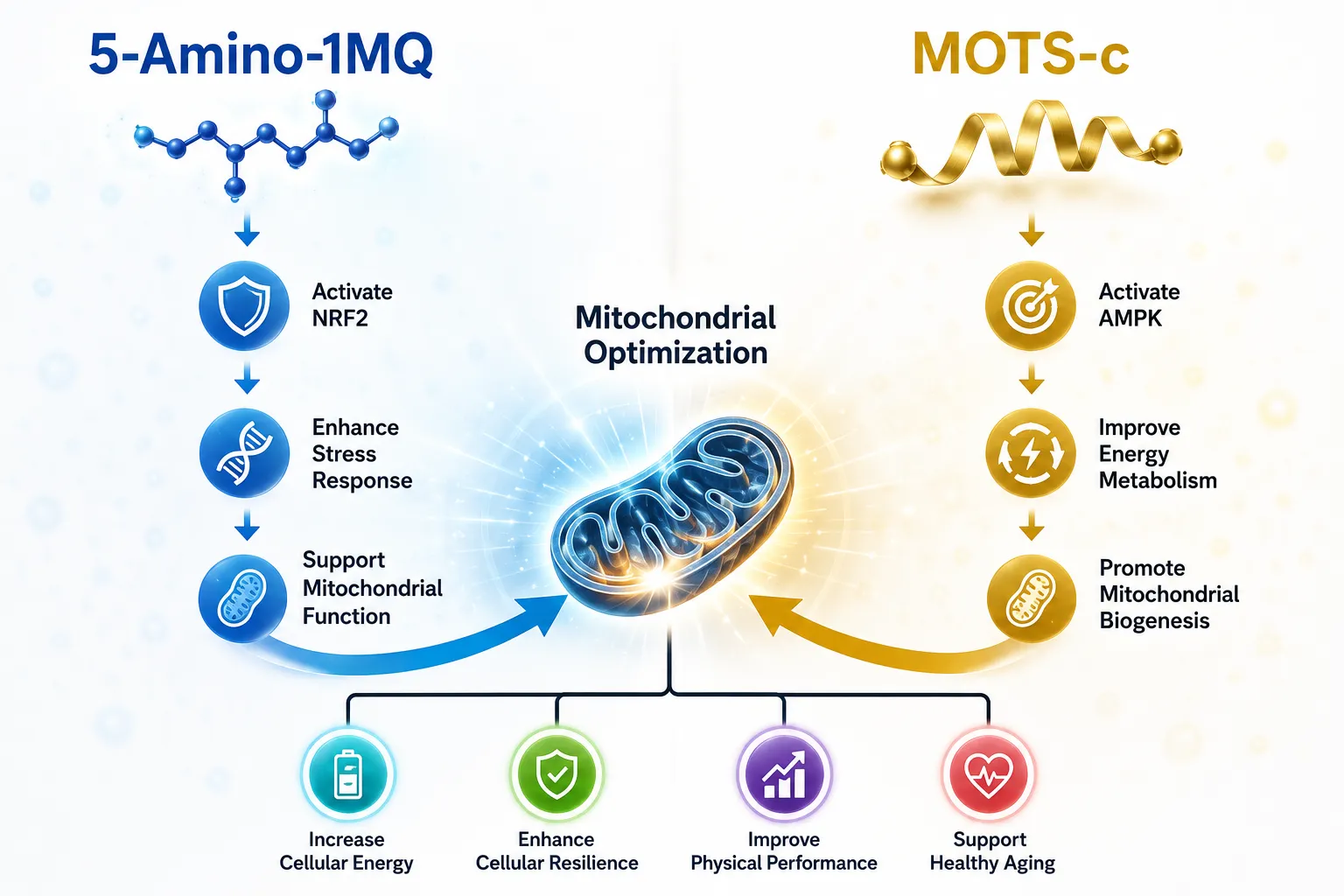
  • 5-Amino-1MQ inhibits NNMT, an enzyme linked to adipogenesis and reduced NAD+ availability, while MOTS-c is a mitochondrial peptide that activates AMPK and regulates glucose metabolism.
  • Researchers hypothesize that these two compounds may act on complementary, non-overlapping pathways, making combination testing scientifically rational.
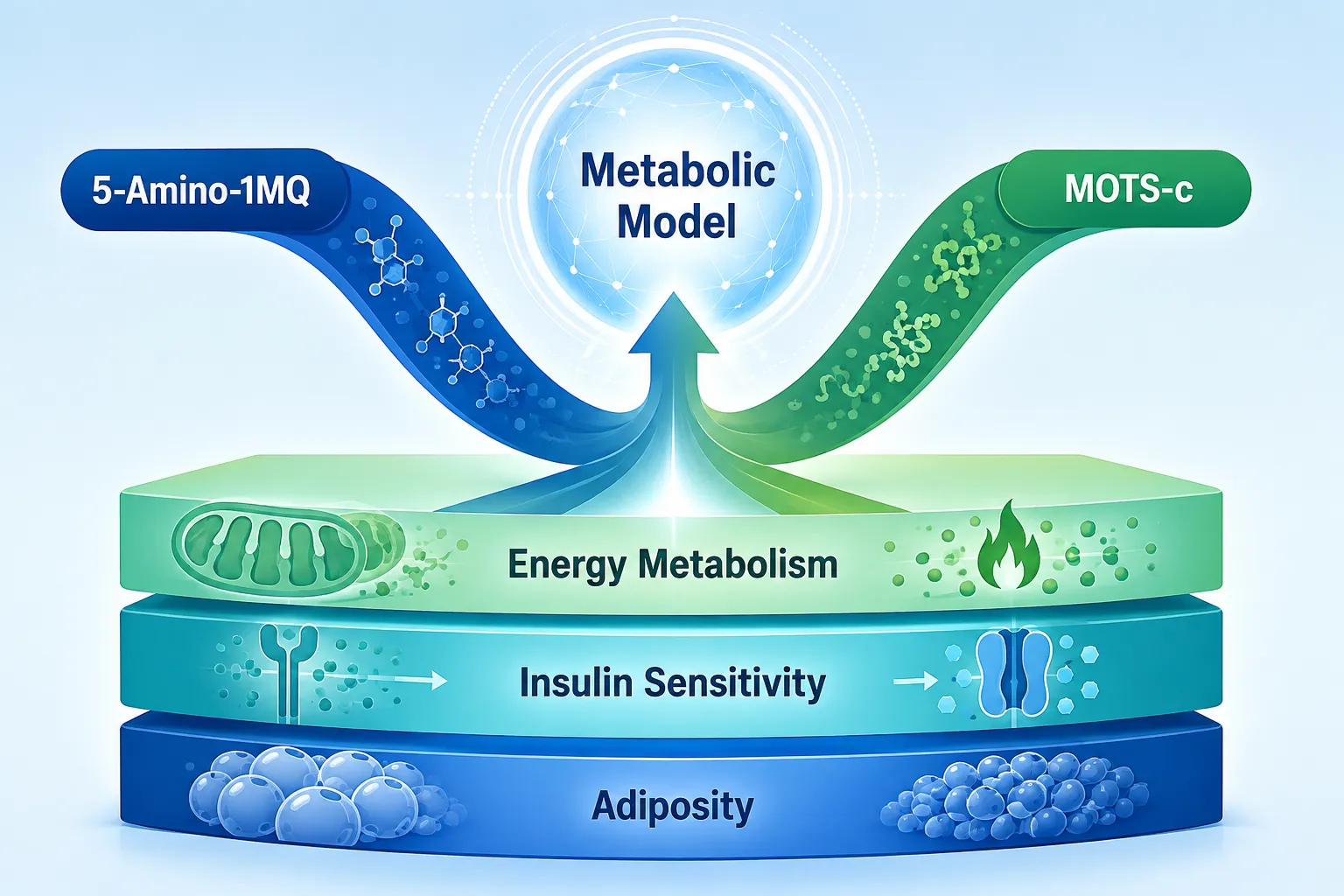
  • Preclinical metabolic models are being used to probe potential synergy across three domains: adiposity reduction, insulin sensitivity, and energy expenditure.
  • Synergy, in a research context, means an effect greater than the sum of each compound's individual contribution, not simply additive benefit.
  • No human clinical data on this combination exists as of 2026; all discussion reflects hypothesis-driven preclinical research.
Key Takeaways

Understanding the Two Compounds Before Testing Synergy

What 5-Amino-1MQ Does in Metabolic Pathways

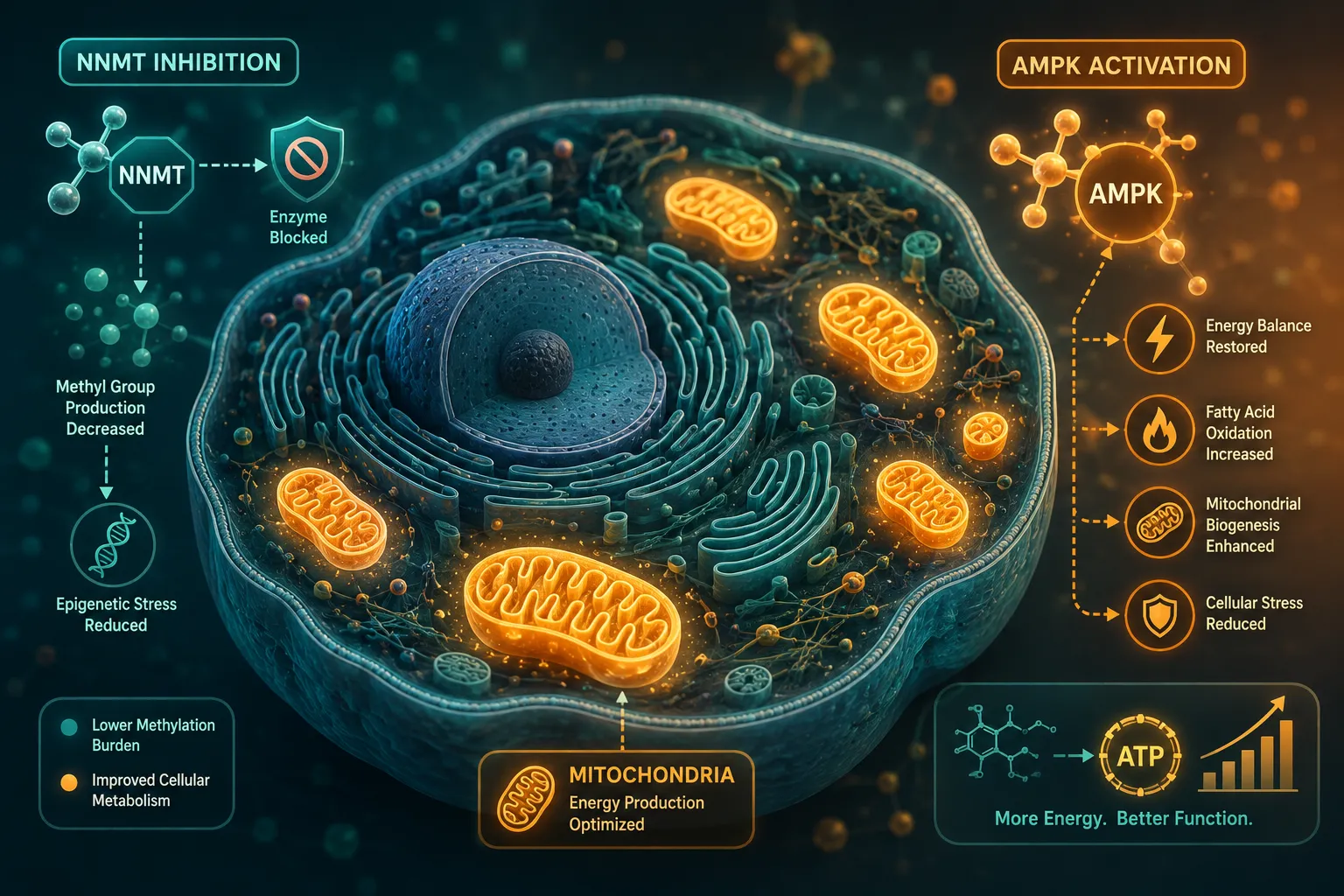
5-Amino-1MQ (5-amino-1-methylquinolinium) is a selective inhibitor of nicotinamide N-methyltransferase (NNMT), an enzyme expressed heavily in adipose tissue. NNMT consumes S-adenosylmethionine (SAM) and converts nicotinamide into 1-methylnicotinamide. When NNMT is overactive, it depletes the methyl donor pool and reduces NAD+ precursor availability, two conditions associated with increased fat storage and impaired metabolic signaling.

By blocking NNMT, 5-Amino-1MQ is hypothesized to:

  • Restore SAM availability for epigenetic regulation
  • Increase NAD+ precursor flux, supporting sirtuin activity
  • Reduce adipocyte differentiation signals in vitro

For a deeper look at how this compound compares with classic mitochondrial pathway modulators, see the article on peptides and polypeptides in mitochondrial biology comparing MOTS-c and 5-Amino-1MQ.

What MOTS-c Does as a Mitochondrial Signal

MOTS-c is a 16-amino acid peptide encoded in the mitochondrial 12S rRNA. It functions as a retrograde signal, originating in mitochondria and traveling to the nucleus and cytoplasm to regulate gene expression. Its primary mechanism involves AMPK activation, which shifts cells toward fatty acid oxidation and glucose uptake.

Key research observations on MOTS-c include:

  • Improved insulin sensitivity in high-fat diet mouse models
  • Increased skeletal muscle glucose uptake independent of insulin
  • Translocation to the nucleus under metabolic stress, where it modifies gene expression

For a detailed comparison of MOTS-c with related mitochondrial peptides, the MOTS-c vs Humanin mitochondrial peptide comparison provides useful context.

The Mechanistic Case for 5-Amino-1MQ and MOTS-c Synergy in Metabolic Models

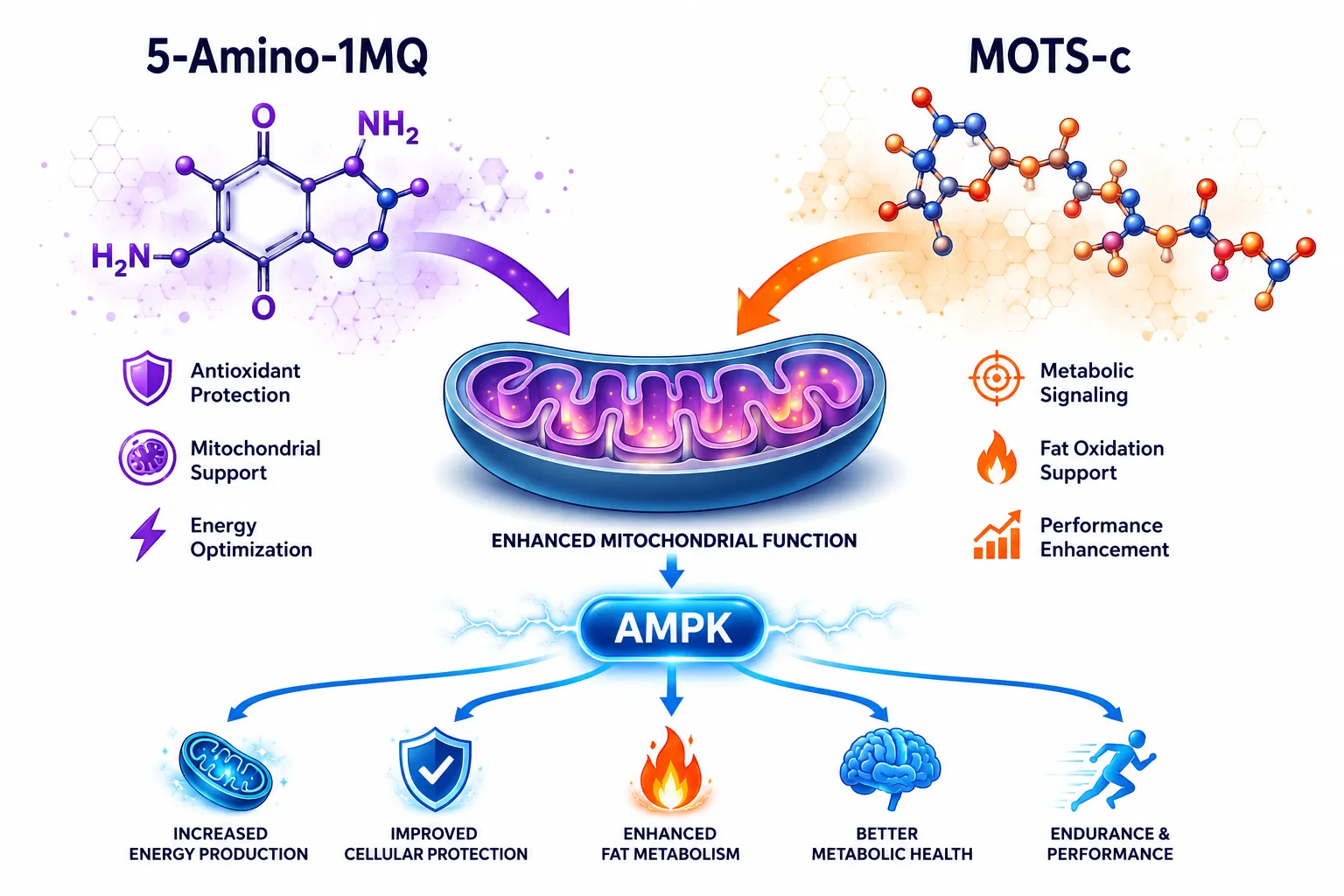
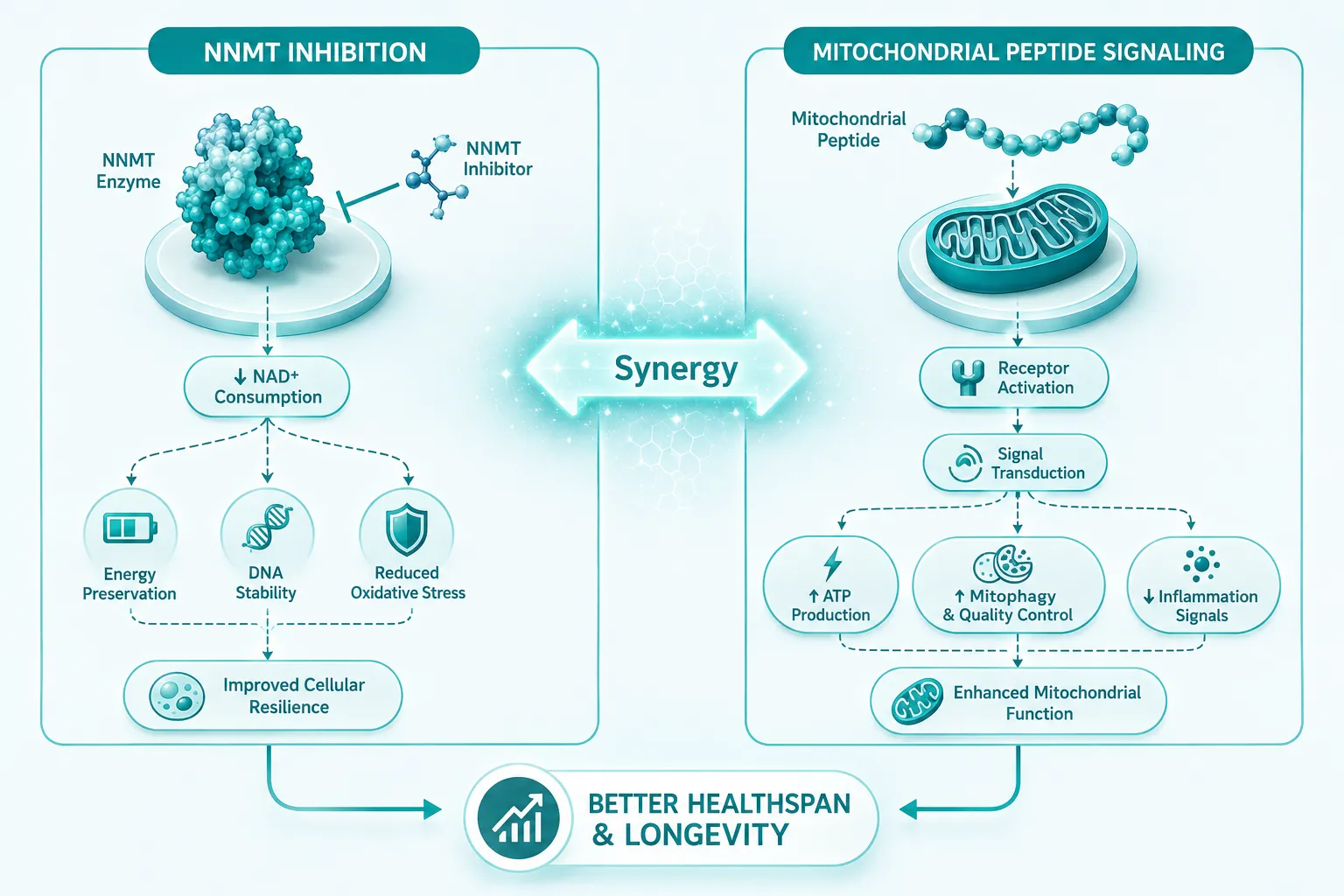
The central hypothesis is that these two compounds operate on distinct but converging nodes of metabolic regulation. 5-Amino-1MQ acts primarily at the epigenetic and substrate-availability level inside adipocytes. MOTS-c acts at the energy-sensing and glucose-uptake level, primarily in muscle and liver tissue.

This non-overlap is what makes the pairing scientifically interesting. Researchers are not testing two compounds that do the same thing, they are testing whether upstream epigenetic correction (via NNMT inhibition) combined with downstream mitochondrial energy signaling (via MOTS-c) produces effects that neither achieves independently.

Three core hypotheses under investigation:

  1. Adiposity hypothesis: NNMT inhibition reduces fat cell formation while MOTS-c increases fat oxidation in existing adipocytes, together, they may reduce fat mass more effectively than either alone.
  2. Insulin sensitivity hypothesis: 5-Amino-1MQ improves the intracellular environment for insulin signaling through SAM restoration; MOTS-c independently activates AMPK-driven glucose uptake. Combined, the effect on insulin sensitivity may be additive or synergistic.
  3. Energy expenditure hypothesis: NAD+ restoration from NNMT inhibition supports mitochondrial biogenesis; MOTS-c directly activates AMPK. Both pathways increase energy expenditure, but through different rate-limiting steps.

This kind of multi-node targeting parallels strategies seen in other metabolic research designs. The article on cagrilintide synergy with GLP-1 illustrates how combination approaches are being applied across metabolic peptide research more broadly.

The Mechanistic Case for 5-Amino-1MQ and MOTS-c Synergy in Metabolic Models

How Preclinical Models Are Designed to Test This Synergy

Model Selection and Endpoints

Most combination experiments in this space use diet-induced obesity (DIO) mouse models or db/db diabetic mice. These models allow researchers to measure:

Endpoint Relevance to Combination Hypothesis
Body fat percentage Tests adiposity hypothesis
Fasting glucose and HOMA-IR Tests insulin sensitivity hypothesis
Oxygen consumption rate Tests energy expenditure hypothesis
Adiponectin and leptin levels Tracks adipokine signaling changes

Researchers also use in vitro adipocyte and myocyte co-culture systems to isolate cell-specific effects before moving to whole-animal models.

Defining Synergy vs. Additivity

A critical methodological point: synergy is not the same as a combined effect. In pharmacology, synergy means the combined outcome exceeds what would be predicted by adding each compound's individual effect. Researchers use the Bliss independence model or Loewe additivity framework to distinguish true synergy from simple additivity.

This distinction matters enormously for interpreting results. If both compounds reduce fasting glucose by 15% individually, and the combination reduces it by 35%, that gap of 5% beyond simple addition is where synergy claims begin.

For broader context on how peptide-based compounds are evaluated alongside small molecules in metabolic research, the top 5 research peptides for metabolic health buyer's guide covers the landscape well.

Dosing and Timing Variables

Combination research also requires careful attention to:

  • Sequence of administration (simultaneous vs. staggered dosing)
  • Dose-response curves for each compound alone before testing combinations
  • Duration of exposure given MOTS-c's short half-life relative to 5-Amino-1MQ's small-molecule stability

These variables are not minor. The wrong dosing sequence could mask synergy or create apparent antagonism where none exists.

For additional perspective on how small molecules fit alongside peptide-based approaches in metabolic study design, see tesofensine, enclomiphene, and peptide-based approaches in metabolic research.
Dosing and Timing Variables

What Meaningful Synergy Would Indicate for Future Research

If preclinical models confirm synergy across even one of the three hypotheses above, the implications for research design are significant. It would suggest that:

  • Epigenetic-level interventions (NNMT inhibition) can potentiate the effects of mitochondrial signaling peptides
  • Tissue-specific targeting, adipose vs. muscle, may be more important than systemic pathway coverage
  • Combination metabolic research deserves dedicated study arms rather than being treated as an afterthought

It would also raise new questions about optimal ratios, timing, and whether the synergy holds in aged or insulin-resistant models differently than in lean models. Researchers studying adjacent combination strategies, such as those reviewed in polypeptide peptides in cardiometabolic models, face similar interpretive challenges.

Conclusion

The scientific rationale for testing 5-Amino-1MQ and MOTS-c synergy: what combination research is trying to test in metabolic models is mechanistically sound. These two compounds address metabolic dysfunction through non-overlapping pathways, one at the epigenetic and substrate level, the other at the mitochondrial energy-sensing level. That complementarity is exactly what makes combination testing worthwhile.

Actionable next steps for researchers and research readers:

  • Review existing single-compound dose-response data for both 5-Amino-1MQ and MOTS-c before interpreting combination results
  • Apply formal synergy frameworks (Bliss or Loewe) rather than assuming combined effects equal synergy
  • Track endpoint specificity, adiposity, insulin sensitivity, and energy expenditure may respond differently to the combination
  • Monitor peer-reviewed literature from 2026 onward as DIO model data from combination arms begins to emerge

This is hypothesis-driven science at an early stage. The value lies not in premature conclusions, but in the quality of the questions being asked.

https://www.puretestedpeptides.com/wp-content/uploads/2026/08/5-amino-1mq-and-mots-c-synergy-what-combination-research-is-trying-to-test-in-me.webp 1024 1536 https://www.puretestedpeptides.com/wp-content/uploads/2026/01/buy-peptides-online.jpg 2026-08-11 13:05:042026-08-11 13:05:045-Amino-1MQ and MOTS-c Synergy: What Combination Research Is Trying to Test in Metabolic Models
5-Amino-1MQ and MOTS-c Synergy: How Mitochondrial Pathways Are Studied Together

5-Amino-1MQ and MOTS-c Synergy: How Mitochondrial Pathways Are Studied Together

August 7, 2026/0 Comments/in Uncategorized/by

Mitochondrial dysfunction now appears in the pathophysiology of more than 150 human diseases, yet most research still examines metabolic compounds one at a time. That single-compound approach misses something important: inside living cells, energy-regulating molecules rarely act alone. The growing body of research around 5-Amino-1MQ and MOTS-c synergy: how mitochondrial pathways are studied together reflects a deliberate shift toward multi-target experimental frameworks, and the early data explain why.

Bright editorial infographic-style landscape (): a split-panel scientific diagram showing two molecular pathway arrows — one

Key Takeaways

  • 5-Amino-1MQ inhibits NNMT, raising cellular NAD+ and SAM levels, while MOTS-c activates AMPK and regulates mitochondrial gene expression.
  • Researchers pair these two compounds because their mechanisms are complementary rather than redundant.
  • Adiposity models and metabolic disease frameworks are the most common contexts for studying this combination.
  • Translational questions about aging, obesity, and insulin sensitivity drive much of the current experimental design.
  • Purity and sourcing quality are critical variables when designing reproducible multi-compound studies.

What Is 5-Amino-1MQ and Why Does It Matter for Mitochondrial Research

5-Amino-1MQ (5-amino-1-methylquinolinium) is a small-molecule inhibitor of nicotinamide N-methyltransferase (NNMT). NNMT is an enzyme found in high concentrations in adipose tissue. When NNMT is overactive, it consumes S-adenosyl methionine (SAM) and reduces cellular NAD+ availability, two outcomes that suppress mitochondrial efficiency.

By blocking NNMT, 5-Amino-1MQ effectively raises the intracellular pool of both NAD+ and SAM. Higher NAD+ levels feed into sirtuin pathways (particularly SIRT1 and SIRT3), which regulate mitochondrial biogenesis, fatty acid oxidation, and cellular stress responses.

Key mechanisms under study:

  • NNMT inhibition and NAD+ restoration
  • Sirtuin pathway activation downstream of elevated NAD+
  • Reduction of adipocyte hypertrophy in white adipose tissue
  • Potential effects on beige adipose tissue phenotype conversion

In preclinical models, 5-Amino-1MQ has shown measurable reductions in fat mass without caloric restriction, which makes it particularly relevant for obesity and metabolic syndrome research frameworks.

What Is MOTS-c and How Does It Interact With Cellular Energy Systems

MOTS-c is a mitochondria-derived peptide (MDP) encoded within the 12S rRNA region of mitochondrial DNA. Unlike most peptides, it is not encoded by nuclear DNA, it originates inside the mitochondria themselves. This origin makes MOTS-c a direct signal of mitochondrial status.

MOTS-c activates AMP-activated protein kinase (AMPK), the master energy sensor of the cell. AMPK activation triggers a cascade that includes:

  • Increased glucose uptake in skeletal muscle
  • Suppression of de novo lipogenesis
  • Enhanced mitochondrial fatty acid oxidation
  • Regulation of the folate cycle and methionine metabolism

Researchers studying MOTS-c alongside elamipretide have noted that mitochondria-targeted compounds can produce additive effects when their mechanisms address different nodes of the same pathway network.

MOTS-c levels decline with age and in states of metabolic stress, which positions it as both a biomarker and a potential research tool in aging and obesity models.

Studying 5-Amino-1MQ and MOTS-c Synergy: How Mitochondrial Pathways Are Studied Together

The central question researchers ask when designing co-administration experiments is: do these compounds address the same bottleneck, or different ones? If two compounds share a single mechanism, combining them offers little additional insight. If they act at distinct but connected nodes, the combination reveals pathway architecture that single-compound studies cannot.

Studying 5-Amino-1MQ and MOTS-c Synergy: How Mitochondrial Pathways Are Studied Together

5-Amino-1MQ and MOTS-c address different nodes:

Compound Primary Target Downstream Effect
5-Amino-1MQ NNMT enzyme inhibition Raises NAD+, activates sirtuins
MOTS-c AMPK activation Improves glucose uptake, reduces lipogenesis

Because NAD+-sirtuin signaling and AMPK signaling both converge on mitochondrial biogenesis and fatty acid oxidation, the two pathways are complementary, not redundant. This is the core rationale for studying them together.

"Combining compounds with distinct but convergent mechanisms allows researchers to map the actual topology of metabolic networks rather than just confirming that a single node matters."

Experimental Models Used in Synergy Research

Researchers typically use three types of models to study this combination:

  1. Adiposity and obesity models, High-fat diet rodent models where both fat mass reduction and insulin sensitivity can be measured simultaneously.
  2. Aging models, Aged cell cultures or animal models where declining NAD+ and MOTS-c levels can be artificially restored.
  3. Skeletal muscle energy models, Focused on glucose uptake efficiency and mitochondrial respiration rates.

In adiposity models specifically, the combination of NNMT inhibition (raising NAD+) and AMPK activation (suppressing fat synthesis) creates a dual pressure on adipocyte metabolism. This is why the SS-31 elamipretide research community, which also focuses on mitochondrial membrane integrity, has begun watching MOTS-c co-administration data closely.

Translational Questions Driving the Research

The translational questions are direct:

  • Can restoring both NAD+ availability and AMPK activity simultaneously produce greater metabolic correction than either alone?
  • Does the combination affect insulin sensitivity additively or synergistically?
  • Are there tissue-specific differences in how the two pathways interact in muscle versus adipose tissue?

These questions are not yet fully answered. Most current data come from preclinical models, and rigorous dose-response mapping for the combination remains an active area. Researchers sourcing compounds for these studies consistently prioritize verified purity, a variable that becomes even more critical when interpreting multi-compound results. Sourcing from a best peptide manufacturer with documented testing reduces confounding variables in experimental design.

Methodological Considerations for Multi-Compound Mitochondrial Studies

Designing a valid co-administration study requires more than simply administering both compounds. Several methodological factors determine whether the data will be interpretable.

Methodological Considerations for Multi-Compound Mitochondrial Studies

Critical design variables include:

  • Dosing sequence and timing, Whether compounds are administered simultaneously or in sequence affects which pathway activates first and whether downstream signals interfere.
  • Readout selection, Measuring only body weight misses mechanistic data. Researchers typically track NAD+/NADH ratios, AMPK phosphorylation status, oxygen consumption rates (OCR), and adipocyte morphology.
  • Compound purity, Impurities in either compound introduce confounding signals. Researchers also examining SS-31 kidney health research have documented how trace contaminants skew mitochondrial respiration readings.
  • Model selection, In vitro models confirm mechanism but cannot capture systemic metabolic feedback loops that appear in vivo.

A related consideration is how findings from MOTS-c and 5-Amino-1MQ studies connect to broader peptide combination research. Work on compounds like TB-500 and BPC-157 has established methodological templates for multi-peptide experimental designs that the mitochondrial research community is now adapting.

Researchers also note that the wholesale peptides for sale market varies significantly in quality, and batch-to-batch consistency is a non-negotiable requirement when designing longitudinal studies.

Conclusion

The research framework around 5-Amino-1MQ and MOTS-c synergy: how mitochondrial pathways are studied together represents a meaningful evolution in metabolic science. Rather than asking whether a single compound affects mitochondrial function, researchers are now mapping how complementary mechanisms interact across the NAD+-sirtuin and AMPK networks simultaneously.

Actionable next steps for researchers and informed readers:

  • Review published preclinical data on NNMT inhibition and AMPK activation in adiposity models before designing new experiments.
  • Prioritize sourcing compounds from manufacturers with third-party purity documentation to ensure reproducible results.
  • Design readout panels that capture both sirtuin pathway markers and AMPK phosphorylation status to detect true synergy rather than simple additive effects.
  • Monitor translational literature closely, human-relevant data on this combination is emerging in 2026 and will likely reshape experimental protocols.

Understanding how these two mitochondrial pathways interact is not just a mechanistic question. It is the foundation for developing more precise interventions in metabolic disease, aging, and obesity research.

https://www.puretestedpeptides.com/wp-content/uploads/2026/08/5-amino-1mq-and-mots-c-synergy-how-mitochondrial-pathways-are-studied-together.webp 1024 1536 https://www.puretestedpeptides.com/wp-content/uploads/2026/01/buy-peptides-online.jpg 2026-08-07 13:07:402026-08-07 13:07:405-Amino-1MQ and MOTS-c Synergy: How Mitochondrial Pathways Are Studied Together
5-Amino-1MQ and MOTS-c Synergy: How Mitochondrial Peptides Target Adiposity and Insulin Resistance in Experimental Models

5-Amino-1MQ and MOTS-c Synergy: How Mitochondrial Peptides Target Adiposity and Insulin Resistance in Experimental Models

August 5, 2026/0 Comments/in Uncategorized/by

Metabolic dysfunction now affects more than one billion people worldwide, yet the molecular machinery driving fat accumulation and insulin resistance remains only partially mapped. Two research compounds, 5-Amino-1MQ and MOTS-c, are drawing serious attention in 2026 precisely because they appear to converge on that machinery from complementary angles. The study of 5-Amino-1MQ and MOTS-c synergy: how mitochondrial peptides target adiposity and insulin resistance in experimental models offers a mechanistic lens that goes well beyond conventional metabolic research.

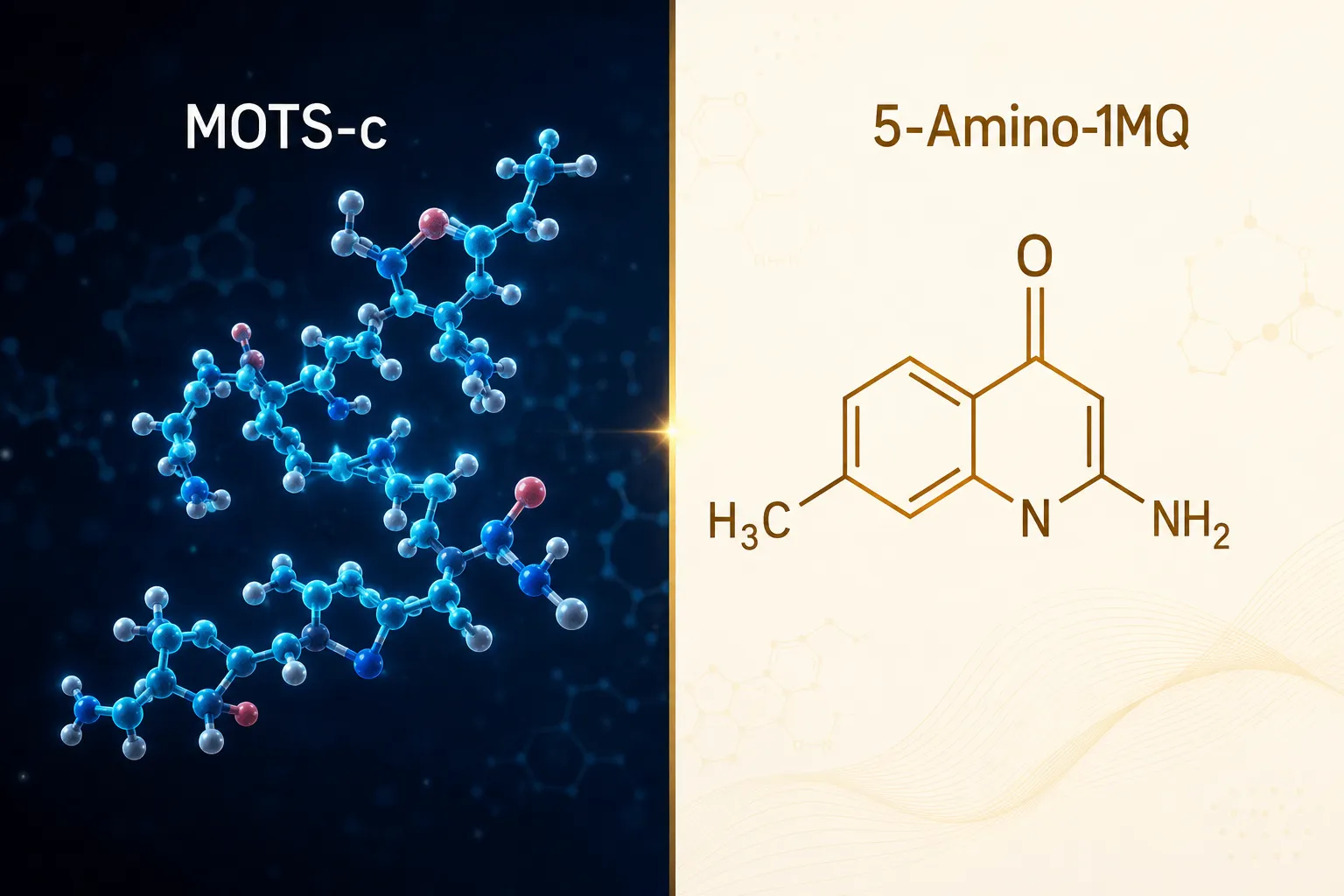
Bright isometric scientific illustration () showing two molecular structures labeled '5-Amino-1MQ' and 'MOTS-c' (short

Key Takeaways

  • 5-Amino-1MQ inhibits NNMT, reducing fat cell formation and improving energy expenditure in preclinical models.
  • MOTS-c is a mitochondria-derived peptide that activates AMPK and improves insulin sensitivity in animal studies.
  • Both compounds influence overlapping metabolic pathways, suggesting additive or synergistic effects when combined.
  • Preclinical data support their combined use as a research framework for studying adiposity and glucose regulation.
  • Neither compound is approved for human therapeutic use; all findings are restricted to experimental research contexts.

What Are 5-Amino-1MQ and MOTS-c?

5-Amino-1MQ: An NNMT Inhibitor

5-Amino-1MQ (5-amino-1-methylquinolinium) is a small-molecule inhibitor of nicotinamide N-methyltransferase (NNMT). NNMT is an enzyme highly expressed in white adipose tissue. When overactive, it drains the NAD+ precursor pool and suppresses cellular energy expenditure.

By blocking NNMT, 5-Amino-1MQ:

  • Raises intracellular SAM (S-adenosylmethionine) levels
  • Increases NAD+ availability
  • Reduces adipogenesis (new fat cell formation)
  • Enhances resting metabolic rate in diet-induced obesity mouse models

A landmark study by Neelakantan et al. (2019) demonstrated that NNMT inhibition with a structurally related compound reduced fat mass and improved metabolic markers without altering food intake in obese mice, a finding that positioned NNMT inhibitors as promising anti-obesity research tools.

MOTS-c: A Mitochondrial Microprotein

MOTS-c (mitochondrial open reading frame of the 12S rRNA-c) is a 16-amino acid peptide encoded within mitochondrial DNA. It is not a synthetic invention, it is naturally produced in human tissue and declines with age and metabolic stress.

MOTS-c primarily works by:

  • Activating AMPK (AMP-activated protein kinase), the master energy sensor
  • Improving skeletal muscle glucose uptake
  • Reducing hepatic lipid accumulation
  • Modulating the folate cycle and methionine metabolism

Research published by Lee et al. (2015) showed that MOTS-c administration improved insulin sensitivity and reduced obesity in high-fat diet mouse models. Subsequent studies confirmed its role as an exercise-mimetic signal, released during physical exertion to coordinate systemic metabolic adaptation.

For researchers exploring related mitochondrial peptide interactions, the MOTS-c and elamipretide research overview provides useful comparative context. Similarly, SS-31 mitochondrial dynamics research illustrates how mitochondria-targeted compounds share overlapping mechanisms.

Mechanistic Overlap: Where the Pathways Converge

Understanding 5-Amino-1MQ and MOTS-c synergy in targeting adiposity and insulin resistance requires mapping where their pathways intersect.

Mechanistic Overlap: Where the Pathways Converge

AMPK as the Central Node

Both compounds ultimately elevate AMPK activity, though through different upstream routes:

Compound Primary Target Route to AMPK Activation
5-Amino-1MQ NNMT enzyme Raises NAD+, activates SIRT1/AMPK axis
MOTS-c Mitochondrial signaling Direct AMPK phosphorylation in muscle

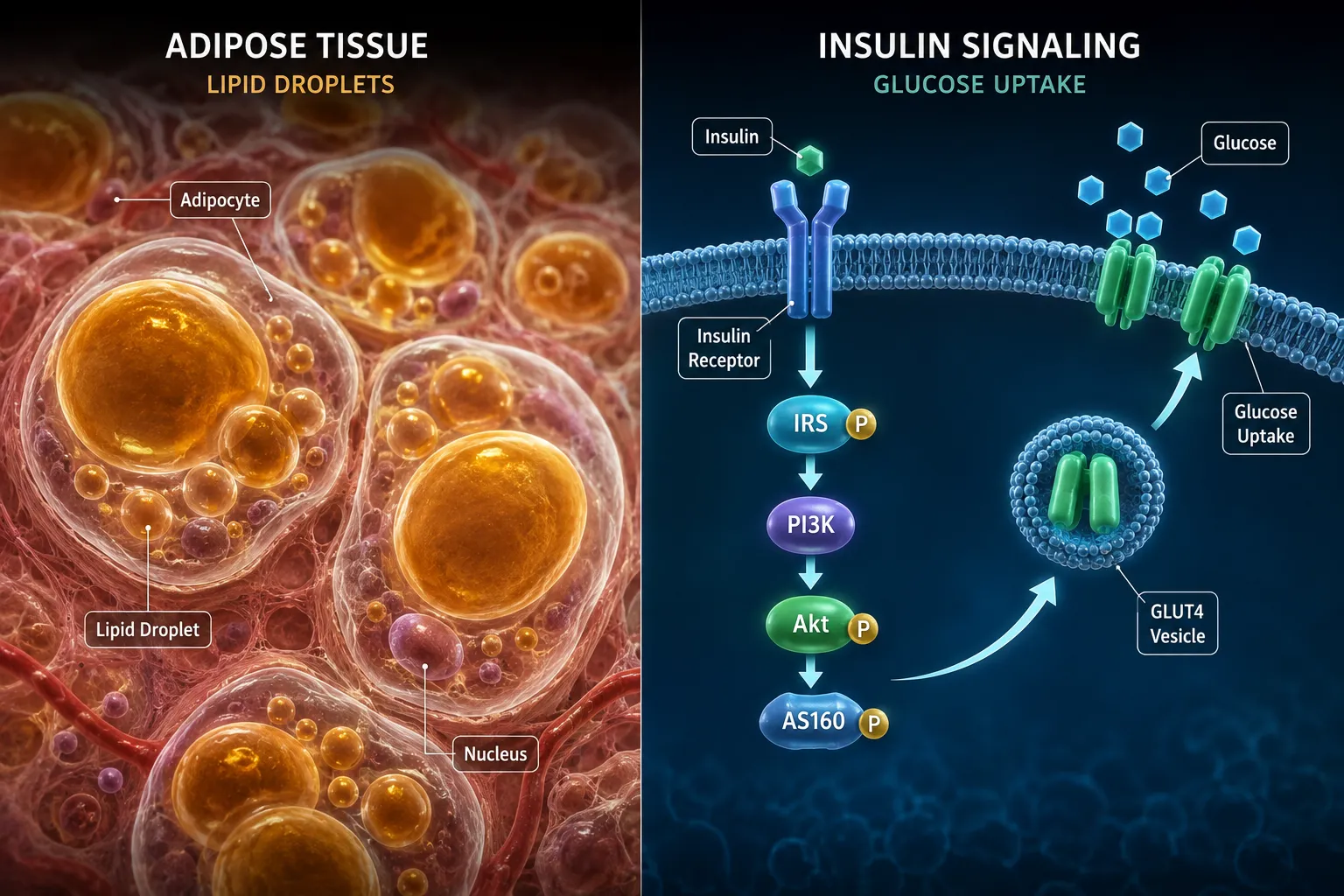
Elevated AMPK suppresses lipogenesis, promotes fatty acid oxidation, and enhances GLUT4 translocation, the glucose transporter responsible for insulin-stimulated glucose uptake in muscle.

NAD+ and Methionine Cycle Crosstalk

5-Amino-1MQ increases SAM availability by reducing NNMT-driven methylation drain. MOTS-c independently modulates the folate-methionine cycle. In combination, preclinical logic suggests they may produce a more sustained elevation of metabolic cofactors than either agent alone.

"Compounds that converge on AMPK and NAD+ metabolism from distinct upstream nodes represent a rational basis for combination research designs in metabolic disease models."

Adipogenesis Suppression

5-Amino-1MQ directly reduces the differentiation of preadipocytes into mature fat cells. MOTS-c reduces lipid accumulation in liver and muscle. Together, they may address both peripheral fat storage and ectopic lipid deposition, two distinct but interrelated drivers of insulin resistance.

Researchers interested in peptide combinations targeting metabolic pathways may also find value in reviewing the synergy of LL-37 and SS-31 as a model for how mechanistically distinct peptides can complement each other.

Experimental Evidence and Research Design Considerations

Preclinical Findings

In diet-induced obesity (DIO) mouse models, NNMT inhibitors have consistently reduced:

  • Adipose tissue mass by 15-30% over 4-8 week protocols
  • Fasting insulin levels
  • Hepatic triglyceride content

MOTS-c administration in similar DIO models has shown:

  • Improved glucose tolerance test (GTT) results within 2 weeks
  • Reduced HOMA-IR scores (a measure of insulin resistance)
  • Increased mitochondrial biogenesis markers in skeletal muscle

Combination Research Design Notes

When designing experiments to study 5-Amino-1MQ and MOTS-c synergy in experimental models targeting adiposity and insulin resistance, researchers typically consider:

  1. Dose sequencing, whether to co-administer or stagger dosing
  2. Tissue-specific readouts, adipose, liver, and skeletal muscle panels
  3. Biomarker selection, AMPK phosphorylation, NAD+/NADH ratio, GLUT4 expression
  4. Model selection, DIO vs. genetic obesity models (e.g., db/db mice)

Researchers exploring growth hormone secretagogue combinations for metabolic endpoints may also reference tesa peptide benefits and AOD-9604 research method notes for comparative fat-loss mechanism data.

For broader metabolic peptide context, GLP-1 peptide research and GLP-3 retratrutide research represent parallel pathways targeting adiposity through incretin mechanisms.

Combination Research Design Notes

Conclusion

The mechanistic case for studying 5-Amino-1MQ and MOTS-c synergy, how mitochondrial peptides target adiposity and insulin resistance in experimental models, is grounded in converging biology. Both compounds act on AMPK, NAD+ metabolism, and lipid regulation through distinct but complementary upstream routes. Preclinical data from independent studies on each agent are promising, and the rationale for combination protocols is scientifically coherent.

Actionable next steps for researchers:

  • Review published NNMT inhibitor and MOTS-c literature to establish baseline biomarker panels before designing combination studies.
  • Select DIO mouse models with well-characterized insulin resistance phenotypes for maximum translational relevance.
  • Include tissue-specific mitochondrial function assays (e.g., oxygen consumption rate) alongside standard metabolic endpoints.
  • Consult current IRB and institutional guidelines, neither compound has regulatory approval for human use.

As metabolic research tools, 5-Amino-1MQ and MOTS-c represent a compelling frontier for understanding how the mitochondria-adipose axis can be modulated at the molecular level.

https://www.puretestedpeptides.com/wp-content/uploads/2026/08/5-amino-1mq-and-mots-c-synergy-how-mitochondrial-peptides-target-adiposity-and-i.webp 1024 1536 https://www.puretestedpeptides.com/wp-content/uploads/2026/01/buy-peptides-online.jpg 2026-08-05 13:05:262026-08-05 13:05:265-Amino-1MQ and MOTS-c Synergy: How Mitochondrial Peptides Target Adiposity and Insulin Resistance in Experimental Models
Peptides and Polypeptides in Mitochondrial Biology: How MOTS-c and 5-Amino-1MQ Compare With Classic Mitochondrial Pathways

Peptides and Polypeptides in Mitochondrial Biology: How MOTS-c and 5-Amino-1MQ Compare With Classic Mitochondrial Pathways

August 1, 2026/0 Comments/in Uncategorized/by

Mitochondria consume roughly 90% of the oxygen a cell uses, yet the molecular signals that govern their health remain one of biology's most active research frontiers. Exploring peptides and polypeptides in mitochondrial biology: how MOTS-c and 5-Amino-1MQ compare with classic mitochondrial pathways gives researchers a sharper map of where newer mitochondria-targeted compounds sit relative to well-established mechanisms like oxidative phosphorylation, the electron transport chain (ETC), and mitochondrial biogenesis.

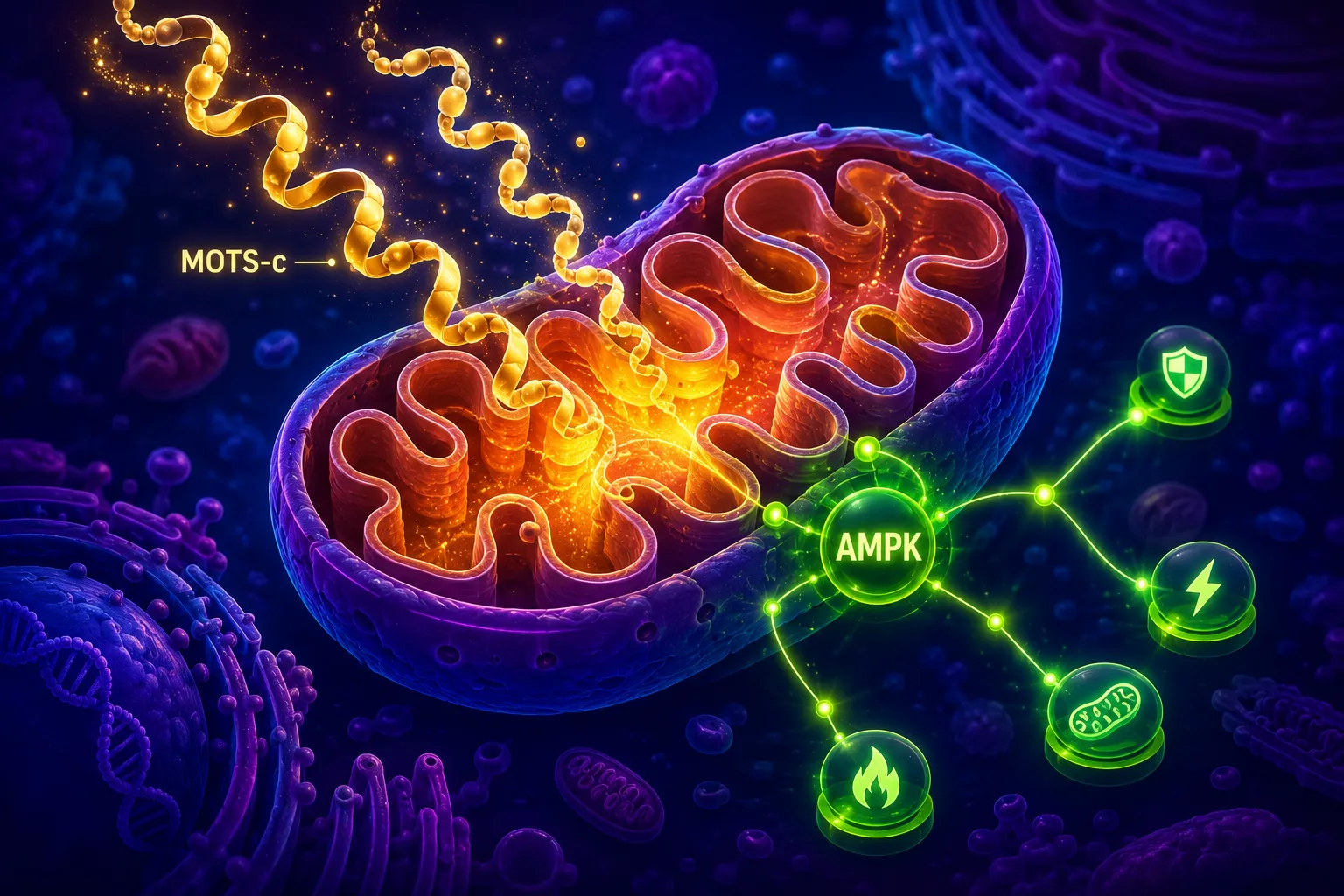
Bright editorial infographic-style landscape (): a vivid cross-section diagram of a mitochondrion with clearly labeled short

Key Takeaways

  • Mitochondria rely on canonical pathways, the ETC, ATP synthase, and PGC-1alpha-driven biogenesis, to sustain cellular energy.
  • MOTS-c is a mitochondria-derived peptide (MDP) encoded in mitochondrial DNA that activates AMPK and influences metabolic homeostasis.
  • 5-Amino-1MQ is a small-molecule NNMT inhibitor that raises NAD+ precursor availability, indirectly supporting mitochondrial function.
  • Both agents intersect classic pathways at distinct nodes, making their mechanisms complementary rather than redundant.
  • Ongoing preclinical research continues to clarify how these compounds compare with established mitochondrial targets such as SS-31 (elamipretide).

Classic Mitochondrial Pathways: The Baseline for Comparison

Before mapping newer peptide research, it helps to anchor the discussion in core mitochondrial biology.

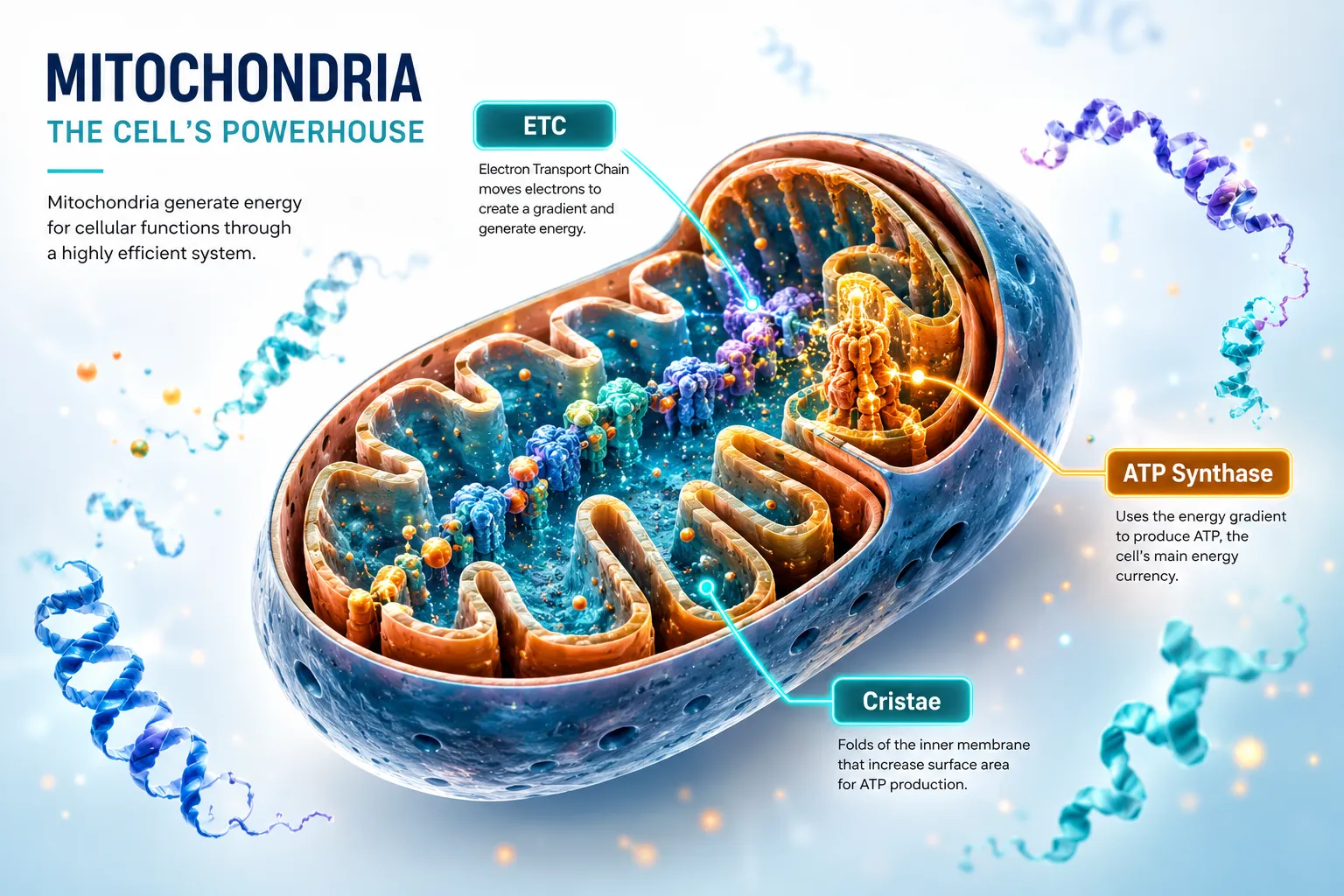
Oxidative phosphorylation (OXPHOS) is the process by which electrons from NADH and FADH2 travel through five protein complexes embedded in the inner mitochondrial membrane. This electron flow drives proton pumping, creating a gradient that ATP synthase (Complex V) converts into ATP, the cell's primary energy currency.

Mitochondrial biogenesis is the regulated growth and division of mitochondria. The transcriptional coactivator PGC-1alpha sits at the top of this regulatory cascade, coordinating nuclear respiratory factors (NRF-1, NRF-2) and mitochondrial transcription factor A (TFAM) to replicate mitochondrial DNA and build new organelles.

AMPK (AMP-activated protein kinase) acts as a cellular energy sensor. When the AMP:ATP ratio rises, signaling low energy, AMPK activates PGC-1alpha, stimulates fatty acid oxidation, and suppresses anabolic pathways that consume ATP.

NAD+ metabolism links directly to both OXPHOS and biogenesis. NAD+ is the electron acceptor that feeds Complex I of the ETC; it also activates sirtuins (SIRT1, SIRT3) that deacetylate and activate PGC-1alpha. Declining NAD+ is a hallmark of cellular aging and metabolic dysfunction.

These four nodes, OXPHOS, biogenesis via PGC-1alpha, AMPK signaling, and NAD+ flux, form the reference framework against which MOTS-c and 5-Amino-1MQ can be evaluated.

MOTS-c and 5-Amino-1MQ: Mechanisms Within Mitochondrial Pathways

MOTS-c and 5-Amino-1MQ: Mechanisms Within Mitochondrial Pathways

MOTS-c: A Mitochondria-Derived Peptide With AMPK Activity

MOTS-c (Mitochondrial Open Reading Frame of the 12S rRNA-c) is a 16-amino-acid peptide encoded within the 12S rRNA gene of mitochondrial DNA. Its discovery in 2015 by Lee et al. established a new class of signaling molecules: mitochondria-derived peptides (MDPs).

Key mechanistic points:

  • AMPK activation: MOTS-c translocates to the nucleus under metabolic stress and activates AMPK, mirroring the energy-sensing role that classic AMPK activators (e.g., AICAR, metformin) fulfill.
  • Folate cycle interference: MOTS-c inhibits the folate cycle and de novo purine synthesis, which raises AMP levels and secondarily activates AMPK, a unique upstream mechanism not shared by conventional AMPK agonists.
  • Metabolic homeostasis: Preclinical studies show MOTS-c improves insulin sensitivity and reduces diet-induced obesity in mouse models, consistent with enhanced mitochondrial substrate utilization.

Compared to the classic PGC-1alpha pathway, MOTS-c does not directly upregulate mitochondrial biogenesis genes. Instead, it optimizes existing mitochondrial function by shifting cellular metabolism toward fatty acid oxidation and away from glucose dependence.

5-Amino-1MQ: NAD+ Restoration Through NNMT Inhibition

5-Amino-1-methylquinolinium (5-Amino-1MQ) is a small-molecule inhibitor of nicotinamide N-methyltransferase (NNMT), an enzyme that consumes S-adenosylmethionine (SAM) and converts nicotinamide into 1-methylnicotinamide, effectively sequestering NAD+ precursors away from biosynthetic use.

By blocking NNMT, 5-Amino-1MQ:

  • Increases intracellular nicotinamide availability, boosting NAD+ biosynthesis via the salvage pathway.
  • Elevates SIRT1 and SIRT3 activity, which deacetylates and activates PGC-1alpha, linking this compound directly to mitochondrial biogenesis.
  • Reduces adipogenesis in preclinical models, an effect attributed to improved mitochondrial energy expenditure.

Unlike direct NAD+ precursors (NMN, NR), 5-Amino-1MQ acts upstream by preventing precursor loss rather than supplying additional substrate. This positions it at a distinct node within NAD+ metabolism.

Comparing Peptides and Polypeptides in Mitochondrial Biology: MOTS-c, 5-Amino-1MQ, and SS-31

Comparing Peptides and Polypeptides in Mitochondrial Biology: MOTS-c, 5-Amino-1MQ, and SS-31

Understanding peptides and polypeptides in mitochondrial biology: how MOTS-c and 5-Amino-1MQ compare with classic mitochondrial pathways becomes clearer when these agents are placed alongside SS-31 (elamipretide), a well-studied mitochondria-targeted peptide. Researchers exploring SS-31 mitochondrial dynamics will recognize that SS-31 operates primarily at the inner mitochondrial membrane, stabilizing cardiolipin and protecting the structural integrity of ETC complexes, a mechanism distinct from both MOTS-c and 5-Amino-1MQ.

Agent Primary Target Classic Pathway Node
MOTS-c AMPK activation Energy sensing / substrate utilization
5-Amino-1MQ NNMT inhibition NAD+ metabolism / biogenesis
SS-31 Cardiolipin stabilization ETC structural integrity

Those researching SS-31 elamipretide will find that its cardiolipin-targeting mechanism complements MOTS-c's metabolic signaling role rather than overlapping with it. Similarly, resources on SS-31 mechanism and research provide useful context for understanding how structural mitochondrial peptides differ from signaling MDPs.

For researchers building a broader peptide research framework, reviewing research-only peptides and quality peptides sourcing considerations remains an essential step before experimental design. Aging-focused research programs may also find value in the aging support product category when planning compound selection.

Where the Mechanisms Converge

Despite their distinct entry points, all three agents ultimately support mitochondrial efficiency:

  • MOTS-c and 5-Amino-1MQ both feed into PGC-1alpha activity, MOTS-c via AMPK upstream signaling and 5-Amino-1MQ via SIRT1 activation downstream of NAD+.
  • SS-31 preserves the structural platform (cristae morphology, cardiolipin integrity) on which OXPHOS complexes operate.
  • Together, they represent complementary layers: structural protection, energy sensing, and metabolic substrate management.

Conclusion

Mapping peptides and polypeptides in mitochondrial biology: how MOTS-c and 5-Amino-1MQ compare with classic mitochondrial pathways reveals a layered picture. MOTS-c engages the AMPK energy-sensing node through a novel folate-cycle mechanism, while 5-Amino-1MQ restores NAD+ precursor flux by blocking NNMT, each intersecting canonical pathways at a different control point. Neither replaces the foundational biology of OXPHOS or PGC-1alpha-driven biogenesis; both modulate it.

Actionable next steps for researchers in 2026:

  1. Establish baseline NAD+ and AMPK activity measurements in your model system before introducing either compound.
  2. Consider whether structural mitochondrial protection (SS-31) should precede or accompany metabolic signaling interventions.
  3. Review current preclinical literature on MOTS-c dosing windows and 5-Amino-1MQ selectivity profiles before experimental design.
  4. Source compounds from verified, tested suppliers and document purity certificates for all research-grade materials.

The intersection of mitochondrial peptide biology with classic energy pathways is one of the most promising areas in cellular research today, and understanding where each tool fits within that map is the first step toward rigorous, reproducible science.


References

  • Lee, C., et al. (2015). "The mitochondrial-derived peptide MOTS-c promotes metabolic homeostasis and reduces obesity and insulin resistance." Cell Metabolism, 21(3), 443-454.
  • Neinast, M., et al. (2019). "Quantitative Analysis of the Whole-Body Metabolic Fate of Branched-Chain Amino Acids." Cell Metabolism, 29(2), 417-429.
  • Hong, S., et al. (2021). "NAD+ metabolism and its roles in cellular processes during ageing." Nature Reviews Molecular Cell Biology, 22(2), 119-141.
  • Bhullar, K. S., & Hubbard, B. P. (2015). "Lifespan and healthspan extension by resveratrol." Biochimica et Biophysica Acta, 1852(6), 1209-1218.
  • Szeto, H. H. (2014). "First-in-class cardiolipin-protective compound as a therapeutic agent to restore mitochondrial bioenergetics." British Journal of Pharmacology, 171(8), 2029-2050.
  • Eckert, M. A., et al. (2019). "Proteomics reveals NNMT as a master metabolic regulator of cancer-associated fibroblasts." Nature, 569(7758), 723-728.
https://www.puretestedpeptides.com/wp-content/uploads/2026/08/peptides-and-polypeptides-in-mitochondrial-biology-how-mots-c-and-5-amino-1mq-co.webp 1024 1536 https://www.puretestedpeptides.com/wp-content/uploads/2026/01/buy-peptides-online.jpg 2026-08-01 13:05:102026-08-01 13:05:10Peptides and Polypeptides in Mitochondrial Biology: How MOTS-c and 5-Amino-1MQ Compare With Classic Mitochondrial Pathways
Peptides Mechanism 101: From GLP‑3 Retatrutide to CJC‑1295 and MOTS‑c in Cellular and Receptor-Level Research

Peptides Mechanism 101: From GLP‑3 Retatrutide to CJC‑1295 and MOTS‑c in Cellular and Receptor-Level Research

July 29, 2026/0 Comments/in Uncategorized/by

Fewer than a dozen amino acids can redirect an entire metabolic pathway. That single fact explains why experimental peptide research has accelerated so dramatically in 2026, with triple-receptor agonists, growth hormone secretagogues, and mitochondrial peptides each demonstrating distinct and measurable effects at the cellular level. This guide to Peptides Mechanism 101: From GLP-3 Retatrutide to CJC-1295 and MOTS-c in Cellular and Receptor-Level Research maps how these molecules work, where they act, and why receptor-level specificity matters so much to researchers.

Key Takeaways

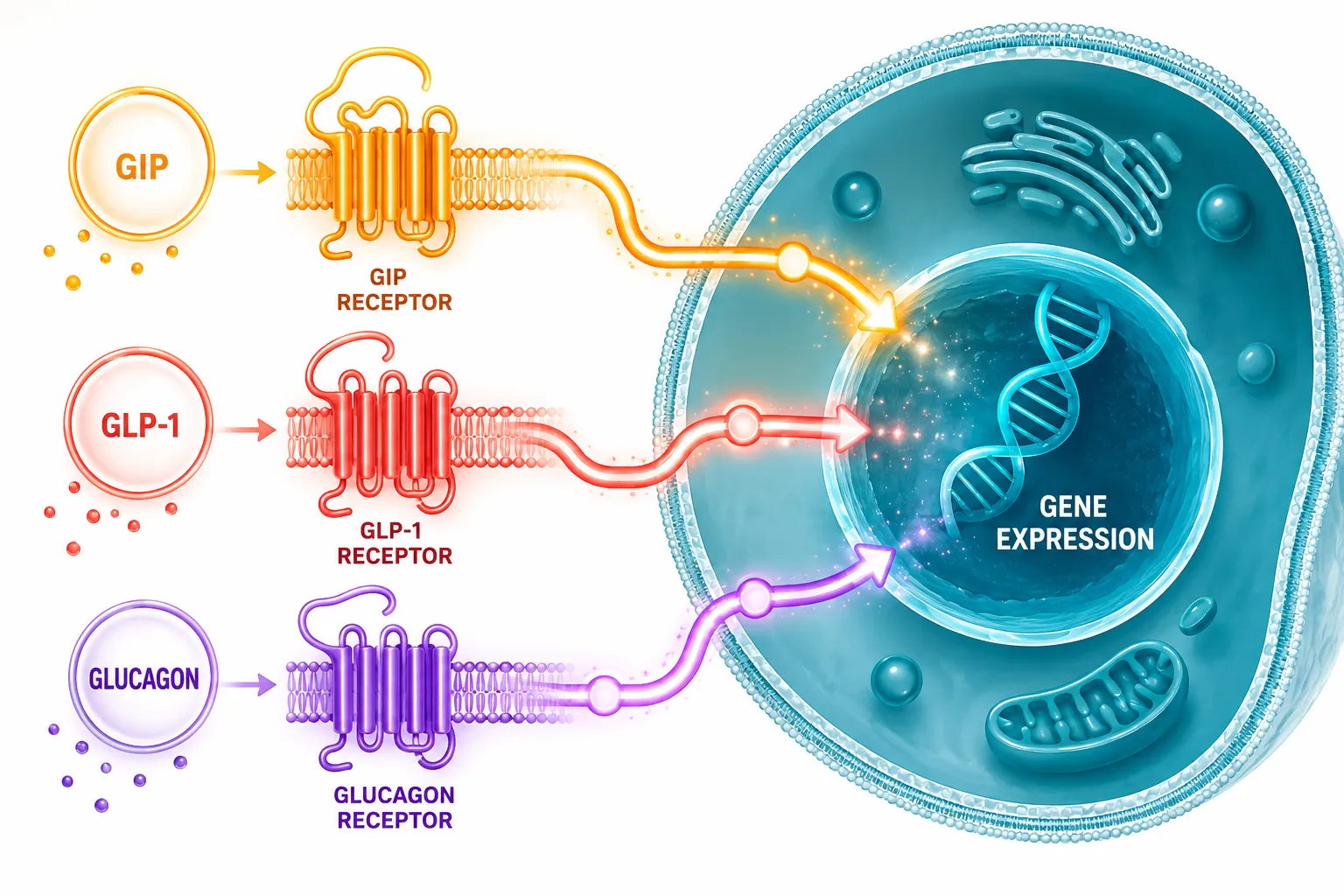
  • Retatrutide (GLP-3) simultaneously activates GIP, GLP-1, and glucagon receptors, producing broad cardiometabolic effects beyond any single-receptor agonist.
  • CJC-1295 extends growth hormone-releasing hormone (GHRH) signaling by binding albumin, dramatically prolonging its half-life and downstream GH/IGF-1 pulse activity.
  • MOTS-c is a mitochondria-derived peptide that activates the AMPK pathway, influencing cellular energy sensing and metabolic flexibility.
  • Receptor selectivity, binding affinity, and downstream signaling cascades determine both the potency and the safety profile of any research peptide.
  • Understanding mechanism at the cellular level is the foundation for interpreting any preclinical or clinical peptide research data.

Key Takeaways

How Receptor-Level Signaling Defines Peptide Research

Every peptide exerts its effect by fitting into a receptor the way a key fits a lock. The fit triggers a conformational change in the receptor protein, which activates intracellular signaling cascades. Whether a peptide binds a G protein-coupled receptor (GPCR), a nuclear receptor, or an intracellular enzyme determines the speed, duration, and tissue specificity of its effect.

Three core concepts govern this process:

Concept What It Means Why It Matters
Binding Affinity How tightly the peptide binds its receptor Higher affinity = lower dose needed
Agonism vs. Antagonism Whether the peptide activates or blocks the receptor Determines biological direction of effect
Downstream Cascade The chain of intracellular signals triggered Sets the tissue-level outcome

In the context of Peptides Mechanism 101: From GLP-3 Retatrutide to CJC-1295 and MOTS-c in Cellular and Receptor-Level Research, each molecule represents a different strategy for exploiting these principles. For researchers interested in biochemistry fundamentals as they apply to peptide science, these distinctions are foundational.

GLP-3 Retatrutide: The Triple-Receptor Strategy

Retatrutide is classified as a triple agonist because it activates three distinct GPCRs simultaneously: the glucose-dependent insulinotropic polypeptide receptor (GIPR), the glucagon-like peptide-1 receptor (GLP-1R), and the glucagon receptor (GCGR). No approved single-agent therapy targets all three at once.

What each receptor activation contributes:

  • GLP-1R activation suppresses appetite, slows gastric emptying, and stimulates glucose-dependent insulin secretion.
  • GIPR activation amplifies the incretin response and may contribute to fat-cell lipolysis and energy expenditure.
  • GCGR activation increases hepatic glucose output and promotes fat oxidation, raising overall energy expenditure.

The combined effect is additive and, in some metabolic parameters, synergistic. Phase 2 trial data showed dose-dependent weight loss reaching 24.2% at the highest dose over 48 weeks, compared to 2.1% on placebo. A 2025 meta-analysis of retatrutide trials confirmed reductions in BMI, waist circumference, fasting plasma glucose, HbA1c, and blood pressure, with no significant increase in overall adverse events.

The ongoing TRIUMPH Phase 3 program includes more than 5,800 participants across four multicenter trials, covering weight management, type 2 diabetes with obesity, established cardiovascular disease, and osteoarthritis. Researchers looking for where to buy GLP-3 retatrutide for preclinical study should prioritize verified, lab-tested sources.

"Triple-receptor co-activation is not simply additive, the downstream metabolic reprogramming appears qualitatively different from what any single agonist produces."

GLP-3 Retatrutide: The Triple-Receptor Strategy

CJC-1295 and Growth Hormone Secretagogues: Prolonged Pulsatile Signaling

CJC-1295 and Growth Hormone Secretagogues: Prolonged Pulsatile Signaling

CJC-1295 is a synthetic analogue of growth hormone-releasing hormone (GHRH). Its defining feature is a drug affinity complex (DAC) technology that covalently binds the peptide to circulating albumin. This single modification extends its half-life from minutes to approximately 6-8 days, converting a rapidly degraded signal into a sustained one.

The receptor-level mechanism unfolds as follows:

  1. CJC-1295 binds the GHRH receptor (GHRHR) on pituitary somatotroph cells.
  2. Receptor activation stimulates adenylyl cyclase, raising intracellular cyclic AMP (cAMP).
  3. Elevated cAMP triggers protein kinase A (PKA), which phosphorylates transcription factors that upregulate growth hormone (GH) gene expression.
  4. GH is released in pulses, which then stimulate hepatic IGF-1 production.

When combined with ipamorelin, a selective ghrelin receptor agonist, the two peptides act on complementary receptor systems to amplify GH pulse amplitude without significantly elevating cortisol or prolactin. Research-grade CJC-1295 with ipamorelin blends are among the most studied growth hormone secretagogue combinations in preclinical settings.

For researchers comparing secretagogue profiles, the tesa vs. ipamorelin distinction is also worth examining, as tesa uses a different GHRH-analogue structure with its own receptor kinetics.

MOTS-c and Mitochondrial Peptides: Intracellular Signaling From the Genome

MOTS-c (Mitochondrial Open Reading Frame of the 12S rRNA-c) is encoded within mitochondrial DNA, not nuclear DNA. This makes it part of a newly recognized class called mitochondria-derived peptides (MDPs). Its mechanism operates at the intersection of mitochondrial metabolism and nuclear gene regulation.

The MOTS-c signaling pathway:

  • Under metabolic stress, MOTS-c is released from mitochondria into the cytoplasm and can translocate to the nucleus.
  • It activates AMP-activated protein kinase (AMPK), the cell's master energy sensor.
  • AMPK activation inhibits anabolic pathways (such as mTOR) and promotes catabolic pathways including fatty acid oxidation and glucose uptake.
  • In skeletal muscle cells, this translates to improved insulin sensitivity and mitochondrial biogenesis.

This mechanism is fundamentally different from receptor-level agonism. MOTS-c does not require a cell-surface receptor, it enters cells and modulates transcription factor activity directly. For those researching mitochondrial peptide science, SS-31 mitochondrial research offers a complementary perspective on how peptides can target organelle-level dysfunction.

Comparing Mechanisms Across Peptide Classes

Understanding Peptides Mechanism 101: From GLP-3 Retatrutide to CJC-1295 and MOTS-c in Cellular and Receptor-Level Research requires seeing these molecules not as isolated compounds but as representatives of broader mechanistic strategies.

Peptide Primary Target Signaling Mechanism Key Research Outcome
Retatrutide GIP/GLP-1/Glucagon receptors GPCR / cAMP cascade Weight loss, glucose control
CJC-1295 GHRHR (pituitary) cAMP / PKA / GH pulse GH/IGF-1 elevation
MOTS-c AMPK (intracellular) Mitochondrial / nuclear Energy sensing, insulin sensitivity

Researchers should also note that peptide combinations can interact at the signaling level. For guidance on what not to mix with peptides, reviewing interaction profiles before designing a research protocol is essential.

Other peptides such as BPC-157 and TB-500 operate through yet another set of mechanisms, growth factor receptor modulation and actin-binding pathways, further illustrating the mechanistic diversity within peptide research.

Conclusion

The cellular and receptor-level research reviewed here confirms that peptide mechanism is not a single topic but a spectrum of strategies. Retatrutide demonstrates that multi-receptor co-activation can produce cardiometabolic effects no single agonist achieves. CJC-1295 shows how half-life engineering transforms a fleeting pituitary signal into a sustained GH secretagogue effect. MOTS-c reveals that some peptides bypass cell-surface receptors entirely, acting as intracellular metabolic regulators.

Actionable next steps for researchers:

  • Map the specific receptor or intracellular target before selecting a peptide for study.
  • Review downstream signaling cascades, not just receptor binding, to predict tissue-level outcomes.
  • Source peptides from lab-tested, verified suppliers to ensure compound integrity in preclinical work.
  • Cross-reference mechanism data with published trial results, particularly for newer triple-agonist compounds like retatrutide.

Mechanistic clarity is the foundation of rigorous peptide research. The compounds discussed here are research tools, not approved therapies, and all use should comply with applicable regulations and institutional protocols.

https://www.puretestedpeptides.com/wp-content/uploads/2026/07/peptides-mechanism-101-from-glp-3-retatrutide-to-cjc-1295-and-mots-c-in-cellular.webp 1024 1536 https://www.puretestedpeptides.com/wp-content/uploads/2026/01/buy-peptides-online.jpg 2026-07-29 13:05:302026-07-29 13:05:30Peptides Mechanism 101: From GLP‑3 Retatrutide to CJC‑1295 and MOTS‑c in Cellular and Receptor-Level Research
Page 3 of 3123

Tag Archive for: mots-c

Nothing Found

Sorry, no posts matched your criteria

×

Helpful Links

  • My account
  • Cart
  • Checkout
  • Refund and Returns Policy
  • Privacy Policy
  • SMS Privacy Policy
  • Login
  • My Account
  • Logout

USA Made Lab Tested Peptides

All products are sold for research, laboratory, or analytical purposes only, and are not for human consumption


Pure Tested Peptides is a chemical supplier. Pure Tested Peptides is not a compounding / chemical compounding facility as defined under 503A of the Federal Food, Drug, and Cosmetic act. Pure Tested Peptides is not an outsourcing facility as defined under 503B of the Federal Food, Drug, and Cosmetic act.

The statements made within this website have not been evaluated by the US Food and Drug Administration. The products we offer are not intended to diagnose, treat, cure or prevent any disease.

Human/Animal Consumption Prohibited. Laboratory/In-Vitro Experimental Use Only

Scroll to top Scroll to top Scroll to top