Call or Text 727-513-9780
  • Shopping Cart Shopping Cart
    0Shopping Cart
Pure Tested Peptides | America's most trusted Peptides for sale online
  • Peptides for sale
    • Oral Peptides for sale
      • Peptide Capsules for sale
      • BPC 157 Capsules 1000mcg
      • SLU-PP-332 Capsules | 1000 mcg
      • 5-Amino-1MQ 50mg Capsules
      • Tesofensine 500mcg
    • All Peptides for sale
    • Peptide Sprays
      • BPC 157 Nasal Spray Kit
      • BPC-157 TB500 Nasal Spray Kit
      • Semax Nasal Spray 10mg
      • Selank – Nasal Spray Kit – 10mg
      • Epithalon 50MG Nasal Spray Kit
      • Ipamorelin 10mg Nasal Spray
      • Klow Nasal Spray (BPC-157 + TB-500 + GHK-Cu + KPV) | 80mg
      • Hulk Nasal Spray Tesa / Ipa Blend 6/3 MG
      • Klow Nasal Spray
      • NAD + 500 mg Nasal Spray
      • PT-141 Nasal Spray Kit
    • GHRH Peptides
      • Ipa Peptides
      • CJC-1295 Peptides
        • CJC-1295 with DAC 5 mg
        • CJC-1295 without DAC 5 mg
        • CJC-1295 Ipa 10mg
      • Tesa Peptides
        • Tesa Peptide
        • Tesa 20 mg
    • GHK-Cu Peptides
      • All GHK-Cu Peptides
      • GHK-Cu 100mg
      • KLOW Peptide Blend – Buy KLOW blend online
    • BPC Peptides
      • All BPC Peptides
      • BPC-157
      • BPC-157 TB-500
      • BPC 157 capsules 1000mcg
    • SLU-PP-332 Peptides
      • All SLU-PP-332 Peptides
      • SLU-PP-332 5mg
    • GLP3 Peptides
      • GLP3-R
      • GLP3-R CAG 10mg
      • GLP3-R 20mg
    • PT-141 Peptides
      • PT-141 Peptides for sale
      • PT-141 10mg
      • PT-141 Nasal Spray
    • CAG Peptides
      • Lipo-C Peptide Blend
      • CAG 5mg
      • CAG 10mg
    • MOTS-C Peptides
      • MOTS-C Peptides for sale
      • MOTS-c peptide
      • MOTS-c 10mg *6 pack*
    • 5 Amino 1MQ Peptides
      • 5 Amino 1MQ Peptides for sale
      • 5-Amino-1MQ 50mg Capsules
      • 5-Amino-1MQ 5mg
    • Epithalon Peptides
      • Epithalon Peptides for sale
      • Epithalon 10mg
      • Epithalon 50mg
  • Shop
    • GLPs
      • 5-Amino-1MQ 50mg Capsules
      • 5-Amino-1MQ 5mg
      • GLP3-Reta
      • L-Carnitine 500mg/ml
      • Tesofensine 500mcg
      • SLU-PP-332 5mg
      • MOTS-c 10mg *6 pack*
    • Epithalon & BPC Peptides
      • Epithalon 10mg
      • Epithalon 50mg
      • BPC-157
      • BPC 157 capsules 1000mcg
      • BPC-157 TB-500
      • BPC-157 TB500 Nasal Spray Kit
      • BPC 157 Nasal Spray Kit
    • BPC TB-500 & NAD+ Peptides
      • NAD+ 500 mg
      • KLOW Peptide Blend – Buy KLOW blend online
      • GLOW Peptide Blend
      • TB 500 5mg
      • BPC 157 capsules 1000mcg – Supplement
      • BPC 157 Nasal Spray Kit
      • BPC-157
      • BPC-157 TB500 Nasal Spray Kit
      • BPC-157 TB-500
      • BPC 157 capsules 1000mcg
    • LL-37 Peptide
      • LL-37 10 mg
    • MOTS-C & Selank
      • MOTS-c peptide
      • Selank 10mg
    • GHK Peptides
      • GHK-Cu 100mg
      • GLOW Peptide Blend
      • KLOW Peptide Blend – Buy KLOW blend online
  • COAs
  • Wholesale
    • Wholesale Peptides for sale
  • PTP FAQ
  • Affiliates
    • Affiliate Program
    • Affiliate Signup
  • Contact
    • Contact Customer Service
    • Text Customer Support
  • About US
  • Shop all peptides
  • Login / Register Login / Register Page Link Login / Register Page Link
  • Click to open the search input field Click to open the search input field Search
  • Menu Menu

Tag Archive for: peptide mechanisms

BPC-157 vs BPC-157 and TB-500: How to Interpret Single-Peptide and Stack Research Results

BPC-157 vs BPC-157 and TB-500: How to Interpret Single-Peptide and Stack Research Results

June 13, 2026/0 Comments/in Uncategorized/by

Fewer than 5% of peptide combinations studied in preclinical research have been directly compared against their single-compound counterparts in controlled trials. That gap matters enormously when researchers try to determine whether a stack offers genuine additive benefit or simply introduces more variables. Understanding BPC-157 vs BPC-157 and TB-500: How to Interpret Single-Peptide and Stack Research Results requires a structured framework — one that accounts for mechanism overlap, study design limitations, and the practical challenge of isolating each peptide's contribution.

Key Takeaways

  • BPC-157 and TB-500 operate through distinct but complementary mechanisms, making direct comparison with stack data genuinely complex.
  • Most available evidence comes from animal models; human clinical data remains limited as of 2026.
  • Interpreting stack research requires identifying whether outcomes exceed what either peptide achieves alone.
  • Regulatory status for both peptides is actively shifting, affecting their availability for research purposes.
  • A decision-making framework focused on mechanism overlap helps researchers avoid over-interpreting combination results.

Key Takeaways

Understanding the Mechanisms Before Comparing Research Results

Any meaningful comparison of BPC-157 vs BPC-157 and TB-500 stack research must begin with mechanism. Without this foundation, researchers risk conflating correlation with synergy.

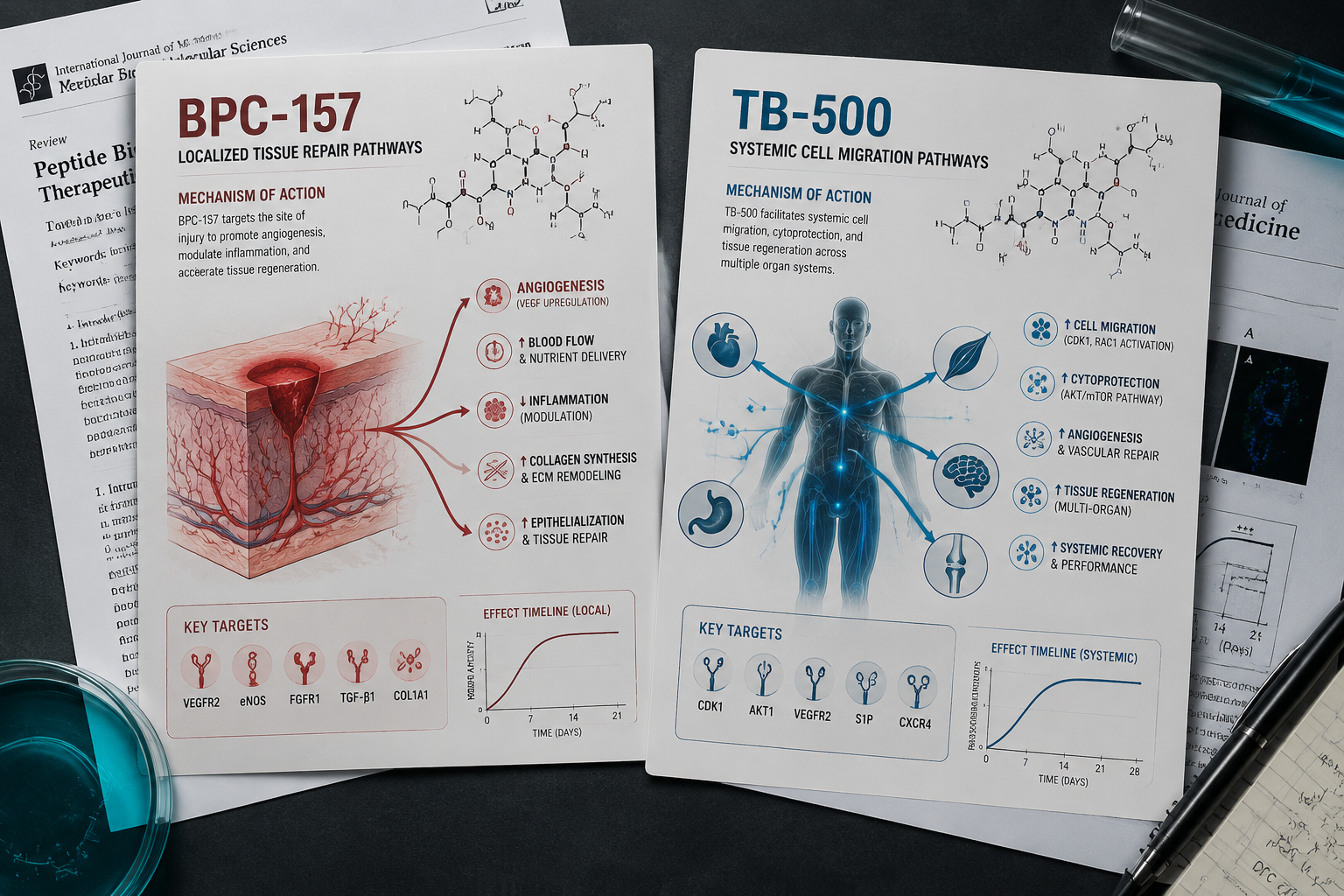
BPC-157 is a synthetic pentadecapeptide derived from a gastric protein. Its primary actions include:

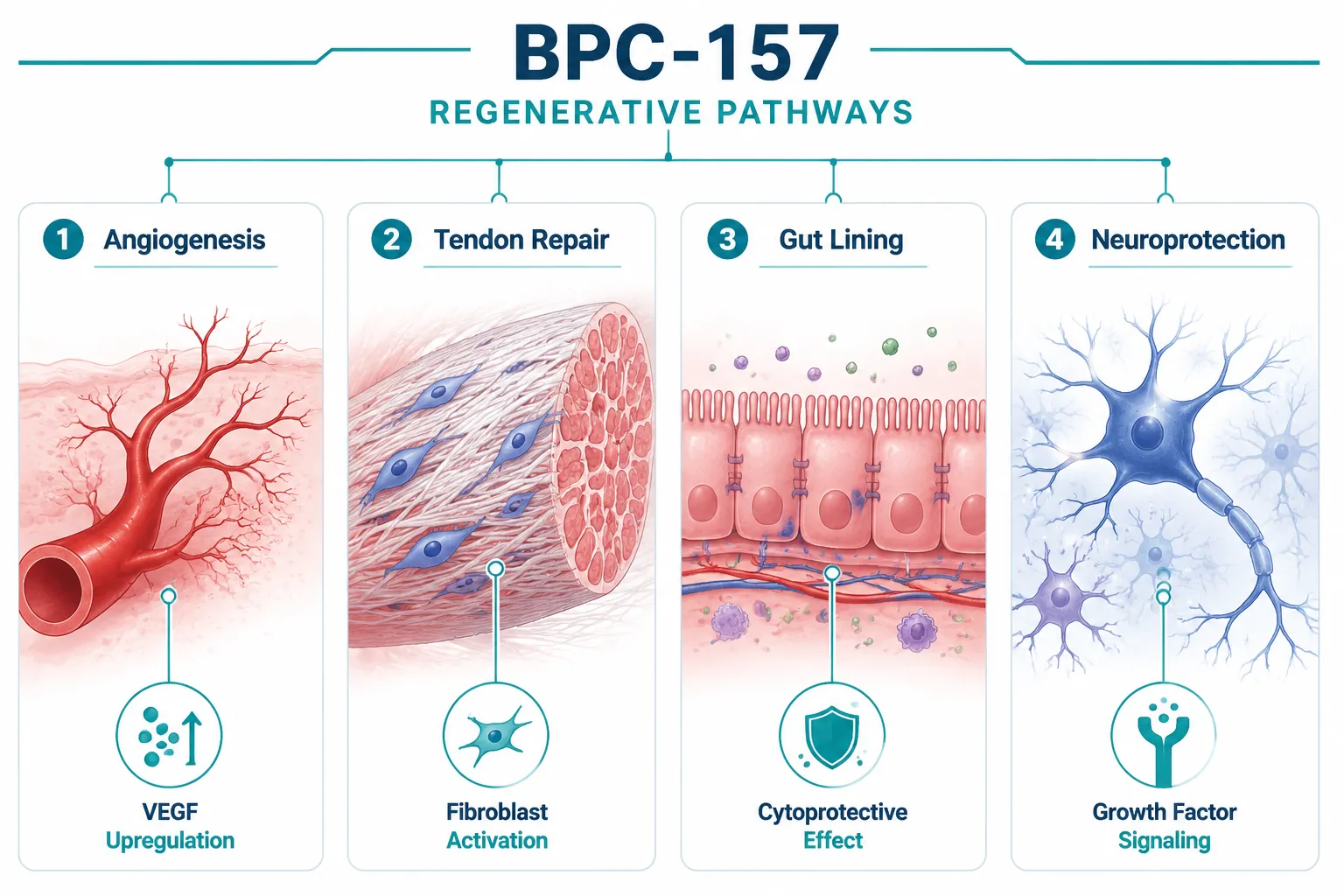
  • Promoting angiogenesis (new blood vessel formation)
  • Activating nitric oxide pathways to support tissue perfusion
  • Accelerating localized tendon, ligament, and muscle repair

Research on BPC-157's role in angiogenesis and tendon healing highlights how its effects are largely site-specific, working at the injury location rather than systemically.

TB-500 (Thymosin Beta-4) takes a different route. It enhances cell migration by regulating actin — a structural protein critical to cellular movement. This promotes systemic healing responses rather than localized repair alone.

"The distinction between local and systemic action is the single most important variable when interpreting stack versus single-peptide data."

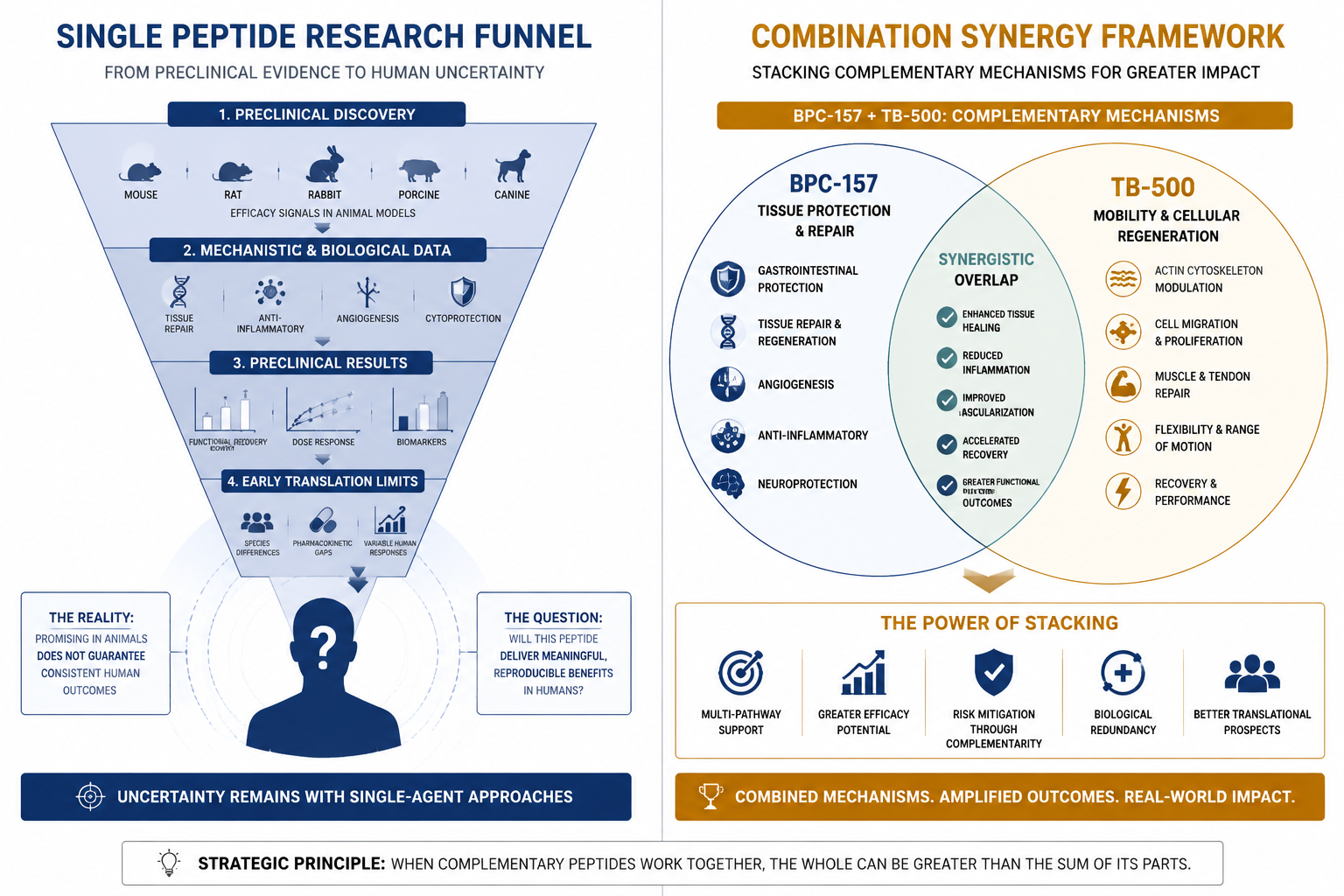
Because these two peptides target different biological pathways, their combination is theoretically additive rather than redundant. However, theory and measured outcomes are not the same thing.


A Decision-Making Framework for Interpreting Single-Peptide vs Stack Research

A Decision-Making Framework for Interpreting Single-Peptide vs Stack Research

When evaluating BPC-157 vs BPC-157 and TB-500: How to Interpret Single-Peptide and Stack Research Results, apply the following framework to any study or dataset encountered.

Step 1: Identify the Study Design

Ask whether the research used:

Design Type What It Tells You Limitation
Single-peptide only Isolated mechanism data Cannot confirm synergy
Stack without controls Combined outcome only Cannot isolate contribution
Three-arm (A, B, A+B) True additive effect Rare in peptide literature

Most published research falls into the first two categories. Three-arm designs that directly test BPC-157 alone, TB-500 alone, and the combination together are uncommon, which makes definitive synergy claims premature.

Step 2: Check the Evidence Base

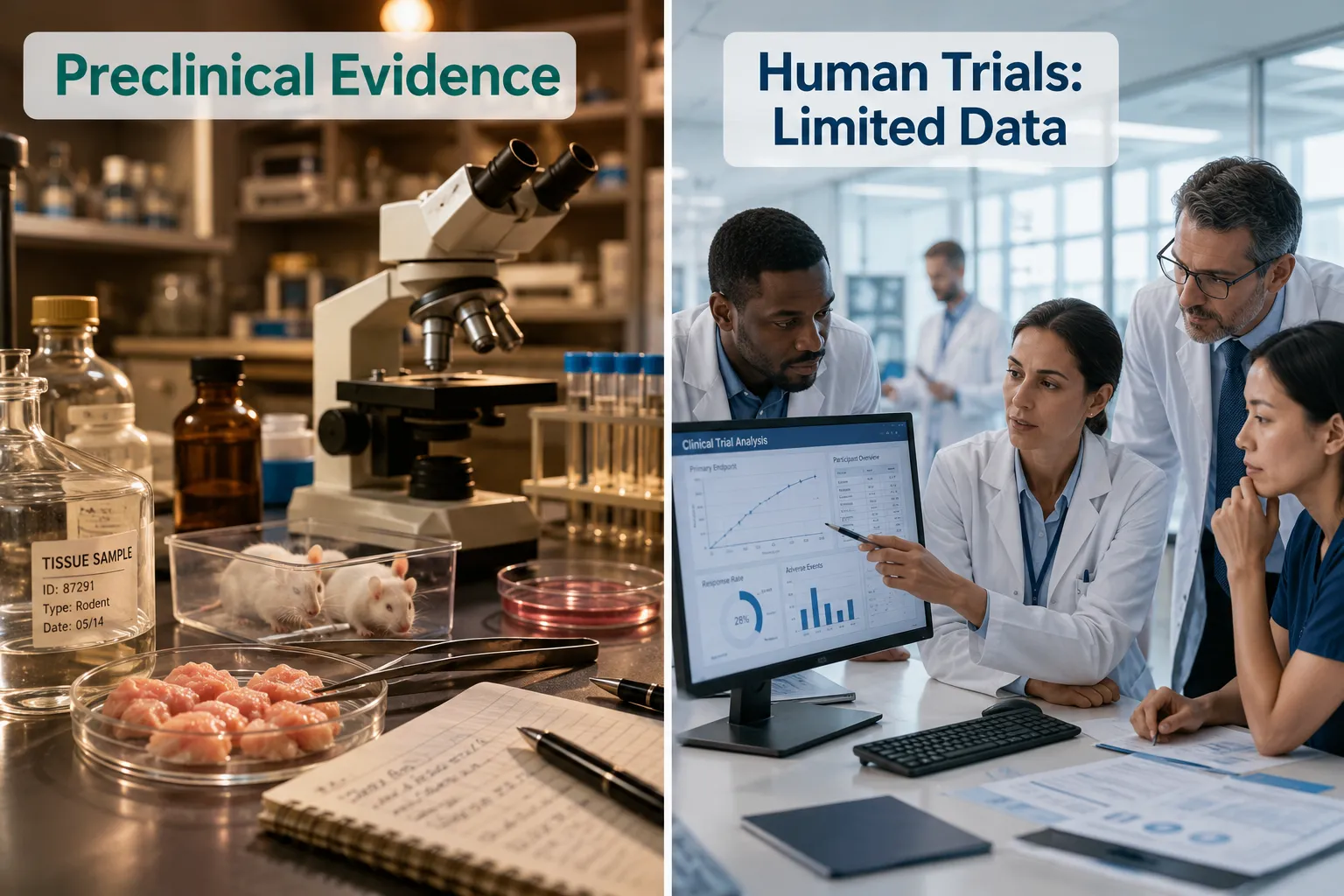
The vast majority of BPC-157 and TB-500 research involves animal models. Extrapolating rodent data to human physiology introduces meaningful uncertainty. Researchers should weight animal studies as hypothesis-generating rather than conclusive.

This same caution applies when reviewing combination stack outcomes. If a stack study shows accelerated recovery in rats, that finding does not confirm the stack outperforms BPC-157 alone in humans.

Step 3: Assess Mechanism Overlap

If two peptides share a downstream pathway, their combination may produce diminishing returns rather than additive benefit. BPC-157 and TB-500 have low mechanism overlap — one targets angiogenesis locally, the other targets actin-mediated cell migration systemically. This reduces the risk of redundancy and supports the biological rationale for stacking.

For comparison, researchers evaluating peptide combinations with higher pathway overlap — such as those explored in IPA and sermorelin stack research — face a more complex interpretation challenge.

Step 4: Evaluate Dosing Context

Research protocols typically use BPC-157 at 250–500 mcg per day subcutaneously and TB-500 at 2–2.5 mg twice weekly during a loading phase, followed by 2 mg weekly for maintenance. Stack studies that deviate significantly from these ranges may not be directly comparable to single-peptide trials using standard doses.


Regulatory and Safety Considerations That Affect Research Interpretation

Regulatory and Safety Considerations That Affect Research Interpretation

Interpreting BPC-157 vs BPC-157 and TB-500: How to Interpret Single-Peptide and Stack Research Results also means understanding the regulatory environment shaping what research is possible.

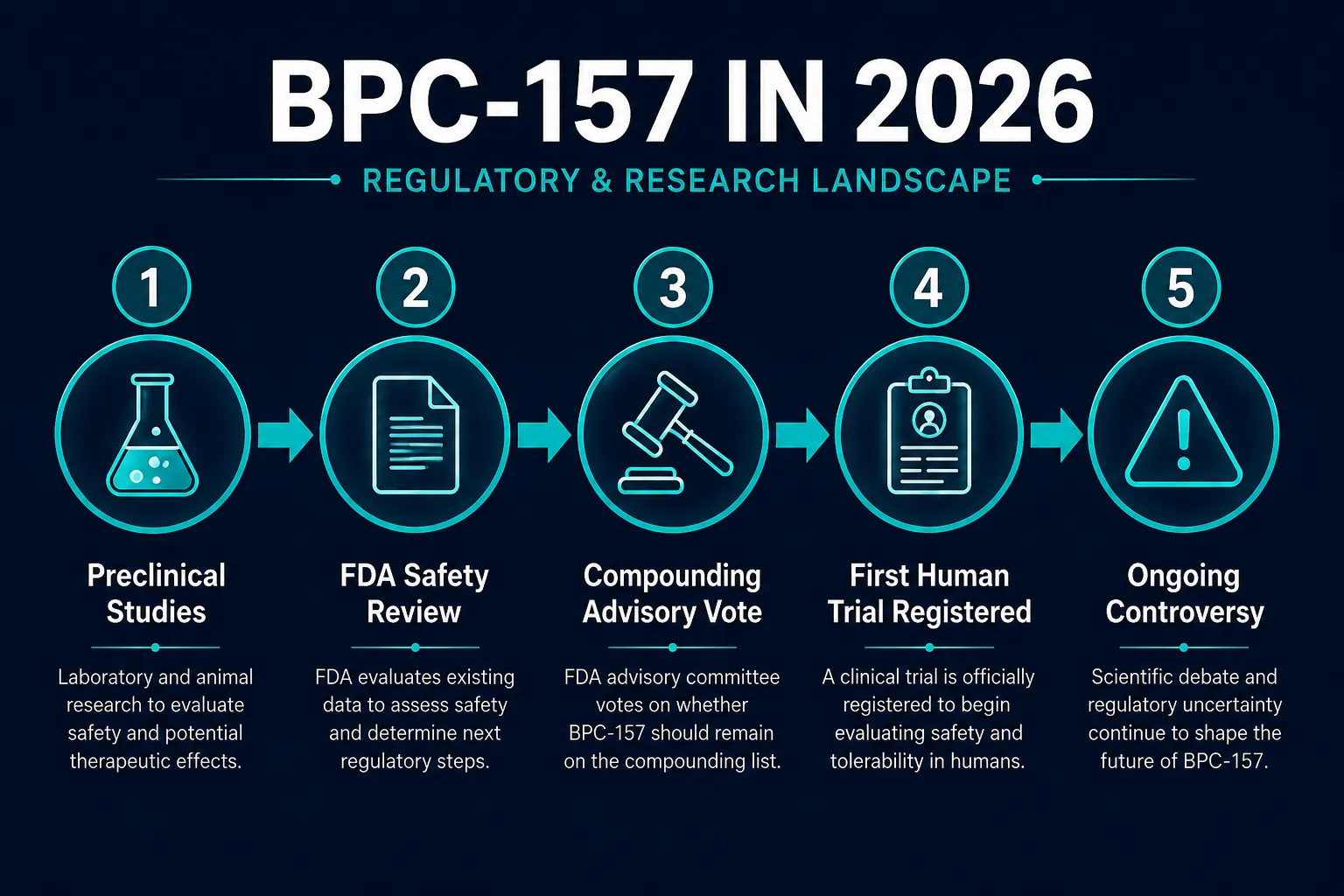
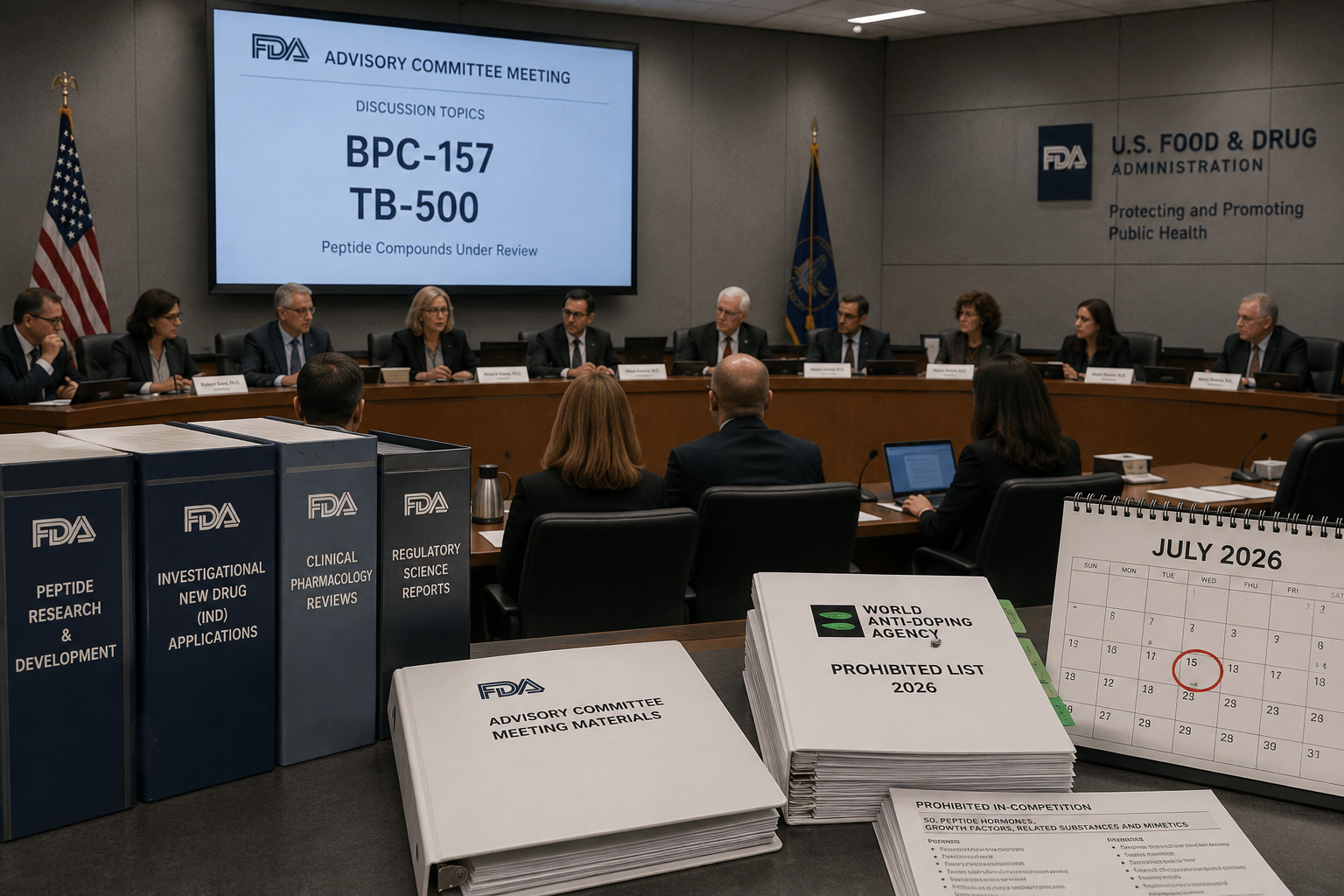
As of May 2026, both BPC-157 and TB-500 were removed from the FDA's 503A Category 2 bulk drug substances list, with a Pharmacy Compounding Advisory Committee review scheduled for July 2026. This regulatory shift may affect the availability of these compounds for research purposes going forward.

Additionally, both peptides are classified under WADA's S0 category as non-approved substances, prohibiting their use in competitive sports contexts.

Reported side effects in preclinical research have been minimal, but comprehensive human safety data does not yet exist. Researchers sourcing compounds should prioritize verified, lab-tested peptides to ensure purity and accurate dosing in any research context.

For researchers interested in other peptide combinations with emerging evidence bases, resources on SS-31 mitochondrial research themes and Selank peptide benefits offer useful methodological parallels for interpreting single-compound versus combination data.


Conclusion

Comparing BPC-157 alone against a BPC-157 and TB-500 stack is not simply a question of "which works better." It is a question of study design, mechanism mapping, and evidence quality. The practical framework outlined here — identifying study design, checking the evidence base, assessing mechanism overlap, and evaluating dosing context — gives researchers a repeatable method for drawing sound conclusions from incomplete data.

Actionable next steps for researchers:

  1. Before reviewing any stack study, locate single-peptide data for each compound separately.
  2. Prioritize three-arm study designs when available; treat two-arm stack studies as preliminary.
  3. Monitor the July 2026 FDA PCAC review for regulatory updates that may affect compound access.
  4. Source only verified, purity-tested compounds to ensure research integrity.

The evidence base for both peptides continues to grow. Applying a disciplined interpretation framework now ensures that conclusions drawn today remain defensible as human clinical data eventually emerges.

https://www.puretestedpeptides.com/wp-content/uploads/2026/06/BPC-157-vs-BPC-157-and-TB-500-How-to-Interpret-Single-Peptide-and-Stack-Research-Results.png 1024 1536 https://www.puretestedpeptides.com/wp-content/uploads/2026/01/buy-peptides-online.jpg 2026-06-13 13:03:222026-06-13 13:03:22BPC-157 vs BPC-157 and TB-500: How to Interpret Single-Peptide and Stack Research Results
GHK-Cu Peptide Mechanism: Copper Binding, Extracellular Matrix Signaling, and Tissue-Repair Research

GHK-Cu Peptide Mechanism: Copper Binding, Extracellular Matrix Signaling, and Tissue-Repair Research

June 8, 2026/0 Comments/in Uncategorized/by

Plasma levels of GHK — the tripeptide glycyl-L-histidyl-L-lysine — drop by roughly 60% between the ages of 20 and 60. That single biochemical fact helps explain why researchers studying regenerative biology keep returning to the GHK-Cu peptide mechanism: copper binding, extracellular matrix signaling, and tissue-repair research as a framework for understanding age-related decline in wound closure, collagen turnover, and cellular defense.

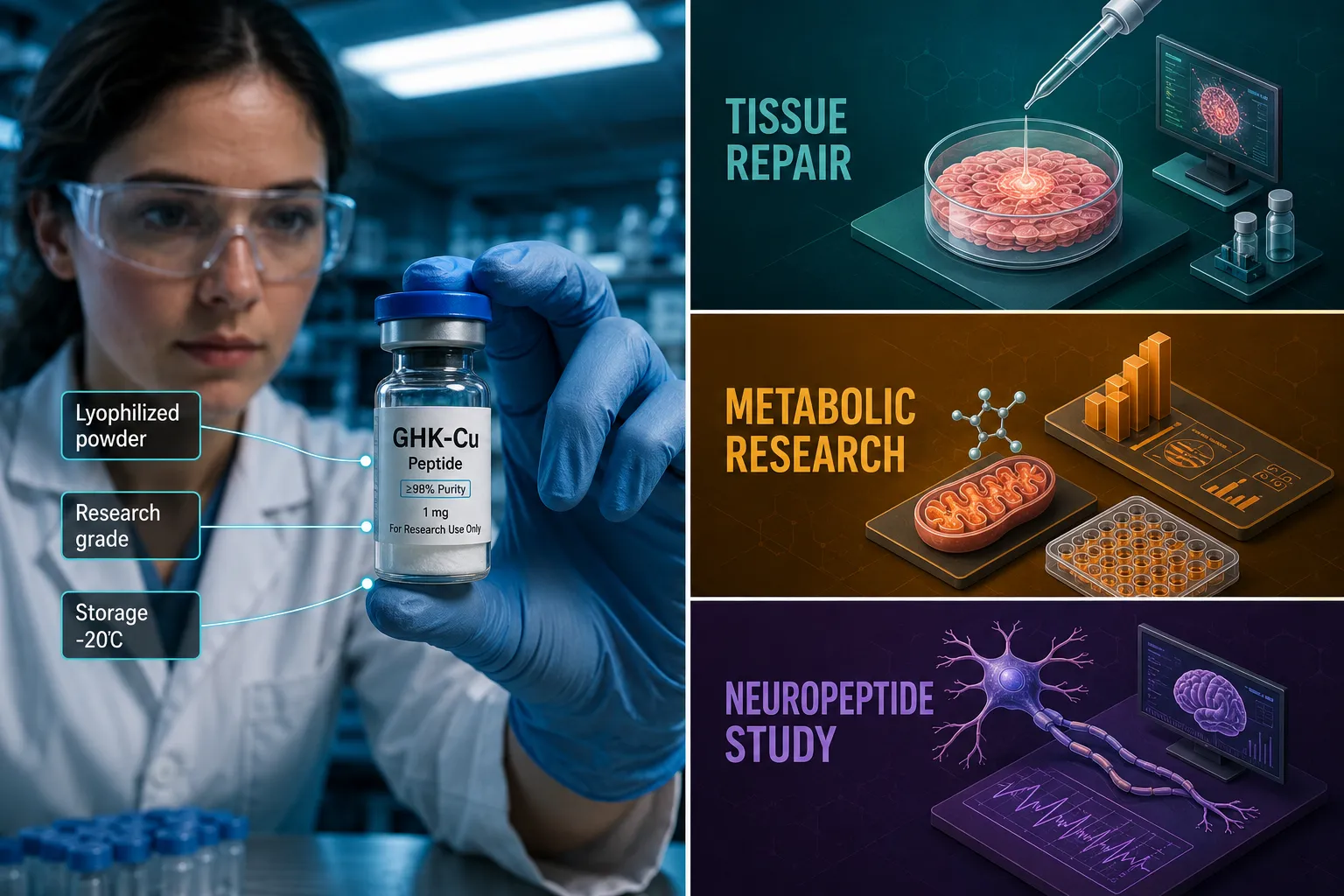
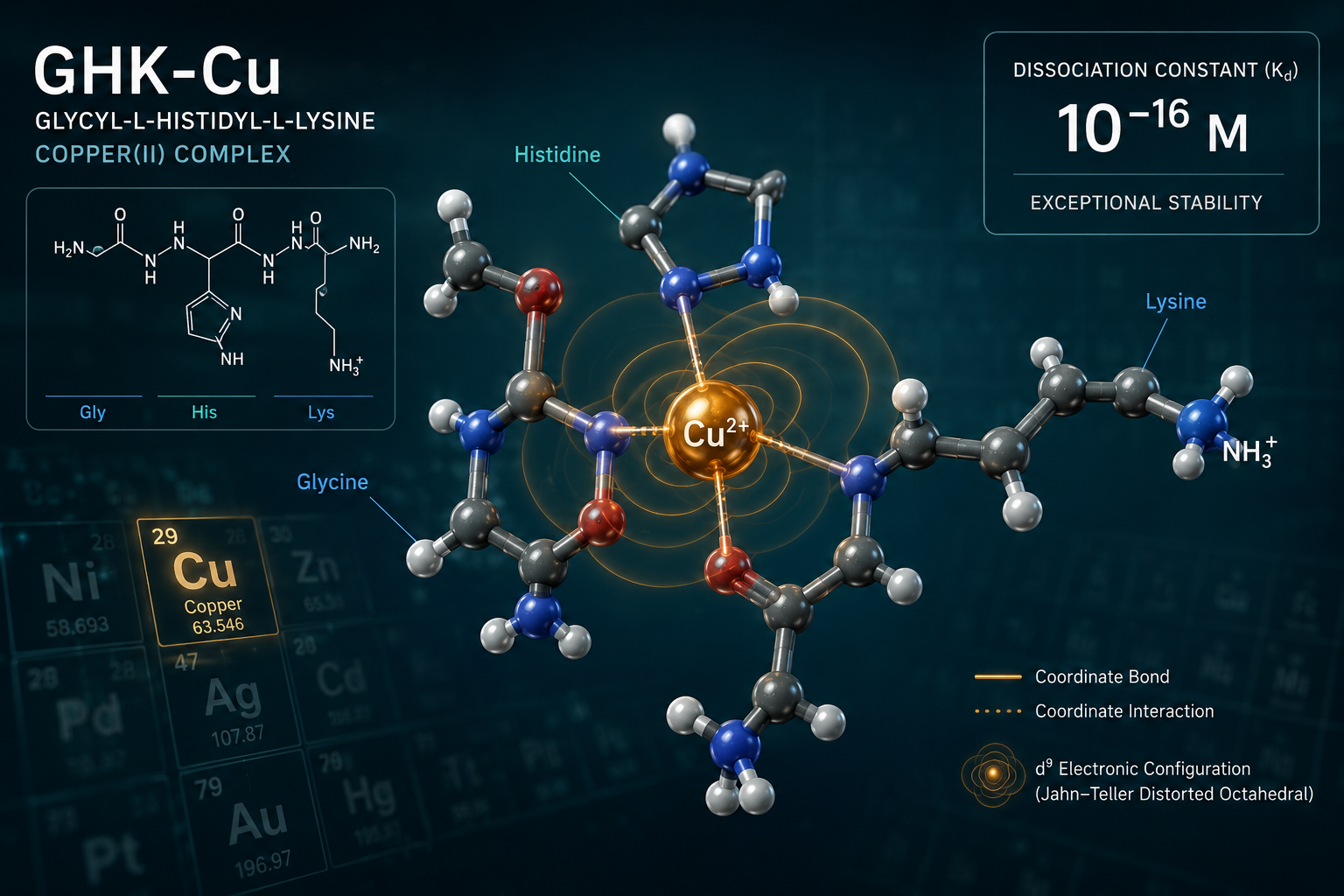
Scientific diagram-style landscape image () illustrating GHK-Cu copper binding chemistry: a three-dimensional molecular

Key Takeaways

  • GHK-Cu binds copper(II) with extraordinary affinity (dissociation constant near 10⁻¹⁶ M), enabling targeted copper delivery to tissues.
  • The peptide modulates expression of more than 4,000 human genes, influencing repair, inflammation, and antioxidant pathways simultaneously.
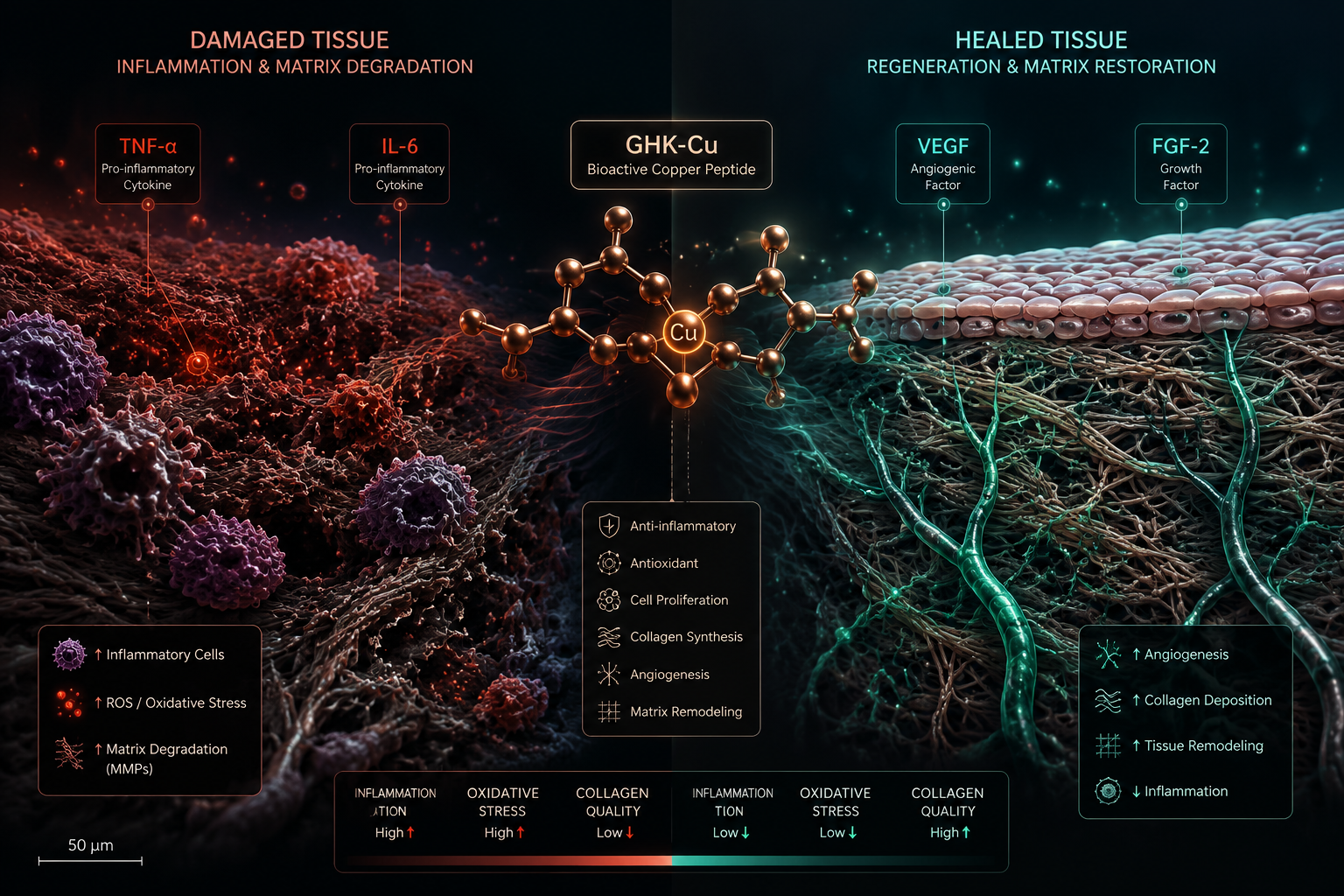
  • GHK-Cu activates TGF-beta signaling and upregulates VEGF and FGF-2, driving collagen synthesis and angiogenesis.
  • Anti-inflammatory effects stem from NF-kB pathway inhibition, reducing TNF-alpha and IL-6 production.
  • Unlike receptor-targeted peptides, GHK-Cu acts primarily through direct extracellular matrix interaction and redox chemistry.

How the GHK-Cu Copper Binding Mechanism Works

The tripeptide GHK (Gly-His-Lys) naturally forms a stable complex with copper(II) ions. What makes this binding unusual is its strength: the dissociation constant sits near 10⁻¹⁶ M, placing it among the tightest metal-peptide interactions documented in biochemistry. This affinity is not incidental — it is the structural basis for everything else the molecule does.

The histidine residue provides the primary coordination site for Cu²⁺, while the glycine and lysine flanking residues stabilize the complex geometrically. The result is a molecule that can transport bioavailable copper to target tissues without releasing it prematurely into circulation, where free copper would generate oxidative damage.

Why copper matters here: Copper is an essential cofactor for lysyl oxidase, the enzyme that crosslinks collagen and elastin fibers in connective tissue. Without adequate copper delivery, newly synthesized matrix proteins remain structurally weak. GHK-Cu effectively solves a delivery problem that free copper supplementation cannot address safely.

For researchers comparing copper-dependent mechanisms across peptide classes, the GHK-Cu longevity research themes page provides additional context on how these pathways intersect with aging biology.


Extracellular Matrix Signaling: The Core of GHK-Cu Peptide Mechanism Research

Extracellular Matrix Signaling: The Core of GHK-Cu Peptide Mechanism Research

Most regenerative peptides work by binding a specific receptor. GHK-Cu operates differently. Its primary influence on tissue biology runs through direct extracellular matrix (ECM) interaction combined with downstream gene expression changes — a mechanistic distinction that gives it an unusually broad biological footprint.

Collagen, Elastin, and Decorin Upregulation

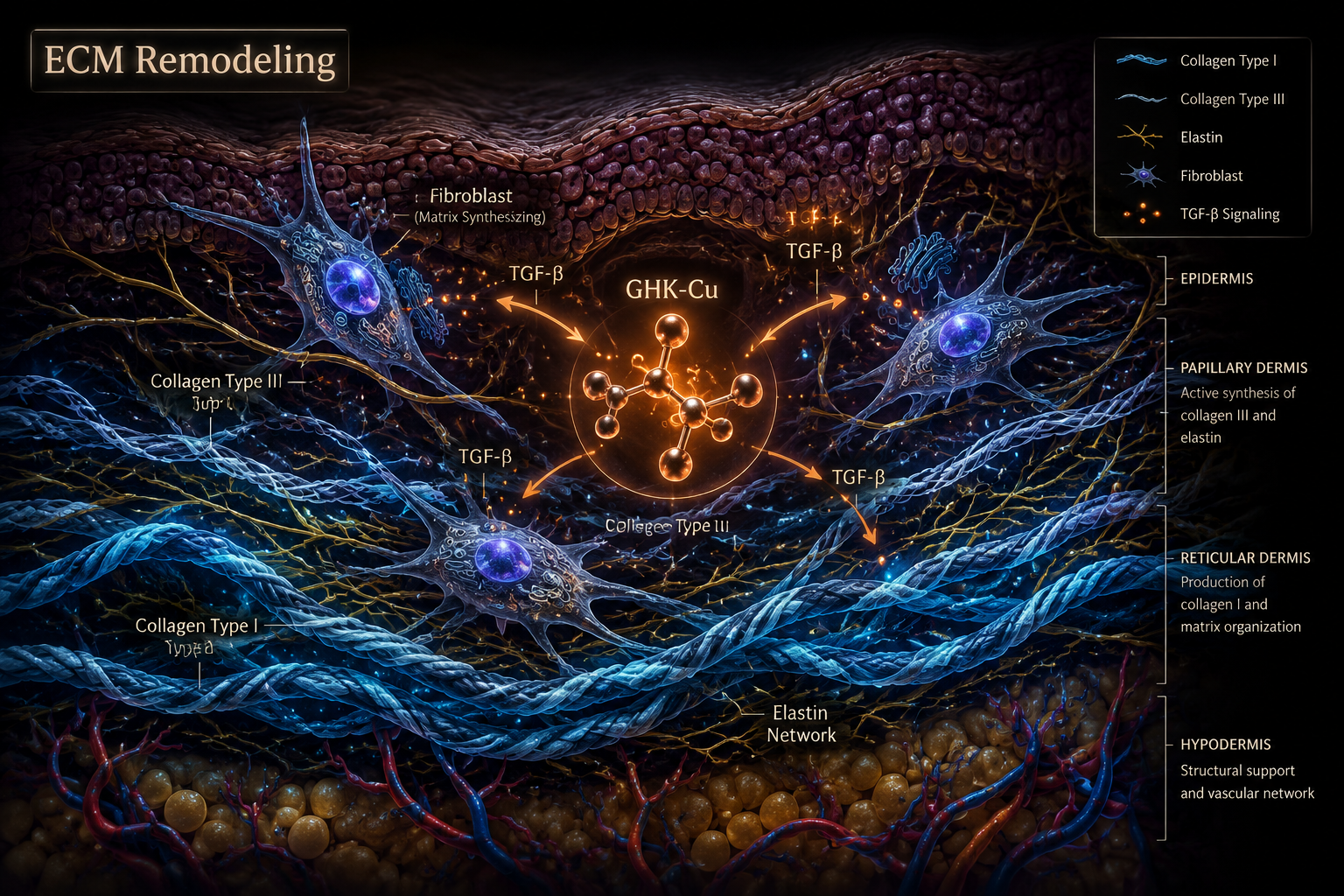
GHK-Cu stimulates synthesis of:

ECM Component Function
Type I Collagen Structural tensile strength in skin and tendons
Type III Collagen Early wound scaffolding, vascular walls
Elastin Tissue recoil and flexibility
Decorin Collagen fiber organization, TGF-beta regulation

This multi-target ECM effect is driven partly through TGF-beta pathway activation. When GHK-Cu engages fibroblasts, it upregulates TGF-beta signaling, which in turn amplifies collagen gene transcription and matrix metalloproteinase (MMP) regulation — clearing damaged matrix while simultaneously building replacement structure.

Gene Expression at Scale

One of the most striking findings in GHK-Cu research is the breadth of its genomic influence. Studies suggest the peptide modulates expression of over 4,000 human genes — approximately 32% of the genome. These include genes governing:

  • Tissue repair and regeneration
  • Antioxidant enzyme production
  • Inflammatory cytokine regulation
  • Neuronal and vascular remodeling

This scale of influence is unusual for a tripeptide and has led researchers to describe GHK-Cu as a biological reset signal rather than a simple growth factor mimic.

Researchers interested in how other peptides influence gene-level repair pathways may find the BPC-157 core peptides documentation and research guide a useful parallel reference.


Tissue-Repair Research: Wound Healing, Inflammation, and Antioxidant Defense

Tissue-Repair Research: Wound Healing, Inflammation, and Antioxidant Defense

The practical research interest in GHK-Cu centers on three interconnected repair processes: accelerating wound closure, suppressing damaging inflammation, and neutralizing oxidative stress.

Angiogenesis and Growth Factor Upregulation

Wound healing requires new blood vessel formation. GHK-Cu upregulates both vascular endothelial growth factor (VEGF) and fibroblast growth factor-2 (FGF-2), two primary drivers of angiogenesis. This vascular recruitment accelerates oxygen and nutrient delivery to healing tissue, shortening repair timelines in preclinical models.

NF-kB Inhibition and Cytokine Control

Chronic inflammation is a major obstacle to tissue repair. GHK-Cu inhibits the NF-kB pathway, which controls transcription of pro-inflammatory cytokines including TNF-alpha and IL-6. By dampening this inflammatory cascade without eliminating it entirely, the peptide creates a biochemical environment that supports repair rather than prolonged destruction.

This mechanism is conceptually related to how other anti-inflammatory peptides operate. For context on related signaling work, see the synergy of LL-37 and MOTS-c research overview.

Superoxide Dismutase and Redox Protection

The copper ion within GHK-Cu serves as a cofactor for superoxide dismutase (SOD), the enzyme responsible for converting damaging superoxide radicals into less harmful molecules. During active tissue repair, oxidative stress is elevated. GHK-Cu's antioxidant contribution through SOD activity helps protect newly forming tissue from free radical damage — a function that complements its matrix-building role.

Researchers studying mitochondrial redox biology alongside copper-peptide mechanisms may also want to review SS-31 mitochondrial research themes for comparative antioxidant pathway data.

"GHK-Cu does not fit neatly into a single pharmacological category — it is simultaneously a copper carrier, a gene modulator, an ECM stimulant, and an antioxidant cofactor."

Age-Related Decline and Research Implications

The drop in endogenous GHK from roughly 200 ng/mL at age 20 to approximately 80 ng/mL by age 60 is not merely a biomarker curiosity. It maps directly onto the well-documented decline in wound healing speed, skin thickness, and regenerative capacity seen in older populations. This correlation has made GHK-Cu a focus of longevity-oriented peptide research in 2026.

Topical formulations have shown measurable improvements in skin elasticity and collagen density in cosmetic studies. Controlled human trials for systemic or injectable applications remain limited, which represents an active gap in the research landscape. Those looking to explore available research-grade material can review GHK-Cu peptides for sale and the associated GHK-Cu research documentation.

For broader context on how copper-peptide signaling fits within the wider peptide research landscape, the comprehensive peptide catalog overview offers a useful starting point.


Conclusion

The GHK-Cu peptide mechanism — spanning copper binding, extracellular matrix signaling, and tissue-repair research — represents one of the more mechanistically rich areas in current peptide biology. Its value lies not in a single action but in a coordinated set of effects: precise copper delivery, broad gene expression modulation, TGF-beta and growth factor activation, NF-kB suppression, and SOD-mediated antioxidant defense.

Actionable next steps for researchers:

  • Review preclinical wound-healing and gene expression data before designing any in-vitro protocol.
  • Compare GHK-Cu's ECM-direct mechanism against receptor-mediated peptides like BPC-157 to identify complementary research angles.
  • Monitor the controlled human trial literature, which remains sparse and represents the most significant knowledge gap in 2026.
  • Source only purity-verified, lab-tested material to ensure research data integrity.

Understanding the mechanism at this level of detail is what separates productive research from superficial application — and GHK-Cu rewards that depth of inquiry.

https://www.puretestedpeptides.com/wp-content/uploads/2026/06/GHK-Cu-Peptide-Mechanism-Copper-Binding-Extracellular-Matrix-Signaling-and-Tissue-Repair-Research.png 1024 1536 https://www.puretestedpeptides.com/wp-content/uploads/2026/01/buy-peptides-online.jpg 2026-06-08 13:03:252026-06-08 13:03:25GHK-Cu Peptide Mechanism: Copper Binding, Extracellular Matrix Signaling, and Tissue-Repair Research
×

Helpful Links

  • My account
  • Cart
  • Checkout
  • Refund and Returns Policy
  • Privacy Policy
  • SMS Privacy Policy
  • Login
  • My Account
  • Logout

USA Made Lab Tested Peptides

All products are sold for research, laboratory, or analytical purposes only, and are not for human consumption


Pure Tested Peptides is a chemical supplier. Pure Tested Peptides is not a compounding / chemical compounding facility as defined under 503A of the Federal Food, Drug, and Cosmetic act. Pure Tested Peptides is not an outsourcing facility as defined under 503B of the Federal Food, Drug, and Cosmetic act.

The statements made within this website have not been evaluated by the US Food and Drug Administration. The products we offer are not intended to diagnose, treat, cure or prevent any disease.

Human/Animal Consumption Prohibited. Laboratory/In-Vitro Experimental Use Only

Scroll to top Scroll to top Scroll to top