Call or Text 727-513-9780
  • Shopping Cart Shopping Cart
    0Shopping Cart
Pure Tested Peptides | America's most trusted Peptides for sale online
  • Peptides for sale
    • Oral Peptides for sale
      • Peptide Capsules for sale
      • BPC 157 Capsules 1000mcg
      • SLU-PP-332 Capsules | 1000 mcg
      • 5-Amino-1MQ 50mg Capsules
      • Tesofensine 500mcg
    • All Peptides for sale
    • Peptide Sprays
      • BPC 157 Nasal Spray Kit
      • BPC-157 TB500 Nasal Spray Kit
      • Semax Nasal Spray 10mg
      • Selank – Nasal Spray Kit – 10mg
      • Epithalon 50MG Nasal Spray Kit
      • Ipamorelin 10mg Nasal Spray
      • Klow Nasal Spray (BPC-157 + TB-500 + GHK-Cu + KPV) | 80mg
      • Hulk Nasal Spray Tesa / Ipa Blend 6/3 MG
      • Klow Nasal Spray
      • NAD + 500 mg Nasal Spray
      • PT-141 Nasal Spray Kit
    • GHRH Peptides
      • Ipa Peptides
      • CJC-1295 Peptides
        • CJC-1295 with DAC 5 mg
        • CJC-1295 without DAC 5 mg
        • CJC-1295 Ipa 10mg
      • Tesa Peptides
        • Tesa Peptide
        • Tesa 20 mg
    • GHK-Cu Peptides
      • All GHK-Cu Peptides
      • GHK-Cu 100mg
      • KLOW Peptide Blend – Buy KLOW blend online
    • BPC Peptides
      • All BPC Peptides
      • BPC-157
      • BPC-157 TB-500
      • BPC 157 capsules 1000mcg
    • SLU-PP-332 Peptides
      • All SLU-PP-332 Peptides
      • SLU-PP-332 5mg
    • GLP3 Peptides
    • PT-141 Peptides
      • PT-141 Peptides for sale
      • PT-141 10mg
      • PT-141 Nasal Spray
    • CAG Peptides
      • Lipo-C Peptide Blend
      • CAG 5mg
      • CAG 10mg
    • MOTS-C Peptides
      • MOTS-C Peptides for sale
      • MOTS-c peptide
      • MOTS-c 10mg *6 pack*
    • 5 Amino 1MQ Peptides
      • 5 Amino 1MQ Peptides for sale
      • 5-Amino-1MQ 50mg Capsules
      • 5-Amino-1MQ 5mg
    • Epithalon Peptides
      • Epithalon Peptides for sale
      • Epithalon 10mg
      • Epithalon 50mg
  • Shop
    • GLPs
      • 5-Amino-1MQ 50mg Capsules
      • 5-Amino-1MQ 5mg
      • L-Carnitine 500mg/ml
      • Tesofensine 500mcg
      • SLU-PP-332 5mg
      • MOTS-c 10mg *6 pack*
    • Epithalon & BPC Peptides
      • Epithalon 10mg
      • Epithalon 50mg
      • BPC-157
      • BPC 157 capsules 1000mcg
      • BPC-157 TB-500
      • BPC-157 TB500 Nasal Spray Kit
      • BPC 157 Nasal Spray Kit
    • BPC TB-500 & NAD+ Peptides
      • NAD+ 500 mg
      • KLOW Peptide Blend – Buy KLOW blend online
      • GLOW Peptide Blend
      • TB 500 5mg
      • BPC 157 capsules 1000mcg – Supplement
      • BPC 157 Nasal Spray Kit
      • BPC-157
      • BPC-157 TB500 Nasal Spray Kit
      • BPC-157 TB-500
      • BPC 157 capsules 1000mcg
    • LL-37 Peptide
      • LL-37 10 mg
    • MOTS-C & Selank
      • MOTS-c peptide
      • Selank 10mg
    • GHK Peptides
      • GHK-Cu 100mg
      • GLOW Peptide Blend
      • KLOW Peptide Blend – Buy KLOW blend online
  • COAs
  • Wholesale
    • Wholesale Peptides for sale
  • PTP FAQ
  • Affiliates
    • Selank Peptide: Advanced Pharmacological Mechanisms Underlying Its Anxiolytic and Nootropic Effects in Research
      • 5-Amino-1MQ Peptide: Detailed Mechanisms of NNMT Inhibition and Its Impact on Cellular Metabolism Research
        • MOTS-C Peptide: Unraveling Its Role in Mitochondrial Dynamics and Energy Metabolism Research
          • Epithalon Peptide and Telomerase Regulation: Investigating Its Impact on Cellular Senescence and Lifespan Research Models
            • GLP2-T vs GLP2 Tirz Peptide: Understanding the Naming, Mechanistic Nuances, and Research Implications for Gut Health
      • Peptides and Polypeptides in Modern Pharmacology: What Research on Metoprolol, Prednisone, and Amlodipine Reveals
        • Polypeptide Peptides vs NSAIDs: What Naproxen and Diclofenac Teach Tissue-Repair Researchers About BPC‑157 and TB‑500
          • Peptides and Polypeptides in Endocrine Pharmacology: How GLP-1, GLP-2, and GLP-3 Retatrutide Differ From Classic Drugs Like Prednisone and Amlodipine
          • 5‑Amino‑1MQ Peptide and NNMT Inhibition: How It Compares With Statins Like Atorvastatin in Adipose and Lipid Metabolism Research
      • Enclomiphene, Estrogen Receptor Signaling, and Luteinizing Phase Biology: What Hormone Researchers Should Measure
        • Mesenchymal Stem Cells, BPC‑157, and GHK‑Cu: How Tissue Repair Peptides Compare With Classic NSAIDs Like Naproxen in Injury Models
          • Peptide Calculator Use Cases Beyond Growth Hormone: Working Through GLP‑3 Retatrutide, MOTS‑c, and BPC‑157 Research Dosing
        • Polypeptide Peptides in Endocrine and Metabolic Pharmacology: Lessons From Amlodipine, Prednisone, and Metoprolol
        • Peptides Calculator for Advanced Blends: Worked Examples for Tesamorelin, CJC‑1295, and Ipamorelin Stacks
          • Peptides and Polypeptides in Human Physiology: How Molecular Size Shapes Research Applications
            • Selank Peptide: Advanced Pharmacological Mechanisms Underlying Its Anxiolytic and Nootropic Effects in Research
          • 5-Amino-1MQ Peptide: Detailed Mechanisms of NNMT Inhibition and Its Impact on Cellular Metabolism Research
            • MOTS-C Peptide: Unraveling Its Role in Mitochondrial Dynamics and Energy Metabolism Research
              • Epithalon Peptide and Telomerase Regulation: Investigating Its Impact on Cellular Senescence and Lifespan Research Models
                • GLP2-T vs GLP2 Tirz Peptide: Understanding the Naming, Mechanistic Nuances, and Research Implications for Gut Health
                  • Peptides and Polypeptides in Endocrine Pharmacology: How GLP-1, GLP-2, and GLP-3 Retatrutide Differ From Classic Drugs Like Prednisone and Amlodipine
                    • Polypeptide Peptides vs NSAIDs: What Naproxen and Diclofenac Teach Tissue-Repair Researchers About BPC‑157 and TB‑500
                      • Peptides and Polypeptides in Modern Pharmacology: What Research on Metoprolol, Prednisone, and Amlodipine Reveals
                        • 5‑Amino‑1MQ Peptide and NNMT Inhibition: How It Compares With Statins Like Atorvastatin in Adipose and Lipid Metabolism Research
                        • Enclomiphene, Estrogen Receptor Signaling, and Luteinizing Phase Biology: What Hormone Researchers Should Measure
                        • Mesenchymal Stem Cells, BPC‑157, and GHK‑Cu: How Tissue Repair Peptides Compare With Classic NSAIDs Like Naproxen in Injury Models
                        • Peptide Calculator Use Cases Beyond Growth Hormone: Working Through GLP‑3 Retatrutide, MOTS‑c, and BPC‑157 Research Dosing
                        • Polypeptide Peptides in Endocrine and Metabolic Pharmacology: Lessons From Amlodipine, Prednisone, and Metoprolol
                        • Peptides Calculator for Advanced Blends: Worked Examples for Tesamorelin, CJC‑1295, and Ipamorelin Stacks
                        • Peptides and Polypeptides in Human Physiology: How Molecular Size Shapes Research Applications
                        • Selank Peptide: Advanced Pharmacological Mechanisms Underlying Its Anxiolytic and Nootropic Effects in Research
                        • MOTS-C Peptide: Unraveling Its Role in Mitochondrial Dynamics and Energy Metabolism Research
                        • Peptides and Polypeptides in Modern Pharmacology: What Research on Metoprolol, Prednisone, and Amlodipine Reveals
                        • Peptides and Polypeptides in Endocrine Pharmacology: How GLP-1, GLP-2, and GLP-3 Retatrutide Differ From Classic Drugs Like Prednisone and Amlodipine
                        • 5-Amino-1MQ Peptide: Detailed Mechanisms of NNMT Inhibition and Its Impact on Cellular Metabolism Research
                        • Mesenchymal Stem Cells, BPC‑157, and GHK‑Cu: How Tissue Repair Peptides Compare With Classic NSAIDs Like Naproxen in Injury Models
                        • Peptide Calculator Use Cases Beyond Growth Hormone: Working Through GLP‑3 Retatrutide, MOTS‑c, and BPC‑157 Research Dosing
                        • GLP2-T vs GLP2 Tirz Peptide: Understanding the Naming, Mechanistic Nuances, and Research Implications for Gut Health
                        • Polypeptide Peptides in Endocrine and Metabolic Pharmacology: Lessons From Amlodipine, Prednisone, and Metoprolol
                        • Polypeptide Peptides vs NSAIDs: What Naproxen and Diclofenac Teach Tissue-Repair Researchers About BPC‑157 and TB‑500
                        • Peptides and Polypeptides in Human Physiology: How Molecular Size Shapes Research Applications
                        • Peptides Calculator for Advanced Blends: Worked Examples for Tesamorelin, CJC‑1295, and Ipamorelin Stacks
                        • 5‑Amino‑1MQ Peptide and NNMT Inhibition: How It Compares With Statins Like Atorvastatin in Adipose and Lipid Metabolism Research
                        • Enclomiphene, Estrogen Receptor Signaling, and Luteinizing Phase Biology: What Hormone Researchers Should Measure
                        • Epithalon Peptide and Telomerase Regulation: Investigating Its Impact on Cellular Senescence and Lifespan Research Models
                        • Best research protocol Klow blend
                        • best time to take BPC-157
                        • best time to take DSIP (Delta Sleep Inducing Peptide)
                        • best time to take CJC-1295
                        • best time to take AOD-9604
                        • best time to take Follistatin 344
                        • best time to take Ipamorelin
                        • best time to take MK-677 (Ibutamoren)
                        • best time to take Ligandrol (LGD-4033) — research compound
                        • best time to take Ostarine (MK-2866) — research compound
                        • best time to take GHK-CU
                        • best time to take TB-500
                        • best time to take MOTS-c
                        • best time to take Semax
                        • best time to take RAD-140 (Testolone) — research compound
                        • best time to take Thymosin Alpha-1
                        • best time to take PEG-MGF
                        • Biolife Plasma, Octapharma Plasma, and Research Peptides: How Plasma Donation Labs Differ From Peptide Suppliers
                        • best time to take YK-11 — research compound
                        • best time to take PT-141 (Bremelanotide)
                        • Best research protocol Klow blend
                        • 5-Amino-1MQ and MOTS-C Synergy: Metabolic Signaling, Mitochondria, and Research Design
                        • BPC-157 and TB-500: Investigating Their Combined Effects on Angiogenesis and Cellular Migration in Tissue Repair Models
                        • BPC-157 Peptide: Gut Barrier Function, Inflammation, and Tissue-Recovery Research
                        • 5‑Amino‑1MQ and MOTS‑c Synergy in Metabolic Research: Designing NNMT and Mitochondrial Biogenesis Stacks
                        • CJC-1295 with DAC vs. Without DAC: Half-Life, Release Kinetics, and Research Implications
                        • CJC‑1295 with DAC vs. Without DAC: Expanding on Half‑Life Differences Using Tesamorelin and Ipamorelin Blend Case Studies
                        • Collagen Biology and Copper‑Binding Peptides: How GHK‑Cu, Glow Blend, and Klow Blend Interact with Skin and Connective Tissue
                        • Collagen Biology and Regenerative Peptides: How GHK‑Cu, Glow Blend, and Klow Blend Affect Extracellular Matrix Research
                    • DNA, Telomeres, and Longevity Peptides: Positioning Epithalon and MOTS‑c in Genetic Aging Research
                      • Enclomiphene Citrate: serm Mechanism, Testosterone Research, and Stack Compatibility
                        • Enclomiphene vs Enclomiphene Citrate: Formulation, Bioavailability, and Research Distinctions
                        • Epithalon Peptide Research: Telomerase Activation, Aging, and Pineal Gland Function
                        • Estrogen Receptor Signaling and Enclomiphene: How Selective Modulators Compare with Classic Polypeptide Hormones
                        • GHK-Cu Peptide: Advanced Mechanisms in Extracellular Matrix Remodeling and Wound Healing Research
                        • GHK-Cu Peptide: Collagen Synthesis, Wound Repair, and Skin-Barrier Research Models
                        • GLP-1 vs GLP-3 vs GLP-2: Peptide Classification and Research Applications
                        • GLP-2 Peptide Research Guide: Gut Barrier Function, Nutrient Absorption, and Intestinal Recovery Models
                        • GLP-3 Retatrutide vs. GLP-1 Drugs: What Triple-Agonist Biology Changes in Research Models
                        • Ipamorelin and Tesamorelin Combination: Synergistic GH Secretagogue Research and Dosing Protocols
                        • GLP2 Tirz Peptide: What It Is, Why the Name Exists, and How Researchers Should Interpret It
                        • Klow Blend Peptide Nasal Spray: What the Formulation Is Trying to Do in Cognitive Research
                        • Mitochondria, NNMT Inhibition, and Peptide Modulators: Where MOTS‑c and 5‑Amino‑1MQ Fit in Cellular Energy Research
                        • MOTS-c Peptide: Mitochondrial Function, Energy Metabolism, and What Researchers Measure
                        • MOTS-c vs. 5-Amino-1MQ: Which Metabolic Research Questions Each Compound Actually Answers
                        • Nasal Spray Peptides: Bioavailability, Administration, and Semax/Selank Research Applications
                        • PT-141 Peptide Research: Mechanism of Action and Melanocortin Receptor Signaling
                        • Retatrutide for Research: Mechanism, Structure, and GLP-1/GLP-3 Dual Action
                        • Retatrutide for Obesity and Type 2 Diabetes: What the Latest Trial Data Suggest
                        • Tesofensine Peptide Research: Mechanism, Appetite Suppression, and Neuropeptide Y Pathways
  • Contact
    • Contact Customer Service
    • Text Customer Support
  • About US
  • Shop all peptides
  • Affiliate Program
    • Affiliate Signup
  • Login / Register Login / Register Page Link Login / Register Page Link
  • Click to open the search input field Click to open the search input field Search
  • Menu Menu

Tag Archive for: raas blockade

ACE Signaling, ARBs, and GLP-Class Peptides: A Vascular and Renal Confounder Guide for Research Models

ACE Signaling, ARBs, and GLP-Class Peptides: A Vascular and Renal Confounder Guide for Research Models

October 25, 2026/0 Comments/in Uncategorized/by

Fewer than one in three published kidney disease studies explicitly controls for concurrent GLP-1 receptor agonist (GLP-1RA) use when measuring the effects of ACE inhibitors or ARBs on renal endpoints, yet GLP-1RAs independently reduce urinary albumin-to-creatinine ratio (UACR) by 20 to 40% and lower kidney failure risk by roughly 28%. That gap between clinical reality and research design is precisely why ACE signaling, ARBs, and GLP-class peptides require a dedicated vascular and renal confounder guide for research models. As modern baseline therapy now stacks RAAS blockers, SGLT2 inhibitors, and GLP-1RAs together, isolating the contribution of any single agent demands deliberate, structured confounder management.

Key Takeaways

  • ACE inhibitors and ARBs lower intraglomerular pressure and reduce proteinuria through distinct but overlapping hemodynamic mechanisms that GLP-1RAs can independently mimic via angiotensin II suppression.
  • GLP-1RAs reduce UACR by 20-40% and composite kidney failure risk by approximately 28%, making them major confounders in any study of RAAS-mediated renal endpoints.
  • Non-hemodynamic mechanisms, weight loss, reduced systemic inflammation, improved glycemic control, mean GLP-1RA confounding extends beyond vascular tone into metabolic and inflammatory readouts.
  • Contemporary research models should classify GLP-1RA exposure as a structured co-intervention, not background noise, especially when eGFR decline, albuminuria, or blood pressure are primary outcomes.
  • Peptide half-life, dosing schedule, and formulation (injectable vs. nasal spray) affect pharmacodynamic overlap with RAAS agents and must be documented at study design.

How ACE Signaling Governs Vascular and Renal Tone

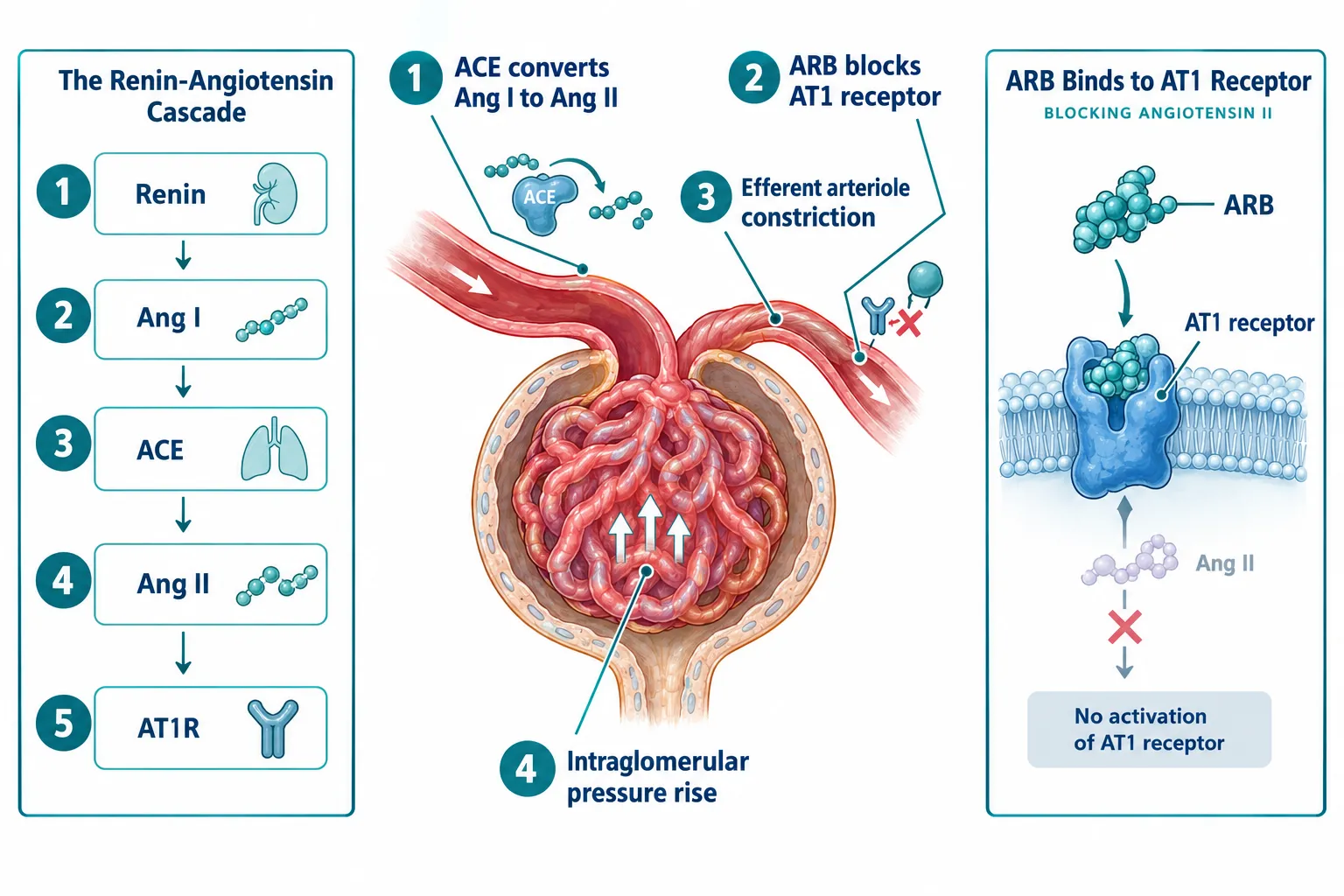
The renin-angiotensin-aldosterone system (RAAS) sits at the center of glomerular hemodynamics. Angiotensin-converting enzyme (ACE) converts angiotensin I to angiotensin II, which preferentially constricts the efferent arteriole, raising intraglomerular pressure. Over time, sustained efferent constriction drives hyperfiltration, proteinuria, and progressive nephron loss.
How ACE Signaling Governs Vascular and Renal Tone

ARBs block the angiotensin II type-1 receptor (AT1R), blunting that efferent constriction without preventing angiotensin II synthesis. The practical result is similar, reduced intraglomerular pressure, lower proteinuria, slower eGFR decline, but the molecular entry point differs. This distinction matters when layering additional agents because:

Agent Primary Vascular Target Key Renal Effect
ACE inhibitor Reduces Ang II synthesis Lowers efferent tone, reduces UACR
ARB Blocks AT1 receptor Reduces intraglomerular pressure
GLP-1RA Suppresses Ang II, dilates afferent arteriole Lowers hyperfiltration, reduces UACR

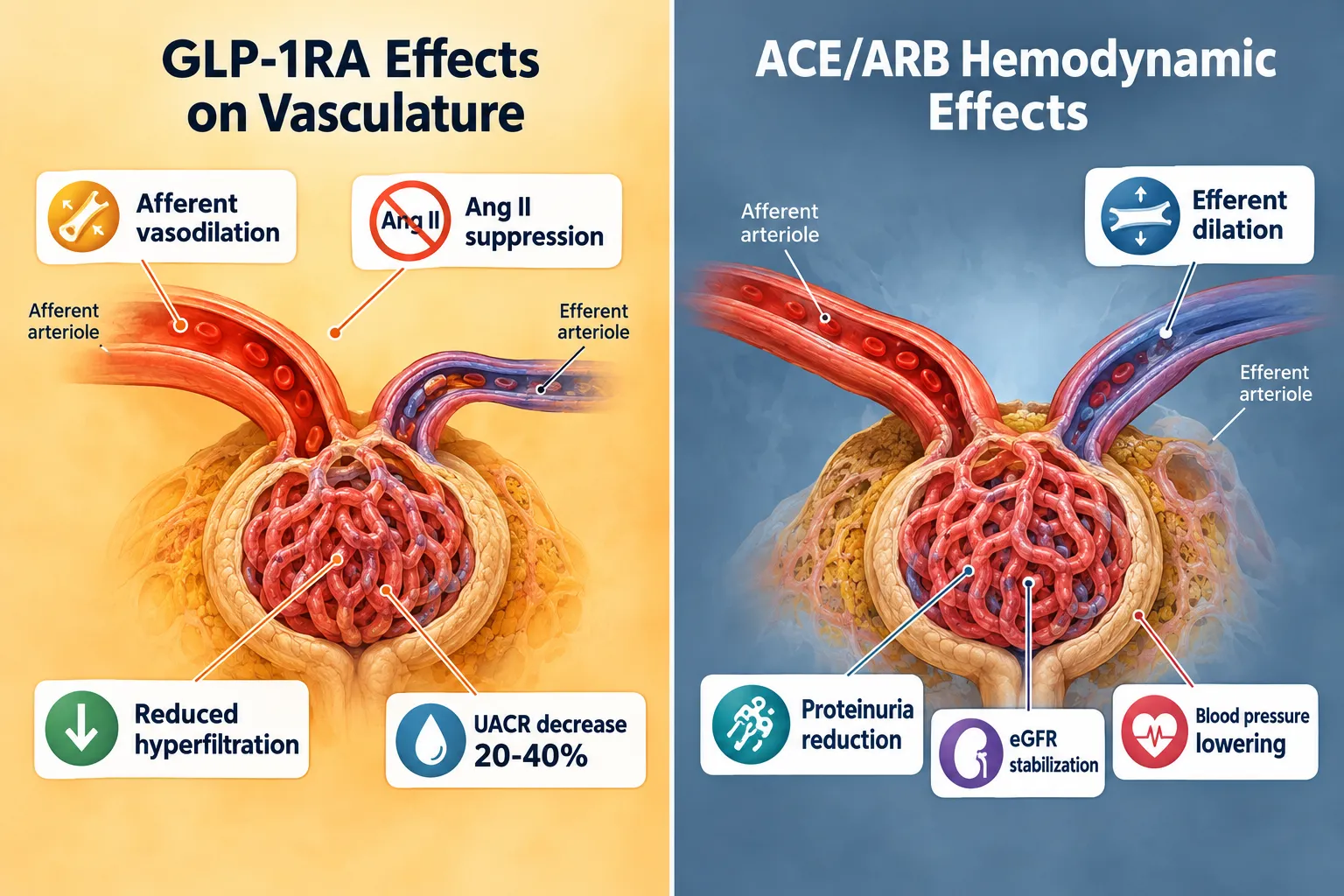
The overlap is not incidental. GLP-1RAs partly achieve their renoprotective effects by suppressing angiotensin II, which means they alter the very signaling environment that ACE inhibitors and ARBs are meant to interrogate. Any research model that treats these agents as independent variables will produce confounded results.

Understanding peptide half-life is equally important here, a once-weekly GLP-1RA maintains near-steady-state angiotensin II suppression across the dosing interval, while a twice-daily ACE inhibitor may show trough effects. Temporal misalignment between the two drug classes can create apparent pharmacodynamic interactions that are actually scheduling artifacts.


GLP-Class Peptides as Vascular and Renal Confounders

The confounder problem becomes concrete when examining hard endpoint data. Large trials show that GLP-1RAs reduce composite kidney outcomes and slow eGFR decline in patients already receiving ACE inhibitors or ARBs as background standard of care. When those trials report kidney benefit, the observed effect is an additive benefit on top of RAAS blockade, not a stand-alone signal.
GLP-Class Peptides as Vascular and Renal Confounders

Mechanistically, GLP-1RAs operate through at least three confounding pathways in vascular and renal models:

  1. Hemodynamic pathway, Afferent and efferent arteriolar vasodilation, partly via angiotensin II suppression, lowers intraglomerular pressure independently of RAAS blockade.
  2. Metabolic pathway, Weight reduction and improved glycemic control decrease glomerular hyperfiltration driven by hyperglycemia; these changes alter serum creatinine and eGFR independently of blood pressure.
  3. Inflammatory pathway, GLP-1RAs reduce systemic and renal inflammation, attenuating cytokine-driven tubular injury and endothelial dysfunction; this pathway is largely absent from the ACE/ARB mechanism.

Unlike SGLT2 inhibitors, whose renoprotection is heavily hemodynamic, GLP-1RAs achieve a substantial share of renal benefit through metabolic and anti-inflammatory routes. This means that in a vascular model focused on RAAS-mediated blood pressure or filtration pressure, a GLP-1RA confounder is not "just another antihypertensive." It shifts multiple readout dimensions simultaneously.

For researchers exploring incretin-axis agents, a GLP-1 peptide research sourcing guide provides useful context on how different compound classes within the GLP family are characterized. Dual GIP/GLP-1 agonists such as tirzepatide add another confounding layer: they reduce albuminuria and attenuate eGFR decline through mechanisms that partially overlap with, but are not identical to, pure GLP-1RA pharmacology.

For those examining related structural peptides in parallel models, the BPC-157 core peptides documentation guide addresses another vascularly active peptide class whose hemodynamic interactions should be independently characterized.

"Modern baseline therapy in cardiorenal research now routinely includes ACE/ARB plus GLP-1RA, making isolation of pure ACE signaling effects increasingly difficult unless these agents are explicitly controlled."


Building a Structured Confounder Framework for Research Models

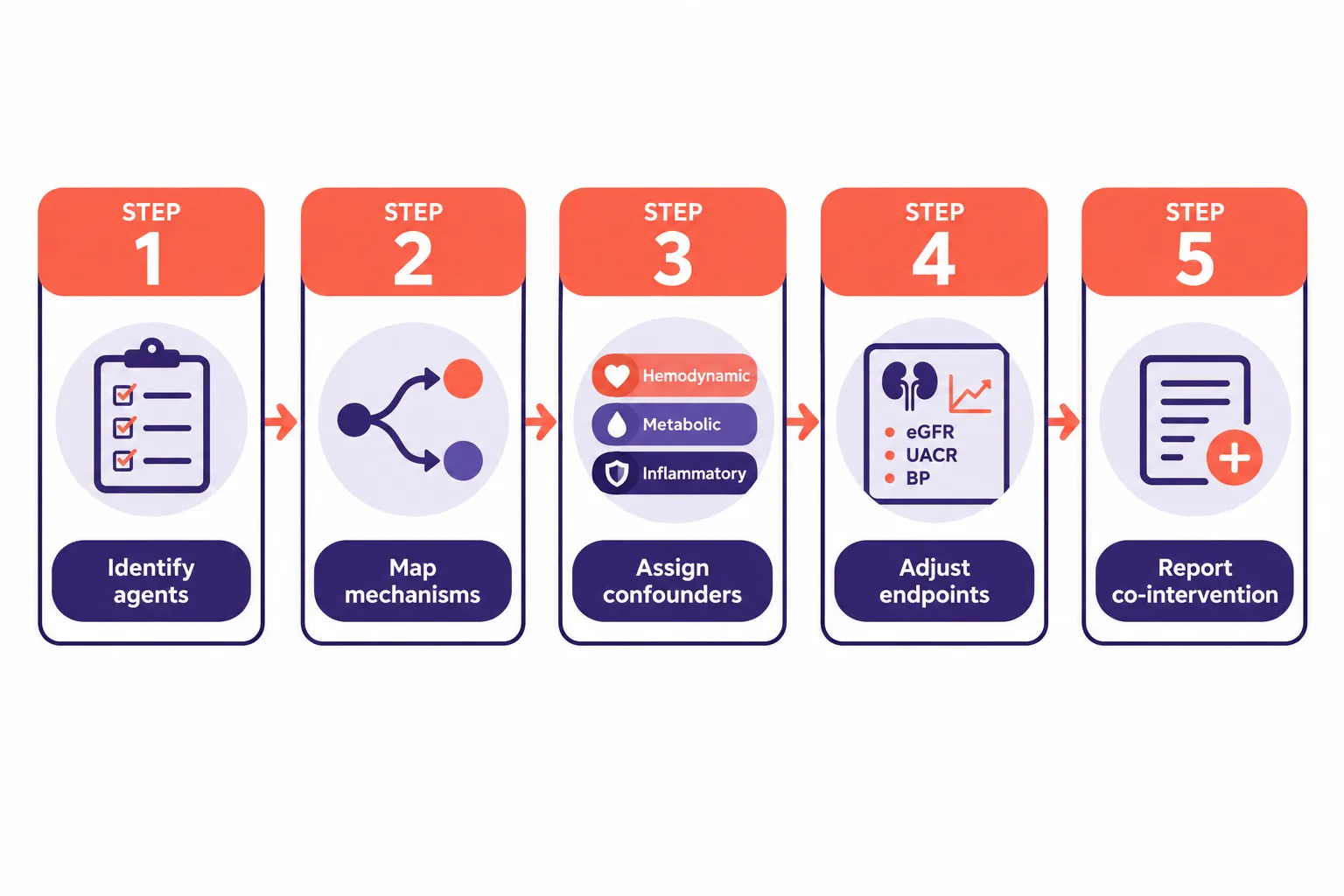
Treating ACE signaling, ARBs, and GLP-class peptides as interacting variables, rather than independent arms, requires a methodological shift at the design stage. The following framework applies to both preclinical and translational human studies.
Building a Structured Confounder Framework for Research Models

Step 1, Catalog all pharmacological exposures. Document every RAAS-active, incretin-active, or metabolically active agent in each study arm. This includes ACE inhibitors, ARBs, SGLT2 inhibitors, GLP-1RAs, dual agonists, and non-steroidal mineralocorticoid receptor antagonists.

Step 2, Assign confounder tiers. Classify each agent by its primary confounding domain:

  • Hemodynamic (blood pressure, intraglomerular pressure, vascular resistance)
  • Metabolic (weight, glycemia, lipid profile)
  • Inflammatory (cytokine profile, endothelial function, tubular injury markers)

Step 3, Align pharmacodynamic windows. Match sampling timepoints to the pharmacokinetic profiles of all co-administered agents. A GLP-1RA with a 168-hour half-life should not be compared directly to an ACE inhibitor sampled at its 12-hour trough without accounting for the differential steady-state exposure.

Step 4, Select endpoints with mechanism specificity. If the primary outcome is UACR, report whether the observed reduction is consistent with purely hemodynamic RAAS blockade or whether the magnitude and trajectory suggest added metabolic or anti-inflammatory contribution. UACR reductions exceeding 30% in a combined ACE/ARB + GLP-1RA model are unlikely to reflect RAAS effects alone.

Step 5, Pre-specify co-intervention as a structured variable. In statistical models, code GLP-1RA exposure as a binary or continuous covariate (e.g., by dose or duration), not as an exclusion criterion. Excluding GLP-1RA users from a CKD study in 2026 risks excluding a majority of the eligible population.

For benchmarking peptide compounds used in these models, Bachem and reference standards for robust peptide benchmarks offers methodological grounding relevant to purity and comparability requirements. Researchers working with mitochondrially targeted peptides alongside vascular models may also find the SS-31 mechanism and research overview relevant, as SS-31 operates in a distinct but potentially interacting oxidative-stress pathway in renal tubular cells.

GLP-1RA-related gastrointestinal side effects, nausea, vomiting, reduced intake, constitute a separate confounding category often overlooked in vascular studies. Volume depletion from these effects independently raises serum creatinine and lowers blood pressure, mimicking the hemodynamic signature of effective RAAS blockade. Studies that do not monitor fluid balance will conflate volume-depletion artifacts with true pharmacological benefit.

For models involving growth hormone secretagogues in cardiometabolic research, the IPA Sermorelin stack research guide addresses how growth hormone axis agents interact with metabolic readouts, a relevant parallel when designing multi-peptide experimental arms.


Conclusion

ACE signaling, ARBs, and GLP-class peptides represent three pharmacologically distinct but mechanistically entangled interventions in vascular and renal research models. The convergence of their effects on angiotensin II tone, intraglomerular pressure, UACR, eGFR trajectory, and systemic inflammation creates a confounder landscape that cannot be managed by exclusion criteria alone.

Actionable next steps for research teams:

  • Audit existing study protocols to confirm GLP-1RA and dual-agonist exposure is documented and coded as a structured covariate.
  • Review endpoint selection to ensure that UACR, eGFR, and blood pressure outcomes are analyzed with mechanism-specific sensitivity analyses separating hemodynamic, metabolic, and inflammatory contributions.
  • Align sampling windows to the pharmacodynamic profiles of all co-administered agents, especially when mixing weekly GLP-1RAs with twice-daily ACE inhibitors.
  • Reference updated KDIGO and major society guidelines, which now formally position GLP-1RAs alongside RAAS blockers as standard of care in CKD, reinforcing that these combinations are the research baseline, not exceptions.

Treating GLP-class peptide exposure as a structured, tiered confounder rather than background noise is no longer optional for high-quality cardiorenal research in 2026. The interaction between ACE signaling pathways and incretin-axis biology is too consistent and too large in effect size to be assigned to residual variance.

https://www.puretestedpeptides.com/wp-content/uploads/2026/10/ace-signaling-arbs-and-glp-class-peptides-a-vascular-and-renal-confounder-guide.webp 1024 1536 https://www.puretestedpeptides.com/wp-content/uploads/2026/01/buy-peptides-online.jpg 2026-10-25 13:03:512026-10-25 13:03:51ACE Signaling, ARBs, and GLP-Class Peptides: A Vascular and Renal Confounder Guide for Research Models
ACE Inhibitors, ARBs, and Peptides: How Renin-Angiotensin Controls Affect Vascular and Metabolic Readouts

ACE Inhibitors, ARBs, and Peptides: How Renin-Angiotensin Controls Affect Vascular and Metabolic Readouts

October 22, 2026/0 Comments/in Uncategorized/by

More than one billion people worldwide live with hypertension, yet a single drug class, agents that interrupt the renin-angiotensin-aldosterone system (RAAS), consistently reduces blood pressure, slows kidney disease, and lowers cardiovascular risk at the same time. Understanding ACE inhibitors, ARBs, and peptides: how renin-angiotensin controls affect vascular and metabolic readouts is no longer just a pharmacology exercise. It is the central question for anyone managing cardiometabolic disease in 2026.

This article serves as a broader companion to condition-specific lisinopril content by comparing ACE inhibition with angiotensin-receptor blockade head to head, and by identifying which vascular and metabolic outcomes are most vulnerable to blood-pressure and RAAS confounding.


Key Takeaways

  • The RAAS is a complex peptide network, not merely a blood-pressure switch, it governs inflammation, fibrosis, insulin sensitivity, and organ protection across multiple systems.
  • ACE inhibitors and ARBs share major benefits but differ meaningfully on mortality outcomes in heart failure and tolerability profiles.
  • Multiple angiotensin peptide fragments beyond Angiotensin II, including Ang-(1-7) and alamandine, exert protective, anti-inflammatory effects through distinct receptors.
  • RAAS blockade carries a documented metabolic benefit, including roughly a 16% reduction in new-onset diabetes risk compared with placebo.
  • Emerging agents, including ARNIs and food-derived ACE-inhibitory peptides, are expanding the RAAS toolkit well beyond classic drugs.

The RAAS Is a Peptide Network, Not Just a Blood-Pressure Switch

The RAAS Is a Peptide Network, Not Just a Blood-Pressure Switch

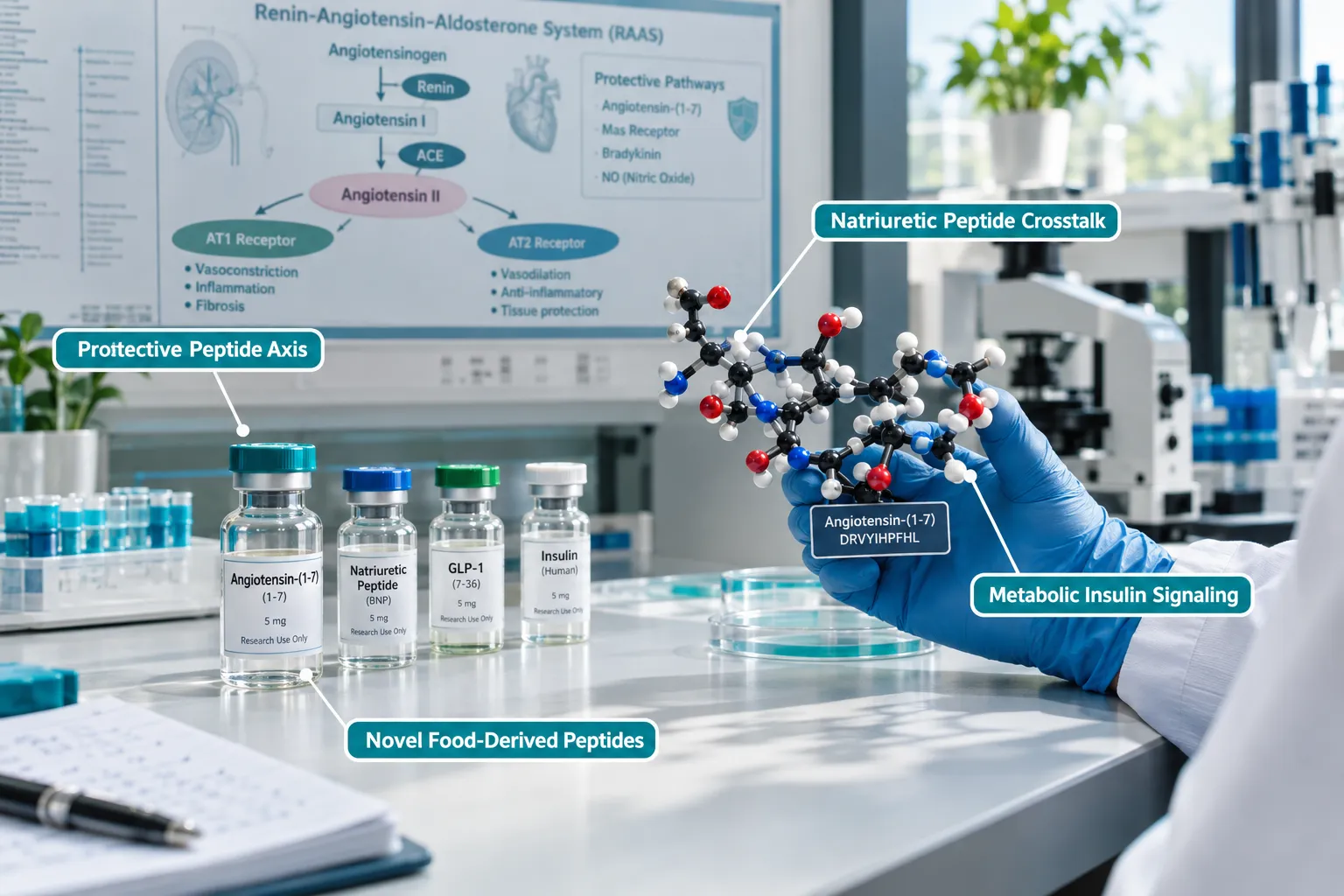
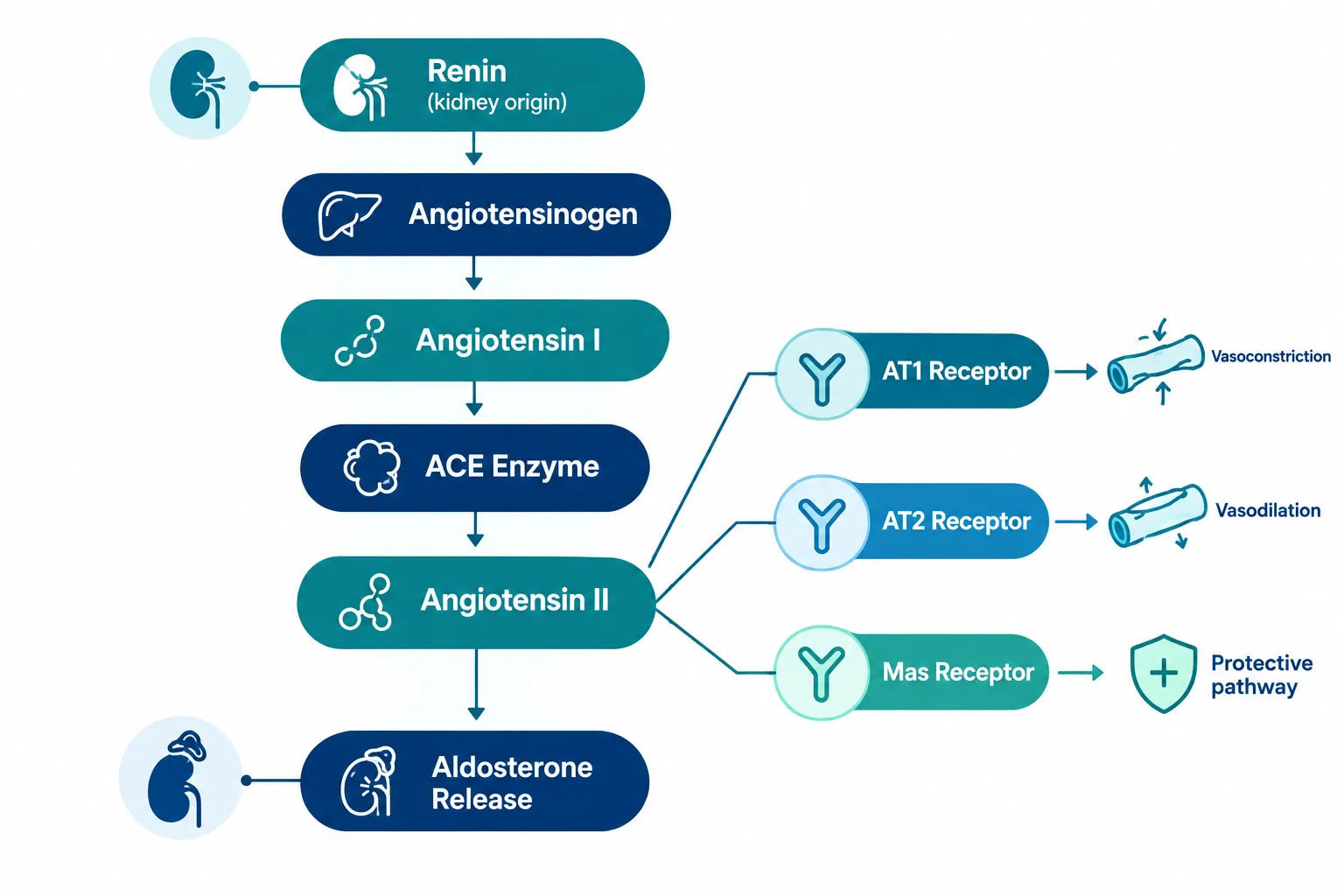
The renin-angiotensin-aldosterone system begins when the kidney releases renin, which cleaves angiotensinogen into Angiotensin I (Ang I). ACE then converts Ang I into Angiotensin II (Ang II), the primary effector peptide. Ang II acts on AT1 receptors to cause vasoconstriction, sodium retention, fibrosis, and insulin resistance. Simultaneously, it activates aldosterone release, compounding fluid retention and inflammation.

What recent research has clarified is that this cascade produces a much richer set of bioactive peptides than textbooks once acknowledged. These include:

Peptide Receptor Primary Effect
Angiotensin II AT1 Vasoconstriction, fibrosis, insulin resistance
Ang-(1-7) Mas Vasodilation, anti-inflammatory, neuroprotective
Angiotensin IV AT4/IRAP Cognitive, renal blood flow effects
Alamandine MrgD Vasodilation, cardioprotective
Ang A AT2/AT1 Vasodilation via AT2 activation

This "peptidergic RAAS" explains why ACE inhibitors and ARBs do more than reduce blood pressure. They shift the balance away from harmful AT1-driven signaling toward protective AT2 and Mas receptor pathways.

"RAAS dysregulation is now linked to multi-organ cardiovascular-renal-hepatic-metabolic syndromes, a mechanistic foundation for the broad clinical benefits of RAAS-modulating drugs."

Researchers are now using phosphoproteomics to map receptor-specific signaling events, which could guide drug design toward selectively activating protective pathways while blocking harmful ones.


ACE Inhibitors vs ARBs: Where Renin-Angiotensin Controls Diverge on Vascular Readouts

ACE Inhibitors vs ARBs: Where Renin-Angiotensin Controls Diverge on Vascular Readouts

ACE inhibitors and ARBs both reduce Ang II-mediated vascular injury, but they work at different points in the cascade, and that distinction matters for clinical outcomes.

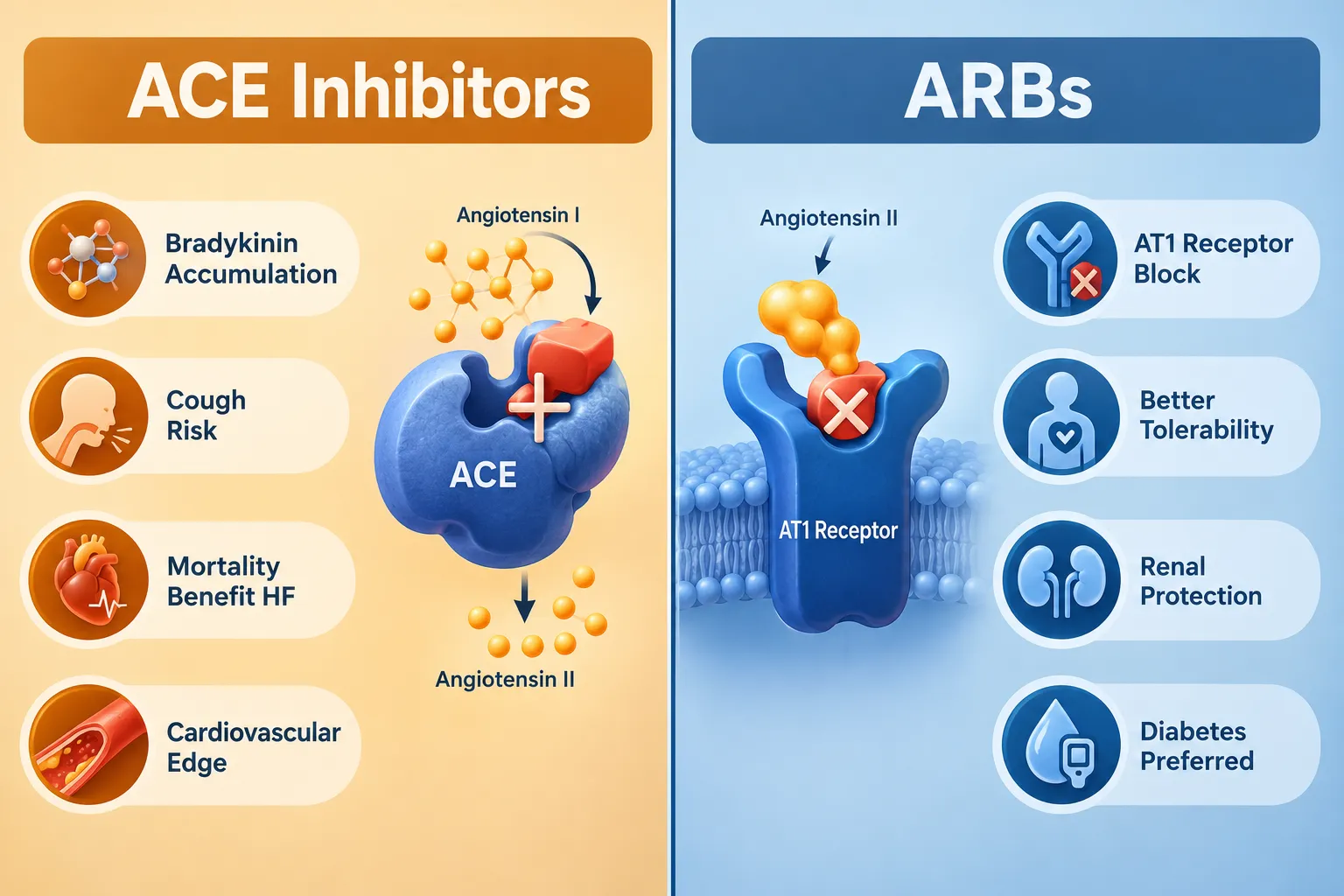
ACE inhibitors block the enzyme that converts Ang I to Ang II. This also prevents bradykinin breakdown, raising bradykinin levels. Higher bradykinin contributes to vasodilation and cardioprotection, but also causes the persistent dry cough that leads roughly 10-15% of patients to stop treatment.

ARBs block the AT1 receptor directly. They do not affect bradykinin, so cough and angioedema rates are significantly lower. However, because the AT1 receptor is blocked rather than the ligand eliminated, Ang II levels rise and may activate AT2 receptors, adding a secondary vasodilatory effect.

Head-to-Head Outcome Data

A large meta-analysis in heart failure found that ACE inhibitors reduced all-cause mortality (hazard ratio approximately 0.90, p=0.004), while ARBs did not reach statistical significance for mortality reduction (HR approximately 0.99, p=0.68). This is a clinically meaningful difference.

In diabetic nephropathy, both classes effectively lower blood pressure, standard-dose monotherapy reduces systolic blood pressure by approximately 8.5 mmHg in pooled hypertensive populations, and both delay progression of kidney disease. However:

  • ACEi tend to provide a modest edge on cardiovascular and all-cause mortality
  • ARBs deliver comparable renal protection with better tolerability for patients intolerant to ACEi

Current guidelines recommend ACEi or ARBs as preferred first-line agents in heart failure, CKD with proteinuria, diabetes with albuminuria, post-MI, and left ventricular systolic dysfunction because their organ-protective effects extend far beyond simple blood-pressure reduction.

For those sourcing research-grade compounds, lab tested peptides and related vasoactive agents are increasingly relevant to preclinical RAAS research.


Metabolic Readouts: How Peptide-Based RAAS Controls Shape Insulin Sensitivity and Beyond

Metabolic Readouts: How Peptide-Based RAAS Controls Shape Insulin Sensitivity and Beyond

The metabolic dimension of ACE inhibitors, ARBs, and peptides: how renin-angiotensin controls affect vascular and metabolic readouts is now well established in clinical data. RAAS blockade carries a class signal for reducing new-onset type 2 diabetes, roughly a 16% relative risk reduction compared with placebo across pooled trials. This stands in contrast to certain beta-blockers and thiazide diuretics, which are associated with average weight gain of approximately 1.2 kg and worsened glucose and lipid profiles.

The mechanisms behind the metabolic benefit include:

  • Reduced Ang II-driven insulin receptor desensitization
  • Improved skeletal muscle glucose uptake via enhanced IRS/PI3K/Akt/GLUT signaling
  • Decreased adipose tissue inflammation and NF-kB activity
  • Improved pancreatic beta-cell blood flow

Emerging Metabolic Agents: ARNIs and Food-Derived Peptides

Angiotensin receptor-neprilysin inhibitors (ARNIs) represent the next evolution. They simultaneously block the AT1 receptor and prevent breakdown of natriuretic peptides, promoting vasodilation, natriuresis, reduced cardiac hypertrophy, improved insulin sensitivity, and favorable lipid shifts. Current cardiometabolic syndrome reviews position ARNIs alongside SGLT2 inhibitors as dual vascular-metabolic agents.

Food-derived peptides are also gaining traction. Lactoferrin-derived peptides show ACE-inhibitory and hypotensive activity comparable to some ARBs in preclinical models. Their mechanisms include ACE inhibition, nitric oxide pathway activation, and endothelin suppression, making them potential dietary adjuncts to pharmacologic therapy.

Researchers interested in complementary peptide axes can explore GLP peptides for sale and SS31 peptide benefits, which address mitochondrial and inflammatory pathways that intersect with RAAS-driven metabolic dysfunction. Similarly, tesa peptide benefits and Semax peptide research touch on neuroendocrine axes that interact with blood pressure and glucose metabolism. Those exploring combined protective strategies may also find the synergy of LL37 and SS31 relevant to understanding multi-pathway anti-inflammatory approaches.

Aldosterone synthase inhibition is emerging as yet another complementary layer. By reducing aldosterone-driven fibrosis and inflammation independently of ACE or AT1 blockade, these agents may enhance the metabolic and antifibrotic effects of standard RAAS therapy without excessive suppression of the entire system.


Conclusion

The science behind ACE inhibitors, ARBs, and peptides: how renin-angiotensin controls affect vascular and metabolic readouts has moved decisively beyond simple blood-pressure management. The RAAS is an integrated peptide signaling network whose protective and harmful arms can be selectively modulated for vascular, renal, and metabolic benefit.

Actionable next steps:

  1. For clinicians: Prioritize ACEi over ARBs in heart failure patients without cough or angioedema, given the stronger mortality signal. Use ARBs when tolerability is the limiting factor, renal protection is comparable.
  2. For researchers: Explore Ang-(1-7), alamandine, and AT2/Mas receptor agonism as next-generation targets revealed by phosphoproteomic mapping.
  3. For metabolic disease management: Recognize that RAAS blockade is a metabolic intervention. Pair it with awareness of complementary peptide systems influencing insulin signaling and inflammation.
  4. Consult a specialist: Anyone considering peptide-based protocols or advanced RAAS-modulating strategies should work with a qualified provider, find a peptides doctor near me to discuss evidence-based options.

The era of treating RAAS as a single dial for blood pressure is over. Understanding its full peptide landscape is the foundation for precision cardiometabolic care.

https://www.puretestedpeptides.com/wp-content/uploads/2026/10/ace-inhibitors-arbs-and-peptides-how-renin-angiotensin-controls-affect-vascular.webp 1024 1536 https://www.puretestedpeptides.com/wp-content/uploads/2026/01/buy-peptides-online.jpg 2026-10-22 13:04:072026-10-22 13:04:07ACE Inhibitors, ARBs, and Peptides: How Renin-Angiotensin Controls Affect Vascular and Metabolic Readouts
×

Helpful Links

  • My account
  • Cart
  • Checkout
  • Refund and Returns Policy
  • Privacy Policy
  • SMS Privacy Policy
  • Login
  • My Account
  • Logout

USA Made Lab Tested Peptides

All products are sold for research, laboratory, or analytical purposes only, and are not for human consumption


Pure Tested Peptides is a chemical supplier. Pure Tested Peptides is not a compounding / chemical compounding facility as defined under 503A of the Federal Food, Drug, and Cosmetic act. Pure Tested Peptides is not an outsourcing facility as defined under 503B of the Federal Food, Drug, and Cosmetic act.

The statements made within this website have not been evaluated by the US Food and Drug Administration. The products we offer are not intended to diagnose, treat, cure or prevent any disease.

Human/Animal Consumption Prohibited. Laboratory/In-Vitro Experimental Use Only

Scroll to top Scroll to top Scroll to top