Call or Text 727-513-9780
  • Shopping Cart Shopping Cart
    0Shopping Cart
Pure Tested Peptides | America's most trusted Peptides for sale online
  • Peptides for sale
    • Oral Peptides for sale
      • Peptide Capsules for sale
      • BPC 157 Capsules 1000mcg
      • SLU-PP-332 Capsules | 1000 mcg
      • 5-Amino-1MQ 50mg Capsules
      • Tesofensine 500mcg
    • All Peptides for sale
    • Peptide Sprays
      • BPC 157 Nasal Spray Kit
      • BPC-157 TB500 Nasal Spray Kit
      • Semax Nasal Spray 10mg
      • Selank – Nasal Spray Kit – 10mg
      • Epithalon 50MG Nasal Spray Kit
      • Ipamorelin 10mg Nasal Spray
      • Klow Nasal Spray (BPC-157 + TB-500 + GHK-Cu + KPV) | 80mg
      • Hulk Nasal Spray Tesa / Ipa Blend 6/3 MG
      • Klow Nasal Spray
      • NAD + 500 mg Nasal Spray
      • PT-141 Nasal Spray Kit
    • GHRH Peptides
      • Ipa Peptides
      • CJC-1295 Peptides
        • CJC-1295 with DAC 5 mg
        • CJC-1295 without DAC 5 mg
        • CJC-1295 Ipa 10mg
      • Tesa Peptides
        • Tesa Peptide
        • Tesa 20 mg
    • GHK-Cu Peptides
      • All GHK-Cu Peptides
      • GHK-Cu 100mg
      • KLOW Peptide Blend – Buy KLOW blend online
    • BPC Peptides
      • All BPC Peptides
      • BPC-157
      • BPC-157 TB-500
      • BPC 157 capsules 1000mcg
    • SLU-PP-332 Peptides
      • All SLU-PP-332 Peptides
      • SLU-PP-332 5mg
    • GLP3 Peptides
      • GLP3-R
      • GLP3-R CAG 10mg
      • GLP3-R 20mg
    • PT-141 Peptides
      • PT-141 Peptides for sale
      • PT-141 10mg
      • PT-141 Nasal Spray
    • CAG Peptides
      • Lipo-C Peptide Blend
      • CAG 5mg
      • CAG 10mg
    • MOTS-C Peptides
      • MOTS-C Peptides for sale
      • MOTS-c peptide
      • MOTS-c 10mg *6 pack*
    • 5 Amino 1MQ Peptides
      • 5 Amino 1MQ Peptides for sale
      • 5-Amino-1MQ 50mg Capsules
      • 5-Amino-1MQ 5mg
    • Epithalon Peptides
      • Epithalon Peptides for sale
      • Epithalon 10mg
      • Epithalon 50mg
  • Shop
    • GLPs
      • 5-Amino-1MQ 50mg Capsules
      • 5-Amino-1MQ 5mg
      • GLP3-Reta
      • L-Carnitine 500mg/ml
      • Tesofensine 500mcg
      • SLU-PP-332 5mg
      • MOTS-c 10mg *6 pack*
    • Epithalon & BPC Peptides
      • Epithalon 10mg
      • Epithalon 50mg
      • BPC-157
      • BPC 157 capsules 1000mcg
      • BPC-157 TB-500
      • BPC-157 TB500 Nasal Spray Kit
      • BPC 157 Nasal Spray Kit
    • BPC TB-500 & NAD+ Peptides
      • NAD+ 500 mg
      • KLOW Peptide Blend – Buy KLOW blend online
      • GLOW Peptide Blend
      • TB 500 5mg
      • BPC 157 capsules 1000mcg – Supplement
      • BPC 157 Nasal Spray Kit
      • BPC-157
      • BPC-157 TB500 Nasal Spray Kit
      • BPC-157 TB-500
      • BPC 157 capsules 1000mcg
    • LL-37 Peptide
      • LL-37 10 mg
    • MOTS-C & Selank
      • MOTS-c peptide
      • Selank 10mg
    • GHK Peptides
      • GHK-Cu 100mg
      • GLOW Peptide Blend
      • KLOW Peptide Blend – Buy KLOW blend online
  • COAs
  • Wholesale
    • Wholesale Peptides for sale
  • PTP FAQ
  • Affiliates
    • Selank Peptide: Advanced Pharmacological Mechanisms Underlying Its Anxiolytic and Nootropic Effects in Research
      • 5-Amino-1MQ Peptide: Detailed Mechanisms of NNMT Inhibition and Its Impact on Cellular Metabolism Research
        • MOTS-C Peptide: Unraveling Its Role in Mitochondrial Dynamics and Energy Metabolism Research
          • Epithalon Peptide and Telomerase Regulation: Investigating Its Impact on Cellular Senescence and Lifespan Research Models
            • GLP2-T vs GLP2 Tirz Peptide: Understanding the Naming, Mechanistic Nuances, and Research Implications for Gut Health
      • Peptides and Polypeptides in Modern Pharmacology: What Research on Metoprolol, Prednisone, and Amlodipine Reveals
        • Polypeptide Peptides vs NSAIDs: What Naproxen and Diclofenac Teach Tissue-Repair Researchers About BPC‑157 and TB‑500
          • Peptides and Polypeptides in Endocrine Pharmacology: How GLP-1, GLP-2, and GLP-3 Retatrutide Differ From Classic Drugs Like Prednisone and Amlodipine
          • 5‑Amino‑1MQ Peptide and NNMT Inhibition: How It Compares With Statins Like Atorvastatin in Adipose and Lipid Metabolism Research
      • Enclomiphene, Estrogen Receptor Signaling, and Luteinizing Phase Biology: What Hormone Researchers Should Measure
        • Mesenchymal Stem Cells, BPC‑157, and GHK‑Cu: How Tissue Repair Peptides Compare With Classic NSAIDs Like Naproxen in Injury Models
          • Peptide Calculator Use Cases Beyond Growth Hormone: Working Through GLP‑3 Retatrutide, MOTS‑c, and BPC‑157 Research Dosing
        • Polypeptide Peptides in Endocrine and Metabolic Pharmacology: Lessons From Amlodipine, Prednisone, and Metoprolol
        • Peptides Calculator for Advanced Blends: Worked Examples for Tesamorelin, CJC‑1295, and Ipamorelin Stacks
          • Peptides and Polypeptides in Human Physiology: How Molecular Size Shapes Research Applications
            • Selank Peptide: Advanced Pharmacological Mechanisms Underlying Its Anxiolytic and Nootropic Effects in Research
          • 5-Amino-1MQ Peptide: Detailed Mechanisms of NNMT Inhibition and Its Impact on Cellular Metabolism Research
            • MOTS-C Peptide: Unraveling Its Role in Mitochondrial Dynamics and Energy Metabolism Research
              • Epithalon Peptide and Telomerase Regulation: Investigating Its Impact on Cellular Senescence and Lifespan Research Models
                • GLP2-T vs GLP2 Tirz Peptide: Understanding the Naming, Mechanistic Nuances, and Research Implications for Gut Health
                  • Peptides and Polypeptides in Endocrine Pharmacology: How GLP-1, GLP-2, and GLP-3 Retatrutide Differ From Classic Drugs Like Prednisone and Amlodipine
                    • Polypeptide Peptides vs NSAIDs: What Naproxen and Diclofenac Teach Tissue-Repair Researchers About BPC‑157 and TB‑500
                      • Peptides and Polypeptides in Modern Pharmacology: What Research on Metoprolol, Prednisone, and Amlodipine Reveals
                        • 5‑Amino‑1MQ Peptide and NNMT Inhibition: How It Compares With Statins Like Atorvastatin in Adipose and Lipid Metabolism Research
                        • Enclomiphene, Estrogen Receptor Signaling, and Luteinizing Phase Biology: What Hormone Researchers Should Measure
                        • Mesenchymal Stem Cells, BPC‑157, and GHK‑Cu: How Tissue Repair Peptides Compare With Classic NSAIDs Like Naproxen in Injury Models
                        • Peptide Calculator Use Cases Beyond Growth Hormone: Working Through GLP‑3 Retatrutide, MOTS‑c, and BPC‑157 Research Dosing
                        • Polypeptide Peptides in Endocrine and Metabolic Pharmacology: Lessons From Amlodipine, Prednisone, and Metoprolol
                        • Peptides Calculator for Advanced Blends: Worked Examples for Tesamorelin, CJC‑1295, and Ipamorelin Stacks
                        • Peptides and Polypeptides in Human Physiology: How Molecular Size Shapes Research Applications
                        • Selank Peptide: Advanced Pharmacological Mechanisms Underlying Its Anxiolytic and Nootropic Effects in Research
                        • MOTS-C Peptide: Unraveling Its Role in Mitochondrial Dynamics and Energy Metabolism Research
                        • Peptides and Polypeptides in Modern Pharmacology: What Research on Metoprolol, Prednisone, and Amlodipine Reveals
                        • Peptides and Polypeptides in Endocrine Pharmacology: How GLP-1, GLP-2, and GLP-3 Retatrutide Differ From Classic Drugs Like Prednisone and Amlodipine
                        • 5-Amino-1MQ Peptide: Detailed Mechanisms of NNMT Inhibition and Its Impact on Cellular Metabolism Research
                        • Mesenchymal Stem Cells, BPC‑157, and GHK‑Cu: How Tissue Repair Peptides Compare With Classic NSAIDs Like Naproxen in Injury Models
                        • Peptide Calculator Use Cases Beyond Growth Hormone: Working Through GLP‑3 Retatrutide, MOTS‑c, and BPC‑157 Research Dosing
                        • GLP2-T vs GLP2 Tirz Peptide: Understanding the Naming, Mechanistic Nuances, and Research Implications for Gut Health
                        • Polypeptide Peptides in Endocrine and Metabolic Pharmacology: Lessons From Amlodipine, Prednisone, and Metoprolol
                        • Polypeptide Peptides vs NSAIDs: What Naproxen and Diclofenac Teach Tissue-Repair Researchers About BPC‑157 and TB‑500
                        • Peptides and Polypeptides in Human Physiology: How Molecular Size Shapes Research Applications
                        • Peptides Calculator for Advanced Blends: Worked Examples for Tesamorelin, CJC‑1295, and Ipamorelin Stacks
                        • 5‑Amino‑1MQ Peptide and NNMT Inhibition: How It Compares With Statins Like Atorvastatin in Adipose and Lipid Metabolism Research
                        • Enclomiphene, Estrogen Receptor Signaling, and Luteinizing Phase Biology: What Hormone Researchers Should Measure
                        • Epithalon Peptide and Telomerase Regulation: Investigating Its Impact on Cellular Senescence and Lifespan Research Models
                        • Best research protocol Klow blend
                        • best time to take BPC-157
                        • best time to take DSIP (Delta Sleep Inducing Peptide)
                        • best time to take CJC-1295
                        • best time to take AOD-9604
                        • best time to take Follistatin 344
                        • best time to take Ipamorelin
                        • best time to take MK-677 (Ibutamoren)
                        • best time to take Ligandrol (LGD-4033) — research compound
                        • best time to take Ostarine (MK-2866) — research compound
                        • best time to take GHK-CU
                        • best time to take TB-500
                        • best time to take MOTS-c
                        • best time to take Semax
                        • best time to take RAD-140 (Testolone) — research compound
                        • best time to take Thymosin Alpha-1
                        • best time to take PEG-MGF
                        • Biolife Plasma, Octapharma Plasma, and Research Peptides: How Plasma Donation Labs Differ From Peptide Suppliers
                        • best time to take YK-11 — research compound
                        • best time to take PT-141 (Bremelanotide)
                        • Best research protocol Klow blend
  • Contact
    • Contact Customer Service
    • Text Customer Support
  • About US
  • Shop all peptides
  • Affiliate Program
    • Affiliate Signup
  • Login / Register Login / Register Page Link Login / Register Page Link
  • Click to open the search input field Click to open the search input field Search
  • Menu Menu

Tag Archive for: research peptides 2026

Top Research Peptides for 2026: How GLP-3 Retatrutide, MOTS-c, GHK-Cu, and CJC-1295 Fit Into Current Lab Interest

Top Research Peptides for 2026: How GLP-3 Retatrutide, MOTS-c, GHK-Cu, and CJC-1295 Fit Into Current Lab Interest

June 18, 2026/0 Comments/by Pure Tested

Four peptides account for a disproportionate share of researcher search queries in 2026, yet their mechanisms, regulatory status, and evidence bases differ sharply from one another. Understanding why these compounds keep surfacing in lab discussions requires more than a surface-level overview. This article examines the top research peptides for 2026 — Retatrutide, MOTS-c, GHK-Cu, and CJC-1295 — and explains what makes each one relevant to current scientific interest.

Key Takeaways

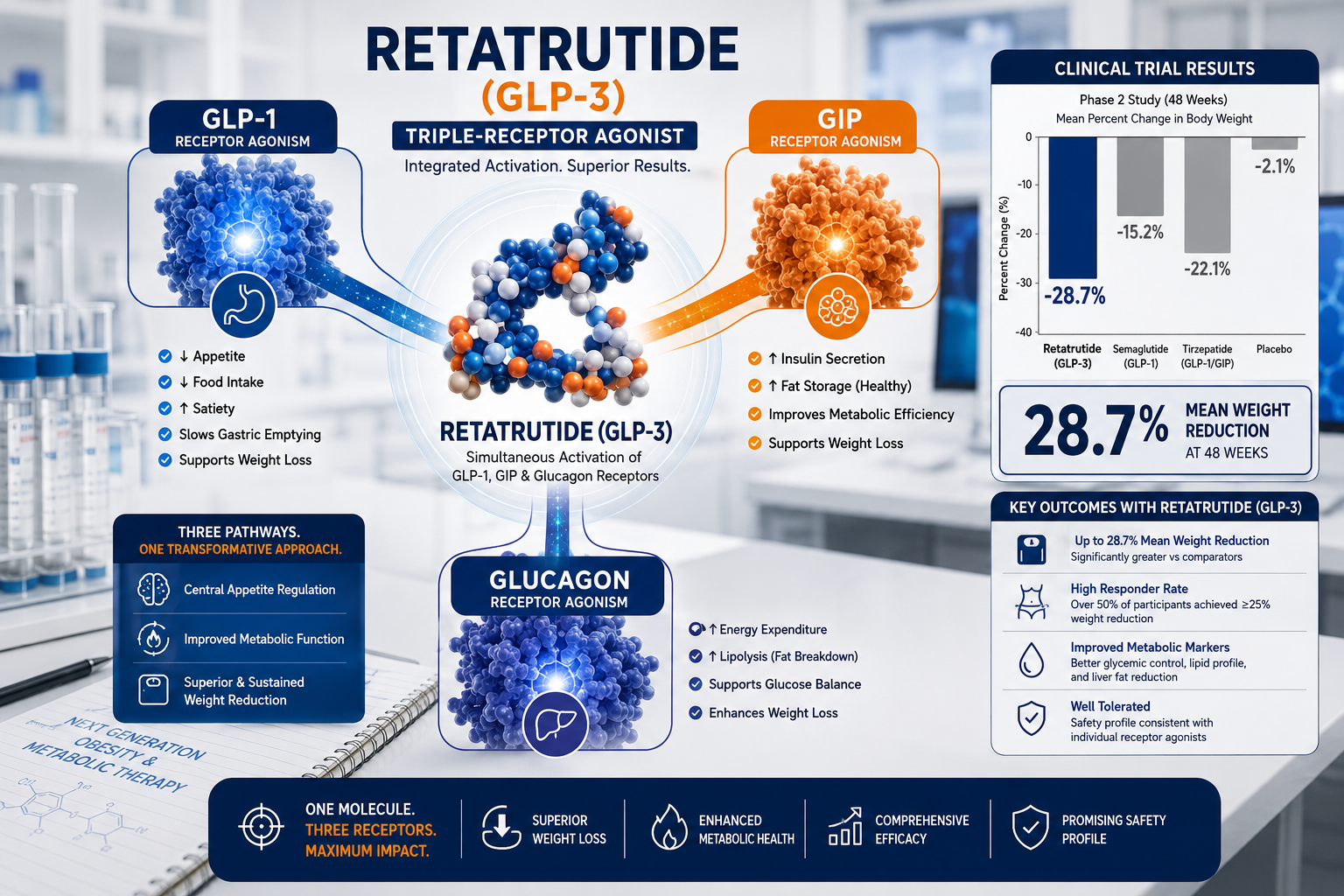
  • Retatrutide is a triple receptor agonist targeting GLP-1, GIP, and glucagon pathways, with Phase III data showing up to 28.7% mean body weight reduction at 68 weeks.
  • MOTS-c is a mitochondria-derived peptide still in preclinical stages, with limited but growing human data.
  • GHK-Cu holds FDA approval for topical cosmetic use but faces restrictions on injectable applications due to safety concerns.
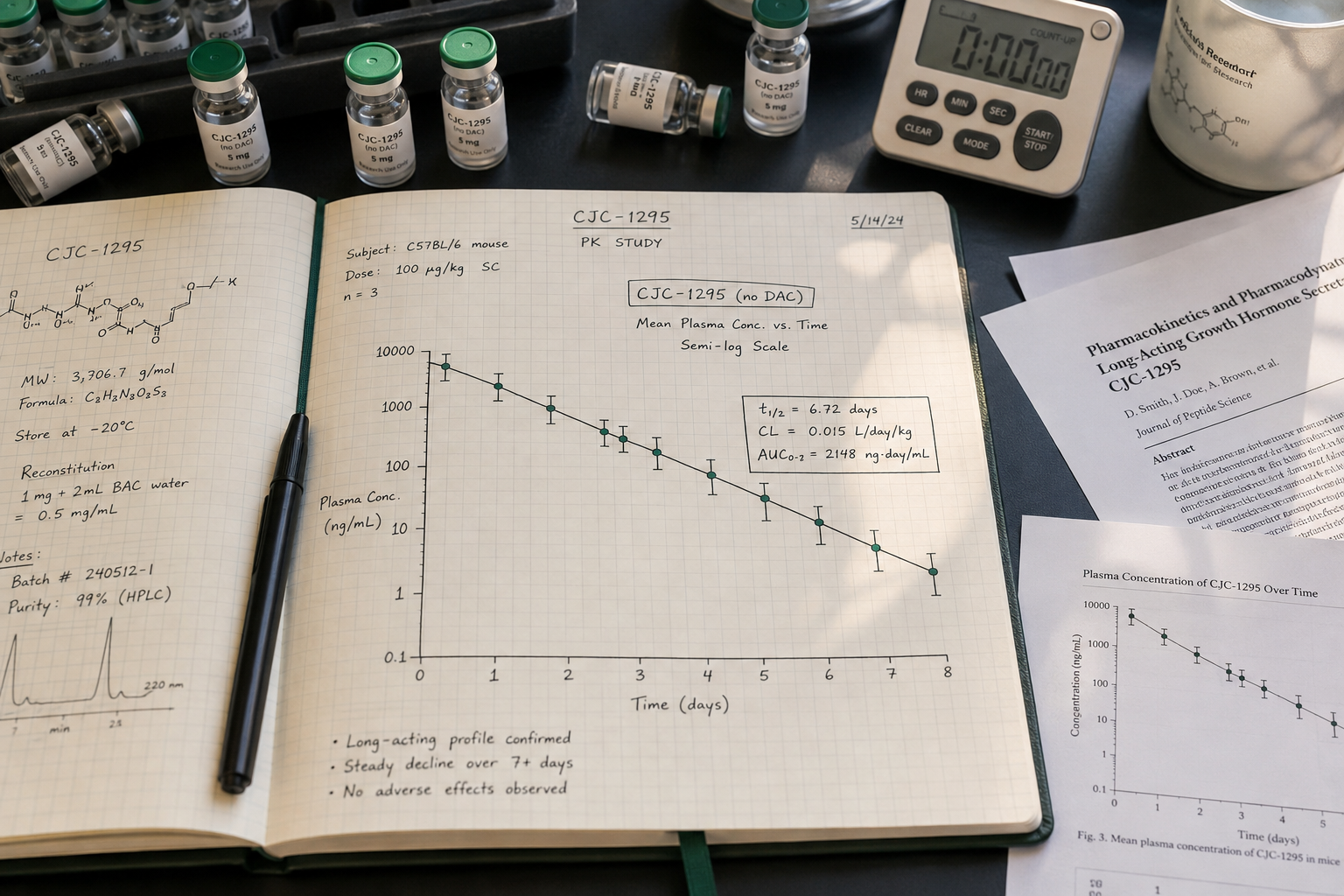
  • CJC-1295 has an estimated half-life of 6 to 8 days, making it one of the longer-acting growth hormone-releasing analogs under study.
  • Supply chain integrity and regulatory enforcement are shaping which vendors remain viable sources for research-grade compounds in 2026.

Key Takeaways

Why These Four Compounds Lead the Top Research Peptides for 2026 Discussion

Peptide research has expanded rapidly, but not all compounds receive equal scientific attention. Retatrutide, MOTS-c, GHK-Cu, and CJC-1295 each occupy a distinct research niche — metabolic modulation, mitochondrial biology, skin and tissue repair, and growth hormone axis stimulation, respectively. Together, they represent the breadth of where peptide science is heading.

Retatrutide (GLP-3): The Triple Agonist Reshaping Metabolic Research

Retatrutide stands apart from earlier GLP-1 drugs because it simultaneously targets three receptors: GLP-1, GIP, and glucagon. This triple agonism distinguishes it from dual agonists like tirzepatide and has made it a focal point in obesity and metabolic disease research.

Phase III clinical data published in 2026 reported a mean body weight reduction of 28.7% at a 12 mg dose over 68 weeks — a figure that has drawn significant attention from both academic and commercial research communities. An FDA New Drug Application submission is anticipated in late 2026, which would mark a major regulatory milestone.

However, supply chain integrity is a serious concern. Counterfeit batches containing no active retatrutide have been identified in the research market. FDA enforcement actions in late 2025 and early 2026 removed several low-tier vendors and required the removal of human-use claims from product listings. Researchers sourcing this compound should prioritize verified, lab-tested peptide suppliers and review available GLP-3 Retatrutide research documentation before proceeding.

For broader context on incretin-based research, the GLP-1 and incretin research themes overview provides useful background on receptor pharmacology across this class.


Retatrutide (GLP-3): The Triple Agonist Reshaping Metabolic Research

MOTS-c and GHK-Cu: Mitochondrial and Tissue-Level Research Themes

MOTS-c: A Mitochondria-Derived Peptide With Growing Preclinical Interest

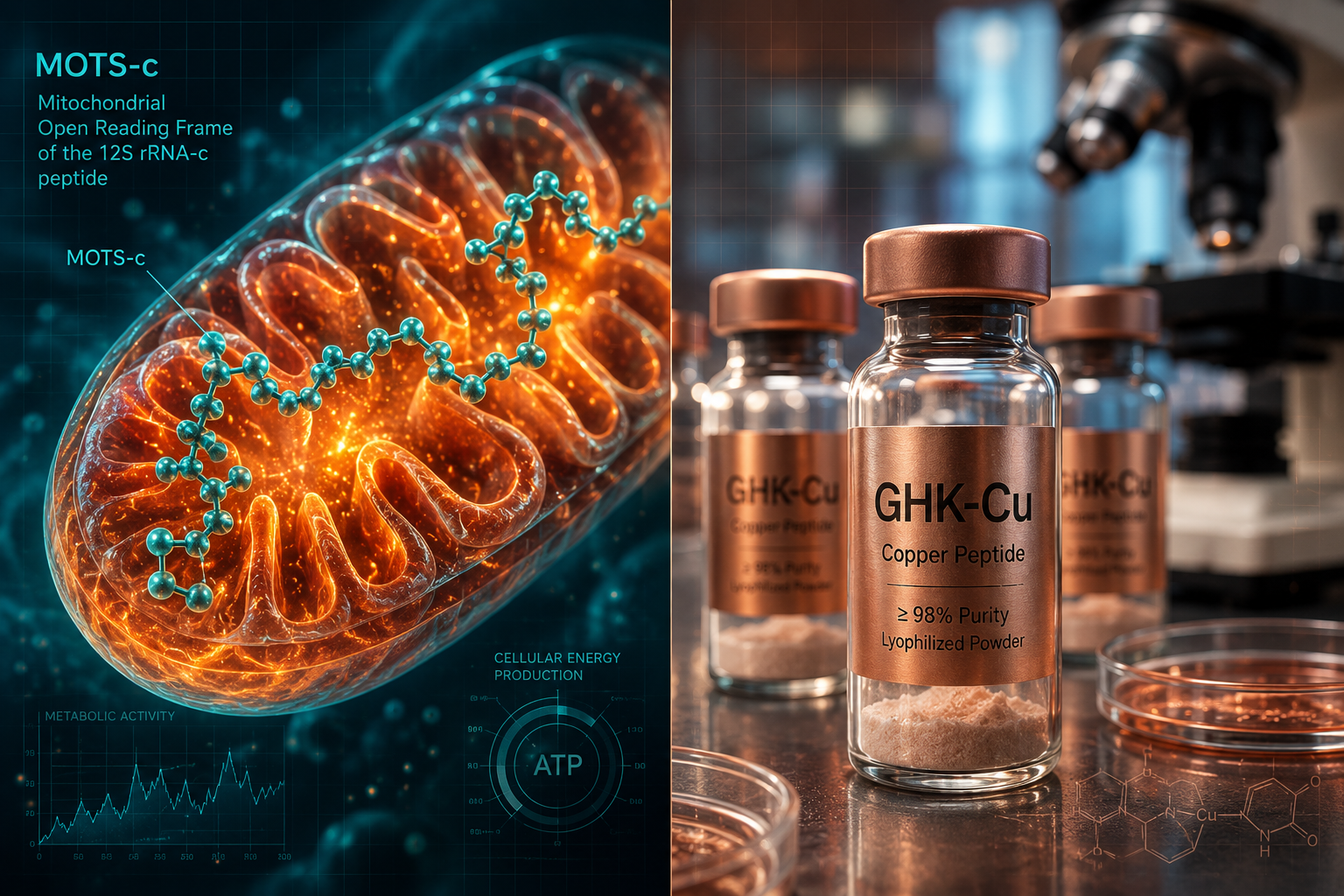
MOTS-c is encoded within mitochondrial DNA, which makes it biologically unusual among peptides. It is thought to regulate metabolic stress responses and energy homeostasis at the cellular level. As of mid-2026, MOTS-c remains primarily in the preclinical research phase, with limited human data available.

Despite this early-stage status, interest in MOTS-c has grown steadily because of its potential relevance to aging biology and exercise physiology. Researchers exploring this area can find detailed MOTS-c mitochondrial research themes and related MOTS-c metabolic stress documentation to understand the current evidence base.

GHK-Cu: Topical Approval, Injectable Restrictions

GHK-Cu (copper peptide) occupies a unique regulatory position. The FDA has approved it for use in topical anti-aging cosmetics, where it is widely incorporated into skincare formulations. However, injectable forms face restrictions due to safety concerns, including potential immune reactions linked to impurities.

This regulatory split means GHK-Cu research must be carefully scoped. For sourcing guidance and mechanism documentation, the GHK-Cu copper peptide research sourcing guide outlines what researchers should verify before acquiring this compound.

Peptide Primary Research Area Current Status
Retatrutide Metabolic / Weight Phase III / NDA Pending
MOTS-c Mitochondrial Biology Preclinical
GHK-Cu Tissue Repair / Skin Topical Approved
CJC-1295 Growth Hormone Axis Phase II (Discontinued)

GHK-Cu: Topical Approval, Injectable Restrictions

CJC-1295 and the Growth Hormone Axis: Pharmacokinetics and Lab Context

Why CJC-1295 Remains a Staple in Growth Hormone Research

CJC-1295 is a synthetic analog of growth hormone-releasing hormone (GHRH). Its estimated half-life of 6 to 8 days in humans — confirmed in recent endocrinology research — allows for prolonged stimulation of growth hormone and IGF-1 secretion. This extended activity profile is a primary reason it continues to attract research interest compared to shorter-acting GHRH analogs.

The compound reached Phase II clinical trials but was discontinued after a participant's death, which investigators deemed unrelated to the treatment. Despite this, CJC-1295 remains one of the most studied growth hormone secretagogues in the preclinical and research peptide space.

Researchers frequently combine it with ipamorelin to target complementary points in the growth hormone axis. Relevant documentation is available for both CJC-1295 with DAC research findings and CJC-1295 without DAC research themes.

Note on stacking: Some researchers combine CJC-1295 and ipamorelin with GLP-1 class drugs to explore simultaneous fat loss and lean mass outcomes. These combinations currently lack clinical validation and should be approached with appropriate caution.

For those exploring broader longevity-focused peptide research, the longevity peptide research overview provides additional context on how these compounds fit into aging-related research frameworks.


Conclusion

The top research peptides for 2026 — Retatrutide, MOTS-c, GHK-Cu, and CJC-1295 — each represent a distinct frontier in peptide science. Retatrutide's Phase III data and pending NDA make it the most clinically advanced of the four. MOTS-c offers compelling preclinical biology but requires patience as human data accumulates. GHK-Cu demands careful attention to regulatory scope. CJC-1295 remains a pharmacokinetically distinctive tool for growth hormone axis research.

Actionable next steps for researchers:

  • Verify vendor quality and testing documentation before sourcing any of these compounds.
  • Review mechanism-specific pages for each peptide to align sourcing with research objectives.
  • Monitor FDA enforcement updates, particularly as Retatrutide moves toward NDA review.
  • Consult the what is new in peptide research resource for ongoing regulatory and scientific developments.
https://www.puretestedpeptides.com/wp-content/uploads/2026/06/Top-Research-Peptides-for-2026-How-GLP-3-Retatrutide-MOTS-c-GHK-Cu-and-CJC-1295-Fit-Into-Current-Lab-Interest.png 1024 1536 Pure Tested https://www.puretestedpeptides.com/wp-content/uploads/2026/01/buy-peptides-online.jpg Pure Tested2026-06-18 13:03:542026-07-20 15:02:53Top Research Peptides for 2026: How GLP-3 Retatrutide, MOTS-c, GHK-Cu, and CJC-1295 Fit Into Current Lab Interest
BPC-157 vs BPC-157 and TB-500: How to Interpret Single-Peptide and Stack Research Results

BPC-157 vs BPC-157 and TB-500: How to Interpret Single-Peptide and Stack Research Results

June 13, 2026/0 Comments/by Pure Tested

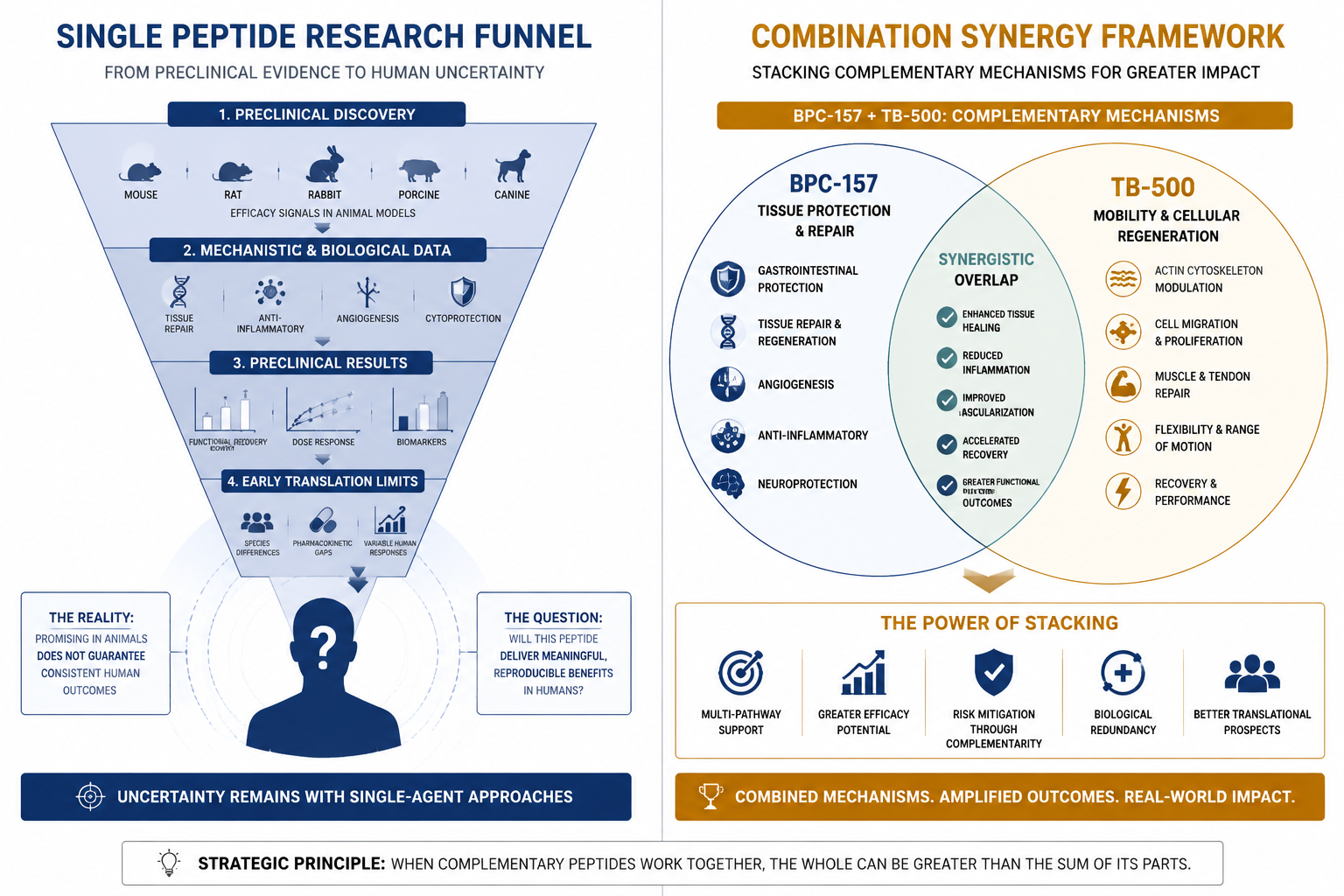
Fewer than 5% of peptide combinations studied in preclinical research have been directly compared against their single-compound counterparts in controlled trials. That gap matters enormously when researchers try to determine whether a stack offers genuine additive benefit or simply introduces more variables. Understanding BPC-157 vs BPC-157 and TB-500: How to Interpret Single-Peptide and Stack Research Results requires a structured framework — one that accounts for mechanism overlap, study design limitations, and the practical challenge of isolating each peptide's contribution.

Key Takeaways

  • BPC-157 and TB-500 operate through distinct but complementary mechanisms, making direct comparison with stack data genuinely complex.
  • Most available evidence comes from animal models; human clinical data remains limited as of 2026.
  • Interpreting stack research requires identifying whether outcomes exceed what either peptide achieves alone.
  • Regulatory status for both peptides is actively shifting, affecting their availability for research purposes.
  • A decision-making framework focused on mechanism overlap helps researchers avoid over-interpreting combination results.

Key Takeaways

Understanding the Mechanisms Before Comparing Research Results

Any meaningful comparison of BPC-157 vs BPC-157 and TB-500 stack research must begin with mechanism. Without this foundation, researchers risk conflating correlation with synergy.

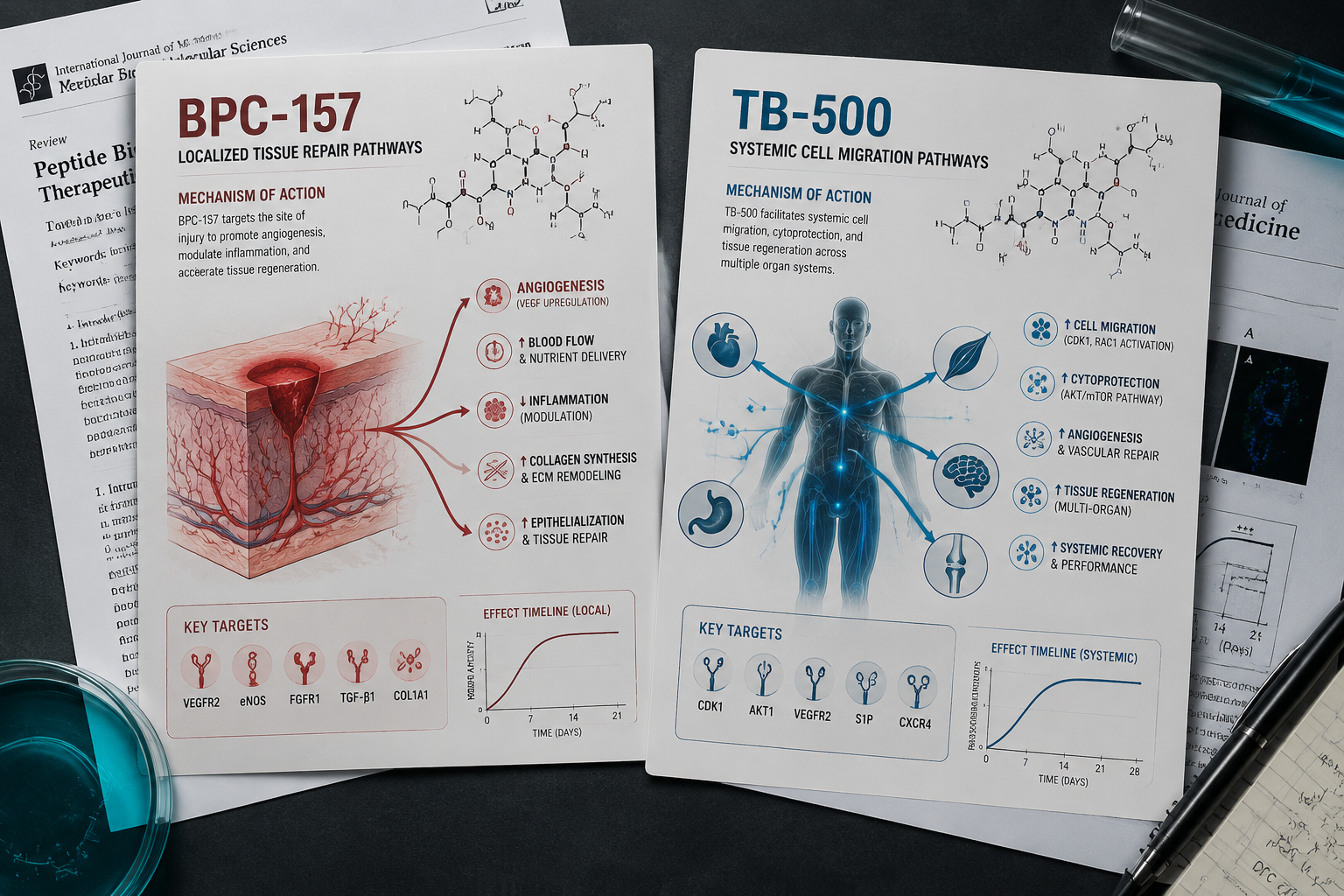
BPC-157 is a synthetic pentadecapeptide derived from a gastric protein. Its primary actions include:

  • Promoting angiogenesis (new blood vessel formation)
  • Activating nitric oxide pathways to support tissue perfusion
  • Accelerating localized tendon, ligament, and muscle repair

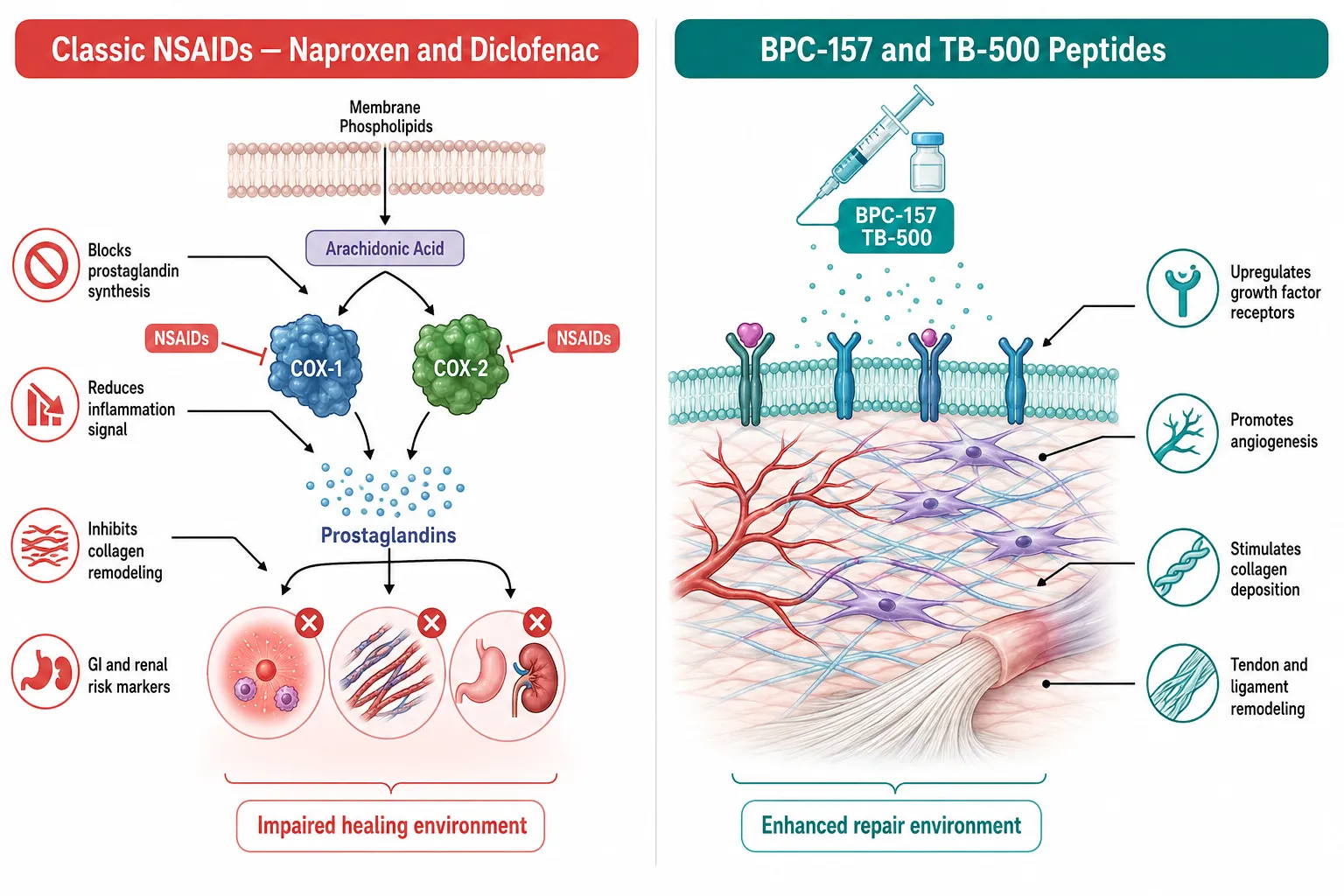
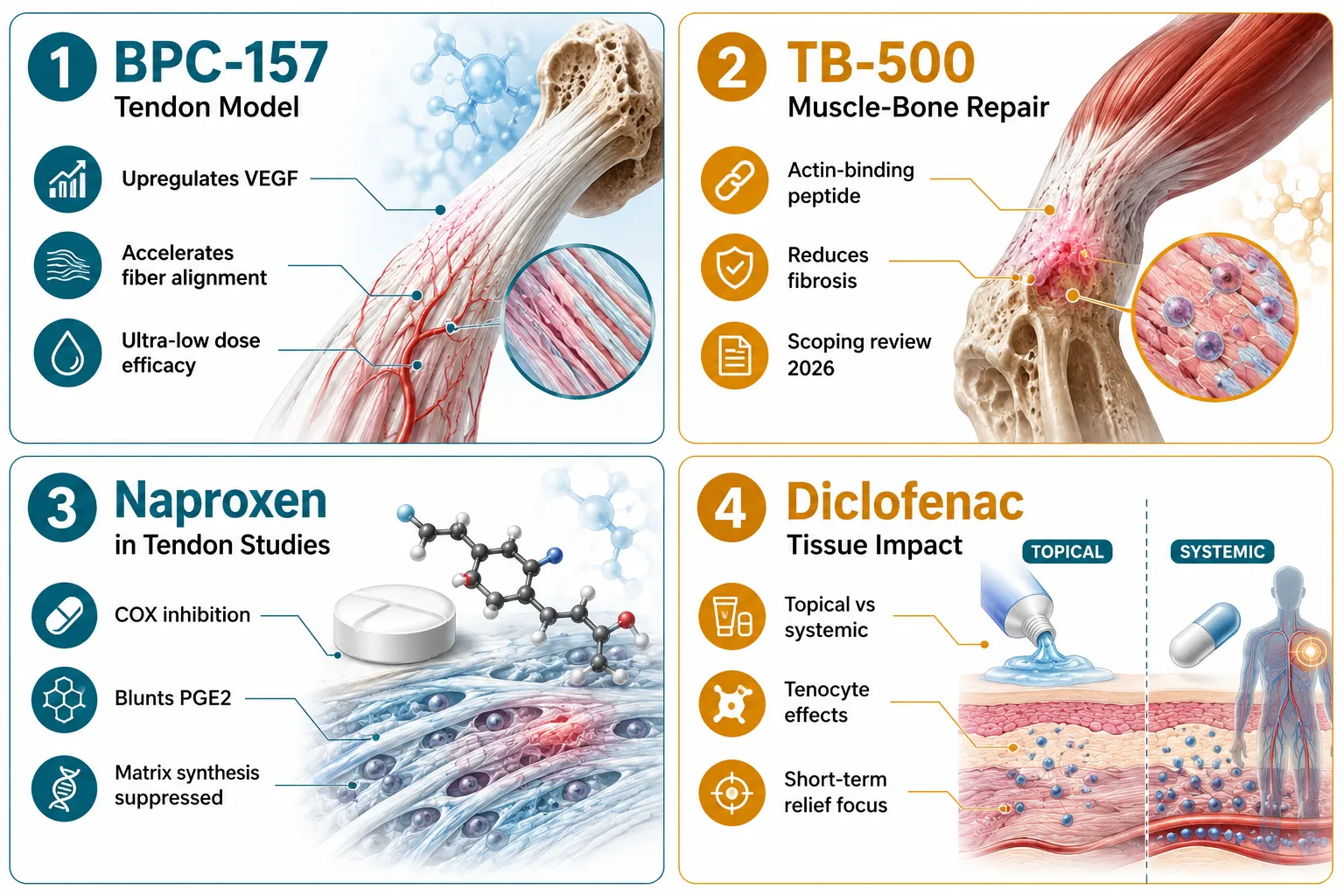
Research on BPC-157's role in angiogenesis and tendon healing highlights how its effects are largely site-specific, working at the injury location rather than systemically.

TB-500 (Thymosin Beta-4) takes a different route. It enhances cell migration by regulating actin — a structural protein critical to cellular movement. This promotes systemic healing responses rather than localized repair alone.

"The distinction between local and systemic action is the single most important variable when interpreting stack versus single-peptide data."

Because these two peptides target different biological pathways, their combination is theoretically additive rather than redundant. However, theory and measured outcomes are not the same thing.


A Decision-Making Framework for Interpreting Single-Peptide vs Stack Research

A Decision-Making Framework for Interpreting Single-Peptide vs Stack Research

When evaluating BPC-157 vs BPC-157 and TB-500: How to Interpret Single-Peptide and Stack Research Results, apply the following framework to any study or dataset encountered.

Step 1: Identify the Study Design

Ask whether the research used:

Design Type What It Tells You Limitation
Single-peptide only Isolated mechanism data Cannot confirm synergy
Stack without controls Combined outcome only Cannot isolate contribution
Three-arm (A, B, A+B) True additive effect Rare in peptide literature

Most published research falls into the first two categories. Three-arm designs that directly test BPC-157 alone, TB-500 alone, and the combination together are uncommon, which makes definitive synergy claims premature.

Step 2: Check the Evidence Base

The vast majority of BPC-157 and TB-500 research involves animal models. Extrapolating rodent data to human physiology introduces meaningful uncertainty. Researchers should weight animal studies as hypothesis-generating rather than conclusive.

This same caution applies when reviewing combination stack outcomes. If a stack study shows accelerated recovery in rats, that finding does not confirm the stack outperforms BPC-157 alone in humans.

Step 3: Assess Mechanism Overlap

If two peptides share a downstream pathway, their combination may produce diminishing returns rather than additive benefit. BPC-157 and TB-500 have low mechanism overlap — one targets angiogenesis locally, the other targets actin-mediated cell migration systemically. This reduces the risk of redundancy and supports the biological rationale for stacking.

For comparison, researchers evaluating peptide combinations with higher pathway overlap — such as those explored in IPA and sermorelin stack research — face a more complex interpretation challenge.

Step 4: Evaluate Dosing Context

Research protocols typically use BPC-157 at 250–500 mcg per day subcutaneously and TB-500 at 2–2.5 mg twice weekly during a loading phase, followed by 2 mg weekly for maintenance. Stack studies that deviate significantly from these ranges may not be directly comparable to single-peptide trials using standard doses.


Regulatory and Safety Considerations That Affect Research Interpretation

Regulatory and Safety Considerations That Affect Research Interpretation

Interpreting BPC-157 vs BPC-157 and TB-500: How to Interpret Single-Peptide and Stack Research Results also means understanding the regulatory environment shaping what research is possible.

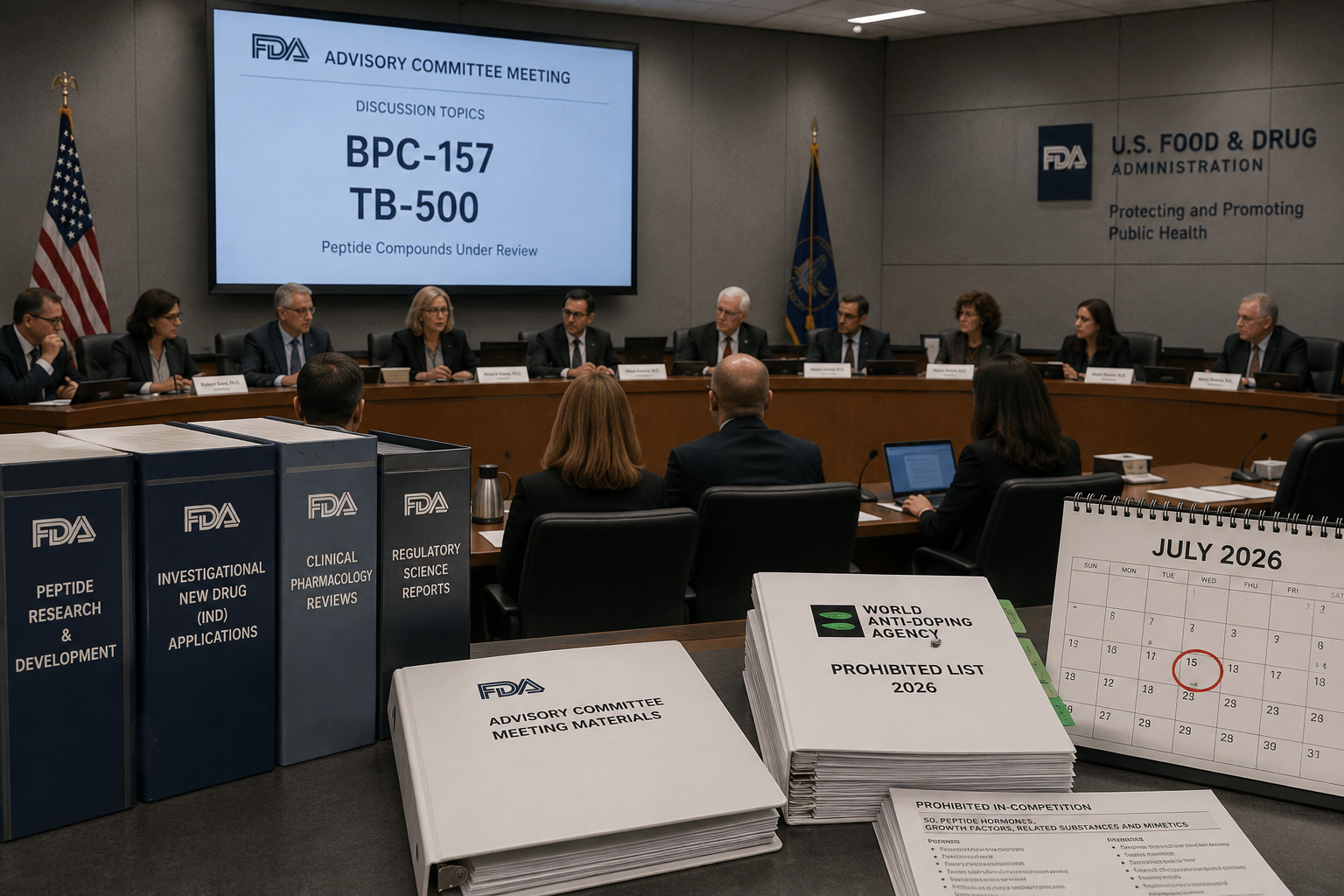
As of May 2026, both BPC-157 and TB-500 were removed from the FDA's 503A Category 2 bulk drug substances list, with a Pharmacy Compounding Advisory Committee review scheduled for July 2026. This regulatory shift may affect the availability of these compounds for research purposes going forward.

Additionally, both peptides are classified under WADA's S0 category as non-approved substances, prohibiting their use in competitive sports contexts.

Reported side effects in preclinical research have been minimal, but comprehensive human safety data does not yet exist. Researchers sourcing compounds should prioritize verified, lab-tested peptides to ensure purity and accurate dosing in any research context.

For researchers interested in other peptide combinations with emerging evidence bases, resources on SS-31 mitochondrial research themes and Selank peptide benefits offer useful methodological parallels for interpreting single-compound versus combination data.


Conclusion

Comparing BPC-157 alone against a BPC-157 and TB-500 stack is not simply a question of "which works better." It is a question of study design, mechanism mapping, and evidence quality. The practical framework outlined here — identifying study design, checking the evidence base, assessing mechanism overlap, and evaluating dosing context — gives researchers a repeatable method for drawing sound conclusions from incomplete data.

Actionable next steps for researchers:

  1. Before reviewing any stack study, locate single-peptide data for each compound separately.
  2. Prioritize three-arm study designs when available; treat two-arm stack studies as preliminary.
  3. Monitor the July 2026 FDA PCAC review for regulatory updates that may affect compound access.
  4. Source only verified, purity-tested compounds to ensure research integrity.

The evidence base for both peptides continues to grow. Applying a disciplined interpretation framework now ensures that conclusions drawn today remain defensible as human clinical data eventually emerges.

https://www.puretestedpeptides.com/wp-content/uploads/2026/06/BPC-157-vs-BPC-157-and-TB-500-How-to-Interpret-Single-Peptide-and-Stack-Research-Results.png 1024 1536 Pure Tested https://www.puretestedpeptides.com/wp-content/uploads/2026/01/buy-peptides-online.jpg Pure Tested2026-06-13 13:03:222026-07-20 15:03:18BPC-157 vs BPC-157 and TB-500: How to Interpret Single-Peptide and Stack Research Results
Epithalon Peptide Research: Telomere Biology, Aging Pathways, and What the Current Evidence Can Actually Support

Epithalon Peptide Research: Telomere Biology, Aging Pathways, and What the Current Evidence Can Actually Support

June 11, 2026/0 Comments/by Pure Tested

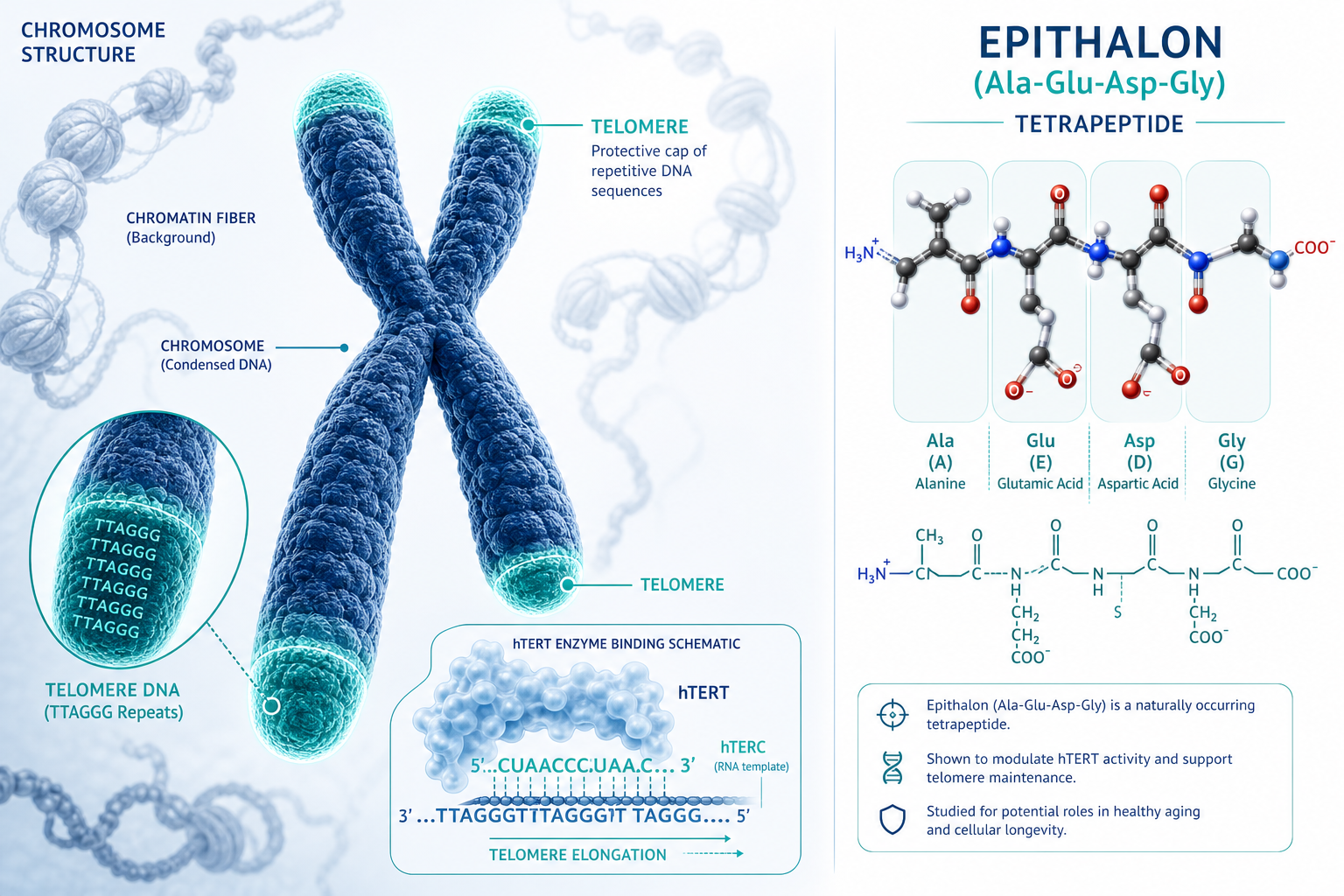
Fewer than a dozen peptides in longevity research have generated as much interest — and as much overstated certainty — as Epithalon. A tetrapeptide composed of just four amino acids (Ala-Glu-Asp-Gly), it has been studied since the 1980s primarily through the work of Russian scientist Vladimir Khavinson. Yet in 2026, the gap between what researchers have observed and what is being claimed online remains wide. This article examines Epithalon peptide research: telomere biology, aging pathways, and what the current evidence can actually support — without the hype.

Key Takeaways

  • Epithalon activates telomerase (hTERT) in human cell cultures, but this does not automatically translate to safe lifespan extension in humans.
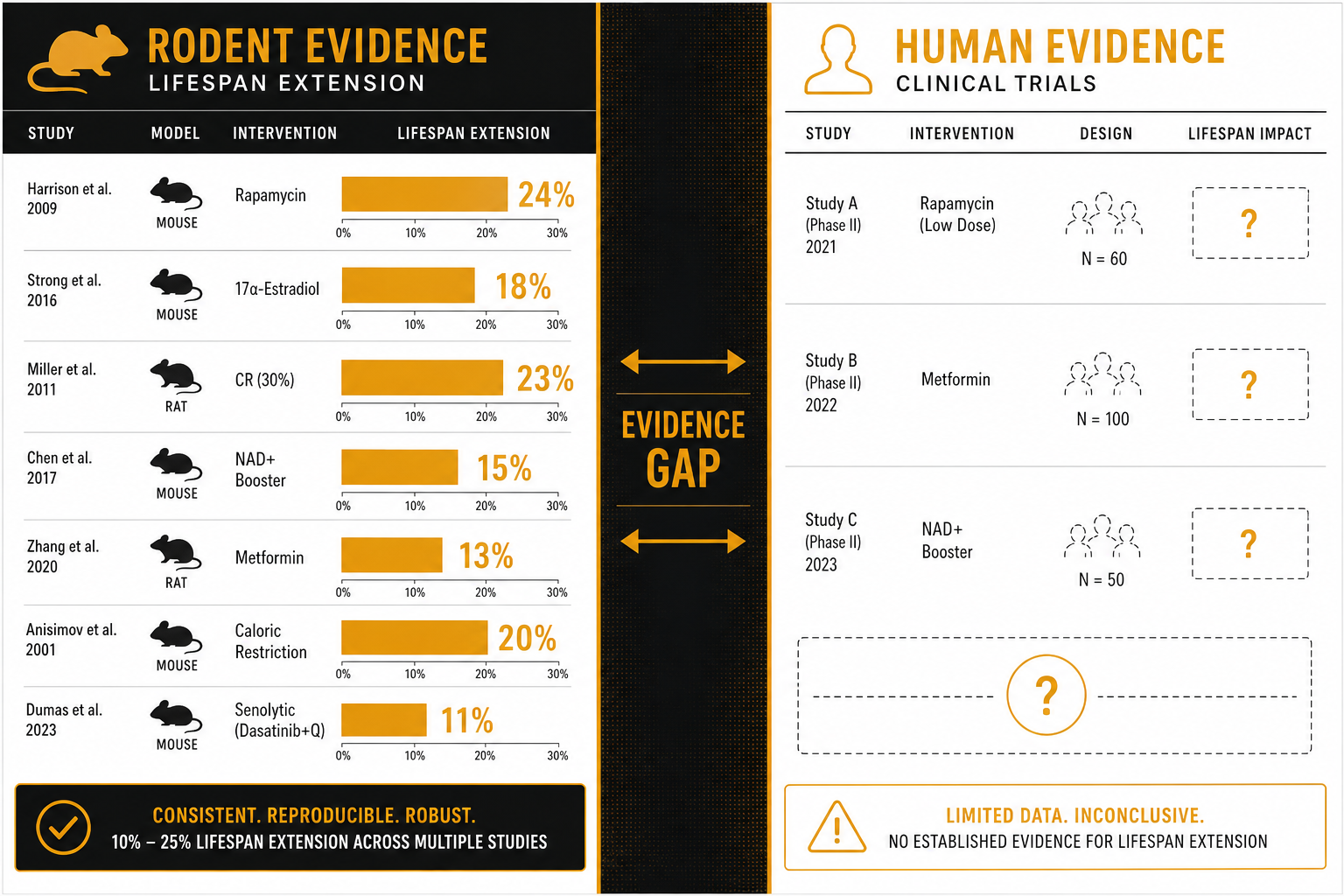
  • Animal model data shows 10-25% lifespan extension, but independent replication in Western research programs is still limited.
  • The peptide appears to influence multiple aging pathways: epigenetic remodeling, melatonin synthesis, oxidative stress resilience, and immune function.
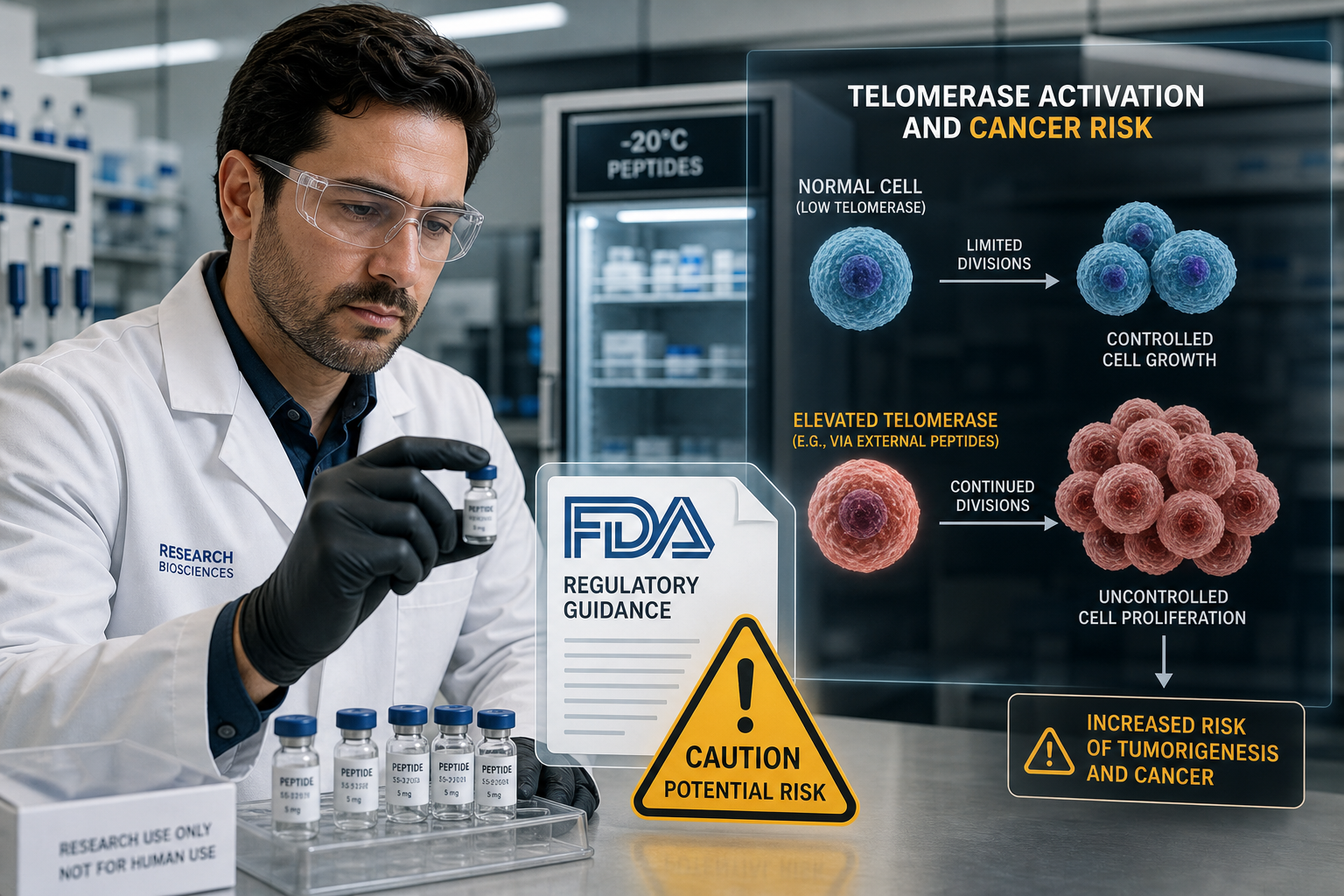
  • Telomerase activation carries a documented cancer risk concern that researchers must weigh carefully.
  • Epithalon is not FDA-approved and lacks standardized clinical dosing protocols as of 2026.

Key Takeaways

How Epithalon Interacts With Telomere Biology

Telomeres are the protective caps at the ends of chromosomes. With each cell division, they shorten. When they become critically short, the cell stops dividing — a process called replicative senescence. This is one of the central clocks of biological aging.

Epithalon peptide research into telomere biology shows that the compound can induce expression of hTERT, the catalytic subunit of telomerase — the enzyme that rebuilds telomere length. In human somatic cell cultures, this has led to measurable telomere elongation, theoretically pushing cells past the Hayflick limit.

"The ability to upregulate hTERT in non-germline cells is scientifically significant — but it is not a free pass. Telomerase is also active in roughly 85% of human cancers."

This dual nature is the central tension in Epithalon research. The same mechanism that may slow cellular aging could, under certain conditions, support unchecked cell proliferation. Researchers studying aging support peptides must weigh this trade-off carefully.

Epigenetic effects add another layer. Epithalon appears to bind to gene promoter regions and loosen chromatin structure, potentially restoring youthful gene expression patterns and enhancing DNA repair. This epigenetic remodeling could explain effects that go beyond simple telomere length.


What Animal and Human Studies Can Actually Support

The most cited longevity data comes from rodent studies within the Khavinson research program. Epithalon administration extended lifespan by 10 to 25% in treated animals. These are notable figures — but they come with caveats.

Study Type Key Finding Limitation
Rodent models 10-25% lifespan extension Primarily one research group
Human cell cultures hTERT induction, telomere elongation In vitro, not in vivo
Small human studies (elderly) Improved melatonin synthesis, circadian rhythm support Limited sample sizes
Immune function observations Potential immune recalibration Requires larger trials

Independent replication by Western research institutions remains sparse. This is not evidence that the findings are wrong — it is evidence that the field needs more rigorous, controlled trials before clinical conclusions can be drawn.

Melatonin and circadian rhythm effects are among the more consistently reported observations. Epithalon appears to stimulate pineal gland activity, boosting melatonin synthesis. In elderly subjects, this may help restore disrupted sleep-wake cycles — a meaningful quality-of-life pathway that is separate from telomere biology entirely.

The peptide also shows associations with reduced oxidative stress markers and immune system recalibration, suggesting it may act across multiple aging pathways simultaneously rather than through a single mechanism. For researchers comparing multi-pathway peptides, the SS-31 mechanism and research overview offers a useful parallel, given SS-31's focus on mitochondrial protection as a complementary aging pathway.

What Animal and Human Studies Can Actually Support


Evidence Quality, Safety Considerations, and Research Context in 2026

Understanding what the current evidence can actually support requires honest assessment of its quality. Most Epithalon data originates from a single research program, uses animal models, or involves small human cohorts. That is not a dismissal — it is a baseline for calibrating expectations.

Key safety considerations researchers should note:

  • Telomerase activation raises legitimate oncological concerns that have not been fully resolved in long-term studies
  • Reported side effects are minimal in existing literature, but comprehensive safety profiles are absent
  • Commonly discussed research protocols involve subcutaneous administration of 5-10 mg daily for 10-20 day cycles, repeated 2-3 times per year — but no standardized clinical guidelines exist
  • Reconstituted peptide remains stable for approximately 21 days under proper storage conditions

Epithalon is not approved by the FDA for any therapeutic use as of 2026. It exists strictly within a research context. Researchers exploring related peptides in aging and metabolic pathways — such as BPC-157 research documentation or SS-31 mitochondrial research themes — will recognize this regulatory landscape as common across investigational peptides.

For those sourcing compounds for structured research, reviewing certificates of analysis and third-party purity testing documentation is a non-negotiable step. Purity directly affects the validity of any experimental outcome.

Researchers interested in how Epithalon compares within the broader aging-support peptide category may also find value in reviewing SS-31 peptide research considerations as a methodological reference point.

Evidence Quality, Safety Considerations, and Research Context in 2026


Conclusion

Epithalon peptide research into telomere biology, aging pathways, and what the current evidence can actually support points to a compound with genuine scientific interest — and genuine scientific uncertainty. The telomerase activation data is mechanistically compelling. The animal lifespan data is suggestive. The epigenetic, melatonin, and oxidative stress findings add breadth to the research profile.

What the evidence cannot yet support is clinical certainty. Independent replication, larger human trials, and long-term safety data are all needed before stronger conclusions are warranted.

Actionable next steps for researchers:

  1. Prioritize sourcing Epithalon only from suppliers providing verified purity documentation and third-party testing.
  2. Design studies that account for the telomerase-cancer risk variable with appropriate biomarker monitoring.
  3. Track melatonin and circadian markers alongside telomere length to capture the full pathway picture.
  4. Follow emerging Western replication studies closely — this is where the evidence base will either strengthen or fracture.
  5. Treat existing animal model data as hypothesis-generating, not hypothesis-confirming.

The science is worth watching. The claims require scrutiny.

https://www.puretestedpeptides.com/wp-content/uploads/2026/06/Epithalon-Peptide-Research-Telomere-Biology-Aging-Pathways-and-What-the-Current-Evidence-Can-Actually-Support.png 1024 1536 Pure Tested https://www.puretestedpeptides.com/wp-content/uploads/2026/01/buy-peptides-online.jpg Pure Tested2026-06-11 13:05:122026-07-20 15:03:31Epithalon Peptide Research: Telomere Biology, Aging Pathways, and What the Current Evidence Can Actually Support
Selank vs Semax: Neuroimmune, Anxiolytic, and Cognitive Pathways Compared for Research Use

Selank vs Semax: Neuroimmune, Anxiolytic, and Cognitive Pathways Compared for Research Use

June 2, 2026/0 Comments/by Pure Tested

Two peptides developed at the same institution, sharing a stabilizing tripeptide backbone, yet targeting almost opposite ends of the neurological spectrum — that structural paradox is exactly what makes the Selank vs Semax comparison so valuable for researchers in 2026.

Both compounds emerged from the Russian Academy of Sciences in the 1990s. Both incorporate a Pro-Gly-Pro (PGP) sequence that resists enzymatic breakdown. Beyond those shared traits, their pharmacological profiles diverge sharply, and understanding where anxiolytic signaling ends and cognitive-support hypotheses begin is essential for any serious research application.

Close-up laboratory research scene showing two glass vials labeled with molecular diagrams on a reflective surface, one vial

Key Takeaways

  • Semax is an ACTH(4-10) analog focused on BDNF upregulation and dopaminergic cognitive enhancement.
  • Selank is derived from tuftsin and primarily modulates GABAergic and enkephalin pathways for anxiolytic effects.
  • Selank carries meaningful neuroimmune activity; Semax does not at standard research doses.
  • Neither compound is FDA, EMA, or Health Canada approved; both are research-use compounds outside Russia.
  • Combining both may offer complementary coverage, but no controlled combination studies exist yet.

Structural Origins and Primary Mechanisms

Semax is a synthetic analog of the adrenocorticotropic hormone fragment ACTH(4-10). Its dominant mechanism involves potent upregulation of brain-derived neurotrophic factor (BDNF) in the hippocampus and prefrontal cortex, supporting neuroplasticity, attention, and working memory. It also modulates serotonergic and dopaminergic signaling, which drives its cognitive-activating profile.

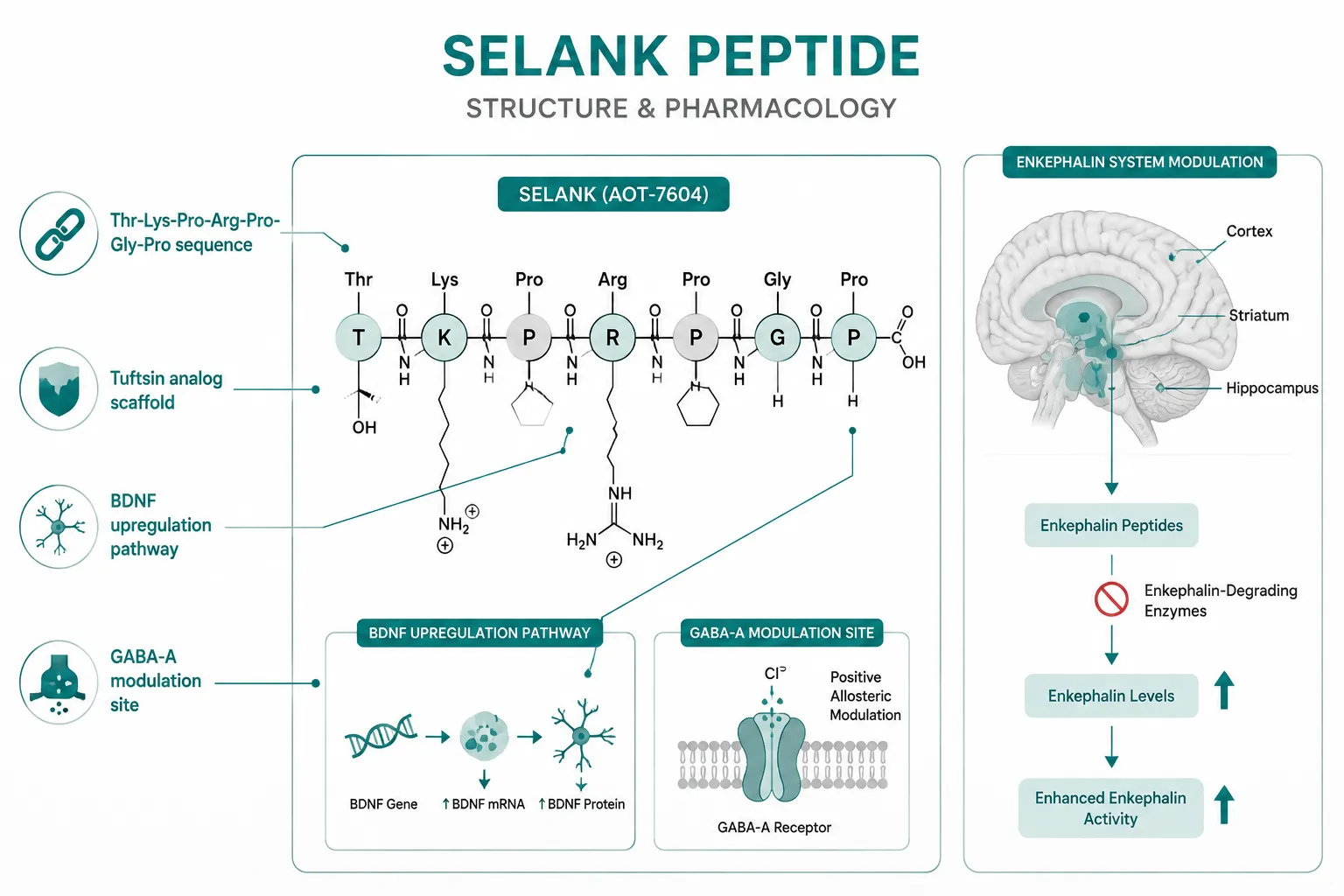
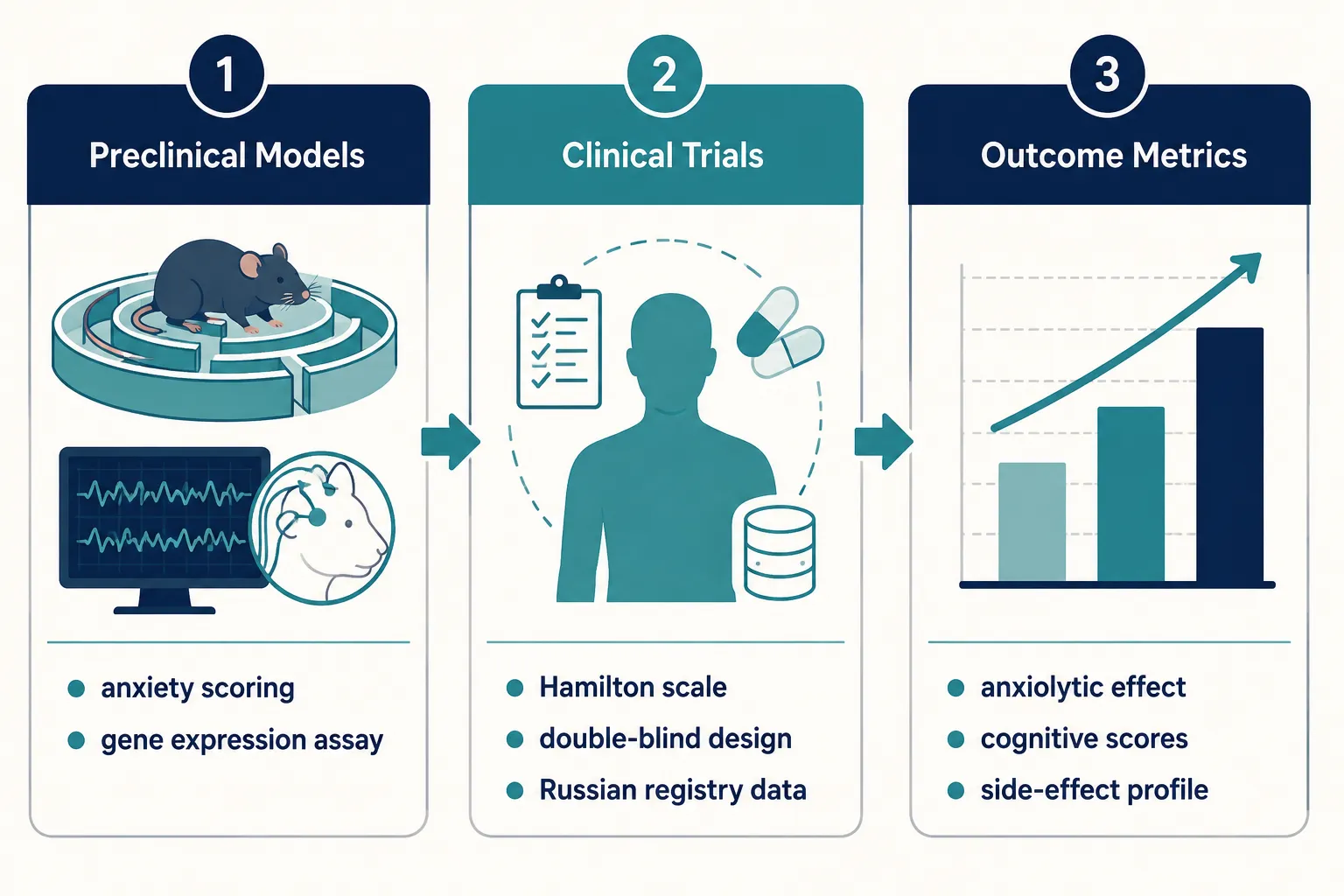
Selank traces its lineage to tuftsin, a naturally occurring immunopeptide. Rather than stimulating BDNF as its primary action, Selank acts as a positive allosteric modulator of GABA-A receptors and inhibits enkephalin degradation. The result is anxiety reduction without sedation or dependence risk — a profile that sets it apart from classical anxiolytics.

For researchers exploring Selank peptide benefits in greater depth, the GABAergic and enkephalin mechanisms are central to understanding its unique anxiolytic signature.


Anxiolytic and Neuroimmune Pathways: Where Selank Leads

Selank's anxiolytic effects are mechanistically distinct from benzodiazepines. By modulating GABA-A receptors allosterically and slowing enkephalin breakdown, it reduces anxiety without producing the sedation or withdrawal patterns associated with classical agents. This makes it a compelling research subject for stress-related behavioral models.

Critically, Selank also retains tuftsin's cytokine-regulatory properties. This neuroimmune activity — influencing interleukin expression and immune cell signaling — may itself contribute to its anxiolytic effects, suggesting a bidirectional brain-immune axis at work. Semax, by contrast, shows no significant immune modulation at standard nootropic research doses.

"Selank's neuroimmune activity represents a distinct mechanistic layer that Semax simply does not share — making the two compounds complementary rather than interchangeable."

Researchers interested in innate immune peptide interactions may find it useful to compare Selank's cytokine modulation with the mechanisms described in LL-37 innate research themes, where immune-neural crosstalk is also a central focus.

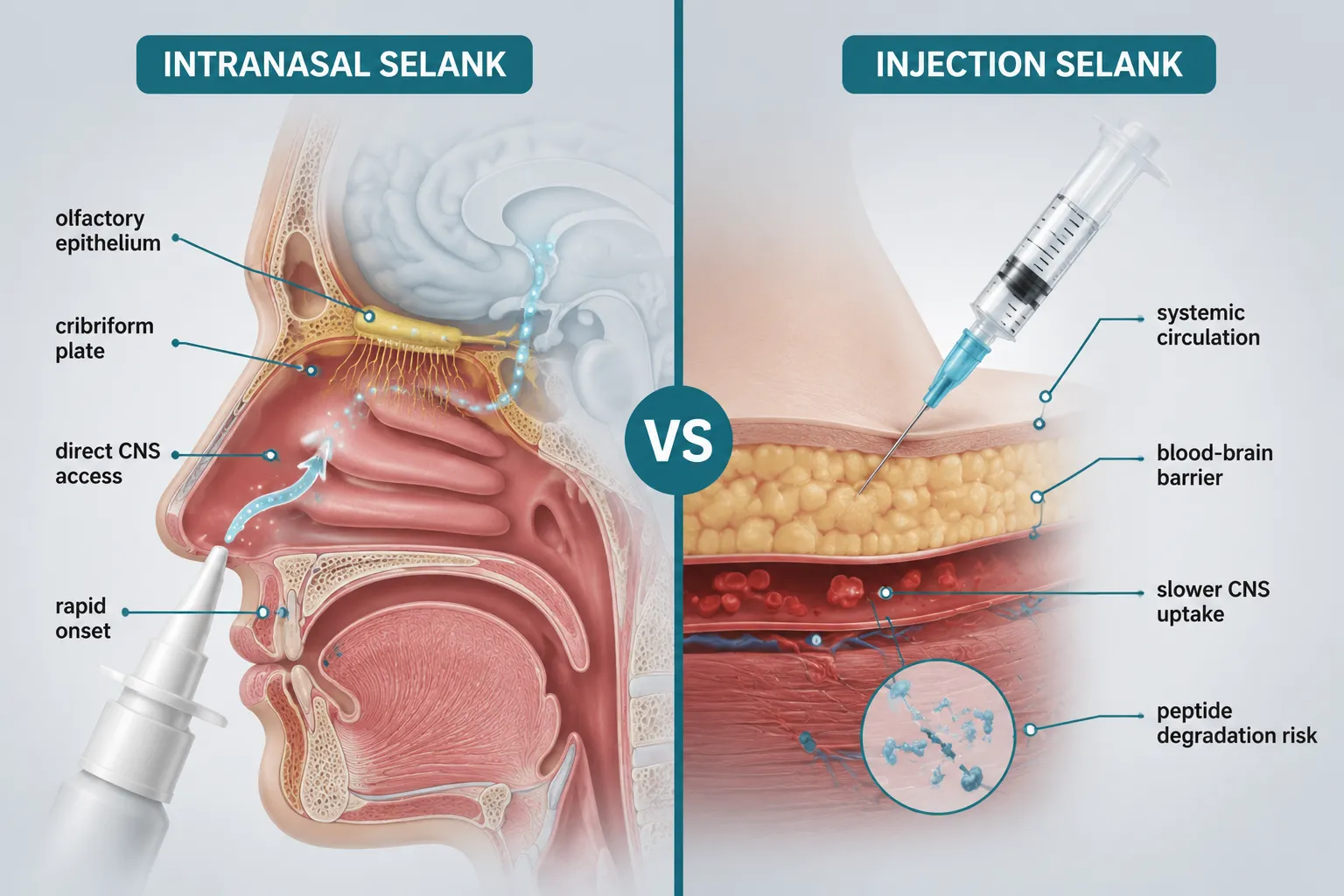
For a detailed look at Selank side effects observed in research contexts, mild nasal irritation from intranasal delivery is the most commonly noted finding, with no significant dependence signals reported.


Cognitive Pathways and Research Protocols: Selank vs Semax Compared

Cognitive Pathways and Research Protocols: Selank vs Semax Compared

When evaluating Selank vs Semax for cognitive research, the distinction comes down to mechanism and target population.

Semax enhances:

  • Attention and processing speed via dopaminergic modulation
  • Working memory through BDNF-driven hippocampal support
  • Neuroprotection in ischemic injury models (registered in Russia for stroke and transient ischemic attacks)

Selank enhances:

  • Emotional regulation and stress-impaired cognition
  • Anxiety-adjacent cognitive deficits via GABAergic and serotonergic pathways
  • Immune-mediated stress responses through cytokine modulation

A 2020 resting-state fMRI study in 52 healthy participants found that both peptides influence functional connectivity between the right amygdala and temporal cortex — confirming overlapping yet distinct effects on networks governing both anxiety and cognition.

Feature Selank Semax
Primary mechanism GABA-A modulation, enkephalin BDNF upregulation, dopamine
Anxiolytic activity Strong Mild
Cognitive enhancement Stress-impaired focus Direct attention/memory
Neuroimmune activity Yes (cytokine regulation) Minimal
Typical research dose 200-400 mcg, 2-3x daily 300-600 mcg, 1-2x daily
Approved use (Russia) Generalized anxiety disorder Ischemic stroke, TIA

Researchers building multi-pathway stacks may also find value in reviewing what is Selank as a foundational reference before designing protocols.

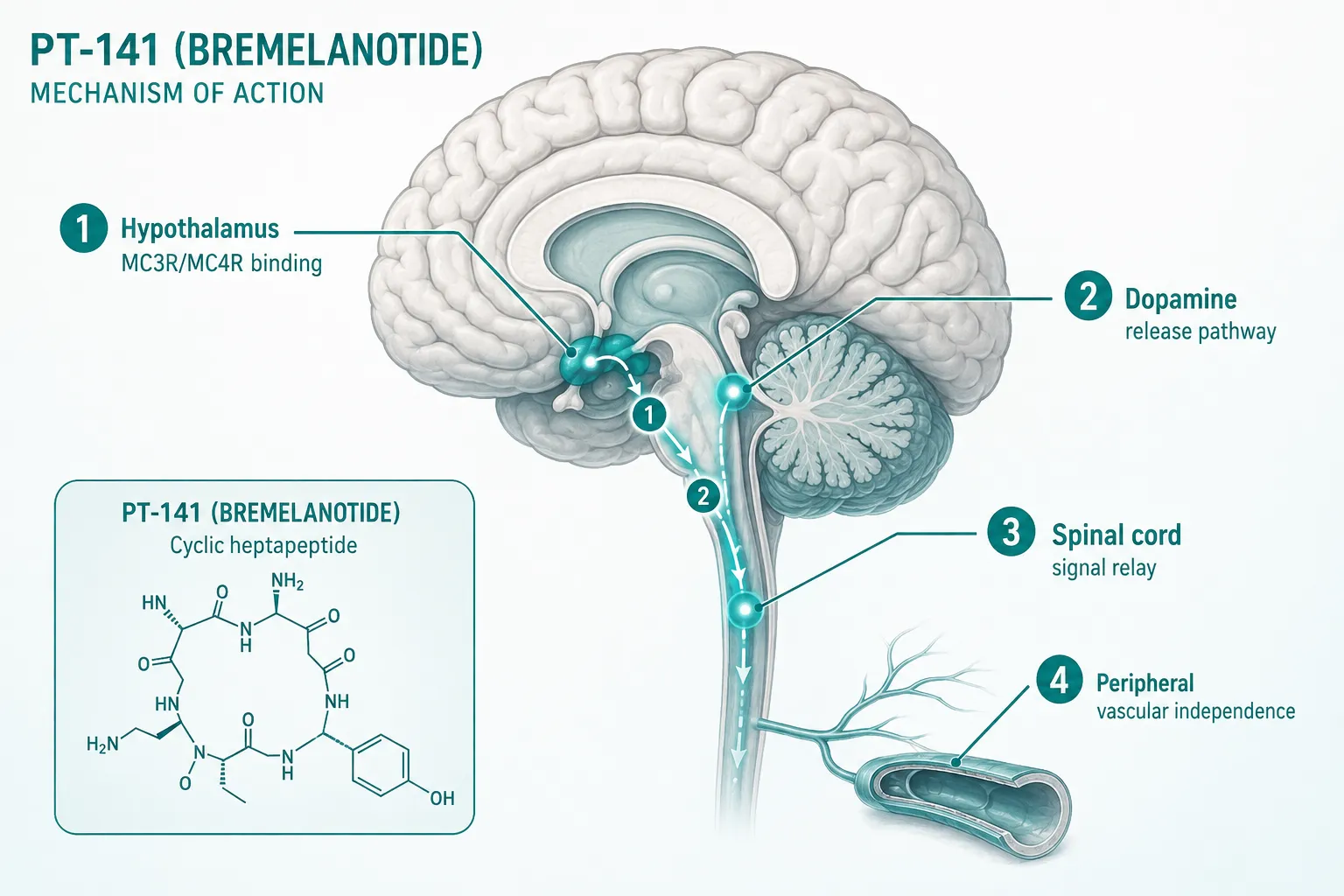
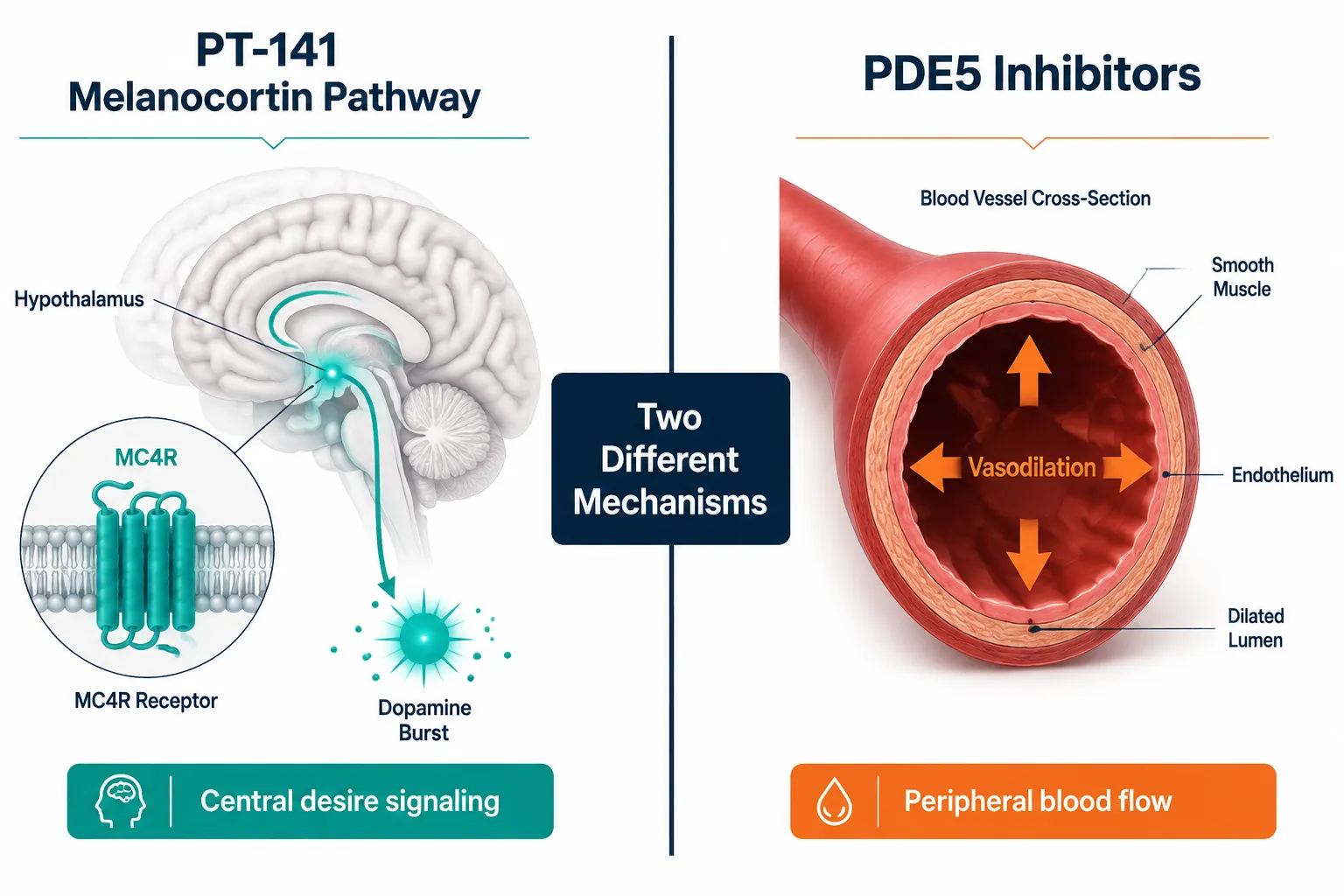
For broader neuromodulatory context, the PT-141 neural and metabolic research themes page illustrates how centrally acting peptides can produce overlapping yet mechanistically separate effects — a pattern directly relevant to the Selank vs Semax comparison.

Cognitive Pathways and Research Protocols: Selank vs Semax Compared

Combination use of both peptides has been discussed in research circles as a way to address both anxiety and direct cognitive activation simultaneously. However, no controlled Phase 3 trials have evaluated this combination, and caution is warranted until more data emerges. Researchers exploring multi-compound designs may also want to review KLow blend multipathway research for examples of how complementary mechanisms are structured in blended research protocols.

Both compounds remain unapproved by the FDA, EMA, MHRA, and Health Canada. The majority of published clinical evidence originates from Russian-language journals, limiting direct translation to Western research frameworks.


Conclusion

The Selank vs Semax comparison for neuroimmune, anxiolytic, and cognitive pathways reveals two compounds that are far more complementary than competitive. Semax is the stronger candidate for direct cognitive activation research — particularly attention, memory, and neuroprotection models. Selank is the clearer choice for anxiety-focused and neuroimmune research, with its GABAergic, enkephalin, and cytokine-regulatory mechanisms offering a profile no other peptide in this class replicates.

Actionable next steps for researchers in 2026:

  1. Define the primary research endpoint first — anxiety reduction or cognitive enhancement — before selecting a compound.
  2. Review available Russian-language clinical literature alongside Western fMRI and behavioral data.
  3. If designing a combination protocol, treat Selank and Semax as mechanistically distinct agents requiring independent dose optimization.
  4. Source only verified, lab-tested material and confirm purity documentation before any research application.
  5. Monitor for transient dopaminergic sensitization with higher Semax doses and nasal mucosal tolerance with Selank intranasal administration.

https://www.puretestedpeptides.com/wp-content/uploads/2026/06/Selank-vs-Semax-Neuroimmune-Anxiolytic-and-Cognitive-Pathways-Compared-for-Research-Use.png 1024 1536 Pure Tested https://www.puretestedpeptides.com/wp-content/uploads/2026/01/buy-peptides-online.jpg Pure Tested2026-06-02 22:10:112026-07-20 15:04:13Selank vs Semax: Neuroimmune, Anxiolytic, and Cognitive Pathways Compared for Research Use
×

Helpful Links

  • My account
  • Cart
  • Checkout
  • Refund and Returns Policy
  • Privacy Policy
  • SMS Privacy Policy
  • Login
  • My Account
  • Logout

USA Made Lab Tested Peptides

All products are sold for research, laboratory, or analytical purposes only, and are not for human consumption


Pure Tested Peptides is a chemical supplier. Pure Tested Peptides is not a compounding / chemical compounding facility as defined under 503A of the Federal Food, Drug, and Cosmetic act. Pure Tested Peptides is not an outsourcing facility as defined under 503B of the Federal Food, Drug, and Cosmetic act.

The statements made within this website have not been evaluated by the US Food and Drug Administration. The products we offer are not intended to diagnose, treat, cure or prevent any disease.

Human/Animal Consumption Prohibited. Laboratory/In-Vitro Experimental Use Only

Scroll to top Scroll to top Scroll to top