Call or Text 727-513-9780
  • Shopping Cart Shopping Cart
    0Shopping Cart
Pure Tested Peptides | America's most trusted Peptides for sale online
  • Peptides for sale
    • Oral Peptides for sale
      • Peptide Capsules for sale
      • BPC 157 Capsules 1000mcg
      • SLU-PP-332 Capsules | 1000 mcg
      • 5-Amino-1MQ 50mg Capsules
      • Tesofensine 500mcg
    • All Peptides for sale
    • Peptide Sprays
      • BPC 157 Nasal Spray Kit
      • BPC-157 TB500 Nasal Spray Kit
      • Semax Nasal Spray 10mg
      • Selank – Nasal Spray Kit – 10mg
      • Epithalon 50MG Nasal Spray Kit
      • Ipamorelin 10mg Nasal Spray
      • Klow Nasal Spray (BPC-157 + TB-500 + GHK-Cu + KPV) | 80mg
      • Hulk Nasal Spray Tesa / Ipa Blend 6/3 MG
      • Klow Nasal Spray
      • NAD + 500 mg Nasal Spray
      • PT-141 Nasal Spray Kit
    • GHRH Peptides
      • Ipa Peptides
      • CJC-1295 Peptides
        • CJC-1295 with DAC 5 mg
        • CJC-1295 without DAC 5 mg
        • CJC-1295 Ipa 10mg
      • Tesa Peptides
        • Tesa Peptide
        • Tesa 20 mg
    • GHK-Cu Peptides
      • All GHK-Cu Peptides
      • GHK-Cu 100mg
      • KLOW Peptide Blend – Buy KLOW blend online
    • BPC Peptides
      • All BPC Peptides
      • BPC-157
      • BPC-157 TB-500
      • BPC 157 capsules 1000mcg
    • SLU-PP-332 Peptides
      • All SLU-PP-332 Peptides
      • SLU-PP-332 5mg
    • GLP3 Peptides
      • GLP3-R
      • GLP3-R CAG 10mg
      • GLP3-R 20mg
    • PT-141 Peptides
      • PT-141 Peptides for sale
      • PT-141 10mg
      • PT-141 Nasal Spray
    • CAG Peptides
      • Lipo-C Peptide Blend
      • CAG 5mg
      • CAG 10mg
    • MOTS-C Peptides
      • MOTS-C Peptides for sale
      • MOTS-c peptide
      • MOTS-c 10mg *6 pack*
    • 5 Amino 1MQ Peptides
      • 5 Amino 1MQ Peptides for sale
      • 5-Amino-1MQ 50mg Capsules
      • 5-Amino-1MQ 5mg
    • Epithalon Peptides
      • Epithalon Peptides for sale
      • Epithalon 10mg
      • Epithalon 50mg
  • Shop
    • GLPs
      • 5-Amino-1MQ 50mg Capsules
      • 5-Amino-1MQ 5mg
      • GLP3-Reta
      • L-Carnitine 500mg/ml
      • Tesofensine 500mcg
      • SLU-PP-332 5mg
      • MOTS-c 10mg *6 pack*
    • Epithalon & BPC Peptides
      • Epithalon 10mg
      • Epithalon 50mg
      • BPC-157
      • BPC 157 capsules 1000mcg
      • BPC-157 TB-500
      • BPC-157 TB500 Nasal Spray Kit
      • BPC 157 Nasal Spray Kit
    • BPC TB-500 & NAD+ Peptides
      • NAD+ 500 mg
      • KLOW Peptide Blend – Buy KLOW blend online
      • GLOW Peptide Blend
      • TB 500 5mg
      • BPC 157 capsules 1000mcg – Supplement
      • BPC 157 Nasal Spray Kit
      • BPC-157
      • BPC-157 TB500 Nasal Spray Kit
      • BPC-157 TB-500
      • BPC 157 capsules 1000mcg
    • LL-37 Peptide
      • LL-37 10 mg
    • MOTS-C & Selank
      • MOTS-c peptide
      • Selank 10mg
    • GHK Peptides
      • GHK-Cu 100mg
      • GLOW Peptide Blend
      • KLOW Peptide Blend – Buy KLOW blend online
  • COAs
  • Wholesale
    • Wholesale Peptides for sale
  • PTP FAQ
  • Affiliates
    • Selank Peptide: Advanced Pharmacological Mechanisms Underlying Its Anxiolytic and Nootropic Effects in Research
      • 5-Amino-1MQ Peptide: Detailed Mechanisms of NNMT Inhibition and Its Impact on Cellular Metabolism Research
        • MOTS-C Peptide: Unraveling Its Role in Mitochondrial Dynamics and Energy Metabolism Research
          • Epithalon Peptide and Telomerase Regulation: Investigating Its Impact on Cellular Senescence and Lifespan Research Models
            • GLP2-T vs GLP2 Tirz Peptide: Understanding the Naming, Mechanistic Nuances, and Research Implications for Gut Health
      • Peptides and Polypeptides in Modern Pharmacology: What Research on Metoprolol, Prednisone, and Amlodipine Reveals
        • Polypeptide Peptides vs NSAIDs: What Naproxen and Diclofenac Teach Tissue-Repair Researchers About BPC‑157 and TB‑500
          • Peptides and Polypeptides in Endocrine Pharmacology: How GLP-1, GLP-2, and GLP-3 Retatrutide Differ From Classic Drugs Like Prednisone and Amlodipine
          • 5‑Amino‑1MQ Peptide and NNMT Inhibition: How It Compares With Statins Like Atorvastatin in Adipose and Lipid Metabolism Research
      • Enclomiphene, Estrogen Receptor Signaling, and Luteinizing Phase Biology: What Hormone Researchers Should Measure
        • Mesenchymal Stem Cells, BPC‑157, and GHK‑Cu: How Tissue Repair Peptides Compare With Classic NSAIDs Like Naproxen in Injury Models
          • Peptide Calculator Use Cases Beyond Growth Hormone: Working Through GLP‑3 Retatrutide, MOTS‑c, and BPC‑157 Research Dosing
        • Polypeptide Peptides in Endocrine and Metabolic Pharmacology: Lessons From Amlodipine, Prednisone, and Metoprolol
        • Peptides Calculator for Advanced Blends: Worked Examples for Tesamorelin, CJC‑1295, and Ipamorelin Stacks
          • Peptides and Polypeptides in Human Physiology: How Molecular Size Shapes Research Applications
            • Selank Peptide: Advanced Pharmacological Mechanisms Underlying Its Anxiolytic and Nootropic Effects in Research
          • 5-Amino-1MQ Peptide: Detailed Mechanisms of NNMT Inhibition and Its Impact on Cellular Metabolism Research
            • MOTS-C Peptide: Unraveling Its Role in Mitochondrial Dynamics and Energy Metabolism Research
              • Epithalon Peptide and Telomerase Regulation: Investigating Its Impact on Cellular Senescence and Lifespan Research Models
                • GLP2-T vs GLP2 Tirz Peptide: Understanding the Naming, Mechanistic Nuances, and Research Implications for Gut Health
                  • Peptides and Polypeptides in Endocrine Pharmacology: How GLP-1, GLP-2, and GLP-3 Retatrutide Differ From Classic Drugs Like Prednisone and Amlodipine
                    • Polypeptide Peptides vs NSAIDs: What Naproxen and Diclofenac Teach Tissue-Repair Researchers About BPC‑157 and TB‑500
                      • Peptides and Polypeptides in Modern Pharmacology: What Research on Metoprolol, Prednisone, and Amlodipine Reveals
                        • 5‑Amino‑1MQ Peptide and NNMT Inhibition: How It Compares With Statins Like Atorvastatin in Adipose and Lipid Metabolism Research
                        • Enclomiphene, Estrogen Receptor Signaling, and Luteinizing Phase Biology: What Hormone Researchers Should Measure
                        • Mesenchymal Stem Cells, BPC‑157, and GHK‑Cu: How Tissue Repair Peptides Compare With Classic NSAIDs Like Naproxen in Injury Models
                        • Peptide Calculator Use Cases Beyond Growth Hormone: Working Through GLP‑3 Retatrutide, MOTS‑c, and BPC‑157 Research Dosing
                        • Polypeptide Peptides in Endocrine and Metabolic Pharmacology: Lessons From Amlodipine, Prednisone, and Metoprolol
                        • Peptides Calculator for Advanced Blends: Worked Examples for Tesamorelin, CJC‑1295, and Ipamorelin Stacks
                        • Peptides and Polypeptides in Human Physiology: How Molecular Size Shapes Research Applications
                        • Selank Peptide: Advanced Pharmacological Mechanisms Underlying Its Anxiolytic and Nootropic Effects in Research
                        • MOTS-C Peptide: Unraveling Its Role in Mitochondrial Dynamics and Energy Metabolism Research
                        • Peptides and Polypeptides in Modern Pharmacology: What Research on Metoprolol, Prednisone, and Amlodipine Reveals
                        • Peptides and Polypeptides in Endocrine Pharmacology: How GLP-1, GLP-2, and GLP-3 Retatrutide Differ From Classic Drugs Like Prednisone and Amlodipine
                        • 5-Amino-1MQ Peptide: Detailed Mechanisms of NNMT Inhibition and Its Impact on Cellular Metabolism Research
                        • Mesenchymal Stem Cells, BPC‑157, and GHK‑Cu: How Tissue Repair Peptides Compare With Classic NSAIDs Like Naproxen in Injury Models
                        • Peptide Calculator Use Cases Beyond Growth Hormone: Working Through GLP‑3 Retatrutide, MOTS‑c, and BPC‑157 Research Dosing
                        • GLP2-T vs GLP2 Tirz Peptide: Understanding the Naming, Mechanistic Nuances, and Research Implications for Gut Health
                        • Polypeptide Peptides in Endocrine and Metabolic Pharmacology: Lessons From Amlodipine, Prednisone, and Metoprolol
                        • Polypeptide Peptides vs NSAIDs: What Naproxen and Diclofenac Teach Tissue-Repair Researchers About BPC‑157 and TB‑500
                        • Peptides and Polypeptides in Human Physiology: How Molecular Size Shapes Research Applications
                        • Peptides Calculator for Advanced Blends: Worked Examples for Tesamorelin, CJC‑1295, and Ipamorelin Stacks
                        • 5‑Amino‑1MQ Peptide and NNMT Inhibition: How It Compares With Statins Like Atorvastatin in Adipose and Lipid Metabolism Research
                        • Enclomiphene, Estrogen Receptor Signaling, and Luteinizing Phase Biology: What Hormone Researchers Should Measure
                        • Epithalon Peptide and Telomerase Regulation: Investigating Its Impact on Cellular Senescence and Lifespan Research Models
                        • Best research protocol Klow blend
                        • best time to take BPC-157
                        • best time to take DSIP (Delta Sleep Inducing Peptide)
                        • best time to take CJC-1295
                        • best time to take AOD-9604
                        • best time to take Follistatin 344
                        • best time to take Ipamorelin
                        • best time to take MK-677 (Ibutamoren)
                        • best time to take Ligandrol (LGD-4033) — research compound
                        • best time to take Ostarine (MK-2866) — research compound
                        • best time to take GHK-CU
                        • best time to take TB-500
                        • best time to take MOTS-c
                        • best time to take Semax
                        • best time to take RAD-140 (Testolone) — research compound
                        • best time to take Thymosin Alpha-1
                        • best time to take PEG-MGF
                        • Biolife Plasma, Octapharma Plasma, and Research Peptides: How Plasma Donation Labs Differ From Peptide Suppliers
                        • best time to take YK-11 — research compound
                        • best time to take PT-141 (Bremelanotide)
                        • Best research protocol Klow blend
  • Contact
    • Contact Customer Service
    • Text Customer Support
  • About US
  • Shop all peptides
  • Affiliate Program
    • Affiliate Signup
  • Login / Register Login / Register Page Link Login / Register Page Link
  • Click to open the search input field Click to open the search input field Search
  • Menu Menu

Tag Archive for: ampk pathway

DNA, Epithalon, and MOTS‑c: How Research Peptides Interface With Genomic and Telomeric Biology

DNA, Epithalon, and MOTS‑c: How Research Peptides Interface With Genomic and Telomeric Biology

July 15, 2026/0 Comments/by Pure Tested

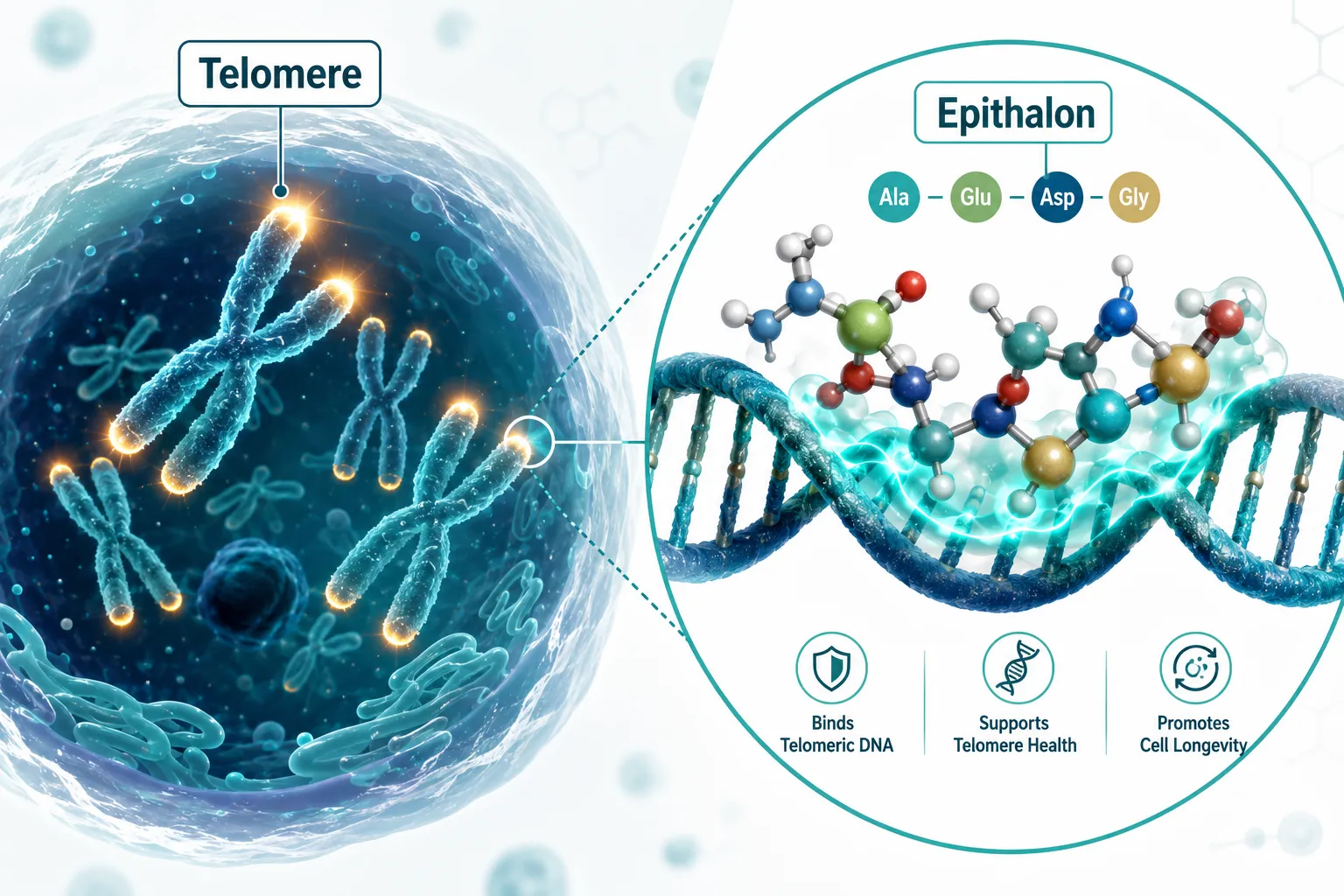
Telomeres shorten with every cell division, and by the time a human reaches middle age, some cells have already crossed the threshold into senescence. That single biological fact has driven enormous scientific interest in compounds that may interact with genomic maintenance systems. The study of DNA, Epithalon, and MOTS‑c: How Research Peptides Interface With Genomic and Telomeric Biology sits at the intersection of molecular biology, mitochondrial science, and peptide research, offering a framework for understanding how two distinct compounds may influence cellular aging at its most fundamental level. All discussion here reflects preclinical research contexts only.

Bright editorial infographic-style landscape (): a split scientific illustration showing a human cell nucleus with glowing

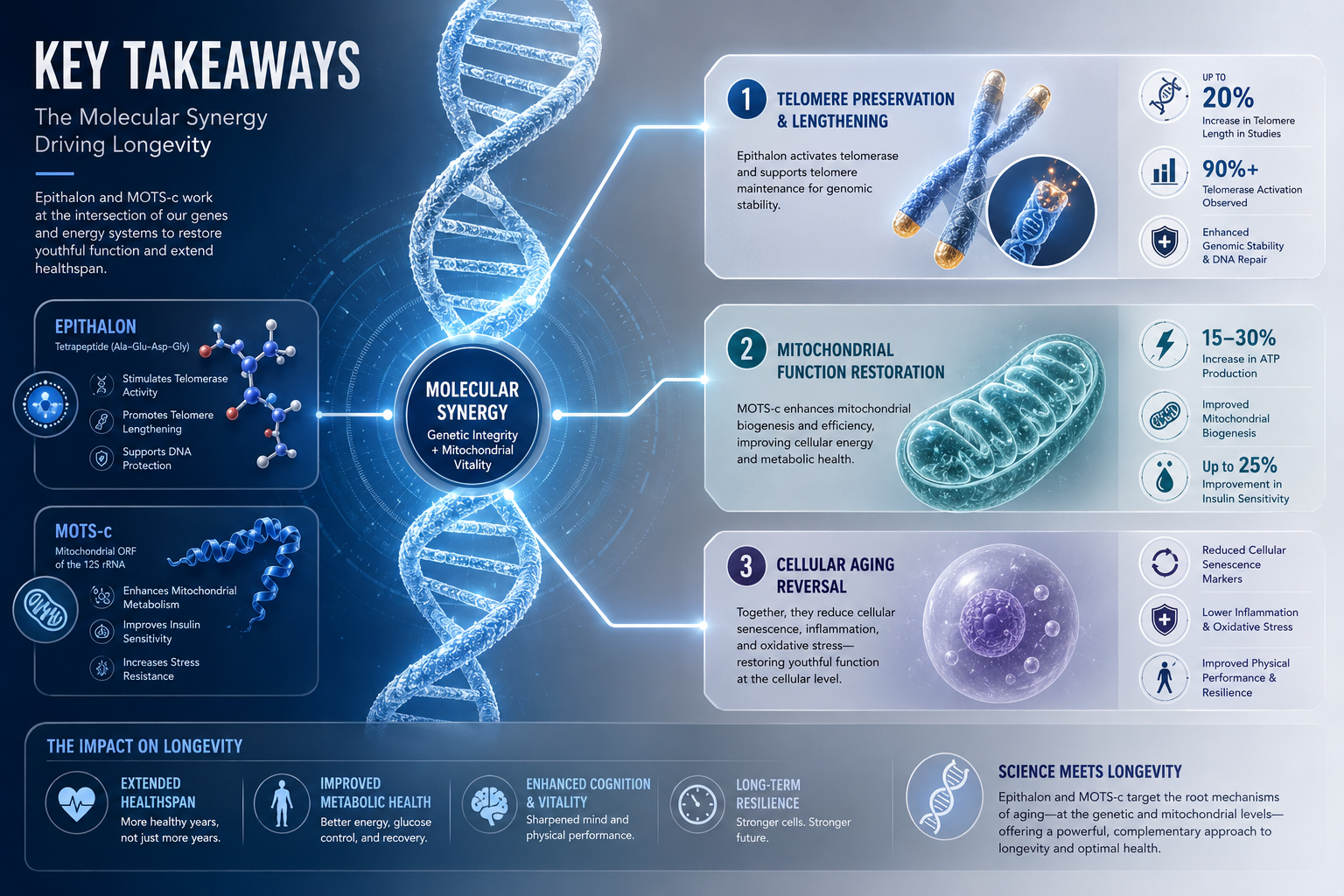
Key Takeaways

  • Epithalon is a synthetic tetrapeptide studied for its ability to activate telomerase and potentially slow telomere shortening in cell lines.
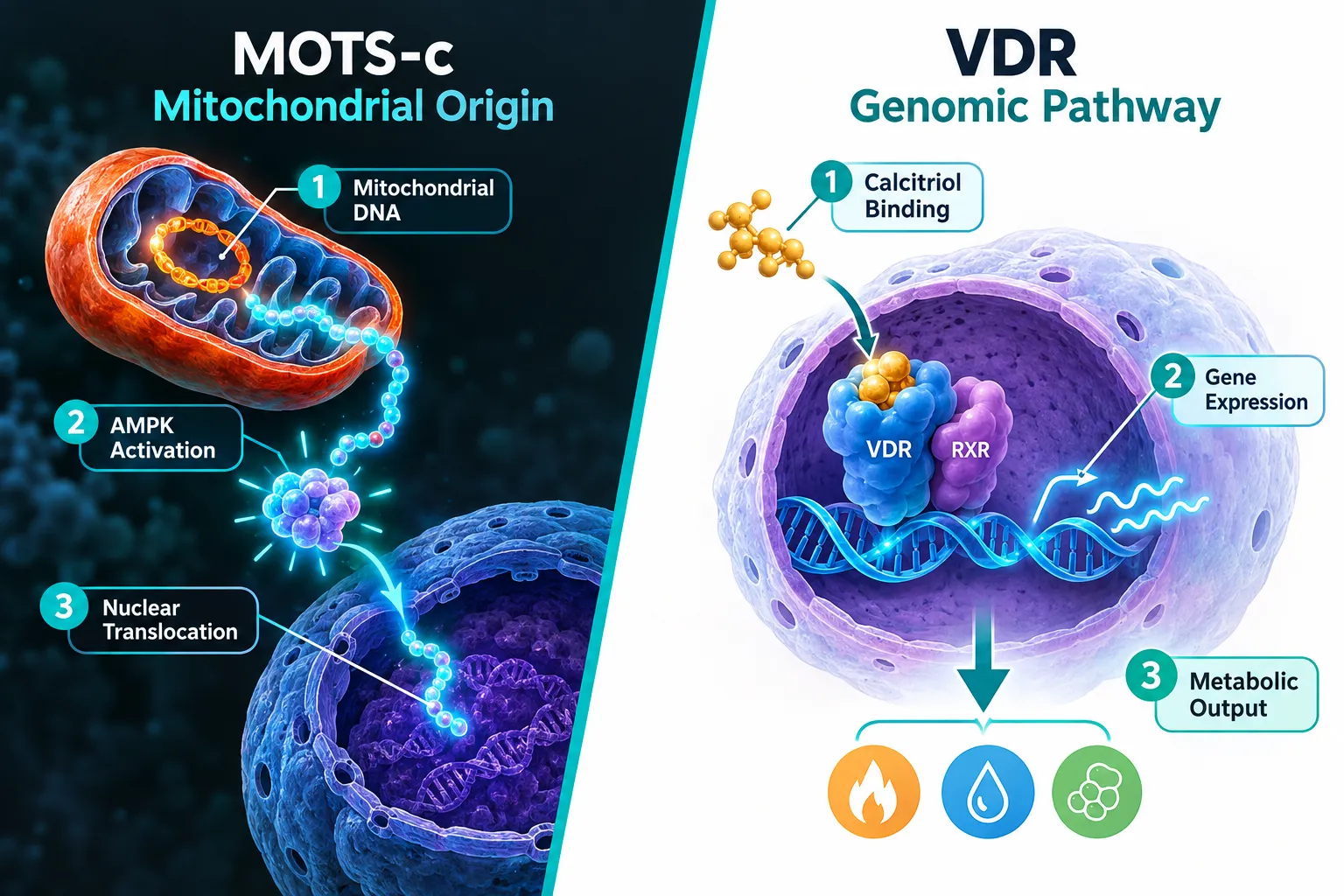
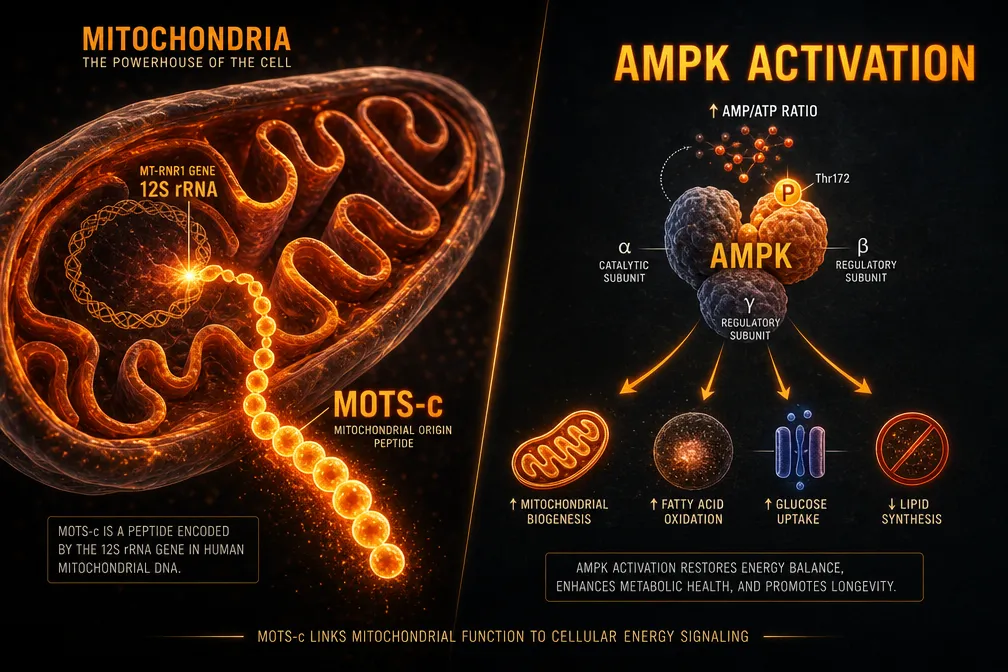
  • MOTS‑c is encoded within mitochondrial DNA and functions as a metabolic regulator by activating the AMPK pathway.
  • Both peptides represent distinct anti-aging strategies: one genomic, one mitochondrial.
  • Circulating MOTS‑c levels decline with age, and preclinical models suggest exogenous administration may partially restore metabolic function.
  • Neither peptide is FDA-approved for human use; both are available strictly for scientific research.

Understanding the Genomic Foundation

Before examining how DNA, Epithalon, and MOTS‑c interact with genomic and telomeric biology, it helps to understand the structures involved.

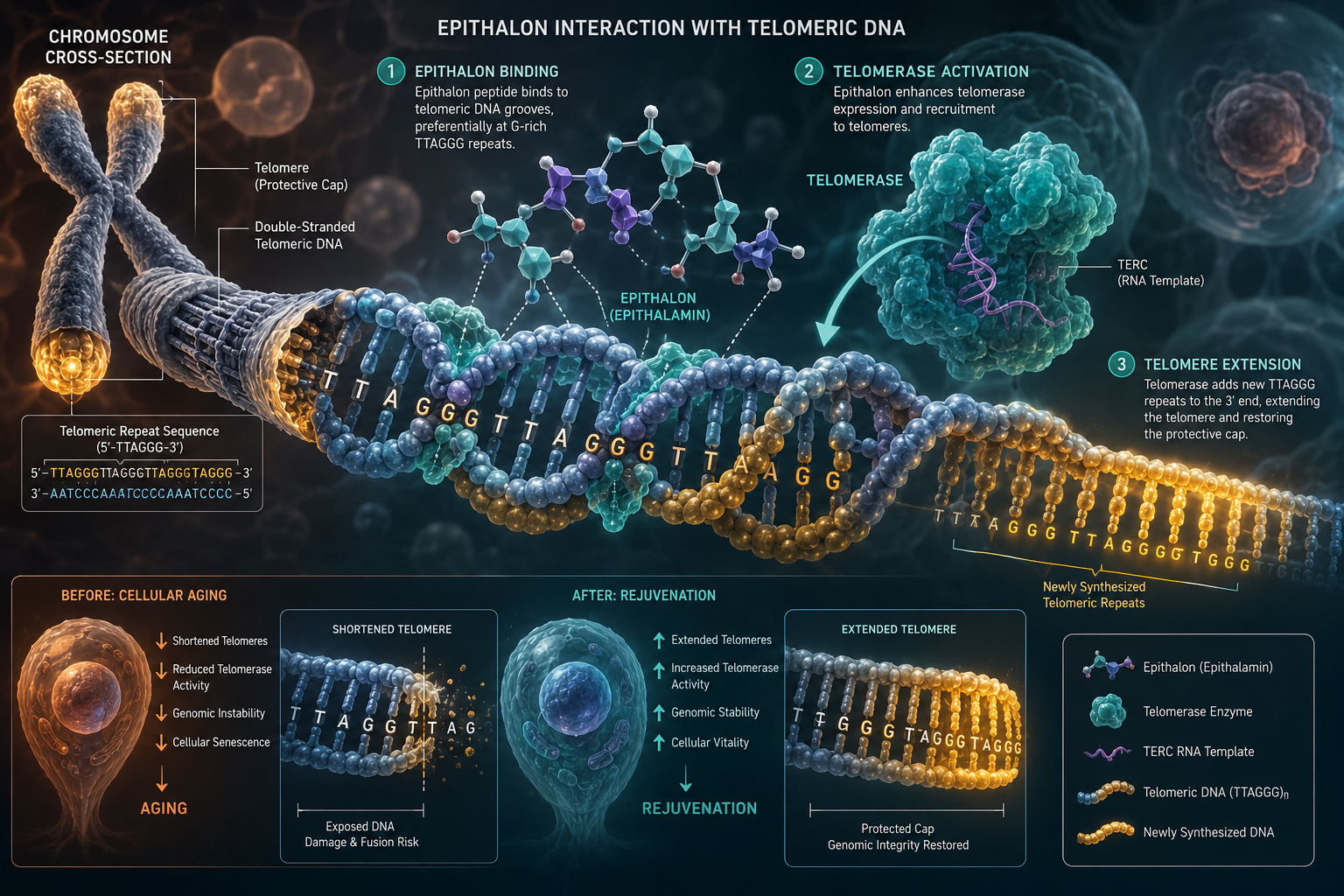
Telomeres are repetitive nucleotide sequences (TTAGGG in humans) that cap the ends of chromosomes like protective shields. Each time a cell divides, these caps shorten. When they become critically short, the cell either stops dividing or undergoes apoptosis. The enzyme telomerase can rebuild telomere length, but its activity declines sharply in most adult somatic cells.

Mitochondrial DNA (mtDNA) is a separate, circular genome housed inside mitochondria. Unlike nuclear DNA, mtDNA is maternally inherited and encodes proteins essential for cellular energy production. It also encodes small peptides, including MOTS‑c, that act as signaling molecules throughout the body.

These two genomic systems, nuclear and mitochondrial, are the primary targets of Epithalon and MOTS‑c respectively.


Epithalon: Telomerase Activation and Gene Expression

Epithalon (also written Epitalon) is a synthetic tetrapeptide with the sequence Ala-Glu-Asp-Gly. It was originally derived from the pineal gland peptide epithalamin and has been studied extensively in Russian biogerontology research since the 1980s.

How Epithalon Interfaces With DNA

Research suggests Epithalon may activate telomerase, the enzyme responsible for extending telomere length. In human cell line studies, Epithalon has been associated with increased telomere length, achieved either through direct telomerase upregulation or through alternative lengthening of telomeres (ALT) mechanisms.

Beyond telomere biology, Epithalon appears to interact with chromatin itself. Studies indicate it can bind directly to DNA and interact with histone proteins, influencing chromatin structure. This suggests a broader role in gene expression modulation, not merely telomere maintenance.

"Epithalon's interaction with histone proteins places it in the category of epigenetic modulators, a distinction that separates it from simpler antioxidant-based anti-aging compounds."

For a deeper look at Epithalon's longevity-related signaling, see the Epithalon longevity signals research overview.


MOTS‑c: Mitochondrial DNA and Metabolic Regulation

MOTS‑c is a 16-amino-acid peptide encoded within the mitochondrial 12S rRNA gene, making it one of the few known peptides of mitochondrial origin. This unique origin means MOTS‑c is directly tied to the mitochondrial genome, not the nuclear genome, which gives it a distinct biological identity.

MOTS‑c: Mitochondrial DNA and Metabolic Regulation

MOTS‑c and the AMPK Pathway

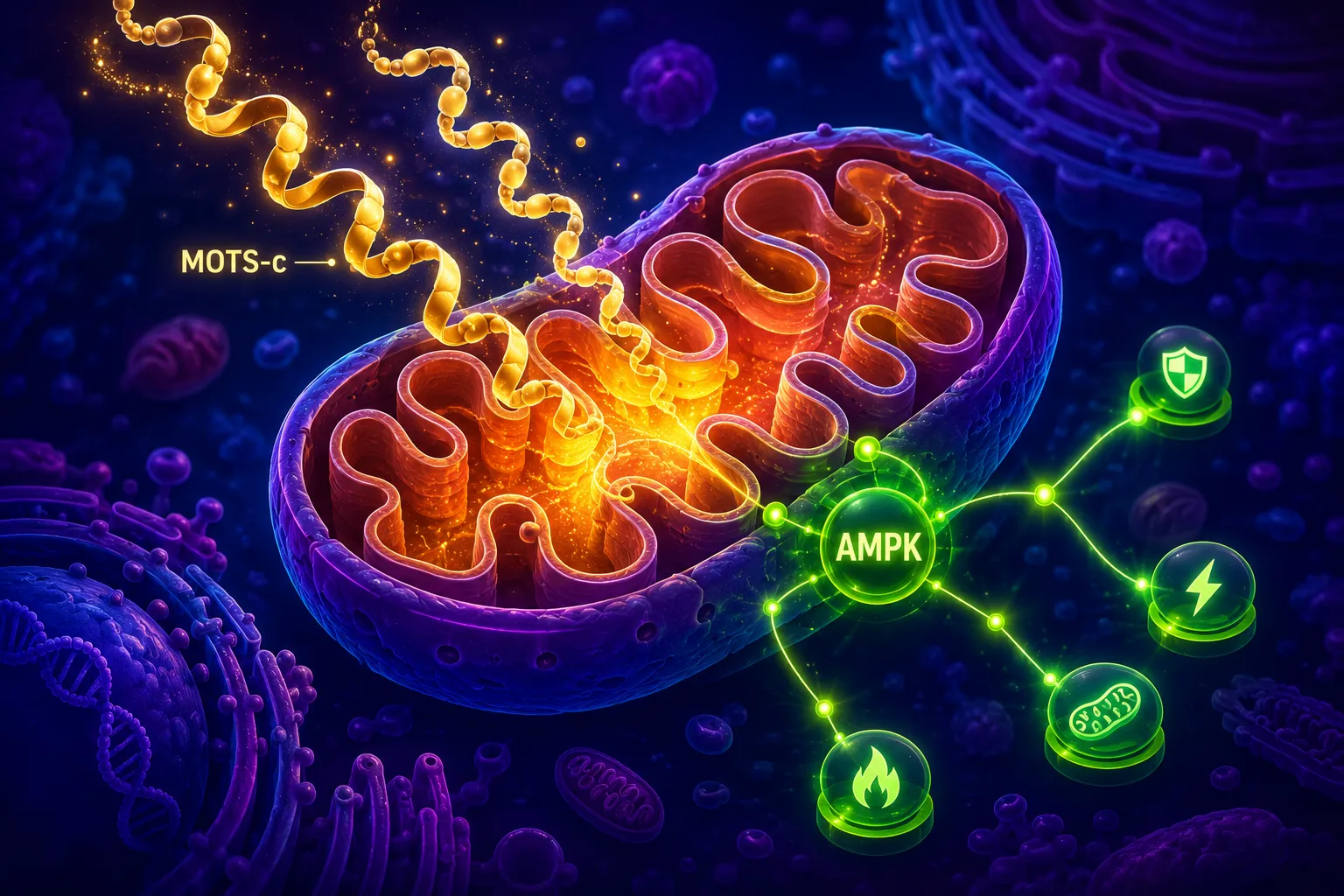
MOTS‑c functions as a systemic metabolic regulator by activating AMP-activated protein kinase (AMPK), a master energy sensor in cells. Through AMPK activation, MOTS‑c influences:

  • Insulin sensitivity, improving glucose uptake in muscle tissue
  • Body composition, supporting fat metabolism
  • Physical performance, acting as an exercise mimetic in aged animal models

Circulating MOTS‑c levels decline measurably with age in both humans and mice. Preclinical studies show that exogenous MOTS‑c administration in aged mice partially restores metabolic functions that had declined with age, a finding that has generated significant research interest.

For more on MOTS‑c's role in mitochondrial function, explore the MOTS‑c mitochondrial peptide research profile and MOTS‑c metabolic flexibility research themes.


Comparing the Two Pathways

Understanding DNA, Epithalon, and MOTS‑c: How Research Peptides Interface With Genomic and Telomeric Biology requires a clear comparison of their distinct mechanisms.

Feature Epithalon MOTS‑c
Origin Synthetic tetrapeptide Mitochondrial DNA-encoded
Primary target Nuclear DNA / telomeres Mitochondrial signaling / AMPK
Key mechanism Telomerase activation Metabolic regulation
Age-related change Telomere shortening increases MOTS‑c levels decrease
Research model Cell lines, animal studies Animal models, human observational

These two peptides represent complementary, not competing, approaches to genomic and cellular maintenance research.

Researchers interested in how other peptides interact with cellular repair systems may also find value in reviewing GHK-Cu peptide research and sourcing guidance, as GHK-Cu similarly influences gene expression pathways.

Comparing the Two Pathways


Research Considerations and Regulatory Status

Neither Epithalon nor MOTS‑c is approved by the FDA for human therapeutic use. Both compounds are available exclusively for scientific research purposes. Human clinical trial data remains limited, and preclinical findings, while promising, cannot be directly extrapolated to human outcomes without further controlled study.

Researchers sourcing these compounds should prioritize verified purity and documented testing. Reviewing quality testing protocols before procurement is a critical step in responsible research planning.

Those exploring broader peptide research themes may also find the MOTS‑c mitochondrial dynamics research and synergy of LL‑37 and MOTS‑c resources useful for contextualizing multi-peptide research frameworks.


Conclusion

The intersection of DNA, Epithalon, and MOTS‑c: How Research Peptides Interface With Genomic and Telomeric Biology represents one of the most scientifically nuanced areas of current peptide research. Epithalon's potential to activate telomerase and modulate chromatin structure addresses the nuclear genomic side of cellular aging. MOTS‑c, encoded within mitochondrial DNA itself, targets the metabolic and energetic dimensions of age-related decline through AMPK activation.

Actionable next steps for researchers in 2026:

  1. Review the current preclinical literature on telomerase activation and MOTS‑c metabolic signaling before designing any study protocol.
  2. Confirm peptide purity through third-party certificate of analysis documentation prior to use.
  3. Evaluate Epithalon and MOTS‑c as part of a broader genomic research framework, not as isolated compounds.
  4. Monitor emerging human observational data on MOTS‑c levels as a biomarker of metabolic aging.

Both compounds offer compelling research angles, but responsible science demands rigorous methodology, verified sourcing, and a clear understanding that preclinical findings are the starting point, not the conclusion.

https://www.puretestedpeptides.com/wp-content/uploads/2026/07/dna-epithalon-and-mots-c-how-research-peptides-interface-with-genomic-and-telome.webp 1024 1536 Pure Tested https://www.puretestedpeptides.com/wp-content/uploads/2026/01/buy-peptides-online.jpg Pure Tested2026-07-15 13:05:332026-07-20 15:00:07DNA, Epithalon, and MOTS‑c: How Research Peptides Interface With Genomic and Telomeric Biology
MOTS-c Peptide and Mitochondrial Biogenesis: Unlocking Cellular Energy Pathways for Research

MOTS-c Peptide and Mitochondrial Biogenesis: Unlocking Cellular Energy Pathways for Research

June 29, 2026/0 Comments/by Pure Tested

{"cover":"Professional landscape format (1536×1024) hero image with bold text overlay: 'MOTS-c Peptide & Mitochondrial Biogenesis: Unlocking Cellular Energy Pathways' in extra large 72pt white bold sans-serif font with dark semi-transparent overlay box, centered upper-third placement. Background shows a stunning macro scientific visualization of a glowing mitochondrion with ATP energy particles radiating outward, deep teal and electric blue color palette with gold energy accents, molecular structures floating in background, editorial magazine cover quality, high contrast, cinematic lighting","content":["Detailed landscape format (1536×1024) scientific diagram illustration showing a cross-section of a mitochondrion with labeled MOTS-c peptide molecular structure (16 amino acid chain) emerging from the 12S rRNA gene region, glowing AMPK pathway activation arrows, PGC-1alpha protein highlighted in gold, cellular energy flow visualization with ATP molecules, dark navy background with bioluminescent teal and white annotation lines, clean infographic style, research-grade editorial quality","Landscape format (1536×1024) split-panel research comparison graphic showing left panel with preclinical animal study icons (mouse silhouettes, metabolic charts, insulin sensitivity graphs trending upward) and right panel showing human clinical trial question marks and pending status indicators, MOTS-c peptide molecular formula overlaid, amber and blue color contrast, clean scientific poster aesthetic, bold typography annotations, laboratory research setting background with blurred microscopes","Landscape format (1536×1024) regulatory and research roadmap timeline visualization showing 2026 FDA PCAC review milestone on a horizontal timeline, MOTS-c peptide safety assessment checkpoints, immunogenicity concern icons, metabolic flexibility research branches extending upward like a decision tree, professional dark charcoal background with white and green pathway lines, government regulatory building silhouette in background, clean data visualization style, editorial quality"]

Professional landscape hero image () with : "MOTS-c Peptide and Mitochondrial Biogenesis: Unlocking Cellular Energy Pathways

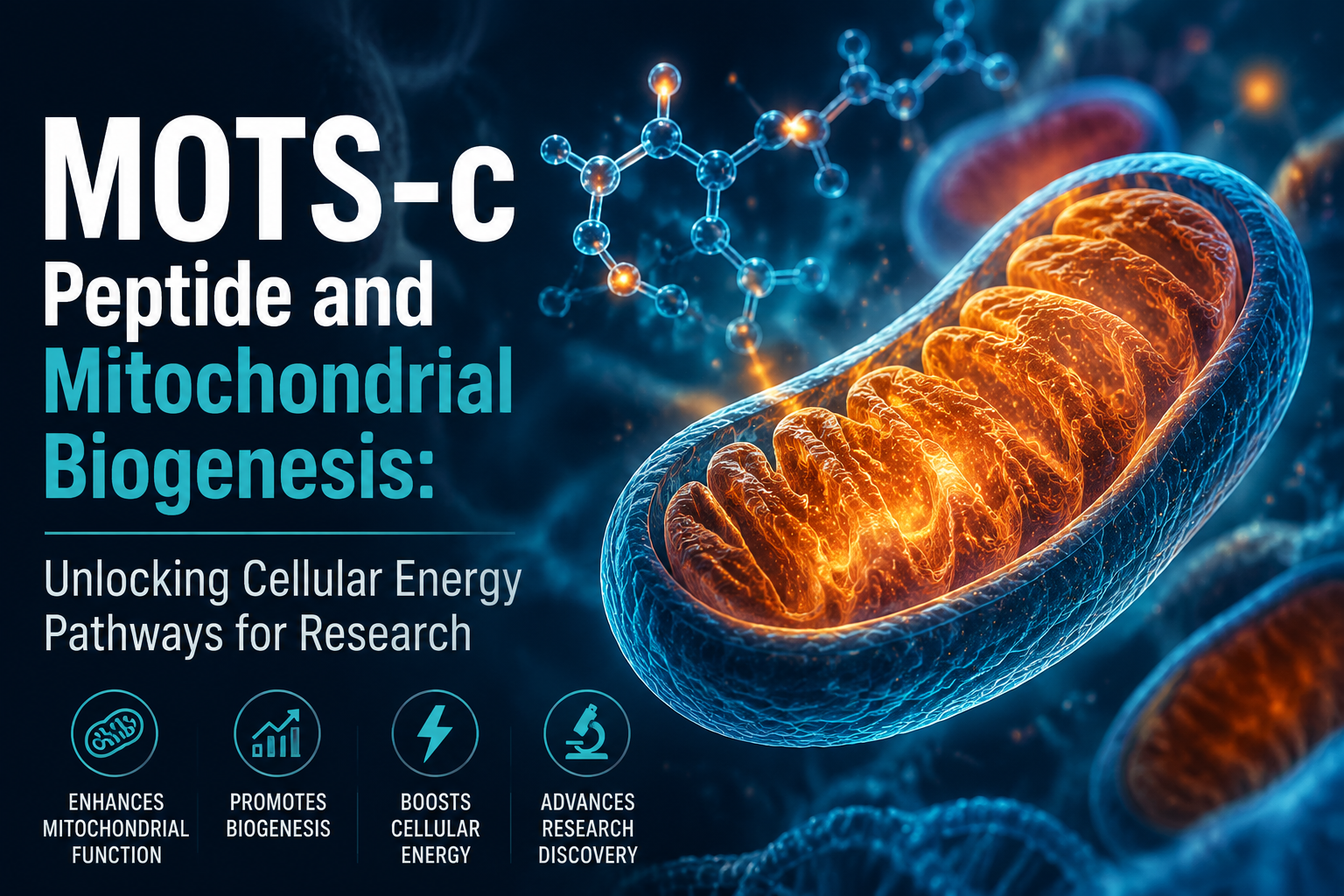
Exercise raises endogenous MOTS-c levels in skeletal muscle — a discovery that reframes how researchers think about metabolic signaling at the cellular level. This 16-amino-acid peptide, encoded within the mitochondrial genome itself, sits at the crossroads of energy regulation, aging biology, and metabolic health. Understanding MOTS-c peptide and mitochondrial biogenesis: unlocking cellular energy pathways for research begins with appreciating how a molecule this small can exert such wide-ranging influence on cellular function.

Editorial infographic for 'Key Takeaways' section illustrating MOTS-c Peptide and Mitochondrial Biogenesis research

Key Takeaways

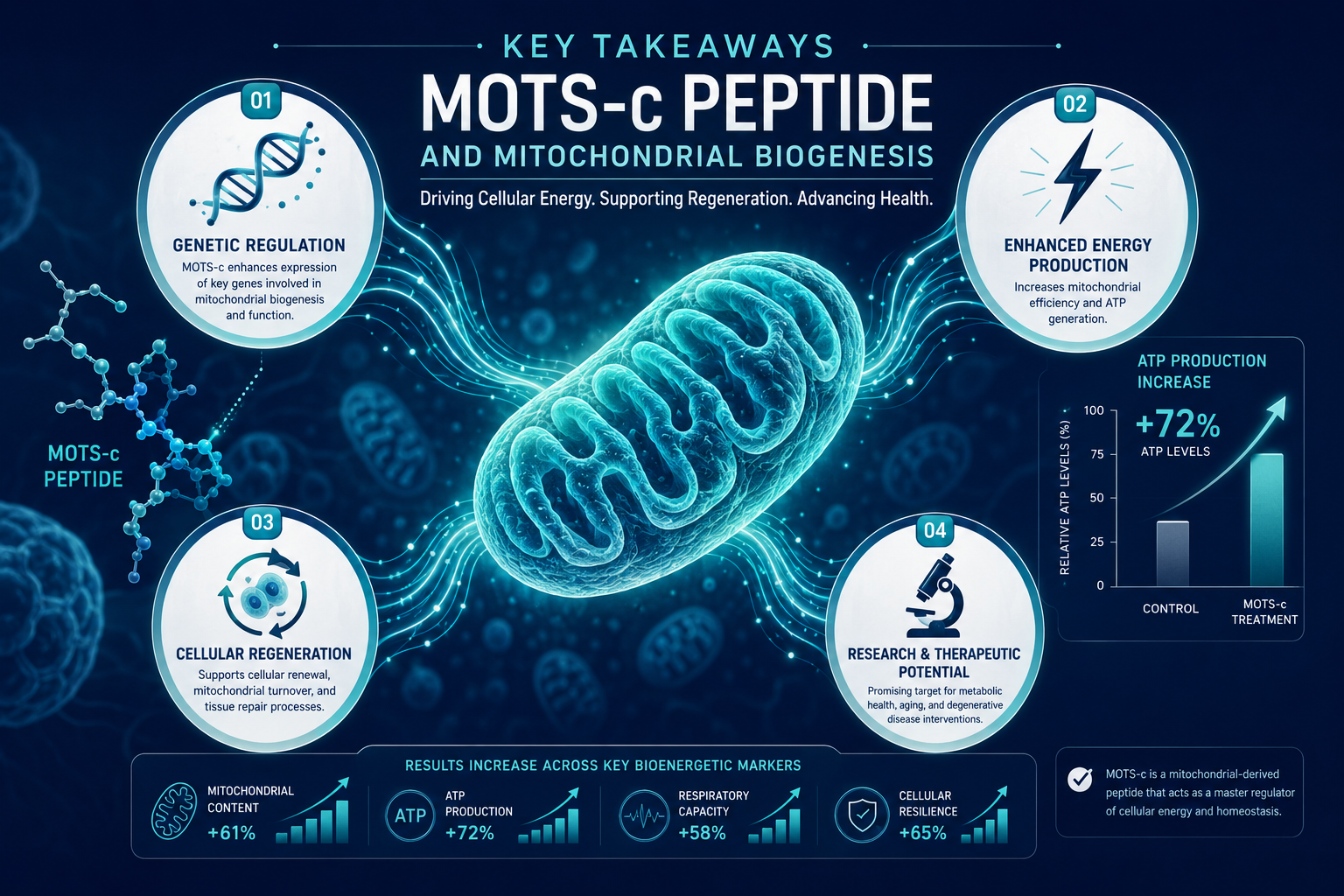
  • MOTS-c is a mitochondria-derived peptide that activates the AMPK pathway to stimulate mitochondrial biogenesis and metabolic regulation.
  • Preclinical studies show promising results for insulin sensitivity, weight management, and exercise capacity, but no completed human efficacy trials exist as of 2026.
  • The FDA removed MOTS-c from the 503A Category 2 list in April 2026; a PCAC review is scheduled for July 2026.
  • MOTS-c is often called an "exercise mimetic," though experts caution this label oversimplifies its effects.
  • All current use of MOTS-c remains strictly within controlled research and investigational settings.

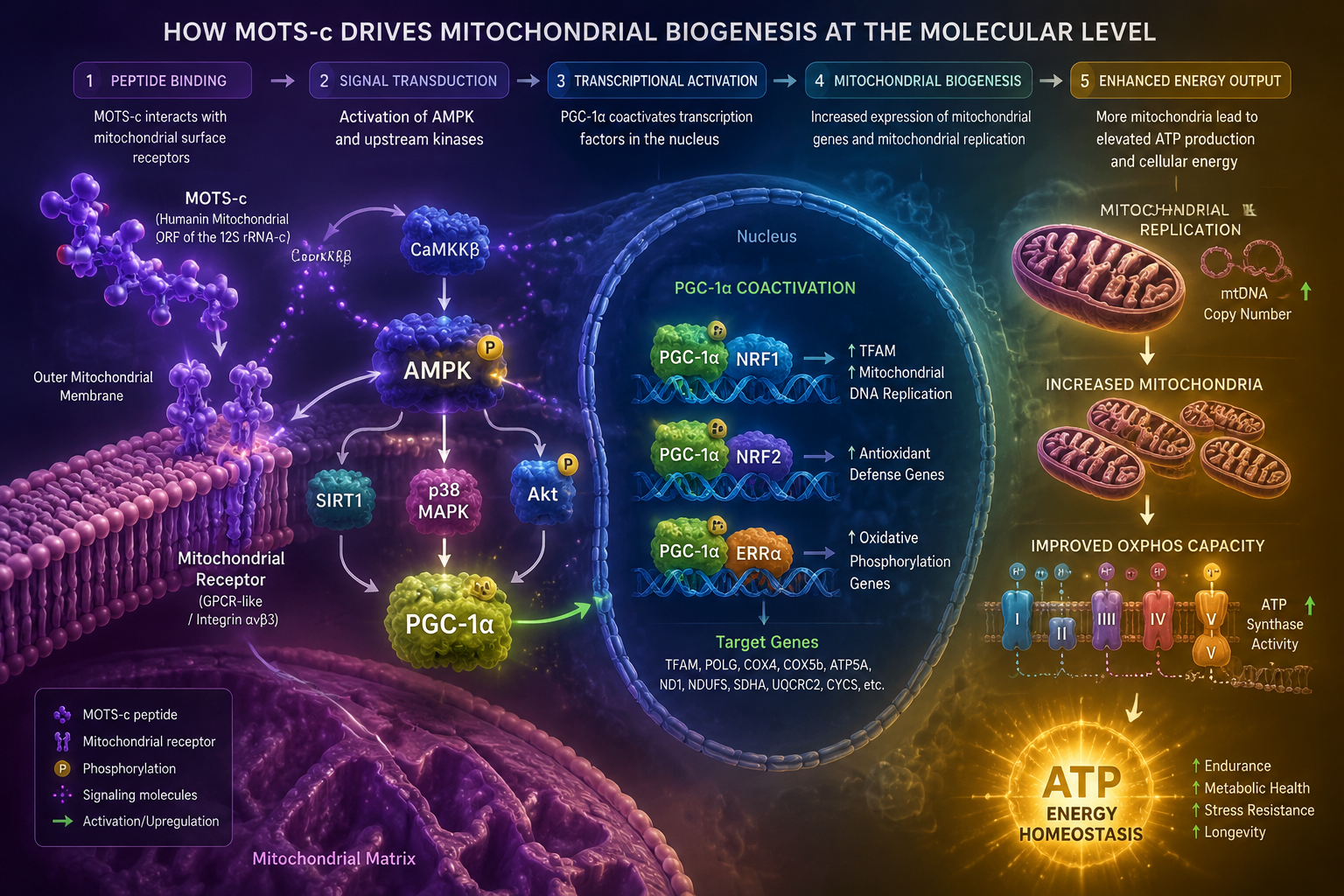
How MOTS-c Drives Mitochondrial Biogenesis at the Molecular Level

MOTS-c originates from the 12S rRNA gene within mitochondrial DNA — making it one of the few known peptides encoded outside the nuclear genome. Once translated, it translocates to the nucleus under conditions of metabolic stress, where it regulates gene expression tied to energy homeostasis.

The primary mechanism involves activation of AMP-activated protein kinase (AMPK), a master energy sensor in cells. When AMPK is activated by MOTS-c, a cascade of downstream effects follows:

Effect Biological Outcome
Increased glucose uptake Improved cellular fuel availability
Enhanced fatty acid oxidation Greater metabolic flexibility
PGC-1alpha activation Stimulation of mitochondrial biogenesis
Reduced oxidative stress Improved mitochondrial integrity

PGC-1alpha is the key transcription coactivator here. Its activation by MOTS-c triggers the production of new mitochondria, expands the mitochondrial network, and improves overall oxidative capacity. This is why MOTS-c peptide and mitochondrial biogenesis: unlocking cellular energy pathways for research has become such a compelling area of study — the peptide essentially tells cells to build better energy infrastructure.

For researchers interested in complementary mitochondrial-targeted compounds, the SS-31 peptide research overview offers useful context on how other peptides interact with mitochondrial membranes.

Researchers studying broader metabolic signaling may also find value in exploring NAD+ energetics and longevity research themes, which intersect with MOTS-c's role in cellular energy regulation.


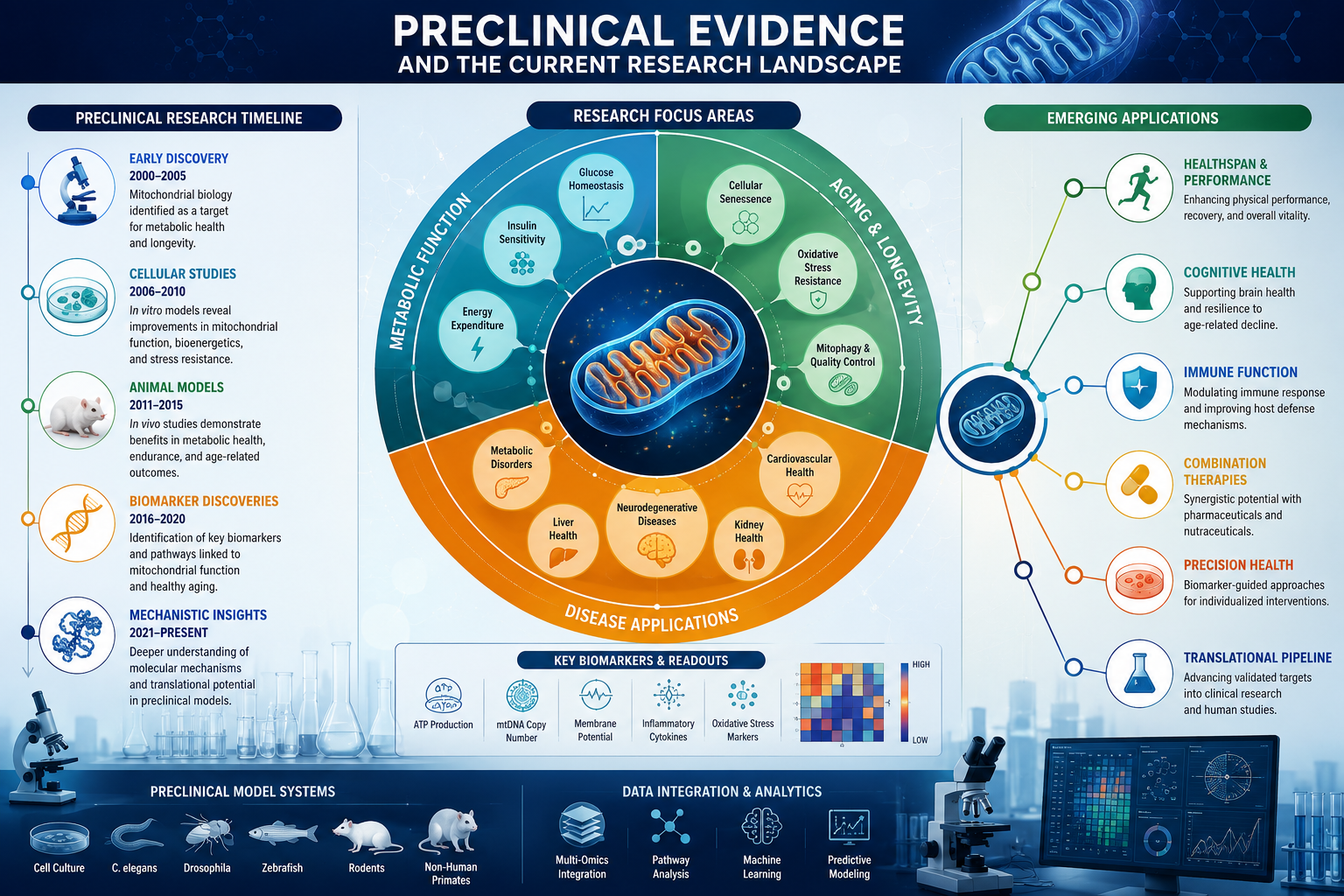
Preclinical Evidence and the Current Research Landscape

Preclinical Evidence and the Current Research Landscape

Animal model studies have produced notable findings. MOTS-c administration in rodent models has demonstrated:

  • Improved insulin sensitivity in diet-induced obesity models
  • Reduced body weight without significant changes to food intake
  • Enhanced exercise capacity and skeletal muscle performance
  • Attenuation of age-related metabolic decline

These results have fueled significant interest in MOTS-c as a potential tool for metabolic research. The peptide is frequently described as an "exercise mimetic" because it activates many of the same pathways engaged during physical activity. However, experts are careful to note that MOTS-c does not replicate the full systemic benefits of exercise, which involve cardiovascular, neurological, and musculoskeletal adaptations far beyond what a single peptide can address.

"Preclinical results are promising, but the absence of completed human trials means all conclusions remain provisional."

As of 2026, no completed human efficacy trials exist. The research community continues to investigate MOTS-c's role in metabolic flexibility, aging, and stress response. For a deeper look at related metabolic research themes, the MOTS-c metabolic flexibility research overview provides additional context.

Researchers exploring longevity-focused peptide research may also benefit from reviewing longevity peptide research themes to understand how MOTS-c fits within a broader aging-biology framework.


Regulatory Status and Safety Considerations in 2026

Regulatory Status and Safety Considerations in 2026

The regulatory picture for MOTS-c shifted notably in 2026. On April 22, 2026, the FDA removed MOTS-c from the 503A Category 2 list following the withdrawal of its nomination. A Pharmacy Compounding Advisory Committee (PCAC) review is scheduled for July 23, 2026, to evaluate its potential inclusion for research applications related to obesity and osteoporosis.

The FDA has flagged several safety concerns that researchers must account for:

  • Immunogenicity risk — potential for immune responses to exogenous peptide administration
  • Peptide-related impurities — quality and purity standards remain under scrutiny
  • Lack of human exposure data — no established safety profile in human subjects

These concerns reinforce why MOTS-c remains strictly investigational. Sourcing quality-verified peptides for research is essential; researchers can explore MOTS-c: the mitochondrial peptide for detailed compound information.

For those examining synergistic mitochondrial research compounds, the synergy of LL-37 and SS-31 peptides article explores how multiple peptides may interact in cellular energy contexts.


Conclusion

MOTS-c peptide and mitochondrial biogenesis: unlocking cellular energy pathways for research represents one of the most mechanistically rich areas in current peptide science. The peptide's ability to activate AMPK, stimulate PGC-1alpha, and promote new mitochondrial formation positions it as a valuable investigational tool for understanding metabolic disease, aging, and cellular energy regulation.

Actionable next steps for researchers:

  1. Review the July 2026 PCAC findings as they become available to assess updated regulatory guidance.
  2. Prioritize sourcing rigorously tested, purity-verified MOTS-c for any preclinical work.
  3. Design studies that pair MOTS-c with validated metabolic biomarkers to build translatable data.
  4. Monitor emerging literature on AMPK pathway modulators and mitochondrial biogenesis to contextualize findings.

All research use of MOTS-c should occur within controlled, ethically approved settings until human safety and efficacy data are established.

https://www.puretestedpeptides.com/wp-content/uploads/2026/06/MOTS-c-Peptide-and-Mitochondrial-Biogenesis-Unlocking-Cellular-Energy-Pathways-for-Research.png 1024 1536 Pure Tested https://www.puretestedpeptides.com/wp-content/uploads/2026/01/buy-peptides-online.jpg Pure Tested2026-06-29 13:05:282026-07-20 15:01:57MOTS-c Peptide and Mitochondrial Biogenesis: Unlocking Cellular Energy Pathways for Research
DNA, Epithalon, and MOTS-c: What Genetic and Telomeric Research Suggests About Peptide-Based Longevity Models

DNA, Epithalon, and MOTS-c: What Genetic and Telomeric Research Suggests About Peptide-Based Longevity Models

June 25, 2026/0 Comments/by Pure Tested

{"cover":"Professional landscape format (1536×1024) hero image with bold text overlay: 'DNA, Epithalon & MOTS-c: Peptide-Based Longevity Models' in extra large 72pt white bold sans-serif font with dark semi-transparent overlay box, centered upper third. Background shows a dramatic close-up of a glowing DNA double helix with telomere caps rendered in deep blue and gold, surrounded by floating molecular peptide chain structures. Color palette: deep navy, electric blue, gold accents. Magazine cover aesthetic, editorial quality, high contrast, cinematic lighting.","content":["Detailed landscape format (1536×1024) scientific illustration showing a split-panel composition: left side features a magnified telomere cap on a chromosome strand glowing in teal-blue light with telomerase enzyme molecules binding to the end; right side shows a vial labeled 'Epithalon' with molecular structure diagram overlaid. Laboratory bench setting with microscope in soft background bokeh. Color palette: cool teal, white, charcoal. Clean editorial scientific aesthetic, high detail, photorealistic rendering.","Landscape format (1536×1024) top-down aerial view of a mitochondrion cross-section rendered in warm amber and orange tones with MOTS-c peptide chains illustrated as glowing golden ribbons traveling from the mitochondrial matrix outward toward a cell nucleus in the background. AMPK activation nodes shown as bright spark points along metabolic pathway arrows. Dark cellular background with bioluminescent accents. Highly detailed scientific infographic style, editorial quality.","Landscape format (1536×1024) side-by-side comparison infographic showing two research protocol timelines on a dark slate background: left column labeled 'Epithalon — Telomerase Pathway' with chromosome diagrams and gene expression bar charts; right column labeled 'MOTS-c — AMPK Metabolic Pathway' with NAD+ level graphs and mitochondrial icons. Data visualization style with clean white typography, teal and amber color coding, laboratory notebook aesthetic, editorial quality."]

Professional landscape hero image () with : "DNA, Epithalon, and MOTS-c: What Genetic and Telomeric Research Suggests About

Telomeres shorten by roughly 25–200 base pairs with every cell division — a biological clock that researchers have spent decades trying to slow or reverse. That measurable, molecular countdown is precisely why the study of DNA, Epithalon, and MOTS-c: What Genetic and Telomeric Research Suggests About Peptide-Based Longevity Models has attracted serious attention in preclinical science. Two peptides — Epithalon and MOTS-c — have emerged from this field with distinct but potentially complementary mechanisms, offering researchers a framework for studying multiple aging hallmarks at the genetic level.

Key Takeaways

  • Epithalon is a synthetic tetrapeptide studied for its ability to activate telomerase and extend telomere length in cell and animal models.
  • MOTS-c is a mitochondrial-derived peptide that travels to the cell nucleus and regulates metabolism through AMPK activation and NAD+ modulation.
  • MOTS-c plasma levels decline by nearly 21% between young adulthood and ages 70-81, making it a quantifiable aging biomarker.
  • Both peptides target different hallmarks of aging, suggesting complementary use in multi-endpoint research protocols.
  • Current evidence is largely preclinical; independent replication and large-scale trials remain limited.

Key Takeaways

How Epithalon Interacts With Telomeric DNA

Epithalon (Ala-Glu-Asp-Gly) is a four-amino-acid peptide first synthesized from the pineal gland extract Epithalamin. In laboratory models, it activates telomerase — the enzyme responsible for adding protective nucleotide sequences to chromosome ends. When human fetal fibroblasts were exposed to Epithalon, researchers observed measurable telomere elongation alongside continued cell division beyond typical senescence thresholds.

In animal studies, lifespan extensions of 11-25% were recorded in mice, with approximately 16% extensions observed in fruit fly models. These are striking figures in longevity research. However, a critical limitation must be noted: the majority of these findings originate from a single research group, and independent replication remains sparse. No large-scale, double-blind, placebo-controlled trials have been conducted by outside investigators.

Common lab endpoints when studying Epithalon include:

  • Telomere length measurement via quantitative PCR or Southern blot
  • Telomerase reverse transcriptase (TERT) gene expression levels
  • Circadian gene normalization (Epithalon has been shown to restore nocturnal melatonin peaks in aged rats)
  • Cell division count beyond the Hayflick limit

Researchers interested in Epithalon peptides for experimental models should also account for its pharmacokinetics: plasma half-life is under 30 minutes, yet downstream gene-regulatory effects may persist 24-72 hours post-administration.

A note on safety in research models: Short-term animal studies showed no significant toxicity. However, because elevated telomerase activity is also a feature of cancer cells, long-term oncogenic risk remains a theoretical concern that researchers must factor into study design.


How Epithalon Interacts With Telomeric DNA

MOTS-c, Mitochondrial DNA, and Nuclear Gene Regulation

MOTS-c (Mitochondrial Open Reading Frame of the Twelve S rRNA-c) is encoded not in nuclear DNA but in mitochondrial DNA — a distinction that makes it biologically unique. Under metabolic stress, MOTS-c translocates from the mitochondria to the cell nucleus, where it directly influences gene expression related to metabolism and stress response.

Its primary mechanism involves AMPK activation, a master energy-sensing pathway. This leads to improved glucose clearance, enhanced insulin sensitivity, and elevated NAD+ levels — all biomarkers that decline measurably with age. Research on the MOTS-c mitochondrial peptide highlights that circulating MOTS-c levels drop by nearly 21% in individuals aged 70-81 compared to those aged 18-30, establishing it as a quantifiable aging biomarker.

Documented research endpoints for MOTS-c studies:

Endpoint Observed Effect
AMPK phosphorylation Increased in skeletal muscle
NAD+ levels Elevated following administration
Glucose clearance Improved insulin sensitivity
Physical performance Enhanced in aged mouse models over 2 weeks
Skin collagen Increased via IL-6 reduction

For researchers exploring MOTS-c and mitochondrial dynamics, the skin collagen finding is particularly notable: MOTS-c reduced IL-6, a key inflammatory mediator of collagen degradation, in 6-week-old mouse models.


MOTS-c, Mitochondrial DNA, and Nuclear Gene Regulation

Research Protocols Combining DNA, Epithalon, and MOTS-c: What Genetic and Telomeric Research Suggests About Peptide-Based Longevity Models

Because Epithalon and MOTS-c operate through separate mechanisms — telomerase activation versus AMPK-driven metabolic regulation — combining them in a single protocol allows researchers to probe multiple aging hallmarks simultaneously. This multi-target approach reflects a broader shift in longevity science away from single-pathway models.

"Aging is not a single-gene problem. Studying peptides that address telomeric integrity and mitochondrial signaling together reflects the biological complexity of cellular senescence."

Researchers working within this framework often pair these peptides with complementary agents. The SS-31 mechanism and mitochondrial protection research provides additional context for mitochondrial-targeted protocols. Similarly, GHK-Cu longevity research themes offer a parallel track focused on extracellular matrix remodeling and gene expression.

For a broader view of mitochondrial aging research, the mitochondrial longevity focus resource outlines how MOTS-c fits within a larger experimental landscape that includes compounds like NAD+ precursors and related metabolic modulators.

Standard dual-protocol design considerations:

  • Establish baseline telomere length, TERT expression, and AMPK activity before intervention
  • Use age-matched control groups with verified MOTS-c plasma levels
  • Measure NAD+, glucose tolerance, and inflammatory markers (IL-6, TNF-alpha) at defined intervals
  • Include circadian rhythm assessments when Epithalon is part of the protocol

Researchers exploring broader peptide longevity stacks may also find value in reviewing Vesugen, Vilon, and Chonluten longevity peptide research for comparative gene-regulatory data.


Conclusion

The intersection of DNA, Epithalon, and MOTS-c: What Genetic and Telomeric Research Suggests About Peptide-Based Longevity Models represents one of the more scientifically grounded areas of peptide research in 2026. Epithalon's telomerase-activating properties and MOTS-c's mitochondrial-to-nuclear signaling offer complementary tools for studying cellular aging at the genetic level.

Actionable next steps for researchers:

  1. Review existing telomerase activation literature before designing Epithalon endpoints to avoid replicating single-source data without controls.
  2. Measure baseline MOTS-c plasma levels as a quantifiable aging biomarker in any metabolic aging study.
  3. Incorporate NAD+ and AMPK assays as standard endpoints when MOTS-c is part of the protocol.
  4. Design studies with independent verification methods to address the reproducibility gap in current Epithalon literature.
  5. Consult the MOTS-c and SLU-PP-332 research overview for emerging data on AMPK-pathway synergies.

The science is promising but still maturing. Rigorous, independently replicated research remains the highest priority for advancing peptide-based longevity models from preclinical observation to validated biological insight.

https://www.puretestedpeptides.com/wp-content/uploads/2026/06/DNA-Epithalon-and-MOTS-c-What-Genetic-and-Telomeric-Research-Suggests-About-Peptide-Based-Longevity-Models.png 1024 1536 Pure Tested https://www.puretestedpeptides.com/wp-content/uploads/2026/01/buy-peptides-online.jpg Pure Tested2026-06-25 13:04:322026-07-20 15:02:17DNA, Epithalon, and MOTS-c: What Genetic and Telomeric Research Suggests About Peptide-Based Longevity Models
Best Research Peptides for Weight Management: Comparing GLP-3 Retatrutide, MOTS-c, and 5-Amino-1MQ

Best Research Peptides for Weight Management: Comparing GLP-3 Retatrutide, MOTS-c, and 5-Amino-1MQ

June 22, 2026/0 Comments/by Pure Tested

Obesity affects more than one billion people worldwide, yet fewer than five percent of those with clinically significant excess weight achieve durable fat loss through lifestyle changes alone. That gap has pushed researchers toward a new generation of metabolic compounds. Among the most closely watched are three distinct agents: Retatrutide, MOTS-c, and 5-Amino-1MQ. This comparative guide on the best research peptides for weight management — comparing GLP-3 Retatrutide, MOTS-c, and 5-Amino-1MQ — examines what each compound does, how far the science has advanced, and what distinguishes them from one another.

Key Takeaways

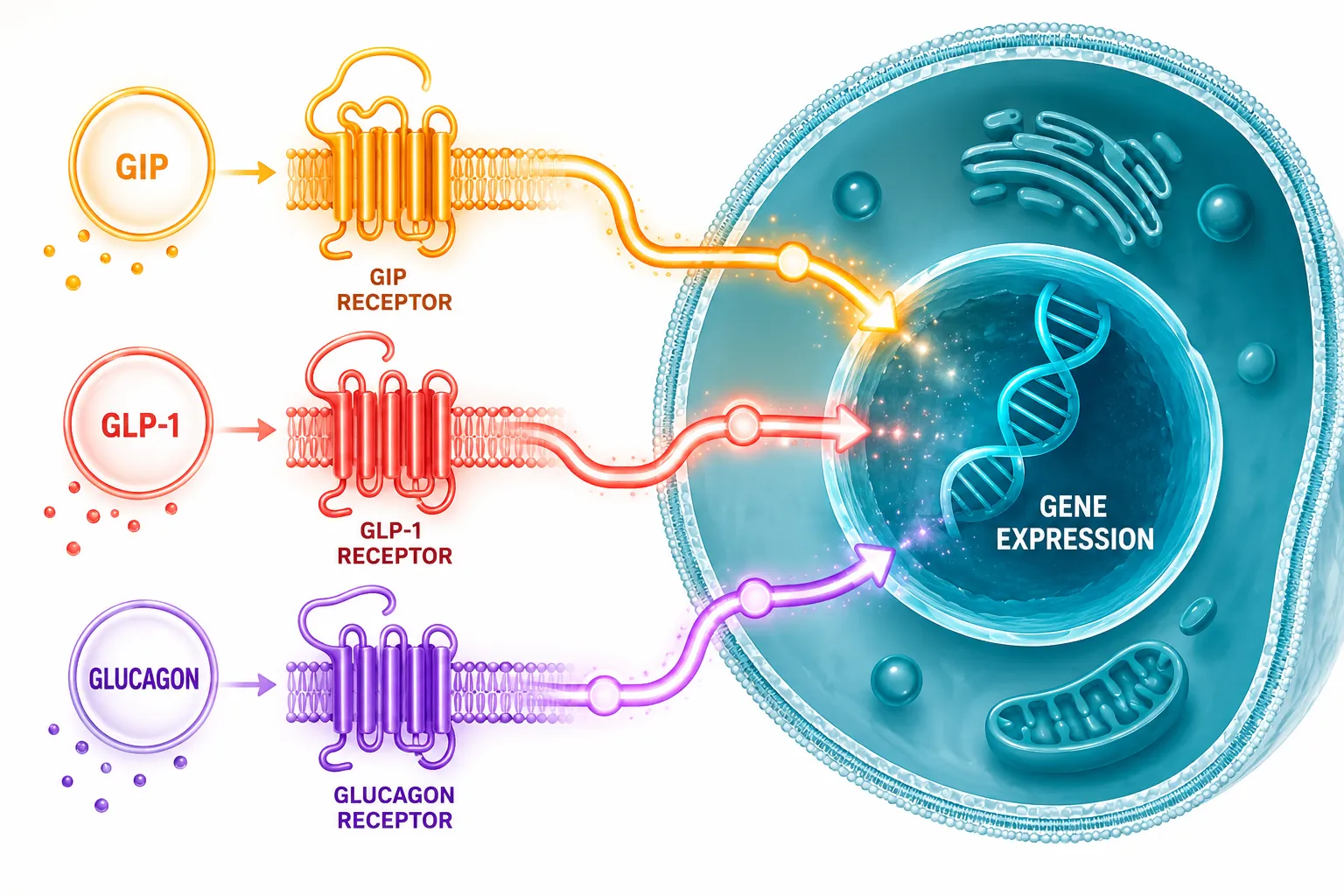
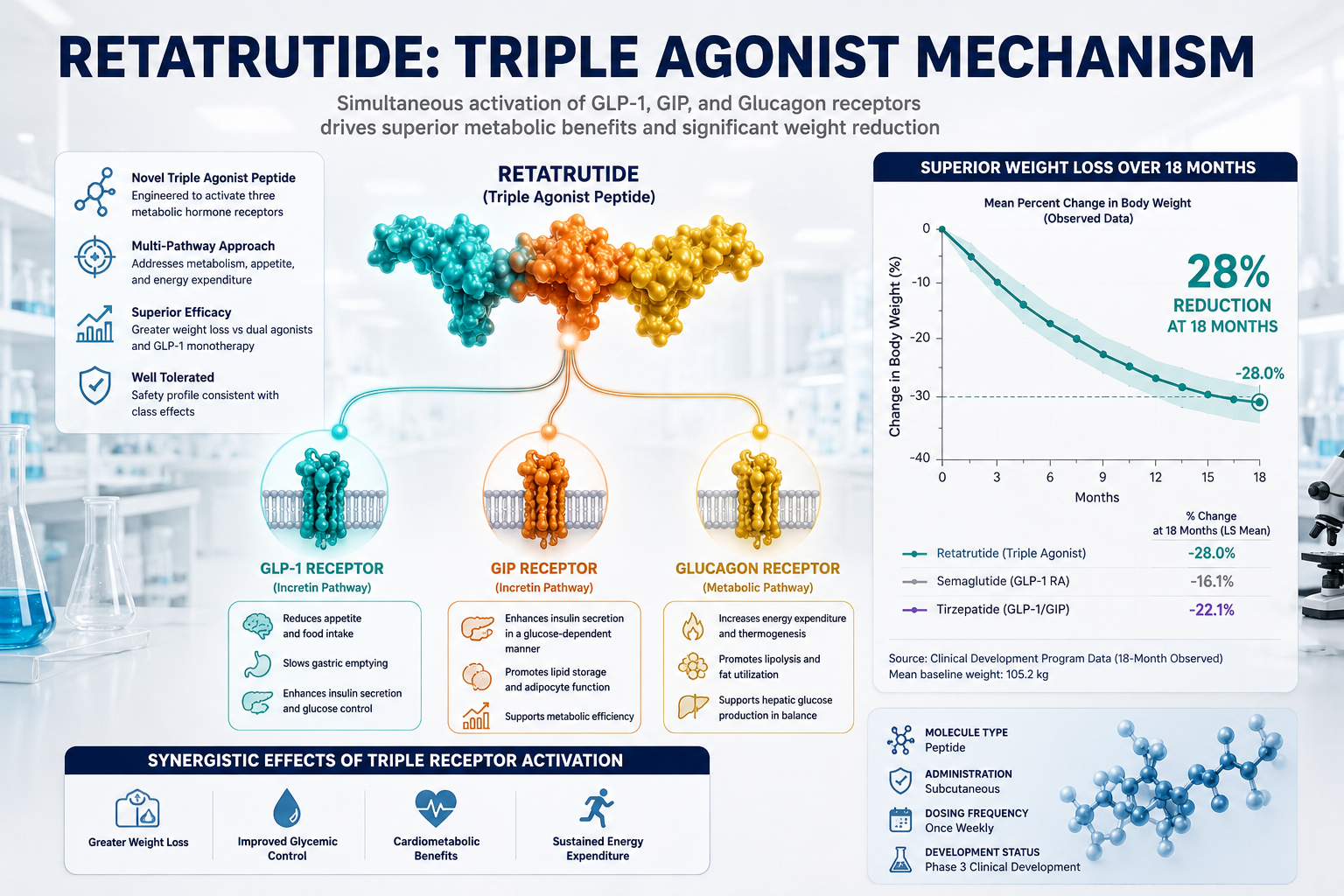
  • Retatrutide is a triple agonist (GLP-1, GIP, glucagon) that produced roughly 28% average weight loss over 18 months in Phase 3 trials — comparable to bariatric surgery outcomes.
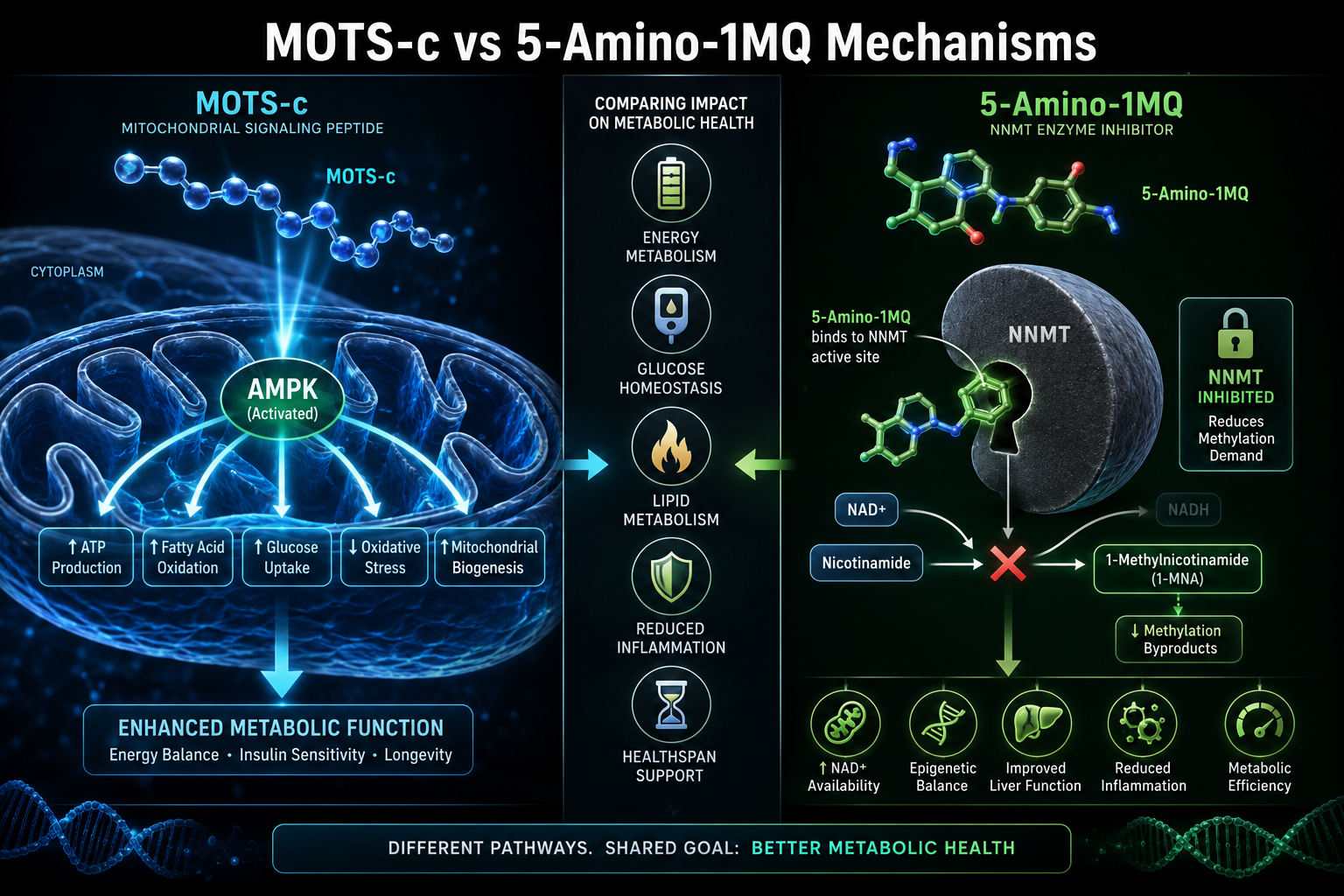
  • MOTS-c is a mitochondria-derived peptide that activates the AMPK pathway, improving insulin sensitivity and metabolic flexibility in preclinical models.
  • 5-Amino-1MQ inhibits the NNMT enzyme to enhance cellular metabolism, but human trial data remain limited.
  • All three compounds are currently research-stage agents; none carries full FDA approval for weight management as of 2026.
  • Mechanism, research maturity, and target pathway differ significantly across the three, making direct comparison essential for informed research planning.

Key Takeaways

Retatrutide: The Triple Agonist Redefining Weight Loss Research

Retatrutide represents the most clinically advanced entry among the best research peptides for weight management. It functions as a triple agonist, simultaneously activating GLP-1, GIP, and glucagon receptors. This three-pronged approach does something no single-receptor agent can match: it enhances satiety through GLP-1 signaling, boosts energy expenditure via glucagon activation, and improves glycemic control through GIP engagement.

The clinical data behind Retatrutide are striking. In a Phase 3 trial conducted by Eli Lilly, participants achieved an average body weight reduction of approximately 28% over 18 months. That figure places Retatrutide in the same efficacy range as bariatric surgery — a threshold no oral or injectable anti-obesity medication had previously crossed. Eli Lilly is pursuing FDA approval, with late-stage trial completion targeted for 2026.

Side effects reported in trials were primarily gastrointestinal: nausea, vomiting, and diarrhea. These effects were dose-dependent and generally mild to moderate, consistent with the GLP-1 drug class profile.

For researchers sourcing this compound, the GLP-3 Retatrutide product page provides catalog navigation and research planning context. Additional receptor-level background is available through the GIP receptor mechanism overview.

"A 28% average weight reduction over 18 months positions Retatrutide as potentially the most efficacious pharmacological weight loss agent studied to date."

MOTS-c and 5-Amino-1MQ: Mitochondrial and Enzymatic Pathways

MOTS-c and 5-Amino-1MQ: Mitochondrial and Enzymatic Pathways

MOTS-c: Mitochondria-Derived Metabolic Regulation

MOTS-c is a 16-amino-acid peptide encoded within mitochondrial DNA — an unusual origin that sets it apart from conventional peptide therapeutics. Under metabolic stress, it translocates from the mitochondria to the cell nucleus, where it activates the AMPK pathway and modulates mTOR and folate-cycle-linked processes.

In animal models, MOTS-c has demonstrated:

  • Approximately 30% improvement in insulin sensitivity
  • 12-15% enhancement in exercise performance
  • Improved mitochondrial function and lipid metabolism

These findings make MOTS-c a compelling candidate for metabolic research, particularly in contexts involving insulin resistance or age-related metabolic decline. Researchers can explore detailed mechanistic studies through the MOTS-c mitochondrial dynamics research page and the MOTS-c metabolic stress research overview.

However, MOTS-c has not received FDA approval. Human trial data remain limited to early-phase studies, meaning its efficacy and safety profile in clinical populations are not yet fully established.

5-Amino-1MQ: NNMT Inhibition and Cellular Metabolism

5-Amino-1MQ takes a fundamentally different approach. Rather than acting on gut hormones or mitochondrial signaling, it inhibits nicotinamide N-methyltransferase (NNMT) — an enzyme that plays a regulatory role in cellular energy metabolism. By blocking NNMT, 5-Amino-1MQ is theorized to raise intracellular NAD+ precursor availability and shift cells toward greater metabolic activity.

Preclinical data suggest potential for fat cell reduction and improved metabolic rate, but published human trial data for 5-Amino-1MQ remain sparse as of 2026. Researchers interested in this compound can find sourcing and research context at the 5-Amino-1MQ research page. For broader NAD+ pathway context, the NAD+ energetics and longevity research overview offers relevant background.

Comparing the Three: A Research-Stage Summary

Comparing the Three: A Research-Stage Summary

The table below summarizes the key distinctions across the best research peptides for weight management: comparing GLP-3 Retatrutide, MOTS-c, and 5-Amino-1MQ.

Feature Retatrutide MOTS-c 5-Amino-1MQ
Primary Target GLP-1, GIP, Glucagon receptors AMPK / mitochondrial pathway NNMT enzyme inhibition
Research Stage Phase 3 clinical trials Early-phase human trials Preclinical / limited human data
Key Efficacy Signal 28% weight loss (18 months) 30% insulin sensitivity gain (animal) Metabolic rate improvement (preclinical)
FDA Status Approval pending Not approved Not approved
Side Effect Profile GI-related, dose-dependent Not well established in humans Limited data

Researchers evaluating these compounds should also consider how they fit within broader metabolic research stacks. For context on GLP-1 class compounds more broadly, the GLP-1 peptide research and sourcing guide provides useful framing. Those exploring what is emerging across the peptide research landscape can consult the latest peptide research updates.

Conclusion

The comparison of GLP-3 Retatrutide, MOTS-c, and 5-Amino-1MQ reveals three agents at very different stages of scientific maturity. Retatrutide leads on clinical evidence, with Phase 3 data showing surgery-level weight loss and a near-term FDA approval pathway. MOTS-c offers a compelling mitochondrial mechanism with strong preclinical signals but requires more human data. 5-Amino-1MQ presents an intriguing enzymatic target, though its research base is the thinnest of the three.

Actionable next steps for researchers:

  1. Review the full mechanistic profiles of each compound before designing protocols.
  2. Source compounds exclusively from verified, tested suppliers to ensure purity and research integrity.
  3. Monitor ongoing trial registries for MOTS-c and Retatrutide updates throughout 2026.
  4. Cross-reference metabolic pathway research — particularly AMPK and NAD+ signaling — to identify potential complementary compounds.
  5. Consult the comprehensive peptide catalog to assess current availability and documentation standards.
https://www.puretestedpeptides.com/wp-content/uploads/2026/06/Best-Research-Peptides-for-Weight-Management-Comparing-GLP-3-Retatrutide-MOTS-c-and-5-Amino-1MQ.png 1024 1536 Pure Tested https://www.puretestedpeptides.com/wp-content/uploads/2026/01/buy-peptides-online.jpg Pure Tested2026-06-22 13:04:242026-07-20 15:02:33Best Research Peptides for Weight Management: Comparing GLP-3 Retatrutide, MOTS-c, and 5-Amino-1MQ
MOTS-c Peptide Research: Mitochondrial Signaling, Metabolic Flexibility, and Exercise-Aging Models

MOTS-c Peptide Research: Mitochondrial Signaling, Metabolic Flexibility, and Exercise-Aging Models

June 4, 2026/0 Comments/by Pure Tested

Mitochondrial-derived peptides were largely overlooked until researchers discovered that the mitochondrial genome encodes small bioactive molecules capable of traveling to the cell nucleus and rewriting gene expression. MOTS-c is one such molecule, and the body of work surrounding MOTS-c Peptide Research: Mitochondrial Signaling, Metabolic Flexibility, and Exercise-Aging Models has grown rapidly into one of the most compelling areas of metabolic biology.

Key Takeaways

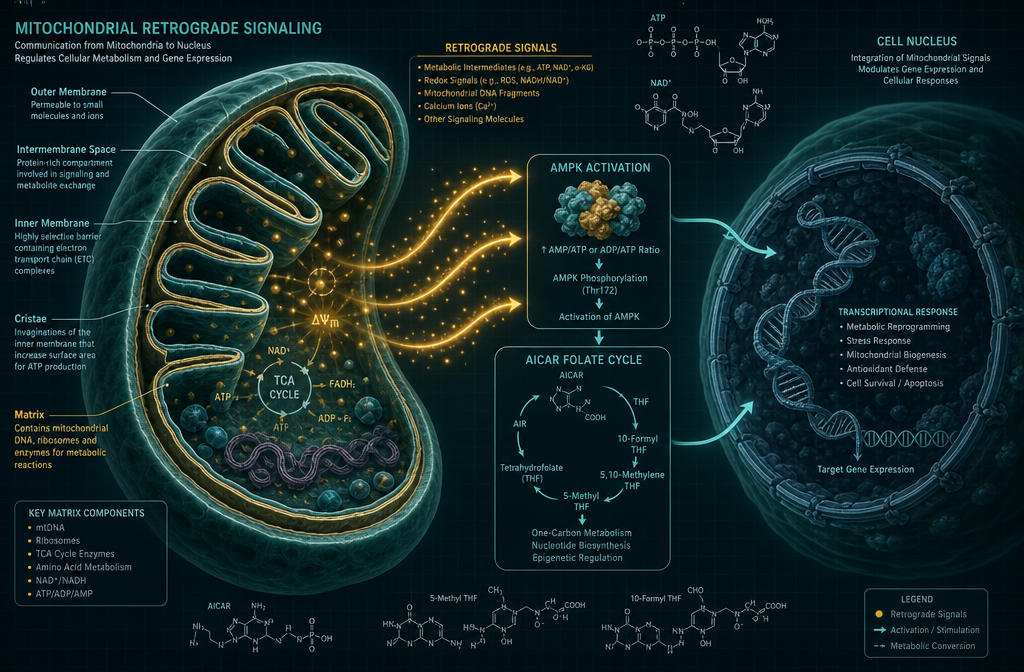
  • MOTS-c is encoded in mitochondrial DNA and acts as a retrograde signal between mitochondria and the nucleus.
  • Its primary mechanism involves the Folate-AICAR-AMPK pathway, a central regulator of cellular energy balance.
  • Exercise increases circulating MOTS-c levels in skeletal muscle and blood, suggesting it may partly explain exercise's metabolic benefits.
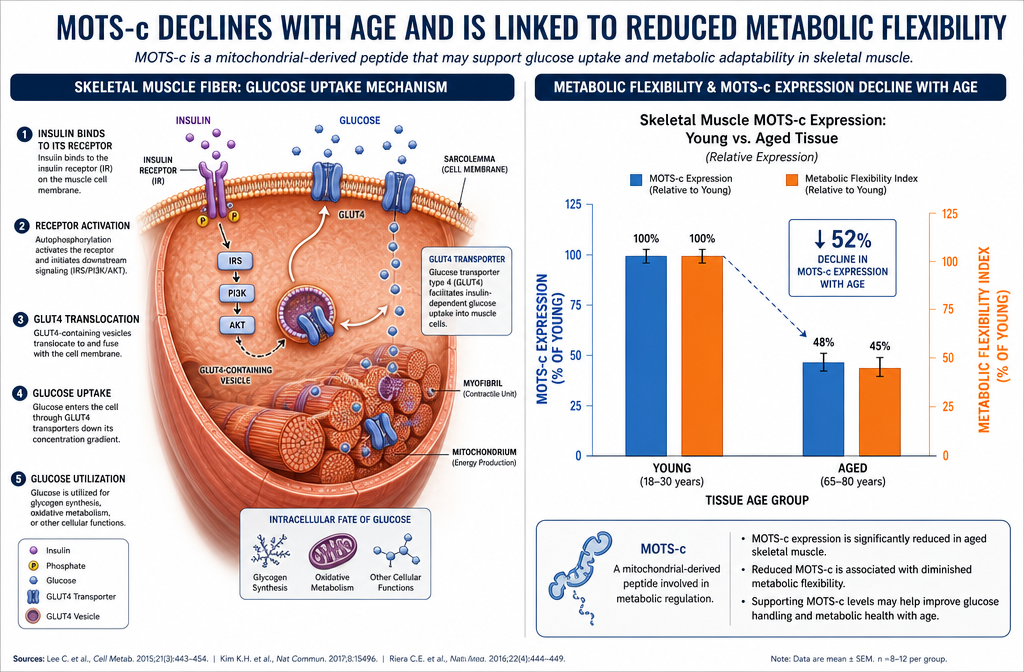
  • MOTS-c expression declines with age, correlating with reduced metabolic flexibility and increased disease risk.
  • Research models link MOTS-c to insulin sensitivity, muscle performance, and multiple age-related conditions.

Key Takeaways

What Is MOTS-c and How Does Mitochondrial Signaling Work

MOTS-c (Mitochondrial Open Reading Frame of the 12S rRNA type-c) is a 16-amino-acid peptide encoded within the 12S ribosomal RNA region of mitochondrial DNA. Unlike most peptides, it originates outside the nuclear genome, which makes its biology particularly unusual.

Under metabolic stress or physical exertion, MOTS-c translocates from the mitochondria to the cell nucleus. Once there, it binds to antioxidant response elements (ARE) and modulates gene expression tied to energy metabolism, inflammation, and oxidative stress. This mitochondria-to-nucleus communication is called retrograde signaling, and MOTS-c is now considered one of its key molecular messengers.

Researchers exploring MOTS-c mitochondrial research themes note that this retrograde pathway allows the cell to rapidly adjust its metabolic output in response to environmental demands. The primary route runs through the Folate-AICAR-AMPK axis, a well-established energy-sensing cascade. When this pathway activates, cells shift fuel usage, improve insulin sensitivity, and reduce inflammatory signaling.

"MOTS-c acts as a cellular stress sensor that bridges mitochondrial output with nuclear gene regulation — a feedback loop critical for metabolic homeostasis."

For researchers also studying adjacent mitochondrial compounds, SS-31 (Elamipretide) represents another peptide model focused on mitochondrial membrane integrity and cardiolipin stabilization, offering a complementary angle to MOTS-c's signaling role.


MOTS-c Peptide Research: Mitochondrial Signaling, Metabolic Flexibility, and Exercise-Aging Models in Skeletal Muscle

MOTS-c Peptide Research: Mitochondrial Signaling, Metabolic Flexibility, and Exercise-Aging Models in Skeletal Muscle

Skeletal muscle is both a primary site of MOTS-c production and a major target of its action. Exercise studies in humans have documented measurable increases in MOTS-c concentrations within muscle tissue and systemic circulation following physical activity. This positions MOTS-c as a potential exercise-mimetic signal — a molecule that may carry some of the metabolic benefits of movement.

Key research findings in muscle and metabolism:

Research Area Observed Effect
Insulin sensitivity Improved glucose uptake via AMPK activation
Skeletal muscle performance Enhanced endurance and strength output in aged mice
Inflammation Reduced pro-inflammatory cytokine signaling
Oxidative stress Upregulation of antioxidant gene expression

These findings align with broader work on MOTS-c metabolic flexibility research themes, which examines how the peptide helps cells switch between fuel sources — a capacity that declines significantly with age and in metabolic disease states.

Researchers studying metabolic compounds like AOD-9604 and NAD+ energetics and longevity often position MOTS-c alongside these agents when building multi-pathway models of metabolic restoration.


MOTS-c Peptide Research: Mitochondrial Signaling, Metabolic Flexibility, and Exercise-Aging Models Across the Lifespan

MOTS-c Peptide Research: Mitochondrial Signaling, Metabolic Flexibility, and Exercise-Aging Models Across the Lifespan

One of the most significant findings in this field is that MOTS-c levels decline measurably with age. This decline tracks closely with the loss of metabolic flexibility, increased insulin resistance, and rising susceptibility to conditions including type 2 diabetes, cardiovascular disease, osteoporosis, postmenopausal obesity, and neurodegenerative conditions such as Alzheimer's disease.

Systemic administration of MOTS-c in aged mouse models has restored physical performance metrics across multiple age groups, suggesting the peptide may act as a healthspan-promoting signal rather than simply a stress response molecule.

Age-related conditions linked to declining MOTS-c:

  • Type 2 diabetes and insulin resistance
  • Cardiovascular metabolic dysfunction
  • Bone density loss and osteoporosis
  • Postmenopausal weight gain
  • Cognitive decline and neuroinflammation

This broad disease relevance has made MOTS-c a subject of interest in mitochondrial longevity research, where the goal is to identify molecular targets that slow the functional decline associated with biological aging.

Researchers building comprehensive aging models may also consider Epithalon longevity signals and 5-Amino-1MQ as part of multi-target frameworks, given their distinct but complementary mechanisms in cellular aging pathways.


Conclusion

MOTS-c research has moved from a curiosity about non-nuclear peptide encoding to a serious scientific inquiry into how mitochondria regulate whole-body metabolism and aging. The evidence points to a peptide that rises with exercise, declines with age, and influences insulin sensitivity, muscle function, and inflammatory balance through a well-defined signaling pathway.

Actionable next steps for researchers:

  1. Review current preclinical exercise-aging models to understand dosing and administration protocols used in MOTS-c studies.
  2. Explore the Folate-AICAR-AMPK pathway in depth to contextualize MOTS-c findings within broader metabolic biology.
  3. Consider how MOTS-c fits alongside complementary mitochondrial and metabolic peptide research for multi-pathway study designs.
  4. Monitor emerging human trial data, as most published evidence remains preclinical.

As research in 2026 continues to expand, MOTS-c stands as a strong model for understanding how mitochondrial signals shape metabolic health across the lifespan.


https://www.puretestedpeptides.com/wp-content/uploads/2026/06/MOTS-c-Peptide-Research-Mitochondrial-Signaling-Metabolic-Flexibility-and-Exercise-Aging-Models.png 672 1024 Pure Tested https://www.puretestedpeptides.com/wp-content/uploads/2026/01/buy-peptides-online.jpg Pure Tested2026-06-04 13:04:152026-07-20 15:04:09MOTS-c Peptide Research: Mitochondrial Signaling, Metabolic Flexibility, and Exercise-Aging Models
×

Helpful Links

  • My account
  • Cart
  • Checkout
  • Refund and Returns Policy
  • Privacy Policy
  • SMS Privacy Policy
  • Login
  • My Account
  • Logout

USA Made Lab Tested Peptides

All products are sold for research, laboratory, or analytical purposes only, and are not for human consumption


Pure Tested Peptides is a chemical supplier. Pure Tested Peptides is not a compounding / chemical compounding facility as defined under 503A of the Federal Food, Drug, and Cosmetic act. Pure Tested Peptides is not an outsourcing facility as defined under 503B of the Federal Food, Drug, and Cosmetic act.

The statements made within this website have not been evaluated by the US Food and Drug Administration. The products we offer are not intended to diagnose, treat, cure or prevent any disease.

Human/Animal Consumption Prohibited. Laboratory/In-Vitro Experimental Use Only

Scroll to top Scroll to top Scroll to top