Peptides and Polypeptides in Human Biology: How Research-Use Peptides Interact With DNA, Cells, and Collagen
Over 80 peptide-based therapeutics have received regulatory approval globally, and that number is accelerating, yet most people cannot explain what a peptide actually does inside a living cell. Understanding peptides and polypeptides in human biology: how research-use peptides interact with DNA, cells, and collagen is no longer a topic reserved for biochemists. It is the foundation for interpreting an entire generation of research tools shaping regenerative medicine, skin matrix science, and mitochondrial biology in 2026.
Key Takeaways
- Peptides are short chains of amino acids; polypeptides are longer chains that fold into functional proteins.
- Research-use peptides interact with cells primarily through receptor binding, membrane penetration, and intracellular signaling.
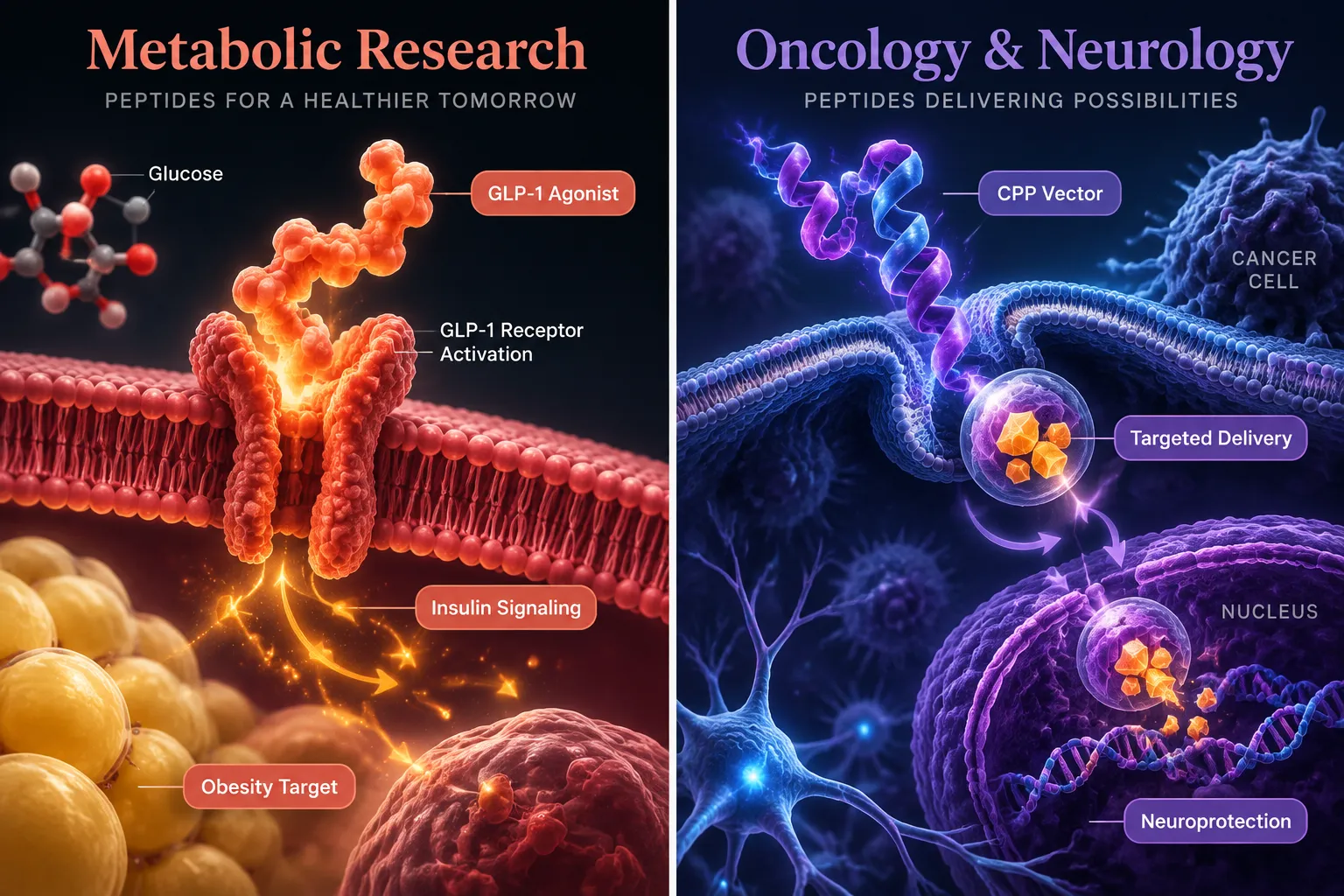
- Cell-penetrating peptides (CPPs) are critical tools for delivering DNA and therapeutic cargo into target cells.
- Collagen-mimetic peptides can directly hybridize with collagen fibers, making them valuable in tissue engineering and skin matrix research.
- Purity and third-party testing are essential when sourcing peptides for any research application.
The Biological Basics: What Peptides and Polypeptides Are
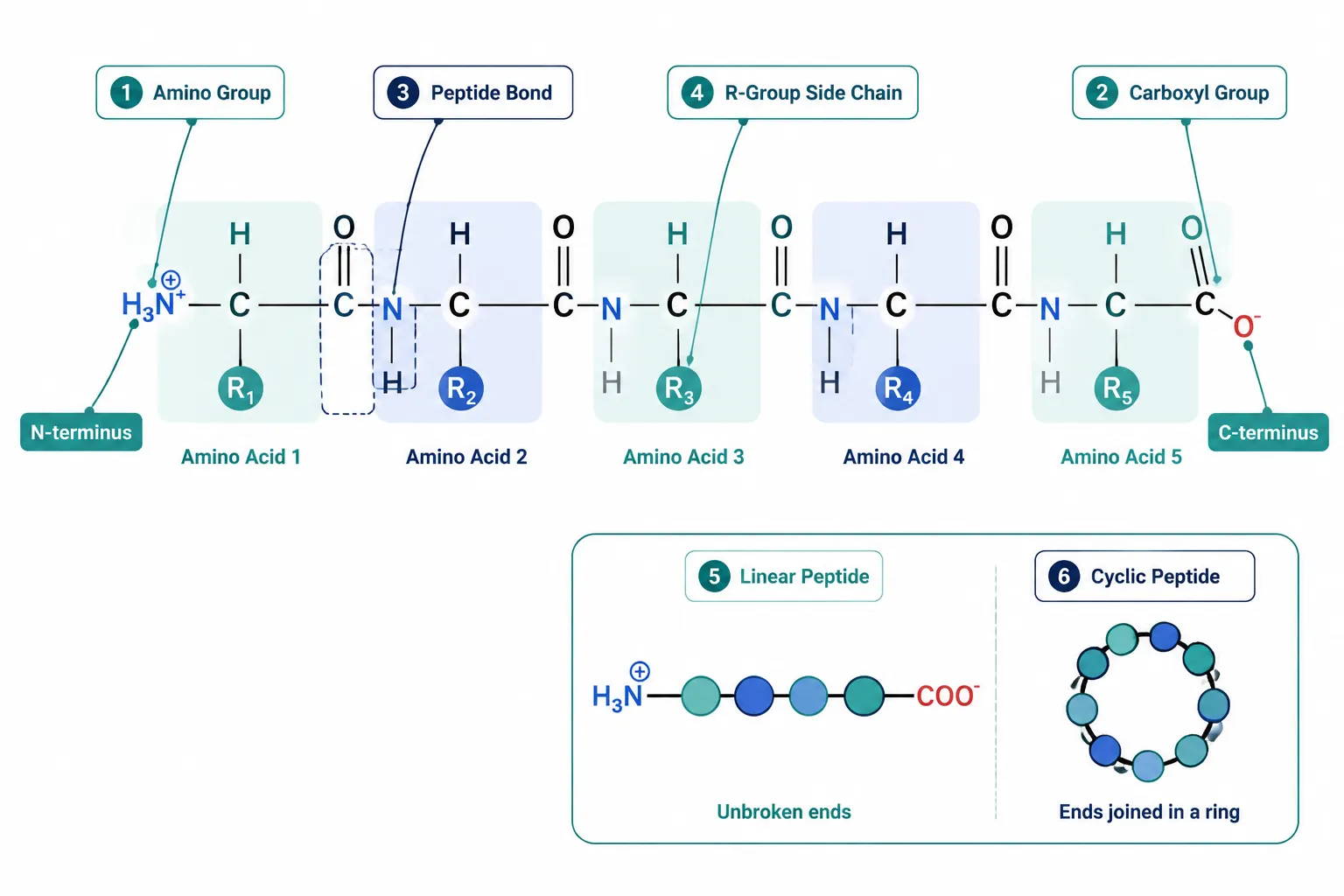
Amino acids are the building blocks of life. When two or more amino acids link together through a peptide bond, the resulting molecule is a peptide. Chains of roughly 10 to 50 amino acids are typically called peptides; longer chains that fold into three-dimensional structures are called polypeptides or proteins.
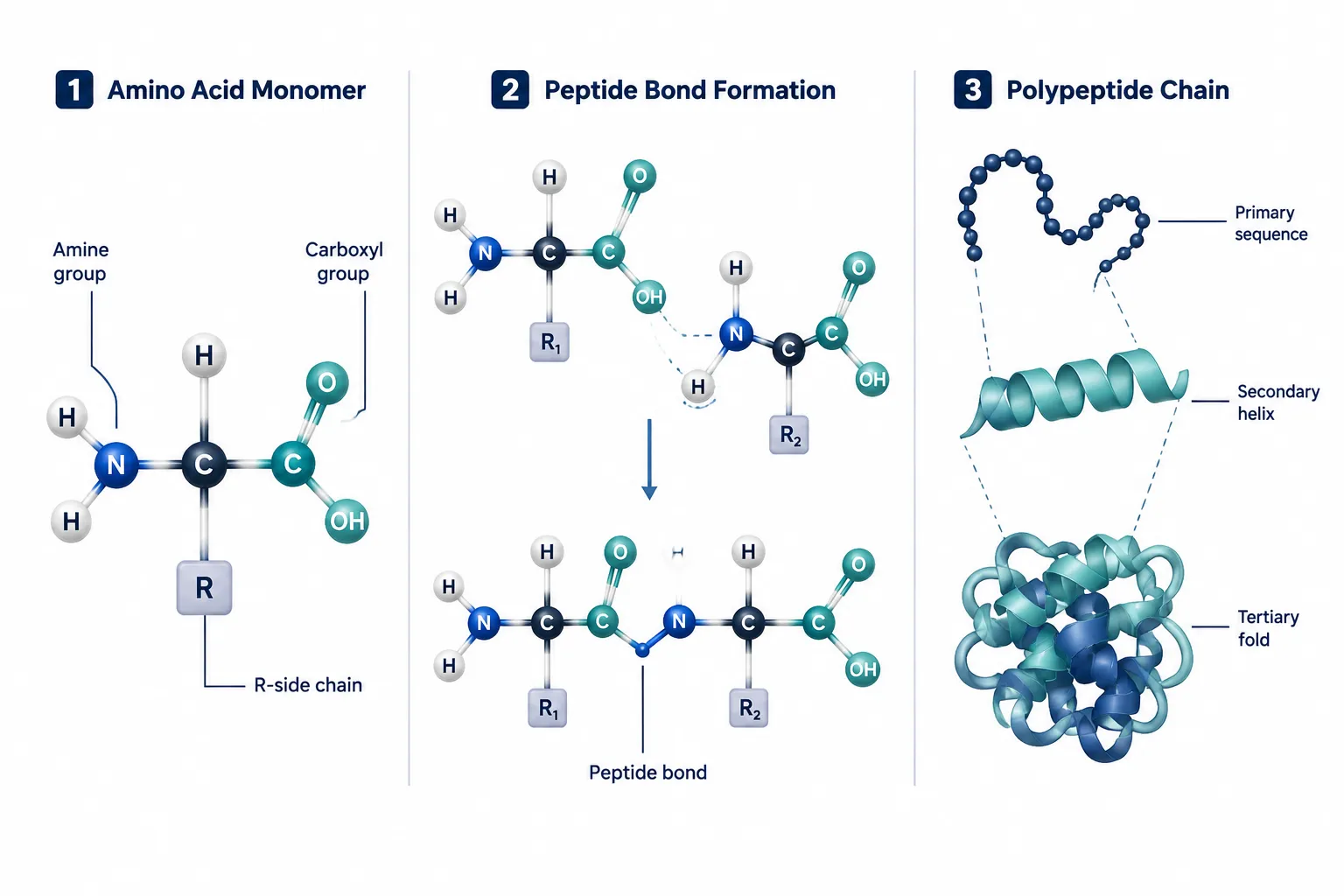
This size distinction matters enormously in research. Short peptides are small enough to cross cell membranes, bind specific receptor sites, and be synthesized with high precision in a laboratory. Polypeptides, by contrast, carry out complex structural and enzymatic roles, collagen, for example, is a polypeptide triple helix that forms the scaffolding of skin, bone, and connective tissue.
Key structural terms researchers should know:
| Term | Chain Length | Primary Role |
|---|---|---|
| Dipeptide | 2 amino acids | Signaling, transport |
| Oligopeptide | 3-10 amino acids | Receptor modulation |
| Polypeptide | 10-100+ amino acids | Structural, enzymatic |
| Protein | 100+ amino acids (folded) | Full biological function |
The sequence of amino acids, called the primary structure, determines everything that follows: how the chain folds, what it binds, and what biological effect it produces.
How Research-Use Peptides Interact With Cells and DNA
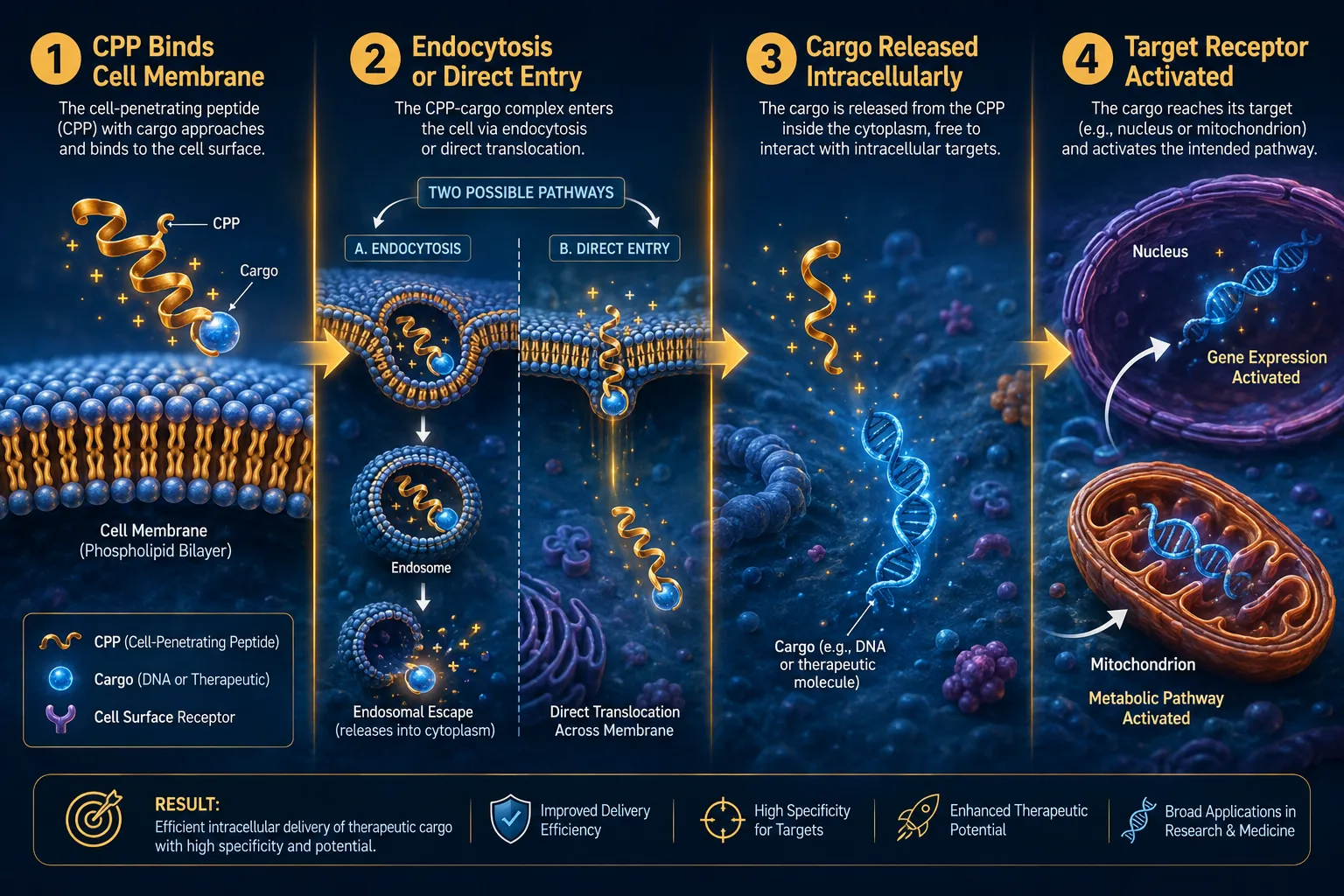
Understanding how research-use peptides interact with DNA, cells, and collagen begins at the cell membrane. Most peptides do not simply pass through a cell wall. They interact with it in one of three ways: receptor binding on the surface, direct membrane penetration, or endocytosis-mediated entry.
Cell-penetrating peptides (CPPs) are among the most studied tools in modern peptide research. These short, often positively charged sequences can carry molecular cargo, including DNA fragments, small interfering RNA, and imaging agents, directly into the cytoplasm or nucleus. This property makes CPPs central to gene therapy research, tumor immunotherapy, and advanced nanocarrier delivery systems.
"The ability of a peptide to enter a cell and deliver a payload without damaging the membrane is one of the most significant advances in molecular biology research over the past two decades."
Researchers exploring systemic peptide research applications recognize that peptide-cell interaction is rarely a single-step event. After entry, peptides may:
- Activate intracellular signaling cascades (e.g., MAPK, PI3K pathways)
- Modulate gene expression by interacting with transcription factors
- Target specific organelles, including mitochondria and the nucleus
- Trigger or suppress apoptosis depending on the target receptor
Mitochondria-targeted peptides represent a particularly active research area. The SS-31 peptide, for instance, is designed to concentrate in the inner mitochondrial membrane, where it interacts with cardiolipin to reduce oxidative stress. Researchers interested in this mechanism can explore SS-31 mitochondrial research for current study design considerations.
Regarding DNA interaction specifically: most research-use peptides do not bind DNA directly. Instead, they act as carriers or regulators, delivering DNA into cells, protecting it from enzymatic degradation, or modulating the proteins that control gene transcription. This indirect relationship is what makes peptides so versatile in translational research contexts.
Collagen, the Skin Matrix, and Peptide Interactions
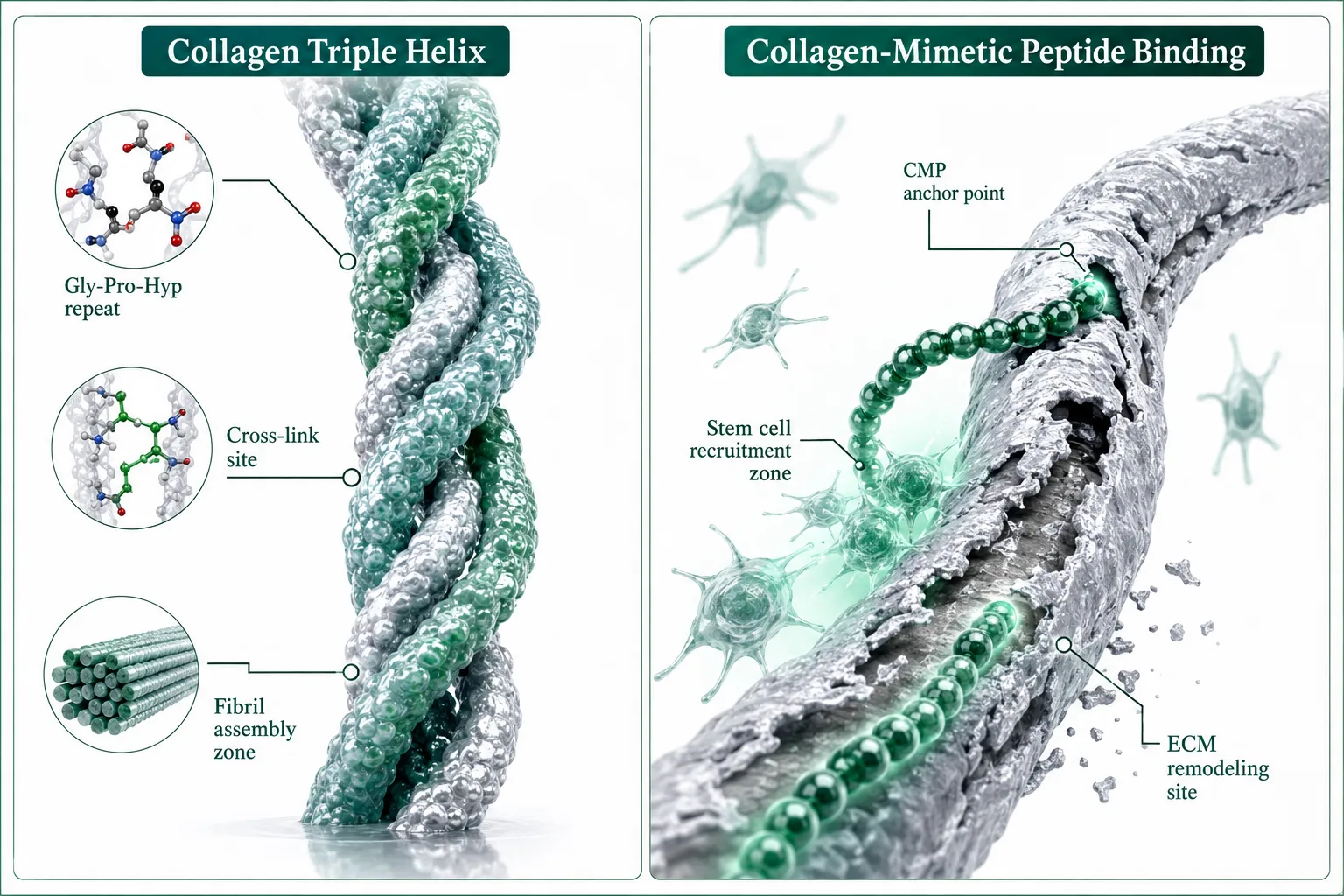
Collagen is the most abundant protein in the human body, accounting for roughly 30% of total protein mass. It forms the structural backbone of skin, tendons, cartilage, and bone. As a polypeptide triple helix, three chains wound around each other, collagen is both a target and a template for advanced peptide research.
Collagen-mimetic peptides (CMPs) are synthetic sequences engineered to replicate the Gly-Pro-Hyp repeating unit found in natural collagen. CMPs can hybridize directly with damaged or denatured collagen fibers in the extracellular matrix (ECM), effectively threading into gaps left by tissue injury or aging. This makes them powerful tools in:
- Bone and tissue engineering scaffolds
- 3D-printable biomaterial composites for implant research
- Targeted drug delivery to sites of collagen remodeling
- Stem cell recruitment and differentiation studies
Bi-functional CMPs take this further by combining a collagen-binding domain with a bioactive domain that recruits stem cells or growth factors to the repair site. Researchers working in skin matrix biology and skin repair peptides will recognize these mechanisms as central to understanding how topical and systemic peptides influence tissue remodeling.
Beyond structural mimicry, bioactive collagen peptides, fragments released when collagen is enzymatically broken down, act as signaling molecules. They can stimulate fibroblast proliferation, upregulate collagen synthesis, and modulate inflammatory responses. This positions them as both research tools and potential therapeutic candidates in skin rejuvenation research and tissue recovery research.
Research Applications and Sourcing Considerations
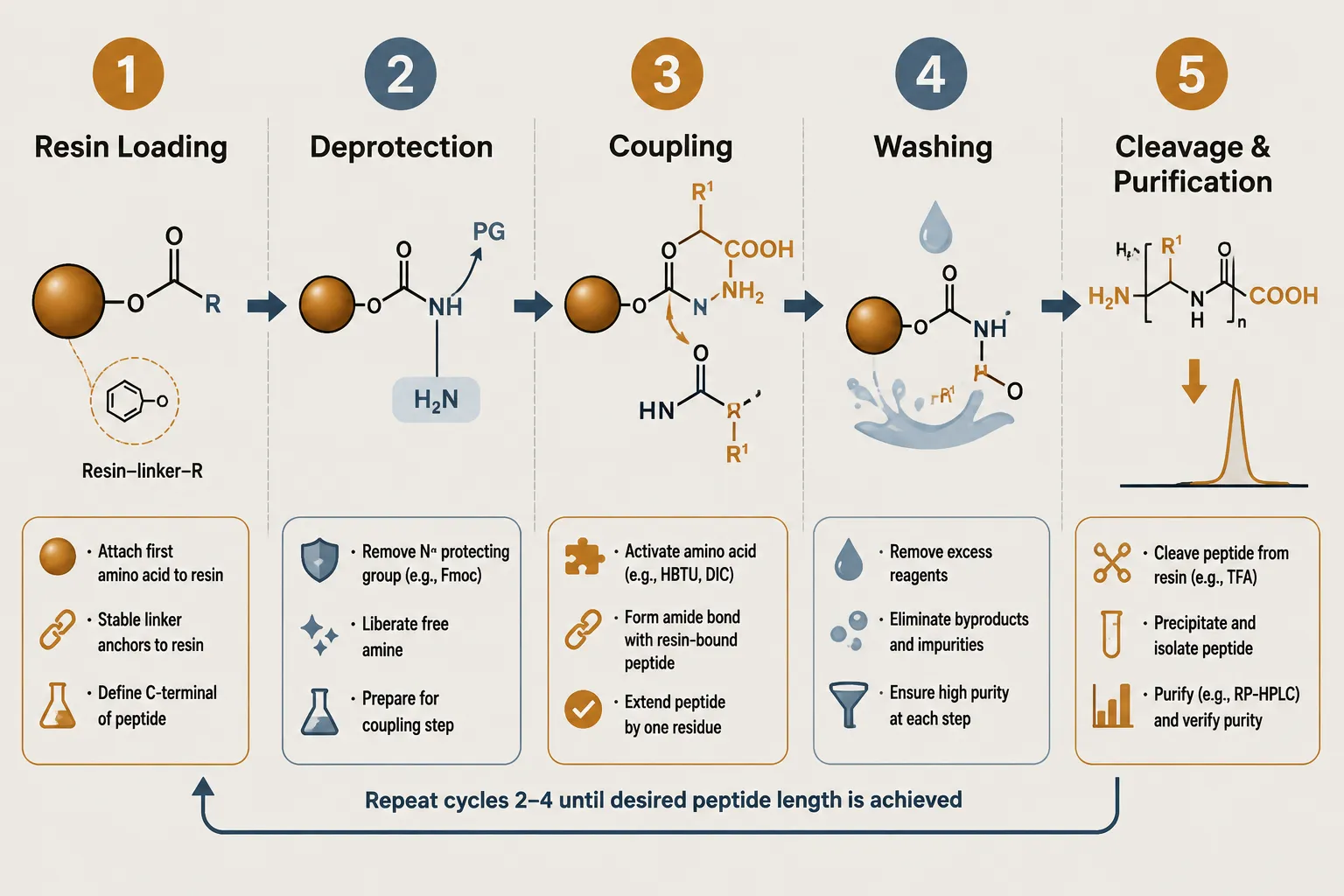
The breadth of peptide biology, from CPP-mediated gene delivery to collagen-targeted regeneration, means that study design peptides must be selected with precision. A peptide's sequence, purity, and storage conditions all affect its behavior in a biological system.
Researchers should prioritize:
- Sequence verification via mass spectrometry or HPLC analysis
- Purity thresholds of 98% or higher for mechanistic studies
- Third-party peptide testing to confirm identity and rule out contaminants
- Proper reconstitution and storage to preserve bioactivity
For those exploring peptide stacking or combination protocols, resources on single peptide vs stack approaches provide useful frameworks for experimental design. Similarly, researchers studying neuroimmune or anxiety-related pathways may find Selank peptide research a relevant adjacent area.
Conclusion
Peptides and polypeptides in human biology represent one of the most dynamic frontiers in life science research. From cell-penetrating peptides that ferry DNA cargo across membranes to collagen-mimetic sequences that rebuild damaged tissue scaffolds, the mechanisms are precise, the applications are expanding, and the research tools are increasingly accessible.
Actionable next steps for researchers in 2026:
- Map your research question to a specific peptide-cell or peptide-collagen interaction mechanism before selecting a compound.
- Verify purity and sequence through independent third-party testing before any experimental use.
- Consult current literature on CPP delivery systems if your study involves intracellular or gene-level targets.
- Explore collagen-mimetic peptide scaffolds if your work involves tissue repair, skin matrix biology, or regenerative endpoints.
- Review translational research design principles to ensure your study design supports meaningful, reproducible outcomes.
The biology is complex, but the entry point is clear: understand what your peptide does at the molecular level, and the research pathway follows logically from there.