Call or Text 727-513-9780
  • Shopping Cart Shopping Cart
    0Shopping Cart
Pure Tested Peptides | America's most trusted Peptides for sale online
  • Peptides for sale
    • Oral Peptides for sale
      • Peptide Capsules for sale
      • BPC 157 Capsules 1000mcg
      • SLU-PP-332 Capsules | 1000 mcg
      • 5-Amino-1MQ 50mg Capsules
      • Tesofensine 500mcg
    • All Peptides for sale
    • Peptide Sprays
      • BPC 157 Nasal Spray Kit
      • BPC-157 TB500 Nasal Spray Kit
      • Semax Nasal Spray 10mg
      • Selank – Nasal Spray Kit – 10mg
      • Epithalon 50MG Nasal Spray Kit
      • Ipamorelin 10mg Nasal Spray
      • Klow Nasal Spray (BPC-157 + TB-500 + GHK-Cu + KPV) | 80mg
      • Hulk Nasal Spray Tesa / Ipa Blend 6/3 MG
      • Klow Nasal Spray
      • NAD + 500 mg Nasal Spray
      • PT-141 Nasal Spray Kit
    • GHRH Peptides
      • Ipa Peptides
      • CJC-1295 Peptides
        • CJC-1295 with DAC 5 mg
        • CJC-1295 without DAC 5 mg
        • CJC-1295 Ipa 10mg
      • Tesa Peptides
        • Tesa Peptide
        • Tesa 20 mg
    • GHK-Cu Peptides
      • All GHK-Cu Peptides
      • GHK-Cu 100mg
      • KLOW Peptide Blend – Buy KLOW blend online
    • BPC Peptides
      • All BPC Peptides
      • BPC-157
      • BPC-157 TB-500
      • BPC 157 capsules 1000mcg
    • SLU-PP-332 Peptides
      • All SLU-PP-332 Peptides
      • SLU-PP-332 5mg
    • GLP3 Peptides
    • PT-141 Peptides
      • PT-141 Peptides for sale
      • PT-141 10mg
      • PT-141 Nasal Spray
    • CAG Peptides
      • Lipo-C Peptide Blend
      • CAG 5mg
      • CAG 10mg
    • MOTS-C Peptides
      • MOTS-C Peptides for sale
      • MOTS-c peptide
      • MOTS-c 10mg *6 pack*
    • 5 Amino 1MQ Peptides
      • 5 Amino 1MQ Peptides for sale
      • 5-Amino-1MQ 50mg Capsules
      • 5-Amino-1MQ 5mg
    • Epithalon Peptides
      • Epithalon Peptides for sale
      • Epithalon 10mg
      • Epithalon 50mg
  • Shop
    • GLPs
      • 5-Amino-1MQ 50mg Capsules
      • 5-Amino-1MQ 5mg
      • L-Carnitine 500mg/ml
      • Tesofensine 500mcg
      • SLU-PP-332 5mg
      • MOTS-c 10mg *6 pack*
    • Epithalon & BPC Peptides
      • Epithalon 10mg
      • Epithalon 50mg
      • BPC-157
      • BPC 157 capsules 1000mcg
      • BPC-157 TB-500
      • BPC-157 TB500 Nasal Spray Kit
      • BPC 157 Nasal Spray Kit
    • BPC TB-500 & NAD+ Peptides
      • NAD+ 500 mg
      • KLOW Peptide Blend – Buy KLOW blend online
      • GLOW Peptide Blend
      • TB 500 5mg
      • BPC 157 capsules 1000mcg – Supplement
      • BPC 157 Nasal Spray Kit
      • BPC-157
      • BPC-157 TB500 Nasal Spray Kit
      • BPC-157 TB-500
      • BPC 157 capsules 1000mcg
    • LL-37 Peptide
      • LL-37 10 mg
    • MOTS-C & Selank
      • MOTS-c peptide
      • Selank 10mg
    • GHK Peptides
      • GHK-Cu 100mg
      • GLOW Peptide Blend
      • KLOW Peptide Blend – Buy KLOW blend online
  • COAs
  • Wholesale
    • Wholesale Peptides for sale
  • PTP FAQ
  • Affiliates
    • Selank Peptide: Advanced Pharmacological Mechanisms Underlying Its Anxiolytic and Nootropic Effects in Research
      • 5-Amino-1MQ Peptide: Detailed Mechanisms of NNMT Inhibition and Its Impact on Cellular Metabolism Research
        • MOTS-C Peptide: Unraveling Its Role in Mitochondrial Dynamics and Energy Metabolism Research
          • Epithalon Peptide and Telomerase Regulation: Investigating Its Impact on Cellular Senescence and Lifespan Research Models
            • GLP2-T vs GLP2 Tirz Peptide: Understanding the Naming, Mechanistic Nuances, and Research Implications for Gut Health
      • Peptides and Polypeptides in Modern Pharmacology: What Research on Metoprolol, Prednisone, and Amlodipine Reveals
        • Polypeptide Peptides vs NSAIDs: What Naproxen and Diclofenac Teach Tissue-Repair Researchers About BPC‑157 and TB‑500
          • Peptides and Polypeptides in Endocrine Pharmacology: How GLP-1, GLP-2, and GLP-3 Retatrutide Differ From Classic Drugs Like Prednisone and Amlodipine
          • 5‑Amino‑1MQ Peptide and NNMT Inhibition: How It Compares With Statins Like Atorvastatin in Adipose and Lipid Metabolism Research
      • Enclomiphene, Estrogen Receptor Signaling, and Luteinizing Phase Biology: What Hormone Researchers Should Measure
        • Mesenchymal Stem Cells, BPC‑157, and GHK‑Cu: How Tissue Repair Peptides Compare With Classic NSAIDs Like Naproxen in Injury Models
          • Peptide Calculator Use Cases Beyond Growth Hormone: Working Through GLP‑3 Retatrutide, MOTS‑c, and BPC‑157 Research Dosing
        • Polypeptide Peptides in Endocrine and Metabolic Pharmacology: Lessons From Amlodipine, Prednisone, and Metoprolol
        • Peptides Calculator for Advanced Blends: Worked Examples for Tesamorelin, CJC‑1295, and Ipamorelin Stacks
          • Peptides and Polypeptides in Human Physiology: How Molecular Size Shapes Research Applications
            • Selank Peptide: Advanced Pharmacological Mechanisms Underlying Its Anxiolytic and Nootropic Effects in Research
          • 5-Amino-1MQ Peptide: Detailed Mechanisms of NNMT Inhibition and Its Impact on Cellular Metabolism Research
            • MOTS-C Peptide: Unraveling Its Role in Mitochondrial Dynamics and Energy Metabolism Research
              • Epithalon Peptide and Telomerase Regulation: Investigating Its Impact on Cellular Senescence and Lifespan Research Models
                • GLP2-T vs GLP2 Tirz Peptide: Understanding the Naming, Mechanistic Nuances, and Research Implications for Gut Health
                  • Peptides and Polypeptides in Endocrine Pharmacology: How GLP-1, GLP-2, and GLP-3 Retatrutide Differ From Classic Drugs Like Prednisone and Amlodipine
                    • Polypeptide Peptides vs NSAIDs: What Naproxen and Diclofenac Teach Tissue-Repair Researchers About BPC‑157 and TB‑500
                      • Peptides and Polypeptides in Modern Pharmacology: What Research on Metoprolol, Prednisone, and Amlodipine Reveals
                        • 5‑Amino‑1MQ Peptide and NNMT Inhibition: How It Compares With Statins Like Atorvastatin in Adipose and Lipid Metabolism Research
                        • Enclomiphene, Estrogen Receptor Signaling, and Luteinizing Phase Biology: What Hormone Researchers Should Measure
                        • Mesenchymal Stem Cells, BPC‑157, and GHK‑Cu: How Tissue Repair Peptides Compare With Classic NSAIDs Like Naproxen in Injury Models
                        • Peptide Calculator Use Cases Beyond Growth Hormone: Working Through GLP‑3 Retatrutide, MOTS‑c, and BPC‑157 Research Dosing
                        • Polypeptide Peptides in Endocrine and Metabolic Pharmacology: Lessons From Amlodipine, Prednisone, and Metoprolol
                        • Peptides Calculator for Advanced Blends: Worked Examples for Tesamorelin, CJC‑1295, and Ipamorelin Stacks
                        • Peptides and Polypeptides in Human Physiology: How Molecular Size Shapes Research Applications
                        • Selank Peptide: Advanced Pharmacological Mechanisms Underlying Its Anxiolytic and Nootropic Effects in Research
                        • MOTS-C Peptide: Unraveling Its Role in Mitochondrial Dynamics and Energy Metabolism Research
                        • Peptides and Polypeptides in Modern Pharmacology: What Research on Metoprolol, Prednisone, and Amlodipine Reveals
                        • Peptides and Polypeptides in Endocrine Pharmacology: How GLP-1, GLP-2, and GLP-3 Retatrutide Differ From Classic Drugs Like Prednisone and Amlodipine
                        • 5-Amino-1MQ Peptide: Detailed Mechanisms of NNMT Inhibition and Its Impact on Cellular Metabolism Research
                        • Mesenchymal Stem Cells, BPC‑157, and GHK‑Cu: How Tissue Repair Peptides Compare With Classic NSAIDs Like Naproxen in Injury Models
                        • Peptide Calculator Use Cases Beyond Growth Hormone: Working Through GLP‑3 Retatrutide, MOTS‑c, and BPC‑157 Research Dosing
                        • GLP2-T vs GLP2 Tirz Peptide: Understanding the Naming, Mechanistic Nuances, and Research Implications for Gut Health
                        • Polypeptide Peptides in Endocrine and Metabolic Pharmacology: Lessons From Amlodipine, Prednisone, and Metoprolol
                        • Polypeptide Peptides vs NSAIDs: What Naproxen and Diclofenac Teach Tissue-Repair Researchers About BPC‑157 and TB‑500
                        • Peptides and Polypeptides in Human Physiology: How Molecular Size Shapes Research Applications
                        • Peptides Calculator for Advanced Blends: Worked Examples for Tesamorelin, CJC‑1295, and Ipamorelin Stacks
                        • 5‑Amino‑1MQ Peptide and NNMT Inhibition: How It Compares With Statins Like Atorvastatin in Adipose and Lipid Metabolism Research
                        • Enclomiphene, Estrogen Receptor Signaling, and Luteinizing Phase Biology: What Hormone Researchers Should Measure
                        • Epithalon Peptide and Telomerase Regulation: Investigating Its Impact on Cellular Senescence and Lifespan Research Models
                        • Best research protocol Klow blend
                        • best time to take BPC-157
                        • best time to take DSIP (Delta Sleep Inducing Peptide)
                        • best time to take CJC-1295
                        • best time to take AOD-9604
                        • best time to take Follistatin 344
                        • best time to take Ipamorelin
                        • best time to take MK-677 (Ibutamoren)
                        • best time to take Ligandrol (LGD-4033) — research compound
                        • best time to take Ostarine (MK-2866) — research compound
                        • best time to take GHK-CU
                        • best time to take TB-500
                        • best time to take MOTS-c
                        • best time to take Semax
                        • best time to take RAD-140 (Testolone) — research compound
                        • best time to take Thymosin Alpha-1
                        • best time to take PEG-MGF
                        • Biolife Plasma, Octapharma Plasma, and Research Peptides: How Plasma Donation Labs Differ From Peptide Suppliers
                        • best time to take YK-11 — research compound
                        • best time to take PT-141 (Bremelanotide)
                        • Best research protocol Klow blend
                        • 5-Amino-1MQ and MOTS-C Synergy: Metabolic Signaling, Mitochondria, and Research Design
                        • BPC-157 and TB-500: Investigating Their Combined Effects on Angiogenesis and Cellular Migration in Tissue Repair Models
                        • BPC-157 Peptide: Gut Barrier Function, Inflammation, and Tissue-Recovery Research
                        • 5‑Amino‑1MQ and MOTS‑c Synergy in Metabolic Research: Designing NNMT and Mitochondrial Biogenesis Stacks
                        • CJC-1295 with DAC vs. Without DAC: Half-Life, Release Kinetics, and Research Implications
                        • CJC‑1295 with DAC vs. Without DAC: Expanding on Half‑Life Differences Using Tesamorelin and Ipamorelin Blend Case Studies
                        • Collagen Biology and Copper‑Binding Peptides: How GHK‑Cu, Glow Blend, and Klow Blend Interact with Skin and Connective Tissue
                        • Collagen Biology and Regenerative Peptides: How GHK‑Cu, Glow Blend, and Klow Blend Affect Extracellular Matrix Research
                    • DNA, Telomeres, and Longevity Peptides: Positioning Epithalon and MOTS‑c in Genetic Aging Research
                      • Enclomiphene Citrate: serm Mechanism, Testosterone Research, and Stack Compatibility
                        • Enclomiphene vs Enclomiphene Citrate: Formulation, Bioavailability, and Research Distinctions
                        • Epithalon Peptide Research: Telomerase Activation, Aging, and Pineal Gland Function
                        • Estrogen Receptor Signaling and Enclomiphene: How Selective Modulators Compare with Classic Polypeptide Hormones
                        • GHK-Cu Peptide: Advanced Mechanisms in Extracellular Matrix Remodeling and Wound Healing Research
                        • GHK-Cu Peptide: Collagen Synthesis, Wound Repair, and Skin-Barrier Research Models
                        • GLP-1 vs GLP-3 vs GLP-2: Peptide Classification and Research Applications
                        • GLP-2 Peptide Research Guide: Gut Barrier Function, Nutrient Absorption, and Intestinal Recovery Models
                        • GLP-3 Retatrutide vs. GLP-1 Drugs: What Triple-Agonist Biology Changes in Research Models
                        • Ipamorelin and Tesamorelin Combination: Synergistic GH Secretagogue Research and Dosing Protocols
                        • GLP2 Tirz Peptide: What It Is, Why the Name Exists, and How Researchers Should Interpret It
                        • Klow Blend Peptide Nasal Spray: What the Formulation Is Trying to Do in Cognitive Research
                        • Mitochondria, NNMT Inhibition, and Peptide Modulators: Where MOTS‑c and 5‑Amino‑1MQ Fit in Cellular Energy Research
                        • MOTS-c Peptide: Mitochondrial Function, Energy Metabolism, and What Researchers Measure
                        • MOTS-c vs. 5-Amino-1MQ: Which Metabolic Research Questions Each Compound Actually Answers
                        • Nasal Spray Peptides: Bioavailability, Administration, and Semax/Selank Research Applications
                        • PT-141 Peptide Research: Mechanism of Action and Melanocortin Receptor Signaling
                        • Retatrutide for Research: Mechanism, Structure, and GLP-1/GLP-3 Dual Action
                        • Retatrutide for Obesity and Type 2 Diabetes: What the Latest Trial Data Suggest
                        • Tesofensine Peptide Research: Mechanism, Appetite Suppression, and Neuropeptide Y Pathways
  • Contact
    • Contact Customer Service
    • Text Customer Support
  • About US
  • Shop all peptides
  • Affiliate Program
    • Affiliate Signup
  • Login / Register Login / Register Page Link Login / Register Page Link
  • Click to open the search input field Click to open the search input field Search
  • Menu Menu

Tag Archive for: exercise mimetic peptide

Peptides and Polypeptides in Modern Research: How MOTS-c, 5-Amino-1MQ, and GLP-3 Retatrutide Fit Into the Big Picture

Peptides and Polypeptides in Modern Research: How MOTS-c, 5-Amino-1MQ, and GLP-3 Retatrutide Fit Into the Big Picture

September 1, 2026/0 Comments/in Uncategorized/by

More than 80 FDA-approved peptide-based drugs are now on the market, and the global peptide therapeutics pipeline has grown faster in the past decade than at any point in pharmaceutical history. Yet most people discussing MOTS-c, 5-Amino-1MQ, or retatrutide skip past a foundational question: what exactly separates a peptide from a polypeptide, and how does that distinction shape what these molecules can and cannot do? Understanding peptides and polypeptides in modern research, and how MOTS-c, 5-Amino-1MQ, and GLP-3 retatrutide fit into the big picture, starts with getting the biology right.

Key Takeaways

  • Peptides contain fewer than 50 amino acids; polypeptides contain 50 or more, and this structural difference drives major differences in stability, delivery, and mechanism.
  • Classic small-molecule drugs like prednisone and atorvastatin work differently from peptides, they are not chains of amino acids and generally cross cell membranes more easily.
  • MOTS-c is a 16-amino-acid mitochondrial peptide entering early human trials as a potential exercise-mimetic and metabolic regulator.
  • 5-Amino-1MQ is a small-molecule NNMT inhibitor at the preclinical stage, not a peptide, but often discussed alongside peptide metabolic research.
  • Retatrutide is a polypeptide triple agonist in Phase 3 trials showing surgical-scale weight loss, representing the frontier of cardiometabolic drug development.

The Classification Foundation: Peptides, Polypeptides, and Why It Matters
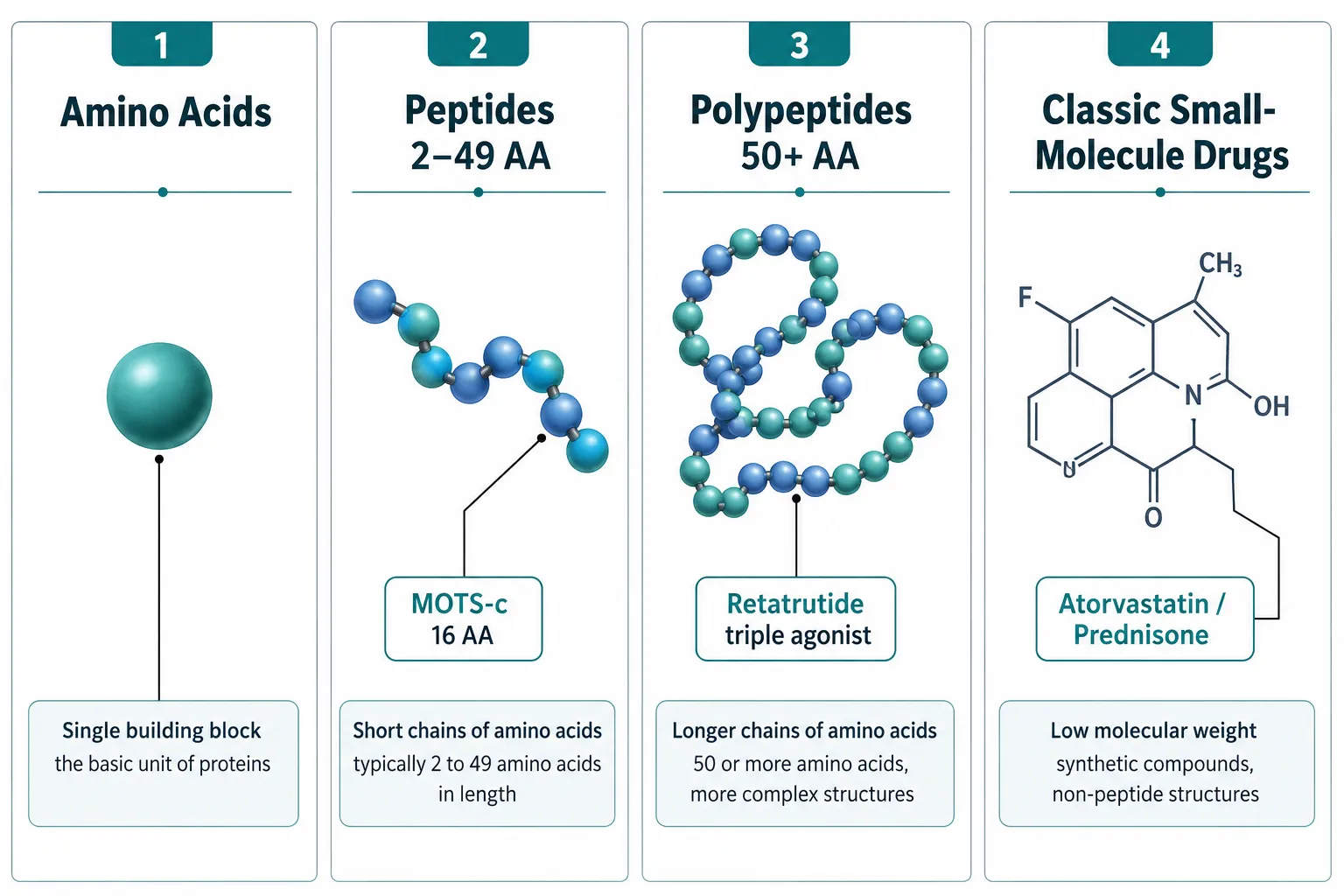
The Classification Foundation: Peptides, Polypeptides, and Why It Matters

The terms peptide and polypeptide are often used interchangeably, but researchers draw a clear line. A peptide is a chain of 2 to approximately 49 amino acids. A polypeptide is a chain of 50 or more amino acids. Proteins are typically polypeptides that fold into complex three-dimensional structures.

This distinction is not merely academic. Chain length affects:

  • Stability, shorter peptides degrade faster in the bloodstream
  • Delivery method, many peptides require injection because stomach acid breaks them down
  • Target specificity, longer chains can engage more complex receptor sites
  • Manufacturing cost, polypeptides are harder and more expensive to synthesize at scale

How do classic drugs compare? Prednisone is a corticosteroid, a small lipid-derived molecule. Atorvastatin (Lipitor) is a synthetic small molecule that inhibits an enzyme in the liver. Neither is a peptide. They work by different mechanisms, cross cell membranes more easily, and are typically taken orally. Peptides and polypeptides occupy a distinct pharmacological space between these traditional small molecules and full biological proteins like monoclonal antibodies.

Other research peptides illustrate the range of this space. CJC-1295 is a 30-amino-acid growth hormone-releasing hormone analogue. PT-141 (bremelanotide) is a cyclic heptapeptide studied for sexual health. GHK-Cu is a tripeptide with copper-binding properties relevant to skin repair peptides research. GLP-2-T is a gut-derived peptide involved in intestinal repair. Each sits at a different point on the amino acid chain spectrum, and each behaves differently as a result.

"Knowing whether a compound is a small molecule, a peptide, or a polypeptide is the first step toward understanding its research potential and its limitations."

Researchers exploring synergistic peptides often combine compounds from different parts of this spectrum to target multiple pathways simultaneously, a strategy that has become central to modern metabolic research.

MOTS-c and 5-Amino-1MQ: Two Very Different Approaches to Metabolic Research
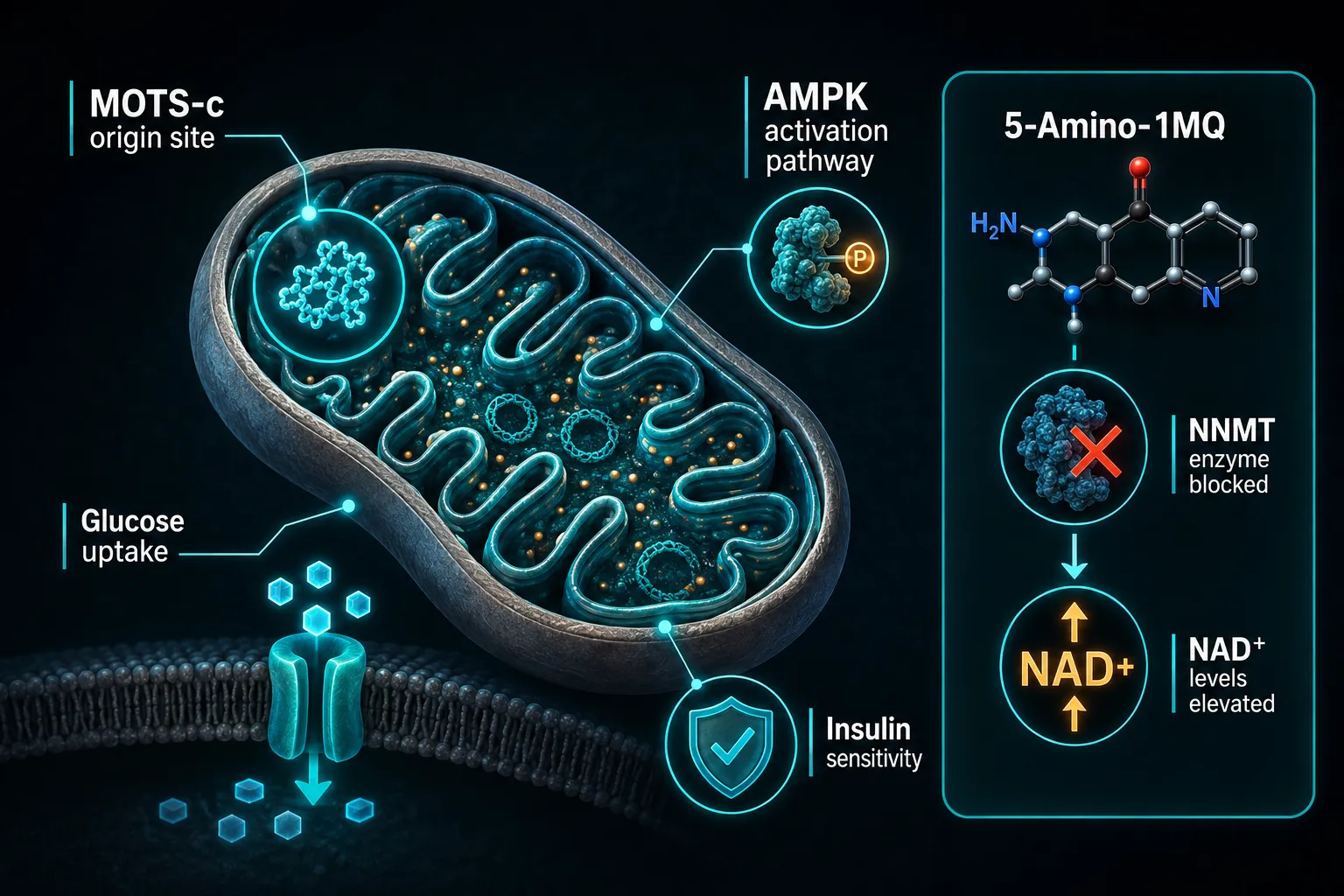
MOTS-c and 5-Amino-1MQ: Two Very Different Approaches to Metabolic Research

MOTS-c: A Mitochondrial Peptide Moving Toward Human Trials

MOTS-c (Mitochondrial Open Reading Frame of the 12S rRNA-c) is a 16-amino-acid peptide encoded not in the cell nucleus but in mitochondrial DNA. That origin makes it biologically unusual. It functions as what researchers call an exercise-mimetic, a compound that activates some of the same metabolic pathways triggered by physical activity, particularly AMPK signaling and improved glucose uptake.

In 2026, MOTS-c has advanced into a Phase 2a clinical trial targeting prediabetes and overweight or obese adults. Early human biomarker data show promising signals around insulin sensitivity and skeletal muscle metabolism. A July 2026 FDA advisory panel has begun reviewing the regulatory and compounding status of MOTS-c, reflecting growing institutional interest.

The SS31 and MOTS-c research area is particularly active, as both peptides target mitochondrial function through complementary mechanisms. SS-31, a tetrapeptide that concentrates in the inner mitochondrial membrane, is explored extensively in SS-31 mitochondrial research themes and represents the kind of SS-31 mitochondrial peptide work that contextualizes MOTS-c's significance.

5-Amino-1MQ: A Small Molecule, Not a Peptide

Despite frequent appearances in peptide research discussions, 5-Amino-1MQ is not a peptide. It is a small-molecule inhibitor of nicotinamide N-methyltransferase (NNMT), an enzyme involved in energy metabolism and fat storage. By blocking NNMT, 5-Amino-1MQ raises NAD+ precursor availability and appears to reduce adipogenesis in diet-induced obesity models in rodents.

Key points researchers should understand about 5-Amino-1MQ in 2026:

Feature Detail
Classification Small-molecule NNMT inhibitor
Development stage Preclinical (animal models)
Human trial data None published as of mid-2026
Regulatory status No FDA approval or IND filing
Expert caution level High, extrapolation from rodent data is premature

The contrast with MOTS-c is sharp. MOTS-c has human biomarker data and an active clinical trial. 5-Amino-1MQ remains in early preclinical territory, and experts caution strongly against drawing clinical conclusions from rodent studies alone.

Retatrutide and the Polypeptide Frontier in Cardiometabolic Disease
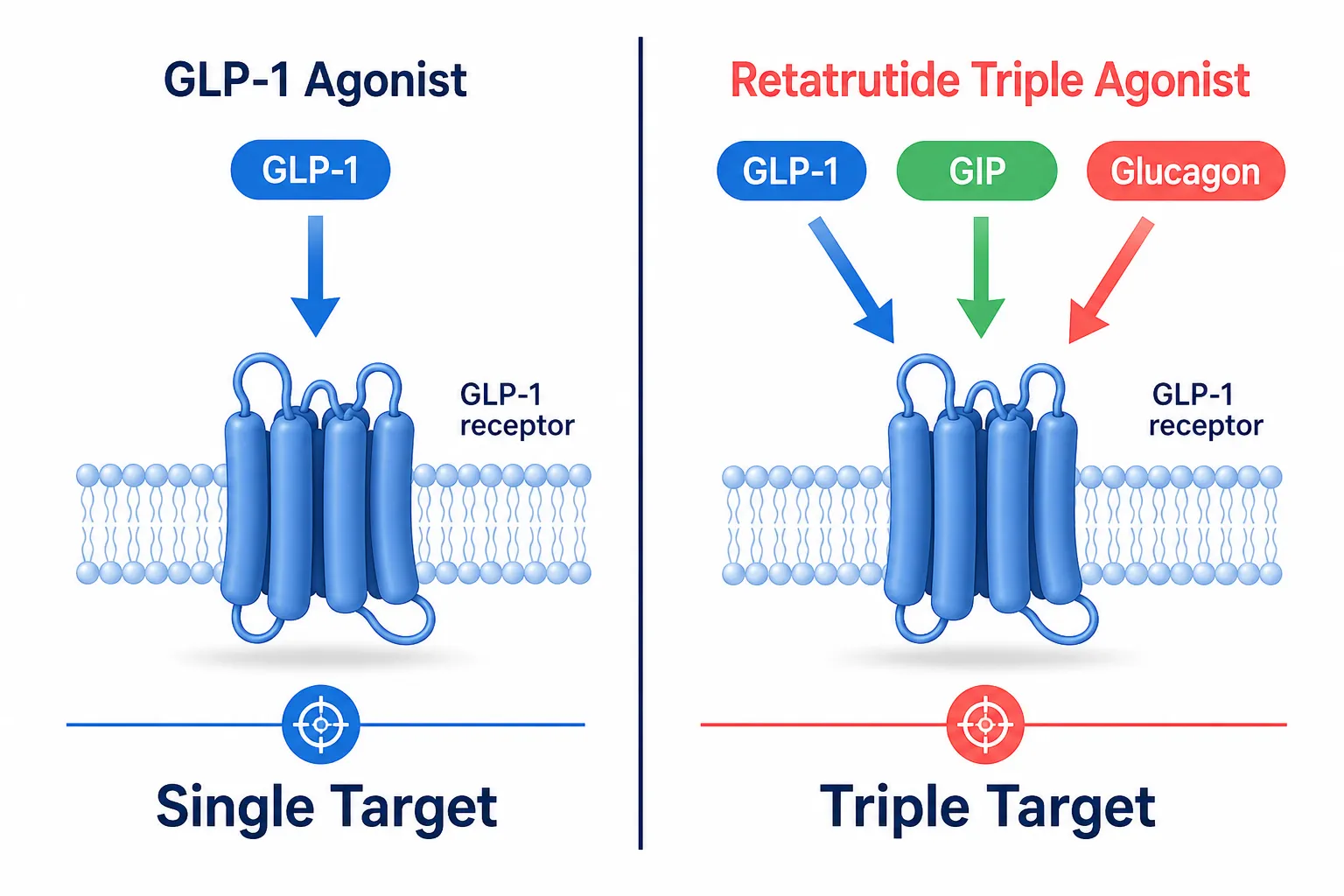
Retatrutide and the Polypeptide Frontier in Cardiometabolic Disease

Retatrutide represents the most advanced example of how peptides and polypeptides in modern research, including how MOTS-c, 5-Amino-1MQ, and GLP-3 retatrutide fit into the big picture, are reshaping treatment expectations for obesity and metabolic disease.

Retatrutide is a polypeptide triple agonist, simultaneously activating three receptors:

  1. GLP-1 receptor, reduces appetite and slows gastric emptying
  2. GIP receptor, enhances insulin secretion and fat metabolism
  3. Glucagon receptor, increases energy expenditure and hepatic fat clearance

Phase 2 trial data showed average weight loss exceeding 24% of body weight over 48 weeks, figures previously associated only with bariatric surgery. Broad cardiometabolic benefits included improvements in blood pressure, triglycerides, and liver fat. The pivotal Phase 3 TRIUMPH program is now underway, with retatrutide pushing toward market readiness. As of mid-2026, regulatory submissions are being prepared, making retatrutide one of the most closely watched compounds in pharmaceutical development.

The Reta 10mg research-use designation reflects the preclinical and research community's parallel interest in studying this compound's mechanisms at the molecular level.

For context, this polypeptide approach contrasts sharply with earlier single-target GLP-1 drugs. The multi-receptor strategy mirrors the tissue repair research philosophy of engaging several biological pathways simultaneously rather than relying on a single mechanism.

Conclusion

The field of peptides and polypeptides in modern research, spanning MOTS-c, 5-Amino-1MQ, and GLP-3 retatrutide, is not a collection of isolated compounds. It is a structured landscape where chain length, receptor targeting, and development stage determine what each molecule can realistically offer.

Actionable next steps for researchers and informed readers:

  • Ground every compound in its classification first. Confirm whether a molecule is a true peptide, a polypeptide, or a small molecule like 5-Amino-1MQ before comparing research outcomes.
  • Weight evidence by development stage. Retatrutide's Phase 3 human data carries far more weight than 5-Amino-1MQ's rodent studies.
  • Watch MOTS-c clinical trial readouts in late 2026. Phase 2a results will be the first real test of whether exercise-mimetic peptides translate from animal models to human benefit.
  • Explore synergistic combinations carefully. Pairing mitochondrial peptides like SS-31 and MOTS-c follows a logical mechanistic rationale, but human safety data must lead any protocol design.

The peptide revolution is not hype, it is a well-funded, rigorously studied shift in how researchers approach metabolic disease, aging, and tissue repair. Understanding the structural and mechanistic foundations of each compound is the clearest path to interpreting the science accurately.

https://www.puretestedpeptides.com/wp-content/uploads/2026/09/peptides-and-polypeptides-in-modern-research-how-mots-c-5-amino-1mq-and-glp-3-re.webp 1024 1536 https://www.puretestedpeptides.com/wp-content/uploads/2026/01/buy-peptides-online.jpg 2026-09-01 13:04:572026-09-01 13:04:57Peptides and Polypeptides in Modern Research: How MOTS-c, 5-Amino-1MQ, and GLP-3 Retatrutide Fit Into the Big Picture
Photosynthesis, Cellular Energy, and Mitochondrial Peptides: How MOTS‑c Research Connects Plant Biology Concepts to Human Metabolism

Photosynthesis, Cellular Energy, and Mitochondrial Peptides: How MOTS‑c Research Connects Plant Biology Concepts to Human Metabolism

August 28, 2026/0 Comments/in Uncategorized/by

Every biology student learns that chloroplasts and mitochondria share a common evolutionary ancestor. What fewer people realize is that this ancient relationship quietly shapes one of the most compelling areas of metabolic peptide research in 2026, the study of MOTS-c, a small signaling molecule encoded directly within mitochondrial DNA.

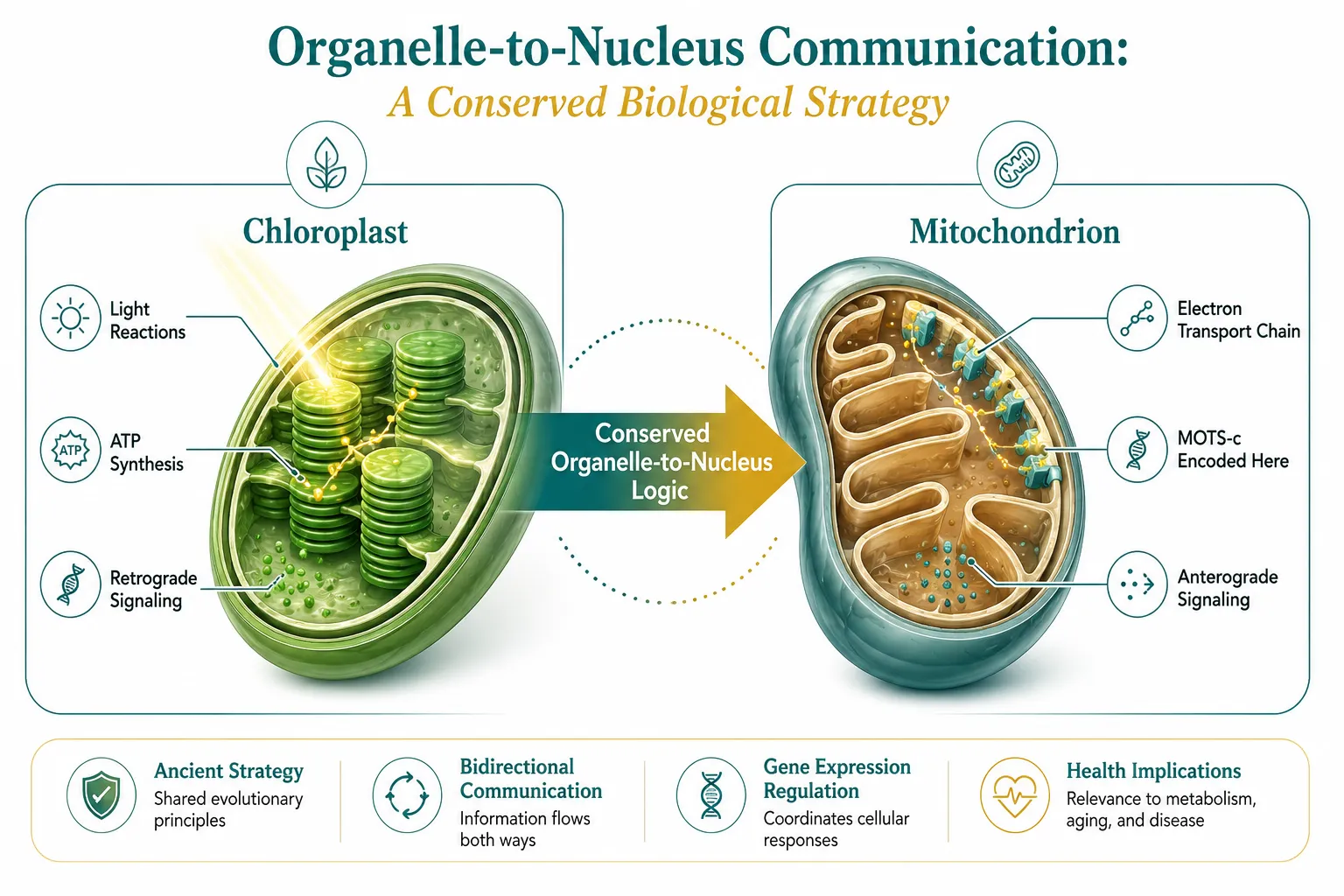
The field of photosynthesis, cellular energy, and mitochondrial peptides is not simply an academic curiosity. It reveals a conserved logic, organelles communicating with the cell nucleus to regulate energy output, that appears in both plant cells and human cells. Understanding that logic helps explain why MOTS-c research connects plant biology concepts to human metabolism in ways that are both scientifically rigorous and practically relevant.

Key Takeaways

  • Chloroplasts and mitochondria use strikingly similar retrograde signaling strategies to communicate organelle status to the nucleus.
  • MOTS-c is a peptide encoded in mitochondrial DNA that acts as a metabolic stress signal, activating AMPK and redirecting glucose metabolism.
  • Exercise significantly raises MOTS-c levels, earning it the label of an "exercise-mimetic" peptide in the research literature.
  • Early human trials in 2026 show modest but consistent improvements in insulin sensitivity among prediabetic participants.
  • MOTS-c is currently classified as a prohibited substance by WADA and remains a research compound in the United States.

The Shared Logic of Organelle-to-Nucleus Signaling

The Shared Logic of Organelle-to-Nucleus Signaling

In plant cells, chloroplasts do not operate in isolation. When light conditions change or photosynthetic machinery is stressed, chloroplasts send chemical signals back to the nucleus, a process called retrograde signaling. The nucleus then adjusts gene expression to protect the cell and optimize energy output. This feedback loop is essential for plant survival.

Human mitochondria follow an almost identical logic. When mitochondrial function is compromised, by nutrient excess, oxidative stress, or aging, the organelle communicates with the nucleus through its own signaling molecules. MOTS-c is one of those molecules.

"The organelle-to-nucleus communication axis is one of the most conserved features of eukaryotic life. Recognizing it in both photosynthesis and human metabolism reframes how researchers think about metabolic disease."

This parallel is not coincidental. Both chloroplasts and mitochondria were once free-living bacteria that were incorporated into host cells roughly 1.5 billion years ago. Both retained small, independent genomes. Both evolved sophisticated ways to alert the host cell when energy production was at risk. Studying one system genuinely informs the other.

For a broader look at how peptides function at the cellular and receptor level, the article on Peptides Mechanism 101: From GLP-3 Retatrutide to CJC-1295 and MOTS-c provides useful foundational context.

What MOTS-c Is and Why It Matters for Cellular Energy

What MOTS-c Is and Why It Matters for Cellular Energy

MOTS-c (Mitochondrial Open Reading Frame of the 12S rRNA type-c) is a 16-amino-acid peptide encoded in the 12S ribosomal RNA region of the mitochondrial genome. Its discovery challenged a long-held assumption that mitochondrial DNA only coded for components of the respiratory chain. MOTS-c proved that mitochondria could produce independent signaling peptides, molecules that travel outside the organelle and even outside the cell to regulate metabolism systemically.

How MOTS-c Activates Metabolic Pathways

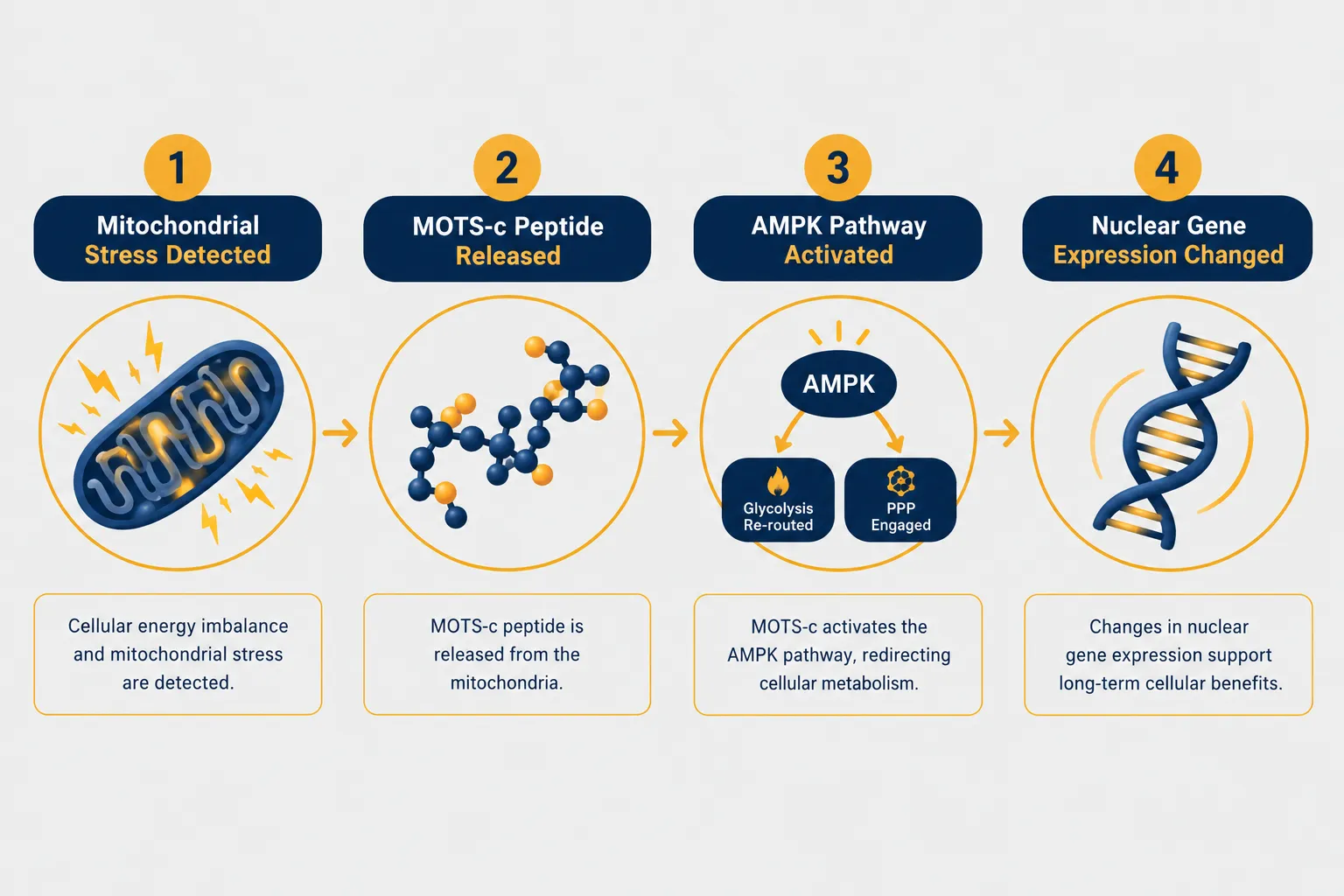
The core mechanism involves three interconnected steps:

  1. AMPK activation, MOTS-c stimulates AMP-activated protein kinase, the cell's master energy sensor, which switches on fat oxidation and suppresses energy-wasting processes.
  2. Glycolysis and pentose phosphate pathway (PPP) re-routing, Under metabolic stress, MOTS-c shifts glucose away from standard glycolysis and toward the PPP, which generates antioxidant molecules and nucleotide precursors.
  3. Mitochondrial protection, By reducing oxidative stress and supporting respiratory chain efficiency, MOTS-c helps preserve the very organelle that produced it.

This three-step cascade mirrors, in a meaningful way, the regulatory adjustments a plant cell makes when photosynthetic electron transport is disrupted. In both cases, the organelle detects an energy imbalance and triggers a protective metabolic shift.

Researchers exploring MOTS-c and related mitochondrial peptides have noted that this mechanism makes MOTS-c particularly interesting for metabolic disease models.

MOTS-c as a Host-Defense Peptide

New evidence published in August 2026 adds another dimension: MOTS-c also functions as a mitochondrial-encoded host-defense peptide (HDP). This means it may play a role in immune modulation beyond pure metabolic signaling, a finding that significantly broadens its research profile.

For those comparing MOTS-c to other mitochondria-targeting compounds, the SS-31 and MOTS-c research catalog offers a useful point of comparison between these two peptide classes.

MOTS-c in Human Metabolism: Diabetes, Aging, and Exercise

MOTS-c in Human Metabolism: Diabetes, Aging, and Exercise

The translation from cellular mechanism to human metabolic health is where MOTS-c research becomes most clinically relevant.

Key findings from recent research include:

Research Area Finding
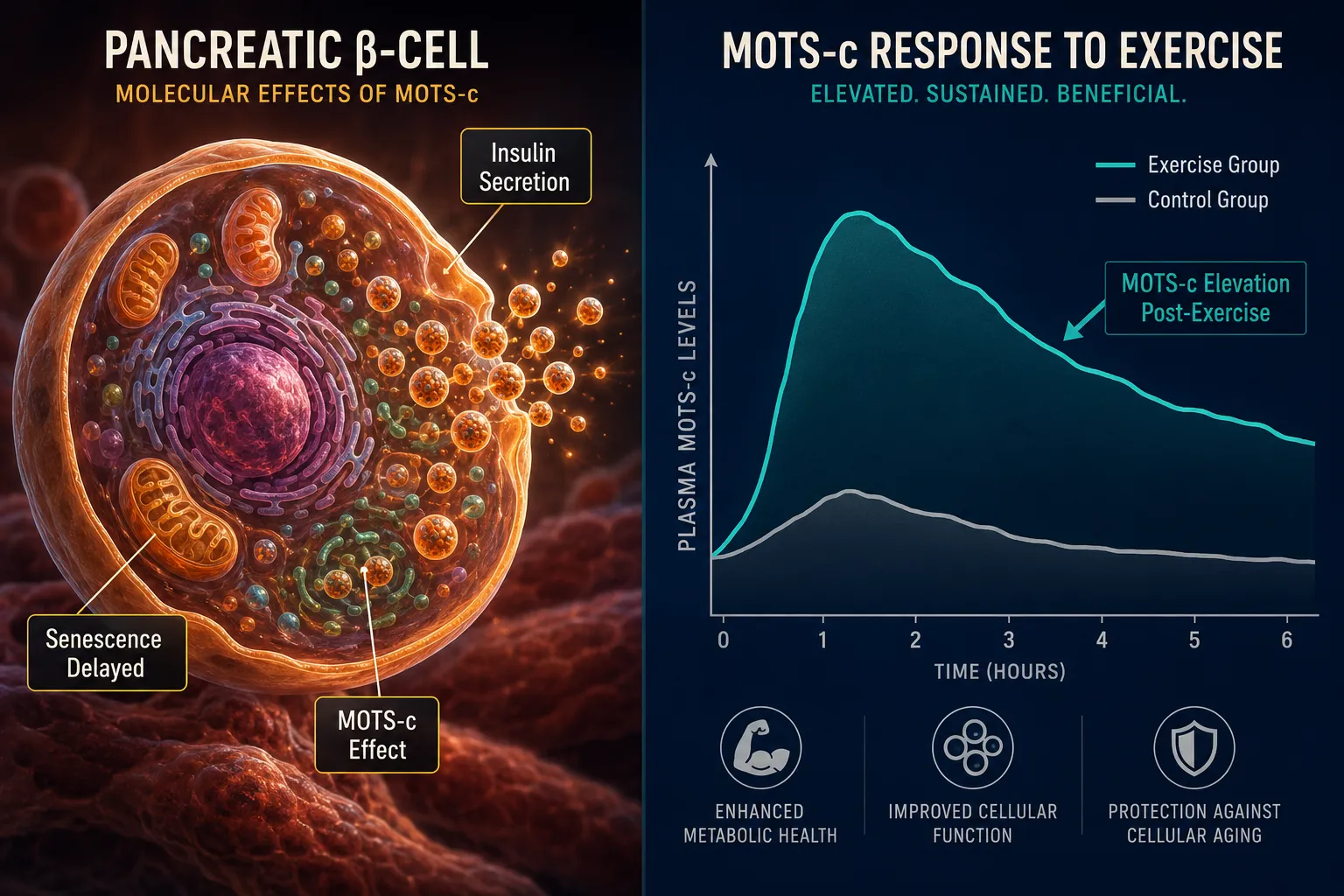
Pancreatic beta cells MOTS-c delays cellular senescence in animal models, preserving insulin secretion capacity
Type 2 diabetic heart 2025 data shows MOTS-c restores mitochondrial respiration in cardiac tissue
Exercise response Physical activity sharply elevates circulating MOTS-c, supporting its role as an exercise-mimetic signal
Obesity biomarker Elevated systemic MOTS-c levels are observed in obese and insulin-resistant individuals, suggesting a compensatory response

The exercise connection is particularly notable. When skeletal muscle contracts repeatedly, mitochondria in muscle cells are stressed, MOTS-c is released, and downstream metabolic improvements follow. This is one reason some researchers describe MOTS-c as a molecular explanation for why exercise improves insulin sensitivity, the peptide may be part of the signaling chain that carries the benefit.

Human Trial Landscape in 2026

As of mid-2026, the first Phase 2a clinical trial in prediabetic participants is underway, with early signals showing modest but consistent improvements in insulin sensitivity and body composition. A separate study is examining MOTS-c in metabolic syndrome populations. Researchers caution that the gap between animal-model results and human efficacy remains significant, and that mechanistic rationale, however strong, does not substitute for robust clinical evidence.

From a regulatory standpoint, MOTS-c is currently listed as a prohibited substance by the World Anti-Doping Agency (WADA) and remains a research-only compound in the United States. It is not approved for human therapeutic use.

For researchers interested in how molecular size and structure influence peptide function and experimental design, the overview of peptides and polypeptides in modern research is a relevant companion resource.

Those sourcing compounds for laboratory work can also review the MOTS-c product tag page for catalog availability, and researchers comparing mitochondria-targeted peptides may find the SS-31 peptide benefits resource useful for cross-referencing mechanisms.

Conclusion

The connection between photosynthesis, cellular energy, and mitochondrial peptides is not a metaphor, it is a reflection of shared evolutionary biology. Both plant chloroplasts and human mitochondria evolved to monitor their own function and signal the nucleus when energy production is at risk. MOTS-c is one of the clearest examples of that conserved logic operating in human physiology.

Actionable next steps for researchers and educators:

  • Use the chloroplast retrograde signaling model as a teaching framework when introducing MOTS-c mechanisms, the parallel makes complex mitochondrial biology more accessible.
  • Follow the Phase 2a prediabetes trial results expected in late 2026 or early 2027, as these will provide the first meaningful human efficacy data.
  • When designing MOTS-c experiments, account for baseline exercise levels in subjects, since physical activity independently elevates circulating peptide concentrations.
  • Treat current biomarker data (elevated MOTS-c in obesity) as hypothesis-generating rather than conclusive, the compensatory vs. causative question remains open.
  • Consult regulatory guidance before any non-research application, given WADA prohibition status and the absence of therapeutic approval.

The field sits at a genuinely exciting intersection of foundational biology and translational medicine. The photosynthesis-to-mitochondria conceptual bridge is more than an analogy, it is a map of where the science is heading.

https://www.puretestedpeptides.com/wp-content/uploads/2026/08/photosynthesis-cellular-energy-and-mitochondrial-peptides-how-mots-c-research-co.webp 1024 1536 https://www.puretestedpeptides.com/wp-content/uploads/2026/01/buy-peptides-online.jpg 2026-08-28 13:06:482026-08-28 13:06:48Photosynthesis, Cellular Energy, and Mitochondrial Peptides: How MOTS‑c Research Connects Plant Biology Concepts to Human Metabolism
Peptides 201: From Simple Peptides to Complex Polypeptides in Mitochondrial Research With MOTS-c and 5-Amino-1MQ

Peptides 201: From Simple Peptides to Complex Polypeptides in Mitochondrial Research With MOTS-c and 5-Amino-1MQ

August 25, 2026/0 Comments/in Uncategorized/by

Mitochondria produce more than ATP. They encode at least one peptide that acts like a hormone, travels through the bloodstream, and may mimic the metabolic effects of exercise, a discovery that fundamentally changes how researchers classify biologically active molecules. This is the advanced conversation that Peptides 201: From Simple Peptides to Complex Polypeptides in Mitochondrial Research With MOTS-c and 5-Amino-1MQ is designed to open: moving beyond amino acid chains and into the functional biology that makes mitochondrial peptides a frontier research category in 2026.

Key Takeaways

  • Peptides range from two amino acids to roughly 50, and their size directly shapes how they signal, penetrate membranes, and interact with receptors.
  • MOTS-c is a 16-amino-acid peptide encoded in mitochondrial DNA, not nuclear DNA, making it structurally unique among known signaling peptides.
  • 5-Amino-1MQ is a small-molecule NNMT inhibitor, not a peptide, yet it works alongside mitochondrial peptides by elevating NAD+ availability and suppressing fat-cell expansion.
  • Both MOTS-c and 5-Amino-1MQ remain in preclinical and early-phase research as of 2026, with no approved therapeutic use.
  • Classic mitochondrial drugs such as statins and metoprolol act on downstream pathways; MOTS-c and 5-Amino-1MQ target upstream mitochondrial regulation, representing a conceptually different intervention layer.

From Dipeptides to Polypeptides: The Classification Framework

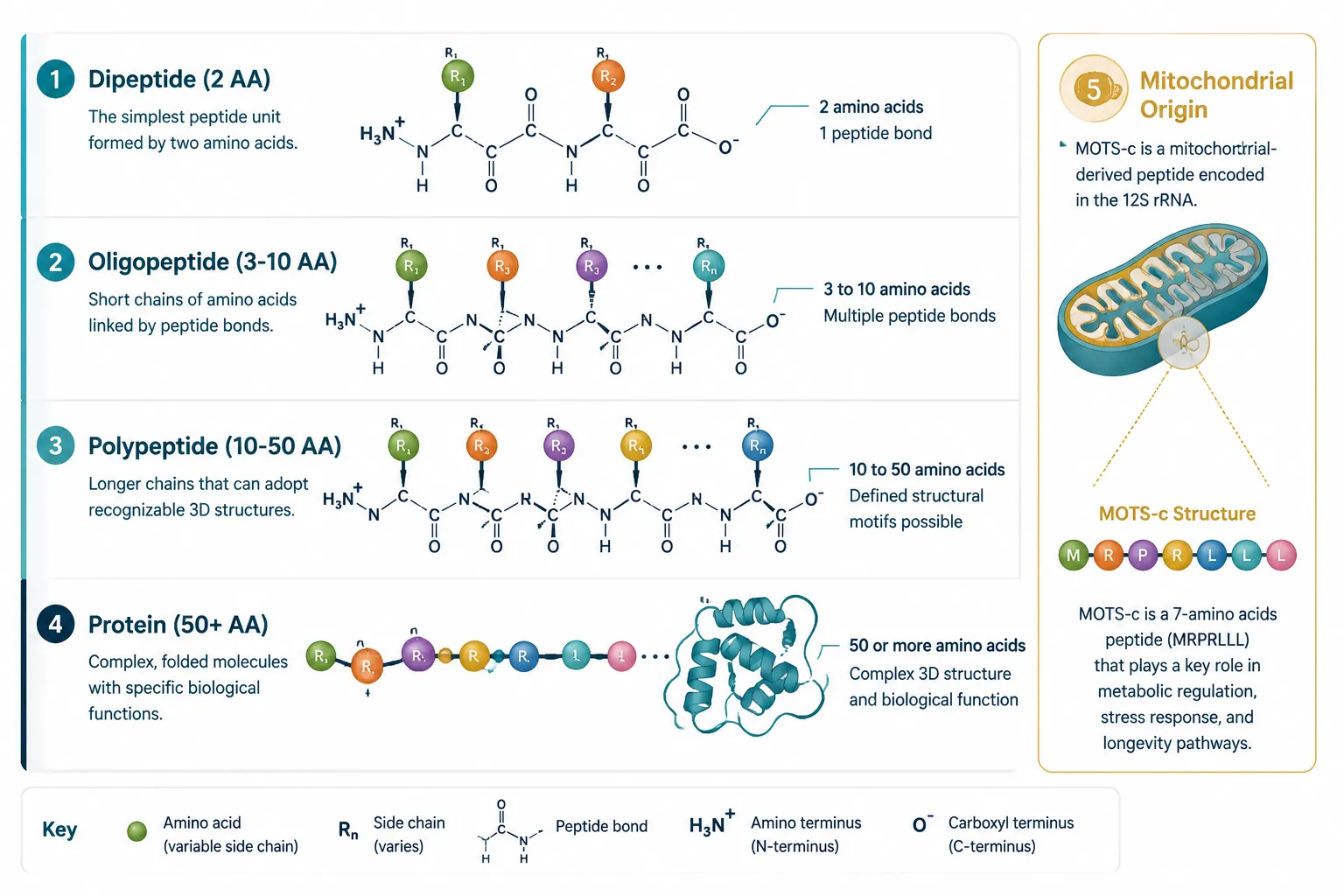
Understanding where any research compound sits on the structural spectrum is the first step in evaluating its biological potential. A dipeptide contains two amino acids joined by a single peptide bond. An oligopeptide contains three to ten. Once a chain reaches roughly ten to fifty amino acids, it is classified as a polypeptide, large enough to fold into secondary structures, small enough to avoid the regulatory and manufacturing complexity of full proteins.

From Dipeptides to Polypeptides: The Classification Framework

This size gradient matters for several practical reasons:

Category Chain Length Example Key Property
Dipeptide 2 AA Carnosine High membrane permeability
Oligopeptide 3-10 AA BPC-157 Receptor specificity
Polypeptide 10-50 AA MOTS-c (16 AA) Hormonal signaling range
Protein 50+ AA Insulin (51 AA) Full tertiary structure

For researchers exploring peptide classification and research peptides, this framework is foundational. Smaller peptides typically cross biological barriers more easily; larger polypeptides carry more signaling complexity but face greater stability challenges in formulation.

Classic mitochondrial drugs occupy a different category entirely. Statins inhibit cholesterol synthesis enzymes. Metoprolol blocks beta-adrenergic receptors to reduce cardiac workload. Both act on downstream consequences of mitochondrial dysfunction. Neither targets the mitochondrion's own signaling output. That distinction is central to understanding why mitochondrial peptides represent a conceptually new research direction.

MOTS-c and 5-Amino-1MQ: Mechanisms in Mitochondrial Research With MOTS-c and 5-Amino-1MQ

MOTS-c: A Peptide Encoded in Mitochondrial DNA

MOTS-c (Mitochondrial Open Reading Frame of the 12S rRNA type-c) is a 16-amino-acid polypeptide encoded within the mitochondrial genome, specifically within the 12S ribosomal RNA gene. This origin is extraordinary. Nearly all human peptides are encoded in nuclear DNA. MOTS-c's mitochondrial origin suggests it evolved as a direct communication signal between the cell's energy-producing organelle and the rest of the body.

MOTS-c: A Peptide Encoded in Mitochondrial DNA

Preclinical data published through 2025 and 2026 show MOTS-c activating AMPK (AMP-activated protein kinase), the master energy sensor of the cell. This activation:

  • Suppresses de novo lipogenesis (new fat production)
  • Enhances glucose uptake in skeletal muscle
  • Supports mitochondrial biogenesis
  • Reduces markers of systemic inflammation in aged animal models

Researchers have labeled MOTS-c an "exercise-mimetic" because its metabolic effects in preclinical models resemble those produced by sustained aerobic exercise. Circulating MOTS-c levels decline with age and obesity in both rodent and human observational studies, adding to its relevance in aging and metabolic disease research.

Those looking to source compounds for study can review quality criteria for research-grade MOTS-c before proceeding, as purity standards vary significantly across suppliers. The MOTS-c product tag provides a useful starting reference for available research-grade material.

5-Amino-1MQ: The Small-Molecule Companion

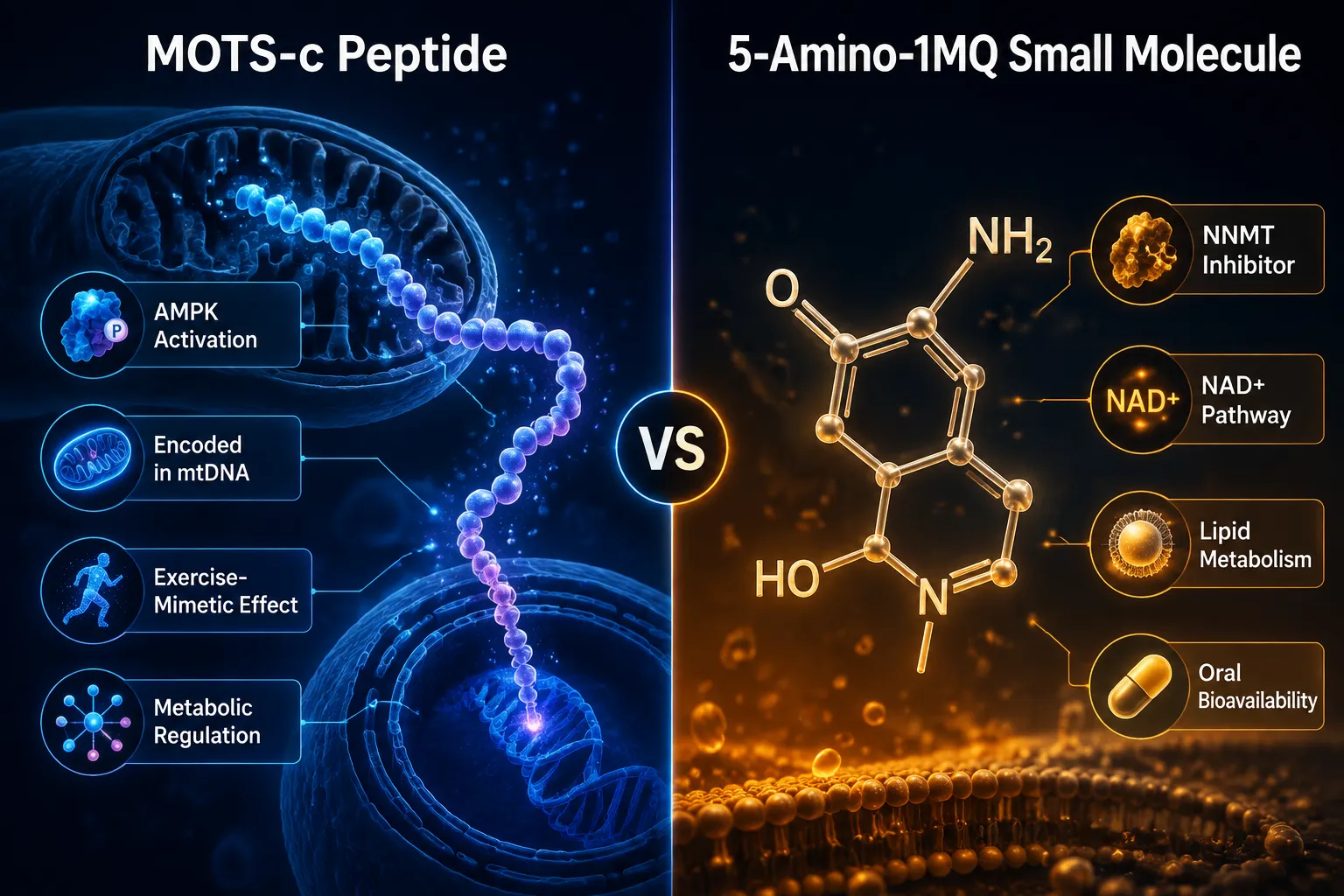
5-Amino-1-methylquinolinium (5-Amino-1MQ) is not a peptide. It is a small organic molecule that inhibits NNMT (nicotinamide N-methyltransferase), an enzyme that consumes methyl groups and degrades NAD+ precursors. By blocking NNMT, 5-Amino-1MQ effectively raises intracellular NAD+ availability, which in turn supports mitochondrial electron transport chain efficiency.

Key distinction: MOTS-c signals from the mitochondrion outward. 5-Amino-1MQ acts on the metabolic environment that the mitochondrion operates within. Together, they address mitochondrial function from two complementary directions.

In obesity models, 5-Amino-1MQ has demonstrated:

  • Reduced adipocyte differentiation and fat cell expansion
  • Improved insulin sensitivity markers
  • Favorable lipid profile shifts without significant toxicity signals at studied doses

The 5-Amino-1MQ product category details available research-grade options for laboratory use.

Emerging Research Stacks and the Bigger Picture in Peptides 201

Combining Mitochondrial Peptides With GLP-1 Agonists and NAD+ Precursors

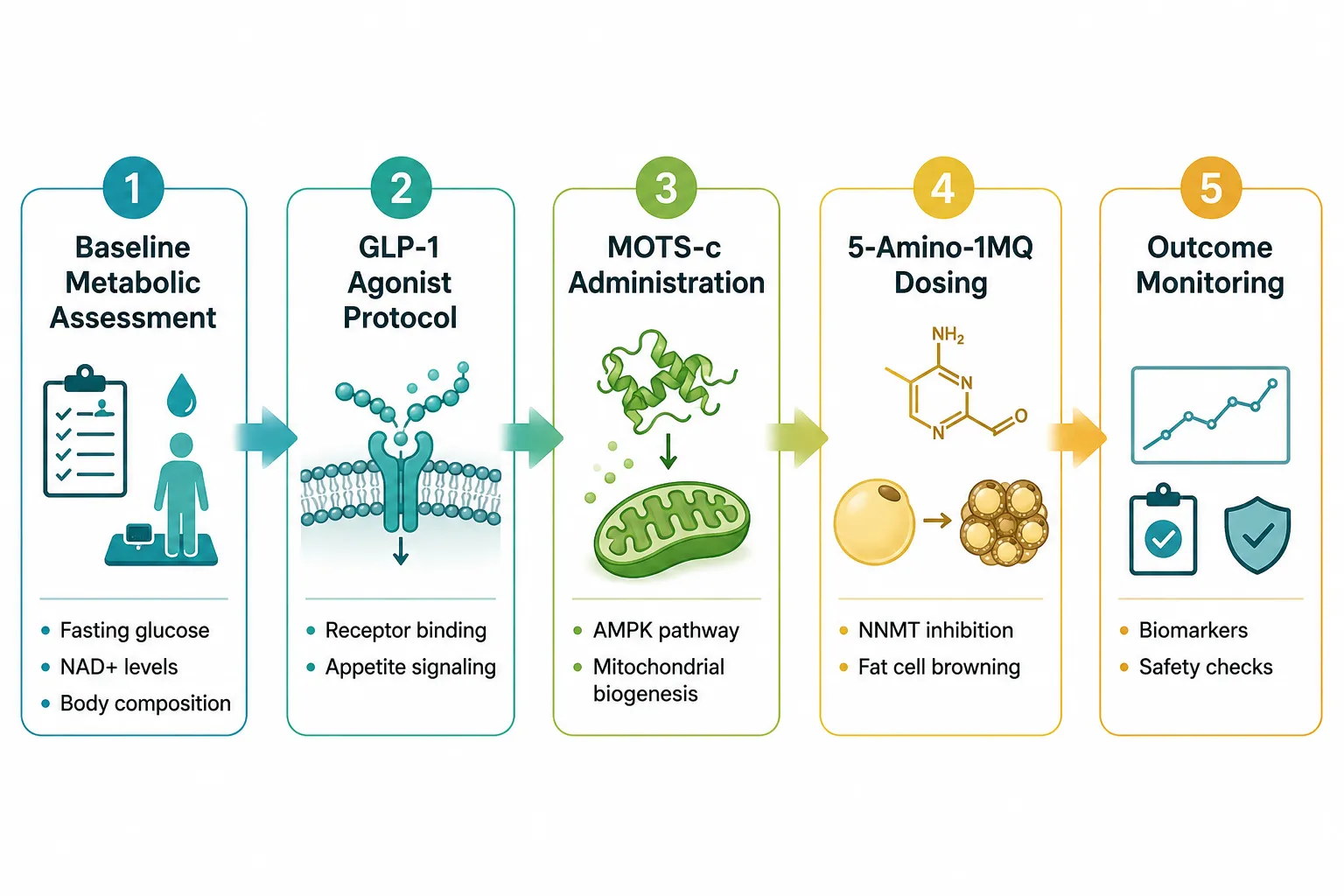
One of the more active areas of 2026 preclinical discussion involves combining mitochondrial-targeting compounds with GLP-1 receptor agonists. The logic is layered: GLP-1 agonists reduce caloric intake and improve insulin signaling; MOTS-c addresses the mitochondrial efficiency deficit that often underlies metabolic disease; 5-Amino-1MQ raises the NAD+ substrate pool that mitochondria need to function optimally.

Combining Mitochondrial Peptides With GLP-1 Agonists and NAD+ Precursors

Researchers exploring this area may also find value in reviewing GLP-3 retatrutide and metabolic research beyond GLP-1 for context on how next-generation metabolic peptides are being positioned alongside mitochondrial compounds.

Similarly, mitochondria-targeted antioxidant peptides like SS-31 are increasingly studied alongside MOTS-c in aging models. Resources covering SS-31 and kidney health research illustrate how mitochondrial protection strategies are diversifying across organ systems.

Safety Considerations and Expert Caution

No mitochondrial peptide or NNMT inhibitor has received regulatory approval for human therapeutic use as of mid-2026. All data referenced here derives from preclinical animal models or early-phase observational work. Key unknowns include:

  • Long-term effects of chronic AMPK activation via exogenous MOTS-c
  • Potential off-target effects of sustained NNMT inhibition
  • Optimal dosing windows, delivery routes, and washout periods
  • Interaction profiles when combined with approved metabolic drugs

Researchers should also review formulation considerations carefully. For comparison, bioavailability considerations in peptide nasal spray formulations highlight how delivery route dramatically affects peptide stability and receptor availability.

Conclusion

The progression from basic peptide chemistry to mitochondrial signaling biology is not merely academic, it reframes how researchers think about metabolic intervention. Peptides 201: From Simple Peptides to Complex Polypeptides in Mitochondrial Research With MOTS-c and 5-Amino-1MQ represents a conceptual upgrade: from downstream symptom management (as with statins or beta-blockers) to upstream mitochondrial communication.

Actionable next steps for researchers in 2026:

  1. Establish a clear classification framework before sourcing any compound, know whether you are working with a dipeptide, polypeptide, or small molecule.
  2. Review purity and certificate-of-analysis standards before acquiring MOTS-c or 5-Amino-1MQ for any study.
  3. Design protocols that account for the complementary mechanisms of peptide-based and small-molecule mitochondrial compounds rather than treating them as interchangeable.
  4. Monitor emerging clinical trial registrations, as MOTS-c analogs are expected to enter Phase I evaluation within the next 12 to 24 months based on current preclinical momentum.
  5. Approach combination protocols (MOTS-c + GLP-1 + NAD+ precursors) with documented safety checkpoints, given the limited long-term interaction data available.

The mitochondrion has moved from background organelle to active research target. The peptides it encodes, and the small molecules that support its function, are now central to the most compelling metabolic science of this decade.

https://www.puretestedpeptides.com/wp-content/uploads/2026/08/peptides-201-from-simple-peptides-to-complex-polypeptides-in-mitochondrial-resea.webp 1024 1536 https://www.puretestedpeptides.com/wp-content/uploads/2026/01/buy-peptides-online.jpg 2026-08-25 13:05:332026-08-25 13:05:33Peptides 201: From Simple Peptides to Complex Polypeptides in Mitochondrial Research With MOTS-c and 5-Amino-1MQ

Tag Archive for: exercise mimetic peptide

MOTS-c Peptide and Mitochondrial Biogenesis: Unlocking Cellular Energy Pathways for Research

MOTS-c Peptide and Mitochondrial Biogenesis: Unlocking Cellular Energy Pathways for Research

June 29, 2026/0 Comments/by Pure Tested

{"cover":"Professional landscape format (1536×1024) hero image with bold text overlay: 'MOTS-c Peptide & Mitochondrial Biogenesis: Unlocking Cellular Energy Pathways' in extra large 72pt white bold sans-serif font with dark semi-transparent overlay box, centered upper-third placement. Background shows a stunning macro scientific visualization of a glowing mitochondrion with ATP energy particles radiating outward, deep teal and electric blue color palette with gold energy accents, molecular structures floating in background, editorial magazine cover quality, high contrast, cinematic lighting","content":["Detailed landscape format (1536×1024) scientific diagram illustration showing a cross-section of a mitochondrion with labeled MOTS-c peptide molecular structure (16 amino acid chain) emerging from the 12S rRNA gene region, glowing AMPK pathway activation arrows, PGC-1alpha protein highlighted in gold, cellular energy flow visualization with ATP molecules, dark navy background with bioluminescent teal and white annotation lines, clean infographic style, research-grade editorial quality","Landscape format (1536×1024) split-panel research comparison graphic showing left panel with preclinical animal study icons (mouse silhouettes, metabolic charts, insulin sensitivity graphs trending upward) and right panel showing human clinical trial question marks and pending status indicators, MOTS-c peptide molecular formula overlaid, amber and blue color contrast, clean scientific poster aesthetic, bold typography annotations, laboratory research setting background with blurred microscopes","Landscape format (1536×1024) regulatory and research roadmap timeline visualization showing 2026 FDA PCAC review milestone on a horizontal timeline, MOTS-c peptide safety assessment checkpoints, immunogenicity concern icons, metabolic flexibility research branches extending upward like a decision tree, professional dark charcoal background with white and green pathway lines, government regulatory building silhouette in background, clean data visualization style, editorial quality"]

Professional landscape hero image () with : "MOTS-c Peptide and Mitochondrial Biogenesis: Unlocking Cellular Energy Pathways

Exercise raises endogenous MOTS-c levels in skeletal muscle — a discovery that reframes how researchers think about metabolic signaling at the cellular level. This 16-amino-acid peptide, encoded within the mitochondrial genome itself, sits at the crossroads of energy regulation, aging biology, and metabolic health. Understanding MOTS-c peptide and mitochondrial biogenesis: unlocking cellular energy pathways for research begins with appreciating how a molecule this small can exert such wide-ranging influence on cellular function.

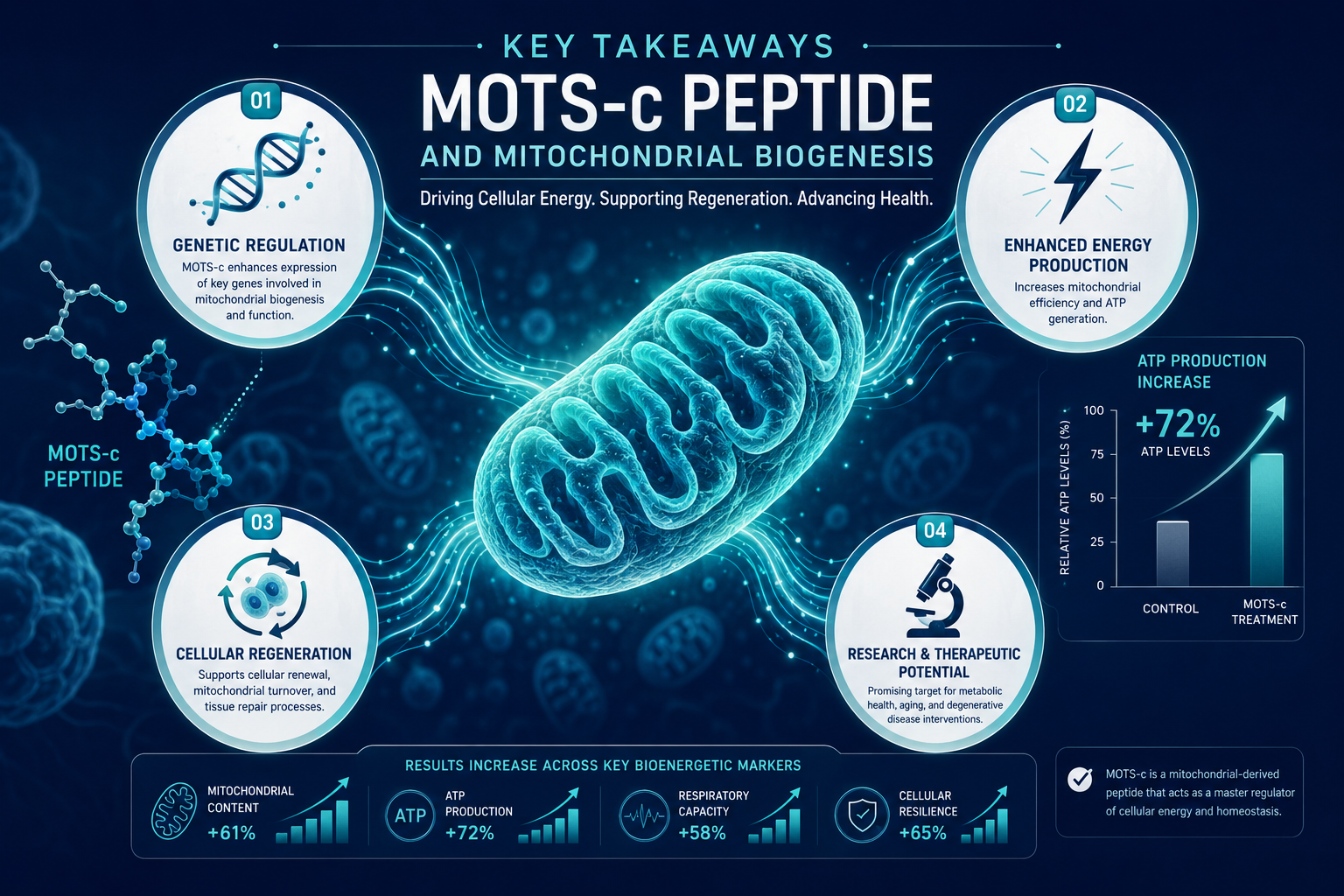
Editorial infographic for 'Key Takeaways' section illustrating MOTS-c Peptide and Mitochondrial Biogenesis research

Key Takeaways

  • MOTS-c is a mitochondria-derived peptide that activates the AMPK pathway to stimulate mitochondrial biogenesis and metabolic regulation.
  • Preclinical studies show promising results for insulin sensitivity, weight management, and exercise capacity, but no completed human efficacy trials exist as of 2026.
  • The FDA removed MOTS-c from the 503A Category 2 list in April 2026; a PCAC review is scheduled for July 2026.
  • MOTS-c is often called an "exercise mimetic," though experts caution this label oversimplifies its effects.
  • All current use of MOTS-c remains strictly within controlled research and investigational settings.

How MOTS-c Drives Mitochondrial Biogenesis at the Molecular Level

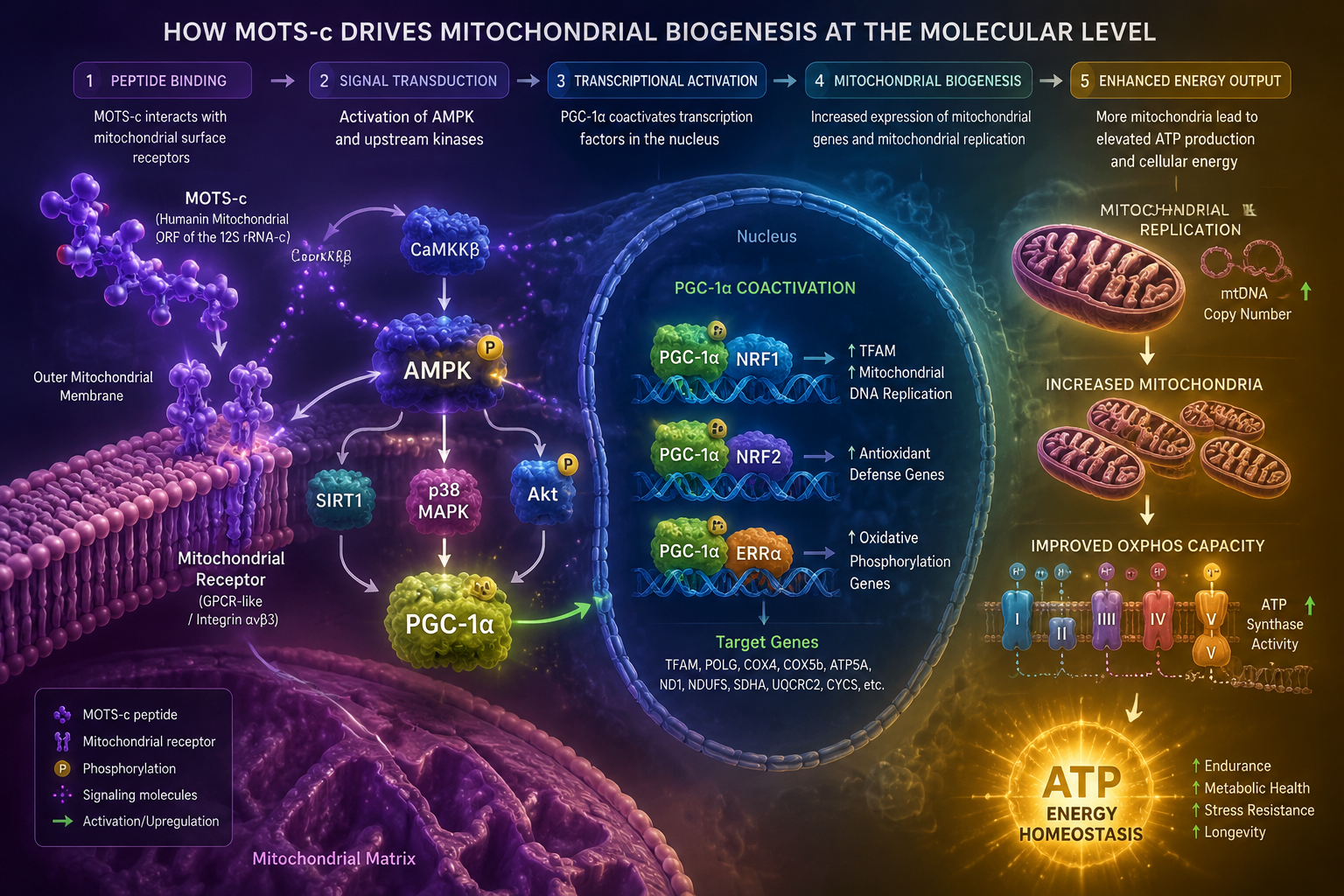
MOTS-c originates from the 12S rRNA gene within mitochondrial DNA — making it one of the few known peptides encoded outside the nuclear genome. Once translated, it translocates to the nucleus under conditions of metabolic stress, where it regulates gene expression tied to energy homeostasis.

The primary mechanism involves activation of AMP-activated protein kinase (AMPK), a master energy sensor in cells. When AMPK is activated by MOTS-c, a cascade of downstream effects follows:

Effect Biological Outcome
Increased glucose uptake Improved cellular fuel availability
Enhanced fatty acid oxidation Greater metabolic flexibility
PGC-1alpha activation Stimulation of mitochondrial biogenesis
Reduced oxidative stress Improved mitochondrial integrity

PGC-1alpha is the key transcription coactivator here. Its activation by MOTS-c triggers the production of new mitochondria, expands the mitochondrial network, and improves overall oxidative capacity. This is why MOTS-c peptide and mitochondrial biogenesis: unlocking cellular energy pathways for research has become such a compelling area of study — the peptide essentially tells cells to build better energy infrastructure.

For researchers interested in complementary mitochondrial-targeted compounds, the SS-31 peptide research overview offers useful context on how other peptides interact with mitochondrial membranes.

Researchers studying broader metabolic signaling may also find value in exploring NAD+ energetics and longevity research themes, which intersect with MOTS-c's role in cellular energy regulation.


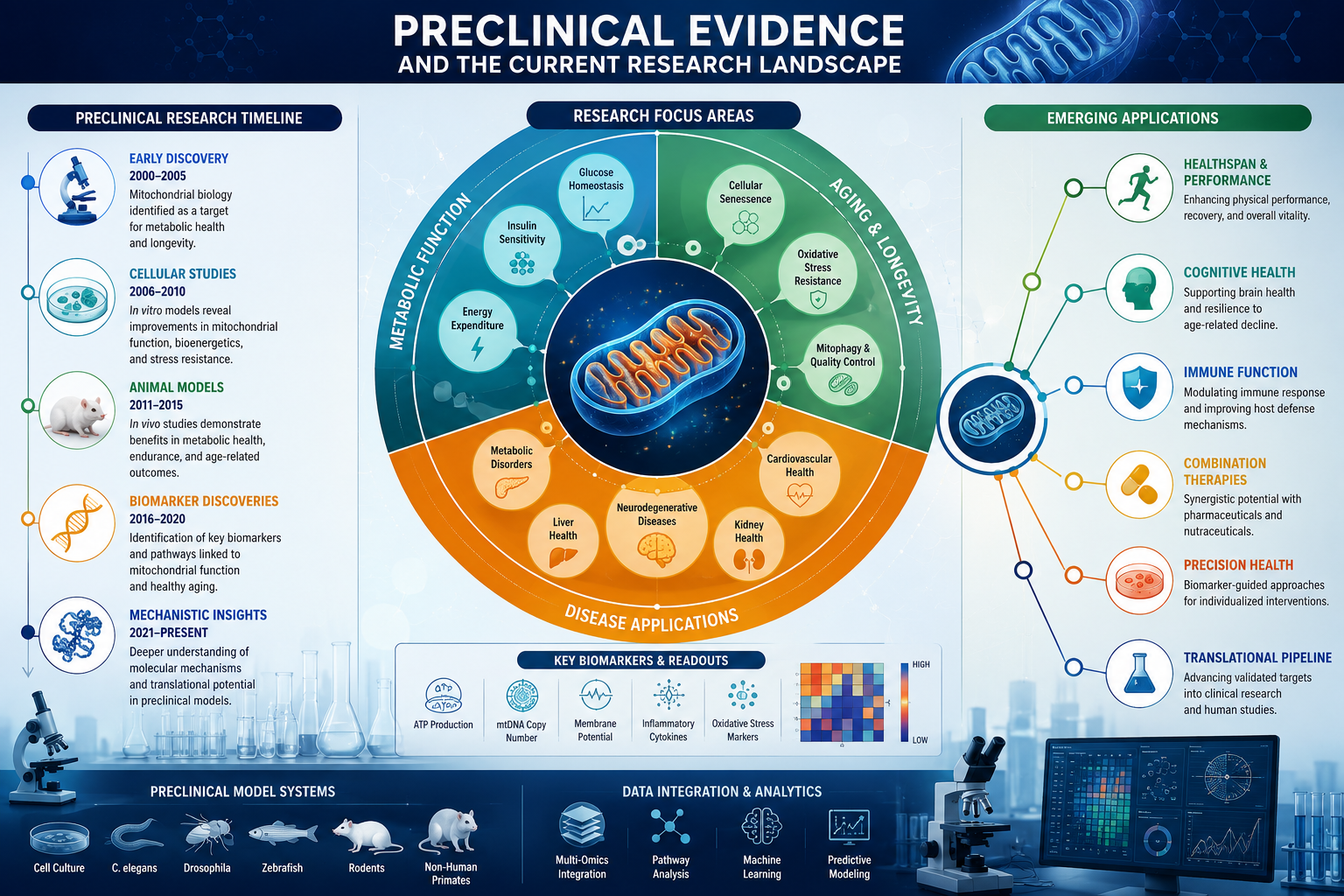
Preclinical Evidence and the Current Research Landscape

Preclinical Evidence and the Current Research Landscape

Animal model studies have produced notable findings. MOTS-c administration in rodent models has demonstrated:

  • Improved insulin sensitivity in diet-induced obesity models
  • Reduced body weight without significant changes to food intake
  • Enhanced exercise capacity and skeletal muscle performance
  • Attenuation of age-related metabolic decline

These results have fueled significant interest in MOTS-c as a potential tool for metabolic research. The peptide is frequently described as an "exercise mimetic" because it activates many of the same pathways engaged during physical activity. However, experts are careful to note that MOTS-c does not replicate the full systemic benefits of exercise, which involve cardiovascular, neurological, and musculoskeletal adaptations far beyond what a single peptide can address.

"Preclinical results are promising, but the absence of completed human trials means all conclusions remain provisional."

As of 2026, no completed human efficacy trials exist. The research community continues to investigate MOTS-c's role in metabolic flexibility, aging, and stress response. For a deeper look at related metabolic research themes, the MOTS-c metabolic flexibility research overview provides additional context.

Researchers exploring longevity-focused peptide research may also benefit from reviewing longevity peptide research themes to understand how MOTS-c fits within a broader aging-biology framework.


Regulatory Status and Safety Considerations in 2026

Regulatory Status and Safety Considerations in 2026

The regulatory picture for MOTS-c shifted notably in 2026. On April 22, 2026, the FDA removed MOTS-c from the 503A Category 2 list following the withdrawal of its nomination. A Pharmacy Compounding Advisory Committee (PCAC) review is scheduled for July 23, 2026, to evaluate its potential inclusion for research applications related to obesity and osteoporosis.

The FDA has flagged several safety concerns that researchers must account for:

  • Immunogenicity risk — potential for immune responses to exogenous peptide administration
  • Peptide-related impurities — quality and purity standards remain under scrutiny
  • Lack of human exposure data — no established safety profile in human subjects

These concerns reinforce why MOTS-c remains strictly investigational. Sourcing quality-verified peptides for research is essential; researchers can explore MOTS-c: the mitochondrial peptide for detailed compound information.

For those examining synergistic mitochondrial research compounds, the synergy of LL-37 and SS-31 peptides article explores how multiple peptides may interact in cellular energy contexts.


Conclusion

MOTS-c peptide and mitochondrial biogenesis: unlocking cellular energy pathways for research represents one of the most mechanistically rich areas in current peptide science. The peptide's ability to activate AMPK, stimulate PGC-1alpha, and promote new mitochondrial formation positions it as a valuable investigational tool for understanding metabolic disease, aging, and cellular energy regulation.

Actionable next steps for researchers:

  1. Review the July 2026 PCAC findings as they become available to assess updated regulatory guidance.
  2. Prioritize sourcing rigorously tested, purity-verified MOTS-c for any preclinical work.
  3. Design studies that pair MOTS-c with validated metabolic biomarkers to build translatable data.
  4. Monitor emerging literature on AMPK pathway modulators and mitochondrial biogenesis to contextualize findings.

All research use of MOTS-c should occur within controlled, ethically approved settings until human safety and efficacy data are established.

https://www.puretestedpeptides.com/wp-content/uploads/2026/06/MOTS-c-Peptide-and-Mitochondrial-Biogenesis-Unlocking-Cellular-Energy-Pathways-for-Research.png 1024 1536 Pure Tested https://www.puretestedpeptides.com/wp-content/uploads/2026/01/buy-peptides-online.jpg Pure Tested2026-06-29 13:05:282026-07-20 15:01:57MOTS-c Peptide and Mitochondrial Biogenesis: Unlocking Cellular Energy Pathways for Research
×

Helpful Links

  • My account
  • Cart
  • Checkout
  • Refund and Returns Policy
  • Privacy Policy
  • SMS Privacy Policy
  • Login
  • My Account
  • Logout

USA Made Lab Tested Peptides

All products are sold for research, laboratory, or analytical purposes only, and are not for human consumption


Pure Tested Peptides is a chemical supplier. Pure Tested Peptides is not a compounding / chemical compounding facility as defined under 503A of the Federal Food, Drug, and Cosmetic act. Pure Tested Peptides is not an outsourcing facility as defined under 503B of the Federal Food, Drug, and Cosmetic act.

The statements made within this website have not been evaluated by the US Food and Drug Administration. The products we offer are not intended to diagnose, treat, cure or prevent any disease.

Human/Animal Consumption Prohibited. Laboratory/In-Vitro Experimental Use Only

Scroll to top Scroll to top Scroll to top