GLP2-T and GLP2 Tirz Peptide Differentiation: Receptor Binding Affinity and Intestinal Epithelial Growth Pathways
Two peptides share overlapping catalog names yet operate through entirely different receptor systems, a distinction that matters enormously in gastrointestinal research. Understanding GLP2-T and GLP2 Tirz Peptide Differentiation: Receptor Binding Affinity and Intestinal Epithelial Growth Pathways is not a matter of minor pharmacological nuance; it is the difference between a dedicated intestinotrophic hormone and a synthetic dual-receptor chimeric agonist with metabolic applications.
Key Takeaways
- Native GLP-2 is a 33-amino-acid endogenous hormone that binds exclusively to the GLP-2 receptor and drives intestinal mucosal growth.
- GLP2-T (also catalogued as GLP-2 Tirz) is a research alias for tirzepatide, a 39-amino-acid synthetic peptide that targets both GIP and GLP-1 receptors, not the GLP-2 receptor.
- The naming overlap is a catalog convention, not a chemical relationship; these two peptides are structurally and mechanistically distinct.
- GLP2-T carries Aib substitutions and a C20 lipid chain that extend its half-life through albumin binding, unlike native GLP-2.
- Researchers must verify molecular identity before selecting either compound for intestinal epithelial or metabolic pathway studies.
Structural Identity: Native GLP-2 vs. GLP2-T
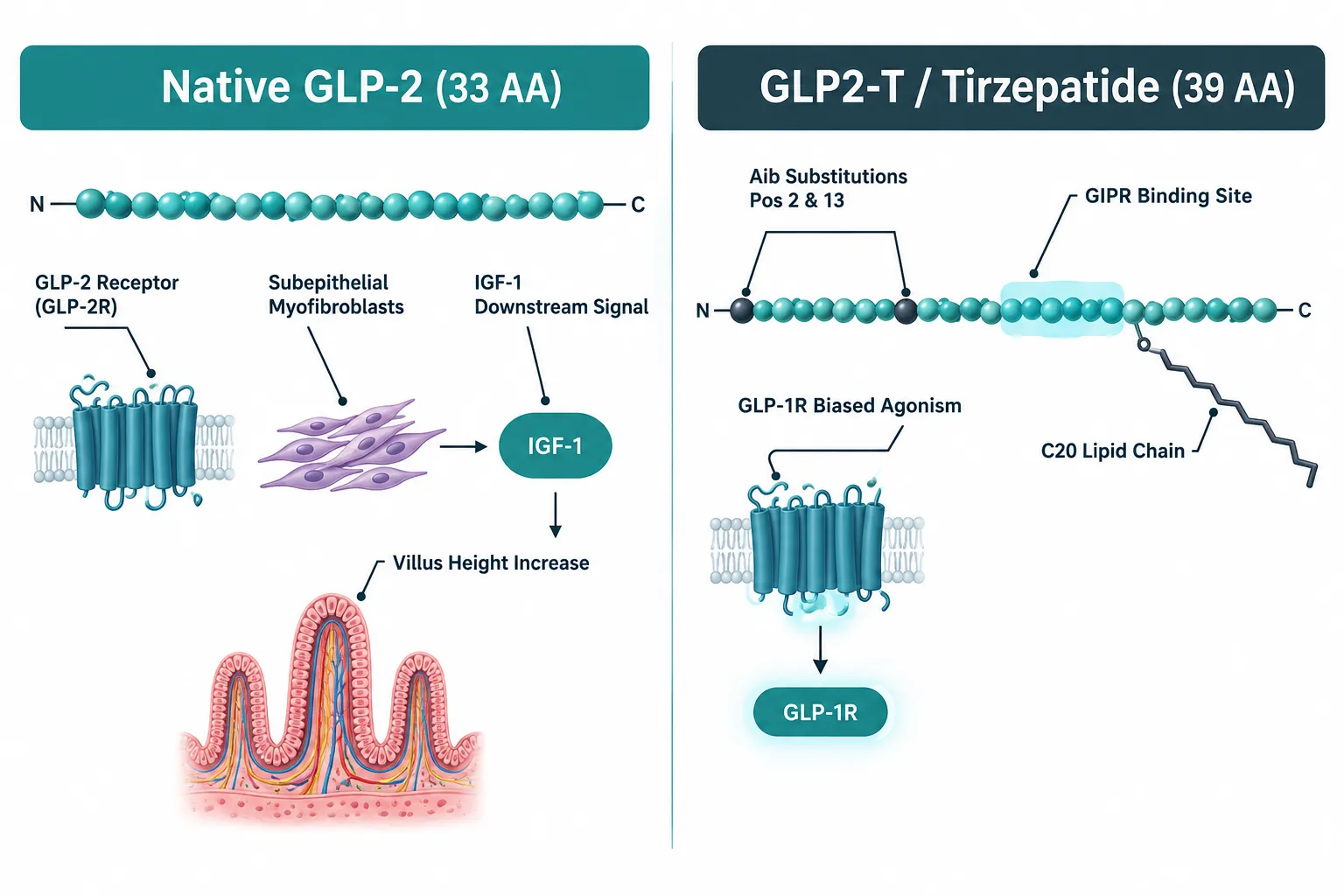
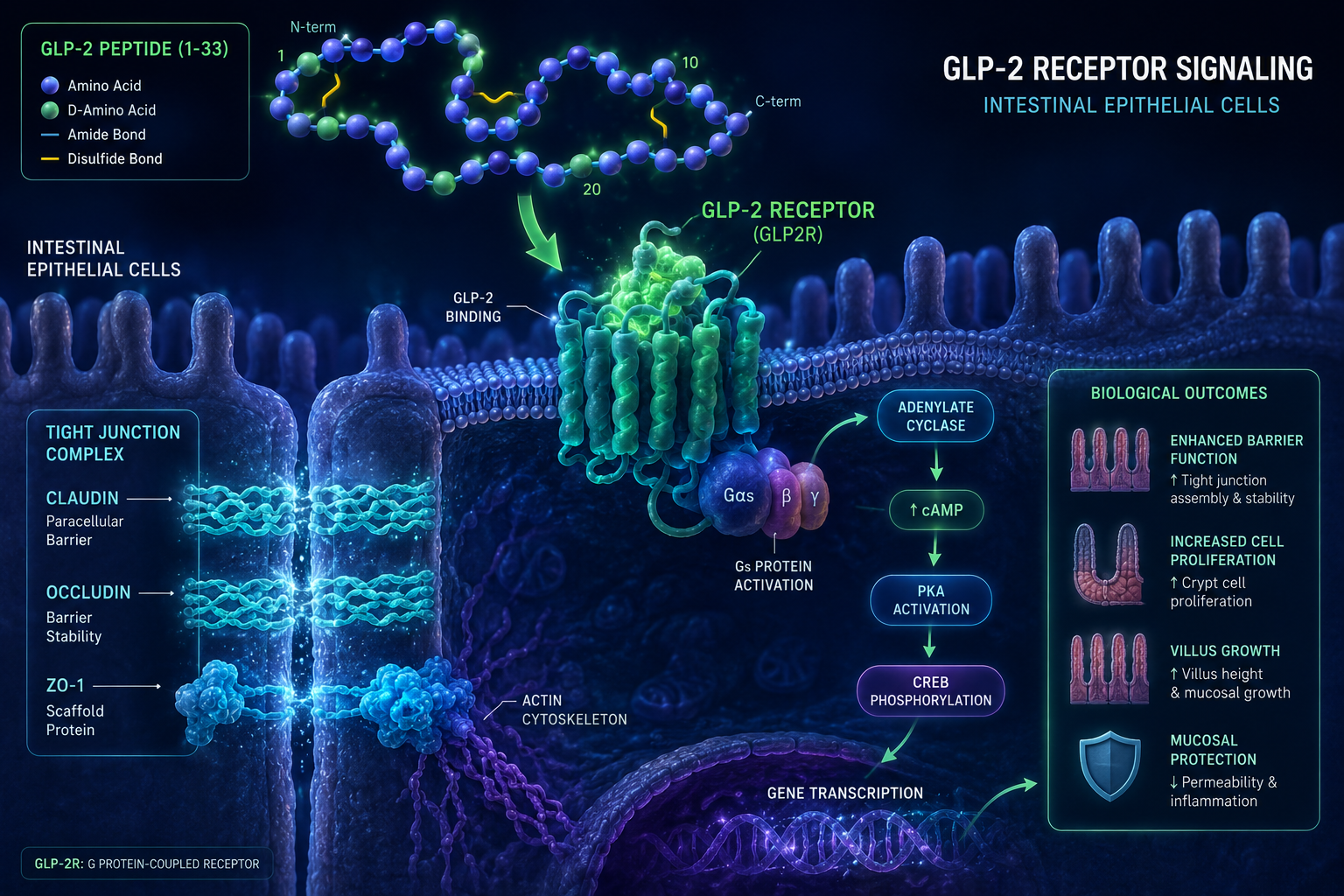
At the molecular level, the distinction begins with chain length and origin. Native GLP-2 is a 33-amino-acid peptide hormone derived from the proglucagon gene. It is secreted primarily by intestinal L-cells in response to nutrient intake and binds with high specificity to the GLP-2 receptor (GLP-2R), a G-protein-coupled receptor expressed predominantly on subepithelial myofibroblasts and enteric neurons.
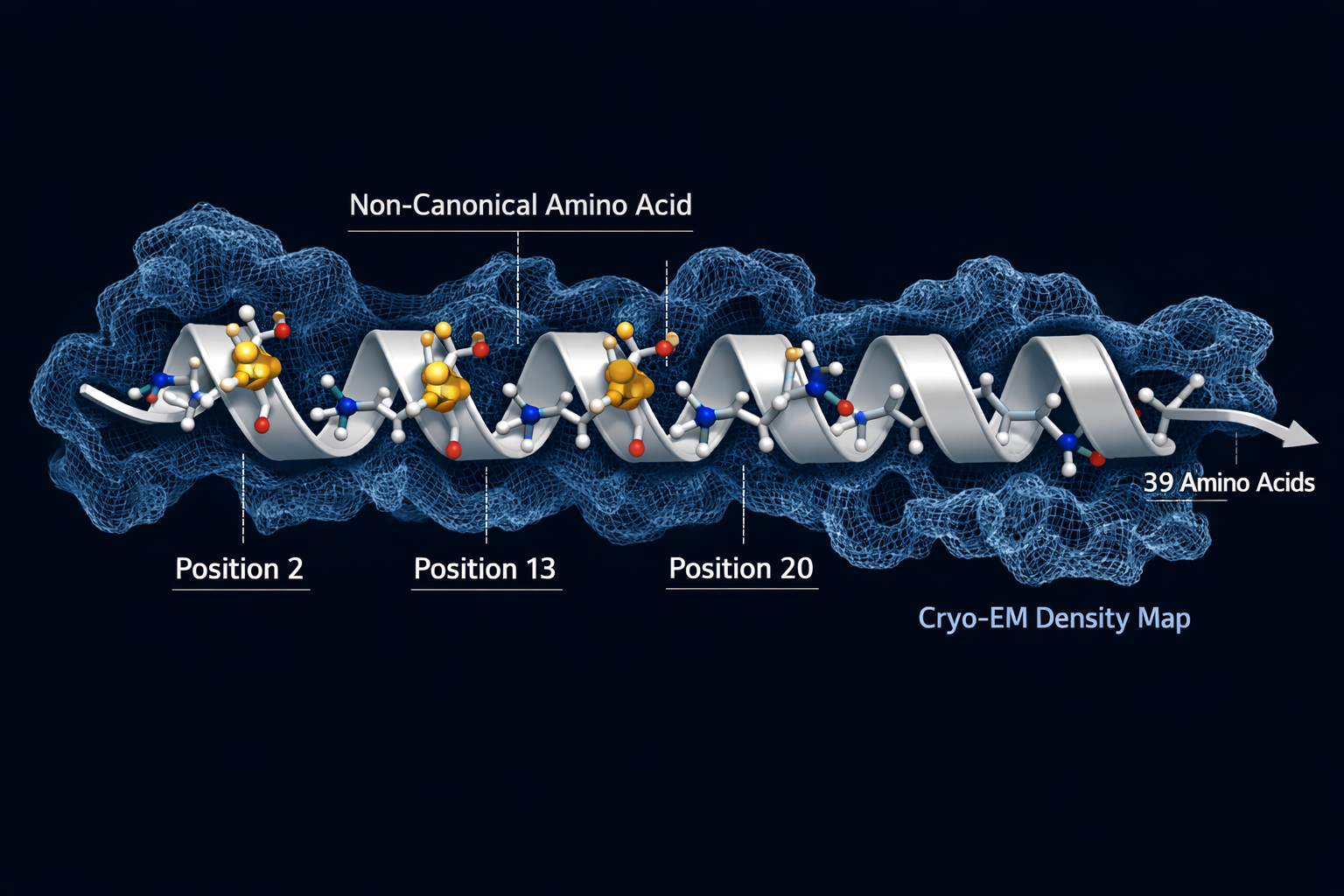
GLP2-T, by contrast, is a 39-amino-acid synthetic peptide. Its catalog synonyms include "GLP-2 T," "GLP-2 (T)," "P1206," and "LY3298176", the last being the research identifier for tirzepatide. The molecular formula is C225H348N48O68, with CAS number 2023788-19-2. This peptide is engineered as a dual GIP/GLP-1 receptor agonist, meaning it does not engage the GLP-2 receptor at all.
A September 2026 catalog update clarified this confusion directly, stating that "GLP-2 (T)" is a catalog alias and "not a chemical identity." The two compounds are separate entities that happen to share a naming convention used by some research suppliers.
Structural features of GLP2-T / Tirzepatide:
- 39-amino-acid GIP-based linear backbone
- C-terminal amidation
- Aminoisobutyric acid (Aib) substitutions at positions 2 and 13
- Attached C20 fatty acid lipid chain for albumin binding
- Extended plasma half-life compared to native GLP-2
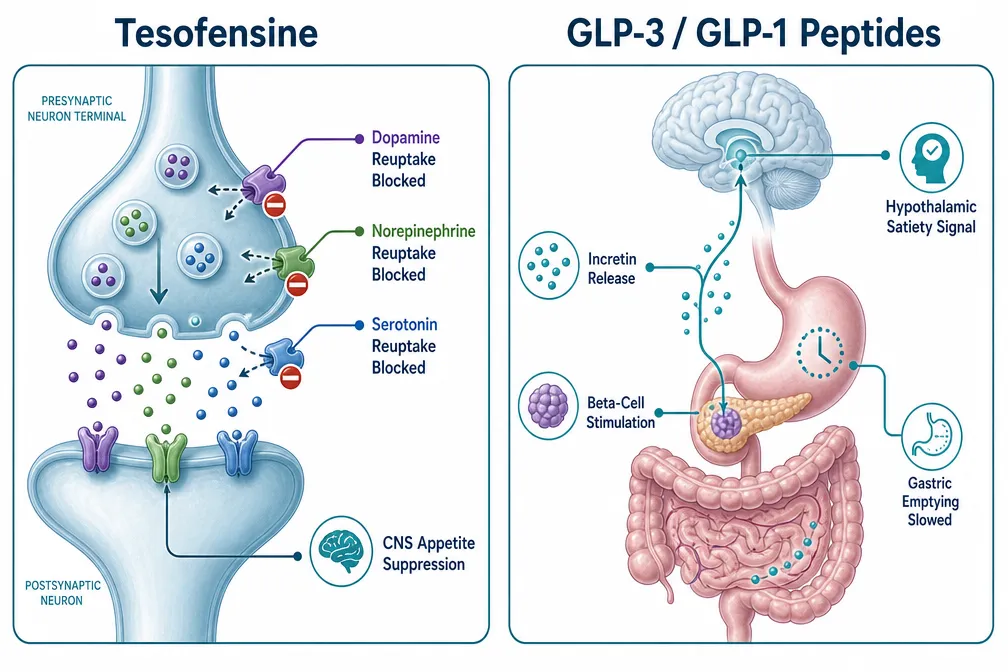
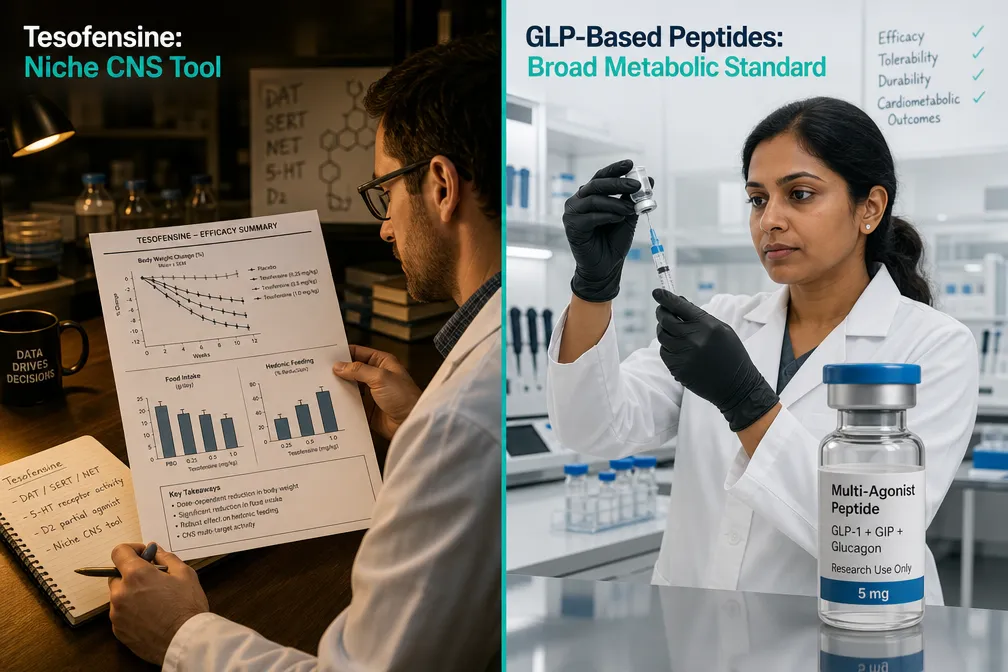
For researchers exploring related incretin-class compounds, the Tesofensine Mechanism Explained: Noradrenergic Appetite Modulation vs Incretin-Based GLP-3 and GLP-1 Pathways resource provides useful context on how GLP-1 pathway agents compare across different compound classes.
GLP2-T and GLP2 Tirz Peptide Differentiation: Receptor Binding Affinity Compared
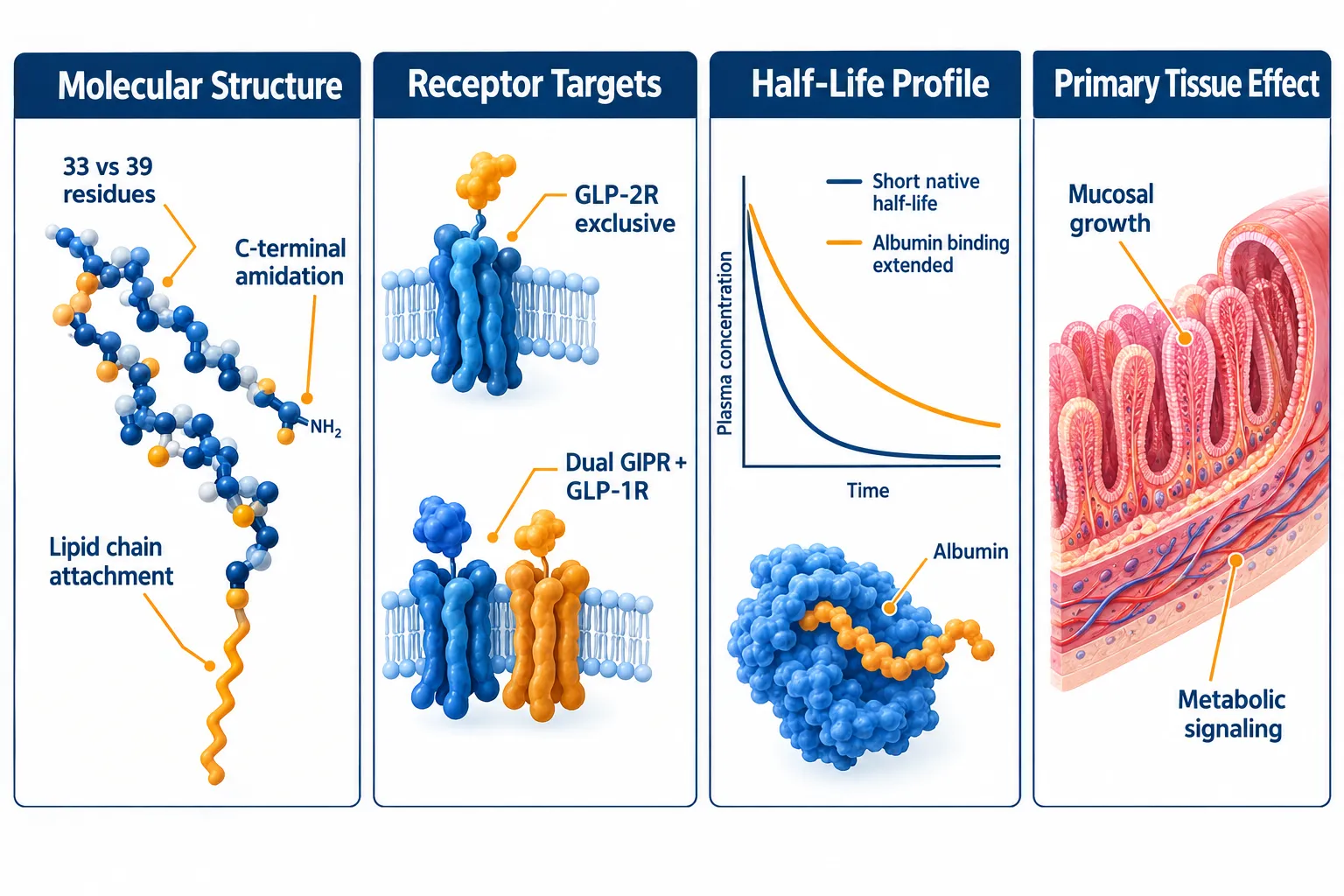
The receptor binding profiles of these two peptides represent the core of GLP2-T and GLP2 Tirz Peptide Differentiation: Receptor Binding Affinity and Intestinal Epithelial Growth Pathways research.
Native GLP-2 Receptor Binding
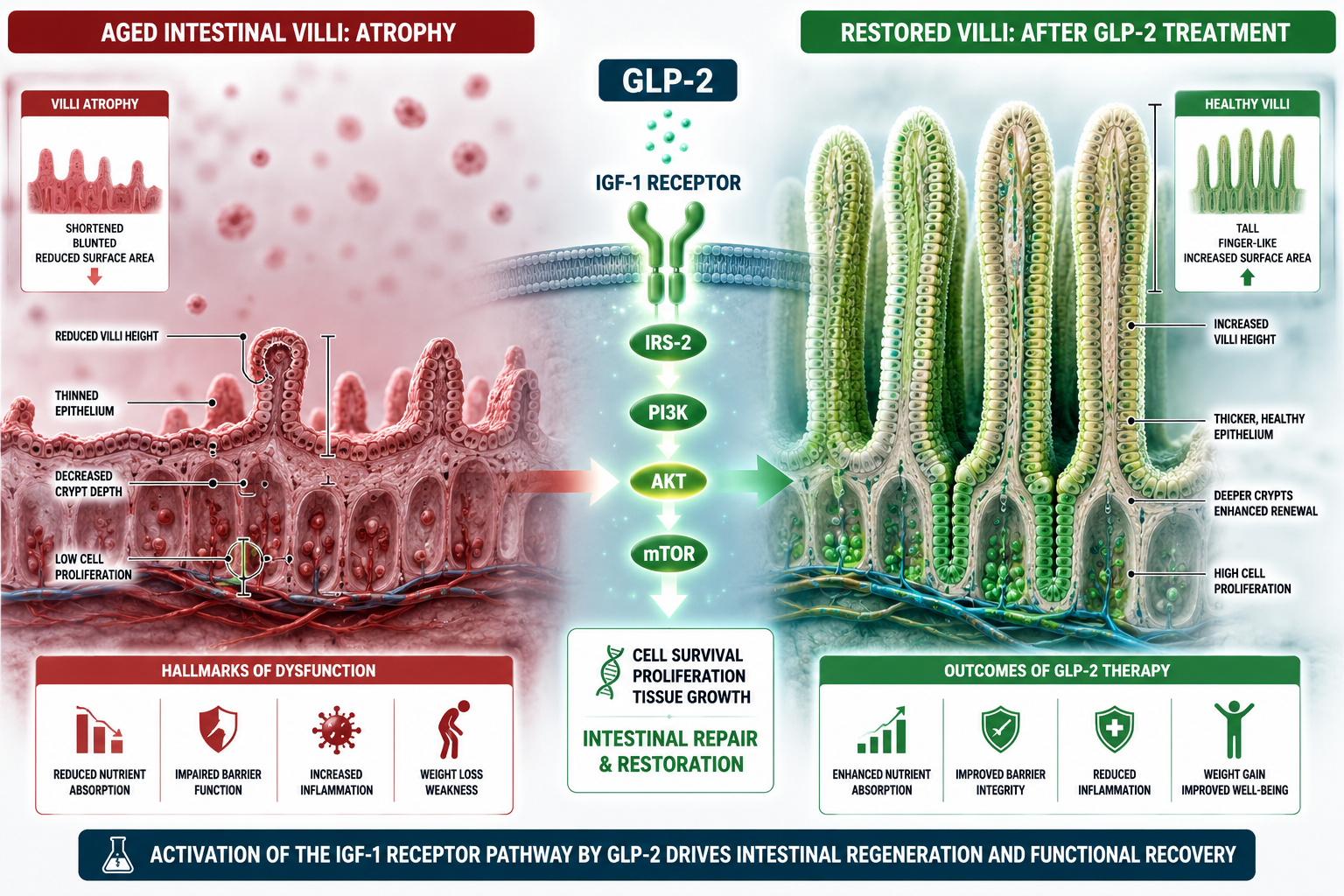
Native GLP-2 demonstrates exclusive, high-affinity binding to GLP-2R. Because GLP-2R is not expressed directly on enterocytes, its intestinotrophic effects are mediated indirectly through paracrine signaling. Downstream mediators include:
- Insulin-like growth factor 1 (IGF-1), primary growth mediator
- Keratinocyte growth factor (KGF)
- Epidermal growth factor receptor (EGFR) ligands
This indirect mechanism is why GLP-2 increases villus height and mucosal thickness without directly stimulating epithelial cells at the receptor level.
GLP2-T / Tirzepatide Receptor Binding
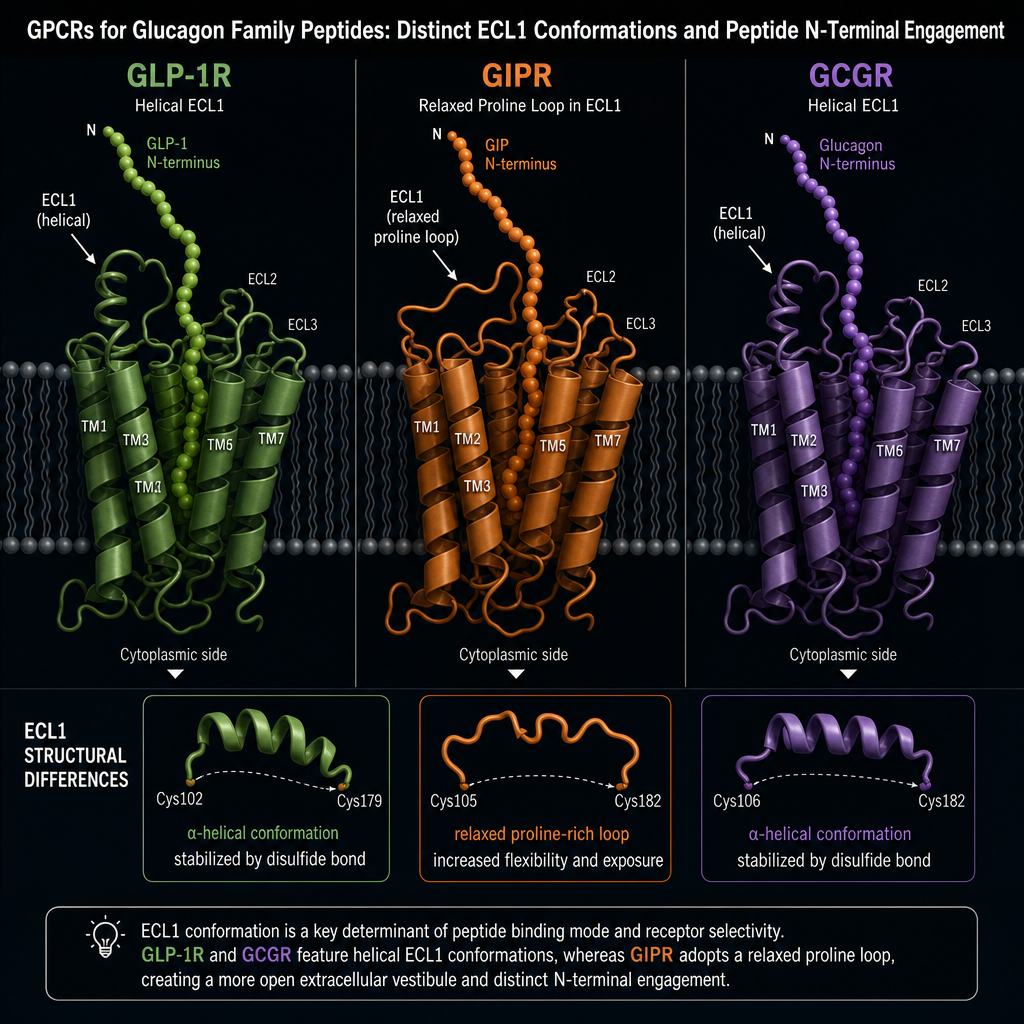
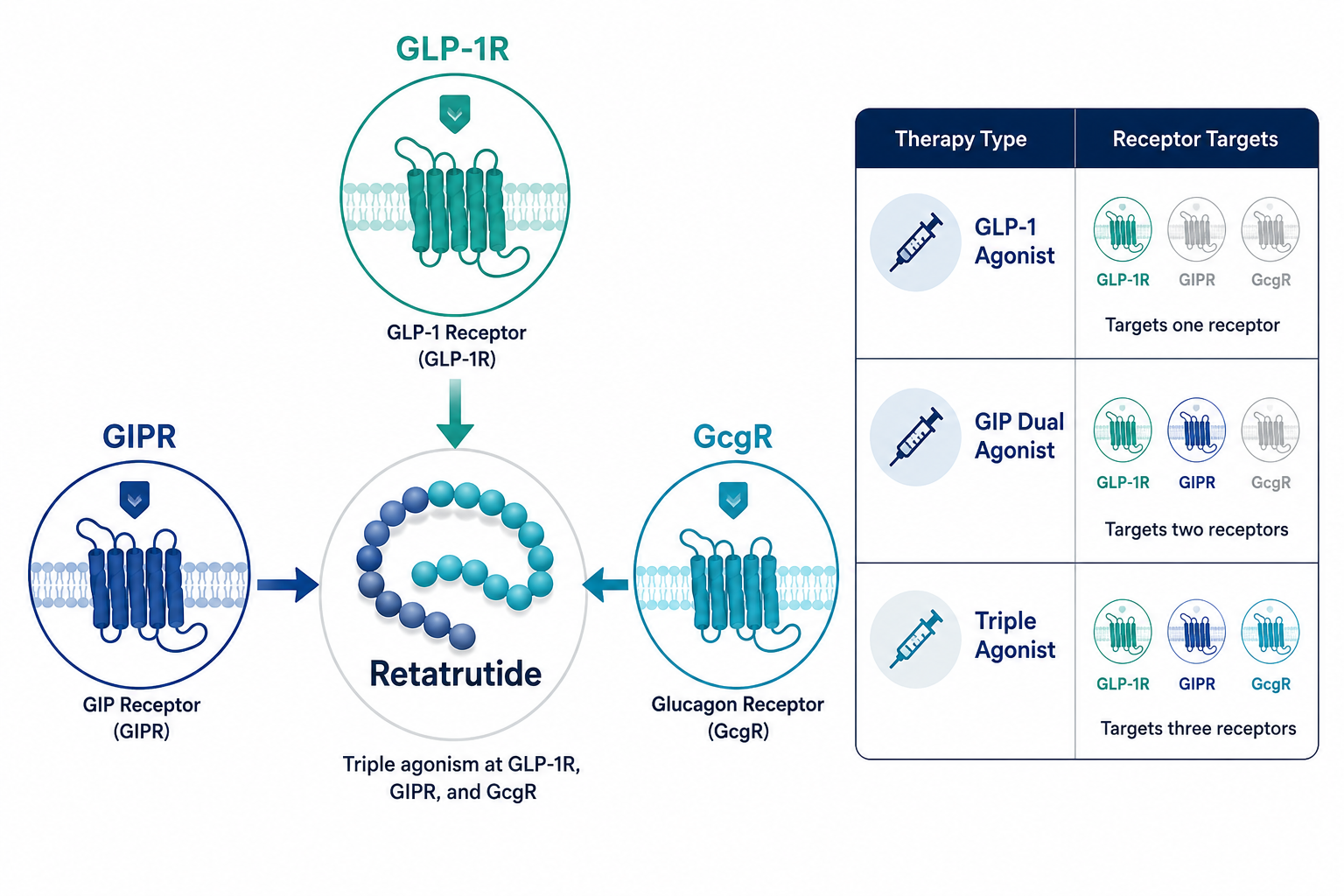
GLP2-T delivers balanced GIP receptor (GIPR) agonism combined with biased GLP-1 receptor (GLP-1R) activation. The term "biased" here is important: GLP2-T activates GLP-1R through a qualitatively different signaling profile compared to native GLP-1 analogs such as semaglutide. This biased agonism is thought to contribute to its distinct metabolic effects in preclinical models.
| Feature | Native GLP-2 | GLP2-T (Tirzepatide) |
|---|---|---|
| Chain length | 33 amino acids | 39 amino acids |
| Primary receptor | GLP-2R | GIPR + GLP-1R |
| Lipid chain | None | C20 fatty acid |
| Half-life extension | Short (native) | Extended (albumin binding) |
| Intestinal growth effect | Direct intestinotrophic | Indirect / metabolic |
| Research classification | Endogenous hormone analog | Synthetic dual agonist |
Researchers working with GLP-class peptides may also find the Peptides 101 for Research-Use Only Buyers: Structure, Mechanisms, and Where GLP-3, MOTS-C, and 5-Amino-1MQ Fit In article a useful structural primer.
Intestinal Epithelial Growth Pathways: How GLP-2 Drives Mucosal Expansion
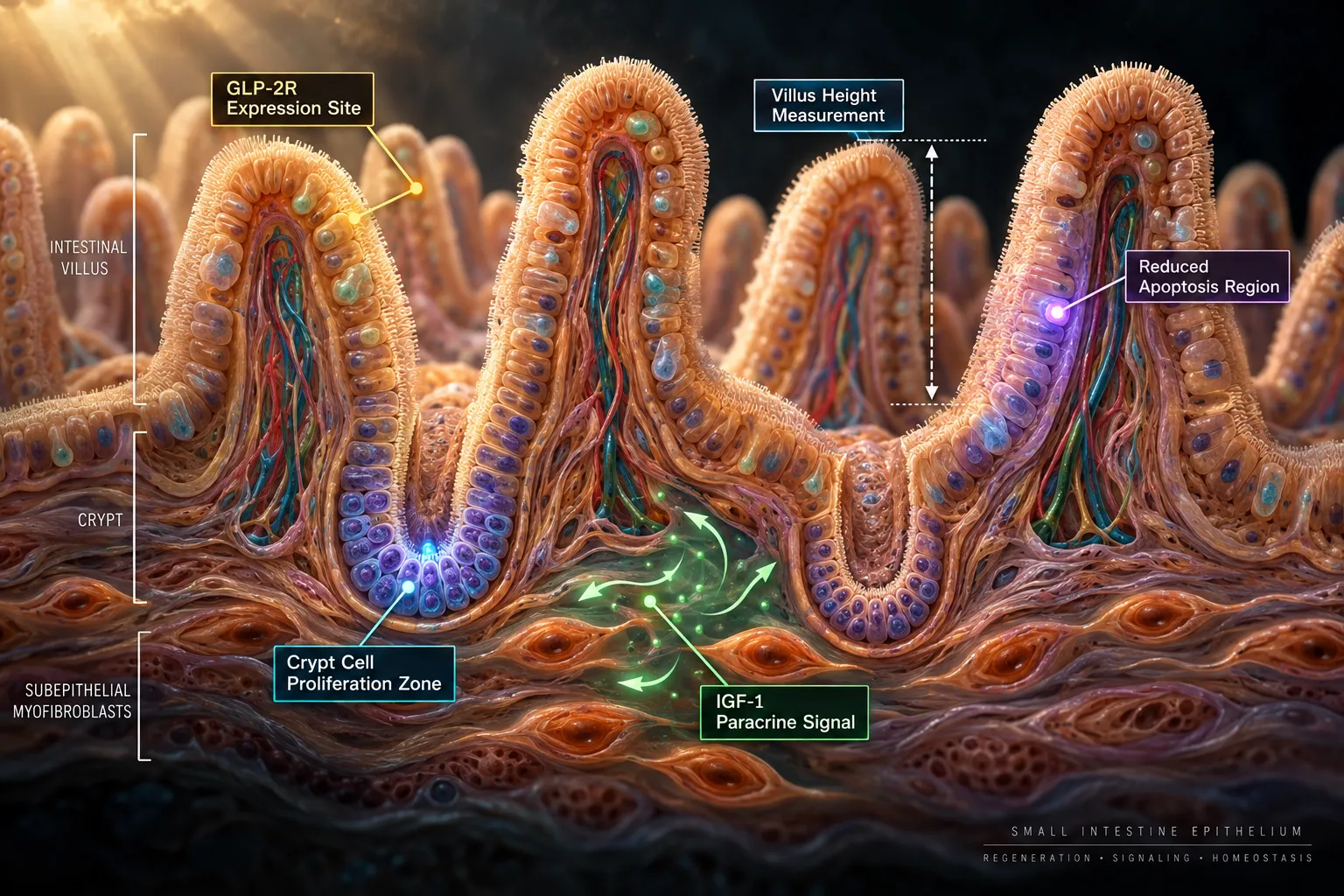
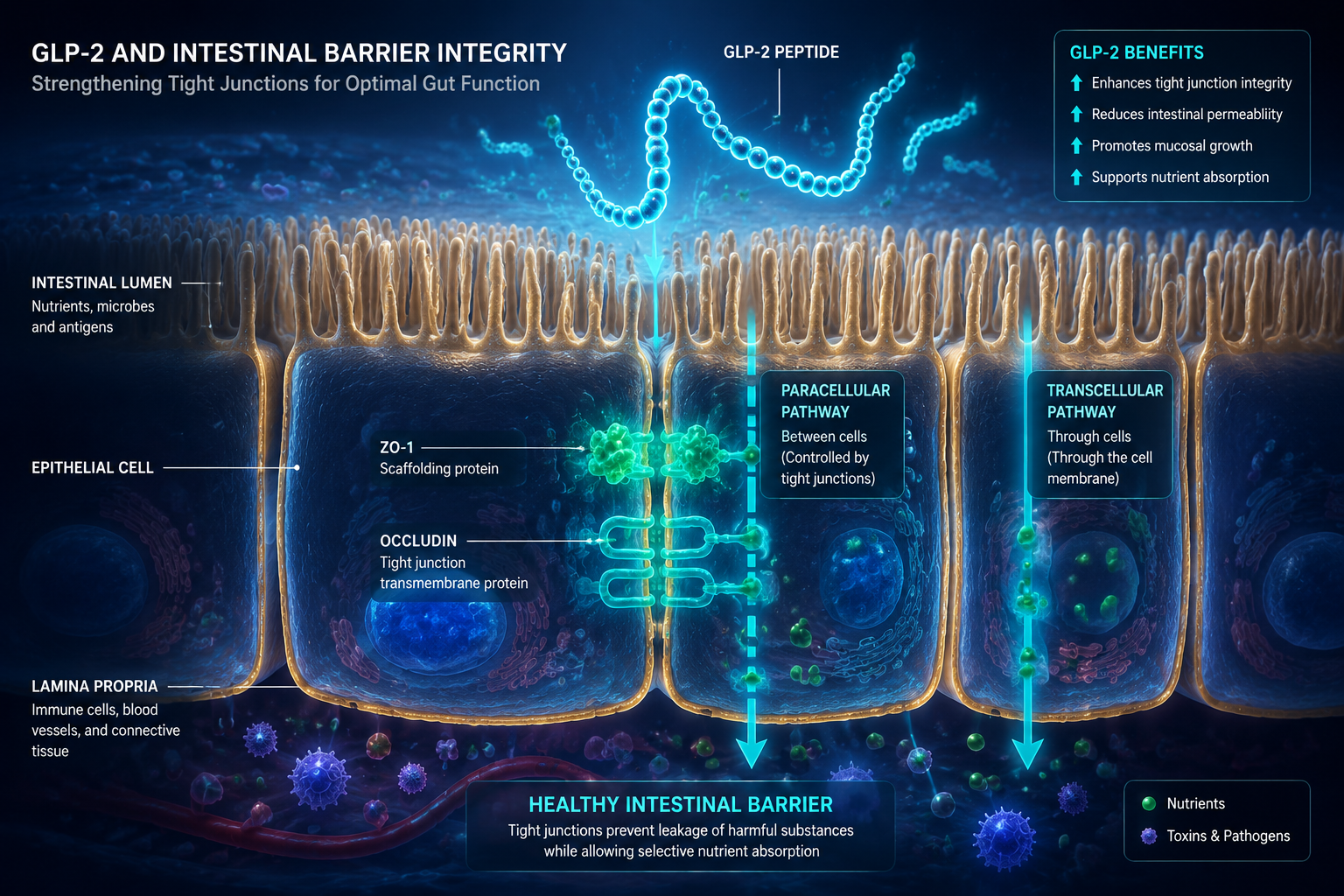
The intestinotrophic pathway activated by native GLP-2 is well-characterized in the peer-reviewed literature and forms the mechanistic basis for GLP-2 analog therapies used in malabsorptive conditions such as short bowel syndrome.
The GLP-2R Signaling Cascade
When GLP-2 binds GLP-2R on subepithelial myofibroblasts and enteric neurons, it initiates a signaling cascade that produces measurable structural changes in the intestinal mucosa:
- GLP-2R activation on subepithelial myofibroblasts
- IGF-1 secretion into the lamina propria
- Crypt cell proliferation increases
- Apoptosis suppression in villus epithelial cells
- Net increase in villus height and mucosal surface area
- Enhanced nutrient absorption capacity
These effects are specific to the GLP-2/GLP-2R axis. GLP2-T/tirzepatide does not replicate this pathway because it does not bind GLP-2R.
Why GLP2-T Does Not Substitute in Intestinal Epithelial Research
Researchers investigating intestinal epithelial growth pathways must use native GLP-2 or a GLP-2 analog when the experimental goal involves mucosal mass, villus morphology, or crypt proliferation. Using GLP2-T in place of GLP-2 would produce results reflecting GIPR and GLP-1R activity, a fundamentally different biological context.
For researchers exploring related GLP-class compounds, the GLP-3 Peptide for Sale and GLP-3R 10mg Peptide GA10 pages offer additional context on adjacent incretin-family research tools. Similarly, the Peptides and Polypeptides in Endocrine Pharmacology: How Enclomiphene Interfaces with Estrogen Receptor Biology article illustrates how receptor specificity shapes research outcomes across peptide classes.
Practical Implications for GLP2-T and GLP2 Tirz Peptide Differentiation in Research Design
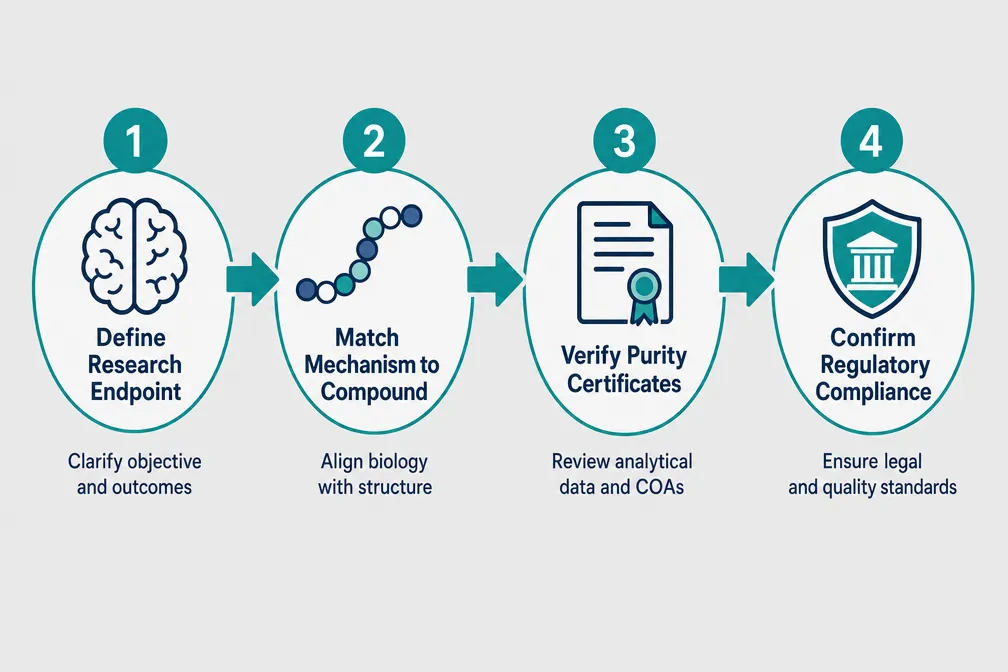
The naming ambiguity between GLP-2 and GLP2-T is not trivial. Selecting the wrong compound based on a catalog alias can invalidate experimental results. Researchers should apply the following verification steps before procurement:
- Confirm CAS number: Native GLP-2 analogs carry different CAS identifiers than tirzepatide (CAS 2023788-19-2).
- Check molecular formula: C225H348N48O68 confirms tirzepatide identity.
- Review receptor target: GLP-2R studies require GLP-2; GIPR/GLP-1R studies require GLP2-T.
- Verify chain length: 33 residues (GLP-2) vs. 39 residues (GLP2-T/tirzepatide).
- Confirm lipid modification: The C20 lipid chain is exclusive to GLP2-T.
Those sourcing GLP-class research compounds may also find the GLP-3 Peptide RETA 10mg 99% Pure Third Party Tested listing useful for understanding purity and testing standards relevant to this compound family.
Conclusion
The confusion between native GLP-2 and GLP2-T (tirzepatide) stems from a catalog naming convention, not from any shared biochemistry. Native GLP-2 is a 33-residue endogenous hormone that exclusively activates GLP-2R to drive intestinal mucosal growth through IGF-1-mediated paracrine signaling. GLP2-T is a 39-residue synthetic dual agonist targeting GIPR and GLP-1R, with no GLP-2R activity.
Actionable next steps for researchers:
- Always cross-reference CAS numbers and molecular formulas before ordering either compound.
- Design experimental protocols around receptor target, not catalog name.
- When studying intestinal epithelial growth pathways, confirm that the compound selected activates GLP-2R specifically.
- Consult third-party tested product documentation to verify structural identity and purity before use.
- Review incretin-class receptor biology literature to understand how biased GLP-1R agonism in GLP2-T differs from canonical GLP-1R activation.
Precision in peptide selection is the foundation of reproducible gastrointestinal research. Understanding GLP2-T and GLP2 Tirz Peptide Differentiation: Receptor Binding Affinity and Intestinal Epithelial Growth Pathways at the structural level ensures that experimental outcomes reflect the intended biology, not a naming artifact.