GHK-Cu Peptide Research: Copper Availability, Fibroblast Signaling, and Matrix-Remodeling Assay Design
Fewer than three amino acids separate GHK-Cu from one of the most studied copper-binding peptides in modern connective-tissue research. The tripeptide glycine-histidine-lysine, when complexed with a cupric ion, creates a bioactive metallopeptide that has attracted serious laboratory attention for its roles in extracellular matrix remodeling, fibroblast gene regulation, and wound biology. As 2026 brings a new wave of clinician-guided and research-only applications, rigorous assay design for GHK-Cu peptide research, covering copper availability, fibroblast signaling, and matrix-remodeling endpoints, has never been more important.
Key Takeaways
- GHK-Cu is a copper-chelating tripeptide that acts as a copper shuttle to the extracellular matrix and antioxidant enzymes, not an approved therapeutic drug.
- Fibroblast signaling downstream of GHK-Cu involves broad gene modulation, TGF-beta pathway suppression, integrin activation, and growth factor upregulation.
- Copper availability in culture media is a critical variable that must be controlled before any dose-response experiment is interpreted.
- Matrix-remodeling endpoints include collagen synthesis, glycosaminoglycan deposition, MMP/TIMP ratios, and mechanical stiffness assays.
- Oxidative-stress markers and gene-expression profiling provide systems-level context that single-endpoint assays cannot capture alone.
Copper Availability: The Variable Most Researchers Underestimate
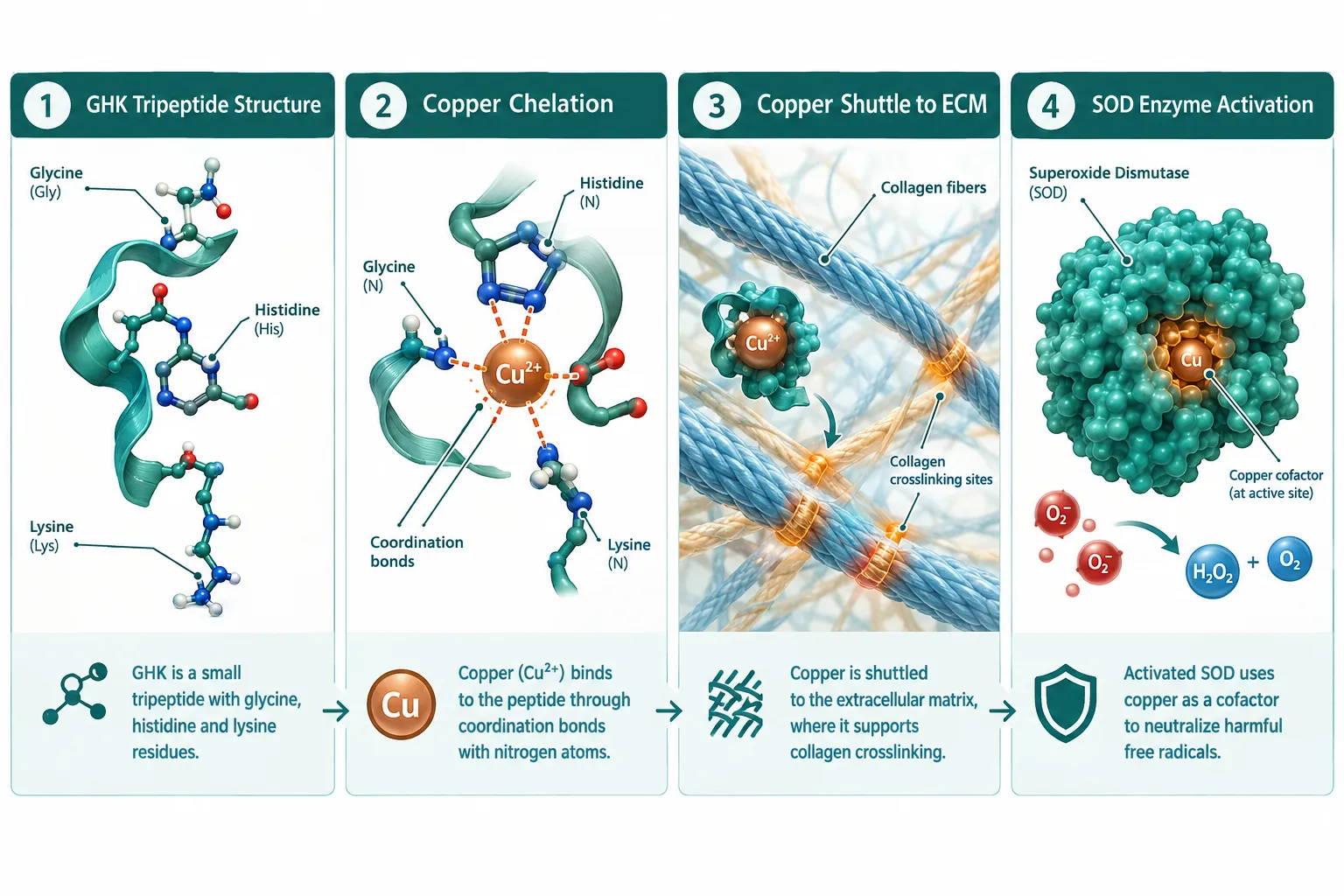
The biological activity of GHK-Cu depends entirely on the copper ion it carries. Standard cell culture media, including DMEM and RPMI, contain trace copper levels that vary by lot, manufacturer, and storage conditions. Before any GHK-Cu peptide research experiment begins, the baseline copper concentration in the working medium must be measured and standardized.
Why this matters: If ambient copper is already saturating cellular uptake pathways, adding GHK-Cu may produce a blunted response that researchers misinterpret as peptide inactivity. Conversely, copper-depleted media can amplify responses in ways that do not reflect physiological conditions.
Practical controls to include:
- A copper-only control (CuSO4 or CuCl2 at equimolar concentration to the GHK-Cu treatment)
- A GHK-only (apo-peptide) control to separate copper-independent peptide effects
- Inductively coupled plasma mass spectrometry (ICP-MS) measurement of basal copper in each media lot
GHK-Cu functions as a copper shuttle, delivering Cu2+ to extracellular matrix enzymes such as lysyl oxidase and to intracellular antioxidant enzymes including superoxide dismutase (SOD). This dual delivery role means that copper bioavailability affects both structural matrix outcomes and oxidative-stress readouts simultaneously. Researchers designing assays around only one of these endpoints risk missing the full picture.
"Controlling for ambient copper is not optional, it is the foundational step that determines whether every downstream result is interpretable."
Fibroblast Signaling: What GHK-Cu Actually Does Inside the Cell
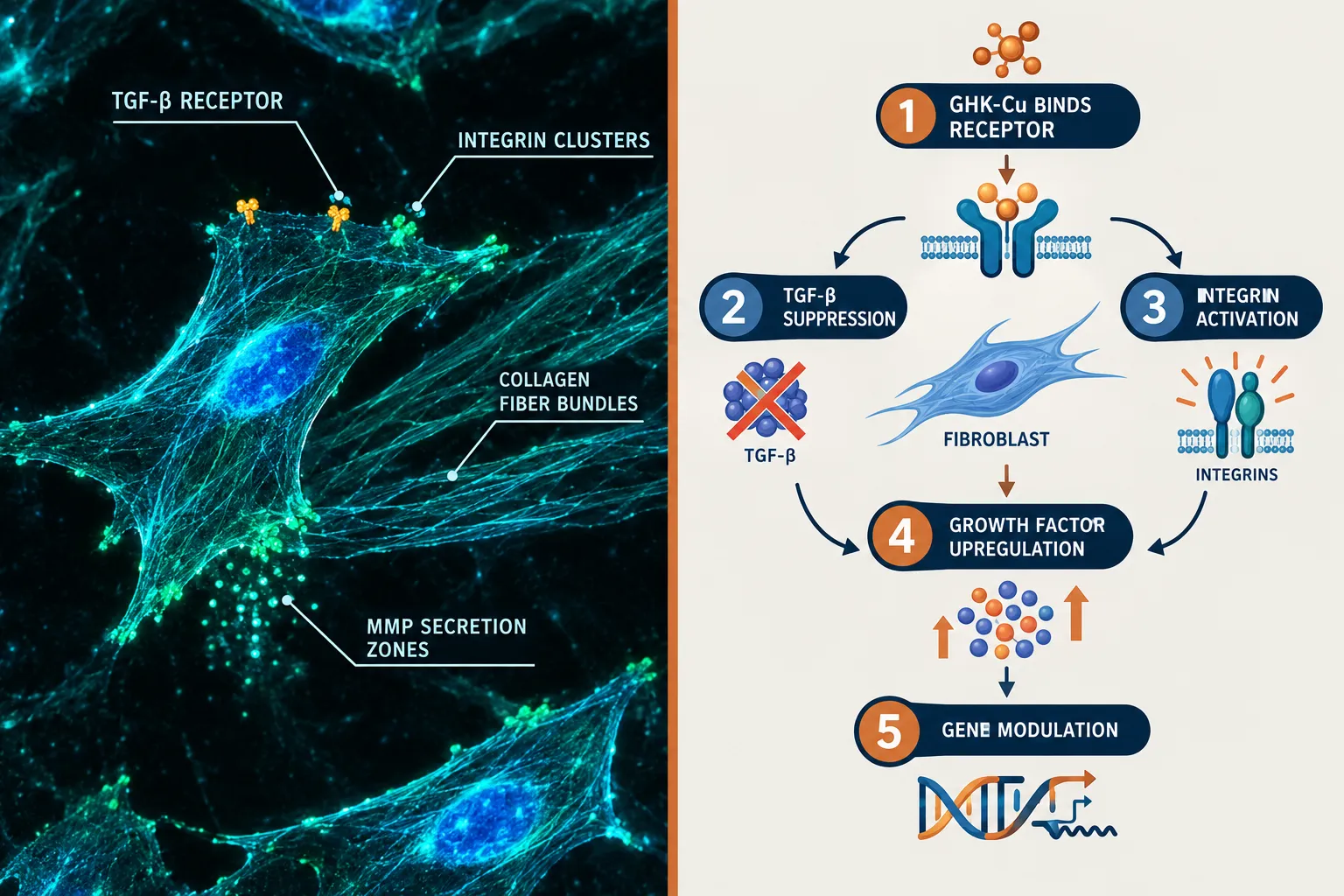
Dermal fibroblasts are the primary cell model used in GHK-Cu peptide research because they are the main producers of collagen, elastin, and glycosaminoglycans (GAGs) in connective tissue. The signaling landscape downstream of GHK-Cu is broad and context-dependent.
Key signaling nodes documented in fibroblast studies:
| Pathway | Observed Effect | Assay Relevance |
|---|---|---|
| TGF-beta1 | Suppressed in keloid fibroblasts | Scar and fibrosis models |
| Integrins (alpha-v, beta-1) | Upregulated | Adhesion and migration assays |
| Growth factors (FGF, VEGF) | Increased expression | Angiogenesis and repair models |
| MMP-2 / MMP-9 | Modulated bidirectionally | Matrix turnover readouts |
| TIMP-1 / TIMP-2 | Counterbalanced with MMPs | Net remodeling index |
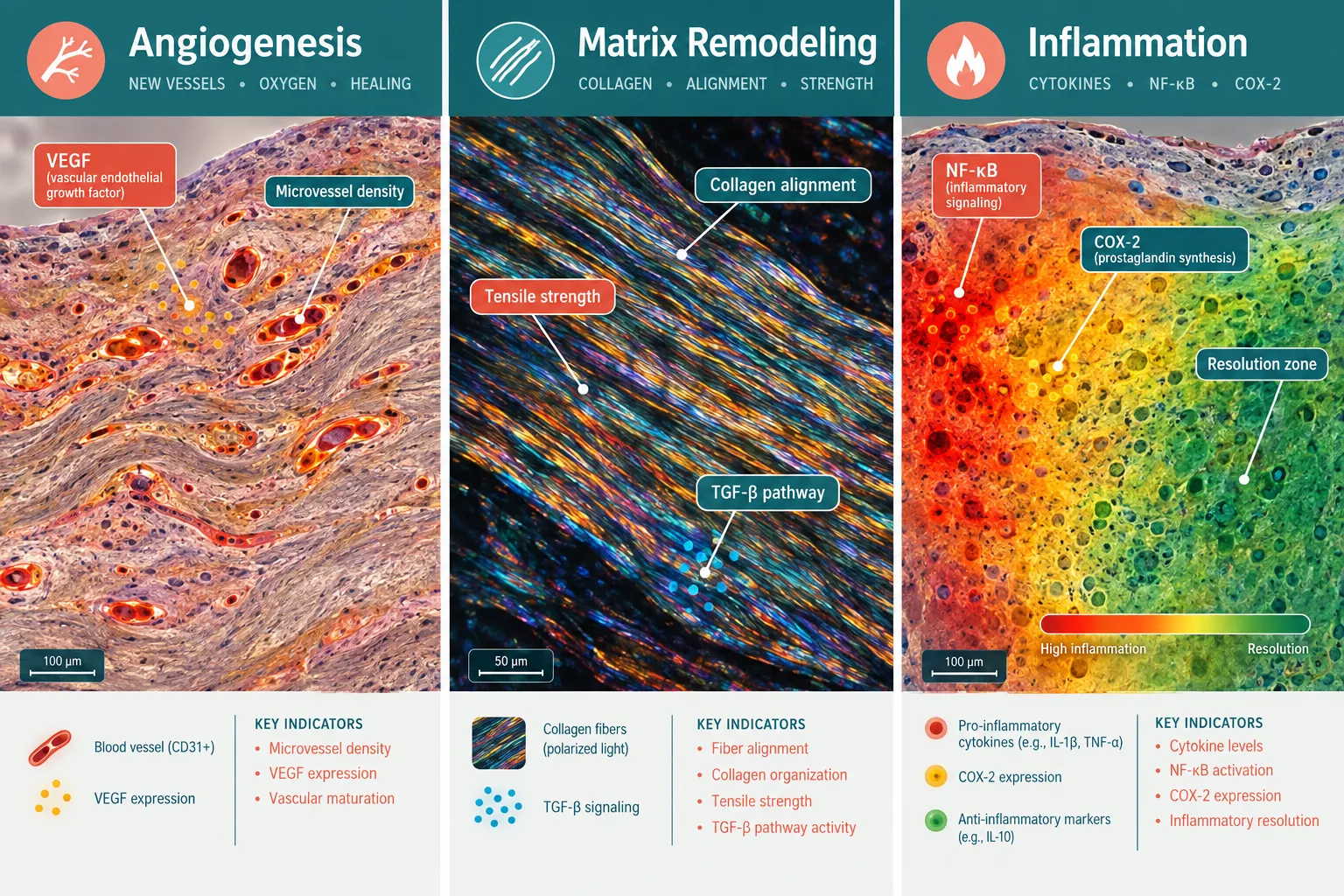
The TGF-beta1 suppression effect is particularly relevant for keloid and hypertrophic scar research. In these models, GHK-Cu appears to normalize the overactive collagen deposition driven by TGF-beta1 signaling, shifting fibroblasts toward a more balanced remodeling phenotype rather than a fibrotic one.
For researchers interested in how peptide signaling intersects with broader metabolic pathways, the work on MOTS-C peptide and mitochondrial signaling offers a useful parallel for understanding how small peptides can drive large gene-expression programs.
Concentration-response considerations:
GHK-Cu displays a non-linear, often biphasic dose-response curve in fibroblast cultures. Low nanomolar concentrations (1-10 nM) tend to stimulate collagen synthesis, while higher concentrations (above 1 microM) can shift toward matrix degradation by upregulating MMPs. This biphasic behavior makes single-concentration studies unreliable. A minimum of five concentration points spanning at least four orders of magnitude is recommended for any definitive fibroblast signaling experiment.
Proper peptide dosing strategy, even in a research context, requires this kind of systematic range-finding before drawing mechanistic conclusions.
Matrix-Remodeling Assay Design: Endpoints, Controls, and Interpretation
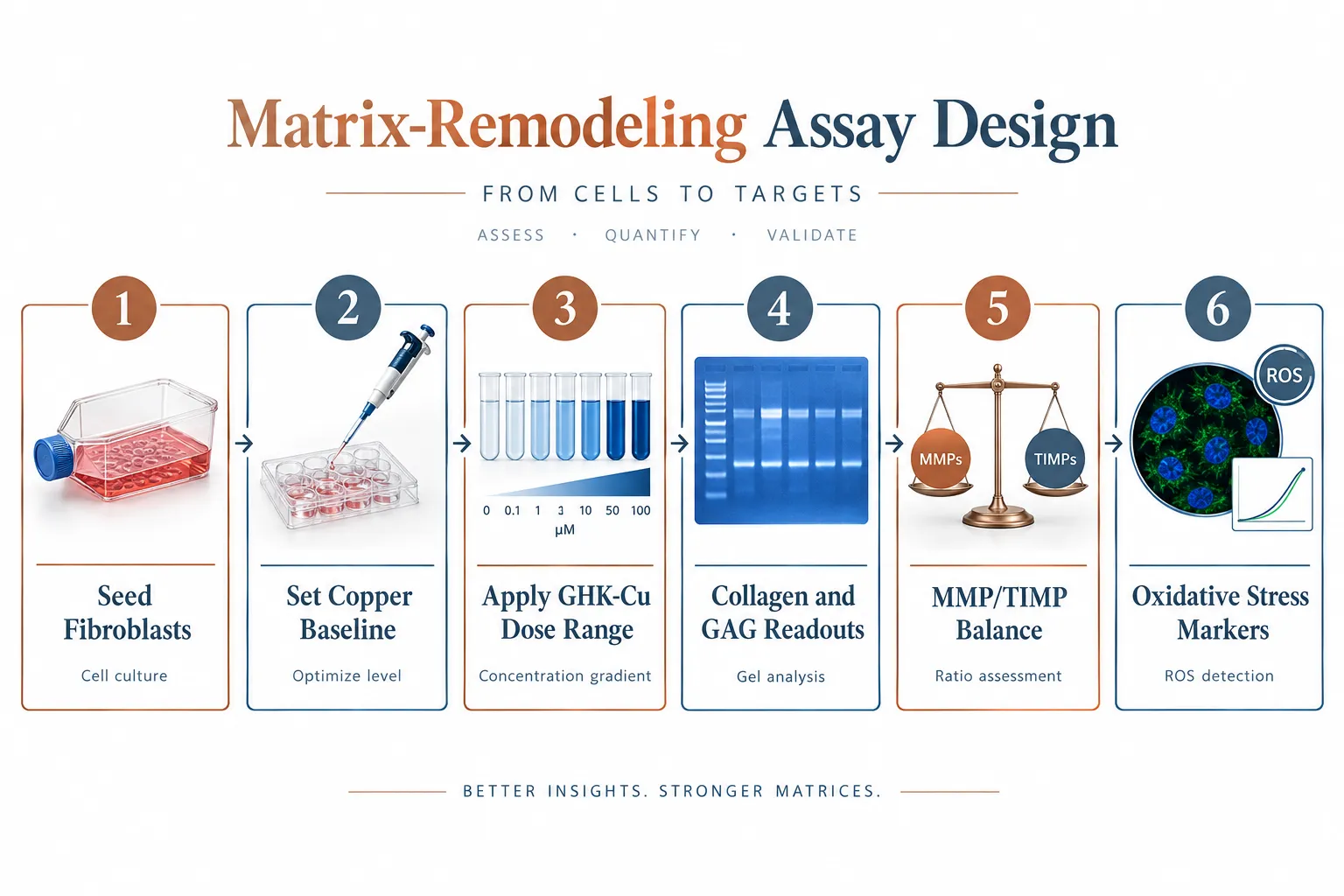
Designing a robust matrix-remodeling assay for GHK-Cu peptide research requires selecting endpoints that reflect both synthetic and degradative arms of ECM turnover. No single endpoint is sufficient.
Recommended endpoint panel:
- Collagen synthesis, Sircol collagen assay or hydroxyproline quantification from cell-layer lysates
- Elastin deposition, Fastin elastin assay on conditioned media and matrix fractions
- Glycosaminoglycan content, DMMB (dimethylmethylene blue) assay for sulfated GAGs
- MMP/TIMP ratio, ELISA or multiplex bead-based assay for MMP-1, MMP-2, MMP-9, TIMP-1, TIMP-2
- Oxidative-stress markers, Intracellular ROS (DCFH-DA fluorescence), 8-OHdG for oxidative DNA damage, and SOD activity assay
- Mechanical properties, Atomic force microscopy (AFM) or collagen gel contraction assay for matrix stiffness
Oxidative-stress markers deserve special attention. Because GHK-Cu delivers copper to SOD, a well-designed assay should show reduced ROS alongside increased SOD activity at physiologically relevant concentrations. If ROS increases rather than decreases, it may indicate copper overload or media incompatibility, a result worth investigating rather than discarding.
For gene-expression profiling, RNA-seq or a targeted wound-healing gene panel (covering COL1A1, COL3A1, ELN, FN1, MMP1, TIMP1, TGFB1, CTGF) provides systems-level context. This approach has revealed that GHK-Cu can upregulate over 30 genes involved in ECM organization while simultaneously downregulating inflammatory mediators, a pattern that single-endpoint assays cannot detect.
Common assay pitfalls to avoid:
- Using serum-containing media without dialysis to remove endogenous copper
- Failing to passage-match fibroblast donors (passage 3-6 is standard)
- Measuring only one time point (24 hours misses matrix deposition peaks at 72-96 hours)
- Ignoring cell viability alongside matrix endpoints (MTT or live/dead staining should run in parallel)
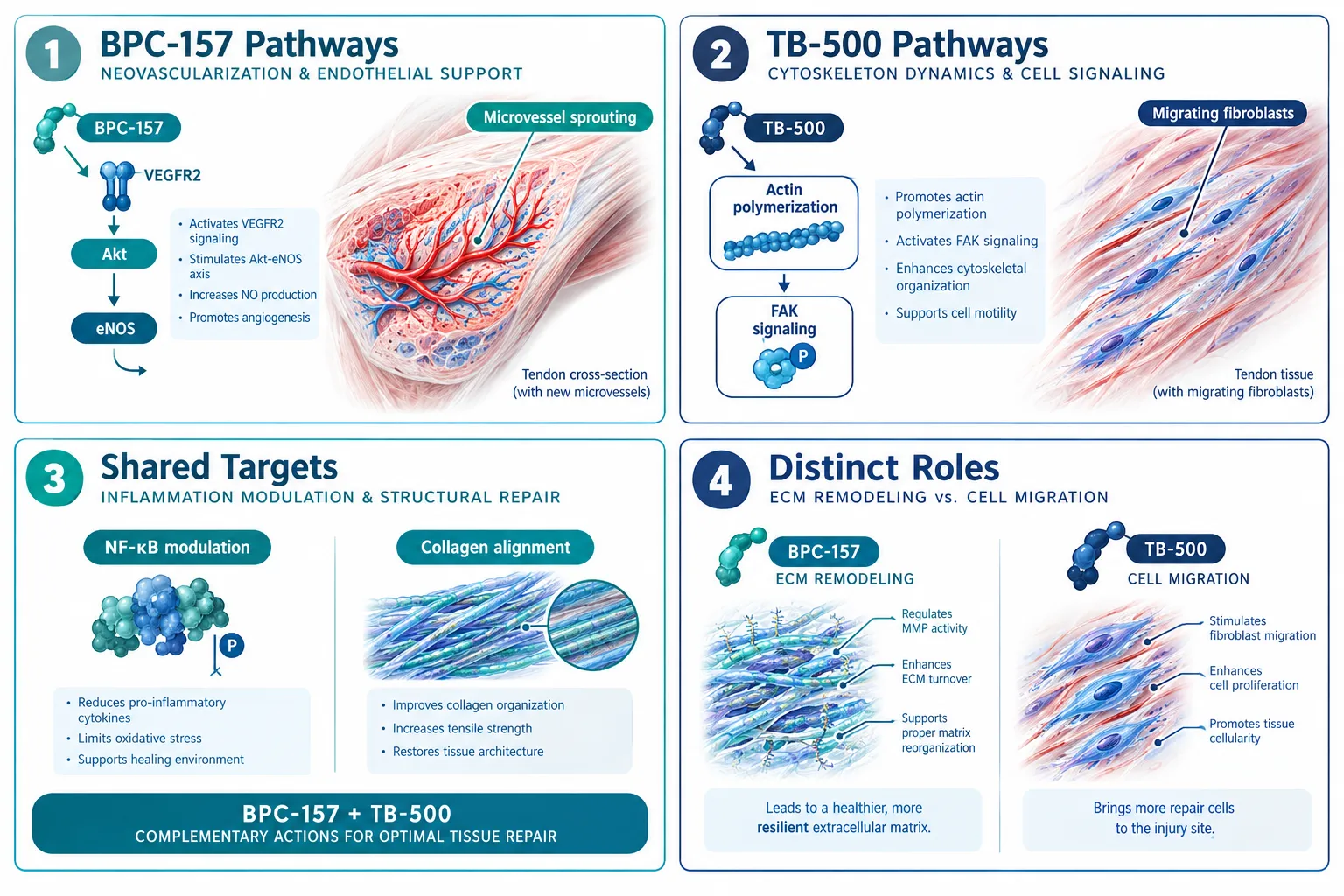
Researchers working with other tissue-remodeling peptides such as BPC-157 and TB-500 will recognize many of these assay design principles, as matrix remodeling and fibroblast activation are shared mechanistic themes across repair-focused peptide research.
For those sourcing research-grade materials, working with a lab-tested peptide supplier with documented purity certificates is essential for reproducible results. Copper-peptide complexes are particularly sensitive to oxidation and degradation during storage, so certificate of analysis data for both peptide identity and copper content should be requested before use.
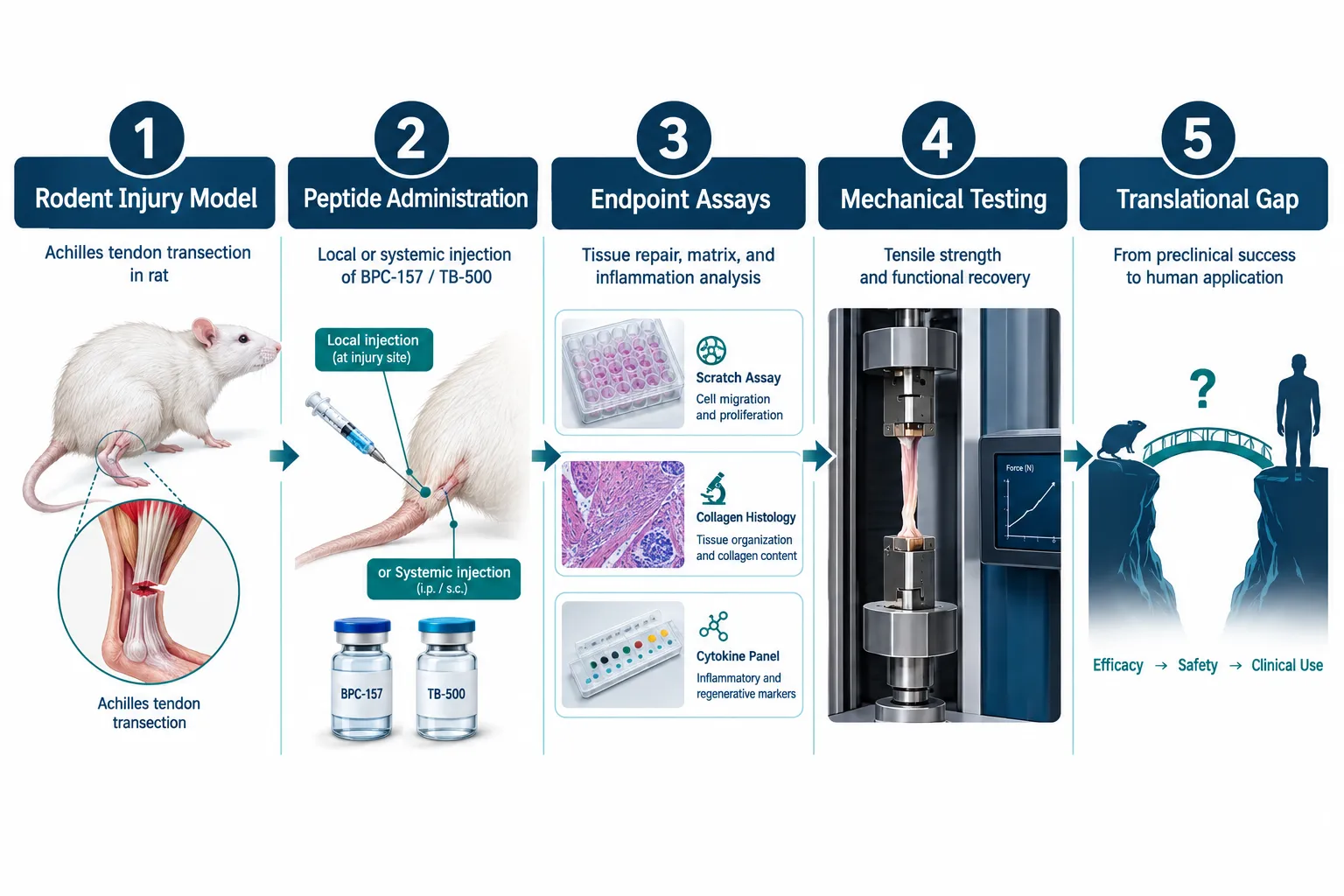
It is also worth noting that GHK-Cu remains a research agent and cosmetic ingredient, not an approved drug. Systemic injection protocols are considered ahead of the available clinical evidence, and researchers should frame their work within appropriate in-vitro or preclinical boundaries. For broader context on how peptide research compounds are evaluated, the discussion of SS-31 peptide research considerations offers a useful methodological parallel.
Conclusion
Productive GHK-Cu peptide research in 2026 depends on three disciplined foundations: controlling copper availability before any treatment begins, mapping fibroblast signaling across a full concentration range rather than a single dose, and selecting a multi-endpoint matrix-remodeling panel that captures both synthetic and degradative ECM activity alongside oxidative-stress markers.
Actionable next steps for researchers:
- Measure and standardize copper content in all culture media lots using ICP-MS before starting experiments
- Include apo-GHK and copper-only controls in every experiment to isolate peptide-specific effects
- Run at least five concentration points spanning 1 nM to 10 microM to capture the full dose-response curve
- Add SOD activity and ROS assays alongside collagen and MMP endpoints to capture the antioxidant arm of GHK-Cu biology
- Use gene-expression profiling on a wound-healing panel to contextualize single-endpoint findings
When these controls are in place, GHK-Cu research yields interpretable, reproducible data that genuinely advances understanding of copper-dependent matrix remodeling.