Call or Text 727-513-9780
  • Shopping Cart Shopping Cart
    0Shopping Cart
Pure Tested Peptides | America's most trusted Peptides for sale online
  • Peptides for sale
    • Oral Peptides for sale
      • Peptide Capsules for sale
      • BPC 157 Capsules 1000mcg
      • SLU-PP-332 Capsules | 1000 mcg
      • 5-Amino-1MQ 50mg Capsules
      • Tesofensine 500mcg
    • All Peptides for sale
    • Peptide Sprays
      • BPC 157 Nasal Spray Kit
      • BPC-157 TB500 Nasal Spray Kit
      • Semax Nasal Spray 10mg
      • Selank – Nasal Spray Kit – 10mg
      • Epithalon 50MG Nasal Spray Kit
      • Ipamorelin 10mg Nasal Spray
      • Klow Nasal Spray (BPC-157 + TB-500 + GHK-Cu + KPV) | 80mg
      • Hulk Nasal Spray Tesa / Ipa Blend 6/3 MG
      • Klow Nasal Spray
      • NAD + 500 mg Nasal Spray
      • PT-141 Nasal Spray Kit
    • GHRH Peptides
      • Ipa Peptides
      • CJC-1295 Peptides
        • CJC-1295 with DAC 5 mg
        • CJC-1295 without DAC 5 mg
        • CJC-1295 Ipa 10mg
      • Tesa Peptides
        • Tesa Peptide
        • Tesa 20 mg
    • GHK-Cu Peptides
      • All GHK-Cu Peptides
      • GHK-Cu 100mg
      • KLOW Peptide Blend – Buy KLOW blend online
    • BPC Peptides
      • All BPC Peptides
      • BPC-157
      • BPC-157 TB-500
      • BPC 157 capsules 1000mcg
    • SLU-PP-332 Peptides
      • All SLU-PP-332 Peptides
      • SLU-PP-332 5mg
    • GLP3 Peptides
      • GLP3-R
      • GLP3-R CAG 10mg
      • GLP3-R 20mg
    • PT-141 Peptides
      • PT-141 Peptides for sale
      • PT-141 10mg
      • PT-141 Nasal Spray
    • CAG Peptides
      • Lipo-C Peptide Blend
      • CAG 5mg
      • CAG 10mg
    • MOTS-C Peptides
      • MOTS-C Peptides for sale
      • MOTS-c peptide
      • MOTS-c 10mg *6 pack*
    • 5 Amino 1MQ Peptides
      • 5 Amino 1MQ Peptides for sale
      • 5-Amino-1MQ 50mg Capsules
      • 5-Amino-1MQ 5mg
    • Epithalon Peptides
      • Epithalon Peptides for sale
      • Epithalon 10mg
      • Epithalon 50mg
  • Shop
    • GLPs
      • 5-Amino-1MQ 50mg Capsules
      • 5-Amino-1MQ 5mg
      • GLP3-Reta
      • L-Carnitine 500mg/ml
      • Tesofensine 500mcg
      • SLU-PP-332 5mg
      • MOTS-c 10mg *6 pack*
    • Epithalon & BPC Peptides
      • Epithalon 10mg
      • Epithalon 50mg
      • BPC-157
      • BPC 157 capsules 1000mcg
      • BPC-157 TB-500
      • BPC-157 TB500 Nasal Spray Kit
      • BPC 157 Nasal Spray Kit
    • BPC TB-500 & NAD+ Peptides
      • NAD+ 500 mg
      • KLOW Peptide Blend – Buy KLOW blend online
      • GLOW Peptide Blend
      • TB 500 5mg
      • BPC 157 capsules 1000mcg – Supplement
      • BPC 157 Nasal Spray Kit
      • BPC-157
      • BPC-157 TB500 Nasal Spray Kit
      • BPC-157 TB-500
      • BPC 157 capsules 1000mcg
    • LL-37 Peptide
      • LL-37 10 mg
    • MOTS-C & Selank
      • MOTS-c peptide
      • Selank 10mg
    • GHK Peptides
      • GHK-Cu 100mg
      • GLOW Peptide Blend
      • KLOW Peptide Blend – Buy KLOW blend online
  • COAs
  • Wholesale
    • Wholesale Peptides for sale
  • PTP FAQ
  • Affiliates
    • Selank Peptide: Advanced Pharmacological Mechanisms Underlying Its Anxiolytic and Nootropic Effects in Research
      • 5-Amino-1MQ Peptide: Detailed Mechanisms of NNMT Inhibition and Its Impact on Cellular Metabolism Research
        • MOTS-C Peptide: Unraveling Its Role in Mitochondrial Dynamics and Energy Metabolism Research
          • Epithalon Peptide and Telomerase Regulation: Investigating Its Impact on Cellular Senescence and Lifespan Research Models
            • GLP2-T vs GLP2 Tirz Peptide: Understanding the Naming, Mechanistic Nuances, and Research Implications for Gut Health
      • Peptides and Polypeptides in Modern Pharmacology: What Research on Metoprolol, Prednisone, and Amlodipine Reveals
        • Polypeptide Peptides vs NSAIDs: What Naproxen and Diclofenac Teach Tissue-Repair Researchers About BPC‑157 and TB‑500
          • Peptides and Polypeptides in Endocrine Pharmacology: How GLP-1, GLP-2, and GLP-3 Retatrutide Differ From Classic Drugs Like Prednisone and Amlodipine
          • 5‑Amino‑1MQ Peptide and NNMT Inhibition: How It Compares With Statins Like Atorvastatin in Adipose and Lipid Metabolism Research
      • Enclomiphene, Estrogen Receptor Signaling, and Luteinizing Phase Biology: What Hormone Researchers Should Measure
        • Mesenchymal Stem Cells, BPC‑157, and GHK‑Cu: How Tissue Repair Peptides Compare With Classic NSAIDs Like Naproxen in Injury Models
          • Peptide Calculator Use Cases Beyond Growth Hormone: Working Through GLP‑3 Retatrutide, MOTS‑c, and BPC‑157 Research Dosing
        • Polypeptide Peptides in Endocrine and Metabolic Pharmacology: Lessons From Amlodipine, Prednisone, and Metoprolol
        • Peptides Calculator for Advanced Blends: Worked Examples for Tesamorelin, CJC‑1295, and Ipamorelin Stacks
          • Peptides and Polypeptides in Human Physiology: How Molecular Size Shapes Research Applications
            • Selank Peptide: Advanced Pharmacological Mechanisms Underlying Its Anxiolytic and Nootropic Effects in Research
          • 5-Amino-1MQ Peptide: Detailed Mechanisms of NNMT Inhibition and Its Impact on Cellular Metabolism Research
            • MOTS-C Peptide: Unraveling Its Role in Mitochondrial Dynamics and Energy Metabolism Research
              • Epithalon Peptide and Telomerase Regulation: Investigating Its Impact on Cellular Senescence and Lifespan Research Models
                • GLP2-T vs GLP2 Tirz Peptide: Understanding the Naming, Mechanistic Nuances, and Research Implications for Gut Health
                  • Peptides and Polypeptides in Endocrine Pharmacology: How GLP-1, GLP-2, and GLP-3 Retatrutide Differ From Classic Drugs Like Prednisone and Amlodipine
                    • Polypeptide Peptides vs NSAIDs: What Naproxen and Diclofenac Teach Tissue-Repair Researchers About BPC‑157 and TB‑500
                      • Peptides and Polypeptides in Modern Pharmacology: What Research on Metoprolol, Prednisone, and Amlodipine Reveals
                        • 5‑Amino‑1MQ Peptide and NNMT Inhibition: How It Compares With Statins Like Atorvastatin in Adipose and Lipid Metabolism Research
                        • Enclomiphene, Estrogen Receptor Signaling, and Luteinizing Phase Biology: What Hormone Researchers Should Measure
                        • Mesenchymal Stem Cells, BPC‑157, and GHK‑Cu: How Tissue Repair Peptides Compare With Classic NSAIDs Like Naproxen in Injury Models
                        • Peptide Calculator Use Cases Beyond Growth Hormone: Working Through GLP‑3 Retatrutide, MOTS‑c, and BPC‑157 Research Dosing
                        • Polypeptide Peptides in Endocrine and Metabolic Pharmacology: Lessons From Amlodipine, Prednisone, and Metoprolol
                        • Peptides Calculator for Advanced Blends: Worked Examples for Tesamorelin, CJC‑1295, and Ipamorelin Stacks
                        • Peptides and Polypeptides in Human Physiology: How Molecular Size Shapes Research Applications
                        • Selank Peptide: Advanced Pharmacological Mechanisms Underlying Its Anxiolytic and Nootropic Effects in Research
                        • MOTS-C Peptide: Unraveling Its Role in Mitochondrial Dynamics and Energy Metabolism Research
                        • Peptides and Polypeptides in Modern Pharmacology: What Research on Metoprolol, Prednisone, and Amlodipine Reveals
                        • Peptides and Polypeptides in Endocrine Pharmacology: How GLP-1, GLP-2, and GLP-3 Retatrutide Differ From Classic Drugs Like Prednisone and Amlodipine
                        • 5-Amino-1MQ Peptide: Detailed Mechanisms of NNMT Inhibition and Its Impact on Cellular Metabolism Research
                        • Mesenchymal Stem Cells, BPC‑157, and GHK‑Cu: How Tissue Repair Peptides Compare With Classic NSAIDs Like Naproxen in Injury Models
                        • Peptide Calculator Use Cases Beyond Growth Hormone: Working Through GLP‑3 Retatrutide, MOTS‑c, and BPC‑157 Research Dosing
                        • GLP2-T vs GLP2 Tirz Peptide: Understanding the Naming, Mechanistic Nuances, and Research Implications for Gut Health
                        • Polypeptide Peptides in Endocrine and Metabolic Pharmacology: Lessons From Amlodipine, Prednisone, and Metoprolol
                        • Polypeptide Peptides vs NSAIDs: What Naproxen and Diclofenac Teach Tissue-Repair Researchers About BPC‑157 and TB‑500
                        • Peptides and Polypeptides in Human Physiology: How Molecular Size Shapes Research Applications
                        • Peptides Calculator for Advanced Blends: Worked Examples for Tesamorelin, CJC‑1295, and Ipamorelin Stacks
                        • 5‑Amino‑1MQ Peptide and NNMT Inhibition: How It Compares With Statins Like Atorvastatin in Adipose and Lipid Metabolism Research
                        • Enclomiphene, Estrogen Receptor Signaling, and Luteinizing Phase Biology: What Hormone Researchers Should Measure
                        • Epithalon Peptide and Telomerase Regulation: Investigating Its Impact on Cellular Senescence and Lifespan Research Models
                        • Best research protocol Klow blend
                        • best time to take BPC-157
                        • best time to take DSIP (Delta Sleep Inducing Peptide)
                        • best time to take CJC-1295
                        • best time to take AOD-9604
                        • best time to take Follistatin 344
                        • best time to take Ipamorelin
                        • best time to take MK-677 (Ibutamoren)
                        • best time to take Ligandrol (LGD-4033) — research compound
                        • best time to take Ostarine (MK-2866) — research compound
                        • best time to take GHK-CU
                        • best time to take TB-500
                        • best time to take MOTS-c
                        • best time to take Semax
                        • best time to take RAD-140 (Testolone) — research compound
                        • best time to take Thymosin Alpha-1
                        • best time to take PEG-MGF
                        • Biolife Plasma, Octapharma Plasma, and Research Peptides: How Plasma Donation Labs Differ From Peptide Suppliers
                        • best time to take YK-11 — research compound
                        • best time to take PT-141 (Bremelanotide)
                        • Best research protocol Klow blend
  • Contact
    • Contact Customer Service
    • Text Customer Support
  • About US
  • Shop all peptides
  • Affiliate Program
    • Affiliate Signup
  • Login / Register Login / Register Page Link Login / Register Page Link
  • Click to open the search input field Click to open the search input field Search
  • Menu Menu

Tag Archive for: neuropeptide research

Selank Peptide: Uncovering Its Nootropic Potential and Anxiolytic Pathways in Cognitive Research

Selank Peptide: Uncovering Its Nootropic Potential and Anxiolytic Pathways in Cognitive Research

July 6, 2026/0 Comments/by Pure Tested

A synthetic heptapeptide derived from tuftsin, a naturally occurring immunomodulatory compound, Selank has quietly accumulated a body of research suggesting it can reduce anxiety and sharpen cognition without the sedation or dependency risks tied to conventional treatments. That combination is rare enough to merit serious scientific attention.

Selank peptide: uncovering its nootropic potential and anxiolytic pathways in cognitive research has become an increasingly relevant pursuit as researchers seek safer alternatives to benzodiazepines and more targeted tools for cognitive enhancement.

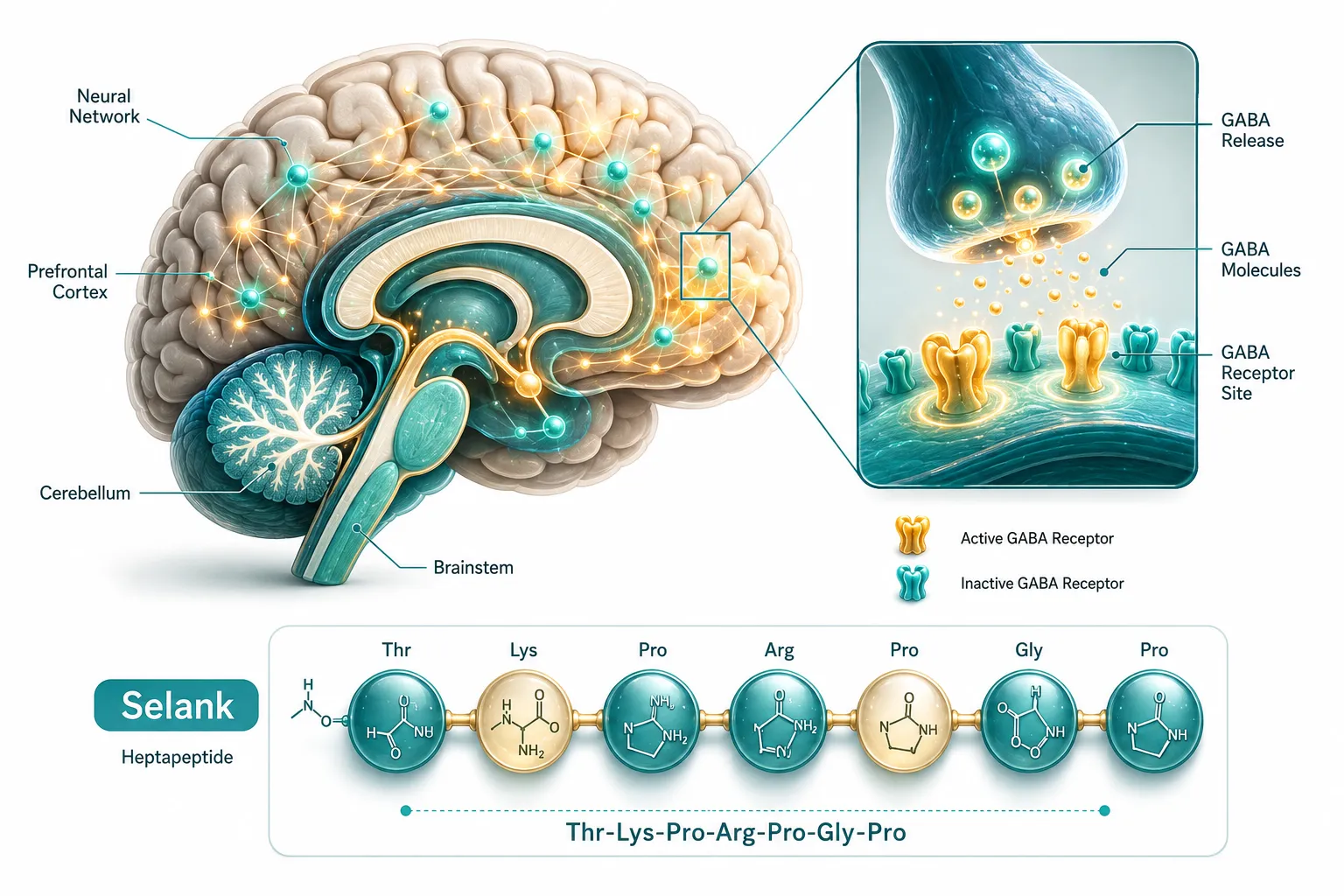
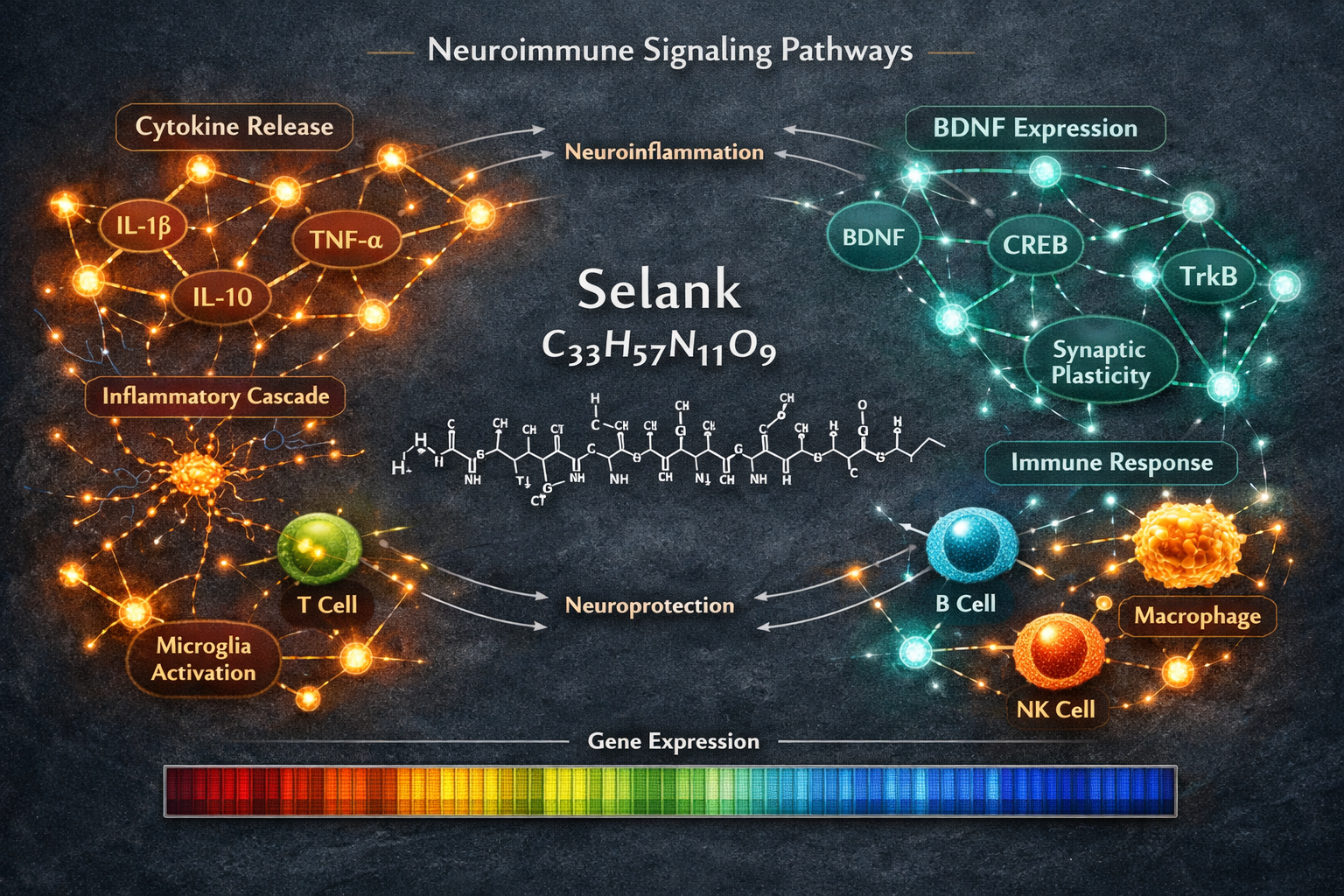
Detailed () scientific illustration showing a heptapeptide molecular chain labeled 'Selank' floating above a cross-section

Key Takeaways

  • Selank modulates GABA-A receptors, boosts BDNF expression, and influences enkephalin and monoamine systems to produce anxiolytic and nootropic effects.
  • In a clinical study of 62 patients with generalized anxiety disorder, Selank matched the efficacy of the benzodiazepine medazepam while avoiding sedation and dependence.
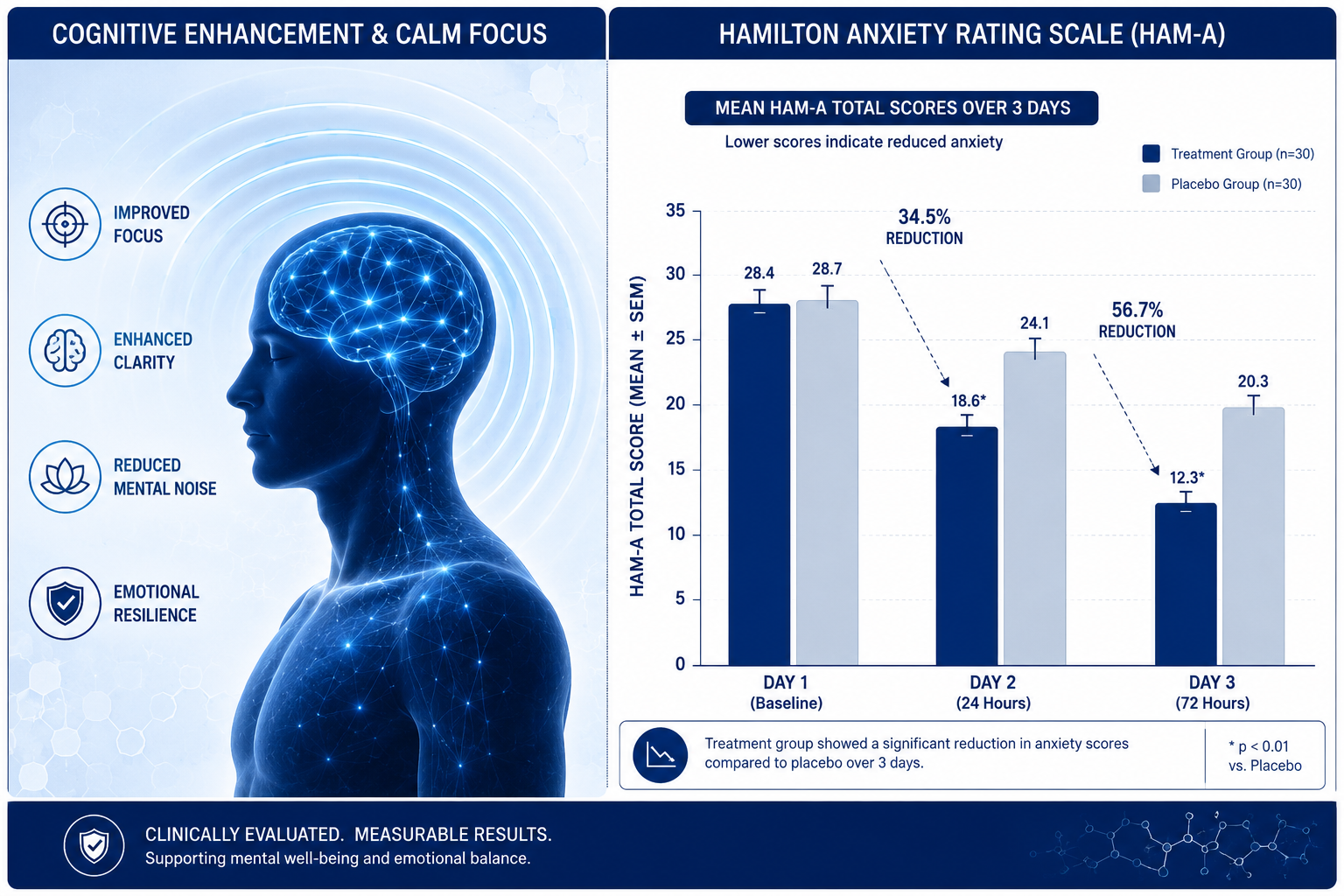
  • 40% of patients in one study experienced measurable anxiety reduction within just 1 to 3 days of administration.
  • Selank demonstrates immunomodulatory activity by influencing IL-6 expression and T helper cell cytokine balance.
  • It is approved as a nasal spray in Russia but remains unapproved by the FDA as of 2026.

Mechanism of Action: How Selank Works in the Brain

Understanding Selank peptide: uncovering its nootropic potential and anxiolytic pathways in cognitive research begins at the molecular level. Selank operates through several overlapping biological pathways that distinguish it from single-target compounds.

Key mechanisms include:

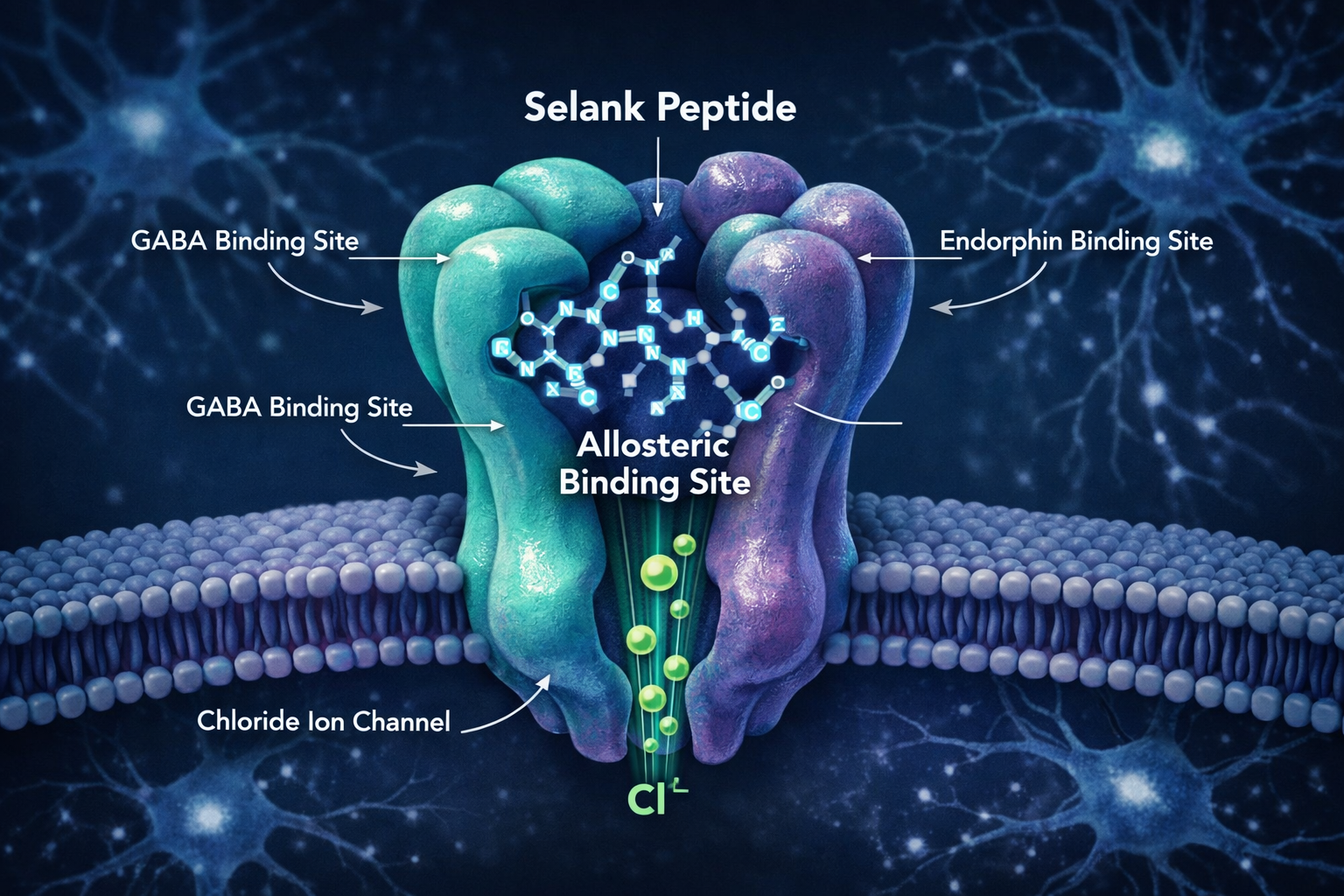
  • GABA-A receptor modulation: Selank acts on allosteric sites of the GABA-A receptor, producing calming effects similar to benzodiazepines but without triggering the same dependency pathways.
  • BDNF upregulation: It increases brain-derived neurotrophic factor expression, a protein critical for neuroplasticity, learning, and long-term memory formation.
  • Enkephalin and monoamine balance: Selank influences the metabolism of enkephalins and modulates serotonin, dopamine, and norepinephrine signaling, contributing to mood stabilization and alertness.
  • Immune gene expression: The peptide affects IL-6 production and alters expression of genes tied to neuroplasticity and immune regulation.

"Selank's multi-target profile, touching GABA, BDNF, monoamines, and immune signaling simultaneously, positions it as a genuinely novel compound in neuropharmacology research."

This multi-pathway activity is what separates Selank from narrower anxiolytics and makes it a compelling subject for researchers exploring metabolic modulation and neuropeptide research themes.


Clinical Findings: Anxiolytic Efficacy Without the Drawbacks

Clinical Findings: Anxiolytic Efficacy Without the Drawbacks

The clinical data on Selank is more robust than many researchers expect. In a controlled study involving 62 patients diagnosed with generalized anxiety disorder, Selank produced anxiolytic effects comparable to medazepam, a standard benzodiazepine. Critically, it also demonstrated antiasthenic and psychostimulant properties, meaning patients felt more energized and mentally clear, not sedated.

A separate study found that 40% of participants experienced a rapid reduction in anxiety symptoms within just 1 to 3 days, as measured by significant decreases in Hamilton Anxiety Rating Scale scores.

Selank vs. Traditional Benzodiazepines, Key Differences:

Feature Selank Benzodiazepines
Sedation None reported Common
Dependence risk Not observed Significant
Cognitive effects Enhancing Impairing
Onset of action 1-3 days (in some patients) Hours

Researchers interested in comparing Selank's profile with related neuropeptides may also find value in reviewing Selank and Semax research comparisons and documented Selank side effects data.


Nootropic Properties, Pharmacokinetics, and Research Limitations

Selank peptide: uncovering its nootropic potential and anxiolytic pathways in cognitive research extends beyond anxiety relief into measurable cognitive enhancement. In rodent passive avoidance models, Selank-treated subjects showed significantly longer retention latencies, indicating improved memory consolidation and retrieval.

Pharmacokinetic profile at a glance:

  • Half-life in serum: 2 to 10 minutes
  • Duration of effects: Several hours despite short serum half-life
  • Primary route: Intranasal administration
  • Bioavailability: Sufficient for therapeutic application via nasal spray

The short serum half-life but prolonged effect window suggests Selank triggers downstream biological cascades, particularly BDNF upregulation, that outlast its direct presence in circulation.

Immunomodulatory potential adds another dimension. Selank influences IL-6 expression and shifts T helper cell cytokine balance, suggesting possible applications in conditions involving immune dysregulation. This overlaps with research on other immunomodulatory peptides such as Thymosin Alpha-1 mechanism studies and LL-37 peptide research.

Nootropic Properties, Pharmacokinetics, and Research Limitations

Regulatory status as of 2026:
Selank is approved in Russia as a nasal spray for anxiolytic and nootropic use. It has not received FDA approval and remains outside mainstream clinical use in Western countries.

Research limitations to note:

  • Most clinical data originates from Russian research settings
  • Large-scale, placebo-controlled Western trials are lacking
  • Generalizability to broader global populations is not yet established

For researchers evaluating compound purity and sourcing standards, understanding quality testing protocols for peptides and reference standards in peptide benchmarking is essential before drawing conclusions from any preclinical or clinical data.


Conclusion

Selank stands out in the peptide research landscape because it addresses two goals simultaneously, reducing anxiety and enhancing cognitive function, without the liabilities of conventional anxiolytics. Its multi-target mechanism, favorable safety profile, and rapid onset in a meaningful subset of patients make it a compound worth continued investigation.

Actionable next steps for researchers:

  1. Review existing clinical data with attention to study design and population specifics before extrapolating findings.
  2. Compare Selank's BDNF-modulating properties alongside other neuropeptides to identify potential synergies.
  3. Prioritize sourcing compounds that meet verified purity standards, as research-grade quality directly affects data reliability.
  4. Monitor emerging Western trials that may close the current gap in large-scale placebo-controlled evidence.

The intersection of anxiolytic and nootropic activity in a single peptide compound remains one of the more compelling frontiers in 2026 neuroscience research, and Selank sits squarely at its center.

https://www.puretestedpeptides.com/wp-content/uploads/2026/07/Selank-Peptide-Uncovering-Its-Nootropic-Potential-and-Anxiolytic-Pathways-in-Cognitive-Research.png 1024 1536 Pure Tested https://www.puretestedpeptides.com/wp-content/uploads/2026/01/buy-peptides-online.jpg Pure Tested2026-07-06 13:04:252026-07-20 15:00:54Selank Peptide: Uncovering Its Nootropic Potential and Anxiolytic Pathways in Cognitive Research

Semax Nasal Spray for Research: Mechanism, Delivery Route, and Neurocognitive Study Design

June 24, 2026/0 Comments/by Pure Tested

Cover Image

Fewer than 1% of peptide compounds ever reach the brain intact when administered systemically — a pharmacokinetic reality that makes intranasal delivery not just convenient, but scientifically decisive. For researchers studying Semax nasal spray for research: mechanism, delivery route, and neurocognitive study design, this single fact reshapes every experimental decision, from formulation choice to outcome measurement.

Key Takeaways

  • Semax is a synthetic heptapeptide derived from ACTH 4-7, with documented activity on BDNF expression and dopaminergic pathways.
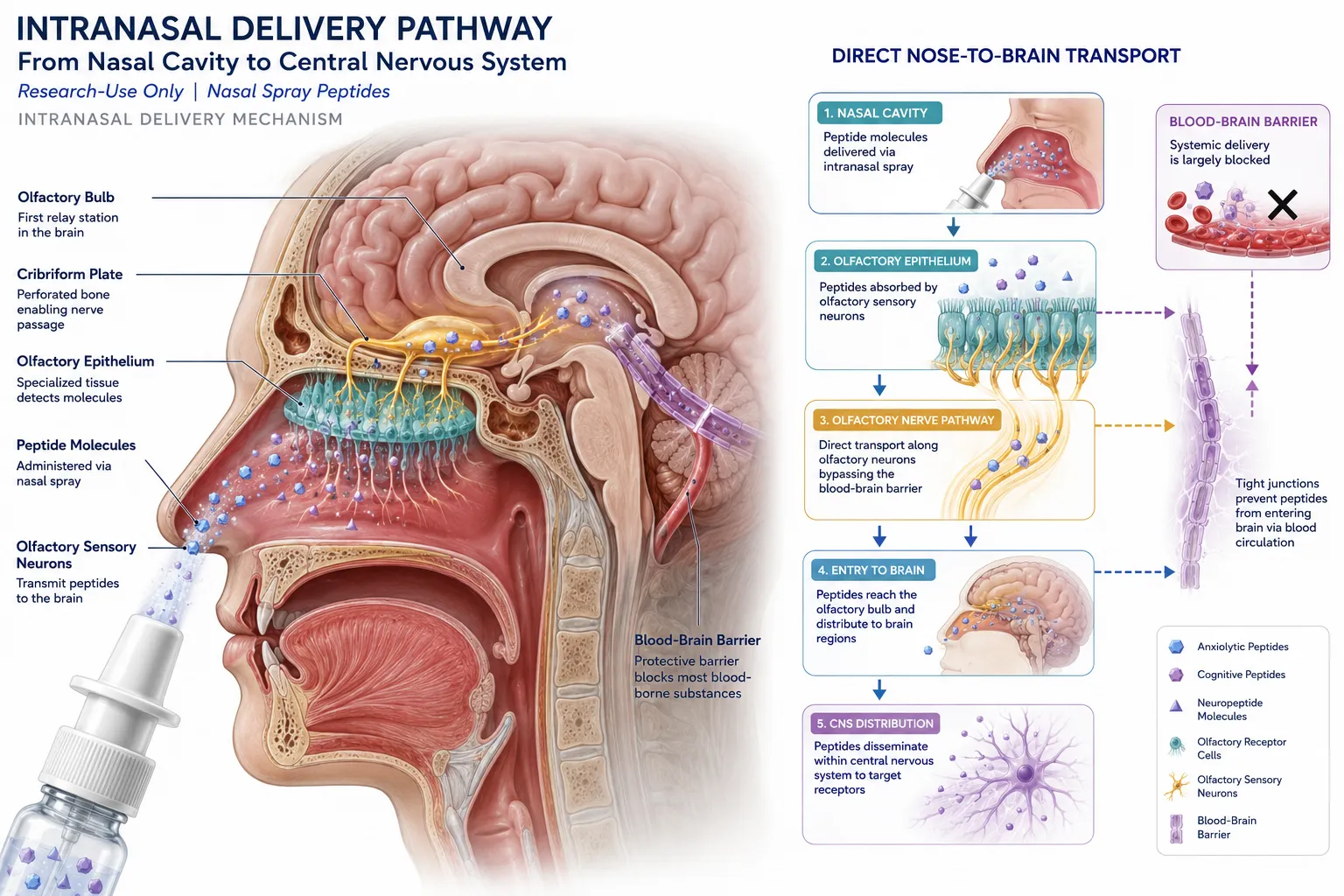
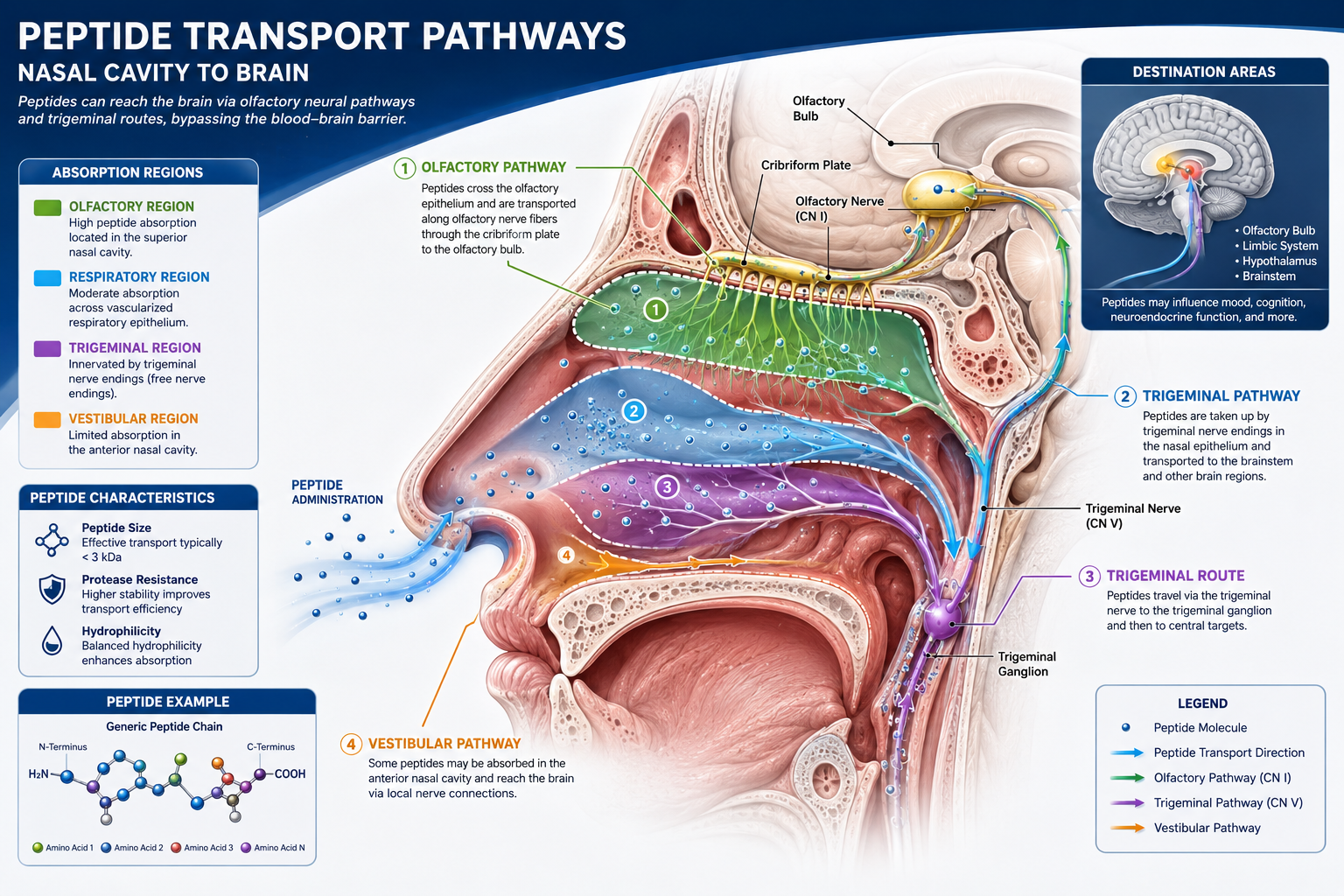
  • Intranasal delivery bypasses the blood-brain barrier via the olfactory and trigeminal nerve routes, improving CNS bioavailability.
  • Proper study design requires validated cognitive endpoints, controlled dosing intervals, and verified peptide purity.
  • Semax research intersects with broader neuropeptide and neuroendocrine biology, including pathways explored in neuroendocrine and innate immunity research.
  • Peptide integrity at the point of administration is non-negotiable; researchers should consult quality testing protocols before sourcing.

Semax nasal spray peptide mechanism brain delivery diagram

Mechanism of Action: What Semax Does in the Brain

Semax (Met-Glu-His-Phe-Pro-Gly-Pro) is a synthetic analog of the adrenocorticotropic hormone fragment ACTH 4-7. Unlike the parent hormone, Semax carries no adrenal activity. Instead, its biological interest lies in the central nervous system.

Primary mechanisms under investigation include:

Mechanism Target System Research Significance
BDNF upregulation Hippocampus, prefrontal cortex Memory consolidation, neuroplasticity
Dopaminergic modulation Mesolimbic pathway Attention, motivation circuits
Serotonin system interaction Raphe nuclei Mood-adjacent cognitive function
Neuroprotective signaling Oxidative stress pathways Ischemia and stress models

BDNF (brain-derived neurotrophic factor) elevation is the most replicated finding in preclinical Semax literature. Elevated BDNF supports synaptic density and long-term potentiation — processes central to learning and memory paradigms used in neurocognitive research.

Researchers studying neuropeptide biology alongside Semax may find parallel interest in Pinealon neuroprotection research, which examines a related class of short peptides with CNS-targeted action.


Laboratory researcher preparing Semax nasal spray formulation

Intranasal Delivery Route: Why It Changes the Research Equation

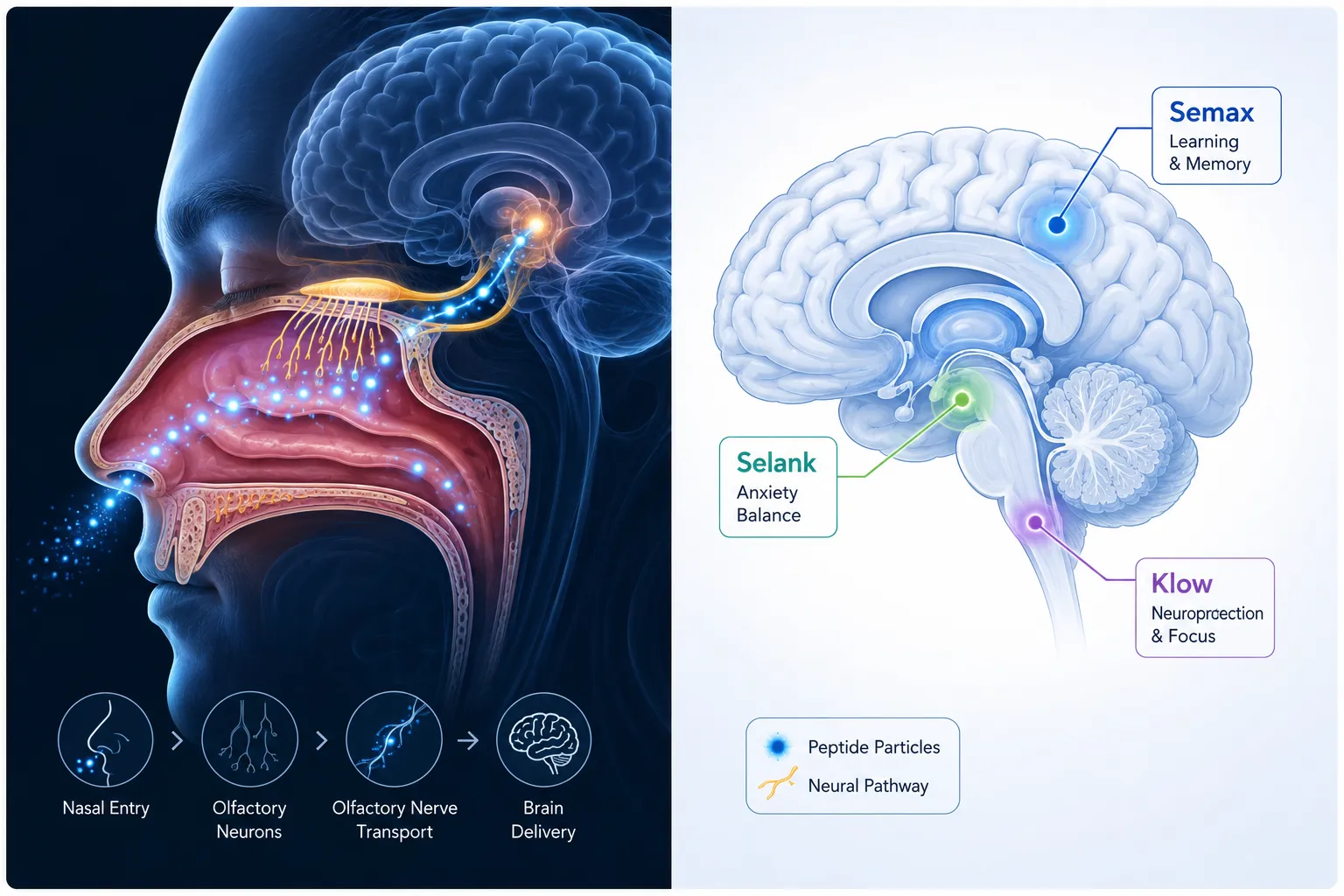
The intranasal route is not simply an alternative to injection — it is a fundamentally different pharmacological pathway. When a peptide is administered intranasally, two anatomical corridors matter most:

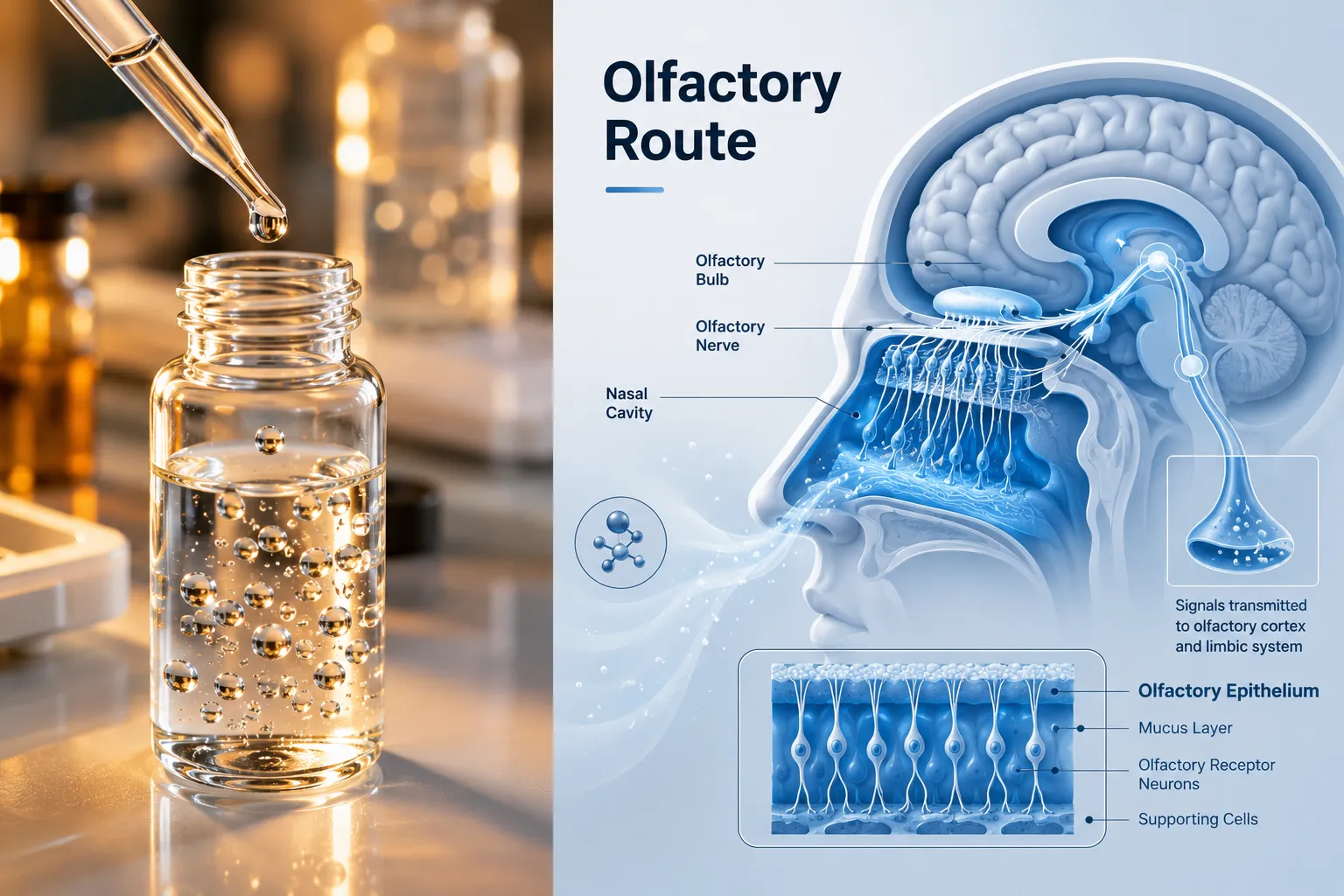
  1. Olfactory pathway — Peptides contact the olfactory epithelium, cross the cribriform plate, and access the olfactory bulb directly. This bypasses the blood-brain barrier almost entirely.
  2. Trigeminal pathway — A secondary route along trigeminal nerve branches that terminates in the brainstem and cerebellum.

"The olfactory epithelium is, in effect, an open window between the external environment and the central nervous system."

For Semax specifically, this matters because the peptide has a short plasma half-life. Systemic injection exposes Semax to rapid enzymatic degradation before meaningful CNS concentrations are achieved. Intranasal delivery sidesteps this degradation window.

Key formulation variables researchers must control:

  • pH of the solution (optimal range: 4.5–6.5 for mucosal stability)
  • Volume per actuation (typically 100 mcL per nostril in preclinical protocols)
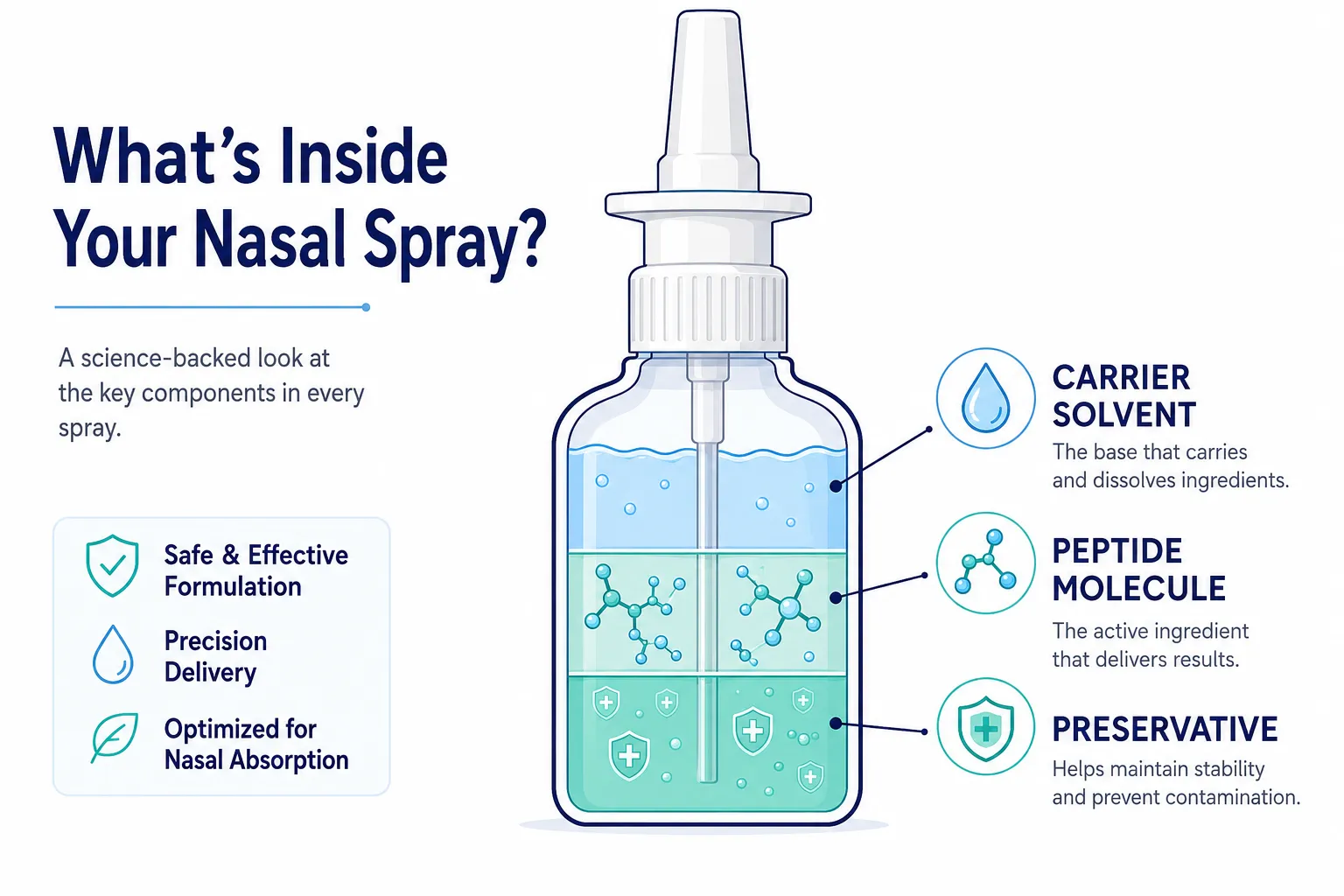
  • Preservative selection (benzalkonium chloride at low concentrations is common but must be documented)
  • Peptide concentration verified by third-party certificate of analysis

Researchers sourcing peptides for intranasal protocols should review certificate of analysis documentation to confirm purity, sterility, and absence of endotoxins before any study begins.


Neurocognitive study design flowchart with brain imaging data

Neurocognitive Study Design: Building a Rigorous Semax Protocol

Designing a valid neurocognitive study around Semax nasal spray for research requires decisions at three levels: subject selection, outcome measurement, and statistical architecture.

Subject and Model Selection

Rodent models (Wistar rats, C57BL/6 mice) dominate the preclinical Semax literature. Ischemia models, chronic stress paradigms, and aging models have all been used. Researchers should pre-register the model rationale and define inclusion/exclusion criteria before dosing begins.

Validated Cognitive Endpoints

Cognitive outcomes must be operationalized. Common instruments include:

  • Morris Water Maze — spatial learning and memory
  • Novel Object Recognition — episodic-like memory
  • Radial Arm Maze — working memory
  • Open Field Test — anxiety-adjacent locomotor behavior (confound control)

Pairing behavioral endpoints with biomarker assays (BDNF ELISA, c-Fos immunohistochemistry) strengthens mechanistic claims.

Dosing and Timeline Considerations

Most published Semax protocols use doses of 25–200 mcg/kg administered once or twice daily. Duration ranges from acute single-dose studies to 28-day chronic exposure designs. Washout periods must be defined when crossover designs are used.

Researchers exploring broader peptide-based cognitive and longevity models may find value in reviewing longevity peptide research frameworks for complementary study design approaches.

For those integrating Semax into multi-peptide panels, understanding how other neuropeptides interact with recovery and tissue biology is essential — the recovery and tissue biology overview provides a useful reference framework.


Conclusion

Semax nasal spray for research — encompassing mechanism, delivery route, and neurocognitive study design — represents one of the more methodologically demanding areas of neuropeptide science. The intranasal route is not a shortcut; it is a precision tool that demands equally precise formulation, sourcing, and study architecture.

Actionable next steps for researchers in 2026:

  1. Confirm peptide purity via independent certificate of analysis before any protocol begins.
  2. Pre-register cognitive endpoints and statistical analysis plans to reduce outcome-reporting bias.
  3. Control for delivery volume, pH, and mucosal contact time as primary formulation variables.
  4. Pair behavioral outcomes with molecular biomarkers to build mechanistic claims.
  5. Review adjacent neuropeptide literature — including Humanin cellular protection research — to contextualize Semax findings within the broader neuroprotective peptide landscape.

Rigorous design is what separates publishable data from noise. In Semax research, that rigor begins at the nasal tip.


References

  • Dolotov, O. V., et al. (2006). Semax, an analog of ACTH(4-7), regulates BDNF and trkB expression in the rat hippocampus. Journal of Neurochemistry, 97(S1), 82–86.
  • Mironova, V. I., et al. (2007). Effects of Semax on the expression of neurotrophins and their receptors in the rat brain during learning. Ross Fiziol Zh Im I M Sechenova, 93(7), 768–775.
  • Illum, L. (2000). Transport of drugs from the nasal cavity to the central nervous system. European Journal of Pharmaceutical Sciences, 11(1), 1–18.
  • Kozlovskaya, M. M., et al. (2003). Semax and its influence on the brain dopaminergic system. Eksperimental'naia i Klinicheskaia Farmakologiia, 66(5), 9–12.
https://www.puretestedpeptides.com/wp-content/uploads/2026/01/buy-peptides-online.jpg 0 0 Pure Tested https://www.puretestedpeptides.com/wp-content/uploads/2026/01/buy-peptides-online.jpg Pure Tested2026-06-24 13:20:102026-07-20 15:02:19Semax Nasal Spray for Research: Mechanism, Delivery Route, and Neurocognitive Study Design
Semax Nasal Spray and Selank Nasal Spray: Administration, Absorption, and Research Practicalities

Semax Nasal Spray and Selank Nasal Spray: Administration, Absorption, and Research Practicalities

June 15, 2026/0 Comments/by Pure Tested

Selank achieves an intranasal bioavailability of approximately 92.8% — a figure that rivals many injectable peptides and makes delivery method selection a genuinely consequential variable for research design. For anyone working with Semax nasal spray and Selank nasal spray, understanding administration, absorption, and research practicalities is not background knowledge; it is the foundation of reproducible results.

Key Takeaways

  • Both Semax and Selank use the nasal mucosa as a direct CNS delivery pathway, bypassing the blood-brain barrier.
  • Semax reaches peak cerebrospinal fluid concentrations within 3-10 minutes; Selank's plasma half-life is only 2-3 minutes yet its effects extend well beyond clearance.
  • Selank's intranasal bioavailability (92.8%) is notably higher than Semax's (60-70%), which affects dosing calculations in structured protocols.
  • Proper spray technique, nostril rotation, and cold-chain storage directly influence experimental consistency.
  • Oral administration is not viable for either peptide due to rapid enzymatic degradation in the gastrointestinal tract.

How Intranasal Delivery Works for These Peptides

How Intranasal Delivery Works for These Peptides

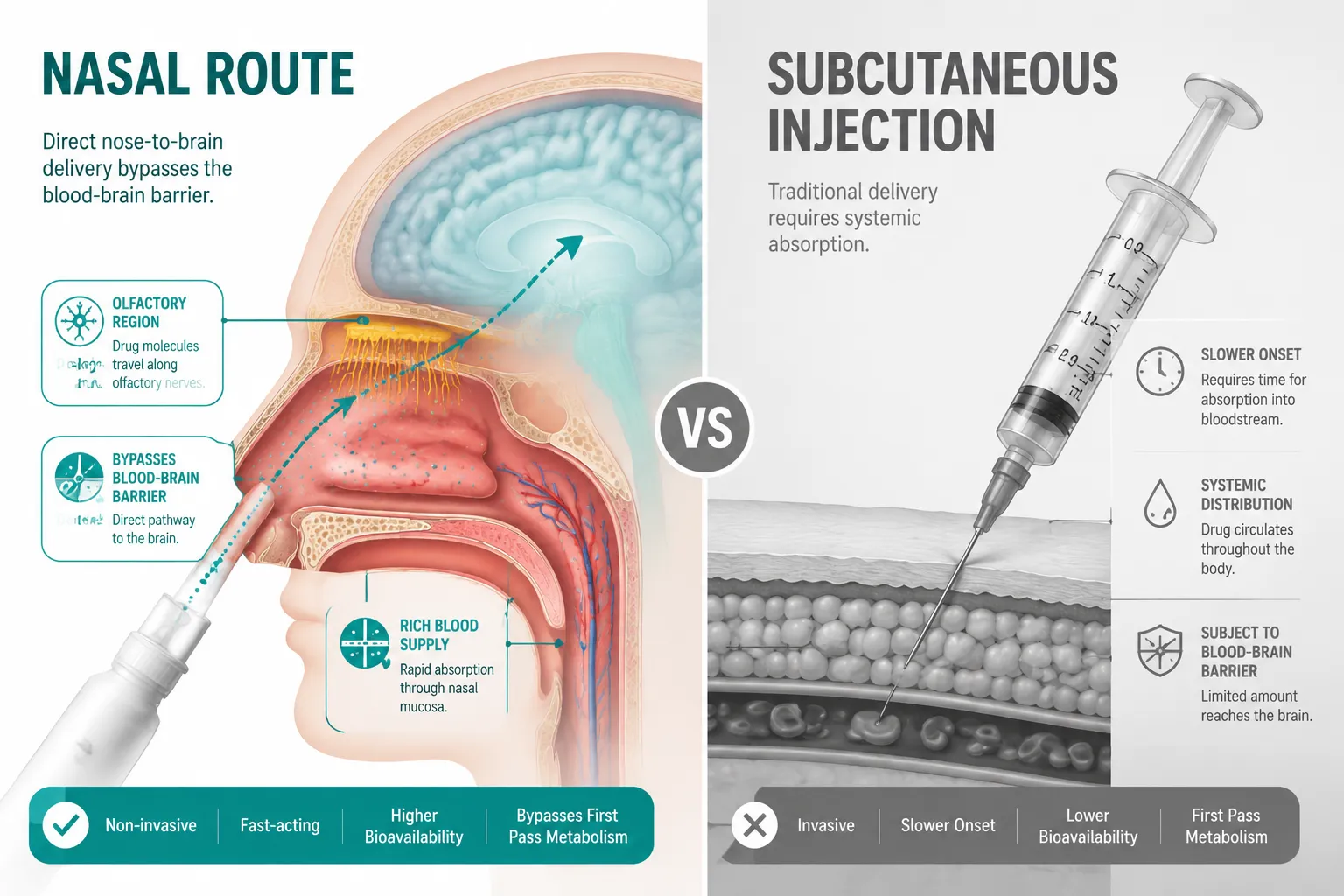
The nasal mucosa offers two primary nerve pathways to the central nervous system: the olfactory nerve and the trigeminal nerve. Both Semax and Selank exploit these routes, allowing peptide molecules to reach the brain without crossing the blood-brain barrier through systemic circulation.

This is a meaningful distinction. Subcutaneous injection delivers peptides into the bloodstream first, where enzymatic degradation begins immediately. Intranasal delivery sends a significant fraction of the dose directly toward CNS tissue, which is why researchers consistently favor this route for neuropeptide work.

Oral administration is not a viable alternative. Gastrointestinal enzymes break down both peptides before meaningful absorption can occur. For research requiring CNS-targeted delivery, intranasal remains the gold standard for these compounds.

Researchers interested in how other peptides navigate delivery challenges can review PT-141 neural and metabolic research themes for a comparative perspective on CNS-adjacent peptide work.


Absorption Profiles: Semax vs. Selank Side by Side

Absorption Profiles: Semax vs. Selank Side by Side

Understanding the absorption differences between these two peptides is central to Semax nasal spray and Selank nasal spray administration, absorption, and research practicalities.

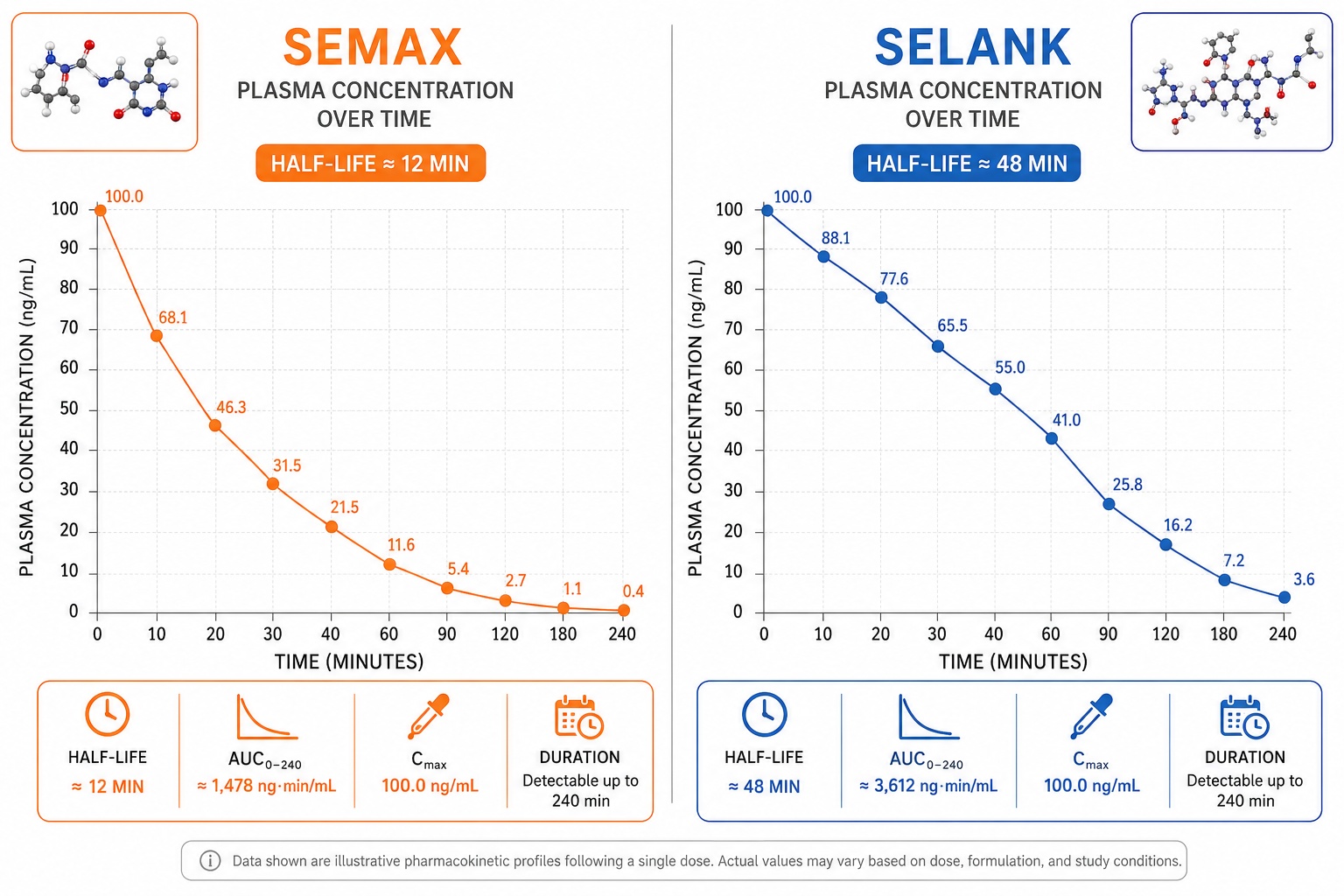
Parameter Semax Selank
Intranasal Bioavailability ~60-70% ~92.8%
Peak CNS Concentration 3-10 minutes Rapid, within minutes
Plasma Half-Life 15-25 minutes 2-3 minutes
Pharmacodynamic Duration 24+ hours Extended beyond clearance
Cleared From Plasma ~90 minutes Very rapid

Semax induces brain-derived neurotrophic factor (BDNF) and nerve growth factor (NGF) expression. These downstream effects persist for over 24 hours after a single dose, even though the peptide itself clears plasma within 90 minutes. This dissociation between pharmacokinetics and pharmacodynamics is a critical variable when designing washout periods in research protocols.

Selank's short plasma half-life of 2-3 minutes is actually a structural achievement. Its parent peptide, tuftsin, degrades far faster. A C-terminal Pro-Gly-Pro extension was added specifically to improve metabolic stability — a detail that matters when comparing formulation batches for purity and structural integrity.

"The pharmacodynamic window of Semax extends far beyond its plasma half-life, meaning dosing frequency calculations cannot rely on clearance time alone."

For researchers also working with other neuropeptides, the Selank peptide benefits overview and the detailed Selank research profile provide useful mechanistic context.


Administration Technique, Dosing, and Storage for Research Protocols

Administration Technique, Dosing, and Storage for Research Protocols

Consistent technique is where many research protocols introduce unnecessary variability. For both Semax and Selank nasal spray administration, absorption, and research practicalities depend heavily on how the spray is delivered.

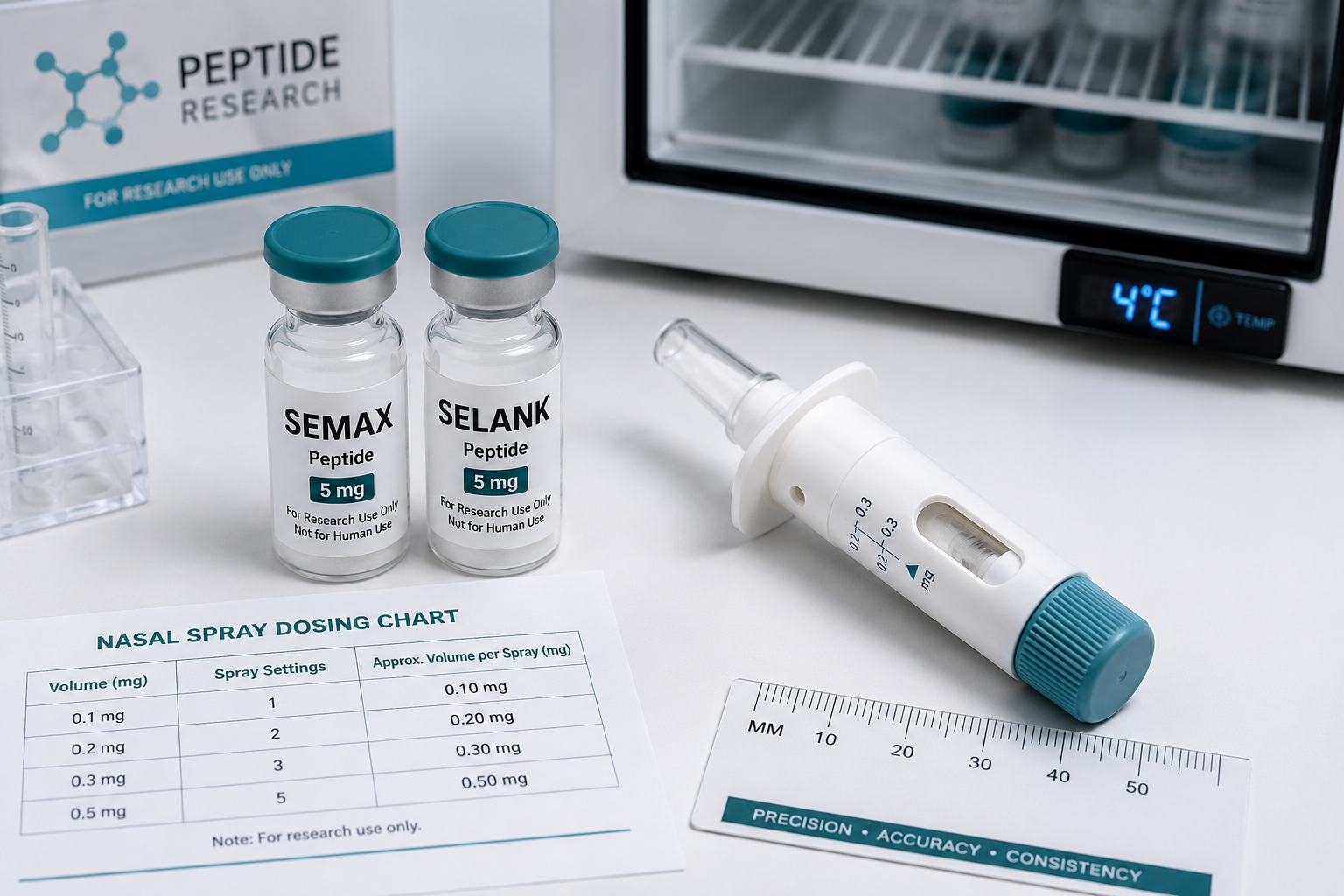
Recommended spray technique:

  • Tilt the head slightly forward, not back
  • Insert the tip gently into one nostril
  • Deliver the spray while inhaling gently
  • Alternate nostrils between administrations to reduce local irritation

Dosing reference for research use:

  • Semax: 200-300 mcg per nostril, typically administered twice daily at 8-hour intervals
  • Selank: Conservative starting point is 250 mcg once daily; standard anxiolytic research doses are 500 mcg once daily

Selank received regulatory approval in Russia in 2009 as a clinical anxiolytic, with trial data showing efficacy comparable to benzodiazepines — without sedation, dependence, or cognitive impairment. This clinical history gives researchers a useful benchmark when structuring behavioral endpoints.

Storage is non-negotiable for data integrity. Reconstituted solutions for both peptides must be refrigerated at 2-8 degrees Celsius and remain stable for approximately four weeks. Deviations from cold-chain storage introduce degradation variables that compromise reproducibility.

Common side effects observed in research subjects include mild nasal irritation, transient sleep disturbances, and occasional anxiety at higher doses. Serious adverse events are rare but possible with excessive neurological stimulation or co-administration of psychoactive compounds.

Researchers sourcing verified peptides for structured protocols can review lab-tested peptide options to ensure formulation standards meet experimental requirements. Those interested in related neuropeptide delivery work may also find value in reviewing KPV peptide research and GHK-Cu peptide sourcing guidance for broader formulation context.


Conclusion

Semax nasal spray and Selank nasal spray administration, absorption, and research practicalities converge on one core principle: delivery method is not a secondary consideration. The nasal route offers direct CNS access, high bioavailability, and rapid onset — but only when technique, dosing, and storage are handled with precision.

Actionable next steps for researchers:

  1. Standardize spray technique across all subjects using the forward-tilt, gentle-inhalation method.
  2. Account for Semax's 24-hour pharmacodynamic window when designing washout periods.
  3. Verify cold-chain storage compliance before each experimental session.
  4. Source peptides with documented purity testing to eliminate formulation variability as a confounding factor.
  5. Review Selank's clinical approval history as a baseline for anxiolytic endpoint calibration.

Reproducibility in peptide research begins with delivery. Getting the administration variables right is the first step toward data that holds up.

https://www.puretestedpeptides.com/wp-content/uploads/2026/06/Semax-Nasal-Spray-and-Selank-Nasal-Spray-Administration-Absorption-and-Research-Practicalities.png 1024 1536 Pure Tested https://www.puretestedpeptides.com/wp-content/uploads/2026/01/buy-peptides-online.jpg Pure Tested2026-06-15 13:03:422026-07-20 15:03:01Semax Nasal Spray and Selank Nasal Spray: Administration, Absorption, and Research Practicalities
Where to Buy Nootropic Peptides Like Semax and Selank for Research: What Labs Should Look For in a Supplier

Where to Buy Nootropic Peptides Like Semax and Selank for Research: What Labs Should Look For in a Supplier

June 10, 2026/0 Comments/by Pure Tested

Fewer than 30% of research peptide vendors publish batch-specific analytical data — yet that single omission can invalidate months of experimental work. For labs sourcing neuropeptides such as Semax and Selank, supplier selection is not a procurement detail; it is a scientific variable. Understanding where to buy nootropic peptides like Semax and Selank for research, and what labs should look for in a supplier, directly shapes data integrity, reproducibility, and regulatory standing.

Key Takeaways

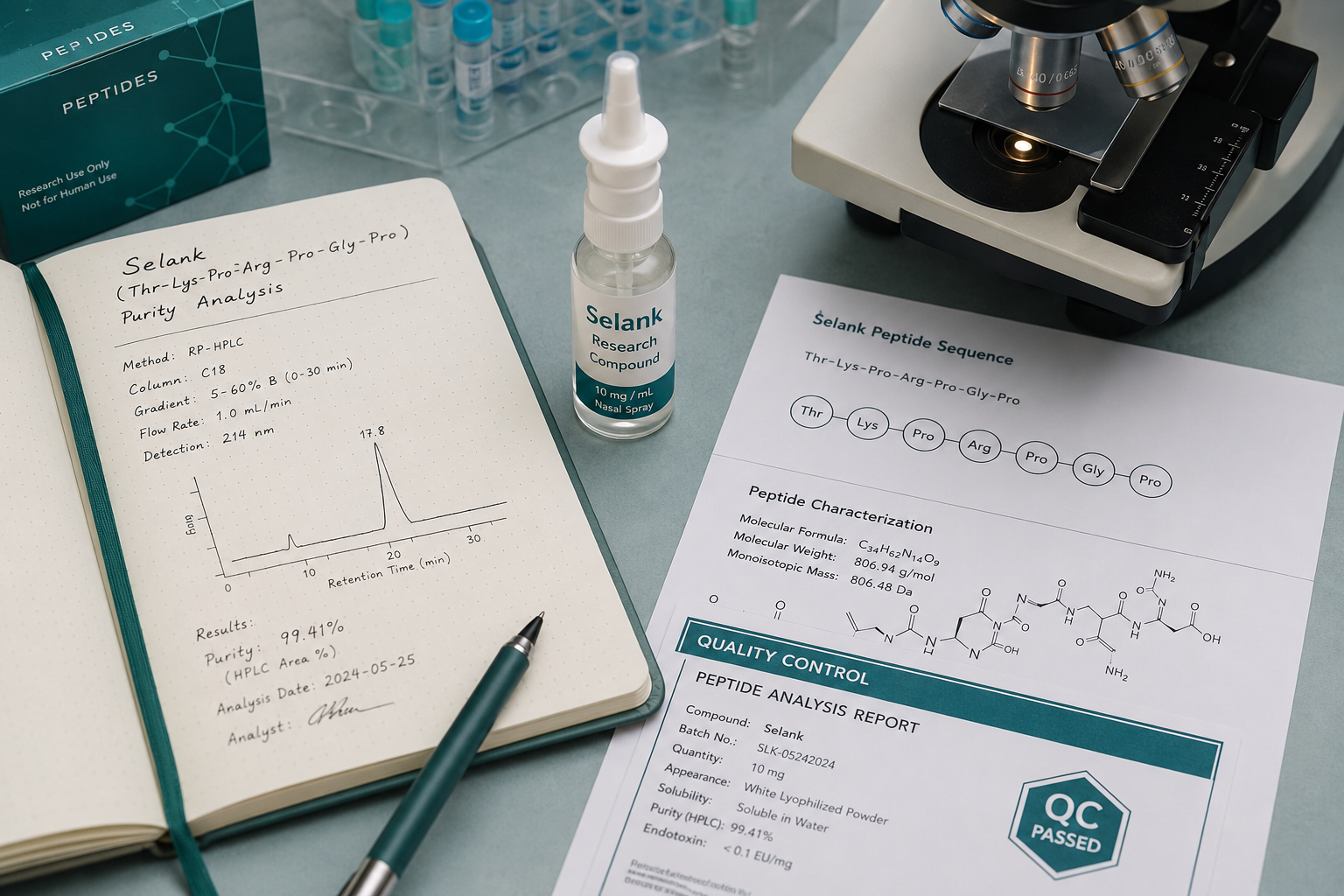
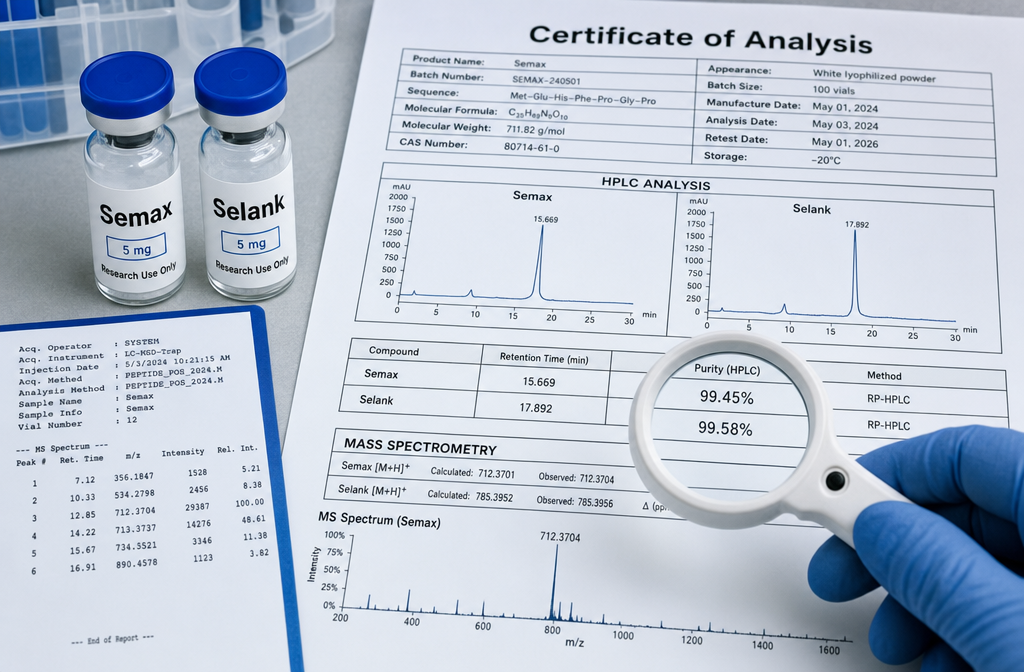
  • Purity documentation of 99% or higher, confirmed by HPLC and mass spectrometry, is the minimum acceptable standard for research-grade Semax and Selank.
  • Batch-specific Certificates of Analysis (CoA) — not generic lot documents — are essential for traceability and reproducibility.
  • Third-party independent testing removes supplier bias and strengthens confidence in reported purity figures.
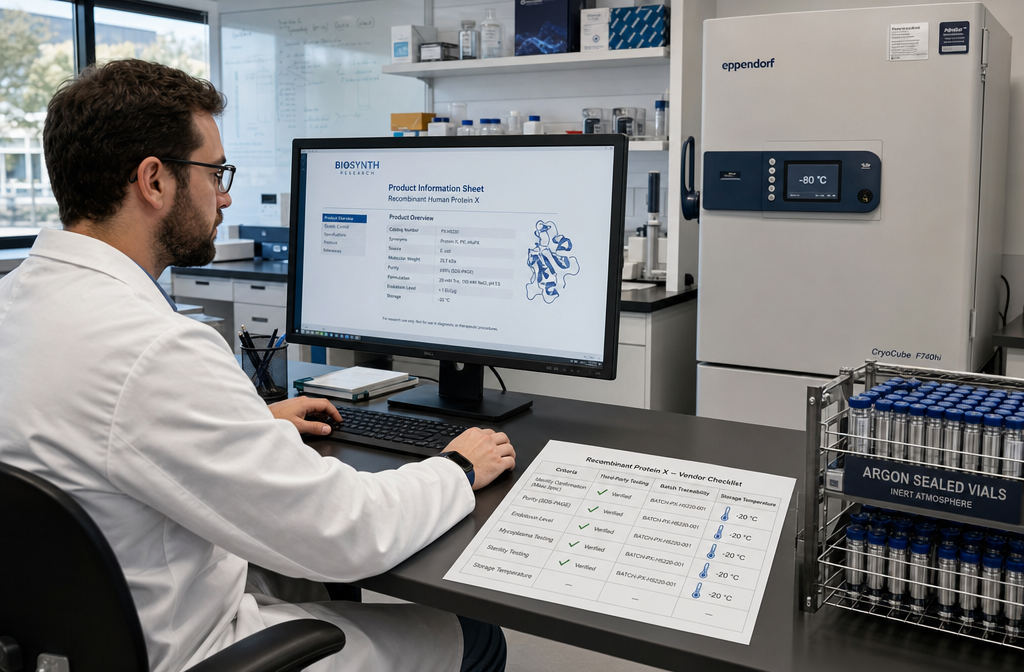
  • Proper lyophilized storage at -20°C under inert gas is required to maintain peptide stability beyond 12 months.
  • Regulatory labeling ("for research use only") and transparent manufacturing disclosures protect both the lab and the supplier relationship.

Key Takeaways

Why Documentation Is the First Filter When Sourcing Research Peptides

The most common mistake labs make when deciding where to buy nootropic peptides like Semax and Selank for research is prioritizing price before documentation. A low unit cost means nothing if the accompanying analytical record cannot support a publication or regulatory audit.

What valid documentation looks like:

Document Type Minimum Requirement
Certificate of Analysis (CoA) Batch-specific, not generic
HPLC Chromatogram Purity confirmed at 99% or higher
Mass Spectrometry Report Molecular weight and sequence verified
Testing Laboratory Independent, third-party facility

Reputable suppliers provide CoAs tied to individual production batches. A batch-specific CoA details the peptide's confirmed purity, identity, and the analytical methods used — making results traceable across experiments. Generic documents that cover an entire product line rather than a specific lot should raise immediate concern.

Third-party testing is equally non-negotiable. When a supplier uses an independent laboratory rather than an in-house team, the results carry far greater scientific weight. Labs should ask vendors directly: which external facility conducted the analysis, and can the raw data be shared?

For researchers already familiar with sourcing standards in adjacent peptide categories, the BPC-157 research sourcing guide provides a useful parallel framework for evaluating documentation quality.


Why Documentation Is the First Filter When Sourcing Research Peptides

Stability, Storage, and the Nasal Spray Framing Problem

Semax and Selank are frequently marketed in nasal spray formulations. Labs should understand the distinction between a pre-formulated nasal spray and a lyophilized powder intended for reconstitution in research settings.

Lyophilized powder is the preferred format for controlled research because:

  • It supports longer shelf stability — beyond 12 months when stored correctly
  • It allows precise reconstitution volumes for experimental dosing protocols
  • It is less susceptible to microbial contamination than pre-mixed aqueous solutions

Proper storage conditions for lyophilized Semax and Selank require temperatures of -20°C and an inert atmosphere, typically argon, to prevent oxidative degradation. Suppliers who ship peptides without cold-chain packaging or fail to specify storage conditions in their documentation are signaling inadequate quality control.

The nasal spray format, while convenient for some applications, introduces formulation variables that complicate research reproducibility. Labs should clarify with any vendor whether the product is supplied as a research-grade lyophilized compound or as a consumer-oriented finished formulation. For a deeper look at how Selank functions in research contexts, the Selank peptide benefits overview and the Selank and Semax comparison resource both provide useful mechanistic context.

Understanding how reference-grade benchmarks are established also matters here. The Bachem and reference standards resource outlines how pharmaceutical-grade benchmarks are built — a useful standard against which to evaluate supplier claims.


Stability, Storage, and the Nasal Spray Framing Problem

Practical Supplier Evaluation: What Labs Should Look For

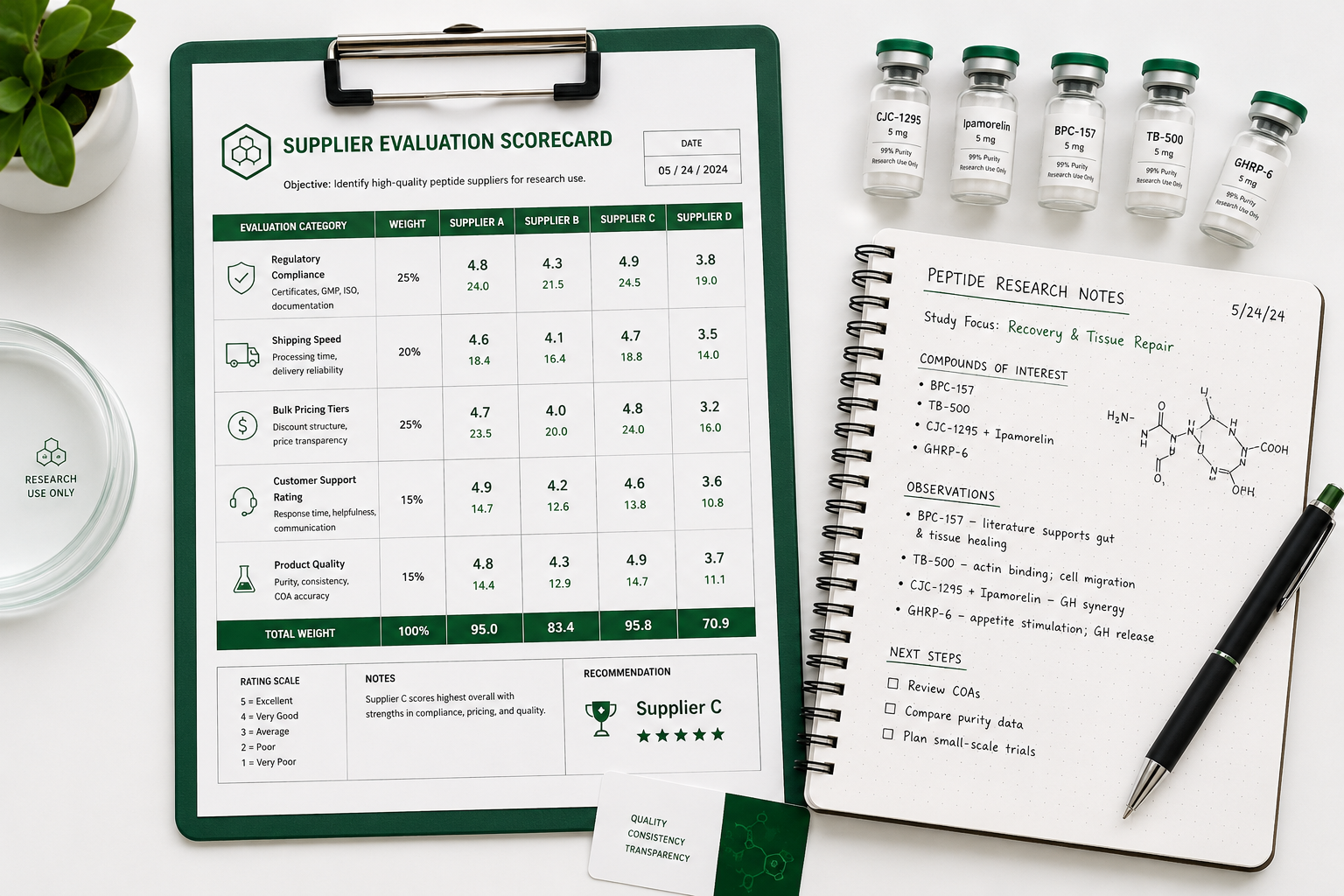
When determining where to buy nootropic peptides like Semax and Selank for research, labs benefit from a structured evaluation process rather than relying on vendor marketing copy alone.

Core evaluation criteria:

  • Regulatory labeling: Products must be clearly labeled "for research use only." This protects the purchasing institution and confirms the supplier understands the legal framework.
  • Manufacturing transparency: Reputable vendors disclose synthesis methods, quality control workflows, and sourcing of raw materials.
  • Shipping and availability: Same-day or next-day dispatch options with cold-chain packaging preserve peptide integrity in transit.
  • Bulk pricing structure: Tiered pricing for larger research quantities is standard among established suppliers and supports longer study designs.
  • Customer support quality: Knowledgeable support staff who can answer analytical questions — not just order inquiries — indicate a scientifically credible operation.
  • Reputation and consistency: Peer reviews from other research institutions and consistent batch-to-batch purity records are strong indicators of reliability.

Labs sourcing a broader peptide panel alongside Semax and Selank may also find value in reviewing quality testing protocols and exploring related neuroprotective compounds such as Pinealon to understand how rigorous documentation standards apply across peptide categories.


Conclusion

Sourcing Semax and Selank for research is a decision that carries real scientific consequences. The question of where to buy nootropic peptides like Semax and Selank for research — and what labs should look for in a supplier — ultimately comes down to three priorities: verified purity through independent analytical testing, batch-specific documentation that supports reproducibility, and transparent handling and storage practices that protect compound integrity.

Actionable next steps for labs:

  1. Request batch-specific CoAs with HPLC and MS data before placing any order.
  2. Confirm that testing was conducted by a named, independent third-party laboratory.
  3. Verify cold-chain shipping protocols and confirm lyophilized powder format for research applications.
  4. Review the supplier's regulatory labeling and manufacturing disclosures before committing to a vendor relationship.
  5. Cross-reference peer reviews from other research institutions to validate consistency claims.

A supplier who cannot answer these questions clearly is not yet ready to support serious research.

https://www.puretestedpeptides.com/wp-content/uploads/2026/06/Where-to-Buy-Nootropic-Peptides-Like-Semax-and-Selank-for-Research-What-Labs-Should-Look-For-in-a-Supplier.png 672 1024 Pure Tested https://www.puretestedpeptides.com/wp-content/uploads/2026/01/buy-peptides-online.jpg Pure Tested2026-06-10 13:06:202026-07-20 15:03:33Where to Buy Nootropic Peptides Like Semax and Selank for Research: What Labs Should Look For in a Supplier
Selank Peptide Research: Anxiety-Related Pathways, Neuroimmune Signaling, and Practical Lab Questions

Selank Peptide Research: Anxiety-Related Pathways, Neuroimmune Signaling, and Practical Lab Questions

June 5, 2026/0 Comments/by Pure Tested

Fewer than a dozen synthetic peptides have earned clinical approval as anxiolytics in any country. Selank is one of them. Approved in Russia as a nasal-spray anxiolytic and nootropic, this heptapeptide analog of tuftsin has drawn steady attention from researchers studying stress-response biology, neuroimmune crosstalk, and anxiety-related signaling. In 2026, interest in Selank peptide research: anxiety-related pathways, neuroimmune signaling, and practical lab questions continues to grow as preclinical data accumulates and labs seek well-characterized research compounds.

Key Takeaways

  • Selank modulates GABA-A receptors as a positive allosteric modulator, producing anxiolytic effects without sedation or dependency risk.
  • The peptide influences gene expression tied to immune response, placing it at the intersection of neuroimmune and stress-response research.
  • Selank also upregulates BDNF and affects enkephalin and monoamine systems, supporting its dual role as an anxiolytic and cognitive research tool.
  • Common preclinical protocols use intranasal or subcutaneous administration in cycles of 14-21 days.
  • Selank is not FDA-approved and is studied exclusively in research settings in the United States.

Key Takeaways

Anxiety-Related Pathways: How Selank Interacts with GABA and Beyond

The core of Selank peptide research: anxiety-related pathways, neuroimmune signaling, and practical lab questions starts with receptor pharmacology. Selank acts as a positive allosteric modulator of GABA-A receptors, enhancing GABA binding without directly activating the receptor. This is a meaningful distinction. Traditional benzodiazepines also target GABA-A sites but carry sedation, tolerance, and dependency liabilities. Selank's allosteric profile appears to sidestep those problems.

Beyond GABA, Selank's mechanism spans multiple systems:

Pathway Observed Effect
GABA-A receptor Positive allosteric modulation, enhanced GABA binding
BDNF expression Upregulation, supporting neuroplasticity
Enkephalin system Balance modulation, contributing to mood regulation
Monoamine systems Influence on serotonin and dopamine tone

Rodent models under unpredictable chronic mild stress have shown that Selank can enhance the anxiolytic effect of diazepam when co-administered, suggesting potential value in combination-therapy research designs. This synergy is particularly relevant for labs studying stress-resilience models.

Researchers interested in how peptides interact with neuroendocrine axes may also find value in reviewing neuroendocrine and innate immunity research themes as a complementary framework.


Anxiety-Related Pathways: How Selank Interacts with GABA and Beyond

Neuroimmune Signaling: Where Selank Research Gets Interesting

The neuroimmune angle is where Selank separates itself from simpler anxiolytics. Studies have documented that Selank influences the expression of immune-response genes, positioning it as a tool for studying the feedback loop between psychological stress and immune function. This is not a peripheral effect. Chronic stress reliably dysregulates cytokine profiles, and peptides that modulate both anxiety circuitry and immune gene expression are rare research candidates.

"Selank's dual action on anxiety pathways and immune gene expression makes it a uniquely valuable subject in stress-biology research."

This neuroimmune dimension connects naturally to work being done on other immunomodulatory peptides. For context on how innate immune peptides are studied in research settings, the LL-37 innate research themes overview provides useful background on parallel signaling questions.

Selank's BDNF upregulation is also worth noting in this context. BDNF sits at the junction of stress adaptation and immune regulation, and its modulation by a synthetic heptapeptide opens questions about long-term neuroplasticity effects in chronic-stress animal models.

For labs exploring bioregulatory peptides with overlapping tissue-level effects, the Vilon tissue homeostasis research themes page offers a related perspective on short-chain peptide signaling.


Neuroimmune Signaling: Where Selank Research Gets Interesting

Practical Lab Questions: Protocols, Sourcing, and Research Design

Selank peptide research: anxiety-related pathways, neuroimmune signaling, and practical lab questions cannot be addressed without covering the operational side. Here are the most common questions researchers encounter:

Administration routes studied:

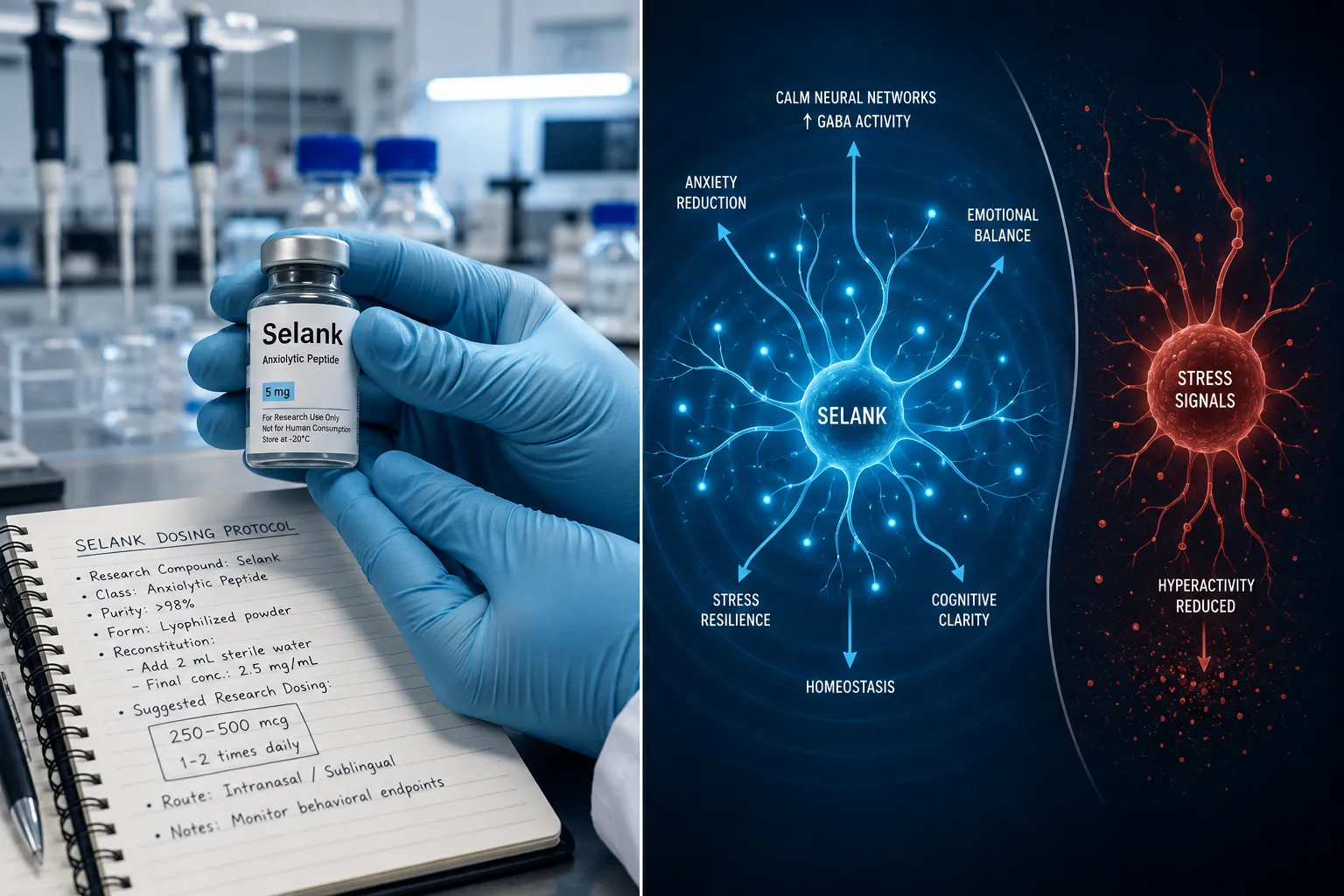
  • Intranasal: 250-500 mcg, two to three times daily
  • Subcutaneous: 250-500 mcg, once daily
  • Cycle length: 14-21 days with equal or longer rest periods

Stability and storage considerations:
Lyophilized Selank should be stored at -20 degrees Celsius. Once reconstituted, refrigeration at 4 degrees Celsius is standard, with use within 30 days recommended to preserve peptide integrity.

Sourcing and purity:
Purity verification is non-negotiable in research contexts. Labs should request HPLC and mass spectrometry data from suppliers. Reviewing quality testing protocols is a practical starting point for evaluating vendor documentation.

For researchers comparing Selank to other neuropeptides in research panels, resources on Epithalon longevity signals and Thymalin thymus bioregulation offer useful contrast cases in bioregulatory peptide research.

Researchers should also review the documented Selank side effects profile before designing protocols, as understanding the safety boundary conditions is essential for responsible preclinical work.

Regulatory note: Selank is not FDA-approved. In the United States, it is restricted to research use only and may not be administered to humans outside of appropriately authorized clinical trial frameworks.


Conclusion

Selank occupies a distinctive position in neuropeptide research. Its GABA-A allosteric modulation provides a mechanistically clean model for studying anxiolytic signaling without confounding sedative effects. Its neuroimmune gene-expression activity opens parallel lines of inquiry into stress-immune feedback. And its BDNF and monoamine effects make it relevant to cognitive and neuroplasticity research as well.

Actionable next steps for researchers:

  1. Define the primary endpoint clearly: anxiety-pathway modulation, neuroimmune gene expression, or cognitive markers.
  2. Select administration route based on the model system and bioavailability requirements.
  3. Verify peptide purity through HPLC and mass spectrometry documentation before beginning any protocol.
  4. Design cycle lengths of 14-21 days with adequate washout periods to allow meaningful between-group comparisons.
  5. Cross-reference findings with parallel bioregulatory peptide literature to contextualize results.

As research into neuropeptides and stress biology matures, Selank remains a well-positioned subject for labs seeking compounds with multi-pathway activity and an established, if limited, clinical record.

https://www.puretestedpeptides.com/wp-content/uploads/2026/06/Selank-Peptide-Research-Anxiety-Related-Pathways-Neuroimmune-Signaling-and-Practical-Lab-Questions.png 1024 1536 Pure Tested https://www.puretestedpeptides.com/wp-content/uploads/2026/01/buy-peptides-online.jpg Pure Tested2026-06-05 13:36:302026-07-20 15:03:54Selank Peptide Research: Anxiety-Related Pathways, Neuroimmune Signaling, and Practical Lab Questions
×

Helpful Links

  • My account
  • Cart
  • Checkout
  • Refund and Returns Policy
  • Privacy Policy
  • SMS Privacy Policy
  • Login
  • My Account
  • Logout

USA Made Lab Tested Peptides

All products are sold for research, laboratory, or analytical purposes only, and are not for human consumption


Pure Tested Peptides is a chemical supplier. Pure Tested Peptides is not a compounding / chemical compounding facility as defined under 503A of the Federal Food, Drug, and Cosmetic act. Pure Tested Peptides is not an outsourcing facility as defined under 503B of the Federal Food, Drug, and Cosmetic act.

The statements made within this website have not been evaluated by the US Food and Drug Administration. The products we offer are not intended to diagnose, treat, cure or prevent any disease.

Human/Animal Consumption Prohibited. Laboratory/In-Vitro Experimental Use Only

Scroll to top Scroll to top Scroll to top