Call or Text 727-513-9780
  • Shopping Cart Shopping Cart
    0Shopping Cart
Pure Tested Peptides | America's most trusted Peptides for sale online
  • Peptides for sale
    • Oral Peptides for sale
      • Peptide Capsules for sale
      • BPC 157 Capsules 1000mcg
      • SLU-PP-332 Capsules | 1000 mcg
      • 5-Amino-1MQ 50mg Capsules
      • Tesofensine 500mcg
    • All Peptides for sale
    • Peptide Sprays
      • BPC 157 Nasal Spray Kit
      • BPC-157 TB500 Nasal Spray Kit
      • Semax Nasal Spray 10mg
      • Selank – Nasal Spray Kit – 10mg
      • Epithalon 50MG Nasal Spray Kit
      • Ipamorelin 10mg Nasal Spray
      • Klow Nasal Spray (BPC-157 + TB-500 + GHK-Cu + KPV) | 80mg
      • Hulk Nasal Spray Tesa / Ipa Blend 6/3 MG
      • Klow Nasal Spray
      • NAD + 500 mg Nasal Spray
      • PT-141 Nasal Spray Kit
    • GHRH Peptides
      • Ipa Peptides
      • CJC-1295 Peptides
        • CJC-1295 with DAC 5 mg
        • CJC-1295 without DAC 5 mg
        • CJC-1295 Ipa 10mg
      • Tesa Peptides
        • Tesa Peptide
        • Tesa 20 mg
    • GHK-Cu Peptides
      • All GHK-Cu Peptides
      • GHK-Cu 100mg
      • KLOW Peptide Blend – Buy KLOW blend online
    • BPC Peptides
      • All BPC Peptides
      • BPC-157
      • BPC-157 TB-500
      • BPC 157 capsules 1000mcg
    • SLU-PP-332 Peptides
      • All SLU-PP-332 Peptides
      • SLU-PP-332 5mg
    • GLP3 Peptides
      • GLP3-R
      • GLP3-R CAG 10mg
      • GLP3-R 20mg
    • PT-141 Peptides
      • PT-141 Peptides for sale
      • PT-141 10mg
      • PT-141 Nasal Spray
    • CAG Peptides
      • Lipo-C Peptide Blend
      • CAG 5mg
      • CAG 10mg
    • MOTS-C Peptides
      • MOTS-C Peptides for sale
      • MOTS-c peptide
      • MOTS-c 10mg *6 pack*
    • 5 Amino 1MQ Peptides
      • 5 Amino 1MQ Peptides for sale
      • 5-Amino-1MQ 50mg Capsules
      • 5-Amino-1MQ 5mg
    • Epithalon Peptides
      • Epithalon Peptides for sale
      • Epithalon 10mg
      • Epithalon 50mg
  • Shop
    • GLPs
      • 5-Amino-1MQ 50mg Capsules
      • 5-Amino-1MQ 5mg
      • GLP3-Reta
      • L-Carnitine 500mg/ml
      • Tesofensine 500mcg
      • SLU-PP-332 5mg
      • MOTS-c 10mg *6 pack*
    • Epithalon & BPC Peptides
      • Epithalon 10mg
      • Epithalon 50mg
      • BPC-157
      • BPC 157 capsules 1000mcg
      • BPC-157 TB-500
      • BPC-157 TB500 Nasal Spray Kit
      • BPC 157 Nasal Spray Kit
    • BPC TB-500 & NAD+ Peptides
      • NAD+ 500 mg
      • KLOW Peptide Blend – Buy KLOW blend online
      • GLOW Peptide Blend
      • TB 500 5mg
      • BPC 157 capsules 1000mcg – Supplement
      • BPC 157 Nasal Spray Kit
      • BPC-157
      • BPC-157 TB500 Nasal Spray Kit
      • BPC-157 TB-500
      • BPC 157 capsules 1000mcg
    • LL-37 Peptide
      • LL-37 10 mg
    • MOTS-C & Selank
      • MOTS-c peptide
      • Selank 10mg
    • GHK Peptides
      • GHK-Cu 100mg
      • GLOW Peptide Blend
      • KLOW Peptide Blend – Buy KLOW blend online
  • COAs
  • Wholesale
    • Wholesale Peptides for sale
  • PTP FAQ
  • Affiliates
    • Affiliate Program
    • Affiliate Signup
  • Contact
    • Contact Customer Service
    • Text Customer Support
  • About US
  • Shop all peptides
  • Login / Register Login / Register Page Link Login / Register Page Link
  • Click to open the search input field Click to open the search input field Search
  • Menu Menu

Tag Archive for: neuroprotective peptides

Semax Peptide Nasal Spray: Delivery Route, Brain-Penetration Questions, and Cognitive Research Models

Semax Peptide Nasal Spray: Delivery Route, Brain-Penetration Questions, and Cognitive Research Models

July 14, 2026/0 Comments/in Uncategorized/by

Only 0.093% of an administered dose reaches brain tissue per gram, yet that fraction is roughly nine times higher than what intravenous delivery achieves. That single data point sits at the center of every serious discussion about Semax peptide nasal spray: delivery route, brain-penetration questions, and cognitive research models, and it explains why researchers keep returning to intranasal administration as the preferred route for CNS-targeted peptide studies.

Key Takeaways

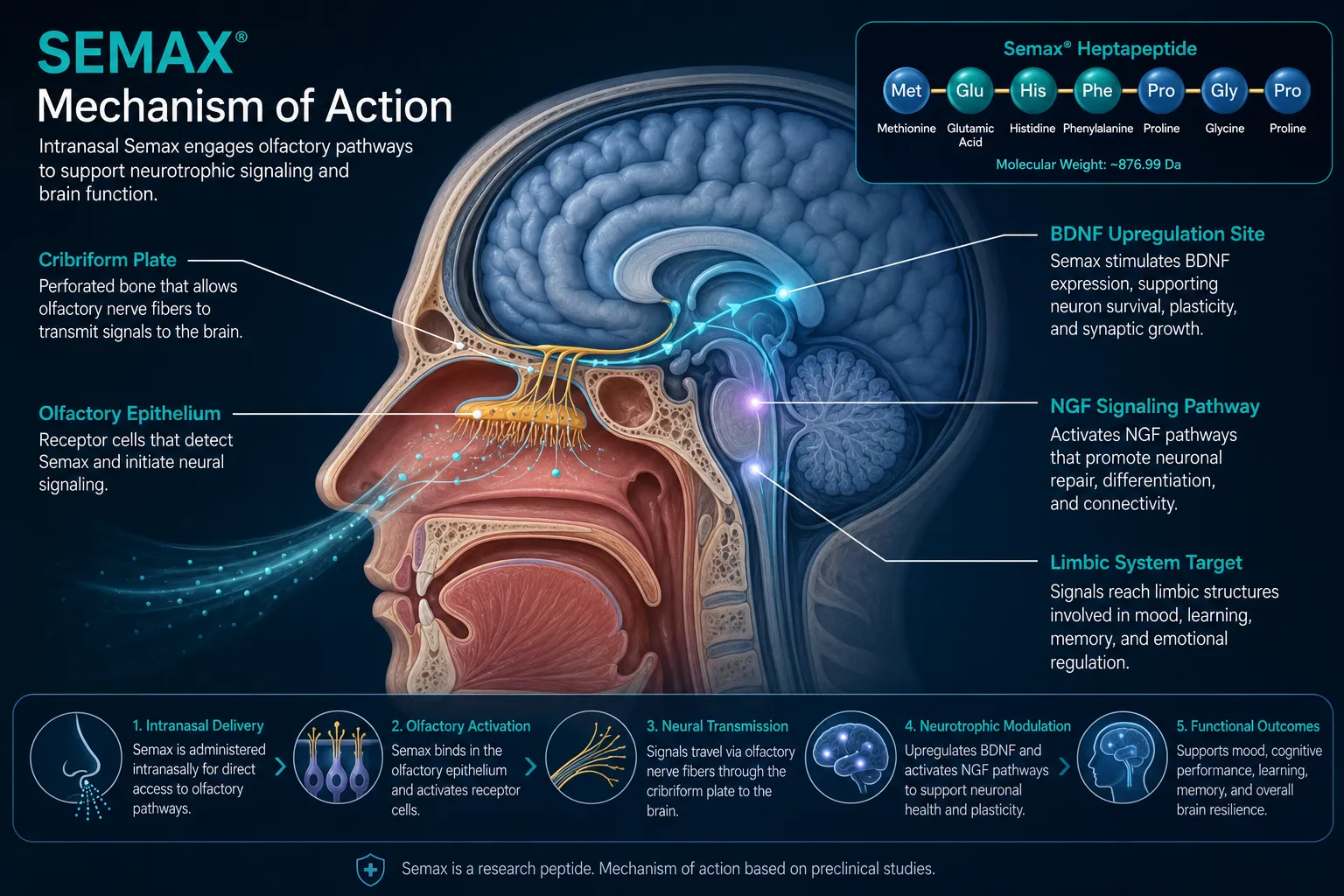
  • Semax reaches the brain primarily through olfactory and trigeminal nerve pathways, bypassing the blood-brain barrier (BBB).
  • Intranasal delivery produces roughly nine times greater brain tissue concentration than intravenous dosing in rodent models.
  • Approximately 80% of the peptide detected in brain tissue after intranasal dosing is intact Semax, not metabolites.
  • Cognitive research models focus on BDNF upregulation, neuroprotection, and attention-related endpoints.
  • Purity and sourcing quality remain critical variables when evaluating research outcomes across studies.

Key Takeaways

How the Delivery Route Works: Nose-to-Brain Pathways

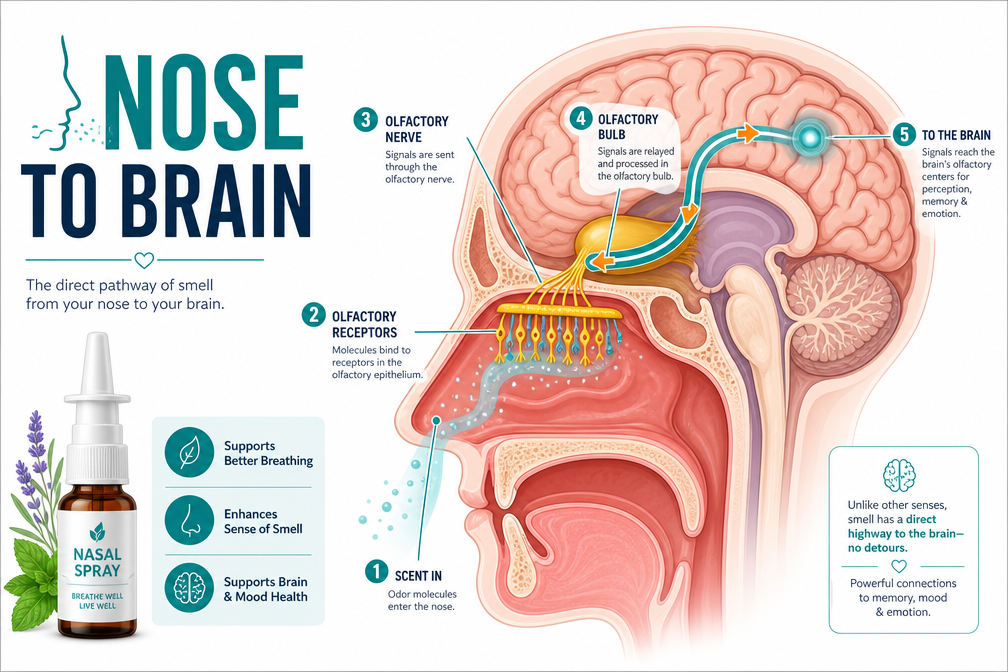
The core question behind Semax peptide nasal spray delivery route research is straightforward: can a peptide applied to nasal mucosa actually reach the central nervous system in meaningful concentrations? The answer, based on tritium-labeled rodent studies, is yes, but the mechanism matters.

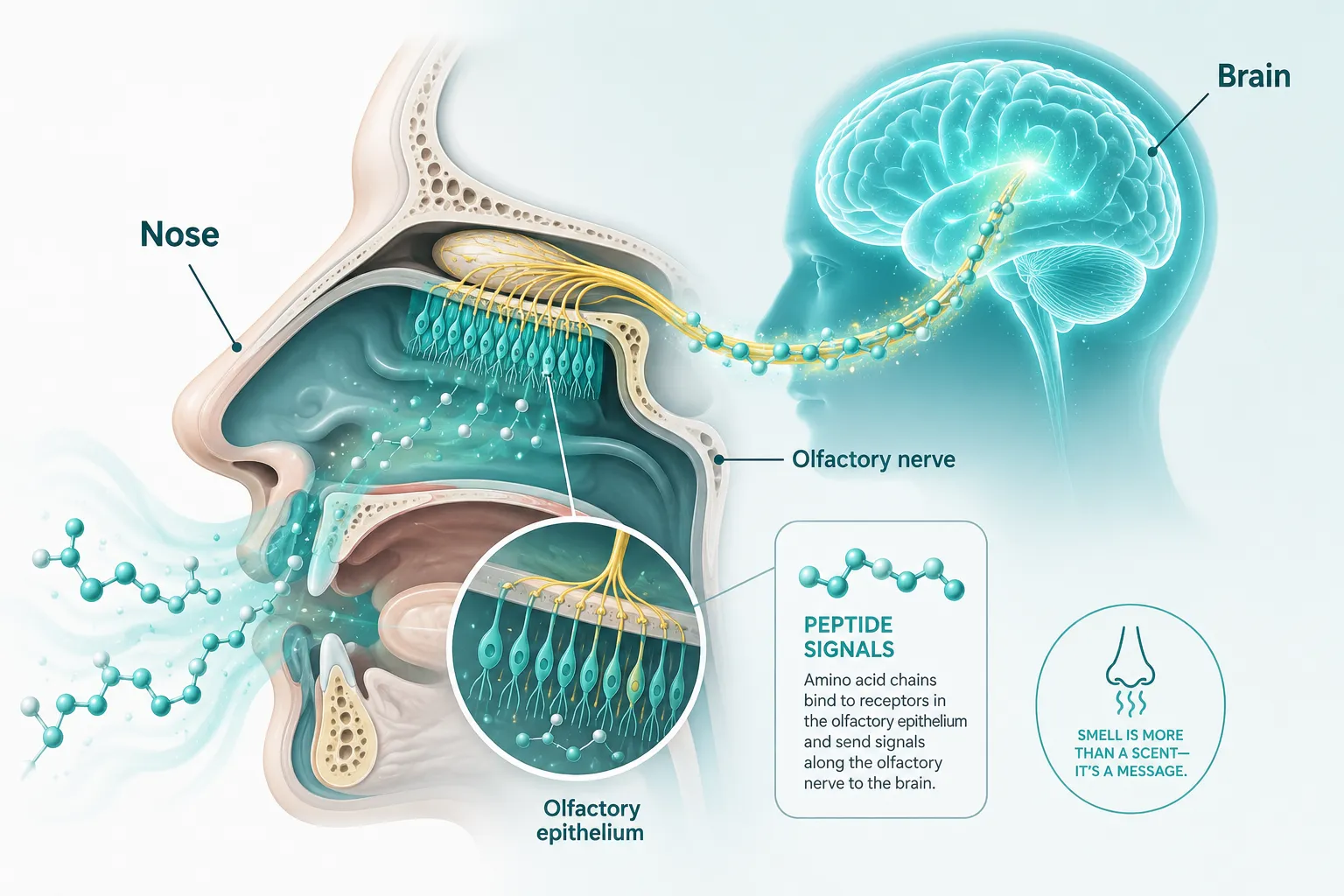
After intranasal application, Semax travels along two primary anatomical routes:

  • Olfactory pathway: The olfactory epithelium in the upper nasal cavity sits in direct proximity to the olfactory bulb. Peptides can move along olfactory sensory neurons into the brain without crossing the BBB.
  • Trigeminal pathway: Branches of the trigeminal nerve extend through the nasal cavity into brainstem regions, providing a second nerve-mediated transport corridor.

These pathways explain why nasal spray formulation is scientifically plausible for CNS delivery, not because the peptide floods the bloodstream and diffuses across the BBB, but because it essentially sidesteps it. This is a meaningful distinction for researchers designing studies, because systemic bioavailability and CNS bioavailability become partially decoupled.

For context on how other peptides use delivery-route optimization, the research on longevity peptide delivery models offers useful comparative framing.


Brain-Penetration Questions: What the Data Actually Show

Brain-Penetration Questions: What the Data Actually Show

The most-cited quantitative benchmark in Semax peptide nasal spray brain-penetration research comes from a rodent study using radiolabeled Semax. Two minutes after intranasal administration, 0.093% of total radioactivity per gram of brain tissue was detected. Crucially, about 80% of that signal represented intact peptide rather than breakdown metabolites, suggesting the molecule survives the nasal-to-brain transit in functional form.

By comparison, intravenous dosing produced only about 0.01% per gram of brain tissue under similar conditions. That roughly nine-fold difference is what makes intranasal delivery the dominant model in current Semax research.

Key caveats researchers should note:

Variable Research Implication
Absolute CNS fraction is small High-dose or repeated dosing may be needed to reach target concentrations
Rodent nasal anatomy differs from humans Direct extrapolation to human CNS penetration is not validated
Measurement window is narrow (2 min) Longer kinetic profiles are not fully characterized
Peptide purity affects intact-fraction data Low-purity samples may understate true penetration efficiency

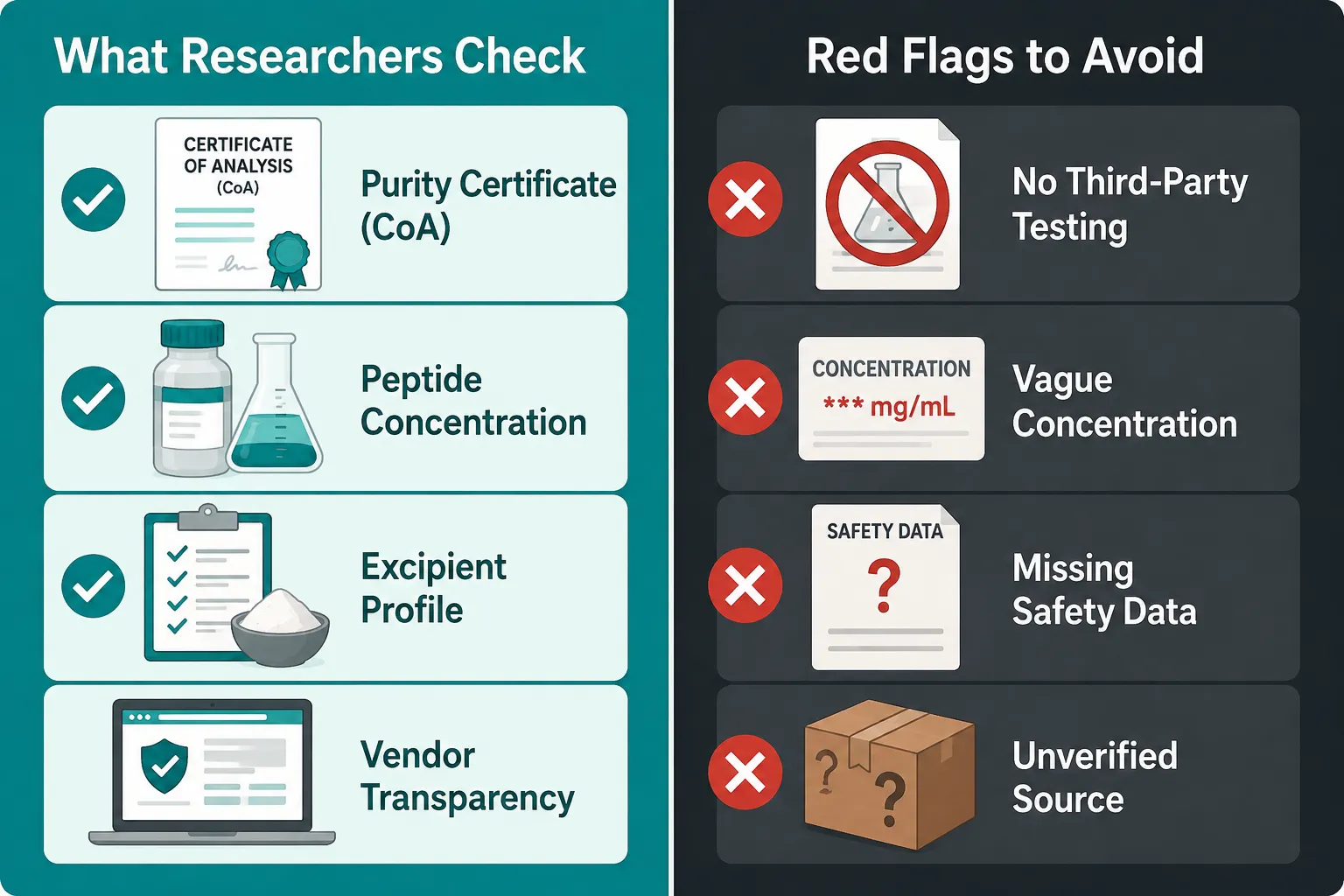
Purity is not a minor variable here. Research outcomes depend heavily on whether the compound used matches its stated sequence and concentration. Sourcing from lab-tested peptides with verified specifications is a foundational requirement for reproducible data.

For researchers exploring related neuroprotective peptide questions, the work on Epithalon and aging-support mechanisms provides relevant comparative context.


Cognitive Research Models and Endpoints

Cognitive Research Models and Endpoints

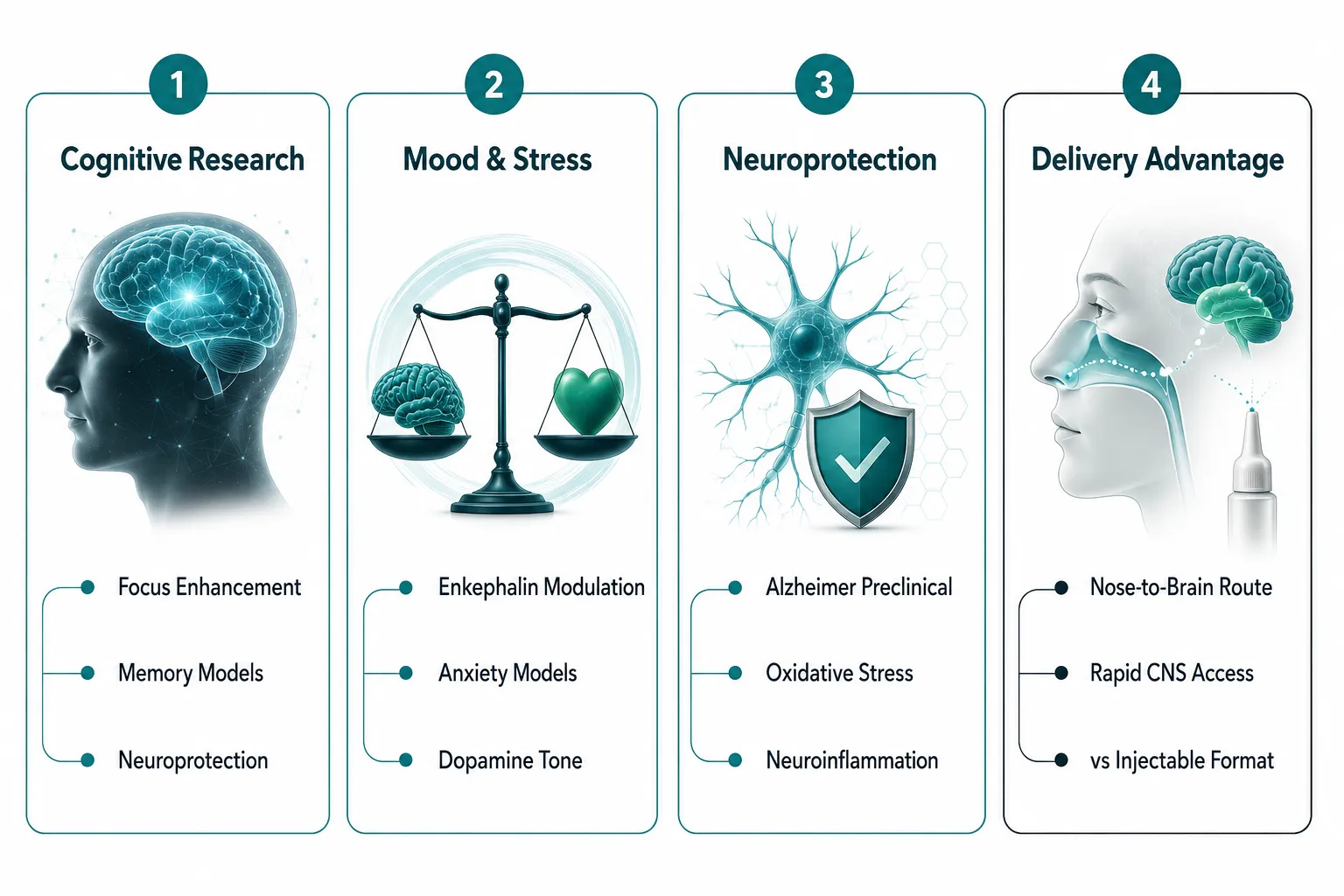
Understanding Semax cognitive research models requires clarity about what endpoints investigators are actually measuring. The peptide is a synthetic heptapeptide analogue of ACTH(4-10), and its proposed cognitive effects are primarily linked to:

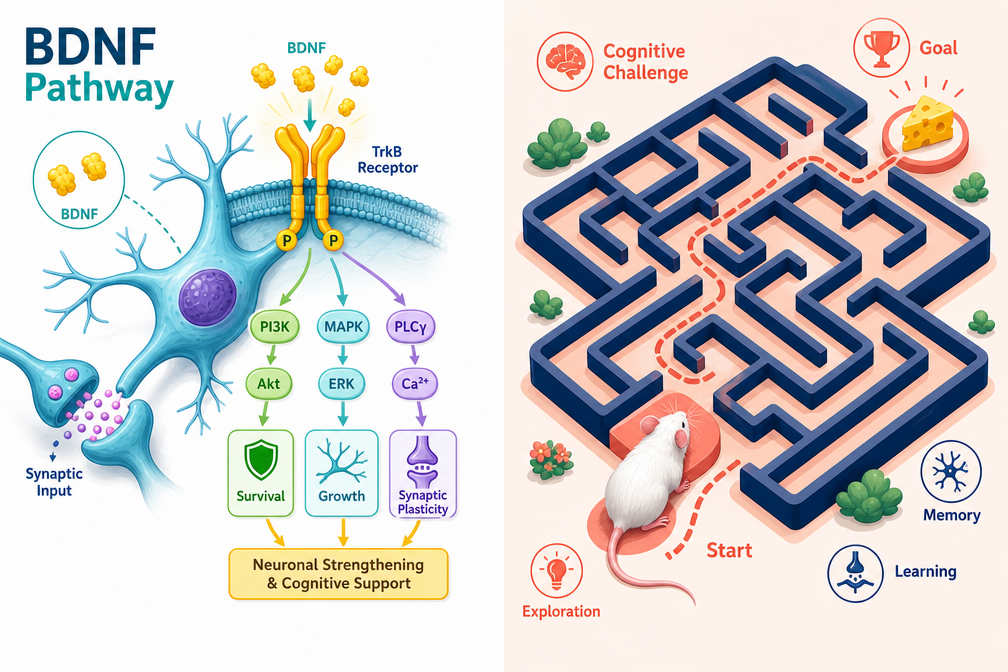
  • BDNF (Brain-Derived Neurotrophic Factor) upregulation in hippocampal and cortical regions
  • Dopaminergic and serotonergic tone modulation, relevant to attention and working memory tasks
  • Neuroprotective effects in ischemia and oxidative stress models

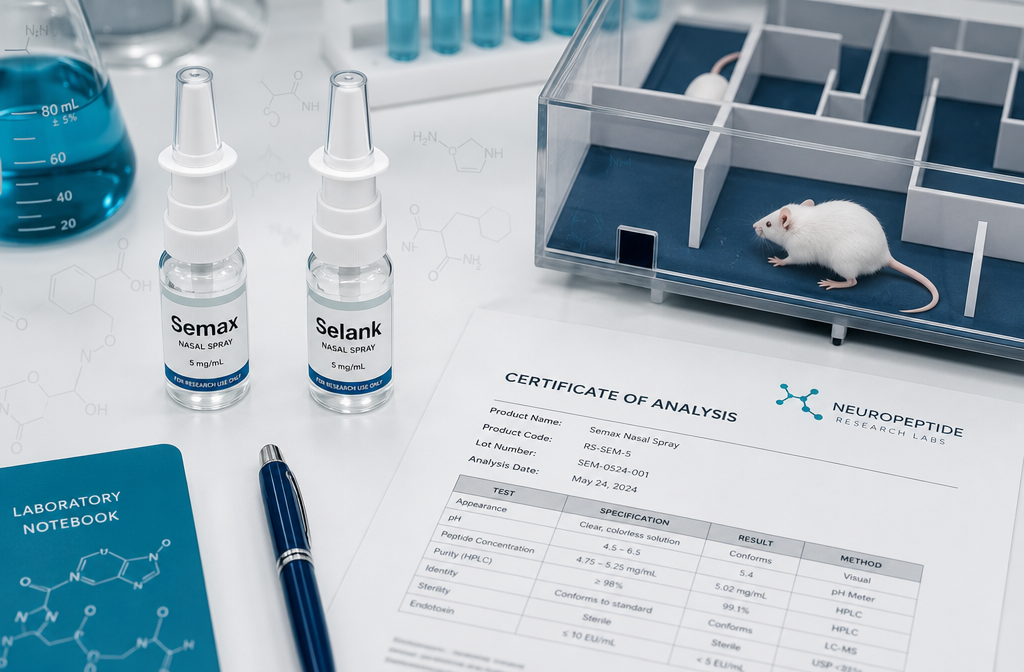
Rodent maze studies, including Morris water maze and radial arm maze protocols, have been used to assess spatial memory and learning retention after Semax administration. These models are well-validated for detecting BDNF-mediated cognitive changes, making them appropriate for Semax research design.

Researchers interested in how other peptides interact with similar neurological pathways may find value in reviewing what is new in peptide research for emerging study designs.

For metabolic peptide comparisons that share overlapping research infrastructure, AOD9604 metabolic research and CJC-1295 muscle research themes offer useful methodological parallels.


Conclusion

The science behind Semax peptide nasal spray: delivery route, brain-penetration questions, and cognitive research models is more nuanced than simple "it crosses the BBB" claims suggest. The olfactory and trigeminal nerve pathways provide a legitimate, data-supported mechanism for CNS access. The nine-fold advantage over intravenous delivery is real, but the absolute fraction reaching brain tissue remains small, and human extrapolation requires caution.

Actionable next steps for researchers in 2026:

  1. Prioritize verified, high-purity Semax from best peptide manufacturers to ensure intact-peptide fractions reflect true compound quality.
  2. Design studies with kinetic windows beyond two minutes to capture fuller CNS distribution profiles.
  3. Use BDNF-sensitive behavioral endpoints (maze models, attention tasks) to align with the most mechanistically supported cognitive pathways.
  4. Treat rodent-to-human extrapolation as a hypothesis, not a conclusion, until nasal anatomy differences are formally modeled.

The intranasal delivery model for Semax is scientifically credible. Rigorous study design is what converts credibility into reproducible, publishable data.

https://www.puretestedpeptides.com/wp-content/uploads/2026/07/semax-peptide-nasal-spray-delivery-route-brain-penetration-questions-and-cogniti.png 672 1008 https://www.puretestedpeptides.com/wp-content/uploads/2026/01/buy-peptides-online.jpg 2026-07-14 13:05:052026-07-14 13:05:05Semax Peptide Nasal Spray: Delivery Route, Brain-Penetration Questions, and Cognitive Research Models
Selank Peptide Research Guide: Anxiolytic Signaling, Stress Pathways, and Experimental Endpoints

Selank Peptide Research Guide: Anxiolytic Signaling, Stress Pathways, and Experimental Endpoints

July 9, 2026/0 Comments/in Uncategorized/by

Russian regulatory authorities approved Selank as a prescription anxiolytic nasal spray back in 2009, nearly two decades before most Western researchers began mapping its full mechanistic profile. That gap between clinical adoption and systematic research design is exactly what this Selank Peptide Research Guide: Anxiolytic Signaling, Stress Pathways, and Experimental Endpoints aims to address. For investigators planning preclinical or observational studies, understanding which signaling nodes Selank engages, and which endpoints best capture those effects, is the foundation of sound experimental design.

Key Takeaways

  • Selank is a synthetic heptapeptide derived from tuftsin that modulates GABA-A receptors, enkephalin systems, and BDNF expression simultaneously.
  • Russian clinical data reports 50-70% reductions in Hamilton Anxiety Rating Scale scores after a 14-day intranasal regimen.
  • Unlike benzodiazepines, Selank produces anxiolytic effects without sedation, tolerance, or withdrawal risk in available study data.
  • Investigators should track behavioral, neuroendocrine, immunological, and cognitive endpoints concurrently for a complete mechanistic picture.
  • As of 2026, Selank remains unapproved by the FDA and is classified as a research peptide outside Russia.

Mechanistic Foundations for the Selank Peptide Research Guide

GABA-A receptor and enkephalin pathway Selank signaling diagram

Selank (Thr-Lys-Pro-Arg-Pro-Gly-Pro) is a synthetic analog of the endogenous immunopeptide tuftsin. Its anxiolytic activity stems from at least three converging mechanisms that researchers should account for when designing experiments.

1. GABA-A Allosteric Modulation

Selank interacts with GABA-A receptors in an allosteric manner, potentiating inhibitory neurotransmission. Critically, this action does not appear to involve the benzodiazepine binding site, which explains the absence of sedation and dependence signals seen in preclinical data. Researchers comparing Selank to classical anxiolytics should include receptor-binding displacement assays to characterize this distinction.

2. Enkephalin System Engagement

Selank inhibits enzymes responsible for degrading enkephalins, endogenous opioid peptides that modulate stress responses and pain perception. By prolonging enkephalin activity, the peptide extends inhibitory tone across limbic circuits. This pathway is a strong candidate for endpoint monitoring through plasma enkephalin quantification.

3. BDNF Upregulation

Studies show increased brain-derived neurotrophic factor (BDNF) expression in the hippocampus and prefrontal cortex following Selank administration. Both regions are central to emotional regulation and working memory. BDNF levels measured via ELISA in serum or cerebrospinal fluid represent a direct biomarker for this pathway.

"Selank engages anxiolytic, neuroprotective, and immunomodulatory pathways in parallel, a profile that demands multi-endpoint experimental designs rather than single-outcome studies."

Researchers exploring multi-target peptides may also find value in reviewing the BPC-157 core peptides documentation and first research guide for comparative mechanistic context.


Stress Pathways and Anxiolytic Signaling in Selank Research

Laboratory stress pathway research tools and Hamilton Anxiety Scale data

Selank's influence on stress biology extends beyond receptor-level activity. The peptide modulates the balance between monoamine neurotransmitter systems and the enkephalin axis, creating a broad-spectrum dampening effect on stress-related neural circuits.

Immunomodulatory Dimension

Because Selank is structurally derived from tuftsin, it retains meaningful immunomodulatory properties. Research indicates effects on cytokine production profiles, including modulation of interleukin expression. This adds an inflammatory-stress layer to the peptide's profile that is often overlooked in purely behavioral studies.

Dosing Parameters for Research Protocols

Intranasal administration is the most studied delivery route, with doses typically ranging from 250 to 750 micrograms per day. Onset of measurable behavioral effects occurs within 10-15 minutes, with duration of approximately 3-4 hours. These pharmacokinetic characteristics make Selank well-suited for acute stress-challenge paradigms.

For researchers interested in how other peptides intersect with stress and cognitive function, the Selank stress and cognition research overview provides useful comparative framing. Additionally, investigators studying neuroactive peptide blends may find the peptide blends research catalog a practical reference for designing multi-compound protocols.


Experimental Endpoints: Building a Complete Research Framework

Selank experimental endpoint dashboard with anxiety scale and biomarker data

A rigorous Selank Peptide Research Guide must specify which endpoints to monitor and why. The table below organizes recommended endpoints by category.

Endpoint Category Specific Measure Relevance
Behavioral Hamilton Anxiety Rating Scale (HAM-A) Primary anxiolytic efficacy measure
Neurochemical Plasma enkephalin levels, GABA turnover Mechanistic pathway confirmation
Neurotrophic Serum or CSF BDNF concentration Neuroprotective and cognitive endpoints
Immunological Cytokine panel (IL-6, TNF-alpha) Immunomodulatory tuftsin-derived activity
Cognitive Learning and memory task performance BDNF-linked cognitive enhancement

Cognitive and Neuroprotective Endpoints

Beyond anxiety reduction, Selank has demonstrated improvements in learning and memory task performance in research settings. Given its BDNF upregulation activity, investigators should include validated cognitive battery tests alongside anxiety measures. The neuroprotective angle is particularly relevant for research designs exploring neurodegenerative models.

Comparison Arm Considerations

When designing controlled studies, including a benzodiazepine comparator arm is scientifically valuable. Russian clinical trials using this design reported 50-70% reductions in HAM-A scores with Selank over 14 days, results comparable to benzodiazepine arms but without sedation or withdrawal signals. Sedation scales and withdrawal symptom checklists should therefore be included as safety endpoints even when no effect is expected.

Researchers working across neuroactive peptide categories may also benefit from reviewing PT-141 neural and metabolic research themes and NAD+ energetics and longevity research themes for broader CNS and metabolic endpoint frameworks. For those focused on purity and sourcing standards, peptide purity testing explained is an essential resource before initiating any protocol.


Conclusion

The Selank Peptide Research Guide: Anxiolytic Signaling, Stress Pathways, and Experimental Endpoints outlined here gives investigators a structured foundation for moving from mechanistic curiosity to disciplined experimental design. The key actionable steps are clear: map your study to at least three endpoint categories (behavioral, neurochemical, and immunological), use intranasal delivery within the established 250-750 mcg daily range for consistency with existing literature, and include a benzodiazepine comparator arm where feasible to generate comparative safety data. Researchers should also account for Selank's dual role as both an anxiolytic and a cognitive modulator, single-outcome designs will underreport its full research value. As 2026 brings growing interest in neuroactive peptides, well-designed Selank studies have the potential to fill meaningful gaps in the Western research literature.

https://www.puretestedpeptides.com/wp-content/uploads/2026/07/Selank-Peptide-Research-Guide-Anxiolytic-Signaling-Stress-Pathways-and-Experimental-Endpoints.png 1024 1536 https://www.puretestedpeptides.com/wp-content/uploads/2026/01/buy-peptides-online.jpg 2026-07-09 13:18:292026-07-09 13:18:29Selank Peptide Research Guide: Anxiolytic Signaling, Stress Pathways, and Experimental Endpoints
Best Research Peptides for Enhanced Cognitive Function: A Comparative Review

Best Research Peptides for Enhanced Cognitive Function: A Comparative Review

July 3, 2026/0 Comments/in Uncategorized/by

{"cover":"Professional landscape format (1536×1024) hero image with bold text overlay: 'Best Research Peptides for Cognitive Function: A Comparative Review' in extra large 72pt white bold sans-serif font with deep shadow effect, centered upper-third composition. Background features a stunning macro visualization of neural synaptic connections rendered in electric blue and gold against a dark navy backdrop, with subtle molecular peptide chain structures floating in the foreground. Color palette: deep navy, electric blue, gold accents. Magazine cover aesthetic, editorial quality, high contrast, cinematic depth of field.","content":["Detailed landscape format (1536×1024) scientific illustration showing side-by-side molecular structure comparison of Semax and Selank peptides as glowing 3D ribbon diagrams in blue and amber tones, with labeled arrows pointing to BDNF and NGF receptor binding sites on a stylized neuron cross-section. Dark background with faint brain scan imagery. Clean laboratory aesthetic, research journal quality, with subtle text labels 'Semax' and 'Selank' in white sans-serif. Cognitive peptide research theme, high detail.","Landscape format (1536×1024) overhead flat-lay composition of a research laboratory bench showing multiple peptide vials arranged in a comparison grid, each labeled with peptide names including Dihexa, Cerebrolysin, Pinealon, and PE-22-28. A researcher's gloved hand holds a pipette over a test tube. Warm clinical lighting, teal and white color palette, with a blurred brain MRI scan visible on a lightbox in the background. Scientific research quality, editorial photography style, sharp focus on vials.","Landscape format (1536×1024) infographic-style visualization showing a decision flowchart for selecting cognitive research peptides, with branching pathways from 'Research Goal' through nodes labeled 'Neuroprotection', 'Synaptogenesis', 'Anxiety Reduction', and 'Neurogenesis'. Each node features a small peptide name badge in contrasting colors. Background is a clean white-to-light-gray gradient with subtle hexagonal molecular pattern overlay. Bold sans-serif typography, professional data visualization aesthetic, teal and charcoal color scheme."}

Professional landscape hero image () with : "Best Research Peptides for Enhanced Cognitive Function: A Comparative Review".

Fewer than 15% of adults consistently perform at their cognitive peak under real-world stress conditions, yet a growing body of preclinical and clinical research suggests that certain bioactive peptides may directly address the neurobiological gaps responsible for that shortfall. This comparative review of the best research peptides for enhanced cognitive function examines the leading compounds, their mechanisms, and what current evidence actually supports.

Key Takeaways

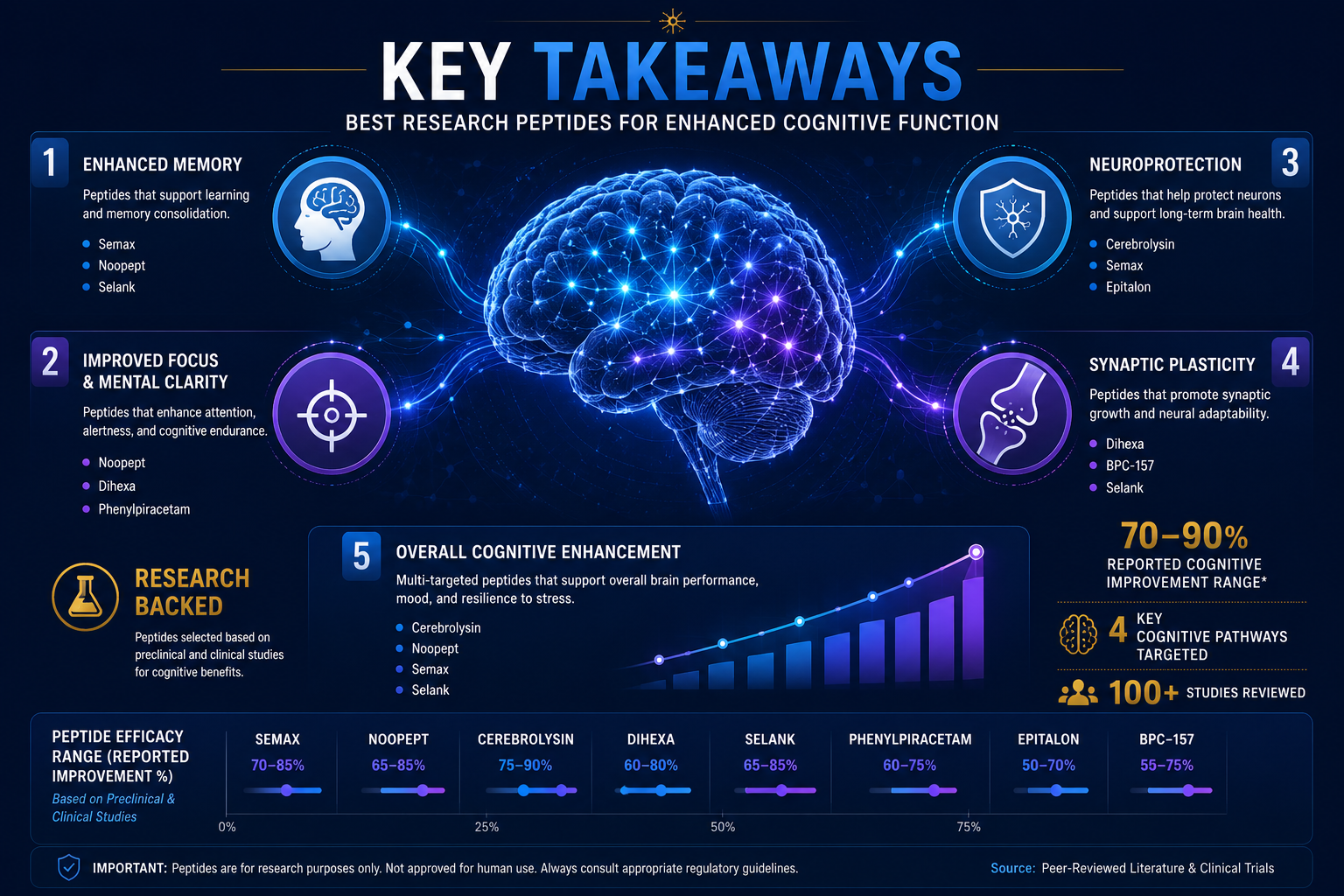
  • Semax and Selank are the most clinically documented cognitive peptides, operating through complementary but distinct mechanisms involving BDNF, NGF, and GABAergic pathways.
  • Emerging compounds such as Dihexa, PE-22-28, and Pinealon show strong preclinical promise but lack extensive human safety data.
  • No cognitive peptide currently holds FDA approval for use in healthy adults; most human data originates from Russian clinical research.
  • Purity and sourcing quality are critical variables that directly affect research reliability and reproducibility.
  • Combining peptides with non-overlapping mechanisms, such as Semax and Selank, is a common research strategy for broader cognitive coverage.

Key Takeaways

Semax and Selank: The Benchmark Pair in Cognitive Peptide Research

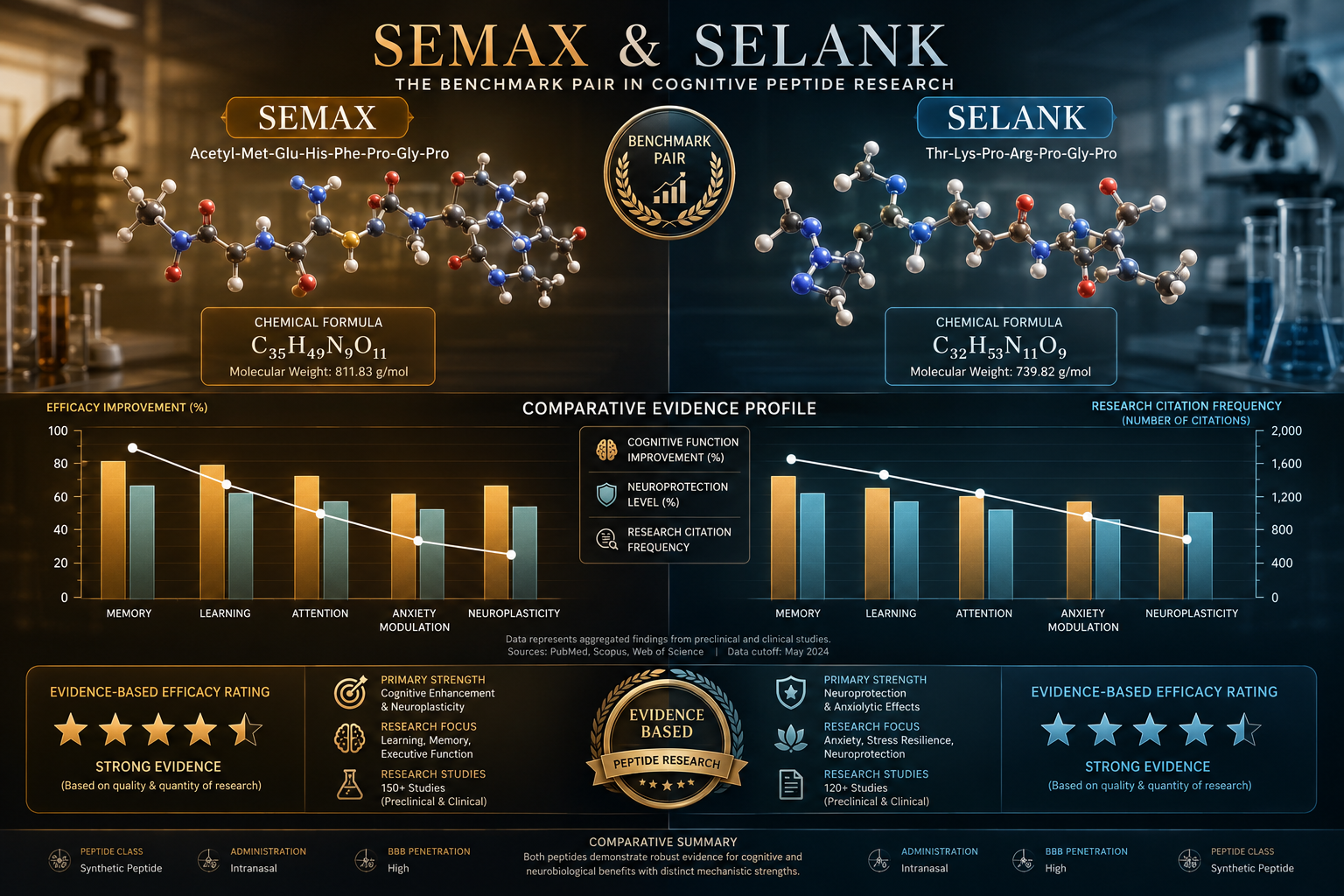
When evaluating the best research peptides for enhanced cognitive function in a comparative review, Semax consistently ranks at the top of the evidence hierarchy. Approved in Russia for stroke recovery and cognitive disorders, Semax is a synthetic heptapeptide derived from ACTH(4-10). Its primary mechanism involves upregulating Brain-Derived Neurotrophic Factor (BDNF) and Nerve Growth Factor (NGF), two proteins essential for neuronal survival, synaptic plasticity, and memory consolidation.

Selank complements Semax through a fundamentally different pathway. Rather than boosting neurotrophic factors directly, Selank modulates GABAergic transmission and enkephalin metabolism, reducing anxiety-driven cognitive interference. This makes the Semax-Selank combination particularly relevant in research models where stress-induced cognitive impairment is a variable.

"The Semax-Selank pairing is widely studied precisely because their mechanisms do not overlap, one builds neural infrastructure while the other clears the psychological noise that disrupts it."

For researchers interested in anxiety-adjacent cognitive research, reviewing Selank side effects and research considerations provides important context before designing protocols.


Semax and Selank: The Benchmark Pair in Cognitive Peptide Research

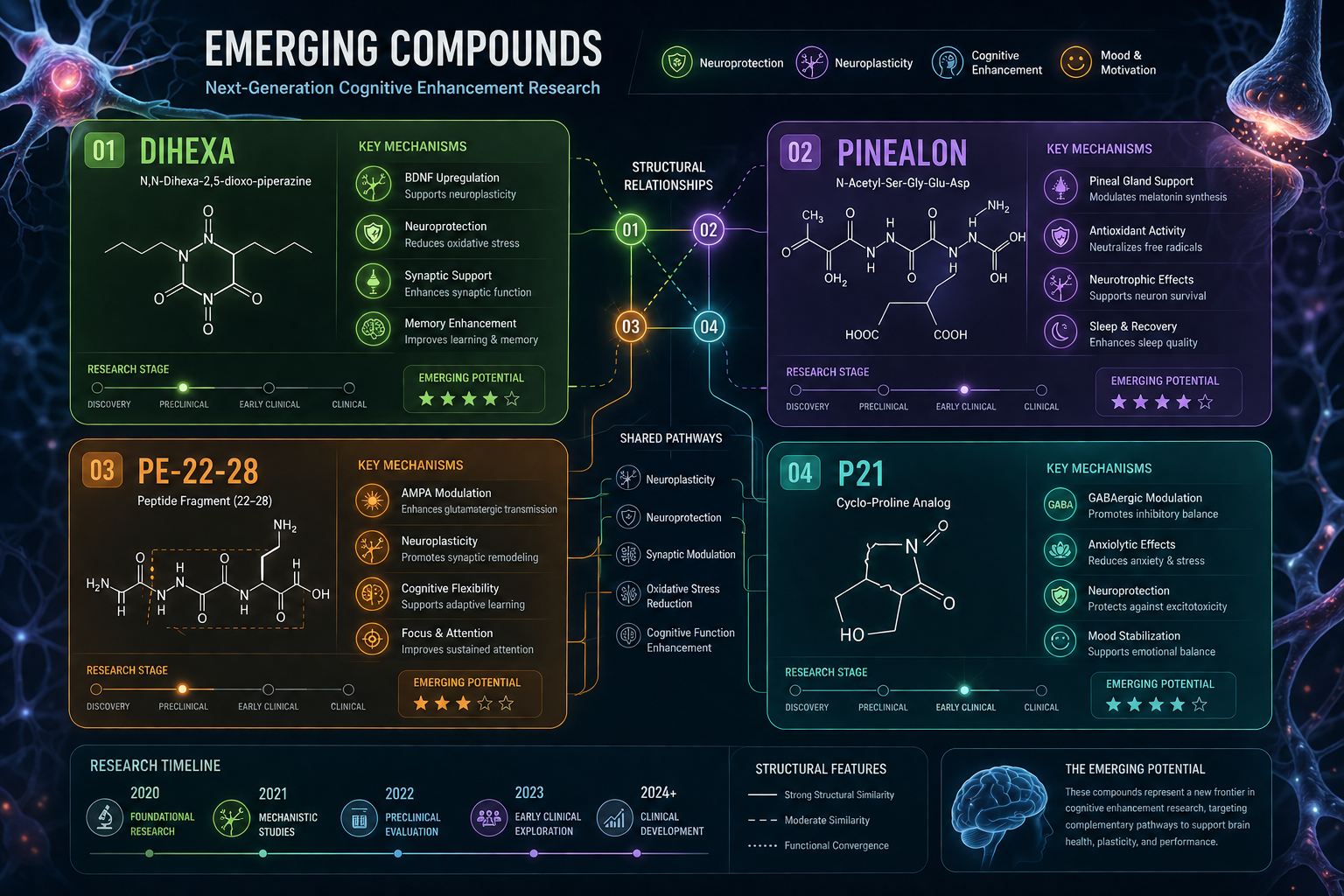
Emerging Compounds: Dihexa, Pinealon, PE-22-28, and P21

The landscape of cognitive peptide research extends well beyond the Semax-Selank pair. Several newer compounds are generating significant preclinical interest.

Dihexa is perhaps the most discussed emerging synaptogenic peptide. It promotes synapse formation at concentrations far lower than traditional neurotrophic factors, with preclinical data suggesting substantial improvements in memory and learning tasks. However, human safety data remains limited, making it strictly a research compound at this stage.

Pinealon, a synthetic tripeptide (Glu-Asp-Arg), has been studied for neuroprotective effects in traumatic brain injury models and age-related memory decline. Its small size allows efficient cellular penetration, and early studies suggest it may support memory consolidation through epigenetic mechanisms.

PE-22-28, a shortened analog of spadin, functions as a TREK-1 potassium channel blocker. By inhibiting this channel, PE-22-28 promotes hippocampal neurogenesis and synaptogenesis, two processes directly tied to long-term memory formation. Its targeted mechanism makes it a compelling subject for future cognitive research.

P21, derived from ciliary neurotrophic factor (CNTF), shows preclinical promise for promoting neurogenesis and protecting against neurodegeneration. Early animal studies indicate potential cognitive benefits, though the compound requires significantly more investigation.

A 2026 study published in Food Chemistry added further depth to this field, identifying five novel peptides from porcine brain hydrolysates, including FPLHP and WGQKPW, that enhance memory by targeting Keap1, p38α, AChE, and BACE1 simultaneously.

For researchers exploring neuroprotective peptides alongside cognitive compounds, humanin and cellular protection research and epithalon peptide research offer relevant mechanistic parallels.


Peptide Primary Mechanism Evidence Level Human Data
Semax BDNF/NGF upregulation High (clinical) Yes (Russia)
Selank GABAergic/enkephalin modulation Moderate-High Yes (Russia)
Dihexa Synaptogenesis promotion Moderate (preclinical) Limited
Pinealon Epigenetic neuroprotection Early preclinical Minimal
PE-22-28 TREK-1 channel blockade Early preclinical None confirmed
P21 CNTF-derived neurogenesis Early preclinical None confirmed

Sourcing, Purity, and Research Protocol Considerations

Any meaningful comparative review of the best research peptides for enhanced cognitive function must address a variable that often receives insufficient attention: peptide purity. Impure compounds introduce confounding variables that invalidate results and create safety concerns in research settings.

Researchers should prioritize suppliers that provide third-party verified purity documentation. Understanding peptide purity testing standards is a foundational step before any cognitive peptide protocol begins. Similarly, understanding reference standards and benchmarking practices ensures that experimental results can be meaningfully compared across studies.

Delivery method also matters. Semax and Selank are typically administered intranasally in research settings, which bypasses first-pass metabolism and allows direct CNS access. Advances in innovative peptide delivery systems are expanding options for researchers working with less bioavailable compounds.

It is also worth noting that none of these peptides hold FDA approval for cognitive enhancement in healthy adults. The most robust human data originates from Russian clinical research, which has not yet been fully replicated in Western randomized controlled trials. Researchers should treat all findings as preliminary until that replication gap is closed.


Sourcing, Purity, and Research Protocol Considerations

Conclusion

The best research peptides for enhanced cognitive function represent a scientifically compelling but still-evolving field. Semax remains the gold standard based on clinical evidence, while Selank provides a complementary anxiolytic mechanism that makes the pair greater than the sum of its parts. Emerging compounds, Dihexa, Pinealon, PE-22-28, and P21, offer intriguing preclinical signals that warrant rigorous follow-up research.

Actionable next steps for researchers:

  • Prioritize compounds with the strongest evidence base (Semax, Selank) before exploring newer analogs.
  • Verify peptide purity through third-party testing before initiating any protocol.
  • Design studies that account for stress variables, where Selank's anxiolytic properties may be a confounding or complementary factor.
  • Monitor the replication of Russian clinical data in Western trials, this will be the defining development for the field in the coming years.
  • Explore neuroendocrine and innate immunity research for broader context on how peptide systems interact with cognitive pathways.

The science is advancing rapidly. Staying current with high-quality sourcing and evidence standards will separate meaningful research from noise.

https://www.puretestedpeptides.com/wp-content/uploads/2026/07/Best-Research-Peptides-for-Enhanced-Cognitive-Function-A-Comparative-Review.png 1024 1536 https://www.puretestedpeptides.com/wp-content/uploads/2026/01/buy-peptides-online.jpg 2026-07-03 13:04:422026-07-03 13:04:42Best Research Peptides for Enhanced Cognitive Function: A Comparative Review
Semax and Selank Peptide Nasal Sprays: Comparative Mechanisms in Neurotrophic and Anxiolytic Research

Semax and Selank Peptide Nasal Sprays: Comparative Mechanisms in Neurotrophic and Anxiolytic Research

June 7, 2026/0 Comments/in Uncategorized/by

Two synthetic heptapeptides developed at the Russian Academy of Sciences have drawn sustained attention in preclinical neuroscience: Semax and Selank. Despite sharing a seven-amino-acid backbone and the same intranasal delivery route, their downstream effects diverge sharply — one drives neurotrophin expression, the other recalibrates GABAergic tone. Understanding this divergence is central to Semax and Selank peptide nasal sprays: comparative mechanisms in neurotrophic and anxiolytic research.

Key Takeaways

  • Semax is an ACTH(4-10) analog that upregulates BDNF and NGF, supporting cognitive and neuroprotective research models.
  • Selank is derived from the immunomodulatory peptide tuftsin and modulates GABAergic signaling without direct receptor binding.
  • Intranasal delivery bypasses first-pass metabolism, enabling rapid CNS uptake in animal research models.
  • Both peptides carry favorable preclinical safety profiles, but large-scale Western-standard trials remain limited.
  • Regulatory status differs by jurisdiction; researchers should verify current compliance requirements before sourcing.

Key Takeaways

Structural Origins and Mechanistic Divergence

Both peptides are heptapeptides, yet their parent sequences define entirely different pharmacological identities.

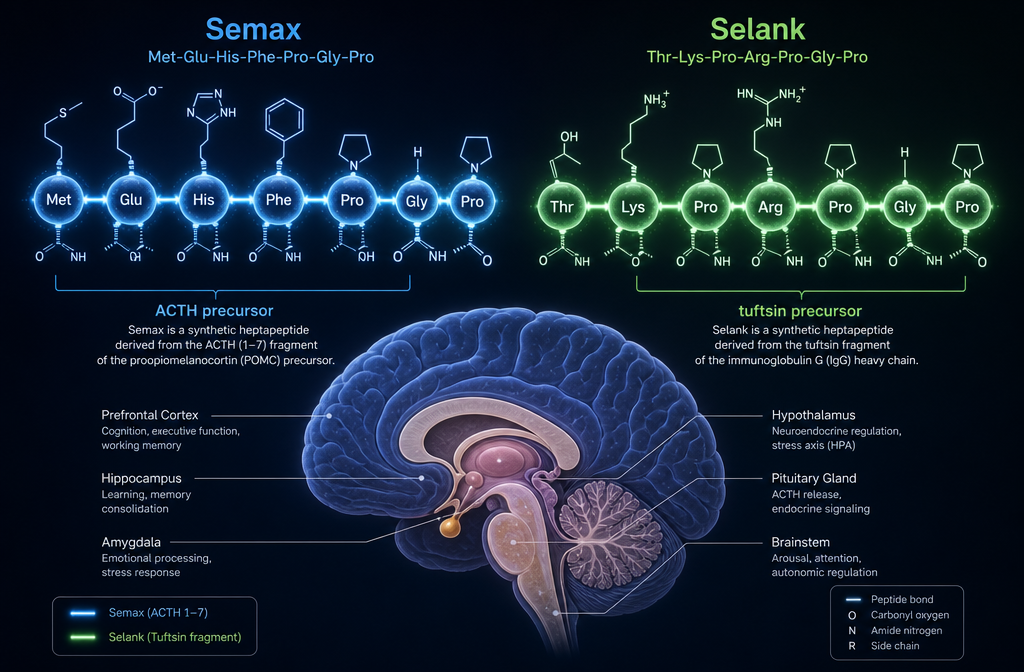
Semax (Met-Glu-His-Phe-Pro-Gly-Pro) is a synthetic analog of the ACTH(4-10) fragment. Its primary research interest lies in neurotrophin modulation. Preclinical data from rat glial cultures show that Semax rapidly induces BDNF mRNA expression approximately eight-fold and NGF mRNA approximately five-fold within hours of administration. These upregulations are believed to underlie the peptide's cognitive-enhancing and neuroprotective properties, making it a focus in stroke and ischemic injury models. In Russia, it holds approved status for ischemic stroke and transient ischemic attacks.

Selank (Thr-Lys-Pro-Arg-Pro-Gly-Pro) descends from tuftsin, a naturally occurring immunomodulatory tetrapeptide. Rather than driving neurotrophin synthesis, Selank modulates the GABAergic system by increasing expression of genes encoding GABA-A receptor subunits in the hippocampus and prefrontal cortex. Critically, it does not directly bind GABA-A receptors. Instead, it enhances receptor sensitivity to endogenous GABA — a mechanism that produces anxiolytic effects without the sedation, dependence, or withdrawal risks associated with benzodiazepines. Selank is registered in Russia for generalized anxiety disorder.

Feature Semax Selank
Parent sequence ACTH(4-10) Tuftsin
Primary mechanism BDNF/NGF upregulation GABAergic modulation
Key research area Neuroprotection, cognition Anxiety, stress response
Sedation risk Minimal None reported
Russian approval Ischemic stroke Generalized anxiety disorder

Researchers exploring broader neuropeptide frameworks may also find value in reviewing GHK-Cu longevity research themes and neuroendocrine and innate immunity interactions for comparative context.


Intranasal Delivery as a CNS Research Tool

The shared intranasal route is not incidental — it is mechanistically significant in Semax and Selank peptide nasal sprays: comparative mechanisms in neurotrophic and anxiolytic research.

Intranasal administration bypasses the blood-brain barrier via olfactory and trigeminal pathways, enabling direct CNS uptake without first-pass hepatic metabolism. In animal models, this translates to faster onset and more predictable CNS bioavailability compared to oral routes. Both peptides benefit from this delivery advantage, which is why nasal spray formulations remain the standard in preclinical protocols.

"Intranasal delivery offers a non-invasive pathway to CNS-targeted peptide exposure, making it particularly valuable in rodent behavioral and neurochemical research."

This delivery principle is relevant across multiple peptide research lines. For example, PT-141 neural and metabolic research themes similarly highlight how administration route shapes CNS receptor engagement. Likewise, Epithalon research demonstrates how peptide structure and delivery interact in longevity-focused models.


Evidence Landscape, Safety, and Research Gaps

The clinical evidence base for Semax and Selank peptide nasal sprays: comparative mechanisms in neurotrophic and anxiolytic research is real but geographically concentrated. Most published studies originate from Russian-language literature and report positive outcomes — improved cognitive markers with Semax, reduced anxiety indices with Selank. However, large-scale, randomized, double-blind, placebo-controlled trials meeting Western regulatory standards are sparse, limiting generalizability.

Safety profiles for both peptides appear favorable in available data. Selank in particular shows no sedation, dependence, or withdrawal effects across reported use, a meaningful distinction from classical anxiolytics.

On the regulatory front, Selank was placed on the FDA's Category 2 list in September 2023, restricting pharmacy compounding. A reclassification announced in February 2026 is expected to return it to Category 1 status, which would restore legal compounding access in the United States.

Evidence Landscape, Safety, and Research Gaps

Combination protocols pairing Semax's neurotrophic effects with Selank's anxiolytic profile are an emerging research direction. The rationale is straightforward: BDNF-driven plasticity and reduced stress-pathway interference may complement each other in cognitive performance models. Researchers interested in multi-pathway peptide stacking can also review the KLOW blend multipathway research overview and Selank side effects research for additional context.

For sourcing decisions, verifying supplier quality documentation is essential. Reviewing a supplier's certificate of analysis standards helps ensure peptide purity and traceability in research applications.


Conclusion

Semax and Selank represent two distinct but complementary research tools within CNS-targeted peptide science. Semax drives neurotrophin expression — particularly BDNF and NGF — making it relevant to neuroprotection and cognitive research models. Selank modulates GABAergic receptor sensitivity without direct binding, offering anxiolytic effects free of dependence risk. Intranasal delivery amplifies both peptides' CNS accessibility, making nasal spray formulations the preferred vehicle in animal research.

Actionable next steps for researchers:

  • Prioritize peer-reviewed preclinical data when designing protocols; acknowledge the Western-trial gap.
  • Verify current regulatory status in your jurisdiction before sourcing either peptide.
  • Request certificates of analysis from suppliers to confirm purity and batch consistency.
  • Consider combination protocols only after establishing individual baseline responses in your model system.
  • Monitor the FDA reclassification timeline for Selank, anticipated to shift in 2026.
https://www.puretestedpeptides.com/wp-content/uploads/2026/06/Semax-and-Selank-Peptide-Nasal-Sprays-Comparative-Mechanisms-in-Neurotrophic-and-Anxiolytic-Research.png 672 1024 https://www.puretestedpeptides.com/wp-content/uploads/2026/01/buy-peptides-online.jpg 2026-06-07 13:03:562026-06-07 13:03:56Semax and Selank Peptide Nasal Sprays: Comparative Mechanisms in Neurotrophic and Anxiolytic Research
×

Helpful Links

  • My account
  • Cart
  • Checkout
  • Refund and Returns Policy
  • Privacy Policy
  • SMS Privacy Policy
  • Login
  • My Account
  • Logout

USA Made Lab Tested Peptides

All products are sold for research, laboratory, or analytical purposes only, and are not for human consumption


Pure Tested Peptides is a chemical supplier. Pure Tested Peptides is not a compounding / chemical compounding facility as defined under 503A of the Federal Food, Drug, and Cosmetic act. Pure Tested Peptides is not an outsourcing facility as defined under 503B of the Federal Food, Drug, and Cosmetic act.

The statements made within this website have not been evaluated by the US Food and Drug Administration. The products we offer are not intended to diagnose, treat, cure or prevent any disease.

Human/Animal Consumption Prohibited. Laboratory/In-Vitro Experimental Use Only

Scroll to top Scroll to top Scroll to top