Call or Text 727-513-9780
  • Shopping Cart Shopping Cart
    0Shopping Cart
Pure Tested Peptides | America's most trusted Peptides for sale online
  • Peptides for sale
    • Oral Peptides for sale
      • Peptide Capsules for sale
      • BPC 157 Capsules 1000mcg
      • SLU-PP-332 Capsules | 1000 mcg
      • 5-Amino-1MQ 50mg Capsules
      • Tesofensine 500mcg
    • All Peptides for sale
    • Peptide Sprays
      • BPC 157 Nasal Spray Kit
      • BPC-157 TB500 Nasal Spray Kit
      • Semax Nasal Spray 10mg
      • Selank – Nasal Spray Kit – 10mg
      • Epithalon 50MG Nasal Spray Kit
      • Ipamorelin 10mg Nasal Spray
      • Klow Nasal Spray (BPC-157 + TB-500 + GHK-Cu + KPV) | 80mg
      • Hulk Nasal Spray Tesa / Ipa Blend 6/3 MG
      • Klow Nasal Spray
      • NAD + 500 mg Nasal Spray
      • PT-141 Nasal Spray Kit
    • GHRH Peptides
      • Ipa Peptides
      • CJC-1295 Peptides
        • CJC-1295 with DAC 5 mg
        • CJC-1295 without DAC 5 mg
        • CJC-1295 Ipa 10mg
      • Tesa Peptides
        • Tesa Peptide
        • Tesa 20 mg
    • GHK-Cu Peptides
      • All GHK-Cu Peptides
      • GHK-Cu 100mg
      • KLOW Peptide Blend – Buy KLOW blend online
    • BPC Peptides
      • All BPC Peptides
      • BPC-157
      • BPC-157 TB-500
      • BPC 157 capsules 1000mcg
    • SLU-PP-332 Peptides
      • All SLU-PP-332 Peptides
      • SLU-PP-332 5mg
    • GLP3 Peptides
      • GLP3-R
      • GLP3-R CAG 10mg
      • GLP3-R 20mg
    • PT-141 Peptides
      • PT-141 Peptides for sale
      • PT-141 10mg
      • PT-141 Nasal Spray
    • CAG Peptides
      • Lipo-C Peptide Blend
      • CAG 5mg
      • CAG 10mg
    • MOTS-C Peptides
      • MOTS-C Peptides for sale
      • MOTS-c peptide
      • MOTS-c 10mg *6 pack*
    • 5 Amino 1MQ Peptides
      • 5 Amino 1MQ Peptides for sale
      • 5-Amino-1MQ 50mg Capsules
      • 5-Amino-1MQ 5mg
    • Epithalon Peptides
      • Epithalon Peptides for sale
      • Epithalon 10mg
      • Epithalon 50mg
  • Shop
    • GLPs
      • 5-Amino-1MQ 50mg Capsules
      • 5-Amino-1MQ 5mg
      • GLP3-Reta
      • L-Carnitine 500mg/ml
      • Tesofensine 500mcg
      • SLU-PP-332 5mg
      • MOTS-c 10mg *6 pack*
    • Epithalon & BPC Peptides
      • Epithalon 10mg
      • Epithalon 50mg
      • BPC-157
      • BPC 157 capsules 1000mcg
      • BPC-157 TB-500
      • BPC-157 TB500 Nasal Spray Kit
      • BPC 157 Nasal Spray Kit
    • BPC TB-500 & NAD+ Peptides
      • NAD+ 500 mg
      • KLOW Peptide Blend – Buy KLOW blend online
      • GLOW Peptide Blend
      • TB 500 5mg
      • BPC 157 capsules 1000mcg – Supplement
      • BPC 157 Nasal Spray Kit
      • BPC-157
      • BPC-157 TB500 Nasal Spray Kit
      • BPC-157 TB-500
      • BPC 157 capsules 1000mcg
    • LL-37 Peptide
      • LL-37 10 mg
    • MOTS-C & Selank
      • MOTS-c peptide
      • Selank 10mg
    • GHK Peptides
      • GHK-Cu 100mg
      • GLOW Peptide Blend
      • KLOW Peptide Blend – Buy KLOW blend online
  • COAs
  • Wholesale
    • Wholesale Peptides for sale
  • PTP FAQ
  • Affiliates
    • Selank Peptide: Advanced Pharmacological Mechanisms Underlying Its Anxiolytic and Nootropic Effects in Research
      • 5-Amino-1MQ Peptide: Detailed Mechanisms of NNMT Inhibition and Its Impact on Cellular Metabolism Research
        • MOTS-C Peptide: Unraveling Its Role in Mitochondrial Dynamics and Energy Metabolism Research
          • Epithalon Peptide and Telomerase Regulation: Investigating Its Impact on Cellular Senescence and Lifespan Research Models
            • GLP2-T vs GLP2 Tirz Peptide: Understanding the Naming, Mechanistic Nuances, and Research Implications for Gut Health
      • Peptides and Polypeptides in Modern Pharmacology: What Research on Metoprolol, Prednisone, and Amlodipine Reveals
        • Polypeptide Peptides vs NSAIDs: What Naproxen and Diclofenac Teach Tissue-Repair Researchers About BPC‑157 and TB‑500
          • Peptides and Polypeptides in Endocrine Pharmacology: How GLP-1, GLP-2, and GLP-3 Retatrutide Differ From Classic Drugs Like Prednisone and Amlodipine
          • 5‑Amino‑1MQ Peptide and NNMT Inhibition: How It Compares With Statins Like Atorvastatin in Adipose and Lipid Metabolism Research
      • Enclomiphene, Estrogen Receptor Signaling, and Luteinizing Phase Biology: What Hormone Researchers Should Measure
        • Mesenchymal Stem Cells, BPC‑157, and GHK‑Cu: How Tissue Repair Peptides Compare With Classic NSAIDs Like Naproxen in Injury Models
          • Peptide Calculator Use Cases Beyond Growth Hormone: Working Through GLP‑3 Retatrutide, MOTS‑c, and BPC‑157 Research Dosing
        • Polypeptide Peptides in Endocrine and Metabolic Pharmacology: Lessons From Amlodipine, Prednisone, and Metoprolol
        • Peptides Calculator for Advanced Blends: Worked Examples for Tesamorelin, CJC‑1295, and Ipamorelin Stacks
          • Peptides and Polypeptides in Human Physiology: How Molecular Size Shapes Research Applications
            • Selank Peptide: Advanced Pharmacological Mechanisms Underlying Its Anxiolytic and Nootropic Effects in Research
          • 5-Amino-1MQ Peptide: Detailed Mechanisms of NNMT Inhibition and Its Impact on Cellular Metabolism Research
            • MOTS-C Peptide: Unraveling Its Role in Mitochondrial Dynamics and Energy Metabolism Research
              • Epithalon Peptide and Telomerase Regulation: Investigating Its Impact on Cellular Senescence and Lifespan Research Models
                • GLP2-T vs GLP2 Tirz Peptide: Understanding the Naming, Mechanistic Nuances, and Research Implications for Gut Health
                  • Peptides and Polypeptides in Endocrine Pharmacology: How GLP-1, GLP-2, and GLP-3 Retatrutide Differ From Classic Drugs Like Prednisone and Amlodipine
                    • Polypeptide Peptides vs NSAIDs: What Naproxen and Diclofenac Teach Tissue-Repair Researchers About BPC‑157 and TB‑500
                      • Peptides and Polypeptides in Modern Pharmacology: What Research on Metoprolol, Prednisone, and Amlodipine Reveals
                        • 5‑Amino‑1MQ Peptide and NNMT Inhibition: How It Compares With Statins Like Atorvastatin in Adipose and Lipid Metabolism Research
                        • Enclomiphene, Estrogen Receptor Signaling, and Luteinizing Phase Biology: What Hormone Researchers Should Measure
                        • Mesenchymal Stem Cells, BPC‑157, and GHK‑Cu: How Tissue Repair Peptides Compare With Classic NSAIDs Like Naproxen in Injury Models
                        • Peptide Calculator Use Cases Beyond Growth Hormone: Working Through GLP‑3 Retatrutide, MOTS‑c, and BPC‑157 Research Dosing
                        • Polypeptide Peptides in Endocrine and Metabolic Pharmacology: Lessons From Amlodipine, Prednisone, and Metoprolol
                        • Peptides Calculator for Advanced Blends: Worked Examples for Tesamorelin, CJC‑1295, and Ipamorelin Stacks
                        • Peptides and Polypeptides in Human Physiology: How Molecular Size Shapes Research Applications
                        • Selank Peptide: Advanced Pharmacological Mechanisms Underlying Its Anxiolytic and Nootropic Effects in Research
                        • MOTS-C Peptide: Unraveling Its Role in Mitochondrial Dynamics and Energy Metabolism Research
                        • Peptides and Polypeptides in Modern Pharmacology: What Research on Metoprolol, Prednisone, and Amlodipine Reveals
                        • Peptides and Polypeptides in Endocrine Pharmacology: How GLP-1, GLP-2, and GLP-3 Retatrutide Differ From Classic Drugs Like Prednisone and Amlodipine
                        • 5-Amino-1MQ Peptide: Detailed Mechanisms of NNMT Inhibition and Its Impact on Cellular Metabolism Research
                        • Mesenchymal Stem Cells, BPC‑157, and GHK‑Cu: How Tissue Repair Peptides Compare With Classic NSAIDs Like Naproxen in Injury Models
                        • Peptide Calculator Use Cases Beyond Growth Hormone: Working Through GLP‑3 Retatrutide, MOTS‑c, and BPC‑157 Research Dosing
                        • GLP2-T vs GLP2 Tirz Peptide: Understanding the Naming, Mechanistic Nuances, and Research Implications for Gut Health
                        • Polypeptide Peptides in Endocrine and Metabolic Pharmacology: Lessons From Amlodipine, Prednisone, and Metoprolol
                        • Polypeptide Peptides vs NSAIDs: What Naproxen and Diclofenac Teach Tissue-Repair Researchers About BPC‑157 and TB‑500
                        • Peptides and Polypeptides in Human Physiology: How Molecular Size Shapes Research Applications
                        • Peptides Calculator for Advanced Blends: Worked Examples for Tesamorelin, CJC‑1295, and Ipamorelin Stacks
                        • 5‑Amino‑1MQ Peptide and NNMT Inhibition: How It Compares With Statins Like Atorvastatin in Adipose and Lipid Metabolism Research
                        • Enclomiphene, Estrogen Receptor Signaling, and Luteinizing Phase Biology: What Hormone Researchers Should Measure
                        • Epithalon Peptide and Telomerase Regulation: Investigating Its Impact on Cellular Senescence and Lifespan Research Models
                        • Best research protocol Klow blend
                        • best time to take BPC-157
                        • best time to take DSIP (Delta Sleep Inducing Peptide)
                        • best time to take CJC-1295
                        • best time to take AOD-9604
                        • best time to take Follistatin 344
                        • best time to take Ipamorelin
                        • best time to take MK-677 (Ibutamoren)
                        • best time to take Ligandrol (LGD-4033) — research compound
                        • best time to take Ostarine (MK-2866) — research compound
                        • best time to take GHK-CU
                        • best time to take TB-500
                        • best time to take MOTS-c
                        • best time to take Semax
                        • best time to take RAD-140 (Testolone) — research compound
                        • best time to take Thymosin Alpha-1
                        • best time to take PEG-MGF
                        • Biolife Plasma, Octapharma Plasma, and Research Peptides: How Plasma Donation Labs Differ From Peptide Suppliers
                        • best time to take YK-11 — research compound
                        • best time to take PT-141 (Bremelanotide)
                        • Best research protocol Klow blend
                        • 5-Amino-1MQ and MOTS-C Synergy: Metabolic Signaling, Mitochondria, and Research Design
                        • BPC-157 and TB-500: Investigating Their Combined Effects on Angiogenesis and Cellular Migration in Tissue Repair Models
                        • BPC-157 Peptide: Gut Barrier Function, Inflammation, and Tissue-Recovery Research
                        • 5‑Amino‑1MQ and MOTS‑c Synergy in Metabolic Research: Designing NNMT and Mitochondrial Biogenesis Stacks
                        • CJC-1295 with DAC vs. Without DAC: Half-Life, Release Kinetics, and Research Implications
                        • CJC‑1295 with DAC vs. Without DAC: Expanding on Half‑Life Differences Using Tesamorelin and Ipamorelin Blend Case Studies
                        • Collagen Biology and Copper‑Binding Peptides: How GHK‑Cu, Glow Blend, and Klow Blend Interact with Skin and Connective Tissue
                        • Collagen Biology and Regenerative Peptides: How GHK‑Cu, Glow Blend, and Klow Blend Affect Extracellular Matrix Research
                    • DNA, Telomeres, and Longevity Peptides: Positioning Epithalon and MOTS‑c in Genetic Aging Research
                      • Enclomiphene Citrate: serm Mechanism, Testosterone Research, and Stack Compatibility
                        • Enclomiphene vs Enclomiphene Citrate: Formulation, Bioavailability, and Research Distinctions
                        • Epithalon Peptide Research: Telomerase Activation, Aging, and Pineal Gland Function
                        • Estrogen Receptor Signaling and Enclomiphene: How Selective Modulators Compare with Classic Polypeptide Hormones
                        • GHK-Cu Peptide: Advanced Mechanisms in Extracellular Matrix Remodeling and Wound Healing Research
                        • GHK-Cu Peptide: Collagen Synthesis, Wound Repair, and Skin-Barrier Research Models
                        • GLP-1 vs GLP-3 vs GLP-2: Peptide Classification and Research Applications
                        • GLP-2 Peptide Research Guide: Gut Barrier Function, Nutrient Absorption, and Intestinal Recovery Models
                        • GLP-3 Retatrutide vs. GLP-1 Drugs: What Triple-Agonist Biology Changes in Research Models
                        • Ipamorelin and Tesamorelin Combination: Synergistic GH Secretagogue Research and Dosing Protocols
                        • GLP2 Tirz Peptide: What It Is, Why the Name Exists, and How Researchers Should Interpret It
                        • Klow Blend Peptide Nasal Spray: What the Formulation Is Trying to Do in Cognitive Research
                        • Mitochondria, NNMT Inhibition, and Peptide Modulators: Where MOTS‑c and 5‑Amino‑1MQ Fit in Cellular Energy Research
                        • MOTS-c Peptide: Mitochondrial Function, Energy Metabolism, and What Researchers Measure
                        • MOTS-c vs. 5-Amino-1MQ: Which Metabolic Research Questions Each Compound Actually Answers
                        • Nasal Spray Peptides: Bioavailability, Administration, and Semax/Selank Research Applications
                        • PT-141 Peptide Research: Mechanism of Action and Melanocortin Receptor Signaling
                        • Retatrutide for Research: Mechanism, Structure, and GLP-1/GLP-3 Dual Action
                        • Retatrutide for Obesity and Type 2 Diabetes: What the Latest Trial Data Suggest
                        • Tesofensine Peptide Research: Mechanism, Appetite Suppression, and Neuropeptide Y Pathways
  • Contact
    • Contact Customer Service
    • Text Customer Support
  • About US
  • Shop all peptides
  • Affiliate Program
    • Affiliate Signup
  • Login / Register Login / Register Page Link Login / Register Page Link
  • Click to open the search input field Click to open the search input field Search
  • Menu Menu

Tag Archive for: peptide nasal spray

Semax Peptide Nasal Spray: Administration, Dosing Concepts, and Research Applications

Semax Peptide Nasal Spray: Administration, Dosing Concepts, and Research Applications

August 8, 2026/0 Comments/in Uncategorized/by

Roughly 90% of peptide compounds degrade significantly before reaching systemic circulation when taken orally, a pharmacokinetic reality that makes the nasal route far more than a convenience. For Semax, a synthetic heptapeptide derived from the ACTH(4-7) fragment, intranasal delivery is not simply one option among many. It is the defining feature of how this compound has been studied, formulated, and applied in both clinical and research contexts. Understanding Semax Peptide Nasal Spray: Administration, Dosing Concepts, and Research Applications means understanding why the nose-to-brain pathway changes everything about how this peptide behaves.

Key Takeaways

  • Semax is a synthetic neuropeptide with an established intranasal formulation approved in Russia for cerebrovascular and cognitive conditions.
  • Nasal delivery bypasses first-pass metabolism and allows direct access to the central nervous system via the olfactory pathway.
  • Research dosing concepts differ meaningfully from clinical labeled doses; context and purpose drive the numbers.
  • Semax is often studied alongside related neuropeptides such as Selank, sharing overlapping mechanisms and delivery methods.
  • Purity and formulation quality are critical variables when sourcing Semax for research purposes.

Key Takeaways

Why Nasal Delivery Defines Semax Research

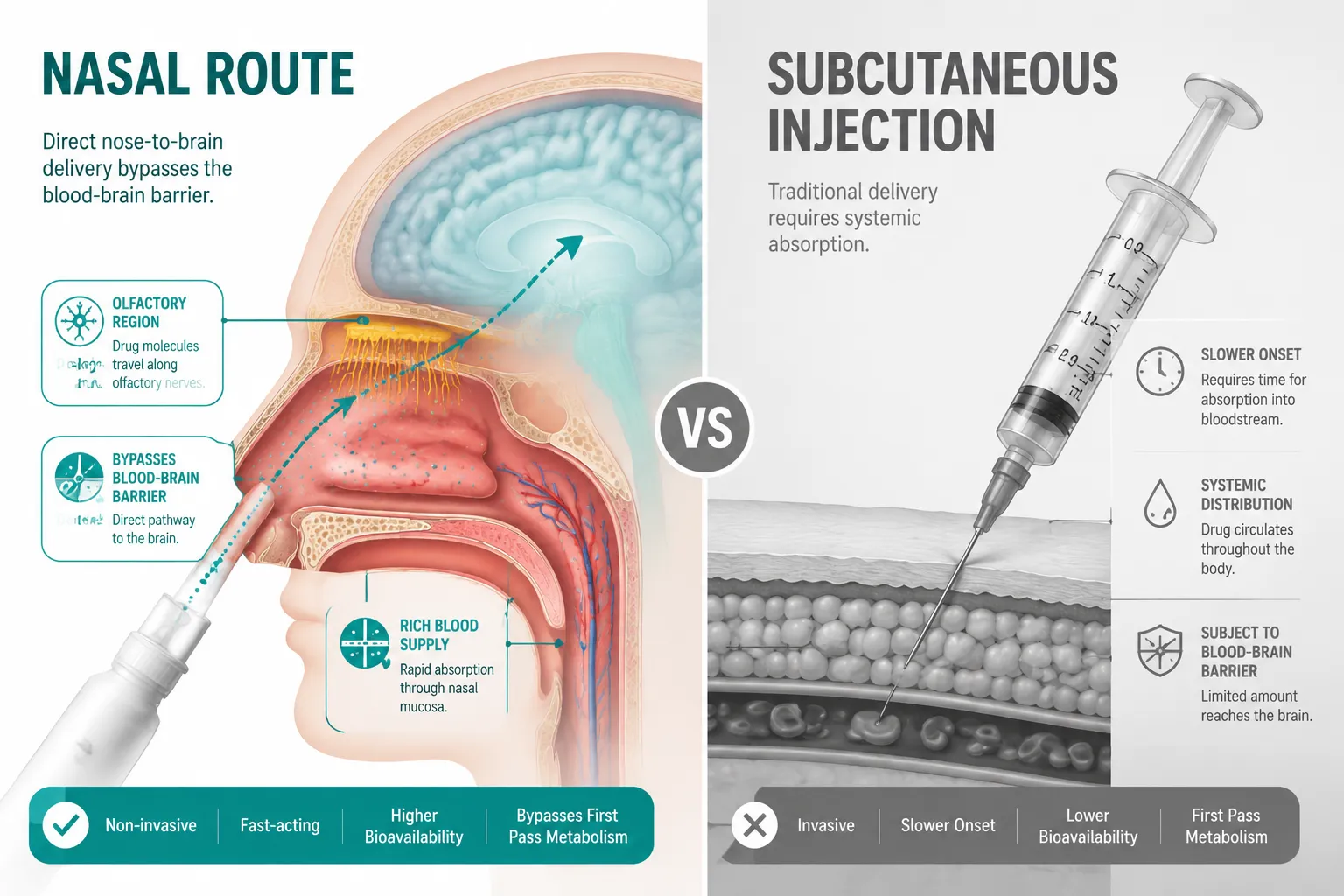
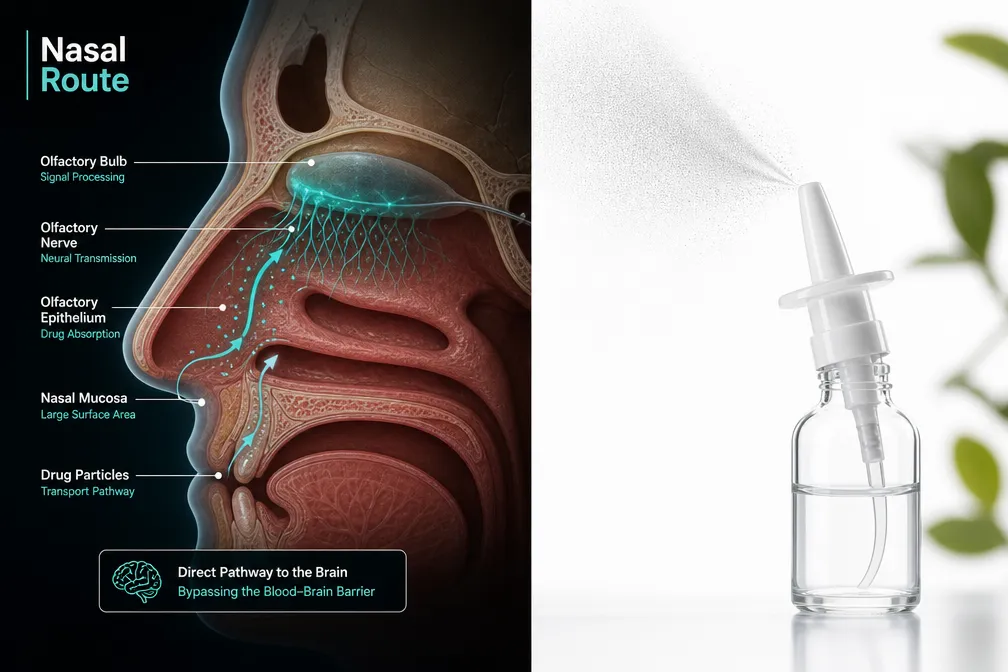
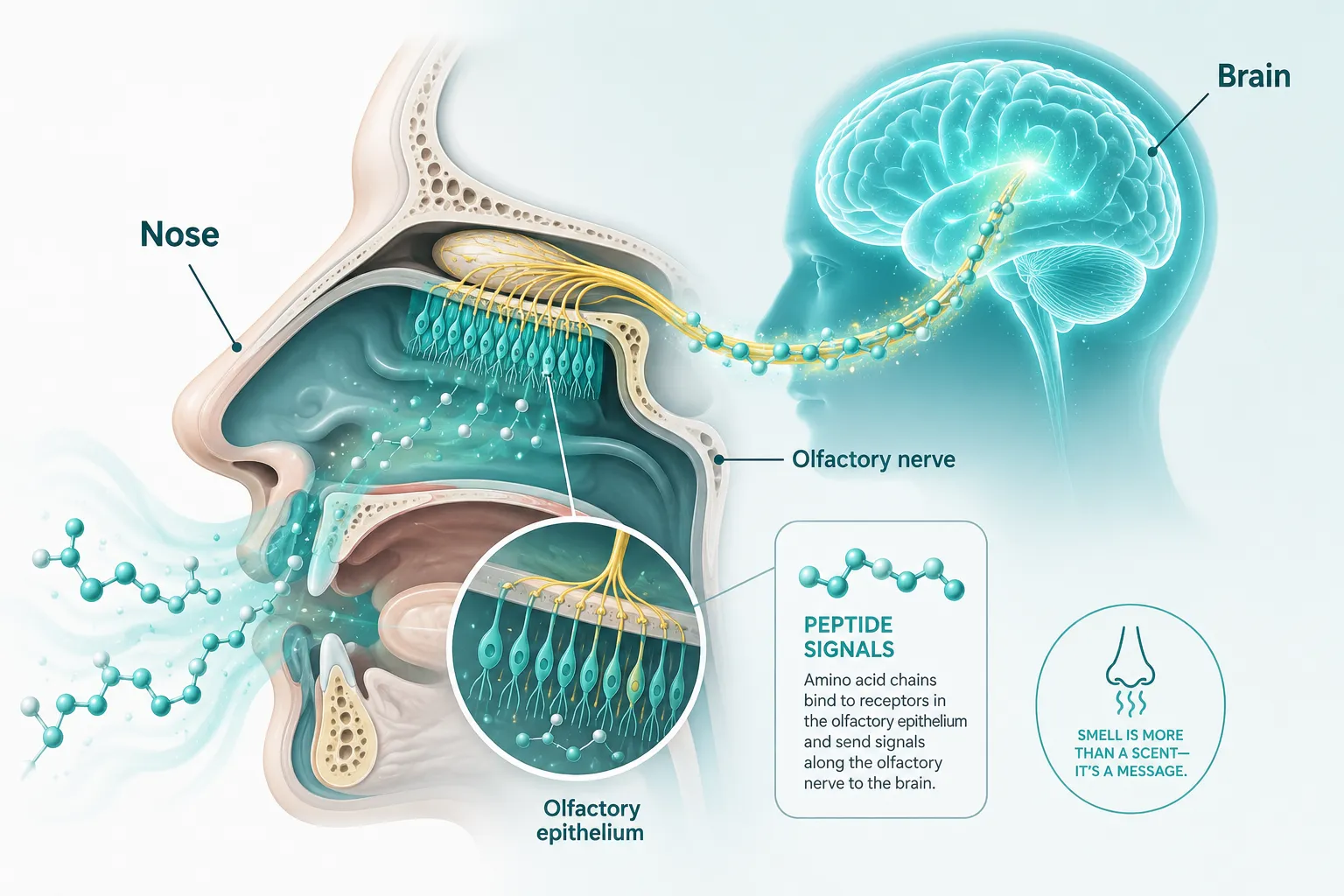
The nasal mucosa offers a direct anatomical bridge to the central nervous system. The olfactory epithelium sits at the roof of the nasal cavity, separated from the olfactory bulb by only a thin cribriform plate. Peptides deposited in this region can travel along olfactory nerve axons and enter the brain without crossing the blood-brain barrier in the conventional sense.

For Semax, this matters enormously. The peptide's short amino acid chain, Met-Glu-His-Phe-Pro-Gly-Pro, is susceptible to enzymatic cleavage in the gastrointestinal tract. Oral administration is therefore largely ineffective. Subcutaneous injection is technically viable but introduces variables that make intranasal spray the preferred format in both approved clinical products and research protocols.

Key advantages of intranasal Semax administration:

  • Bypasses hepatic first-pass metabolism
  • Enables rapid CNS uptake via olfactory and trigeminal pathways
  • Non-invasive and repeatable without injection site concerns
  • Consistent delivery volume per actuation when using calibrated spray devices

Russia's regulatory body approved intranasal Semax formulations decades ago, primarily for ischemic stroke recovery and cognitive impairment associated with cerebrovascular disease. The approved concentration in those formulations is typically 0.1% (1 mg/mL), with higher-concentration versions at 1% (10 mg/mL) used in more acute clinical settings. This regulatory history gives Semax an unusually robust documentation trail compared to many research peptides.

Researchers exploring related nasal peptide formats may also find value in reviewing the Klow Nasal Spray formulation for comparative delivery context.

Why Nasal Delivery Defines Semax Research

Dosing Concepts for Semax Peptide Nasal Spray: Administration, Dosing Concepts, and Research Applications

Dosing in research contexts is not equivalent to clinical prescribing, and that distinction matters. The following concepts reflect patterns observed in preclinical and early human research as of 2026, not medical recommendations.

Standard Concentration Ranges

Formulation Type Concentration Typical Use Context
Low-dose clinical 0.1% (1 mg/mL) Chronic cerebrovascular support
High-dose clinical 1% (10 mg/mL) Acute stroke protocols
Research preparations 0.5-1% Cognitive and neuroprotective studies

Actuation Volume and Dose Calculation

Most calibrated nasal spray devices deliver between 0.1 mL and 0.15 mL per actuation. At a 0.1% concentration, one actuation delivers approximately 100-150 mcg of Semax. At 1%, that same actuation delivers 1-1.5 mg. Researchers must verify the spray device's actuation volume before calculating delivered dose.

"The difference between a 0.1% and a 1% Semax formulation is a tenfold shift in dose per spray, a variable that fundamentally changes the research parameter being tested."

Frequency and Cycle Patterns

In Russian-approved clinical protocols, Semax is administered one to two times daily, typically in cycles of 10 to 14 days. Research guides in 2026 reflect similar cycling logic, often pairing Semax with washout periods to assess sustained versus acute effects. Continuous long-term administration without cycling is less common in documented research.

Researchers studying Semax alongside structurally related peptides should review the Selank and Semax comparison, as both share intranasal delivery methods and overlapping research applications in anxiety and cognition.

Research Applications and Mechanistic Context

Semax's primary mechanism involves upregulation of brain-derived neurotrophic factor (BDNF) and modulation of the serotonergic and dopaminergic systems. These actions underpin its investigation across several research domains.

Active research areas as of 2026:

  • Neuroprotection following ischemic events
  • Attention and working memory enhancement in cognitive models
  • Anxiety modulation and stress response regulation
  • Optic nerve damage recovery in animal models
  • Potential adjunct role in neurodegenerative disease research

The Selank Peptide Benefits page provides useful parallel context, as Selank shares the anxiolytic research pathway with Semax and is also administered intranasally.

Researchers interested in broader neuropeptide comparisons may also find the Epithalon Peptide profile relevant, given overlapping interest in longevity and neurological resilience.

Regulatory and Sourcing Considerations

Semax holds no FDA or EMA approval as of 2026. In the United States and European Union, it exists exclusively as a research compound. Researchers must source from suppliers that provide third-party purity verification. Consulting Peptide Stores resources can help identify vendors with documented testing standards. Purity certificates and mass spectrometry verification are minimum benchmarks for any research-grade Semax preparation.

For researchers exploring mitochondrial peptides alongside neuroprotective compounds, the SS-31 10mg Research Peptide Considerations article offers useful sourcing and quality guidance applicable across peptide categories.

Regulatory and Sourcing Considerations

Conclusion

Semax Peptide Nasal Spray: Administration, Dosing Concepts, and Research Applications converge around one central insight: the intranasal route is not incidental to Semax research, it is foundational to it. The nose-to-brain pathway enables CNS delivery that oral or even some injectable routes cannot replicate with the same efficiency for this peptide class.

Actionable next steps for researchers:

  1. Verify spray device actuation volume before calculating delivered dose at any concentration.
  2. Use concentration-specific formulations matched to the research question, 0.1% for lower-dose chronic protocols, 1% for acute or higher-dose investigations.
  3. Apply cycling protocols consistent with documented clinical use (10-14 day cycles with washout periods).
  4. Source only from suppliers providing third-party mass spectrometry and purity documentation.
  5. Review related neuropeptide profiles, including Selank, to contextualize Semax findings within the broader intranasal peptide research landscape.

Rigorous attention to formulation, delivery mechanics, and sourcing quality separates meaningful Semax research from inconclusive results.

https://www.puretestedpeptides.com/wp-content/uploads/2026/08/semax-peptide-nasal-spray-administration-dosing-concepts-and-research-applicatio.webp 1024 1536 https://www.puretestedpeptides.com/wp-content/uploads/2026/01/buy-peptides-online.jpg 2026-08-08 13:03:322026-08-08 13:03:32Semax Peptide Nasal Spray: Administration, Dosing Concepts, and Research Applications
Klow Blend Peptide Nasal Spray: Research Applications and Bioavailability Considerations

Klow Blend Peptide Nasal Spray: Research Applications and Bioavailability Considerations

July 30, 2026/0 Comments/in Uncategorized/by

Nasal peptide delivery has quietly outpaced several conventional routes in preclinical research settings, absorption rates through the olfactory mucosa can rival or exceed subcutaneous injection for certain low-molecular-weight compounds. That single pharmacokinetic fact explains why researchers are now examining formulations like Klow Blend Peptide Nasal Spray: Research Applications and Bioavailability Considerations with serious attention. This article breaks down what the Klow Blend is, how its nasal delivery format affects bioavailability, and what current research models suggest about its targeted applications.

Important notice: All content here is intended strictly for informational and research purposes. Klow Blend is not an approved drug, and no content below should be interpreted as medical advice.

Key Takeaways

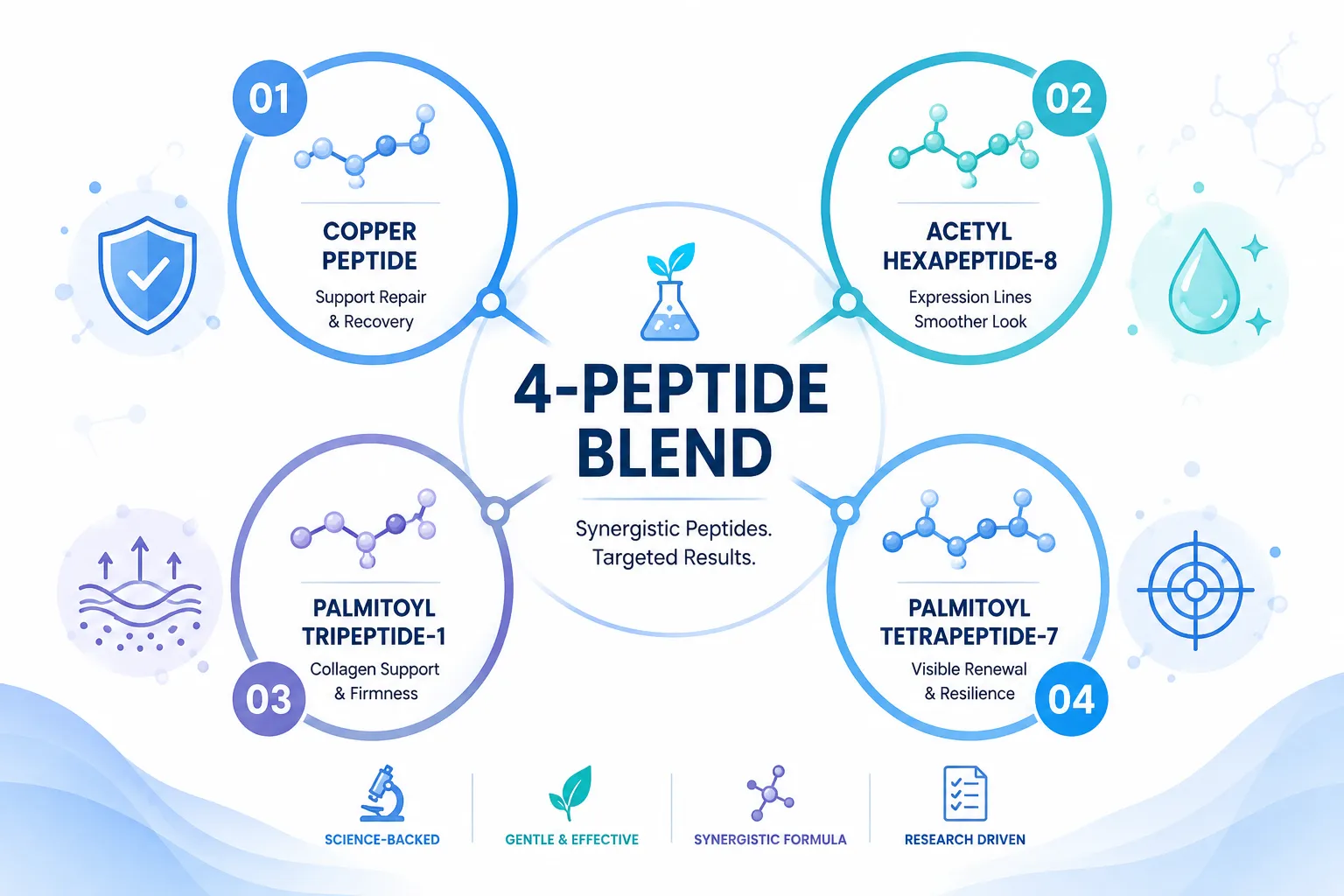
  • Klow Blend is a proprietary four-peptide research blend with no current regulatory drug classification.
  • Nasal spray delivery bypasses first-pass hepatic metabolism, potentially improving peptide absorption.
  • The olfactory and trigeminal pathways offer direct central nervous system access relevant to certain research models.
  • Stability, pH, and mucosal permeability are the primary formulation variables researchers must control.
  • Klow Blend nasal spray exists as a research kit product, not a clinical or over-the-counter medicine.

Key Takeaways

What Is the Klow Blend and Why Does Formulation Matter

The Klow Blend is a four-peptide research stack assembled to target complementary biological pathways simultaneously. Unlike single-peptide compounds, blended formulations are designed so that each component may support or amplify the activity of the others. Researchers working with research-only peptides will recognize this synergistic stacking approach from other well-documented blends.

No scientific literature or regulatory body currently lists "Klow Blend" as a recognized drug entity. The product name appears exclusively in proprietary research kit contexts. This distinction is critical: it means the compound operates entirely outside clinical trial frameworks and is studied only in controlled, non-human experimental models.

Why does the specific formulation matter?

  • Peptides are fragile molecules that degrade rapidly in acidic environments.
  • The carrier solution, preservatives, and pH buffer all influence how much active compound reaches target tissue.
  • Nasal spray formats introduce unique variables including droplet size, mucosal residence time, and ciliary clearance rate.

Researchers sourcing blended peptide stacks should prioritize vendors that provide third-party purity testing. Reviewing online peptide sourcing options with documented quality controls is a practical first step before designing any experimental protocol.

Nasal Delivery Pathway and Bioavailability Considerations for Klow Blend Peptide Nasal Spray

Nasal Delivery Pathway and Bioavailability Considerations for Klow Blend Peptide Nasal Spray

Intranasal delivery is not simply a convenient alternative to injection. It represents a fundamentally different pharmacokinetic route with distinct advantages and limitations for peptide research.

The Olfactory and Trigeminal Routes

The nasal cavity contains two primary pathways relevant to peptide transport:

Pathway Target Area Research Relevance
Olfactory nerve route Olfactory bulb, CNS Direct brain access, bypasses blood-brain barrier
Trigeminal nerve route Brainstem, cerebellum Broader CNS distribution
Systemic absorption Bloodstream via mucosa Peripheral tissue targeting

For a four-peptide blend, each component may preferentially use a different pathway depending on its molecular weight and lipophilicity. This is one reason why Klow Blend Peptide Nasal Spray: Research Applications and Bioavailability Considerations cannot be evaluated with a single bioavailability number, each peptide within the blend requires individual pharmacokinetic profiling.

Key Bioavailability Variables

Researchers must account for several formulation-specific factors:

  • pH of the carrier solution: Nasal mucosa tolerates a pH range of approximately 4.5 to 6.5. Deviations accelerate peptide degradation.
  • Droplet particle size: Particles between 10 and 50 microns deposit optimally on olfactory epithelium; larger droplets travel to the throat and are swallowed.
  • Mucociliary clearance: The nasal mucosa clears foreign substances within 15 to 30 minutes, limiting absorption windows.
  • Peptide molecular weight: Compounds under 1,000 Daltons generally show superior transmucosal permeability.

Researchers familiar with BPC-157 and TB-500 blend protocols will recognize similar formulation challenges when working with multi-peptide nasal preparations.

Research Applications and Experimental Protocols

Research Applications and Experimental Protocols

Given its four-peptide composition and nasal delivery format, the Klow Blend is being examined across several preclinical research domains in 2026.

Neurological and Cognitive Research Models

The direct olfactory-to-CNS pathway makes intranasal peptide delivery particularly attractive for neuroscience research. Experimental models investigating neuroprotection, synaptic signaling, and neuroinflammation have used intranasal peptide administration to achieve faster CNS distribution than peripheral injection allows. Researchers exploring related compounds such as Selank will find overlapping methodology applicable to Klow Blend protocols.

Metabolic and Systemic Research Models

Several peptide blends targeting growth hormone secretagogue pathways, such as those explored in IPA and Sermorelin stack research, share structural similarities with components found in multi-peptide nasal formulations. Metabolic research models examining body composition, lipid regulation, and insulin sensitivity represent a secondary application area for Klow Blend investigation.

Tissue Recovery and Regenerative Models

Peptide blends with regenerative targets, comparable to those studied in BPC-157 and TB-500 research, may inform how Klow Blend components interact with tissue repair pathways when delivered intranasally versus subcutaneously.

Protocol Design Recommendations

Researchers designing Klow Blend nasal spray experiments should consider:

  1. Establishing individual peptide baseline pharmacokinetics before blend testing.
  2. Using validated animal models with documented nasal mucosal permeability data.
  3. Controlling ambient temperature and humidity during spray administration.
  4. Documenting reconstitution procedures and storage conditions rigorously.

For researchers building out broader experimental stacks, reviewing peptide blend reconstitution guides provides a practical framework for handling multi-component formulations safely.

Conclusion

Klow Blend Peptide Nasal Spray: Research Applications and Bioavailability Considerations sits at the intersection of advanced peptide pharmacology and innovative delivery science. The nasal route offers genuine advantages, bypassing hepatic metabolism, enabling potential CNS access, and reducing injection burden in experimental models, but it also demands precise formulation control that single-peptide protocols do not always require.

Actionable next steps for researchers:

  • Audit your sourcing pipeline and confirm third-party purity documentation before acquiring any multi-peptide blend.
  • Review existing intranasal peptide pharmacokinetic literature to benchmark expected absorption ranges for each component.
  • Design pilot experiments with individual peptide components before testing the full Klow Blend formulation.
  • Consult the broader peptide research blog for updated protocols and sourcing guidance relevant to nasal delivery research.

As intranasal peptide research matures through 2026 and beyond, blends like Klow represent a meaningful frontier, provided researchers approach them with rigorous experimental design and transparent sourcing standards.

https://www.puretestedpeptides.com/wp-content/uploads/2026/07/klow-blend-peptide-nasal-spray-research-applications-and-bioavailability-conside.webp 1024 1536 https://www.puretestedpeptides.com/wp-content/uploads/2026/01/buy-peptides-online.jpg 2026-07-30 13:04:422026-07-30 13:04:42Klow Blend Peptide Nasal Spray: Research Applications and Bioavailability Considerations

Tag Archive for: peptide nasal spray

Klow Blend Peptide Nasal Spray: What the Formulation Is Trying to Do in Cognitive Research

Klow Blend Peptide Nasal Spray: What the Formulation Is Trying to Do in Cognitive Research

July 27, 2026/0 Comments/by Pure Tested

Researchers have demonstrated that certain peptides administered through the nose can reach cerebrospinal fluid in as little as ten minutes, a pharmacokinetic window that has fundamentally reshaped how scientists think about delivering neuroactive compounds. Against that backdrop, the term Klow Blend Peptide Nasal Spray: What the Formulation Is Trying to Do in Cognitive Research has surfaced in online discussions, prompting questions about its scientific basis, its ingredients, and what cognitive endpoints it might be designed to target.

This article examines the rationale behind multi-compound intranasal peptide blends, the nose-to-brain delivery pathway, and the practical challenges researchers face when designing such formulations, providing the context needed to evaluate any branded nasal spray concept in this space.

Isometric scientific illustration in bright teal and white: cross-section diagram of the human nasal cavity showing the

Key Takeaways

  • No peer-reviewed literature, clinical trial registry, or regulatory record currently lists "Klow Blend" as an established peptide compound or research entity.
  • The term likely reflects proprietary or informal naming for a multi-peptide intranasal formulation concept rather than a defined scientific product.
  • Intranasal delivery is a legitimate and actively studied route for getting neuroactive peptides into brain tissue, partially bypassing the blood-brain barrier.
  • Multi-compound "blend" formulations are designed to target several cognitive pathways simultaneously, but they introduce significant formulation and stability challenges.
  • Researchers tracking cognitive outcomes in intranasal peptide studies typically measure memory consolidation, processing speed, neuroprotection markers, and neuroinflammation.

What "Klow Blend" Actually Refers To, and What the Record Shows

A thorough search of PubMed, ClinicalTrials.gov, the WHO International Clinical Trials Registry Platform, and major biomedical repositories returns no results for "Klow Blend" as a peptide, investigational drug, nasal spray, or research formulation. No neuropharmacology or neurodegeneration review article from any recognized institution references this name.

This absence does not mean the underlying concept is invalid. It strongly suggests one of three possibilities:

  • Proprietary or internal naming, a compound or blend marketed under a trade name that does not correspond to standard scientific nomenclature
  • Reformulation of existing peptides, a combination of recognized neuroactive peptides (such as those studied in nose-to-brain delivery research) packaged under a new label
  • Misidentification, confusion with another intranasal peptide formulation that does appear in the scientific record

For researchers and consumers alike, this distinction matters. When evaluating any nasal peptide product, verifying whether its components correspond to compounds studied in peer-reviewed literature is the essential first step. Resources like the research blog at Pure Tested Peptides and guides on research-only peptides can help contextualize unfamiliar formulation names.

The Science Behind Intranasal Peptide Delivery for Cognition

Why the Nose-to-Brain Route Matters

The blood-brain barrier (BBB) blocks most large molecules, including many peptides, from entering the central nervous system through conventional oral or intravenous routes. Intranasal delivery offers a partial workaround: peptides deposited on the olfactory epithelium can travel along olfactory and trigeminal nerve pathways directly into the brain and cerebrospinal fluid.

In a controlled human study with 36 healthy volunteers, intranasally administered melanocortin, vasopressin, and insulin were all detectable in CSF within 10 minutes of administration. Levels peaked between 30 and 80 minutes and remained measurably above baseline at 120 minutes. This pharmacokinetic profile is exactly what makes the nasal route attractive for cognitive research, rapid CNS access without systemic injection.

"The nose-to-brain pathway allows neuroactive peptides to reach cerebrospinal fluid within minutes, offering a non-invasive alternative to direct CNS delivery."

Proof-of-Concept in Preclinical Models

Transgenic mouse models of Alzheimer's disease have been used to test whether intranasally delivered peptides can reduce amyloid burden, improve spatial memory, and modulate neuroinflammation. These preclinical findings provide the mechanistic foundation that any nasal peptide blend aimed at cognitive decline would need to build upon.

Peptides with established neuroprotective profiles, including those studied alongside mitochondrial support compounds, are increasingly explored in combination formats. For example, research on compounds like MOTS-c and elamipretide touches on mitochondrial pathways relevant to neuronal energy metabolism, a target area in cognitive aging research.

Similarly, Epithalon peptide research has explored telomere-related aging mechanisms that intersect with neurodegeneration timelines, making it a candidate component in blends targeting brain aging.

What a Multi-Peptide Nasal Blend Is Designed to Do

What a Multi-Peptide Nasal Blend Is Designed to Do

The Rationale for Combining Compounds

Cognitive decline is not driven by a single pathway. Researchers designing multi-compound intranasal blends typically aim to address several mechanisms at once:

Target Mechanism Example Peptide Class
Neuroinflammation reduction Melanocortin-related peptides
Mitochondrial support SS-31 / elamipretide analogs
Neuroprotection and repair Growth hormone secretagogues
Telomere and aging pathways Epitalon-class tetrapeptides
Synaptic plasticity Vasopressin analogs

Blending these compounds into a single nasal delivery vehicle is theoretically efficient, one administration event targets multiple pathways. However, this approach introduces real formulation challenges.

Practical Challenges Researchers Must Solve

Combining peptides in a nasal spray is not straightforward. Key obstacles include:

  • pH compatibility, different peptides may require different pH ranges for stability
  • Mucosal absorption competition, multiple peptides competing for the same epithelial transport mechanisms
  • Degradation by nasal enzymes, proteases in nasal mucosa can break down peptides before absorption occurs
  • Concentration ratios, determining the optimal ratio of each compound requires independent dose-finding studies

Formulation scientists often use excipients such as cyclodextrins, absorption enhancers, or mucoadhesive polymers to address these barriers. Quality peptide sourcing and verified purity are prerequisites before any such formulation work begins, since impurities can accelerate degradation and confound research outcomes.

Cognitive Endpoints Researchers Track in Intranasal Peptide Studies

Cognitive Endpoints Researchers Track in Intranasal Peptide Studies

When a nasal peptide blend enters a research protocol, investigators need measurable outcomes to determine whether the formulation is doing anything meaningful. Standard cognitive endpoints include:

  • Spatial memory performance, assessed via maze tasks in animal models or virtual navigation tests in humans
  • Working memory and processing speed, measured through standardized neuropsychological batteries
  • Biomarkers of neuroinflammation, such as IL-6, TNF-alpha, and microglial activation markers in CSF or blood
  • Amyloid and tau burden, quantified via PET imaging or CSF assays in Alzheimer-focused studies
  • Neuroprotection indicators, including BDNF (brain-derived neurotrophic factor) levels and synaptic density measures

Researchers also track safety endpoints: nasal mucosal irritation, systemic peptide exposure, and off-target receptor activation. Any blend formulation, whether labeled "Klow Blend" or otherwise, would need to demonstrate a clean safety profile across these measures before advancing toward human trials.

For those interested in how blend formulations are structured in practice, the ipamorelin and CJC-1295 blend offers a well-documented example of how two peptides with complementary mechanisms are combined in research settings. Similarly, the BPC-157 and TB-500 blend illustrates how synergistic peptide pairings are evaluated in preclinical research.

Conclusion

The Klow Blend Peptide Nasal Spray concept, as it appears in online searches, does not correspond to any traceable entity in the peer-reviewed scientific or regulatory record as of 2026. However, the underlying rationale, delivering a multi-peptide blend intranasally to target cognitive decline through several simultaneous mechanisms, aligns directly with a legitimate and growing area of neuropharmacology research.

Actionable next steps for researchers and informed consumers:

  1. Verify ingredient identity, cross-reference any named peptides in a blend against published literature using PubMed or equivalent databases.
  2. Confirm purity and sourcing, only compounds with documented purity certificates are suitable for research use; consult guides on where to buy peptides for sourcing standards.
  3. Evaluate the delivery mechanism, assess whether the nasal formulation addresses known absorption and stability challenges.
  4. Track the right endpoints, any cognitive research protocol should pre-specify measurable biomarker and behavioral outcomes before administration begins.
  5. Stay current with the literature, the nose-to-brain peptide delivery field is advancing rapidly; following current peptide research ensures decisions are based on the most recent evidence.

No formulation name, however compelling, substitutes for transparent ingredient disclosure and peer-reviewed evidence. That standard applies equally to Klow Blend and every other nasal peptide concept in the cognitive research space.

https://www.puretestedpeptides.com/wp-content/uploads/2026/07/klow-blend-peptide-nasal-spray-what-the-formulation-is-trying-to-do-in-cognitive.webp 1024 1536 Pure Tested https://www.puretestedpeptides.com/wp-content/uploads/2026/01/buy-peptides-online.jpg Pure Tested2026-07-27 13:04:442026-07-27 13:32:00Klow Blend Peptide Nasal Spray: What the Formulation Is Trying to Do in Cognitive Research
×

Helpful Links

  • My account
  • Cart
  • Checkout
  • Refund and Returns Policy
  • Privacy Policy
  • SMS Privacy Policy
  • Login
  • My Account
  • Logout

USA Made Lab Tested Peptides

All products are sold for research, laboratory, or analytical purposes only, and are not for human consumption


Pure Tested Peptides is a chemical supplier. Pure Tested Peptides is not a compounding / chemical compounding facility as defined under 503A of the Federal Food, Drug, and Cosmetic act. Pure Tested Peptides is not an outsourcing facility as defined under 503B of the Federal Food, Drug, and Cosmetic act.

The statements made within this website have not been evaluated by the US Food and Drug Administration. The products we offer are not intended to diagnose, treat, cure or prevent any disease.

Human/Animal Consumption Prohibited. Laboratory/In-Vitro Experimental Use Only

Scroll to top Scroll to top Scroll to top