Call or Text 727-513-9780
  • Shopping Cart Shopping Cart
    0Shopping Cart
Pure Tested Peptides | America's most trusted Peptides for sale online
  • Peptides for sale
    • Oral Peptides for sale
      • Peptide Capsules for sale
      • BPC 157 Capsules 1000mcg
      • SLU-PP-332 Capsules | 1000 mcg
      • 5-Amino-1MQ 50mg Capsules
      • Tesofensine 500mcg
    • All Peptides for sale
    • Peptide Sprays
      • BPC 157 Nasal Spray Kit
      • BPC-157 TB500 Nasal Spray Kit
      • Semax Nasal Spray 10mg
      • Selank – Nasal Spray Kit – 10mg
      • Epithalon 50MG Nasal Spray Kit
      • Ipamorelin 10mg Nasal Spray
      • Klow Nasal Spray (BPC-157 + TB-500 + GHK-Cu + KPV) | 80mg
      • Hulk Nasal Spray Tesa / Ipa Blend 6/3 MG
      • Klow Nasal Spray
      • NAD + 500 mg Nasal Spray
      • PT-141 Nasal Spray Kit
    • GHRH Peptides
      • Ipa Peptides
      • CJC-1295 Peptides
        • CJC-1295 with DAC 5 mg
        • CJC-1295 without DAC 5 mg
        • CJC-1295 Ipa 10mg
      • Tesa Peptides
        • Tesa Peptide
        • Tesa 20 mg
    • GHK-Cu Peptides
      • All GHK-Cu Peptides
      • GHK-Cu 100mg
      • KLOW Peptide Blend – Buy KLOW blend online
    • BPC Peptides
      • All BPC Peptides
      • BPC-157
      • BPC-157 TB-500
      • BPC 157 capsules 1000mcg
    • SLU-PP-332 Peptides
      • All SLU-PP-332 Peptides
      • SLU-PP-332 5mg
    • GLP3 Peptides
      • GLP3-R
      • GLP3-R CAG 10mg
      • GLP3-R 20mg
    • PT-141 Peptides
      • PT-141 Peptides for sale
      • PT-141 10mg
      • PT-141 Nasal Spray
    • CAG Peptides
      • Lipo-C Peptide Blend
      • CAG 5mg
      • CAG 10mg
    • MOTS-C Peptides
      • MOTS-C Peptides for sale
      • MOTS-c peptide
      • MOTS-c 10mg *6 pack*
    • 5 Amino 1MQ Peptides
      • 5 Amino 1MQ Peptides for sale
      • 5-Amino-1MQ 50mg Capsules
      • 5-Amino-1MQ 5mg
    • Epithalon Peptides
      • Epithalon Peptides for sale
      • Epithalon 10mg
      • Epithalon 50mg
  • Shop
    • GLPs
      • 5-Amino-1MQ 50mg Capsules
      • 5-Amino-1MQ 5mg
      • GLP3-Reta
      • L-Carnitine 500mg/ml
      • Tesofensine 500mcg
      • SLU-PP-332 5mg
      • MOTS-c 10mg *6 pack*
    • Epithalon & BPC Peptides
      • Epithalon 10mg
      • Epithalon 50mg
      • BPC-157
      • BPC 157 capsules 1000mcg
      • BPC-157 TB-500
      • BPC-157 TB500 Nasal Spray Kit
      • BPC 157 Nasal Spray Kit
    • BPC TB-500 & NAD+ Peptides
      • NAD+ 500 mg
      • KLOW Peptide Blend – Buy KLOW blend online
      • GLOW Peptide Blend
      • TB 500 5mg
      • BPC 157 capsules 1000mcg – Supplement
      • BPC 157 Nasal Spray Kit
      • BPC-157
      • BPC-157 TB500 Nasal Spray Kit
      • BPC-157 TB-500
      • BPC 157 capsules 1000mcg
    • LL-37 Peptide
      • LL-37 10 mg
    • MOTS-C & Selank
      • MOTS-c peptide
      • Selank 10mg
    • GHK Peptides
      • GHK-Cu 100mg
      • GLOW Peptide Blend
      • KLOW Peptide Blend – Buy KLOW blend online
  • COAs
  • Wholesale
    • Wholesale Peptides for sale
  • PTP FAQ
  • Affiliates
    • Affiliate Program
    • Affiliate Signup
  • Contact
    • Contact Customer Service
    • Text Customer Support
  • About US
  • Shop all peptides
  • Login / Register Login / Register Page Link Login / Register Page Link
  • Click to open the search input field Click to open the search input field Search
  • Menu Menu

Tag Archive for: peptides and polypeptides

Peptides and Polypeptides in Endocrine Research: Linking Estrogen Receptor Signaling to Enclomiphene and GLP-3 Retatrutide Models

Peptides and Polypeptides in Endocrine Research: Linking Estrogen Receptor Signaling to Enclomiphene and GLP-3 Retatrutide Models

June 23, 2026/0 Comments/in Uncategorized/by

Fewer than three decades ago, the estrogen receptor was considered a single, well-understood target. Today, researchers recognize at least three distinct receptor subtypes — ERalpha, ERbeta, and the G protein-coupled estrogen receptor (GPER) — each capable of driving separate downstream cascades. That complexity is precisely why the field of peptides and polypeptides in endocrine research: linking estrogen receptor signaling to enclomiphene and GLP-3 retatrutide models has become one of the most active areas of translational biology in 2026.

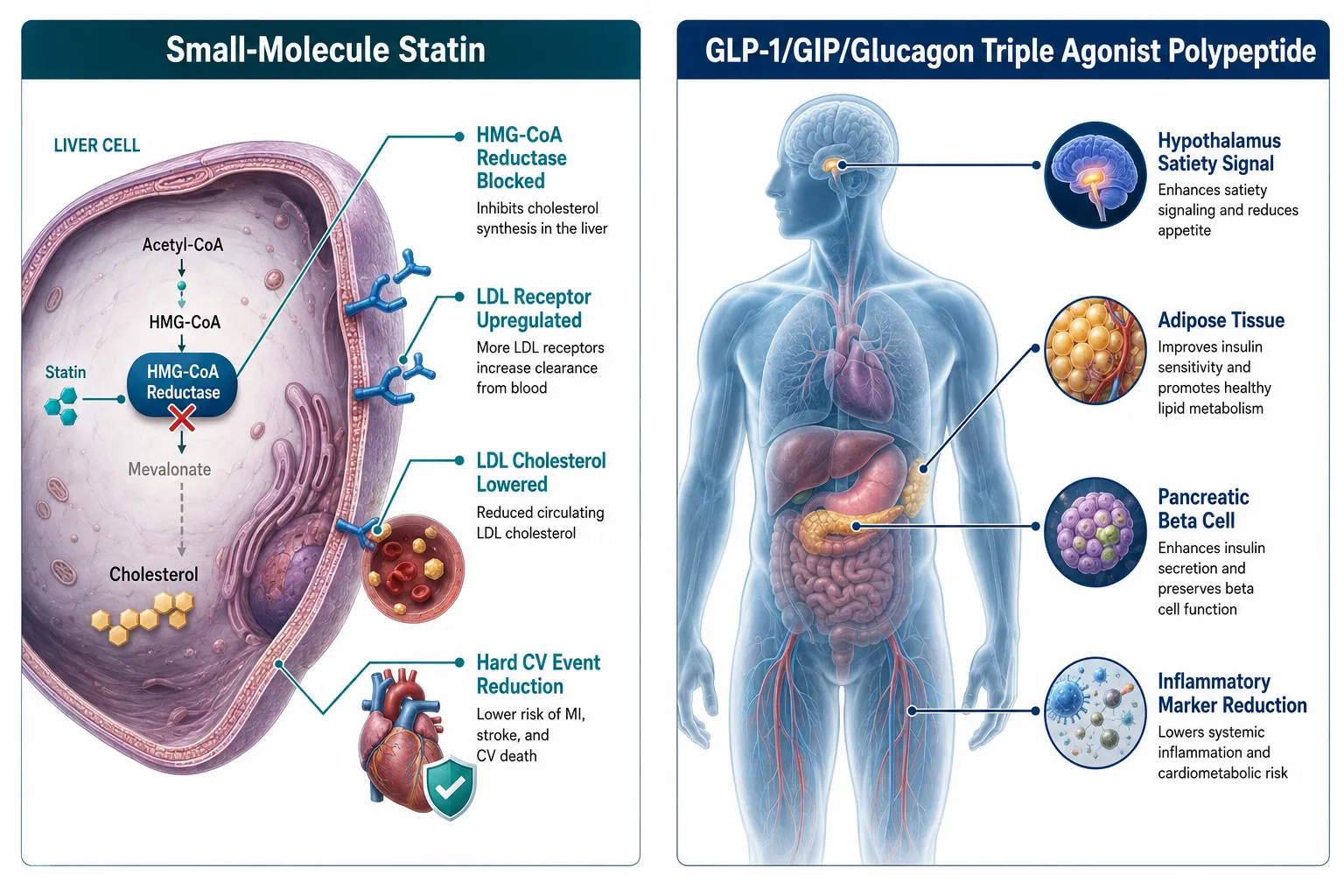
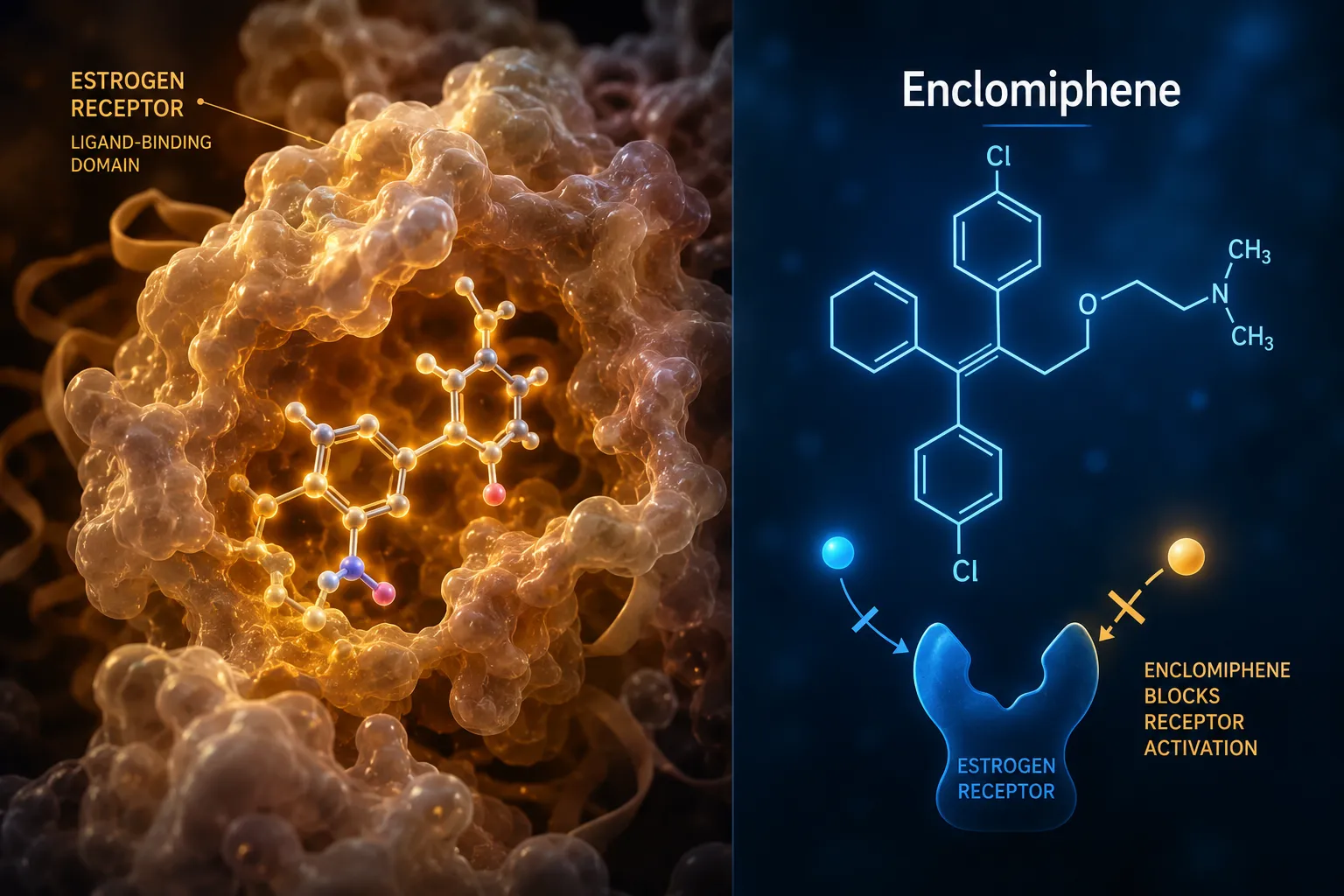
Detailed () scientific illustration showing a split-panel composition: left side features a 3D molecular model of an

Key Takeaways

  • Estrogen receptors are not monolithic; GPER mediates rapid non-genomic signaling distinct from classical nuclear ER pathways.
  • Enclomiphene acts as a selective estrogen receptor modulator (serm) at the hypothalamus, restoring endogenous testosterone without suppressing the HPG axis.
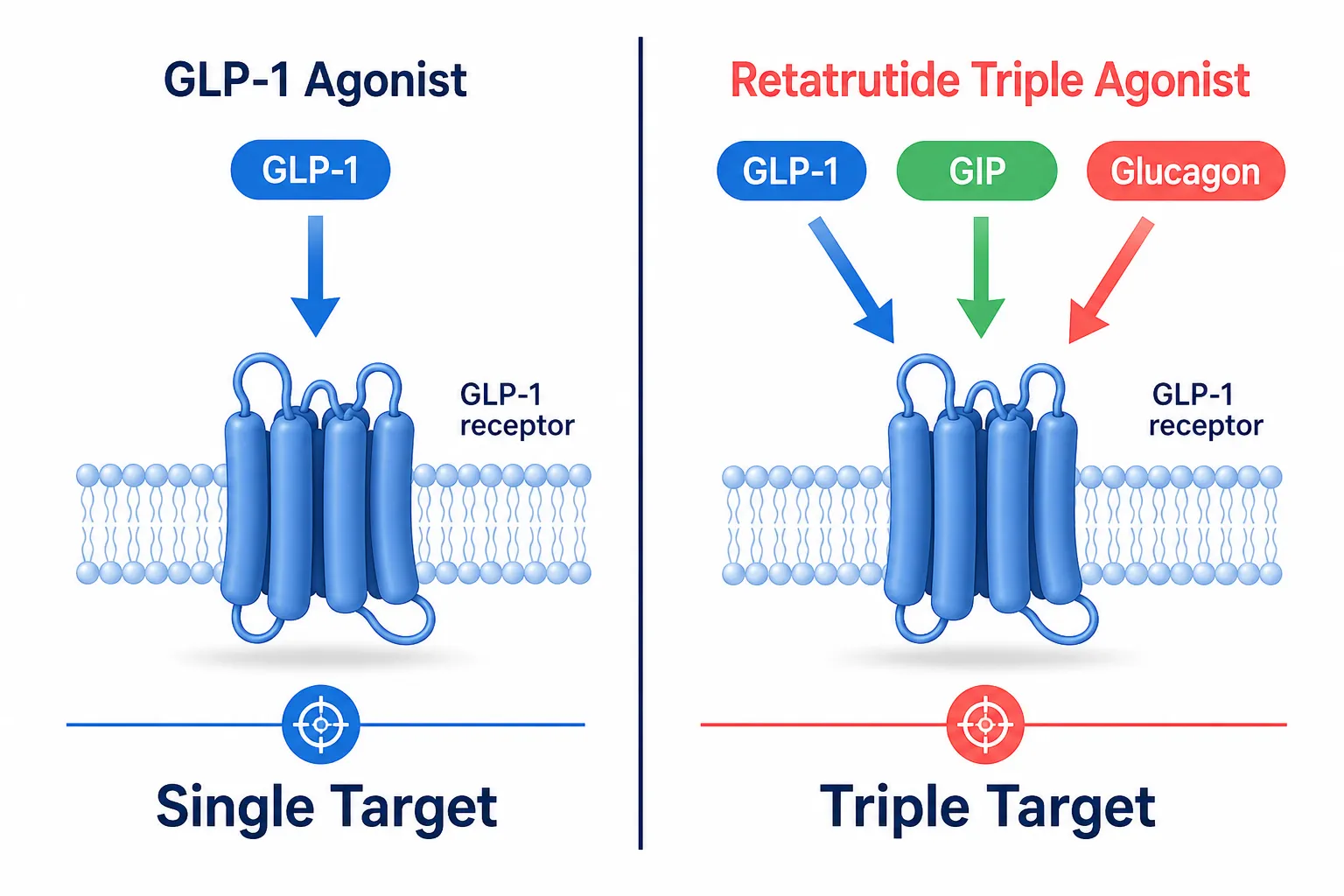
  • Retatrutide is a synthetic 39-amino-acid polypeptide that simultaneously activates GLP-1R, GIPR, and GCGR — a triple-agonist profile unmatched by earlier metabolic peptides.
  • Cross-talk between peptide growth factors and estrogen receptor systems creates layered regulatory complexity relevant to drug design.
  • Both enclomiphene and retatrutide illustrate how modern endocrine research moves beyond single-target pharmacology toward systems-level modulation.

Estrogen Receptor Biology: The Foundation for Peptide Cross-Talk

Classical endocrinology framed estrogen signaling as a nuclear event: ligand binds receptor, receptor binds DNA, gene transcription changes. GPER challenged that model by demonstrating that estrogens also trigger acute, non-genomic responses through G protein-coupled pathways — activating cAMP, mobilizing intracellular calcium, and phosphorylating kinase cascades within minutes rather than hours.

This dual-mode signaling matters for peptide researchers because peptide growth factors and estrogen receptors actively cross-talk. Insulin-like growth factors, epidermal growth factor, and related polypeptides can transactivate ERalpha without a classical estrogen ligand. Conversely, estrogen receptor activity can sensitize cells to peptide growth factor signals. Understanding this bidirectional regulation is foundational to interpreting how newer research compounds interact with hormonal physiology.

"Estrogen receptor cross-talk with peptide signaling systems is not a side effect — it is a core feature of endocrine architecture."

For researchers exploring metabolic and longevity-related peptides, resources such as the MOTS-C metabolic flexibility research overview and the GIP receptor importance guide provide useful context on how peptide signals intersect with broader hormonal networks.


Enclomiphene as a Case Study in Receptor-Selective Endocrine Modulation

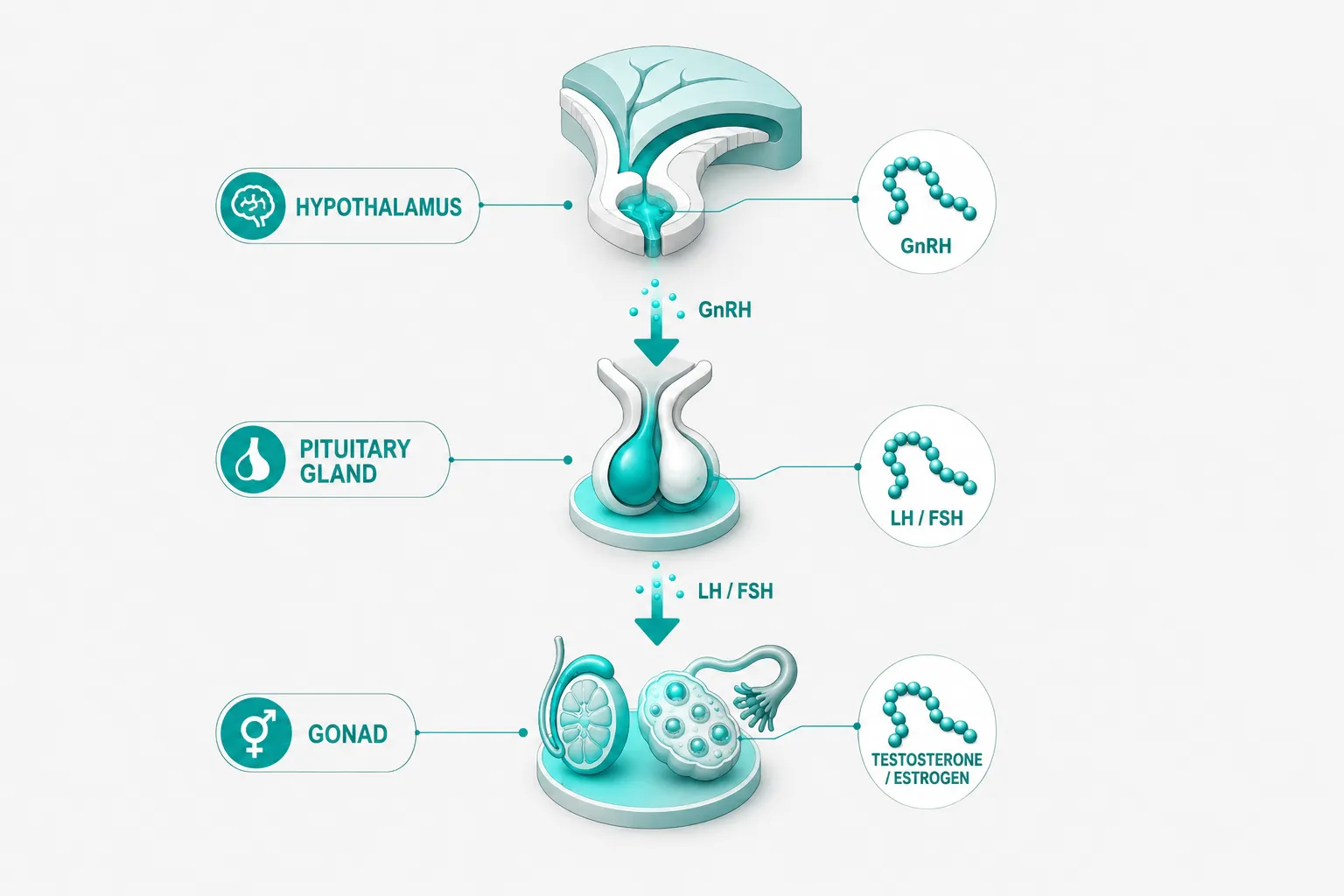
Enclomiphene is the trans-isomer of clomiphene and functions as a selective estrogen receptor modulator (serm). Its primary site of action is the hypothalamus and pituitary, where it blocks estrogen receptors and removes the negative-feedback brake on gonadotropin-releasing hormone (GnRH) pulsatility. The result is a cascade: GnRH rises, LH and FSH secretion increases, and the testes respond with elevated testosterone production.

What makes enclomiphene scientifically notable is what it preserves. Unlike exogenous testosterone, enclomiphene leaves the entire hypothalamic-pituitary-gonadal (HPG) axis intact, including its own feedback loops. This distinguishes it sharply from peptide-class HPG stimulators such as gonadorelin or kisspeptin-10, which act at different nodes in the same axis.

Pharmacokinetic profile comparison:

Compound Clearance Axis Preservation
Enclomiphene Days Full HPG axis intact
Zuclomiphene (isomer) Weeks Partial, prolonged suppression risk
Gonadorelin (peptide) Minutes Pulsatile, receptor-dependent

Enclomiphene's rapid clearance — measured in days rather than the weeks seen with its isomer zuclomiphene — makes it a cleaner pharmacological tool for research into upstream estrogen receptor blockade. For comparison, researchers studying GH-axis peptides may find the CJC-1295 and ipamorelin GH axis research a useful parallel for understanding how upstream modulation shapes downstream hormonal output.


GLP-3 Retatrutide Models and the Polypeptide Approach to Metabolic Signaling

GLP-3 Retatrutide Models and the Polypeptide Approach to Metabolic Signaling

Retatrutide (LY3437943) represents a different philosophy entirely. Rather than blocking a receptor to release a suppressed axis, this synthetic 39-amino-acid polypeptide simultaneously activates three receptors: GLP-1R, GIPR, and GCGR. Cryo-EM structural studies show that retatrutide adopts a single continuous alpha-helix conformation when binding, with receptor-specific amino acid differences accounting for its differential potency at each target.

The coordinated activation of all three receptors produces layered metabolic effects:

  • GLP-1R activation: Reduces food intake, slows gastric emptying, enhances insulin secretion
  • GIPR activation: Amplifies insulin response, modulates adipose tissue signaling
  • GCGR activation: Increases energy expenditure, improves hepatic lipid metabolism

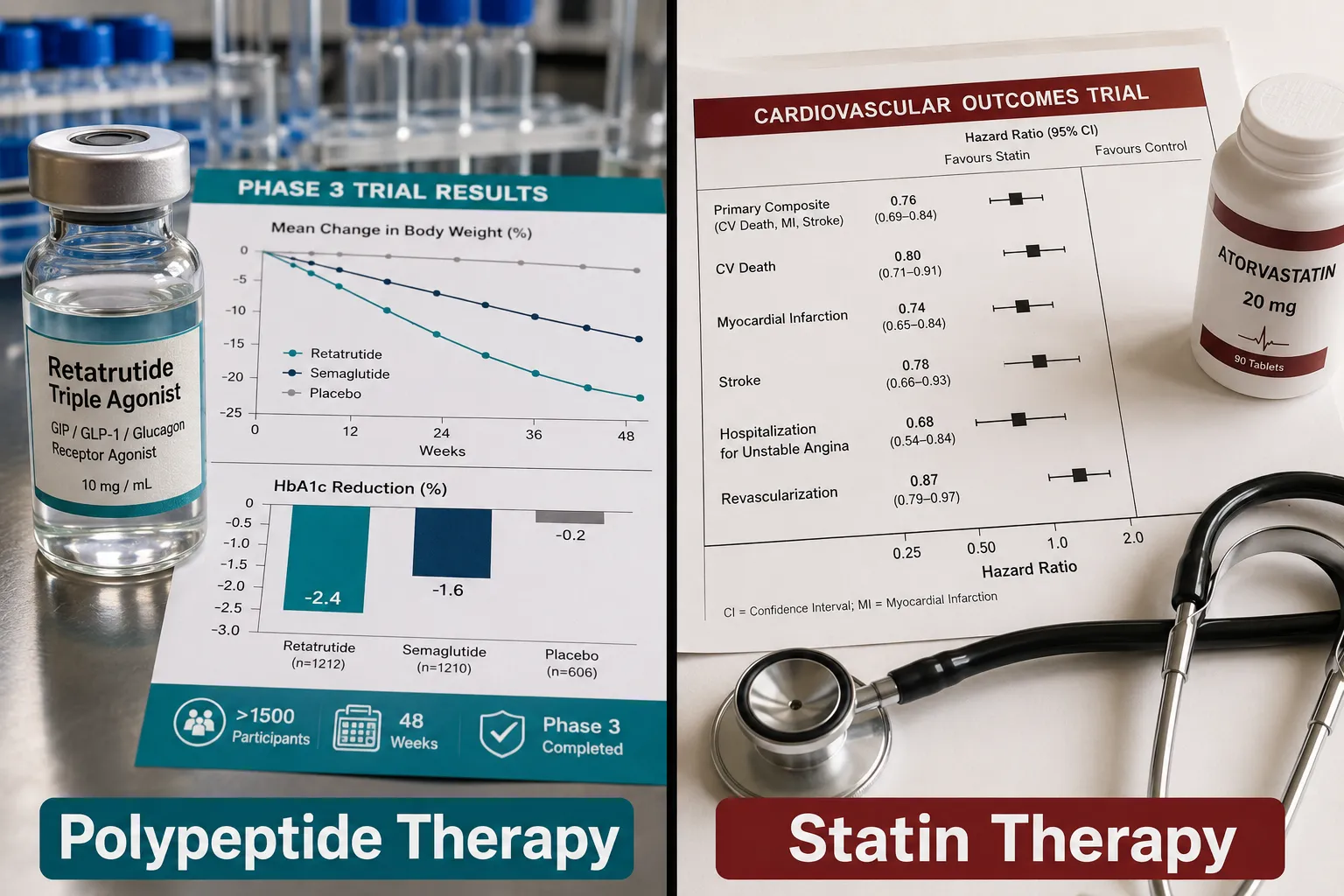
Phase 2 clinical trial data published in 2023 demonstrated significant weight loss and glycemic improvement in participants with obesity and type 2 diabetes. As of 2026, retatrutide has not received regulatory approval for human use and remains within the scope of clinical investigation and preclinical research.

For researchers building context around incretin-based peptide models, the GLP-3 Retatrutide incretin research themes page and the companion GLP-1 incretin research overview offer structured background. The cagrilintide synergy with GLP-1 research further illustrates how dual and triple agonist combinations are reshaping metabolic peptide research.


Bridging the Two Models: What Peptides and Polypeptides in Endocrine Research Reveal

Bridging the Two Models: What Peptides and Polypeptides in Endocrine Research Reveal

The deeper insight from studying peptides and polypeptides in endocrine research: linking estrogen receptor signaling to enclomiphene and GLP-3 retatrutide models together is architectural. Enclomiphene works by subtracting a signal — removing estrogenic feedback — to let a natural axis reassert itself. Retatrutide works by adding multiple signals simultaneously, forcing coordinated receptor activation across organ systems.

Both strategies reflect a move away from single-target pharmacology. Both also interact, directly or indirectly, with estrogen receptor biology. GPER, for instance, has been implicated in metabolic regulation, and GLP-1 receptor signaling has documented interactions with sex hormone pathways in adipose and hepatic tissue.

Key distinctions between serm-based and polypeptide-based endocrine modulation:

  • Mechanism: Receptor blockade (serm) vs. receptor co-activation (polypeptide agonist)
  • Axis impact: Preserves negative feedback (enclomiphene) vs. bypasses feedback (retatrutide)
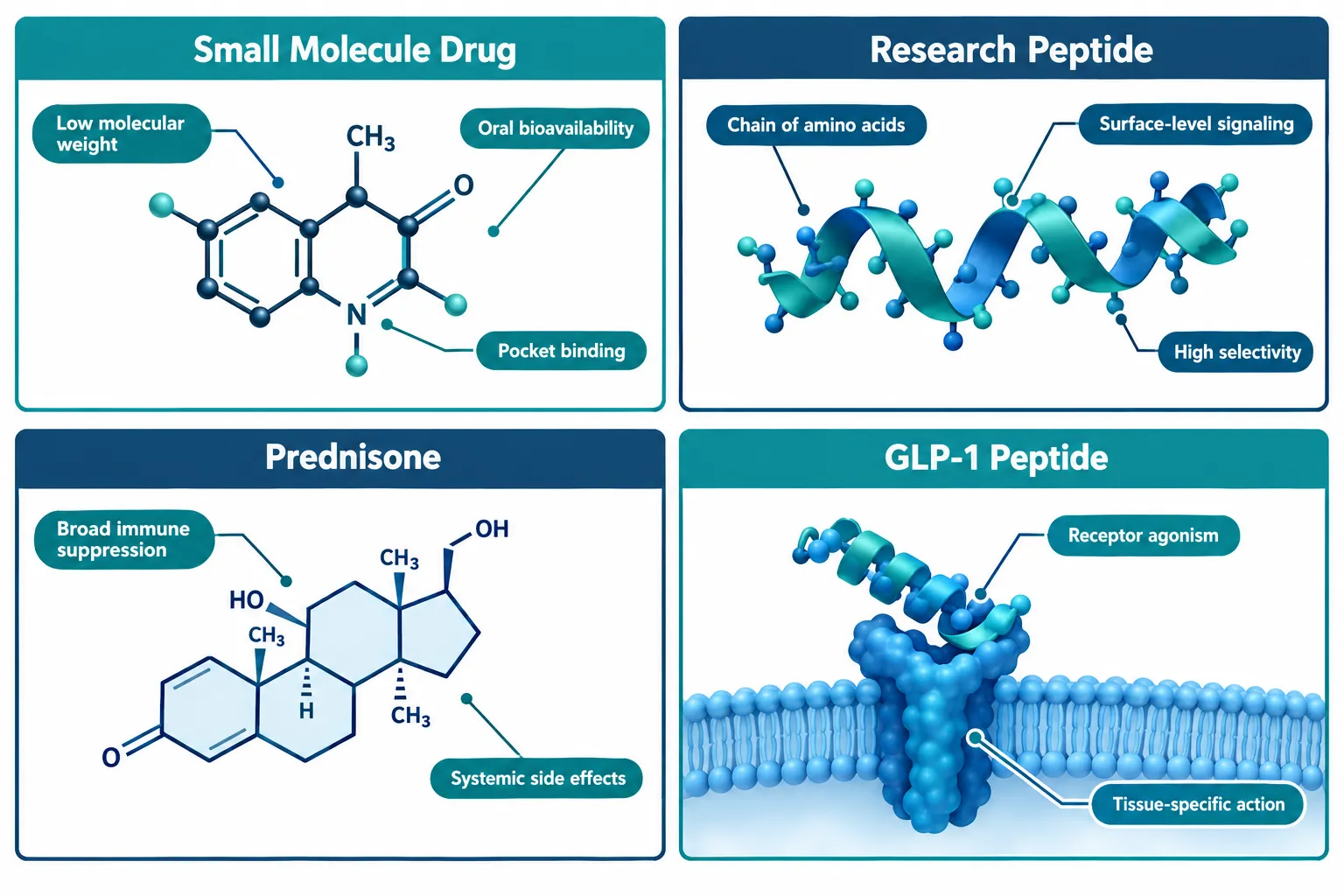
  • Structural class: Small molecule (enclomiphene) vs. synthetic peptide chain (retatrutide)
  • Research maturity: Enclomiphene has longer clinical history; retatrutide is in active Phase 2/3 investigation

Researchers interested in how peptide structural biology shapes receptor selectivity may also find value in reviewing tesa research themes and the IPA muscle and fat research overview, both of which demonstrate how peptide sequence modifications alter tissue-level outcomes.


Conclusion

The convergence of estrogen receptor biology, serm pharmacology, and synthetic polypeptide design represents one of the most productive frontiers in endocrine research today. Enclomiphene demonstrates that precise receptor-site selectivity can restore entire hormonal axes with minimal disruption. Retatrutide demonstrates that a single engineered polypeptide can coordinate metabolic signaling across three receptor families simultaneously.
Actionable next steps for researchers:

  1. Review GPER-specific literature to understand non-genomic estrogen signaling before designing peptide interaction studies.
  2. Use enclomiphene's HPG axis preservation model as a benchmark when evaluating upstream versus downstream peptide interventions.
  3. Consult Phase 2 retatrutide data for structural insights into multi-receptor polypeptide engineering.
  4. Explore the comprehensive peptide catalog to identify research compounds relevant to metabolic and hormonal pathway studies.
  5. Prioritize compounds with published quality testing data — see quality testing protocols — when designing rigorous endocrine research protocols.

The field is moving fast. Researchers who understand both the receptor-level architecture and the structural biology of the peptides involved will be best positioned to interpret emerging data as it arrives.

https://www.puretestedpeptides.com/wp-content/uploads/2026/06/Peptides-and-Polypeptides-in-Endocrine-Research-Linking-Estrogen-Receptor-Signaling-to-Enclomiphene-and-GLP-3-Retatrutide-Models.png 1024 1536 https://www.puretestedpeptides.com/wp-content/uploads/2026/01/buy-peptides-online.jpg 2026-06-23 13:05:442026-06-23 13:05:44Peptides and Polypeptides in Endocrine Research: Linking Estrogen Receptor Signaling to Enclomiphene and GLP-3 Retatrutide Models
Peptides and Polypeptides: A Complete Research Guide to Structure, Signaling, and Therapeutic Classes

Peptides and Polypeptides: A Complete Research Guide to Structure, Signaling, and Therapeutic Classes

June 16, 2026/0 Comments/in Uncategorized/by

Over 80 peptide-based drugs are currently approved for clinical use worldwide, and that number is accelerating rapidly as manufacturing infrastructure and AI-driven design tools reshape what is possible. For researchers and science-curious readers alike, understanding the foundational biology behind these molecules is the essential first step. This guide to Peptides and Polypeptides: A Complete Research Guide to Structure, Signaling, and Therapeutic Classes builds that foundation — covering molecular structure, receptor signaling, and the major therapeutic categories active in research today.
Key Takeaways

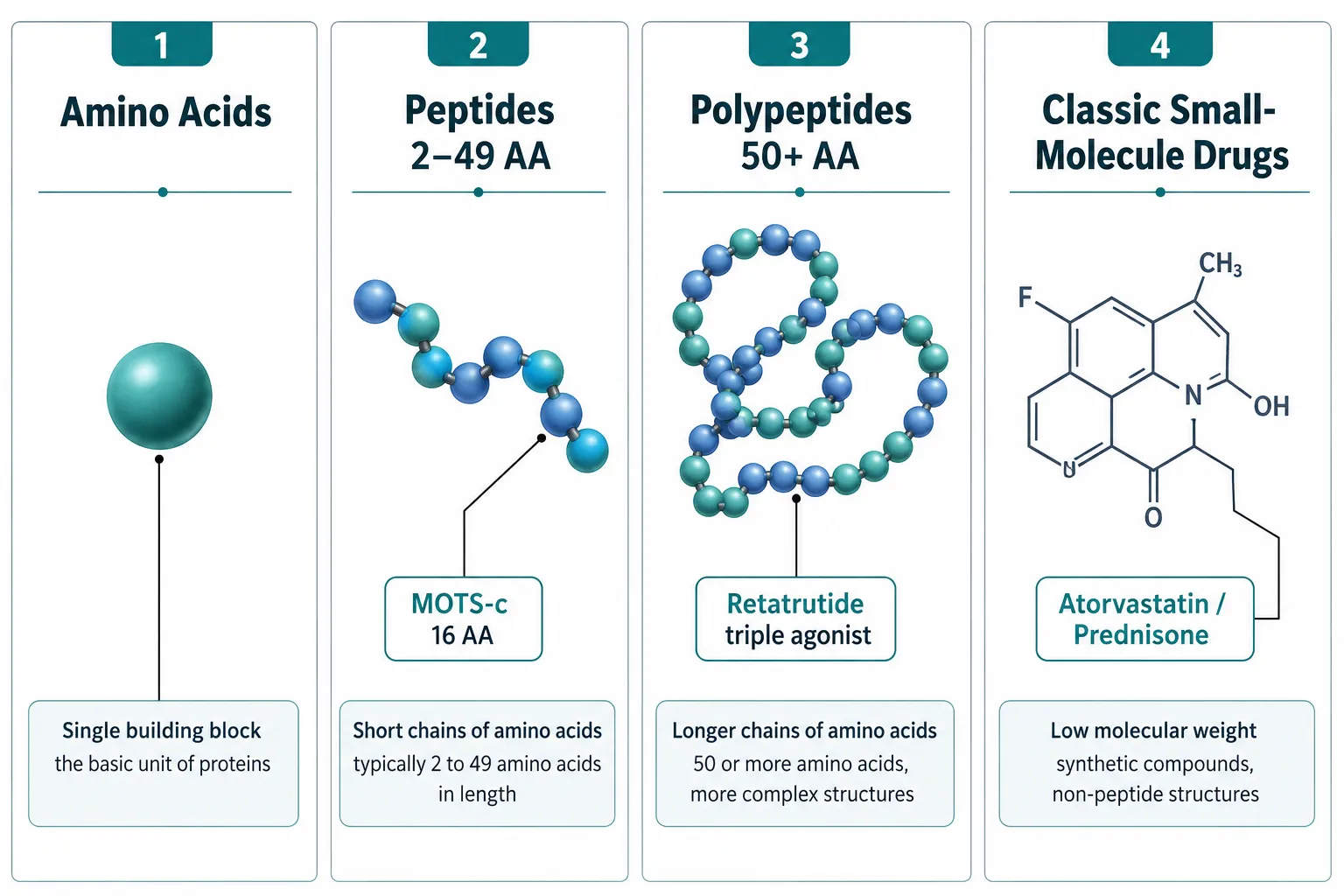
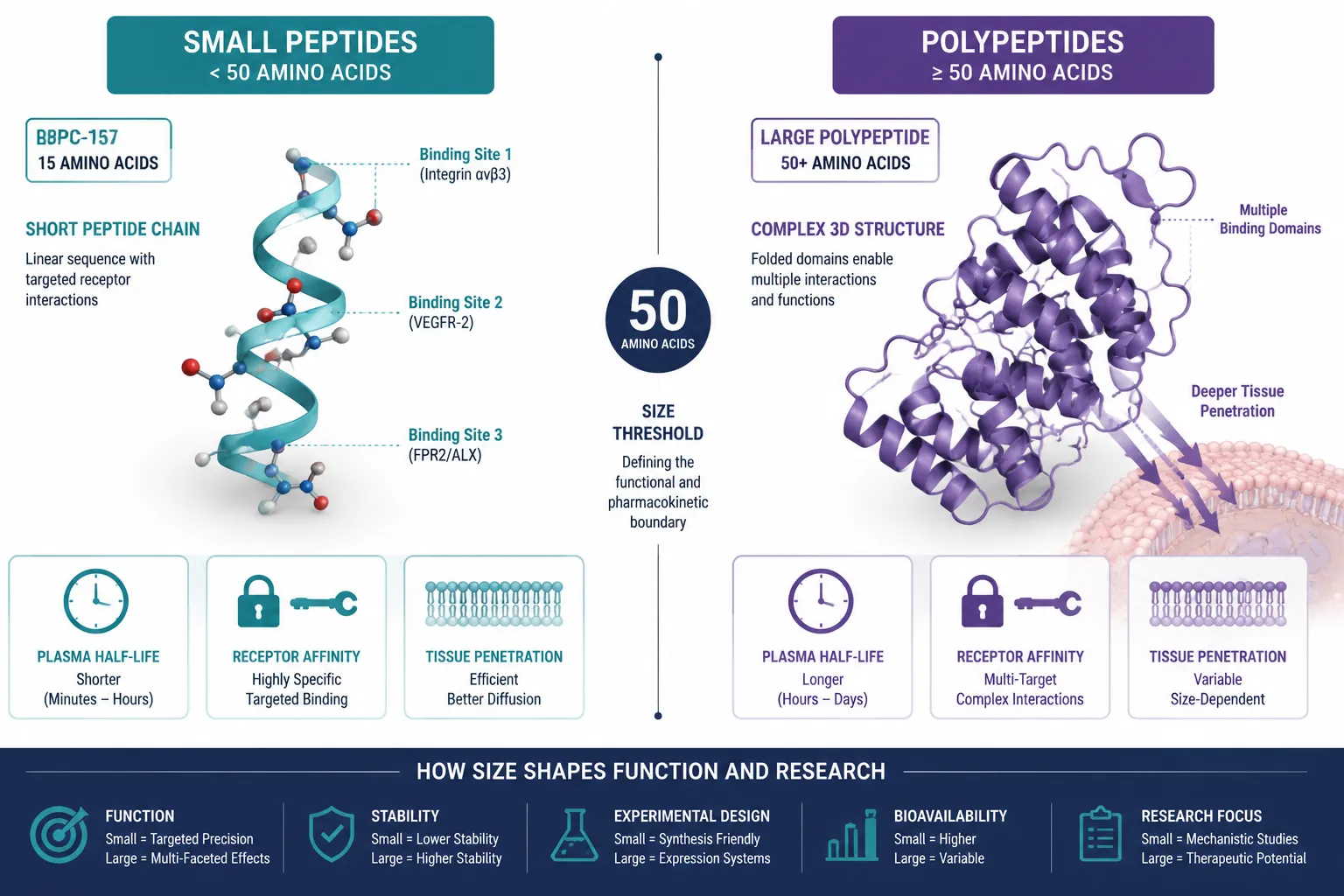
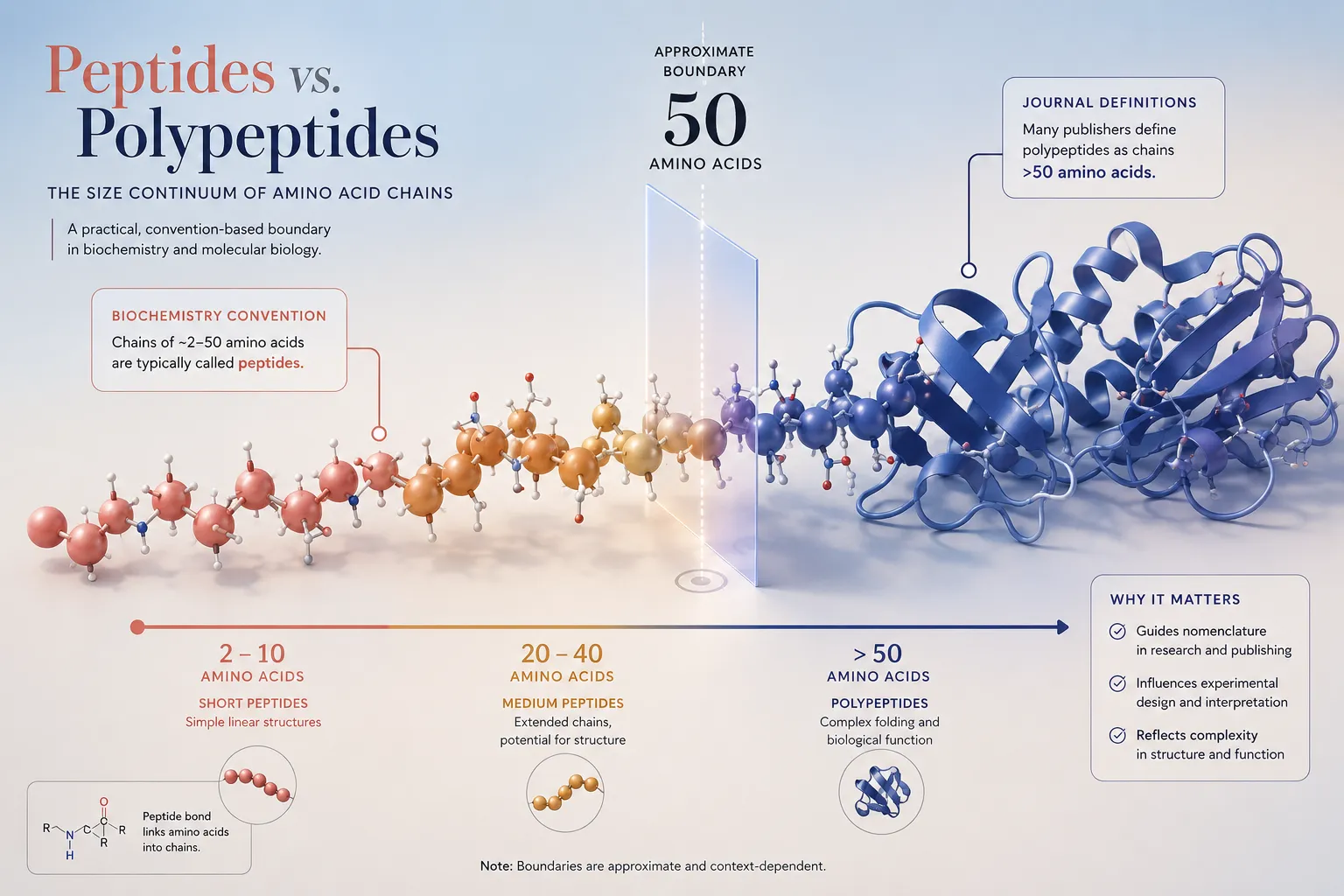
  • Peptides are short amino acid chains (typically 2-50 residues); polypeptides are longer chains that may fold into functional proteins.
  • Peptide bonds form the backbone of all these molecules, and chain length determines biological behavior.
  • Peptides act as signaling molecules, binding receptors to trigger metabolic, regenerative, and neuroactive responses.
  • Major research classes include growth hormone secretagogues, GLP-family metabolic peptides, mitochondrial peptides, and tissue-repair compounds.
  • The global peptide drug pipeline is expanding fast, with new oral delivery formats and AI design tools entering the field in 2026.

Key Takeaways

Structure Basics: What Separates Peptides from Proteins

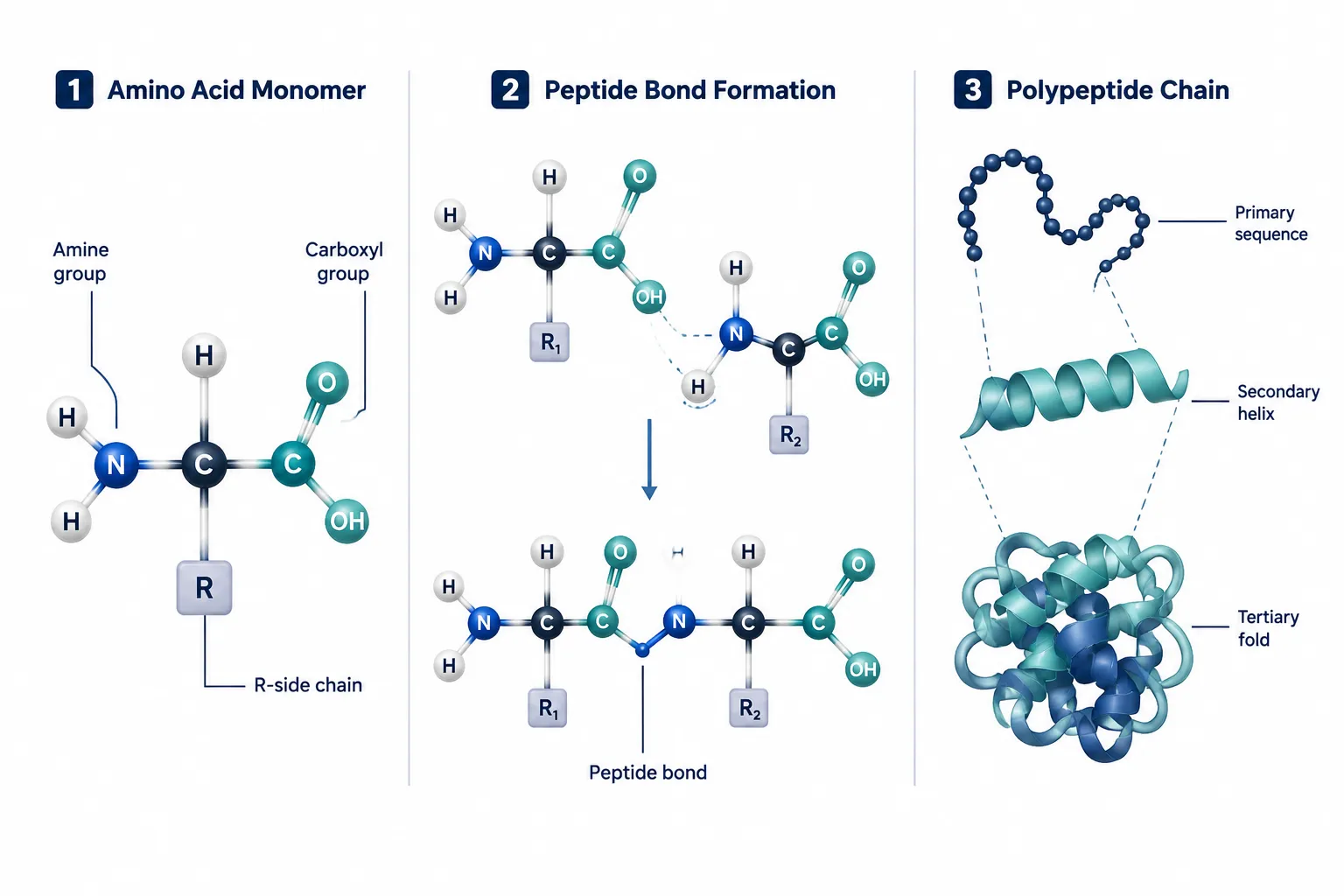
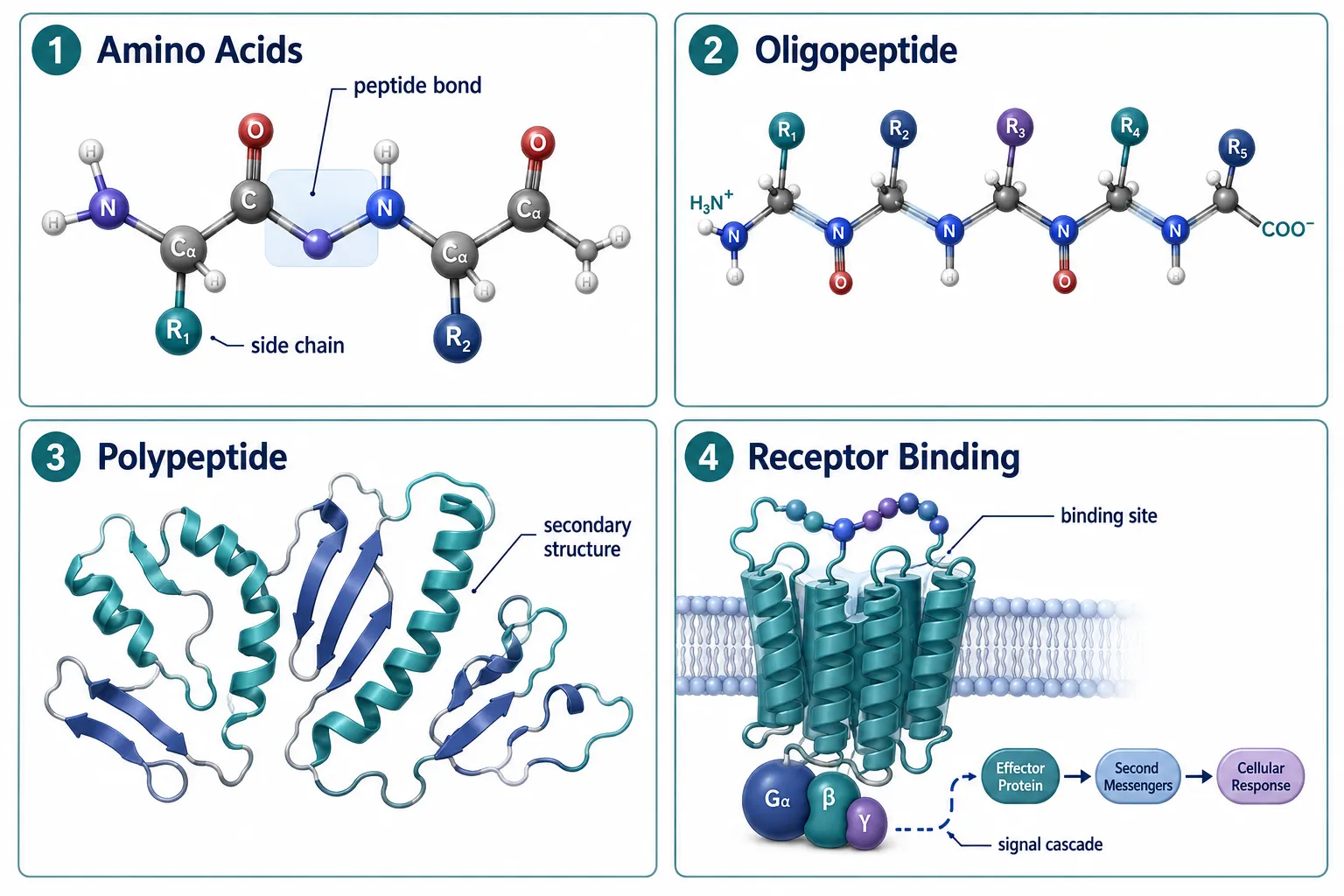
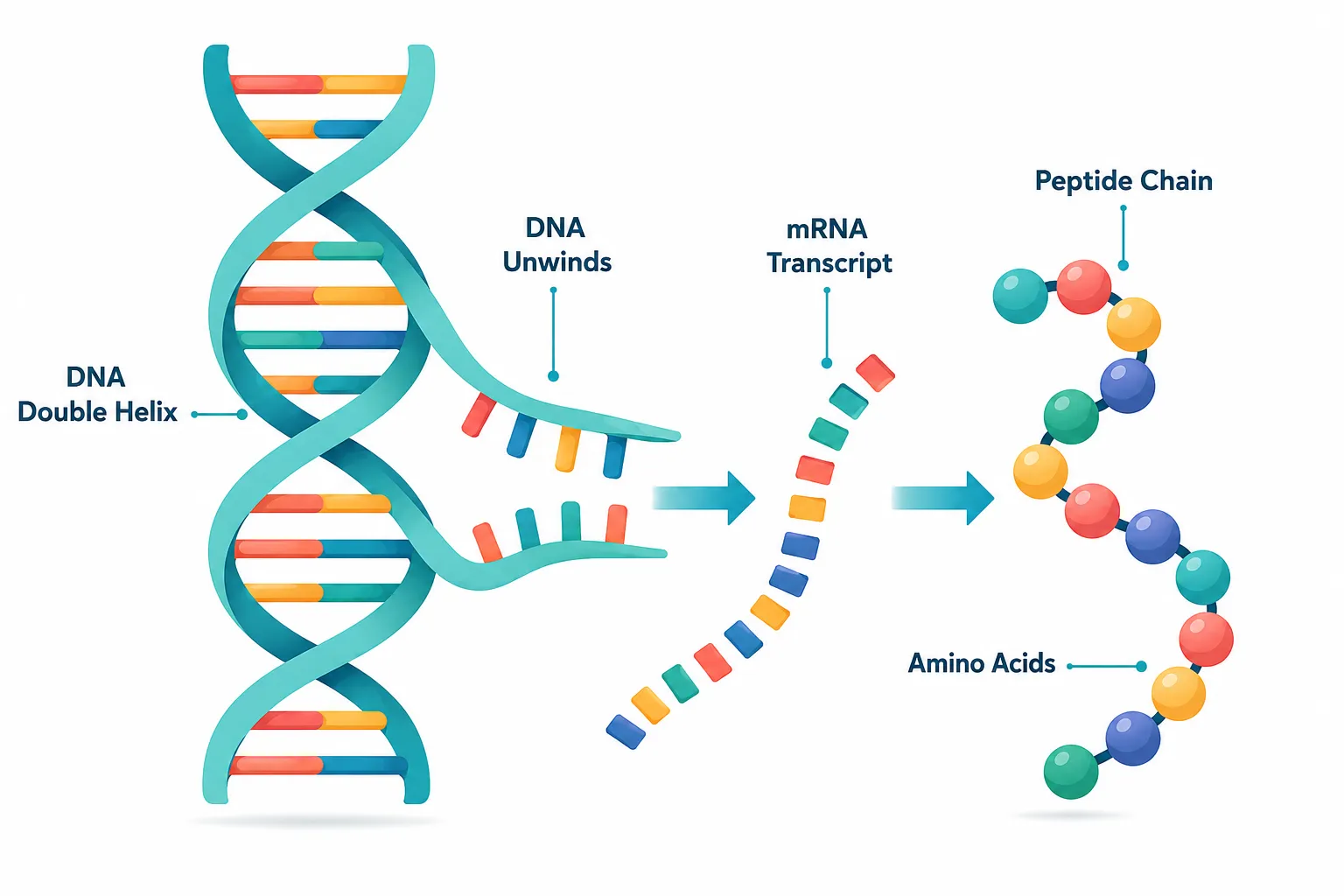
A peptide is a molecule made of two or more amino acids joined by peptide bonds. Each bond forms when the carboxyl group of one amino acid reacts with the amino group of the next, releasing water. The resulting chain is called a polypeptide.

The size distinction matters:

Category Residue Count Example
Dipeptide 2 Carnosine
Oligopeptide 3-10 Glutathione (tripeptide)
Polypeptide 10-50+ GLP-1, BPC-157
Protein 50+ (folded) Insulin, Growth Hormone

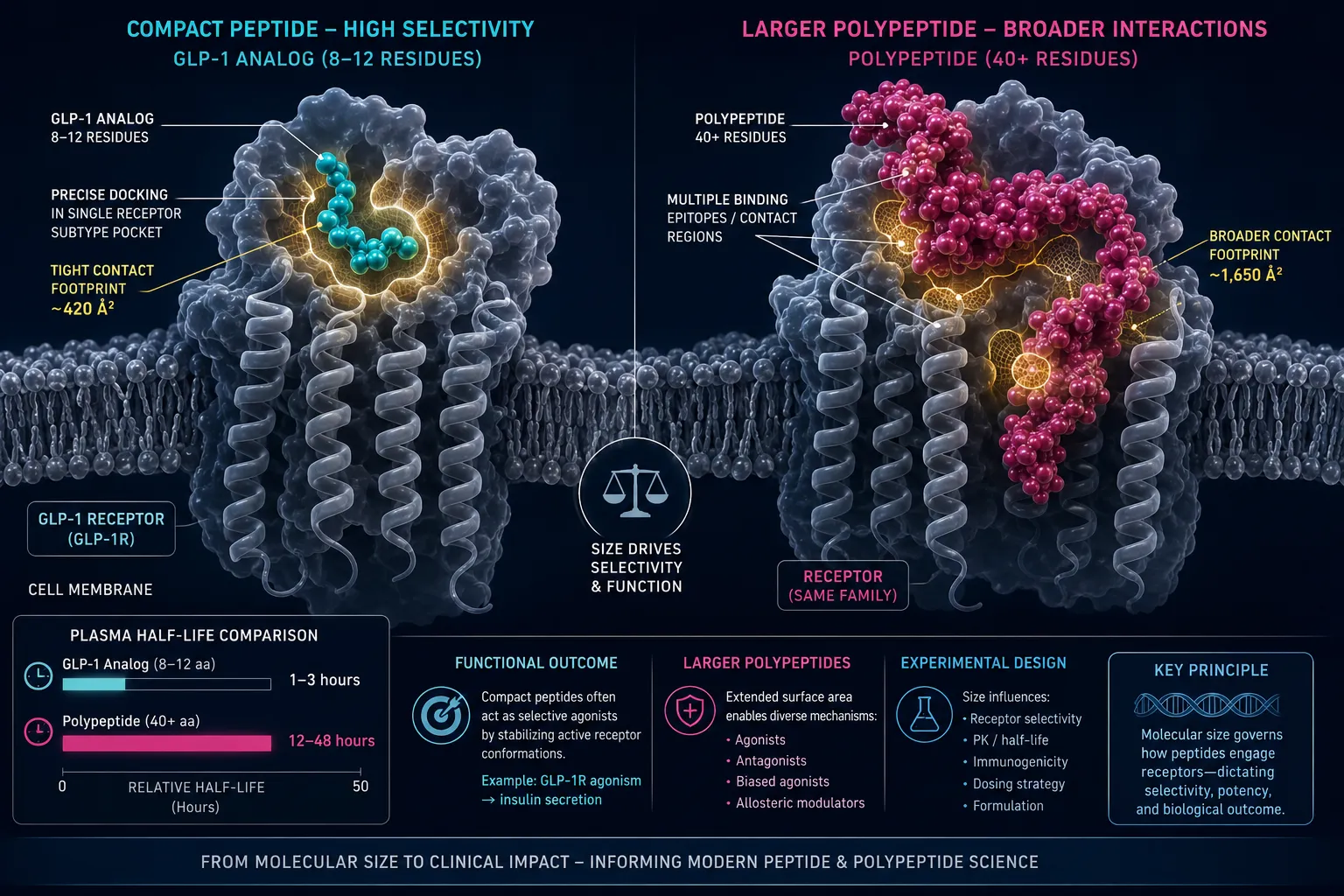
Chain length shapes function. Short peptides often act as direct signaling molecules. Longer polypeptides may fold into three-dimensional structures that enable enzymatic or structural roles. Researchers working with simple peptides often start with this size framework to predict solubility, stability, and receptor compatibility.

The primary structure (amino acid sequence) encodes all downstream behavior. Small changes in sequence — even a single residue swap — can dramatically alter receptor binding, half-life, and tissue targeting.


Structure Basics: What Separates Peptides from Proteins

How Peptides Signal: Receptors, Cascades, and Tissue Targets

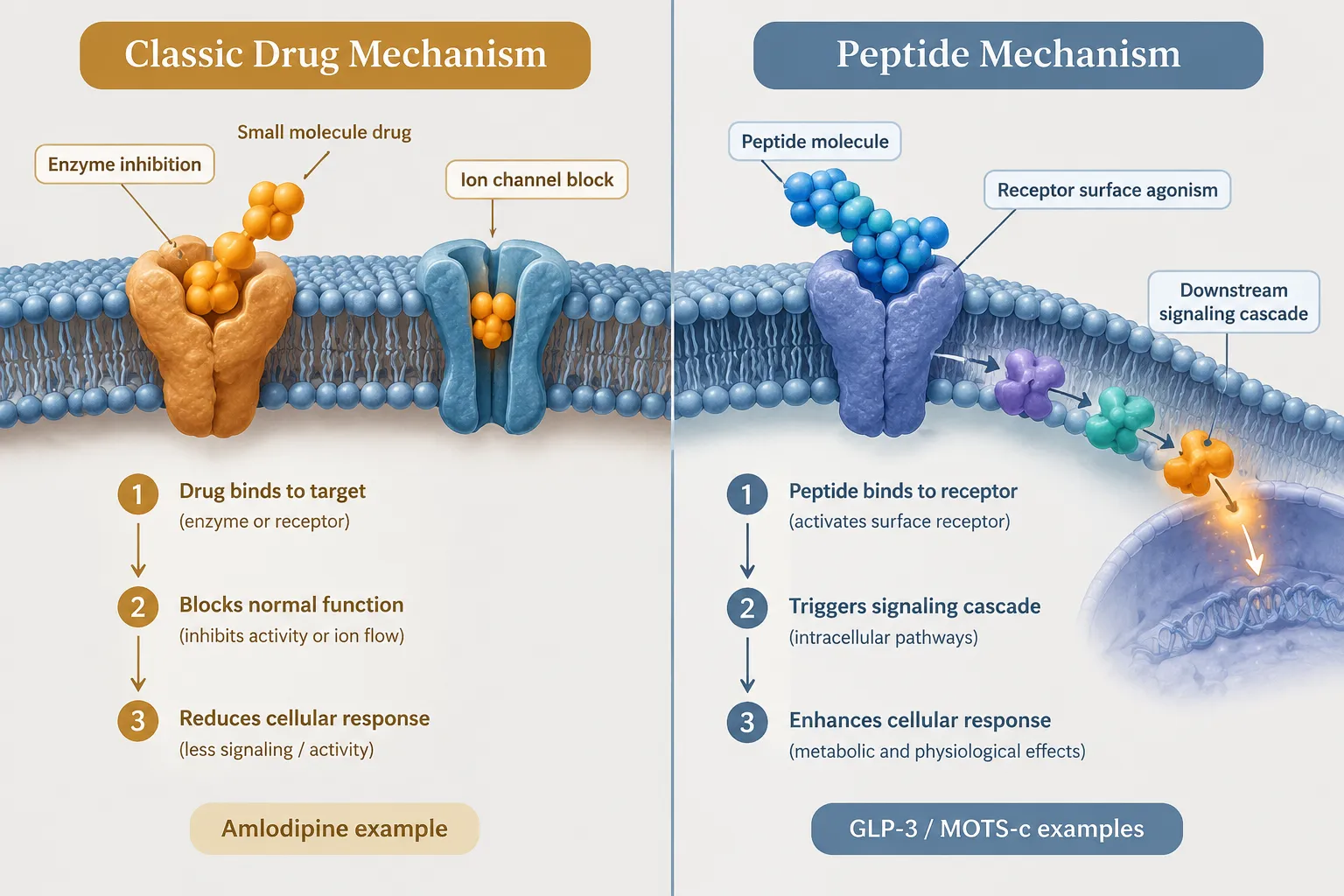
Peptides do not act randomly. They bind specific G protein-coupled receptors (GPCRs) or receptor tyrosine kinases on cell surfaces, triggering intracellular cascades that regulate gene expression, metabolism, and repair.

"A single peptide molecule binding its receptor can initiate a cascade affecting hundreds of downstream proteins — amplification is built into the system."

Key signaling categories in current research include:

  • Metabolic signaling: GLP-1 receptor agonists modulate insulin secretion and appetite. Research into GLP-1 peptide concepts and sourcing reflects intense interest in this pathway.
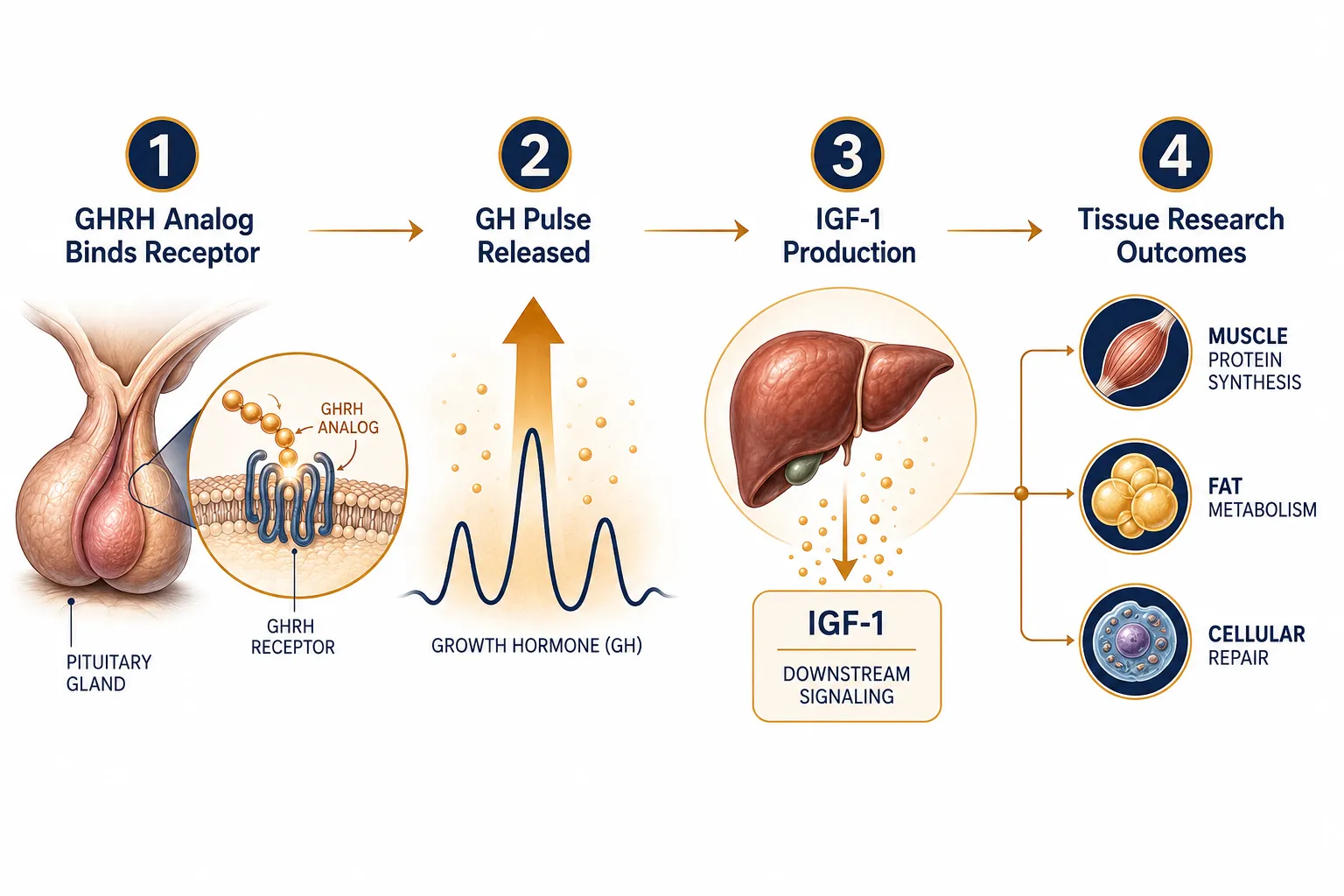
  • Growth hormone axis: Secretagogues like CJC-1295 and Ipamorelin stimulate pituitary GHRH receptors. The CJC-1295 plus Ipamorelin stack is one of the most studied combinations in this category.
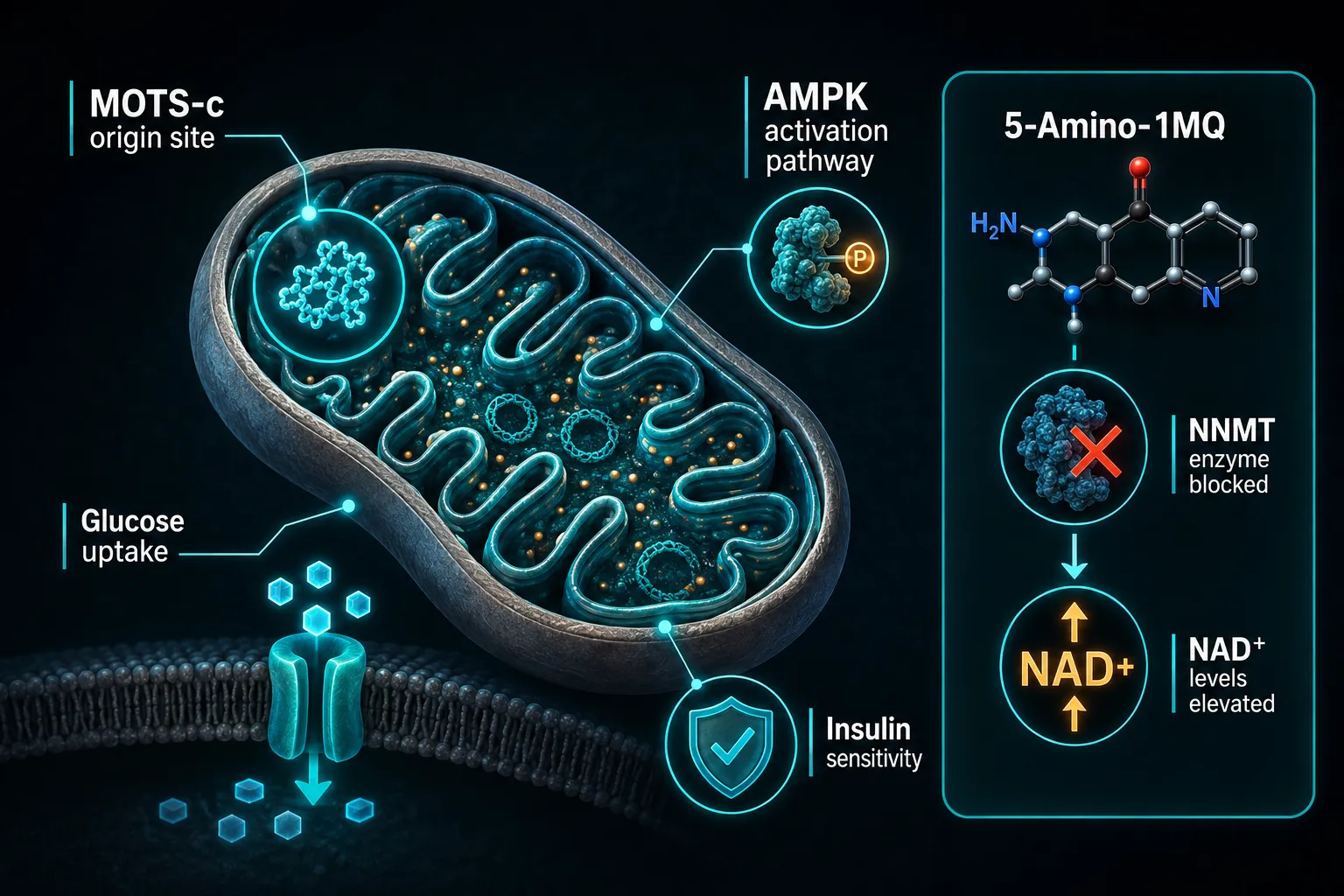
  • Mitochondrial signaling: Peptides such as SS-31 and MOTS-c act on mitochondrial membranes to reduce oxidative stress. Detailed research themes for SS-31 mitochondrial research and MOTS-c metabolic flexibility explore these pathways.
  • Tissue repair: Compounds like BPC-157 and TB-500 influence angiogenesis and cytoskeletal remodeling. The BPC-157 core documentation guide provides a detailed starting point.
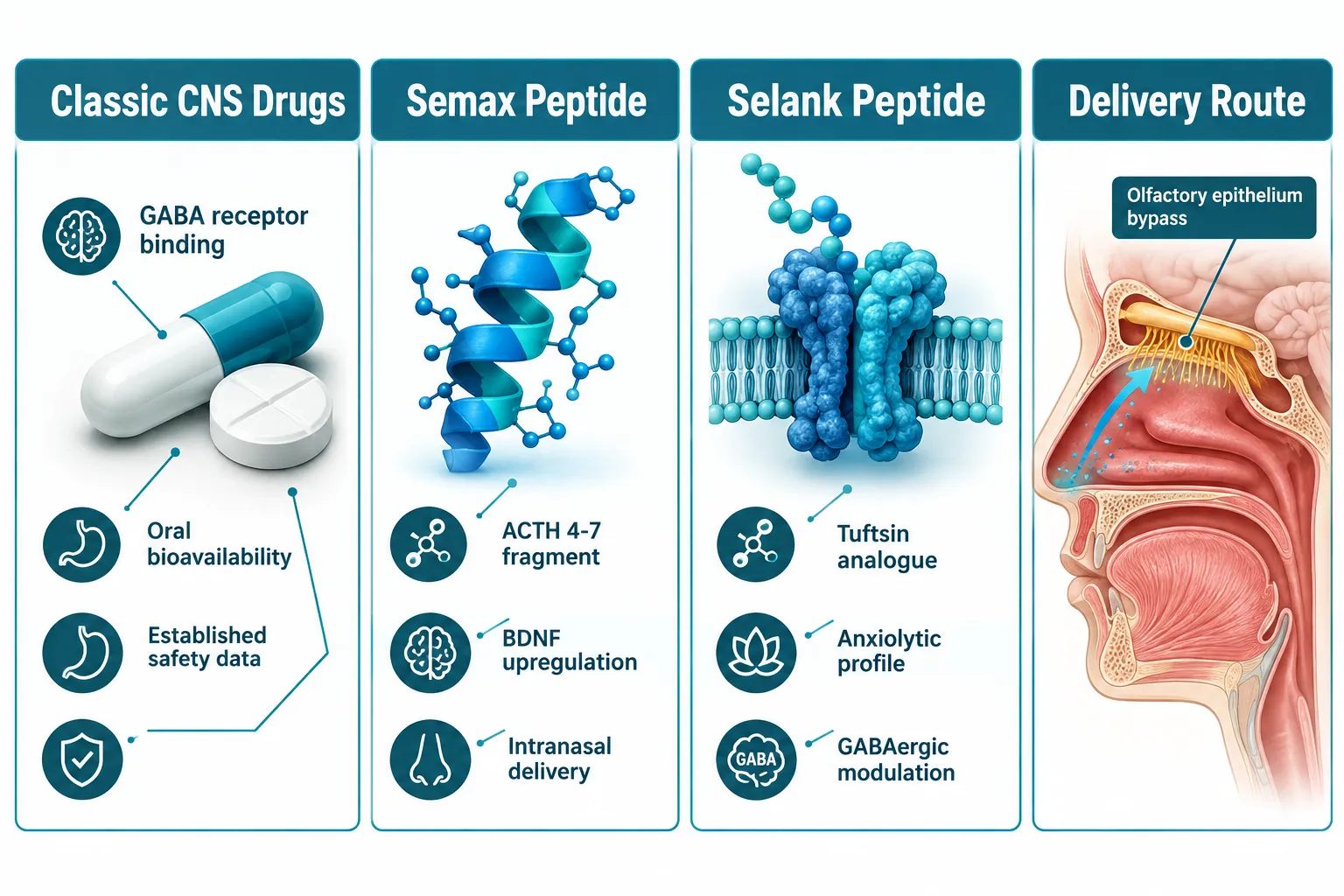
  • Neuroactive peptides: Selank and related compounds modulate anxiety and cognition pathways through GABAergic and serotonergic interactions.

Delivery format affects how well a peptide reaches its target receptor. Injectable routes preserve bioavailability, while newer sublingual and nasal spray peptide formats are being developed to improve compliance and absorption.


How Peptides Signal: Receptors, Cascades, and Tissue Targets

Major Therapeutic Classes in 2026 Research

This section of the Peptides and Polypeptides: A Complete Research Guide to Structure, Signaling, and Therapeutic Classes maps the primary research categories active today.
Growth Hormone Secretagogues
These peptides stimulate natural GH release rather than replacing it directly. Tesamorelin, CJC-1295, and Ipamorelin are the most studied. Research themes around body composition and tesa highlight visceral fat reduction as a key area.
GLP-Family Metabolic Peptides
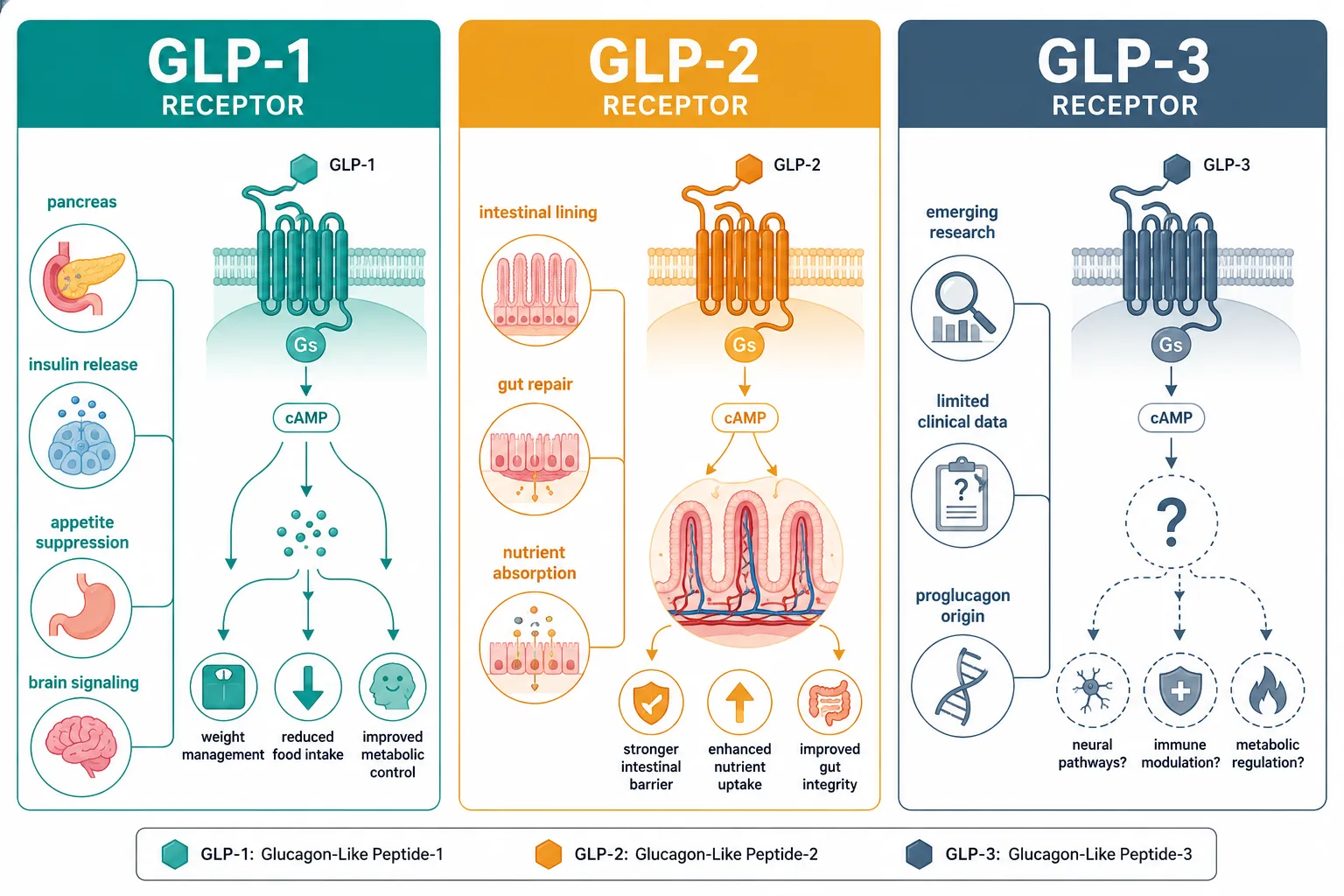
GLP-1, GLP-3/retatrutide, and dual-receptor agonists represent a rapidly evolving class. The GLP-3 and retatrutide incretin research themes page covers next-generation variants.

Mitochondrial and Longevity Peptides
SS-31 and MOTS-c target mitochondrial function and metabolic flexibility. These compounds are gaining traction in aging research.

Regenerative and Skin Matrix Peptides
GHK-Cu is a copper-binding tripeptide studied for collagen synthesis and wound healing. Research into skin matrix biology connects peptide signaling to dermal repair mechanisms.

Industry momentum reinforces the importance of understanding these classes. In early 2026, Lifecore Biomedical and PolyPeptide Laboratories formed a GMP alliance linking domestic API production with fill-finish capacity. SK pharmteco invested $6.1 million to expand U.S. peptide manufacturing. Pinnacle Medicines raised $89 million for oral peptide development targeting asthma and COPD. AI tools like PepTune now generate optimized peptide sequences using diffusion models, compressing design timelines significantly.


Conclusion

Peptides and polypeptides are not a single category — they are a broad molecular language the body uses to coordinate metabolism, repair, and cognition. Understanding chain length, receptor specificity, and signaling class is the prerequisite for evaluating any specific compound.

Actionable next steps for researchers:

  1. Start with structural basics before evaluating any specific peptide compound.
  2. Identify the target receptor class (GPCR, mitochondrial, nuclear) before comparing delivery formats.
  3. Use foundational guides for individual compounds — such as those covering BPC-157, GLP-family peptides, or SS-31 — to move from general understanding to specific research design.
  4. Monitor the rapidly evolving oral and sublingual delivery landscape, as bioavailability improvements are changing research protocols in 2026.

The field is moving fast. A solid structural and signaling foundation makes every subsequent research decision more precise.

https://www.puretestedpeptides.com/wp-content/uploads/2026/06/Peptides-and-Polypeptides-A-Complete-Research-Guide-to-Structure-Signaling-and-Therapeutic-Classes.png 1024 1536 https://www.puretestedpeptides.com/wp-content/uploads/2026/01/buy-peptides-online.jpg 2026-06-16 13:04:522026-06-16 13:04:52Peptides and Polypeptides: A Complete Research Guide to Structure, Signaling, and Therapeutic Classes
×

Helpful Links

  • My account
  • Cart
  • Checkout
  • Refund and Returns Policy
  • Privacy Policy
  • SMS Privacy Policy
  • Login
  • My Account
  • Logout

USA Made Lab Tested Peptides

All products are sold for research, laboratory, or analytical purposes only, and are not for human consumption


Pure Tested Peptides is a chemical supplier. Pure Tested Peptides is not a compounding / chemical compounding facility as defined under 503A of the Federal Food, Drug, and Cosmetic act. Pure Tested Peptides is not an outsourcing facility as defined under 503B of the Federal Food, Drug, and Cosmetic act.

The statements made within this website have not been evaluated by the US Food and Drug Administration. The products we offer are not intended to diagnose, treat, cure or prevent any disease.

Human/Animal Consumption Prohibited. Laboratory/In-Vitro Experimental Use Only

Scroll to top Scroll to top Scroll to top