Call or Text 727-513-9780
  • Shopping Cart Shopping Cart
    0Shopping Cart
Pure Tested Peptides | America's most trusted Peptides for sale online
  • Peptides for sale
    • Oral Peptides for sale
      • Peptide Capsules for sale
      • BPC 157 Capsules 1000mcg
      • SLU-PP-332 Capsules | 1000 mcg
      • 5-Amino-1MQ 50mg Capsules
      • Tesofensine 500mcg
    • All Peptides for sale
    • Peptide Sprays
      • BPC 157 Nasal Spray Kit
      • BPC-157 TB500 Nasal Spray Kit
      • Semax Nasal Spray 10mg
      • Selank – Nasal Spray Kit – 10mg
      • Epithalon 50MG Nasal Spray Kit
      • Ipamorelin 10mg Nasal Spray
      • Klow Nasal Spray (BPC-157 + TB-500 + GHK-Cu + KPV) | 80mg
      • Hulk Nasal Spray Tesa / Ipa Blend 6/3 MG
      • Klow Nasal Spray
      • NAD + 500 mg Nasal Spray
      • PT-141 Nasal Spray Kit
    • GHRH Peptides
      • Ipa Peptides
      • CJC-1295 Peptides
        • CJC-1295 with DAC 5 mg
        • CJC-1295 without DAC 5 mg
        • CJC-1295 Ipa 10mg
      • Tesa Peptides
        • Tesa Peptide
        • Tesa 20 mg
    • GHK-Cu Peptides
      • All GHK-Cu Peptides
      • GHK-Cu 100mg
      • KLOW Peptide Blend – Buy KLOW blend online
    • BPC Peptides
      • All BPC Peptides
      • BPC-157
      • BPC-157 TB-500
      • BPC 157 capsules 1000mcg
    • SLU-PP-332 Peptides
      • All SLU-PP-332 Peptides
      • SLU-PP-332 5mg
    • GLP3 Peptides
      • GLP3-R
      • GLP3-R CAG 10mg
      • GLP3-R 20mg
    • PT-141 Peptides
      • PT-141 Peptides for sale
      • PT-141 10mg
      • PT-141 Nasal Spray
    • CAG Peptides
      • Lipo-C Peptide Blend
      • CAG 5mg
      • CAG 10mg
    • MOTS-C Peptides
      • MOTS-C Peptides for sale
      • MOTS-c peptide
      • MOTS-c 10mg *6 pack*
    • 5 Amino 1MQ Peptides
      • 5 Amino 1MQ Peptides for sale
      • 5-Amino-1MQ 50mg Capsules
      • 5-Amino-1MQ 5mg
    • Epithalon Peptides
      • Epithalon Peptides for sale
      • Epithalon 10mg
      • Epithalon 50mg
  • Shop
    • GLPs
      • 5-Amino-1MQ 50mg Capsules
      • 5-Amino-1MQ 5mg
      • GLP3-Reta
      • L-Carnitine 500mg/ml
      • Tesofensine 500mcg
      • SLU-PP-332 5mg
      • MOTS-c 10mg *6 pack*
    • Epithalon & BPC Peptides
      • Epithalon 10mg
      • Epithalon 50mg
      • BPC-157
      • BPC 157 capsules 1000mcg
      • BPC-157 TB-500
      • BPC-157 TB500 Nasal Spray Kit
      • BPC 157 Nasal Spray Kit
    • BPC TB-500 & NAD+ Peptides
      • NAD+ 500 mg
      • KLOW Peptide Blend – Buy KLOW blend online
      • GLOW Peptide Blend
      • TB 500 5mg
      • BPC 157 capsules 1000mcg – Supplement
      • BPC 157 Nasal Spray Kit
      • BPC-157
      • BPC-157 TB500 Nasal Spray Kit
      • BPC-157 TB-500
      • BPC 157 capsules 1000mcg
    • LL-37 Peptide
      • LL-37 10 mg
    • MOTS-C & Selank
      • MOTS-c peptide
      • Selank 10mg
    • GHK Peptides
      • GHK-Cu 100mg
      • GLOW Peptide Blend
      • KLOW Peptide Blend – Buy KLOW blend online
  • COAs
  • Wholesale
    • Wholesale Peptides for sale
  • PTP FAQ
  • Affiliates
    • Affiliate Program
    • Affiliate Signup
  • Contact
    • Contact Customer Service
    • Text Customer Support
  • About US
  • Shop all peptides
  • Login / Register Login / Register Page Link Login / Register Page Link
  • Click to open the search input field Click to open the search input field Search
  • Menu Menu

Tag Archive for: short bowel syndrome

GLP-2-T Peptide: Unraveling Its Impact on Gut Microbiome and Intestinal Homeostasis Research

GLP-2-T Peptide: Unraveling Its Impact on Gut Microbiome and Intestinal Homeostasis Research

July 11, 2026/0 Comments/in Uncategorized/by

Fewer than one in ten adults with short bowel syndrome have access to targeted peptide-based therapies, yet the molecule at the center of that treatment gap, GLP-2, is now revealing a far broader story. Research in 2026 increasingly focuses on GLP-2-T peptide: unraveling its impact on gut microbiome and intestinal homeostasis research has become one of the most active frontiers in gastrointestinal science, moving well beyond barrier repair into the dynamic world of microbial ecology.

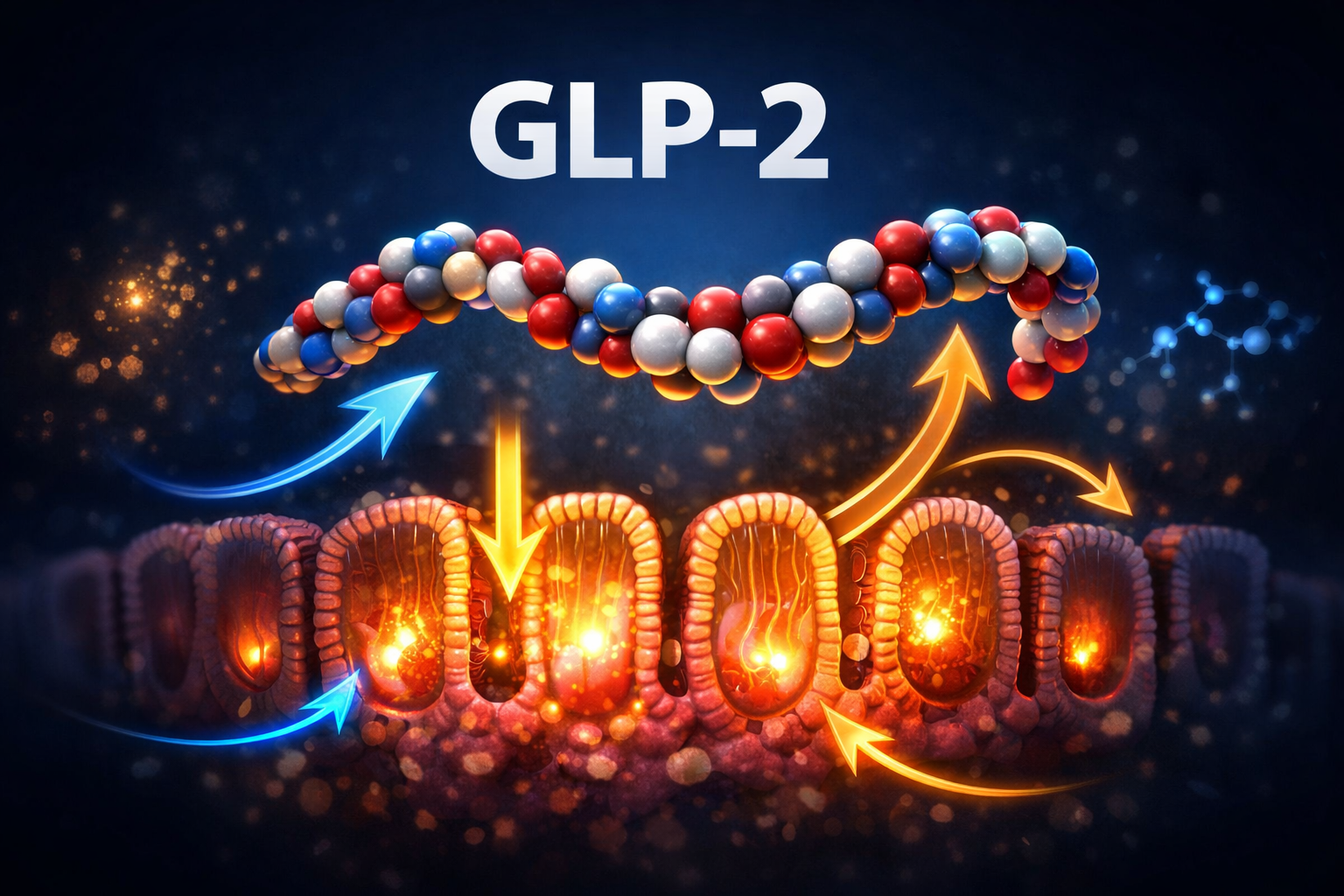
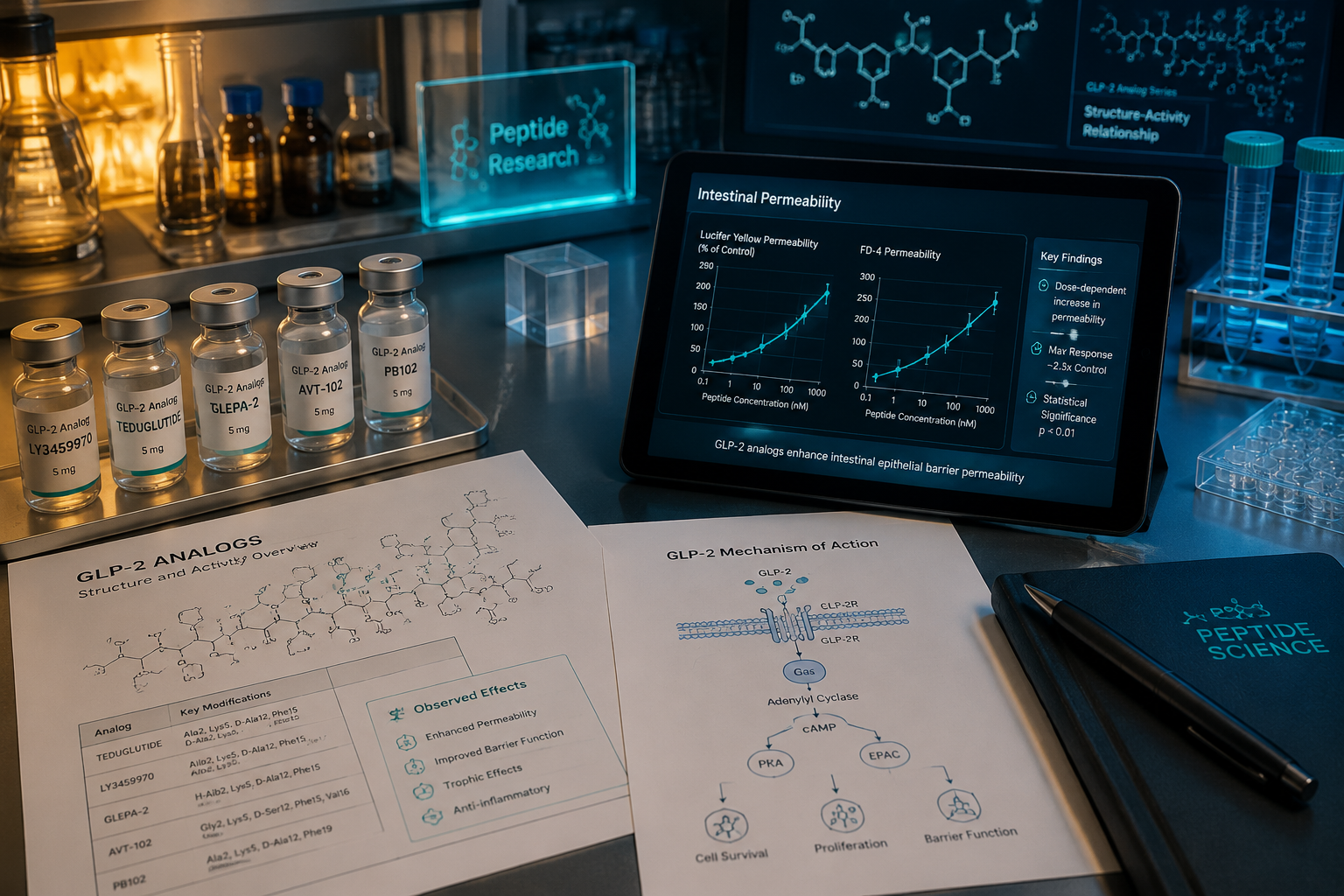
Editorial () showing a detailed scientific illustration of a 33-amino acid peptide chain labeled 'GLP-2' in white text (5

Key Takeaways

  • GLP-2-T is a next-generation analog of the naturally occurring 33-amino acid gut hormone GLP-2, with enhanced stability and receptor activity.
  • It binds the GLP-2 receptor (GLP-2R) to stimulate crypt cell proliferation, reduce apoptosis, and increase intestinal mass.
  • Preclinical data show GLP-2 treatment can shift gut microbiota composition, reducing pathogenic genera while boosting beneficial bacteria.
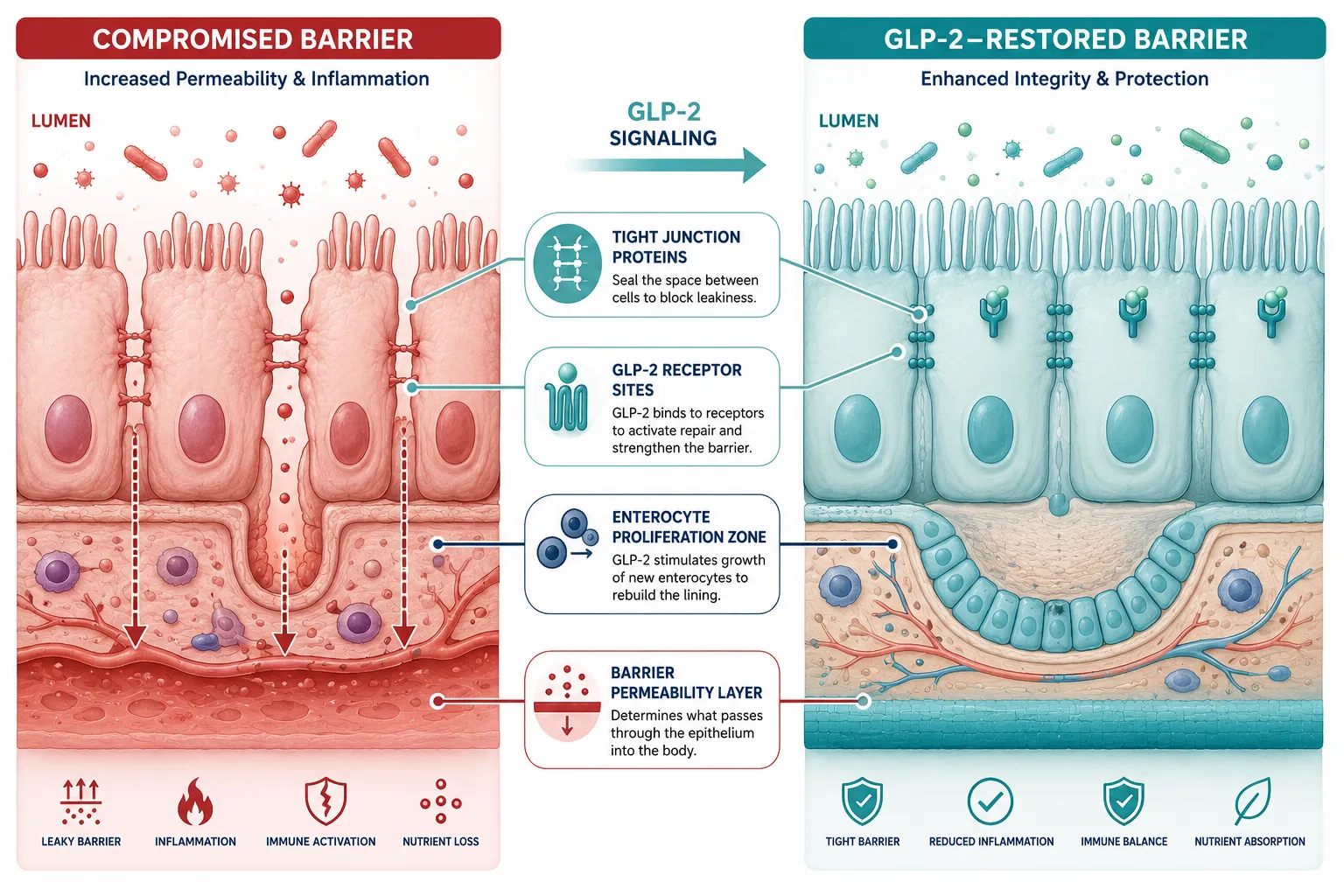
  • GLP-2-T strengthens intestinal barrier integrity by tightening epithelial junctions and limiting systemic inflammation.
  • Therapeutic research now spans short bowel syndrome, inflammatory bowel disease, chemotherapy-induced mucositis, and emerging metabolic applications.

What Is GLP-2-T and How Does It Work

GLP-2 is a 33-amino acid peptide hormone secreted from intestinal L-cells alongside GLP-1 in direct response to nutrient intake. While GLP-1 governs glucose regulation and appetite, a topic explored in detail in the generations of GLP-1 differences overview, GLP-2 focuses specifically on intestinal growth and repair. GLP-2-T refers to a stabilized, truncation-resistant analog engineered to extend the peptide's short plasma half-life and amplify receptor engagement.

The mechanism is precise. GLP-2-T binds the GLP-2 receptor (GLP-2R), activating downstream signaling cascades that:

  • Stimulate crypt cell proliferation, expanding the intestinal epithelial surface
  • Inhibit enterocyte apoptosis, preserving mucosal architecture
  • Enhance nutrient absorption, increasing functional digestive capacity
  • Modulate nitric oxide pathways, supporting intestinal lipid absorption and chylomicron secretion

This receptor-driven mechanism is what makes GLP-2-T distinct from broader gut-healing peptides. Researchers comparing it to multi-target compounds like BPC-157 note that GLP-2-T's action is highly tissue-specific, concentrated in the small intestine and proximal colon.

"GLP-2-T's receptor specificity allows researchers to isolate intestinal growth signals from systemic metabolic noise, a critical advantage in controlled preclinical models."


GLP-2-T Peptide: Unraveling Its Impact on Gut Microbiome Composition

This is where the science becomes particularly compelling. Preclinical studies using Sprague-Dawley rat models demonstrated that GLP-2 treatment produced a measurable shift in gut microbiota composition. Aged rats showed a significant reduction in pathogenic bacterial genera alongside a concurrent increase in beneficial commensal populations. These findings suggest that GLP-2-T's influence on intestinal homeostasis extends beyond the epithelial layer into the microbial ecosystem itself.

GLP-2-T Peptide: Unraveling Its Impact on Gut Microbiome Composition

The proposed mechanisms linking GLP-2-T to microbiome modulation include:

Pathway Proposed Effect
Reduced epithelial permeability Less translocation of pro-inflammatory lipopolysaccharides
Increased mucosal surface area More habitat for beneficial anaerobes
Reduced luminal inflammation Selective pressure favoring commensal species
Enhanced mucus layer thickness Physical barrier supporting Lactobacillus and Bifidobacterium colonization

This bidirectional relationship, where GLP-2-T shapes the microbiome and the microbiome in turn influences L-cell secretion, mirrors patterns seen in research on other gut-active peptides. Those interested in multi-pathway gut and metabolic interactions may also find the KLow blend multi-pathway research discussion relevant to this systems-level view.


GLP-2-T Peptide: Intestinal Homeostasis Research and Therapeutic Potential

Maintaining intestinal homeostasis requires a constant balance between mucosal renewal, immune tolerance, and microbial stability. GLP-2-T addresses all three arms of this balance.

Barrier integrity is a primary focus. By tightening epithelial tight junctions and reducing paracellular permeability, GLP-2-T limits the translocation of bacterial antigens and endotoxins into systemic circulation, a process directly linked to chronic low-grade inflammation. This mechanism has drawn comparisons to the anti-inflammatory tissue-repair work documented in BPC-157 and TB-500 combination research.

GLP-2-T Peptide: Intestinal Homeostasis Research and Therapeutic Potential

Current therapeutic research areas include:

  • Short bowel syndrome, the basis for teduglutide (Gattex), the approved GLP-2 analog
  • Inflammatory bowel disease, reducing mucosal damage during active flares
  • Chemotherapy-induced mucositis, protecting rapidly dividing crypt cells from cytotoxic damage
  • Metabolic disorders, leveraging GLP-2-T's role in lipid absorption and chylomicron regulation

Beyond the gut, early data point to neuroprotective properties, including reduced neuronal apoptosis and potential neurogenesis support, an area being watched alongside broader peptide longevity research such as NAD+ energetics and longevity research themes.

For researchers sourcing compounds to study gut-active peptides, reviewing lab-tested peptide standards is an important step in ensuring experimental integrity. Those exploring the broader GLP receptor family should also review the GIP receptor and its importance for complementary context.


Conclusion

GLP-2-T peptide: unraveling its impact on gut microbiome and intestinal homeostasis research is no longer a niche pursuit, it sits at the intersection of mucosal immunology, microbial ecology, and metabolic medicine. The evidence to date supports a peptide that does far more than grow intestinal tissue. It actively reshapes the microbial environment, fortifies the epithelial barrier, and modulates lipid and inflammatory pathways simultaneously.

Actionable next steps for researchers:

  1. Review current preclinical microbiome shift data and identify gaps in human translational models.
  2. Compare GLP-2-T analog stability profiles against first-generation GLP-2 compounds in study design.
  3. Explore synergistic research designs pairing GLP-2-T with complementary gut-active peptides.
  4. Ensure all research-grade compounds are sourced from verified, lab-tested peptide suppliers to maintain data reproducibility.
  5. Monitor emerging data on GLP-2-T's neuroprotective and metabolic applications as the field expands.

The gut is not a passive organ, and GLP-2-T is not a passive molecule. As 2026 research continues to unfold, this peptide's role in shaping the body's internal ecosystem may prove to be one of the most significant stories in gastrointestinal science.


https://www.puretestedpeptides.com/wp-content/uploads/2026/07/glp-2-t-peptide-unraveling-its-impact-on-gut-microbiome-and-intestinal-homeostas.png 1024 1536 https://www.puretestedpeptides.com/wp-content/uploads/2026/01/buy-peptides-online.jpg 2026-07-11 13:38:062026-07-11 13:38:06GLP-2-T Peptide: Unraveling Its Impact on Gut Microbiome and Intestinal Homeostasis Research
GLP-2 Tirz Peptide: Advancing Gut Health Research through Intestinal Barrier Function Modulation

GLP-2 Tirz Peptide: Advancing Gut Health Research through Intestinal Barrier Function Modulation

July 2, 2026/0 Comments/in Uncategorized/by

Roughly 70% of the immune system resides in the gut β€” yet the molecular gatekeepers that maintain that boundary remain an active frontier of peptide research. Among the most compelling candidates under investigation in 2026 is the GLP-2 Tirz peptide, a compound drawing serious attention for its role in intestinal barrier function modulation and broader gut health applications.

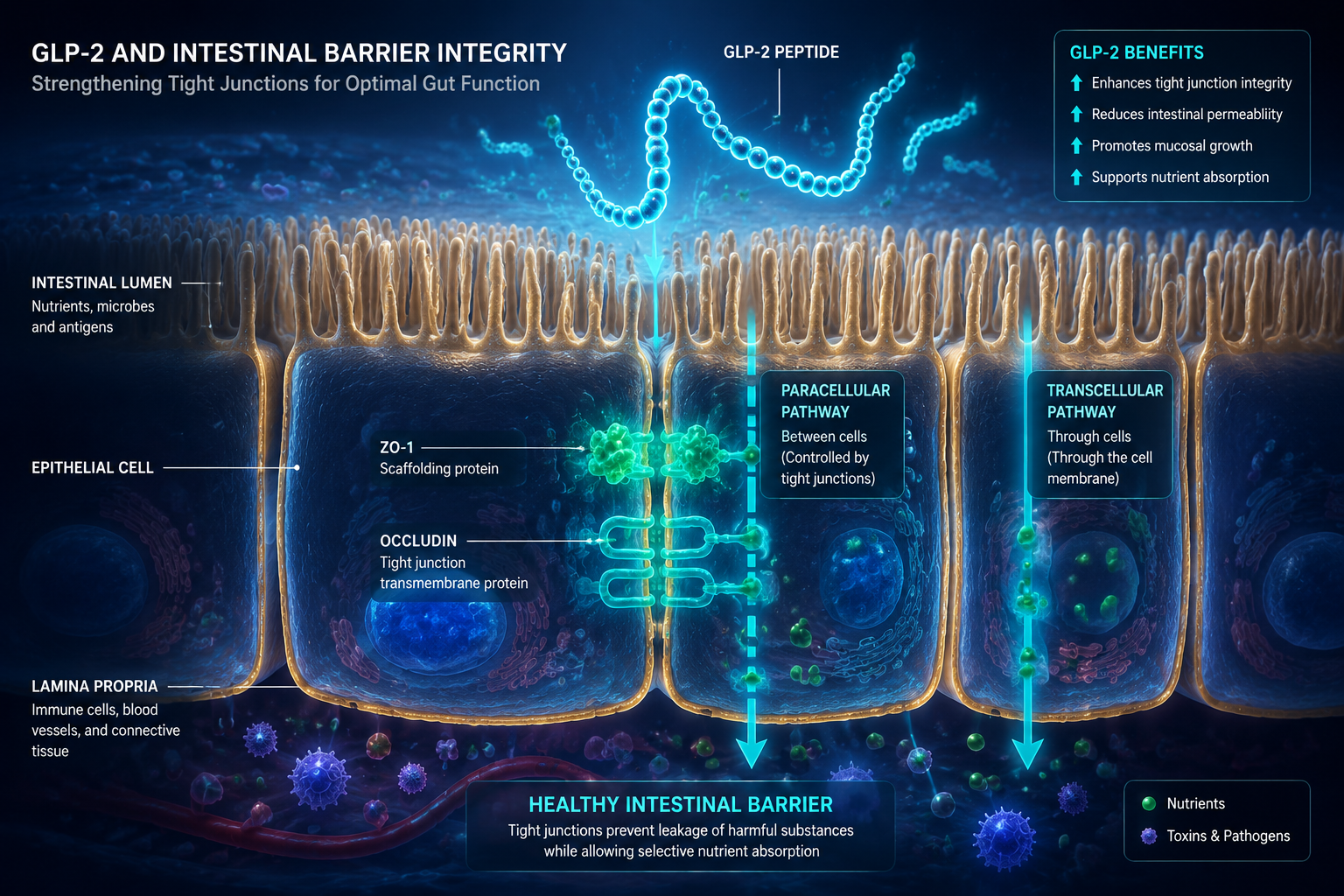
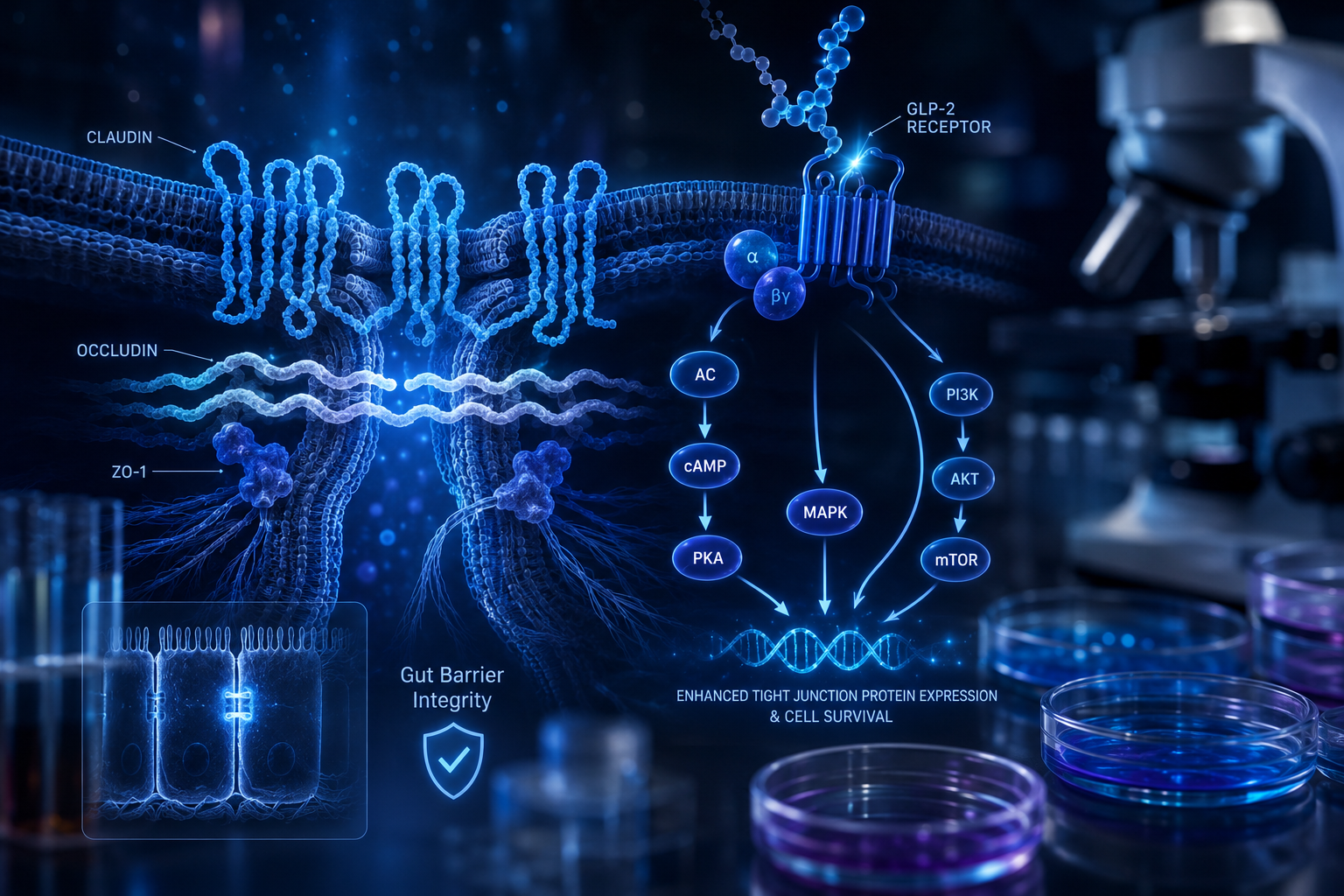
Detailed () scientific illustration showing a magnified intestinal epithelial barrier with tight junction proteins ZO-1 and

Key Takeaways

  • GLP-2 Tirz peptide research centers on its ability to strengthen the intestinal epithelial barrier through both transcellular and paracellular pathways.
  • The insulin-like growth factor-1 receptor (IGF-1R) appears essential for mediating GLP-2's barrier-protective effects in preclinical models.
  • GLP-2 upregulates key tight junction proteins, including ZO-1 and occludin, which are critical for gut wall integrity.
  • Preclinical data suggest GLP-2 may counteract age-related intestinal atrophy and inflammation-driven permeability increases.
  • A long-acting GLP-2 analog is already approved for short bowel syndrome, providing a clinical foundation for expanded research.

What Is GLP-2 and Why Does It Matter for Gut Research

Glucagon-like peptide-2 (GLP-2) is an intestinally derived hormone released from L-cells in the gut lining following nutrient intake. It plays a multi-functional role: promoting intestinal mucosal growth, enhancing nutrient absorption, supporting blood flow, and β€” most critically for researchers β€” reducing gut permeability.

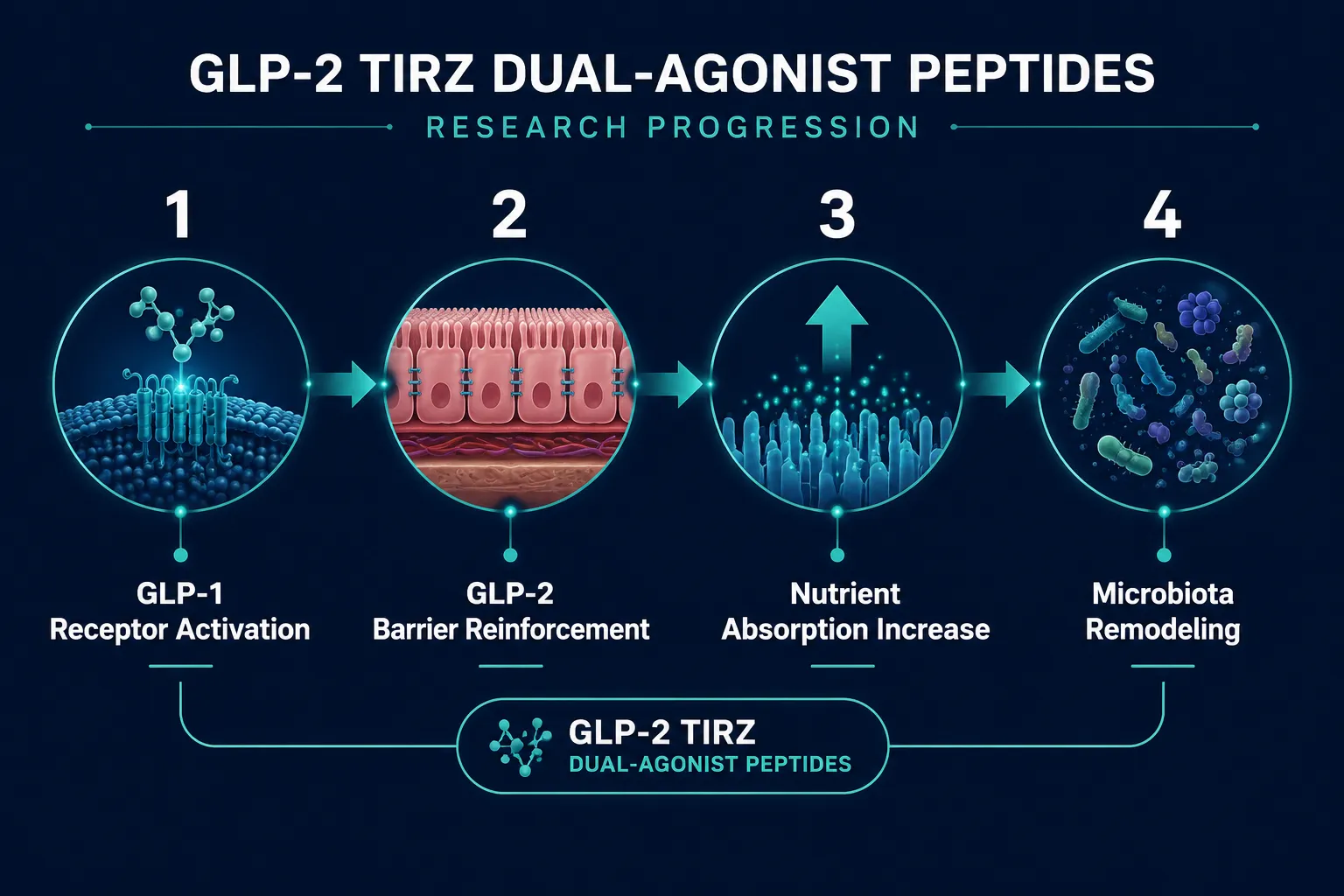
The GLP-2 Tirz peptide framework builds on this foundation by exploring how dual or combined receptor agonism (as seen in tirzepatide-class molecules) may amplify these intestinotrophic effects. Researchers are particularly interested in how such compounds interact with the gut wall at the cellular level, given the link between barrier dysfunction and systemic inflammatory conditions.

For context on how GLP-class peptides have evolved across research generations, the GLP-1 peptide generational research overview provides useful background on the incretin family's expanding scope.


Intestinal Barrier Function Modulation: The Core Research Mechanism

The intestinal barrier is not a single wall β€” it is a dynamic, layered system of epithelial cells held together by tight junction proteins. When this barrier weakens, harmful substances cross into systemic circulation, a phenomenon often called "leaky gut."

GLP-2 Tirz peptide research on intestinal barrier function modulation has identified several key mechanisms:

Mechanism Research Finding
Paracellular pathway Reduced flux of sodium and tracer molecules (Cr-EDTA, HRP)
Tight junction upregulation Increased ZO-1 and occludin expression in aged models
IGF-1R dependency Barrier effects absent in IE-IGF-1R-null mouse models
TNF-alpha attenuation GLP-2 blunted inflammatory barrier disruption in Caco-2 cell studies

The IGF-1R finding is particularly significant. Research in mice demonstrated that GLP-2 treatment reduced intestinal permeability and increased jejunal resistance β€” but only when the intestinal epithelial IGF-1 receptor was intact. This positions IE-IGF-1R as a required mediator, not merely a bystander.

"GLP-2's barrier-protective effects are not simply structural β€” they appear to be receptor-dependent, opening precise molecular targets for future therapeutic design."

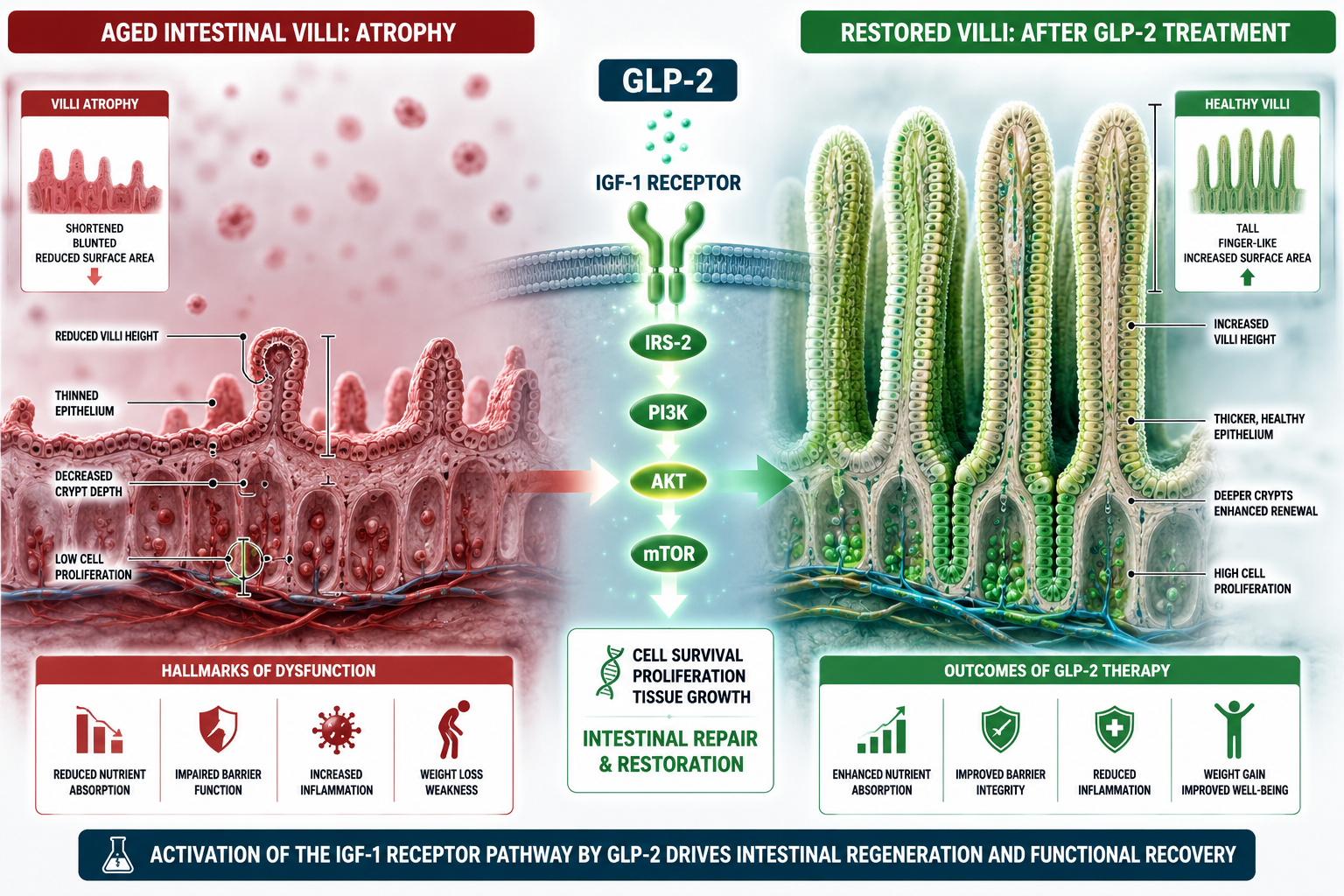
In aged rat models, GLP-2 administration reversed age-related mucosal atrophy and restored villi structure, while simultaneously upregulating tight junction protein expression. This has implications for research into age-associated gut dysfunction.

Researchers exploring complementary barrier and mucosal support pathways may also find value in reviewing LL-37 innate research themes, given LL-37's known role in epithelial defense and mucosal immunity.

Intestinal Barrier Function Modulation: The Core Research Mechanism


Expanding Applications: GLP-2 Tirz Peptide Beyond the Gut Wall

The research scope for GLP-2 Tirz peptide advancing gut health research extends well beyond tight junction biology. Several additional areas are under active investigation:

Lipid metabolism: GLP-2 administration in human subjects triggered the release of chylomicrons containing stored apoB-48 and lipids, transiently elevating triglyceride-rich lipoprotein levels. This suggests GLP-2 participates in postprandial lipid handling β€” a finding with implications for metabolic research.

Inflammatory bowel conditions: Preclinical models of enteritis and colitis showed that GLP-2 reduced mucosal damage and accelerated repair. These findings support interest in GLP-2 analogs for conditions involving compromised intestinal integrity.

Short bowel syndrome: A long-acting GLP-2 analog (teduglutide) is already FDA-approved for this indication, establishing a clinical proof-of-concept that informs next-generation peptide design.

For researchers examining metabolic modulation alongside gut health, GLP-3 Reta incretin research themes and cagrilintide synergy with GLP-1 offer relevant parallel frameworks. Additionally, those studying systemic metabolic pathways may benefit from SLU-PP-332 metabolic modulation research themes as a complementary reference.

Researchers interested in peptide delivery formats should also explore nasal spray peptide delivery options as an alternative administration route being studied for incretin-class compounds.

Expanding Applications: GLP-2 Tirz Peptide Beyond the Gut Wall


Conclusion

The research trajectory of GLP-2 Tirz peptide in 2026 is defined by precision: receptor-specific mechanisms, measurable barrier outcomes, and translatable preclinical data. For researchers focused on gut health, intestinal permeability, or mucosal biology, this peptide class represents one of the most mechanistically grounded areas of current investigation.

Actionable next steps for researchers:

  • Review the IGF-1R dependency literature to understand the signaling cascade before designing intervention protocols.
  • Examine tight junction protein expression (ZO-1, occludin) as measurable biomarkers in barrier function studies.
  • Explore the generations of GLP-1 differences to contextualize GLP-2 Tirz within the broader incretin research landscape.
  • Consider aged animal models as a relevant context for studying GLP-2's restorative potential on mucosal architecture.
  • Browse the full peptide research catalog to identify complementary compounds for multi-target gut health research designs.
https://www.puretestedpeptides.com/wp-content/uploads/2026/07/GLP-2-Tirz-Peptide-Advancing-Gut-Health-Research-through-Intestinal-Barrier-Function-Modulation.png 1024 1536 https://www.puretestedpeptides.com/wp-content/uploads/2026/01/buy-peptides-online.jpg 2026-07-02 13:08:112026-07-02 13:08:11GLP-2 Tirz Peptide: Advancing Gut Health Research through Intestinal Barrier Function Modulation
GLP-2 and GLP-2-Tirzepatide: Research into Intestinal Growth Factors and Gut Barrier Function

GLP-2 and GLP-2-Tirzepatide: Research into Intestinal Growth Factors and Gut Barrier Function

June 20, 2026/0 Comments/in Uncategorized/by

Short bowel syndrome affects roughly 3 in every million people, yet the peptide hormone at the center of emerging gut repair research β€” GLP-2 β€” was only identified in the 1980s. Today, research into GLP-2 and GLP-2-Tirzepatide: Research into Intestinal Growth Factors and Gut Barrier Function is reshaping how scientists understand the intestine as a dynamic, hormonally regulated organ.

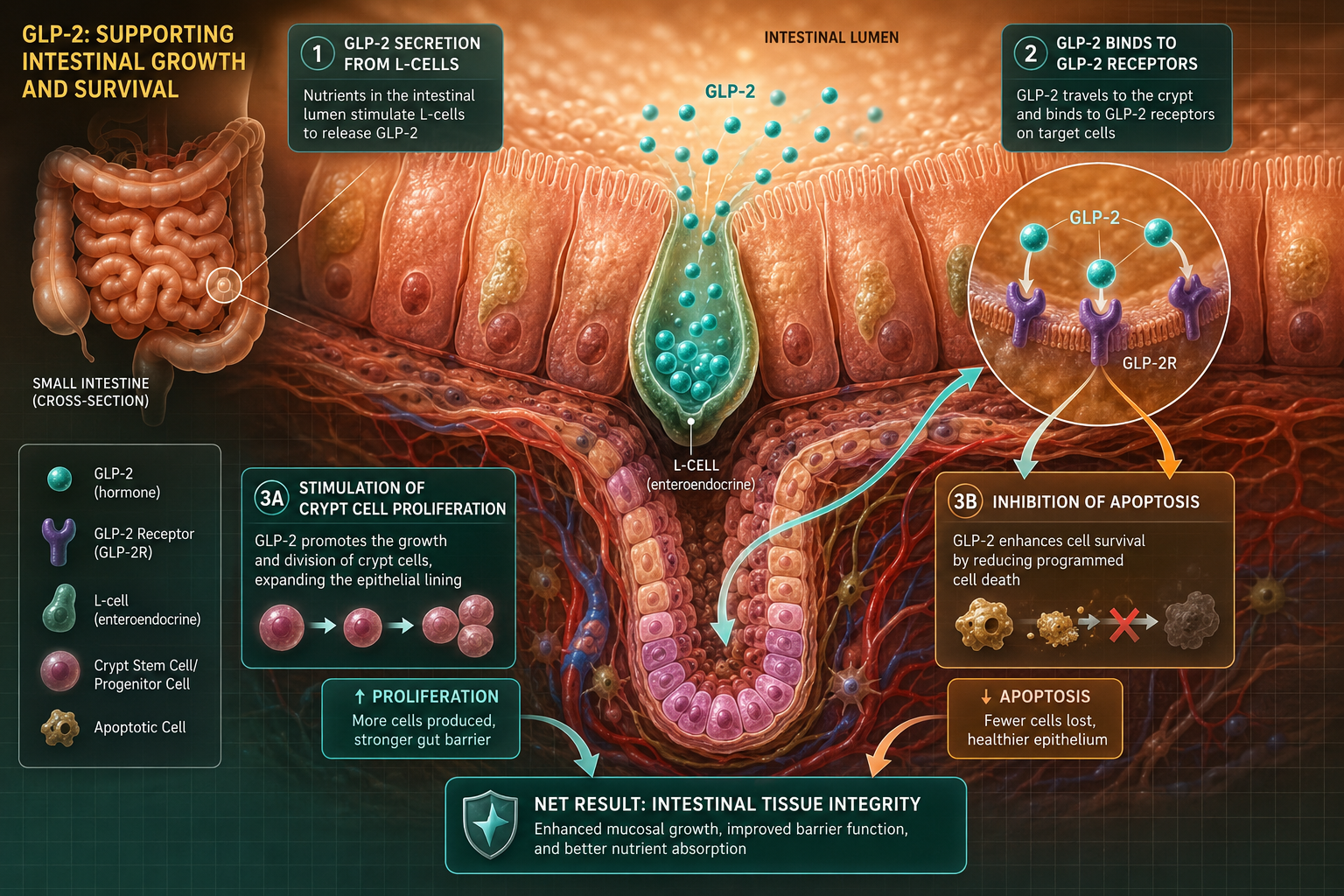
Detailed () scientific illustration showing GLP-2 hormone molecules being secreted from enteroendocrine L-cells in the

Key Takeaways

  • GLP-2 is an intestinally derived hormone that drives mucosal growth, barrier repair, and nutrient absorption.
  • Its actions are largely indirect, mediated through IGF-1, EGF, and tight junction protein modulation.
  • Dual-receptor agonists combining GLP-1 and GLP-2 activity (such as dapiglutide) show enhanced barrier protection in preclinical models.
  • Tirzepatide's structural relationship to incretin biology opens new research questions about combined gut-metabolic signaling.
  • Age-related gut decline may be a future target for GLP-2-based interventions.

What Is GLP-2 and Why Does It Matter for Gut Health

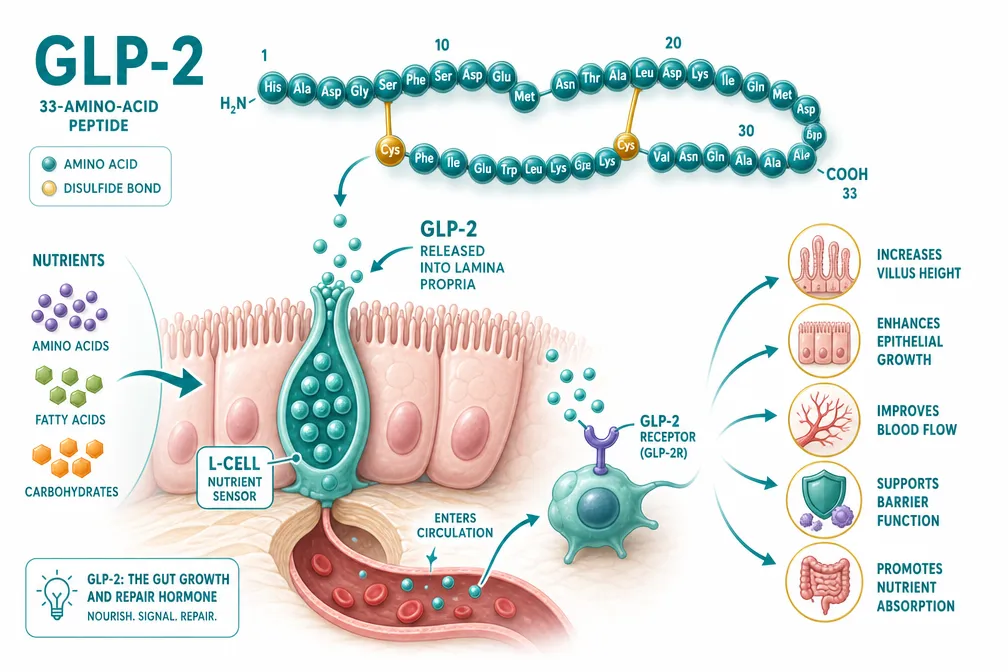
Glucagon-like peptide-2 (GLP-2) is a 33-amino acid hormone secreted by enteroendocrine L-cells lining the small and large intestine. It is released in direct response to nutrient intake, making it a key postprandial signal.

Its primary roles include:

  • Stimulating crypt cell proliferation (intestinal growth)
  • Inhibiting apoptosis and proteolysis in mucosal tissue
  • Enhancing nutrient absorption and reducing mucosal permeability
  • Regulating gastric emptying and acid secretion

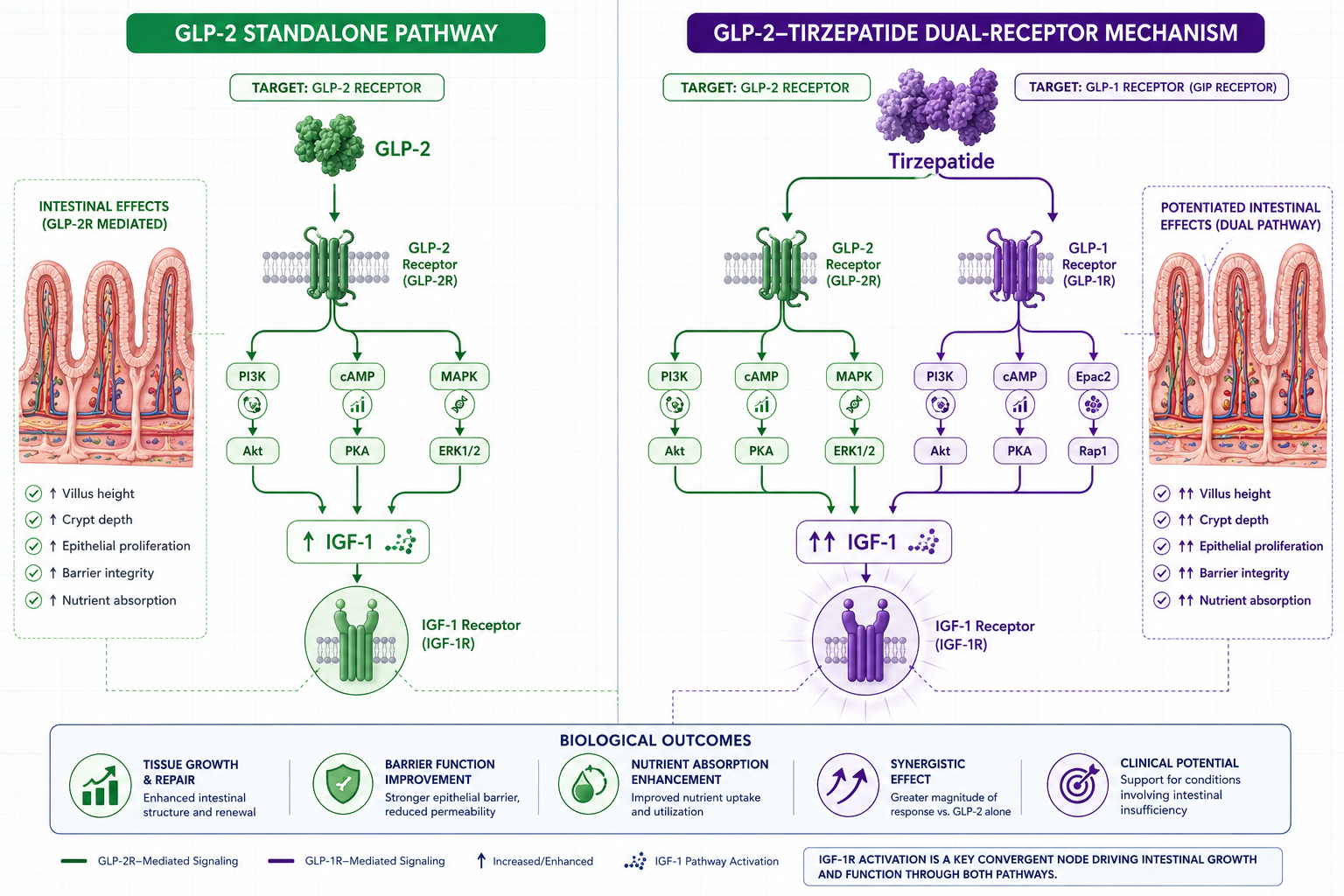
GLP-2 does not act alone. Its intestinotropic effects are mediated through a network of indirect signals, particularly insulin-like growth factor-1 (IGF-1) and epidermal growth factor (EGF). These downstream mediators drive the crypt cell proliferation that gives GLP-2 its reputation as a potent intestinal growth factor.

Researchers studying related metabolic peptides β€” including those exploring GLP-1 and incretin research themes β€” have noted that the GLP family shares structural and functional overlap worth investigating in parallel.


GLP-2 and Gut Barrier Function: The Tight Junction Connection

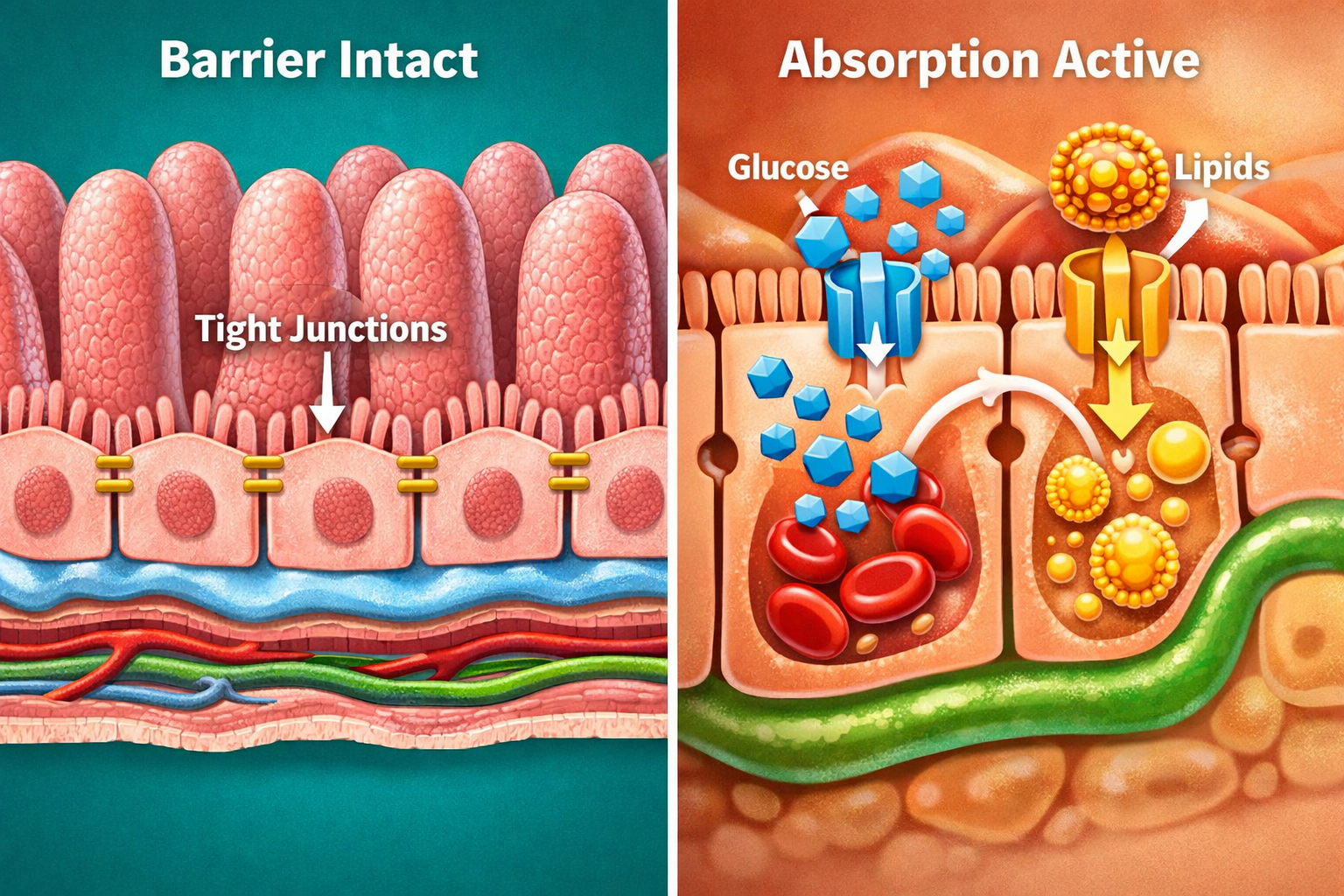
One of the most clinically significant findings in GLP-2 research involves its effect on the intestinal epithelial barrier. A healthy gut barrier depends on tight junction proteins β€” including claudin and occludin β€” that seal gaps between epithelial cells and prevent bacterial translocation.

GLP-2 improves both:

Pathway Mechanism
Transcellular Enhanced nutrient transport across epithelial cells
Paracellular Tight junction protein upregulation via IE-IGF-1R signaling

The intestinal epithelial IGF-1 receptor (IE-IGF-1R) appears central to this process. When GLP-2 binds its receptor on subepithelial cells, it triggers IGF-1 release, which then acts on epithelial IGF-1 receptors to reinforce tight junction integrity.

Research in aged animal models found that GLP-2 administration reversed age-associated declines in mucosal barrier function β€” a finding with significant implications for longevity-focused gastrointestinal research. This connects naturally to broader work on mitochondrial and longevity research themes where cellular resilience is a shared focus.

GLP-2 also appears to orchestrate gut microbiota interactions, supporting immune homeostasis and reducing inflammatory signaling at the mucosal surface.


GLP-2 and GLP-2-Tirzepatide: Research into Intestinal Growth Factors and Gut Barrier Function β€” The Dual-Receptor Frontier

GLP-2 and GLP-2-Tirzepatide: Research into Intestinal Growth Factors and Gut Barrier Function β€” The Dual-Receptor Frontier

Tirzepatide is best known as a dual GIP/GLP-1 receptor agonist with metabolic effects. However, emerging structural pharmacology research is exploring whether tirzepatide's incretin backbone can be modified or combined with GLP-2 activity to create multi-target gut-metabolic agents.

A 2022 study on dapiglutide β€” a dual GLP-1/GLP-2 receptor agonist β€” demonstrated measurable improvements in intestinal barrier function in a murine short bowel model. This proof-of-concept supports the hypothesis that combining incretin signaling with GLP-2 intestinotrophic activity could offer additive benefits.

Researchers interested in GLP-3 and retatrutide research are also examining how multi-receptor engagement affects gut architecture beyond glycemic control.

GLP-2 and GLP-2-Tirzepatide: Research into Intestinal Growth Factors and Gut Barrier Function β€” The Dual-Receptor Frontier

Key research questions currently being explored include:

  • Can tirzepatide-adjacent molecules be engineered to also activate GLP-2 receptors?
  • Does combined GLP-1/GLP-2 signaling reduce intestinal permeability more effectively than either alone?
  • What role does the gut microbiome play in modulating these effects?

For researchers exploring metabolic and body composition peptides, AOD9604 metabolic research and TESA body composition research themes offer relevant comparative frameworks for understanding how gut-derived hormones influence systemic metabolism.


Conclusion

Research into GLP-2 and GLP-2-Tirzepatide: Research into Intestinal Growth Factors and Gut Barrier Function represents one of the most promising frontiers in gastrointestinal biology in 2026. GLP-2 is not simply a growth signal β€” it is a multi-functional regulator of barrier integrity, immune balance, and nutrient homeostasis.

Actionable next steps for researchers:

  1. Review preclinical models using dual GLP-1/GLP-2 agonists to identify translatable endpoints.
  2. Examine IGF-1 receptor signaling as a measurable biomarker for GLP-2 barrier activity.
  3. Explore synergies between GLP-2 pathways and other gut-protective peptides, including those catalogued in the comprehensive peptide research catalog.
  4. Monitor emerging data on tirzepatide-derived multi-receptor molecules for intestinal applications.

The intersection of incretin pharmacology and intestinal growth factor biology is still early-stage β€” but the mechanistic groundwork laid by GLP-2 research makes it one of the most compelling areas to watch.

https://www.puretestedpeptides.com/wp-content/uploads/2026/06/GLP-2-and-GLP-2-Tirzepatide-Research-into-Intestinal-Growth-Factors-and-Gut-Barrier-Function.png 1024 1536 https://www.puretestedpeptides.com/wp-content/uploads/2026/01/buy-peptides-online.jpg 2026-06-20 13:03:322026-06-20 13:03:32GLP-2 and GLP-2-Tirzepatide: Research into Intestinal Growth Factors and Gut Barrier Function
Γ—

Helpful Links

  • My account
  • Cart
  • Checkout
  • Refund and Returns Policy
  • Privacy Policy
  • SMS Privacy Policy
  • Login
  • My Account
  • Logout

USA Made Lab Tested Peptides

All products are sold for research, laboratory, or analytical purposes only, and are not for human consumption


Pure Tested Peptides is a chemical supplier. Pure Tested Peptides is not a compounding / chemical compounding facility as defined under 503A of the Federal Food, Drug, and Cosmetic act. Pure Tested Peptides is not an outsourcing facility as defined under 503B of the Federal Food, Drug, and Cosmetic act.

The statements made within this website have not been evaluated by the US Food and Drug Administration. The products we offer are not intended to diagnose, treat, cure or prevent any disease.

Human/Animal Consumption Prohibited. Laboratory/In-Vitro Experimental Use Only

Scroll to top Scroll to top Scroll to top