Call or Text 727-513-9780
  • Shopping Cart Shopping Cart
    0Shopping Cart
Pure Tested Peptides | America's most trusted Peptides for sale online
  • Peptides for sale
    • Oral Peptides for sale
      • Peptide Capsules for sale
      • BPC 157 Capsules 1000mcg
      • SLU-PP-332 Capsules | 1000 mcg
      • 5-Amino-1MQ 50mg Capsules
      • Tesofensine 500mcg
    • All Peptides for sale
    • Peptide Sprays
      • BPC 157 Nasal Spray Kit
      • BPC-157 TB500 Nasal Spray Kit
      • Semax Nasal Spray 10mg
      • Selank – Nasal Spray Kit – 10mg
      • Epithalon 50MG Nasal Spray Kit
      • Ipamorelin 10mg Nasal Spray
      • Klow Nasal Spray (BPC-157 + TB-500 + GHK-Cu + KPV) | 80mg
      • Hulk Nasal Spray Tesa / Ipa Blend 6/3 MG
      • Klow Nasal Spray
      • NAD + 500 mg Nasal Spray
      • PT-141 Nasal Spray Kit
    • GHRH Peptides
      • Ipa Peptides
      • CJC-1295 Peptides
        • CJC-1295 with DAC 5 mg
        • CJC-1295 without DAC 5 mg
        • CJC-1295 Ipa 10mg
      • Tesa Peptides
        • Tesa Peptide
        • Tesa 20 mg
    • GHK-Cu Peptides
      • All GHK-Cu Peptides
      • GHK-Cu 100mg
      • KLOW Peptide Blend – Buy KLOW blend online
    • BPC Peptides
      • All BPC Peptides
      • BPC-157
      • BPC-157 TB-500
      • BPC 157 capsules 1000mcg
    • SLU-PP-332 Peptides
      • All SLU-PP-332 Peptides
      • SLU-PP-332 5mg
    • GLP3 Peptides
      • GLP3-R
      • GLP3-R CAG 10mg
      • GLP3-R 20mg
    • PT-141 Peptides
      • PT-141 Peptides for sale
      • PT-141 10mg
      • PT-141 Nasal Spray
    • CAG Peptides
      • Lipo-C Peptide Blend
      • CAG 5mg
      • CAG 10mg
    • MOTS-C Peptides
      • MOTS-C Peptides for sale
      • MOTS-c peptide
      • MOTS-c 10mg *6 pack*
    • 5 Amino 1MQ Peptides
      • 5 Amino 1MQ Peptides for sale
      • 5-Amino-1MQ 50mg Capsules
      • 5-Amino-1MQ 5mg
    • Epithalon Peptides
      • Epithalon Peptides for sale
      • Epithalon 10mg
      • Epithalon 50mg
  • Shop
    • GLPs
      • 5-Amino-1MQ 50mg Capsules
      • 5-Amino-1MQ 5mg
      • GLP3-Reta
      • L-Carnitine 500mg/ml
      • Tesofensine 500mcg
      • SLU-PP-332 5mg
      • MOTS-c 10mg *6 pack*
    • Epithalon & BPC Peptides
      • Epithalon 10mg
      • Epithalon 50mg
      • BPC-157
      • BPC 157 capsules 1000mcg
      • BPC-157 TB-500
      • BPC-157 TB500 Nasal Spray Kit
      • BPC 157 Nasal Spray Kit
    • BPC TB-500 & NAD+ Peptides
      • NAD+ 500 mg
      • KLOW Peptide Blend – Buy KLOW blend online
      • GLOW Peptide Blend
      • TB 500 5mg
      • BPC 157 capsules 1000mcg – Supplement
      • BPC 157 Nasal Spray Kit
      • BPC-157
      • BPC-157 TB500 Nasal Spray Kit
      • BPC-157 TB-500
      • BPC 157 capsules 1000mcg
    • LL-37 Peptide
      • LL-37 10 mg
    • MOTS-C & Selank
      • MOTS-c peptide
      • Selank 10mg
    • GHK Peptides
      • GHK-Cu 100mg
      • GLOW Peptide Blend
      • KLOW Peptide Blend – Buy KLOW blend online
  • COAs
  • Wholesale
    • Wholesale Peptides for sale
  • PTP FAQ
  • Affiliates
    • Selank Peptide: Advanced Pharmacological Mechanisms Underlying Its Anxiolytic and Nootropic Effects in Research
      • 5-Amino-1MQ Peptide: Detailed Mechanisms of NNMT Inhibition and Its Impact on Cellular Metabolism Research
        • MOTS-C Peptide: Unraveling Its Role in Mitochondrial Dynamics and Energy Metabolism Research
          • Epithalon Peptide and Telomerase Regulation: Investigating Its Impact on Cellular Senescence and Lifespan Research Models
            • GLP2-T vs GLP2 Tirz Peptide: Understanding the Naming, Mechanistic Nuances, and Research Implications for Gut Health
      • Peptides and Polypeptides in Modern Pharmacology: What Research on Metoprolol, Prednisone, and Amlodipine Reveals
        • Polypeptide Peptides vs NSAIDs: What Naproxen and Diclofenac Teach Tissue-Repair Researchers About BPC‑157 and TB‑500
          • Peptides and Polypeptides in Endocrine Pharmacology: How GLP-1, GLP-2, and GLP-3 Retatrutide Differ From Classic Drugs Like Prednisone and Amlodipine
          • 5‑Amino‑1MQ Peptide and NNMT Inhibition: How It Compares With Statins Like Atorvastatin in Adipose and Lipid Metabolism Research
      • Enclomiphene, Estrogen Receptor Signaling, and Luteinizing Phase Biology: What Hormone Researchers Should Measure
        • Mesenchymal Stem Cells, BPC‑157, and GHK‑Cu: How Tissue Repair Peptides Compare With Classic NSAIDs Like Naproxen in Injury Models
          • Peptide Calculator Use Cases Beyond Growth Hormone: Working Through GLP‑3 Retatrutide, MOTS‑c, and BPC‑157 Research Dosing
        • Polypeptide Peptides in Endocrine and Metabolic Pharmacology: Lessons From Amlodipine, Prednisone, and Metoprolol
        • Peptides Calculator for Advanced Blends: Worked Examples for Tesamorelin, CJC‑1295, and Ipamorelin Stacks
          • Peptides and Polypeptides in Human Physiology: How Molecular Size Shapes Research Applications
            • Selank Peptide: Advanced Pharmacological Mechanisms Underlying Its Anxiolytic and Nootropic Effects in Research
          • 5-Amino-1MQ Peptide: Detailed Mechanisms of NNMT Inhibition and Its Impact on Cellular Metabolism Research
            • MOTS-C Peptide: Unraveling Its Role in Mitochondrial Dynamics and Energy Metabolism Research
              • Epithalon Peptide and Telomerase Regulation: Investigating Its Impact on Cellular Senescence and Lifespan Research Models
                • GLP2-T vs GLP2 Tirz Peptide: Understanding the Naming, Mechanistic Nuances, and Research Implications for Gut Health
                  • Peptides and Polypeptides in Endocrine Pharmacology: How GLP-1, GLP-2, and GLP-3 Retatrutide Differ From Classic Drugs Like Prednisone and Amlodipine
                    • Polypeptide Peptides vs NSAIDs: What Naproxen and Diclofenac Teach Tissue-Repair Researchers About BPC‑157 and TB‑500
                      • Peptides and Polypeptides in Modern Pharmacology: What Research on Metoprolol, Prednisone, and Amlodipine Reveals
                        • 5‑Amino‑1MQ Peptide and NNMT Inhibition: How It Compares With Statins Like Atorvastatin in Adipose and Lipid Metabolism Research
                        • Enclomiphene, Estrogen Receptor Signaling, and Luteinizing Phase Biology: What Hormone Researchers Should Measure
                        • Mesenchymal Stem Cells, BPC‑157, and GHK‑Cu: How Tissue Repair Peptides Compare With Classic NSAIDs Like Naproxen in Injury Models
                        • Peptide Calculator Use Cases Beyond Growth Hormone: Working Through GLP‑3 Retatrutide, MOTS‑c, and BPC‑157 Research Dosing
                        • Polypeptide Peptides in Endocrine and Metabolic Pharmacology: Lessons From Amlodipine, Prednisone, and Metoprolol
                        • Peptides Calculator for Advanced Blends: Worked Examples for Tesamorelin, CJC‑1295, and Ipamorelin Stacks
                        • Peptides and Polypeptides in Human Physiology: How Molecular Size Shapes Research Applications
                        • Selank Peptide: Advanced Pharmacological Mechanisms Underlying Its Anxiolytic and Nootropic Effects in Research
                        • MOTS-C Peptide: Unraveling Its Role in Mitochondrial Dynamics and Energy Metabolism Research
                        • Peptides and Polypeptides in Modern Pharmacology: What Research on Metoprolol, Prednisone, and Amlodipine Reveals
                        • Peptides and Polypeptides in Endocrine Pharmacology: How GLP-1, GLP-2, and GLP-3 Retatrutide Differ From Classic Drugs Like Prednisone and Amlodipine
                        • 5-Amino-1MQ Peptide: Detailed Mechanisms of NNMT Inhibition and Its Impact on Cellular Metabolism Research
                        • Mesenchymal Stem Cells, BPC‑157, and GHK‑Cu: How Tissue Repair Peptides Compare With Classic NSAIDs Like Naproxen in Injury Models
                        • Peptide Calculator Use Cases Beyond Growth Hormone: Working Through GLP‑3 Retatrutide, MOTS‑c, and BPC‑157 Research Dosing
                        • GLP2-T vs GLP2 Tirz Peptide: Understanding the Naming, Mechanistic Nuances, and Research Implications for Gut Health
                        • Polypeptide Peptides in Endocrine and Metabolic Pharmacology: Lessons From Amlodipine, Prednisone, and Metoprolol
                        • Polypeptide Peptides vs NSAIDs: What Naproxen and Diclofenac Teach Tissue-Repair Researchers About BPC‑157 and TB‑500
                        • Peptides and Polypeptides in Human Physiology: How Molecular Size Shapes Research Applications
                        • Peptides Calculator for Advanced Blends: Worked Examples for Tesamorelin, CJC‑1295, and Ipamorelin Stacks
                        • 5‑Amino‑1MQ Peptide and NNMT Inhibition: How It Compares With Statins Like Atorvastatin in Adipose and Lipid Metabolism Research
                        • Enclomiphene, Estrogen Receptor Signaling, and Luteinizing Phase Biology: What Hormone Researchers Should Measure
                        • Epithalon Peptide and Telomerase Regulation: Investigating Its Impact on Cellular Senescence and Lifespan Research Models
                        • Best research protocol Klow blend
                        • best time to take BPC-157
                        • best time to take DSIP (Delta Sleep Inducing Peptide)
                        • best time to take CJC-1295
                        • best time to take AOD-9604
                        • best time to take Follistatin 344
                        • best time to take Ipamorelin
                        • best time to take MK-677 (Ibutamoren)
                        • best time to take Ligandrol (LGD-4033) — research compound
                        • best time to take Ostarine (MK-2866) — research compound
                        • best time to take GHK-CU
                        • best time to take TB-500
                        • best time to take MOTS-c
                        • best time to take Semax
                        • best time to take RAD-140 (Testolone) — research compound
                        • best time to take Thymosin Alpha-1
                        • best time to take PEG-MGF
                        • Biolife Plasma, Octapharma Plasma, and Research Peptides: How Plasma Donation Labs Differ From Peptide Suppliers
                        • best time to take YK-11 — research compound
                        • best time to take PT-141 (Bremelanotide)
                        • Best research protocol Klow blend
                        • 5-Amino-1MQ and MOTS-C Synergy: Metabolic Signaling, Mitochondria, and Research Design
                        • BPC-157 and TB-500: Investigating Their Combined Effects on Angiogenesis and Cellular Migration in Tissue Repair Models
                        • BPC-157 Peptide: Gut Barrier Function, Inflammation, and Tissue-Recovery Research
                        • 5‑Amino‑1MQ and MOTS‑c Synergy in Metabolic Research: Designing NNMT and Mitochondrial Biogenesis Stacks
                        • CJC-1295 with DAC vs. Without DAC: Half-Life, Release Kinetics, and Research Implications
                        • CJC‑1295 with DAC vs. Without DAC: Expanding on Half‑Life Differences Using Tesamorelin and Ipamorelin Blend Case Studies
                        • Collagen Biology and Copper‑Binding Peptides: How GHK‑Cu, Glow Blend, and Klow Blend Interact with Skin and Connective Tissue
                        • Collagen Biology and Regenerative Peptides: How GHK‑Cu, Glow Blend, and Klow Blend Affect Extracellular Matrix Research
                    • DNA, Telomeres, and Longevity Peptides: Positioning Epithalon and MOTS‑c in Genetic Aging Research
                      • Enclomiphene Citrate: serm Mechanism, Testosterone Research, and Stack Compatibility
                        • Enclomiphene vs Enclomiphene Citrate: Formulation, Bioavailability, and Research Distinctions
                        • Epithalon Peptide Research: Telomerase Activation, Aging, and Pineal Gland Function
                        • Estrogen Receptor Signaling and Enclomiphene: How Selective Modulators Compare with Classic Polypeptide Hormones
                        • GHK-Cu Peptide: Advanced Mechanisms in Extracellular Matrix Remodeling and Wound Healing Research
                        • GHK-Cu Peptide: Collagen Synthesis, Wound Repair, and Skin-Barrier Research Models
                        • GLP-1 vs GLP-3 vs GLP-2: Peptide Classification and Research Applications
                        • GLP-2 Peptide Research Guide: Gut Barrier Function, Nutrient Absorption, and Intestinal Recovery Models
                        • GLP-3 Retatrutide vs. GLP-1 Drugs: What Triple-Agonist Biology Changes in Research Models
                        • Ipamorelin and Tesamorelin Combination: Synergistic GH Secretagogue Research and Dosing Protocols
                        • GLP2 Tirz Peptide: What It Is, Why the Name Exists, and How Researchers Should Interpret It
                        • Klow Blend Peptide Nasal Spray: What the Formulation Is Trying to Do in Cognitive Research
                        • Mitochondria, NNMT Inhibition, and Peptide Modulators: Where MOTS‑c and 5‑Amino‑1MQ Fit in Cellular Energy Research
                        • MOTS-c Peptide: Mitochondrial Function, Energy Metabolism, and What Researchers Measure
                        • MOTS-c vs. 5-Amino-1MQ: Which Metabolic Research Questions Each Compound Actually Answers
                        • Nasal Spray Peptides: Bioavailability, Administration, and Semax/Selank Research Applications
                        • PT-141 Peptide Research: Mechanism of Action and Melanocortin Receptor Signaling
                        • Retatrutide for Research: Mechanism, Structure, and GLP-1/GLP-3 Dual Action
                        • Retatrutide for Obesity and Type 2 Diabetes: What the Latest Trial Data Suggest
                        • Tesofensine Peptide Research: Mechanism, Appetite Suppression, and Neuropeptide Y Pathways
  • Contact
    • Contact Customer Service
    • Text Customer Support
  • About US
  • Shop all peptides
  • Affiliate Program
    • Affiliate Signup
  • Login / Register Login / Register Page Link Login / Register Page Link
  • Click to open the search input field Click to open the search input field Search
  • Menu Menu

Tag Archive for: teduglutide research

GLP-2 and GLP-2 Tirz Peptides: Intestinal Barrier Function and Research Applications

GLP-2 and GLP-2 Tirz Peptides: Intestinal Barrier Function and Research Applications

August 31, 2026/0 Comments/in Uncategorized/by

Roughly 70% of the immune system resides in the gut, yet the single-cell-thick epithelial lining separating the body from trillions of microbes is only about 0.1 millimeters thick. That fragile boundary is now a primary target for a new generation of peptide research tools. The study of GLP-2 and GLP-2 Tirz peptides: intestinal barrier function and research applications has accelerated sharply in 2026, driven by converging data from short bowel syndrome models, obesity research, and next-generation dual- and triple-agonist peptide designs.

Key Takeaways

  • GLP-2 is a gut-derived hormone that directly stimulates intestinal epithelial growth and tightens barrier junctions.
  • GLP-2 Tirz refers to peptide analogs that combine GLP-1 and GLP-2 receptor activity, expanding research utility beyond single-pathway models.
  • Preclinical and clinical data show GLP-2 analogs reduce bacterial translocation, improve villus morphology, and reshape gut microbiota.
  • Newer bispecific and Fc-fusion designs extend half-life and open once-weekly dosing windows for research protocols.
  • Research applications span short bowel syndrome, obesity, type 2 diabetes, acute pancreatitis, and autoimmune gut models.

How GLP-2 Regulates Intestinal Barrier Function

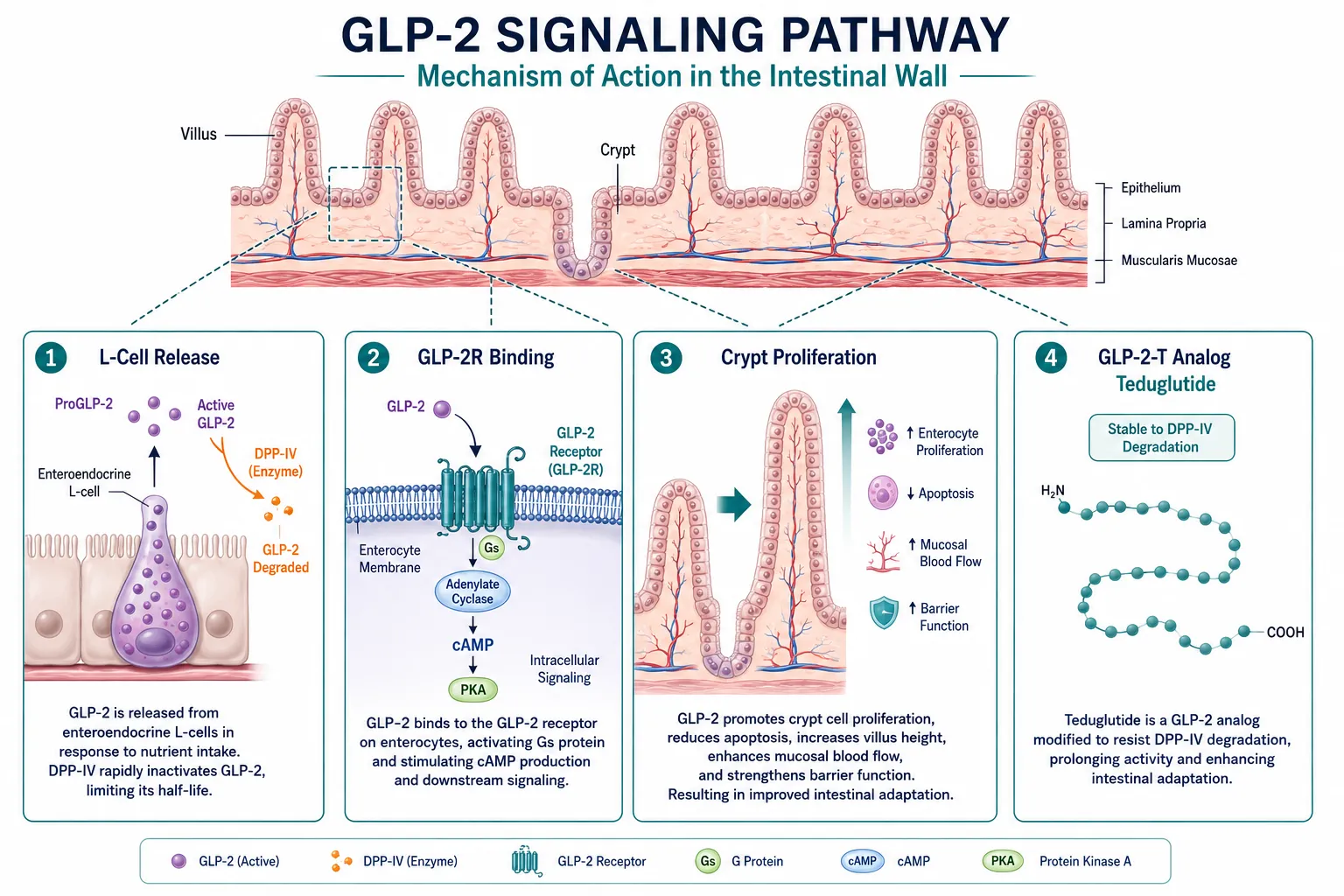
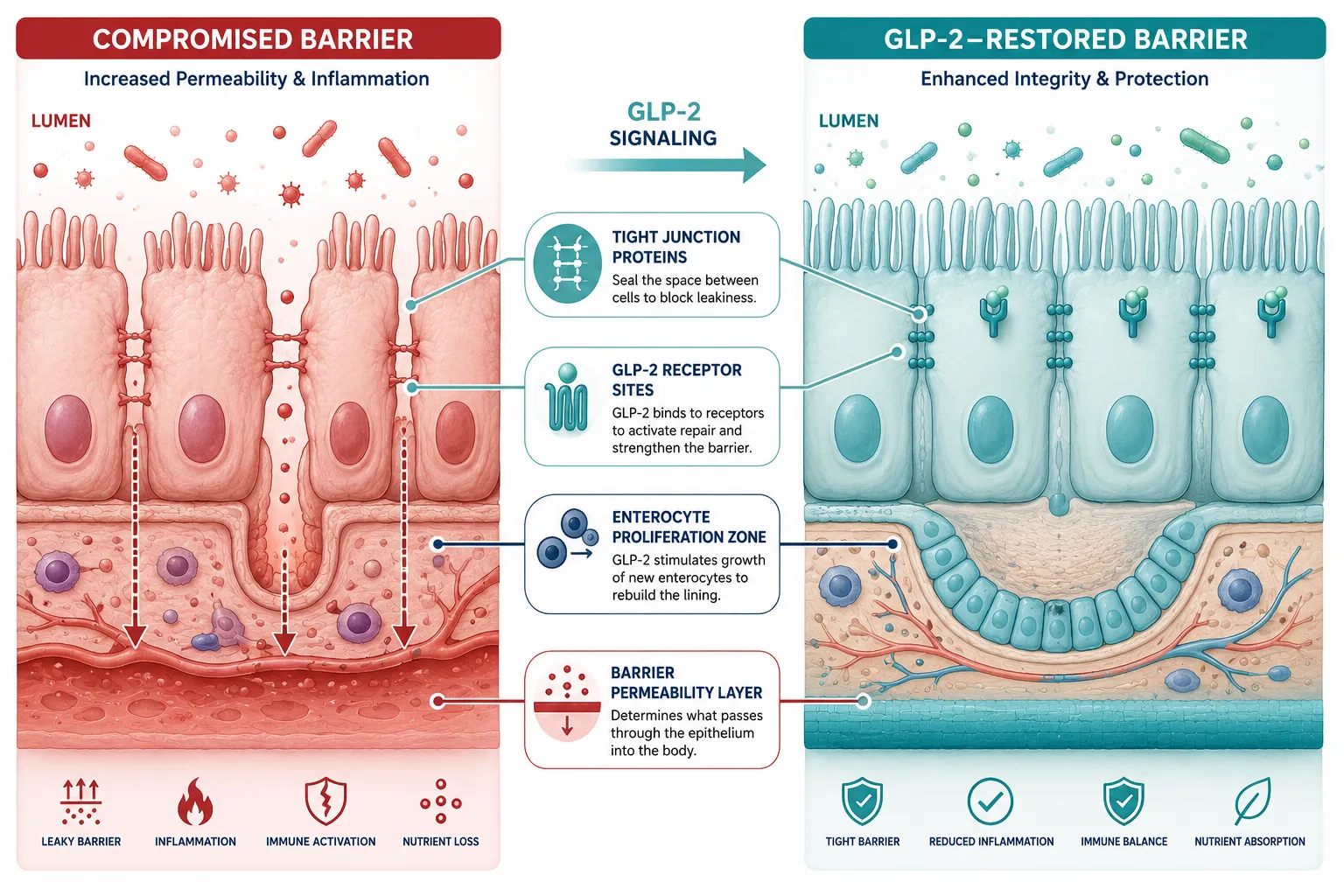
Glucagon-like peptide-2 (GLP-2) is a 33-amino-acid hormone secreted by enteroendocrine L-cells in the distal intestine in response to nutrient intake. Its primary receptor, GLP-2R, is expressed on enteric neurons, subepithelial myofibroblasts, and select immune cells rather than on enterocytes directly. Downstream signaling promotes enterocyte proliferation, reduces apoptosis, increases villus height, and, critically for barrier research, upregulates tight-junction proteins such as claudin-3 and occludin.

How GLP-2 Regulates Intestinal Barrier Function

Why tight junctions matter: When these protein complexes weaken, the barrier becomes permeable. Lipopolysaccharide (LPS) and other microbial products cross into systemic circulation, triggering inflammatory cascades. Research in large-animal models has shown that LPS activates the MLCK/pMLC phosphorylation pathway, which physically retracts tight-junction strands. GLP-2 administration blunts this pathway, preserving barrier integrity even under endotoxin challenge.

Key barrier-related findings in preclinical models include:

  • Acute endotoxin protection: GLP-2 reduces gut permeability within hours of LPS exposure.
  • Age-related dysfunction: Older animal models show progressive loss of claudin and occludin expression; GLP-2 supplementation partially restores these proteins.
  • Acute pancreatitis: Bacterial translocation from the gut to the pancreas is a major driver of complications; GLP-2 analogs reduce translocation rates in experimental models.
  • Autoimmune limits: In autoimmune-driven gut injury, barrier correction by GLP-2 is partial, suggesting additional inflammatory mediators override receptor signaling.

"The intestinal barrier is not a passive wall, it is an actively regulated interface, and GLP-2 is one of its most potent molecular regulators."

For researchers exploring related tissue repair research paradigms, GLP-2's epithelial regeneration profile offers a mechanistically distinct comparison point alongside other repair-focused peptides.

GLP-2 Tirz Peptides: Dual-Agonist Research Applications

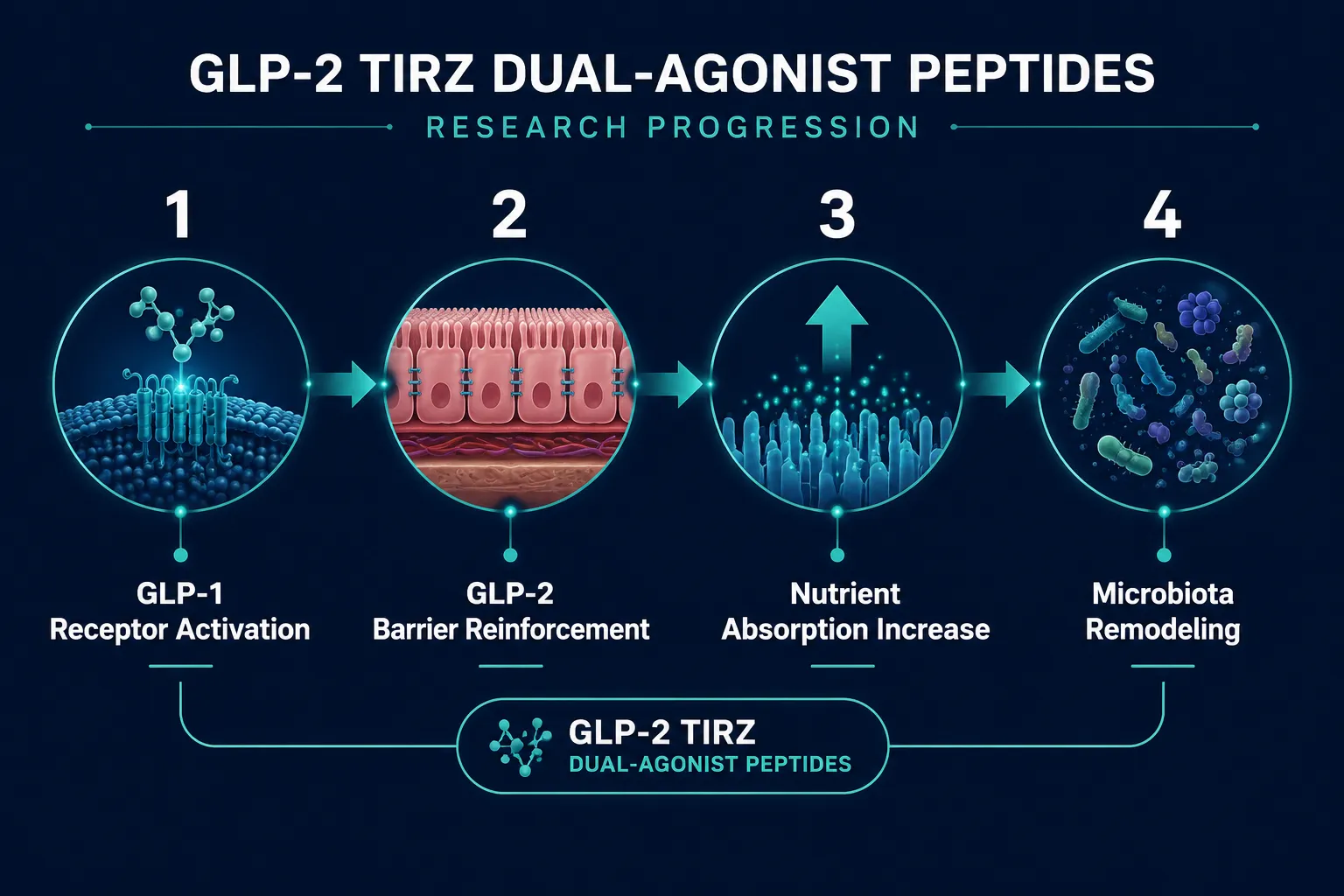
The term "GLP-2 Tirz" in research contexts refers to peptide constructs that combine GLP-1 receptor agonism with GLP-2 receptor agonism, inspired by the structural framework of tirzepatide (a GLP-1/GIP dual agonist). The rationale is straightforward: GLP-1 activity governs satiety and glucose metabolism, while GLP-2 activity governs intestinal structure and barrier function. Combining both in a single molecule creates a research tool with multi-system reach.

GLP-2 Tirz Peptides: Dual-Agonist Research Applications

Dapiglutide and the Obesity-Barrier Connection

Dapiglutide, a dual GLP-1/GLP-2 agonist, has emerged as a key compound in 2024-2026 research. Studies report that it reduces body weight comparably to GLP-1-only analogs while simultaneously improving intestinal barrier scores. This dual effect is significant: obesity is associated with increased gut permeability, and correcting barrier dysfunction may reduce the low-grade endotoxemia that drives metabolic inflammation.

Bispecific Fc-Fusion Designs

The compound PG-102, a bispecific GLP-1/GLP-2 Fc-fusion protein, entered advanced type 2 diabetes research in 2026. Its extended half-life supports once-weekly dosing, a major practical advantage for longitudinal gut-remodeling studies. Researchers using single peptide protocols can benchmark PG-102 data against single-receptor models to isolate the GLP-2 contribution to metabolic outcomes.

Researchers interested in the broader tirzepatide gut effects literature will find that GLP-2 Tirz constructs extend that pharmacology into explicit barrier-function territory, adding a structural dimension that GLP-1/GIP-only analogs lack.

Research Note: Longitudinal profiling studies published in 2025 show that sustained GLP-2 analog exposure reshapes not only villus architecture but also mucosal immune cell populations and gut microbiota composition, suggesting systemic effects well beyond acute barrier sealing.

Short Bowel Syndrome Models and Translational Research Design

Short bowel syndrome (SBS) remains the most clinically validated model for GLP-2 intestinal research. In SBS, massive intestinal resection eliminates the absorptive surface needed for adequate nutrition, and GLP-2 analogs drive compensatory adaptation through villus elongation, crypt deepening, and increased mucosal blood perfusion.

Short Bowel Syndrome Models and Translational Research Design

Apraglutide, a once-weekly GLP-2 analog, has shown efficacy in both SBS type II (no colon) and SBS with intestinal failure, reducing parenteral nutrition dependence in clinical research cohorts. Its extended half-life is achieved through structural modification of the native GLP-2 sequence, a design principle also applied in truncated peptide analogs research more broadly.

Key morphological outcomes observed in SBS models:

Parameter Baseline Post GLP-2 Analog
Villus height Reduced Significantly increased
Crypt depth Shallow Deepened
Mucosal perfusion Impaired Restored
Tight-junction density Low Elevated

For researchers designing multi-compound studies, the translational research design framework is essential when moving GLP-2 findings from rodent models to large-animal or human-equivalent systems. Dosing schedules, receptor expression differences, and endpoint selection all require careful calibration.

The teduglutide research literature, teduglutide being the first approved GLP-2 analog for SBS, provides the foundational pharmacodynamic reference against which newer analogs like apraglutide and dapiglutide are benchmarked. Researchers sourcing high-purity analogs for comparative studies should consult resources on wholesale peptides for sale to ensure consistent compound quality across experimental batches.

Conclusion

The research landscape for GLP-2 and GLP-2 Tirz peptides in 2026 is defined by three converging priorities: mechanistic precision at the barrier level, multi-receptor designs that expand metabolic reach, and translational rigor that connects preclinical findings to clinical outcomes.

Actionable next steps for researchers:

  1. Define your receptor target. Single GLP-2R models (apraglutide, teduglutide) isolate barrier and absorptive effects; dual GLP-1/GLP-2 models (dapiglutide, PG-102) introduce metabolic variables that must be controlled for.
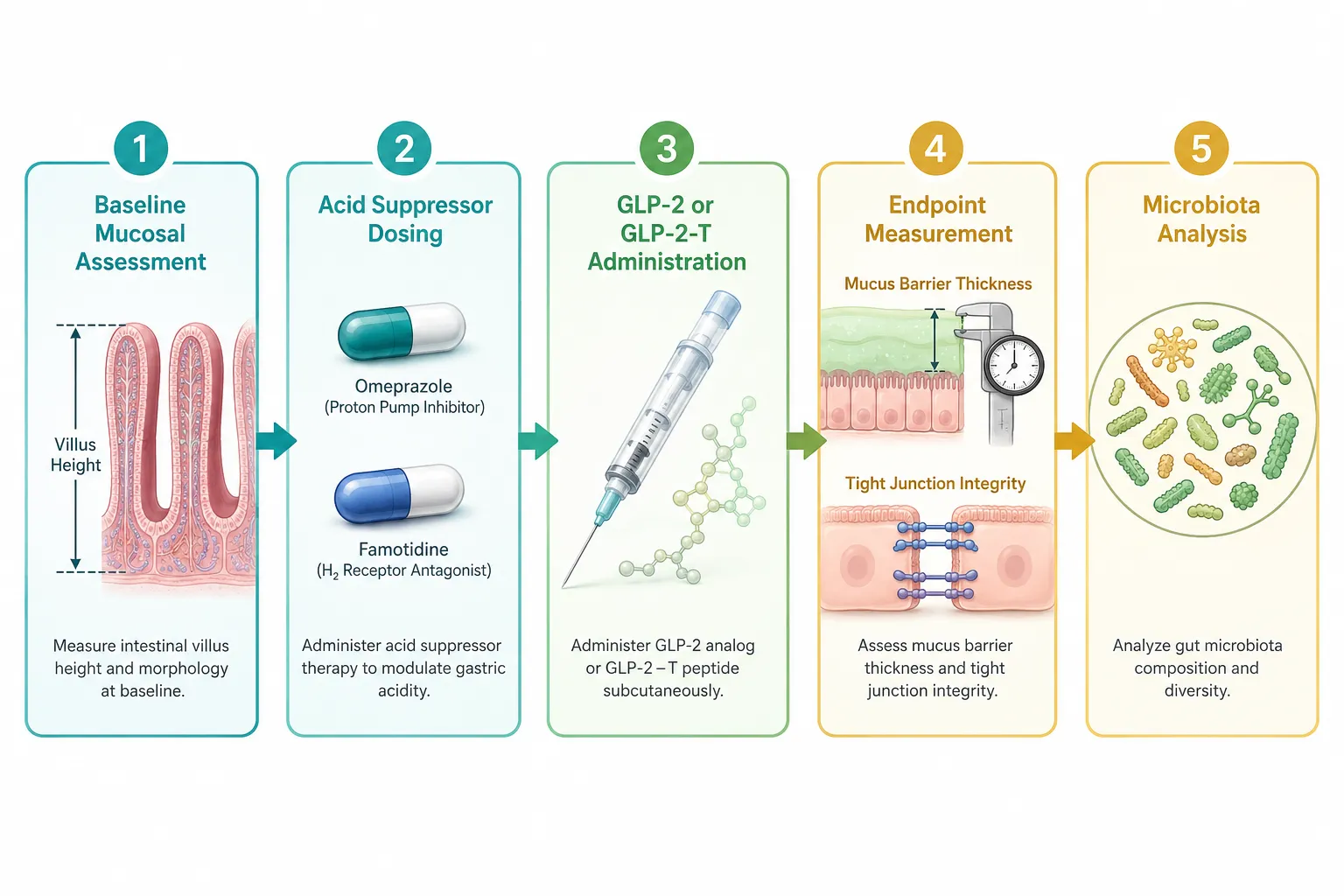
  2. Select validated endpoints. Tight-junction protein expression, villus morphology, LPS translocation assays, and microbiota profiling are the most reproducible markers in current literature.
  3. Match analog half-life to study duration. Once-weekly analogs suit longitudinal remodeling studies; shorter-acting peptides are preferable for acute permeability experiments.
  4. Benchmark against established analogs. Teduglutide data provides the most robust reference baseline for any new GLP-2 construct evaluation.
  5. Source verified compounds. Peptide purity and sequence accuracy are non-negotiable for reproducible barrier-function data.

As dual- and triple-agonist designs continue to mature, the intersection of gut barrier biology and systemic metabolic health will remain one of the most productive frontiers in peptide research.

https://www.puretestedpeptides.com/wp-content/uploads/2026/08/glp-2-and-glp-2-tirz-peptides-intestinal-barrier-function-and-research-applicati.webp 1024 1536 https://www.puretestedpeptides.com/wp-content/uploads/2026/01/buy-peptides-online.jpg 2026-08-31 13:05:522026-08-31 13:05:52GLP-2 and GLP-2 Tirz Peptides: Intestinal Barrier Function and Research Applications

Tag Archive for: teduglutide research

GLP-2 Peptide Research Guide: Gut Barrier Function, Nutrient Absorption, and Intestinal Recovery Models

GLP-2 Peptide Research Guide: Gut Barrier Function, Nutrient Absorption, and Intestinal Recovery Models

July 21, 2026/0 Comments/by Pure Tested

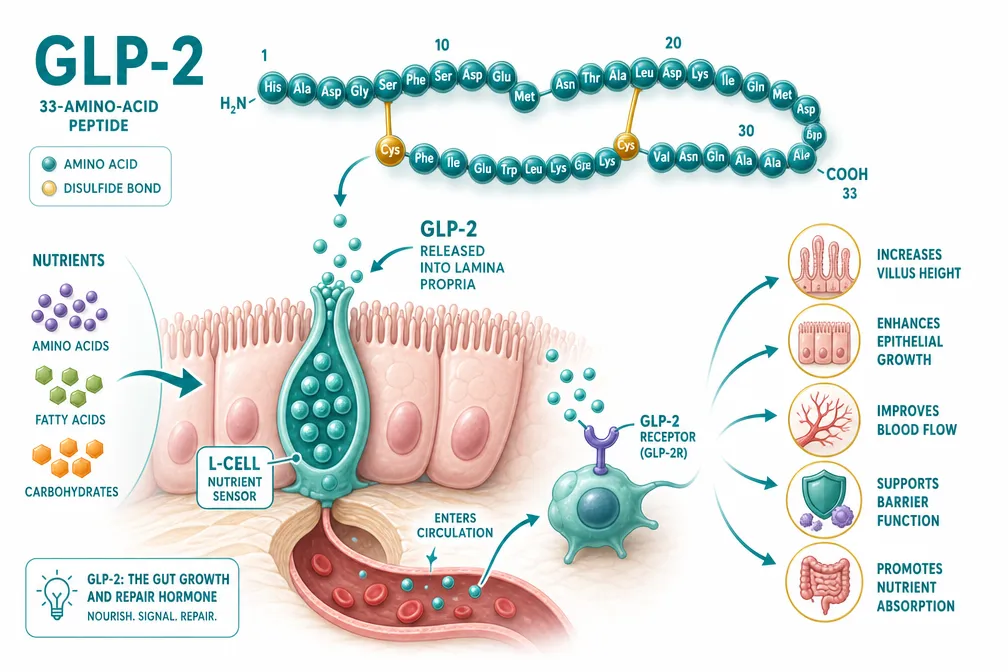
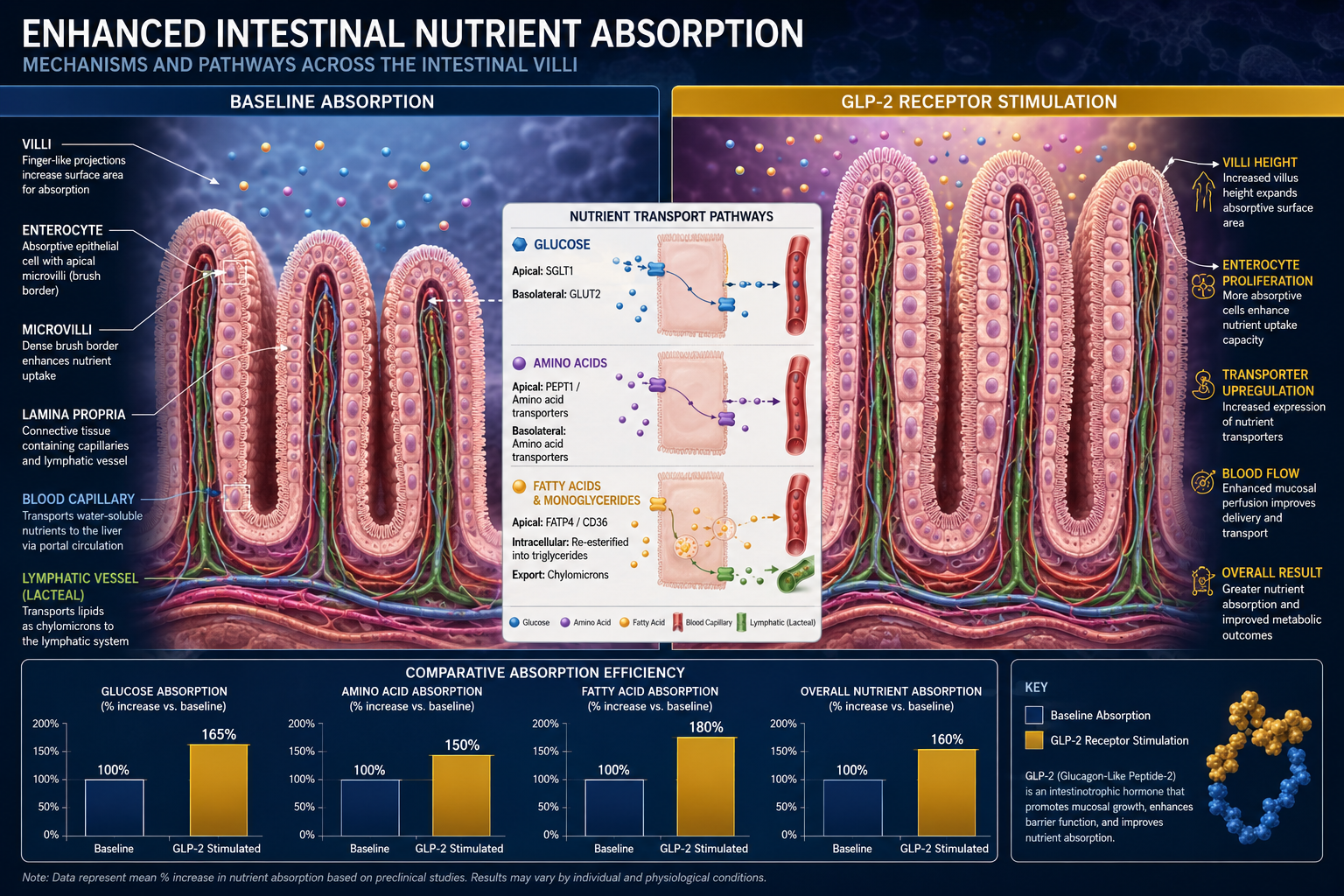
Most peptide research conversations center on GLP-1 and its metabolic effects, yet GLP-2, a structurally related but functionally distinct peptide, governs a different and equally critical domain: the integrity, growth, and absorptive capacity of the intestinal tract. This GLP-2 Peptide Research Guide: Gut Barrier Function, Nutrient Absorption, and Intestinal Recovery Models is designed to fill that gap, offering researchers a focused overview of GLP-2 biology, its receptor-mediated mechanisms, and the experimental models used to study intestinal recovery.

Isometric scientific illustration in bright teal, white, and gold palette showing a stylized 33-amino-acid peptide chain

Key Takeaways

  • GLP-2 is a 33-amino acid peptide secreted by intestinal L-cells in direct response to nutrient intake, making it a nutrient-responsive gut growth factor.
  • Its primary actions include promoting intestinal epithelial growth, strengthening barrier function, enhancing nutrient absorption, and increasing mucosal blood flow.
  • GLP-2 exerts its effects through a dedicated receptor (GLP-2R), which distinguishes its signaling pathway from GLP-1.
  • Analogs such as teduglutide and glepaglutide have advanced into clinical research for conditions like short bowel syndrome (SBS).
  • Understanding GLP-2 biology is foundational for researchers exploring gut-focused peptide models, particularly those involving mucosal repair and absorptive capacity.

What Is GLP-2 and Why Does It Differ from GLP-1

Both GLP-1 and GLP-2 are derived from the same proglucagon gene, processed in intestinal L-cells and released following food intake. That shared origin is where the similarity largely ends.

GLP-1 is widely recognized for its role in insulin secretion and appetite regulation. GLP-2, by contrast, is a 33-amino acid peptide whose primary targets are the intestinal epithelium and the enteric nervous system. Its receptor, GLP-2R, is expressed predominantly in the gastrointestinal tract rather than the pancreas or brain.

This distinction matters for research design. Investigators studying metabolic signaling may reach for GLP-1-related compounds, while those focused on mucosal healing, barrier restoration, or nutrient transport will find GLP-2 far more relevant. For broader context on incretin-related peptide research, the GLP-1 incretin research themes overview provides useful background on how these related peptides diverge in function.

GLP-2 Secretion and Receptor Binding

GLP-2 is released from L-cells in the distal small intestine and colon in response to luminal nutrients, particularly fats and carbohydrates. Once secreted, it binds GLP-2R on subepithelial myofibroblasts and enteric neurons, triggering downstream signaling that promotes:

  • Epithelial cell proliferation (increased crypt depth and villus height)
  • Reduced enterocyte apoptosis
  • Enhanced tight-junction integrity
  • Increased intestinal blood flow

Critically, GLP-2 is rapidly degraded by the enzyme dipeptidyl peptidase IV (DPP-IV), which has driven the development of DPP-IV-resistant analogs for sustained research applications.

Gut Barrier Function and Nutrient Absorption in GLP-2 Research Models

Gut Barrier Function and Nutrient Absorption in GLP-2 Research Models

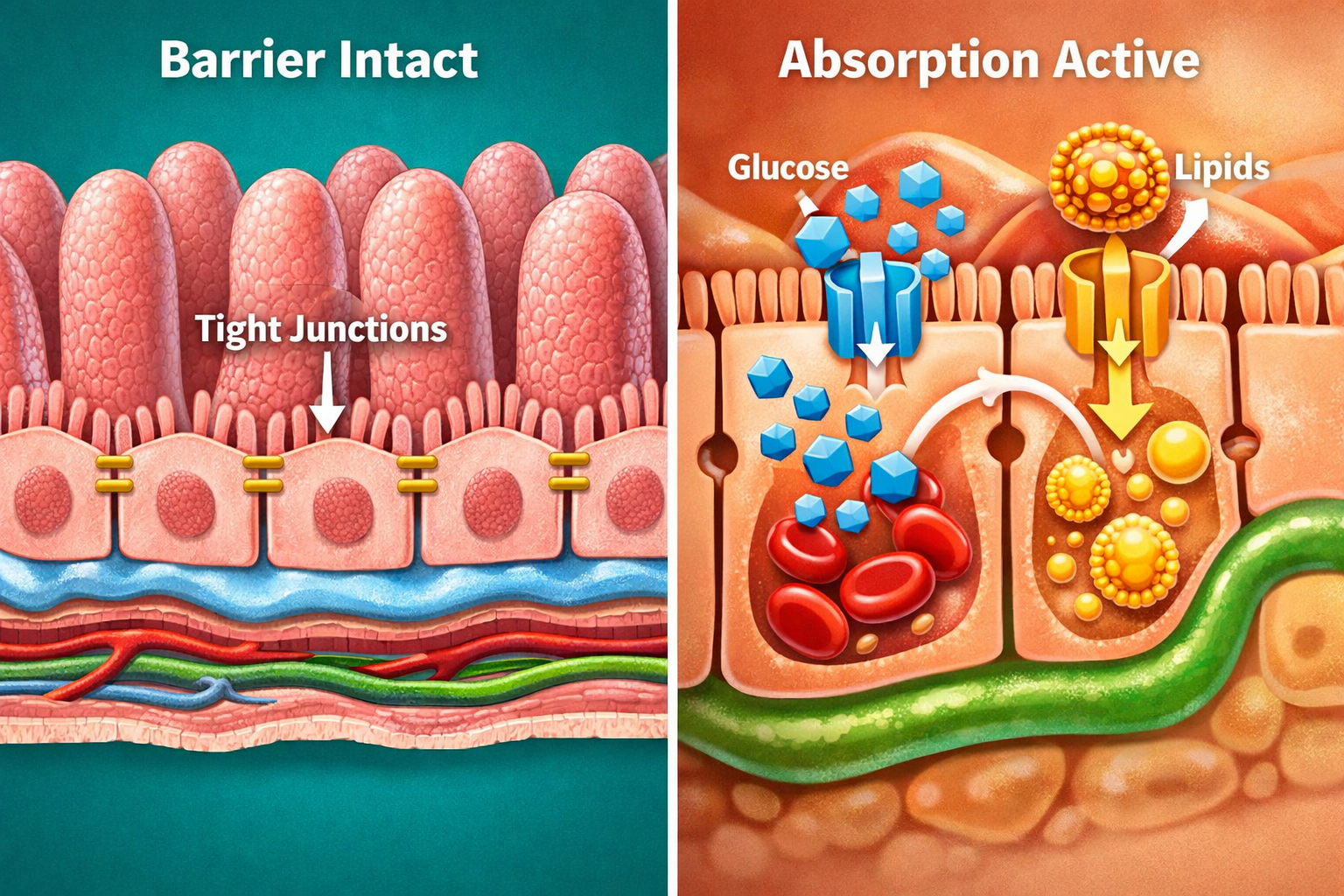
The intestinal barrier is a single-cell-thick layer separating luminal contents from the bloodstream. Its integrity depends on tight-junction proteins, mucus production, and constant epithelial renewal. When this barrier is compromised, through resection, inflammation, or disease, nutrient malabsorption and systemic immune activation follow.

This is the core research territory of the GLP-2 Peptide Research Guide: Gut Barrier Function, Nutrient Absorption, and Intestinal Recovery Models.

Morphological Markers Researchers Track

Marker What It Reflects
Villus height Absorptive surface area
Crypt depth Epithelial renewal rate
Plasma citrulline Functional enterocyte mass
Tight-junction protein expression Barrier permeability

A 2022 phase 2 trial using glepaglutide, a long-acting GLP-2 analog, in short bowel syndrome patients reported a significant increase in plasma citrulline levels of approximately 15.5 µmol/L, a validated biomarker of intestinal absorptive capacity. Trends toward increased villus height and crypt depth were also observed, reinforcing GLP-2's structural role in mucosal maintenance.

Teduglutide: The DPP-IV-Resistant Analog

Teduglutide (ALX-0600) was developed specifically to resist DPP-IV degradation, extending GLP-2's biological half-life. Research from 2005 demonstrated that teduglutide improved intestinal function in SBS patients, establishing it as a key tool in translational gut recovery models. Its development mirrors the research trajectory seen with other structurally optimized peptides, such as those explored in BPC-157 core peptides documentation for mucosal and tissue repair contexts.

"GLP-2's ability to simultaneously promote epithelial growth, reduce apoptosis, and strengthen tight junctions makes it one of the most mechanistically complete gut-trophic signals identified in preclinical research."

Intestinal Recovery Models and Research Applications

Intestinal Recovery Models and Research Applications

This section of the GLP-2 Peptide Research Guide: Gut Barrier Function, Nutrient Absorption, and Intestinal Recovery Models addresses how researchers structure experimental models to evaluate GLP-2 activity.

Common Preclinical and Translational Models

Short Bowel Syndrome (SBS) Models: Surgical resection of the small intestine in rodent models creates a reliable platform for studying intestinal adaptation. GLP-2 administration consistently promotes remnant bowel hypertrophy in these models.

Inflammatory Bowel Models: GLP-2 has shown potential in reducing mucosal damage in colitis models, supporting its relevance in enteritis and inflammatory conditions.

Parenteral Nutrition Models: Animals or patients receiving total parenteral nutrition experience intestinal atrophy due to reduced luminal stimulation. GLP-2 administration counteracts this atrophy, making it a useful probe for studying nutrient-dependent intestinal maintenance.

Key Variables in GLP-2 Research Design

  • Analog selection: Native GLP-2 vs. teduglutide vs. glepaglutide affects half-life and receptor occupancy
  • Route of administration: Subcutaneous delivery is standard in most models
  • Endpoint selection: Histological, biochemical (citrulline, tight-junction proteins), and functional (nutrient absorption rates) endpoints each capture different aspects of GLP-2 activity

Researchers designing multi-pathway gut recovery studies may also find value in reviewing TB-500 muscle recovery research themes for comparative tissue repair methodology, or the metabolic modulation research lines for systemic context. For peptide sourcing considerations relevant to GI-focused protocols, the peptide supplier comparisons guide offers practical sourcing evaluation criteria.

Those interested in adjacent gut-health peptide research may also find the KPV peptide research overview relevant, given KPV's documented involvement in intestinal inflammation models.

Conclusion

GLP-2 occupies a distinct and underexplored position in peptide research, one defined not by metabolic signaling, but by the structural and functional maintenance of the intestinal tract. Its receptor-specific mechanism, nutrient-responsive secretion, and trophic effects on epithelial tissue make it an essential subject for any researcher focused on gut barrier function, absorptive capacity, or intestinal recovery.

Actionable next steps for researchers:

  1. Identify the specific intestinal endpoint of interest, morphological, functional, or permeability-based, before selecting a GLP-2 analog.
  2. Use plasma citrulline as a non-invasive biomarker of enterocyte mass alongside histological measures.
  3. Consider DPP-IV-resistant analogs (teduglutide, glepaglutide) for sustained in vivo models requiring extended receptor engagement.
  4. Cross-reference GLP-2 findings with complementary gut-repair peptides to build a more complete picture of intestinal recovery signaling.

Exploring the full peptide research catalog can help researchers identify compounds that complement GLP-2 models within broader gastrointestinal and recovery-focused study designs.

https://www.puretestedpeptides.com/wp-content/uploads/2026/07/glp-2-peptide-research-guide-gut-barrier-function-nutrient-absorption-and-intest.webp 1024 1536 Pure Tested https://www.puretestedpeptides.com/wp-content/uploads/2026/01/buy-peptides-online.jpg Pure Tested2026-07-21 13:40:142026-07-27 13:32:22GLP-2 Peptide Research Guide: Gut Barrier Function, Nutrient Absorption, and Intestinal Recovery Models
GLP-2-T vs GLP-2 Tirz: Gut Barrier Biology, Nutrient Absorption, and Naming Confusion in Research

GLP-2-T vs GLP-2 Tirz: Gut Barrier Biology, Nutrient Absorption, and Naming Confusion in Research

June 27, 2026/0 Comments/by Pure Tested

Researchers searching for information on GLP-2 gut biology in 2026 frequently land in the wrong place — not because the science is inaccessible, but because two very different compounds share dangerously similar shorthand labels. The debate around GLP-2-T vs GLP-2 Tirz: Gut Barrier Biology, Nutrient Absorption, and Naming Confusion in Research is less about advanced pharmacology and more about a fundamental labeling problem that derails literature searches and misguides early-stage research decisions.

Key Takeaways

  • GLP-2-T most commonly refers to teduglutide, a GLP-2 analog engineered for intestinal trophic effects.
  • GLP-2 Tirz is informal shorthand sometimes applied to tirzepatide's secondary GLP-2-like activity, though tirzepatide is primarily a GIP/GLP-1 dual agonist.
  • These two compounds act through different primary receptors and serve distinct research purposes.
  • Gut barrier integrity and nutrient absorption are central to GLP-2-T research; metabolic signaling is central to tirzepatide research.
  • Naming clarity is essential before selecting peptides for any gut-focused research protocol.

Understanding the Two Compounds at the Center of the Confusion

Understanding the Two Compounds at the Center of the Confusion

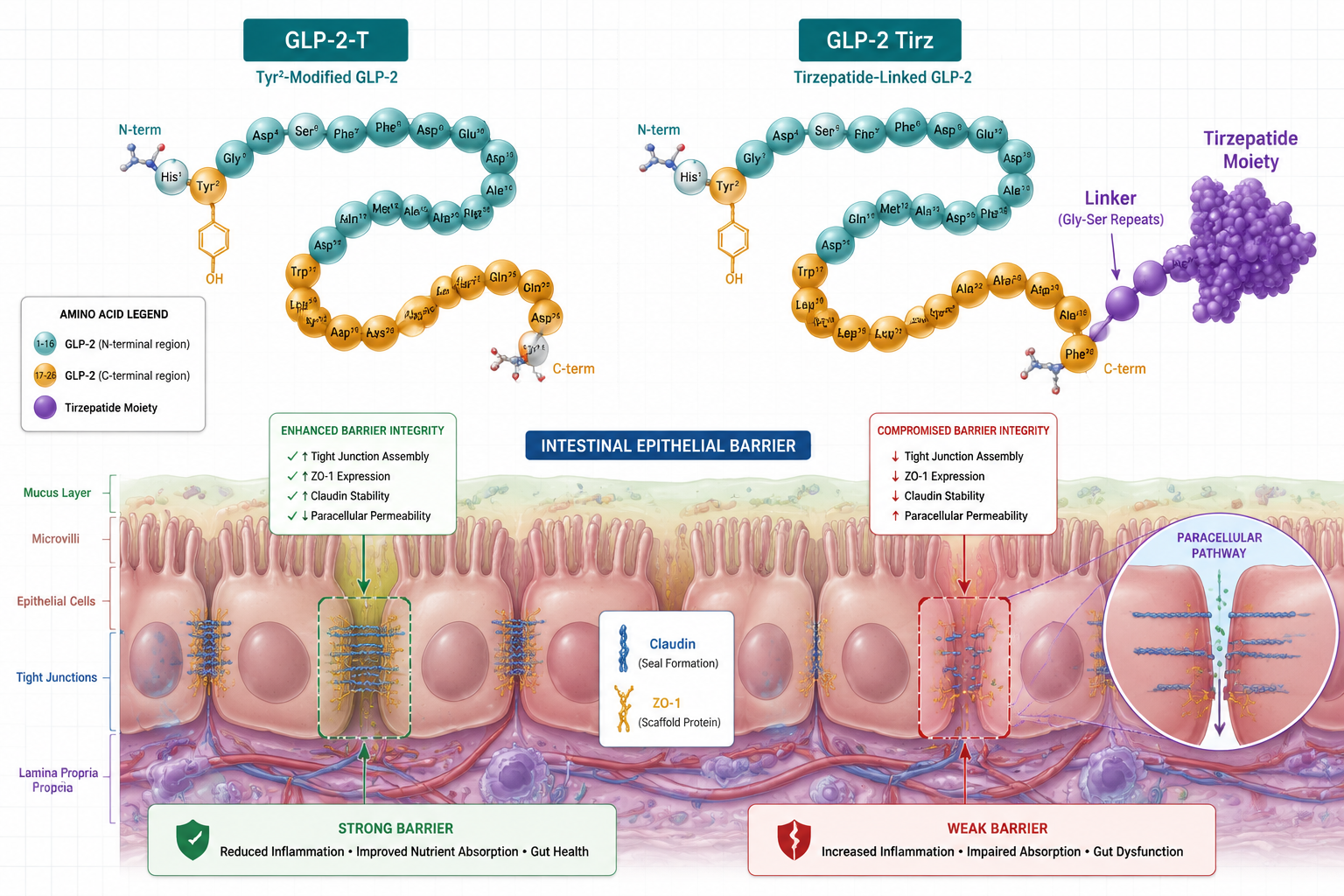
The shorthand "GLP-2-T" most reliably points to teduglutide, a 33-amino-acid GLP-2 analog developed specifically for its intestinotrophic properties. It was engineered by substituting alanine at position 2 with glycine, which protects it from rapid degradation by dipeptidyl peptidase-4 (DPP-4). This modification extends its half-life and amplifies its action at the GLP-2 receptor (GLP-2R), which is expressed primarily on intestinal subepithelial myofibroblasts and enteric neurons.

"GLP-2 Tirz," by contrast, is informal community shorthand sometimes applied to tirzepatide when discussing its reported secondary effects on intestinal function. Tirzepatide is a dual GIP receptor and GLP-1 receptor agonist. It does not act primarily through the GLP-2 receptor. Any GLP-2-like intestinal effects observed in tirzepatide research are likely downstream or indirect, not receptor-mediated in the same way as teduglutide.

Feature GLP-2-T (Teduglutide) GLP-2 Tirz (Tirzepatide context)
Primary receptor target GLP-2R GIP-R / GLP-1R
Structural basis GLP-2 analog GIP/GLP-1 hybrid peptide
Primary research focus Gut barrier, intestinal growth Metabolic regulation, body weight
DPP-4 resistance Yes (engineered) Yes (fatty acid conjugation)
GLP-2R direct agonism Direct Not established

For researchers exploring multi-pathway peptide biology, the GIP receptor and its importance provides useful context on how GIP-axis signaling intersects with gut and metabolic function.


Gut Barrier Biology and Nutrient Absorption in GLP-2-T vs GLP-2 Tirz Research

Gut Barrier Biology and Nutrient Absorption in GLP-2-T vs GLP-2 Tirz Research

The gut barrier is a single-cell-thick layer of enterocytes held together by tight junction proteins including claudin, occludin, and ZO-1. When this barrier is compromised, luminal antigens and bacteria translocate into systemic circulation — a process linked to inflammatory and metabolic disease.

GLP-2-T (teduglutide) has a well-characterized mechanism for supporting this barrier. Activation of GLP-2R on subepithelial myofibroblasts triggers release of growth factors including keratinocyte growth factor (KGF) and insulin-like growth factor-1 (IGF-1). These promote:

  • Crypt cell proliferation and villus elongation
  • Increased tight junction protein expression
  • Enhanced mucosal blood flow
  • Reduced intestinal permeability

This makes teduglutide one of the most direct tools in gut barrier research. Its effects on nutrient absorption are a direct consequence: longer villi mean greater absorptive surface area.

Tirzepatide's relationship with gut barrier biology is less direct. GLP-1 receptor agonism is known to slow gastric emptying and modulate intestinal motility, which can influence nutrient absorption timing. Some preclinical data suggest GLP-1 signaling may have modest barrier-supportive effects, but these are not equivalent to direct GLP-2R activation.

Researchers working on gut-healing peptide combinations may also find the BPC-157 research themes relevant, as BPC-157 has been studied for its own effects on mucosal integrity through separate mechanisms. Similarly, BPC-157 and TB-500 combination research explores complementary tissue repair pathways.


Resolving the Naming Confusion in GLP-2-T vs GLP-2 Tirz Research

Resolving the Naming Confusion in GLP-2-T vs GLP-2 Tirz Research

The naming confusion in GLP-2-T vs GLP-2 Tirz: Gut Barrier Biology, Nutrient Absorption, and Naming Confusion in Research stems from three overlapping problems:

  1. Abbreviation collision — "GLP-2-T" is used for teduglutide in clinical literature but occasionally appears as shorthand for "GLP-2 component of tirzepatide" in community forums.
  2. Receptor family conflation — GLP-1, GLP-2, and GIP are all incretin-related peptides, making cross-labeling common among non-specialist readers.
  3. Secondary effects misattributed as primary mechanisms — When tirzepatide produces gut-related outcomes, some researchers incorrectly attribute this to GLP-2 receptor activity.

A practical rule: if a study is examining intestinal villus height, crypt depth, tight junction protein expression, or short bowel syndrome models, it is almost certainly using GLP-2-T (teduglutide). If the study examines insulin secretion, body weight, or lipid metabolism, the compound is more likely tirzepatide or a GLP-1/GIP agonist.

For broader context on how multi-receptor peptide compounds are categorized, the GLP-1 peptides product tag and the GLP-3 / retatrutide research page offer useful comparative framing. Researchers interested in how innovative delivery systems affect peptide receptor selectivity may also benefit from reviewing innovative peptide delivery systems.


Conclusion

The confusion surrounding GLP-2-T vs GLP-2 Tirz: Gut Barrier Biology, Nutrient Absorption, and Naming Confusion in Research is solvable with precise language. Teduglutide (GLP-2-T) is a direct GLP-2 receptor agonist with established research applications in gut barrier biology and nutrient absorption. Tirzepatide, regardless of informal "GLP-2 Tirz" labeling, is a GIP/GLP-1 dual agonist with metabolic rather than intestinotrophic primary mechanisms.

Actionable next steps for researchers:

  • Always verify the receptor target before selecting a compound for gut-focused protocols.
  • Cross-reference abbreviations against the compound's structural class, not just its name.
  • When reviewing community discussions, treat "GLP-2 Tirz" as an informal label that requires verification against primary literature.
  • Consult verified sourcing platforms that provide certificates of analysis to confirm compound identity before any research use, such as those found at quality testing protocols.

Naming precision is not a minor detail in peptide research — it is the foundation on which valid experimental design is built.


References

  • Jeppesen, P. B., et al. (2012). Teduglutide reduces need for parenteral support among patients with short bowel syndrome with intestinal failure. Gastroenterology, 143(6), 1473-1481.
  • Drucker, D. J. (2002). Biological actions and therapeutic potential of the glucagon-like peptides. Gastroenterology, 122(2), 531-544.
  • Frampton, J. E. (2012). Teduglutide: a review of its use in the management of short bowel syndrome. Drugs, 72(9), 1209-1220.
  • Frias, J. P., et al. (2021). Tirzepatide versus semaglutide once weekly in patients with type 2 diabetes. New England Journal of Medicine, 385(6), 503-515.
  • Cani, P. D., et al. (2009). Changes in gut microbiota control inflammation in obese mice through a mechanism involving GLP-2-driven improvement of gut permeability. Gut, 58(8), 1091-1103.
https://www.puretestedpeptides.com/wp-content/uploads/2026/06/GLP-2-T-vs-GLP-2-Tirz-Gut-Barrier-Biology-Nutrient-Absorption-and-Naming-Confusion-in-Research.png 1024 1536 Pure Tested https://www.puretestedpeptides.com/wp-content/uploads/2026/01/buy-peptides-online.jpg Pure Tested2026-06-27 13:04:342026-07-20 15:02:12GLP-2-T vs GLP-2 Tirz: Gut Barrier Biology, Nutrient Absorption, and Naming Confusion in Research
×

Helpful Links

  • My account
  • Cart
  • Checkout
  • Refund and Returns Policy
  • Privacy Policy
  • SMS Privacy Policy
  • Login
  • My Account
  • Logout

USA Made Lab Tested Peptides

All products are sold for research, laboratory, or analytical purposes only, and are not for human consumption


Pure Tested Peptides is a chemical supplier. Pure Tested Peptides is not a compounding / chemical compounding facility as defined under 503A of the Federal Food, Drug, and Cosmetic act. Pure Tested Peptides is not an outsourcing facility as defined under 503B of the Federal Food, Drug, and Cosmetic act.

The statements made within this website have not been evaluated by the US Food and Drug Administration. The products we offer are not intended to diagnose, treat, cure or prevent any disease.

Human/Animal Consumption Prohibited. Laboratory/In-Vitro Experimental Use Only

Scroll to top Scroll to top Scroll to top