Call or Text 727-513-9780
  • Shopping Cart Shopping Cart
    0Shopping Cart
Pure Tested Peptides | America's most trusted Peptides for sale online
  • Peptides for sale
    • Oral Peptides for sale
      • Peptide Capsules for sale
      • BPC 157 Capsules 1000mcg
      • SLU-PP-332 Capsules | 1000 mcg
      • 5-Amino-1MQ 50mg Capsules
      • Tesofensine 500mcg
    • All Peptides for sale
    • Peptide Sprays
      • BPC 157 Nasal Spray Kit
      • BPC-157 TB500 Nasal Spray Kit
      • Semax Nasal Spray 10mg
      • Selank – Nasal Spray Kit – 10mg
      • Epithalon 50MG Nasal Spray Kit
      • Ipamorelin 10mg Nasal Spray
      • Klow Nasal Spray (BPC-157 + TB-500 + GHK-Cu + KPV) | 80mg
      • Hulk Nasal Spray Tesa / Ipa Blend 6/3 MG
      • Klow Nasal Spray
      • NAD + 500 mg Nasal Spray
      • PT-141 Nasal Spray Kit
    • GHRH Peptides
      • Ipa Peptides
      • CJC-1295 Peptides
        • CJC-1295 with DAC 5 mg
        • CJC-1295 without DAC 5 mg
        • CJC-1295 Ipa 10mg
      • Tesa Peptides
        • Tesa Peptide
        • Tesa 20 mg
    • GHK-Cu Peptides
      • All GHK-Cu Peptides
      • GHK-Cu 100mg
      • KLOW Peptide Blend – Buy KLOW blend online
    • BPC Peptides
      • All BPC Peptides
      • BPC-157
      • BPC-157 TB-500
      • BPC 157 capsules 1000mcg
    • SLU-PP-332 Peptides
      • All SLU-PP-332 Peptides
      • SLU-PP-332 5mg
    • GLP3 Peptides
      • GLP3-R
      • GLP3-R CAG 10mg
      • GLP3-R 20mg
    • PT-141 Peptides
      • PT-141 Peptides for sale
      • PT-141 10mg
      • PT-141 Nasal Spray
    • CAG Peptides
      • Lipo-C Peptide Blend
      • CAG 5mg
      • CAG 10mg
    • MOTS-C Peptides
      • MOTS-C Peptides for sale
      • MOTS-c peptide
      • MOTS-c 10mg *6 pack*
    • 5 Amino 1MQ Peptides
      • 5 Amino 1MQ Peptides for sale
      • 5-Amino-1MQ 50mg Capsules
      • 5-Amino-1MQ 5mg
    • Epithalon Peptides
      • Epithalon Peptides for sale
      • Epithalon 10mg
      • Epithalon 50mg
  • Shop
    • GLPs
      • 5-Amino-1MQ 50mg Capsules
      • 5-Amino-1MQ 5mg
      • GLP3-Reta
      • L-Carnitine 500mg/ml
      • Tesofensine 500mcg
      • SLU-PP-332 5mg
      • MOTS-c 10mg *6 pack*
    • Epithalon & BPC Peptides
      • Epithalon 10mg
      • Epithalon 50mg
      • BPC-157
      • BPC 157 capsules 1000mcg
      • BPC-157 TB-500
      • BPC-157 TB500 Nasal Spray Kit
      • BPC 157 Nasal Spray Kit
    • BPC TB-500 & NAD+ Peptides
      • NAD+ 500 mg
      • KLOW Peptide Blend – Buy KLOW blend online
      • GLOW Peptide Blend
      • TB 500 5mg
      • BPC 157 capsules 1000mcg – Supplement
      • BPC 157 Nasal Spray Kit
      • BPC-157
      • BPC-157 TB500 Nasal Spray Kit
      • BPC-157 TB-500
      • BPC 157 capsules 1000mcg
    • LL-37 Peptide
      • LL-37 10 mg
    • MOTS-C & Selank
      • MOTS-c peptide
      • Selank 10mg
    • GHK Peptides
      • GHK-Cu 100mg
      • GLOW Peptide Blend
      • KLOW Peptide Blend – Buy KLOW blend online
  • COAs
  • Wholesale
    • Wholesale Peptides for sale
  • PTP FAQ
  • Affiliates
    • Selank Peptide: Advanced Pharmacological Mechanisms Underlying Its Anxiolytic and Nootropic Effects in Research
      • 5-Amino-1MQ Peptide: Detailed Mechanisms of NNMT Inhibition and Its Impact on Cellular Metabolism Research
        • MOTS-C Peptide: Unraveling Its Role in Mitochondrial Dynamics and Energy Metabolism Research
          • Epithalon Peptide and Telomerase Regulation: Investigating Its Impact on Cellular Senescence and Lifespan Research Models
            • GLP2-T vs GLP2 Tirz Peptide: Understanding the Naming, Mechanistic Nuances, and Research Implications for Gut Health
      • Peptides and Polypeptides in Modern Pharmacology: What Research on Metoprolol, Prednisone, and Amlodipine Reveals
        • Polypeptide Peptides vs NSAIDs: What Naproxen and Diclofenac Teach Tissue-Repair Researchers About BPC‑157 and TB‑500
          • Peptides and Polypeptides in Endocrine Pharmacology: How GLP-1, GLP-2, and GLP-3 Retatrutide Differ From Classic Drugs Like Prednisone and Amlodipine
          • 5‑Amino‑1MQ Peptide and NNMT Inhibition: How It Compares With Statins Like Atorvastatin in Adipose and Lipid Metabolism Research
      • Enclomiphene, Estrogen Receptor Signaling, and Luteinizing Phase Biology: What Hormone Researchers Should Measure
        • Mesenchymal Stem Cells, BPC‑157, and GHK‑Cu: How Tissue Repair Peptides Compare With Classic NSAIDs Like Naproxen in Injury Models
          • Peptide Calculator Use Cases Beyond Growth Hormone: Working Through GLP‑3 Retatrutide, MOTS‑c, and BPC‑157 Research Dosing
        • Polypeptide Peptides in Endocrine and Metabolic Pharmacology: Lessons From Amlodipine, Prednisone, and Metoprolol
        • Peptides Calculator for Advanced Blends: Worked Examples for Tesamorelin, CJC‑1295, and Ipamorelin Stacks
          • Peptides and Polypeptides in Human Physiology: How Molecular Size Shapes Research Applications
            • Selank Peptide: Advanced Pharmacological Mechanisms Underlying Its Anxiolytic and Nootropic Effects in Research
          • 5-Amino-1MQ Peptide: Detailed Mechanisms of NNMT Inhibition and Its Impact on Cellular Metabolism Research
            • MOTS-C Peptide: Unraveling Its Role in Mitochondrial Dynamics and Energy Metabolism Research
              • Epithalon Peptide and Telomerase Regulation: Investigating Its Impact on Cellular Senescence and Lifespan Research Models
                • GLP2-T vs GLP2 Tirz Peptide: Understanding the Naming, Mechanistic Nuances, and Research Implications for Gut Health
                  • Peptides and Polypeptides in Endocrine Pharmacology: How GLP-1, GLP-2, and GLP-3 Retatrutide Differ From Classic Drugs Like Prednisone and Amlodipine
                    • Polypeptide Peptides vs NSAIDs: What Naproxen and Diclofenac Teach Tissue-Repair Researchers About BPC‑157 and TB‑500
                      • Peptides and Polypeptides in Modern Pharmacology: What Research on Metoprolol, Prednisone, and Amlodipine Reveals
                        • 5‑Amino‑1MQ Peptide and NNMT Inhibition: How It Compares With Statins Like Atorvastatin in Adipose and Lipid Metabolism Research
                        • Enclomiphene, Estrogen Receptor Signaling, and Luteinizing Phase Biology: What Hormone Researchers Should Measure
                        • Mesenchymal Stem Cells, BPC‑157, and GHK‑Cu: How Tissue Repair Peptides Compare With Classic NSAIDs Like Naproxen in Injury Models
                        • Peptide Calculator Use Cases Beyond Growth Hormone: Working Through GLP‑3 Retatrutide, MOTS‑c, and BPC‑157 Research Dosing
                        • Polypeptide Peptides in Endocrine and Metabolic Pharmacology: Lessons From Amlodipine, Prednisone, and Metoprolol
                        • Peptides Calculator for Advanced Blends: Worked Examples for Tesamorelin, CJC‑1295, and Ipamorelin Stacks
                        • Peptides and Polypeptides in Human Physiology: How Molecular Size Shapes Research Applications
                        • Selank Peptide: Advanced Pharmacological Mechanisms Underlying Its Anxiolytic and Nootropic Effects in Research
                        • MOTS-C Peptide: Unraveling Its Role in Mitochondrial Dynamics and Energy Metabolism Research
                        • Peptides and Polypeptides in Modern Pharmacology: What Research on Metoprolol, Prednisone, and Amlodipine Reveals
                        • Peptides and Polypeptides in Endocrine Pharmacology: How GLP-1, GLP-2, and GLP-3 Retatrutide Differ From Classic Drugs Like Prednisone and Amlodipine
                        • 5-Amino-1MQ Peptide: Detailed Mechanisms of NNMT Inhibition and Its Impact on Cellular Metabolism Research
                        • Mesenchymal Stem Cells, BPC‑157, and GHK‑Cu: How Tissue Repair Peptides Compare With Classic NSAIDs Like Naproxen in Injury Models
                        • Peptide Calculator Use Cases Beyond Growth Hormone: Working Through GLP‑3 Retatrutide, MOTS‑c, and BPC‑157 Research Dosing
                        • GLP2-T vs GLP2 Tirz Peptide: Understanding the Naming, Mechanistic Nuances, and Research Implications for Gut Health
                        • Polypeptide Peptides in Endocrine and Metabolic Pharmacology: Lessons From Amlodipine, Prednisone, and Metoprolol
                        • Polypeptide Peptides vs NSAIDs: What Naproxen and Diclofenac Teach Tissue-Repair Researchers About BPC‑157 and TB‑500
                        • Peptides and Polypeptides in Human Physiology: How Molecular Size Shapes Research Applications
                        • Peptides Calculator for Advanced Blends: Worked Examples for Tesamorelin, CJC‑1295, and Ipamorelin Stacks
                        • 5‑Amino‑1MQ Peptide and NNMT Inhibition: How It Compares With Statins Like Atorvastatin in Adipose and Lipid Metabolism Research
                        • Enclomiphene, Estrogen Receptor Signaling, and Luteinizing Phase Biology: What Hormone Researchers Should Measure
                        • Epithalon Peptide and Telomerase Regulation: Investigating Its Impact on Cellular Senescence and Lifespan Research Models
                        • Best research protocol Klow blend
                        • best time to take BPC-157
                        • best time to take DSIP (Delta Sleep Inducing Peptide)
                        • best time to take CJC-1295
                        • best time to take AOD-9604
                        • best time to take Follistatin 344
                        • best time to take Ipamorelin
                        • best time to take MK-677 (Ibutamoren)
                        • best time to take Ligandrol (LGD-4033) — research compound
                        • best time to take Ostarine (MK-2866) — research compound
                        • best time to take GHK-CU
                        • best time to take TB-500
                        • best time to take MOTS-c
                        • best time to take Semax
                        • best time to take RAD-140 (Testolone) — research compound
                        • best time to take Thymosin Alpha-1
                        • best time to take PEG-MGF
                        • Biolife Plasma, Octapharma Plasma, and Research Peptides: How Plasma Donation Labs Differ From Peptide Suppliers
                        • best time to take YK-11 — research compound
                        • best time to take PT-141 (Bremelanotide)
                        • Best research protocol Klow blend
  • Contact
    • Contact Customer Service
    • Text Customer Support
  • About US
  • Shop all peptides
  • Affiliate Program
    • Affiliate Signup
  • Login / Register Login / Register Page Link Login / Register Page Link
  • Click to open the search input field Click to open the search input field Search
  • Menu Menu

Tag Archive for: tissue repair

BPC-157 and TB-500: Investigating Their Combined Effects on Angiogenesis and Cellular Migration in Tissue Repair Models

BPC-157 and TB-500: Investigating Their Combined Effects on Angiogenesis and Cellular Migration in Tissue Repair Models

July 21, 2026/0 Comments/in Uncategorized/by

New blood vessels do not grow on demand, yet in damaged tissue, that is precisely what recovery requires. Research into BPC-157 and TB-500: Investigating Their Combined Effects on Angiogenesis and Cellular Migration in Tissue Repair Models has become one of the more compelling areas of preclinical peptide science, precisely because these two compounds appear to address two of the most fundamental bottlenecks in wound healing: vascular regrowth and directed cell movement.

Key Takeaways

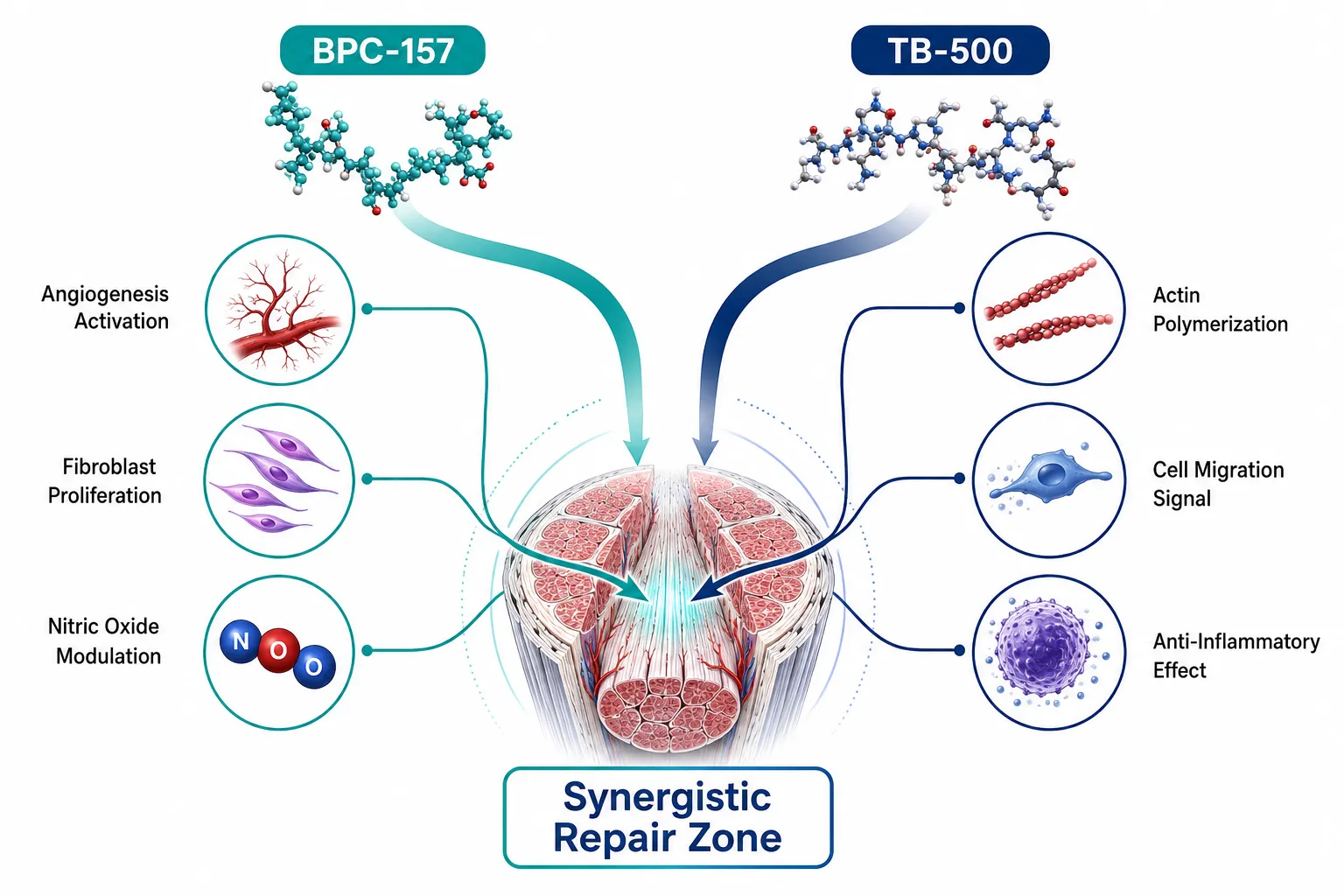
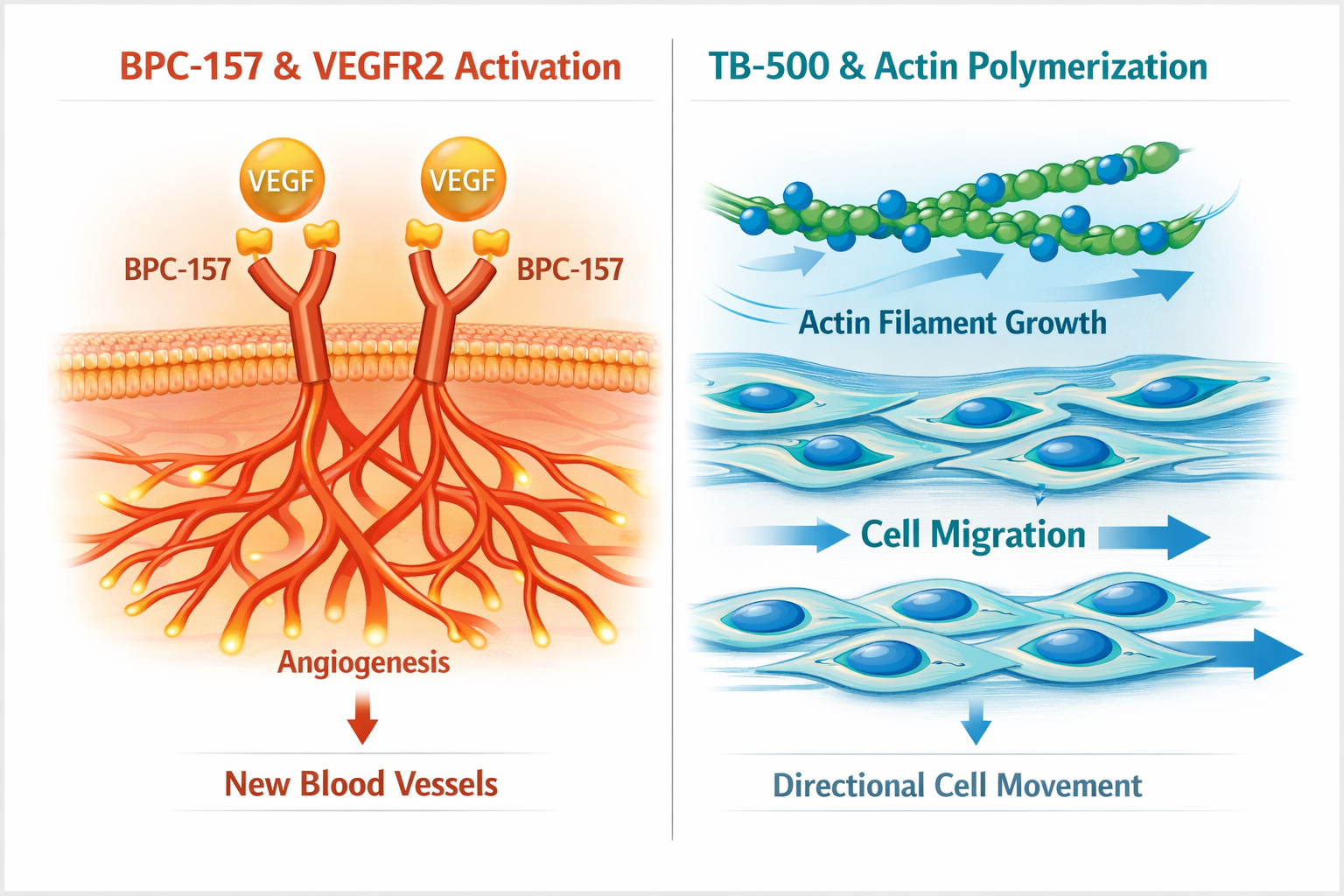
  • BPC-157 drives angiogenesis primarily through VEGFR2 activation and nitric oxide modulation, while TB-500 promotes cellular migration by regulating actin polymerization.
  • Their mechanisms are complementary rather than redundant, making combined use a logical focus for tissue repair research protocols.
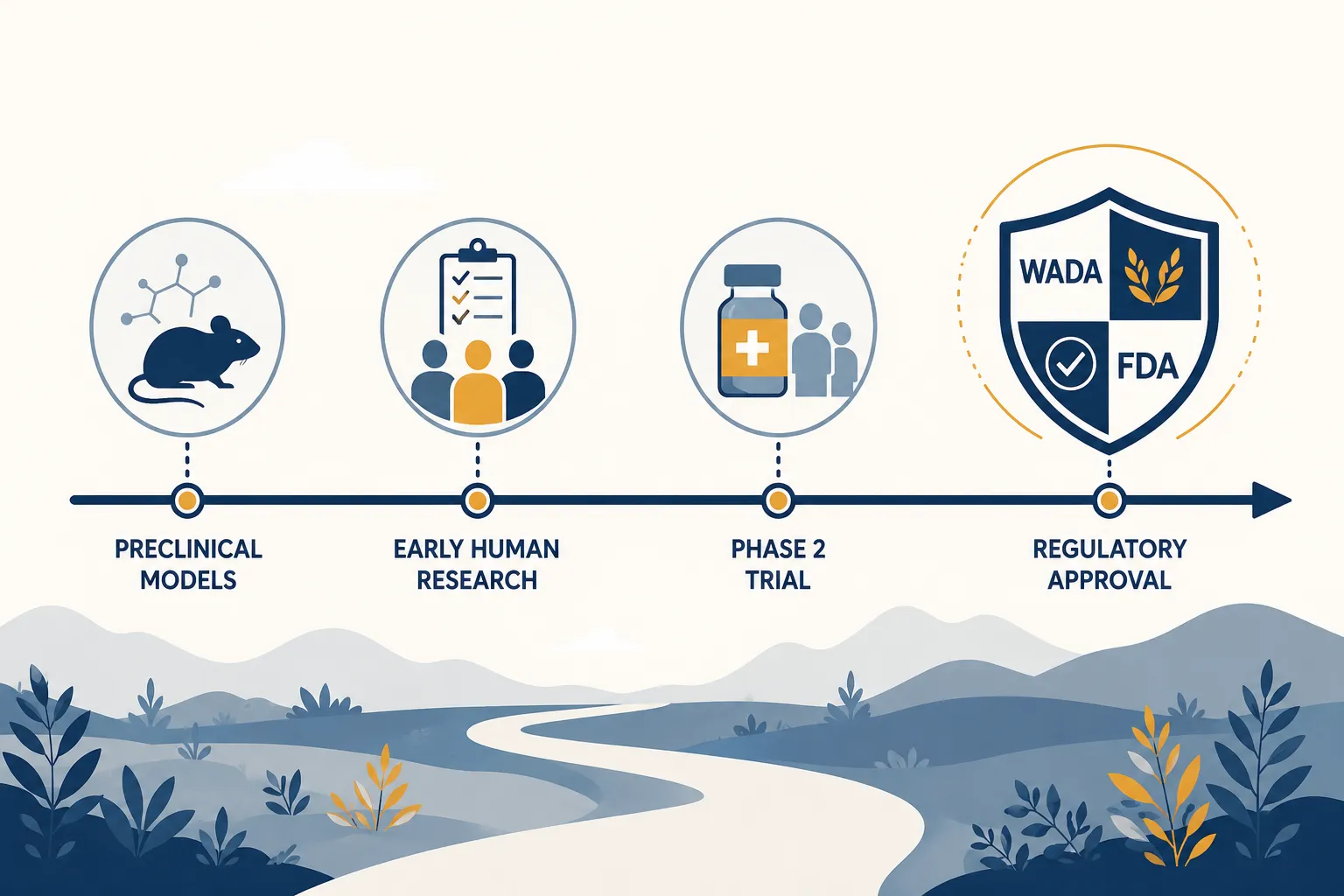
  • As of 2026, both peptides remain classified under FDA Interim Category 2 and are not approved for human therapeutic use.
  • Human clinical data is limited; a Phase 2 trial for BPC-157 in hamstring injury is currently recruiting, with results expected in 2027-2028.
  • Both compounds appear on WADA's S0 Non-Approved Substances list, which has direct implications for athletic research contexts.

Key Takeaways

Distinct Mechanisms That Work Together

Understanding why researchers pair these peptides begins with their individual mechanisms of action.

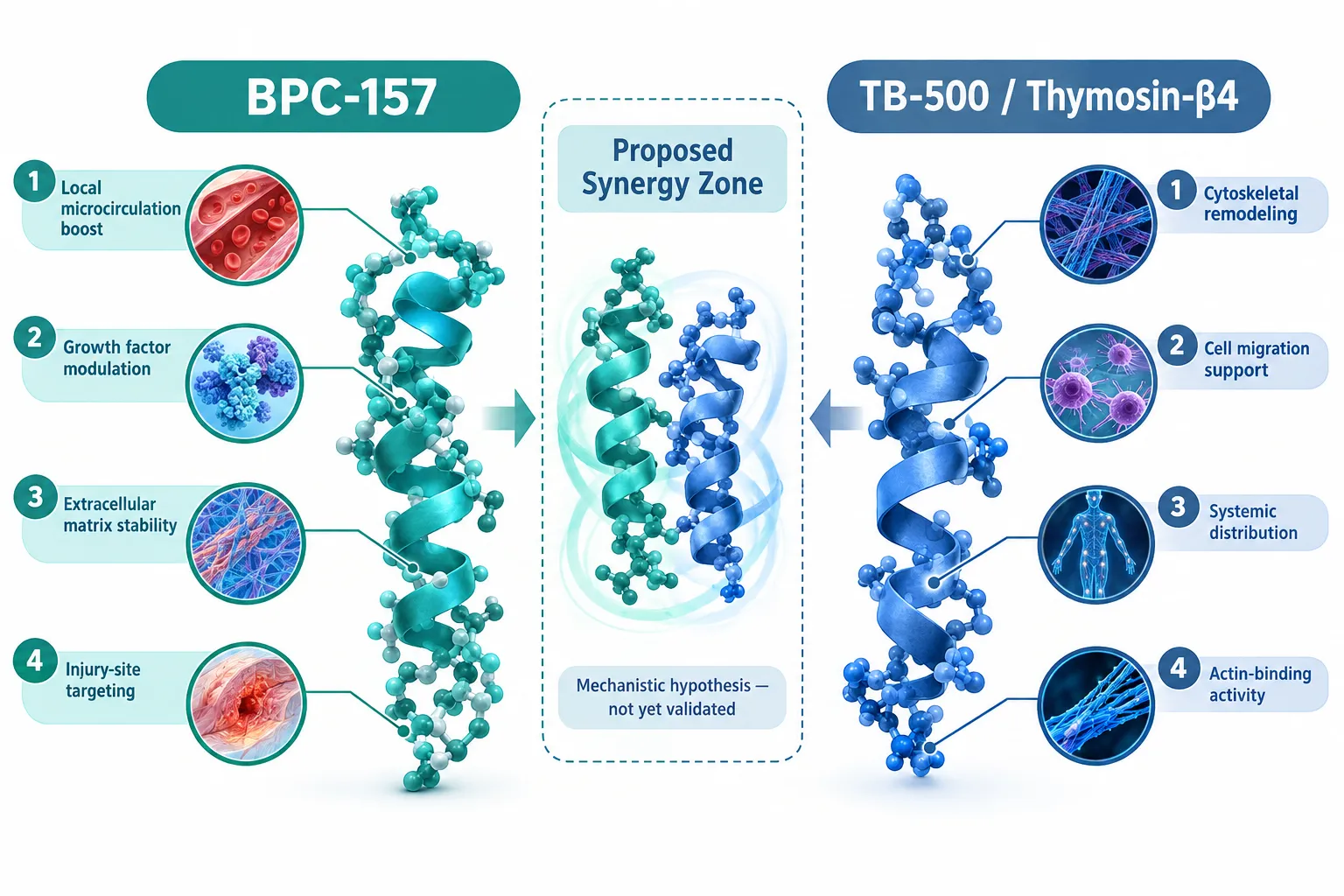
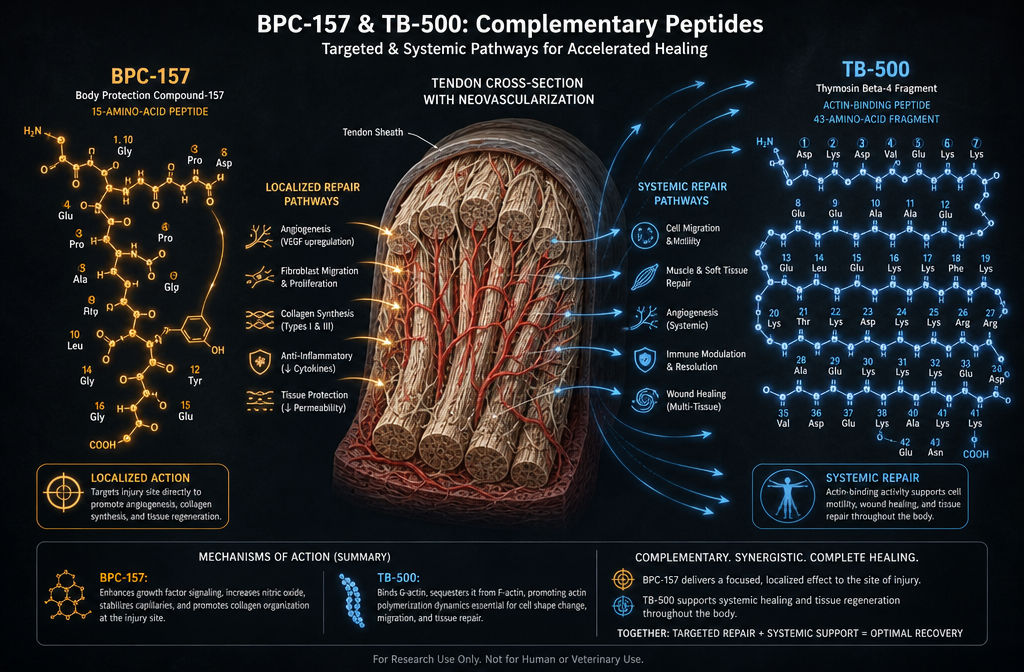
BPC-157 is a synthetic pentadecapeptide derived from a protective gastric protein. Its primary contribution to tissue repair involves:

  • Activating VEGFR2 (vascular endothelial growth factor receptor 2), which triggers the formation of new capillaries
  • Modulating the nitric oxide system to support vascular tone and blood flow
  • Upregulating growth hormone receptors at injury sites
  • Engaging ERK1/2 signaling pathways to stimulate cell proliferation

TB-500, a synthetic analog of thymosin beta-4, operates through a different but equally important set of actions:

  • Sequestering G-actin to regulate actin polymerization, the structural process that drives cell movement
  • Enabling lamellipodia and filopodia formation, the cellular "arms" that propel migrating cells toward wounds
  • Activating integrin-linked kinase (ILK) to support cell survival and differentiation
  • Modulating the NF-kB pathway to influence inflammatory gene expression

"BPC-157 builds the road; TB-500 moves the traffic."

This distinction is critical. Angiogenesis without sufficient cellular migration leaves new vessels poorly populated. Cellular migration without adequate vascular support leaves migrating cells oxygen-deprived. The combined use of BPC-157 and TB-500 in tissue repair models attempts to address both deficits simultaneously.

For researchers exploring how peptide combinations can be designed for complementary effect, the synergy of LL-37 and SS-31 offers a useful parallel case study in mechanistic pairing.

Preclinical Evidence and Research Applications

The bulk of available data on BPC-157 and TB-500: Investigating Their Combined Effects on Angiogenesis and Cellular Migration in Tissue Repair Models comes from animal and in vitro studies. That context matters when interpreting the findings.

BPC-157 preclinical highlights:

Tissue Type Observed Effect
Tendon Accelerated collagen organization
Ligament Improved tensile strength recovery
Gastrointestinal Enhanced mucosal healing
Muscle Reduced ischemia-related damage

TB-500 preclinical highlights:

  • Demonstrated connective tissue migration in wound models
  • Showed promise in generalized soft-tissue recovery protocols
  • Exhibited anti-inflammatory effects via NF-kB modulation

When used together in research protocols, the pairing has shown additive effects in models of tendon and musculoskeletal injury. BPC-157's localized vascular action complements TB-500's systemic reach, experts note that BPC-157 tends to suit localized repair targets (tendons, ligaments, gut lining), while TB-500 is better suited to broader, systemic tissue support.

For context on how regenerative peptide research is structured, the dedicated TB-500 and BPC-157 regeneration research overview provides additional background. Researchers interested in delivery method considerations may also find the BPC-157 nasal spray and capsules evidence review useful for understanding administration variables.

Preclinical Evidence and Research Applications

Regulatory Status, Human Data, and Research Limitations

Any serious investigation of BPC-157 and TB-500: Investigating Their Combined Effects on Angiogenesis and Cellular Migration in Tissue Repair Models must address the regulatory and evidentiary gaps that remain as of 2026.

Current regulatory status:

  • Both peptides are classified under FDA Interim Category 2, meaning they are not approved for human therapeutic use.
  • Both appear on the World Anti-Doping Agency (WADA) S0 Non-Approved Substances list, with direct implications for sports science research.

Human clinical data remains sparse:

  • BPC-157 has one safety pilot study completed (2025, intravenous administration).
  • TB-500 has one cardiac trial involving STEMI patients (2025).
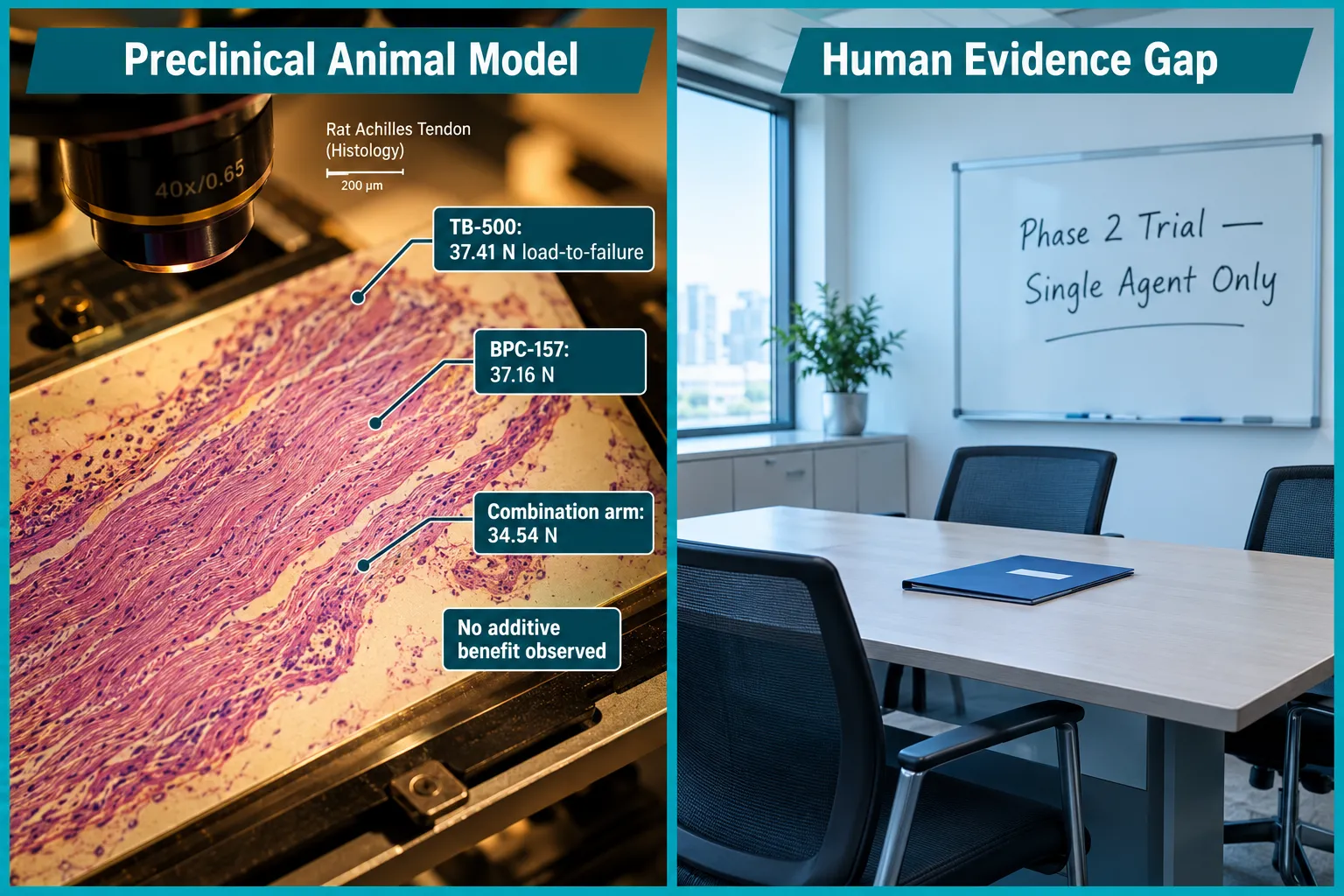
  • A Phase 2 randomized controlled trial (NCT07437547) is currently recruiting 120 participants to evaluate BPC-157 for acute hamstring injury. This is the first registered controlled human study of BPC-157, with results expected between 2027 and 2028.

These limitations do not invalidate preclinical findings, but they do require that researchers interpret results with appropriate caution. The gap between animal models and human physiology remains the central challenge for this class of compounds.

Researchers sourcing peptides for controlled study protocols should prioritize verified supply chains. Resources such as the peptide purity testing guide and the peptide supplier comparison analysis offer practical guidance on quality assurance. For those exploring the broader landscape of repair-focused compounds, the longevity peptide research overview and innovative peptide delivery systems provide relevant context.

Regulatory Status, Human Data, and Research Limitations

Conclusion

The scientific rationale for studying BPC-157 and TB-500 together in tissue repair models is well-grounded. Their mechanisms, angiogenesis promotion via VEGFR2 activation and cellular migration via actin regulation, address complementary phases of the healing process rather than duplicating each other's function. Preclinical data across tendon, ligament, and soft-tissue models supports continued investigation.

Actionable next steps for researchers in 2026:

  1. Monitor the Phase 2 BPC-157 hamstring trial (NCT07437547) for the first controlled human efficacy data, expected 2027-2028.
  2. Design combination protocols that account for the localized action of BPC-157 versus the systemic reach of TB-500.
  3. Source only from suppliers with documented purity testing and verifiable certificates of analysis.
  4. Track WADA and FDA regulatory updates, as the classification of both peptides remains subject to change.
  5. Treat all current findings as hypothesis-generating rather than clinically conclusive until robust human trial data is available.

The field is moving. The evidence base, while still preclinical in large part, is building toward the kind of controlled human data that could meaningfully reframe how tissue repair research is conducted.

https://www.puretestedpeptides.com/wp-content/uploads/2026/07/bpc-157-and-tb-500-investigating-their-combined-effects-on-angiogenesis-and-cell.webp 1024 1536 https://www.puretestedpeptides.com/wp-content/uploads/2026/01/buy-peptides-online.jpg 2026-07-21 13:40:122026-07-21 13:40:14BPC-157 and TB-500: Investigating Their Combined Effects on Angiogenesis and Cellular Migration in Tissue Repair Models
GHK-Cu Peptide: Advanced Mechanisms in Extracellular Matrix Remodeling and Wound Healing Research

GHK-Cu Peptide: Advanced Mechanisms in Extracellular Matrix Remodeling and Wound Healing Research

July 21, 2026/0 Comments/in Uncategorized/by

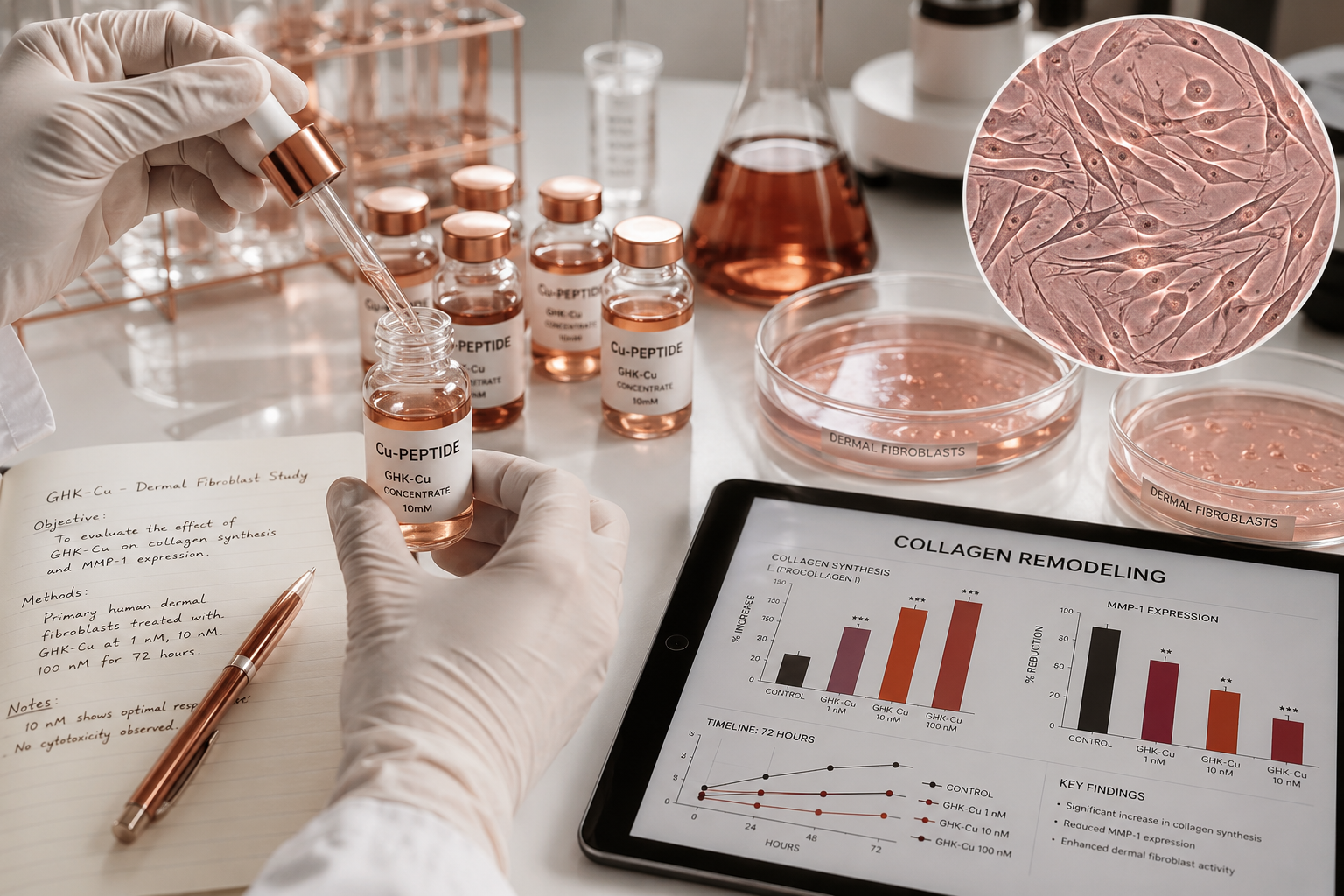
Human plasma levels of the tripeptide glycyl-L-histidyl-L-lysine (GHK) drop by nearly 60% between the ages of 20 and 60, a decline that closely mirrors the body's diminishing capacity for tissue repair. When bound to copper (Cu), this molecule becomes one of the most studied signaling peptides in regenerative biology. Research into GHK-Cu peptide: advanced mechanisms in extracellular matrix remodeling and wound healing research has accelerated significantly in 2026, revealing a compound that operates across multiple biological pathways simultaneously.

Key Takeaways

  • GHK-Cu stimulates collagen and glycosaminoglycan synthesis in fibroblasts at picomolar to nanomolar concentrations.
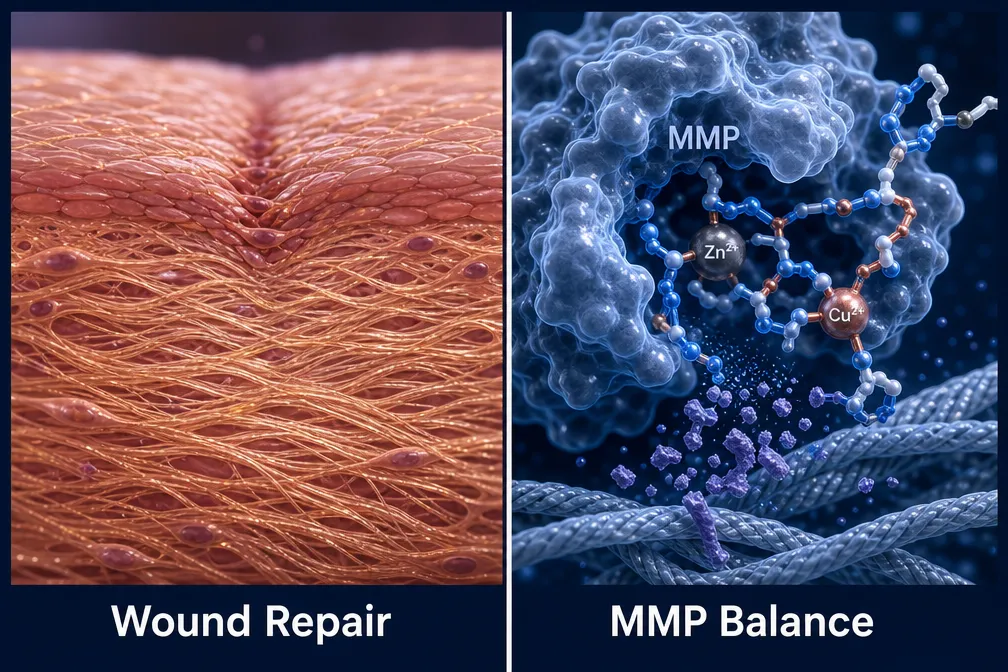
  • It modulates matrix metalloproteinase (MMP) activity to balance ECM breakdown and rebuilding.
  • GHK-Cu influences expression of approximately 31% of human genes, including pathways for DNA repair and antioxidant defense.
  • Novel hydrogel delivery systems developed in recent research significantly improve GHK-Cu biostability and wound healing outcomes.
  • Plasma GHK levels decline sharply with age, making exogenous supplementation a key area of ongoing research.

Key Takeaways

Understanding GHK-Cu and Its Role in Extracellular Matrix Remodeling

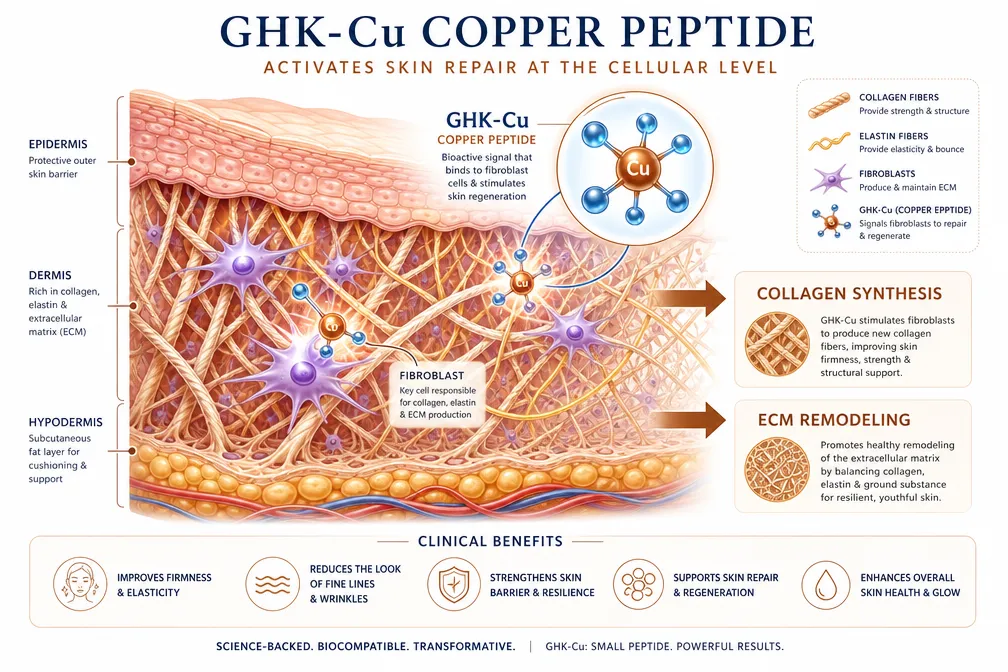
The extracellular matrix (ECM) is the structural scaffold of every tissue in the body. It is made up of collagen, elastin, proteoglycans, and glycosaminoglycans (GAGs). When tissue is damaged, the ECM must be broken down and rebuilt in a highly coordinated sequence. GHK-Cu sits at the center of this process.

Collagen synthesis is one of GHK-Cu's most documented actions. In fibroblast cultures, the peptide begins stimulating collagen production at concentrations as low as 10^-12 to 10^-11 M, with peak effects observed around 10^-9 M. This picomolar potency is remarkable and suggests a receptor-mediated signaling mechanism rather than simple substrate availability.

Beyond collagen, GHK-Cu drives a dose-dependent increase in GAG synthesis by human fibroblasts, with maximal effects between 10^-9 and 10^-8 M. GAGs such as hyaluronic acid and heparan sulfate are critical for water retention, structural integrity, and growth factor signaling within the ECM.

Key ECM components stimulated by GHK-Cu:

Component Role in ECM GHK-Cu Effect
Collagen I & III Structural tensile strength Synthesis upregulated
Elastin Tissue flexibility Production increased
Glycosaminoglycans Hydration and signaling Dose-dependent increase
MMP-2 ECM remodeling enzyme Expression elevated

GHK-Cu also increases MMP-2 levels in fibroblast-conditioned media alongside corresponding increases in MMP-2 mRNA. This is not a destructive effect, rather, it reflects a carefully balanced remodeling signal. By upregulating specific MMPs while modulating others, GHK-Cu enables the removal of damaged matrix components and their replacement with newly synthesized, organized fibers.

Researchers exploring longevity peptide research have noted that ECM remodeling capacity is a central feature of biological aging, making GHK-Cu a molecule of significant interest in that context.

Understanding GHK-Cu and Its Role in Extracellular Matrix Remodeling

GHK-Cu Peptide in Wound Healing Research: Mechanisms and Delivery Advances

The wound healing process unfolds in four overlapping phases: hemostasis, inflammation, proliferation, and remodeling. GHK-Cu has demonstrated activity in at least three of these phases, making it a multi-stage wound repair agent.

During the proliferative phase, GHK-Cu acts as a chemoattractant for repair cells, drawing fibroblasts and keratinocytes to the wound site. It simultaneously suppresses pro-inflammatory cytokines, reducing excessive inflammation that would otherwise delay healing. This dual action, recruiting repair cells while dampening destructive inflammation, is a key reason why GHK-Cu peptide: advanced mechanisms in extracellular matrix remodeling and wound healing research continues to attract scientific attention.

"GHK-Cu functions as a natural modulator of multiple cellular pathways in skin regeneration, including collagen synthesis, anti-inflammatory responses, and antioxidant defense mechanisms."

Novel Hydrogel Delivery Systems

One of the most significant recent developments involves advanced delivery platforms designed to protect GHK-Cu's bioactivity and extend its residence time at wound sites.

A 2023 study introduced a photo-crosslinkable hyaluronic acid hydrogel embedded with GHK peptide nanofibers. This system improved bioactive wound healing by combining the structural benefits of hyaluronic acid scaffolding with the signaling properties of GHK. The nanofiber format increased surface area contact with surrounding tissue, enhancing cellular uptake.

A separate 2023 publication described a supramolecular metallopeptide hydrogel (termed Supra GHK-Cu) that self-assembles into a three-dimensional network. This structure improved biostability, a persistent challenge with peptide-based therapeutics, while maintaining the wound-healing properties of the native GHK-Cu complex.

These delivery innovations address a core limitation: free GHK-Cu in solution degrades relatively quickly in biological environments. Hydrogel encapsulation extends functional activity and enables sustained release over wound healing timescales.

For researchers interested in comparing peptide delivery and tissue repair mechanisms, TB-500 research and BPC-157 nasal and oral formulations represent related areas of investigation in regenerative peptide science.

Novel Hydrogel Delivery Systems

Gene Expression Modulation and Broader Regenerative Implications

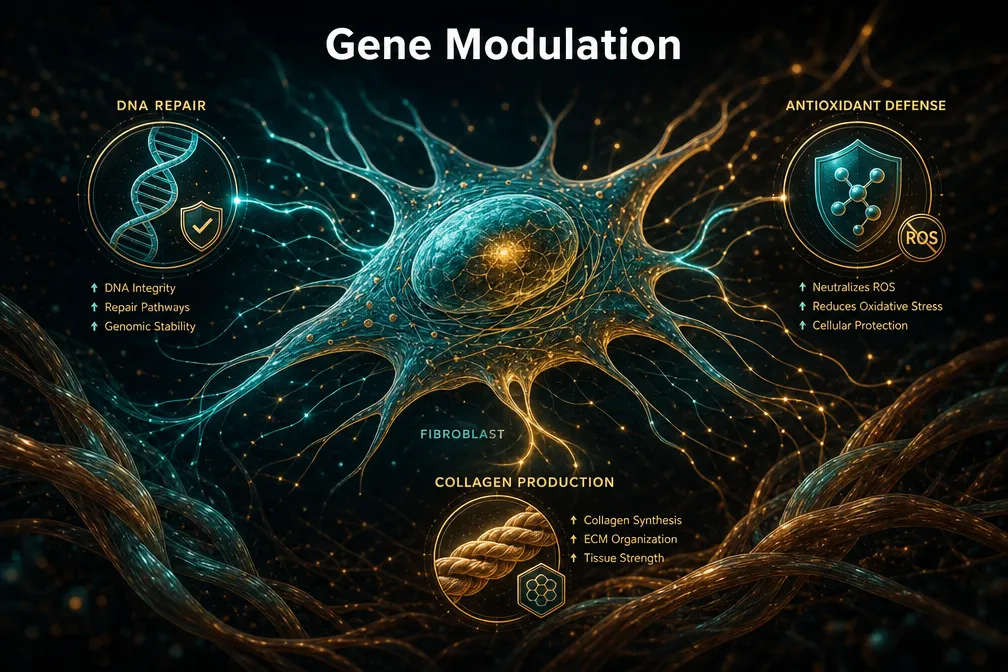
Perhaps the most striking finding in GHK-Cu research is the scale of its gene regulatory activity. Studies using gene array analysis indicate that GHK-Cu influences the expression of approximately 31.2% of human genes. This includes genes involved in:

  • DNA repair mechanisms
  • Antioxidant defense systems
  • Anti-inflammatory signaling
  • Nerve regeneration pathways
  • Stem cell activation

This breadth of activity positions GHK-Cu not merely as a wound-healing agent but as a systemic tissue maintenance signal. The age-related decline in plasma GHK, from roughly 200 ng/mL at age 20 to approximately 80 ng/mL at age 60, may partially explain why tissue repair efficiency diminishes with age.

Researchers studying aging support peptides have drawn connections between this GHK decline and broader hallmarks of biological aging, including reduced ECM quality and impaired cellular stress responses.

GHK-Cu's antioxidant gene activation is particularly relevant in wound contexts, where reactive oxygen species (ROS) are produced in large quantities during the inflammatory phase. By upregulating antioxidant defenses, the peptide helps protect newly forming tissue from oxidative damage.

Those researching GHK-Cu peptide: advanced mechanisms in extracellular matrix remodeling and wound healing research alongside other regenerative compounds may also find value in reviewing Epithalon peptide research and NAD+ energetics and longevity themes, which intersect with cellular repair and gene expression regulation.

For those sourcing research-grade materials, GHK-Cu peptides for research use and additional GHK-Cu research documentation are available through specialized suppliers.

Conclusion

The science surrounding GHK-Cu peptide: advanced mechanisms in extracellular matrix remodeling and wound healing research points to a molecule of unusual biological depth. Its ability to stimulate collagen and GAG synthesis at picomolar concentrations, modulate MMP activity for balanced ECM remodeling, and influence gene expression across nearly a third of the human genome places it in a category few peptides occupy.

Actionable next steps for researchers:

  1. Review the 2023 hydrogel delivery literature to understand how formulation affects GHK-Cu bioavailability and wound-site retention.
  2. Examine gene array data to identify which specific pathways are most relevant to your research model.
  3. Consider age-related GHK plasma decline as a variable when designing tissue repair or longevity studies.
  4. Explore synergistic peptide combinations, GHK-Cu's anti-inflammatory and ECM-rebuilding actions may complement other regenerative peptides in multi-target research designs.
  5. Source only verified, high-purity GHK-Cu for research to ensure reproducible results.

As delivery technologies improve and gene-level data accumulates, GHK-Cu is positioned to remain a central subject in regenerative medicine, skin biology, and tissue engineering research well beyond 2026.

https://www.puretestedpeptides.com/wp-content/uploads/2026/07/ghk-cu-peptide-advanced-mechanisms-in-extracellular-matrix-remodeling-and-wound.webp 672 1008 https://www.puretestedpeptides.com/wp-content/uploads/2026/01/buy-peptides-online.jpg 2026-07-21 13:14:532026-07-21 13:14:53GHK-Cu Peptide: Advanced Mechanisms in Extracellular Matrix Remodeling and Wound Healing Research

Tag Archive for: tissue repair

GHK-Cu Peptide: Its Role in Extracellular Matrix Remodeling and Dermatological Research Applications

GHK-Cu Peptide: Its Role in Extracellular Matrix Remodeling and Dermatological Research Applications

July 2, 2026/0 Comments/by Pure Tested

A naturally occurring tripeptide found in human blood plasma, saliva, and urine, GHK-Cu (glycyl-L-histidyl-L-lysine copper complex) has drawn sustained scientific attention since its discovery in the early 1970s. Its plasma concentration drops sharply with age — from roughly 200 ng/mL at age 20 to under 80 ng/mL by age 60 — a decline that correlates with reduced tissue repair capacity. Research into GHK-Cu Peptide: Its Role in Extracellular Matrix Remodeling and Dermatological Research Applications has expanded considerably in 2026, making it one of the most studied bioactive peptides in skin biology.

Detailed () scientific illustration showing a 3D molecular model of the GHK-Cu tripeptide-copper complex hovering above a

Key Takeaways

  • GHK-Cu is a naturally occurring copper-binding tripeptide whose plasma levels decline significantly with age.
  • It plays a central role in extracellular matrix remodeling by regulating both collagen synthesis and degradation enzymes.
  • Research models show it modulates fibroblast activity, wound healing signals, and antioxidant gene expression.
  • Dermatological research explores its potential for skin repair, barrier restoration, and photoaging mitigation.
  • It is studied alongside other regenerative peptides as part of broader tissue biology research programs.

Molecular Identity and Copper Binding

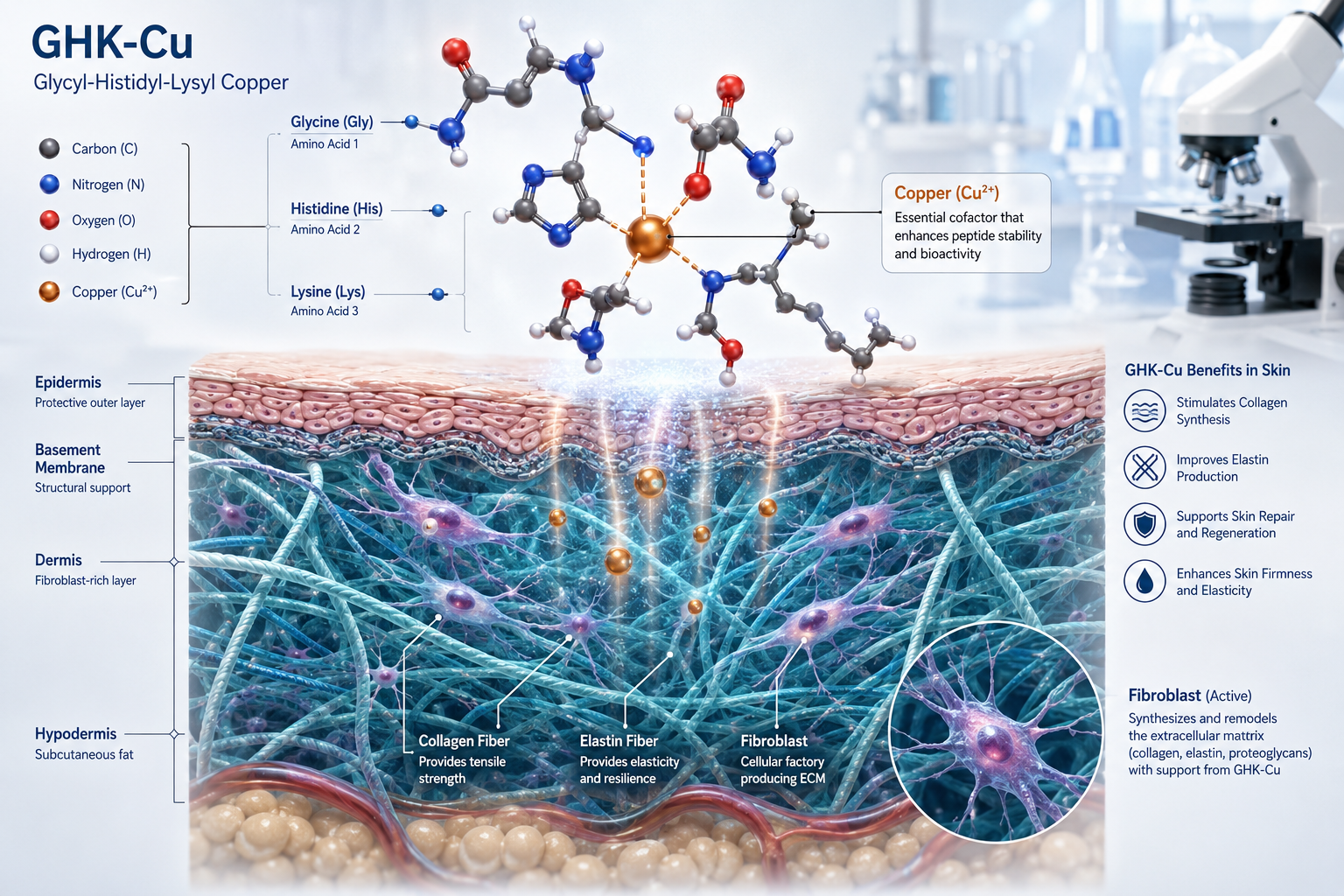
GHK-Cu consists of three amino acids — glycine, histidine, and lysine — with a high affinity for cupric ions (Cu2+). This copper-chelating property is central to its biological activity. Copper itself is an essential cofactor for enzymes involved in collagen cross-linking and antioxidant defense, including lysyl oxidase and superoxide dismutase.

The peptide-copper complex acts as a biological signal rather than a simple nutrient carrier. Upon binding copper, GHK-Cu influences gene expression across multiple pathways. Studies have identified over 4,000 human genes modulated by this peptide, with particular activity in pathways governing:

  • Tissue remodeling and repair
  • Anti-inflammatory responses
  • Antioxidant enzyme upregulation
  • Stem cell activation signals

This broad gene-regulatory activity explains why researchers studying skin matrix biology consider GHK-Cu a high-priority compound.


Extracellular Matrix Remodeling: Core Mechanisms

The extracellular matrix (ECM) is the structural scaffold of skin tissue, composed primarily of collagen, elastin, fibronectin, and proteoglycans. ECM remodeling is a tightly regulated process that balances synthesis and degradation — and GHK-Cu peptide sits at the center of this balance.

Collagen and Elastin Regulation

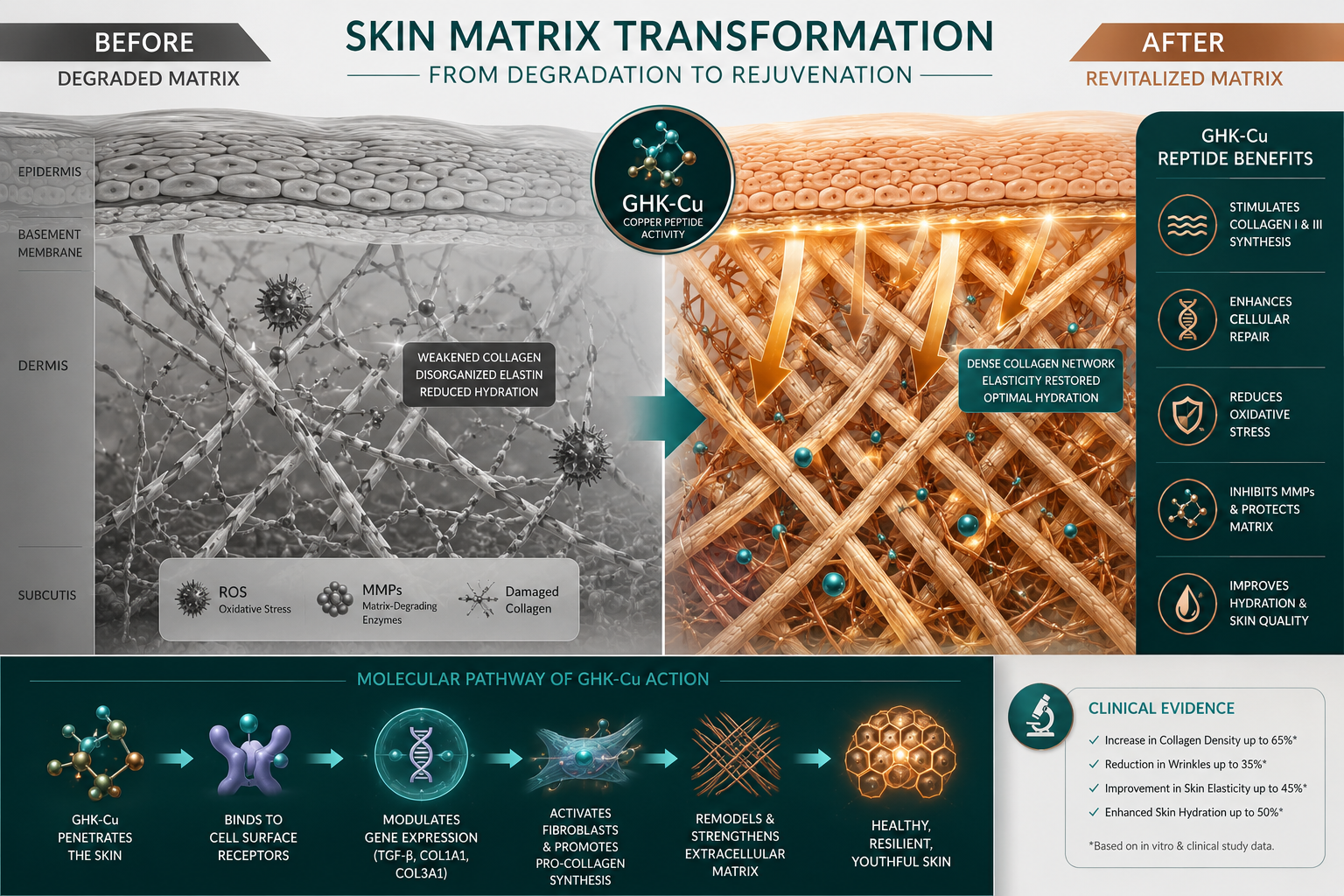
GHK-Cu stimulates fibroblasts to increase production of collagen types I and III, as well as elastin and glycosaminoglycans. Simultaneously, it modulates matrix metalloproteinases (MMPs) — the enzymes responsible for breaking down ECM components. Rather than simply inhibiting MMPs, GHK-Cu appears to normalize their activity, promoting removal of damaged matrix proteins while encouraging synthesis of new structural fibers.

"GHK-Cu does not simply block degradation or force synthesis — it recalibrates the remodeling cycle toward repair."

Fibroblast Activation and Wound Signals

Fibroblasts are the primary ECM-producing cells in the dermis. GHK-Cu enhances fibroblast migration, proliferation, and synthetic output. It also upregulates transforming growth factor beta (TGF-beta) receptors, amplifying the skin's response to endogenous repair signals. This makes it particularly relevant in wound healing and post-inflammatory tissue recovery research contexts.

For researchers exploring related tissue repair compounds, the recovery and tissue biology overview provides useful comparative context.


Dermatological Research Applications

Dermatological Research Applications

Understanding GHK-Cu Peptide: Its Role in Extracellular Matrix Remodeling and Dermatological Research Applications requires examining the specific research domains where it has shown the most consistent activity.

Photoaging and Oxidative Stress Models

UV radiation degrades collagen and generates reactive oxygen species (ROS) that accelerate skin aging. GHK-Cu has been studied in photoaging models for its ability to upregulate antioxidant enzymes, reduce lipid peroxidation, and restore collagen density in UV-damaged tissue. Its copper-dependent activation of superoxide dismutase is a key mechanism in these models.

Barrier Function Research

The skin barrier depends on intact ECM architecture and healthy keratinocyte function. Research models examining GHK-Cu suggest it supports epidermal barrier gene expression, including genes associated with tight junction proteins and ceramide synthesis pathways.

Comparative Peptide Research

GHK-Cu is increasingly studied alongside other bioactive peptides. Researchers interested in longevity-related mechanisms often examine it in parallel with Epithalon longevity signals and GHK-Cu longevity research themes. For those sourcing research-grade material, GHK-Cu peptides for sale through verified suppliers ensures purity standards are met.

Comparative Peptide Research

Key Research Findings Summary

Research Area Observed Mechanism Relevance
Collagen synthesis Fibroblast upregulation ECM structural repair
MMP modulation Balanced degradation/synthesis Tissue remodeling
Antioxidant defense SOD and catalase upregulation Photoaging models
Wound healing TGF-beta receptor sensitization Barrier restoration
Gene expression 4,000+ genes modulated Broad systemic signals

Research Context and Related Compounds

GHK-Cu does not operate in isolation within the peptide research landscape. Its ECM-focused mechanisms complement compounds studied for tissue repair, such as BPC-157 research themes and Cartalax cartilage research. Researchers building multi-target tissue biology protocols often cross-reference these compounds to understand synergistic or complementary pathways.

Those navigating broader peptide research programs can explore the full PTP catalog by theme to identify compounds relevant to specific research goals.


Conclusion

The scientific case for studying GHK-Cu Peptide: Its Role in Extracellular Matrix Remodeling and Dermatological Research Applications is well-supported by decades of molecular and cellular research. Its ability to recalibrate ECM dynamics — balancing collagen production, MMP activity, and antioxidant defense — positions it as a uniquely multifunctional research compound.

Actionable next steps for researchers:

  • Review current literature on GHK-Cu gene expression profiles to identify target pathways most relevant to your research model.
  • Source verified, high-purity GHK-Cu from reputable suppliers to ensure experimental reproducibility.
  • Consider pairing GHK-Cu with complementary ECM-active peptides for multi-pathway tissue biology protocols.
  • Consult the skin matrix biology resource library for deeper mechanistic context.

As peptide science advances in 2026, GHK-Cu remains a foundational compound for any serious investigation into skin repair, matrix biology, and age-related tissue decline.

https://www.puretestedpeptides.com/wp-content/uploads/2026/07/GHK-Cu-Peptide-Its-Role-in-Extracellular-Matrix-Remodeling-and-Dermatological-Research-Applications.png 1024 1536 Pure Tested https://www.puretestedpeptides.com/wp-content/uploads/2026/01/buy-peptides-online.jpg Pure Tested2026-07-02 13:07:532026-07-20 15:01:15GHK-Cu Peptide: Its Role in Extracellular Matrix Remodeling and Dermatological Research Applications
BPC-157 and TB-500: How Researchers Think About Multi-Peptide Tissue-Repair Models

BPC-157 and TB-500: How Researchers Think About Multi-Peptide Tissue-Repair Models

June 10, 2026/0 Comments/by Pure Tested

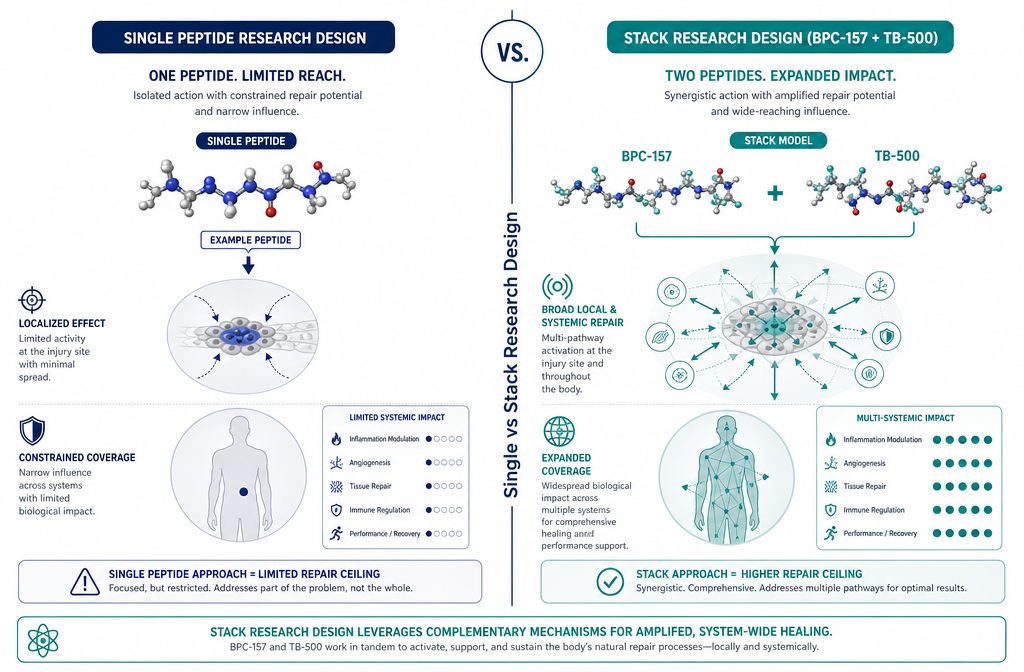
Fewer than a handful of peptide pairings generate as much discussion in preclinical research circles as BPC-157 and TB-500. The reason is straightforward: these two compounds appear to act on different but overlapping repair pathways, which makes them a natural subject for researchers designing multi-peptide tissue-repair models. Understanding why scientists study them together — and where the evidence actually stands — is essential for anyone comparing single-peptide and stack-based experimental frameworks.

() scientific illustration showing two distinct peptide molecules — one compact 15-amino-acid chain labeled BPC-157 glowing

Key Takeaways

  • BPC-157 targets localized tissue repair through angiogenesis and nitric oxide modulation; TB-500 supports systemic healing via actin regulation and cell migration.
  • When combined in what researchers call the "Wolverine Stack," the two peptides are studied for complementary local and systemic repair coverage.
  • Preclinical animal models show improvements in tensile strength, collagen organization, and recovery time when both peptides are used together.
  • Neither compound holds FDA approval; both are classified as research-only substances and are banned by WADA under the S0 category.
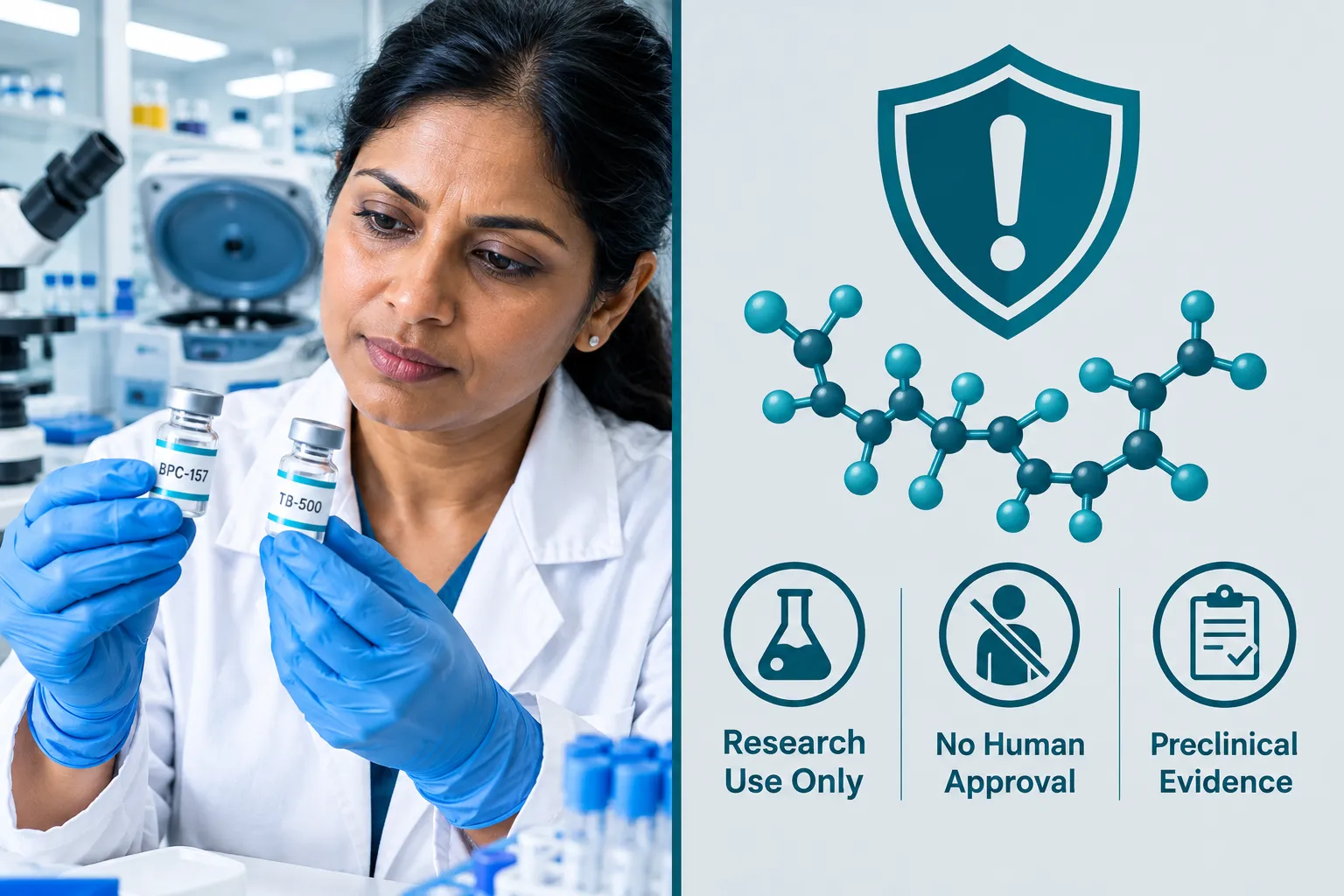
  • Human clinical data remain limited, making rigorous experimental design and verified sourcing critical for any legitimate research program.

Complementary Mechanisms: Why Researchers Pair These Two Peptides

At the core of BPC-157 and TB-500: how researchers think about multi-peptide tissue-repair models is a simple mechanistic logic. The two peptides do not duplicate each other — they fill different roles.

BPC-157 is a 15-amino-acid peptide derived from human gastric juice. Its proposed mechanisms center on:

  • Promoting angiogenesis (new blood vessel formation) at injury sites
  • Modulating nitric oxide signaling to improve local blood flow
  • Upregulating growth factors that support tendon, ligament, and gastrointestinal tissue repair

TB-500, a synthetic fragment of thymosin beta-4, works differently. It is thought to:

  • Regulate actin polymerization, which is essential for cell movement and structural repair
  • Facilitate cell migration toward damaged tissue from distant sites
  • Support recovery in muscle, cardiac, and dermal tissues through systemic distribution

"The mechanistic distinction — localized versus systemic — is precisely why researchers designing multi-peptide models find value in studying these compounds together rather than in isolation."

This complementary profile is why the combination is sometimes called the "Wolverine Stack" in research shorthand. For a broader look at how tissue biology underpins these models, the recovery and tissue biology overview provides useful foundational context.


Preclinical Evidence and Dosing Frameworks in Multi-Peptide Research

Preclinical Evidence and Dosing Frameworks in Multi-Peptide Research

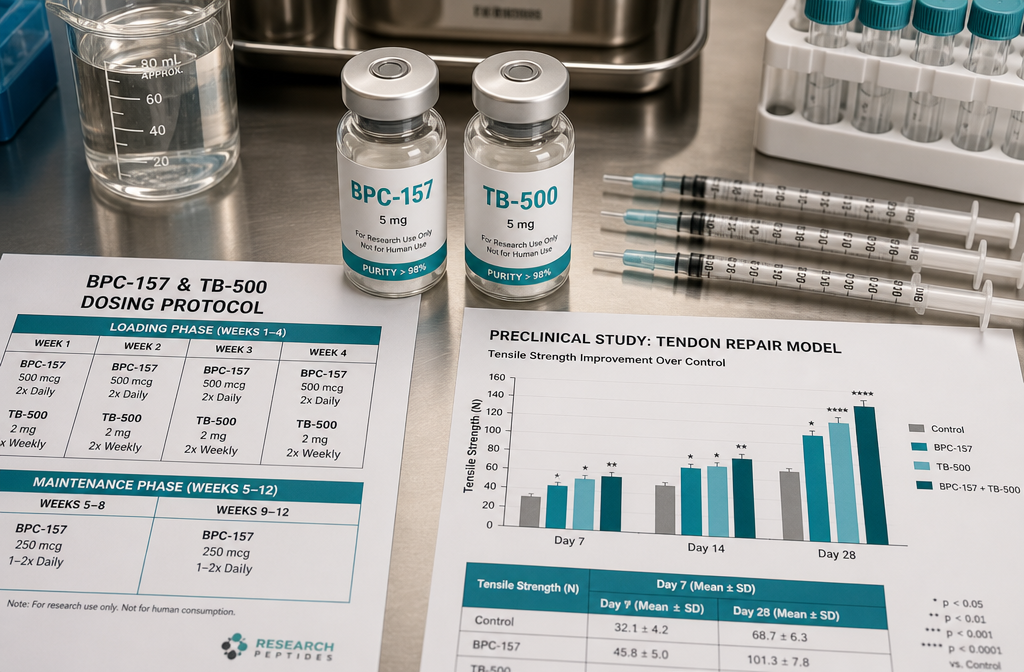
Animal studies form the current backbone of evidence for BPC-157 and TB-500: how researchers think about multi-peptide tissue-repair models. Preclinical data from Achilles tendon injury models, ligament damage studies, and cardiac ischemia/reperfusion experiments consistently show that the combination produces measurable improvements in:

Outcome Measure Observed in Preclinical Models
Tensile strength Increased in tendon repair models
Collagen organization Improved fiber alignment
Recovery timeline Shortened vs. control groups
Cardiac tissue preservation Reduced ischemia-related damage

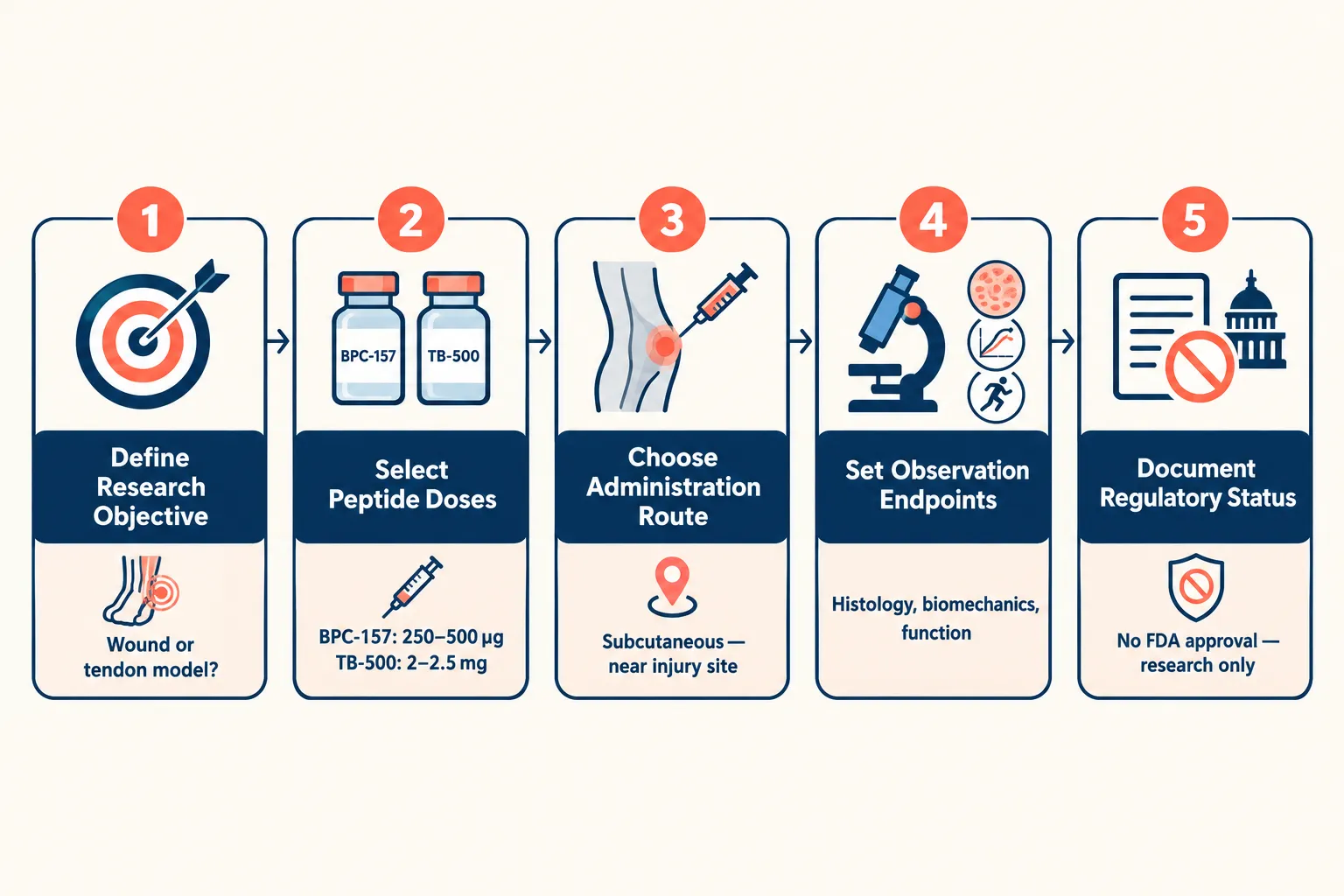
Researchers working with these compounds typically follow distinct dosing frameworks:

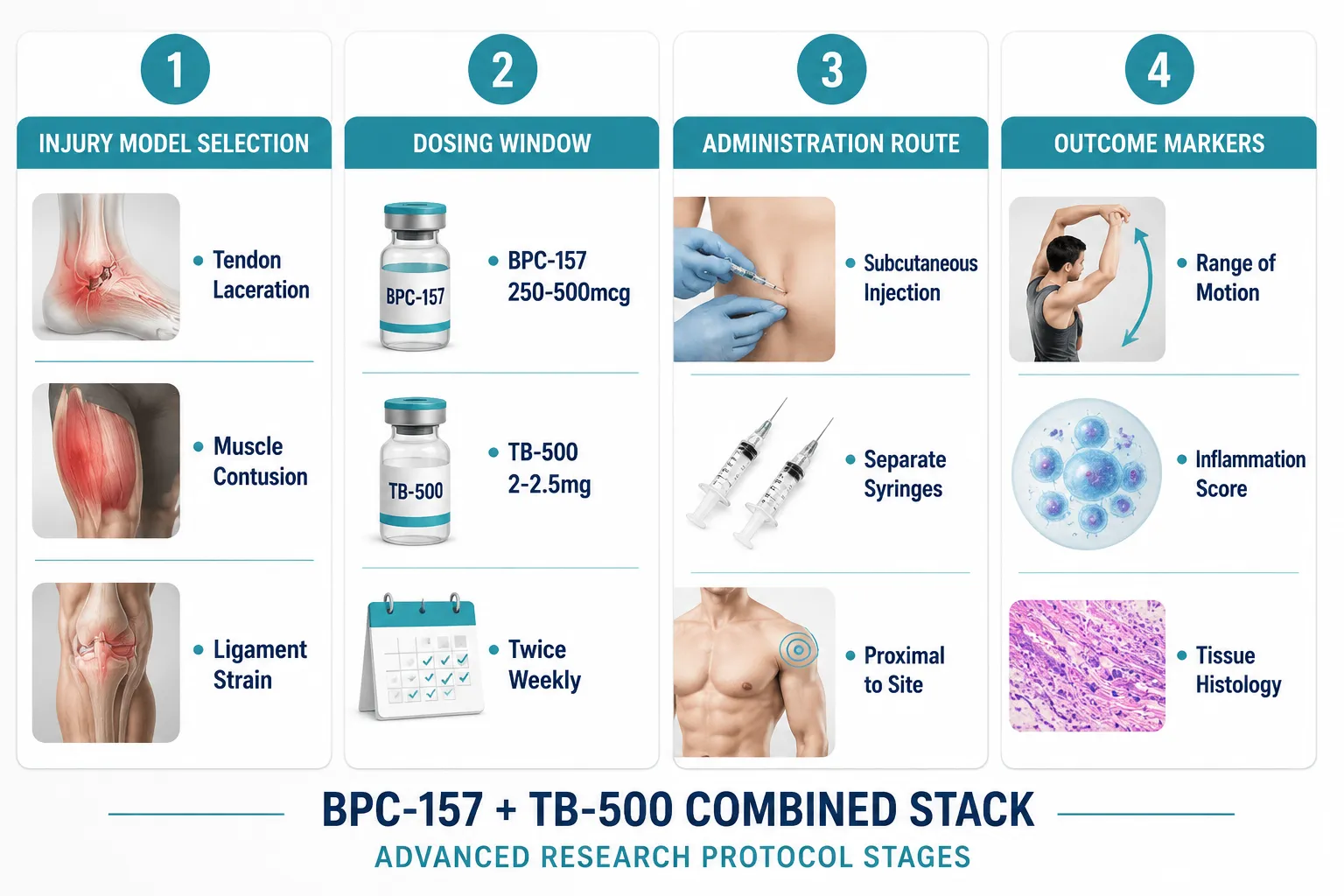
  • BPC-157: 250–500 mcg once or twice daily, administered subcutaneously near the injury site or orally for gastrointestinal applications
  • TB-500: 2–2.5 mg twice weekly during a loading phase, followed by 2 mg weekly for maintenance, administered subcutaneously at any site due to its systemic distribution

For deeper dives into each compound individually, the BPC-157 angiogenesis and tendon research overview and the TB-500 muscle recovery research themes page offer detailed mechanistic breakdowns. The TB-500 cytoskeletal remodeling research article is also directly relevant for understanding actin-related repair pathways.


Single-Peptide vs. Stack Models: Where the Evidence Diverges

Single-Peptide vs. Stack Models: Where the Evidence Diverges

The central question for researchers designing experiments around BPC-157 and TB-500: how researchers think about multi-peptide tissue-repair models is whether combined use produces outcomes that neither peptide achieves alone. Preclinical data suggest it does — but with important caveats.

Human clinical data remain scarce. BPC-157 has been examined in only a small number of pilot studies. TB-500 has progressed to Phase 2/3 clinical trials in specific formulations, but comprehensive human data are still absent. This gap between preclinical promise and clinical validation is the defining challenge of the field in 2026.

Researchers should also note two regulatory realities:

  1. Neither BPC-157 nor TB-500 holds FDA approval for therapeutic use. Both are classified as research compounds only.
  2. WADA prohibits both substances under the S0 category (Non-Approved Substances), making them banned in competitive sport contexts.

For researchers interested in how multi-peptide synergy concepts apply to other compound pairings, the synergy of LL-37 and MOTS-c research page offers a useful parallel framework. Those sourcing compounds for legitimate research programs should also review Bachem reference standards and peptide benchmarking to ensure purity verification is part of the experimental design.


Conclusion

The case for studying BPC-157 and TB-500 together rests on a mechanistically coherent rationale: one peptide addresses localized repair, the other supports systemic healing, and preclinical evidence suggests the combination outperforms either agent alone in several tissue models. However, the field is still in early stages. Human data are limited, regulatory status is clear (research-only), and rigorous experimental controls are non-negotiable.

Actionable next steps for researchers:

  • Review the preclinical literature on tendon, ligament, and cardiac repair models before designing any experimental protocol.
  • Establish purity benchmarks using certified reference standards before sourcing either compound.
  • Design experiments with appropriate single-peptide control arms to isolate stack-specific effects.
  • Monitor the regulatory landscape, as both peptides remain unapproved and WADA-prohibited as of 2026.

The multi-peptide tissue-repair model is a compelling research framework — but its value depends entirely on the quality of the science behind it.

https://www.puretestedpeptides.com/wp-content/uploads/2026/06/BPC-157-and-TB-500-How-Researchers-Think-About-Multi-Peptide-Tissue-Repair-Models.png 1024 1536 Pure Tested https://www.puretestedpeptides.com/wp-content/uploads/2026/01/buy-peptides-online.jpg Pure Tested2026-06-10 13:05:002026-07-20 15:03:34BPC-157 and TB-500: How Researchers Think About Multi-Peptide Tissue-Repair Models
Mesenchymal Stem Cells and Peptides: How BPC‑157, TB‑500, GHK‑Cu, and Glow Blend Are Used in Regeneration Research

Mesenchymal Stem Cells and Peptides: How BPC‑157, TB‑500, GHK‑Cu, and Glow Blend Are Used in Regeneration Research

June 5, 2026/0 Comments/by Pure Tested

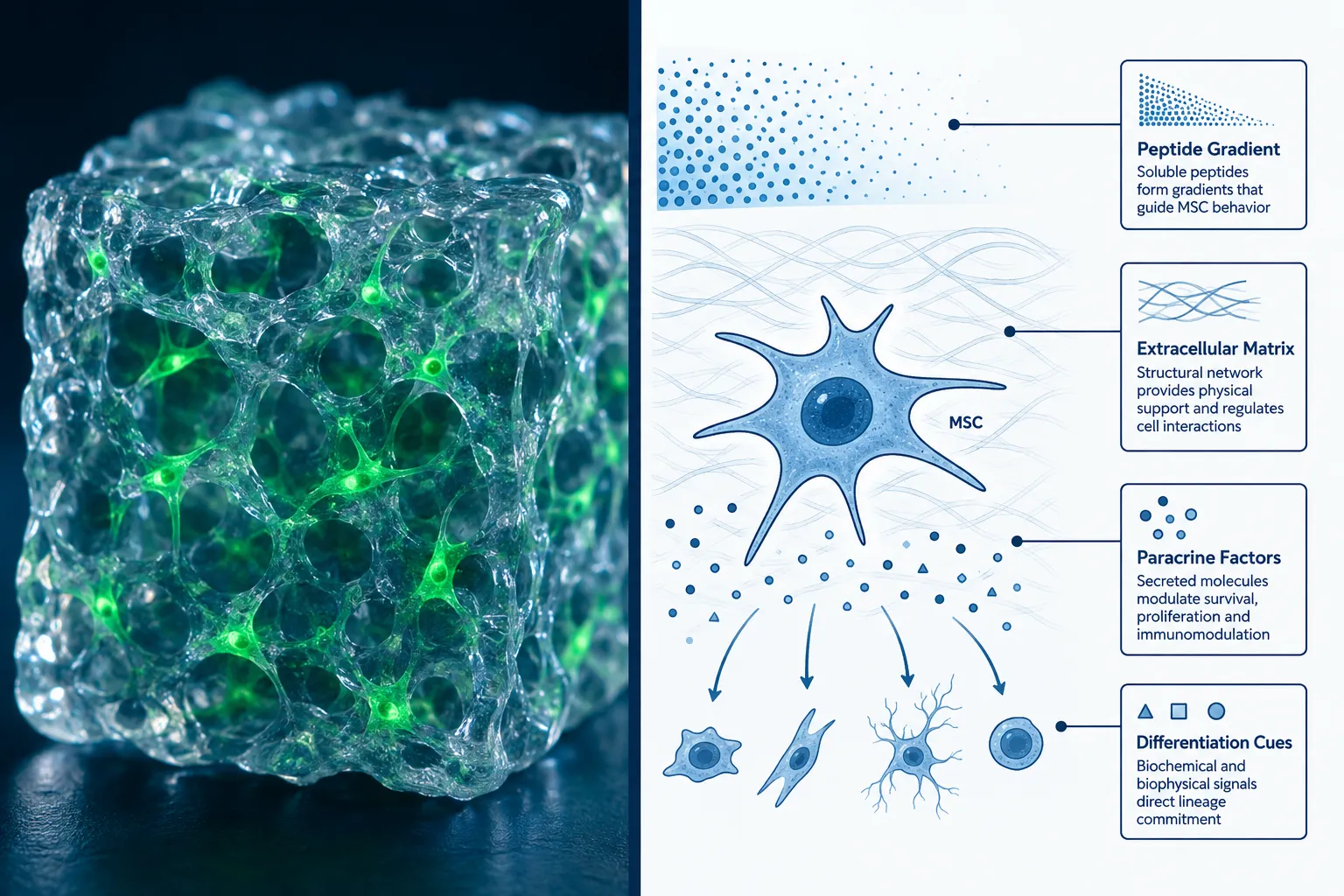
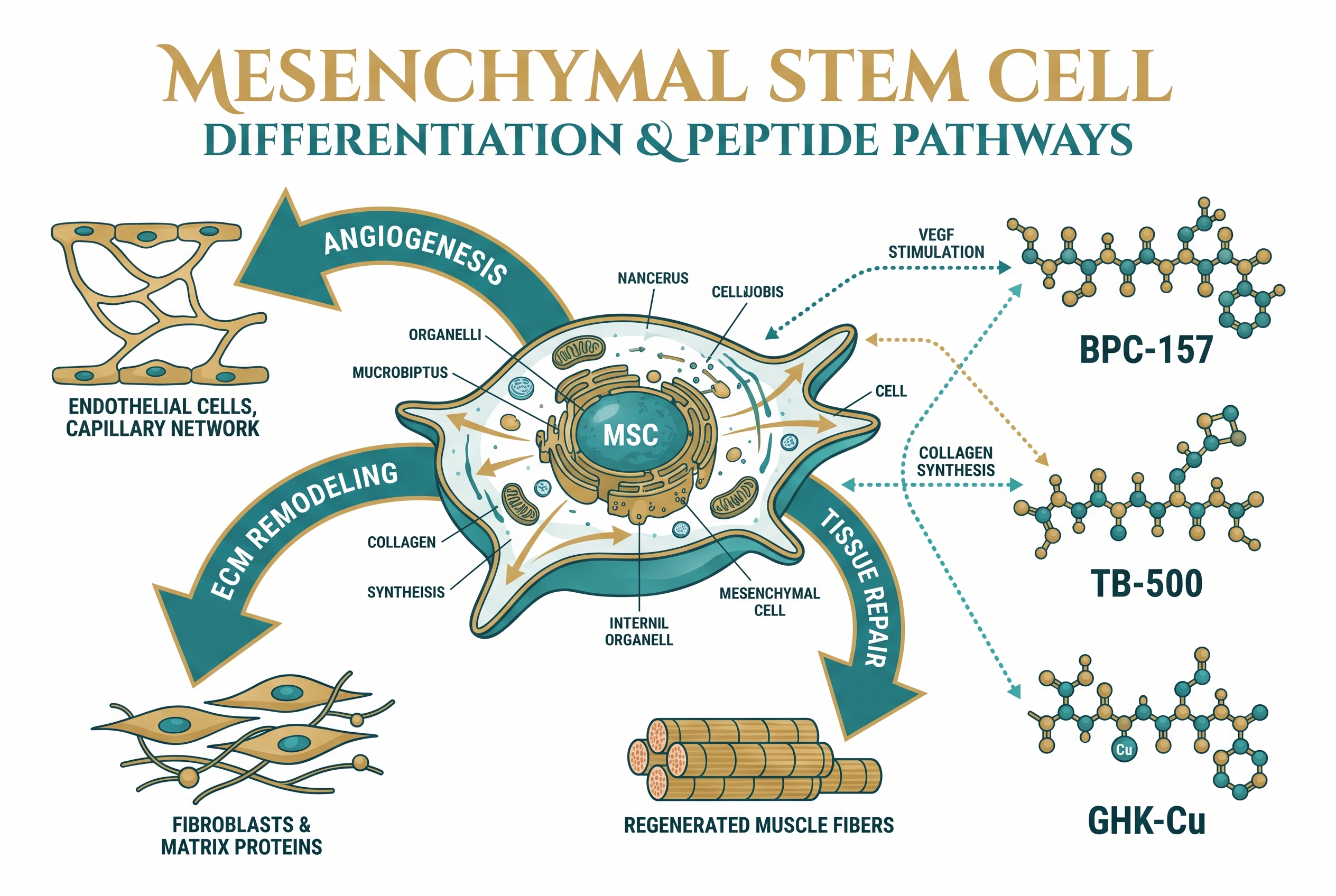
Over 4,000 human genes are influenced by a single copper-binding tripeptide — a fact that has pushed regeneration researchers toward a new class of multi-peptide models. In 2026, the intersection of mesenchymal stem cells and peptides sits at the center of some of the most active preclinical work in tissue repair science. Compounds like BPC‑157, TB‑500, GHK‑Cu, and the pre-mixed Glow Blend are being studied alongside mesenchymal stem cell (MSC) cultures to probe how angiogenesis, extracellular matrix (ECM) remodeling, and cellular migration can be modulated at the molecular level.

Key Takeaways

  • BPC‑157, TB‑500, and GHK‑Cu each target distinct but overlapping steps in the tissue repair cascade.
  • The Glow Blend combines all three peptides into a single formulation studied in preclinical and in vitro MSC models.
  • GHK‑Cu modulates expression of more than 4,000 genes tied to collagen synthesis and antioxidant defense.
  • No published clinical trials evaluating the combined Glow Blend in humans exist as of 2026.
  • Regulatory barriers — including compounding bans on BPC‑157 and GHK‑Cu in the U.S. — limit translational research pathways.

What Mesenchymal Stem Cells Bring to Peptide Research

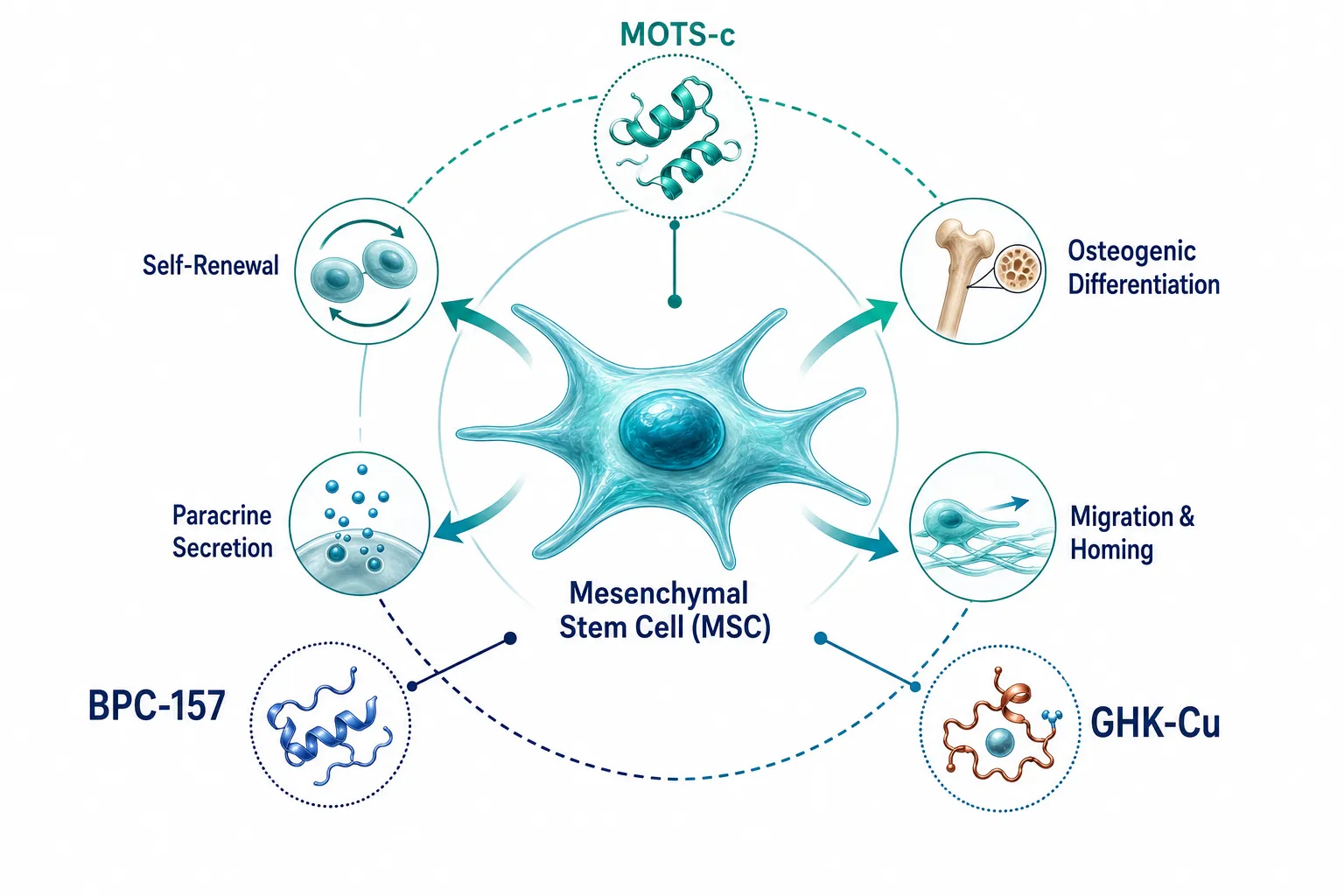
Mesenchymal stem cells are multipotent stromal cells found in bone marrow, adipose tissue, and connective tissue. In regeneration research, they serve as a practical in vitro model because they can differentiate into osteoblasts, chondrocytes, and adipocytes — and they respond measurably to peptide stimulation.

When researchers apply peptides to MSC cultures, they can track:

  • Proliferation rates via cell counting assays
  • Migration speed using scratch assays
  • Collagen secretion through ELISA or Sirius Red staining
  • Angiogenic signaling by measuring VEGF and VEGFR2 upregulation

This makes MSC-based models ideal for studying how BPC‑157, TB‑500, and GHK‑Cu each affect different phases of tissue repair — and what happens when they are combined.


How BPC‑157, TB‑500, and GHK‑Cu Work in Regeneration Models

How BPC‑157, TB‑500, and GHK‑Cu Work in Regeneration Models

Each peptide in the Glow Blend targets a specific biological mechanism. Understanding these individually is essential before evaluating their combined use.

BPC‑157 and Angiogenesis

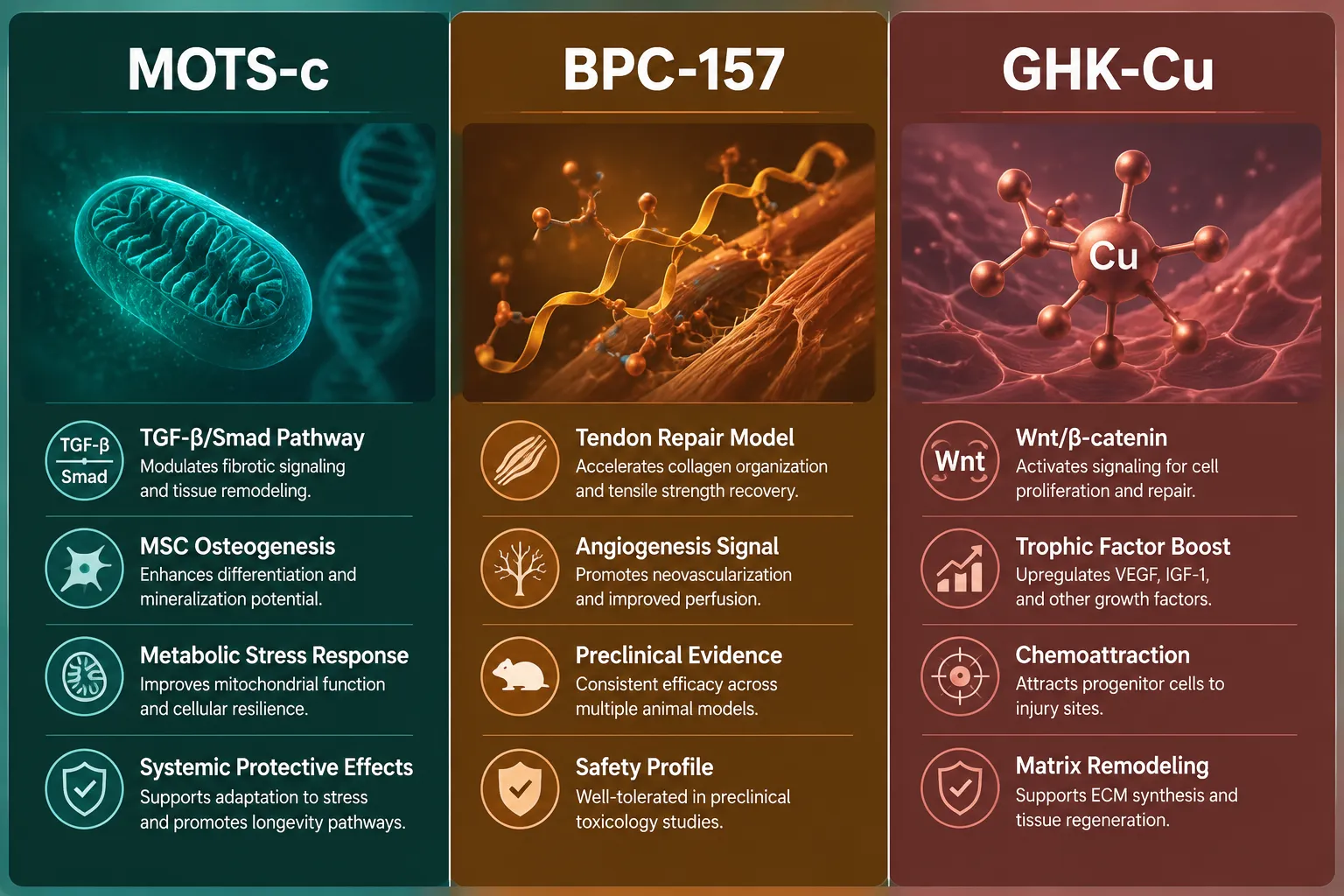
BPC‑157 is a 15-amino-acid peptide derived from a gastric protein sequence. In animal models, it upregulates VEGF and activates VEGFR2, the primary receptor driving new blood vessel formation. Studies in rodents have shown measurable increases in capillary density at repair sites within 72 to 96 hours of administration. Researchers studying MSC co-cultures use BPC‑157 in 10 mg vial formats to probe these angiogenic pathways in controlled settings.

TB‑500 and Cellular Migration

TB‑500 is a synthetic analogue of Thymosin Beta‑4. Its primary mechanism involves sequestering G-actin, which regulates actin polymerization — a process critical for cell migration during wound healing. Beyond cytoskeletal effects, TB‑500 also reduces pro-inflammatory cytokines, including TNF‑α and IL‑1β, in preclinical models. This dual action makes it a useful tool for studying how MSCs move into damaged tissue zones. Researchers can explore related BPC‑157 and TB‑500 combination research for context on how these two peptides are often studied together.

GHK‑Cu and Gene Expression

GHK‑Cu (glycine-histidine-lysine copper complex) stands apart due to the breadth of its gene-modulating activity. It influences more than 4,000 human genes, particularly those governing collagen synthesis, ECM remodeling, and antioxidant defense. In MSC models, GHK‑Cu is applied to study how the extracellular matrix is rebuilt after injury. Detailed GHK‑Cu longevity and regeneration research themes outline the scope of this gene-level activity.

"The combination of vascular repair, cytoskeletal reorganization, and matrix remodeling represents three distinct but interdependent phases of tissue regeneration — each mapped to a different peptide in the Glow Blend."


The Glow Blend: Rationale, Composition, and Research Limitations

The Glow Blend: Rationale, Composition, and Research Limitations

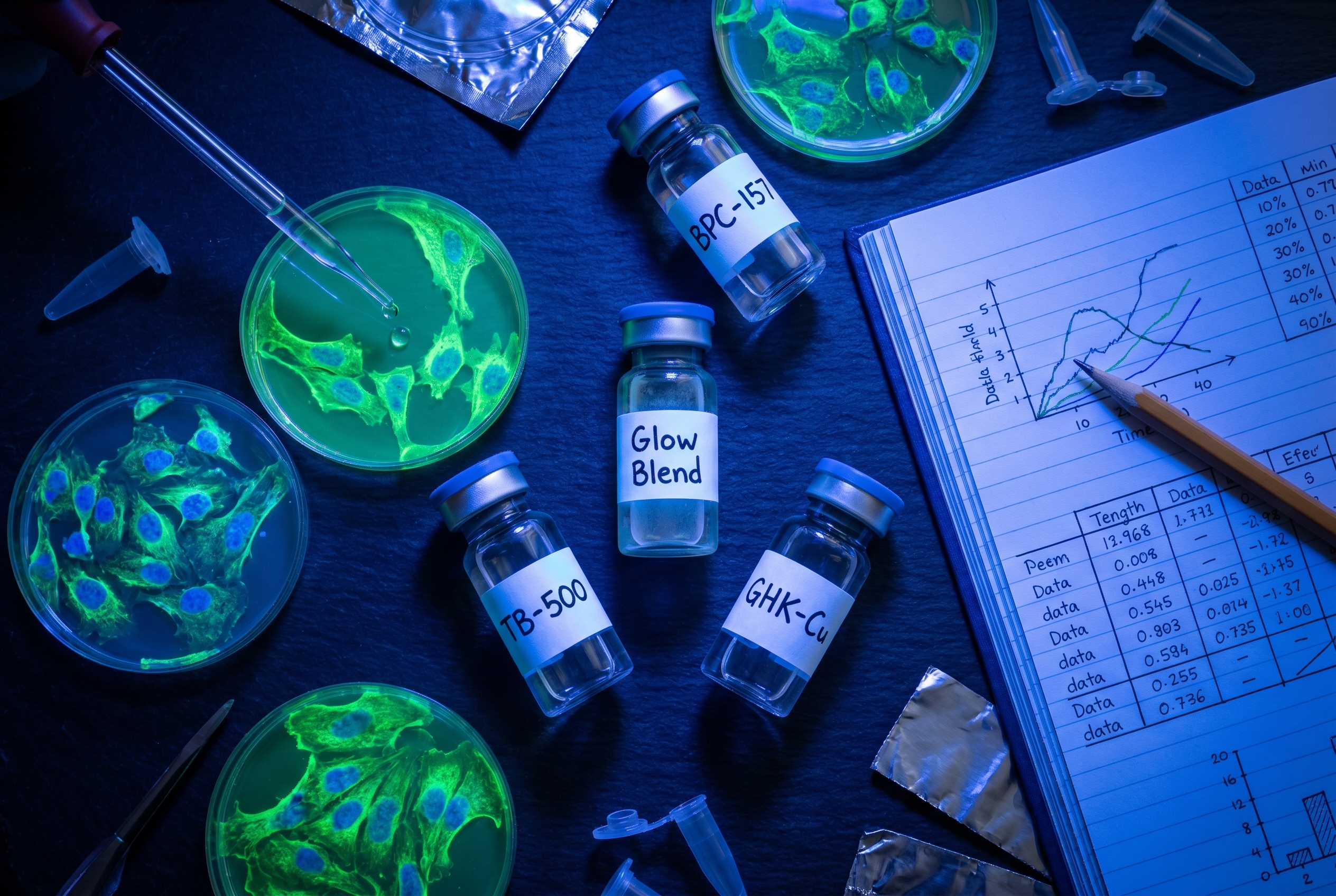
The Glow Blend is a pre-formulated research compound containing BPC‑157 (10 mg), TB‑500 (10 mg), and GHK‑Cu (50 mg). The rationale for combining these three peptides is that each addresses a different bottleneck in the repair cascade: vascular supply, cell mobility, and matrix scaffolding.

Formulation and Stability Challenges

GHK‑Cu introduces a notable stability concern. Its copper content can catalyze metal-mediated oxidation of adjacent peptides, degrading potency over time. Proper cold-chain storage and careful formulation are essential for maintaining blend integrity. Researchers sourcing multi-peptide blends should review available peptide blend research formats and verify certificate-of-analysis documentation before use.

The Glow and Klow peptide blend pages provide sourcing context for researchers comparing formulation options.

What the Evidence Actually Shows

The theoretical synergy of the Glow Blend is compelling, but the empirical picture remains incomplete:

Peptide Mechanism Evidence Level
BPC‑157 VEGFR2 activation, angiogenesis Animal models, in vitro
TB‑500 G-actin sequestration, cytokine modulation Animal models, in vitro
GHK‑Cu Gene expression, ECM remodeling In vitro, topical human use
Glow Blend (combined) Multi-pathway coverage No published clinical trials

As of 2026, no published clinical trials have evaluated the combined Glow Blend in human subjects. All data are extrapolated from studies on individual components. Additionally, both BPC‑157 and GHK‑Cu are currently banned from pharmaceutical compounding in the United States, which creates significant barriers to translational research.

Safety data on individual peptides are limited but notable: BPC‑157 showed no adverse effects on cardiac, hepatic, renal, or metabolic biomarkers in a small pilot study at IV doses of 10–20 mg. GHK‑Cu has a long history of topical cosmetic use, though systemic safety data remain sparse.

Researchers interested in broader regenerative peptide stacks may also find value in reviewing healing peptide research themes from recent years and reference standard benchmarking practices to ensure experimental rigor.


Conclusion

The study of mesenchymal stem cells and peptides — specifically BPC‑157, TB‑500, GHK‑Cu, and the Glow Blend — represents one of the more structured approaches to understanding multi-pathway tissue repair. Each compound addresses a distinct biological mechanism, and their combined use in MSC models offers a logical framework for probing angiogenesis, cellular migration, and ECM remodeling simultaneously.

Actionable next steps for researchers in 2026:

  1. Use MSC co-culture systems to isolate the contribution of each peptide before testing combined formulations.
  2. Verify peptide purity through third-party certificate-of-analysis documentation before any experimental use.
  3. Monitor GHK‑Cu oxidation risk by maintaining strict cold-chain protocols for blended formulations.
  4. Track the evolving regulatory landscape in the U.S. and internationally, as compounding restrictions directly affect research access.
  5. Prioritize publishing in vitro findings to build the evidence base needed for future clinical investigation.

The gap between preclinical promise and clinical evidence remains wide. Closing it requires rigorous study design, transparent sourcing, and a clear understanding of what each peptide does — and does not — accomplish on its own.

https://www.puretestedpeptides.com/wp-content/uploads/2026/06/Mesenchymal-Stem-Cells-and-Peptides-How-BPC‑157-TB‑500-GHK‑Cu-and-Glow-Blend-Are-Used-in-Regeneration-Research.jpg 1696 2528 Pure Tested https://www.puretestedpeptides.com/wp-content/uploads/2026/01/buy-peptides-online.jpg Pure Tested2026-06-05 13:36:282026-07-20 15:03:55Mesenchymal Stem Cells and Peptides: How BPC‑157, TB‑500, GHK‑Cu, and Glow Blend Are Used in Regeneration Research
×

Helpful Links

  • My account
  • Cart
  • Checkout
  • Refund and Returns Policy
  • Privacy Policy
  • SMS Privacy Policy
  • Login
  • My Account
  • Logout

USA Made Lab Tested Peptides

All products are sold for research, laboratory, or analytical purposes only, and are not for human consumption


Pure Tested Peptides is a chemical supplier. Pure Tested Peptides is not a compounding / chemical compounding facility as defined under 503A of the Federal Food, Drug, and Cosmetic act. Pure Tested Peptides is not an outsourcing facility as defined under 503B of the Federal Food, Drug, and Cosmetic act.

The statements made within this website have not been evaluated by the US Food and Drug Administration. The products we offer are not intended to diagnose, treat, cure or prevent any disease.

Human/Animal Consumption Prohibited. Laboratory/In-Vitro Experimental Use Only

Scroll to top Scroll to top Scroll to top