Call or Text 727-513-9780
  • Shopping Cart Shopping Cart
    0Shopping Cart
Pure Tested Peptides | America's most trusted Peptides for sale online
  • Peptides for sale
    • Oral Peptides for sale
      • Peptide Capsules for sale
      • BPC 157 Capsules 1000mcg
      • SLU-PP-332 Capsules | 1000 mcg
      • 5-Amino-1MQ 50mg Capsules
      • Tesofensine 500mcg
    • All Peptides for sale
    • Peptide Sprays
      • BPC 157 Nasal Spray Kit
      • BPC-157 TB500 Nasal Spray Kit
      • Semax Nasal Spray 10mg
      • Selank – Nasal Spray Kit – 10mg
      • Epithalon 50MG Nasal Spray Kit
      • Ipamorelin 10mg Nasal Spray
      • Klow Nasal Spray (BPC-157 + TB-500 + GHK-Cu + KPV) | 80mg
      • Hulk Nasal Spray Tesa / Ipa Blend 6/3 MG
      • Klow Nasal Spray
      • NAD + 500 mg Nasal Spray
      • PT-141 Nasal Spray Kit
    • GHRH Peptides
      • Ipa Peptides
      • CJC-1295 Peptides
        • CJC-1295 with DAC 5 mg
        • CJC-1295 without DAC 5 mg
        • CJC-1295 Ipa 10mg
      • Tesa Peptides
        • Tesa Peptide
        • Tesa 20 mg
    • GHK-Cu Peptides
      • All GHK-Cu Peptides
      • GHK-Cu 100mg
      • KLOW Peptide Blend – Buy KLOW blend online
    • BPC Peptides
      • All BPC Peptides
      • BPC-157
      • BPC-157 TB-500
      • BPC 157 capsules 1000mcg
    • SLU-PP-332 Peptides
      • All SLU-PP-332 Peptides
      • SLU-PP-332 5mg
    • GLP3 Peptides
      • GLP3-R
      • GLP3-R CAG 10mg
      • GLP3-R 20mg
    • PT-141 Peptides
      • PT-141 Peptides for sale
      • PT-141 10mg
      • PT-141 Nasal Spray
    • CAG Peptides
      • Lipo-C Peptide Blend
      • CAG 5mg
      • CAG 10mg
    • MOTS-C Peptides
      • MOTS-C Peptides for sale
      • MOTS-c peptide
      • MOTS-c 10mg *6 pack*
    • 5 Amino 1MQ Peptides
      • 5 Amino 1MQ Peptides for sale
      • 5-Amino-1MQ 50mg Capsules
      • 5-Amino-1MQ 5mg
    • Epithalon Peptides
      • Epithalon Peptides for sale
      • Epithalon 10mg
      • Epithalon 50mg
  • Shop
    • GLPs
      • 5-Amino-1MQ 50mg Capsules
      • 5-Amino-1MQ 5mg
      • GLP3-Reta
      • L-Carnitine 500mg/ml
      • Tesofensine 500mcg
      • SLU-PP-332 5mg
      • MOTS-c 10mg *6 pack*
    • Epithalon & BPC Peptides
      • Epithalon 10mg
      • Epithalon 50mg
      • BPC-157
      • BPC 157 capsules 1000mcg
      • BPC-157 TB-500
      • BPC-157 TB500 Nasal Spray Kit
      • BPC 157 Nasal Spray Kit
    • BPC TB-500 & NAD+ Peptides
      • NAD+ 500 mg
      • KLOW Peptide Blend – Buy KLOW blend online
      • GLOW Peptide Blend
      • TB 500 5mg
      • BPC 157 capsules 1000mcg – Supplement
      • BPC 157 Nasal Spray Kit
      • BPC-157
      • BPC-157 TB500 Nasal Spray Kit
      • BPC-157 TB-500
      • BPC 157 capsules 1000mcg
    • LL-37 Peptide
      • LL-37 10 mg
    • MOTS-C & Selank
      • MOTS-c peptide
      • Selank 10mg
    • GHK Peptides
      • GHK-Cu 100mg
      • GLOW Peptide Blend
      • KLOW Peptide Blend – Buy KLOW blend online
  • COAs
  • Wholesale
    • Wholesale Peptides for sale
  • PTP FAQ
  • Affiliates
    • Affiliate Program
    • Affiliate Signup
  • Contact
    • Contact Customer Service
    • Text Customer Support
  • About US
  • Shop all peptides
  • Login / Register Login / Register Page Link Login / Register Page Link
  • Click to open the search input field Click to open the search input field Search
  • Menu Menu

Tag Archive for: triple receptor agonist

Retatrutide for Liver Fat and MASLD Research: What the Phase 2 Data Suggests

Retatrutide for Liver Fat and MASLD Research: What the Phase 2 Data Suggests

June 14, 2026/0 Comments/in Uncategorized/by

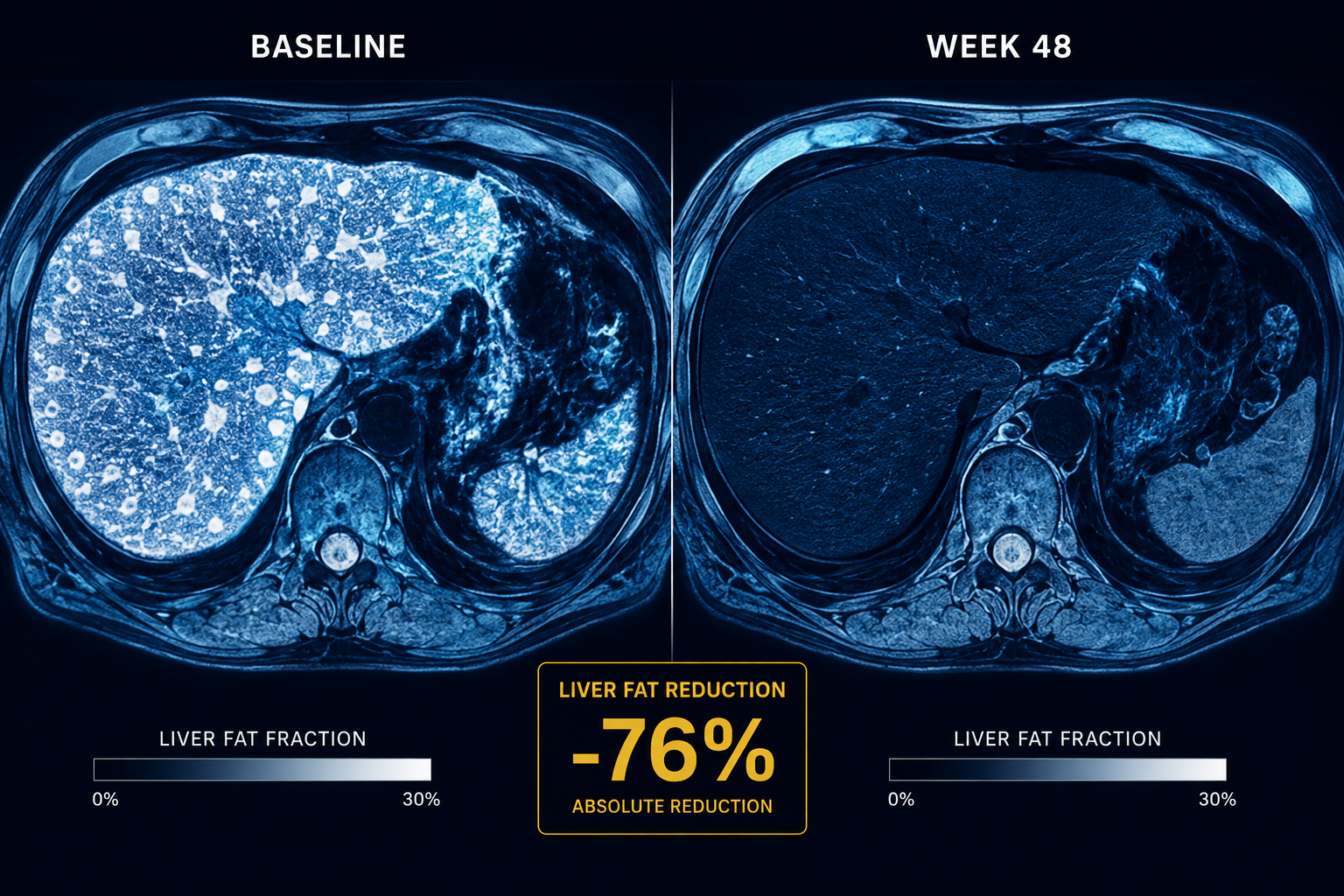
Metabolic dysfunction-associated steatotic liver disease (MASLD) now affects roughly one in four adults worldwide, yet until recently, no pharmacological agent had produced liver fat reductions dramatic enough to shift clinical expectations. The Phase 2 trial data on retatrutide for liver fat and MASLD research changes that picture in ways researchers are still working to fully understand.

Key Takeaways

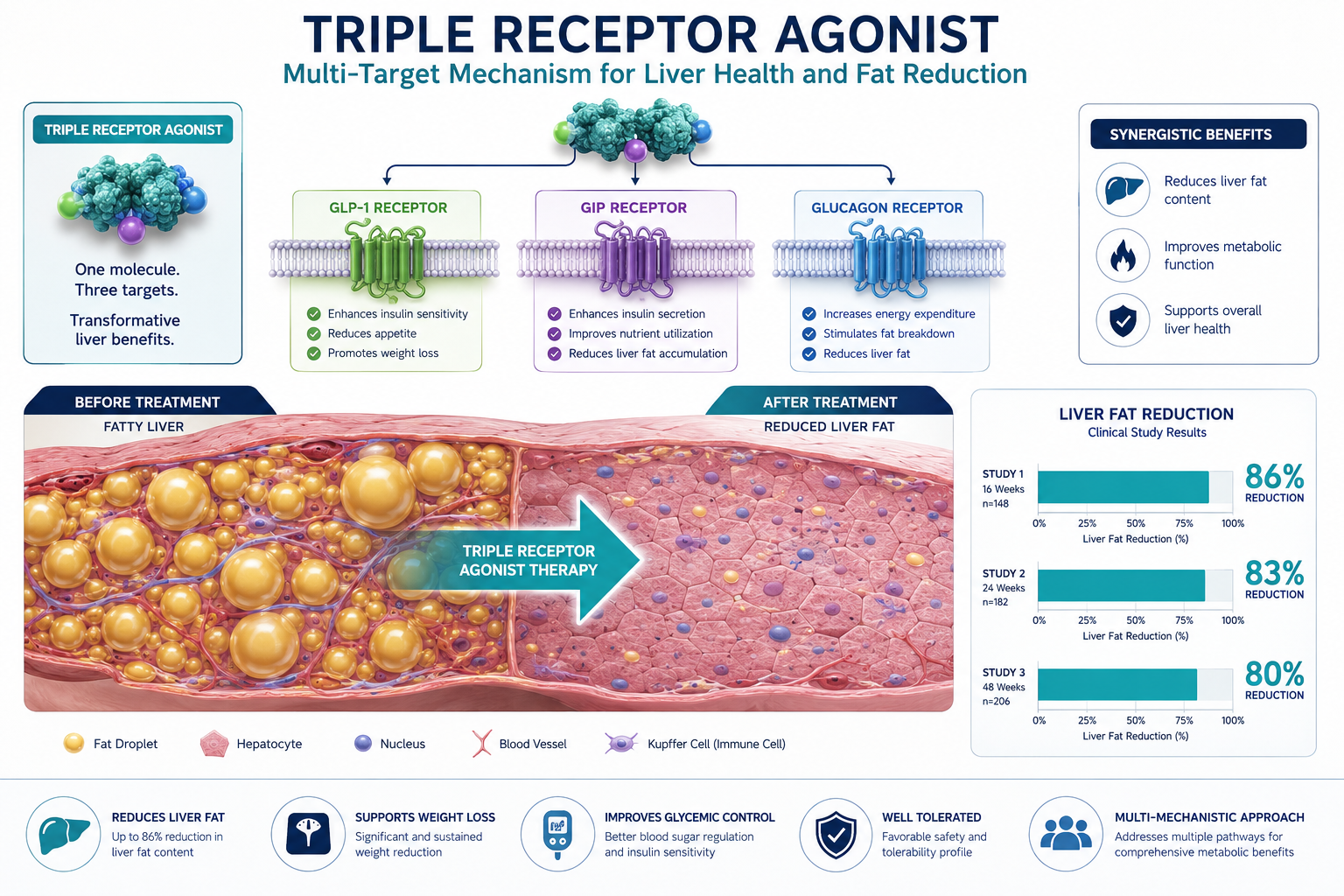
  • Retatrutide reduced liver fat by up to 86% at 48 weeks in Phase 2 participants receiving the 12 mg dose.
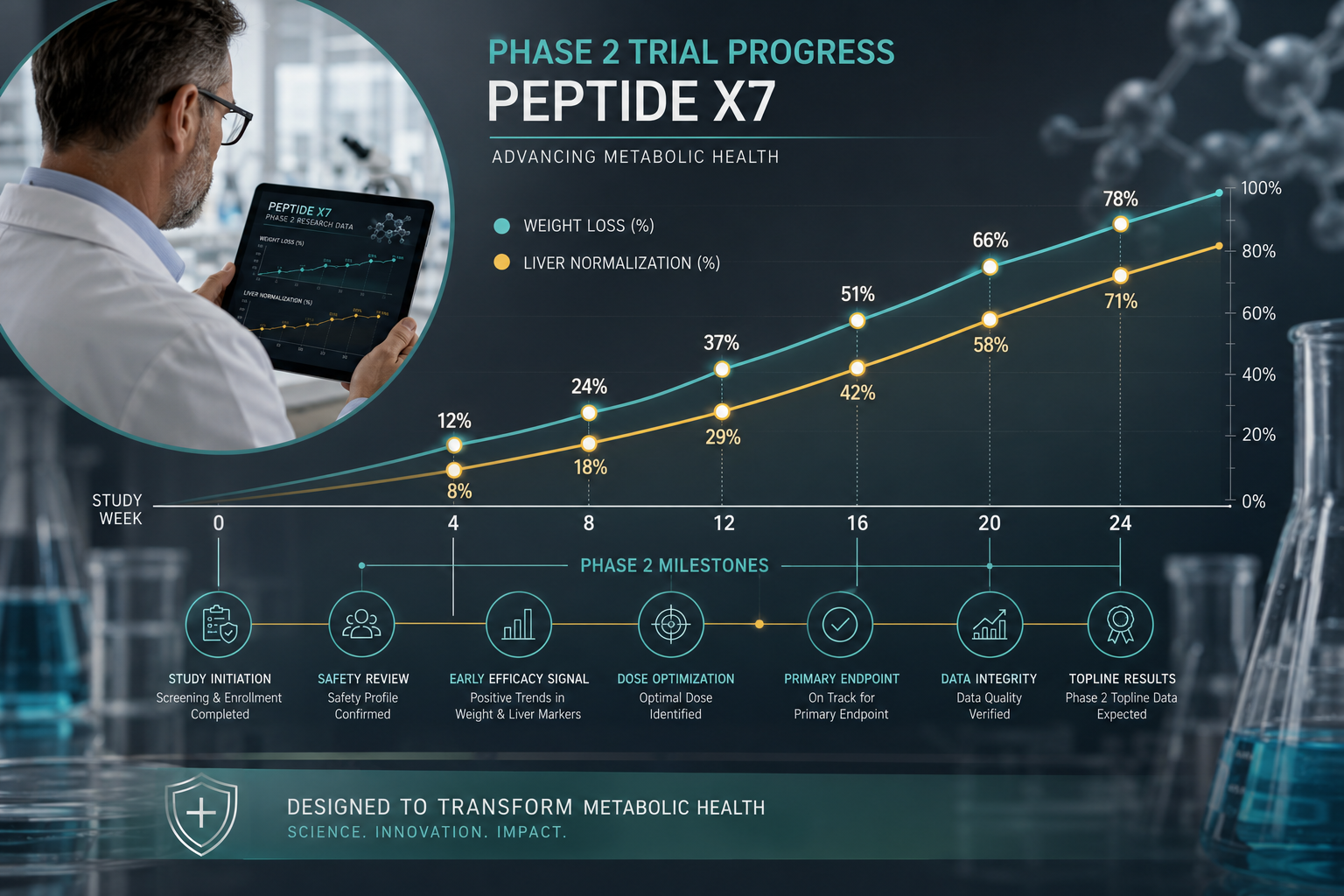
  • A substantial proportion of participants achieved normal liver fat content (below 5%) by week 24.
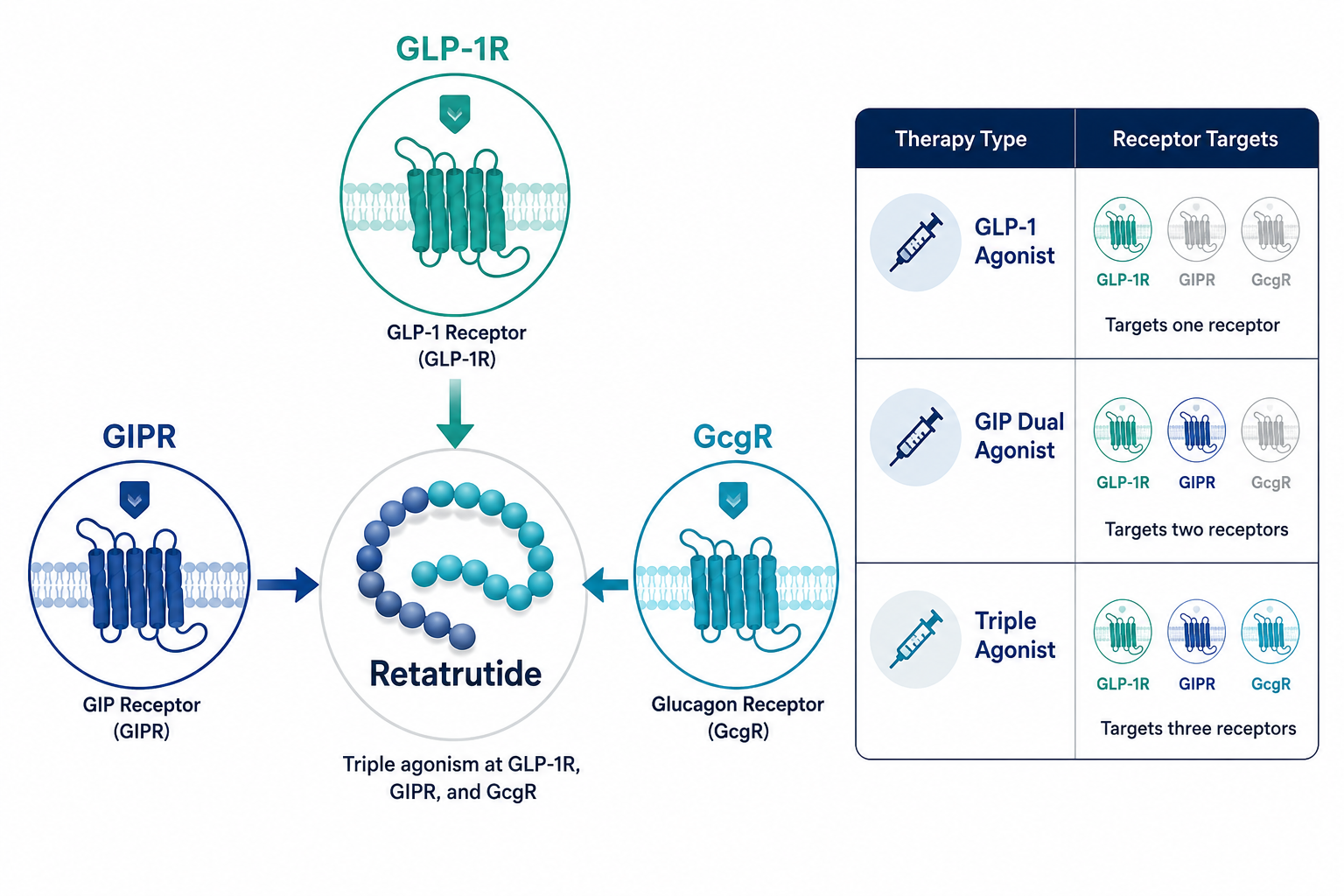
  • The drug's triple-receptor mechanism — targeting GLP-1, GIP, and glucagon receptors — appears to drive hepatic fat oxidation beyond what dual-agonist therapies achieve.
  • Liver fat reductions correlated strongly with body weight loss, with the 12 mg group averaging a 24.2% weight reduction at 48 weeks.
  • Phase 3 trials are underway, with FDA approval pathways being actively pursued by Eli Lilly.

How Retatrutide Works: A Triple-Agonist Mechanism

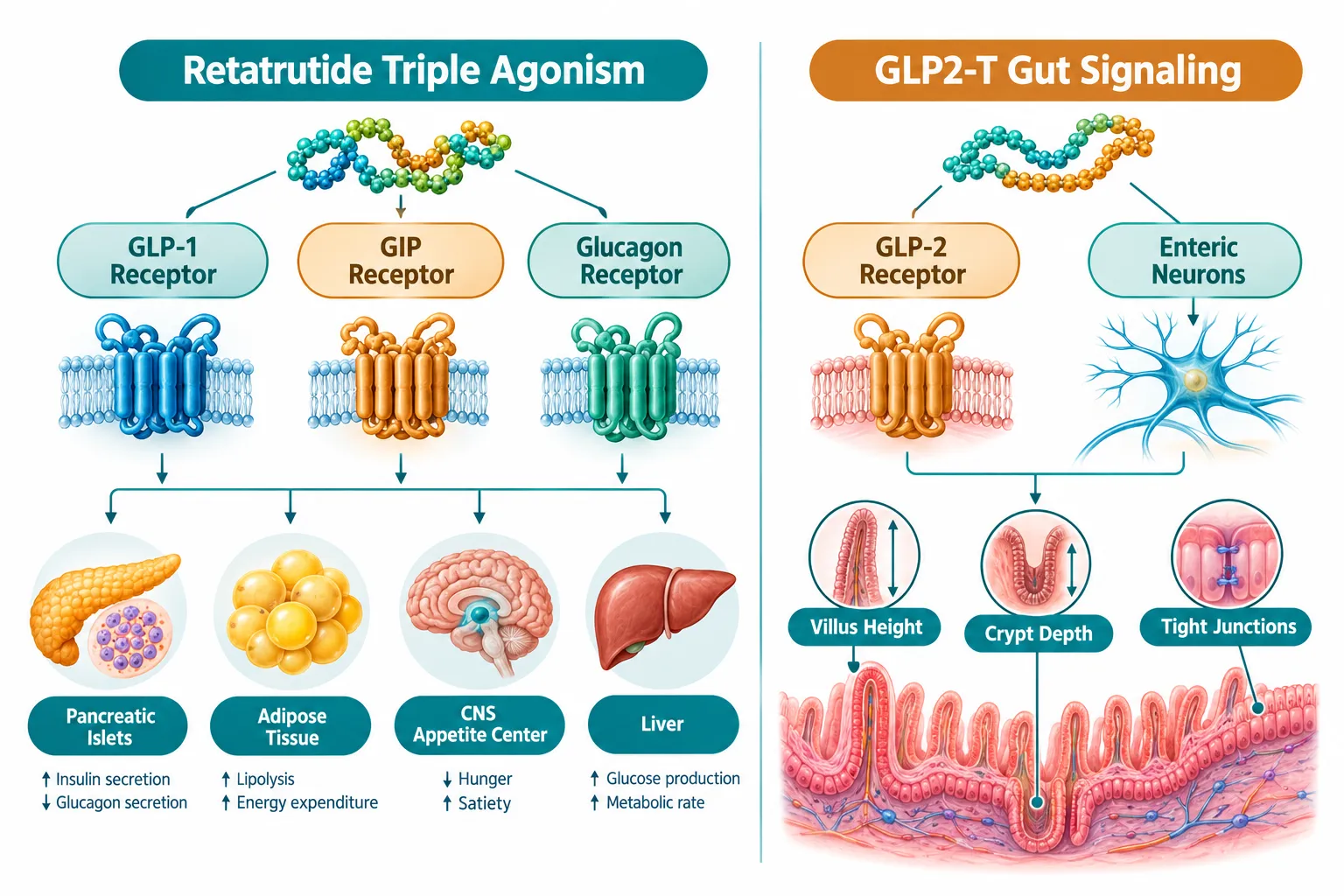
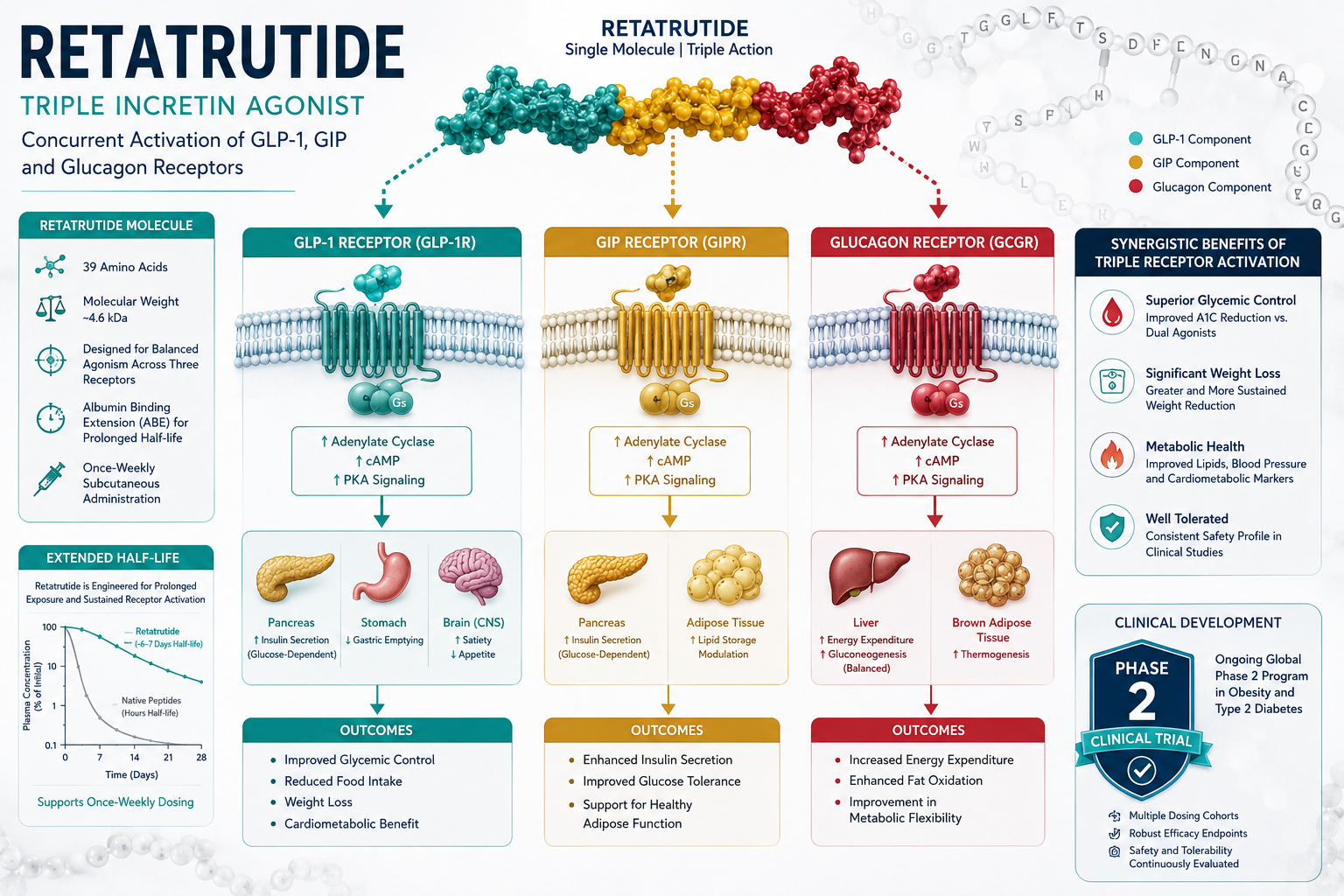
Retatrutide is not a standard GLP-1 receptor agonist. It simultaneously activates three receptors: glucagon-like peptide-1 (GLP-1), glucose-dependent insulinotropic polypeptide (GIP), and the glucagon receptor. This triple-agonist profile is central to understanding why the GLP-1 and incretin research landscape has shifted so sharply toward this compound.

The glucagon receptor component is particularly relevant for liver health. Glucagon receptor activation is believed to enhance hepatic fatty acid oxidation — the process by which liver cells burn stored fat for energy. This mechanism goes beyond the appetite suppression and insulin sensitization offered by GLP-1 alone, which may explain why retatrutide outperforms earlier incretin-based therapies in head-to-head comparisons of liver fat endpoints.

Researchers interested in the broader GLP-1 peptide research and sourcing landscape will note that this triple-agonist approach represents a meaningful structural departure from earlier single or dual-receptor compounds.

How Retatrutide Works: A Triple-Agonist Mechanism


Phase 2 Data: Liver Fat and MASLD Outcomes in Detail

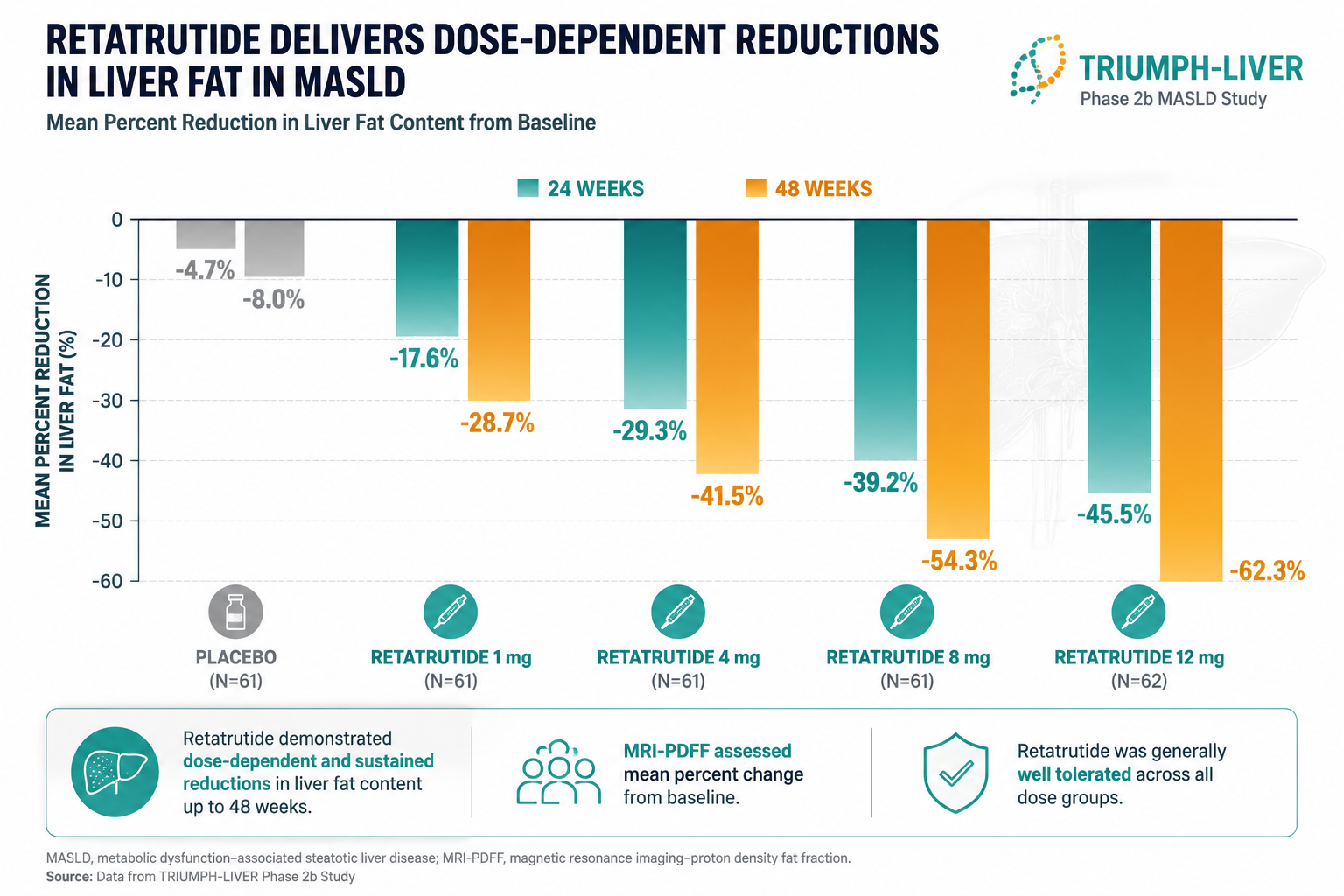
The Phase 2 findings on retatrutide for liver fat and MASLD research are among the most compelling hepatic endpoints reported for any investigational metabolic agent to date.

Liver fat reduction at 24 weeks by dose group:

Dose Group Liver Fat Reduction (%)
Placebo +0.3% (slight increase)
Low dose Moderate reduction
8 mg Substantial reduction
12 mg Near-complete reduction

By week 24, a meaningful percentage of participants in the higher-dose groups had achieved normal liver fat content, defined as below 5% hepatic fat fraction. This threshold matters clinically because crossing it is associated with reduced risk of fibrosis progression.

At 48 weeks, the 12 mg dose group achieved an 86% mean reduction in liver fat — a figure that has few precedents in the MASLD pharmacology literature. These reductions were durable, not simply a front-loaded effect that faded over time.

"An 86% reduction in liver fat at 48 weeks positions retatrutide in a category that no prior incretin-based agent has reached."

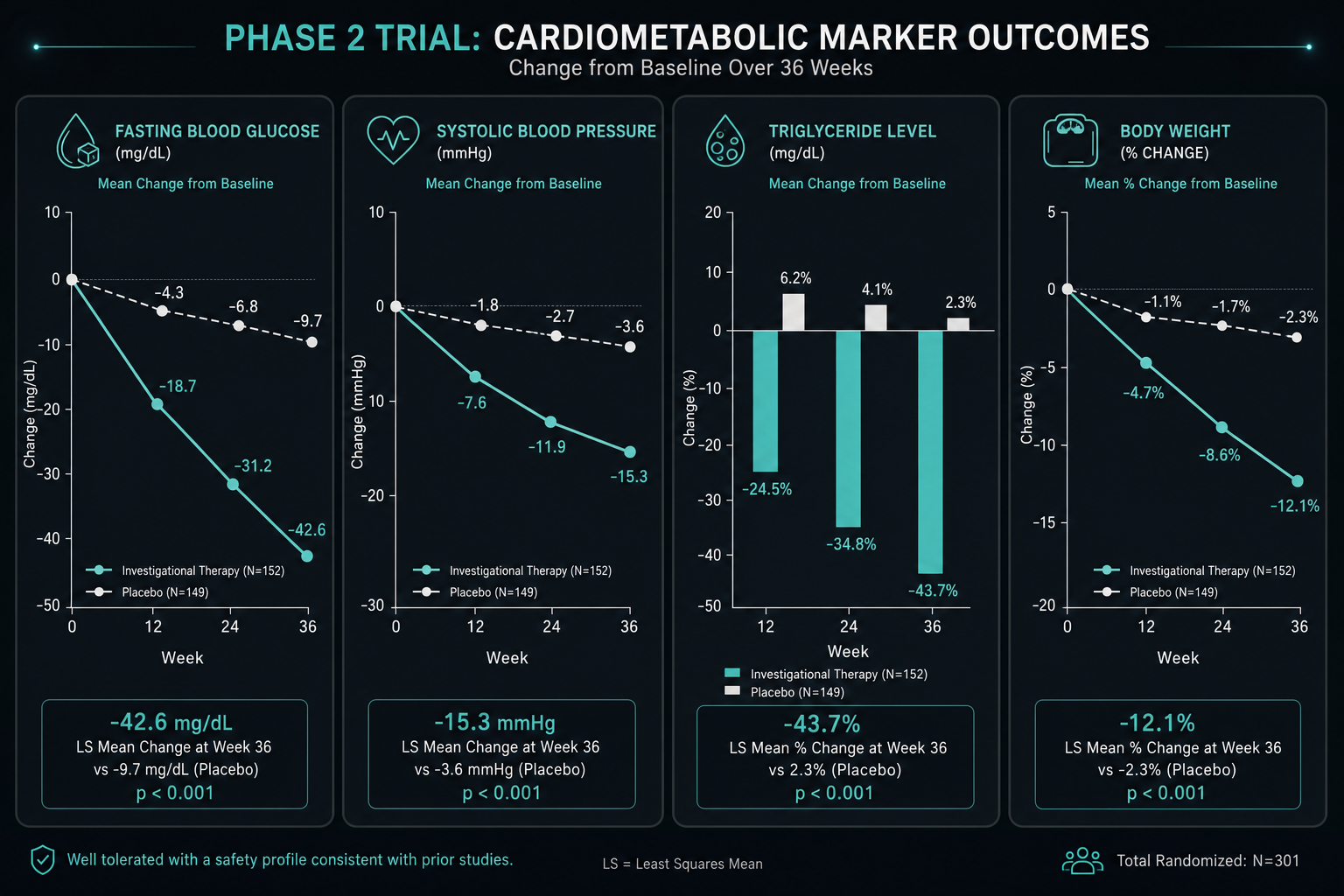
Liver fat outcomes also correlated strongly with systemic weight loss. Participants in the 12 mg group experienced a mean body weight reduction of 24.2% at 48 weeks. While weight loss alone can reduce hepatic steatosis, the glucagon receptor pathway is thought to contribute additional, weight-independent effects on liver fat metabolism.

For researchers following related metabolic peptides, tesa's research profile offers a useful comparison point, as tesa has also demonstrated visceral and hepatic fat reduction in specific populations through a growth hormone-mediated pathway.

Phase 2 Data: Liver Fat and MASLD Outcomes in Detail


Safety, Comparisons, and What the Data Suggests for Phase 3

Retatrutide was generally well-tolerated across the Phase 2 cohort. The most common adverse events were gastrointestinal in nature — nausea, vomiting, and diarrhea — consistent with the GLP-1 class profile. These effects were typically mild to moderate and tended to diminish over time with dose titration.

Key safety observations:

  • Gastrointestinal events were the primary adverse effect category
  • No unexpected safety signals emerged at higher doses
  • Discontinuation rates remained comparable to other GLP-1-class agents

When compared to other incretin-based therapies, retatrutide's liver fat reductions are notably superior. Semaglutide and tirzepatide have both shown hepatic benefit, but neither has matched the magnitude of effect observed here. This positions retatrutide as a leading candidate for MASLD-specific indications, not just general obesity management.

Researchers exploring complementary metabolic peptide research may also find value in reviewing IPA muscle and fat research themes and longevity peptide research for context on how different mechanisms intersect in metabolic health models.

Eli Lilly's Phase 3 program is now actively enrolling, with endpoints that include liver histology, fibrosis markers, and cardiometabolic outcomes. FDA approval pathways are being pursued pending successful Phase 3 results.

Those sourcing retatrutide for research purposes can explore GLP-3 retatrutide research-grade options and the retatrutide product page for current availability.

Safety, Comparisons, and What the Data Suggests for Phase 3


Conclusion

The Phase 2 data on retatrutide for liver fat and MASLD research establishes a new benchmark for hepatic steatosis reduction in a pharmacological setting. An 86% liver fat reduction at 48 weeks, durable outcomes, and a manageable safety profile make this compound a priority to watch as Phase 3 data matures.

Actionable next steps for researchers and clinicians:

  • Monitor Phase 3 trial publications for histological fibrosis endpoints, which will determine clinical utility beyond fat reduction alone.
  • Examine the glucagon receptor agonism component separately to understand its independent contribution to hepatic fatty acid oxidation.
  • Compare retatrutide's liver outcomes against emerging MASLD-specific agents entering late-stage trials in 2026.
  • Review related GLP-1 receptor agonist research resources to build a complete picture of the incretin class landscape.

The liver-specific data from this trial is not a secondary finding — it may ultimately define retatrutide's most important clinical role.

https://www.puretestedpeptides.com/wp-content/uploads/2026/06/Retatrutide-for-Liver-Fat-and-MASLD-Research-What-the-Phase-2-Data-Suggests.png 1024 1536 https://www.puretestedpeptides.com/wp-content/uploads/2026/01/buy-peptides-online.jpg 2026-06-14 16:49:092026-06-14 16:49:09Retatrutide for Liver Fat and MASLD Research: What the Phase 2 Data Suggests
GLP3 Peptide vs Retatrutide: Why the Naming Confusion Matters in Obesity Research

GLP3 Peptide vs Retatrutide: Why the Naming Confusion Matters in Obesity Research

June 11, 2026/0 Comments/in Uncategorized/by

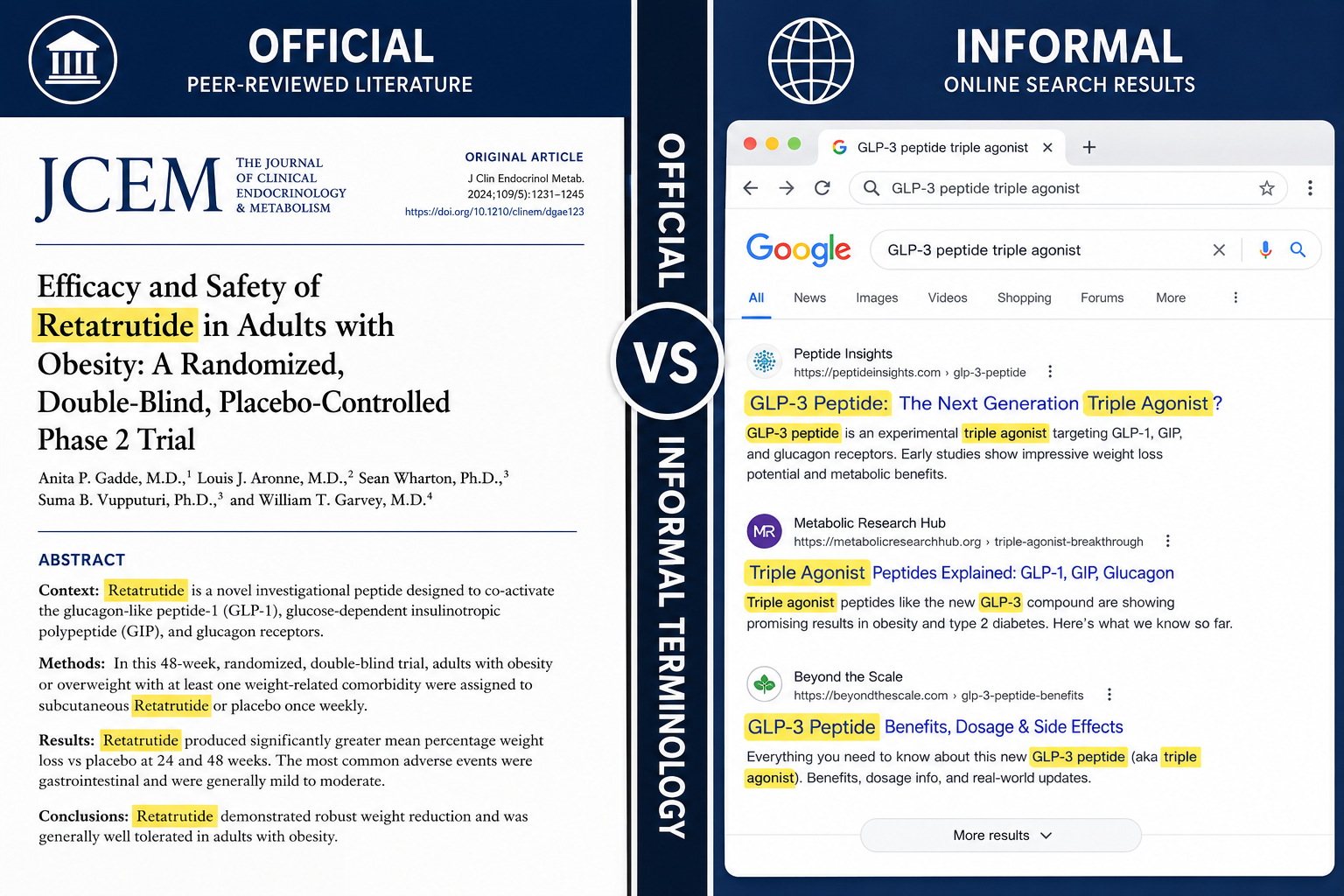
Over 1 billion adults worldwide live with obesity, and the race to find more effective treatments has never moved faster. Yet one of the biggest obstacles in 2026 is not a scientific one — it is a language problem. The debate around GLP3 Peptide vs Retatrutide: Why the Naming Confusion Matters in Obesity Research is more than a semantic argument. When researchers, clinicians, and consumers use the same term to mean different things, the consequences range from misread study data to misguided purchasing decisions.

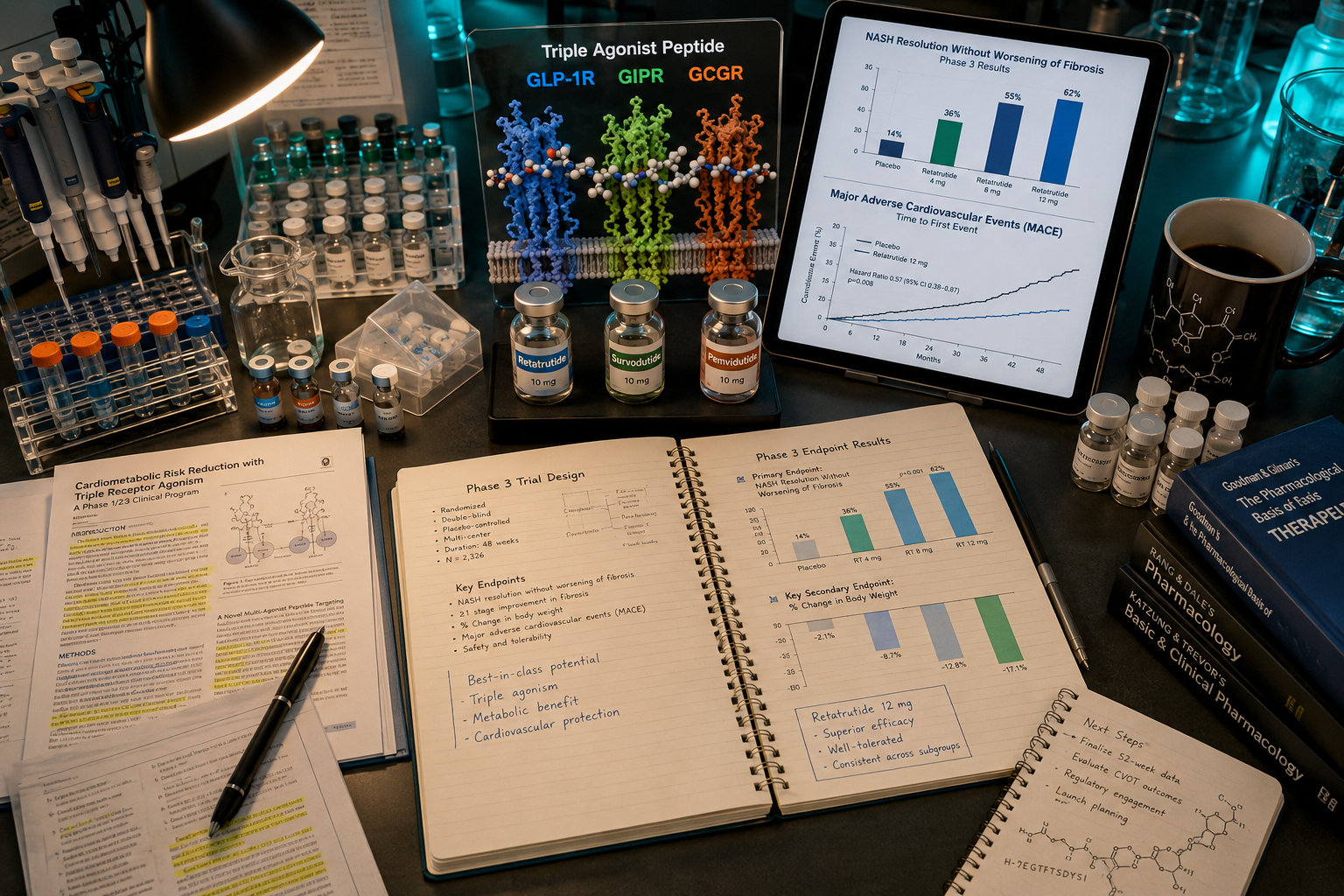
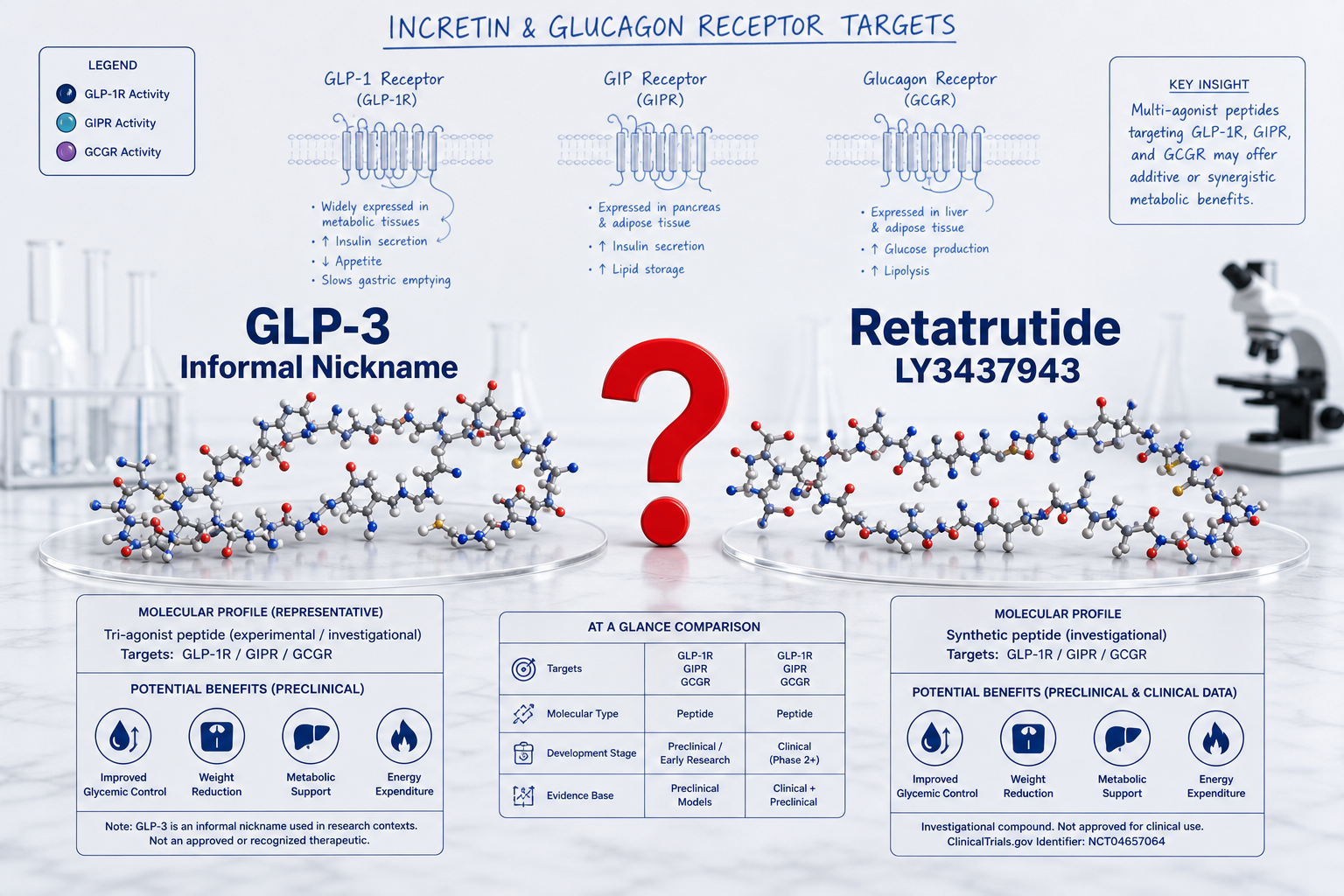
() scientific infographic-style illustration showing two labeled molecular structures side by side — one labeled 'GLP-3

Key Takeaways

  • "GLP-3" is an informal, consumer-driven nickname — not a recognized scientific classification for retatrutide.
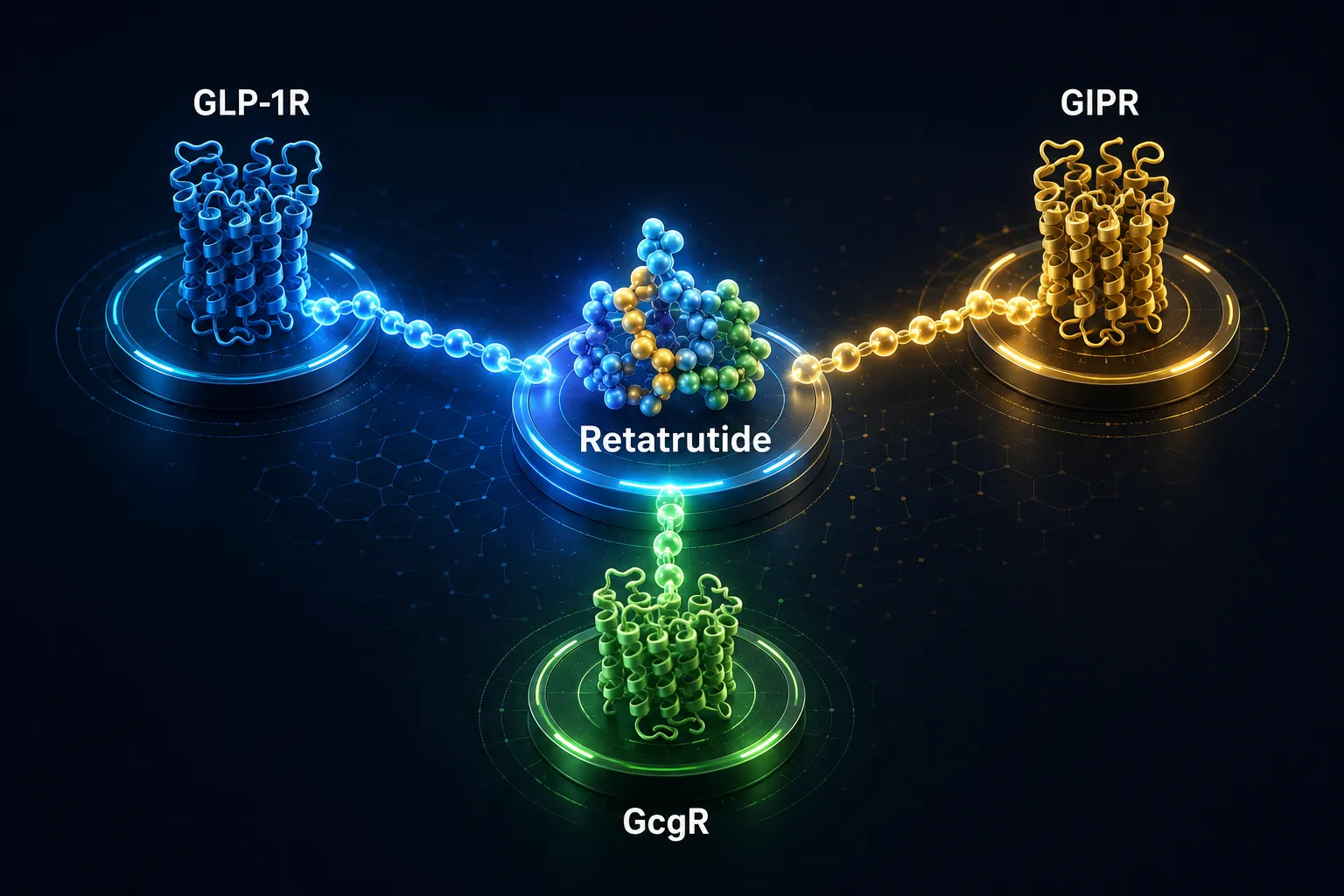
  • Retatrutide (LY3437943) is a triple-receptor agonist targeting GLP-1, GIP, and glucagon receptors simultaneously.
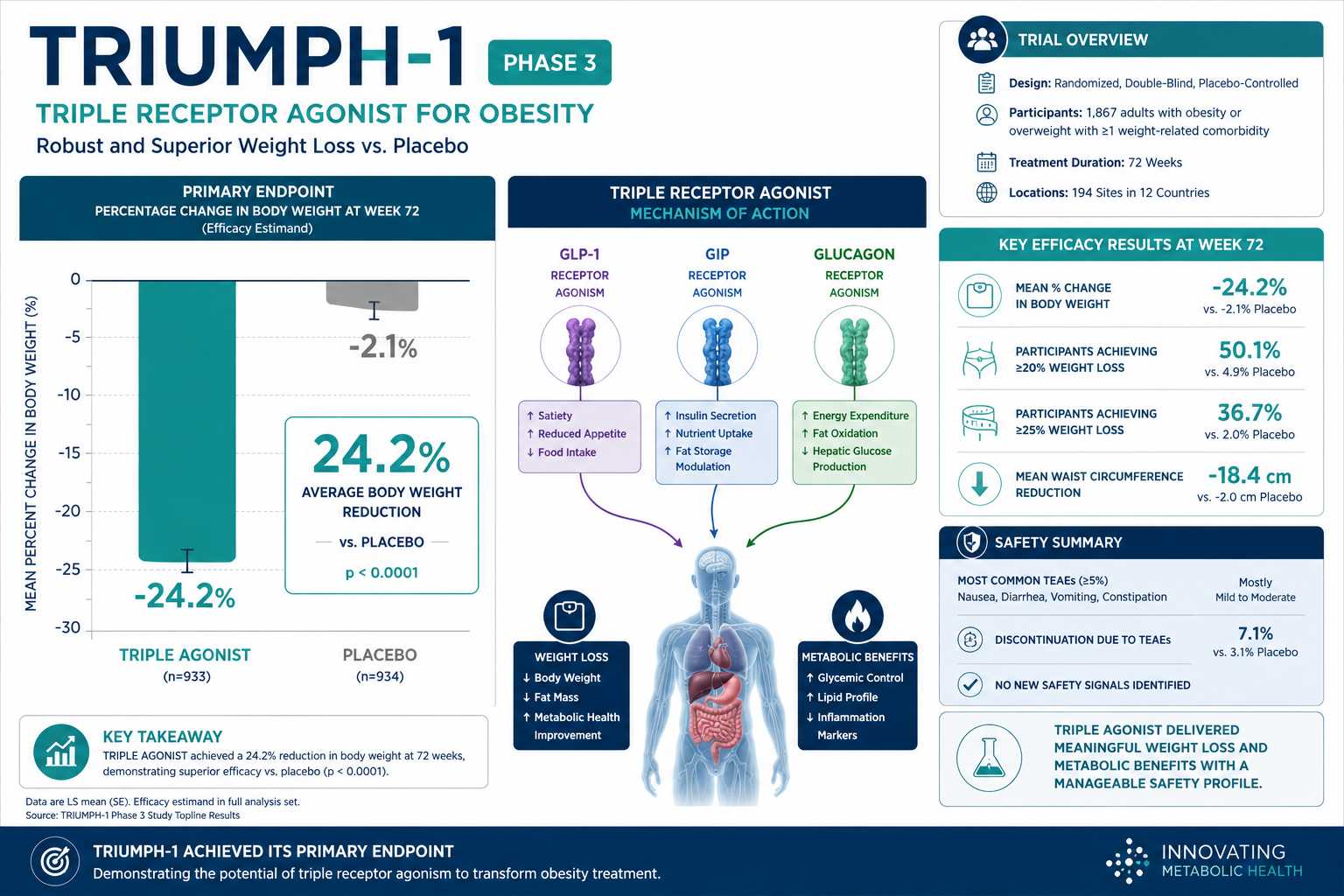
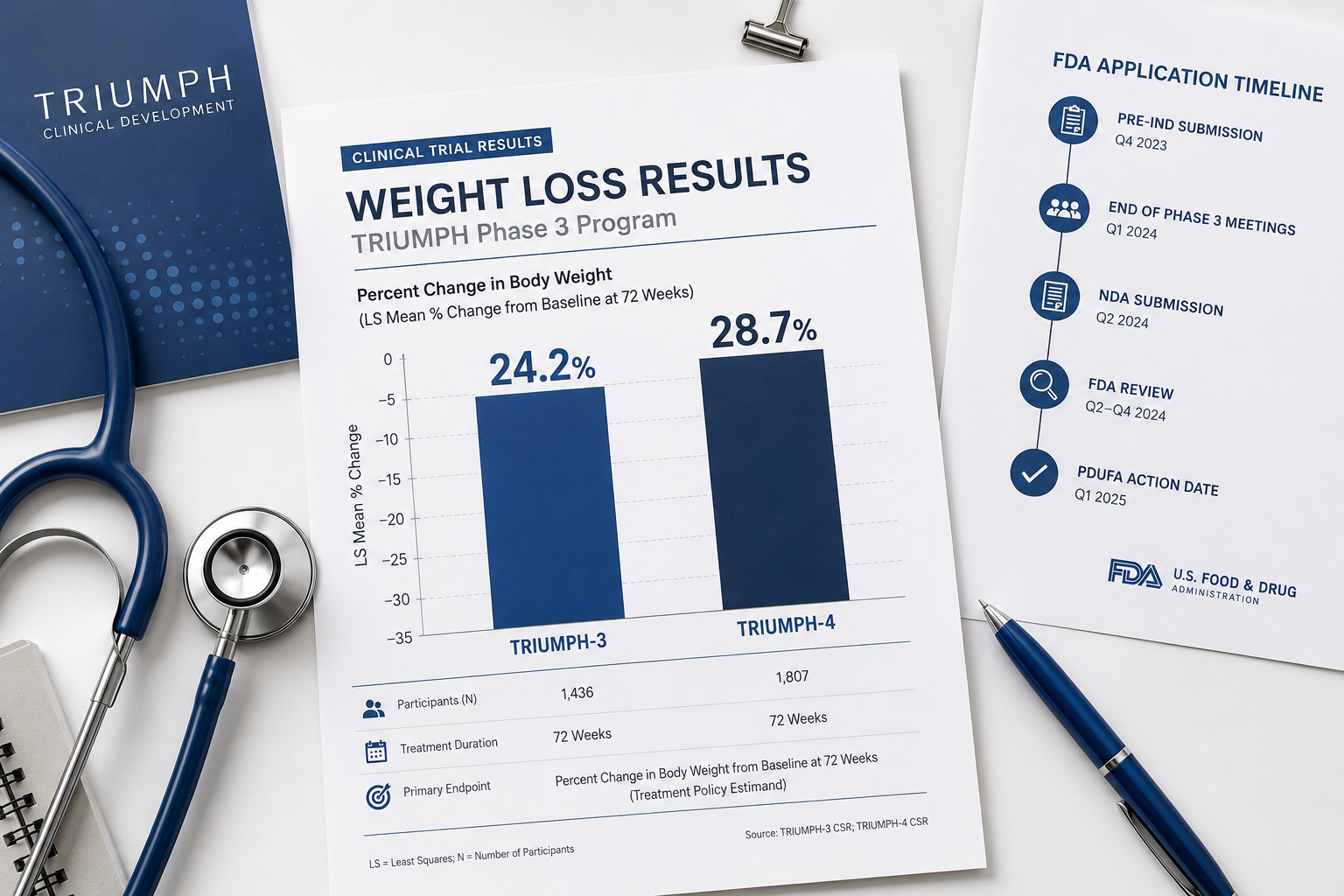
  • Phase 3 trials have shown weight loss results as high as 28.7%, the highest ever recorded in an obesity drug trial.
  • Terminology confusion can distort research interpretation, marketplace trust, and regulatory understanding.
  • Researchers and buyers should verify compound identity by chemical name or CAS number, not informal labels.

What Is Retatrutide and Where Does "GLP-3" Come From

Retatrutide, developed by Eli Lilly under the code name LY3437943, is a first-in-class triple-receptor agonist. It activates three distinct hormone receptors at once:

Receptor Role in Metabolism
GLP-1 Appetite suppression, insulin secretion
GIP Fat metabolism, insulin sensitivity
Glucagon Energy expenditure, liver fat reduction

No approved drug before retatrutide has hit all three targets simultaneously. Semaglutide (Ozempic, Wegovy) targets only GLP-1. Tirzepatide (Mounjaro, Zepbound) targets GLP-1 and GIP. Retatrutide adds glucagon to the mix.

The nickname "GLP-3" emerged organically in consumer forums and social media. The logic was simple: GLP-1 targets one receptor, tirzepatide targets two, so this "third generation" drug must be GLP-3. The label stuck — but it is scientifically inaccurate.

"GLP-3" does not describe a receptor, a peptide family, or a drug class. It is marketing shorthand that has migrated into research discussions where precision is critical.

For a broader look at where peptide research is heading, the latest updates in peptide research provide useful context on how naming conventions evolve in this space.


Why the Naming Confusion Matters in Obesity Research and Clinical Trials

Why the Naming Confusion Matters in Obesity Research and Clinical Trials

The stakes of this terminology gap become clear when looking at the trial data. In the TRIUMPH-4 Phase 3 trial, retatrutide produced a mean weight loss of 28.7% at 68 weeks in adults with obesity and knee osteoarthritis — the highest figure ever recorded in any Phase 3 obesity drug trial. The TRIUMPH-3 trial, presented at the American College of Cardiology Annual Scientific Session in March 2026, reported 24.2% mean weight loss at 72 weeks in adults with elevated cardiovascular risk.

These are landmark numbers. But when a researcher searches for "GLP-3 trial results" and finds a mix of retatrutide data alongside unrelated GLP receptor biology, the confusion compounds.

Three specific risks created by the GLP-3 label:

  • Research misattribution: Studies on actual GLP receptor peptide biology get conflated with retatrutide clinical outcomes.
  • Regulatory misunderstanding: Eli Lilly plans to file a New Drug Application in late 2026 or early 2027. Informal naming can create confusion in public commentary on regulatory submissions.
  • Marketplace errors: Buyers searching for research-grade retatrutide may encounter mislabeled products. Reviewing a detailed GLP-3 and retatrutide compound overview helps clarify what is actually being sourced.

For those researching metabolic peptides more broadly, resources on AOD9604 metabolic research and tesa benefits show how naming precision matters across the entire category.


How Researchers and Buyers Can Navigate the GLP3 Peptide vs Retatrutide Naming Issue

How Researchers and Buyers Can Navigate the GLP3 Peptide vs Retatrutide Naming Issue

The clearest solution is to anchor every discussion to the compound's chemical identity, not its nickname.

Best practices for accurate identification:

  • Always reference retatrutide by its INN (International Nonproprietary Name) or Eli Lilly's code: LY3437943.
  • Cross-check any "GLP-3" product listing against verified chemical specifications.
  • Use peer-reviewed databases rather than consumer forums as primary sources.
  • When sourcing for research, prioritize suppliers with transparent quality testing protocols and third-party verification.

The GLP-3 retatrutide product page and the RETA GLP-3 research overview are examples of how suppliers can bridge the naming gap by providing both the informal label and the verified compound name together.

For researchers exploring related metabolic compounds, the 5-Amino-1MQ research overview offers a useful parallel on how novel compounds gain informal names before formal classification catches up.


Conclusion

The GLP3 Peptide vs Retatrutide naming confusion is not a trivial issue. It shapes how clinical trial data is interpreted, how regulatory conversations unfold, and how research-grade compounds are sourced. Retatrutide is a precisely defined triple-receptor agonist with Phase 3 data that sets a new benchmark for obesity pharmacology. "GLP-3" is a convenient shorthand that, when used carelessly, undermines that precision.

Actionable next steps:

  • Replace "GLP-3" with "retatrutide" or "LY3437943" in all research documentation.
  • Verify any compound labeled "GLP-3" against its full chemical specification before use.
  • Stay current with TRIUMPH trial publications and the anticipated NDA filing timeline.
  • Source research peptides only from suppliers who publish verified testing data alongside both the common and scientific names.

Precision in language is the foundation of precision in science. In obesity research, where the stakes are high and the compounds are complex, that foundation matters more than ever.

https://www.puretestedpeptides.com/wp-content/uploads/2026/06/GLP3-Peptide-vs-Retatrutide-Why-the-Naming-Confusion-Matters-in-Obesity-Research.png 1024 1536 https://www.puretestedpeptides.com/wp-content/uploads/2026/01/buy-peptides-online.jpg 2026-06-11 13:06:552026-06-11 13:06:55GLP3 Peptide vs Retatrutide: Why the Naming Confusion Matters in Obesity Research
×

Helpful Links

  • My account
  • Cart
  • Checkout
  • Refund and Returns Policy
  • Privacy Policy
  • SMS Privacy Policy
  • Login
  • My Account
  • Logout

USA Made Lab Tested Peptides

All products are sold for research, laboratory, or analytical purposes only, and are not for human consumption


Pure Tested Peptides is a chemical supplier. Pure Tested Peptides is not a compounding / chemical compounding facility as defined under 503A of the Federal Food, Drug, and Cosmetic act. Pure Tested Peptides is not an outsourcing facility as defined under 503B of the Federal Food, Drug, and Cosmetic act.

The statements made within this website have not been evaluated by the US Food and Drug Administration. The products we offer are not intended to diagnose, treat, cure or prevent any disease.

Human/Animal Consumption Prohibited. Laboratory/In-Vitro Experimental Use Only

Scroll to top Scroll to top Scroll to top