Call or Text 727-513-9780
  • Shopping Cart Shopping Cart
    0Shopping Cart
Pure Tested Peptides | America's most trusted Peptides for sale online
  • Peptides for sale
    • Oral Peptides for sale
      • Peptide Capsules for sale
      • BPC 157 Capsules 1000mcg
      • SLU-PP-332 Capsules | 1000 mcg
      • 5-Amino-1MQ 50mg Capsules
      • Tesofensine 500mcg
    • All Peptides for sale
    • Peptide Sprays
      • BPC 157 Nasal Spray Kit
      • BPC-157 TB500 Nasal Spray Kit
      • Semax Nasal Spray 10mg
      • Selank – Nasal Spray Kit – 10mg
      • Epithalon 50MG Nasal Spray Kit
      • Ipamorelin 10mg Nasal Spray
      • Klow Nasal Spray (BPC-157 + TB-500 + GHK-Cu + KPV) | 80mg
      • Hulk Nasal Spray Tesa / Ipa Blend 6/3 MG
      • Klow Nasal Spray
      • NAD + 500 mg Nasal Spray
      • PT-141 Nasal Spray Kit
    • GHRH Peptides
      • Ipa Peptides
      • CJC-1295 Peptides
        • CJC-1295 with DAC 5 mg
        • CJC-1295 without DAC 5 mg
        • CJC-1295 Ipa 10mg
      • Tesa Peptides
        • Tesa Peptide
        • Tesa 20 mg
    • GHK-Cu Peptides
      • All GHK-Cu Peptides
      • GHK-Cu 100mg
      • KLOW Peptide Blend – Buy KLOW blend online
    • BPC Peptides
      • All BPC Peptides
      • BPC-157
      • BPC-157 TB-500
      • BPC 157 capsules 1000mcg
    • SLU-PP-332 Peptides
      • All SLU-PP-332 Peptides
      • SLU-PP-332 5mg
    • GLP3 Peptides
      • GLP3-R
      • GLP3-R CAG 10mg
      • GLP3-R 20mg
    • PT-141 Peptides
      • PT-141 Peptides for sale
      • PT-141 10mg
      • PT-141 Nasal Spray
    • CAG Peptides
      • Lipo-C Peptide Blend
      • CAG 5mg
      • CAG 10mg
    • MOTS-C Peptides
      • MOTS-C Peptides for sale
      • MOTS-c peptide
      • MOTS-c 10mg *6 pack*
    • 5 Amino 1MQ Peptides
      • 5 Amino 1MQ Peptides for sale
      • 5-Amino-1MQ 50mg Capsules
      • 5-Amino-1MQ 5mg
    • Epithalon Peptides
      • Epithalon Peptides for sale
      • Epithalon 10mg
      • Epithalon 50mg
  • Shop
    • GLPs
      • 5-Amino-1MQ 50mg Capsules
      • 5-Amino-1MQ 5mg
      • GLP3-Reta
      • L-Carnitine 500mg/ml
      • Tesofensine 500mcg
      • SLU-PP-332 5mg
      • MOTS-c 10mg *6 pack*
    • Epithalon & BPC Peptides
      • Epithalon 10mg
      • Epithalon 50mg
      • BPC-157
      • BPC 157 capsules 1000mcg
      • BPC-157 TB-500
      • BPC-157 TB500 Nasal Spray Kit
      • BPC 157 Nasal Spray Kit
    • BPC TB-500 & NAD+ Peptides
      • NAD+ 500 mg
      • KLOW Peptide Blend – Buy KLOW blend online
      • GLOW Peptide Blend
      • TB 500 5mg
      • BPC 157 capsules 1000mcg – Supplement
      • BPC 157 Nasal Spray Kit
      • BPC-157
      • BPC-157 TB500 Nasal Spray Kit
      • BPC-157 TB-500
      • BPC 157 capsules 1000mcg
    • LL-37 Peptide
      • LL-37 10 mg
    • MOTS-C & Selank
      • MOTS-c peptide
      • Selank 10mg
    • GHK Peptides
      • GHK-Cu 100mg
      • GLOW Peptide Blend
      • KLOW Peptide Blend – Buy KLOW blend online
  • COAs
  • Wholesale
    • Wholesale Peptides for sale
  • PTP FAQ
  • Affiliates
    • Selank Peptide: Advanced Pharmacological Mechanisms Underlying Its Anxiolytic and Nootropic Effects in Research
      • 5-Amino-1MQ Peptide: Detailed Mechanisms of NNMT Inhibition and Its Impact on Cellular Metabolism Research
        • MOTS-C Peptide: Unraveling Its Role in Mitochondrial Dynamics and Energy Metabolism Research
          • Epithalon Peptide and Telomerase Regulation: Investigating Its Impact on Cellular Senescence and Lifespan Research Models
            • GLP2-T vs GLP2 Tirz Peptide: Understanding the Naming, Mechanistic Nuances, and Research Implications for Gut Health
      • Peptides and Polypeptides in Modern Pharmacology: What Research on Metoprolol, Prednisone, and Amlodipine Reveals
        • Polypeptide Peptides vs NSAIDs: What Naproxen and Diclofenac Teach Tissue-Repair Researchers About BPC‑157 and TB‑500
          • Peptides and Polypeptides in Endocrine Pharmacology: How GLP-1, GLP-2, and GLP-3 Retatrutide Differ From Classic Drugs Like Prednisone and Amlodipine
          • 5‑Amino‑1MQ Peptide and NNMT Inhibition: How It Compares With Statins Like Atorvastatin in Adipose and Lipid Metabolism Research
      • Enclomiphene, Estrogen Receptor Signaling, and Luteinizing Phase Biology: What Hormone Researchers Should Measure
        • Mesenchymal Stem Cells, BPC‑157, and GHK‑Cu: How Tissue Repair Peptides Compare With Classic NSAIDs Like Naproxen in Injury Models
          • Peptide Calculator Use Cases Beyond Growth Hormone: Working Through GLP‑3 Retatrutide, MOTS‑c, and BPC‑157 Research Dosing
        • Polypeptide Peptides in Endocrine and Metabolic Pharmacology: Lessons From Amlodipine, Prednisone, and Metoprolol
        • Peptides Calculator for Advanced Blends: Worked Examples for Tesamorelin, CJC‑1295, and Ipamorelin Stacks
          • Peptides and Polypeptides in Human Physiology: How Molecular Size Shapes Research Applications
            • Selank Peptide: Advanced Pharmacological Mechanisms Underlying Its Anxiolytic and Nootropic Effects in Research
          • 5-Amino-1MQ Peptide: Detailed Mechanisms of NNMT Inhibition and Its Impact on Cellular Metabolism Research
            • MOTS-C Peptide: Unraveling Its Role in Mitochondrial Dynamics and Energy Metabolism Research
              • Epithalon Peptide and Telomerase Regulation: Investigating Its Impact on Cellular Senescence and Lifespan Research Models
                • GLP2-T vs GLP2 Tirz Peptide: Understanding the Naming, Mechanistic Nuances, and Research Implications for Gut Health
                  • Peptides and Polypeptides in Endocrine Pharmacology: How GLP-1, GLP-2, and GLP-3 Retatrutide Differ From Classic Drugs Like Prednisone and Amlodipine
                    • Polypeptide Peptides vs NSAIDs: What Naproxen and Diclofenac Teach Tissue-Repair Researchers About BPC‑157 and TB‑500
                      • Peptides and Polypeptides in Modern Pharmacology: What Research on Metoprolol, Prednisone, and Amlodipine Reveals
                        • 5‑Amino‑1MQ Peptide and NNMT Inhibition: How It Compares With Statins Like Atorvastatin in Adipose and Lipid Metabolism Research
                        • Enclomiphene, Estrogen Receptor Signaling, and Luteinizing Phase Biology: What Hormone Researchers Should Measure
                        • Mesenchymal Stem Cells, BPC‑157, and GHK‑Cu: How Tissue Repair Peptides Compare With Classic NSAIDs Like Naproxen in Injury Models
                        • Peptide Calculator Use Cases Beyond Growth Hormone: Working Through GLP‑3 Retatrutide, MOTS‑c, and BPC‑157 Research Dosing
                        • Polypeptide Peptides in Endocrine and Metabolic Pharmacology: Lessons From Amlodipine, Prednisone, and Metoprolol
                        • Peptides Calculator for Advanced Blends: Worked Examples for Tesamorelin, CJC‑1295, and Ipamorelin Stacks
                        • Peptides and Polypeptides in Human Physiology: How Molecular Size Shapes Research Applications
                        • Selank Peptide: Advanced Pharmacological Mechanisms Underlying Its Anxiolytic and Nootropic Effects in Research
                        • MOTS-C Peptide: Unraveling Its Role in Mitochondrial Dynamics and Energy Metabolism Research
                        • Peptides and Polypeptides in Modern Pharmacology: What Research on Metoprolol, Prednisone, and Amlodipine Reveals
                        • Peptides and Polypeptides in Endocrine Pharmacology: How GLP-1, GLP-2, and GLP-3 Retatrutide Differ From Classic Drugs Like Prednisone and Amlodipine
                        • 5-Amino-1MQ Peptide: Detailed Mechanisms of NNMT Inhibition and Its Impact on Cellular Metabolism Research
                        • Mesenchymal Stem Cells, BPC‑157, and GHK‑Cu: How Tissue Repair Peptides Compare With Classic NSAIDs Like Naproxen in Injury Models
                        • Peptide Calculator Use Cases Beyond Growth Hormone: Working Through GLP‑3 Retatrutide, MOTS‑c, and BPC‑157 Research Dosing
                        • GLP2-T vs GLP2 Tirz Peptide: Understanding the Naming, Mechanistic Nuances, and Research Implications for Gut Health
                        • Polypeptide Peptides in Endocrine and Metabolic Pharmacology: Lessons From Amlodipine, Prednisone, and Metoprolol
                        • Polypeptide Peptides vs NSAIDs: What Naproxen and Diclofenac Teach Tissue-Repair Researchers About BPC‑157 and TB‑500
                        • Peptides and Polypeptides in Human Physiology: How Molecular Size Shapes Research Applications
                        • Peptides Calculator for Advanced Blends: Worked Examples for Tesamorelin, CJC‑1295, and Ipamorelin Stacks
                        • 5‑Amino‑1MQ Peptide and NNMT Inhibition: How It Compares With Statins Like Atorvastatin in Adipose and Lipid Metabolism Research
                        • Enclomiphene, Estrogen Receptor Signaling, and Luteinizing Phase Biology: What Hormone Researchers Should Measure
                        • Epithalon Peptide and Telomerase Regulation: Investigating Its Impact on Cellular Senescence and Lifespan Research Models
                        • Best research protocol Klow blend
                        • best time to take BPC-157
                        • best time to take DSIP (Delta Sleep Inducing Peptide)
                        • best time to take CJC-1295
                        • best time to take AOD-9604
                        • best time to take Follistatin 344
                        • best time to take Ipamorelin
                        • best time to take MK-677 (Ibutamoren)
                        • best time to take Ligandrol (LGD-4033) — research compound
                        • best time to take Ostarine (MK-2866) — research compound
                        • best time to take GHK-CU
                        • best time to take TB-500
                        • best time to take MOTS-c
                        • best time to take Semax
                        • best time to take RAD-140 (Testolone) — research compound
                        • best time to take Thymosin Alpha-1
                        • best time to take PEG-MGF
                        • Biolife Plasma, Octapharma Plasma, and Research Peptides: How Plasma Donation Labs Differ From Peptide Suppliers
                        • best time to take YK-11 — research compound
                        • best time to take PT-141 (Bremelanotide)
                        • Best research protocol Klow blend
                        • 5-Amino-1MQ and MOTS-C Synergy: Metabolic Signaling, Mitochondria, and Research Design
                        • BPC-157 and TB-500: Investigating Their Combined Effects on Angiogenesis and Cellular Migration in Tissue Repair Models
                        • BPC-157 Peptide: Gut Barrier Function, Inflammation, and Tissue-Recovery Research
                        • 5‑Amino‑1MQ and MOTS‑c Synergy in Metabolic Research: Designing NNMT and Mitochondrial Biogenesis Stacks
                        • CJC-1295 with DAC vs. Without DAC: Half-Life, Release Kinetics, and Research Implications
                        • CJC‑1295 with DAC vs. Without DAC: Expanding on Half‑Life Differences Using Tesamorelin and Ipamorelin Blend Case Studies
                        • Collagen Biology and Copper‑Binding Peptides: How GHK‑Cu, Glow Blend, and Klow Blend Interact with Skin and Connective Tissue
                        • Collagen Biology and Regenerative Peptides: How GHK‑Cu, Glow Blend, and Klow Blend Affect Extracellular Matrix Research
                    • DNA, Telomeres, and Longevity Peptides: Positioning Epithalon and MOTS‑c in Genetic Aging Research
                      • Enclomiphene Citrate: serm Mechanism, Testosterone Research, and Stack Compatibility
                        • Enclomiphene vs Enclomiphene Citrate: Formulation, Bioavailability, and Research Distinctions
                        • Epithalon Peptide Research: Telomerase Activation, Aging, and Pineal Gland Function
                        • Estrogen Receptor Signaling and Enclomiphene: How Selective Modulators Compare with Classic Polypeptide Hormones
                        • GHK-Cu Peptide: Advanced Mechanisms in Extracellular Matrix Remodeling and Wound Healing Research
                        • GHK-Cu Peptide: Collagen Synthesis, Wound Repair, and Skin-Barrier Research Models
                        • GLP-1 vs GLP-3 vs GLP-2: Peptide Classification and Research Applications
                        • GLP-2 Peptide Research Guide: Gut Barrier Function, Nutrient Absorption, and Intestinal Recovery Models
                        • GLP-3 Retatrutide vs. GLP-1 Drugs: What Triple-Agonist Biology Changes in Research Models
                        • Ipamorelin and Tesamorelin Combination: Synergistic GH Secretagogue Research and Dosing Protocols
                        • GLP2 Tirz Peptide: What It Is, Why the Name Exists, and How Researchers Should Interpret It
                        • Klow Blend Peptide Nasal Spray: What the Formulation Is Trying to Do in Cognitive Research
                        • Mitochondria, NNMT Inhibition, and Peptide Modulators: Where MOTS‑c and 5‑Amino‑1MQ Fit in Cellular Energy Research
                        • MOTS-c Peptide: Mitochondrial Function, Energy Metabolism, and What Researchers Measure
                        • MOTS-c vs. 5-Amino-1MQ: Which Metabolic Research Questions Each Compound Actually Answers
                        • Nasal Spray Peptides: Bioavailability, Administration, and Semax/Selank Research Applications
                        • PT-141 Peptide Research: Mechanism of Action and Melanocortin Receptor Signaling
                        • Retatrutide for Research: Mechanism, Structure, and GLP-1/GLP-3 Dual Action
                        • Retatrutide for Obesity and Type 2 Diabetes: What the Latest Trial Data Suggest
                        • Tesofensine Peptide Research: Mechanism, Appetite Suppression, and Neuropeptide Y Pathways
  • Contact
    • Contact Customer Service
    • Text Customer Support
  • About US
  • Shop all peptides
  • Affiliate Program
    • Affiliate Signup
  • Login / Register Login / Register Page Link Login / Register Page Link
  • Click to open the search input field Click to open the search input field Search
  • Menu Menu

Tag Archive for: collagen signaling

Collagen Signaling and Copper Peptides: What Researchers Measure With GHK-Cu and Related Skin Models

Collagen Signaling and Copper Peptides: What Researchers Measure With GHK-Cu and Related Skin Models

August 20, 2026/0 Comments/in Uncategorized/by

{"cover":"Professional landscape format (1536×1024) hero image with bold text overlay 'Collagen Signaling and Copper Peptides' in crisp white sans-serif centered on a deep teal semi-transparent overlay panel, 8% safe margins from every edge, no character touches the border. Background: macro editorial photograph of layered dermal tissue cross-section rendered as a luminous scientific illustration, collagen fiber bundles in pale gold and ivory weaving through a blue-tinted extracellular matrix, with copper-toned molecular structures floating in the foreground. Studio lighting, high contrast, magazine-cover aesthetic, 2026 editorial science journal quality.","content":["Annotated mechanism-of-action diagram, landscape format (1536×1024), showing the GHK-Cu collagen signaling pathway inside a fibroblast cell. Four labeled stages arranged left to right: Stage 1 label 'GHK-Cu Binds Receptor', Stage 2 label 'TGF-beta Activation', Stage 3 label 'Procollagen Synthesis', Stage 4 label 'MMP Regulation'. Thin callout lines point from each stage to illustrated molecular icons, a copper-peptide helix, a receptor protein, collagen triple-helix, and enzyme scissors. Clean white background, teal and navy palette, bold sans-serif labels inside 5% safe margin, no full sentences, editorial biomedical illustration quality.","Split-screen landscape format (1536×1024) comparison image: left panel labeled 'In Vitro Fibroblast Culture' shows a microscope view of human dermal fibroblasts with fluorescent green collagen fiber staining and a callout label 'Procollagen I Assay'; right panel labeled 'Ex Vivo Skin Biopsy' shows a histology cross-section of dermis with labeled callouts 'Dermal Density Imaging', 'Hydroxyproline Quantification', and 'Gene Expression Readout'. Dividing line in copper-gold tone, cool clinical lighting on left, warm amber histology stain on right, sharp editorial contrast, biomedical research aesthetic, 5% safe margins on all labels.","Numbered step-by-step process flow diagram, landscape format (1536×1024), illustrating a wound-healing research protocol using copper peptides. Five horizontal steps with illustrated icons: Step 1 'Wound Model Setup' showing a murine skin diagram, Step 2 'GHK-Cu Hydrogel Application' showing a syringe and gel matrix, Step 3 'Inflammatory Marker Sampling' showing cytokine icons IL-6 and TNF-alpha, Step 4 'Re-epithelialization Scoring' showing a healed tissue cross-section, Step 5 'Collagen Density Endpoint' showing a bar graph. Arrows connecting each step, copper and slate-blue color palette, bold 1-4 word labels per step, clean white background, editorial scientific infographic style, all labels inside 5% safe margin."]

Professional landscape hero image () with a reading "Collagen Signaling and Copper Peptides". CRITICAL TYPOGRAPHY RULES:

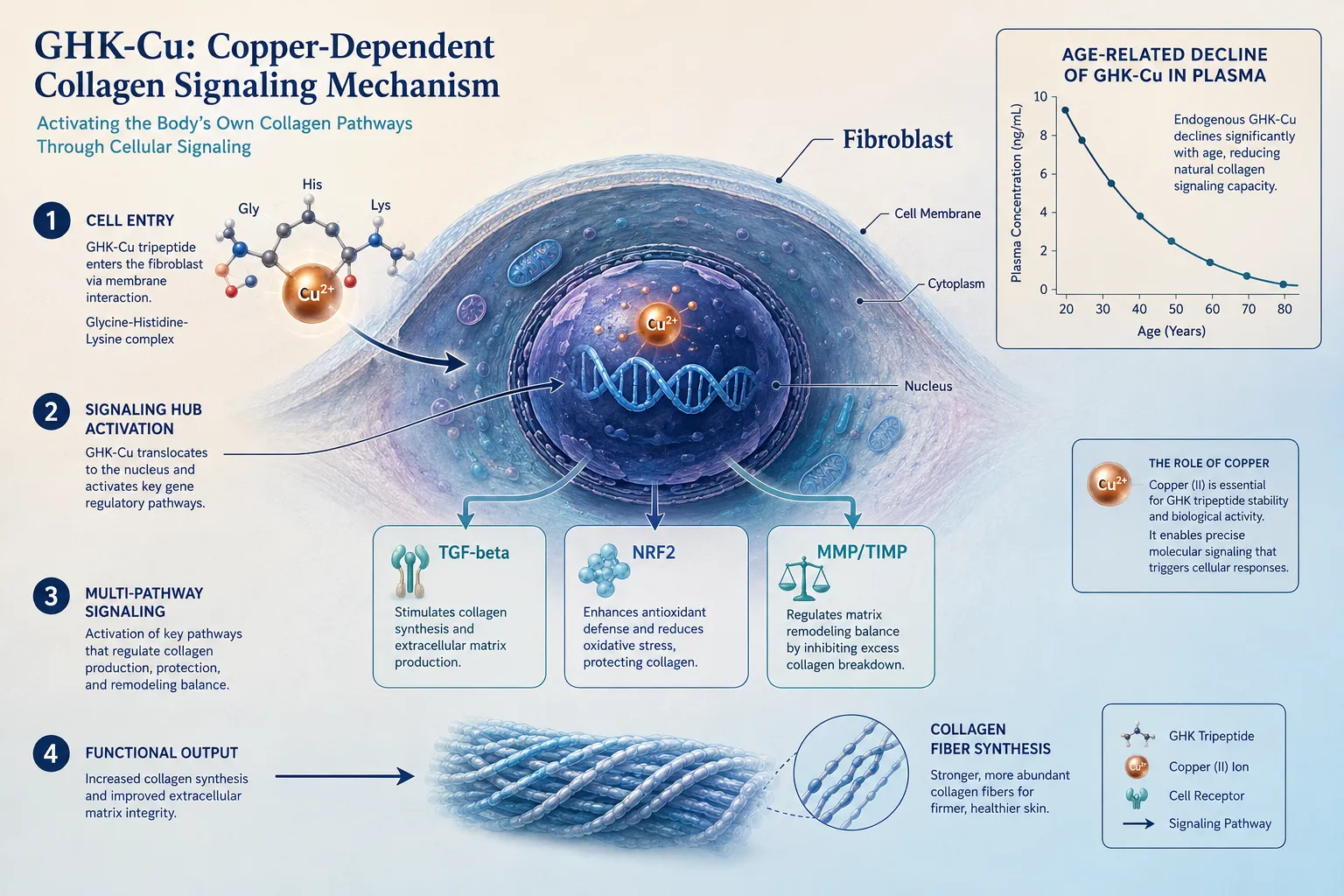
A single tripeptide, glycine-histidine-lysine, naturally present in human plasma drops by more than 60% between the ages of 20 and 60. That decline tracks closely with measurable losses in dermal collagen density, and it is precisely why collagen signaling and copper peptides have become a serious focus in skin biology research. When GHK binds copper to form GHK-Cu, the resulting complex interacts with fibroblasts, matrix-remodeling enzymes, and gene-expression networks in ways that researchers are now quantifying with increasing precision.

Key Takeaways

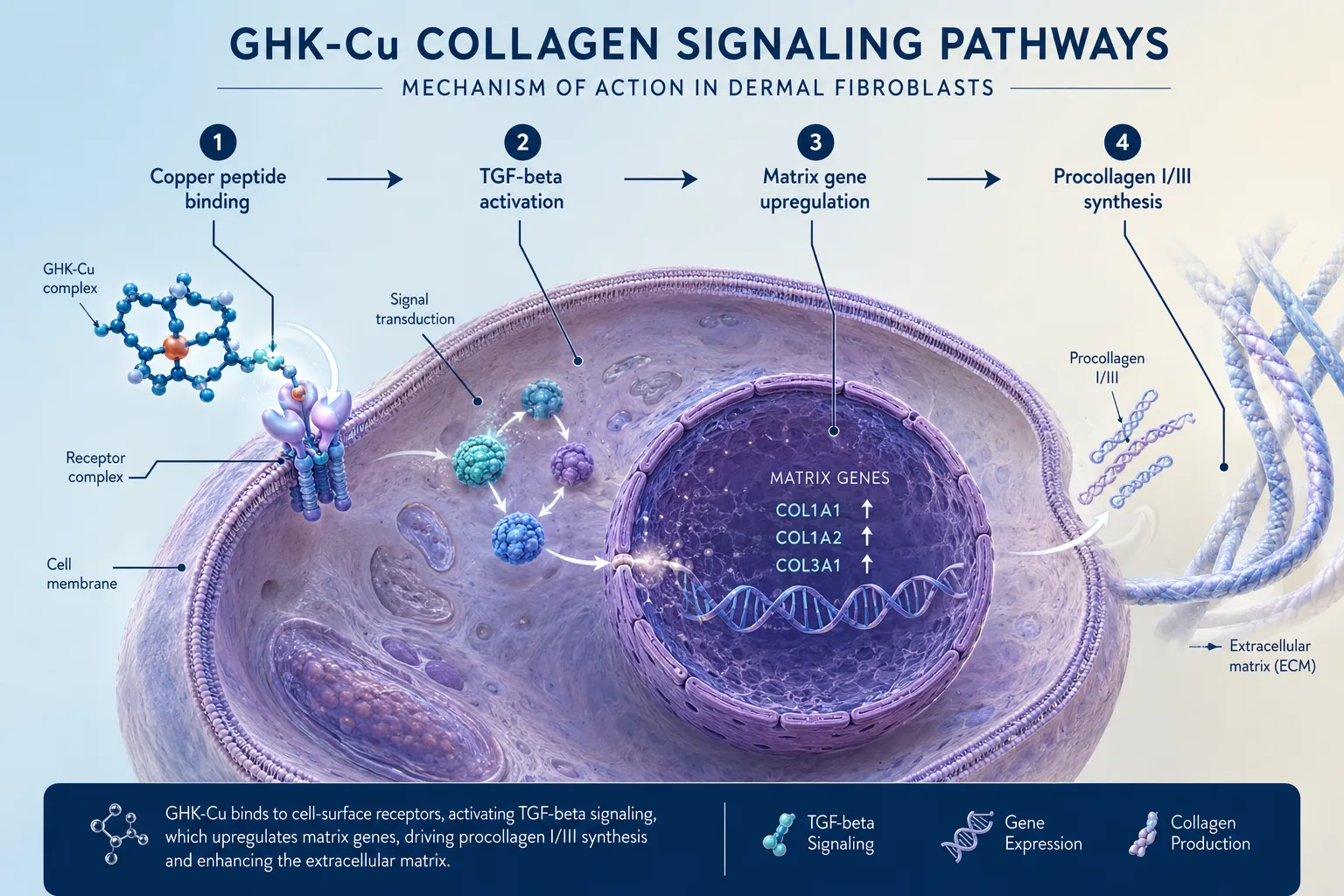
  • GHK-Cu activates TGF-beta pathways in fibroblasts, driving measurable increases in procollagen I and III synthesis at nanomolar concentrations.
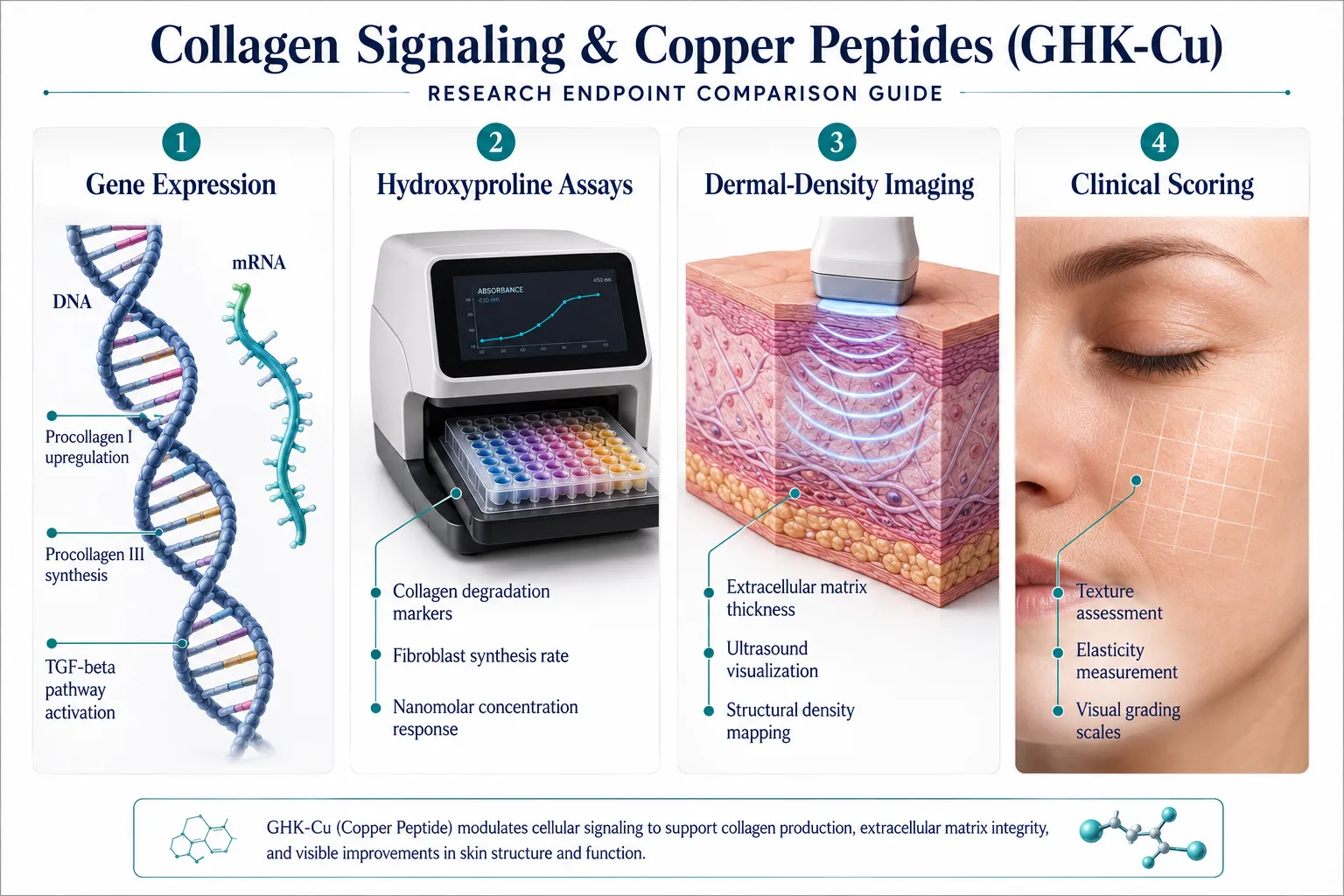
  • Researchers use multiple endpoint types, gene expression, hydroxyproline assays, dermal-density imaging, and clinical scoring, to characterize collagen signaling responses.
  • Wound-healing murine models and ex vivo biopsy systems are the most common preclinical platforms for studying copper peptide activity.
  • Concentration matters: fibroblast culture studies show a bell-shaped dose-response curve, with optimal effects typically between 1 nM and 10 nM.
  • Phase 2 clinical trial designs in 2026 are incorporating re-epithelialization speed and procollagen levels as co-primary endpoints, signaling growing regulatory interest.

The Biology Behind GHK-Cu and Collagen Signaling

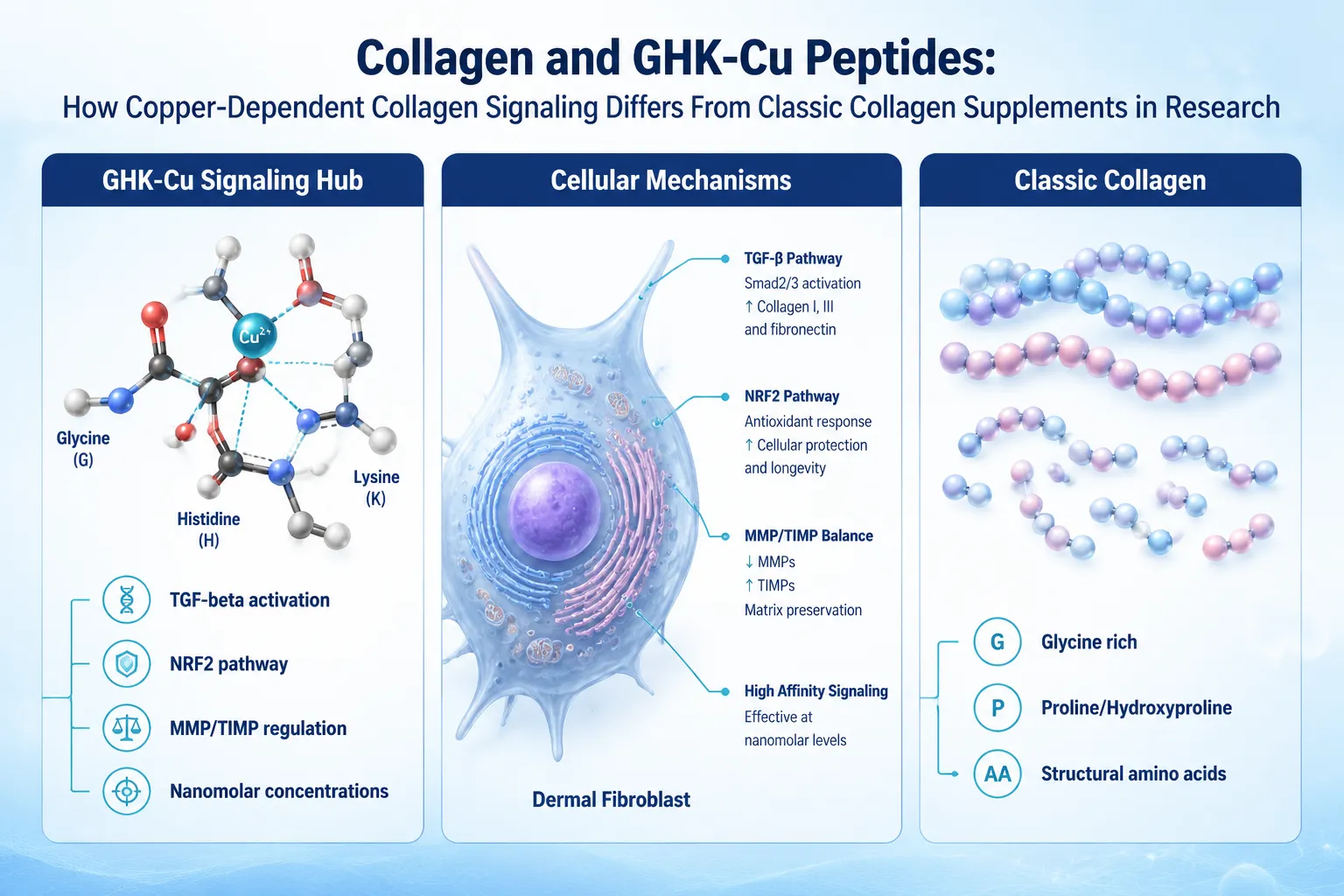
GHK-Cu does not act as a simple collagen precursor. Its influence on collagen signaling and copper peptides research is primarily regulatory. The complex binds to cell-surface receptors and initiates intracellular cascades involving transforming growth factor-beta (TGF-beta), a master regulator of extracellular matrix production. When TGF-beta signaling is upregulated, fibroblasts increase transcription of COL1A1 and COL3A1, the genes encoding the alpha chains of collagen types I and III, the two most abundant structural collagens in adult dermis.

The Biology Behind GHK-Cu and Collagen Signaling

Beyond collagen synthesis, GHK-Cu modulates matrix metalloproteinases (MMPs). MMPs are enzymes that degrade collagen and other matrix proteins. Healthy tissue remodeling requires a balance between synthesis and degradation. Research in fibroblast cultures shows that GHK-Cu simultaneously increases TIMP-1 and TIMP-2 (tissue inhibitors of metalloproteinases) while suppressing MMP-1 and MMP-2 activity. The net result is a shift toward matrix accumulation rather than breakdown, a measurable outcome that makes GHK-Cu particularly relevant in aged or photodamaged skin models.

Key signaling targets identified in fibroblast culture studies:

Target Direction of Change Measurement Method
Procollagen I Increase ELISA, Sircol assay
Procollagen III Increase Immunofluorescence
MMP-1 (collagenase) Decrease Zymography, qPCR
TIMP-1 Increase Western blot
TGF-beta1 Increase ELISA

Researchers sourcing compounds for these studies often consult a GHK-Cu peptide purchase and copper peptide research sourcing guide to ensure purity specifications are met before running assays, since trace contaminants can distort dose-response curves significantly.

How Researchers Measure Collagen Signaling and Copper Peptides in Skin Models

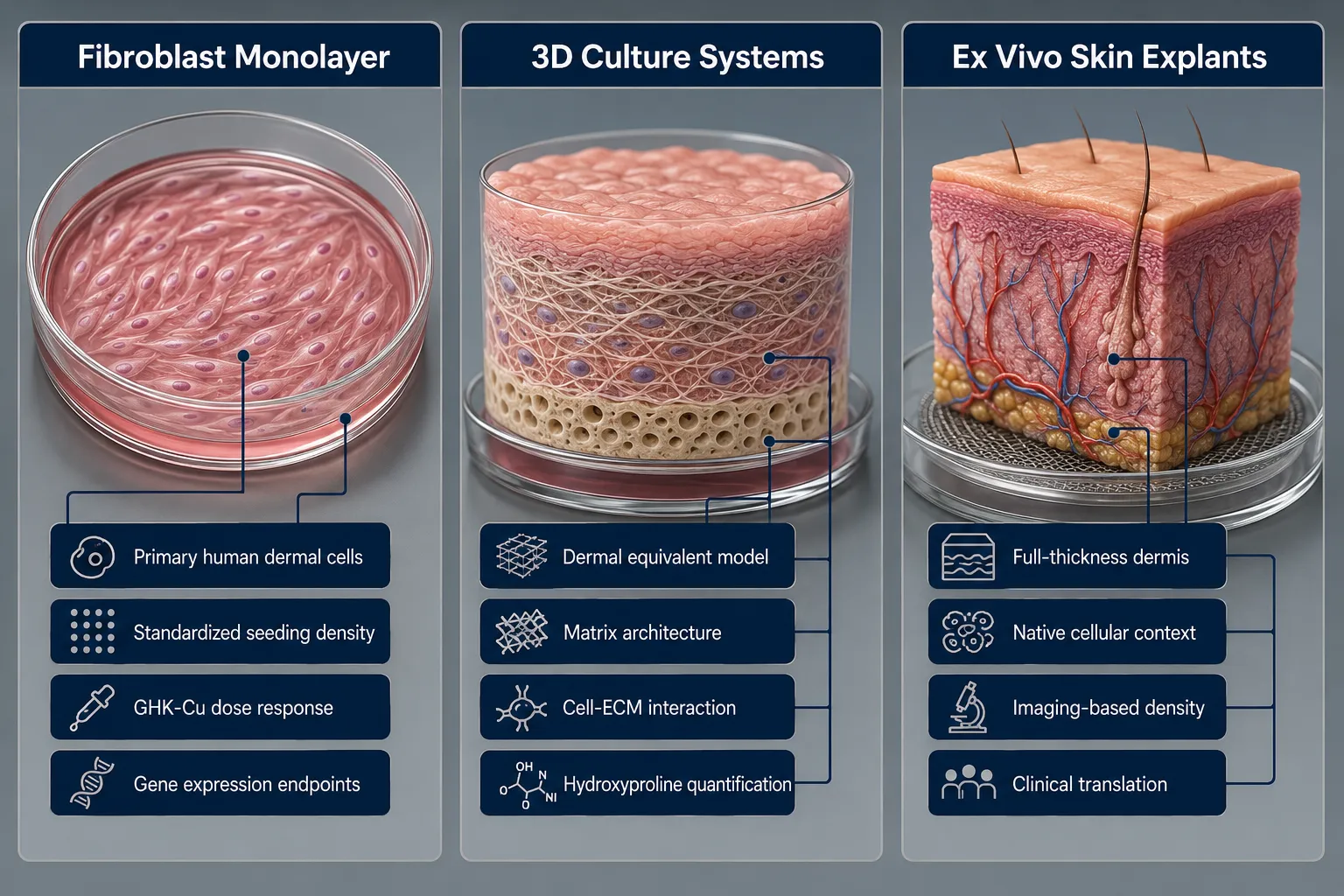
The choice of model system determines which endpoints are accessible. Three primary platforms dominate the published literature.

Fibroblast Monolayer and 3D Culture Systems

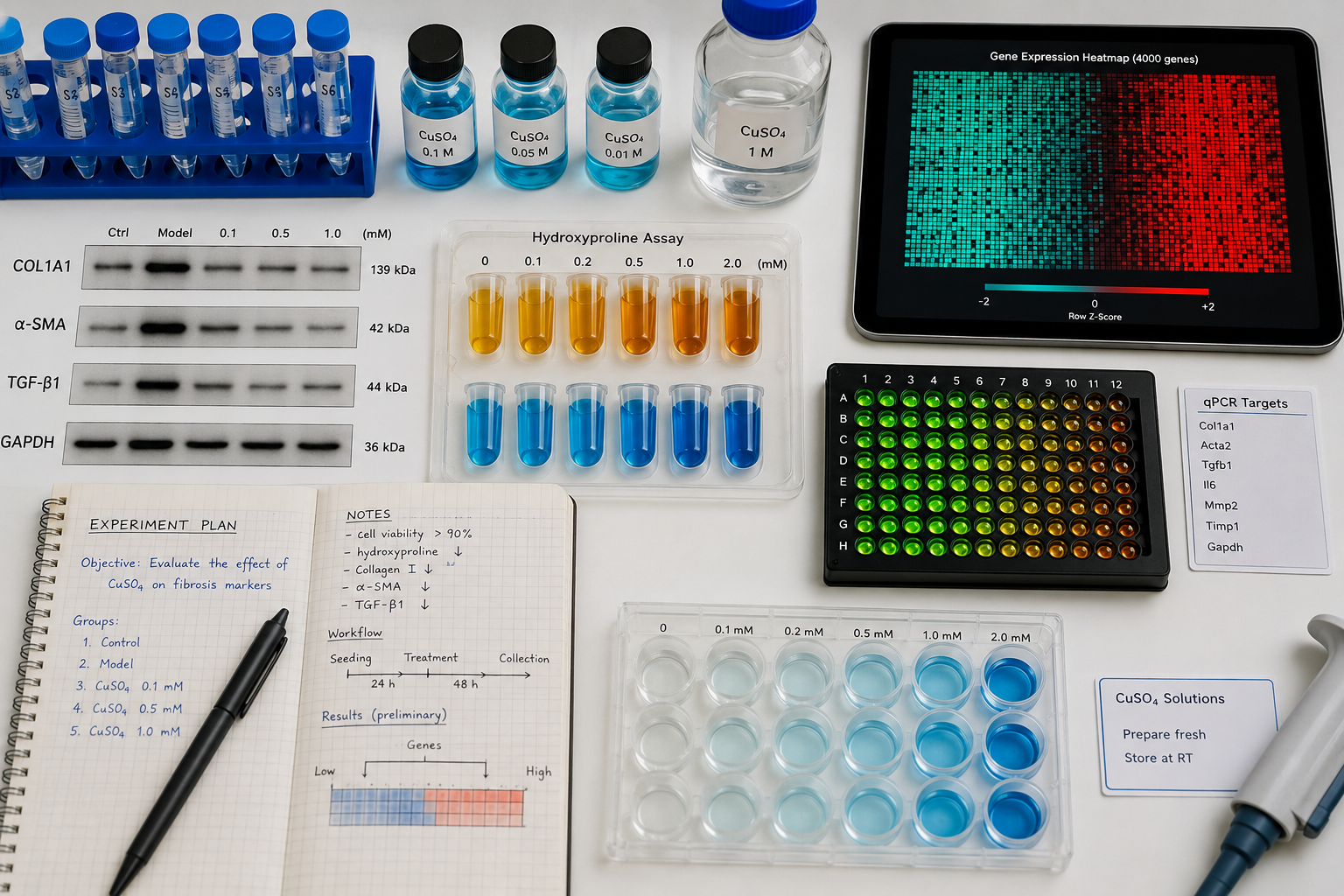
Primary human dermal fibroblasts remain the workhorse model. Researchers seed cells at standardized density, apply GHK-Cu at concentrations ranging from 0.1 nM to 1 µM, and harvest supernatants or cell lysates at 24, 48, and 72 hours. Procollagen I C-terminal propeptide (PICP) in the conditioned medium is the most common output, measured by competitive ELISA. Hydroxyproline content, a collagen-specific amino acid, is quantified after acid hydrolysis using the chloramine-T colorimetric method.

3D collagen gel contraction assays add a mechanical dimension: fibroblasts embedded in a collagen lattice contract the gel over 48-72 hours, and the degree of contraction reflects cytoskeletal activation and matrix remodeling capacity. GHK-Cu consistently increases contraction rates compared to untreated controls, a finding reproducible across multiple laboratory groups.

Fibroblast Monolayer and 3D Culture Systems

Ex Vivo Skin Biopsy and Dermal-Density Imaging

Human skin punch biopsies maintained in organ culture allow researchers to apply GHK-Cu to a structurally intact tissue. Histological sections stained with Masson's trichrome or picrosirius red under polarized light reveal collagen fiber organization and density. High-frequency ultrasound and optical coherence tomography (OCT) provide non-destructive dermal-density measurements, generating quantitative echogenicity scores that correlate with collagen content.

Gene-expression profiling from biopsy RNA adds an epigenetic layer. Microarray and RNA-seq datasets from photoaged biopsy models treated with GHK-Cu show upregulation of not only collagen genes but also decorin, fibronectin, and laminin, structural glycoproteins that organize the collagen scaffold. This breadth of transcriptional response distinguishes GHK-Cu from simpler collagen-stimulating agents and explains why it appears frequently alongside other regenerative peptides in comparative studies. Researchers interested in how tissue-repair peptides compare across platforms may find the BPC-157 core peptides documentation and first research guide a useful parallel reference.

Clinical Trial Endpoints: Photoaging and Wound Models

Randomized controlled trials measuring collagen signaling and copper peptides outcomes in human skin use a layered endpoint strategy. A 2025 meta-analysis of randomized trials in skin aging identified procollagen I serum levels, clinical photoaging scores (Glogau scale), and investigator-assessed wrinkle depth as the most commonly reported primary outcomes. Effect sizes across trials were modest but statistically consistent, particularly for periorbital fine lines and overall skin firmness.

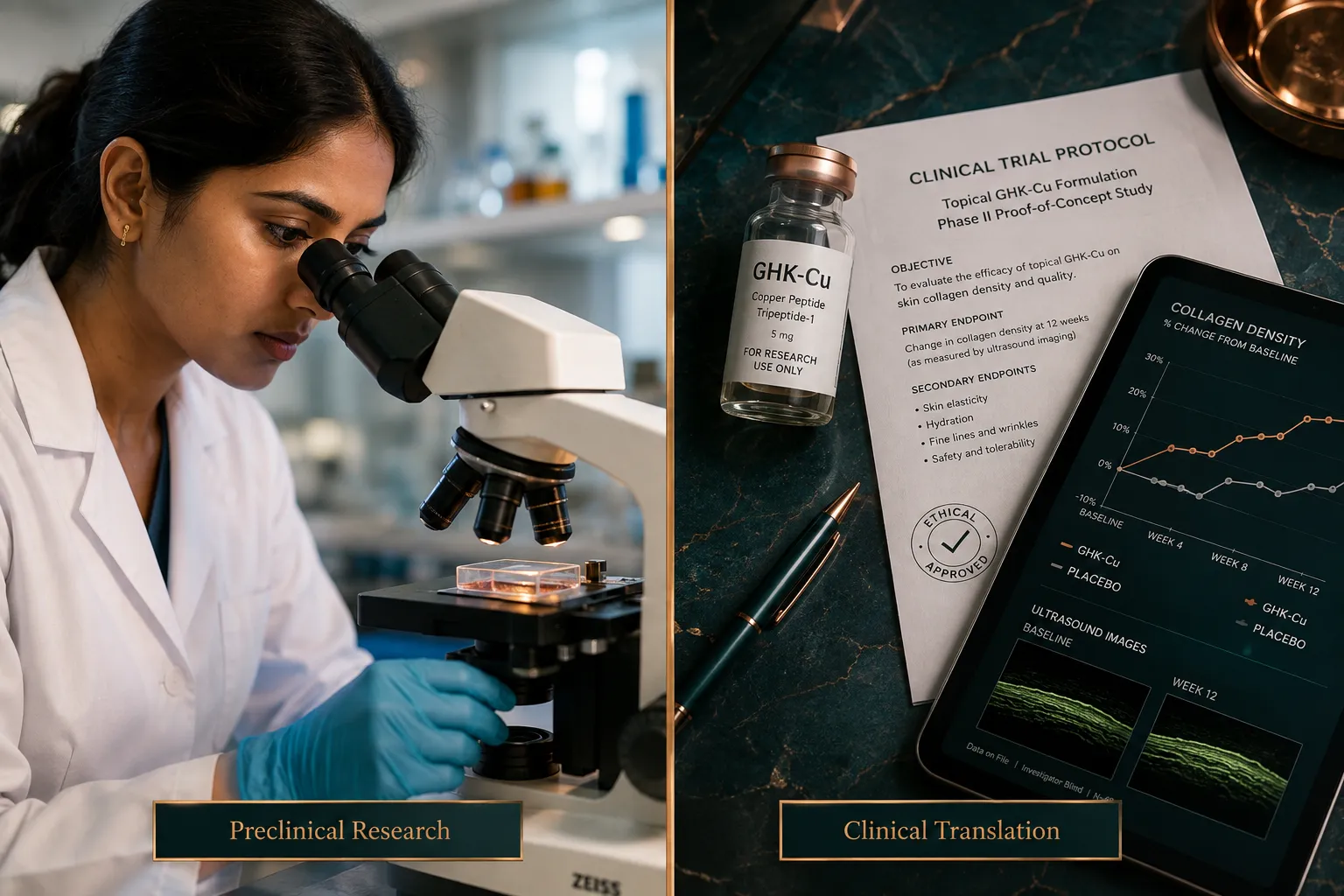
A 2026 Phase 2 trial in acute wound re-epithelialization is using re-epithelialization speed (days to wound closure) and biopsy-confirmed collagen density at day 14 as co-primary endpoints, a design that reflects growing regulatory interest in objective tissue-level evidence. A 2025 infected wound murine hydrogel model demonstrated that GHK-Cu delivered in a carboxymethyl cellulose matrix reduced IL-6 and TNF-alpha levels at wound sites by approximately 40% while increasing collagen deposition scores by 35% versus vehicle control, a combined inflammatory and structural endpoint that is becoming standard in preclinical wound research.

Clinical Trial Endpoints: Photoaging and Wound Models

Safety data across skin models are consistently favorable. Fibroblast viability assays at concentrations up to 100 µM show no significant cytotoxicity. Clinical trials report mild, transient erythema as the most common adverse event, with no systemic signals detected. For researchers building multi-peptide study panels, lab tested peptides with documented purity certificates are essential for maintaining assay integrity across experimental arms.

"The value of GHK-Cu in skin research is not that it does one thing well, it is that it touches matrix synthesis, degradation control, and inflammatory regulation simultaneously, making it a useful probe for studying coordinated tissue repair."

Researchers comparing copper peptide endpoints with other repair-focused compounds sometimes cross-reference findings from BPC-157 and TB-500 peptide research given the overlapping wound-healing readouts used across both compound classes.

Conclusion

Collagen signaling and copper peptides represent one of the more mechanistically rich areas of skin biology research in 2026. GHK-Cu activates TGF-beta pathways, modulates MMP/TIMP balance, and upregulates a broad suite of matrix genes, all of which are measurable using established laboratory methods ranging from ELISA and hydroxyproline assays to high-frequency ultrasound and RNA-seq.

Actionable next steps for researchers:

  • Select the model system that matches your endpoint priority: fibroblast culture for molecular readouts, ex vivo biopsy for structural endpoints, murine hydrogel models for inflammatory plus collagen co-endpoints.
  • Standardize GHK-Cu concentration ranges (1-10 nM for synthesis endpoints; up to 1 µM for safety profiling) before designing dose-response experiments.
  • Include both synthesis markers (PICP, hydroxyproline) and degradation markers (MMP-1, TIMP-1) to capture the full matrix-remodeling picture.
  • Consult a verified copper peptide research sourcing guide to confirm peptide purity and batch consistency before initiating assays.
  • Consider pairing GHK-Cu endpoints with data from other repair peptides reviewed in the top 5 research peptides for metabolic health buyer's guide to contextualize findings within broader regenerative biology.

The field is moving toward multi-endpoint trial designs that demand both molecular and clinical evidence. Researchers who build rigorous, reproducible measurement frameworks now will be best positioned to contribute to that evolving standard.

https://www.puretestedpeptides.com/wp-content/uploads/2026/08/collagen-signaling-and-copper-peptides-what-researchers-measure-with-ghk-cu-and.webp 1024 1536 https://www.puretestedpeptides.com/wp-content/uploads/2026/01/buy-peptides-online.jpg 2026-08-20 13:05:352026-08-20 13:05:35Collagen Signaling and Copper Peptides: What Researchers Measure With GHK-Cu and Related Skin Models
GHK-Cu Peptide: Collagen Signaling, Wound Models, and Skin Research Applications

GHK-Cu Peptide: Collagen Signaling, Wound Models, and Skin Research Applications

August 14, 2026/0 Comments/in Uncategorized/by

A three-amino-acid fragment naturally present in human plasma has generated more peer-reviewed attention in regenerative biology than most full-length proteins. That compound is GHK-Cu, glycine-histidine-lysine bound to a copper ion, and in 2026, research interest in its collagen signaling properties, wound model performance, and skin biology applications continues to accelerate. This article examines the mechanistic evidence behind GHK-Cu peptide: collagen signaling, wound models, and skin research applications, covering copper-binding biology, preclinical data, emerging clinical work, and delivery science.

Key Takeaways

  • GHK-Cu is a copper-chelating tripeptide that activates collagen synthesis pathways, primarily through TGF-beta receptor signaling and MMP modulation.
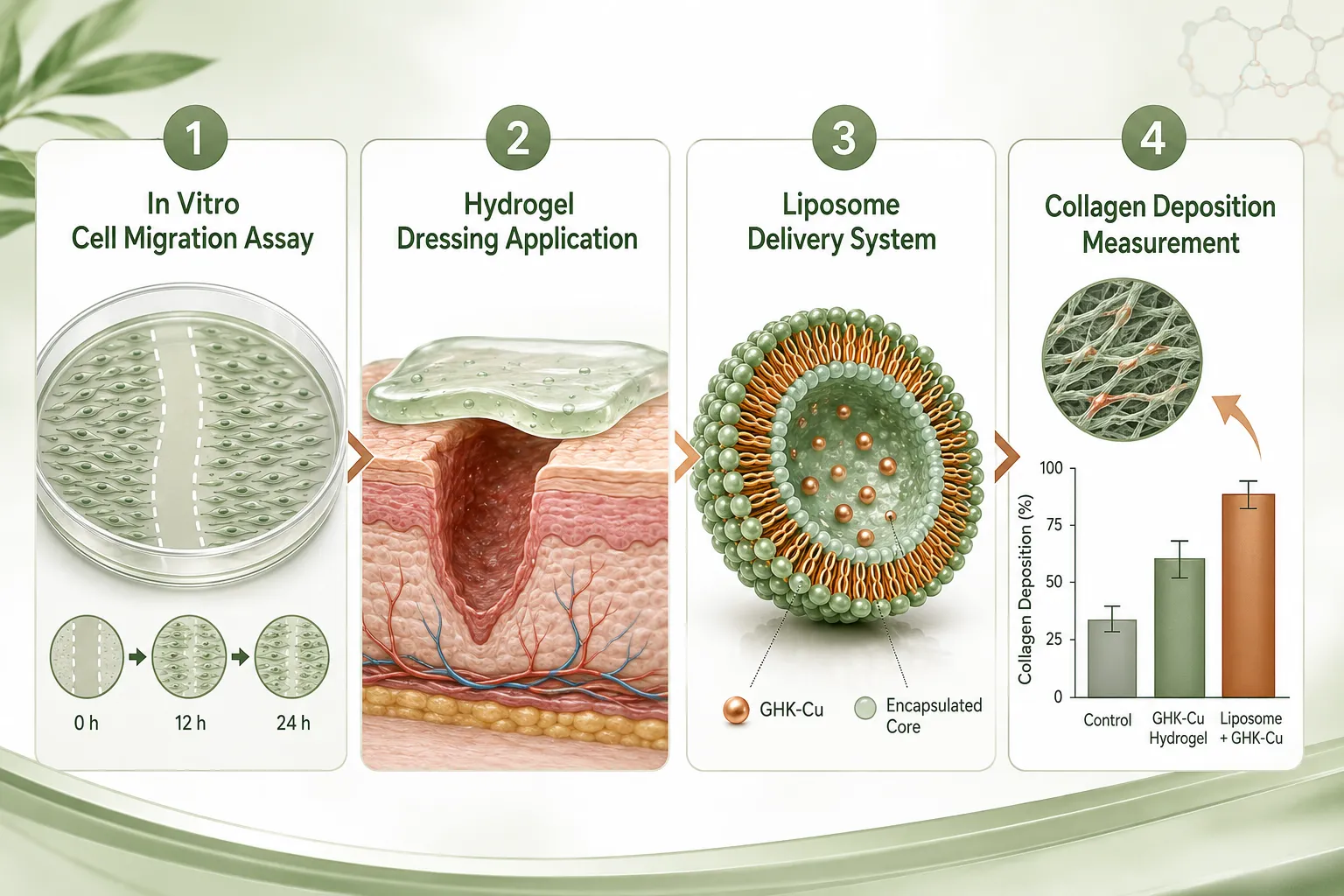
  • Preclinical wound models using hydrogels and liposomal delivery systems show measurable improvements in closure rates and collagen deposition compared to controls.
  • Human trial data remains limited but growing, with a Phase 2 trial (CuHeal, NCT07437586) launched in 2026 for acute wounds.
  • Topical formulations demonstrate skin-brightening effects linked to tyrosinase modulation and reduced melanin output.
  • Delivery technology, particularly liposomal and nanoparticle systems, is the primary frontier for improving GHK-Cu bioavailability in research models.

Copper-Binding Biology and the GHK-Cu Mechanism

Copper-Binding Biology and the GHK-Cu Mechanism

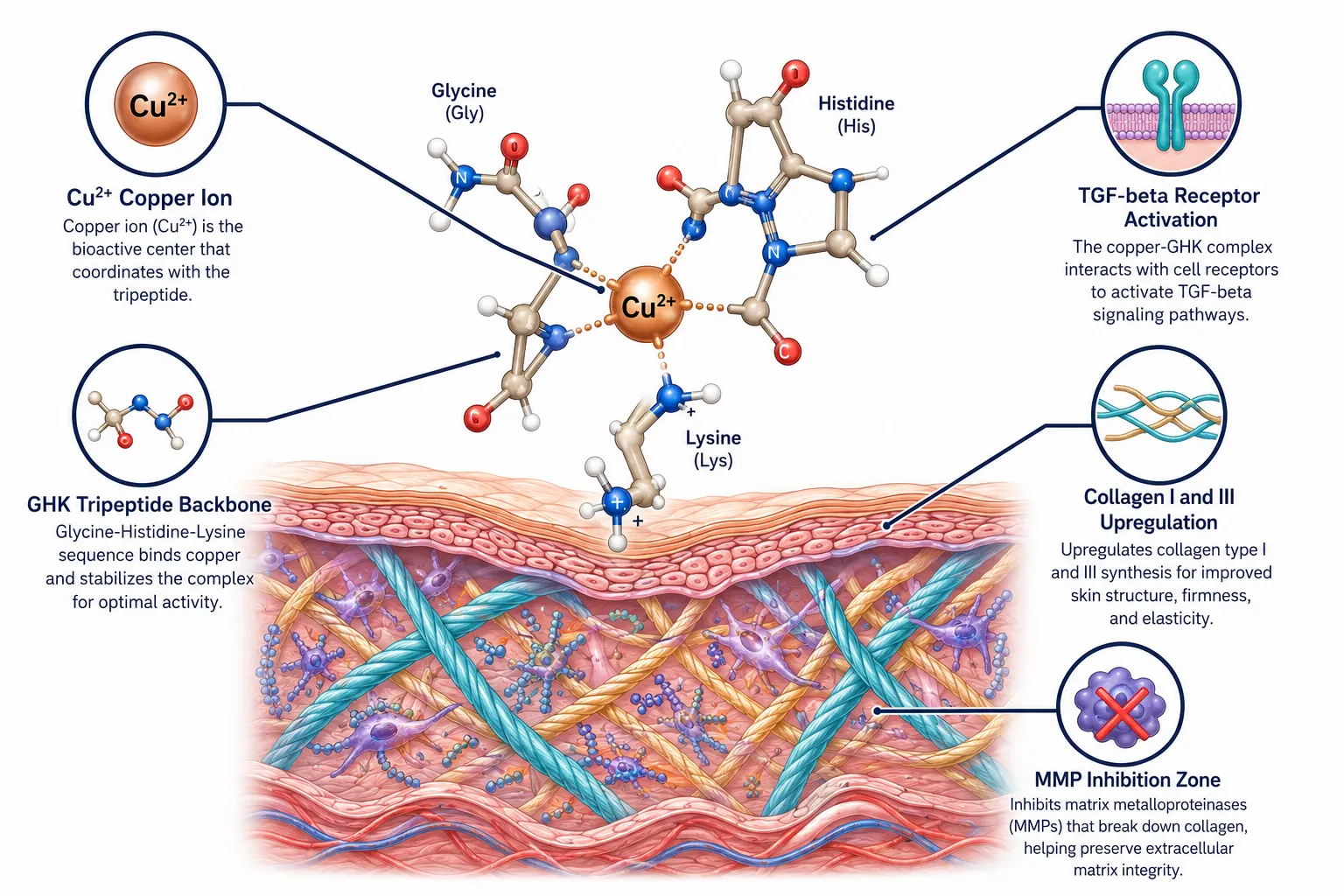
GHK (glycine-histidine-lysine) was first isolated from human albumin in the early 1970s. Its affinity for copper(II) ions is exceptionally high, and this copper-chelating property is central to nearly every biological effect attributed to the compound. When GHK binds Cu2+, the resulting complex, commonly written GHK-Cu, gains the ability to interact with cell surface receptors and intracellular signaling cascades that regulate tissue remodeling.

Core signaling pathways identified in research include:

  • TGF-beta activation: GHK-Cu upregulates transforming growth factor-beta, a master regulator of collagen I and collagen III synthesis in fibroblasts.
  • MMP modulation: The peptide simultaneously inhibits matrix metalloproteinases (MMPs) responsible for collagen degradation, creating a net pro-collagen environment.
  • Integrin engagement: Evidence from cell culture models suggests GHK-Cu interacts with integrin receptors, influencing cell migration and adhesion.
  • Antioxidant gene expression: Copper-bound GHK activates superoxide dismutase pathways, reducing oxidative stress in fibroblast and keratinocyte cultures.

For a deeper look at how copper-binding polypeptides interact with classic collagen pathways, the article on GHK-Cu peptide and collagen interactions in skin and tissue research provides detailed mechanistic context.

"GHK-Cu does not simply add collagen, it appears to recalibrate the entire remodeling environment, shifting the balance from degradation toward synthesis."

This dual action, stimulating production while slowing breakdown, makes GHK-Cu a compelling subject for researchers studying both acute wound repair and chronic skin aging.

GHK-Cu Peptide in Wound Models and Skin Research Applications

GHK-Cu Peptide in Wound Models and Skin Research Applications

The wound-healing literature on GHK-Cu spans several decades, but the most rigorous preclinical data has emerged between 2022 and 2025. Researchers have tested the peptide across multiple model formats, each revealing distinct aspects of its repair biology.

Preclinical Model Performance

Hydrogel dressing models have shown that GHK-Cu-loaded hydrogels accelerate wound closure in excisional rodent models by 30-45% compared to vehicle controls in several published datasets. Collagen deposition, measured by hydroxyproline content and histological staining, is consistently elevated in treated wounds.

Liposomal delivery systems represent a significant advance. Because GHK-Cu is a small, hydrophilic tripeptide, passive skin penetration is limited. Encapsulating the compound in phospholipid liposomes improves dermal delivery by an estimated 3- to 5-fold in ex vivo skin models, based on 2025 physicochemical data. This has direct implications for topical anti-aging and wound dressing research.

Nanoparticle dressings incorporating GHK-Cu alongside bioactive scaffolds have demonstrated synergistic effects on fibroblast proliferation and vascular endothelial growth factor (VEGF) expression in vitro.

Human and Clinical Data

Human evidence remains the thinner side of the literature. A notable early trial by Mulder and colleagues examined GHK-Cu in diabetic ulcer patients and reported modest but positive outcomes. Current wound care guidelines do not yet endorse GHK-Cu as a standard-of-care agent, reflecting the gap between preclinical promise and large-scale clinical validation.

That gap is beginning to close. The CuHeal Phase 2 trial (NCT07437586), launched in 2026, is the most significant human study to date, enrolling patients with acute wounds to evaluate GHK-Cu dressings against standard care. Results are anticipated in the late 2020s and are widely expected to shape guideline discussions.

Researchers interested in how peptide-based compounds perform in regenerative models may also find value in reviewing mesenchymal stem cells and peptide-based modulators including GHK-Cu in regenerative research.

Skin Brightening and Pigmentation Research

A separate but growing body of work examines GHK-Cu's effect on melanin synthesis. In keratinocyte and melanocyte co-culture models, GHK-Cu reduces tyrosinase activity, the rate-limiting enzyme in melanin production, leading to measurable decreases in pigmentation output. This positions the peptide as a research subject for hyperpigmentation and photoaging models, distinct from its wound-healing applications.

Delivery Systems, Safety Profile, and Research Outlook

Delivery Systems, Safety Profile, and Research Outlook

The practical value of GHK-Cu in research settings depends heavily on formulation. Raw peptide applied topically without a delivery vehicle shows limited dermal penetration due to the skin's barrier function.

Current delivery approaches under investigation:

Delivery System Key Advantage Research Stage
Phospholipid liposomes 3-5x improved dermal penetration Active (2025-2026 data)
Hydrogel scaffolds Sustained release, wound contact Preclinical, rodent models
Nanoparticle carriers Synergistic scaffold integration In vitro, early preclinical
Topical cream/serum Consumer accessibility Human anti-aging trials

Safety Profile as of 2026

GHK-Cu has a well-characterized safety profile at concentrations used in topical research (typically 0.1-2% w/v). No significant systemic toxicity has been reported in preclinical studies at these ranges. Systemic administration at higher doses in animal models has not produced organ-level adverse effects in published datasets, though human systemic data remains sparse.

Researchers comparing peptide safety profiles across compound classes may find the discussion of complement-dependent cytotoxicity and peptide safety including GHK-Cu a useful reference.

For broader context on how research-use peptides are classified and sourced, the Peptides 101 guide for research-use only buyers covers structural and mechanistic fundamentals.

Forward-Looking Research Directions

Dermatologist and industry perspectives in 2026 point to three near-term priorities:

  1. Liposomal and nanoparticle optimization, improving delivery efficiency without altering the peptide's copper-chelating geometry.
  2. Combination protocols, pairing GHK-Cu with growth factors or other regenerative peptides to amplify collagen outcomes. Research on BPC-157 core peptide documentation highlights how multi-peptide approaches are increasingly common in wound models.
  3. Clinical proof-of-concept, translating the CuHeal Phase 2 data into actionable dosing and formulation guidelines for wound care researchers.

Conclusion

GHK-Cu peptide research in 2026 sits at a productive intersection: mechanistic understanding is strong, preclinical models are compelling, and the first adequately powered human trial is underway. The collagen signaling biology, centered on TGF-beta activation, MMP inhibition, and copper-dependent antioxidant pathways, provides a coherent rationale for the wound-healing and anti-aging effects observed across models.

Actionable next steps for researchers:

  • Prioritize liposomal or nanoparticle formulations when designing topical GHK-Cu experiments to maximize dermal penetration.
  • Monitor CuHeal (NCT07437586) trial updates, as Phase 2 results will likely define the next generation of wound dressing protocols.
  • Consider GHK-Cu as part of multi-peptide regenerative panels, particularly in fibroblast and keratinocyte culture models where collagen remodeling is a primary endpoint.
  • Review pigmentation model data if skin-brightening outcomes are relevant to the research question, given emerging tyrosinase inhibition findings.

The peptide's small size, high copper affinity, and broad signaling reach make it one of the most versatile tools in skin and wound biology research, and the late 2020s are likely to produce the clinical validation the field has long needed.

https://www.puretestedpeptides.com/wp-content/uploads/2026/08/ghk-cu-peptide-collagen-signaling-wound-models-and-skin-research-applications.webp 1024 1536 https://www.puretestedpeptides.com/wp-content/uploads/2026/01/buy-peptides-online.jpg 2026-08-14 13:06:322026-08-14 13:06:32GHK-Cu Peptide: Collagen Signaling, Wound Models, and Skin Research Applications

Tag Archive for: collagen signaling

GHK-Cu Peptide in Tissue Remodeling Research: Collagen Signaling, Copper Biology, and Experimental Readouts

GHK-Cu Peptide in Tissue Remodeling Research: Collagen Signaling, Copper Biology, and Experimental Readouts

June 15, 2026/0 Comments/by Pure Tested

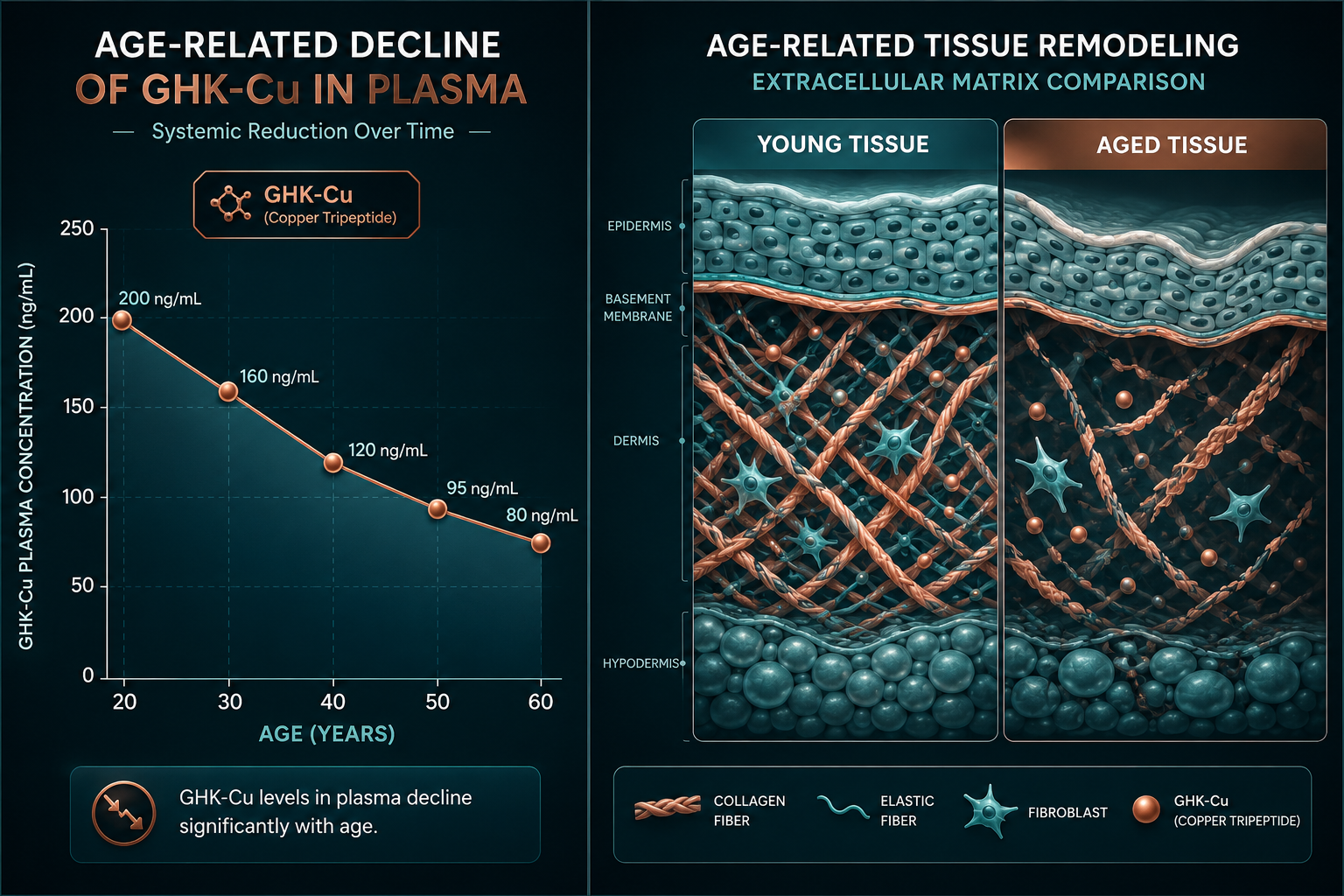
Plasma concentrations of GHK-Cu drop by roughly 60% between the ages of 20 and 60 — a decline that coincides with measurable reductions in tissue repair capacity, collagen density, and extracellular matrix integrity. That single data point has driven decades of research into what this tripeptide-copper complex actually does at the molecular level. Understanding GHK-Cu peptide in tissue remodeling research — including its collagen signaling mechanisms, copper biology, and experimental readouts — requires moving past surface-level claims and into the underlying biochemistry.
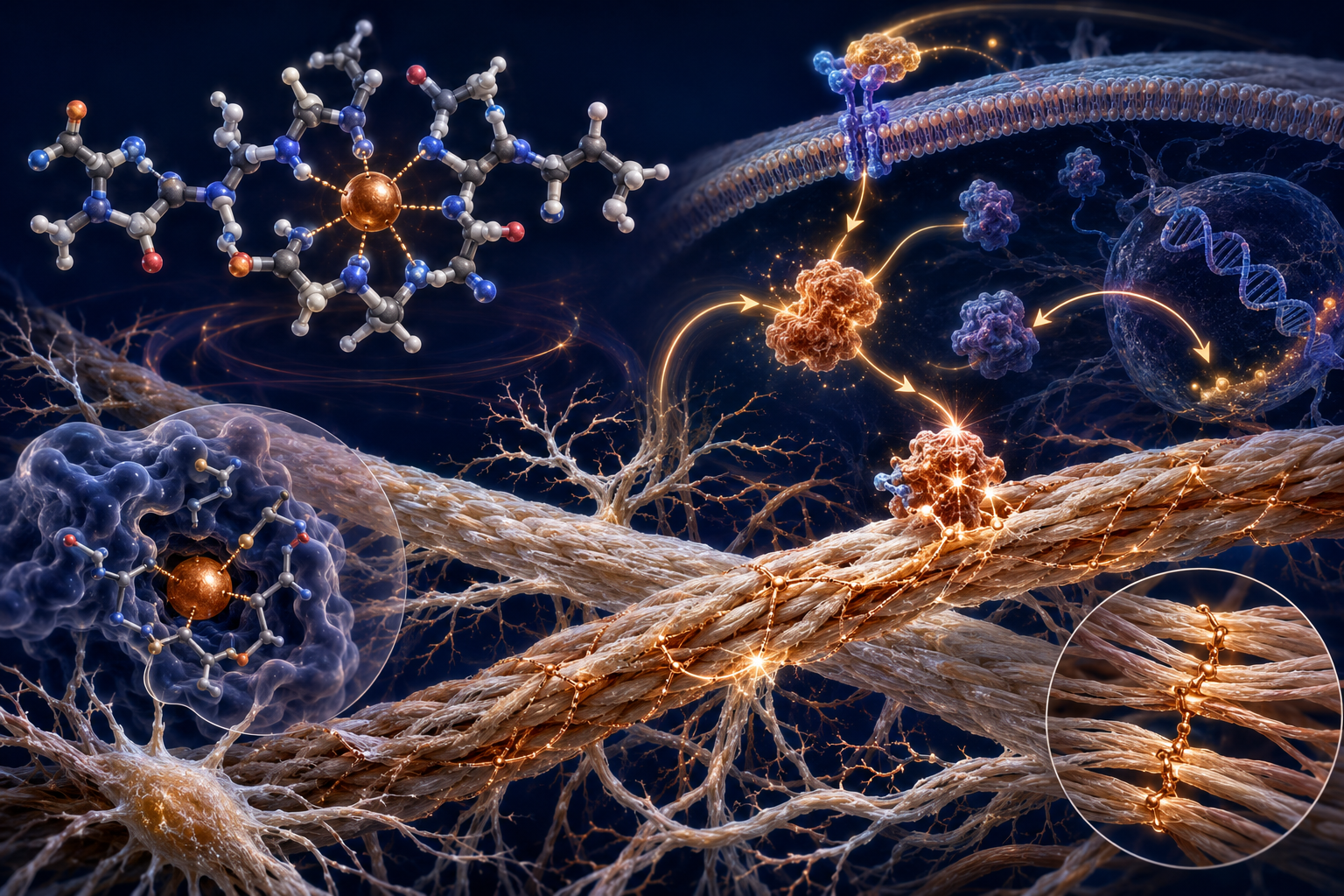
Detailed () scientific illustration showing GHK-Cu peptide molecular structure binding to copper(II) ions, with branching

Key Takeaways

  • GHK-Cu is a naturally occurring tripeptide that binds copper(II) ions and modulates expression of more than 4,000 human genes.
  • It stimulates Type I, III, and IV collagen synthesis through TGF-beta1 upregulation and activates copper-dependent enzymes critical for matrix stability.
  • Plasma levels decline significantly with age, making it a relevant target in longevity and tissue repair research.
  • Experimental readouts include hydroxyproline assays, gene expression panels, and tensile strength measurements.
  • Controlled injectable human trial data remain limited, representing a key gap for researchers in 2026.

The Copper Biology Behind GHK-Cu

The "Cu" in GHK-Cu is not incidental. Copper(II) binding is central to the peptide's function. The tripeptide glycyl-L-histidyl-L-lysine chelates copper with high affinity, creating a stable complex that acts as a targeted delivery vehicle for this essential trace metal.

Once delivered, copper activates two enzymes that directly shape the extracellular matrix:

  • Lysyl oxidase — catalyzes the cross-linking of collagen and elastin fibers, giving connective tissue its mechanical strength
  • Superoxide dismutase (SOD) — neutralizes reactive oxygen species, protecting newly synthesized matrix components from oxidative degradation

Without adequate copper bioavailability, both processes stall. GHK-Cu's chelation chemistry makes copper accessible at the tissue level in a controlled, enzymatically useful form. This distinguishes it from free copper supplementation, which carries toxicity risks at elevated concentrations.

Researchers studying recovery and tissue biology will recognize this copper-enzyme axis as a foundational mechanism in matrix remodeling cascades.


Collagen Signaling Pathways in GHK-Cu Peptide Research

The peptide's influence on collagen is not limited to copper delivery. GHK-Cu upregulates transforming growth factor-beta 1 (TGF-beta1), a master regulator of connective tissue synthesis. This pathway drives increased production of:

Collagen Type Primary Location Research Relevance
Type I Skin, bone, tendon Wound tensile strength
Type III Skin, vasculature Early wound repair scaffold
Type IV Basement membranes Barrier integrity

Beyond collagen, GHK-Cu also promotes elastin synthesis and glycosaminoglycan deposition — both markers of functional matrix remodeling rather than simple scar formation.

A critical distinction for researchers: GHK-Cu simultaneously suppresses pro-fibrotic TGF-beta signaling in excess, helping to balance matrix deposition against pathological fibrosis. It also reduces inflammatory cytokines including TNF-alpha and IL-6, creating a microenvironment more conducive to organized tissue repair.

This dual role — stimulating matrix production while dampening excessive inflammation — makes it a compelling subject for studies that pair it with other repair-oriented compounds. Researchers exploring topical GHK-Cu formulations can observe these collagen signaling effects through standardized dermal assays.


Experimental Readouts for GHK-Cu Peptide in Tissue Remodeling Research

Experimental Readouts for GHK-Cu Peptide in Tissue Remodeling Research

Translating GHK-Cu's molecular biology into reproducible data requires selecting the right assay formats. The following readouts are most commonly used in preclinical tissue remodeling studies:

Biochemical assays:

  • Hydroxyproline content measurement (quantifies total collagen deposition)
  • ELISA panels for TGF-beta1, TNF-alpha, and IL-6 levels
  • SOD activity assays to confirm copper-enzyme activation

Molecular readouts:

  • RT-PCR and RNA sequencing for gene expression profiling (GHK-Cu has documented effects across more than 4,000 genes)
  • Western blotting for lysyl oxidase and collagen isoform protein levels

Functional tissue measurements:

  • Wound tensile strength testing in excisional wound models
  • Histological scoring of collagen fiber organization and density

"The breadth of GHK-Cu's gene expression footprint means that single-marker readouts are likely to underrepresent its actual biological activity in tissue remodeling experiments."

Researchers should also note that cosmetic studies using topical formulations have shown improvements in skin thickness and elasticity, but many lack placebo controls. Injectable human trial data remain absent as of 2026, which represents a significant validation gap. This context matters when designing protocols and interpreting results.

For comparison with other peptides that operate through overlapping repair pathways, the GHK-Cu product page and resources on peptide blend formulations for skin biology provide useful reference points. Researchers interested in broader matrix and longevity signaling may also find value in reviewing epithalon peptide research and NAD+ energetics and longevity themes, which intersect with cellular repair mechanisms.


Age-Related Decline and Research Implications

Age-Related Decline and Research Implications

The drop from approximately 200 ng/mL at age 20 to roughly 80 ng/mL by age 60 is not merely a biomarker curiosity. It correlates with reduced fibroblast activity, slower wound closure, and declining collagen turnover — all measurable endpoints in aging tissue models.

This decline positions GHK-Cu as a relevant variable in longevity-focused research alongside compounds that address mitochondrial function and metabolic efficiency. Its gene expression reach — spanning pathways related to inflammation, oxidative stress, and matrix remodeling — makes it one of the more biologically complex peptides currently under investigation.


Conclusion

GHK-Cu peptide in tissue remodeling research sits at the intersection of copper biology, collagen signaling, and broad gene expression modulation. For researchers in 2026, the most productive path forward involves multi-readout experimental designs that capture both molecular and functional endpoints. Key next steps include:

  1. Pair hydroxyproline assays with gene expression panels to capture both structural and transcriptional effects.
  2. Include appropriate controls for copper-only conditions to isolate peptide-specific contributions.
  3. Prioritize placebo-controlled designs in any topical or systemic application studies.
  4. Track cytokine panels alongside collagen markers to document the anti-inflammatory component of remodeling.

The gap between preclinical promise and controlled human data remains the field's central challenge — and its most important research opportunity.

https://www.puretestedpeptides.com/wp-content/uploads/2026/06/GHK-Cu-Peptide-in-Tissue-Remodeling-Research-Collagen-Signaling-Copper-Biology-and-Experimental-Readouts.png 1024 1536 Pure Tested https://www.puretestedpeptides.com/wp-content/uploads/2026/01/buy-peptides-online.jpg Pure Tested2026-06-15 13:03:312026-07-20 15:03:11GHK-Cu Peptide in Tissue Remodeling Research: Collagen Signaling, Copper Biology, and Experimental Readouts
×

Helpful Links

  • My account
  • Cart
  • Checkout
  • Refund and Returns Policy
  • Privacy Policy
  • SMS Privacy Policy
  • Login
  • My Account
  • Logout

USA Made Lab Tested Peptides

All products are sold for research, laboratory, or analytical purposes only, and are not for human consumption


Pure Tested Peptides is a chemical supplier. Pure Tested Peptides is not a compounding / chemical compounding facility as defined under 503A of the Federal Food, Drug, and Cosmetic act. Pure Tested Peptides is not an outsourcing facility as defined under 503B of the Federal Food, Drug, and Cosmetic act.

The statements made within this website have not been evaluated by the US Food and Drug Administration. The products we offer are not intended to diagnose, treat, cure or prevent any disease.

Human/Animal Consumption Prohibited. Laboratory/In-Vitro Experimental Use Only

Scroll to top Scroll to top Scroll to top